
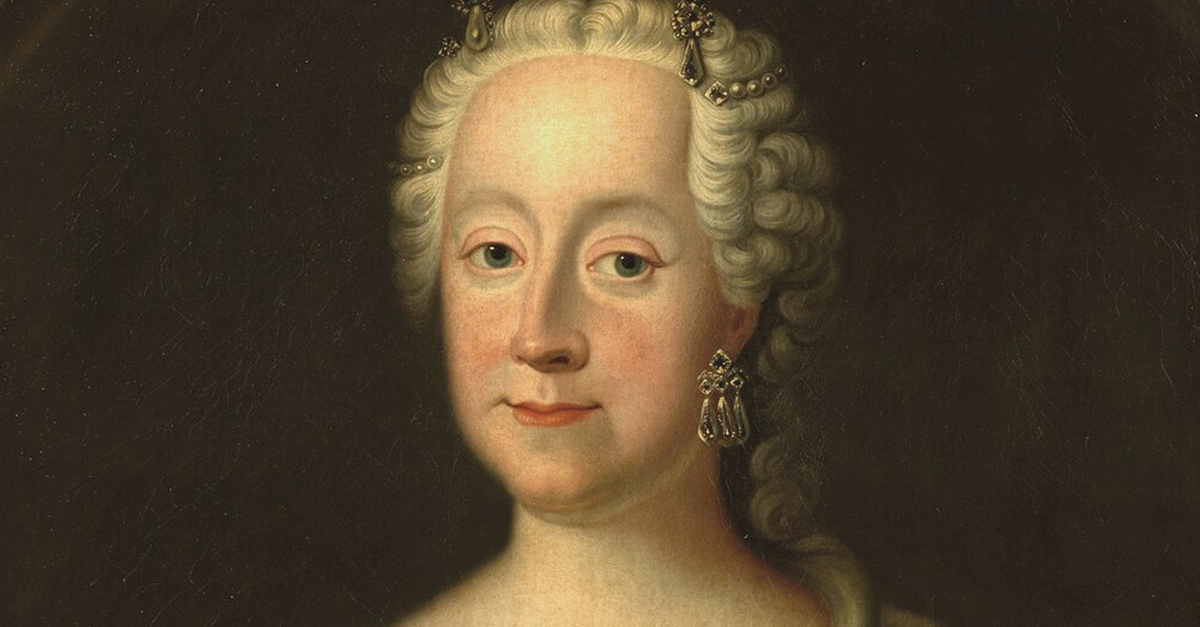
The Mother Of Catherine The Great Wasn’t So Great Herself
Duchess Joanna Elisabeth of Holstein-Gottorp had no chance of rising to power herself. Instead, she schemed to become the mother of a great emperor. Ironically, she wouldn’t live to see her daughter, Catherine the Great of Russia, fulfill her dreams.
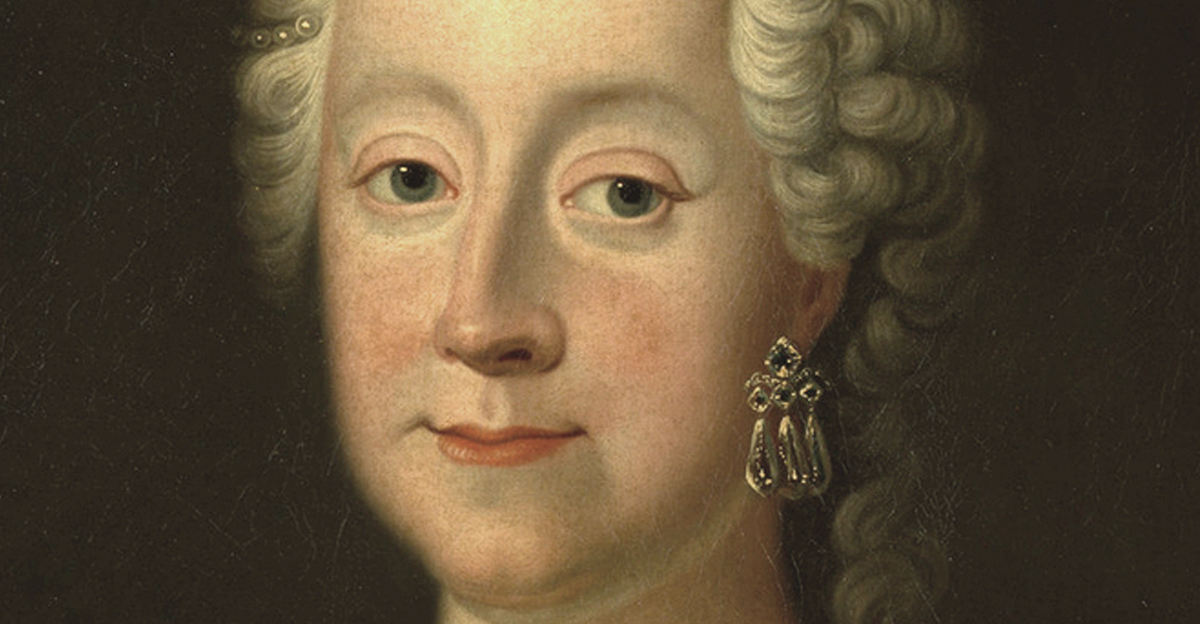 Attributed to German school/Anna Rosina de Gasc, Wikimedia Commons
1. She Had Titles—But No Treasure
Joanna Elisabeth was born in late October of 1712 at Gottorp Castle in Schleswig. As a member of the German House of Holstein-Gottorp, she was born into nobility—but it wasn’t as glamorous as it sounded. She came from the kind of nobility that had more titles than treasure. Her family name carried weight from Denmark to Russia, but it didn’t have the bank account to match it.
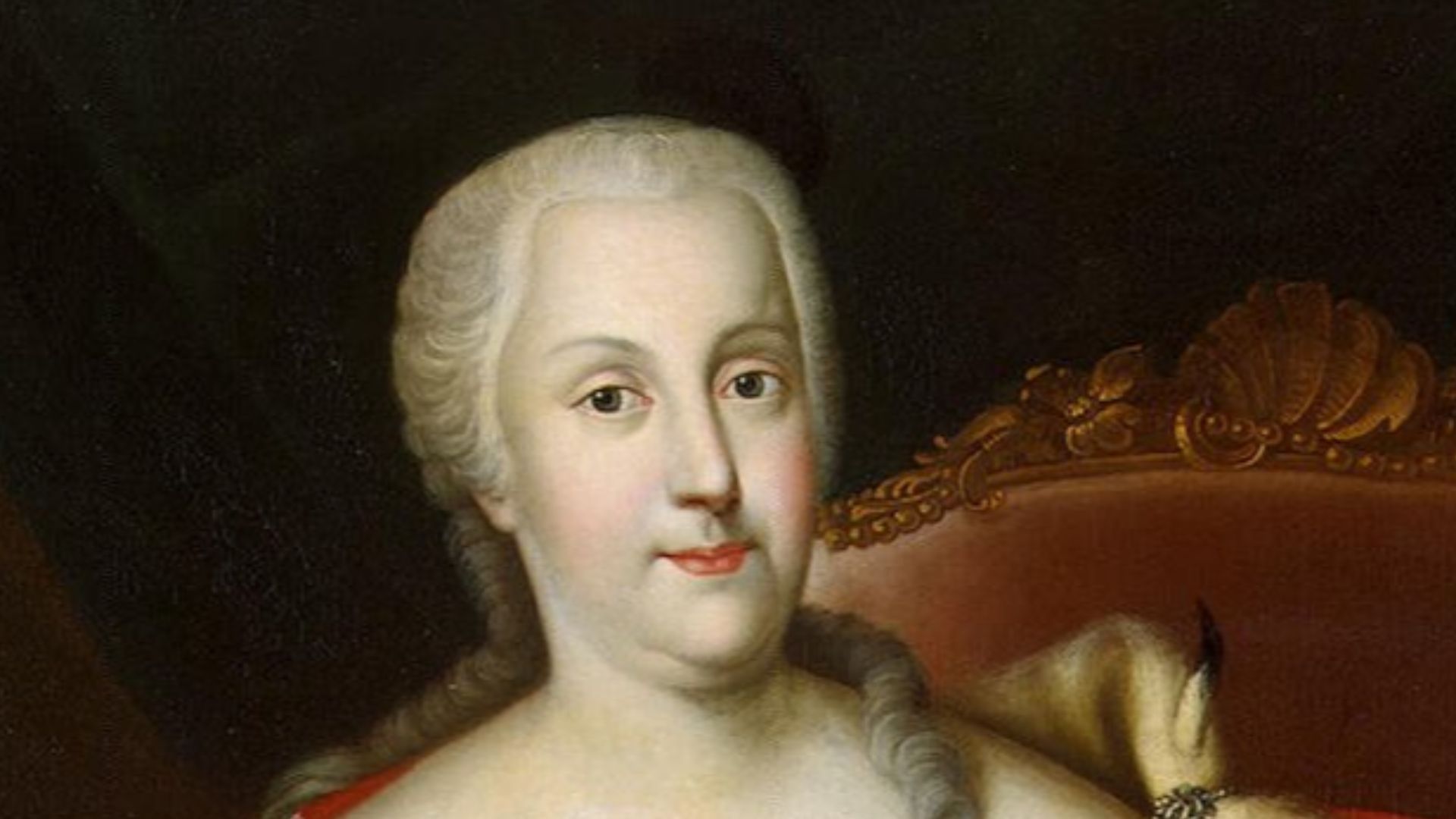 Antoine Pesne, Wikimedia Commons
2. Her Father Was A Prince-Bishop
Joanna Elisabeth’s parents had titles longer than a scroll. Her father was Christian August, Duke of Holstein-Gottorp, Prince of Eutin, and Prince-Bishop of Lübeck. Her mother, Albertina Frederica of Baden-Durlach, came from a minor branch of the House of Schleswig-Holstein-Gottorp.
Titles were great—but they didn’t keep 11 children fed.
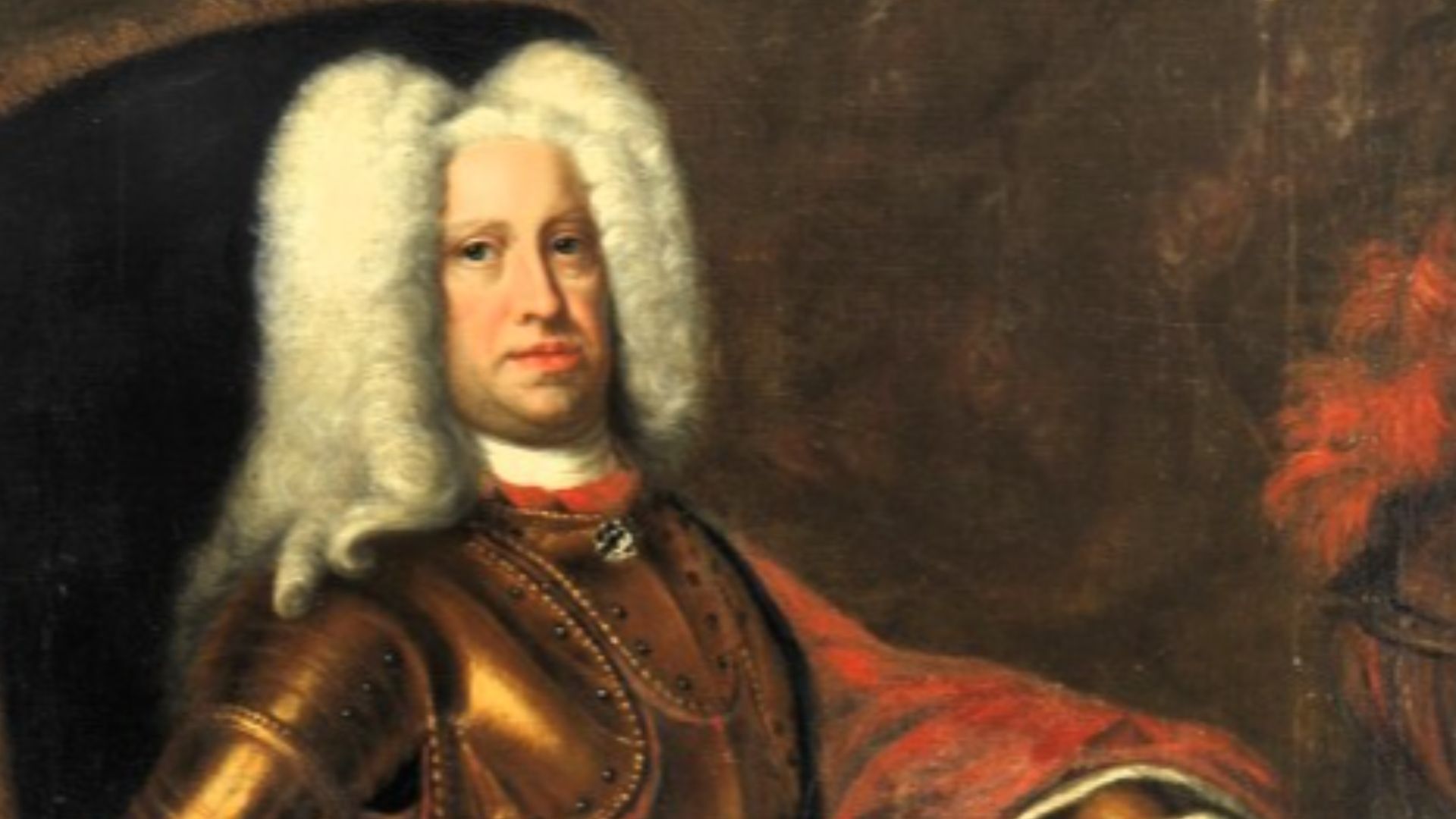 Unidentified painter, Wikimedia Commons
3. Her Family’s Duchy Was A Pawn
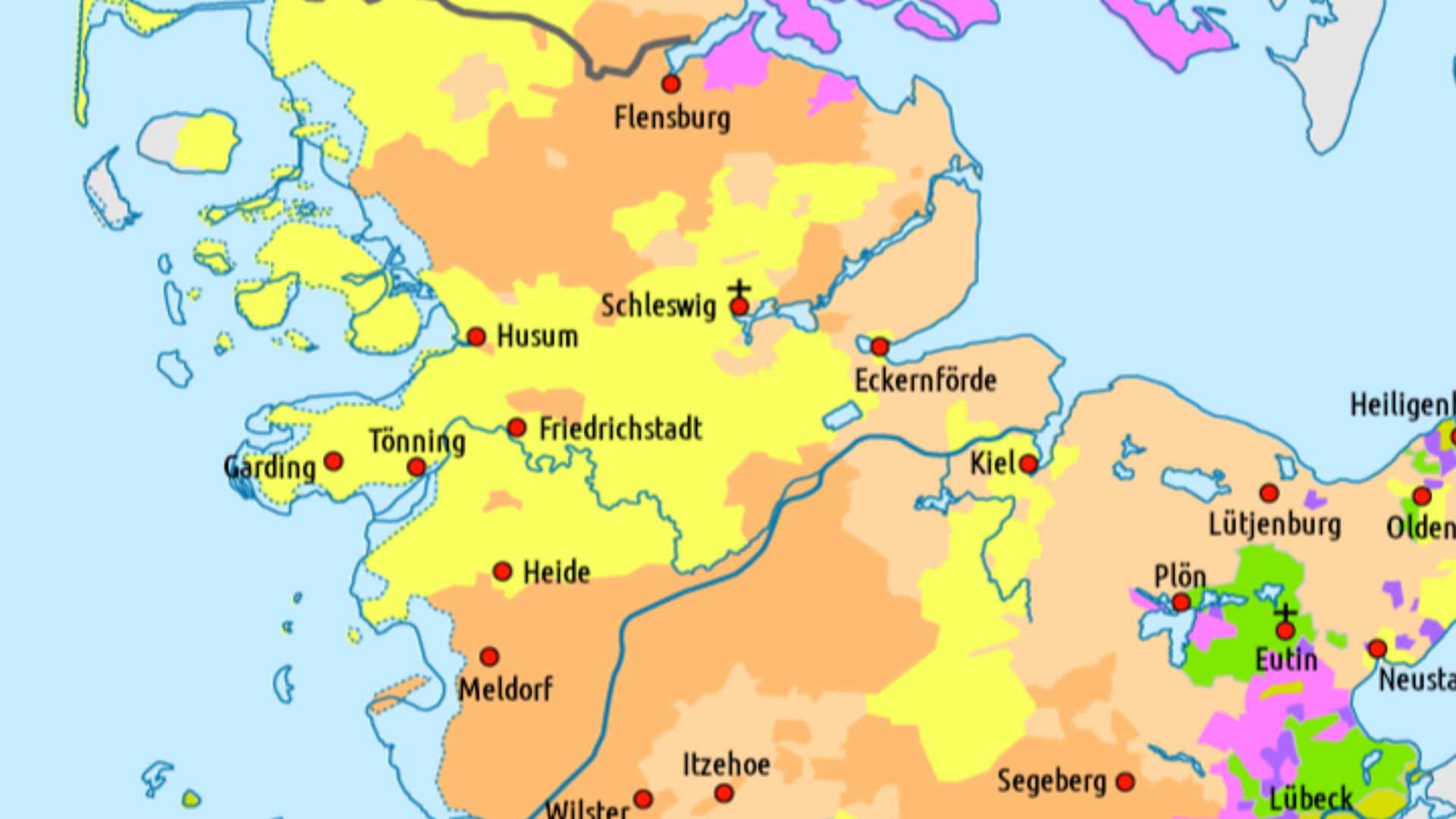
Holstein-Gottorp didn’t have much land or wealth—but it had something better. The duchy sat on the eastern coast of the Baltic Sea, wedged between Denmark and Germany, in the exact spot where competing powers wrestled for control of Northern Europe. Every map of the Baltic put Holstein-Gottorp in its crosshairs.
And Joanna Elisabeth would learn to play that map like a lyre.
 Bryan Rutherford, Wikimedia Commons

History's most fascinating stories and darkest secrets, delivered to your inbox daily.
4. Her Father Gave Her Away
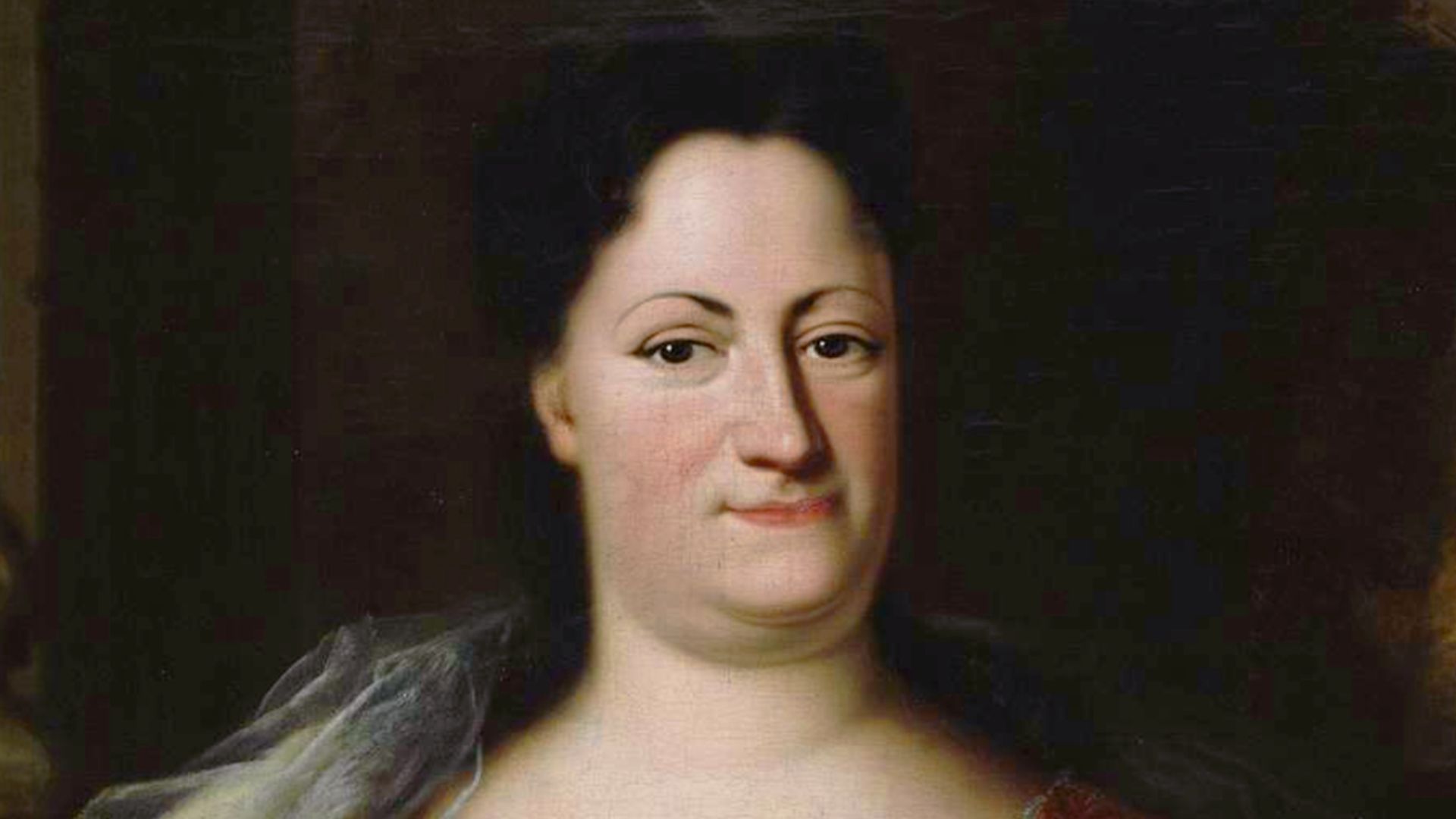
With 11 mouths to feed and not enough coin to do it, Joanna Elisabeth’s father made a calculated decision. He sent her away to be raised at the court of her godmother, Duchess Elisabeth Sophie Marie, who had no children of her own. If little Joanna Elisabeth missed her parents, she at least had a feather bed to fall on.
 Attributed to Christoph Bernhard Francke, Wikimedia Commons
5. She Grew Up In Luxury
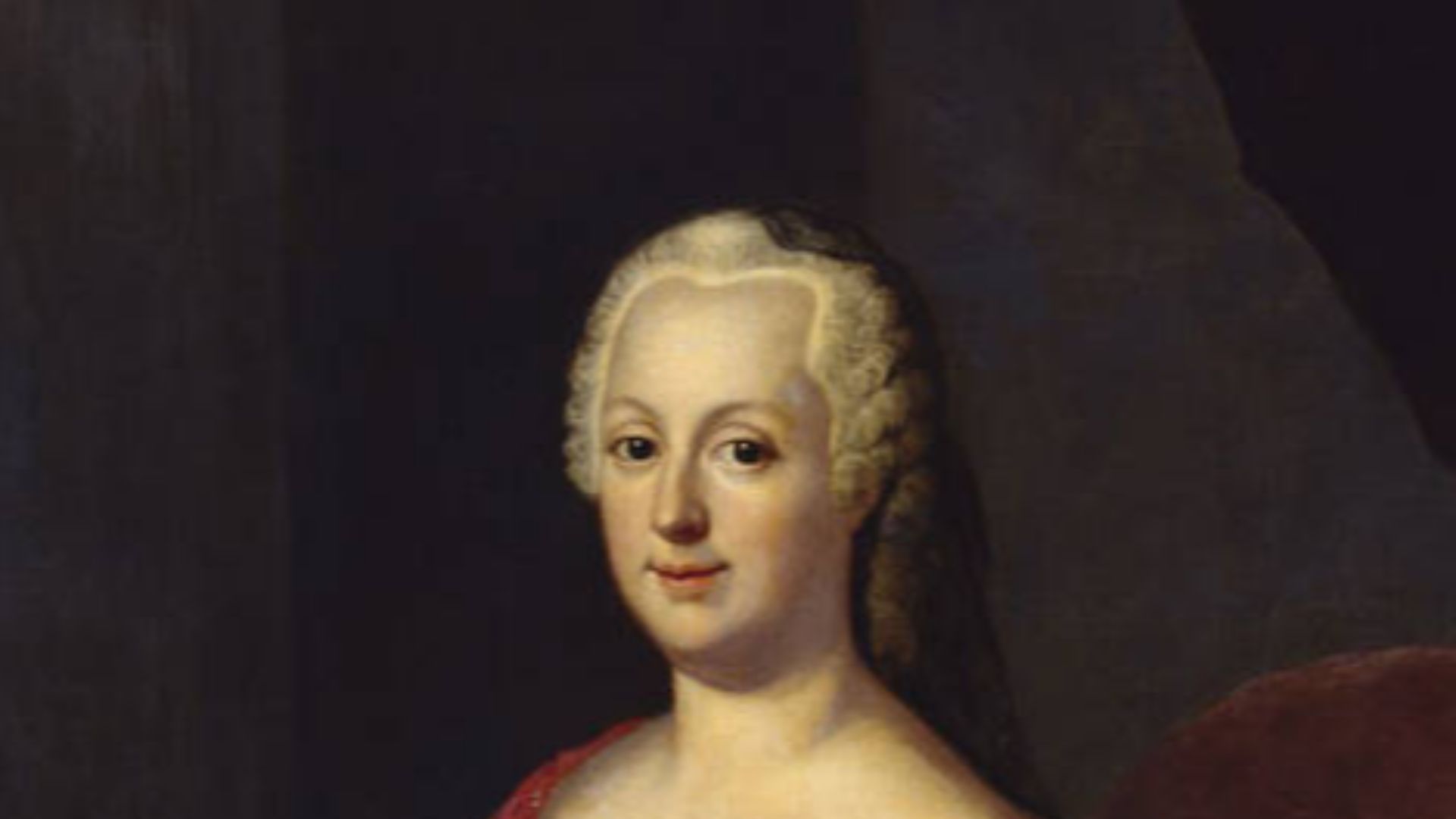
Joanna Elisabeth’s new home was far better than her old one. Growing up in her godmother’s house, she was raised in one of the most extravagant courts of Northern Germany, alongside the three daughters of her godmother’s husband, Augustus William, Duke of Brunswick-Wolfenbüttel. Her days were filled with balls, hunts, and plays.
The high life suited her well.
 Christoph Friedrich Reinhold Lisiewski, Wikimedia Commons
6. She Was A Blonde Beauty
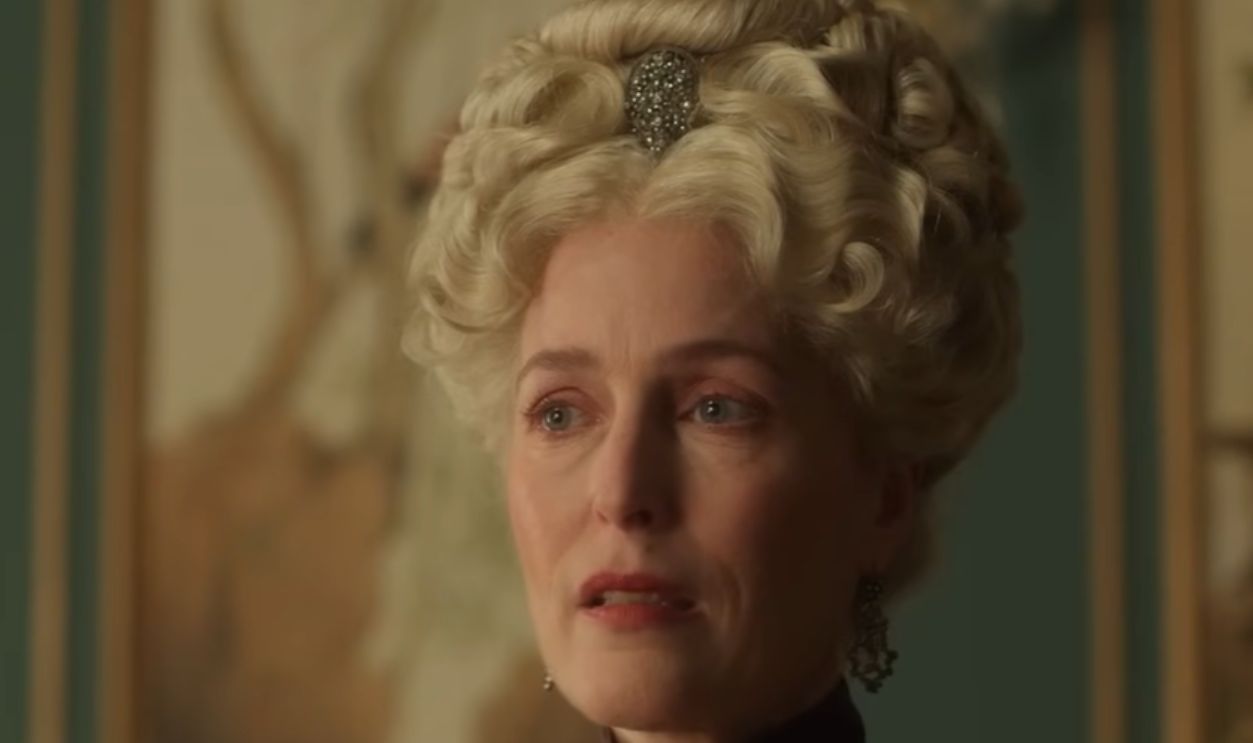
Joanna Elisabeth might not have had much money or power on her own, but she had something even better: good looks. Contemporary accounts say that, in her youth, she was beautiful with curly, blonde hair that turned heads at every banquet. In a time when marriages were brokered based on portraits and first impressions, her looks were a currency she could spend.
 Screenshot from The Great, The Walt Disney Company (2020-2023)
7. She Was Amiable—But Easily Agitated
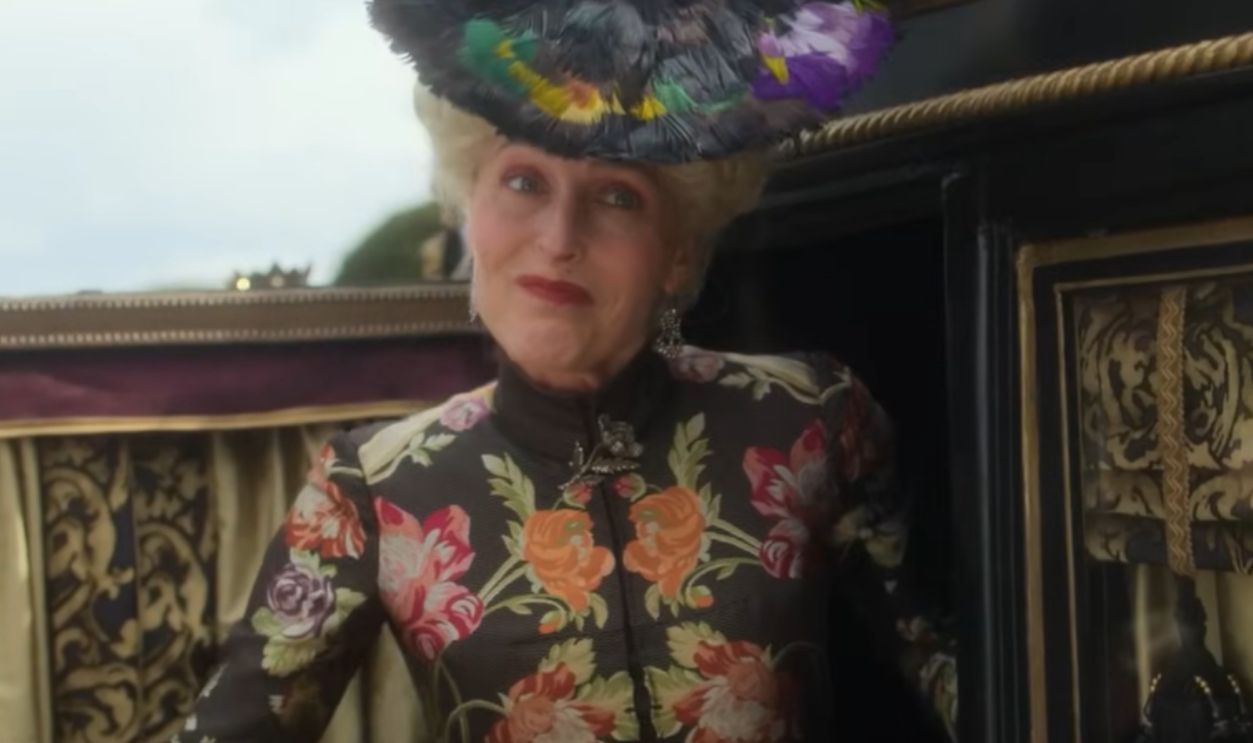
Beauty alone, Joanna Elisabeth knew, was not enough to get ahead in life. Thankfully, she had other strengths. Additional contemporary reporting says that Joanna Elisabeth easily befriended people with overt kindness, made constant efforts to charm others, and talked a great deal. Beneath the warm exterior, though, was a temperament that could turn on a dime as she was easily agitated.
That agitation would cost her dearly.
 Screenshot from The Great, The Walt Disney Company (2020-2023)
8. She Married At 15
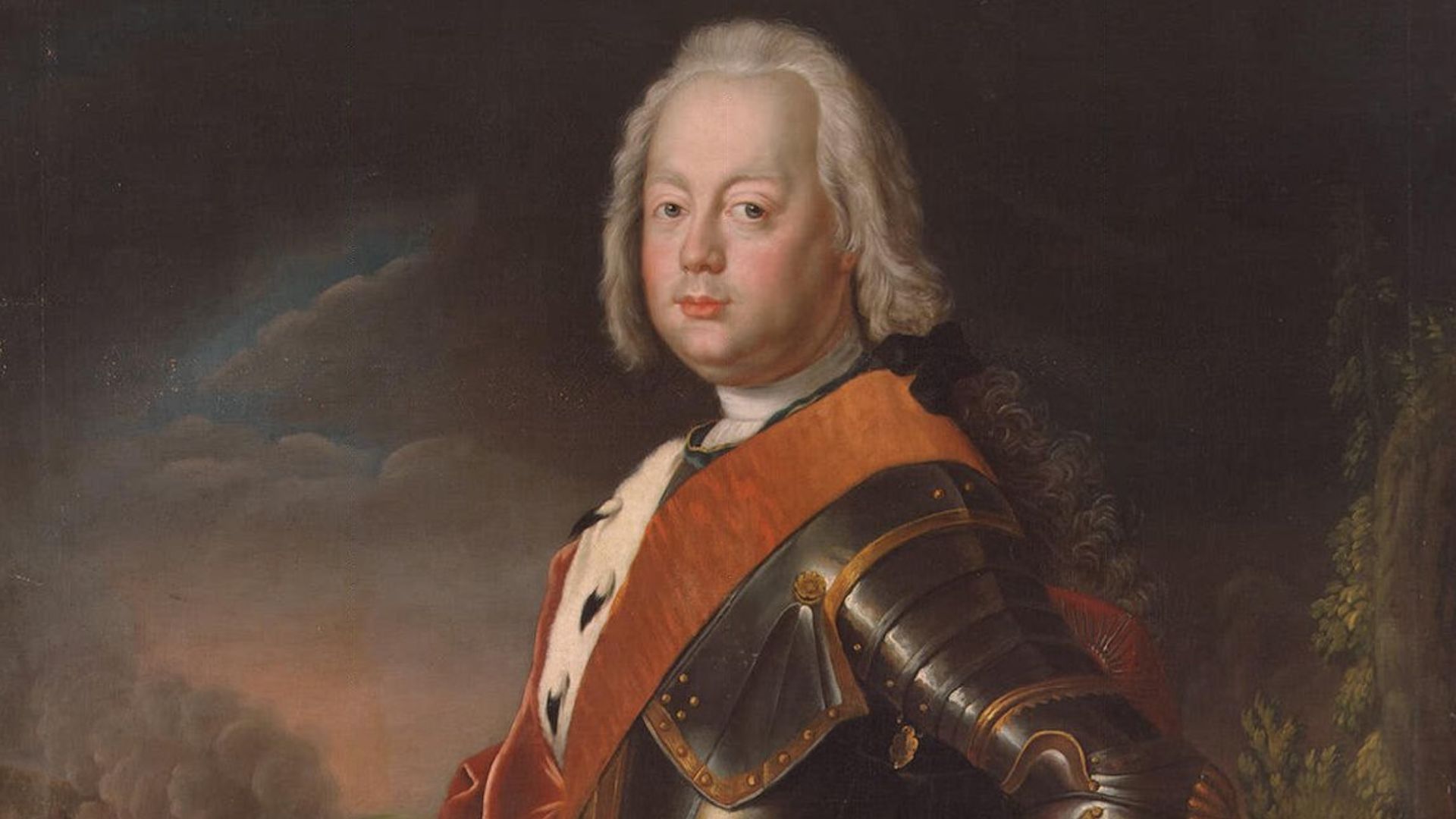
On November 8, 1727, Joanna Elisabeth’s pampered childhood came to an abrupt (and unpleasant) end. At Vechelde, the 15-year-old was married off to the 36-year-old Prince Christian August of Anhalt-Zerbst. He was a general in the Prussian Army under Frederick William I, and an heir to the Principality of Anhalt-Zerbst. Despite his titles, however, the marriage was a step down.
 Antoine Pesne, Wikimedia Commons
9. She Was Miserable In Stettin
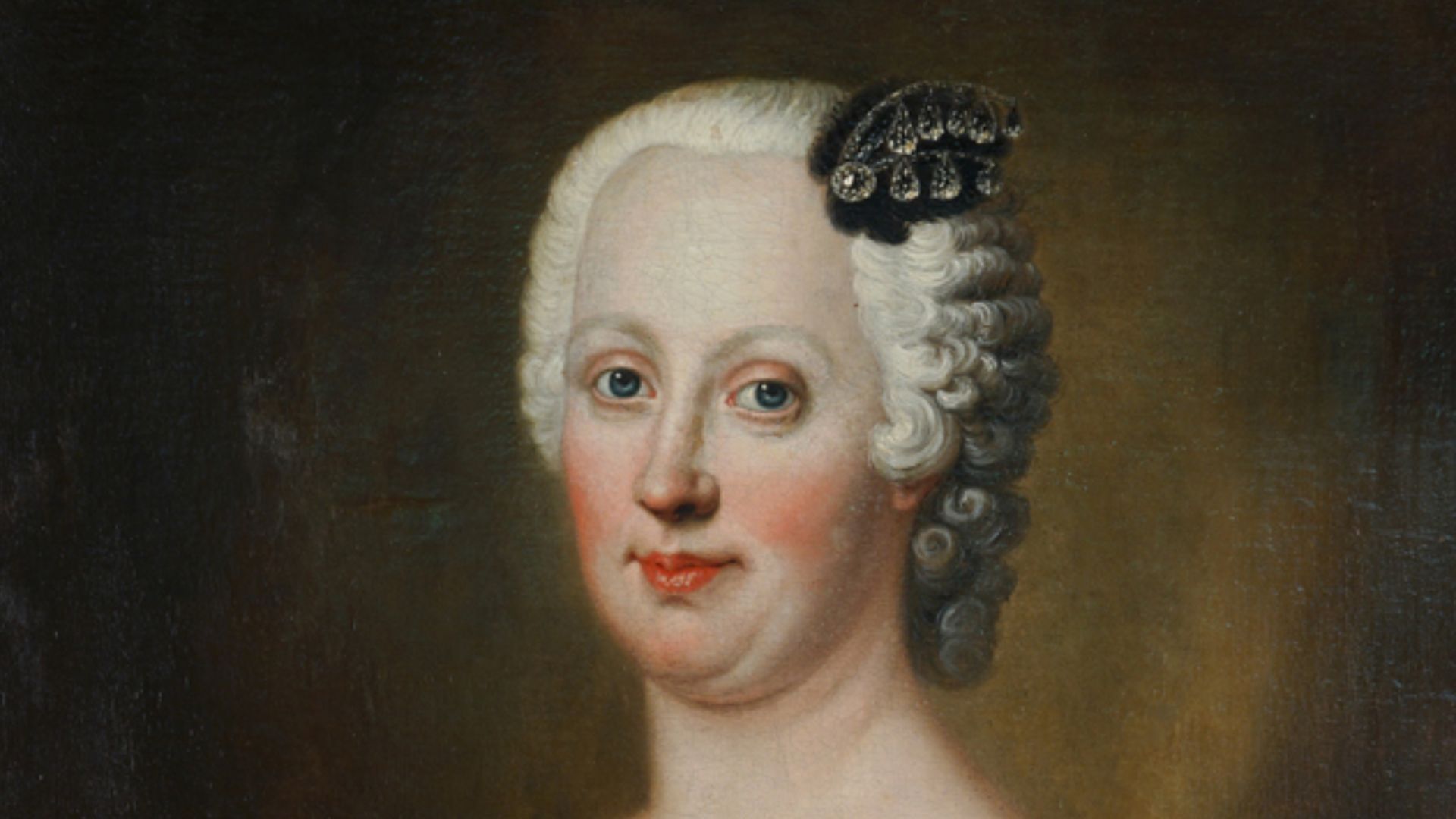
After the wedding, Joanna Elisabeth and Christian August settled in the small city of Stettin in Pomerania (now called Szczecin in modern Poland). The move wasn’t upwards. At the time, Stettin was a little rougher around the edges than Joanna Elisabeth had grown accustomed to. With little entertainment in the town, she grew unhappy, but stayed loyal to her husband.
It was just never going to work.
 Antoine Pesne, Wikimedia Commons
History's most fascinating stories and darkest secrets, delivered to your inbox daily.
10. The Marriage Was A Mismatch
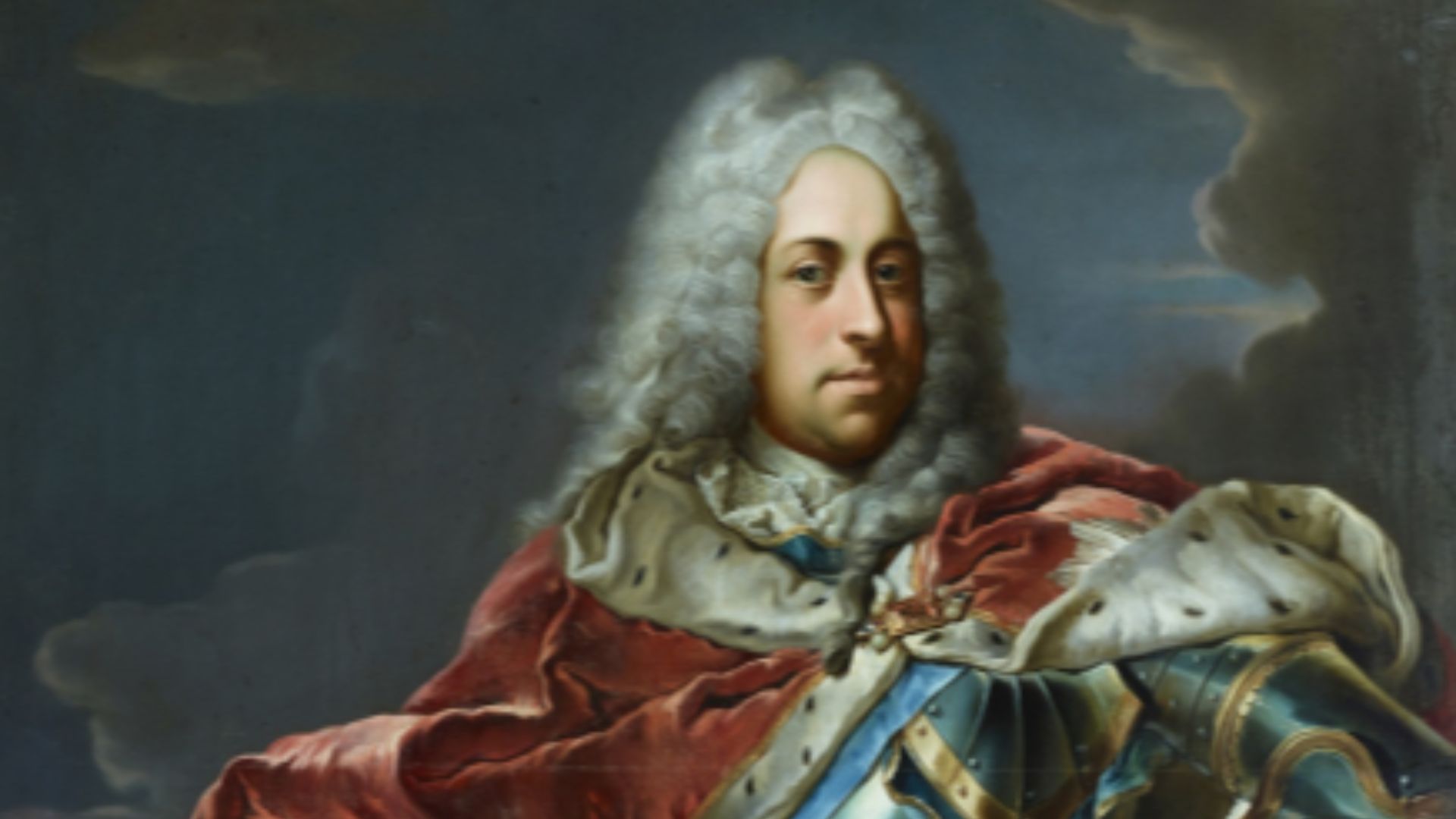
It wasn’t just Stettin that wore Joanna Elisabeth down—it was her new husband as well. The marriage was a terrible match from the start, thanks to the age gap and clashing personalities. Christian August was serious and quiet, but knew how to take charge when needed. Joanna Elisabeth, by contrast, was a social butterfly.
But that wasn’t even her biggest issue with him.
 Georg Norwic, Wikimedia Commons
11. She Couldn’t Even Get A Real Palace
Marriage didn’t exactly give Joanna Elisabeth the financial relief she had hoped. Christian August’s pay was modest, and he could only afford a small townhouse—a quaint setup for a junior officer’s family. Joanna Elisabeth had gotten accustomed to the splendor of a ducal court, and the downgrade was hard to stomach.
Luckily, she was about to get an upgrade.
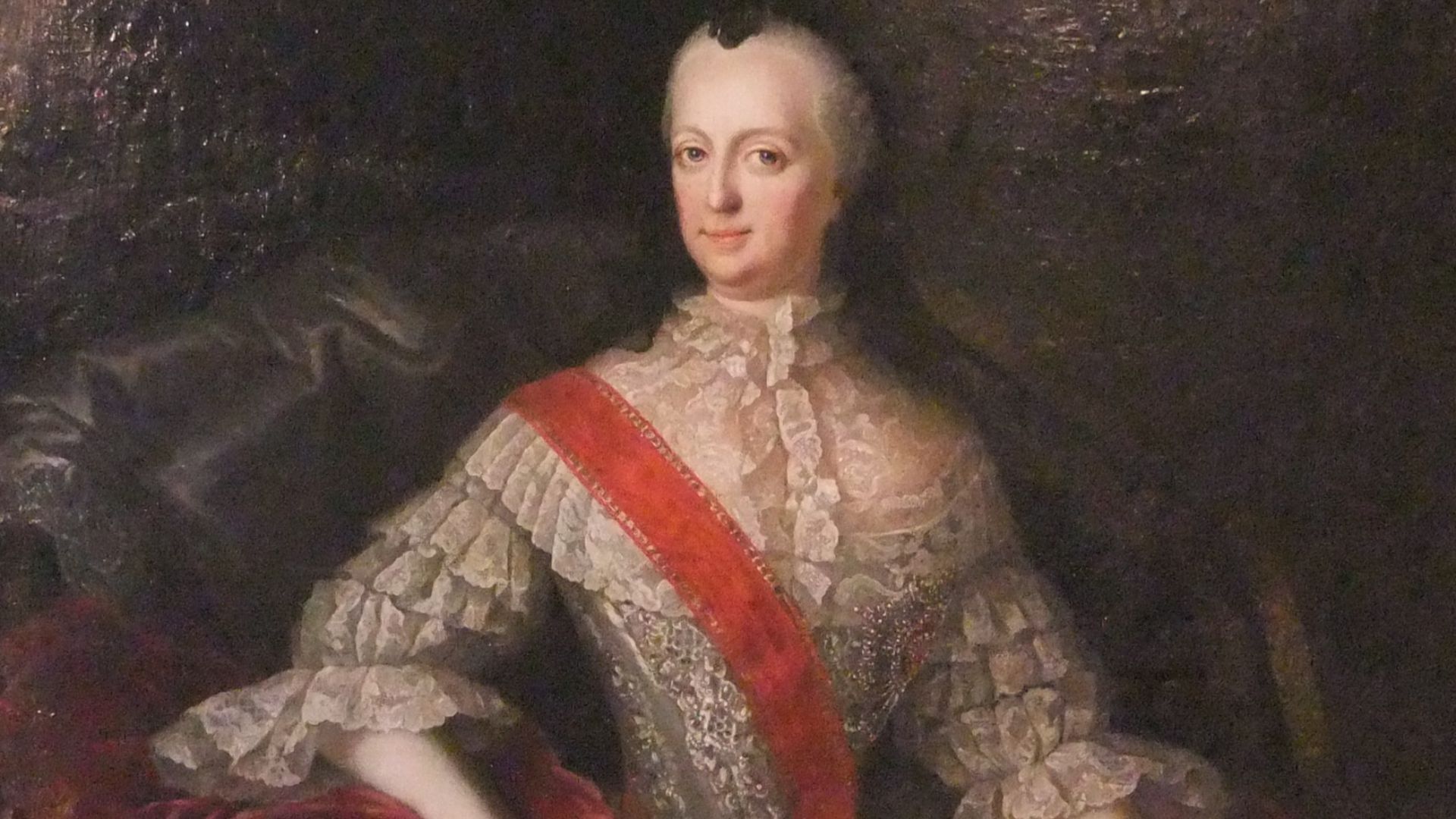 Anna Rosina de Gasc, Wikimedia Commons
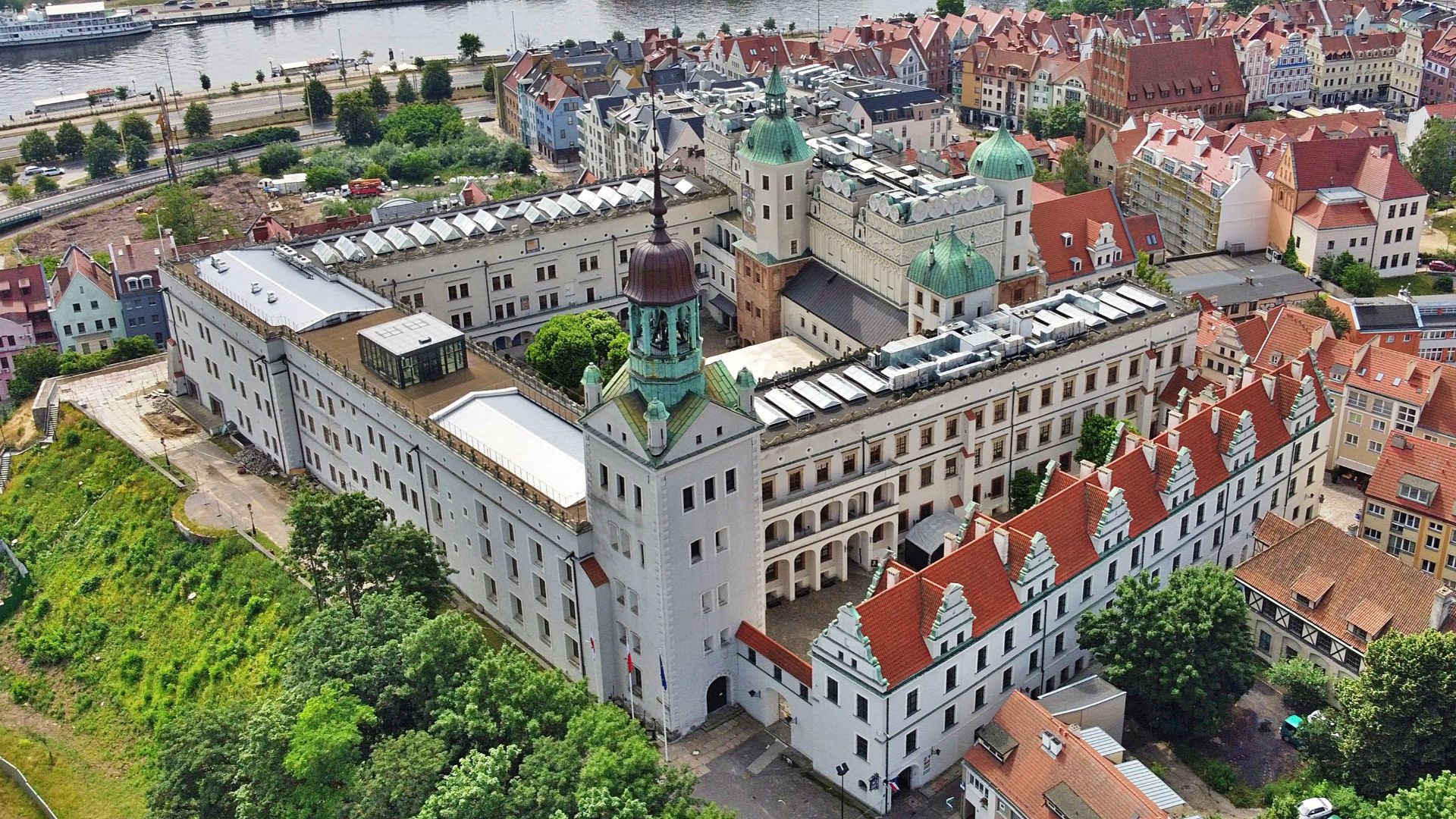
12. She Finally Got A Castle
Joanna Elisabeth got a small upgrade in January of 1729. When her husband was appointed commander of Stettin, Joanna Elisabeth eagerly moved her family into the castle in the middle of the city. It wasn’t her godmother’s Brunswick court, but it was a castle. Still, it wasn’t enough for Joanna Elisabeth—and no castle could rein her in.
13. She Hit The Road
Even a castle couldn’t keep Joanna Elisabeth happy for long. Still dissatisfied with provincial life in Stettin, she began travelling constantly, escaping to Brunswick, her childhood home, whenever the chance arose. She also made a point of paying her respects to the King of Prussia every February during carnival season. The trips weren’t just social.
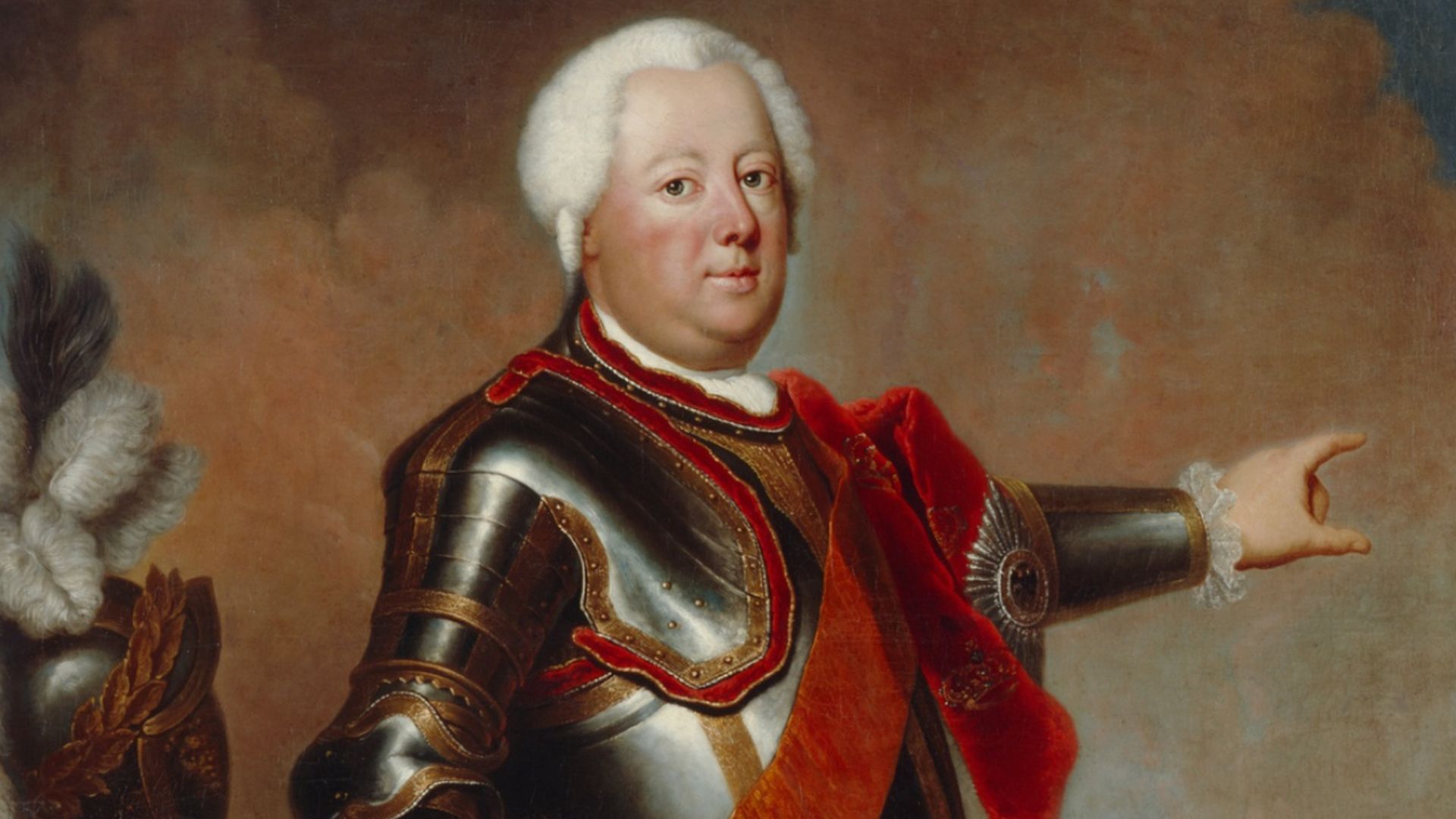 Workshop of Antoine Pesne, Wikimedia Commons
14. She Was Treated Like A Charity Case
The Prussian court wasn’t impressed with Joanna Elisabeth’s constant traveling. During her visits, the other nobles treated her like an impoverished family member, pitying her for her marriage to a man so below her station. For the social-climbing young Duchess, the treatment she received was worse than any insult could be.
But she was already building a dynasty of her own.
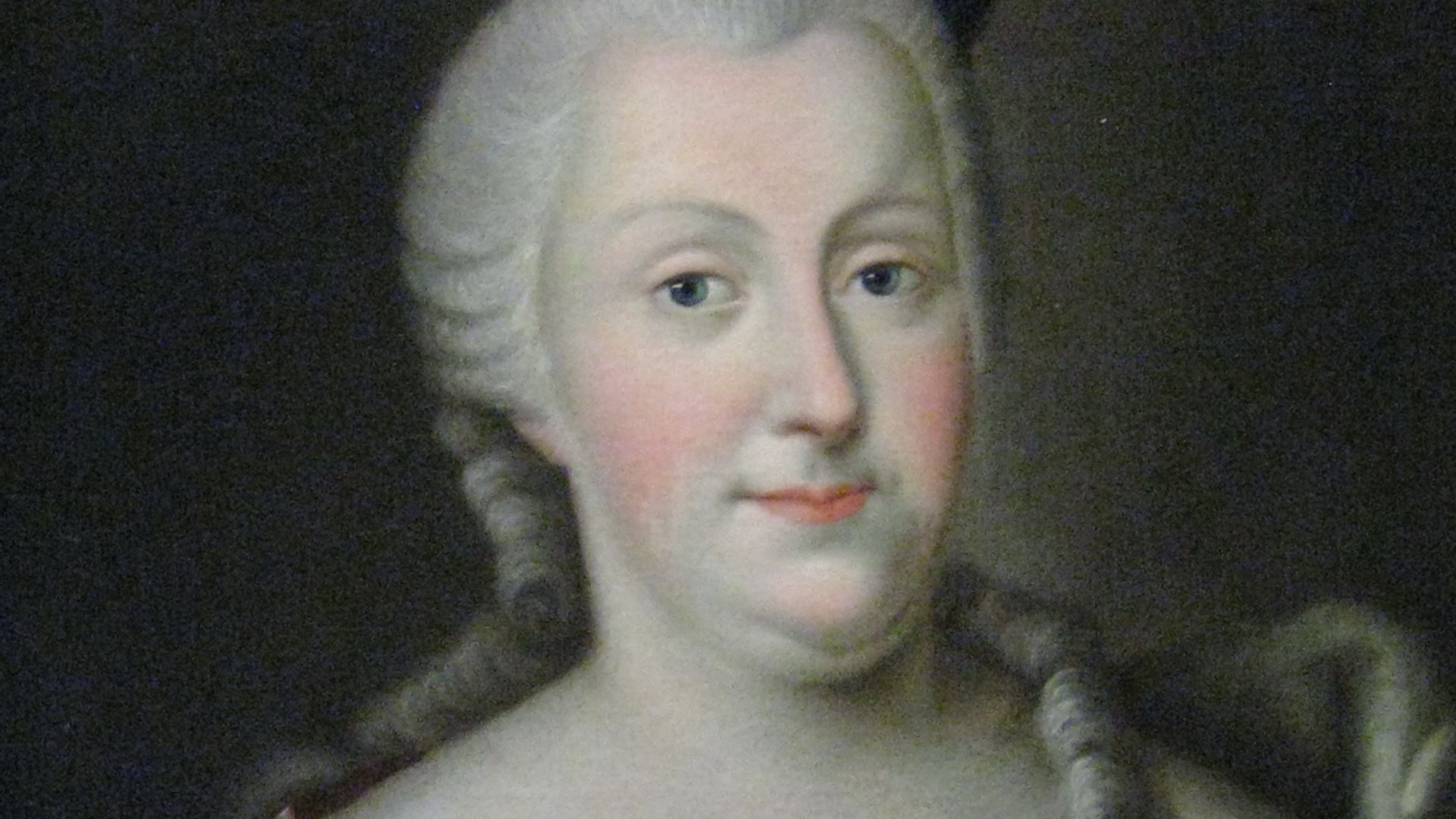
15. She Almost Passed On Giving Birth
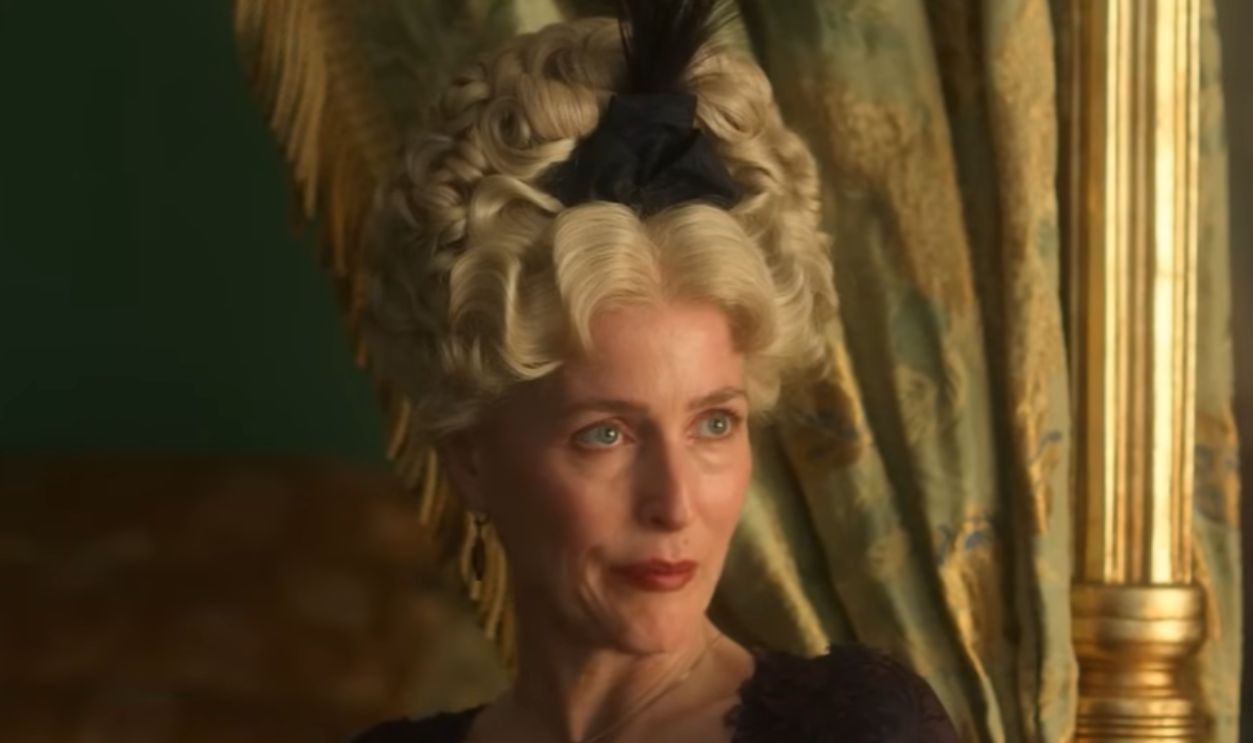
In April of 1729, Joanna Elisabeth’s life nearly ended in her own bedroom. After enduring a difficult and dangerous labor, she delivered her first child—a baby girl named Sophie Auguste Friederike, the future Catherine the Great. Even with the best 18th-century doctors and medicine, the Duchess had to spend the next 19 weeks in bed recovering.
True to form, Joanna Elisabeth was disappointed.
 Screenshot from The Great, The Walt Disney Company (2020-2023)
History's most fascinating stories and darkest secrets, delivered to your inbox daily.
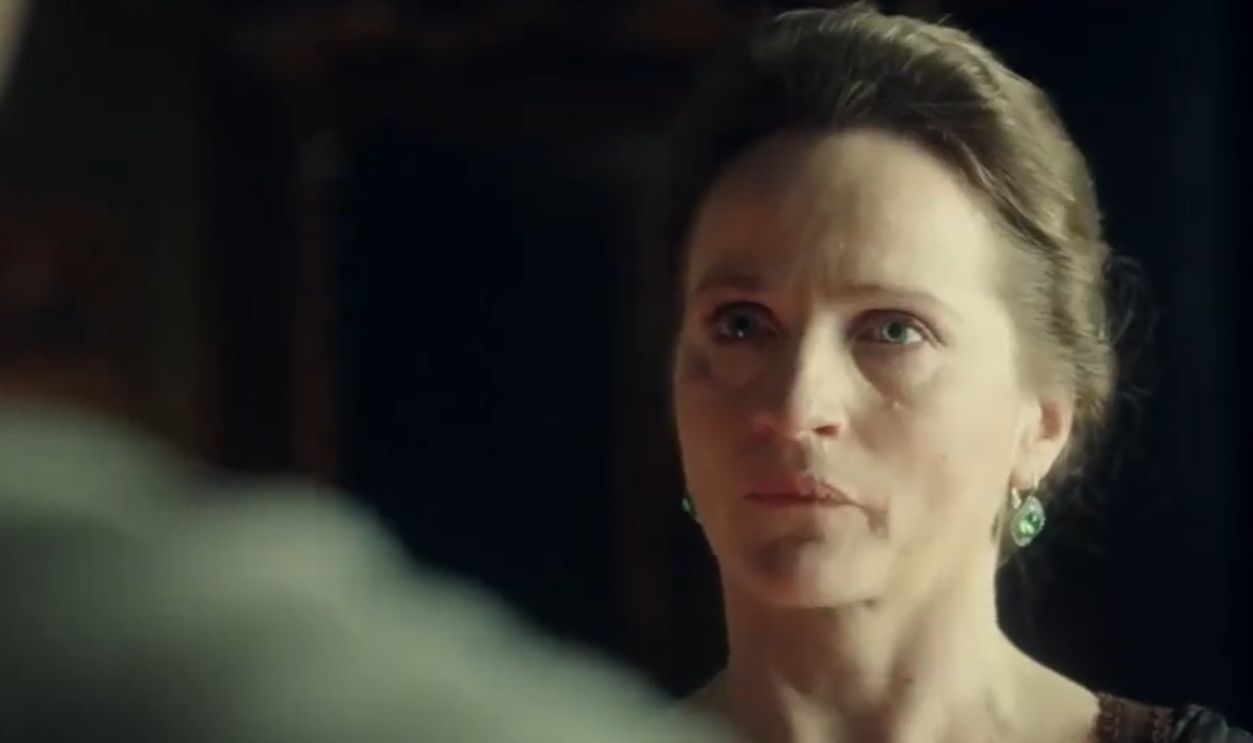
16. She Wanted A Son
Joanna Elisabeth’s reaction to motherhood? Disappointment. Having married so far beneath her station, the Duchess hoped that one of her offspring might become a respected and powerful leader. And, in the 18th century, great rulers were usually boys. Having had a girl as her first child, Joanna Elisabeth was disappointed and handed the infant off to nurses and servants.
She would just have to try, and try again.
 Screenshot from Ekaterina, Janson Media (2014-2023)
17. She Filled The Nursery
After Sophie, the babies kept coming. Joanna Elisabeth gave birth to three more children in quick succession. William Christian Frederick in November of 1730, Frederick Augustus in August of 1734, and Auguste Charlotte Christine in November of 1736. Of the four, William Christian became her favourite. Auguste Charlotte, sadly, passed on just two weeks after birth.
Joanna Elisabeth was racking up children—and tragedies.

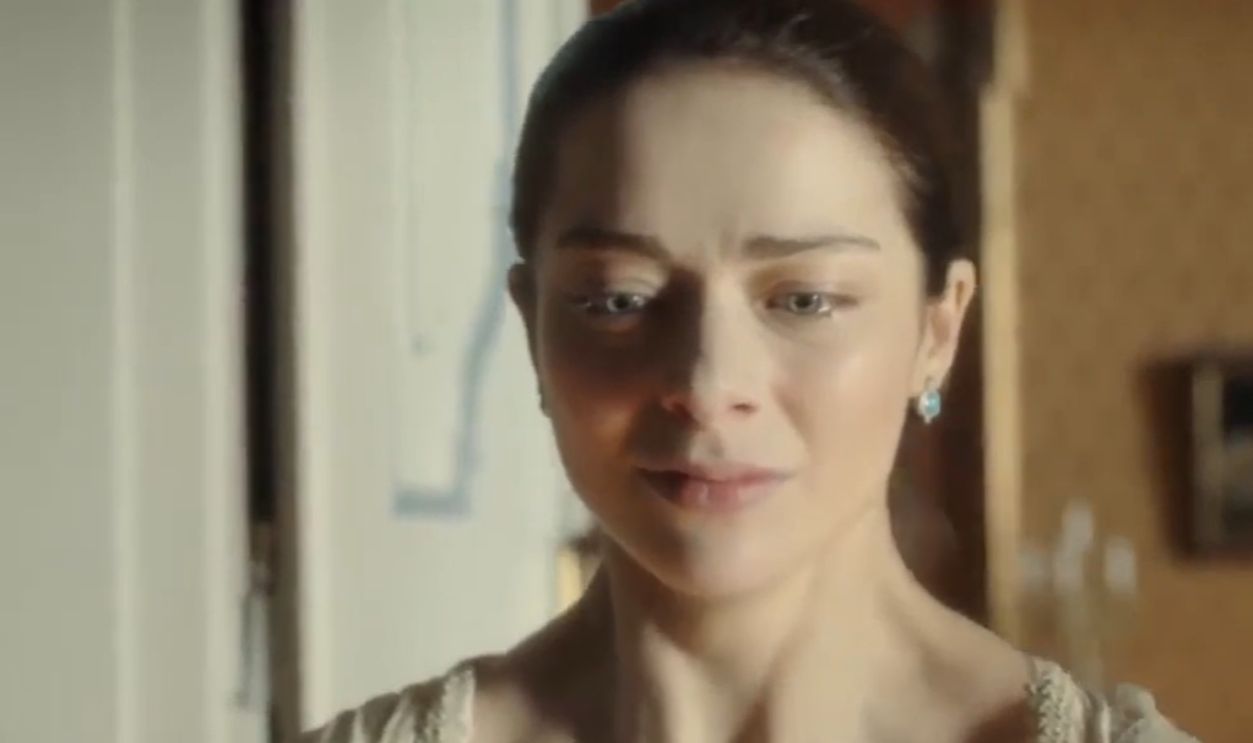
18. She Was Cruel To Her Eldest
The future Catherine the Great never forgot how her mother treated her. According to Sophie’s own memoirs, Joanna Elisabeth directed a special wrath toward her eldest child—and even more bizarrely, for no known reason. Sophie further wrote that her mother “did not bother much about me”. The neglect was bad enough, but Joanna Elisabeth’s version of mothering was even worse.
 Screenshot from Ekaterina, Janson Media (2014-2023)
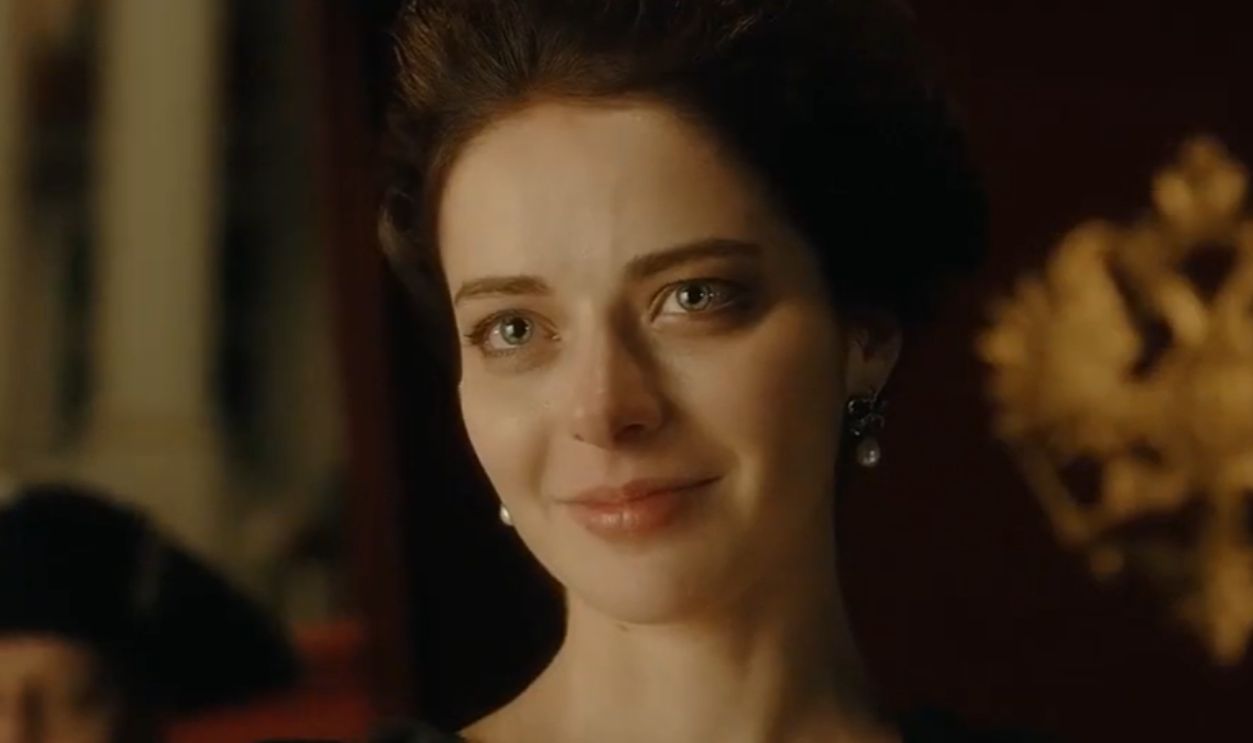
19. She Used Her Daughter As Bait
Joanna Elisabeth had more ambition than love for her children. Even while treating Sophie poorly at home, the Duchess knew the girl could land an advantageous marriage—and that was worth nurturing. From the age of eight, Sophie began accompanying her mother on tours across the European courts as Joanna Elisabeth sought out potential suitors.
She thought she found the perfect match.
 Screenshot from Ekaterina, Janson Media (2014-2023)
20. She Spotted A Royal Catch
In 1739, Joanna Elisabeth and Sophie paid a visit that would change the world. The destination was the home of the Duchess’ brother, Adolf Frederick, Prince-Bishop of Lübeck and guardian of an 11-year-old orphan named Charles Peter Ulrich. The boy was the Duke of Holstein-Gottorp, and the only living grandchild of Emperor Peter the Great of Russia.
Joanna Elisabeth had just laid eyes on her ticket to history.
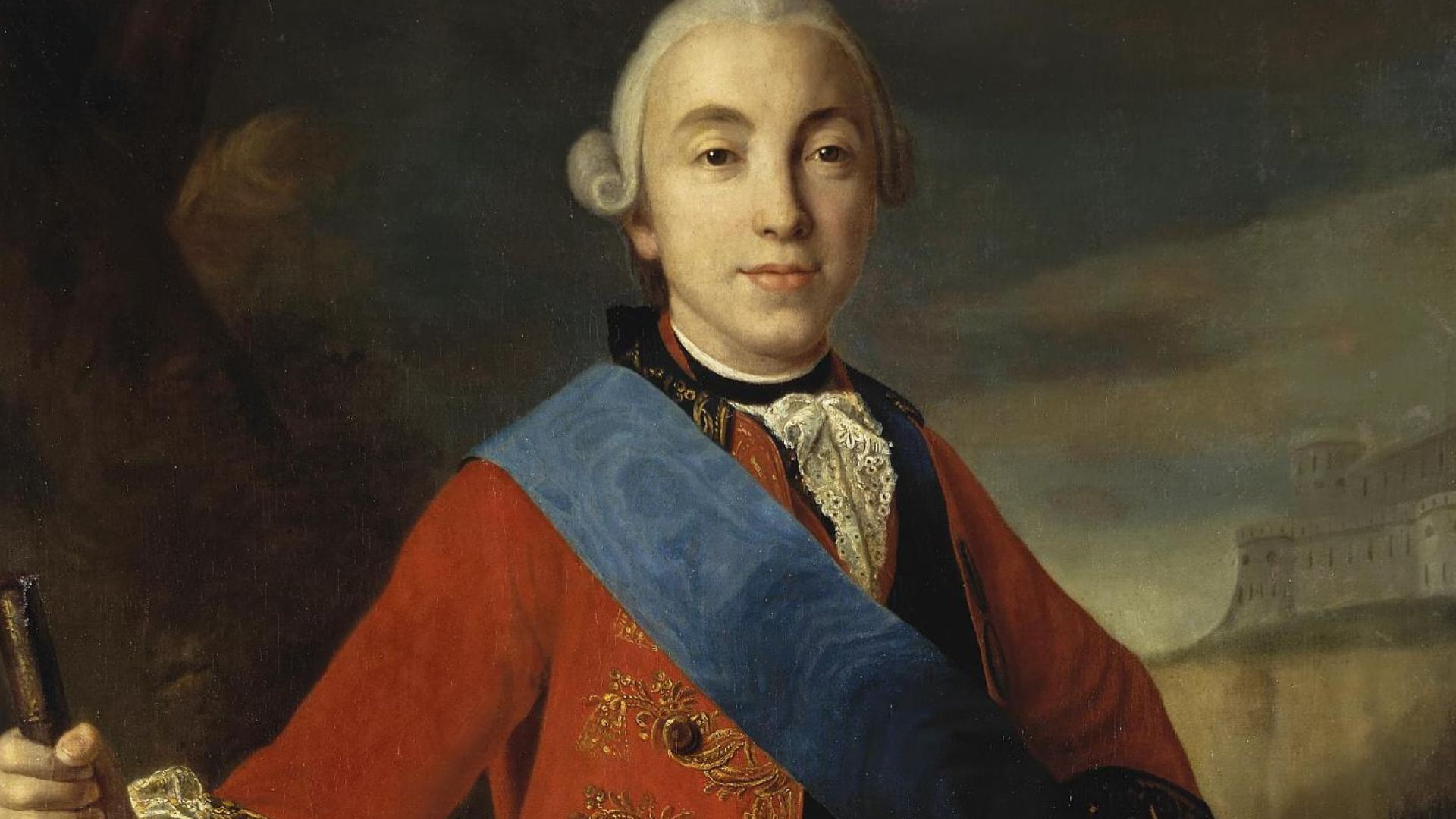 After Fyodor Rokotov, Wikimedia Commons
21. She Got Lucky In Russia
Joanna Elisabeth’s luck took a sharp turn in 1741. That year, Grand Duchess Elizabeth Petrovna ascended to the Russian throne as empress—and the new Empress had a personal connection to her family. Elizabeth had once been engaged to Joanna Elisabeth’s brother, who passed on shortly before their wedding. Per the historical record, Elizabeth carried a small flame for him for the rest of her life.
Joanna Elisabeth saw an opening she couldn’t afford to miss.
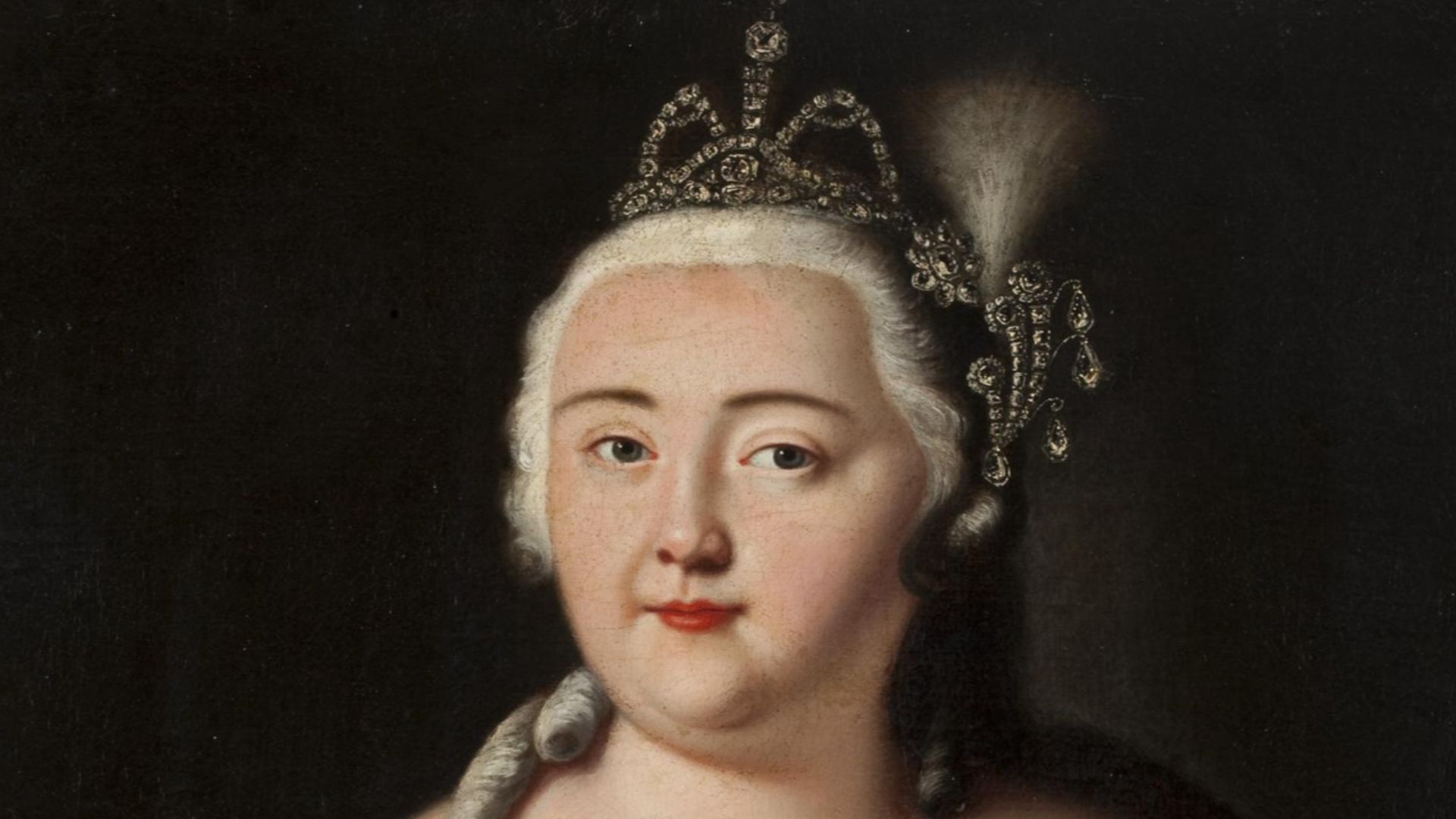
History's most fascinating stories and darkest secrets, delivered to your inbox daily.
22. She Wrote An Important Letter
Joanna Elisabeth wasted no time. She fired off a congratulatory letter to the new Empress and, with it, sent Elizabeth a portrait of her late sister, Grand Duchess Anna Petrovna. The gesture worked. Elizabeth wrote back, sending Joanna Elisabeth a valuable portrait of herself in return. The Duchess had just gotten her foot in the imperial door.
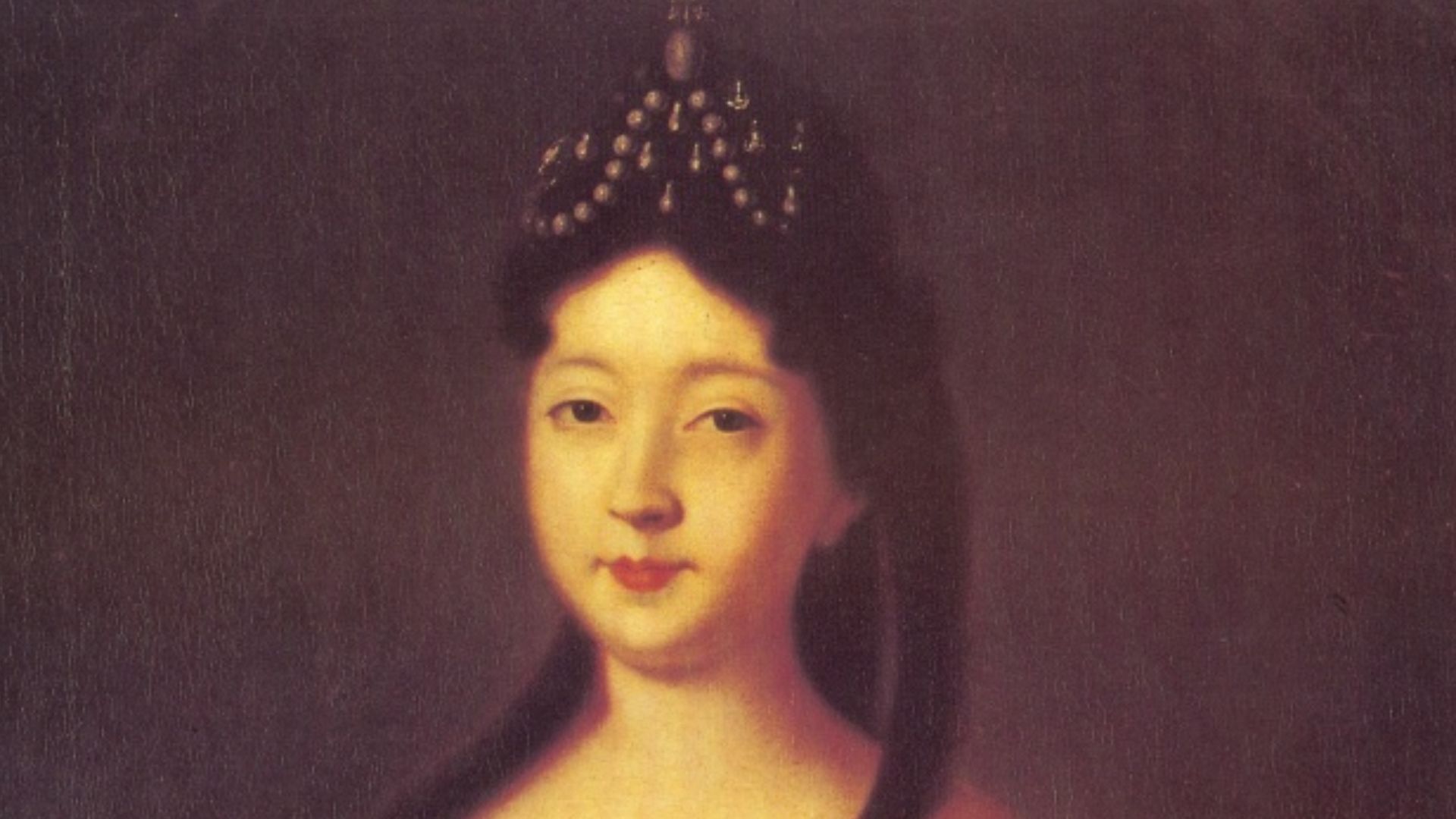 Louis Caravaque, Wikimedia Commons
23. She Dangled Her Daughter
One portrait deserves another. To strengthen her newfound bond with Empress Elizabeth, Joanna Elisabeth sent along a portrait of Sophie—the same neglected daughter she had handed off to nurses years before. The Empress, according to the record, was impressed by the girl's beauty. The Duchess’ scheme was beginning to take shape.
But before Joanna Elisabeth could fully celebrate, tragedy struck.
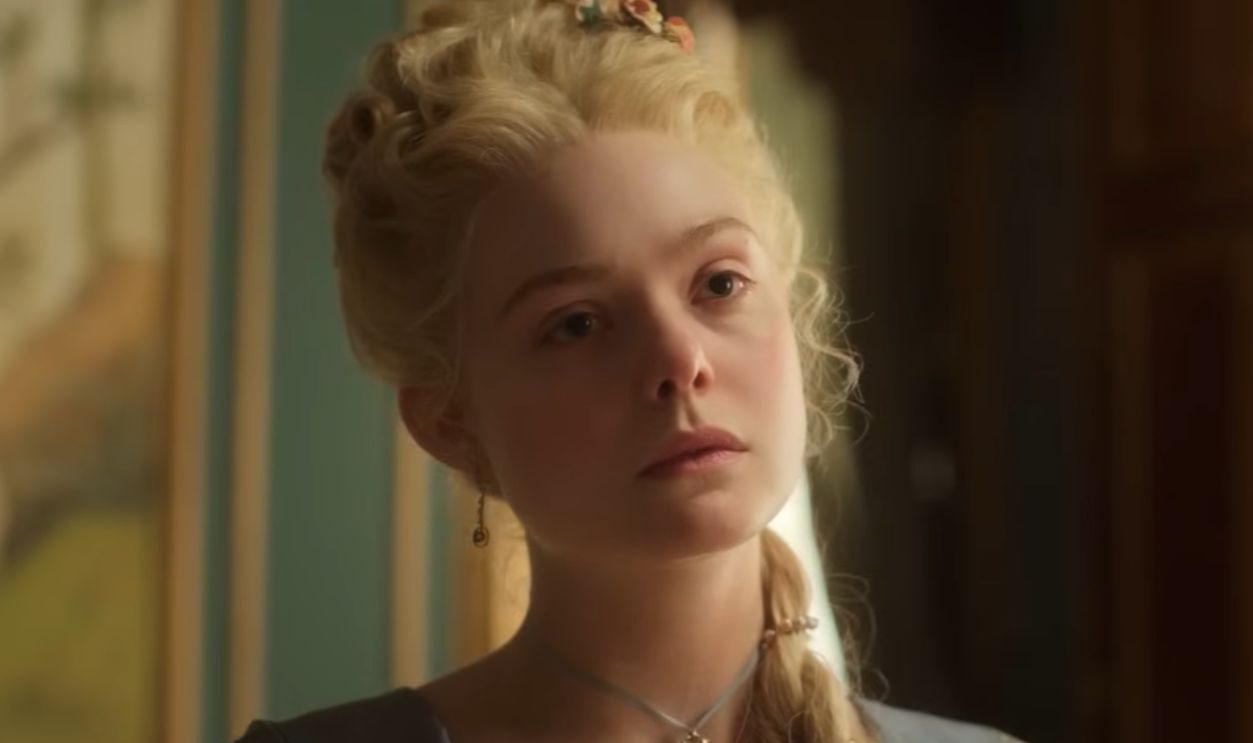 Screenshot from The Great, The Walt Disney Company (2020-2023)
24. She Lost Her Favorite Child
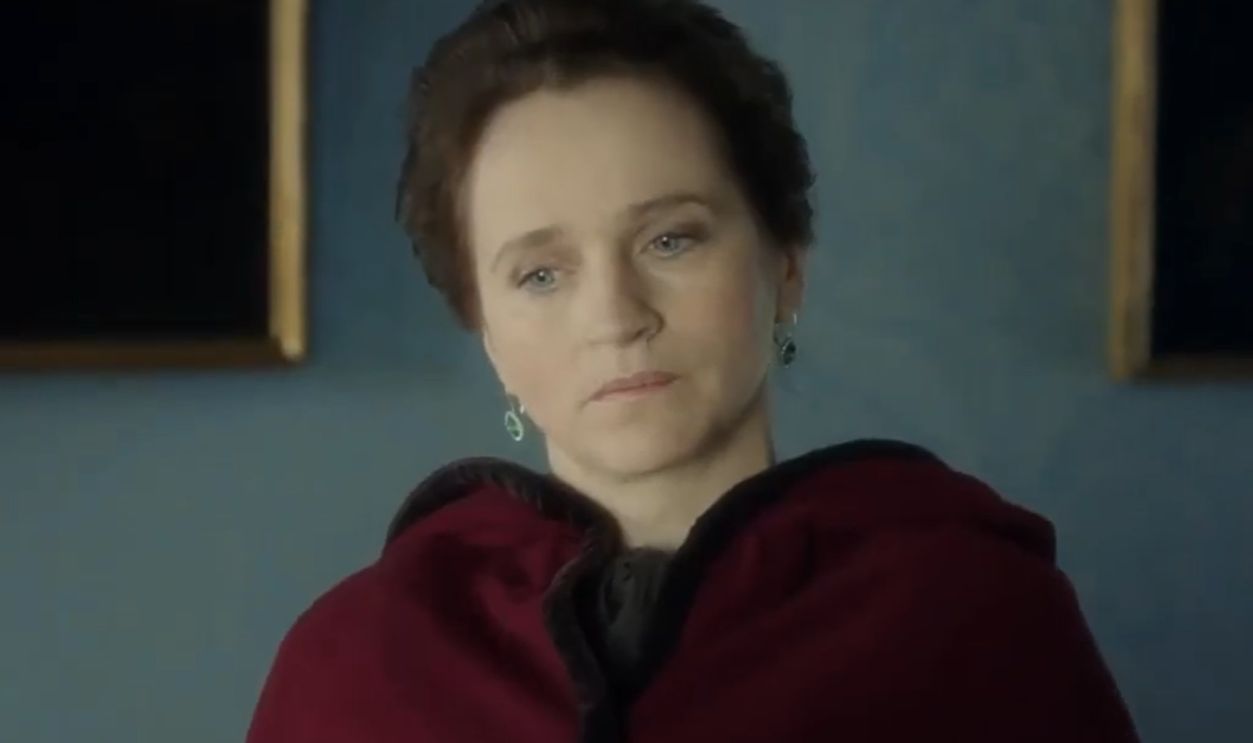
Joanna Elisabeth’s beloved William Christian had been sick from the start. Despite years of seeking out regular “cures," his rickets continued to deteriorate his small body. Then, on August 27, 1742, the boy finally passed on. Joanna Elisabeth—who rarely displayed affection for any of her children except him—was described as “inconsolable”.
But the Duchess didn’t have long to grieve.
 Screenshot from Ekaterina, Janson Media (2014-2023)
25. She Named A Baby After An Empress
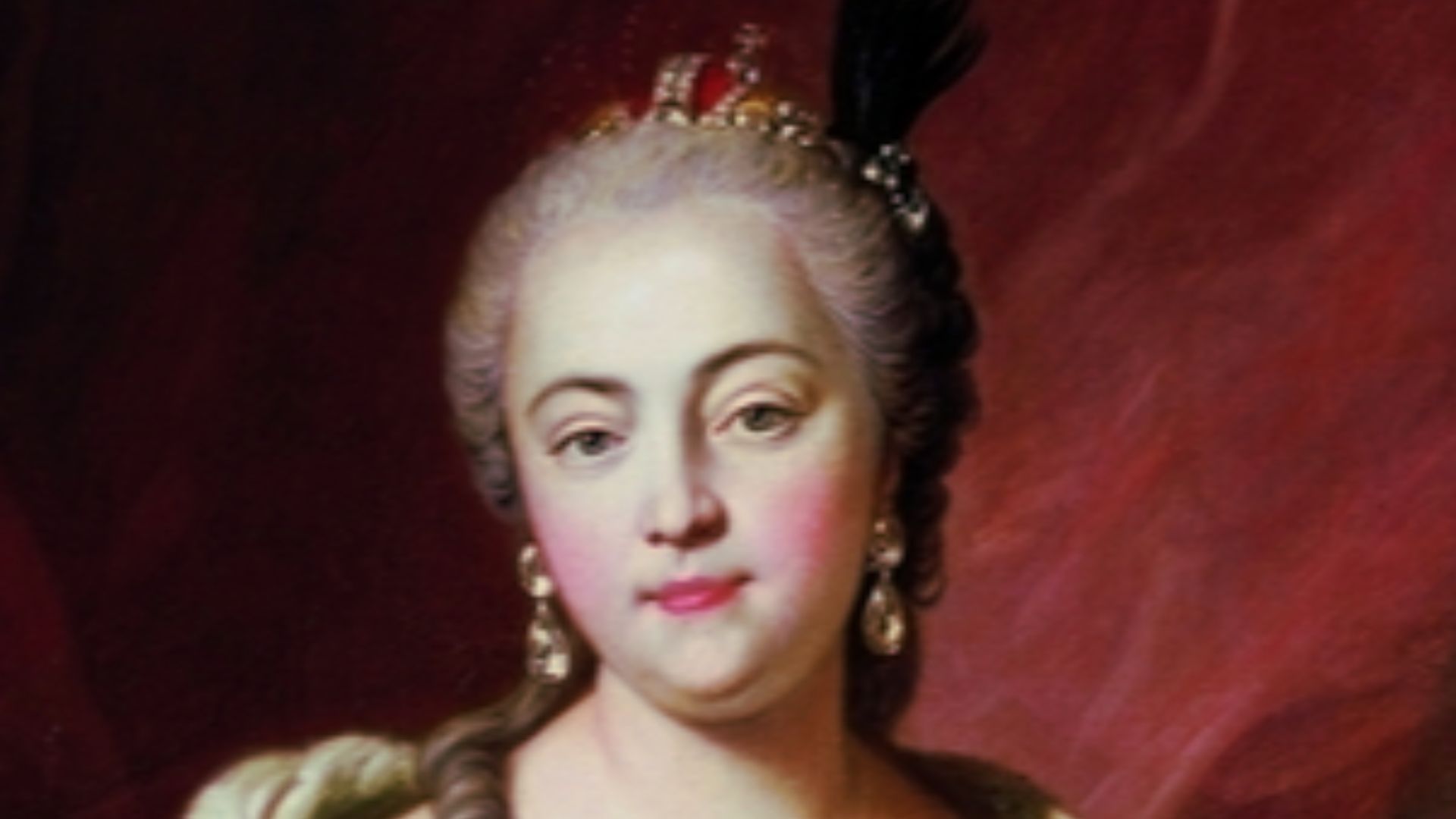
Just a few months after losing her favourite son, Joanna Elisabeth was pregnant once again. In December of 1742, she gave birth to her fifth and final child, a daughter. The Duchess saw an opportunity in the baby’s name. She asked Empress Elizabeth to allow the child to be named after her, and the Empress agreed—going so far as to become the little girl’s godmother herself.
The flattery was paying off.
 Charles Andre van Loo, Wikimedia Commons
26. She Watched A Rival Rise
While Joanna Elisabeth buttered up the Empress from afar, the Empress was busy at home. In January of 1742, Elizabeth brought another relative—Peter Ulrich, Duke of Holstein-Gottorp and son of her late sister Anna Petrovna—to Saint Petersburg and adopted him as her heir. The boy was suddenly the most important child in Europe.
And Joanna Elisabeth happened to have a daughter who was just his age.
![Портрет великого князя Петра Федоровича
Portrait of the Grand Duke Peter Fyodorovich
1740-е (?)
Авторство под вопросом
Повторение портрета (1743; ГТГ [Государственная Третьяковская галерея. Москва])
Холст, масло.
125 х 102,5
На подрамнике надпись синим ка](https://www.factinate.com/storage/app/media/factinate/2026/8/18/1787039120bf020bc7f2e319c733e0d254e7283289ba4d6b15.jpg)
27. She Got A Royal Promotion
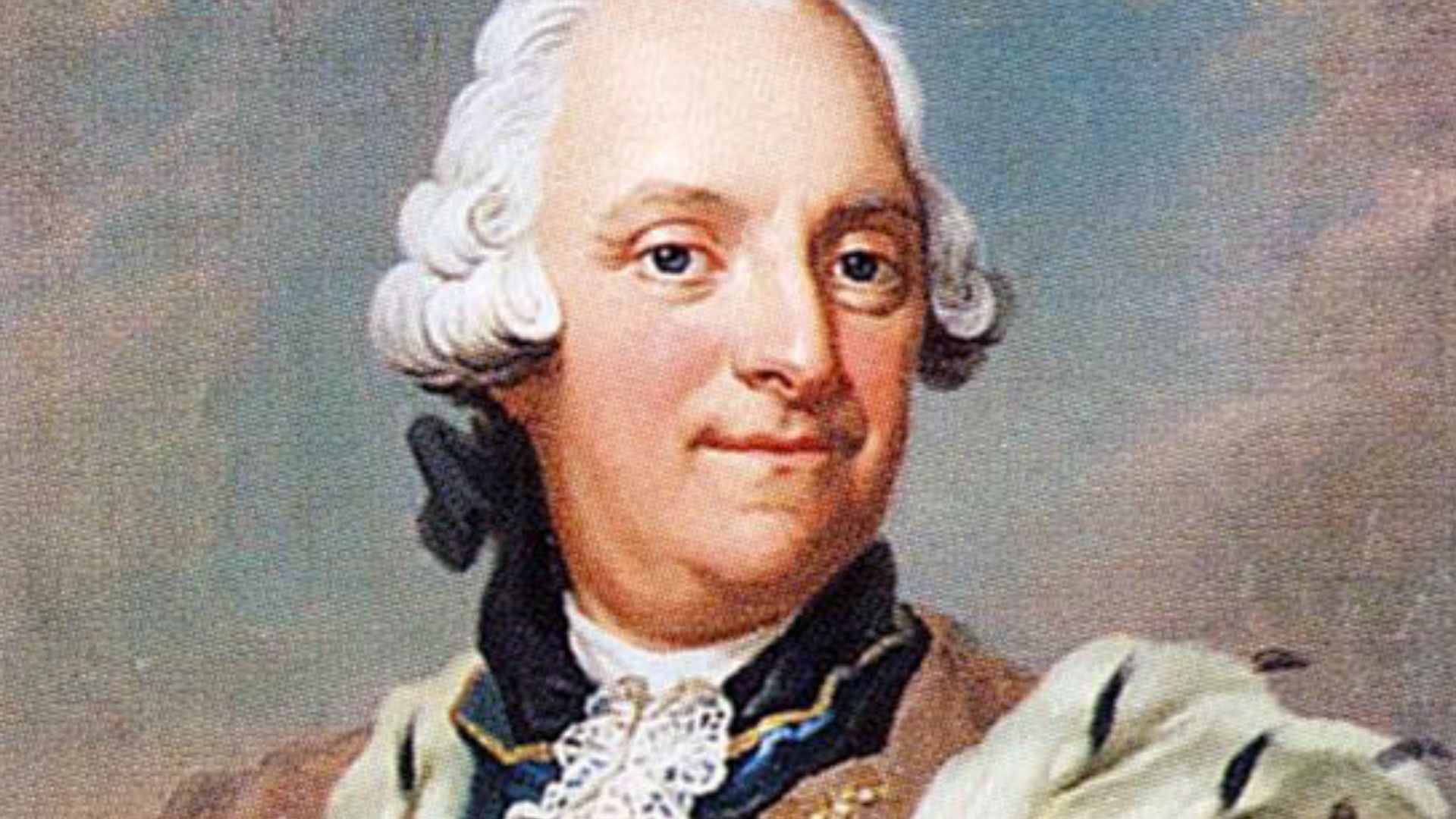
Joanna Elisabeth’s family was suddenly everywhere. At the same time the Empress was crowning a new Russian heir, she also appointed Joanna Elisabeth’s brother, Adolf Frederick, as the new heir to the Swedish throne. Overnight, the Duchess’s rank shot up—and her chances of getting Sophie into the Russian court along with it.
The wheels were turning faster than Joanna Elisabeth could have hoped.
 Gustaf Lundberg / Jakob Bjorck, Wikimedia Commons
History's most fascinating stories and darkest secrets, delivered to your inbox daily.
28. She Finally Moved Up
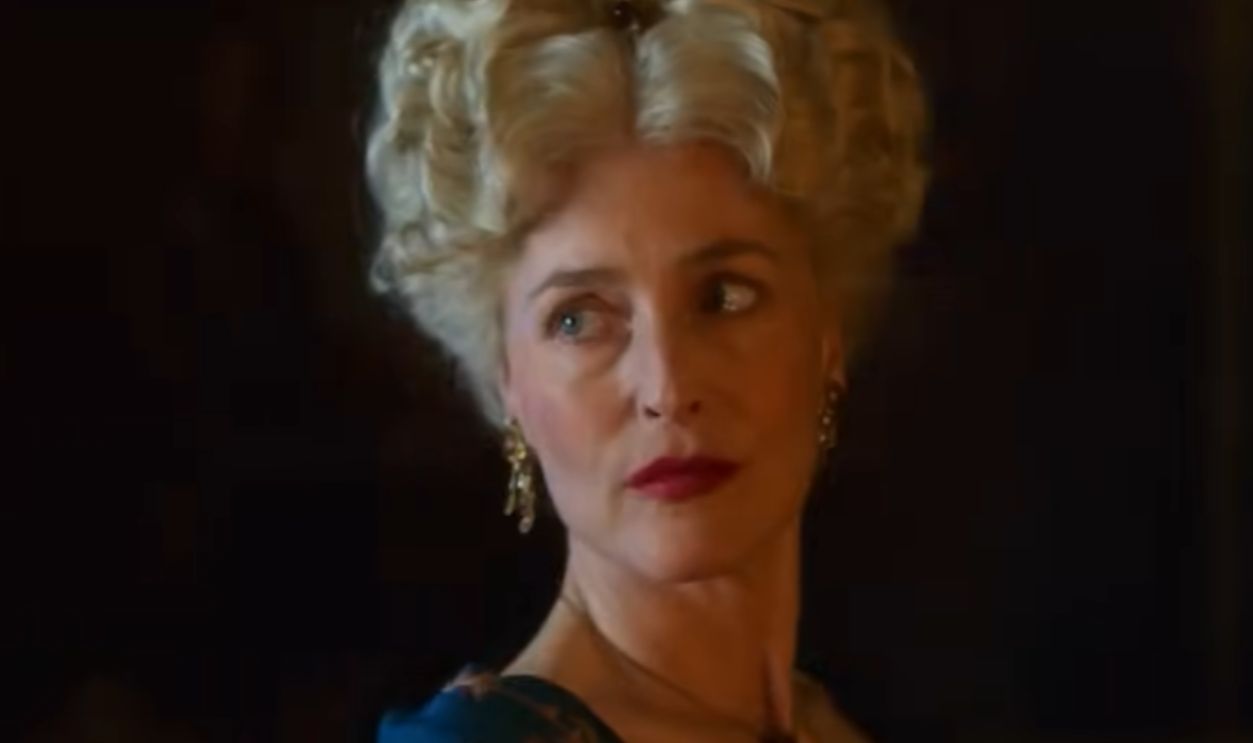
For Joanna Elisabeth, the good fortune kept pouring in. In November of 1742, Christian August inherited the Principality of Anhalt-Zerbst alongside his brother John Louis. After years stuck in the provincial backwater of Stettin, the family packed up and moved to the much trendier Zerbst. And that’s where she got a letter that would change everything.
 Screenshot from The Great, The Walt Disney Company (2020-2023)
29. She Got The Letter She Had Been Waiting For
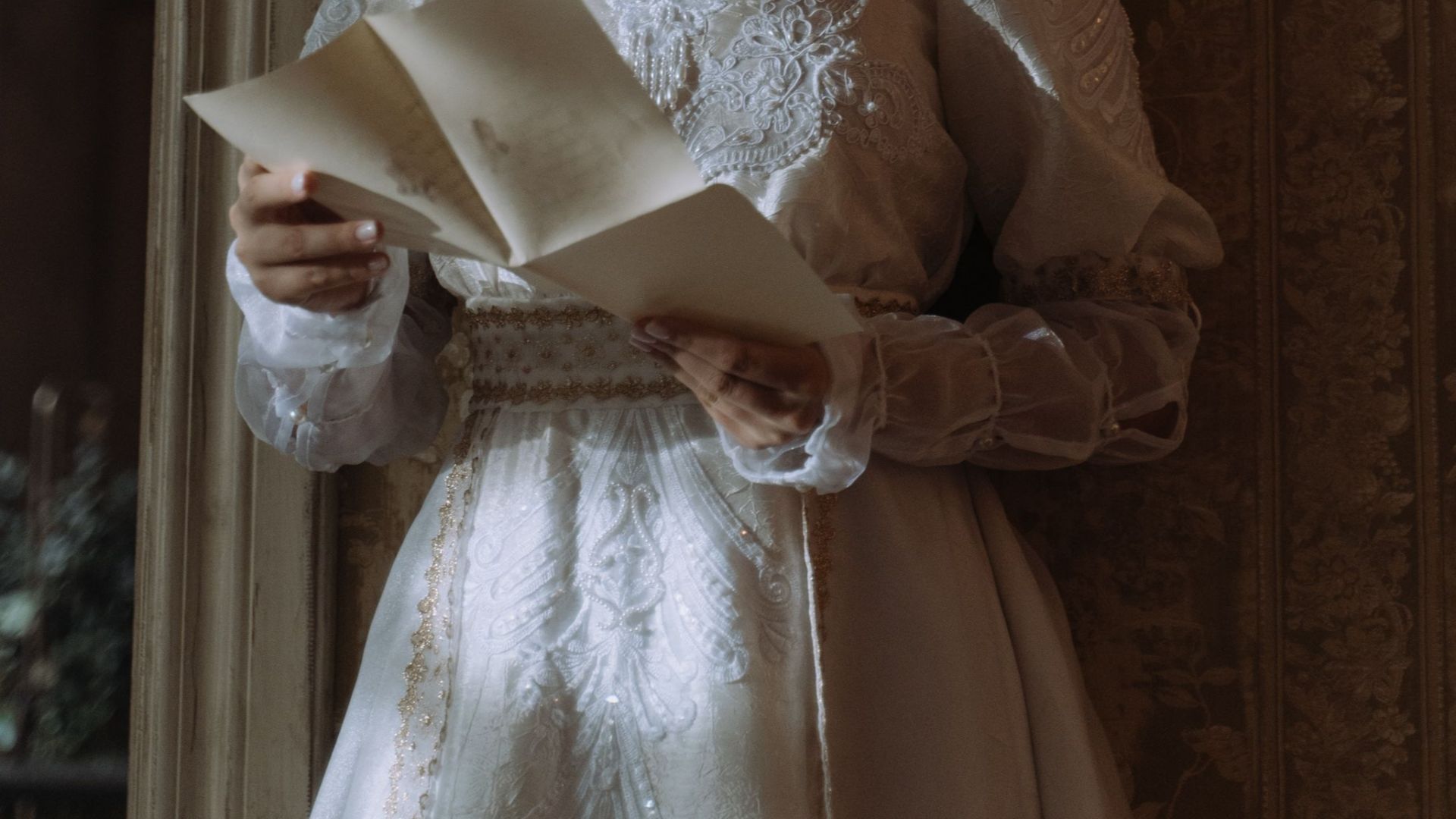
On New Year’s Day in 1744, a letter arrived at Zerbst that changed everything. It came from Otto Brümmer, Grand Marshal of Grand Duke Peter’s court—and the message was direct. By the Empress's demand, Joanna Elisabeth was to come to Russia with her eldest daughter as quickly as she could. After years of scheming, the invitation was finally on her doorstep.
But there was another twist waiting for her in the mail.
30. She Heard From The King Of Prussia
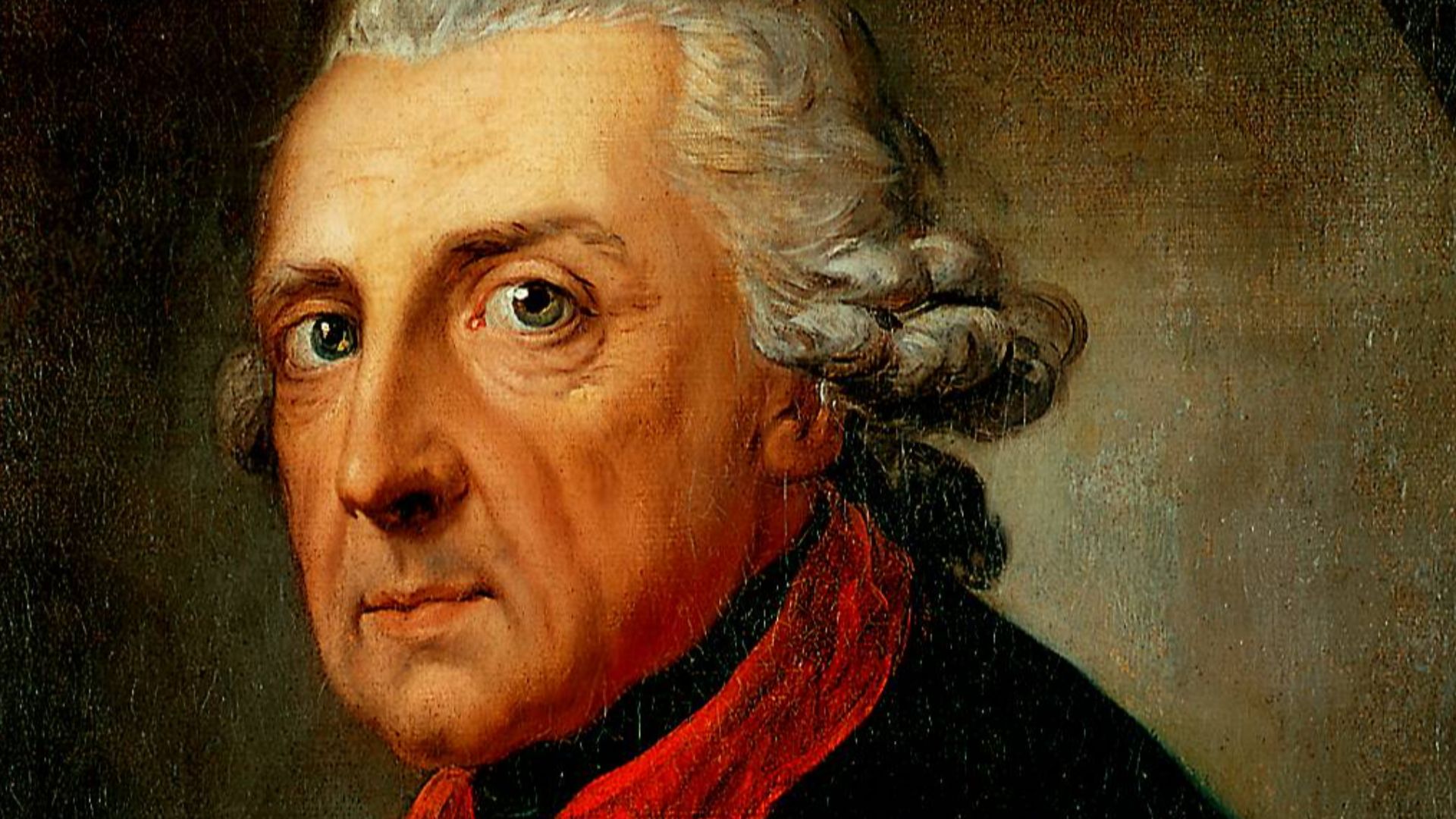
Hours after the Russian letter, a second envelope landed in Joanna Elisabeth’s hands. This one came from Frederick II of Prussia, and the timing was no coincidence. Frederick II informed her that he saw a possibility to arrange a marriage between Grand Duke Peter and Sophie. All of a sudden, she was right in between the two most powerful courts in Europe.
She was about to play a dangerous game.
 Anton Graff, Wikimedia Commons
31. She Became A Spy
Joanna Elisabeth’s first stop wasn’t, as the Empress wanted, Russia. Instead, on January 10, 1744, she, Christian August, and Sophie travelled to Berlin to meet Frederick II in person. The King had something more than a wedding to discuss. He secretly asked Joanna Elisabeth to serve as a Prussian agent in Saint Petersburg,
Sources say Joanna heartily accepted this request.
 Unknown author, Wikimedia Commons
32. She Travelled Under Disguise
Joanna Elisabeth had to conceal her departure from Berlin to avoid arousing suspicion before arriving in Russia. To help cover her tracks, the Duchess traveled under a pseudonym, assuming the identity of “Countess von Reinbeck”. She was about to learn, however, that the road to Russia and the power it promised wasn’t all it was cracked up to be.

33. She Roughed It On The Road
The reality of espionage was less glamorous than Joanna Elisabeth might have hoped. The journey to Russia was rough, and she often had to sleep in dingy hotels infested with cockroaches. Still, Joanna Elisabeth and her retinue arrived in Moscow just in time for Grand Duke Peter’s 16th birthday celebrations. The court was as glamorous as the road had been grim.

History's most fascinating stories and darkest secrets, delivered to your inbox daily.
34. She Lost Another Child From Afar
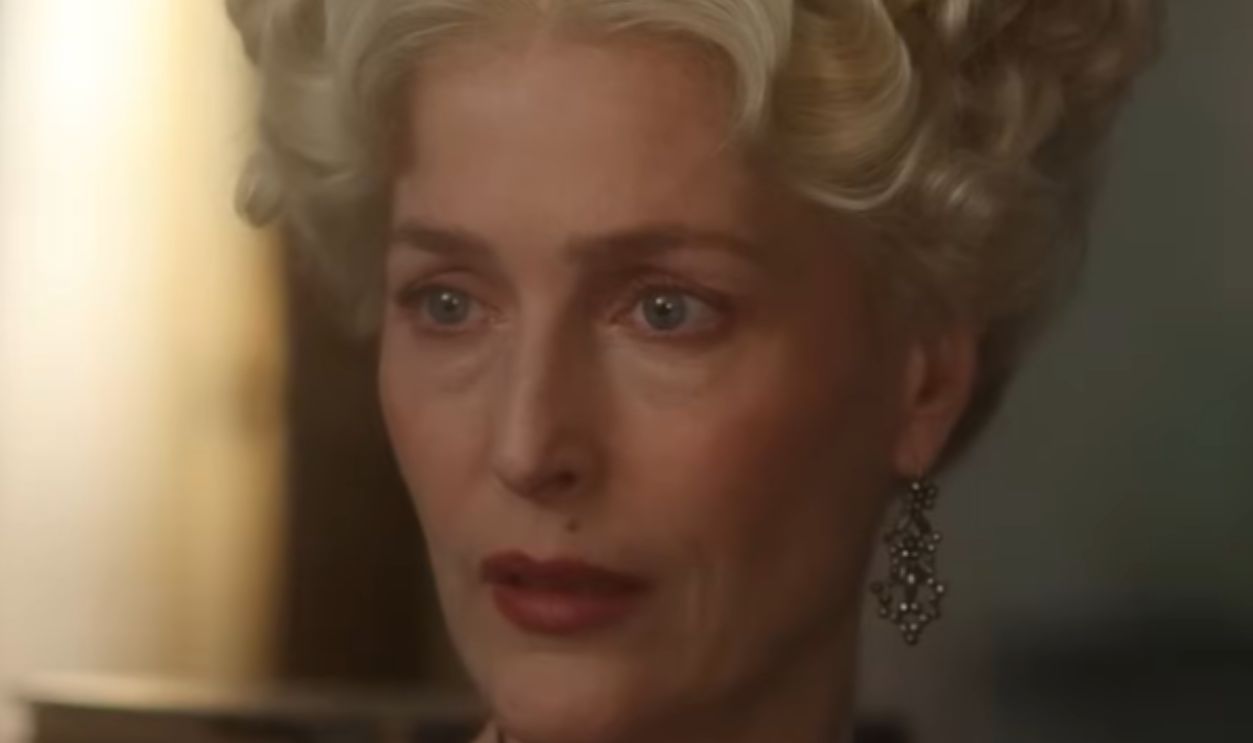
Joanna Elisabeth’s triumph in Russia was almost immediately undercut by news from home. Shortly after arriving, she learned that her youngest daughter, Elisabeth Ulrike—the baby she had named after the Empress herself—had suddenly passed on in Zerbst. The child’s passing might have been an omen of Joanna Elisabeth’s changing fortunes in Russia.
 Screenshot from The Great, The Walt Disney Company (2020-2023)
35. She Crossed The Empress
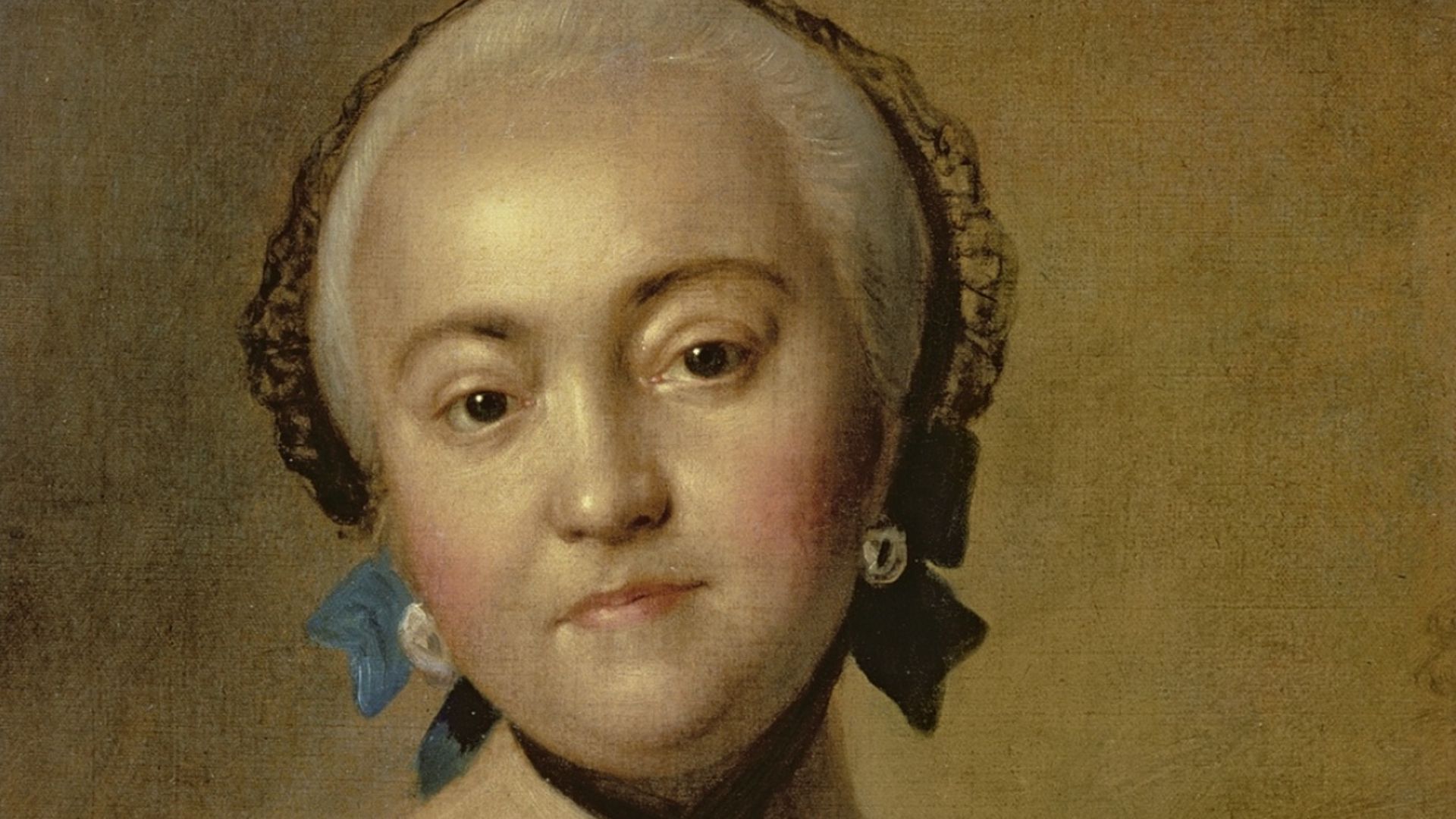
Joanna Elisabeth started off on the right foot with Empress Elizabeth, often expressing gratitude for her kindness toward the family. Then Sophie fell ill. When doctors wished to bleed her, Joanna Elisabeth refused, and the Empress took it personally. Elizabeth removed Joanna Elisabeth from her daughter’s presence and tended to Sophie herself.
It was the first crack in their relationship.
 Pietro Rotari, Wikimedia Commons
36. She Couldn’t Stop Complaining
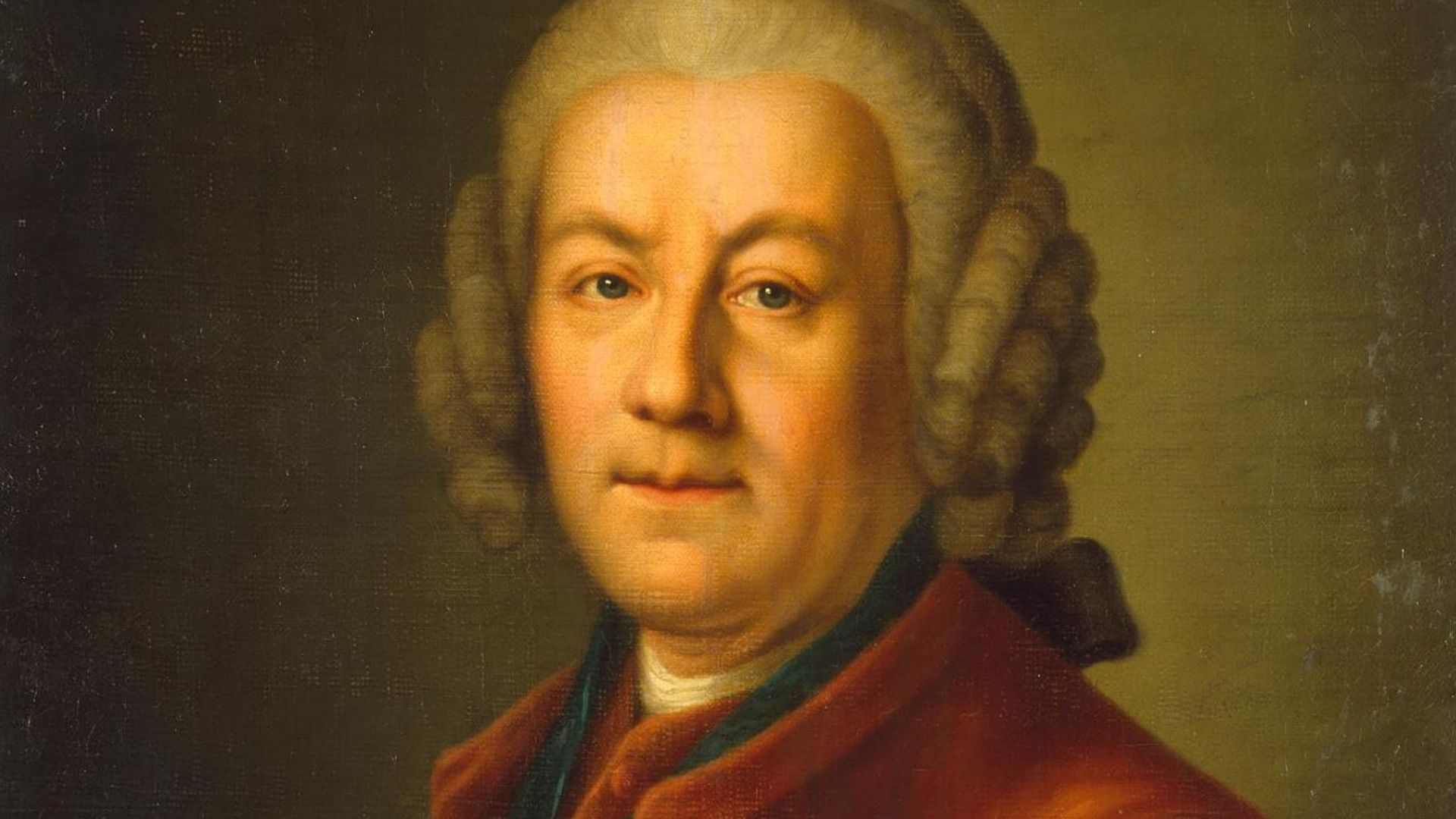
Joanna had one bad habit that had the unfortunate power of turning the Russian court against her: she loved to complain. And while she was busy alienating her hosts, she was also working on her secret mission—actively trying to sabotage Vice Chancellor Bestuzhev. The double game was getting harder to play.
It was only a matter of time before Bestuzhev struck back.
 anonymous / Unidentified painter, Wikimedia Commons
37. She Was Caught Spying
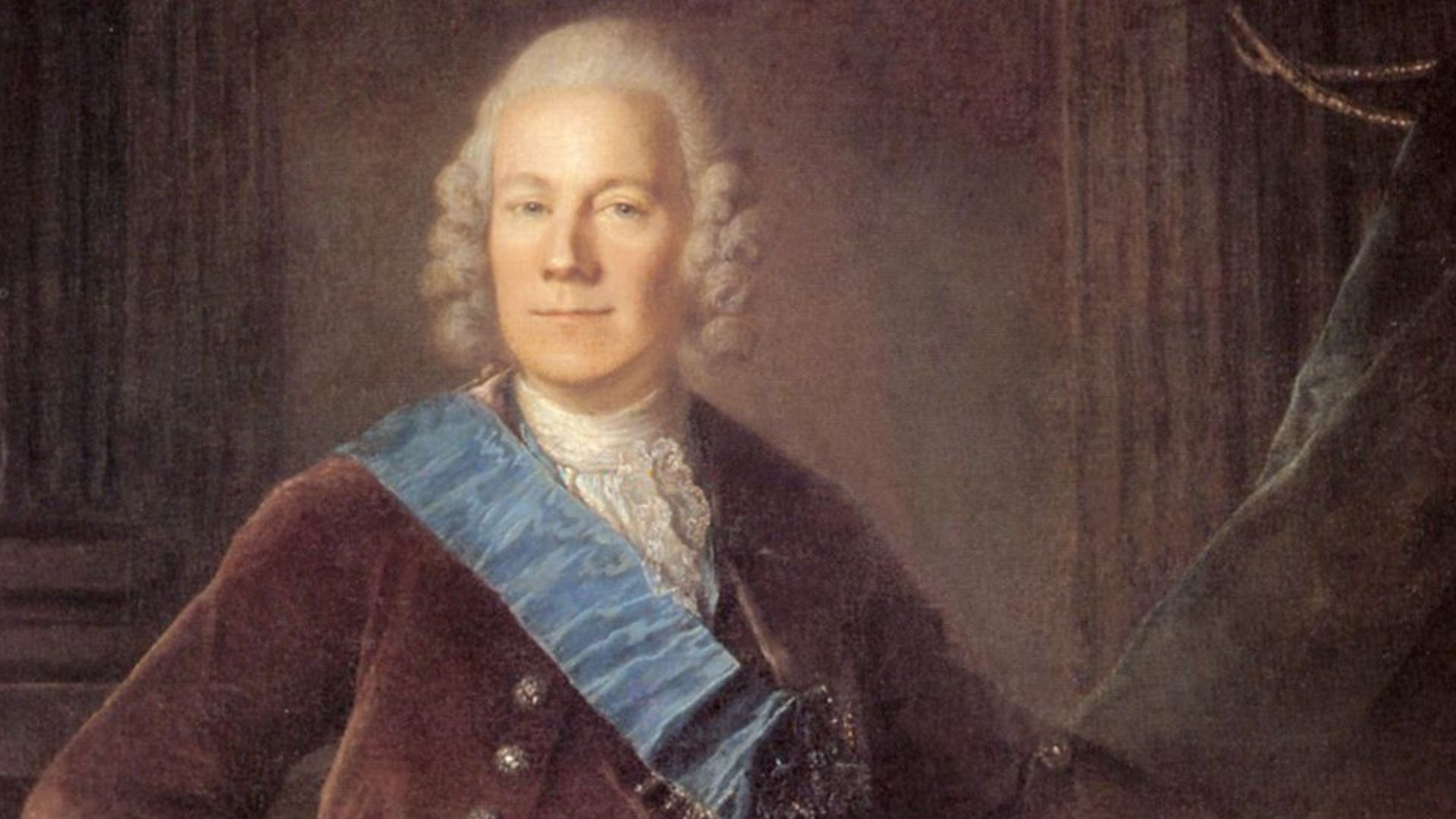
Vice Chancellor Bestuzhev was a step ahead the whole time. He intercepted Joanna Elisabeth’s letters between the Prussian and French ambassadors and the Prussian and French courts, and presented copies of the lot to Empress Elizabeth. The Empress was chillingly angry with her former friend.
The Empress declared that Joanna Elisabeth must leave Russia immediately after the wedding.
 Louis Tocque, Wikimedia Commons
38. She Lost Her Son-In-Law Too
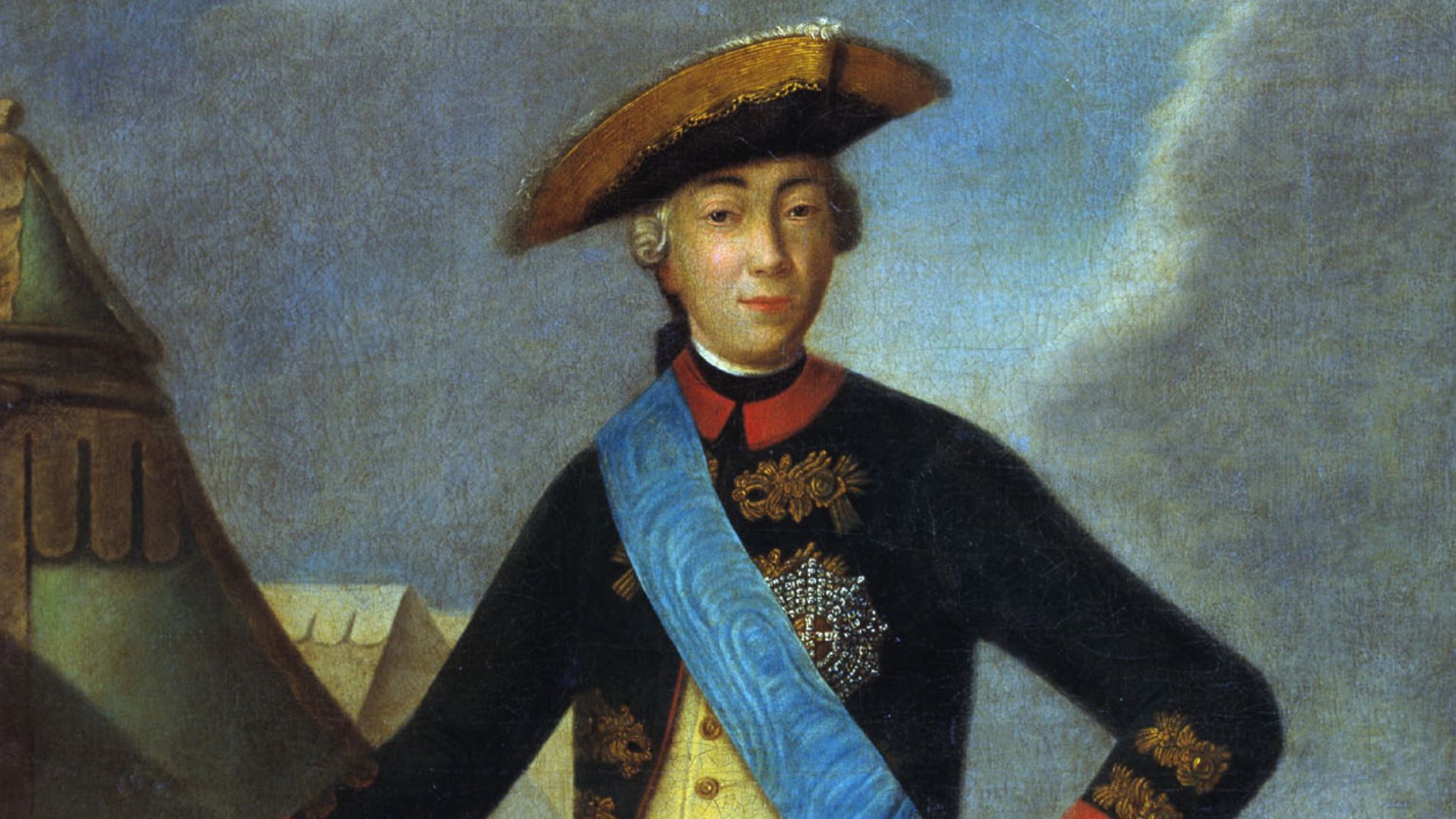
Joanna Elisabeth’s little act of espionage cost her her friendship with Empress Elizabeth and jeopardized her daughter’s marriage to the future emperor. Between Sophie’s betrothal and the wedding itself, the Duchess’s relationship with her future son-in-law, Grand Duke Peter, deteriorated. Joanna Elisabeth was running out of allies at the very court she had schemed for years to enter.
She had one job left—get Sophie to the altar.
 Fyodor Rokotov, Wikimedia Commons
39. She Was Kicked Out Of Russia
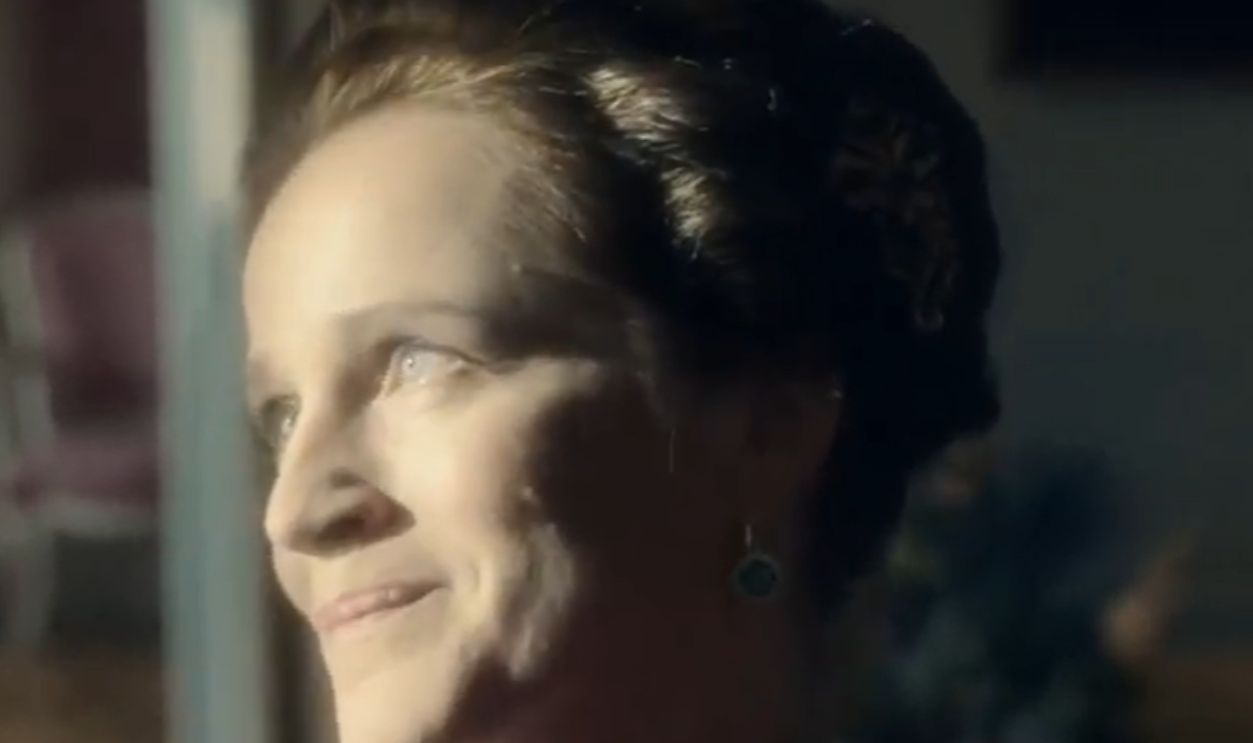
Joanna Elisabeth got her wish when Peter and Sophie tied the knot on August 21, 1745. True to her word, however, Empress Elizabeth showed Joanna Elisabeth the door the moment the ceremony ended. The Duchess left Russia immediately, without even saying goodbye to her daughter, now titled Grand Duchess Catherine Alexeievna—the future Catherine the Great.
Joanna Elisabeth would never see her daughter again.
 Screenshot from Ekaterina, Janson Media (2014-2023)
History's most fascinating stories and darkest secrets, delivered to your inbox daily.
40. She Was Humiliated
In one final act of retribution, Empress Elizabeth sent Joanna Elisabeth back to Prussia in a humiliating way. Although the Empress had given the Duchess many parting gifts, not all of them were well-intentioned. Joanna Elisabeth was forced to carry a letter back to Frederick II of Prussia, asking the Prussian king to recall the ambassador who'd been embroiled in the conspiracy against Bestuzhev.
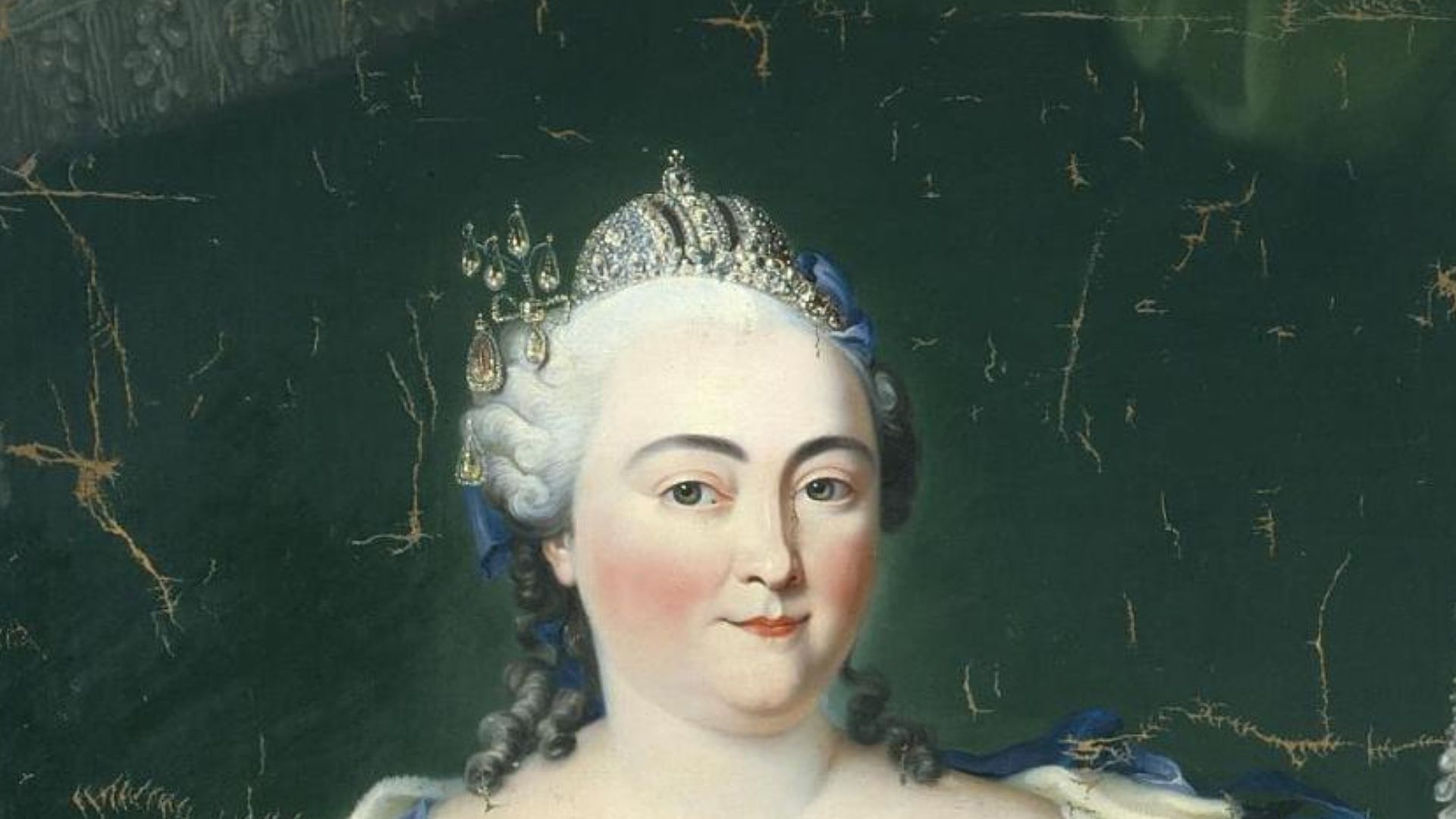
41. She Buried Her Husband
Two years after returning from Russia in disgrace, Joanna Elisabeth lost her husband. Christian August passed on in March of 1747, and the couple’s son Frederick Augustus inherited his father’s title to become the new Prince of Anhalt-Zerbst. The boy was still too young to govern, however, so the Duchess herself stepped in as regent.
For the first time in her life, Joanna Elisabeth was actually in charge. But this wasn’t really a good thing.
 Screenshot from The Great, The Walt Disney Company (2020-2023)
42. She Built A Palace No One Visited
The Duchess wasted no time using her new authority. During her regency, Joanna Elisabeth commissioned architect Friedrich Joachim Stengel to build her a new palace at Dornburg. The place was meant to be grand enough to host her brother, King Adolf Frederick of Sweden, and her now-famous daughter, the Grand Duchess of Russia.
The sad irony? Neither of them ever bothered to show up.

43. She Lost Her Power Again
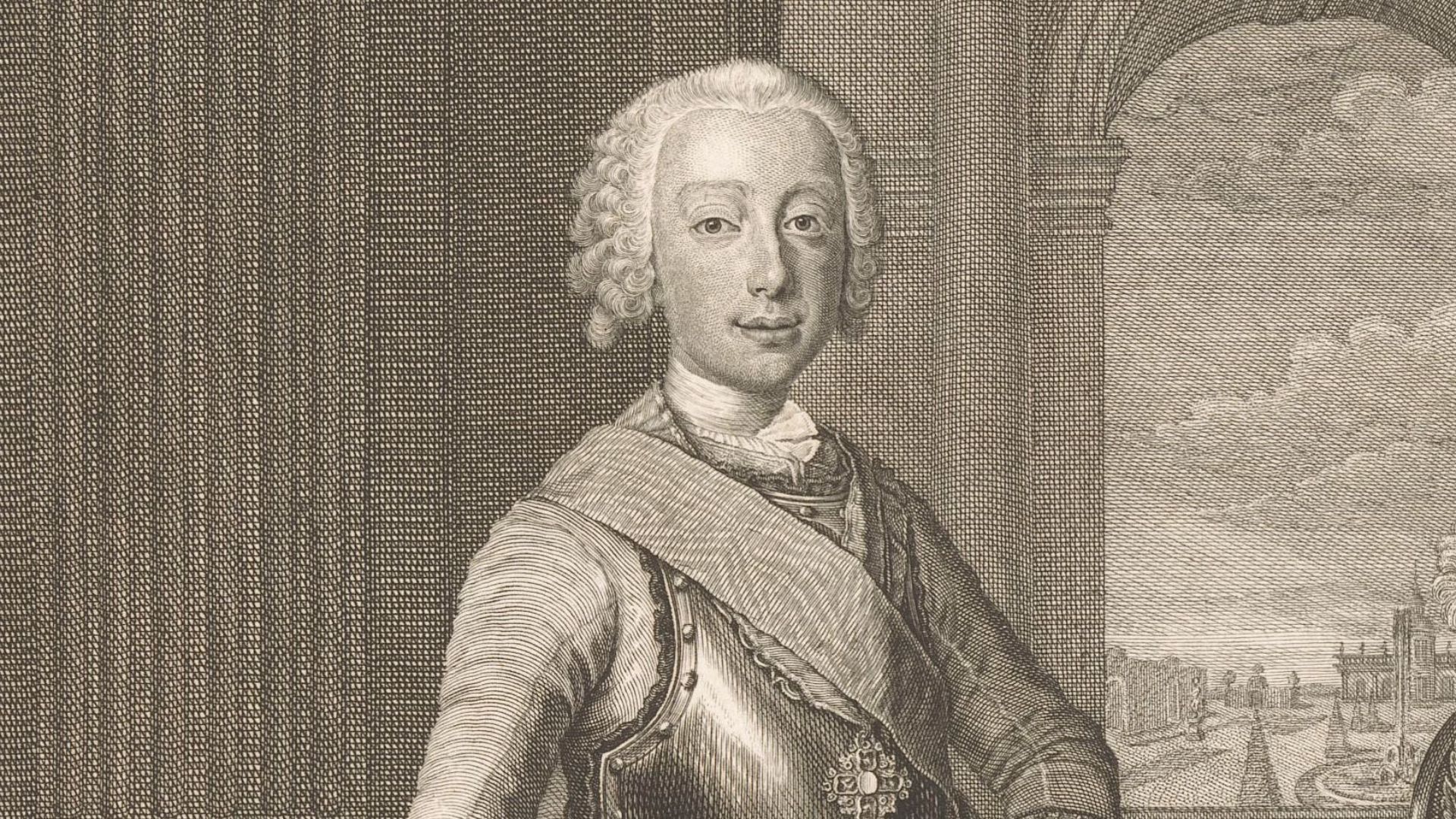
Joanna Elisabeth’s stint at the top didn’t last forever. In 1752, her son Frederick Augustus came of age, and the regency was over. After five years calling the shots in Anhalt-Zerbst, the Duchess had to step aside for her own son. What happened next, however, was an indignity unlike any she had ever faced before. She was about to lose it all.
 Rijksmuseum, Wikimedia Commons
44. She Was Driven Into Exile
In 1758, the Seven Years’ War caught up to Joanna Elisabeth. Prussia—the same kingdom whose secrets she had once carried as a spy—marched on Anhalt-Zerbst and seized it. The Duchess and her son Frederick Augustus couldn’t seek refuge in Russia and had nowhere left to go. In a panic, the pair fled to Paris and settled into exile.
She would never make it back home.
 Screenshot from The Great, The Walt Disney Company (2020-2023)
45. She Never Made It Back Home
Joanna Elisabeth never made it back to her home. The Duchess passed on in Paris in May of 1760, at just 47 years old, still living in exile. Her son Frederick Augustus would never return to Zerbst either. The greatest irony of her life, however, would be one that she would never actually live to see. She would get her wish after all.
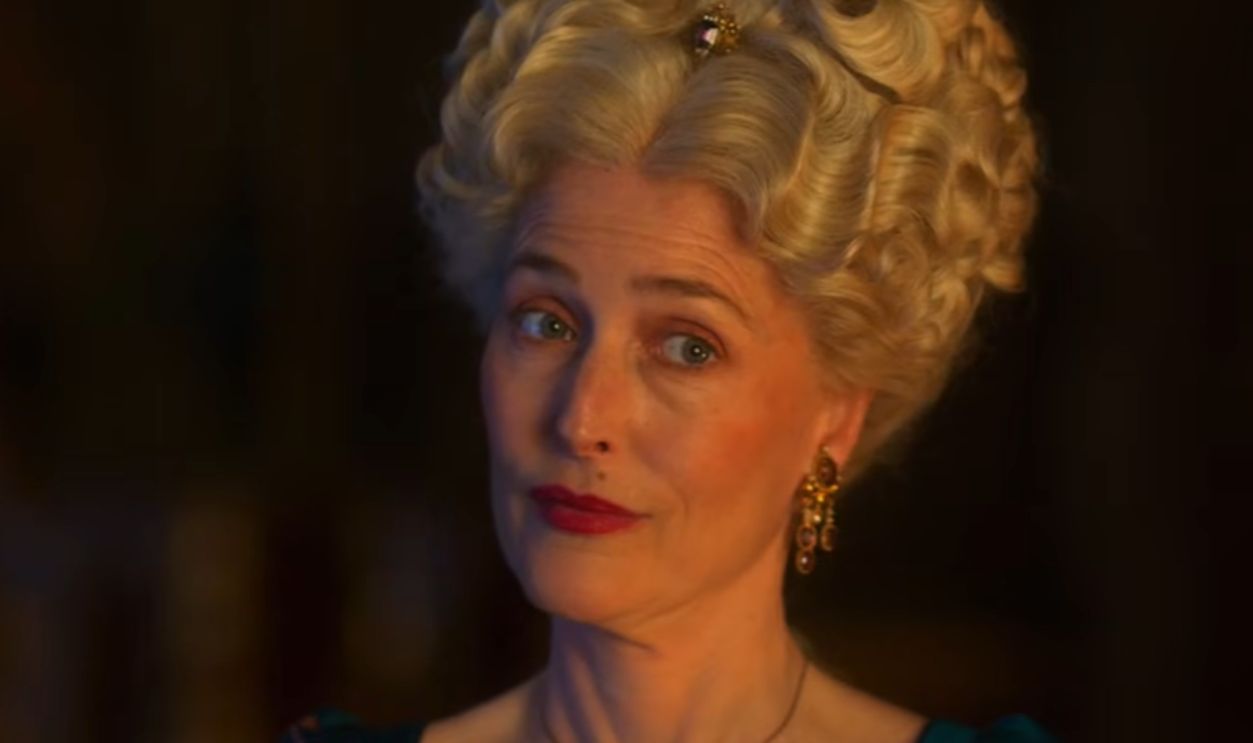 Screenshot from The Great, The Walt Disney Company (2020-2023)
History's most fascinating stories and darkest secrets, delivered to your inbox daily.
46. She Missed The Coronation Of A Lifetime
If Joanna Elisabeth had lived another two years, she would have witnessed her crowning achievement. In 1762, the same Sophie whom Joanna Elisabeth had handed off to nurses, neglected, and shopped around as a child became Empress Regnant of Russia under the name Catherine II. The Duchess’ lifelong scheme had paid off in full.
Catherine the Great would rule for 34 years—and her mother never knew.
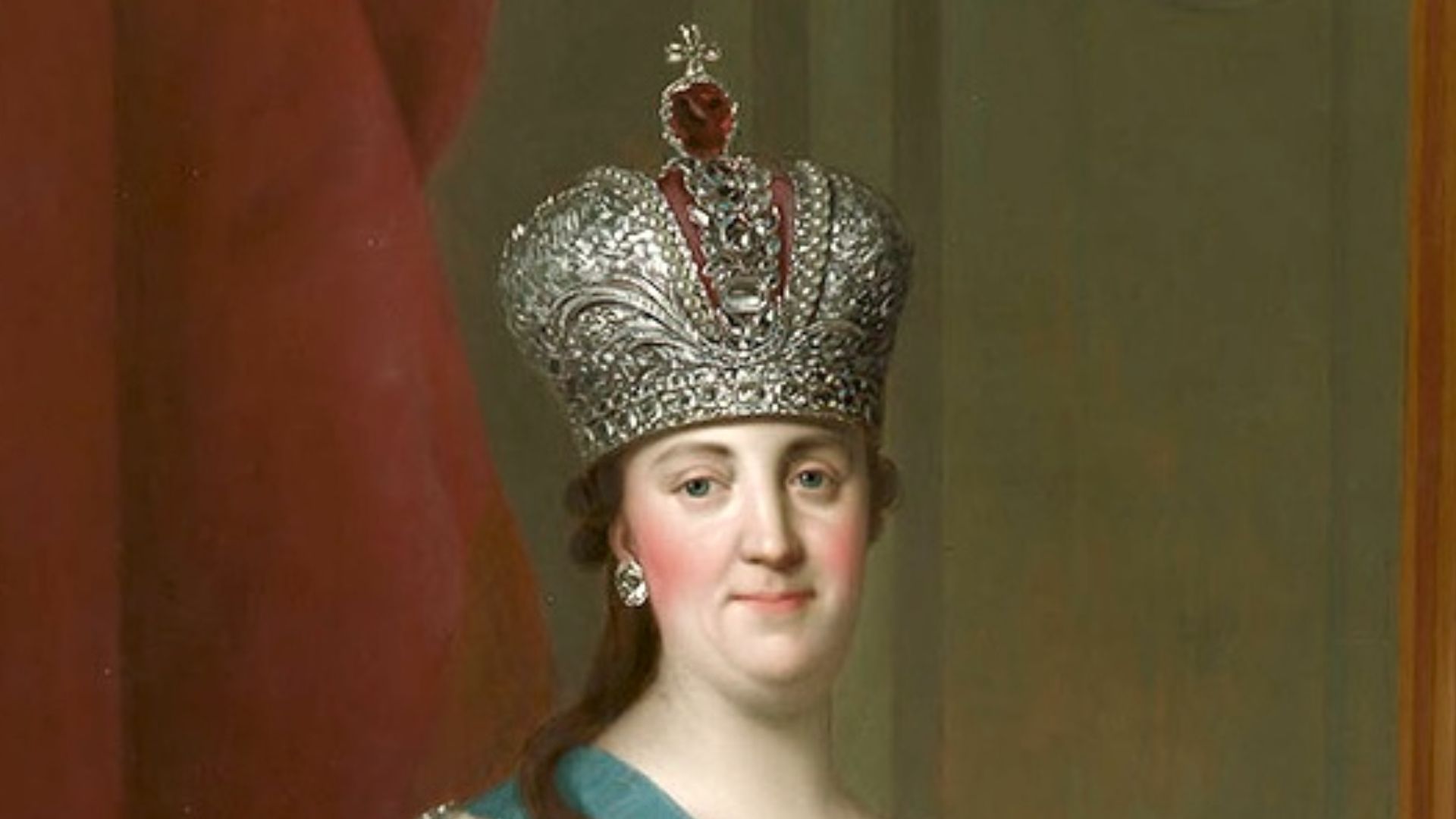 Vigilius Eriksen, Wikimedia Commons
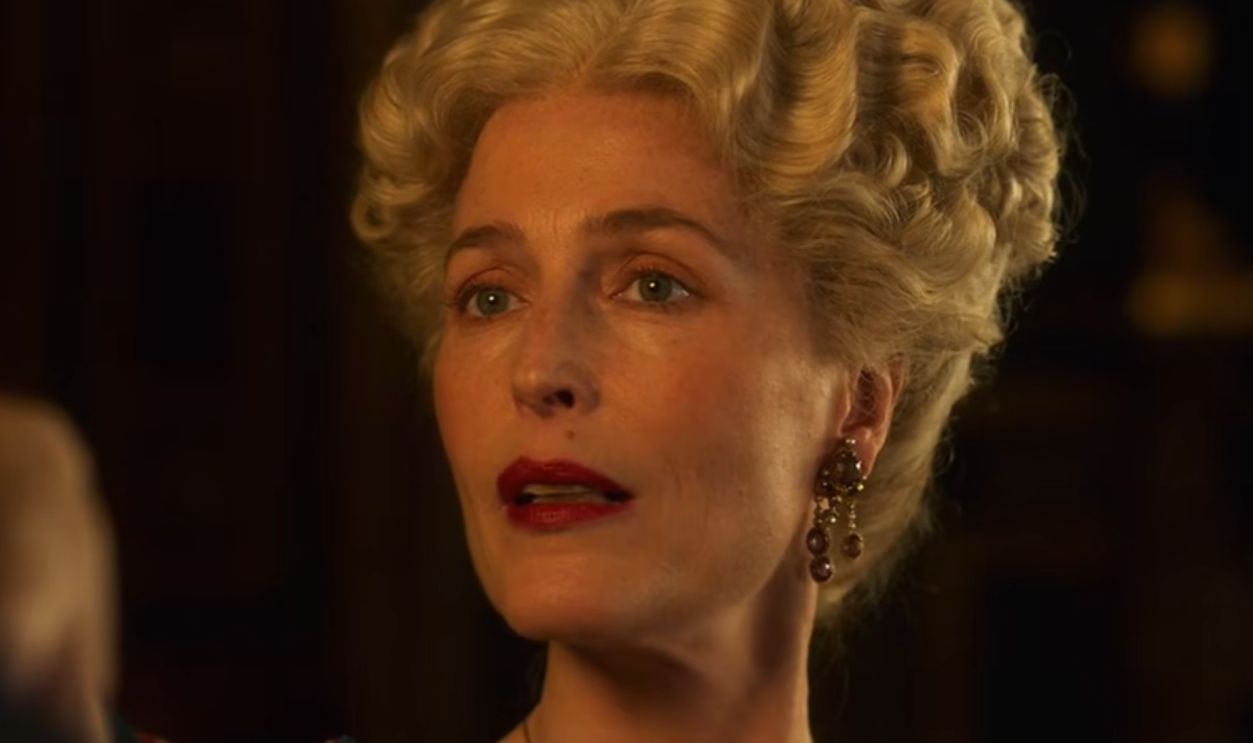
47. She Got A Hulu Makeover
More than 250 years after her passing, Joanna Elisabeth got a second life on screen. Hulu’s series The Great—a “loosely historically based” comedy-drama starring Elle Fanning as Catherine—cast Gillian Anderson in the role of the Duchess. The show’s version of Joanna Elisabeth arrives at court after Catherine’s coup against her husband.
The real story, however, was nothing like that.
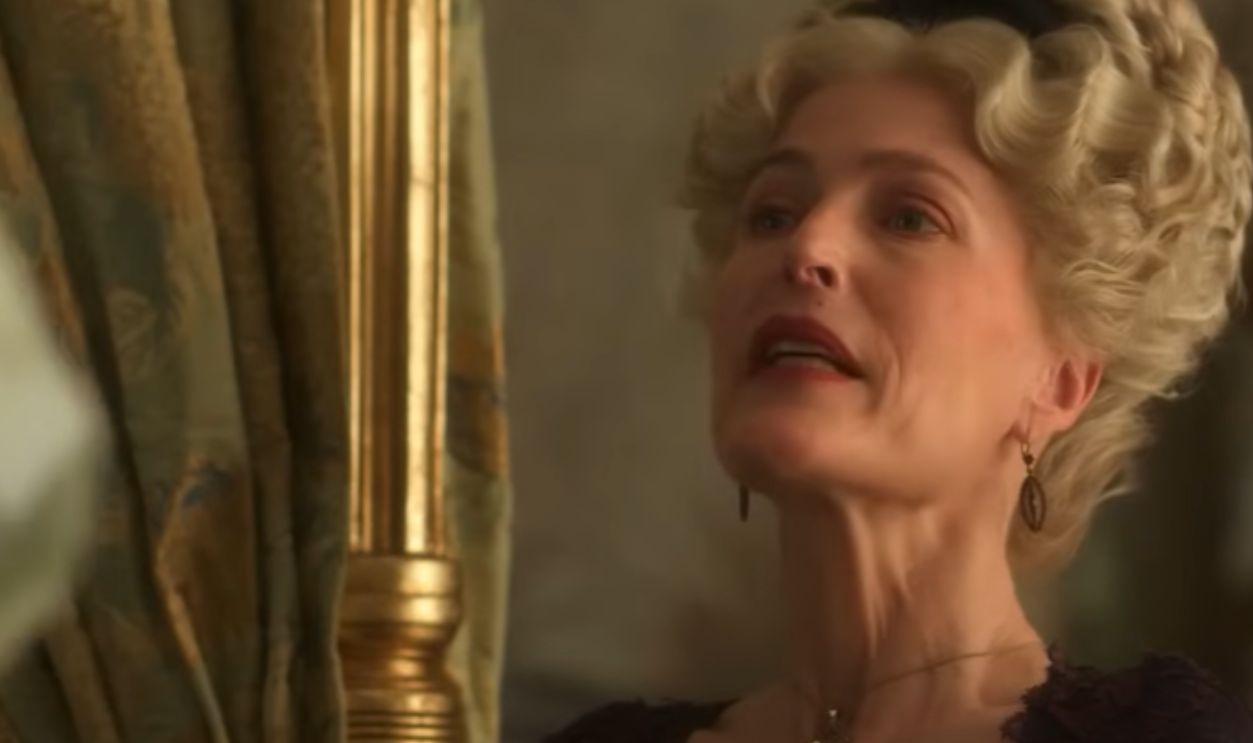 Screenshot from The Great, The Walt Disney Company (2020-2023)
48. She Wasn’t Quite The Matchmaker TV Made Her
The Great’s Duchess Joanna Elisabeth has a second daughter she plans to marry off to Louis XIV of France, billing the Duchess as a self-styled “maestro of marriage”. The reality is much sadder. As the historical record shows, by that point in history, Catherine the Great was Joanna Elisabeth’s only surviving daughter.
That wasn’t all the series got wrong.
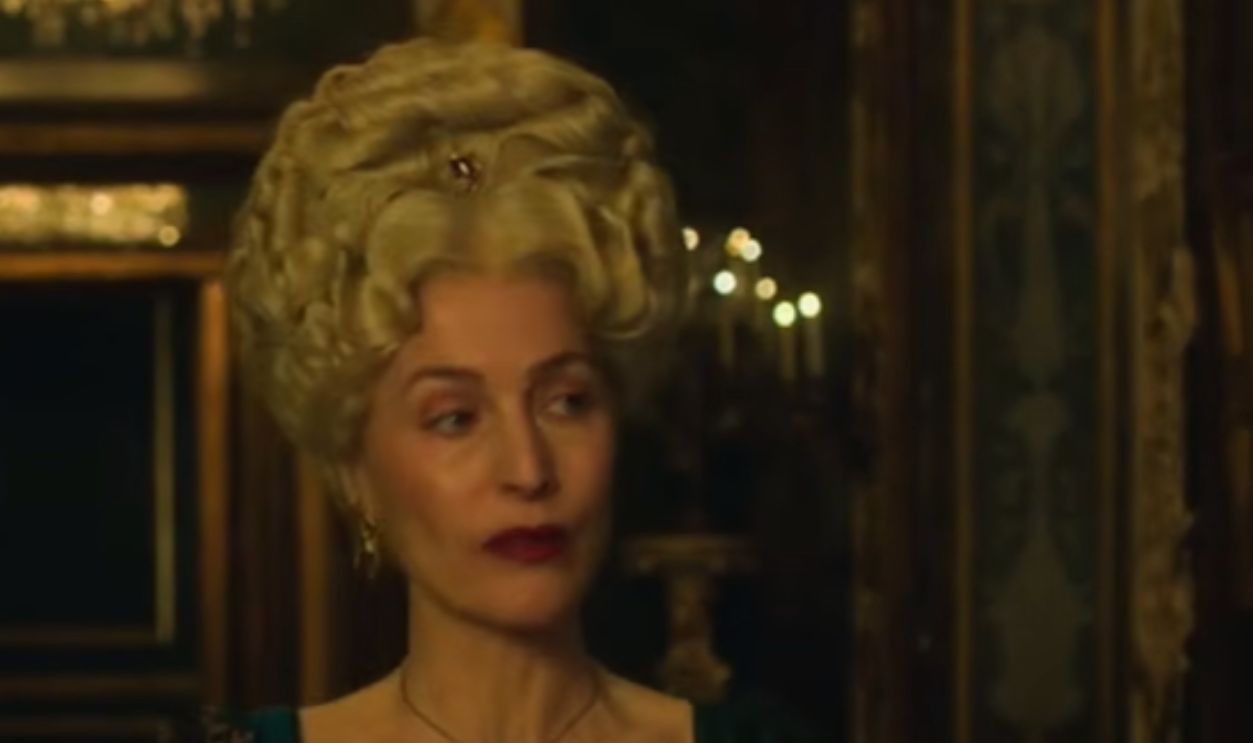 Screenshot from The Great, The Walt Disney Company (2020-2023)
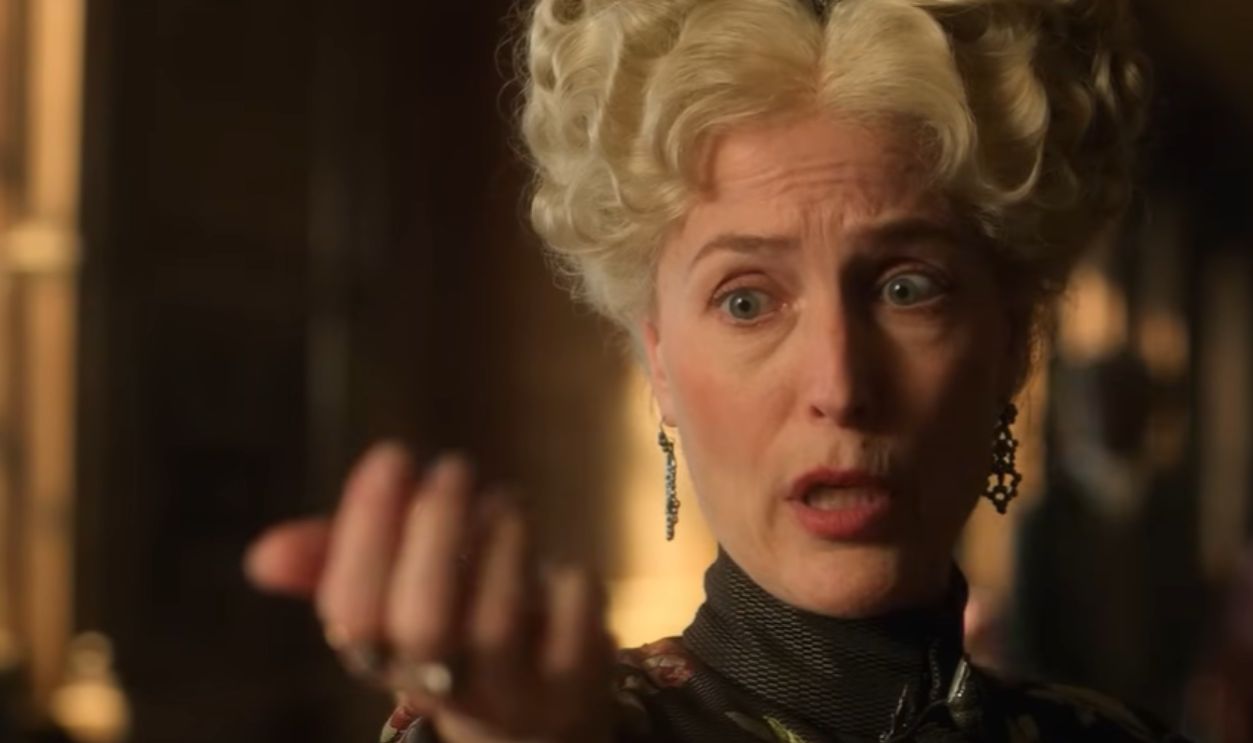
49. She Was Not Allergic To Peanuts
Spoiler alert: Joanna Elisabeth did not meet her end in a bowl of peanuts. In the Hulu version presented in The Great, Joanna Elisabeth bites the dust when she has an allergic reaction to peanuts. Not only is that version of events wrong on the facts, but doctors didn’t even truly understand allergens until the mid-19th century.
The real Joanna Elisabeth passed on in exile, never knowing her daughter would be called Catherine the Great.
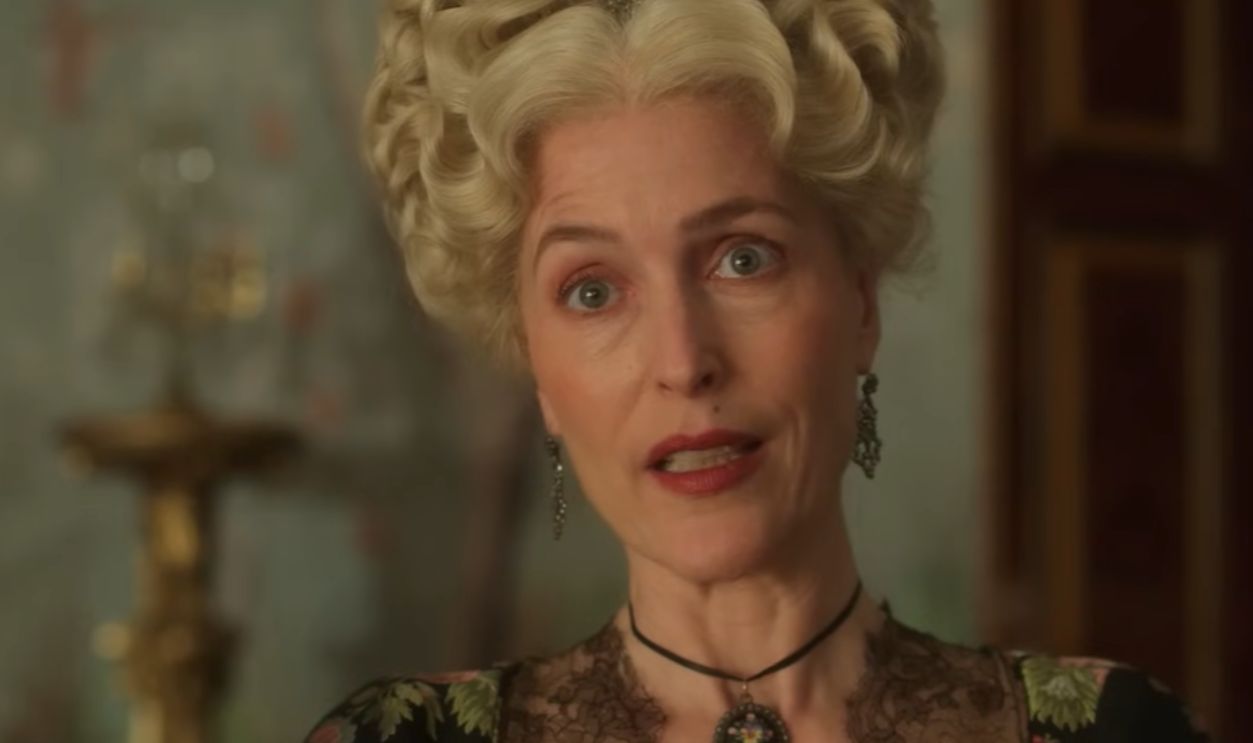 Screenshot from The Great, The Walt Disney Company (2020-2023)
You May Also Like:
Joseph Stalin’s Daughter Lived An Utterly Tragic Life
The Real-Life Beauty & The Beast: Ivan The Terrible’s Wife









.jpg)