Jeanne Eagels Was Too Wild For Her Time
Jeanne Eagels had it all: magnetic beauty, ferocious talent, relentless hype, and the ability to turn herself into pure tabloid catnip—decades before TMZ culture even existed. So where’s her buzzy biopic? Well, throw in a scandal-soaked downfall, addiction, diva meltdowns, and a shadowy final spiral, and her life becomes the kind of story no one quite knows how to tell…
At least until now.
1. She Built Her Life On Secrets
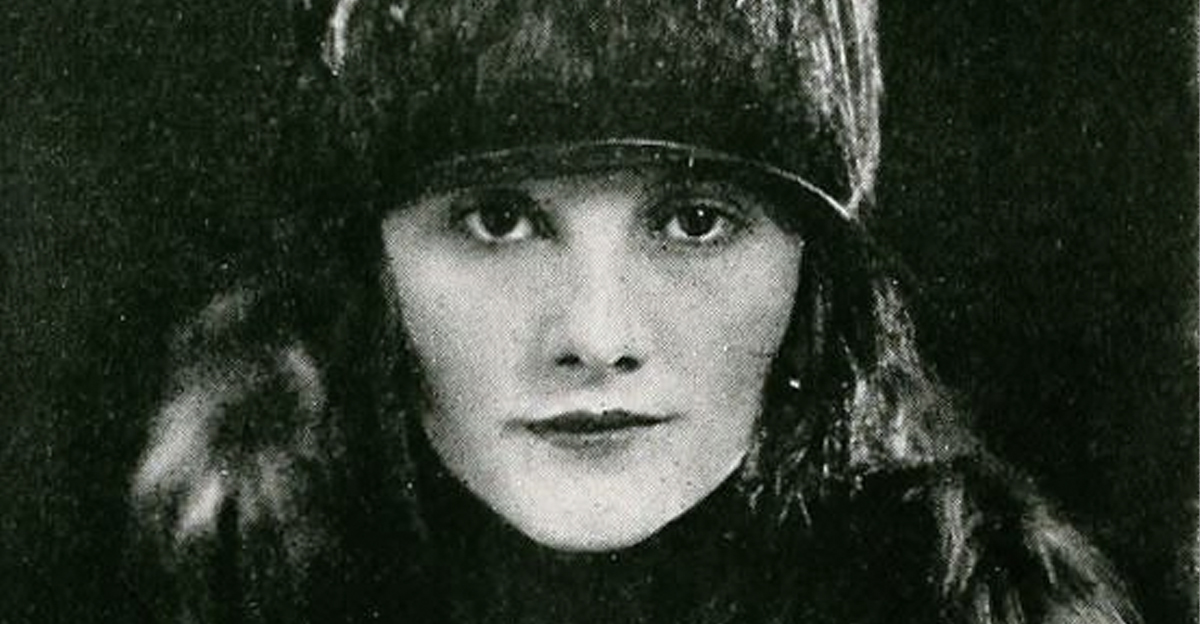
Jeanne Eagels had no reason to be ashamed of her humble origins. She was born Amelia Eugenia Eagles on June 26, 1890, in Kansas City, Missouri, the daughter of a carpenter. But that wasn’t the story she told. In Jeanne’s version, she was born in Boston to a Spanish architect. She would even shave years off her age and alter the spelling of her name to sound more compelling.
Clearly, for Eagels, the truth was only a starting point.
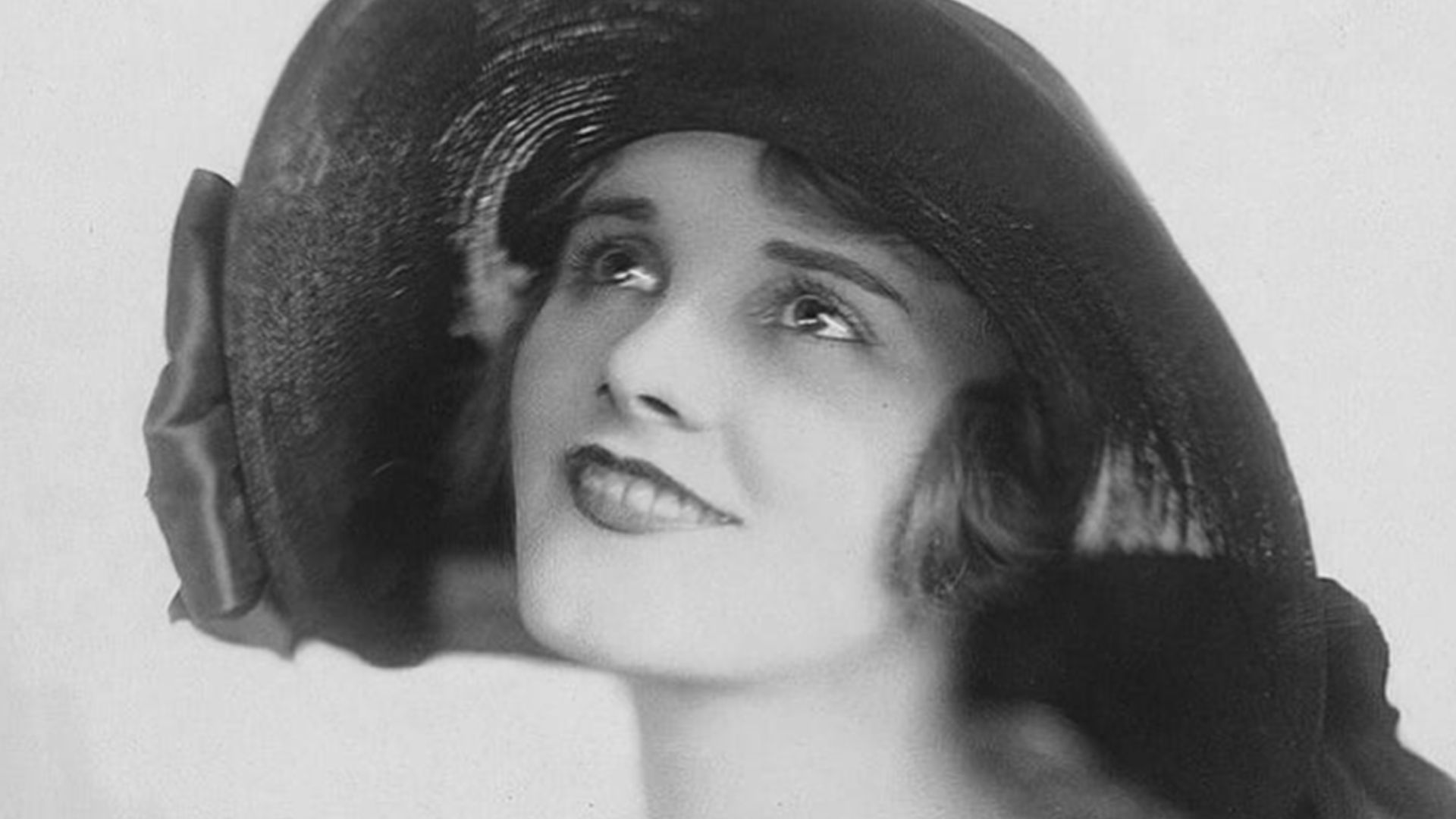 Strauss-Peyton, Wikimedia Commons
2. She Was Feral
Jeanne was a spitfire—even as a kid. Small, sickly, and completely fearless, she terrified the neighborhood boys, who scattered when they saw her coming. With unnerving confidence, she would dance from rafter to rafter at construction sites and would climb barns as if gravity were merely a suggestion. She moved as if nothing could hurt her.
For a while, it almost seemed true.
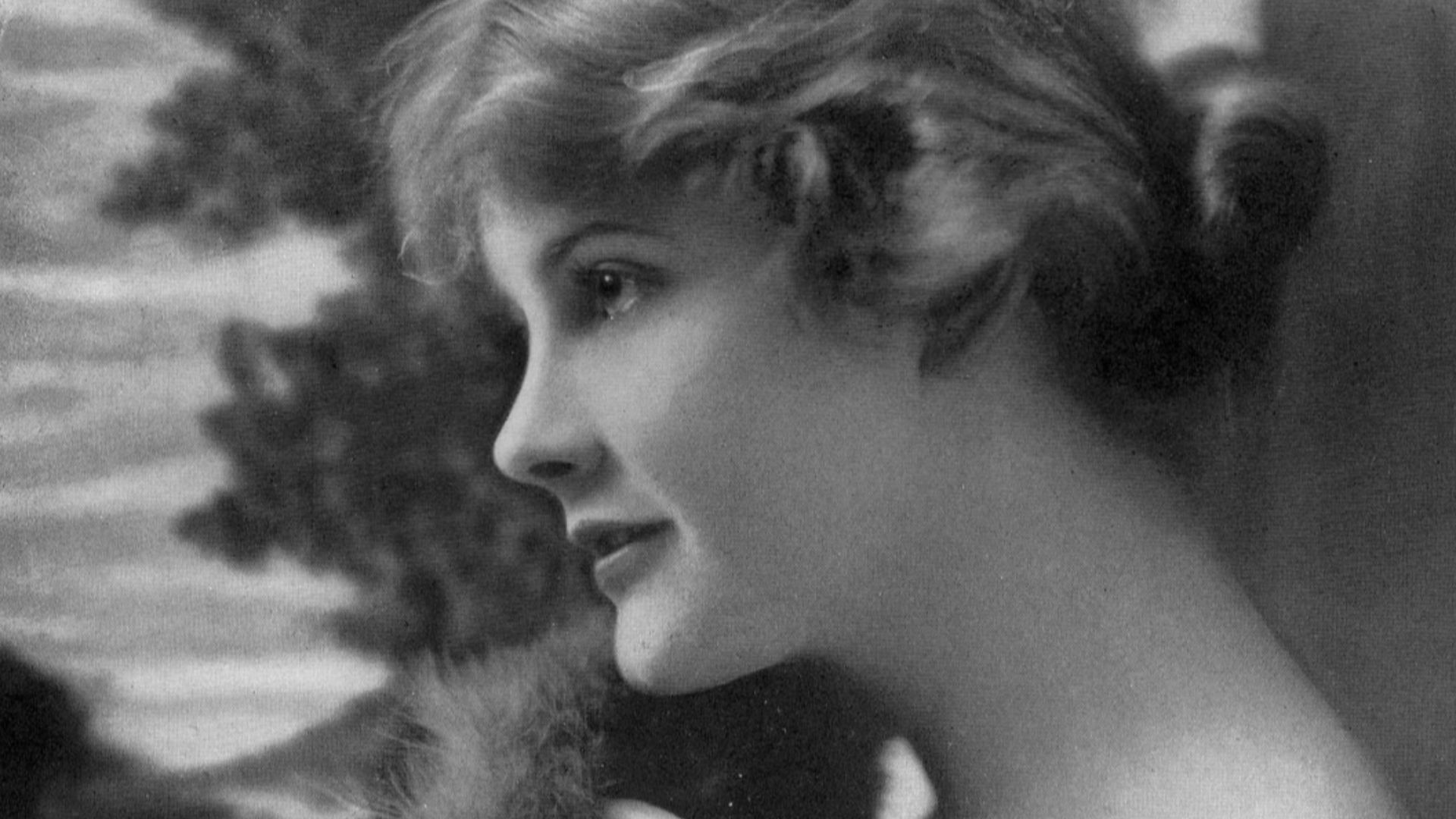 Portrait by Strauss-Peyton, Wikimedia Commons
3. She Would Never Be The Same
At just seven years old, the fall came. While walking along the top of a fence with her sister, Jeanne took a tumble and broke her right arm. It may have seemed like a minor childhood injury, but the real damage came after. A local doctor set the bone poorly, and it never healed properly. From then on, she lived with chronic pain that would flare up night after night as she performed.
It was the first step toward an agony she could never quite escape.
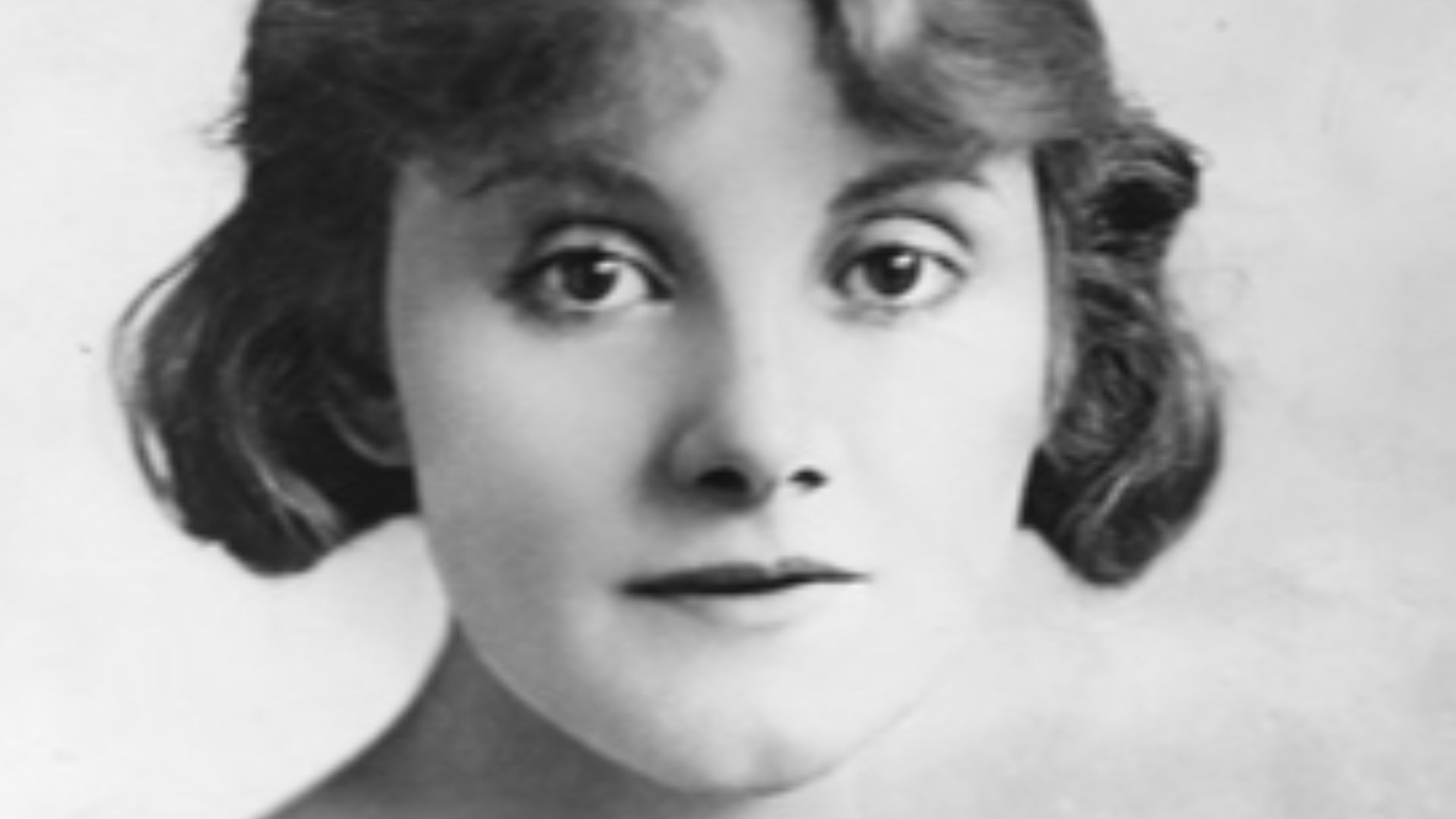 Photo by Apeda, Wikimedia Commons

History's most fascinating stories and darkest secrets, delivered to your inbox daily.
4. She Was Chasing Thrills
Quitting school to join the circus sounds like a joke—unless you’re Jeanne Eagels. Shortly after her First Communion, she got a job at a department store, but soon ditched it. The taste of acting in local shows had given her a hunger for the stage. One day, she boldly showed up at the office of talent agent Al Mackensen.
Mackensen sent her to the Dubinsky Brothers—and straight into her tent show era.

5. She Paid Her Dues
Life as part of the Dubinsky Brothers’ tent show was not glamorous. They crisscrossed the Midwest in unheated train cars, their props and luggage rattling beside them in the bitter cold. Lodging wasn’t much better. Jeanne would sometimes wake to find snow on her quilt. But come morning, it almost felt worth it when she heard the townspeople whisper excitedly, “There’s one of the actresses”.
Except she wasn’t a real actress. Not yet.
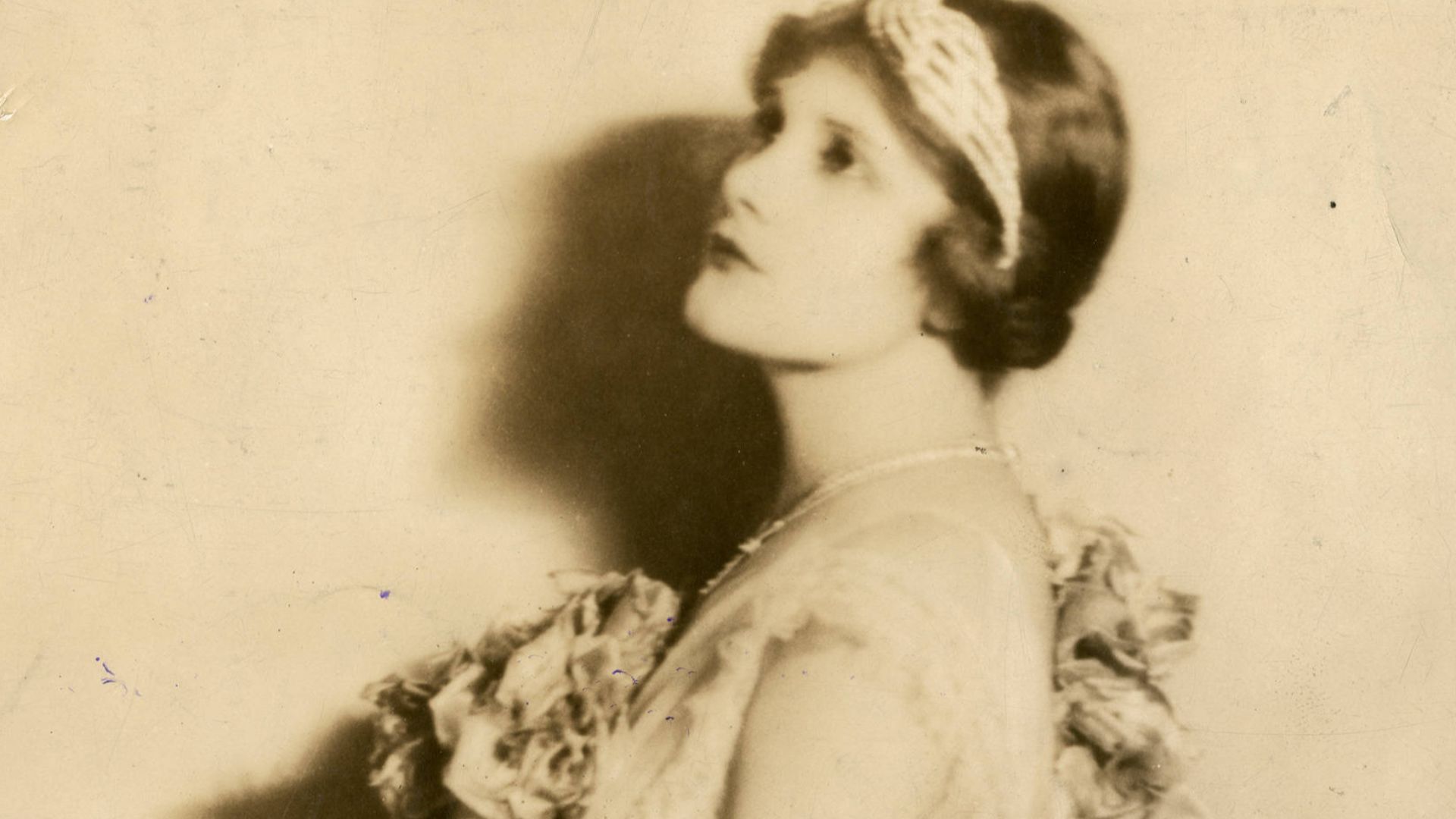 Studio of Luther S. White, Wikimedia Commons
6. Her Job Was Dangerous
The tent show’s rough conditions didn’t stop at uncomfortable trains and drafty rooms. Sometimes the danger came from the crowd. One night in remote Iowa, in the middle of a show, a man suddenly leapt from the audience and began strangling Pauline, the show’s leading lady. With the Dubinskys off counting receipts, and others scrambling for the exits, there was no one to stop him.
The prop master finally stepped in—with a crowbar. But not soon enough.
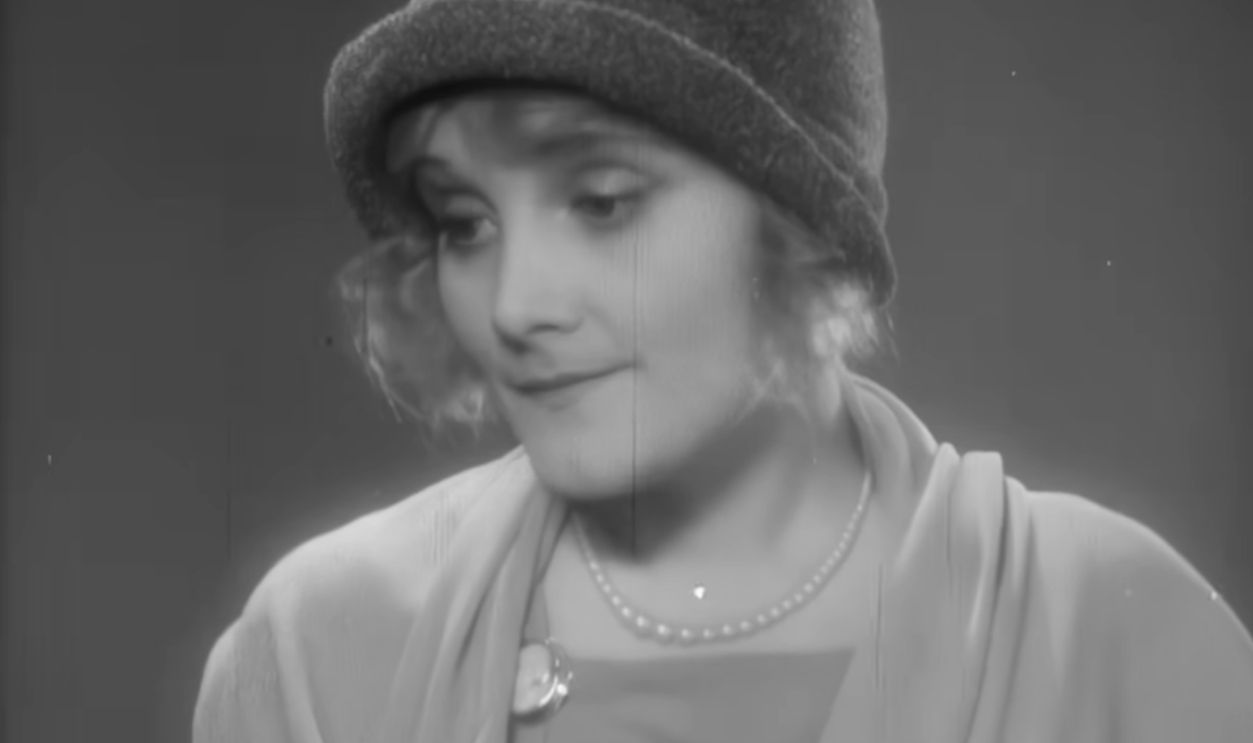 Screenshot from The Letter, Warner Bros. Discovery (1929)
7. She Saw Her Chance
The show’s leading lady was so severely injured that she wouldn’t be back for weeks. Jeanne didn’t hesitate. She went straight to Morris Dubinsky and told him that she knew the lead part and could play it even better than Pauline. After a quick word with his brothers, they gave her a chance. The very next night, Jeanne stepped into the lead like a pro—at just 15.
The applause was thunderous. A fuse had been lit.
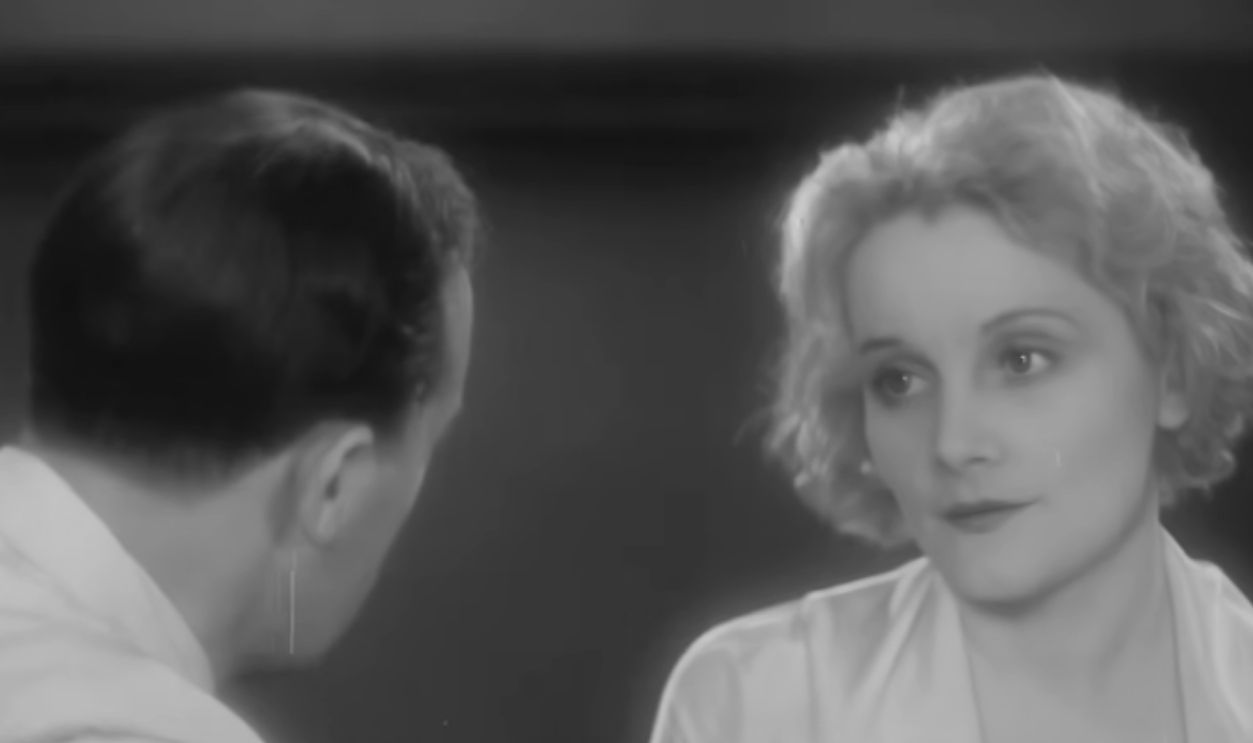 Screenshot from The Letter, Warner Bros. Discovery (1929)
8. She Was Just A Kid
Record scratch—yes, Jeanne was only 15. She didn’t exactly run away to join the Dubinskys, but she didn’t have her parents’ full blessing either. Before she had left, her mother, very familiar with Jeanne’s iron will, told her, “If you must be an actress, be the best actress in the world”.
And now, as the show barrelled toward her hometown, Jeanne was about to prove it. Too bad there was just one problem.
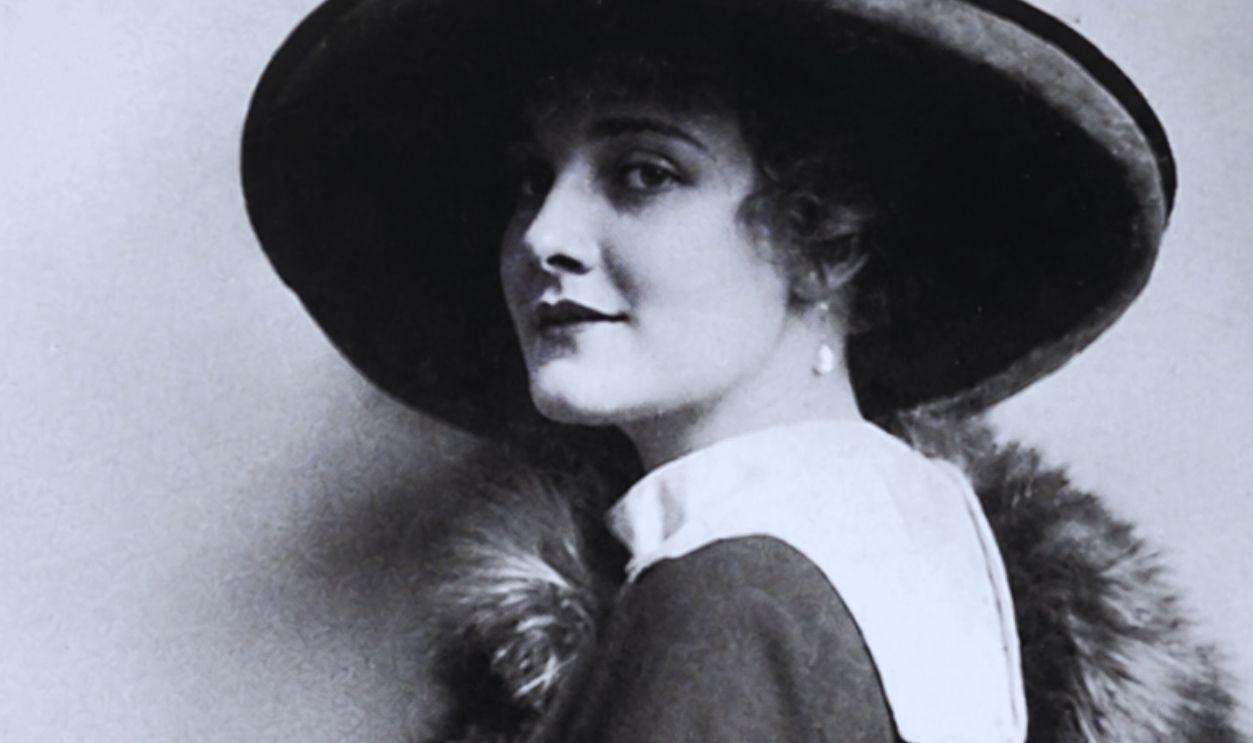 Strauss-Peyton, Wikimedia Commons, enhanced
9. She Wasn’t A Quitter
Call it a miraculous recovery…or pure fear, but Pauline, the show’s original leading lady, didn’t stay gone for long. In fact, she rushed back the moment she heard that Jeanne was a hit. She stormed into the dressing room as Jeanne was getting ready to go on. “I’m back,” Pauline said, "get out of my costume”.
Jeanne calmly looked at her. “Get out of your costume? Get out of my way”.
 http://www.jeanneeagels.com/id17.html, Wikimedia Commons, enhanced
History's most fascinating stories and darkest secrets, delivered to your inbox daily.
10. She Waged A Backstage Battle
Pauline had no intention of talking things through with Jeanne. She whipped a bottle of hair tonic at her new rival, but Jeanne ducked. She then threw a hairbrush—and this time it hit its mark. Shoes, makeup, and boxes all became missiles. The dressing room became an octagon. When there was nothing left to throw, they went at each other, clawing, kicking, and pulling hair.
And when the show returned to Jeanne’s hometown, she was still the leading lady.
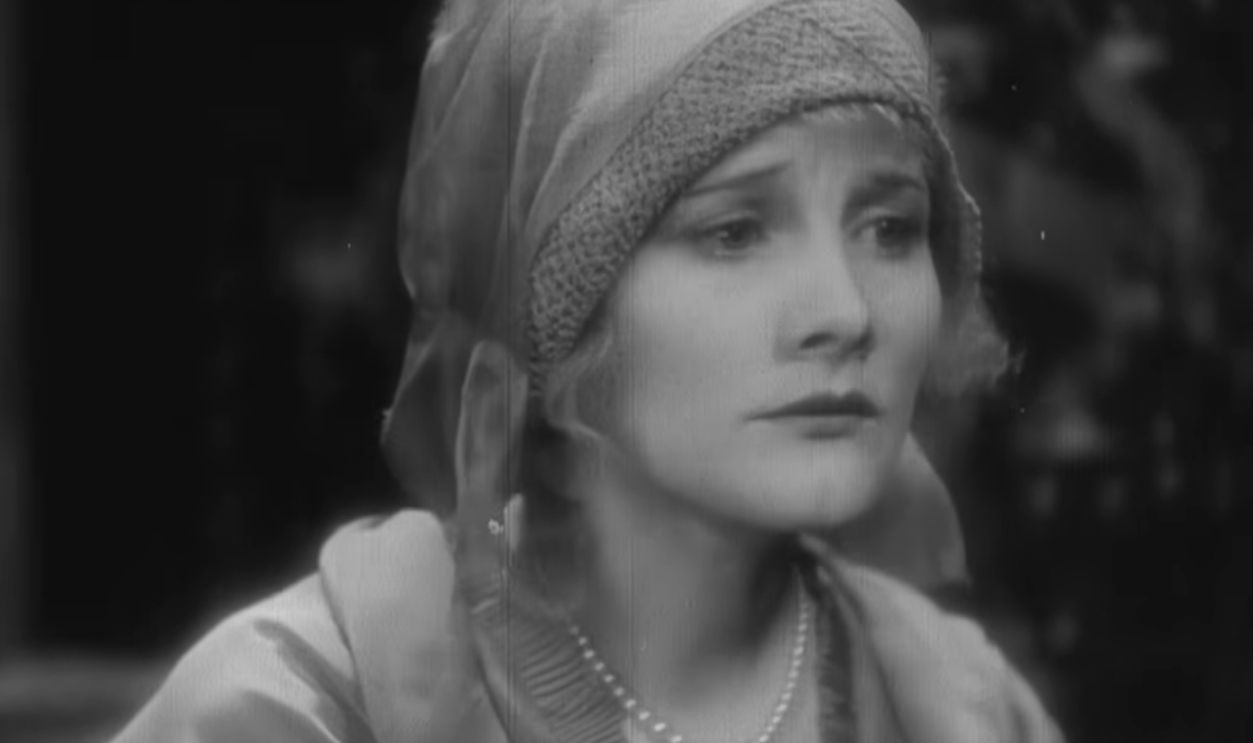 Screenshot from The Letter, Warner Bros. Discovery (1929)
11. Her Relationship Blurred Lines
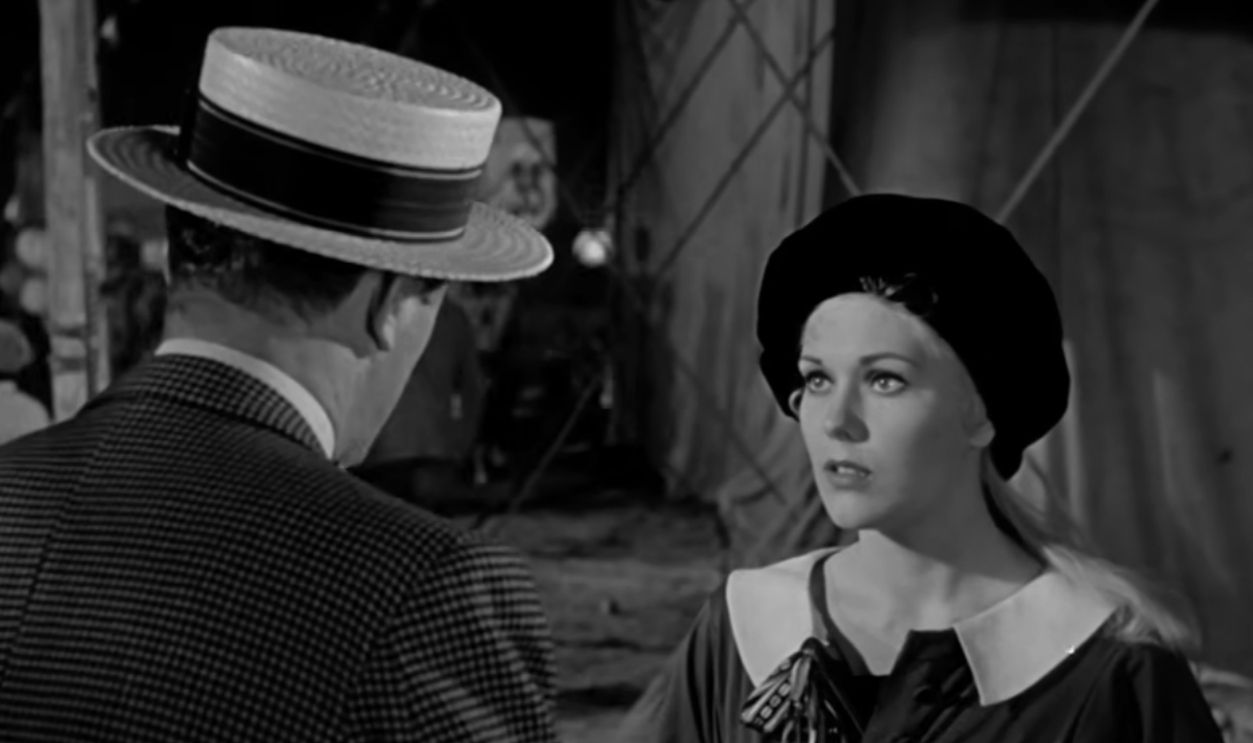
Sure, things were different in the early 1900s, but a 15-year-old marrying a much older man still raised eyebrows—especially when the man was also her boss. Morris Dubinsky (also known as Maurice Dubinsky) was worldly, in charge, and totally in love with Jeanne. She was young, ambitious, and stepping into a whole new world. He took care of her, cast her in leading roles, and promoted her name.
Then came an even more complicated claim.
 Screenshot from Jeanne Eagels, Sony Pictures Entertainment (1957)
12. She Didn’t Let The Truth Get In The Way Of A Good Story
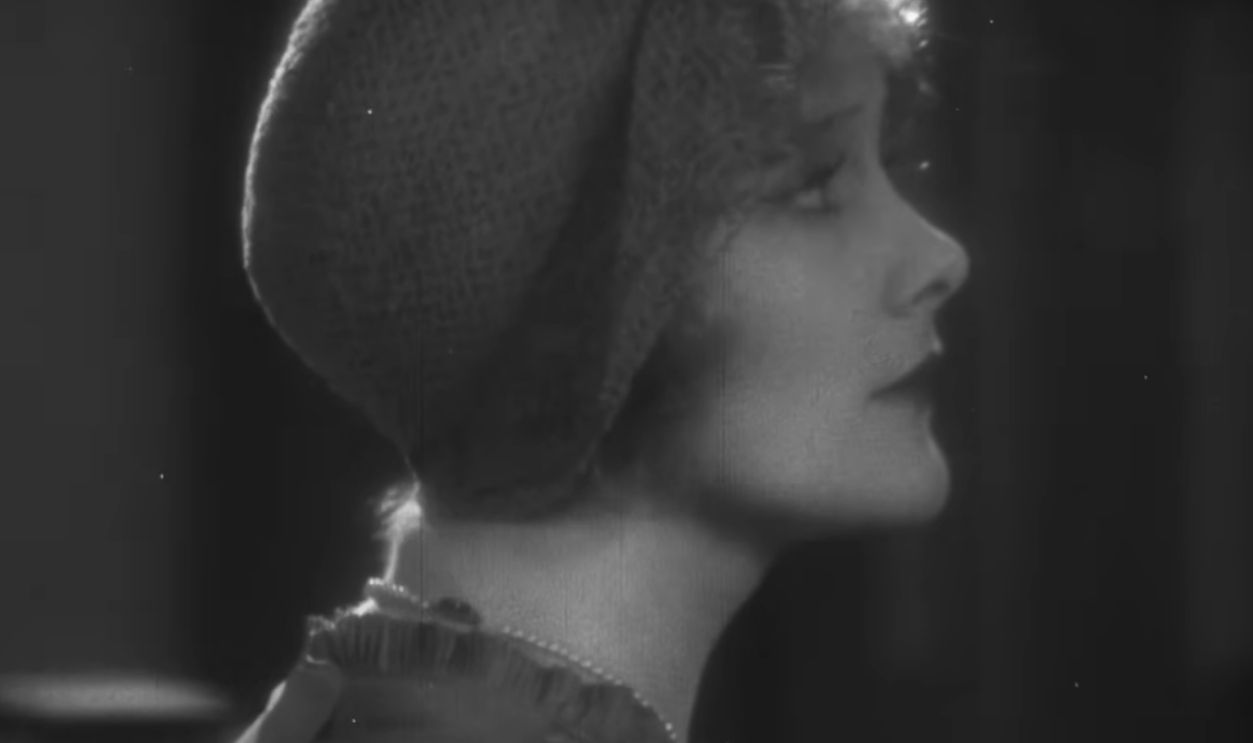
With Jeanne, the line between truth and myth was always shifting—especially when it came to her child. She sometimes spoke tearfully of a baby boy she’d been forced to give up, but the details kept changing, and there are no records to back it up. Friends were left wondering: was this buried heartbreak or another performance?
The only thing that is certain? If he did exist, she chose the stage over him.
 Screenshot from The Letter, Warner Bros. Discovery (1929)
13. She Learned How To Hustle
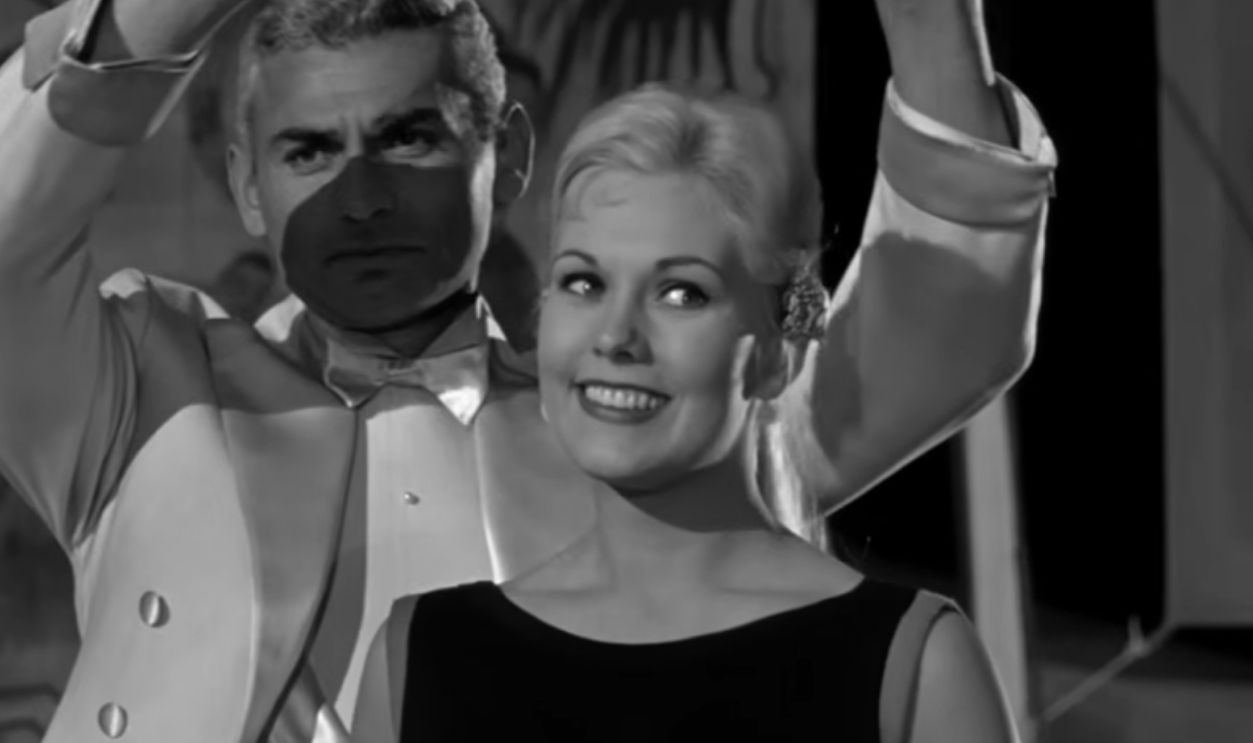
In the Dubinskys’ tent show, Jeanne got an education in more than acting. The troupe thrived on spectacle and stirred up controversy to land free publicity in newspapers. They understood the art of self-promotion, and Jeanne was a star pupil sponging up all that she could. But by 1911, she was ready for more. She left the show—and her husband—behind to chase her dreams.
 Screenshot from Jeanne Eagels, Sony Pictures Entertainment (1957)
14. She Rewrote Herself
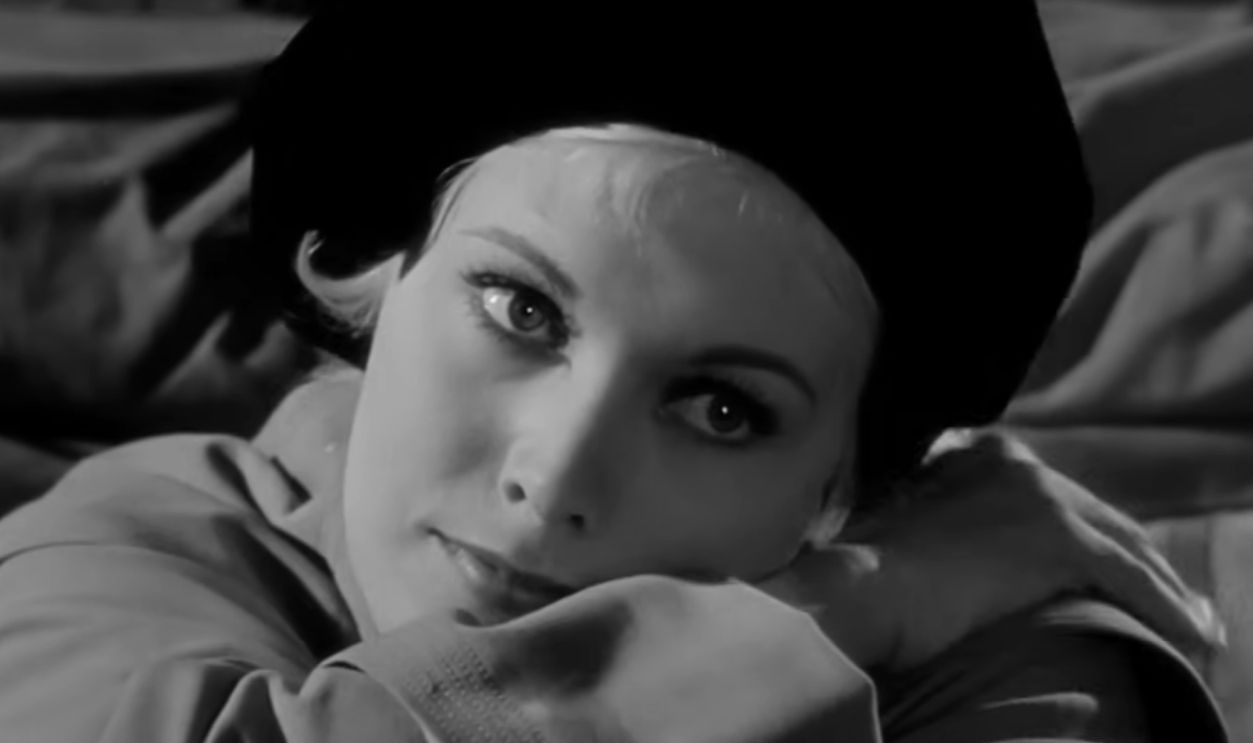
Jeanne made a brief stop in Chicago, but it was really just a warm-up. New York was the real test. Cue the makeover montage: She changed her hair color, her name, her age—even her origin story. Little Jennie from Kansas City was gone. In a city built on ambition, she’d turned herself into someone entirely new.
She soon learned she’d need to do a lot more to get ahead.
 Screenshot from Jeanne Eagels, Sony Pictures Entertainment (1957)
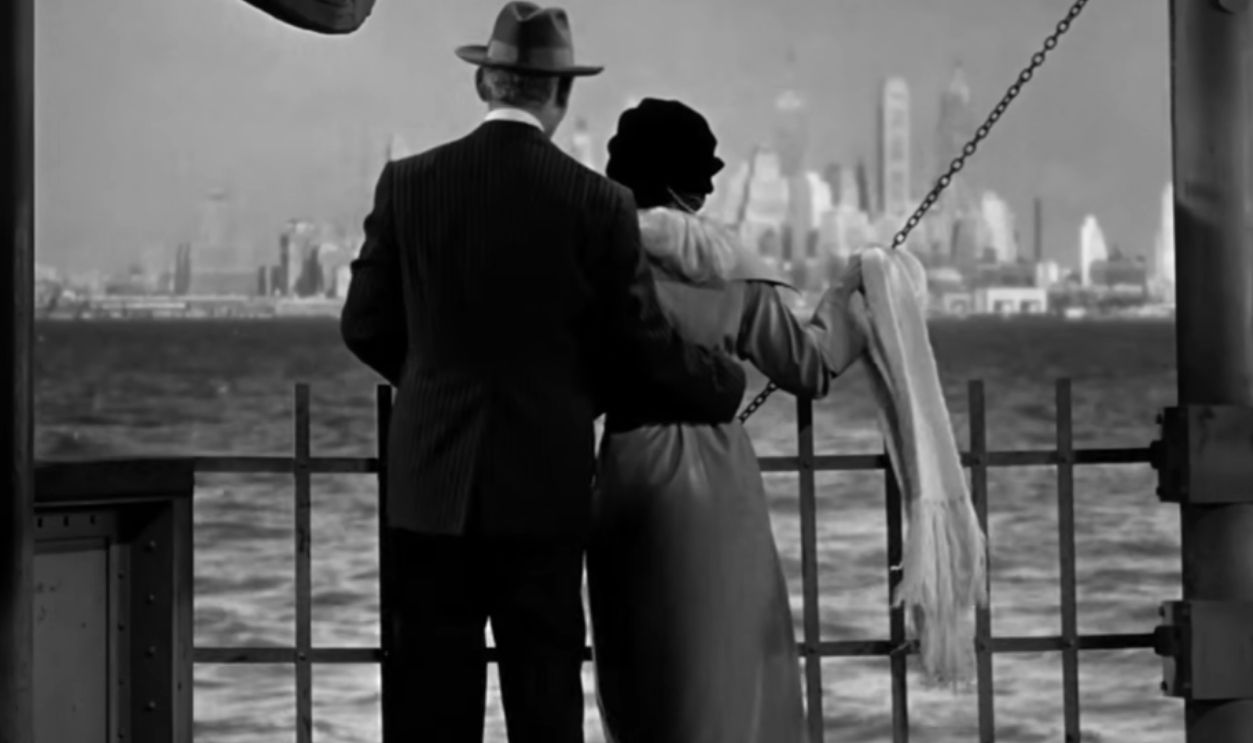
15. She Was A Small Fish In A Big Pond
In New York, Jeanne had to face a harsh truth: She was just another hopeful among a sea of dazzling, talented performers. The city was teeming with beauty, ambition, and big names. She knocked on doors, chased agents, and fought to stand out, but nothing stuck. Being good wasn’t enough. She needed something more—and she was running out of time.
 Screenshot from Jeanne Eagels, Sony Pictures Entertainment (1957)
History's most fascinating stories and darkest secrets, delivered to your inbox daily.
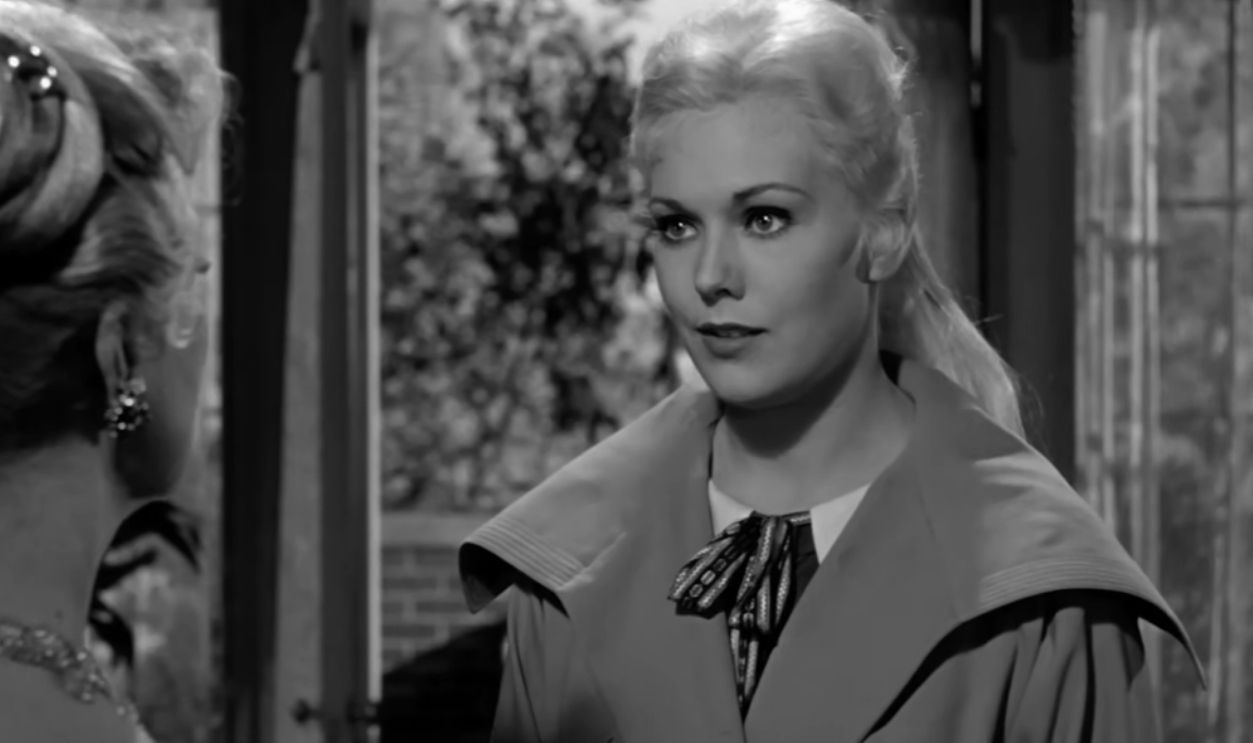
16. She Was Seeking Arrangements
It’s a tale as old as time: a starry-eyed performer needs to earn cash while chasing their dreams. No waiting tables for Jeanne, though. Instead, she became a sugar baby to wealthy older men. They gave her jewelry, clothing, dinners, and attention. Jeanne insisted that it was innocent and that a kiss on the cheek satisfied most of her admirers. Not everyone was convinced.
A few years later, she claimed, “I still have my ambition—and my virtue”. Well, at least one of those was never in doubt.
 Screenshot from Jeanne Eagels, Sony Pictures Entertainment (1957)
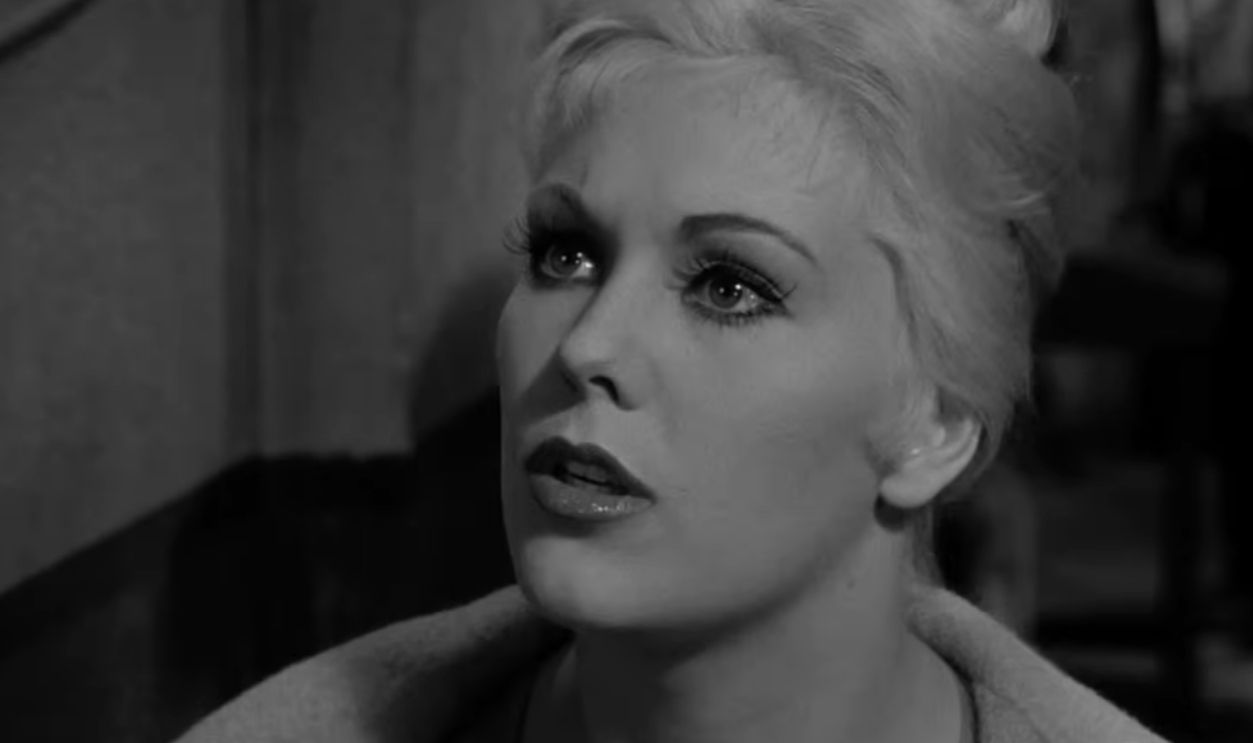
17. She Finally (Kinda) Got Her Break
After kissing many a wrinkled cheek, Jeanne finally got her big(ish) break. She had officially joined the cast of The Mind-the-Paint Girl—a major Broadway show. It wasn’t quite time to crack open the bubbly, though. She was one of 30 performers, and her character had just eight lines. When she arrived at rehearsal, a stage manager handed her a small sheet of paper.
“My call sheet?” she asked. “Nope,” he said, "your part”.
 Screenshot from Jeanne Eagels, Sony Pictures Entertainment (1957)
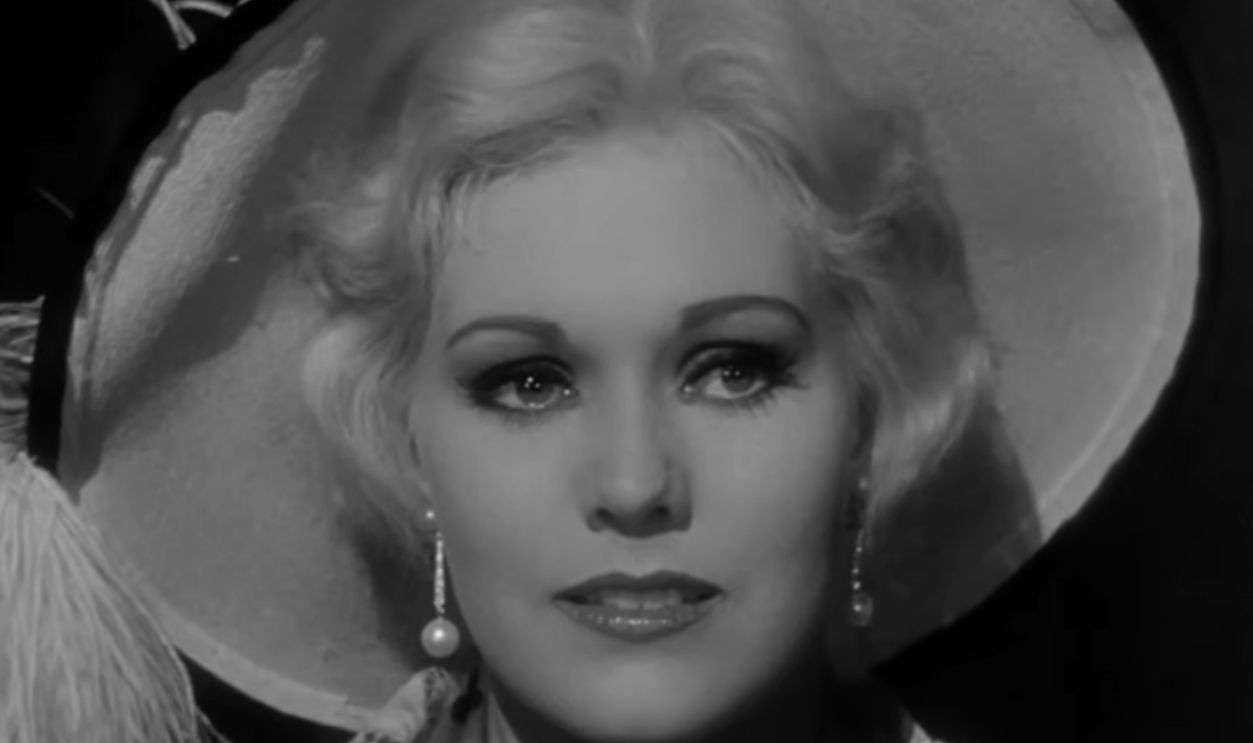
18. She Snowballed
After her blink-and-you’ll-miss-it part in Mind the Paint Girl, Jeanne began inching deeper into New York theater. The roles got bigger, the work steadier, and by 1916, she was starring alongside established actors. She also made the leap to film, working in several silent movies. Instead of begging for scraps of attention, she was slowly commanding the spotlight.
In 1918, she was cast in Daddies, a David Belasco production. Belasco was a different level entirely—in more ways than one.
 Screenshot from Jeanne Eagels, Sony Pictures Entertainment (1957)
19. She Had Arrived
Producer David Belasco was a starmaker at the height of his powers. After he signed Jeanne, the press named her the fourth jewel in his crown. But Belasco had a reputation for taking advantage of stage-struck young actresses. As Jeanne’s Daddies co-star later said, Belasco’s big mistake was to "presume Jeanne would fall in love with him”.
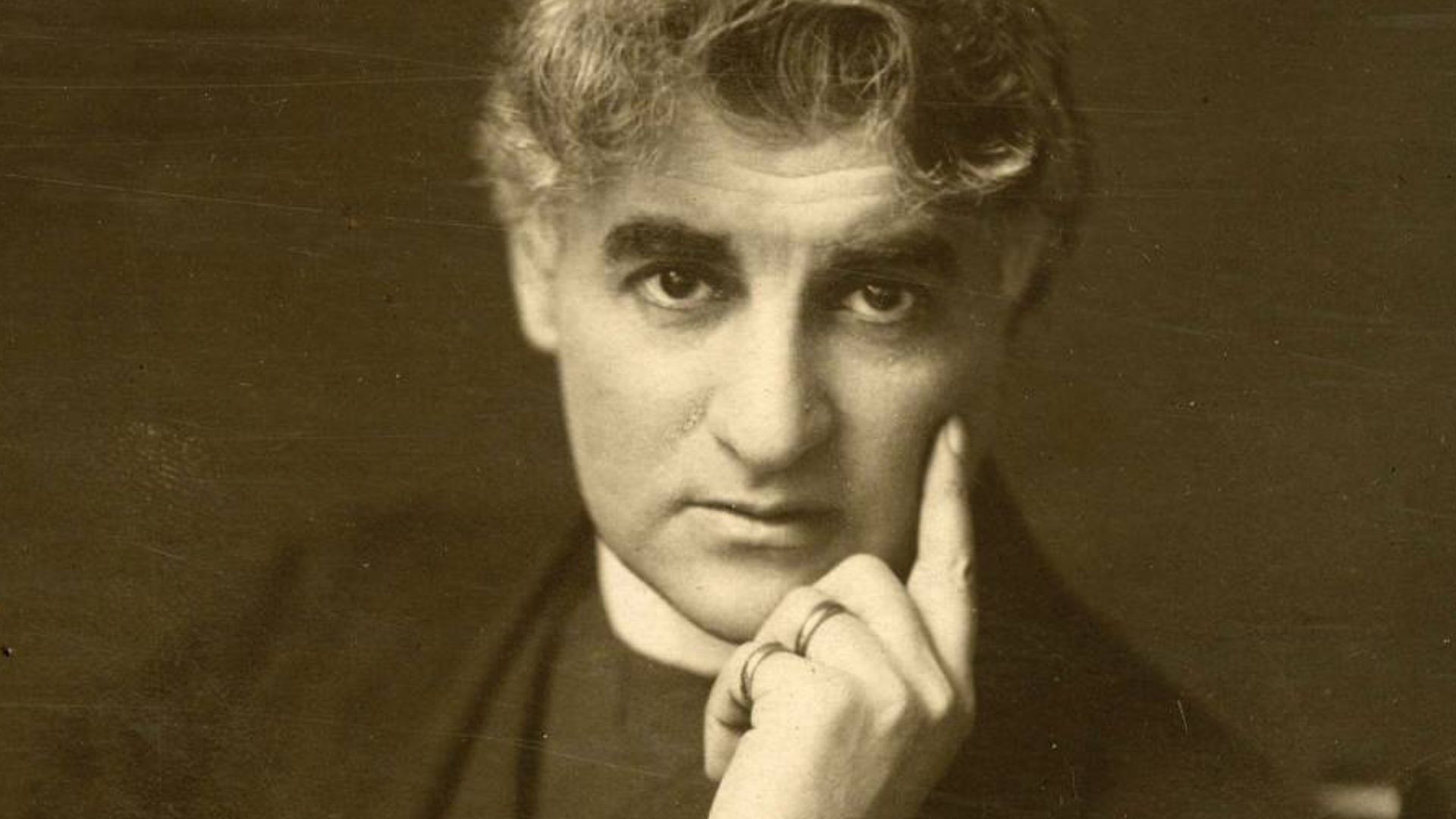 Unknown author, Wikimedia Commons
20. She Played By Her Own Rules
Belasco was 65, powerful, and used to getting what he wanted. Jeanne may have been four decades younger, but this wasn’t her first rodeo. After Belasco invited her to a private dinner at his office, he tried to lead her into the bedroom. Jeanne refused. He went in and closed the door. Suspicious, she peered through the keyhole.
What she saw stopped her cold.
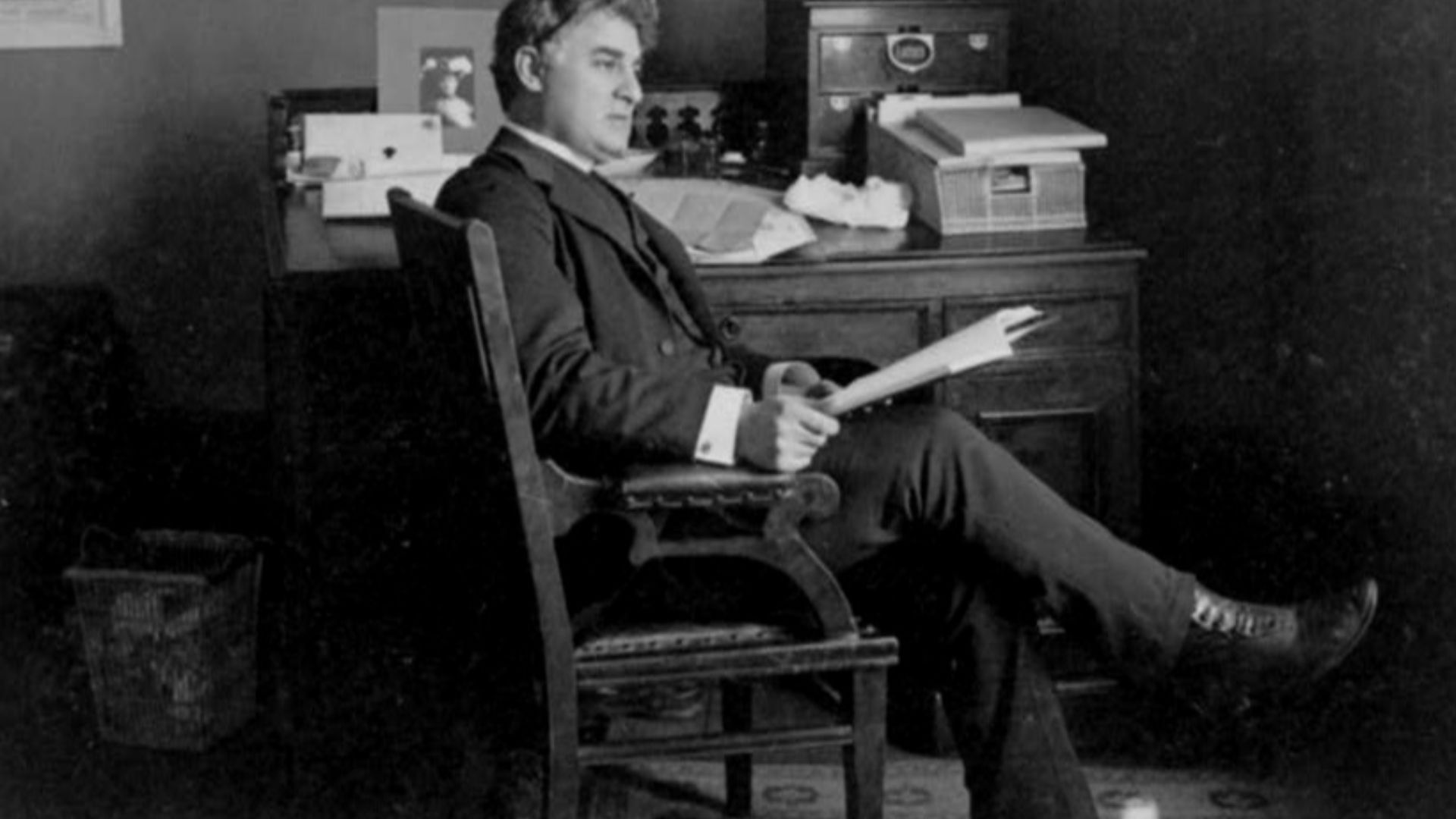 Pach Bros., N.Y., Wikimedia Commons
21. She Learned There Were Strings Attached
Through the keyhole, Jeanne saw David Belasco deliberately mussing the bed—to “prove” a conquest to his arriving guests. Jeanne didn’t hesitate. She burst in and demanded the most powerful man on Broadway to straighten it. She then sat silently until the guests arrived, and walked out with her reputation intact…for the moment, at least.
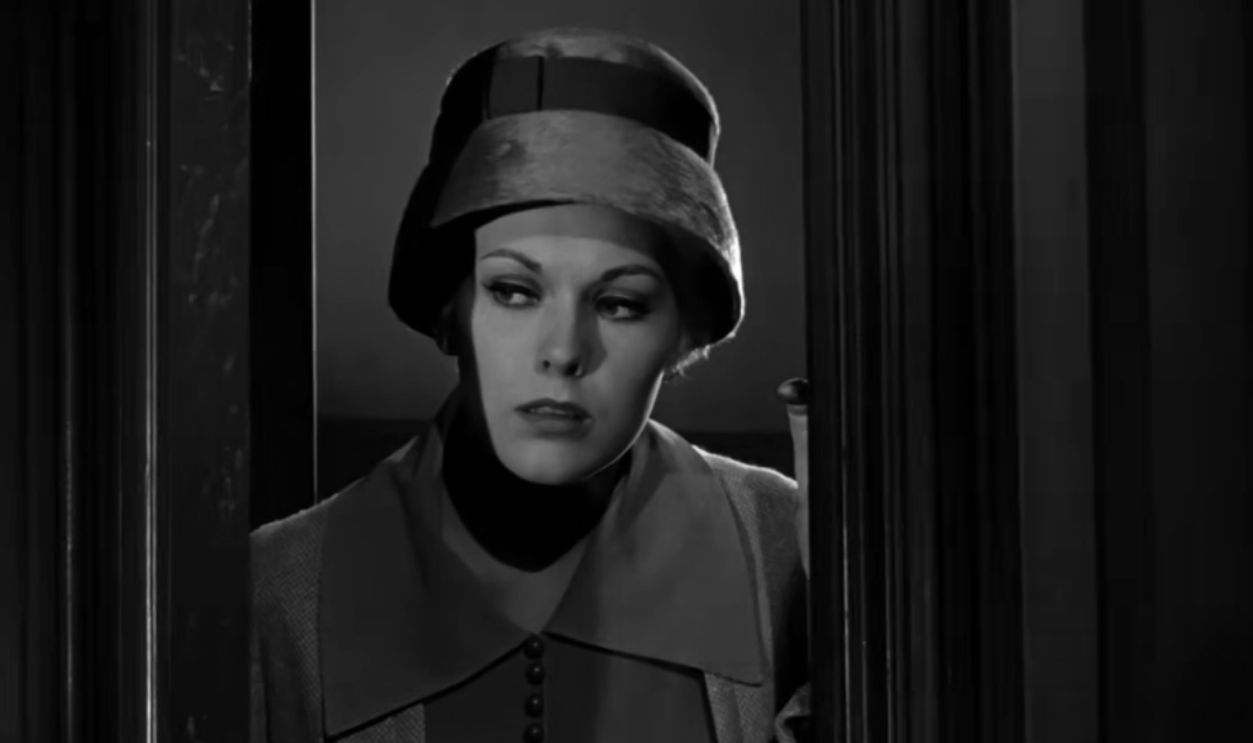 Screenshot from Jeanne Eagels, Sony Pictures Entertainment (1957)
History's most fascinating stories and darkest secrets, delivered to your inbox daily.
22. She Pushed Through The Pain
When Jeanne opened Daddies, she was already worn out. She was frail and in constant pain. When she wasn’t bickering with the stage manager during rehearsals, she was fainting. Still, she pushed on—driven by sheer will. Daddies was a hit, and before long, she was juggling nine shows a week, plus benefits and fundraisers.
Yet, behind the applause, something far more unsettling was beginning to unfold.
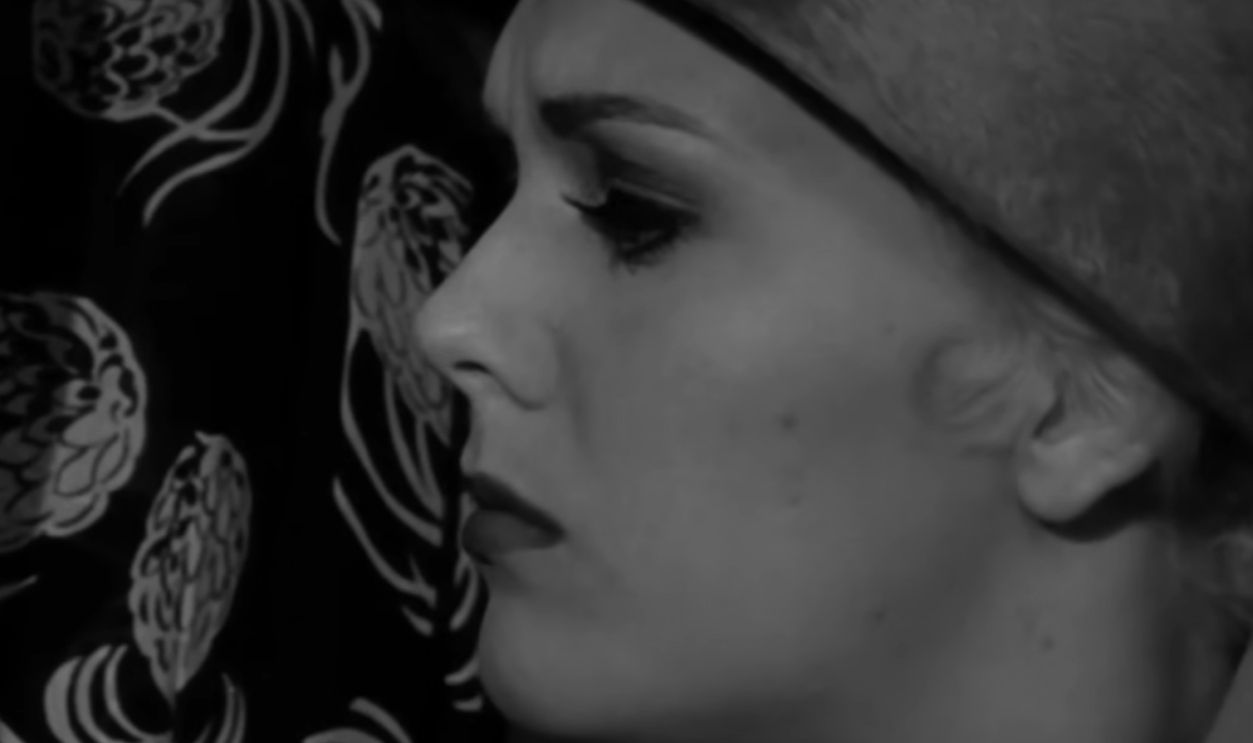 Screenshot from Jeanne Eagels, Sony Pictures Entertainment (1957)
23. She Had Daddies Issues
Jeanne may have come up through traveling tent shows, but she took her acting very seriously. Fun Fact: Method acting guru Lee Strasberg later cited Jeanne’s work as an early example of emotional realism. But Daddies wasn’t that. It was shallow, commercial entertainment—and she knew it. Producer Belasco knew it, too.
Still, even though the critics and the crowds loved her in it, she started looking for a way out.
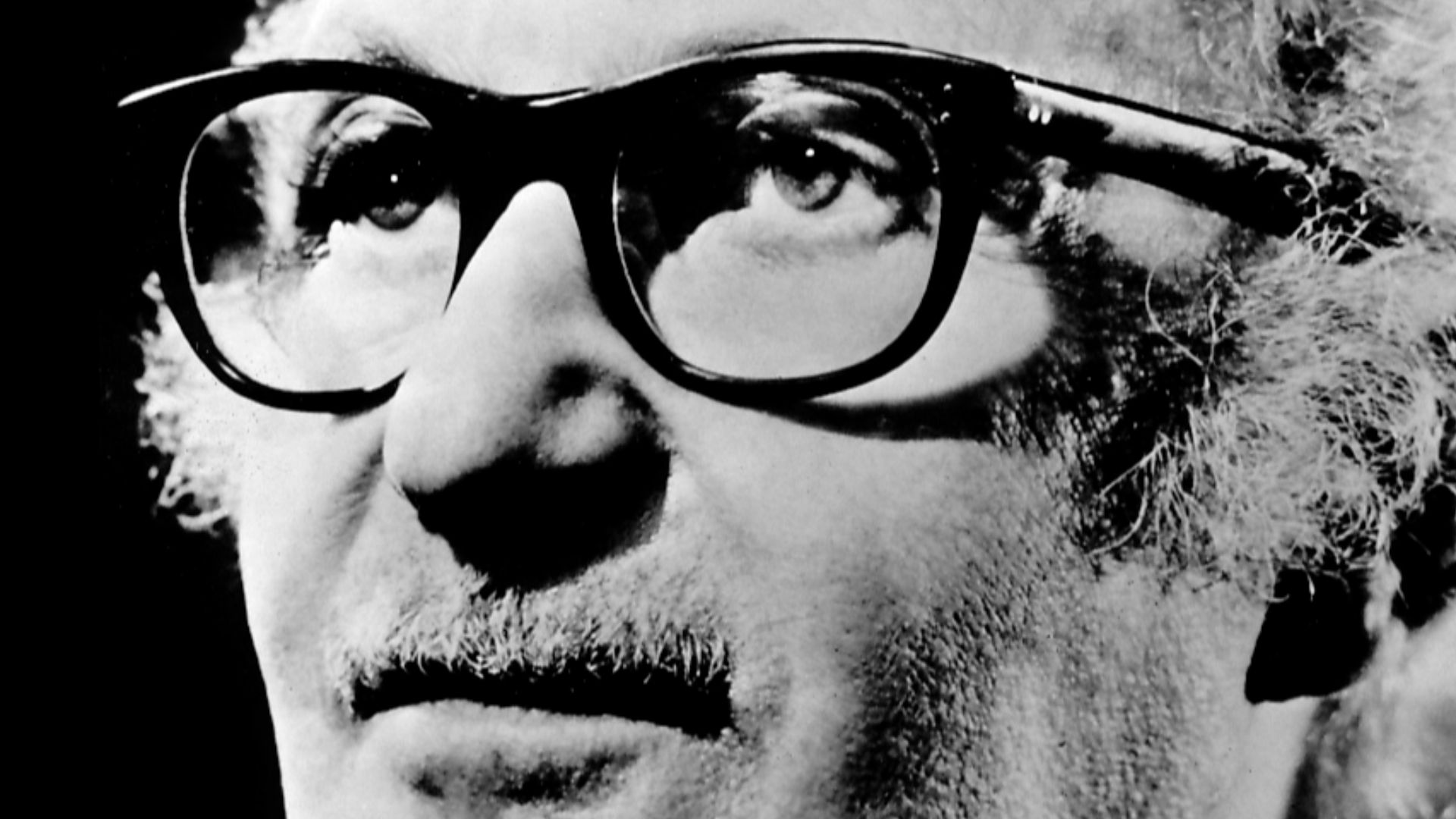 Unknown author, Wikimedia Commons
24. Her Struggles Spilled Onto The Stage
Jeanne was getting a reputation for being a diva. She would sometimes falter mid-performance, once gasping for water during a climactic speech. Then, in another performance, she actually did faint. Her costar whisked her to her dressing room, and for the next act, a befuddled understudy finished the show wearing street clothes and no makeup.
Jeanne finally snapped during a Daddies rehearsal.
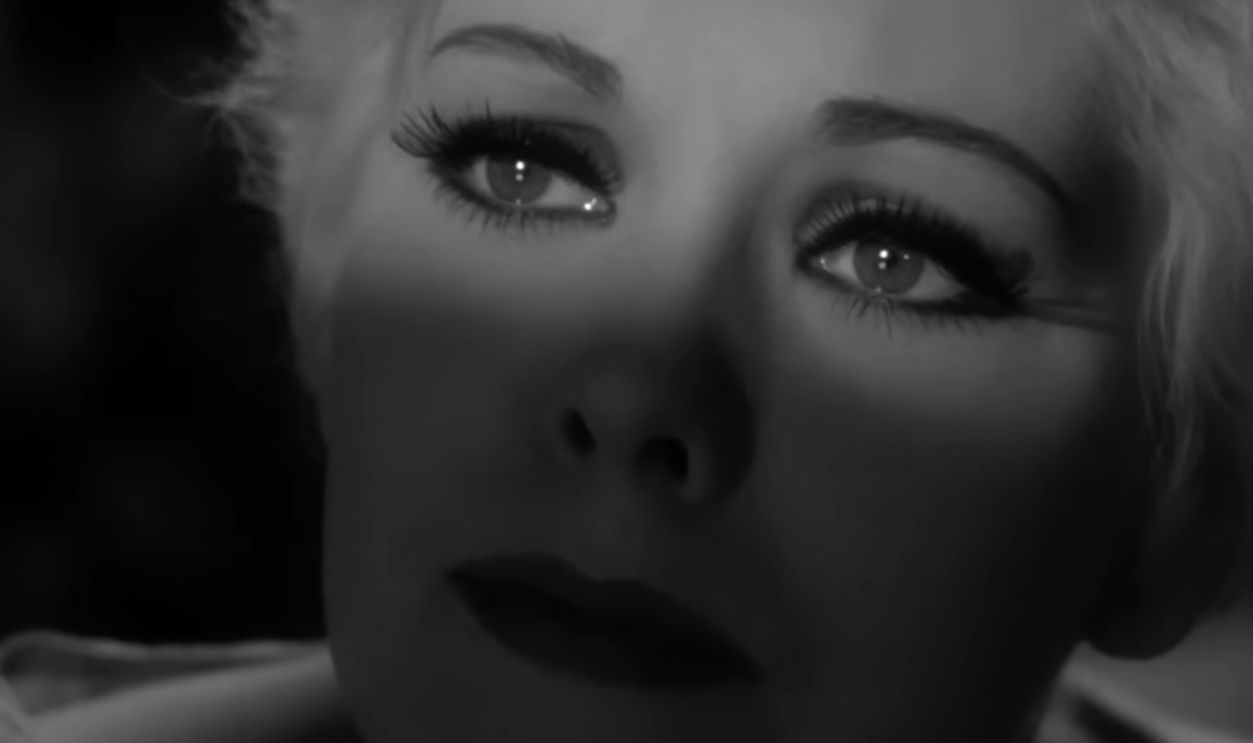 Screenshot from Jeanne Eagels, Sony Pictures Entertainment (1957)
25. She Couldn’t Take It Anymore
Tired of the frothy material, in pain, and fed up with tawdry backstage pressures, she exploded: “You can all go to hell! I’m through with the show…I will not be a [harlot] to be a star”. With that, after 350 performances, she walked out on Daddies, her contract, and Belasco. He may have been glad. She’d alienated the cast, sparked rumors across Broadway, and kept everyone on edge.
Yet somehow, the chaos was far from over.
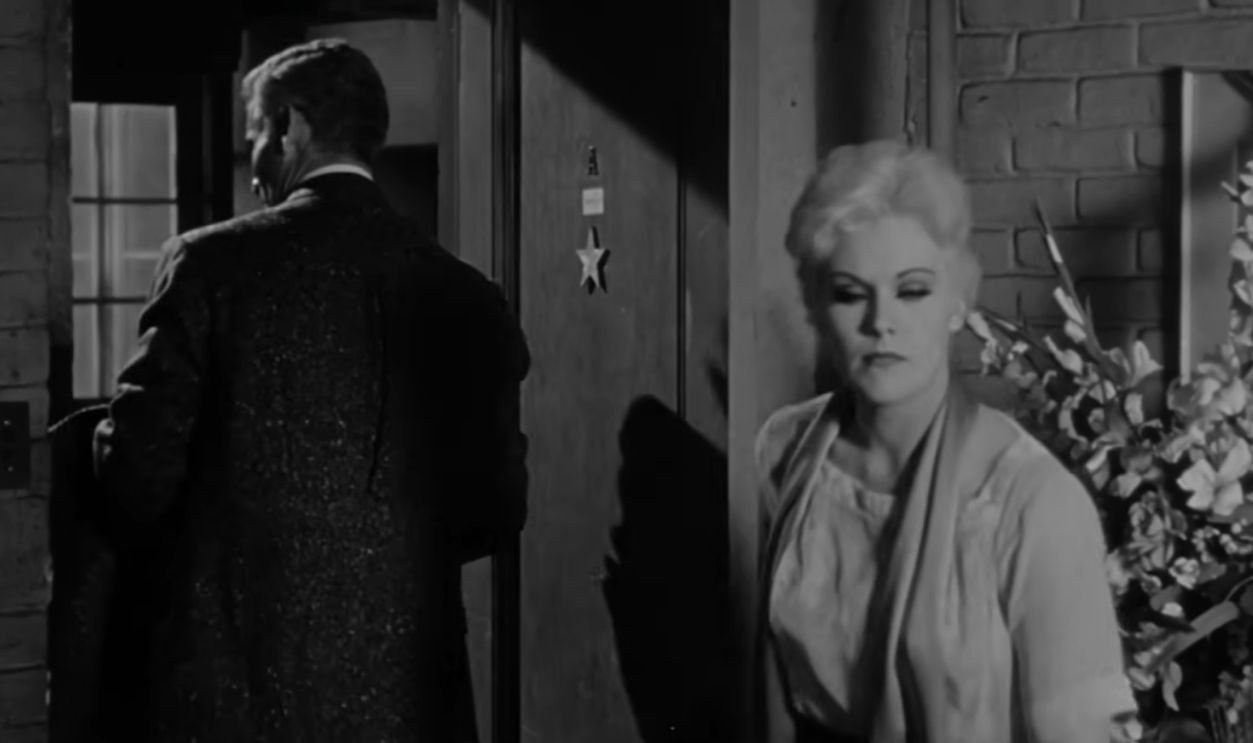 Screenshot from Jeanne Eagels, Sony Pictures Entertainment (1957)
26. She Found Her Fairy Tale
Jeanne’s first post-Belasco gig was a flop. Thankfully, she had a new romance to cushion the fall. Jeanne had fallen hard for Thomas L Chadbourne, a wealthy widower nearly 20 years her senior. He draped her in jewels, paraded her in public, and hovered at rehearsals. To everyone watching, including Jeanne, marriage was just around the corner.
She had no reason to doubt it…yet.
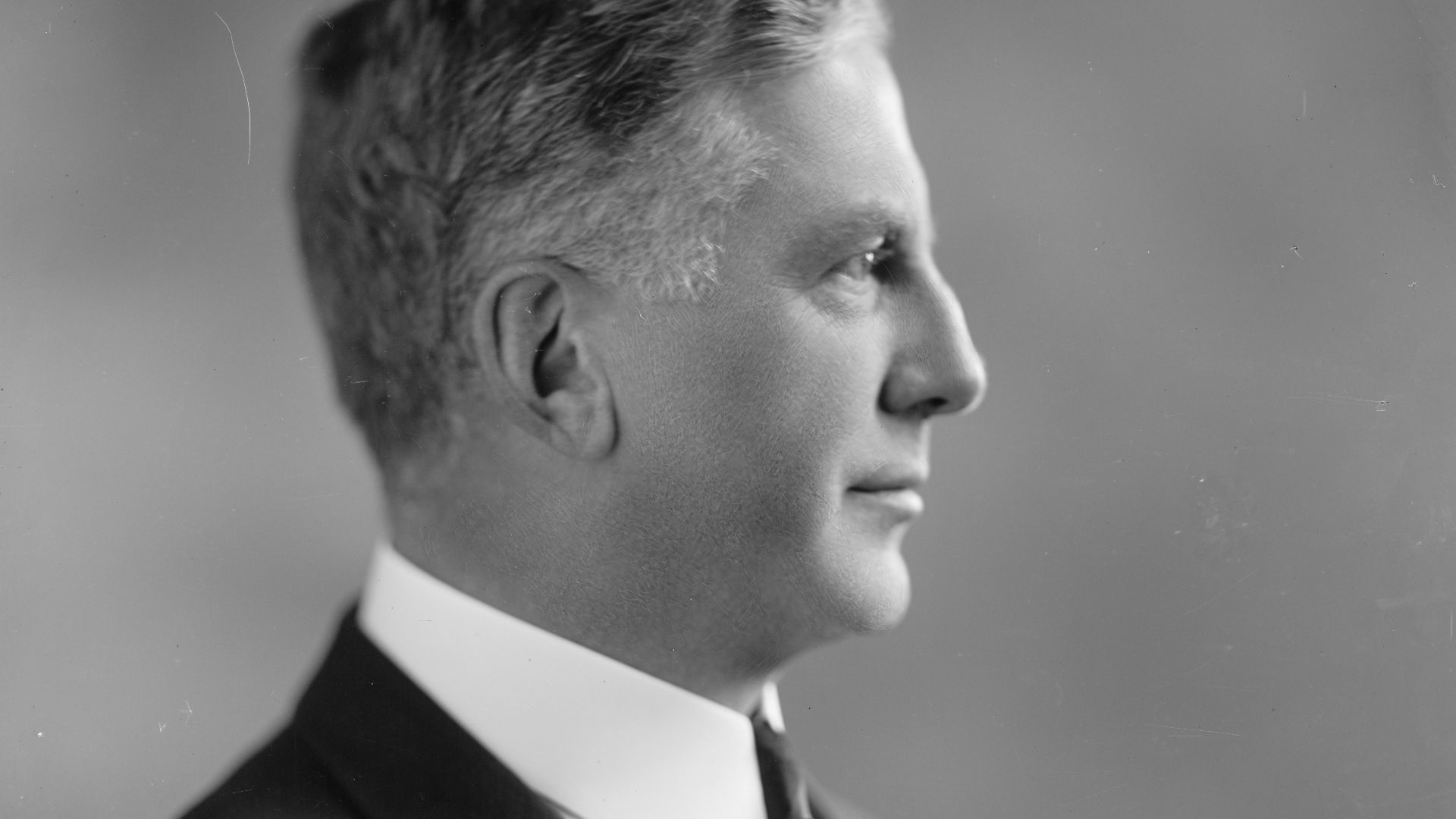 Harris & Ewing, photographer, Wikimedia Commons
27. She Was Blindsided
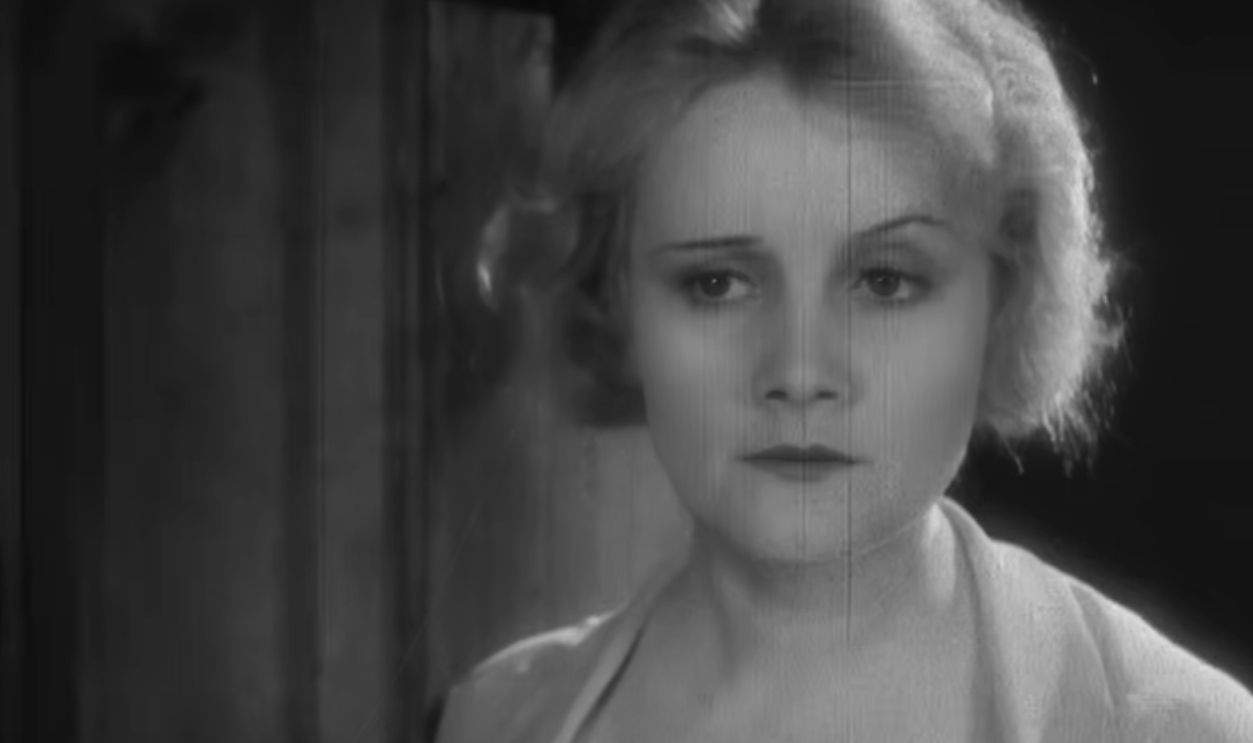
Jeanne was nothing if not contrarian, but this time it backfired. Invited to a party at her beau Chadbourne’s relatives’, she knew they’d expect her to show up dripping in jewels he’d given her. Instead, she went minimalist—and wore none at all. She must have looked stunning, arriving in a simple white dress. Too bad the real shocker was waiting for her at home.
 Screenshot from The Letter, Warner Bros. Discovery (1929)
History's most fascinating stories and darkest secrets, delivered to your inbox daily.
28. She Lost It All
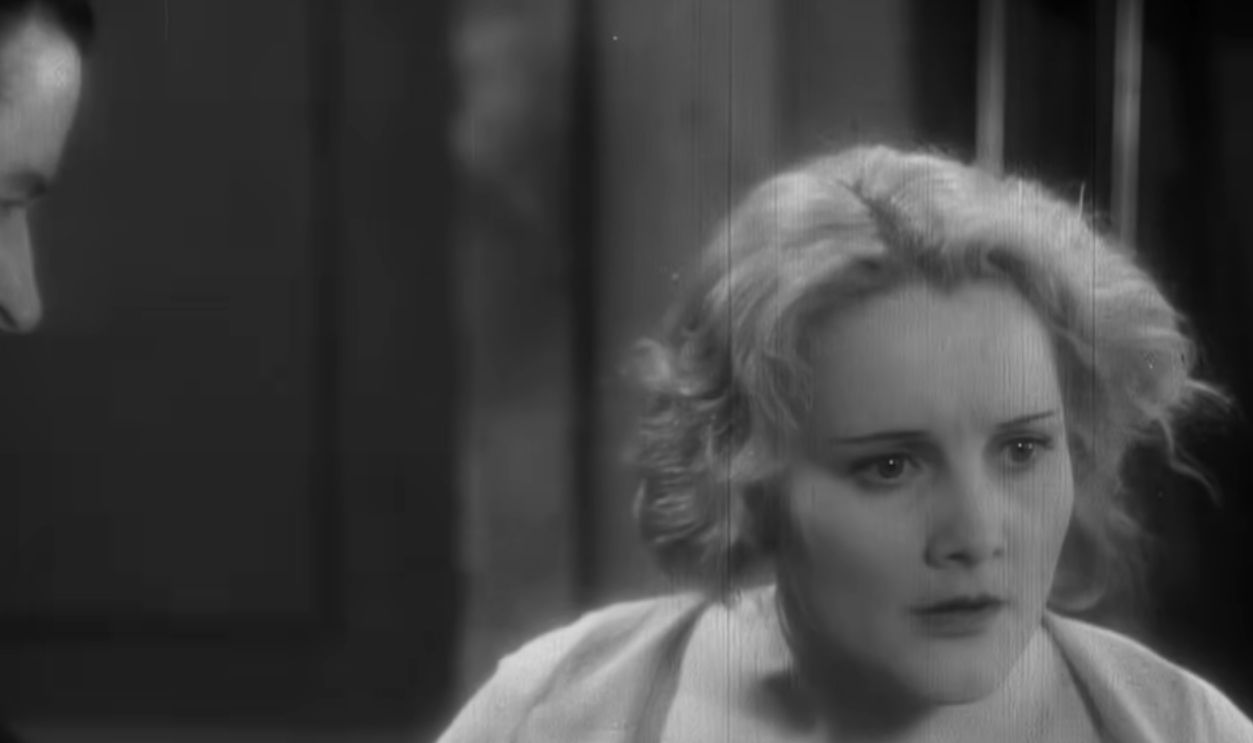
When Jeanne got home, she made a horrifying discovery: someone had been in her apartment. Bizarrely, the only thing the thieves had touched was the many jewels Chadbourne had given her. Every last piece was gone. He offered sympathy and even blamed himself for not insuring them, but never replaced a single item. Within weeks, he married someone else.
To say Jeanne was devastated would be putting it mildly.
 Screenshot from The Letter, Warner Bros. Discovery (1929)
29. She’d Lost The Fairy Tale
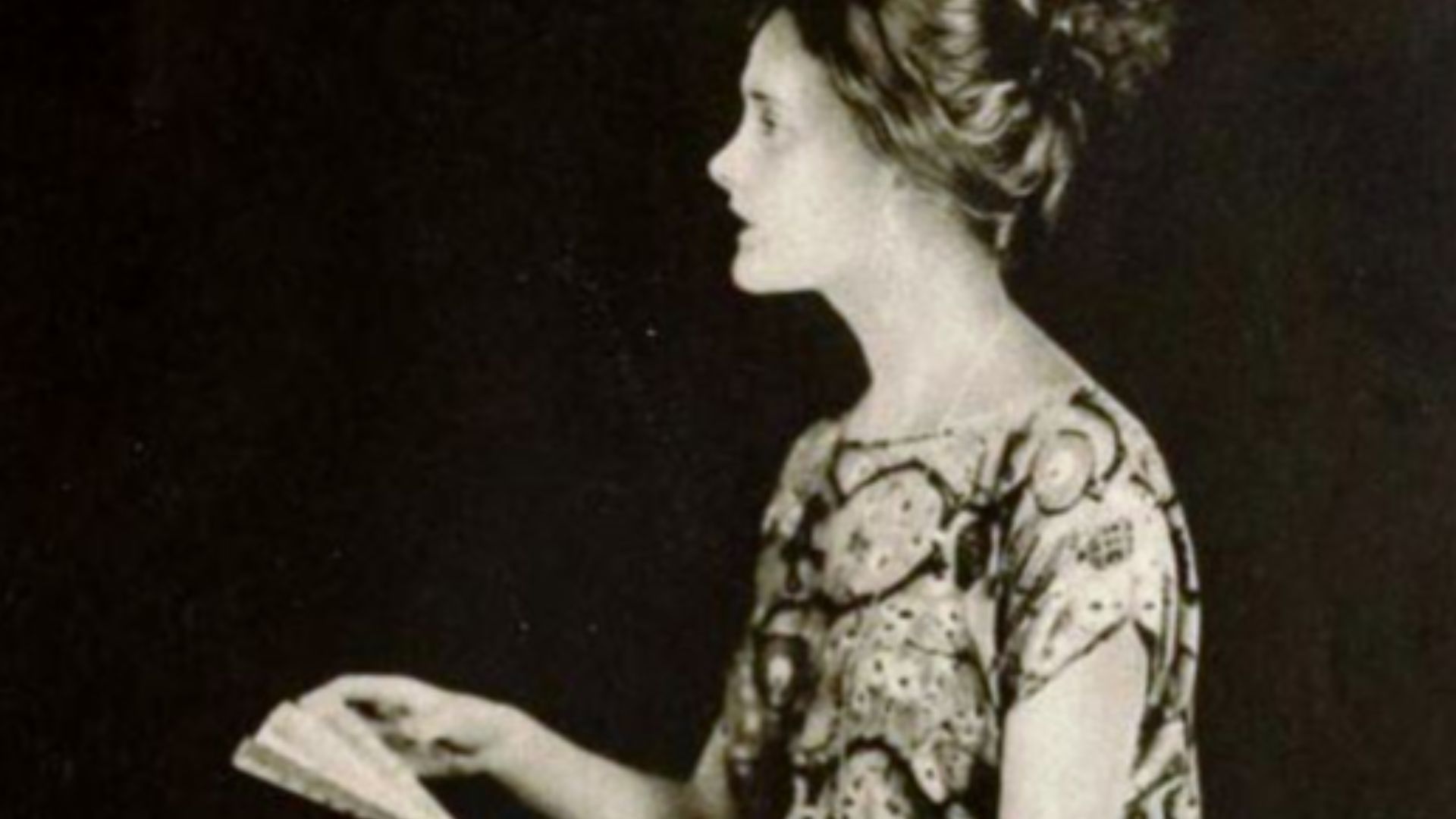
For a moment, Jeanne had come tantalizingly close to living the old money dream—summering at a Greenwich estate and hosting glittering parties on Park Avenue. But to Chadbourne, she was only a passing fancy. Marrying an actress from Kansas City would have put a huge dent in his social standing. Instead, he left her heartbroken, humiliated, and sick for months.
It wouldn’t be long before she’d have her revenge.
 Francis Bruguiere, Wikimedia Commons
30. Her Dream Role Was A Nightmare
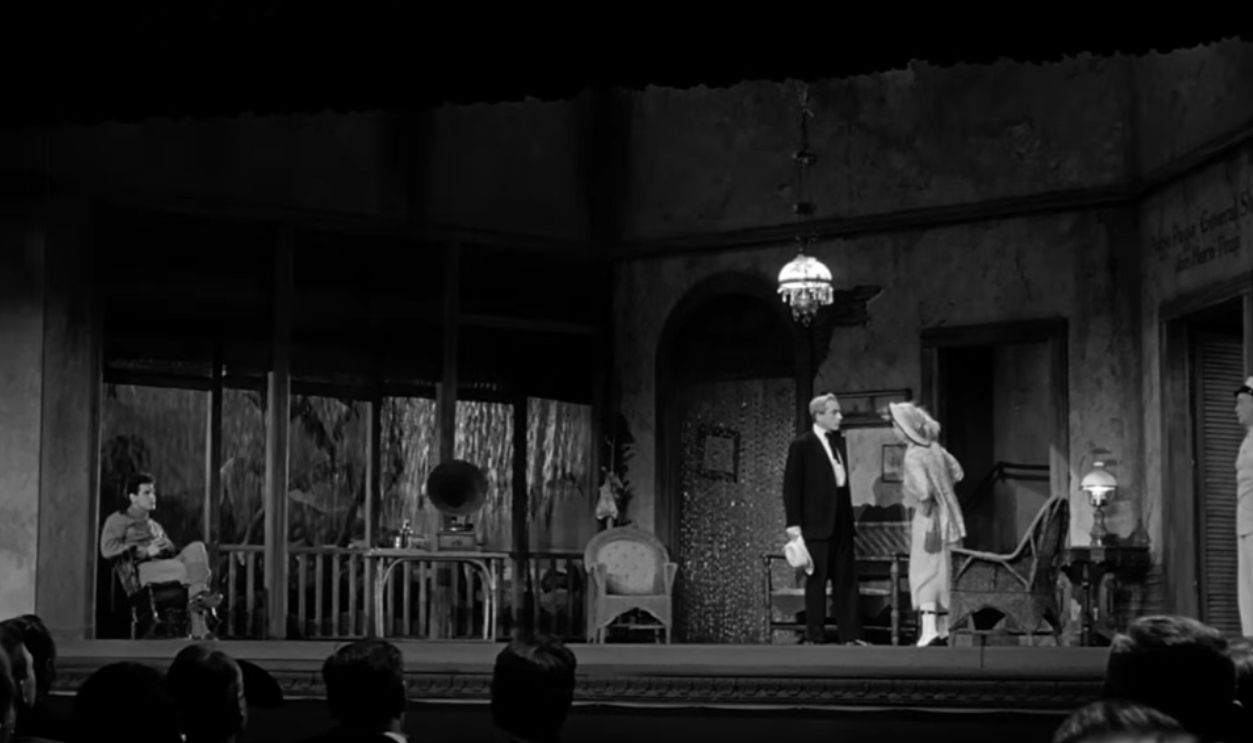
After a decade of clawing her way through dozens of films and stage shows, in 1922, Jeanne finally landed her star-making role as Sadie Thompson in Rain—a scandalous play that had Broadway buzzing before it even hit the stage. There was just one problem: night after night, the crew would drench her with artificial rain.
The constant soaking aggravated her childhood arm injury, turning her greatest triumph into a gruelling test of endurance.
 Screenshot from Jeanne Eagels, Sony Pictures Entertainment (1957)
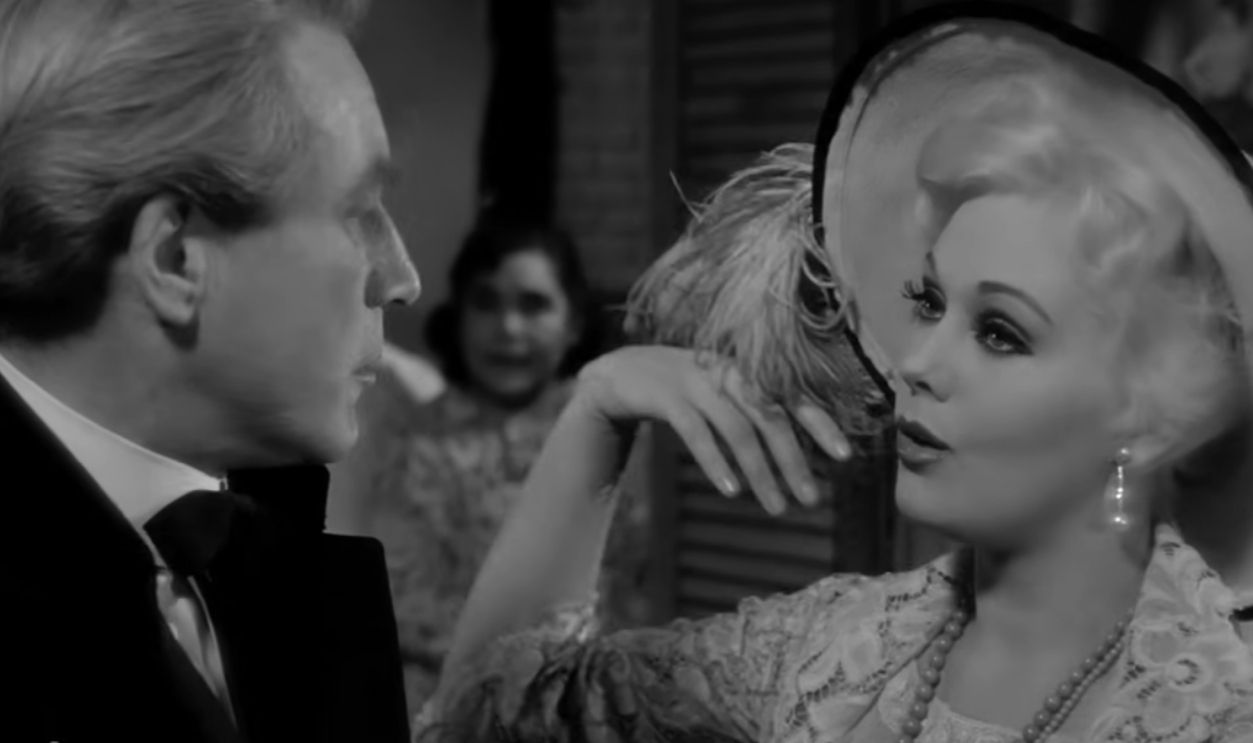
31. She Let The Role Consume Her
In true proto-Method fashion, Jeanne didn’t just study her character—she became Sadie. She combed the streets of New York for the perfect costume and pushed the director to let the character’s raw edges show. The result was electrifying. She shocked audiences, seduced critics, and exploded into a full-blown phenomenon.
With the world’s eyes on her, fate handed her the perfect chance for revenge…
 Screenshot from Jeanne Eagels, Sony Pictures Entertainment (1957)
32. She Had A Bone To Pick
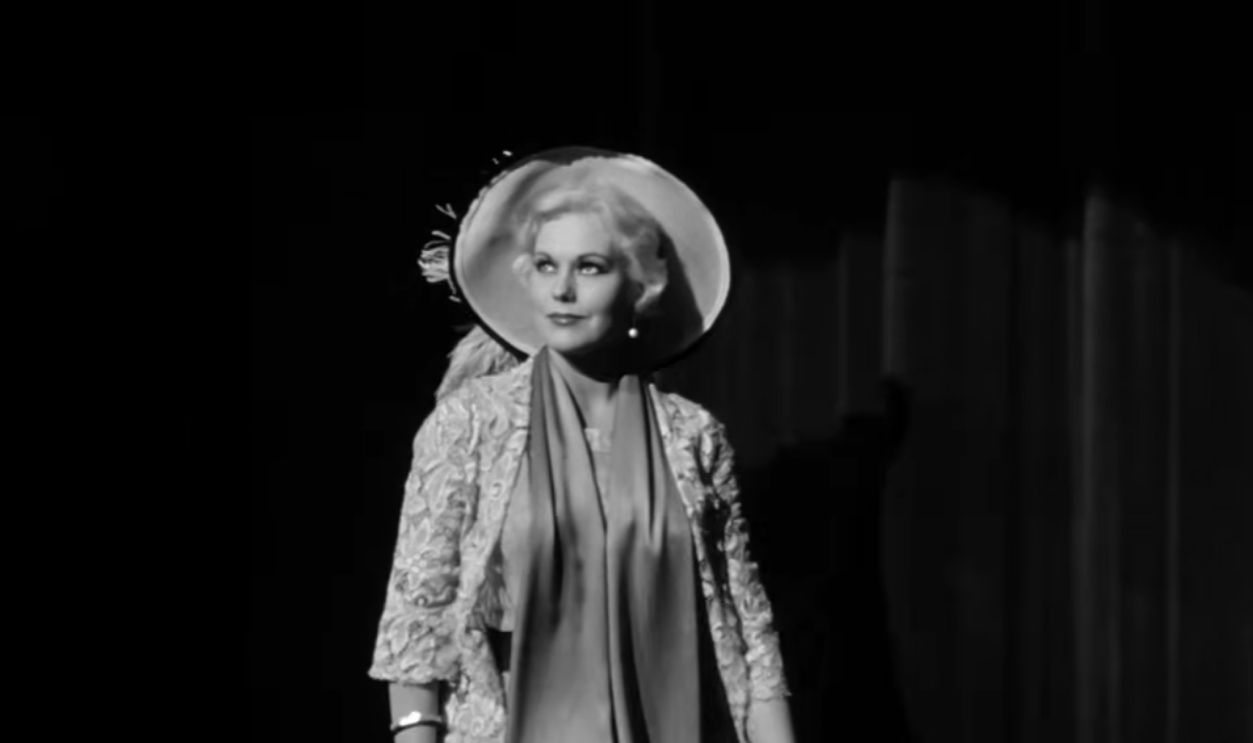
One night during Rain, Jeanne stepped onto the stage and spotted him. There in the front row sat Thomas Chadbourne, the man who had ditched her like trash, alongside his wife. At first, Jeanne ignored him, playing the scene as usual. But as the tension in the play built toward her character’s explosive confrontation, Jeanne’s energy sharpened.
In a packed theater, she began performing for just one man.
 Screenshot from Jeanne Eagels, Sony Pictures Entertainment (1957)
33. She Made It Personal
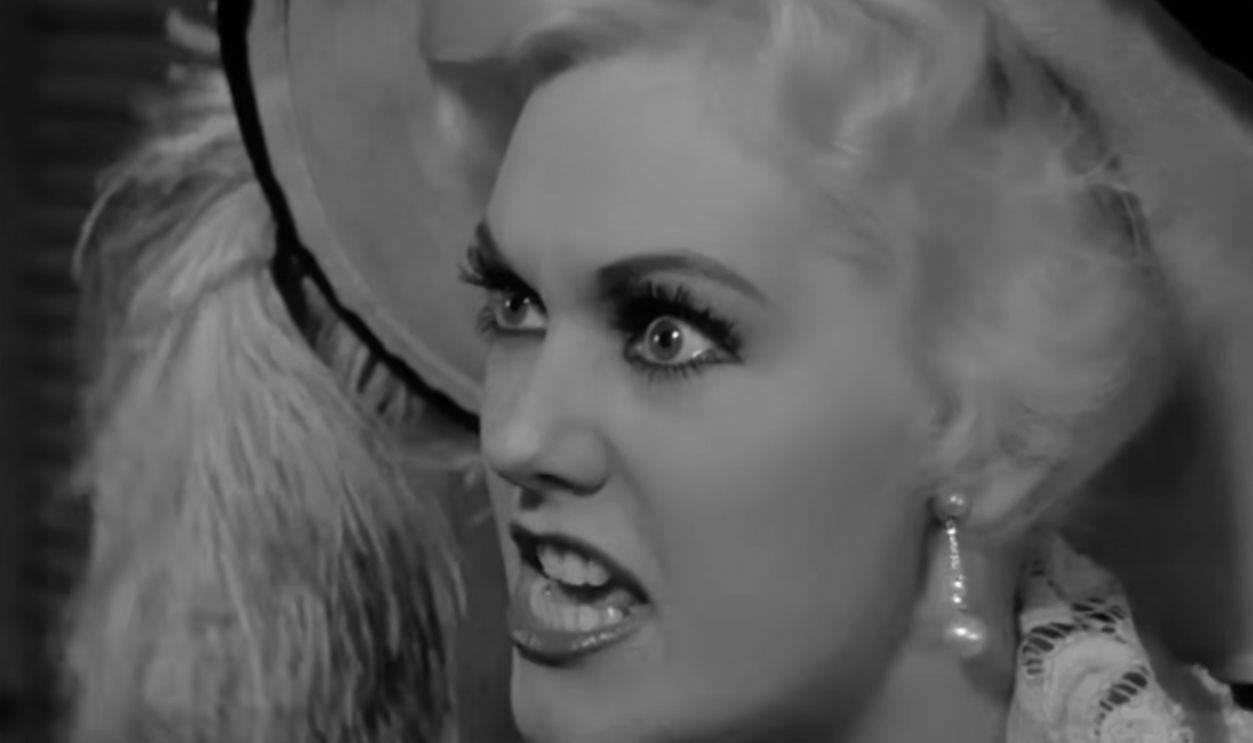
When the scene reached its breaking point, Jeanne let ’er rip. She may have been facing her co-star, but as she spoke Sadie’s lines, she aimed every word at Chadbourne. Her voice rose, her fists clenched, and her face twisted with fury. She called him a “dirty two-faced mutt” and said that he’d “tear the heart out of his grandmother,” building to a shriek of pure rage.
The audience felt it instantly—and when she finished, the theater erupted.
 Screenshot from Jeanne Eagels, Sony Pictures Entertainment (1957)
History's most fascinating stories and darkest secrets, delivered to your inbox daily.
34. She Had Her Own Travis Kelce
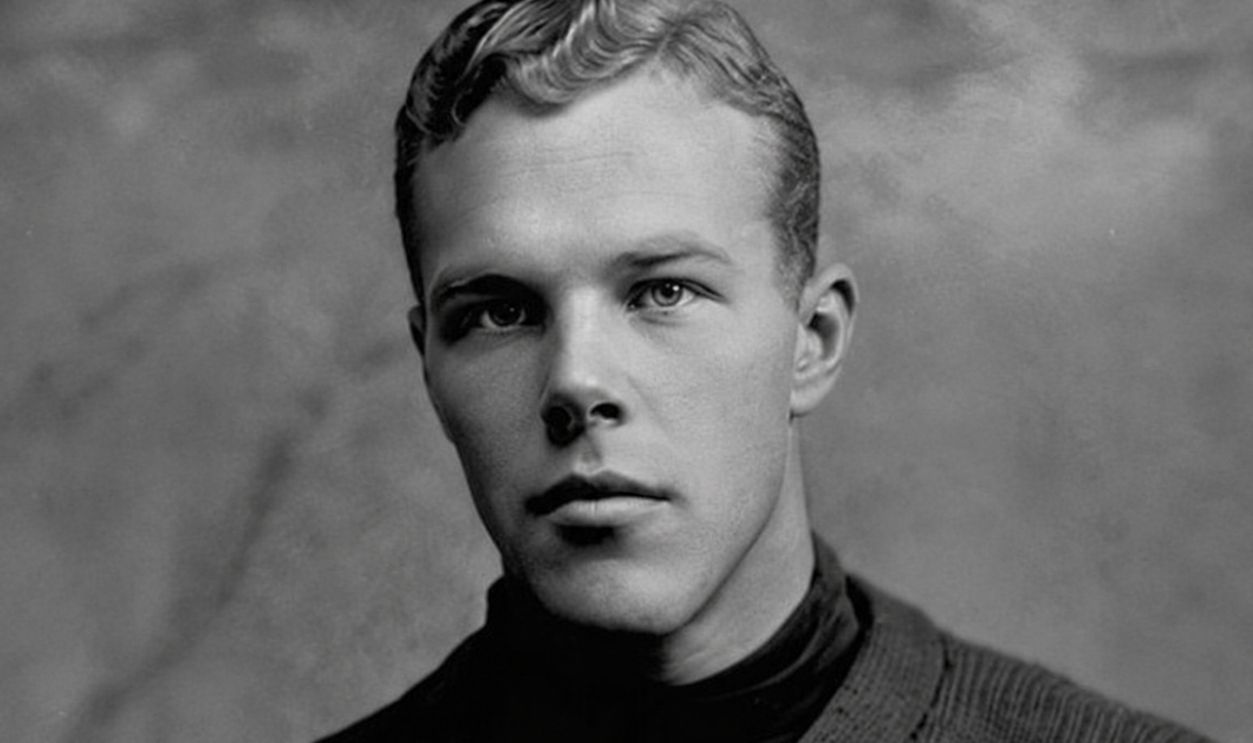
As the hottest star of her time, Jeanne dazzled in Rain, but a different kind of figure lingered in the shadows. Ted Coy—once Yale football’s golden boy—was now faded, trapped in a loveless marriage, and haunting Jeanne’s stage door. This blond, blue-eyed, six-foot-tall heartthrob would linger around for hours just to catch a glimpse of her.
Jeanne was charmed but, as always, her romances came with complications.
 NYPL "The Pageant of America" Collection, Wikimedia Commons, enhanced
35. She Was Part Of A Heated Rivalry
Coy wasn’t the only old-money hunk orbiting Jeanne. Society heir Whitney Warren Jr was circling too, and the tension between them turned backstage into a powder keg. One man would linger by the stage door while the other paced in the wings. It got so tense that the crew lived in fear of a brawl.
Worse still, Warren Jr was also married—putting Jeanne in the middle of a love…pentagon(?) that was about to explode.
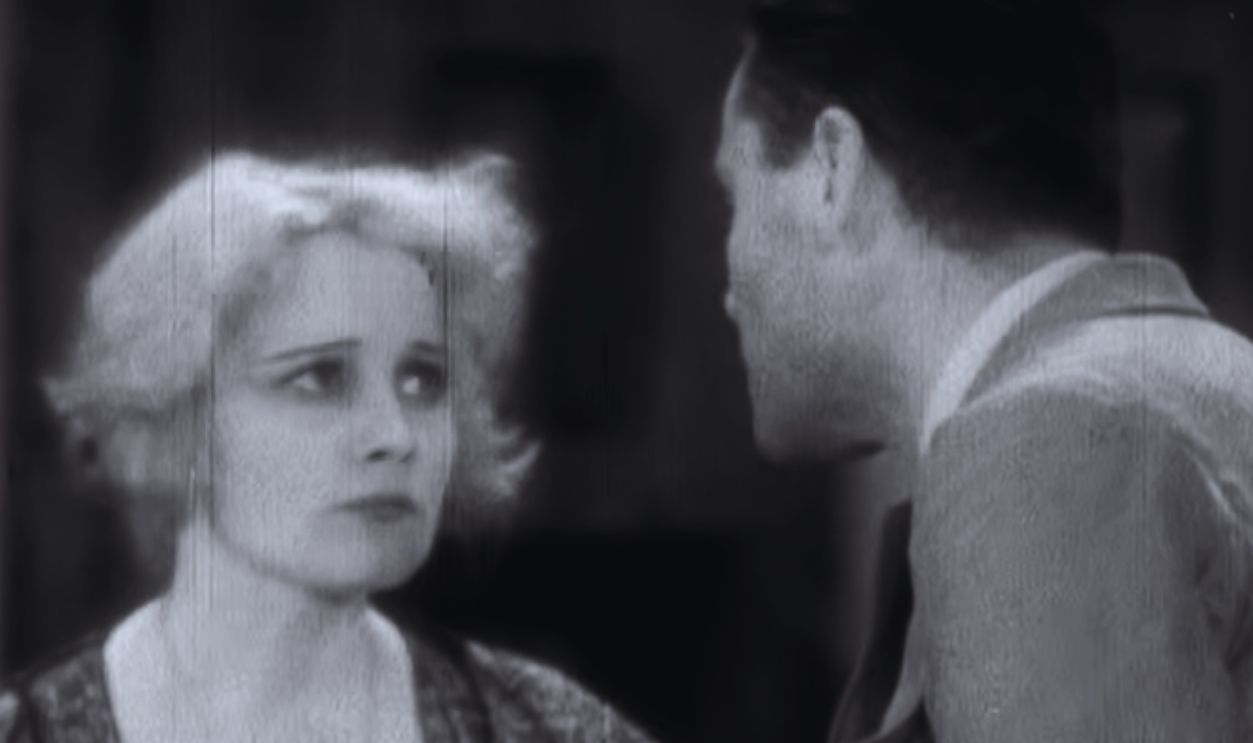 Screenshot from The Letter, Warner Bros. Discovery (1929)
36. She Didn’t See That Coming
Talk about an old money plot twist: When a mysterious engagement announcement linking Jeanne and Whitney Warren Jr hit the press, his parents lost their minds (to them, she was just a carnie). Warnings of disinheritance didn’t work, so they shipped him off to Europe. Problem solved…ish, and Ted was the last man standing. Jeanne married him in August 1925.
But it didn’t take long before they both realized it was a huge mistake.
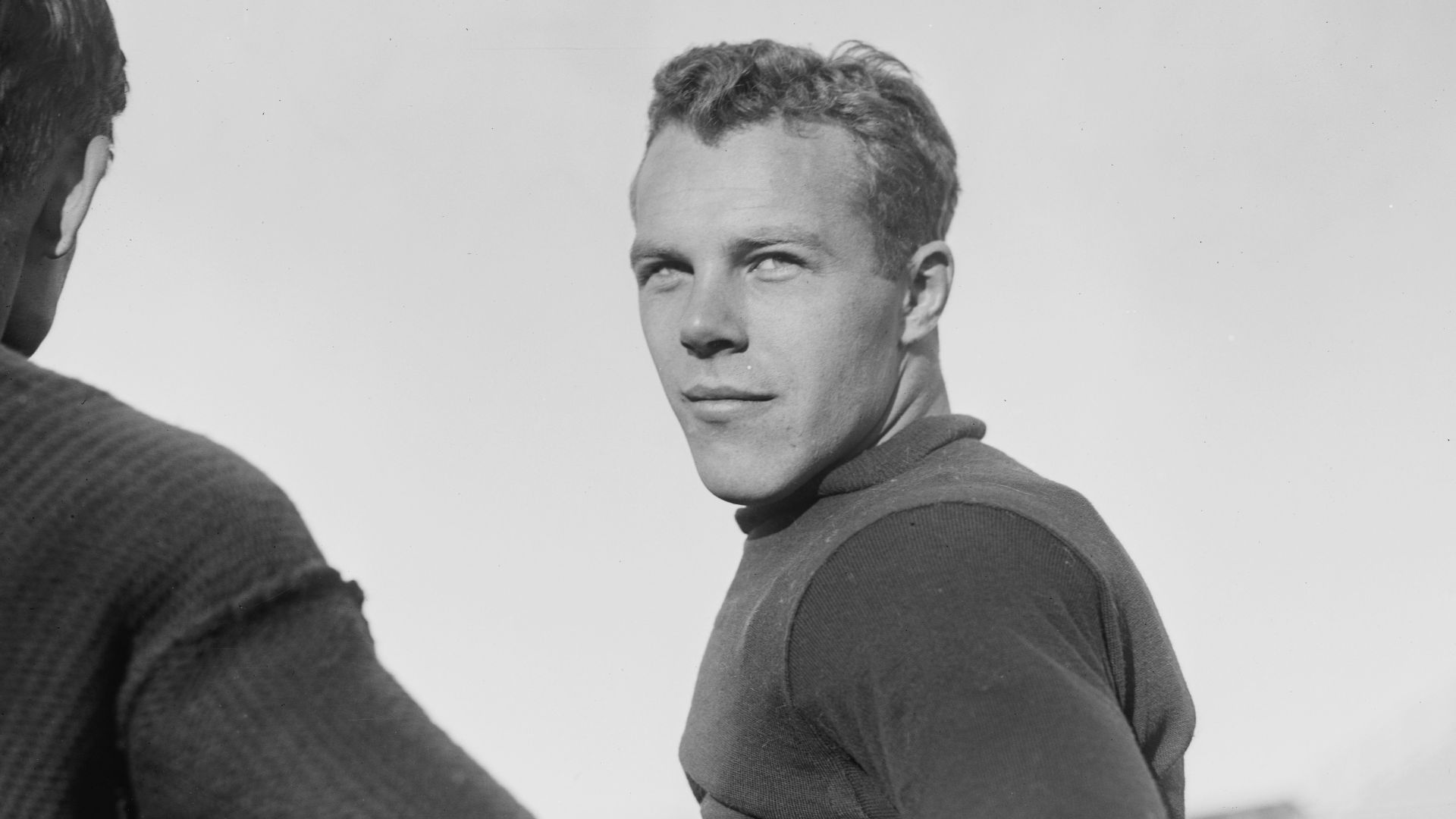 Bain News Service, publisher, Wikimedia Commons
37. She Messed Up
Jeanne’s marriage to Ted Coy was no fairy tale. From the jump, it was clear they had nothing in common. He was broke—his ex-wife had taken everything—while Jeanne was at the height of her fame and hungry for more. He wanted to manage her career to save face and not be her dependent, but she refused.
It wasn’t long before Jeanne, who wasn’t much of a drinker before, started to change.
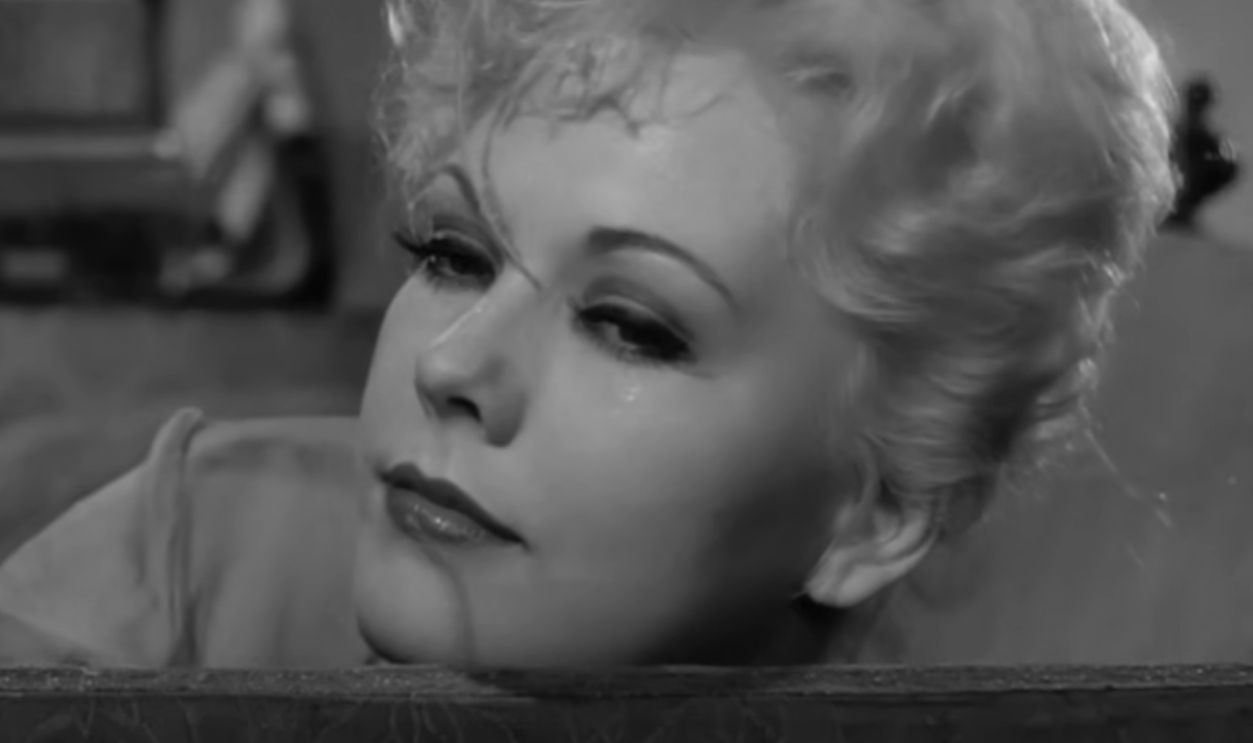 Screenshot from Jeanne Eagels, Sony Pictures Entertainment (1957)
38. She Refused To Share
Jeanne’s relationship with Sadie Thompson, the role that made her a star, was extreme. She acted like she owned Sadie and refused to even discuss an understudy. In her mind, no one else had the right to touch the character she had created. It put her bosses in a tight spot: keep their star happy or keep the show safe.
Unfortunately, they chose the worst possible moment to have “the talk”...
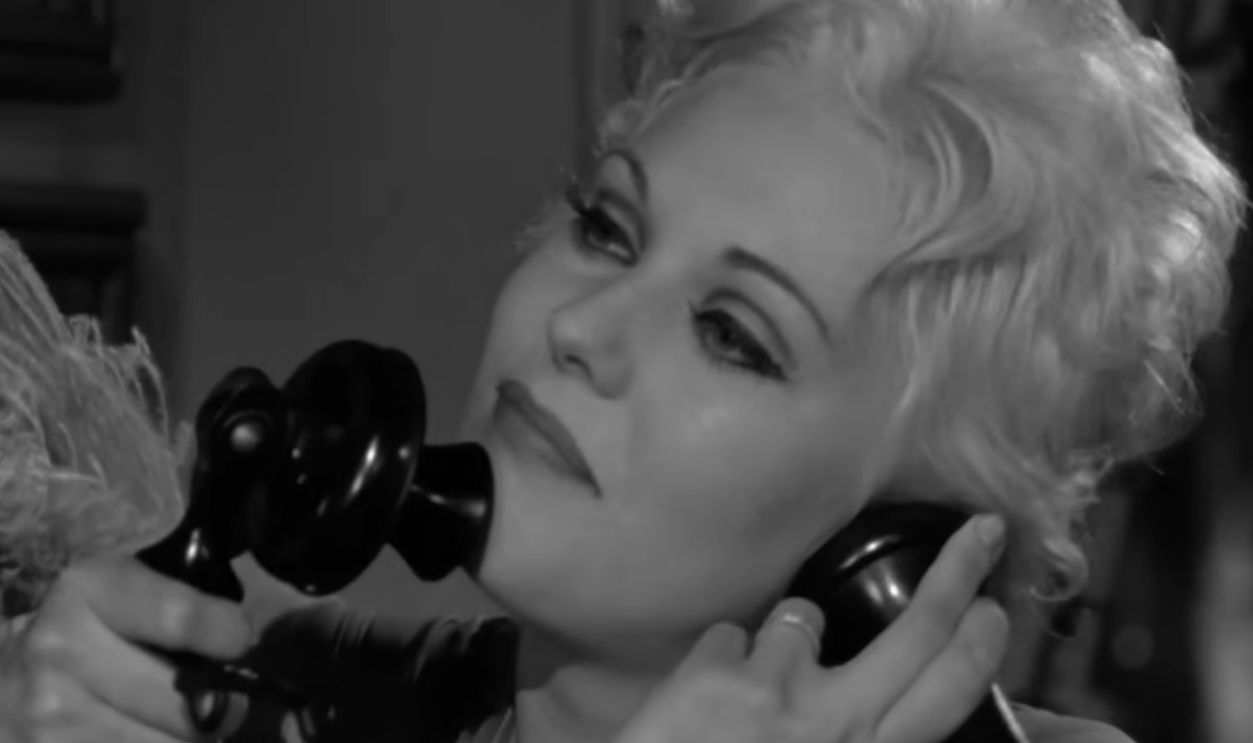 Screenshot from Jeanne Eagels, Sony Pictures Entertainment (1957)
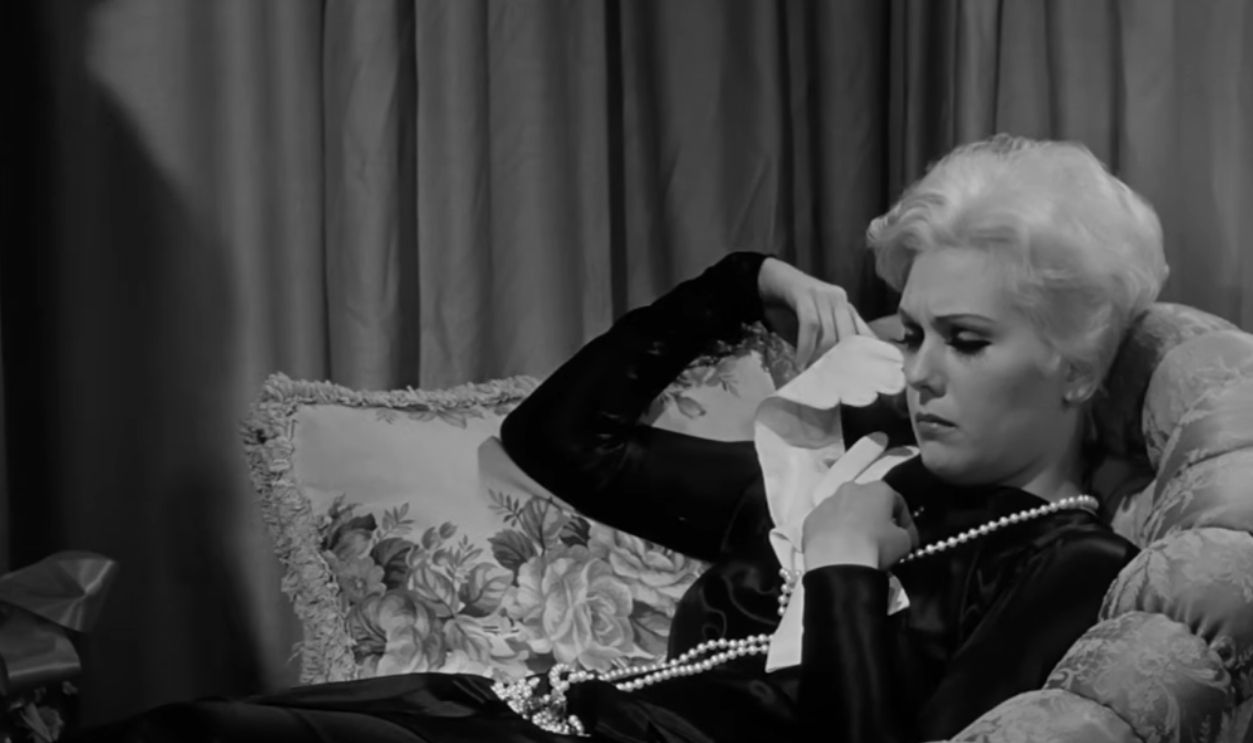
39. She Snapped
Timing is everything, and the show’s management made the wrong move. Worried Jeanne was worn to the bone, they raised the understudy issue just before the curtain. Jeanne exploded. She ripped off her costume and said, “I won’t go on tonight. How do you like that?” The director calmly stepped out of her dressing room.
Minutes later, Jeanne poked her head out and sweetly said, “Maybe I am half dead—but I’ll always be able to play Sadie Thompson”.
 Screenshot from Jeanne Eagels, Sony Pictures Entertainment (1957)
History's most fascinating stories and darkest secrets, delivered to your inbox daily.
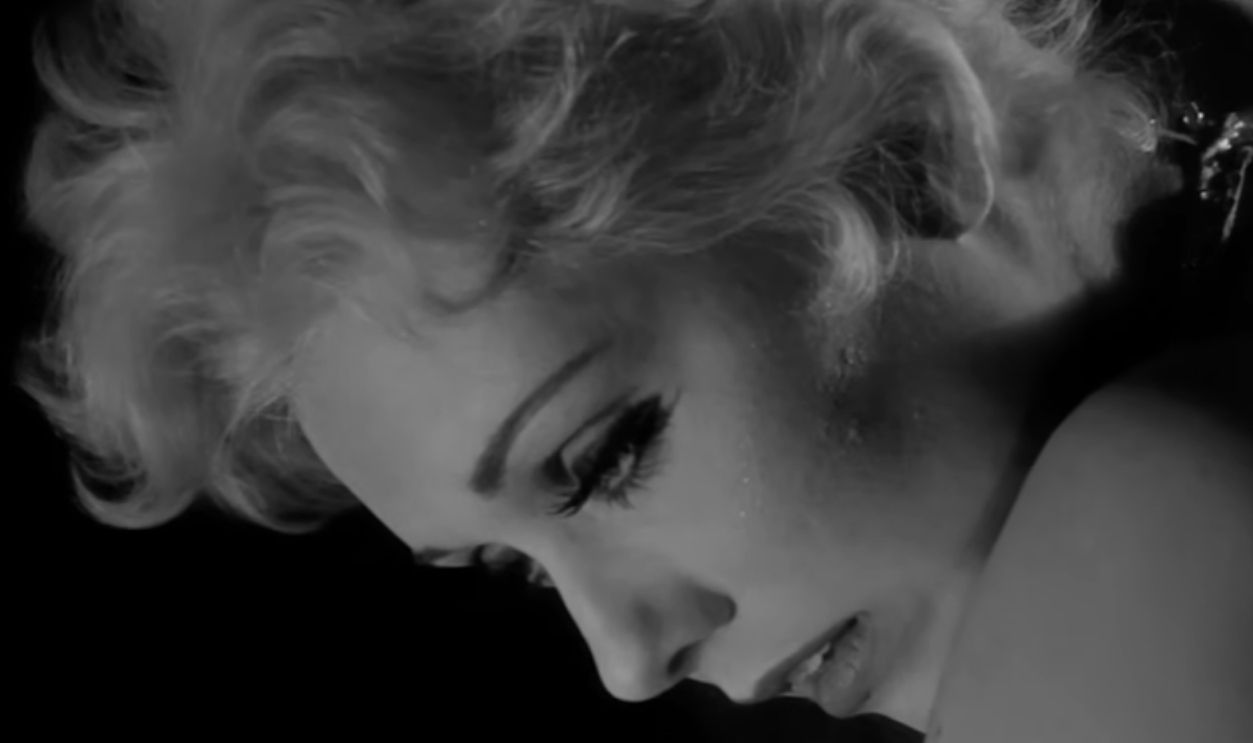
40. She Said Goodbye
After five gruelling years in Rain, Jeanne finally said goodbye to Sadie. The role that made her a star had also drained her. Exhausted and ill, she and Ted headed to California in search of rest and sunshine. Her old friends were stunned. She had gone from someone who only sipped bubbly to someone who drank everything in sight until she passed out.
Ted could match her glass for glass. It was a recipe for disaster.
 Screenshot from Jeanne Eagels, Sony Pictures Entertainment (1957)
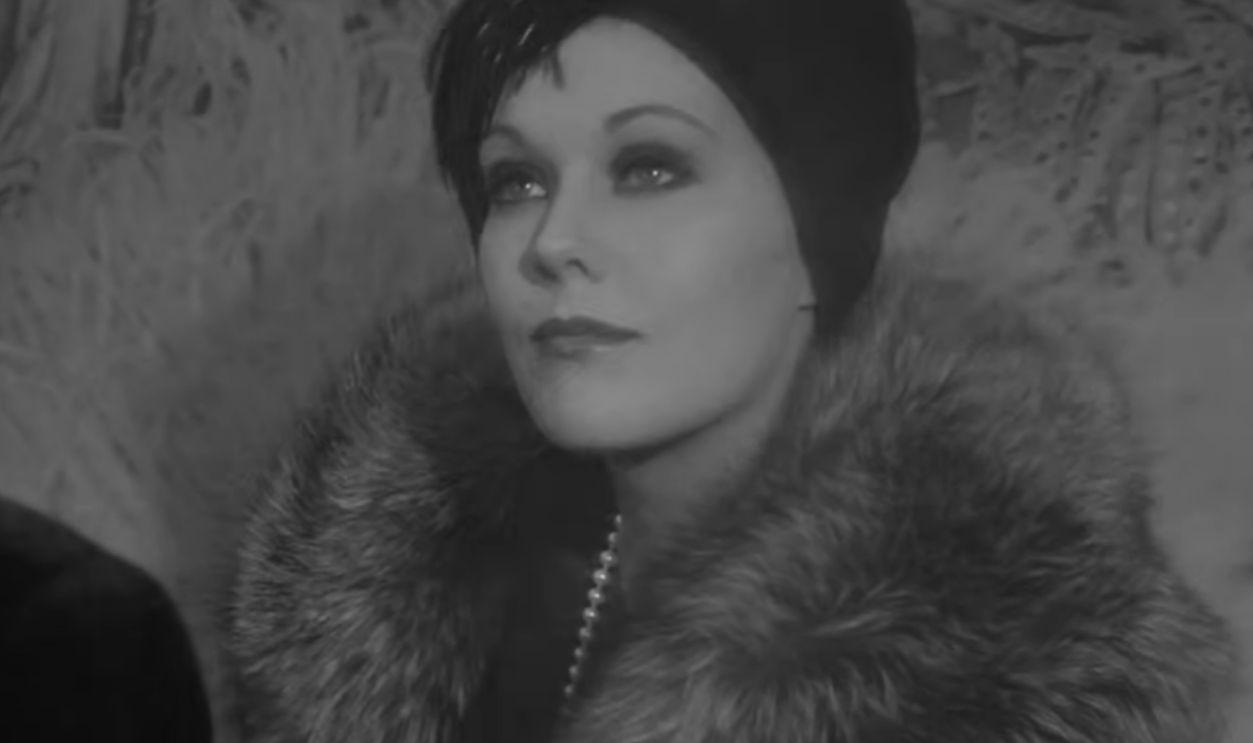
41. Her Marriage Turned Ugly
Her Marriage to Ted had never been blissful, but when booze was part of the mix, it turned dangerous. During a visit to Chicago, she greeted a friend with a smile—and pointed to her black eye and broken jaw, blaming Ted. Later in court, she accused him of repeated brutality. Ted had his own version of events—but for now, he stayed silent.
Jeanne won her divorce, but didn’t walk away unscathed.
 Screenshot from Jeanne Eagels, Sony Pictures Entertainment (1957)
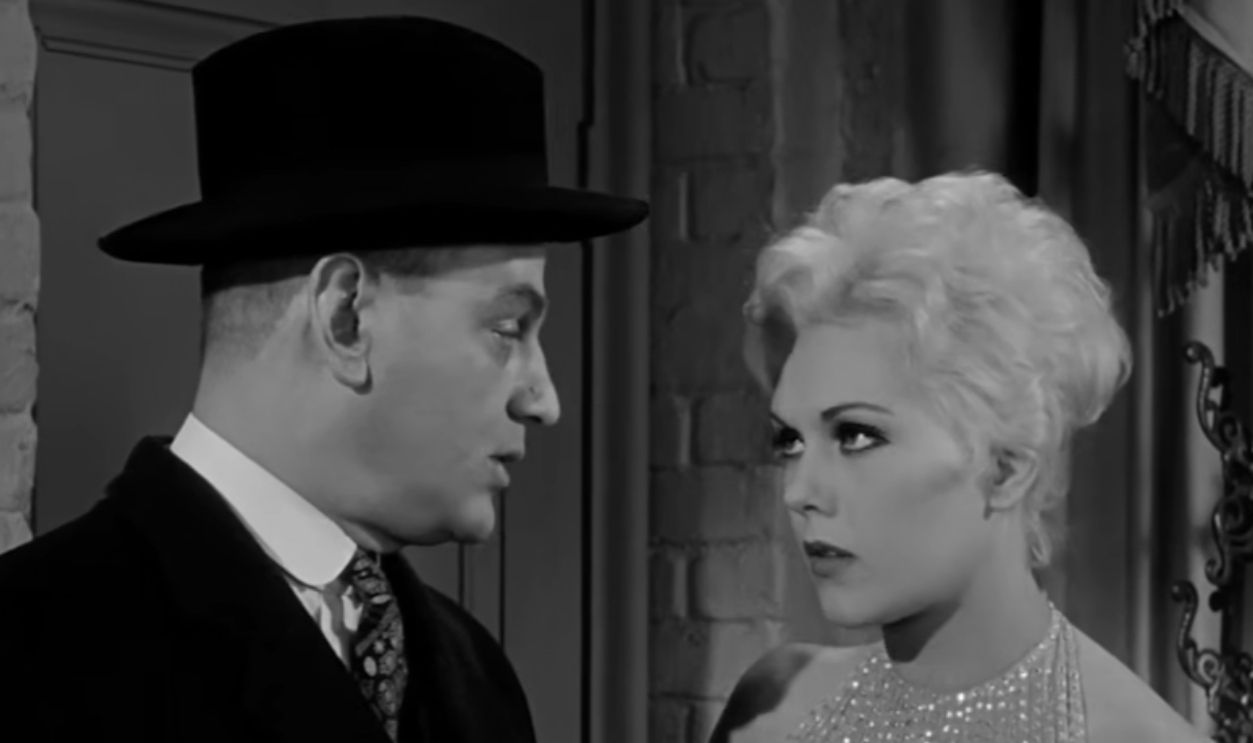
42. She Crashed Out
Jeanne just couldn’t recapture the lightning in a bottle she’d found as Sadie Thomson. The growing disappointment, combined with a painful breakup with her co-star on the last day of Her Cardboard Lover in Chicago, finally broke her. She went from cheerful, sober-ish, and in love to the center of a career-detonating bender that would become the stuff of theater legend.
 Screenshot from Jeanne Eagels, Sony Pictures Entertainment (1957)
43. She Hit Rock Bottom
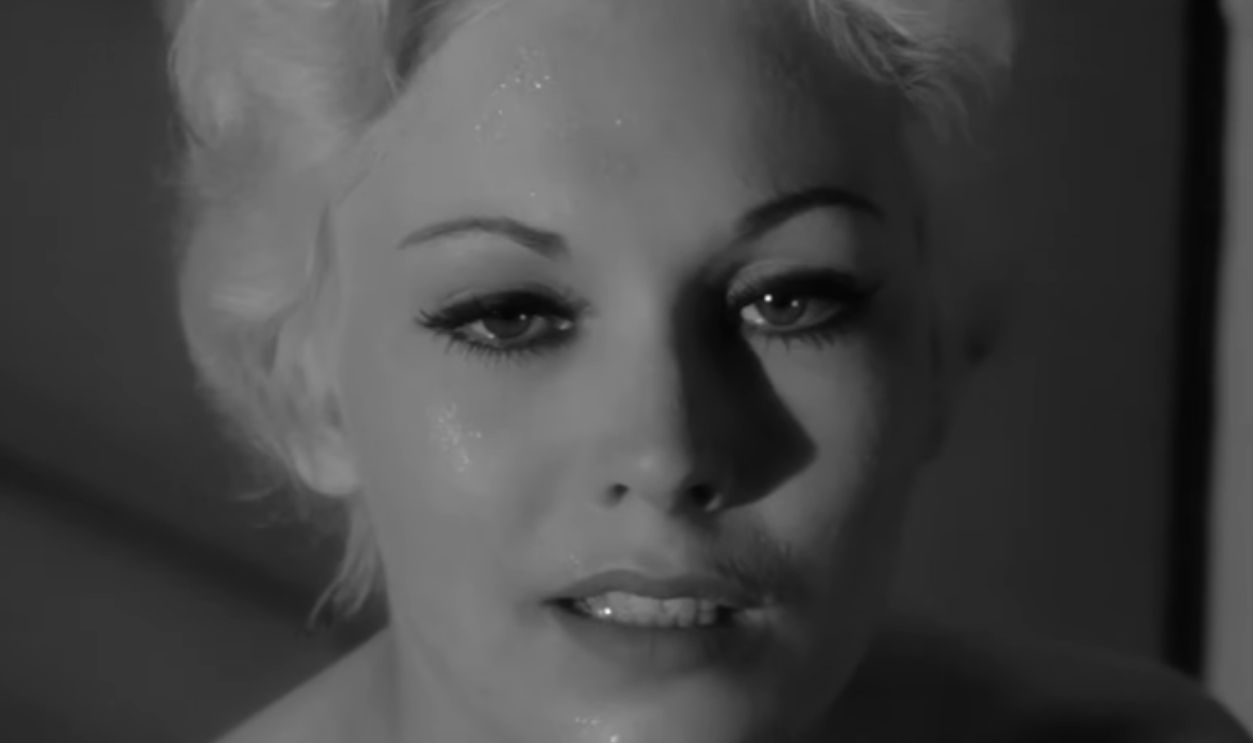
All of a sudden, the heartbroken Jeanne was nowhere to be found. Everyone assumed “Gin Eagels” was drowning her sorrows, but they didn’t know where. She finally turned up in a Chicago hotel room, weeping, sick, blitzed, and seething with rage. When the theater manager found her, she laughed at him and started throwing empty booze bottles out of the windows—and even at him.
It didn’t seem likely that she would be making it to her sold-out Milwaukee shows in time.
 Screenshot from Jeanne Eagels, Sony Pictures Entertainment (1957)
44. She Went Way Too Far
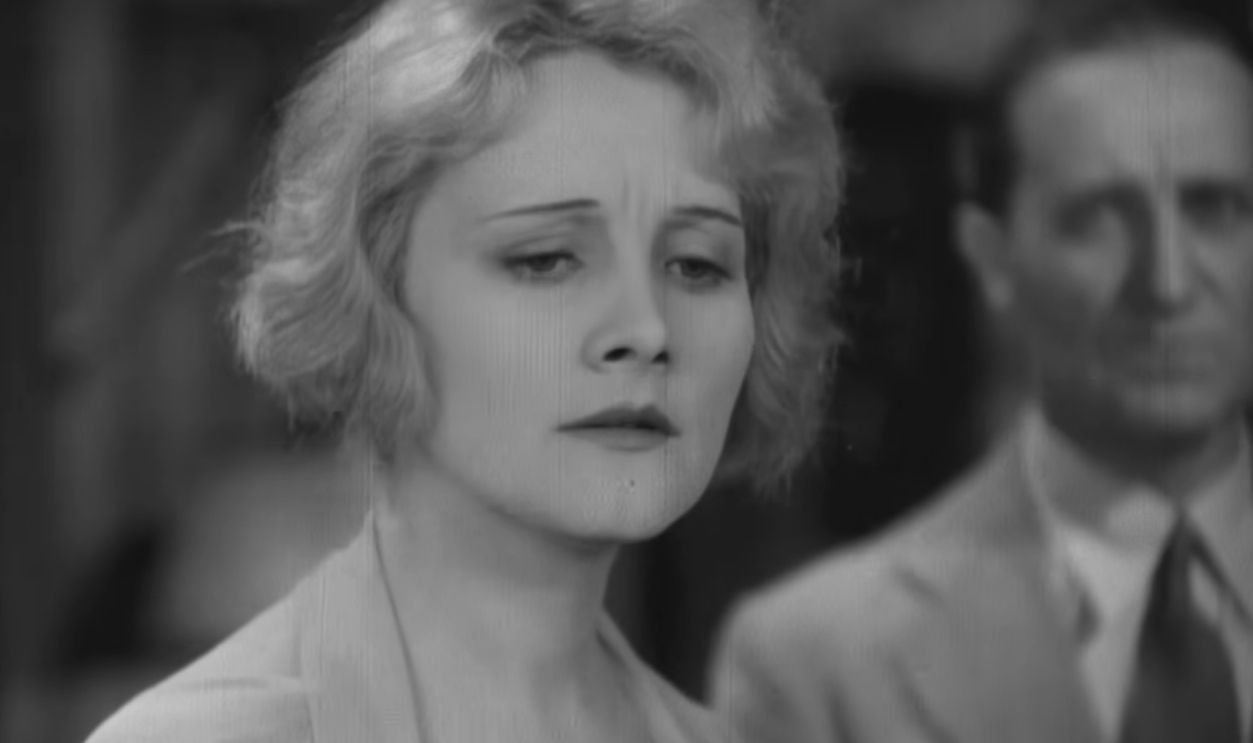
After a pep talk from her favorite crew member, she agreed to head to Milwaukee, but not on the train. The crew member stuffed a tipsy Jeanne into a cab, only for her to insist upon bringing a case of bubbly, her maid, and a rich man’s son along for the ride. She never made it to the stage. Instead, she stayed in her room all week, claiming she was sick, not sloshed.
Actors' Equity didn’t care—after way too many no-shows, they banned her from the stage for 18 months.
 Screenshot from The Letter, Warner Bros. Discovery (1929)
45. She Re-upped
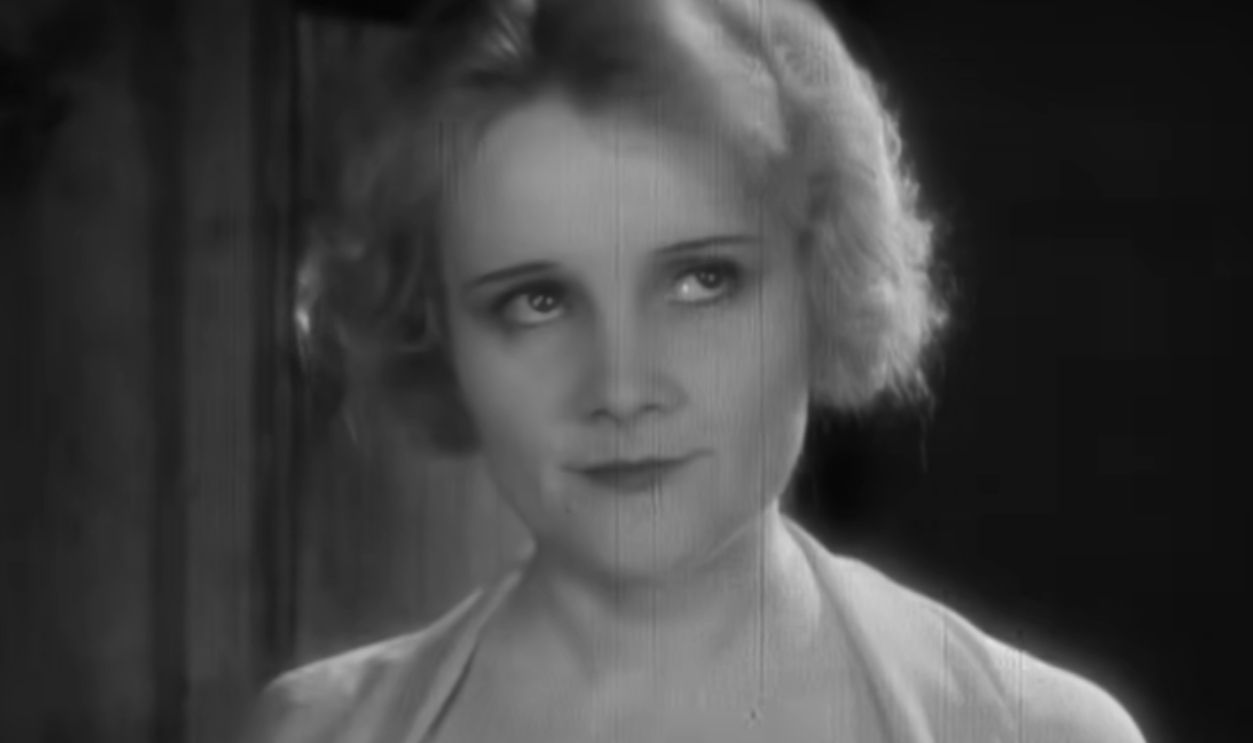
Jeanne lamented being “banished," but she vowed to “show them”—and she did just that. Both vaudeville and the screen welcomed her back with open arms—and fat paychecks. She threw herself into filming The Letter, delivering a raw, ahead-of-its-time performance that would later earn her a posthumous Oscar nomination.
But even as her career surged again, something in Jeanne was breaking down.
 Screenshot from The Letter, Warner Bros. Discovery (1929)
History's most fascinating stories and darkest secrets, delivered to your inbox daily.
46. She Was Breaking Down
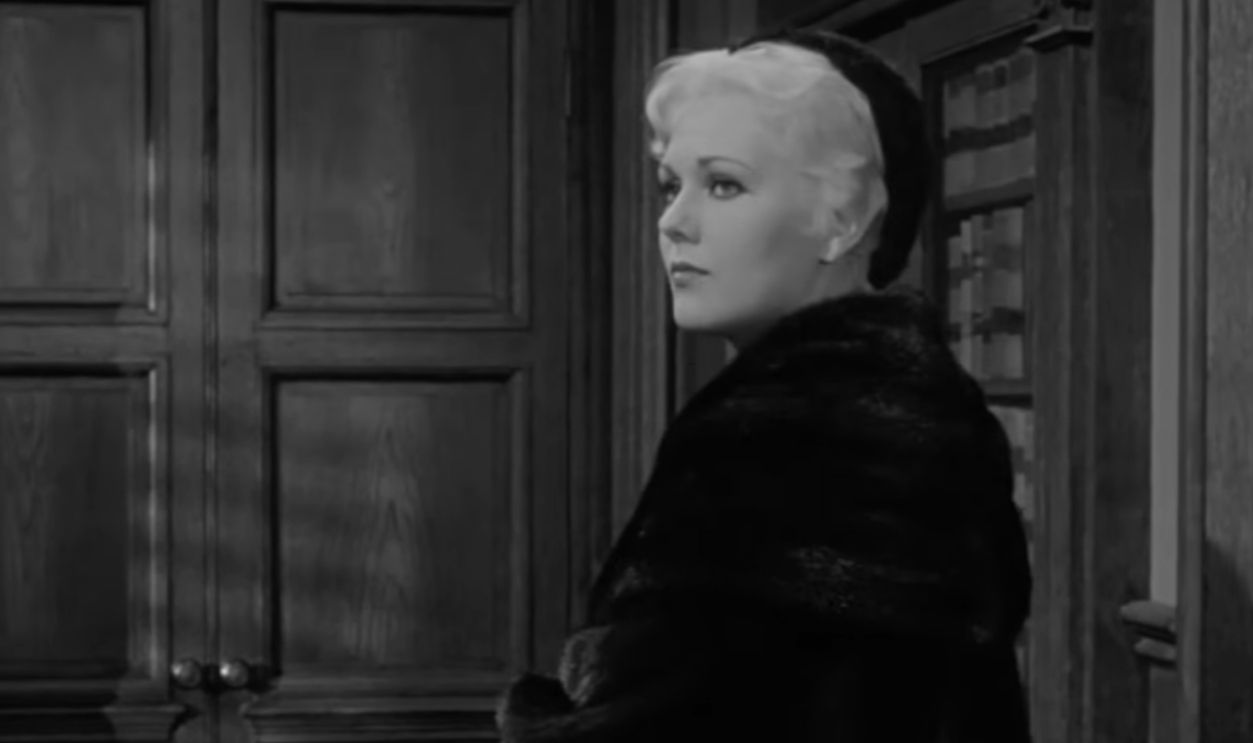
Despite her best efforts, the years of strain and substances were catching up to Jeanne. Her throat infection never fully healed. She needed eye surgery. A weak chest fed her fear of consumption. Neuralgia and kidney disease had set in. Oh, and then there was her constantly aching jaw where Ted had allegedly broken it. Ted later claimed she’d done that to herself while loaded.
She may have signed a three-picture deal with MGM, but she’d never get to make the third film.
 Screenshot from Jeanne Eagels, Sony Pictures Entertainment (1957)
47. She Had A Change of Plans
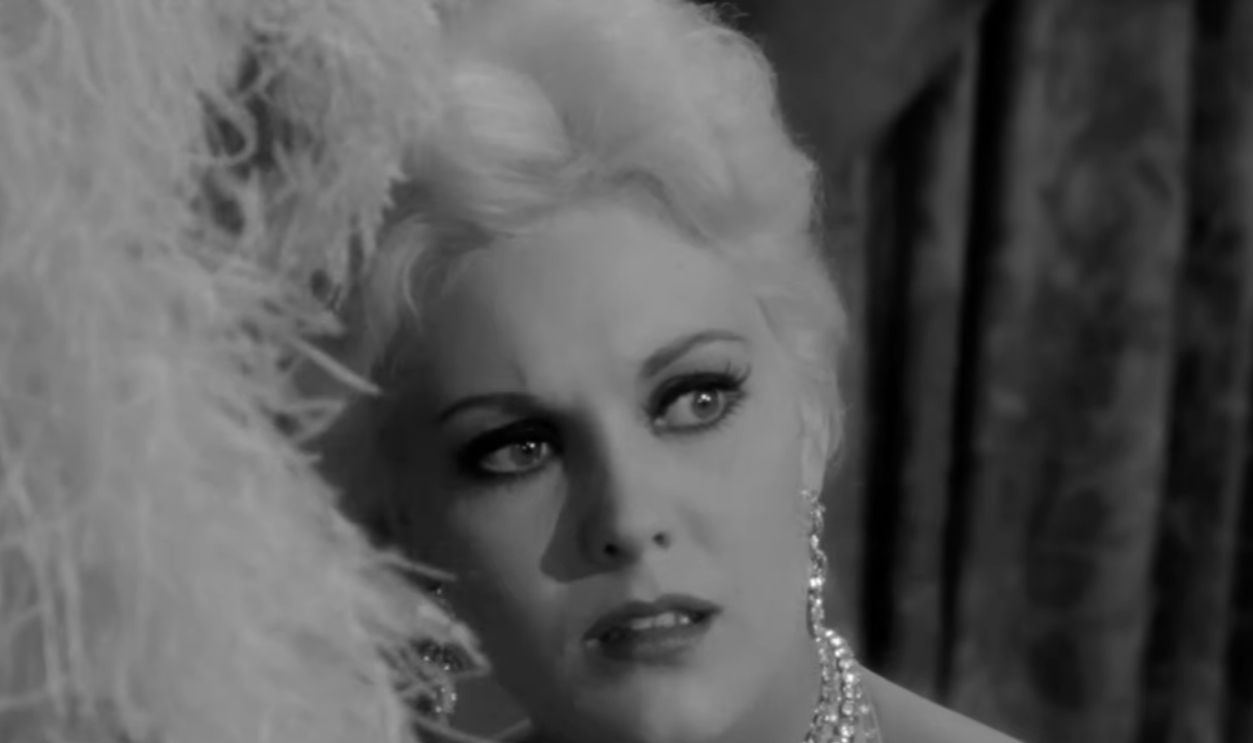
Jeanne seemed to be recovering from eye surgery and decided to lift her spirits with an evening out. Fate had other plans. Her condition suddenly worsened, and, still in her evening gown, she and her secretary made the 60-block drive to her doctor's office. Once in the examination room, she suddenly went into convulsions.
The nurse called for the doctor, but by the time he arrived, it was too late. On October 3, 1929, the curtain fell on Jeanne Eagels’s life.
 Screenshot from Jeanne Eagels, Sony Pictures Entertainment (1957)
48. She Left Them Guessing
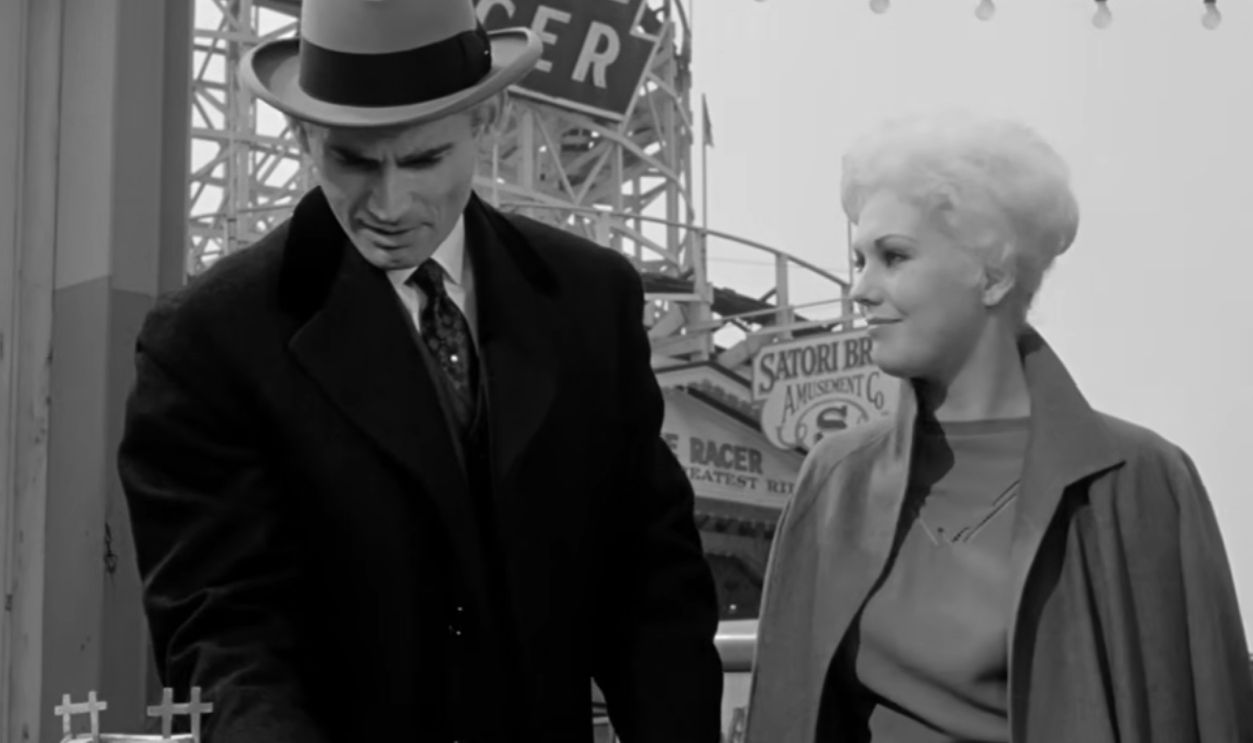
Because Jeanne passed so suddenly at only 39, many refused to believe it was just exhaustion. One official claimed the cause was “nothing unusual,” just psychosis brought on by too much drinking. The chief medical examiner disagreed, suggesting a powerful sedative used to treat her hallucinations may have stopped her heart.
As the rumors swirled, the truth slipped farther out of reach. And then came the secret medical report.
 Screenshot from Jeanne Eagels, Sony Pictures Entertainment (1957)
49. She Couldn’t Outrun The Truth
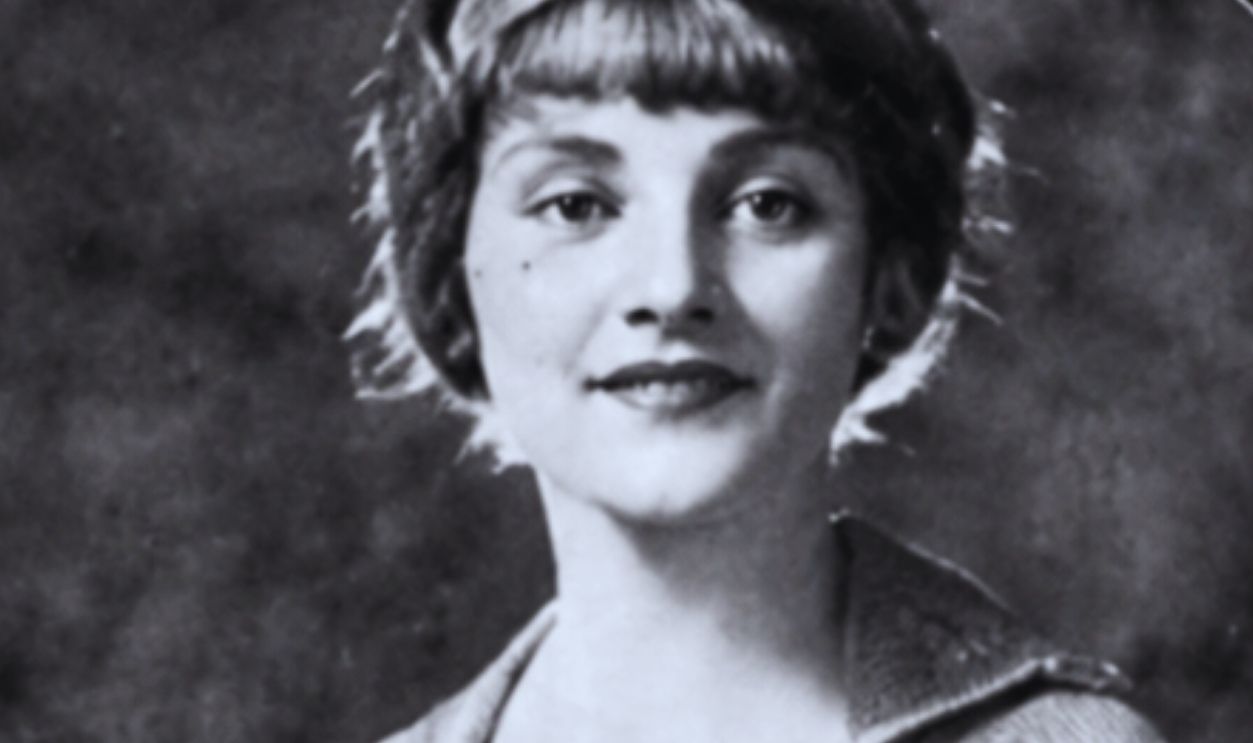
More than half a year after Jeanne’s passing, her story took a shocking turn. On May 30, 1930, newspapers revealed a secret report submitted shortly after her demise. It pointed to a powerful, illicit narcotic as the cause of her sudden end. Investigators claimed significant traces were found in her brain—confirming suspicions that had been swirling for months.
 http://www.jeanneeagels.com/id22.html, Wikimedia Commons, enhanced
50. She Came Full Circle
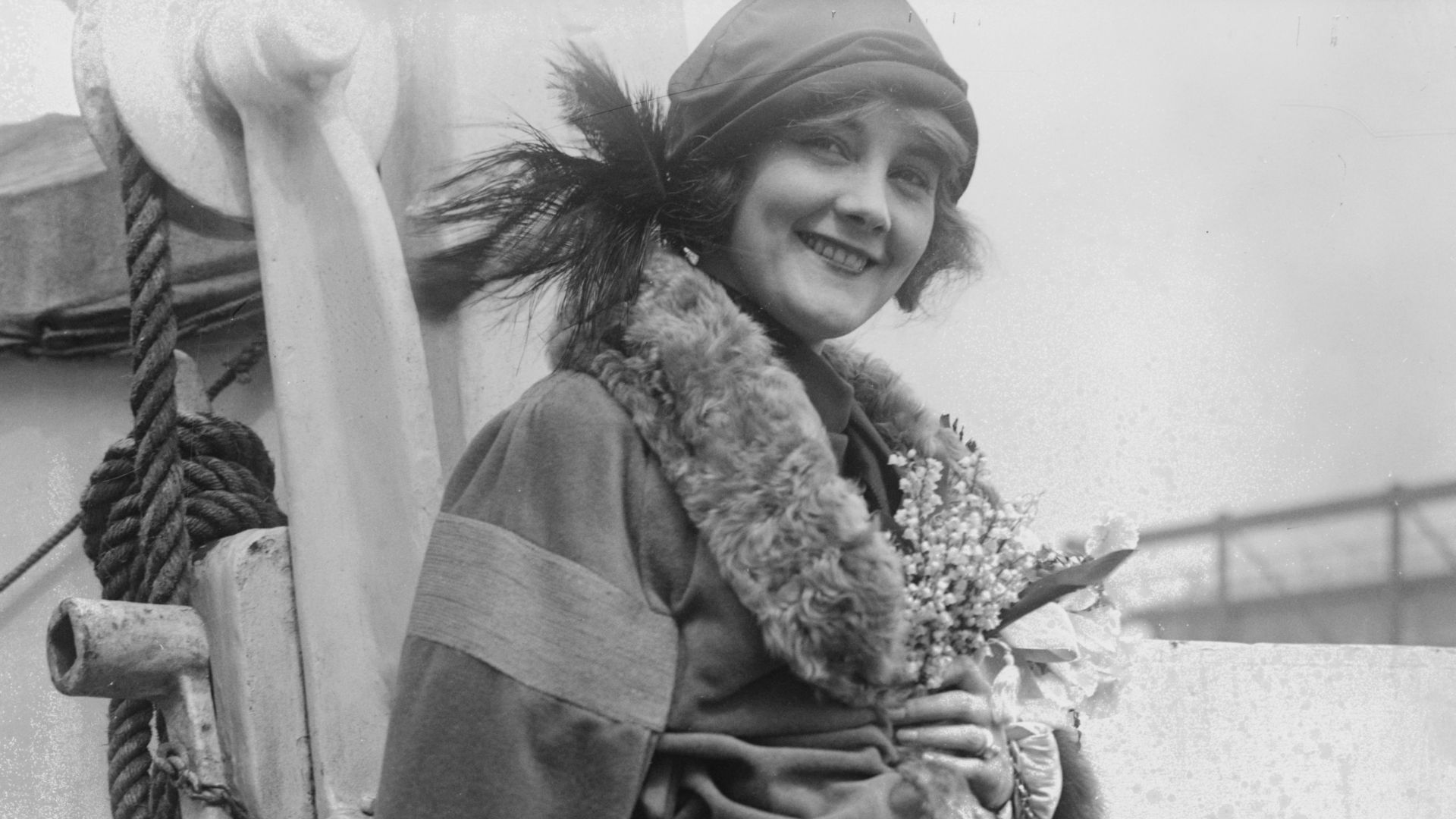
Jeanne Eagels spent her life trying to outrun the dust of Kansas City, but in the end, it's where she came to rest. She had a simple headstone: a cross, a date, and her birth name spelled “Eagles”. Years later, a friend visited her grave with Jeanne’s mother, Julia. He pointed out the spelling and said, “Julia, Jeanne would turn in her grave if she saw her name spelled that way—she’d spit in your eye”.
Even though she was gone, the scandal didn’t stop.
 Bain News Service, publisher, Wikimedia Commons
You May Also Like:
Conrad Hilton Jr. Was History’s Darkest Heir
The Femme Fatale At The Heart Of History’s Most Scandalous Murder Mystery
With Their Dark History Of Betrayals, The Rat Pack Earned Their Nickname