A King Of Legend
Immortalized beyond the pages of history books, King Henry V became the subject of many literary works. However, his true legacy may be murkier. While many were quick to celebrate him as a hero king, who led Britain to greatness against its enemies, others have since pointed out his faults—and how he may not be as noble as previously thought.
1. His Beginning Is Unclear
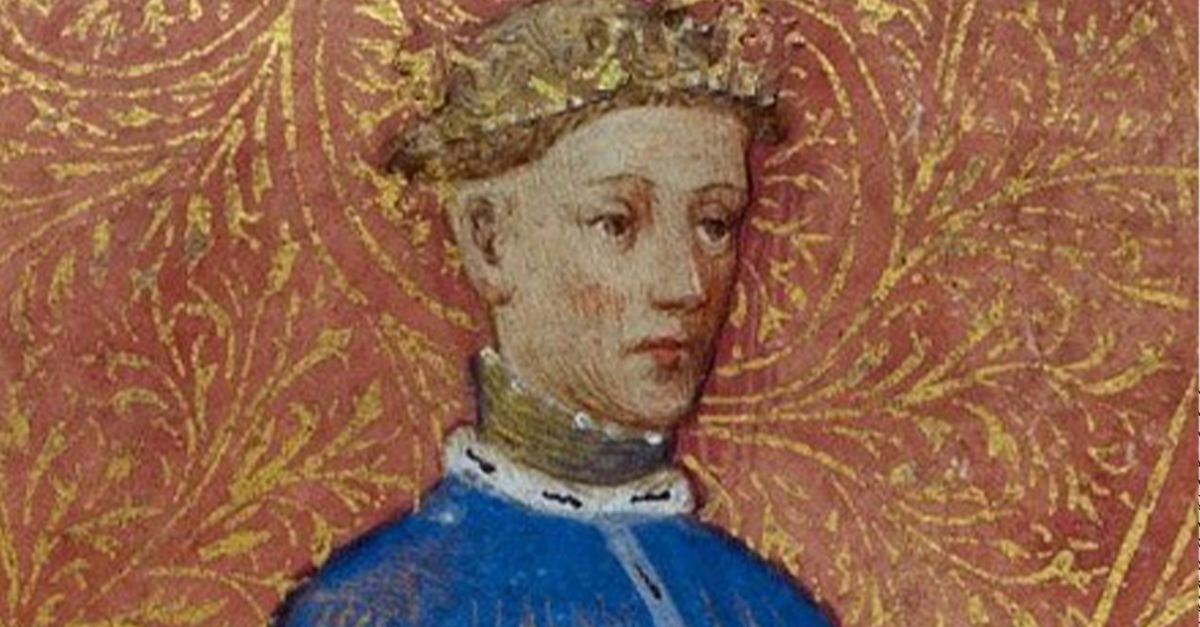
King Henry V’s legend quickly outgrew the true events of his life, becoming one of valor and piety. Looking deeper, though, it’s clear that history embellished much of this greatness—and figuring out who he really was may not be that simple. For instance, even the date of his birth is something of a mystery. His lower rank in the line of succession meant that the actual date was never documented, even if it’s now widely accepted as September 16, 1386.
Even at an early age, however, Henry's situation in life was shockingly complicated.
2. He Adopted Him
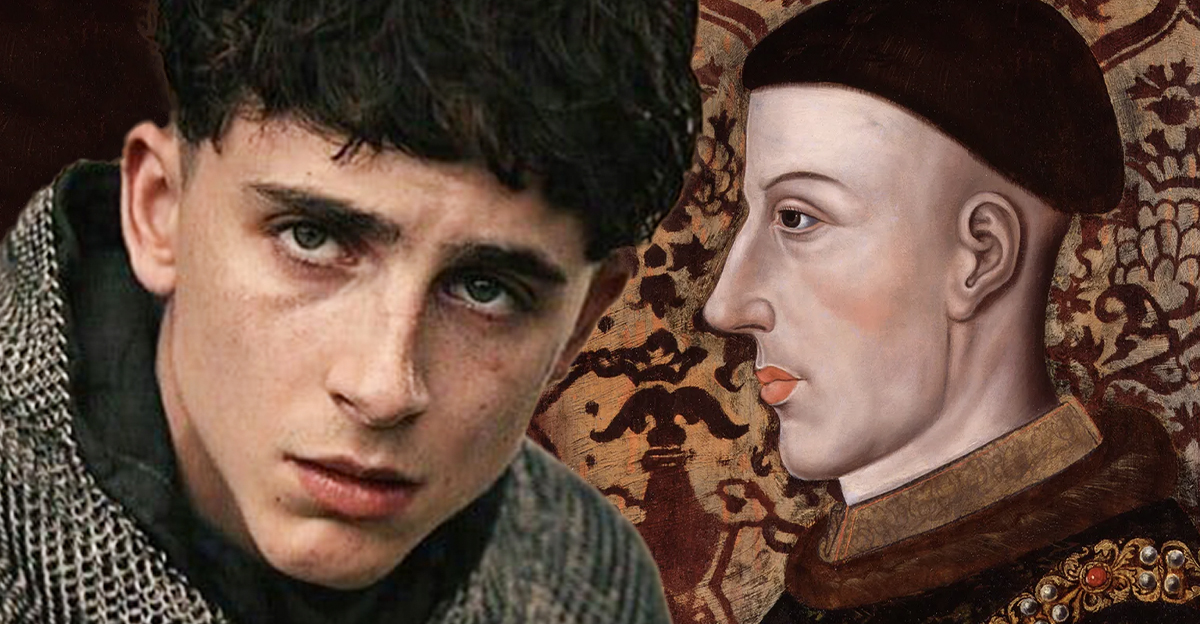
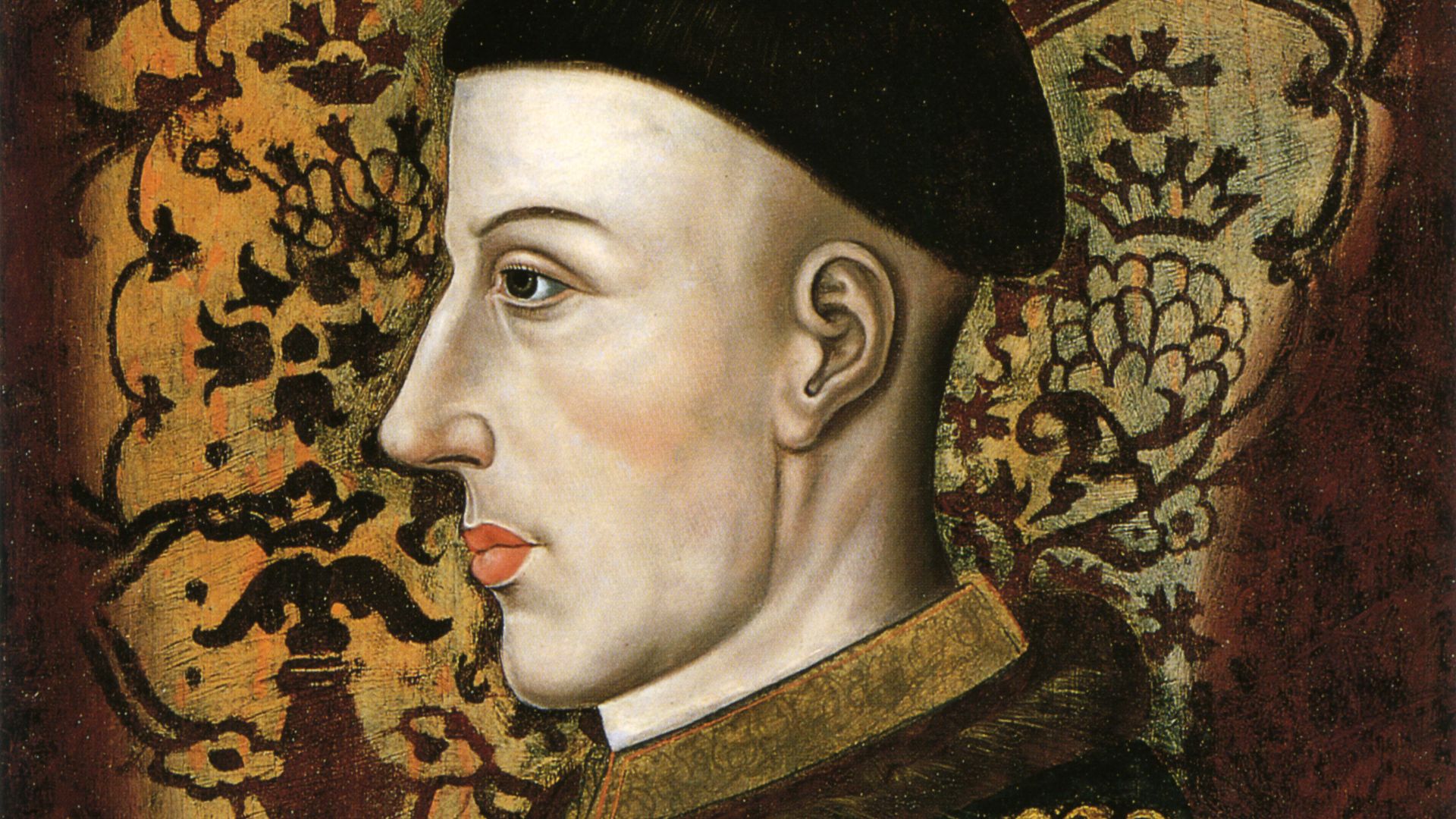
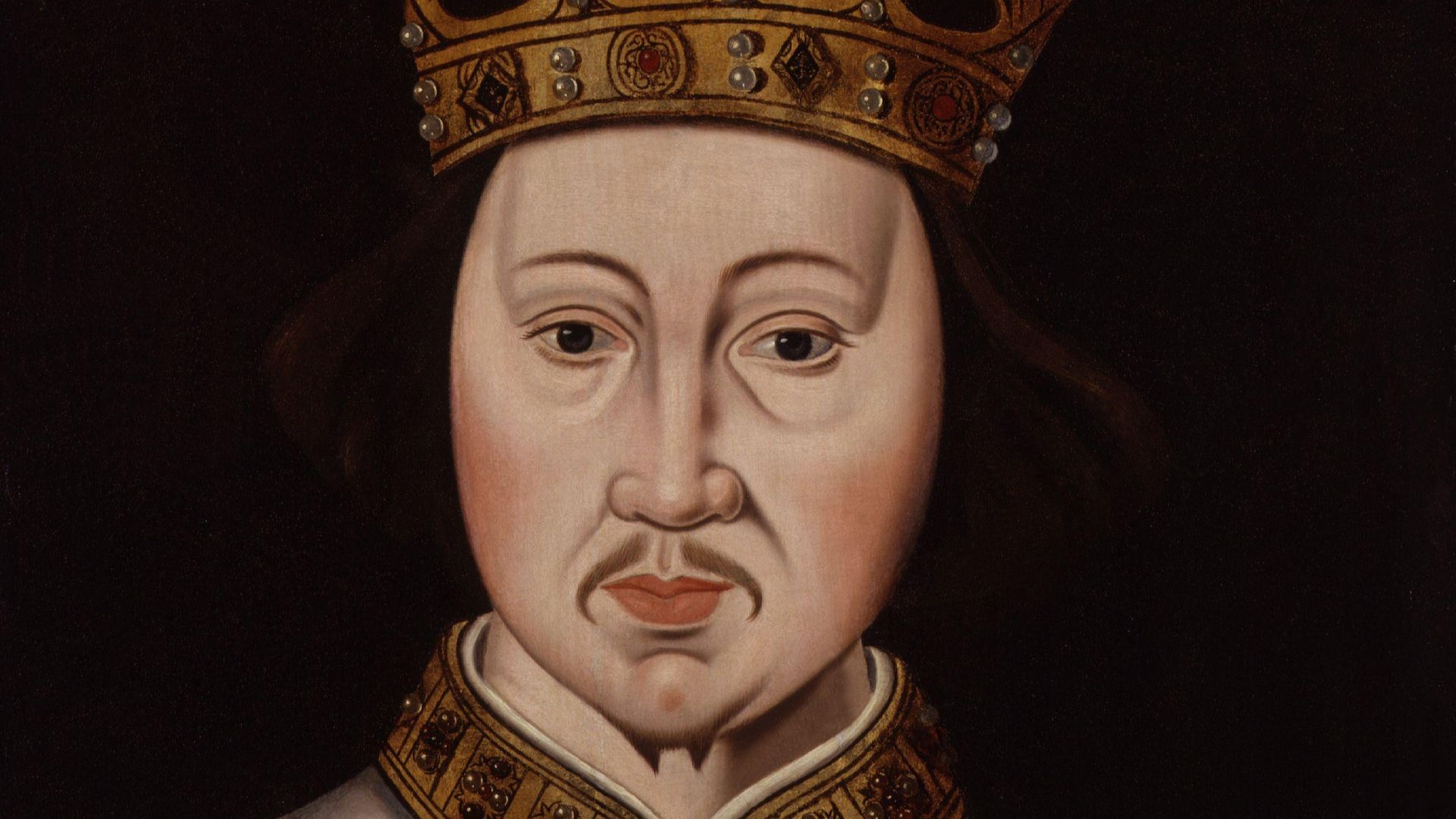
Henry V may have been far from succeeding the throne, but he was still royalty. After all, his father, Henry IV, was a cousin of King Richard II. Unfortunately, family ties weren’t everything, and Henry IV went into exile in 1398 for his part in a revolt against the King. As a result, King Richard took 12-year-old Henry into his care and—luckily—treated him fairly.
But when it came to who held power, fate had a major twist in store.
3. He Was Usurped
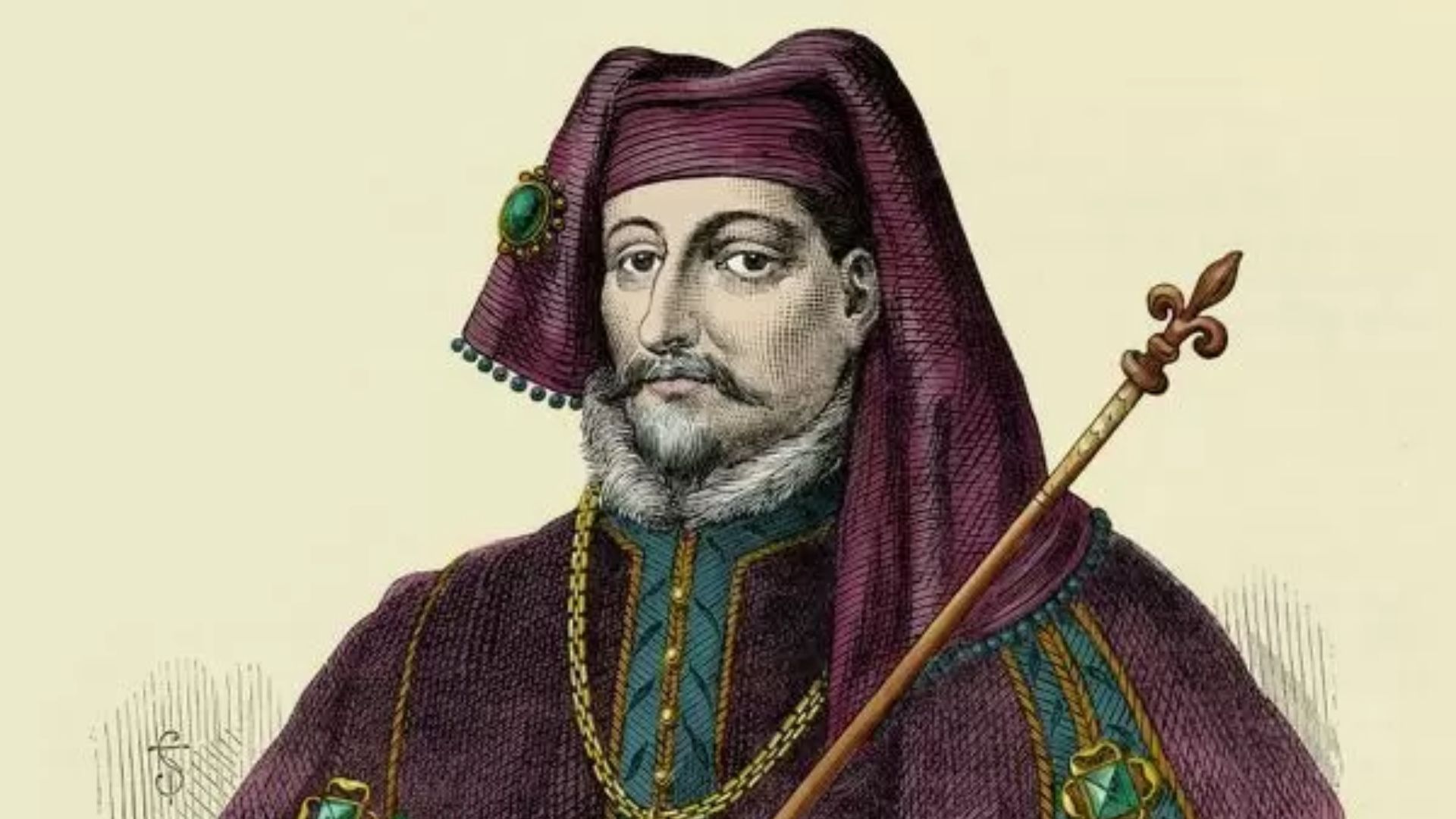
Henry’s time with Richard II would be short-lived, as the King hadn’t seen the last of the rebellion against him. Only one year later, Henry’s father returned unexpectedly from exile, with the force of another revolt behind him. Taking the throne by force, he imprisoned the former King Richard and began his reign as the new monarch.
Though it was a nightmare for the former king, this takeover marked a dramatic shift in Henry's fortunes.
 Lebrecht Music & Arts, Wikimedia Commons
4. He Received His Titles
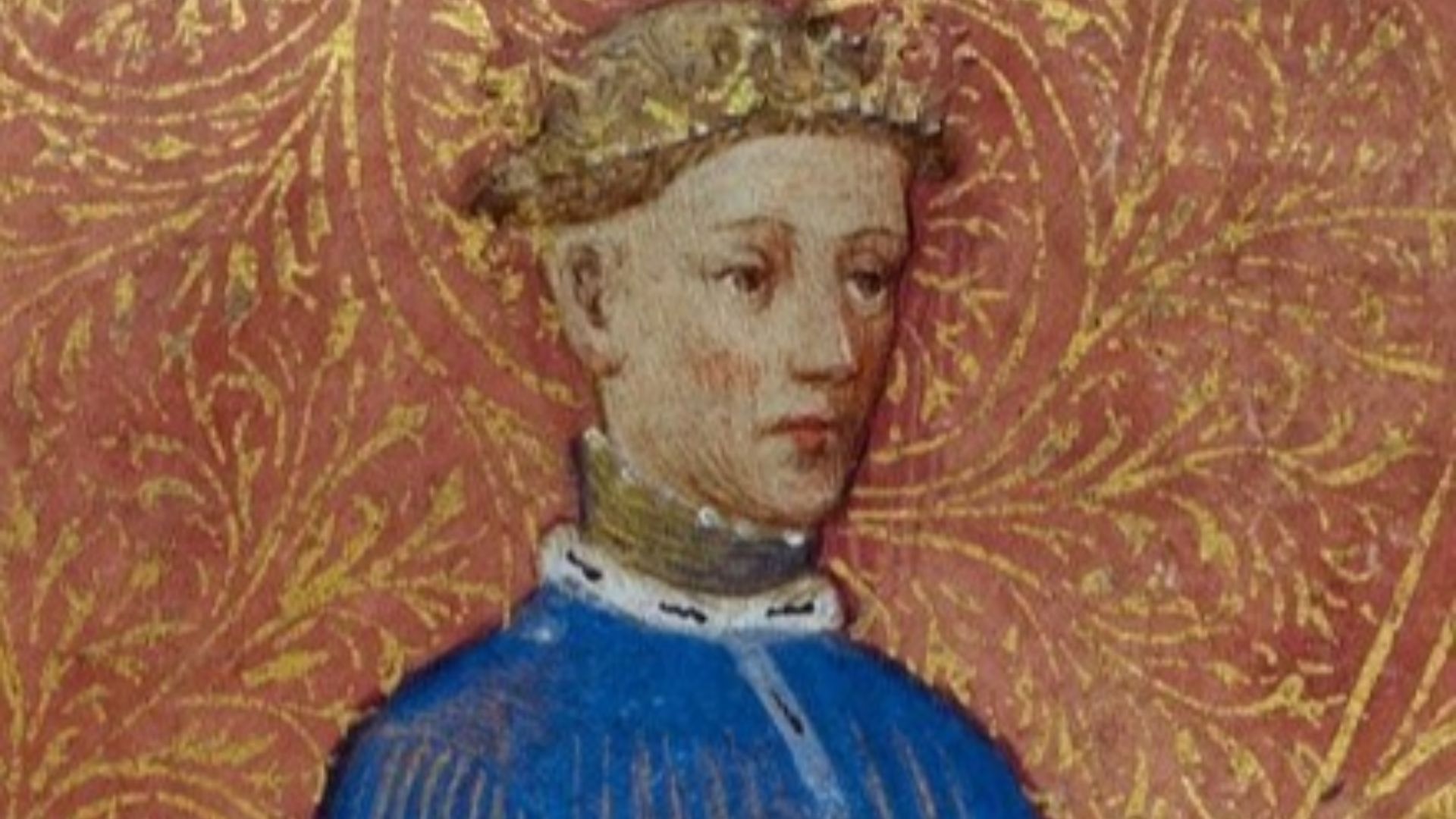
In one relatively short revolt, Henry had gone from being far down the line of succession to becoming the heir apparent as his father took the throne. Therefore, during his father’s coronation, Henry received the title of Prince of Wales, as well as that of the Duke of Lancaster later that year.
However, there was far more to this young prince than his royal titles.
 Unknown authorUnknown author, Wikimedia Commons
5. He Loved Learning
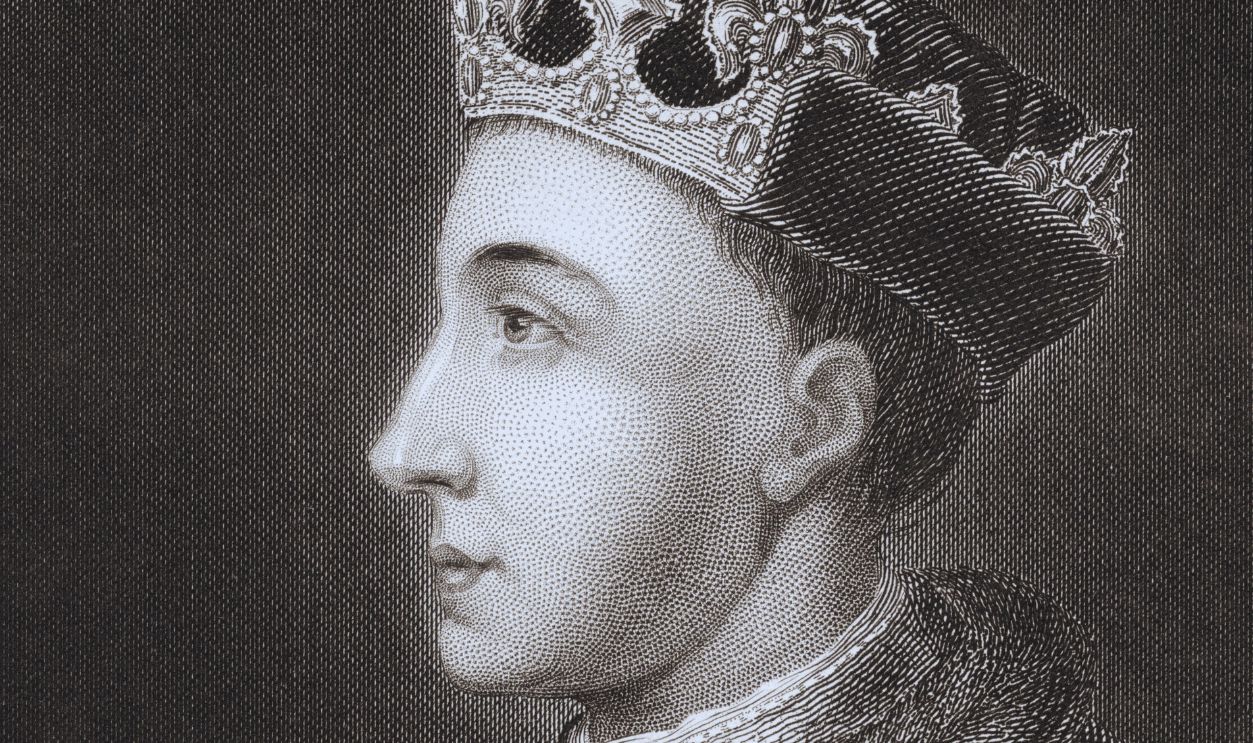
Henry may have received a whole new set of responsibilities, but it didn’t excuse him from going to school. Fortunately, he seemed to enjoy his education at The Queen's College in Oxford, where he developed a burning passion for music, as well as reading and writing. In fact, he became the first English King to receive an education in the Middle English vernacular.
But beyond the current of his education, there was one unsettling pressure that Henry had to endure.
 Universal History Archive, Getty Images
6. He Was Single
As new heir to the English throne, even at his age, Henry’s future became more scrutinized—namely, the possibility of marriage. However, his road to the altar proved to be a downright struggle.
At first, Isabella of Valois was the chosen candidate, despite being the widow of the usurped King Richard II. When this didn’t work out, Catherine of Pomerania became the next choice, but negotiations in the early 1400s failed, leaving Henry unwed. Unfortunately, his marriage woes turned out to be the least of his problems.
 William Henry Mote, Wikimedia Commons
7. He Became A Leader
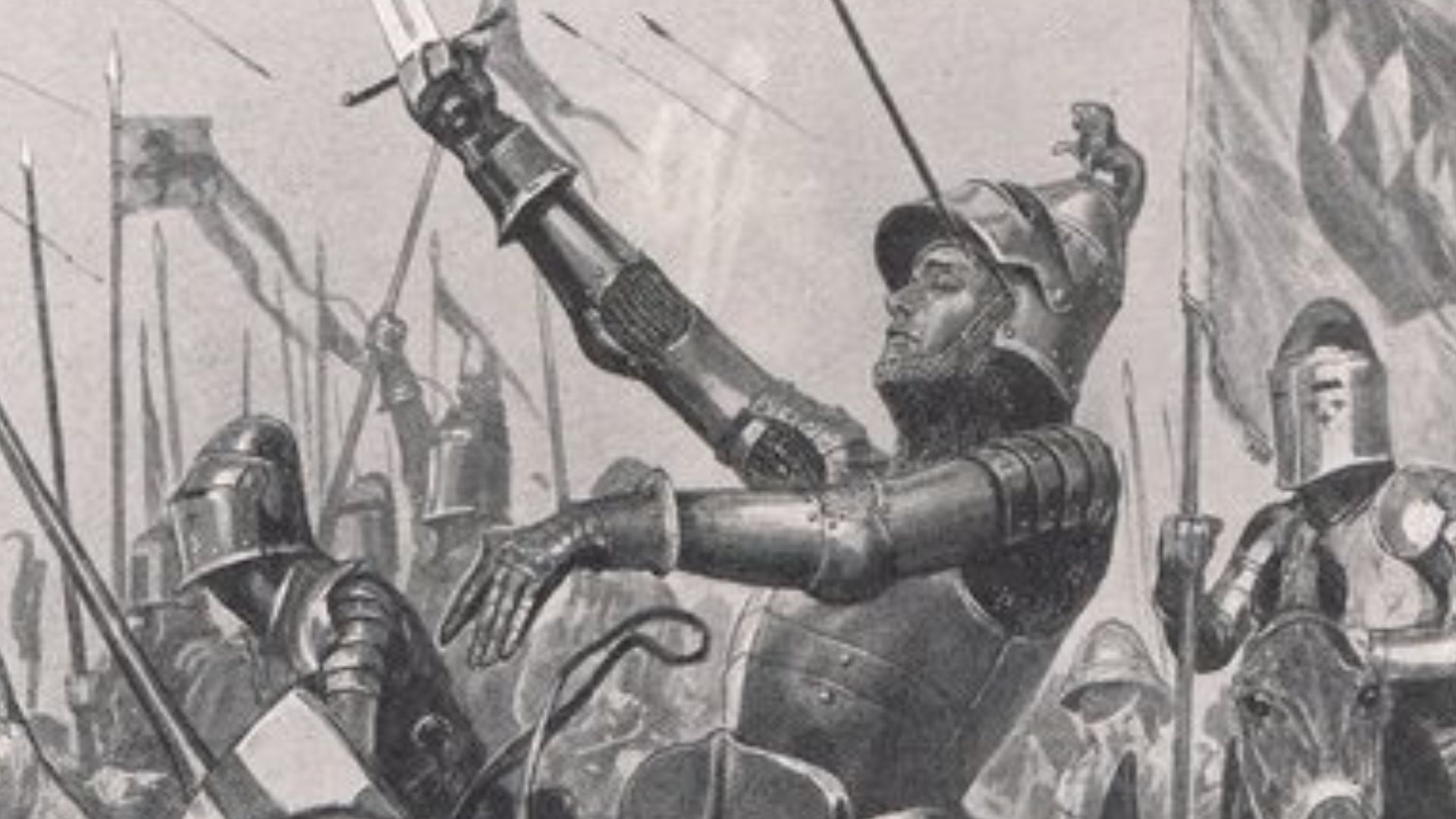
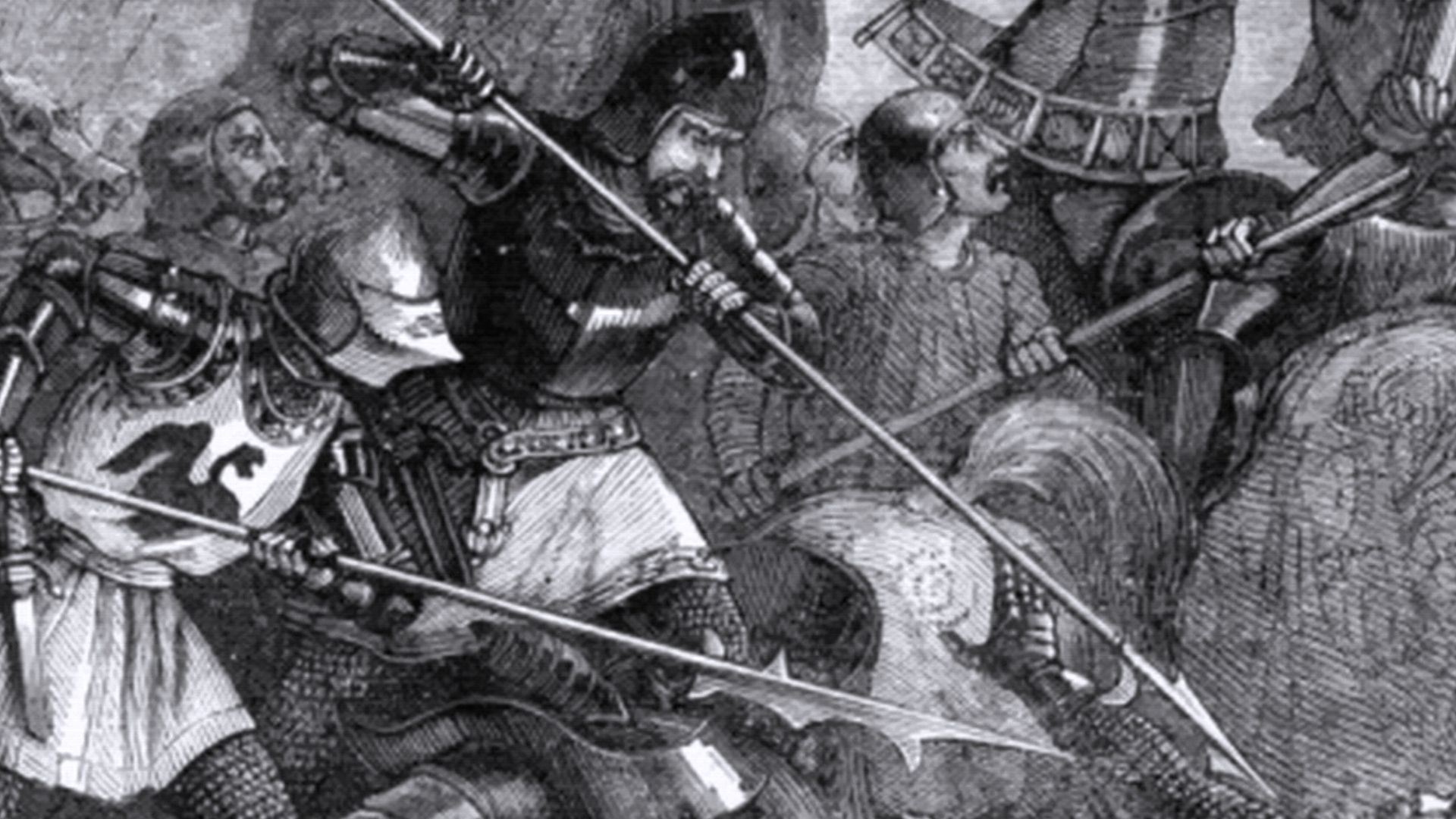
Henry’s youth didn’t keep him from the dangers of battle for long, and he was only a teenager when he got an early taste of combat, leading his own army. Tasked with suppressing several revolts, he also fought alongside his father in 1403 at the Battle of Shrewsbury. It was during this chilling conflict that Henry experienced a terrifying close call.
 Richard Caton Woodville Jr., Wikimedia Commons
8. He Nearly Perished
Although Henry showed an aptitude for command, he was also very inexperienced, and this may have almost led him to an early grave. During the Battle of Shrewsbury, one of the enemy arrows pierced him in his left cheekbone, creating a wound that many would have called fatal during the 15th century.
Fortunately for him, he wasn’t just anyone.
 John Cassell, Wikimedia Commons

History's most fascinating stories and darkest secrets, delivered to your inbox daily.
9. He Saved Him
Unlike many who fought alongside him, Henry’s royal blood granted him medical care of the highest quality. Taking place over multiple days, Henry received an operation performed by the royal physician, who used honey as an antiseptic, and a device of his own making to remove the arrowhead. This allowed Henry to survive, but the brutal scars he sustained would last forever.
Despite the consequences, his brush with death didn't seem to deter him from the battlefield.
 Epic War Scene | THE KING (2019) Movie CLIP HD, JoBlo Movie Clips
10. He Continued Fighting
Even before Henry’s gruesome battle in Shrewsbury, he had been fighting against other uprisings in Wales, led by the Welsh leader, Owain Glyndŵr. The conflict had begun in 1400, and amid his other battles and lifesaving operations, Henry continued to lead his army against the Welsh until 1408, even though the revolt would last a few more years.
But behind the scenes, tragedy reigned.
 Opening Scene | THE KING (2019) Movie CLIP HD, JoBlo Movie Clips
11. He Took Responsibility
As the years passed, the health of Henry’s father began to decline, as he suffered from a skin disease that may have been leprosy, and attacks that some believe were epileptic. Stepping up to help his father, Henry took an increasing interest in the kingdom’s politics and all but controlled the government by 1410.
But this wasn’t always with his father’s approval.
 The King - Timothée Chalamet, Robert Pattinson | Final Trailer | Netflix Film, Netflix
12. They Disagreed
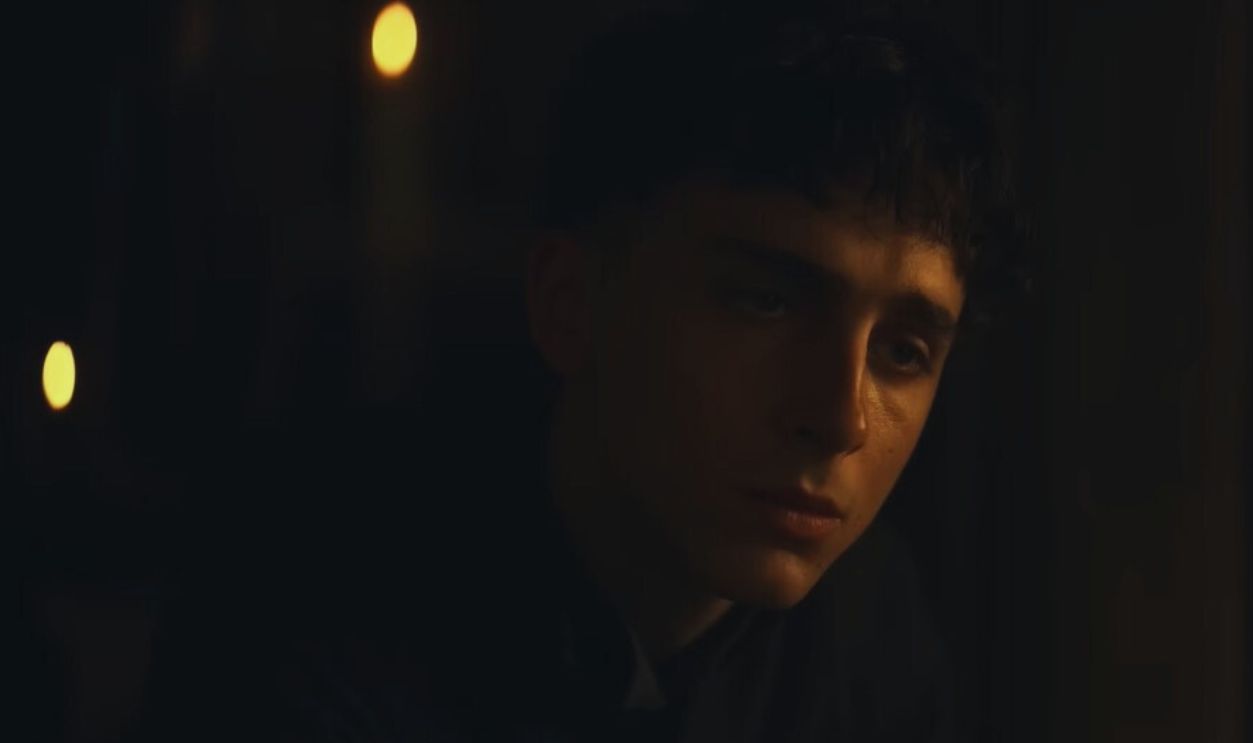
Henry was still young and inexperienced, but he had the counsel of his two uncles to help him make difficult decisions concerning the government. Still, his father’s views and practices in all manner of policies frequently contrasted with Henry’s, and it became normal for the two to argue over how to handle issues.
Of course, these clashes would soon become irrelevant.
 The King - Timothée Chalamet, Robert Pattinson | Final Trailer | Netflix Film, Netflix
13. They Couldn’t Decide
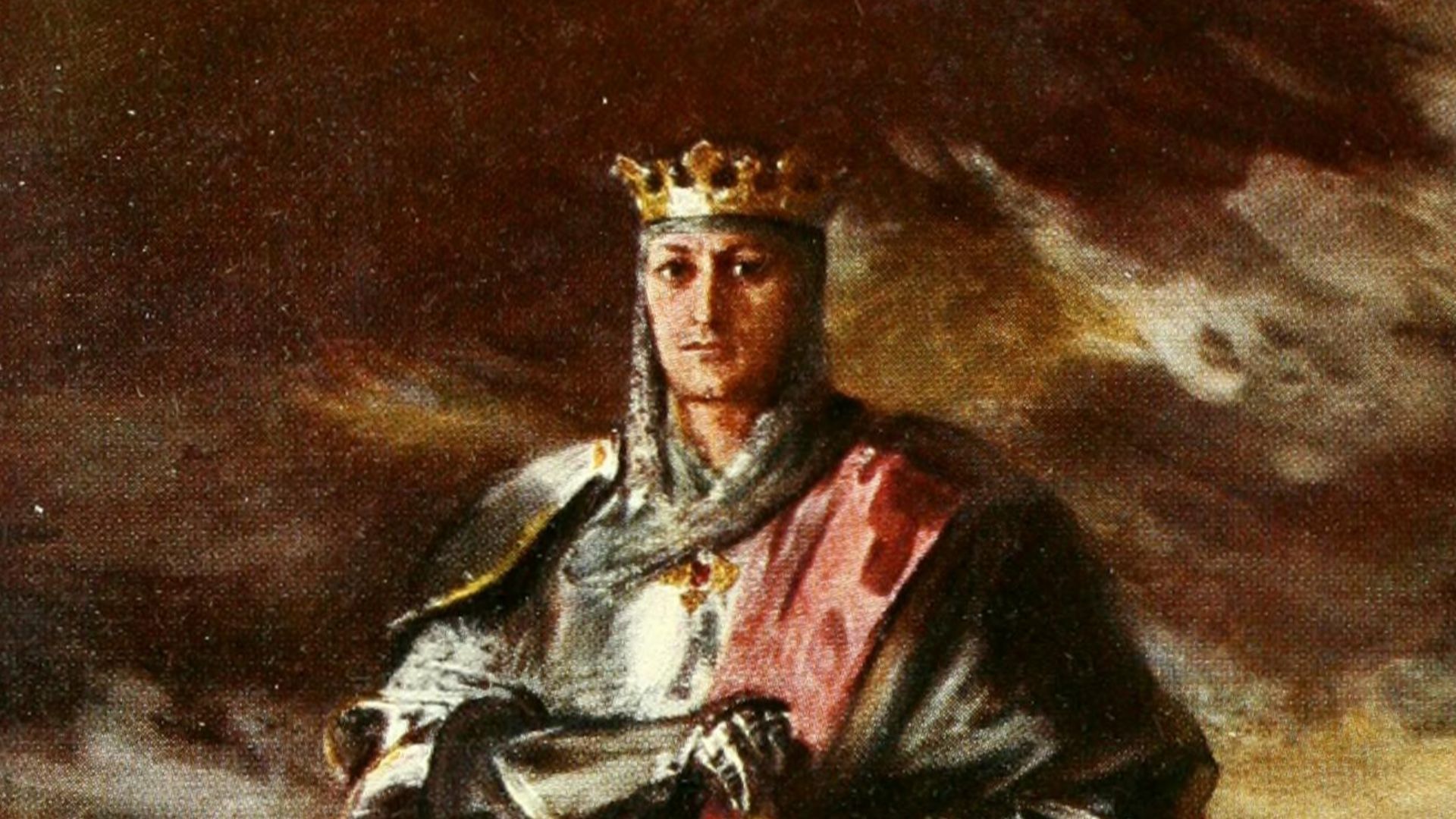
The condition of Henry’s father only worsened over the next few years until 1413, when the Grim Reaper finally came calling. He passed on March 20th of that year. Henry’s coronation occurred the following month, but was accompanied by a strange event. While he received his crown, a blistering snowstorm blew in, prompting the question of whether it was a good omen or a bad one.
As with his father, some made their disdain for Henry dangerously evident.
 Internet Archive Book Images, Wikimedia Commons
14. He Faced Resistance
King Henry V’s reign had just begun, but there was no doubt that he had a target on his back. The year 1414 saw Henry’s good friend, John Oldcastle, branded a heretic and pushed to revolt against him. But that was just the tip of the iceberg.
A year later, several noblemen conspired to replace him with the Earl of March. In both cases, Henry quashed their attempts. Thankfully, not everyone was out for his blood.
 The King - Timothée Chalamet, Robert Pattinson | Final Trailer | Netflix Film, Netflix
15. He Was Gracious
Henry dealt with a lot during his first years as King, facing much of it with a grace and decency, which those around him praised. For example, although Henry’s father had dishonorably buried the late Richard II in the Dominican Priory, Henry ordered the relocation of the body to Westminster Abbey, in the tomb Richard had chosen for himself.
This fairness wasn’t his only side, though.
 amanderson2, Wikimedia Commons
16. He Was Also Firm
Although Henry became known for the extent of his mercy and patience, he also demonstrated early on that he was not one to be trifled with. This was the case with his former friend and ultimate betrayer, John Oldcastle, whom Henry showed no mercy. He executed Oldcastle in 1417 by burning him at the stake, putting an end to his revolt and discouraging any others.
Meanwhile, a much larger conflict loomed on the horizon.

17. They Refused
From the time of King Richard II up till 1415 during Henry’s reign, England and France had enjoyed a brief period of peace, but the king’s ambition threatened to change that. Through his mother’s bloodline, Henry asserted a claim to the French throne. However, since France’s law prohibited women from inheriting the throne, they denied his assertion.
This pushed Henry to the brink.
 The King - Timothée Chalamet, Robert Pattinson | Final Trailer | Netflix Film, Netflix
18. He Started It Up Again
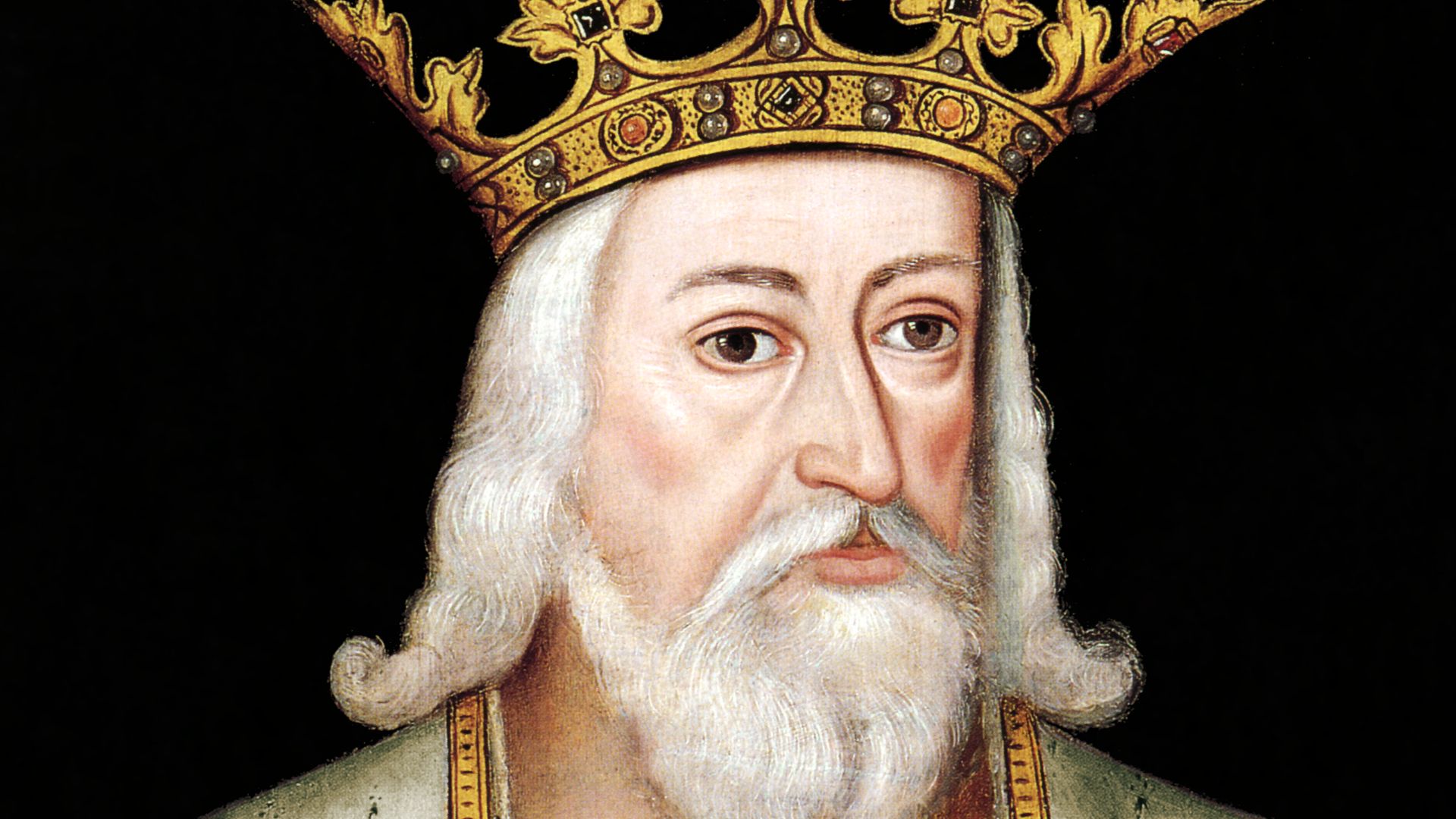
Decades before Henry’s birth, his great-grandfather King Edward III had made a claim to the French throne. This resulted in a conflict between England and France that lasted around 116 years, but included sporadic periods of peace. This was not one of them, though, and since he still wanted the French throne, Henry resumed the conflict in 1415.
However, he wasn’t off to the best start.
 Unknown authorUnknown author, Wikimedia Commons
19. He Lost A Lot
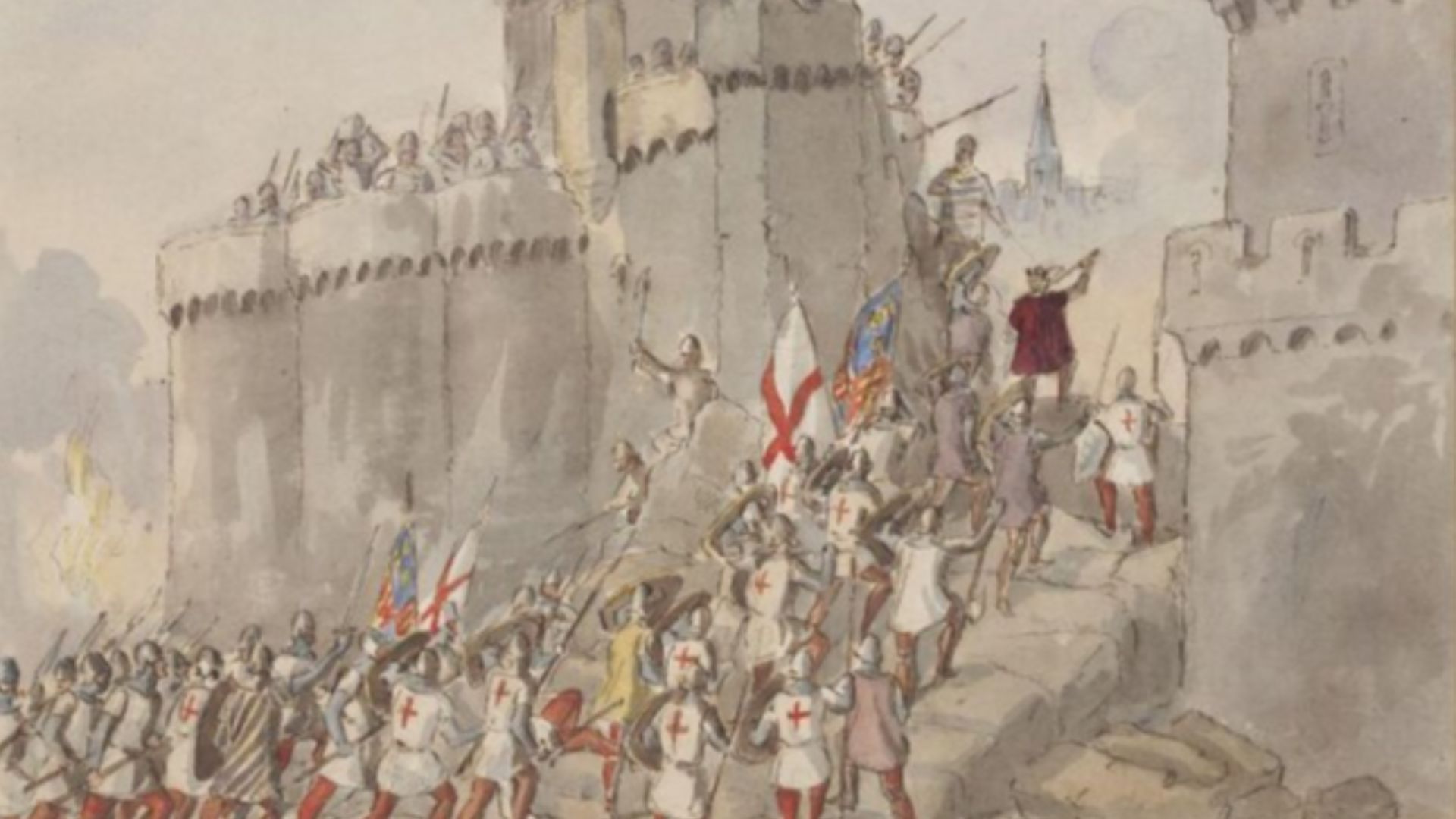
Fuelled by ambition and pride, Henry sailed his armies across the English Channel to begin his campaign in France that summer. Targeting the fortress at Harfleur, their siege lasted about a month until they finally captured it, but at a steep cost. Conditions had been so poor that Henry lost about one-third of his men to dysentery. Still, they had more struggles to endure.
 Thomas Grieve, Wikimedia Commons
20. They Were Cut Off
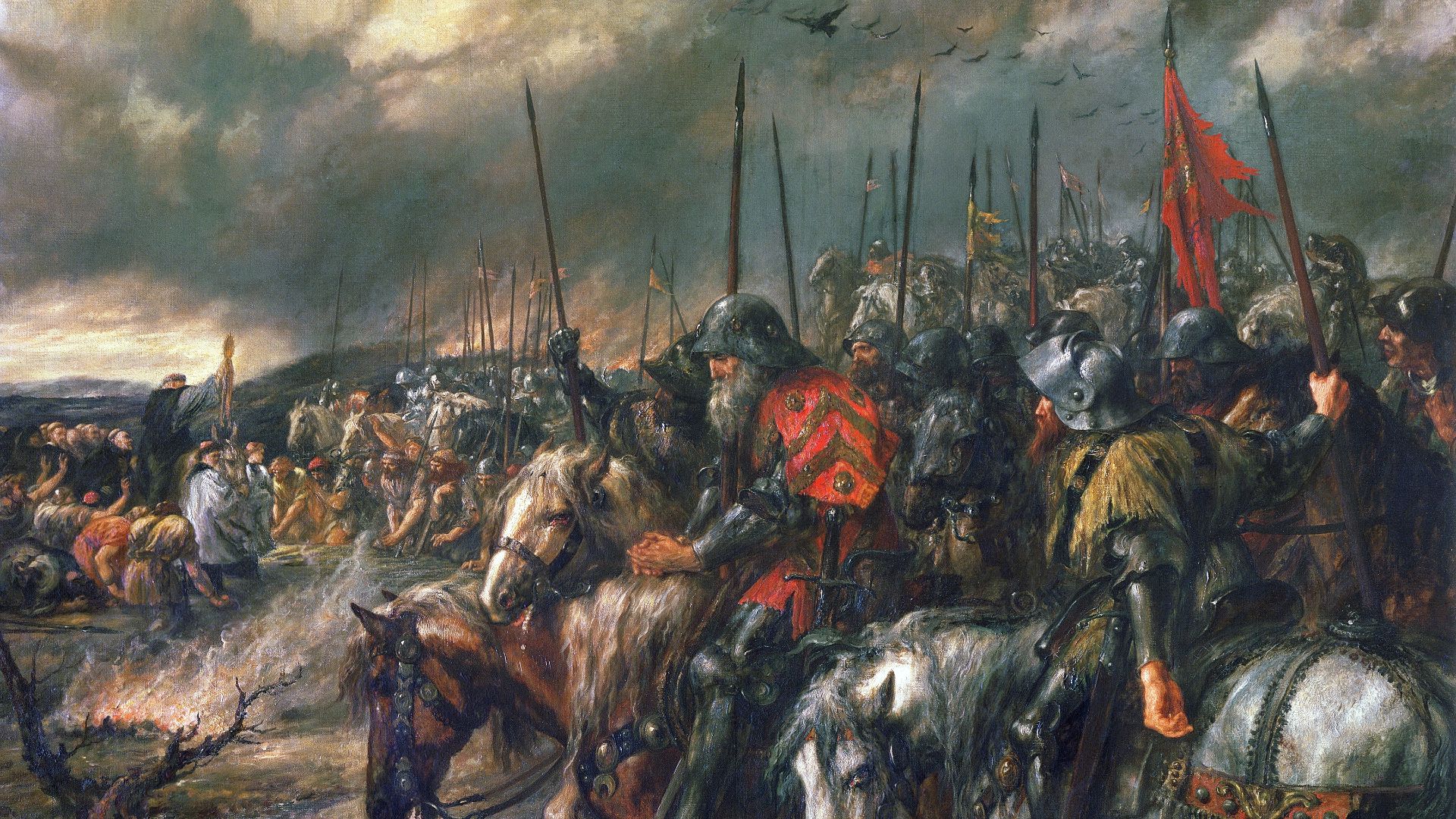
Despite his losses and the advice of those who wanted him to reconsider his next actions, Henry’s victory inspired him to push further into France. He marched his remaining forces on for another month, but once they got close to the village of Agincourt, they stopped in their tracks as a French army advanced against them.
This was no small army either.
 Sir John Gilbert (1817–1897), Wikimedia Commons
21. They Were Outnumbered
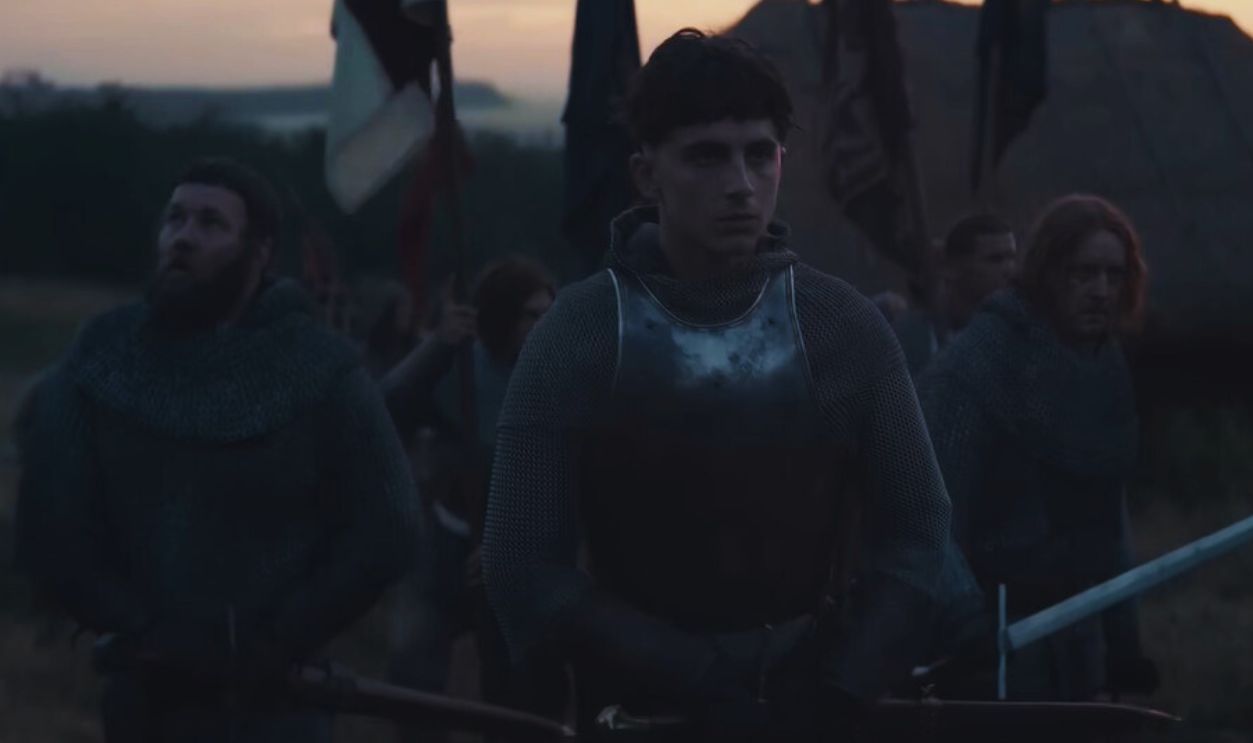
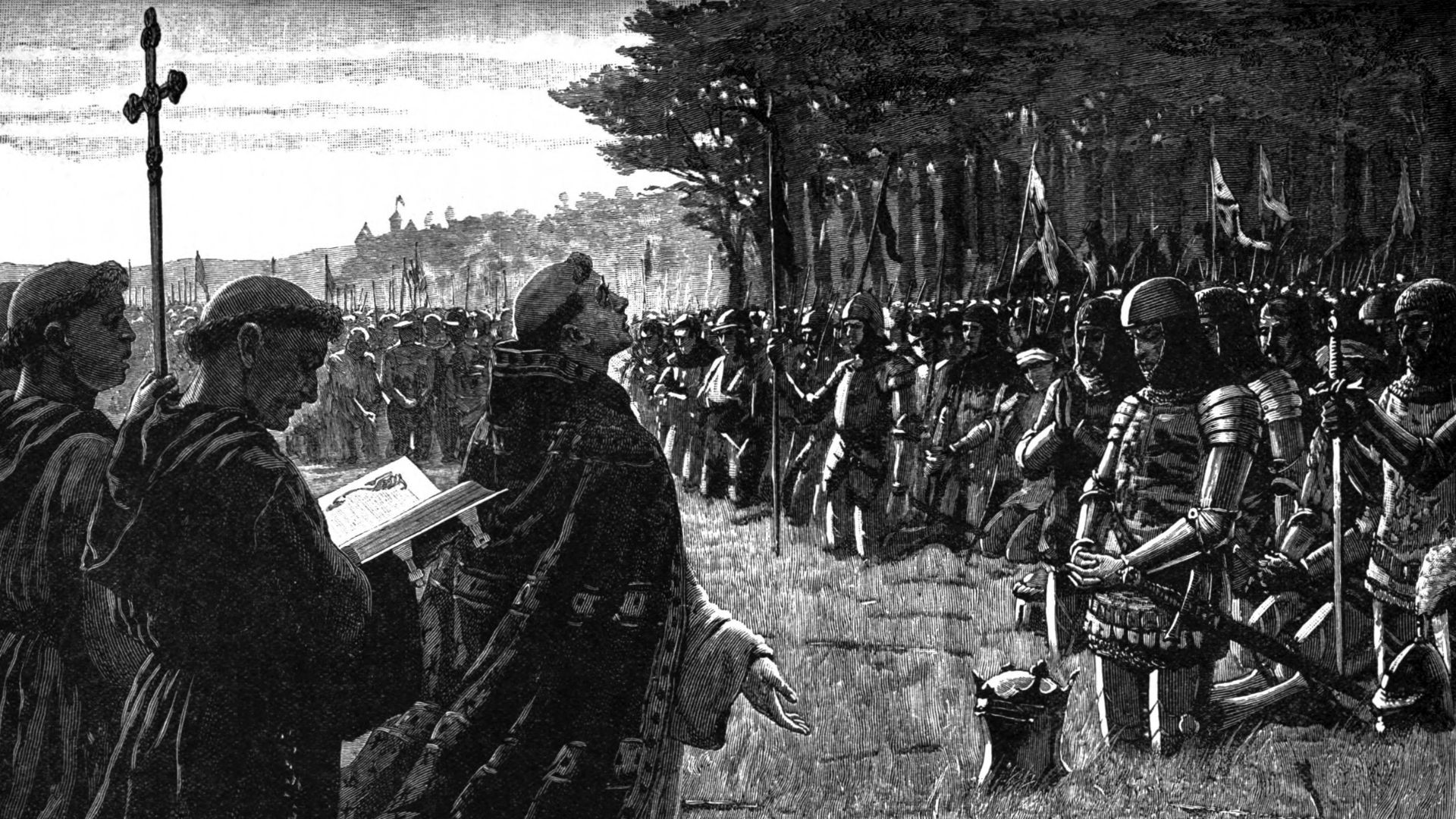
At this point, although Henry had been looking for a fight, his forces weren’t exactly in tip-top shape. His previous losses had reduced his army to 9,000 men at most, which he expected would be enough to conquer any challenge they met. However, this thinking may have changed when he saw the intercepting army of between 12,000 and 30,000 Frenchmen.
But thankfully, luck was on their side.
 The King - Timothée Chalamet, Robert Pattinson | Final Trailer | Netflix Film, Netflix
22. They Were Trapped
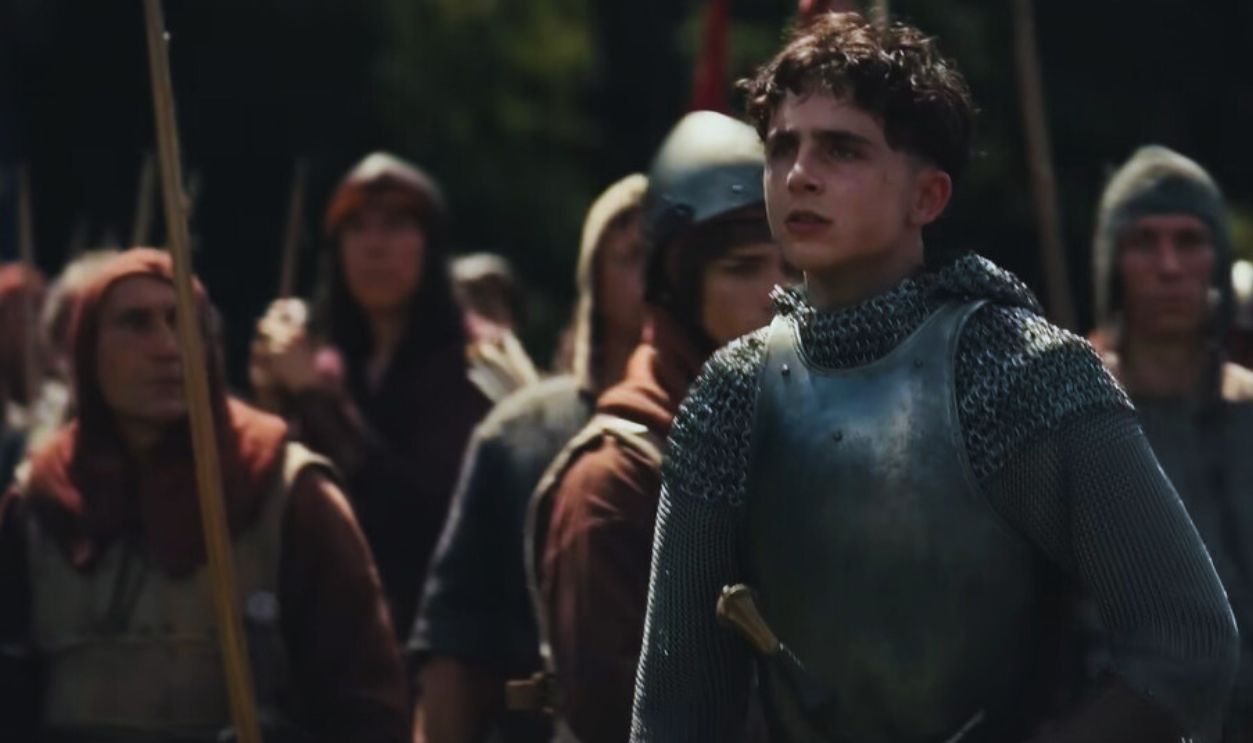
The outnumbered Englishmen likely felt at least a twinge of fear when they saw the vast army approaching, but if so, this fear lifted when they saw the condition of their enemies. The previous night had brought down a heavy downpour, leaving a mess of thick mud for the French to become trapped in, and making it easy for the English archers to pick them off.
This wasn’t their only pitfall.
 The King - Timothée Chalamet, Robert Pattinson | Final Trailer | Netflix Film, Netflix
23. They Couldn’t Get Close
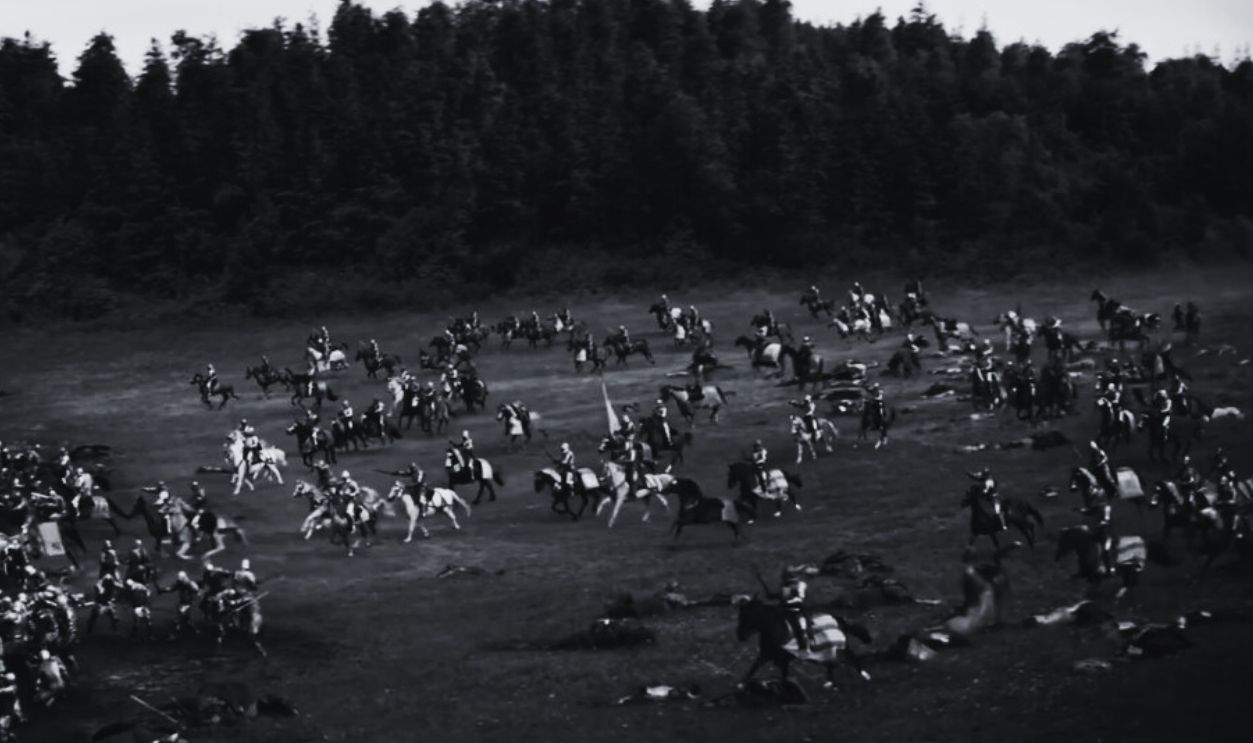
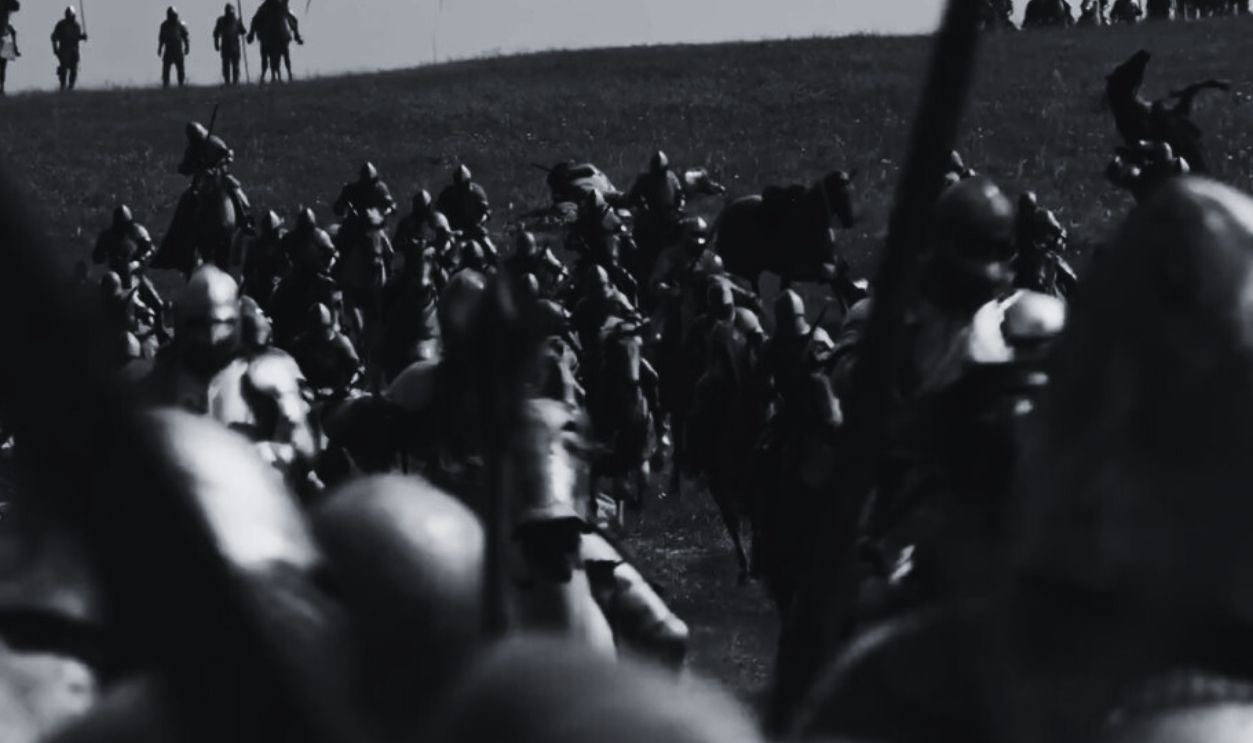
Losing their men left and right, the French resolved to charge the English bowmen on horseback, but this too proved fatal. As soon as they got close, the first ones to reach the English line instead found their horses stopped by a barrier made of wooden stakes. As it was too late to turn back, these horsemen also fell to the English archers.
It had seemed like an impossible fight—but despite the incredible odds stacked against him, Henry's army emerged victorious.
 Epic War Scene | THE KING (2019) Movie CLIP HD, JoBlo Movie Clips
24. They Succeeded
Needless to say, Henry and his army had entered this specific battle at a distinct disadvantage. Beyond their inferior numbers, the English army was more than worse for wear, with their long journey leaving them almost wasted away. Nonetheless, they won the battle, while the French lost about 6,000 men in the skirmish.
This certainly would be a battle to remember.
 Epic War Scene | THE KING (2019) Movie CLIP HD, JoBlo Movie Clips
25. He Had His Moment
King Henry may not have expected this engagement—which became known as the Battle of Agincourt—but the result was ultimately to his benefit. Not only did it give his claim more legitimacy and mark his greatest triumph, but even as the kingdoms continued to fight after his time, it remained a standout victory in the larger conflict.
On the back end of his win, however, he showed his ugly side.
 www.posterazzi.com, Wikimedia Commons
26. He Gave The Order
Not all the Frenchmen who went up against Henry during the Battle of Agincourt either perished or retreated, as the English took a fair number of them captive. As this was still in the middle of the battle, Henry made a ruthless decision. He ordered the executions of each prisoner, which historians have suggested was to avoid them getting free and attacking amidst the chaos.
But not everyone was okay with this.
 The King - Timothée Chalamet, Robert Pattinson | Final Trailer | Netflix Film, Netflix
27. They Didn’t Listen
Whether Henry’s motive for executing his prisoners was truly as some historians believe, there were several of his men with whom this didn’t sit right. This wasn’t out of any desire to do the right thing, however, as a few of them disobeyed Henry’s orders and kept some of the more noble prisoners alive to ransom at a high price.
Back home, Henry received a royal welcome.
 The King - Timothée Chalamet, Robert Pattinson | Final Trailer | Netflix Film, Netflix
28. They Loved Him
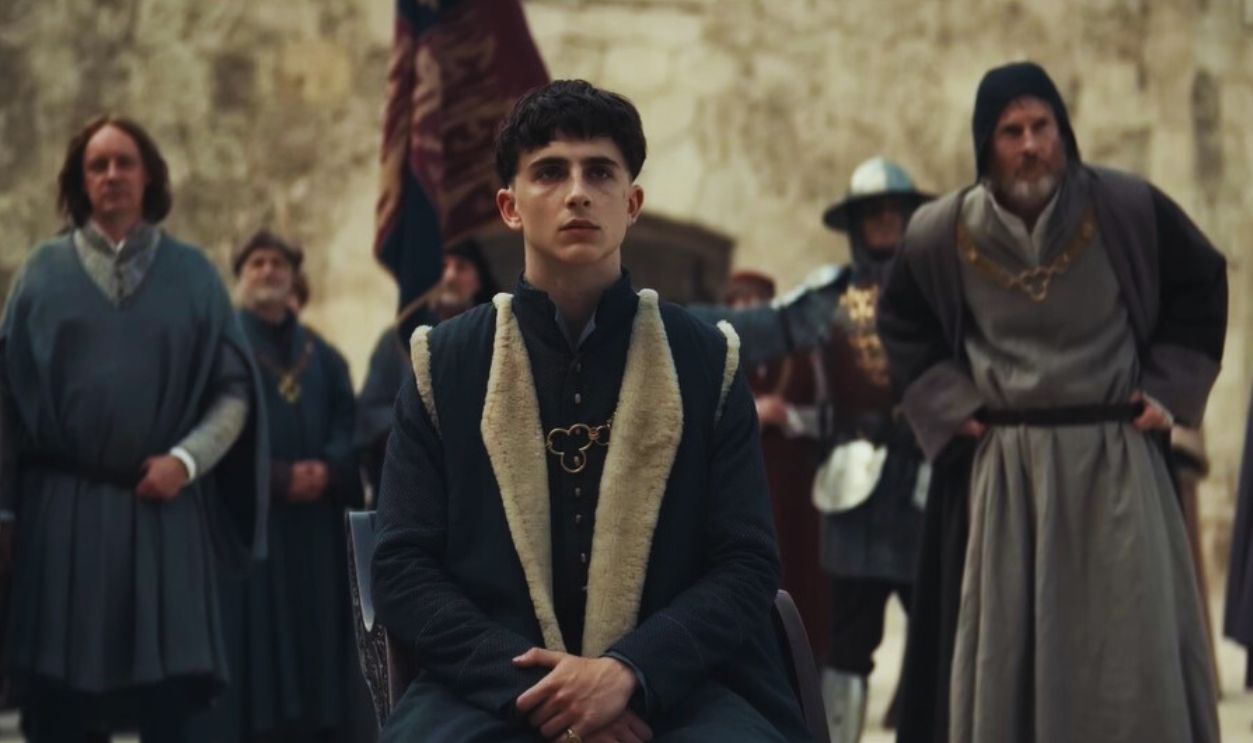
Henry continued his march through France until the following month, when he returned to England to the sounds of cheering. His victory at Agincourt had spurred on the growing nationalism in England, so upon his arrival, his reception was one of great praise and spectacle from a crowd of at least 20,000 people.
But this swelling tide of admiration wasn't the only reward Henry reaped.
 The King - Timothée Chalamet, Robert Pattinson | Final Trailer | Netflix Film, Netflix
29. They Turned The Tide
While the Battle of Agincourt would stand out as one of the greatest English victories against France, it had more immediate benefits. Not only was the morale of Henry’s forces renewed and strengthened, but it had just as severe an opposite effect on the French army. As a result, England was able to achieve much more than it could have without this boost. And that wasn't all.
 Edmund Leighton, Wikimedia Commons
30. He Made A Lasting Mark
The impact that Henry’s victories had on his people soon became a part of his legacy, and the nationalism that he inspired would last far beyond the span of his life. Becoming a symbol of English patriotism, his effect would be felt by both the medieval armies of later kings and the British army as a whole for hundreds of years.
At the time, though, others were desperately working to change his mind.
 The King - Timothée Chalamet, Robert Pattinson | Final Trailer | Netflix Film, Netflix
31. He Visited Him
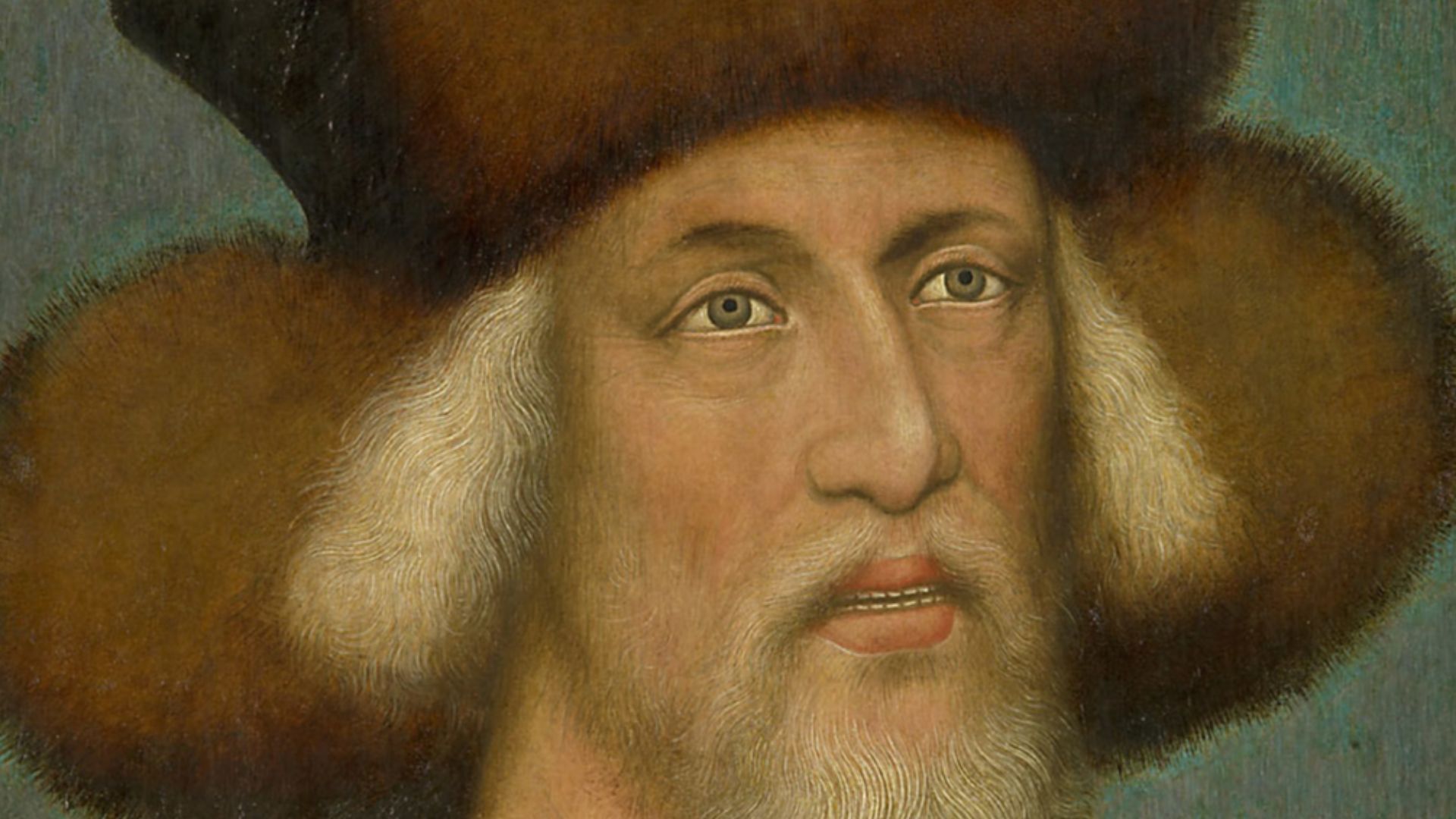
While England was busy celebrating its renewed fervor for the conflict, France and its sympathizers were scrambling to figure out how to end it before losing too much more. So it happened that King Sigismund of Hungary took a trip to England to try to change Henry’s mind about his specific demands in an effort to move toward peace.
Thankfully, this was a conflict Henry could win without fighting.
 Formerly attributed to Pisanello, Wikimedia Commons
32. He Treated Him Well
Henry could have turned King Sigismund away, or even thrown him out, but he knew their friendship would be worth much more. So he played nice, giving Sigismund all the luxuries befitting a royal guest, and discussing how England could help him in the future. After a matter of months, Sigismund signed the Treaty of Canterbury, which supported Henry’s claim.
Through this kind of diplomacy, Henry brilliantly ensured that he maintained the upper hand.

33. He Eliminated His Opposition
Henry’s dealings with King Sigismund became even more integral to his campaign against France, considering Sigismund soon assumed the role of Holy Roman Emperor. This meant that, through the Treaty of Canterbury, Henry had deprived France of one of its strongest supporters and taken that alliance for England instead.
Finally, he was ready to return to battle.
 King Sigismund Entry Scene Kingdom Come Deliverance 2, A R Y A
34. He Started Again
No matter how beneficial or impactful Henry’s previous victories had been, they had also taught him about which parts of his strategies were lacking. As such, he spent the following couple of years preparing to once again march into France, returning to the kingdom in 1417 with far greater plans.
This campaign began with a swift and fierce attack.
 The King - Timothée Chalamet, Robert Pattinson | Final Trailer | Netflix Film, Netflix
35. He Laid Siege
Leading his new campaign, Henry practically gave the French no time to breathe as he and his army surged through each of their objectives. After a nearly month-long siege, they captured the town of Caen and proceeded through Lower Normandy before assailing the city of Rouen and cutting it off from Paris.
This marked another dark spot in Henry’s shining legacy.
 Opening Scene | THE KING (2019) Movie CLIP HD, JoBlo Movie Clips
36. He Refused Them
Henry didn't display a single shred of mercy during the siege. Instead, the people of Rouen only saw a king both cold and unfeeling. The city’s officials sent the women and children out, as there wasn’t enough food, and they hoped Henry would let them pass. However, his response made their blood run cold.
He was stubborn and declined the request, leaving the refugees to starve outside the city gates. Needless to say, he kept winning, and in no small part due to his cunning.
 The King - Timothée Chalamet, Robert Pattinson | Final Trailer | Netflix Film, Netflix
37. He Was Too Clever
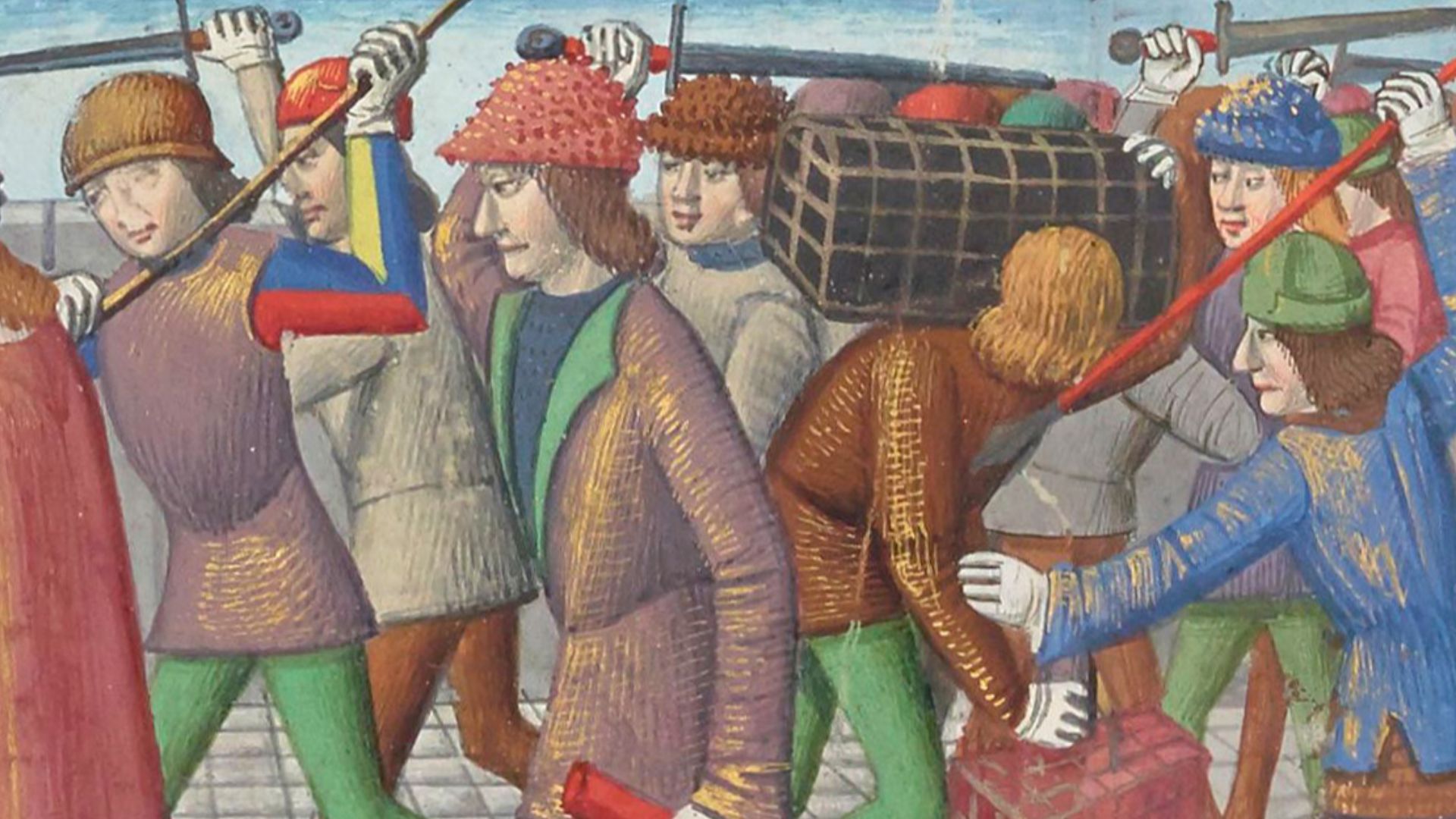
Henry’s success wasn’t only from the strength of his army, but also from his tact in playing his enemies against each other. Unfortunately for France, this was too easy, as England wasn’t the only issue they faced. The Armagnac–Burgundian civil conflict was in full swing, and, while he continued his more militaristic tactics, Henry used the conflict to debilitate the French further.
Finally, he did what he came to do.
 Unknown authorUnknown author, Wikimedia Commons
38. They Made Peace
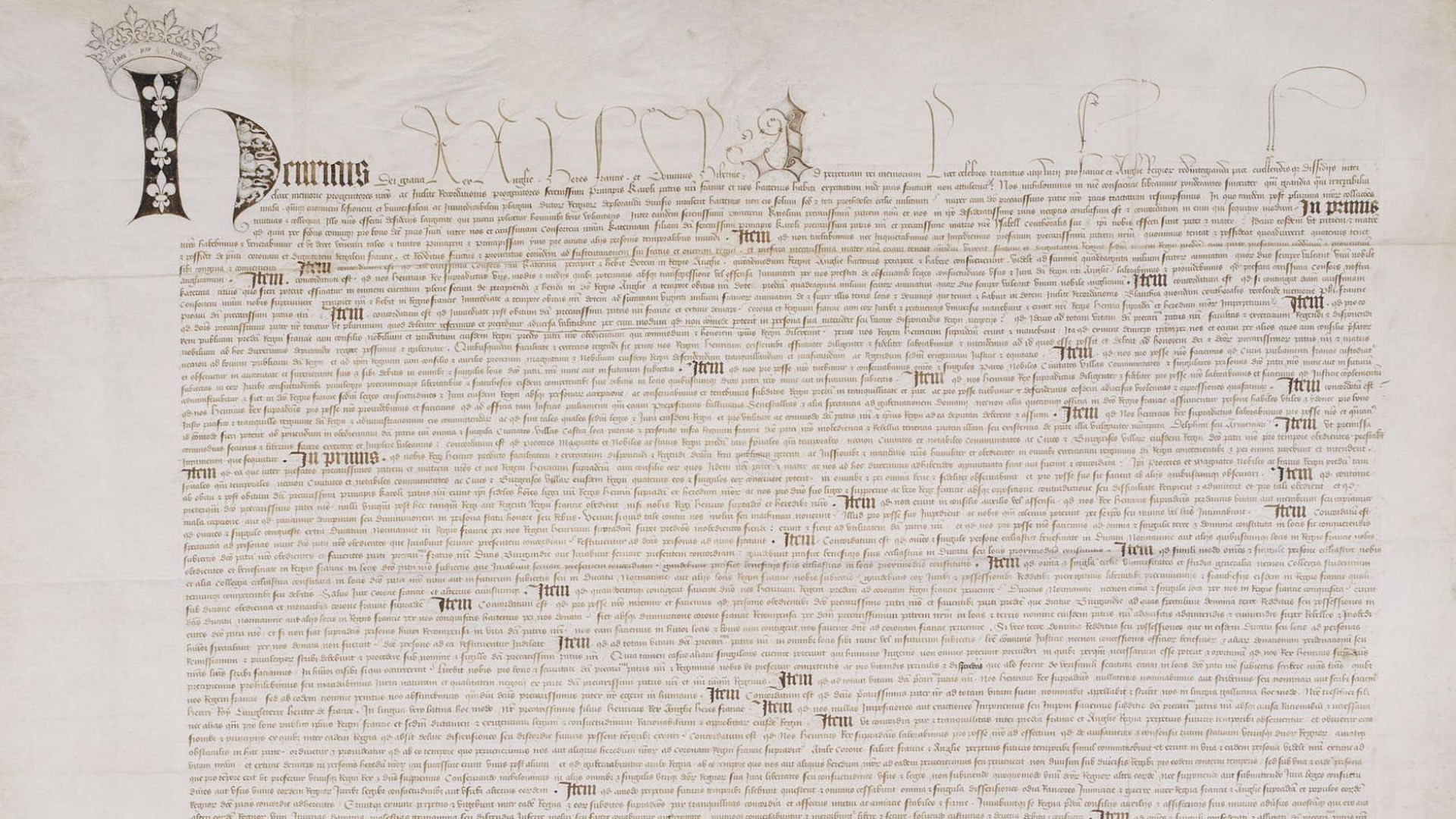
After two more years, Henry had proved himself both a worthy foe and worthy to inherit the throne of France. Making his way through the country and winning every major battle along the way, he finally arrived outside Paris in August 1419. Rather than continue the endless bloodshed, the French negotiated the Treaty of Troyes and acknowledged Henry’s claim.
Henry wanted to cement this with more than words, though.
 ArchivesNationalesBot, Wikimedia Commons
39. They Solidified Their Alliance
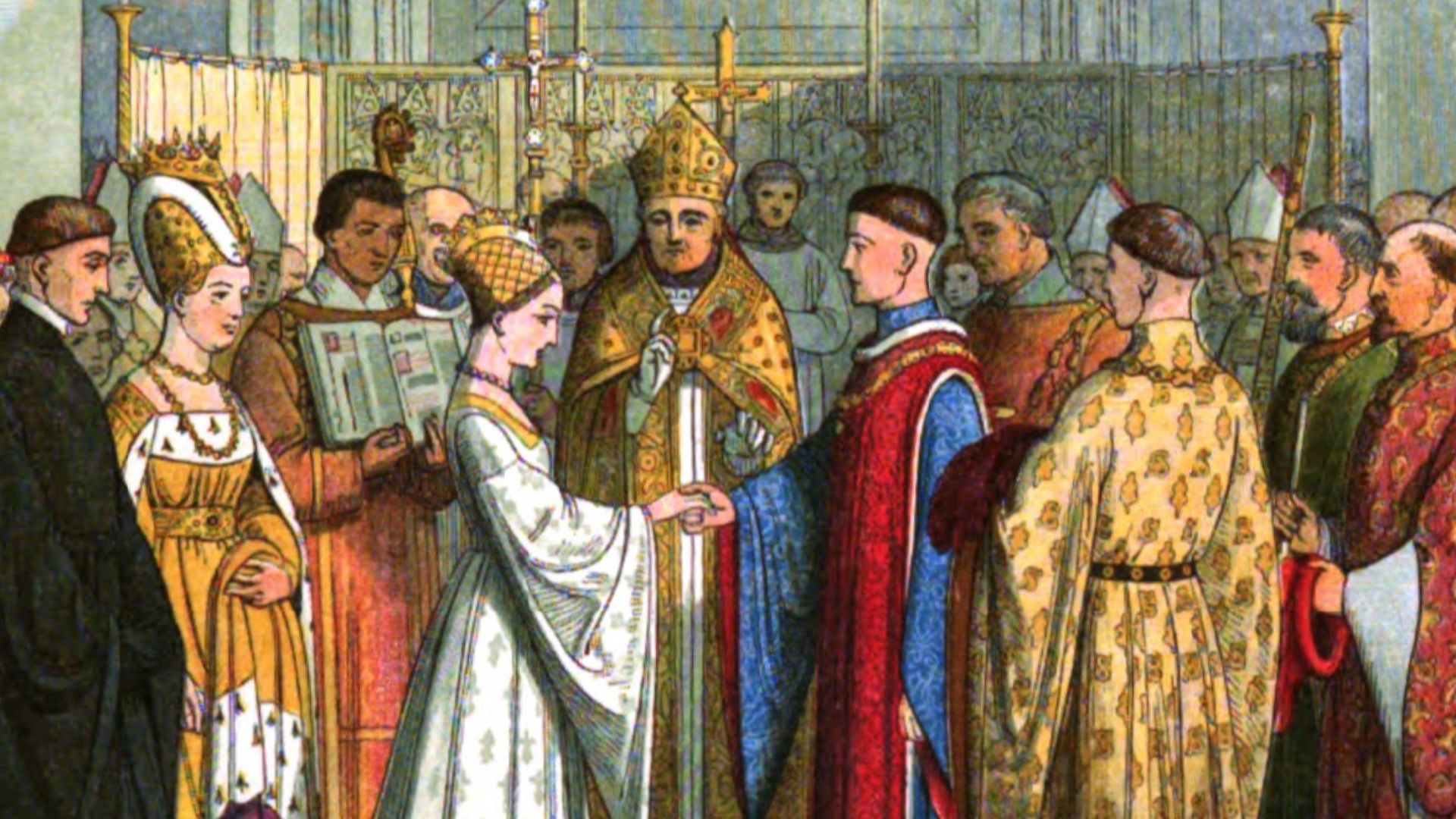
Through the Treaty of Troyes, the son of King Charles VI lost his inheritance of the throne, with Henry becoming heir apparent. As for Charles’ daughter, Catherine, Henry married her on June 2, 1420, as a means to strengthen the treaty. A year later, they welcomed their first and only son, also named Henry, on December 6.
But though it seemed like a period of celebration, tragedy lurked just around the corner.
 James William Edmund Doyle / Edmund Evans, Wikimedia Commons
40. He Fell In Battle
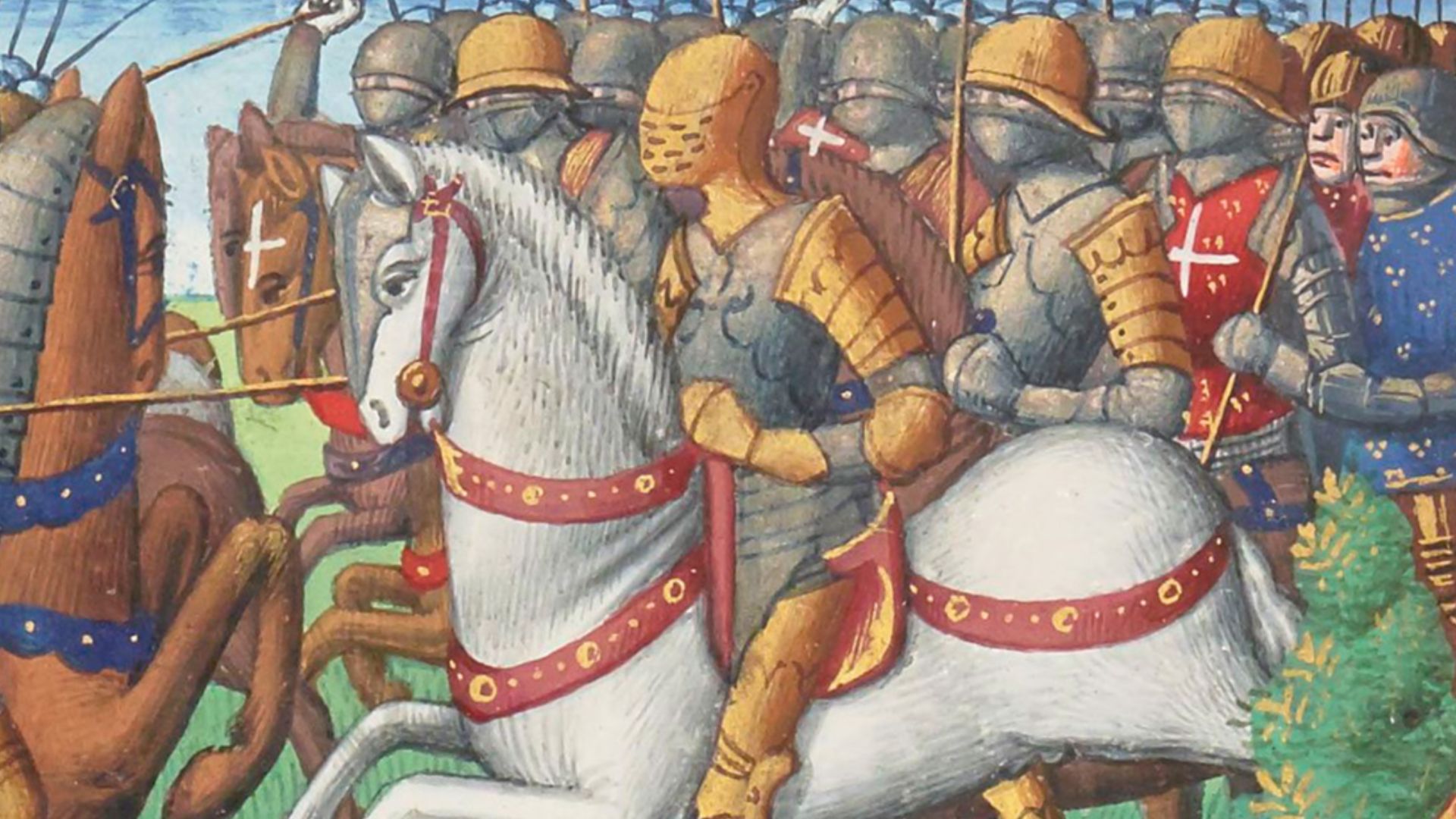
Not long after his wedding, Henry returned to England with his new Queen, but he wouldn’t stay there for long. During that time, the Duke of Clarence, Henry’s brother, had remained in France and continued to fight, including in the Battle of Baugé in March 1421. However, it was here that his brother sadly perished during the fight.
Naturally, Henry wanted vengeance.
 Unknown authorUnknown author, Wikimedia Commons
41. He Swooped In
If losing his brother wasn’t enough, the Battle of Baugé had ended in a particularly crushing defeat, prompting Henry to launch back into battle to set things straight. Sailing to France that summer, he spent the rest of the year and a bit of the next in two lengthy sieges, which both ended in an English victory.
Unfortunately, these kinds of battles remained necessary.
 The King - Timothée Chalamet, Robert Pattinson | Final Trailer | Netflix Film, Netflix
42. He Still Needed To Fight
Henry and the King of France had reached an agreement and solidified it with a treaty, but to many of the French locals, the peace was no more than the result of empty politics. Therefore, to actually establish his eventual rule in France, Henry continued to fight against independent groups that still resisted him.
Soon enough, though, he wouldn’t be able to fight.
 The King - Timothée Chalamet, Robert Pattinson | Final Trailer | Netflix Film, Netflix
43. He Became Sick
Only a few weeks after the second of Henry’s two sieges in late 1421, he came down with an illness, the nature of which is still unknown. Many posited that, like his men before, he contracted dysentery. However, poking a hole in this theory is the fact that he appeared to be completely fine during those few weeks, while dysentery usually becomes evident early on.
Still, this wasn’t the end quite yet.
 The King - Timothée Chalamet, Robert Pattinson | Final Trailer | Netflix Film, Netflix
44. He Got Better
Henry hadn’t resigned to his deathbed just yet, but he did take some time to recuperate from whatever his illness was. Taking about a month of rest in the castle of Vincennes, his health showed a surprising improvement, or at least enough to get back in the fight and lead his men in another battle at Cosne-sur-Loire.
Although, as fate would have it, he wasn’t out of the woods yet.
 The King - Timothée Chalamet, Robert Pattinson | Final Trailer | Netflix Film, Netflix
45. His Illness Returned
While he may have felt well enough to fight, Henry soon realized that he should have stayed in bed. With a full suit of armor in the middle of a French summer, he was practically baked until he returned to his sickly state. Whether this was the same illness or something simpler, like heatstroke, he could no longer participate in the battle.
Luckily, most of the fighting was over.
 The King - Timothée Chalamet, Robert Pattinson | Final Trailer | Netflix Film, Netflix
46. They Were Gone
In a better outcome than he could have hoped for in his state, Henry and his forces were victorious in this final battle, as the resisting army soon retreated. This was doubly good considering Henry could no longer stand on his own, and instead, spent the next couple of weeks being moved around in a litter.
Fortunately, he was able to ensure that someone looked after his son.
 The King - Timothée Chalamet, Robert Pattinson | Final Trailer | Netflix Film, Netflix
47. He Secured His Succession
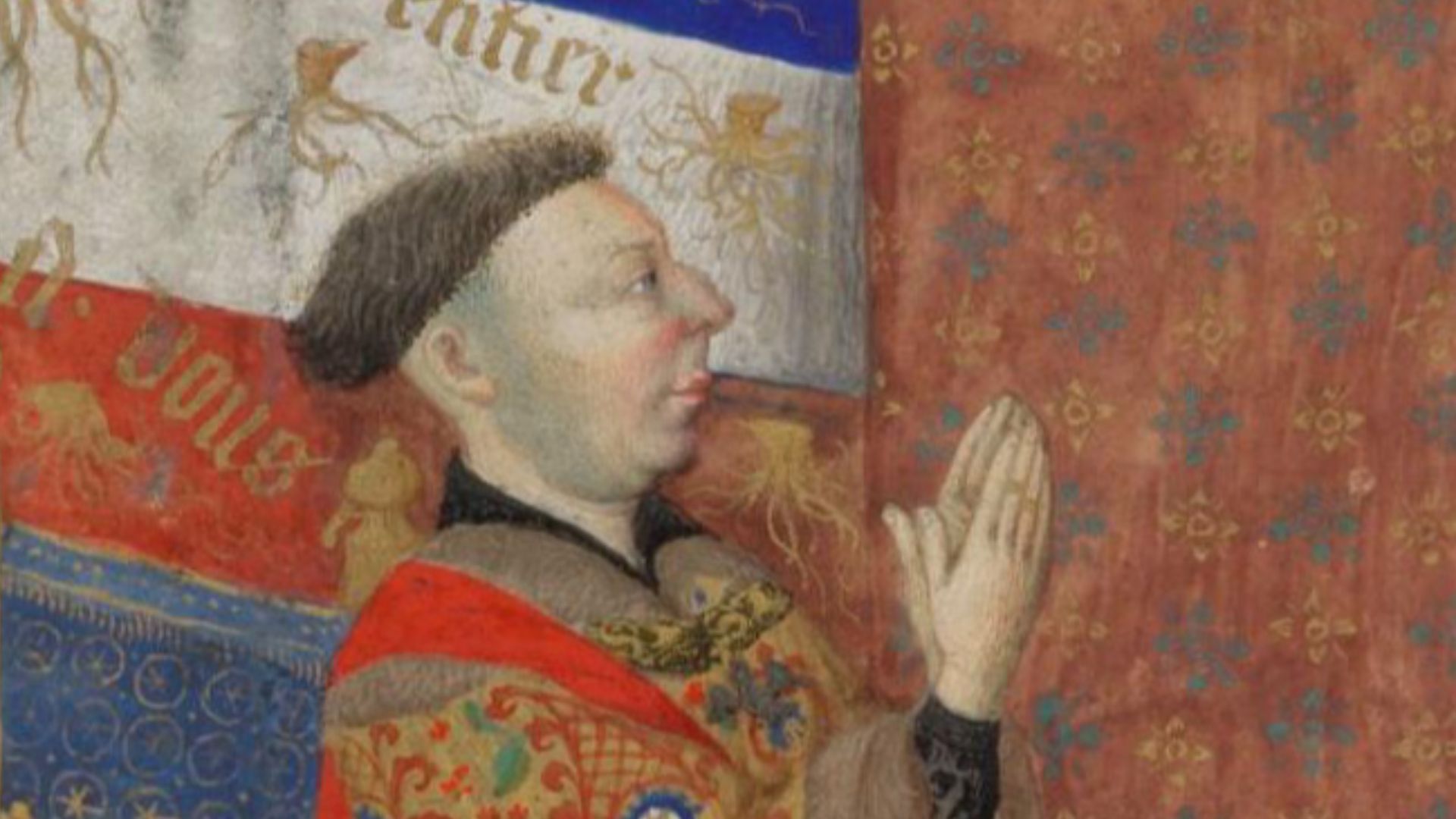
Henry’s health only declined further, and sailing back to England was out of the question. Instead, he returned to Vincennes, confined to his deathbed for several more weeks. Seeing his last days drawing closer, and since his son was only nine months old, he named his other brother, the Duke of Bedford, as England’s regent until the king came of age.
At the same time, he did miss out on one thing.
 Bedford Master, Wikimedia Commons
48. He Never Got His Crown
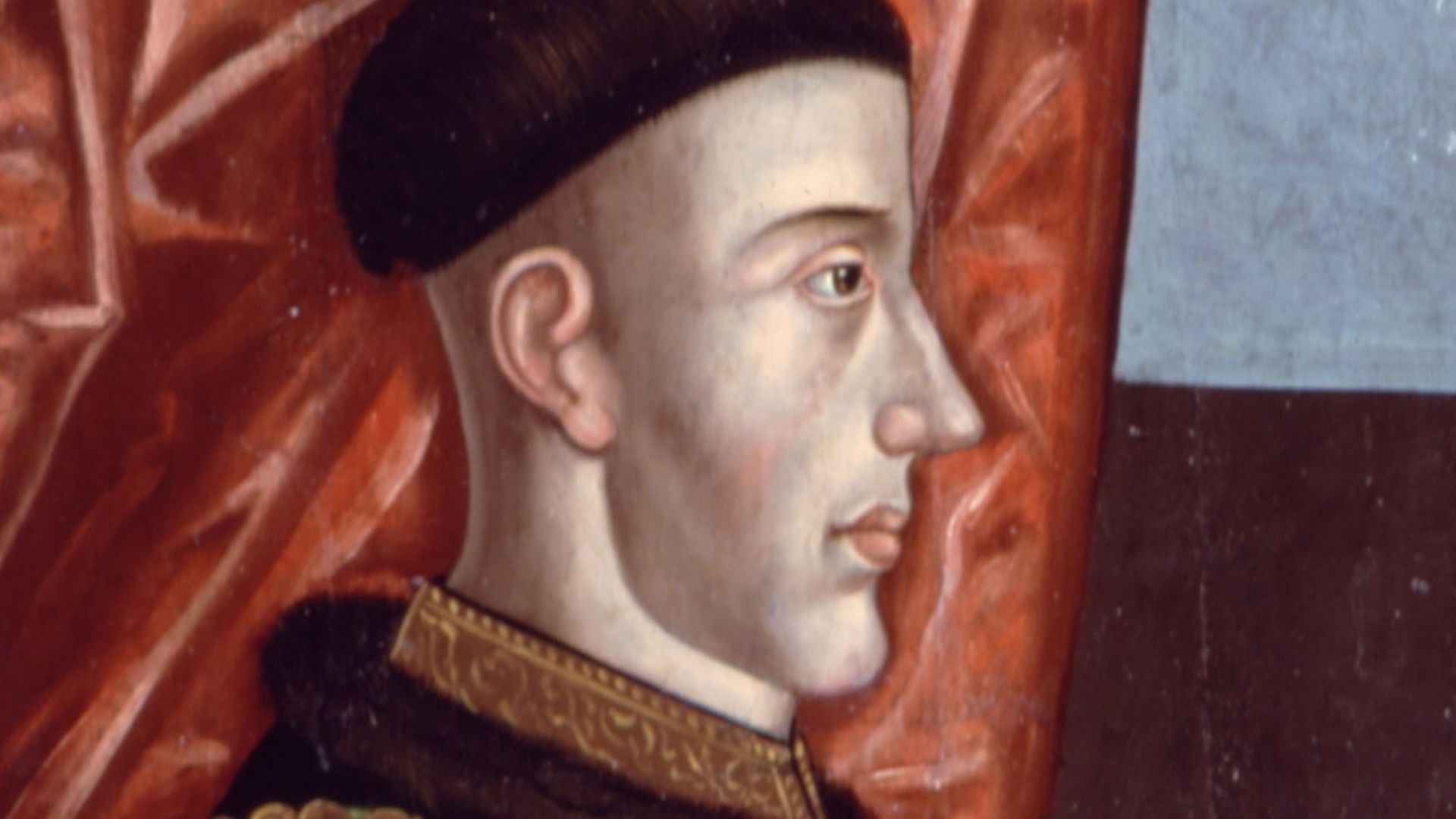
After weeks of suffering, King Henry V passed on August 31, 1422, which was especially unlucky considering what happened next. After all that fighting, Henry had won France’s recognition of his claim to the throne, but was only set to inherit it after King Charles VI’s passing. This didn’t happen until October 21 that year—two months after Henry perished.
Nonetheless, he became an icon.
 British – School Details on Google Art Project, Wikimedia Commons
49. They Held Him Up
Henry wasn’t perfect and may not have always been the just king that history made him out to be, but even during his time, people were willing to overlook some of his darker moments. Following his passing, the majority of the English public were eager to immortalize him as “peerless among Christian kings and princes,” as chronicler Thomas Walsingham stated.
Meanwhile, he inspired others differently.
 The King - Timothée Chalamet, Robert Pattinson | Final Trailer | Netflix Film, Netflix
50. They Wrote About Him
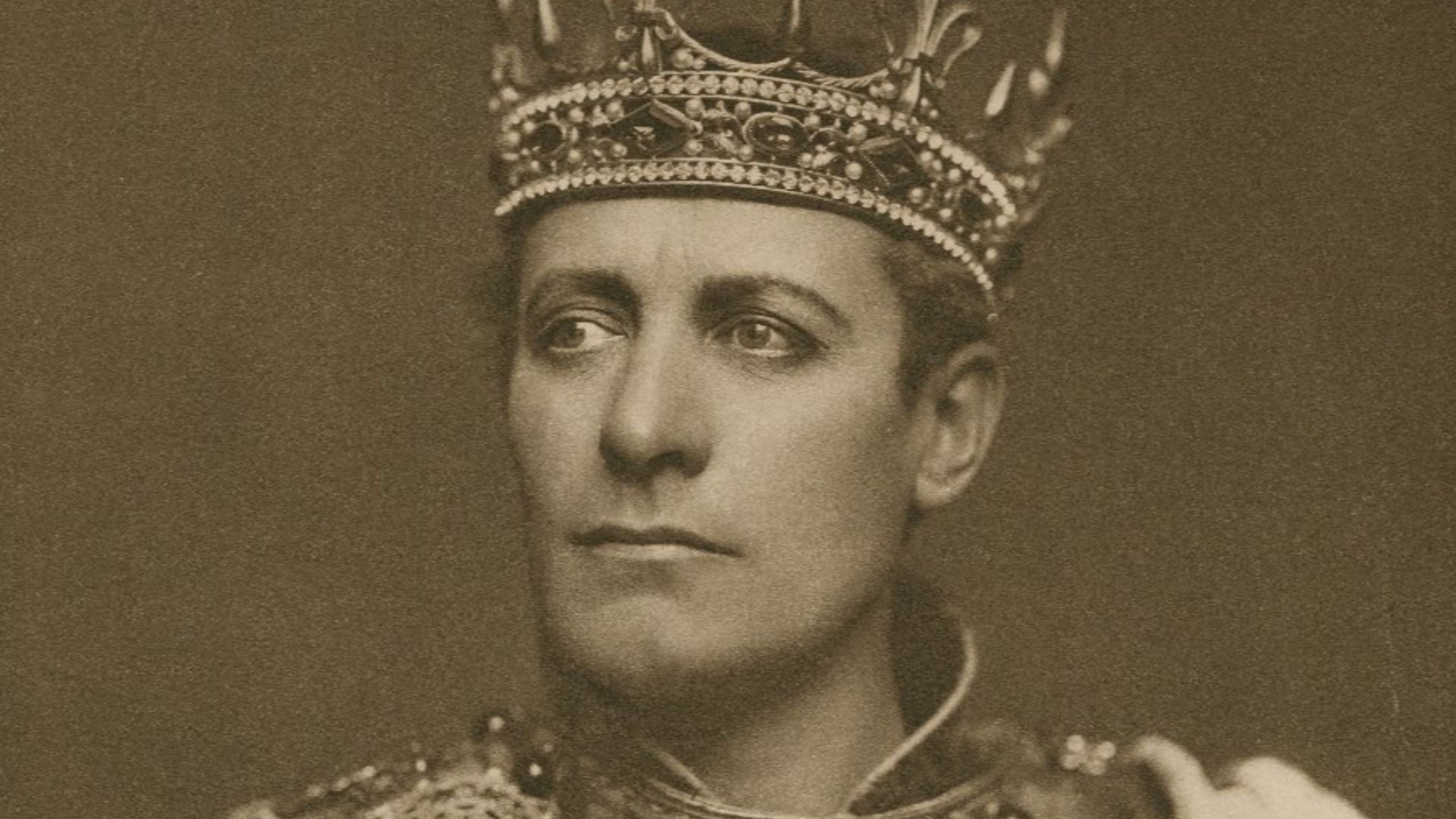
For centuries after his reign, Henry’s legacy continued to have a lasting impact on the British army, but his story also gained prominence in less militaristic endeavors. Many great creatives in history have adapted his story in some way, with the most famous being William Shakespeare, who wrote a play based on the king’s life, aptly named Henry V. More recently, the story reentered the mainstream in 2019 with David Michôd’s The King.
 Lizzie Caswall Smith, Wikimedia Commons
You May Also Like:
This Duchess Met The Most Infuriating End
The House Of Hanover’s Long And Historic Reign