The Mysterious Helen Kane
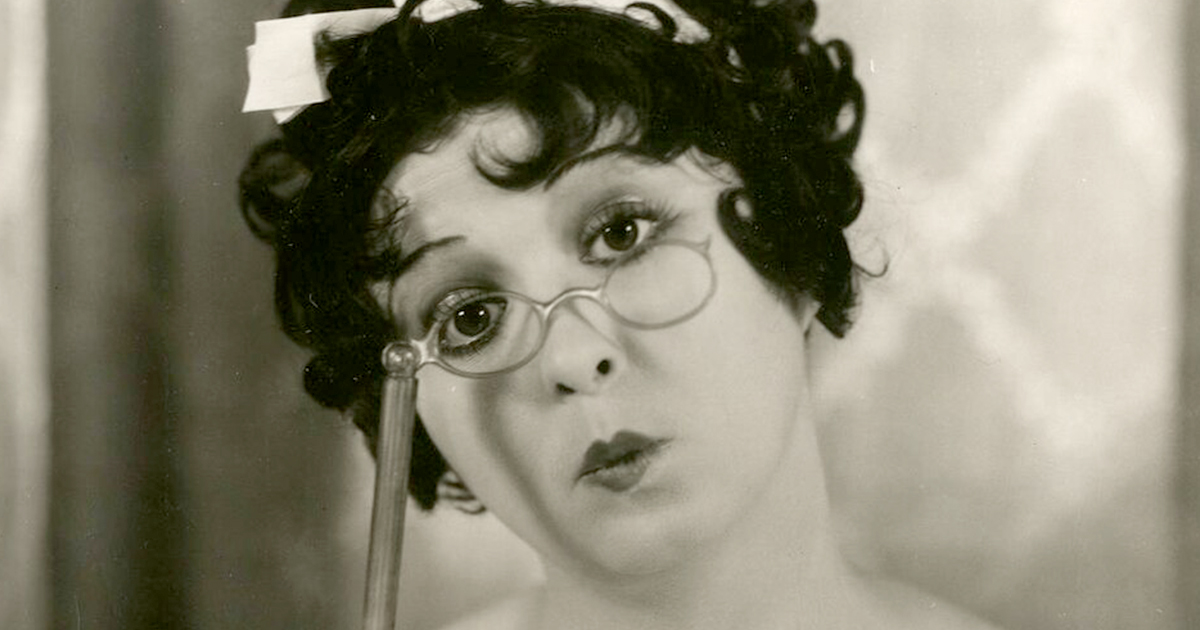
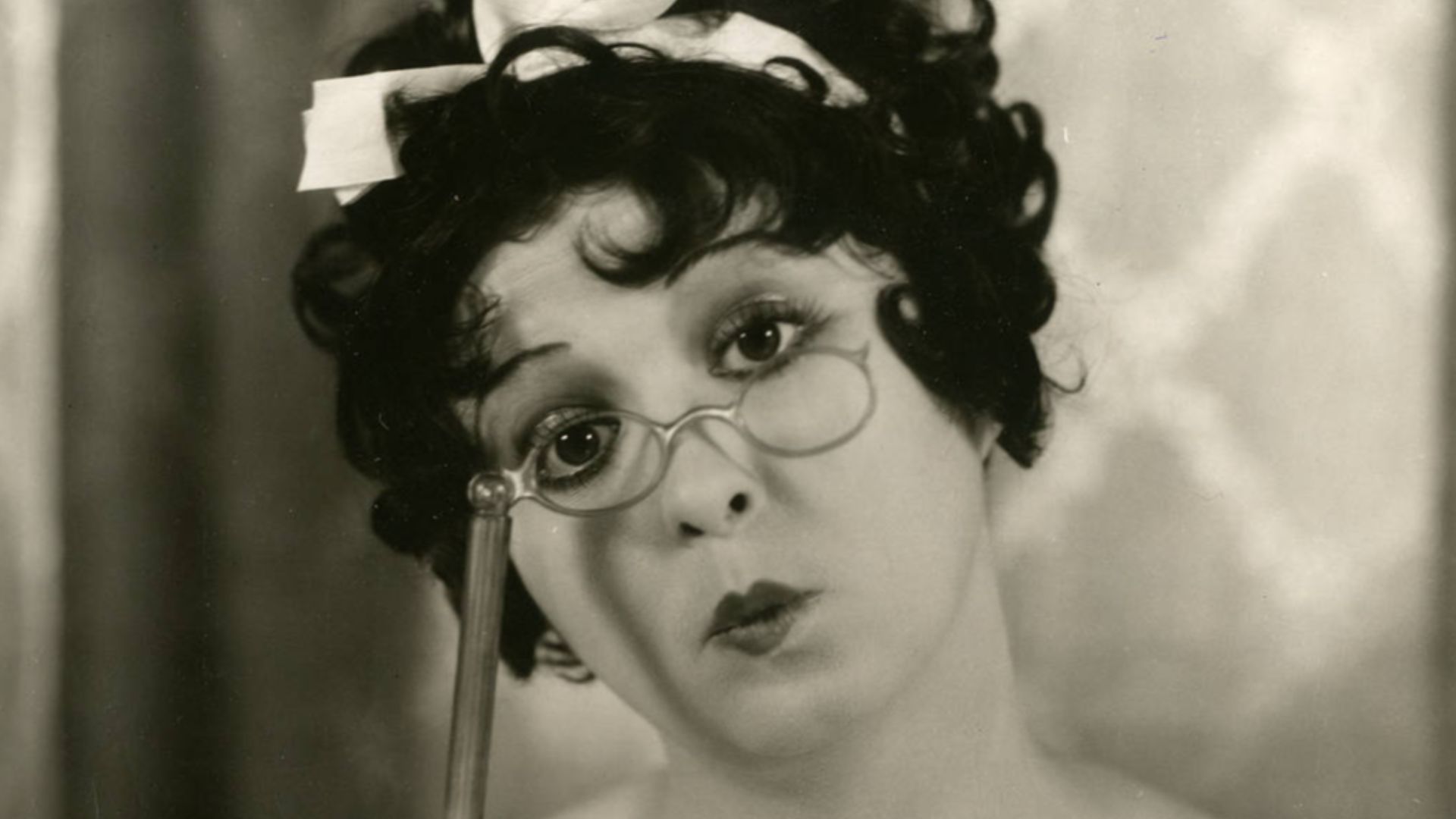
Most people think they don’t know Helen Kane—but in reality, most everybody has seen her before. Kane’s wide-eyed looks, full-throated beauty, and mischievous ways made her a sensation in the Roaring Twenties, but her popularity plummeted along with the stock markets, and she never recovered. She did, however, live on in a crueler way.
1. She Was A New York Girl
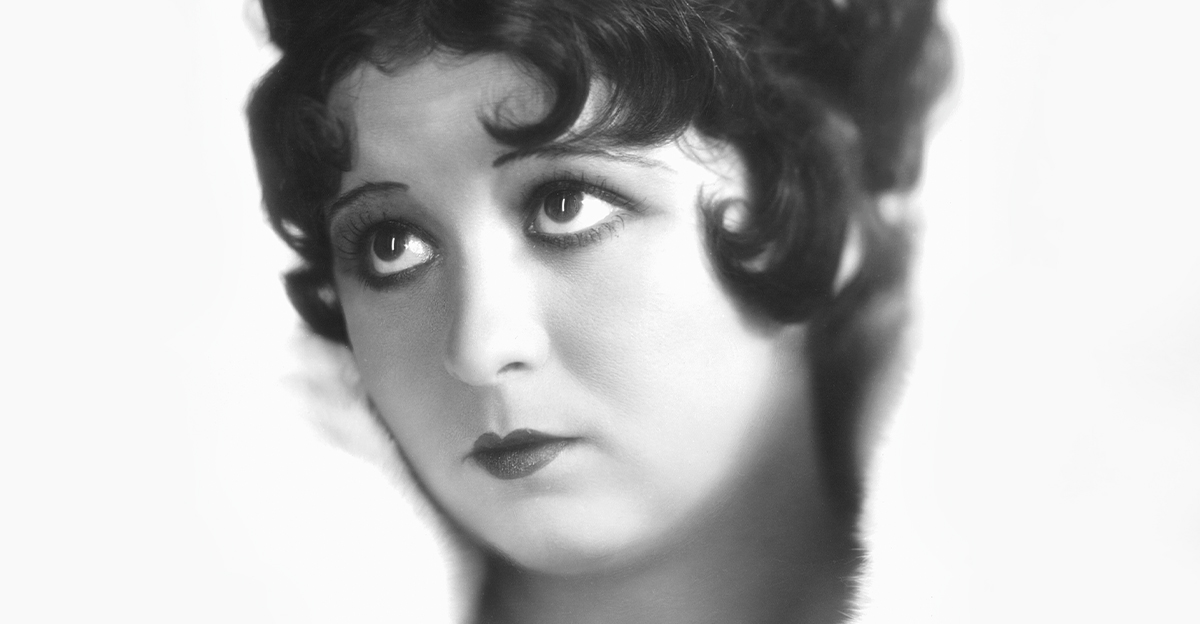
Helen Kane was born in The Bronx, New York in 1904, and her childhood matched her hardscrabble surroundings. Her parents, both immigrants, worked to make ends meet, with her father making money on and off as a wagon driver and her mother working in a laundry.
But even in these dreary surroundings, they couldn’t deny their daughter had the It factor.
 Unknown photographerUnknown photographer, Wikimedia Commons
2. She Had A Scrappy Start
Kane got into performing young, and when she was in school she played a queen during a production. Kane’s parents, seeing her talent, tried to support their daughter’s dreams as best they could. Her mother even paid $3, which at the time was an entire day of her pay, to buy Helen’s costume for the play.
Helen didn’t have long to wait, though, before she was paying her own way.
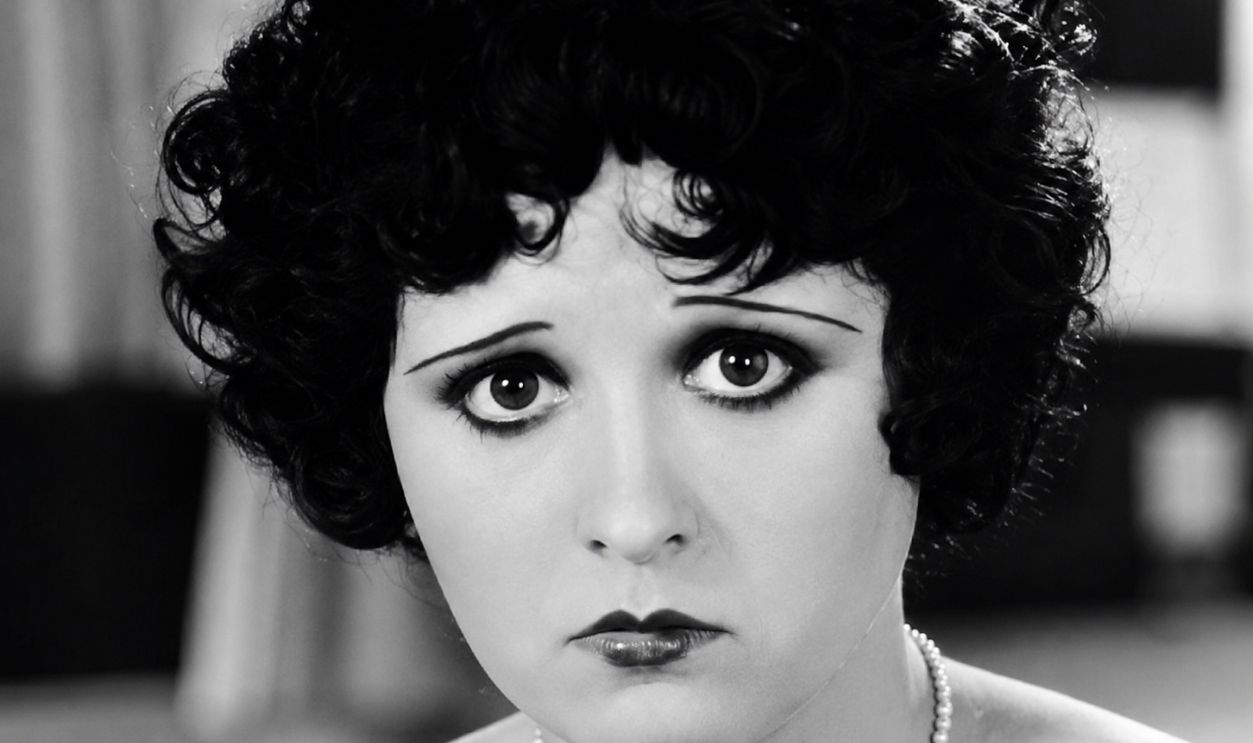 died 70 years ago, Wikimedia Commons, Enhanced
3. She Knew How To Work
At 15 years old, Helen Kane was already performing professionally. More than that, she wasn’t doing it alongside just anybody. She toured the famous Orpheum Circuit with the Marx Brothers in On the Balcony, and slowly made her name in vaudeville and as a kickline dancer. But dancing wasn’t her only talent.
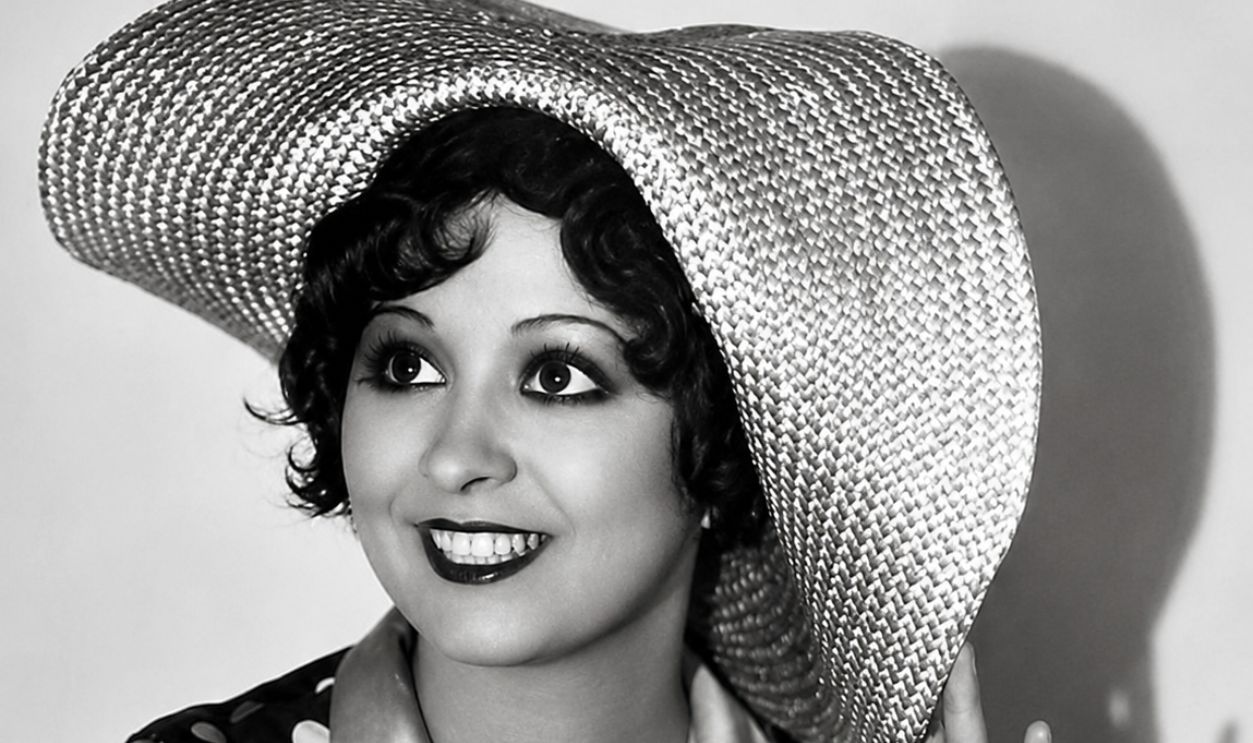 Photoplay Magazine, Wikimedia Commons, Enhanced
4. She Did It All
Stars in Helen Kane’s day were often multi-talented, and she was no different. She had a captivating singing voice, and also began performing in Broadway shows and singing onstage with the trio the Hamilton Sisters and Fordyce, an early iteration of what would become the more famous Three X Sisters. Her personal life also heated up.
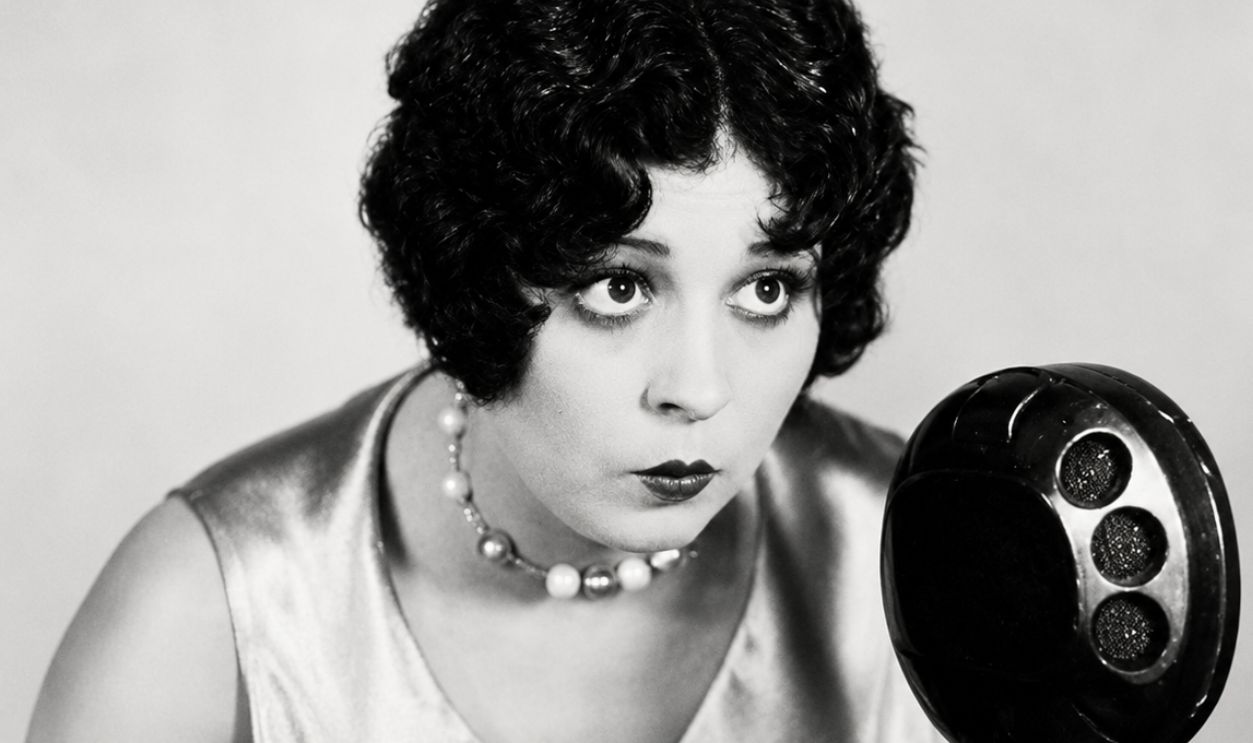 Screenland, Wikimedia Commons, Modified
5. She Married Young
Though born Helen Schroeder, when she was 20 years old she married the businessman Joseph Kane, who would give her the name she became most famous for. That said, their marriage was over before anyone knew who “Helen Kane” was. They called it quits in 1928…right around the time that Helen exploded onto the scene.
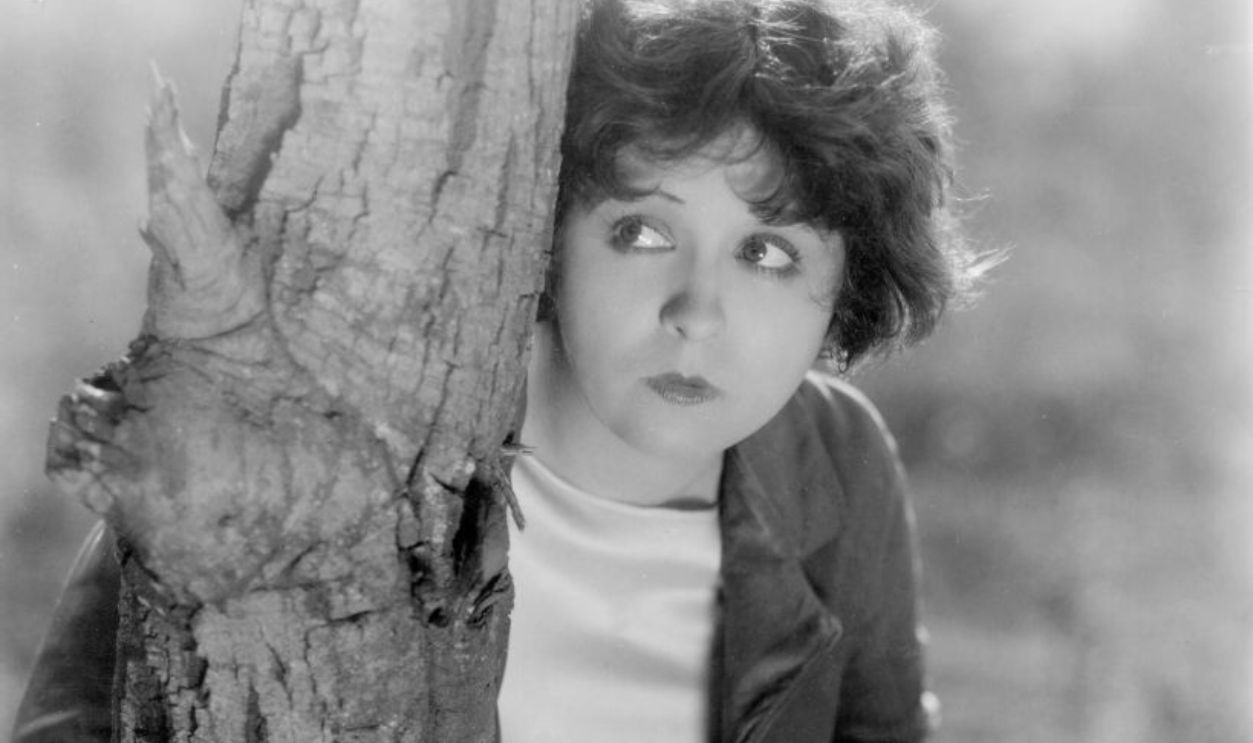 General Photographic Agency, Getty Images
6. She Stood Out
In 1927, Kane was appearing in the musical A Night in Spain, which became a hit and ran for 174 performances at the 44th Street Theatre. Now, this isn’t what made her famous (she was second-billed next to star Marion Harris) but it did give her a lucky break.
Band conductor Paul Ash, impressed with Kane’s work in the show, dropped her name when it came to casting a new performance at the Paramount Theater. Nothing was the same again.
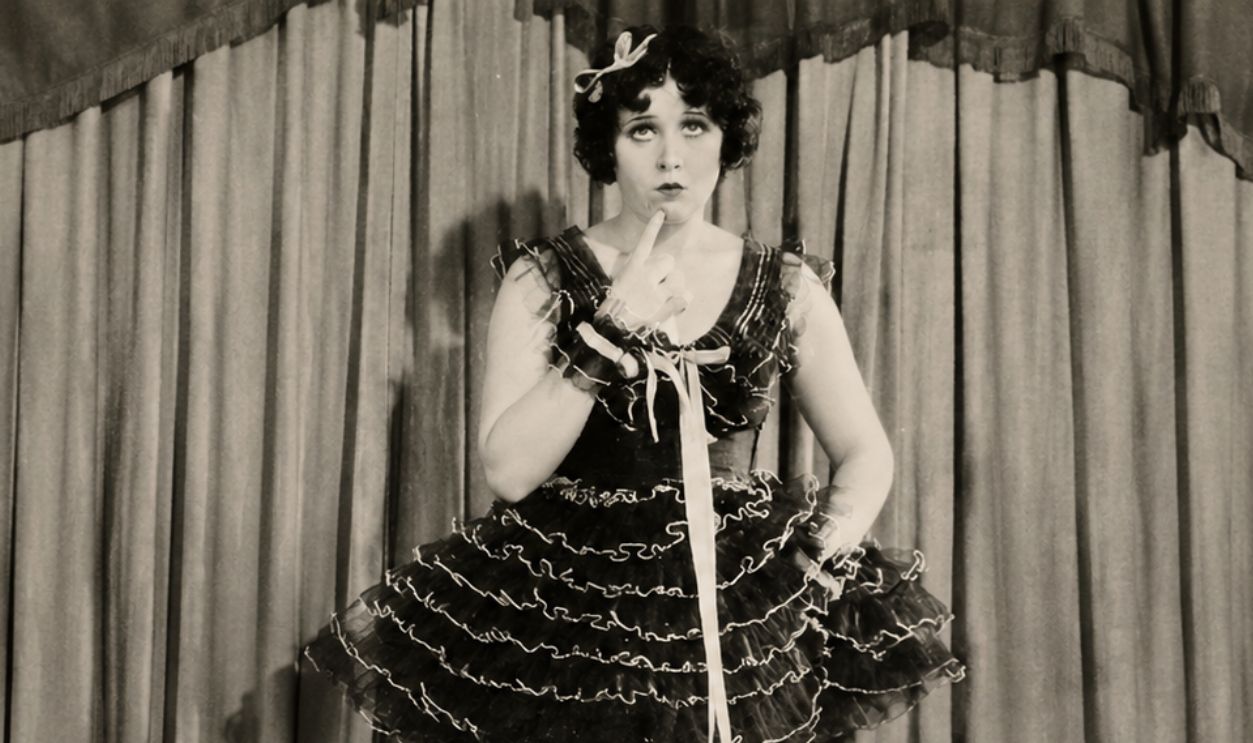 Uncredited, Wikimedia Commons, Modified
7. She Could Work A Crowd
The Paramount Theater was located in Time Square, and was a prime spot for any up-and-coming entertainer. But as it happened, all Helen Kane needed was one show to make a mark. At her first performance, she sang the song “That’s My Weakness Now,” written by Sam H Stept and Bud Green…but she added a fateful twist.
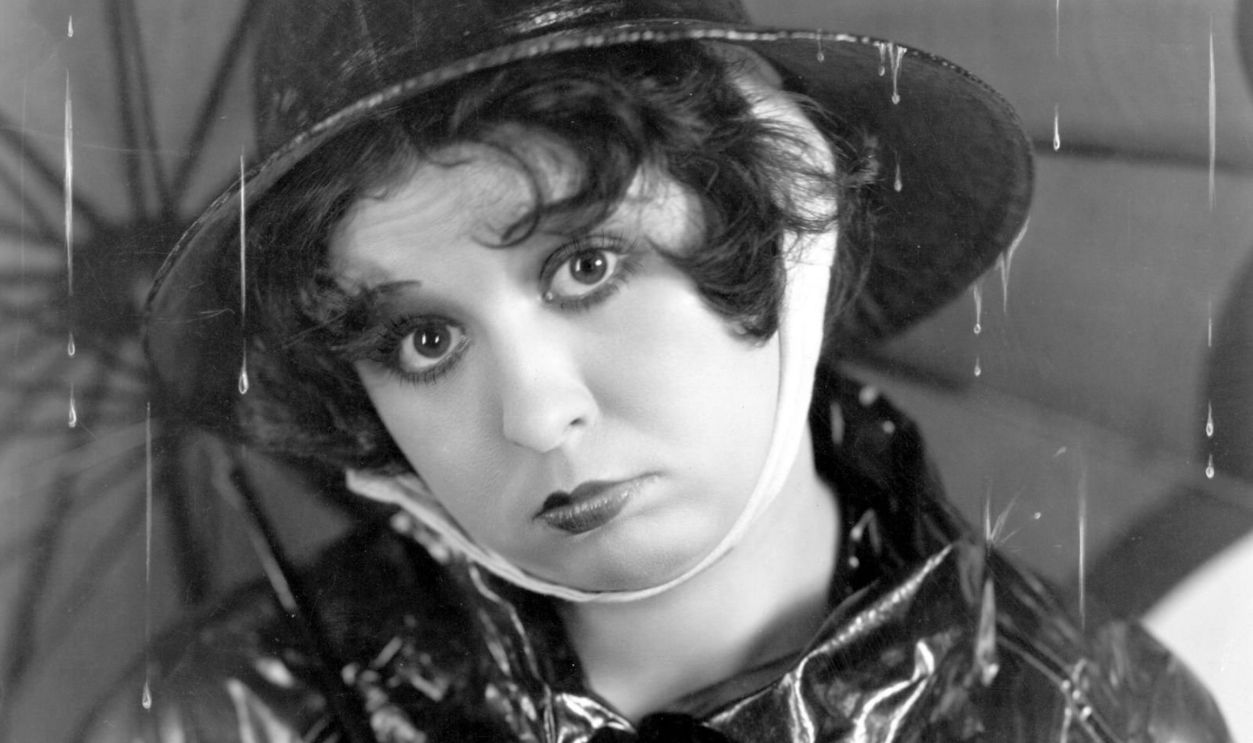
8. She Fooled Around
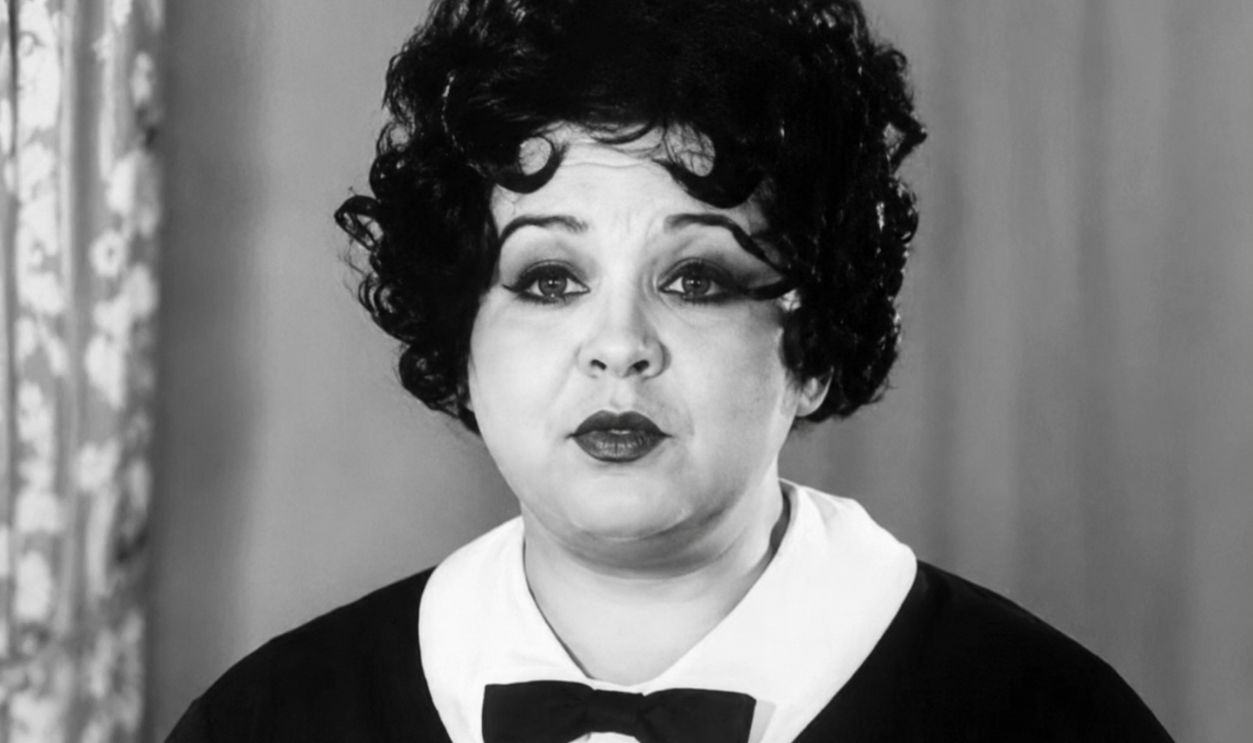
While backstage that night, Kane was fooling around with the song and decided to add a high-pitched, baby-voiced “boop-boop-a-doop” to the lyrics, which are about someone missing all the things their lover likes. The lyrics now went, “And he likes boop-boop-a-doop / And I never cared for boop-boop-a-doop / But he likes boop-boop-a-doop / So that’s my weakness now!”
Reportedly, the stage crew and her accompanist were so charmed by the addition, they convinced her to do it on stage. The rest was history.

History's most fascinating stories and darkest secrets, delivered to your inbox daily.
9. She Hit A Chord
Obviously, the people backstage were onto something, because Kane’s addition of these scat-like, silly-yet-knowing lyrics seemed to be exactly what the crowd was craving but never knew how to ask for. Their casual, sultry quality particularly resonated with the young flappers of the era, and the crowd went wild.
Soon, no one could get enough of Helen Kane, and for good reason.
10. She Was A Baby Vamp
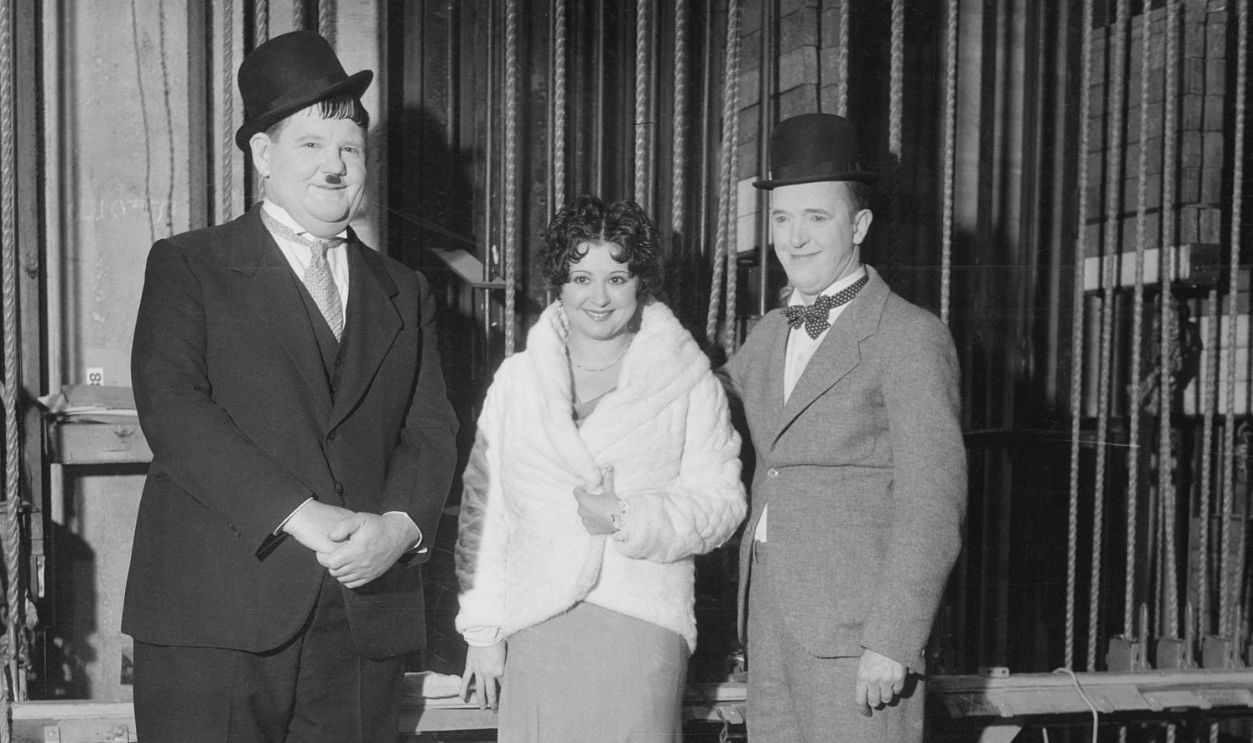
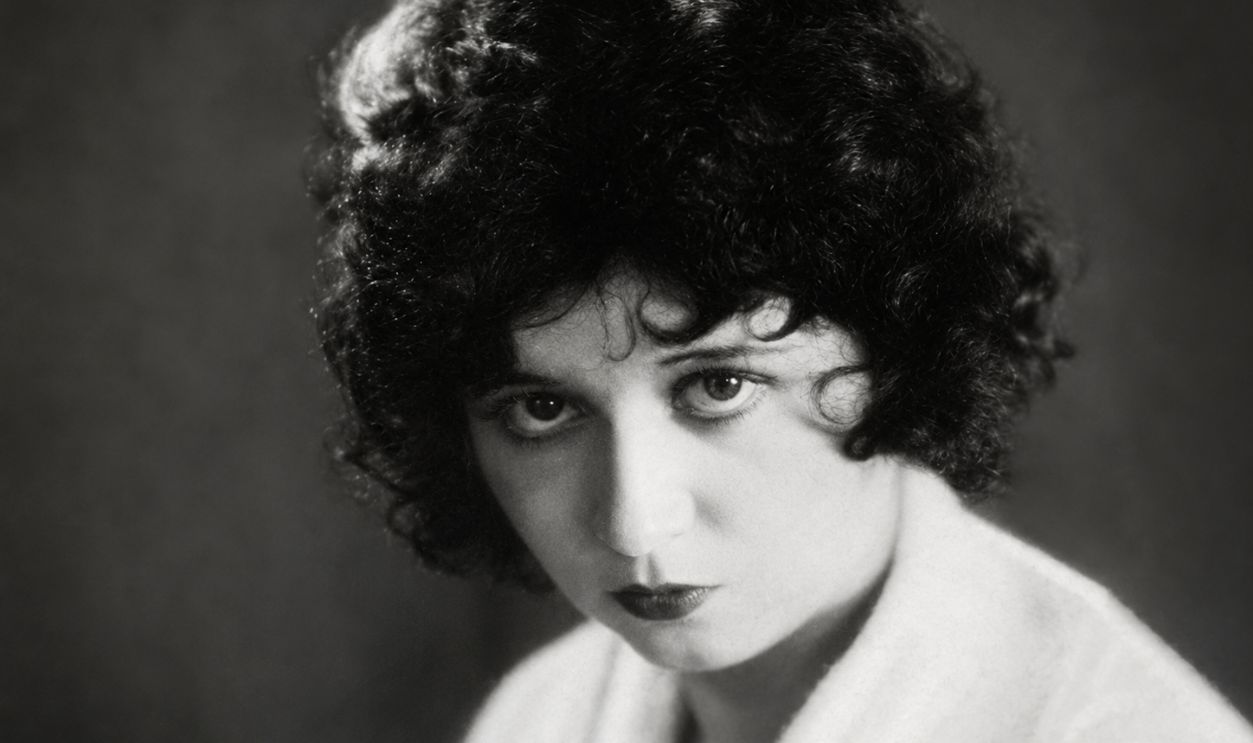
In truth, it wasn’t just Kane’s knack for improvisation that pushed her into success; it was also her looks. By now she had honed her appearance on stage, accentuating her pert lips with makeup and sporting a dark bob. The effect was of a “baby vamp” that matched her new “Boop Girl” image perfectly. And she knew exactly what to do with this image.
 Photoplay, Wikimedia Commons, Modified
11. She Knew A Good Thing When She Saw It
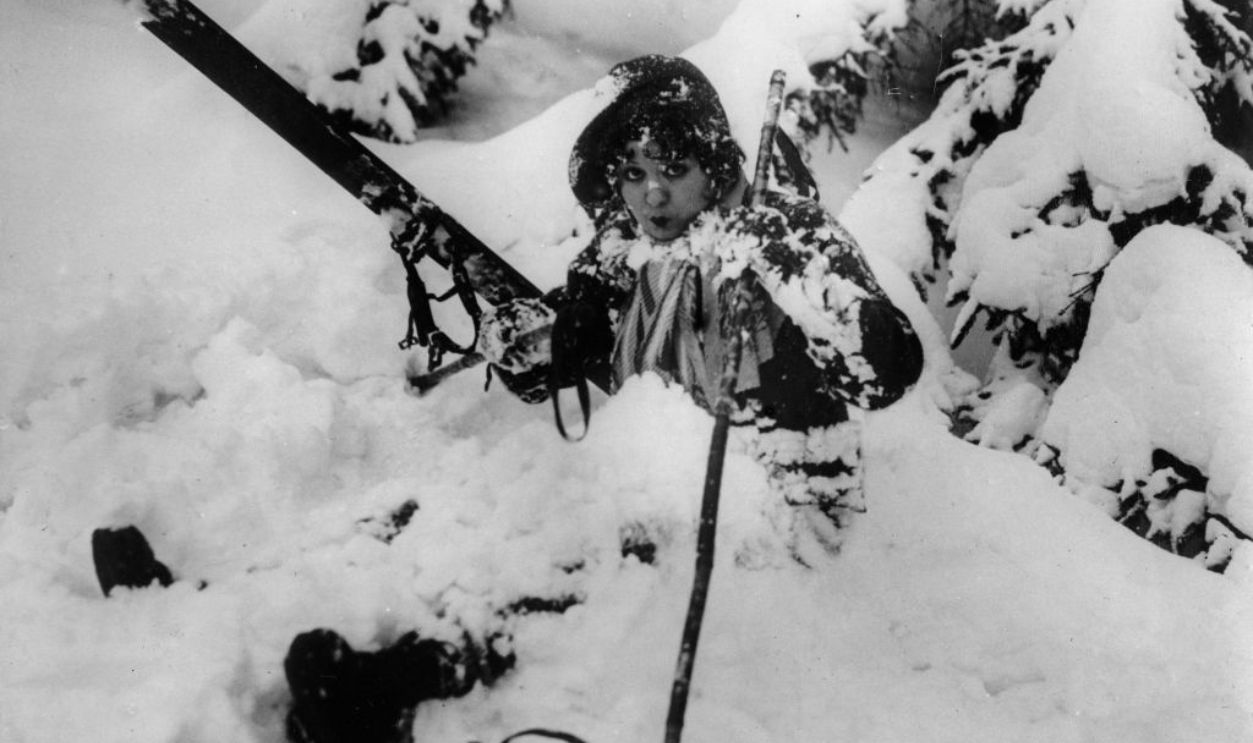
Kane knew she had something special on her hands, and she gave the public more and more of it. She incorporated “boop-boop-a-doop” into other songs, all while working on walking the line between comedic and risque. When she worked in the show Good Boy in 1928, though, her schtick took off even further.
 brandstaetter images, Getty Images
12. She Had A Famous Song
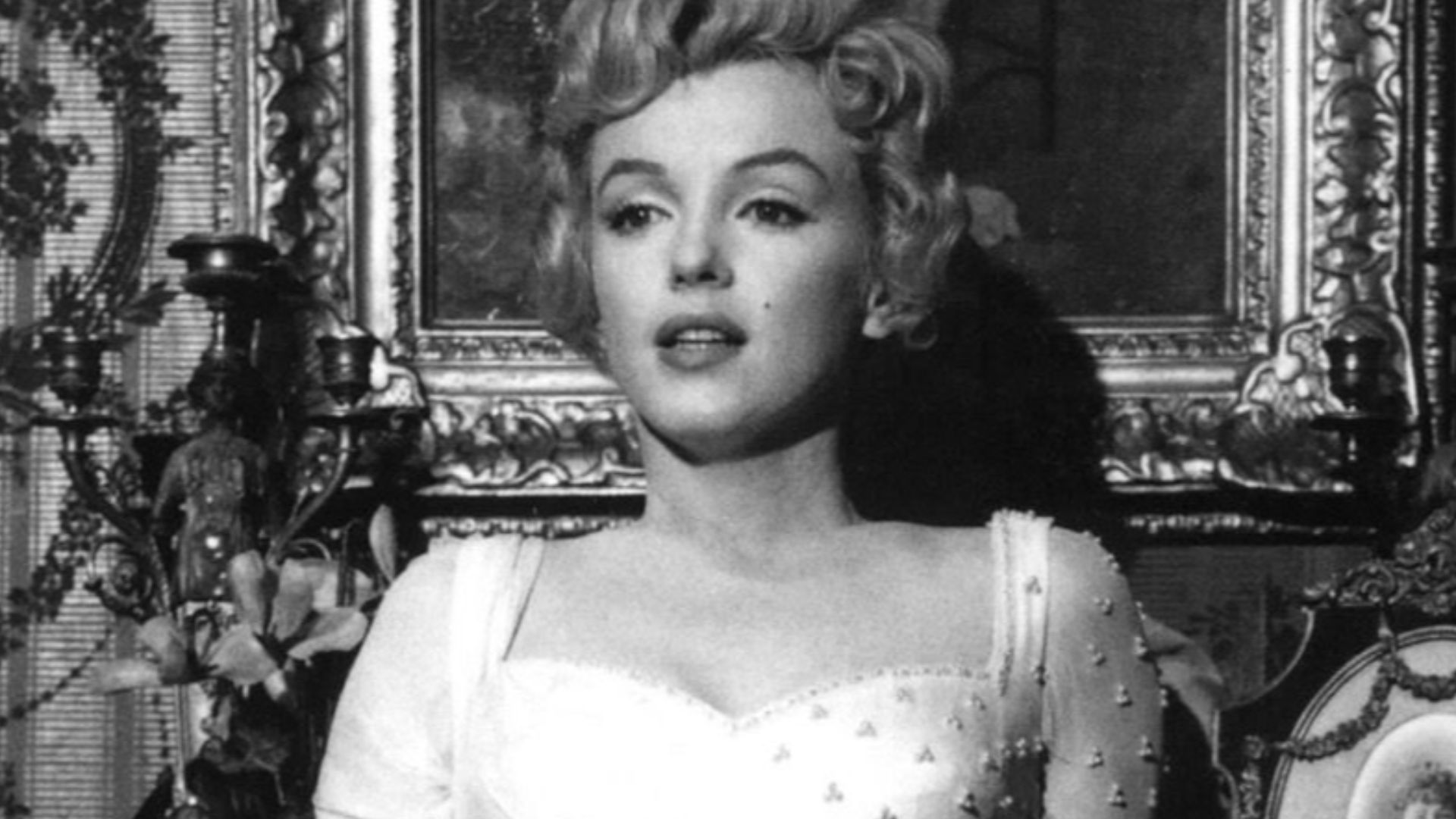
While in Good Boy, Kane introduced audiences to her next hit song, “I Wanna Be Loved by You,” again inserting “boop-boop-a-doop” into the lyrics. It was such a hit that some people still erroneously believe this was the originator of her “Boop Girl” image, not “And That’s My Weakness Now,” and it would go on to be immortalized by Marilyn Monroe’s performance in Some Like it Hot.
It was 1928, and Kane was at her peak. But this peak would be tragically brief.
 Milton H. Greene, Wikimedia Commons
13. She Got Rich
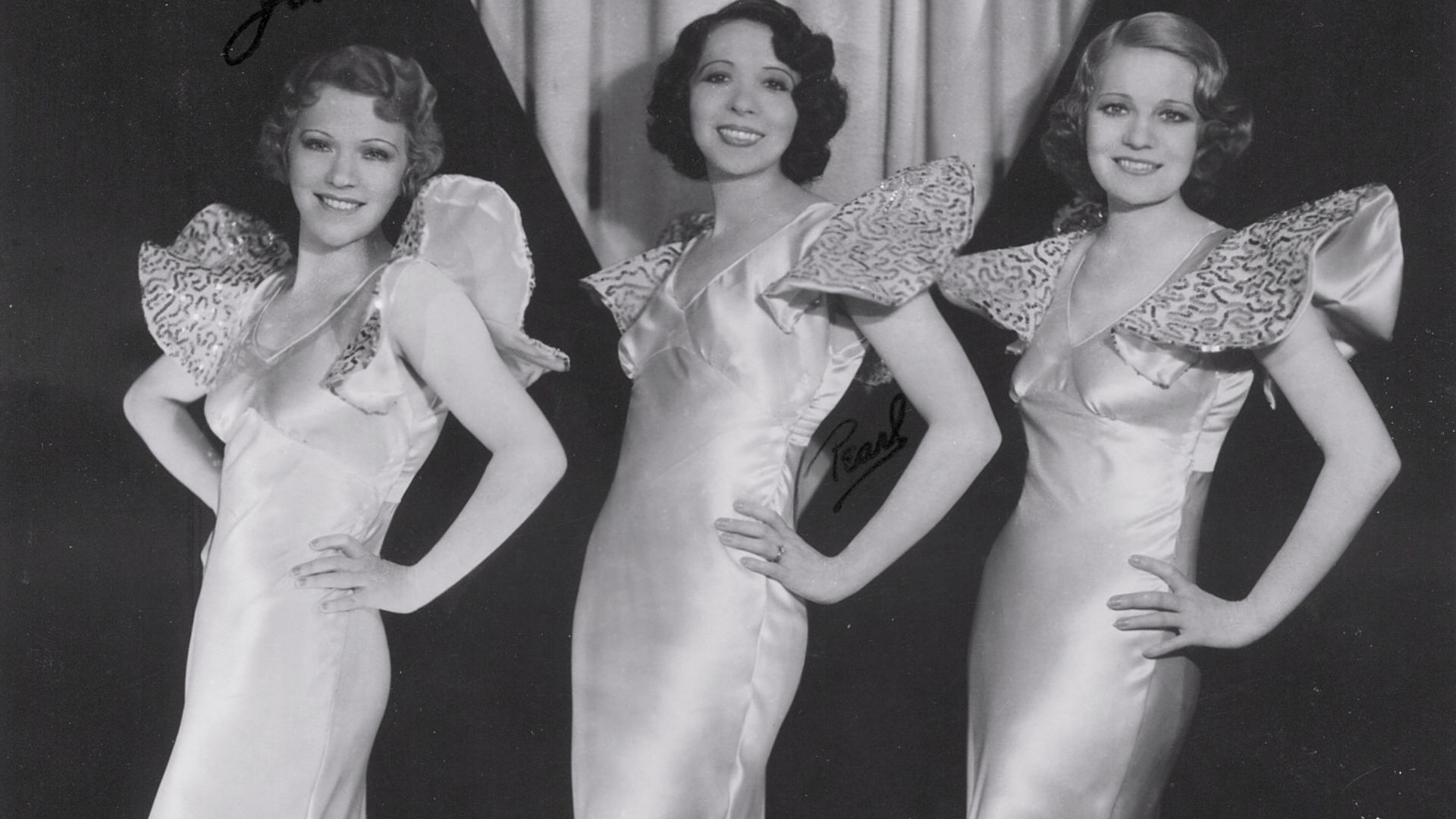
Over the next weeks and months, Kane pulled in an incredibly high fee just to grace a stage with her presence. Reportedly, she now performed at her old haunt the Palace as a headliner for no less than $5,000 a week in 1920s money, and even reunited with the Three X Sisters, lending her old friends her newfound popularity. For the moment, that popularity kept on soaring.
14. She Was A Sensation
In the late 1920s and early 1930s, you couldn’t get away from Helen Kane. She was on radio, in nightclubs and musicals, and made personal appearances on top of it. More than that, she became a symbol: There were Helen Kane games, “boop-boop-a-doop” toys, and, crucially for her tragic future, look-a-like contests. And Kane knew she was lucky.
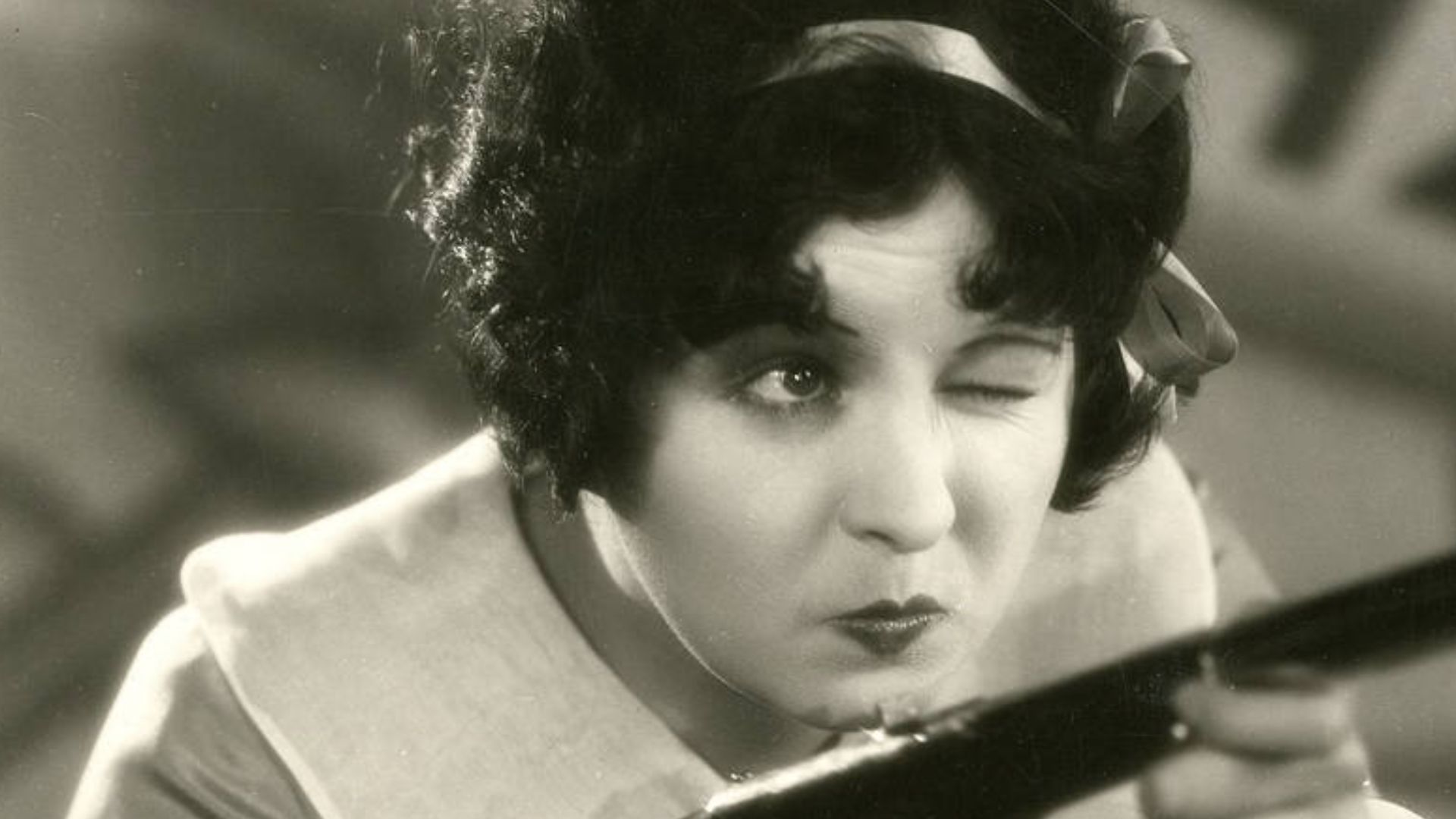 Unknown authorUnknown author, Wikimedia Commons
15. She Did Nothing For Millions
Years later, Kane remembered this time for how “Money was falling off trees”. As she recalled, “I once got $5,000 at one of those big society parties just to sing four or five choruses”. It was the good life, and Kane once more reveled in it, spending money lavishly and leaning into her flapper image. She even got an upgrade.
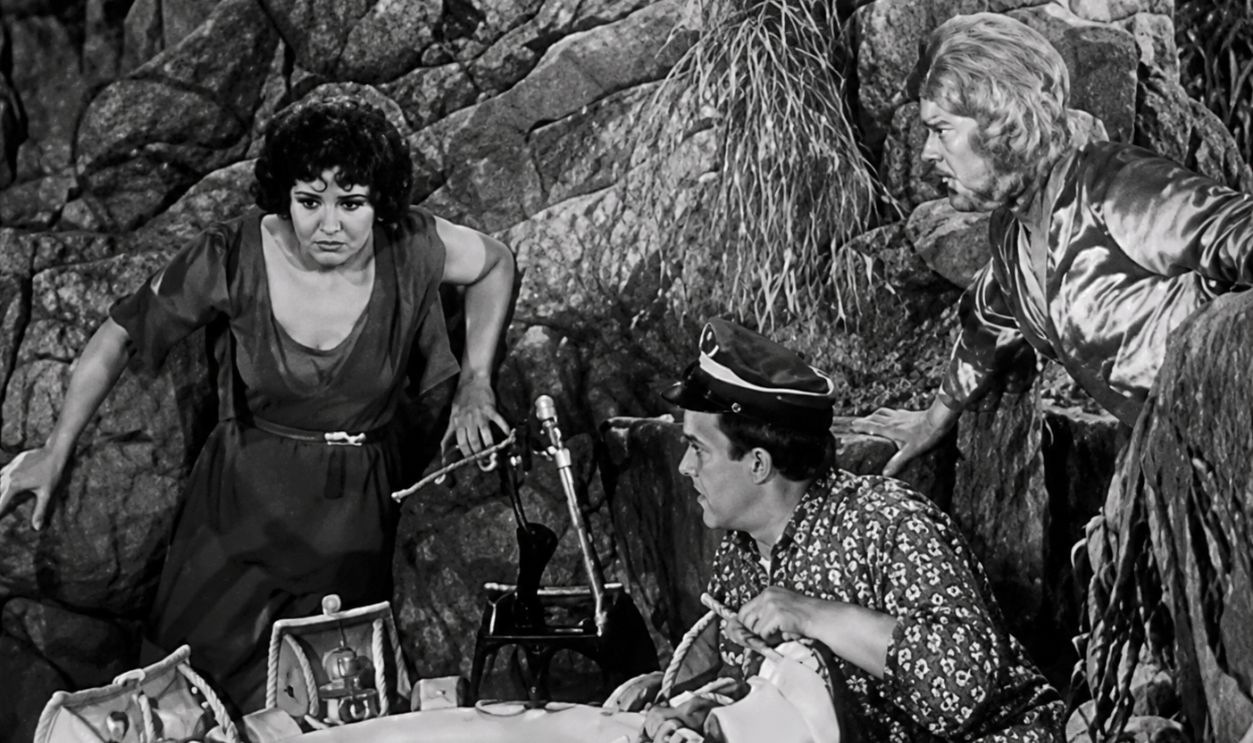 Screenshot from Heads Up, Paramount Pictures (1930), Enhanced
16. She Started A New Kind Of Career
In early 1929, trying to capitalize off Kane’s enormous success, Paramount Pictures signed her up to make a series of musicals. Over the next two years, Kane would go on to make seven films with the studio, earning eye-popping amounts as she did so. Reportedly, she made up to $8,000 a week, which has been estimated at over $120,000 a week in today’s money.
Still, there was something peculiar about her film career.
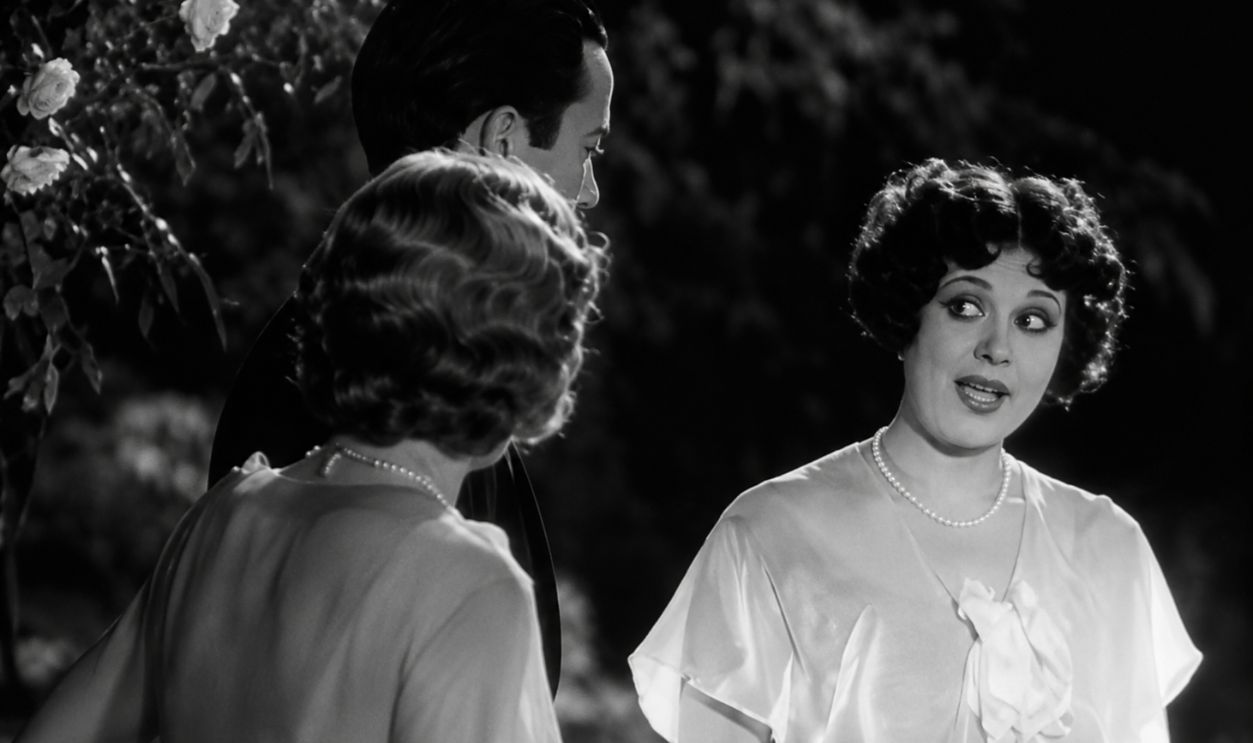 Screenshot from Heads Up, Paramount Pictures (1930), Enhanced
17. She Played Second Fiddle
With the exception of 1930’s Dangerous Nan McGrew, Kane didn’t get top billing on her Paramount films; in films like Sweetie and Pointed Heels, she was technically below the title line under bigger stars like Nancy Carroll or Fay Wray. Despite this, everyone seemed to know who the true star was, and they acted accordingly.
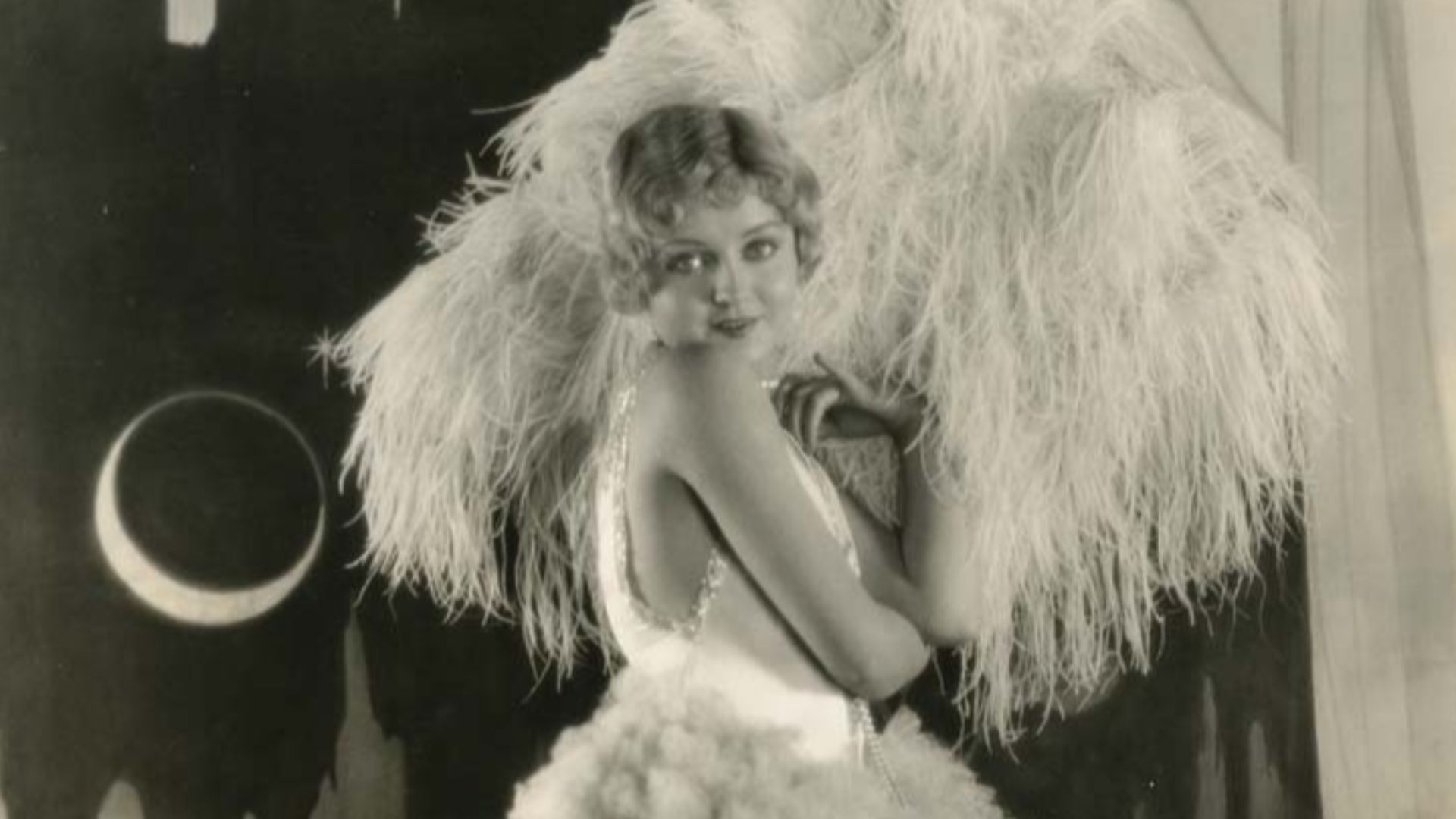 Robert Richee, Wikimedia Commons
18. She Upstaged Her Co-Stars
When Sweetie premiered at the New York Paramount, it was “Helen Kane” who appeared over the title on the theater’s marquee, not the film’s star Nancy Carroll. Although this no doubt caused some tension between the actresses, Kane couldn’t help but be thrilled.
It was all a dream scenario for Kane…until the day her massive popularity turned against her.
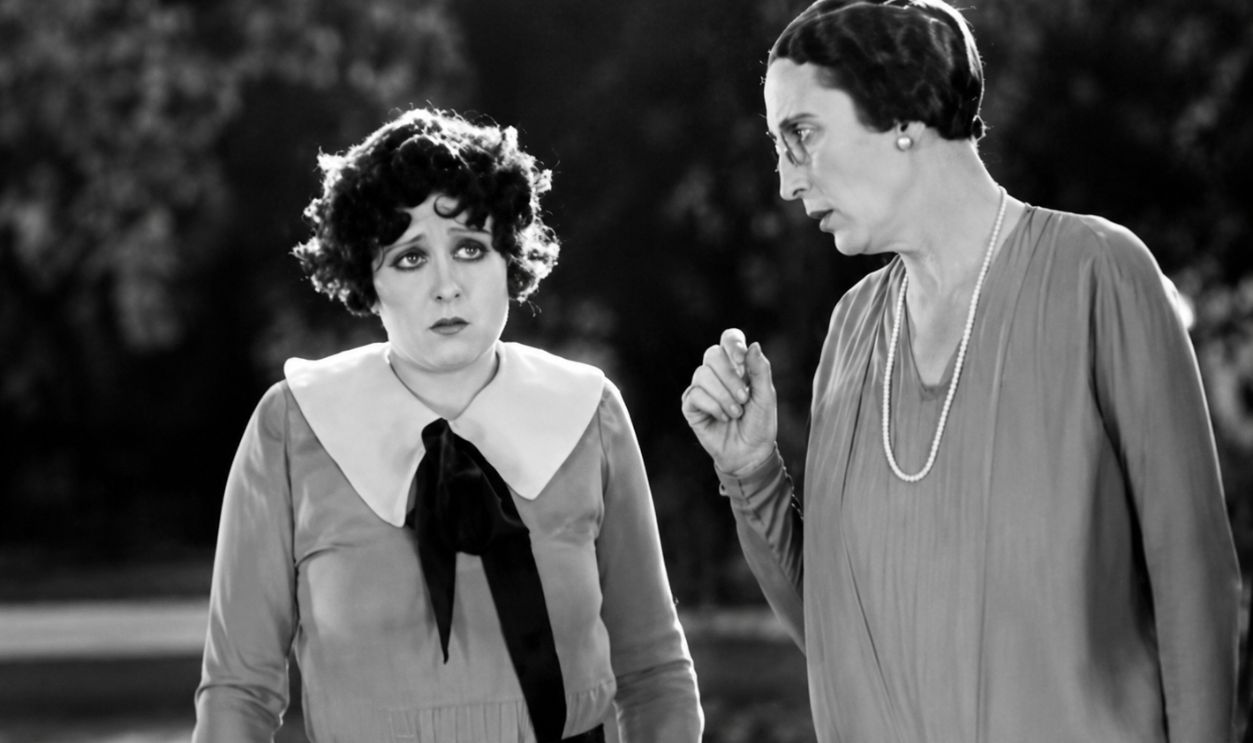 Screenshot from Sweetie, Paramount Pictures (1929), Enhanced
19. She Had Competition
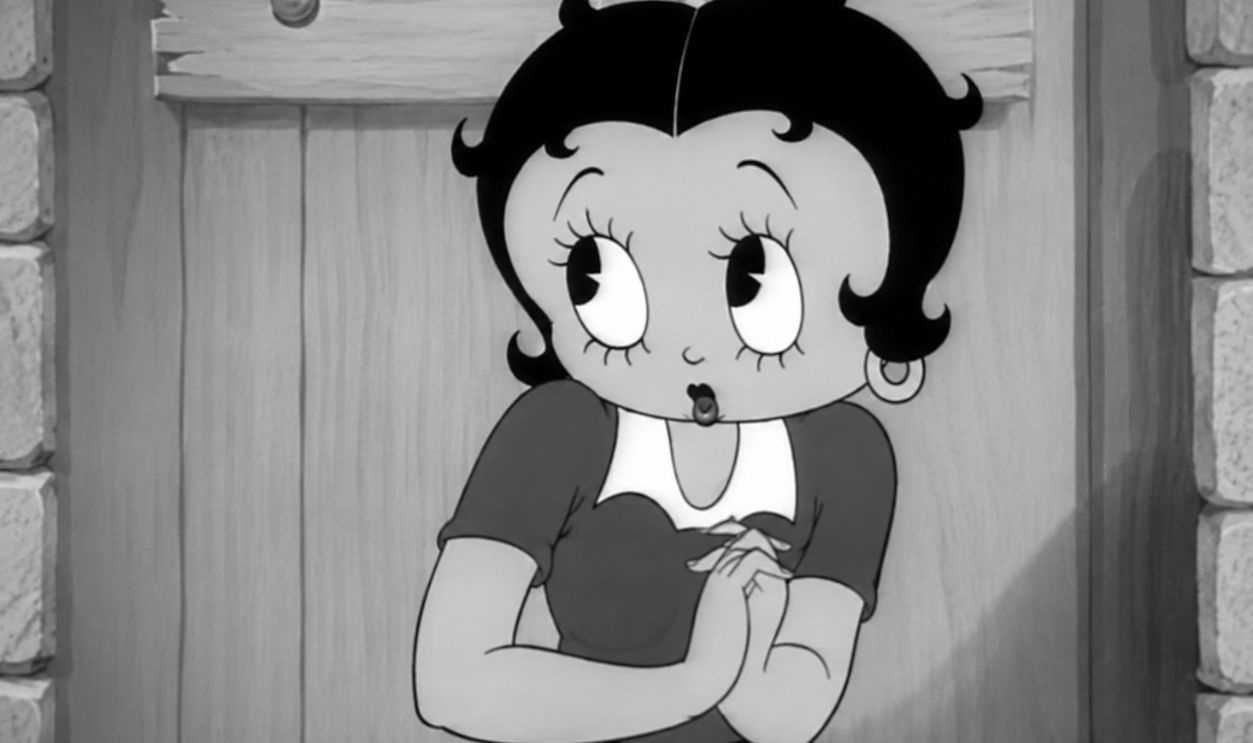
In 1930, two years after Kane made “I Wanna Be Loved by You” famous, the animation outfit Fleischer Studios, in partnership with Kane’s studio Paramount, introduced a flapper-esque brunette with a squeaky, baby-like voice in the cartoon Dizzy Dishes. At first, the cartoon looked somewhat like a dog, with droopy ears, before she became more human and these ears became hoop earrings.
The cartoon figure quickly gained in popularity, and she was soon dubbed “Betty Boop”—much to Kane’s dismay.
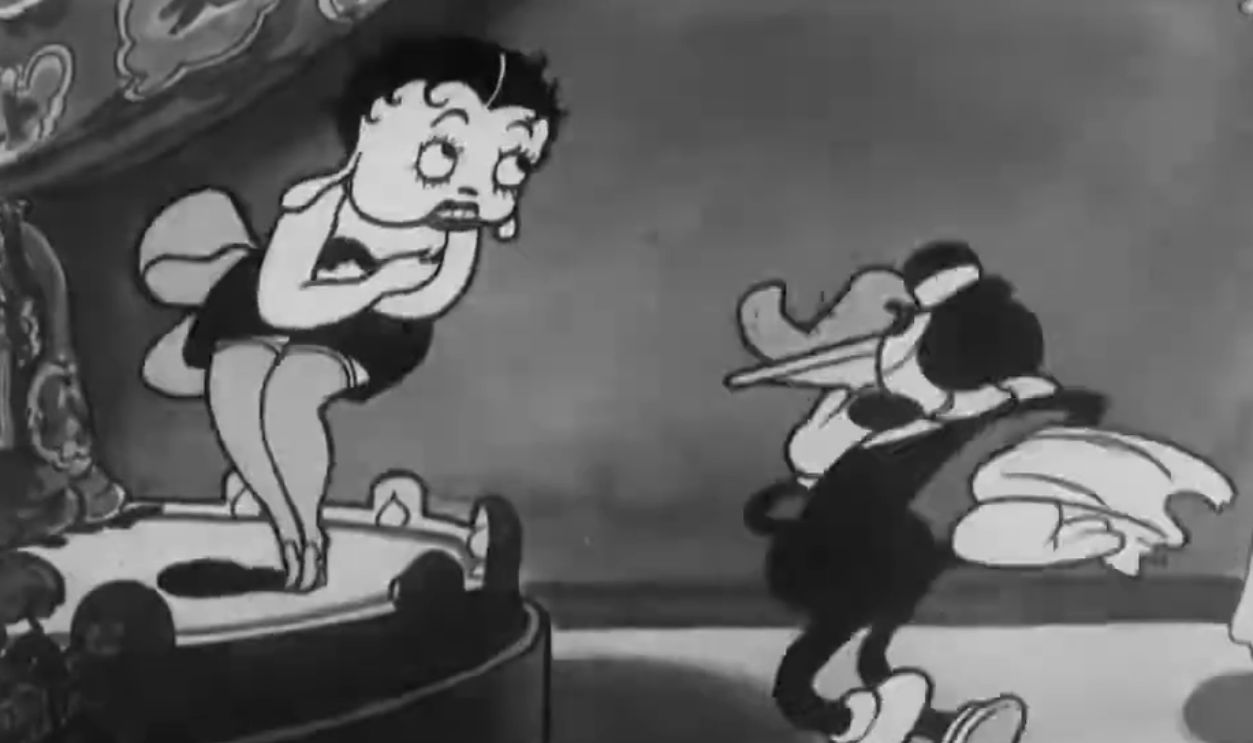 Screenshot from Dizzy Dishes, Paramount Pictures (1930)
20. They Copied Her
When Kane saw Betty Boop, her heart must have sunk. To her, the character seemed nothing more than a bald-faced caricature of her image and act, and the more Betty commanded eyes and attention, the more frustrated Kane got with Fleischer Studios, as well as with Paramount. Within months, she knew she had to act.
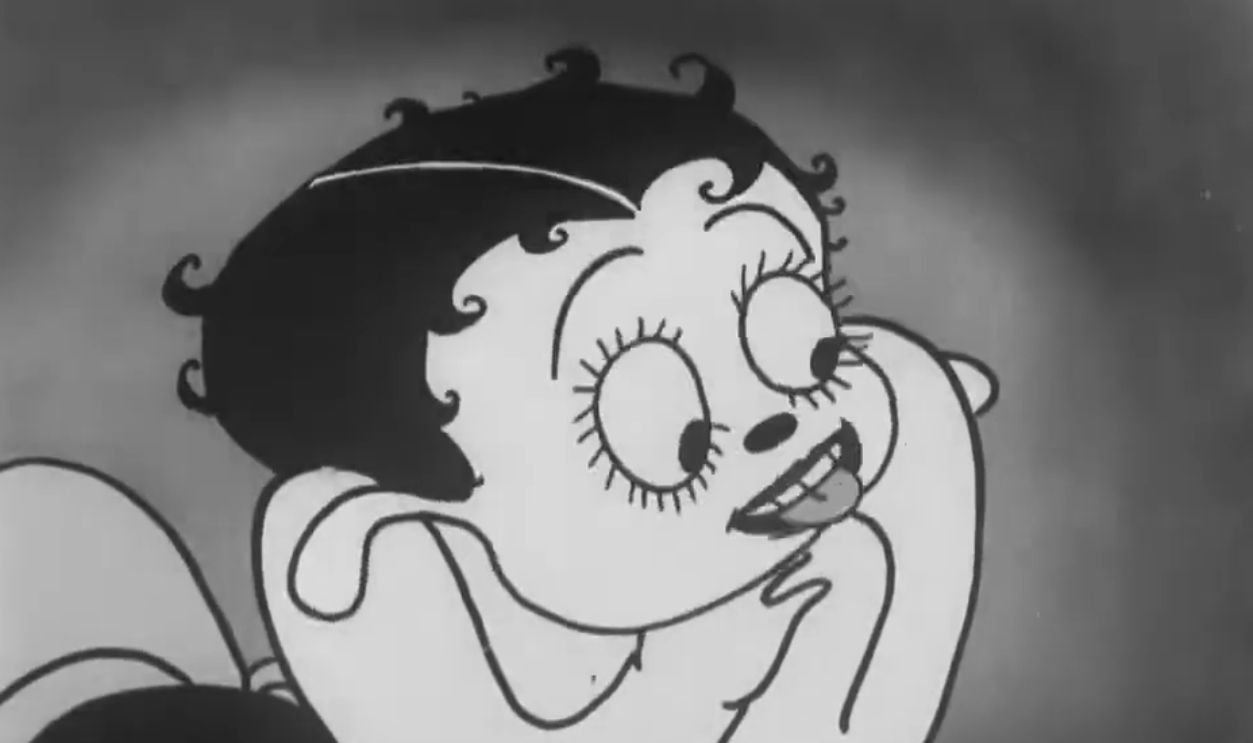 Screenshot from Dizzy Dishes, Paramount Pictures (1930)
21. She Went After Them In Court
In May of 1932, Kane officially filed a lawsuit against Fleischer and Paramount, and she came out swinging. She wanted $250,000 in damages, which would equal almost six million dollars today. In her suit, she claimed the cartoon infringed on her image, not to mention gave her competition in the form of an imaginary version of herself. She had more than just her looks for proof.
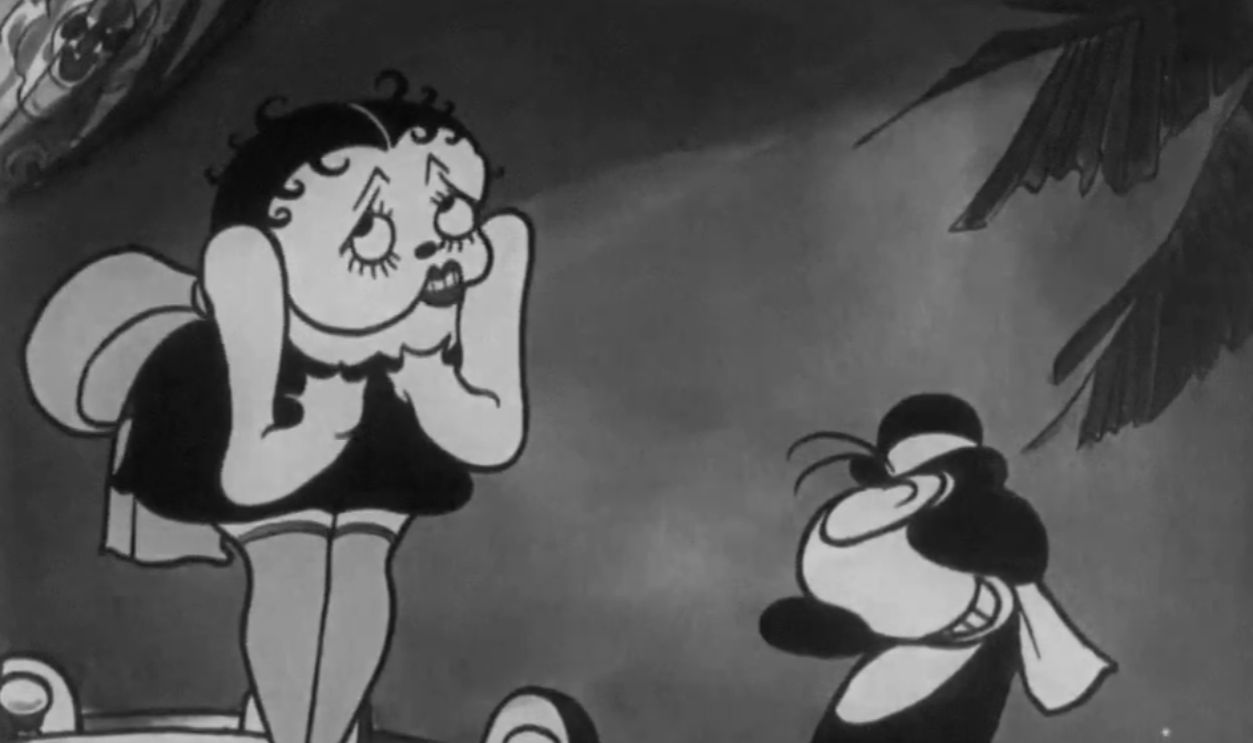 Screenshot from Dizzy Dishes, Paramount Pictures (1930)
22. The Studio Went Behind Her Back
Five actresses—Margie Hines, Mae Quetel, Bonnie Poe, Little Anne Little, and Kate Wright—went on to voice Betty Boop, and all gave her a squeaky, wriggling voice. But these women had more than that in common: Reportedly, they had all participated in a 1929 Paramount contest looking for Helen Kane impersonators.
It looked like further proof that Helen Kane was right about Betty Boop, but she’d soon find it wasn’t so easy.
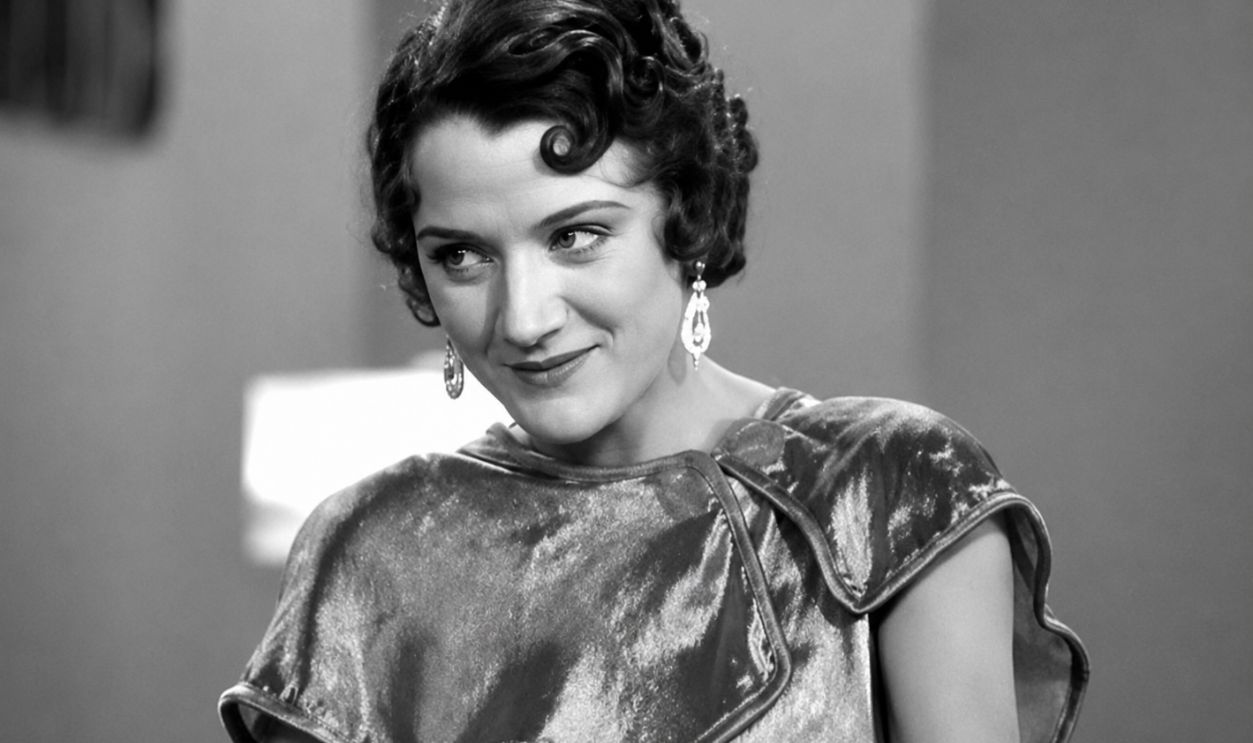 Ray McCarey (died over 70 years ago), Wikimedia Commons, Enhanced
23. They Wouldn’t Back Down
Paramount and Fleischer Studios refused to back down or pay up, and in May 1934, the case went to trial for two weeks, blowing up newspaper headlines around America as the “Boop-Boop-a-Doop Girl” fought Betty Boop. But as soon as Fleischer brought in another entertainer to the proceedings, Kane’s case began to tank.
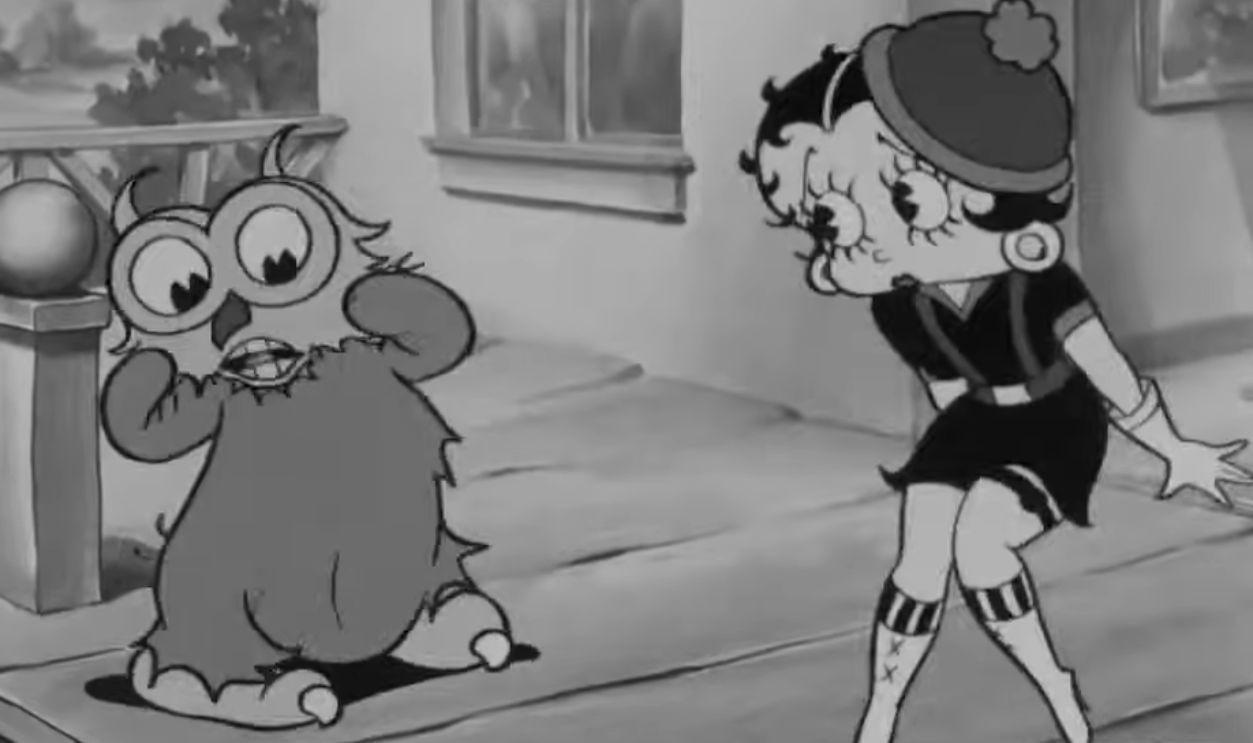 Screenshot from Betty Boop, Paramount Pictures (1930-1939)
24. They Accused Her Of Copying
According to Fleischer, Kane didn’t have a leg to stand on when it came to cribbing her image—because she had taken her own act from another singer, and a little Black girl at that. The seven-year-old “Baby Esther,” who had arrived in New York the same year that Helen Kane blew up, also used “boop” scats in her songs. The coincidences didn’t stop there.
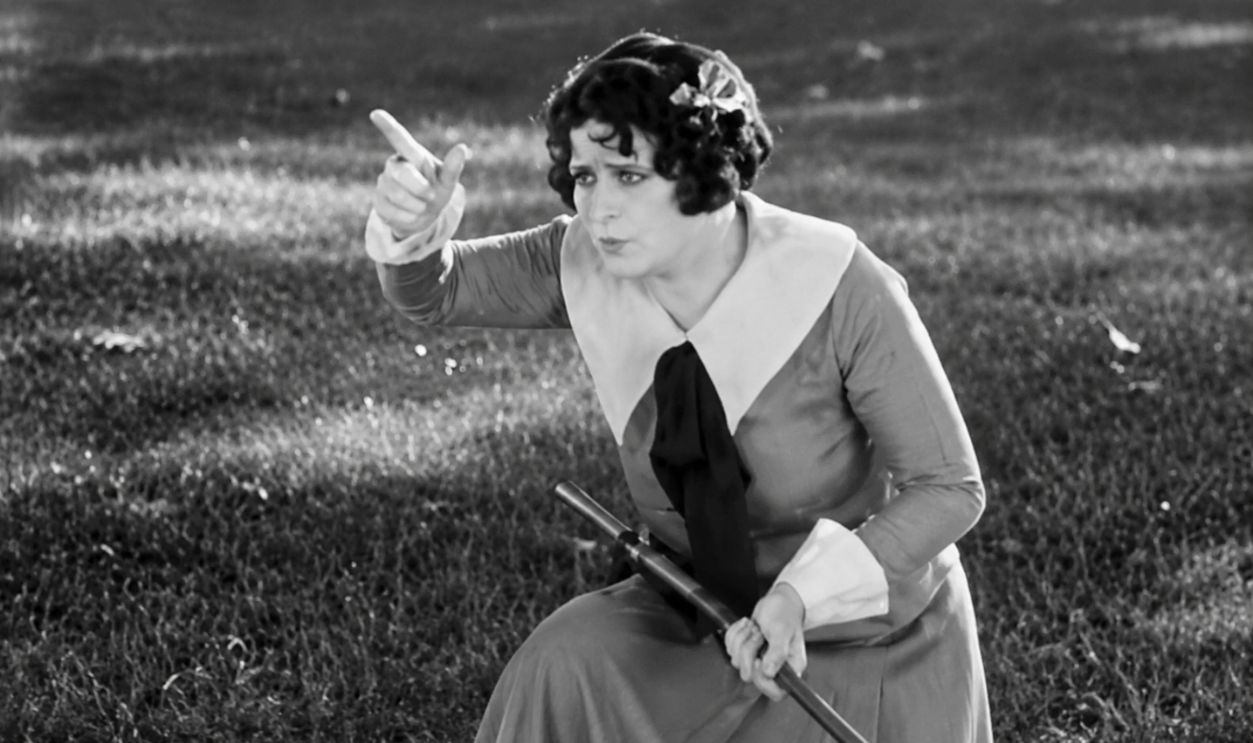 Screenshot from Sweetie, Paramount Pictures (1929), Enhanced
25. She Was In The Wrong Place At The Wrong Time
Theater manager Lou Bolton took the stand as a witness for Fleischer and claimed that when Baby Esther performed at his nightclub in New York, he saw Kane in the club that very same night, implying that this is when she began to steal from Esther. Though Bolton couldn’t say exactly when Kane had walked in, or if she’d even seen Esther’s act, it was a compelling story. It just didn’t hold up to scrutiny.
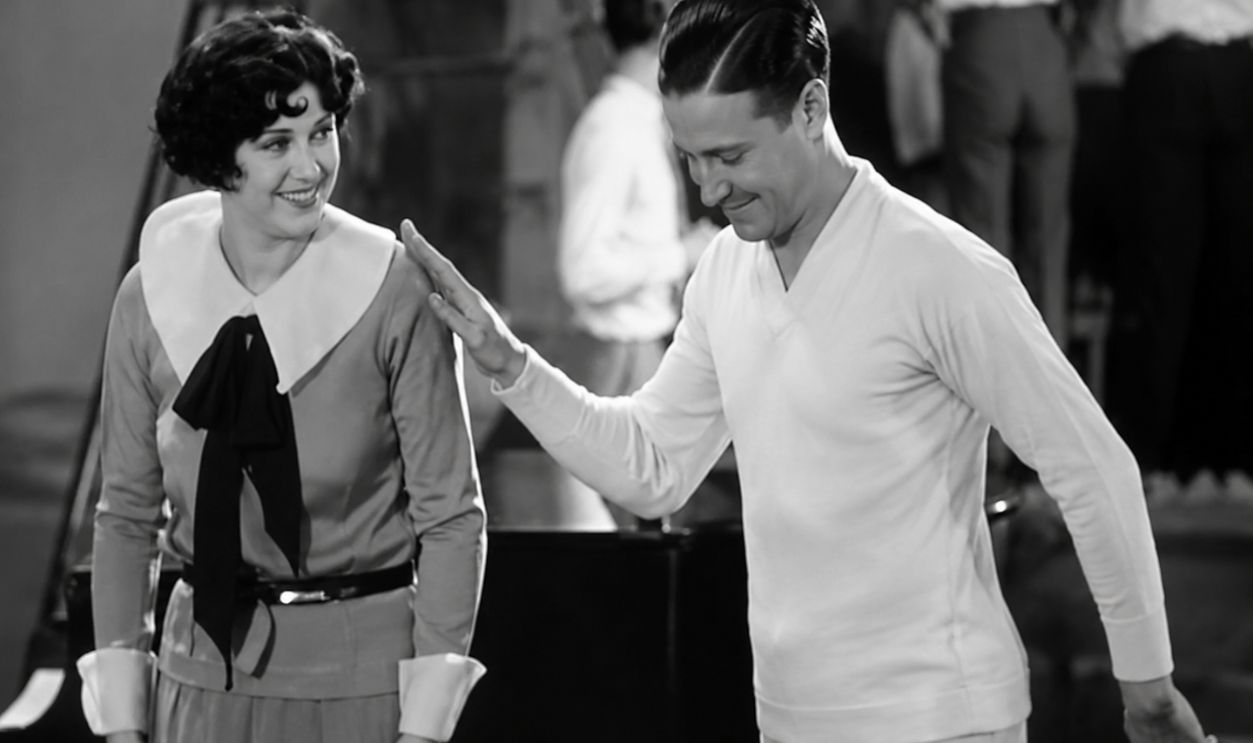 Screenshot from Sweetie, Paramount Pictures (1929), Enhanced
26. They Made Her Name Mud
As the trial continued, Bolton admitted that Fleischer’s legal team had paid him $200 for “travel expenses” to come to court in New York, putting a dent in the idea that he was an objective witness. Another bump in the road came when Fleischer showed a film of Baby Esther singing in scat style…only, she was singing songs already popularized by Helen Kane, proving nothing.
In the end, though, none of this mattered.
 https://www.fleischerstudios.com/babyesther.html, Wikimedia Commons, Enhanced
27. They Denied Everything
Fleischer continued to present evidence against Kane to prove what she did apparently wasn’t unique, including further recordings of similar-sounding “booping” in (often incomparable) songs. They even brought in their five Betty Boop voice actresses, who all claimed they simply “booped” that way on their own, even in the privacy of their own home. It all led to the same sad end.
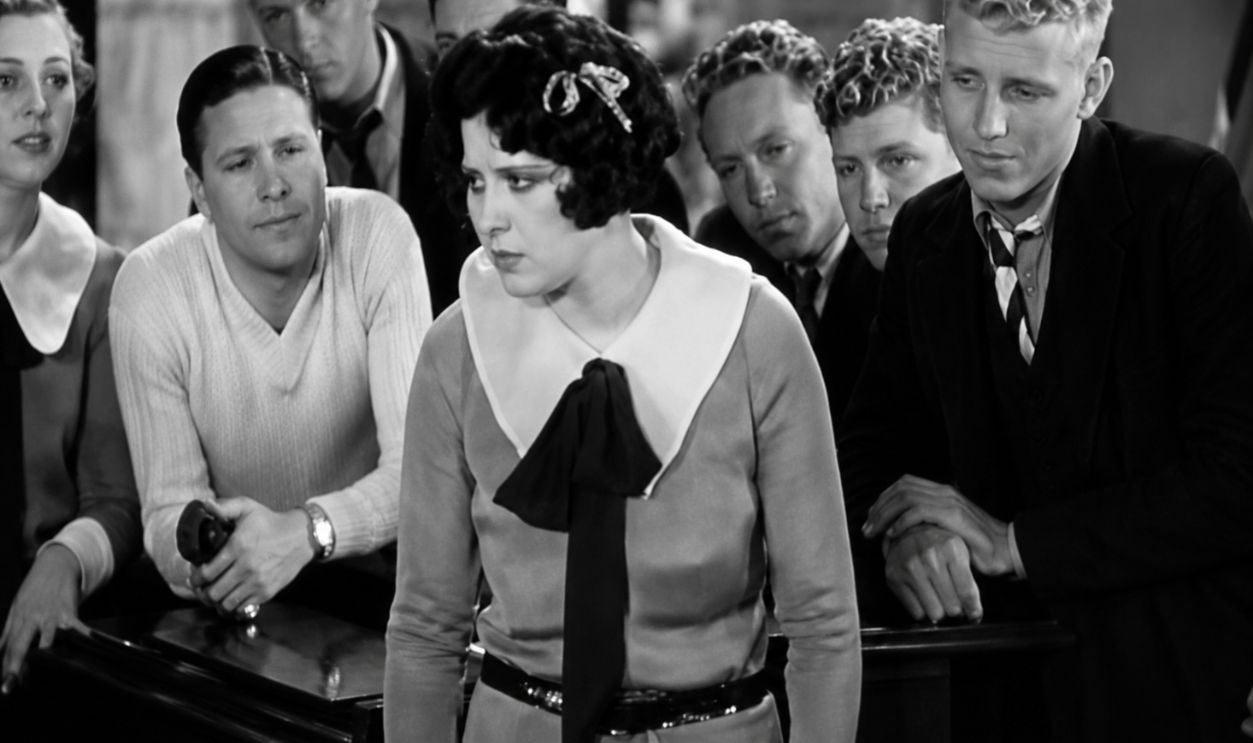 Screenshot from Sweetie, Paramount Pictures (1929), Enhanced
28. She Took A Huge Loss
Unfortunately for Kane, the presiding judge didn't buy the singer’s arguments, and did agree with Fleischer’s defense. As a result, on May 5 1934, Kane officially lost her case against the studio, with the law deeming that her act wasn’t personal enough to make Betty Boop infringement. As time went on, she lost a lot more.
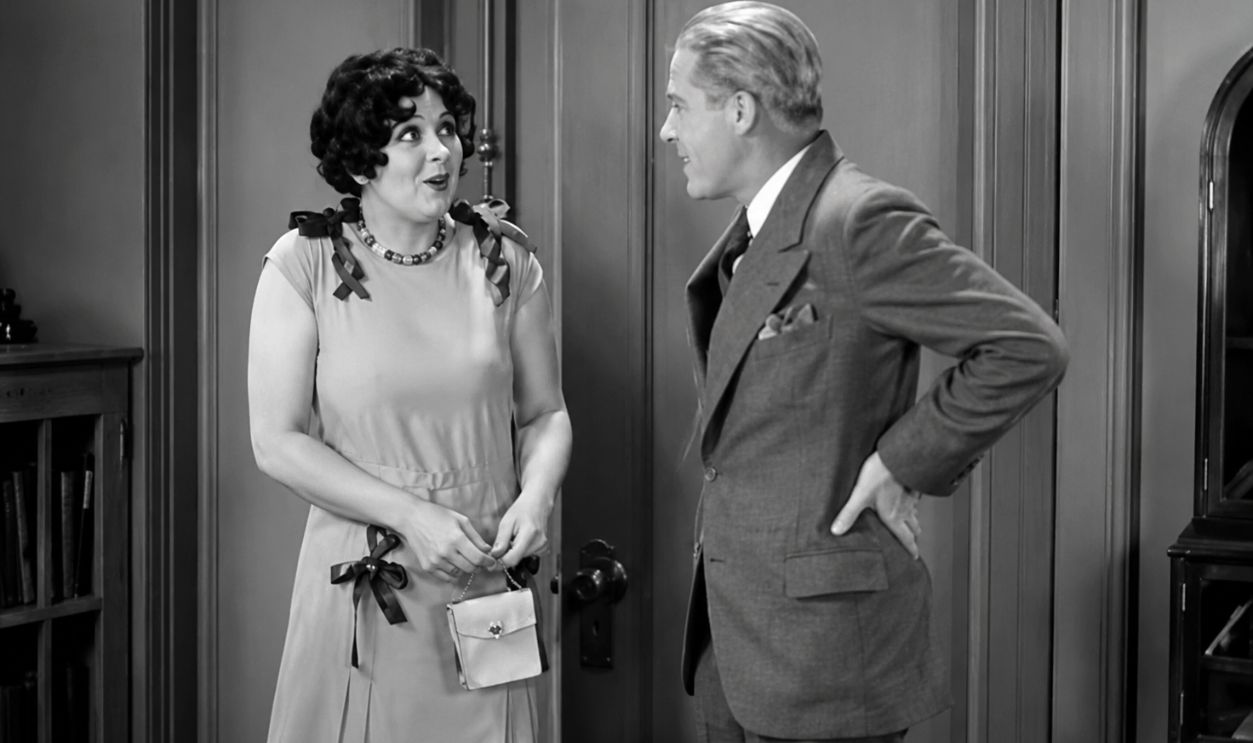 Screenshot from Pointed Heels, Paramount Pictures (1929)
29. The Public Turned On Her
Over the course of the trial, Kane’s credibility plummeted in the public eye, and people began to see her along the exact same lines as Fleischer’s arguments: Her act wasn’t unique, so why should they pay attention to her? All in all, her lawsuit entirely backfired. But there were even bigger forces against her.
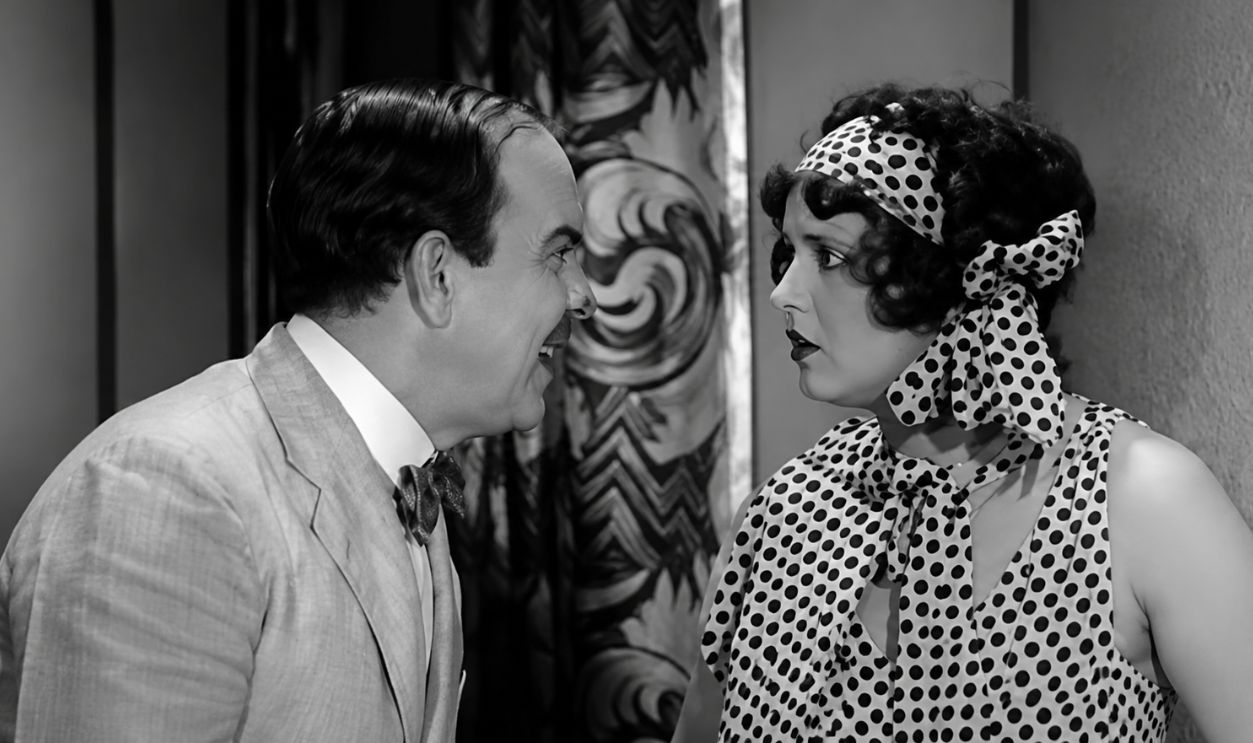 Screenshot from Pointed Heels, Paramount Pictures (1929)
30. She Didn’t Fit Anymore
In reality, Helen Kane’s vivacious connection with audiences was as fleeting as the Roaring Twenties itself. By the time the 1930s came around, the Great Depression was in full swing, and suddenly no one wanted to look at care-free flappers anymore. Kane’s last film came out in 1931, and different kinds of singers now starred on stage and in the movies.
But that didn’t mean Helen Kane gave up.
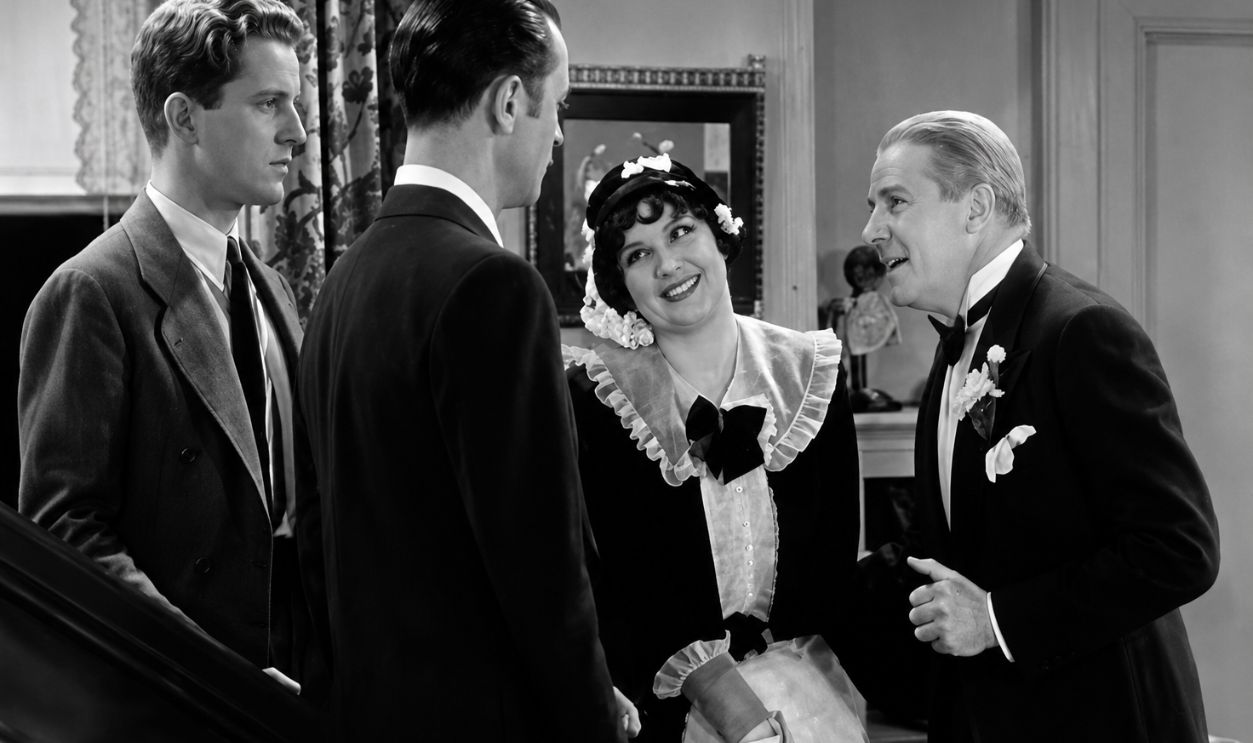 Screenshot from Pointed Heels, Paramount Pictures (1929)
31. She Wouldn’t Stop
Throughout the 1930s, Kane continued to grind as she always had, appearing in stage productions and nightclubs whenever she could. She also sang weekly on the radio, and if nothing else her distinctive voice was a comforting sound from another time, at least to her loyal fans.
Still, it seemed almost everything was a struggle now, even her personal happiness.
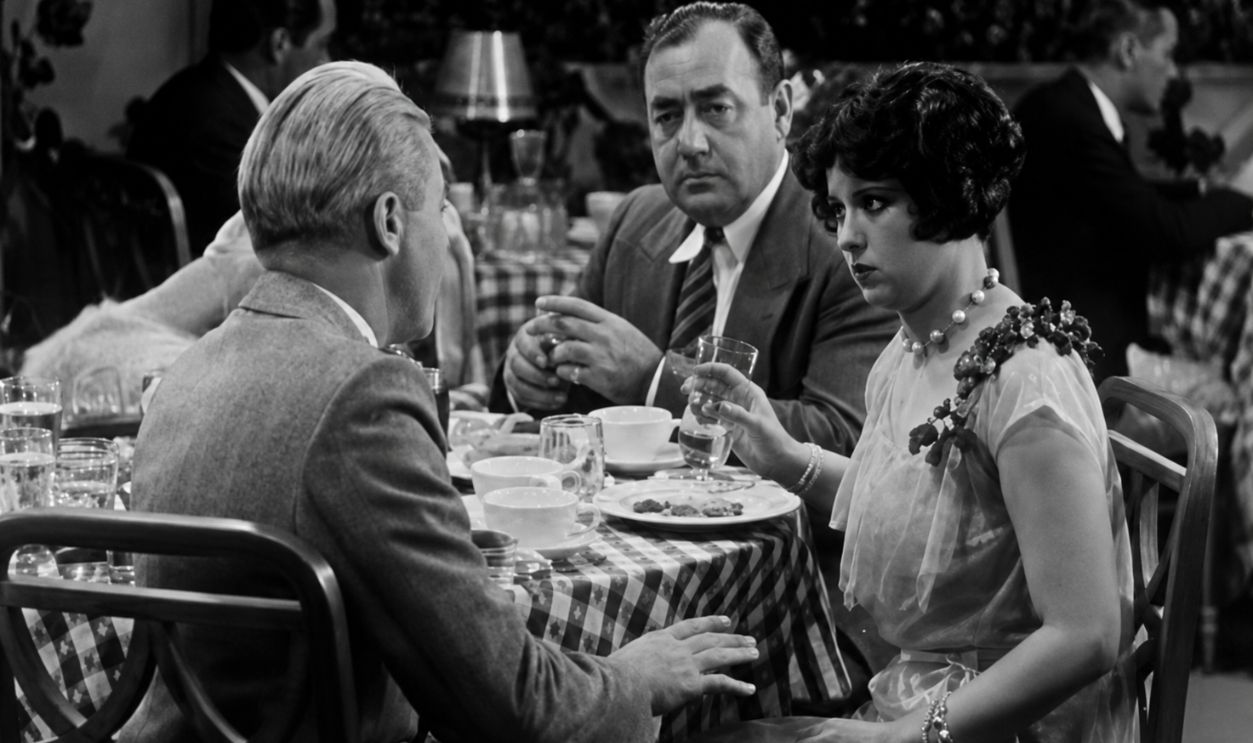 Screenshot from Pointed Heels, Paramount Pictures (1929)
32. She Tried Marriage Again
After divorcing her first husband Joseph Kane, Helen kept herself single during her Roaring Twenties heyday, happily basking in the attention of her admirers. In 1933, however, just after her popularity began to dip and Betty Boop began stealing her thunder, Kane married the actor Max Hoffman, Jr.
It was supposed to be different, but nothing was turning out for Kane anymore.
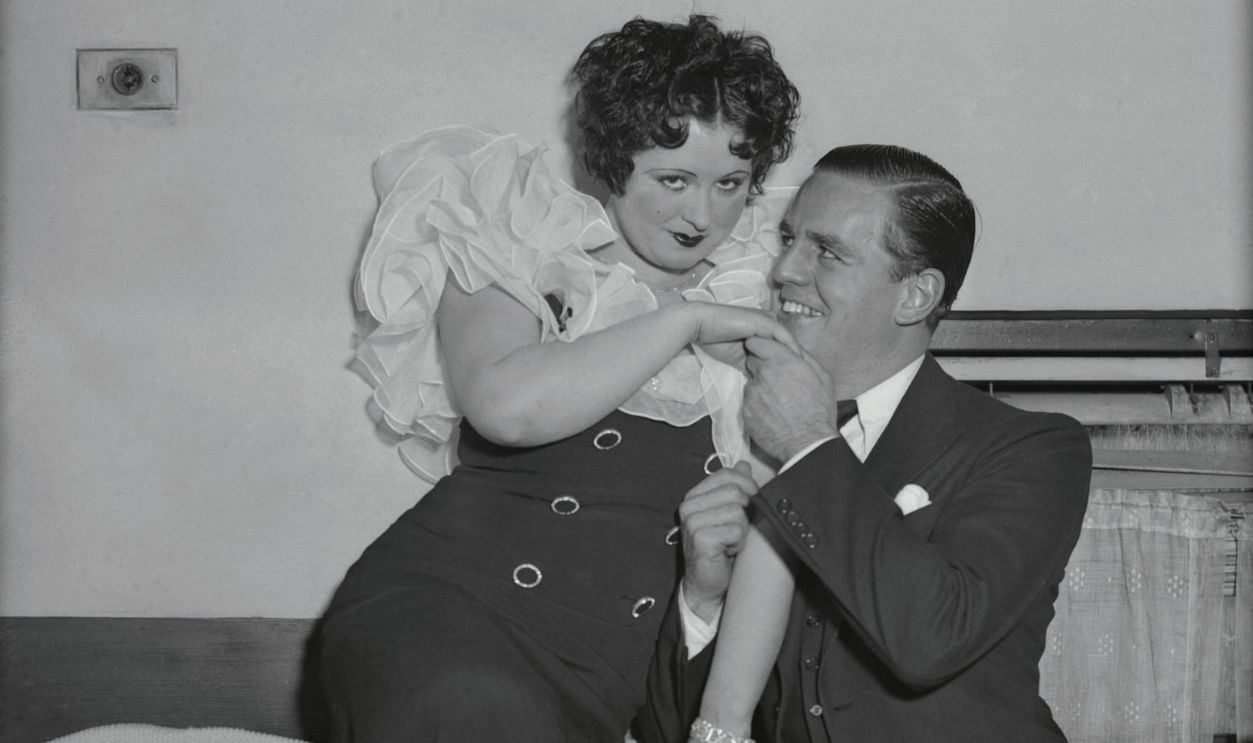
33. She Had Another Split
Where Kane’s first marriage didn’t seem to be able to survive her explosion in popularity, her second couldn’t seem to weather her lackluster career. In the end, she and Hoffman didn’t make it two years before falling apart, and they divorced in 1935. It wasn’t the only dream of Kane’s that ended that year.
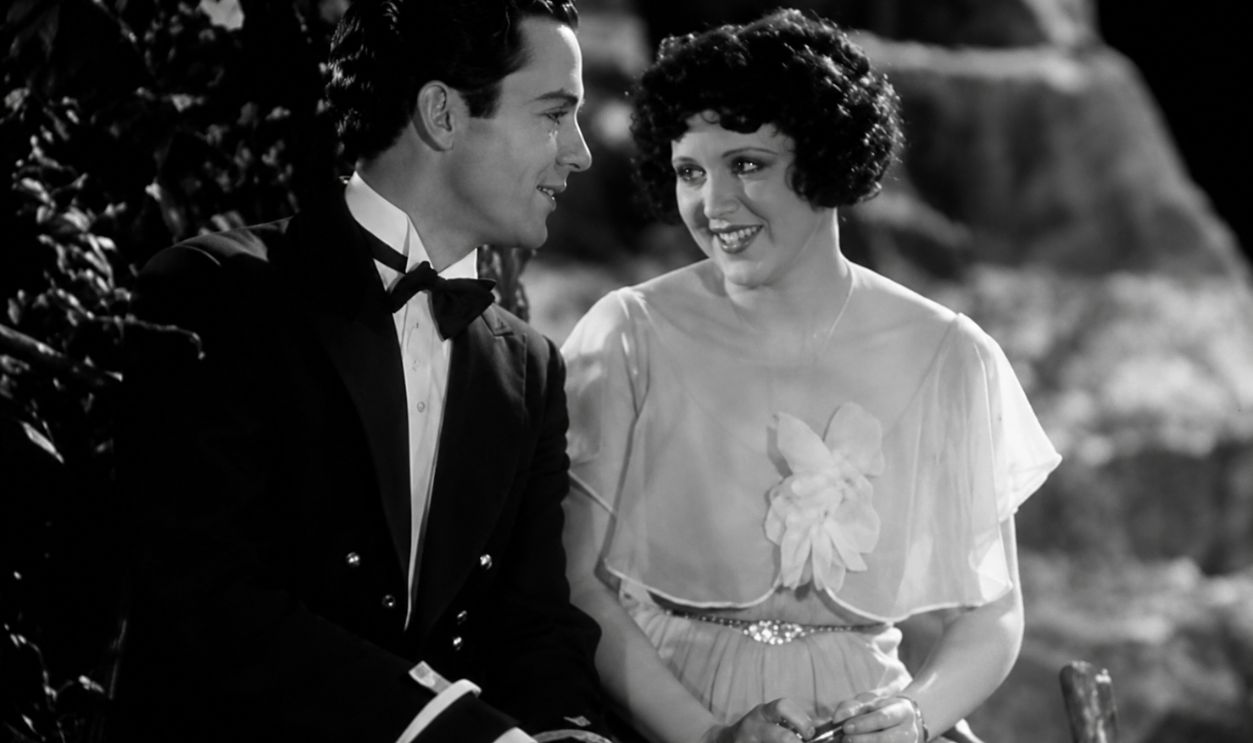 Screenshot from Heads Up, Paramount Pictures (1930), Enhanced
34. She Wore Herself Out
1935 was a banner year in the worst way for Helen Kane. Jaded from the loss of her court case and struggling to find her audience again, Kane stopped performing entirely. Although she later claimed “I could have gone on,” she also said, “I was tired, I was worn out and I quit”.
Sadly, her retirement didn’t help her make good decisions.
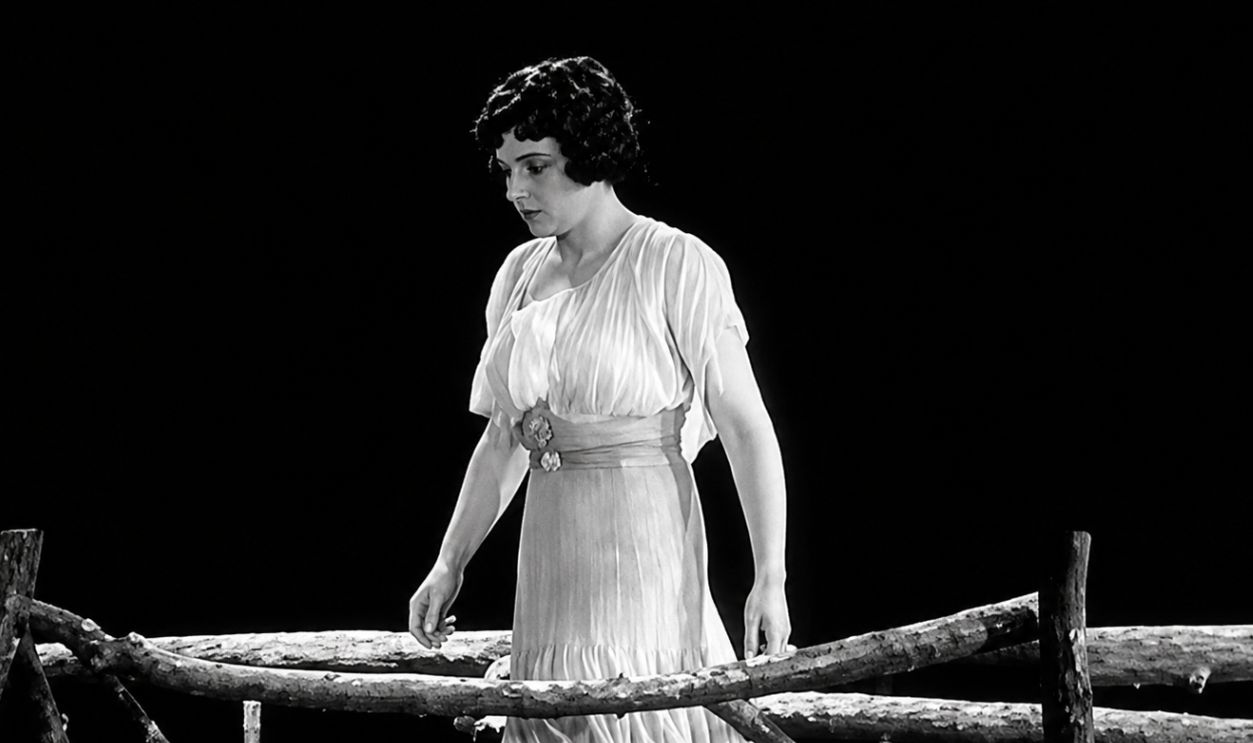 Screenshot from Heads Up, Paramount Pictures (1930), Enhanced
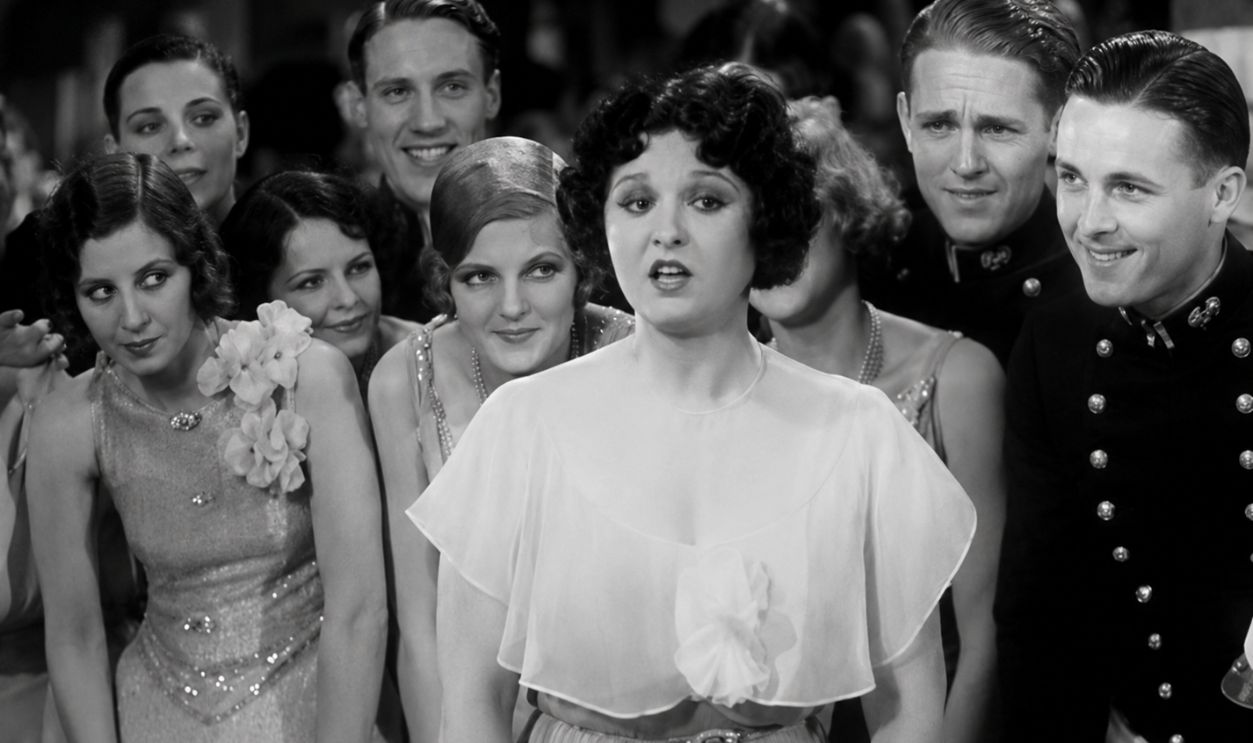
35. She Performed For Royalty
During this time, Kane began spending money that was no longer coming into her coffers, and she spent it lavishly. She bought several homes, traveled to Europe and Mexico, and generally, as she put it, “followed the seasons”.
However, to make some of what she was spending back, she also invested in businesses. Which is where her trouble really started.
 Screenshot from Heads Up, Paramount Pictures (1930), Enhanced
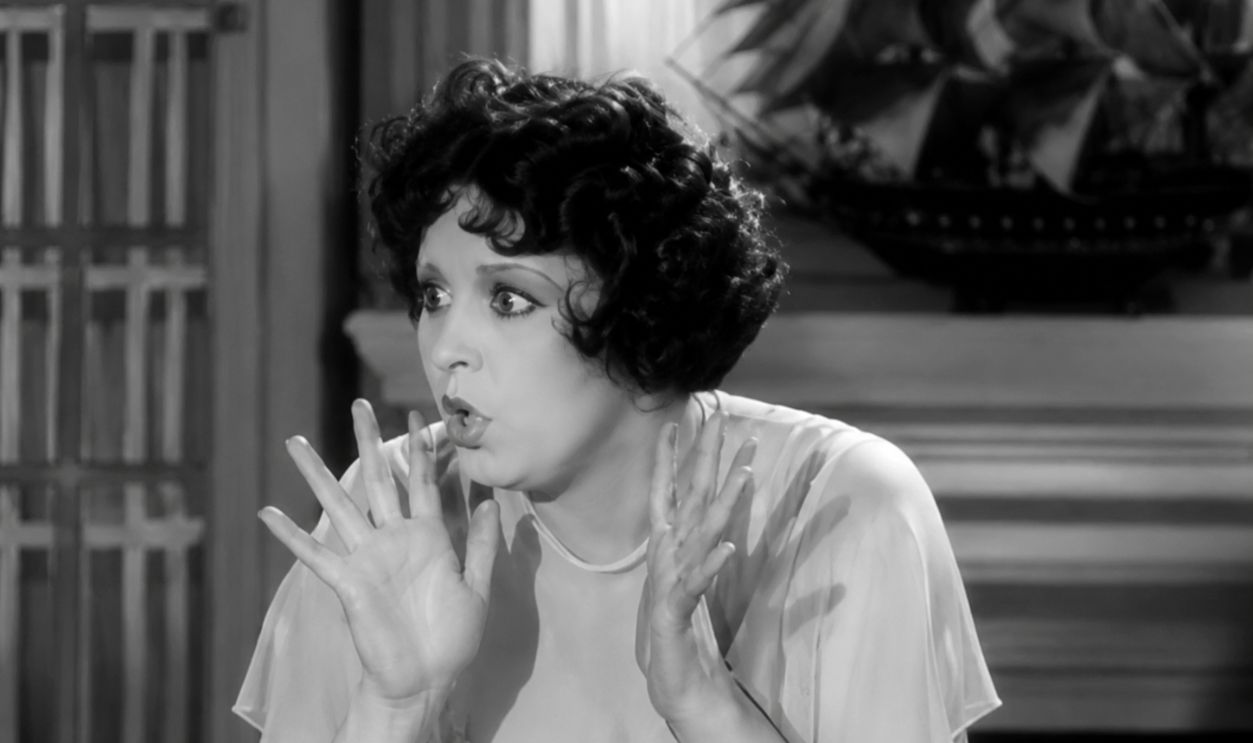
36. She Had Bad Instincts
Unfortunately, Kane didn’t invest in her businesses wisely, and none of them took off. Some of them even crashed and burned: in the mid 1930s, she made headlines when a dress firm she invested in went bankrupt. These were not the headlines Kane hoped to make, but she did try to turn it around.
 Screenshot from Heads Up, Paramount Pictures (1930), Enhanced
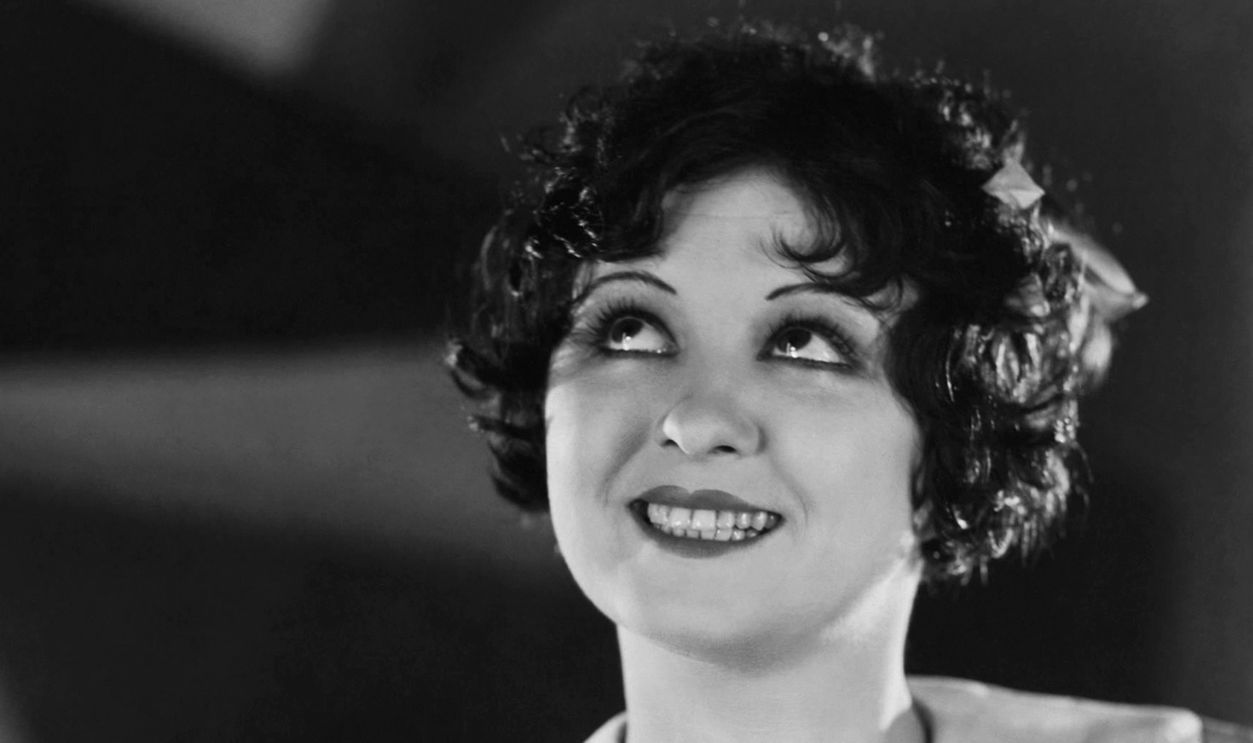
37. She Got Another Chance At Love
In 1939, perhaps sensing she needed help in her investments, Kane took a cue from her first marriage and married another businessman, Dan Healy. In fact, Healy was actually a figure from her past: They had met during her run on Good Boy at the height of her fame, so he had gotten to see her for better or for worse already. And it was different this time.
 Donaldson Collection, Getty Images
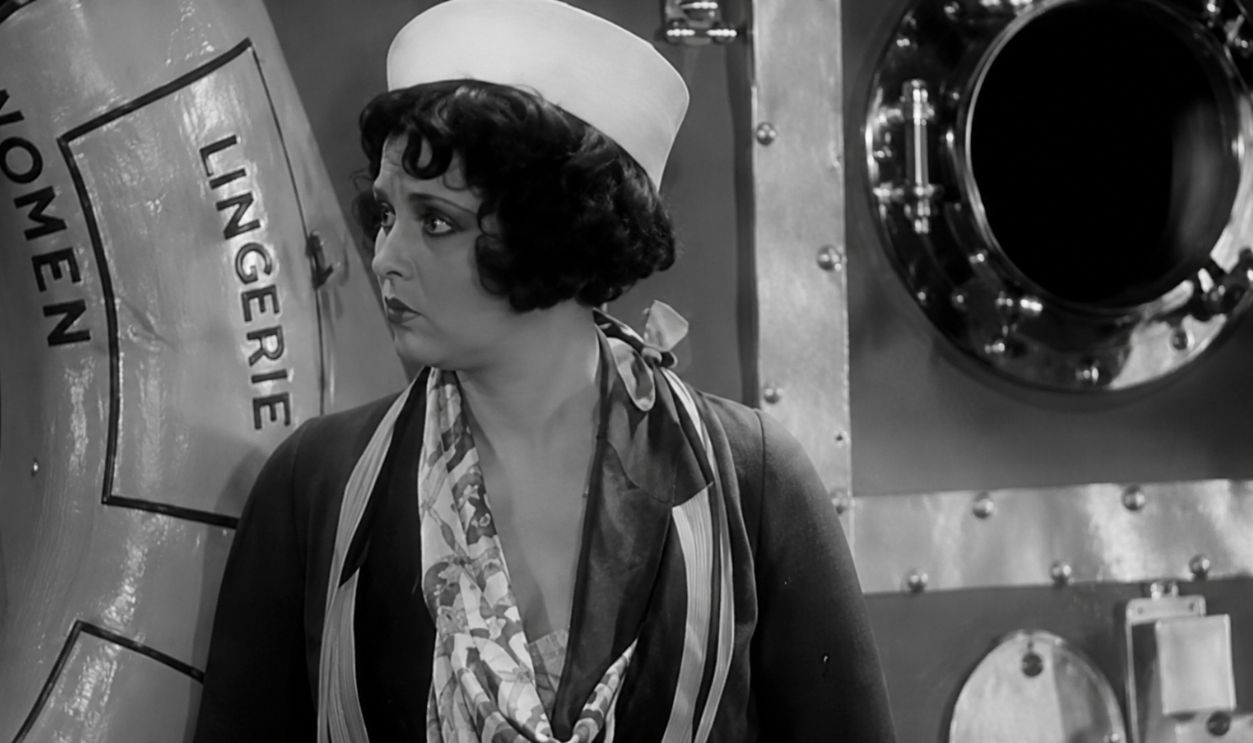
38. She Found The Right Man
Unlike Kane’s other marriages, the one to Healy stuck, and they remained married for the rest of their years. Moreover, Healy was beneficial to Kane, or at least he thought so. During one interview, the money man noted that her earlier endeavors must have failed because “there weren’t any businessmen in these businesses,” implying he would make it all better. This wasn’t necessarily the case.
 Screenshot from Heads Up, Paramount Pictures (1930), Enhanced
39. She Gave It Up
Although Kane and Healy now worked together in some joint business ventures, it was a mixed success at best. The opened a nightclub but quickly sold it to dubious profits, and soon after Kane decided she wanted to only be “Mrs Healy for a while,” apparently retiring to a life of domesticity. Only, she couldn’t stay away long.
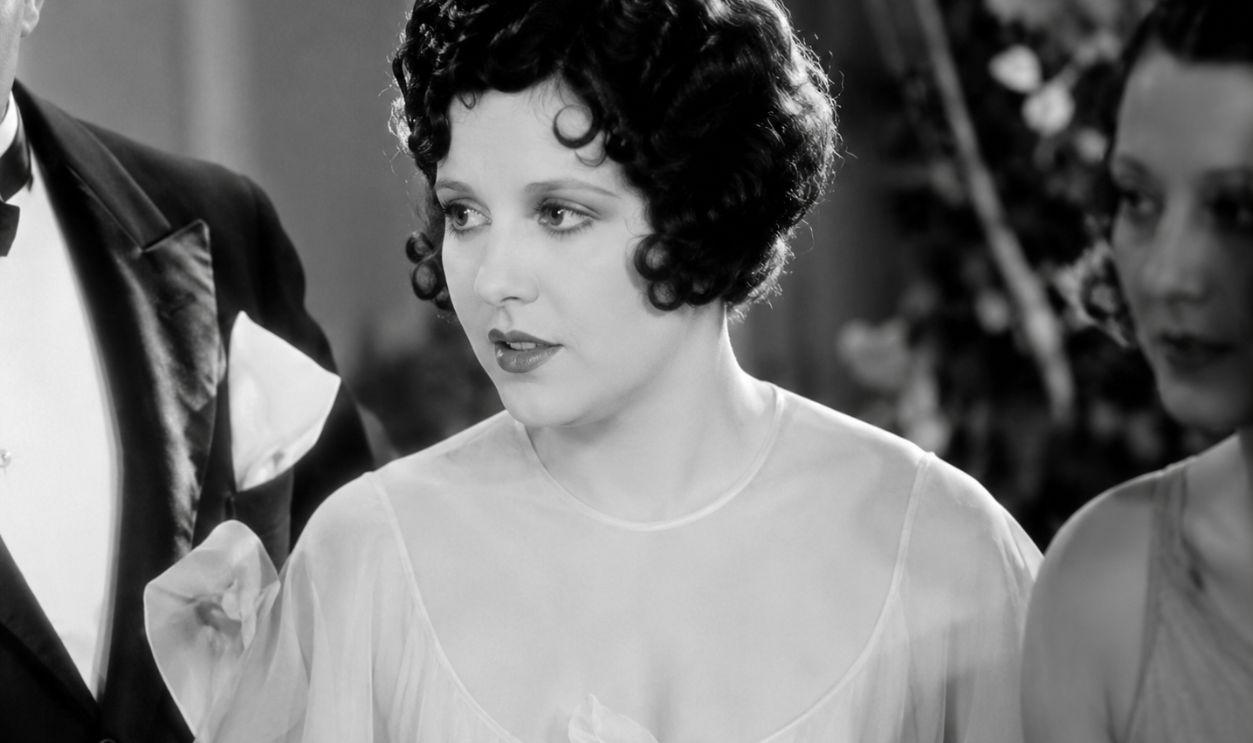 Screenshot from Nothing But the Truth, Paramount Pictures (1929), Enhanced
40. She Made A Comeback
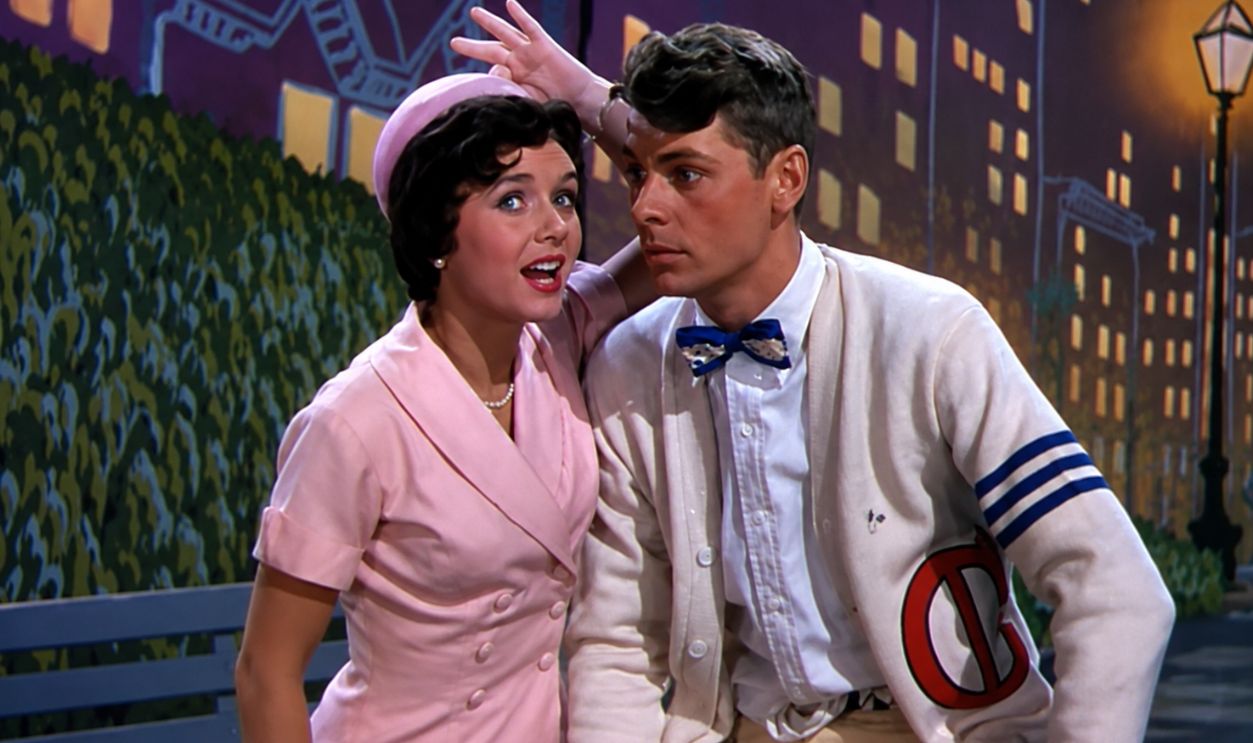
The 1950s, as removed as these “nuclear family” years were from Helen Kane’s time as a famous flapper, saw her making something of a comeback. After another war, people seemed ready for her voice again, and she got a bump in recognition when she dubbed Debbie Reynolds’ singing “I Wanna Be Loved by You” in Three Little Words. More success followed, but only of a kind.
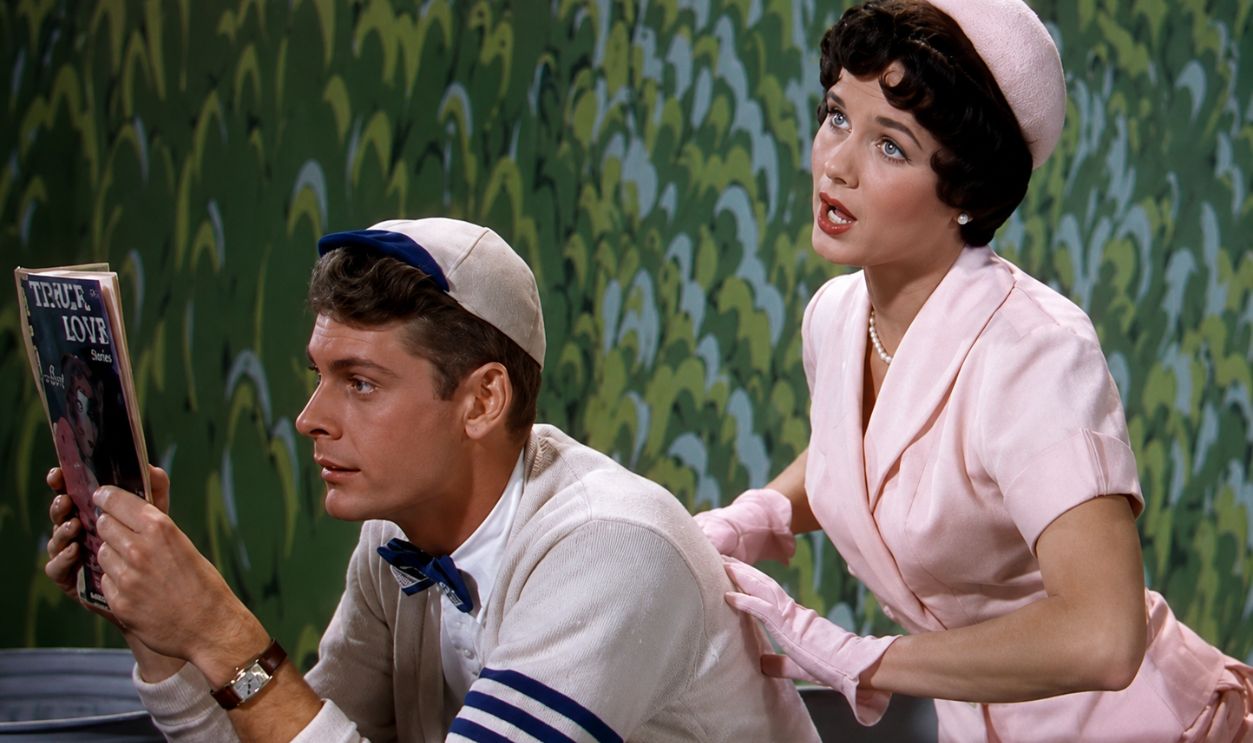 Screenshot from Three Little Words, Metro-Goldwyn-Mayer (1950), Enhanced
41. She Was Lost To Time
The tenor of Kane’s appearances during this time was bittersweet. She appeared on the CBS show I’ve Got a Secret, where her secret was “I was the boop-boop-a-doop girl,” putting her fame firmly behind her and fit mostly for nostalgia. Even so, this nostalgia did work, and her appearance helped earn her a one-record contract with MGM. It just could only go so far.
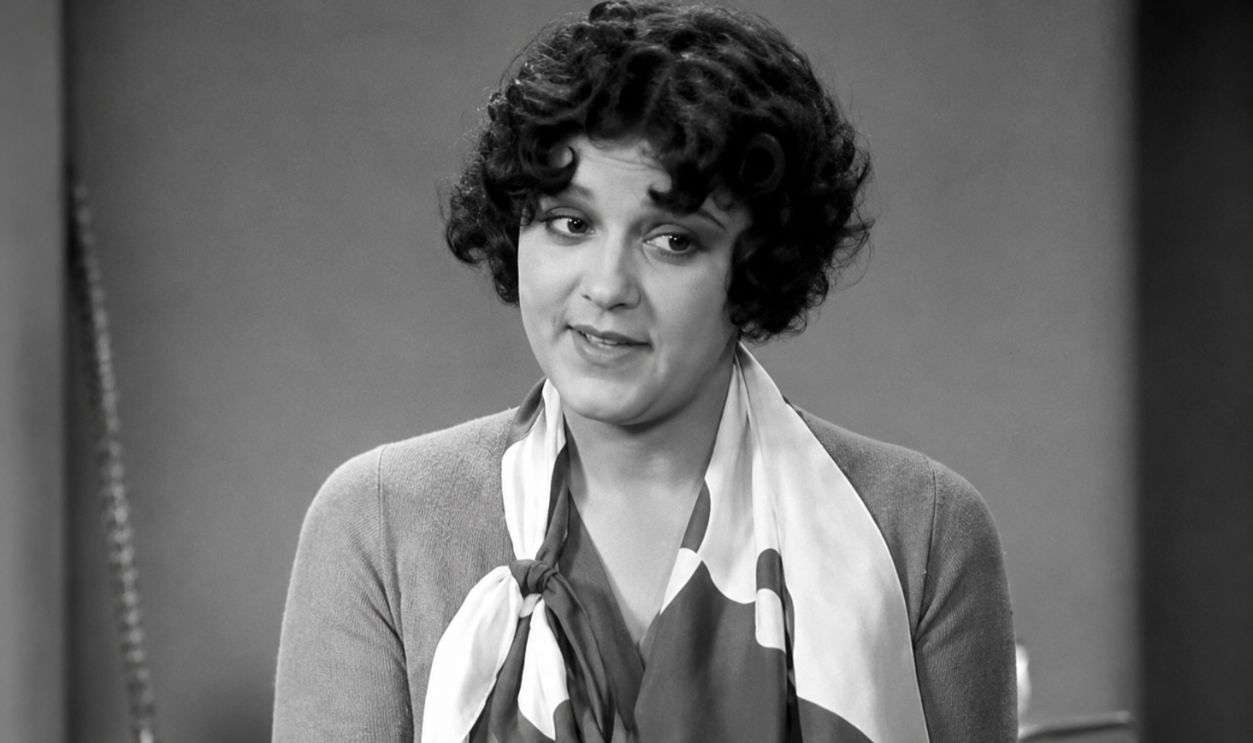 Screenshot from Paramount on Parade, Paramount Pictures (1930), Enhanced
42. They Barely Remembered Her
In 1955, Helen Kane made a semi-triumphant return to the Palace, the place she had first made her name, to sing “I Wanna Be Loved by You”. As one critic who saw the performance reported, “the old-timers and young old-timers applauded lustily and the rock ‘n’ roll set clapped politely”.
If these comebacks seemed a bit like consolation prizes, there was a reason for that.
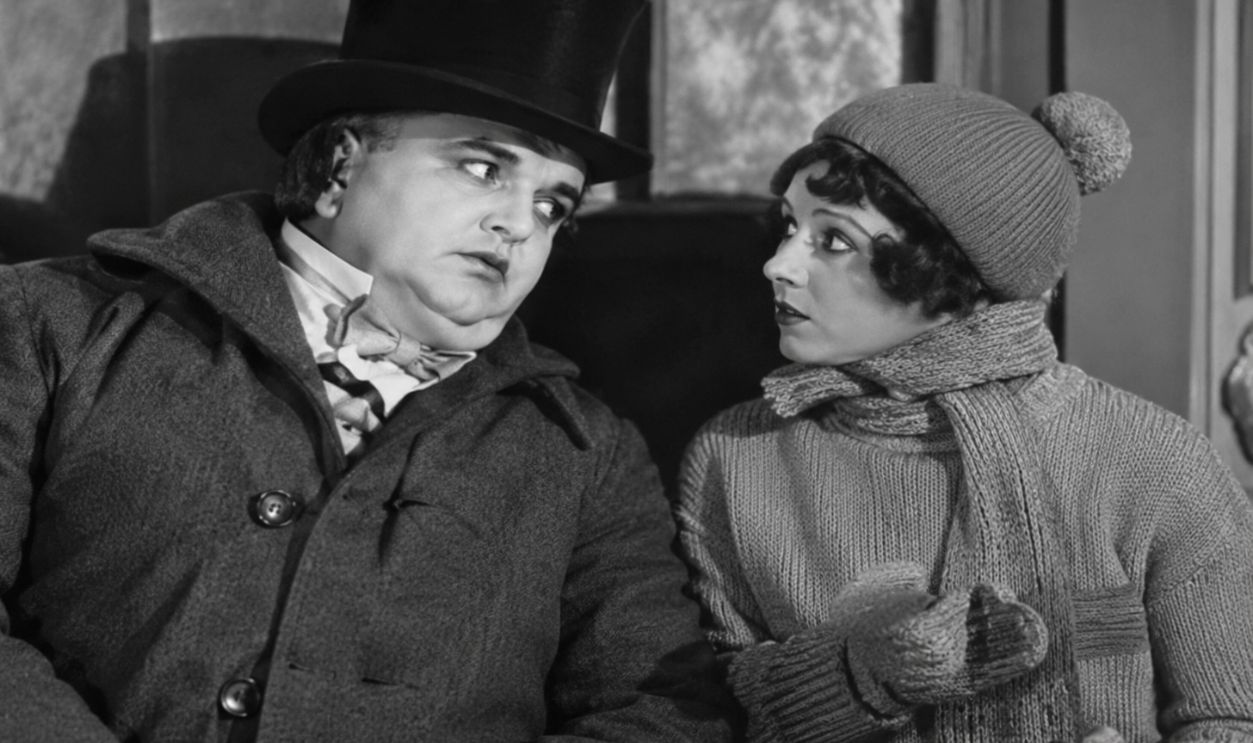 Screenshot from Dangerous Nan McGrew, Paramount Pictures (1930), Enhanced
43. She Had A Tearful Reunion
In her later life, Kane seemed to downplay the difficulties she experienced after losing the Fleischer case and her popularity. Nonetheless, these disappointments did take a toll, and that toll was heavier than many imagined.
In a 1958 tribute to Kane on This Is Your Life, Kane tearfully reunited with actress Fifi D’Orsay—who held one of Kane’s most tragic secrets.
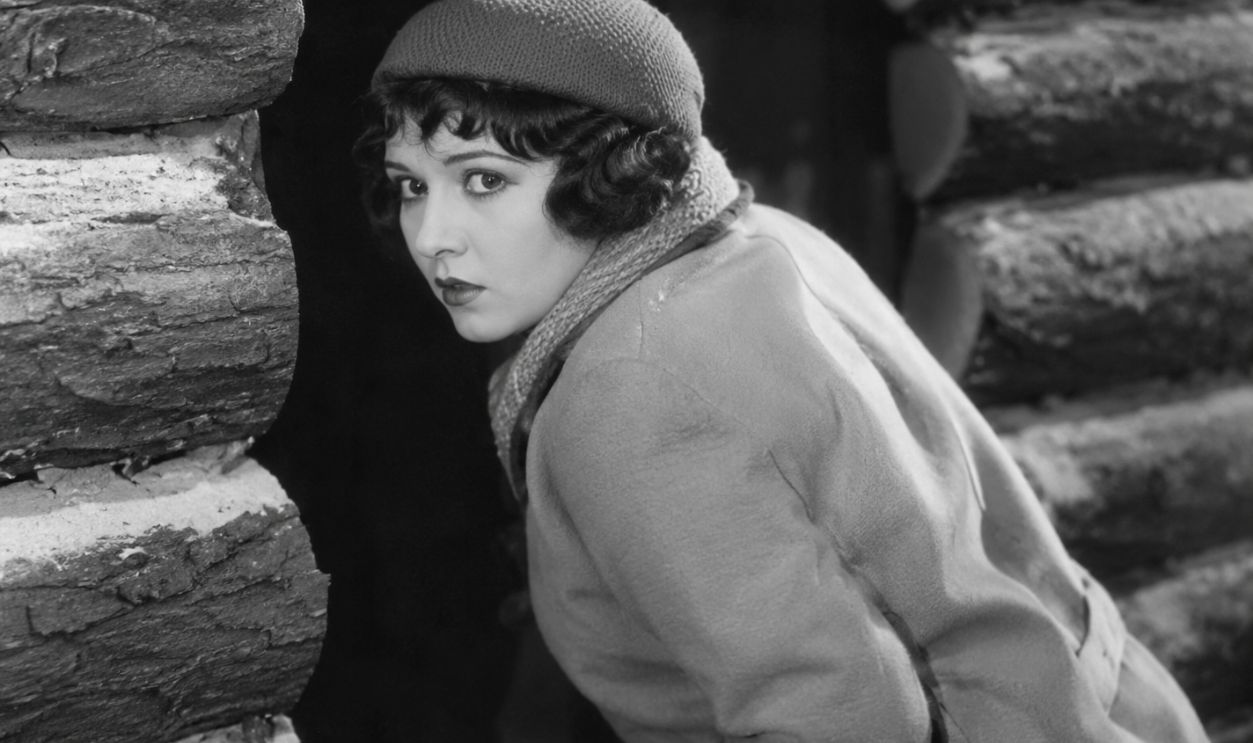 Screenshot from Dangerous Nan McGrew, Paramount Pictures (1930), Enhanced
44. She Was Close To The Edge
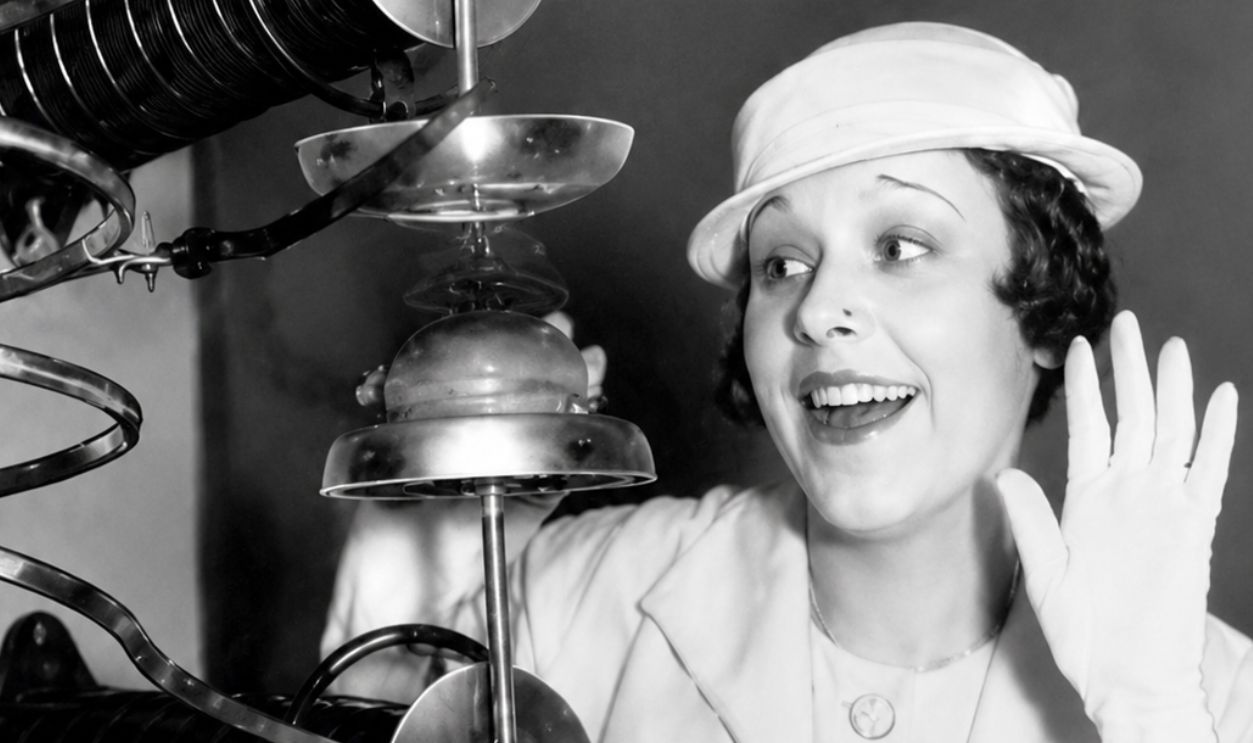
D’Orsay had actually begun as a fan of Helen’s, but soon it was Kane who needed D’Orsay as a friend, and needed her desperately. During her fallow years, Kane was so strapped for cash that D’Orsay had once sent her money to see her through, which might account for the tearful part of their reunion. But this wasn’t the only secret Kane was keeping.
45. She Got A Chilling Diagnosis
Even in the middle of Kane’s comeback, it was all falling apart for her behind the scenes. In the mid 1950s, when she was still only in her 50s, doctors diagnosed the singer with breast cancer. Unprepared to bow out, Kane spent the next decade undergoing a grueling treatment regime. One that might have broken anyone else.
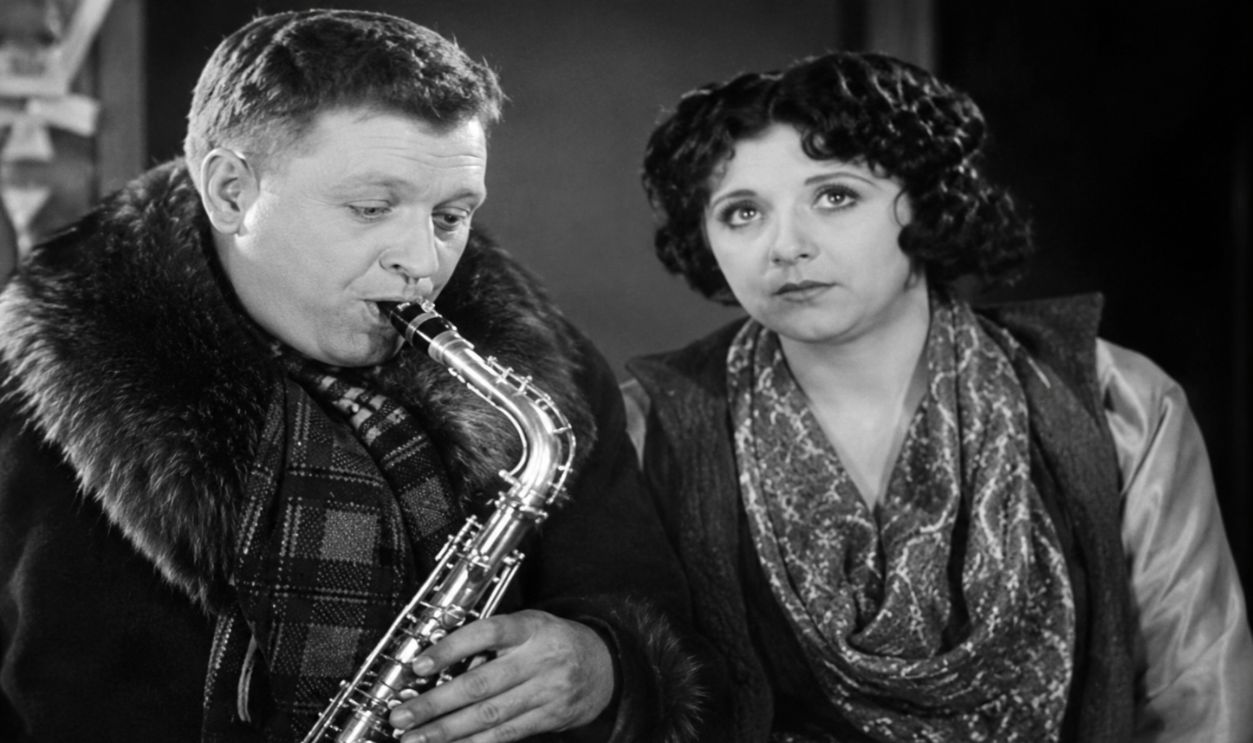 Screenshot from Dangerous Nan McGrew, Paramount Pictures (1930), Enhanced
46. She Fought Like Hell
Helen Kane now proved she was no mere baby vamp or flash in the pan, but a committed fighter. She not only went through surgery for the cancer, she also reportedly submitted herself to 200 radiation treatments to try to contain the illness and give her more years to live. But she couldn’t outrun her end.
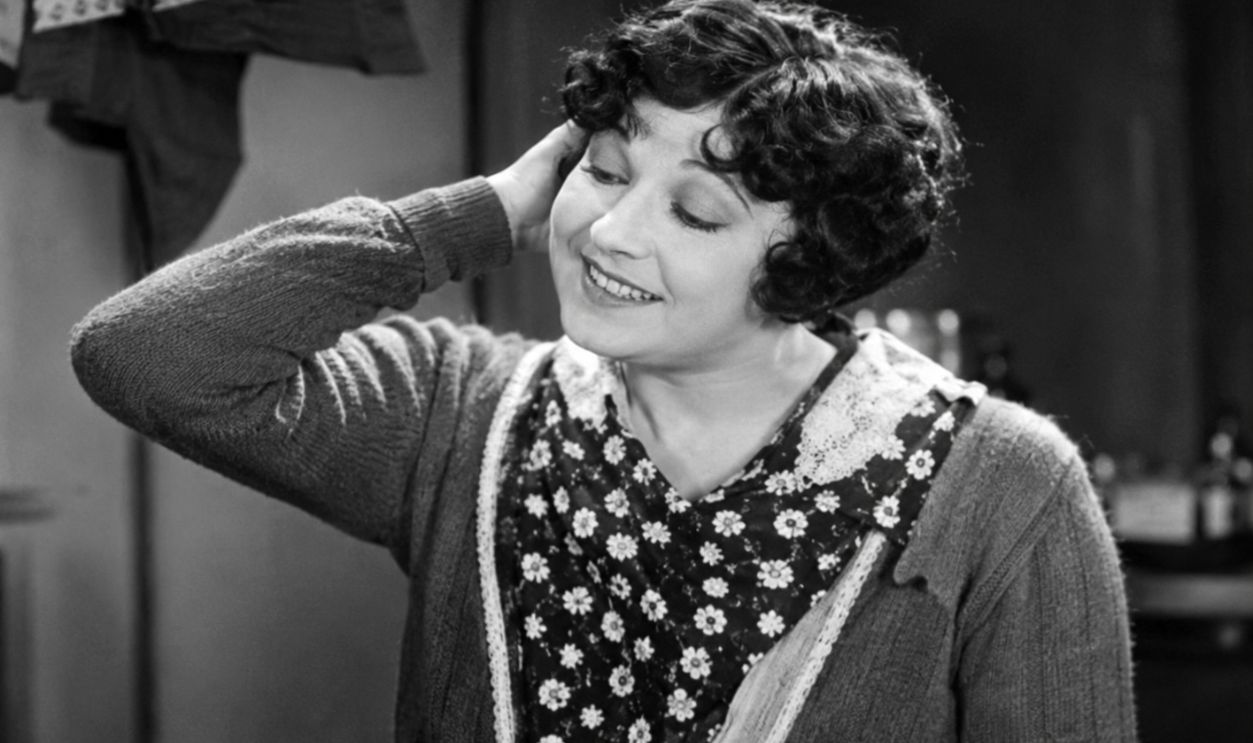 Screenshot from Dangerous Nan McGrew, Paramount Pictures (1930), Enhanced
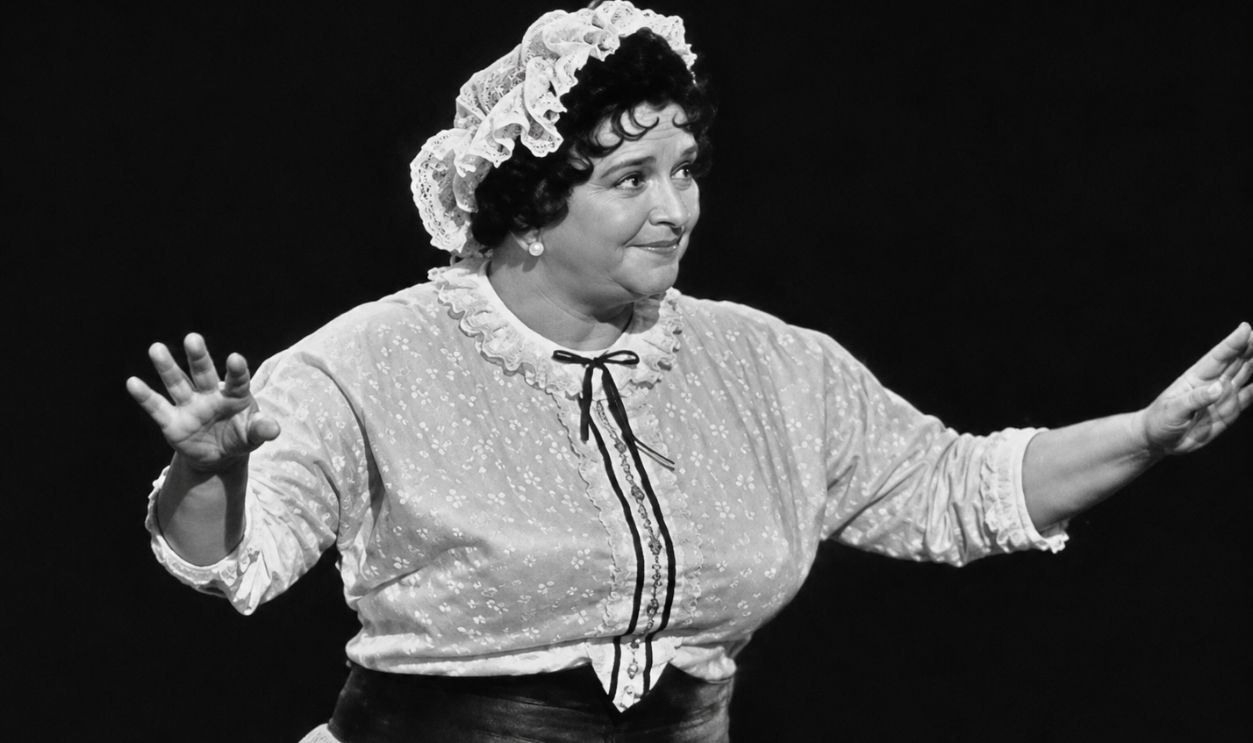
47. She Worked Until The Very End
Helen Kane stayed true to her showbiz roots and kept working up until practically the very end. In 1965, just months before her end, she even appeared on The Ed Sullivan Show on St Patrick’s Day. Even then, Few people could likely tell what was really going on, or how fast Kane would deteriorate.
 Screenshot from The Ed Sullivan Show, CBS (1948-1971), Enhanced
48. She Was Her Own Biggest Fan
On September 26, 1966, Helen Kane passed at the age of only 62 from her cancer. Nonetheless, she went out on brand: The day before she died, she and her husband Dan Healy watched her dubbed performance of “I Wanna Be Loved by You” in Three Little Words.
It was a happy, comfortable ending to a hardwon life, but she’d still been done very, very wrong.
 Screenshot from Three Little Words, Metro-Goldwyn-Mayer (1950), Enhanced
49. The Truth Came Out
Around 1990, an elderly man named Grim Natwick made a deathbed confession—and though Kane had passed decades earlier, it revealed the most tragic secret about her yet. As it happened, Natwick was one of the main cartoonists who worked on Betty Boop and, all these years later, he finally admitted he had based her design off a photo of Helen Kane, and that she had been right all along.
 The Fleischer Brothers, Wikimedia Commons, Enhanced
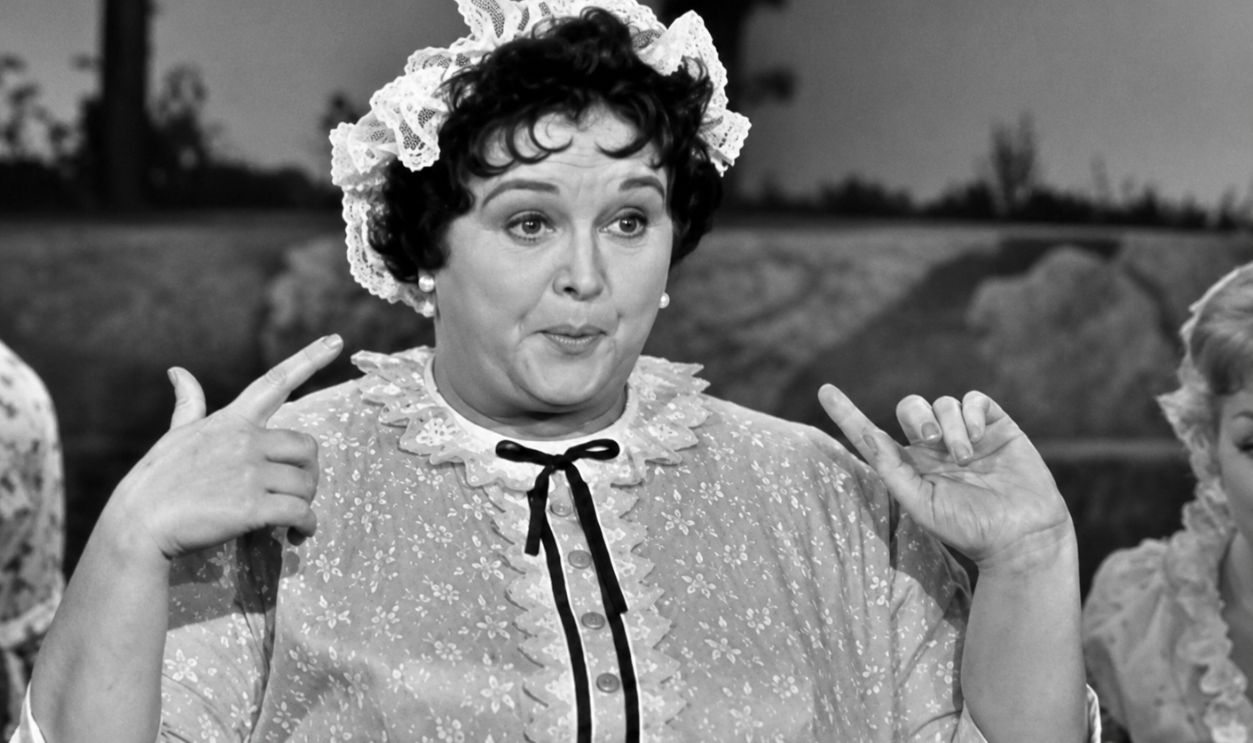
50. History Did Her Wrong
Sadly, Helen Kane’s cartoon imitation Betty Boop proved to have a much bigger legacy than Kane herself; while everyone knows Betty, few can remember the woman who inspired her. Even more tragically, Kane never saw a single penny for the way Fleischer used her image, and ruined her reputation trying to defend it. All to be vindicated in the end, but far too late.
 Screenshot from The Ed Sullivan Show, CBS (1948-1971)
You May Also Like:
Natalie Wood’s death was one of Hollywood’s most enduring mysteries—until the captain of her yacht changed his story.