She Was A Queen Like No Other
Grace O'Malley was the 16th-century Irish clan leader whose fierce defense of Irish interests against English incursions earned her the title “The Pirate Queen”. But her reign came at a cost as she navigated the rough waters of loss and betrayal, and even went toe-to-toe with Queen Elizabeth I.
1. She Was Born Into English Rule
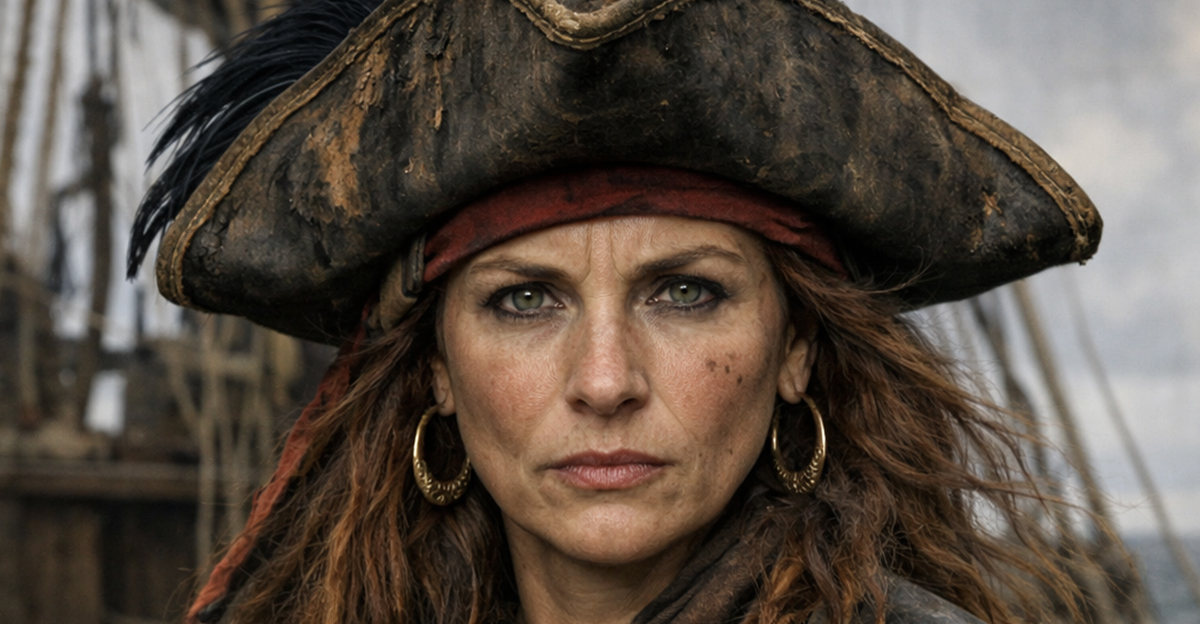
Grace O’Malley was born sometime around 1530 in an Ireland fighting for freedom. At the time of her birth, King Henry VIII, who had styled himself Lord of Ireland, believed he had the right to rule the far-flung island from his throne in England. English authority pressed hard against Gaelic clans, demanding an Irish ruler who could fight back.
O'Malley would rise to the occasion.
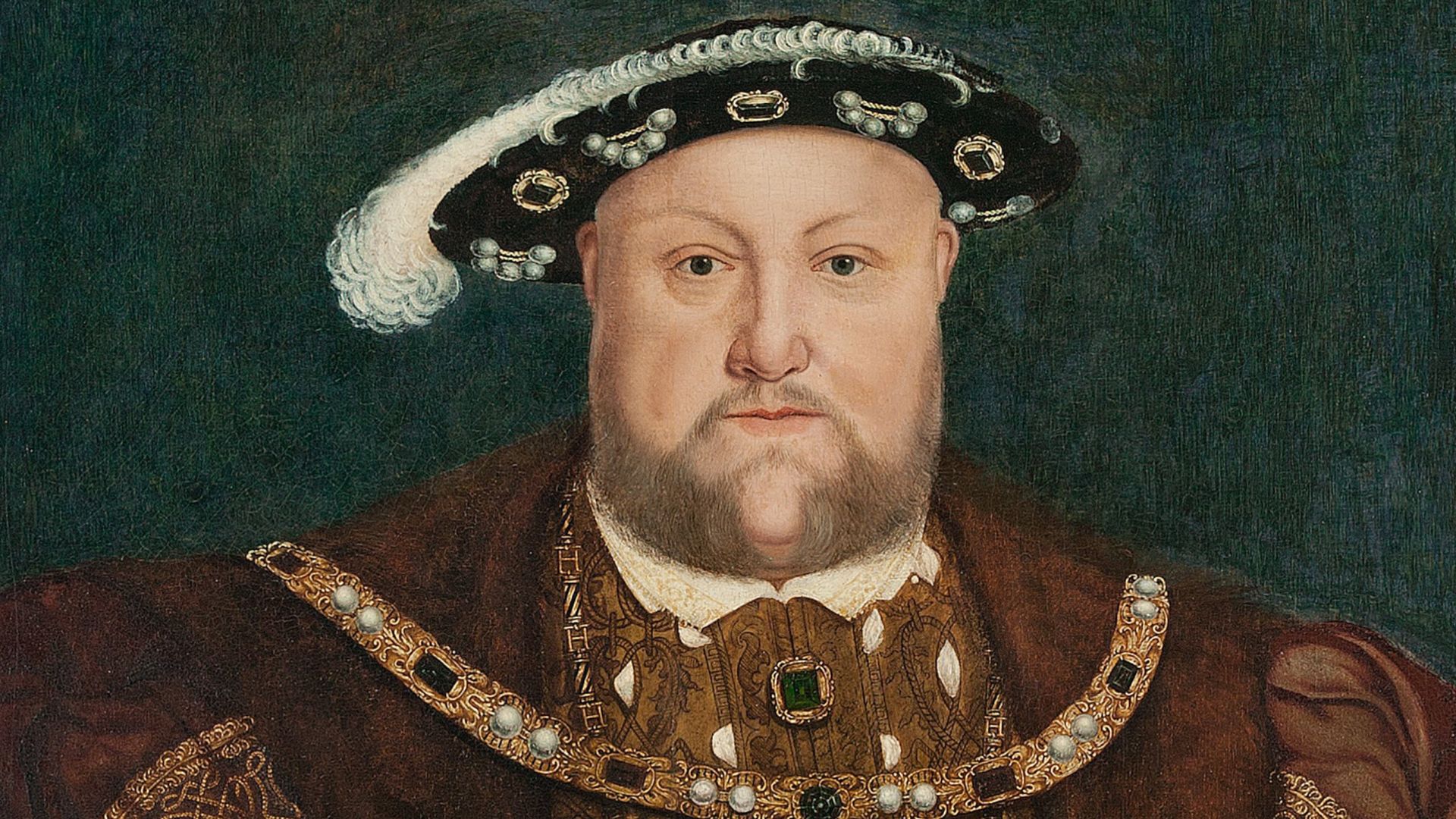 After Hans Holbein the Younger / Formerly attributed to Lucas Horenbout, Wikimedia Commons
2. Her Father Ruled The Waves
Grace O'Malley was a royal in her own right. As the daughter of Eóghan Dubhdara Ó Máille, chieftain of the Ó Máille (O’Malley) clan and Lord of Umhaill, she was every bit as royal as her English counterparts. Her father had a stronghold in Clew Bay, from where he commanded ships, ports, and ocean trade routes—giving Grace a front-row seat to maritime authority.
Authority she would use to devastating effect.
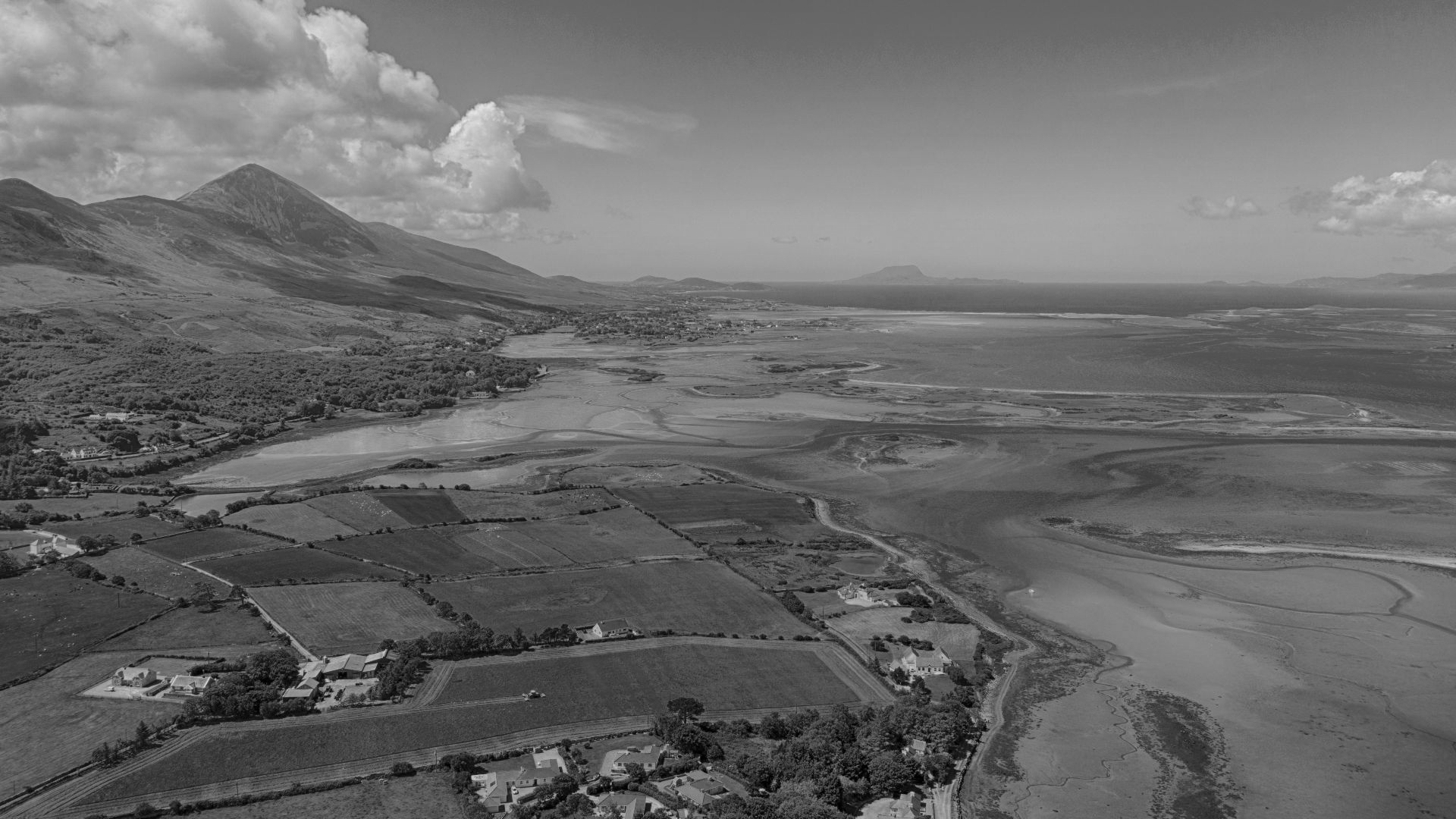 MickReynolds, Wikimedia Commons
3. She Inherited A Seafaring Legacy
The Ó Máille clan didn’t just live by the sea—they owned it. They controlled vital routes along Ireland’s western coast, collecting tolls from fishermen and traders alike. For the young O'Malley, ships weren’t symbols of adventure; they were instruments of power, protection, and profit. She just wasn't allowed to go on one.
 Grainne Uaile: The Movie, Loose Gripp Films

History's most fascinating stories and darkest secrets, delivered to your inbox daily.
4. She Was An Only Daughter
O'Malley's mother, Margaret (or Maeve) Ní Mháille, bore only one child in her marriage, making Grace her father's sole heir. Or, at least, sole legitimate heir. O'Malley had a half-brother, Dónal na Píopa, from her father's previous marriage. In an era when women couldn't inherit their father's titles, O'Malley seemed like the unlikeliest person to rise up and defend Irish sovereignty.
It was a legacy, however, that she would claim as her own from a young age.
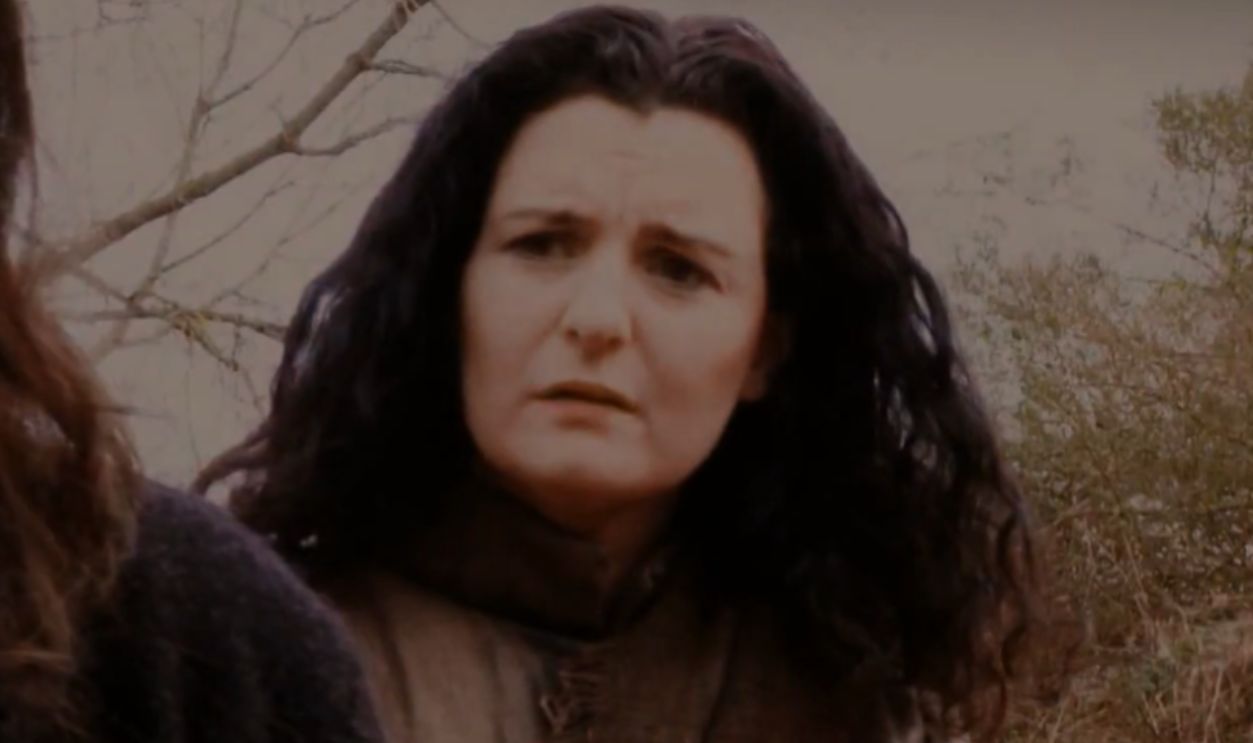 Screenshot from Grace O' Malley: A Prelude to a War, Loose Gripp Films (2013)
5. She Grew Up Between Land And Sea
Grace O'Malley was born to the sea just as she was to the island of Ireland. Historical records suggest that she likely split her childhood between family strongholds at Belclare and Clare Island. Surrounded by stone towers, tidal inlets, and constant maritime traffic, she may also have received instruction at a nearby monastery—an unusual education for a girl.
But she was an unusual kind of girl.
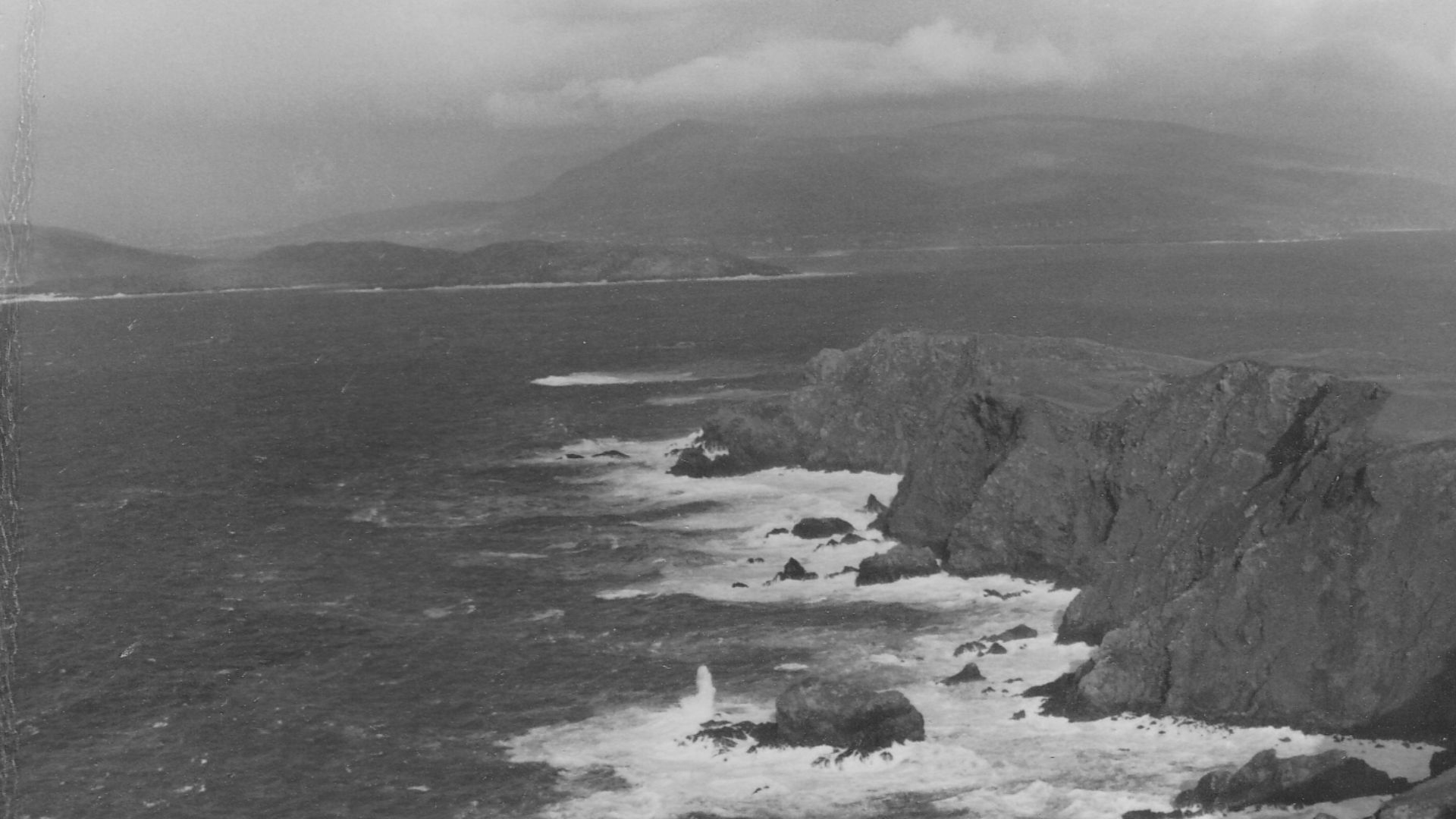 Ridiculopathy, Wikimedia Commons
6. She Wasn't Allowed To Set Sail
Irish legend tells of O'Malley's eagerness to set sail. When her father was preparing to embark on a trading voyage to Spain, the young Pirate Queen begged to join the expedition. But her father wouldn't let her set sail. He said that her hair was too long and that it risked getting caught in the ship’s rigging.
Her response was that of a true little pirate.
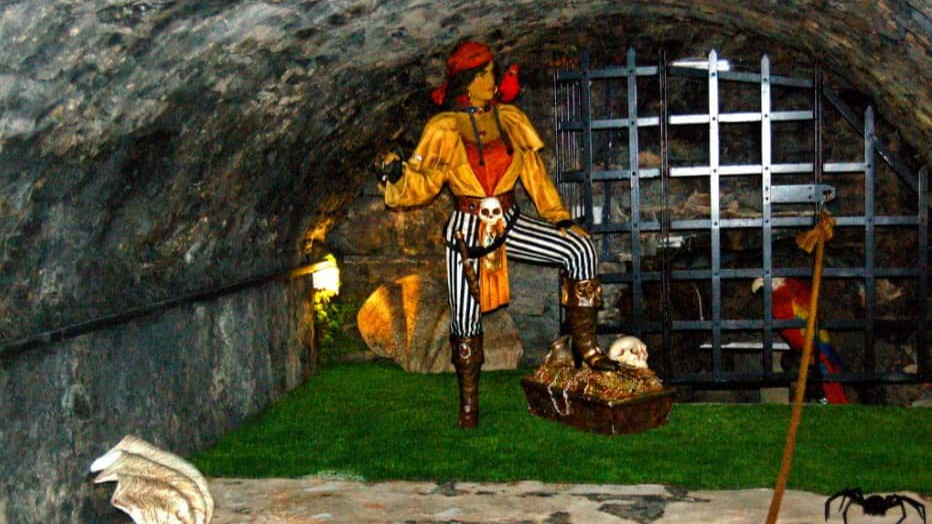
7. She Went “Bald”
O'Malley's response to her father's refusal to let her aboard the ship became the stuff of legend—and foreshadowed her later resolve. Instead of complaining and storming off, O'Malley cut off most of her hair, either as a way to defy her father or to disguise herself among the ship's crew. Either way, the bold move earned her the nickname “Gráinne Mhaol,” meaning “Bald Grace”.
Hairless or not, she was still a catch.
 Suzanne Mischyshyn, Wikimedia Commons
8. She Married Into Even More Power
At just 16, Grace O'Malley had her first real taste of power when she married Dónal an Chogaidh Ó Flaithbheartaigh (O'Flaherty). O'Flaherty was the heir to a powerful neighboring clan that promised to bring more ships, wealth, men, and power to her O'Malley clan. With the union, O'Malley extended her reach across western Ireland, binding land-based authority to her growing maritime influence.
9. She Built A Small Kingdom
Marriage brought O'Malley immense wealth, including vast herds of cattle and horses to add to her maritime fleet. She also became a mother to three children—Eóghan (Owen), Méadhbh (Maeve), and Murchadh (Murrough)—securing her lineage and officially binding the O'Flaherty and O'Malley clans.
However, just as it seemed she had secured her Kingdom, the English pulled it out from under her.

10. Her Husband Lost His Title
In 1564, O'Malley’s husband lost everything. Far away in England, Queen Elizabeth I moved to recognize the claim of one of O'Flaherty's rivals for leadership of the mighty clan. As if matters couldn't get any worse for O'Malley, her husband was about to lose a whole lot more than just his clan leadership and power.
History's most fascinating stories and darkest secrets, delivered to your inbox daily.
11. She Lost Her First Husband
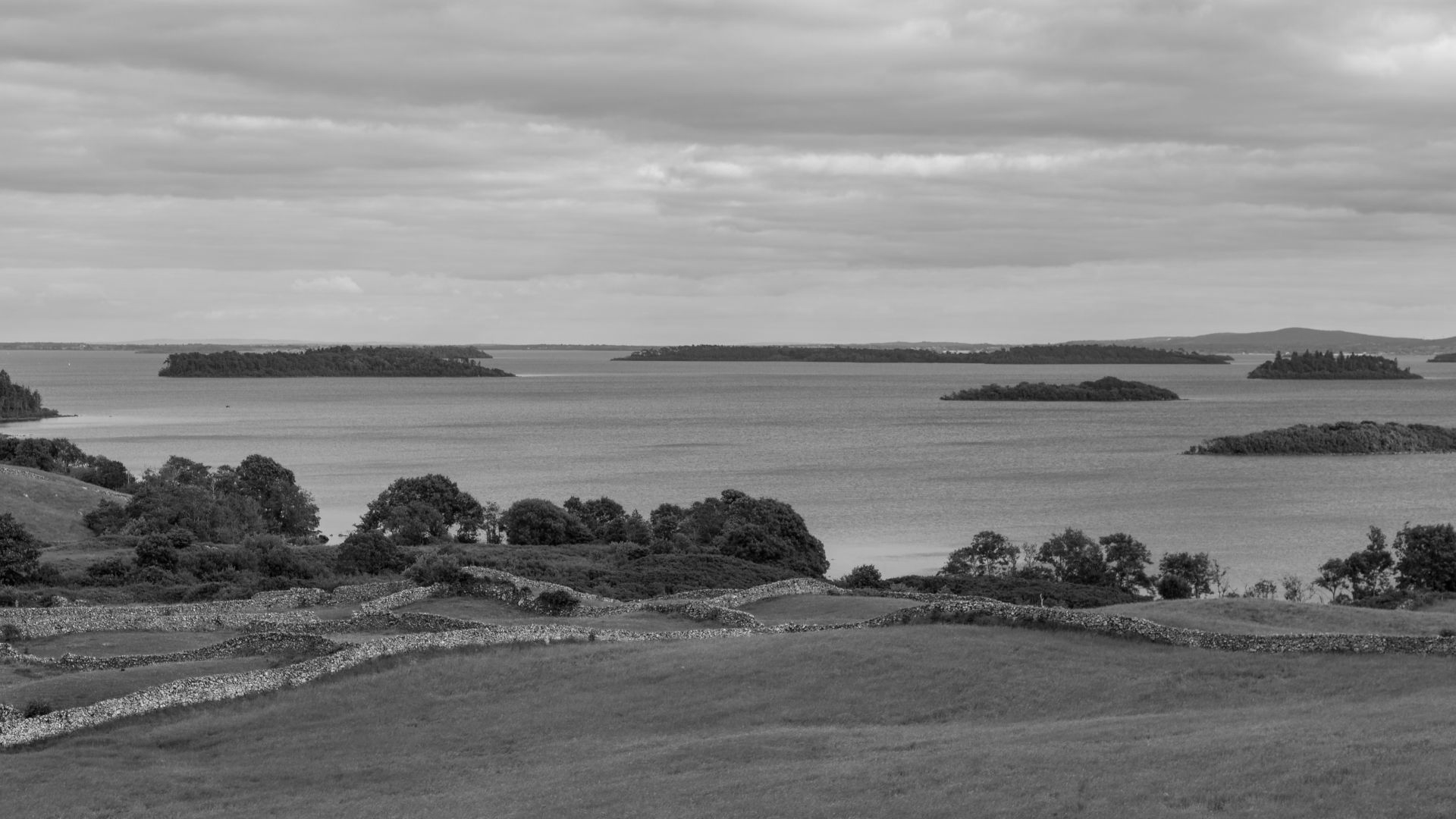
In 1565, disaster struck. While hunting near Lough Corrib, O'Flaherty was caught in an ambush. Ironically, it wasn’t the English. Instead, the ambush was part of O'Flaherty’s ongoing feud with Clan Joyce over Hen’s Castle. In that single moment, O’Malley lost both her husband and her political footing.
But not her resolve.
 JoachimKohler-HB, Wikimedia Commons
12. She Held The Castle Alone
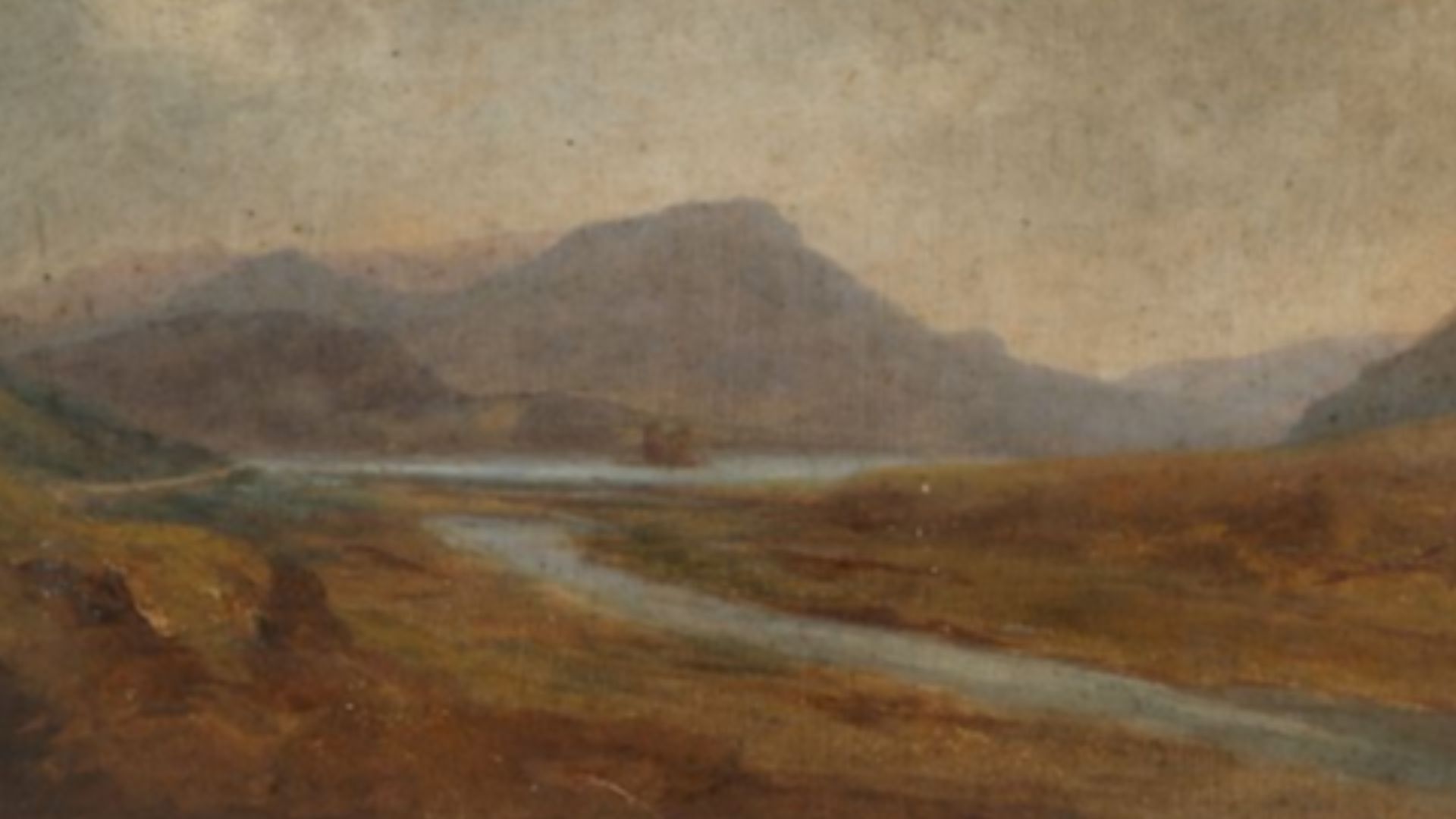
Clan Joyce wasted no time pressing their advantage, believing that O’Malley was defenseless without her husband. The opposing clan moved to seize Hen’s Castle after O'Flaherty’s fall—but O’Malley proved that she was no regular dame. She answered clan Joyce’s attack with force and resolve, rallying defenders and driving her attackers back.
The fortress held—and so did her reputation as a fearsome leader.
 William Howis senior, Wikimedia Commons
13. She Claimed Her Own Title
O’Malley didn’t simply accept her fate as a widow of the O'Flaherty clan. Thanks to the English, she did not inherit her husband’s chieftain title—not that she needed it anyway. Instead, she returned to her own lands in County Mayo, bringing seasoned O'Flaherty warriors with her. The message was clear: she was the Queen now.
 Kiran Madhusudhanan, Wikimedia Commons
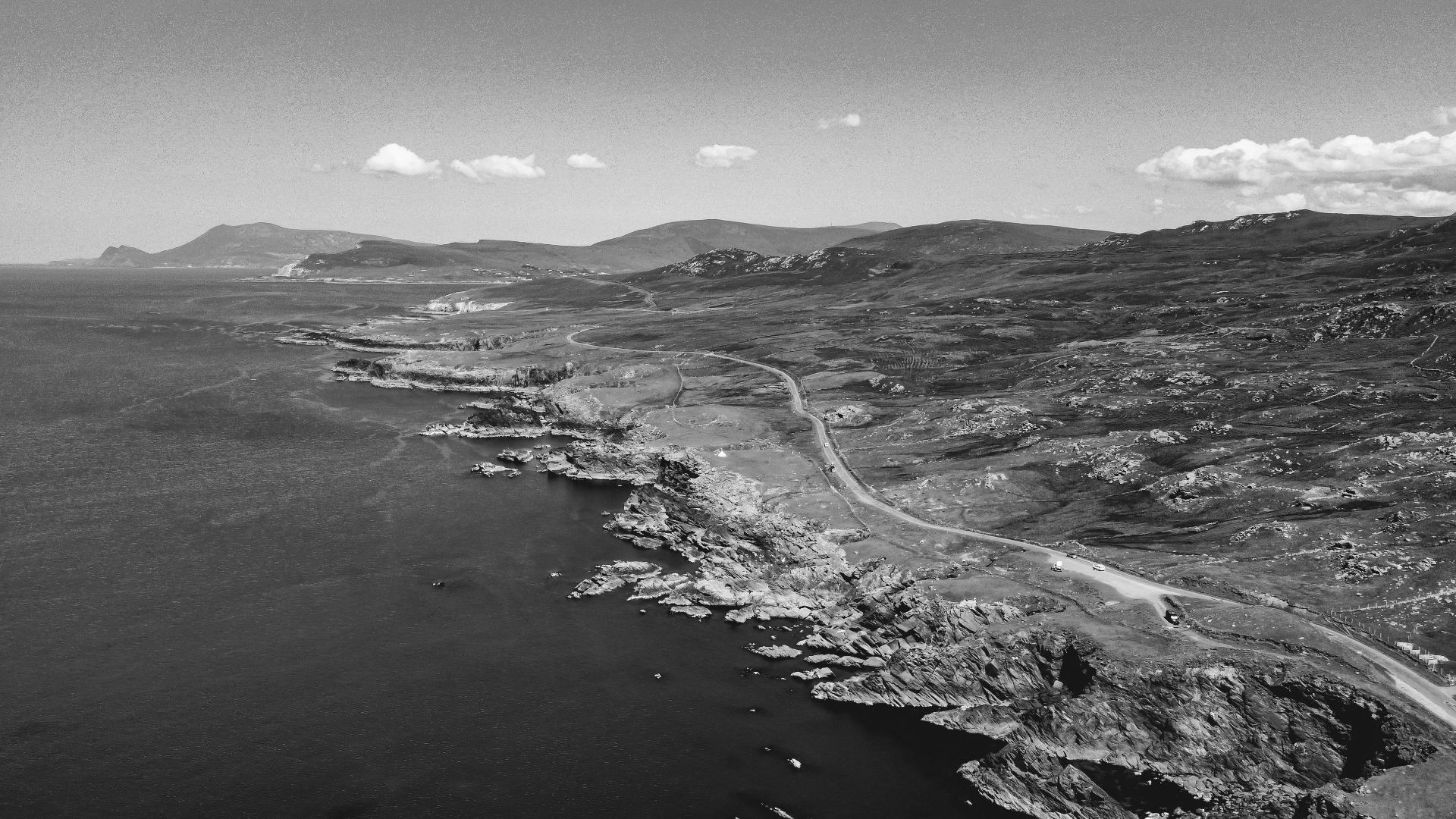
14. She Ruled From Clare Island
Back on O’Malley territory, the Pirate Queen established Clare Island as her principal stronghold from which she would defend and protect her land and subjects. But she wasn’t exactly alone. Local lore has it that O’Malley took in a shipwrecked sailor and made him her lover. Unfortunately, their affair ended abruptly when the McMahon clan claimed his head.
They should have known better than to cross the Pirate Queen.
 Grainne Uaile: The Movie, Loose Gripp Films
15. She Went “Dark”
Once again, O’Malley proved to be tougher than the men in her life. Instead of bowing to the McMahon clan after they offed her lover, she sought vengeance. O’Malley struck at the MacMahon stronghold of Doona Castle, getting her ultimate revenge on Caher Island. The ruthless campaign earned her a chilling new name: the “Dark Lady of Doona”.
 Grainne Uaile: The Movie, Loose Gripp Films
16. She Tried A New Husband
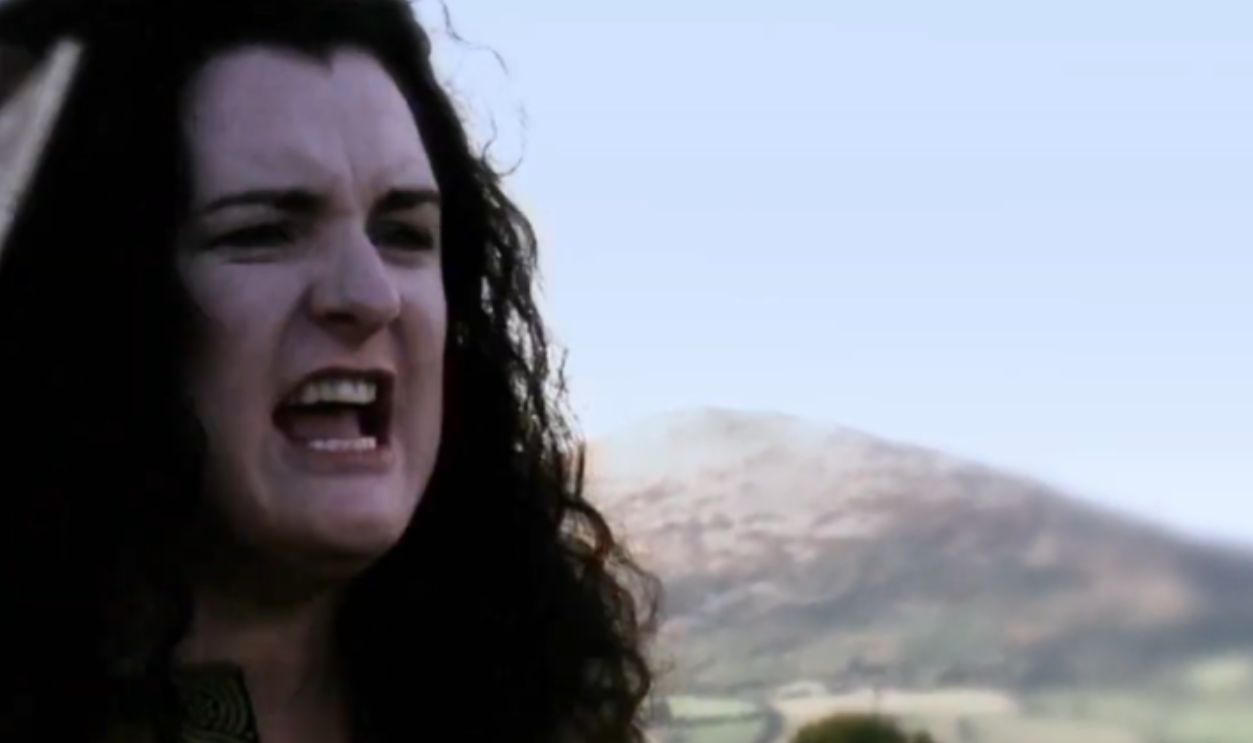
By 1566, with her revenge campaign over, O’Malley was ready for a second marriage. This time, she made sure to marry a man as tough as she was, tying the knot with Risdeárd an Iarainn Bourke, known as “Iron Richard”. That said, O’Malley wasn’t in love with Bourke, and secured a one-year trial period under Irish law.
The marriage, apparently, didn’t go so well.
 Screenshot from Grace O' Malley: A Prelude to a War, Loose Gripp Films (2013)
History's most fascinating stories and darkest secrets, delivered to your inbox daily.
17. She Dismissed Her Husband
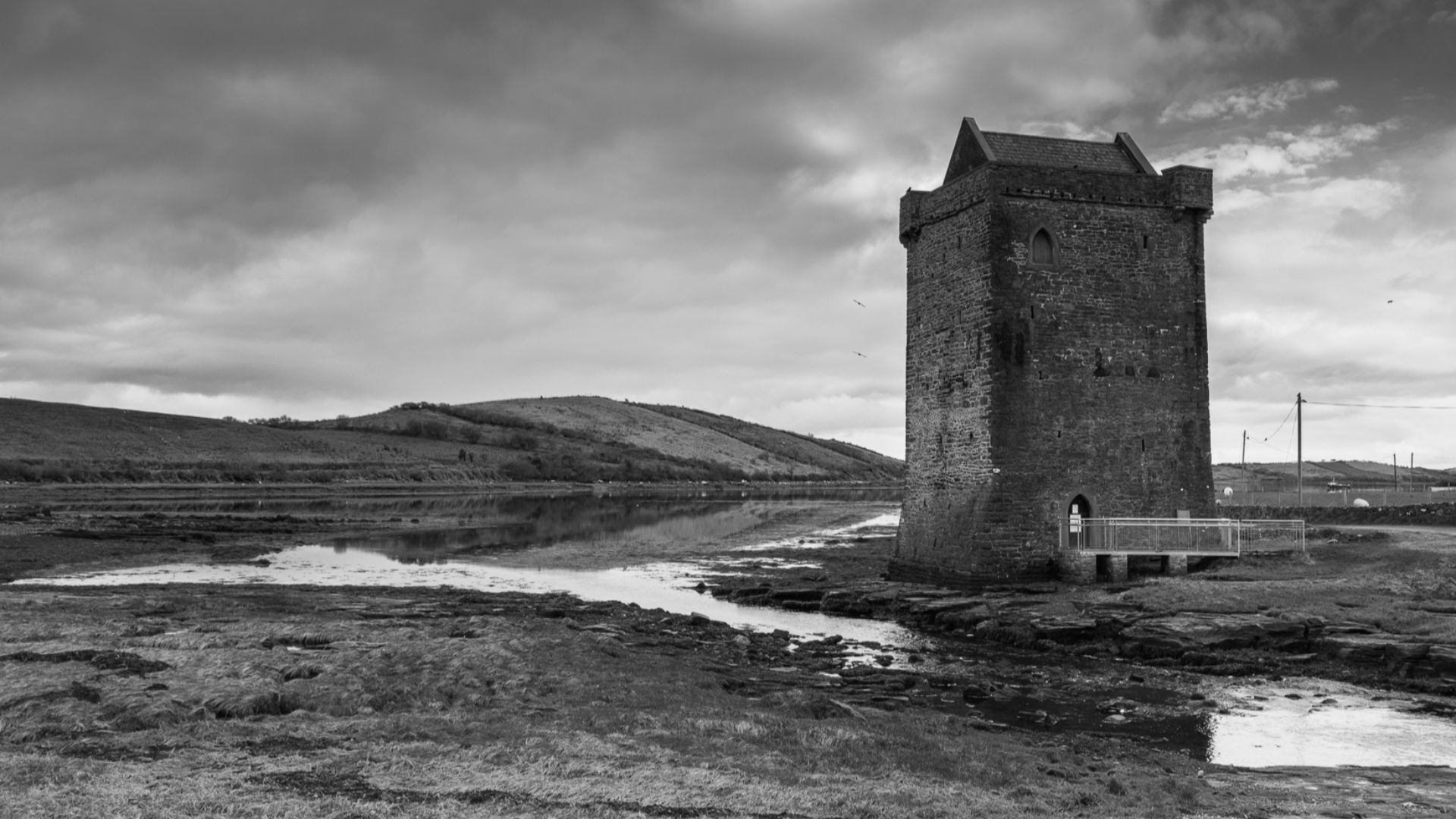
No sooner than O’Malley and “Iron Richard” had a son—Tibbot na Long, “Tibbot of the Ships”—was their marriage over. Legend has it that when the one-year trial period of their marriage ended, O’Malley kicked Bourke out of Rockfleet Castle, locked the doors, shouted down from the ramparts, “I dismiss you”. Remarkably, the two remained political allies.
Not that she needed any.
 MickReynolds, Wikimedia Commons
18. She Took Her Father’s Throne
When O’Malley’s father passed on, all of Ireland and England thought that it would be Dónal, her brother, who would inherit their father’s throne. But, by that time, O’Malley had proven herself a more than capable leader and took control of the O’Malley lordship. Her ascension over her brother was a testament not just to her abilities, but a sign of things to come.
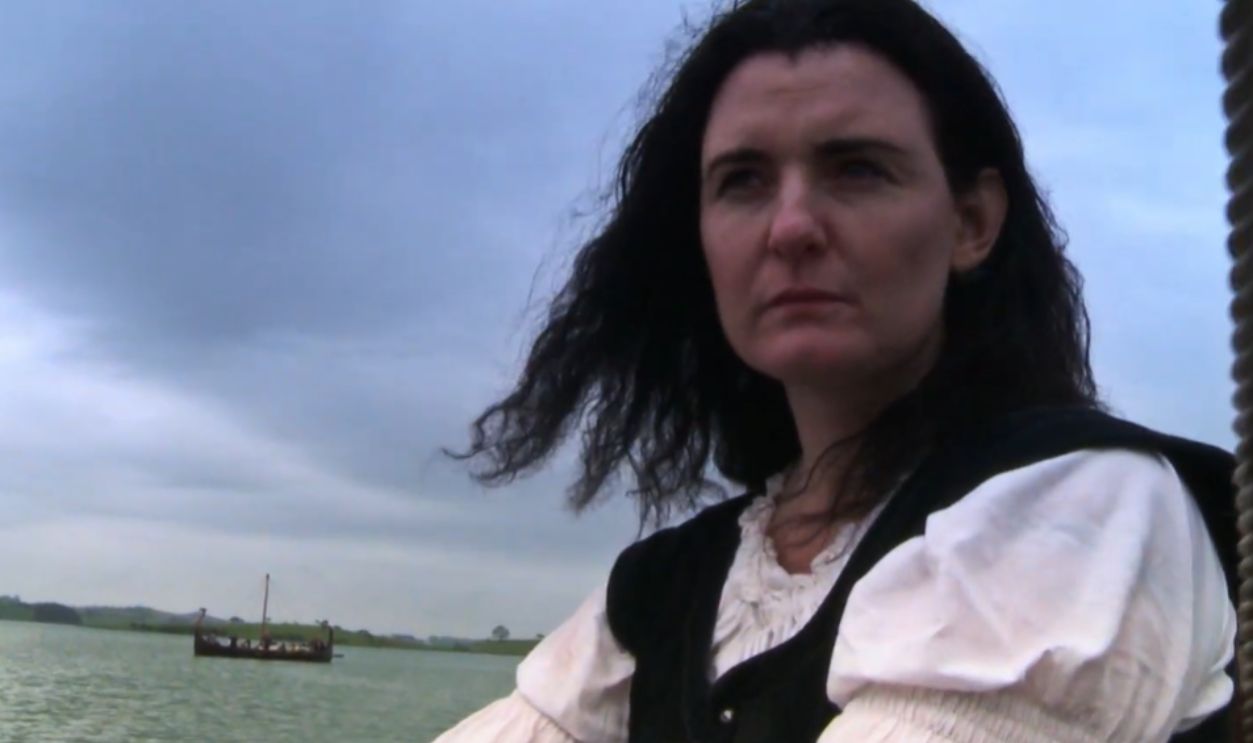 Screenshot from Grace O' Malley: A Prelude to a War, Loose Gripp Films (2013)
19. She Commanded A Fleet
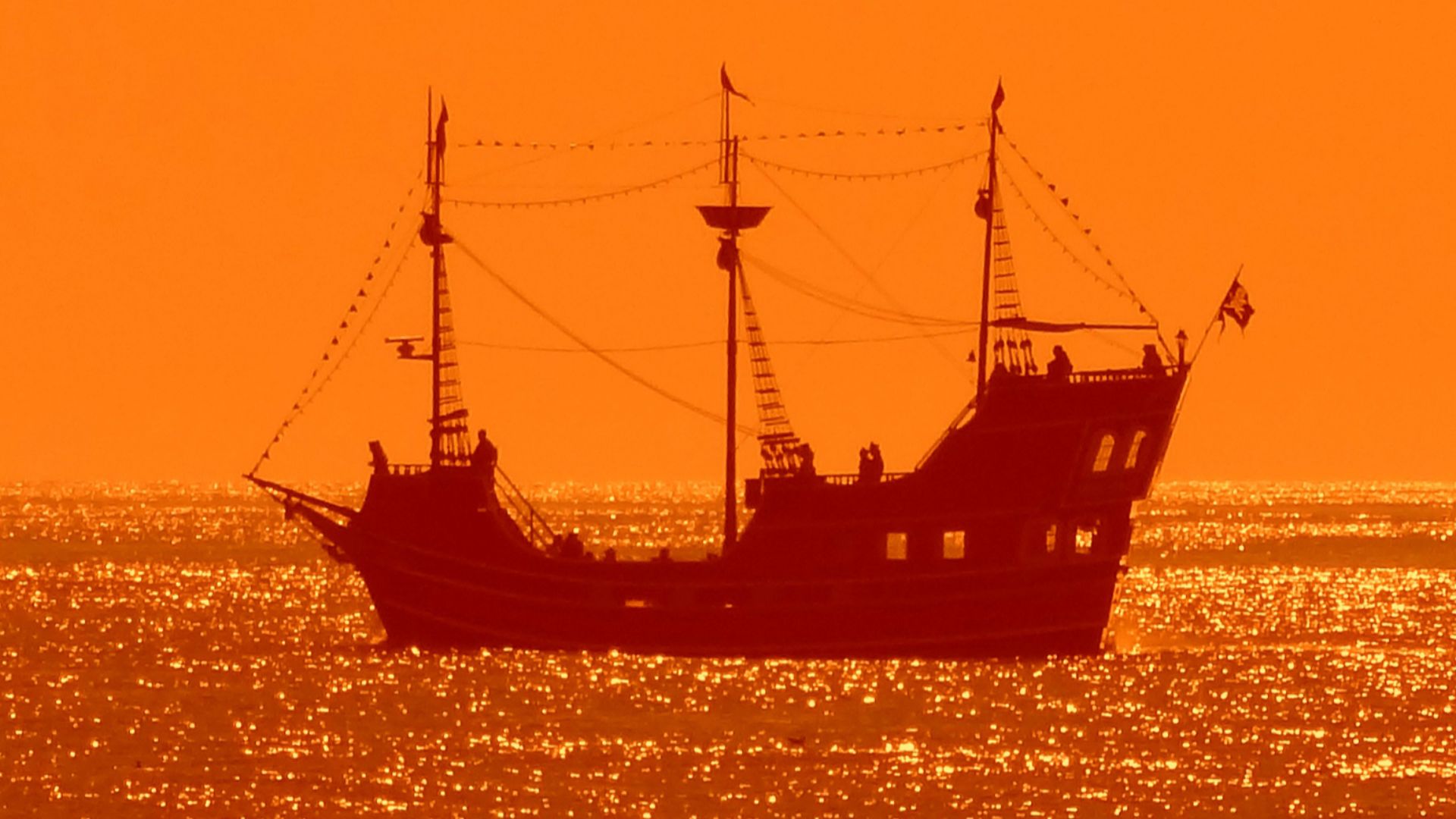
At the height of her power, Grace O’Malley had a navy and an army without equal in Ireland. She commanded as many as 20 ships and hundreds of fighting men—and she knew how to use them. With her naval might, O’Malley earned her title of “The Pirate Queen,” striking at rival clans and intercepting merchant vessels to levy taxes.
Some took issue with her tactics.
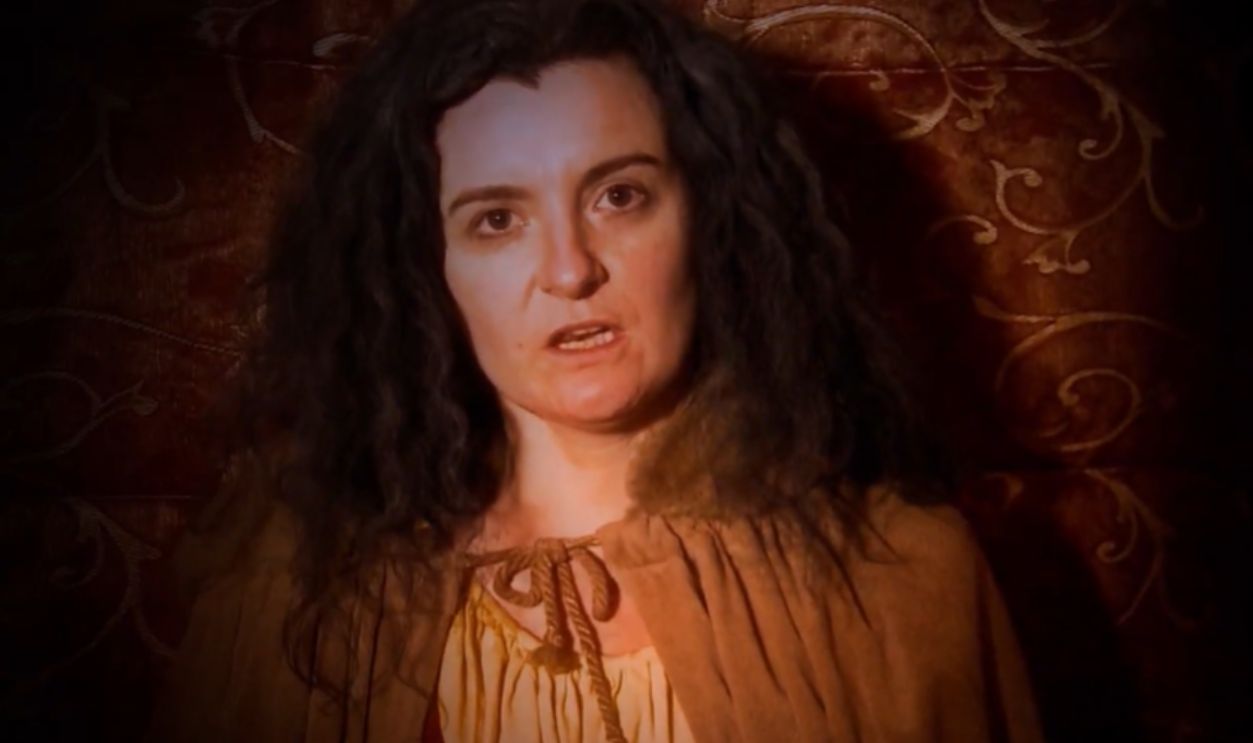 Screenshot from Grace O' Malley: A Prelude to a War, Loose Gripp Films (2013)
20. She Taxed The Sea Itself
O’Malley enforced her maritime domination through “black rent”—payments from anyone who fished or traded in the rich waters she controlled. And no one was immune from her coastal levies. O’Malley extended her practice of levying taxes to the English merchant and fishing vessels that ventured into her tidal domain.
That practice would one day bring her face-to-face with the formidable English monarch: Queen Elizabeth I.
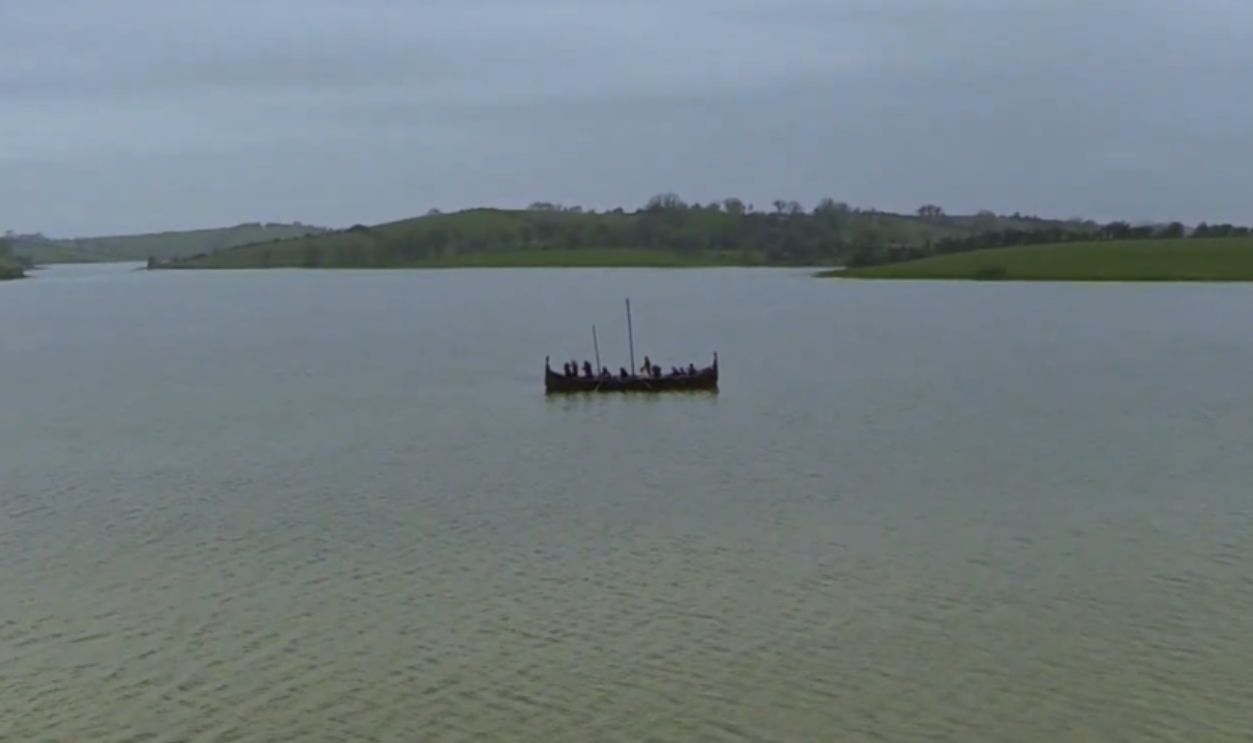 Screenshot from Grace O' Malley: A Prelude to a War, Loose Gripp Films (2013)
21. She Played England’s Game
Grace O’Malley was a fierce defender against English encroachment into Ireland—except when it was convenient. Beginning in 1576, O’Malley entered the English legal process known as “surrender and regrant,” transitioning from the traditional Irish clan model to the English late feudal model. O’Malley pledged three of her galleys and 200 swords to Lord Deputy Sir Henry Sidney.
She was a fearsome subject to have.
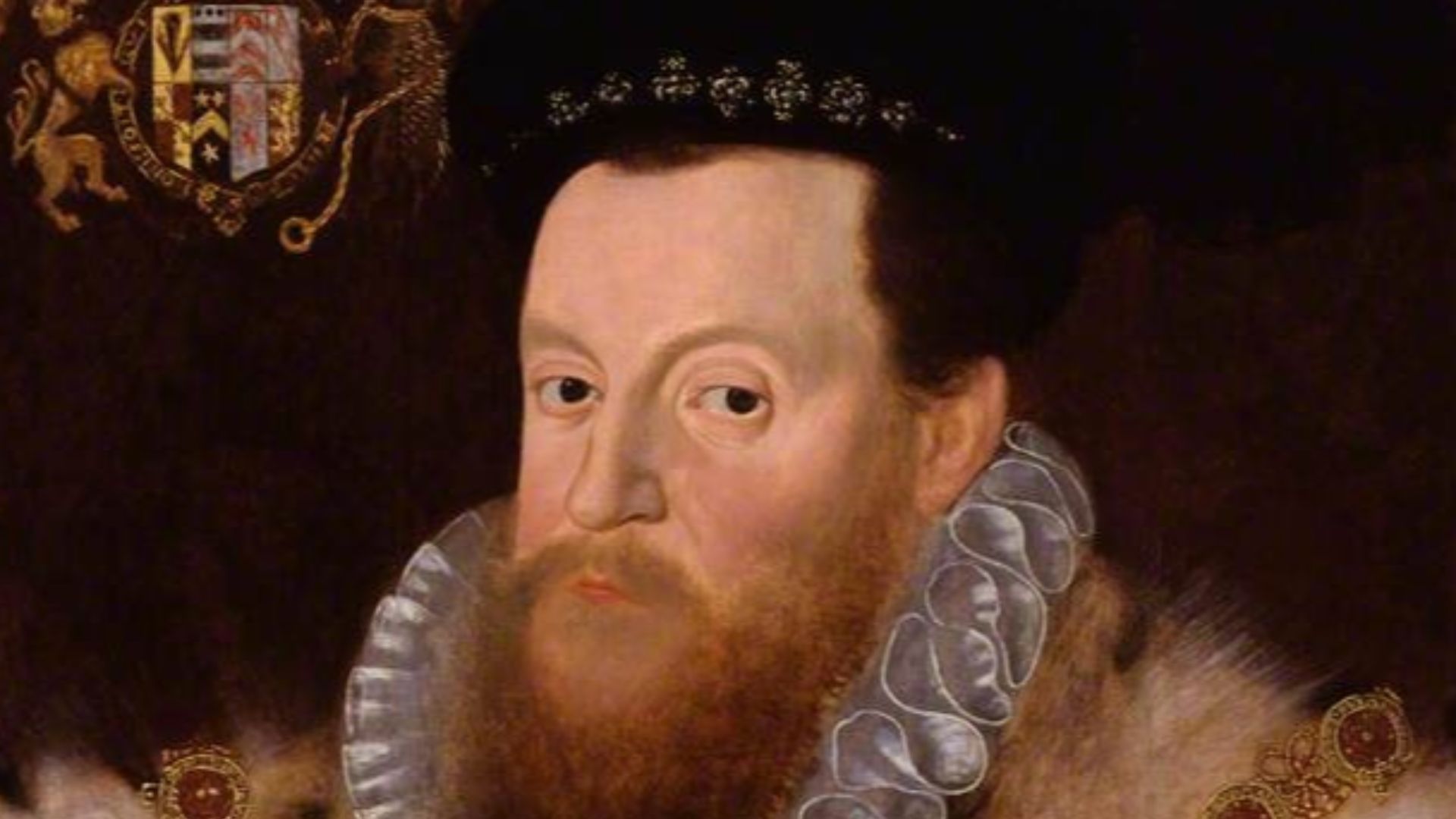 Arnold Bronckorst / After Arnold Bronckorst / Attributed to George Gower, Wikimedia Commons
22. She Drove Off Invaders
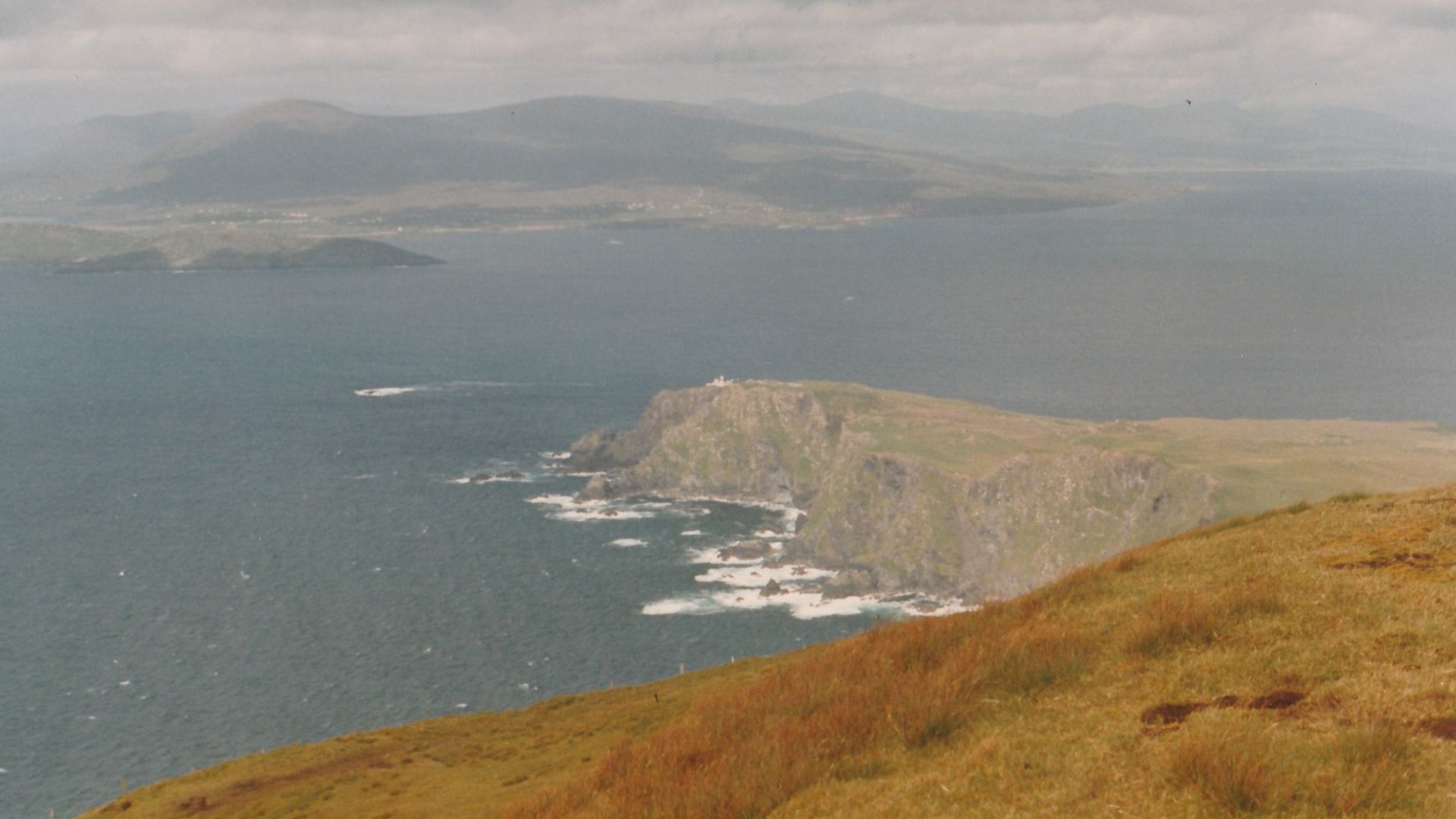
In March 1579, O’Malley faced yet another attempt to overthrow her reign. This time, Sheriff William Óge Martyn led an expedition to strike at O’Malley’s stronghold on Clare Island. But time hadn’t lessened O’Malley’s steely resolve—it had only hardened it. She easily repelled Martyn’s attack, sending her enemies fleeing from Clare Island.
But she was about to make a truly powerful enemy.
 Ridiculopathy, Wikimedia Commons
History's most fascinating stories and darkest secrets, delivered to your inbox daily.
23. She Gained A Nemesis
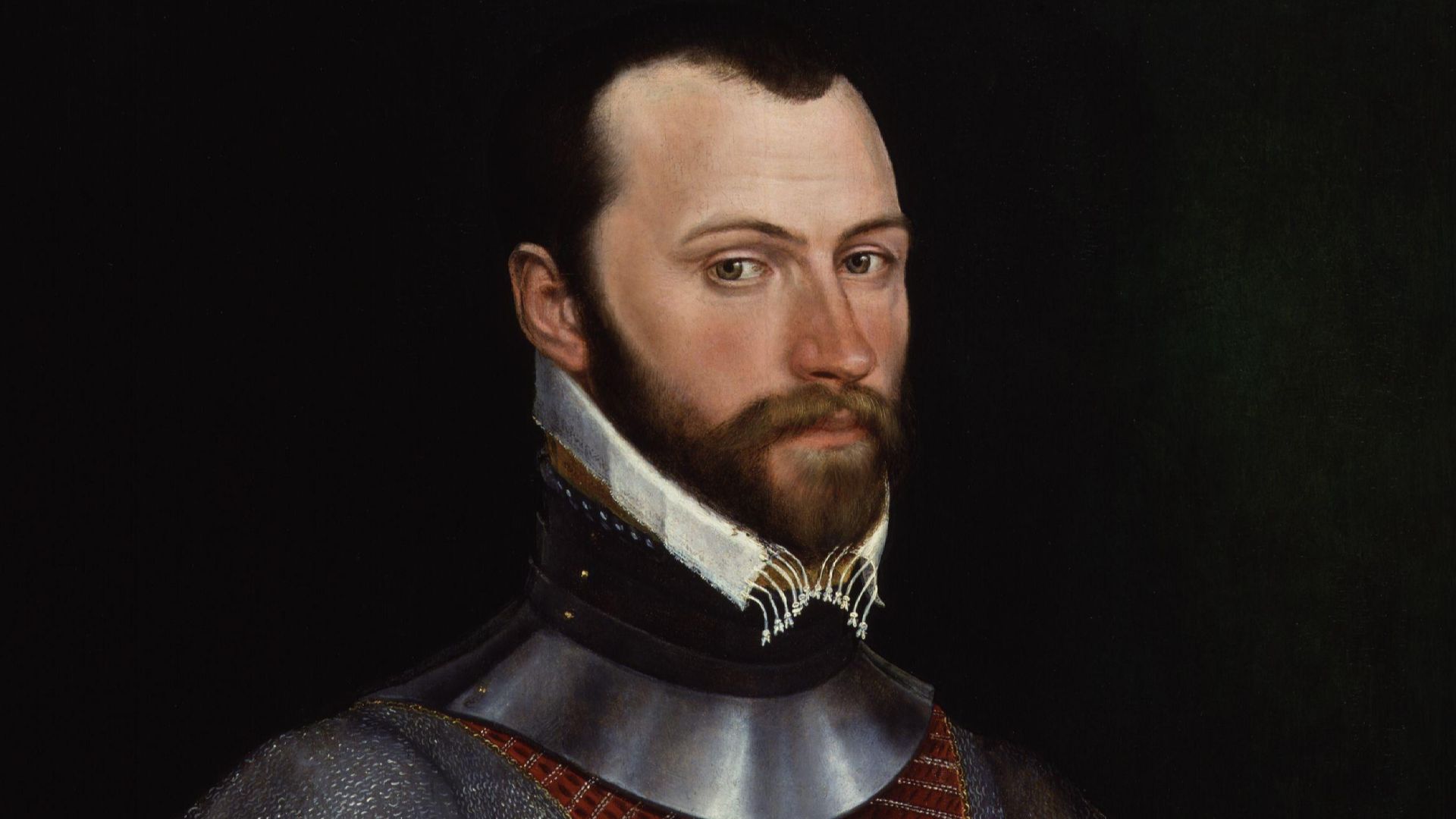
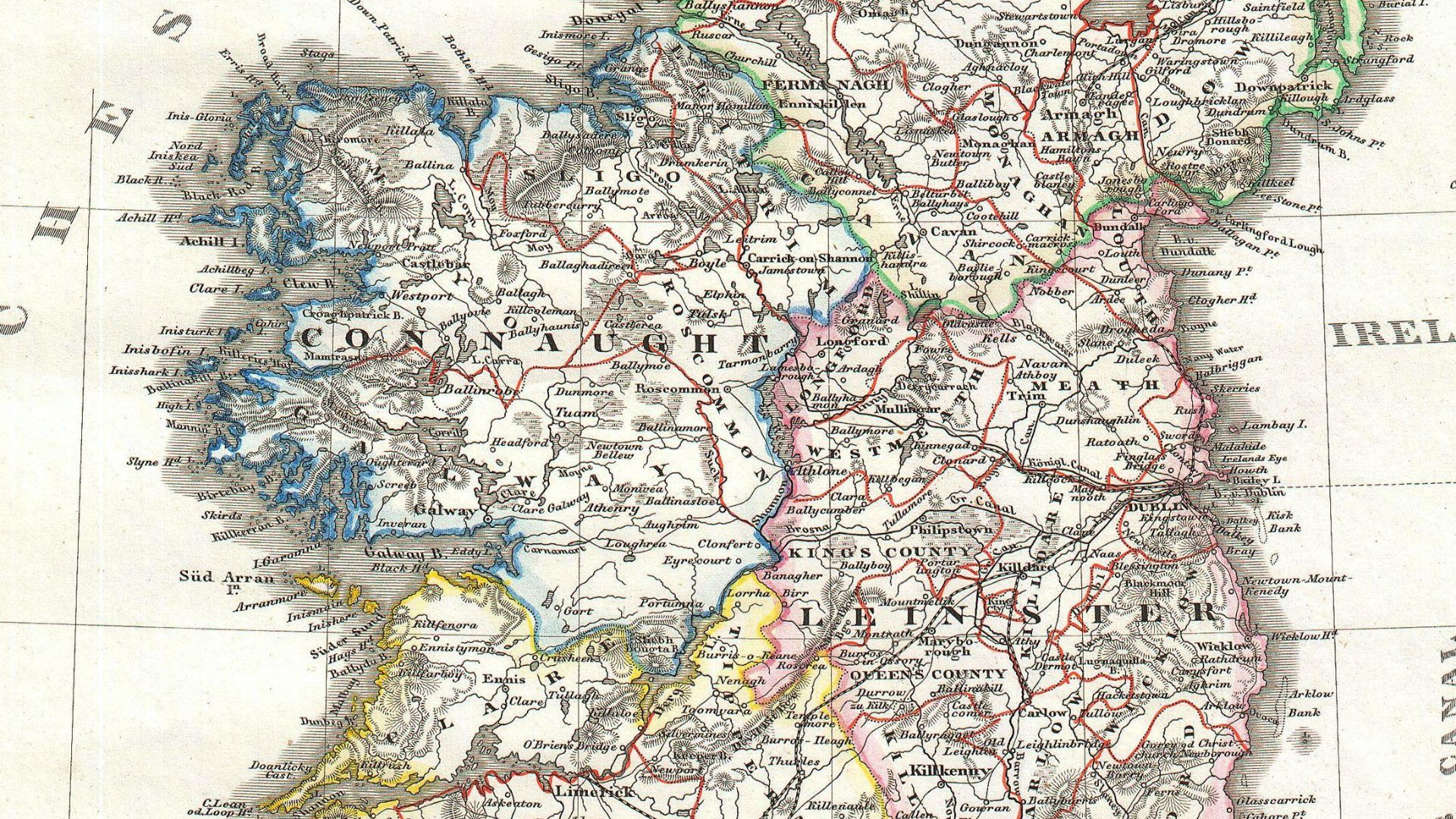
For O’Malley—and all of Ireland—everything changed in 1584 when Sir Richard Bingham became Lord President of Connacht. Sent by the English crown, Bingham was determined to crush local Irish autonomy, targeting powerful Gaelic leaders—O’Malley chief among them. Their clash would define the most dangerous chapter of her life.
24. She Earned A Fearsome Reputation
Bingham harbored a particular hatred for O’Malley above all of the other Irish clan leaders—and he made no effort to hide it. He branded her the “nurse to all rebellions in the province for this forty years,” blaming her for stirring resistance across Connacht. To Bingham, O’Malley wasn’t just a nuisance—she was the root of all problems.
Bingham would be unlike any enemy she had faced.
 Friedrich von Stülpnagel, Wikimedia Commons
25. She Lost Her Heir
Tragedy struck when O’Malley’s eldest son, Owen, fell in battle to Captain John Bingham, Sir Richard Bingham the Lord President’s brother. Soon after, English forces seized Owen’s castle. The loss forced O’Malley’s hand, pushing her into “open rebellion” against any and all English presence in Ireland.
The loss of Owen was, however, not as heartbreaking as her next loss.
 Screenshot from Grace O' Malley: A Prelude to a War, Loose Gripp Films (2013)
26. She Disowned A Son
Grace O’Malley barely had time to grieve the loss of her son Owen before she had to grieve another son. Though, she didn’t quite lose him. The fallout of Captain John Bingham’s actions widened the divide between O’Malley and her son Murrough. In a shocking betrayal that cut deeper than a knife, Murrough sided with Sir Richard Bingham against his mother and the Irish.
O’Malley swore never to speak to Murrough again. She almost never spoke at all again.
 Screenshot from Pirates: Behind the Legends, Abacus Media Rights (2024)
27. She Faced The Noose
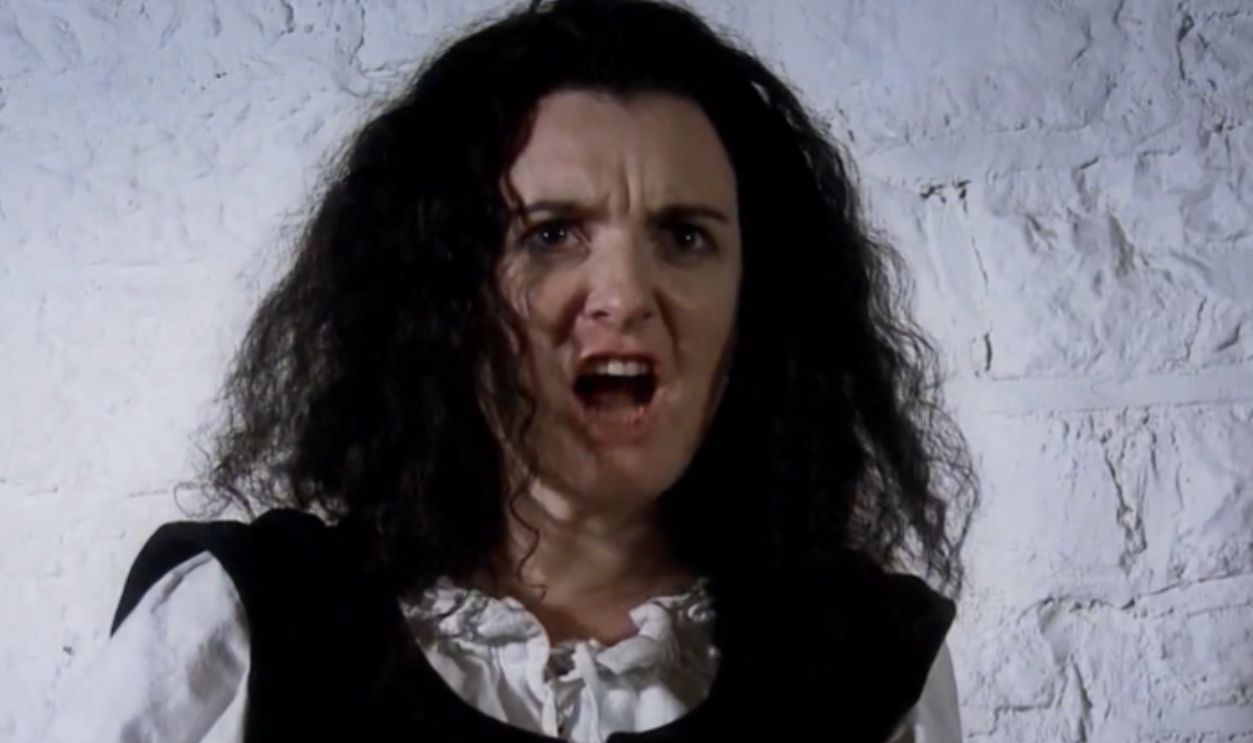
O’Malley had been undefeated in battle until she met Bingham. Eventually, the hardened English Lord President captured O’Malley and prepared to give her a brutal ending. Fed up with her resistance, Bingham “prepared a gallows”, intending to make an example out of her. Only the intervention of Irish chieftains—who offered hostages to secure her release—saved her.
She was free to fight again—and suffer.
 Screenshot from Grace O' Malley: A Prelude to a War, Loose Gripp Films (2013)
28. She Stayed Under Armed Guard
By the early 1590s, even though Bingham had let Grace O’Malley go, he began to truly tighten the screws. In a show of his dominance over Ireland, he stationed some of his men on O’Malley’s lands, restricting her movements. Ultimately, Bingham’s tight grip on O’Malley drained her of her resources and income and lessened her power and influence.
Her situation was about to get even worse.
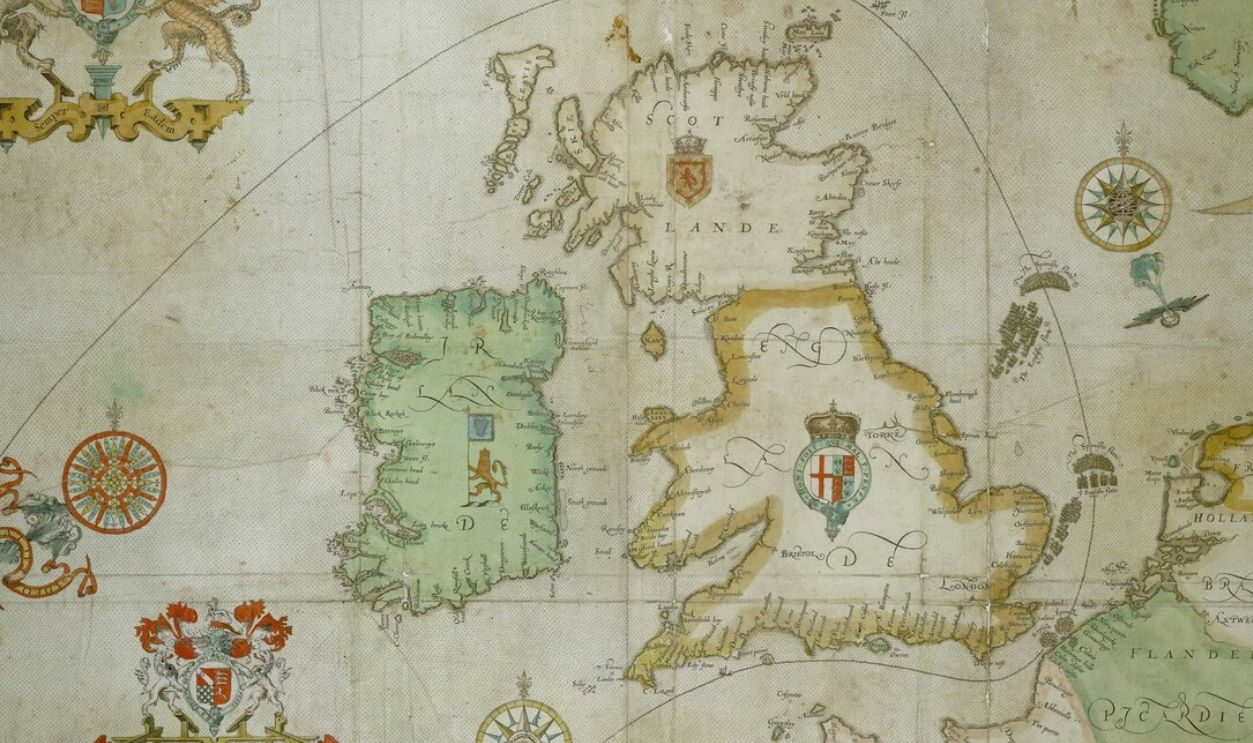 Augustine Ryther; Robert Adams, Wikimedia Commons
History's most fascinating stories and darkest secrets, delivered to your inbox daily.
29. Her Kin Were Captives
In 1593, O’Malley’s situation went from bad to worse. Bingham’s reign of terror in Ireland kicked into high gear when he took O’Malley’s son, Tibbot Bourke, and her half-brother, Dónal an Phíopa, captive. And Bingham wasn’t playing games. He accused O’Malley’s kin of treason and other grave crimes, swearing to execute them.
O’Malley’s only option was to appeal to another queen—the Queen.
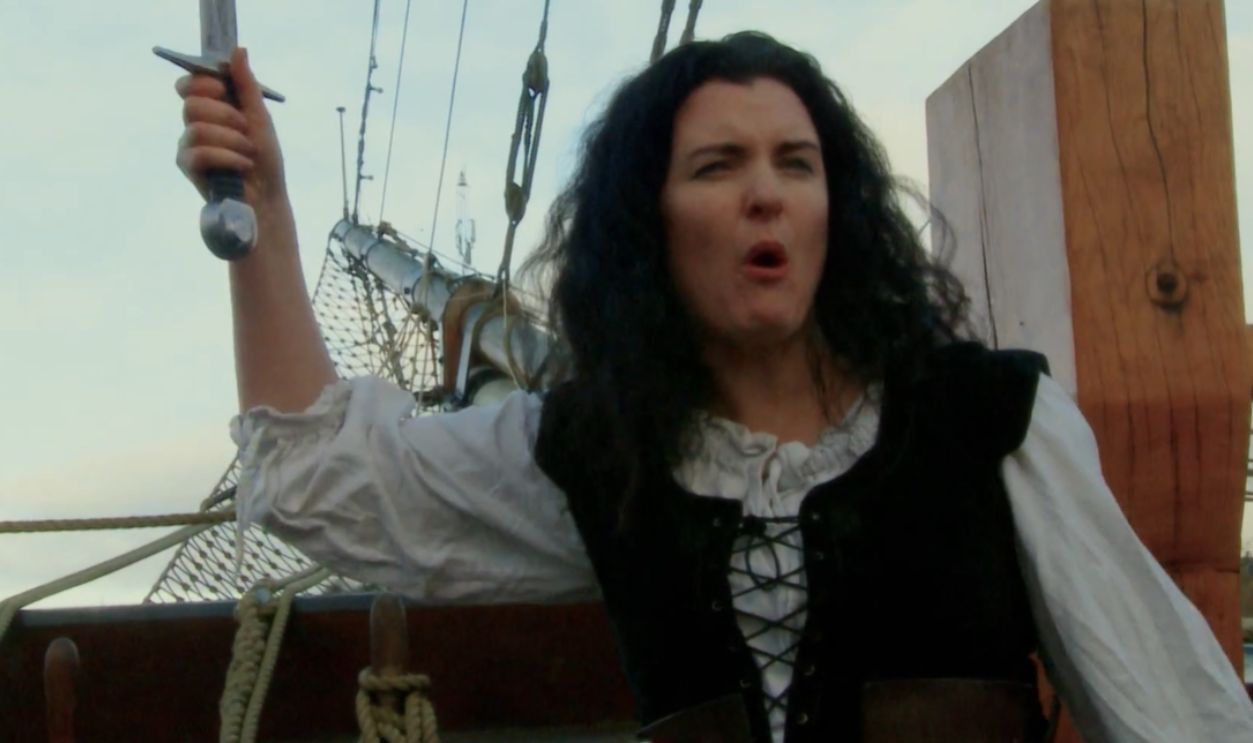 Screenshot from Grace O' Malley: A Prelude to a War, Loose Gripp Films (2013)
30. She Sailed To England
With no allies left in Ireland, Grace O’Malley did the unthinkable for an Irish queen. She set sail for England to plead her case directly before Queen Elizabeth I herself. The journey was perilous and the outcome was unknown, but O’Malley had to try something to save her kin from a terrible execution. For all she knew, she may have been sailing off to her own terrible execution.
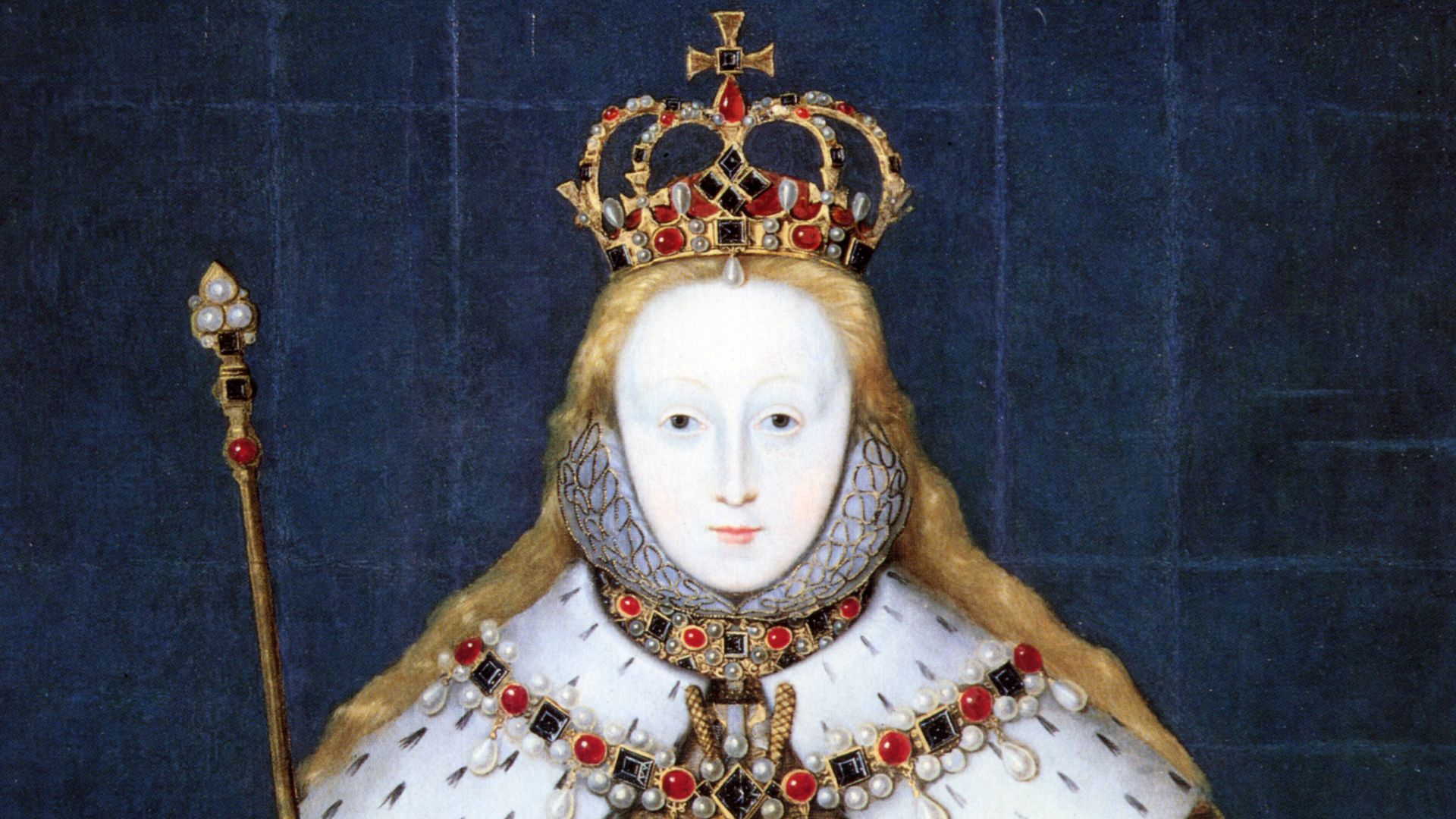 After Levina Teerlinc, Wikimedia Commons
31. She Faced An Interrogation
To gain an audience with Queen Elizabeth I, O’Malley had to jump through some hoops. 18 of them to be exact. Lord Burghley, the Queen’s chief advisor, demanded written answers to 18 formal “Articles of Interrogatory”. The questions pressed O’Malley and forced her to open up to Queen Elizabeth I about her plight. Clearly, she gave all the right answers.

32. She Met With Her English Counterpart
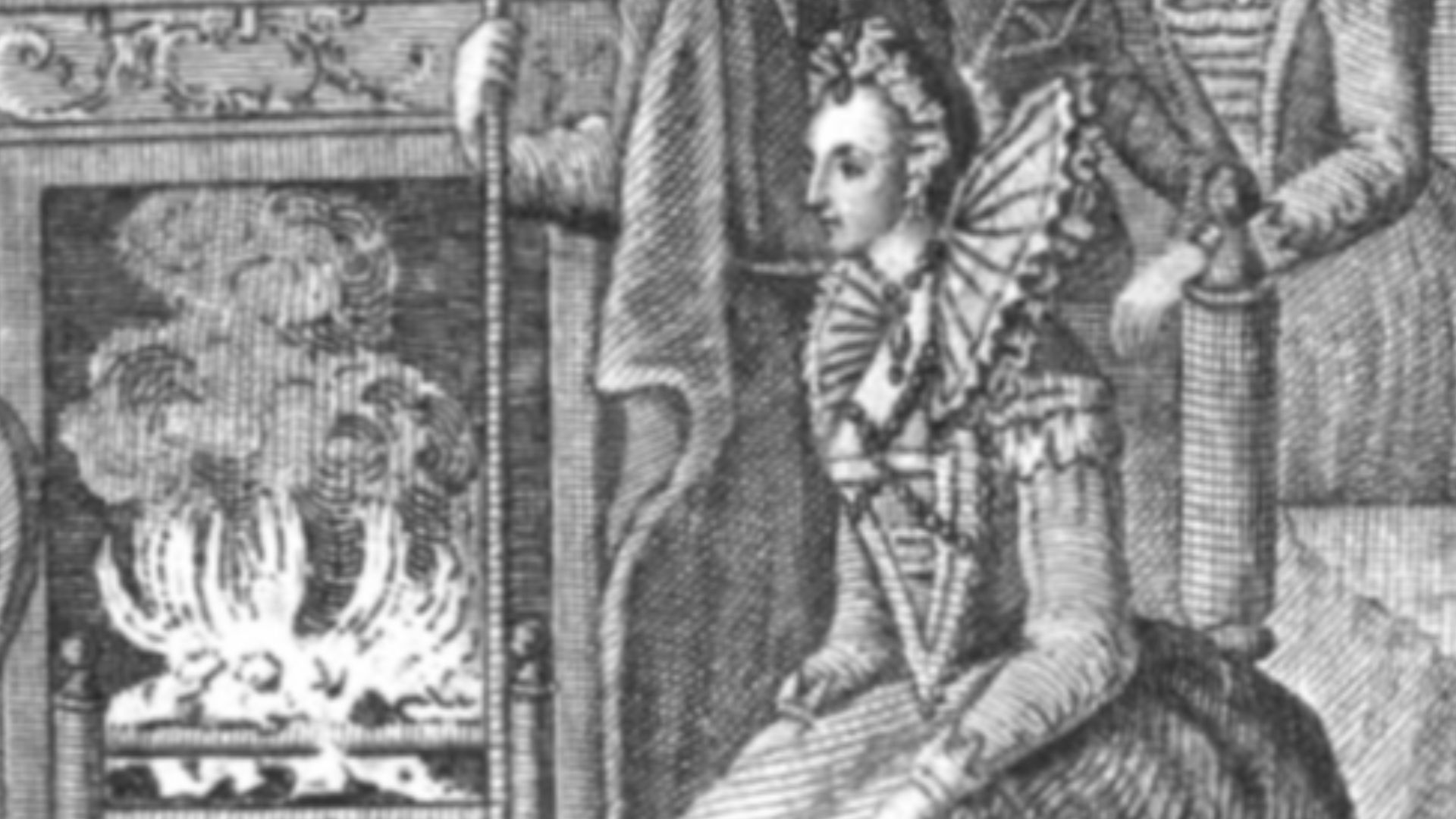
In September of 1593, O’Malley finally gained the audience she had been hoping for to spare her kin. At the fabled Greenwich Palace, Ireland’s Pirate Queen met face-to-face with Queen Elizabeth I. The meeting was one for the ages, bringing two sovereigns together over the fate of their respective queendoms.
O’Malley demanded to be treated as an equal.
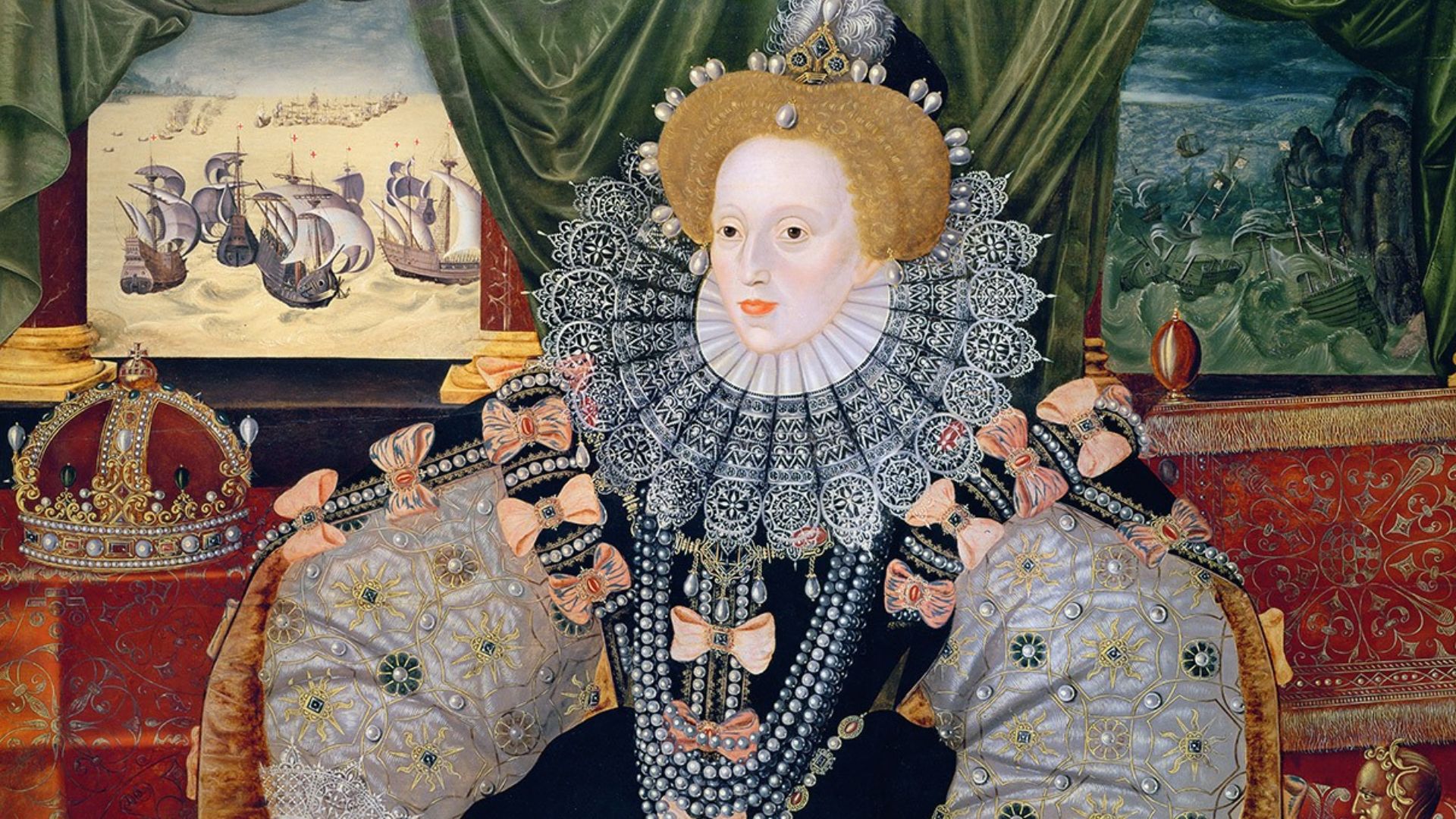 Formerly attributed to George Gower, Wikimedia Commons
33. She Refused To Bend The Knee
The meeting between O’Malley and Elizabeth I got off to a rocky start. Protocol within the English court demanded that O’Malley bend the knee. However, as a proud Irish woman, bowing before an English royal was not something that she could bring herself to do. Further, O’Malley asserted that she was a queen in her own land and not a subject of England.
Then things really got tense.

34. She Brought A Dagger
Security at the meeting was tighter than Grace O’Malley had expected. During a routine search, English guards found a dagger that O’Malley had concealed on her person. Unfazed, she explained that she carried it purely for her own protection. Thankfully, Queen Elizabeth I accepted O’Malley’s explanation. But the meeting was still “pointed”.
History's most fascinating stories and darkest secrets, delivered to your inbox daily.
35. She Shocked The Court
According to Irish legend, O’Malley’s Irish customs rubbed the English the wrong way. When O’Malley sneezed, a courtier graciously handed her a fine lace handkerchief. But, instead of keeping the piece of fine cloth, O’Malley tossed it into the fire. When the English court gasped in horror, O’Malley had to explain that, in Ireland, people considered used hankies to be “dirty”.
From there, things improved.

36. She Spoke English Fluently
Legend also has it that Grace O’Malley and Queen Elizabeth I conducted their meeting in the only language they shared: Latin. However, the actual historical record suggests something quite different. In all likelihood, Queen Elizabeth I wasn’t fluent in Gaelic—but O’Malley almost certainly spoke English as well as Shakespeare.
Which means she could make her demands known.
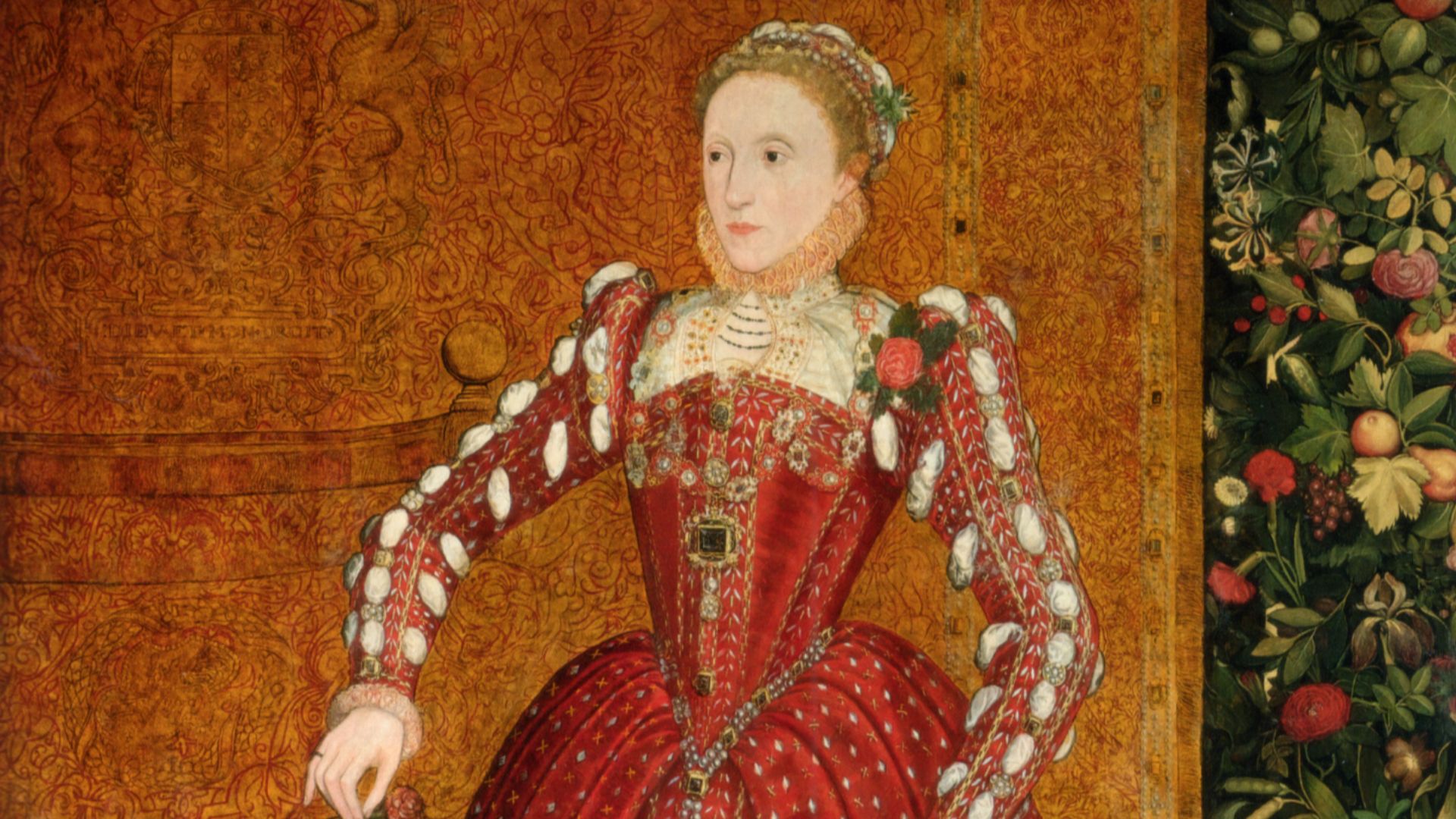 Formerly attributed to Steven van der Meulen / Attributed to George Gower, Wikimedia Commons
37. She Made Bold Demands
Despite her weakened state, O’Malley didn’t beg Queen Elizabeth I for anything. Instead, she petitioned her English counterpart for “reasonable maintenance” for her remaining years and permission to “invade with sword and fire all your highness enemyes”. In other words, O’Malley pledged her famously sharp sword and fast navy in Elizabeth I’s service—if she agreed to her terms.
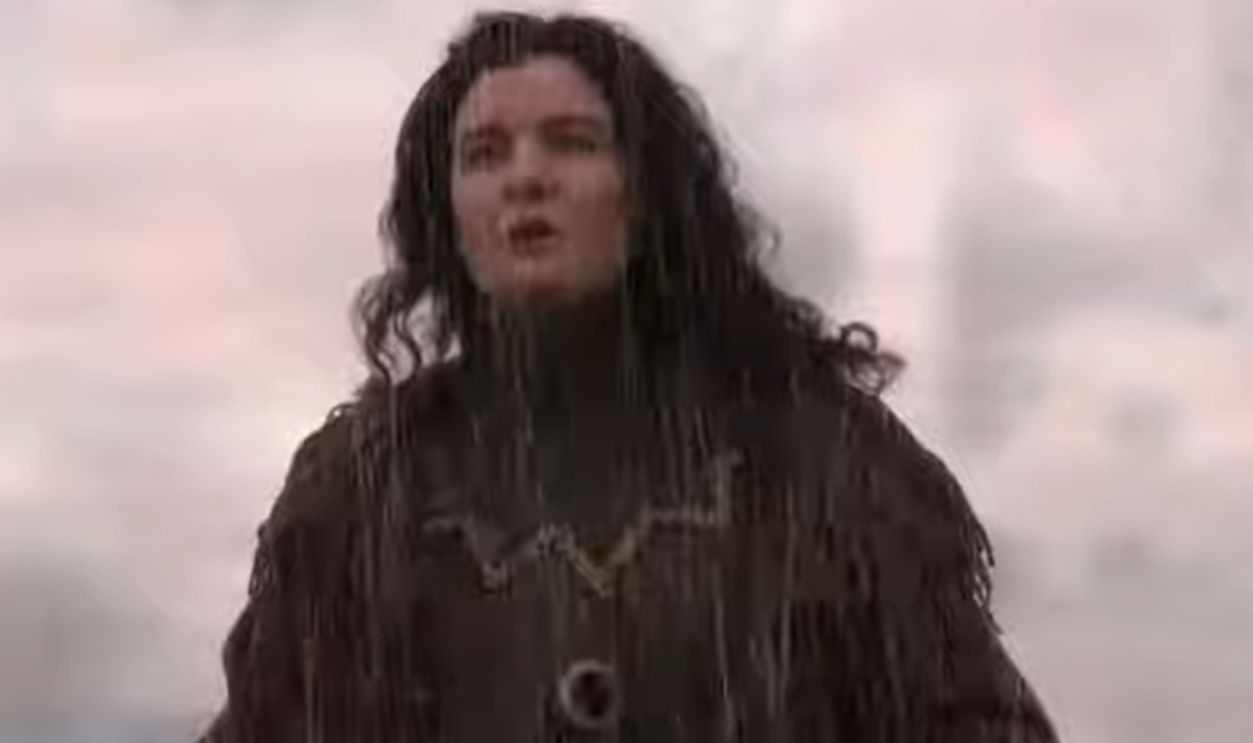 Screenshot from Grace O' Malley: A Prelude to a War, Loose Gripp Films (2013)
38. She Won The Queen’s Favor
If there was anything that Queen Elizabeth I respected, it was power and resolve—two things that O’Malley had in abundance. Impressed with O’Malley, the English Queen ordered the release of O’Malley’s son and half-brother. She gave further instructions to Sir Richard Bingham to allow O’Malley and her kin to live in peace and “enjoy their livelihoods”.
Queen Elizabeth I’s favor, however, did not come for free.
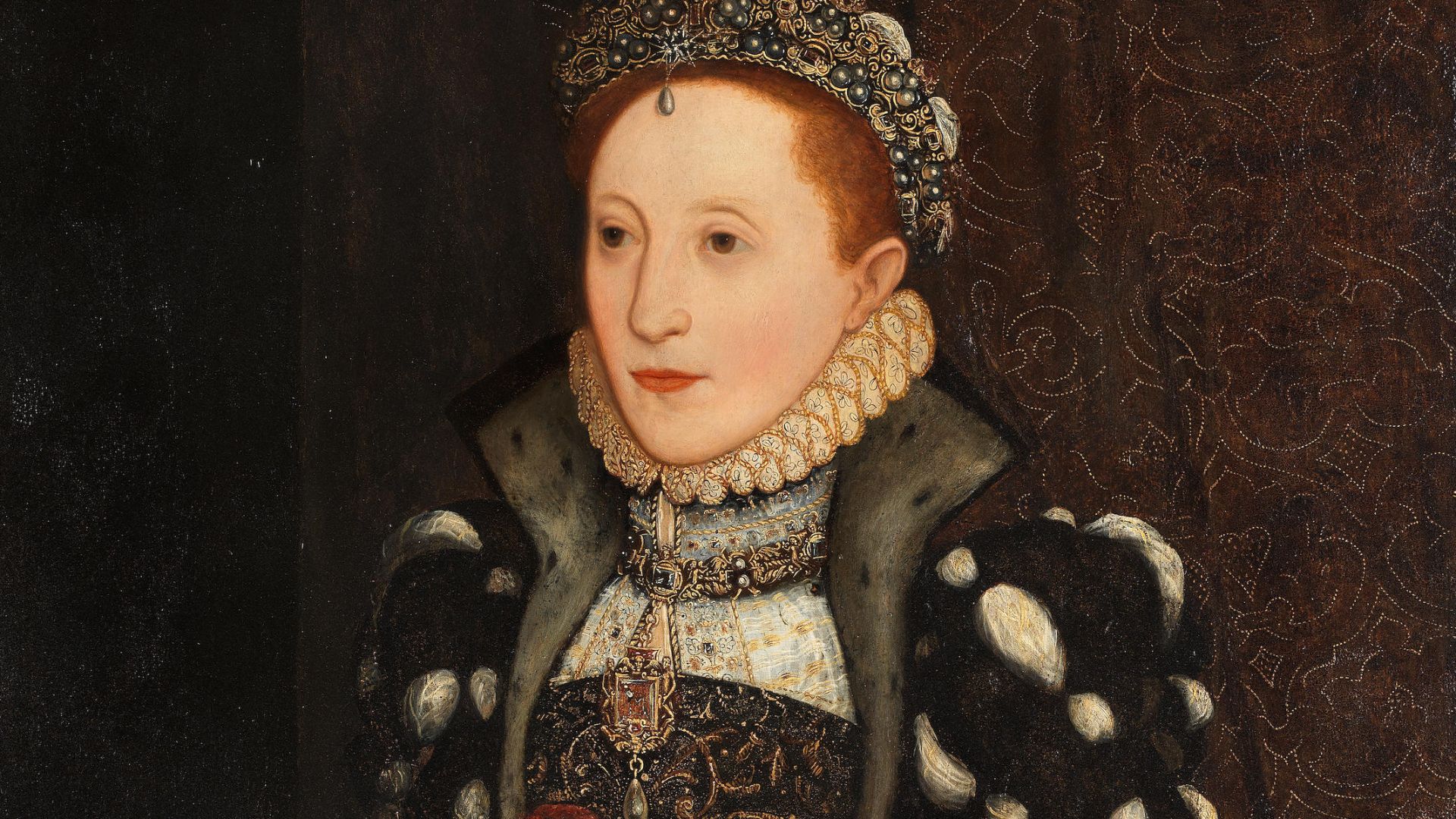 Workshop of Steven van der Meulen, Wikimedia Commons
39. She Fought Elizabeth I’s Enemies
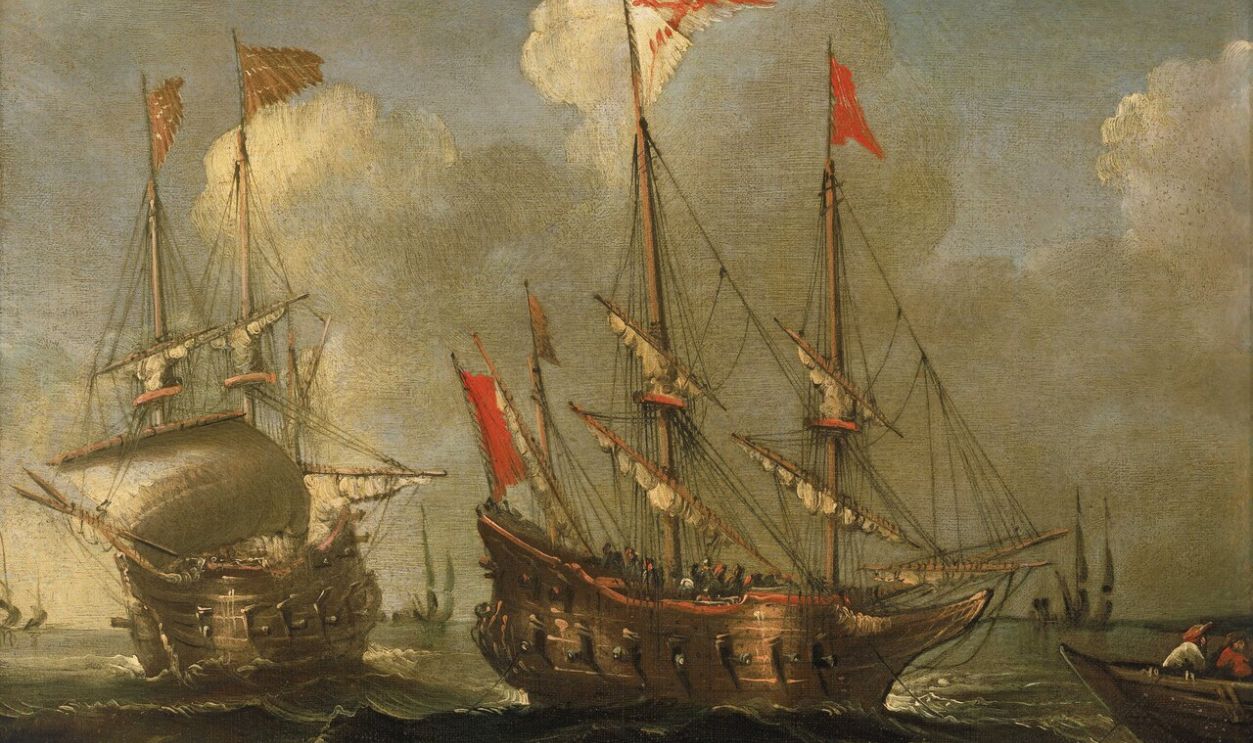
The agreement between the two queens came with conditions. In addition to pledging her sword and ships to fight Queen Elizabeth I’s enemies—namely the Spanish—O’Malley had to make one more promise. As part of the deal, the Pirate Queen pledged to stop attacking English ships, focusing all of her naval might on the Spanish.
Sealing the deal proved to be a challenge.
 Sebastian Castro, Wikimedia Commons
40. She Forced Compliance
O’Malley returned to Ireland with Queen Elizabeth I’s orders for Sir Richard Bingham to release her kin. However, the belligerent Bingham dragged his feet, and ignored his own queen’s orders. Instead of sparking another conflict, O’Malley tried diplomacy—and it worked. She threatened Bingham that if he didn’t comply, she would set sail again for England.
Bingham complied—sort of.
 Screenshot from Grace O' Malley: A Prelude to a War, Loose Gripp Films (2013)
History's most fascinating stories and darkest secrets, delivered to your inbox daily.
41. She Never Got Peace
Bingham eventually relented and freed O’Malley’s imprisoned kin. But he didn’t exactly fulfill the rest of Queen Elizabeth I’s orders. Instead of letting O’Malley enjoy her “livelihood” he continued to harass her by stationing troops aboard her ships and coercing her into combat against her fellow Irishmen who continued to rebel against the crown. Instead of escalating, O’Malley once again sought peace.
 Screenshot from Grace O' Malley: A Prelude to a War, Loose Gripp Films (2013)
42. She Outmaneuvered Bingham
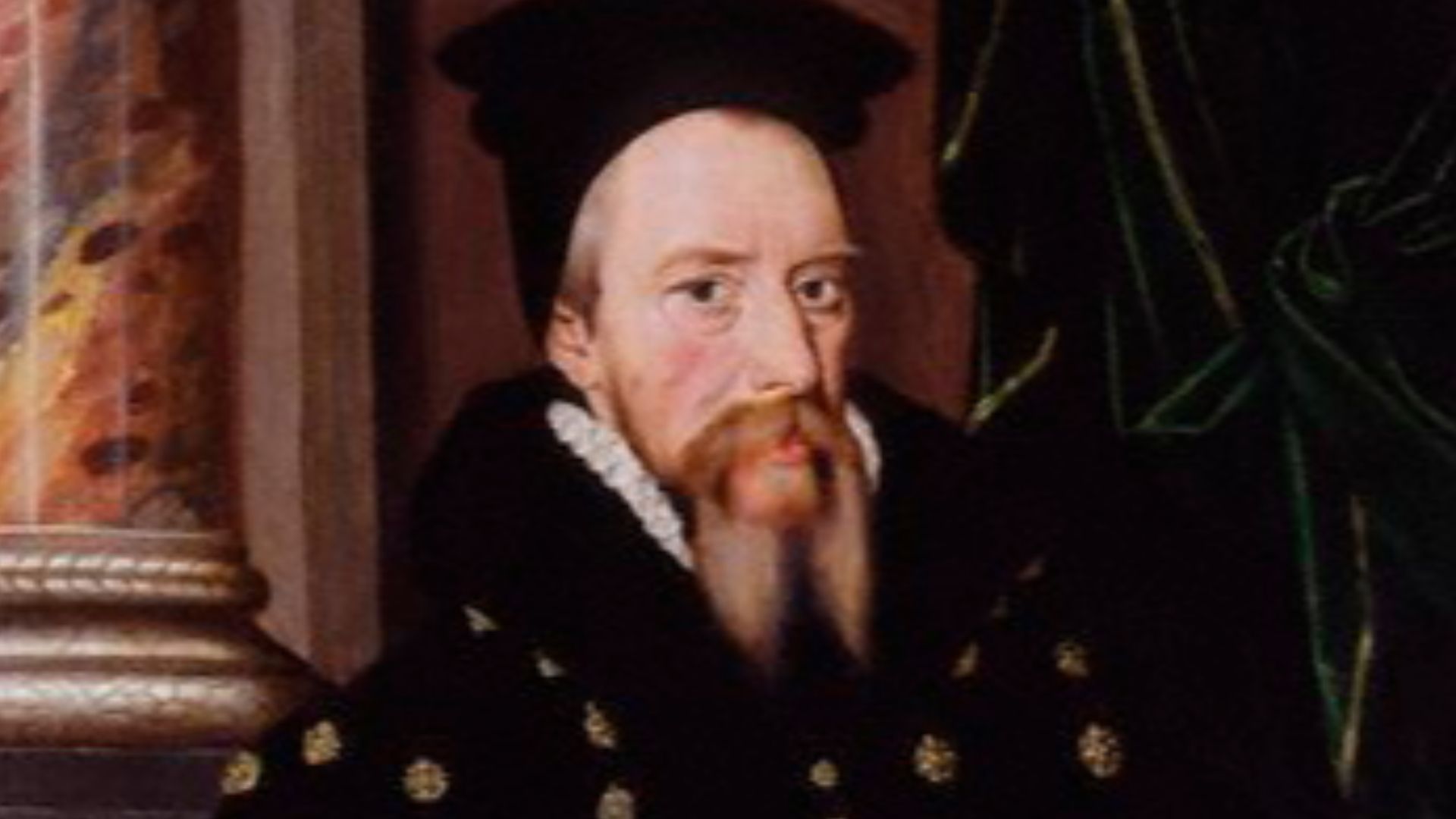
In 1595, with Bingham still employing tactics to annoy and hamper Grace O’Malley, the Pirate Queen sought a peaceful resolution. She turned once again to the English court, petitioning Lord Burghley. But she didn’t stop there. O’Malley cleverly sought the protection of the Earl of Ormond, meaning that if Bingham attacked her again, he would have to fight another Englishman.
Her clever political maneuvering paid off.
 Formerly attributed to Arnold Bronckorst / Follower of Arnold Bronckorst, Wikimedia Commons
43. She Won Another Concession
O’Malley’s diplomatic resolve against Bingham earned her more than a battle ever could. In August 1595, a new commission investigated O’Malley’s land claims and accepted “surrenders for re-granting”. It wasn’t quite as dramatic a conquest as her naval and land battles, but it secured O’Malley’s legacy and the independence of her clan.
By the end of it, O’Malley would be one of England’s fiercest northern allies.
 Screenshot from Pirates: Behind the Legends, Abacus Media Rights (2024)
44. She Chose The English Over The Irish
When open conflict broke out between a confederation of Irish clans and the English crown, O’Malley held the balance of power to sway the fighting one way or another. To honor her promise to Queen Elizabeth I, O’Malley encouraged her son to support the English Crown against the Irish confederation. What happened next was either a reward for her loyalty or divine intervention.
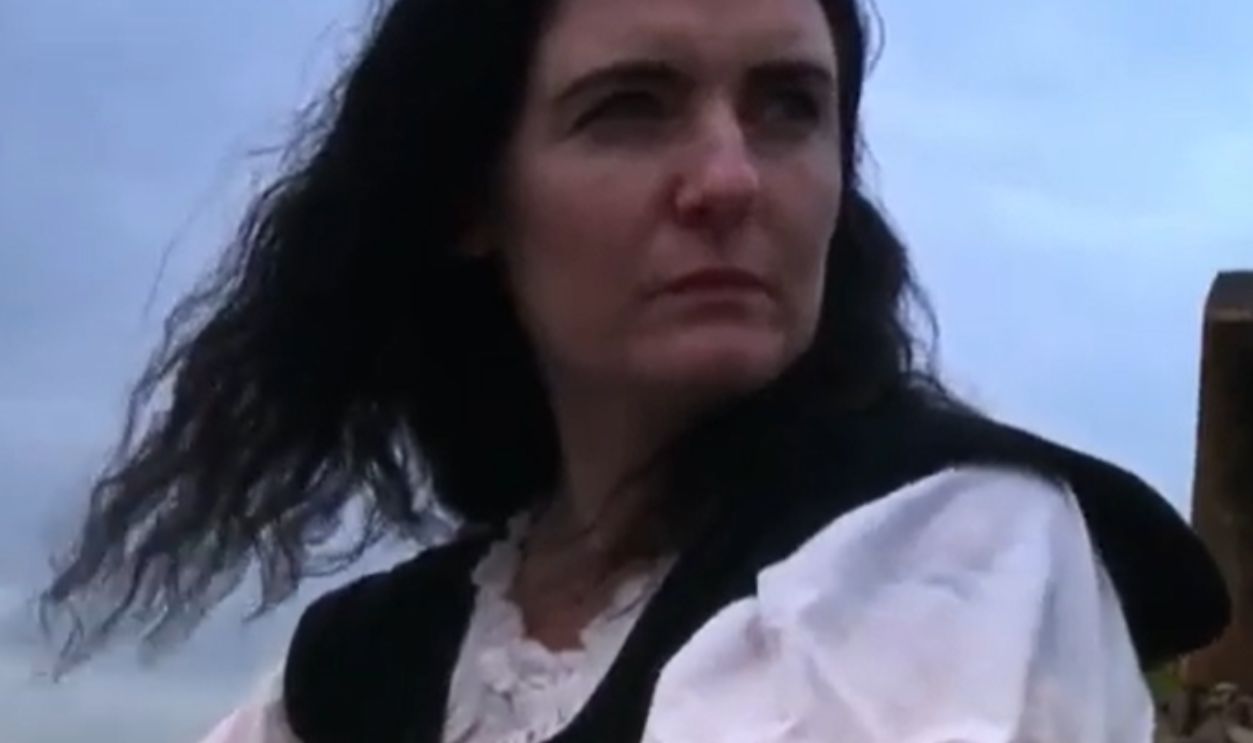 Screenshot from Grace O' Malley: A Prelude to a War, Loose Gripp Films (2013)
45. She Outlasted Her Enemy
Justice, at last, caught up with Sir Richard Bingham. In a surprise twist, English authorities removed Bingham from office as Lord President and shipped him back to England. Once there, they imprisoned him and charged him with conspiracy. Even though Bingham would later return to Ireland, making landfall in Dublin, he would never bother Grace O’Malley again.
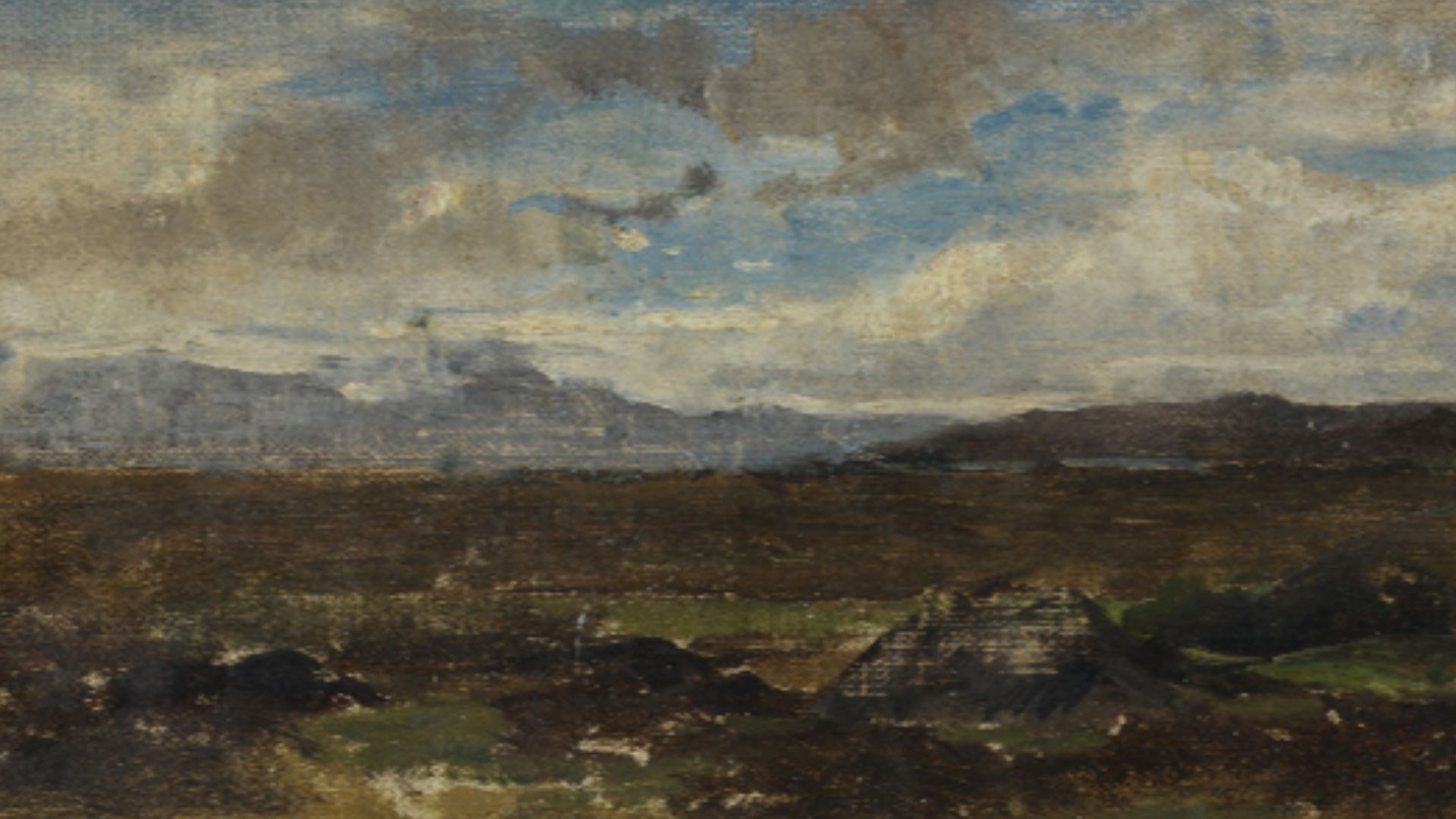 Nathaniel Hone the Younger, Wikimedia Commons
46. She Exited With Elizabeth I
O’Malley’s reign as the Pirate Queen of Ireland coincided and overlapped with Queen Elizabeth I’s reign in England. Fate, it seems, had brought the two together for a reason—and took them away for that same reason. Queen Elizabeth I passed on in 1603. Most historical records suggest that O’Malley also passed on in 1603, spending her final days at Rockfleet Castle.
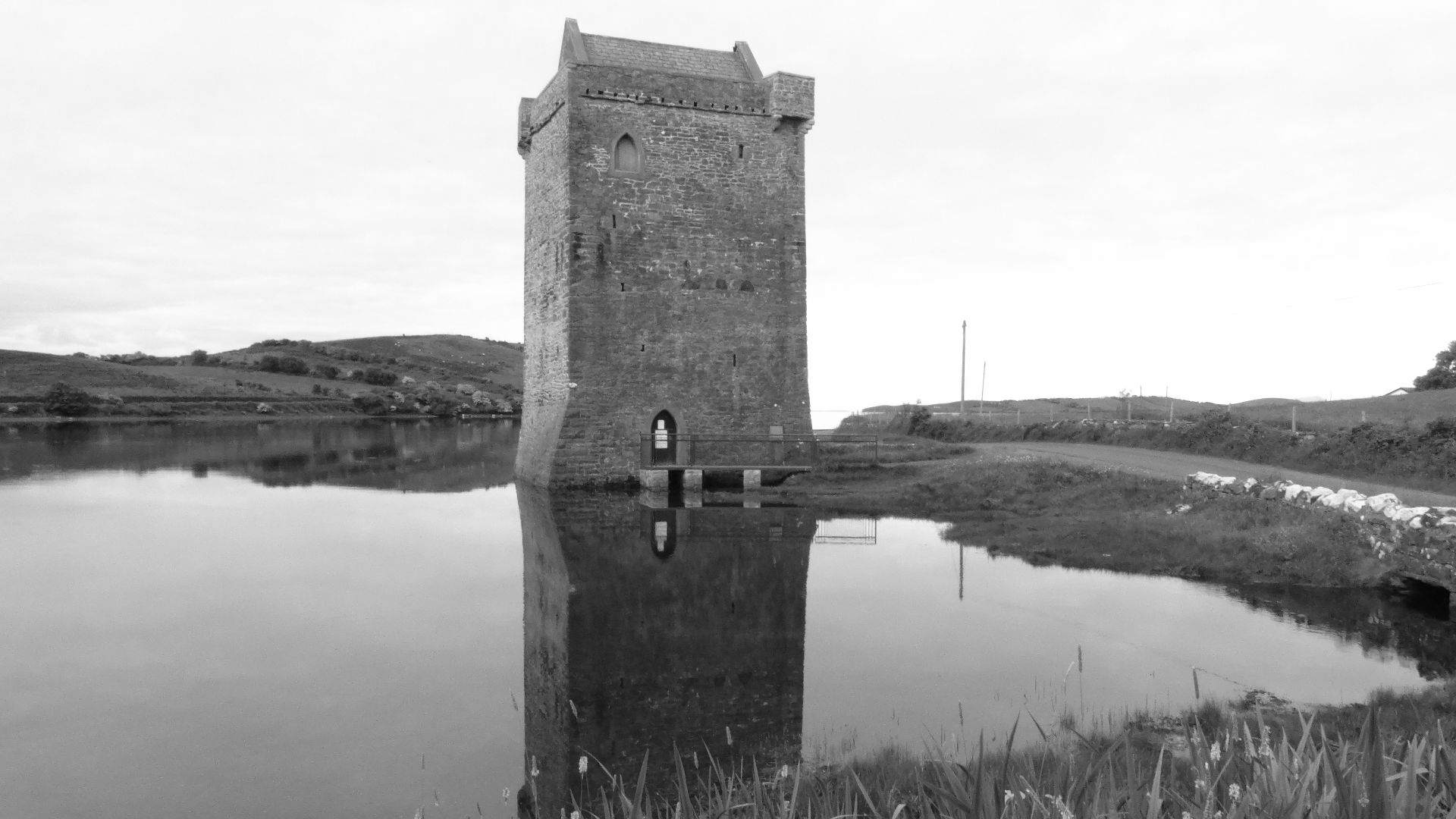 Colin Park , Wikimedia Commons
History's most fascinating stories and darkest secrets, delivered to your inbox daily.
47. She Rests On Clare Island
As the head of the O’Malley clan—and arguably its consequential leader—it was only fitting that O’Malley should rest with her ancestors. Following her passing, she was laid to rest in the family burial site at Clare Island Abbey. There, legend has it that Ireland’s Pirate Queen rests under a richly decorated canopy tomb.
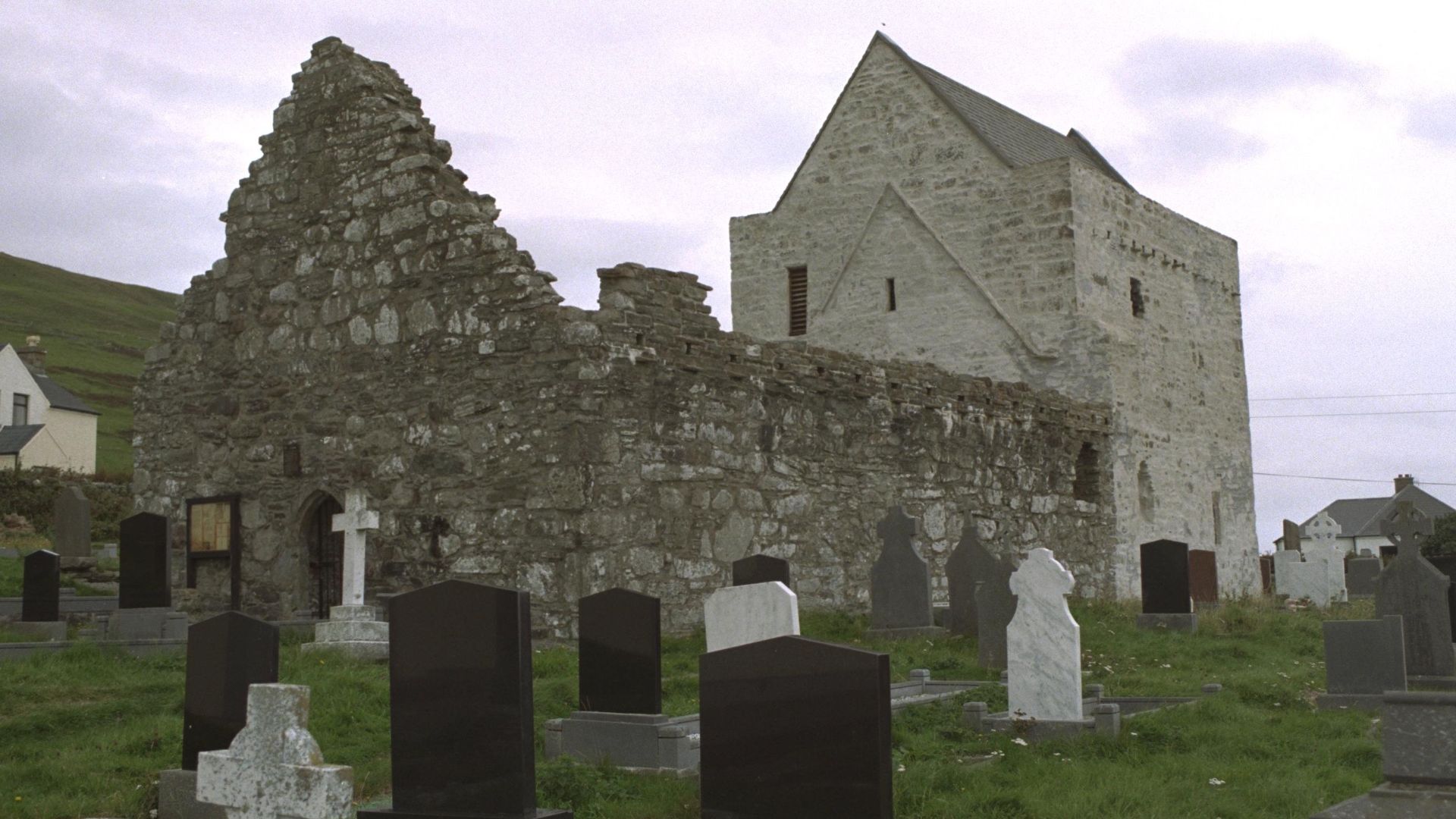 Andreas F. Borchert, Wikimedia Commons
48. Her Life Is All Legend
In an ironic, and perhaps tragic twist, Grace O’Malley is barely—if at all—mentioned in the contemporary Irish records. In fact, going by the Irish records alone, one could doubt that O’Malley even existed. Instead, the only reason that history knows as much about O’Malley as it does is because she appears consistently in the English records.
Those who sought to subjugate her, immortalized her instead.
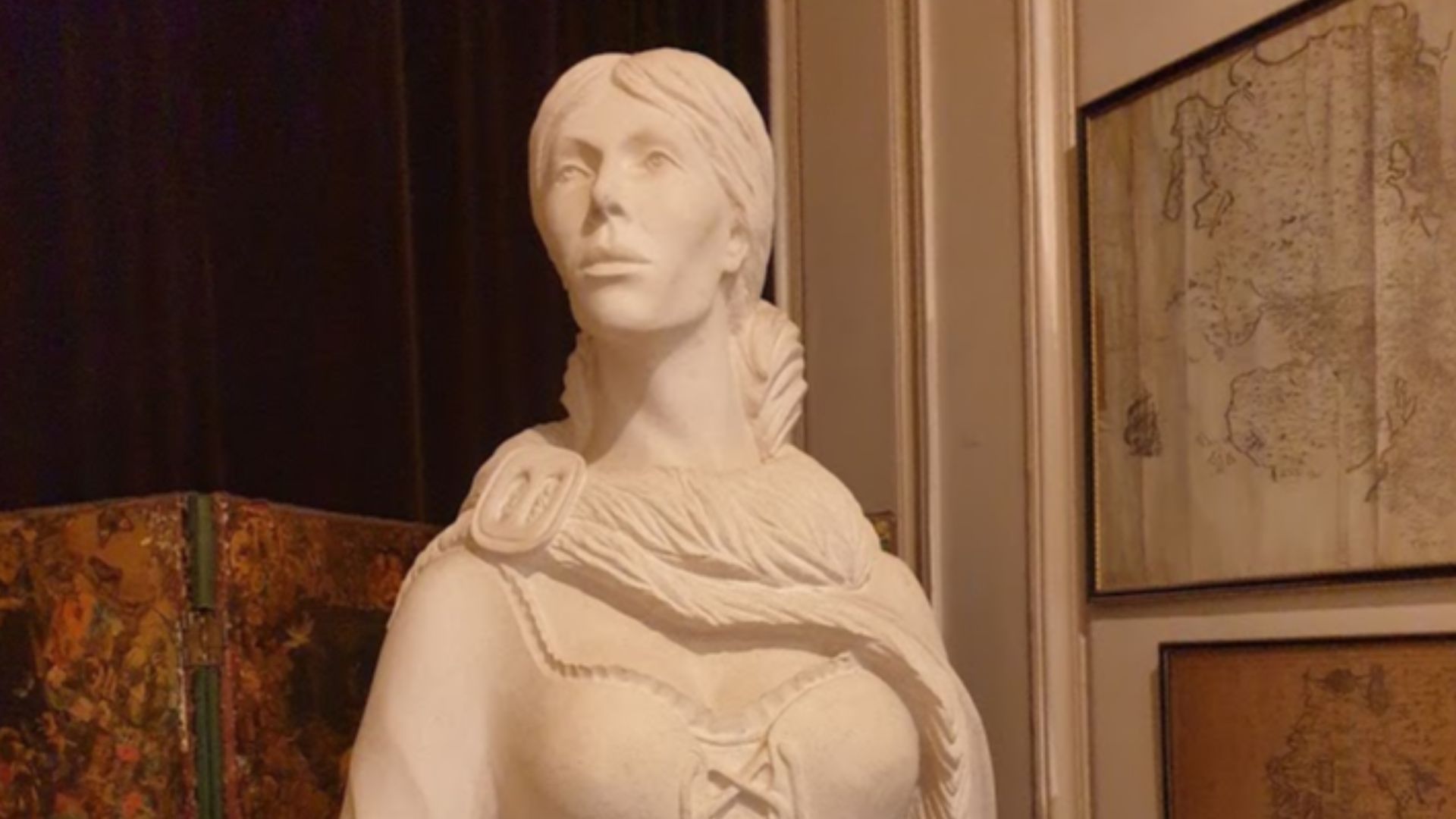
49. She Still Looks After Her Kin
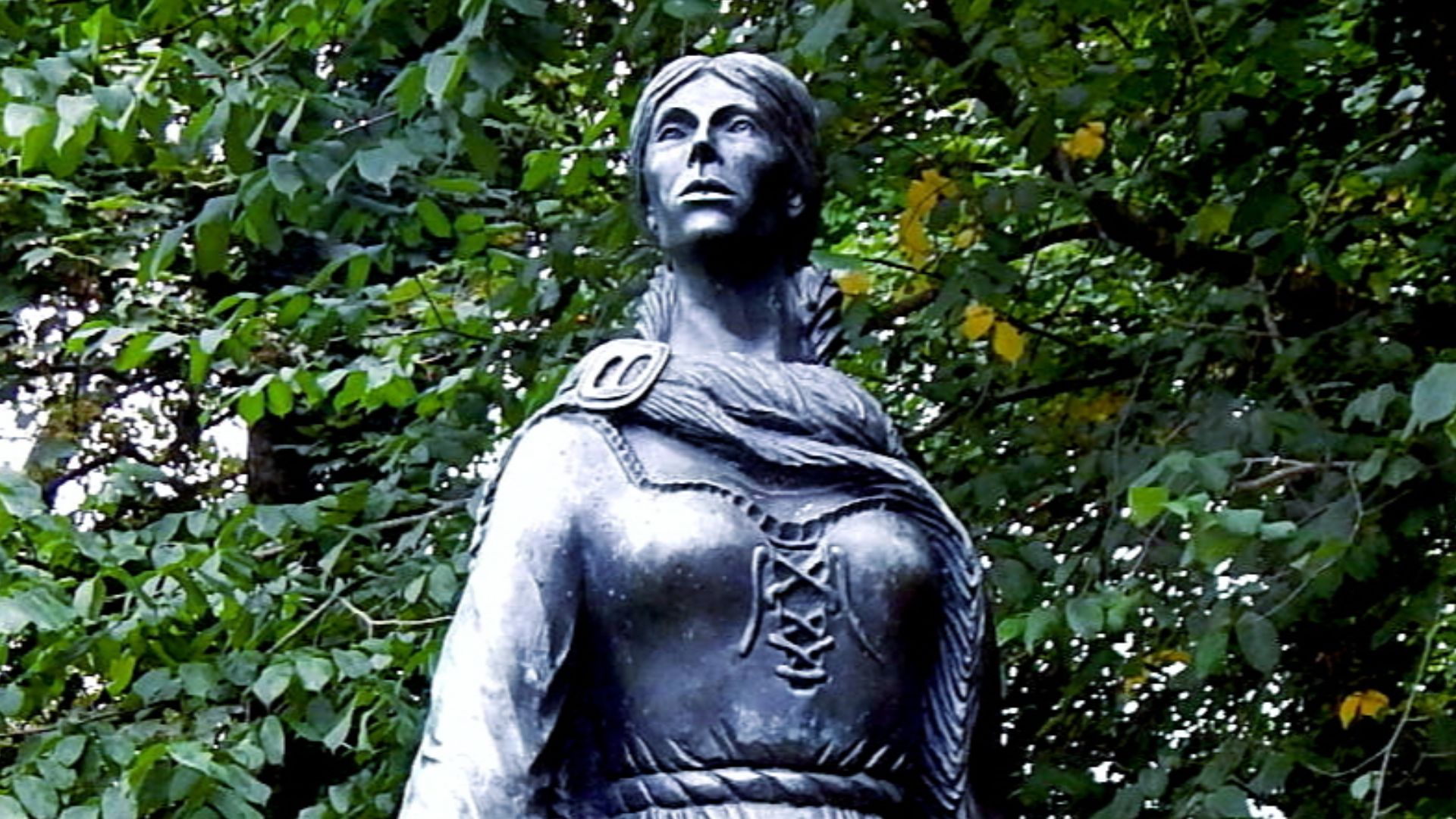
To this day, O’Malley stands guard over Irish independence. In modern day County Mayo, the stately Westport House stands atop the site of one of O’Malley’s former forts. To this very day, the Georgians-style estate remains in the hands of O’Malley’s direct descendants, the Browne family. And there, O’Malley still watches over her kin, immortalized in bronze.
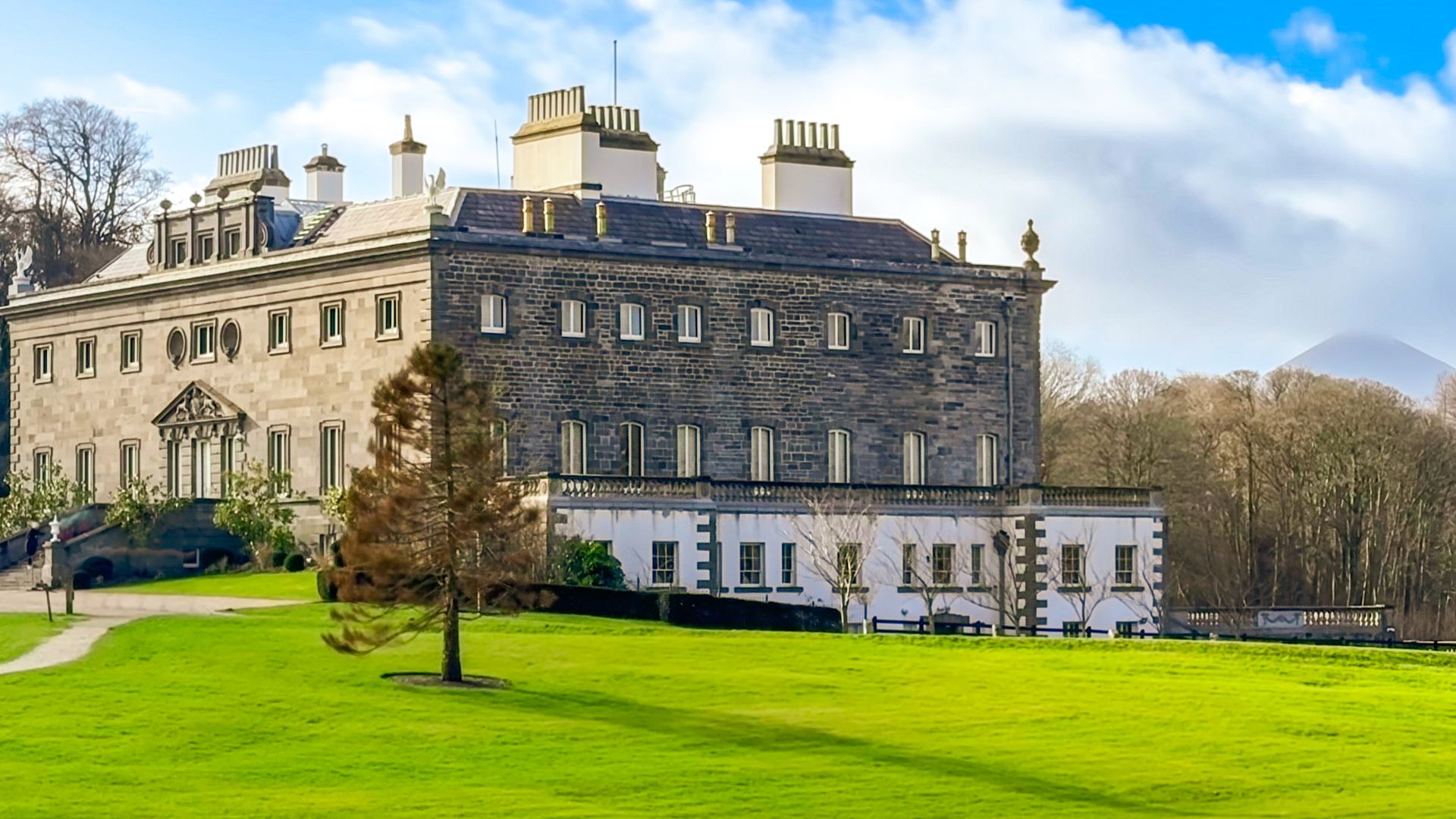 Michael Deligan, Wikimedia Commons
50. She Became A Symbol
O’Malley’s legacy reached far beyond her lifetime. The Irish revolutionary Patrick Pearse celebrated Gráinne Mhaol in song, recognizing O’Malley as an Irish republican in the lyrics of his song “Óró sé do bheatha abhaileand”. Additionally, the Commissioners of Irish Lights named multiple vessels in honor of the island’s fierce and fearsome Pirate Queen.
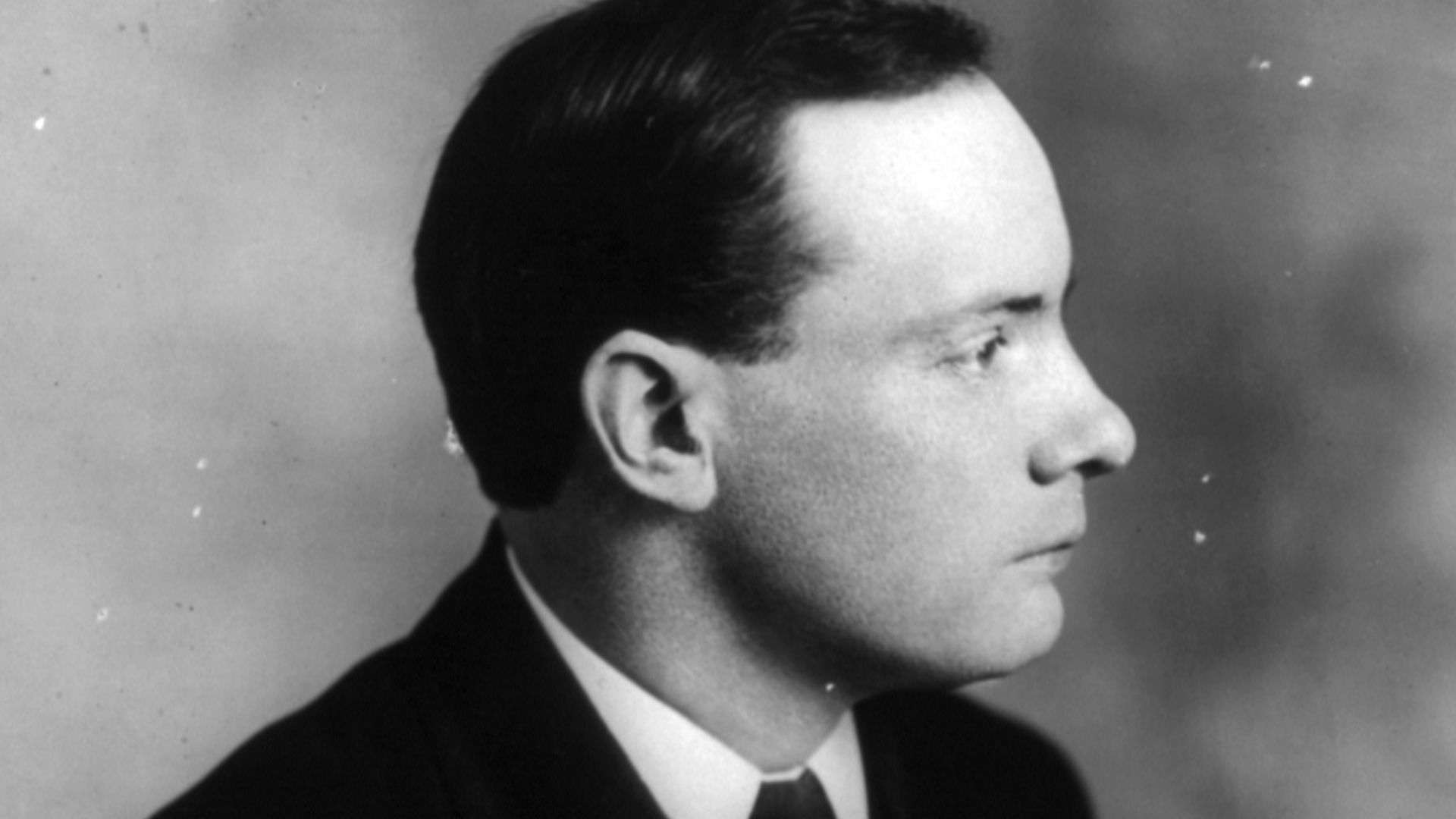 Unknown authorUnknown author, Wikimedia Commons
You May Also Like:
Ruthless Facts About Ching Shih, China's Cunning Pirate Queen
Groundbreaking Facts About Clara Barton, Angel Of The Battlefield