30. She Wasn't The Star Of The Show
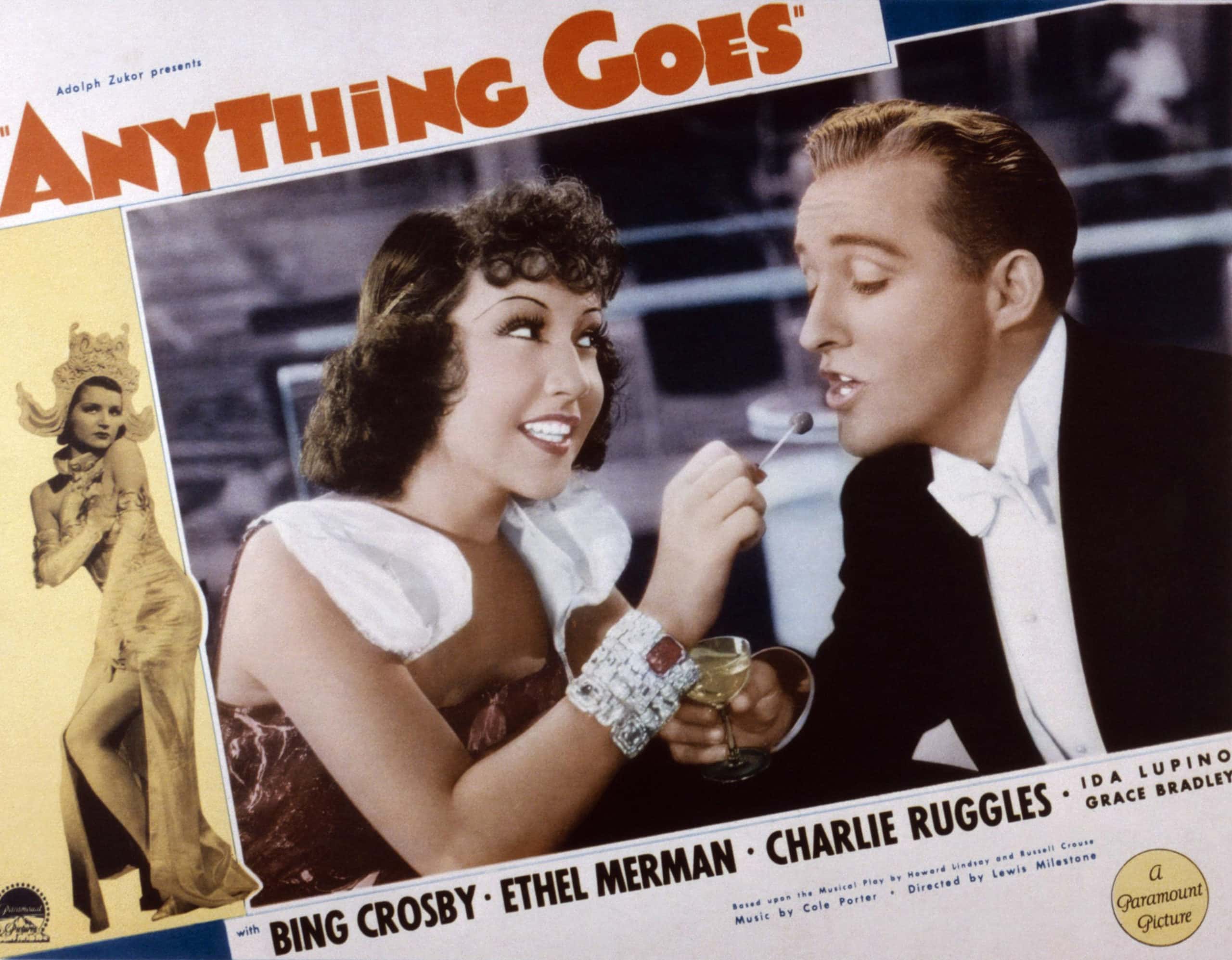
In a way, Ethel lost when she won the role. Again, she had a bad filming experience with a production that starred Bing Crosby. Although she was the co-star, Crosby stole the spotlight. Not only did she lose her power, but Ethel also had to contend with the changes made to the script. Ultimately, the movie was a disaster, finishing above budget and behind time. But that wasn't the worst part.
Critics also panned Ethel for her inability to replicate her stage presence on the big screen. Yikes!
31. She Didn't Give Up
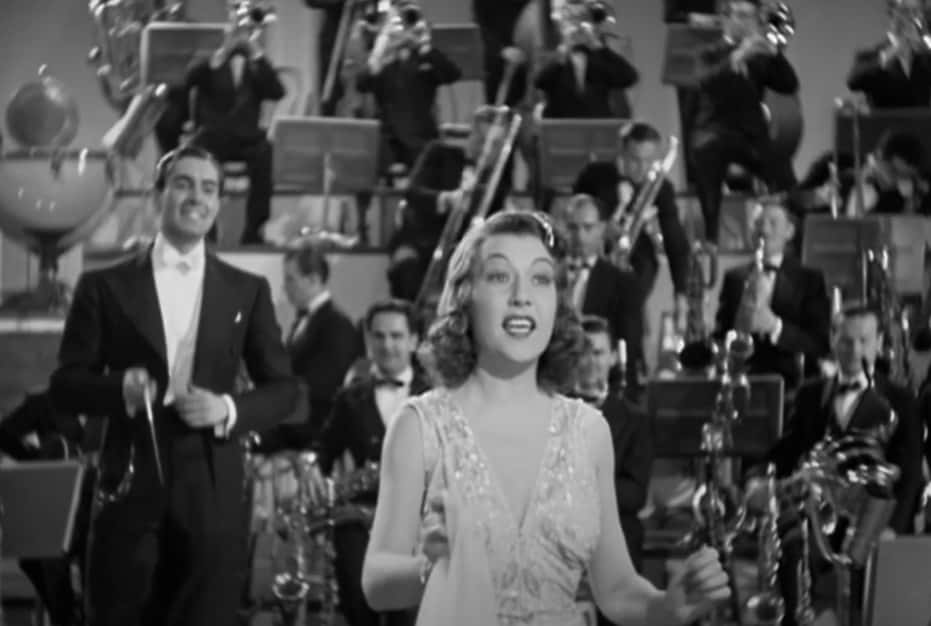
After struggling to replicate her stage success in movies, Ethel finally had a breakthrough. In 1938, she starred in two of the year’s biggest hits: Happy Landing and Alexander's Ragtime Band. As well, her stage career continued to do well with two more successful collaborations with Cole Porter: DuBarry Was a Lady and Panama Hattie. However, during the latter’s run, Ethel Merman unveiled her shocking dark side.
32. Her Claws Came Out
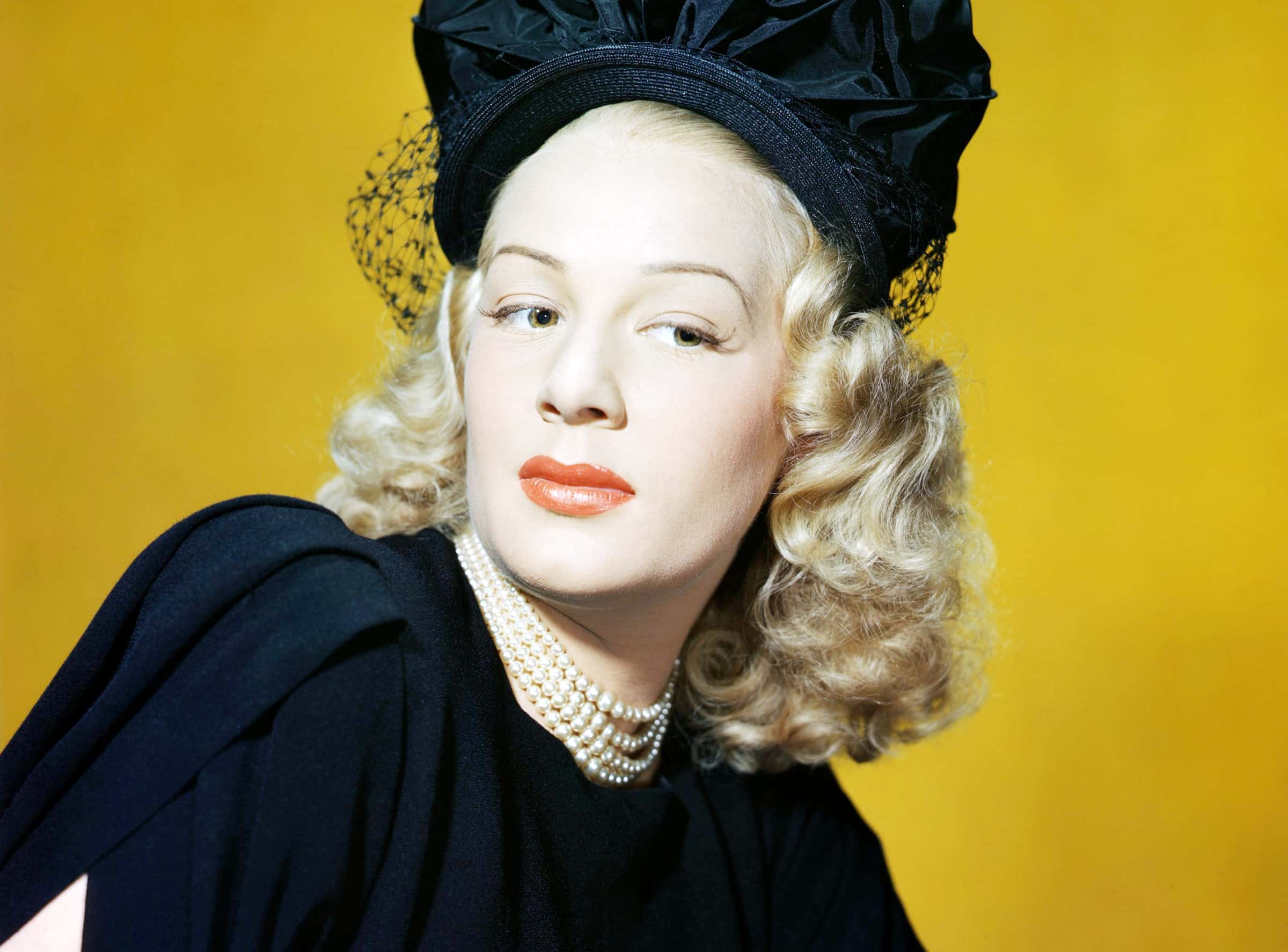
There’s no doubt that Ethel was ambitious. Her aspiration sparked rumors about the intense lengths she went to remain at the top. Allegedly, she was terribly jealous of her Panama Hattie castmate, Betty Hutton, and pushed to have Hutton’s songs cut from the show on opening night. Other reports, however, claim the producer made the decision based on Hutton’s style.
Of course, this wasn’t the only controversy involving Ethel.
33. She Had A Secret Lover
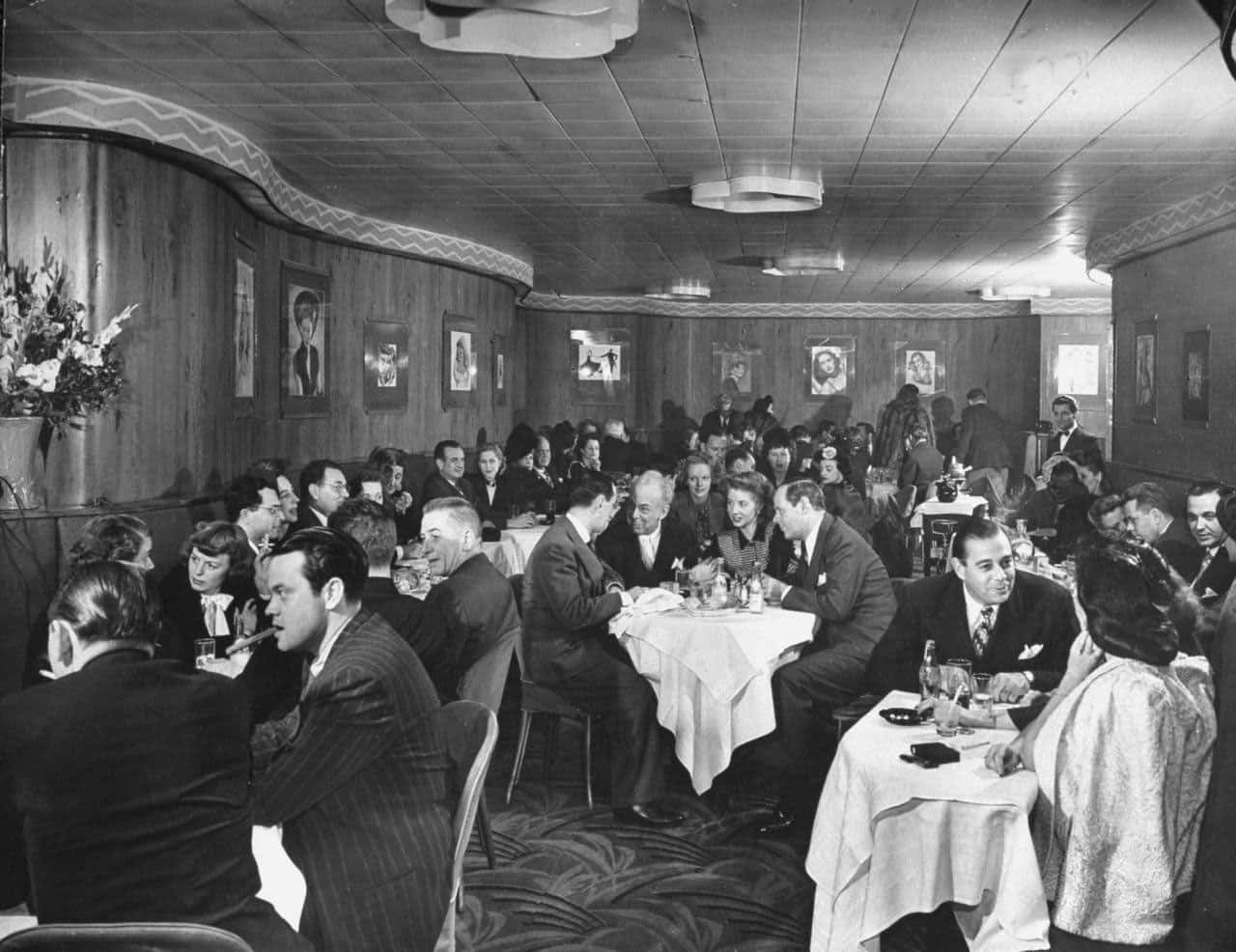
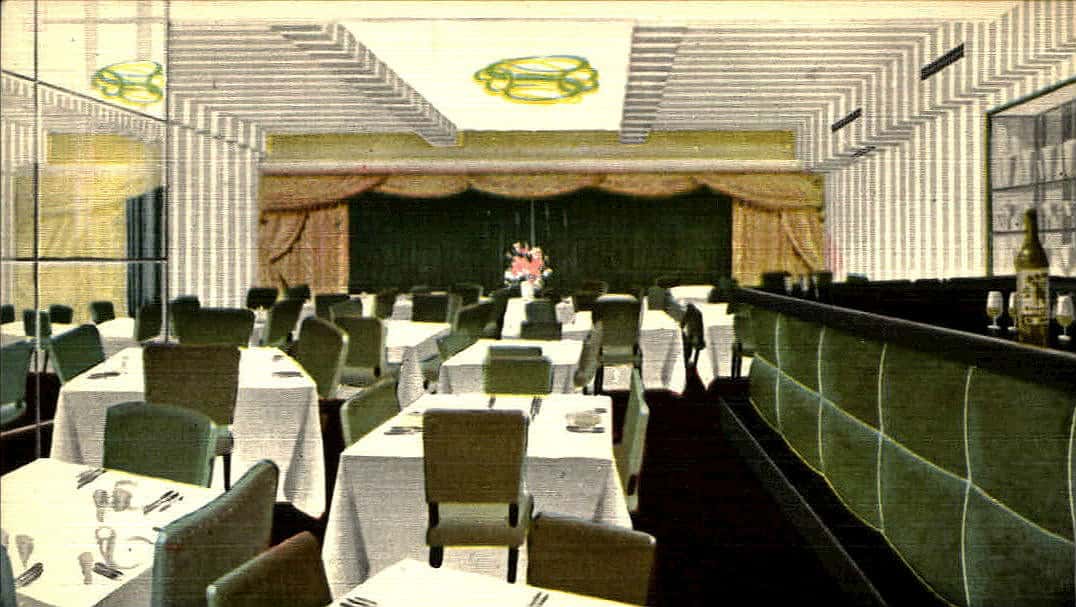
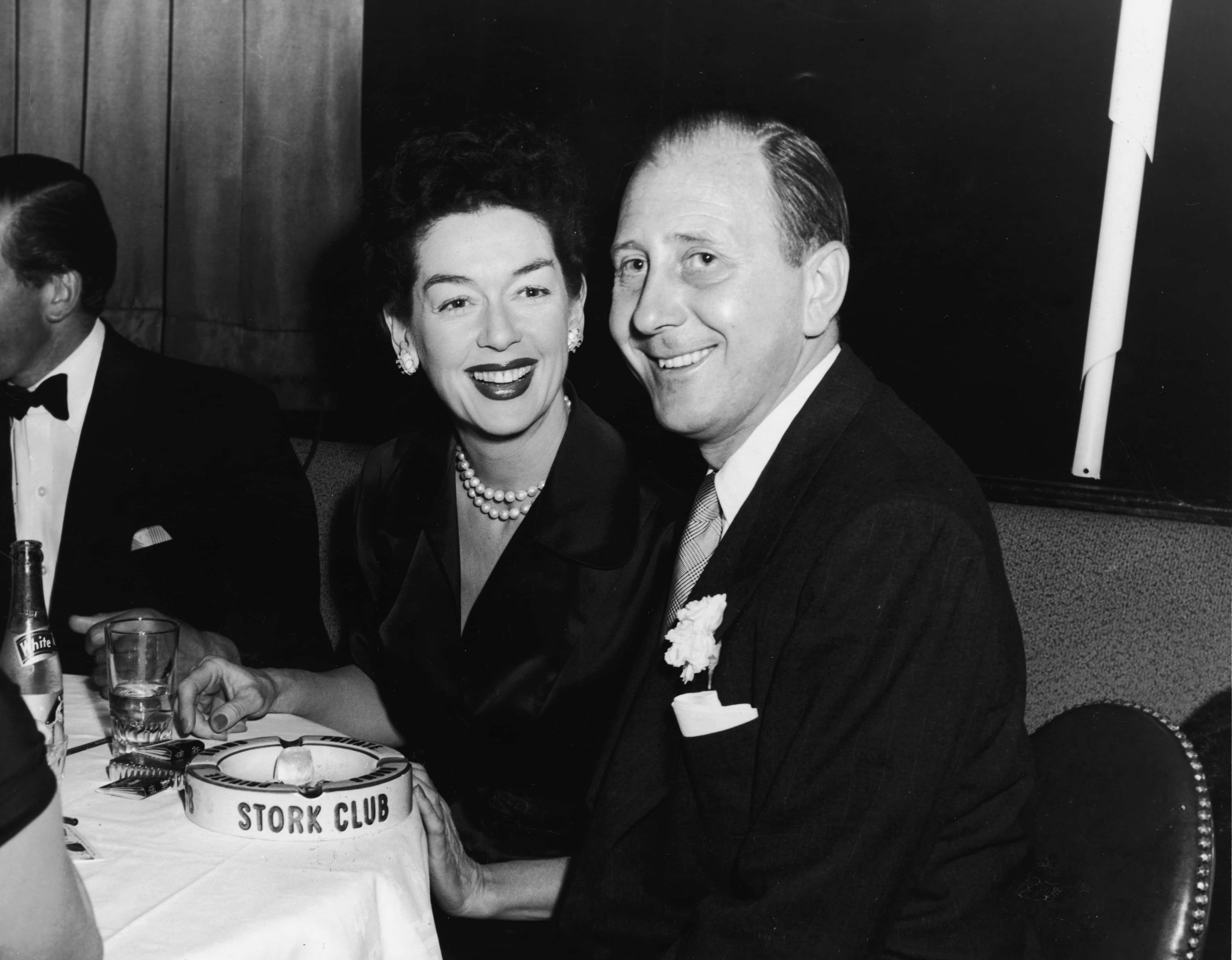
For some time, Ethel was in a secret relationship. Her Romeo was Stork Club owner and ex-bootlegger, Sherman Billingsley. And even more scandalous? He was married. However, despite this little snag, the two love birds seemed very much in love. Billingsley would often send a bottle of champagne to Ethel's dressing room after every performance.
This gesture, though, was tame compared to the egregious ways they showed their love for each other.
34. They Made People Turn Red
Ethel’s affair with Billingsley was passionate, and it made people blush right down to their toes. They often spent nights alone in his rooms at the Stork Club. As a result, the staff had little choice but to serve food and drinks at inconvenient times. On one disturbing occasion, Billingsley’s daughter pried Ethel’s hand from her father's knee, the actress' nails leaving scratch marks on him.
But as time passed, Ethel tired of sneaking around like a dirty secret.
35. She Gave Him An Ultimatum
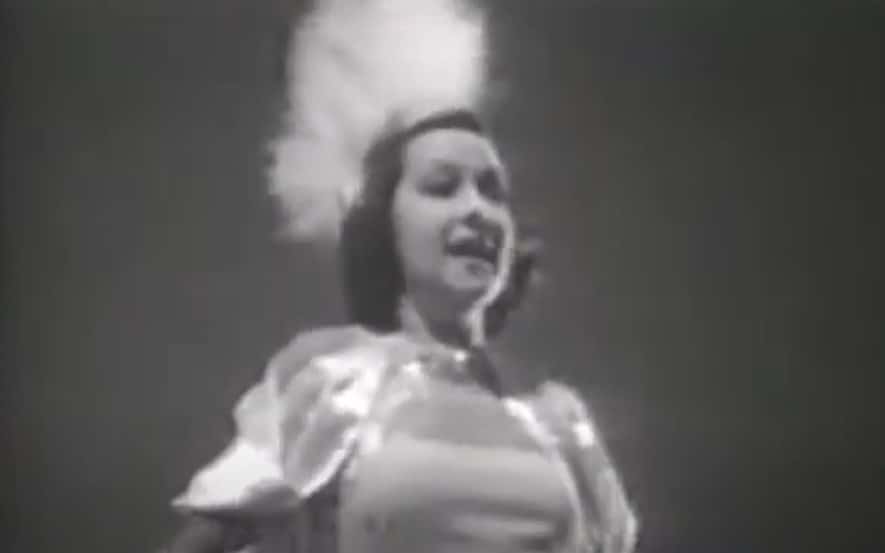
Tired of being the sidepiece, Ethel decided that Billingsley needed to make a decision. So, she gave him an ultimatum: He had to choose between her and his wife. To motivate him towards choosing her, she included a monetary incentive of $500,000, which was a fortune in those days. But unfortunately for Ethel, money couldn’t entice Billingsley to leave his wife and children.
And just like that, the fervent romance went up in flames.
 Biography, Ethel Merman(1999), A&E
36. She Rebounded Hard
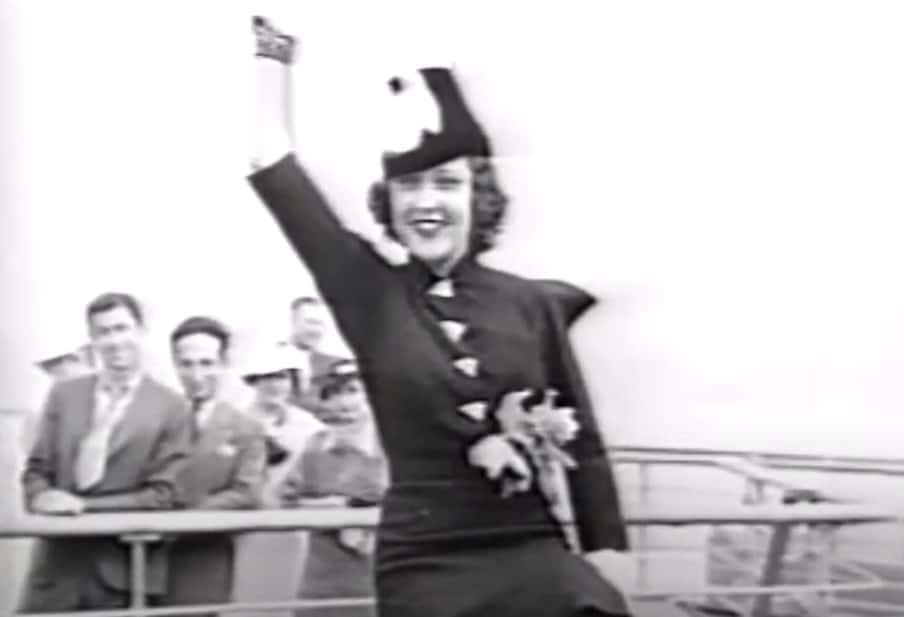
In the wake of her ruined love affair, Ethel made an impulsive decision—and it ended in disaster. Soon after Panama Hattie opened, she married one of her castmate’s agents, William Smith. But almost immediately after marrying Smith, regret hit her like a pound of bricks. On her wedding night, she realized it was all “a dreadful mistake.”
Two months later, she filed for a hasty divorce and listed desertion as the reason. But despite her horrifying track record, Ethel wasn't ready to give up on love.
 Biography, Ethel Merman(1999), A&E
37. She Was Unlucky In Love
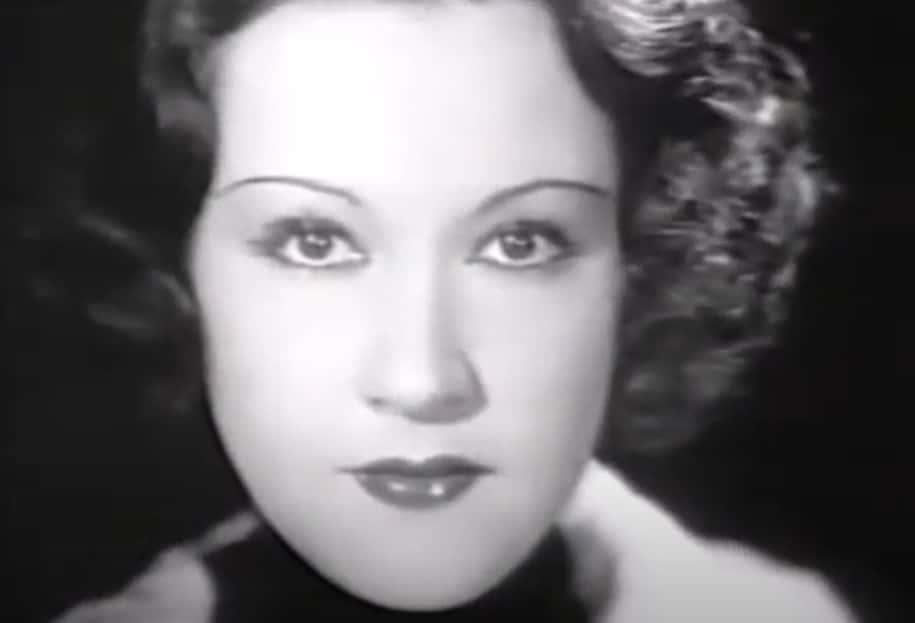
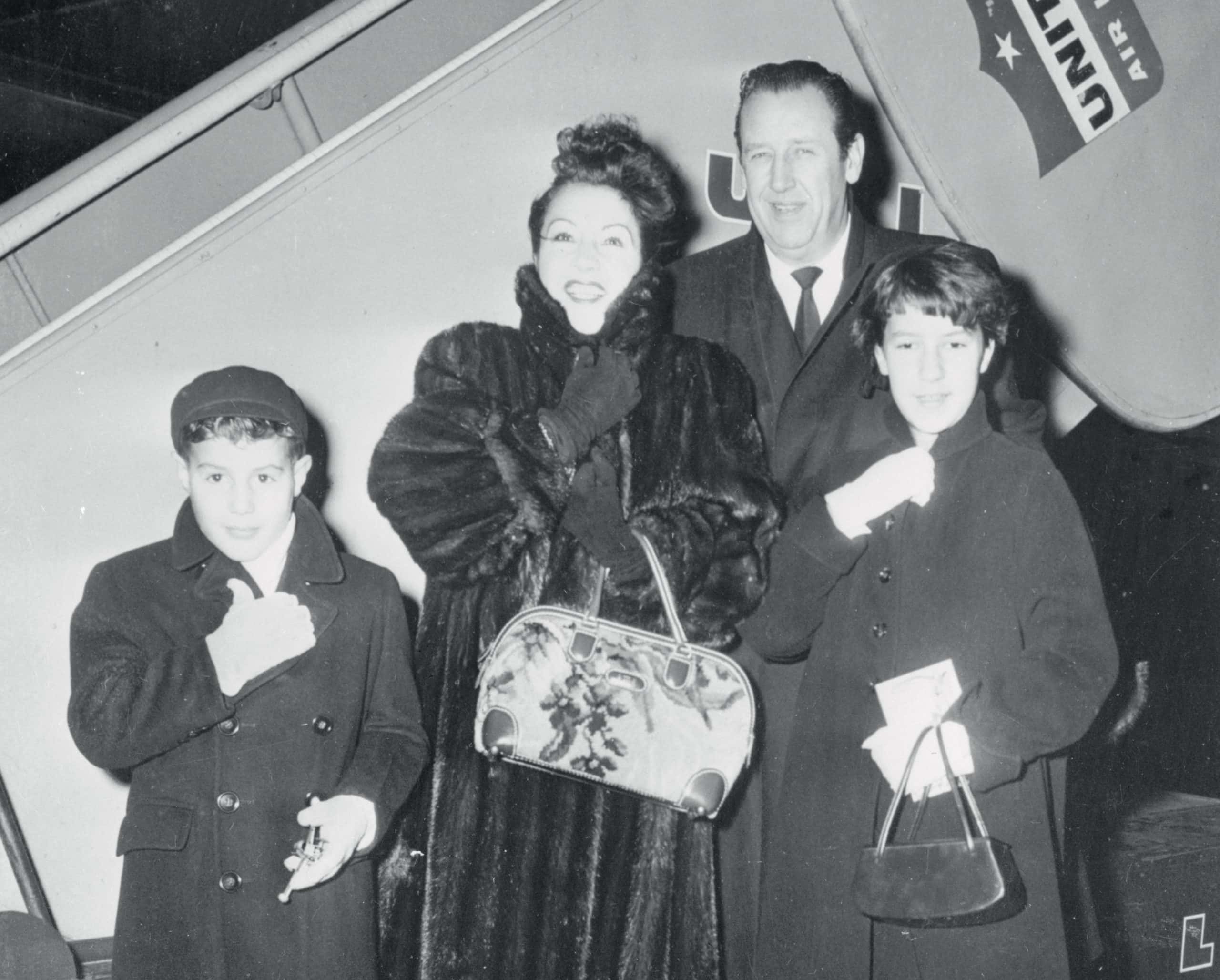
Ethel Merman didn't learn her lesson and rebounded again. Soon after her divorce from William Smith, Ethel met and married Robert D. Levitt. At first, this seemed like "happily ever after"—and the couple even welcomed two children. But it was doomed to a horrifying end. Sadly, Levitt was a dangerous drinker, and his vices only led to heartbreak.
 Biography, Ethel Merman(1999), A&E
38. She Became A Single Mother
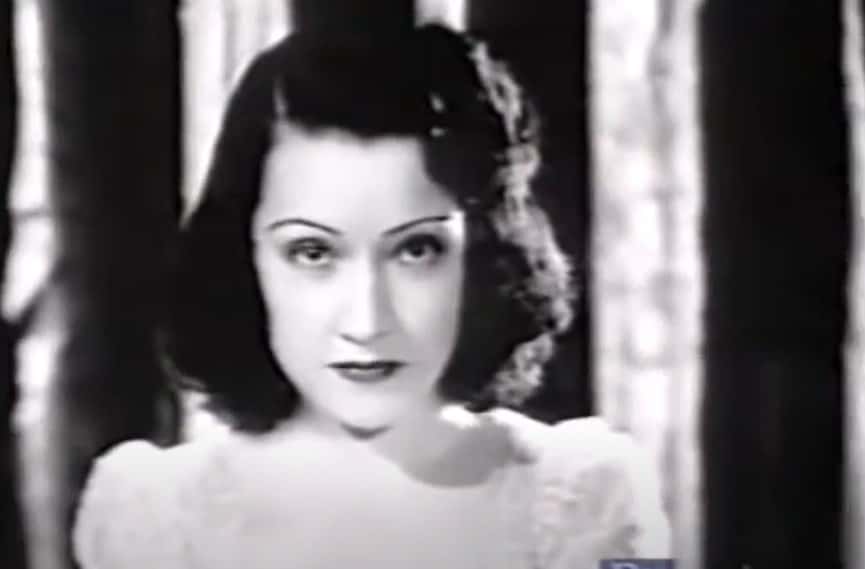
In 1952, Ethel had no choice but to admit that her marriage was over. Not only did her husband struggle with addiction, but he also had some severe behavioral issues. In fact, six years after Ethel walked away from him, Levitt's personal demons became too much for him. Sadly, he took his own life in 1958, making Ethel Merman a single mother.
 Biography, Ethel Merman(1999), A&E

History's most fascinating stories and darkest secrets, delivered to your inbox daily.
39. She Took A Dramatic Turn
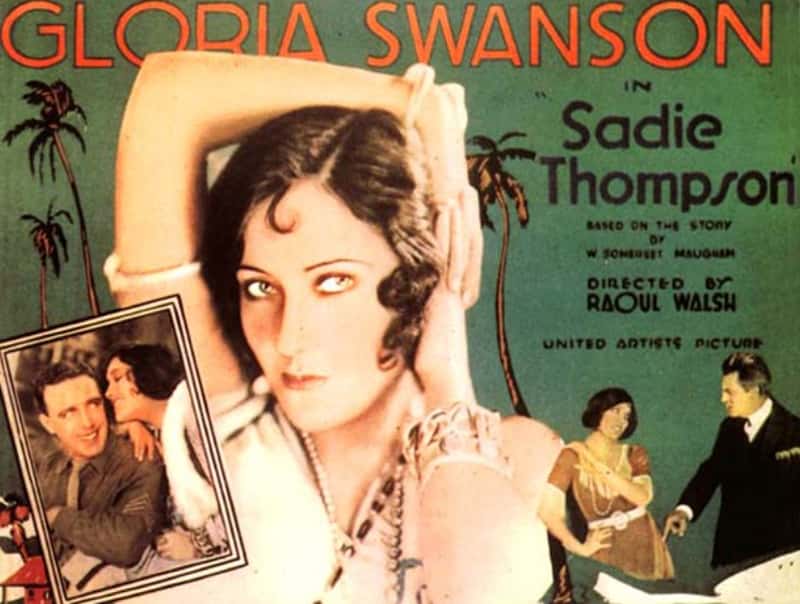
For a long time, Ethel Merman was famous for her roles in musical comedies. So, in 1944, she decided to change things up by taking on the titular role in the dramatic musical, Sadie Thompson. It was an opportunity for Ethel to show her range, but the role proved to be trickier than expected. During the early stages of rehearsals, she found herself facing challenges she had never encountered before.
40. She Made A Few Changes
The difficulty Ethel faced on set was new territory for her. She found it hard to memorize the lyrics, blaming lyricist Howard Dietz for using foreign and complicated words. So, she had her then-husband, Robert D. Levitt, who worked for the New York Journal-American, tweak the lyrics. Furious, Dietz gave her an ultimatum: sing the original lyrics or get out. Ethel Merman chose the latter.
41. She Has An Iconic Song
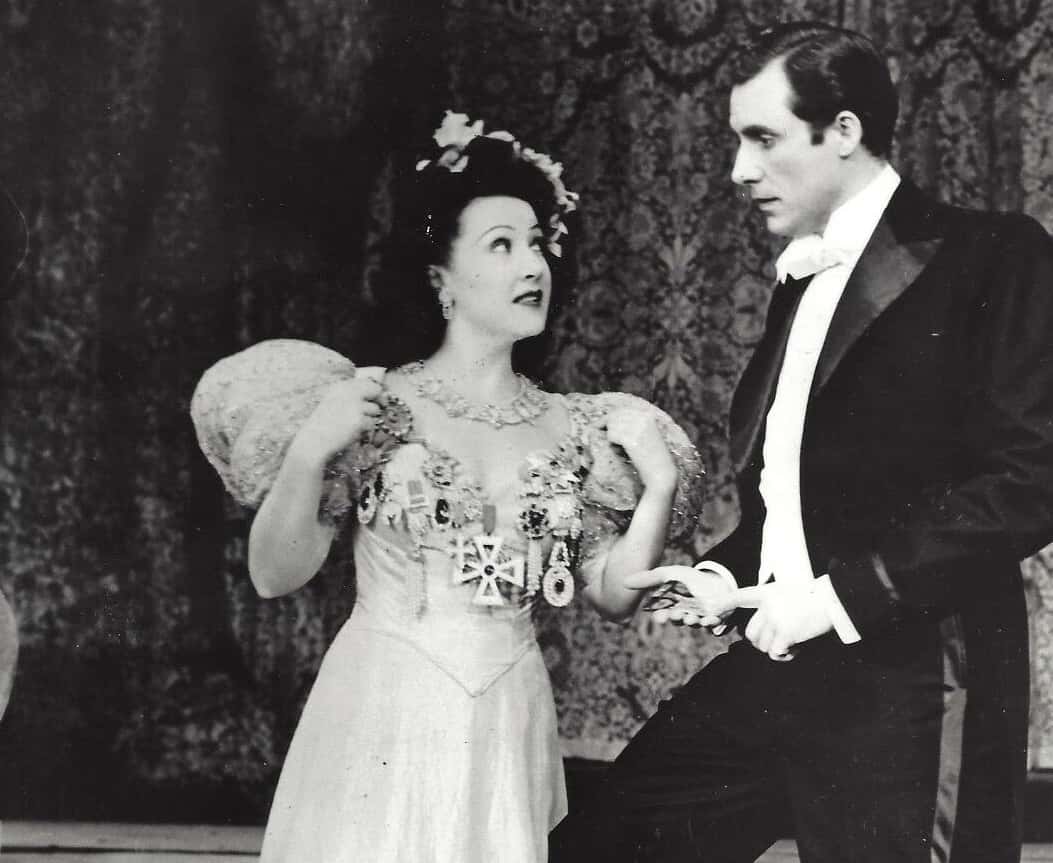
When one door closes, another one opens. In 1945, Ethel accepted the role of Annie Oakley in the musical, Annie Get Your Gun. It became her most famous role and one that, even today, is a key part of her legacy. Written by Irving Berlin, the musical was a huge success with a run of 1,147 shows that lasted almost three years. But that wasn't the most important part.
Out of the musical’s score came Ethel Merman’s signature song, There’s No Business Like Show Business—a song that followed her throughout her career, pushing her into a new decade and a new round of milestones.
42. She Collected Gold
In 1950, Ethel Merman made a smart move. She joined the cast of Call Me Madam—and it led her straight to a Tony Award for Best Performance by a Leading Actress in a Musical. Oh, but the glittering achievements didn't end there. Three years later, she won the Golden Globe Award for Best Actress when she reprised the role for the film adaptation. However, it wasn’t just her performance that caught everyone's attention.
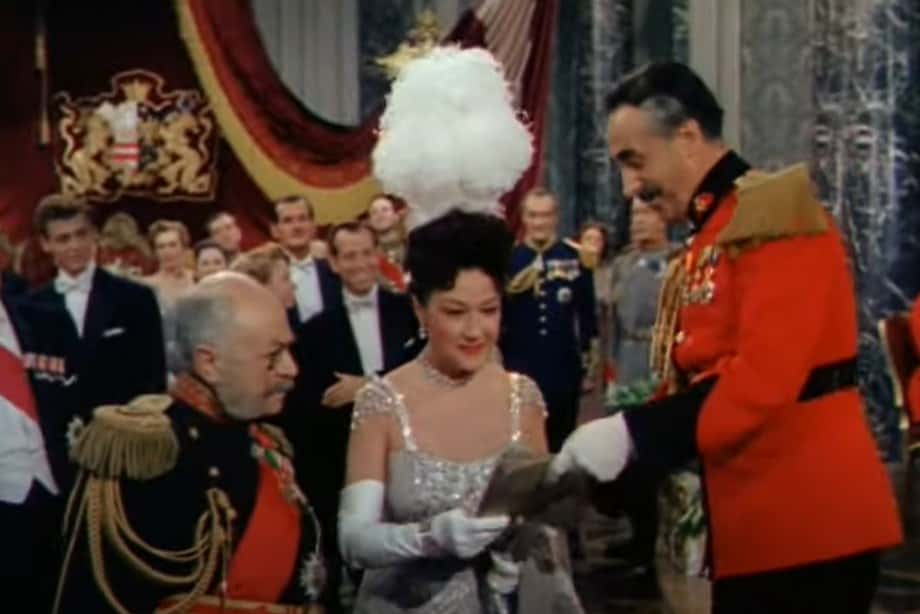 Call Me Madam (1953), 20th Century Fox
43. Nobody Crossed Her
Ethel Merman’s feistiness was well documented. For instance, her stand-in recalled a story of how Ethel displayed said feistiness during a performance of Call Me Madam. While she was singing, an intoxicated audience member kept hollering at her, to the irritation of Ethel herself. Just as she reached the song’s end, however, she suddenly stopped—and did the unthinkable.
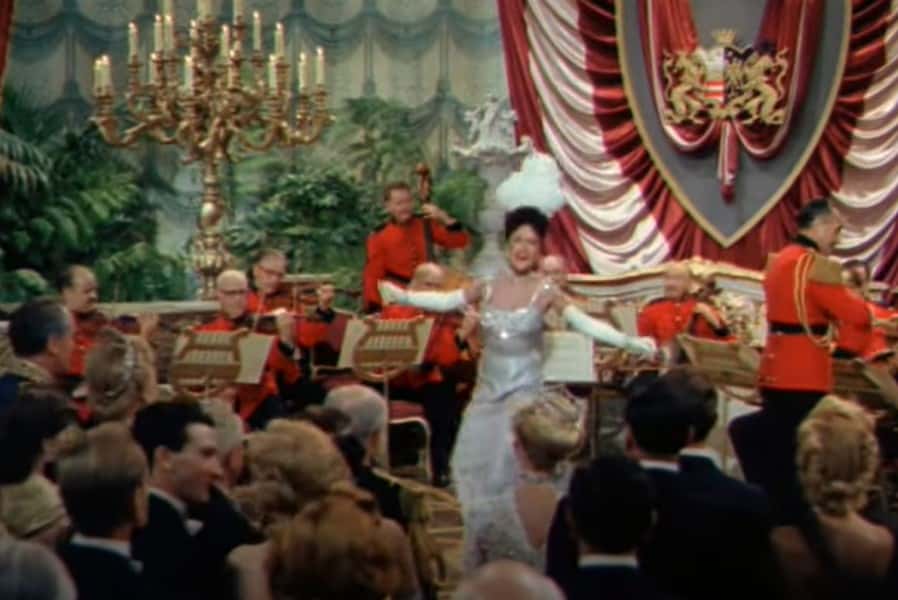 Call Me Madam (1953), 20th Century Fox
44. She Threw Him Out
In lieu of the rude interruptions, Ethel Merman stalked off the stage and made a beeline for the perpetrator. She physically grabbed him out of his seat and threw him out of the theater and into the streets herself. Then, she immediately returned to the stage and finished the song without missing a beat. The lesson? Don’t interrupt the diva, Ms. Merman.
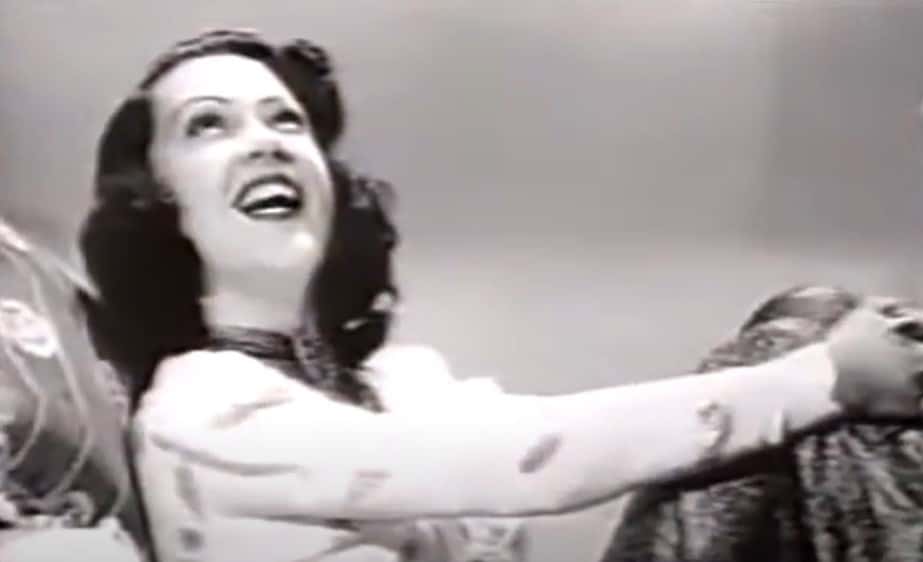 Biography, Ethel Merman(1999), A&E
45. She Obeyed Her Husband
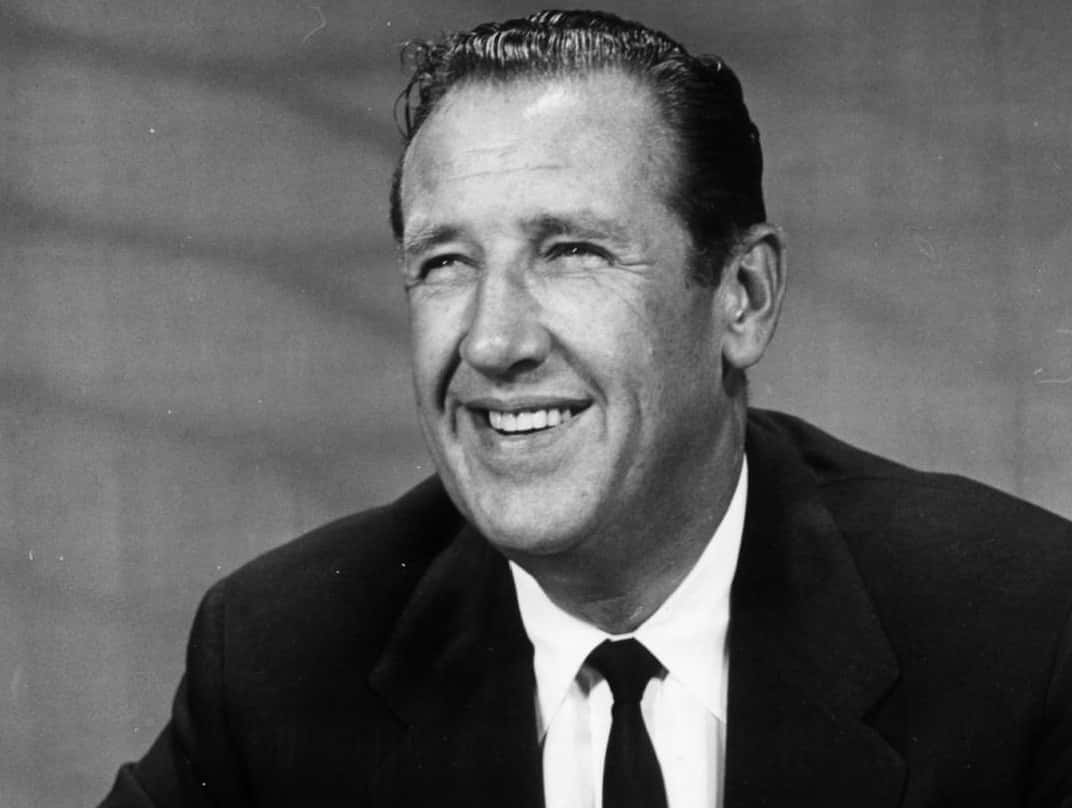
In 1953, Ethel Merman married for the third time. Her third husband was Robert Six, a Continental Airlines executive. Surprisingly, Ethel chose to become a housewife after she married him. Six, however, wasn’t happy with her decision. He wanted her to resume her career in hopes that her celebrity would be good promotion for the airline. So, he pushed Ethel to take the starring role in Happy Hunting. It was anything but a grand comeback.
46. Her Return Was Rough
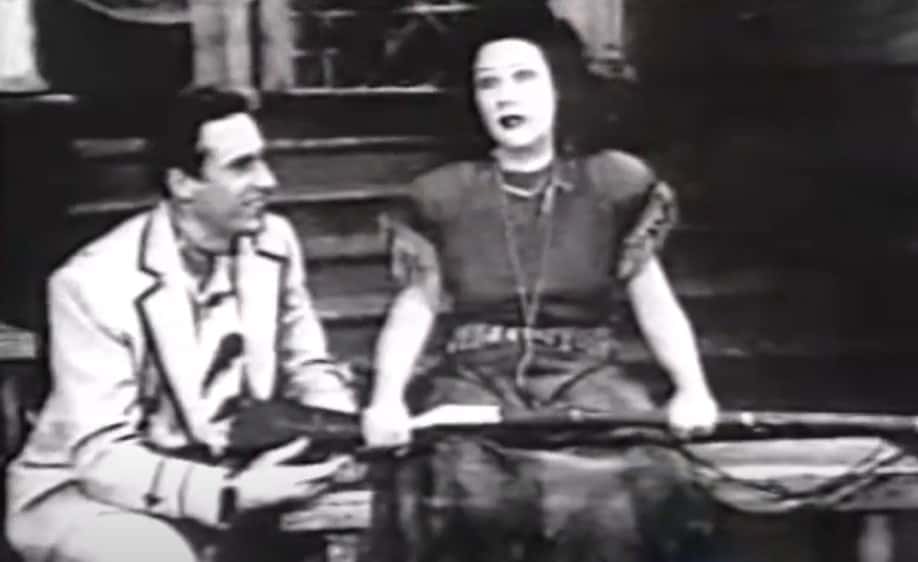
Ethel’s return to the stage wasn’t an easy one. From the beginning, she argued with the composers. The drama spilled over to arguments with her co-star, Fernando Lamas, and his wife, who was often at the rehearsals. A few months after the show opened, she demanded to take out two of her least favorite songs and use songs written by a friend.
When the musical’s run ended, Ethel felt utterly relieved. Little did she know, another betrayal lay waiting for her in the shadows.
 Biography, Ethel Merman(1999), A&E
47. She Faced Betrayal
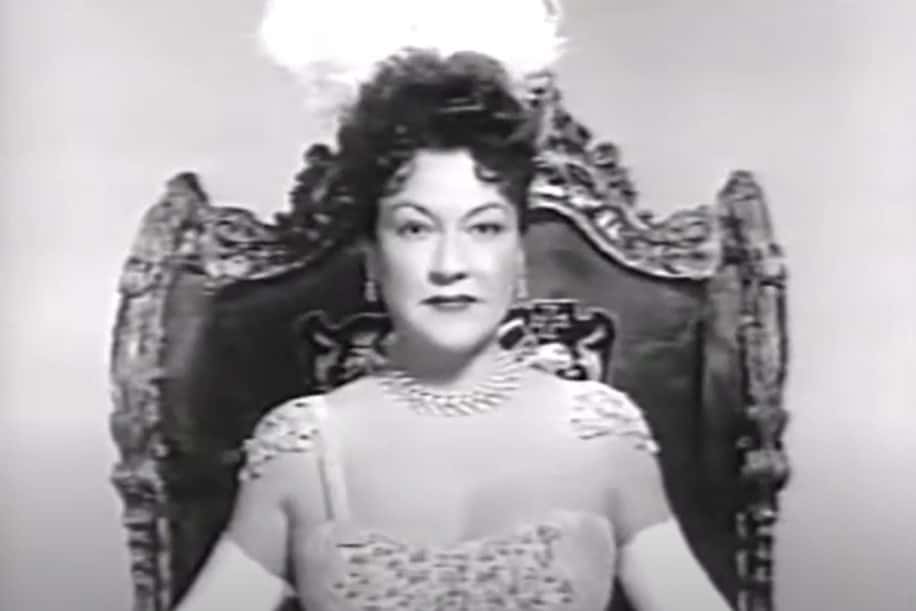
Although Ethel reached a personal high with her next role as Rose Hovick in Gypsy, her personal life hit another devastating low. She discovered that her husband, Robert Six entertained a torrid affair behind her back. Once again, she had another divorce on her hands. However, this wasn't the only betrayal darkening her doorstep.
 Biography, Ethel Merman(1999), A&E
48. She Trusted Him Entirely
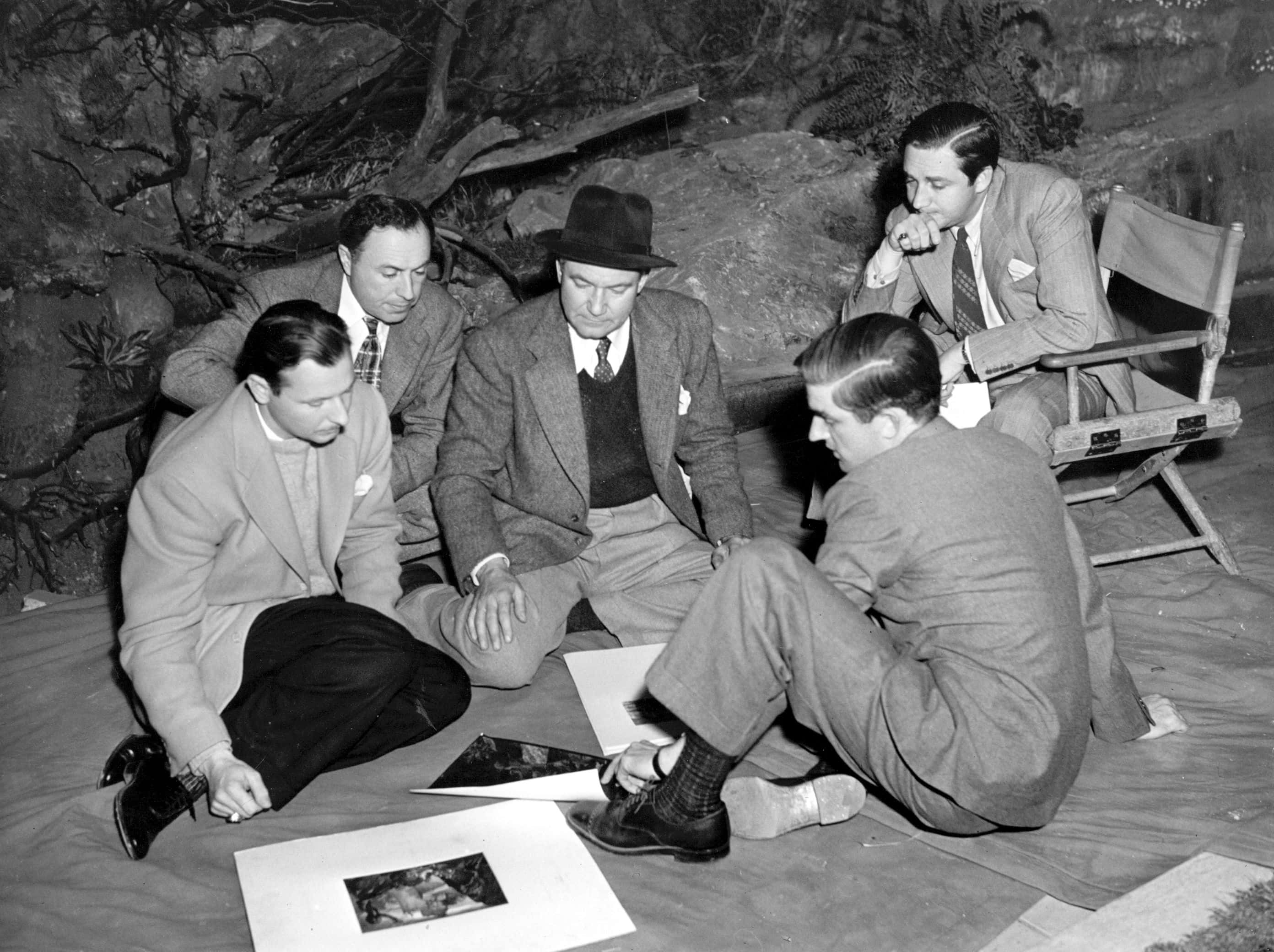
Ethel’s magnificent performance in Gypsy stirred up some serious interest. Mervyn LeRoy, who helmed the movie version of the musical, saw many shows during its stage run and promised Ethel she would be cast in the movie. Ethel placed her trust in LeRoy and believed wholeheartedly that she had the role in the bag. However, before the end of the production’s run, she received some shocking news.
49. Her Greatest Disappointment
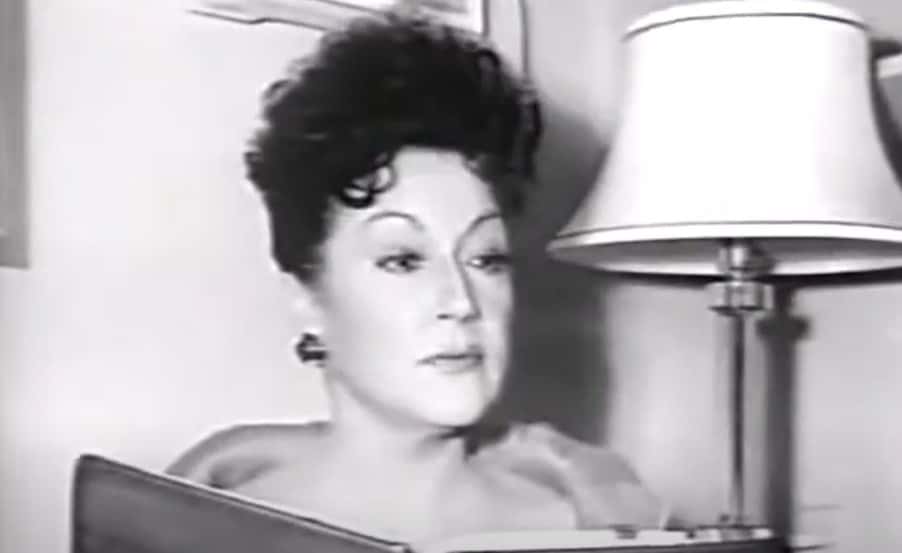
To her horror, Ethel Merman learned that she was not cast in the film adaptation of Gypsy. Instead, Rosalind Russell, a popular movie actress, won the role due to bankability and a background campaign. In contrast, Ethel had never had a solid movie career. Of the rejection, Merman said it was “the greatest professional disappointment of my life." However, this wasn’t the only slap in the face she endured.
 Biography, Ethel Merman(1999), A&E
50. She Got Played Again
Still coping with the rejection, Ethel Merman joined the road tour of Gypsy. During one of the shows in LA, LeRoy saw her backstage to deliver news that Russell had fallen ill. He assured her the studio was going to cast her in the movie after all. With her hopes soaring high, she once again believed LeRoy and gave him the best seats for his friends and industry associates.
Unfortunately, LeRoy had played her for a fool. She did not get the part.
51. She Had A Hollywood Marriage
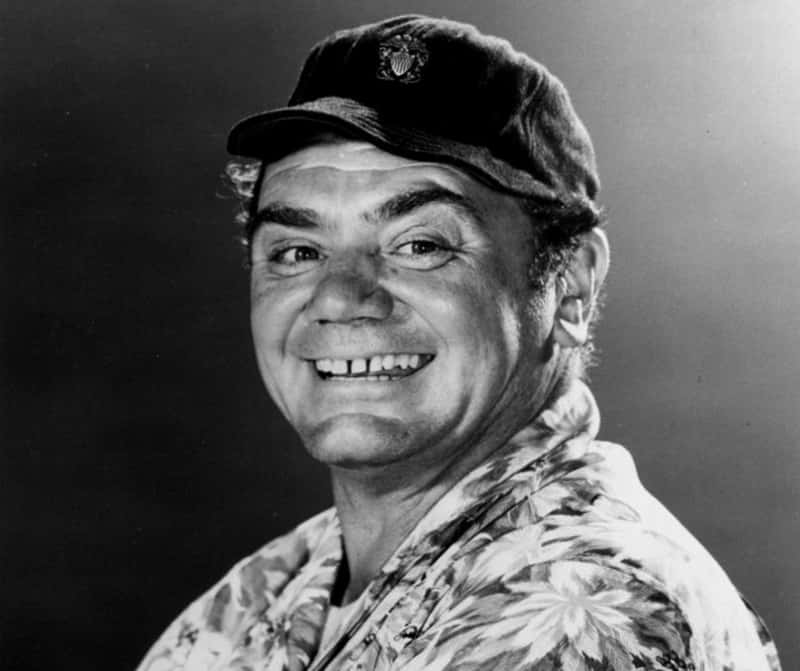
Ethel Merman’s last marriage made Kim Kardashian’s 72-day marriage seem like an eternity. On June 27, 1964, she married actor Ernest Borgnine. However, the marriage quickly unraveled a mere 11 days later. Both parties filed for divorce separately with counterclaims of extreme cruelty. Borgnine claimed Ethel was jealous of his popularity—but, at the end of the day, Ethel had the greatest vengeance of all.
52. She Told It Like It Was
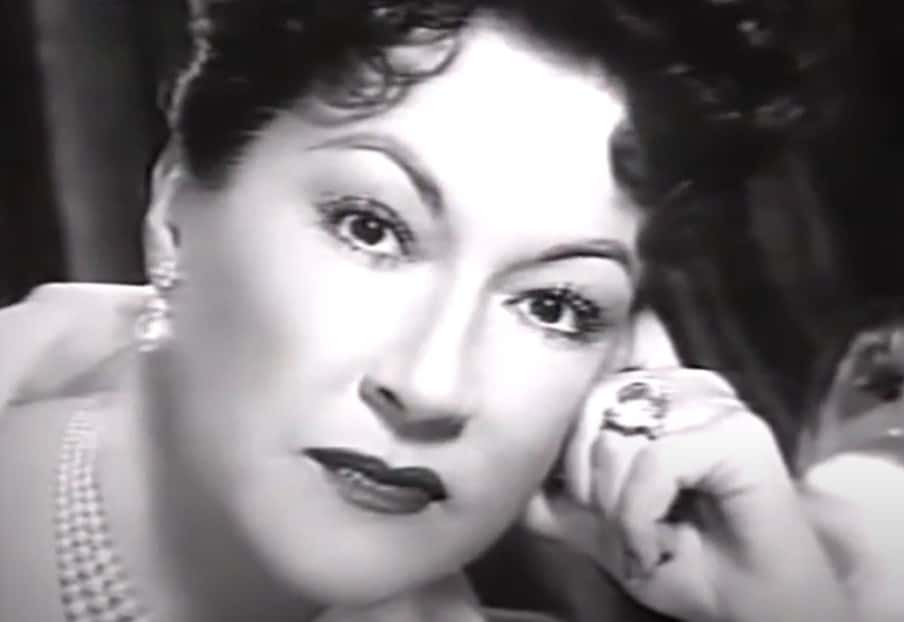
In her autobiography, Ethel paid tribute to her failed marriage in a special way. She especially titled a chapter, "My Marriage to Ernest Borgnine," and it consisted of a single blank page. Despite her history of broken hearts, the actress maintained her sense of humor when discussing her many failed romances: "We all make mistakes. That's why they put rubbers on pencils, and that's what I did. I made a few lulus!"
 Biography, Ethel Merman(1999), A&E
53. She Couldn't Speak
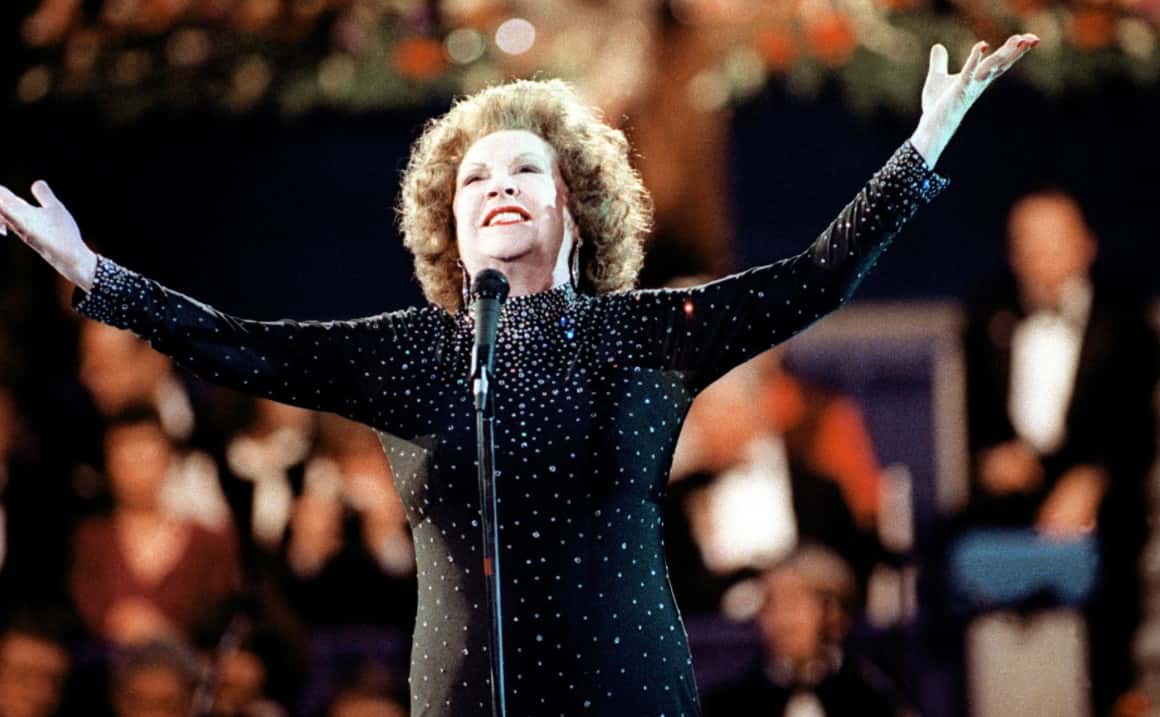
During the last two decades of her life, Ethel continued to perform. But as she entered her later years, it became increasingly obvious that something was horribly wrong. The actress seemed to have trouble with her memory, and sometimes, even speaking was a struggle. However, her behavior concerned her friends the most. Ethel had become more erratic than ever before—and it led straight to a disturbing climax.
 NARA & DVIDS Public Domain Archive
54. She Collapsed
Ethel Merman was LA-bound, ready to participate in the 55th Academy Awards—but she never made it to her destination. While getting ready to go, she collapsed. Rushed to the hospital, Ethel faced her mortality for the first time. The doctors believed that she'd had a stroke—but the final diagnosis was more terrifying than she'd ever imagined.
55. She Became Unrecognizable
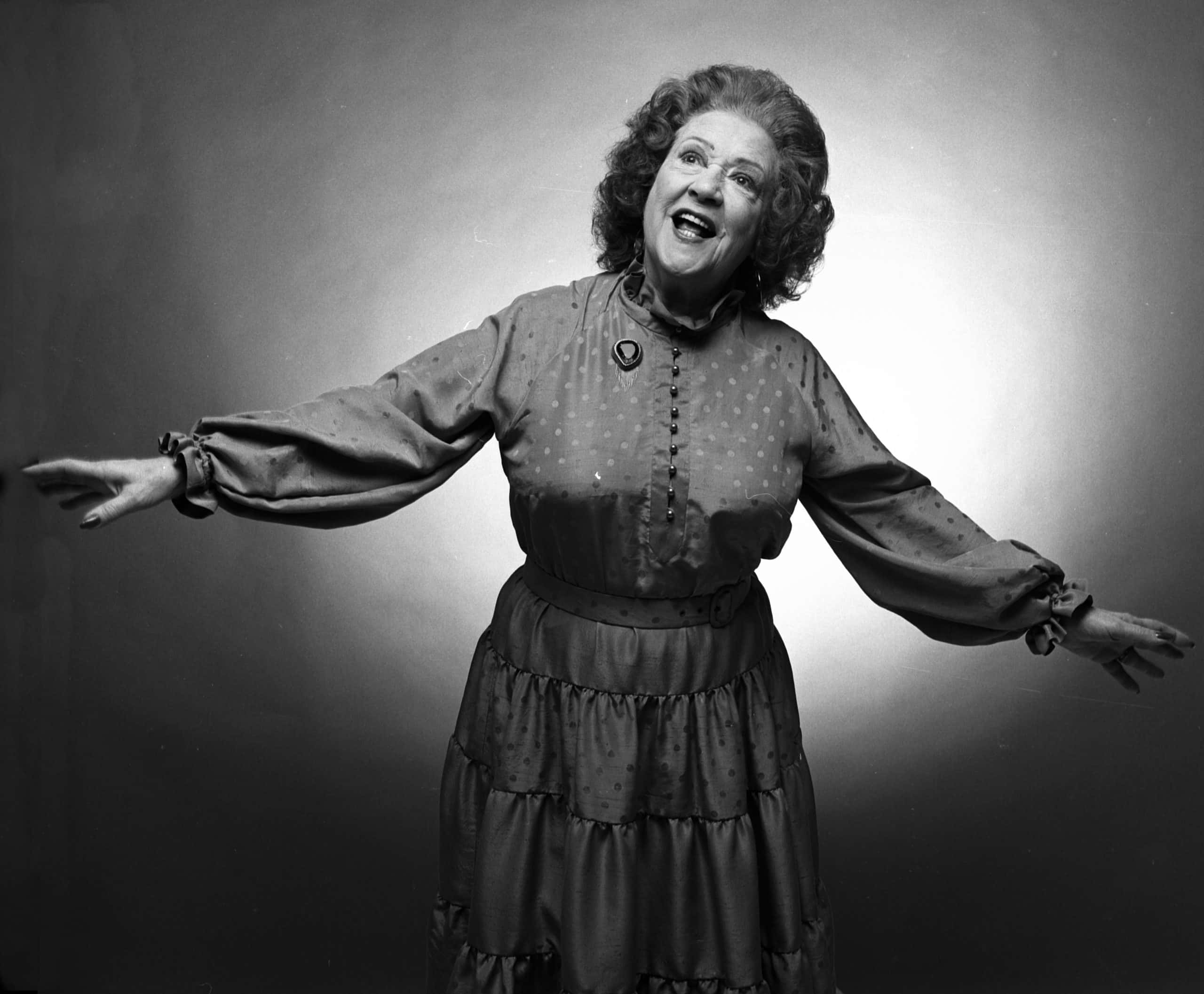
As it turns out, Ethel suffered from stage four brain cancer, and sadly, the tumor was inoperable. Doctors gave the beloved actress only eight and a half months to live—and her rapid decline was the most heartbreaking part of all. Once vivacious and beautiful, poor Ethel Merman lost all of her hair, her face swelling beyond recognition. Her days were numbered—but her family and manager concealed the brutal nature of her illness from the outside world.
56. She Had A Private Passing
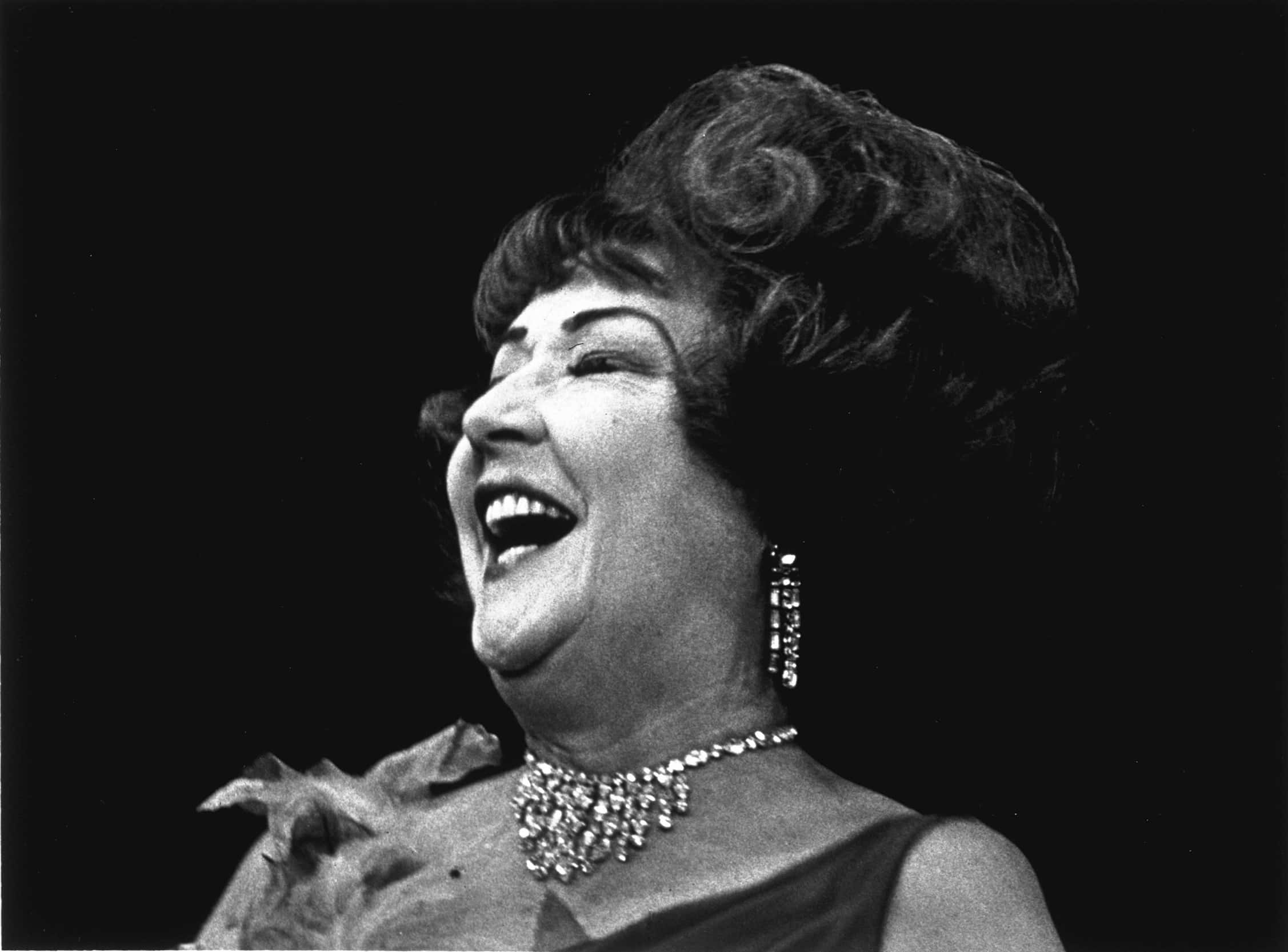
Until the very end, Ethel Merman strove to keep her personal life safely tucked behind closed doors. Her son Robert Jr. even stated, "Mom truly appreciated [her fans'] presence and their applause. But you shouldn't attempt to be personal—she drew lines, and she could cut you off." And so, her loved ones treated her pending demise in the way she would have wanted.
Sadly, Ethel Merman's extraordinary life came to a quiet end on February 15, 1984, after a 10-month battle with the disease. In memory of their stage queen, all Broadway theaters dimmed their lights at 9 pm.