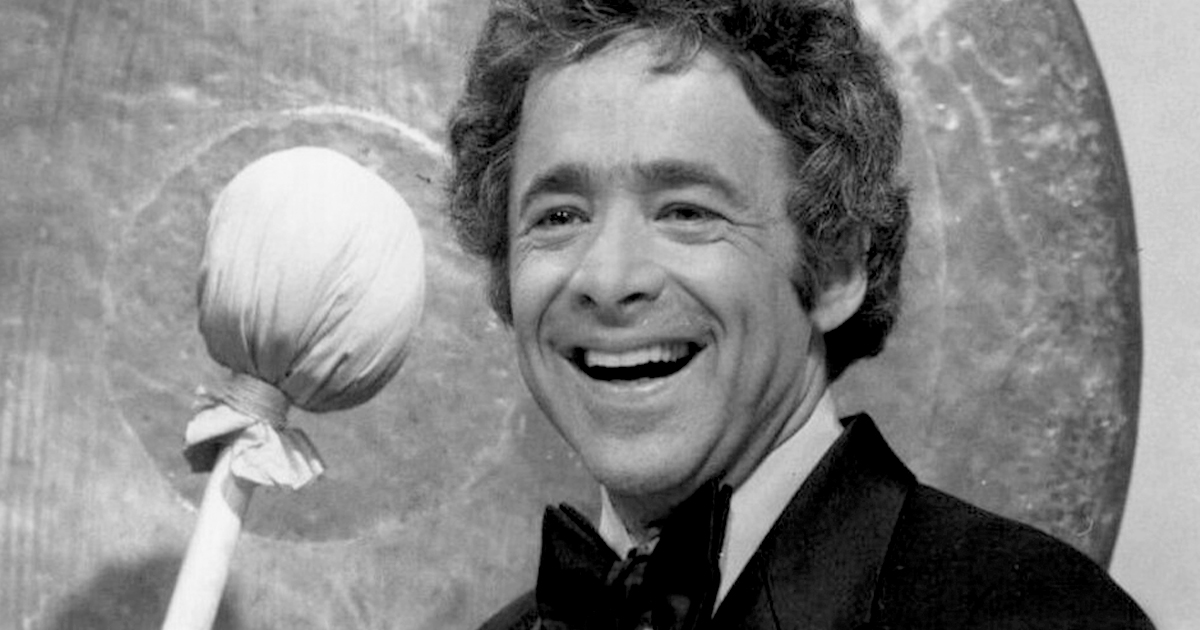
He Was The “King Of Schlock”
Chuck Barris mumbled, stumbled, and bumbled his way into producing and hosting some of the greatest game shows of all time. But it wasn’t all laughs. His racy shows raised eyebrows—and he may have been an undercover agent the whole time!
 NBC Television Network, Wikimedia Commons
1. He Came From A Respectable Family
Charles Hirsch Barris would one day become TV’s most beloved host, but he was born far from the spotlight on June 3, 1929, in Philadelphia, Pennsylvania. His father provided for his family, working as a distinguished dentist while his mother kept the house. It was a respectable upbringing for a descendant of Romanian Jewish immigrants.
His childhood seemed normal at first.
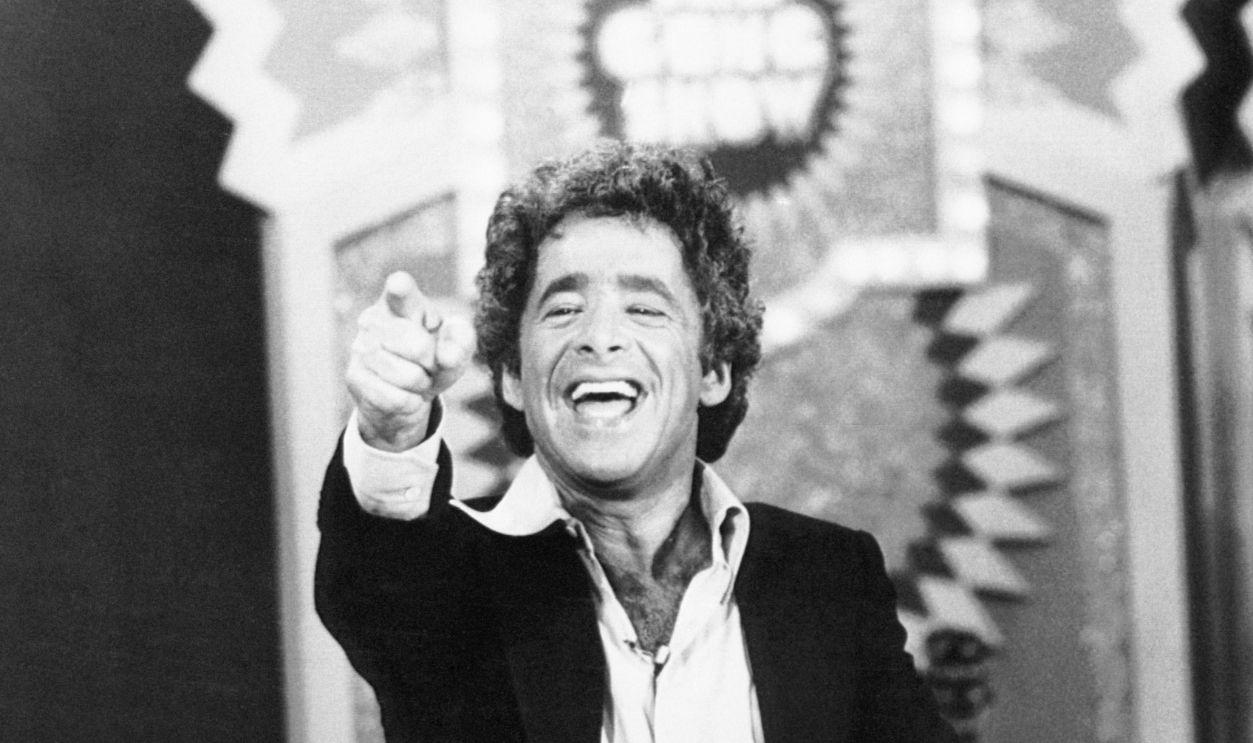
2. He Played Ball Like All The Other Kids
Chuck Barris spent his childhood in the comfortable middle-class suburb of Bala Cynwyd, also known as Lower Merion Township. There was nothing particularly notable about those early years: playing on the high school basketball team and graduating in 1947. But there was something much darker lurking beneath the surface of all that normality.
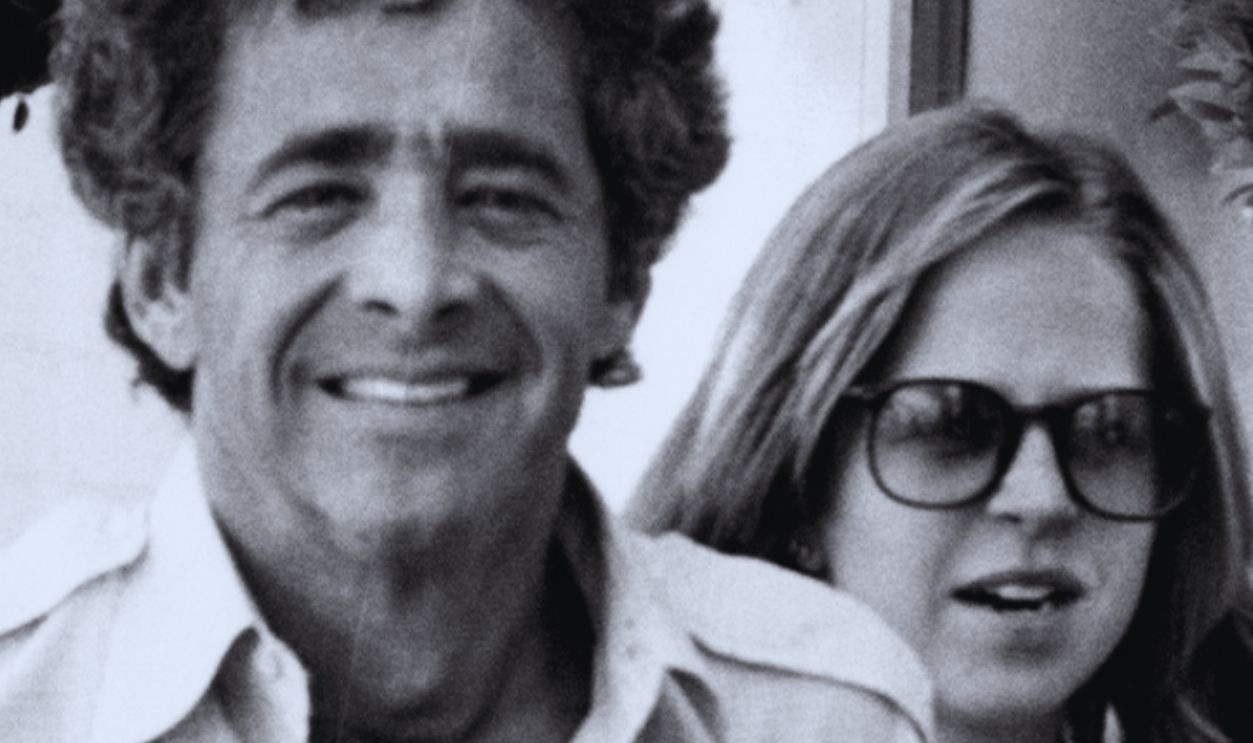
3. His Family Had A Dark Secret
Not everyone in Barris’ family was cut out to be a dentist. Some in the family—like Barris himself—had the creative gene. His uncle, Harry Barris, had made a name for himself as a singer, songwriter, and actor. But that creative power came with a darker inheritance: depression. Those in Barris’ family line were prone to periods of deep depression.
Barris, however, was determined to laugh through it all.

4. He Went From College To College
After graduating from high school, Chuck Barris struggled to find his footing. He made his way through several universities and colleges, attending St Joseph’s before spending one semester at the University of Miami. Eventually, he earned his degree in 1953 from Drexel University, where he found his first creative outlet, writing for the student newspaper, The Triangle.
His journey to TV was equally full of zigs and zags.
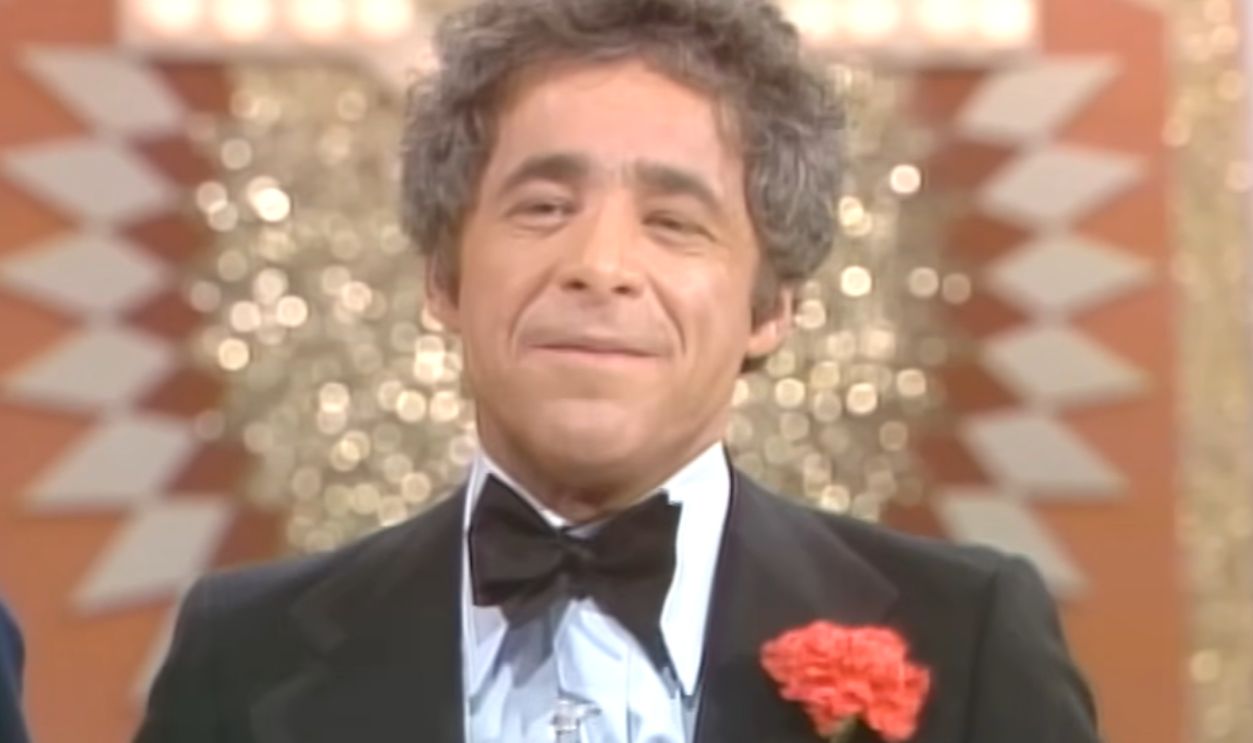 Screenshot from The Gong Show, Sony Pictures Entertainment (1976-2018)
5. He Had All Kinds Of Jobs
Long before Barris hosted his first game show, he bumbled through odd jobs. From his grandfather’s clothing store to a steel foundry, Barris cycled through jobs like a game show cycling through contestants. He even held a position editing football films for Tel-Ra Productions. None of those jobs, however, would win the prize of his creativity.
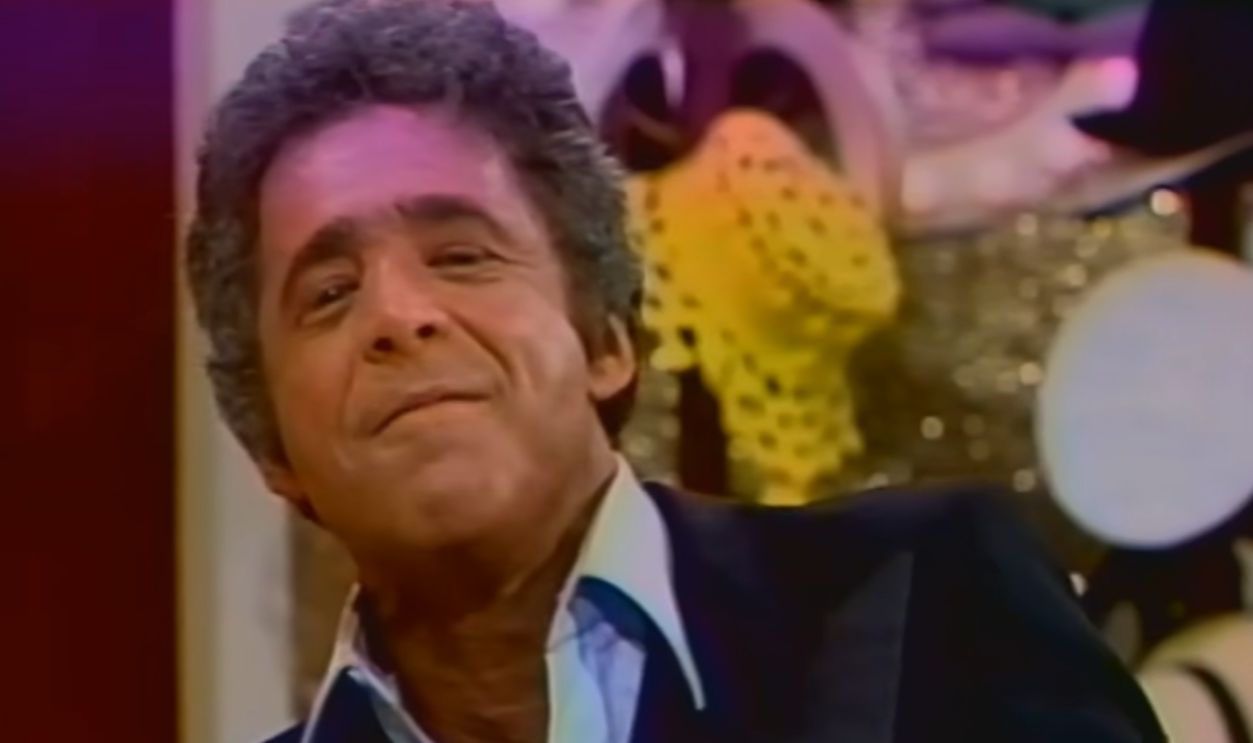 Screenshot from The Gong Show, Sony Pictures Entertainment (1976-2018)
6. He Finally Made It Into TV—Kinda
It wasn’t until 1952, at age 23, when Chuck Barris moved to New York City that he finally found his calling—and his people. He landed his first job in television as a lowly page for NBC. But it was more of a networking opportunity than anything else. It was there that he met the future comedian Pat Harrington Jr and the two bonded over a mutual interest in jazz music.
In fact, Barris may have ended up as a jazz musician.
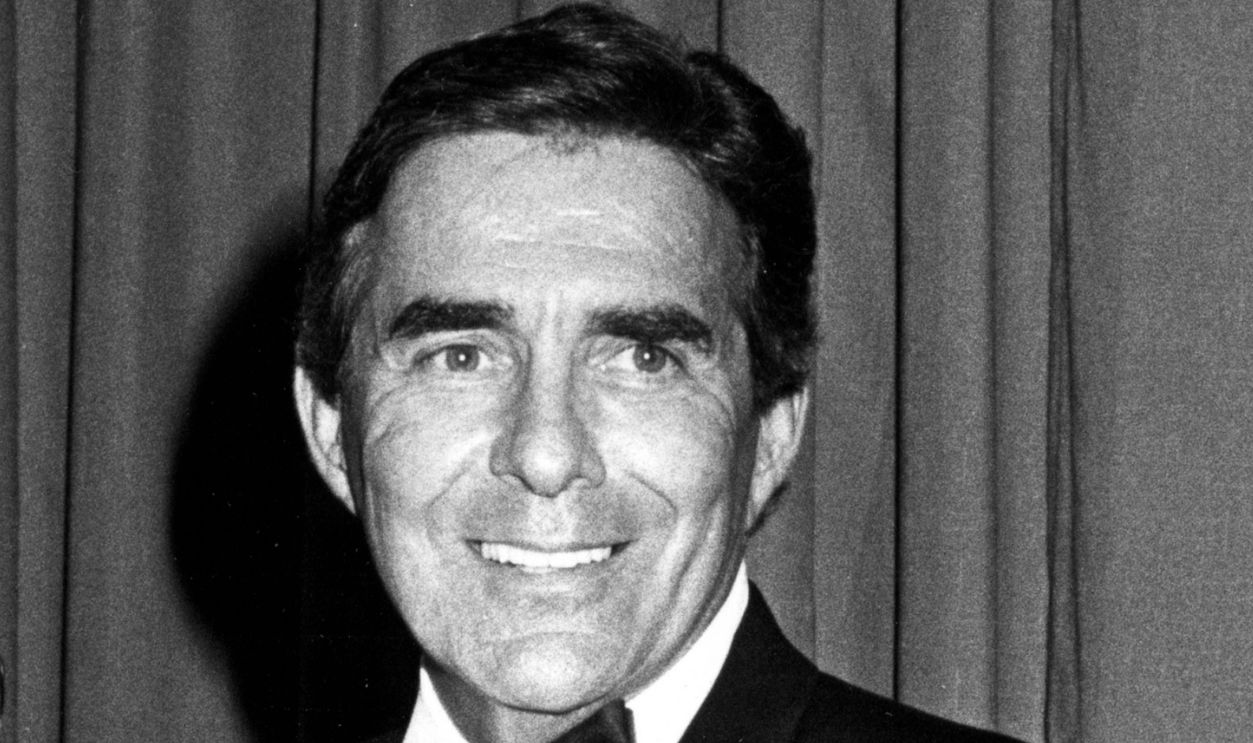 Ron Galella, Ltd., Getty Images
7. He Composed A Classic
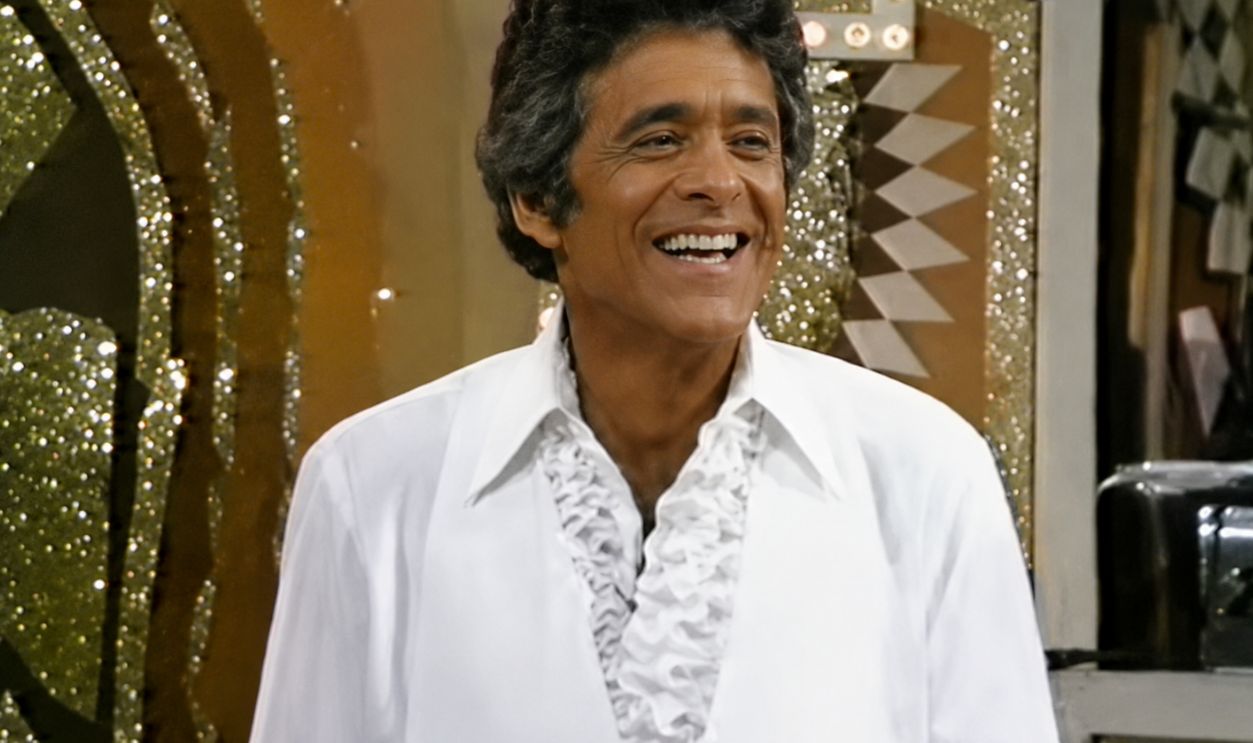
Before he created his first game show, Barris channeled his creative energy into song writing. Even some of his most ardent fans don’t know that Barris was the musical genius behind “Summertime Guy”—the song that almost never aired. Minutes before Eddie Rambeau was meant to perform it, producers pulled the song, fearing the appearance of favoritism given that Barris worked for ABC.
His musical talents, however, could not be contained.
 Screenshot from The Gong Show, Sony Pictures Entertainment (1976-2018), enhanced
8. He Was A Hit Maker
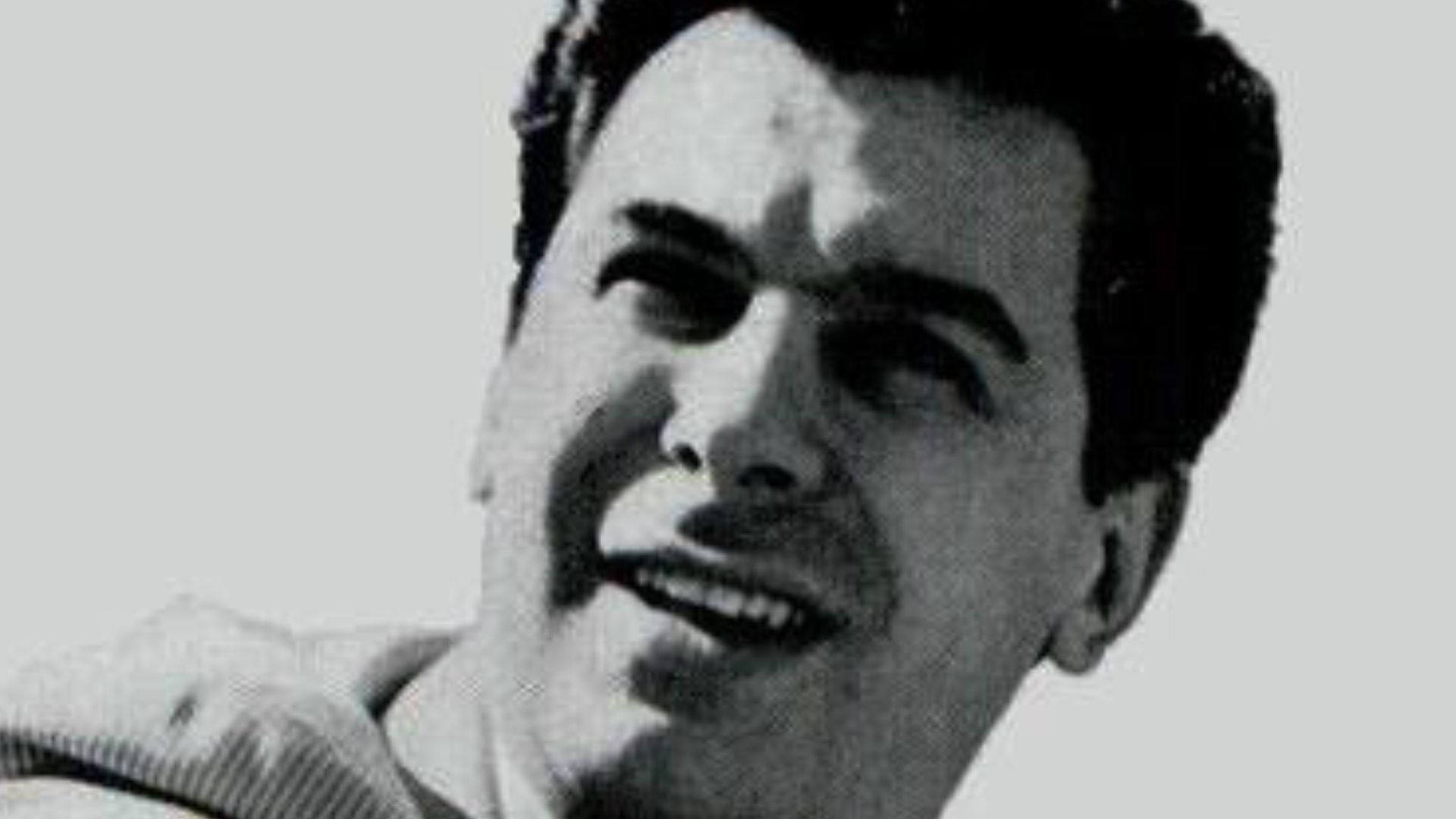
Chuck Barris followed up “Summertime Guy” by co-writing “Palisades Park”. When Freddy “Boom Boom” Cannon picked it up, it turned into a massive hit. The track quickly climbed to the number three spot on the Billboard Hot 100 and stayed there for weeks in the summer of 1962, becoming Cannon’s biggest hit. But Barris wanted to make hits of another kind.
 Warner Brothers Records, Wikimedia Commons

History's most fascinating stories and darkest secrets, delivered to your inbox daily.
9. He Knew He Could Do Better
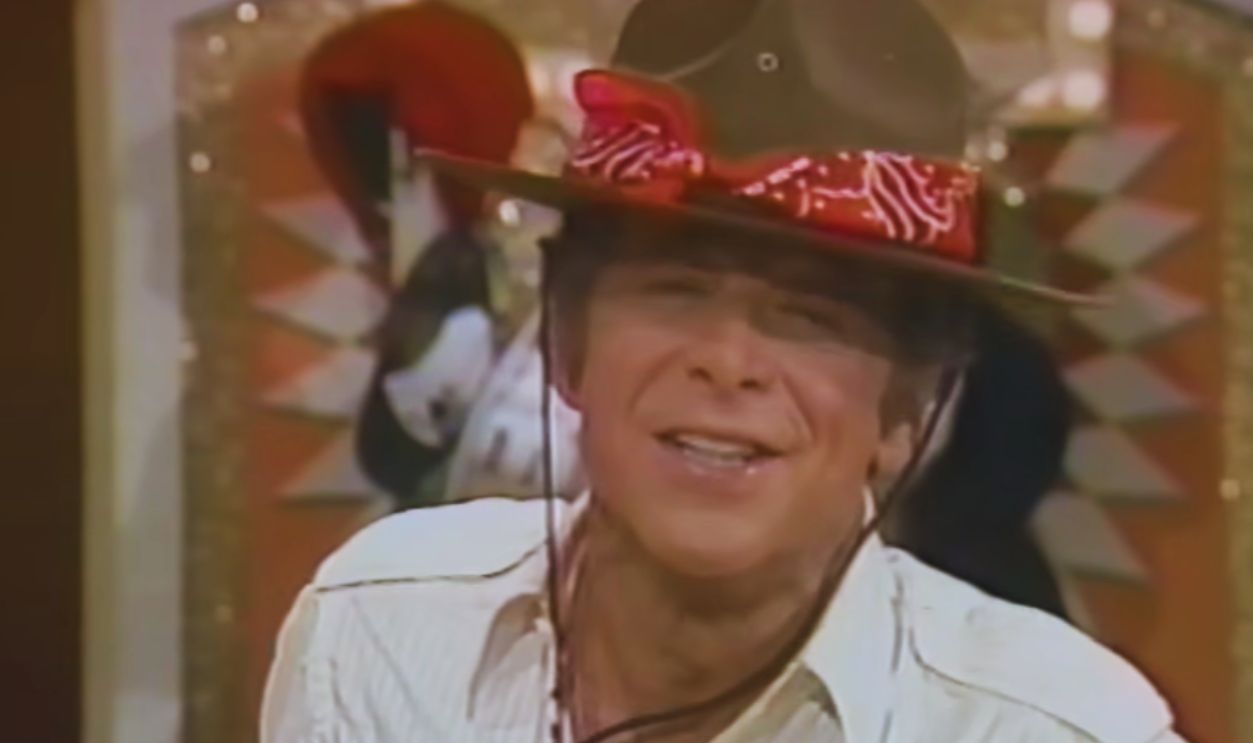
Barris climbed the ranks at ABC, eventually becoming the point guy for the network’s daytime game show programming. But nothing that crossed his desk impressed him. When he told his bosses that he could come up with better shows than what they approved, they told him to put his money where his mouth was. Or, more accurately, his ideas where their air time was.
They may not actually have expected him to do it…
 Screenshot from The Gong Show, Sony Pictures Entertainment (1976-2018)
10. His First Show Flopped
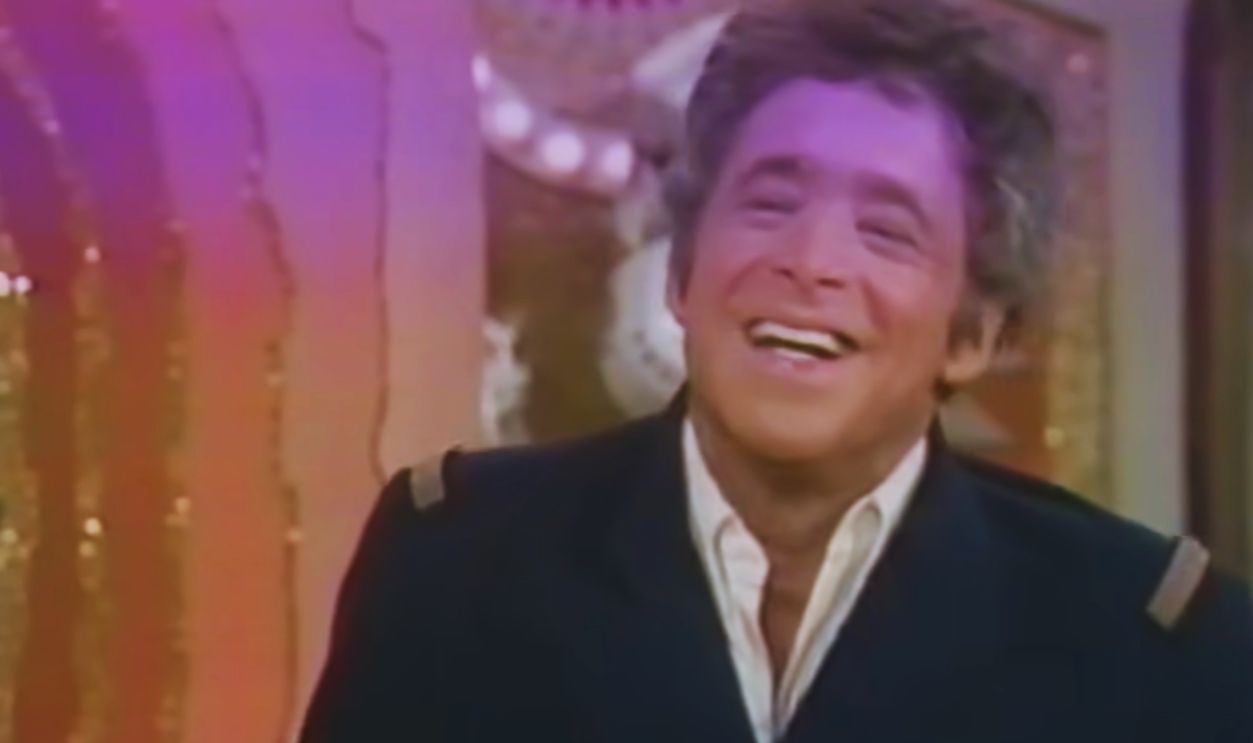
Chuck Barris took his bosses’ advice as if it was a challenge on a game show and ran with it—all the way to Los Angeles. At 34, he left New York in his rearview, headed to the City of Angels, and formed Chuck Barris Productions. The first show he ever produced, called “Poker People”, turned out to be a dud. Success, however, was just one idea away.
 Screenshot from The Gong Show, Sony Pictures Entertainment (1976-2018)
11. He Played A Dating Game
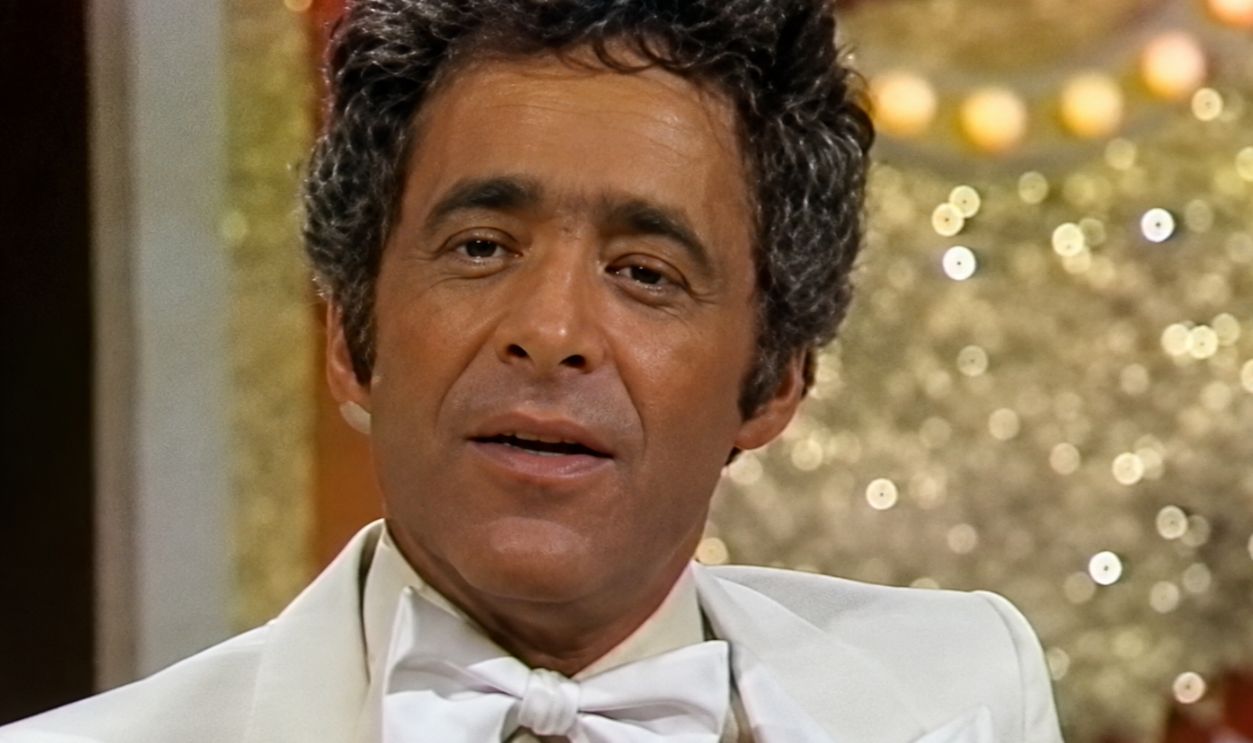
Barris’ first big idea for a game show landed in 1965 and he called it The Dating Game. The concept was simple: bachelors and bachelorettes tried to find their right match simply by asking questions of suitors they couldn’t see. Without hesitation, his former bosses at ABC picked up the radical new game show concept and put it on the air with Jim Lange acting as host.
It was unlike anything else on TV.
 Screenshot from The Gong Show, Sony Pictures Entertainment (1976-2018), enhanced
12. He Caused A Revolution
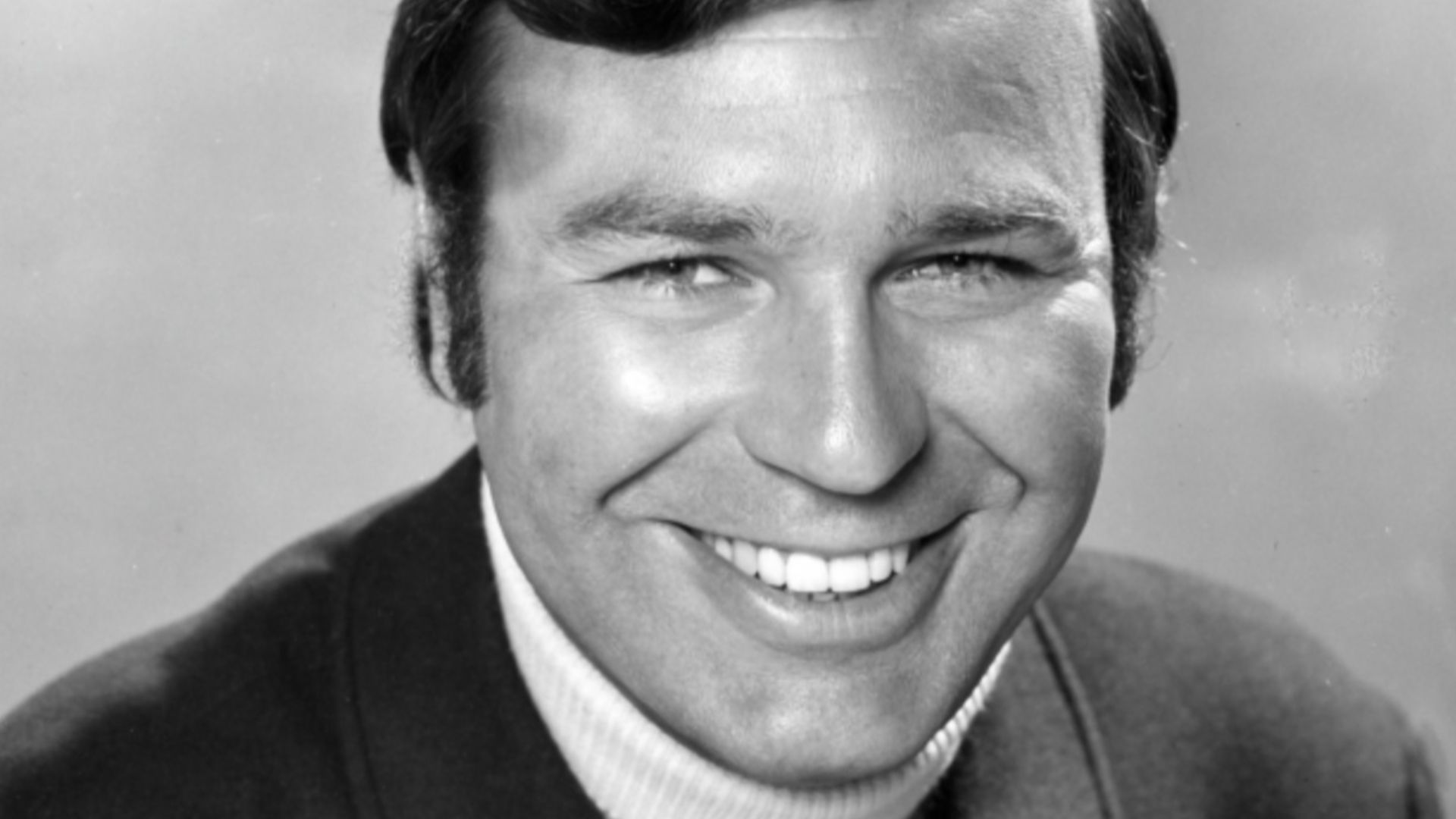
Part of the success of The Dating Game was Barris’ genius move to lean into the growing free-love movement. He encouraged Lange to engage in cheeky back-and-forth exchanges with the contestants and had the set decorated in the groovy “flower power” style. The show was so unlike anything else on TV that one critic called it “a revolution for the game show genre”.
It even launched future stars.
 ABC Television, Wikimedia Commons
13. His Show Launched Future Stars
Chuck Barris didn’t just put anyone behind the wall on The Dating Game—he hid future stars there. Before anyone knew their names, many future A-listers got their first taste of show business on Barris’ set. Suzanne Somers, Tom Selleck, Steve Martin, and even a young Arnold Schwarzenegger all appeared as contestants on The Dating Game.
Barris was playing a dating game of his own.

14. He Married Into Television Royalty
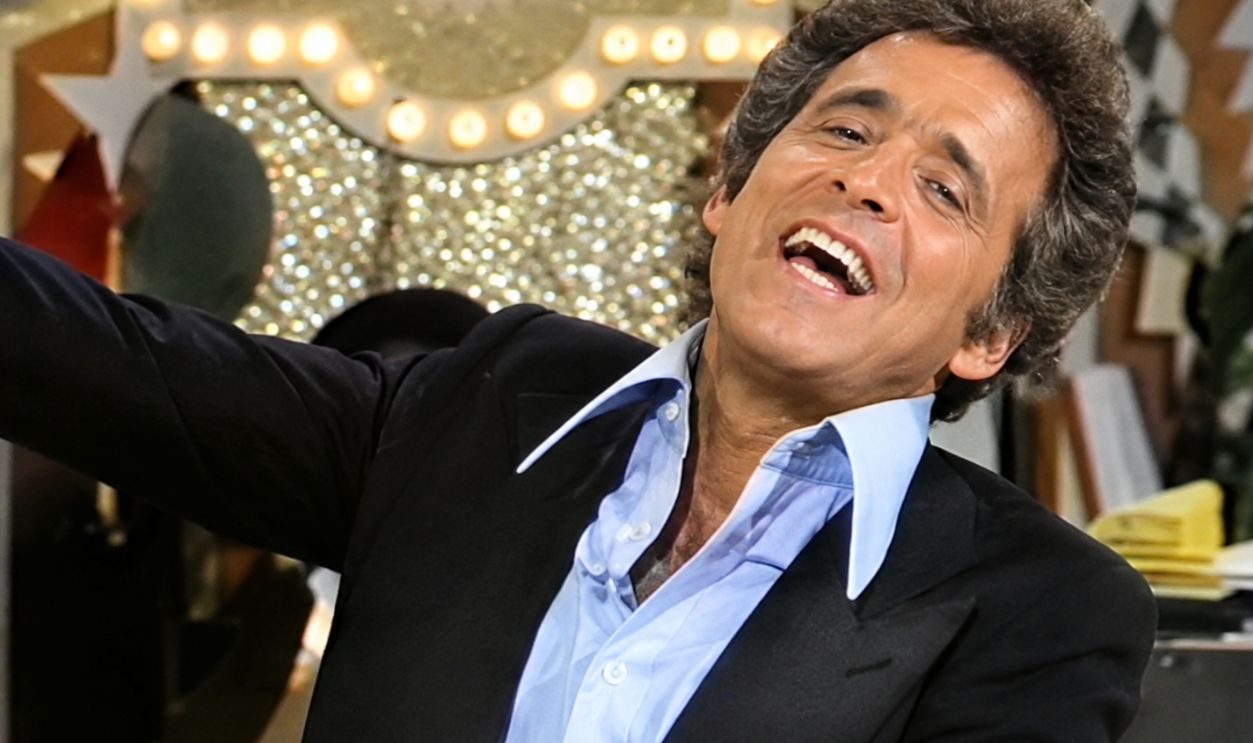
Chuck Barris must have learned something playing matchmaker from the producer’s seat of The Dating Game. In 1957, he found his own perfect match—albeit, not on TV—when he married Lyn Levy, the niece of one of CBS’ co-founders. Levy even wrote all of the musical flourishes for The Dating Game that helped make the show recognizable.
The couple lasted until their divorce in 1976—but Barris was still cashing in on love.
 Screenshot from The Gong Show, Sony Pictures Entertainment (1976-2018), enhanced
15. He Cashed In On Marriage
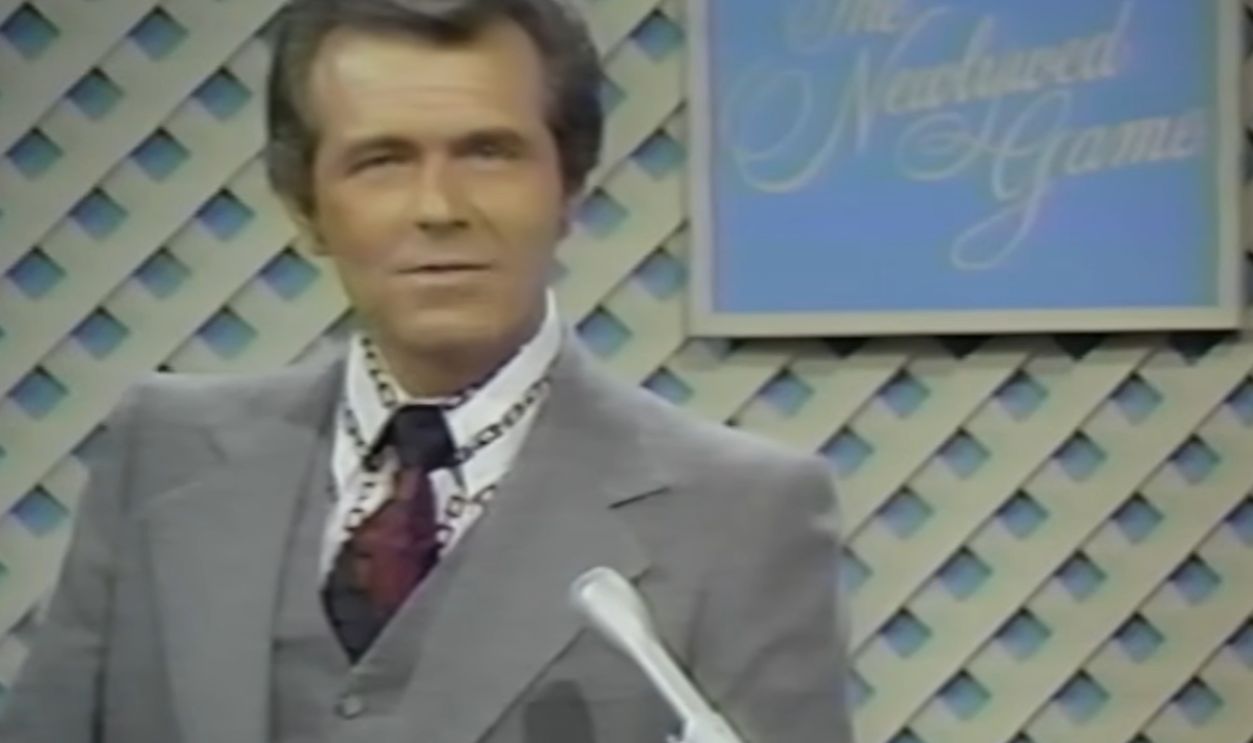
Most people see newlyweds and think of hearts and roses—Barris thought of dollar signs. 1966 marked the debut of his next big game show idea, The Newlywed Game. The show’s concept was so simple and such a success that Barris once said, “All I needed was four couples, eight questions, and a washer-dryer”. After 19 years on the air, it became his longest-running show ever.
The secret to all that success? It came down to two words…
 Screenshot from The Newlywed Game, Sony Pictures Entertainment (1977-1980)
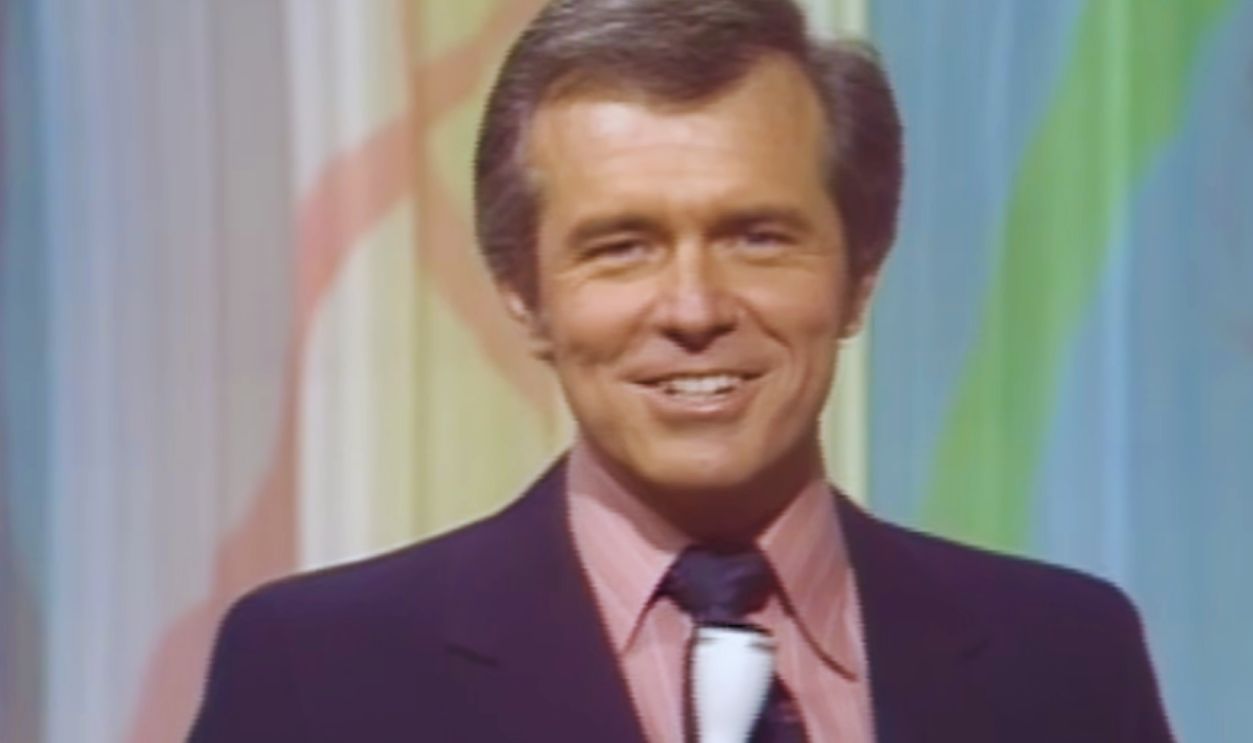
16. He Was Just “Making Whoopee”
Unsurprisingly, a lot of the subject matter in The Newlywed Game had to do with what newlywed couples like to do on their honeymoon…behind closed doors. The racy topic ran afoul of the TV censors, but Barris had a clever way of getting around it. Instead of using banned words Barris had the show’s host, Bob Eubanks, just refer to the deed as “Making Whoopee”.
The euphemism worked so well that Barris himself would use it later.
 Screenshot from The Newlywed Game, Sony Pictures Entertainment (1977–1980)
17. He Had Game—Lots Of Game
The Dating Game and The Newlywed Game were two of the biggest game shows of all time. But not all of Chuck Barris’ ideas turned into TV ratings gold. Through the late 1960s and into the 1970s, Barris churned out a parade of game shows that would be off the air faster than anyone could say, “Can I have a clue, please?” The Parent Game, The Family Game…The Game Game—all gone.
He even tried his hand at other kinds of TV.
 Stephen Shugerman, Getty Images
18. He Made Non-Game Shows
With a string of flops, Barris was on a mission to prove that he was more than a game-show idea machine. Your Hit Parade and The Bobby Vinton Show were two of his non-game productions, the latter becoming his biggest hit in Canada outside of the game show genre. Before long, his TV empire had grown into a ratings juggernaut.
One that not even he could stop.

19. He Made Hours, And Hours, And Hours Of TV
Between 1965 and 1981, Chuck Barris headed up Chuck Barris Productions, overseeing the production of a baker’s dozen game shows. In fact, at the height of his creative powers, it was almost impossible not to watch a Barris game show. Every week, his production company sold 27 hours’ worth of programming to the television networks.
Pretty soon, it would be impossible to turn the TV on without seeing Barris himself.
 Screenshot from Confessions of a Dangerous Mind, Miramax (2002)
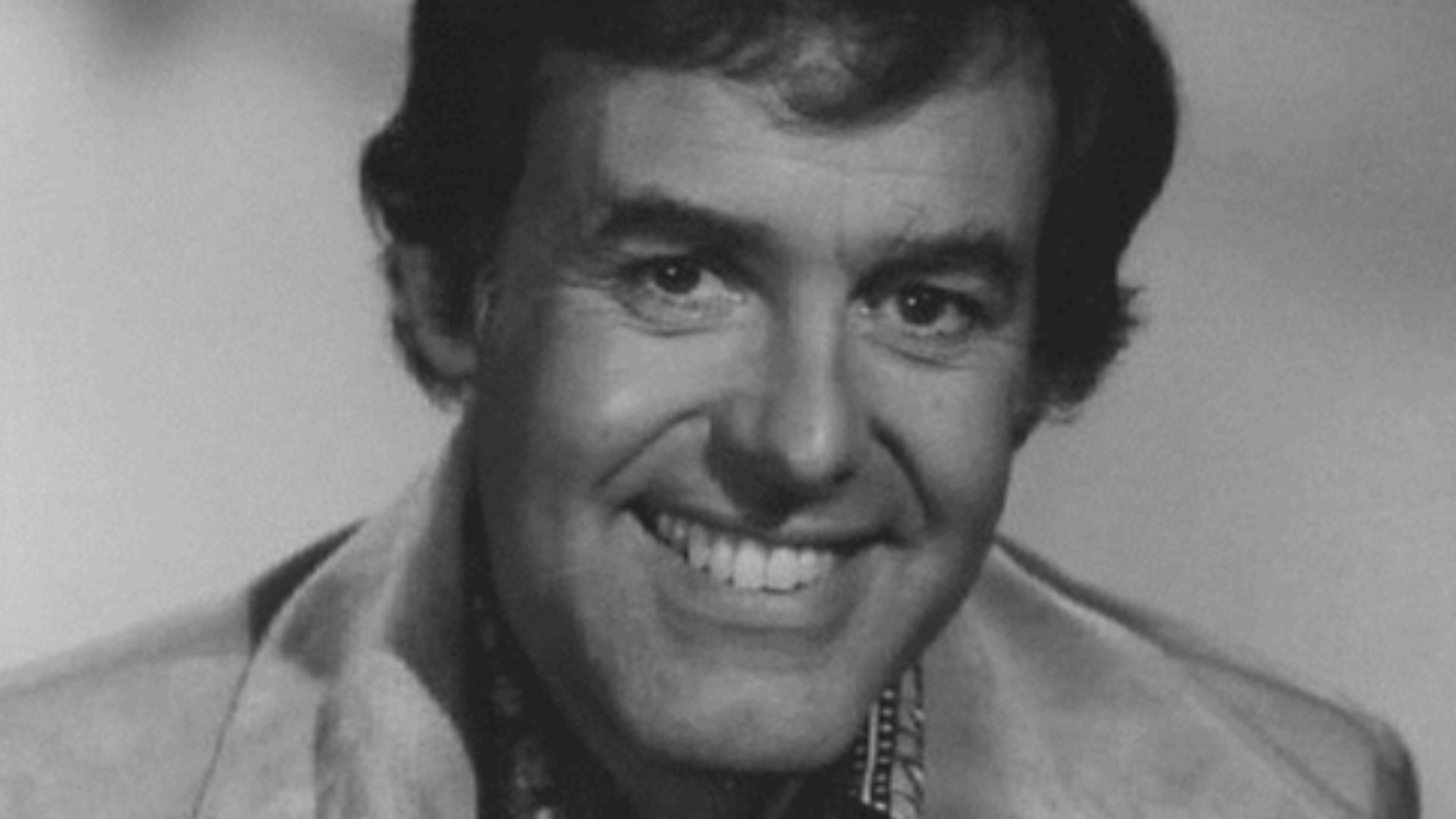
20. He Threw Pie At Geoff Edwards
Barris enjoyed producing TV shows, not necessarily being in them. However, in 1973, he got his first taste of what it was like to stand in front of the camera. Despite being shy, Barris briefly appeared on camera during a taping of an episode of The New Treasure Hunt just so he could throw pie at the show’s emcee, Geoff Edwards.
He was about to stumble into stardom, whether he wanted to or not.
 NBC Network, Wikimedia Commons
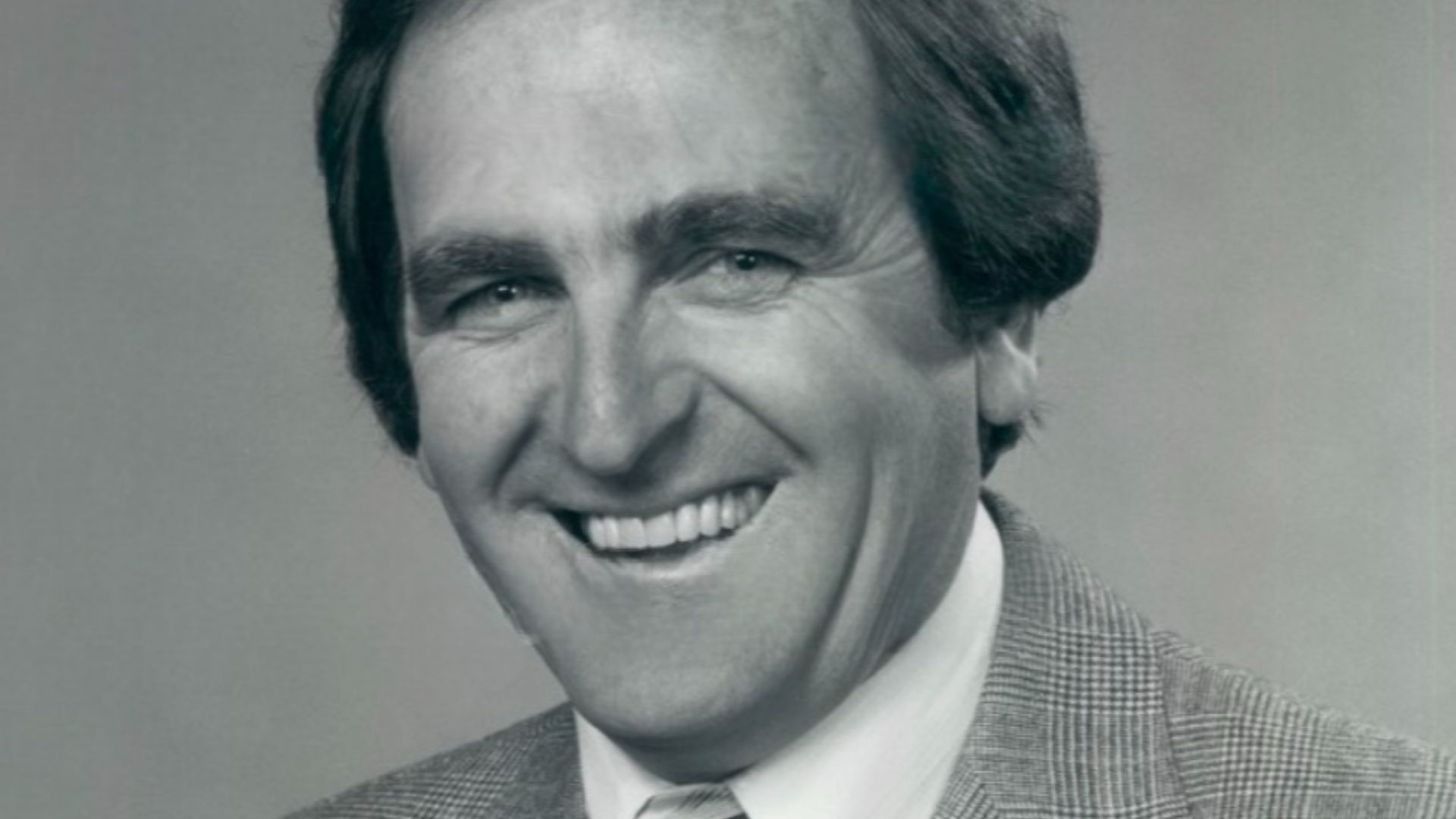
21. He Had To Step In As Host
In 1976, Chuck Barris returned to game shows with another revolutionary idea: The Gong Show, a spoof on the standard talent show. But the show’s original host, John Barbour, didn’t really get the idea and treated it like a true talent search. In order to make the show work, executives at NBC canned Barbour shortly before airtime and came up with a revolutionary proposal of their own.
Barris, the NBC executives said, should host the show.
 NBC Television, Wikimedia Commons
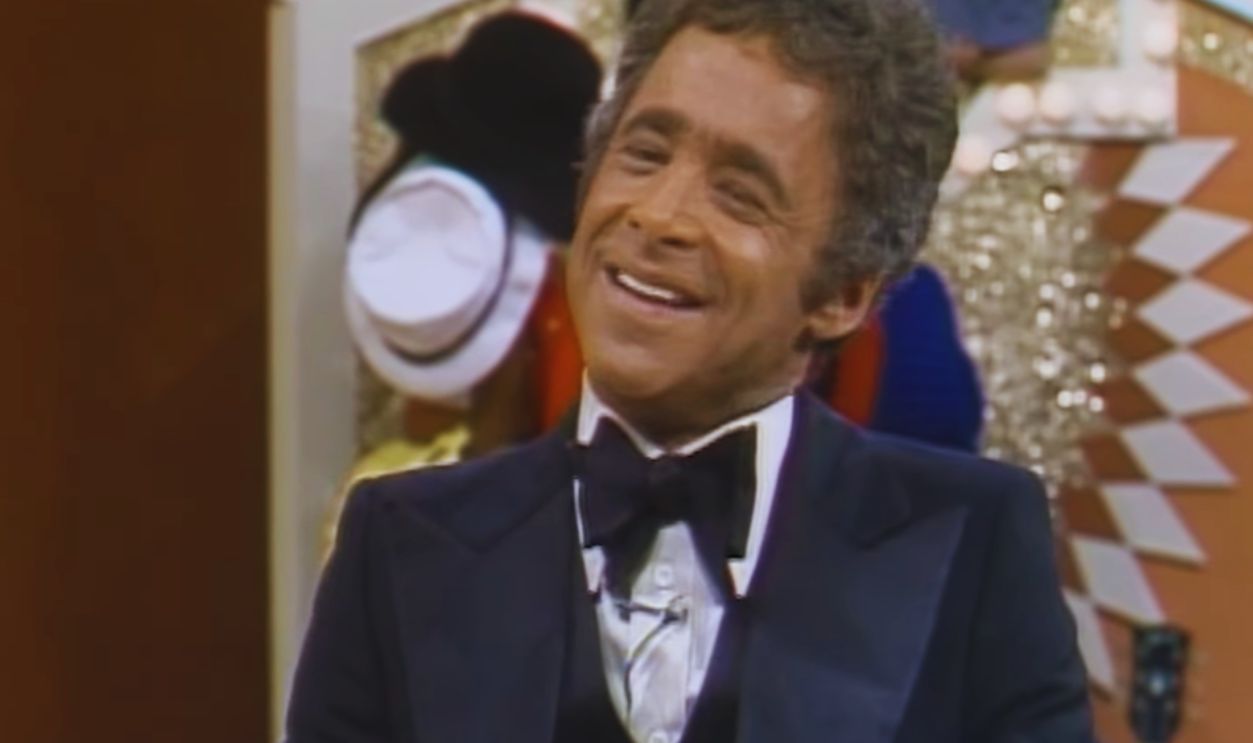
22. He Was Shy, Awkward, And Awesome
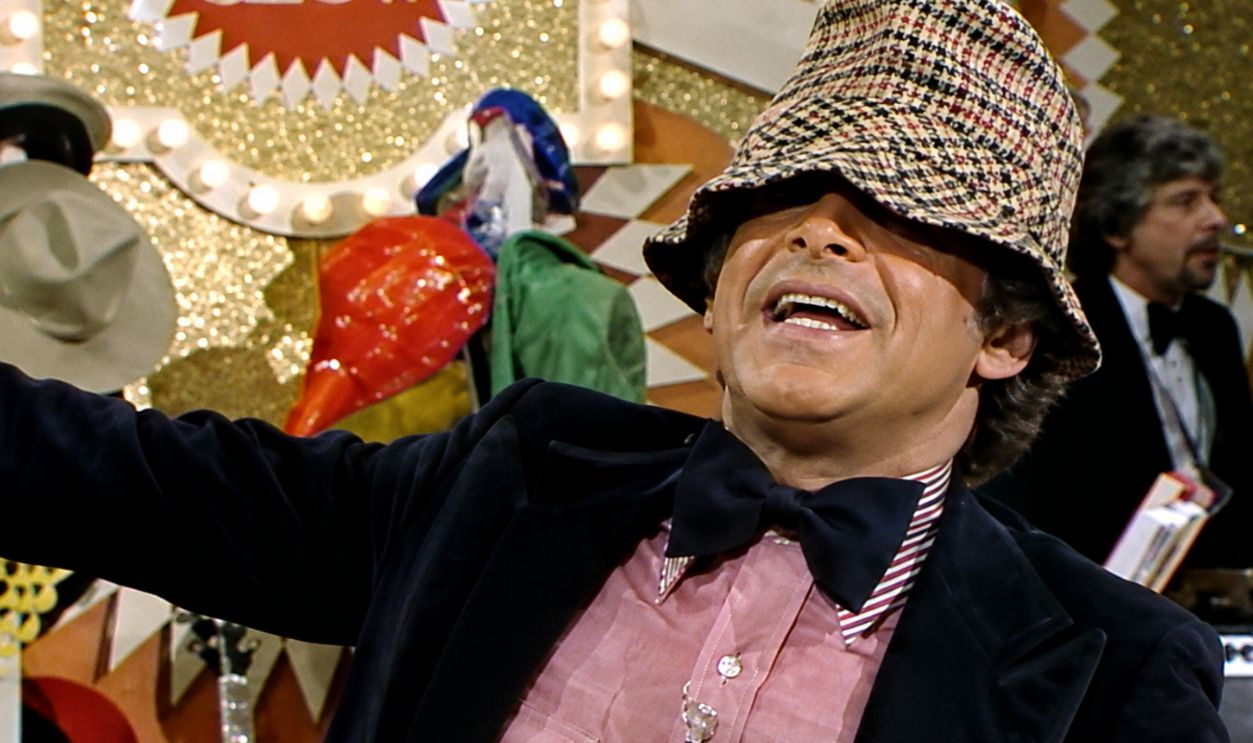
In a strange twist of events, Barris’ shyness and awkwardness in front of the camera endeared him to audiences. All throughout The Gong Show’s first season, Barris nervously clapped his hands. The awkward tic caught on and, by the second season, the audience was clapping along with Barris. Before long, they were calling him “Chuckie Baby”.
The more awkward he got, the more audiences loved him.
 Screenshot from The Gong Show, Sony Pictures Entertainment (1976-2018)
23. His Catchphrases Caught On
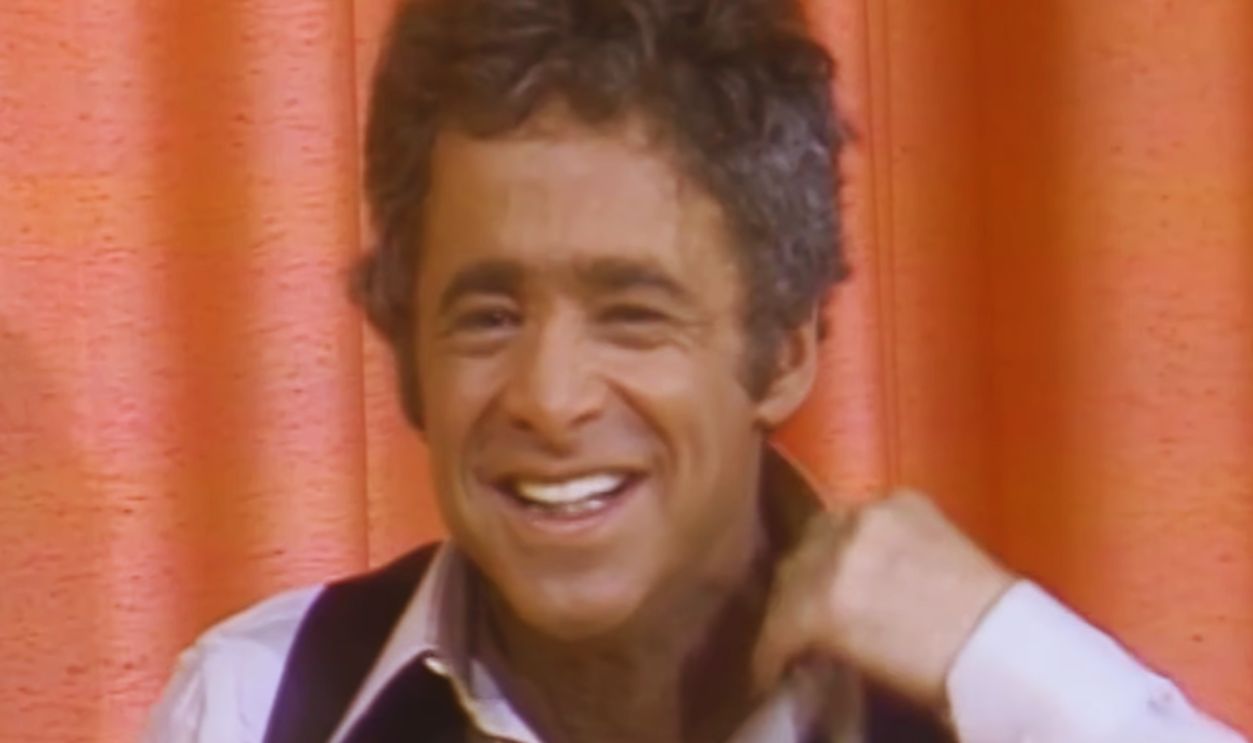
From his nervous hand-clapping to his almost cartoonish styling choices, Chuck Barris became a TV game show host like none other. Even his transitions to commercials and closing lines became spoof-like catchphrases. “We’ll be right back with more, uh, STUFF,” he would say before cutting to the ads. His outro? “This is me saying ‘bye’”.
Audiences couldn’t get enough.
 Screenshot from The Gong Show, Sony Pictures Entertainment (1976-2018)
24. He Gave Out Real Prize Money
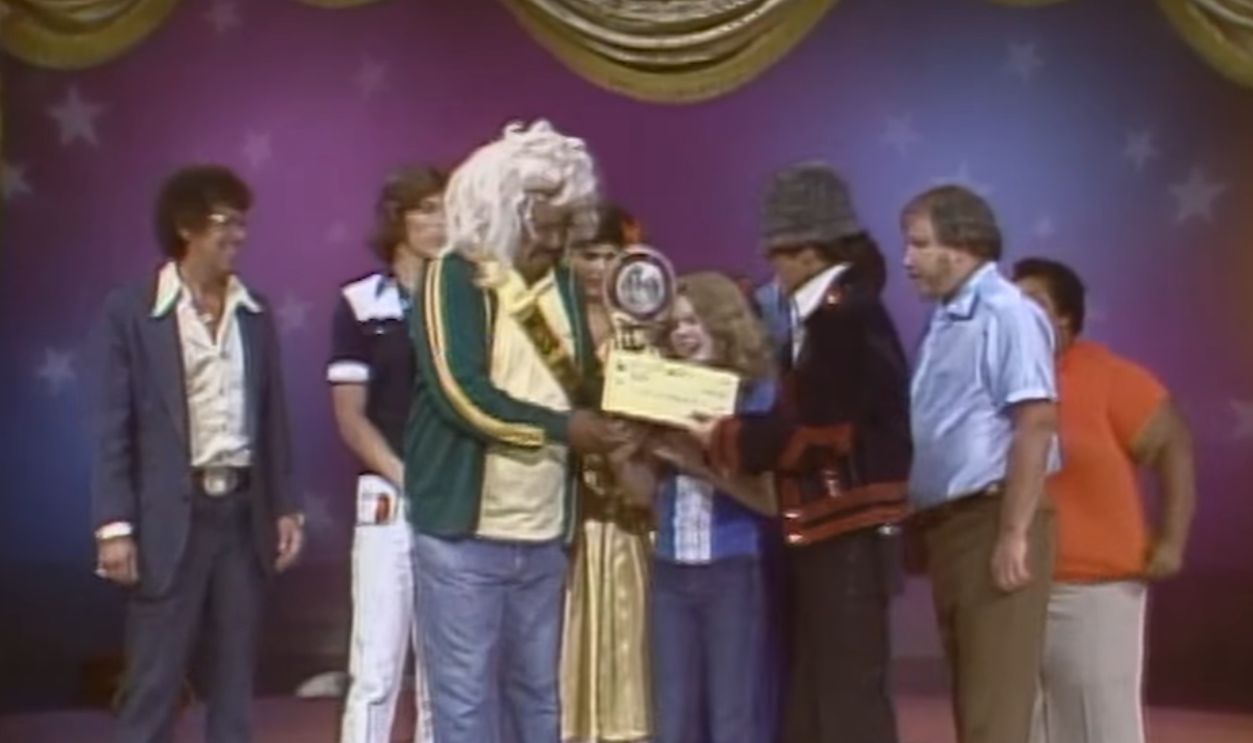
Even though The Gong Show was a talent search parody, there was nothing fake or funny about the prizes. Contestants who appeared on weekdays got over $500 while those on the evening shows could get more than $700. With the show running as many times as twice daily during its most popular seasons, Barris had created yet another money-printing juggernaut.
But controversies would end its epic runs.
 Screenshot from The Gong Show, Sony Pictures Entertainment (1976-2018)
25. He Encouraged A Controversy
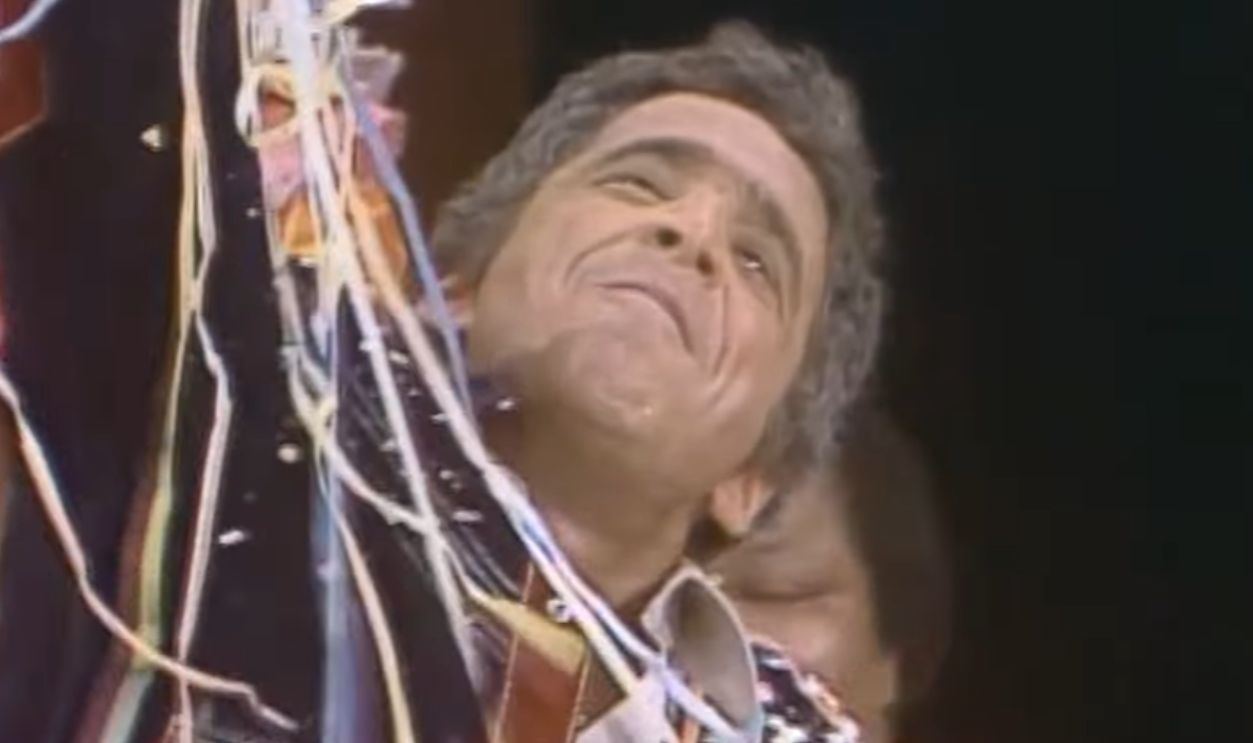
All of Barris’ game shows had a way of pushing the envelope of what censors would and wouldn’t allow on television. However, in 1978, Barris went too far. NBC found itself in hot water with censors and audiences alike when Barris had two underage female contestants on the show enjoy popsicles in a way that looked a little too…appetizing.
The show wouldn’t survive its next controversy.
 Screenshot from The Gong Show, Sony Pictures Entertainment (1976-2018)
26. His Panelist Bared It All
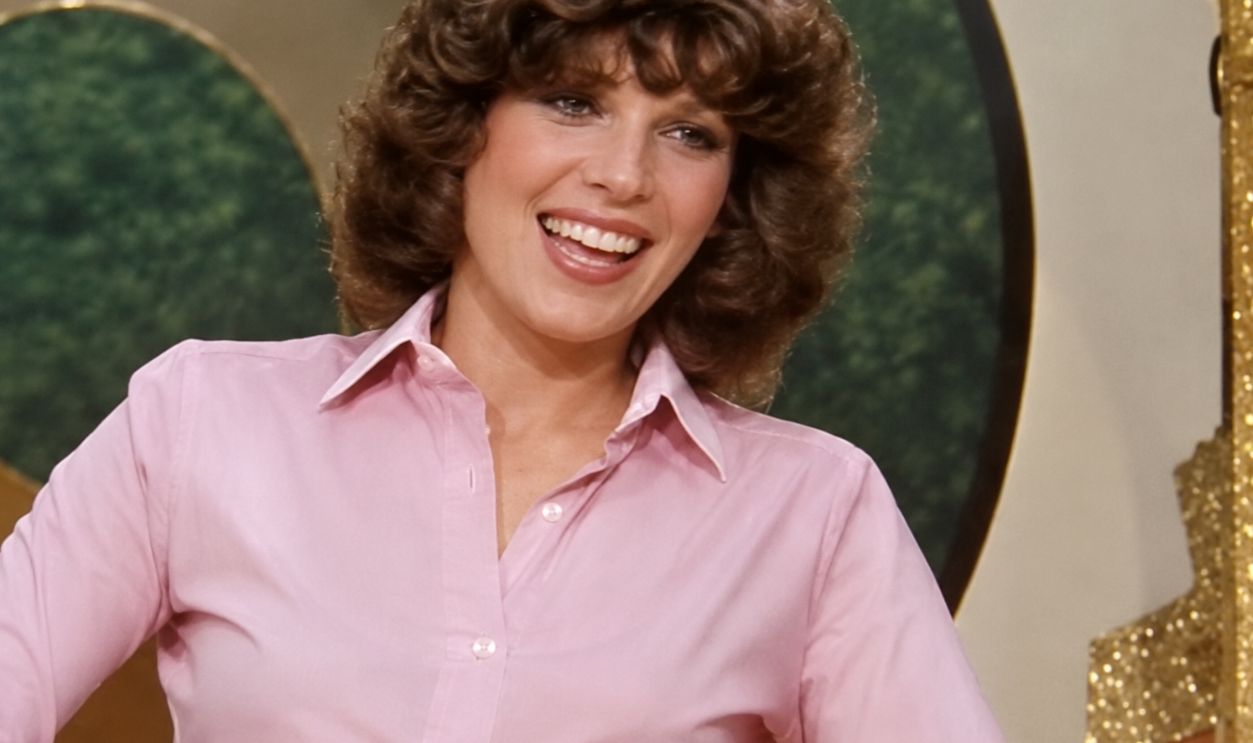
When The Gong Show panelist Jaye P Morgan opened her blouse during a segment of the show and exposed her bare chest, it was too much for the network. NBC canned her immediately and she never returned to the show. Even though Barris hadn’t been involved in the incident himself, he was the show’s producer and he couldn’t avoid the consequences.
 Screenshot from The Gong Show, Sony Pictures Entertainment (1976-2018), enhanced
27. He Got The Gong
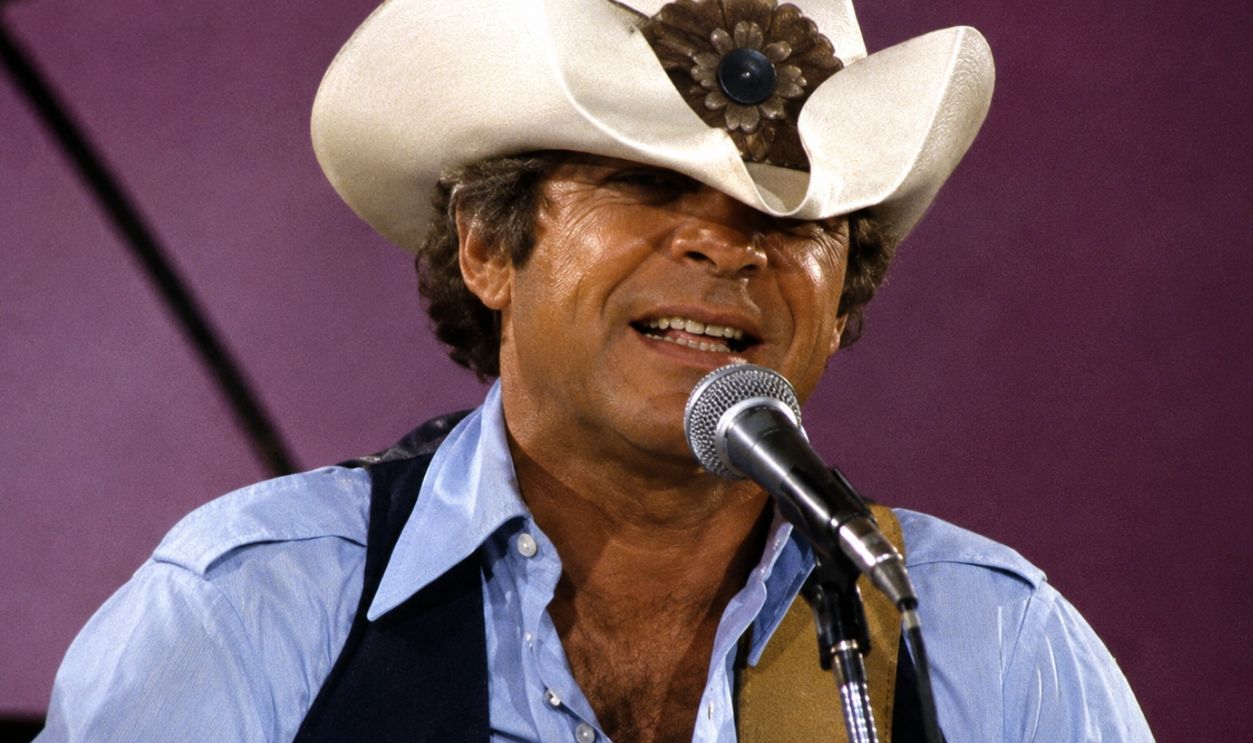
After a string of controversies, NBC decided that it was time to pull the plug on Chuck Barris’ bawdy talent show parody. Fortunately, they let Barris bid The Gong Show a fond farewell. For the final episode, Barris stepped into the shoes of a contestant and performed “Take This Job and Shove It”. Needless to say, he got the gong.
The show’s legacy, however, would live on—in infamy.
 Screenshot from The Gong Show, Sony Pictures Entertainment (1976-2018), enhanced
28. His Film Flopped Hard
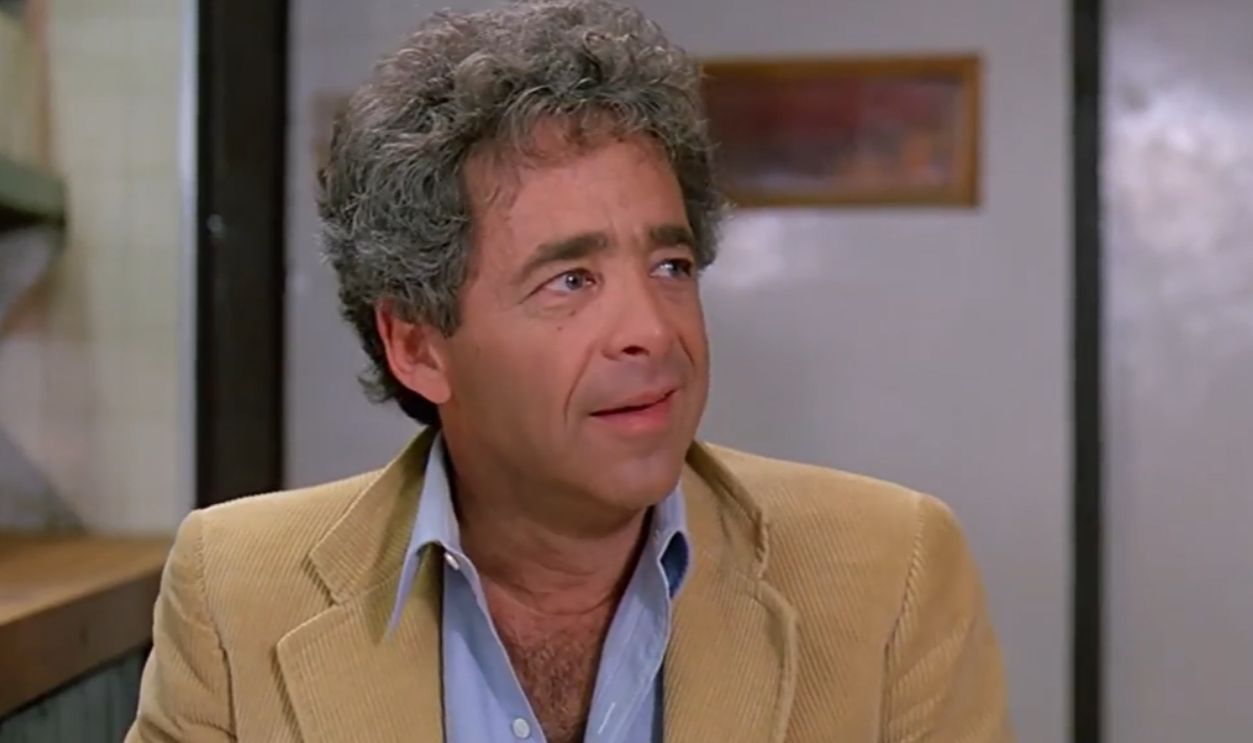
Just because The Gong Show had gone off the air, didn’t mean Chuck Barris was done with it yet—even if audiences were. In 1980, Barris released The Gong Show Movie—a film that he directed, starred in, and co-wrote with Robert Downey Sr. However, the game show magic was gone. The film performed so badly that it was pulled from theaters almost as soon as it was released.
Barris returned to his TV roots with another controversial idea.
 Screenshot from The Gong Show Movie, NBCUniversal (1980)
29. He Created A Divisive Show
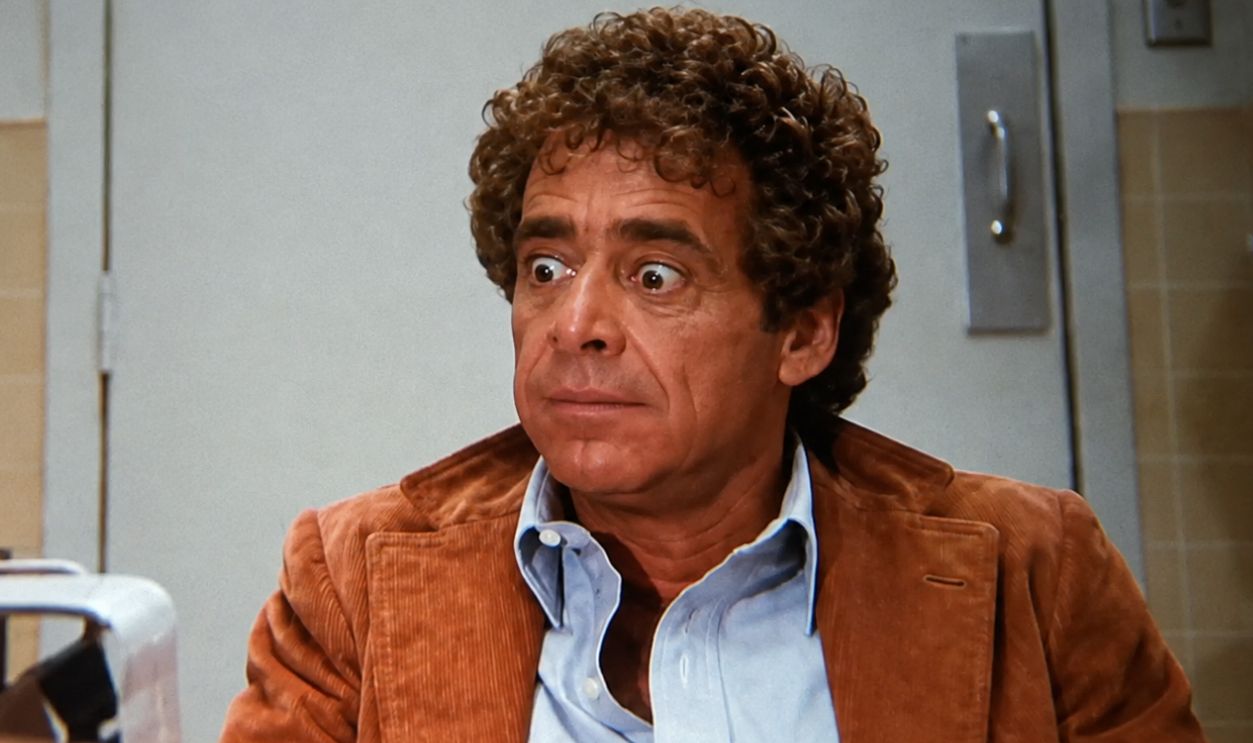
Following The Gong Show, Chuck Barris came up with yet another romantic-themed game show. Three’s a Crowd was the short-lived The Newlywed Game spin-off that would be Barris’ last (and perhaps most divisive) game show idea. The show pitted wives against secretaries to see which knew the husband/boss best. Almost no one except for Barris liked the concept.
 Screenshot from The Gong Show Movie, NBCUniversal (1980), enhanced
30. He Ran Out Of Ideas
Unlike his previous game show ideas, Three’s a Crowd managed to upset everyone. On the one hand, feminists criticized the show for reducing women to bickering harpies over a man. On the other hand, social conservatives cried foul at what they perceived to be the normalization and mockery of adultery. Station after station dropped the show before the first and only season even ended.
For the first time in years, Barris didn’t have a show in production. Forced retirement, however, seemed to suit him.

31. He Sued His Perfect Match
Chuck Barris might have been out of ideas, but that didn’t stop others from trying to cash in on his old ones. When Lorimar-Telepictures launched a show called Perfect Match, the concept was a little too similar to the revived The New Newlywed Game. In response, Barris Industries slapped Lorimar-Telepictures with a $5 million lawsuit.
By that time, however, Barris was just kicking back and enjoying life.

32. He Built A Media Empire
For a brief period, it looked like Barris was going to retire to a quiet life in France. But he still had some creativity left in him. In 1984, he returned to the US and went about rebuilding his production empire, this time forming Bel-Air Program Sales and Clarion Communications to handle distribution and ad revenue.
He would cash in—big time.

33. He Made Millions
Chuck Barris headed his media and production empire for almost a decade before cashing in. In 1987, he sold his stake in his empire for an undisclosed amount and set off once again for France. In that time, Barris’ companies traded hands, eventually landing with Sony Corporation for a staggering $200 million by 1989. With that kind of cash, he could actually retire.

34. He Finally Retired…From His Day Job
By the late 1980s, Chuck Barris was enjoying the high life of a media tycoon. He had produced a new version of The Gong Show but, at his tender age of 60, decided to hand off hosting to “True” Don Bleu. With that, he jetted off to St Tropez where he lived until 2001. All the while, however, Barris might have been leading a double life. One that no one had suspected.

35. He Did Wet Work For The CIA
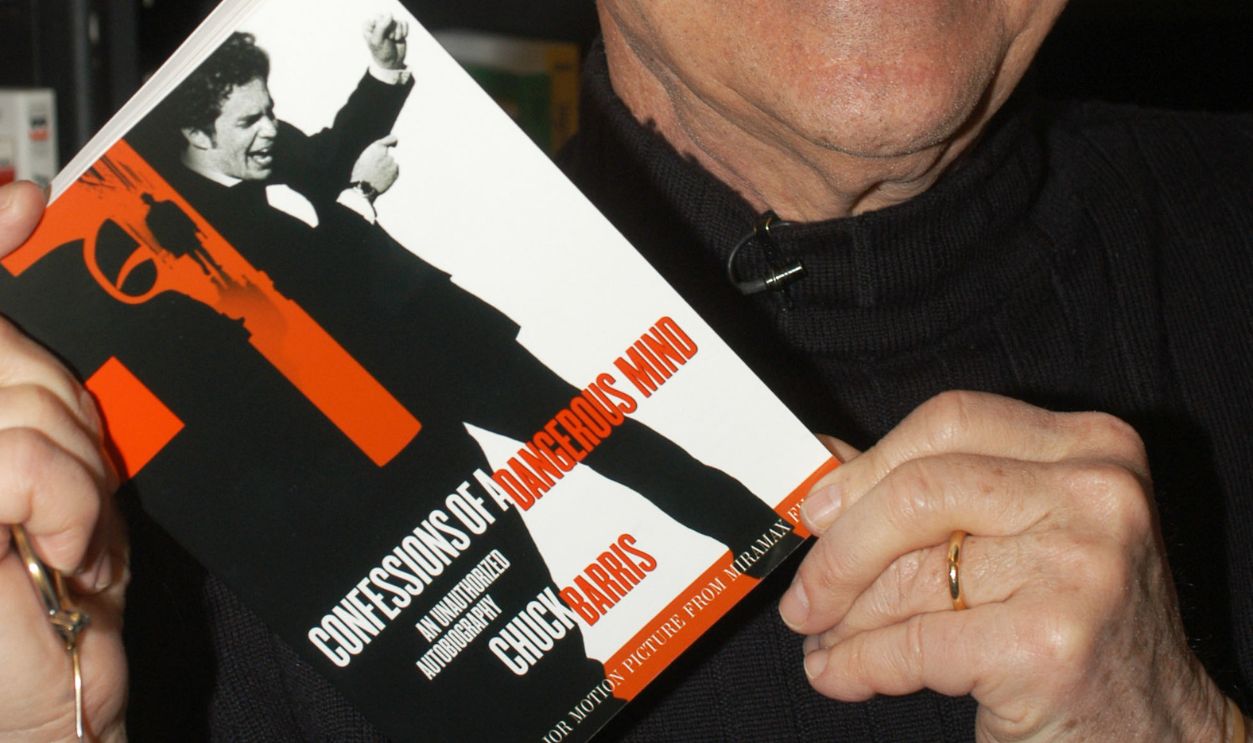
When Barris released his autobiography Confessions of a Dangerous Mind in 1984, readers were expecting behind-the-scenes secrets from his legendary game shows. What they got instead, however, were state secrets. In the book, Barris claimed that, for nearly two decades in the 1960s and 1970s, he had worked as a hitman for the Central Intelligence Agency (CIA).
36. He Was An International Spy
Barris’ clandestine confessions were explosive. In the pages of his autobiography, he detailed carrying out wet work for the CIA all over the world, from Southeast Asia to the Middle East and Latin America. However, in 2002, a CIA spokesman flatly denied Barris’ claims calling them “ridiculous”. “It’s absolutely not true,” the spokesman asserted.
Then Barris gave up the gag.

37. He Confessed To A False Confession
It wasn’t until 1984 that Barris finally came clean. While sitting down for an interview on the Today Show, Barris confessed that his confessions were untrue. “No, I was never a CIA hit man. I never did those things”. But there was some truth to his claims. “I once applied for the CIA,” he explained, saying that he simply landed a job in TV first.
“I had always wondered what would have happened if I had done both,” Barris mused. But even that might have been a false confession.

38. He Would Never Tell The Truth Anyway
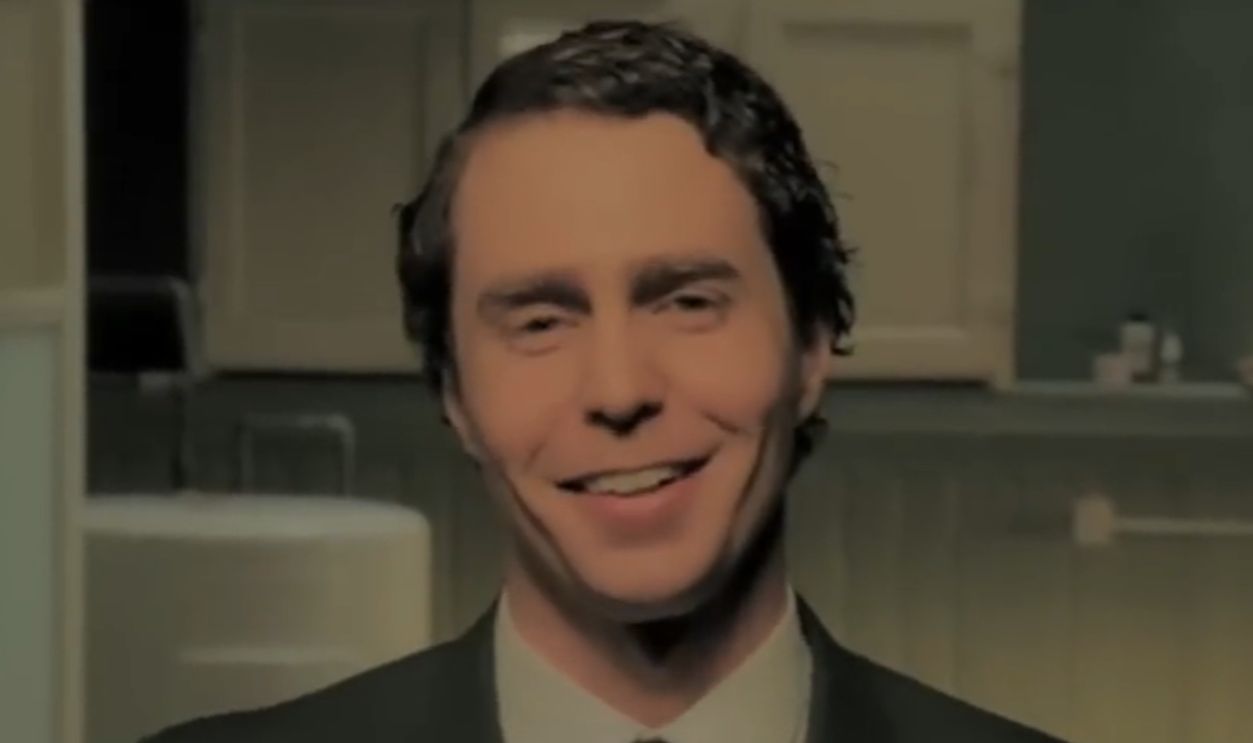
Barris’ 1984 interview did little to quell the questions. After all, wouldn’t a real CIA hitman deny being a CIA hitman? To add even more uncertainty, Barris doubled back on his 1984 confession with another confession in a 2010 interview. “I’ll never say, one way or the other,” Barris told the Television Academy Foundation.
Apparently, not even his wife knew the truth. Though, someone else may have.
 Screenshot from Confessions of a Dangerous Mind, Miramax (2002)
39. He Never Denied Anything
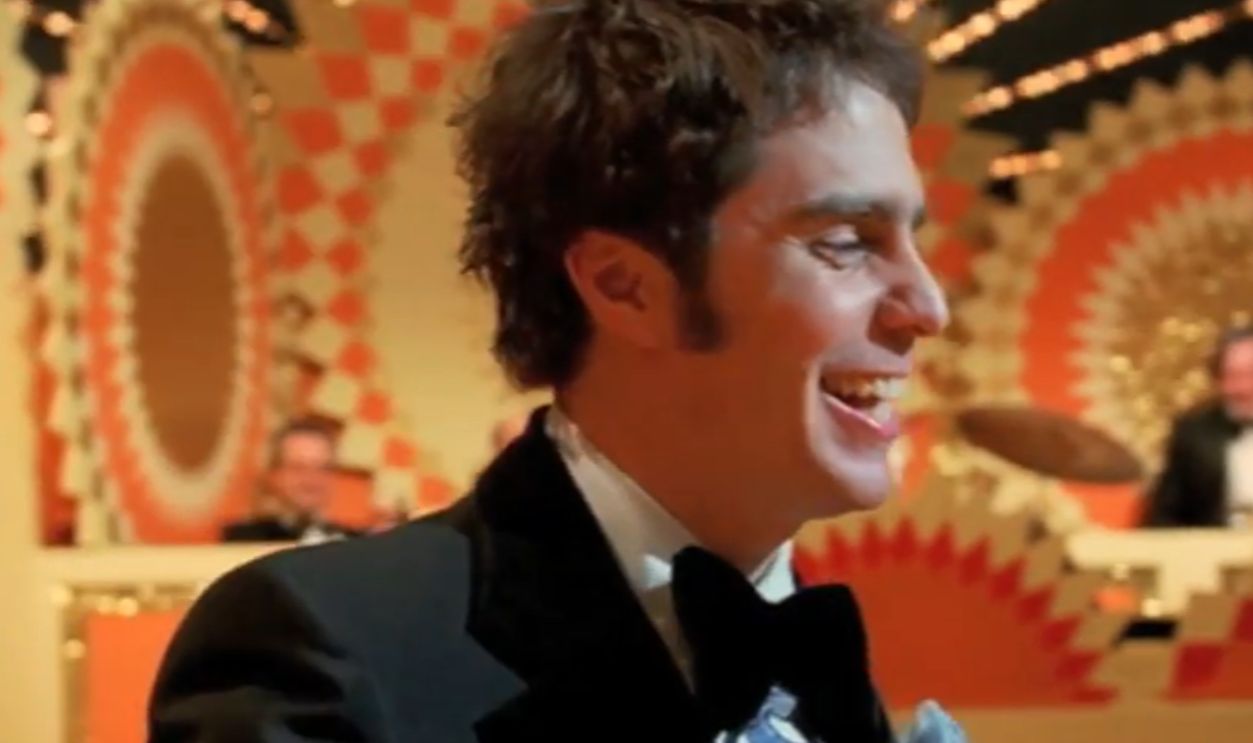
One of Barris’ closest friends, fellow producer Andrew Lazar, tried to shed more light on Barris’ alleged double life. Lazar had been one of the last people to see Barris alive, visiting him six weeks before his passing. “He never, never denied the authenticity of the book in all the years I knew him,” Lazar said. And if anyone would know the truth, it would have been Lazar.
 Screenshot from Confessions of a Dangerous Mind, Miramax (2002)
40. His Lies Made It To The Big Screen
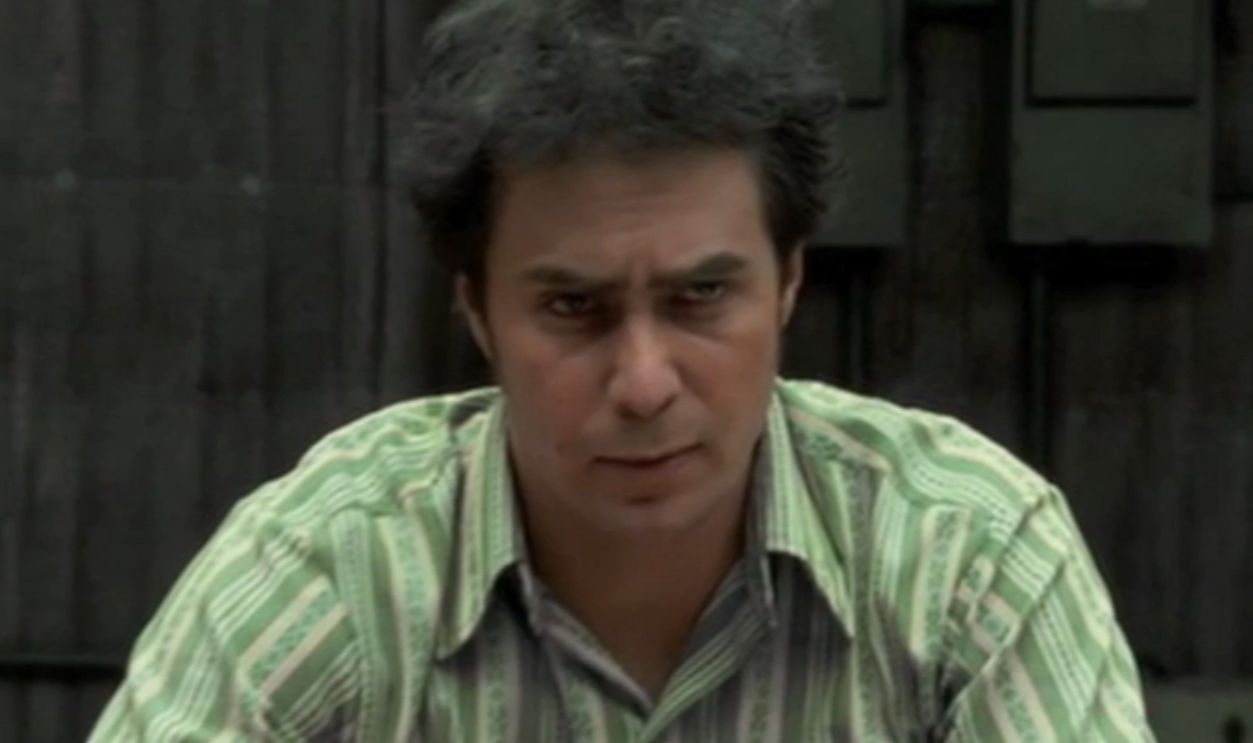
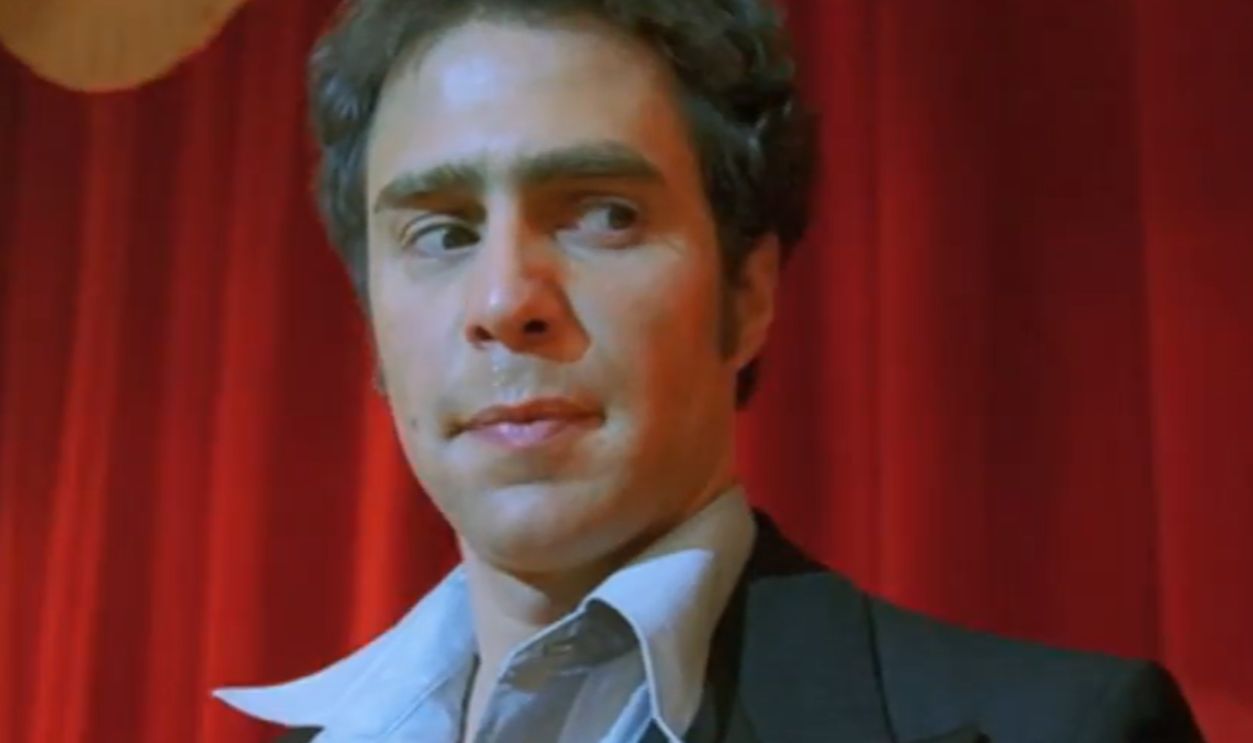
Shortly after Barris published his autobiography, Lazar snapped up the movie rights. He didn’t actually put the film into production until 2002, bringing in the likes of George Clooney to direct and Sam Rockwell to star as Barris. In the film, Rockwell’s Barris offs a total of 33 people though audiences and critics viewed the film as fiction, not fact.
Still, there was some truth to Barris’ claims.
 Screenshot from Confessions of a Dangerous Mind, Miramax (2002)
41. His Claims Weren’t “Far-Fetched”
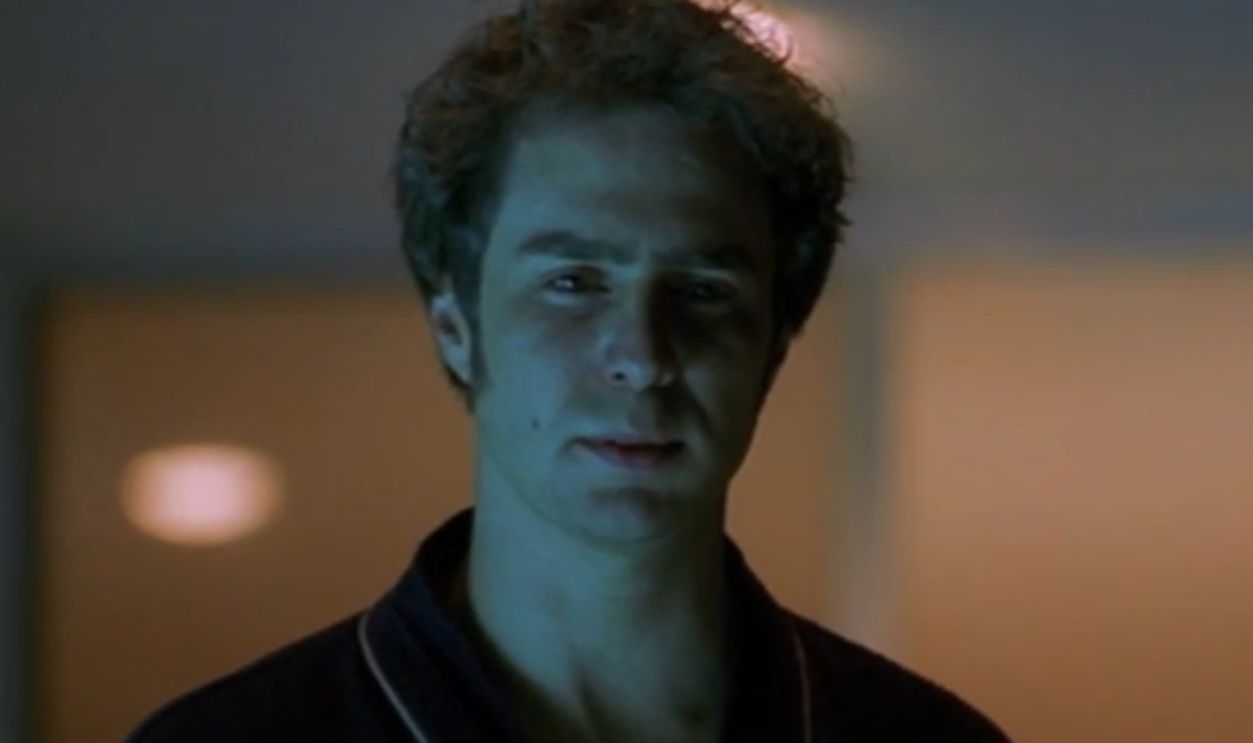
After spending time with Barris and combing through his autobiography, Lazar couldn’t dismiss Barris’ claims of working for the CIA. “I think there were strong grains of truth in the book,” he said. “The idea that the CIA would actually go to people that were traveling around the world for television shows and have them do counterintelligence, that’s not that far-fetched”.
Barris might not have been speaking literally.
 Screenshot from Confessions of a Dangerous Mind, Miramax (2002)
42. He Was Speaking Metaphorically—Maybe
Perhaps the reason that Barris would never deny his claims of being a CIA spook was that he wasn’t speaking literally. Lazar explained that it was entirely possible that Barris had written his autobiography as a metaphor for the cutthroat nature of the entertainment industry. “Here I am,” Barris had written in the book, “I’m being crucified by my critics for this daytime television”.
Barris did have a flair for the fantastical.
43. He Wrote Total Fiction
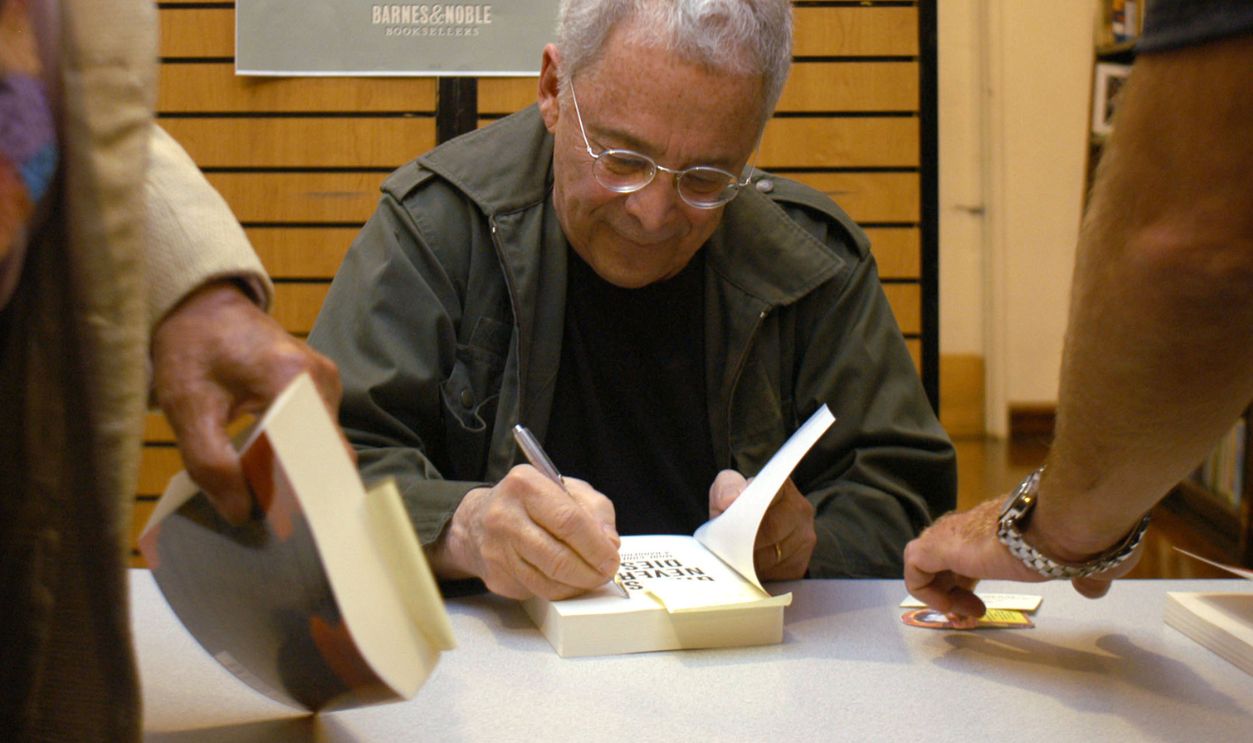
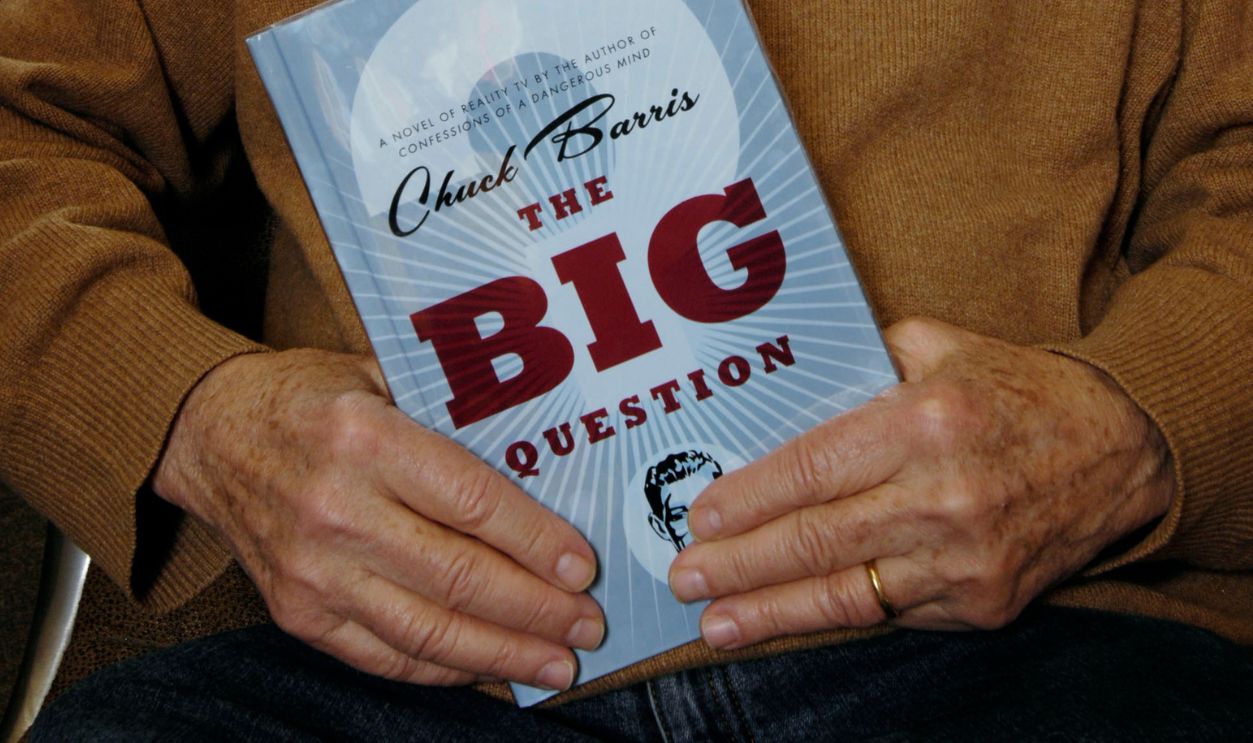
Like any good spy novel, Barris’ Confessions of a Dangerous Mind needed a sequel which he did release in 2004. Bad Grass Never Dies was the follow-up to his wild autobiography but did nothing to put the mystery to bed. As it turns out, Barris had a knack for writing fiction, publishing three novels including You and Me and The Big Question.
The real question was, how much longer did he have?
44. He Survived A Cancer Scare
Barris had managed to escape his family curse of depression—but his health wasn’t always great. In the 1990s, he survived a run-in with lung cancer, though the cure was almost as bad as the disease. A successful operation to remove the infected part of his lung resulted in an infection that saw him spend weeks in intensive care.
Despite a full recovery, tragedy knocked at his family’s door again.
 Screenshot from Confessions of a Dangerous Mind, Miramax (2002)
45. He Played Games With His Daughter
Despite three marriages, Barris only ever had one daughter: Della Charlotte Barris. Fans of The Gong Show and The New Treasure Hunt would have recognized the little Barris for her frequent appearances on her father’s shows. But they wouldn’t have seen her years-long struggle with addiction. And they certainly wouldn’t have seen how it all ended.
 Screenshot from The Gong Show, Sony Pictures Entertainment (1976-2018), enhanced
46. He Lost His One And Only Child
Barris did everything in his power to save his daughter from her addiction, even checking her into the psychiatric ward. But it was never enough. In July of 1998, Barris lost his one and only child—at just 35 years young. More than a decade later, he opened up about the tragedy, writing, “Della drank too much [hooch], snorted too much [blow], and [passed] just like the [certificate] said she did, from an excessive amount of everything”.
Barris held one person responsible.
 Screenshot from Confessions of a Dangerous Mind, Miramax (2002)
47. He Blamed Himself
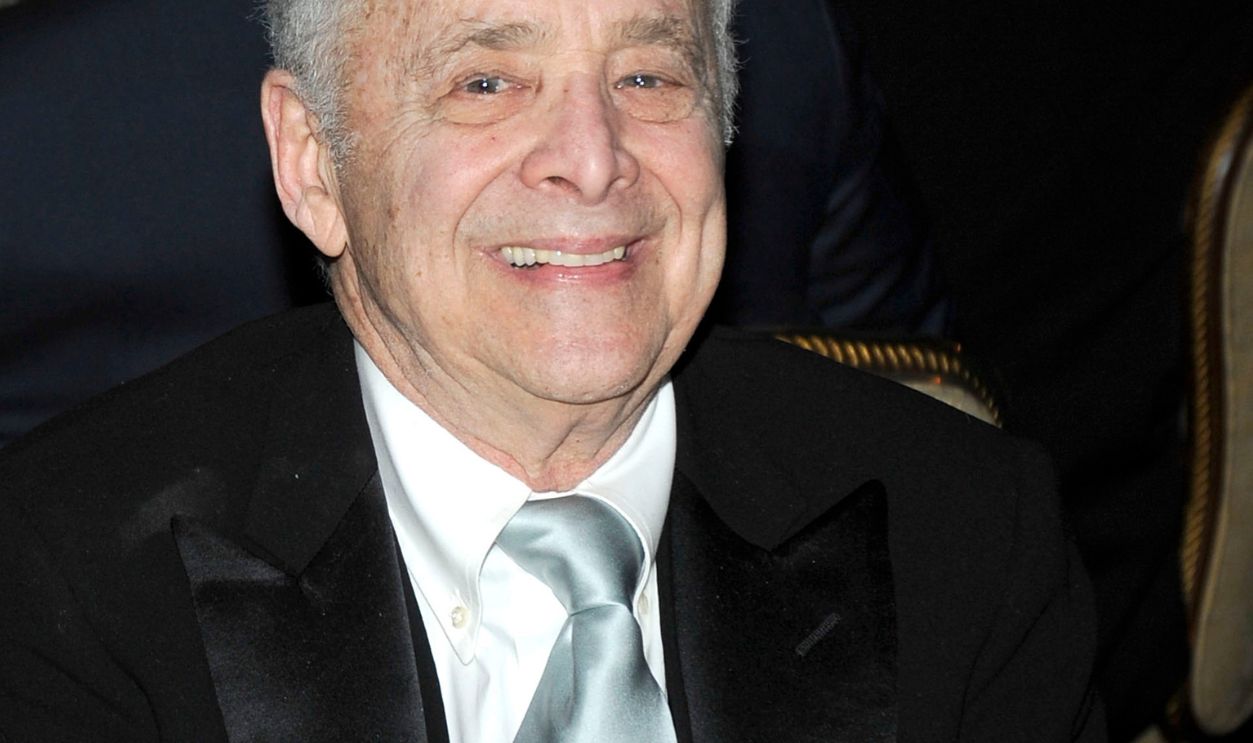
When Barris' daughter was only 16, she moved into the world on her own, living off a trust fund that Barris had set up for her. This would be a choice he would come to regret for the rest of his life. In 2010, Barris wrote about his daughter's tragic passing and his own grief in the 2010 book Della: A Memoir of My Daughter.
While substances were ultimately to blame for Della's passing, Barris expresses a lingering self-blame for the way his daughter spent her final years.
 Patrick McMullan, Getty Images
48. He Won The Best Prize: Happily Ever After
On paper, Barris’ search for love looked like the premise for one of his game shows. After divorcing his wife, he gave another contestant a chance, marrying Robin Altman in 1980. However, by 1999, that marriage had come undone. Finally, in 2000, he won the ultimate prize, marrying Mary Clagett and moving with her to Kentucky.
That would be his happily ever after—briefly.
 Stephen Shugerman, Getty Images
49. He Hosted His Final Audience
By 2017, Barris had settled into a quiet life in Bowling Green, Kentucky. But it would be at his home in New York that he hosted his final show, passing on March 21 of natural causes. At 87, he could look back on a life (or two) filled with bold moves, fun games, and a little mystery to boot. His impact on the TV industry was undeniable.

50. He Was “One-Of-A-Kind”
After Barris’ publicist confirmed his demise, his friends and colleagues issued touching statements. But few could speak to his legacy better than Andrew Lazar. The producer called him “a total visionary in the entertainment business” and extolled his virtues as “a total one-of-a-kind, personally and professionally”.
He just needed a proper title.
51. He Was The “King” And The “Baron”
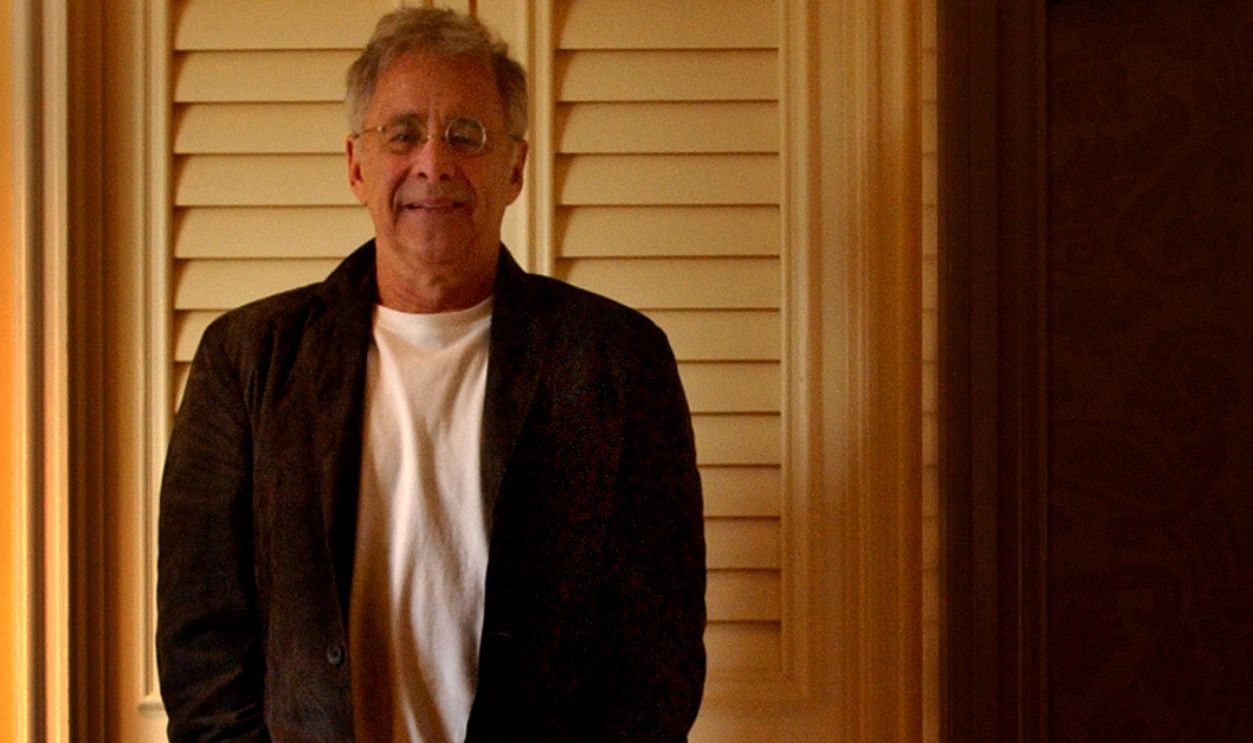
Whether or not Barris ever worked for the CIA, jetting around the world performing wet work, one thing was clear: he set the standard for TV game shows and hosts. Over the years, critics gave Barris all kinds of titles: “the king of schlock”, “the Baron of Bad Taste”, and even “the Ayatollah of Trasherola”. Say what they want, audiences still love “Chuckie Baby”.

You May Also Like:
Iconic Facts About Alex Trebek, TV's Greatest Game Show Host
42 Winning Facts About Bob Barker, Game Show Legend