
The Bold And The Damned
Scotland had William Wallace, but the kingdom of France had Charles the Bold, Duke of Burgundy. A perpetual thorn in King Louis XI’s side, Charles held fast to his duchy’s independence for his entire life. Yet this is no valiant tale of brave hearts and bygone chivalry—it’s one of bitter family betrayals and poison plots, and it ends not with victory, but with violent death.
1. He Was A Prince Without A Crown
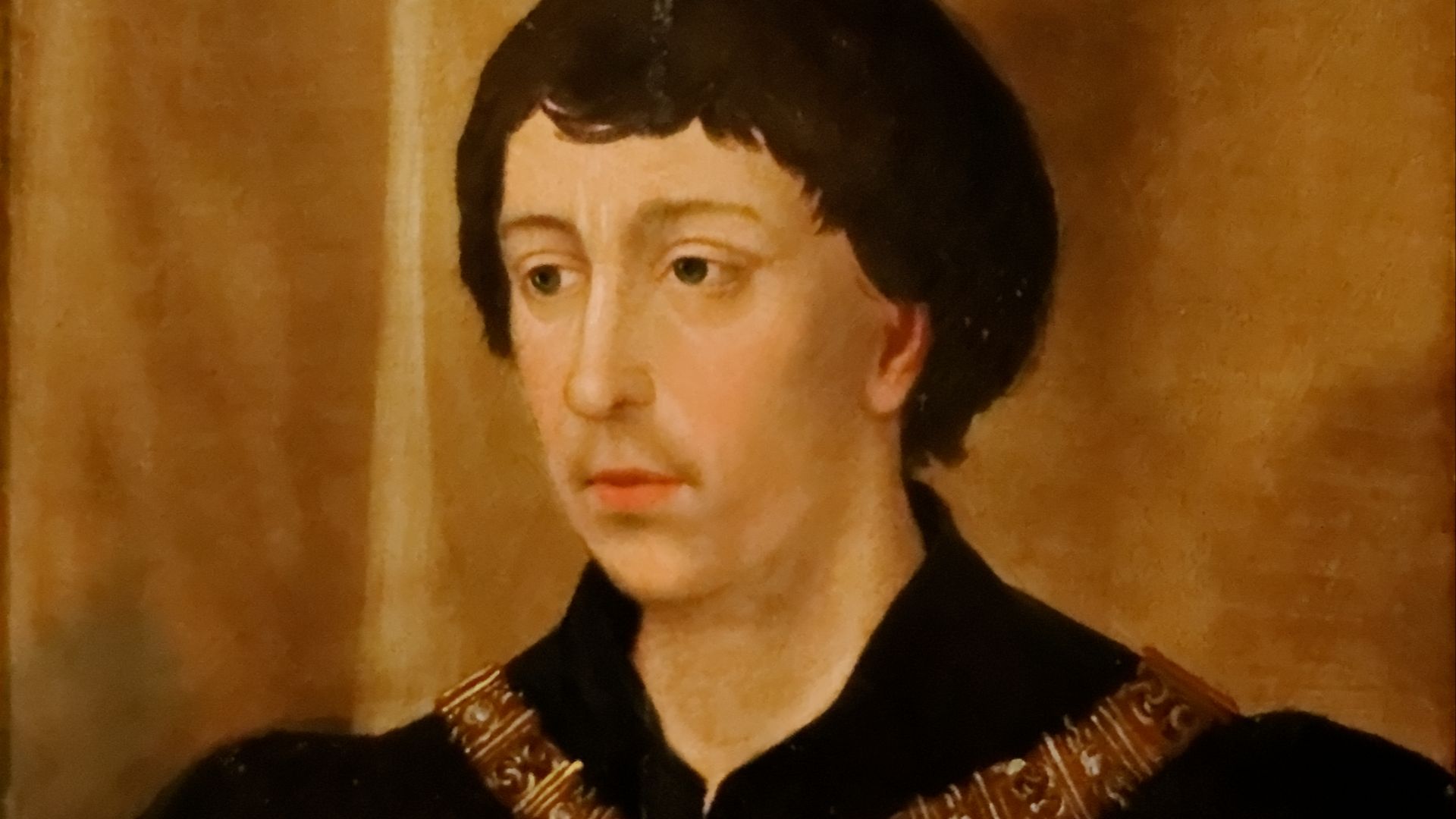
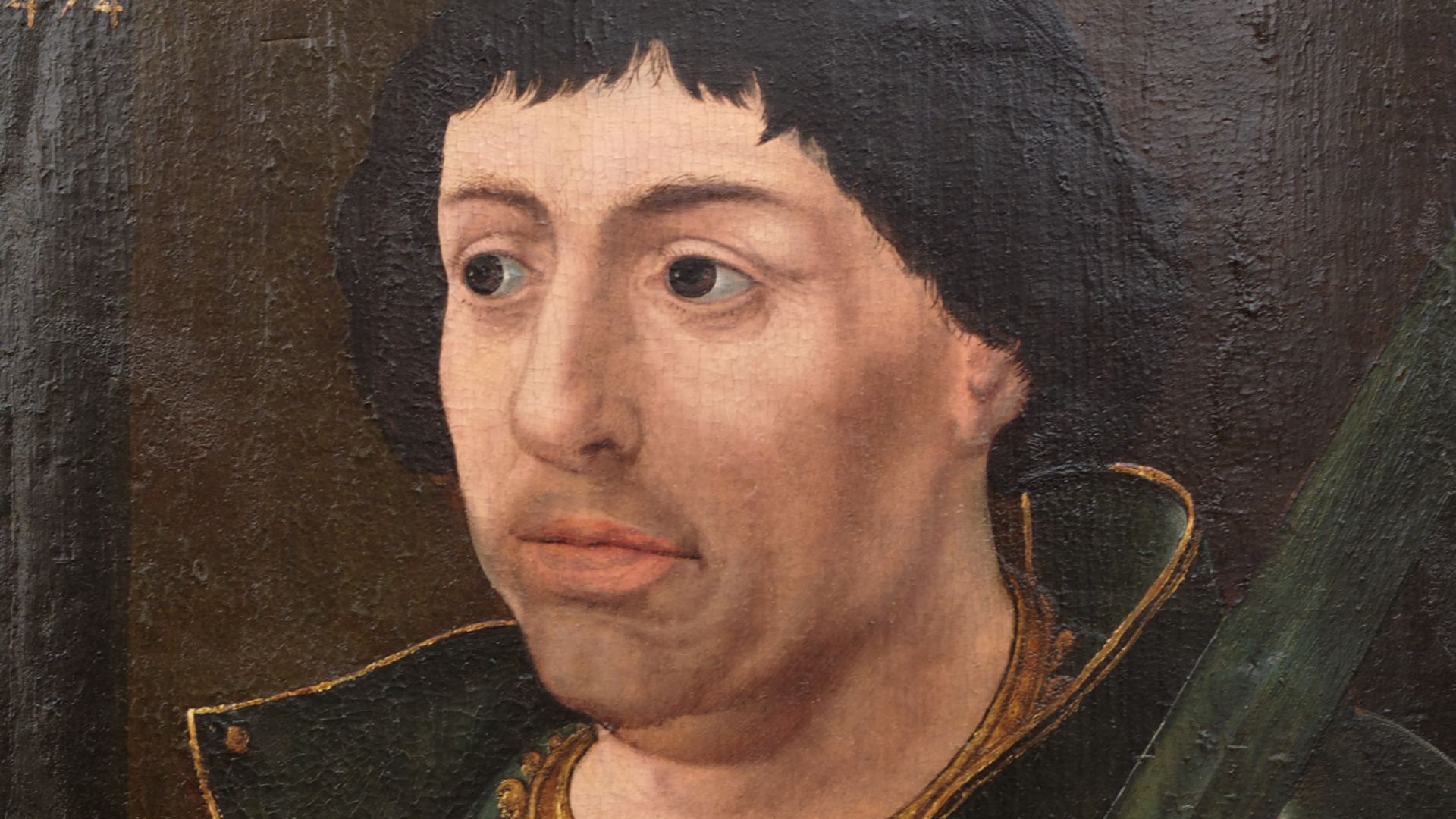
Born in 1433 to Philip the Good, Duke of Burgundy and his wife Isabella of Portugal, Charles the Bold had the world at his feet even as an infant. The duchy of Burgundy was ostensibly under the control of the Kingdom of France, but had long thought of itself as and strove to be its own independent kingdom.
This power struggle eventually led Charles to be dubbed “a mighty Prince who bears no crown”—but it also led to disaster.
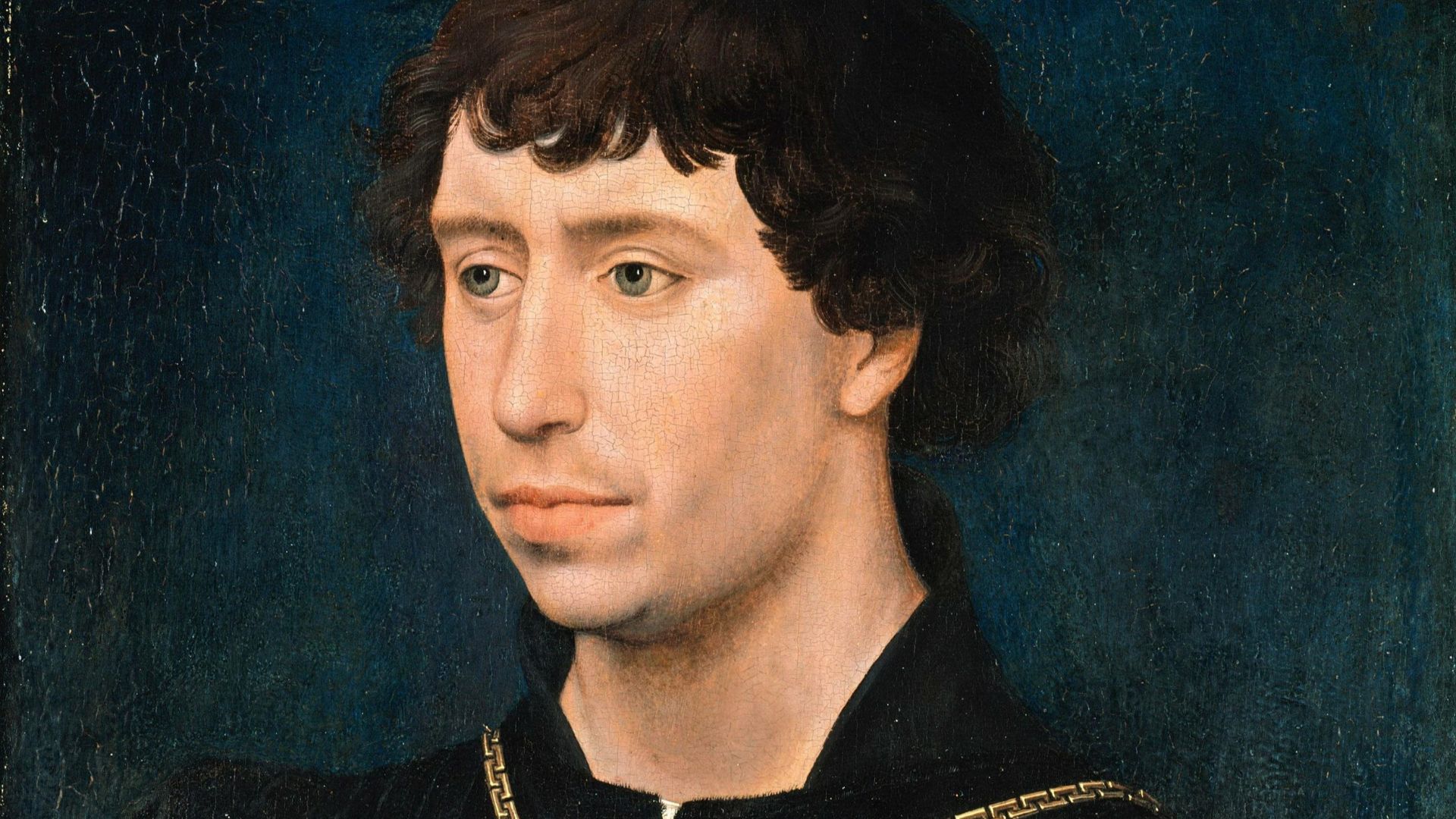 Rogier van der Weyden, Wikimedia Commons
2. He Had The World On His Shoulders
With Burgundy’s self-determination hanging in the balance, Charles already grew up in an insecure household. It got disastrously worse. He was also the only child of Philip and Isabella to survive infancy, a precarious position not helped by an outbreak of the Plague shortly after his birth.
A spoiled child with huge expectations on his shoulders, Charles began to warp.
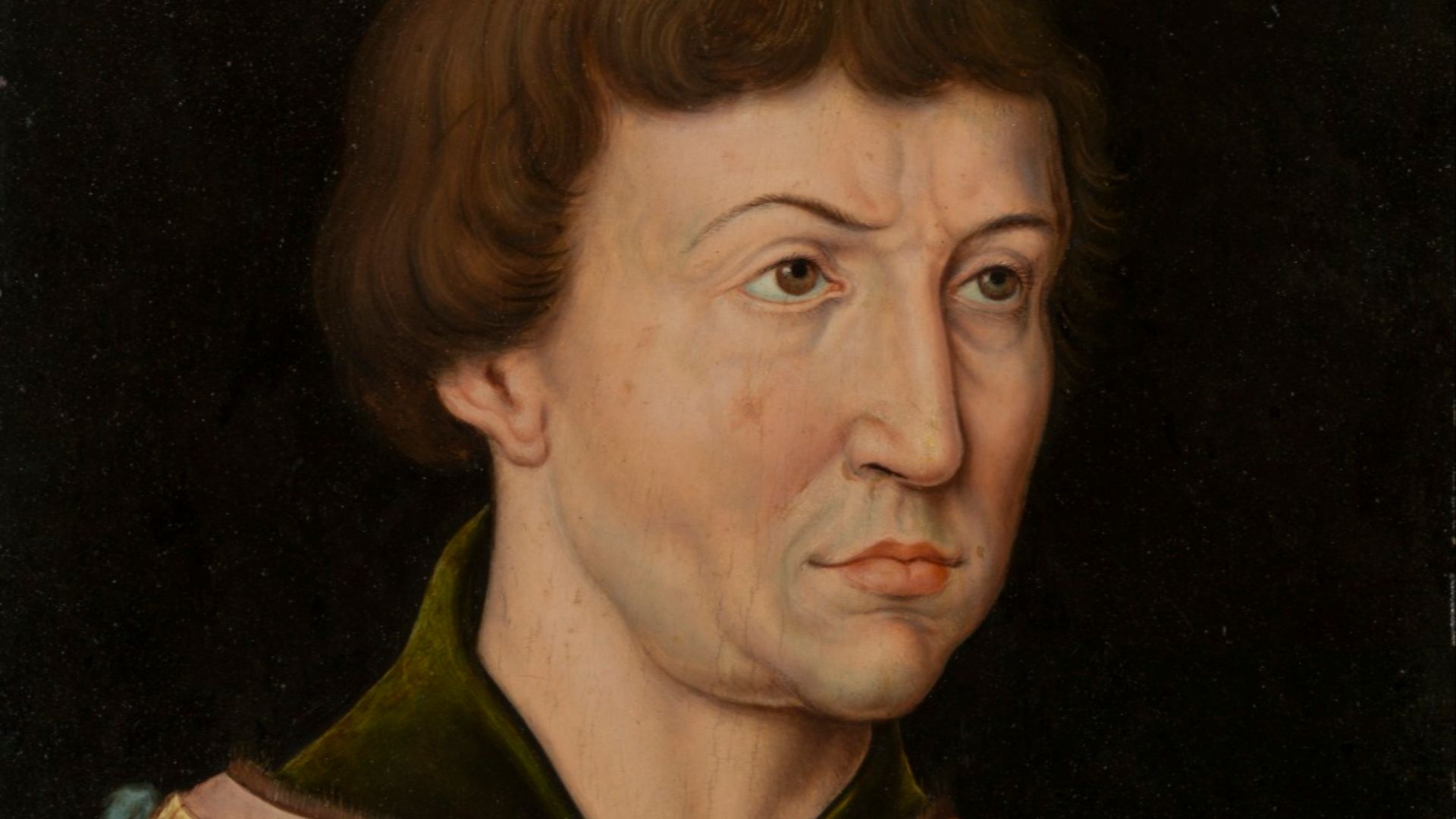 After Rogier van der Weyden, Wikimedia Commons
3. He Had A Brutal Idol
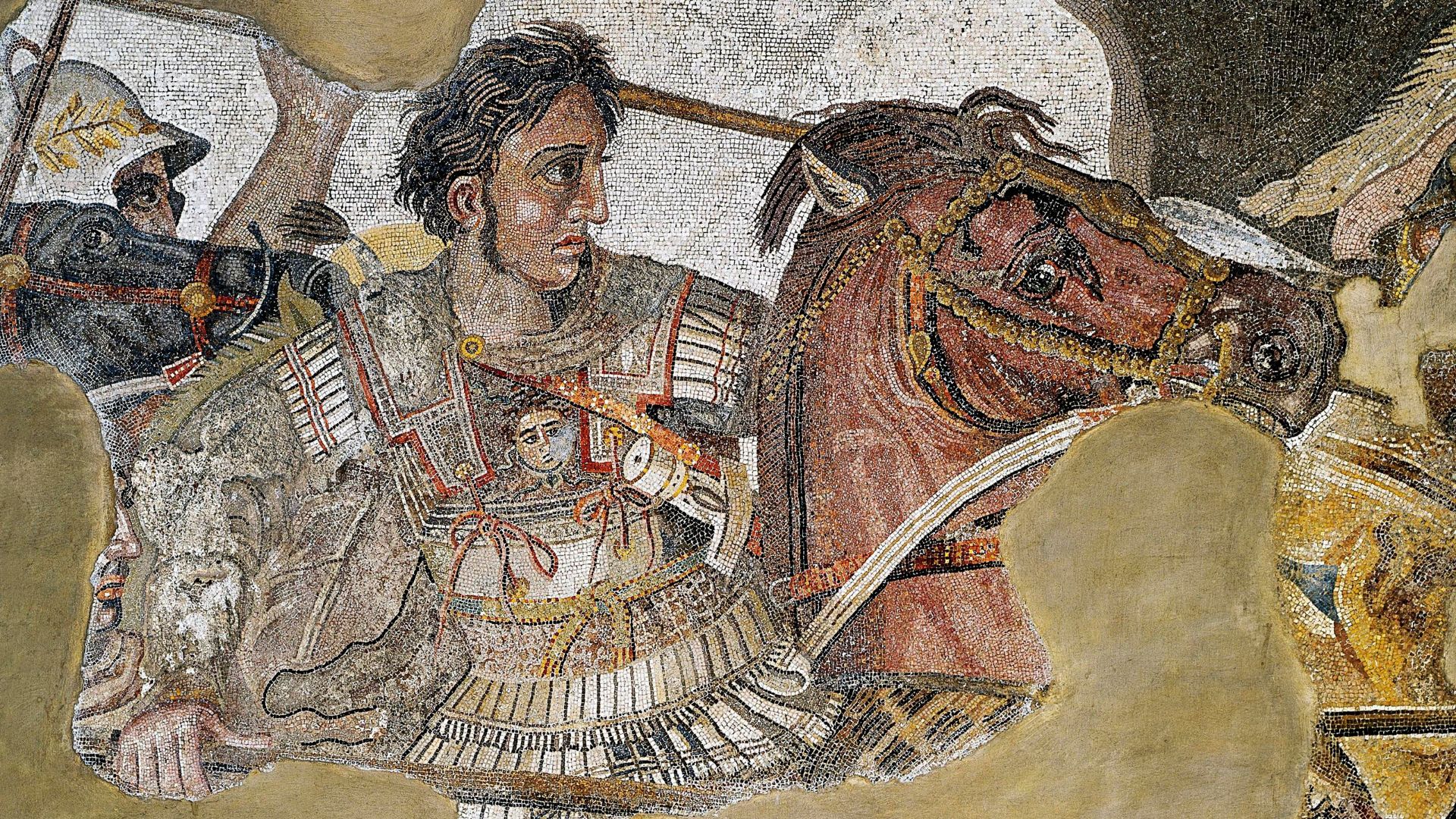
Charles’s father fought constant wars as he grew up in an effort to either keep or expand Burgundian lands, and it didn't take the boy long to figure out the way to daddy’s heart was bloodlust. He soon idolized Alexander the Great, turning the conqueror into a role model and even noting that Alexander’s father was named Philip, too.
But it didn’t stop him from being a pawn in his family’s games.
 Unknown authorUnknown author, Wikimedia Commons
4. He Was A Child Groom
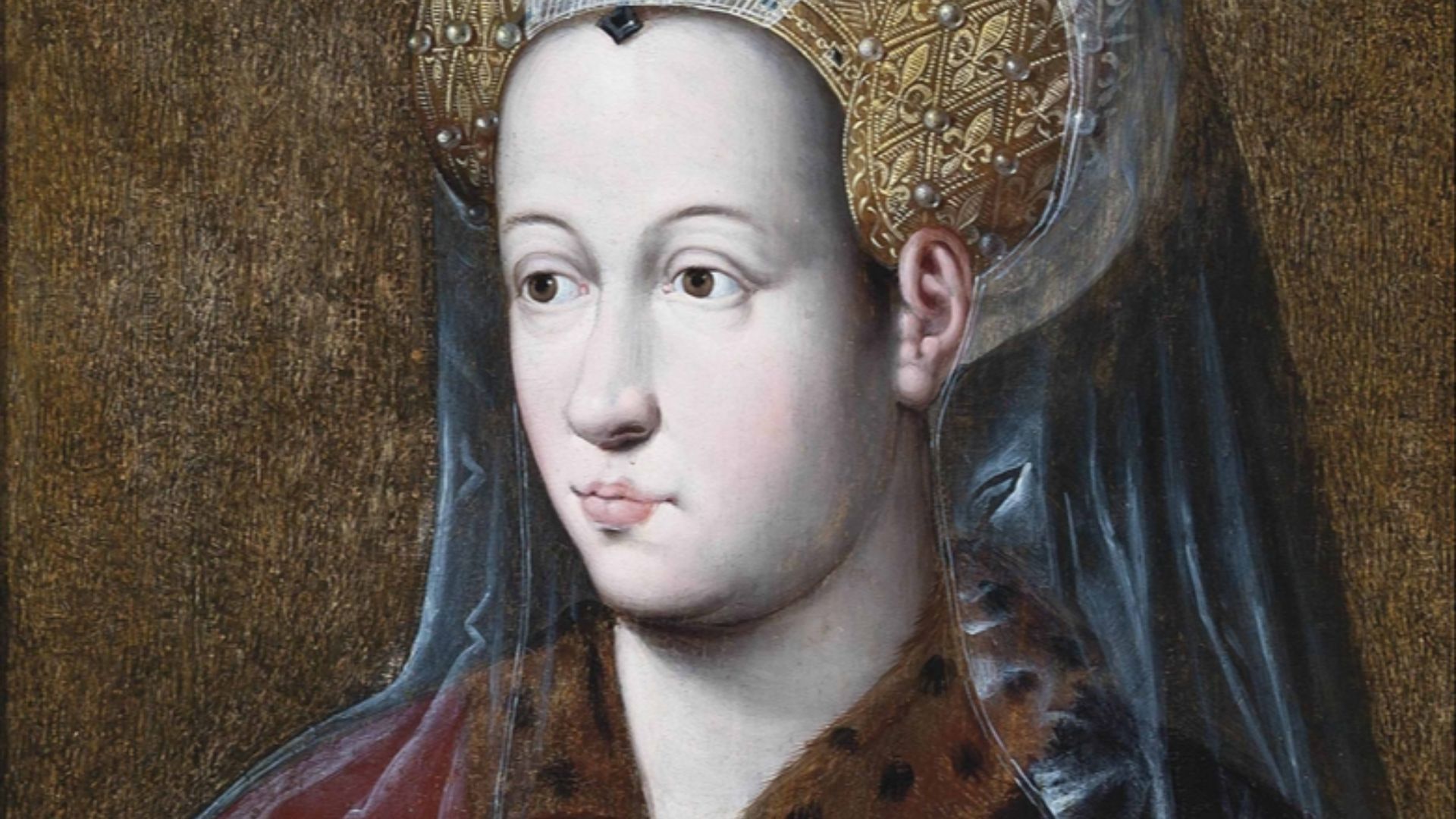
In 1439, Burgundy was on rare good terms with the Kingdom of France, and Philip the Good pounced on the opportunity to marry Charles to the King of France’s daughter Catherine. It mattered little that Charles was just six at the time and his new bride only four years older, or that the newlyweds had to submit to a joint governess when Catherine came over to the Burgundian court.
Yet this was one gamble that wouldn’t work out.
 Unidentified painter, Wikimedia Commons
5. He Experienced Death Young
In 1446, Charles experienced his first tragedy. Catherine, who had been well-liked at court and had turned into a familiar playmate for the boy, suffered a violent coughing fit and perished, likely from tuberculosis.
Charles, not yet 13 years old, was now a widower…and he began asking to be treated like an adult.
 Yelkrokoyade, Wikimedia Commons
6. He Jumped Into Battle
Shortly after Catherine’s passing, Burgundy was flung into chaos yet again when the city of Ghent rebelled against the duchy. Eager to prove himself, the now-teenaged Charles joined in on the fighting for his duchy. It was supposed to bring him a new sense of manliness and worth, but it ended with humiliation.
 Unknown authorUnknown author , Wikimedia Commons
7. His Father Lied To Him
Charles’s father Philip thought his only son and heir was much too young to join the fray, and he had no qualms about keeping the boy out of battle by any means necessary. Philip actually lied and told Charles that his mother was gravely ill over in another town, whereupon Charles fled to her side—only to discover she was perfectly healthy.
That’s when his mother taught him about revenge.
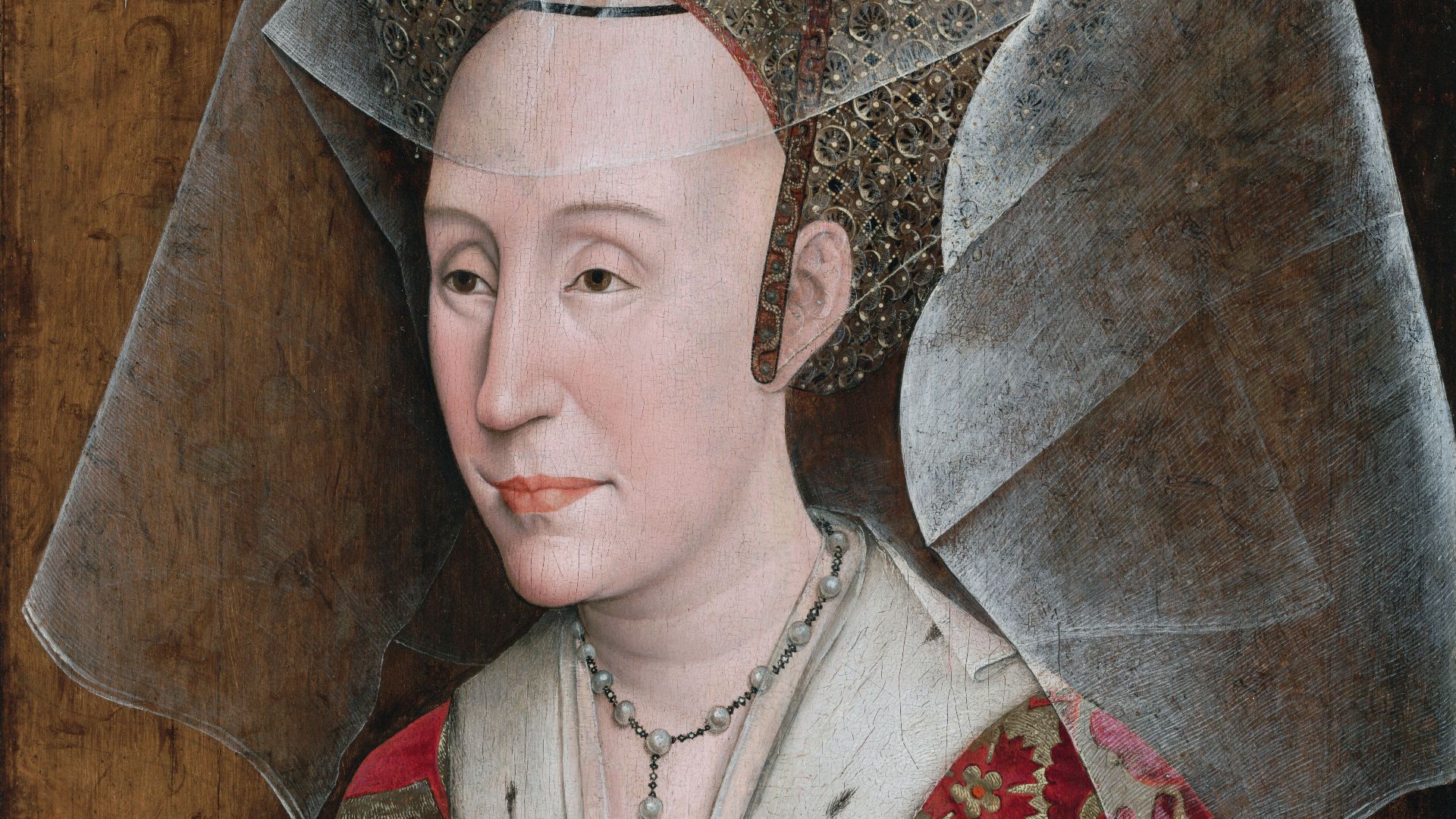 Workshop of Rogier van der Weyden (Netherlandish, 1399/1400 - 1464) (1399 - 1464), Wikimedia Commons
8. His Mother Egged Him On
Isabella of Portugal seemed just as annoyed at her husband’s ploy as her son surely was, because almost as soon as he arrived she threw an opulent feast for him and publicly urged him to go back to the battle in Ghent and fight for what was his. Though it never happened—by then, Philip had already turned the tides—Charles certainly took the advice to heart.
He would let his father use him only one more time.
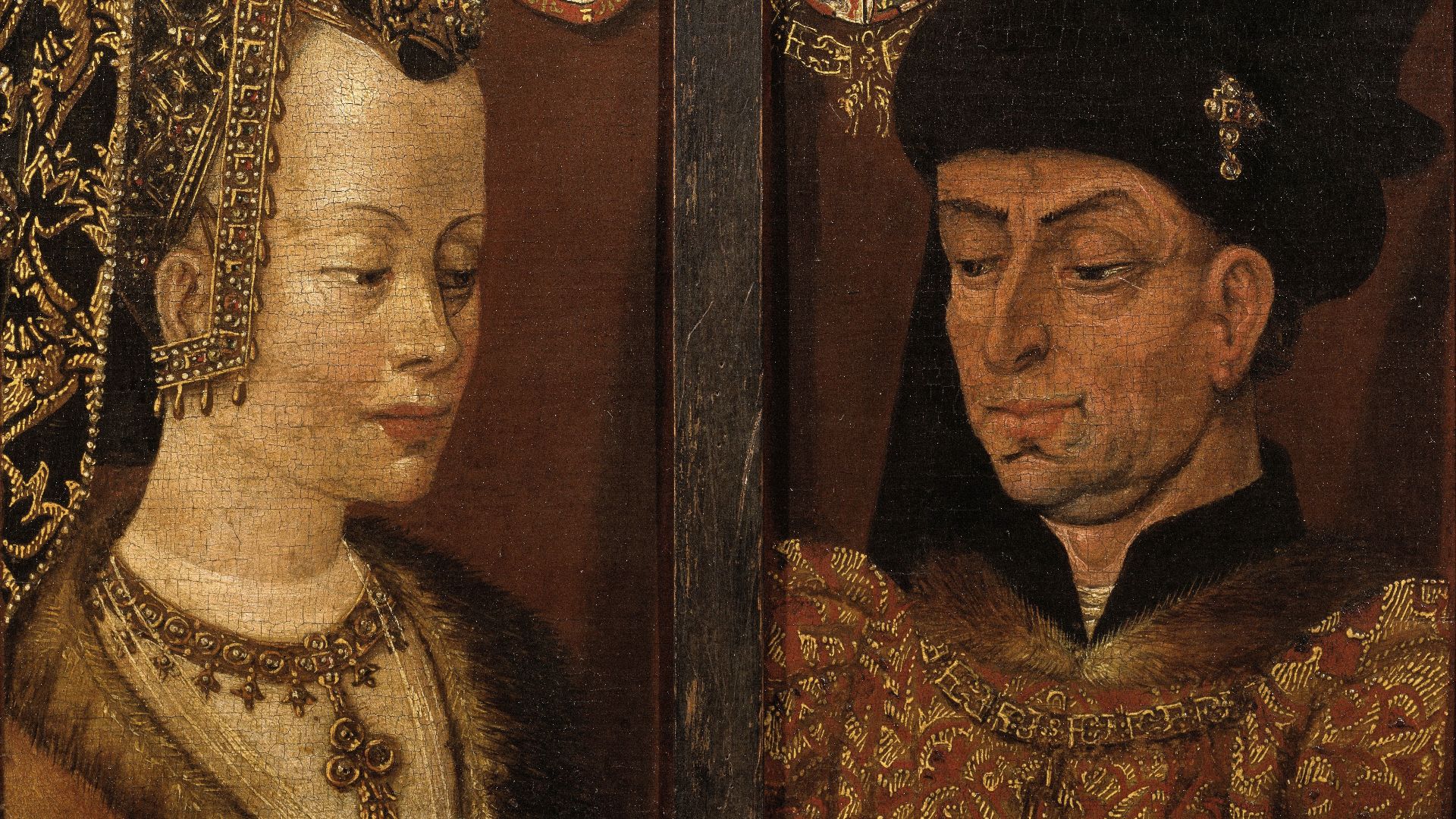 Unidentified painter, Wikimedia Commons

History's most fascinating stories and darkest secrets, delivered to your inbox daily.
9. He Had A Surprise Wedding
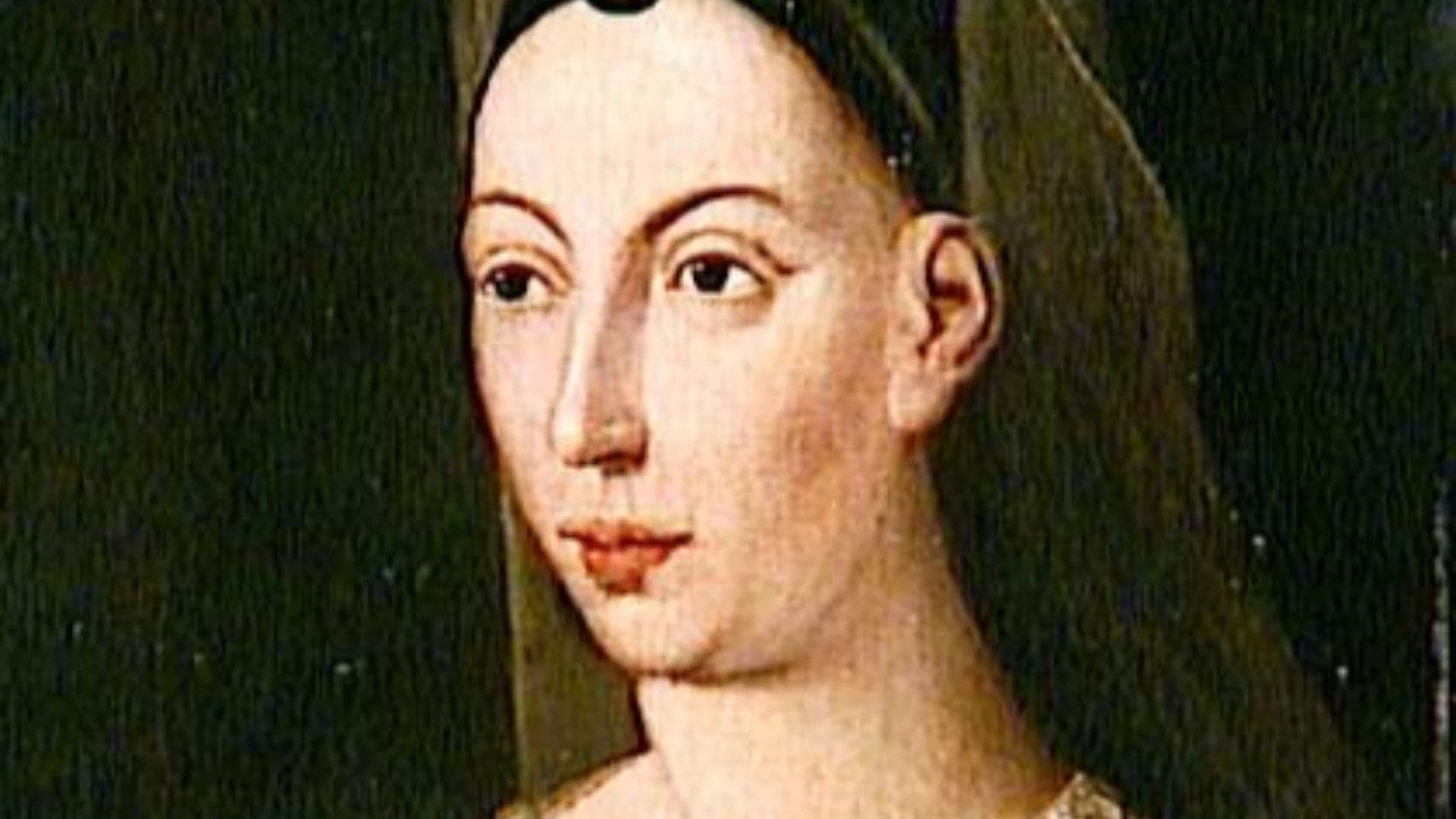
In 1454, Charles got the surprise of his life. Entirely unbeknownst to him, Philip the Good had been orchestrating his second marriage, this time to Isabella of Bourbon. Although Isabella was Philip’s niece and Charles’s own cousin, Charles only found out he was set to walk down the aisle the day before it happened.
Likely too stunned to disagree, Charles went ahead with it on October 31. But nothing was ever the same again.
10. He Was Impotent
Although Charles was onto his second marriage and now in his early 20s, his father continued shunting him from power for the next decade. Even when Philip went abroad on political visits and appointed Charles “governor and lieutenant-general in absence,” Charles still had no real power at court, and his influence was dwarfed even by his own mother.
For a young man who still idolized Alexander the Great, it was hardly the world-conquering he wanted. It hit a breaking point.
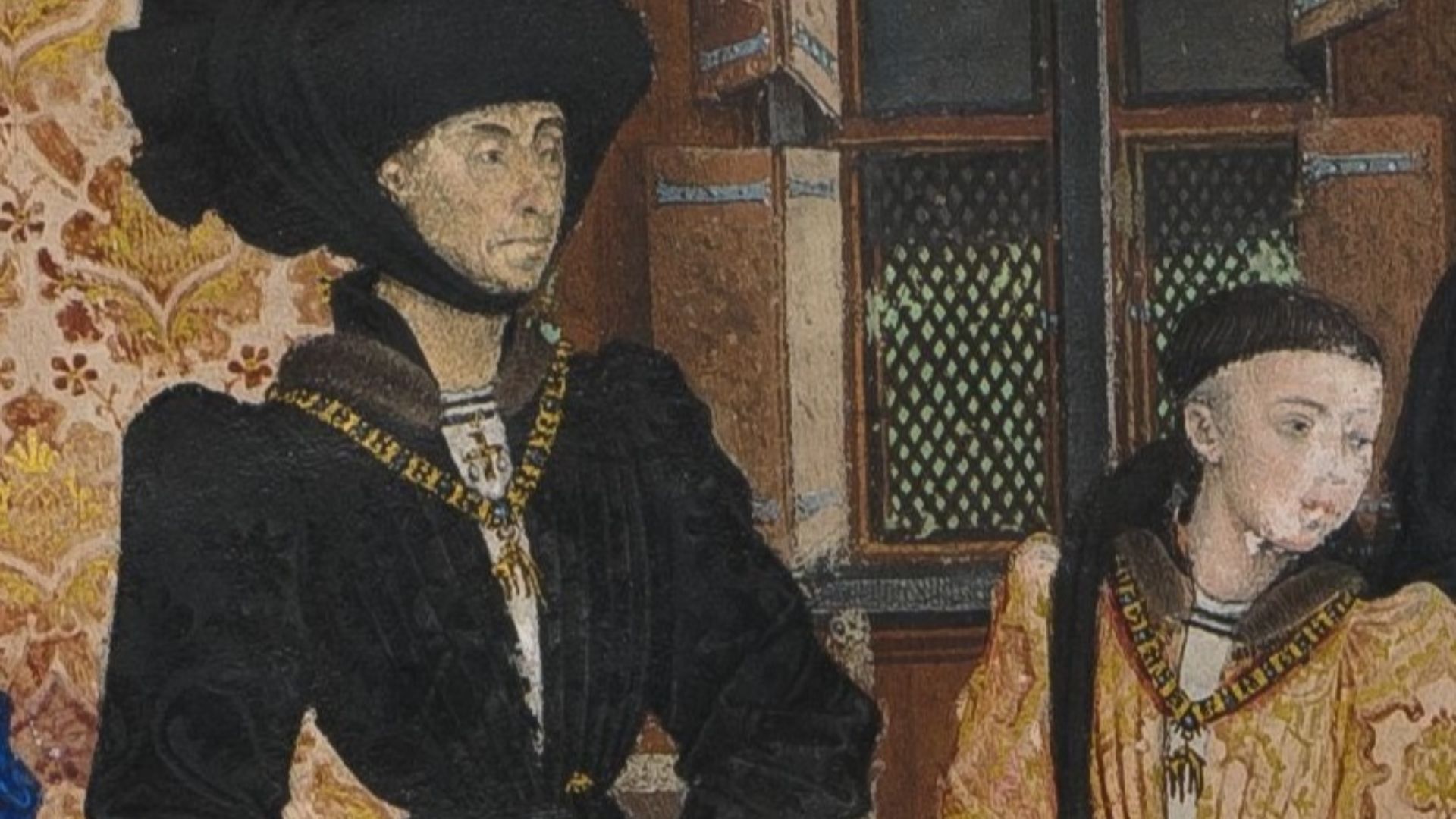 Rogier van der Weyden, Wikimedia Commons
11. He Was Locked In A Battle Of Wills
In an effort to nudge his power up more, Charles tried to appoint his own chamberlain in 1457. It triggered a tense domino effect: His father nixed the idea immediately, then tried to present his own man for the job. Charles, who had quite enough of being under Philip’s thumb, then nixed that idea. Before long, the situation exploded.
 Universal History Archive, Getty Images
12. He Ran For His Life
Before now, the tension between Charles and his father was more a cold war than anything else. It turned terrifying. Philip was incensed that Charles had the audacity to refuse his proposal for chamberlain, and went into such a fit over it that Charles’s mother spirited her son away from court, fearful that his own father would slay him. It didn’t stop there.
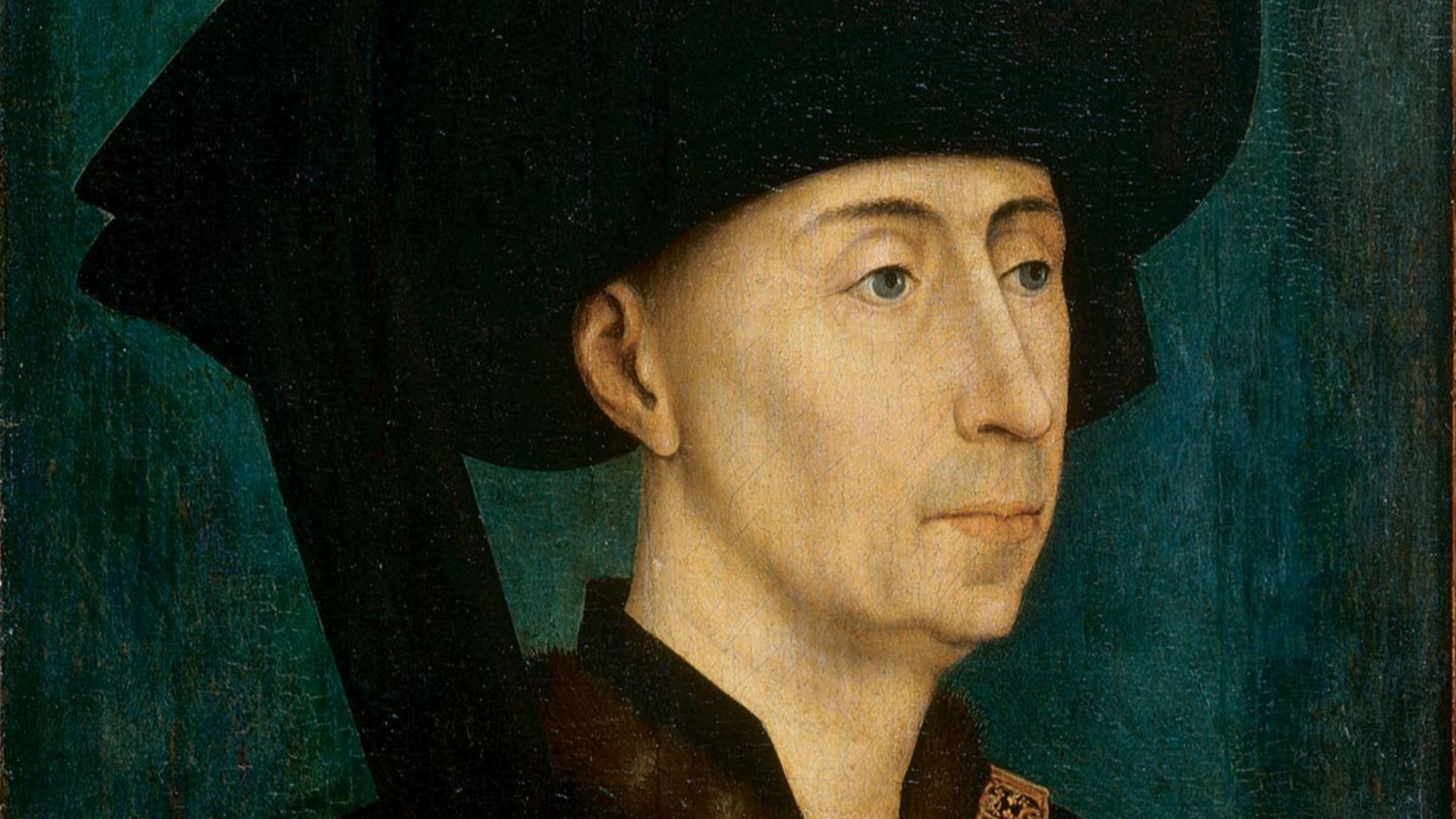 After Rogier van der Weyden, Wikimedia Commons
13. His Father Hunted Him Down
Philip the Good didn’t back down in the middle of this Oedipal nightmare, and tried to hunt Charles down. Although Charles was hiding in Dendermonde, what is currently northern Belgium, the Duke was so foggy with rage that he got lost in the forests of Soignies—a long day’s ride away—trying to find him.
In the end, peace came from a surprising source.
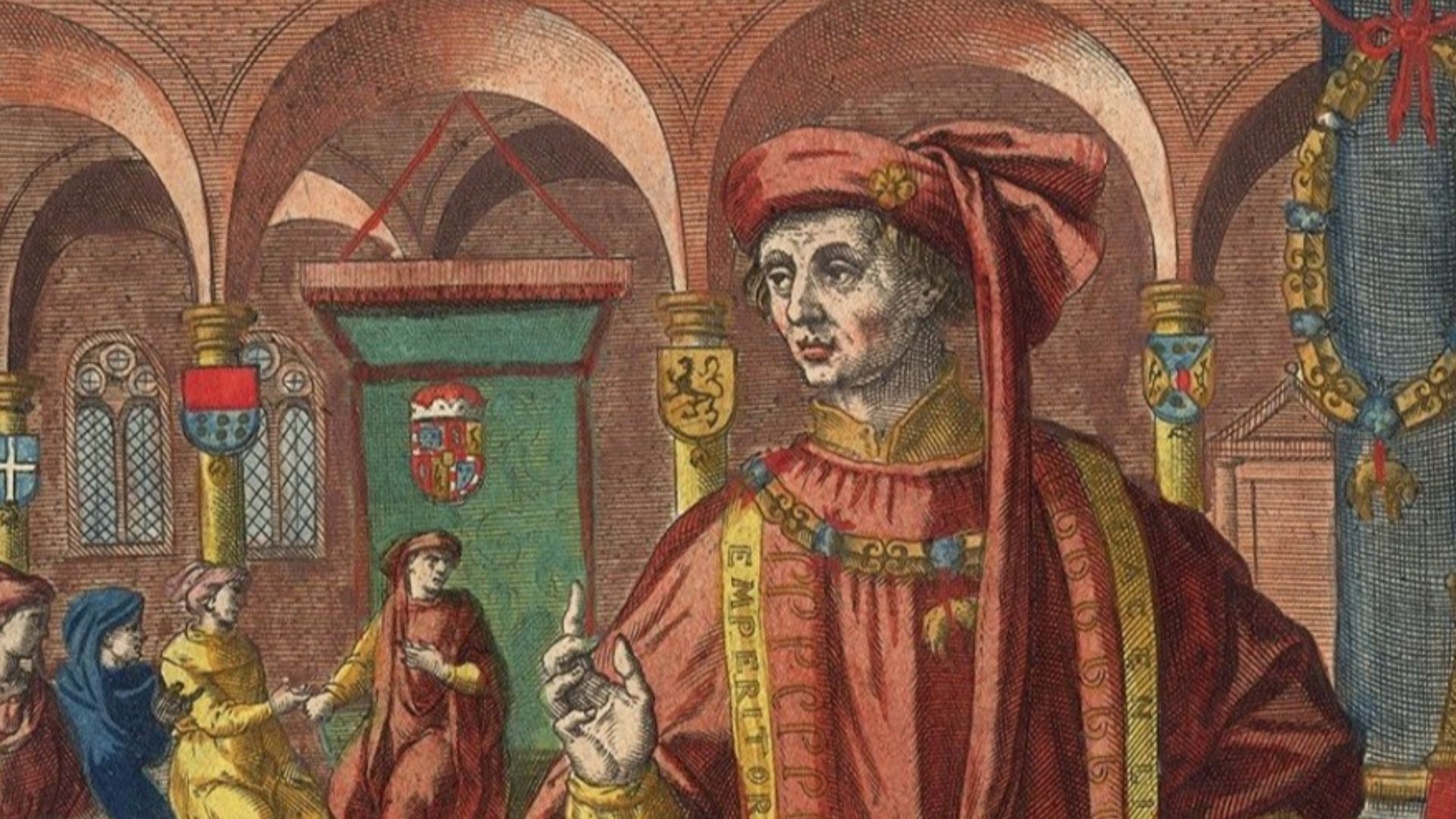 Estienne Richer, Wikimedia Commons
14. He Fell In Love
Philip the Good had given very little to Charles that the younger man appreciated, so it astonished everyone when he and his overnight bride Isabella of Bourbon got along splendidly, even eventually falling in love. At the time of this chamberlain debacle, Isabella was actually heavily pregnant with their child—and she stepped in for husband in a big way.
 Unknown Author, Wikimedia Commons
15. His Wife Saved Him
Philip the Good had always had a soft spot for his Bourbon niece, and Isabella now used that partiality to her advantage. Likely invoking her unborn child and the future of Burgundy, the young woman managed to get father and son to come to a truce before one of them killed the other. Still, she could only do so much.
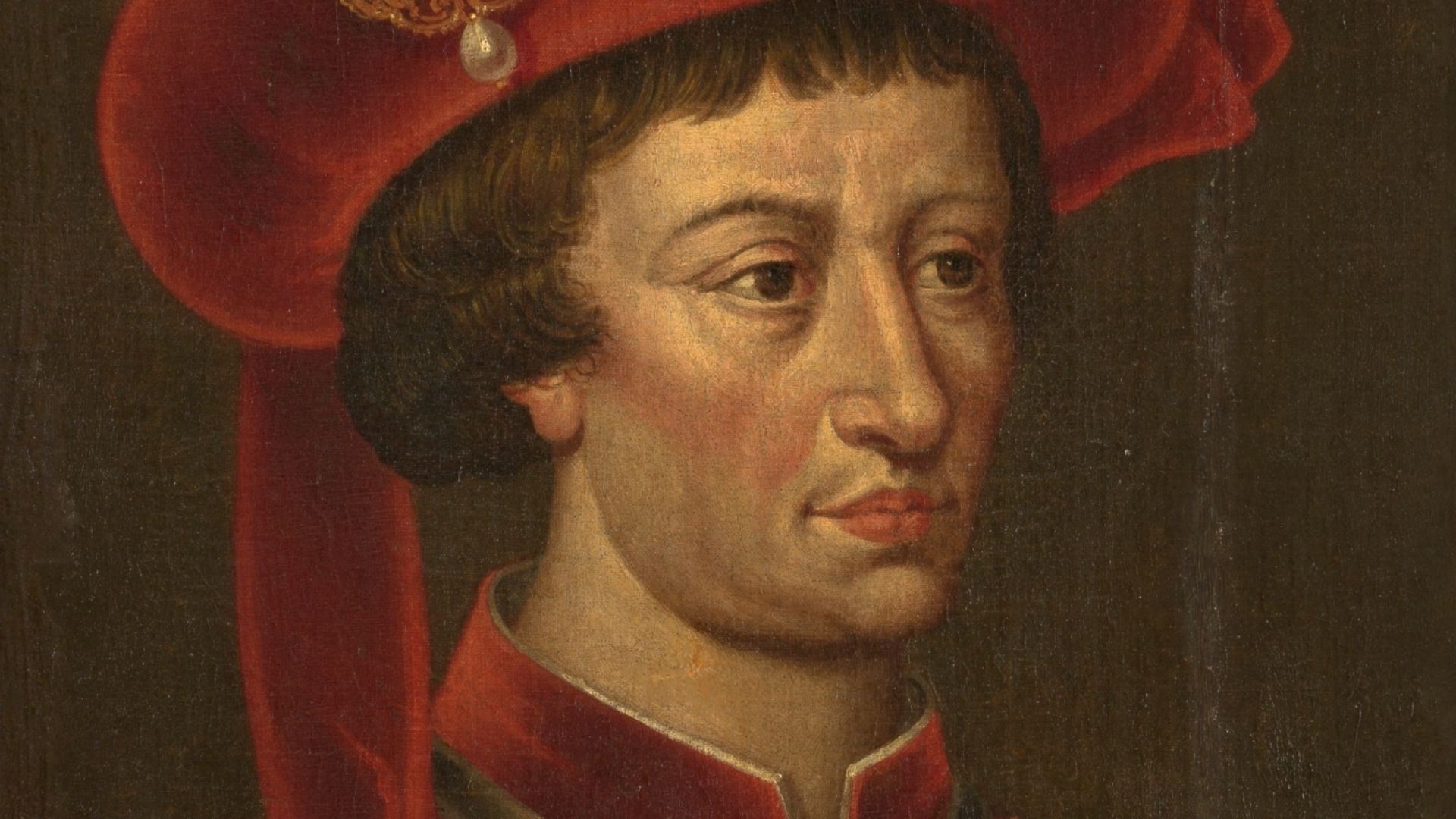 AnonymousUnknown author, Wikimedia Commons
16. He Was In A Family Feud
In the winter of 1457, Isabella gave birth to a little girl they named Mary. The infant had the potential to reunite the fractured house of Burgundy, but it only caused a bigger rift. In a fit of pique and pettiness, both Charles and Philip refused to attend the baby’s baptism, since each wanted to avoid the other.
From that point on, truce or not, the real game of thrones began.
 Possibly Michael Pacher, Wikimedia Commons
17. He Undermined His Father
It was now clear to Charles that, short of the elder man dying, his father would never be his path to power—and Charles wanted power. The next years were a constant push–pull between the two, with Charles essentially setting up a rival court to announce himself as the heir to Burgundy, and his father cutting off his allowance to cut him down to size. At one point, Charles even loudly claimed his father was senile.
Not even a crisis could help them.
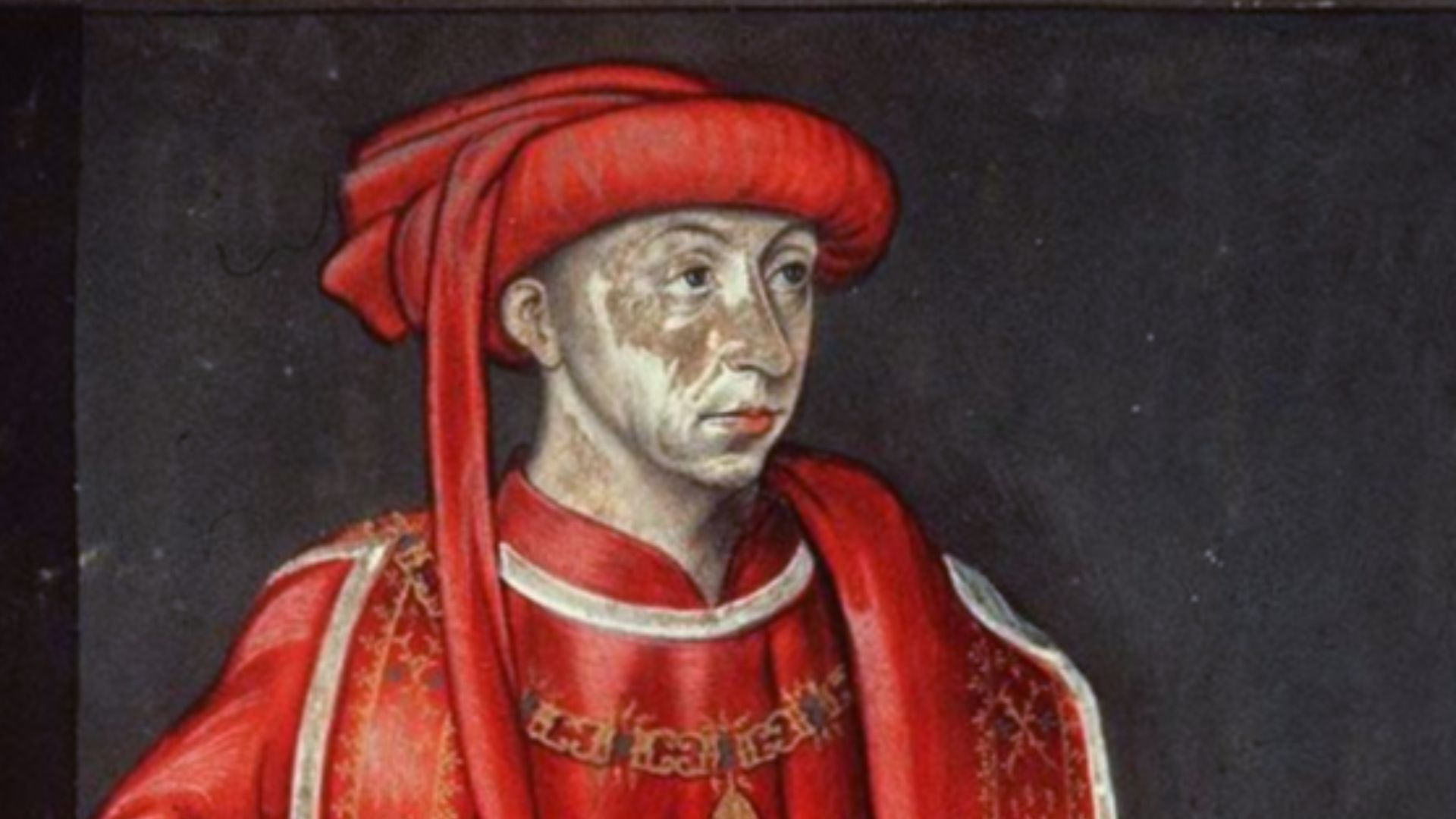 Unknown authorUnknown author, Wikimedia Commons
18. He Survived A Poisoning
In 1462, Charles’s valet attempted to poison him, and he only just survived. In response, Charles blamed his father’s current favorite, Antoine de Croy, for the security slip-up—while de Croy claimed that Charles had staged the whole thing. But even this wasn’t enough to make Philip reconcile with his son, and they remained at each other’s throats.
In fact, they were about to be driven further apart.
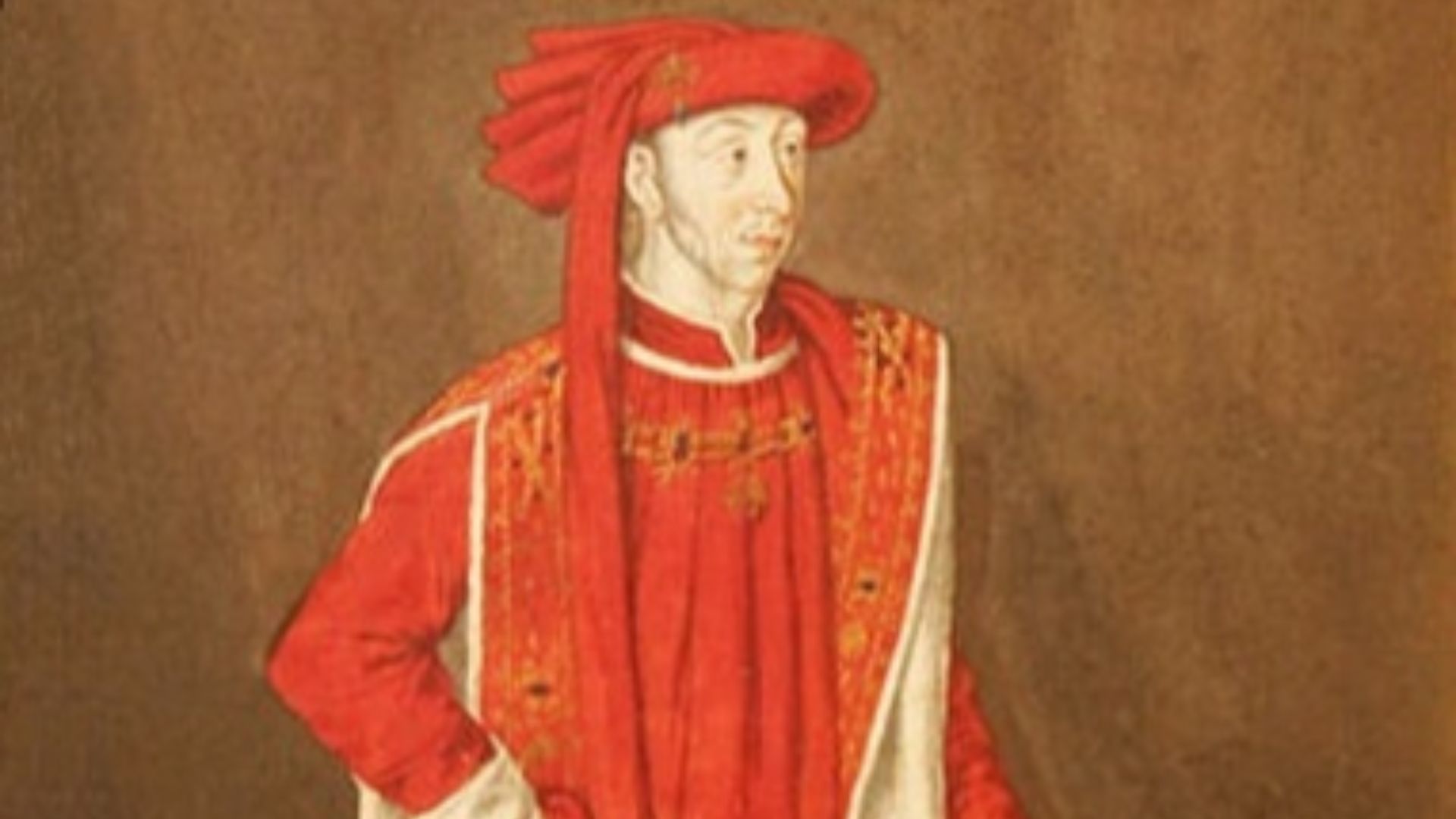 Anonymous (France)Unknown author, Wikimedia Commons
19. He Got A New Rival
The same year that Charles’s daughter Mary was born, his father found just the replacement for his son: To the future King Louis XI, the Dauphin of France. Even though France had been Burgundy’s habitual enemy, Philip conspicuously doted on Louis, keeping the young man at his court despite several requests by the King of France to get his heir back.
After all, it was the perfect way for Philip to twist the knife into Charles’s side. Charles took the bait.
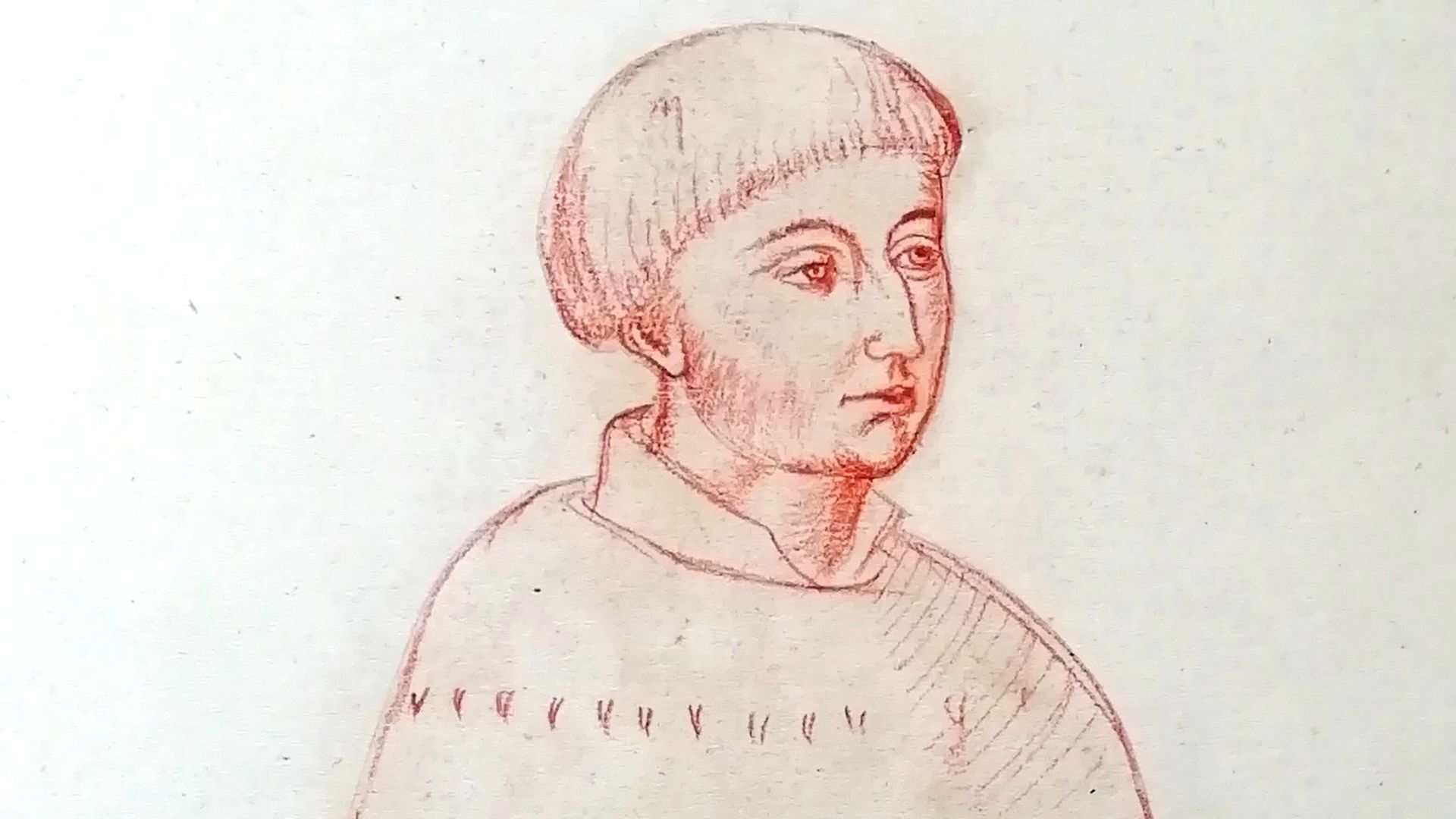 Jacques Le Boucq, Wikimedia Commons
20. It Got Personal
Charles and Louis disliked each other on principle, but this dislike soon turned to roiling hatred. In 1461, with Charles still flailing about to find any scrap of power he could, Louis’ father passed and he became King of France, sending Charles into fits of jealousy. To add insult to injury, it was Charles’s father who placed the crown on Louis’ head during the coronation.
Then the battle for daddy’s love really heated up.
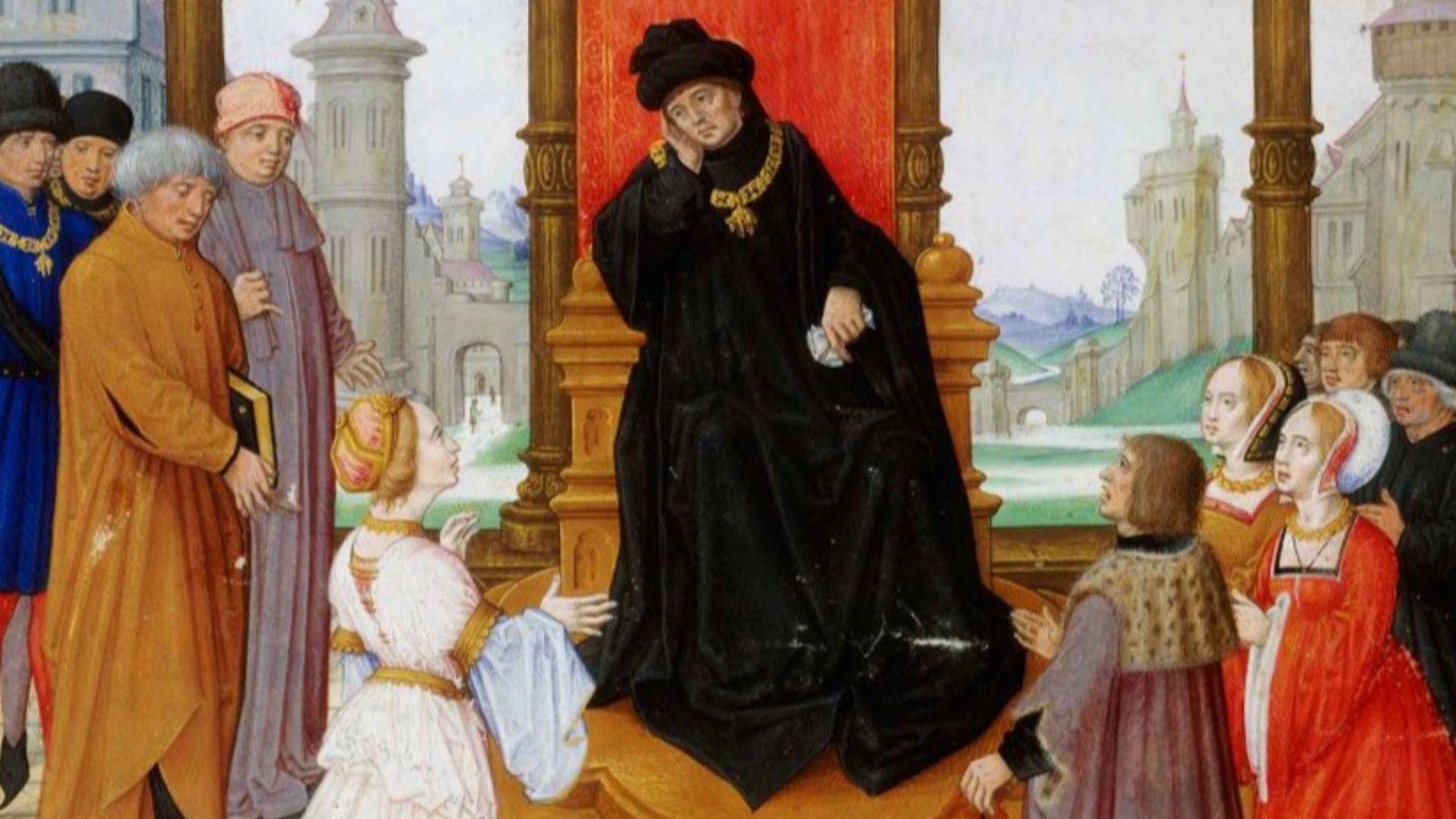 Unknown authorUnknown author, Wikimedia Commons
21. He Rebelled
While Philip the Good believed France and Burgundy could reconcile, Charles remained deeply wary that any such thing would happen. Just a few years into Louis’ reign, he made darn well sure it wouldn’t, striking up the League of the Public Weal with other discontented nobles against France in a bid to take back some of their ancestral lands.
In a master stroke, Charles had even managed to get the king’s brother Charles of Berry on his side, really driving home the family feud. Then he went into full blown treason.
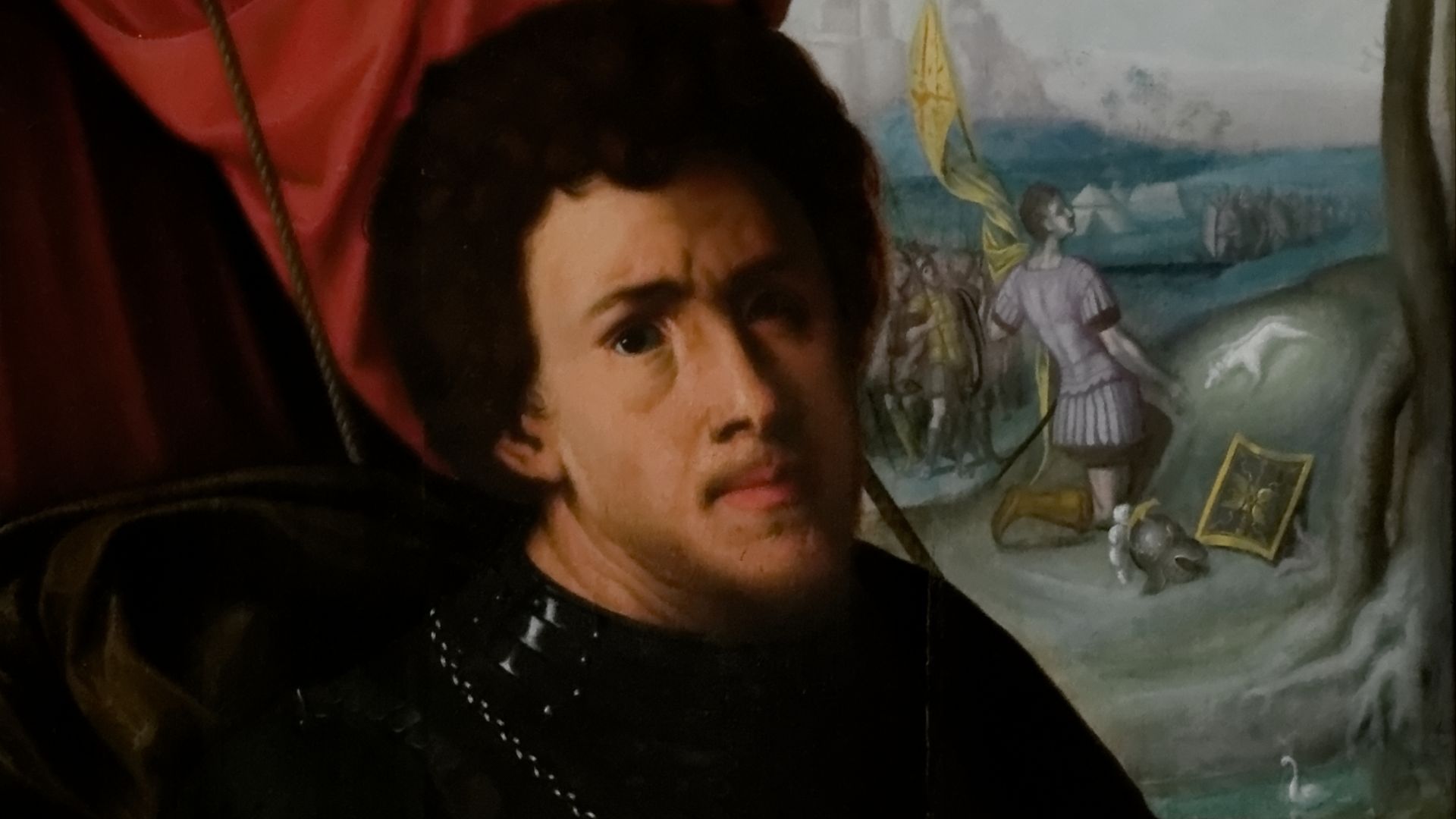 After Dosso Dossi, Wikimedia Commons
22. He Almost Met A Gruesome End
In the summer of 1465, Charles led his League army against the French royal forces in the Battle of Montlhery. It nearly ended in disaster. Charles was still a green tactician at the time, and was severely wounded in the battle, receiving a slash to his throat. But he was also truly bold: After the injury, he managed to make it back to his lines and oversee the gunners as they shot at Louis’ men, forcing the king to retreat.
When the dust settled, Charles just kept on going.
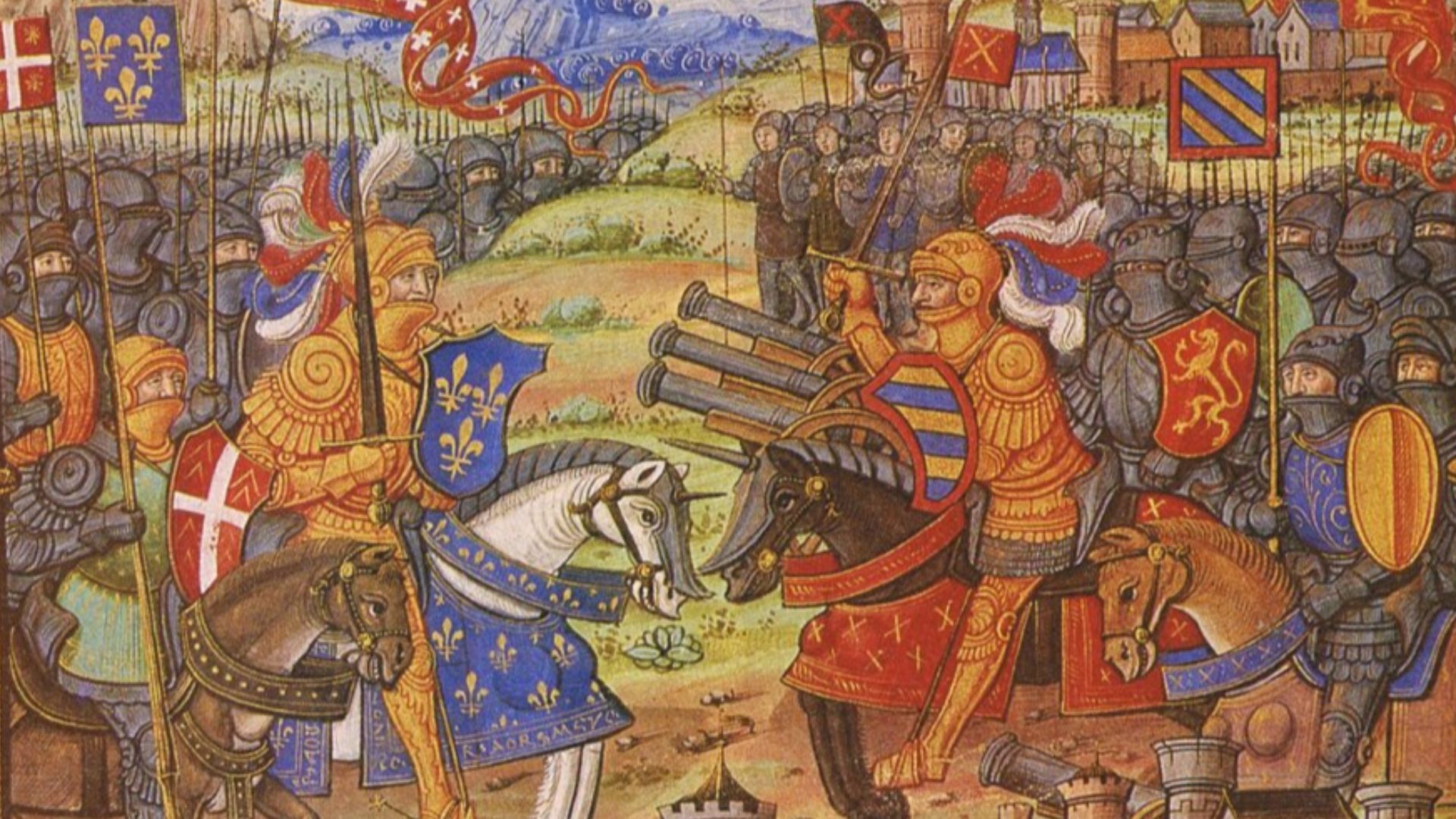 Philippe de Commines, Wikimedia Commons
23. He Forced The King’s Hand
Although the Battle of Montlhery was something of a draw, Charles didn’t give up there. At the end of July, his men reconvened again, and this time went for an even loftier goal: They besieged Paris. Thanks to their barrage (and a sympathetic nobleman who opened the gates for them) Charles finally forced Louis XI to the negotiating table, and the monarch granted back some lands.
It was a coming of age forged in fire, but Charles had proven himself at long last. It came none too soon.
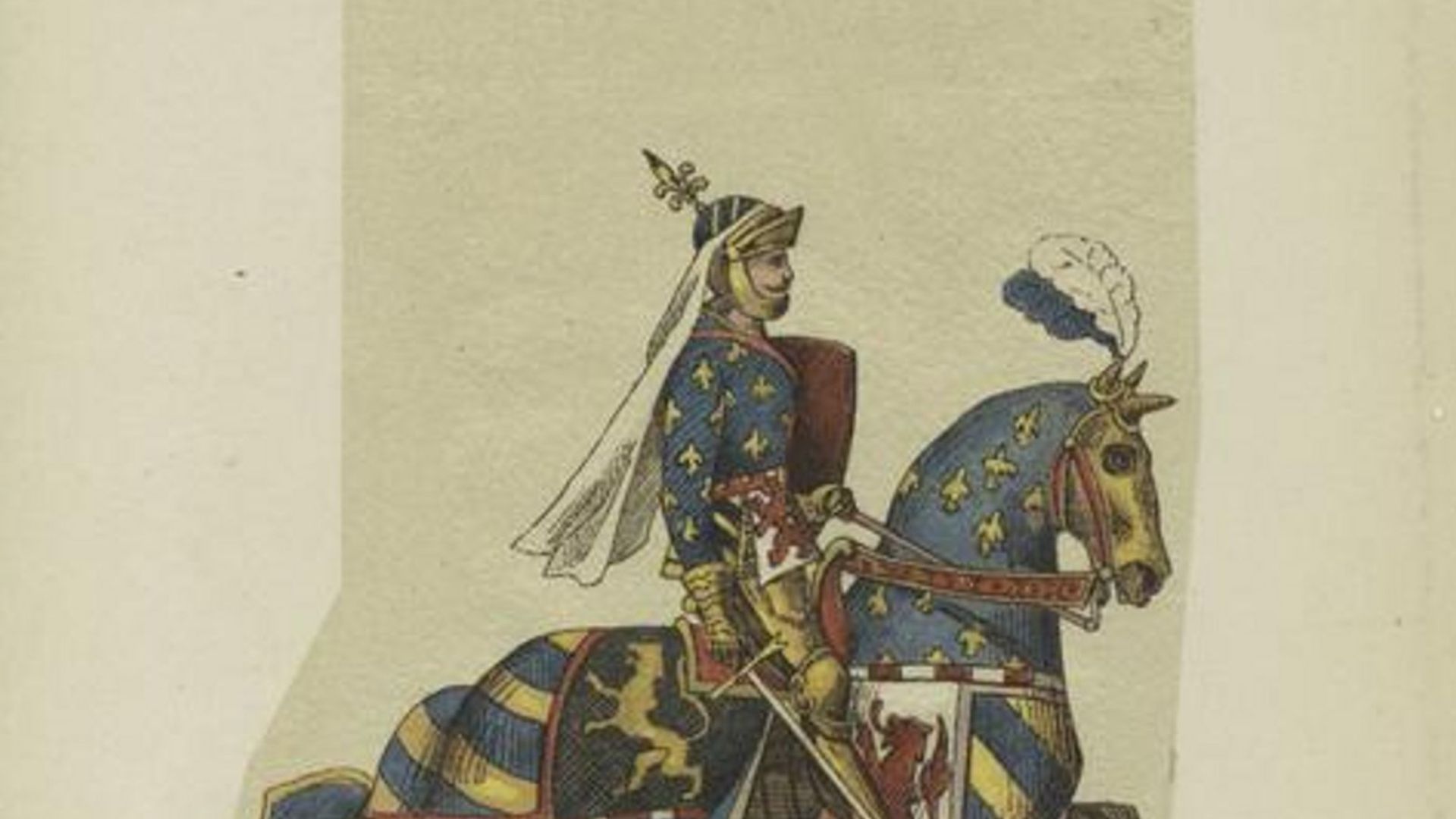 Scan by NYPL, Wikimedia Commons
24. He Mourned His Wife
Bare weeks after gaining this victory, Charles suffered a gutting loss. His wife Isabella of Bourbon perished, again of tuberculosis, when she was just 31. Charles had felt genuine affection for her, but—taken up with negotiations in France—he couldn’t even attend the funeral.
Soon, though, loss would be like the air he breathed.

25. His Father Fell Ill
Two summers after Charles’s rebellious display and the passing of his second wife, he got news he had likely been waiting for: His father Philip the Good had fallen suddenly and seriously ill. Reports noted that the Duke of Burgundy could barely breathe and was always vomiting, and Charles rushed to his side. By then, it was too late.
26. He Lost His Mind
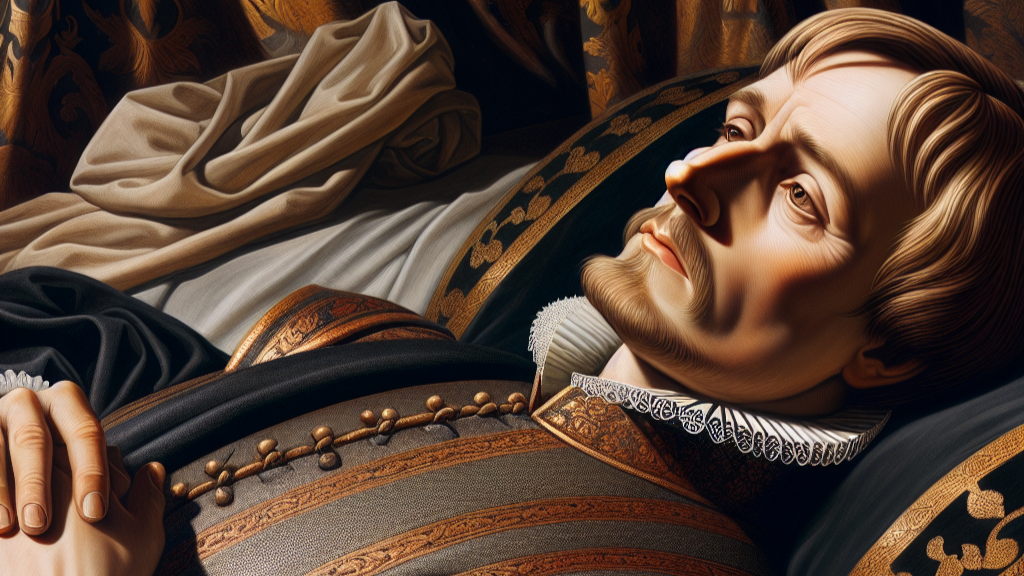
On June 15, Philip finally breathed his very last breath—and Charles’s reaction disturbed his people to their core. During the funeral, Charles displayed erratic and intense emotions, from pulling his hair to shaking and trembling, at least when he wasn’t shouting and sobbing. Some of those around him could only see it as an overdone imitation of grief, especially given his fraught relationship with his father.
Charles certainly didn’t let it slow him down.
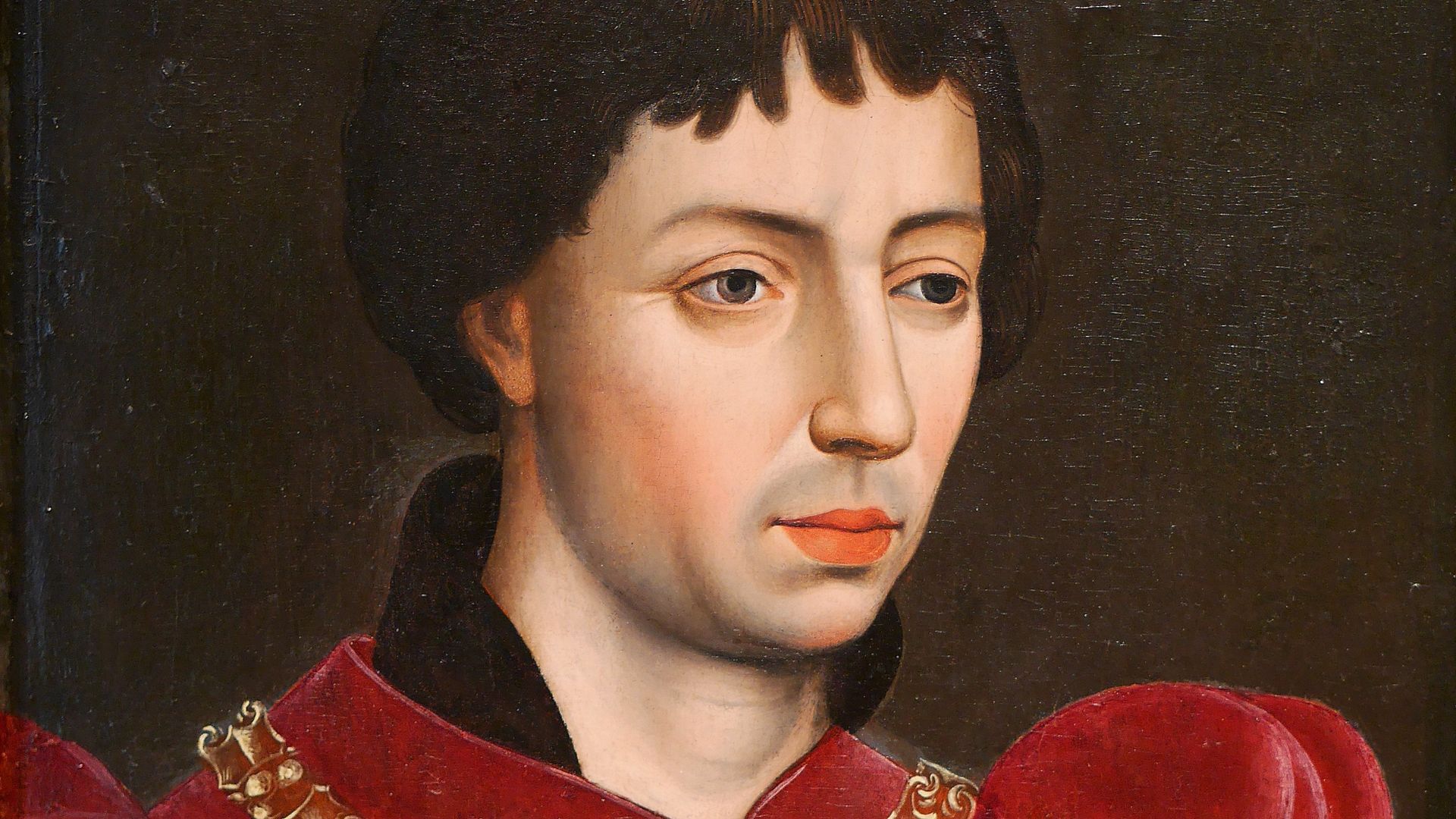 AnonymousUnknown author, Wikimedia Commons
27. He Went To An Old Enemy
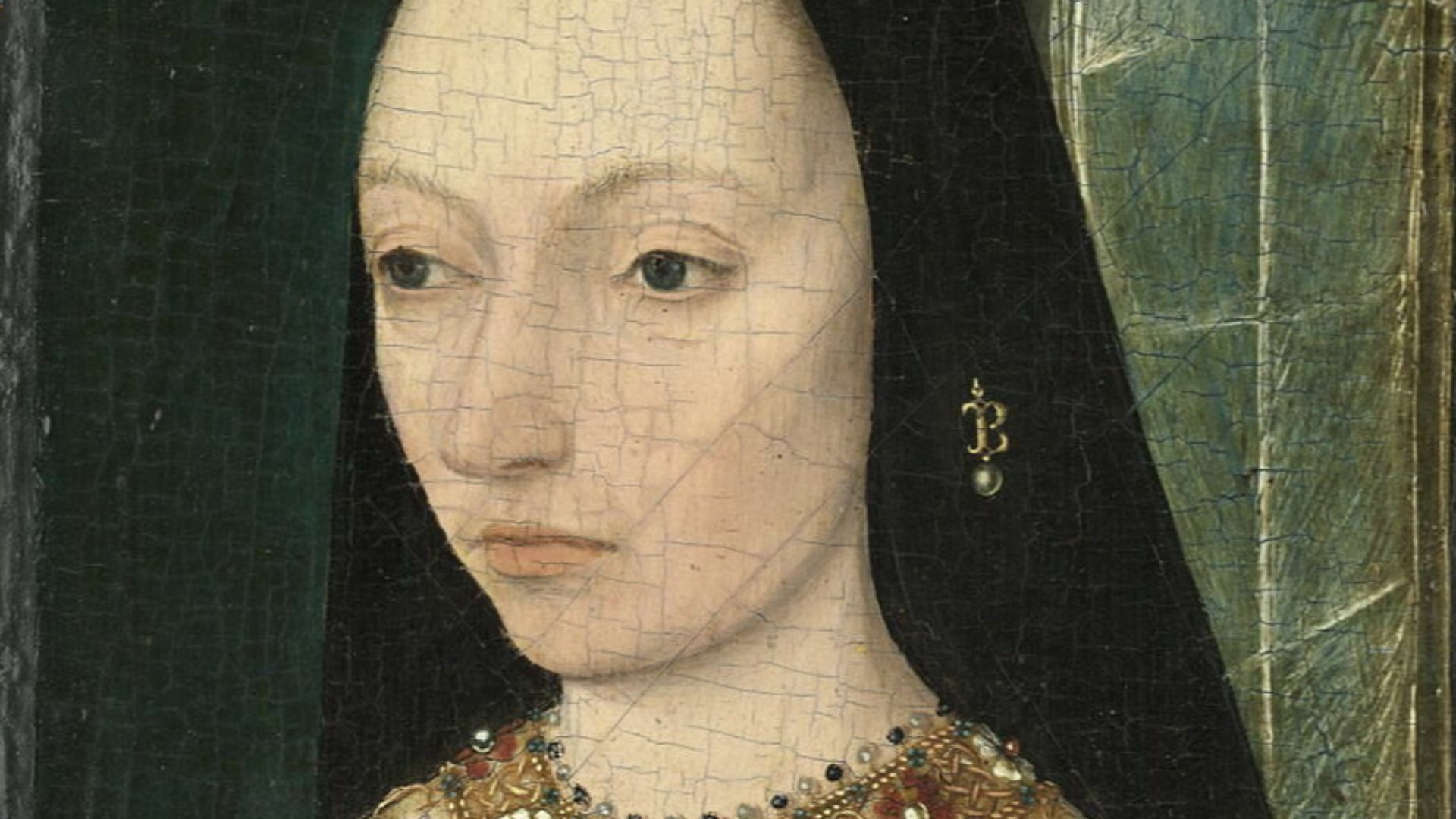
While his grief for his father was suspect, Charles certainly had felt the loss of his wife Isabella …just not enough to stop him from casting around for wife number 3 just weeks after her passing. His mother pushed him to make a marriage to Margaret of York, the daughter of King Edward IV of England, and Charles began the courting dance.
Just months after Charles became the Duke of Burgundy, King Edward publicly ratified the union—and started a firestorm.
 anonymous / Unidentified painter, Wikimedia Commons
28. He Incensed The King
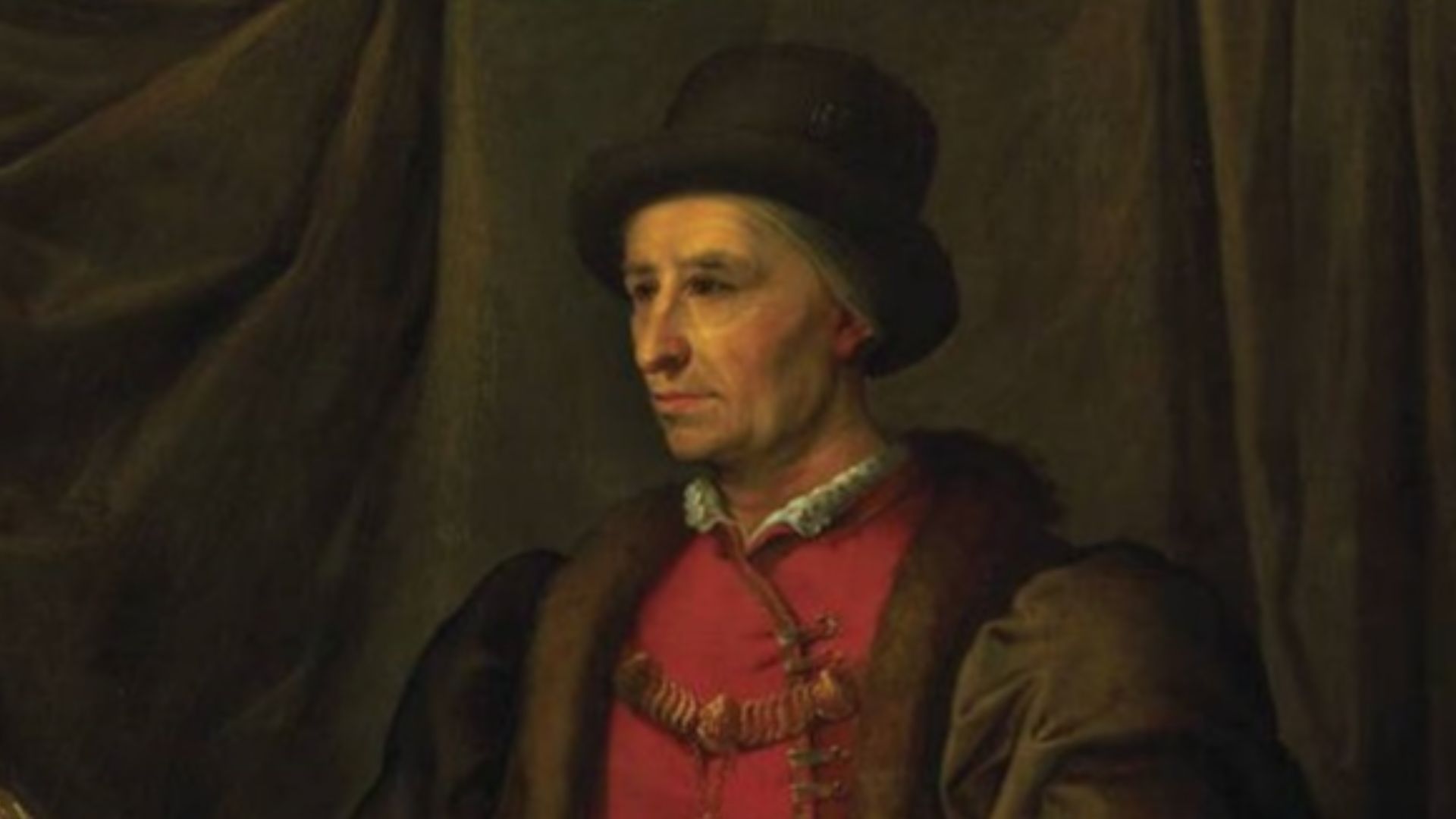
If Burgundy and France were mortal enemies, France and England were even worse, and when King Louis XI of France got word that his rival Charles was now Duke and about to be married to an English princess, he quite rightly began worrying about France’s borders again.
He also did everything in his power to stop it happening.
 Jean Léonard Lugardon (1801-1884), Wikimedia Commons
29. He Was In A Romeo And Juliet Story
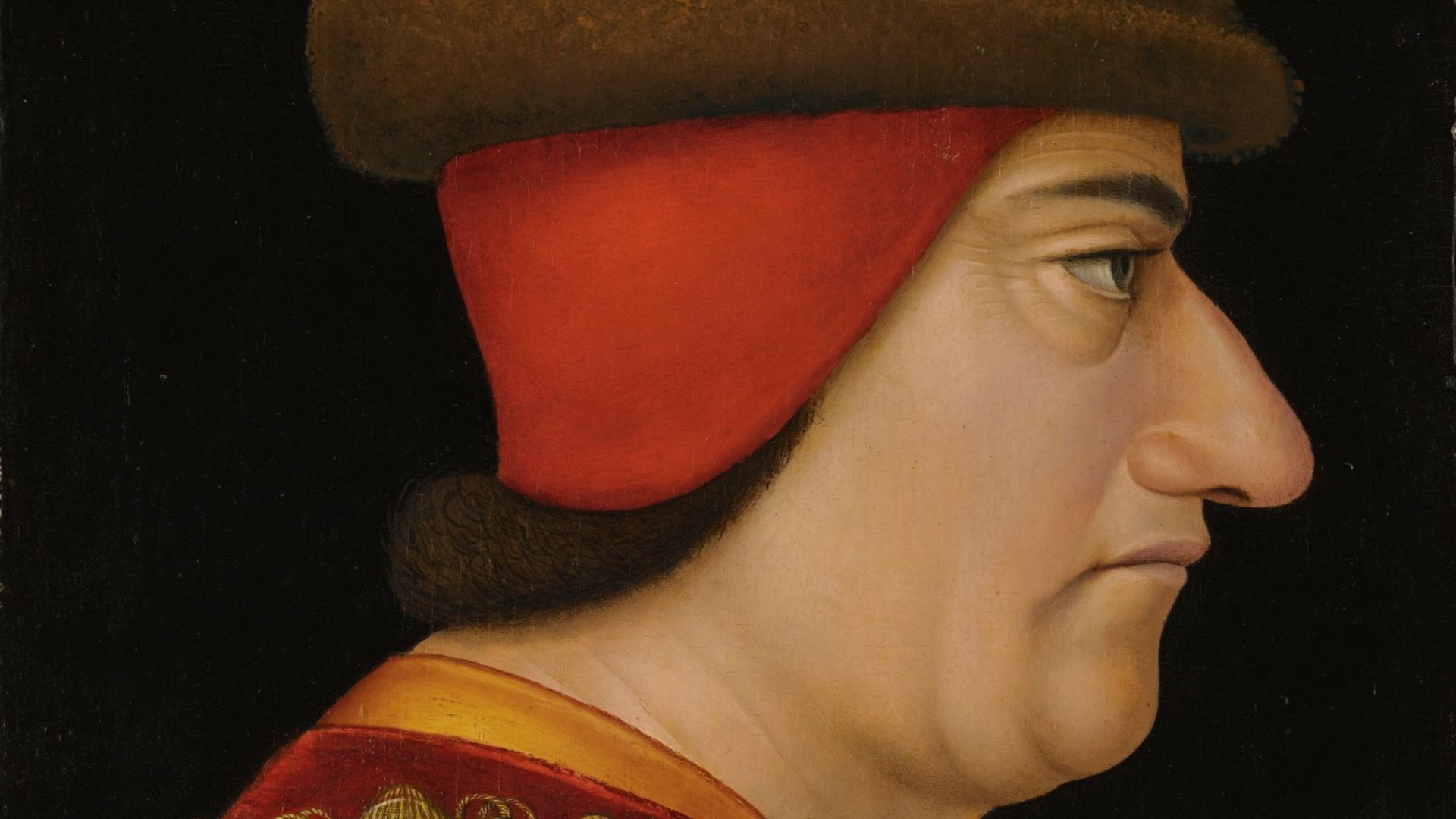
While marriage negotiations trundled on, Louis turned into a vicious saboteur. He offered up his own daughter for Charles to marry instead of Margaret, all while trying to mess with English banking so Edward couldn’t pay his daughter’s dowry. When that didn’t work, Louis wheedled at the Pope to deny the wedding. And when that didn’t work, he resorted to spreading vicious rumors about Margaret’s purity.
Louis should have known that this would only make Charles more determined to go through with it.
 Jacob de Litemont (d. 1475?) (attributed to), Wikimedia Commons
30. He Showed Off
When Charles and Margaret finally did marry in July 1469, Charles made sure to rub it in King Louis’ face as much as possible. The wedding was opulent in the extreme, with no fewer than nine receptions and a closing jousting match, and with Charles and Margaret dressed all the while in finely tailored clothes and gleaming crowns.
Yet for all the outward appearance of glory, the union was already crumbling inside.

31. His Wedding Night Was Missing Something
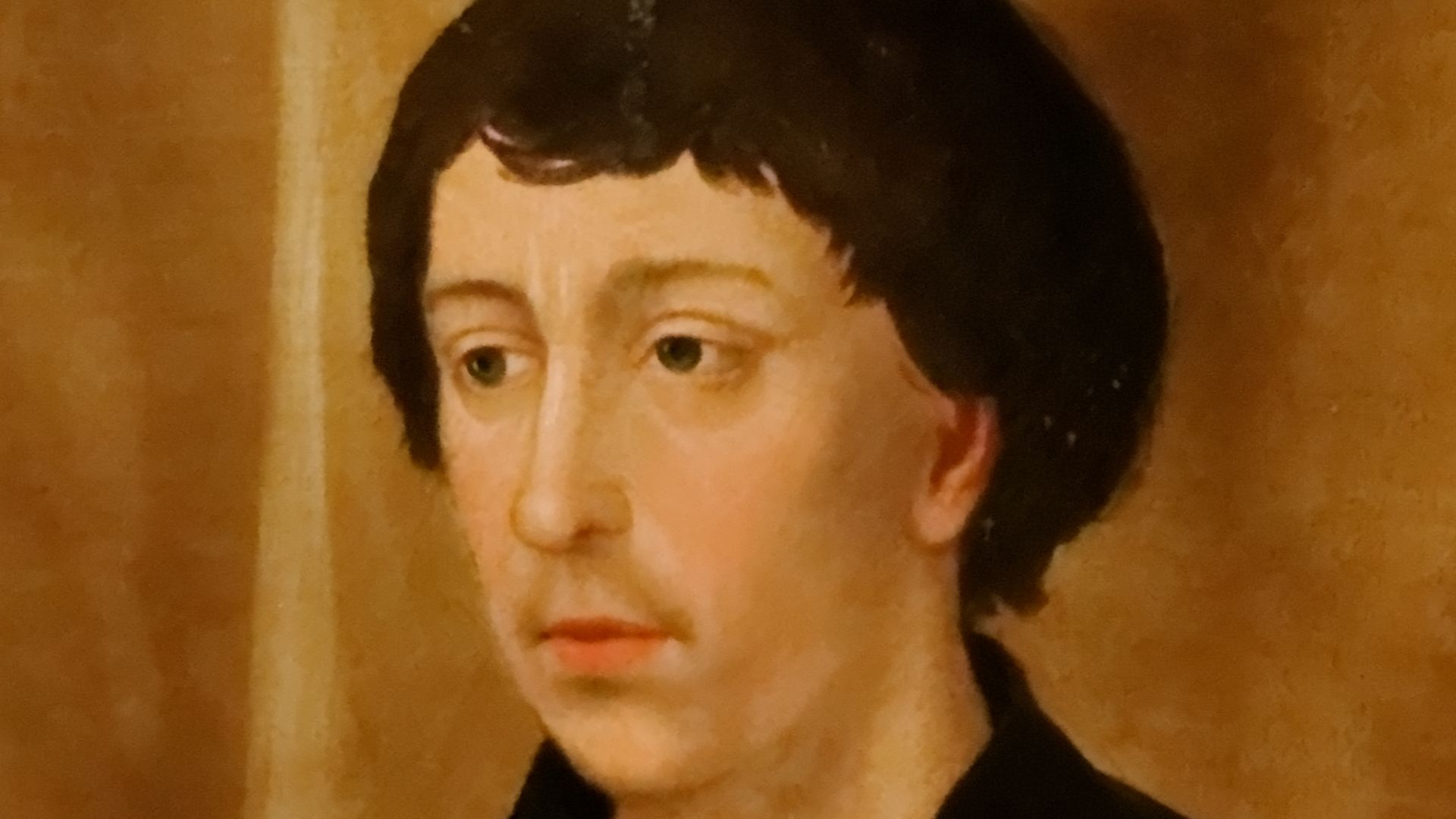
As the new Duke of Burgundy, Charles had used his wedding to announce his power to all of Europe. Inside his bedroom doors was another matter entirely. At the end of all these ceremonies, Charles left his wife alone so they could both go catch up on sleep, and they spent the wedding night apart.
This is understandable, and might have been harmless—if it weren’t for the way things turned out.
 Yelkrokoyade, Wikimedia Commons
32. His Wife Got In The Way
Margaret was immensely well liked by both Charles’s mother and his daughter Mary, but Charles himself never seemed to take to her. They had very little time together, spending only a handful of weeks each year in the same place. Instead, Charles preferred the company of his men, and all but banned Margaret’s feminine presence from his macho court.
It’s no surprise, then, that the two nobles never had any children—and thus no precious heirs—together. But they also had bigger problems.
 Universal History Archive, Getty Images
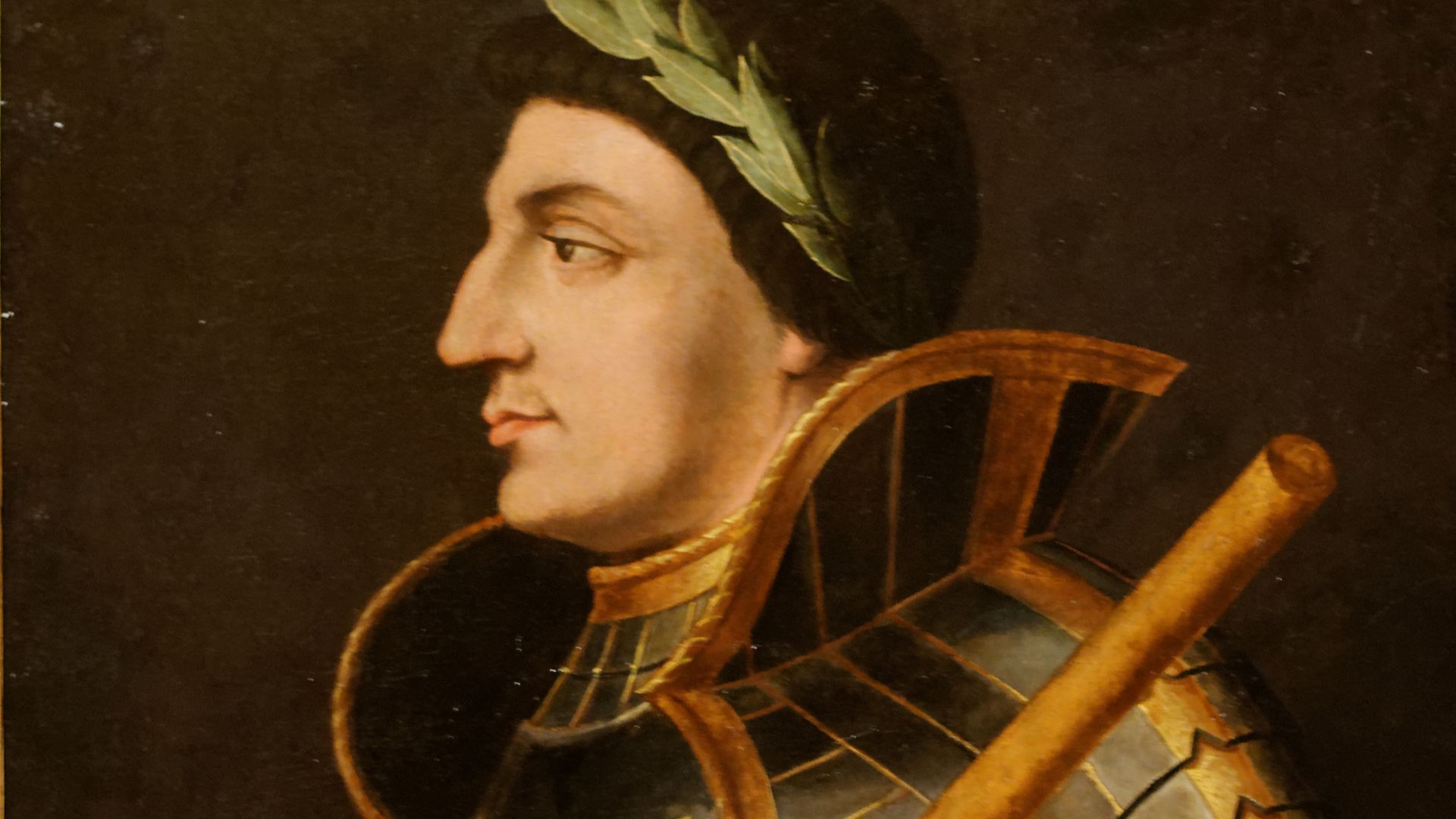
33. He Turned Into A Megalomaniac
By the time he married Margaret, a final, disturbing change had overtaken Charles. Becoming the Duke of Burgundy had fanned the flames of his ego to unbearable levels, and he now began hatching pie-in-the-sky ideas—such as creating a “Kingdom of Lotharingia” for himself—that forced him to spend much of his life on campaigns to gain lands.
His dreams soon turned into a fixation.
 Unknown authorUnknown author , Wikimedia Commons
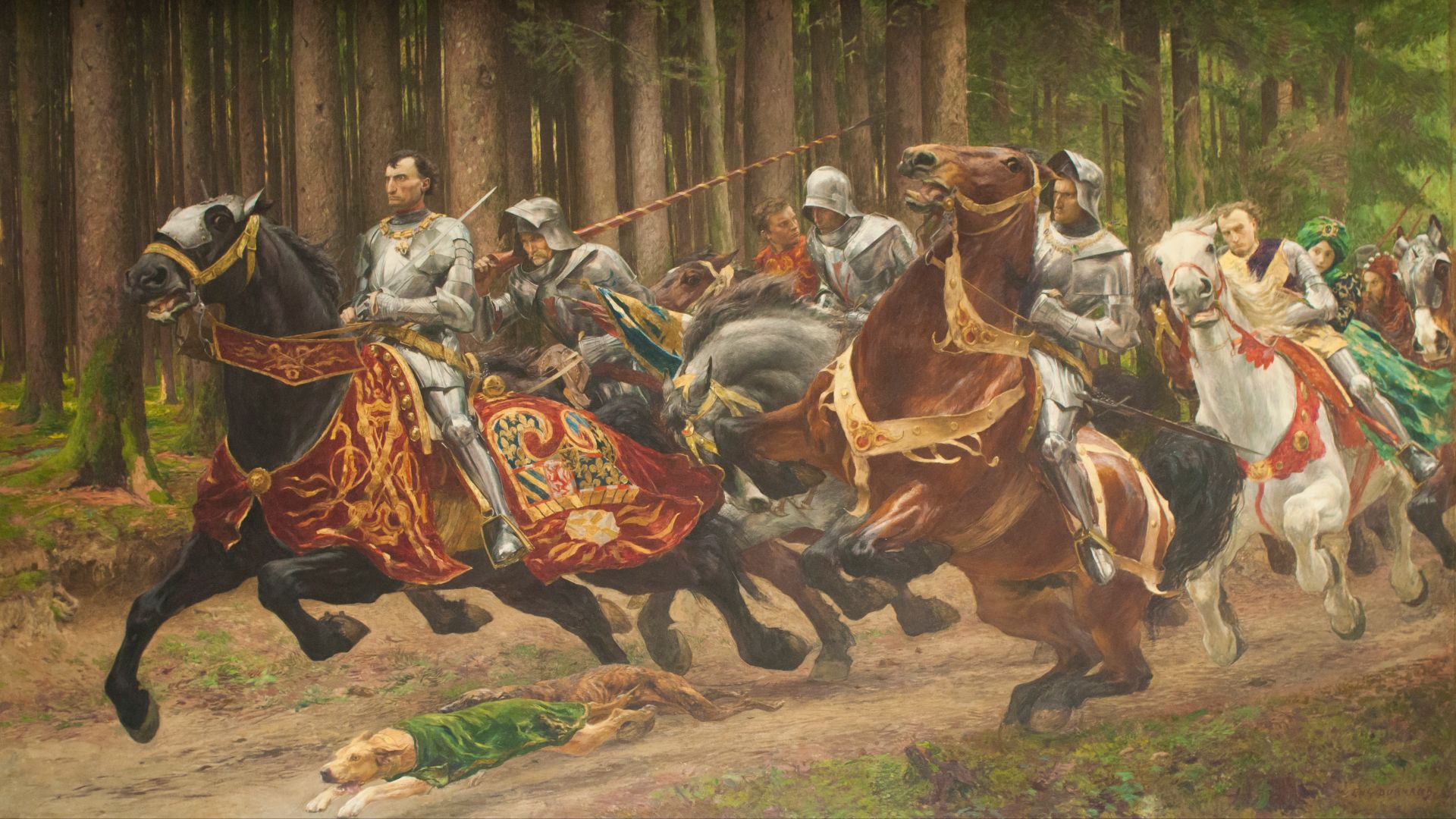
34. He Was Controlling
During these years, Charles became obsessed with controlling his military down to the precise detail. He came up with particular battle marches, had them understand their equipment inside and out, and enforced a strict and even brutal hierarchy onto his troops. The trouble was, none of this really worked: He was so constant yet erratic with his “upgrades,” his captains could never fully implement them.
Still, as usual, Charles went full speed ahead.
 Eugène Burnand, Wikimedia Commons
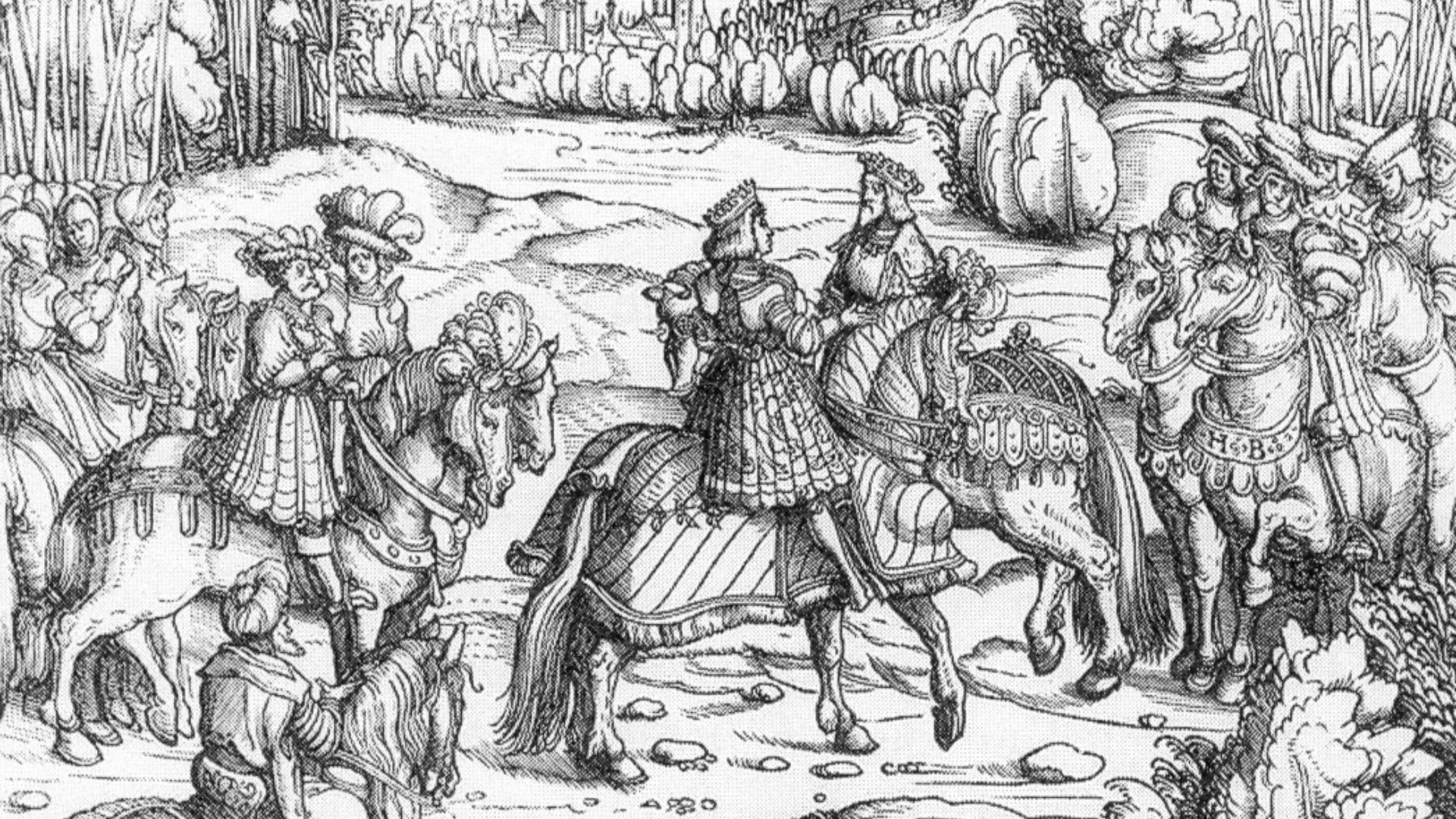
35. He Hatched A Plot
Charles’s need for power was insatiable, and it led him to a desperate plan: He wanted to become Holy Roman Emperor. To do so, he allied himself with the current Emperor, Frederick III, with the intent to become Frederick’s successor before ceding power to Frederick’s son Maximilian. To seal the deal, Charles promised his daughter Mary to the Emperor’s son, and then traveled to Trier in Germany, the Emperor’s seat, for some high stakes negotiations.
Yes, it was a crackpot idea. It went worse than anyone could have imagined.
 Unknown authorUnknown author, Wikimedia Commons
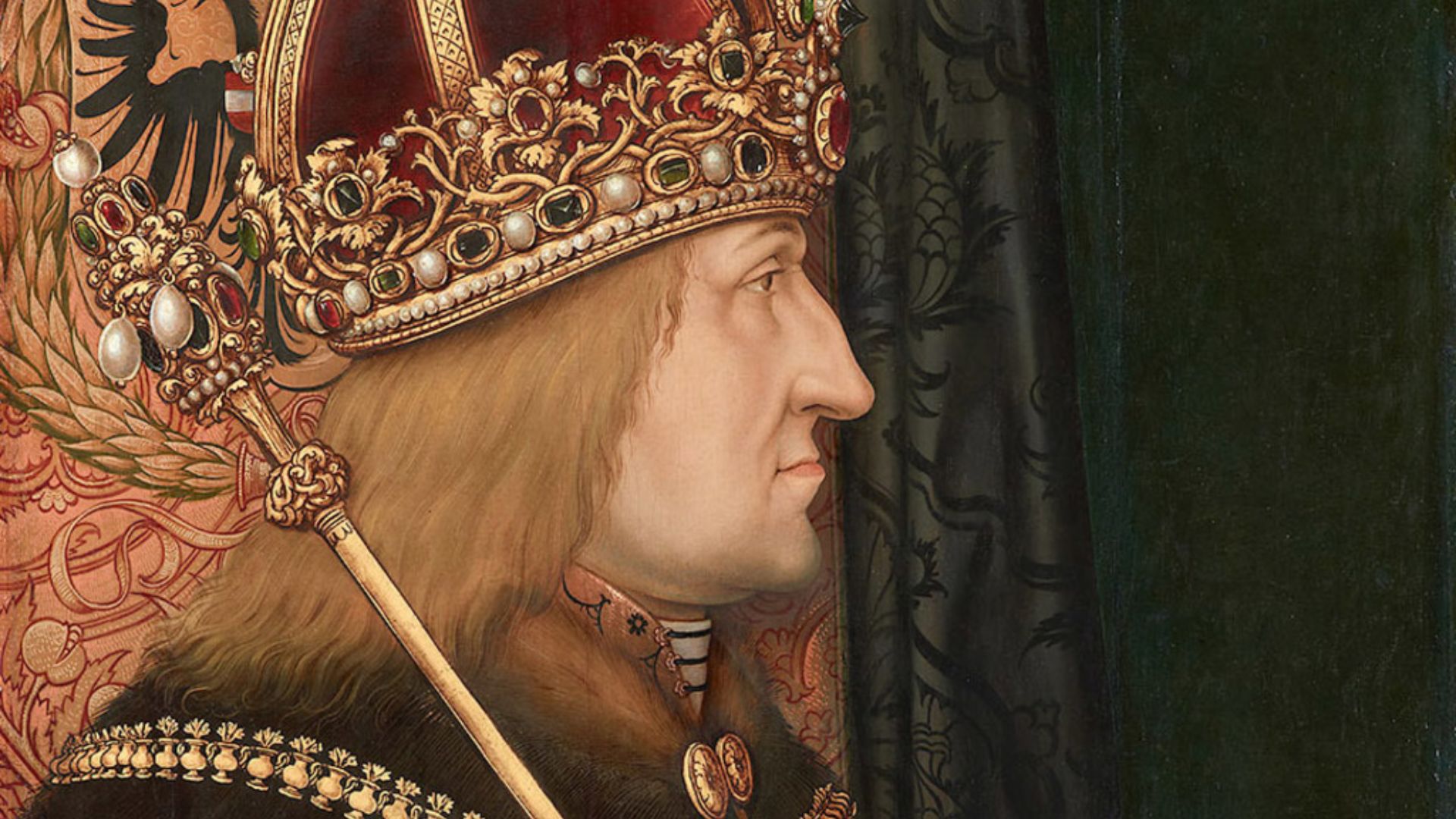
36. He Was A Terrible Diplomat
When Charles arrived in Trier, he had already made an enormous mistake. Emperor Frederick was surprised and disappointed that Charles hadn’t brought along Mary, leading the camps to believe that either Charles wasn’t serious about the proposed union or that Mary had a physical defect—or both.
This was an oversight, but Charles’s next mistake was pure idiocy.
 Attributed to Hans Burgkmair the Elder, Wikimedia Commons
37. He Insulted His Supposed Allies
One important step for Charles in succeeding Frederick—if he ever had a hope—was to become King of the Romans, an elected position won through the support of a host of European royal powers. This was supposed to happen on the Trier journey…except Charles spent the trip studiously ignoring the prince-electors and lavishing all his attention on Frederick instead.
It got worse.
 Diebold Schilling the Elder, Wikimedia Commons
38. He Ruined His Chances
When Charles finally realized he was alienating his voter base, his response only humiliated him further. He started trying to impress them with tacky displays of his wealth and power, something the Germans didn’t really go in for. It all led Frederick to decide that Charles was never going to be King of the Romans, though to soften the blow he told Charles he would turn Burgundy into a kingdom, with Charles as its king.
Then Frederick immediately went and betrayed him.
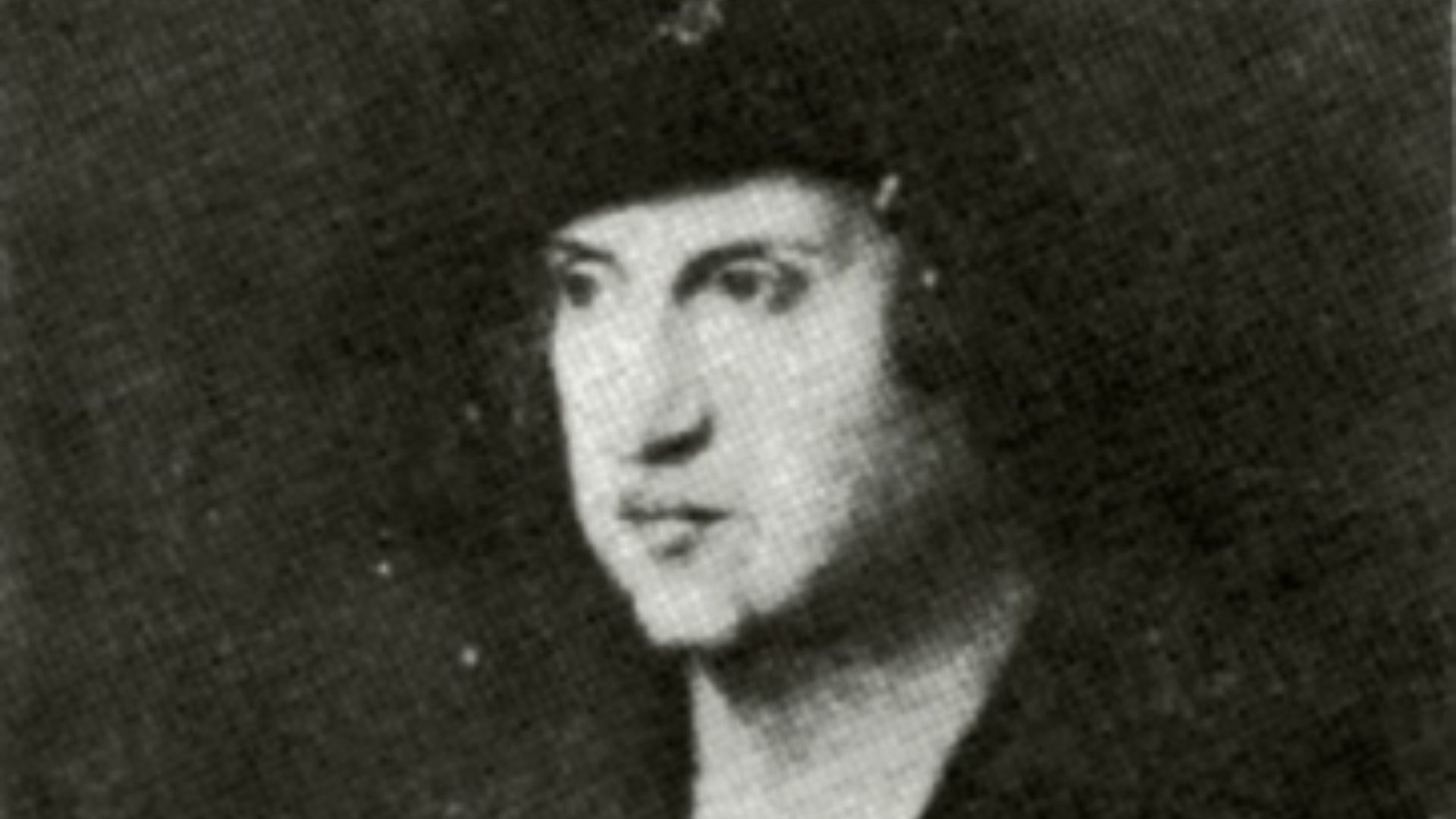 Christoph Amberger / Formerly attributed to Hans Holbein the Younger, Wikimedia Commons
39. The Emperor Ghosted Him
The next day after receiving this lofty promise, Charles woke to a nightmare. After witnessing Charles the Bold make a fool of himself, Frederick clearly had no intention to hand the man more power—and he had fled with the dawn like a guilty lover. Enraged, Charles locked himself in his room and set about destroying every piece of furniture he could find.
Charles had come with high hopes and now had nothing. It only drove him to more desperate acts.
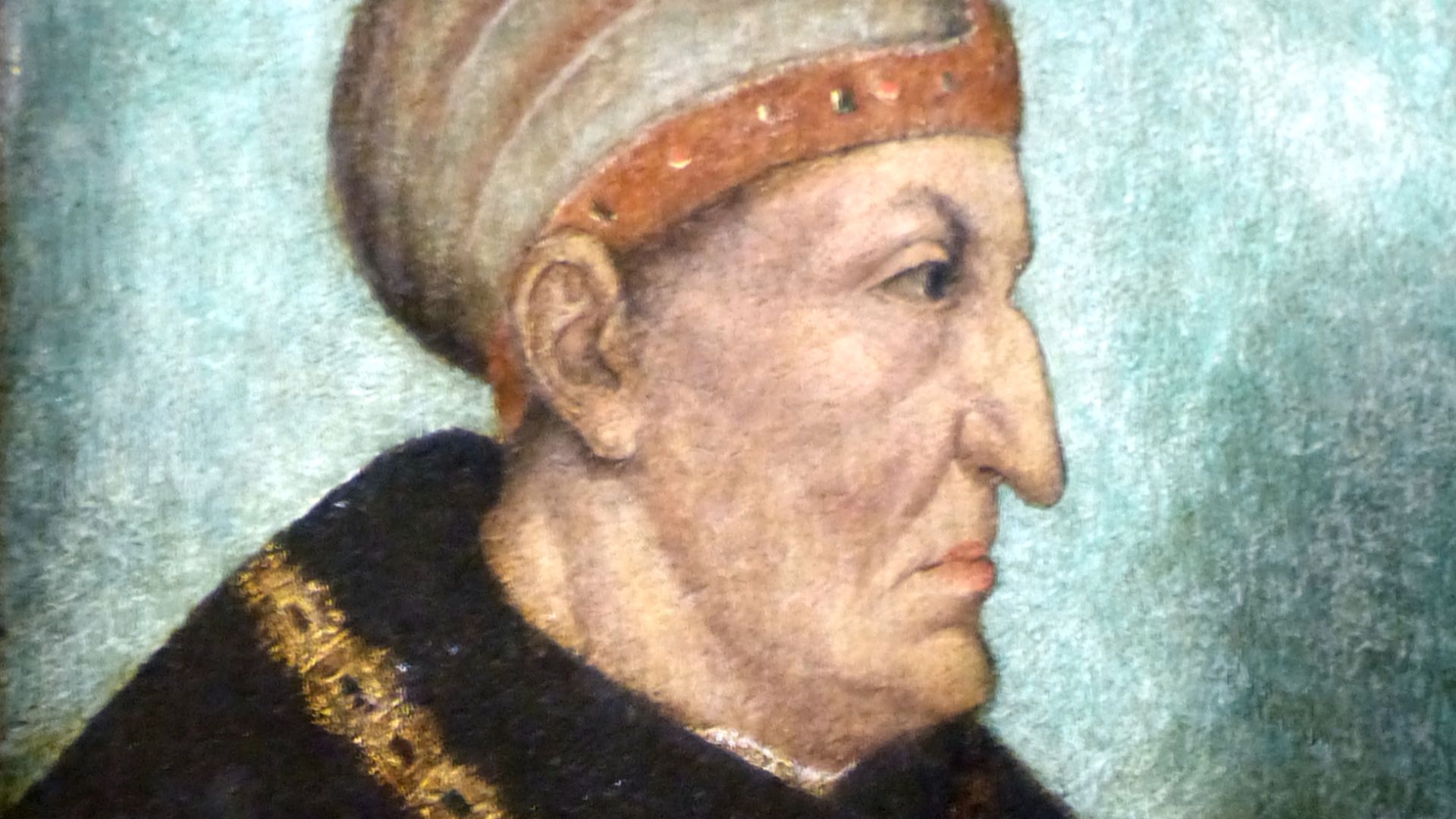 Wolfgang Sauber, Wikimedia Commons
40. He Rushed Into Another Battle
In 1474, Charles’s lands of Alsace rebelled, and the Swiss formed the League of Constance against him. Within months, the conflict had spiraled into “The Burgundian Wars,” with Charles giving no quarter on the lands he thought were his due.
It was nothing he hadn’t faced before, but this time it spun wildly out of control.
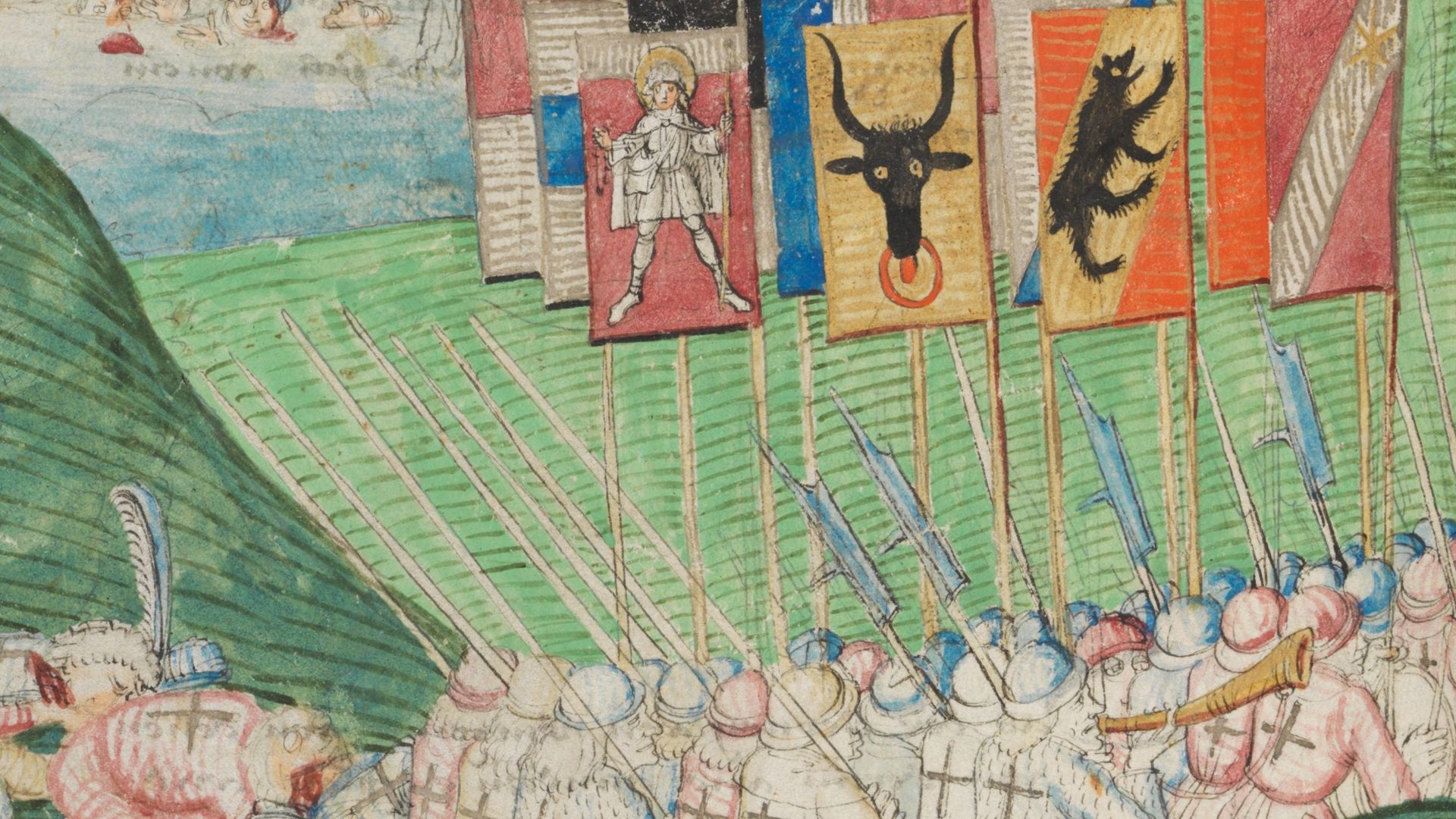 Diebold Schilling the Elder, Wikimedia Commons
41. He Lost His Power
One of the first casualties of the Burgundian conflict was the loss of any edge Charles had over King Louis XI. For while he was busy fighting in several realms, his brother-in-law King Edward IV was fighting the French and begging Charles for aid. Charles, too tied up to help, had to watch as Edward capitulated to French demands and signed a treaty with a seven-year truce and a marriage alliance thrown in.
Charles didn’t know it then, but that had been his last chance against France.
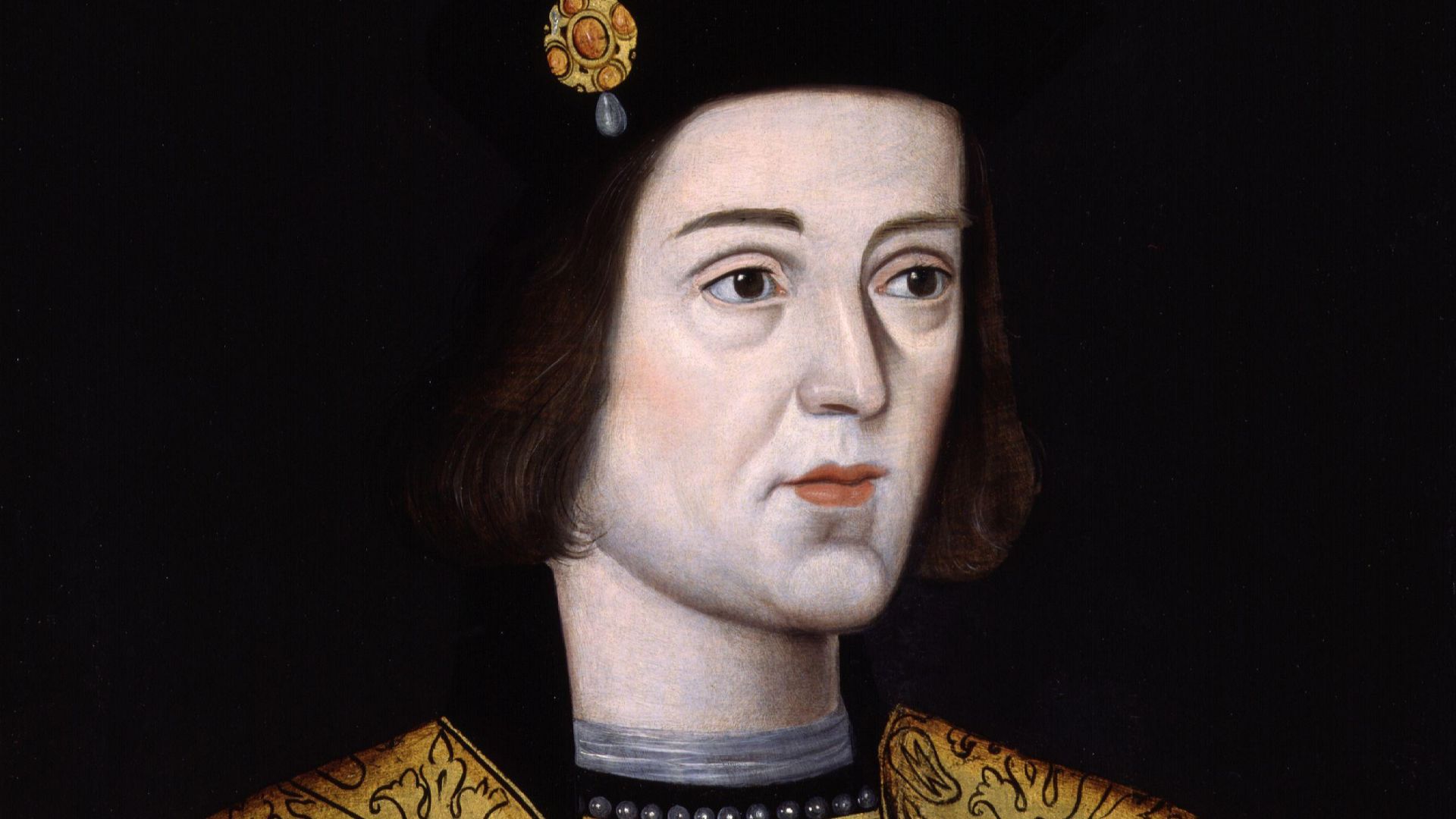 Unknown authorUnknown author, Wikimedia Commons
42. His Men Were Cowards
The Battle of Grandson, fought against the Swiss during this period, would prove the canary in the coalmine for Charles’s fate…and it was a bloodbath. Fighting in a mountainous area, Charles tried to temporarily draw back his men to get a better angle on the enemy. It was a fatal error. His army saw the tactic and interpreted it as a total retreat, then panicked and fell from their lines, triggering a routing attack from the Swiss.
Charles took the loss very hard.
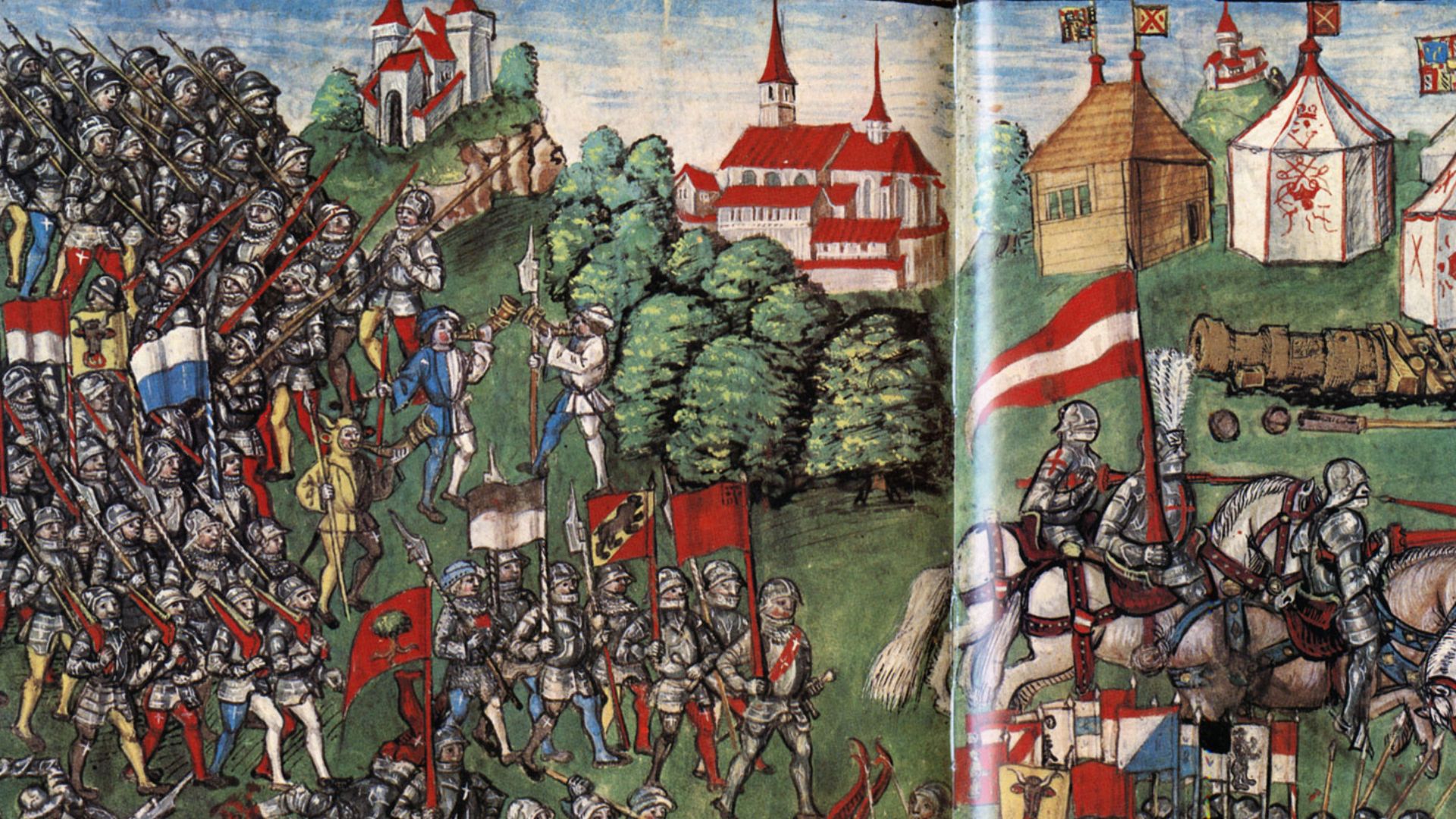 Diebold Schilling the Younger, Wikimedia Commons
43. He Starved Himself
For Charles the Bold to lose was one thing, but for Charles the Bold to lose as a result of cowardice was almost unbearable. Not only was he now down scores of ammo and supplies, his ego had taken a massive hit, and for up to three days after losing the fight, he refused any and all food and drink.
Yet hope sprung eternal in Charles, even when it shouldn’t have.
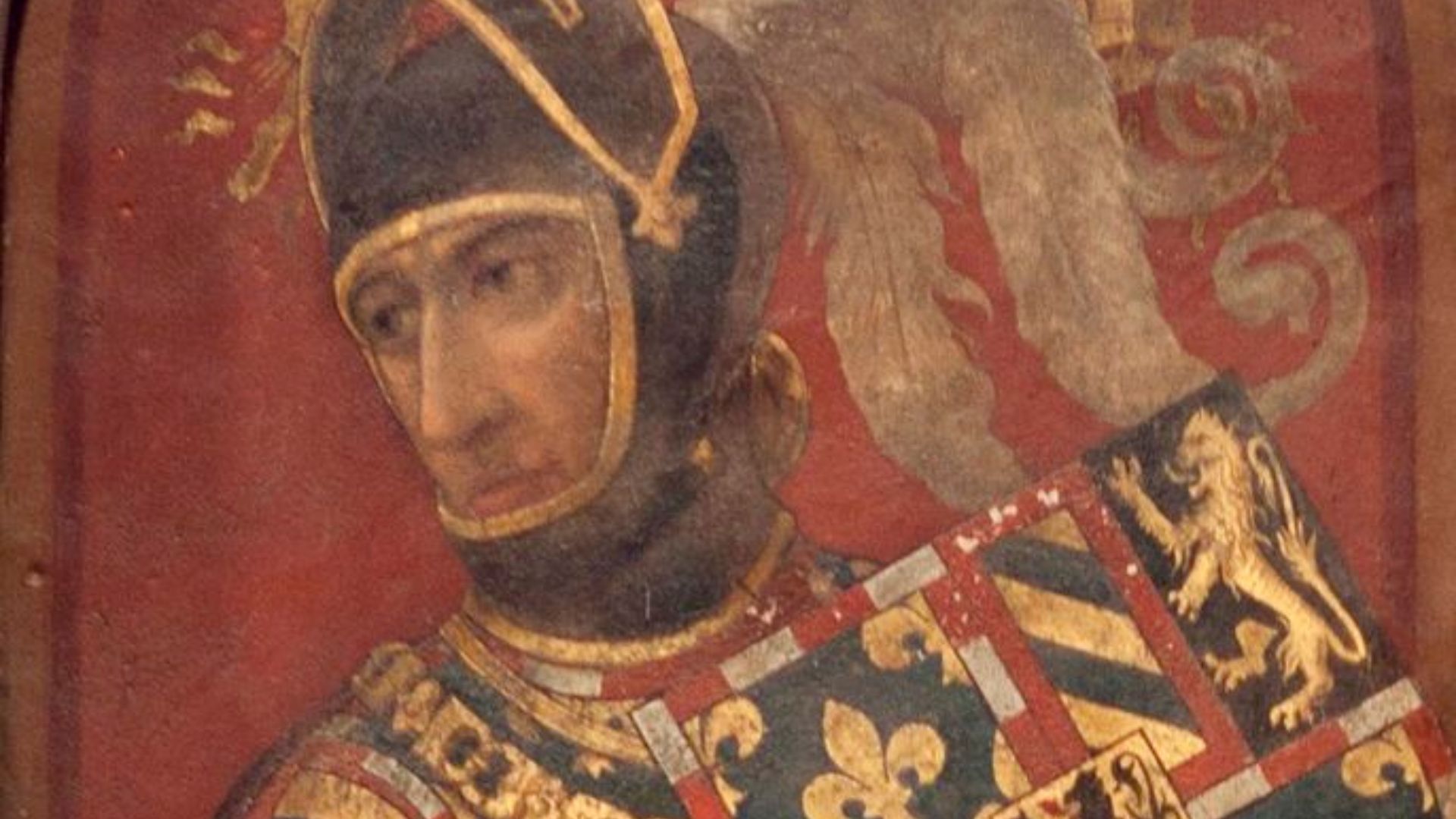 Edmond de Busscher 1805-1882, Wikimedia Commons
44. He Was Fraying At The Edges
In order to defeat the Swiss, Charles next set his sights on the fortress of Morat, and began personally training his army for battle. It was almost futile: Charles himself was run down and sick and his men were underfed and underpaid, with many cavalry archers even having to fight on foot. Nonetheless, he marched them out to the fortress, eventually poking at the Swiss enough that they sent a massive army to bring the hammer down.
Charles simply wasn’t prepared.
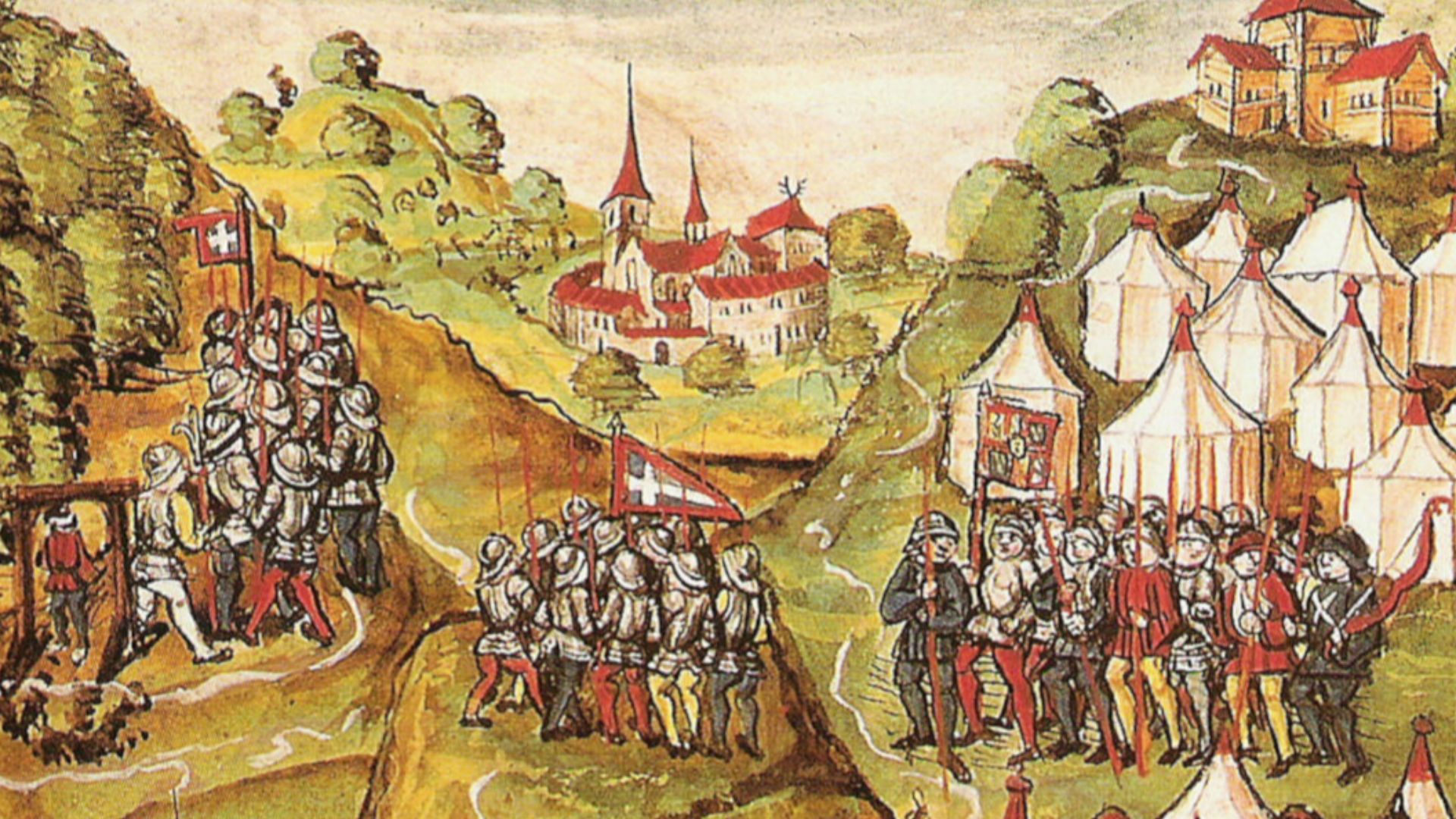 Diebold Schilling the Younger, Wikimedia Commons
45. He Was Too Slow
Charles had predicted that the Swiss would strike on June 21, but the enemy cannily waited until the next day instead—and thus hit Charles when his men least expected it. The Swiss moved so swiftly that they were at Charles’s door before his men were even in position, with Charles himself having barely been able to get his armor on.
Then the real humiliation came.
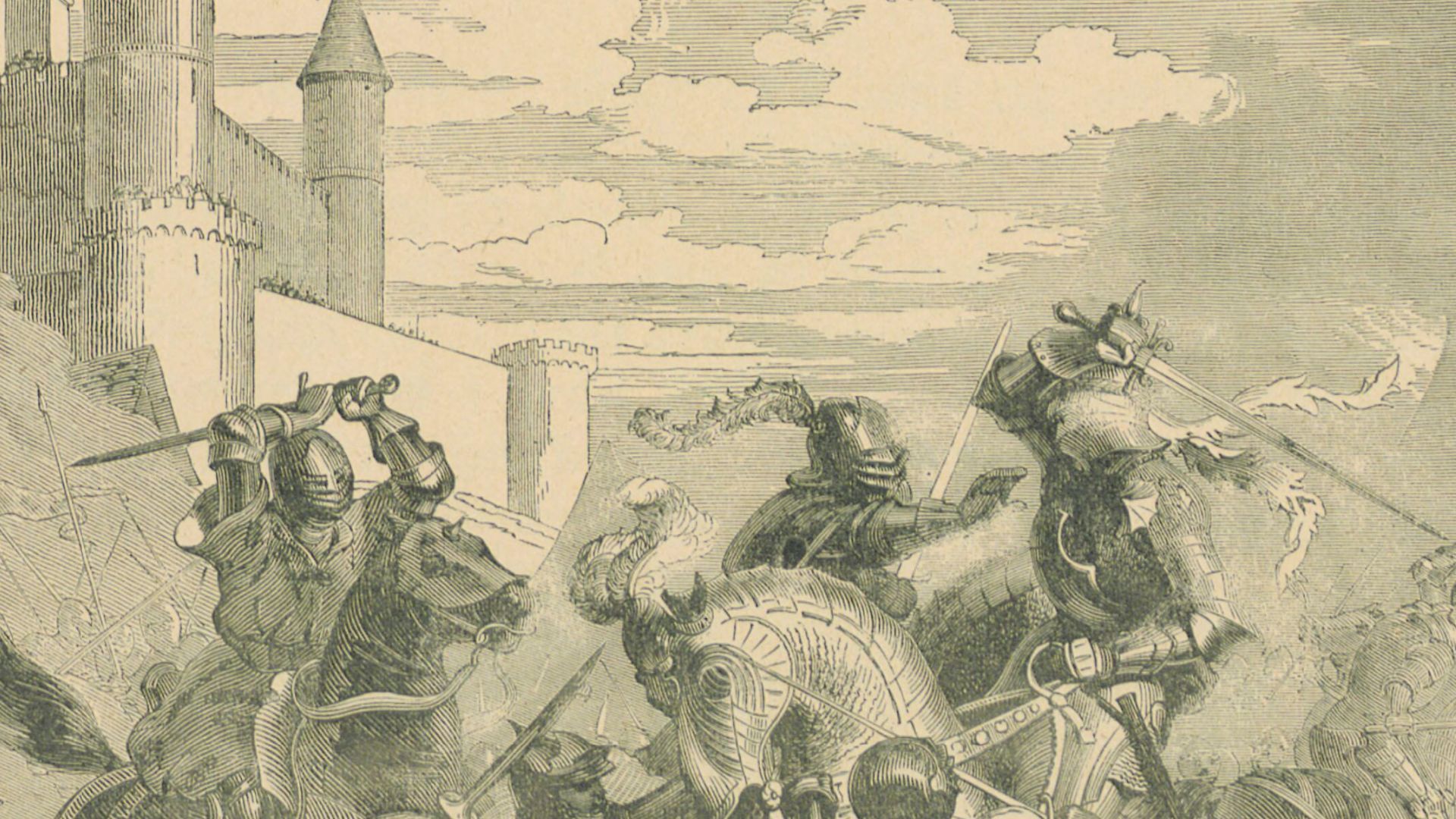 Henri Félix Emmanuel Philippoteaux, Wikimedia Commons
46. He Witnessed A Massacre
The Battle of Grandson, where Charles had to watch his men flee like cowards, was humbling. The Battle of Morat was ruinous. Once more, his men abandoned their posts, and the Swiss began picking them off like flies. Many of those who retreated ended up drowning in the nearby lake, while those who climbed trees were shot down with hand cannons. The Swiss accepted no surrender.
But Charles simply couldn’t comprehend the horror.
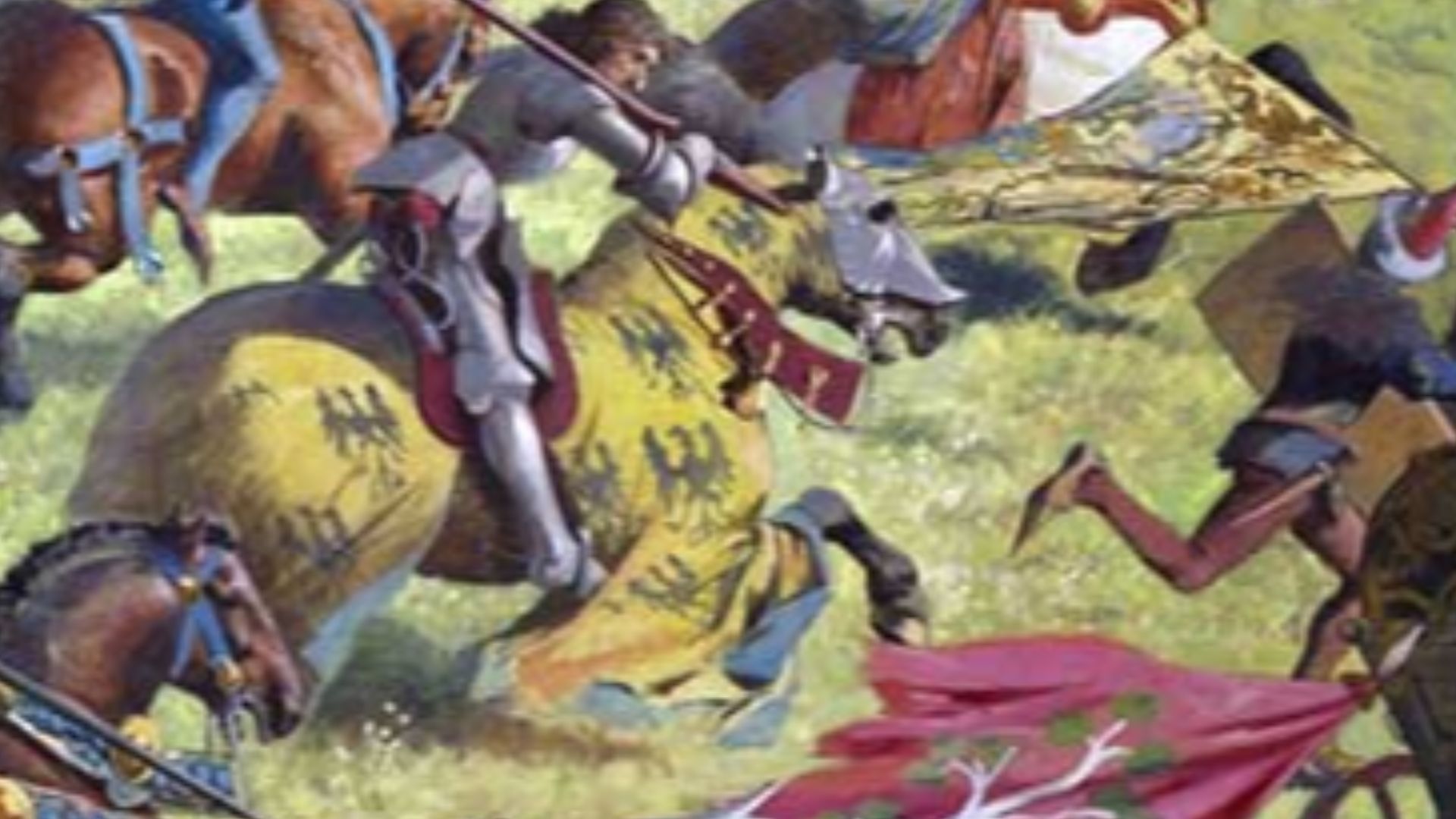 Louis Braun, Wikimedia Commons
47. He Couldn’t Accept The Truth
Against all odds, Charles had made it out that day with his life, but with little understanding of how decisive the Swiss victory had been. Unable to admit defeat, he reportedly made jokes about the terrible battle, and insisted that God was still on his side and would deliver him the power he wanted.
He was about to find out just how wrong he was.
48. He Met A Swift End
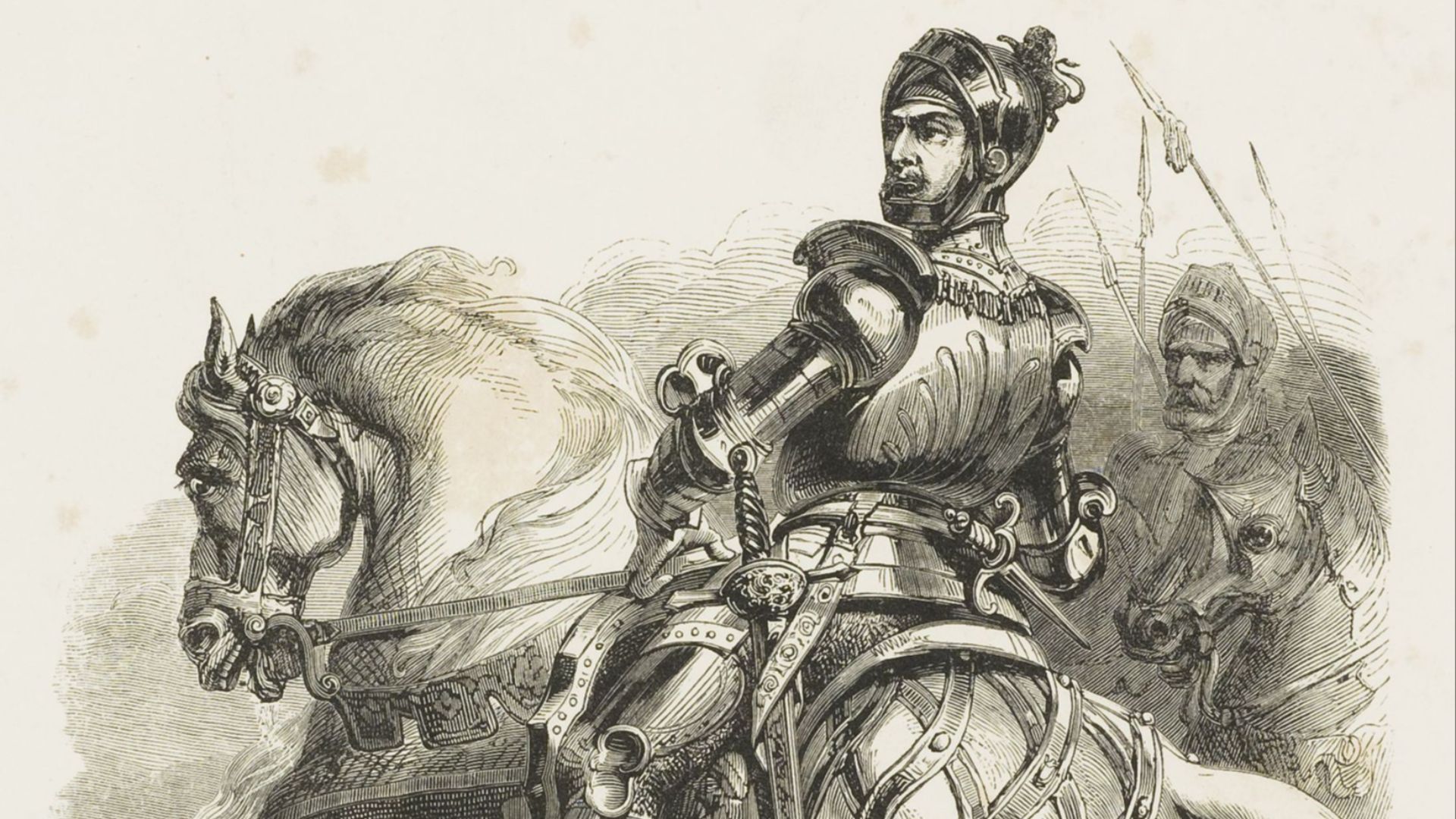
The winter of 1476 found Charles back at it with the Swiss Confederacy and besieging the walls of Nancy, which—like so many of his lands—had fallen out of his hands. But this time was different: It was to be his last stand. During a bout of fighting in the new year, Charles made one too many mistakes and fell from his horse into a river. In the blink of an eye, it was over.
Pouncing on the opportunity, his enemies struck him on the head with a halberd, piercing his skull. That was all it took.
 Death of Charles the Bold, 1477 - Maximilian (2017), Conde
49. He Was Barely Recognizable
A full two days later, Charles’s men found his mangled body, half-frozen in the icy river. They identified him by three gruesome signs: A missing tooth, an ingrown toenail, and his long fingernails. And though they put his body on display in Nancy for five days afterward as a sign of respect, nothing could erase the truth: The great Duke of Burgundy was all too mortal after all.
The reverberations of his end would be felt for years to come.
50. He Ruined His Legacy
King Louis XI acted instantly upon hearing of Charles’s death, snapping up his lands just weeks later and destroying all Burgundy’s chances for future independence in one fell swoop. It was exactly what Charles had tried to prevent his entire life, and yet it was his own ego that had brought it about—in a sea of rivals, Charles always was his own worst enemy.
He did, however, get one wish fulfilled: his daughter Mary did marry Maximilian, son of Frederick III and the future Holy Roman Emperor, shortly after her father’s death. Still, for Charles and his duchy, it was too little, too late.

You May Also Like:
William Wallace, The Man Who Wouldn’t Kneel
Heroic Facts About Robert the Bruce
Matilda Of Scotland Played A Wicked Game Of Thrones











.jpg%20)