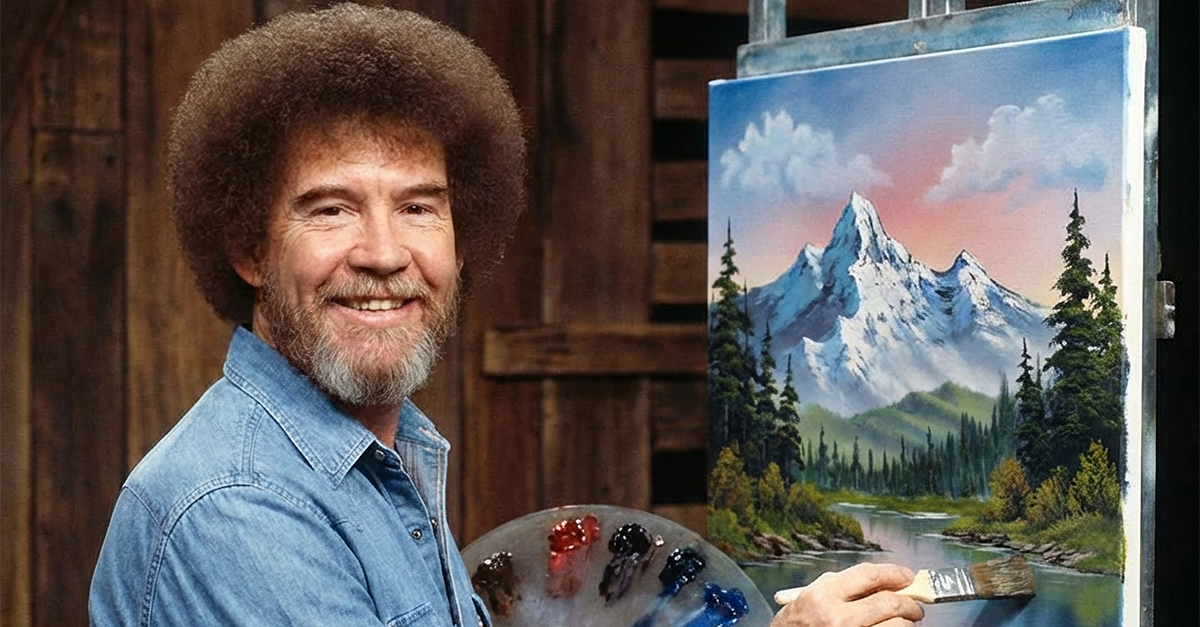
The Joy Of Painting
After discovering his true passion, Bob Ross made possibly the biggest career change imaginable to gamble on a job in television, and the TV world was all the better for it. Not knowing just how iconic he would become, Bob’s only goal in life was to make the world a better place by teaching people art, something he was lucky enough to do until the end of his days—but that was when the trouble began.
1. His Father Was A Builder
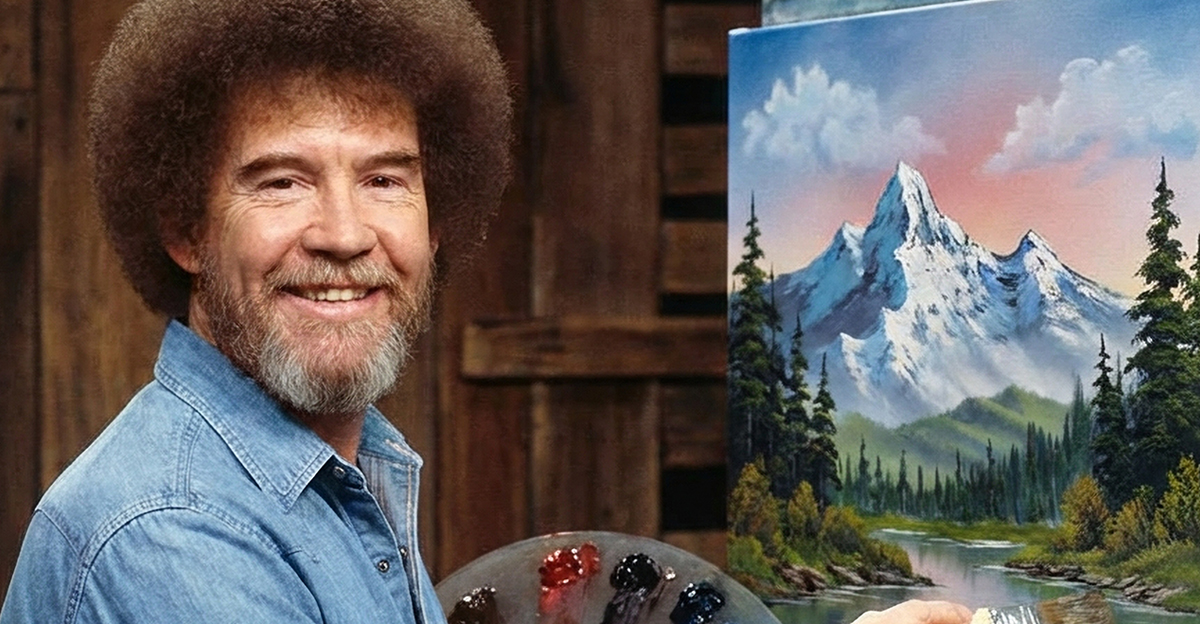
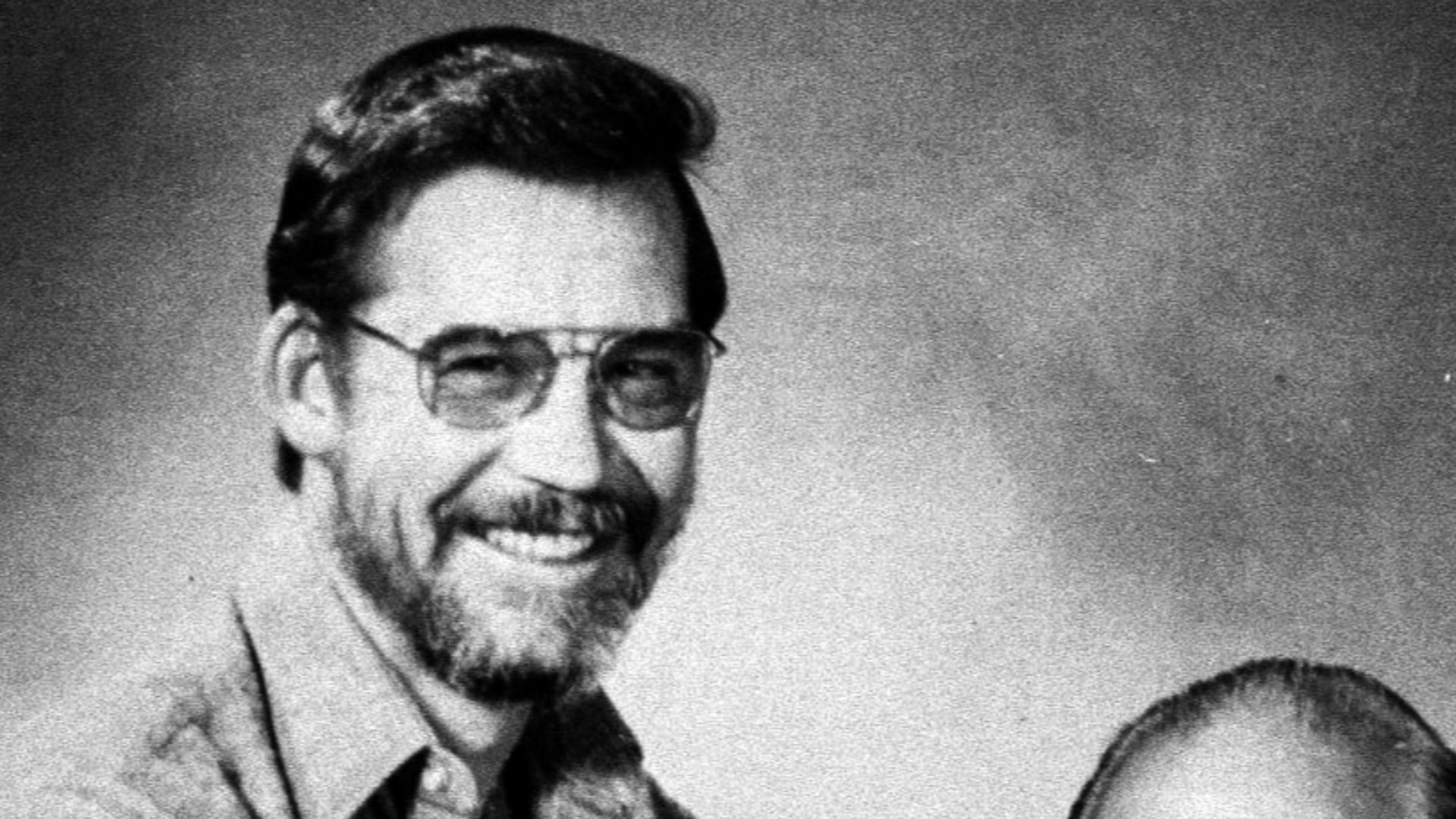
While some of history’s greatest artists, like Raphael and Picasso, were lucky enough to have at least one artistic parent to inspire them, Bob Ross didn’t have that luxury. However, while neither of his parents was a painter or sculptor, his father, Jack, worked as a carpenter. Born in 1942 in Florida, Bob grew up watching his father work and eventually began helping him, working with his hands and developing skills that would be useful later in his career.
At the same time, he cultivated a different passion—one that showed how caring a person he was.
 Unknown authorUnknown author, Wikimedia Commons
2. He Had A Big Heart
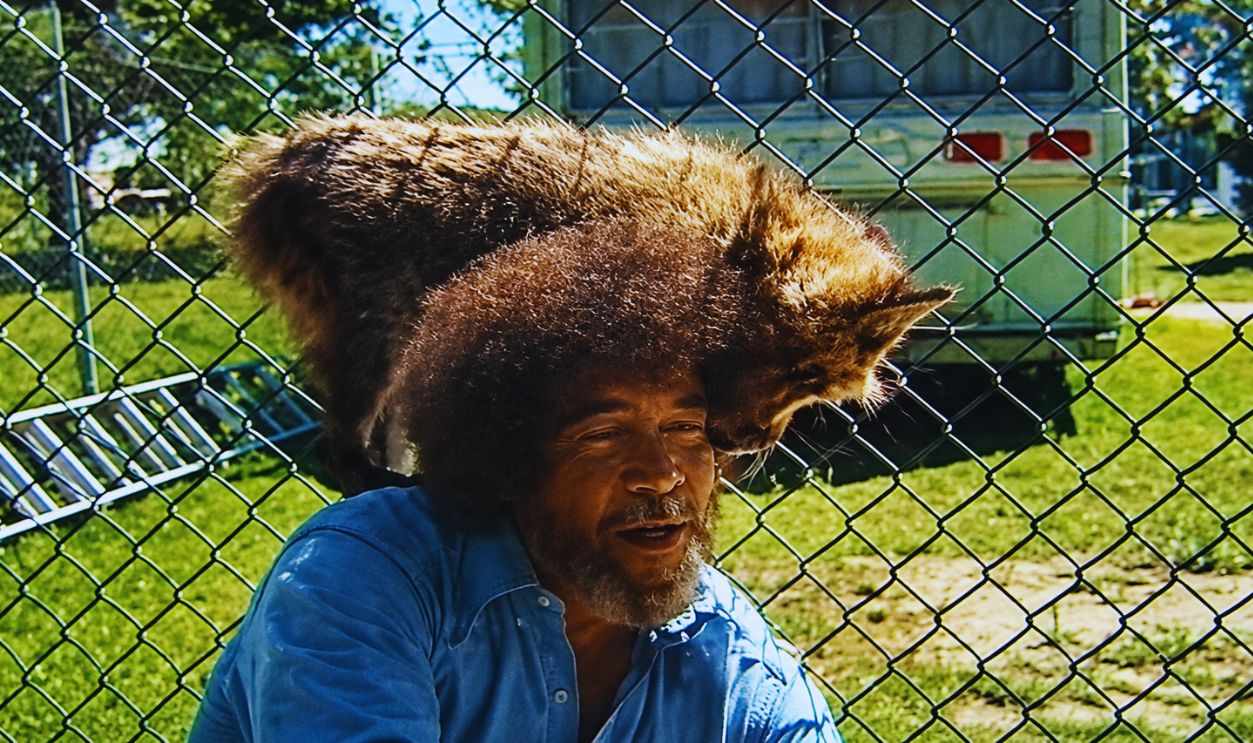
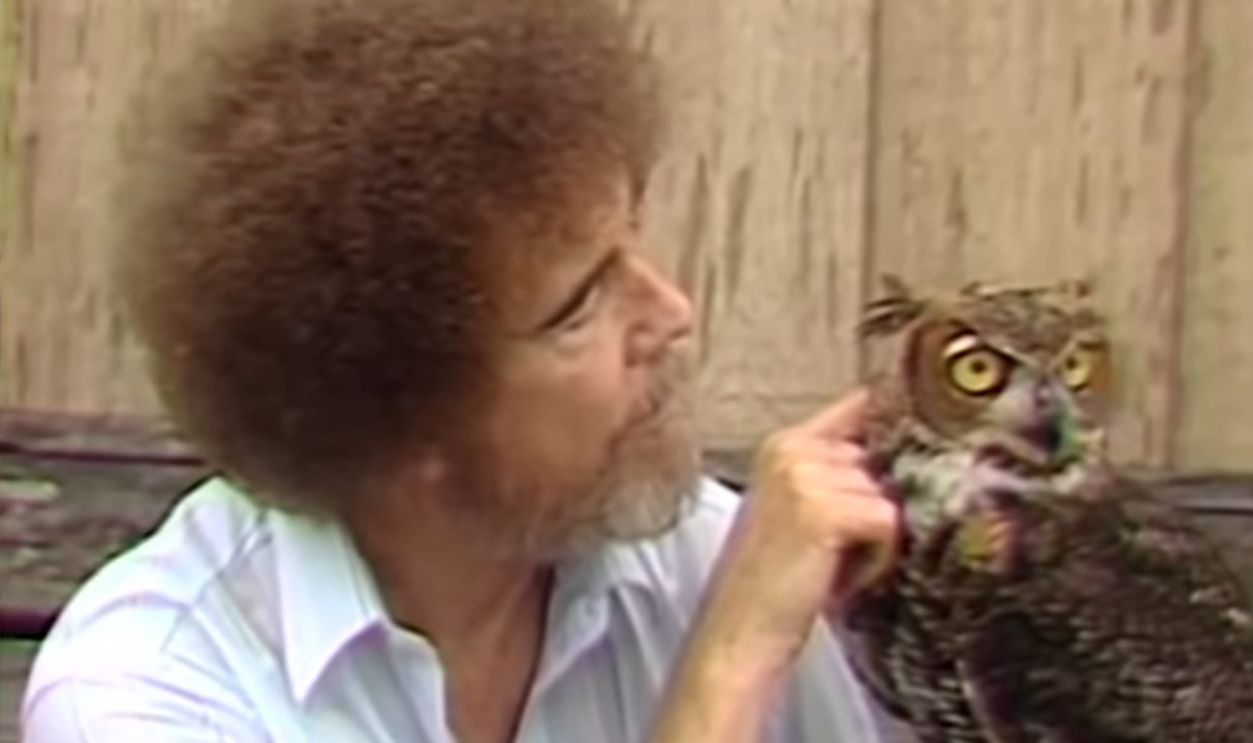
When a young Bob Ross wasn’t too preoccupied helping his father out with his carpentry, he was already busy making the world a better place as much as he could—but not for humanity. Bob loved animals, and as a teenager, he started taking in any injured animals he found and nursing them back to health, including more dangerous beasts like snakes and alligators.
However, both kinds of work carried their own risks—as he learned before too long.
 Screenshot from Bob Ross: Happy Accidents, Betrayal & Greed, Netflix (2021)
3. He Had An Accident
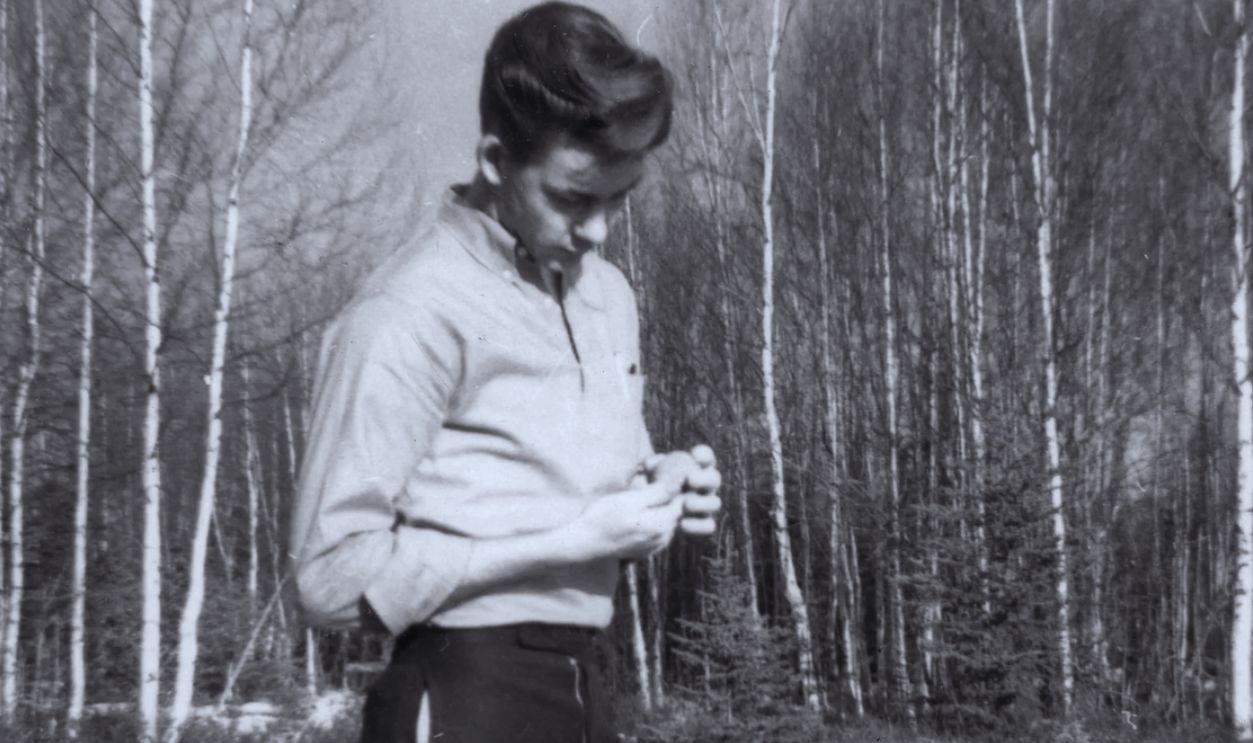
Bob didn’t know right away that he wanted to be an artist, but before he even considered it as an option, there was an incident that could have made a career like that much different. While he was helping his father one day, he lost control of a saw while his left hand was near it, but thankfully, he only lost a small part of his index finger.
Of course, he wasn’t one to back away from danger—even when it meant putting his life on the line.
 Screenshot from Bob Ross: Happy Accidents, Betrayal & Greed, Netflix (2021)

History's most fascinating stories and darkest secrets, delivered to your inbox daily.
4. He Served His Country
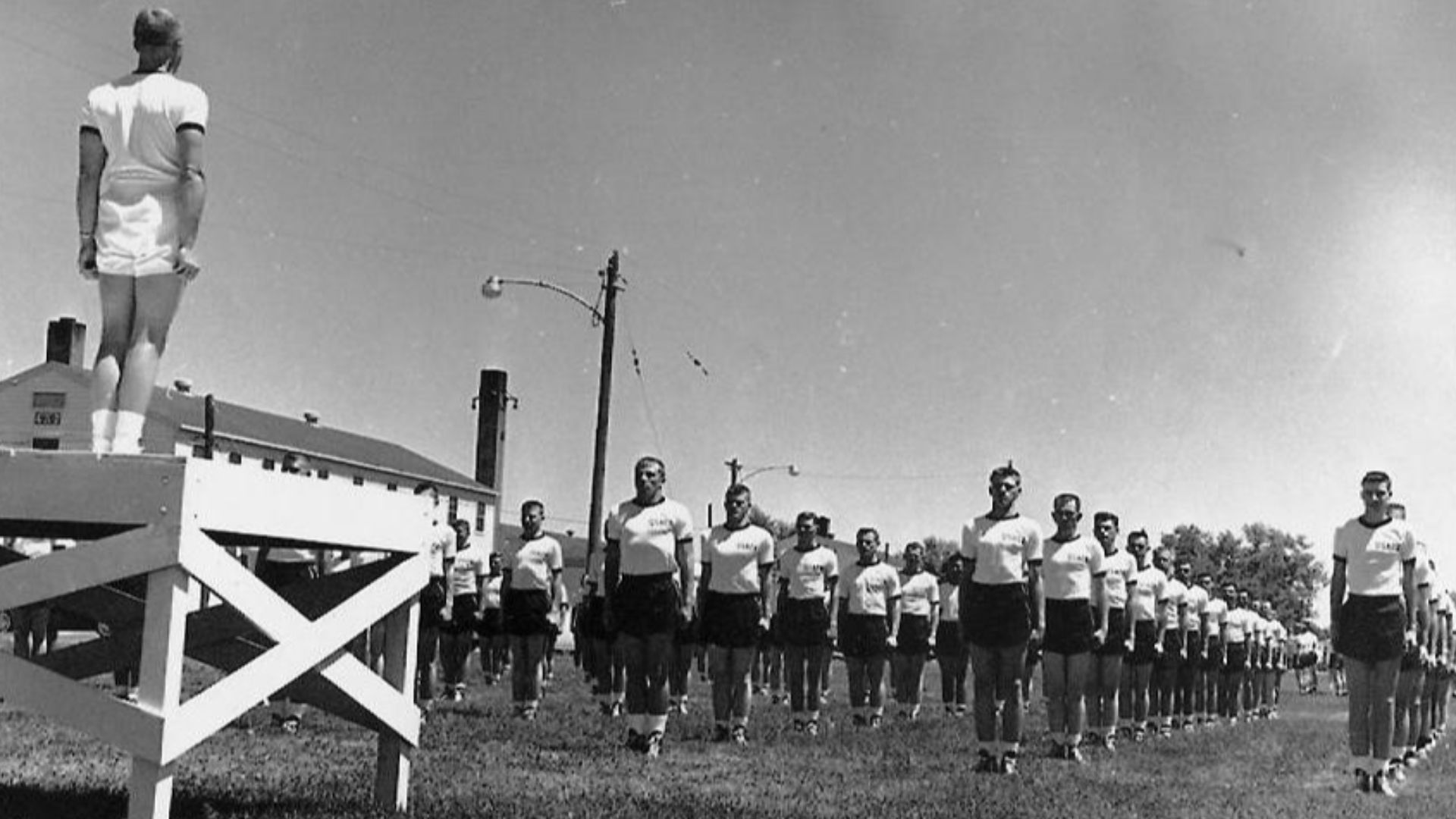
Like every teenager, Bob Ross was still trying to figure out what he wanted to do with his life, and even though he enjoyed working with his father—it wasn’t his one true calling. However, in 1961, he decided to try his hand at another, more intense career by enlisting in the United States Air Force.
While he wanted to serve, it didn’t turn out exactly as he had pictured.
5. He Couldn’t Fight
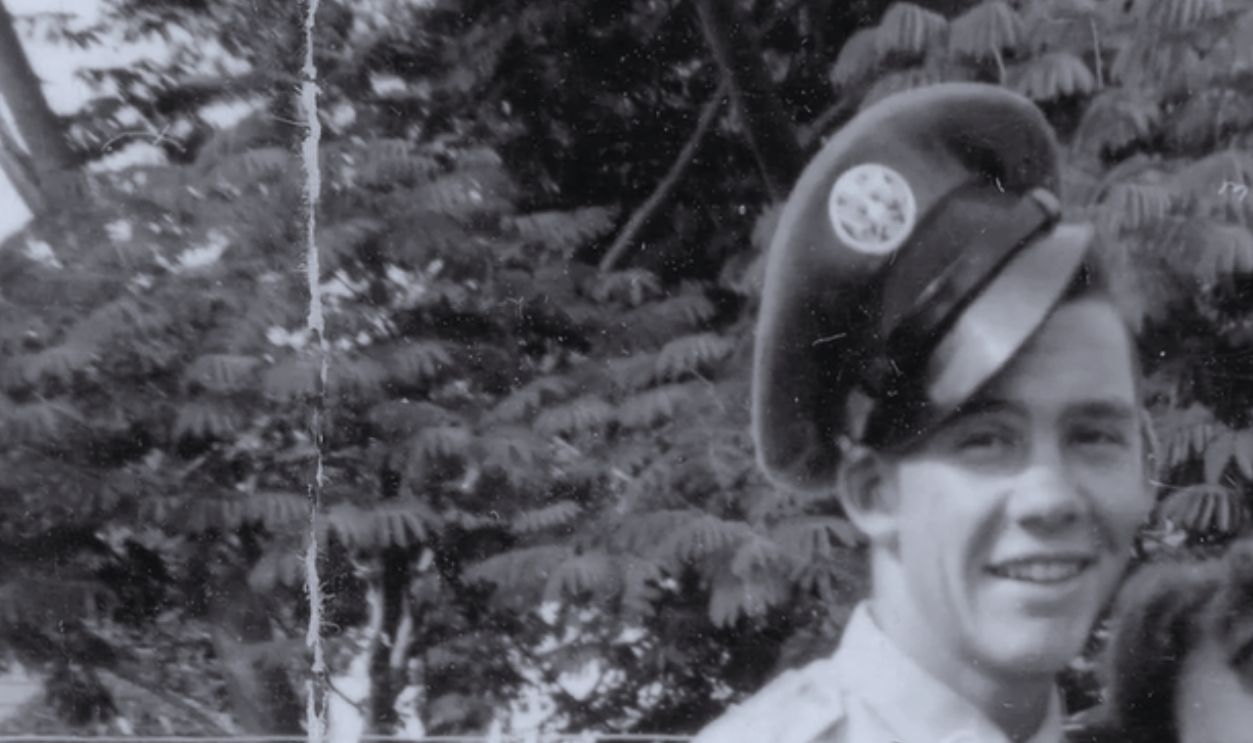
Although Bob likely pictured himself flying with the rest of the pilots or even working on the planes as an engineer, the Air Force wouldn’t let either happen. Due to his flat feet and height of 6’2”, they deemed him unfit to fly, but that didn’t mean they turned him away altogether. Instead, he took a position as a medical records technician, slowly rising through the ranks.
Still, he did have quite the view—one that would stick with him for the rest of his life.
 Screenshot from Bob Ross: Happy Accidents, Betrayal & Greed, Netflix (2021)
6. He Loved The Scenery
Putting in the time and effort, Bob Ross soon rose to the rank of Master Sergeant and received his new assignment to the Eielson Air Force Base—which came with quite the perk. As the base was in Alaska, he worked surrounded by the stunning sights of snowy mountains and forests, most of which would heavily influence what he chose to paint later on.
At the same time, he was far from the quiet and peaceful man audiences would come to know and love.
 Screenshot from Paint, Silver Lining Entertainment / Blue Creek Pictures / IFC Films (2023)
7. He Was A Tyrant
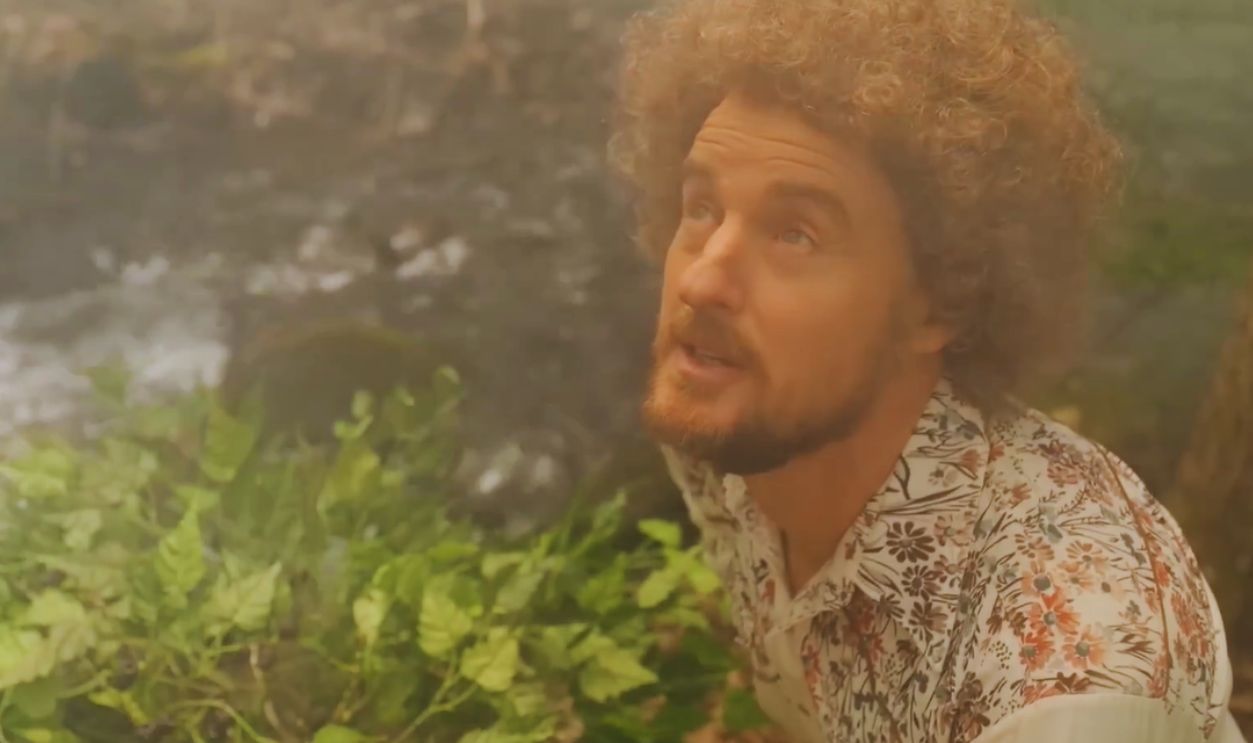
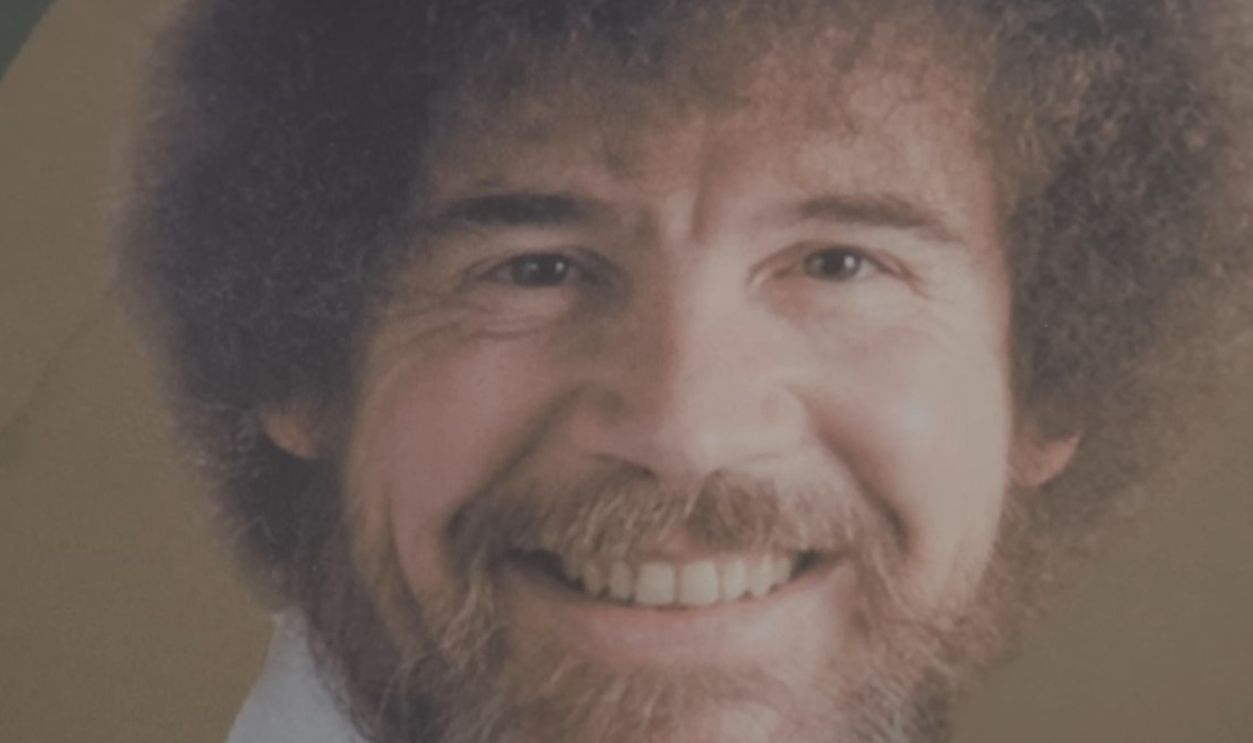
Over his career on television, Bob would earn a reputation for having a generally calm and kind disposition—but this wasn’t the same Bob his subordinates knew in Alaska. According to his own words, his more temperamental and harsh attitude during this time earned him the nickname “Bust ‘Em Up Bobby,” and he later referred to himself as “the guy who screams at you for being late to work”.
Fortunately, this gruff exterior didn’t stop him from finding his life’s purpose.
 Screenshot from Where Are All the Bob Ross Paintings? We Found Them., The New York Times (2019)
8. He Discovered His Passion
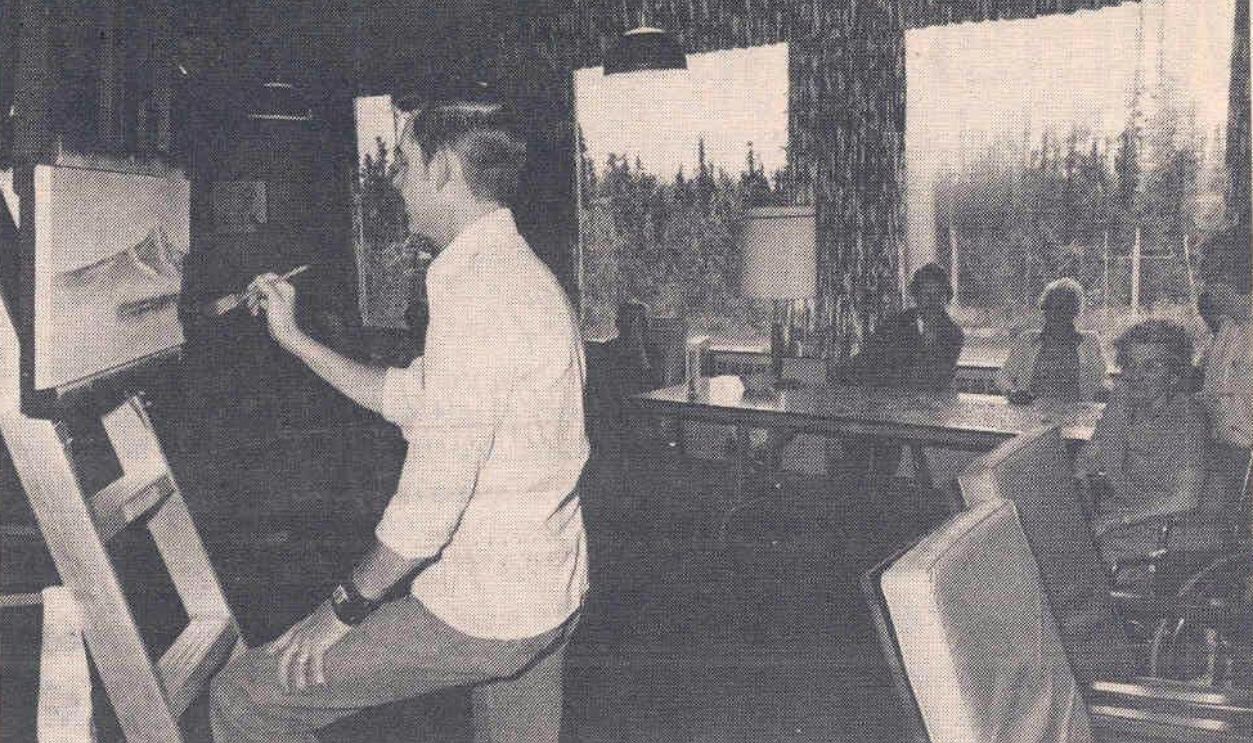
Bob Ross had discovered something he was good at, but there was still something missing, even if he wasn’t sure what it was—until one fateful day in Alaska. Joining an art class at the USO Club in Anchorage, he immediately fell in love with painting and began practicing it on his own whenever he had time between his work hours.
Ironically, this was when he displayed his own issues with authority.
 SrA Dan Saylor, Wikimedia Commons
9. He Didn’t Agree With Them
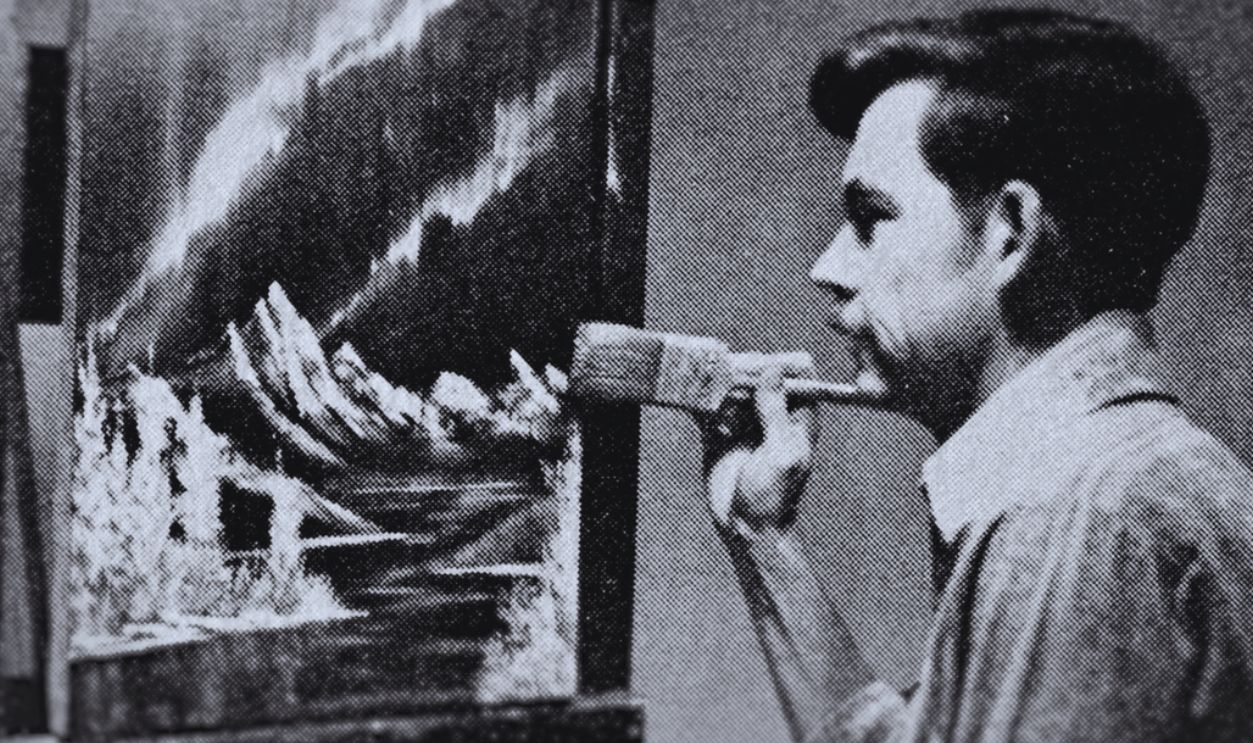
Beyond developing his painting skills and working on his own technique, Bob also sought out several instructors to help him hone his craft even further—only to find disappointment with each one. According to him, most of them were solely focused on abstract painting, so his desire to learn other styles meant he rarely saw eye to eye with them.
However, it was only a matter of time before he finally found his greatest teacher.
 Screenshot from Bob Ross: Happy Accidents, Betrayal & Greed, Netflix (2021)
History's most fascinating stories and darkest secrets, delivered to your inbox daily.
10. He Caught A Show
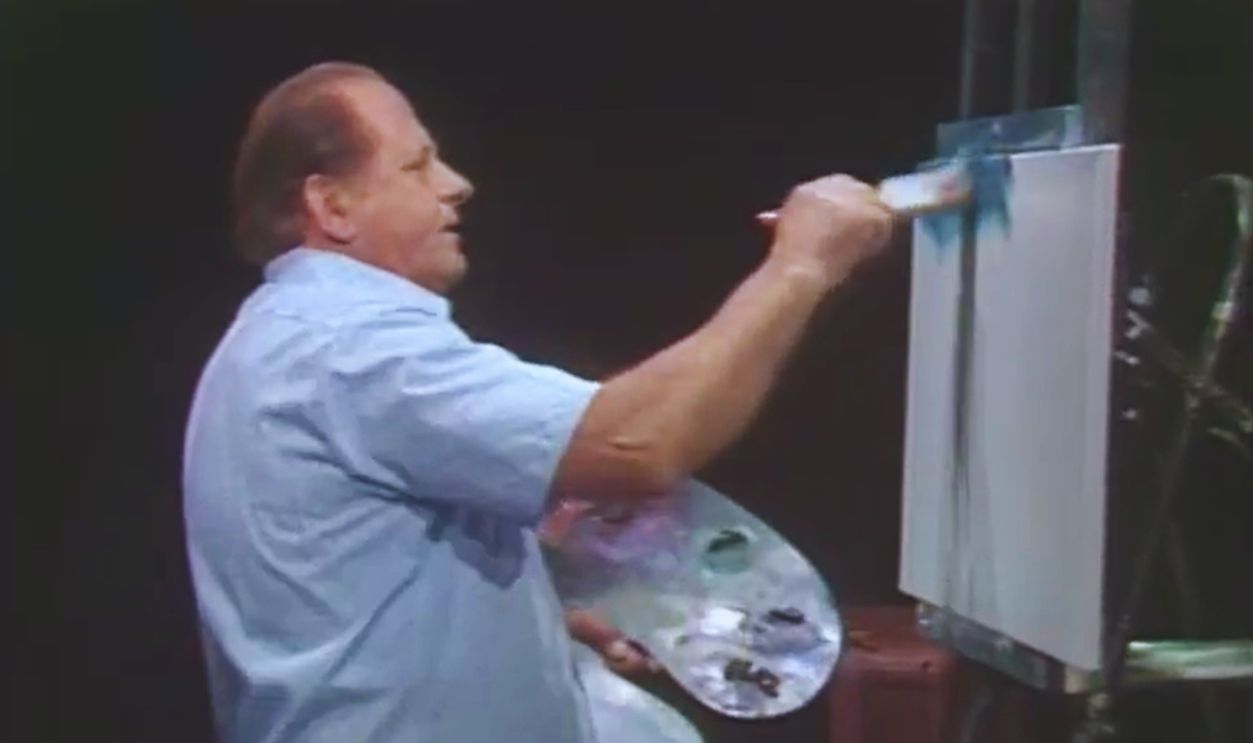
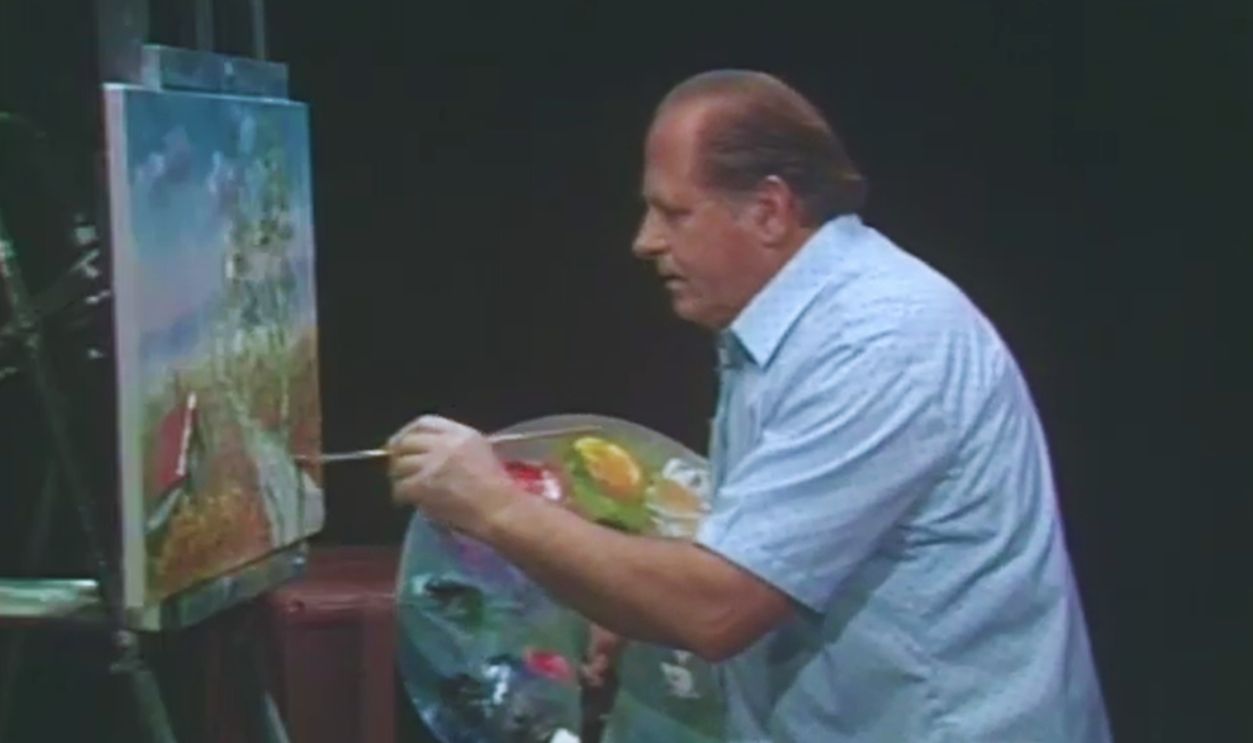
In periods when he wasn’t actively working for the Air Force, Bob Ross took a job as a part-time bartender—and he never stopped working on his art. While pouring drinks one day, though, he caught a TV show called The Magic of Oil Painting, which completely changed his life forever. The show’s host, painter Bill Alexander, used a 16th-century style commonly known as “wet-on-wet,” and Bob knew this was what he had been searching for.
While he had clearly discovered his calling, this work wasn’t just for him.
 Screenshot from The Magic of Oil Painting, PBS (1974)
11. He Sold His Work
The wet-on-wet style fit Bob’s process perfectly, as it was a much quicker style of painting, and Bob was still only practicing during his break periods. Foreshadowing his own future, Bob watched The Magic of Oil Painting religiously until he became an expert in the technique, selling landscape scenes he painted onto novelty gold-panning tins on the side.
Bob was certainly dedicated to his work and craft, but that didn’t mean he put his personal life on hold.
 Screenshot from The Magic of Oil Painting, PBS (1974)
12. He Made A Family
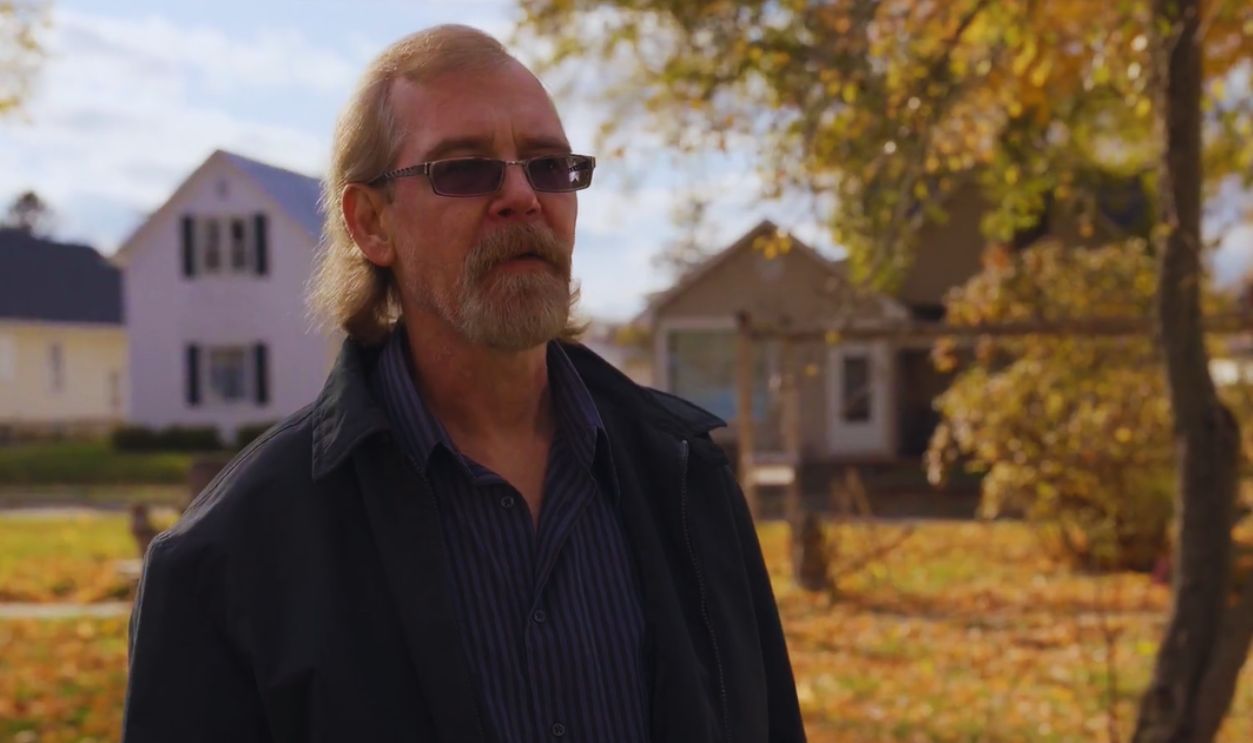
From a relationship in his younger years, Bob had already welcomed his first child, and he would go on to marry three women throughout his life. The first of his wives was Vivian Ridge, whom he married in 1965. With her, he fathered another child with named Robert Stephen Ross—though most people called him Steve.
Unfortunately, they wouldn’t get their happily ever after—and it wasn’t because of her.
 Screenshot from Bob Ross: Happy Accidents, Betrayal & Greed, Netflix (2021)
13. They Couldn’t Last
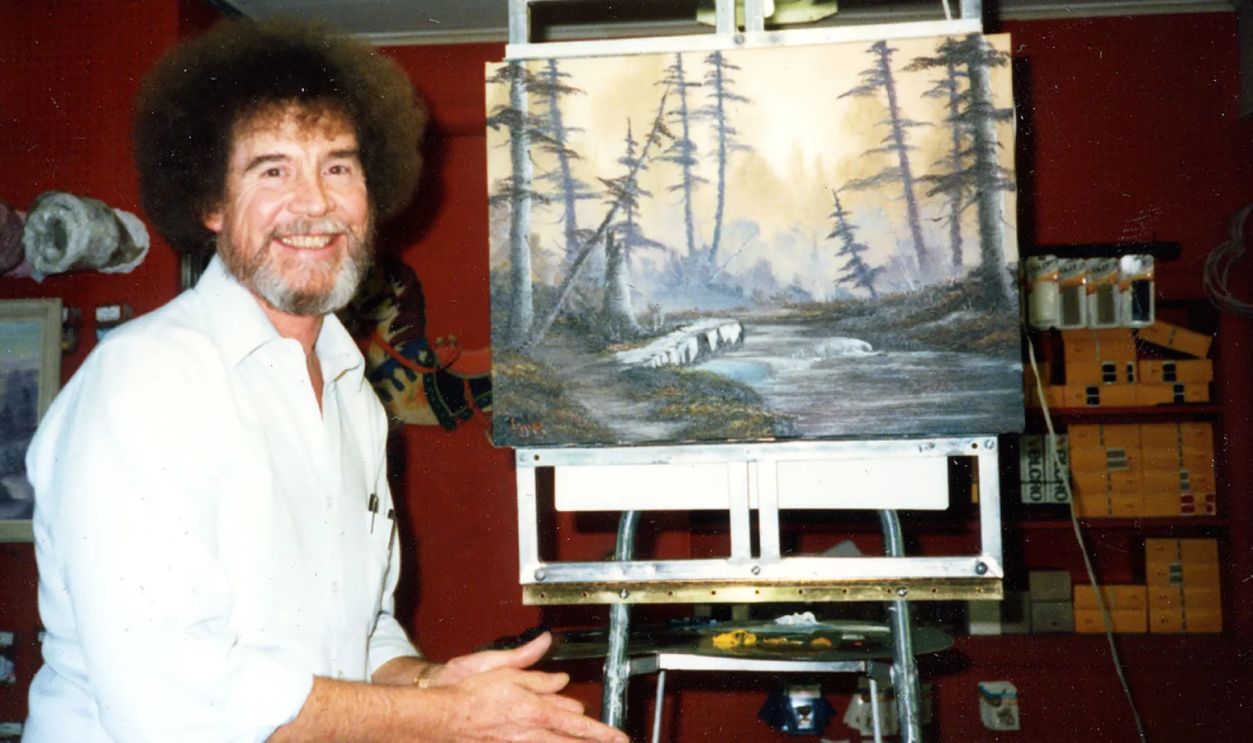
Later in his life, Bob Ross would become almost synonymous with all things pure and wholesome, but according to some accounts, this wasn’t the case in his first marriage. Although nothing was ever confirmed, when he and Vivian ultimately divorced in 1977, it was supposedly because he had been unfaithful to her.
Meanwhile, he was still busy trying to live two different lives—until one became the clear choice.
 Screenshot from The Joy of Painting, Bob Ross Inc, PBS (1983)
14. He Found His New Calling
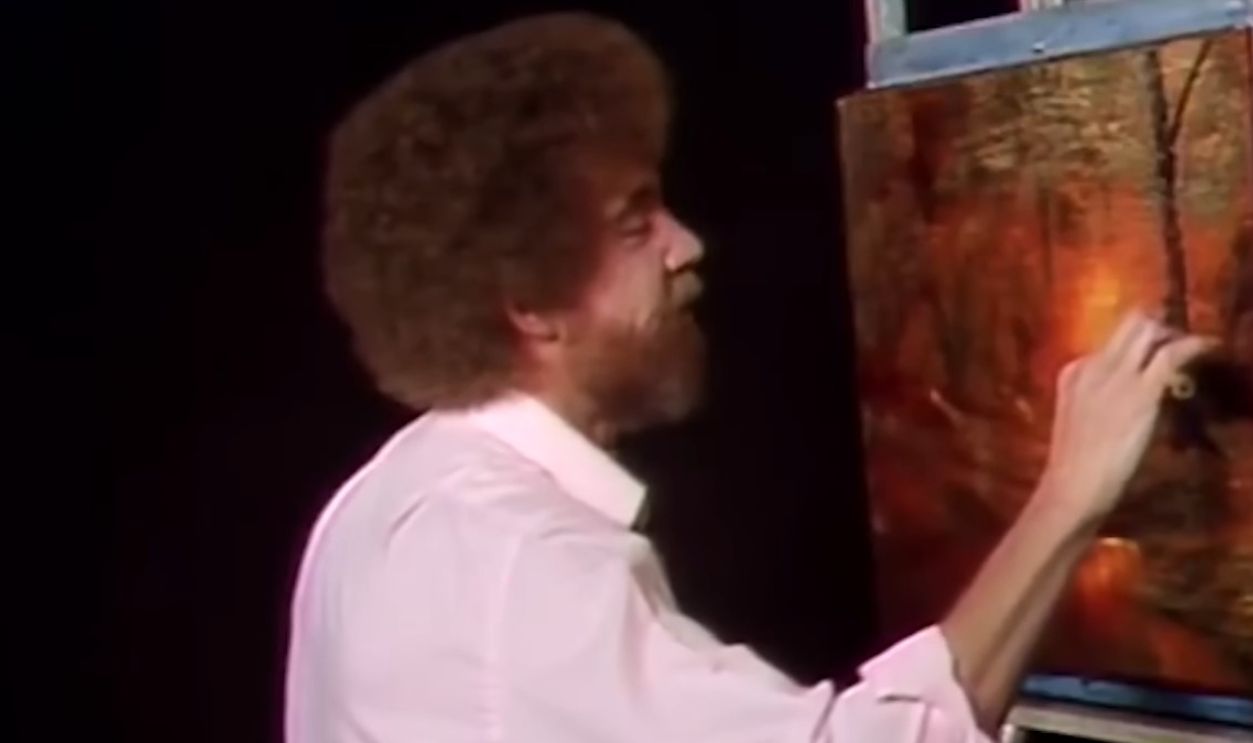
While continuing his career with the Air Force, Bob kept painting in his free time and selling his works—even gaining quite a popularity in the local art scene. In fact, he became so successful as an artist that he realized he was raking in more money with his painting than he was as a Master Sergeant. With no other obstacles in his way, he finally retired from the Air Force in 1981 and pursued his true passion full-time.
However, if he was going to take this next step, he knew he would have to change something.
 Screenshot from Where Are All the Bob Ross Paintings? We Found Them., The New York Times (2019)
15. He Changed His Tone
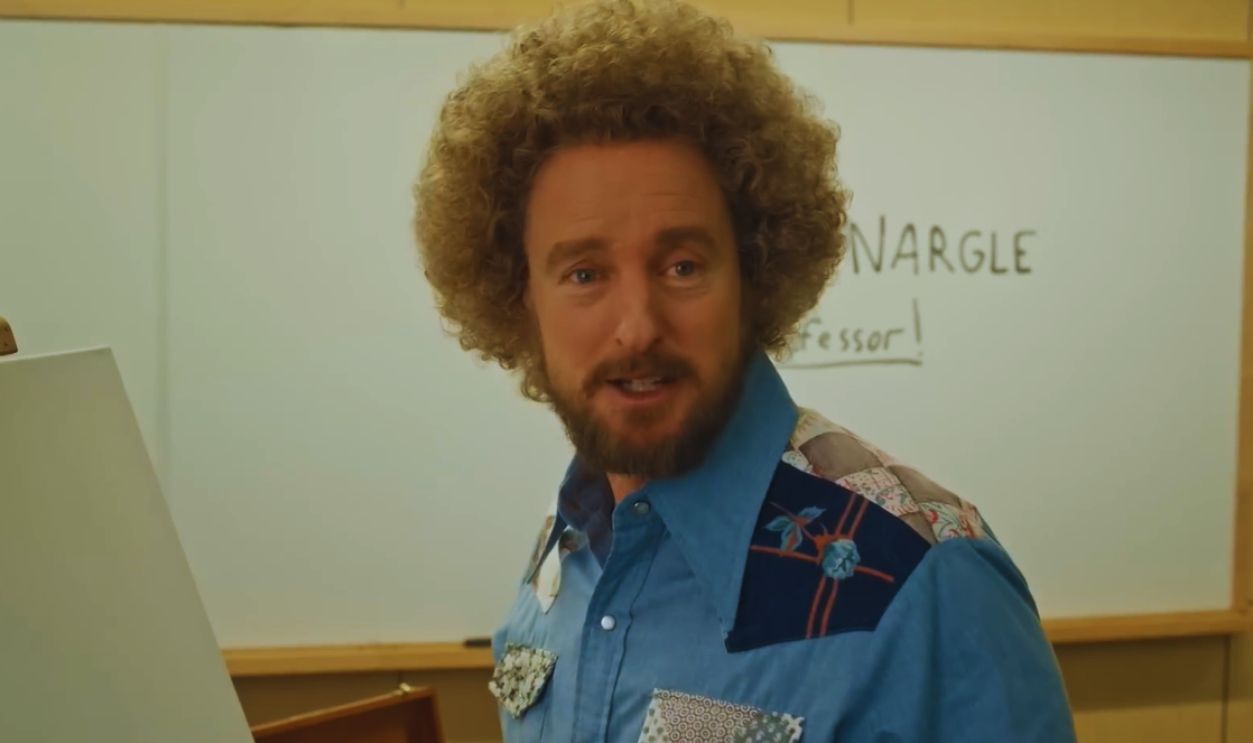
Feeling like he had to adopt such a rough and authoritarian attitude in the Air Force, Bob Ross decided that he no longer wanted to act like that—or have people see him as such an angry man. Therefore, once he officially retired from his position, he swore he would never raise his voice again, creating the persona the world would soon fall in love with.
Suddenly, not only was he doing what he loved, but he also had a once-in-a-lifetime opportunity.
 Screenshot from Paint, Silver Lining Entertainment / Blue Creek Pictures / IFC Films (2023)
History's most fascinating stories and darkest secrets, delivered to your inbox daily.
16. He Learned From Him
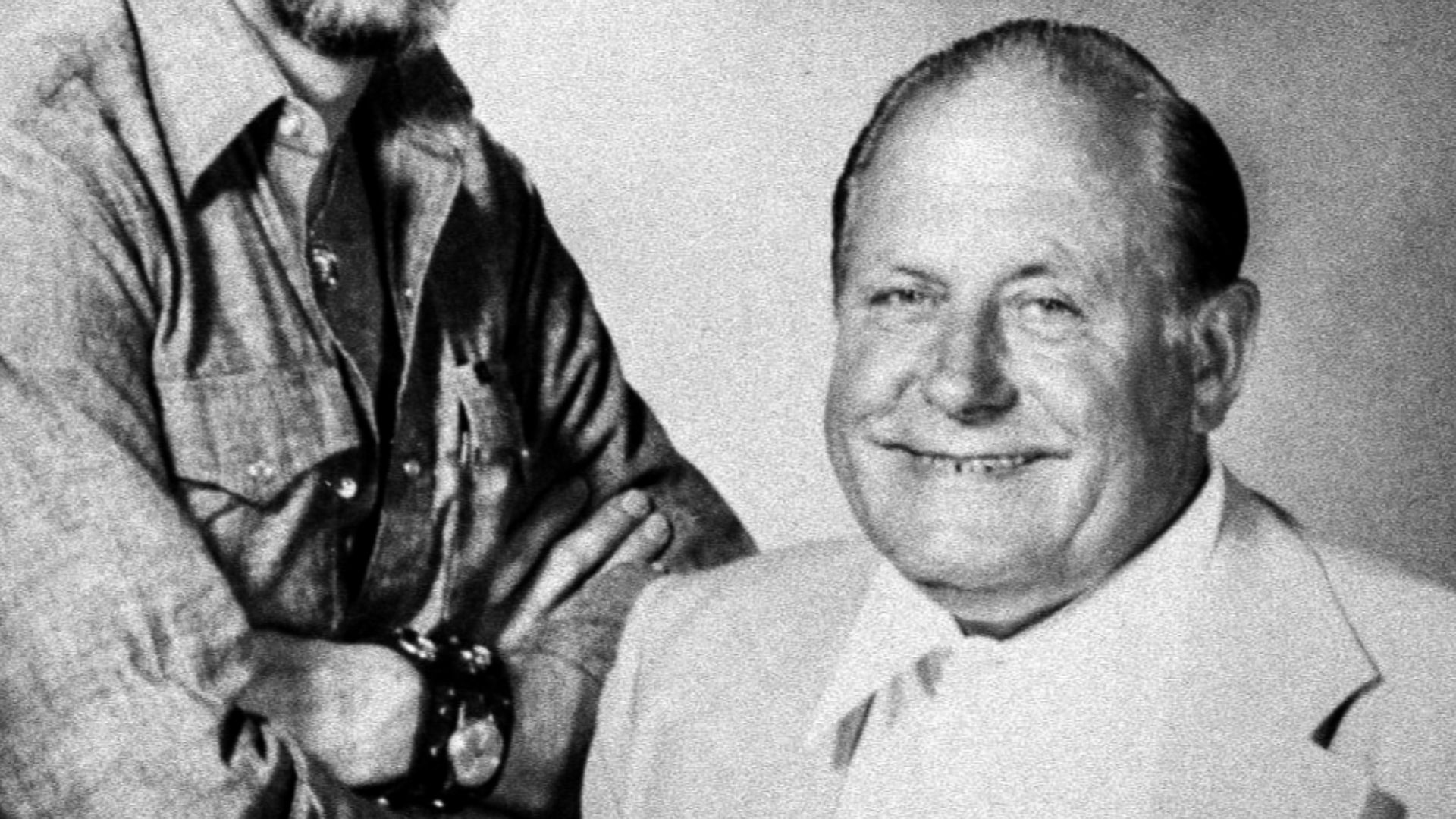
Having learned the wet-on-wet technique from Bill Alexander’s show, the only better way to study it would have been to train directly under the host himself—which is exactly what Bob did. Moving back home to Florida, Bob contacted Bill and joined his Alexander Magic Art Supplies Company to perfect his style under the artist’s guidance.
Forging such a friendship was nothing short of a miracle—but it wouldn’t be his last one.
 Unknown authorUnknown author, Wikimedia Commons
17. They Took A Chance On Him
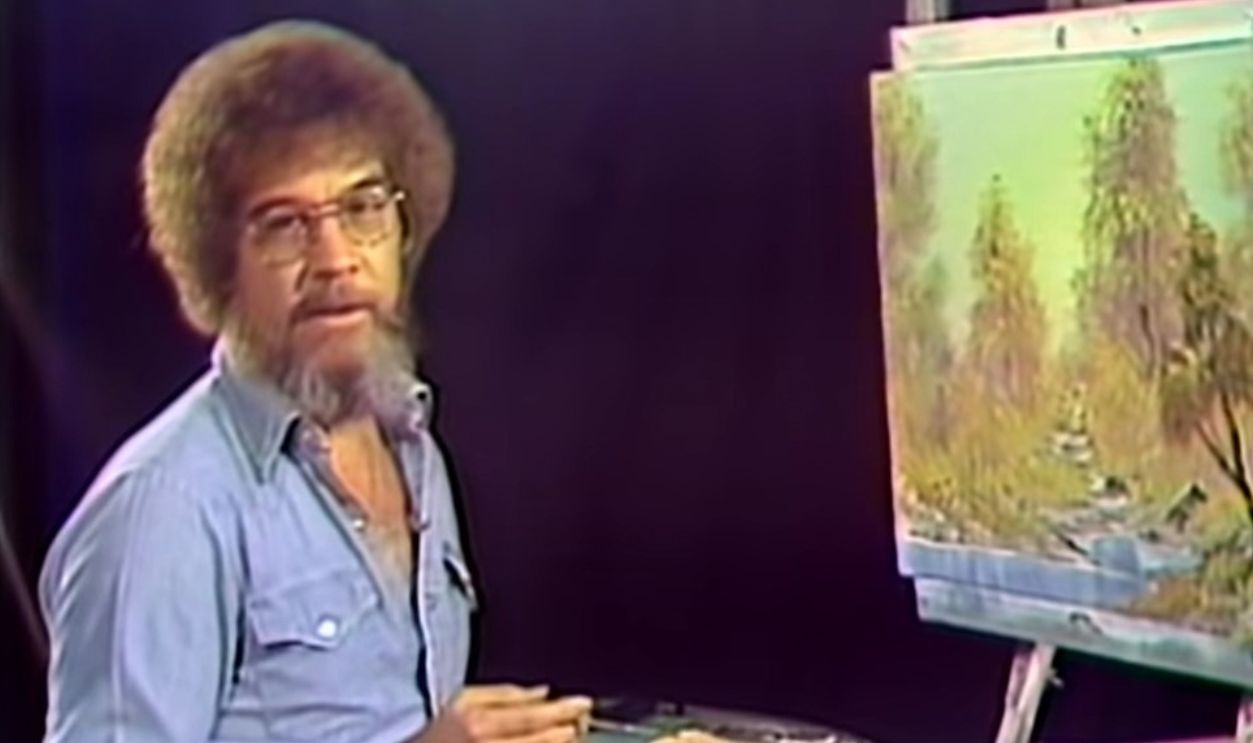
While still training under Bill, Bob wanted to pass his knowledge on to others and began leading his own art classes as a tutor—which earned him the attention of just the right people. Seeing him teach first-hand, TV producer Annette Kowalski believed he had what it took to make his own company, so with her husband, Walt, she persuaded Bob to partner with them and create Bob Ross Inc.
While Bob surely wasn’t the only art tutor in the area, he did one thing the others couldn’t.
 Screenshot from The Joy of Painting, Bob Ross Inc, PBS (1983–1994)
18. He Helped Her Cope
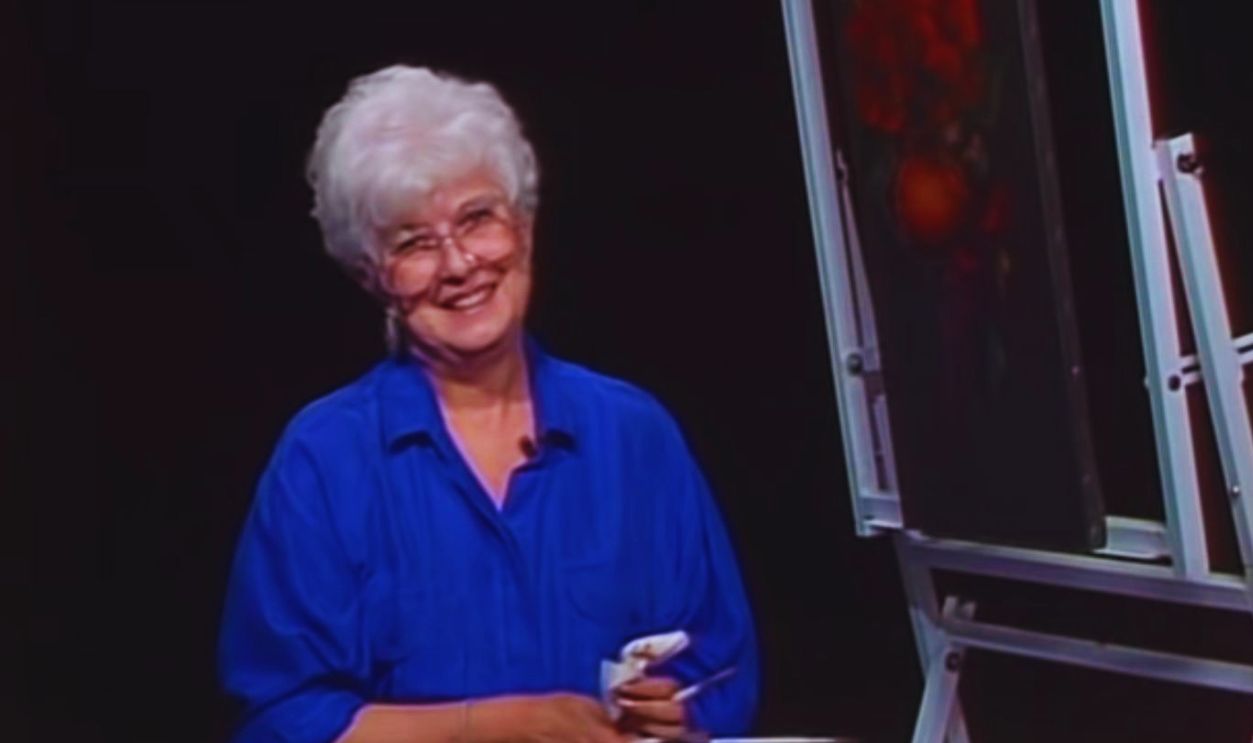
There were countless artists Annette Kowalski could have approached for his business venture, but after attending one of Bob’s classes and seeing him in action, she knew he was the only choice. In the end, it came down to his wholesome and soothing personality—which Annette was drawn to for a heartbreaking reason. She had tragically lost her son in a car crash, and Bob did wonders to help her overcome her grief.
This already gave him the chance to become a household name—but it was only the beginning.
 Screenshot from The Joy of Painting, Bob Ross Inc, PBS (1983–1994)
19. They Picked Him Up
Annette Kowalski and her husband weren’t the only opportunists Bob Ross managed to attract, and in 1982, he allowed a TV station in Virginia to record one of his classes—which was the best choice he could have made. After airing the taped class on television, Bob saw just how much everyone wanted him as he received offers from around 60 PBS stations.
It wasn’t long before he found the right home for his show—even if it was quite the commute.
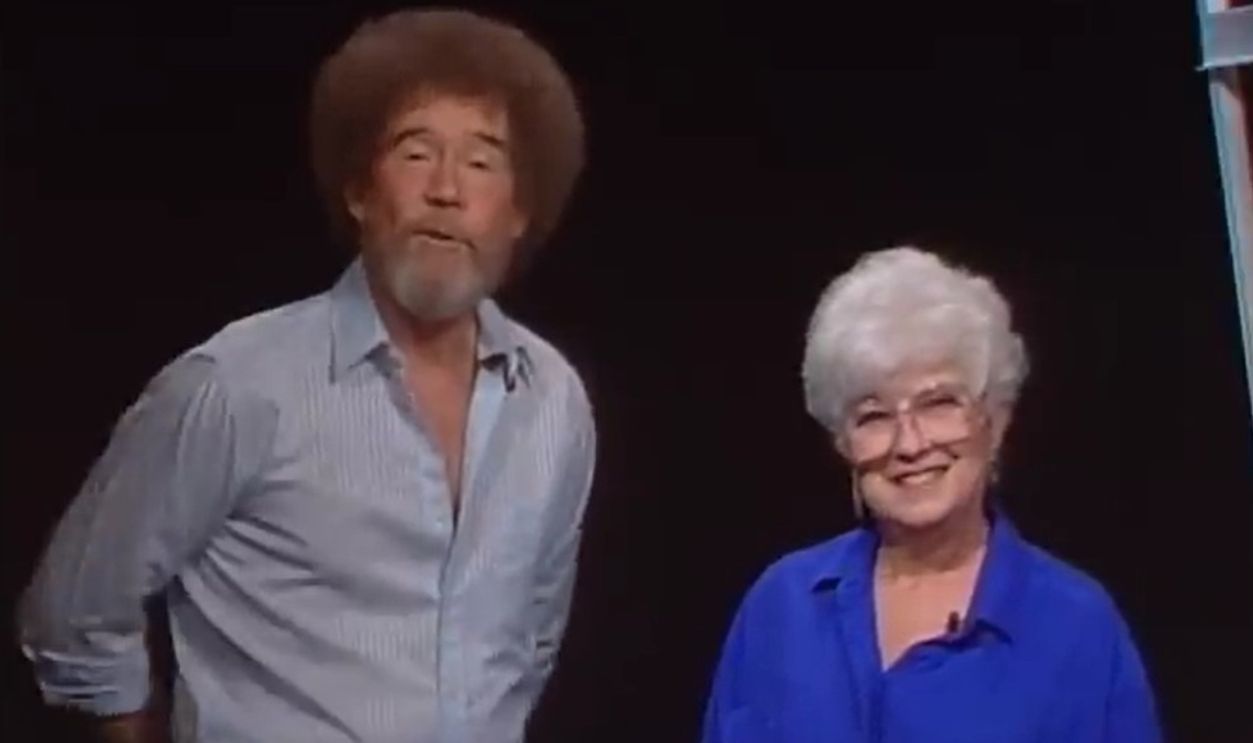 Screenshot from The Joy of Painting, Bob Ross Inc, PBS (1983–1994)
20. He Made Some New Friends
Bob likely had a hard time trying to figure out which station he wanted to work with for a potential show—but the choice became much easier. Getting an offer from the PBS station WIPB, Bob especially appreciated their promise of full creative freedom, so he traveled to their studio in Indiana to check it out. He ended up getting along with them so much that he accepted their offer, traveling back and forth between Florida and Indiana for tapings.
Fortunately, they fulfilled their promise, and Bob showed just how talented he was.
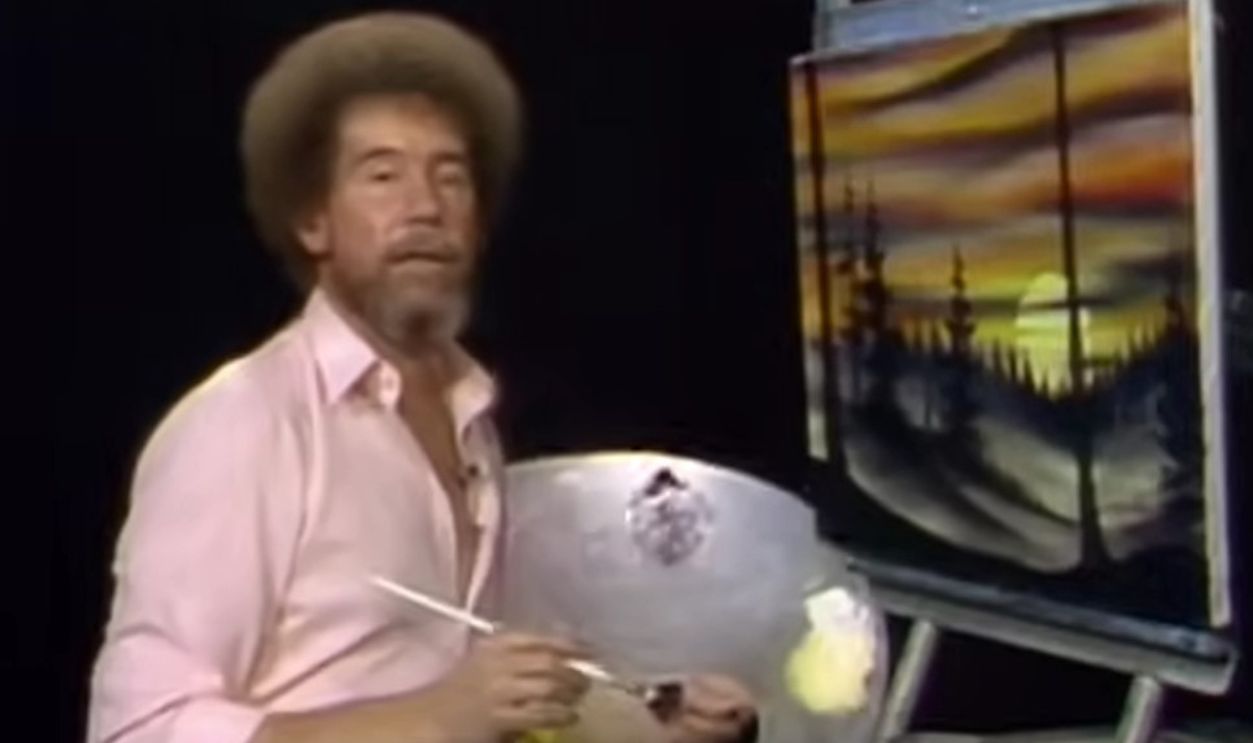 Screenshot from The Joy of Painting, Bob Ross Inc, PBS (1983–1994)
21. He Came Up With Everything
Bob formatted The Joy of Painting very similarly to his regular classes, except he taught as if it were a one-on-one lesson. Still, every episode followed the same formula, where he would paint a scene to teach the audience about his technique for about half an hour. While many artists might want to sketch out the scene first, Bob preferred to paint straight from his imagination for each episode.
Of course, his paintings weren’t the only visuals he needed to worry about.
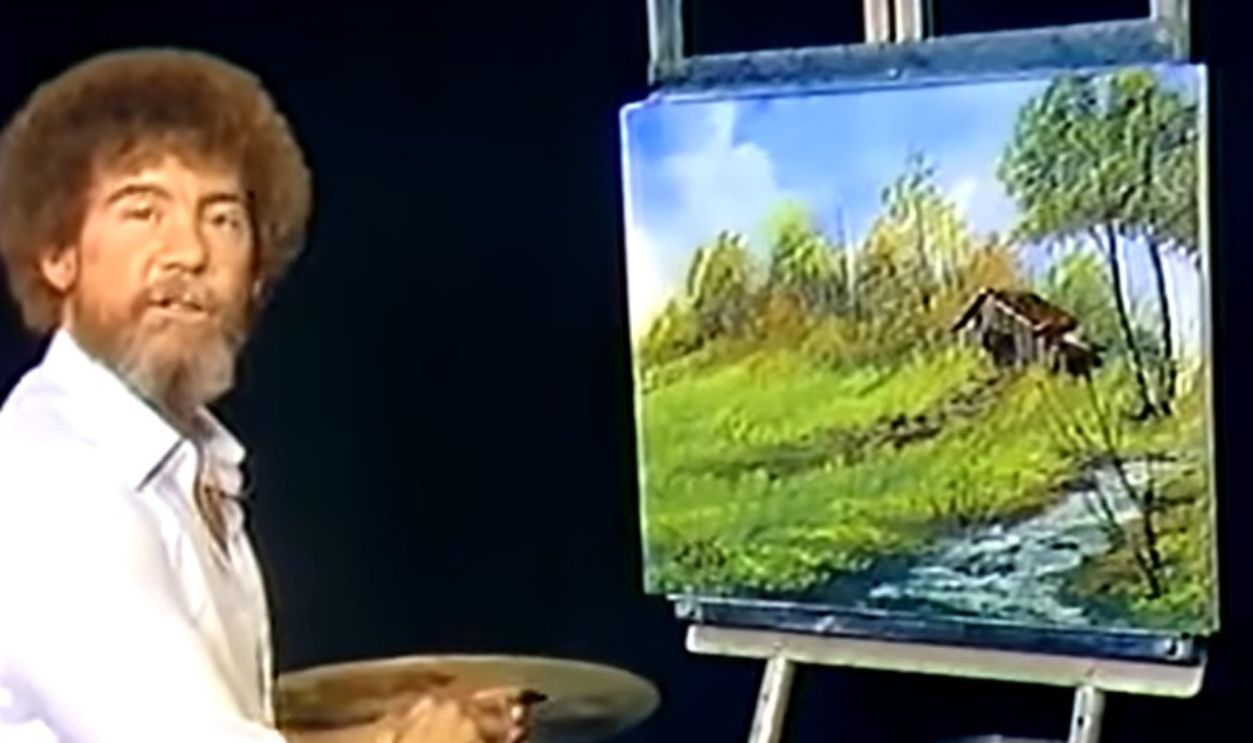 Screenshot from The Joy of Painting, Bob Ross Inc, PBS (1983–1994)
History's most fascinating stories and darkest secrets, delivered to your inbox daily.
22. He Created His Look
There’s a reason Bob Ross is so recognizable today, and has even become a Halloween costume for some. It’s all because he chose a very specific fashion to present himself in. Claiming the outfit would give himself and the show a timeless quality, Bob always wore the same combo—a light-colored button-up shirt and jeans.
However, one part of his look wasn’t exactly by choice.
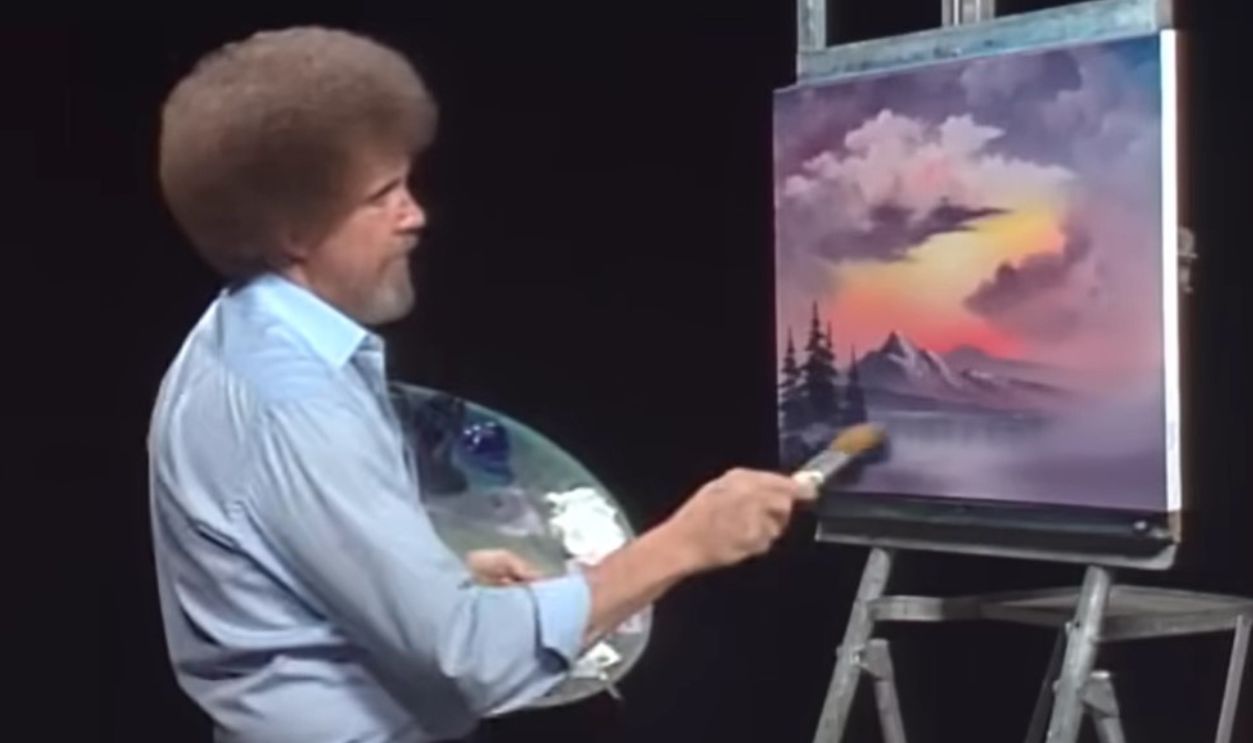 Screenshot from The Joy of Painting, Bob Ross Inc, PBS (1983–1994)
23. They Couldn’t Afford It
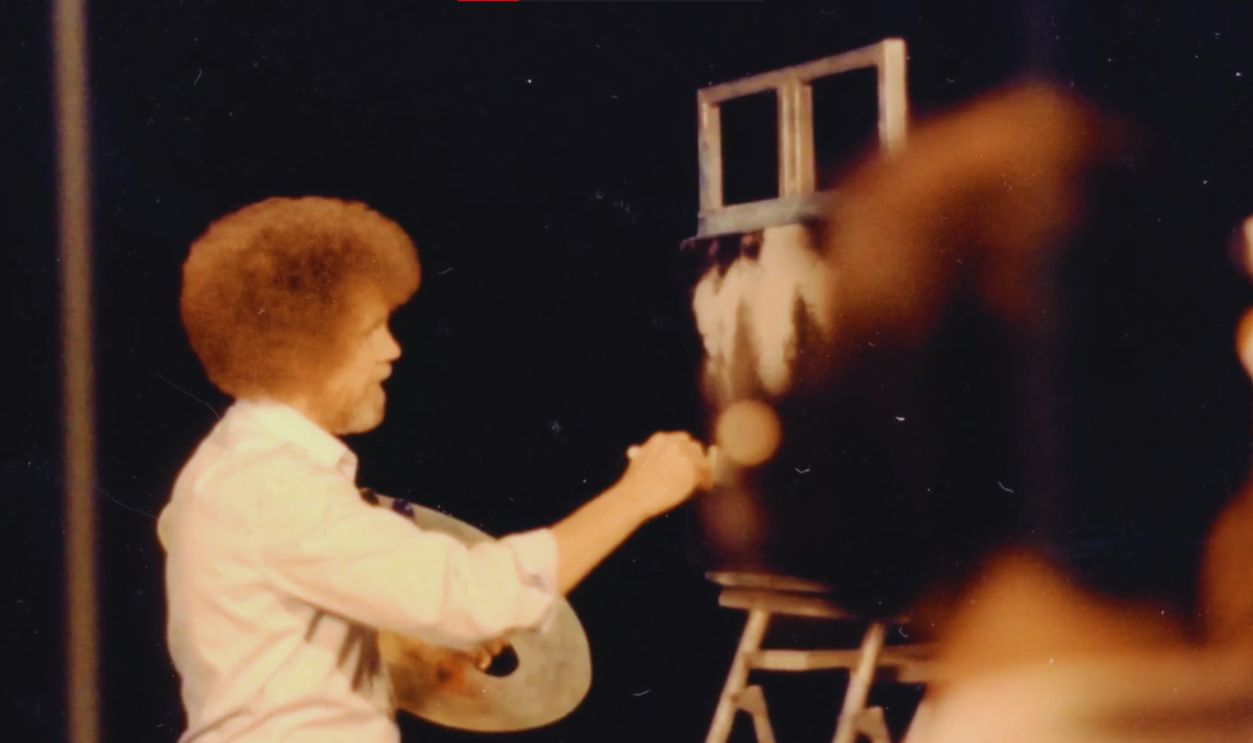
Aside from his clothing, the other major iconic piece of Bob’s style was his hair, which he always kept in a permed afro—but this wasn’t just for the show. Back when he was still struggling financially from starting his own company, he wanted to keep his typical crew cut, but the perm ended up being far more cost-effective.
By the time he had the money to try something new, it was too late—much to his chagrin.
 Screenshot from Bob Ross: Happy Accidents, Betrayal & Greed, Netflix (2021)
24. He Wasn’t A Fan Of It
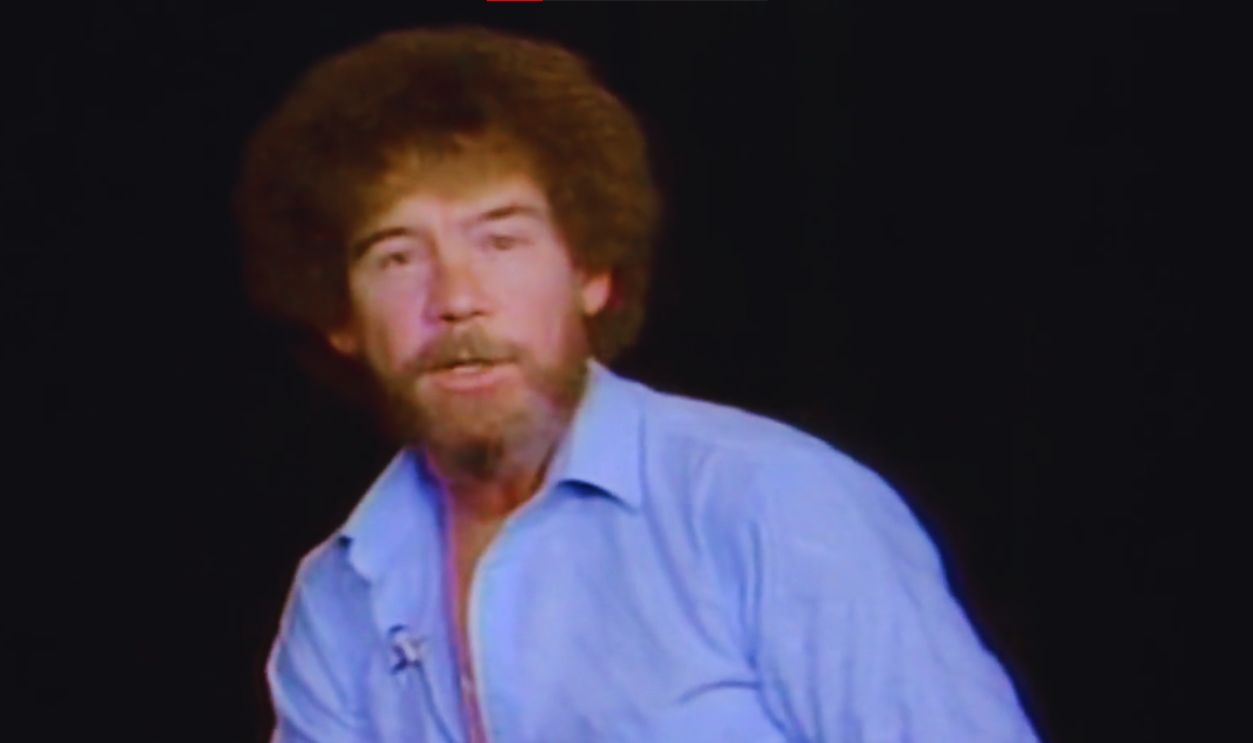
Although Bob Ross had lived with the perm for so long as a cost-cutting measure, that was all it was, and he later revealed that he never liked the style in the first place. Once he could afford the haircuts he wanted, though, his face was already on his company’s logo, and he didn’t feel like he could change it.
At the same time, his appearance wasn’t the only reason he became an icon.
 Screenshot from Bob Ross: Happy Accidents, Betrayal & Greed, Netflix (2021)
25. He Had His Catchphrases
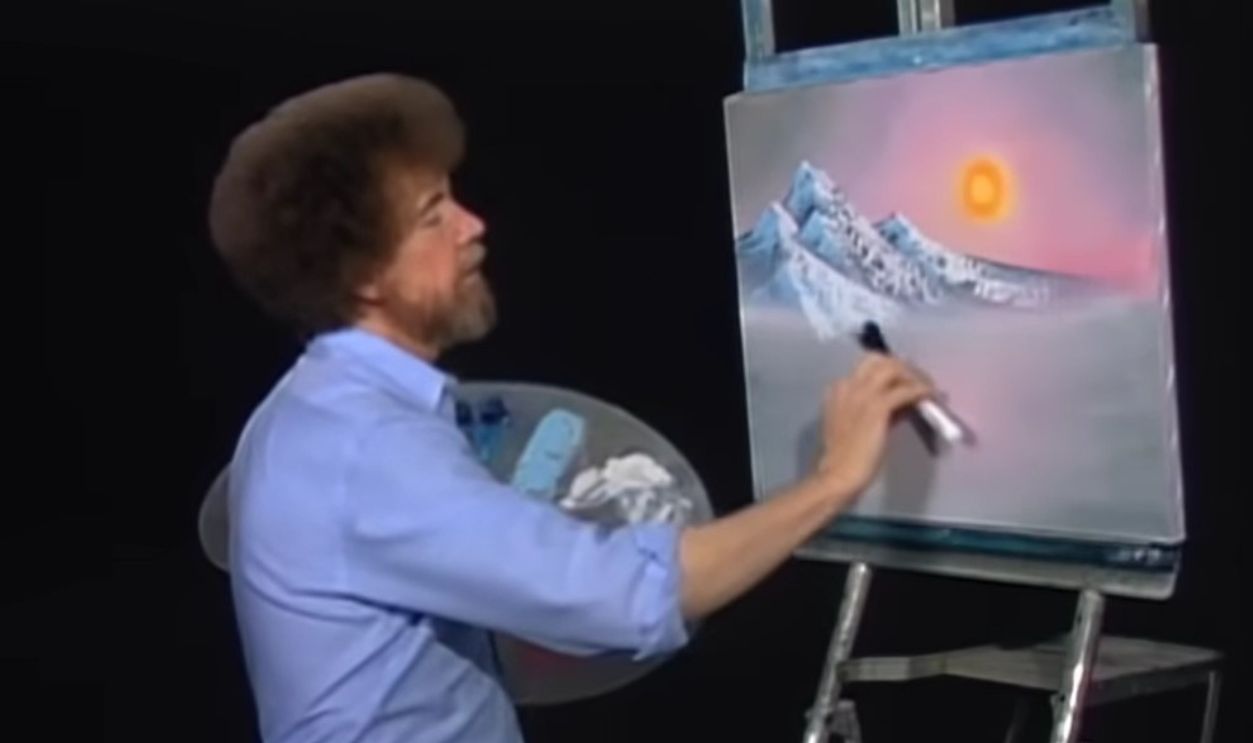
While Bob’s calm manner of speaking became another major part of his iconic image, it wasn’t just about his tone, as he also came up with several extremely quotable catchphrases. Focusing on landscape scenes, he would often refer to the forests he painted as being filled with “happy little trees,” and he always tried to reassure his viewers by saying, “We don’t make mistakes, we just have happy accidents”.
Still, his popularity didn’t just come from his style—he really put in the work.
 Screenshot from The Joy of Painting, Bob Ross Inc, PBS (1983–1994)
26. He Made Copies
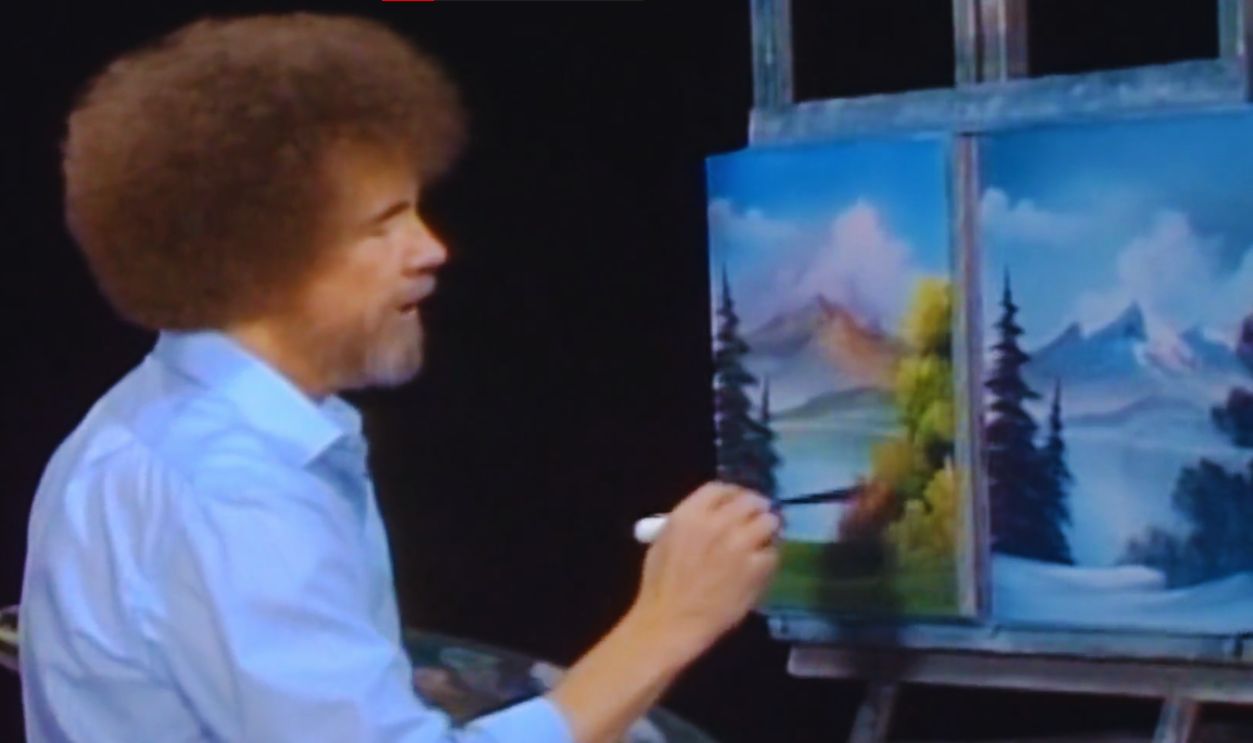
Much of the work Bob Ross put into his art was clearly seen on screen, but he actually did more of it behind the scenes, especially since the painting audiences saw wasn’t even its first version. All still from his imagination, Bob usually painted three iterations of the same painting for each episode—one before filming to use for reference, one during the episode, and a more polished version for his instructional books.
No matter how much time passed, though, he never forgot his roots.
 Screenshot from Bob Ross: Happy Accidents, Betrayal & Greed, Netflix (2021)
27. He Paid Him Respect
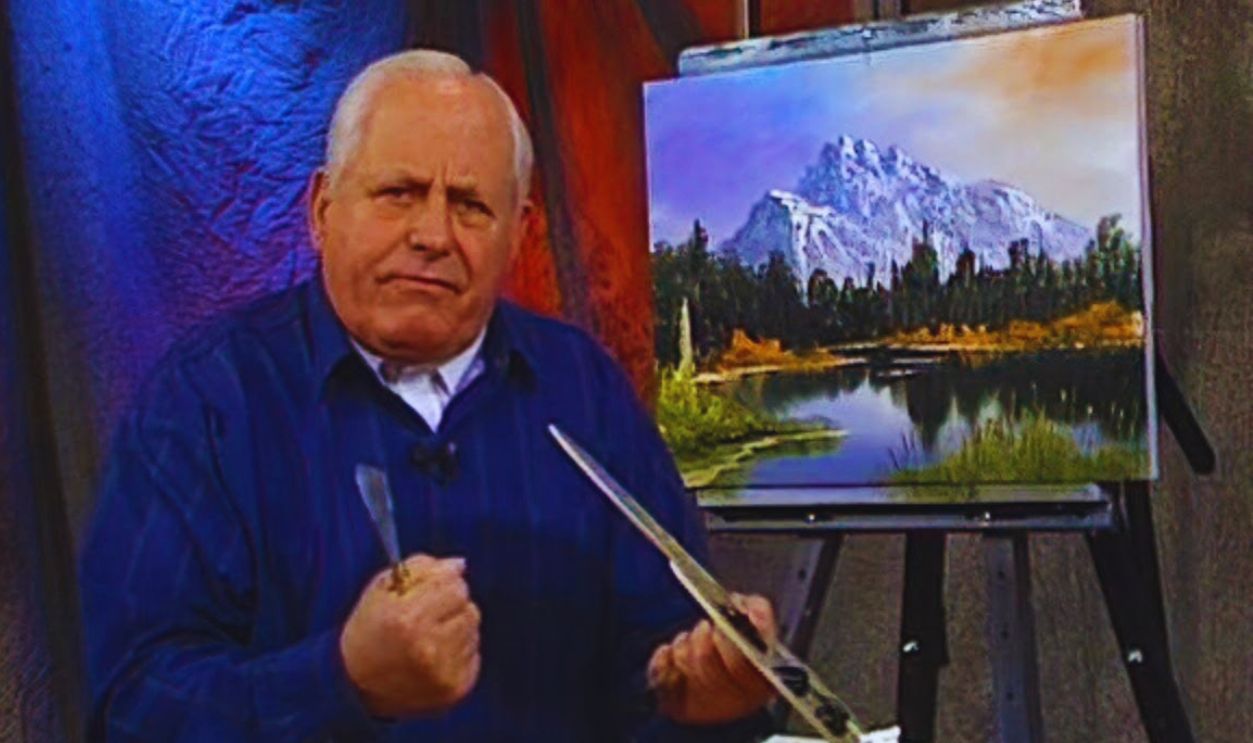
Even as he skyrocketed into worldwide fame, Bob always made sure to honor the journey that had brought him there, and each person who made it possible—namely, Bill Alexander. This came through in the season 2 premiere of his show, when he dedicated the episode to his teacher and thanked him, saying, “I feel as though he gave me a precious gift, and I'd like to share that gift with you”.
Unfortunately, he wouldn’t get the same courtesy in return.
 Screenshot from The Magic of Oil Painting, KOCE-TV / PBS (1974)
History's most fascinating stories and darkest secrets, delivered to your inbox daily.
28. He Turned On Him
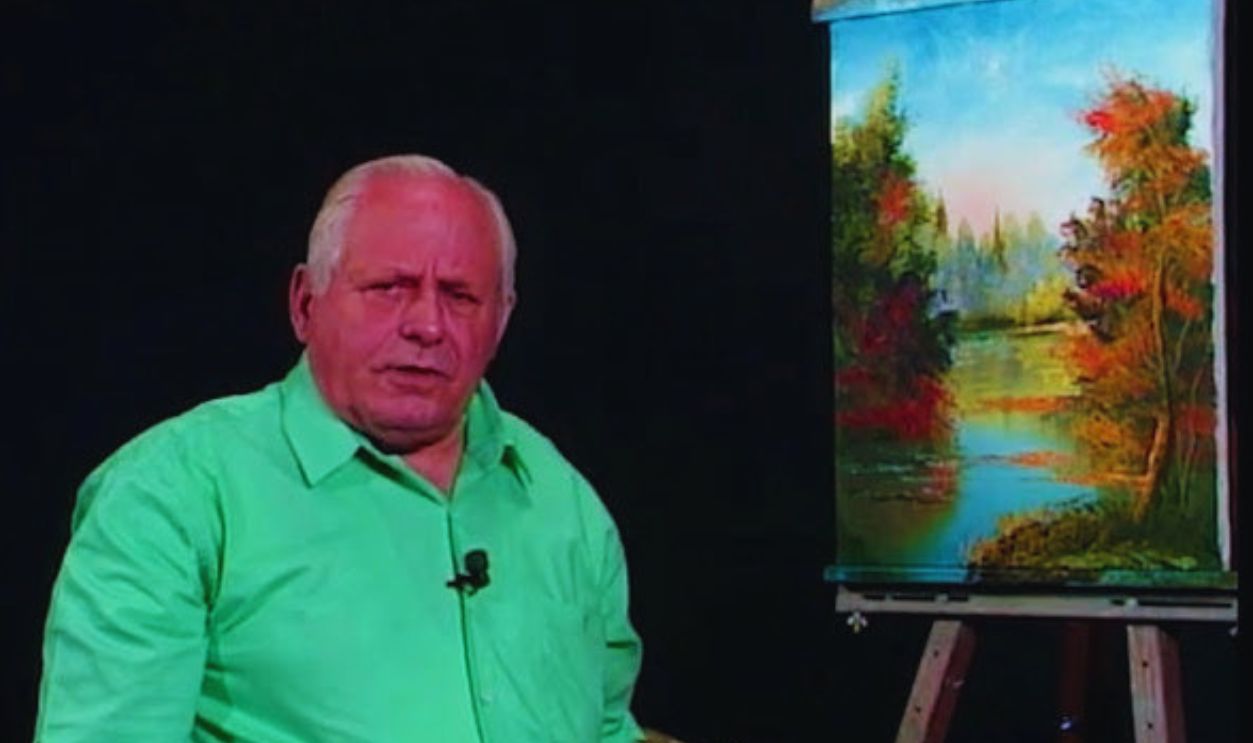
Any time Bob mentioned Bill Alexander in public, he had nothing to offer but praise and gratitude, but this didn’t seem to be enough for his old mentor. Whether or not something actually happened behind the scenes, it was clear they were not on speaking terms by the 1990s, when Bill claimed Bob had “betrayed” him by becoming more successful with the technique he taught him.
Luckily, Bob had others he could count on to support him.
 Screenshot from The Magic of Oil Painting, KOCE-TV / PBS (1974)
29. He Brought In His Family
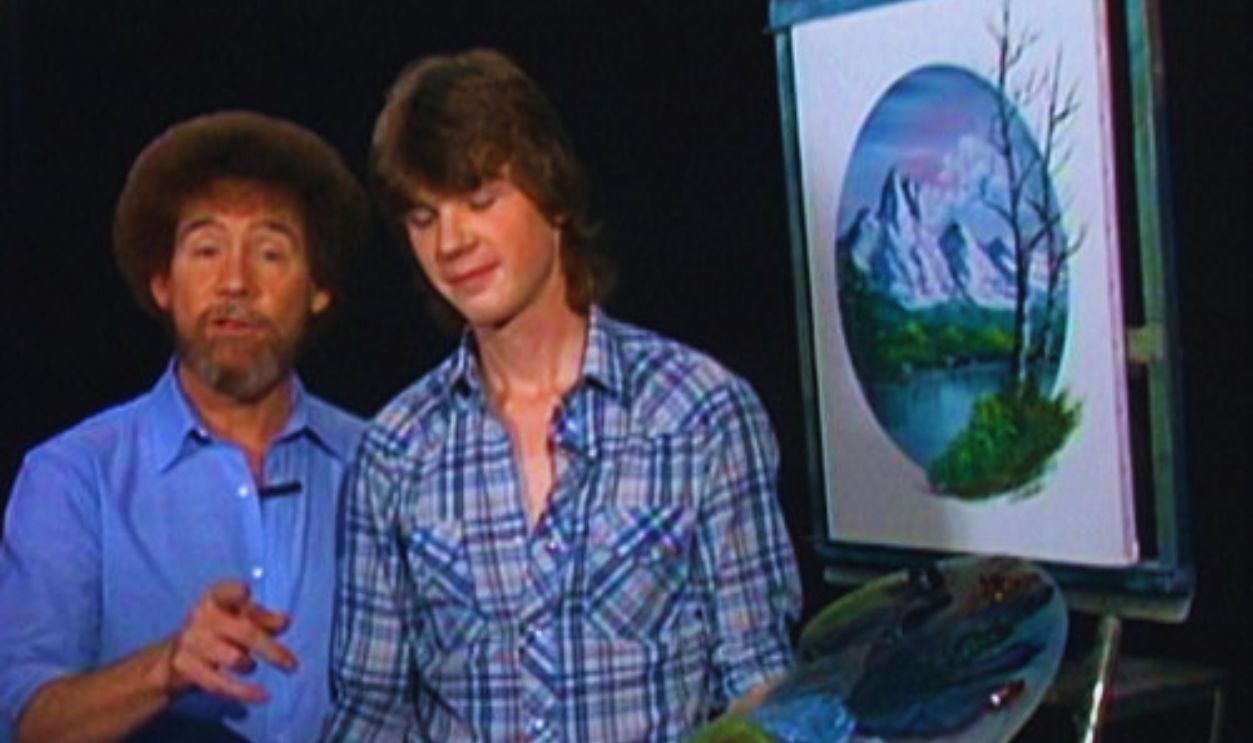
In an outcome that Bob Ross surely couldn’t have been prouder of, his second child, Steve, ended up walking in his father’s footsteps and becoming a painter in his own right. In fact, he was happy to work with his father on multiple occasions, and even appeared as a guest on The Joy of Painting a few times.
All the while, Bob continued to grow his company in the background—but it wasn’t much of a challenge.
 Screenshot from The Joy of Painting, Bob Ross Inc, PBS (1983–1994)
30. He Made A Fortune
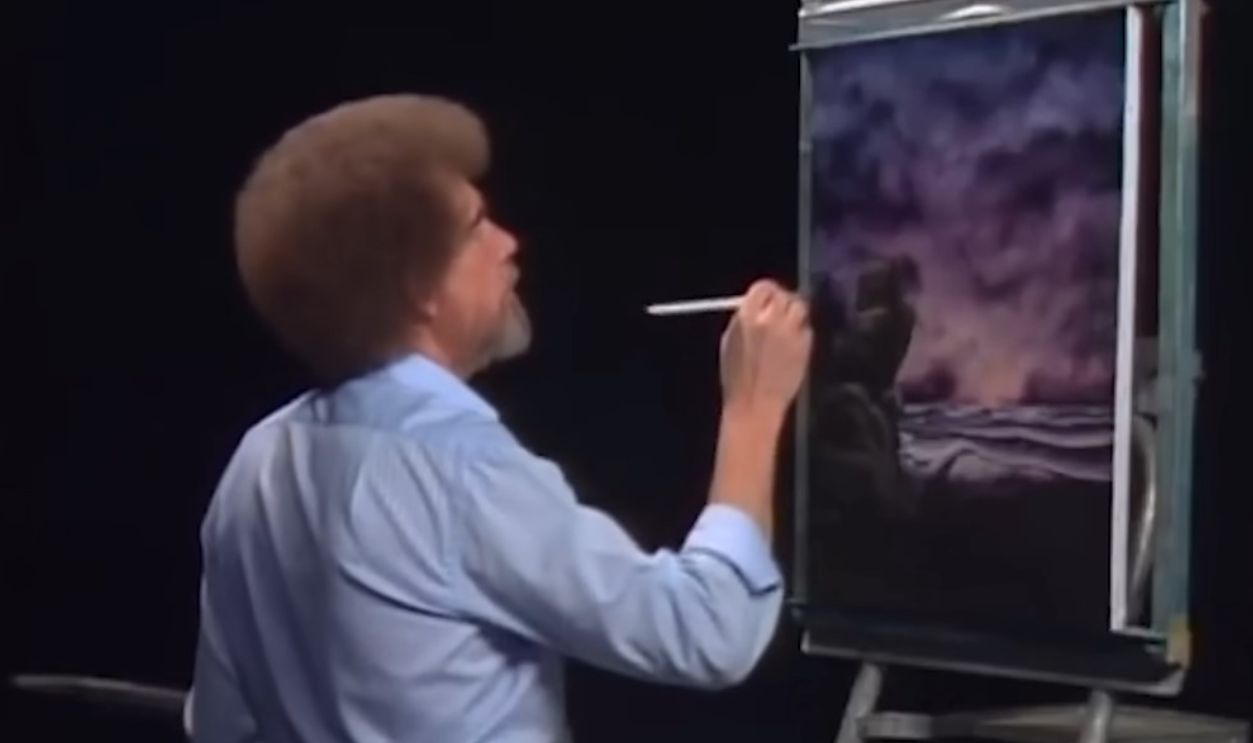
Bob Ross Inc was already on its way to success before he began The Joy of Painting, and although the series meant he was now splitting his time, the investment was more than worth it. With the fame from his show—and still partnering with the Kowalskis—he rolled out a brand-new line of video classes and art supplies that eventually turned Bob Ross Inc into a company worth $15 million.
Of course, his artwork also continues to turn quite a profit—though not in a traditional sense.
 Screenshot from The Joy of Painting, Bob Ross Inc, PBS (1983–1994)
31. They Love His Work
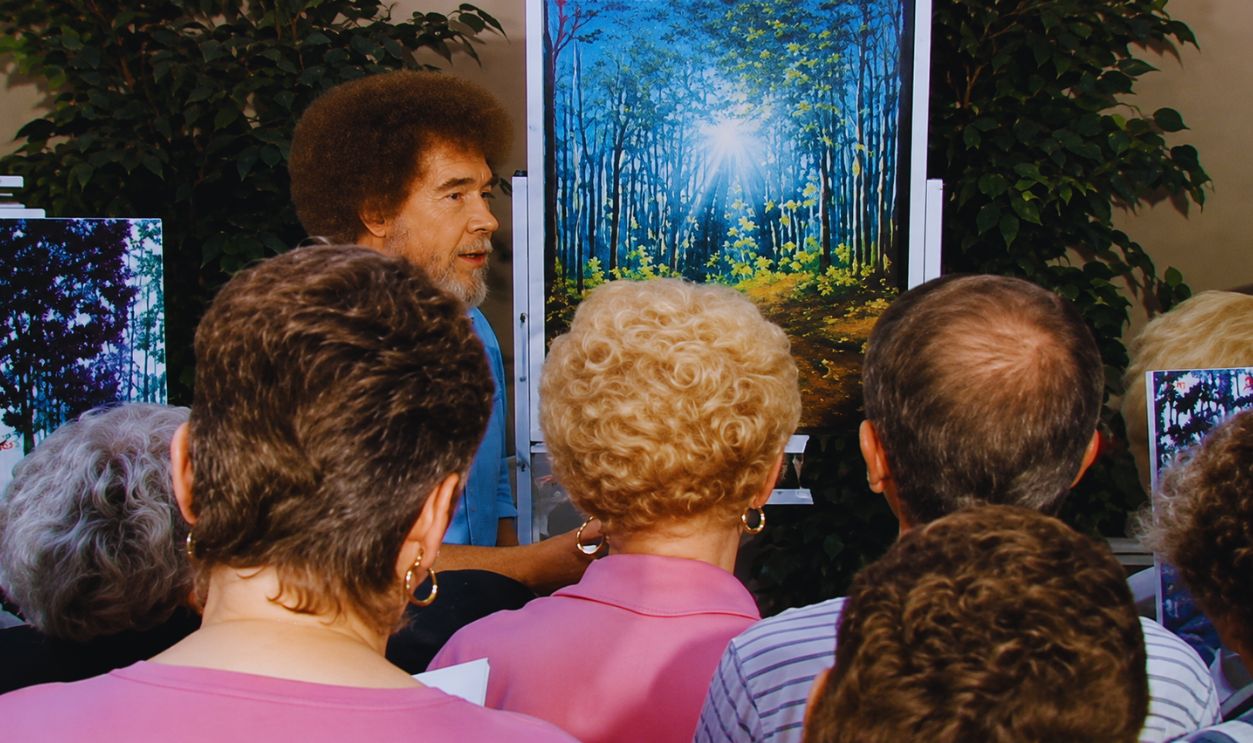
Although Bob Ross became just as famous as many of history’s greatest artists, his work wasn’t ever appreciated in the same way by the global art world—but that didn’t mean it was without value. While most art collectors may not have any interest in Bob’s paintings today, he still has a dedicated fan base who are willing to pay top dollar for an original Ross.
At the same time, painting wasn’t his whole world—and he never let go of his first passion.
 Screenshot from Bob Ross: Happy Accidents, Betrayal & Greed, Netflix (2021)
32. He Loved The Wildlife
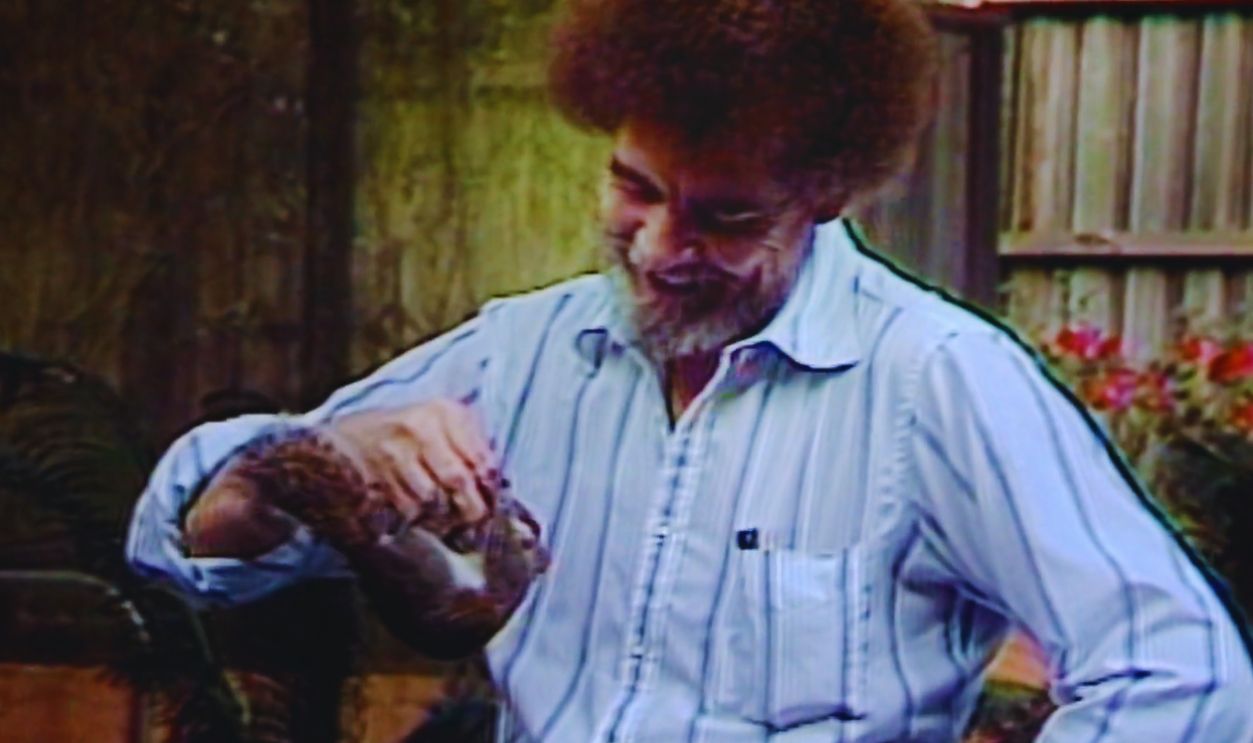
Just as he held on to his enthusiasm for nature, Bob’s love of animals wasn’t just a childhood interest, and he often spent what free time he had out in the wild. Rather than painting the wildlife he saw as many probably expected him to, he enjoyed filming them instead, and still helped any that he found injured or sick.
Not to mention, he wasn’t only obsessed with more visual art mediums.
 Screenshot from Bob Ross: Happy Accidents, Betrayal & Greed, Netflix (2021)
33. He Was A Music Fan
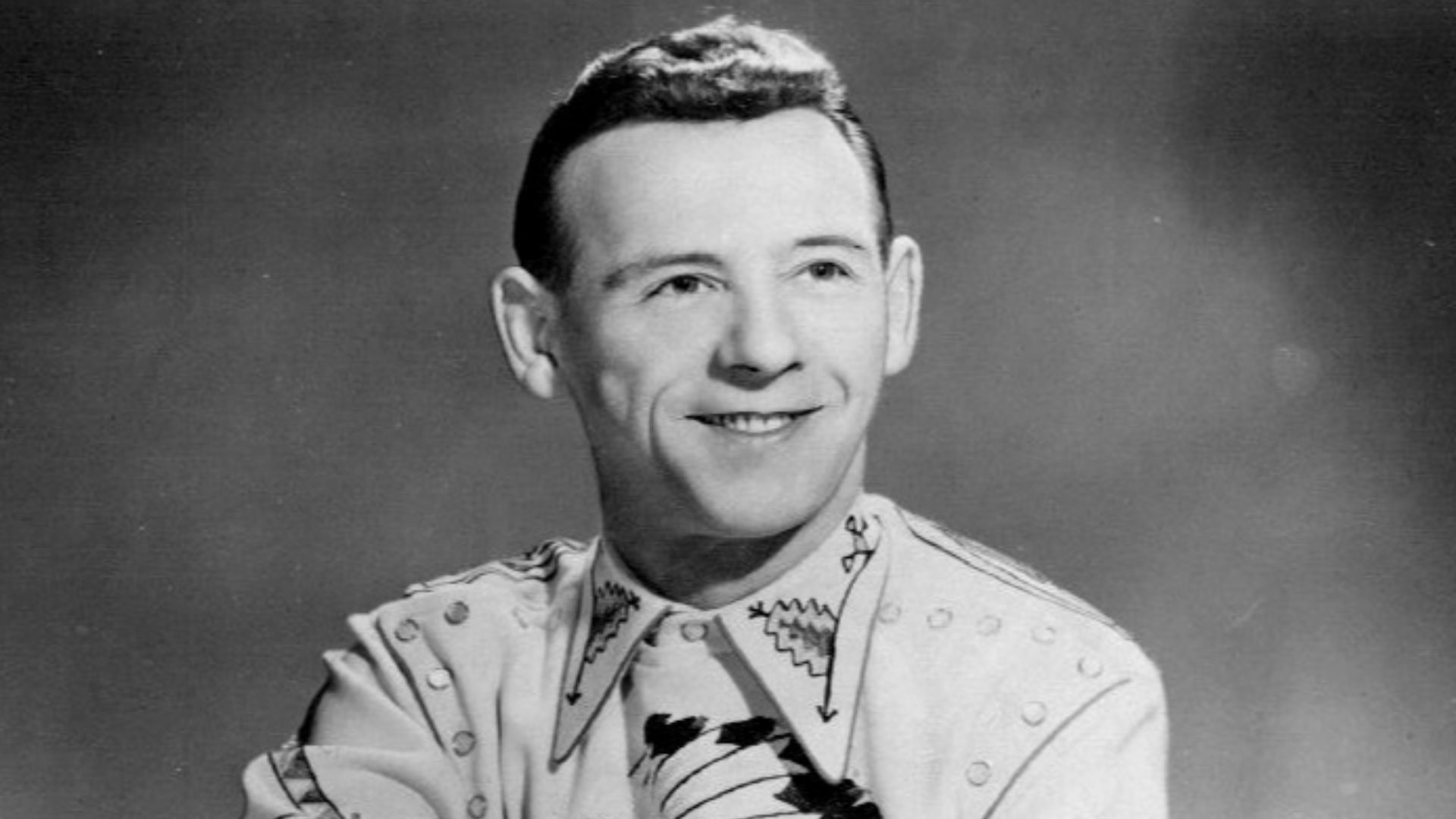
Growing up in the American South, Bob Ross fell in love with country music from a young age, and he soon discovered just how many perks being famous came with when he went to see Hank Snow perform in 1987. During the show, Hank brought Bob on stage with him before a roaring crowd, which gave him a standing ovation. Bob was so grateful that, as a thank you, he agreed to give Hank a one-on-one painting lesson.
Nonetheless, he was always content with his show—even if he never got one cent from it.
 RCA Records, Wikimedia Commons
History's most fascinating stories and darkest secrets, delivered to your inbox daily.
34. He Had Other Income
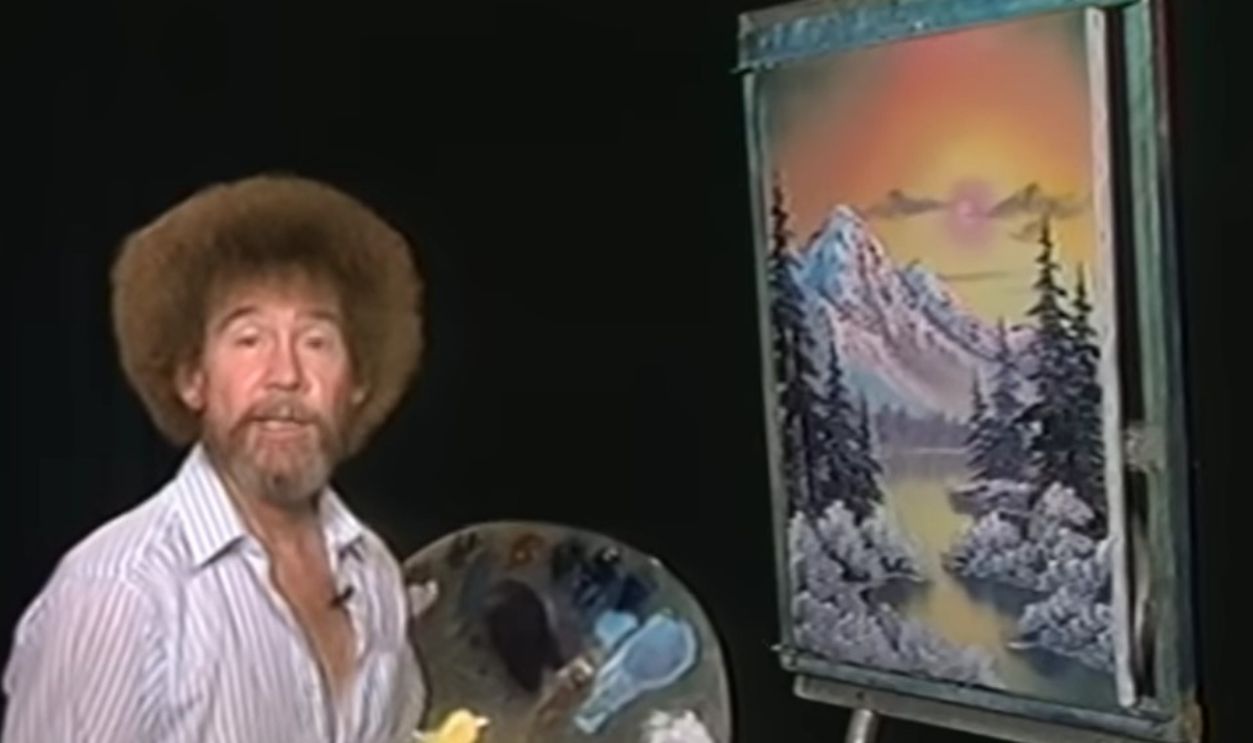
Bob Ross enjoyed hosting The Joy of Painting so much and believed it made such a difference to the world that he would have done it forever if he could have—even though it never made him any money. Since he was already raking it in from his company’s profits, he was more than happy to film the show without a paycheck.
He was truly on top of the world—but this happiness wouldn’t last.
 Screenshot from The Joy of Painting, Bob Ross Inc, PBS (1983–1994)
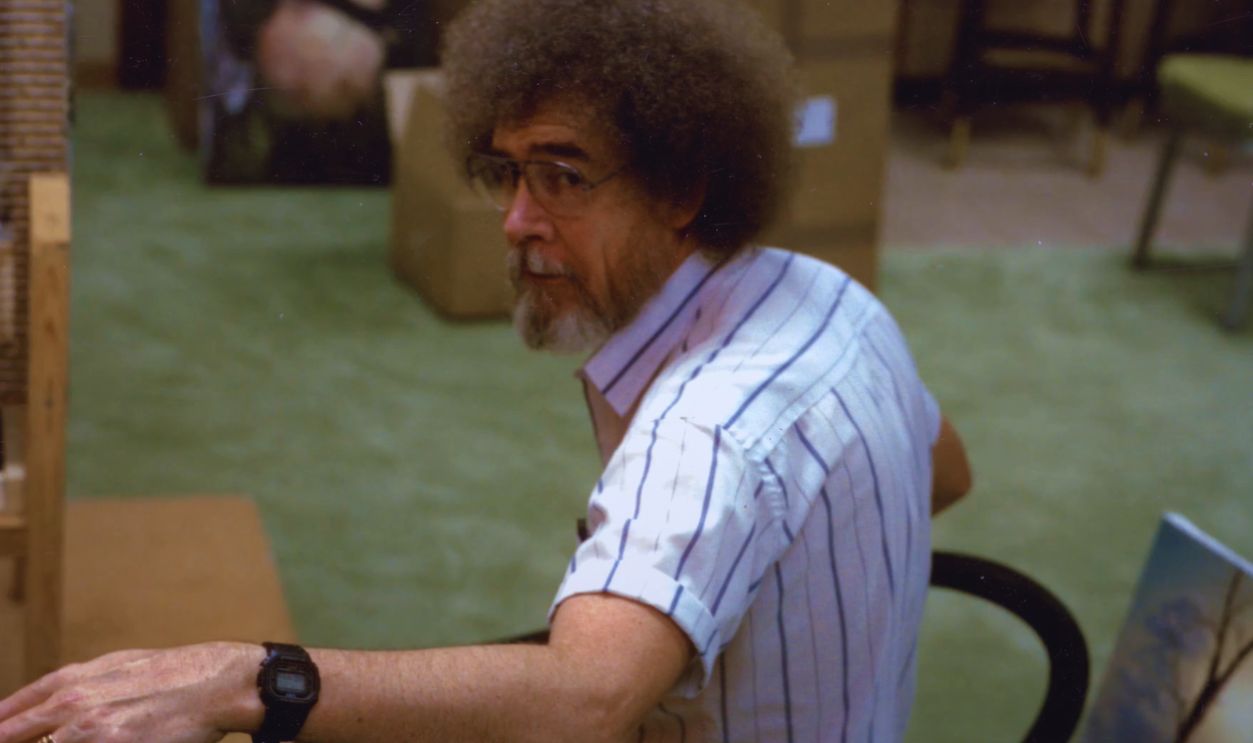
35. He Lost Someone
Fueling the rumors of his alleged infidelity, Bob hadn’t even waited a year after his divorce to marry his second wife, Jane Lee Zanardelli—but theirs wouldn’t have a happy ending either. Tragically, although they were able to enjoy 15 years of marriage, Jane developed a severe case of cancer and ultimately passed in 1992.
Sadly, his own health wasn’t doing much better.
 Screenshot from Bob Ross: Happy Accidents, Betrayal & Greed, Netflix (2021)
36. He Became Sick
Unfortunately, although Bob devoted himself to improving the world around him, he seemed to neglect his own well-being—right up until it was too late. After a lifetime of smoking, his condition started to decline, and he finally received the diagnosis of lymphoma. He knew this was what would eventually claim his life, and while those closest to him knew as well, he chose to keep his struggle with the sickness away from the spotlight.
To make matters worse, even his professional life began to turn sour.
 Screenshot from Bob Ross: Happy Accidents, Betrayal & Greed, Netflix (2021)
37. They Had An Agreement
Among those closest to him to whom Bob revealed his illness were Annette and Walt Kowalski, as he trusted his company would be in good hands once he was gone—at first. According to the contract they had in place, the passing of any partner would divide said partner’s stock equally among the others.
This should have been enough for them—but they wanted more.
 Screenshot from Paint, Silver Lining Entertainment / Blue Creek Pictures / IFC Films (2023)
38. They Harassed Them
The Kowalskis should have been happy with the contract they already worked out with Bob, but seeing how much more successful the company was with his face on it, they wanted the rights to his estate as well. There may have even been a chance of reaching an agreement with a bit of finesse, but they instead became very hostile to him and his family, urging him to sign over the rights before he met his end.
Still, Bob wasn’t gone yet—and now he had a bone to pick.
 Screenshot from Bob Ross: Happy Accidents, Betrayal & Greed, Netflix (2021)
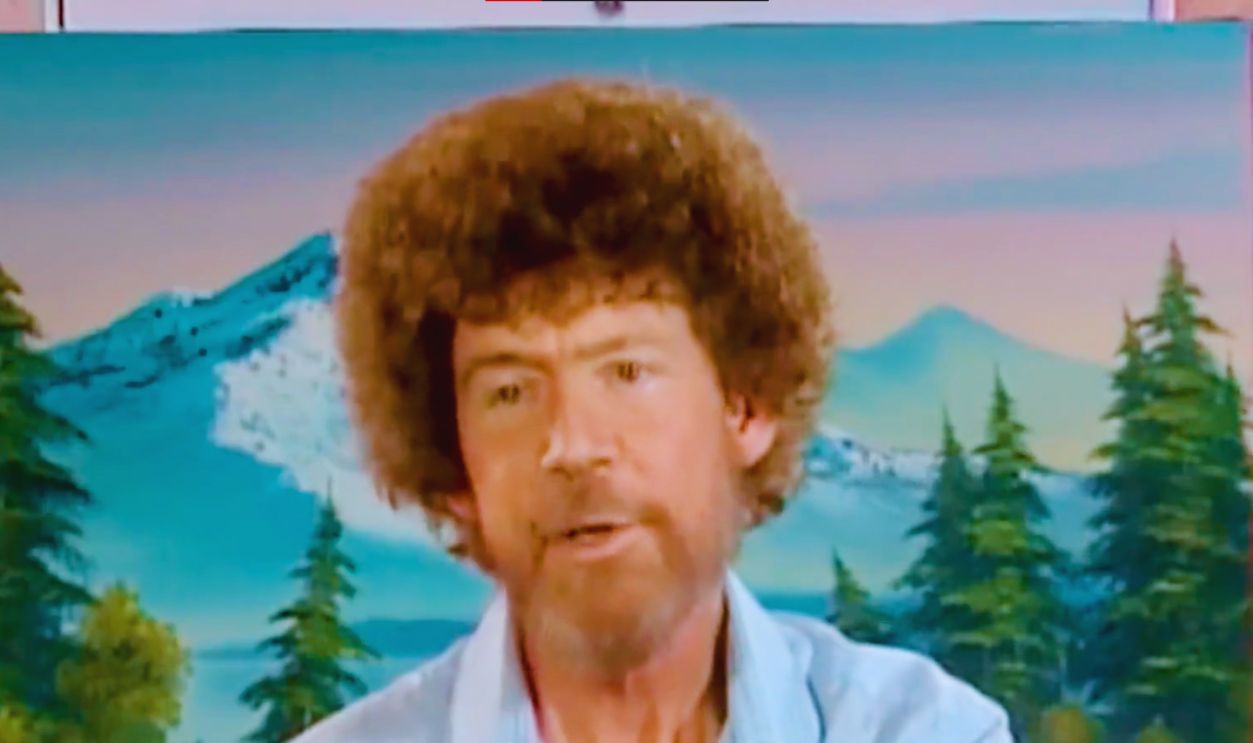
39. He Took Them Out
Bob’s health may have been getting worse and worse, but he didn’t take too kindly to the Kowalskis’ unprofessional and downright cruel actions meant to coerce him and his family. In response, he wrote them out of his will entirely, leaving all rights to his estate, name, and likeness to his half-brother, Jimmie Cox, and his son, Steve.
Luckily, he managed to find one more bit of joy before the end.
 Screenshot from Bob Ross: Happy Accidents, Betrayal & Greed, Netflix (2021)
History's most fascinating stories and darkest secrets, delivered to your inbox daily.
40. He Found Someone Else
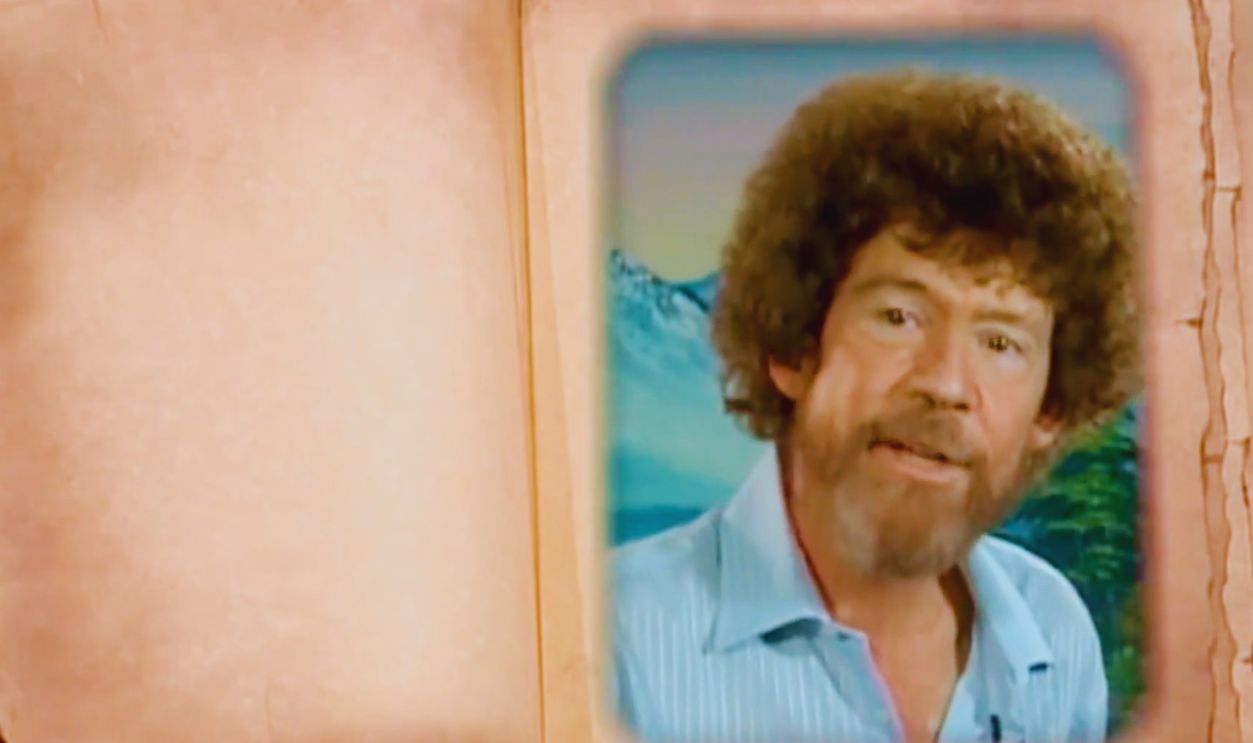
Although Bob Ross was seriously struggling with his illness, he still tried to live every day of his life to the fullest—and that included his love life. After a few years of coping with the loss of his second wife, he was lucky enough to find love again and married a woman named Lynda Brown in May 1995.
Unfortunately, this wouldn’t end any happier than his other marriages—and it would be much shorter.
 Screenshot from Bob Ross: Happy Accidents, Betrayal & Greed, Netflix (2021)
41. He Met His End
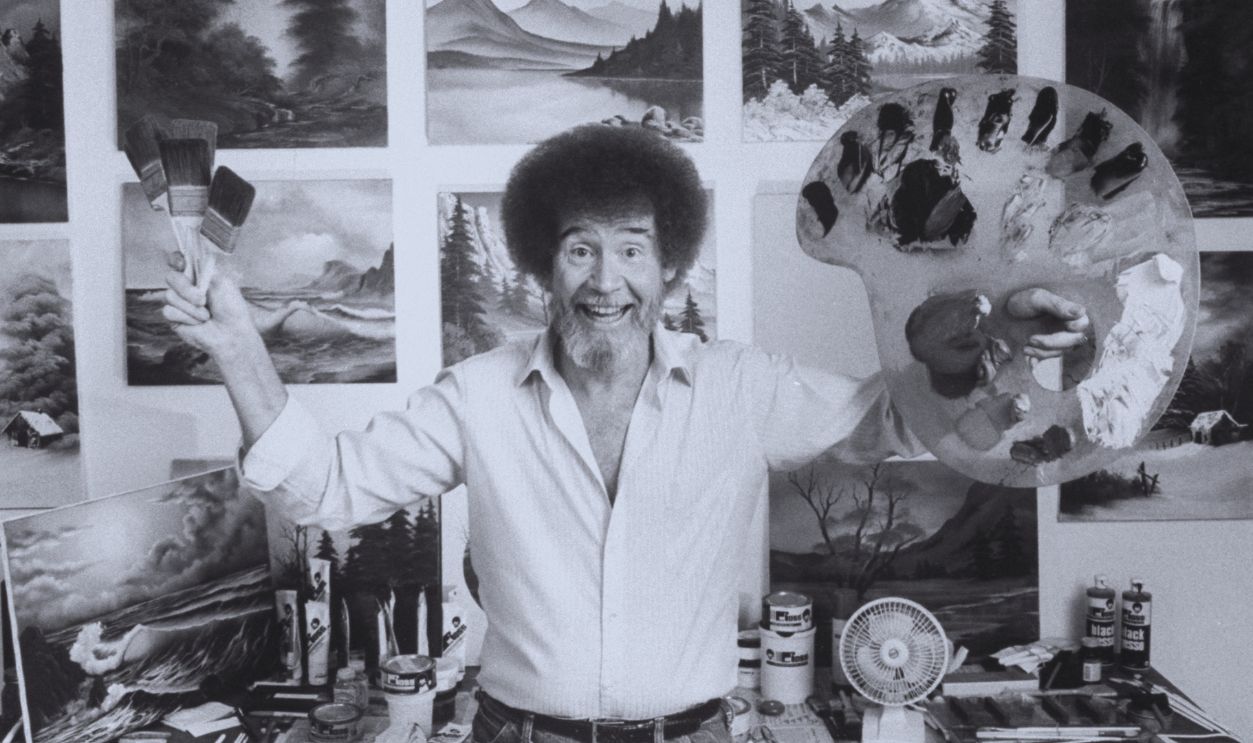
Bob wasn’t ignorant of his more unhealthy habits, and he never shied away from the idea that he would meet an untimely end—and in fact, he didn’t think it would happen any other way. Tragically, his predictions turned out to be true when, on July 4, 1995, the lymphoma claimed his life at only 52 years old.
Even in the end, he remained devoted to the show—and went above and beyond.
42. He Thought Ahead
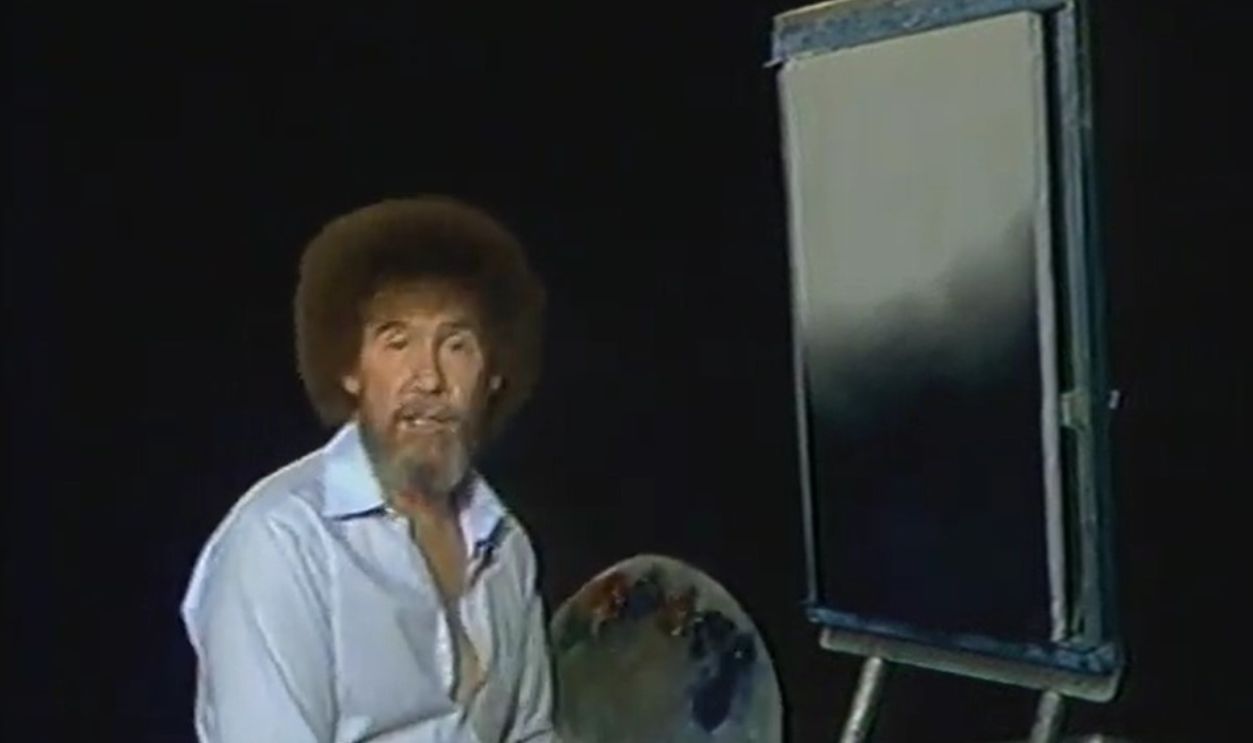
Considering he was filming his show completely free of charge, there’s no doubt that The Joy of Painting was Bob’s ultimate passion project, and this became even more evident leading up to his demise. Gearing up for what would have been the 32nd season of the show, Bob created seven paintings in advance, likely knowing his time was running short.
Thankfully, he had been able to say a parting word to his viewers one more time.
 Screenshot from The Joy of Painting, Bob Ross Inc, PBS (1983–1994)
43. He Said Goodbye
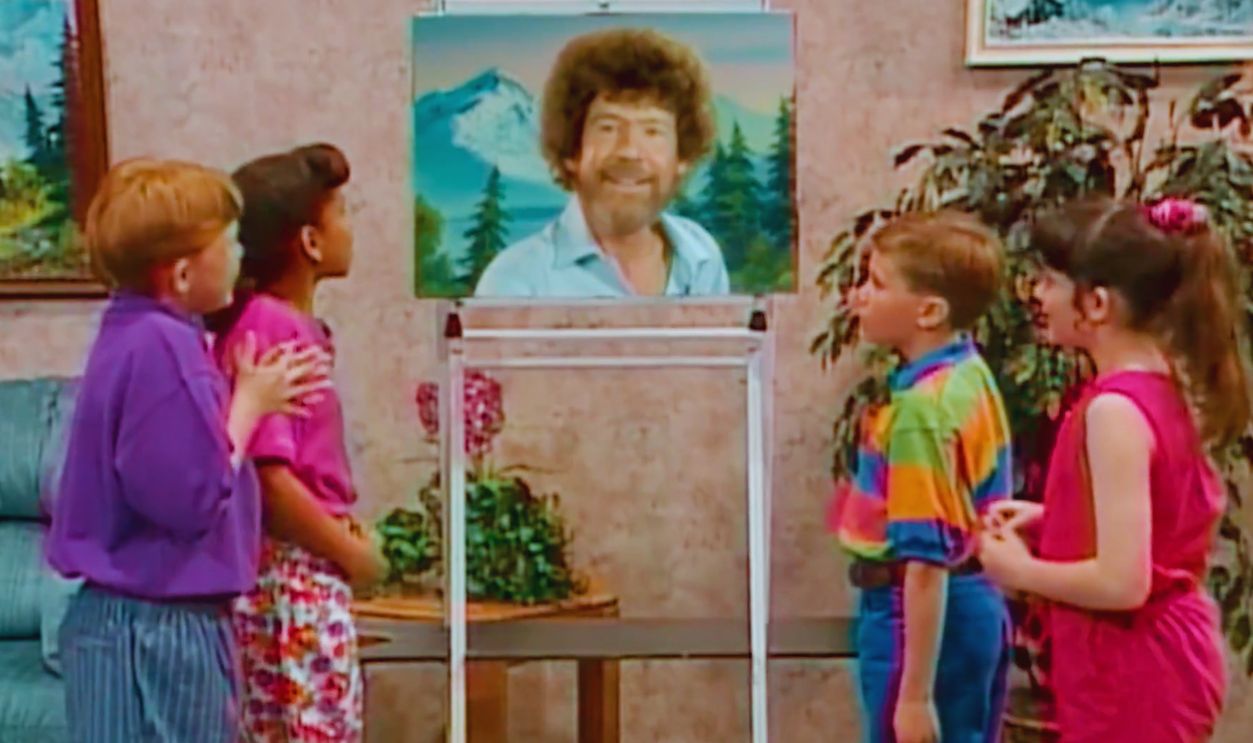
Bob Ross clearly knew he was drawing ever closer to his end, so although he was constantly ill and exhausted, he refused to pass up one more chance to speak to his viewers. He got that chance when, despite his condition, he appeared in the pilot episode of The Adventures of Elmer and Friends. While this wouldn’t air until after he passed, it gave his fans one more shot to see him and hear him express his most profound gratitude.
Meanwhile, the Kowalskis never gave up their fight—even after he was gone.
 Screenshot from Bob Ross: Happy Accidents, Betrayal & Greed, Netflix (2021)
44. They Took Everything
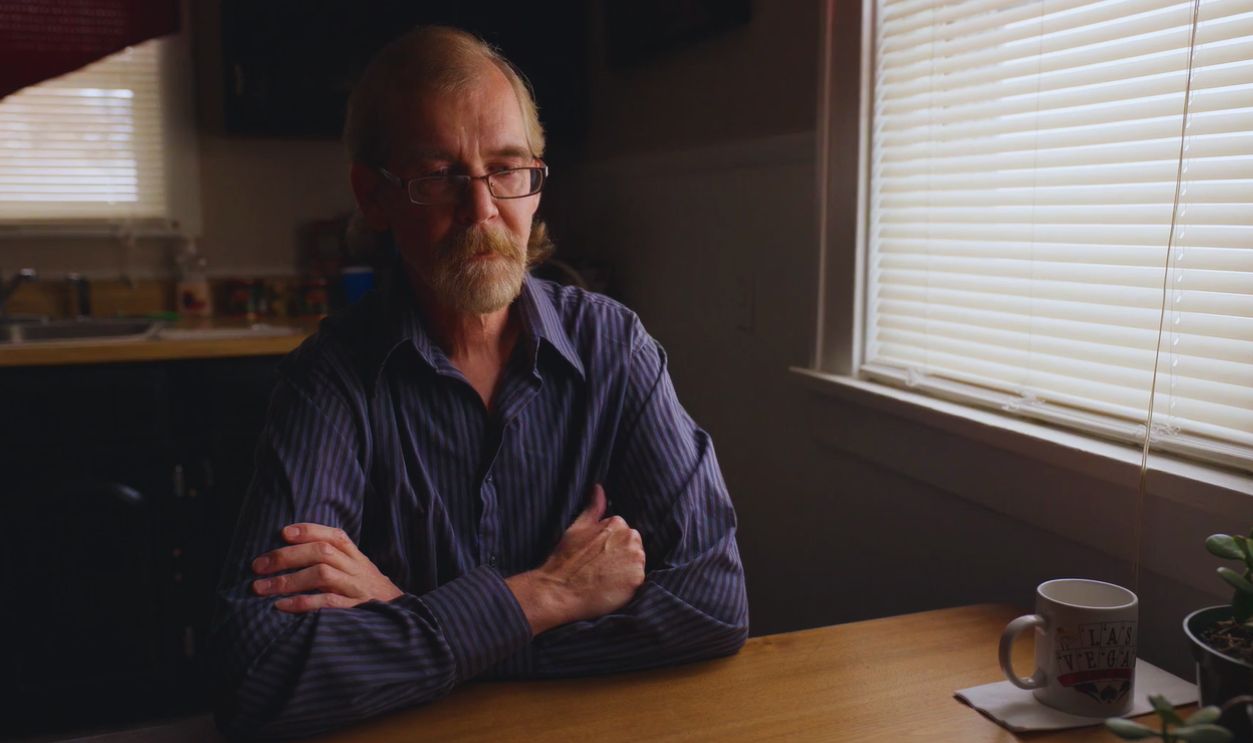
Although Bob’s family was reeling in the wake of his passing and trying to cope with their grief, their situation only became worse as they still had to fight off the Kowalskis’ attempts to snatch their inheritance away. Unfortunately, the couple took Bob’s brother and son to court, and the Kowalskis walked away with the rights to Bob’s estate.
Even so, they wouldn’t be in charge forever.
 Screenshot from Bob Ross: Happy Accidents, Betrayal & Greed, Netflix (2021)
45. She Made A New Deal
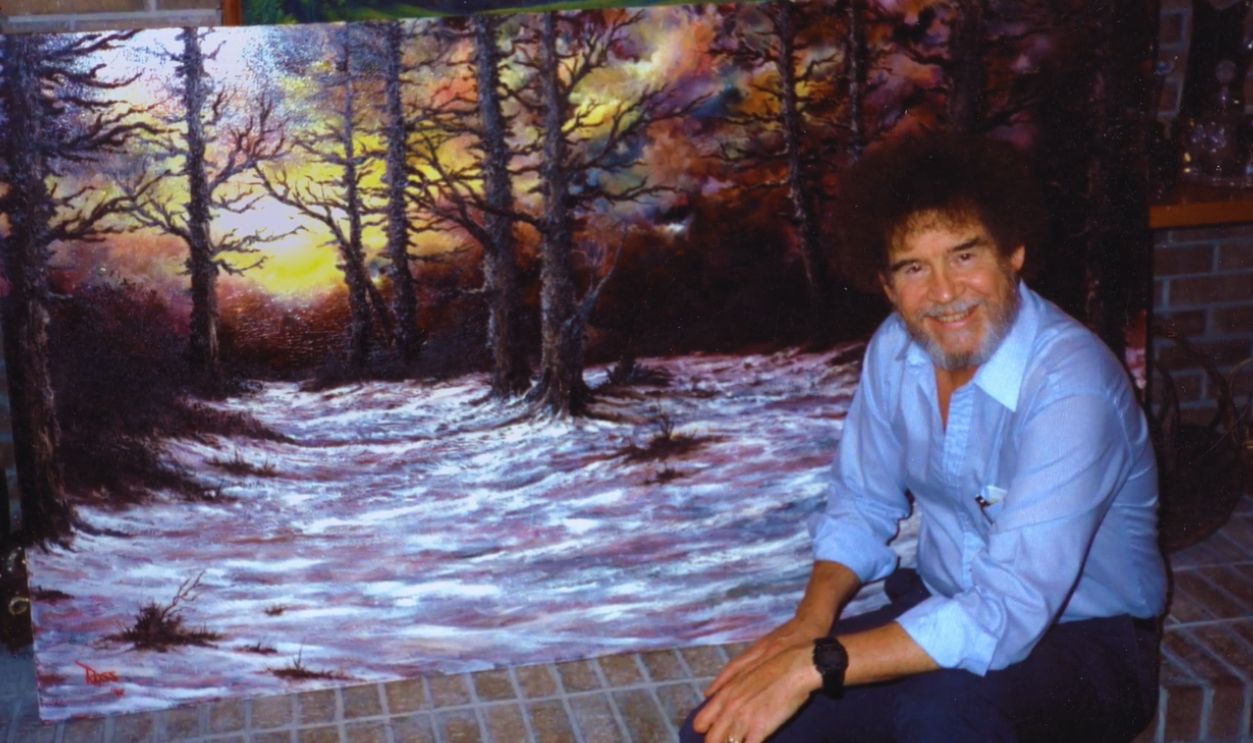
While the Kowalskis had secured the rights to Bob’s estate after several lawsuits, Bob’s family still owned the rights to his name and likeness—but even that wasn’t permanent. After Joan Kowalski later took over Bob Ross Inc from her parents, she began negotiations with Bob’s brother, who eventually agreed to cede the rights to her.
On the bright side, Steve came away with one positive outcome.
 Screenshot from Bob Ross: Happy Accidents, Betrayal & Greed, Netflix (2021)
History's most fascinating stories and darkest secrets, delivered to your inbox daily.
46. He Could Paint Again
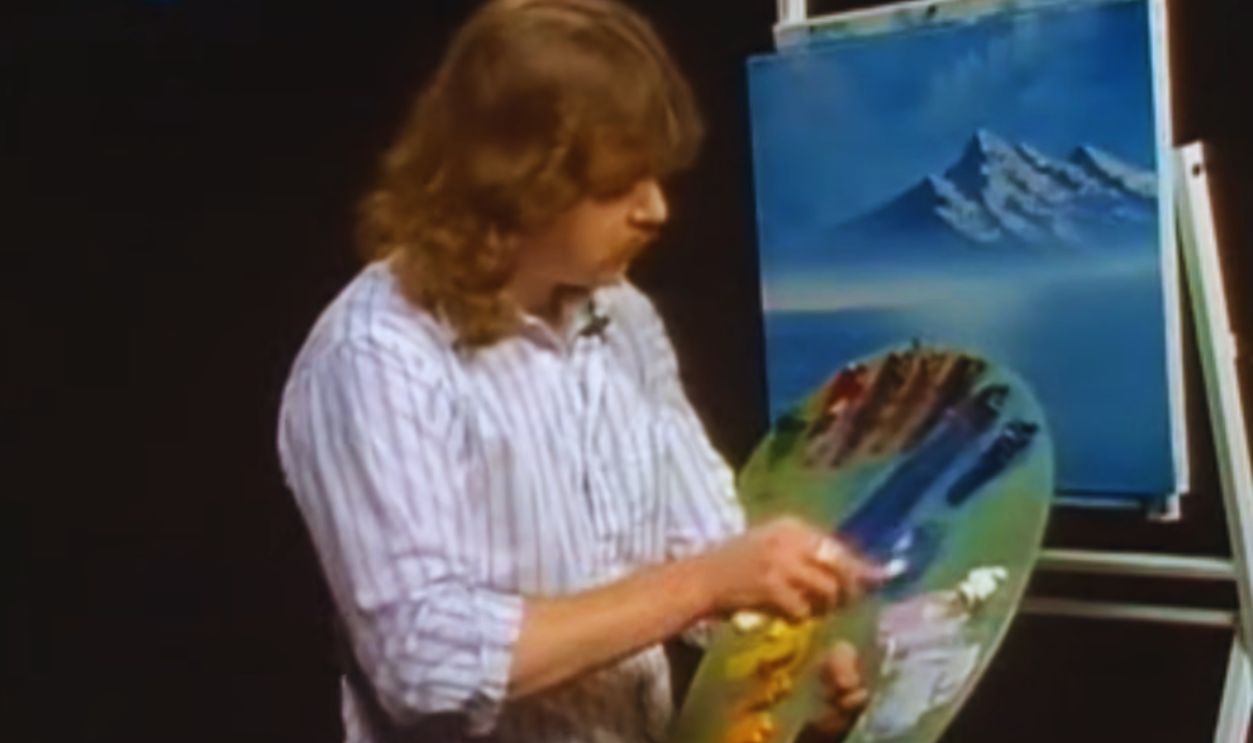
Not only had the Kowalskis coerced the Ross family into giving up Bob’s estate, but the couple had been so litigious up till this point that Bob’s son, Steve, refused to display his artwork publicly. Fortunately, as part of the family’s new agreement with Joan Kowalski, Steve was now free to continue as a professional artist with no fear of another suit.
No matter what, Bob’s impact on the world never went away—and put him in the same ranks as another beloved TV icon.
 Screenshot from The Joy of Painting, Bob Ross Inc. / WIPB / PBS (1983)
47. They Were Similar
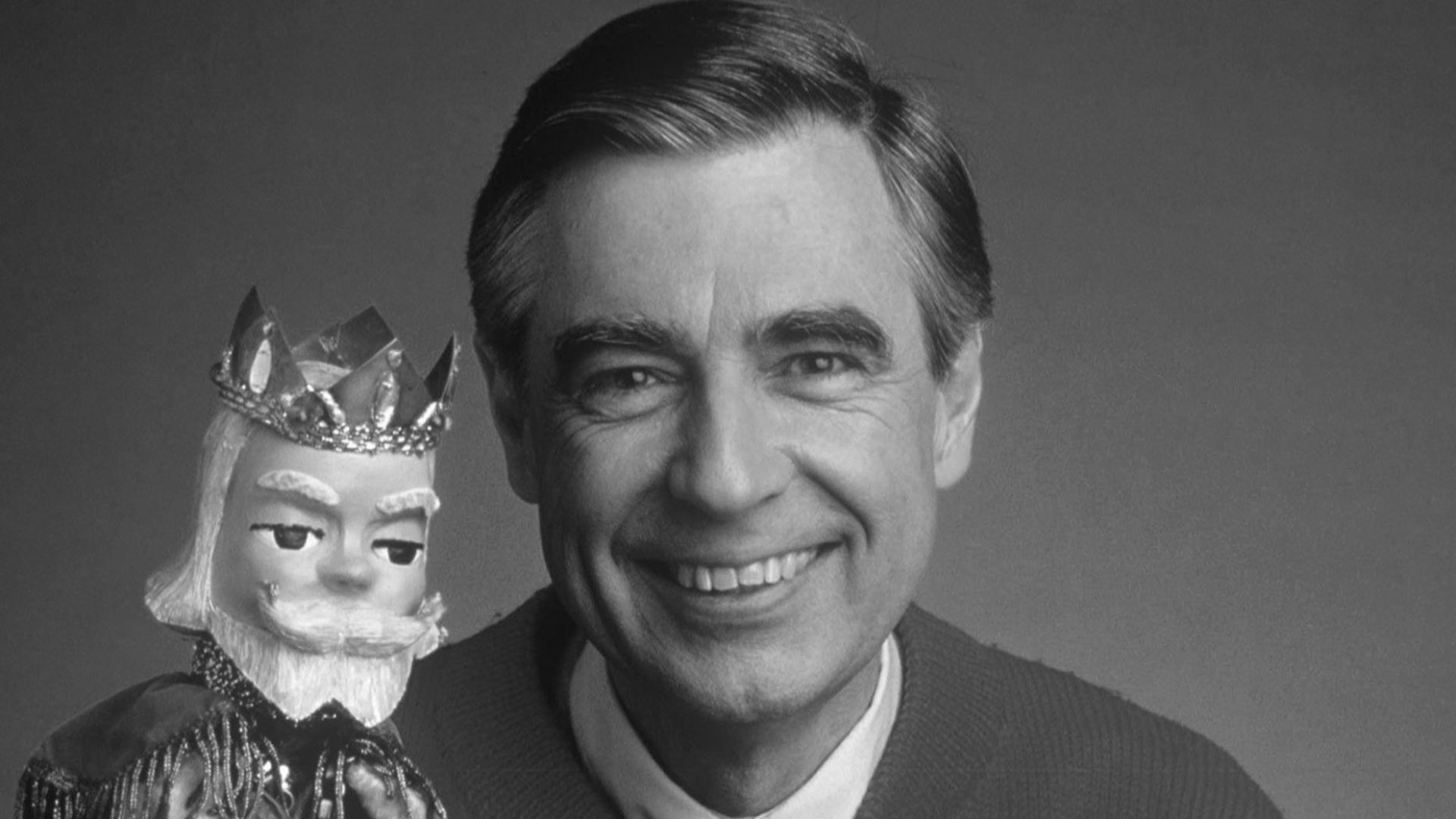
Through a career of promoting education and goodness, Bob Ross succeeded in doing what he wanted from the beginning and changed the world through TV—but he wasn’t the first to do so. As art critic Mira Schor pointed out, it's easy to draw similarities between Bob and another icon, Mr Rogers, as both focused on teaching their audiences through their soft and calming demeanors.
For those worried about the whereabouts of his works, at least a few of them are in safe hands.
 Unknown authorUnknown author, Wikimedia Commons
48. They Bought His Work
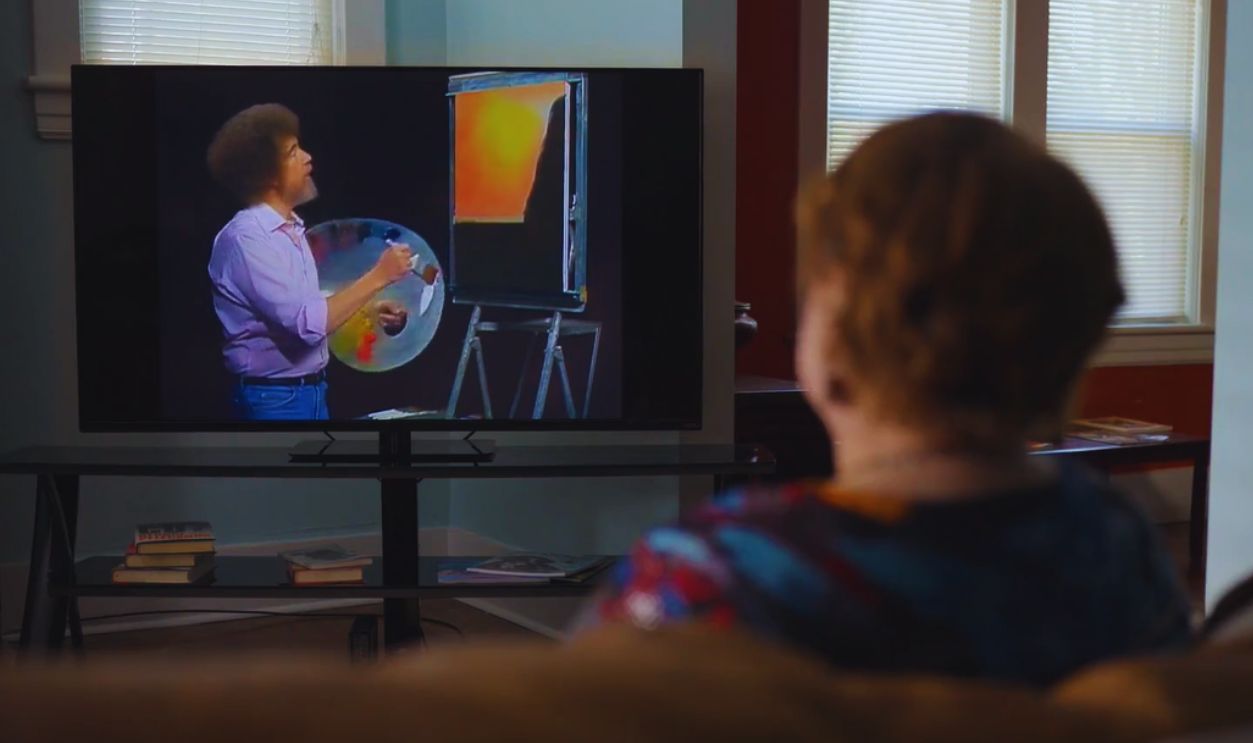
While Bob’s artwork is usually sought after by his biggest fans, a few of his pieces ended up in the hands of a more official collector when the Smithsonian National Museum of American History purchased them in 2019. Even though these paintings mostly remain in storage, the museum isn’t opposed to bringing them out to the public, as it put one of them on display back in 2021.
As for the rest of his paintings—they’re a little more difficult to find.
 Screenshot from Bob Ross: Happy Accidents, Betrayal & Greed, Netflix (2021)
49. They Became Rare
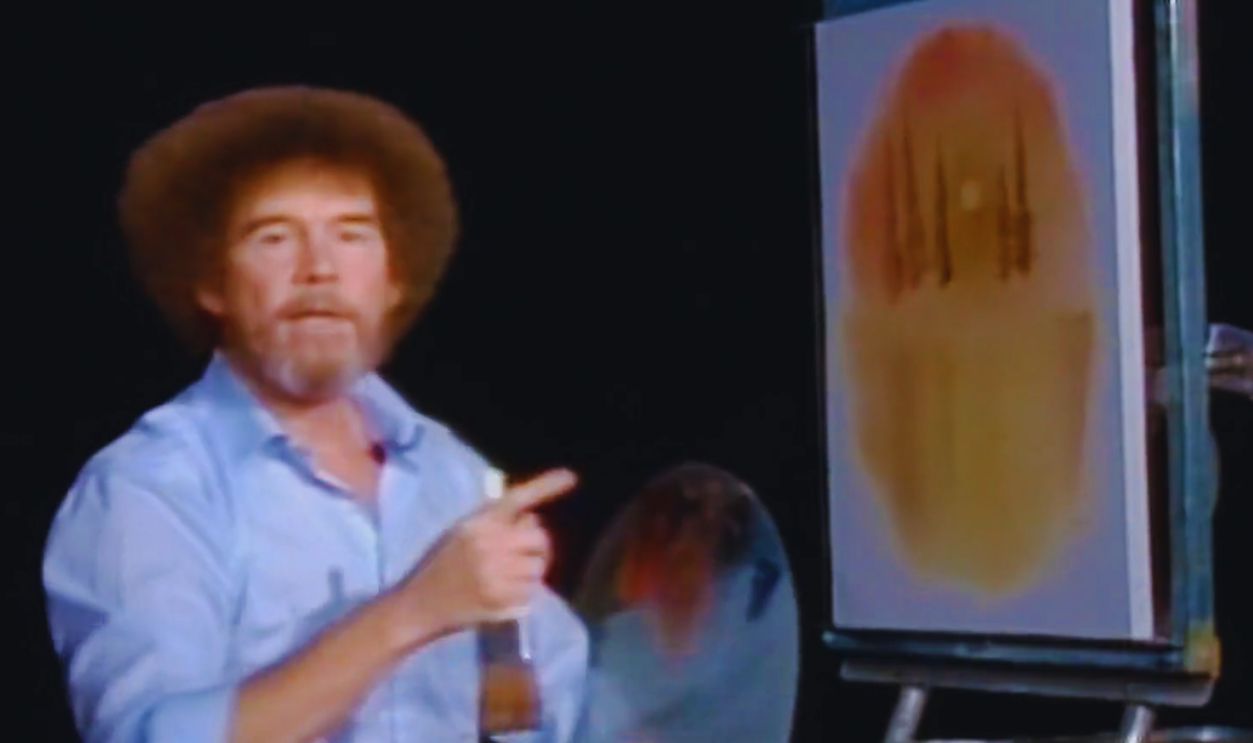
Bob Ross truly never stopped creating his art, so while it’s hard to know the exact number, most experts guess that he created a whopping 30,000 paintings throughout his life. However, all his works remain excessively valuable, as even though he painted so many pieces, most of them are nearly impossible to find.
Thankfully, his company had the decency to honor at least one of his wishes.
 Screenshot from Bob Ross: Happy Accidents, Betrayal & Greed, Netflix (2021)
50. He Didn’t Want Them Exploited
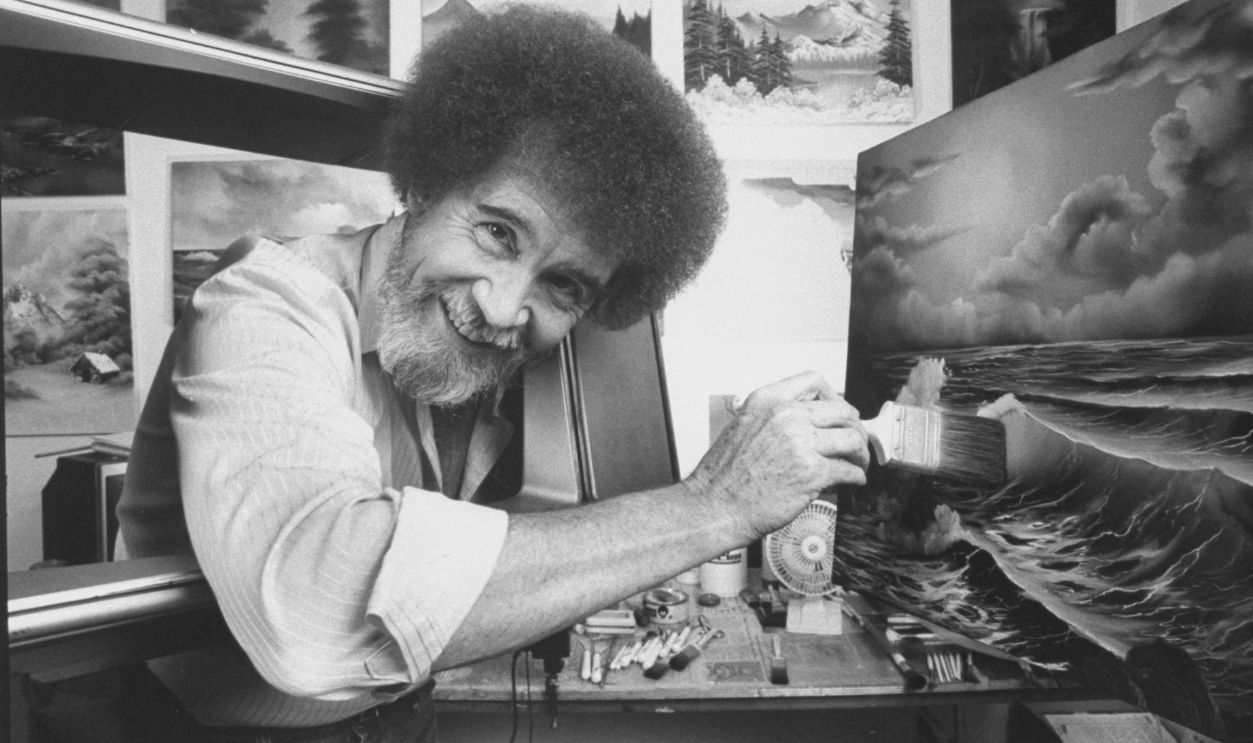
Even though Bob Ross was certainly a successful businessman, he never let the money change who he was, and always made it clear that he didn’t want his paintings to become nothing but financial instruments. Fortunately, even though their history was a bit complicated, Bob Ross Inc maintains ownership of much of his work to this day, wanting to respect at least this one wish of his.
You May Also Like:
Wild Facts About Steve Irwin, The Crocodile Hunter
30 People Who Only Got Successful After 30