
Always The Just Out Of Reach
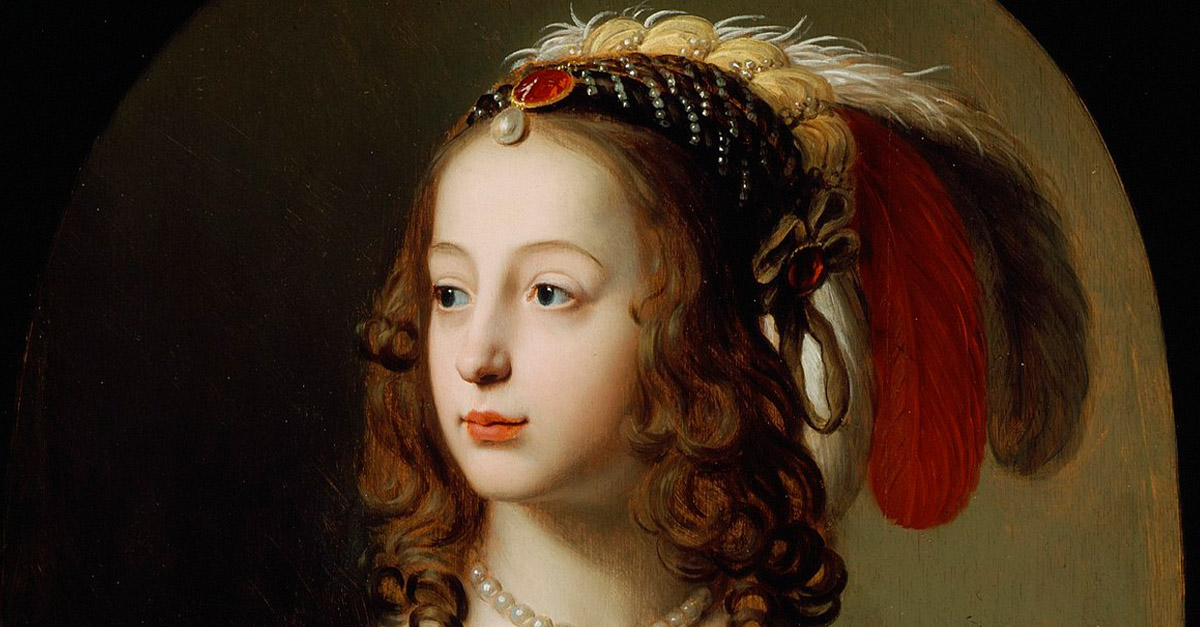
Sophia of Hanover never reached her full potential. Despite constantly existing within arms reach of power, fate stepped in every time before Sophia had the chance to exude that control. Despite this, she managed to live a life that transformed history.
Sophia possessed poise, intelligence, and a social savviness that surpassed all around her—the only thing she couldn’t outmaneuver was destiny.
1. Her Family Was Important
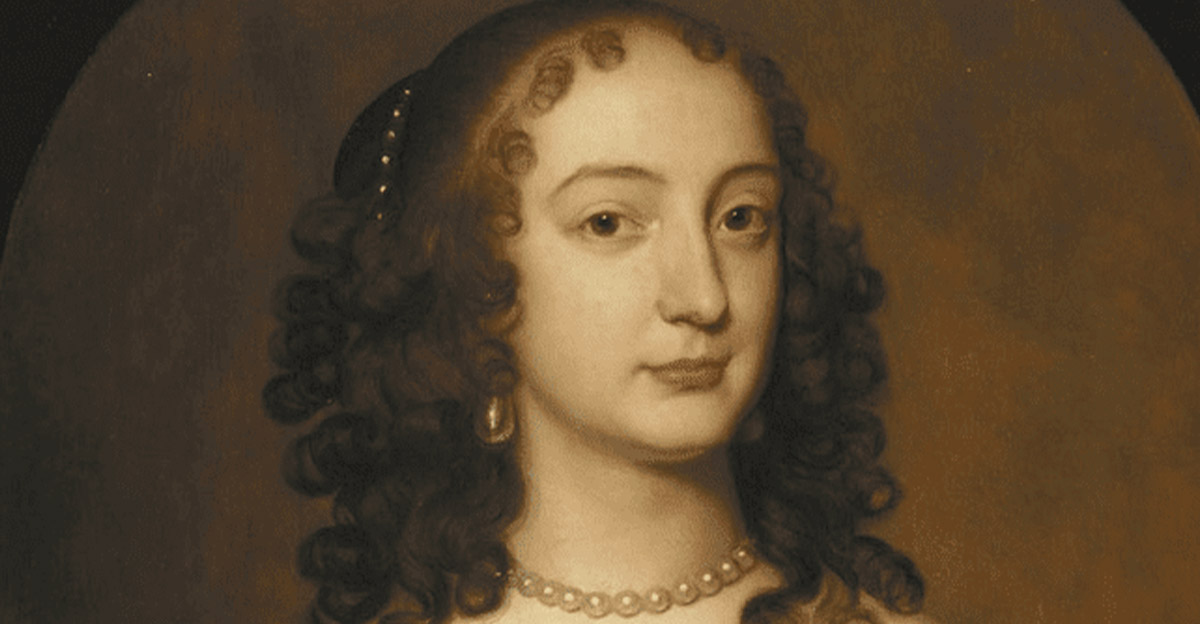
Sophia’s birth ensured that her life would become something significant. Despite being the twelfth child of Frederick V of the Palatinate and his wife, Elizabeth Stuart, she remained the daughter of two significant families. This gave her authority within the world that no one could deny; Sophia became coveted and only time could tell what she would do with her power.
2. Her Parents Had Clout
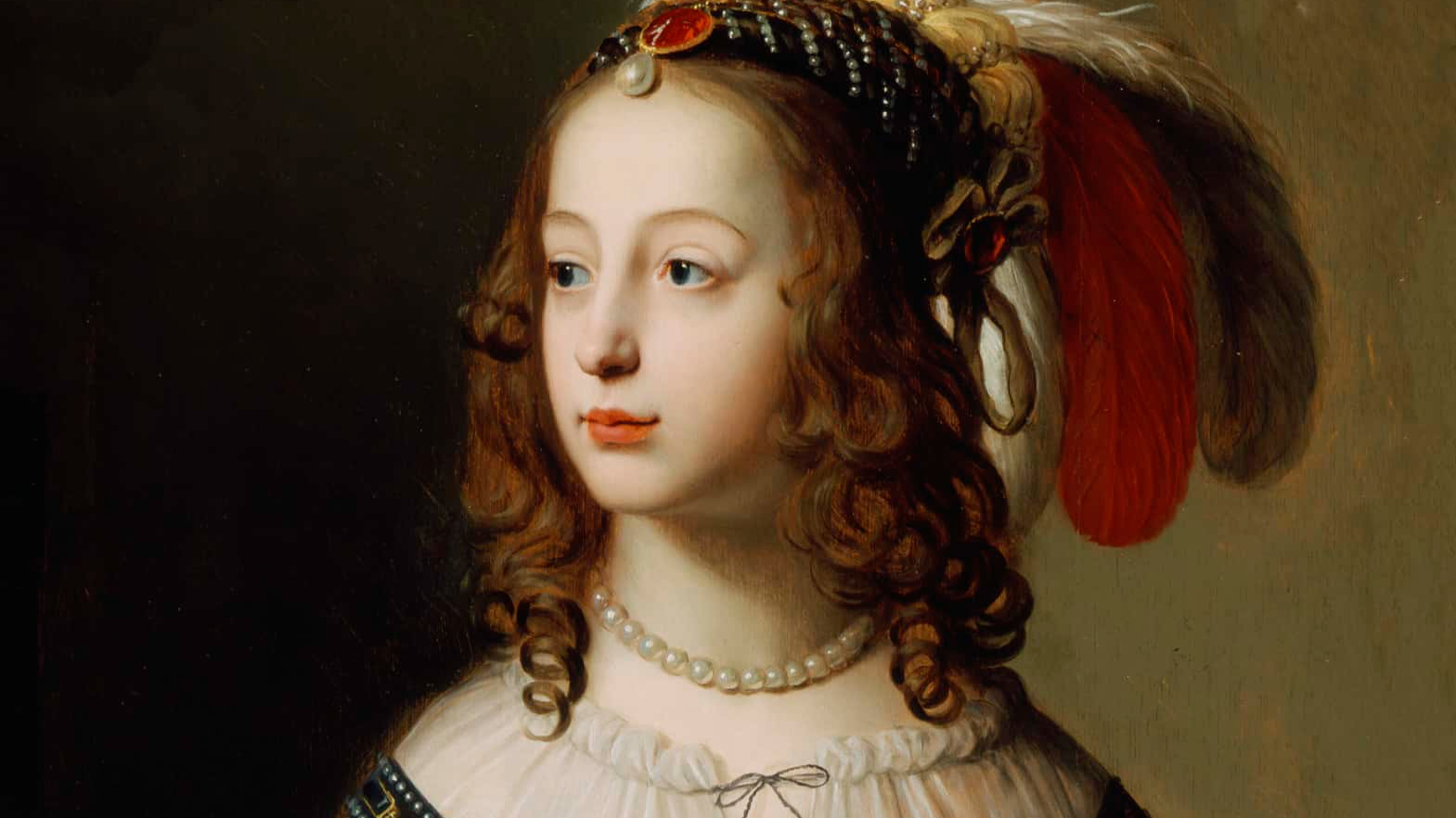
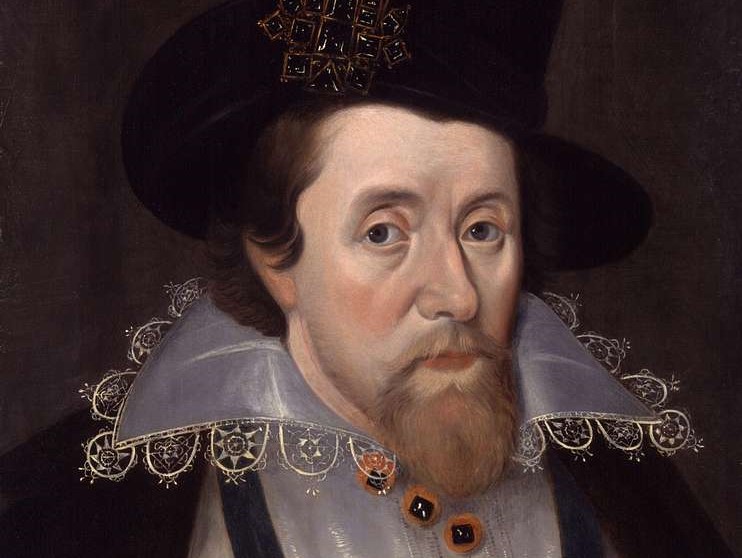
Sophia descended from two influential families. Her mother, Elizabeth Stuart, gave Sophia connections to the combined throne of England and Scotland. Elizabeth’s father was James VI of Scotland and I of England. James inherited the English throne following the passing of Queen Elizabeth, making Sophia part of a significant legacy—a legacy that would eventually have a huge impact on her life. However, at birth, it was Sophia’s father she had to worry about.
3. She Had Connections
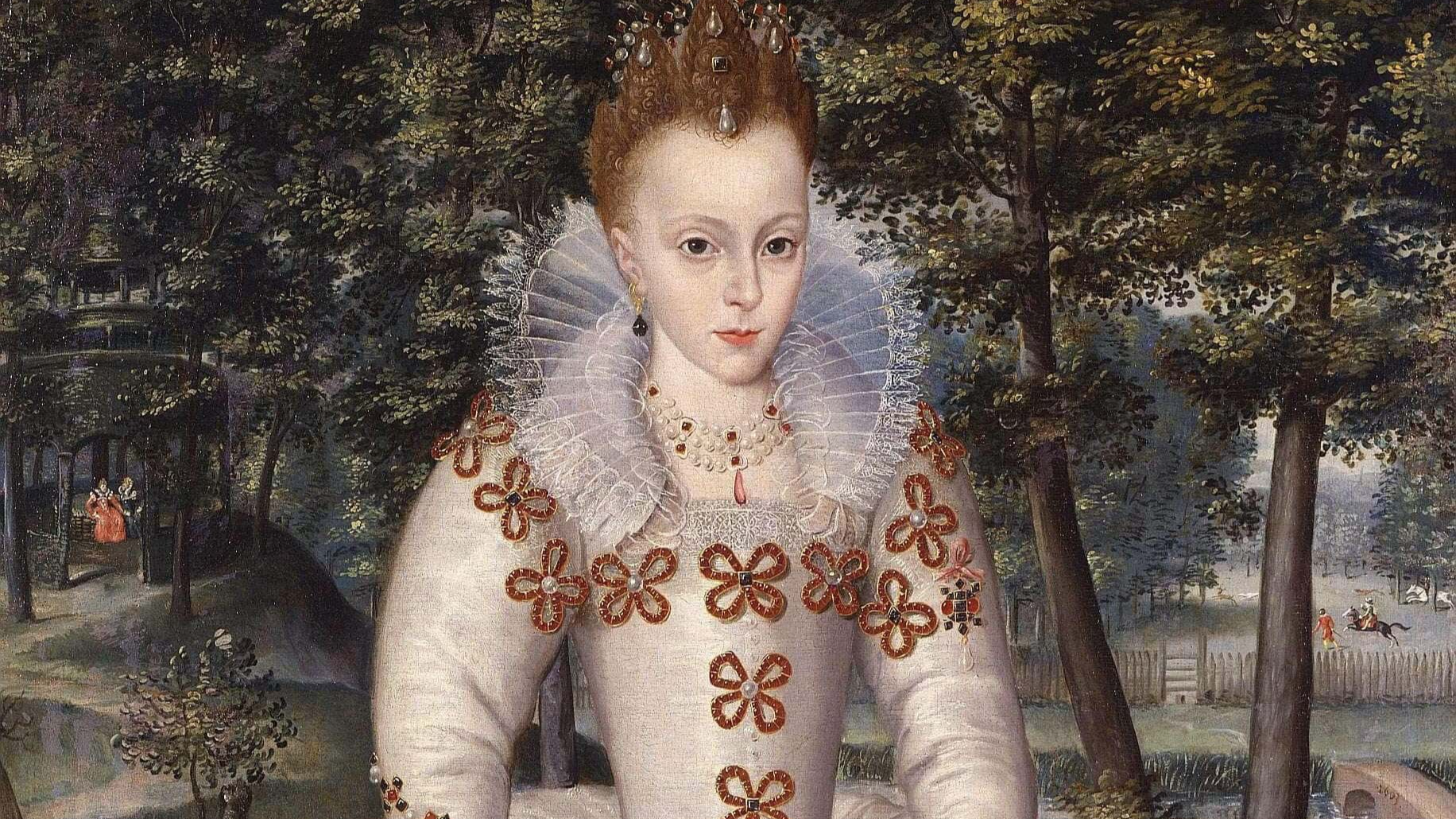
Through her father, Sophia held connections to both the Holy Roman Empire and Bohemia. Up until a few years before Sophia’s birth, her father was both Elector Palatine of the Rhine in the Holy Roman Empire and the King of Bohemia. However, chaos and conflict upended Sophia’s family before she’d been born, changing her fate before anyone knew she would exist.
4. She Was Born In Exile
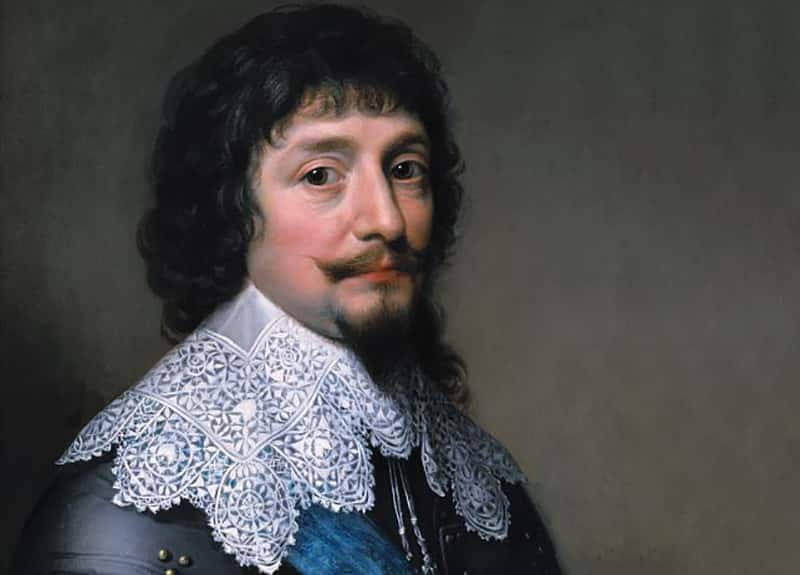
Elizabeth birthed Sophia in exile. As part of the Thirty Years’ War, Sophia’s father, Frederick, joined his fellow Bohemians in revolting against the Holy Roman Emperor. Unfortunately, Frederick and his forces could not hold onto their land. When the forces of the Holy Roman Emperor defeated Frederick and his fellow men at the Battle of White Mountain, Frederick saw the writing on the wall—he changed his own life and Sophia’s forever.
 Peter Snayers, Wikimedia Commons
5. Her Family Fled
Sophia’s father, mother, and siblings fled. They sought sanctuary in Silesian, a historical region of Europe that today primarily lies within Poland. When it became clear that a quick resolution would not come and their home remained out of reach the family resettled. Moving to The Hague, Sophia’s family started again creating a new destiny that Sophia capitalized upon.
6. She Grew Up In A Shadow
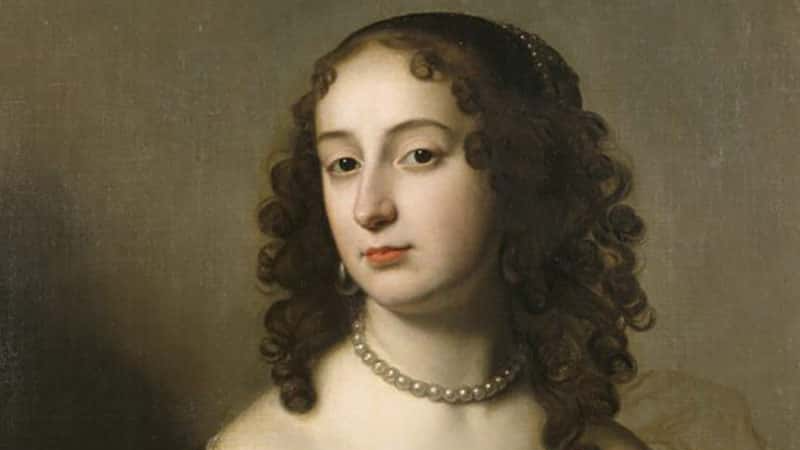
Sophia entered the world at The Wassenaer Hof in the Dutch Republic. Despite growing up under the shadow of conflict in a family that had been forced to flee the place of their power, Sophia’s standing in the world did not diminish. Early in life, she received the attention of a future king—not that the courtship impressed Sophia in the slightest.

7. She Caught Eyes
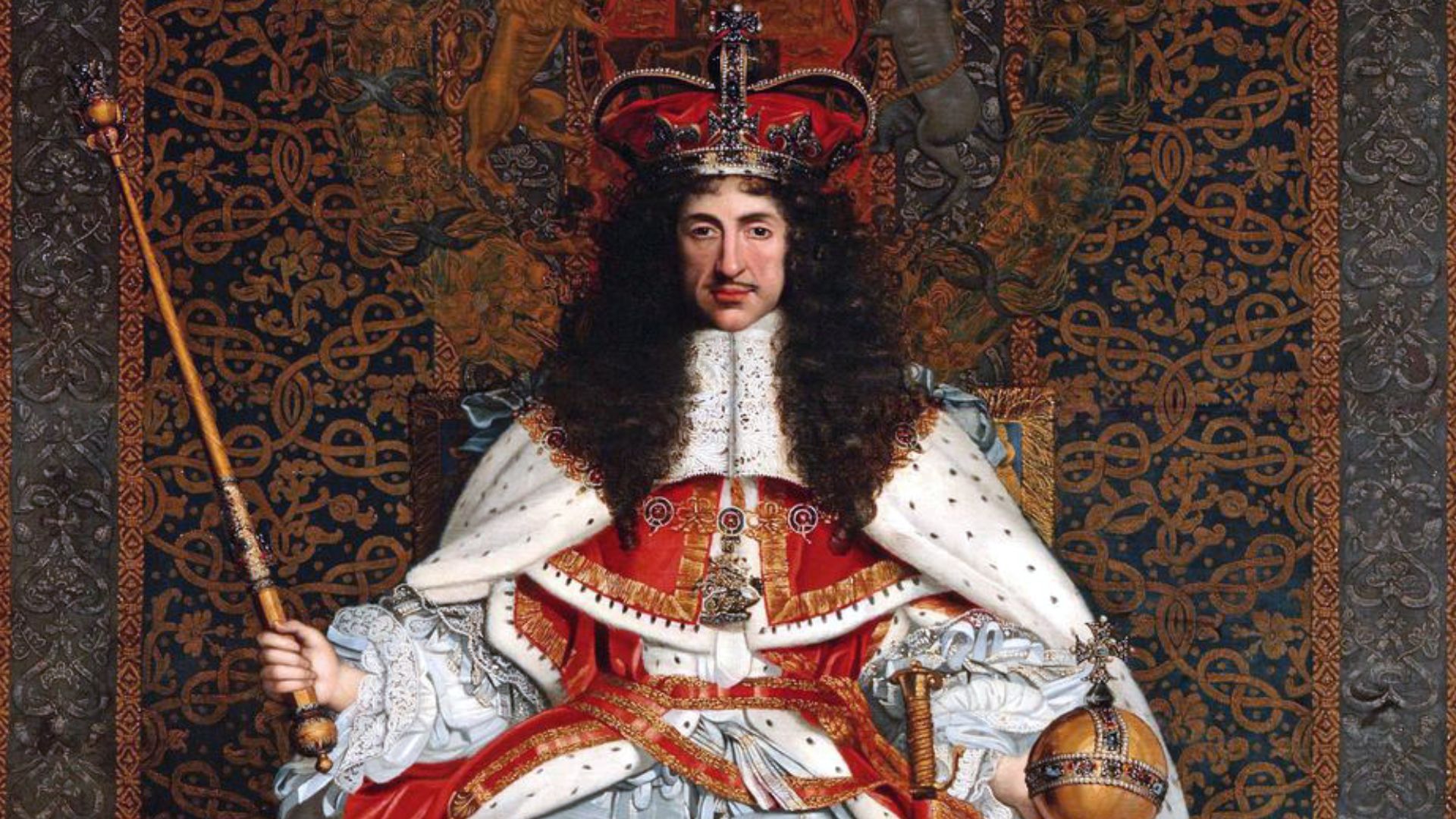
Rebellions and exiles rampaged through Europe during this period. Sophia’s cousin, Charles II of England, suffered a similar fate as her family. As civil conflict rapidly spread across England, Charles fled into exile to avoid capture by rebel forces. By 1648, these movements took Charles to The Hague to gain the support of his sister and brother-in-law—it also brought him right to Sophia.
 John Michael Wright, Wikimedia Commons
8. Her Cousin Visited
Few records exist during this period. Charles seemed to get into a fair bit of trouble during his time at the Hague. This included a brief affair with a woman, Lucy Walter, that led to an illegitimate son. This may have been among the many reasons that Charles's attempted courtship of Sophia did not please her. Sophia was no fool, even at such a young age.
 Follower of Peter Lely, Wikimedia Commons

History's most fascinating stories and darkest secrets, delivered to your inbox daily.
9. She Wasn’t Interested
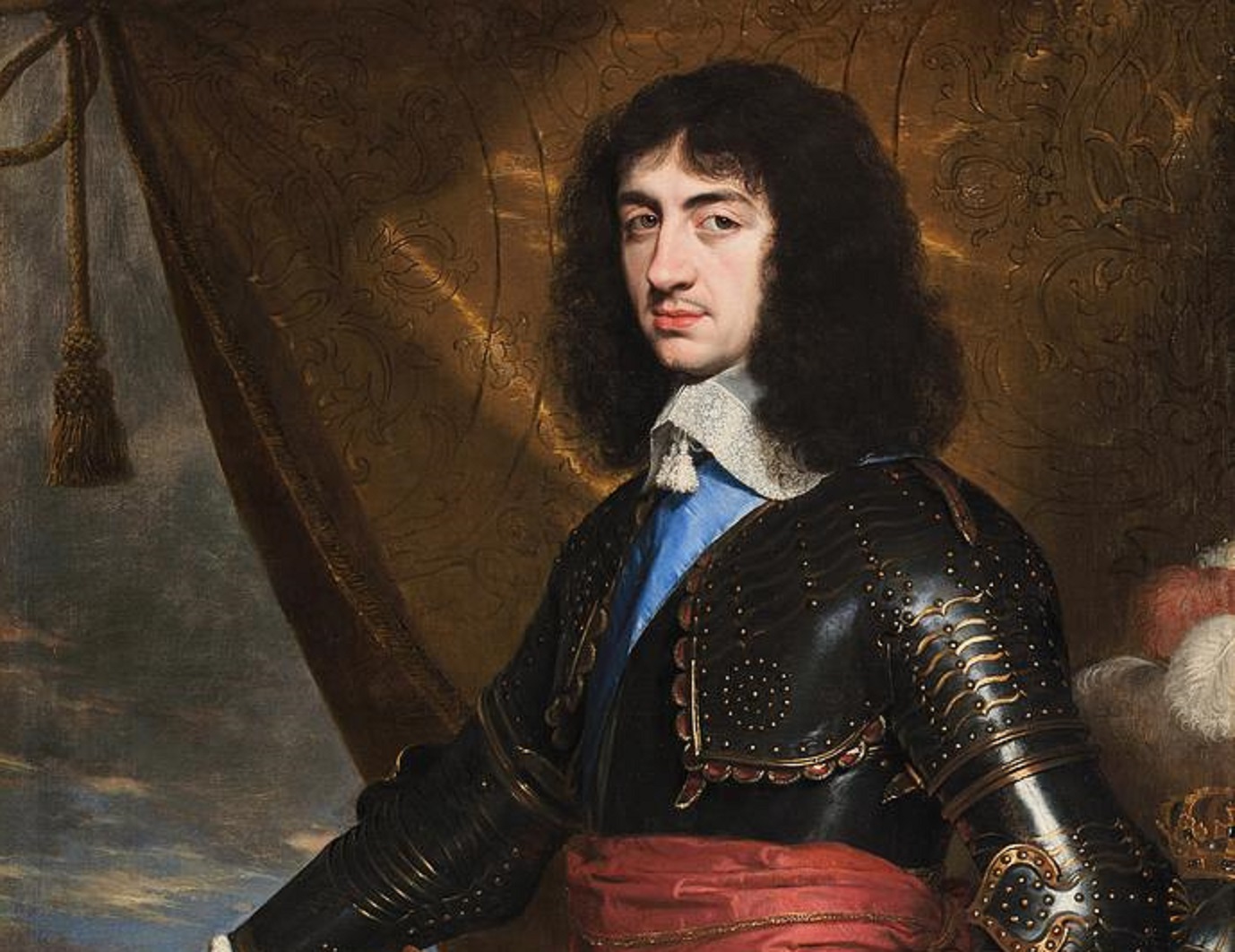
While Charles was in The Hague, he courted Sophia. Although England suffered from upheaval at the time Charles still stood to inherit the country of Sophia’s mother once he settled the matter of rebellion. It was a good match. However, Sophia rejected Charles's advances. She had no interest in playing whatever games Charles seemed to be playing.
 Philippe de Champaigne, Wikimedia Commons
10. She Wouldn’t Be Used
Many reasons likely exist as to why Sophia had no interest in marrying Charles. If he could not quell the rebellion, he’d end up much like her father—a king with no land to speak of. However, more than that, Sophia suspected Charles’ intentions were less than genuine. She thought that he simply wanted money from Lord William Craven who had strong connections to Sophia’s mother. Sophia would not be a pawn in another man’s games. Besides, she had no problem making an advantageous marriage on her own—or so she thought.
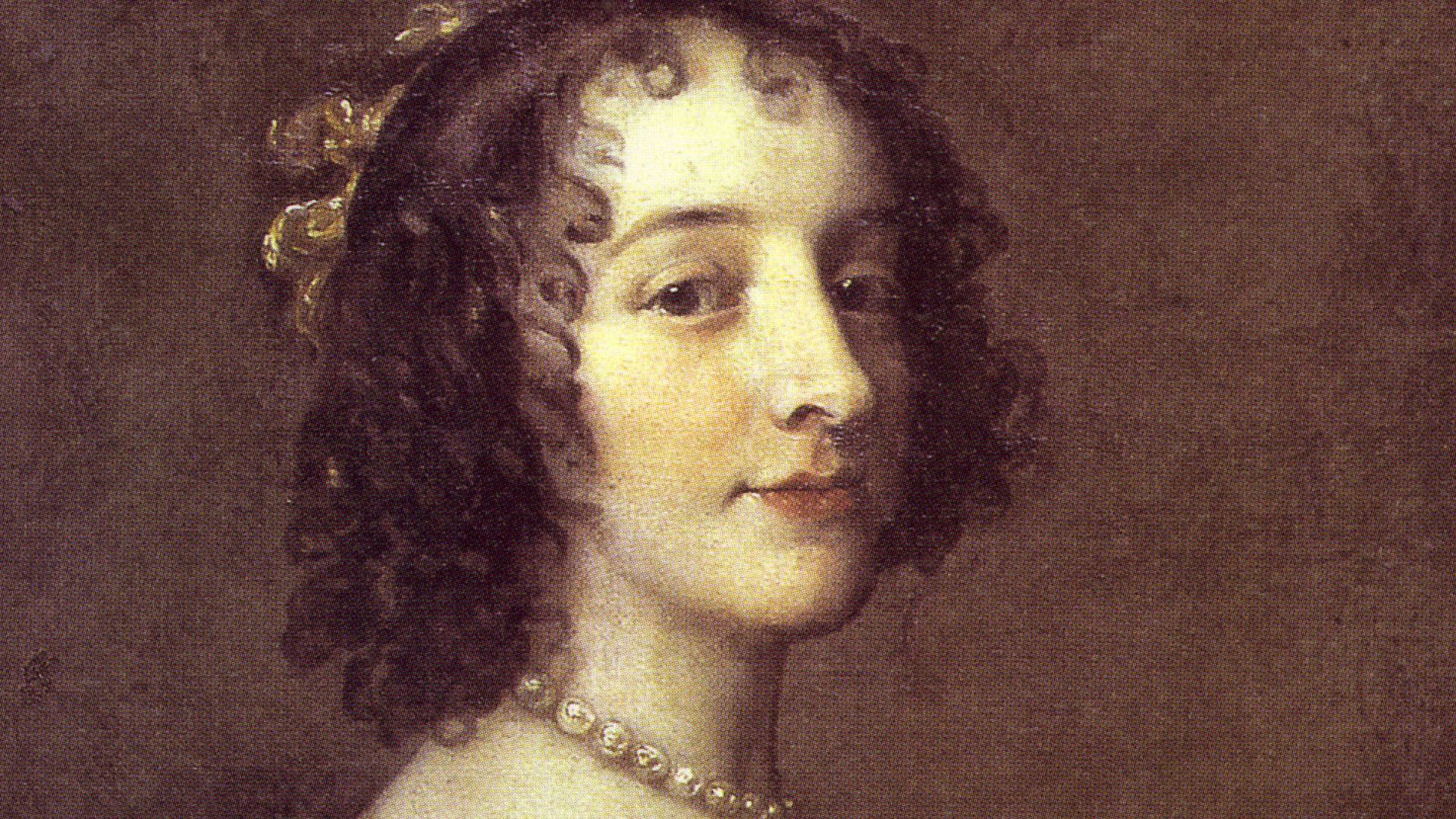 Peter Lely / Workshop of Peter Lely, Wikimedia Commons
11. She Had Options—Probably
As “Princess Palatine of the Rhine,” Sophia had plenty of suitors to choose from. A connection with her family remained desirable even as conflict displaced their current holdings within the world—or at least, that should have been the case. However, Sophia’s first engagement encountered problems before the wedding even started.
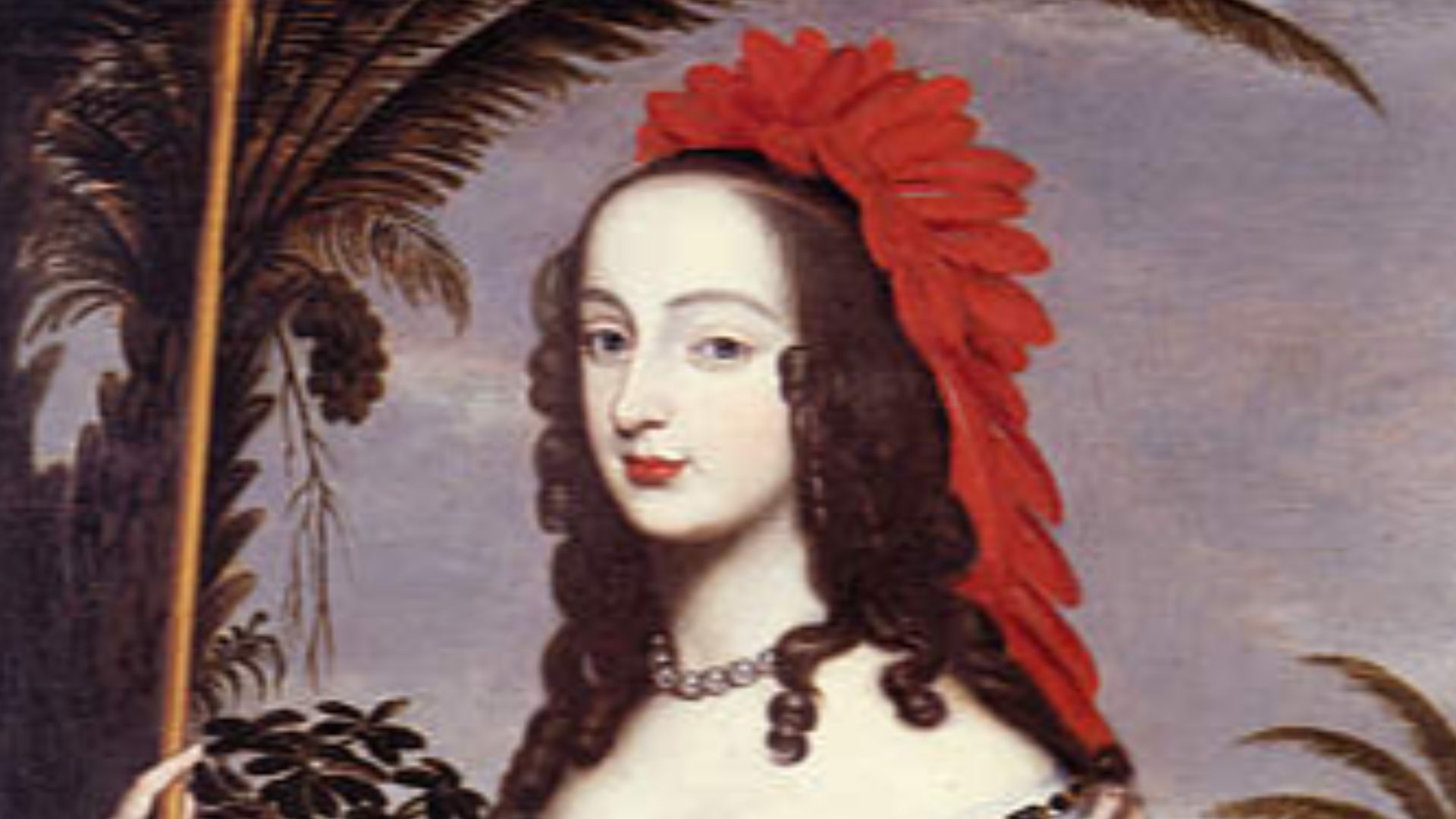 Louise Hollandine of the Palatinate, Wikimedia Commons
12. Her Fiancé Didn’t Want Her
Initially, Sophia became engaged to George William, the second son of George, Prince of Calenberg. However, George William did not wish to marry Sophia. His desire for freedom from an engagement was so great that he went to extreme lengths to achieve it—the historical accounts make it seem as if he practically begged his brother to take Sophia off his hands.

13. Her Fiancé Begged His Brother
In 1658, when all of this went down, George William was set to inherit the Principality of Luneburg from his eldest brother, Christian Louis, should he pass without children. In exchange for agreeing to marry Sophia, George William gave his younger brother, Ernest Augustus, his claim to Luneburg. However, it seems Ernest insisted on more.
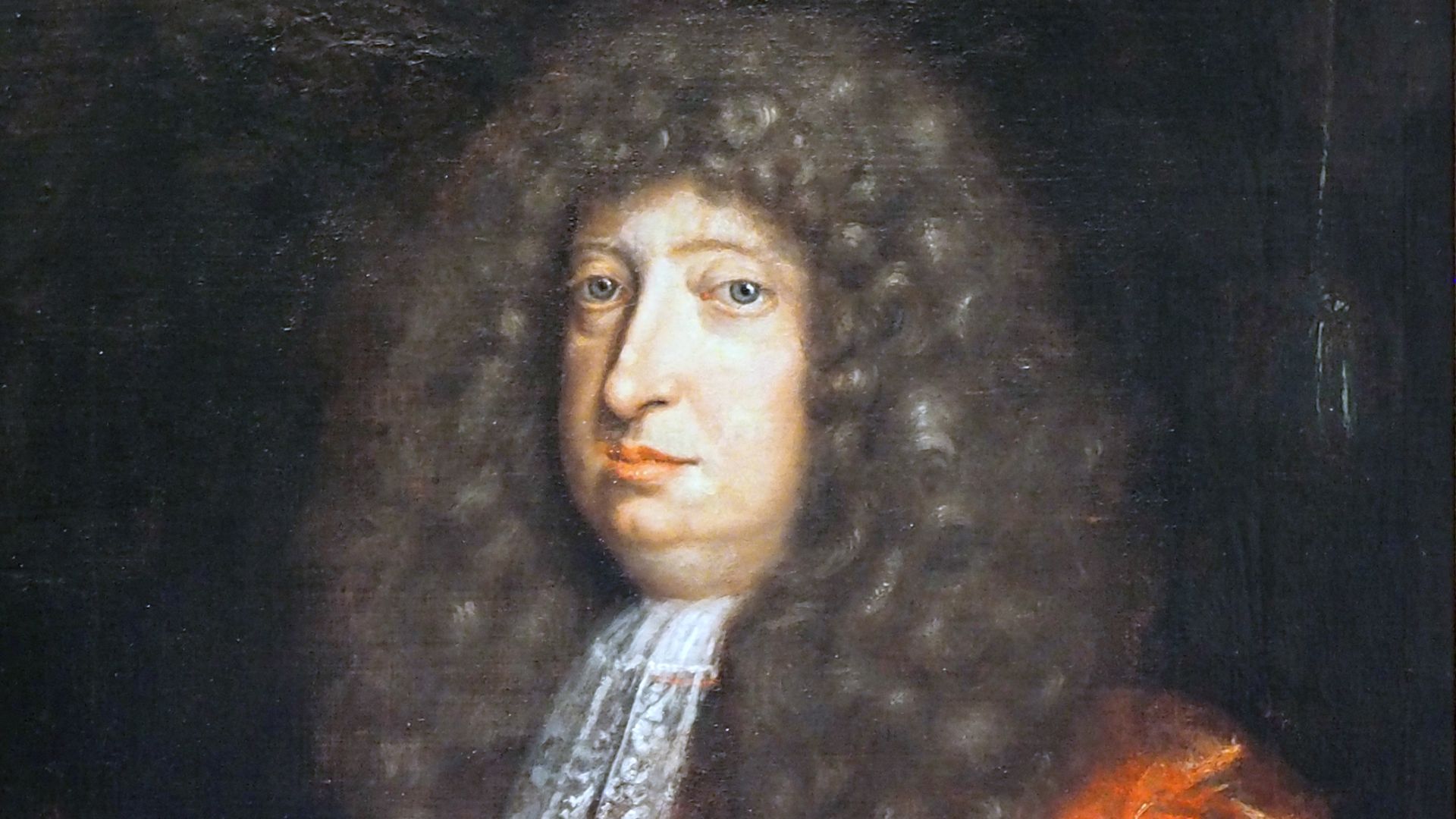 Unidentified painter, Wikimedia Commons
14. She Was Part Of A Deal
George William added one more caveat to his exchange with his brother over Sophia. He also promised to remain unmarried; therefore, he could not produce any legitimate heirs that might weaken Ernest’s claim to Luneburg. This also meant Luneburg would absorb Celle, the land George William took instead of Luneburg, upon George William’s passing. Having made their deals, finally, someone would have Sophia.
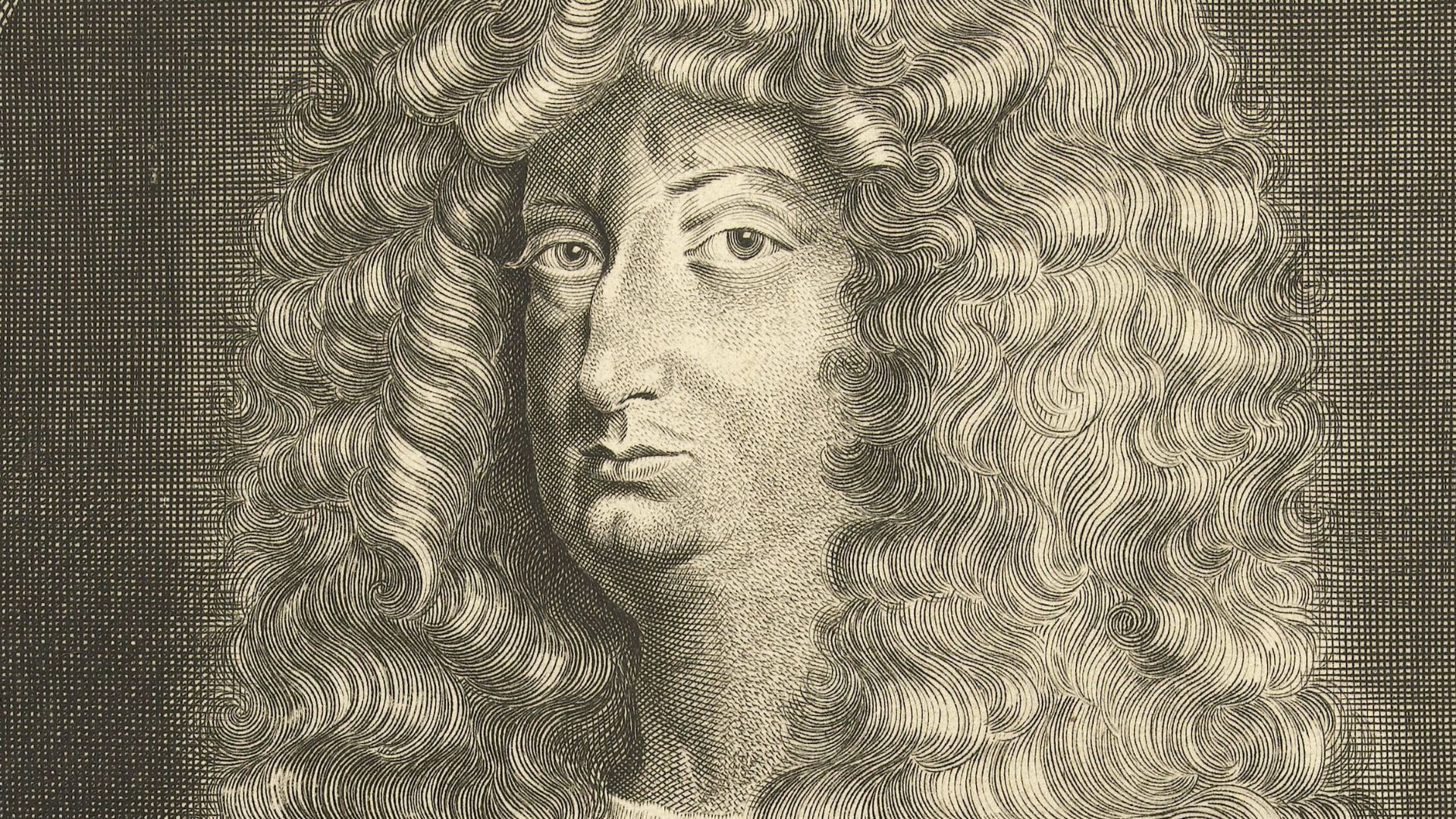 Hendrik Cause, Wikimedia Commons
15. Her Marriage Surprised Her
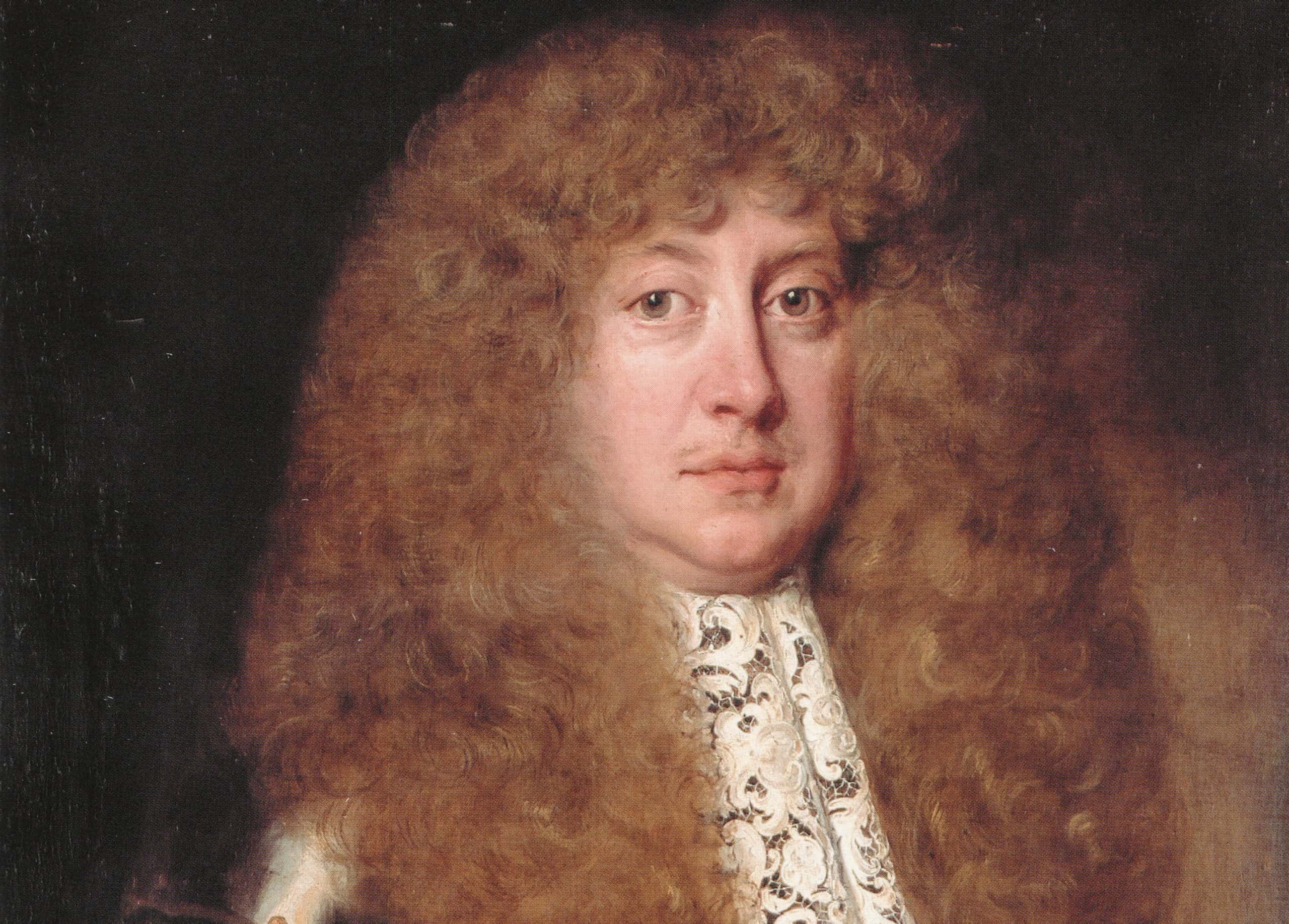
Sophia married Ernest Augustus, Duke of Brunswick-Luneburg in September 1658. Despite the unorthodox start to their marriage as well as Ernest’s reported volatile temperament, Sophia, reportedly, found their marriage a satisfying one, growing fond of Ernest over their time together. They certainly solved the problem of heirs efficiently.
16. She Took To Motherhood
Together, Sophia and Ernest bore 10 children, seven of which lived into adulthood. Sophia birthed their first child, George Louis, in June 1660, approximately a year and a half after they exchanged vows. Sophia followed that birth with another in October 1661 and then a stillbirth set of twins in 1664. From that point on, she birthed a child everyone one to two years until 1674. Sophia seemed to take great pride in motherhood.

17. She Was Involved
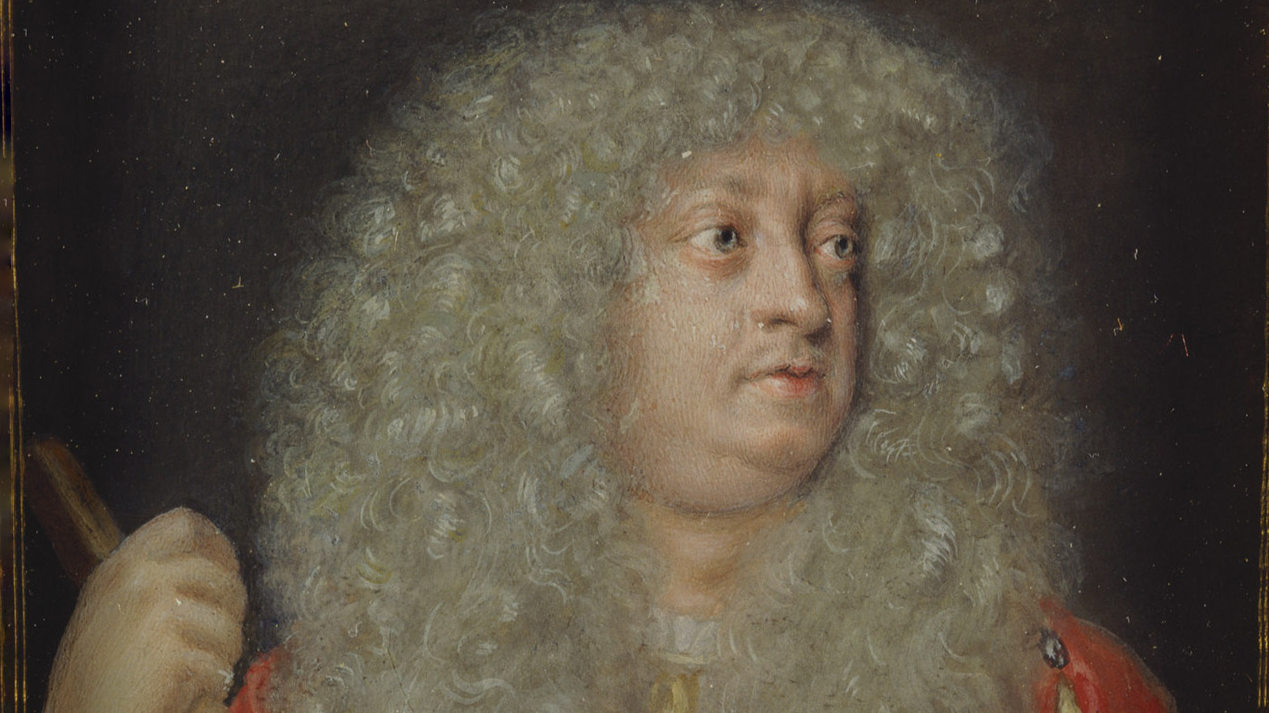
Perhaps due to the failed birth of her twins earlier in the same year, Sophia joined her husband on a long trip to Italy from 1664-1665. However, even with this distance, Sophia showed a great interest in her children, remaining in constant contact with their governess through letters during her time away. When she returned, Sophia bore Ernest the rest of their children and remained invested in their upbringing—particularly with their oldest.
 Jean Michelin, Wikimedia Commons
18. She Was Proud Of Her Son
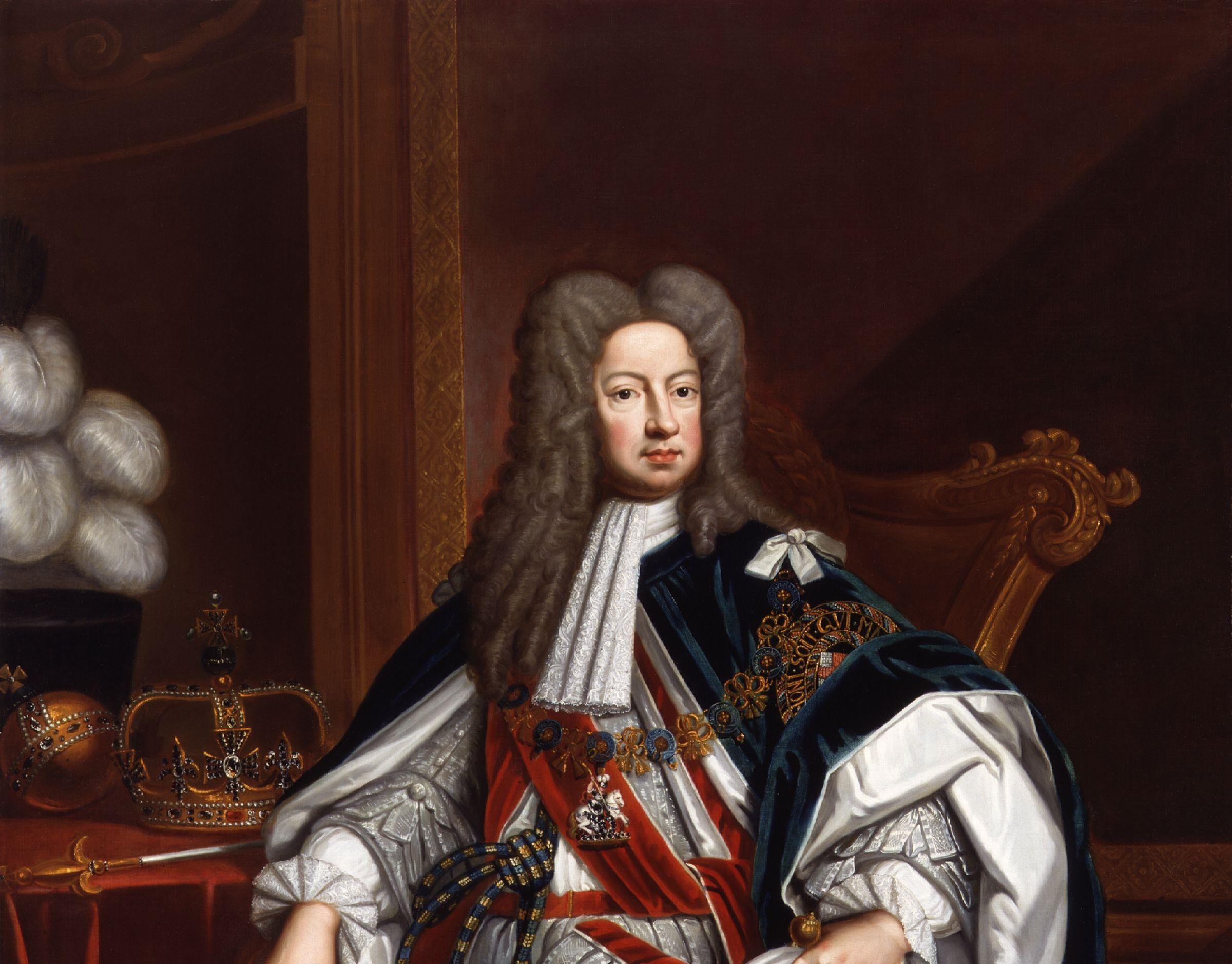
As the eldest child and the eldest son, George Louis likely received more attention than his siblings. If nothing else, his parents gave George a larger sense of responsibility. After all, he would inherit their various lands and titles. However, Sophia saw George as up to the task. At one point, she described him as a “responsible, conscientious child” and expressed pride over the example he set for his younger siblings. Unfortunately, the marriage of Sophia’s darling did not go as she planned.
 Studio of Godfrey Kneller, Wikimedia Commons
19. She Didn’t Like The Match
By mid-1657, Sophia’s brother-in-law and former fiancé appeared to have some regrets about the choices that he made. George William had had no interest in marrying Sophia. However, he seemed to want the lands that he’d given up to get out of the marriage back. As he now had a daughter, he felt he had the perfect solution to his problems. He just had one problem: Sophia of Hanover.

20. She Had Standards
George William wanted to marry his daughter, Sophia Dorothea, to Ernest and Sophia’s eldest son, George Louis. However, his first attempt at approaching this subject with his brother and sister-in-law did not go as planned. Sophia, in particular, looked down upon Sophia Dorothea and her mother: a former French lady-in-waiting with no royal blood that George William had never married thanks to the promises he made to avoid marrying Sophia. George William didn’t let this stop him.
 Unknown Author, Wikimedia Commons
21. She Had A Problem
Technically, Sophia Dorothea was an illegitimate child. That was the main grounds on which Sophia and Ernest protested the marriage. So, George William took the obvious next steps to solve this problem—and completely went back on his word.

22. She Shunned Family
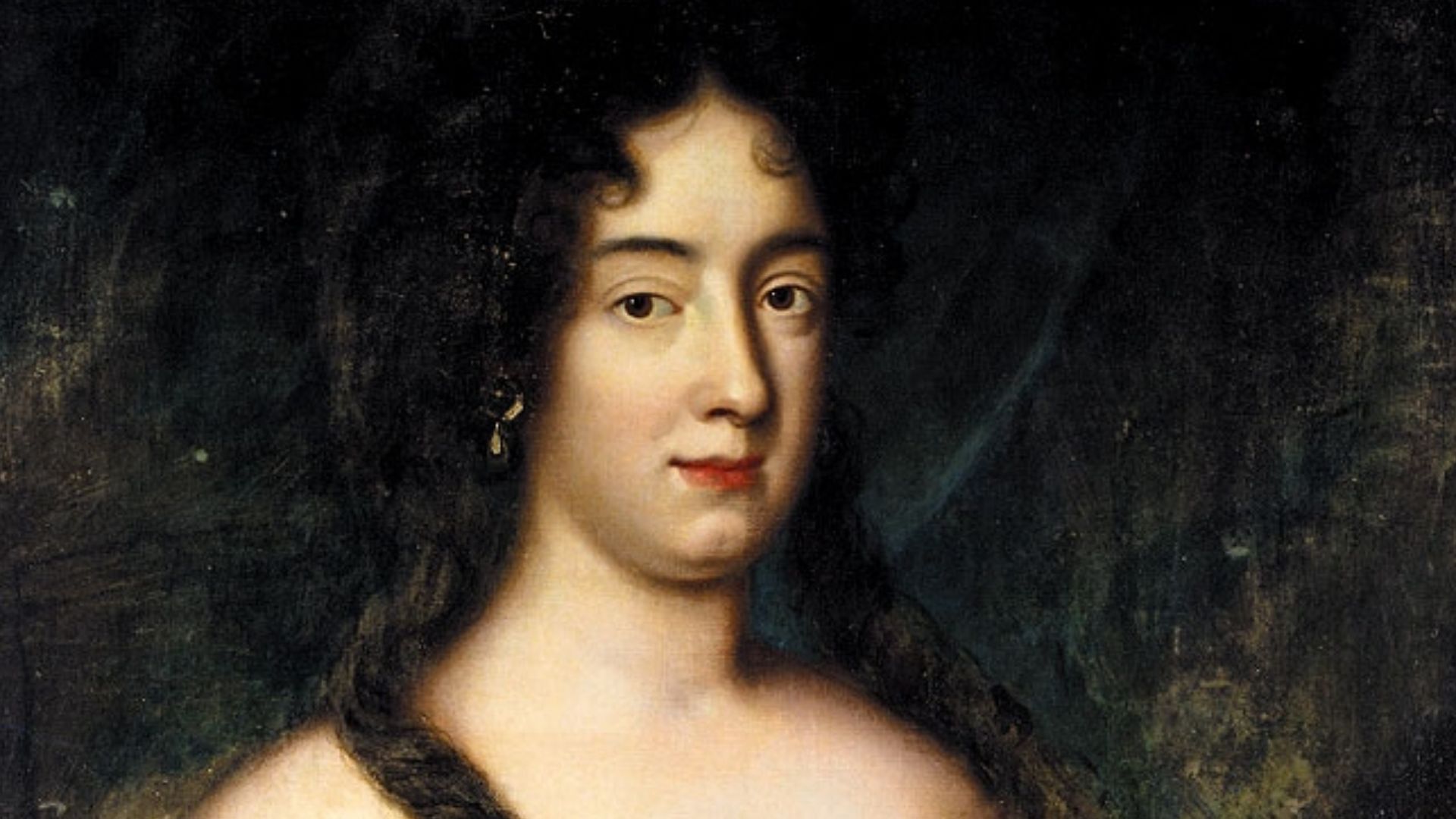
In spite of promising otherwise, George William signed a contract in August 1675 that declared his mistress, Eleonore Desmier d’Olbreuse, to be his legal wife and carried out a wedding ceremony in April 1676—Sophia and Ernest refused to attend this marriage. The court may have started to address this woman as Duchess of Brunswick, but Ernest and Sophia were not ready to legitimize the action nor their daughter.
 Gedeon Romandon, Wikimedia Commons
23. She Refused To Accept Her
Sophia never accepted Sophia Dorothea, even when the courts began to recognize her as a legitimate child. However, George William’s blatant disregard for their previous agreement caused alarm throughout his family. It disrupted their previous plans to unite Luneburg’s territories by turning Sophia Dorothea into a legitimate heir for George William’s territory of Celle. In other words, George William forced his brother’s hand.
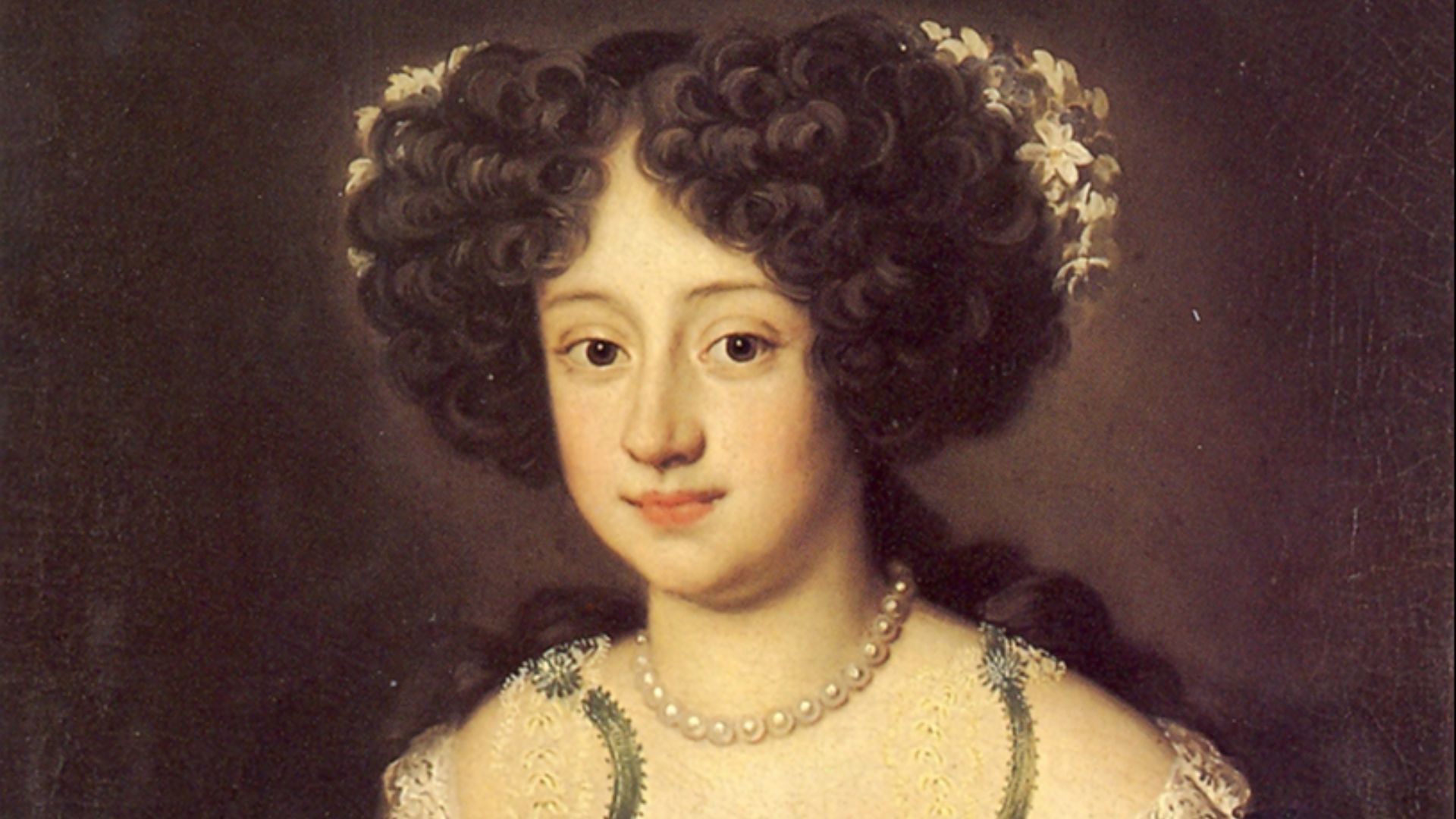 Jacob Ferdinand Voet / After Jacob Ferdinand Voet, Wikimedia Commons
24. She Saw An Opportunity
In legitimizing Sophia Dorothea, George William backed his brother and sister-in-law into a corner. A marriage between their son and Sophia Dorothea now proved more favorable as it resolved the issue of uniting Luneburg and Celle through their marriage. To make matters even more appealing, George William also offered Sophia and her husband 100,000 thalers (the currency of the Holy Roman Empire) a year if they approved the marriage. The deal was too good to pass up—however, George William seemed the only one to want it.
 Saraband (1948), Ealing Studios
25. Her Son Worried Her
Neither Sophia nor her son, George Louis, ever took to Sophia Dorothea. They looked down upon her and her inferior manners. Likewise, Sophia Dorothea and her own mother did not wish for the union to happen. However, George William did not care for everyone else’s feelings. He wanted it. So, he persisted, and Sophia Dorothea married George Louis in November 1682. This unhappy union threatened to upend Sophia’s perfect family.
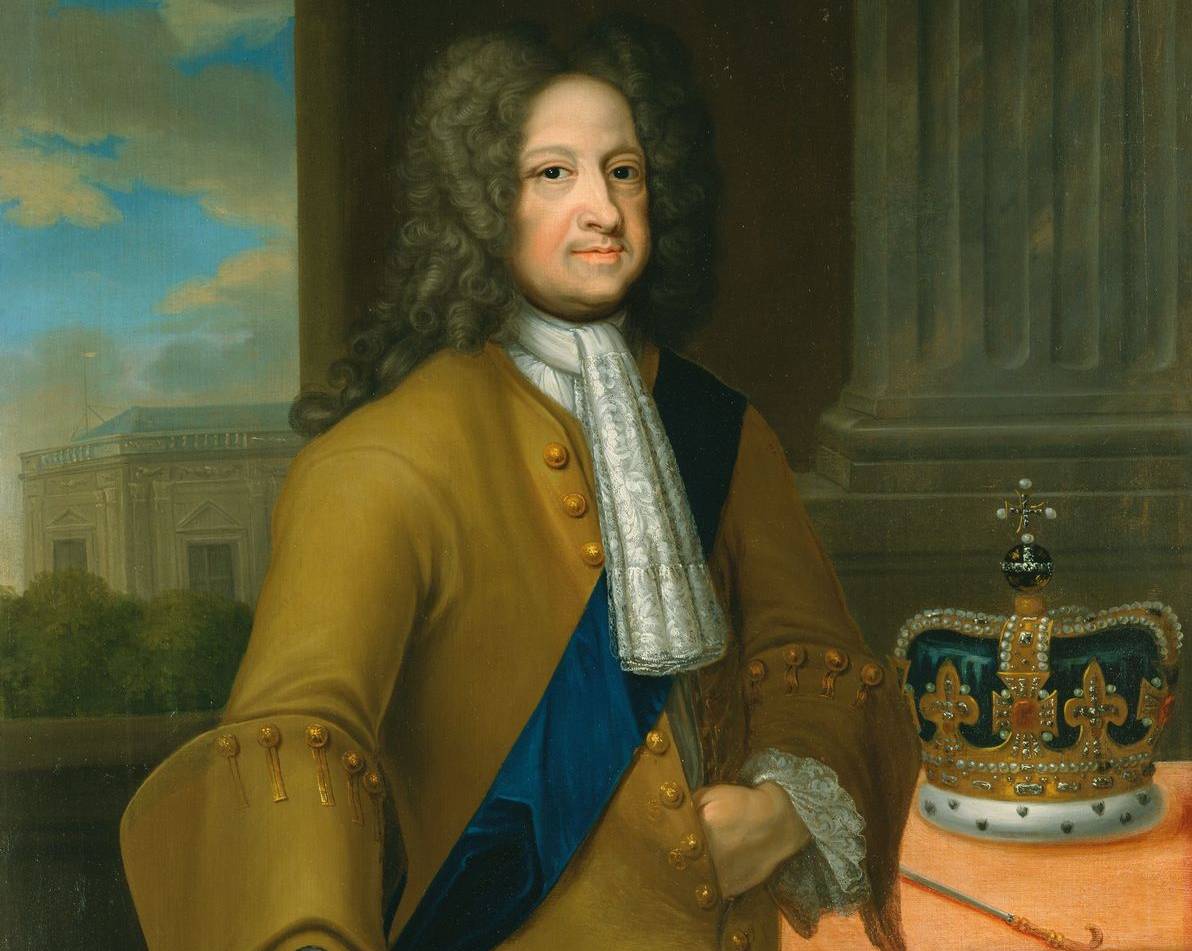
26. She Didn’t Want To Lose
George Louis never loved Sophia Dorothea. He treated her coldly. He openly challenged her lack of etiquette. Still, he managed to do his duty and produce two legitimate children (one son and one daughter). However, once he settled that matter, he went on to do what—or rather who—he wanted. His mother worried about the effect this blatant indiscretion would have on her agreement with George William.
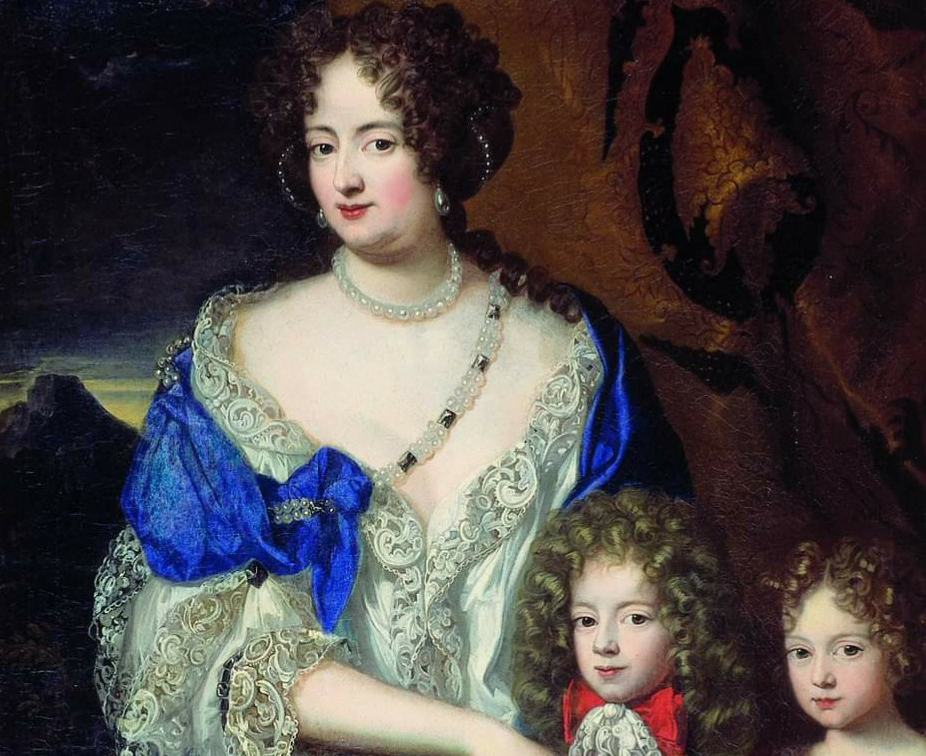
27. She Feared Indiscretion
George took up a mistress not long after Sophia Dorothea bore his children and proceeded to ignore his wife in favor of this other woman. Sophia worried about this behavior. Not because she cared or sympathized with Sophia Dorothea but rather because she feared that it may stop the 100,000 thalers payment they were receiving—a matter George Louis handled efficiently enough.
 Workshop of Godfrey Kneller, Wikimedia Commons
28. She Got What She Wanted
Eventually, Sophia Dorothea took a lover too. In response to this, George Louis initiated proceedings for divorce, citing Sophia Dorothea’s desertion as grounds. The separation was granted. George took all of Sophia Dorothea’s assets, presumably including the funds he’d been regularly paid for the marriage, and Sophia Dorothea got life imprisonment for her trouble. The balance of power returned to his mother, Sophia of Hanover—exactly how she liked it.
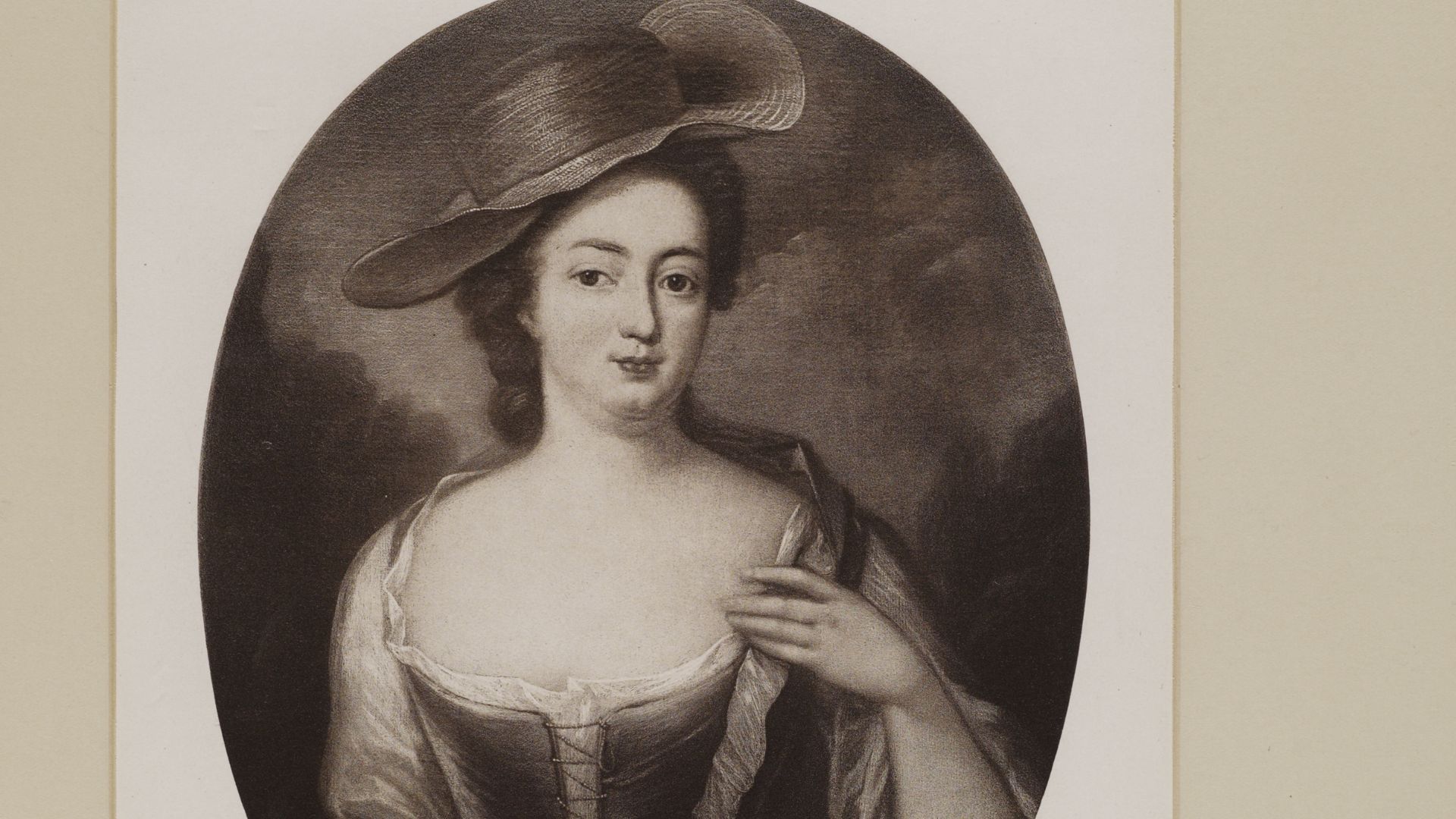
29. She Never Answered
Sophia Dorothea spent the rest of her life confined to Ahlden House, a stately home in rural Luneburg. She reached out to her husband only once after the passing of Ernest Augustus. Sophia of Hanover, her former mother-in-law, heard from her at the same time. Neither Sophia nor George Louis replied to Sophia Dorothea’s letters; Sophia forgot her daughter-in-law and carried on with her life. She had bigger fish to fry.

30. She Had An Opportunity
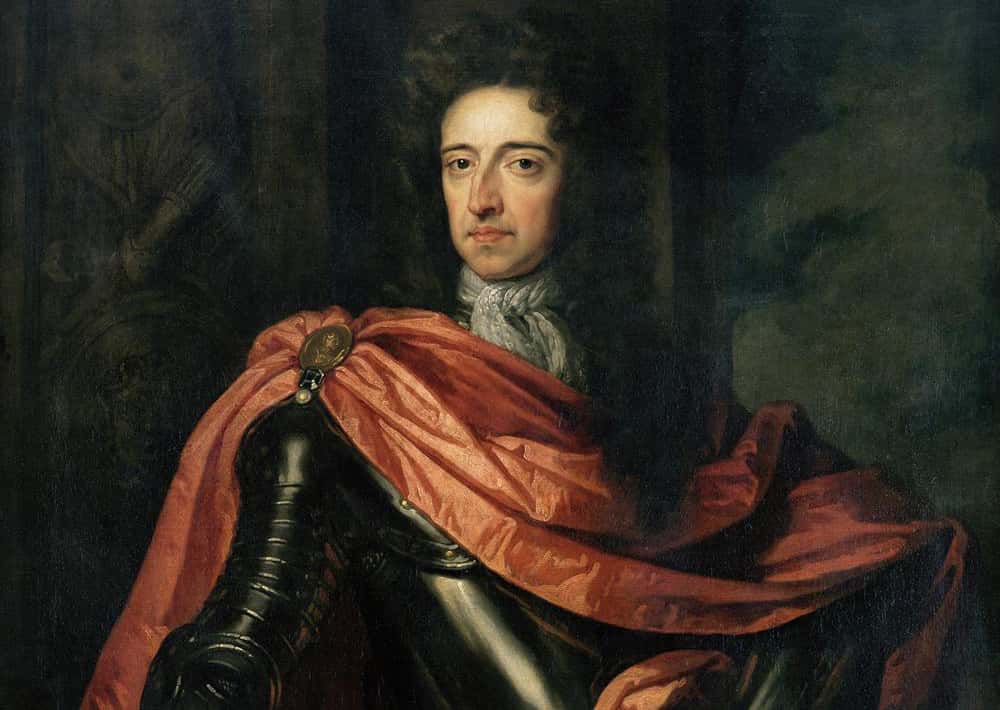
During this period of personal upheaval in Sophia’s family circle, England faced similar issues. Sophia’s cousin, William of Orange, sat on the English throne. William’s wife had passed childless some years earlier and William had little interest in marrying again. This meant that England faced a crisis of succession—one that Sophia could fix.
 Godfrey Kneller, Wikimedia Commons
31. She Was In The Perfect Position
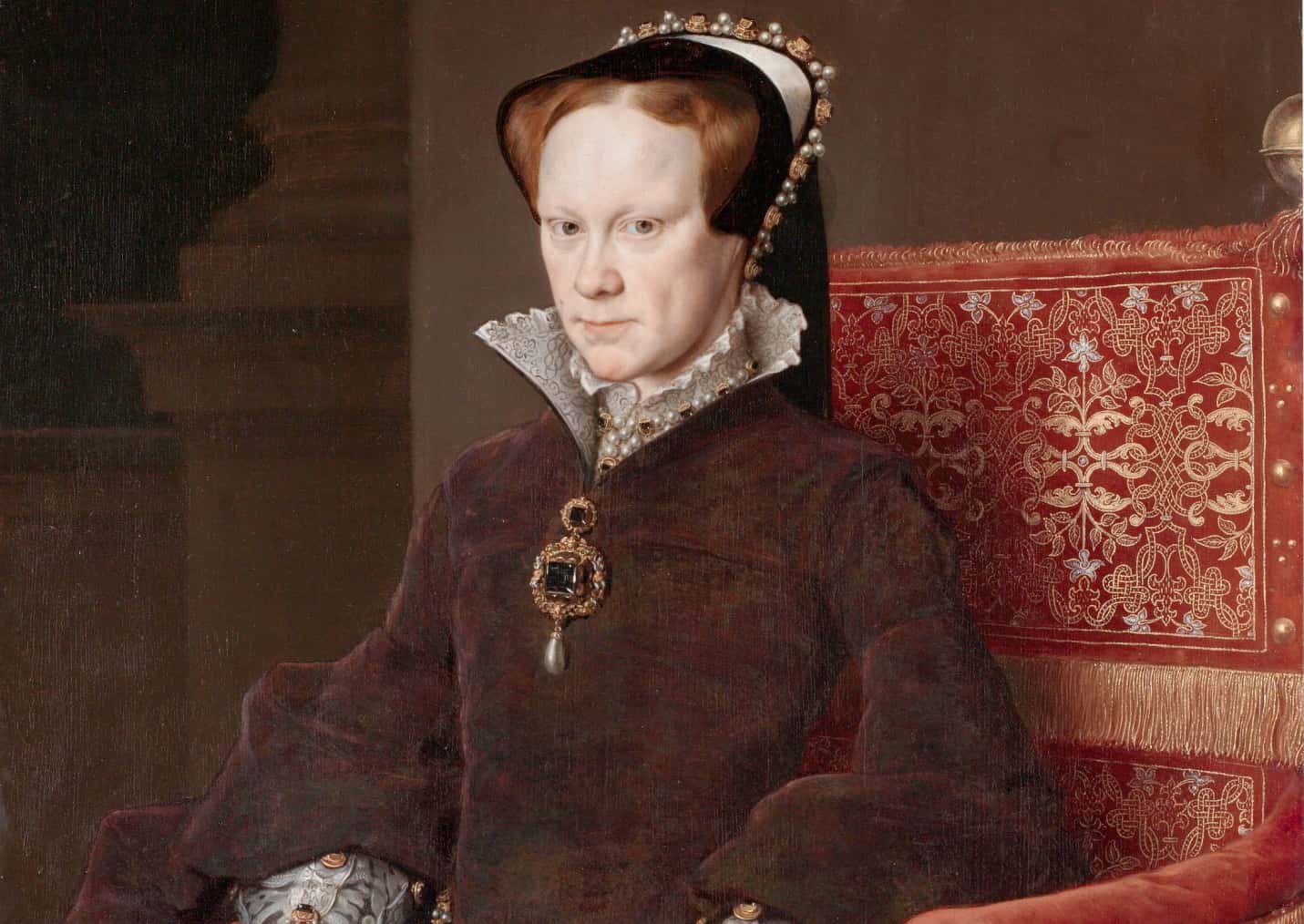
Thanks to Henry VIII, Protestantism ruled as the primary religion in England. Only one monarch since—Henry’s daughter, Mary—attempted to turn the country back to Catholicism. That reign left such terror in the nation that they feared another Catholic monarch. Sophia, a granddaughter of James I, was Protestant. Her son was too. This put Sophia in the perfect position to grab power for herself and her heirs.
 Antonis Mor, Wikimedia Commons
32. Her Chance Came
Anne, the daughter of James II and William’s cousin and sister-in-law, would succeed to the throne following William’s passing. From there, Anne’s son, the Duke of Gloucester, would succeed his mother. Unfortunately, Gloucester passed in July 1700, leaving William and England in a crisis and creating an opening for Sophia to rise in status.

33. She Made An Arrangement
As a result of the passing of the Duke of Gloucester, William traveled to Het Loo Palace in the Netherlands to meet with Sophia. Without a clear Protestant heir following Anne’s eventual passing, it seemed necessary to make arrangements for that eventuality. Those arrangements included Sophia. She not only had English royal blood but a connection to William that strengthened her claims.
34. She Got His Trust
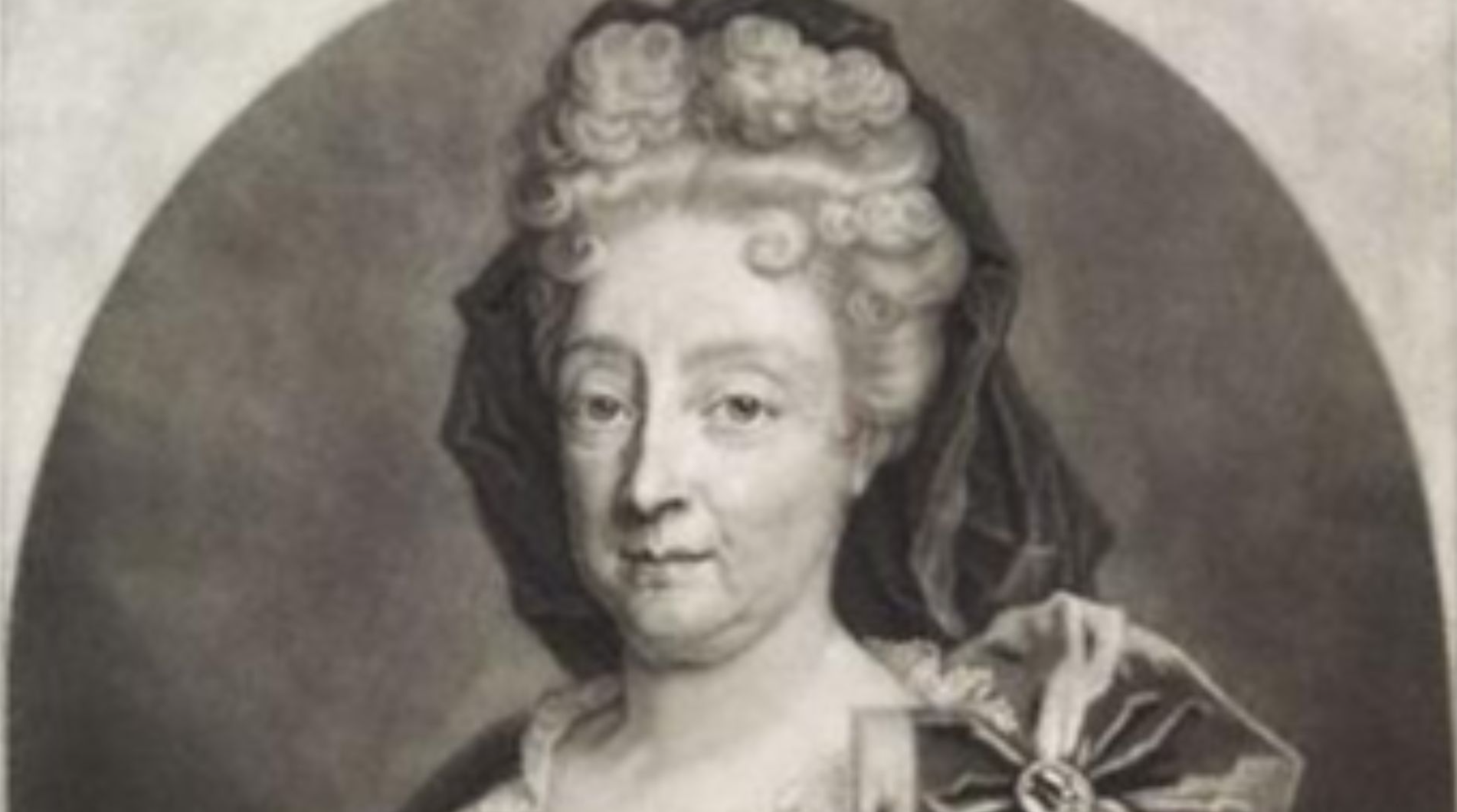
William III of England grew up in the Dutch Republic just as Sophia of Hanover had. His mother married into the ruling family of Holland. This meant that Dutch was William’s native tongue, just as it was Sophia’s. Sophia could speak to William in Dutch which further increased his trust in her. Her accidents of birth paid off in spades.

35. She Got Written In
One year later, the Act of Settlement 1701 officially included Sophia in the line of succession for the English throne. It declared that if both William III and Anne passed without legitimate children, then the crowns of England and Ireland would go to “the most excellent princess Sophia”. Scotland, however, was another matter entirely.
 Attributed to Jacques Vaillant, Wikimedia Commons
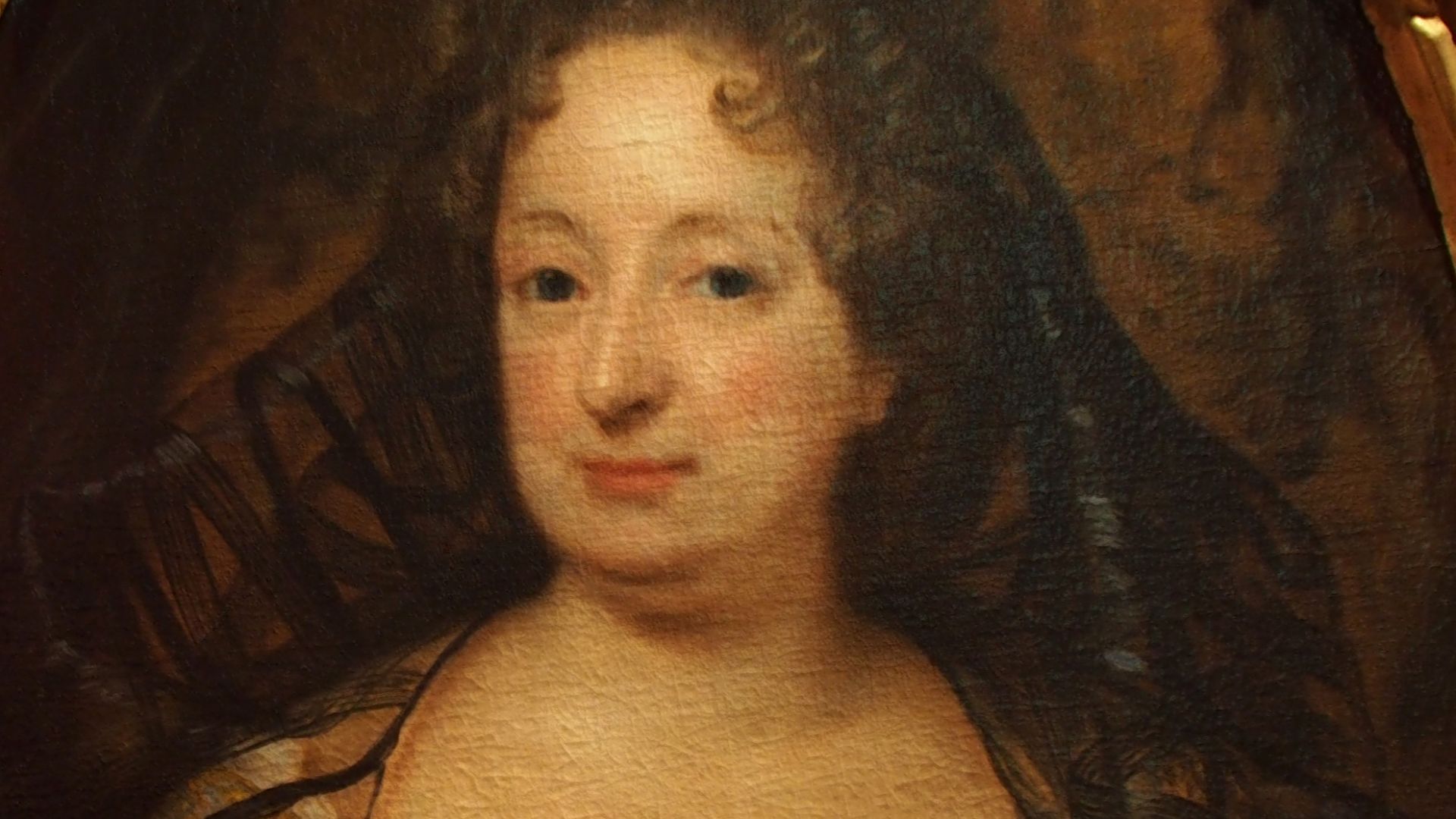
36. She Caused A Crisis
Although the rise of James VI of Scotland to King James I of England merged the Scottish and English thrones into one, Scotland remained a separate state in the eyes of international law. As such, the Act of Settlement 1701 did not automatically give Sophia the Scottish crown if Queen Anne passed with no children. Sophia started a succession crisis.
 National Portrait Gallery London, Picryl
37. She Won Scotland Over
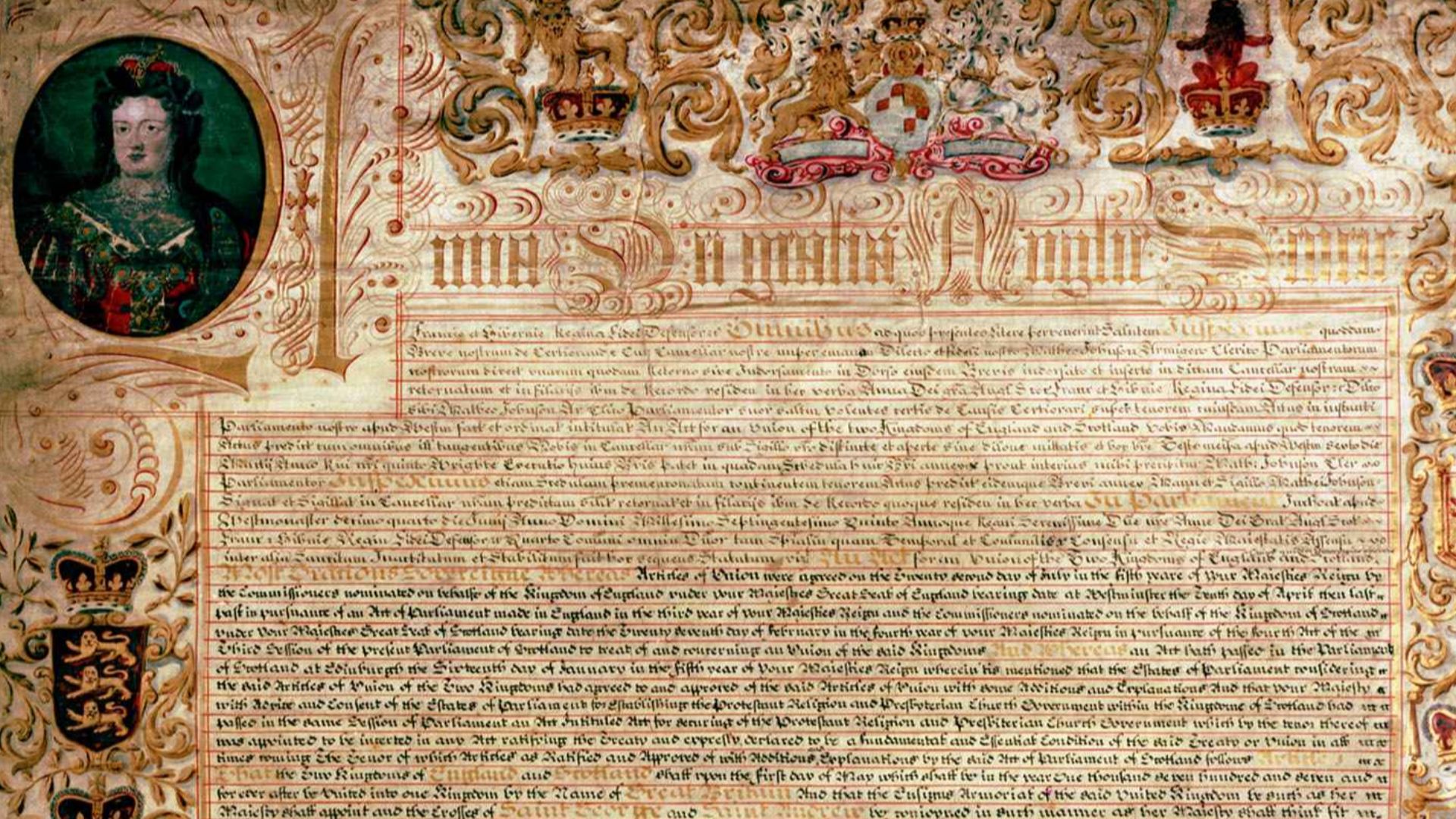
In the end, Scotland too feared the possible succession of a Roman Catholic ruler and enacted the Treaty of Union between Scotland and England to grant Sophia the right to the Scottish throne should Anne never produce a legitimate heir. The treaty named Sophia as heir and presumptive, as well as her descendants—though there were stipulations.
 Scottish Parliament, Wikimedia Commons
38. Her Religion Saved Her
England made this entire arrangement with Sophia to stop Anne’s brother, James Francis Edward Stuart, from claiming the throne. James spent his childhood in France and Italy—Roman Catholic states. Therefore, James followed Roman Catholic views. No one in England or Scotland wanted a Roman Catholic on the throne and they were determined to ensure that didn’t happen.

39. She’d Undermine The Queen
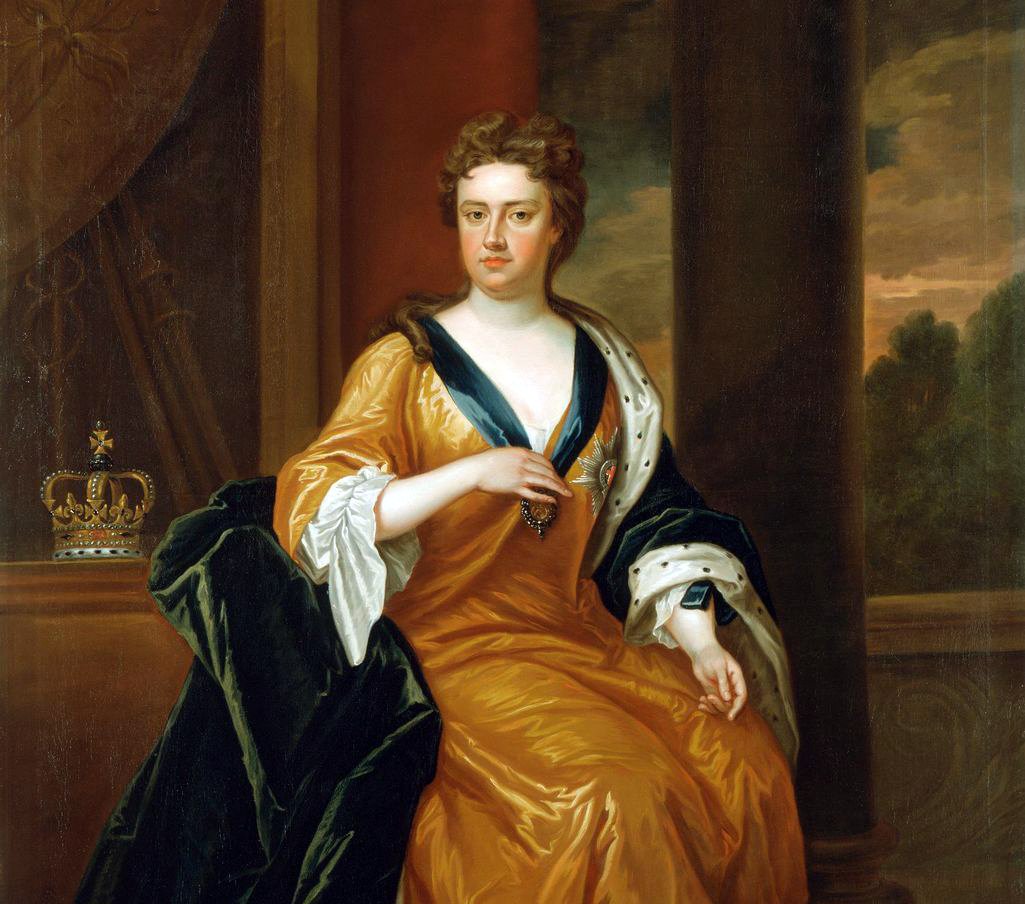
England and Scotland granted Sophia and her family line succession to the throne on one condition: that all heirs within Sophia’s family line remain Protestant, as she and her son George Louis were. Some politicians wanted to take the matter one step further. Fearing James would attempt to take the throne by proximity, they wanted to bring Sophia to England—a matter that Anne would never allow.
 Unidentified painter, Wikimedia Commons
40. She Wanted England
Those supporting the bill felt that bringing Sophia to England was necessary to preserve her claim to the throne. Sophia herself was eager to come to England and further her claims to the English court. However, the motion faded before anything came to it. To bring Sophia, a rival, to Anne’s court would be an offense that the Queen could not allow.
 Unidentified painter, Wikimedia Commons
41. She Was Fit For Her Age
As all of this occurred, Sophia was in her 70s. She was a full 35 years older than Anne, old enough to be her mother. Indeed, Sophia’s surviving children ranged from 35-41, making them more Anne’s peers than Sophia. Despite this, Sophia remained healthy, sharp, and intelligent. Sophia had better health than Anne and Anne likely feared that if brought to court, Sophia could still show her up.
 Charles Jervas, Wikimedia Commons
42. She Made Her Own Future
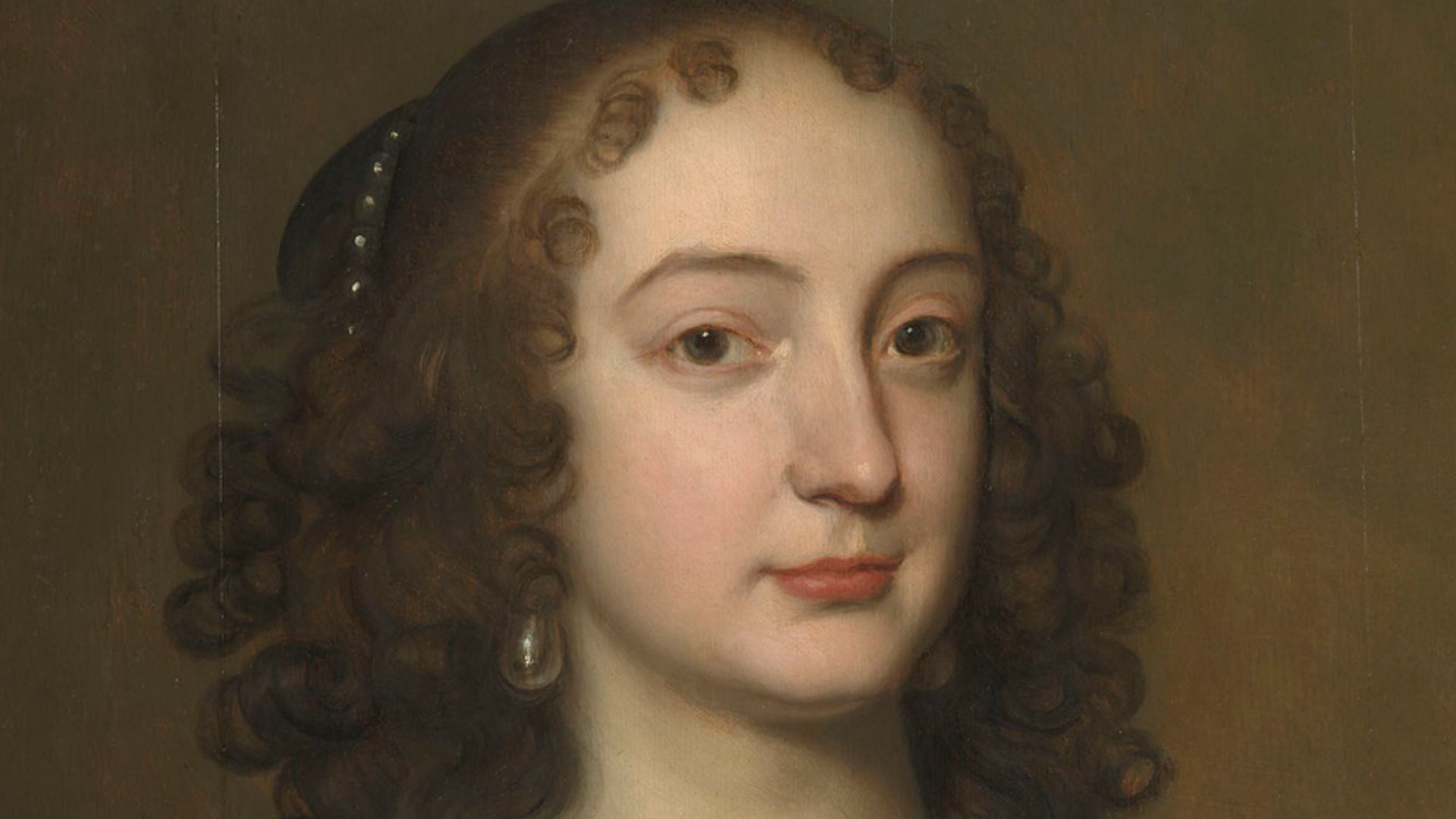
Sophia campaigned hard for herself and her descendants to be included in England’s line of succession. Despite this, she never truly knew what would happen following Anne’s passing. Parliament changed its mind too frequently. While Sophia’s family eventually saw the success she fought hard for, fate stepped in before Sophia saw that day.
 Gerard van Honthorst, Wikimedia Commons
43. She Fought With The Queen
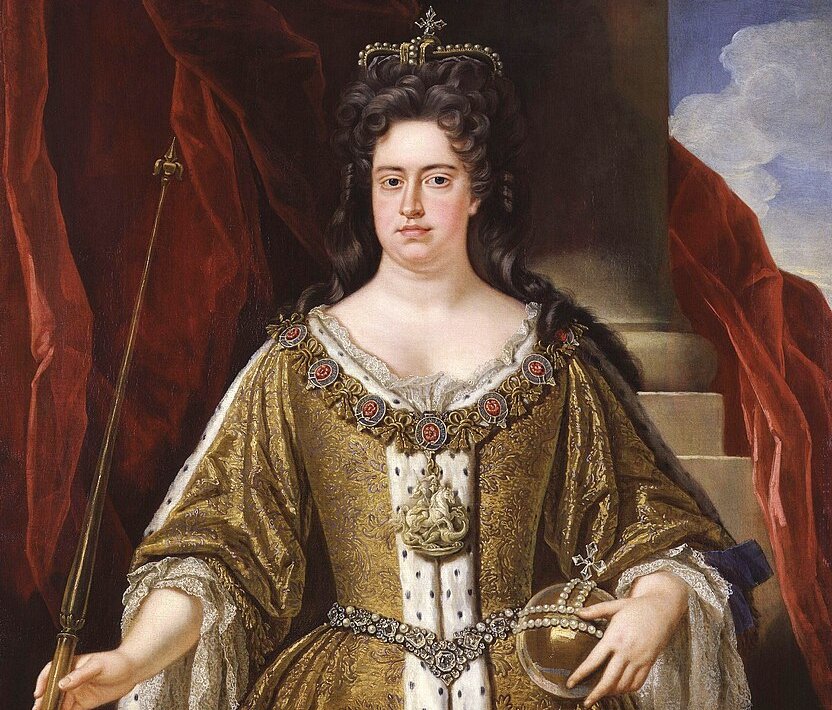
According to the Countess of Bukeburg, Sophia received a letter from Queen Anne on June 5, 1714. Anne’s words were angry and this, reportedly, caused Sophia to fall ill. Despite this, Sophia took to the gardens three days later, on June 8th, at a palace in Hanover. History may have been quite different if the heavens hadn’t opened up, changing the course of history forever.
 Workshop of John Closterman, Wikimedia Commons
44. She Went Too Soon
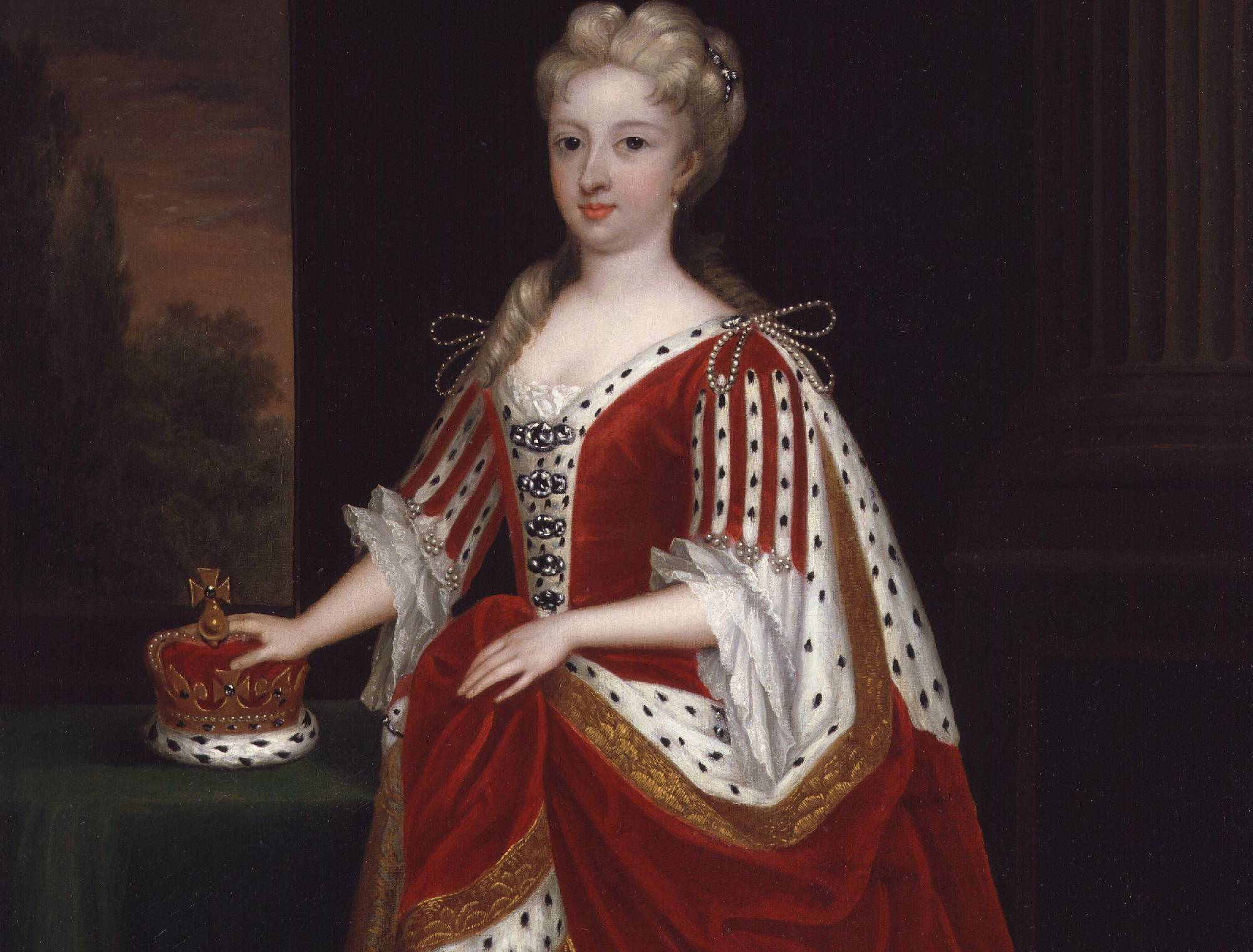
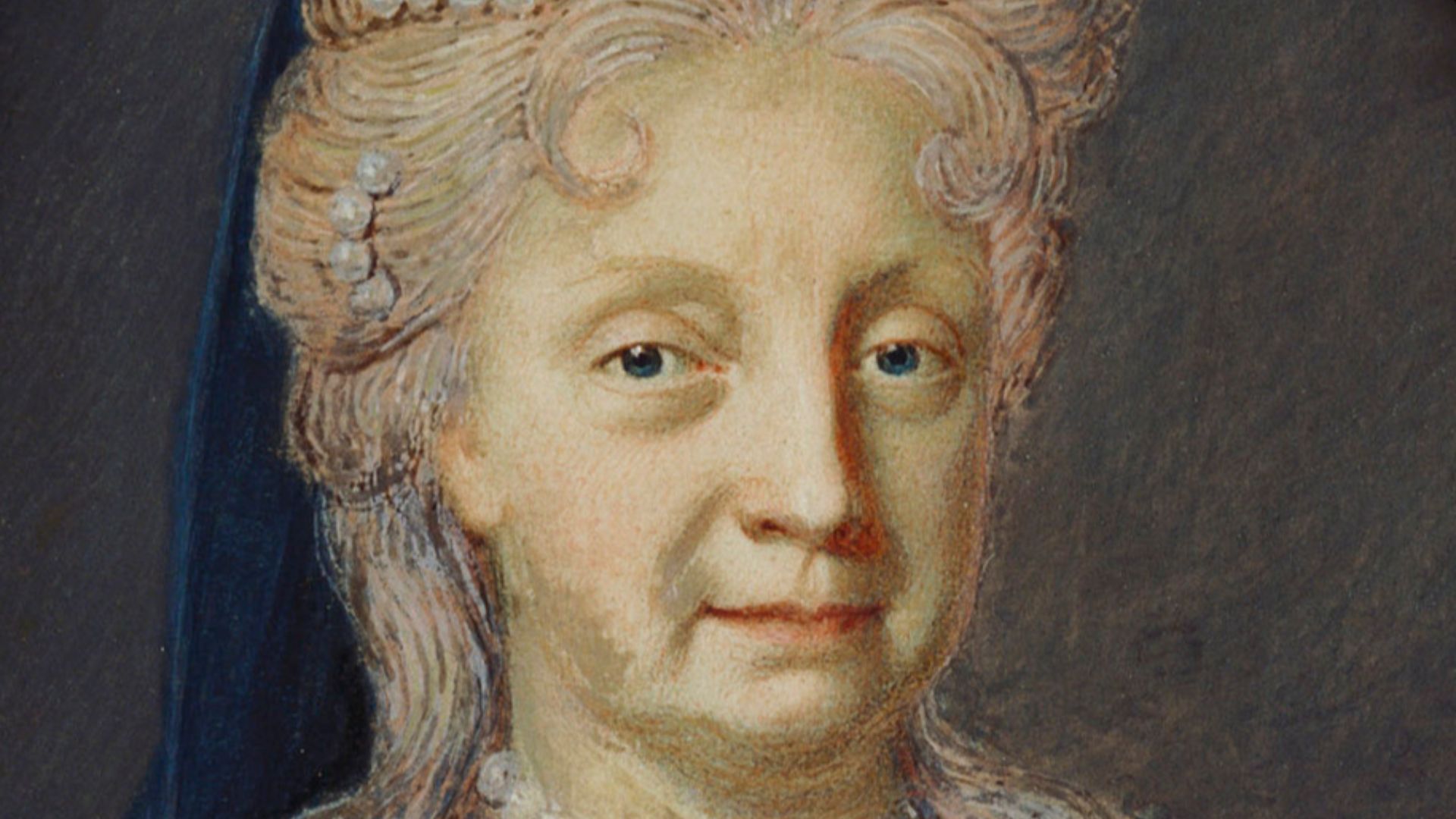
A sudden downpour during this walk forced Sophia to run for nearby shelter. Supposedly, at this point, she collapsed into the arms of her granddaughter-in-law, Caroline of Ansbach. There, in Caroline’s arms, Sophia perished—two months too soon for the English crown.
45. She Just Missed Out
Considering she was 83 years old, few find Sophia’s sudden passing surprising. However, the true tragedy is that if Sophia had been able to hold for another few months, she would have become Queen. Anne passed on August 1, 1714—not a full two months after Sophia departed. Fortunately, Sophia’s plans included her children as well.
 Unidentified painter, Wikimedia Commons
46. Her Son Took The Throne
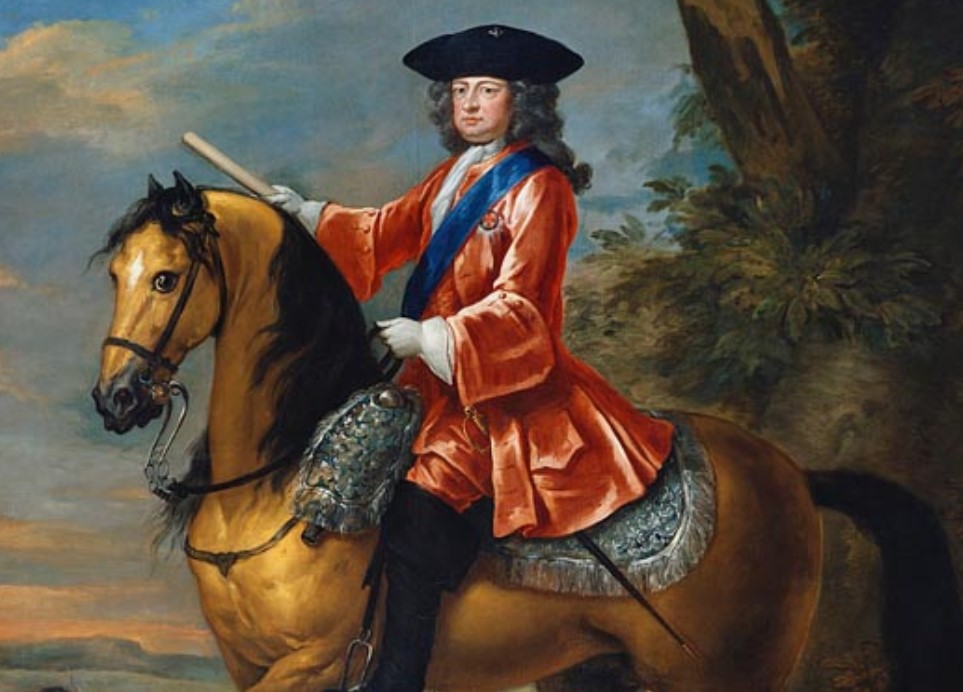
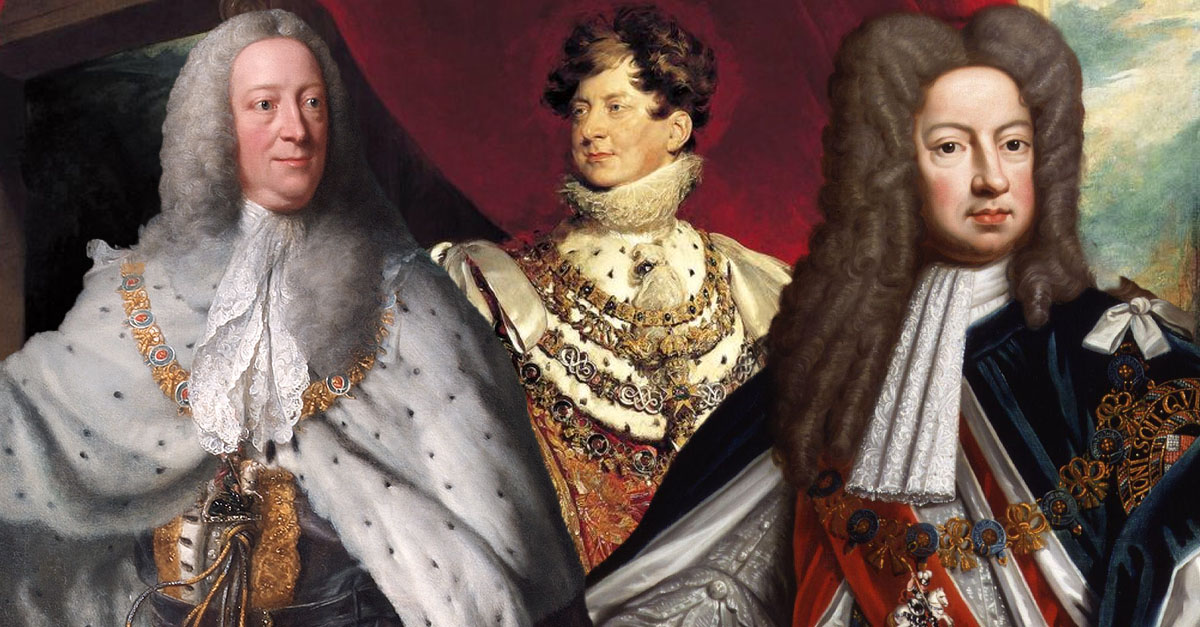
The line of succession included George Louis, should his mother pass before Anne. George became heir presumptive upon his mother’s passing, and then two months later, he succeeded Anne, becoming King George I of England. From George descended the house of Hanover, which ruled for nearly 200 years.
47. She Mothered England
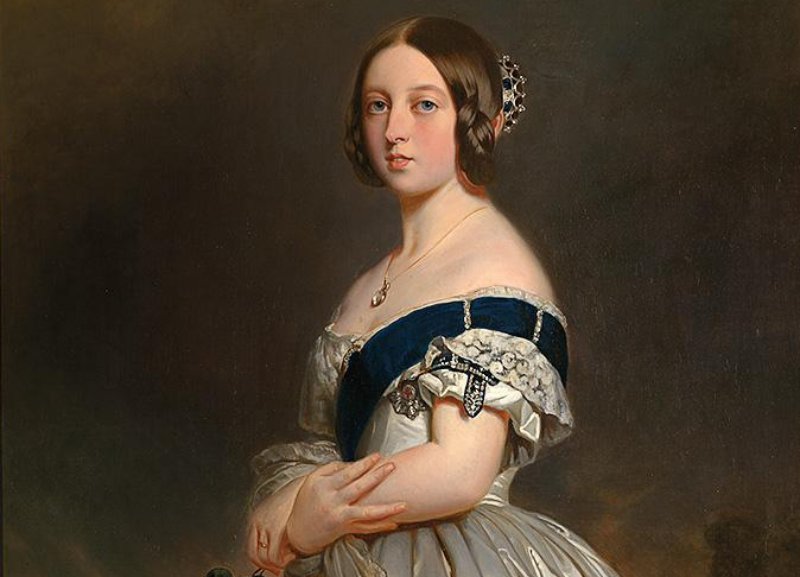
Queen Victoria became the last official monarch of the House of Hanover, which switched to the House of Sax-Coburg and Gotha following her passing. However, the switch happened in name alone as surnames passed through husbands. Queen Victoria’s son inherited the throne, as did his son after him, and so on and so forth. Today, the current monarch can trace their lineage back to George I and, therefore, Sophia.
 Franz Xaver, CC0, Wikimedia Commons
48. She Changed The Laws
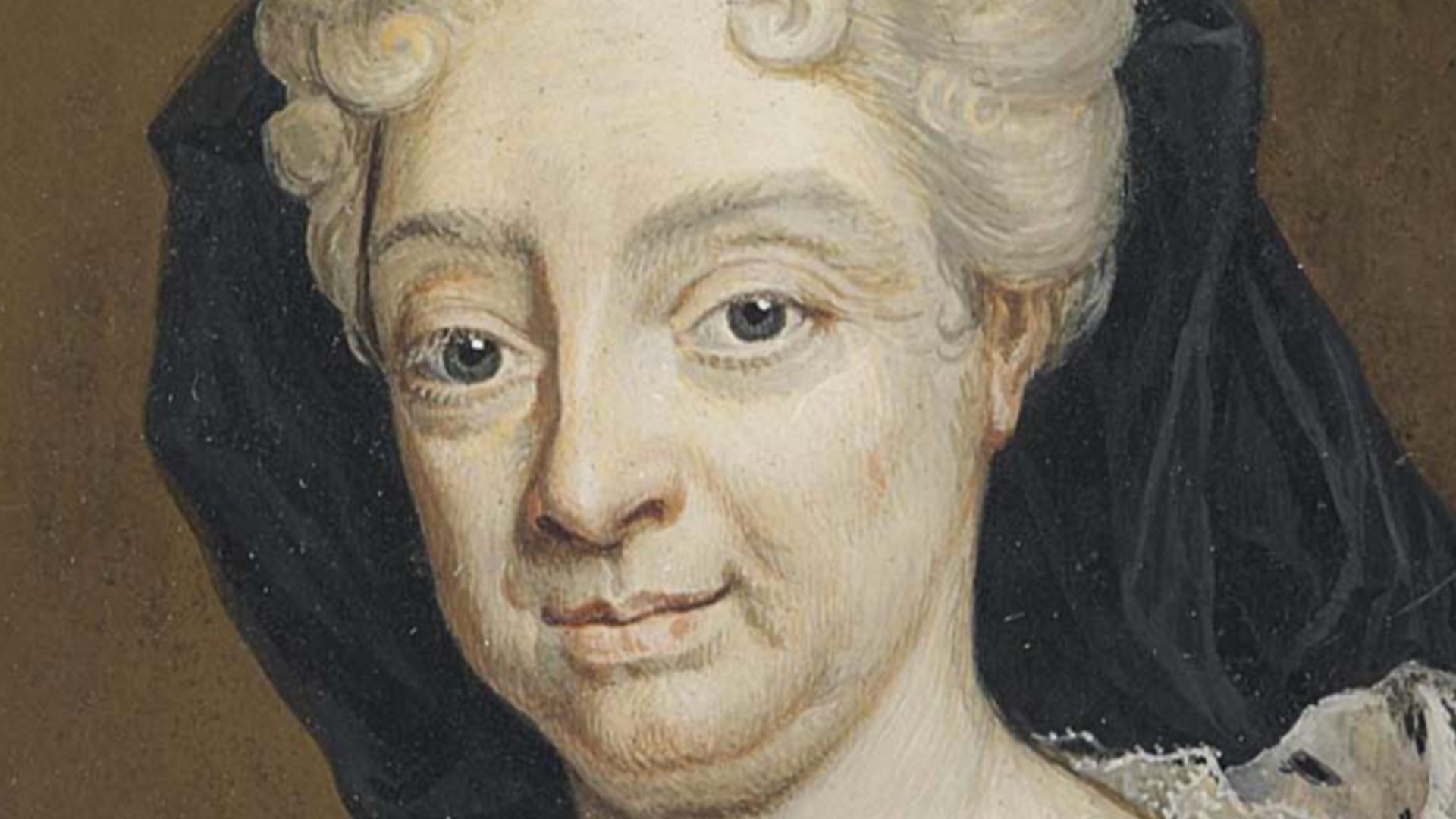
Sophia had five living children at the time of her passing and three legitimate grandchildren. In order to secure the English throne for Sophia and her children, the English Parliament passed the Sophia Naturalization Act 1705. This act changed the line of succession forever.
 Unidentified painter, Wikimedia Commons
49. She Had Plenty Of Heirs
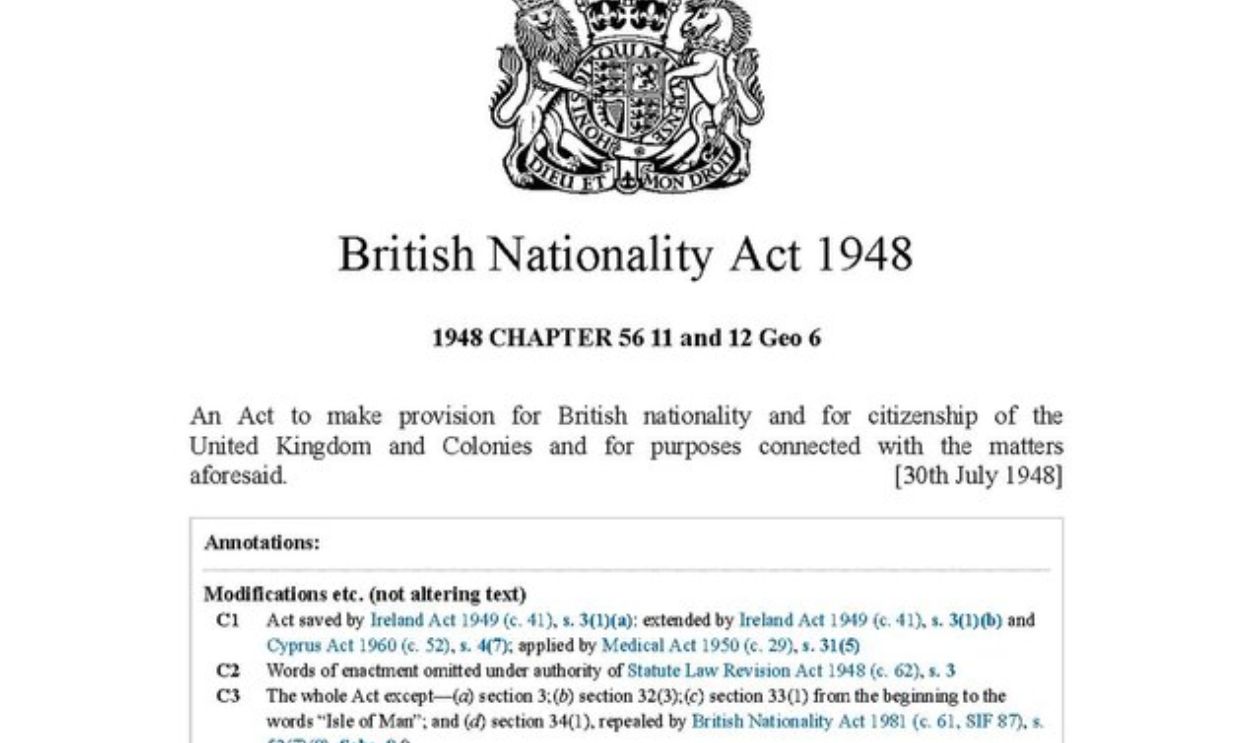
The act gave any of Sophia’s non-Roman Catholic descendants the right to English citizenship. However, the British Nationality Act 1948 revoked this right to Sophia’s 5,000 legitimate descendants. However, any descendant that obtained citizenship before that time remain in the line of succession and thus Sophia’s legacy continues.
 See page for author, Wikimedia Commons
50. She Changed The World
As many women of her time did, Sophia of Hanover’s birth granted her status but not power. However, Sophia did not allow this to hold her back. Instead, she used her good health and even better sense to ensure that she never missed an opportunity. In grabbing power for herself and her children, she changed the face of history forever.
You May Also Like:
The House Of Hanover’s Long And Historic Reign
Queen Sophia Dorothea Lived A Royal Nightmare
The Royal Descendants Of Queen Victoria
 Johann Conrad Eichler, Wikimedia Commons











.jpg)

.jpg)


_und_ihre_Kinder_Georg_August_und_Sophie_Dorothea.jpg)


.jpg)


