
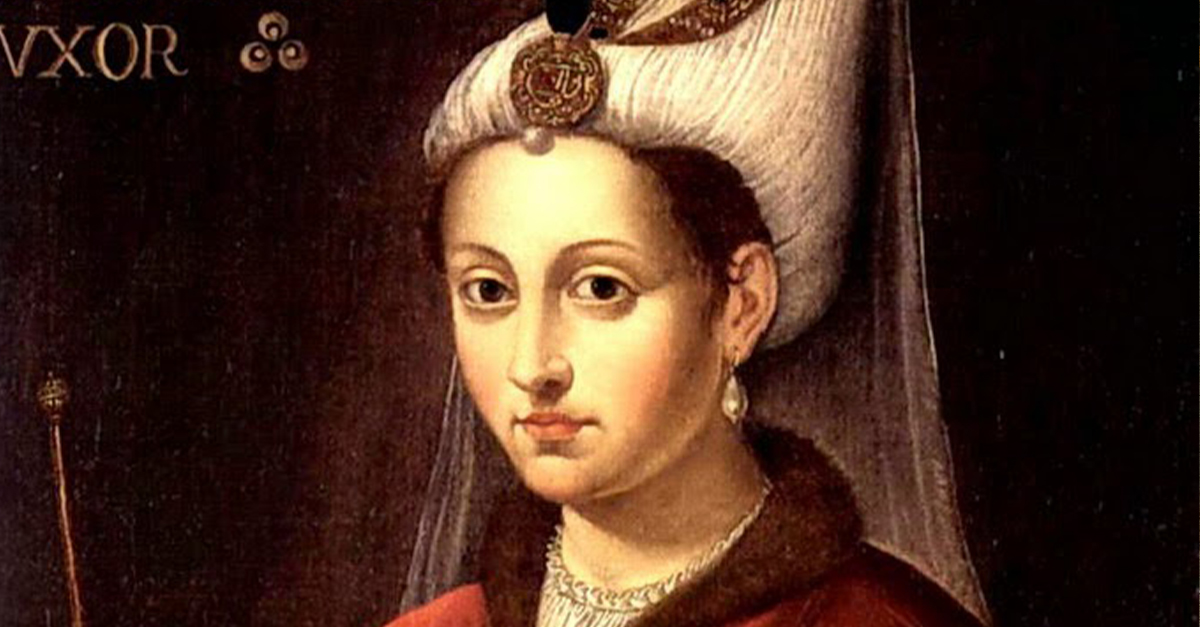
She Was Basically The Sultan
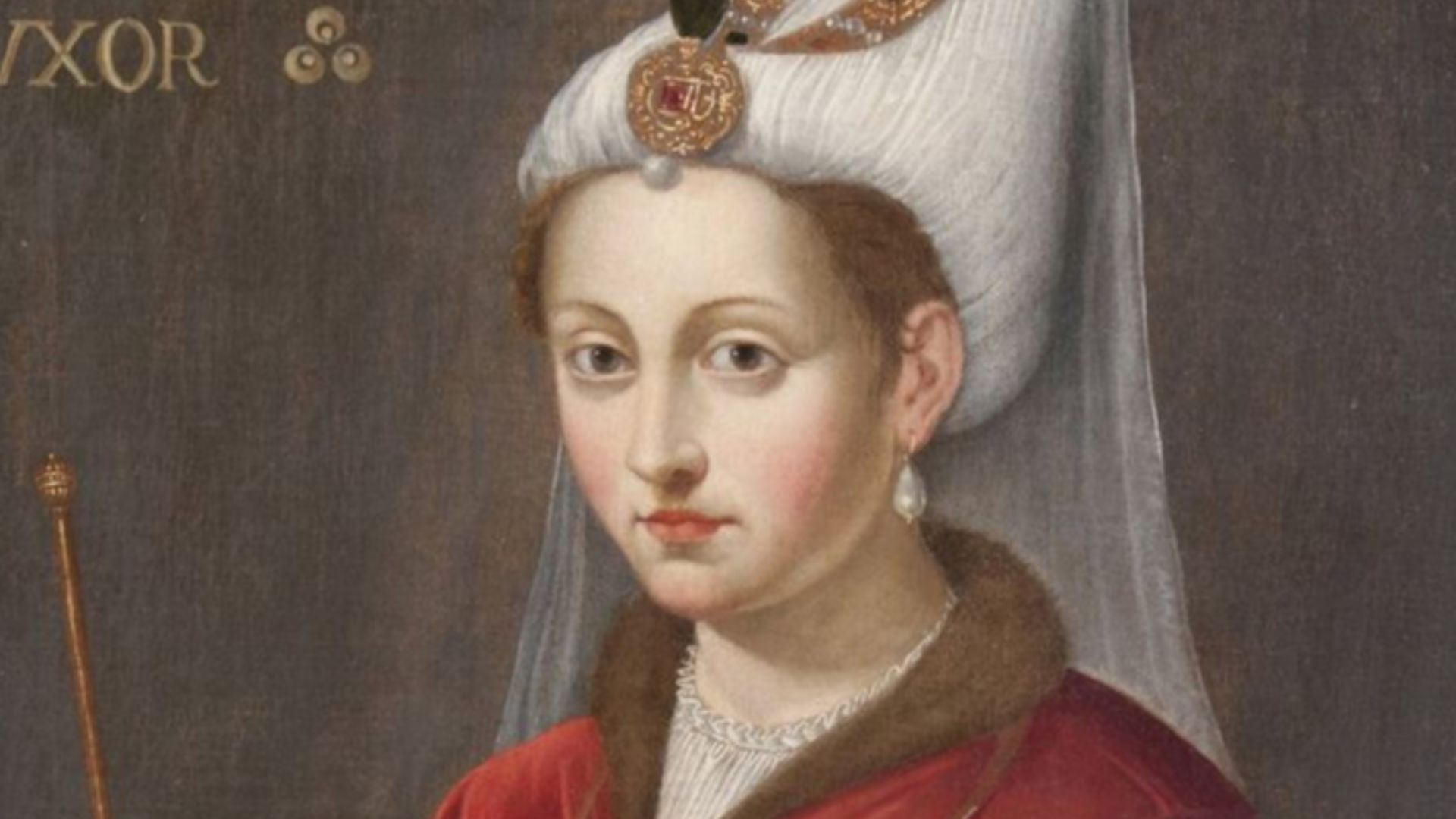
Roxelana (also known as Hürrem Sultan) rose from being a lowly consort to the power behind the throne of Suleiman the Magnificent. Worshipped for her beauty and brains by some, demonized as a sorceress by others, she sparked a revolution in the Ottoman Empire that led to the Sultanate of Women.
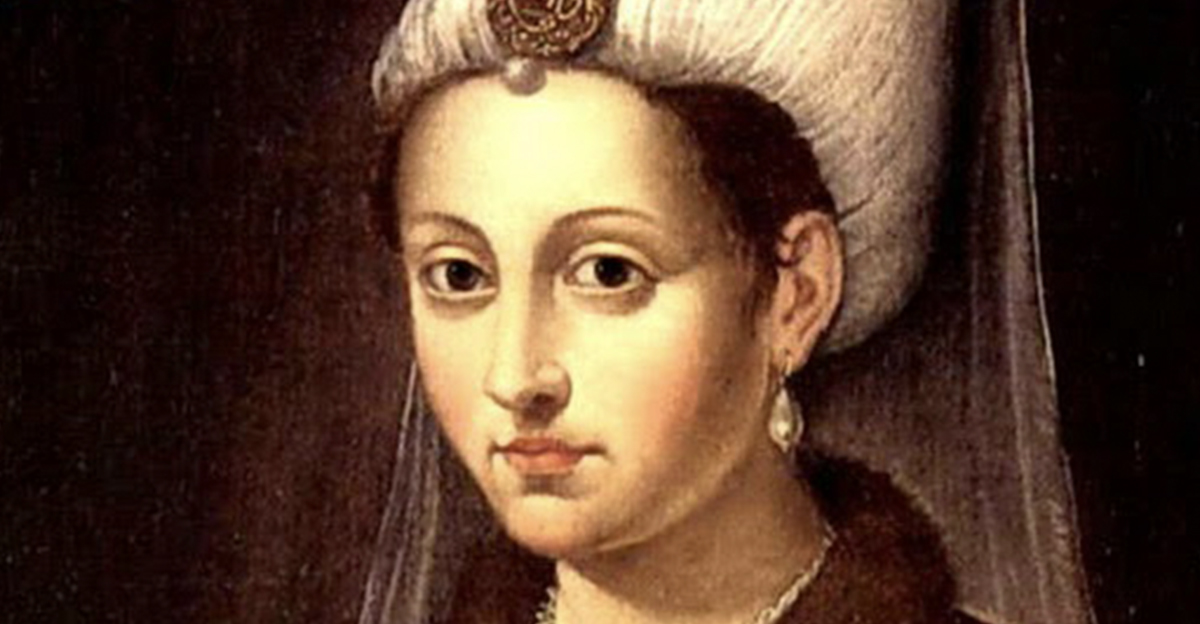
1. She Came From…Somewhere
Roxelana’s story began somewhere between 1502 and 1506. The exact place of her birth remains a mystery, but most agree that it was likely Ruthenia—a corner of Eastern Europe that once belonged to the Polish Crown. Though her early years are lost to obscurity, legend and rumors filled in the blanks.
Whatever the truth, she was born to make history.
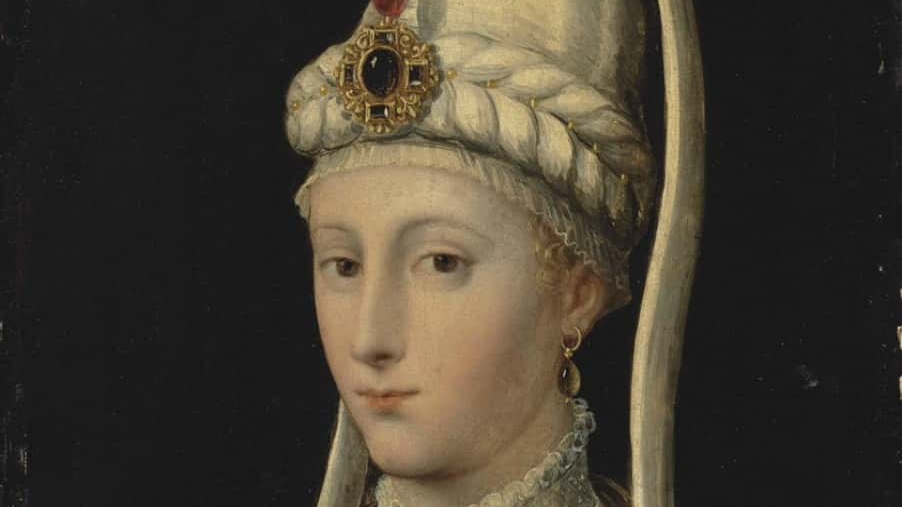
2. She Had A Saintly Start
Before she ever set foot in the Sultan’s palace, Roxelana went by another name. Her birth name was likely Aleksandra—or possibly Anastasia Lisovska—and she was the daughter of an Orthodox priest. However, her quiet, Christian upbringing was about to get turned on its head.
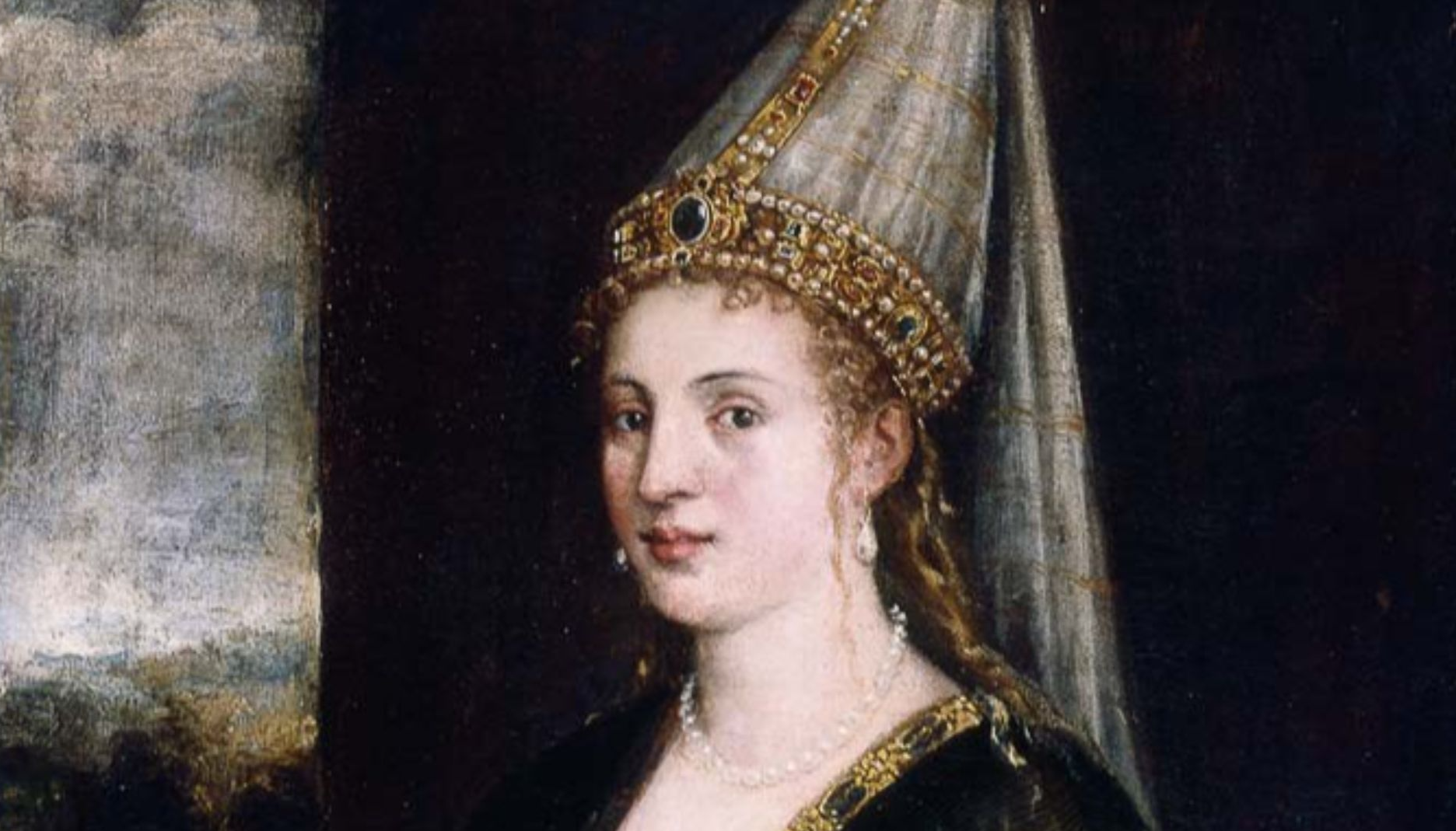 Workshop of Titian, Wikimedia Commons
3. She Was Taken From Her Home
Around her mid-teens, Roxelana’s fate took a dramatic turn. Crimean Tatar raiders stormed her homeland, capturing the girl and countless others. As her captors hauled her off to Caffa—the Black Sea’s busiest slave port—she might have been fearing a fate worse than death. However, she wouldn’t stay shackled for long.
 16th Century author, Wikimedia Commons
4. She Sailed From Obscurity Into History
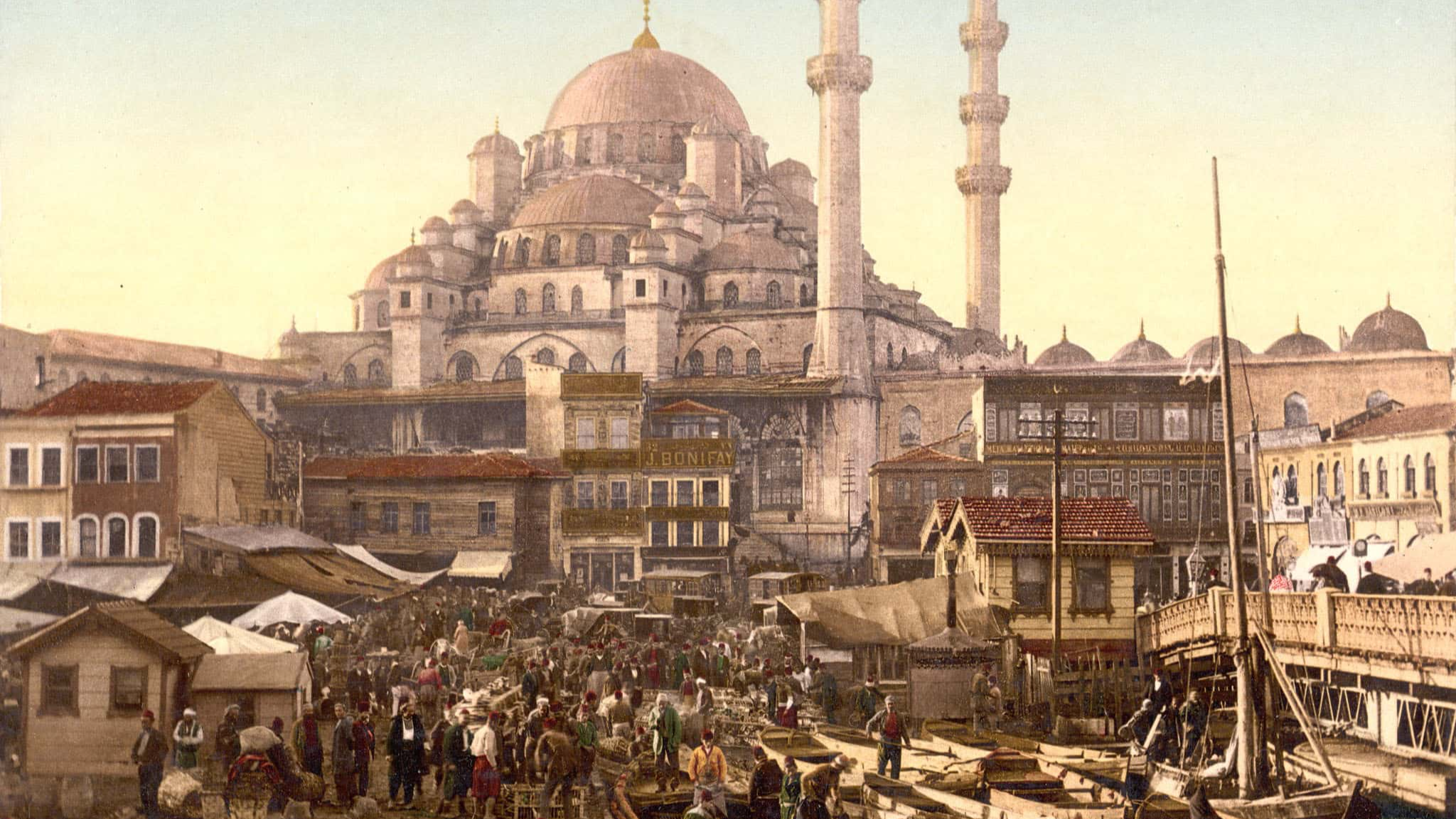
From the port of Caffa, Roxelana endured a 10-day voyage to Constantinople, the glittering capital of the powerful Ottoman Empire. The journey was perilous, but destiny waited on the other shore. She had unwittingly sailed from obscurity into history—and power.
5. She Entered The Sultan’s Harem
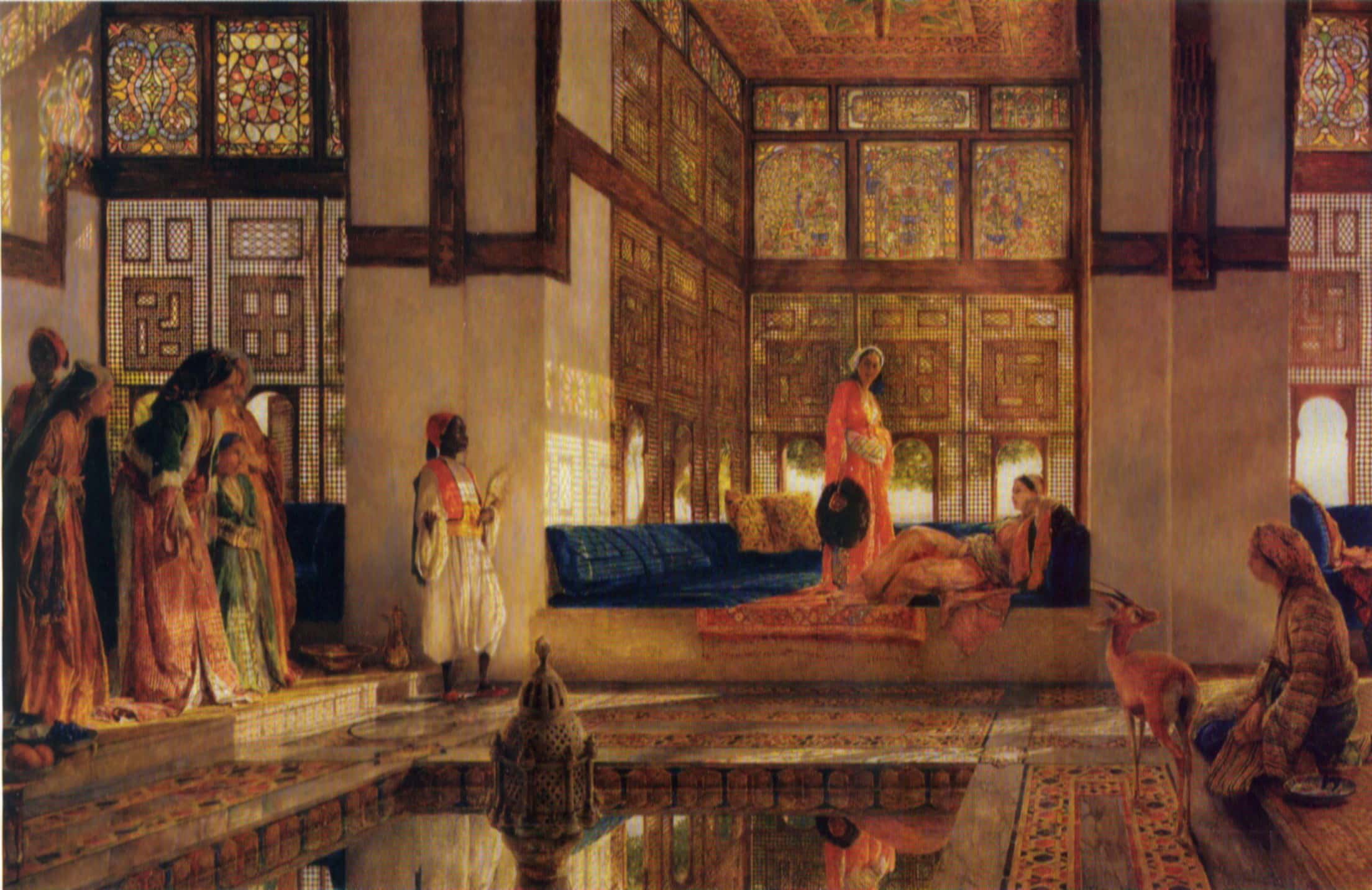
After arriving in the Ottoman capital, Roxelana was brought, as a young slave, into the imperial harem. It was likely Sultan Suleiman the Magnificent’s own mother, Hafsa Sultan, who had procured Roxelana for her son, but it’s not entirely clear. Regardless, she caught the powerful Sultan’s eye instantly.
Their meeting would change an empire.
 John Frederick Lewis, Wikimedia Commons
6. She Earned An Exotic Nickname
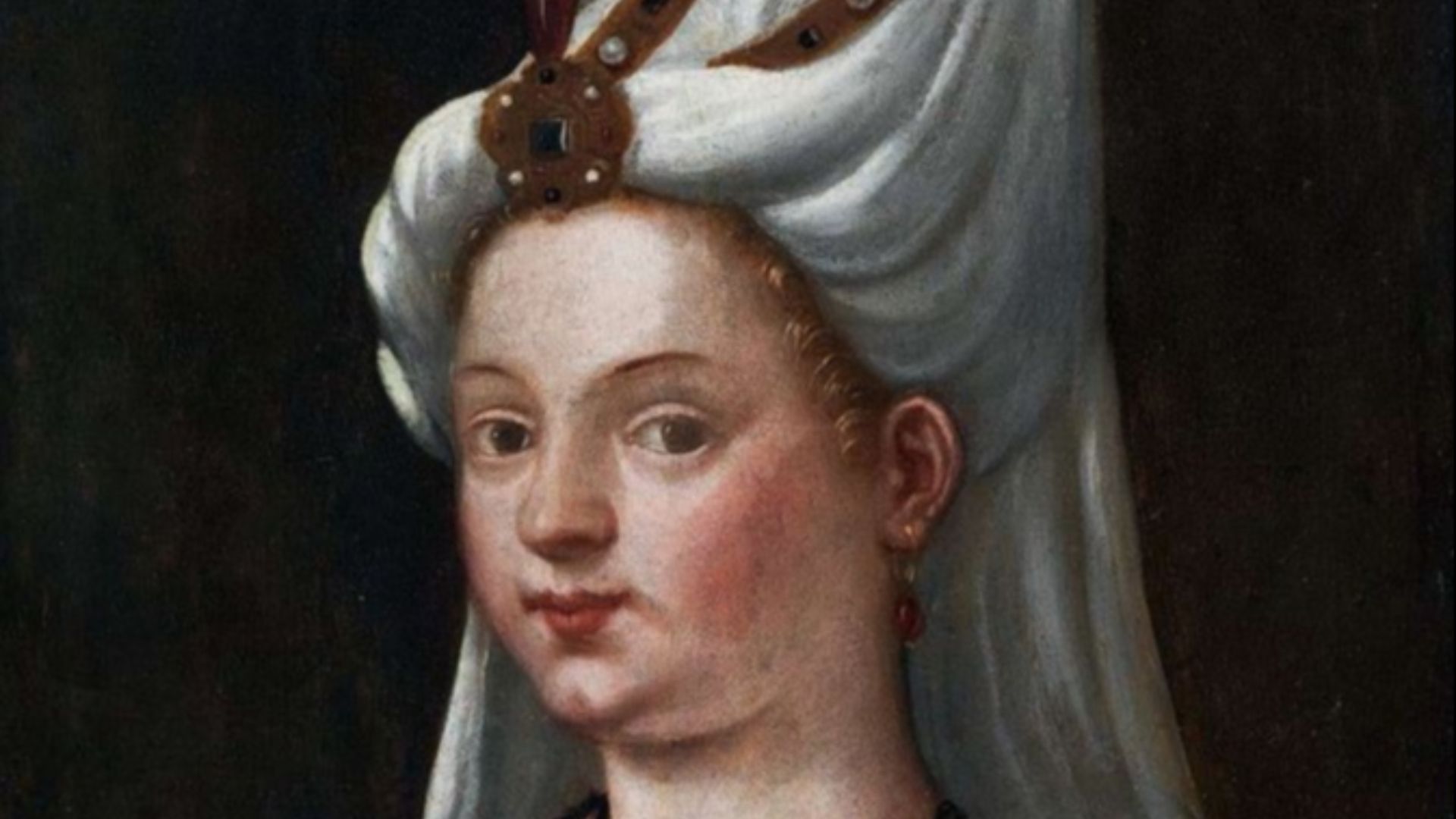
To the Europeans who visited the Ottoman Empire, Roxelana’s exotic origins were intriguing. Whatever name she had before was gone. From the time she entered the harem, she was “Roxelana”—a nod to her Ruthenian (or Rusyn) roots. Western diplomats even coined their own version, “Russelazie”.
Whatever they called her, they couldn’t stop talking about her—and neither could Suleiman.
 Unknown authorUnknown author, Wikimedia Commons
7. She Became “The Joyful One”
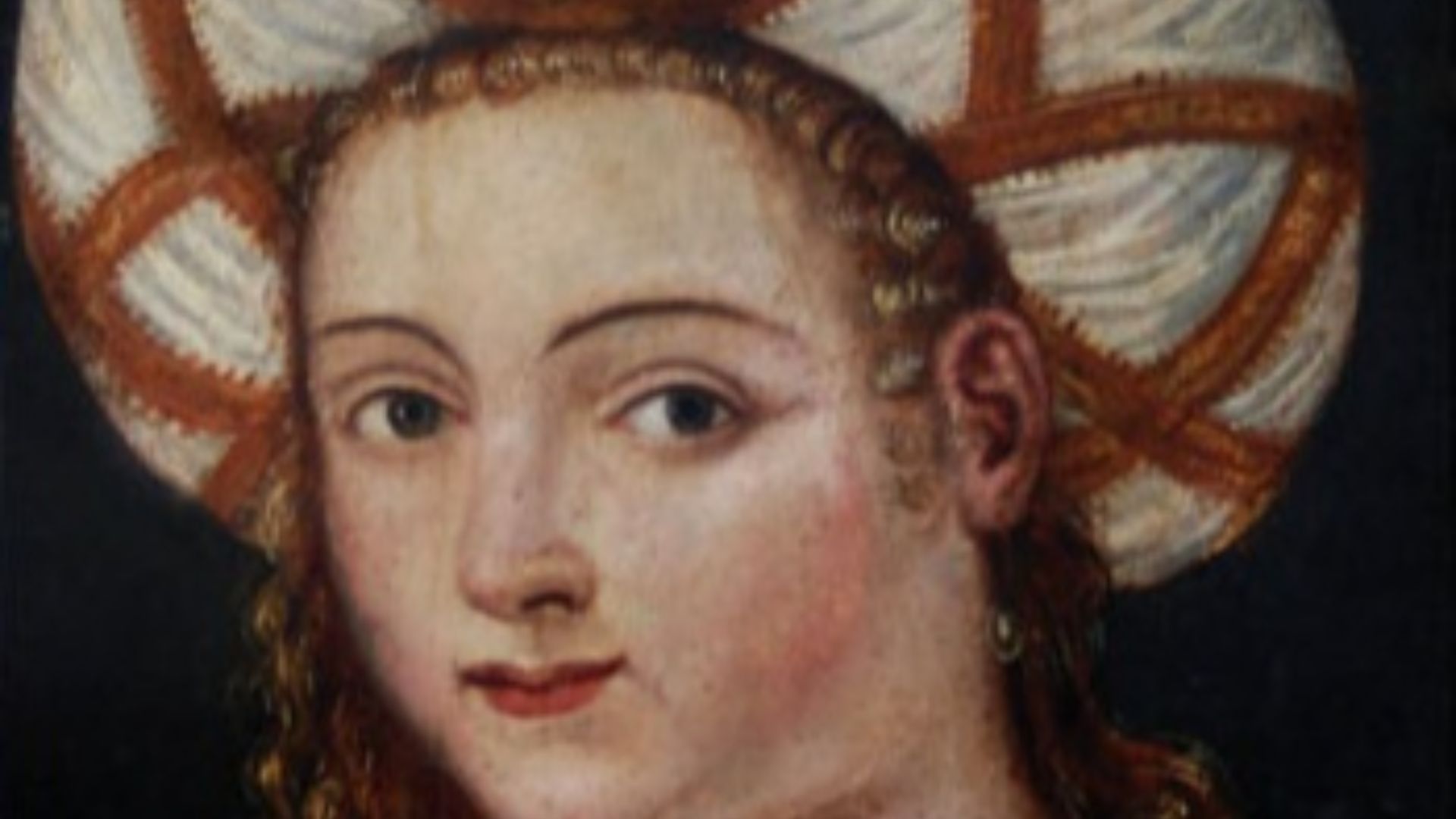
Even in the palace, where bitter rivalries and bloody backstabbing ruled, Roxelana stood out. While the Europeans had their name for her, the Turks (possibly Suleiman himself) gave her a more fitting name: Hürrem, translated to “the cheerful one”. She stood out for more reasons than her sunny disposition.
 Unknown artistUnknown artist, Wikimedia Commons
8. She Looked Nothing Like The Others
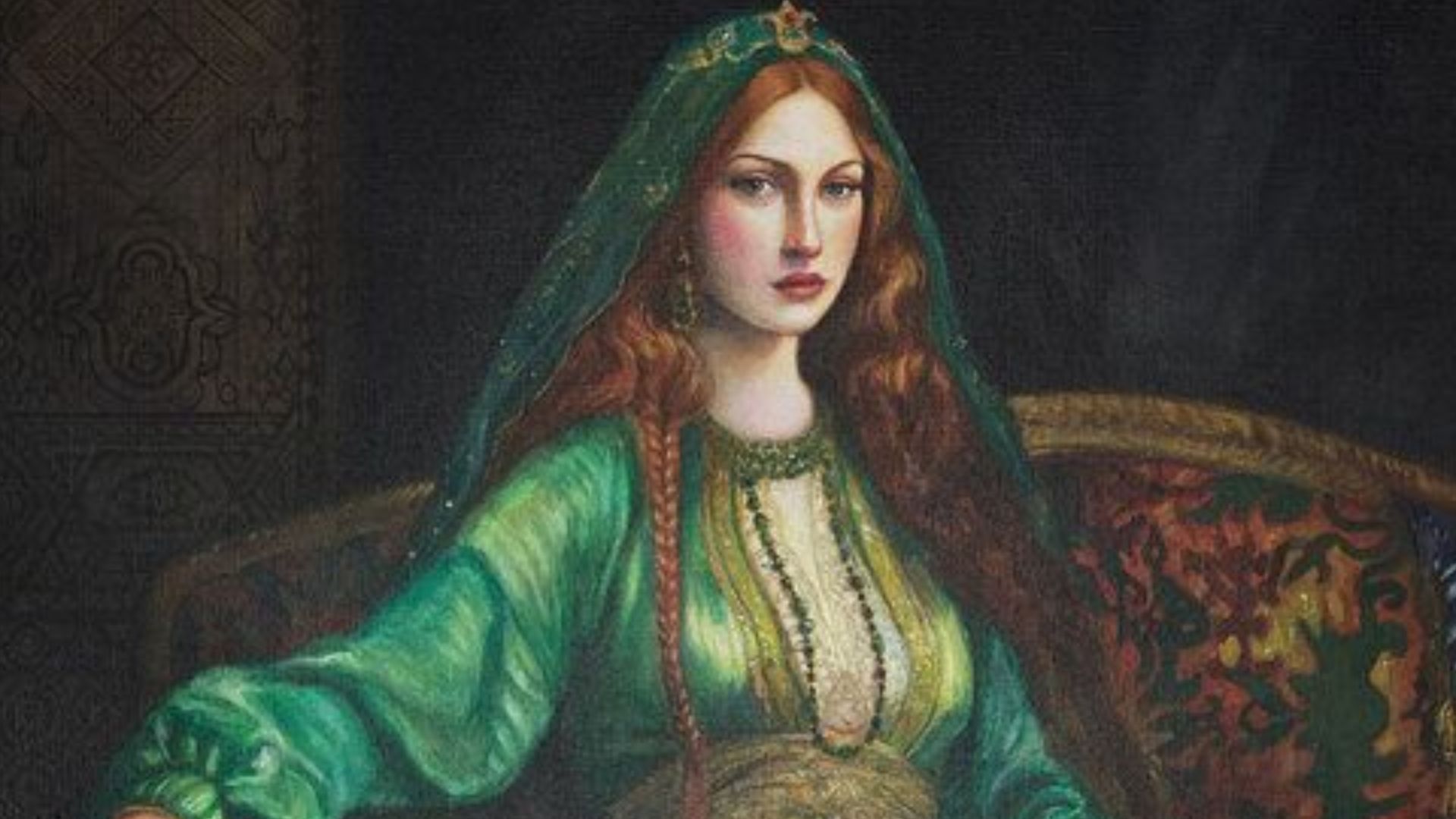
European envoys wrote home in awe of Roxelana’s striking looks: red-gold hair (sometimes called blonde), green or blue eyes, and a porcelain complexion more radiant than a thousand Ottoman suns. In a harem of olive-skinned beauties, Hürrem’s pale, fiery presence made her impossible to forget.
 Panrancion205, Wikimedia Commons

History's most fascinating stories and darkest secrets, delivered to your inbox daily.
9. Her Beauty Was Legendary
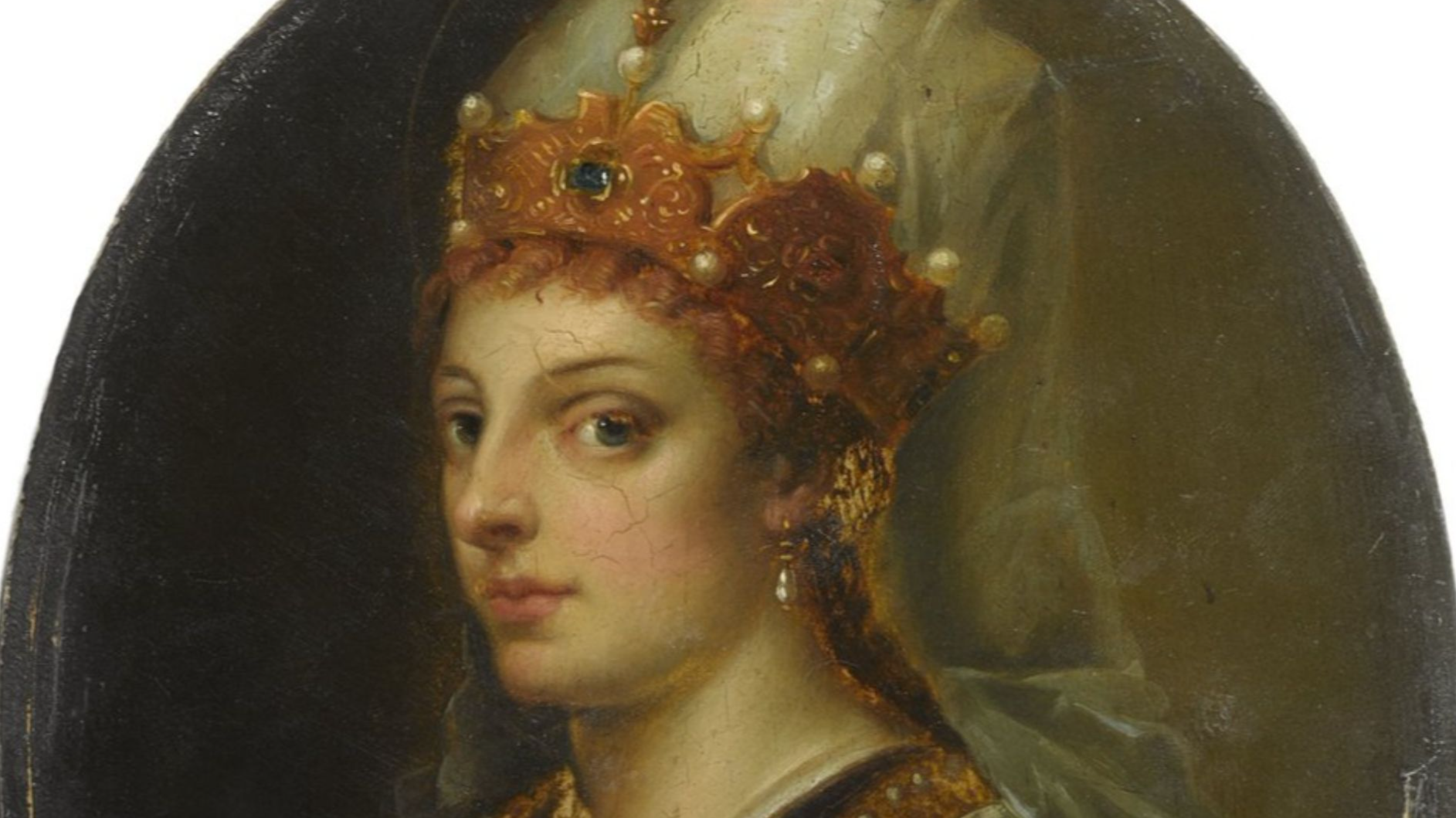
Even as some sources tried to downplay her beauty, contemporary sources confirmed her unique and radiant looks. “She is a blonde with big bright blue eyes and long braids,” one observer recorded. “The whiteness and brightness of her body was strikingly beautiful”. Her beauty, however, was not her real asset.
 Italian or French, Wikimedia Commons
10. She Captivated More Than Eyes
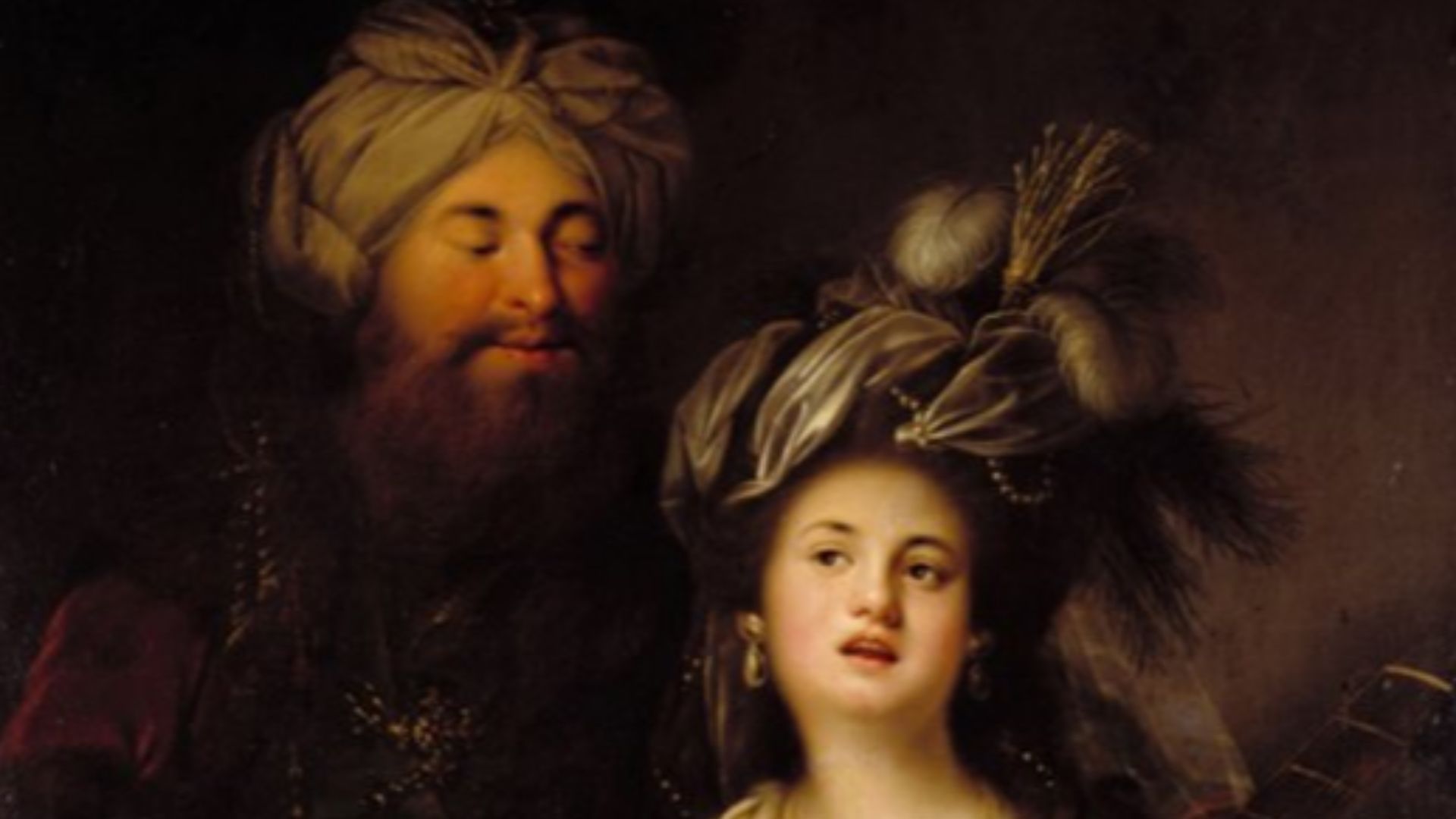
Contemporaries agreed that Roxelana’s true power wasn’t in her face—it was in her mind. Quick-witted, vivacious, and endlessly clever, she had a gift for conversation and charm. Even in a harem full of beautiful women, Suleiman found Roxelana irresistible—not merely as a concubine, but as a confidante.
His devotion to her would rewrite the history books.
 Anton Hickel, Wikimedia Commons
11. She Became The Sultan’s Favorite
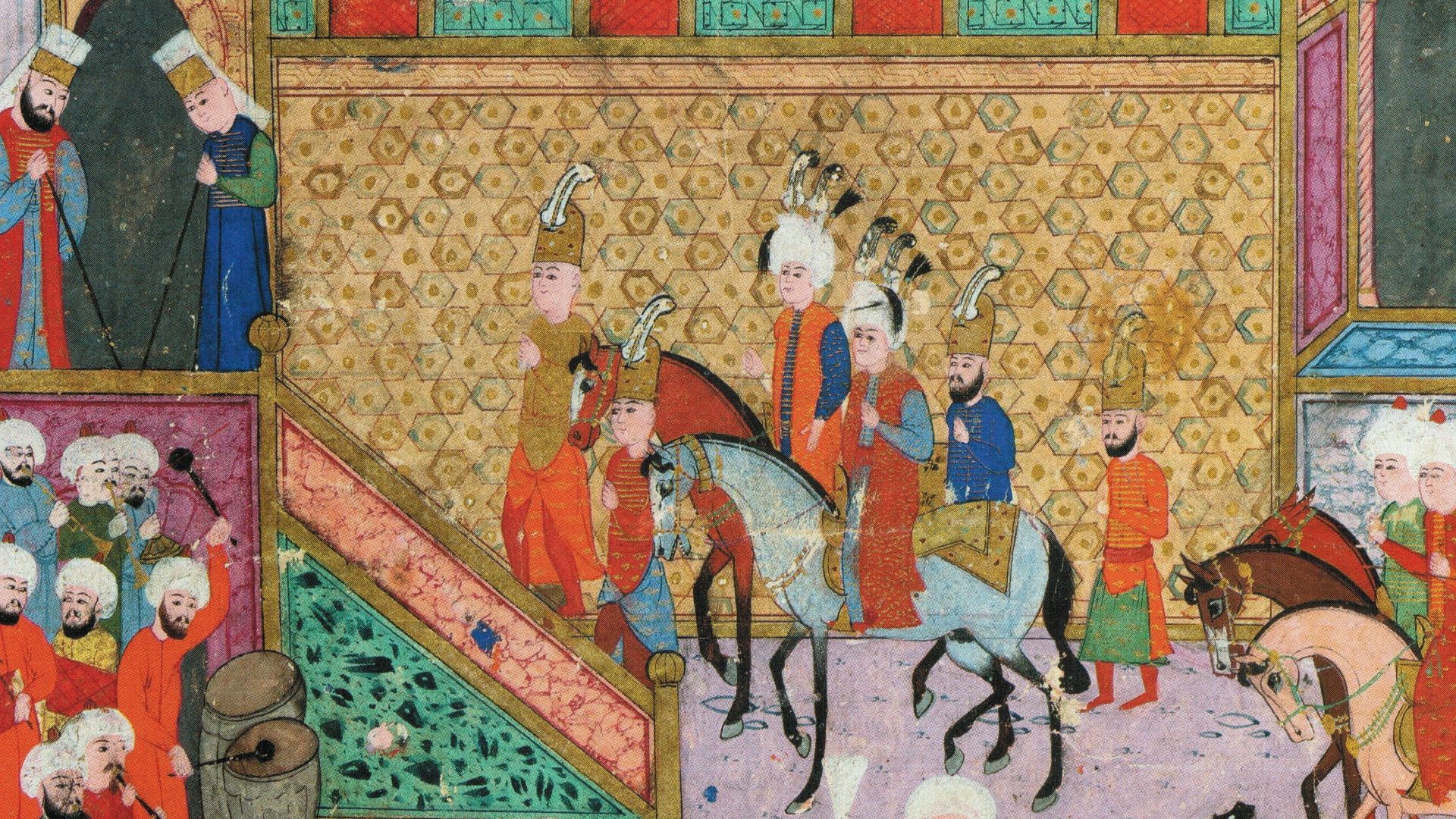
In 1521, Roxelana bore her first son by Suleiman, Şehzade Mehmed, just months after Suleiman had ascended the throne. The birth of a male secured her position in the palace. It also secured her rival’s downfall. Before long, Roxelana had replaced Mahidevran, mother of the Sultan’s eldest son Mustafa, as the royal favorite.
Her next actions made a terrible feud inevitable.
 Unknown authorUnknown author, Wikimedia Commons
12. She Gave The Sultan The “Sun And Moon”
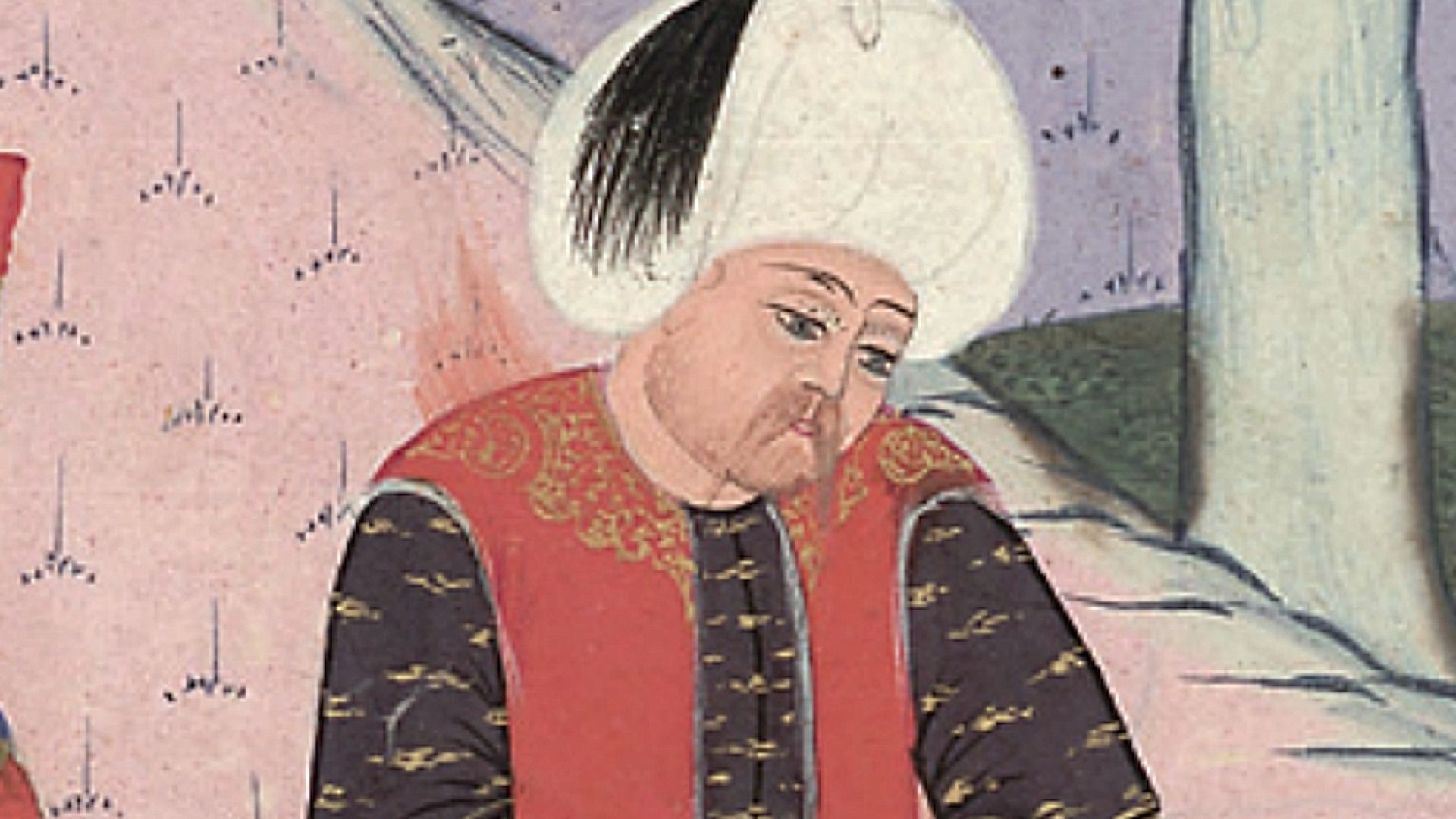
After Mehmed, Roxelana gave birth to her only daughter, Mihrimah Sultan, in 1522. The poetic name meant “Sun and Moon” in Persian—and she really did give him the sun and the moon. Roxelana followed up Mihrimah’s birth with more children: Şehzade Selim, born around 1524 and who would one day inherit the empire, and little Abdullah, who passed on in infancy.
Roxelana’s destiny, however, was just beginning to rise.
 1568-69 artist, Wikimedia Commons
13. She Filled The Palace With Princes
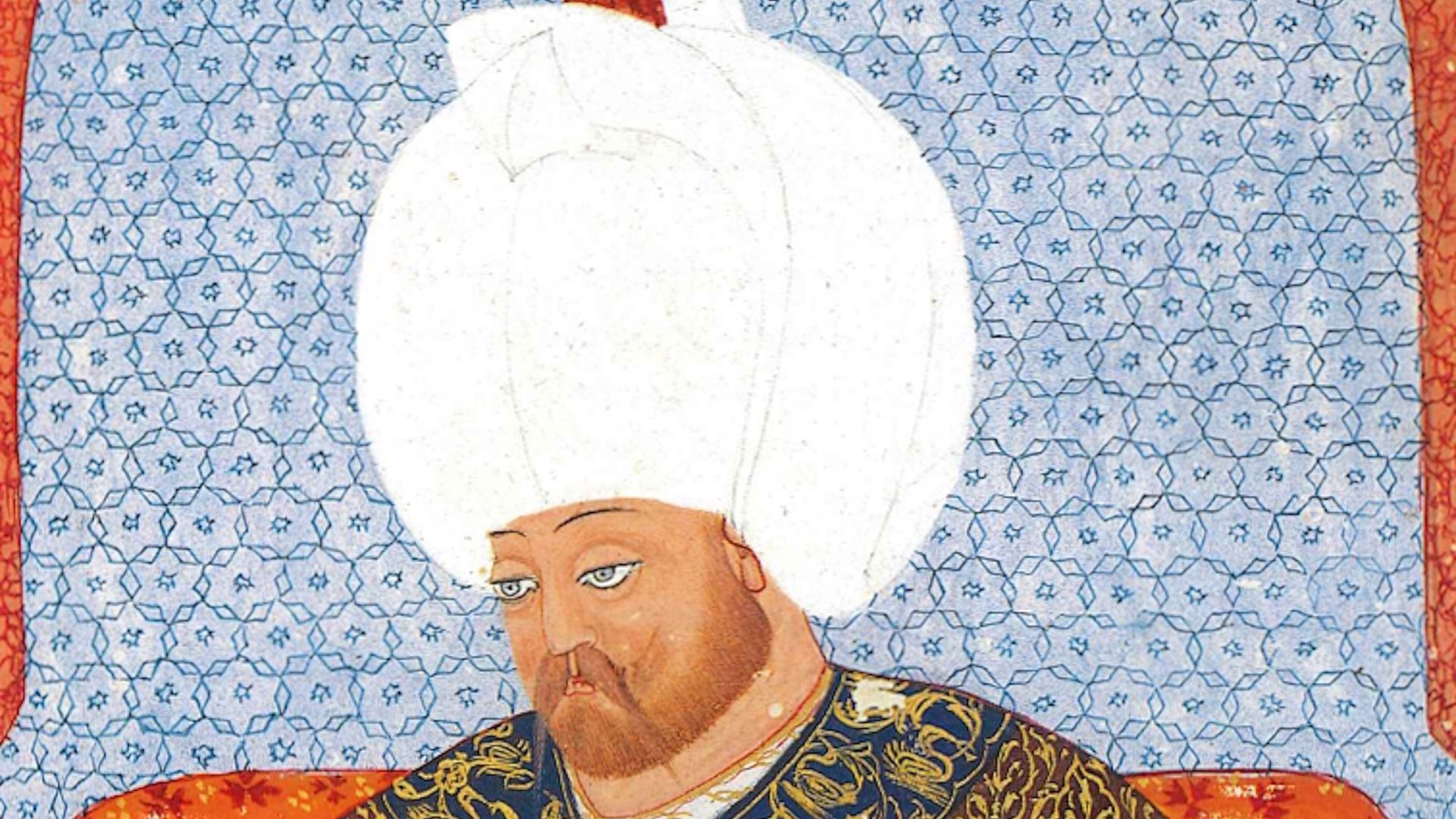
By 1526, Roxelana had welcomed another son, Bayezid. Then, in 1531, she gave birth to her youngest, Cihangir—a sweet child born with a hunchback that required constant care. Despite his frailty, Roxelana defied Ottoman convention and loved him fiercely. That wasn’t the only custom she was breaking.
 Nakkaş Osman, Şemâ'ilnâme, 1579, Istanbul, Topkapı Sarayı Müzesi, Н. 1563., Wikimedia Commons
14. She Broke Every Harem Rule
Ottoman custom dictated that a concubine—such as Roxelana—could bear the Sultan only one son to prevent nasty dynastic battles. After that, she would have to leave the palace and live in a far-flung province. Roxelana, however, rewrote the rulebook. She gave Suleiman at least five sons—and stayed in Istanbul long after they came of age.
Her upending of convention and growing power made someone very jealous.
15. She Fought A Brutal Rival
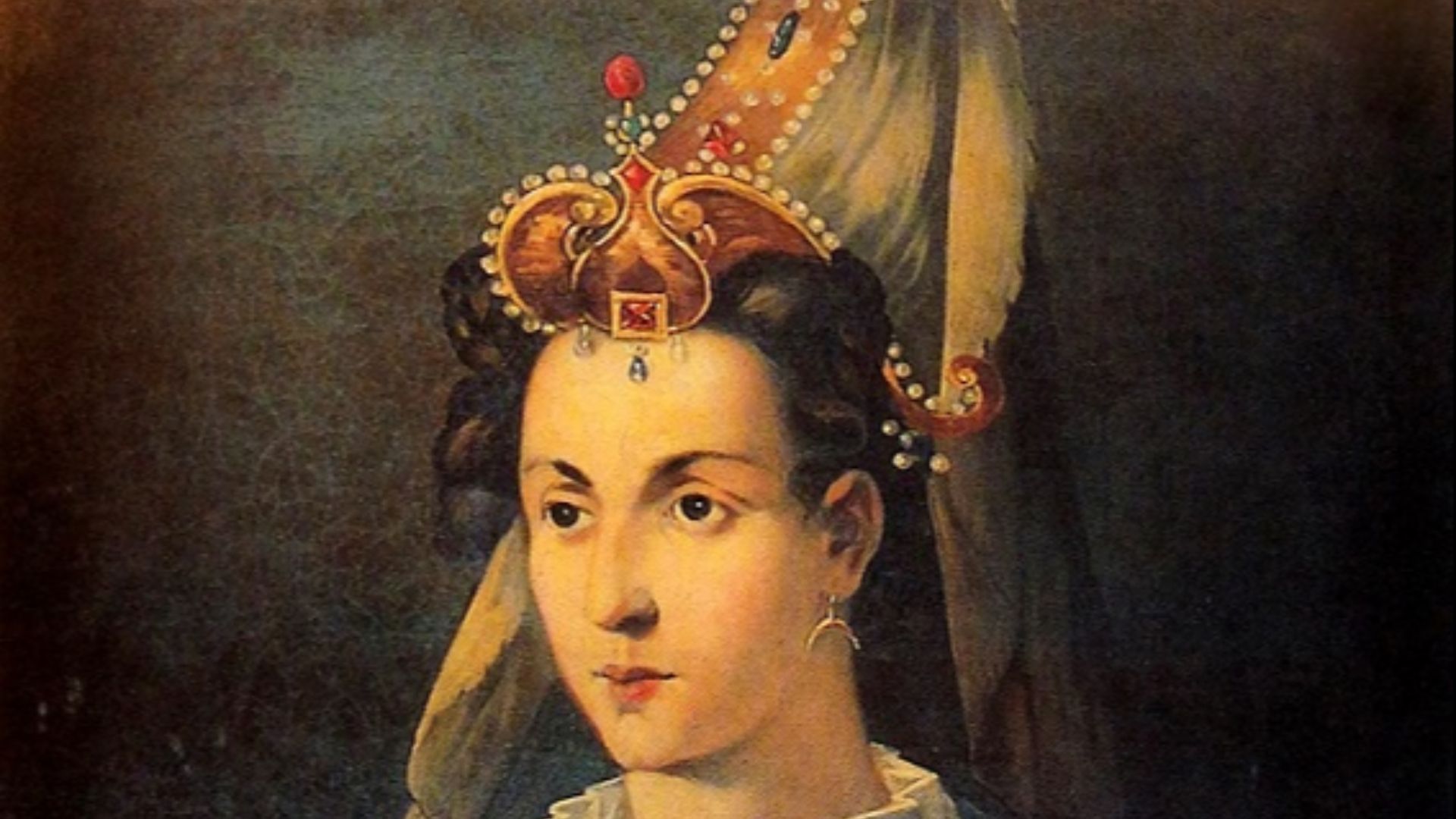
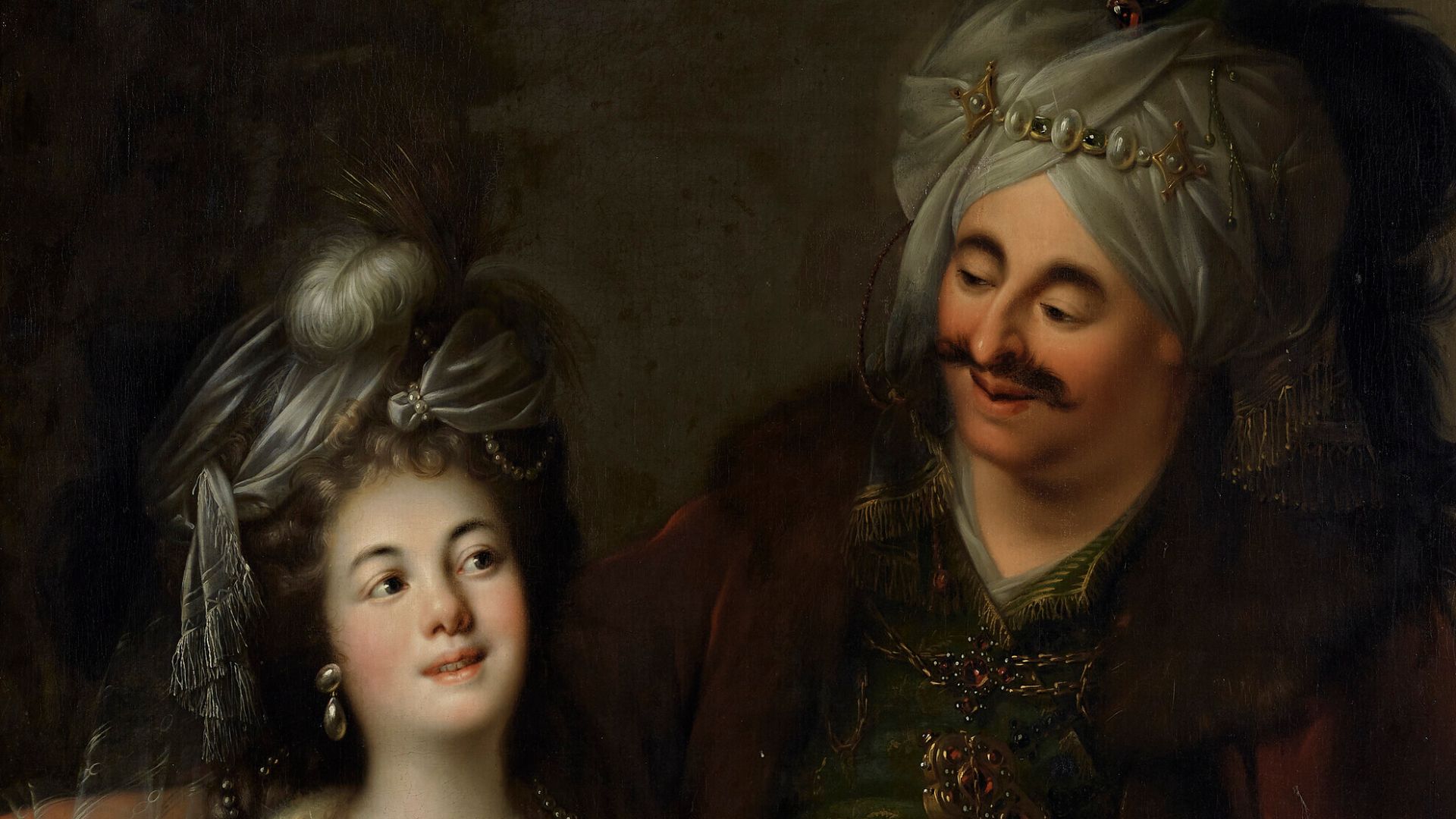
Roxelana’s rise to power, heightened with each son, didn’t go unnoticed—or unchallenged. According to the Venetian ambassador Bernardo Navagero, Mahidevran—Suleiman’s former favorite concubine—attacked Roxelana in a fit of jealousy, beating her bloody. However, the savage attack only deepened the Sultan’s affection for Roxelana—and sealed Mahidevran’s downfall.
 Christies.com, Wikimedia Commons
16. Her Queen Saved Her Life
With the growing tensions between Roxelana and Mahidevran, the palace might have erupted into a battlefield. Fortunately, Hafsa Sultan, Suleiman’s formidable mother, intervened at precisely the right moment. Acting as mediator, she calmed the feud between Roxelana and Mahidevran—for a while.
Yet even Hafsa’s authority couldn’t contain Roxelana’s rising power forever.
 Энциклопедия, Wikimedia Commons
17. She Won Suleiman’s Heart Entirely
By 1526, the rivalry between Roxelana and Mahidevran was over. And all Roxelana had to do was be herself. Suleiman’s affection for Mahidevran had cooled, replaced by an all-consuming devotion to his flame-haired Roxelana. Their love transcended tradition—and almost caused a riot in the city.
 M.sadegh-khalili82, Wikimedia Commons
18. She Became His Lawful Wife
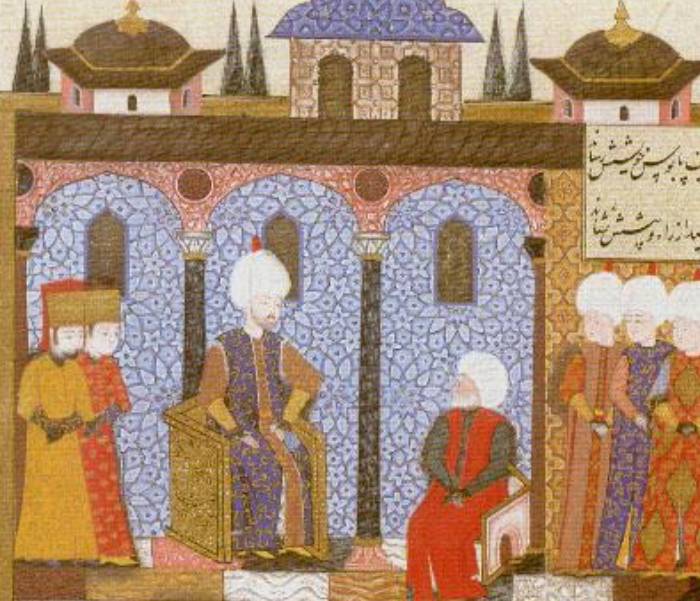
In 1533 or 1534, Roxelana made history again. Suleiman, breaking with tradition, legally married Roxelana in a magnificent and opulent ceremony that both stunned and scandalized the empire. No concubine had ever become a queen in her own right, but Roxelana had turned love into legitimacy—and passion into power.
 Ali. Amir Beg Shirwani, Wikimedia Commons
19. She Broke A 200-Year Tradition
For two centuries, Ottoman sultans had refused to marry their concubines, keeping politics separate from pleasure. With her marriage to Suleiman, however, Roxelana had shattered that tradition. News of the marriage spread faster than the Ottoman troops across Europe.
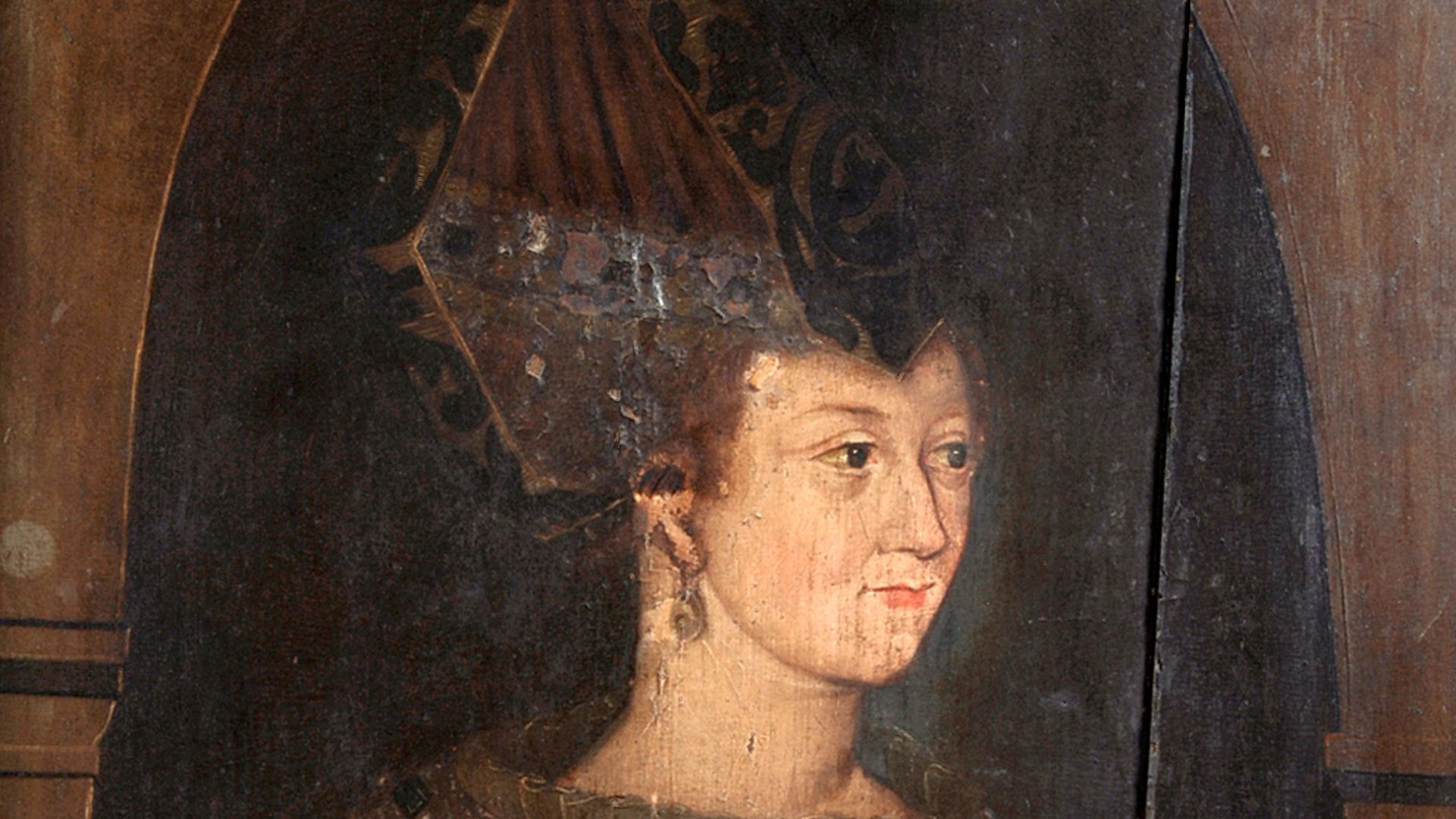
20. She Became A Legend Overnight
Foreign ambassadors across Europe couldn’t believe the news. One Genoese envoy even wrote: “This week there has occurred in this city, a most extraordinary event, one absolutely unprecedented in the history of the Sultans. The Grand Signor Suleiman has taken to himself as his Empress, a slave woman from Russia, called Roxelana”.
But she was a slave no more.
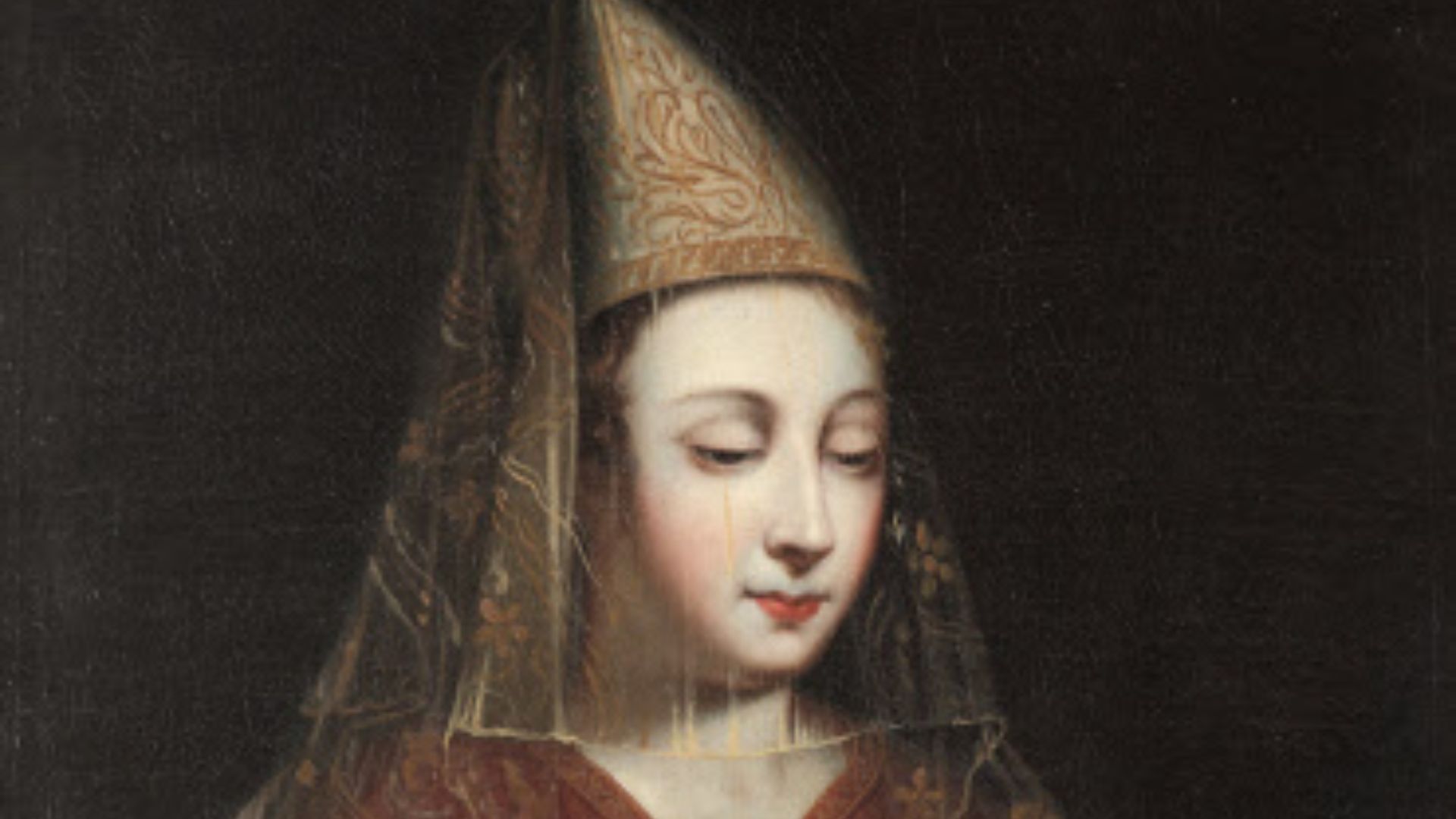 Unknown authorUnknown author, Wikimedia Commons
21. Her Husband Set Her Free
Before—or perhaps at—the time of their marriage, Suleiman took another unprecedented step. Because of an Islamic law forbidding a Sultan from marrying a slave, Suleiman freed Roxelana from her bondage. Just like that, Roxelana had gone from a slave to being an equal to the most powerful man on earth.
It was too meteoric a rise to believe.
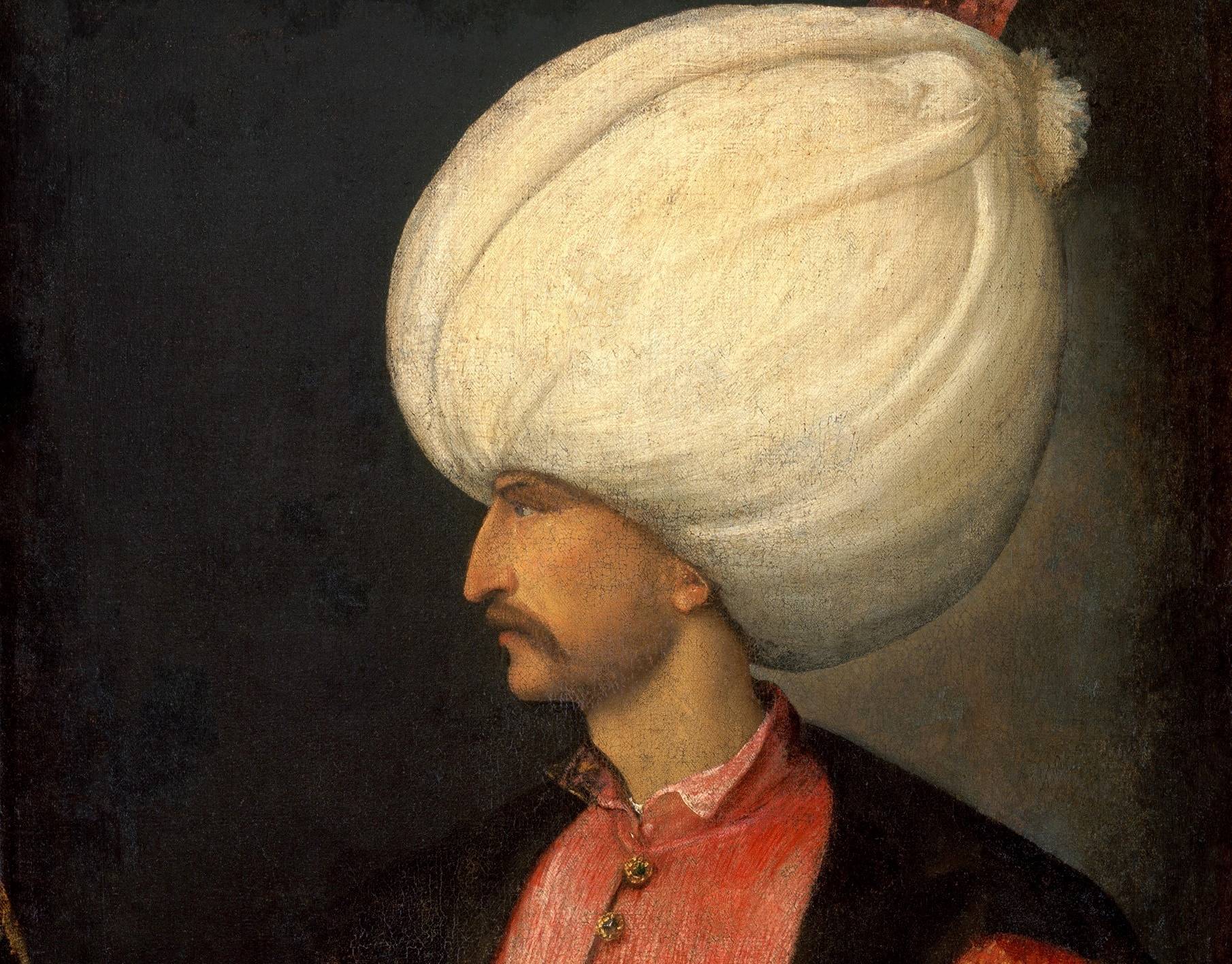 Kunsthistorisches Museum, Wikimedia Commons
22. She Was The Sultan’s Sorceress
Suleiman’s unwavering devotion to Roxelana defied every Ottoman expectation. He loved her so much that he had upended centuries of tradition just to be with her. To his critics, that could only mean one thing: Roxelana had bewitched him. Whispers spread that she used potions, charms, and magic to capture his heart.
She was, however, far too kind to be a witch.
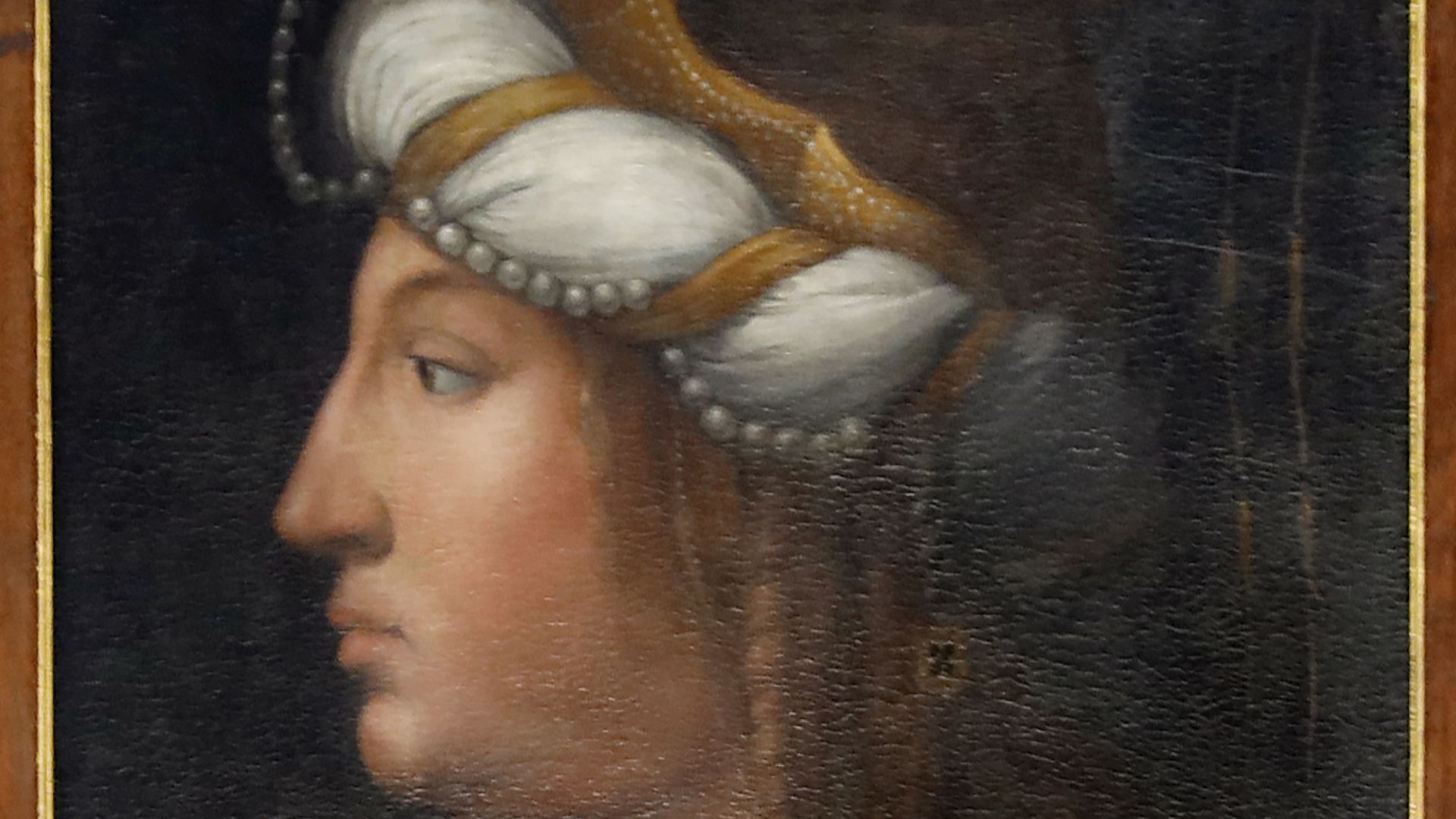
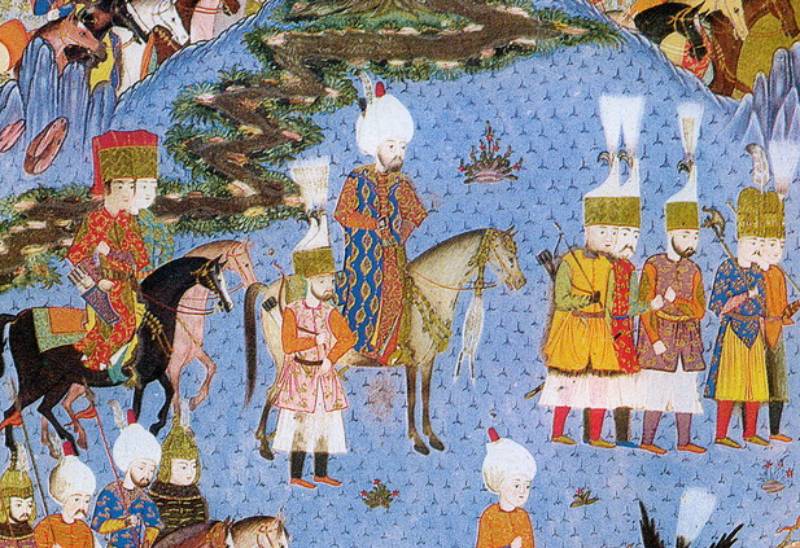 23. She Took The Throne Of The Harem
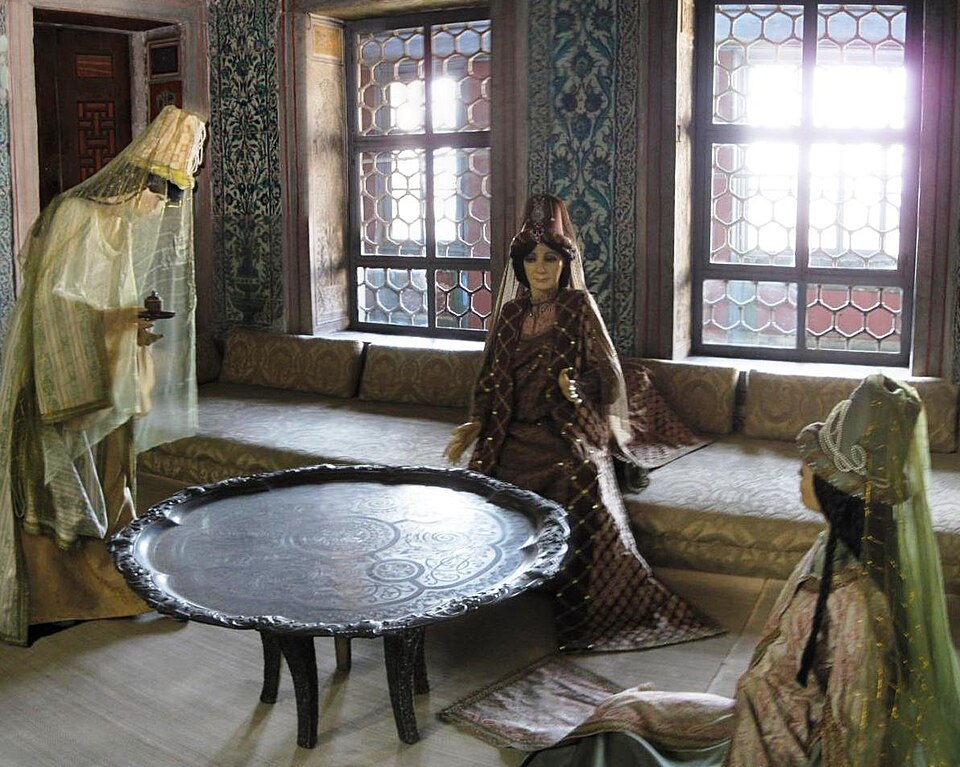
When Suleiman’s mother, Hafsa Sultan, passed on in 1534, the palace lost its matriarch. And Roxelana stepped into the void. As the new head of the Imperial Harem, she ruled over hundreds of women and servants. From that gilded fortress, her influence would extend straight into the Sultan’s council chambers.
 Fabrizio Garrisi, Wikimedia Commons
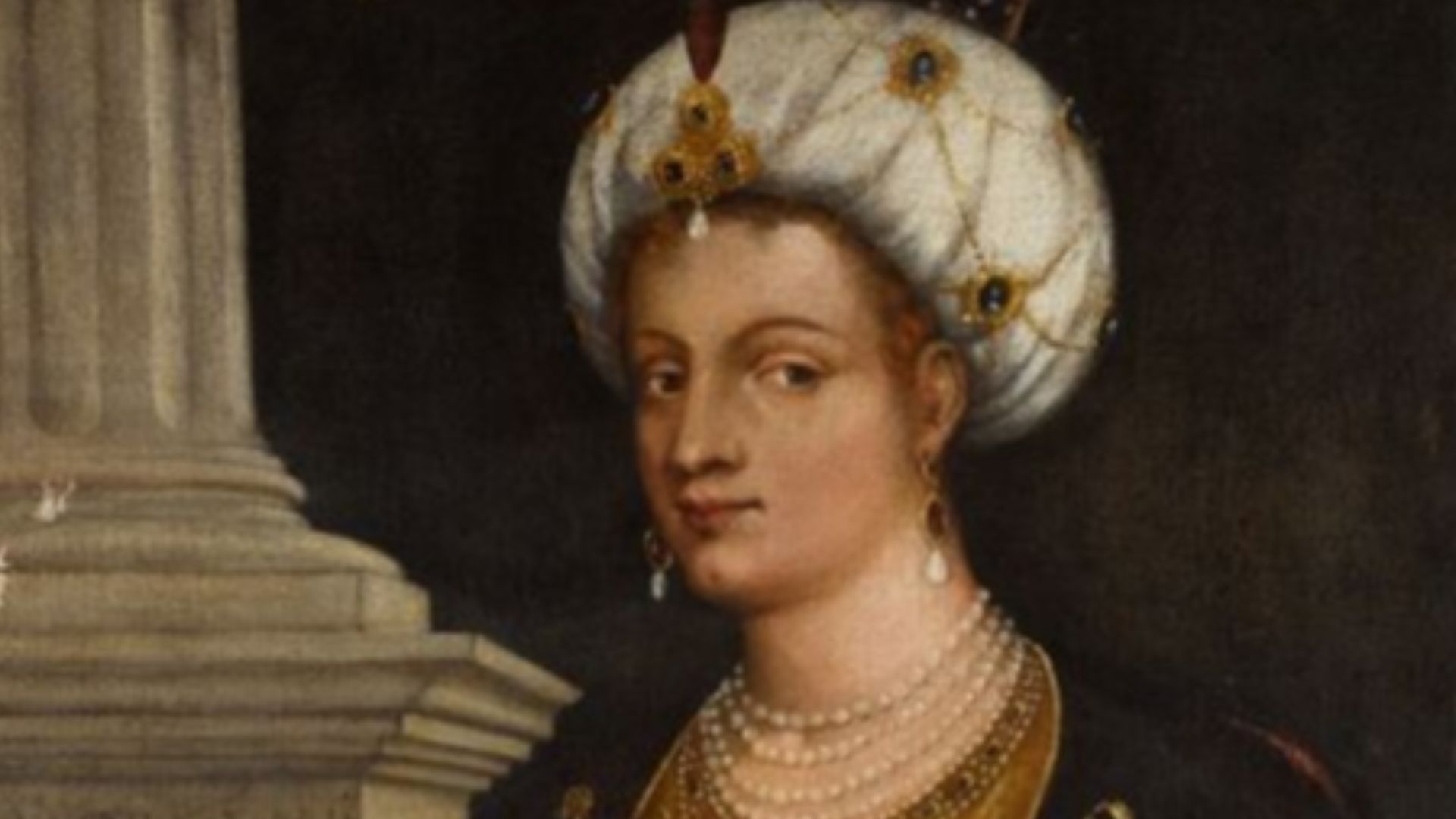
24. She Became The First “Haseki Sultan”
With her new authority came a new title. Roxelana became the first woman ever to hold the rank of Haseki Sultan—a title that Suleiman had created specifically for her. The new, special title placed her above Ottoman princesses and on par with European empress consorts. And she had the money to back it up.
 Follower of Titian, Wikimedia Commons
25. She Was Paid Like A Queen
Power wasn’t Roxelana’s only reward. As Haseki Sultan, she earned an astonishing 2,000 aspers per day—making her one of the highest-paid women in Ottoman history. Comparatively, Suleiman had only been paying his mother 150 aspers per day. With that kind of money, Roxelana could do whatever she wanted.
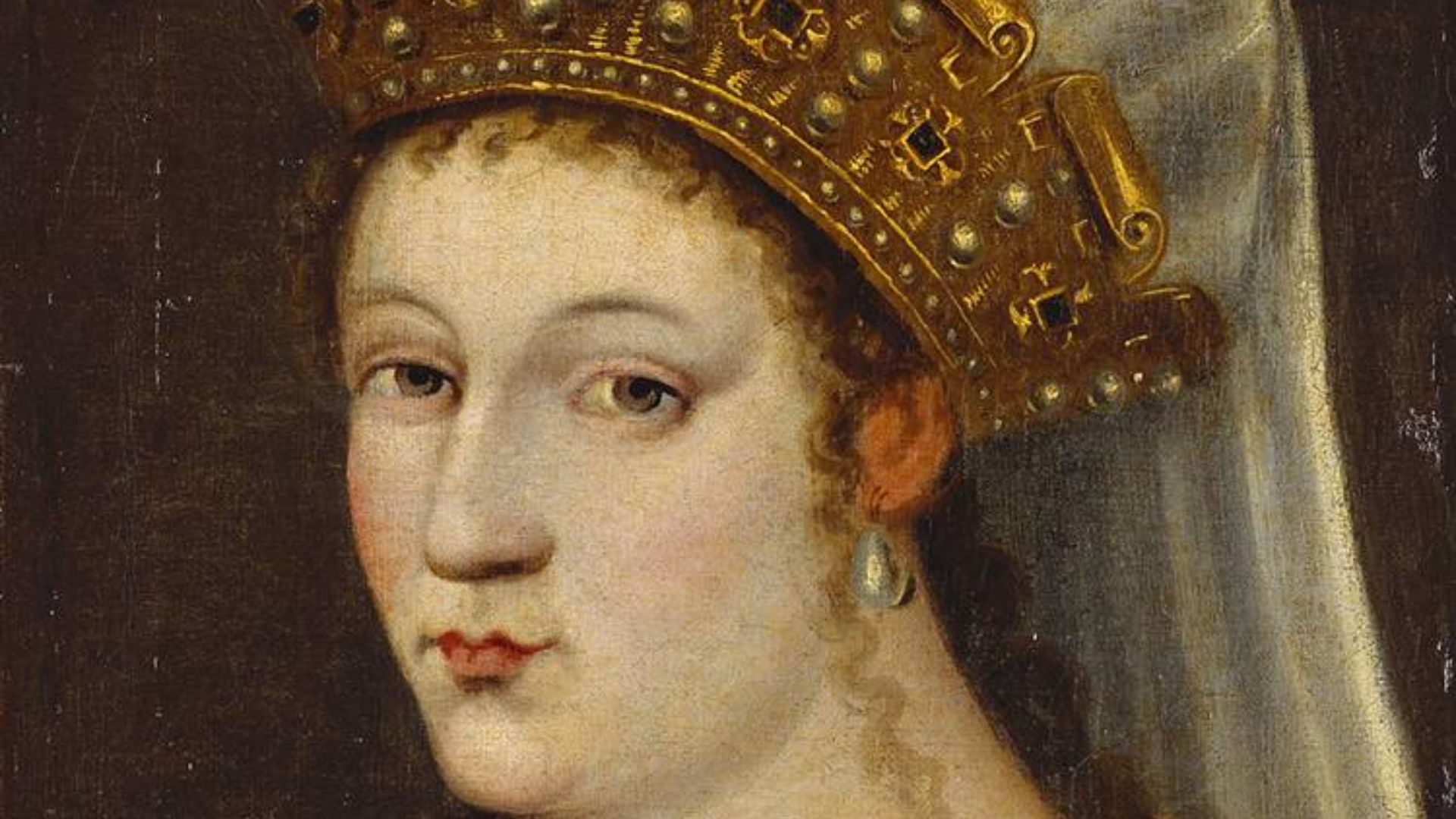
26. She Moved The Entire Harem
In 1541, a fire ravaged the Old Palace, but Roxelana saw opportunity in the ashes. She ordered the entire Imperial Harem to relocate to Topkapi Palace. But it was also a strategic move that brought her closer to the Sultan—and closer to power. From that moment, the women of the court would live near the seat of power.
But a tragedy would threaten her grip over the Empire.
27. She Lost Her Beloved Son
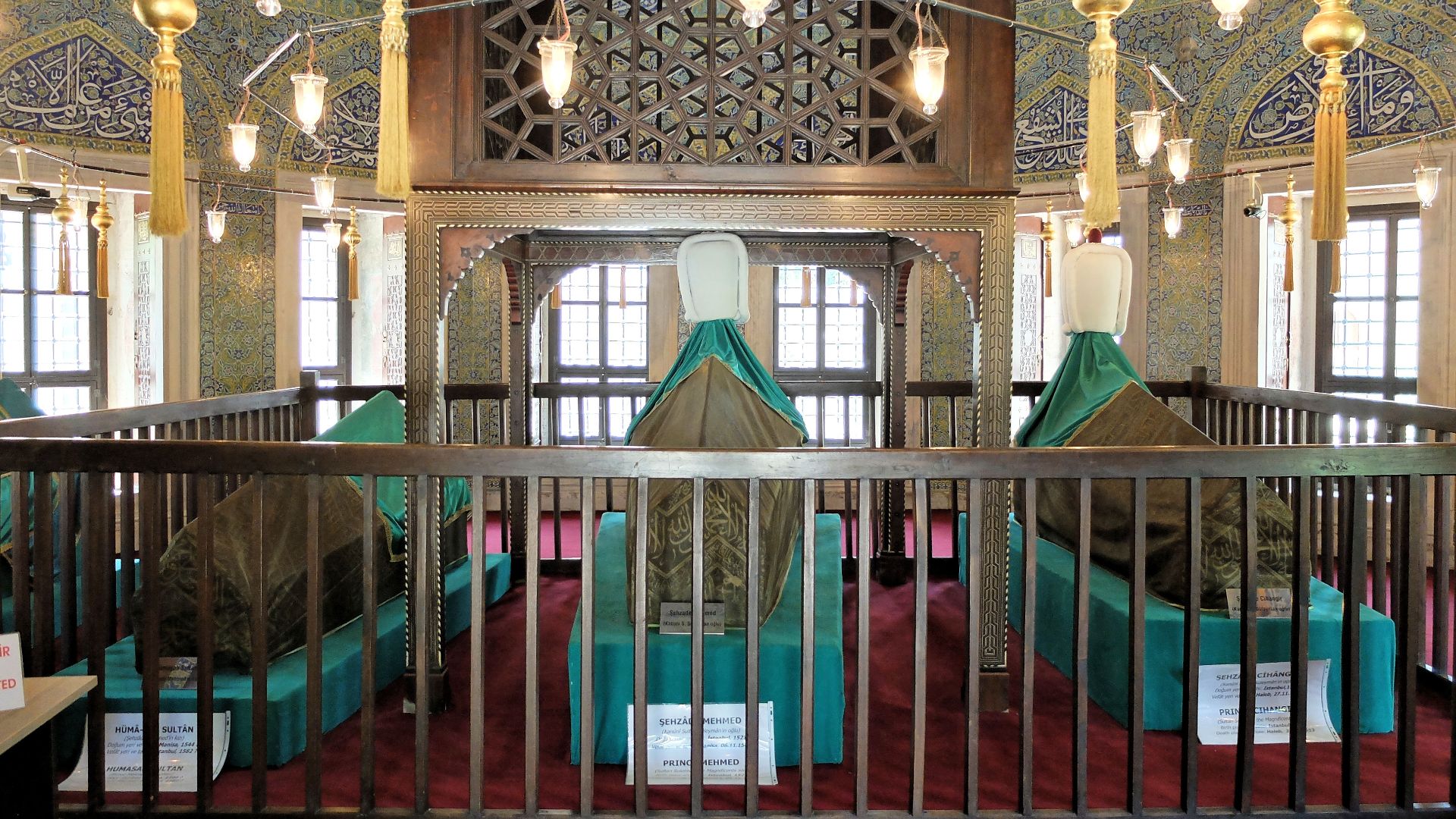
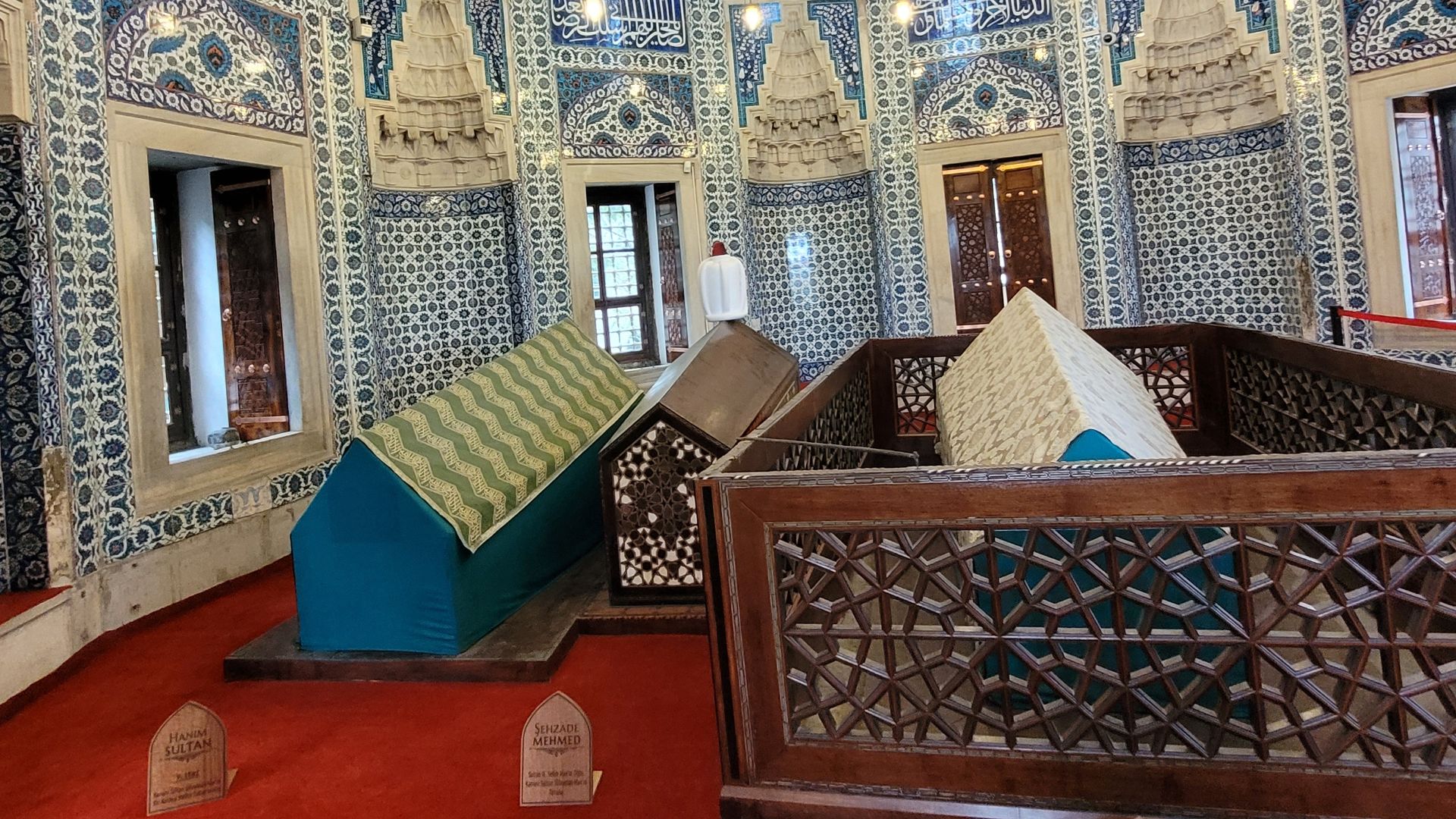
On November 7, 1543, tragedy struck. Roxelana’s firstborn, Şehzade Mehmed, passed on suddenly, likely from smallpox. He was just 22 at the time, and the unexpected loss shattered Suleiman. Witnesses said he wept the entire two-day journey back to Istanbul. For Roxelana, the loss of her golden child darkened even her brightest palace.
 Screenshot from Magnificent Century: Kosem, TIMS Productions (2015–2017)
28. She Let Her Husband Grieve
To honor Mehmed’s memory, Suleiman turned his sorrow into stone. He commissioned his chief architect, Mimar Sinan, to build the breathtaking Şehzade Mosque in Istanbul—a masterpiece of symmetry and sorrow. Suleiman wrote an elegy himself, ending it with the line, “Most distinguished of the princes, my Sultan Mehmed”.
Roxelana, however, wasn’t going anywhere.
29. She Refused To Leave The Palace
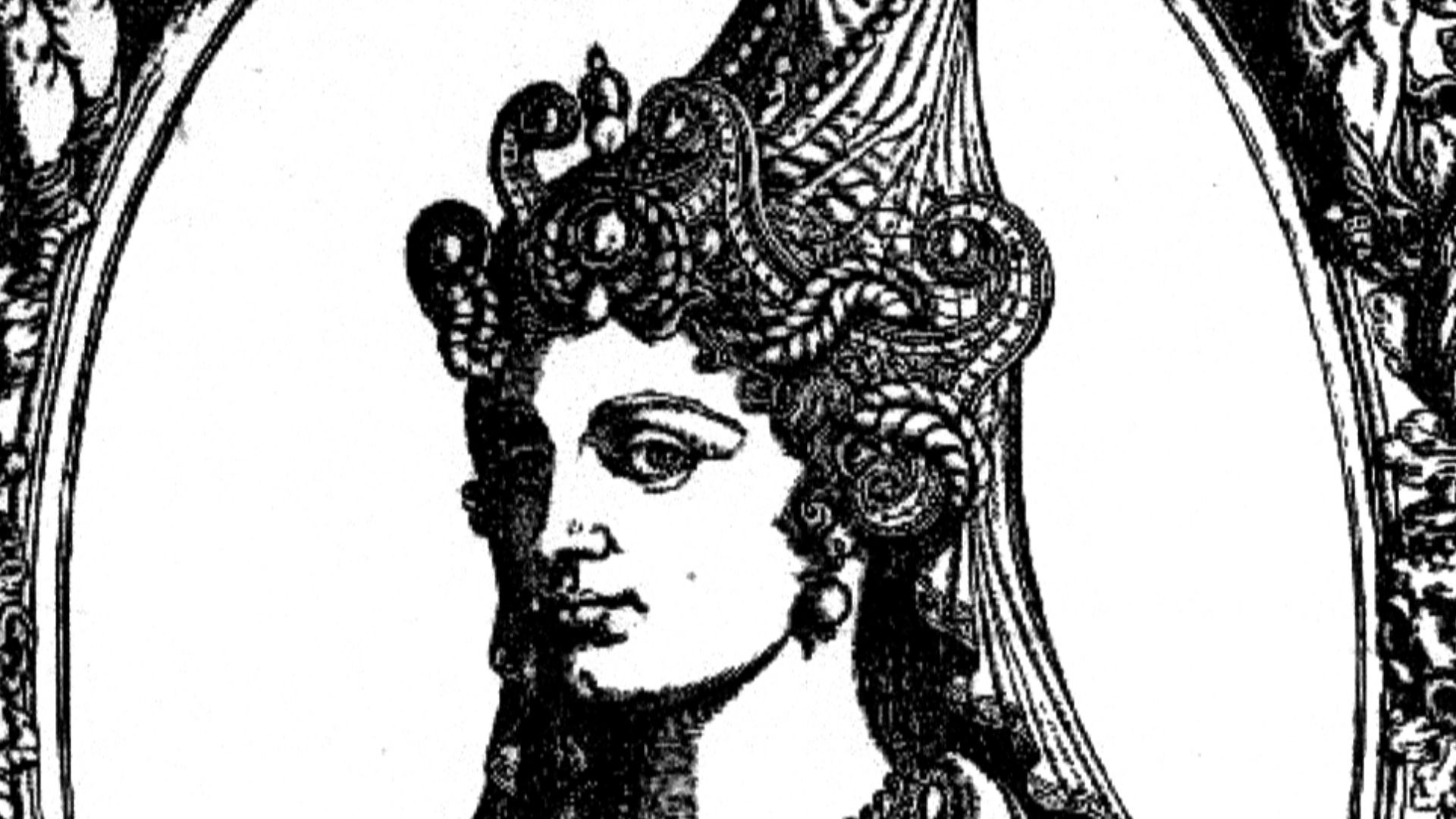
Tradition dictated that once a prince came of age, his mother would have to leave the capital to accompany him to his provincial post. Roxelana, however, stayed put, maintaining her vice grip on power. She remained at court for the rest of her life—an unthinkable breach of protocol that forever changed the role of royal women.
 AnonymousUnknown author, published by Mathio Pagan, Wikimedia Commons
30. She Became The Sultan’s Counselor
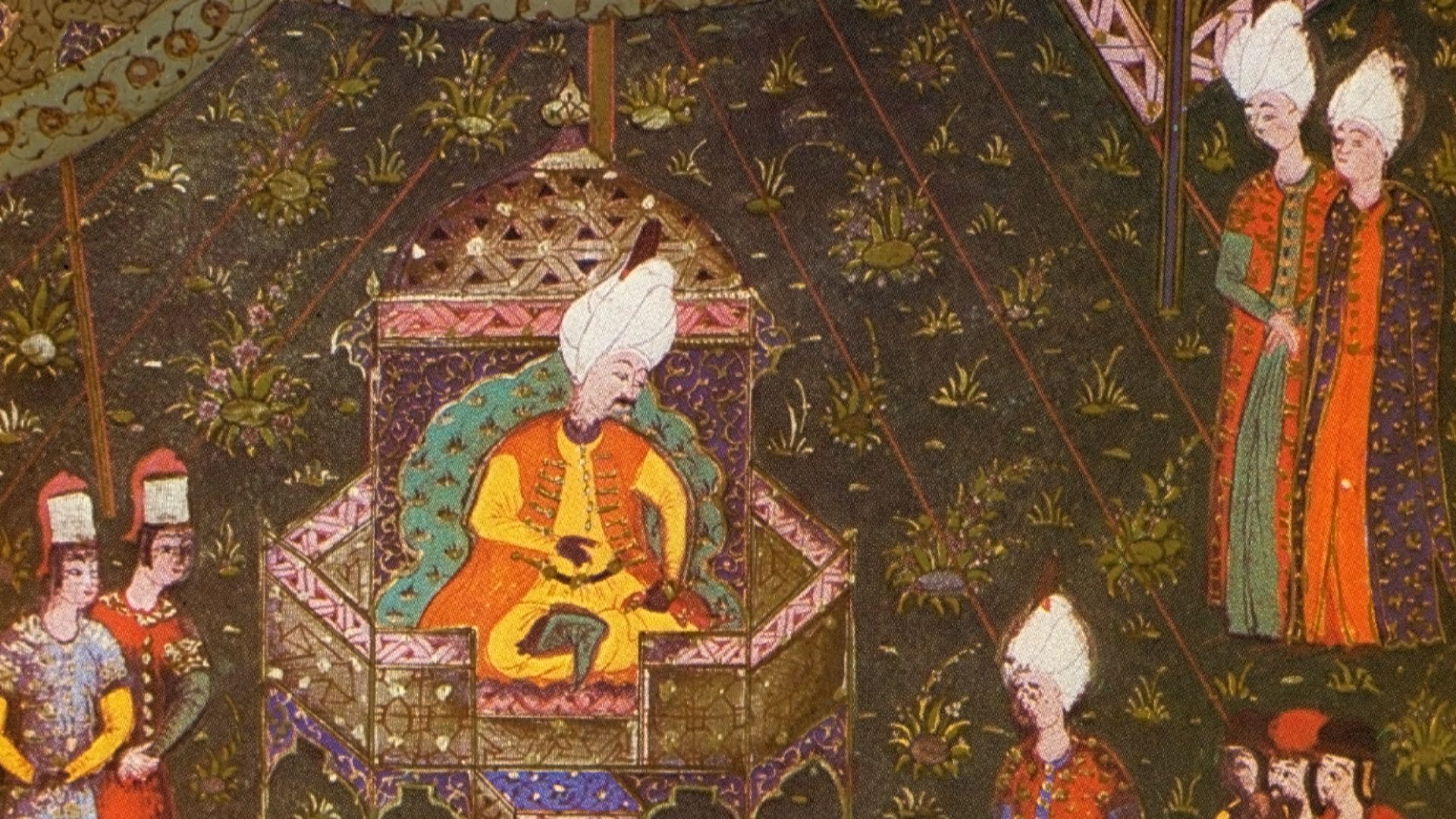
Roxelana’s defiance wasn’t idle ambition—it was strategy. From her quarters in Topkapi, she advised Suleiman on politics and diplomacy, corresponded with foreign rulers, and met personally with grand viziers. The world might have seen a concubine playing at queen, but behind the silk curtains, the empire obeyed its empress.
 Unknown authorUnknown author, Wikimedia Commons
31. She Ruled In His Name
Roxelana was never just arm candy to Suleiman—she was practically his co-ruler. Whenever Suleiman went away on campaign, Roxelana ruled in his stead. She signed official decrees, managed state appointments, and even had the power to dismiss grand viziers and religious chiefs. For all intents and purposes, she was the power behind Suleiman’s throne.
But she had a softer touch.
 Screenshot from Magnificent Century: Kosem, TIMS Productions (2015–2017)
32. She Wrote To Kings
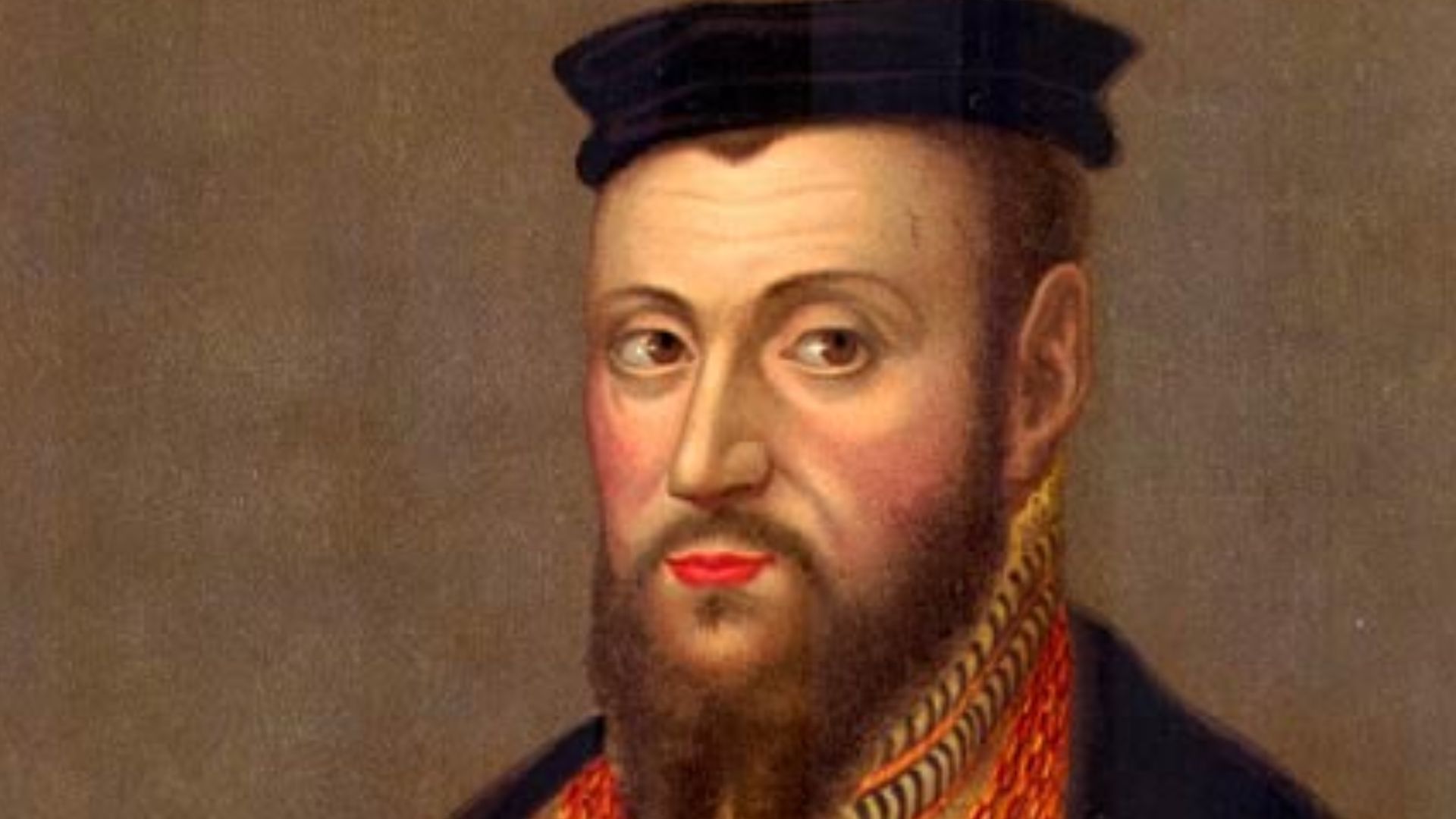
Roxelana commanded courtiers and corresponded with kings. Her letters to King Sigismund II Augustus of Poland—two of which still survive to this day—reveal that Roxelana had the gift of diplomacy. In fact, if it hadn’t been for Roxelana’s deft political hand, the Ottoman Empire might have gone up in flames.
 AnonymousUnknown author, Wikimedia Commons
33. She Stitched Together Peace
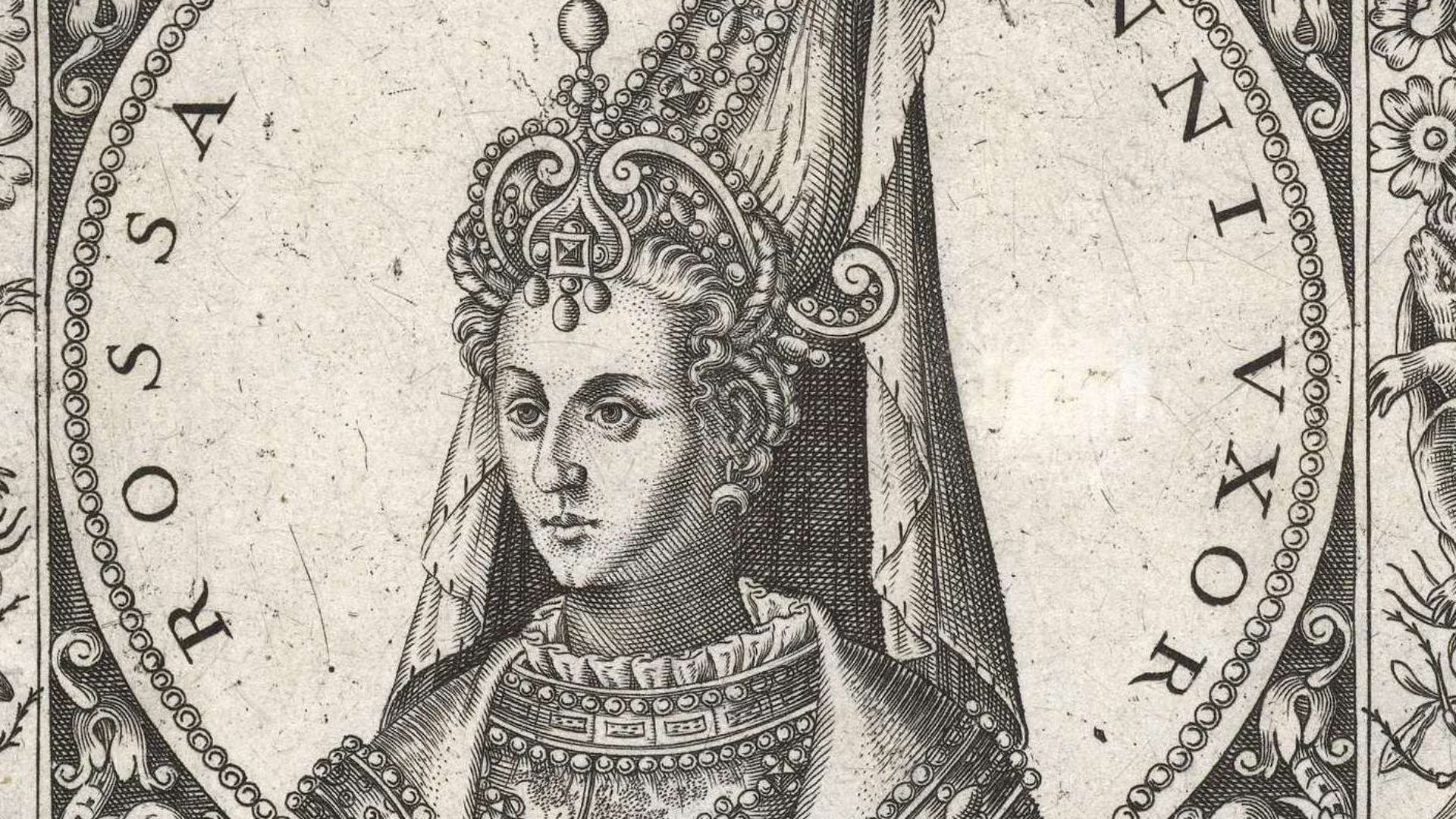
After years of tensions, Roxelana was the one who helped to forge the Polish-Ottoman alliance that kept their borders calm for decades. But she had an unusual touch in diplomacy: her femininity. She softened politics with poetry and embroidery, sending foreign rulers and their families gifts that she stitched by her own hand.
That said, she could be even more ruthless than her husband when she was ready.
 Johann Theodor de Bry, Wikimedia Commons
34. She Toppled A Titan
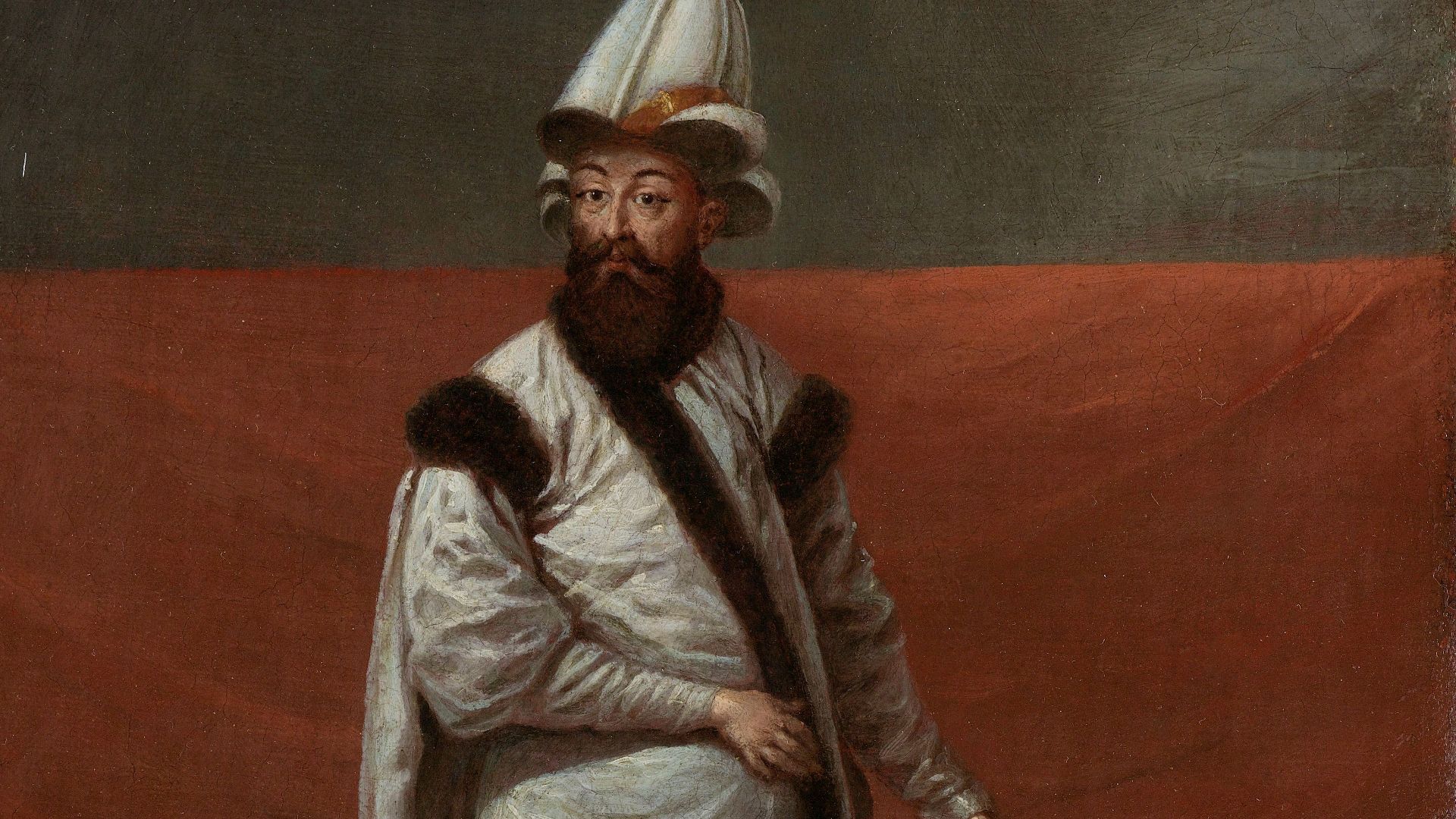
In 1536, palace intrigue rocked the Ottoman Empire when Suleiman ordered the execution of the powerful Grand Vizier Ibrahim Pasha. The bold decision stunned many, given that Pasha had been a lifelong friend of Suleiman’s. That led many to believe that Roxelana—along with her son-in-law, Rüstem Pasha—had orchestrated the whole thing.
Pasha, you see, had backed Mustafa, Roxelana’s rival’s son. And Roxelana didn’t tolerate rivals for long.
 Jean Baptiste Vanmour, Wikimedia Commons
35. She Married Off Her Princess
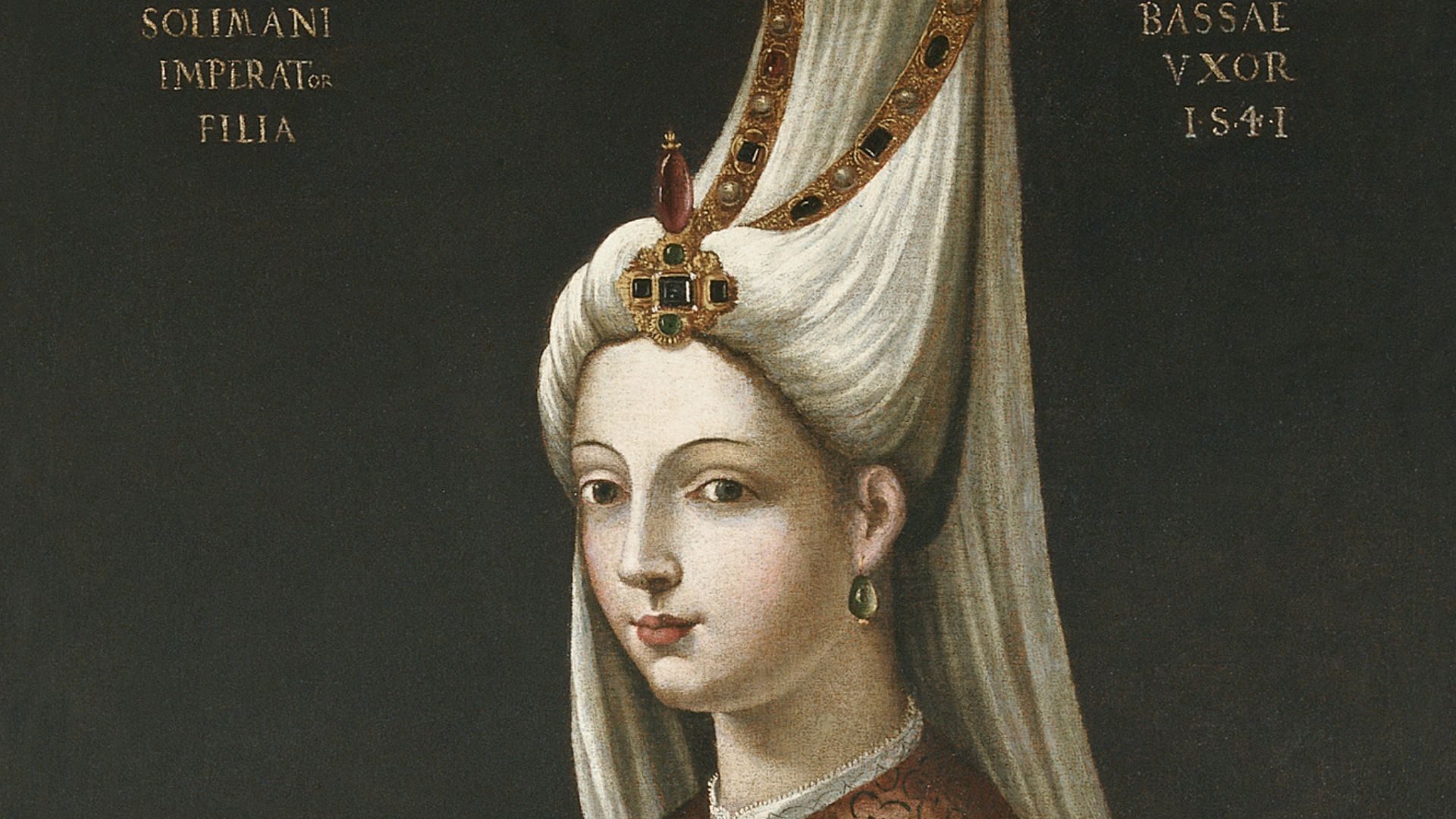
On November 26, 1539, Roxelana’s daughter Mihrimah Sultan wed Rüstem Pasha, governor of Diyarbakır, in a dazzling palace ceremony. Within years, Rüstem rose to Grand Vizier—thanks largely to Roxelana’s plotting. With her daughter on one side of the throne and Rüstem on the other, she had the empire surrounded.
More importantly, she had her enemies surrounded.
 After Cristofano dell'Altissimo, Wikimedia Commons
36. She Took Out The Competition
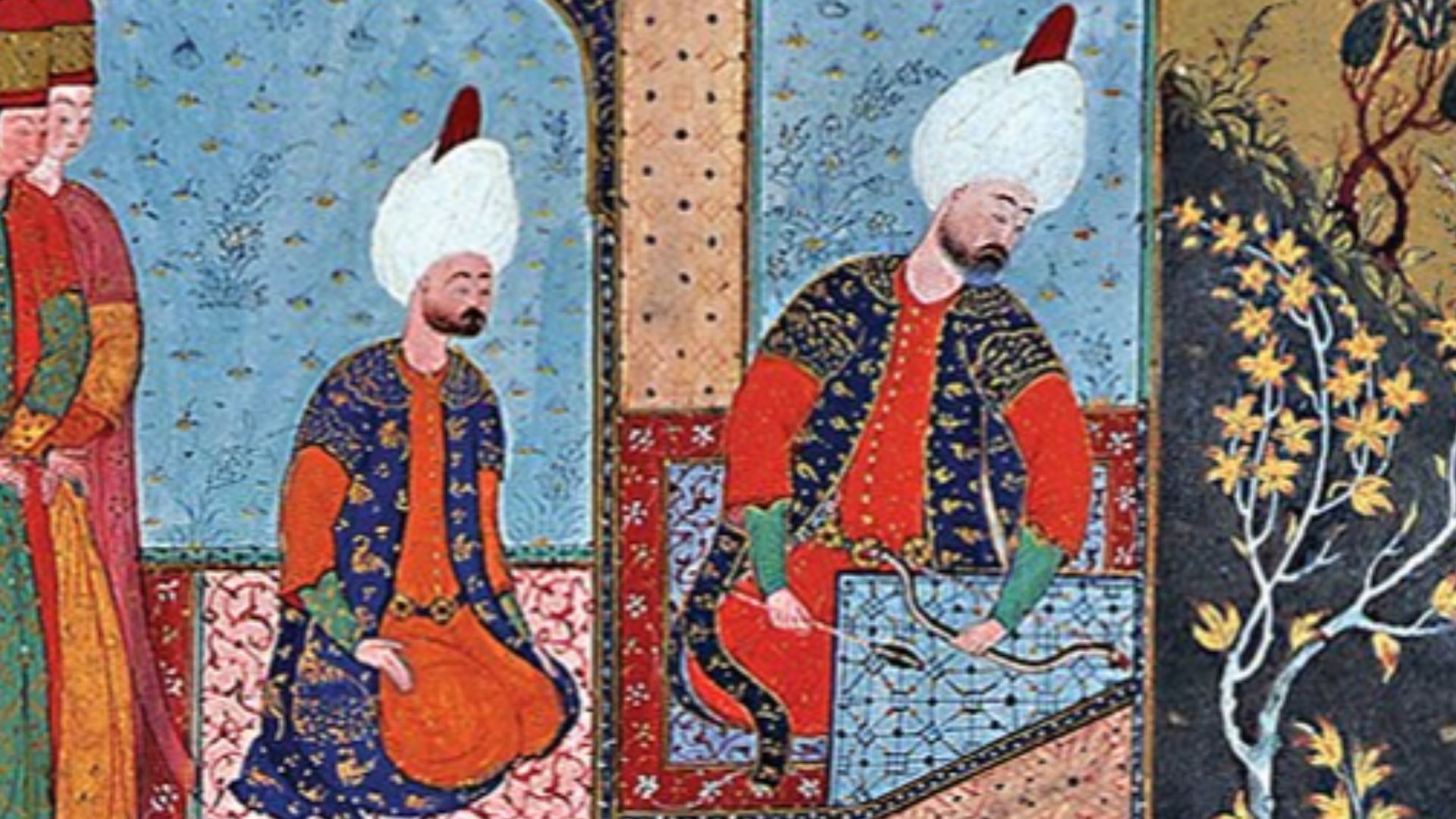
As Roxelana’s power grew, so too did the popularity of Şehzade Mustafa, Suleiman’s eldest son and, therefore, the true heir to the Ottoman throne. With surviving sons of her own, however, Roxelana couldn’t tolerate this. So, according to broad sources, she began plotting with her daughter and son-in-law to eliminate the threat”—by making him out to be a traitor who wanted to dethrone his father.
 Ârifî Çelebi, Wikimedia Commons
37. She Secured Her Bloodline
On October 6, 1553, Roxelana’s scheme came to fruition. During a brutal campaign, Suleiman ordered Mustafa’s—his own son’s—execution. Much to Roxelana’s delight, it was not a pleasant affair. Guards strangled Mustafa with a bowstring outside the Sultan’s tent while Roxelana’s allies looked on. The empire mourned—and turned on Roxelana.
 After Noël Hallé, Wikimedia Commons
38. She Was A “Spiteful Hag”
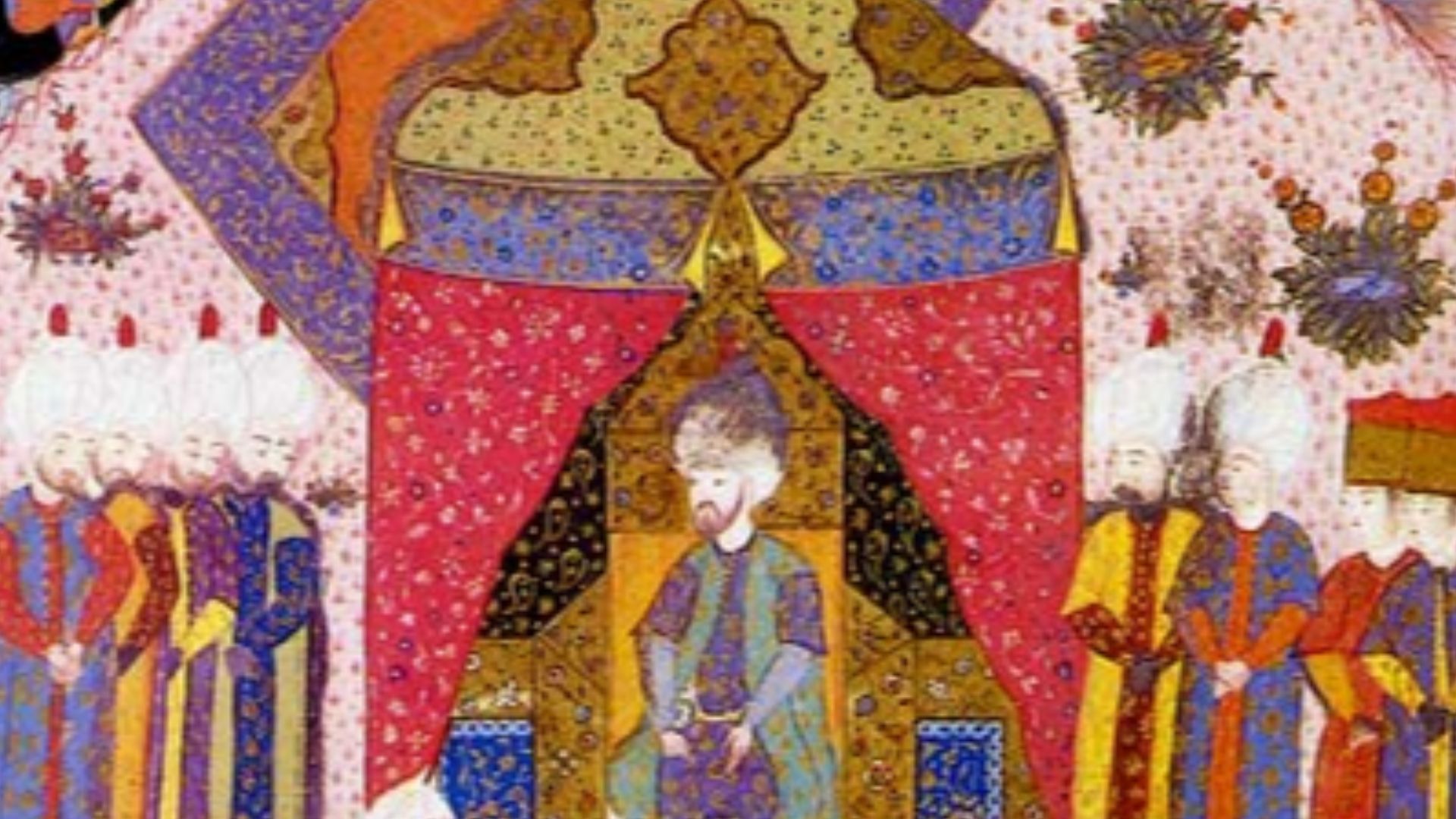
The Ottoman poet Nisayi summarized the feelings of his countrymen when he wrote to Suleiman. “You,” Nisayi said, “allowed the words of a Russian witch [to] get into your ears. Deluded by tricks and deceit, you did the bidding of that spiteful hag”. To her enemies, she was no longer the cheerful Hürrem—she was a Lady Macbeth.
Karma, it would seem, was swift.
 Matrakçı Nasuh, Wikimedia Commons
39. She Lost Another Son
Roxelana’s celebration at eliminating her top rival was short-lived. On November 27, 1553, Roxelana’s youngest son, Cihangir, passed on. Like her eldest son, he was just 22 at the time. Most sources cite Cihangir’s poor health and the grief he felt over Mustafa’s execution as the reasons for his untimely demise.
Tragedy, however, only seemed to deepen Roxelana’s love with the Sultan.
 Screenshot from Magnificent Century: Kosem, TIMS Productions (2015–2017)
40. She Wrote The Sultan Love Letters
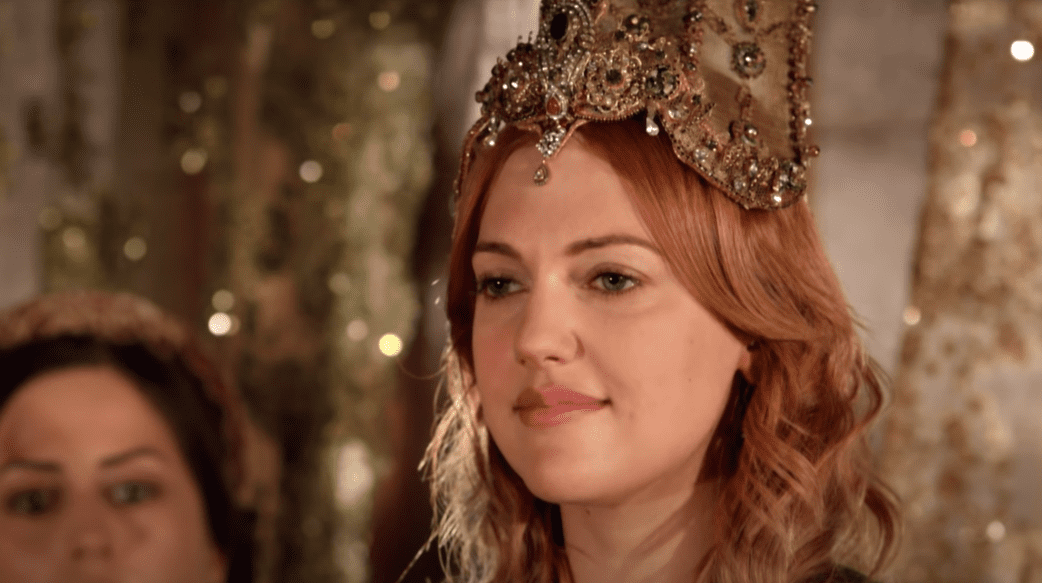
Amid the palace politics and personal tragedies, Roxelana and Suleiman kept their love for each other. In 1526, Roxelana wrote to Suleiman, saying, “I am lost in this universe created by our Lord. I lived my best years under your protection, like a pearl in your jewel box…I only find peace next to you”.
She wore her love for Suleiman on her sleeve. And so did he—literally.
 Screenshot from Magnificent Century: Kosem, TIMS Productions (2015–2017)
41. Her Husband Wore Her Tears
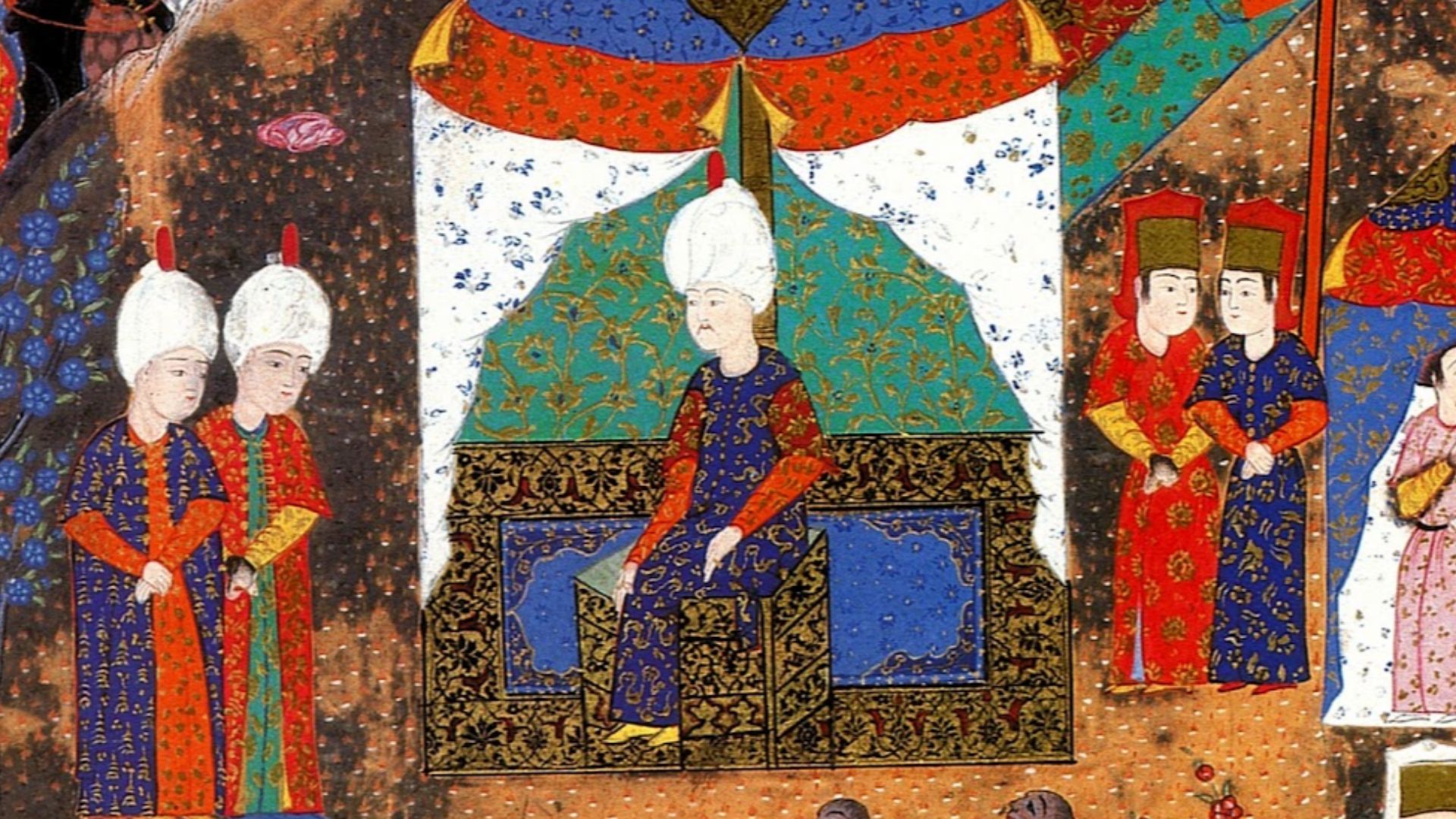
Roxelana’s letters to Suleiman could bring anyone to tears—or bathe anyone in tears. In one particularly touching letter, Roxelana sent her husband a garment soaked in her tears, writing: “I am sending you one of my clothes soaked with my tears…Please, wear it for me”. Touching as it was, Suleiman also wrote sentimental letters to Roxelana.
 Matrakci Nasuh, Wikimedia Commons
42. She Was Her Husband’s Whole Empire
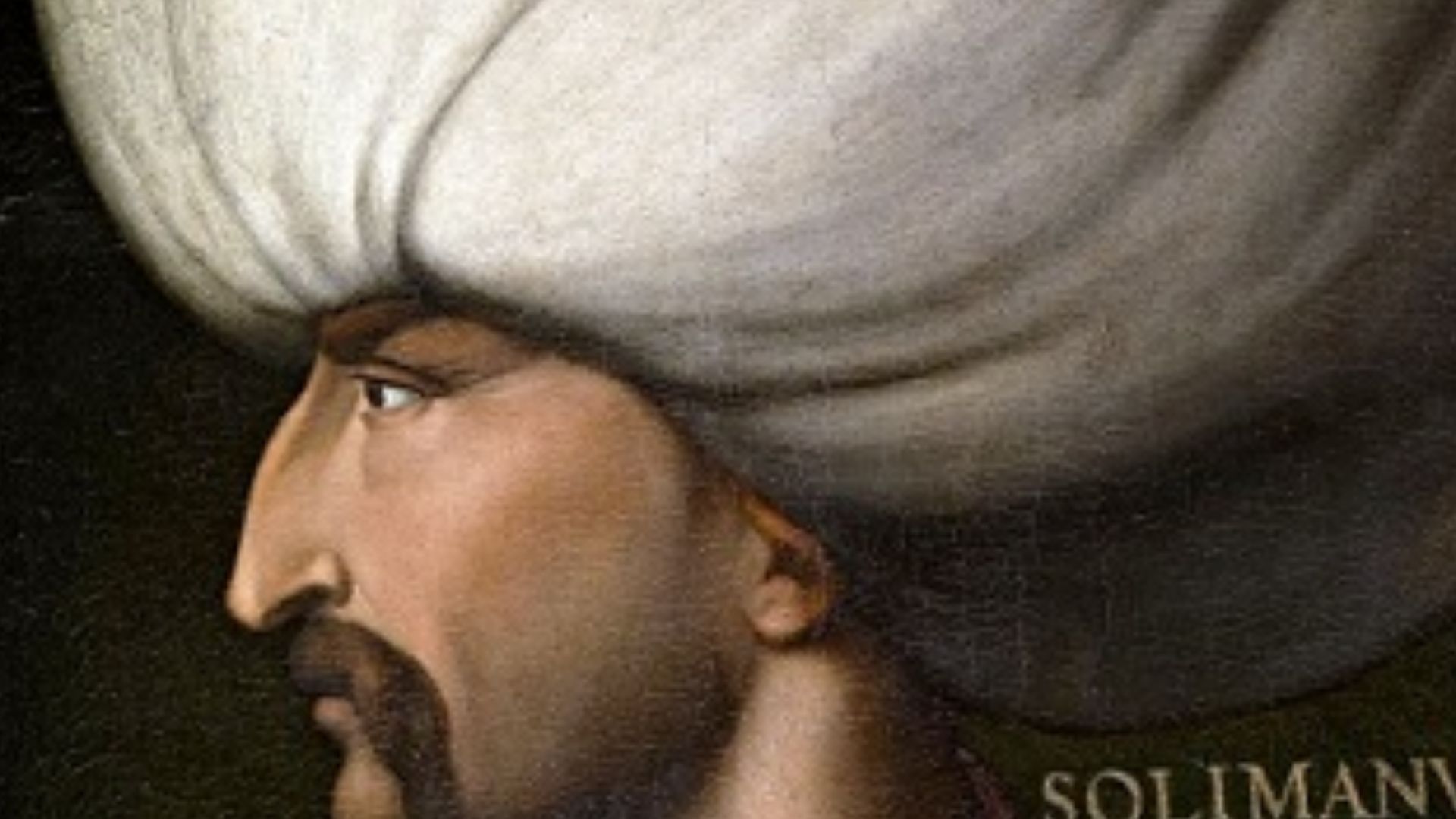
Suleiman repaid Roxelana’s letters with poetry. Writing under the pen name Muhibbi (AKA “The Lover”), he compared Roxelana to the very lands he ruled: “My Istanbul, my Karaman [...] My Baghdad and Khorasan […] My Egypt, my oasis, my paradise”. With so much love between them, they had some to spare.
 Cristofano dell'Altissimo, Wikimedia Commons
43. She Built A Sanctuary For Women
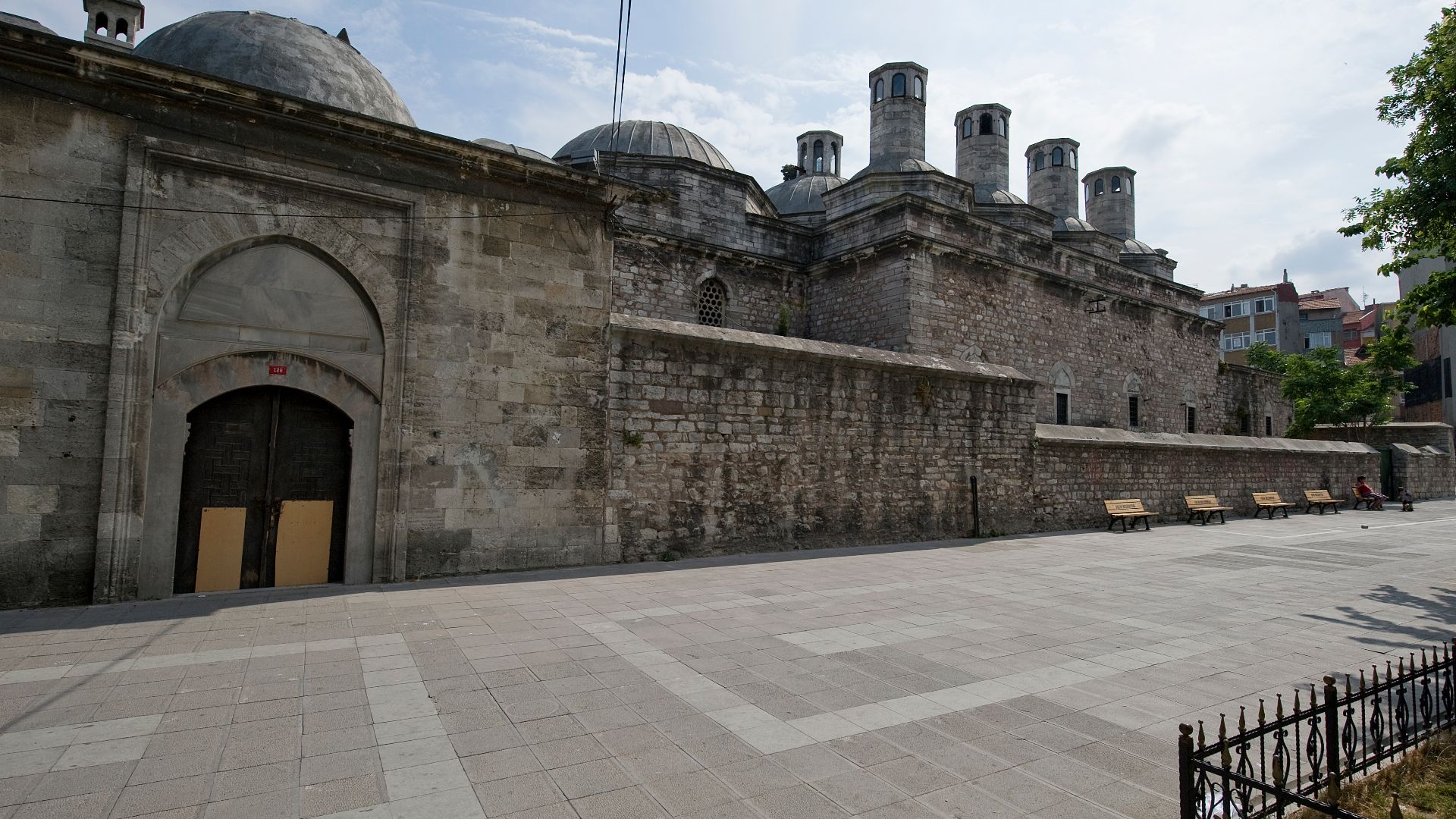
Roxelana didn’t just help her husband build the Ottoman Empire—she shaped it in her own image. In 1538, she founded the Haseki Sultan Complex in Constantinople. But it wasn’t just another mosque. It was the first mosque complex ever sponsored by a royal woman…for women. It housed a women’s hospital, staffed by female attendants and treating the mentally ill.
Her charity knew no bounds.
44. She Fed The Poor Of Two Worlds
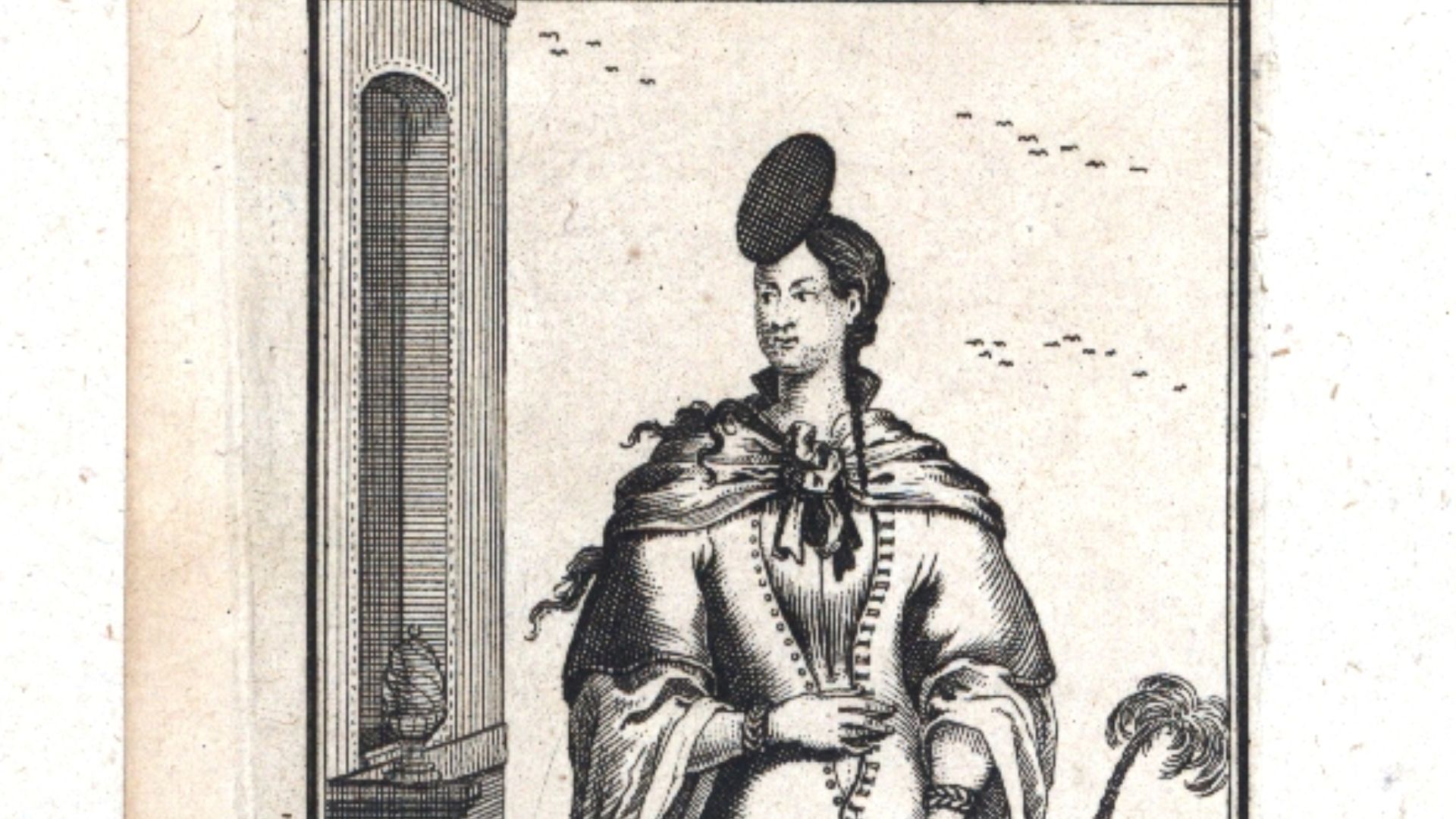
Roxelana’s philanthropy didn’t end in Istanbul. With her generous allowance and imperial prerogative, she funded soup kitchens in Mecca and Medina and built a hospital in Mecca mirroring the one she had built in Constantinople. Her charitable work, however, would have to carry on without her.
 Jacobus Harrewijn, Wikimedia Commons
45. She Faded Into Silence
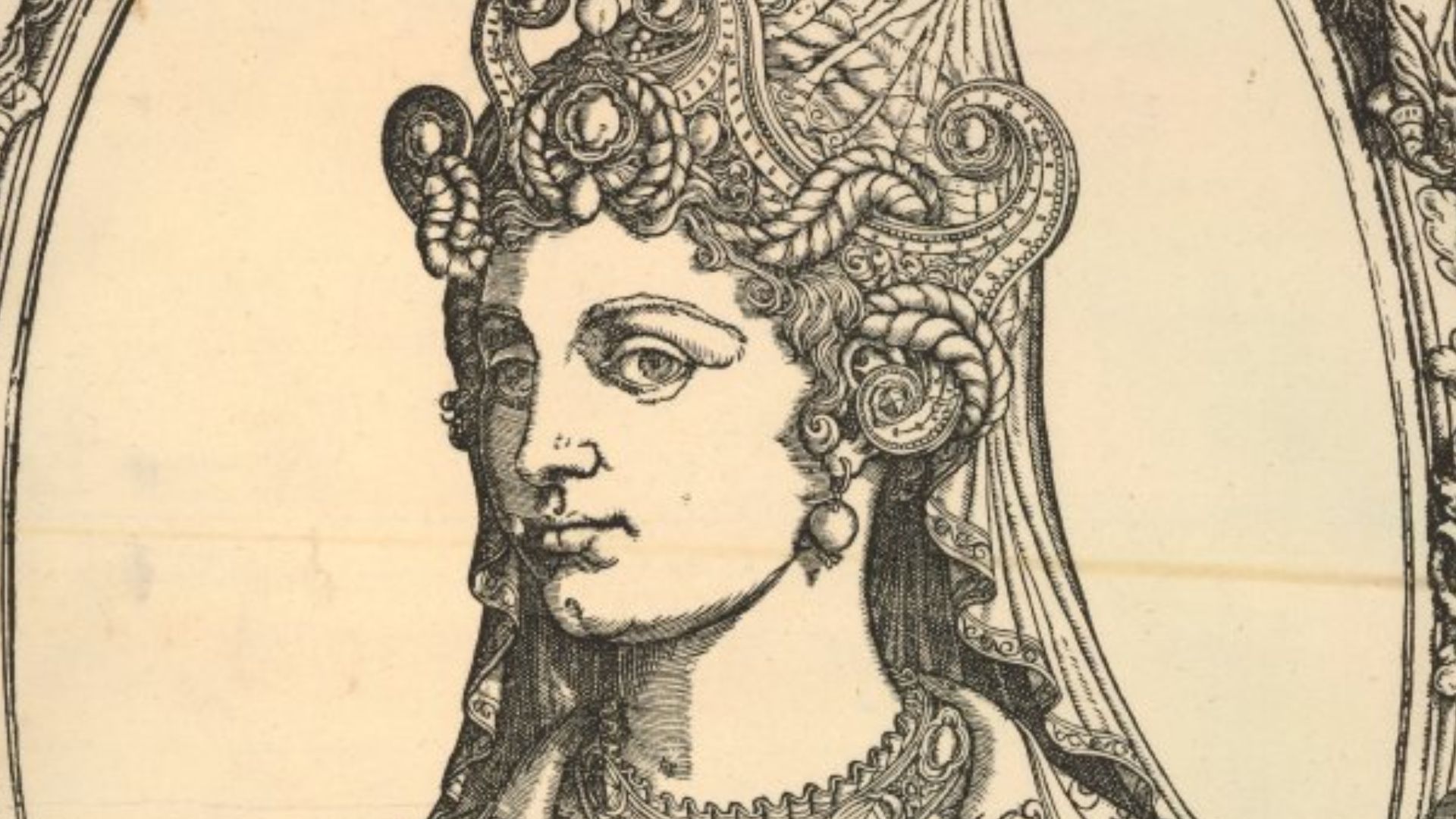
By 1558, Roxelana’s health had crumbled. As illness overtook her, Suleiman was beside himself. To preserve her peace and to allow her to rest in silence, Suleiman forbade music in the palace and had every instrument burned. Distraught, he never left her side—not until the moment she breathed her last on April 15.
He could never love another like Roxelana.
 AnonymousUnknown author, published by Mathio Pagan, Wikimedia Commons
46. He Swore Eternal Fidelity
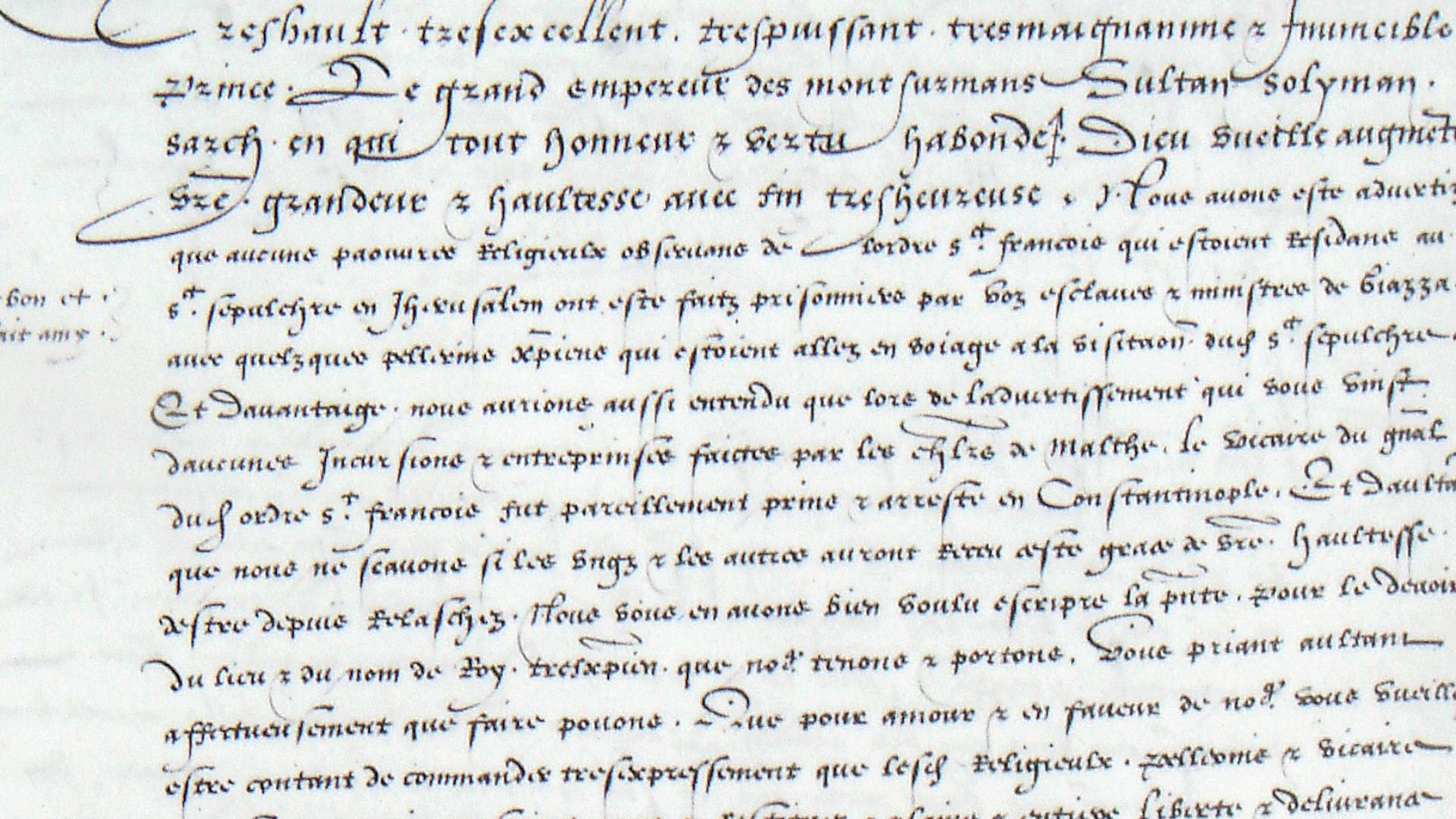
The French ambassador Jean de la Vigne reported on the Sultan’s despair: Suleiman, he said, aged overnight. A few days before her passing, de la Vigne also claimed that Suleiman promised Roxelana, as the light was leaving her, that “he would never approach another woman”.
 Henry II of France, Wikimedia Commons
47. She Was Buried Like A Queen
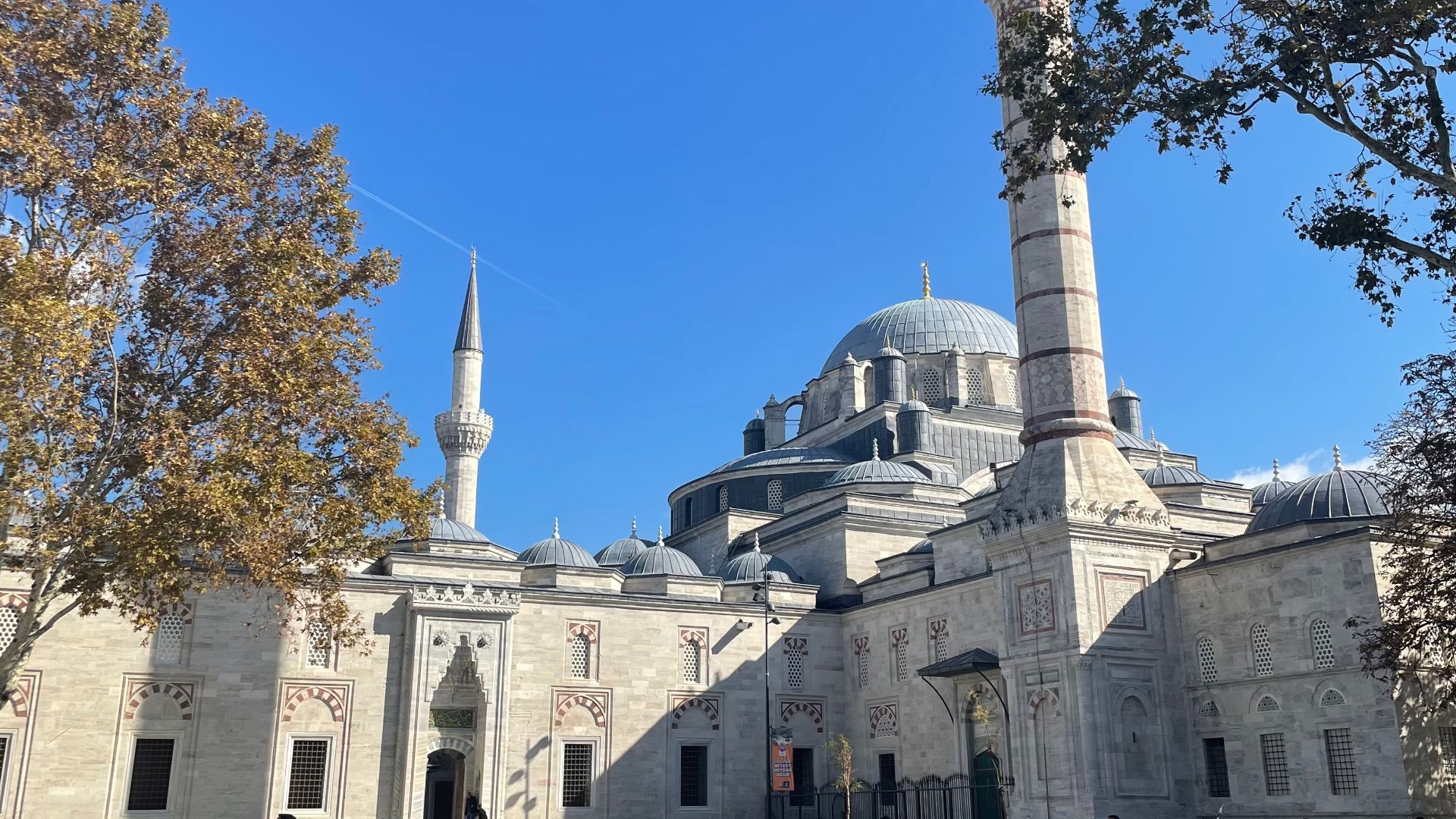
After her passing, Roxelana received a send-off fit for an empress. Viziers carried her coffin through throngs of mourners to the Bayezid II Mosque. There, the chief mufti led prayers before her burial in a domed mausoleum of blue Iznik tiles depicting paradisic gardens—a fitting resting place for the woman once called “the Joyful One”.
Her sons, unfortunately, were not so joyful.
48. Her Sons Duked It Out
Roxelana had left Suleiman with not one, but two sons and heirs. Sadly, they lacked her peaceful disposition. Almost as soon as the dirt hit their mother’s coffin, Selim and Bayezid turned against each other in a brutal civil conflict. It wasn’t until 1559 that Selim triumphed over his brother, forcing Bayezid to flee east with his own sons before capturing him and, well, securing his reign.
49. Her Passing Shattered The Sultan
The poet Kutbeddin wrote an epitaph to honor Roxelana’s memory. “There are many charitable foundations and good works of hers in the noble sanctuaries (Mecca and Medina) and Jerusalem and other cities,” he wrote. But it was really her love for the Sultan that changed everything. “The sultan loved her to distraction and his heart was broken with her death”.
Her true legacy, however, would outlive her husband’s.

50. She Founded A Dynasty Of Queens
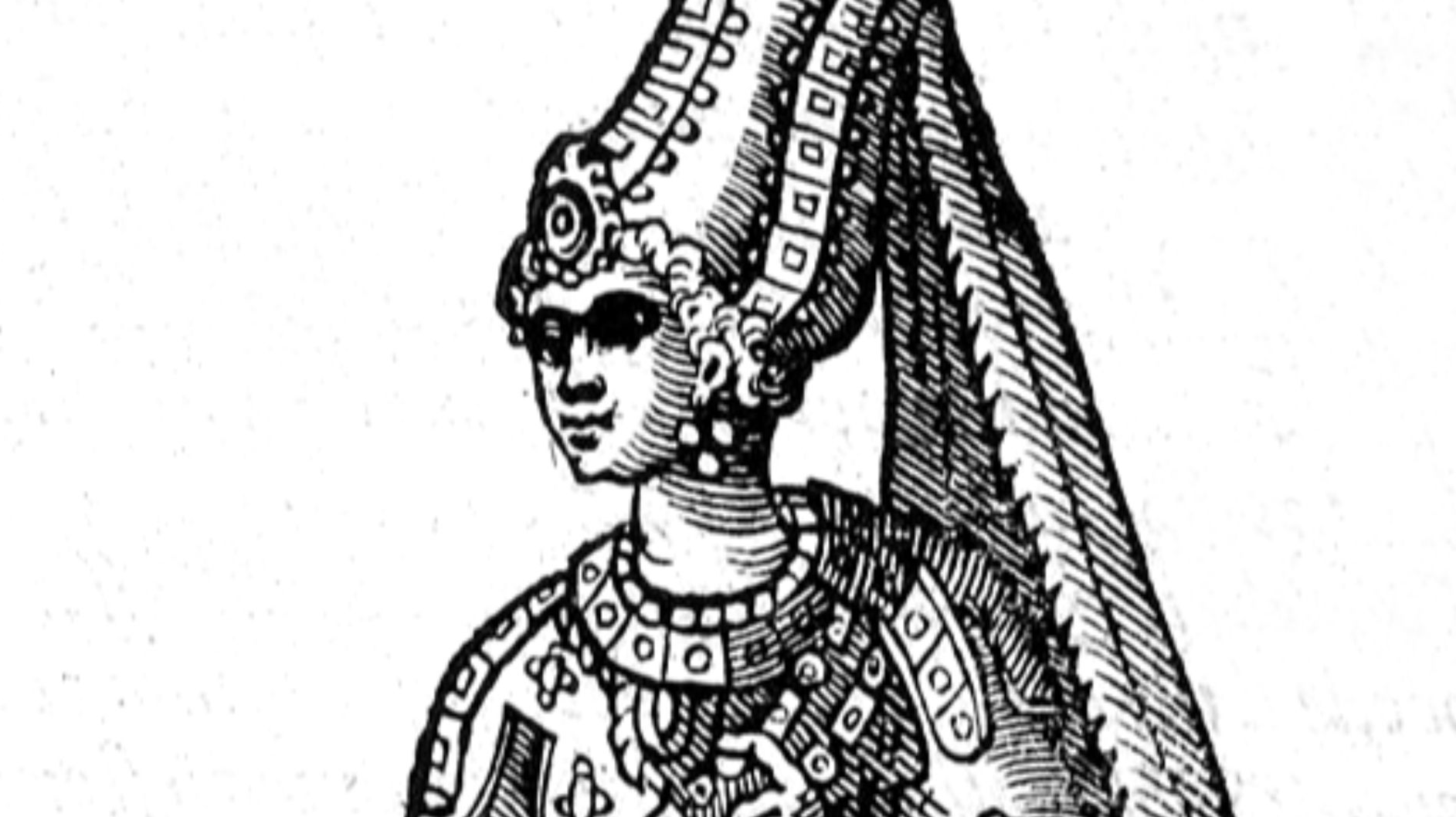
Roxelana’s rise ignited a revolution within the Ottoman Empire. Her reign marked the dawn of an era in Ottoman history when imperial concubines, sisters, mothers, wives, and daughters ruled from behind the throne: the “Sultanate of Women”.
 Cesare Vecellio, Wikimedia Commons
You May Also Like:
The Dark and Tragic Life of Empress Theodora
The Ruthless Father Of The Ottoman Empire
Ibrahim The Mad Was History's Most Deranged Ruler
Sources: 1, 2, 3, 4, 5, 6, 7, 8, 9, 10, 11, 12, 13, 14, 15, Reddit, 17, 18, 19, , 21









.jpg)


