Once In A Blue Moon
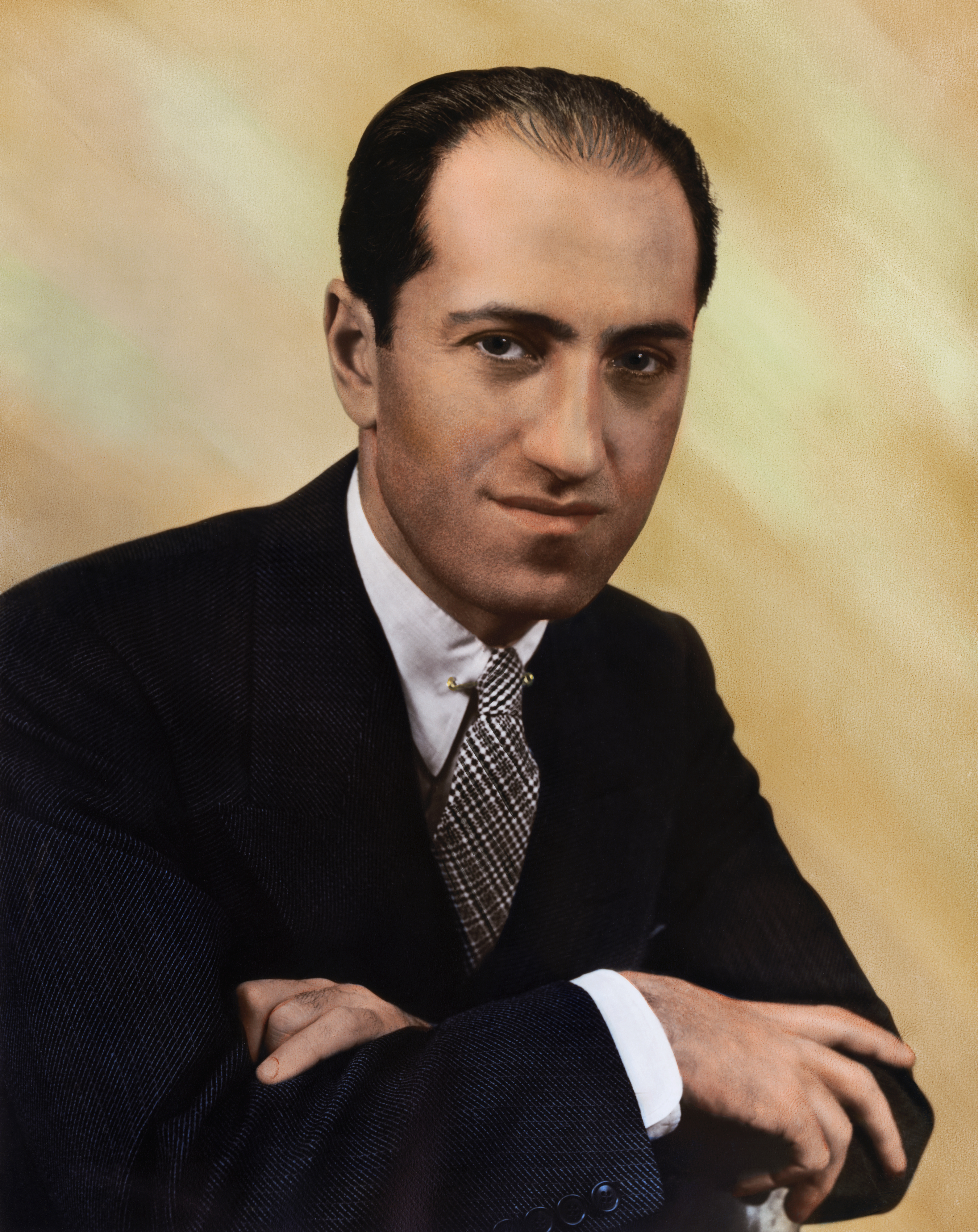
To say that George Gershwin redefined the world of music in the 1920s and 1930s would be a gross understatement, considering he created music the likes of which no one else had even begun to imagine. Possessing such a rare natural talent, he produced the most ingenious orchestrations and musicals of his day, with countless other works of genius likely bouncing around his head—if he only had more time.
1. He Became Someone Else
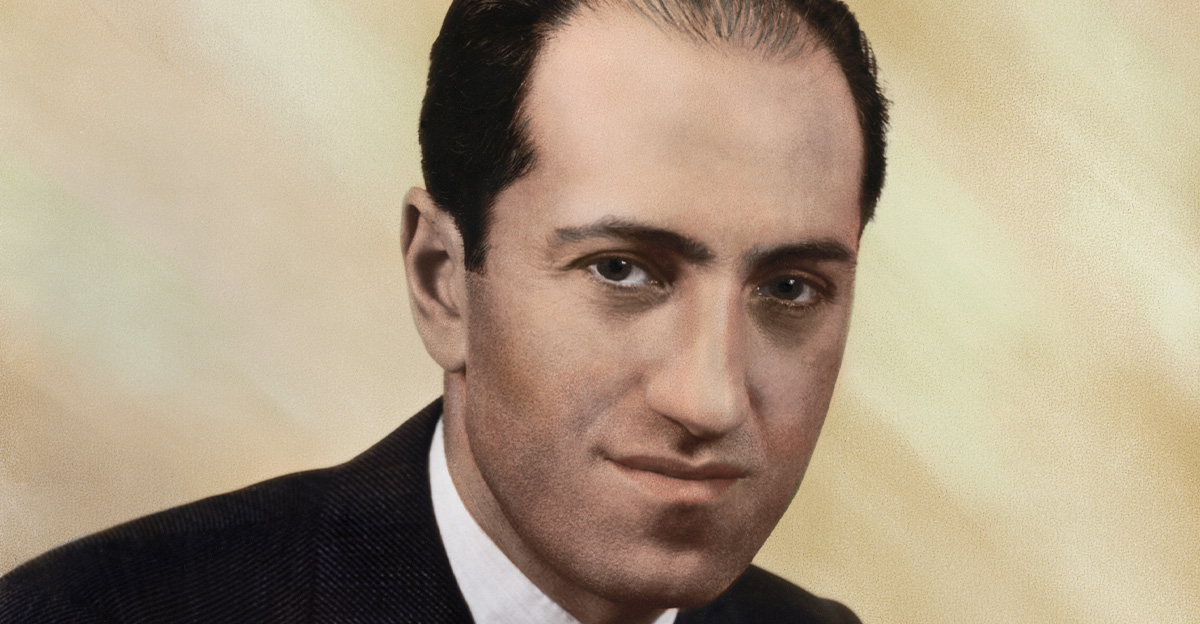
Many actors and musicians take on stage names as part of their careers, but in George Gershwin’s case, he changed his name long before he even started to pursue music. Born in 1898 to Jewish immigrants, his parents originally named him Jacob Gershwine, taking after his grandfather, Jakov. As he grew up, however, no one ever really called him Jacob, and he soon started to go by George, later dropping the “E” from the end of his surname as well.
His career would eventually take him all around the world, but even as a child, he never knew what it was like to stay in one place for too long.
2. They Moved Around
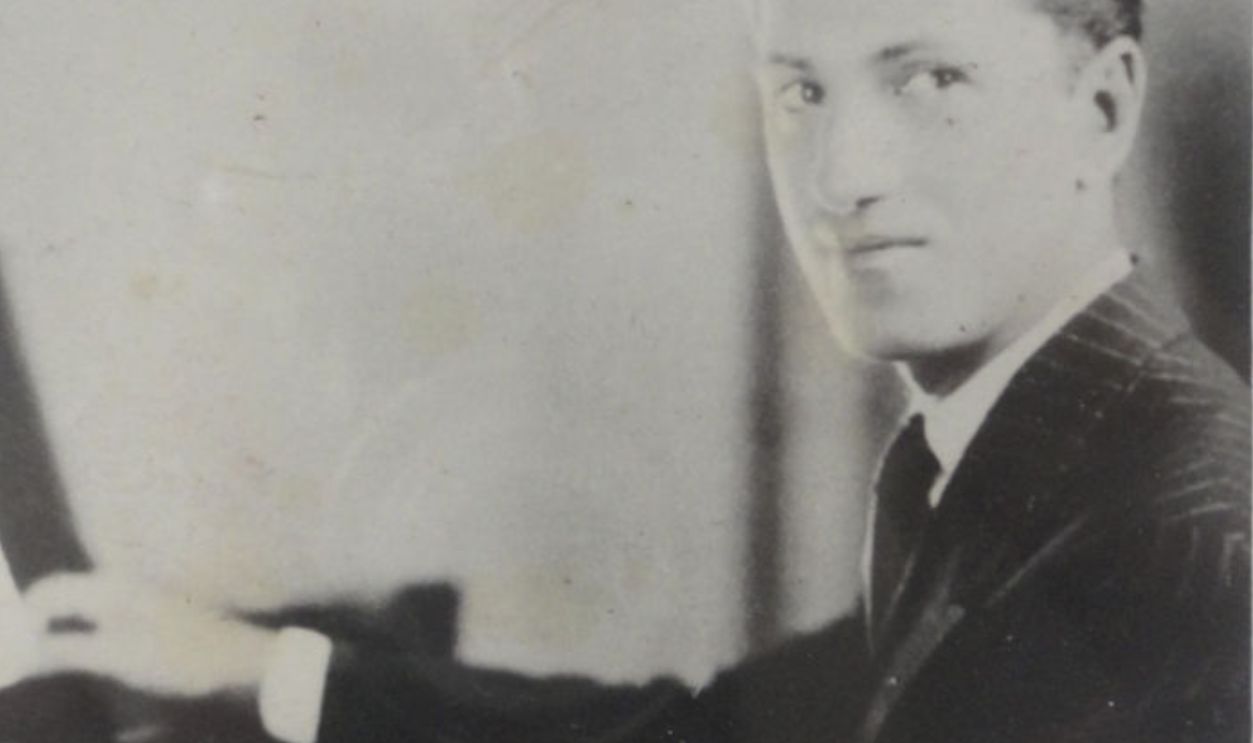
Throughout his life, George Gershwin was always looking for his next new endeavor, and that attitude was something else he inherited from his family. Growing up, his father never stayed in one line of work for too long and was instead constantly trying out new business ventures. As a result, while Gershwin spent most of his childhood in the larger Yiddish Theater District, he had as many different homes as his father had jobs.
Aside from his hectic living situation, Gershwin grew up as anyone might expect, but he had one thing missing.
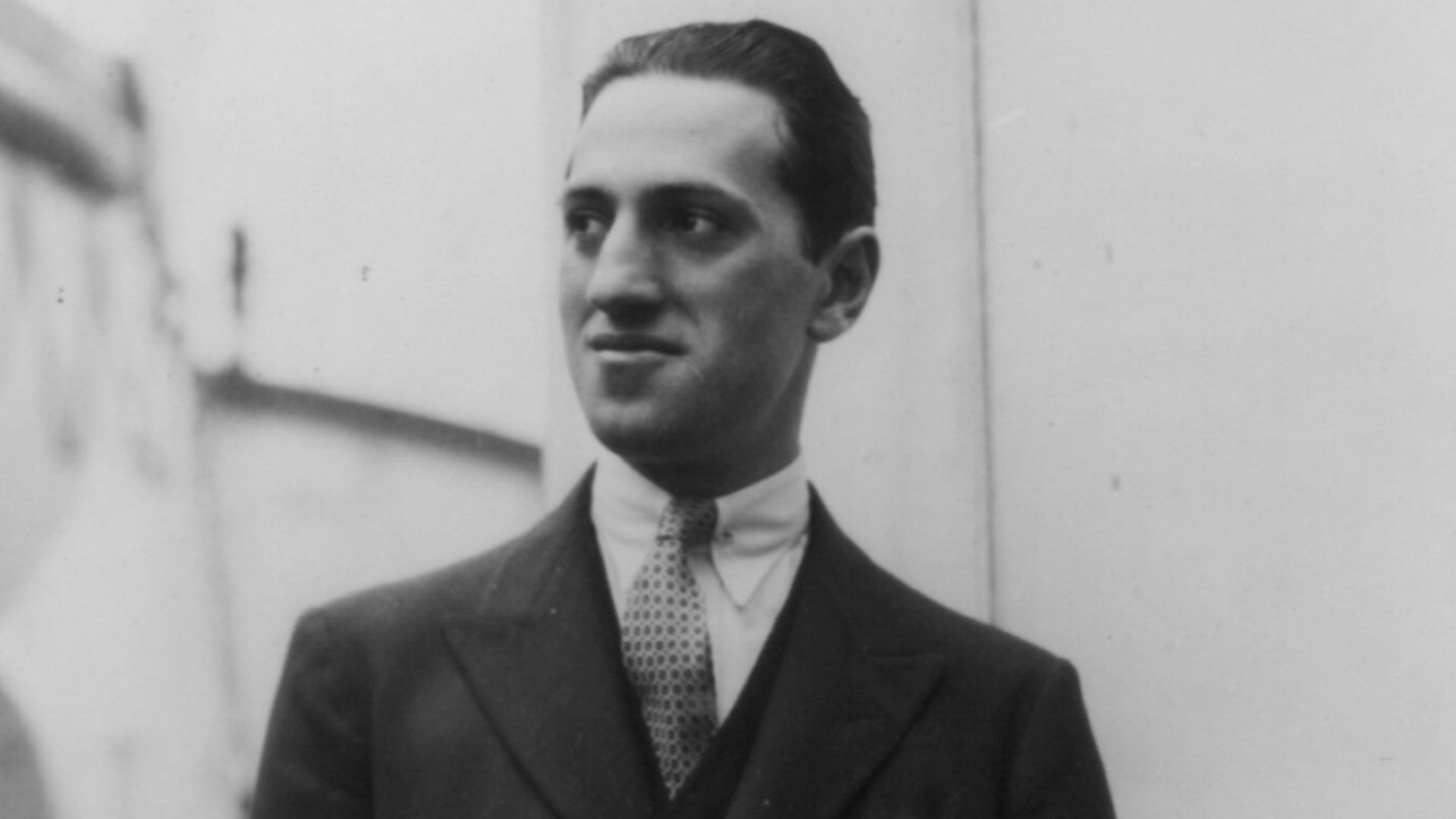 George Grantham Bain Collection, Wikimedia Commons
3. He Was A Regular Kid
With how spectacular an artist he became in such a short time, people likely thought Gershwin had to have been playing music as soon as he left the womb, but it was some time before he started that path. For much of his early childhood, he barely gave music a second thought and was almost indistinguishable from the other children, spending most of his days playing and getting into trouble.
Still, it wasn’t long before he realized what he wanted to do—and it changed his life in an instant.
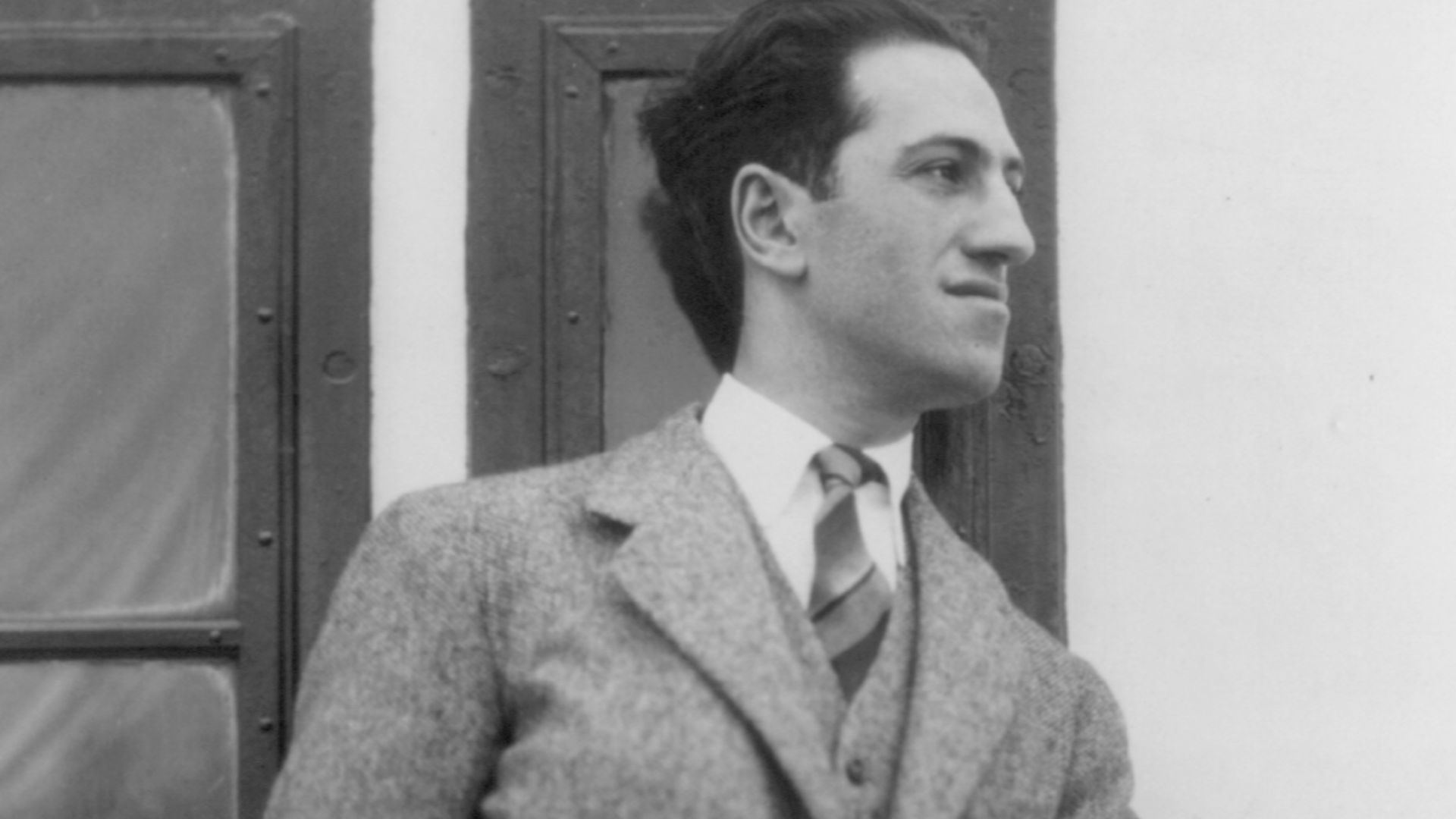 unnamed photographer in employ of Bain News Service, Wikimedia Commons

History's most fascinating stories and darkest secrets, delivered to your inbox daily.
4. He Found His Passion
Until George Gershwin was about 10 years old, he had been enjoying his childhood, completely unaware of what trajectory his life would take—but one night changed it all. While attending the recital of his friend Maxie Rosenzweig, he became entranced as the boy played his violin, allowing Gershwin for the first time to fall in love with the act of creating music.
Luckily, his parents were extremely supportive of him from the beginning, even when they didn’t mean to be.
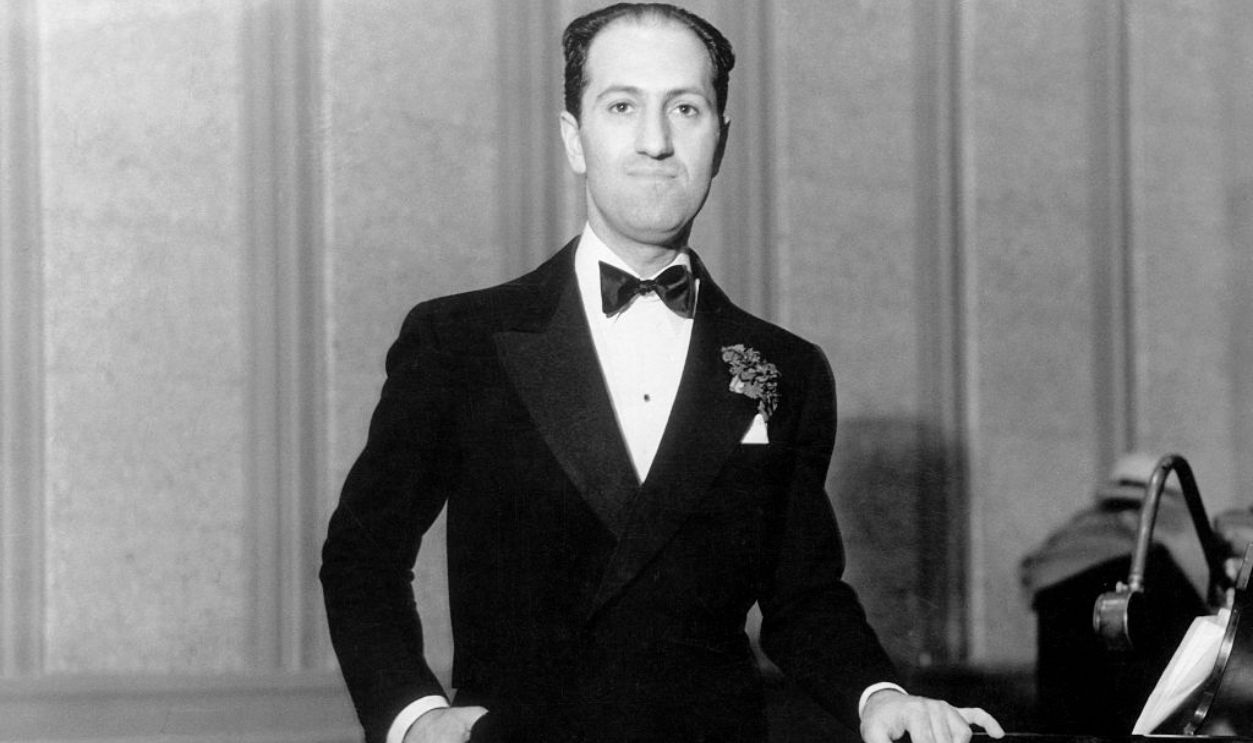
5. He Was More Interested
George Gershwin was the second of four children, the rest of whom would also grow up with some degree of musical talent, especially his older brother Ira. Wanting to cultivate Ira’s skills, their parents purchased a second-hand piano for him to practice with, but he was much less excited than they expected. This would have seemed like a waste of money, but thankfully, George was happy to start playing it instead.
Naturally, this came as quite a shock to his family, especially given his already impressive performance.
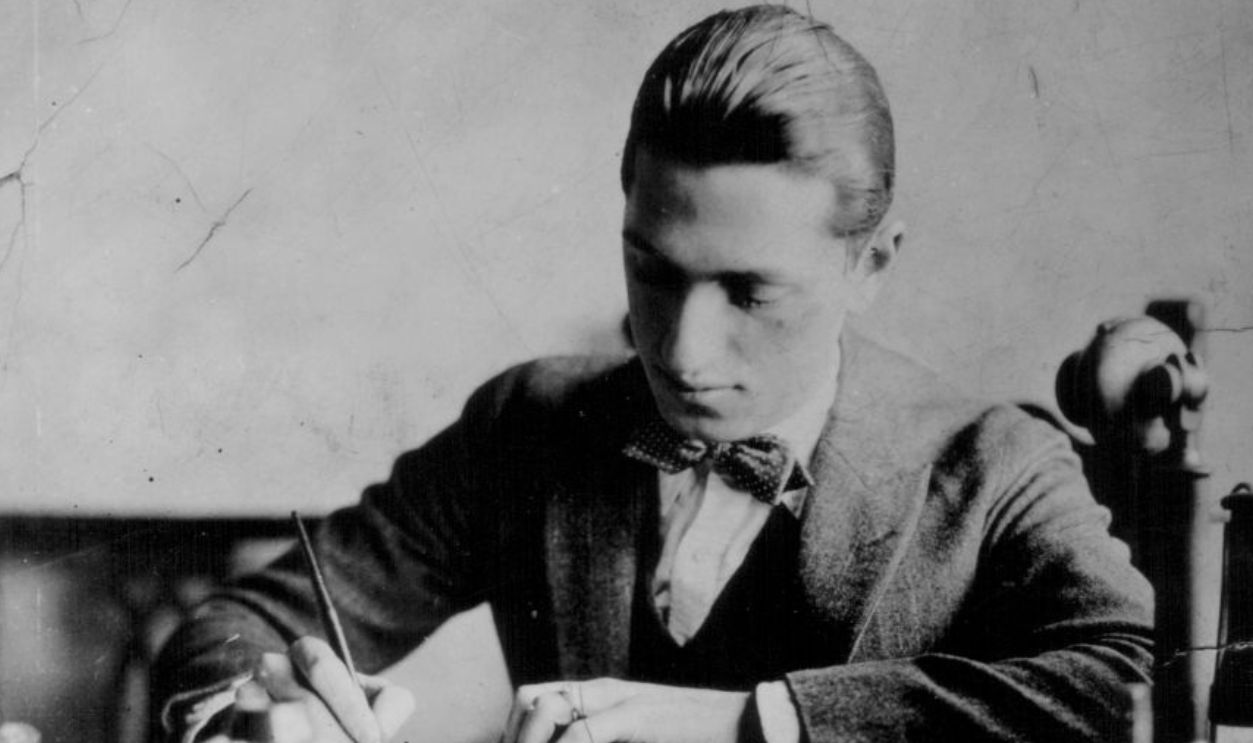
6. He Surprised Them All
It was one thing to find inspiration from someone playing music and decide to start practicing, but with Gershwin, he already appeared to be on a whole other level. More than pleased that someone would at least get some use out of the piano, his parents allowed him to sit down and play one day. To their shock, he played a song that he had been listening to repeatedly on a player piano—and did so perfectly the first try.
While he still wasn’t the only musical sibling, not all of them would go all the way.
7. She Chose A Different Path
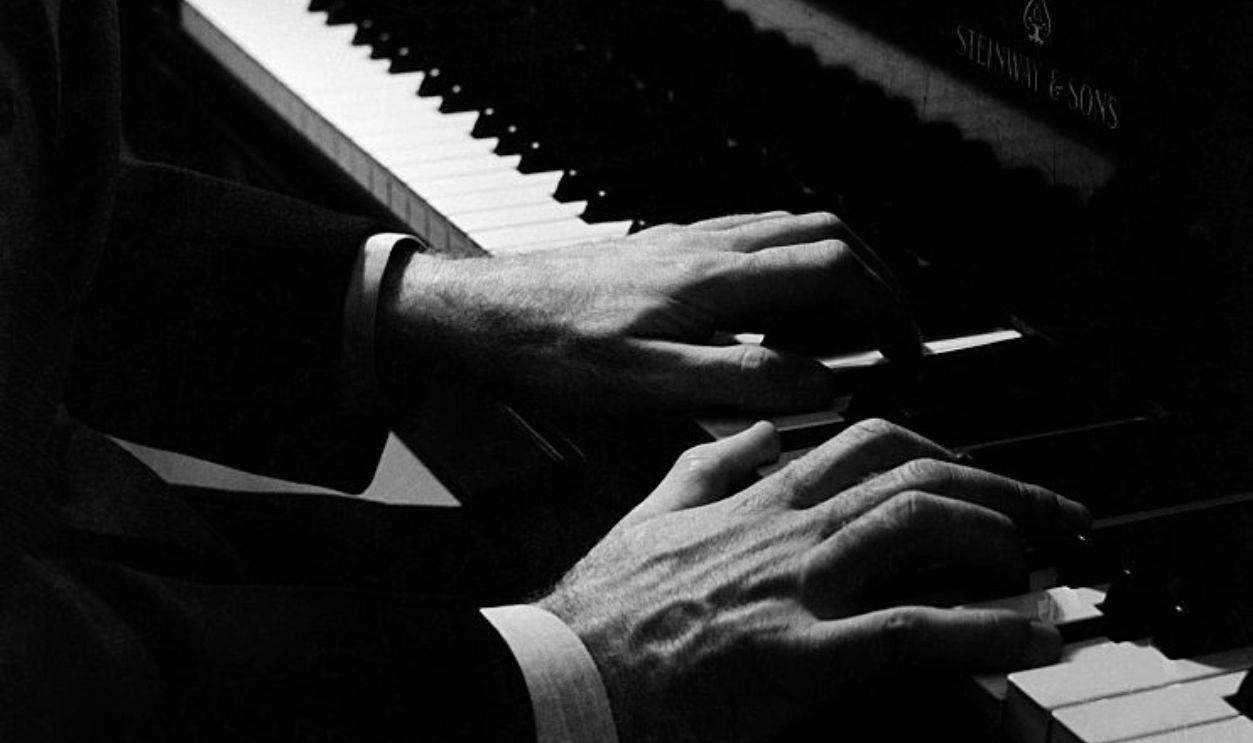
Each of Gershwin’s siblings would pursue music in their own way, with Ira having the closest career path to his, but neither brother was actually the first to make it. As a singer and Broadway performer, their younger sister Frances beat them to the punch and managed to make a living through music before either of them. However, she left all of it behind when she fell in love, and instead decided to focus on being a wife and mother.
Although Gershwin seemed like a prodigy, he would still need lessons to perfect his art. Only the best would do.
8. He Found His Mentor
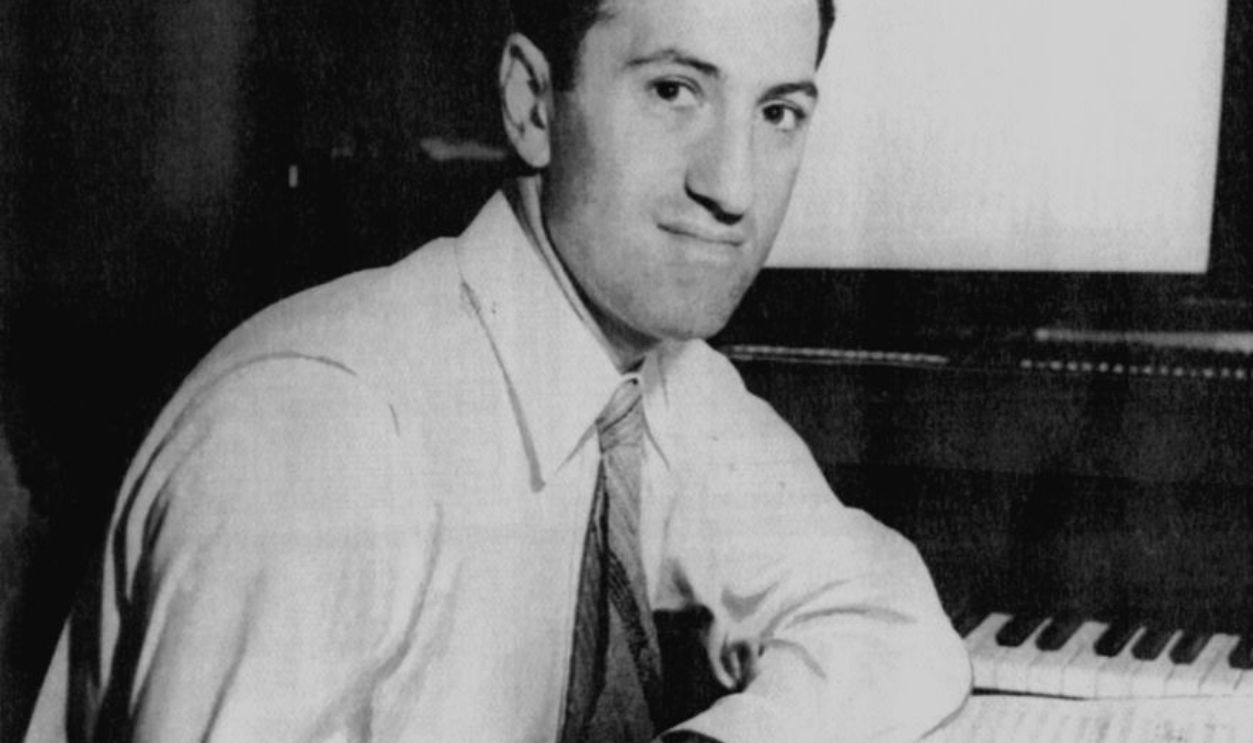
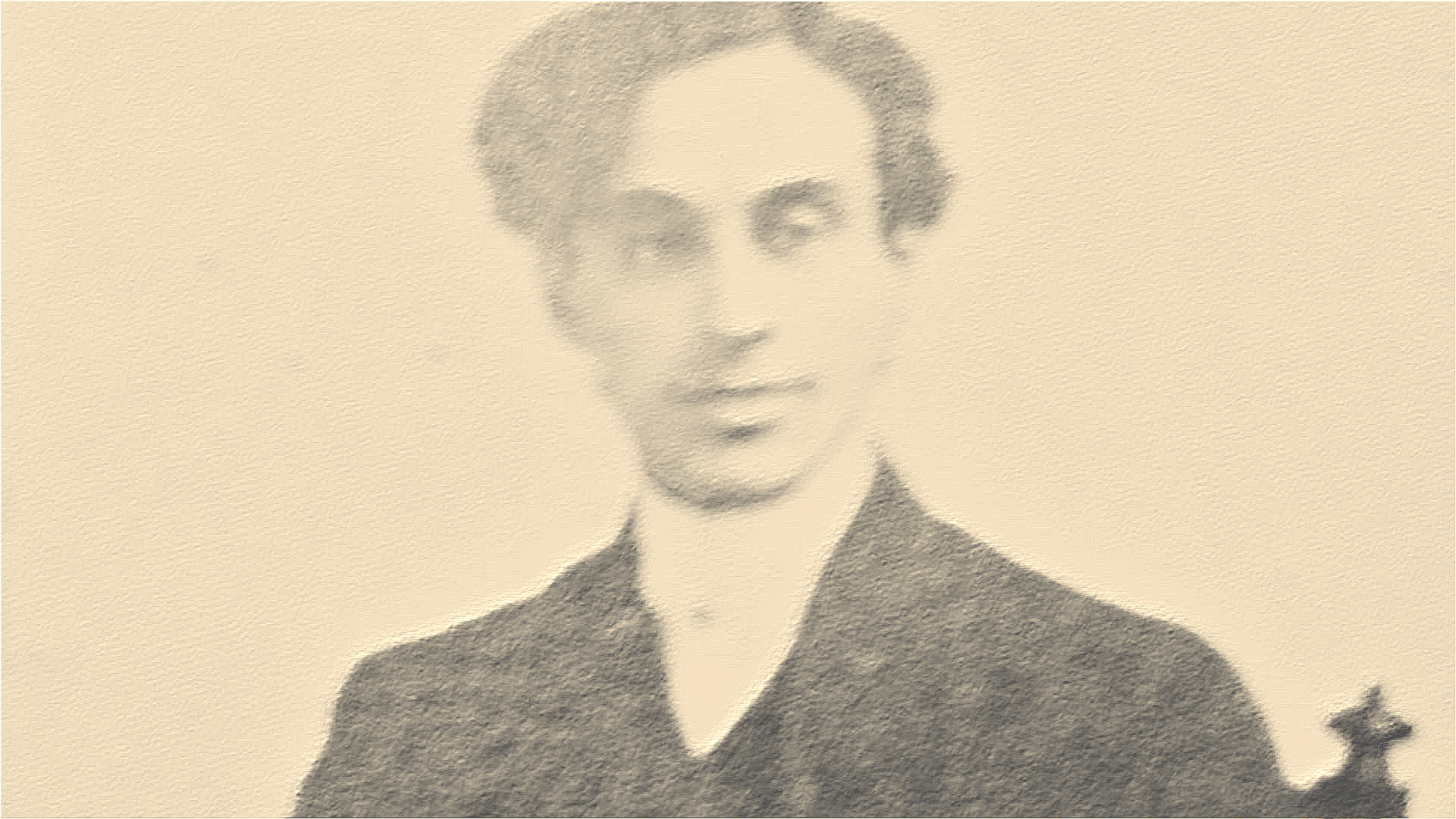
For someone with a mind as unique as Gershwin’s, it would take one masterful teacher to help him reach the next level, but whoever it was wouldn’t be easy to find. For two years, Gershwin tried out lessons with several potential mentors, but none of them worked out. Finally, a fellow musician introduced him to composer Charles Hambitzer, and it was instantly clear that Gershwin’s search was over.
This became one of Gershwin’s most invaluable friendships, and one he never grew out of.
 Unknown authorUnknown author, Wikimedia Commons
9. They Stayed In Touch
Under the guidance of Charles Hambitzer, George Gershwin elevated his skills beyond his innate talent and learned about music from around the world, especially European classical. Even as Gershwin grew older and began making a name for himself, he eagerly accepted any of Hambitzer’s teachings, right up until the mentor’s passing in 1918.
Before all of that, however, Hambitzer knew exactly who he was dealing with—and could even see the future.
 Associated Press, Wikimedia Commons
History's most fascinating stories and darkest secrets, delivered to your inbox daily.
10. He Knew He Was Talented
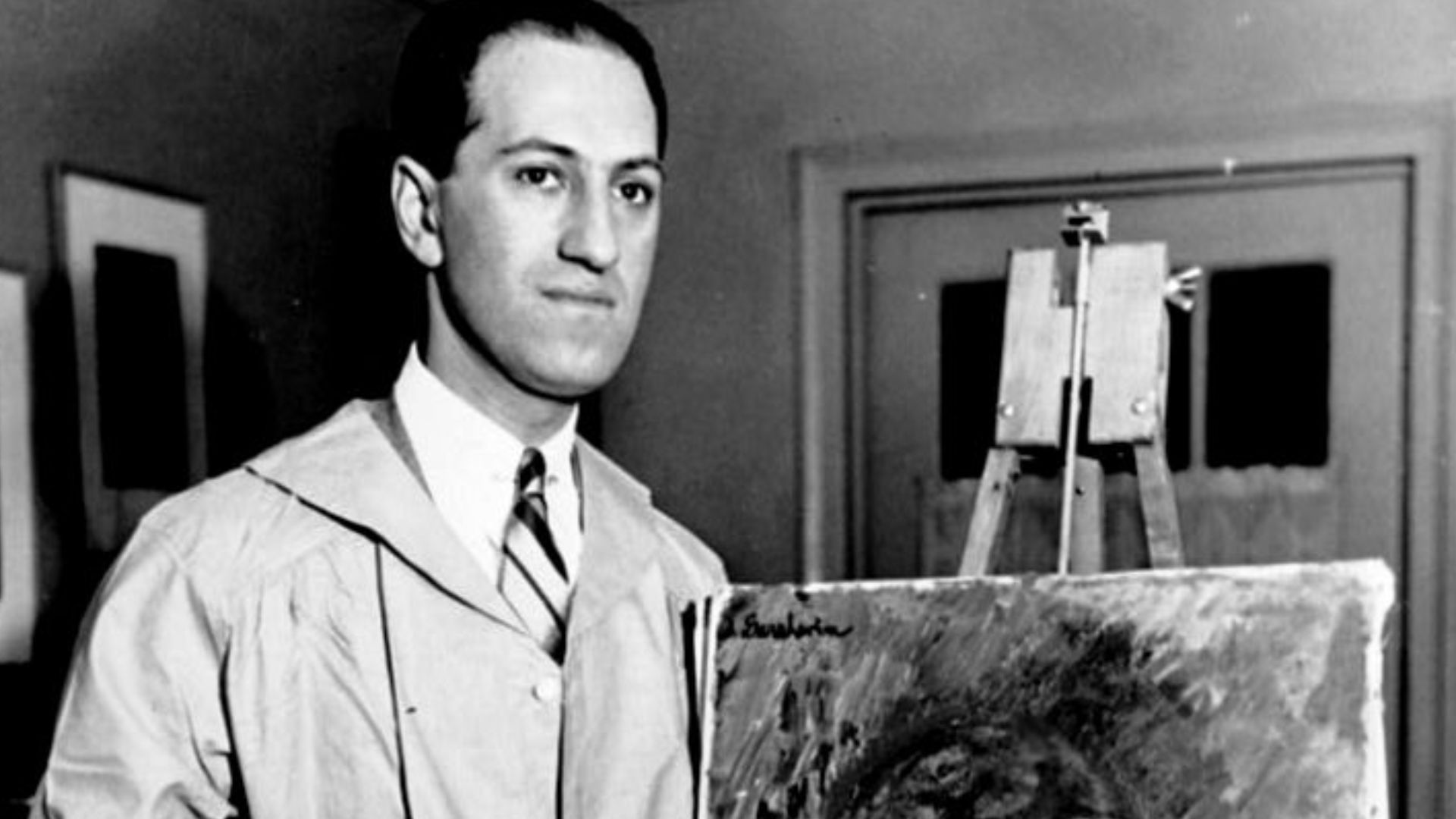
As he watched his student grow into a capable and immensely gifted musician, Charles Hambitzer remained one of his most passionate supporters, but it was no surprise to him. From the very beginning, the teacher knew Gershwin was going to make waves throughout the world of music, even writing to his sister, “I have a new pupil who will make his mark if anybody will. The boy is a genius”.
Still, no matter how talented he was, Gershwin had to start somewhere, and it wasn’t nearly as glamorous as he hoped.
 Michael Ochs Archives, Getty Images
11. He Found A Job
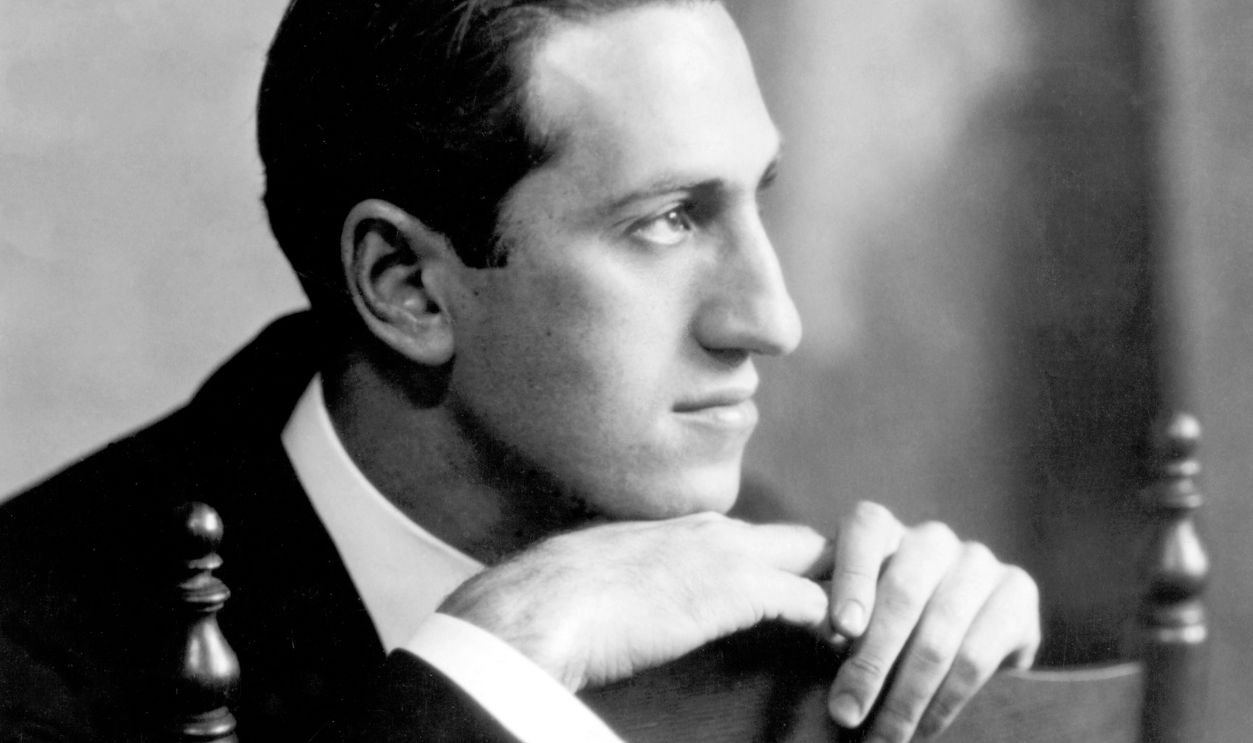
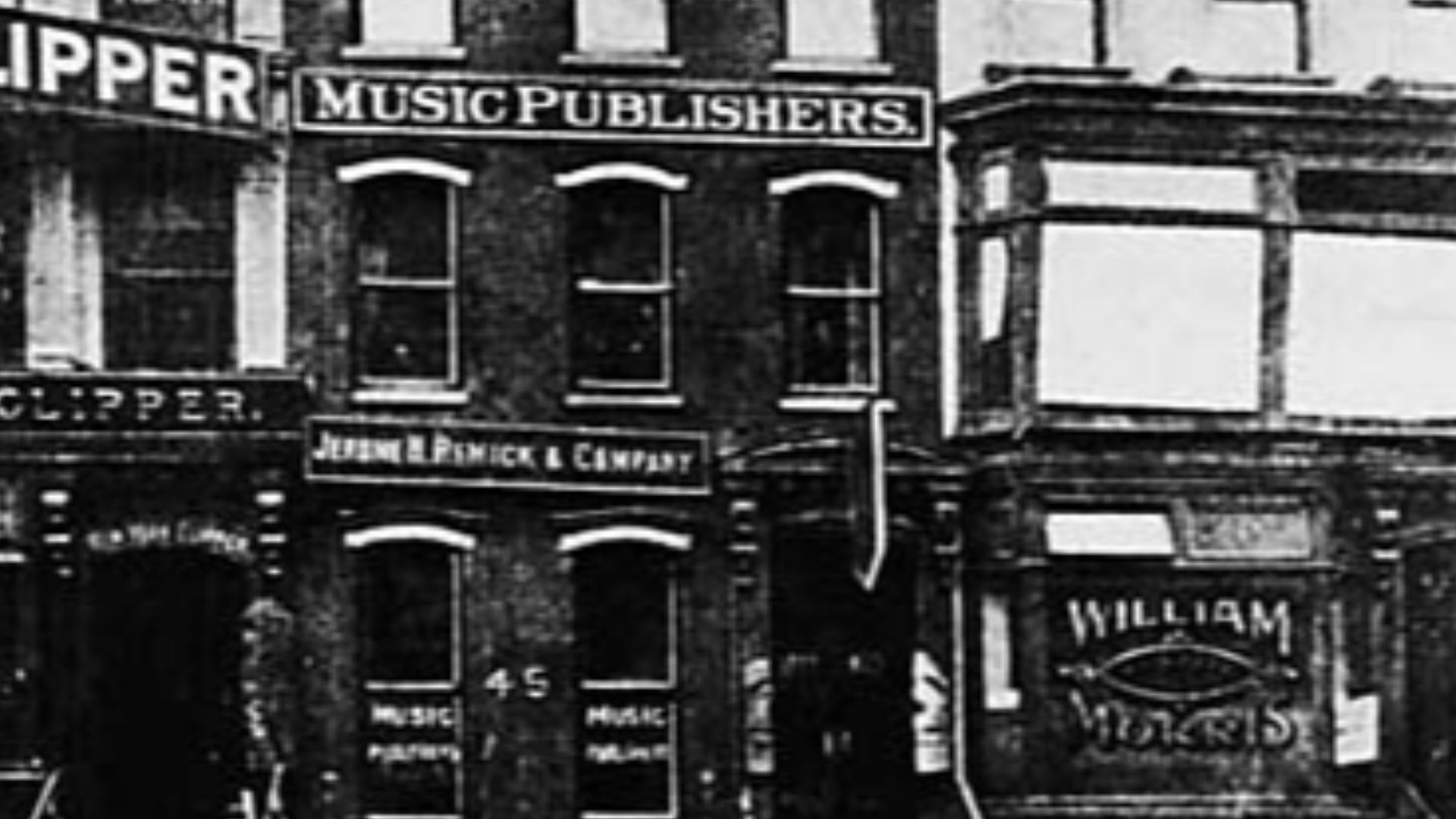
Although he spent several years in school, Gershwin soon felt like his time would be better served pursuing his ultimate purpose in life, so he quit in 1913. Thankfully, he was able to find a job fairly quickly, and he began working on Tin Pan Alley in New York, where he earned $15 each week as a song plugger.
As it turns out, it isn’t necessity that’s the mother of invention—it’s monotony.
 Unknown authorUnknown author, Wikimedia Commons
12. He Wrote His First Piece
As a song plugger, George Gershwin’s job was to play the songs published by Jerome H Remick and Company on piano as a means of publicity—but he hated every second of it. Still, he would look back on this as a necessary misery, as it allowed him to perfect his style and eventually release his first piece at 17 years old. Titled “When You Want 'Em, You Can't Get 'Em, When You've Got 'Em, You Don't Want 'Em,” the song earned him a total of 50 cents.
Still, at least during this early period, he wasn’t quite ready for the world to know his name.
13. He Used A Different Name
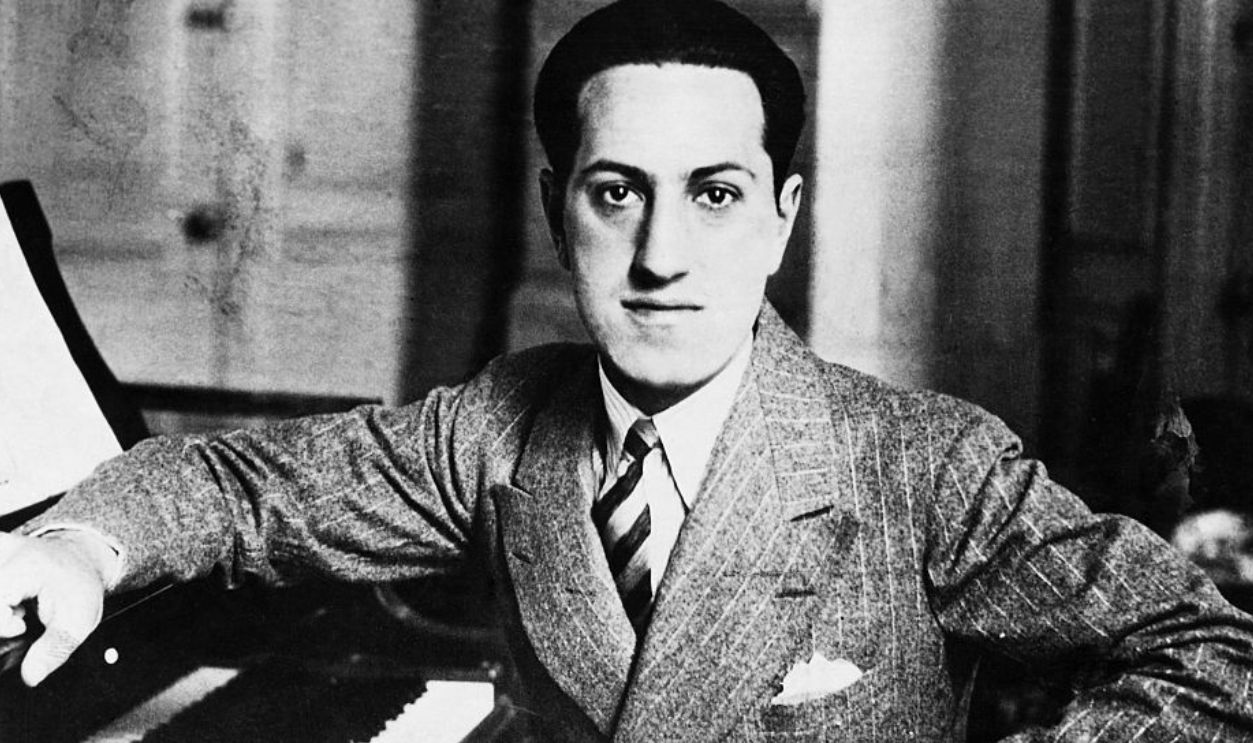
Going back to his roots, Gershwin worked as a professional pianist for several companies, but this time creating the very thing that helped him get started. Producing piano rolls for player pianos, he sometimes worked under his own name, but also chose to release many under different aliases. As a result, while it’s difficult to know the exact number, it’s possible that he produced hundreds of these rolls.
Of course, this wasn’t all he wanted to do, and he was eager to try out everything.
14. He Branched Out
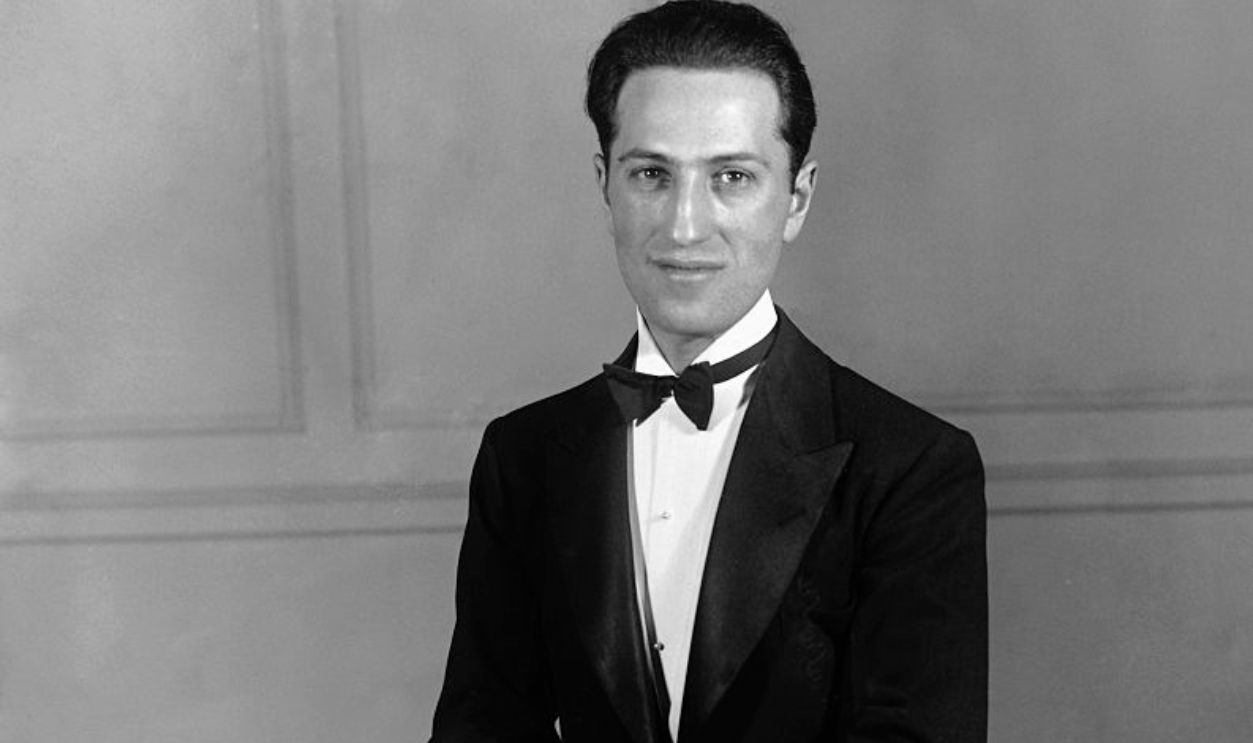
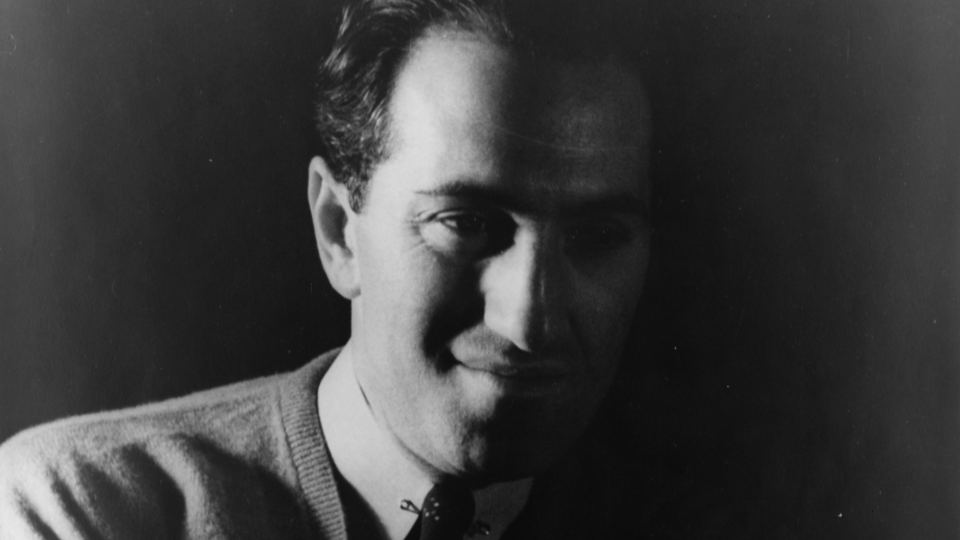
By the end of his life, George Gershwin would become not only an established composer but also a well-known name throughout the world of theater. This love of performance stretched back to the 1910s, when he made his first appearances on the vaudeville and Broadway circuits. Working as both a composer and accompanying pianist, he debuted his first Broadway song in 1916 with “Making of a Girl”.
No matter how talented he was, though, he still needed a little bit of luck—and it was about to come his way.
 Carl Van Vechten, Wikimedia Commons
15. He Wanted To Use It
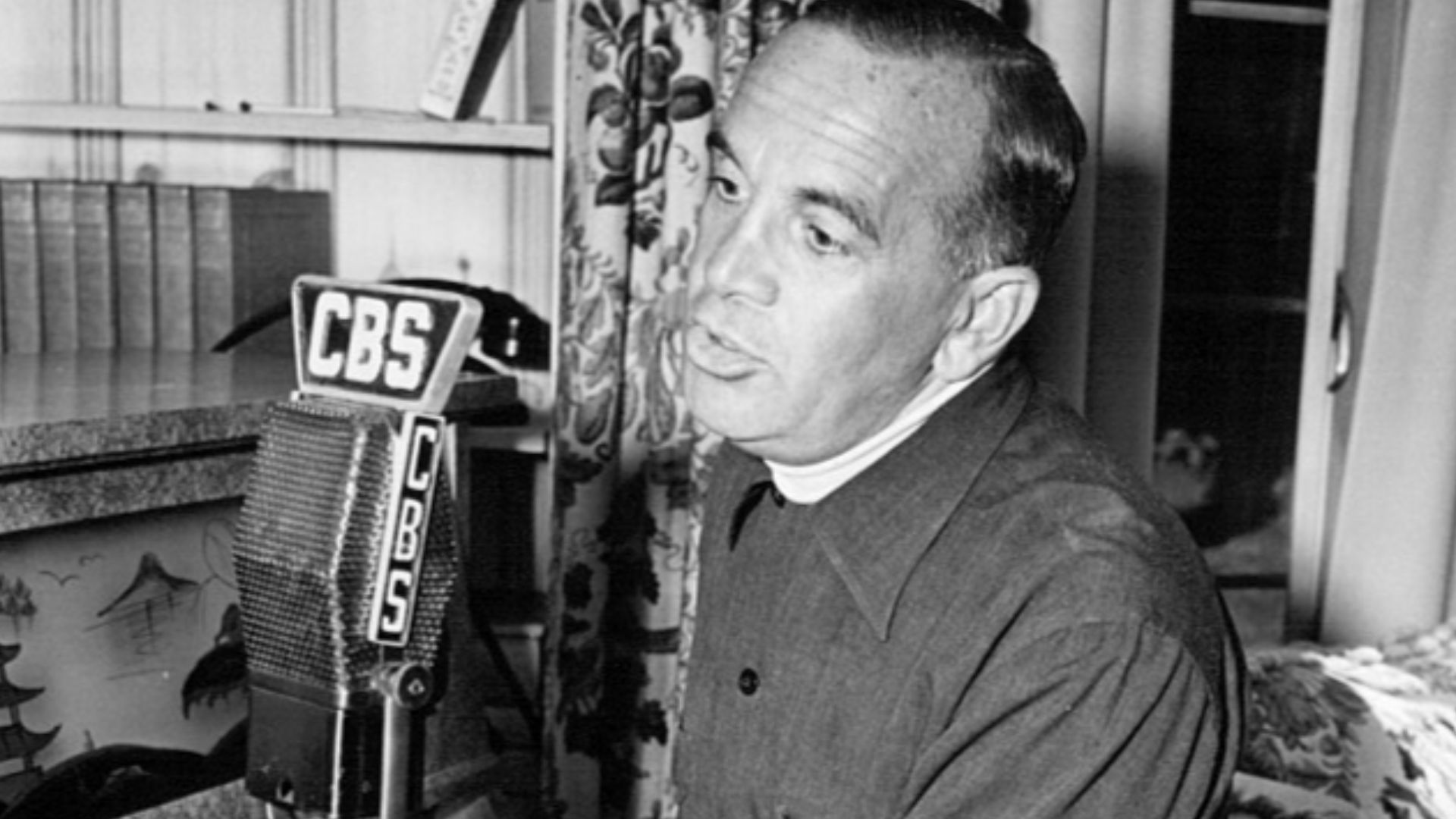
Gershwin had been writing his own material for a while now, but it wasn’t until 1919 that he finally received the ultimate affirmation that he was on the right path. While performing a song of his titled “Swanee” at a party, he drew the attention of the famed Broadway actor Al Jolson, who immediately approached the young pianist. With his permission, Jolson incorporated the song into one of his performances, gaining Gershwin a national hit for the first time.
This was far from Gershwin’s only successful partnership, and his greatest one yet was just around the corner.
History's most fascinating stories and darkest secrets, delivered to your inbox daily.
16. They Worked Well Together
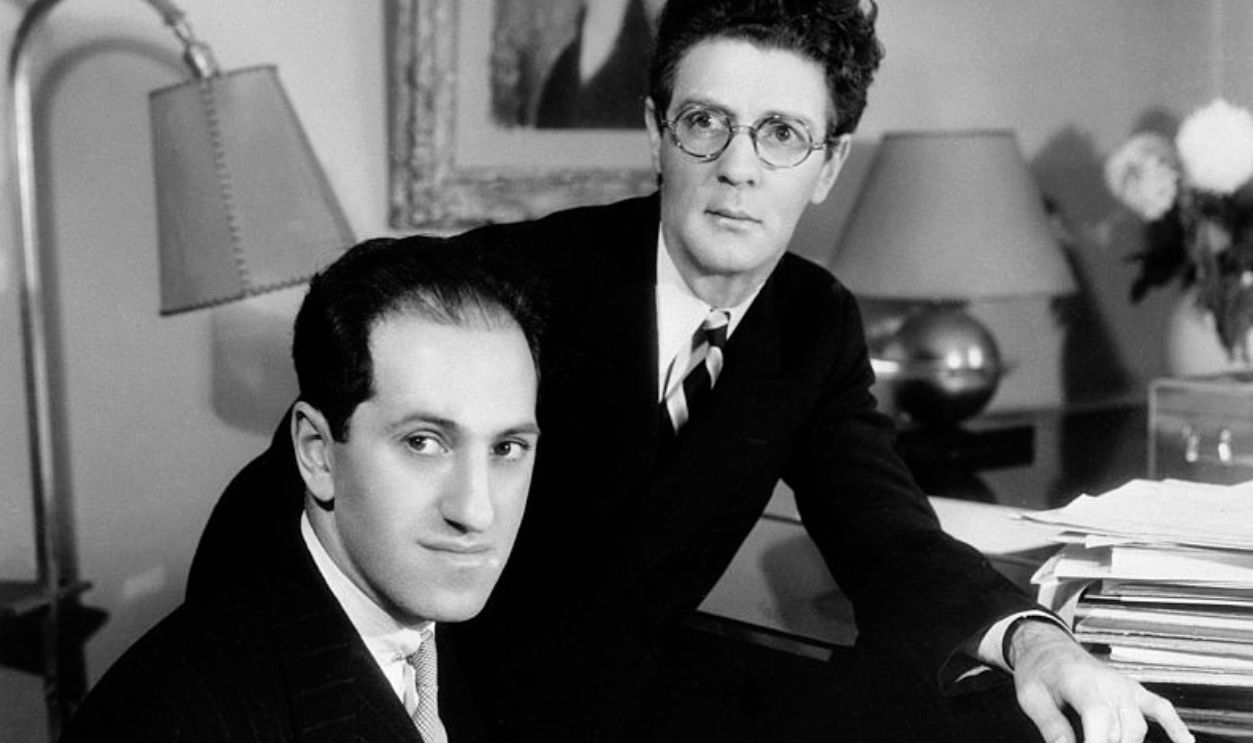
Although Gershwin was certainly talented enough to make it on his own merit, he was always more than happy to collaborate, and it usually resulted in some of his best work. One of his most memorable partners was songwriter William Daly, who helped Gershwin expand his Broadway portfolio by working on two musicals with him. They jived so well that not only had Gershwin found a worthy colleague, but also a lifelong friend.
However, it wasn’t until he met a certain musician that he began sowing the seeds of one of his greatest accomplishments.
17. He Paved The Way For A Classic
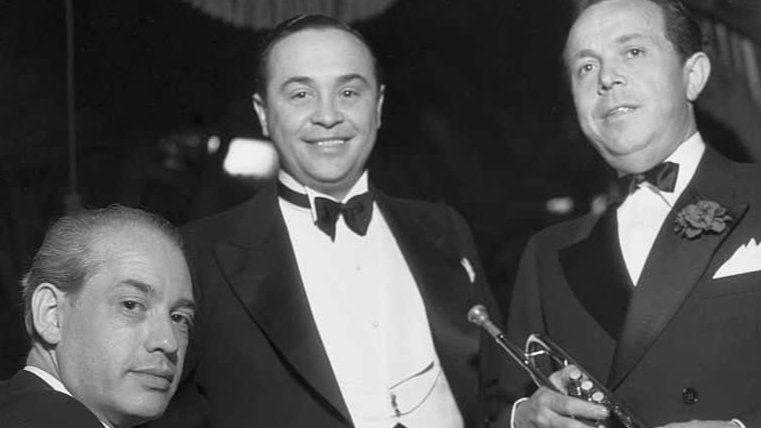
Often operating solely as a composer, Gershwin collaborated with many lyricists to bring his vision for certain pieces or productions to life, one of whom would be among his most impactful partners. Working with lyricist Buddy DeSylva, Gershwin wrote the one-act jazz opera Blue Monday in 1922, which many agree was the spiritual predecessor to his iconic opera, Porgy and Bess, years later.
At the same time, one performance would open the door to arguably his most memorable piece.
18. He Made A Suggestion
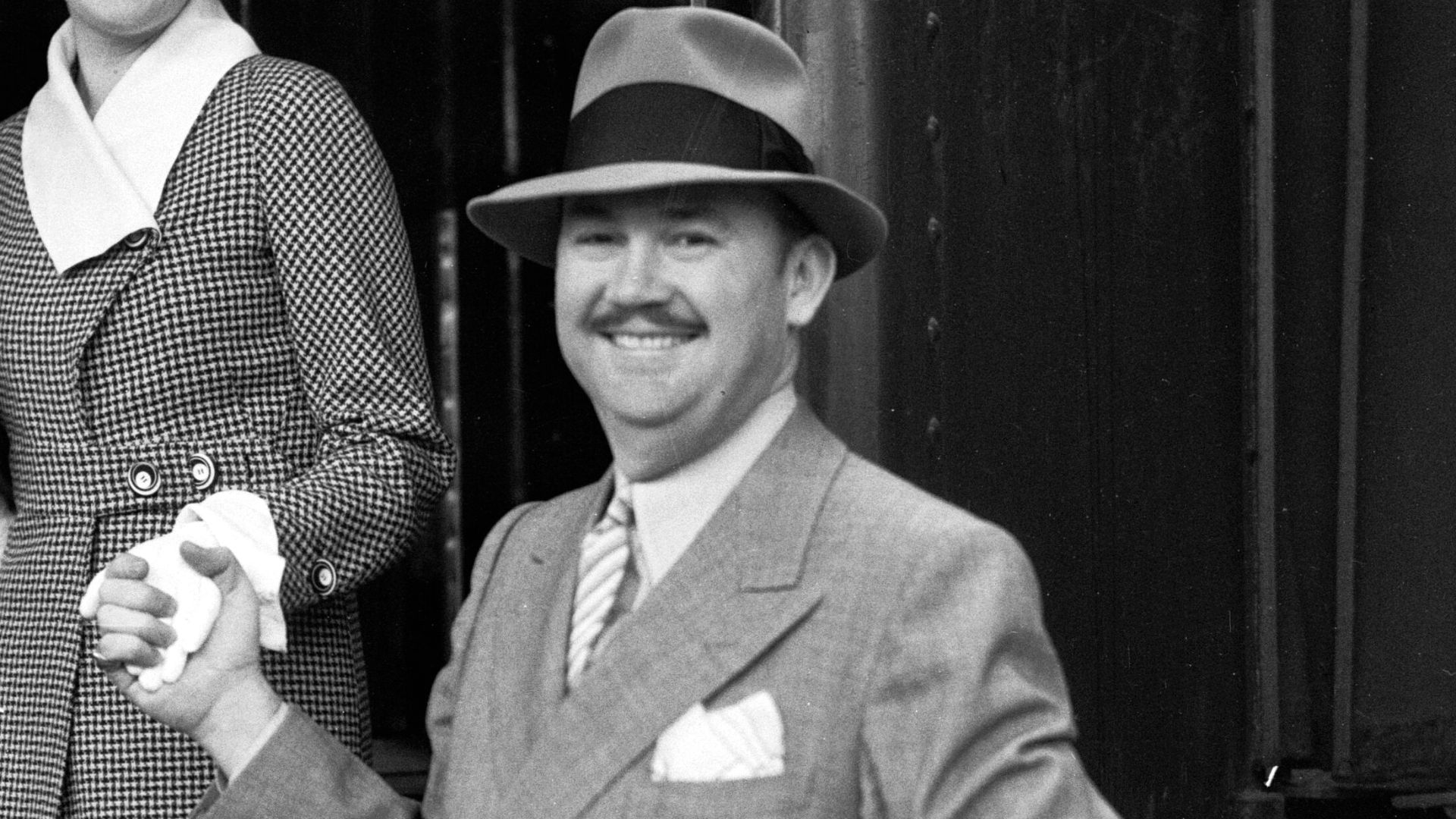
Being such an experimental production, Blue Monday wasn’t one of George Gershwin’s most widely beloved works, but one of its shows did make way for his next great bout of brilliance. One night, after completing a performance of the jazz opera, the show’s bandleader, Paul Whiteman, approached Gershwin with a request. He asked the composer to write a new piece that would earn jazz the respect it deserved, which Gershwin thought was a great idea.
However, Gershwin didn’t really take the bandleader's proposal seriously—and he wouldn’t until it was almost too late.
 Los Angeles Times, Wikimedia Commons
19. He Completely Forgot
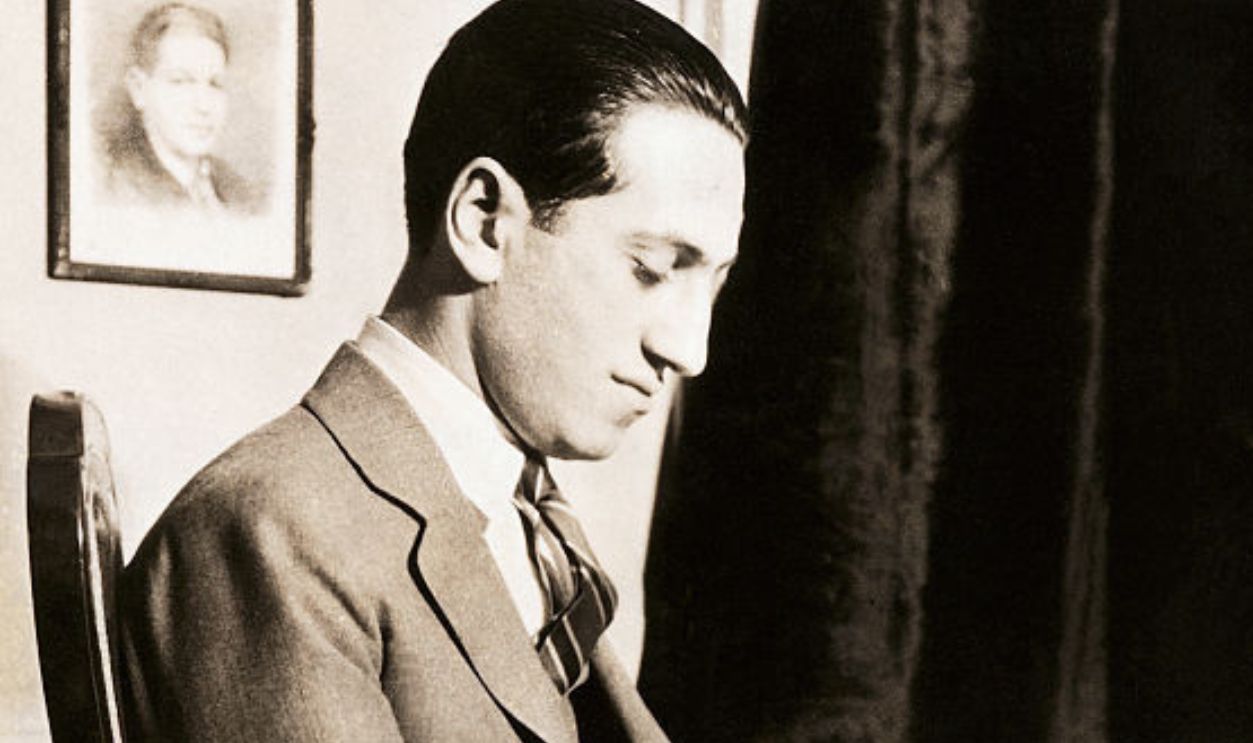
Like many icons, Gershwin has one or two stories about him that may or may not be true, and one of them might have led to the creation of his ultimate classic. As the story goes, Gershwin hadn’t understood what exactly Paul Whiteman had been asking, and the interaction totally slipped his mind after. So when he read the paper and saw that Whiteman’s next concert would include a new Gershwin piece, it was as much news to him as to any other reader.
Suddenly, Gershwin was on a deadline to create some new work of genius—and he wouldn’t disappoint.
20. He Had No Time To Lose
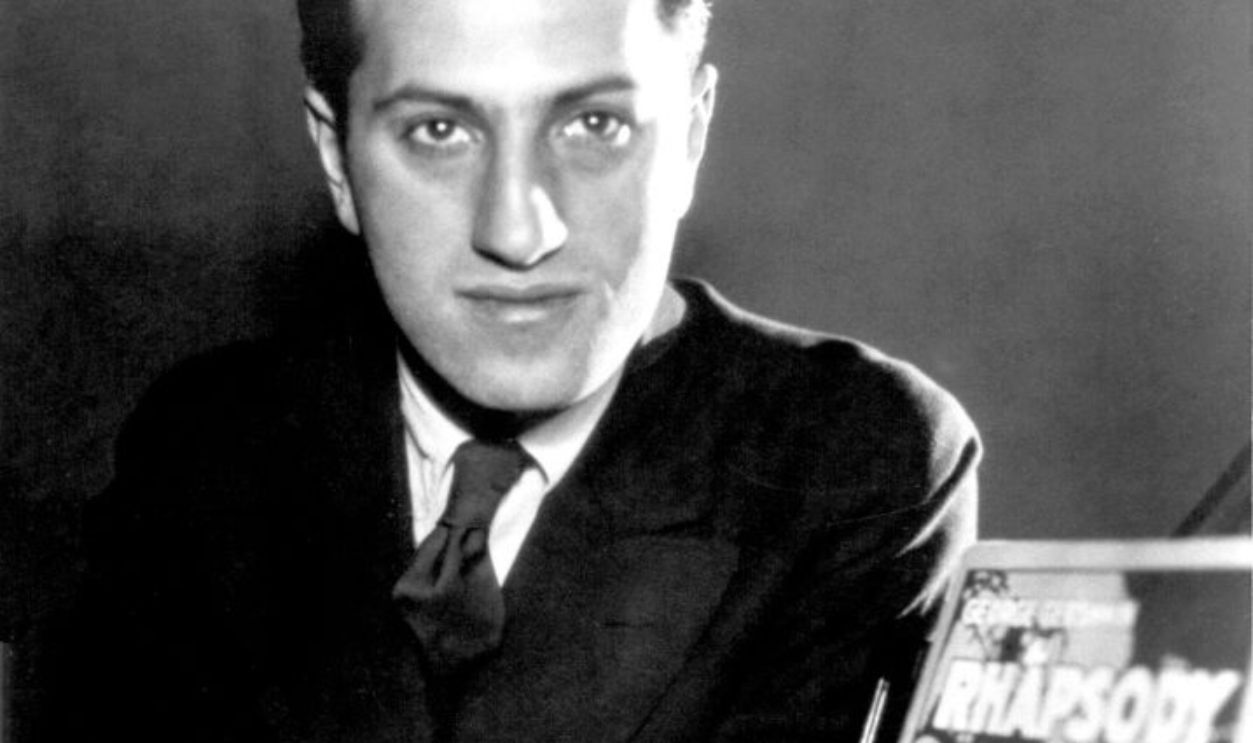
Stressed and utterly out of time, Gershwin sat down to write his next masterpiece, hoping that the creativity would simply flow through him onto the page. Whether it was luck or simply his uncanny talent under pressure, Gershwin succeeded and wrote “Rhapsody in Blue”. This piece not only cemented his style by blending jazz with classical, but it also became his most well-known work, even featuring in the Disney film Fantasia 2000.
Gershwin may have written the piece under a lot of stress, but that wasn’t where the chaos ended.
 Michael Ochs Archives, Getty Images
21. He Wanted To Try Something New
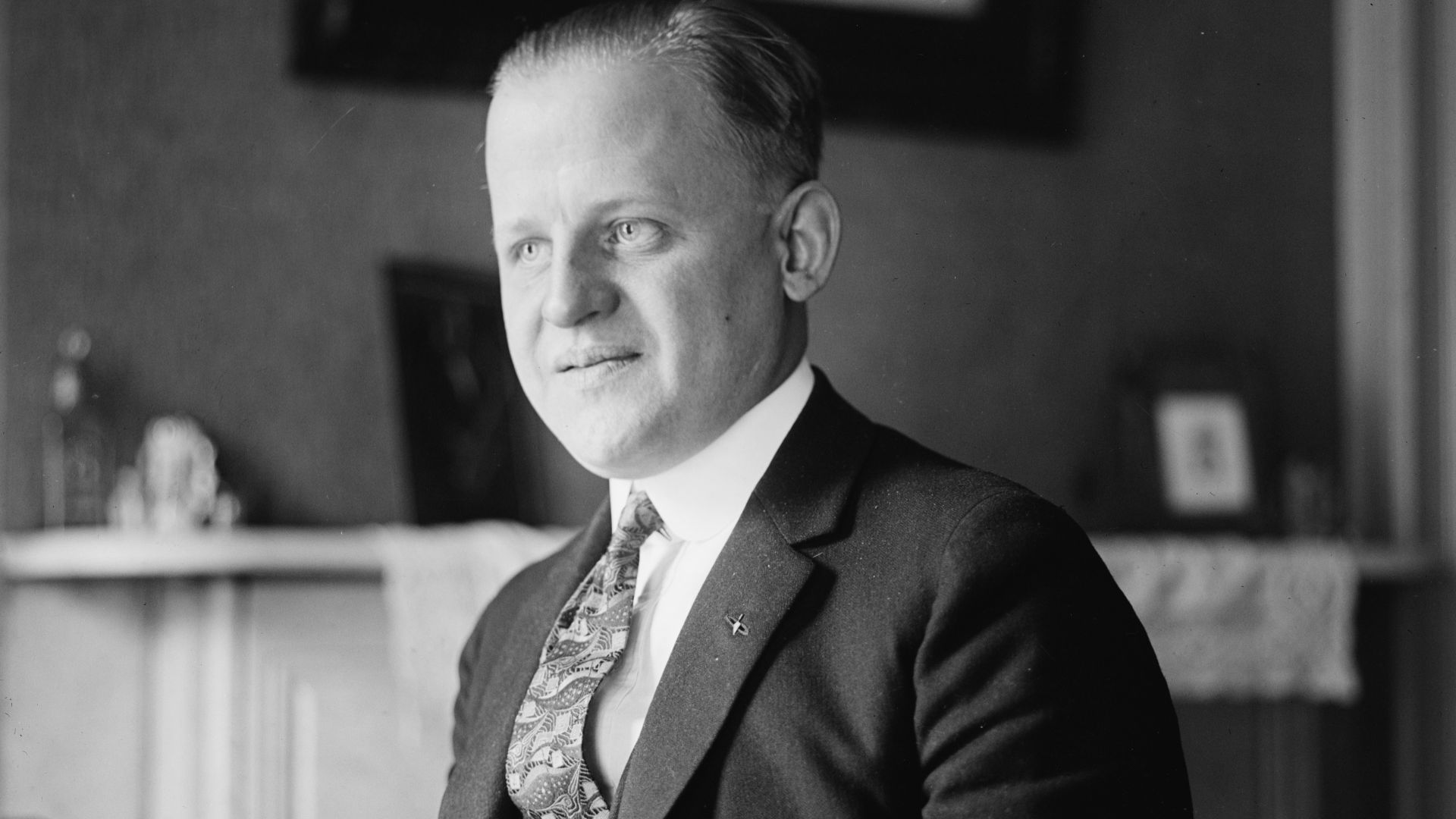
Since “Rhapsody in Blue” was a piece written for piano and orchestra, Gershwin had to cooperate with a lot of instrumentalists to create what he was envisioning, but he wasn’t the only one taking the lead. While rehearsing it, one of the clarinetists, Ross Gorman, wanted to try his own spin on the composition, without Gershwin’s approval.
Many would have expected Gershwin to fly off the handle or kick Gormon out, but he wasn’t that kind of composer.
 Bain News Service, publisher, Wikimedia Commons
History's most fascinating stories and darkest secrets, delivered to your inbox daily.
22. He Kept It In
Adding his own flair to the piece as soon as the conductor gave the signal to start, Gorman began his part with a shocking glissando, which Gershwin had not written in the composition. The rest of the orchestra waited on bated breath for the composer’s reaction, and to their surprise, Gershwin absolutely loved it. Getting Gorman to play it again in the actual performance, Gershwin made his glissando a permanent addition to the piece.
Of course, among all his impressive collaborations, one would stand out as the closest to his heart.
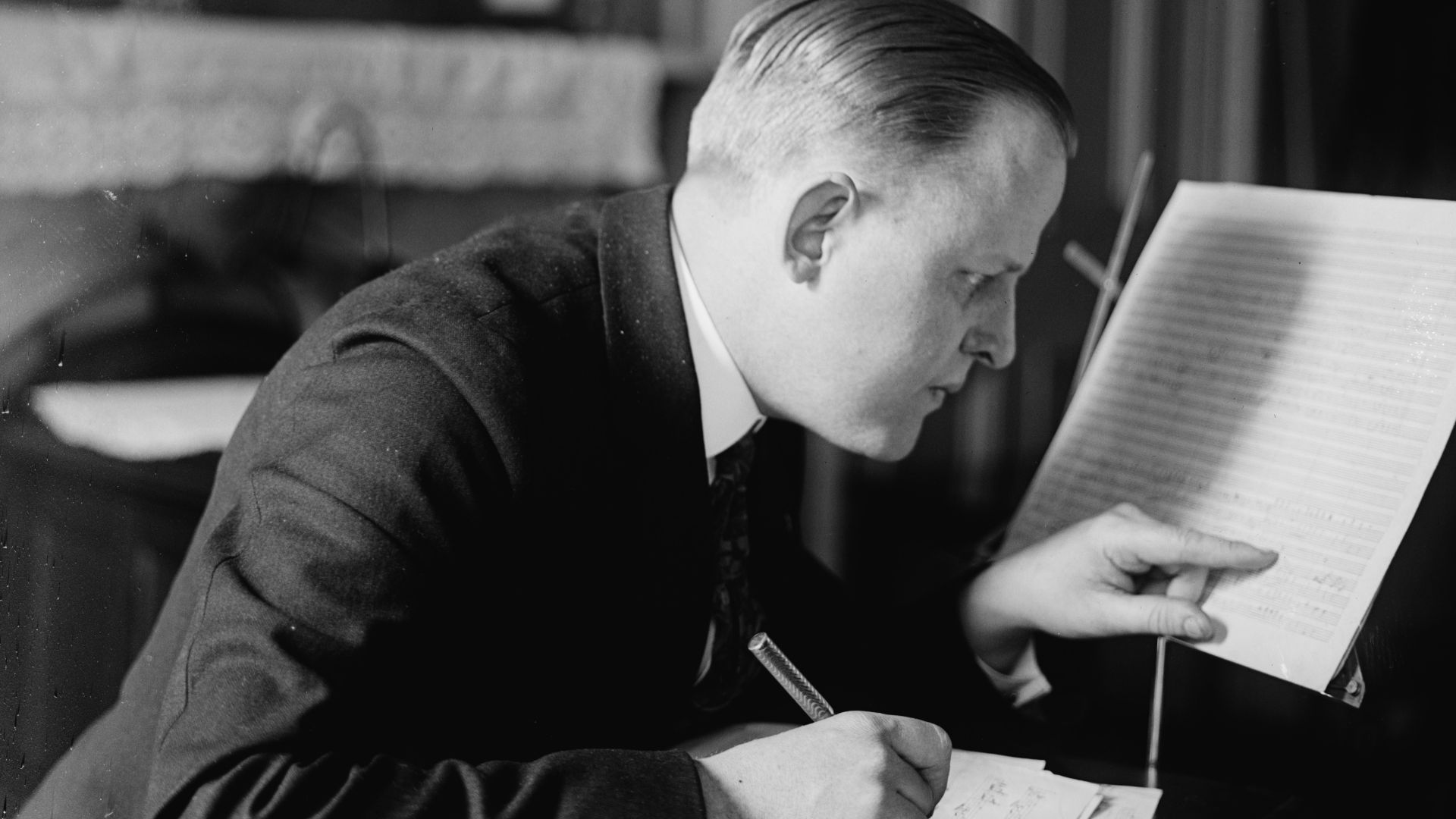 Bain News Service, publisher, Wikimedia Commons
23. He Worked With His Family
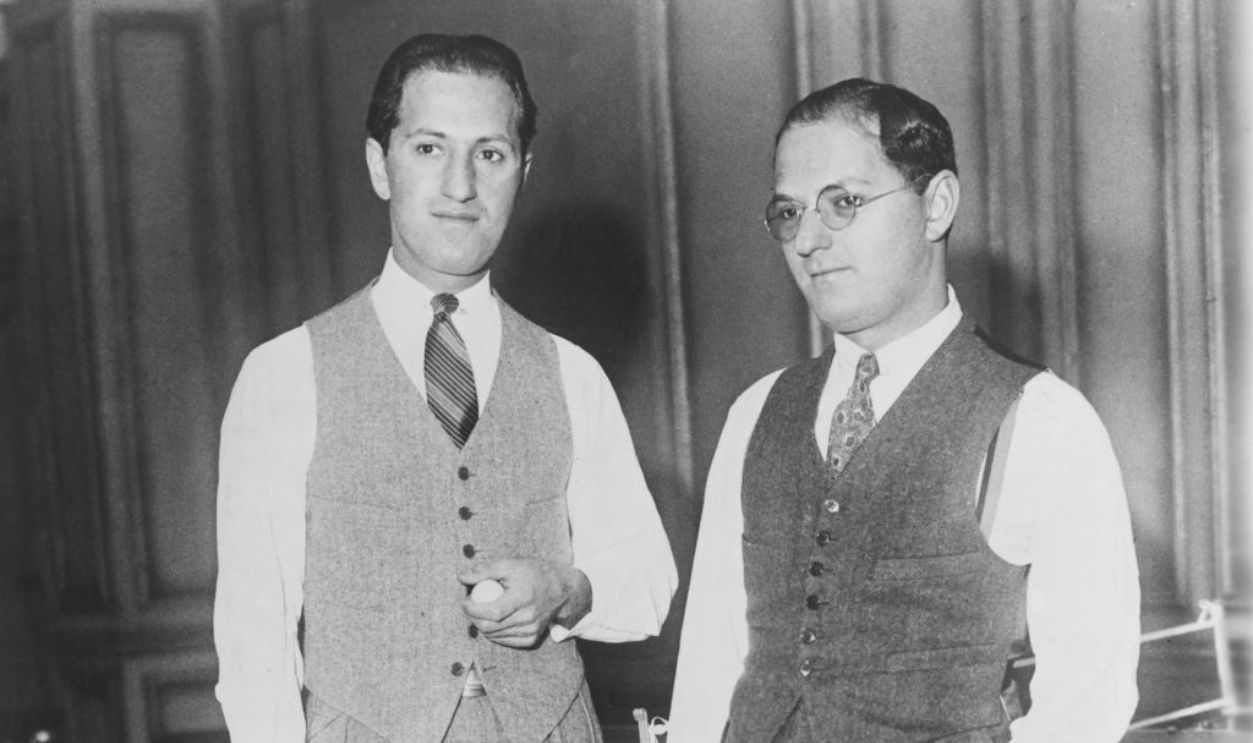
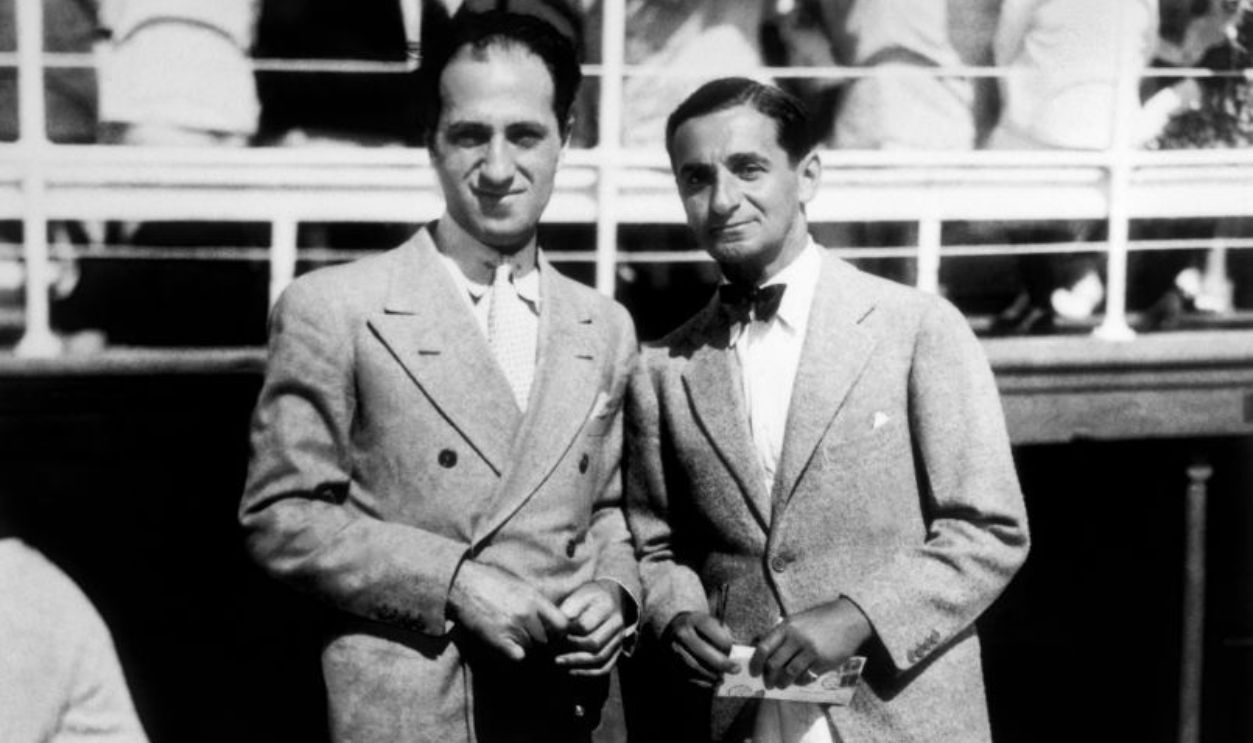
Soon enough, George Gershwin would embark on the most fruitful professional relationship of his career, which just happened to be with someone he had known since birth. Writing their first major Broadway success together in 1924 with Lady Be Good, George and his older brother, Ira, spent the next few years creating other hit shows and kicking off their long partnership.
In the midst of all these projects, however, George found a more scandalous source of inspiration.
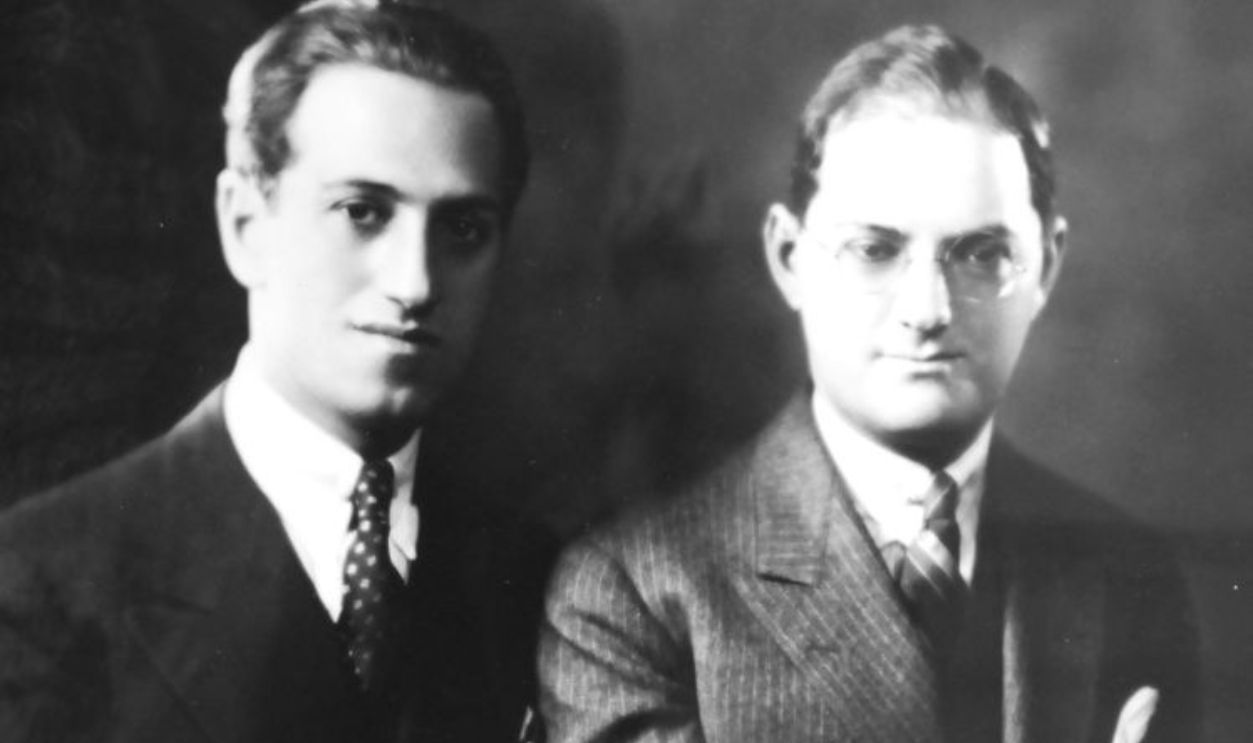
24. She Loved His Music
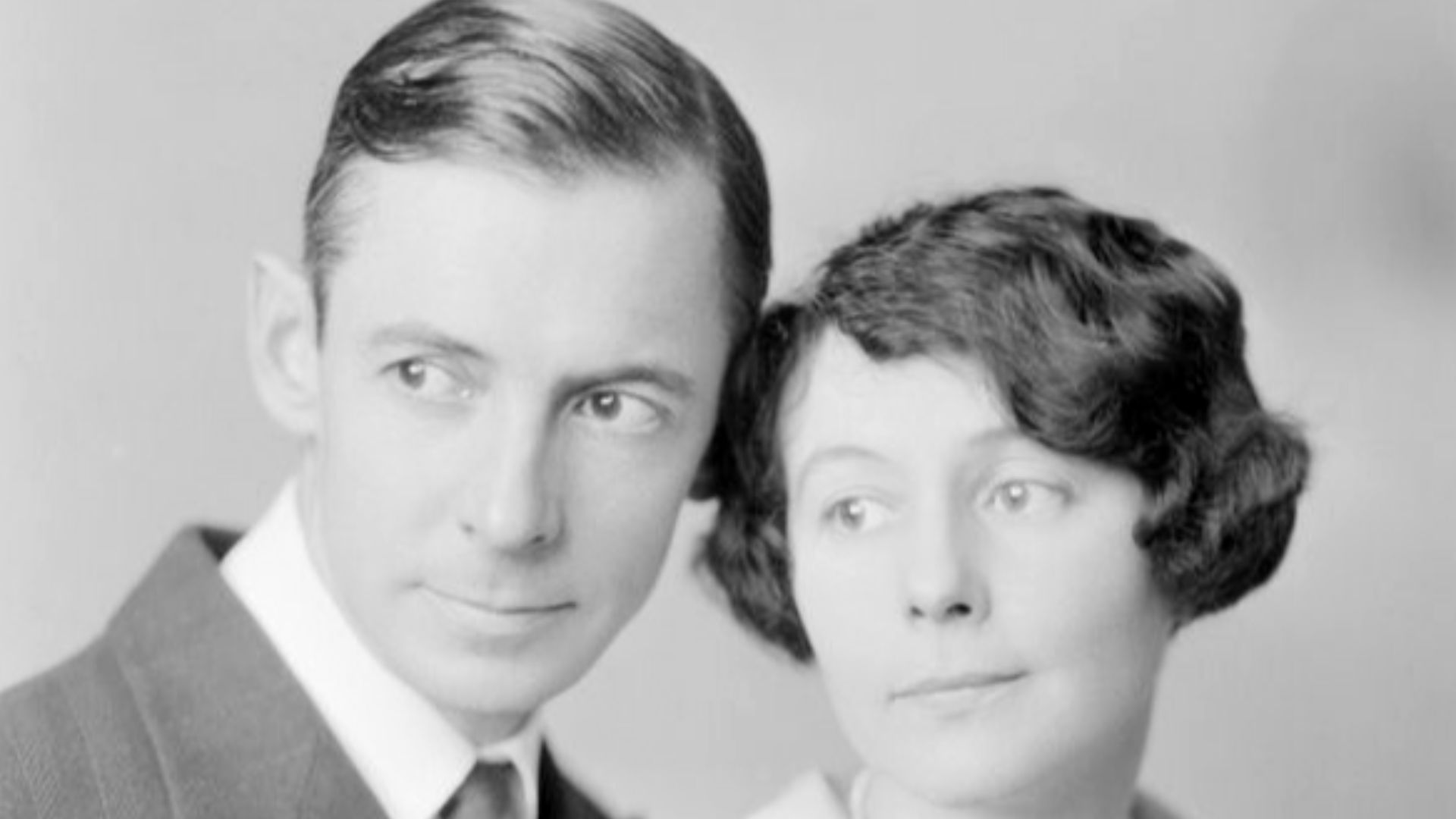
Considering all the collaborations George Gershwin worked on over the years, it only makes sense that not all of them remained strictly professional. Meeting classical musician Katharine Swift, Gershwin immediately took a shine to her, likely helped by the fact that she was already such a fan of his music. Giving her the nickname “Kay,” Gershwin urged her to expand her horizons into popular music, which naturally led her to work with him.
With Kay Swift, Gershwin had gained both a new friend and collaborator, one who he seemed devoted to more than any other.
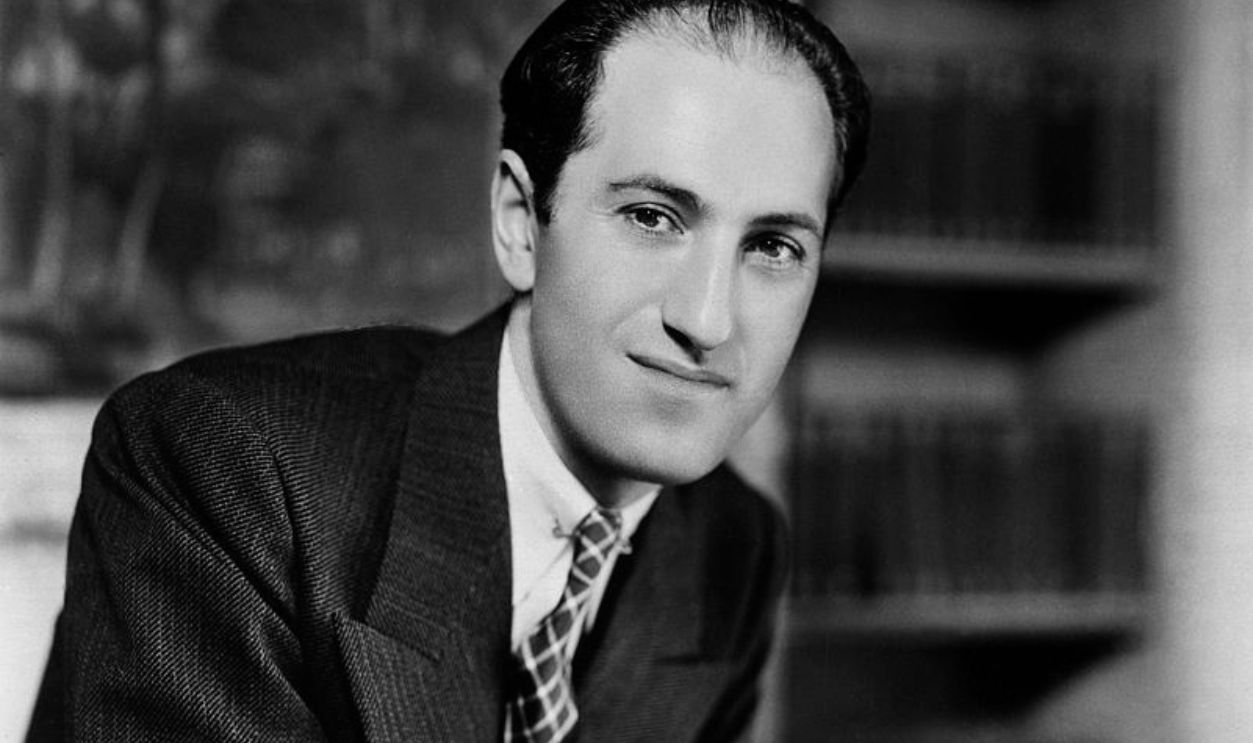
25. They Were Inseparable
As it soon became clear to his friends and the general public, Gershwin had found an invaluable companion in Swift, and the two began spending much more time together. As he equally admired her musical expertise, Gershwin often asked her for feedback when he was unsure about something he was working on.
Clearly, nothing and no one could come between them—not even her husband.
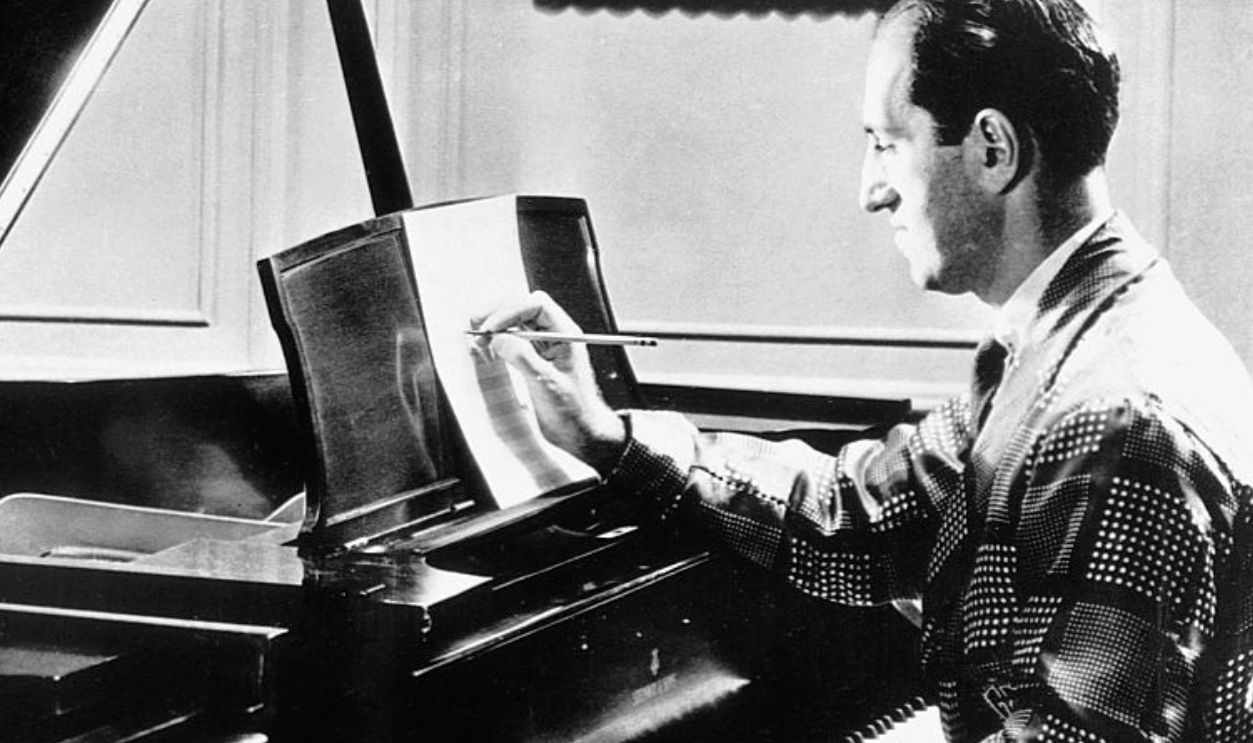
26. He Didn’t Have A Problem With Them
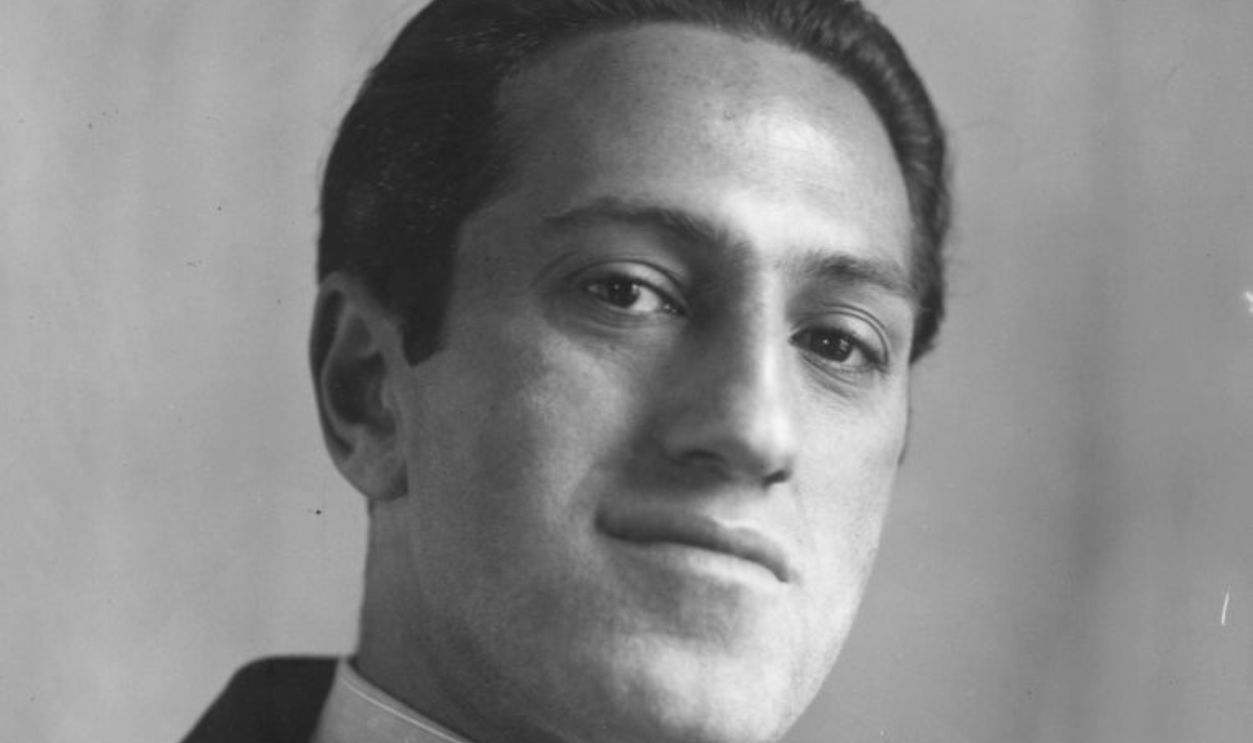
Seeing George Gershwin and Kay Swift become more than just colleagues was likely even more surprising given that she was already married to a man named James Warburg. Shockingly, even during the rare times that Warburg wasn’t away on business, he didn’t seem to have many objections to the two spending time together. After everything, Warburg would even admit that while he harbored some bitterness toward Gershwin, he still liked him.
At the same time, their affair likely didn’t end up exactly as expected.
 General Photographic Agency, Getty Images
27. They Never Tied The Knot
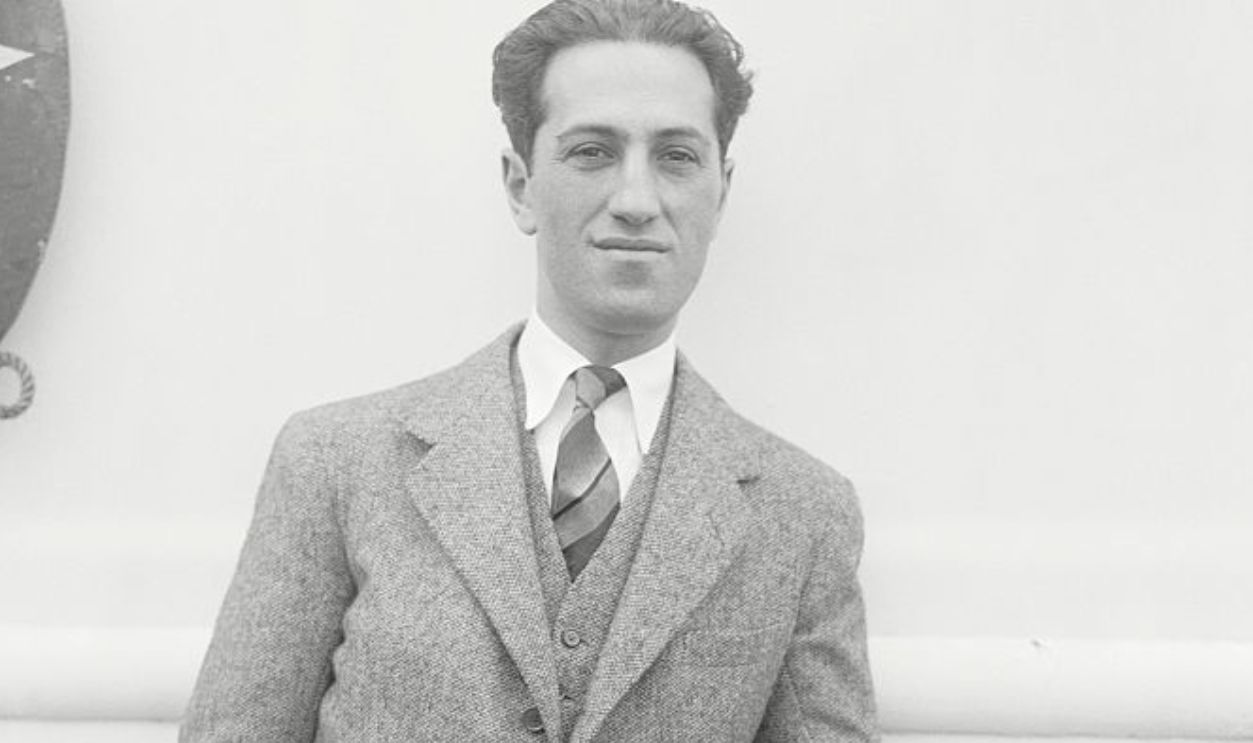
Apparently devoted to each other, Gershwin and Swift would continue their whirlwind romance for the rest of Gershwin’s life, although they decidedly never took the next step. Even after Swift chose to divorce James Warburg in 1934, it seemed that marriage just wasn’t in the cards for the two musicians.
While scandalous at the time, a few people saw this coming, especially those who truly knew Gershwin.
History's most fascinating stories and darkest secrets, delivered to your inbox daily.
28. They Weren’t Surprised
George Gershwin may have been an utter genius as a composer, and a wonderful creative partner, but the life of a husband and father just wasn’t for him—and his friends knew it. Many would later joke that he was possibly too egocentric to ever commit to marriage. When it came to starting a family, Ira knew that George was never that kind of man, as he had always been uncomfortable around children.
On the other hand, someone closer to Swift had another guess at why they never settled down—and it all had to do with Gershwin’s family.
29. She Had A Theory
Although Kay Swift and George Gershwin never tied the knot, Swift already had three children and would go on to have several grandchildren, one of whom had a pretty good idea of why the two musicians never took the plunge. According to her granddaughter, Katharine Weber, even if some part of Gershwin wanted to marry Swift, he felt he couldn’t, as she wasn’t Jewish and his mother would have never approved.
Instead, he focused his energy on constantly improving his craft, wherever that may have taken him.
30. He Traveled Abroad
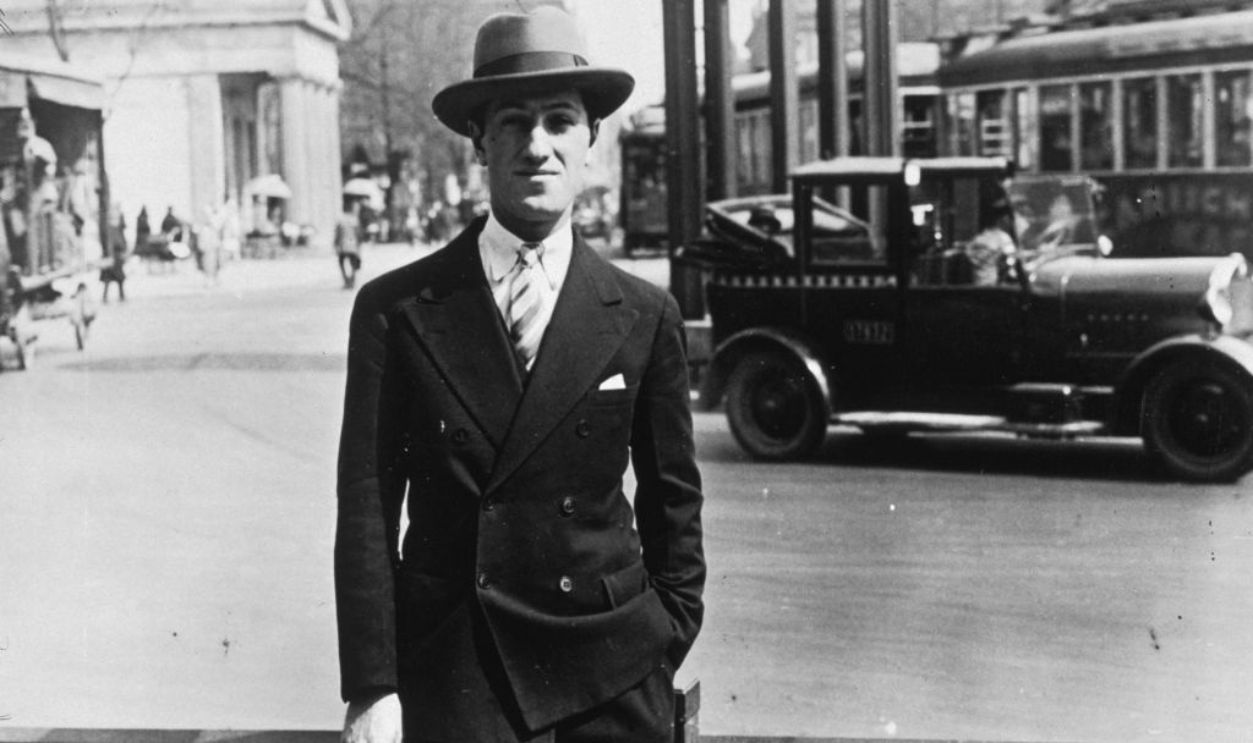
Always looking for ways to improve himself even more, Gershwin decided to take a page out of his mentor’s book and throw himself into European classical music by going straight to the source. Journeying to Paris during the 1920s, he sought out several titans of the classical music world, hoping they might accept him as a student.
In a bittersweet twist, Gershwin wasn’t able to find what he was looking for—which was probably for the best.
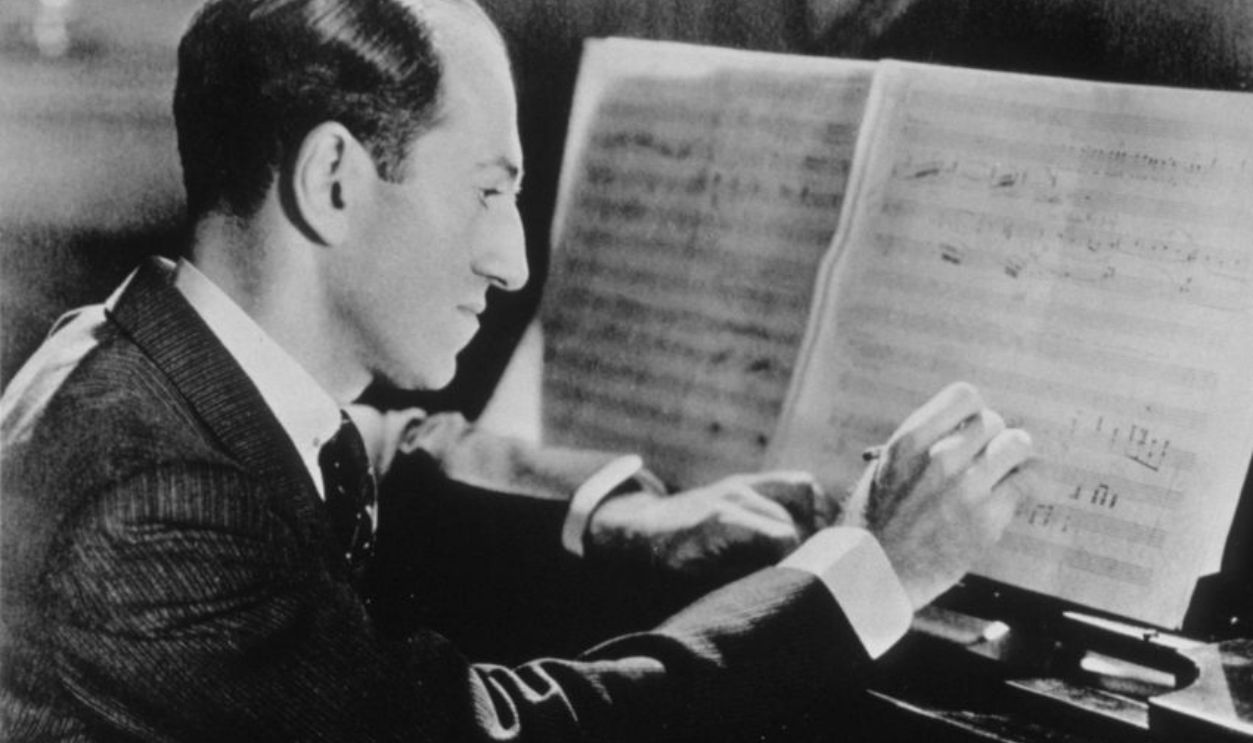
31. He Told Him No
Gershwin reached out to several notable French musicians for help, only to face rejection at every turn, but this wasn’t because they saw him as unworthy of their teachings—it was actually quite the opposite. In truth, he had so expertly established his own style that he was already doing more than okay on his own, or as composer Maurice Ravel put it, “Why become a second-rate Ravel when you're already a first-rate Gershwin?”
The trip wasn’t a complete failure, however, especially since he had a knack for drawing inspiration from his surroundings.
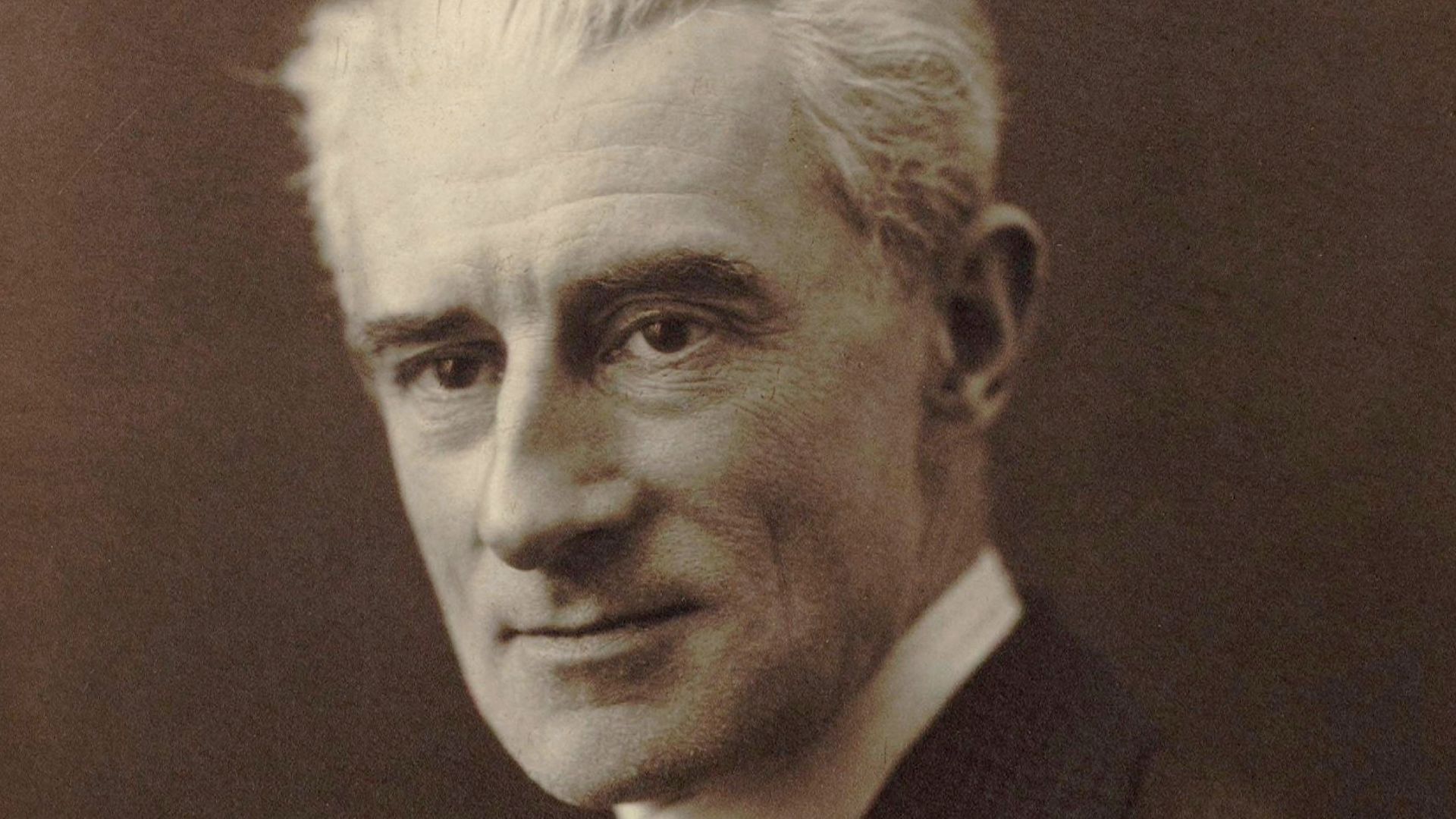
32. He Wrote What He Knew
While his main goal in Europe had been to find a new teacher, Gershwin’s creative mind never stopped, and he wrote his next great piece while over there. It was one where art imitated life. Appropriately named “An American in Paris,” this new tone poem wasn’t an immediate hit. However, it eventually became one of his classics and even inspired the iconic musical film of the same name.
Soon after, he set his sights on Broadway once again, bringing along one of his two favorite collaborators.
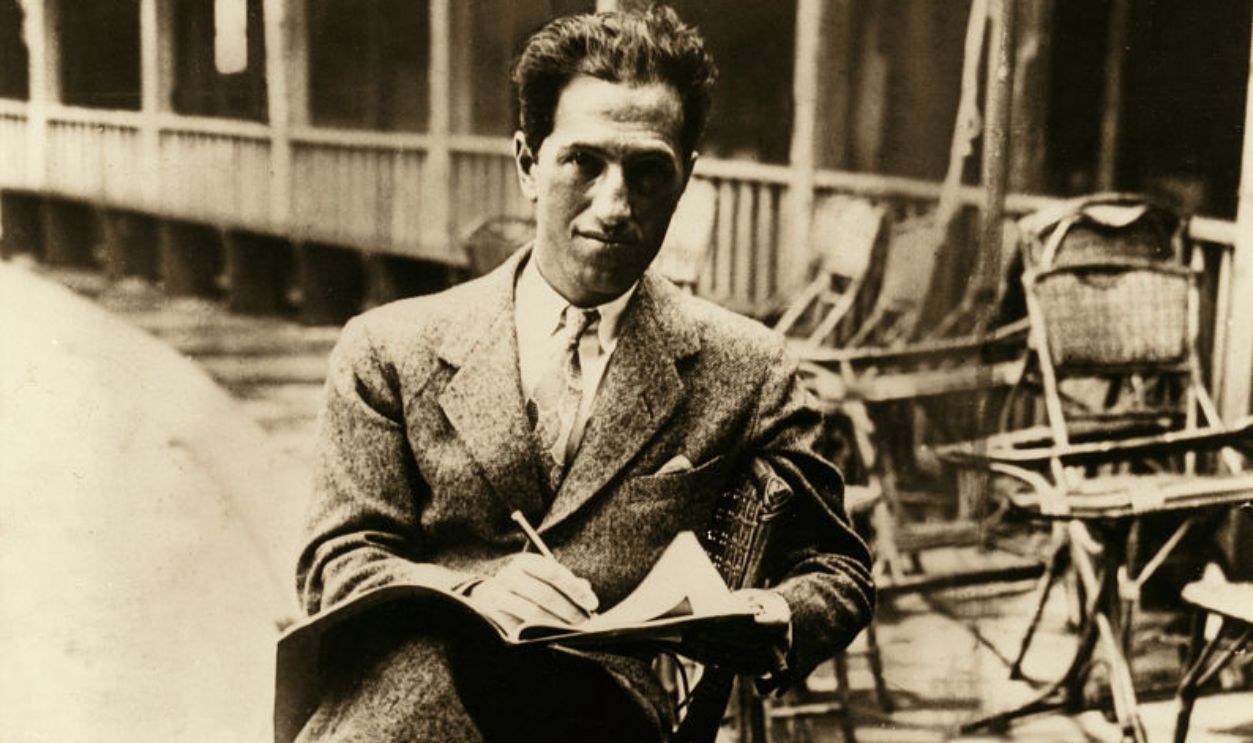
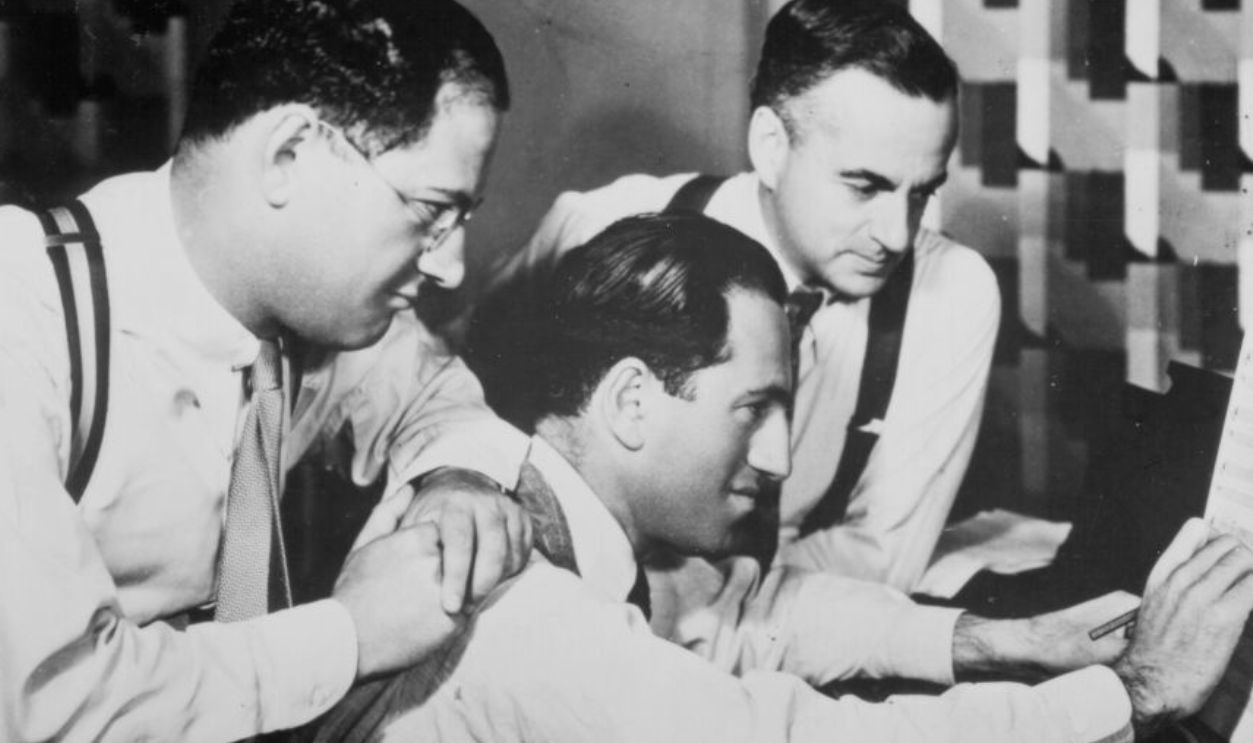
33. They Kept The Hits Coming
As the perfect partners, George and Ira Gershwin began working on their next couple of Broadway shows as the 1920s ended, producing Show Girl and Girl Crazy consecutively. While some of George’s works had received mixed reviews and only found wide acclaim years later, Girl Crazy was different. Praised by critics upon its debut, several of its songs became Broadway standards, such as “I Got Rhythm” and “Embraceable You”.
Before long, he was on track to release his next musical, unaware that he had struck gold.
 Michael Ochs Archives, Getty Images
History's most fascinating stories and darkest secrets, delivered to your inbox daily.
34. He Found His Inspiration
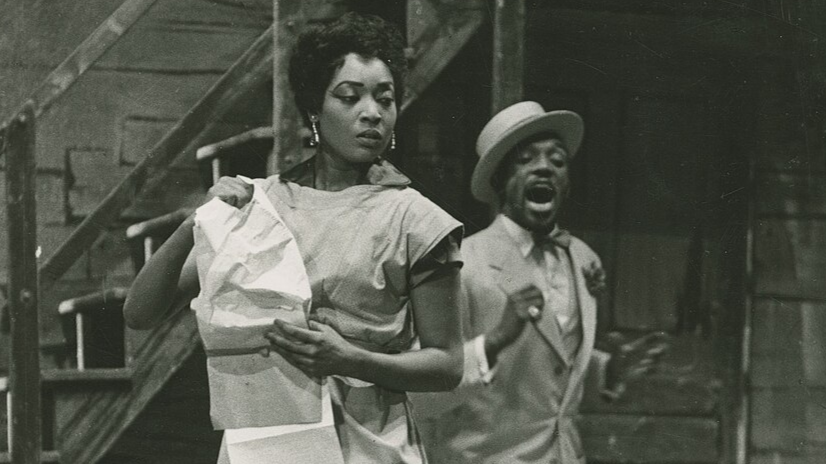
In the mid-1930s, George Gershwin once again decided to take some time away from the hustle and bustle of New York, accepting author DuBose Heyward’s invitation to visit him in South Carolina. He couldn’t put down his work for too long, though, and as his host had written both a novel and a play by the name of Porgy, Gershwin got an idea. Working with Heyward and his wife, he created a new opera titled Porgy and Bess.
While this would be possibly the greatest show of his career, its initial reception wasn’t as straightforward.
 Florence Vandamm, photographer, Wikimedia Commons
35. They Were Confused
Today, Porgy and Bess is right up there in the discussion of Gershwin’s magnum opus, but audiences weren’t as supportive of it at the time of its debut. To be fair, its reviews weren’t all completely negative, and if anything, critics were more puzzled than disdainful. As Gershwin had incorporated both classical and popular musical themes, the show was so experimental that many were simply unsure what exactly it was.
Feeling like the New York music scene was suffocating him, Gershwin realized there was somewhere he would rather be.
 Touring Club Italiano, Wikimedia Commons
36. He Had A Change Of Scenery
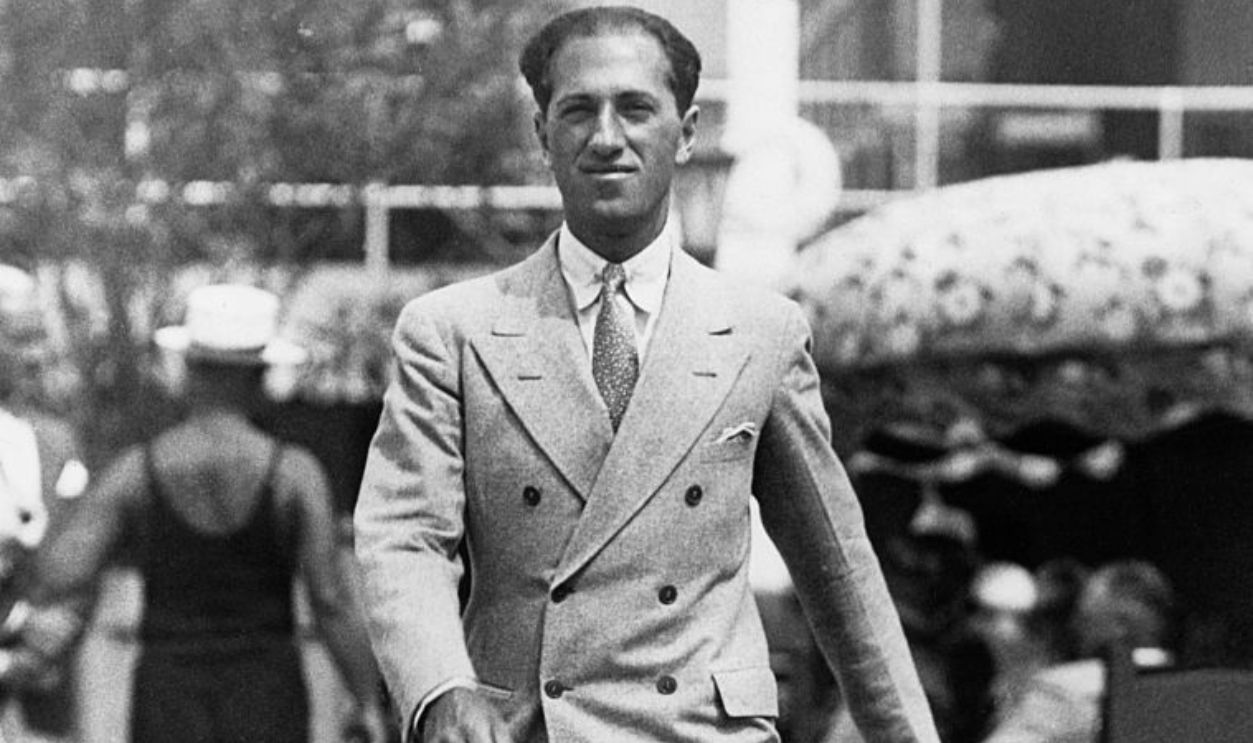
Whether critics were perplexed by Porgy and Bess or simply unappreciative, the show was ultimately considered a failure, leaving Gershwin with a desire to move away from the world of theater. Switching things up in a huge way, he decided to leave New York for another great entertainment hub: Hollywood.
Finally, he had a new avenue to pursue, but he wasn’t starting from the bottom.
37. He Worked On A Score
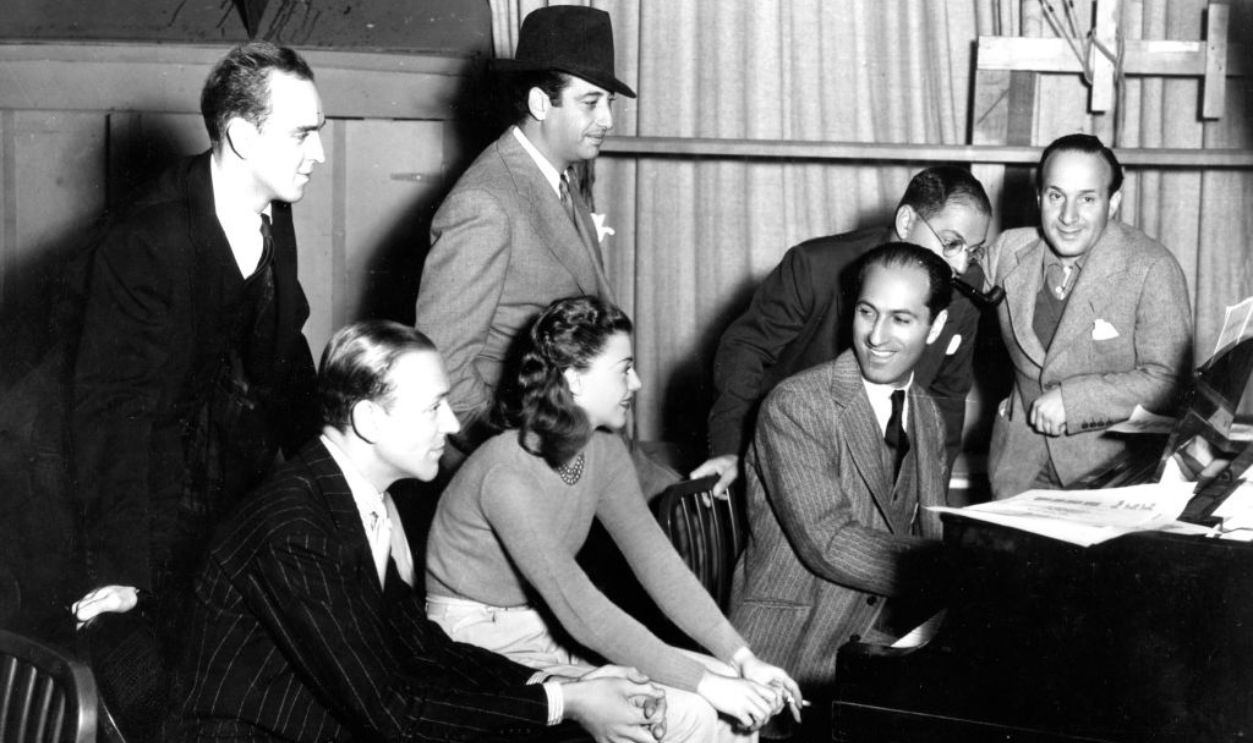
Trading live music for the film industry, George Gershwin was lucky enough to have his reputation precede him, and he soon signed up to work on a project with RKO Pictures. Titled Shall We Dance, this was no obscure, small-time film, as it featured legendary Golden Age actors Ginger Rogers and Fred Astaire.
Unfortunately, things weren’t going so well behind the scenes—even if he couldn’t tell right away.
38. He Smelled Something Off
While Gershwin was busy cranking out future classics and composing film scores, he sadly was unaware of what was wreaking havoc inside his body, although there were a few signs. He began complaining of strange scents that no one else could detect, which steadily grew worse by 1937, when he would often point out the smell of burning rubber, usually accompanied by splitting headaches.
Even in Hollywood, Gershwin hadn’t given up on performing live, but one gig would mark the beginning of the end.
39. He Took The Stage
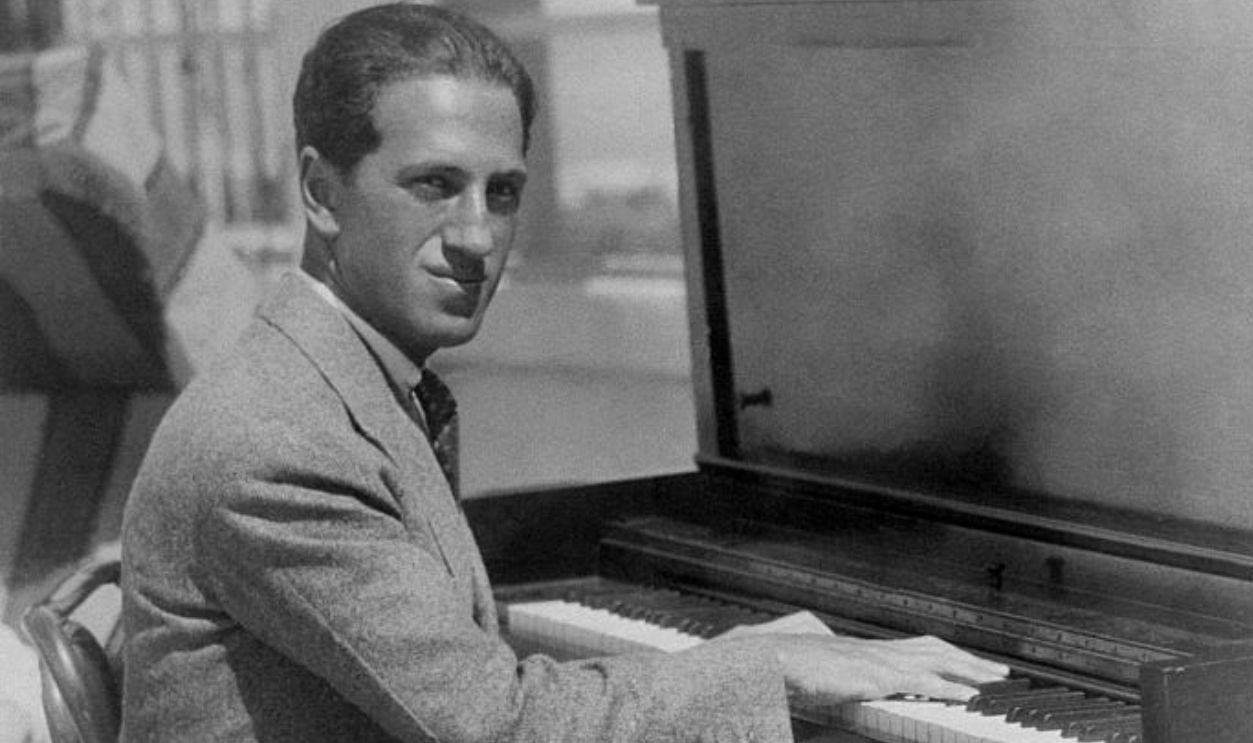
Even while experiencing these bizarre symptoms, Gershwin wasn’t about to stop doing what he loved, which included performing for the masses once in a while. Partnering with the San Francisco Symphony Orchestra, he shared the stage on February 11, 1937, accompanying them for his Piano Concerto in F.
Suddenly, the performance took a strange turn—and everyone knew that something was wrong.
History's most fascinating stories and darkest secrets, delivered to your inbox daily.
40. He Wasn’t Doing So Well
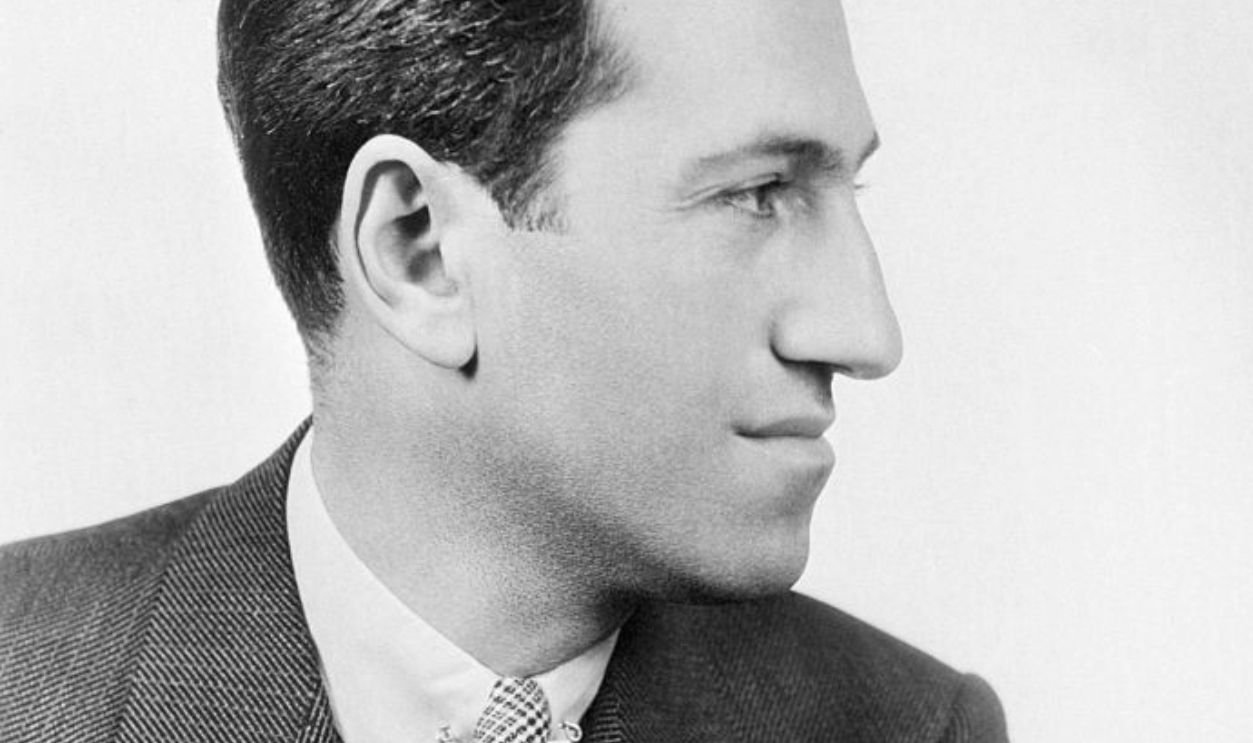
It wasn’t unusual for George Gershwin to improvise in his performances, but during his show on February 11, the audience saw a completely different version of him. As the composer of the piece, he should have had no problem playing it like usual, but he found himself messing up more than once, and worse, blacking out several times.
Even when he wasn’t in the public eye, his behavior was becoming a problem.
 ullstein bild Dtl., Getty Images
41. She Was Concerned For Him
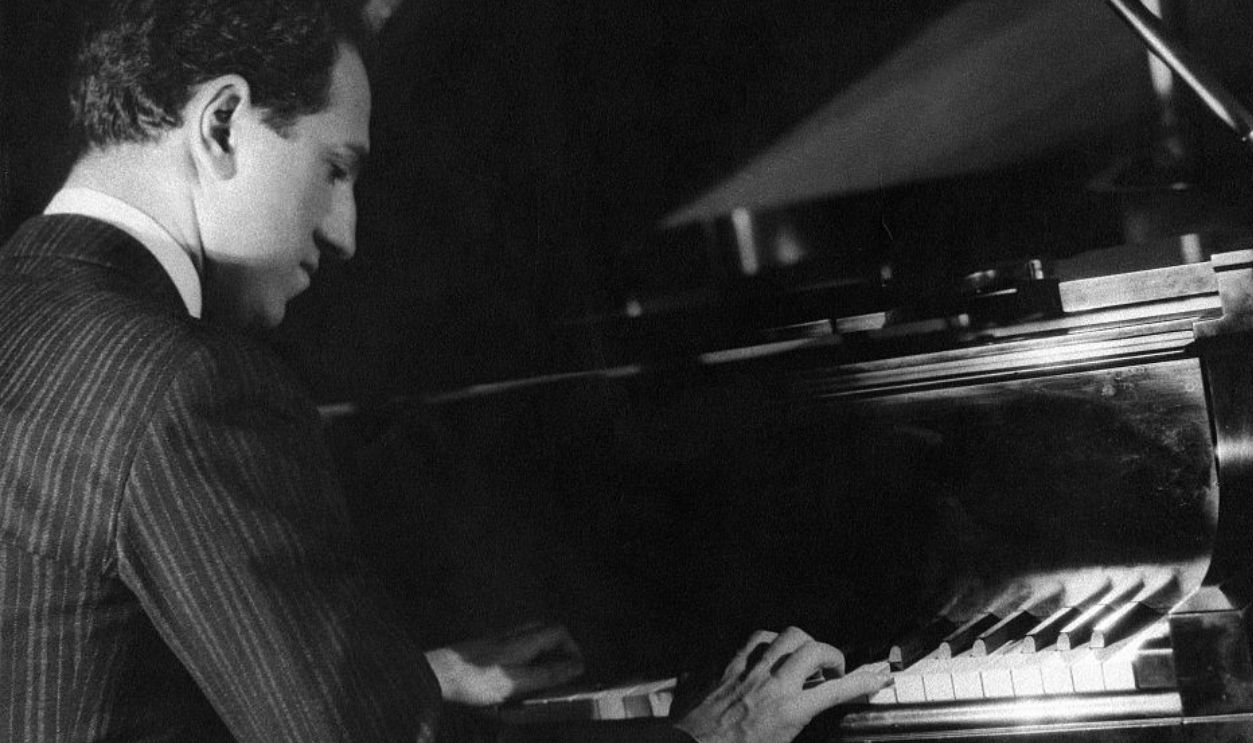
Despite whatever was going on, George Gershwin kept chugging along in Hollywood, all the while living with Ira and his wife Leonore, as they had also moved to LA at the same time. However, Leonore soon began to notice certain changes in George’s personality that worried her greatly. He was becoming increasingly uncoordinated, often spilling his food and drink, and going through drastic mood swings.
Naturally, they hoped this was only temporary, and that he would recover soon enough—but it wouldn’t be with them.
 Michael Ochs Archives, Getty Images
42. They Kicked Him Out
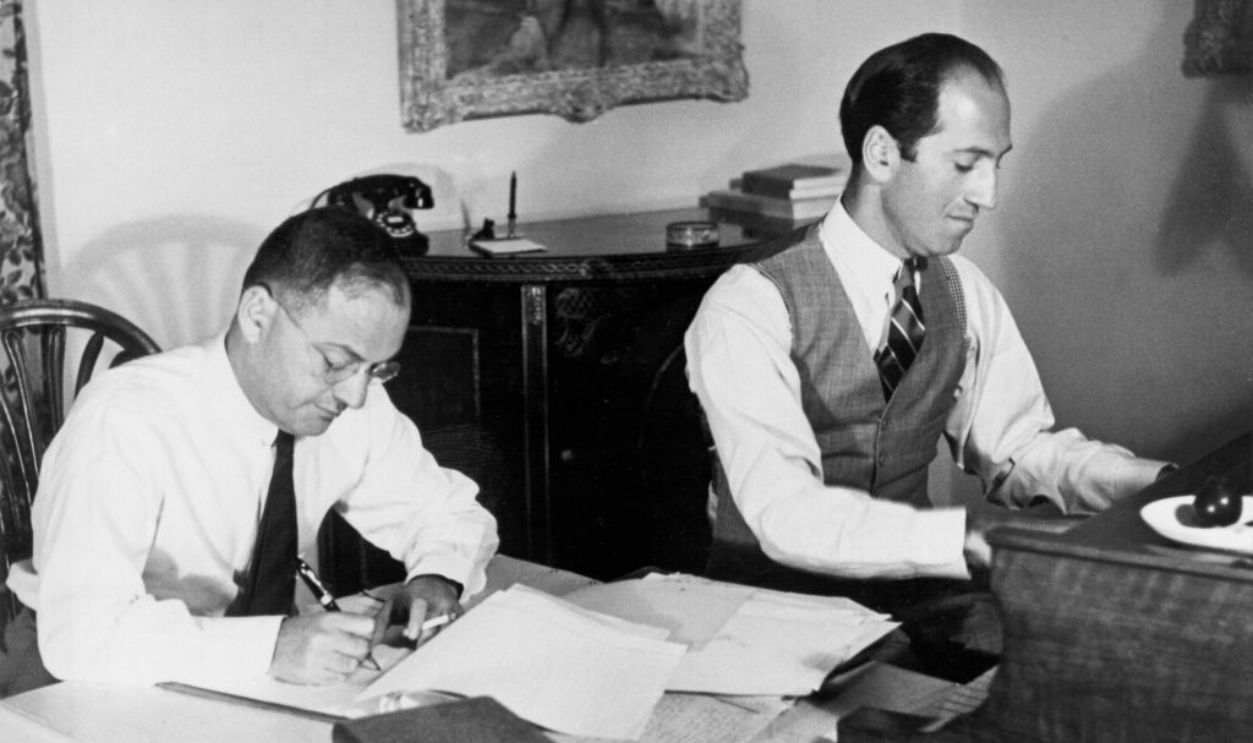
While Leonore cared for George as her brother-in-law, there came a point where she simply couldn’t handle having him around, and insisted Ira make other living arrangements for him. With a heavy heart, Ira sorted things out with lyricist Yip Harburg, who owned a vacant house nearby and was willing to have the composer move in. Luckily, George still had his faithful valet Paul Mueller, who agreed to take care of him.
Sadly, Ira and Leonore would regret pushing him away like this, and sooner than expected.
 Unknown authorUnknown author, Wikimedia Commons
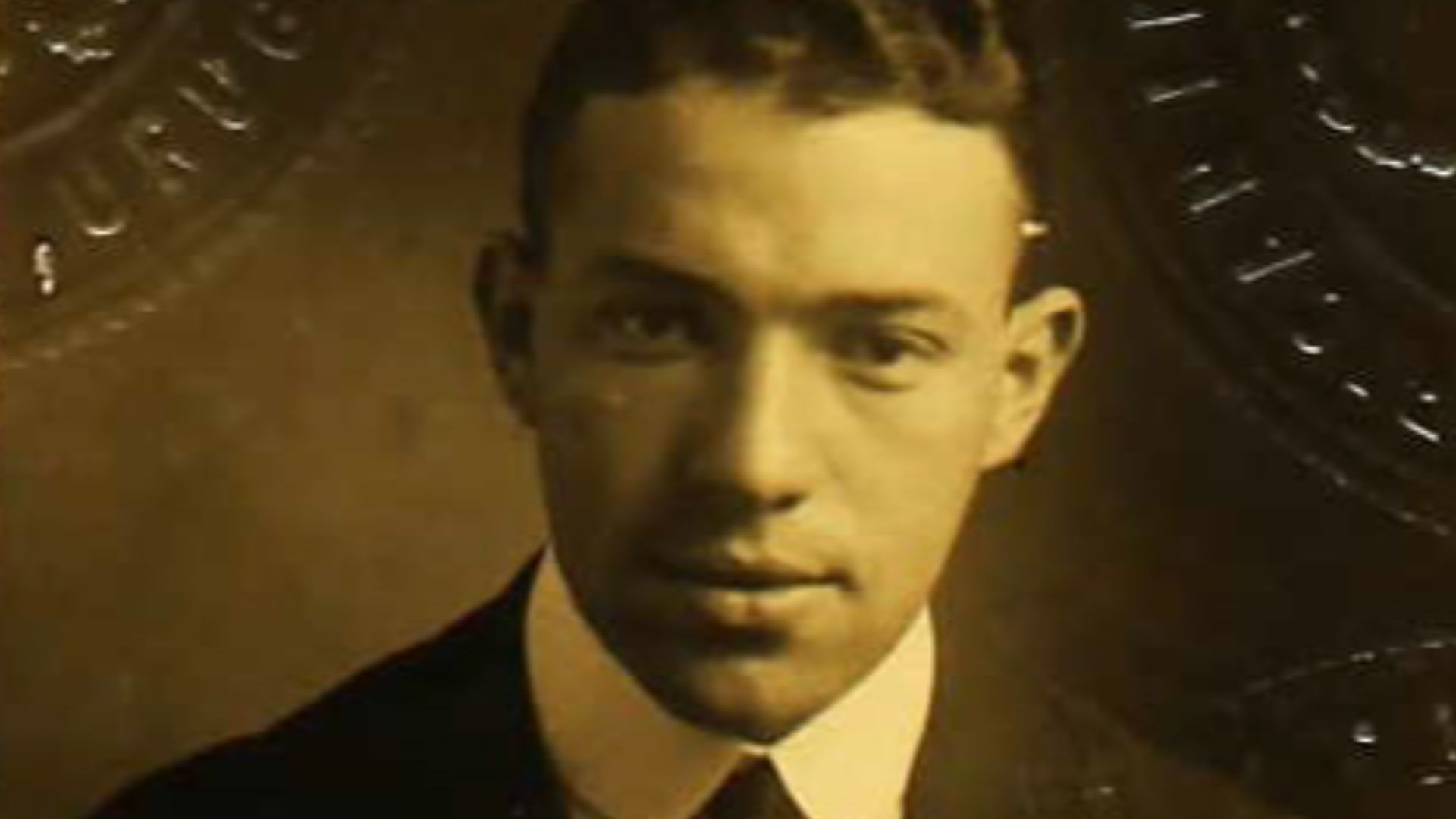
43. He Fell Unconscious
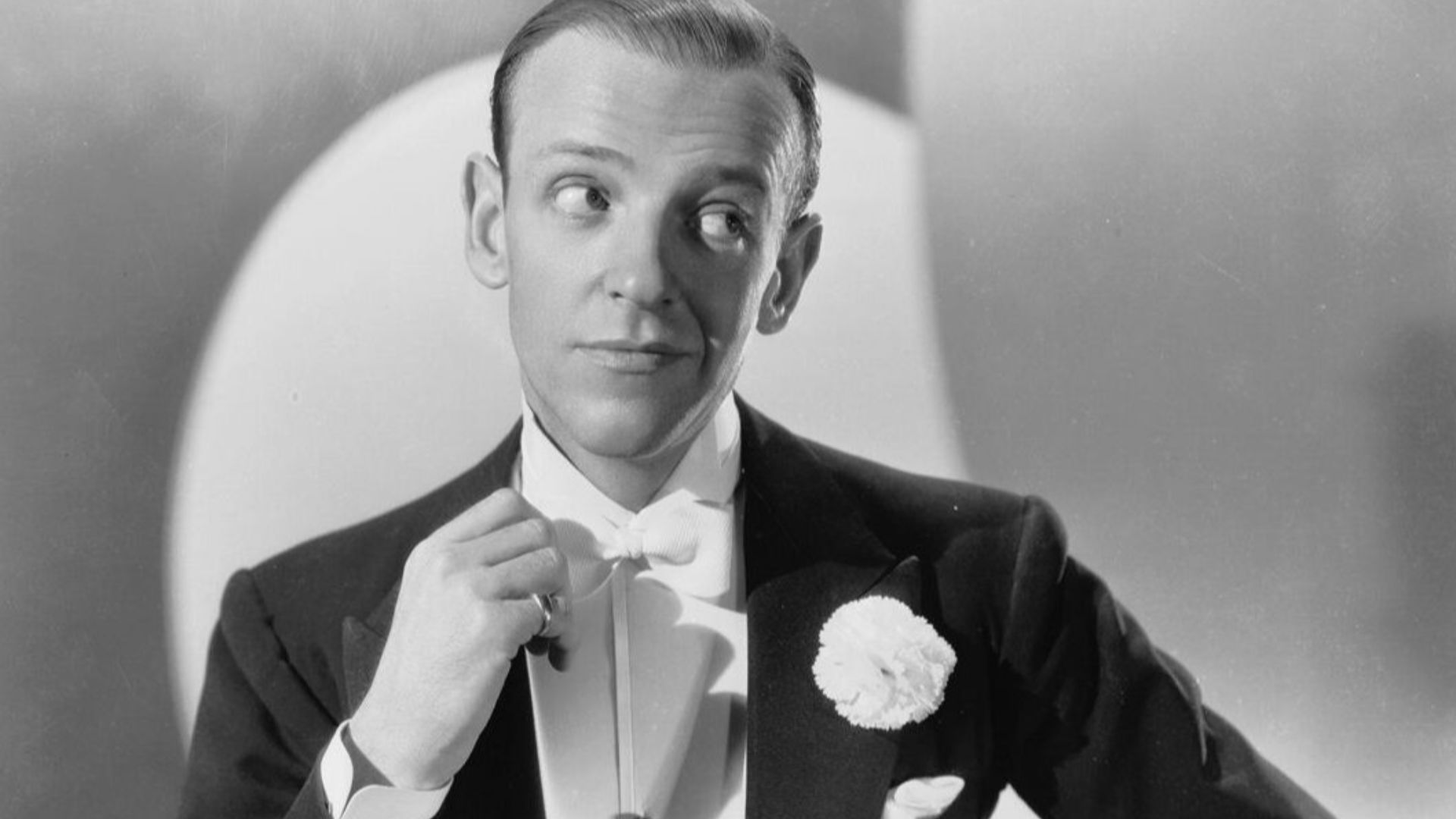
As a testament to his passion and dedication, George Gershwin continued to work on projects until the moment he literally couldn’t anymore—which came on July 9, 1937. While busy writing his usual film scores, he suddenly started to feel dizzy and crumbled to the floor, passed out. His final words ended up being “Fred Astaire,” whom he had recently worked with on his film A Damsel in Distress. Gershwin’s collapse was much worse than anything his family had expected, and they needed help quickly.
 Studio publicity still, Wikimedia Commons
44. They Discovered Something Horrible
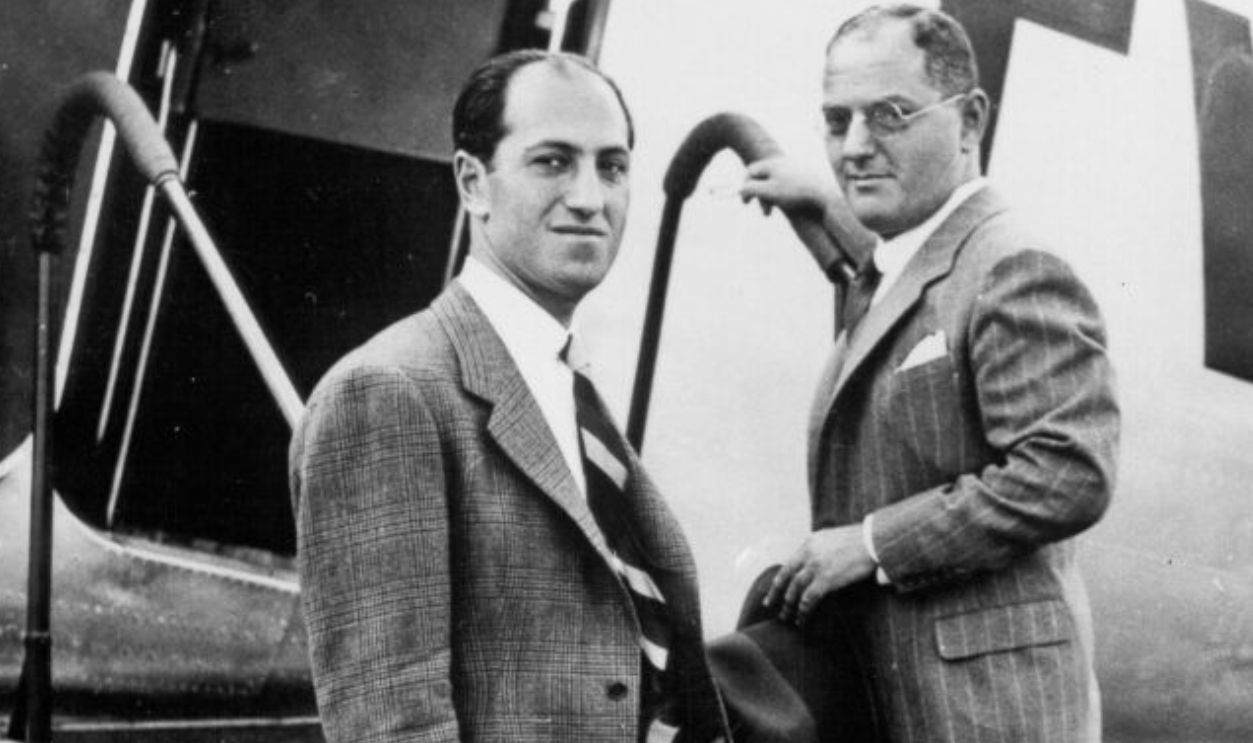
After Gershwin fell unconscious, his valet immediately brought him to the hospital and called his family, but by the time Ira and Leonore arrived, the doctors informed them that Gershwin was in a coma. After running some tests, they determined that the cause of his condition was likely a brain tumor, and it wouldn’t come out so easily.
Luckily, they knew just who to call for help—but that was the easy part.
 Michael Ochs Archives, Getty Images
45. They Called Around
Wanting the best treatment possible for her brother-in-law, Leonore made a call to a friend of George’s, Emil Mosbacher, who was a high-ranking government official and could pull strings that they couldn’t. After hearing the situation, he called around to the most well-respected doctors he knew, until he landed on Walter Dandy. The doctor was certainly willing, but there was just one issue: he was out fishing in the middle of Chesapeake Bay.
Getting him to the hospital in time was a long shot, but it wasn’t impossible.
History's most fascinating stories and darkest secrets, delivered to your inbox daily.
46. They Brought Him Back
Calling in all his favors and even getting help from the White House, Emil Mosbacher convinced the Coast Guard to send a boat out to Walter Dandy and bring him to shore as quickly as possible. The doctor complied without question and rushed to the airport, hoping for no further delays.
Although he was doing everything he could to get there, time just wasn’t on their side.
![White House, south front, [Washington, D.C.]](https://www.factinate.com/storage/app/media/factinate/2026/4/24/1777016002cbb4b5502ee40a8ad2cce3c64deefbc21e4a23ac.jpg) National Photo company, Wikimedia Commons
National Photo company, Wikimedia Commons
47. He Had Little Time Left
Dr Dandy knew how urgently he needed to be by Gershwin’s side, but unfortunately, that didn’t make it any easier for him to get to California. It wasn’t a straight shot to Los Angeles, as he first had to charter a smaller plane to Newark so he could fly out of that airport. Meanwhile, Gershwin’s condition was declining faster.
Faced with an impossible situation, the doctors made their judgment call and prayed for a miracle.
 Donaldson Collection, Getty Images
48. They Had To Operate
As the clock ticked down, Gershwin’s doctors unfortunately reached a point where they could no longer wait any longer and had to act. On July 11, they brought him into surgery to attempt to remove the growth on his brain, but something went wrong. By the time Dr Dandy got there, it was too late. While they had successfully taken the tumor out, Gershwin had tragically perished on the operating table.
With news that was so sudden and horrible, his friends could only try to find a way to cope, however impossible that was.
49. They All Mourned Him
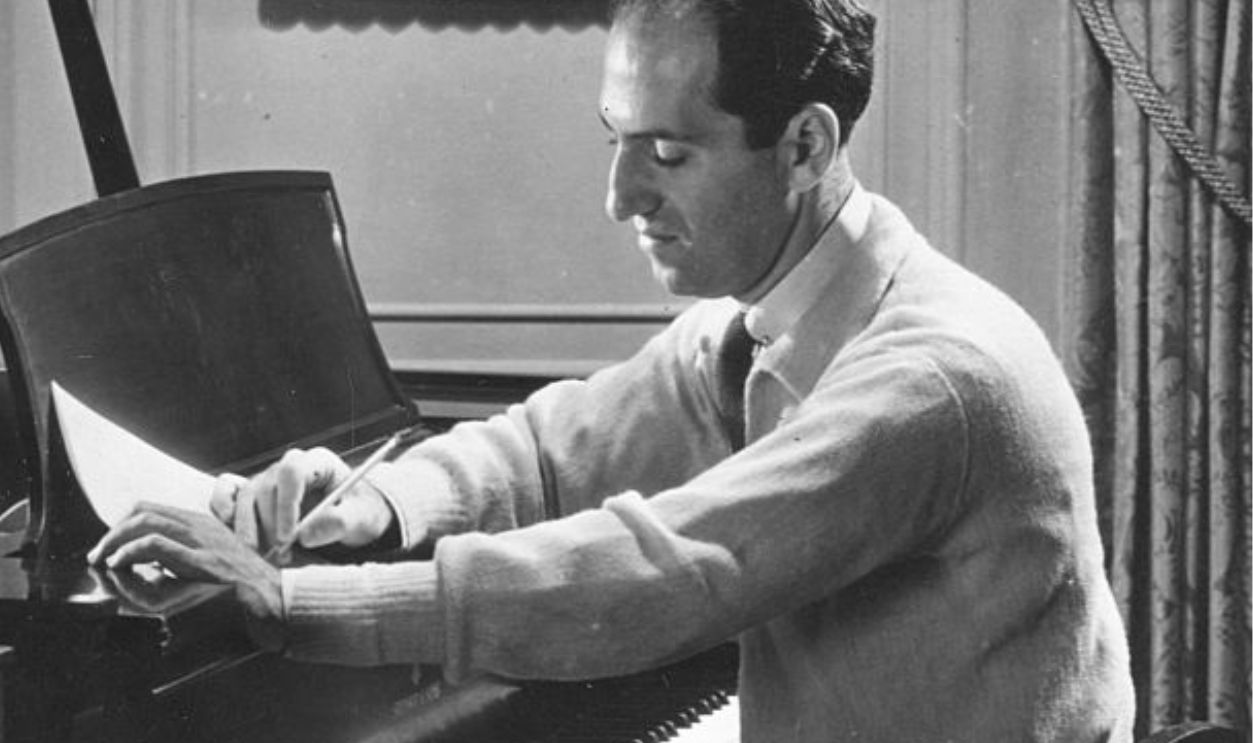
At the time of his passing, Gershwin was only 38 years old, and the news hit his friends, family, and the whole music world like a freight train. Thousands gathered at the Hollywood Bowl for a memorial concert, but even then, some had a hard time accepting that he was gone. Many poured out their hearts, such as writer John O'Hara, who recognized that Gershwin had passed, only to then follow it up by saying, “But I don't have to believe that if I don't want to”.
Of course, others had their own way of honoring him and keeping his legacy alive.
 Unknown authorUnknown author, Wikimedia Commons
50. They Continued His Work
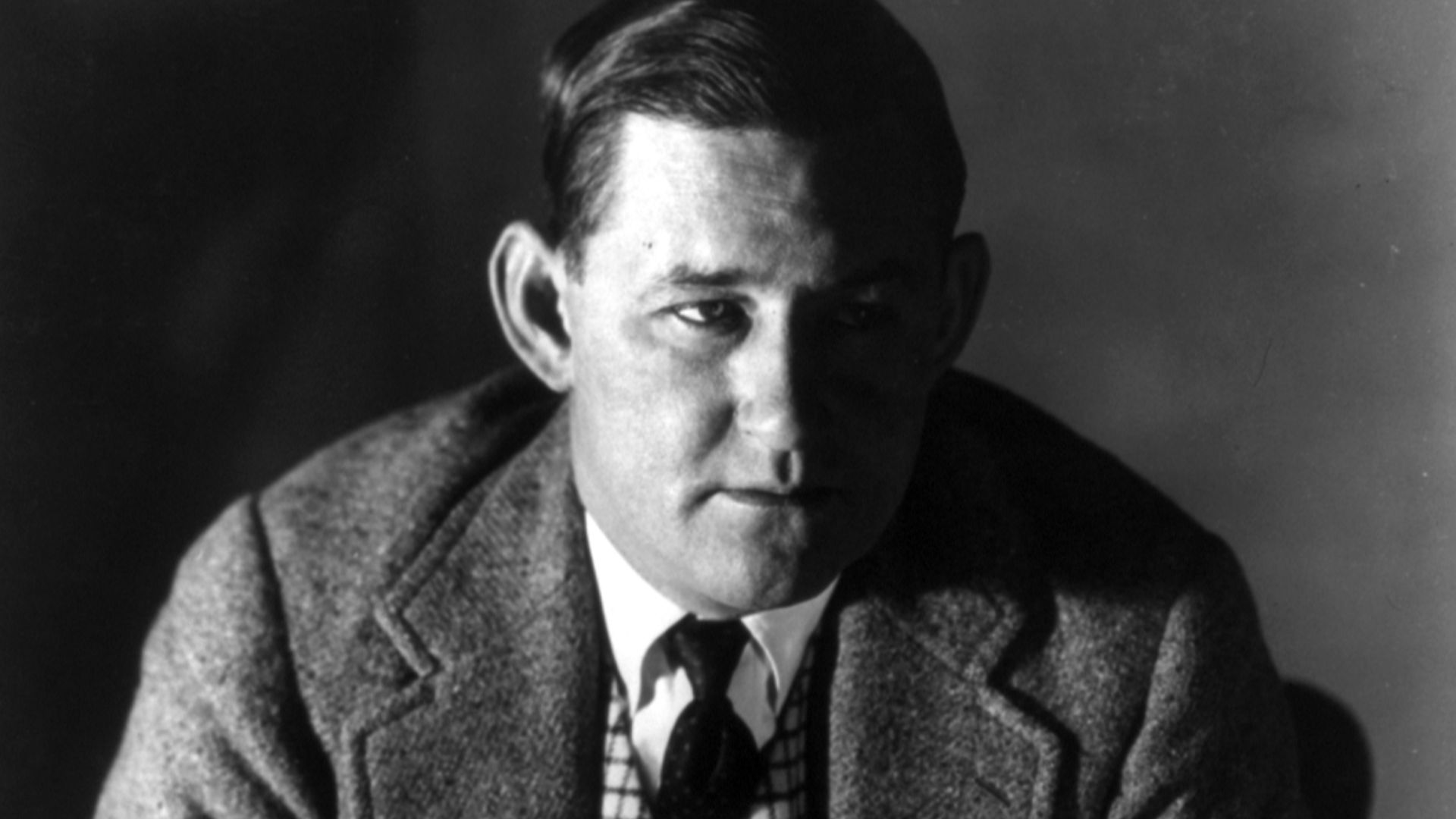
Over the course of his life, George Gershwin etched his name in the history of music forever with countless accomplishments. However, as he perished far too young, there’s no telling what other masterpieces he might have created—or is there? Following his passing, both Ira Gershwin and Kay Swift worked to finish several of his unpublished pieces, and it helped that Swift allegedly knew nearly all his music by heart.
You May Also Like:
Glam Facts About Johnny Thunders, The Punk We Lost Too Soon
Little-Known Facts About Captain James Cook, England's Greatest Explorer
Scandalous Facts About Barbara Palmer, Charles II’s Meddlesome Mistress