
His Plane Bopped Down
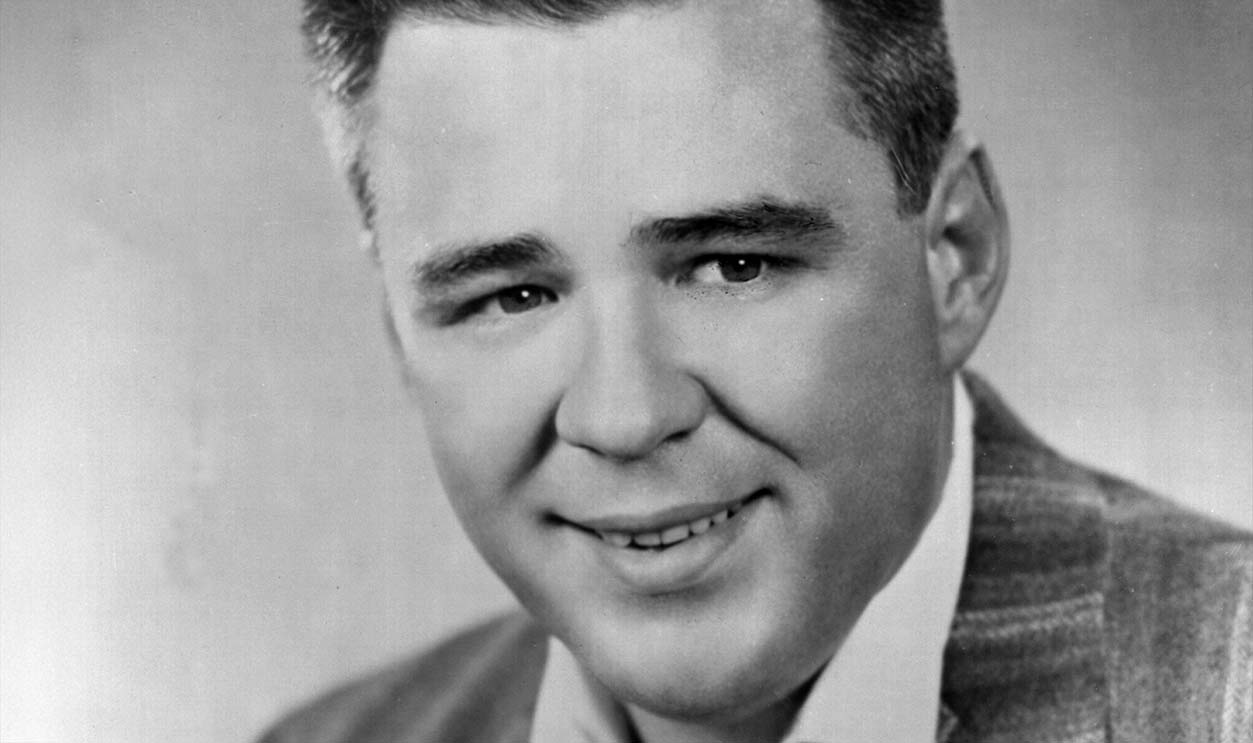
Jiles Perry Richardson Jr, best known as The Big Bopper, was a disc jockey turned musician with a bright future ahead of him. Sadly, just as his career was taking off, his plane was crashing down in one of music history’s most tragic accidents.
1. He Was Born To Boogie
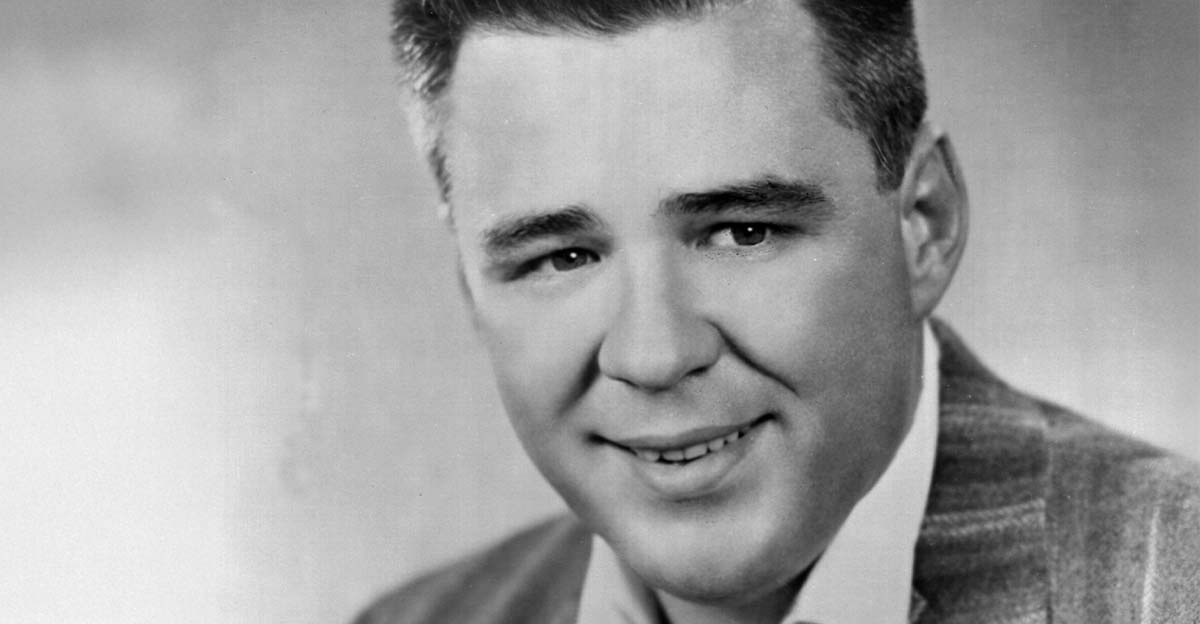
Before he was “The Big Bopper,” he was Jiles Perry Richardson Jr, a Texas boy born in October of 1930. The oldest of three sons, his father was a humble but hard-working oil field laborer. By all accounts, there was nothing terribly remarkable about his childhood. Except, perhaps, for Richardson himself.
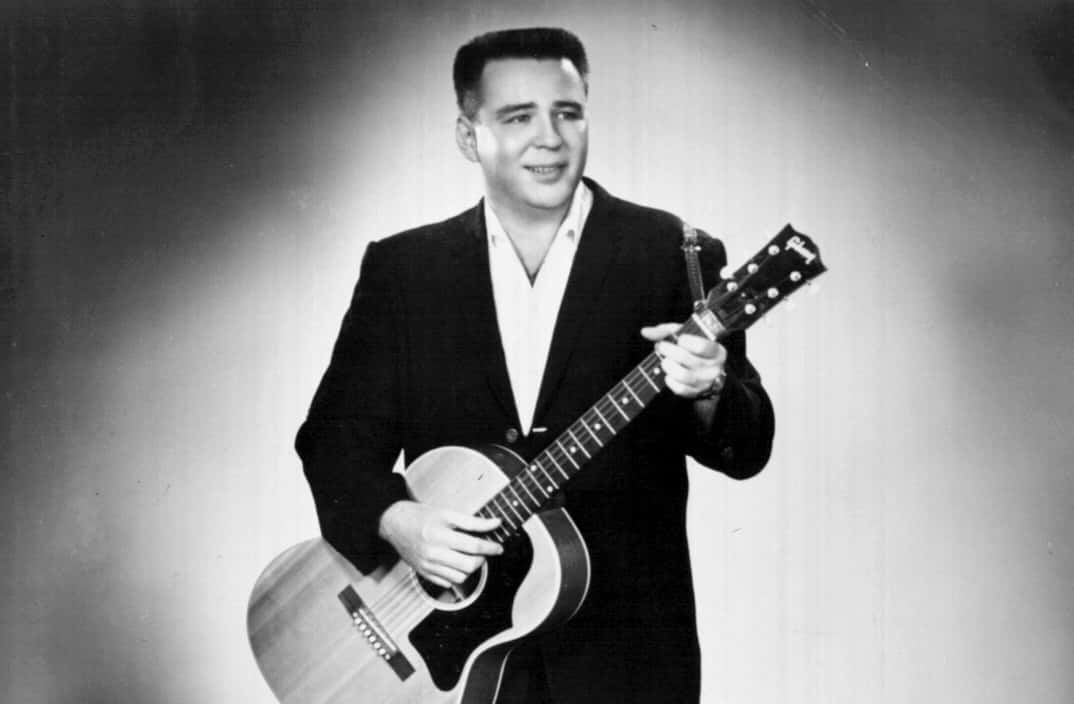 General Artists Corporation-photo by Van Dyck, Wikimedia Commons
2. He Was A Texas Original
It didn’t take long for the Richardsons to trade the salt air of Sabine Pass for the smoky refineries of Beaumont, Texas. There, young Jiles distinguished himself from his peers. He played defensive line for the Beaumont High “Royal Purple” football team, proudly wearing number 85.
He might have had the heart of an athlete—but he had the soul of an entertainer.
 Michael Ochs Archives, Getty Images
3. He Swapped Law Books For Lyrics
After high school, Richardson enrolled at Lamar College with dreams of becoming a lawyer. But while other students hit the library, he hit the airwaves and joined a band and chorus group. Working part-time at KTRM Radio, he found that a microphone suited him far better than a gavel. By 1949, KTRM wanted to have him full-time.
He must have been whispering sweet nothings into that radio microphone.

4. He Found Love On The Line
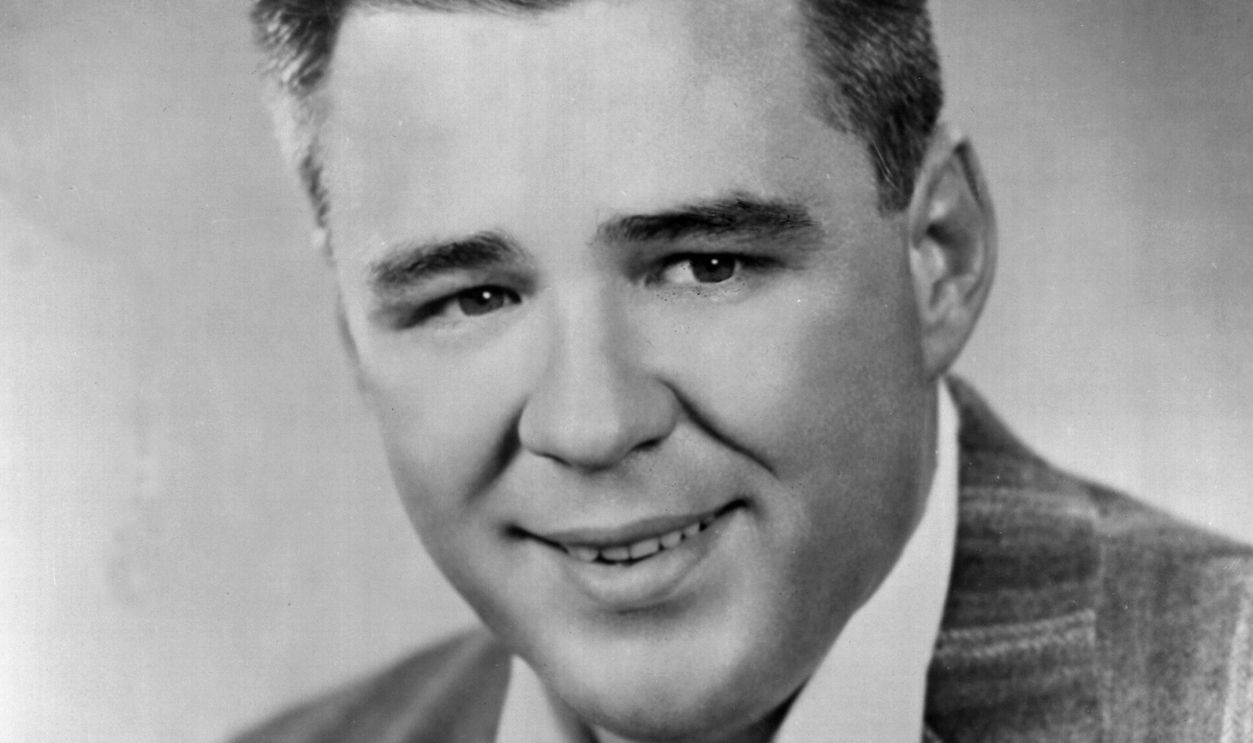
Radio wasn’t the only frequency that Richardson was tuning into. On April 18, 1952, Richardson married Adrianne Joy Fryou, another southern native from Montegut, Louisiana. A year later, their daughter Debra Joy arrived—just in time for her dad’s promotion to supervisor of announcers at KTRM.
But before long, he would have to abandon his happy home.
 Michael Ochs Archives, Getty Images
5. He Traded Vinyl For Valor
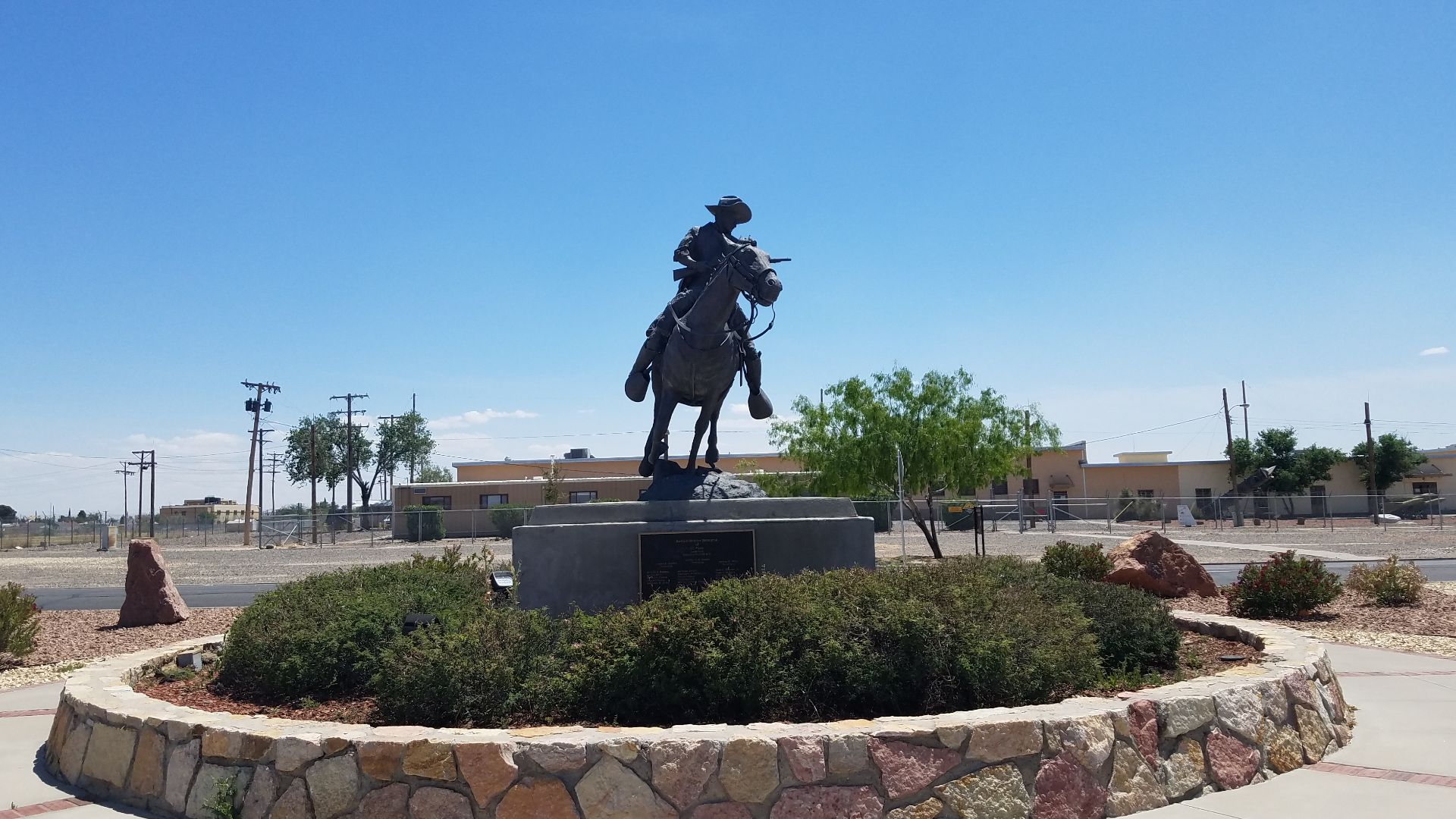
In March of 1955, the US Army drafted Richardson into service. Instead of keeping him close to home, they sent him all the way to Fort Ord, California, where he underwent basic training. For two years, Richardson served as a radar instructor at Fort Bliss in El Paso, Texas. By all accounts, Corporal Richardson’s calm demeanor and quick wit made him a favorite among recruits.
Yet every night, his mind drifted back to the airwaves of Beaumont.
 ForgottenColorado, Wikimedia Commons
6. He Returned To His Roots
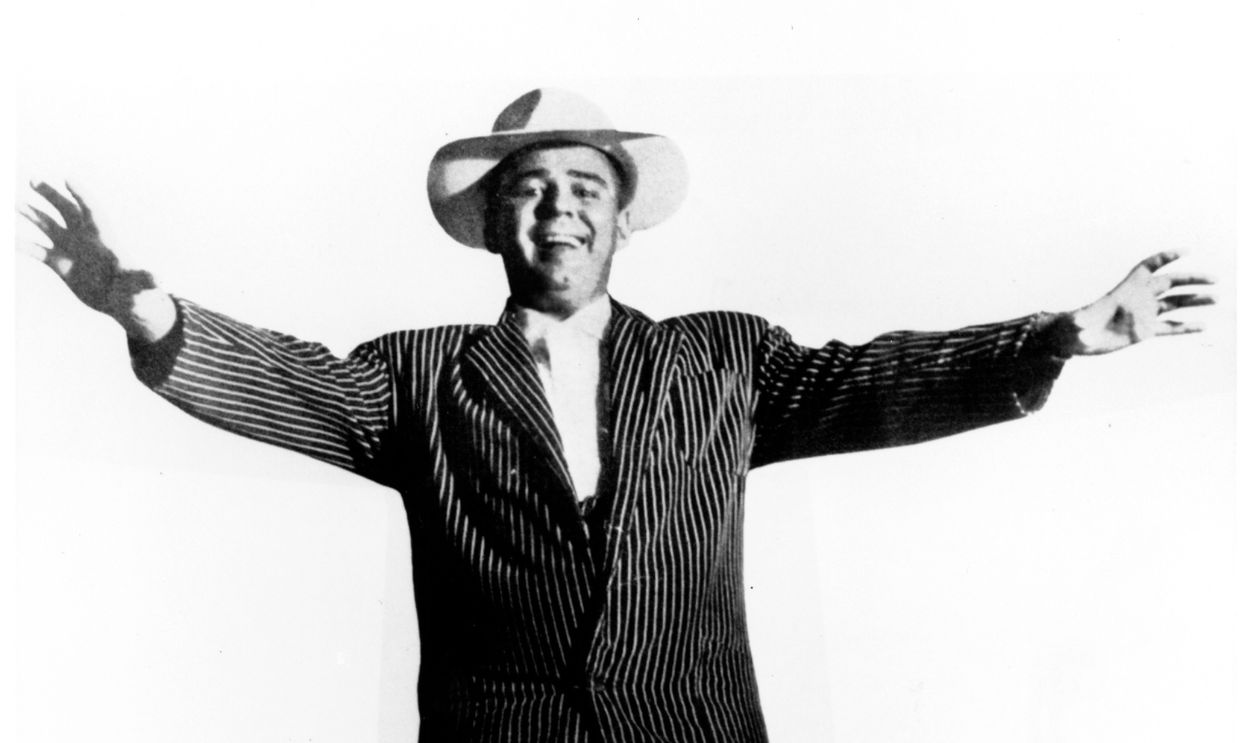
When his discharge papers came through in 1957, Richardson wasted no time heading home. Back at KTRM, he reclaimed a microphone and the midday slot known as “The Dishwashers’ Serenade”. For an hour and a half around midday, his velvet voice kept Beaumont’s homemakers company between soap suds and supper.
But soon, he’d trade aprons for applause.
 Michael Ochs Archives, Getty Images
7. He Bopped Into History
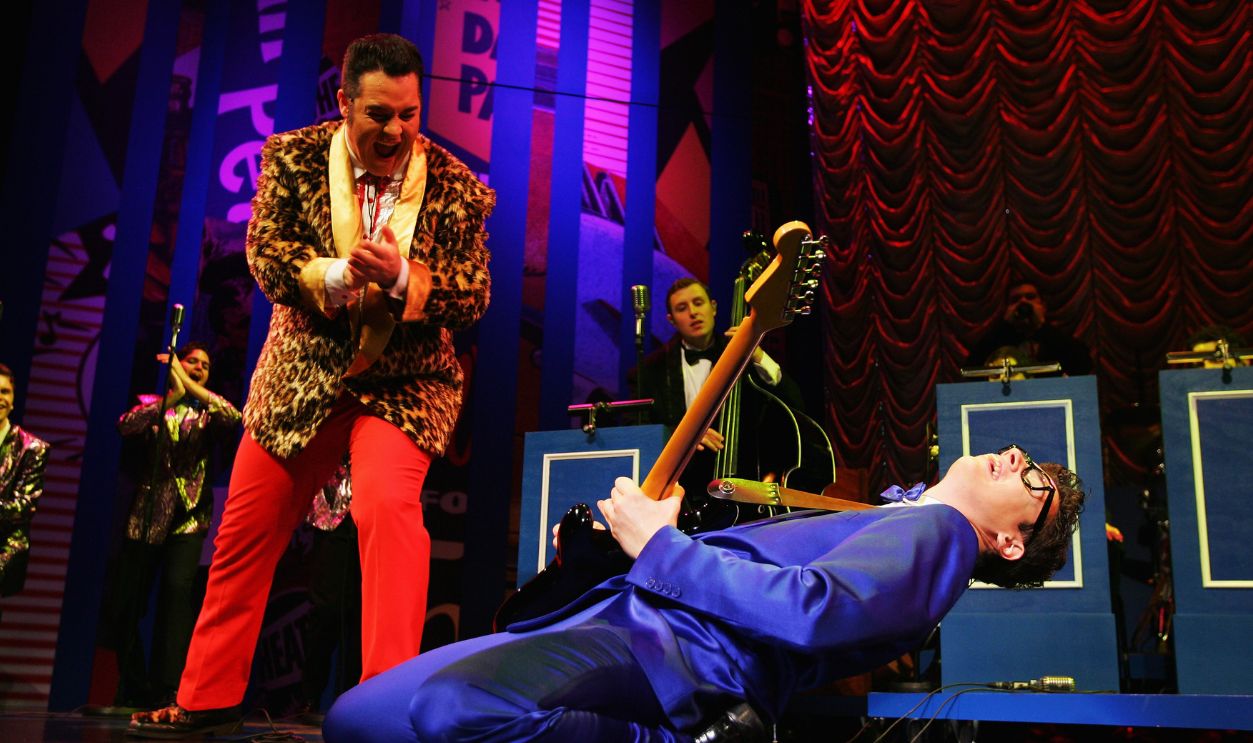
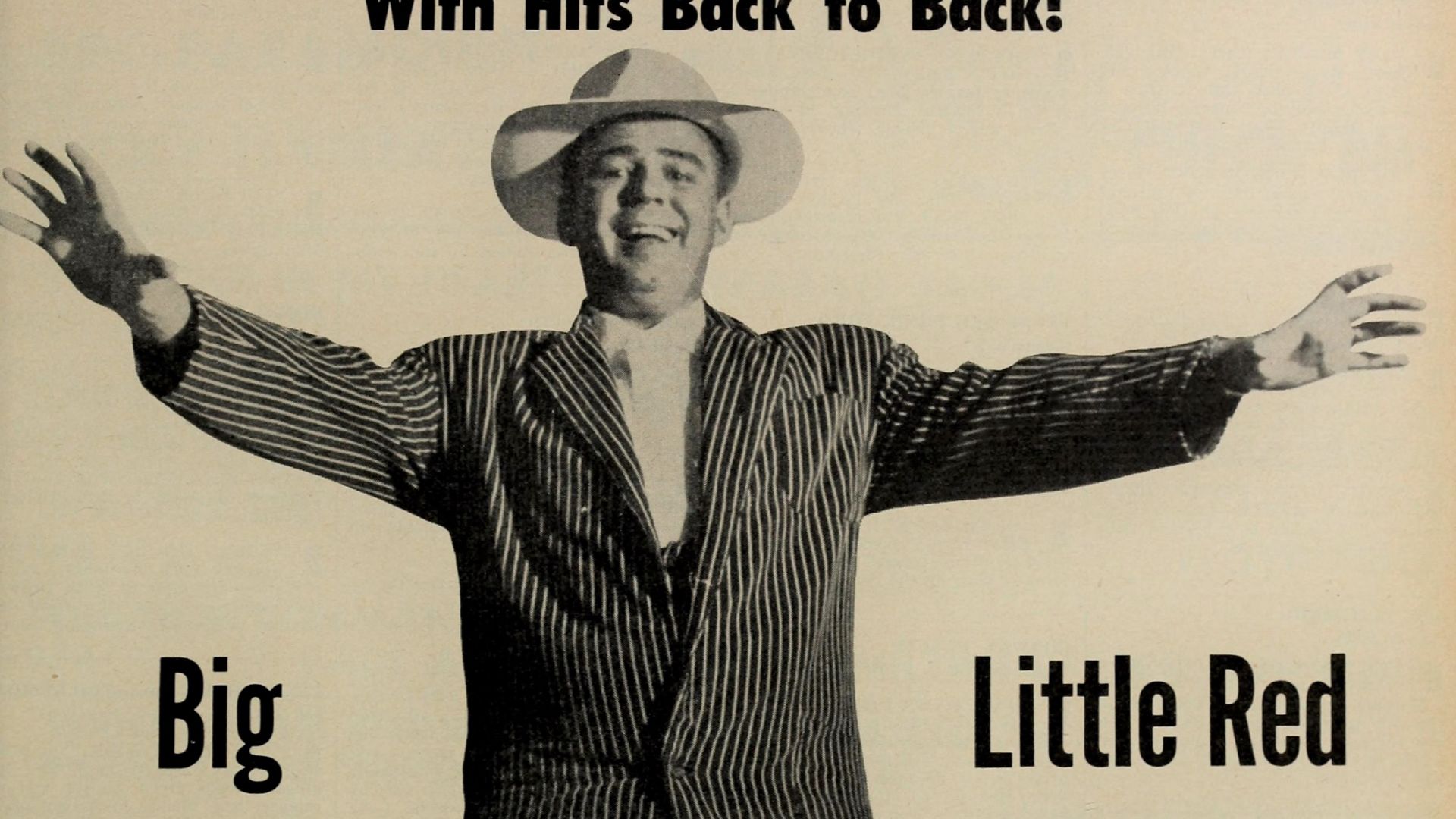
One of KTRM’s sponsors spotted Richardson’s potential and wanted him to helm a brand new afternoon show. Always observant, Richardson had noticed college kids dancing to a craze called “The Bop”. And that’s when inspiration struck, and he adopted the name “The Big Bopper”. It was part DJ persona, part rock ’n’ roll legend.
But those who actually knew him called him something very different.
8. His Friends Gave Him Another Name
To his adoring fans later on, Richardson was always “The Big Bopper”. But when he wasn’t crooning on the airwaves, his friends called him “Jape,” a mash-up of his initials, JP. It fit the man perfectly: short, snappy, and impossible to forget. Whether he was Jape on the field or the Bopper on-air, Richardson had charisma to spare.
And before long, that charm earned him a promotion—and put him on a crash course with fate.
 Michael Ochs Archives, Getty Images

History's most fascinating stories and darkest secrets, delivered to your inbox daily.
9. He Climbed The Radio Ladder
Richardson’s success with his midday show landed him another big break: a daily show that ran from 3 to 6 every evening. The prime time slot placed him in the ears of Texas teens craving rhythm and rebellion. His quick wit and booming baritone made the program a smash, and it wasn’t long before the station crowned him program director.
You might say that Richardson had staying power.
10. He Broke A Broadcasting Record
In May 1957, Richardson made radio history when he went live—and stayed that way…for a very long time. For five days, two hours, and eight minutes straight, The Big Bopper stayed on the airwaves. Broadcasting from the Jefferson Theatre lobby in downtown Beaumont, he played 1,821 records, sneaking in five-minute showers during newscasts.
But the real shock came afterward.
11. He Paid The Price For Fame
Richardson’s record-breaking broadcast wasn’t without consequences. When the marathon finally ended, the exhausted DJ had dropped a shocking 35 pounds—and nearly dropped to his grave. KTRM rewarded him with $746.50 for his overtime efforts, after which he promptly collapsed into a 20-hour sleep.
He might just have been running from the bill collector.
12. His Checks Bounced
For all his on-air success, Richardson seemed to have trouble managing his finances. In a somewhat funny twist, he had developed a reputation for writing checks that bounced like his radio signal. Several of his infamous “IOUs” are still pinned to the walls of KTRM’s old studios.
Thankfully, he had another notable accomplishment that he could cash in on.
 Esgonzalezz, Wikimedia Commons
13. He Invented The Music Video
Long before MTV brought Michael Jackson’s “Bad” to small screens across the world, Richardson saw the future of music. In 1958, he filmed what many now consider to be the first-ever music video. What’s more, is that he was developing a jukebox that could play videos before his untimely fall from the sky.
The Big Bopper didn’t just sing about the future—he built it.
14. He Got His Big Break In Houston
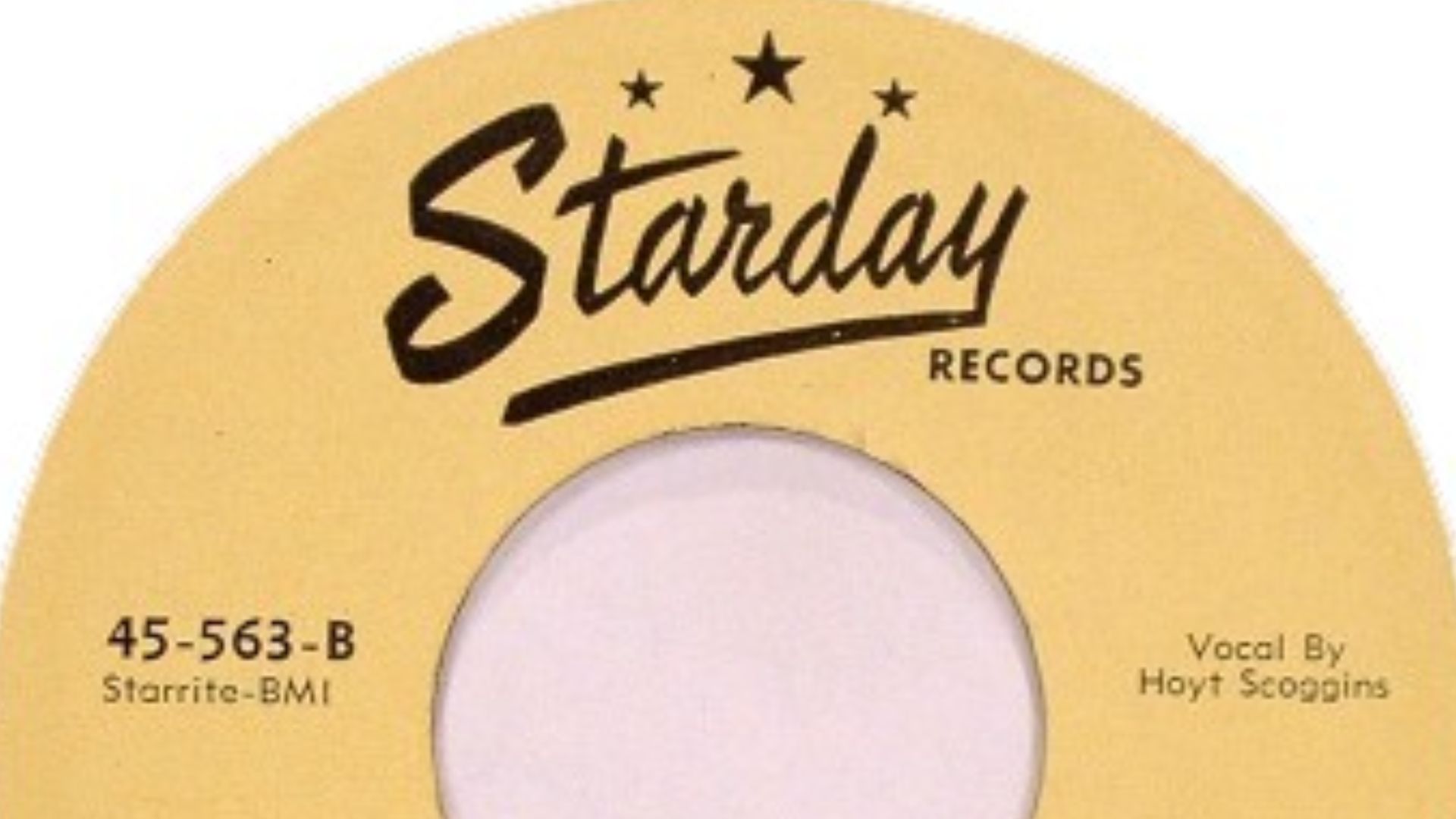
Richardson’s booming baritone eventually reached the right ears. Harold “Pappy” Daily, a Houston music promoter, saw promise in The Big Bopper and knew exactly how to capitalize on the showman’s swagger. As promotion director for Mercury and Starday Records, Pappy signed the rising radio star to a recording contract and gave him his first shot behind a studio mic.
But his debut didn’t exactly make history.
 Terry Gordon, Wikimedia Commons
15. His First Song Flopped
Richardson’s first single, “Beggar to a King,” had all the makings of a country classic. But for some reason, it failed to connect with audiences and barely registered on the charts. The Big Bopper had a big flopper on his hands—but he had an even bigger comeback planned.
16. He Had A Gold Record
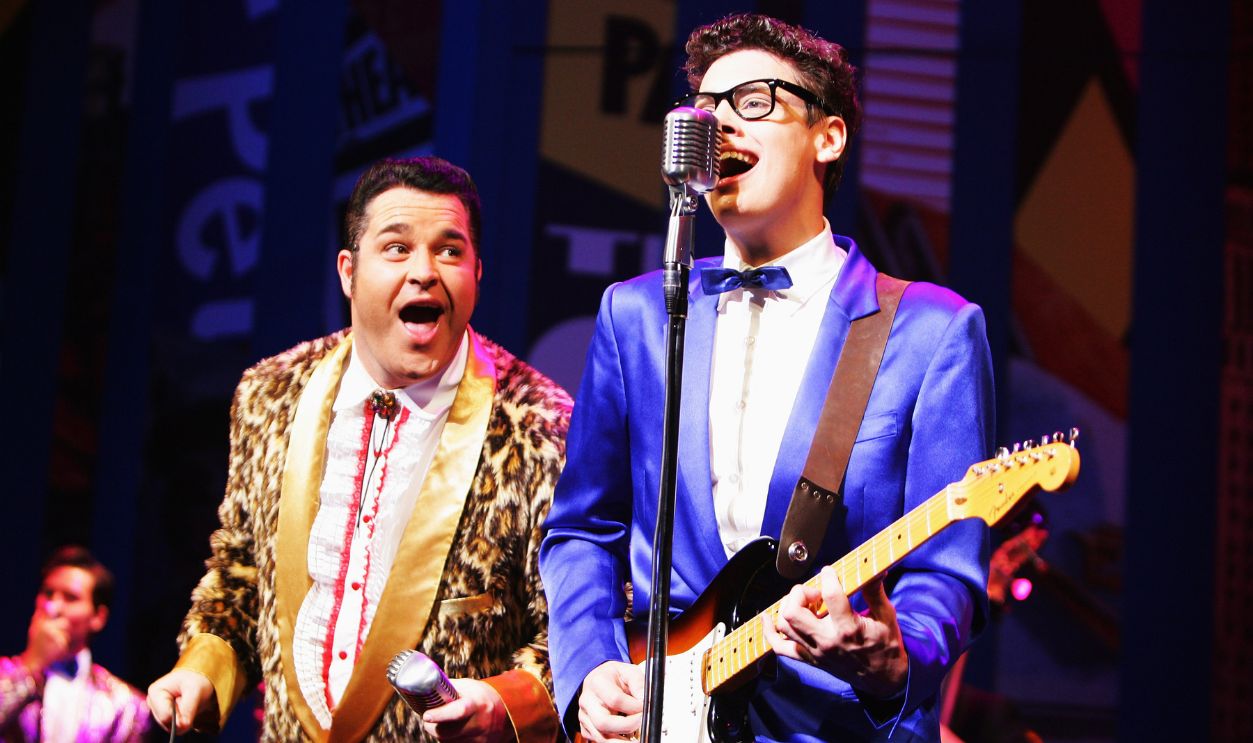
In 1958, Richardson recorded “Chantilly Lace” for Pappy Daily’s D label. Mercury bought the rights, released it nationwide, and the rest was rock ’n’ roll history. The flirty, phone-call anthem soared into the top 10 on the pop charts, sold over a million copies, and earned a gold record by year’s end.
But it wasn’t just a song—it was an act.
17. His Song Became His Signature
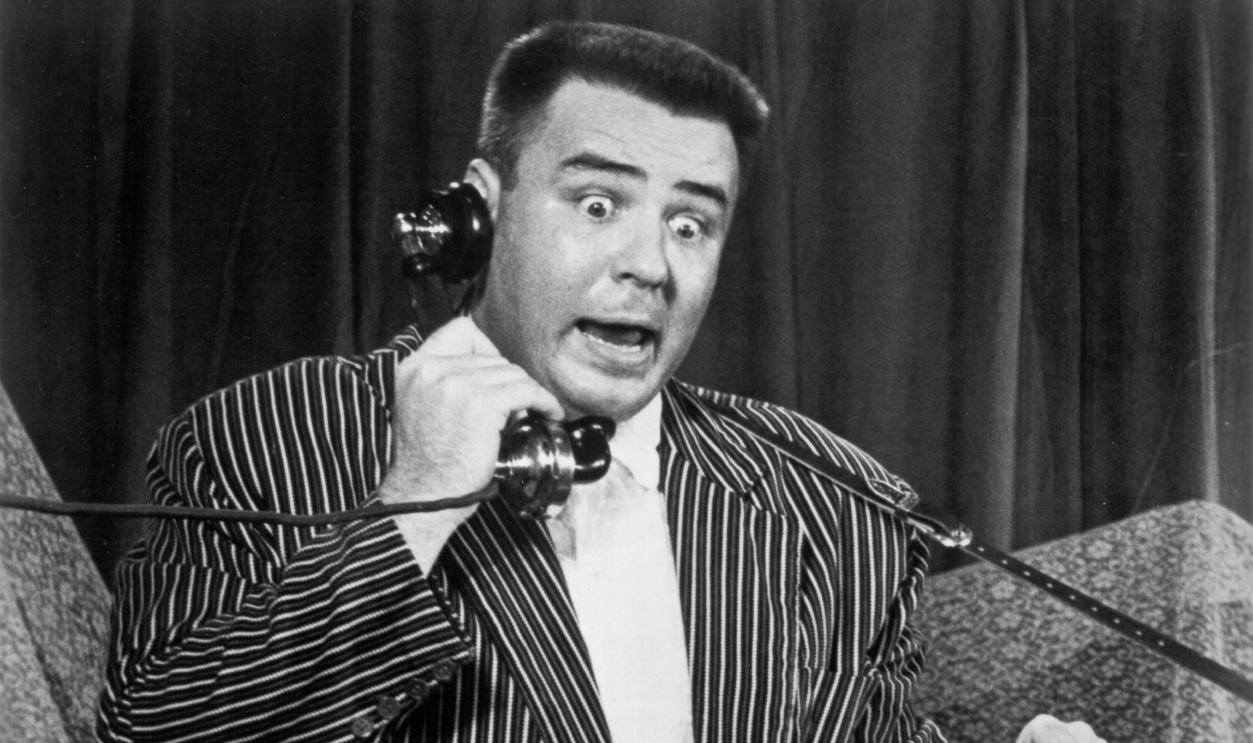
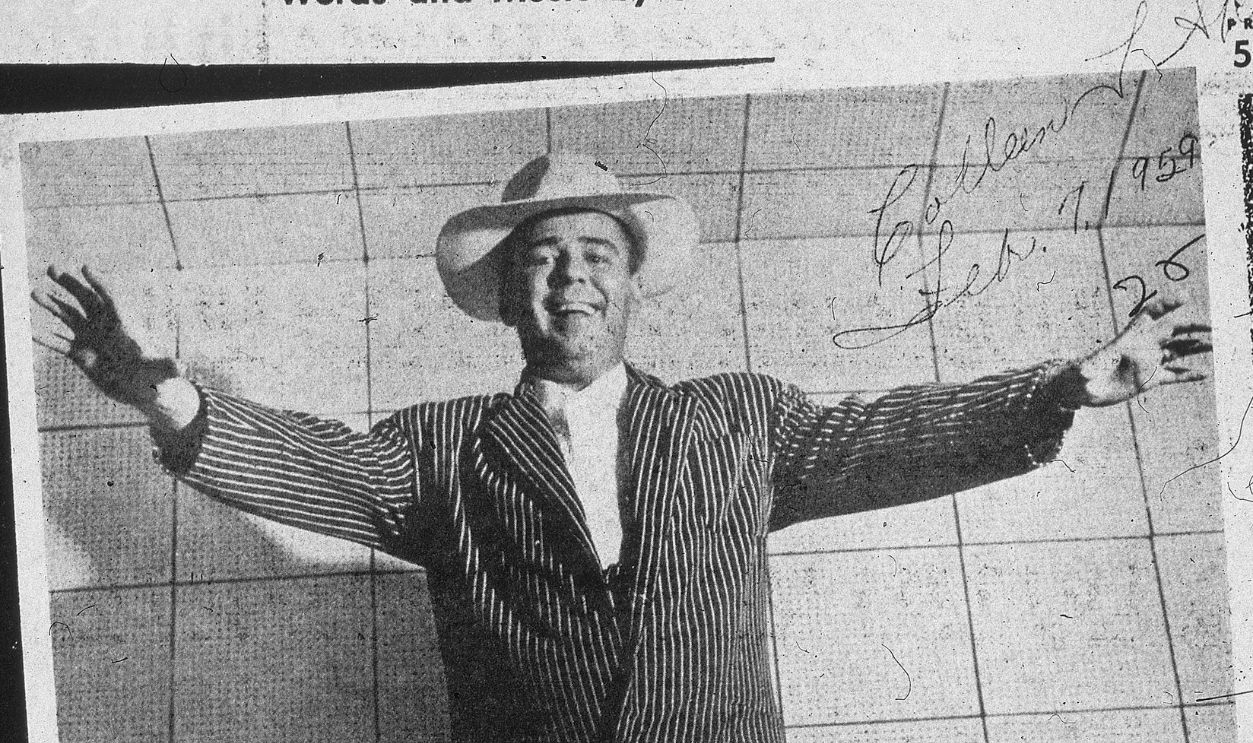
In “Chantilly Lace,” Richardson embodied a comical take on a smooth-talking Romeo chatting up his sweetheart over the phone. When he performed the song on stage, he’d pantomime the call, cooing into an imaginary receiver before launching into the lyrics. The routine was cheeky, charming, and utterly unforgettable—just like the man himself.
His next comic track had audiences falling to their knees.
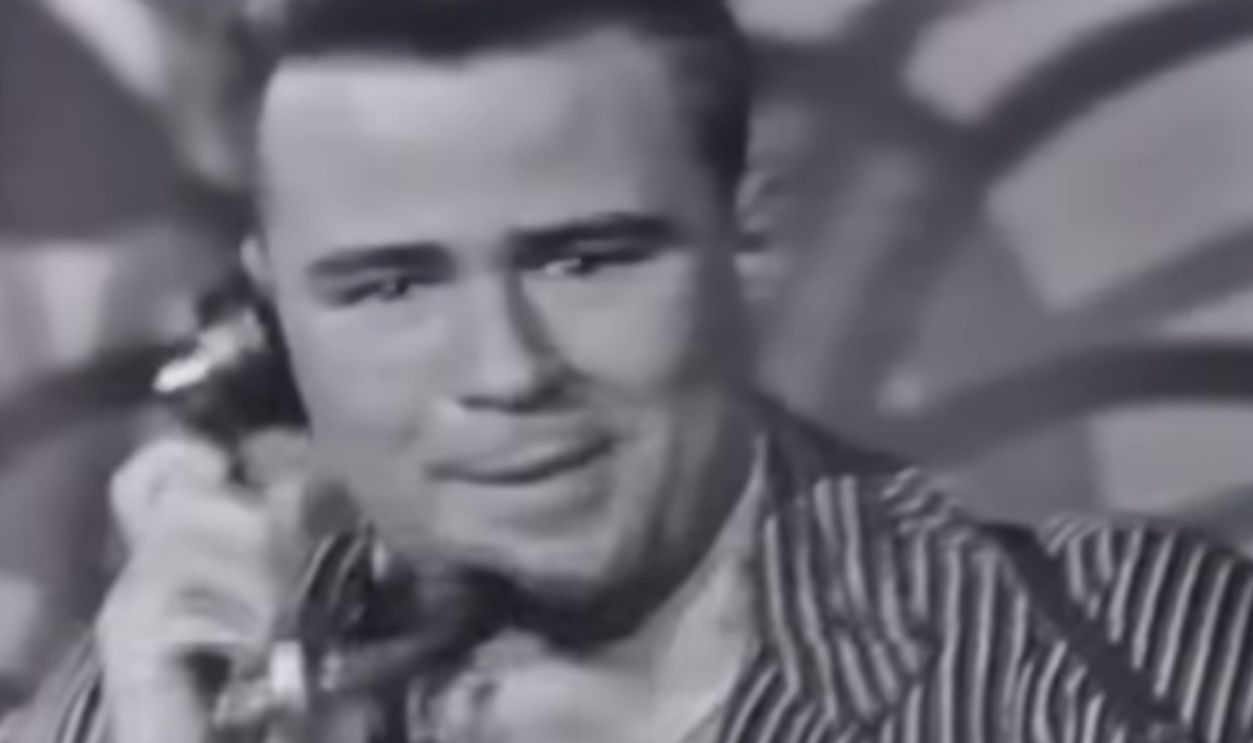 Screenshot from Chantilly Lace, Mercury Records (1958)
18. He Sang His Way To The Altar—Sort Of
After “Chantilly Lace,” Richardson doubled down on his playful persona with “The Big Bopper’s Wedding”. The comic track featured him feigning cold feet at the altar—and listeners ate it up. Both hits dominated the Top 40 into early 1959, making him one of the biggest names in novelty rock.
But behind the jokes and jukes, he was still just a simple family man from local radio.
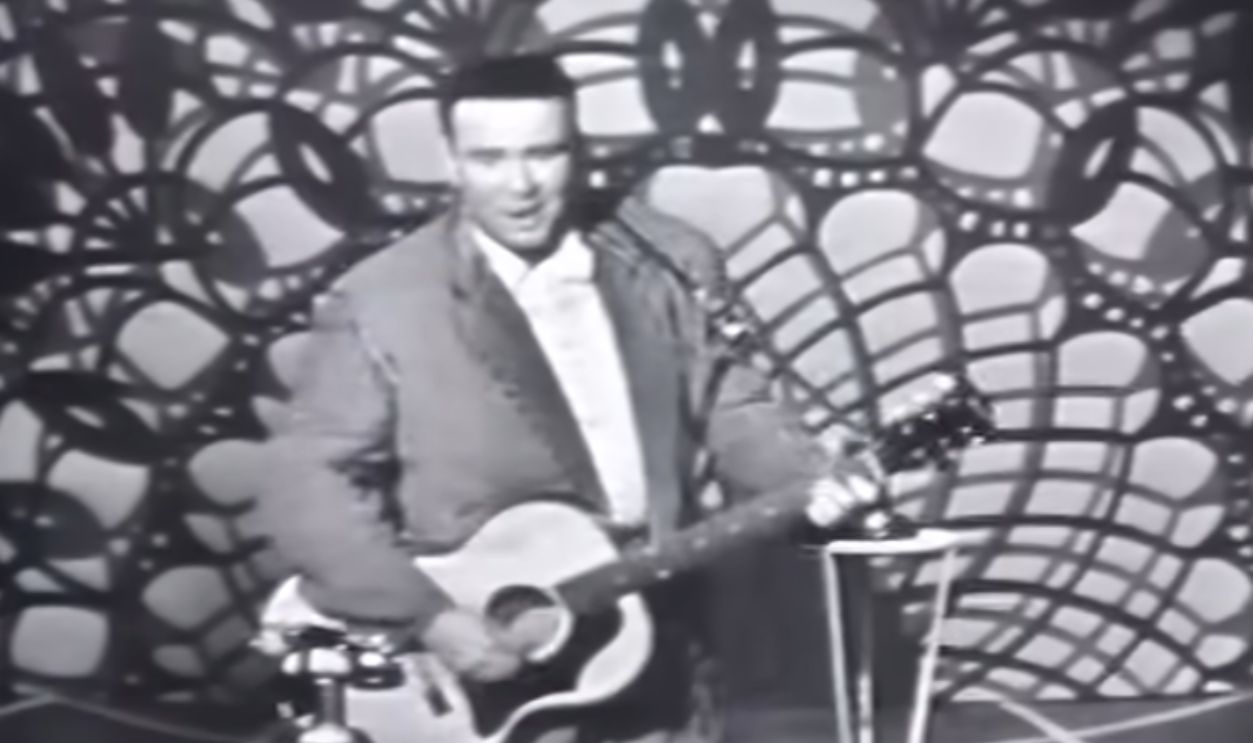 Screenshot from Chantilly Lace, Mercury Records (1958)
19. He Never Forgot Where He Came From
For all his fame and flirtatious flair, Richardson’s loved ones swore he was as genuine offstage as on. The son of an oil worker, he knew hardship and hustled to give his family everything he’d never had as a child. Beneath the pompadour and patter, The Big Bopper was a man who cared deeply.
That only made the next chapter of his life all the more tragic.
20. He Hit The Road With Legends
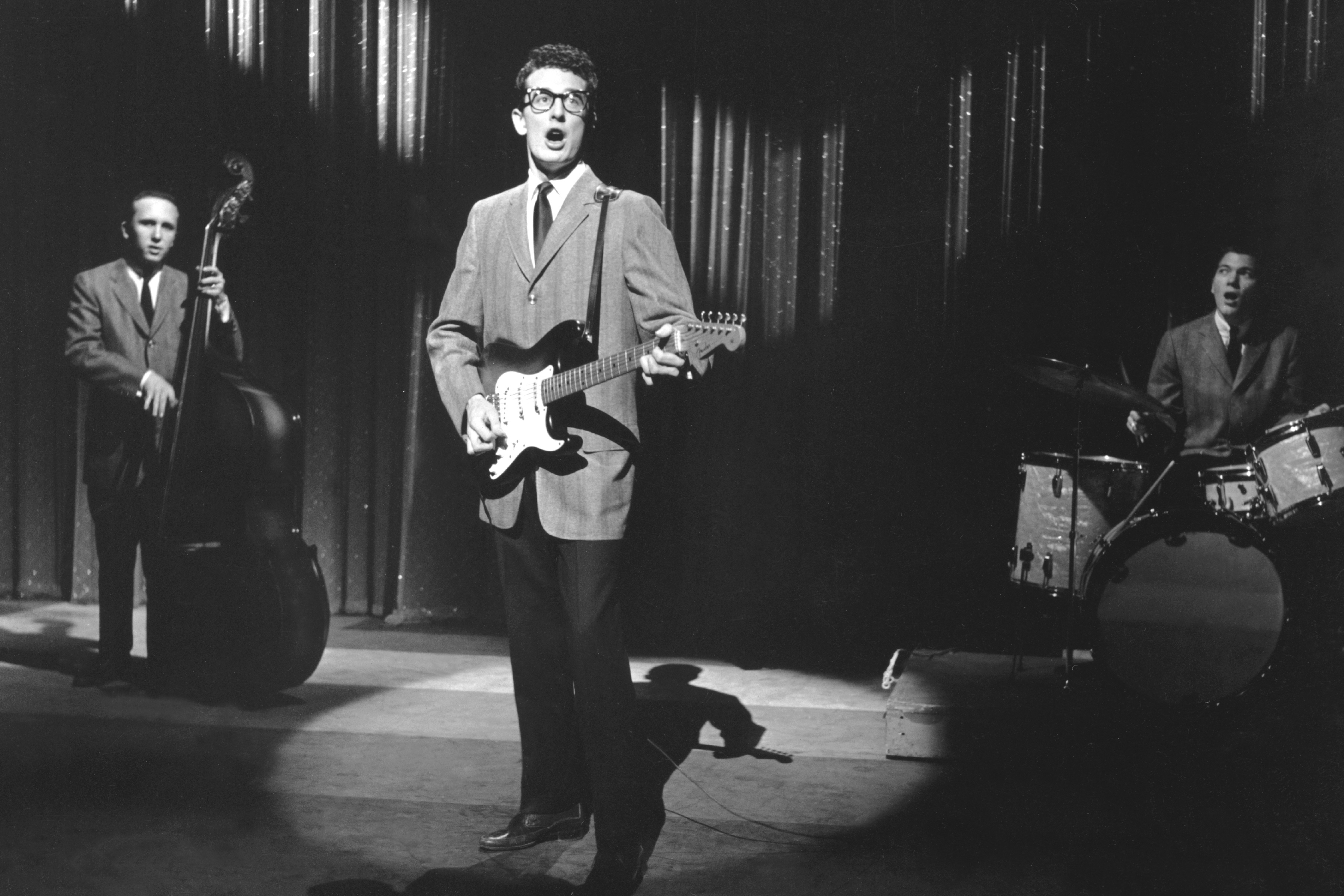
Riding high on the success of “Chantilly Lace,” Richardson took a break from his radio duties and hit the open road to take his talents on tour. With him were Buddy Holly, Ritchie Valens, and Dion and the Belmonts. Their “Winter Dance Party” tour kicked off on January 23, 1959, their star-studded caravan bumping along the highways.
There were more roadblocks than they could have anticipated.
 Brunswick Records, Wikimedia Commons
21. He Signed Onto A Grueling Tour
The “Winter Dance Party” wasn’t built for comfort. With 24 shows in 24 Midwestern cities and not a single day off, Richardson and his fellow musicians were pushing themselves to their limits. Some gigs were over 400 miles apart—a brutal schedule even by rock ’n’ roll standards.
And they didn’t exactly have a speed wagon to get them from stop to stop.
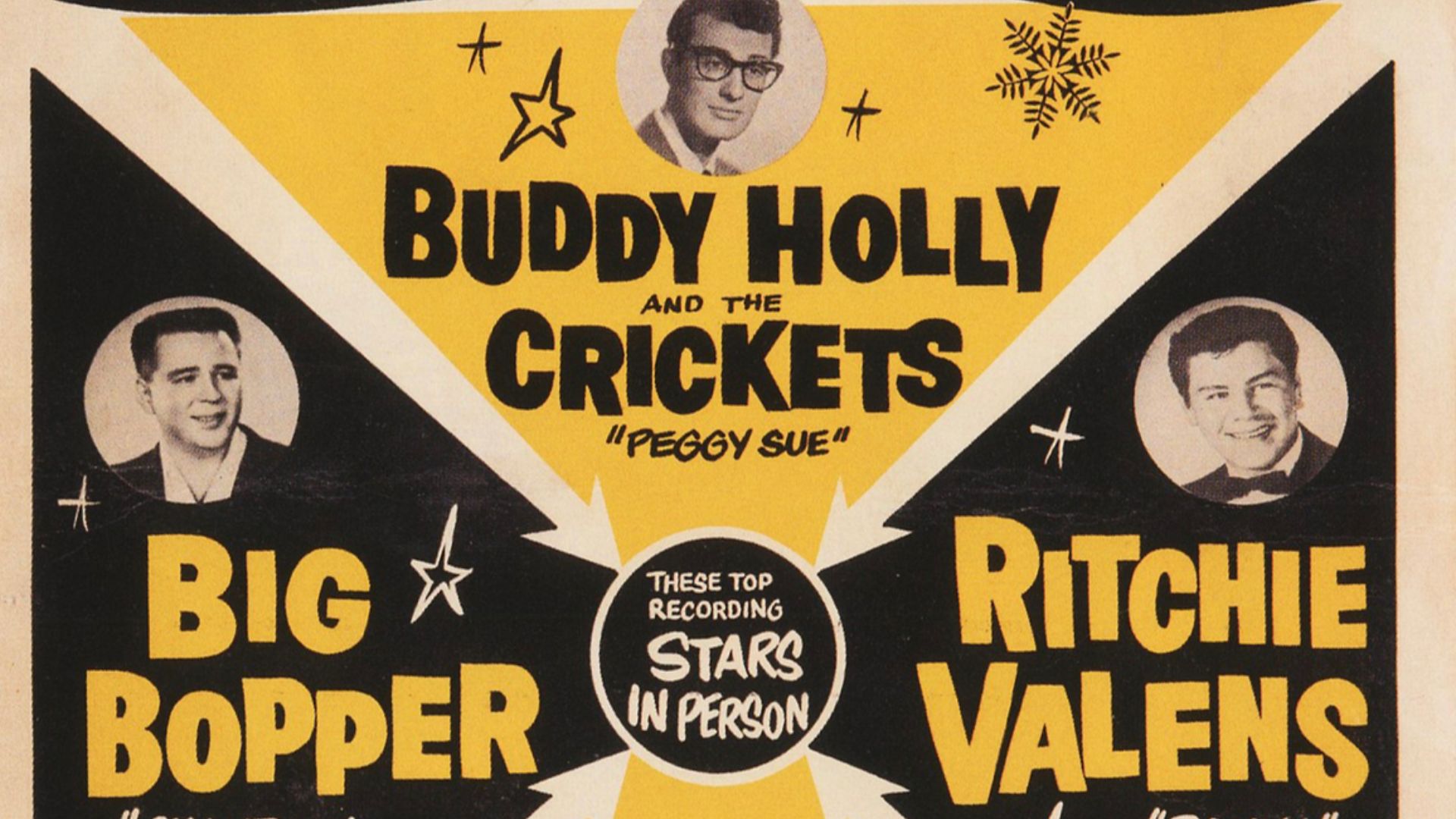 GAC Super Productions, Wikimedia Commons
22. He Went On The “Tour From Hell”
Packed together on one freezing bus, Richardson and the others soon realized that their “Winter Dance Party” was more hangover than party. The rickety buses kept breaking down, forcing constant replacements. Music historian Bill Griggs later called it “the tour from hell”—and he wasn’t exaggerating.
The cold wasn’t just an inconvenience. It was dangerous.
23. He Faced Arctic Conditions
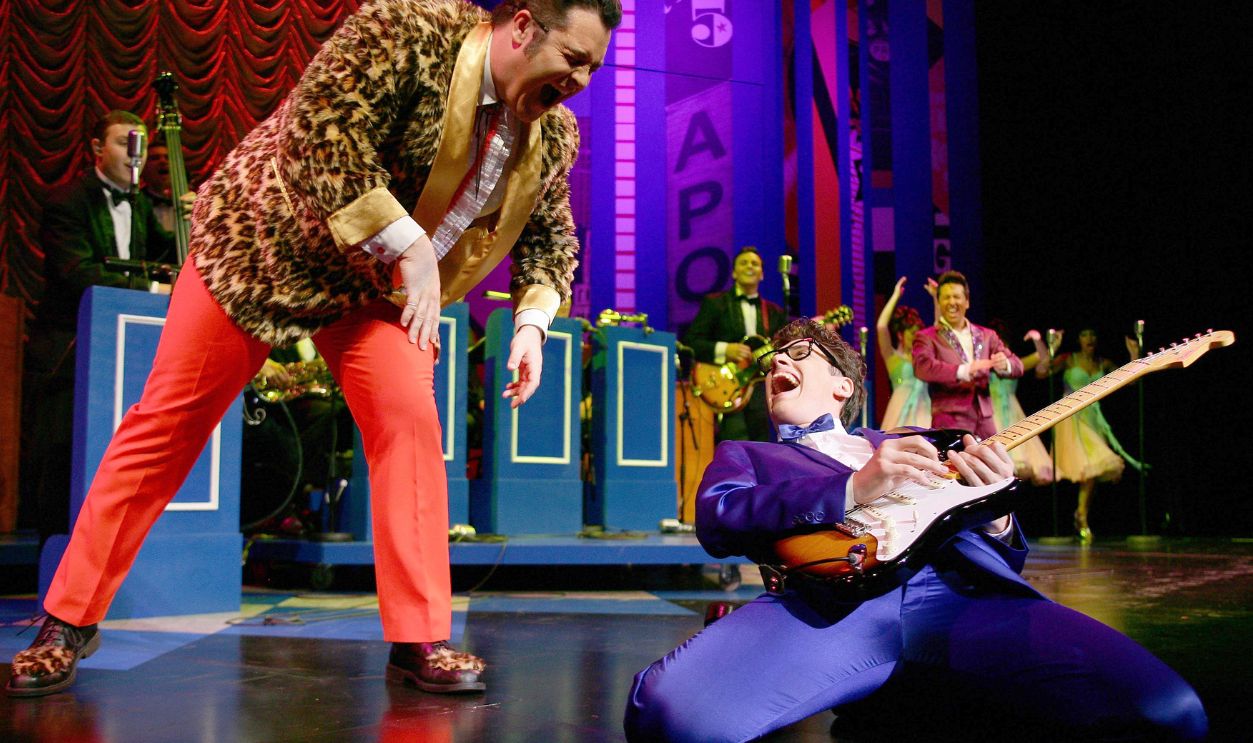
Adding to Richardson’s worries was the fact that the winter of 1959 hit the Midwest particularly hard. Waist-deep snow buried highways, while temperatures plunged from 20°F to a bone-cracking −36°F. The tour’s buses had no insulation, no heat, and no mercy. The Big Bopper might have had a big voice, but not even he could shout over the howling wind.
And the worst night was still ahead.

24. He Froze On The Highway
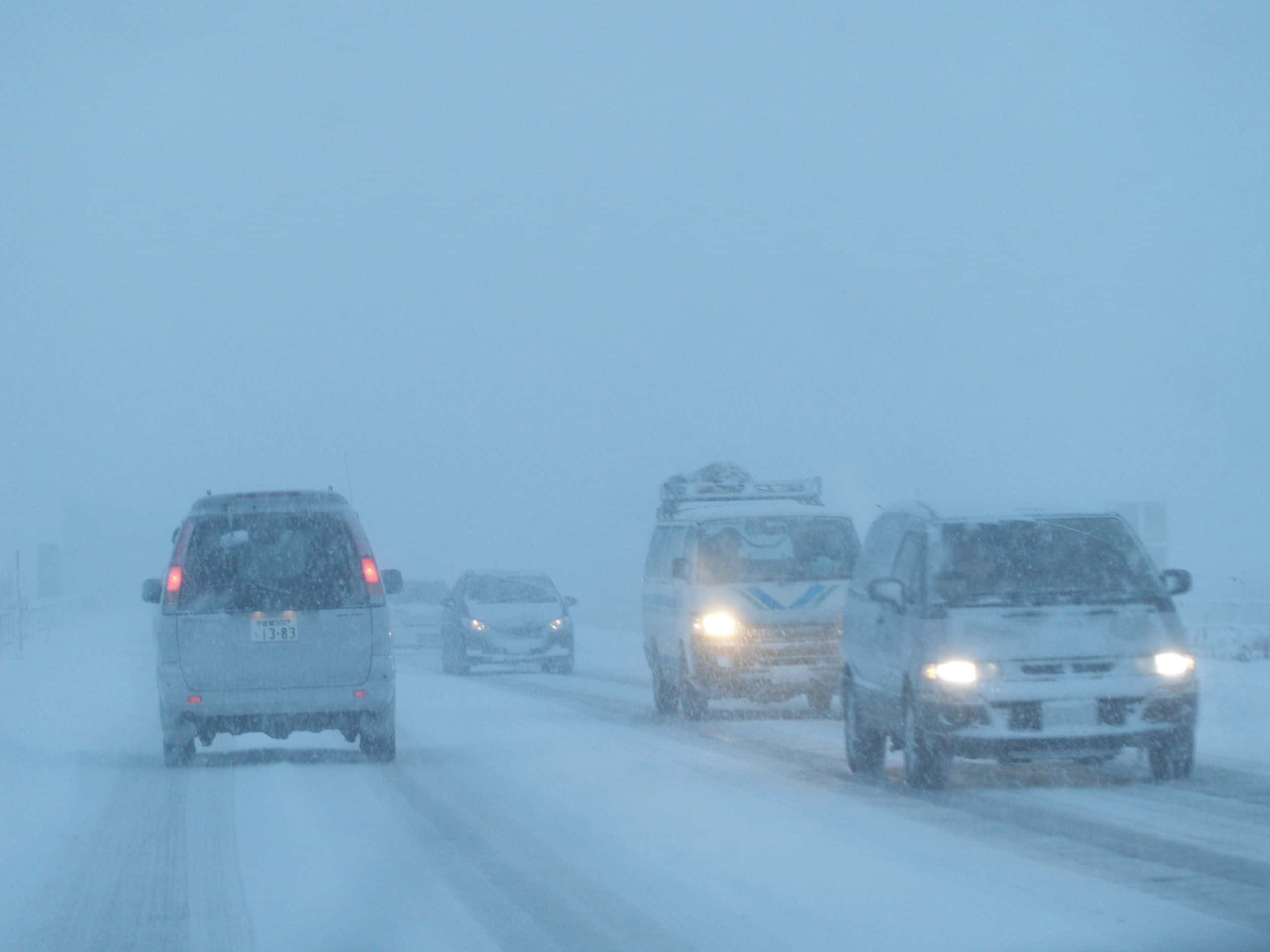
On February 1, 1959, disaster struck again. The bus’ engine froze and the heater gave out, stranding Richardson and his tourmates on a desolate section of Highway 51 in subzero temperatures—with the mercury only falling lower. To survive, the musicians burned newspapers inside the bus for warmth as the thermometer dropped to an Arctic −40°F.
Not everyone escaped unscathed.
25. He Lost A Bandmate To Frostbite
To fight the cold, Richardson and the rest of the group huddled together. Unfortunately, it wasn’t enough to prevent drummer Carl Bunch from developing severe frostbite in both feet. As soon as they were able to move again, they Bunch to a hospital in Michigan. Suffice to say, the band canceled one of their upcoming appearances.
Curiously, however, they decided to push on.
 Lorah~commonswiki, Wikimedia Commons
26. He Played His Final Show
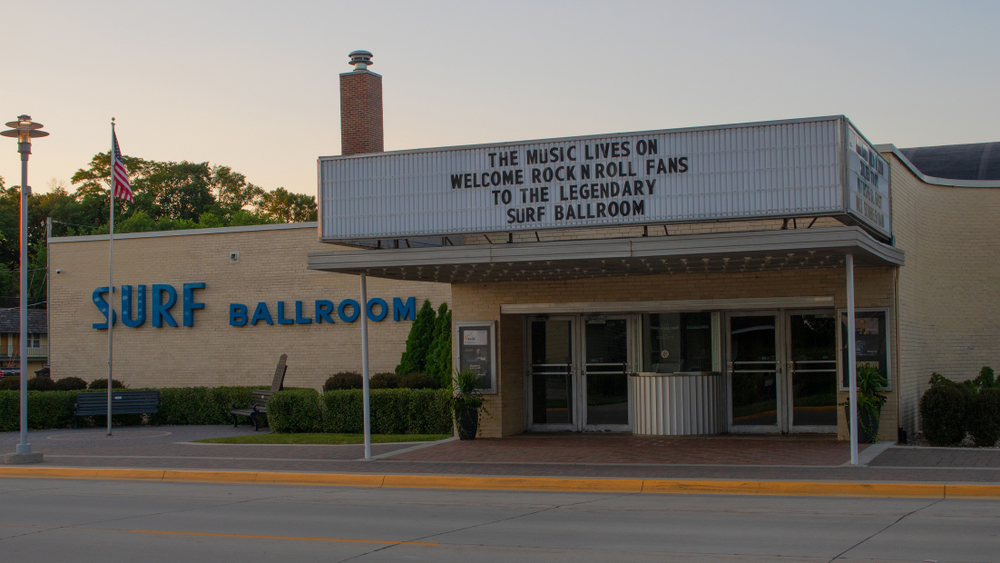
On February 2, 1959—the 11th night of the tour—Richardson and his fellow musicians rolled into Clear Lake, Iowa. The Surf Ballroom wasn’t even on their original itinerary, but the promoters needed to fill an open date, and Richardson and his band needed to fill an empty slot. Despite the cold and hardships, Richardson took to the stage, joking, singing, and giving the crowd a night they’d never forget.
Sadly, it would be his last show.
27. He Opted For A Quick Flight
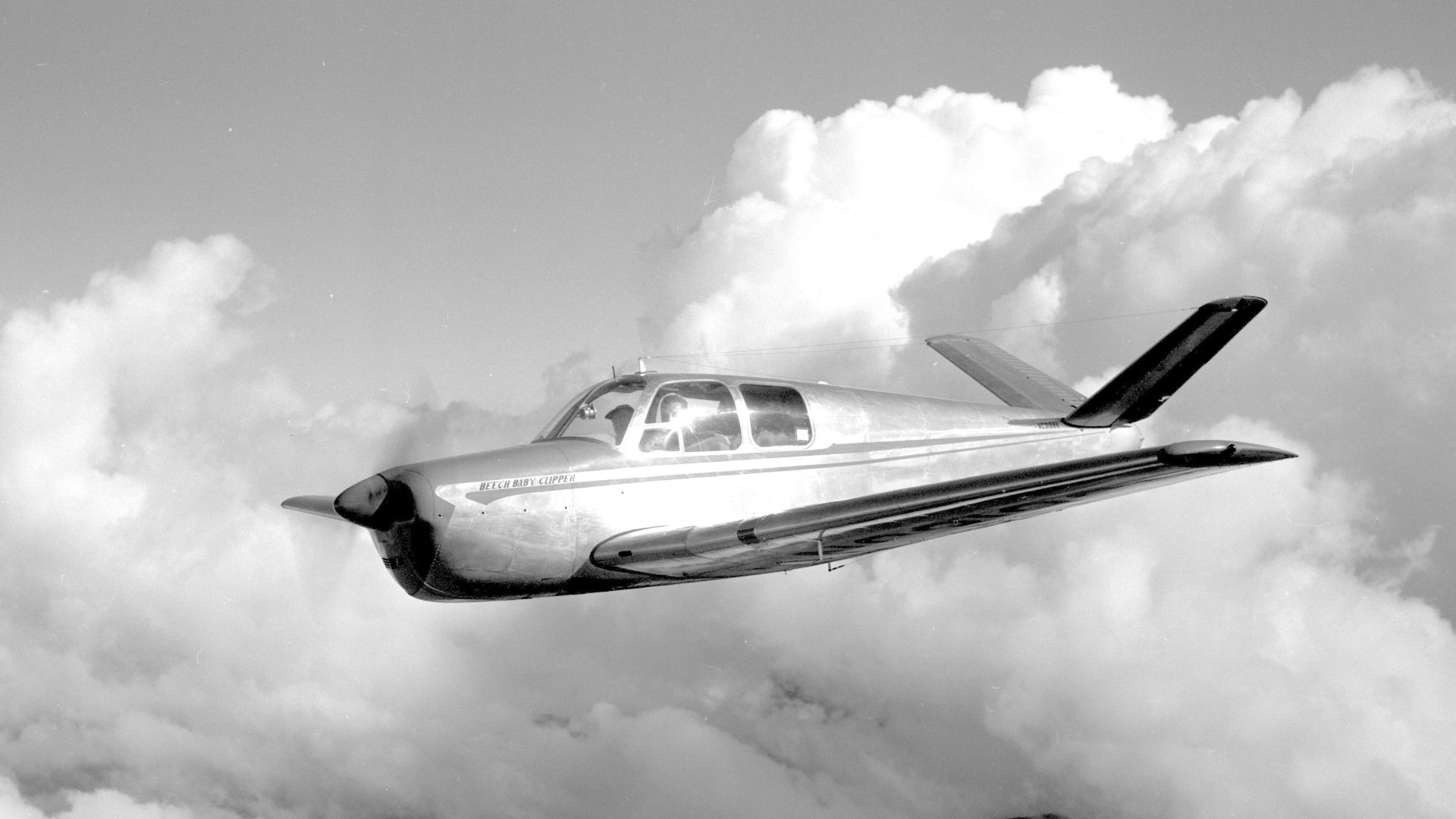
Buddy Holly had finally had enough of the endless, freezing bus rides. After the Clear Lake show, he chartered a small plane from Dwyer Flying Service to fly himself and a few bandmates ahead to Moorhead, Minnesota. The Bopper—also sick and weary from the bitterly cold buses—was desperate for a seat.
It would be a one-way ticket.
 Bill Larkins, Wikimedia Commons
28. He Took Waylon Jennings’ Seat
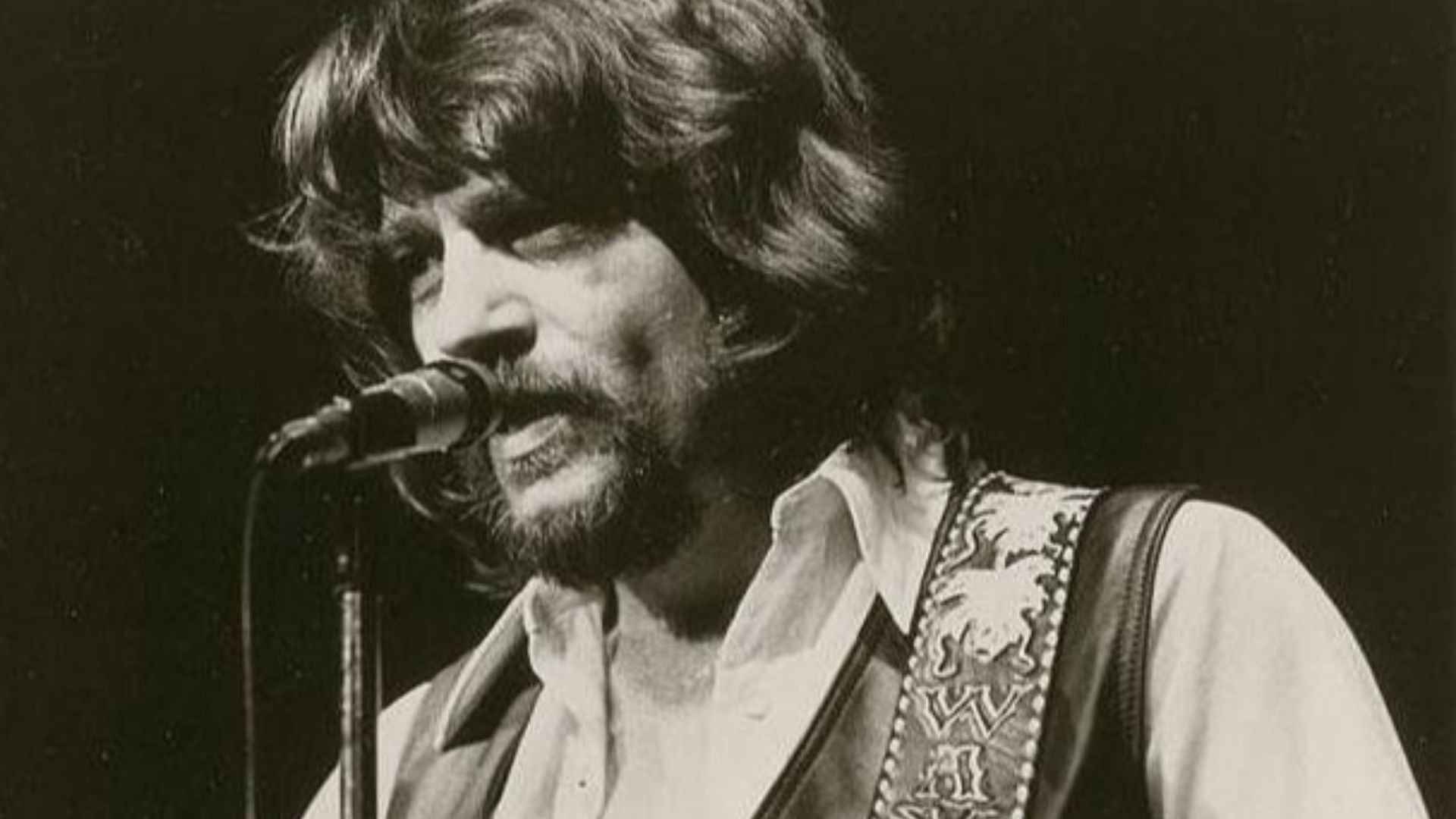
To compound the already dire situation, Richardson came down with the flu that night. He knew there was no way that he could survive another cold bus ride. Waylon Jennings, ever the gentleman, gave up his spot on the plane so the Bopper could fly instead. It was a simple act of kindness that would haunt Jennings forever.
 Waylon_Jennings_RCA_promotional_card_2.jpg: RCA Records derivative work: GDuwen, Wikimedia Commons
29. His Friend Foreshadowed His Fall
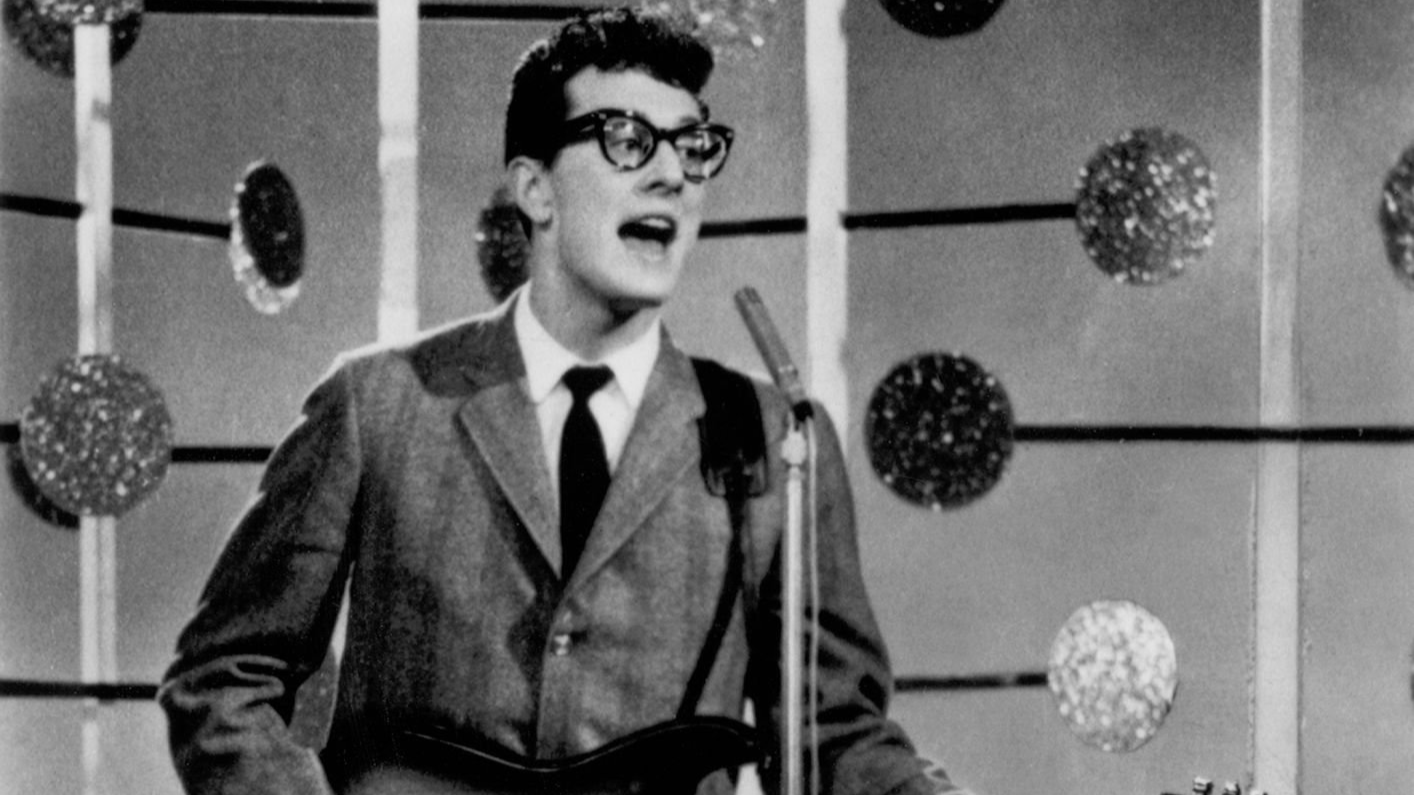
As the musicians parted ways that night, Buddy Holly teased Jennings, saying, “Well, I hope your damned bus freezes up”. Jennings shot back playfully, “Well, I hope your ol’ plane crashes”. It was a harmless joke between friends—but it became one of music’s most chilling jokes.
 Michael Ochs Archives, Getty Images
30. He Took Off Into A Storm
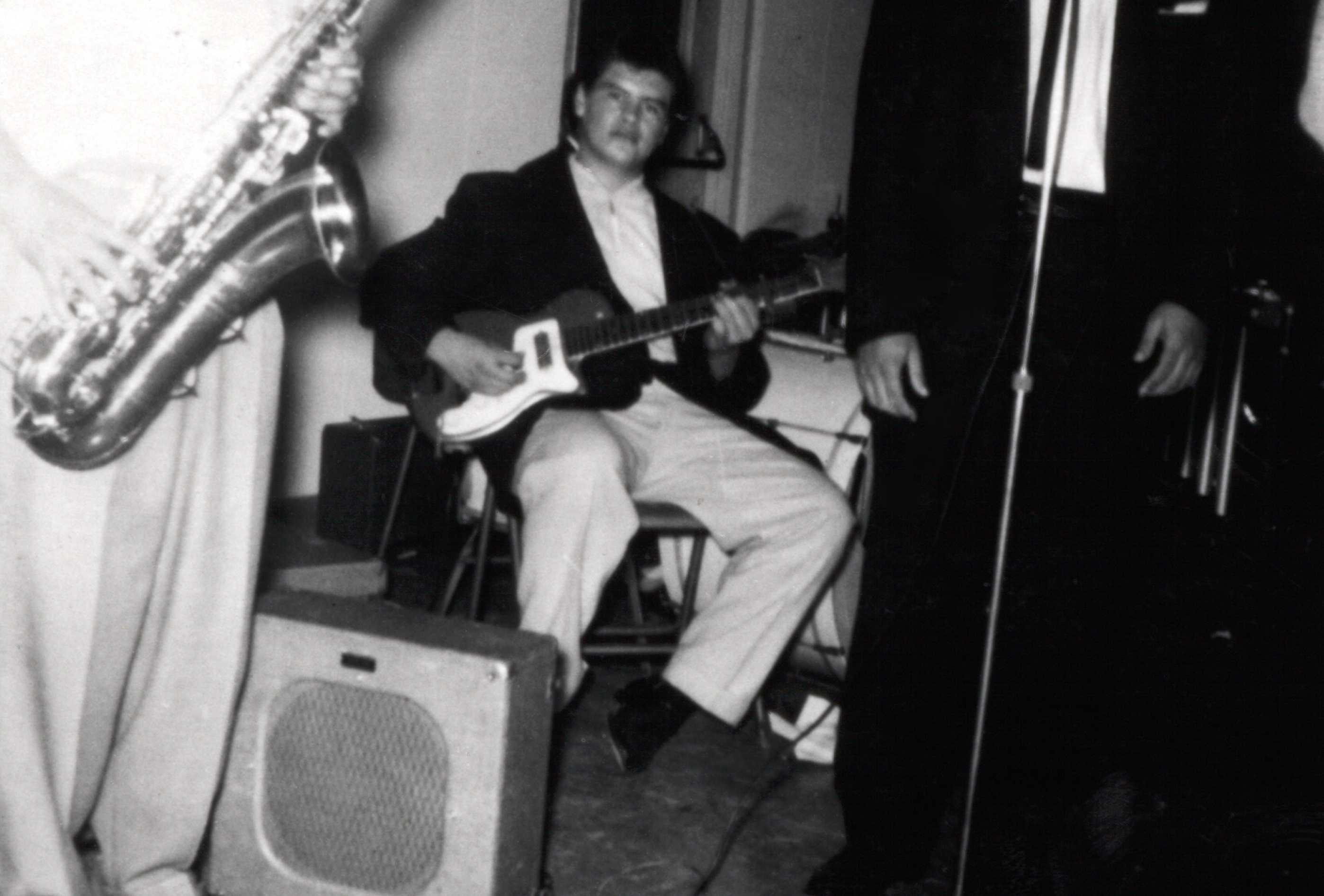
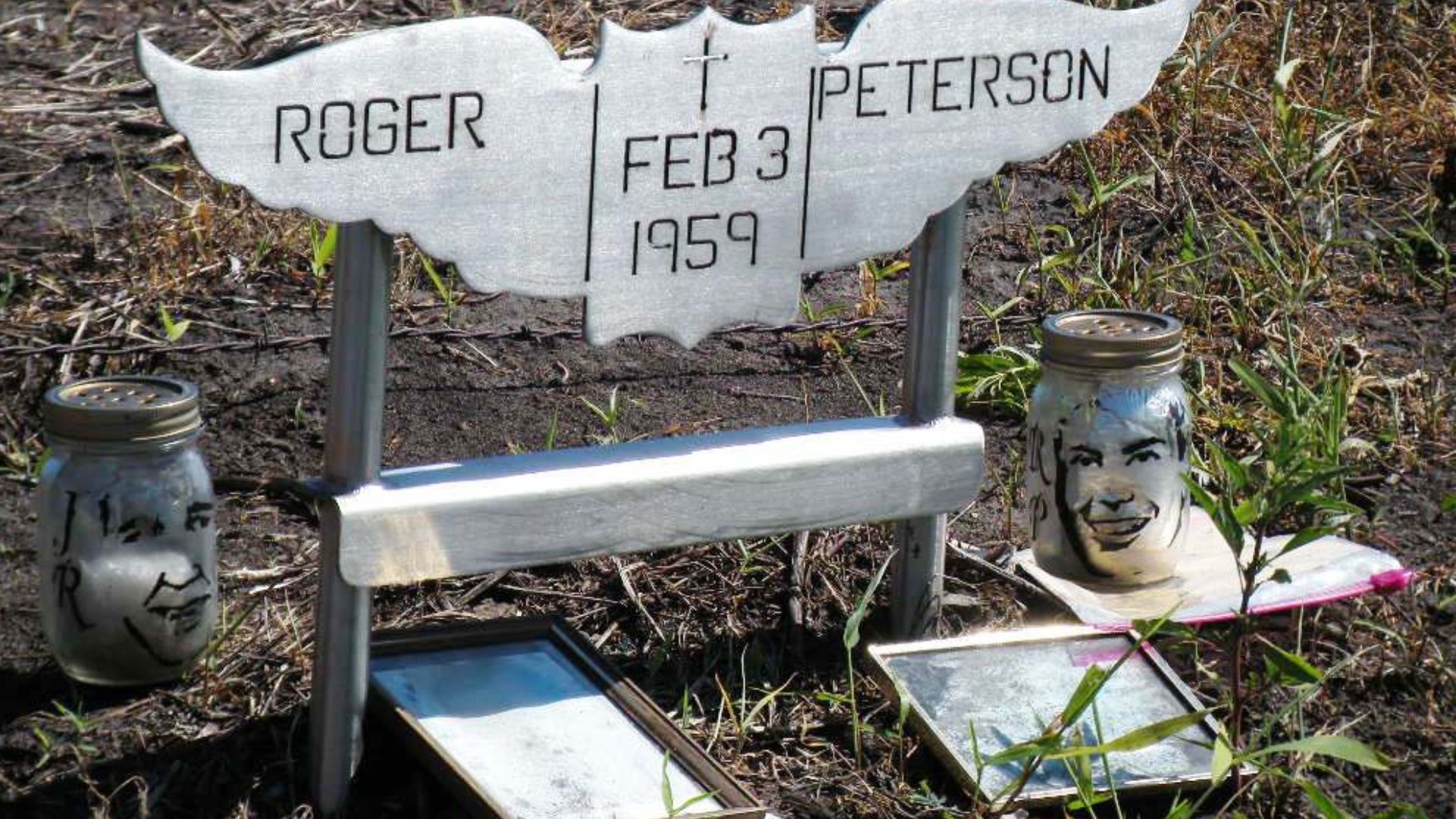
In the early hours of February 3, 1959, after their show at the Surf Ballroom, the small Beechcraft Bonanza carrying The Big Bopper, Buddy Holly, and Ritchie Valens took off. Some time just before one in the morning, pilot Roger Peterson guided the plane into a black sky that was thick with snow.
In a matter of minutes, the snowflakes weren’t the only thing falling to the ground.
 Michael Ochs Archives, Getty Images
31. He Crashed In A Cornfield
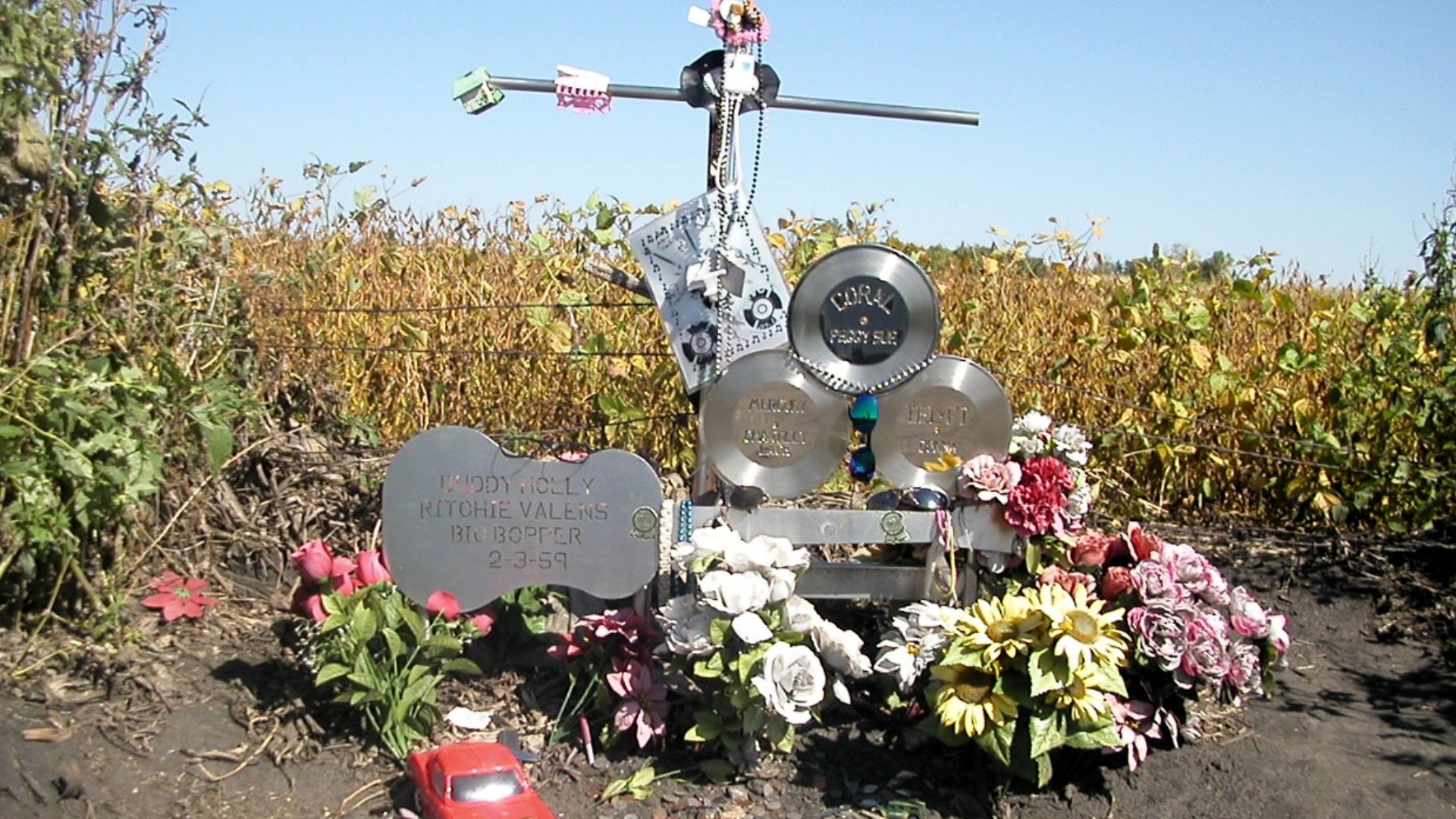
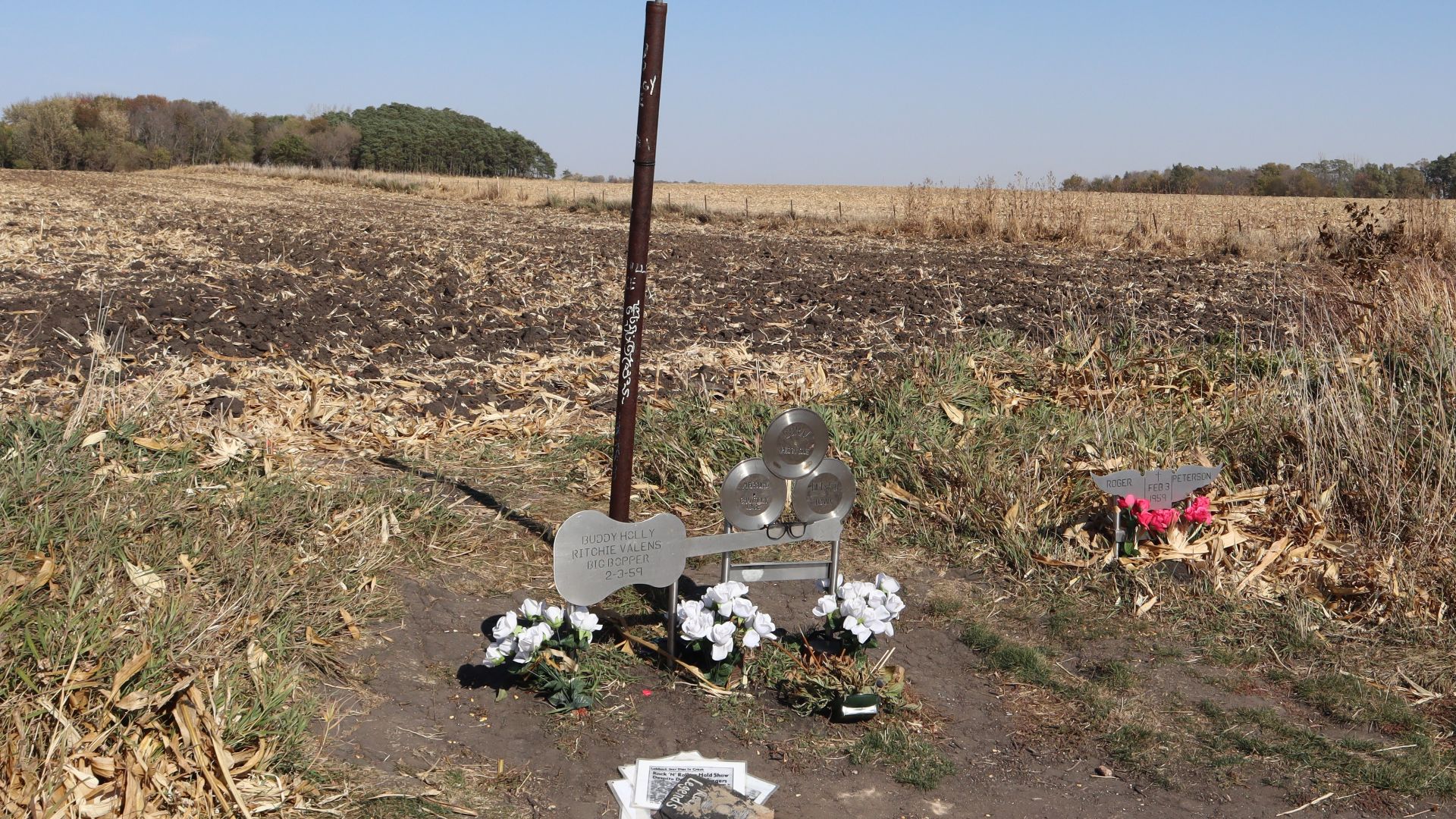
Barely 10 minutes after takeoff, Richardson’s life took a dramatic turn—straight down. Amidst the snowstorm, at full throttle, the plane plummeted into a frozen cornfield near Mason City. Investigators later theorized that the 21-year-old pilot had become disoriented in the blinding snow, believing he was climbing when he was actually descending.
The wreckage told a story too awful to ignore.
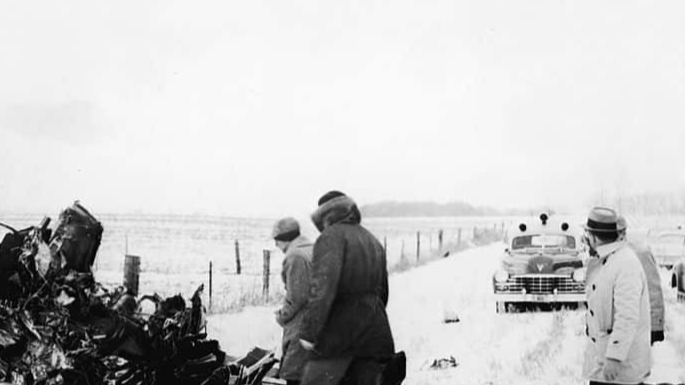
32. He Was Thrown Far From The Wreck
When the plane hit the ground, the impact scattered the musicians across the icy field with tremendous force. The impact hurled Holly, Valens, and Richardson from the wreckage, their bodies tumbling through the darkness. First responders discovered The Big Bopper nearly 100 feet away, across a fence line and into the next field.
He hadn’t stood a chance.
 Michael Ochs Archives, Getty Images
33. He Left A Family Behind
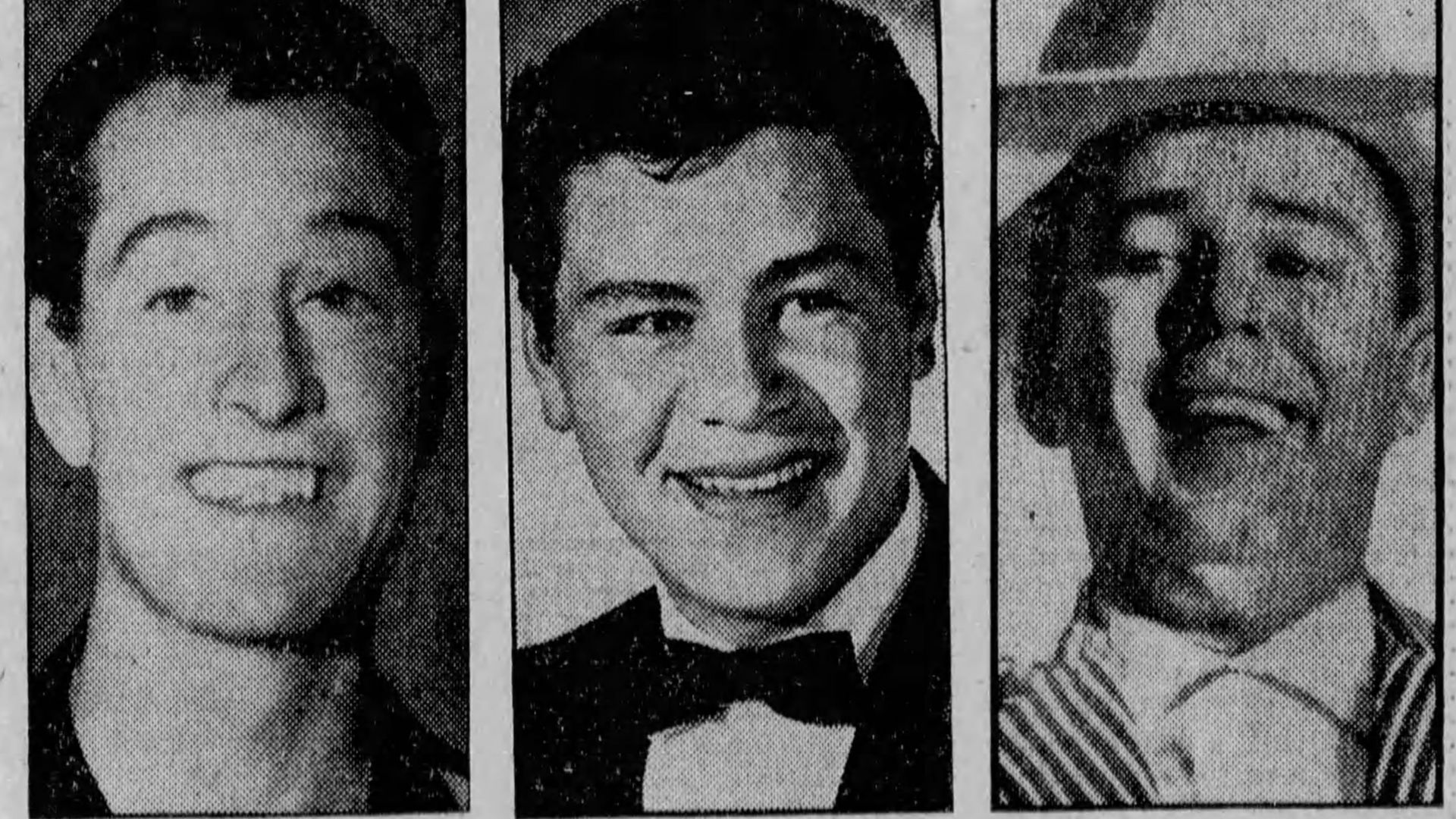
Fortunately, Richardson and his fellow musicians didn’t suffer. From the sheer force of their crash, they perished instantly. Richardson was just 28, with a promising career ahead of him. Of course, he had already accomplished so much. He left behind his wife and a four-year-old daughter.
Two months later, his son, Jay Perry Richardson, was born—a child who would grow up knowing his father only through song.
 Distributed by Associated Press, Wikimedia Commons
34. He Was Unrecognizable At First
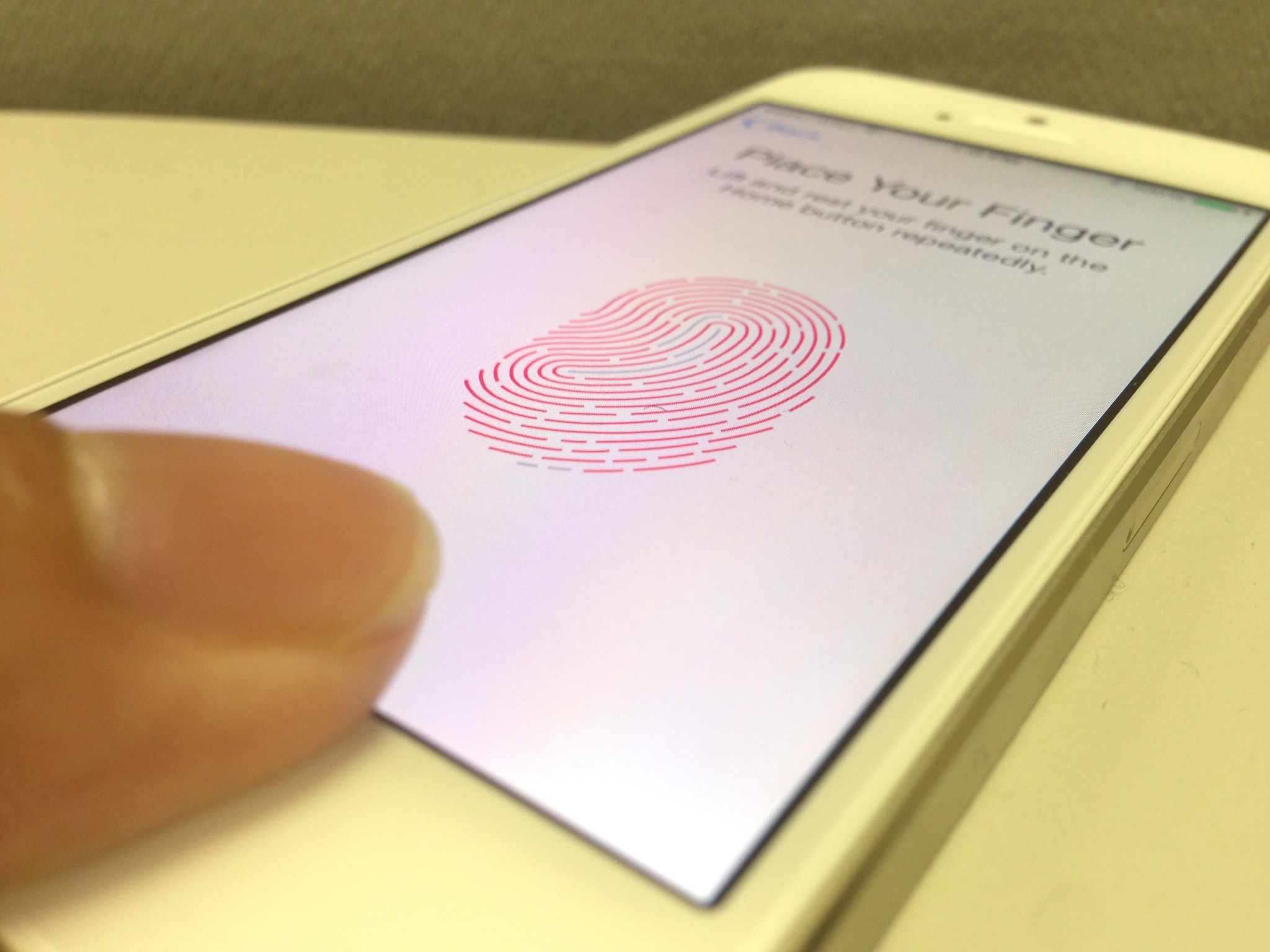
The coroner’s report was grim and first responders to the scene of the crash described a gruesome tragedy beyond words. Richardson had suffered catastrophic head injuries—his skull crushed and brain “completely eviscerated”. In fact, his face was so damaged that authorities had to use fingerprints to confirm his identity.
Only one touching piece of him remained intact.
35. He Still Had His Ring
Richardson’s autopsy was extensive. It detailed fractures in both of his arms, a crushed chest, and deep lacerations across his body. However, a few tokens survived the crash and carnage. First responders recorded a wedding ring and a guitar pick amidst his possessions to survive the crash.
Once the music world learned of his fate, they paid him a fitting tribute.
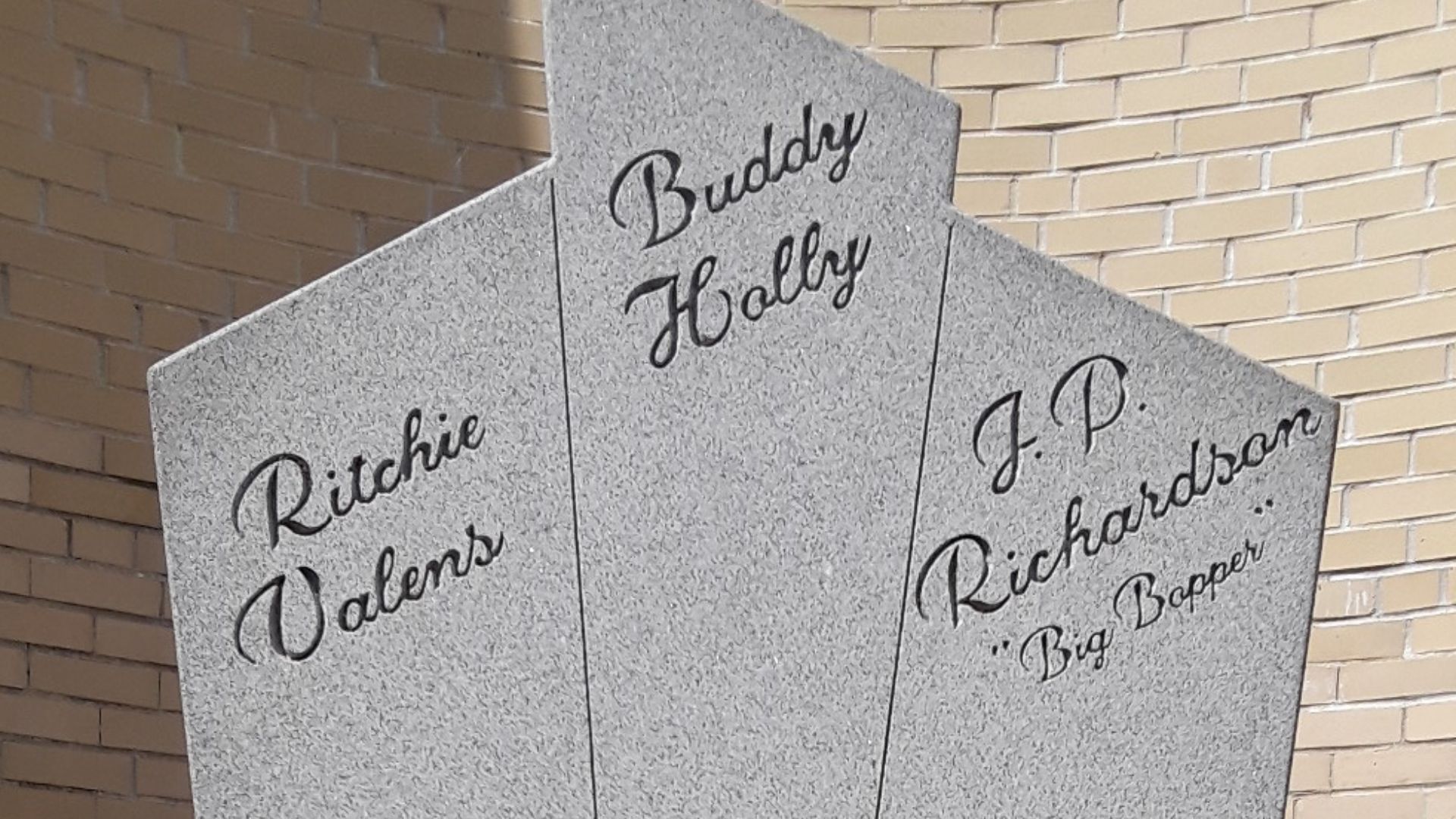 GravityIsForSuckers, Wikimedia Commons
36. He Was Sweet As “American Pie”
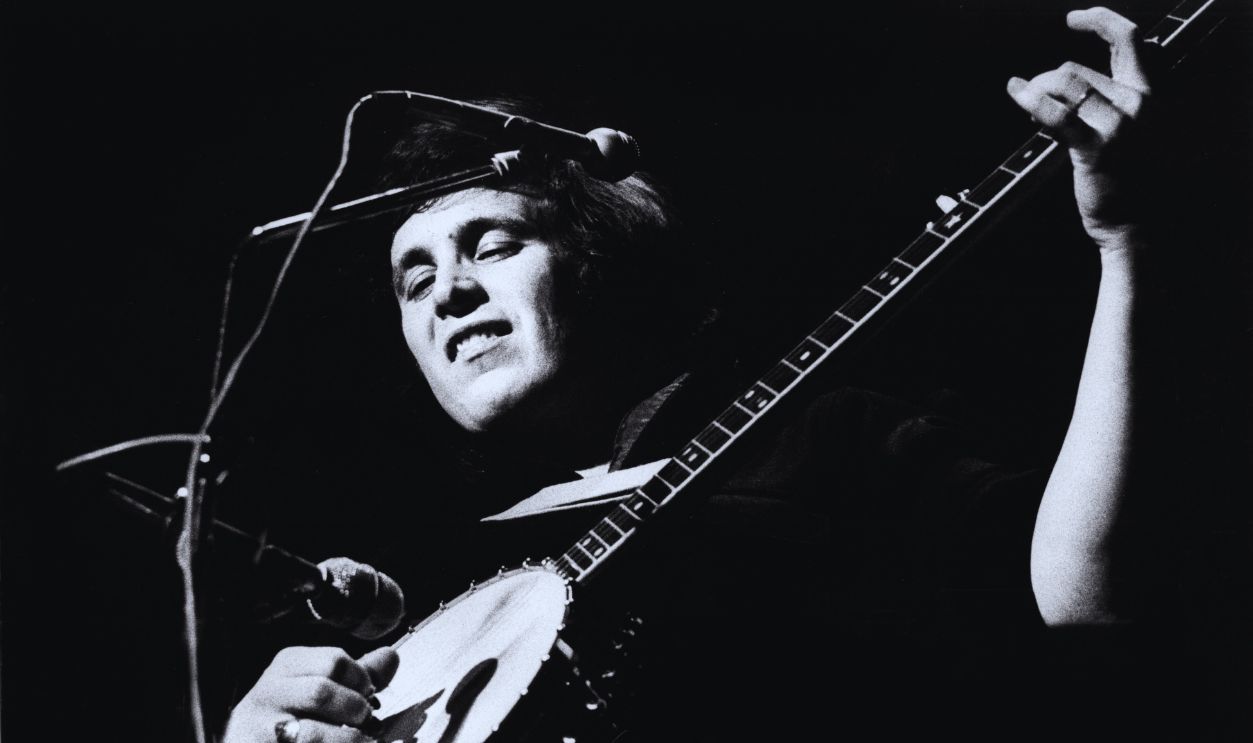
The crash that took the bop out of The Big Bopper devastated musicians across the country. Don McLean, the “American Troubador”, immortalized Rirchardson in his song “American Pie”. Referring to the plane crash as “The Day the Music Died,” McLean captured the grief of a generation that had watched its heroes vanish overnight.
But Richardson’s memory refused to fade.
 Gijsbert Hanekroot, Getty Images
37. He Was Buried In His Hometown
Following the crash, Richardson’s family brought his body back home—back to Beaumont, Texas. There, they laid him to rest at Forest Lawn Memorial Park. His funeral drew crowds who came not just to mourn, but to celebrate the joy he’d given them through his song and radio work.
Still, his fans and family grappled to make sense of the senseless tragedy.
 Dennis Fernkes - Edina, Minnesota, USA, Wikimedia Commons
38. His Pilot Was No Good
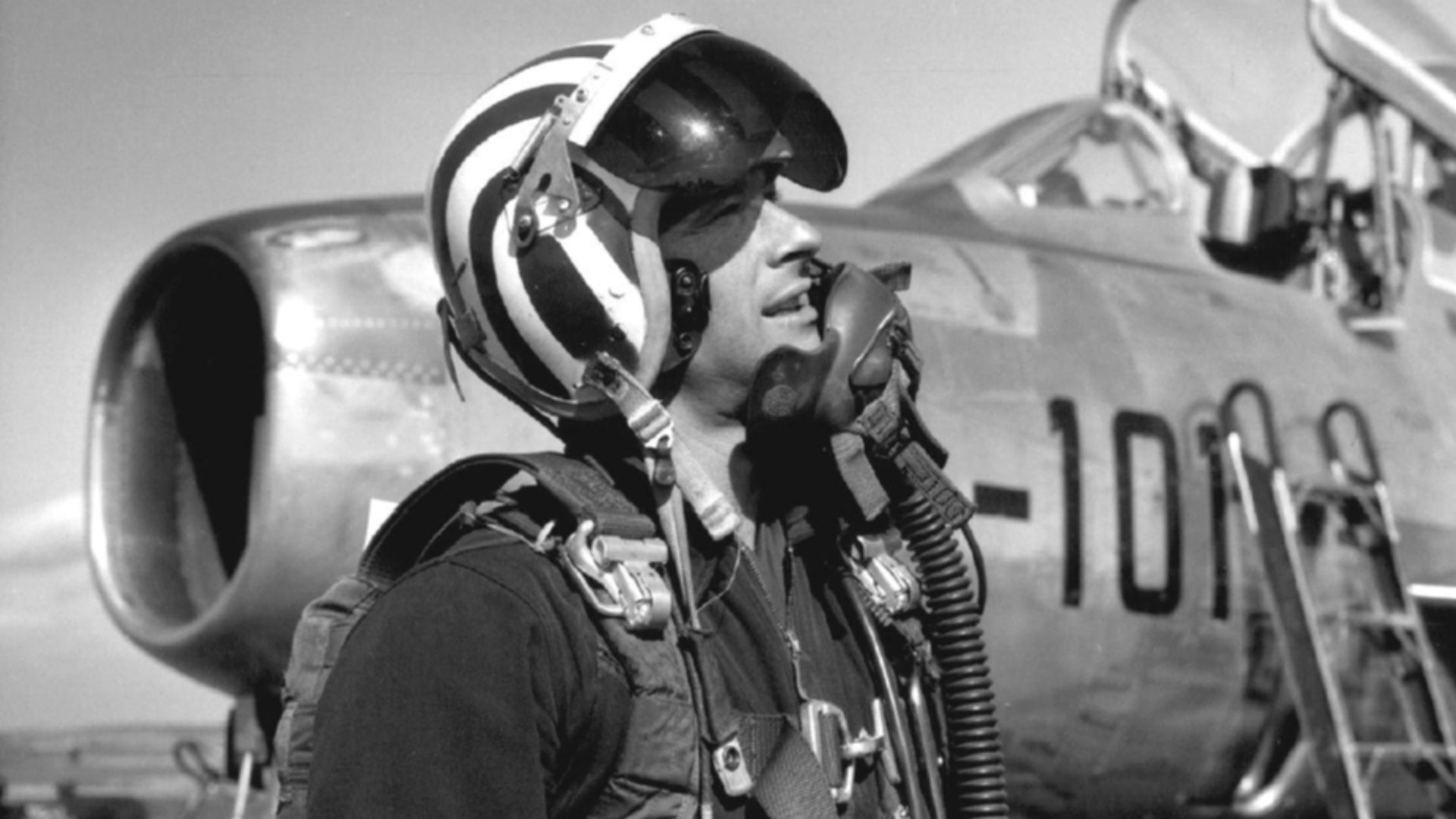
The Civil Aeronautics Board tried to explain the events that ultimately claimed the lives of Ricahrdson and his fellow musicians. But the best they could come up with was a report concluding that the crash was the result of “the pilot’s unwise decision” to fly in conditions beyond his training. However, the suddenness and senselessness of the tragedy was too much for anyone to accept.
Instead, they turned to wild speculation and crazy conspiracies.
39. He Might Have Survived The Crash
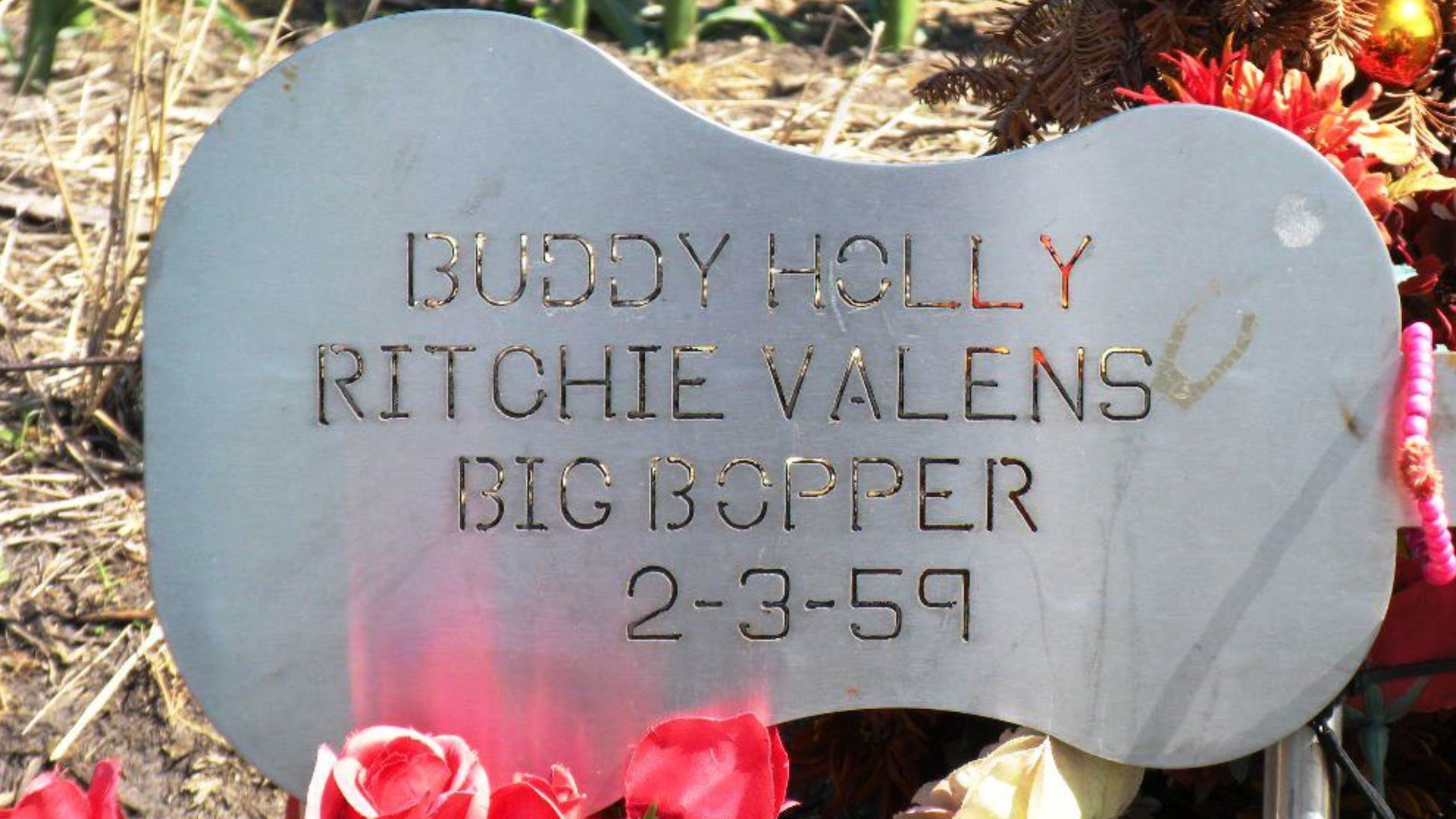
The scene of the plane crash later caused a controversy. First responders had found Richardson’s body some 40 feet from the wreckage. Given the sprawl of the carnage, rumors swirled for decades that The Big Bopper might actually have walked away from the crash before succumbing to his injuries.
Some even speculated he’d crawled for help through the frozen Iowa cornfield that night. Nearly 50 years later, his son wanted the truth.
 SuperDuty11, Wikimedia Commons
40. His Son Dug Up His Body
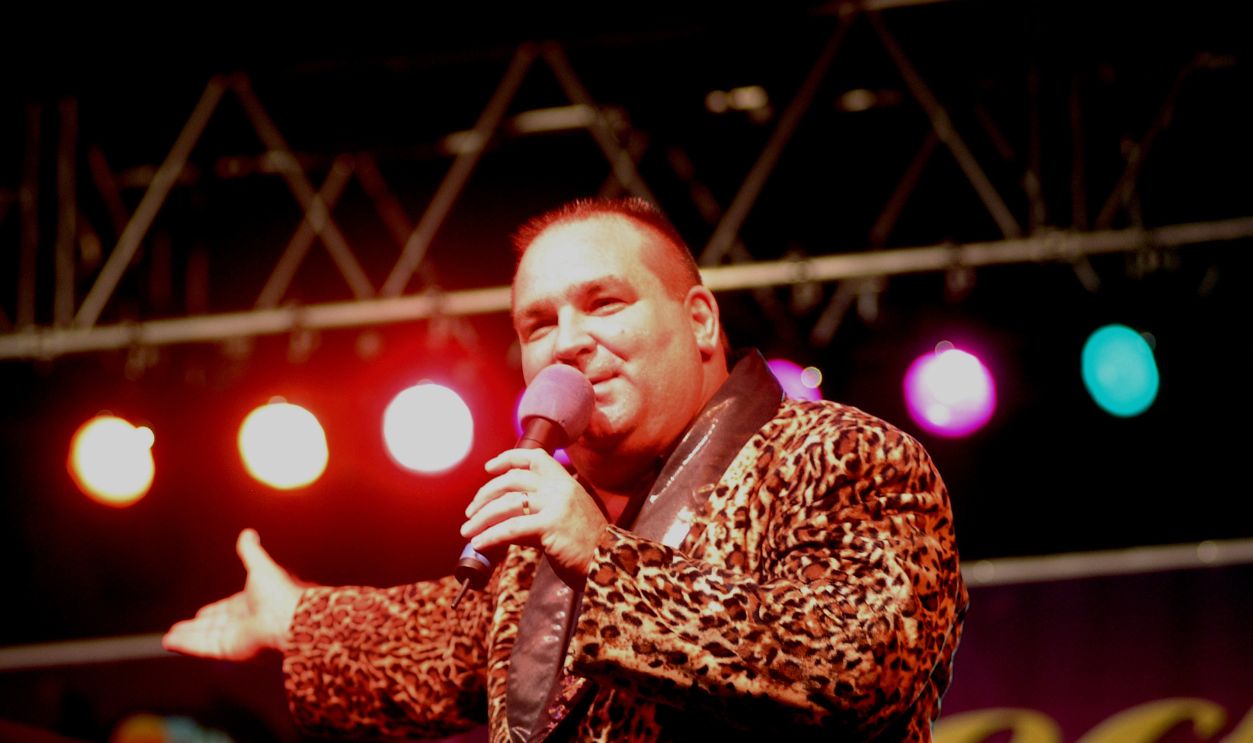
In January 2007, Jay Perry Richardson, The Big Bopper’s only son, decided that he had to get to the bottom of the mystery. Bravely, he ordered his father’s body to be exhumed. Internet rumors claimed there had been shots fired on the plane, indicating some kind of altercation or horrific accident. But Jay wanted facts, not fiction or fable.
So he turned to one of America’s top forensic experts.
41. He Was Examined By A Forensic Legend
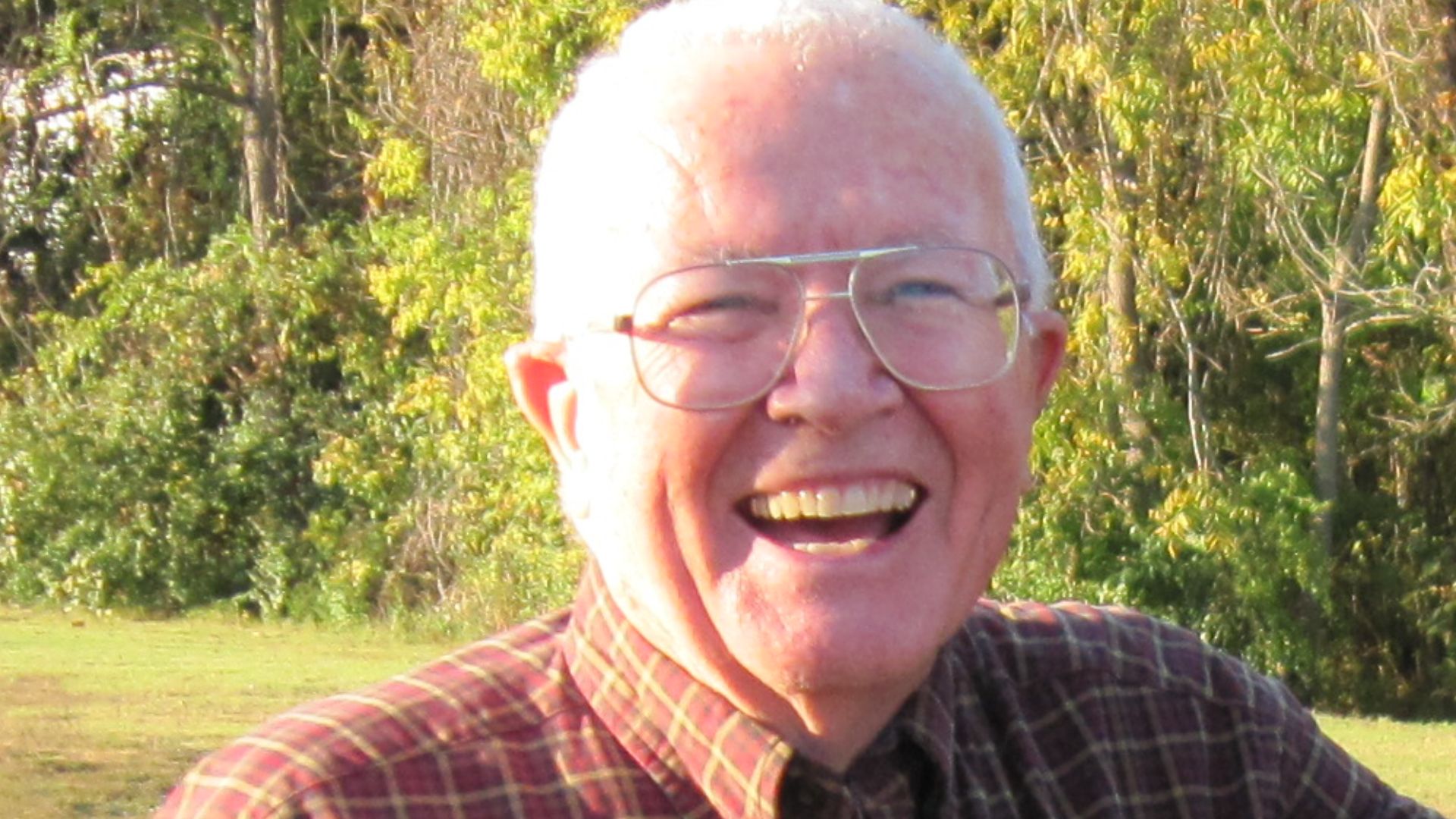
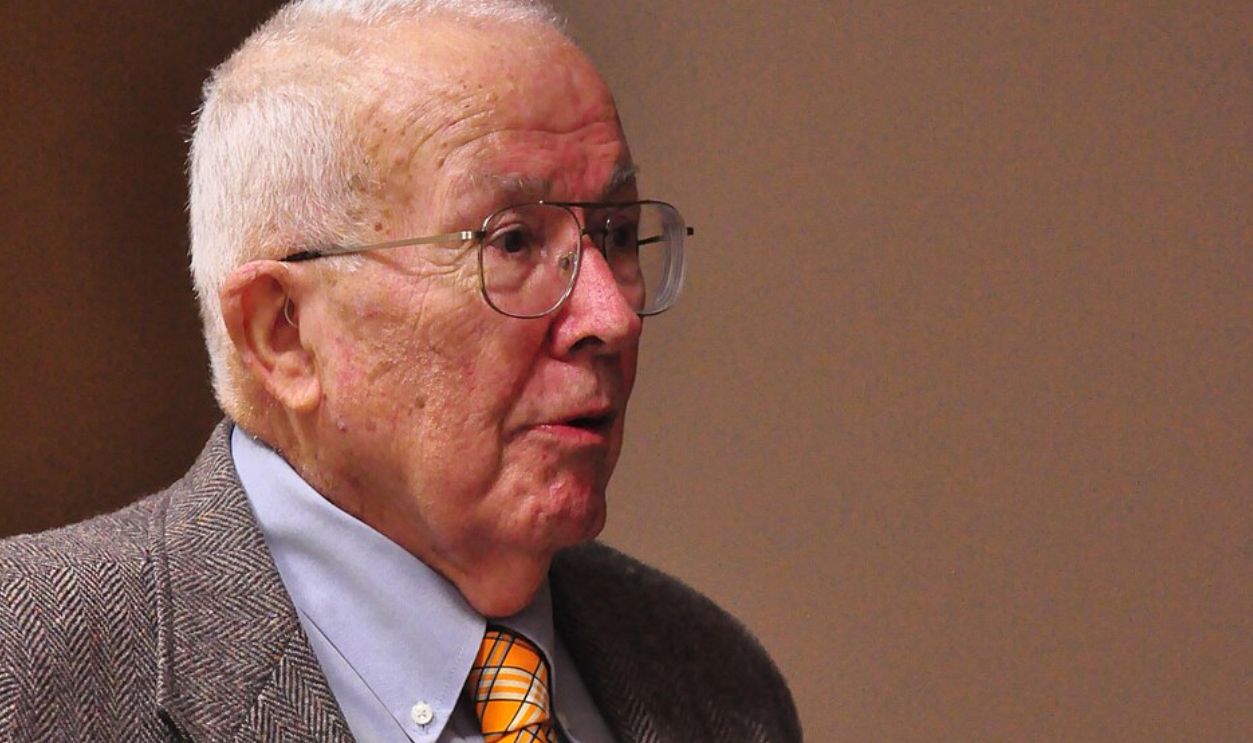
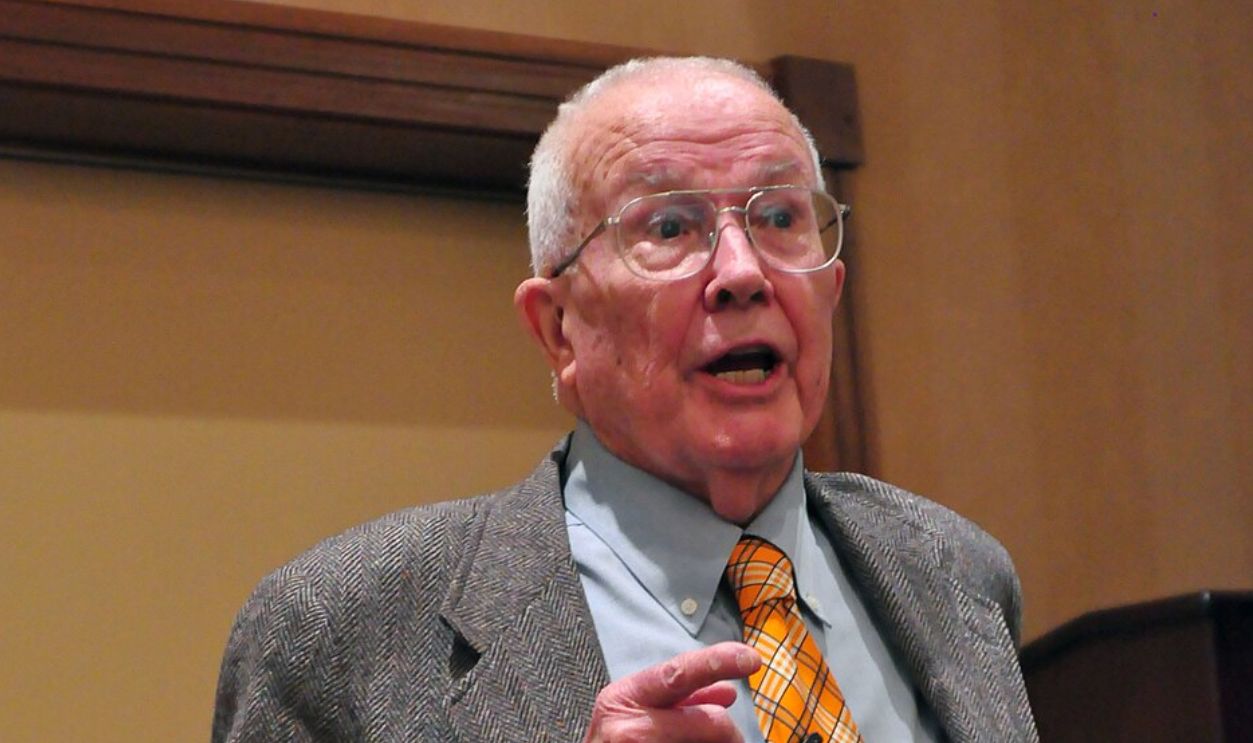
Shortly after Jay had his father exhumed, Dr William M Bass—founder of the famed “Body Farm”—performed a new autopsy on The Big Bopper’s remains. Bass had solved hundreds of cold cases, but this one carried the weight of rock ’n’ roll history. And what he found stunned even him.
42. He Hadn’t Aged A Day—Sorta
As Dr Bass opened the casket, Jay Richardson stood nearby, bracing for the worst. But to their astonishment, The Big Bopper’s remains were still recognizable after nearly five decades of decay beneath the dirt. Time and Texas soil had somehow spared his famous frame.
This meant that Dr Bass had more than enough left to work with to either confirm or dispel the rumors for good.
 doe-oakridge, Wikimedia Commons
43. He Was Still In Good Shape
“Dad still amazes me 48 years after his [passing],” Jay told reporters after the forensic analysis. “He was in remarkable shape. I surprised myself—I handled it better than I thought I would”. For the first time, he saw the father he had only known through stories. But the real revelation came from Dr Bass.
 doe-oakridge, Wikimedia Commons
44. He Didn’t Walk Away After All
Dr Bass’s findings put decades of speculation to rest. “There was no indication of foul play,” he said. “There are fractures from head to toe…[Richardson] [passed] immediately. He didn’t crawl away. He didn’t walk away from the plane”. The good doctor’s verdict was final—and heartbreakingly clear.
The Big Bopper had, in fact, perished on impact.

45. He Wasn’t Shot—Despite The Rumors
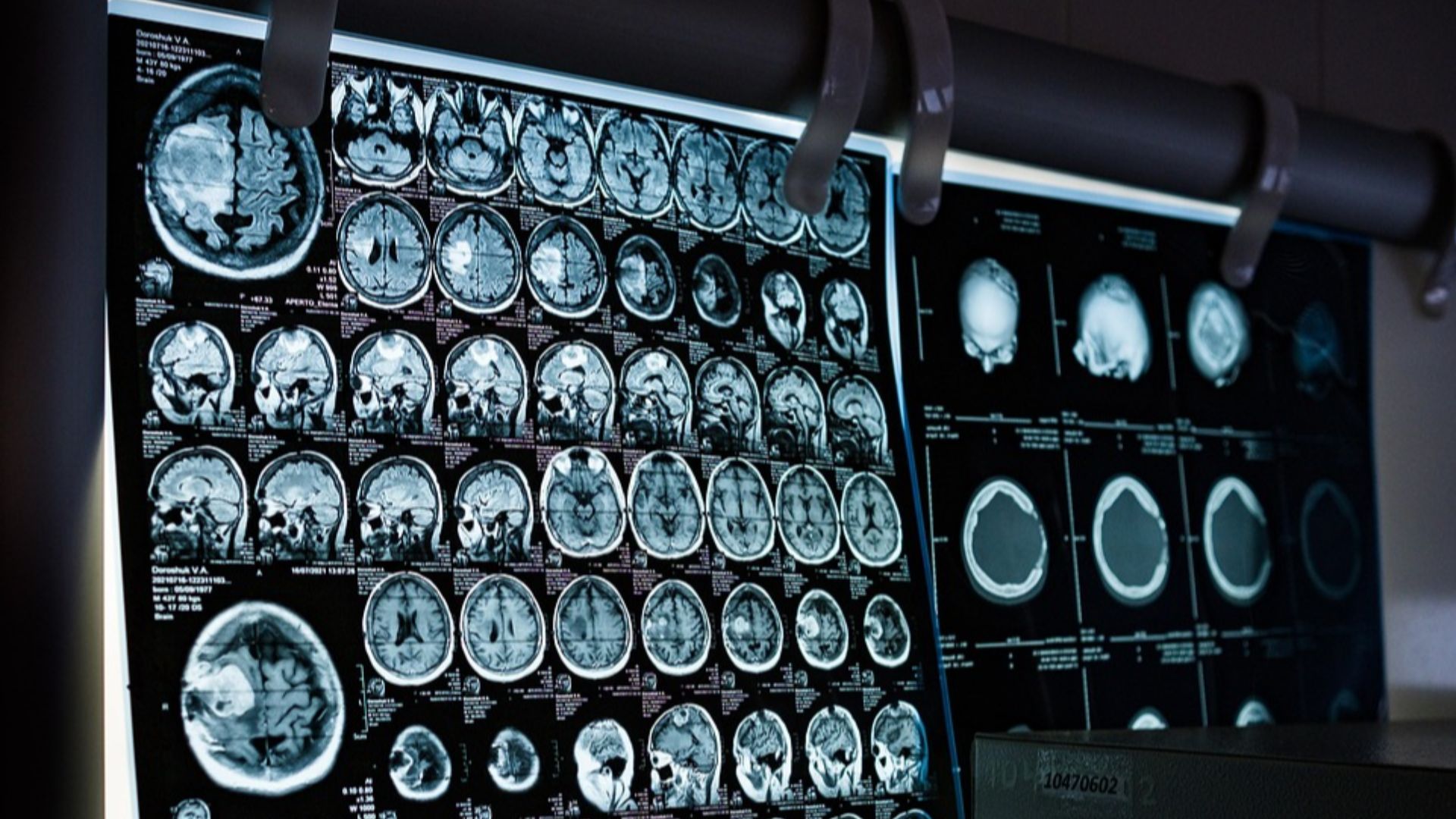
The X-rays that Dr Bass had taken during his autopsy confirmed every fracture listed in the original 1959 report, from skull to shin. They also proved once and for all that there were no wounds from any kind of shot—no “lead marks,” no gunfire. The mystery that had haunted fans for decades was officially buried.
And soon, so was the man himself.
46. He Was Laid To Rest…Again
After the examination, Richardson’s body was placed in a new casket. Touchingly, the same company that had made the first casket agreed to make this newer, better one. For the second time, The Big Bopper was buried beside his wife at Beaumont’s Forest Lawn Cemetery. A bronze statue and historic plaque now mark the grave of the man who changed radio.
But one final twist was yet to come.
 Travellers & Tinkers, Wikimedia Commons
47. His Casket Went On Tour
The Big Bopper’s son wanted his father to finish a musical tour—sorta. To honor his father’s legacy (and put the rumors to bed) Jay Richardson agreed to have his father’s old casket displayed at the Texas Musicians Museum. But then he really stunned fans. Less than a year later, he announced his plans to auction the original casket on eBay, promising to donate part of the proceeds to the museum.
After massive backlash, he quietly backed away from the idea. Instead, he honored his father the best way he knew how.
48. His Son Carried The Torch
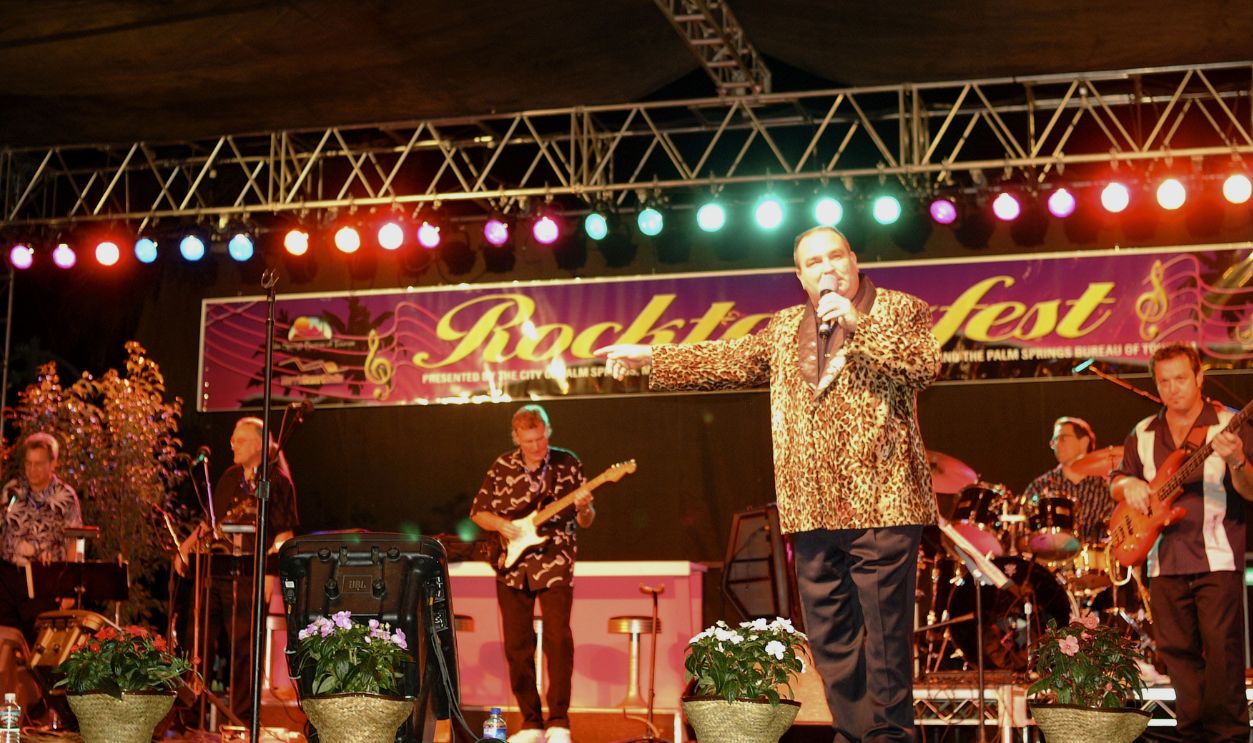
The Big Bopper might not have walked away from the dreaded crash, but his son did. Following in his father’s footsteps, Jay Richardson took up the stage name “The Big Bopper, Jr” and toured the world performing his dad’s beloved classics. He even joined the “Winter Dance Party” tribute tour, playing some of the same venues his father had during that fateful winter.
Even after his second burial, for Richardson, the honors just kept coming.
49. He Became A Hall Of Famer
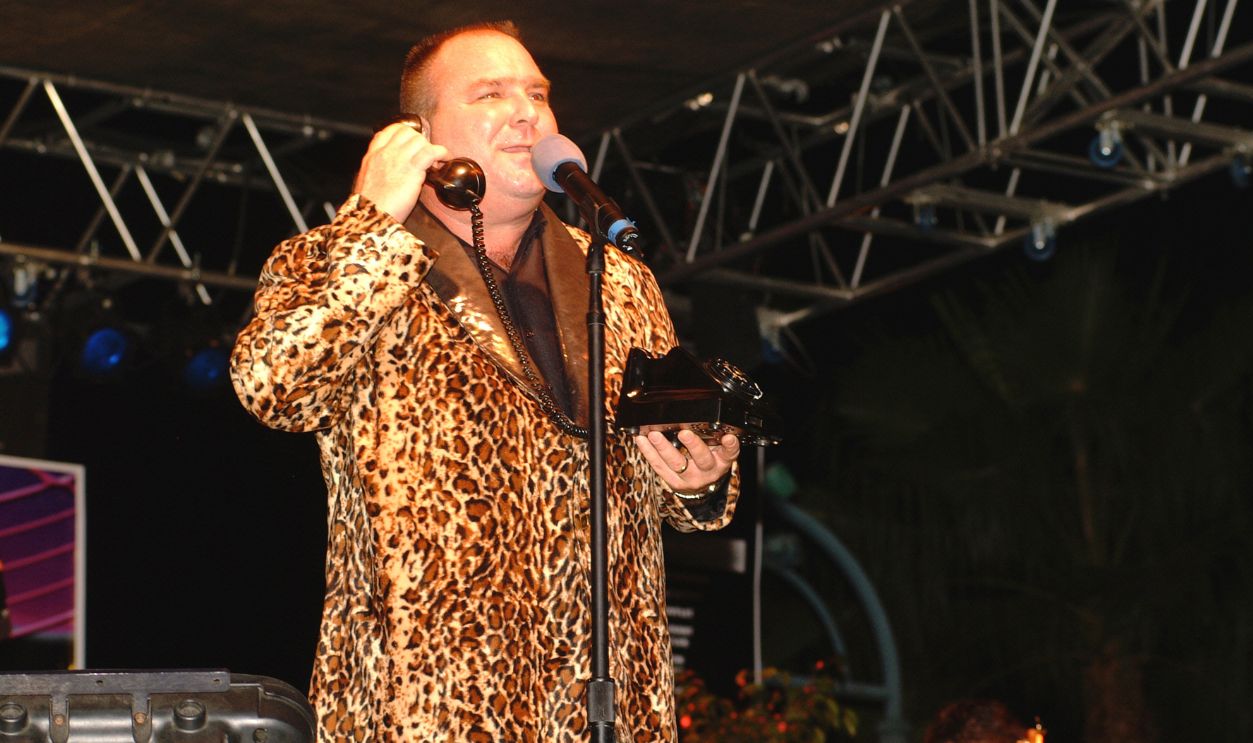
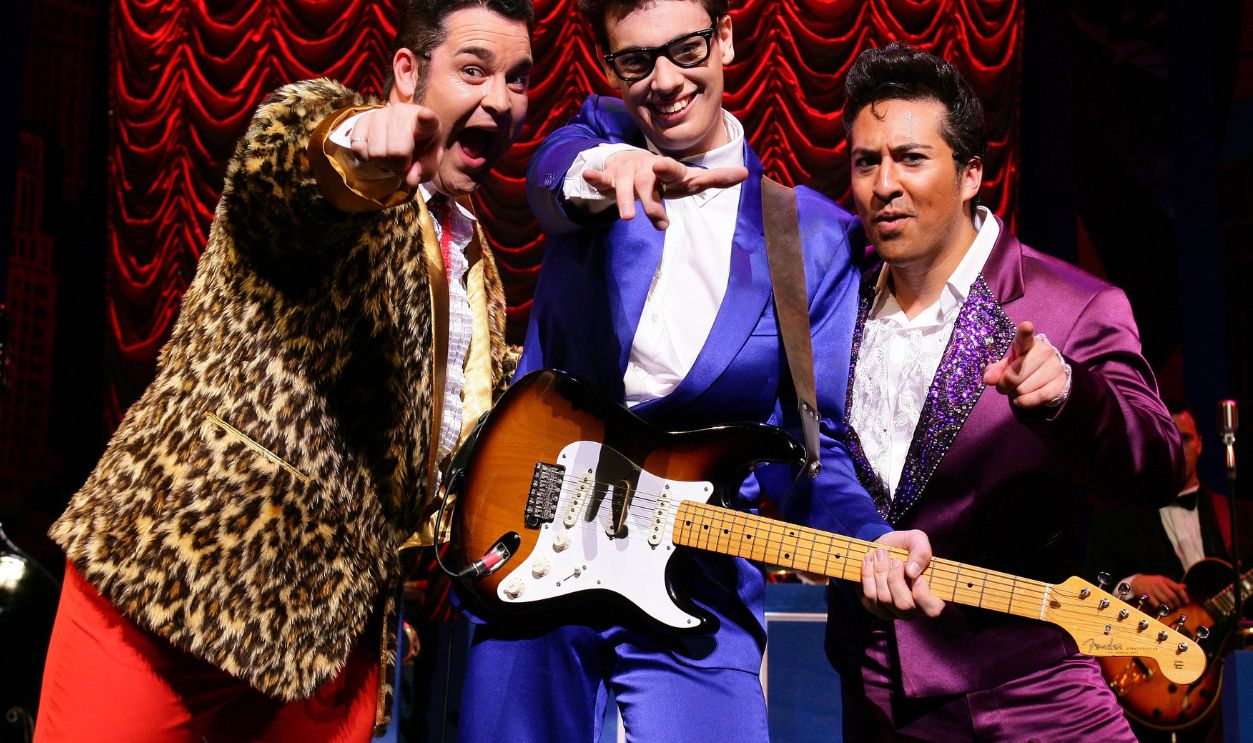
Though gone far too soon, The Big Bopper’s legacy kept right on spinning. In 2010, he was posthumously inducted into the Iowa Rock ’n’ Roll Hall of Fame, and the Rockabilly Hall of Fame later honored him as one of the genre’s true pioneers. In fact, his best music came after his demise.
50. He Helped Launch A Country Star
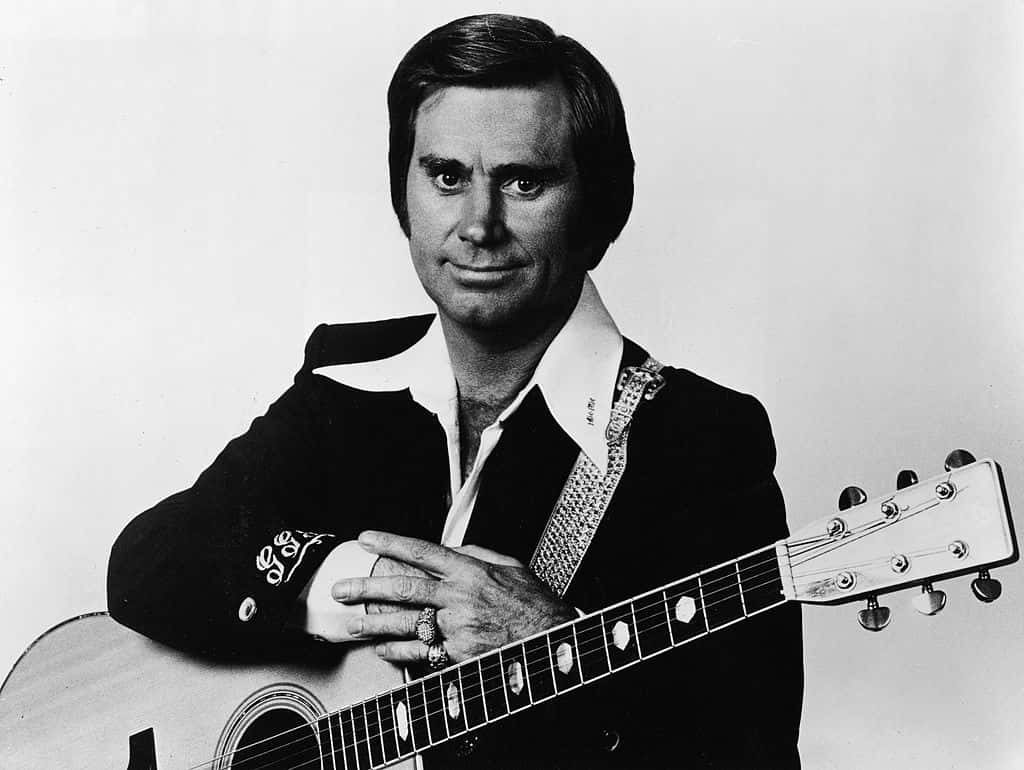
Richardson’s songwriting chops extended beyond rock ’n’ roll. His tune “White Lightning” found its way to George Jones, who recorded it in 1959—and rode it straight to his first #1 country hit. The song’s quirky humor and quick tempo bore all the Bopper’s fingerprints. But his biggest posthumous hit was still waiting in the wings.
51. He Penned A Cross-Cultural Classic
Richardson wrote “Running Bear” for his friend Johnny Preston, drawing inspiration from Indigenous love stories he’d heard growing up near the Sabine River. Richardson even sang backup vocals on the track. However, the single didn’t hit the airwaves until after his plane crash. Nevertheless, by January of 1960, it hit #1 on the charts, staying there for three weeks.
He had bigger plans in the works.
52. He Was Building His Next Dream
Before the crash, Richardson was getting ready to launch a massive musical career. He had started constructing a recording studio in his Beaumont home and was planning to buy into a radio station—his own little music empire in the making. He’d written 20 new songs, ready to record or pitch to other artists.
The man was always one step ahead of the beat.
 SuperDuty11, Wikimedia Commons
53. He Left Laughter In His Wake
Even though his story ended before it should have, The Big Bopper wasn’t just a performer—he was a showman, a storyteller. Thanks to his own personal experiences, he fused country twang, R&B rhythm, and rock ’n’ roll mischief into one unforgettable voice filled with truth, humor, and raw emotion.
Decades later, his “Hello baby!” still brings a grin to every face that hears it.
You May Also Like:











.jpg)
.jpg)
