
A Failure With A Famous Name
Charles Guiteau spent most of his life trying desperately to become important. He bounced between religion, law, business, publishing, and politics, leaving failure behind almost everywhere he went. Then, in 1881, his obsession with recognition took a horrifying turn—and permanently attached his name to American history.
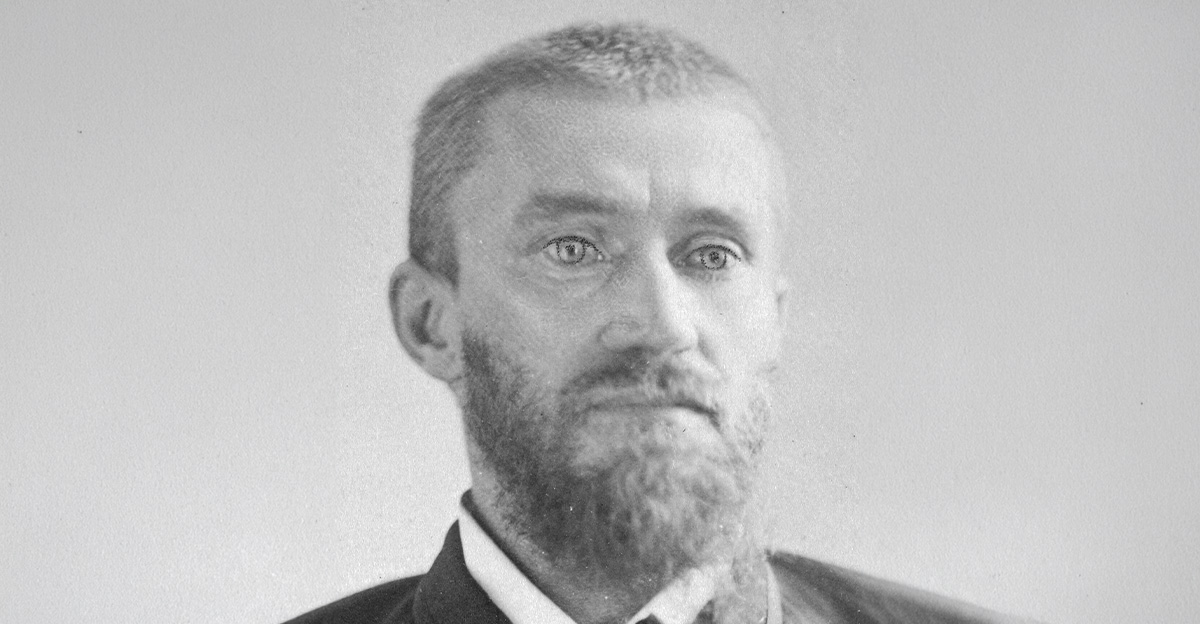 C.M. Bell, Public Domain, via Wikimedia Commons.
He Was Born Into Instability
Guiteau was born in Freeport, Illinois, in 1841. His childhood was hardly peaceful. His mother died when he was only seven, and his father, Luther, was described as harsh and neglectful. Much of Charles's care fell to his older sister Frances, who remembered him as an unusually excitable child.
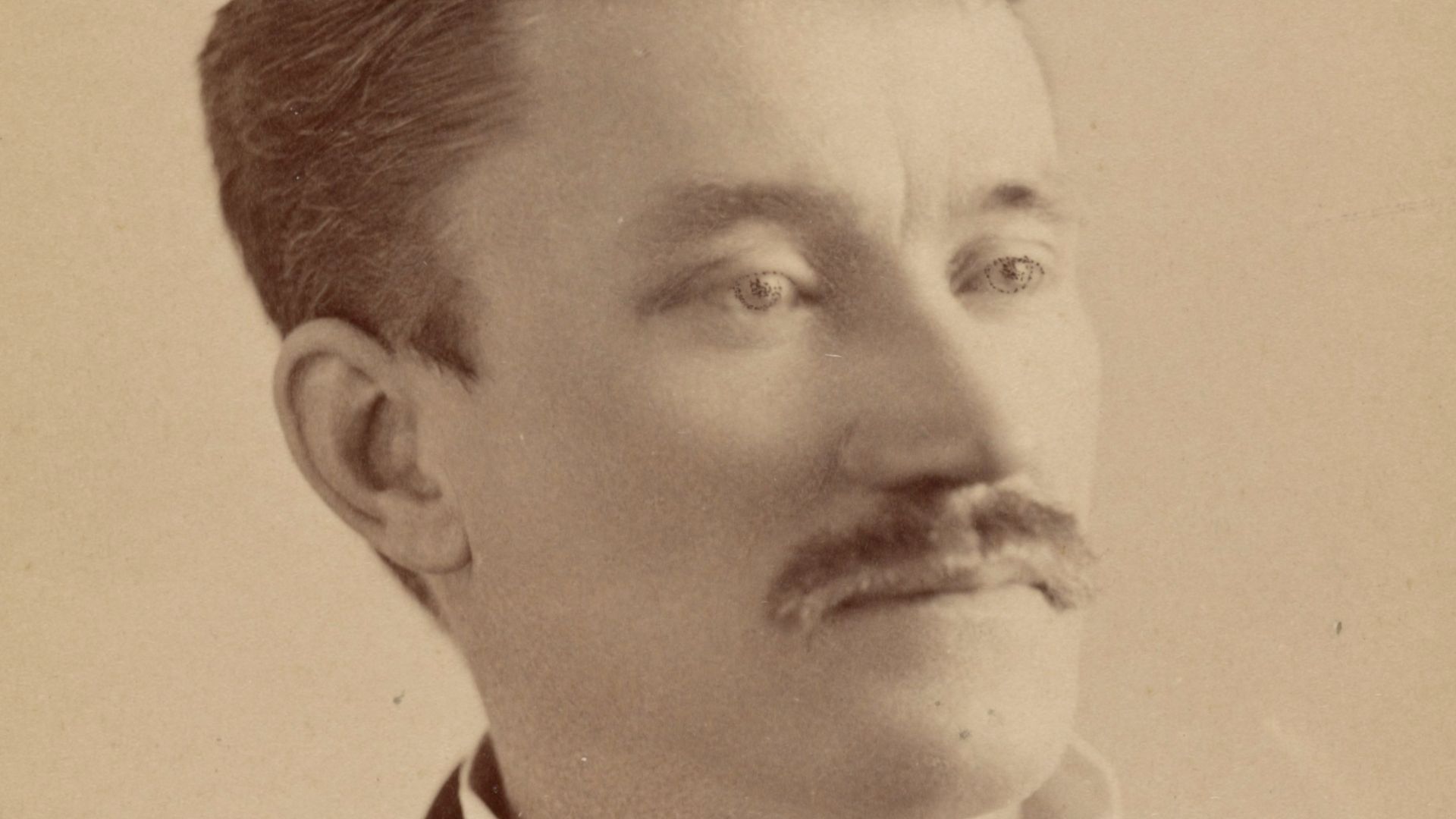 Bell, C. M. (Charles Milton), approximately 1849-1893, photographer, Wikimedia Commons
His Father Filled The House With Religion
Religion played a huge role in the Guiteau household. Luther Guiteau held intense religious beliefs, and those ideas had a lasting influence on his son. Charles would spend much of adulthood jumping between grand religious theories and grand personal ambitions, often becoming convinced that his own plans carried divine importance.
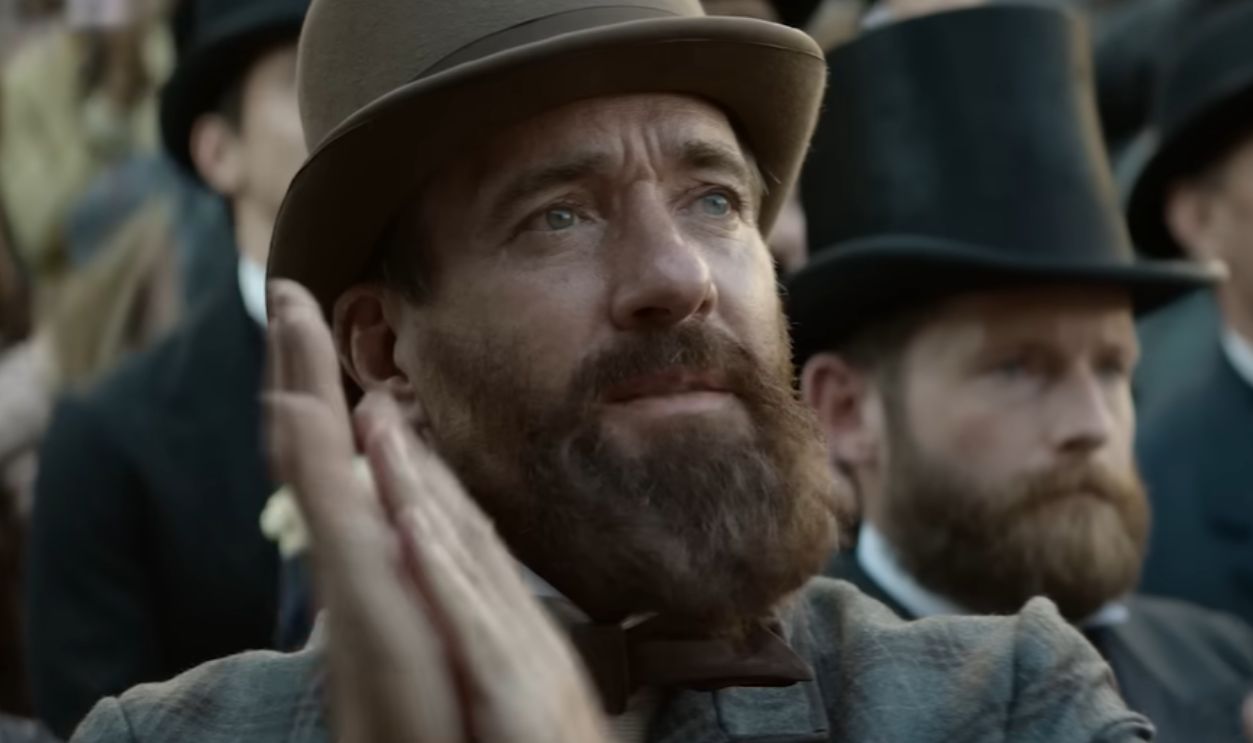 Screenshot from Death by Lightning, Netflix (2025)
College Never Became A Career
In 1859, Guiteau used an inheritance to study at the University of Michigan. It did not last. He struggled socially and left after roughly a year. Rather than pursuing an ordinary education or profession, the 19-year-old headed toward something far more unusual: a religious commune in upstate New York.

Oneida Looked Like His Big Break
The Oneida Community was an experimental religious society founded by John Humphrey Noyes. Members lived communally and rejected conventional marriage. Guiteau apparently hoped he had finally found people who shared his spiritual outlook. Instead, Oneida became another place where he struggled badly to fit in.
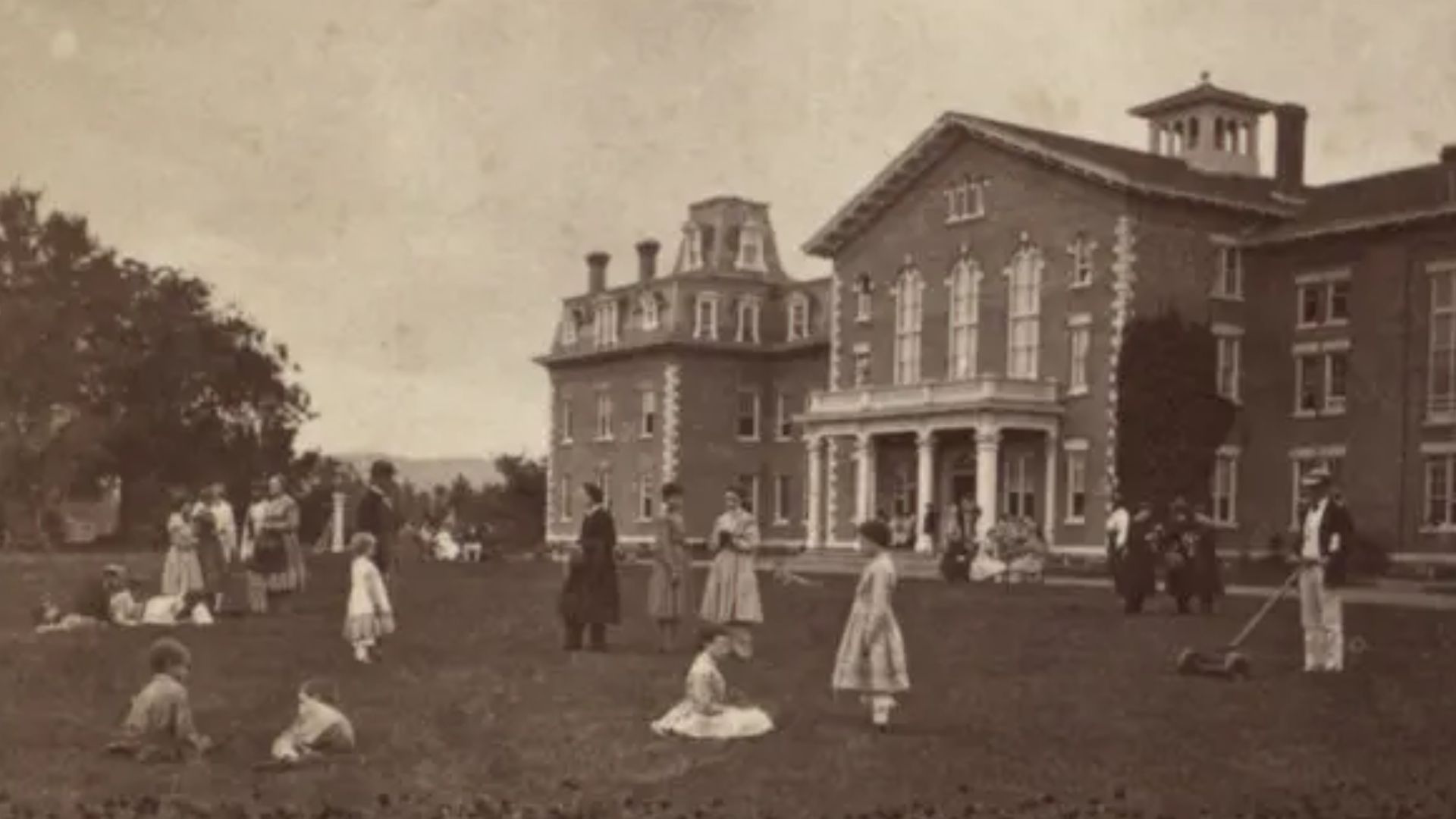 Unknown author, Wikimedia Commons
Even Utopia Rejected Him
Guiteau was unpopular at Oneida, where fellow members reportedly mocked him with the nickname “Charles Gitout.” For a man who desperately wanted admiration and belonging, it was a brutal rejection. He eventually left the community, but his relationship with Oneida—and especially its leader—wasn't finished yet.
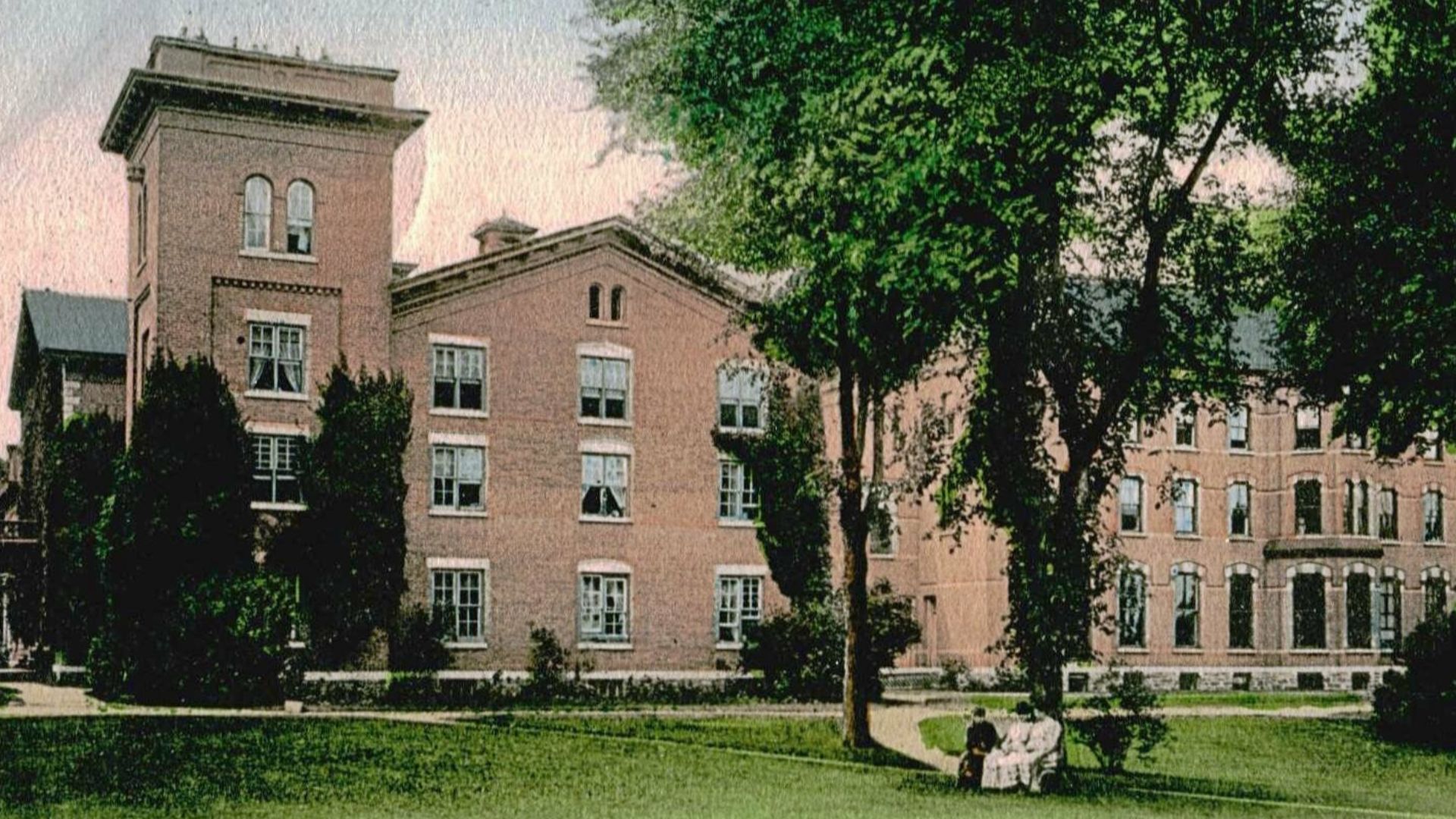 scanned by Dave Parker, Wikimedia Commons
His Newspaper Lasted Three Months
After leaving Oneida, Guiteau tried publishing. In 1865, he launched a theocratic newspaper meant to spread his religious ideas. It collapsed after about three months. Later, he dreamed up another newspaper scheme in Chicago, but couldn't convince anyone to give him the money needed to launch it.

Then He Tried To Sue Oneida
Guiteau's departure from Oneida did not end quietly. After leaving the community, he turned against Noyes and attempted to pursue money he believed he was owed for his work there. It was another example of a pattern that followed him everywhere: rejection was rarely something Guiteau accepted gracefully.
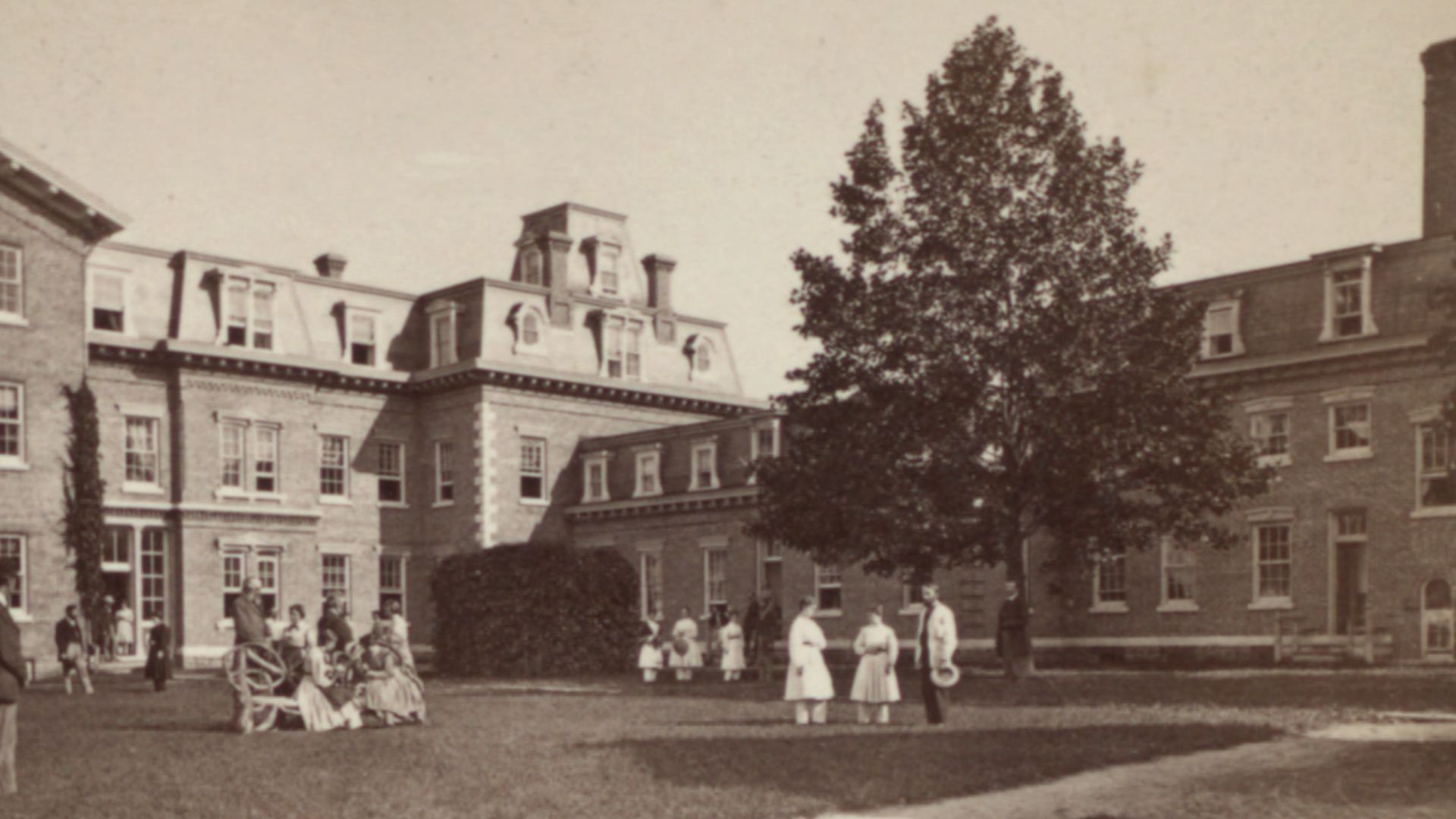 Smith, D. E., fl. 1860-1890 -- Photographer, Wikimedia Commons
Law Became His Next Identity
Next came law. Guiteau managed to enter the Illinois bar after an astonishingly brief examination, reportedly answering two of three questions correctly. He rarely appeared in actual trials, however. Instead, he mostly worked collecting debts—and even landed in legal trouble himself after disputes involving money collected from clients.
 Daniel Schwen, Wikimedia Commons

History's most fascinating stories and darkest secrets, delivered to your inbox daily.
Marriage Was Another Disaster
In 1869, Guiteau married librarian Annie Bunn. The relationship quickly became deeply unhappy. According to the National Park Service, the marriage was marked by instability and abuse, and Annie eventually divorced him in 1874. Guiteau's personal life had now joined his professional life in falling apart.

Politics Offered A New Fantasy
Politics gave Guiteau something his previous careers hadn't: the possibility of instant importance. During the 1872 presidential election, he supported Horace Greeley and apparently imagined that a Greeley victory might earn him a prestigious appointment—possibly even a diplomatic post. Greeley lost, and Guiteau's political fantasy went nowhere.
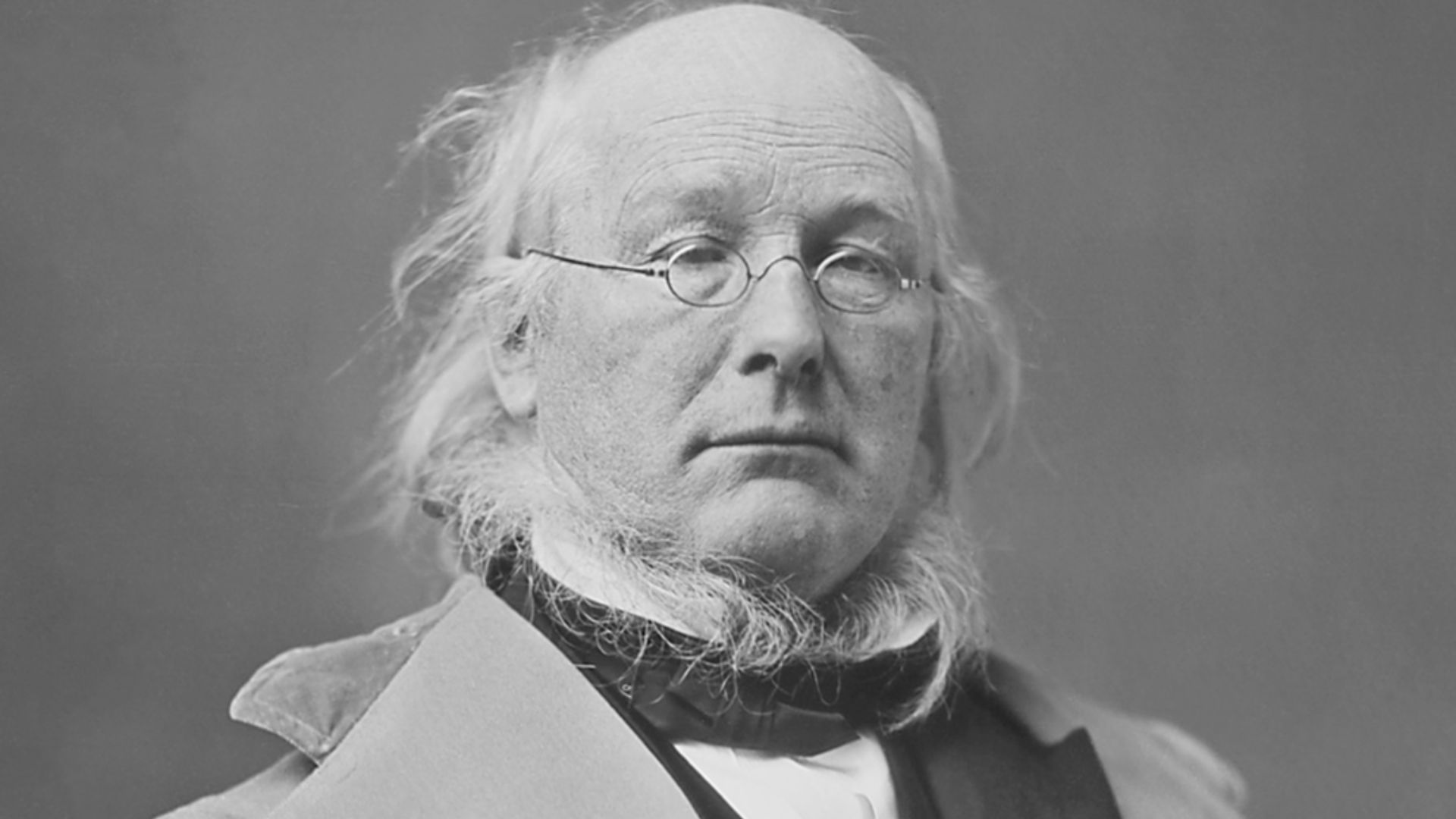 Unknown author, Wikimedia Commons
His First Political Dream Went Nowhere
Guiteau's political ambitions were wildly out of proportion to his actual influence. He had no meaningful political organization behind him, no elected experience, and no national following. Yet he repeatedly acted as though powerful men were one lucky break away from recognizing the important statesman he believed himself to be.
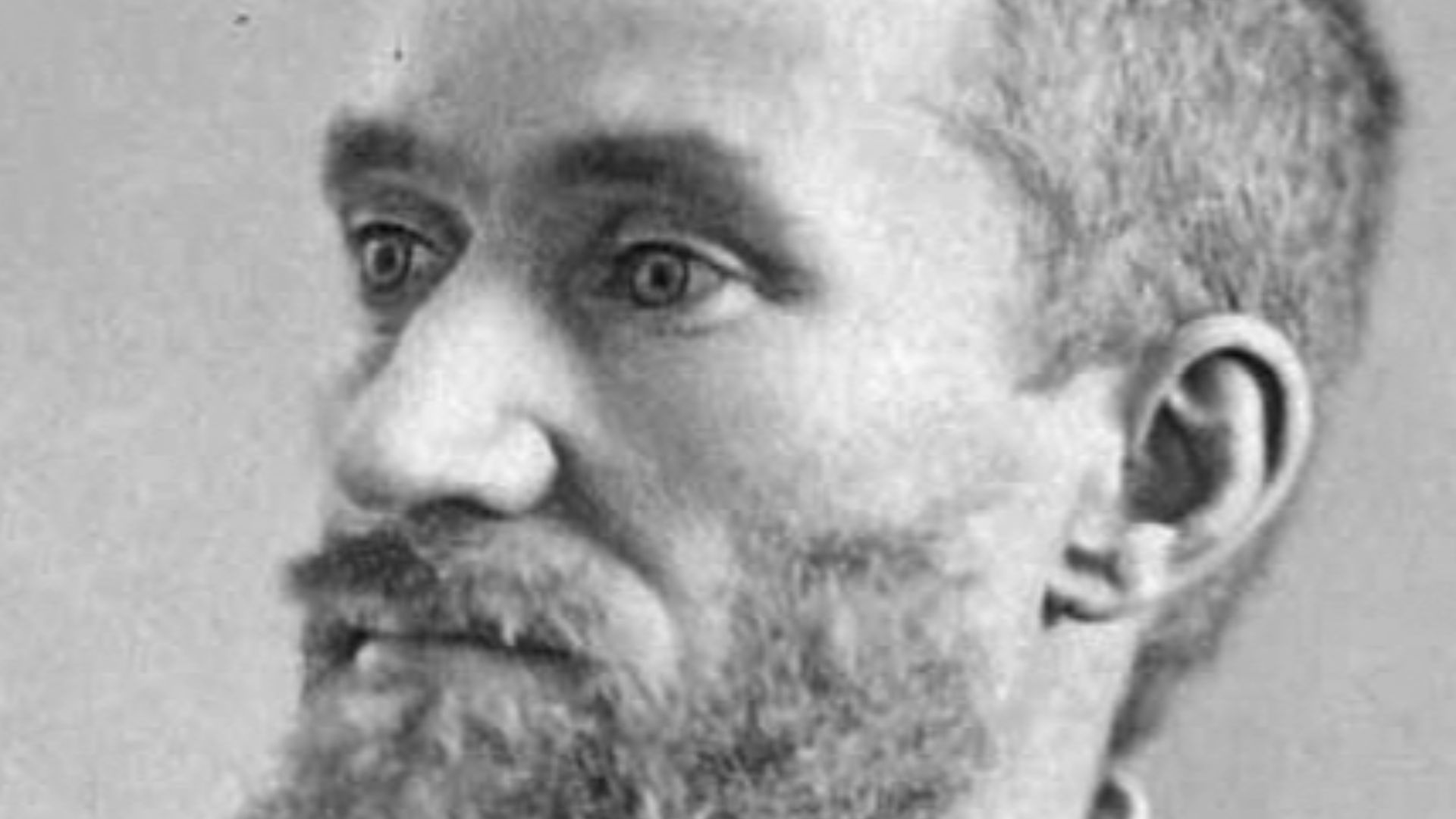 Unknown photographer, Wikimedia Commons
Preaching Did Not Save Him Either
By the late 1870s, Guiteau reinvented himself yet again—this time as a traveling preacher. Audiences reportedly struggled to follow his confused sermons. Like law, publishing, and politics before it, preaching failed to bring the fame or authority he wanted. Still, Guiteau remained convinced that something enormous was waiting for him.
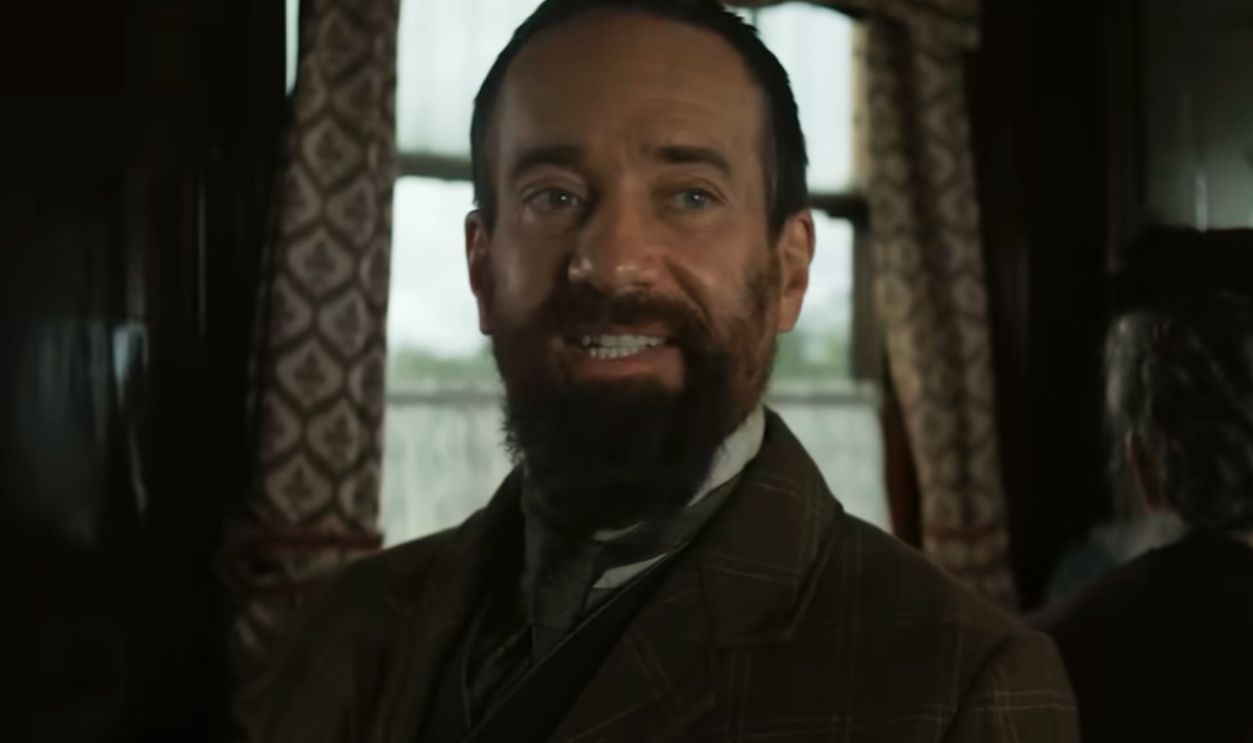 Screenshot from Death by Lightning, Netflix (2025)
Then Came The Election Of 1880
In 1880, Guiteau returned to politics and attached himself to the Republican Party's Stalwart faction, which supported former President Ulysses S. Grant for another term. Guiteau moved to New York, hovered around Republican officials, and prepared a campaign speech supporting Grant against Democrat Winfield Scott Hancock.
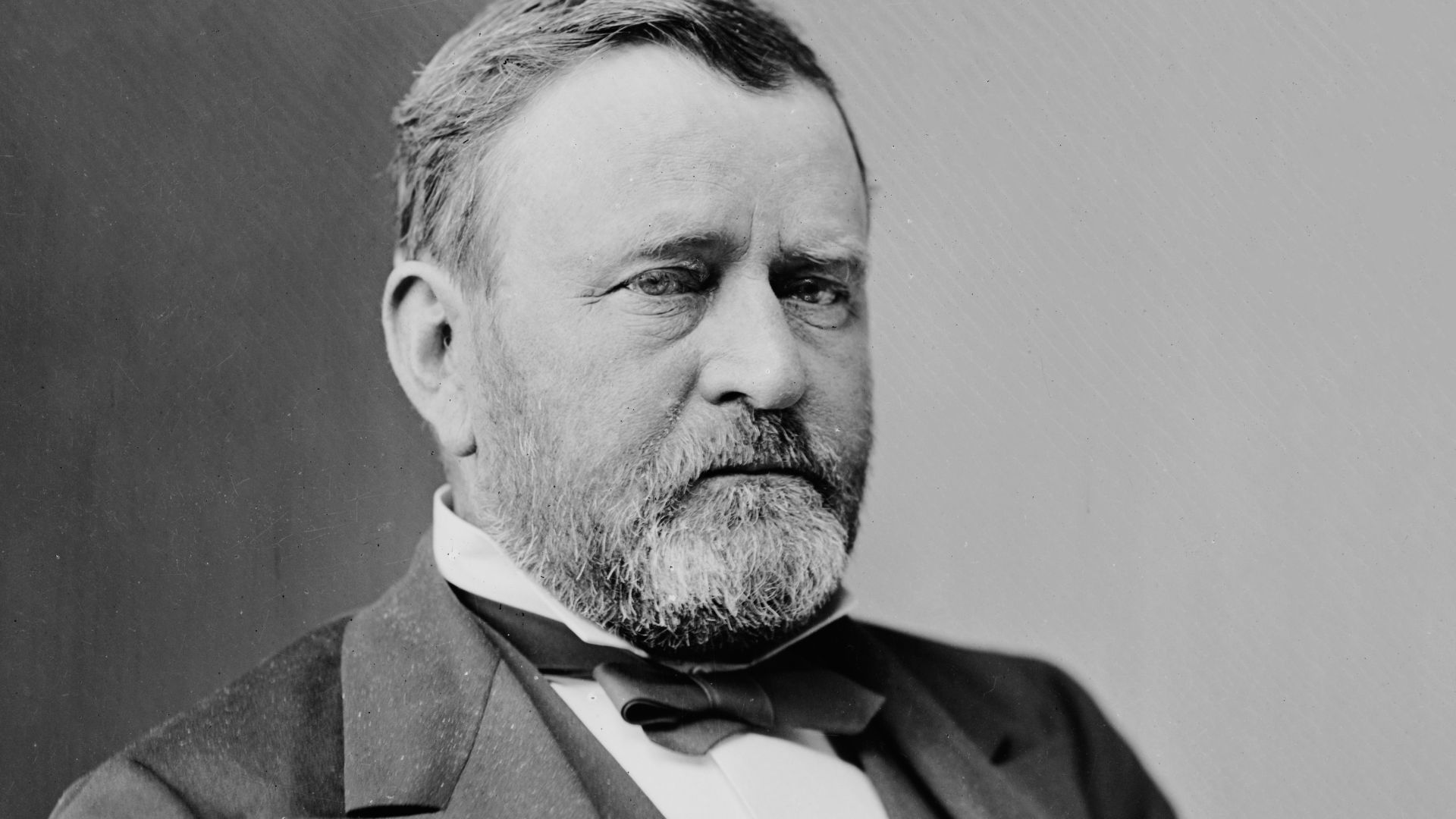 Brady-Handy Photograph Collection, Library of Congress, Wikimedia Commons
The Spoils System Fed His Delusion
Guiteau's expectations weren't created in a vacuum. Government jobs were routinely awarded through political patronage, or the “spoils system.” Support the winning politician, and a federal appointment might follow. Plenty of unqualified people benefited from the arrangement—which helped make Guiteau's completely inflated expectations seem reasonable to him.
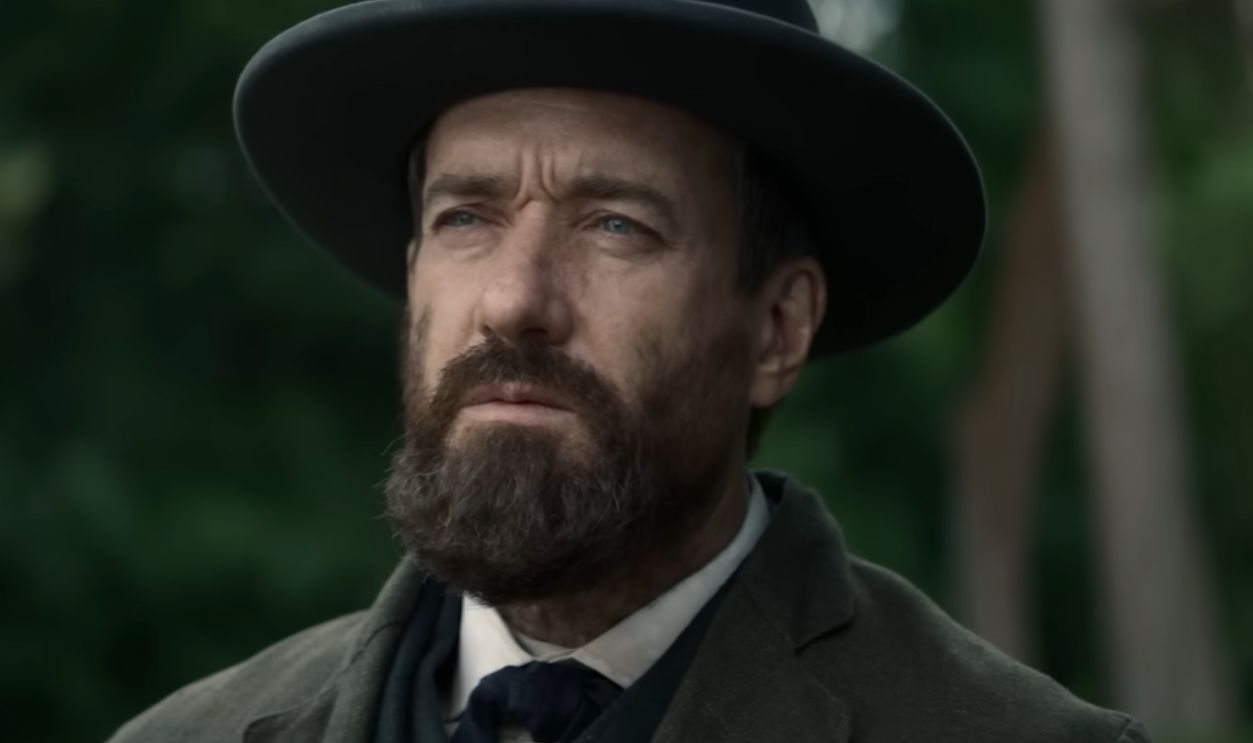 Screenshot from Death by Lightning, Netflix (2025)
He Recycled A Campaign Speech
There was one problem with Guiteau's Grant speech: Grant didn't get the Republican nomination. James Garfield did. Guiteau's solution was wonderfully simple. He largely kept the same speech and replaced Grant's name with Garfield's. Eventually, party officials allowed him to deliver it before a tiny audience.
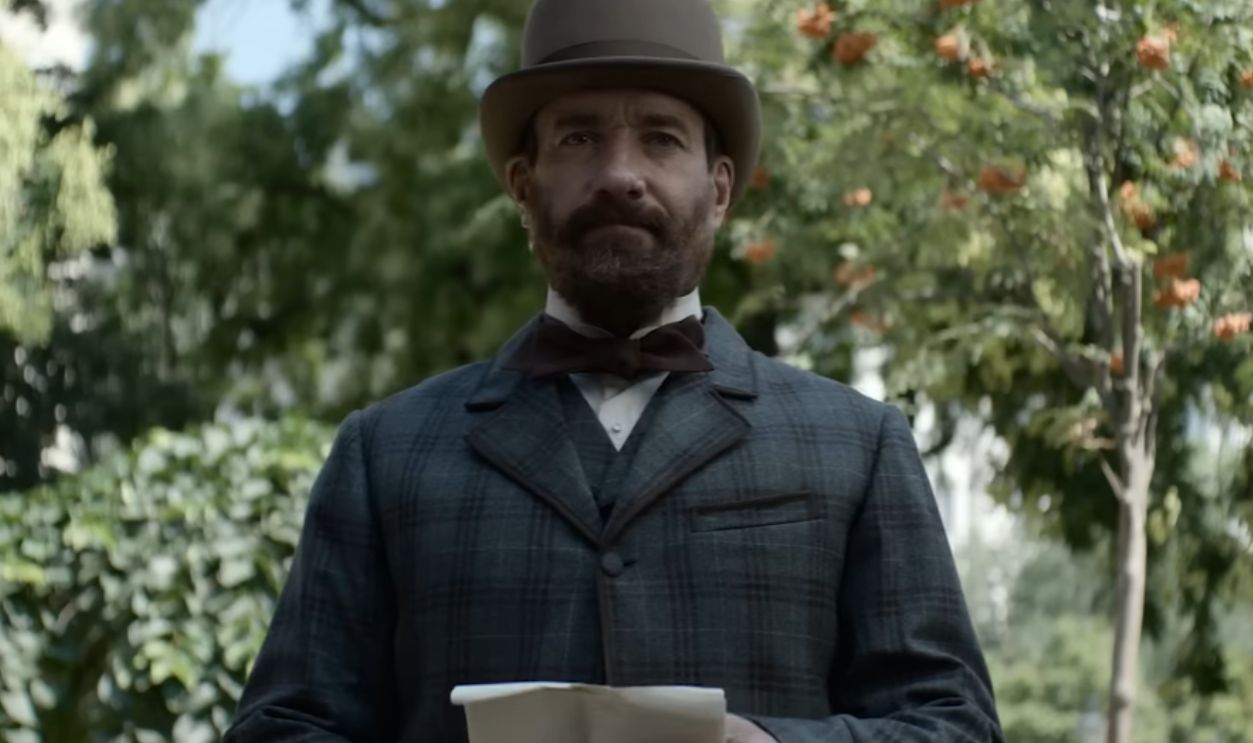 Screenshot from Death by Lightning, Netflix (2025)
He Decided He Had Won The Election
Garfield won the presidency in November 1880, and Guiteau reached an extraordinary conclusion: his speech had helped make it happen. Never mind the tiny audience or his nonexistent national influence. In Guiteau's mind, he had performed a major service for the Republican Party—and now the party owed him.
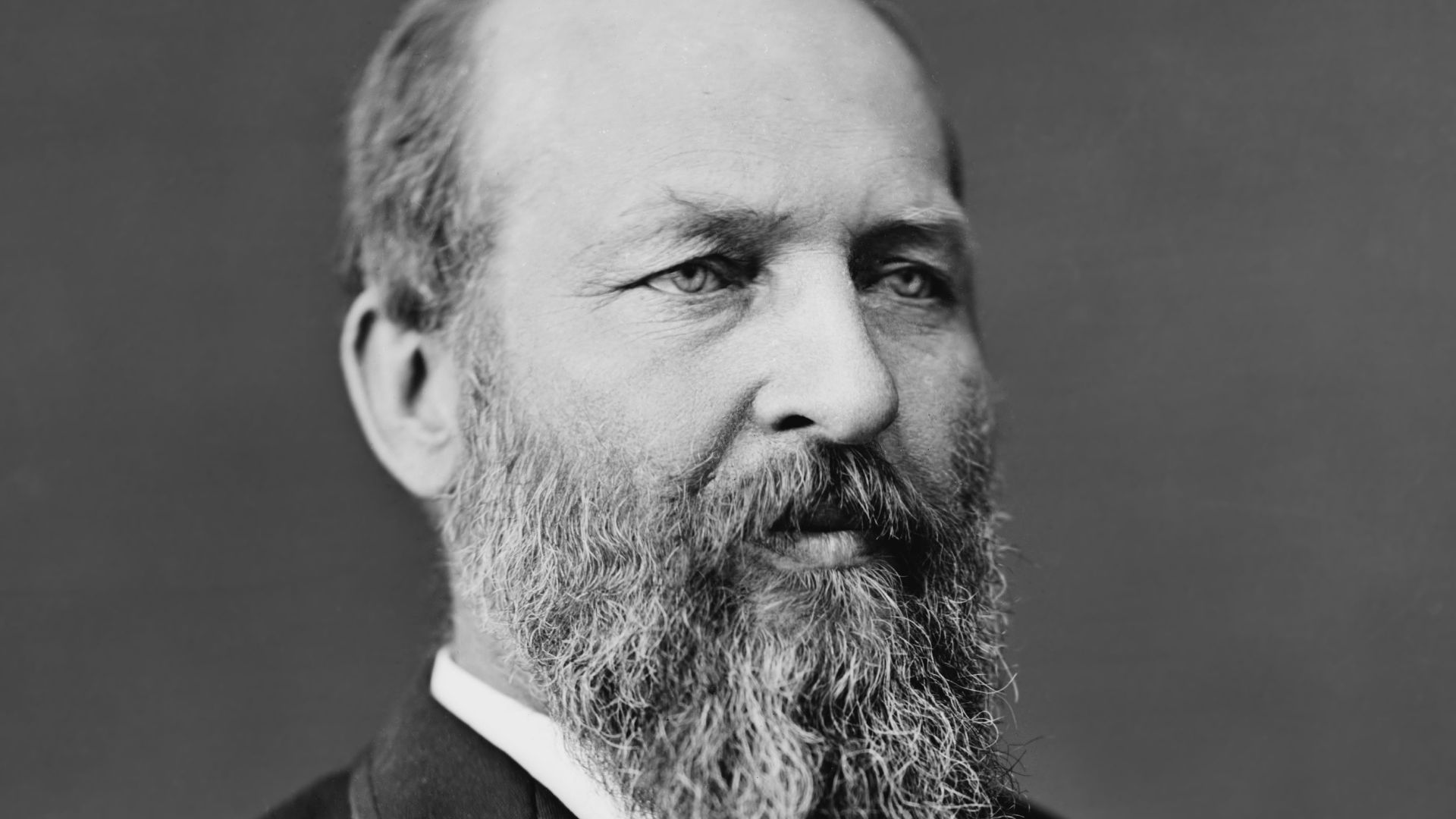 Unknown; part of Brady-Handy Photograph Collection., Wikimedia Commons
He Wanted A Diplomatic Reward
Guiteau traveled to Washington expecting payment in the form of prestige. He wanted a diplomatic appointment, especially the American consulship in Paris, despite having no diplomatic experience. He repeatedly appeared at the White House and State Department and even managed a brief meeting with President Garfield himself.
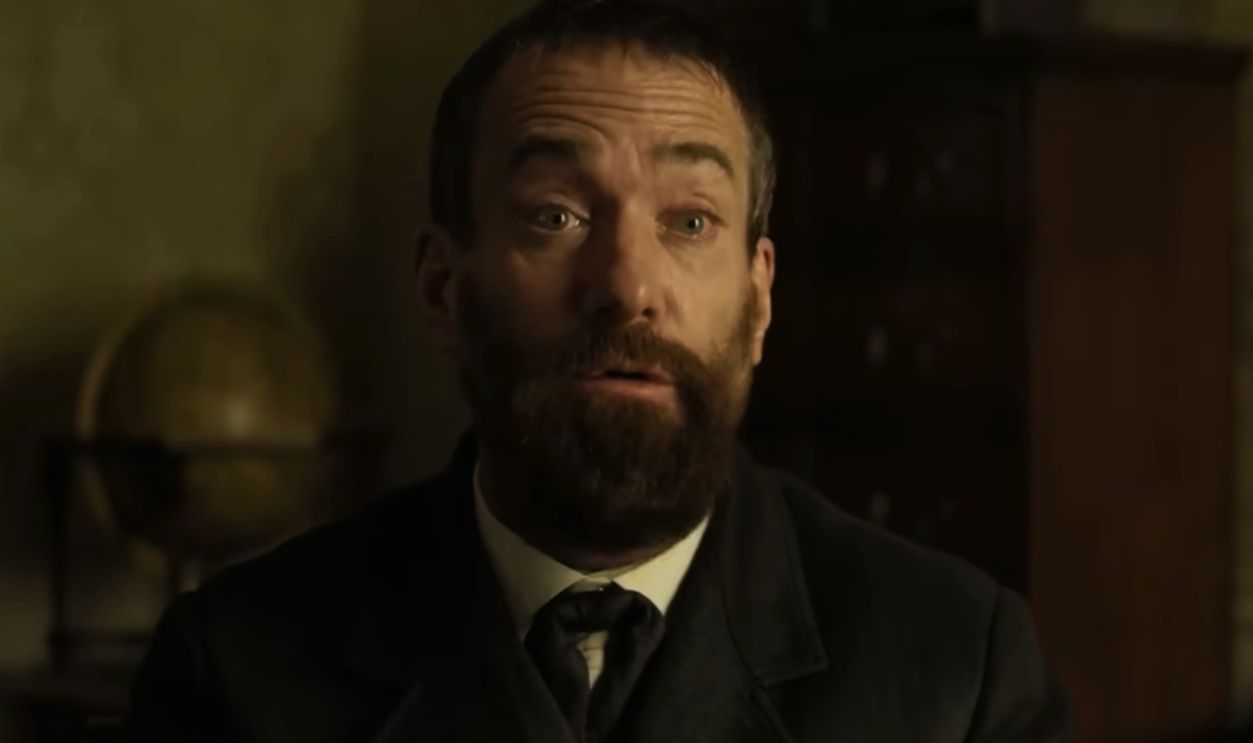 Screenshot from Death by Lightning, Netflix (2025)
Washington Finally Shut The Door
For months, Guiteau pestered administration officials. Secretary of State James G. Blaine became particularly frustrated and finally made it unmistakably clear that Guiteau should stop asking about the Paris position. Eventually, even Guiteau realized the appointment he considered his rightful reward was never going to arrive.
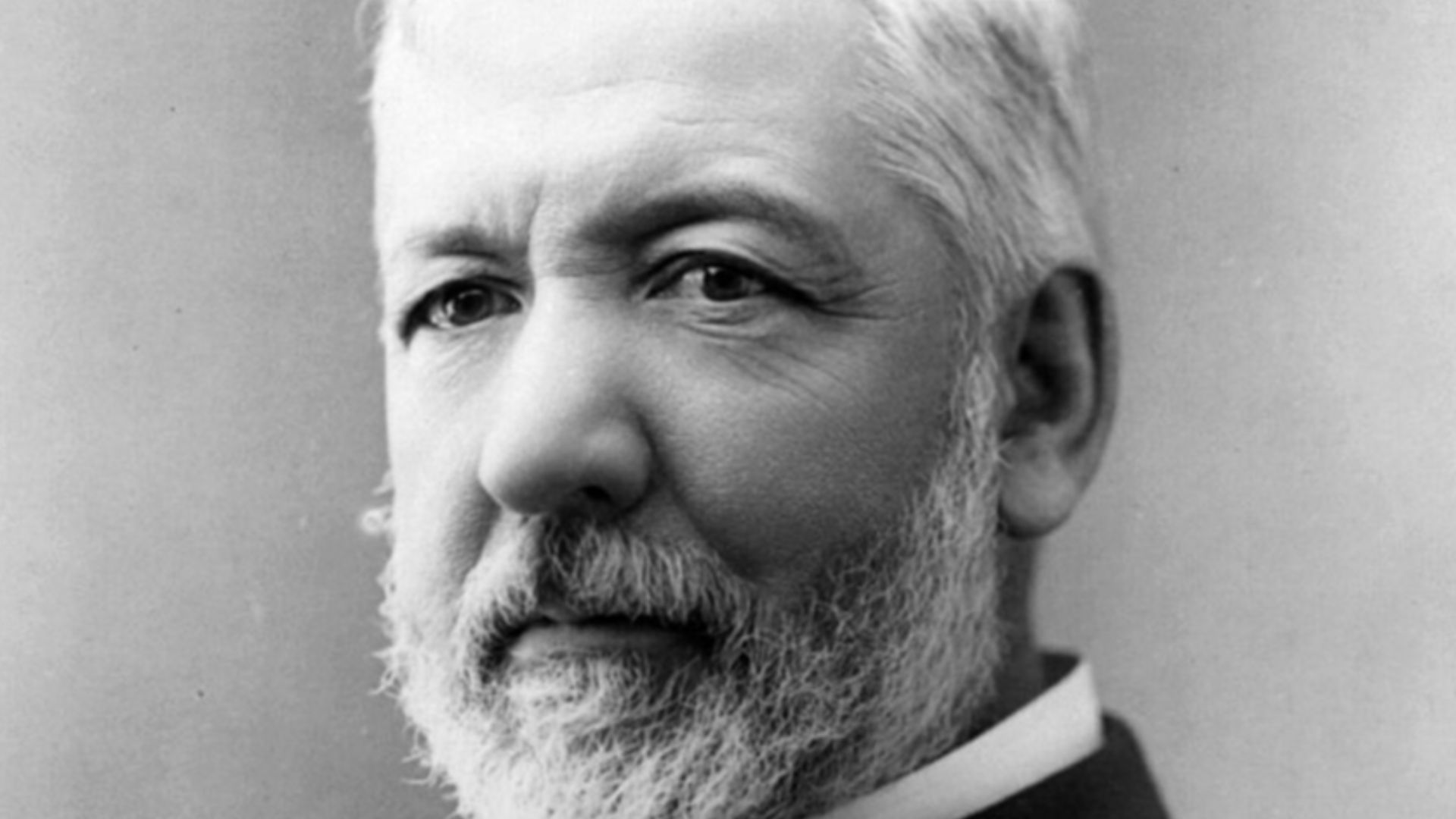 Unknown author, Wikimedia Commons
Rejection Became A Divine Mission
Instead of accepting defeat, Guiteau transformed it into something much darker. He became convinced that God wanted Garfield “removed” to save the Republican Party. Guiteau believed Garfield threatened the patronage system and that Vice President Chester A. Arthur, a Stalwart ally, should become president instead.
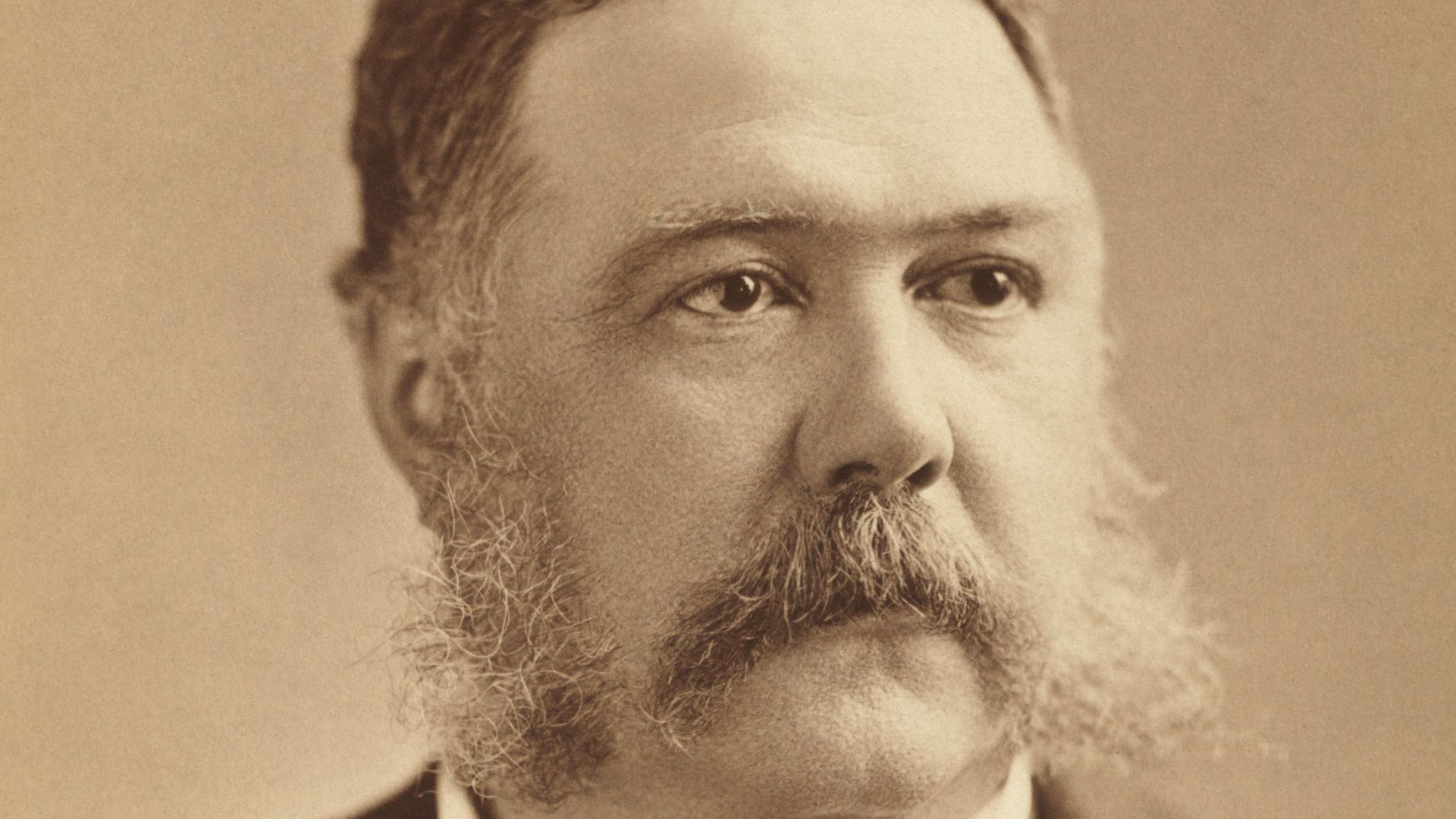 Abraham Bogardus / Adam Cuerden, Wikimedia Commons
He Bought A Gun For History
Nearly broke, Guiteau borrowed money and purchased a revolver. Bizarrely, he selected one with an ivory-style handle because he imagined the weapon might someday be displayed in a museum. Even while planning murder, Guiteau was thinking about how history would remember him—and assuming it would remember him as a hero.
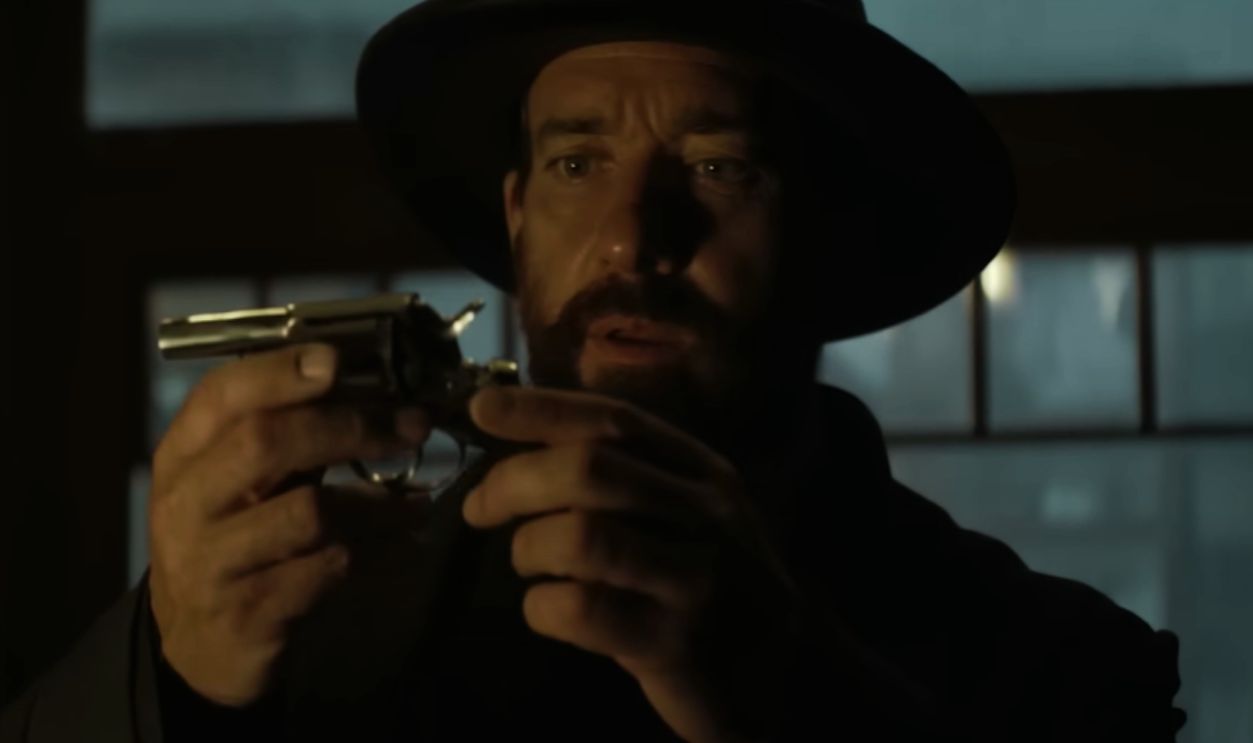 Screenshot from Death by Lightning, Netflix (2025)
He Stalked The President For Weeks
Guiteau followed Garfield around Washington for weeks. At different moments, he considered shooting him at church, at a railroad station, and while Garfield walked with Blaine. Each time, he backed away. The repeated hesitation didn't mean the danger had passed. Guiteau was simply waiting for another opportunity.
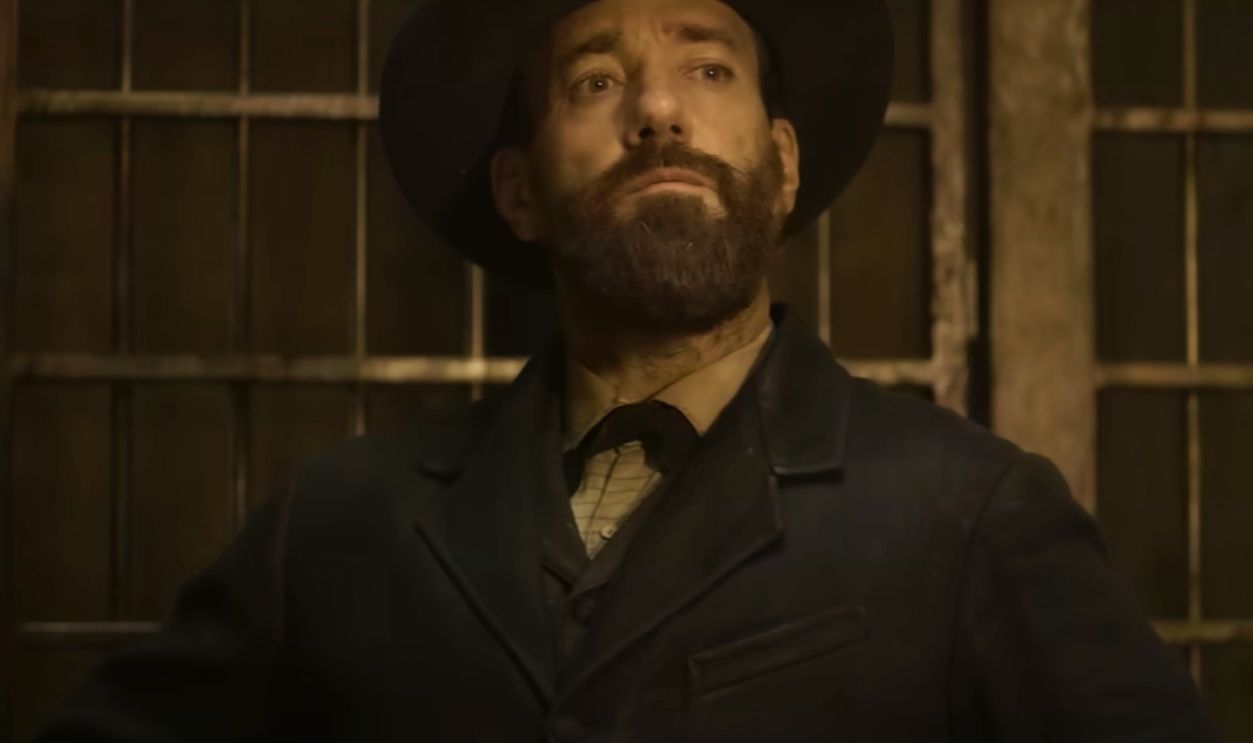 Screenshot from Death by Lightning, Netflix (2025)
The Train Station Changed Everything
On July 2, 1881, Garfield entered Washington's Baltimore and Potomac Railroad Station. Guiteau was waiting. He fired twice, striking the president. Police arrested him almost immediately. Guiteau confidently believed Chester Arthur would become president—and that Americans would eventually understand why he had done it.
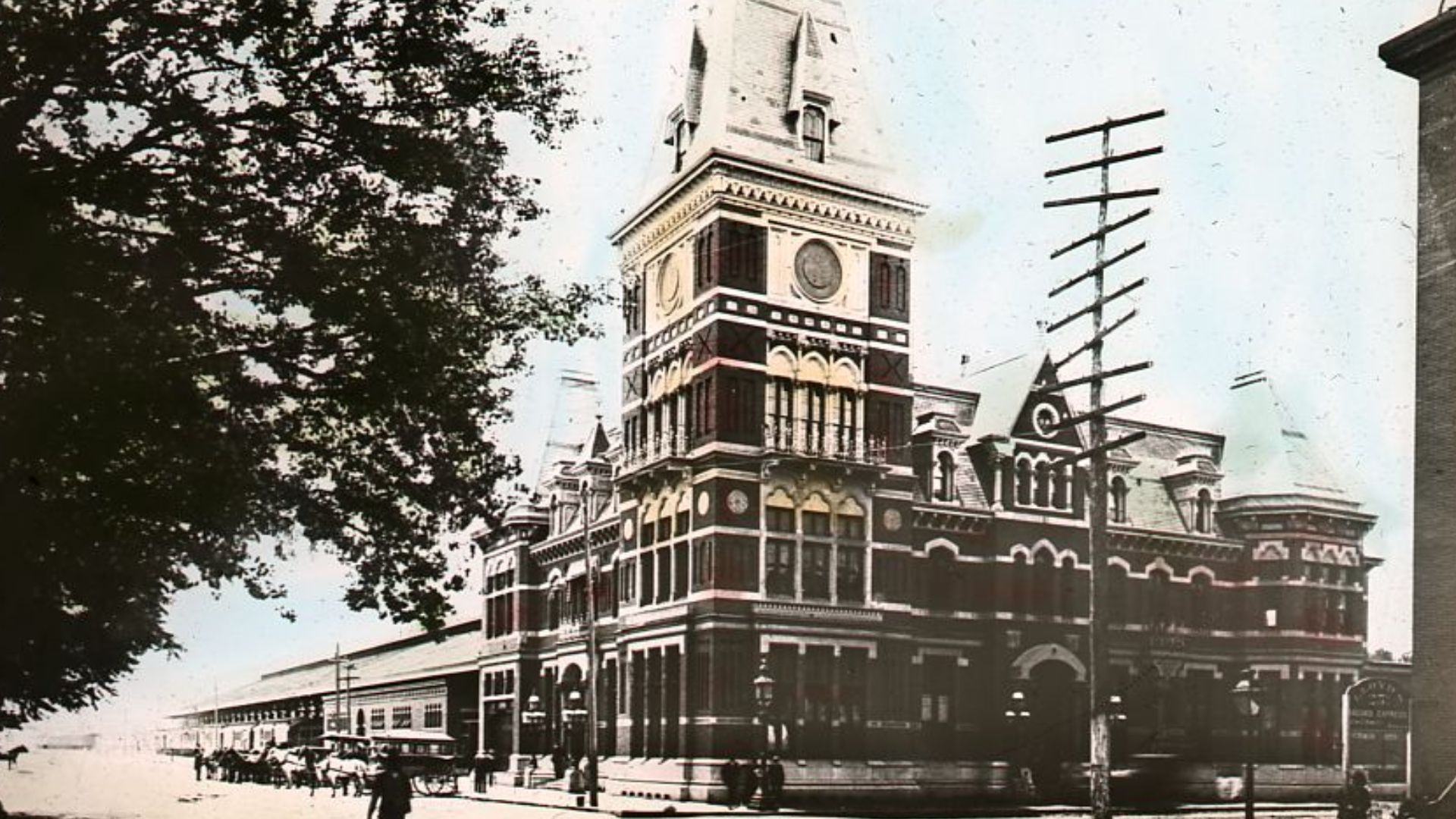 DC Public Library Commons, Wikimedia Commons
Garfield Survived The Bullets
Garfield did not die immediately. He lingered for 80 days while doctors repeatedly examined his wound under medical conditions that badly increased the risk of infection. He finally died on September 19, 1881. Guiteau later argued that the doctors had killed Garfield and that he had merely shot him.
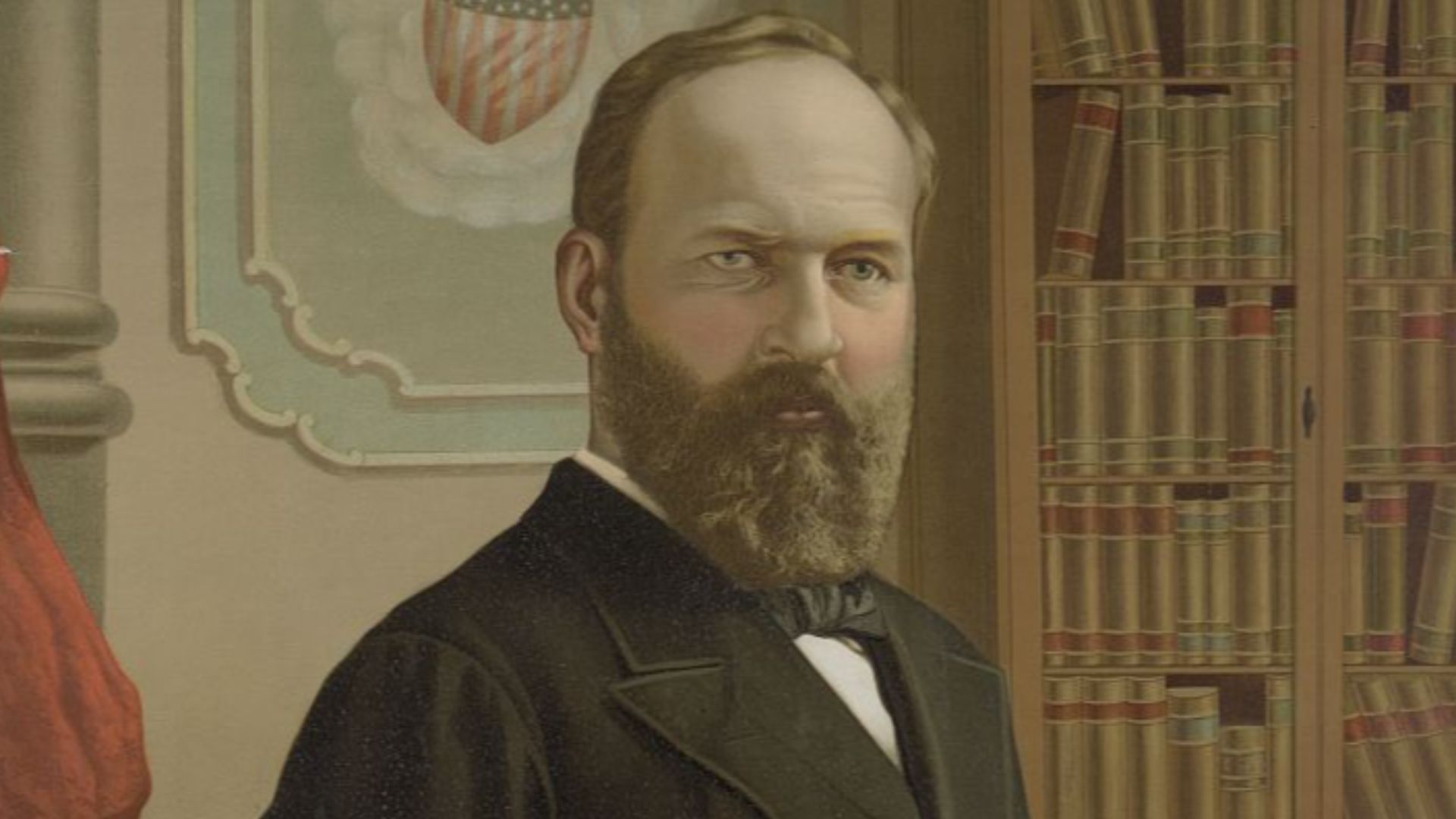 Gilman, G. F., Wikimedia Commons
The Trial Became A Spectacle
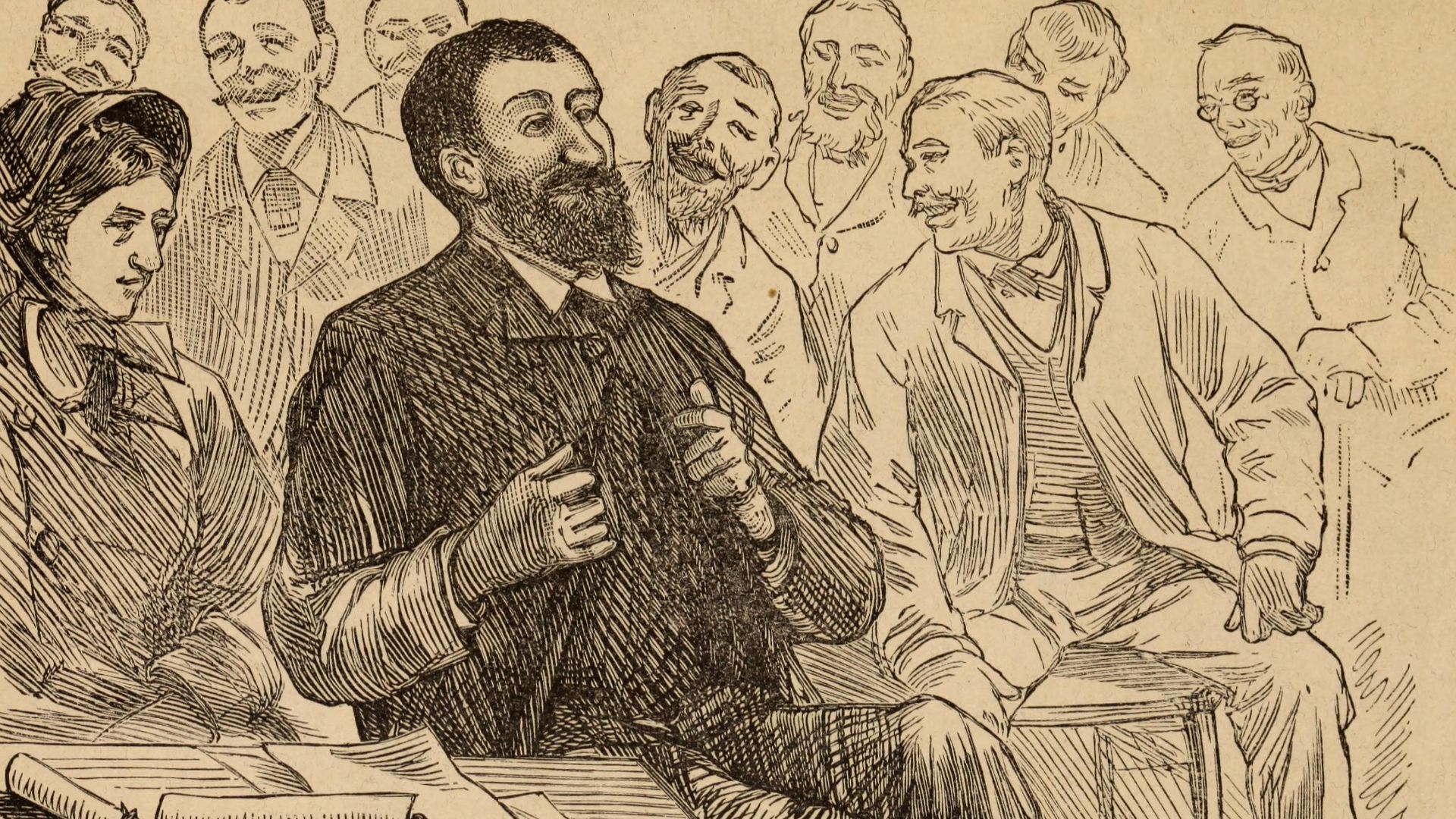
Guiteau's murder trial was chaotic. His lawyers pursued an insanity defense, while Guiteau constantly interrupted witnesses, insulted his own defense team, and insisted that God had directed the assassination. The jury was unconvinced. After deliberating for less than an hour, it found him guilty of murder.
 Alexander, H. H., Wikimedia Commons
Guiteau Went To The Gallows
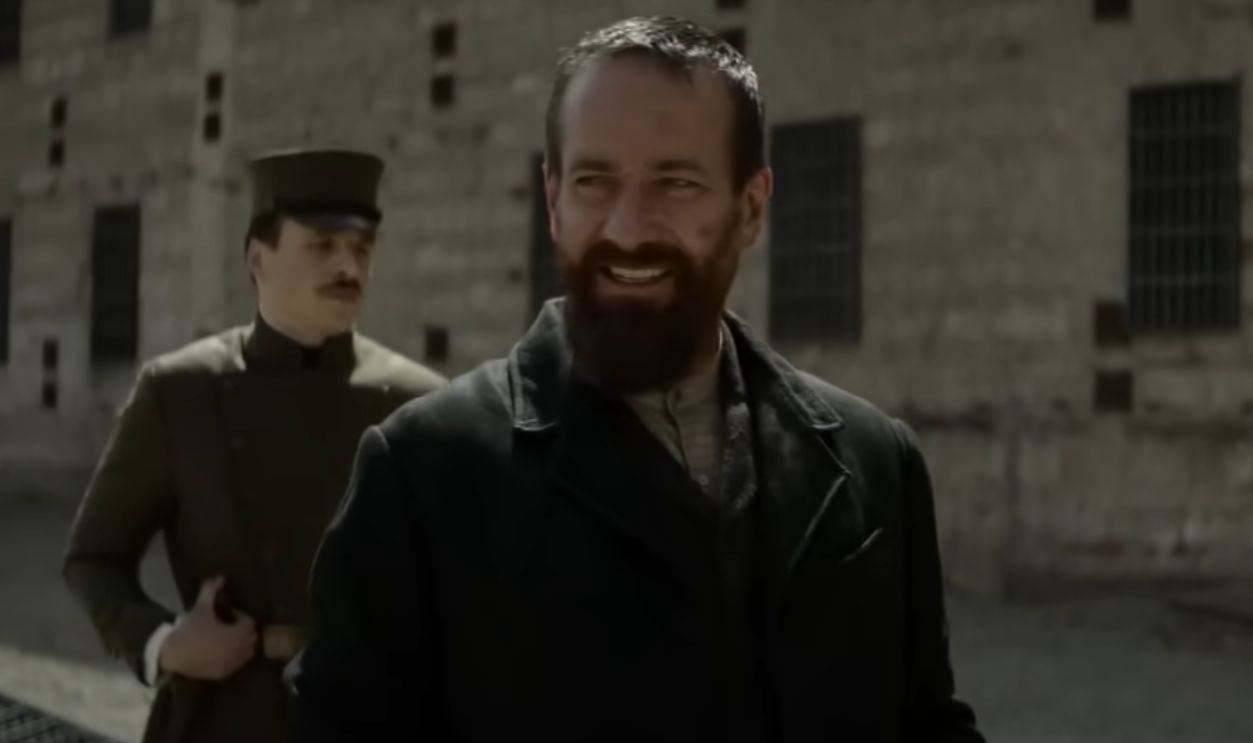
Charles Guiteau was hanged in Washington on June 30, 1882, two days before the anniversary of the shooting. Before the execution, he recited a strange poem he had written for the occasion. He died still apparently convinced that history would eventually prove he had acted correctly.
 Screenshot from Death by Lightning, Netflix (2025)
His Final Failure Changed The System
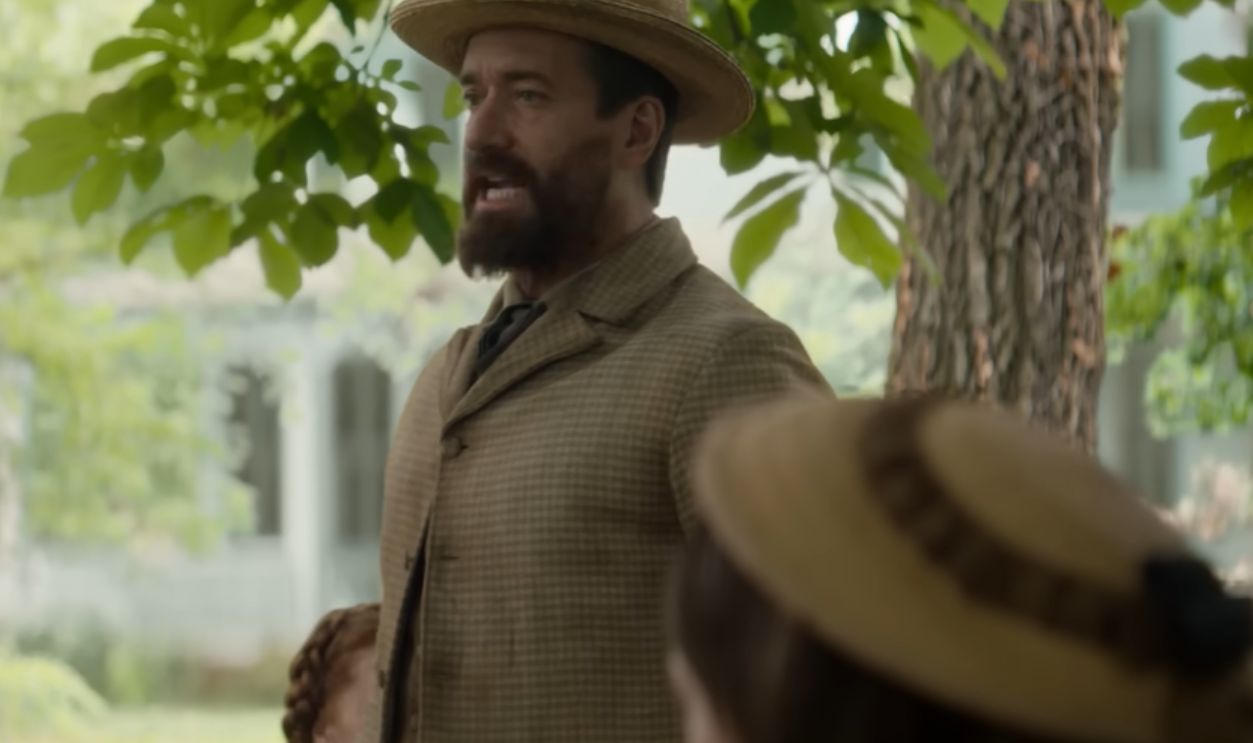
Guiteau never became the lawyer, preacher, publisher, diplomat, or political hero he imagined himself to be. Yet his crime helped build public pressure against the patronage culture that had fueled his obsession. In 1883, President Chester Arthur signed the Pendleton Civil Service Reform Act, pushing federal employment toward merit—and giving Guiteau an unintended legacy.
 Screenshot from Death by Lightning, Netflix (2025)
You May Also Like:
When Mexico City Was A Floating Paradise
Horrific Facts About Bedlam, History's Most Notorious Mental Institution










_Crop_Edit_Crop.png)