When Breakfast Came With A Surprise
Remember digging through a brand-new cereal box, hoping to find the prize before your brother or sister did? Back in the 1970s, breakfast cereal wasn't just about eating. It was about discovering tiny treasures hidden among the flakes. Some were ridiculous, some were surprisingly clever, and a few were downright unbelievable.
Honey-Comb Monster Mitts
In 1974, Honey-Comb cereal gave kids something straight out of a monster movie: plastic Monster Mitts. These creepy gloves featured designs like exposed bones, spiders, and bulging eyeballs. There were four to collect, and suddenly, breakfast could turn into an afternoon of frightening your younger siblings.
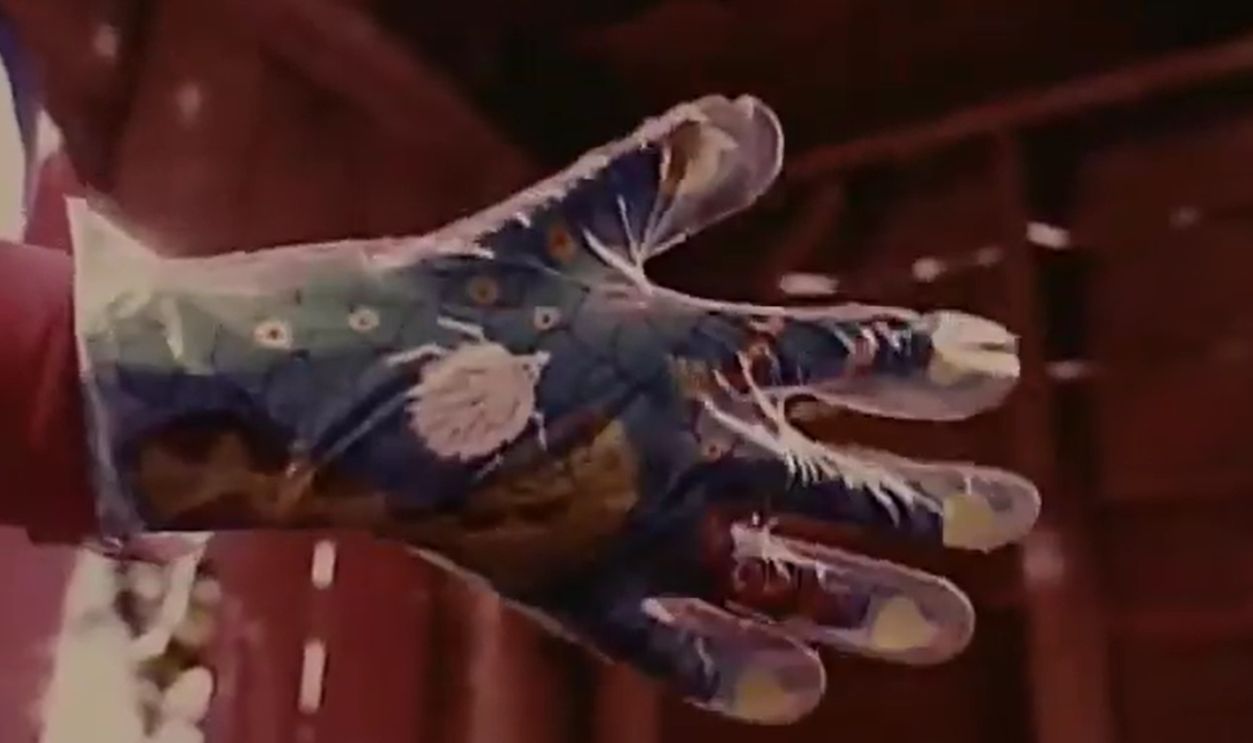 Screenshot from Honeycomb Cereal Commercials, Post Holdings (1974)
Sugar Bear Bicycle Reflectors
Imagine finding something useful for your bicycle inside a cereal box. Around 1976, Post's Super Sugar Crisp offered plastic reflectors featuring Sugar Bear himself. Kids could attach them to their bicycle spokes and show off their favorite cereal mascot while riding around the neighborhood. Not bad for a freebie!
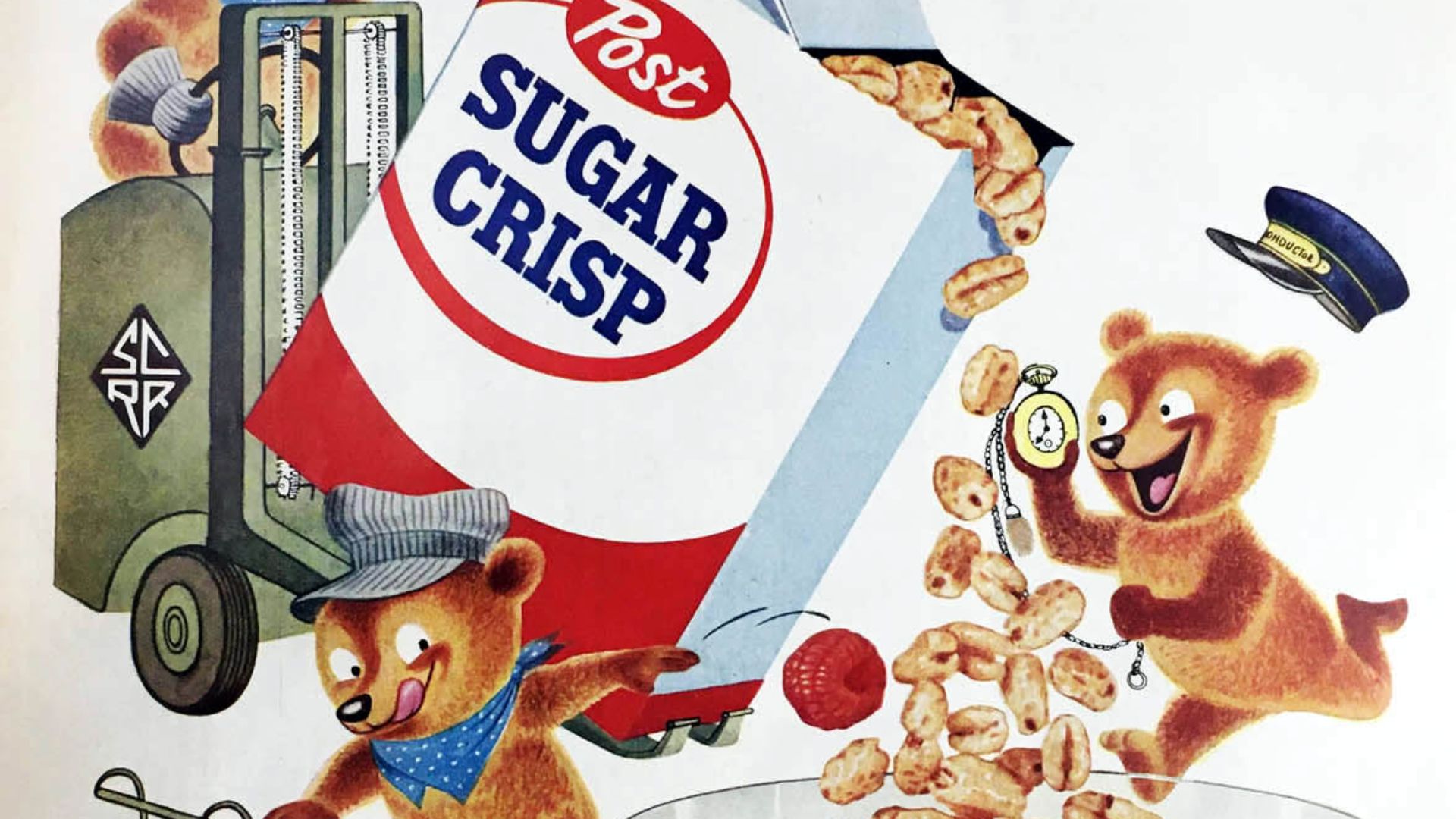 Unknown authorUnknown author, Wikimedia Commons
Flintstones Flintmobiles
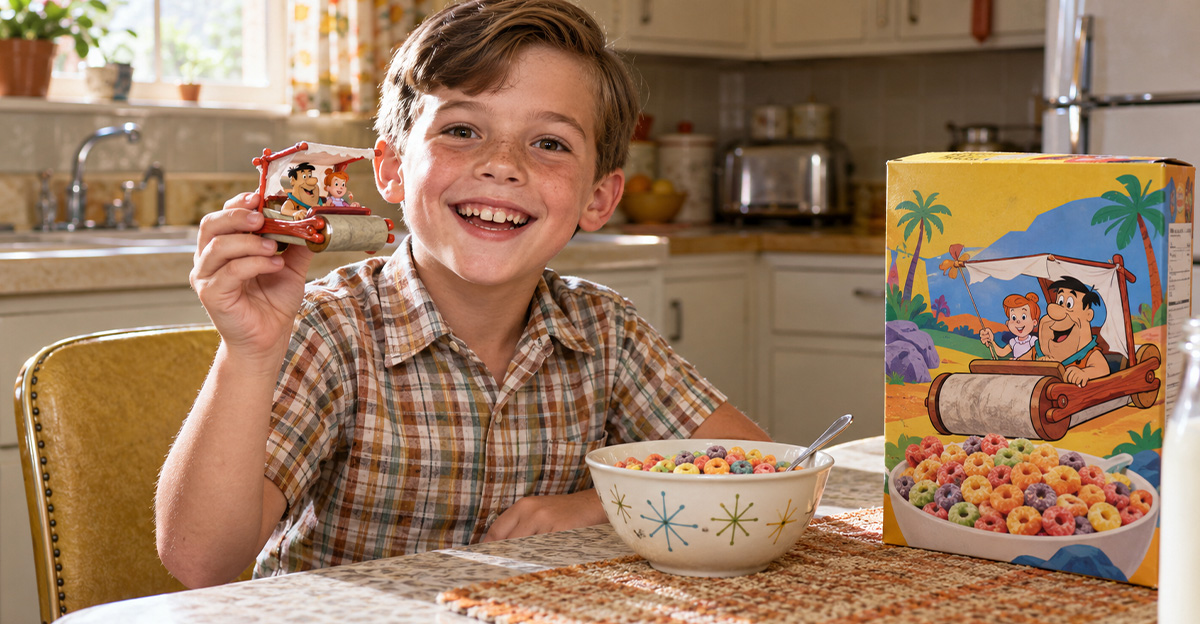
Yabba Dabba Doo! During the 1970s, boxes of Fruity Pebbles and Cocoa Pebbles contained miniature versions of Fred Flintstone's famous foot-powered car. These little plastic Flintmobiles came in several colors and even featured removable roofs. For kids who loved Saturday morning cartoons, finding one was practically like winning the lottery.
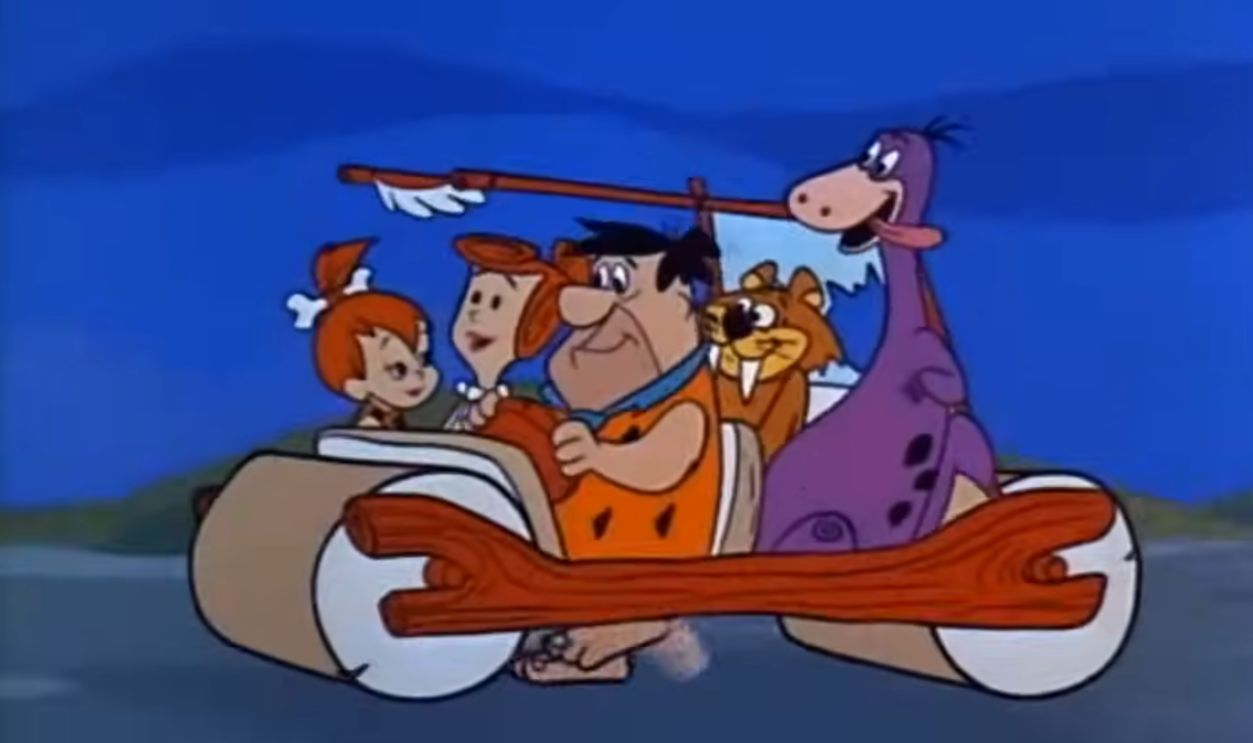 Screenshot from The Flintstones, ABC (1960–1966)
Quisp's Gyro Trail Blazer
Quisp cereal gave children a surprisingly sophisticated toy in 1973: the Gyro Trail Blazer. This miniature vehicle featured a clever spinning-wheel mechanism that allowed it to race across the floor. No batteries, no charging cables, and no complicated instructions. Just give it a good spin and watch it go.
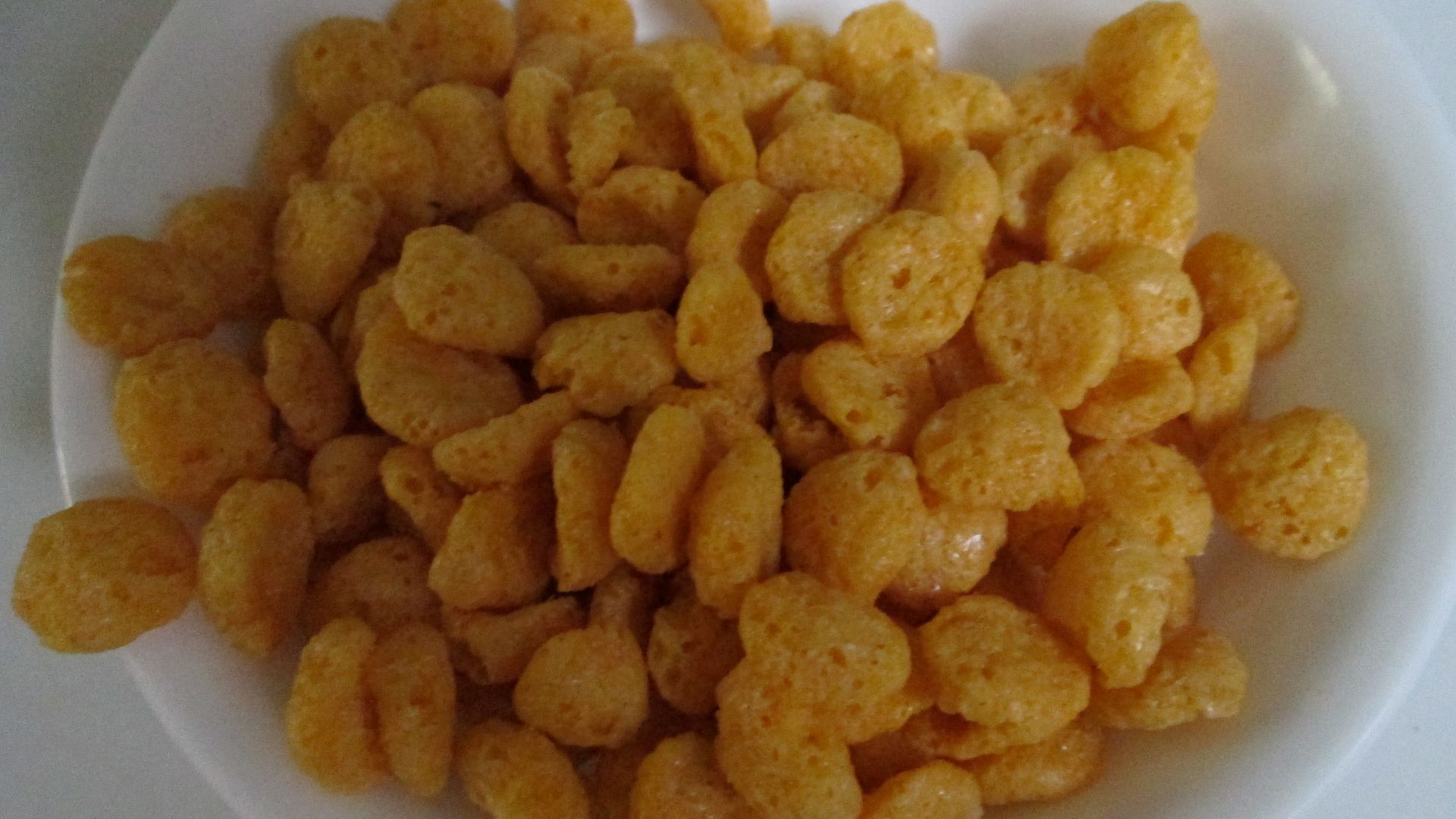 Infrogmation of New Orleans, Wikimedia Commons
Monster Cereal Bicycle Spinners
Count Chocula, Franken Berry, Boo Berry, and Fruit Brute weren't satisfied with simply making breakfast delicious. Around 1975, their cereal boxes contained colorful bicycle handlebar spinners. Kids attached the plastic propellers to their handlebars, and the wind made them spin while riding. Every neighborhood bicycle could become a monster machine.
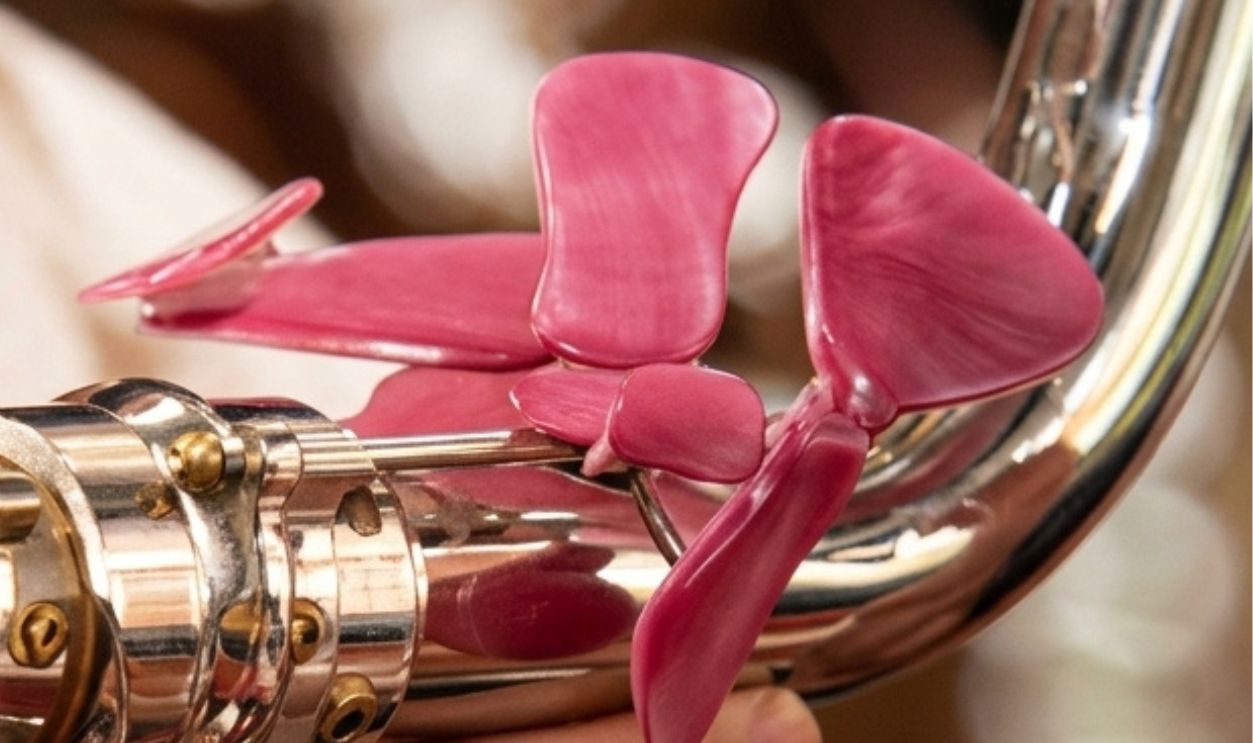 Screenshot from Monster Cereals Commercial, General Mills (1976), Enhanced
Alpha-Bits Pocket Printers
Long before children had smartphones, Alpha-Bits cereal offered something resembling a miniature printing machine. Around 1973, these little plastic embossers allowed kids to press letters, numbers, or symbols onto paper. The results weren't exactly professional, but making secret messages suddenly became an exciting breakfast-funded activity.
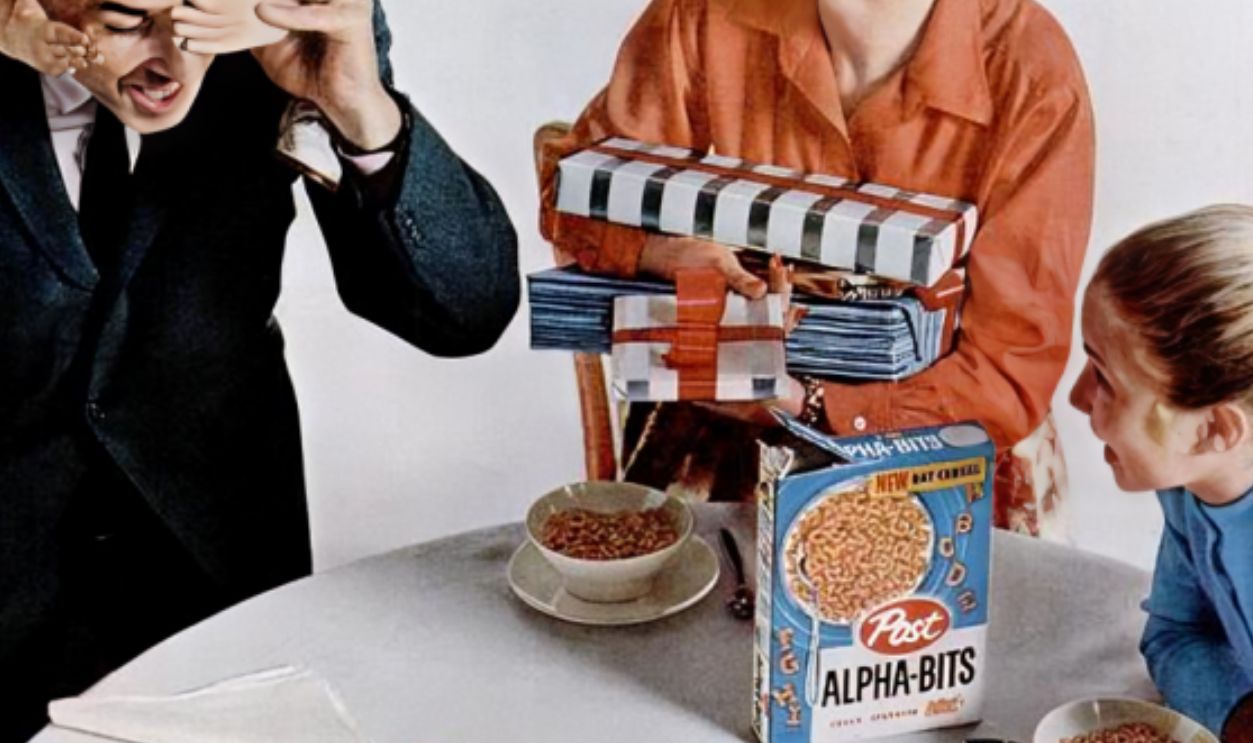 1950sUnlimited, CC BY 2.0, Wikimedia Commons, Enhanced
Cap'n Crunch Storyscopes
In 1972, Crunch Berries offered a remarkable little gadget called the Storyscope. Resembling a toy wristwatch, it featured a magnifying viewer that displayed illustrated adventures. Children inserted story discs cut from the cereal box and turned them to follow the action. Imagine getting an entire miniature entertainment system with breakfast!
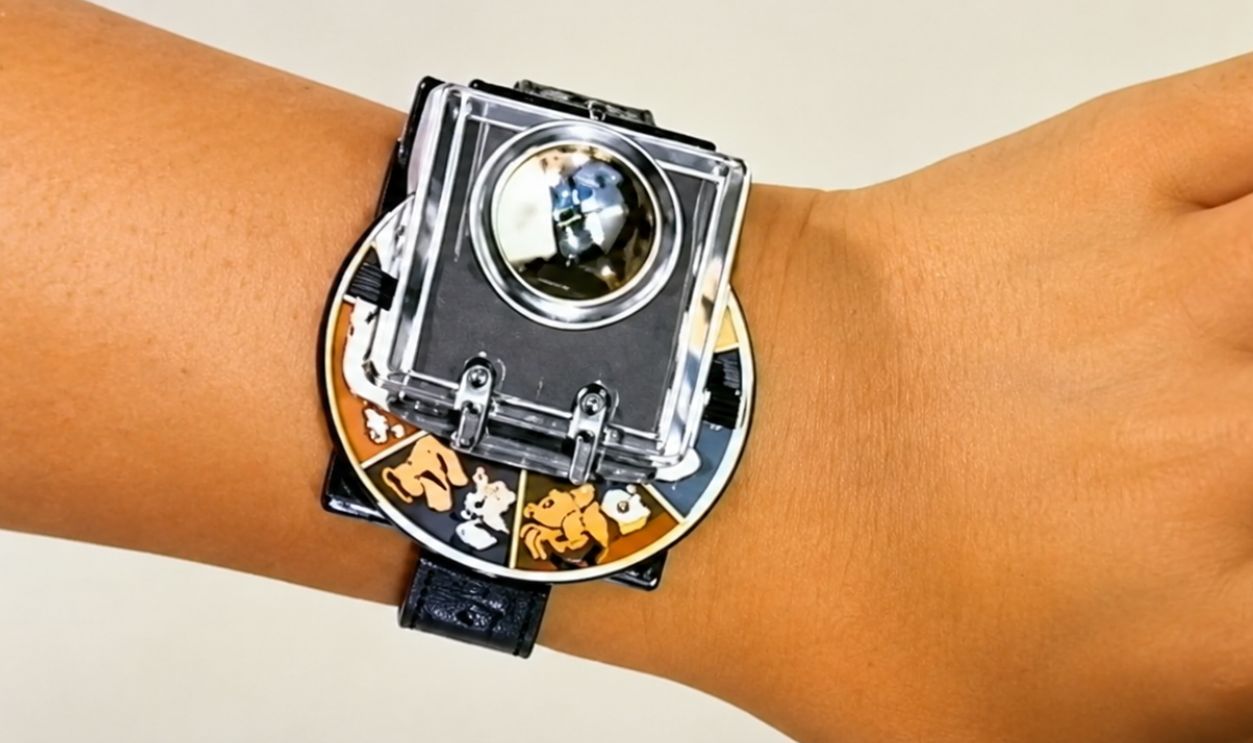 Screenshot from Cinnamon Crunch Cereal Commercial, Quaker Oats Company (1972), Enhanced
Glow-In-The-Dark Monster Heads
Post's Super Sugar Crisp got wonderfully spooky in 1976 with its glow-in-the-dark monster heads. Children could collect miniature versions of Frankenstein's monster, the Mummy, the Wolfman, and the Phantom of the Opera. Hold one beneath a lamp, turn off the lights, and enjoy your very own tiny horror show.
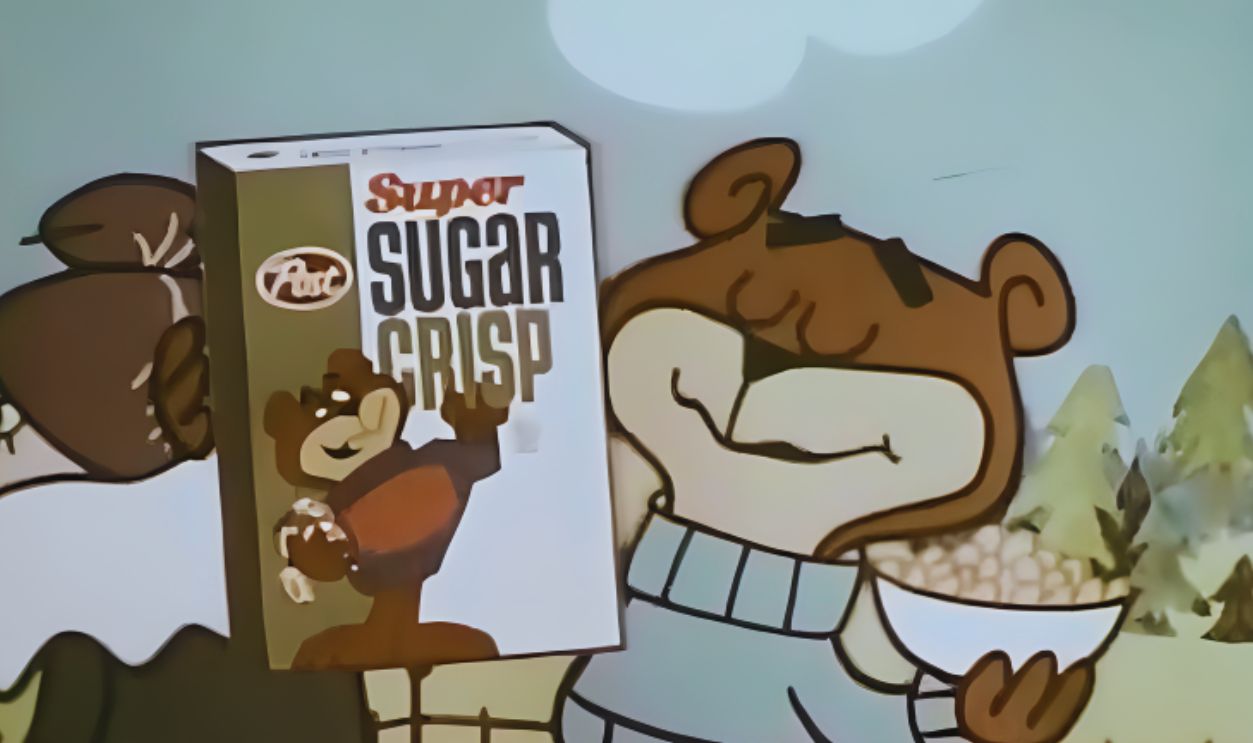 Screenshot from Super Sugar Crisp Commercials, Post Holdings (1967–1968), Enhanced

History's most fascinating stories and darkest secrets, delivered to your inbox daily.
Cap'n Crunch Miniature Binoculars
Ever wanted to play pirate before school? In the early 1970s, boxes of Jean LaFoote's Cinnamon Crunch offered miniature binoculars that actually magnified objects. These little gadgets were advertised as having three-power magnification. For a child imagining distant ships and buried treasure, they were an absolute delight.
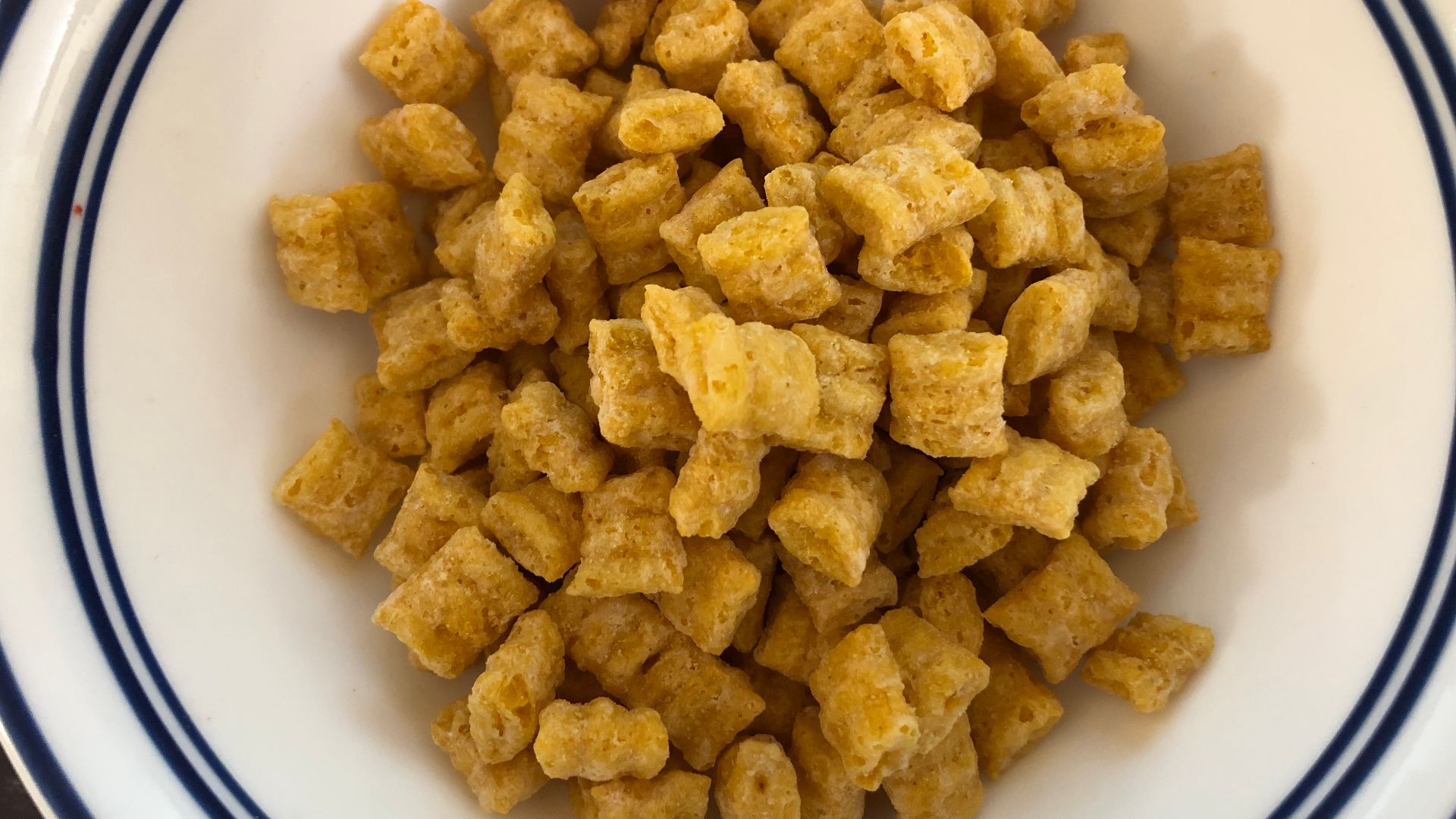
Super Sugar Crisp Pinball Games
In 1978, Post managed to squeeze miniature pinball games into Super Sugar Crisp boxes. These little plastic games came with movable triggers and several tiny balls. There were six different designs to collect, including one featuring Sugar Bear. Who needed an expensive arcade machine when breakfast came with its own?
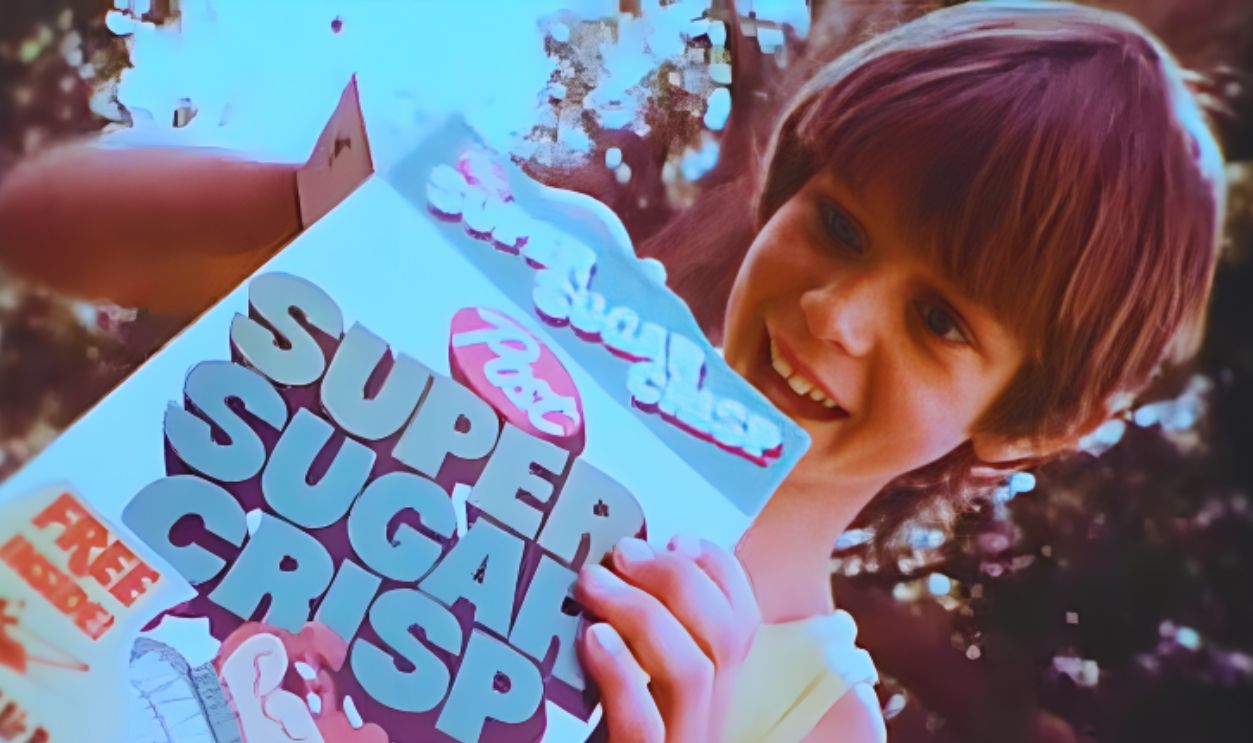 Screenshot from Super Sugar Crisp Commercials, Post Holdings (1978), Enhanced
Monster Cereal Puff Chutes
Some cereal prizes were practically backyard science experiments. Around 1975 and 1976, General Mills' monster cereals offered Puff Chutes, miniature monster figures attached to parachutes. Children placed them inside plastic launching tubes and blew through them to send the toys airborne. Whether they landed gracefully was another matter entirely.
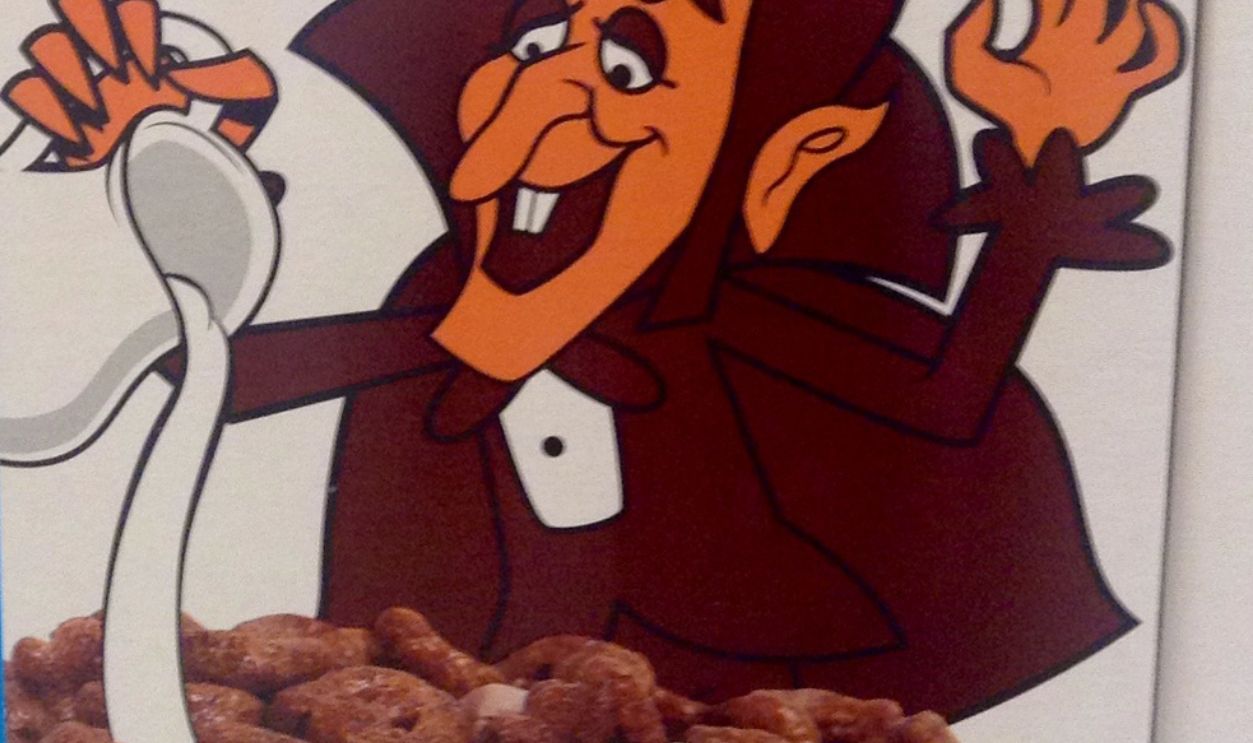
Honey-Comb Around-A-Corner Viewers
Honey-Comb cereal briefly turned American children into secret agents in 1973. Its Around-A-Corner Viewers were miniature plastic periscopes that allowed kids to peek around corners without being spotted. Available in several colors, they were perfect for imaginary spy missions and discovering what Mom was doing in the kitchen.
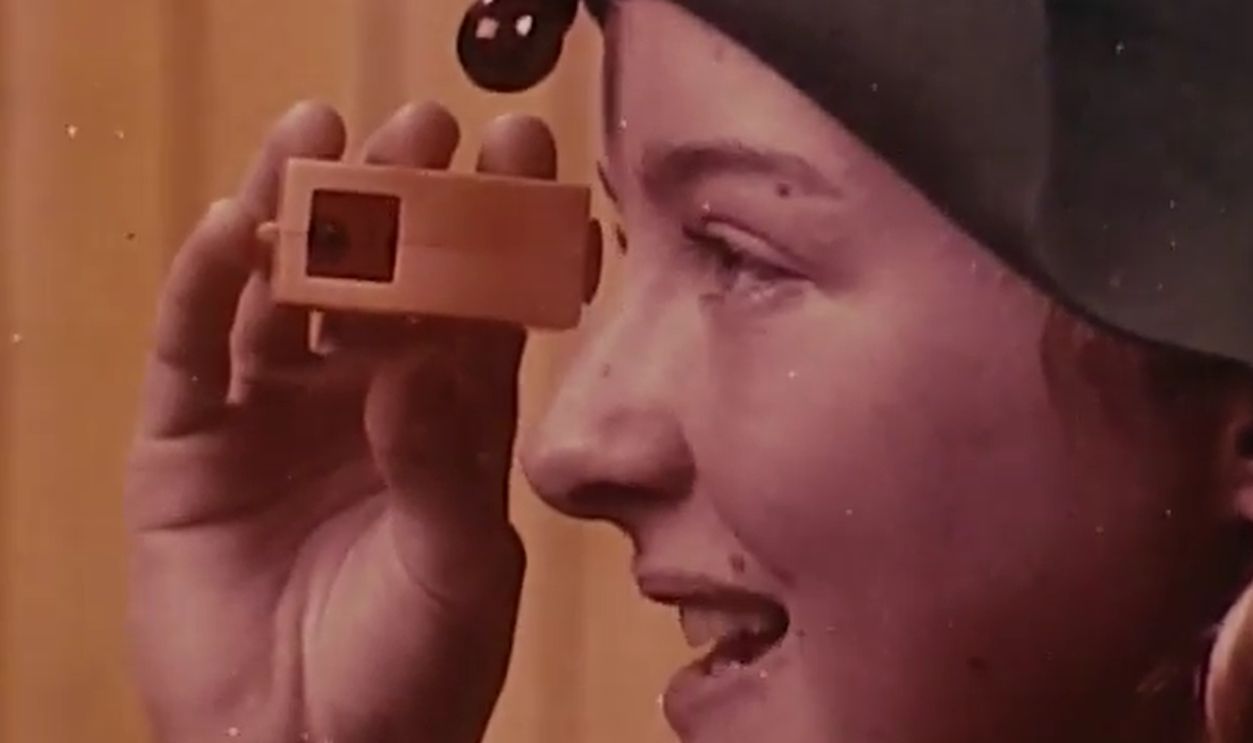 Screenshot from Honeycomb Cereal Commercials, Post Holdings (1973)
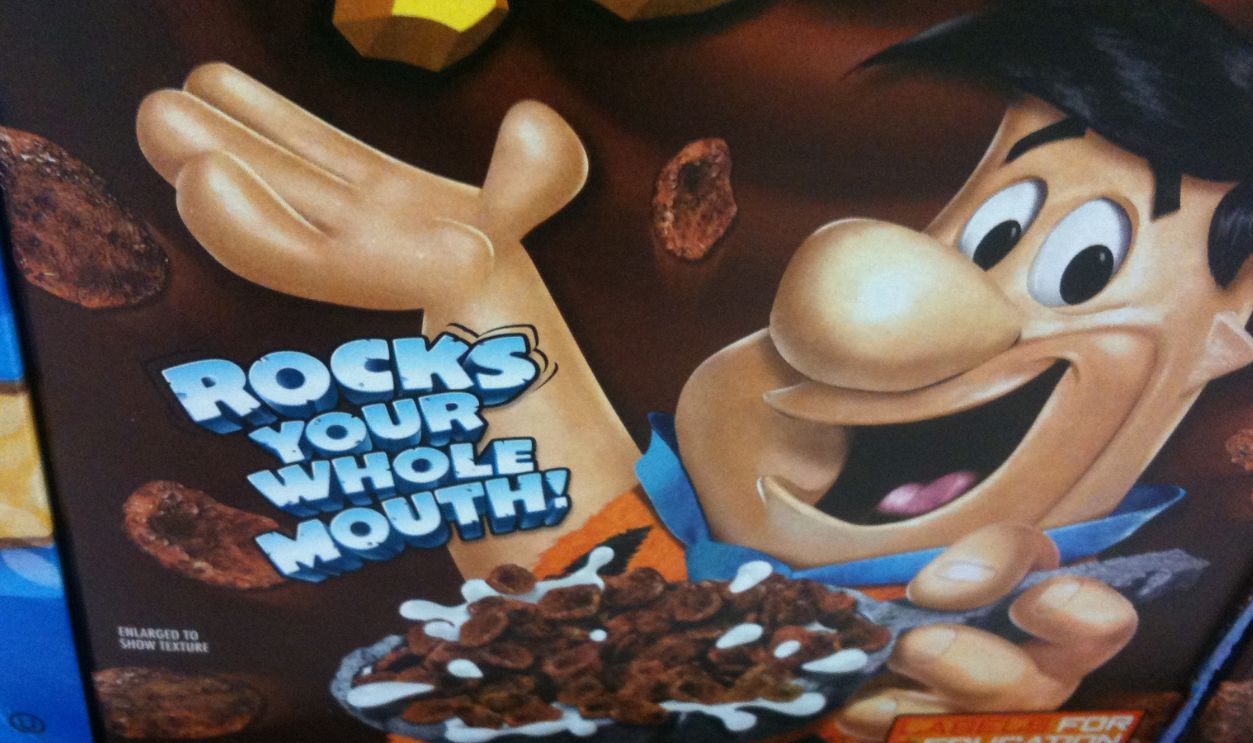
Flintstones Rock Grabbers
In 1974, Fruity Pebbles and Cocoa Pebbles offered an extraordinary little contraption called the Rock Grabber. These extendable plastic grabbing tools featured Fred Flintstone on their handles. Kids could use them to pick up leaves, feathers, and other small objects. They probably also grabbed things their parents wished they'd leave alone.
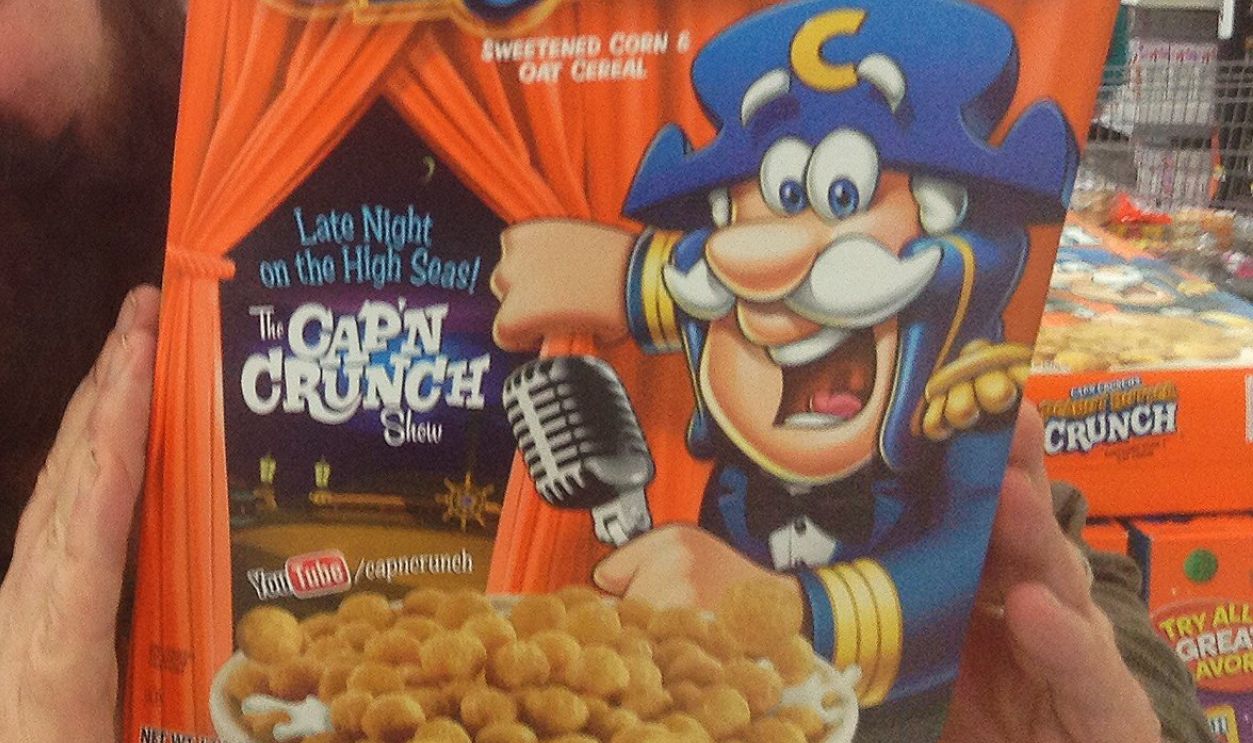
Cap'n Crunch's Spooky Pirate
Cap'n Crunch wasn't afraid to embrace the supernatural. Around 1978, his cereal boxes featured a glow-in-the-dark Spooky Pirate toy. Attached to a string, the little character could dance and jiggle when moved. After a brief spell beneath a bright light, it would glow in the darkness. Simple, strange, and wonderfully entertaining.
Super Sugar Crisp Glow-In-The-Dark Pens
Who says school supplies can't be exciting? Around 1973, Super Sugar Crisp offered glow-in-the-dark pens. Children could expose their pens to light before watching them glow in a darkened room. The novelty probably didn't improve anyone's handwriting, but it certainly made doing homework a little more interesting.
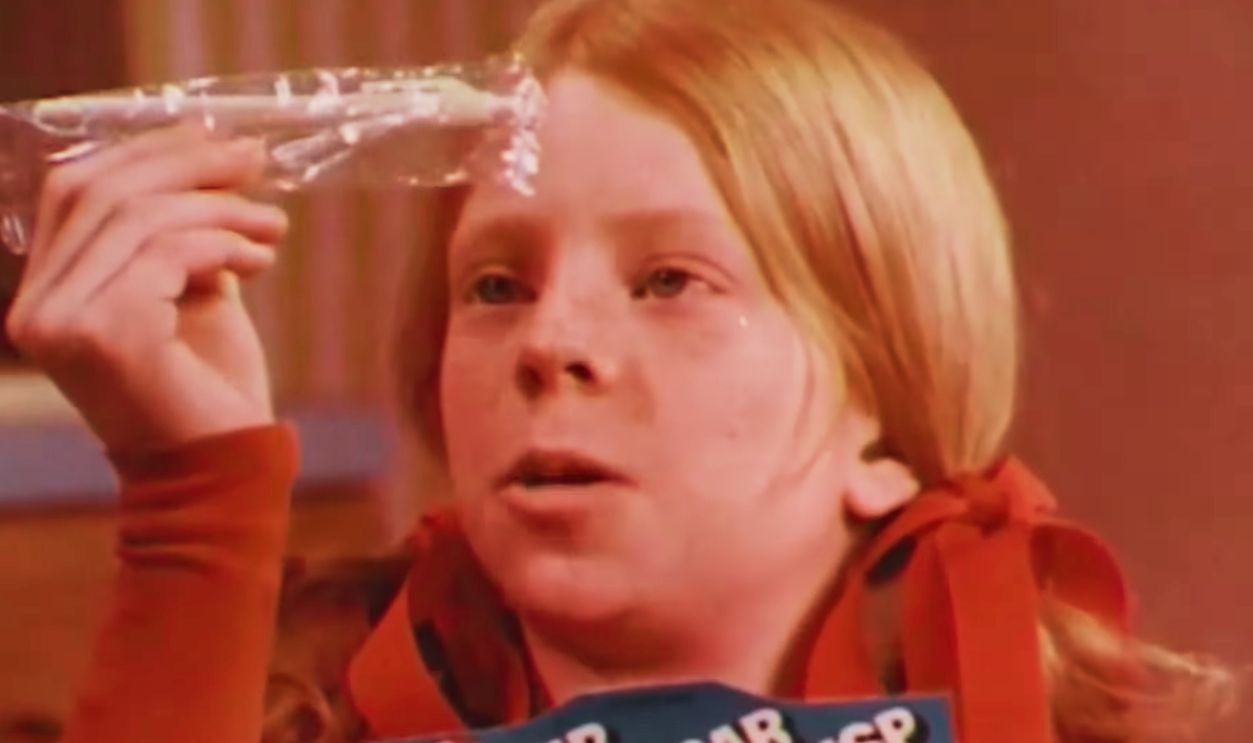 Screenshot from Super Sugar Crisp Commercials, Post Holdings (1973)
Freakies Freakmobiles
The Freakies were among the strangest cereal mascots of the decade, and their toys were equally unusual. In 1975, Freakies cereal offered seven different Freakmobiles, colorful vehicles featuring the brand's bizarre characters. Each lightweight car included an air-powered launching device. Collecting the entire gang meant persuading Mom to buy plenty of cereal.
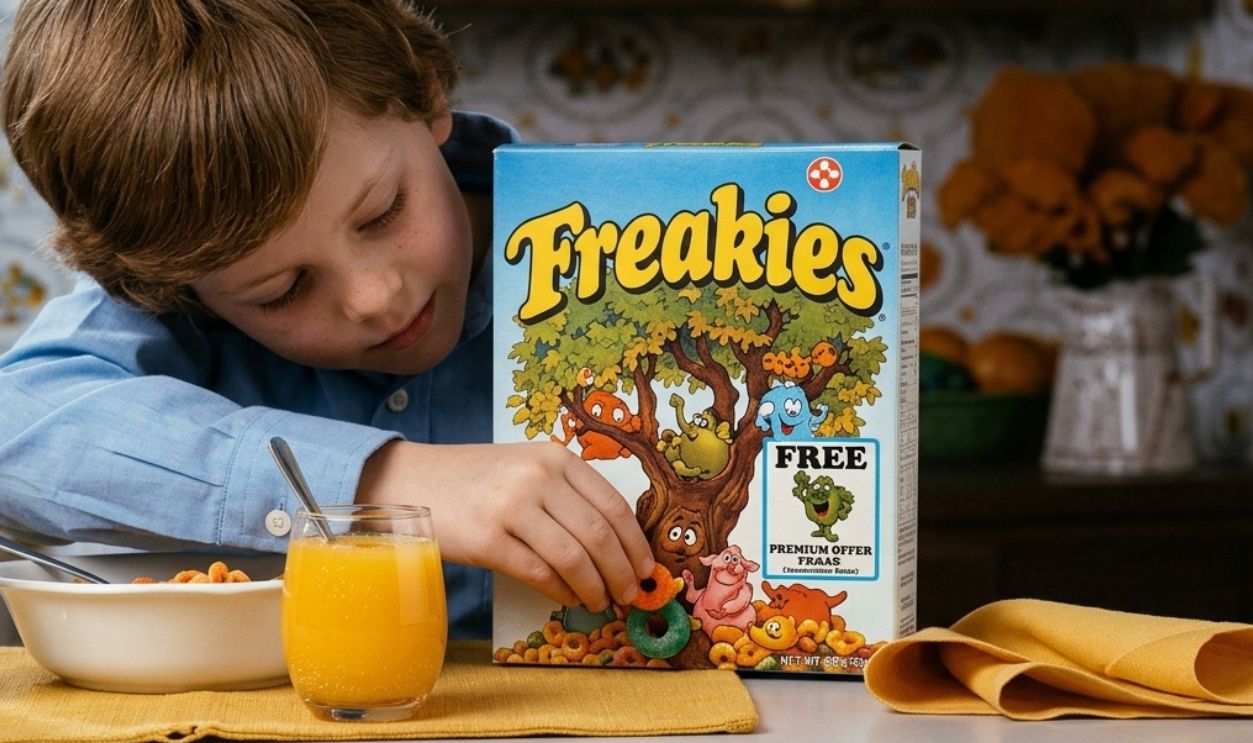 Screenshot from Freakies Cereal Commercial, Ralston (1974)
Cookie-Crisp Balloon-Powered Skateboards
Yes, cereal boxes really contained skateboards! In 1979, Cookie-Crisp offered six miniature skateboard designs powered by balloons. Children inflated the balloons and watched their little vehicles roll away. One featured Cookie Jarvis, the cereal's original mascot. A skateboard powered by nothing more than escaping air? That's gloriously 1970s.
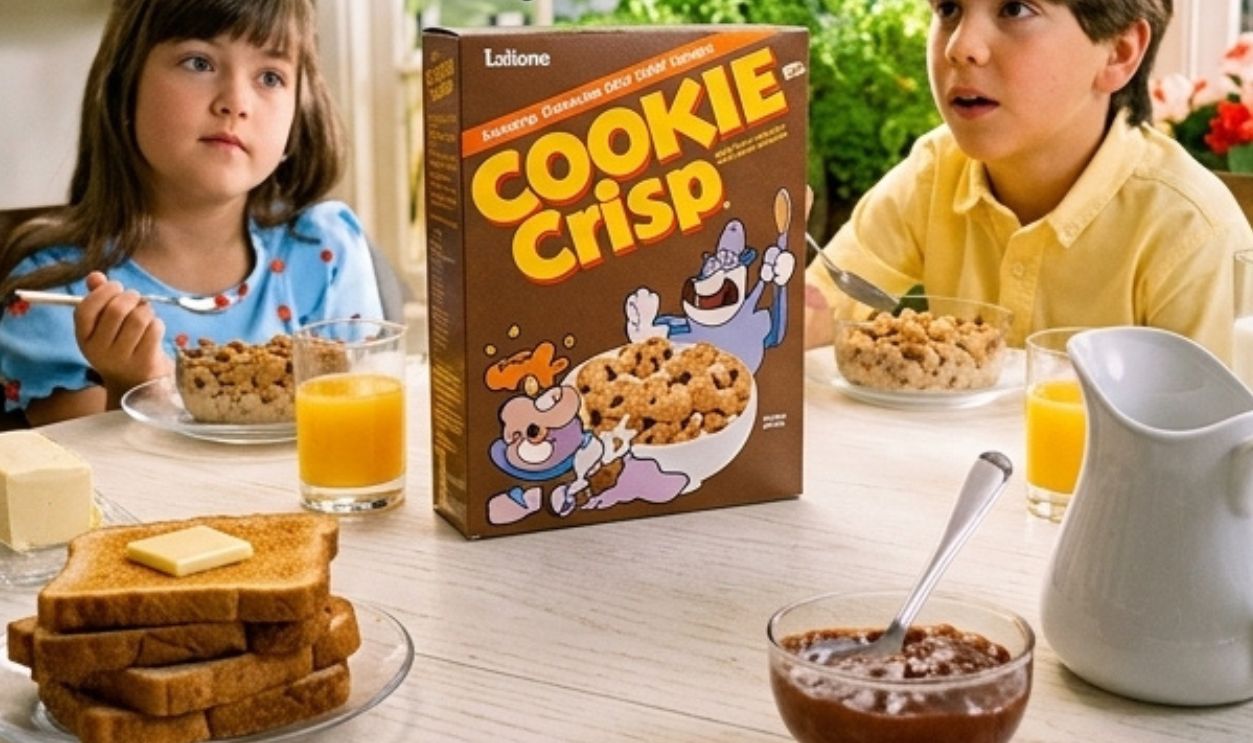 Screenshot from Cookie Crisp Commercials, General Mills (1977–2001), Enhanced
Pink Panther's Five-In-One Spy Kit
In 1973, Pink Panther Flakes offered one of the decade's most ambitious cereal prizes. This miniature spy kit disguised as the Pink Panther included several gadgets, including a whistle, magnifying glass, and telescope. It could fit inside a shirt pocket, making it ideal for children conducting highly classified neighborhood investigations.
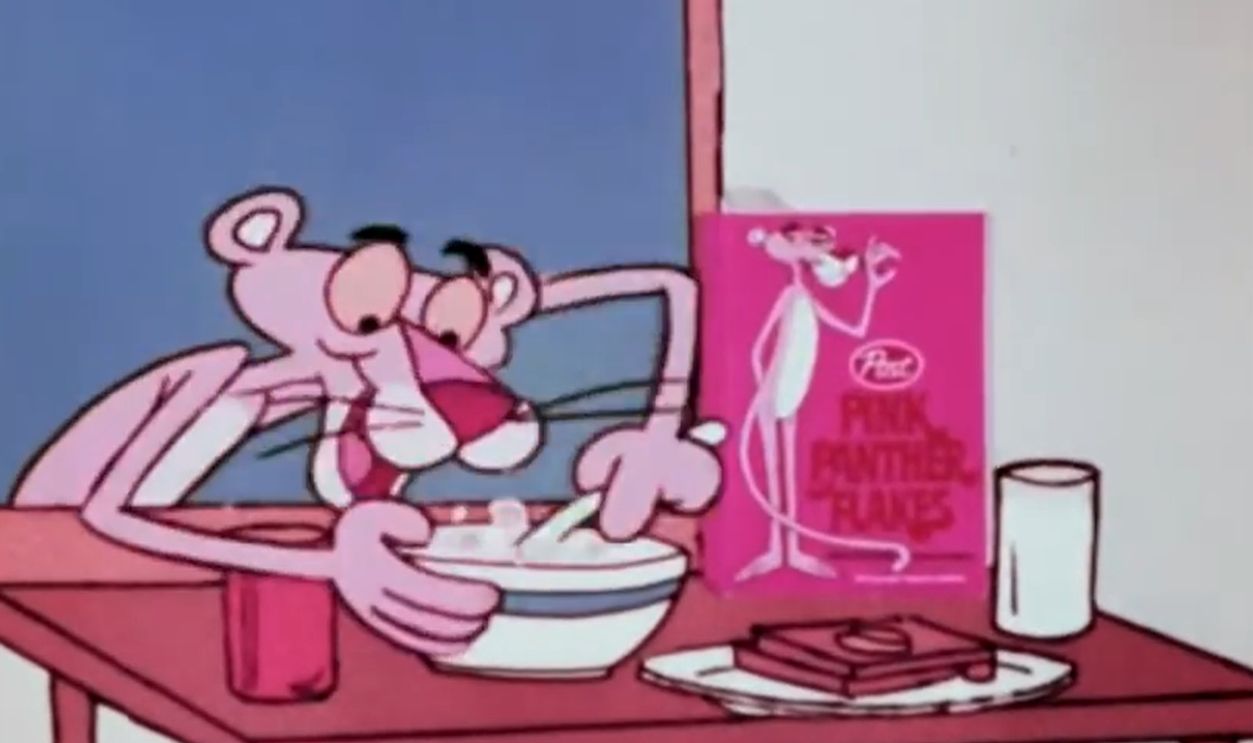 Screenshot from Pink Panther Flakes Commercial, Post Holdings (1972)
Sugar Bear's Three-In-One Yo-Yo
Super Sugar Crisp gave children three toys for the price of one cereal box in 1974. Its Sugar Bear yo-yo doubled as a whistle and a miniature puzzle game. Available in different colors, it offered hours of entertainment. Unfortunately, parents probably weren't as enthusiastic about the whistle component.
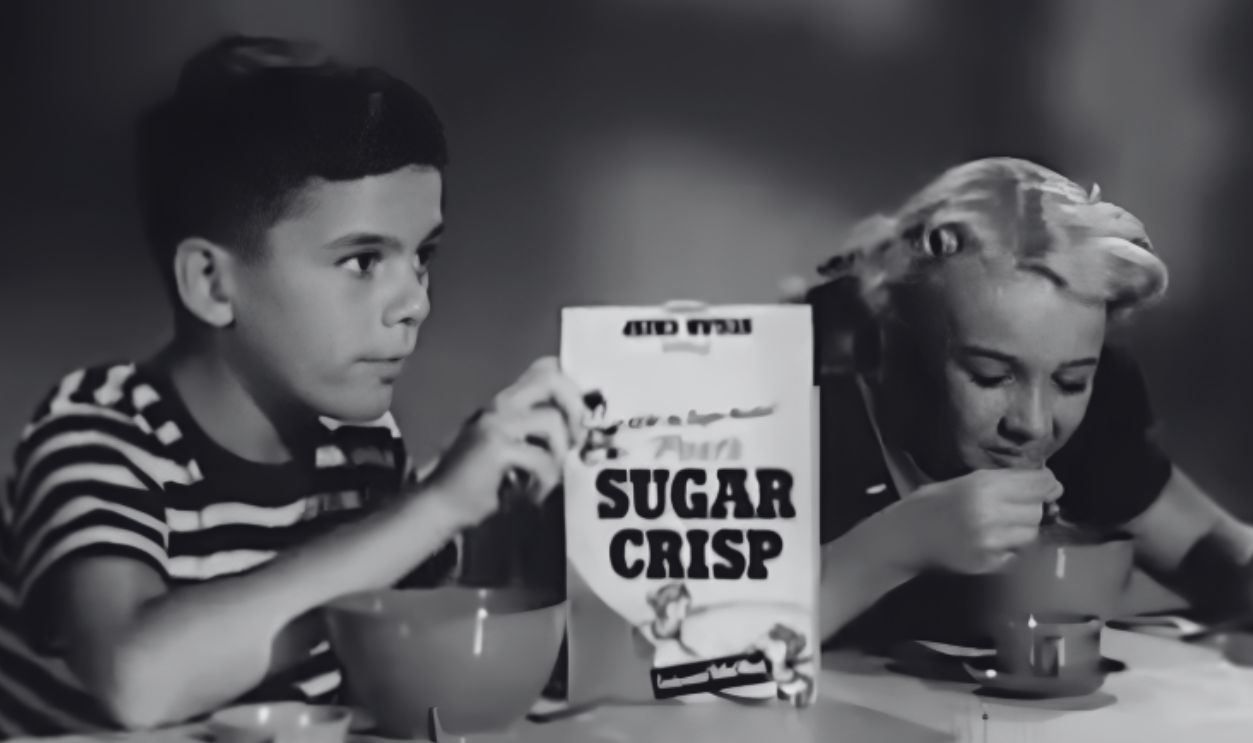 Screenshot from Super Sugar Crisp Commercials, Post Holdings (1950-1977), Enhanced
Super Sugar Crisp Fly-Hi Balloons
Around 1973, Super Sugar Crisp included a wonderfully imaginative toy called the Fly-Hi Balloon. The prize featured a small plastic gondola and a balloon that children could assemble. It was a simple little flying-themed novelty, but that was precisely the appeal. A breakfast box could deliver an afternoon's entertainment.
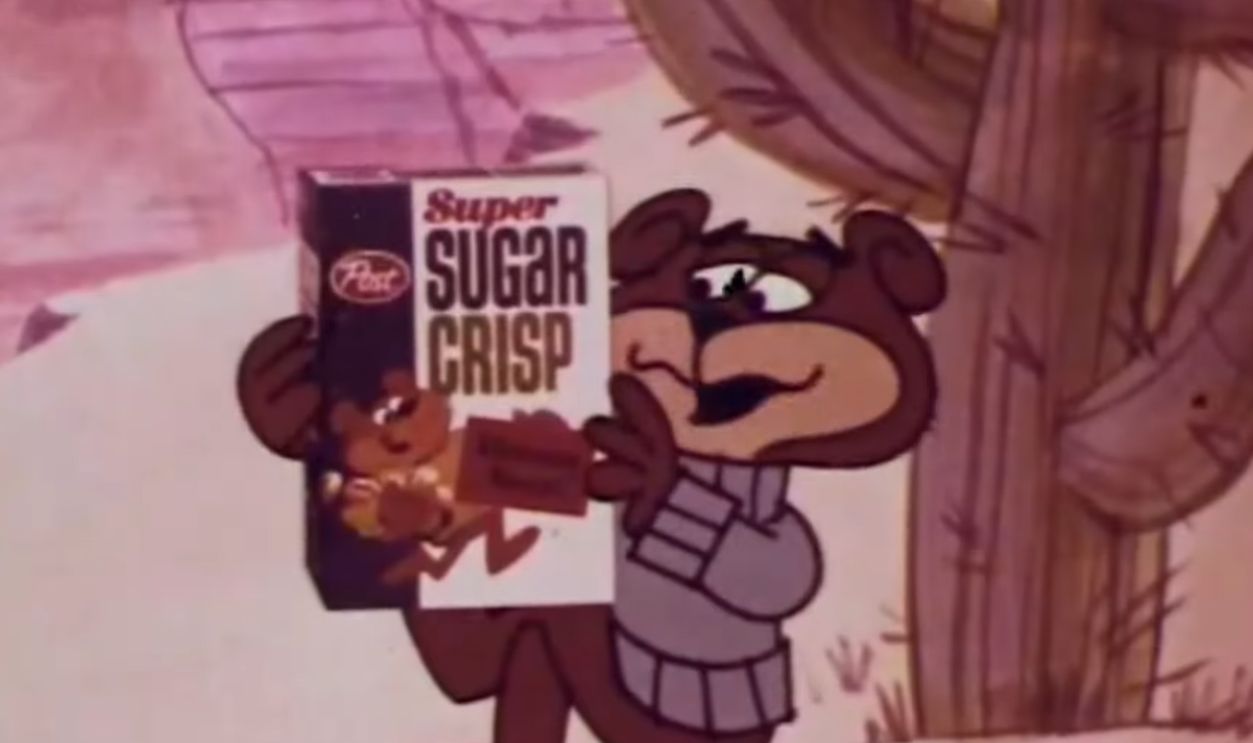 Screenshot from Super Sugar Crisp Commercials, Post Holdings (1973)
Super Sugar Crisp Bowling Games
Who needed a bowling alley when a cereal box contained its own miniature version? In 1973, Super Sugar Crisp offered Topple the Pins, a tiny plastic bowling game complete with pins and a base. A later 1977 version featured six pins. It was inexpensive entertainment that could turn the kitchen table into a bowling championship.
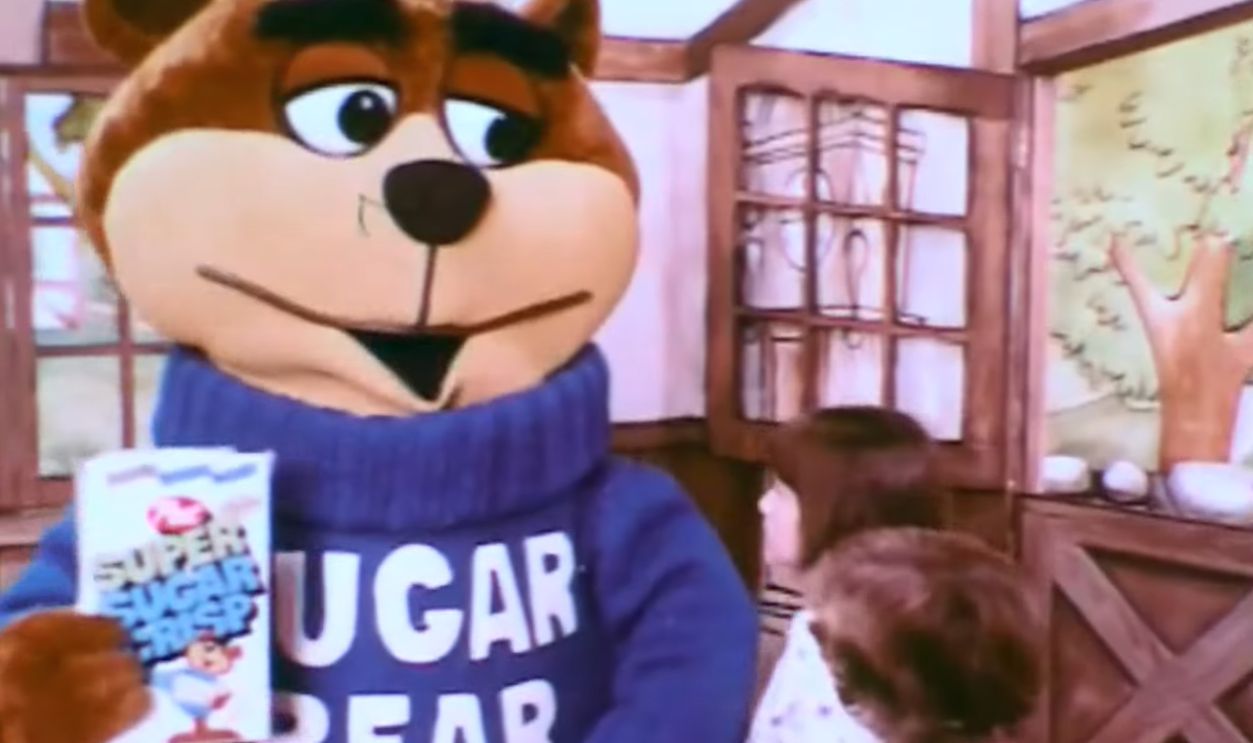 Screenshot from Super Sugar Crisp Commercials, Post Holdings (1973)
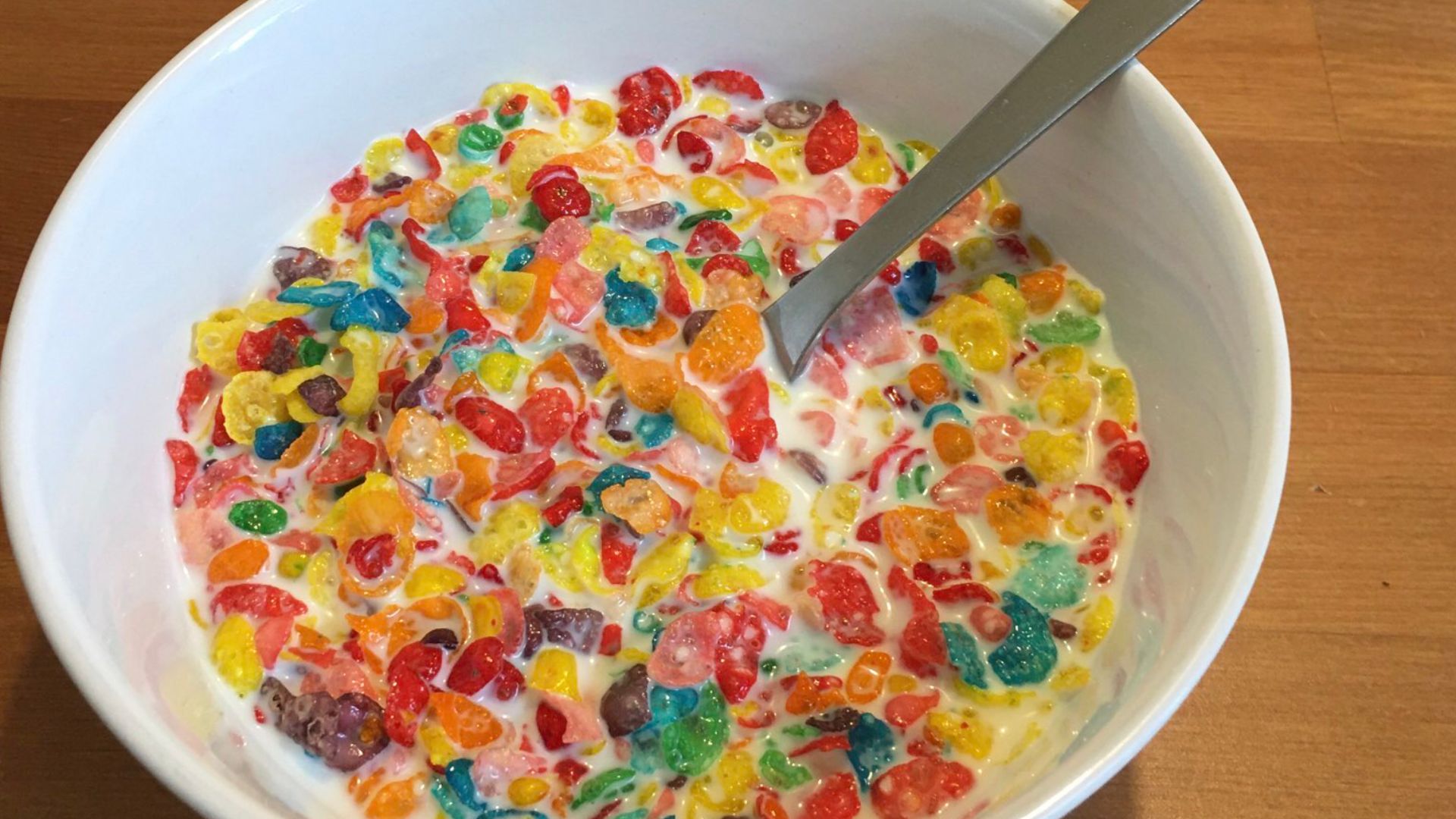
Pebbles Glow-In-The-Dark Dinosaur Mobiles
In 1975, Post's Fruity Pebbles and Cocoa Pebbles contained plastic dinosaur figures designed to become hanging mobiles. These glow-in-the-dark creatures included prehistoric favorites like the Tyrannosaurus rex and Pterodactyl. Children could suspend them using string, creating a miniature dinosaur display. Imagine discovering glowing prehistoric monsters inside your breakfast!
Star Wars Stickers And Trading Cards
When Star Wars became a sensation in 1977, cereal companies quickly got involved. General Mills offered character stickers in cereals including Trix and Cocoa Puffs, while trading cards followed in 1978. Suddenly, breakfast could produce a Chewbacca sticker or a picture of Princess Leia. For young movie fans, that was irresistible.
Cheerios Magic Tricks
During 1973 and 1974, General Mills offered little magic tricks inside cereals including Cheerios and Magic Puffs. One was called the Magic Hats Trick, and there were several different illusions to collect. Children could learn simple tricks and impress their friends without buying an expensive magic kit. Breakfast had become a magic show.
Trix Whirly Props
Trix and Frosty-Os cereal offered Whirly Props in 1973. These little plastic toys came in several bright colors and could be assembled into spinning propeller gadgets. They were hardly complicated, but that was part of their charm. A few pieces of molded plastic could keep a child amused long after breakfast ended.
The Golden Age Of Cereal Box Treasure
Looking back, cereal prizes weren't always particularly expensive or well-made. That wasn't the point. Finding a toy inside a box of cereal felt like getting something for nothing, even if your parents were paying for the groceries. And if you still have one of those little plastic treasures tucked away somewhere, you might own a genuine piece of 1970s nostalgia.
You May Also Like:
The Disturbing History Of Foods That Were Once Considered Delicacies