
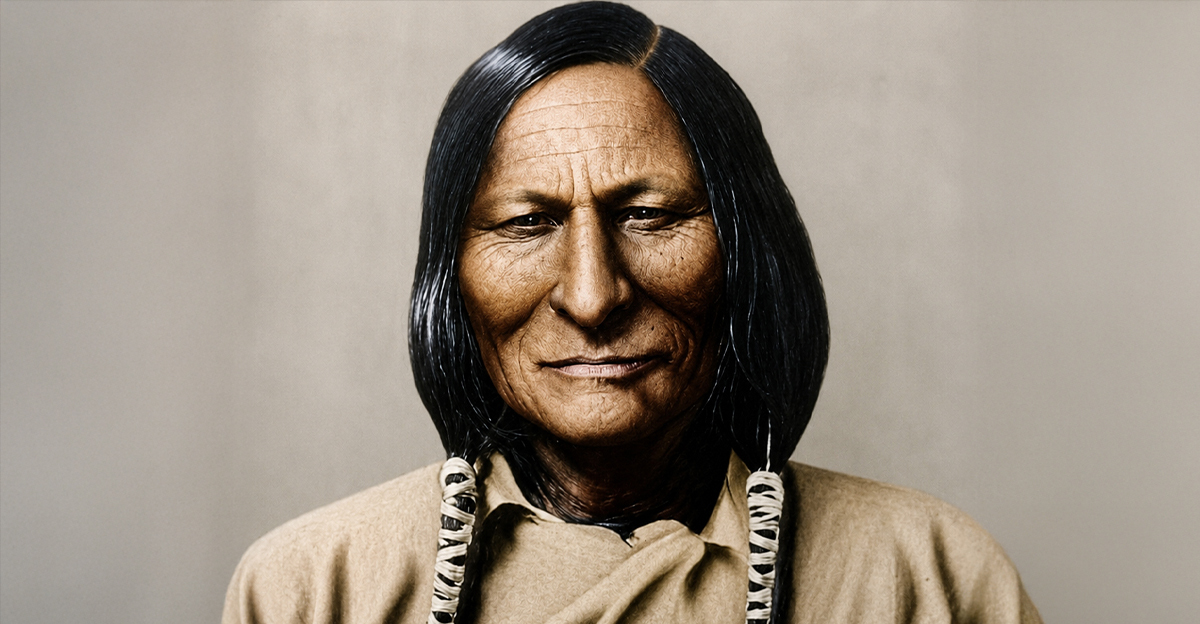
A Leader Who Chose Peace
Few leaders of the American West faced harder choices than Chief Black Kettle. While many believed resistance offered the only path to survival, he concluded that the Cheyenne could not defeat the growing military and population of the United States. His lifelong pursuit of peace repeatedly ended in betrayal, tragedy, and ultimately his own death.
Born Into The Plains
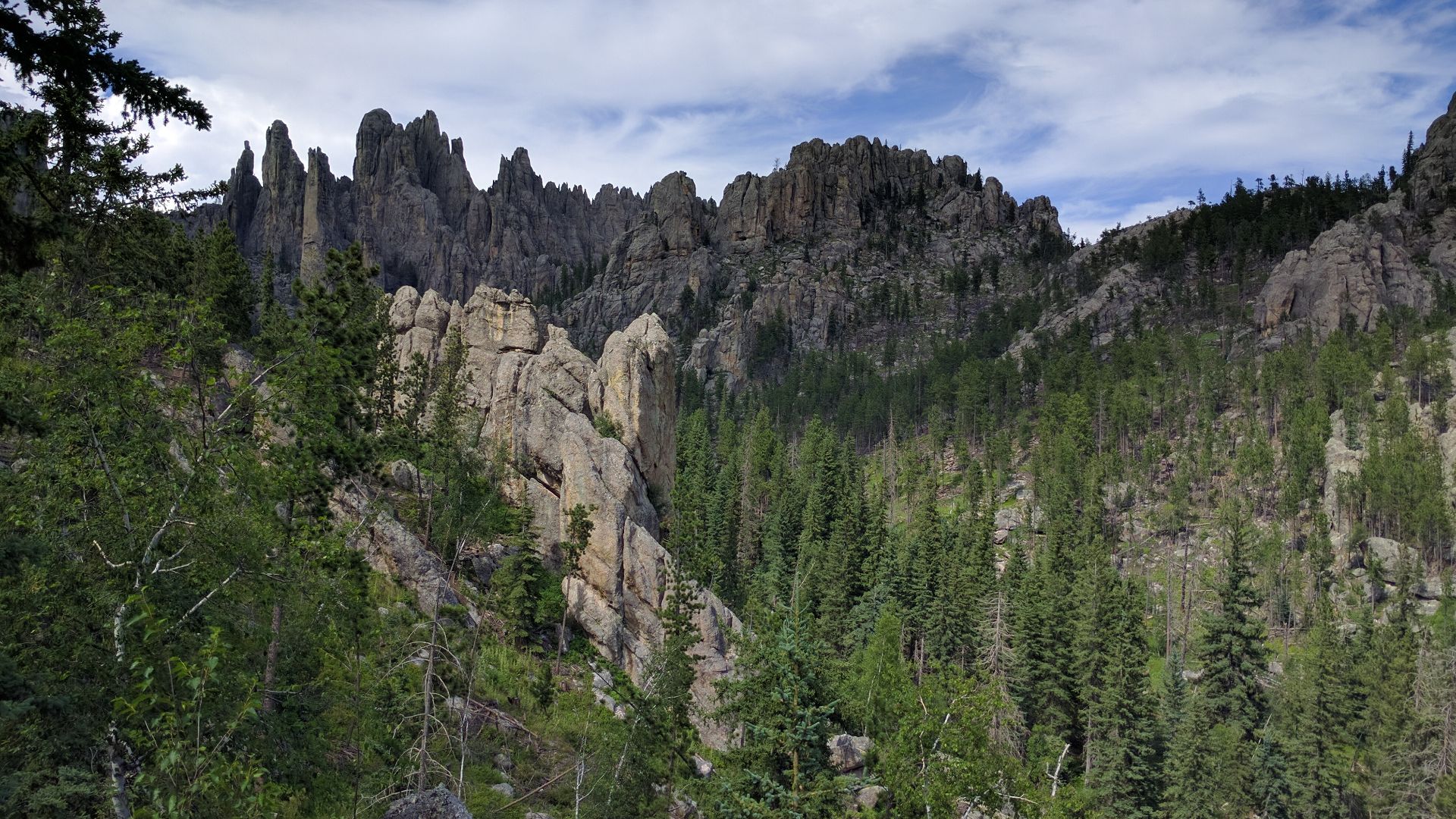
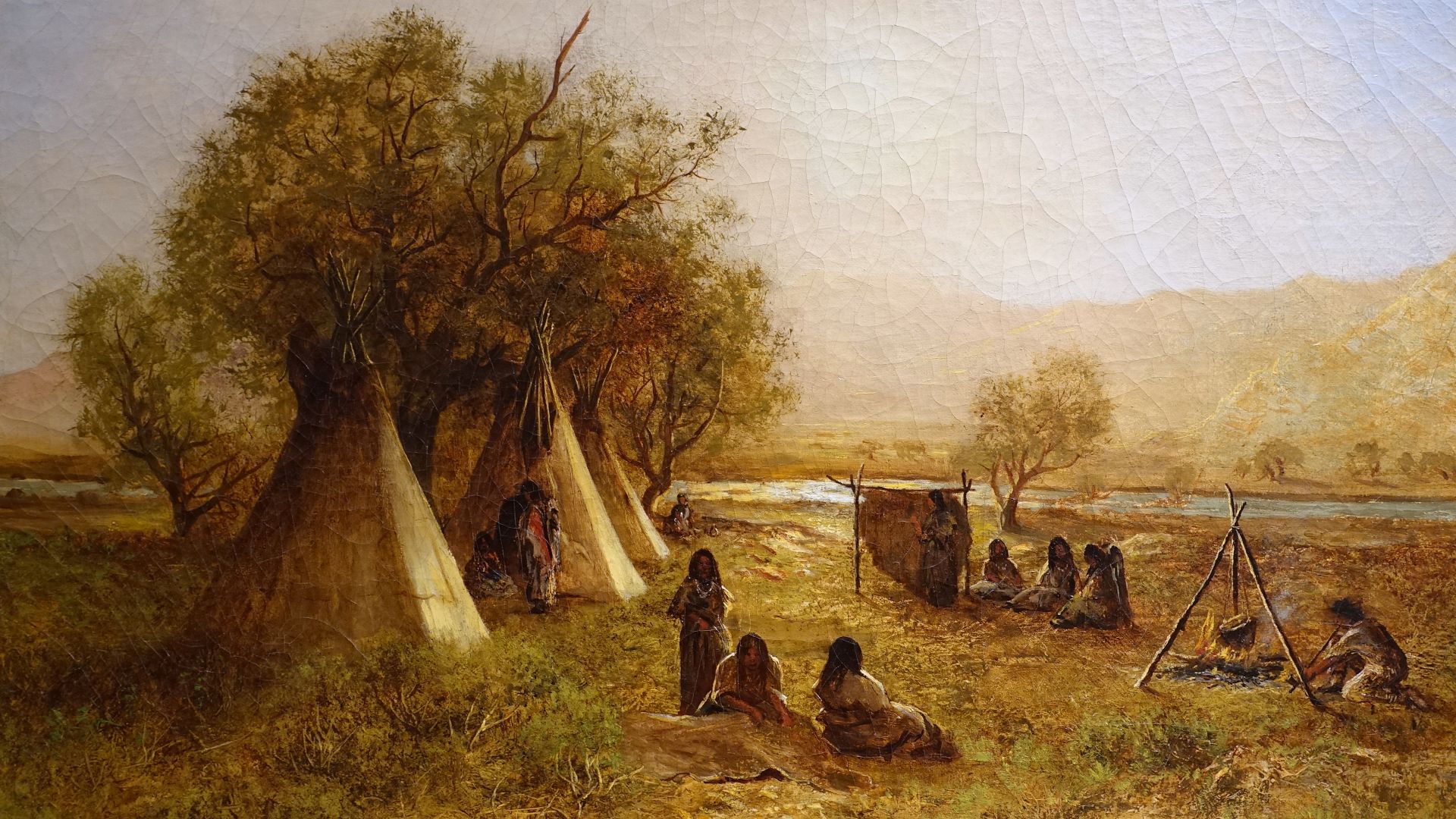
Black Kettle, whose Cheyenne name was Mo'ôhtavetoo'o, was born around 1803 in the Black Hills of what is now South Dakota. He belonged to the Suhtai, or Buffalo People, one of the Cheyenne bands, and grew up in a culture centered on buffalo hunting, horsemanship, and close family ties.
A Young Warrior
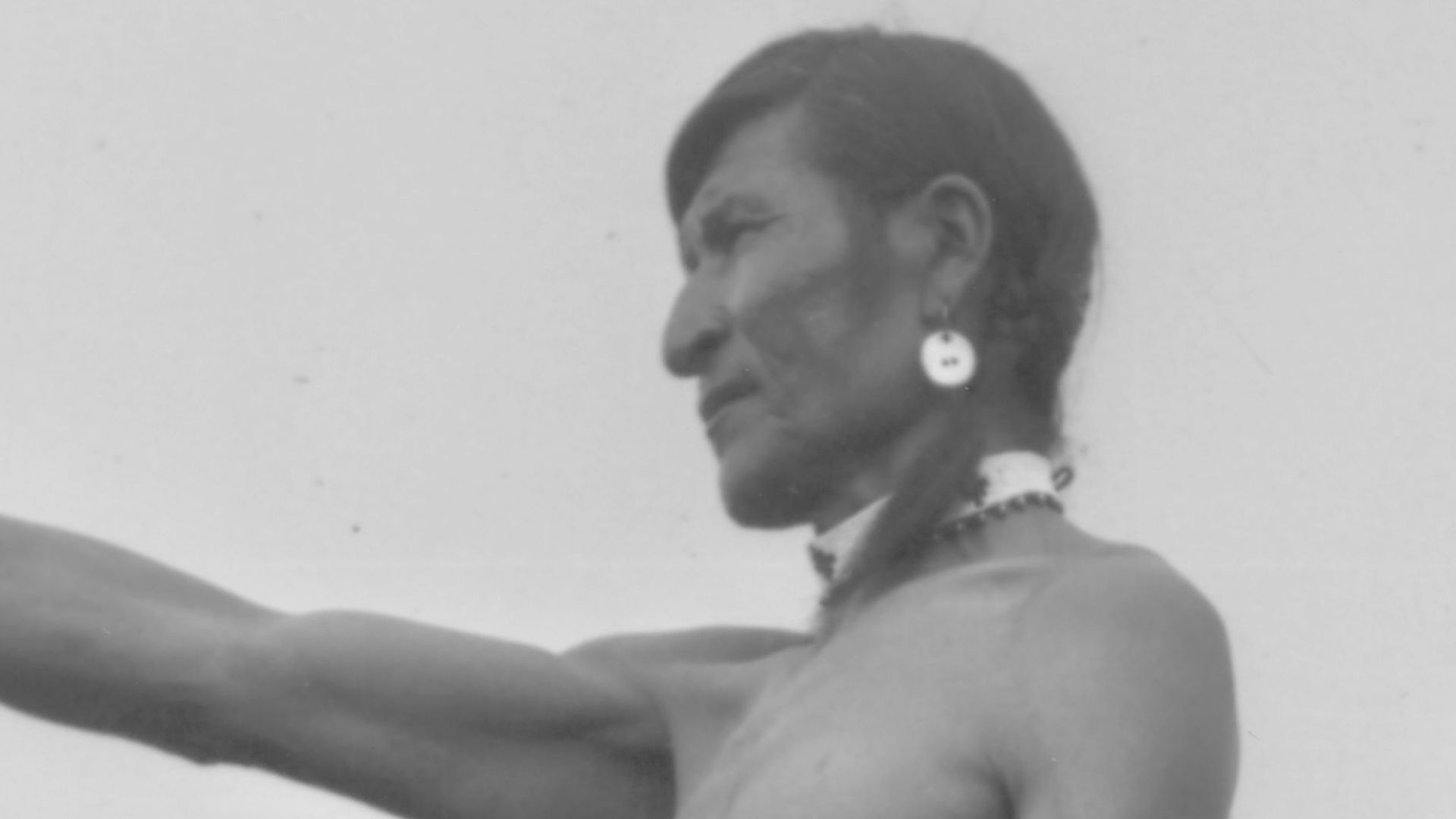
Like many young Cheyenne men, Black Kettle proved himself through courage in battle against rival tribes. Before becoming known as a diplomat, he earned respect as a capable warrior and participated in campaigns against traditional enemies such as the Pawnee, helping establish his reputation among his people.
 Provincial Archives of Alberta, Wikimedia Commons
Rising Through Leadership
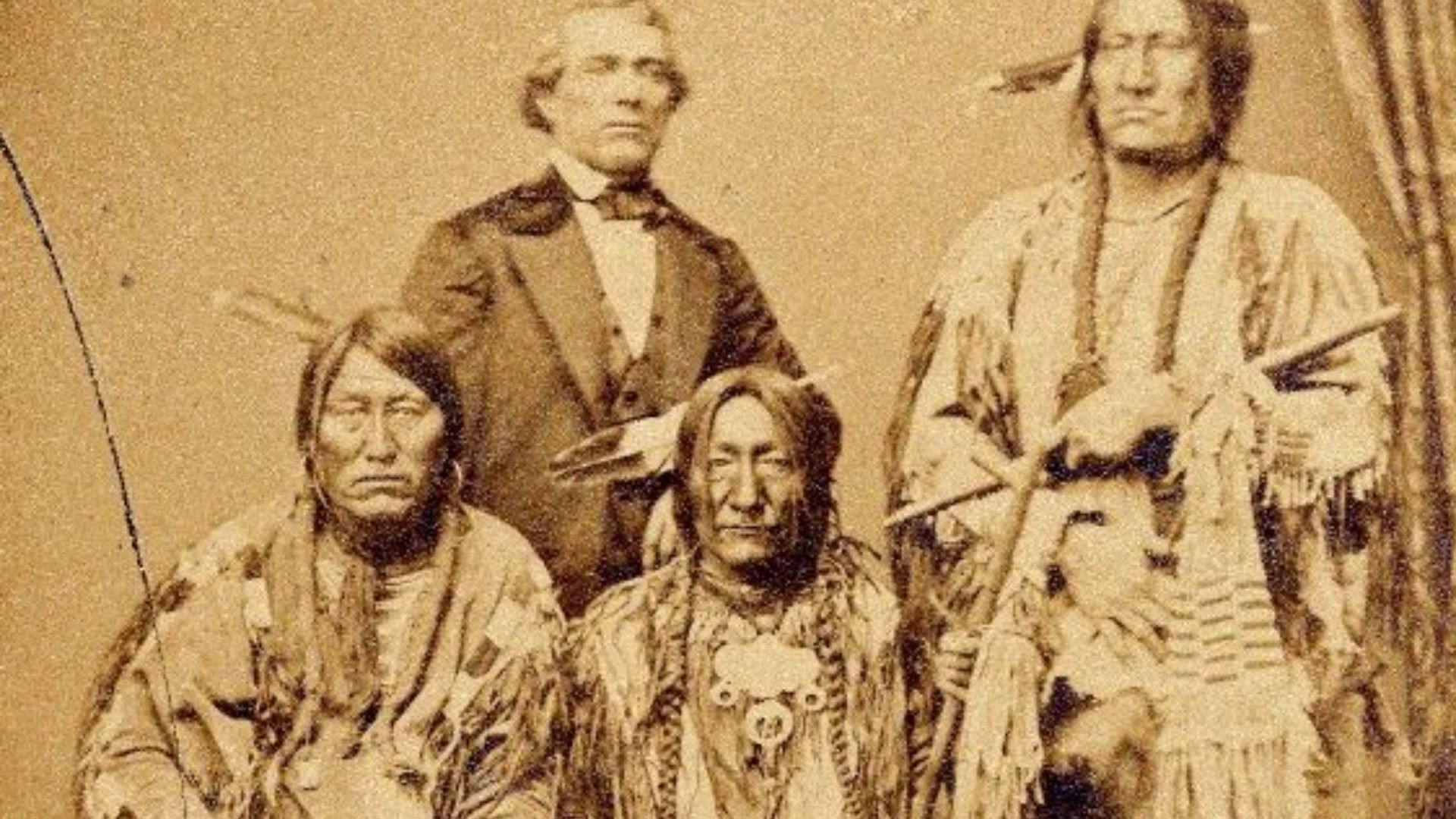
Black Kettle's standing continued to grow through his wisdom as well as his bravery. After marrying into the Wutapiu band, he became its chief in 1854 following the death of his father-in-law, Chief Bear Feathers. Around the same time, he joined the prestigious Council of Forty-Four, the Cheyenne Nation's governing body.
 John H. Fitzgibbon, Wikimedia Commons

History's most fascinating stories and darkest secrets, delivered to your inbox daily.
A Changing World
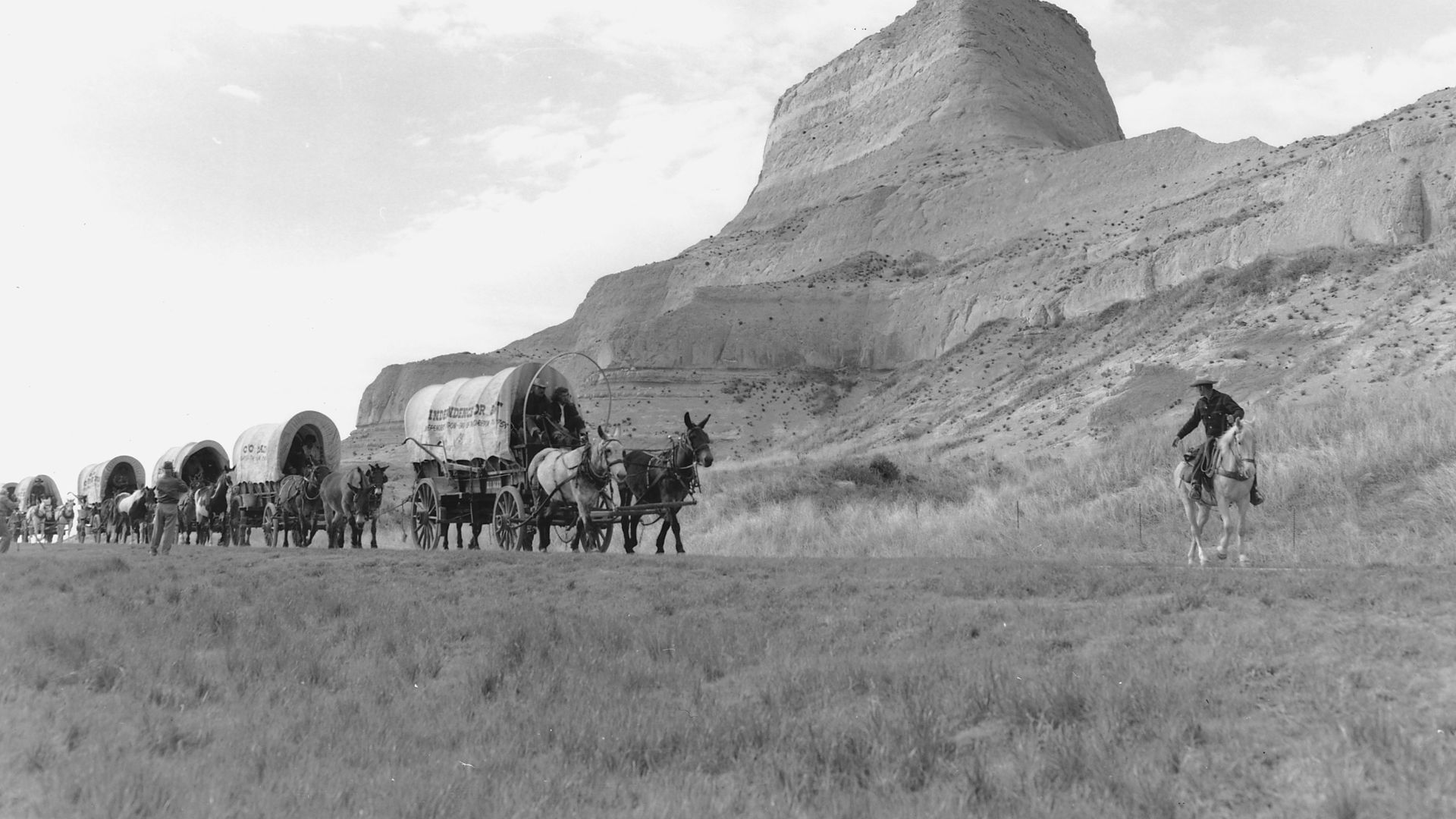
During Black Kettle's adulthood, the Great Plains changed dramatically. Wagon trails, military forts, ranches, and settlements steadily spread across Cheyenne lands. After the Pike's Peak Gold Rush began in 1859, thousands of miners poured into Colorado, increasing competition for hunting grounds, water, and resources.
 Unknown authorUnknown author or not provided, Wikimedia Commons
Choosing Diplomacy
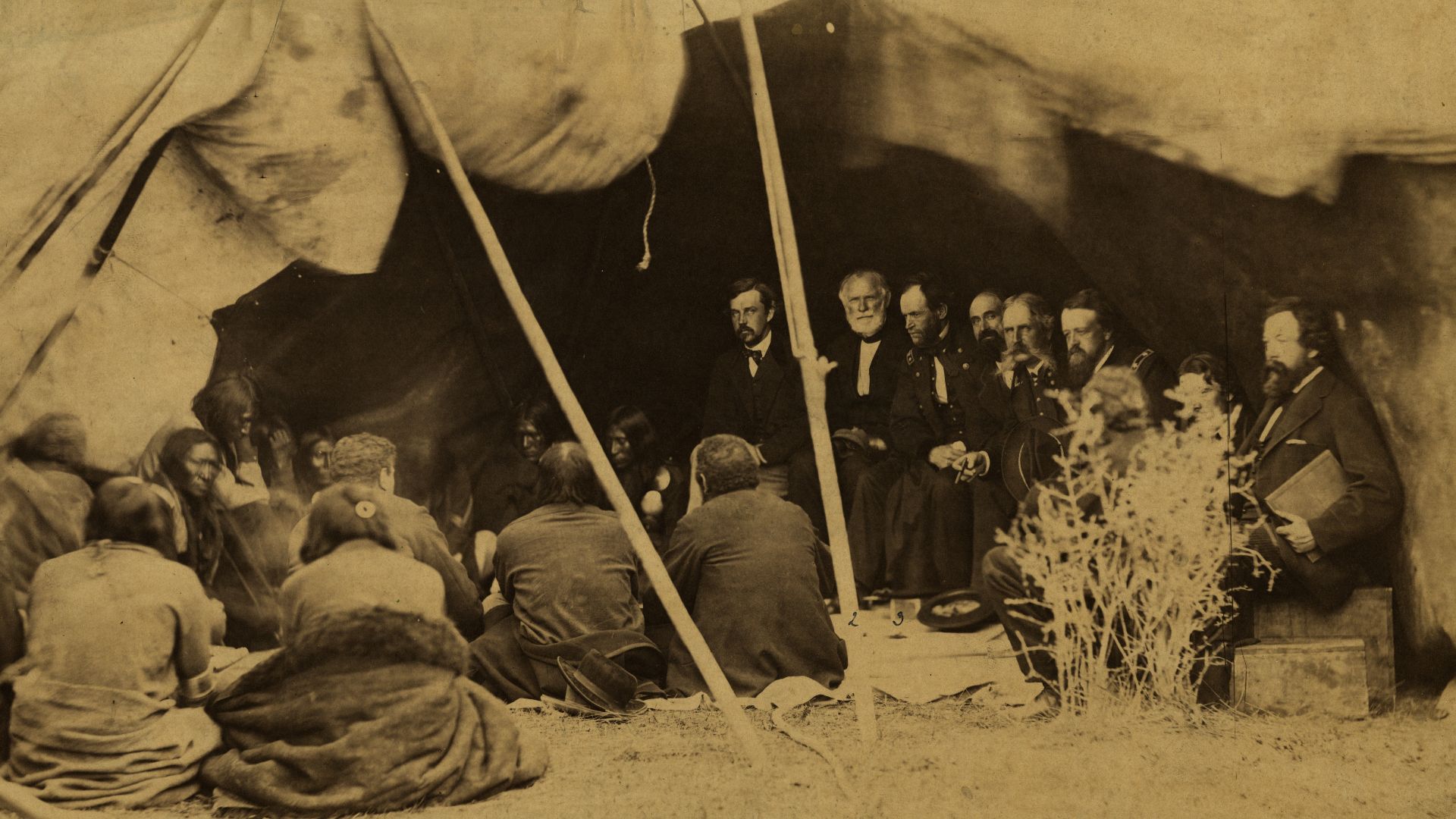
Unlike many younger warriors, Black Kettle concluded that the Cheyenne could not win a prolonged war against the United States. He believed the nation's population, industrial resources, and military strength made outright victory impossible, convincing him that negotiation offered the best hope for his people.
 Alexander Gardner, Wikimedia Commons
Signing Difficult Treaties
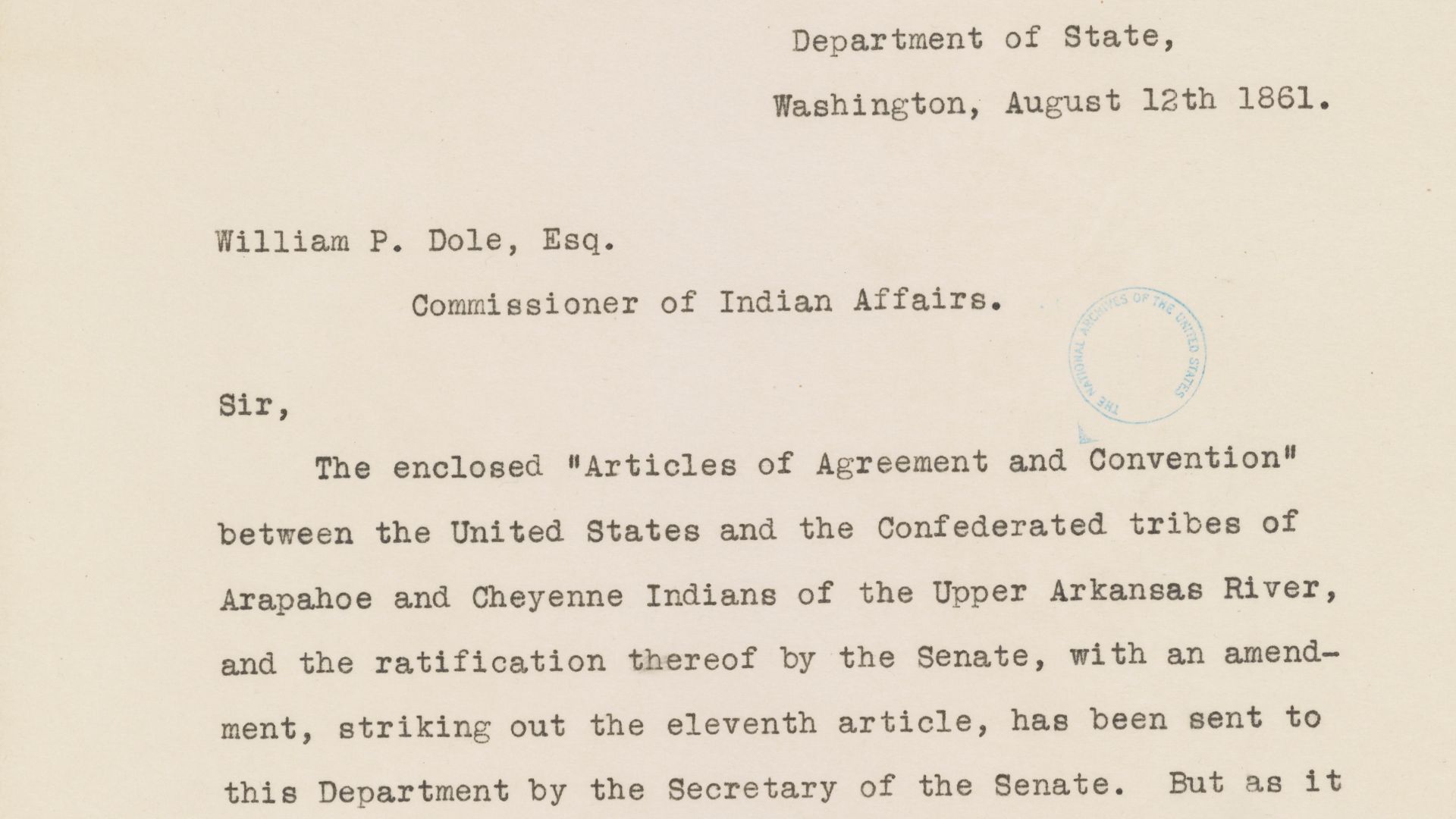
Black Kettle signed the Treaty of Fort Wise in 1861, hoping it would secure protected lands and peace. Many Cheyenne rejected the agreement because it surrendered vast traditional territories, while government promises of protection and support were only partially fulfilled. At the time of the treaty's signing, the Cheyenne mostly lived in eastern Colorado and the adjoining portions of the states of Nebraska, Wyoming, and Kansas.
 U.S. Government. 3/4/1789, Wikimedia Commons
Tensions Spiral Out Of Control
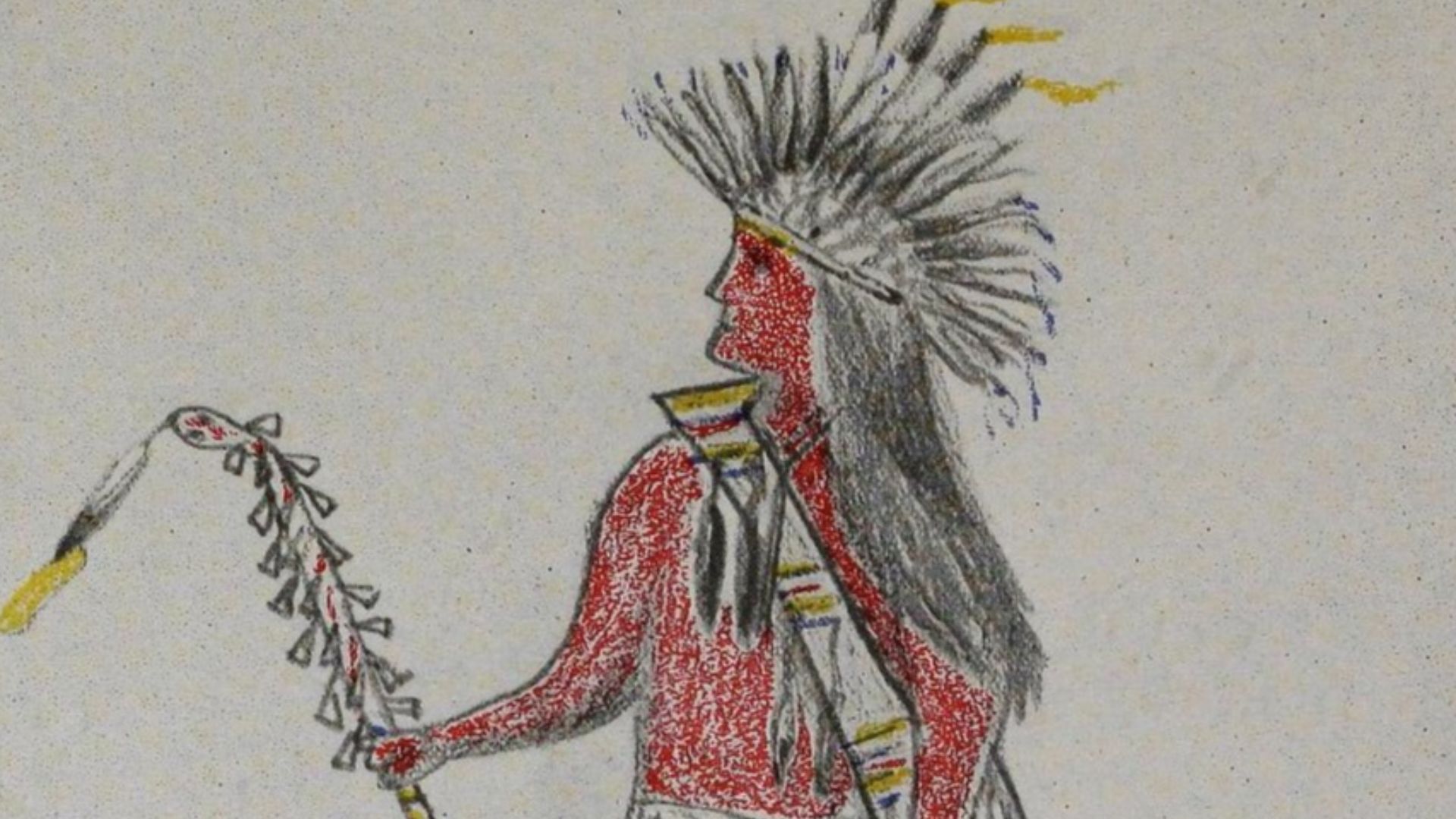
Violence in the region steadily increased during the early 1860s. Raids, retaliation, and growing distrust pushed both settlers and Native peoples toward conflict. Black Kettle continued urging restraint even as younger Cheyenne warriors, particularly the Dog Soldiers, favored armed resistance over negotiation.
 Drawn by: Richard Davis, Wikimedia Commons
Camp Weld Negotiations
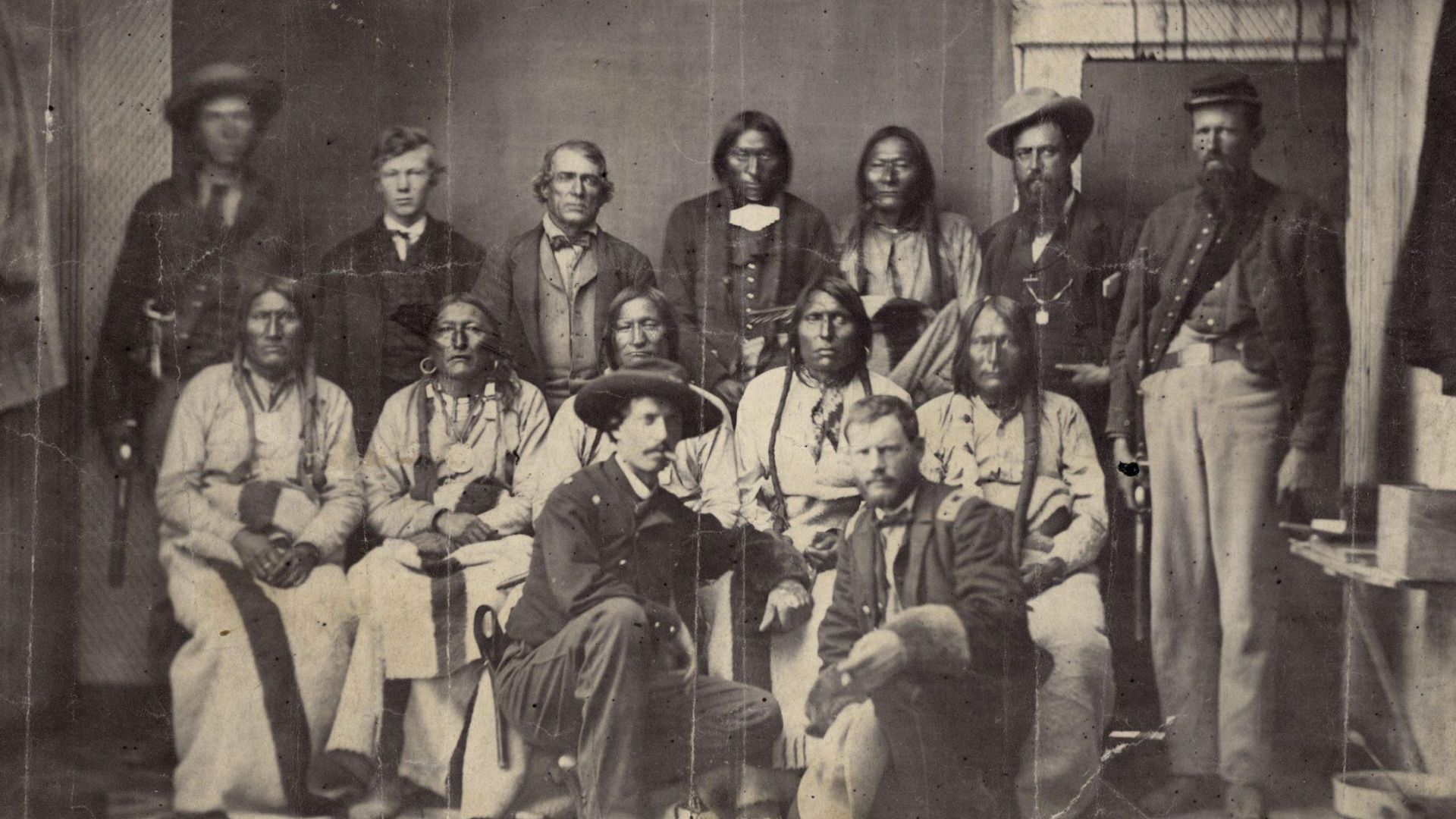
On September 28, 1864, Black Kettle met Colorado Governor John Evans and Colonel John Chivington at Camp Weld near Denver. Declaring, 'All we ask is that we have peace with the whites,' he agreed to move his followers near Fort Lyon in southeastern Colorado under Army protection.
 Unknown authorUnknown author, Wikimedia Commons
False Promises At Sand Creek
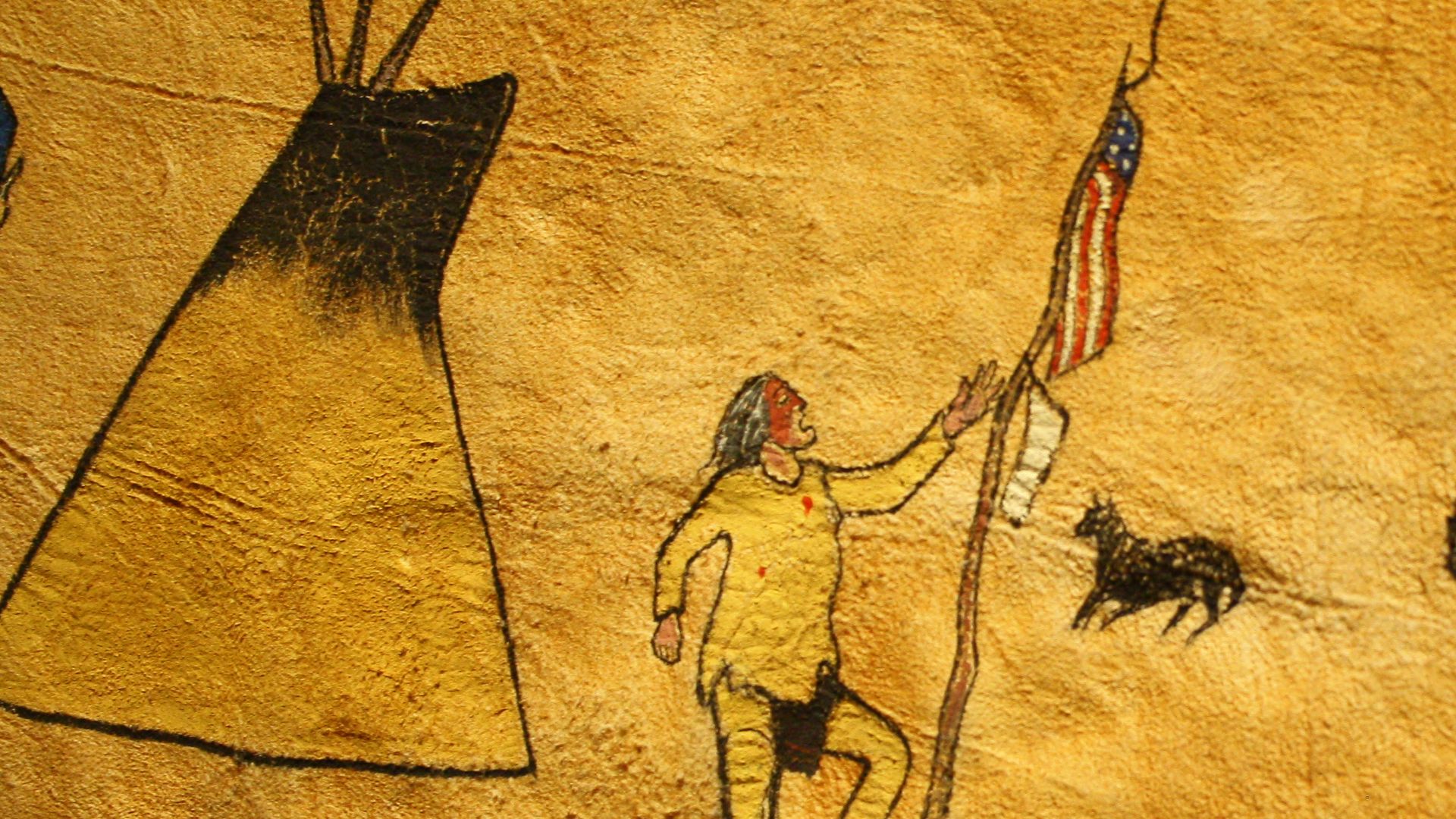
Following Army instructions, Black Kettle established his village along Sand Creek. He flew both an American flag, reportedly given by President Abraham Lincoln, and a white flag over his camp to signal peaceful intentions, believing these symbols would protect his people.
 Stone Rabbit, Wikimedia Commons
History's most fascinating stories and darkest secrets, delivered to your inbox daily.
The Sand Creek Massacre
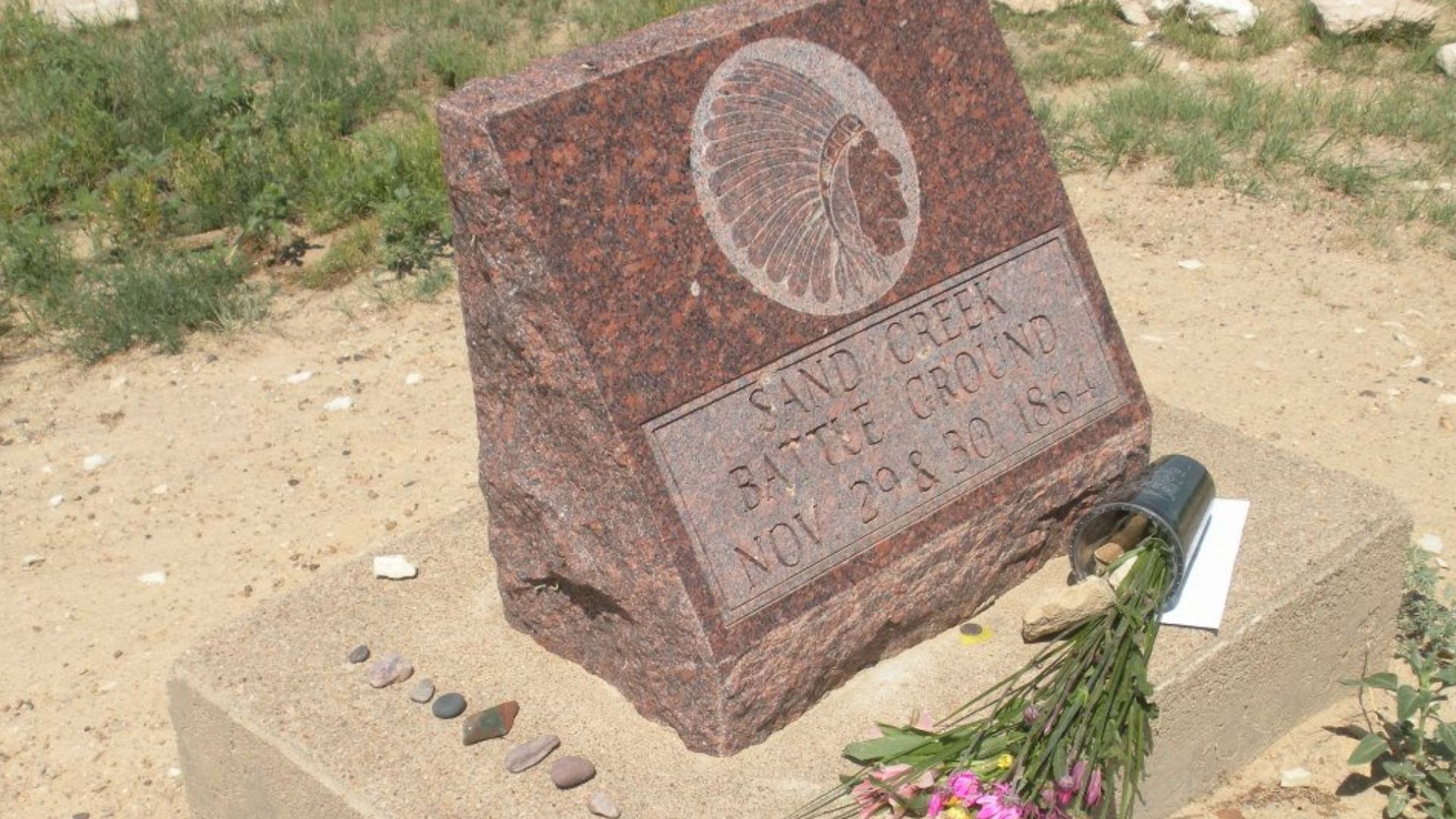
Before dawn on November 29, 1864, Colonel John Chivington's Colorado volunteers attacked the peaceful encampment. Soldiers killed more than 150 Cheyenne and Arapaho people, the majority of them women, children, and elderly individuals, despite the village's efforts to show it was not hostile.
 Stephanie A. Terry, Wikimedia Commons
Escaping The Slaughter
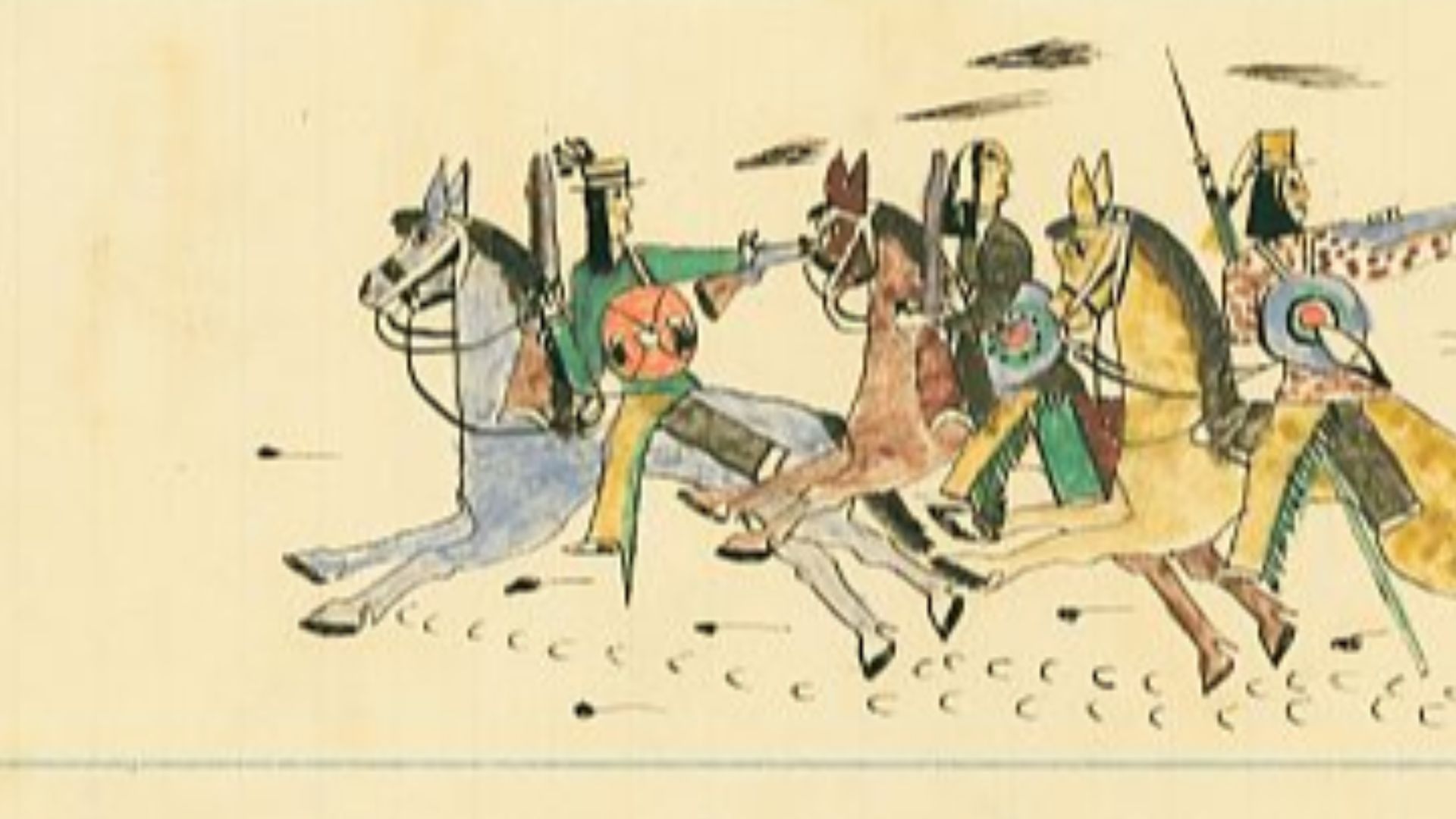
Black Kettle and his wife miraculously survived the massacre, although his wife suffered multiple gunshot wounds. The chief risked his own life rescuing her from the battlefield before escaping the devastation that destroyed much of his band.
 Howling Wolf, Wikimedia Commons
Peace Despite Betrayal
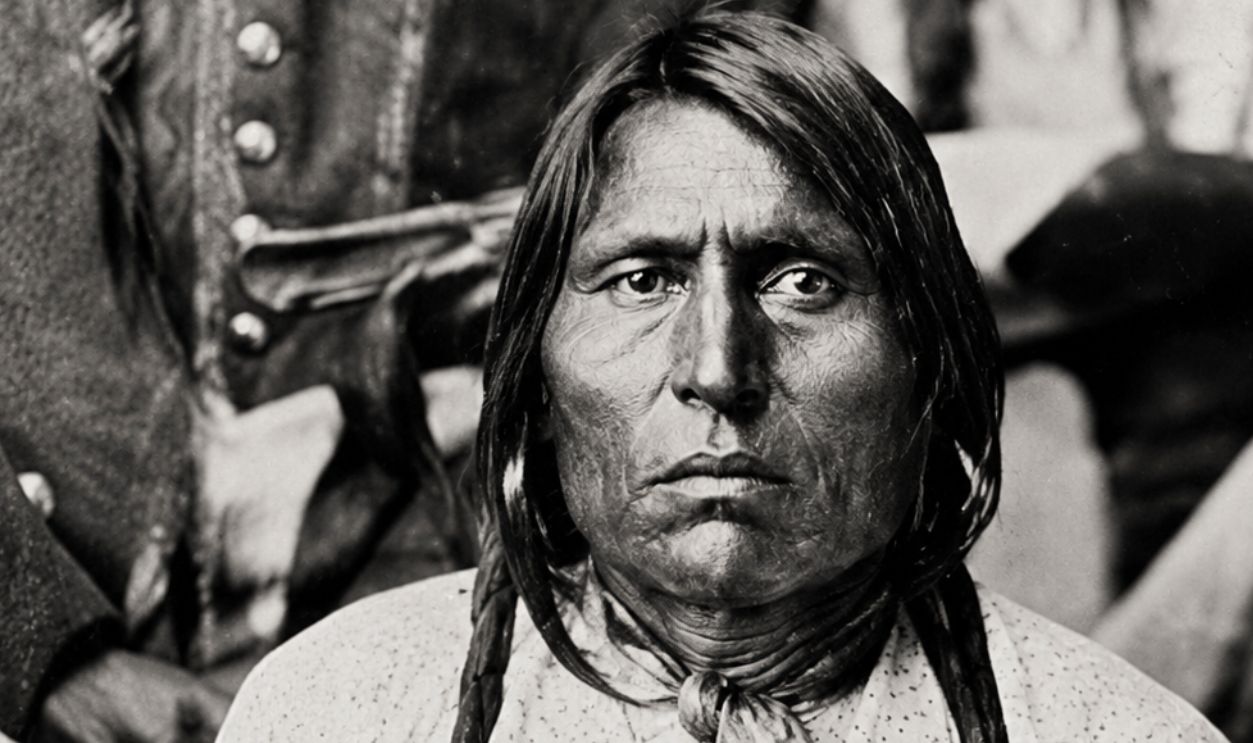
Many expected Black Kettle to abandon diplomacy after Sand Creek. Instead, he concluded that further warfare would only bring greater destruction. Although numerous Cheyenne leaders turned toward armed resistance, Black Kettle continued searching for negotiated settlements with federal authorities.
 Unknown author, Wikimedia Commons, Modified
Another Treaty
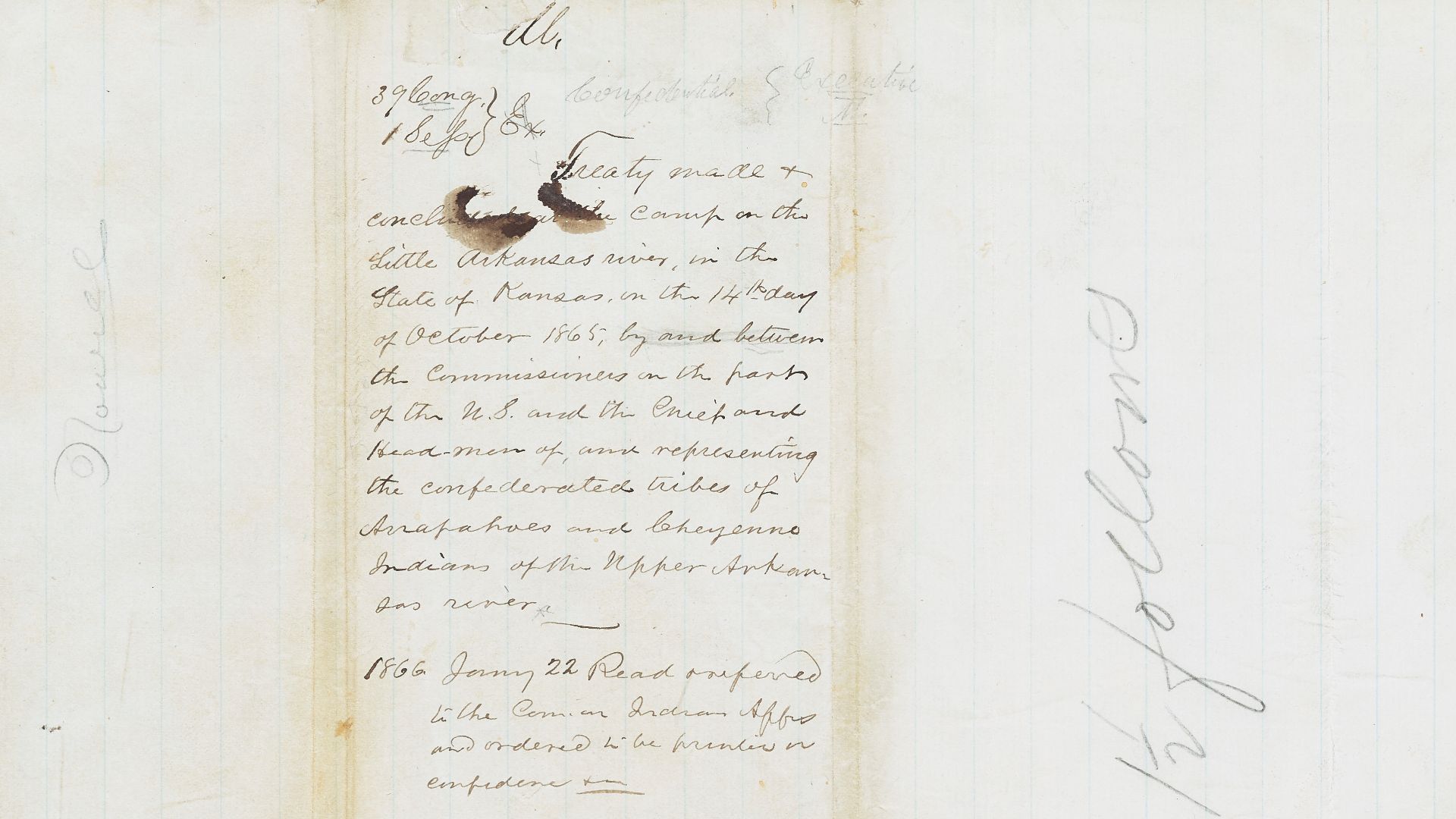
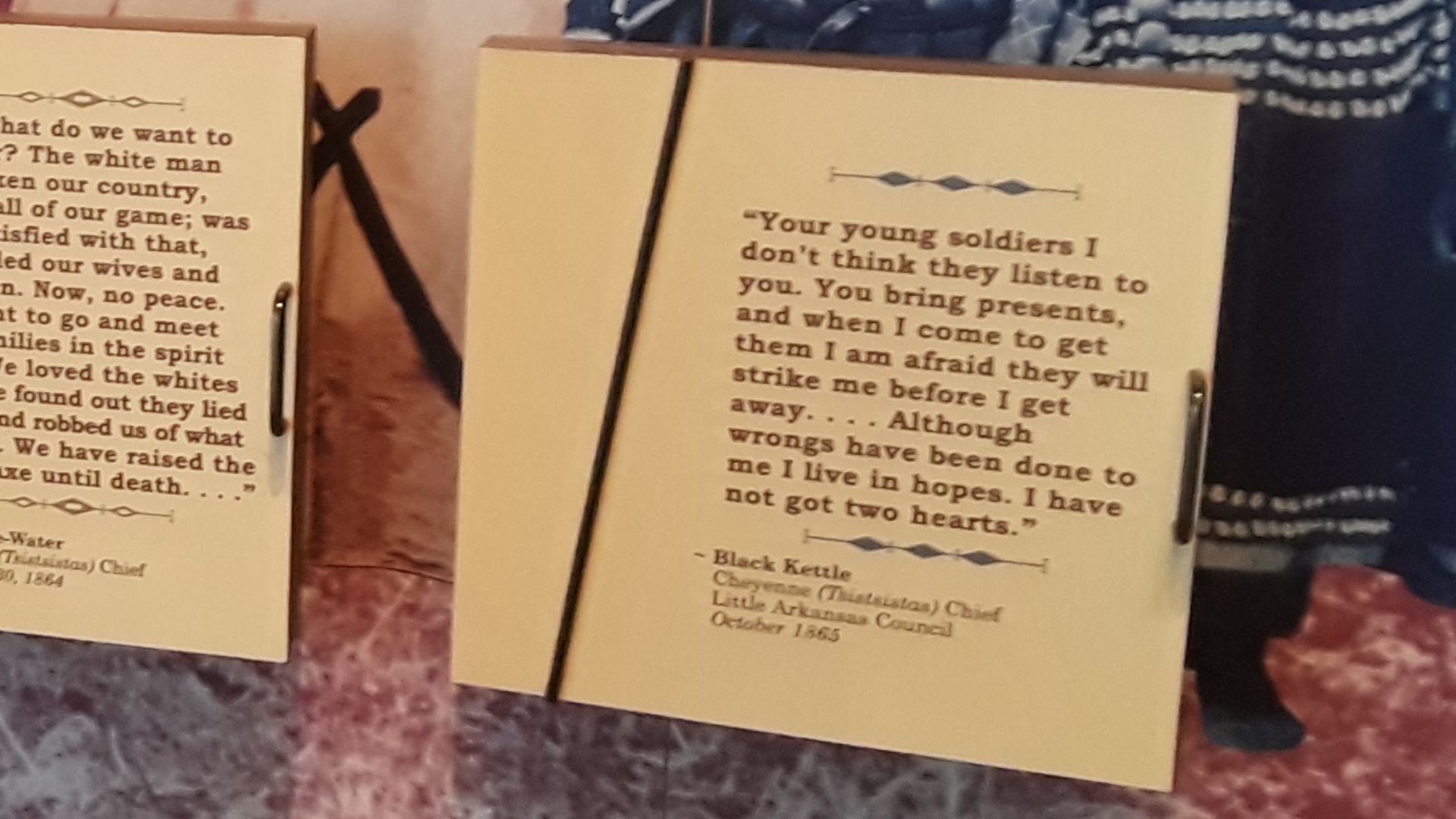
In 1865, Black Kettle signed the Treaty of the Little Arkansas River, which promised compensation for Sand Creek and pledged lasting peace. But this new agreement also required further relocation, leaving many Cheyenne increasingly skeptical that treaties would ever be honored.
 U.S. Government. 3/4/1789, Wikimedia Commons
Medicine Lodge Agreement
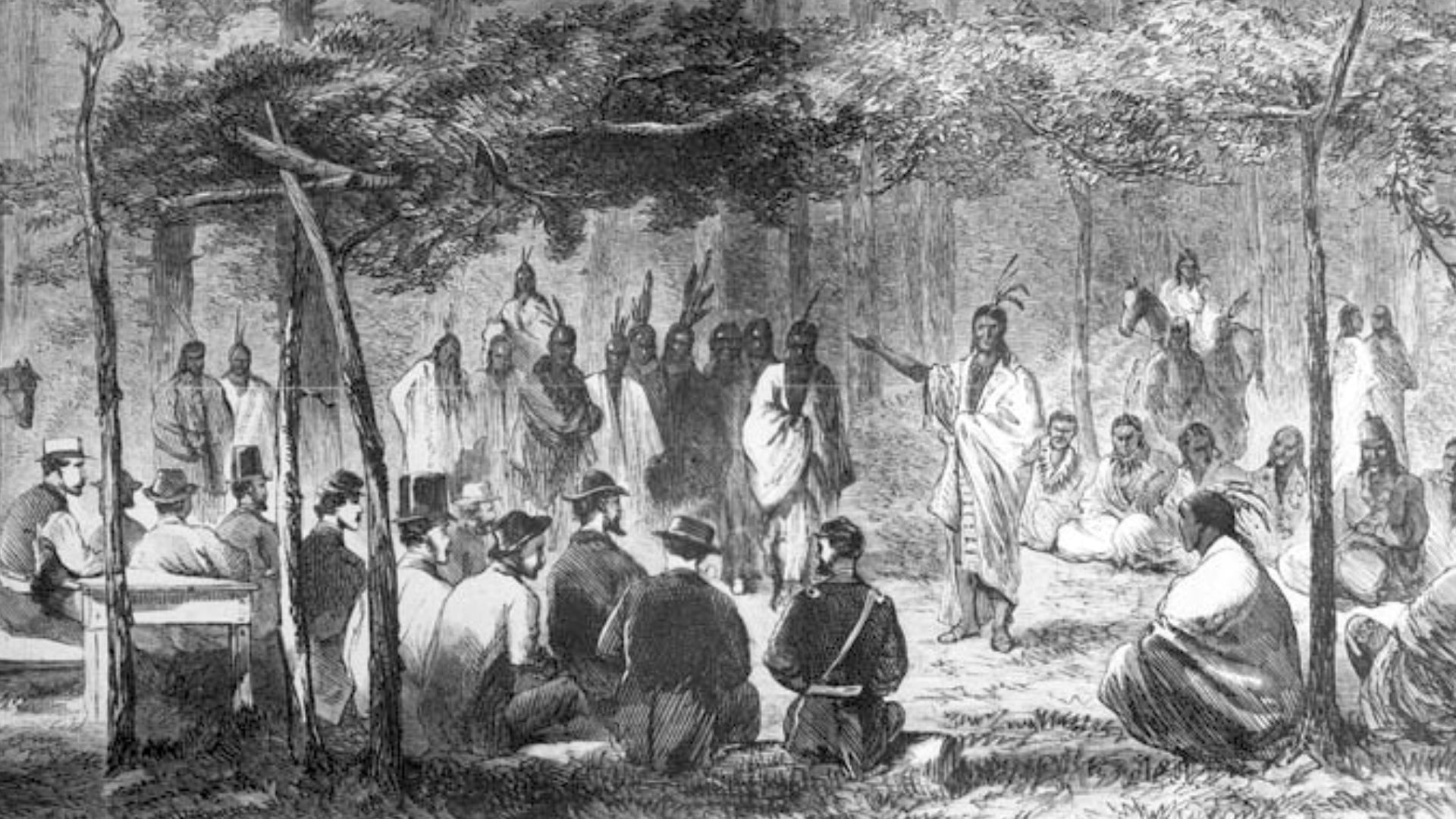
Black Kettle again sought peace by signing the Medicine Lodge Treaty in 1867. His followers agreed to move onto a reservation in Indian Territory. Meanwhile, independent Cheyenne war parties continued raiding settlements, weakening Black Kettle's influence and complicating relations with the Army.
 J. Howland, Harper's Weekly, Wikimedia Commons
Custer Enters The Story
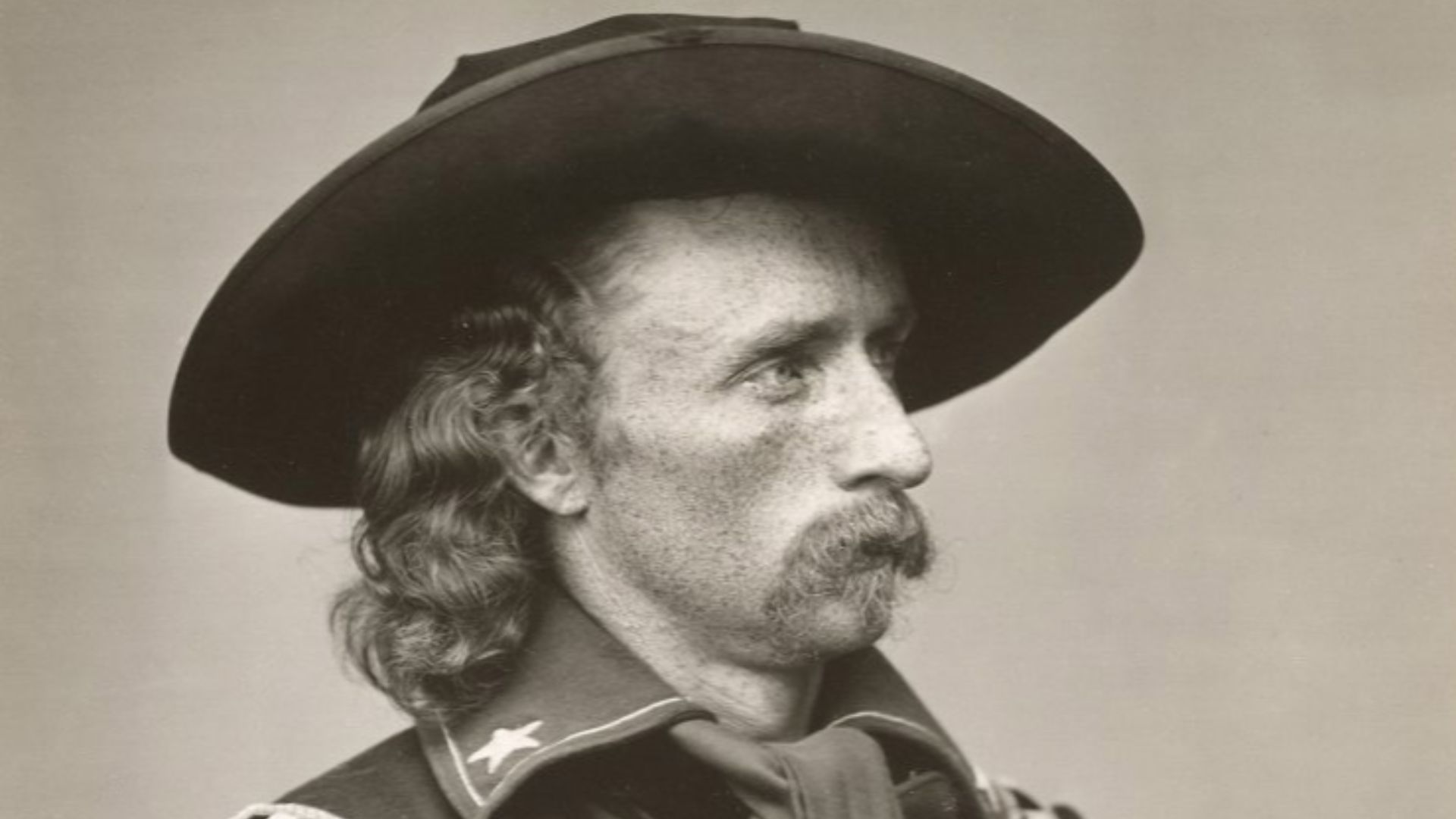
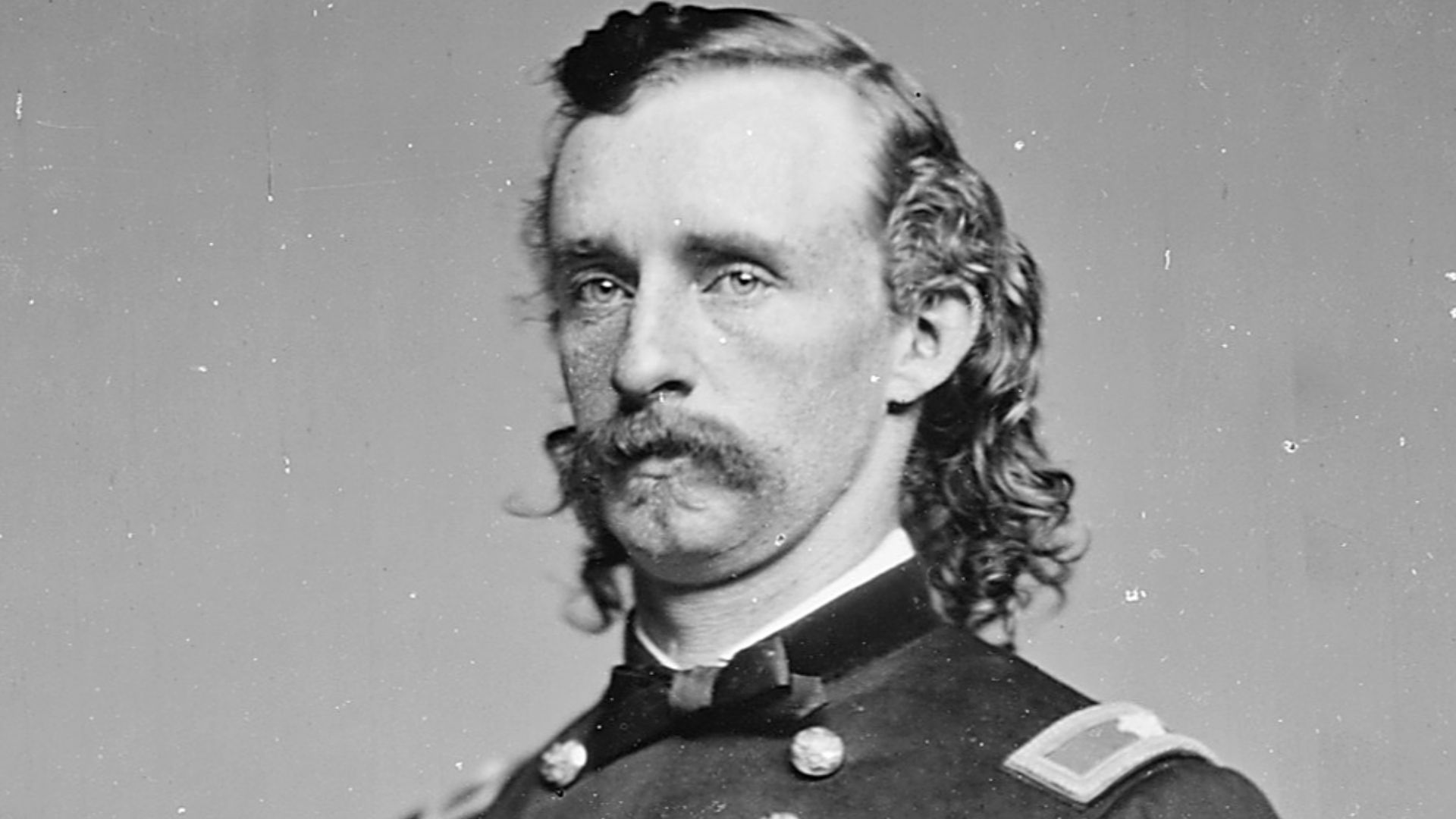
Lieutenant Colonel George Armstrong Custer had already developed a reputation for bold, aggressive leadership during the Civil War. Under General Philip Sheridan's winter campaign strategy, Custer received orders to strike Cheyenne villages believed to be supporting raids across the Southern Plains.
 George L. Andrews, Wikimedia Commons
History's most fascinating stories and darkest secrets, delivered to your inbox daily.
The Road To Washita
Although Black Kettle continued seeking peace, his village lay near other Cheyenne encampments whose warriors had participated in raids. Sheridan's strategy made little distinction between peaceful bands and hostile ones, placing Black Kettle's people directly in the Army's path.
Dawn Attack Once Again
At dawn on November 27, 1868, Custer's 7th Cavalry attacked Black Kettle's village along the Washita River in present-day Oklahoma. The assault came without warning, echoing the surprise attack at Sand Creek only four years earlier.
![Downloaded from http://memory.loc.gov/
TITLE: The Seventh U.S. Cavalry charging into Black Kettle's village at daylight, November 27, 1868.
CALL NUMBER: Illus. in AP2.H32 1868 Case Y [P&P]
REPRODUCTION NUMBER: LC-USZ62-117247 (b&w film copy neg.)
RIGHT](https://www.factinate.com/storage/app/media/factinate/2026/7/20/1784530158d5e997f85e86d36aaea982c93932b9fcdc2aac93.jpg) Harper's weekly, v. 12, 1868 Dec. 19, p. 804., Wikimedia Commons
Harper's weekly, v. 12, 1868 Dec. 19, p. 804., Wikimedia Commons
Black Kettle's Final Moments
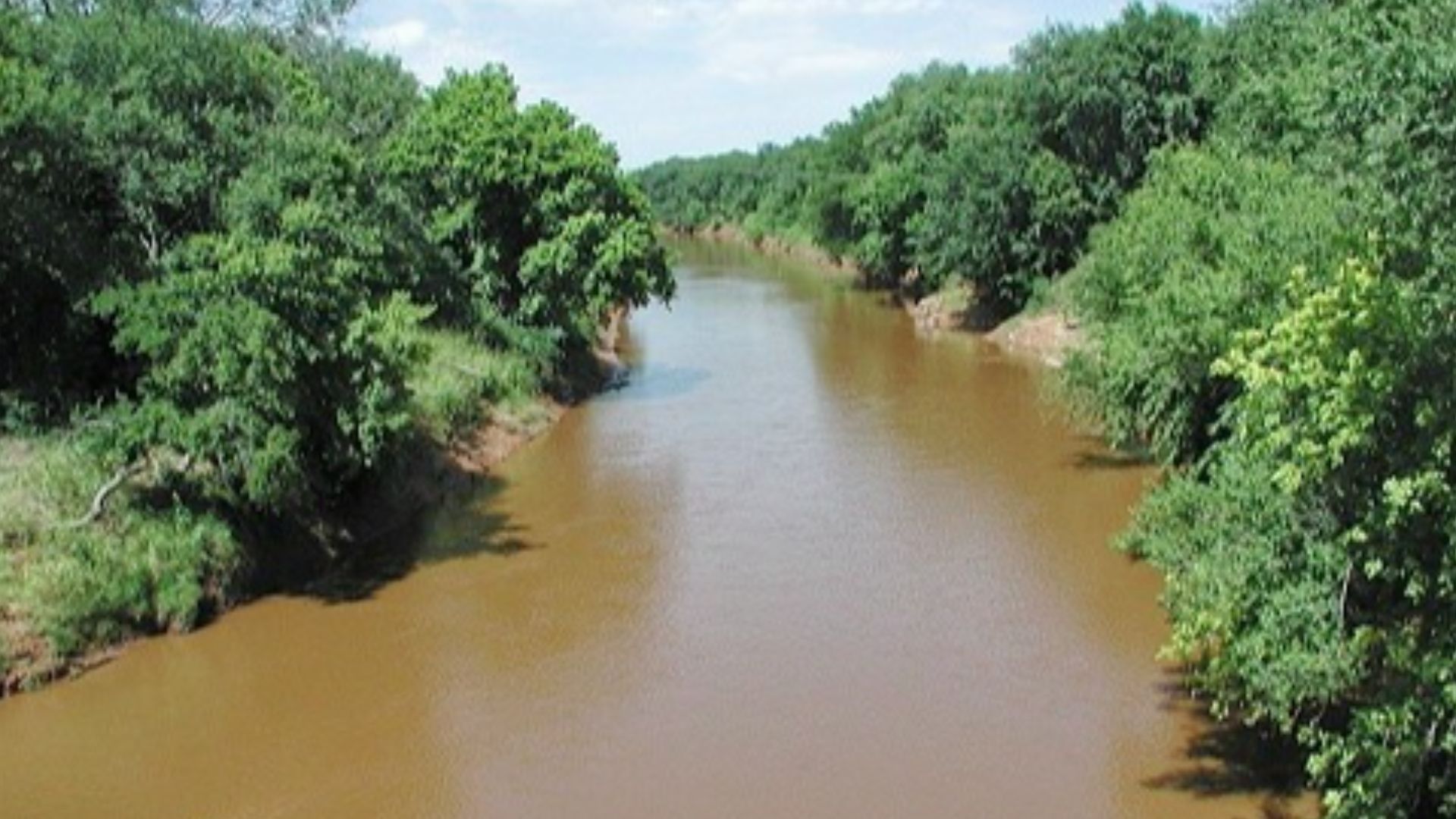
Black Kettle and his wife attempted to escape across the Washita River during the fighting. Both were shot in the back and killed, ending the life of a leader who had devoted years to preventing exactly such bloodshed.
 unknown NOAA employee, Wikimedia Commons
The Cheyenne Afterward
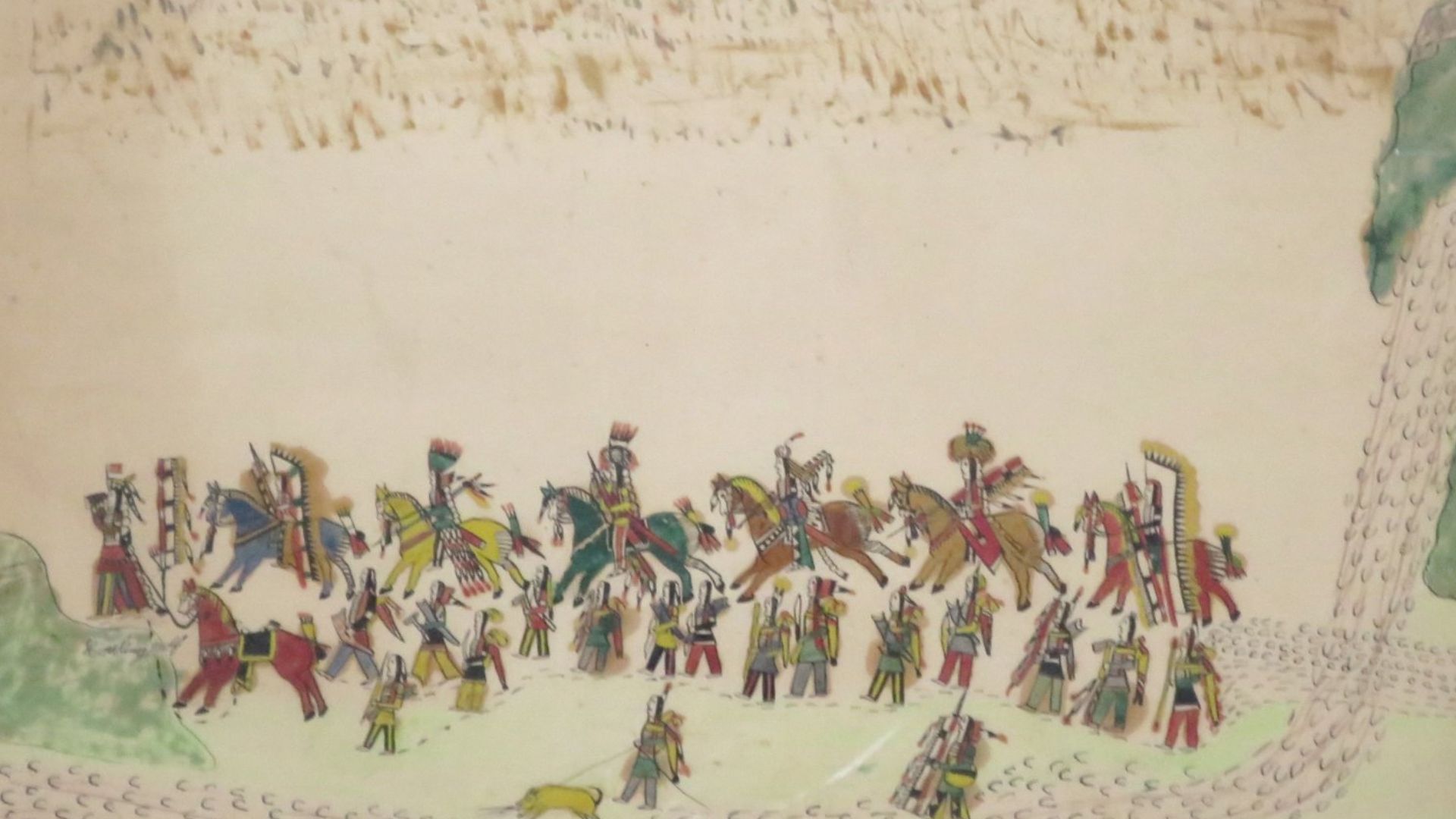
The attack at Washita weakened Southern Cheyenne resistance. Continued military campaigns, shrinking buffalo herds, and relentless encroachment by European settlers eventually forced most surviving Cheyenne onto reservations, fundamentally changing a way of life that had endured for generations.
 Howling Wolf (Ho-na-nist-to), Wikimedia Commons
Custer's Complicated Legacy
To many Americans of his era, Custer was celebrated as a frontier hero. Today, historians debate both his leadership and his role in attacks such as Washita. His willingness to launch aggressive surprise assaults remains one of the most controversial aspects of his military career.
 Mathew Benjamin Brady, Wikimedia Commons
Little Bighorn Changes History
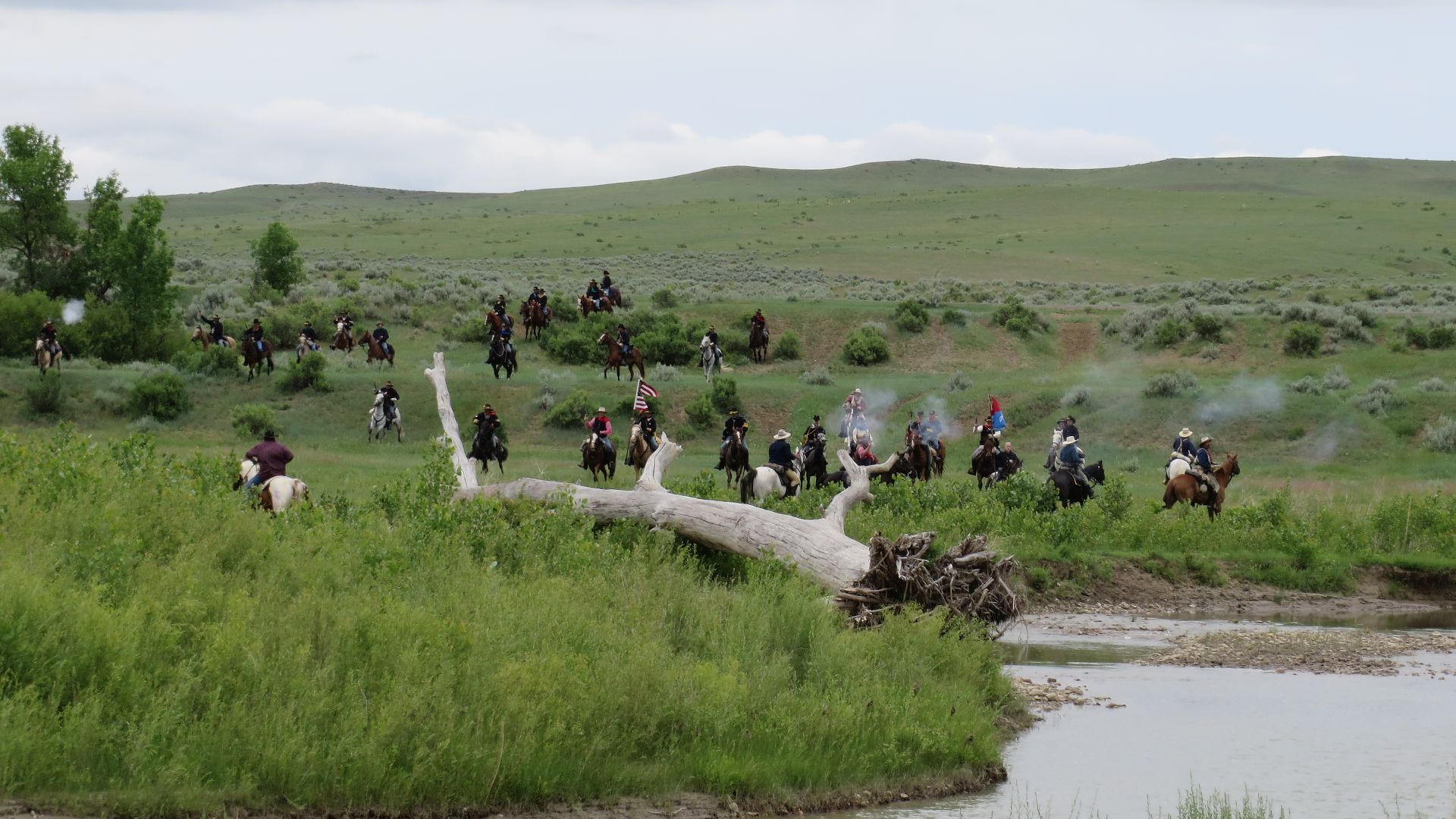
Eight years after Black Kettle's death, Custer himself was killed at the Battle of the Little Bighorn in 1876. That Native American victory, led by Lakota, Northern Cheyenne, and Arapaho forces, became a powerful symbol of resistance, though it ultimately failed to halt U.S. expansion.
 Leonard J. DeFrancisci, Wikimedia Commons
History's most fascinating stories and darkest secrets, delivered to your inbox daily.
A Different Kind Of Courage
Unlike leaders remembered primarily for battlefield victories, Black Kettle is remembered for extraordinary perseverance. He repeatedly returned to diplomacy after devastating personal losses because he believed preserving Cheyenne lives mattered more than seeking revenge.
 Ser Amantio di Nicolao, Wikimedia Commons
Honoring His Memory
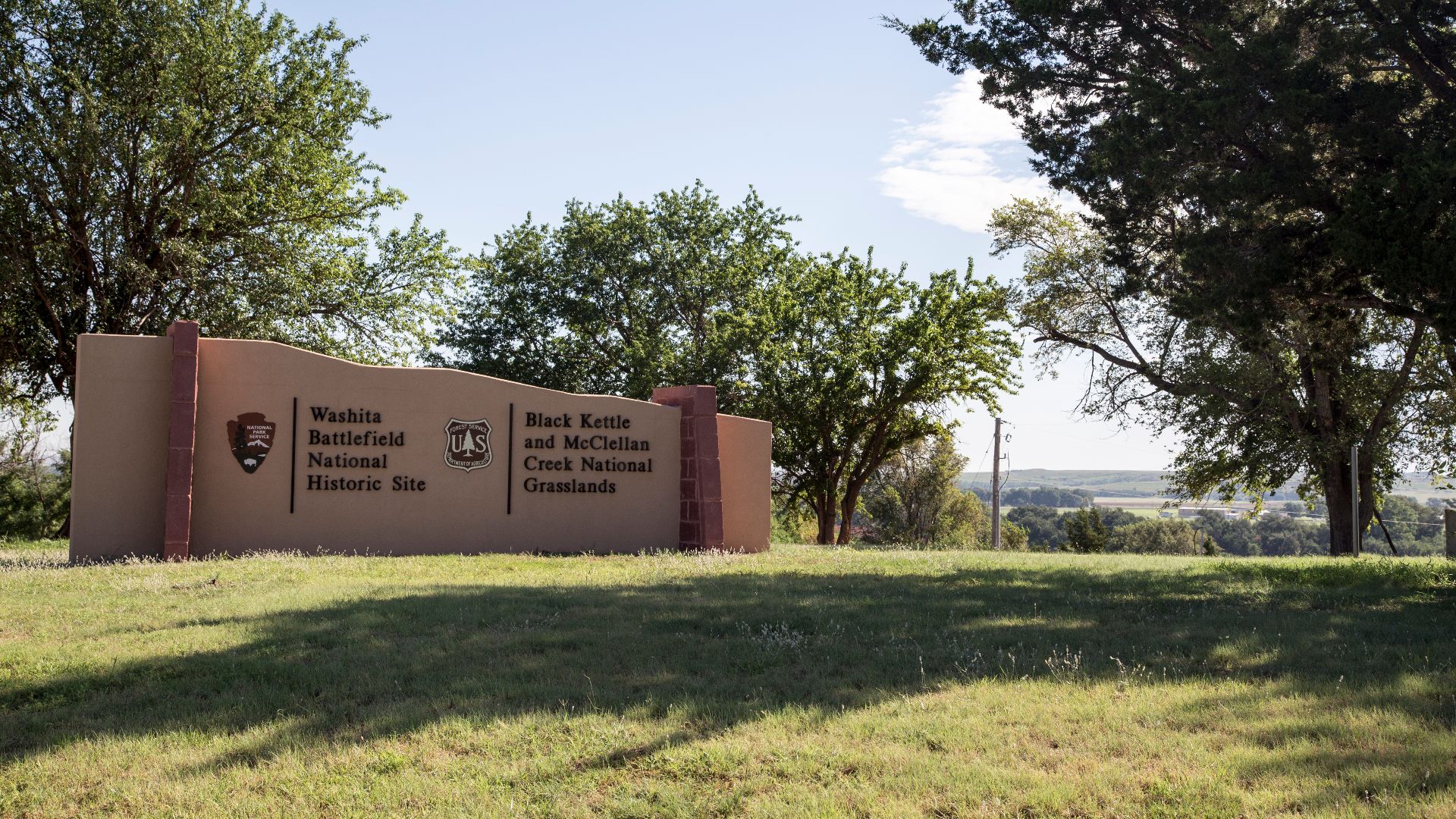
Today, Black Kettle is honored through sites such as Washita Battlefield National Historic Site, Sand Creek Massacre National Historic Site, Black Kettle National Grassland, and museums dedicated to preserving his story. These places encourage visitors to examine both his leadership and the painful history surrounding his people.
 Neurosynthetic, Wikimedia Commons
A Lasting Legacy
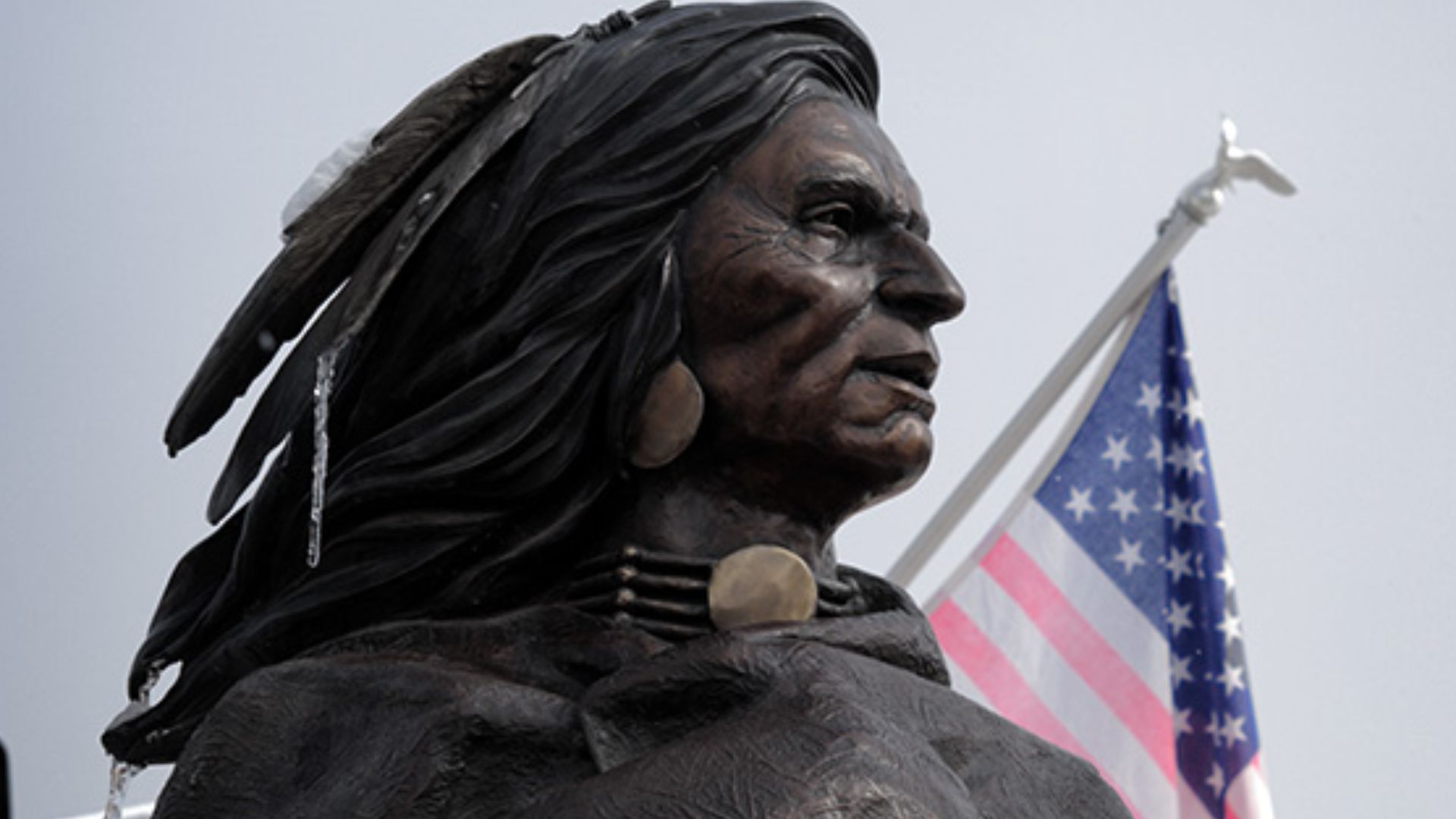
Chief Black Kettle's life remains one of the most tragic stories of the American frontier. His determination to pursue peace in the face of overwhelming odds did not spare his people from suffering, but it secured his place in history as a leader whose courage was measured by restraint, compassion, and hope rather than conquest.
 BFS Man from Webster, TX, USA, Wikimedia Commons
You May Also Like:
Remarkable Facts About Sitting Bull, The Hero Of Lakota Resistance










.png)