
Fallen From Grace
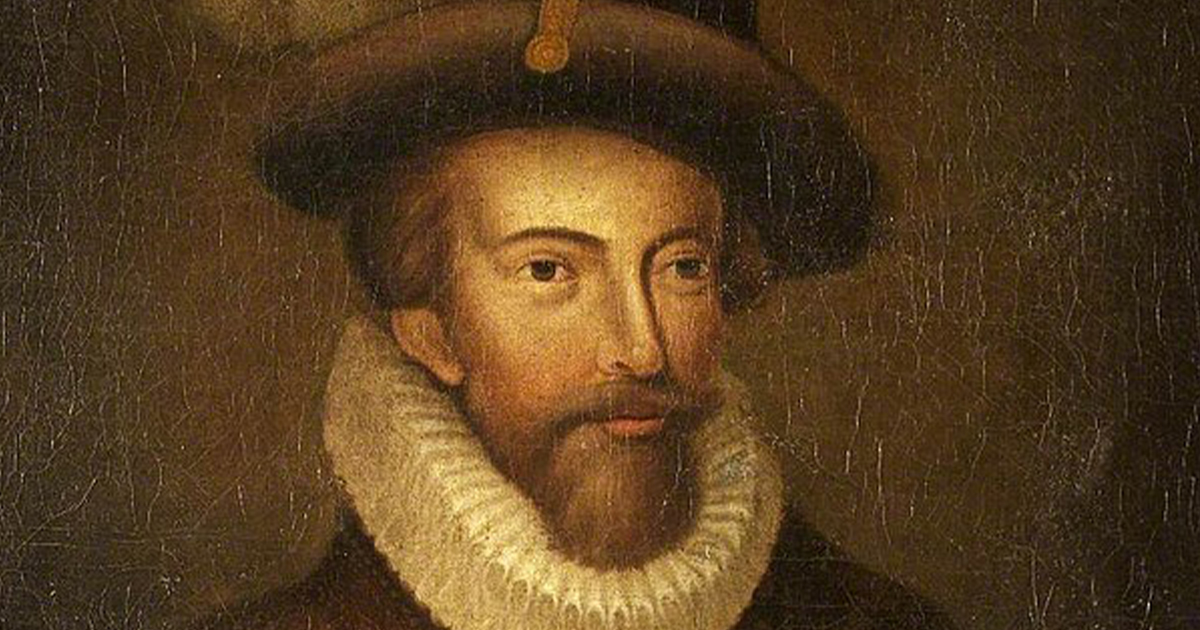
Impressing the royalty early on in his career, Sir Walter Raleigh earned himself the authority to fight Britain’s enemies on the high seas and explore the New World. He even had the freedom to pursue some of his more outlandish endeavors, such as a hunt for the lost City of Gold. However, he never seemed to be able to stay out of trouble, and this streak of misfortune would catch up to him in the end—despite his best efforts.
1. He Was A Mystery
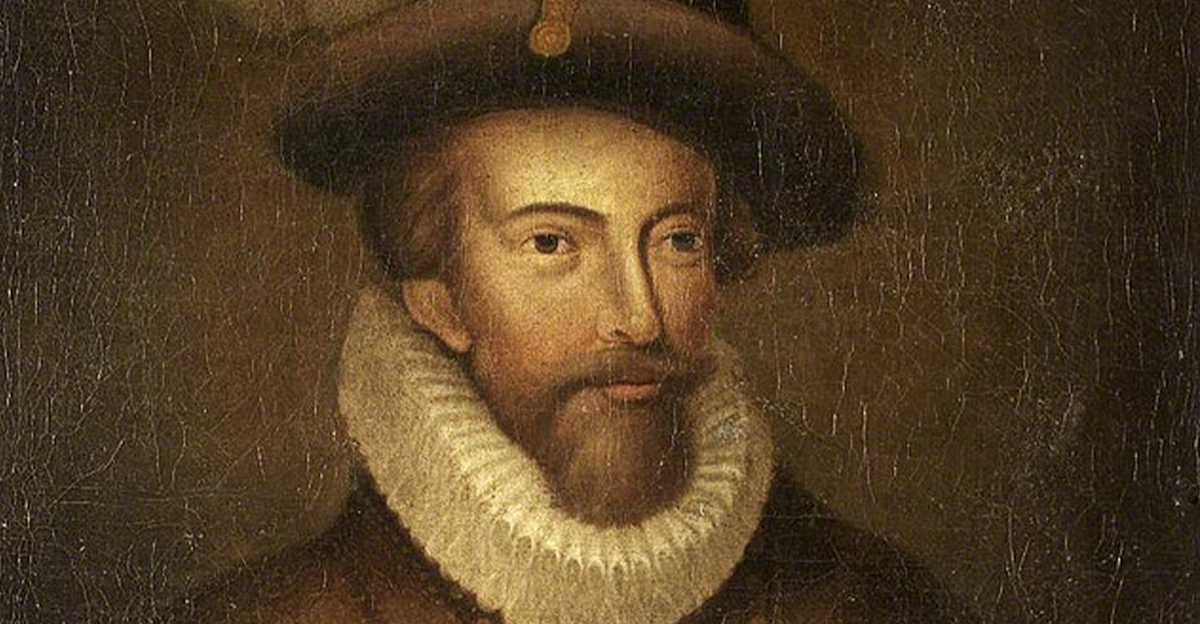
While he may have had trouble maintaining a good reputation, Sir Walter Raleigh nonetheless became one of the most iconic British explorers, possibly throughout all of history. Despite this, chunks of his life remain absent from surviving records, especially from his early years. However, scholars have widely accepted that he was born in the mid-1500s—likely January 1552—to Walter Raleigh Sr and Katherine Champernowne.
Through his family’s connections, he got a leg up in the world almost immediately.
2. He Met The Ruler
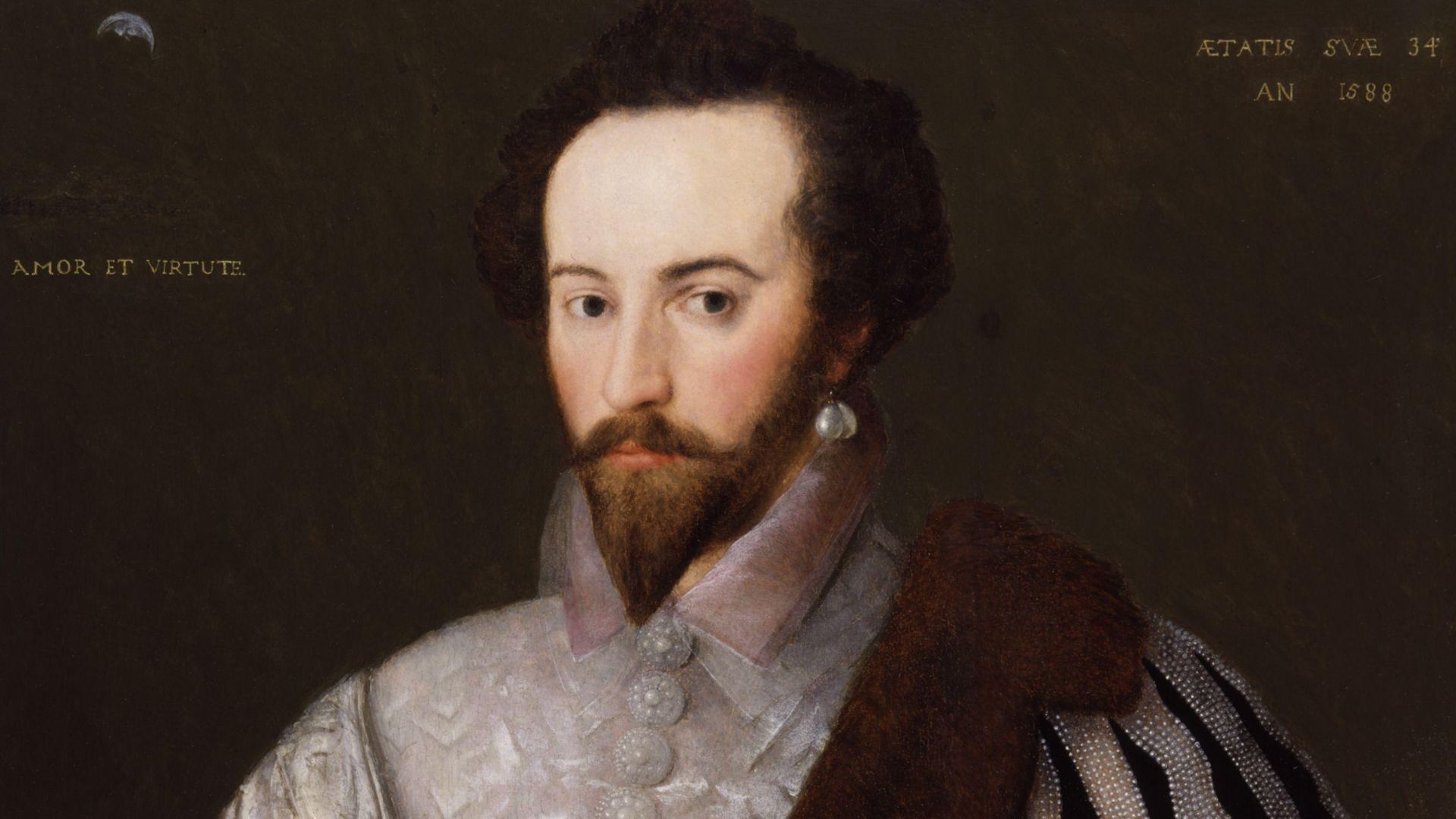
Although the Raleigh family was of the landed gentry class and thus enjoyed a higher social status than most, they weren’t among the English nobility. Even so, fate had a rare twist in store for him. The young Walter had the unique chance to meet the British monarchs when his great-aunt—who was Queen Elizabeth I’s governess—brought him and his four older brothers to the court.
However, his family hadn’t always been so friendly with the royals. In fact, their history was downright chilling.
 Jasonanaggie, Wikimedia Commons
3. He Hated Them All
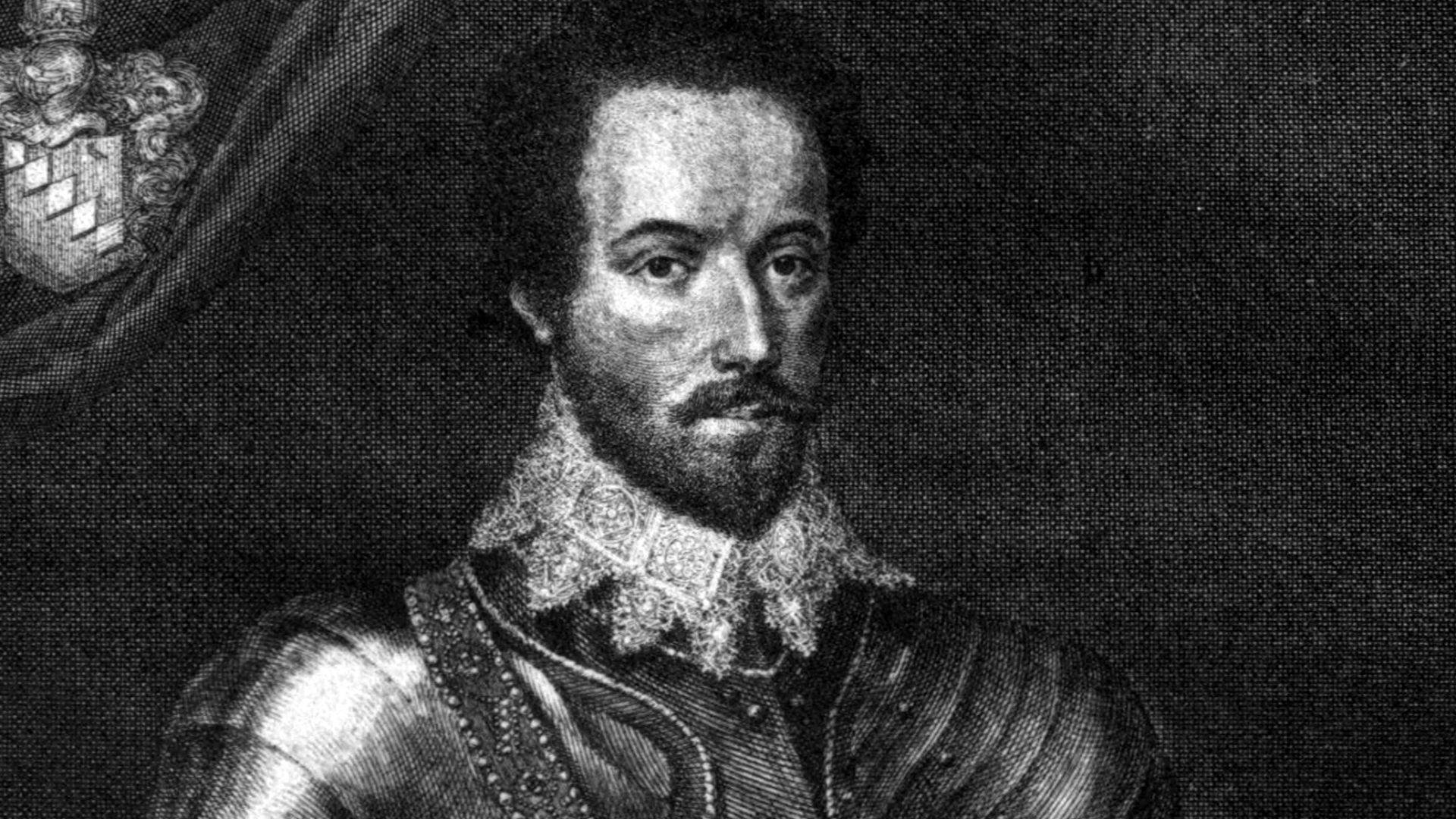
Although Walter Raleigh would serve Queen Elizabeth I throughout his life, this kind of loyalty to the crown was new for his family, as the previous monarch had been far less welcoming. Raised a devout Protestant, Walter grew up hearing horrifying stories about his family fleeing to escape Queen Mary I’s heresy laws. As a result, he developed a deep-seated animosity towards Roman Catholicism, which he was never shy about.
Little did he know, he would one day have to face his own set of nightmares.
 Elizabeth: The Golden Age, Universal Pictures (2007)

History's most fascinating stories and darkest secrets, delivered to your inbox daily.
4. He Dropped Out
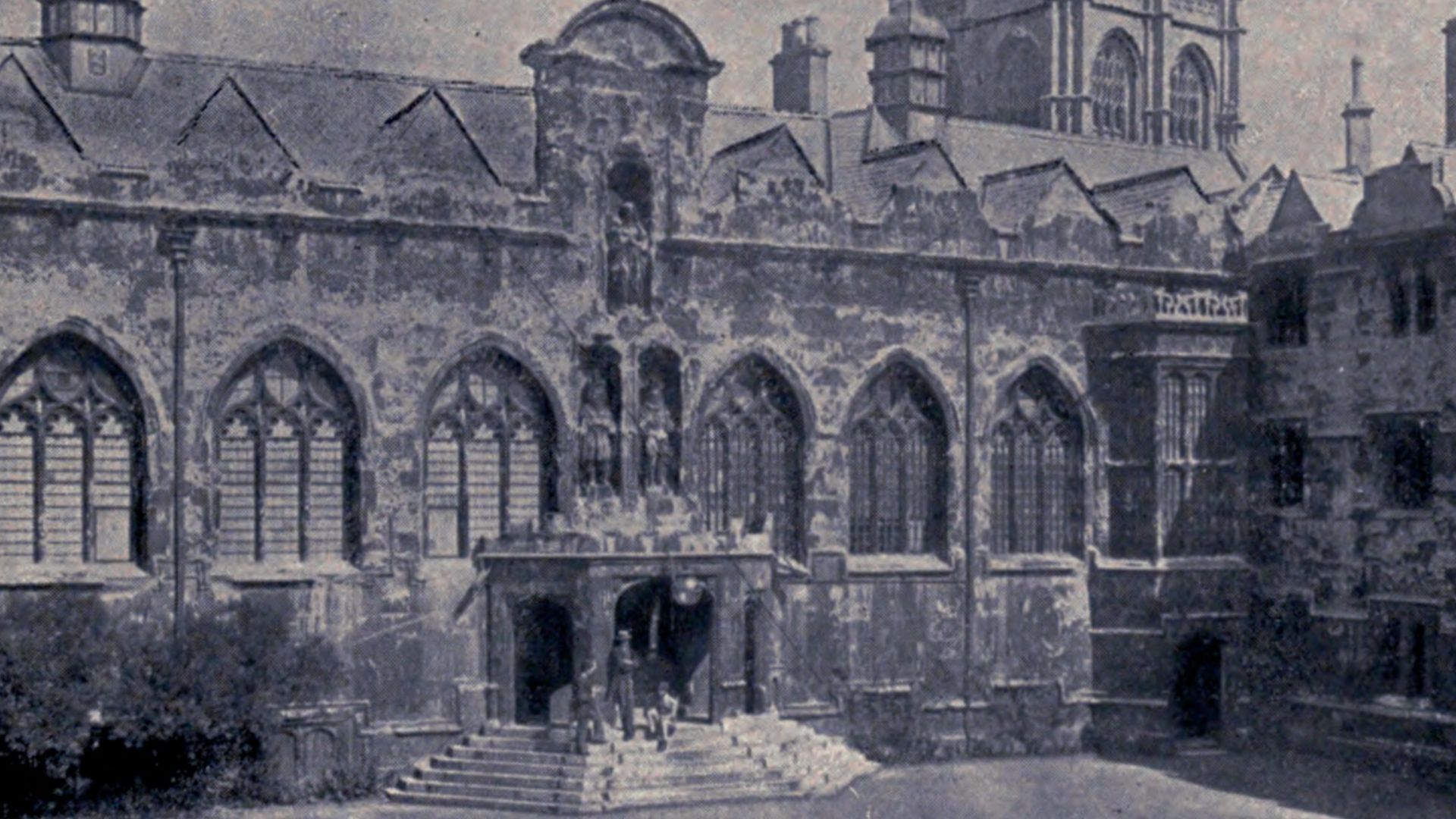
After fighting with the Huguenots in France at the end of the 1560s, Walter decided to spend some time focused on learning, attending Oriel College, Oxford, in 1572. He would not last too long at the college, however, and ended up leaving two years later, before he managed to get any sort of degree. Fortunately for him, he was able to complete his formal schooling over the next several years in the Inns of Court.
Soon enough, he got the chance to pursue his true calling—and it altered the course of his life forever.
 William Thomas Stead, Wikimedia Commons
5. He Went Out To Sea
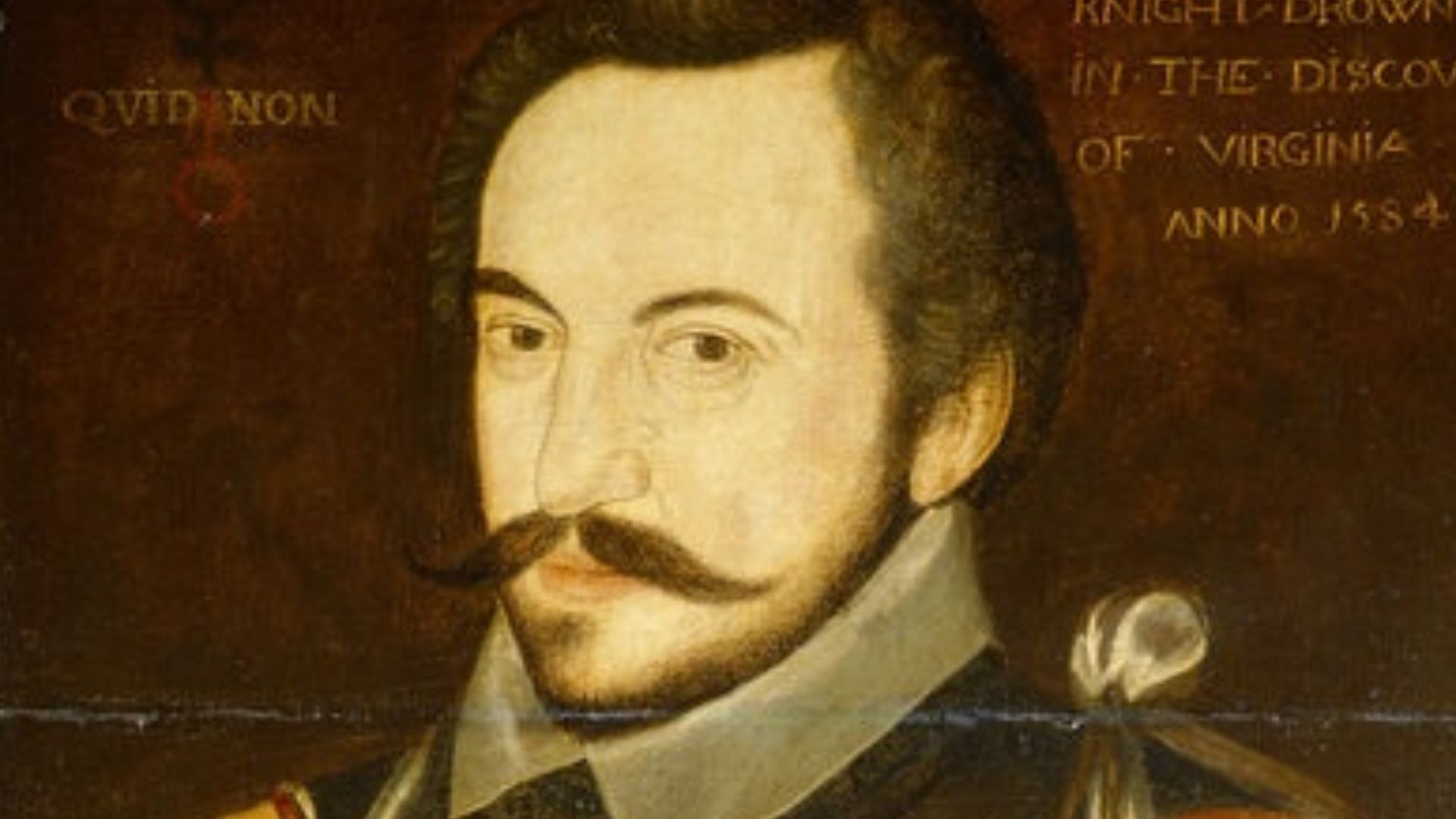
At around 25 years old, Walter Raleigh got his first taste of exploration, and all the rises and falls that come with it, but he wasn’t alone. Accompanying his half-brother, Sir Humphrey Gilbert, Walter embarked on a journey to discover the Northwest Passage in 1577—and another two years later. While both were ultimately unsuccessful, they helped him to realize that his true purpose in life was adventure, and the Spanish ships he raided did wonders for his reputation.
Over these early years, he demonstrated just how valuable he could be to Britain—especially when it came to less savory actions.
 Unknown authorUnknown author, Wikimedia Commons
6. He Fought For Britain
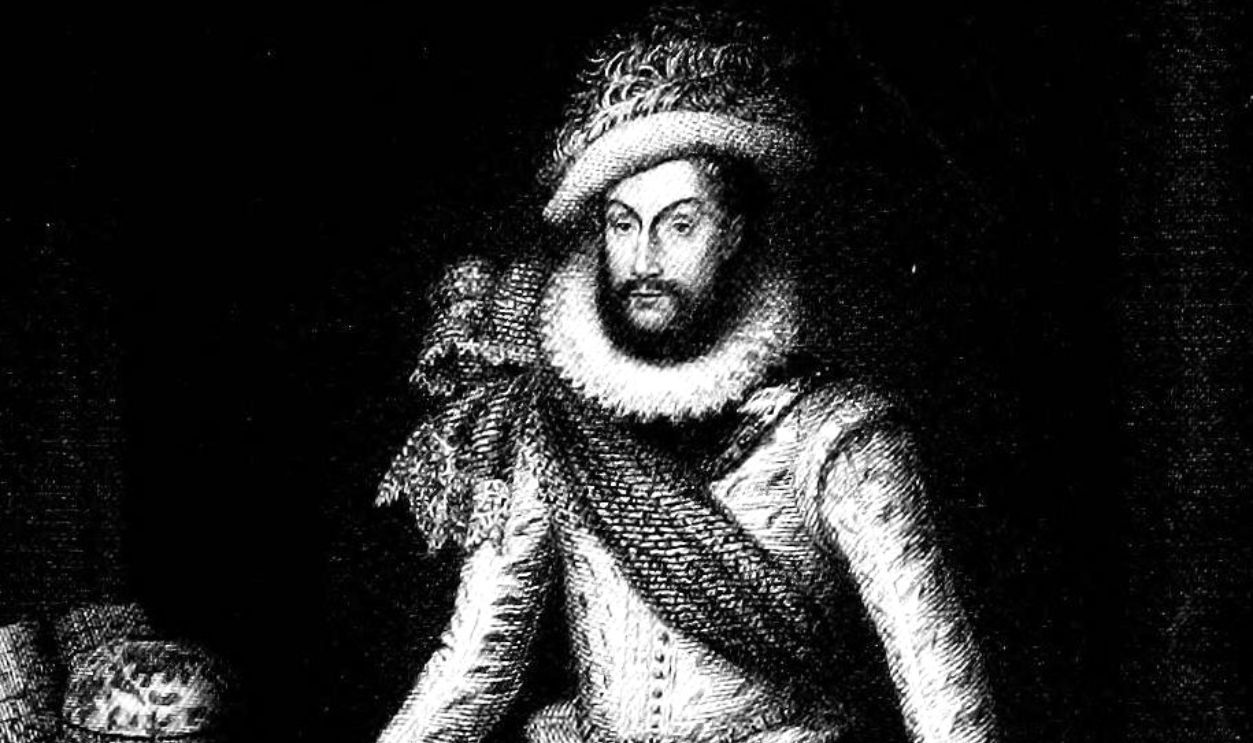
Even when he wasn’t at sea, Walter continued to act as the crown’s loyal servant while it faced conflicts of all kinds, such as when he helped to put down the Desmond Rebellions. However, not all the tales about him from this time were full of gallantry or honor, since he participated in the execution of around 600 enemy servicemen after the siege of Smerwick—despite them having surrendered.
Regardless, even something this horrific wasn’t enough to stop him from gaining the favor of the highest in the land.
 Henry Thew Stephenson, Wikimedia Commons
7. She Greatly Admired Him
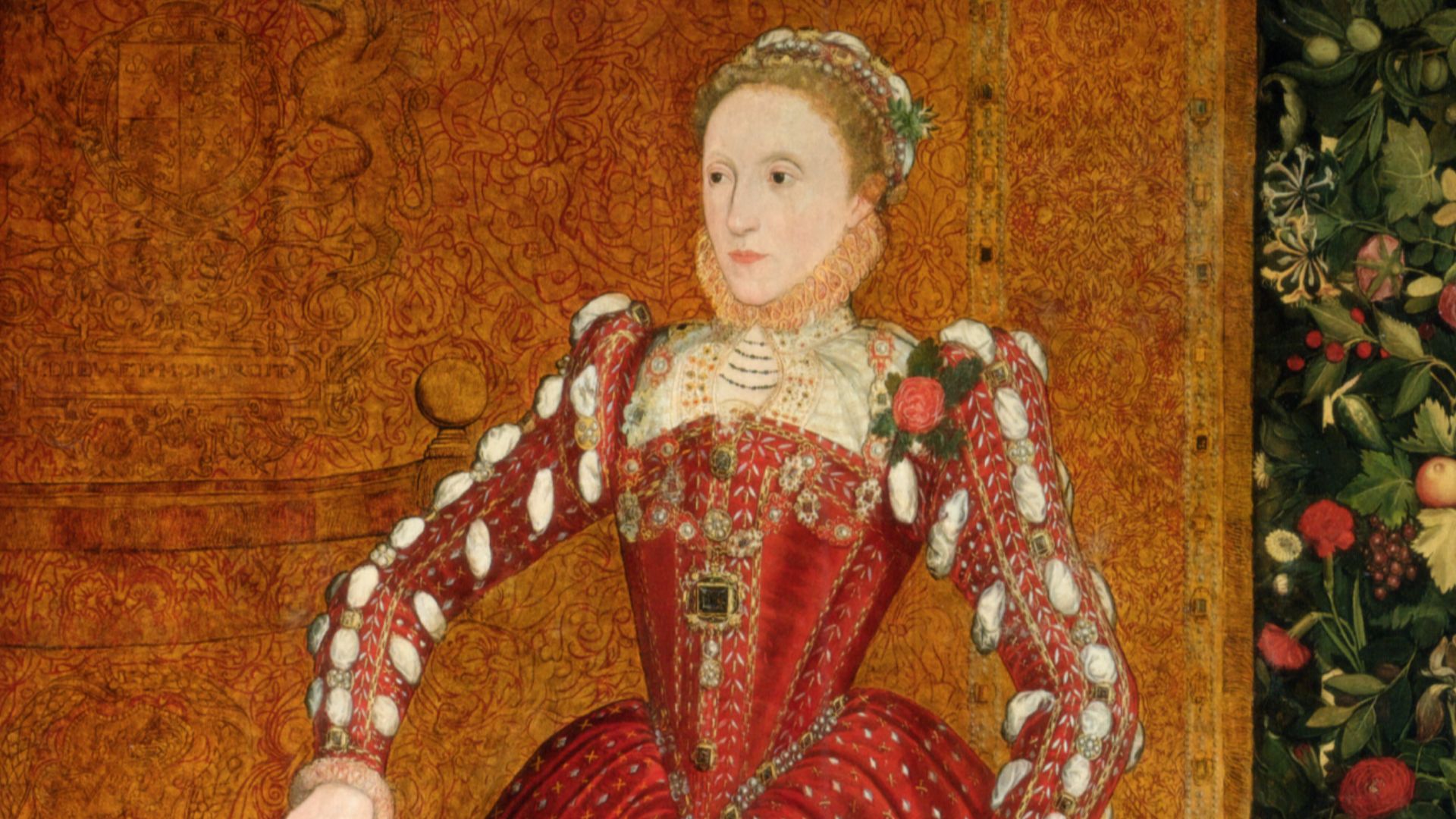
Through his efforts in service to Britain, and specifically during the Desmond Rebellion, Walter Raleigh returned to England in much higher standing than he had left. To the Queen, he had accomplished so much in the name of Protestantism, and being a protestant herself, Queen Elizabeth took a special liking to him.
Suddenly, this friendship gave him more than he could ever ask for.
 Formerly attributed to Steven van der Meulen / Attributed to George Gower, Wikimedia Commons
8. She Gave Him Everything
Becoming one of Queen Elizabeth’s favorites had no shortage of perks to enjoy, and as a result of his efforts in Ireland, Walter didn’t have to wait long before he received an even greater reward. Dividing the procured land among several appointed individuals, the Queen granted Walter 40,000 acres in the Munster Plantation with the instruction to colonize it.
This provided Walter an enormous social boost, but he wasn’t the most attentive landowner.
9. He Wasn’t There
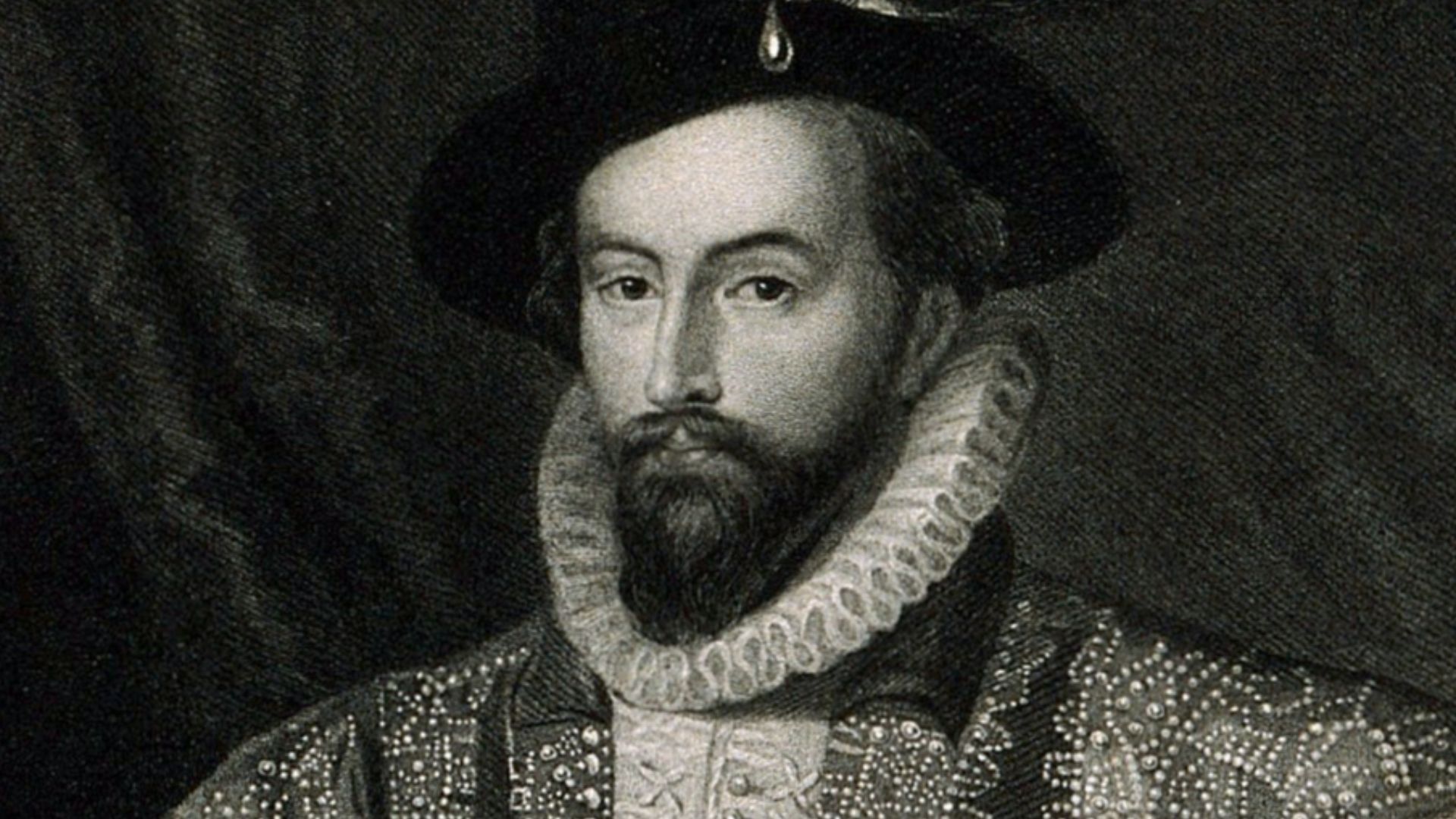
As part of his ownership of land in Ireland, Walter Raleigh gained control of several towns in the area, such as Youghal in County Cork. However, while he held the title of mayor, he was little more than a name that the townspeople heard now and then. In fact, he conducted most of his business from London and left much of the real work to his deputy in Youghal.
However, this period did give him one of the most enduring folk tales about him.
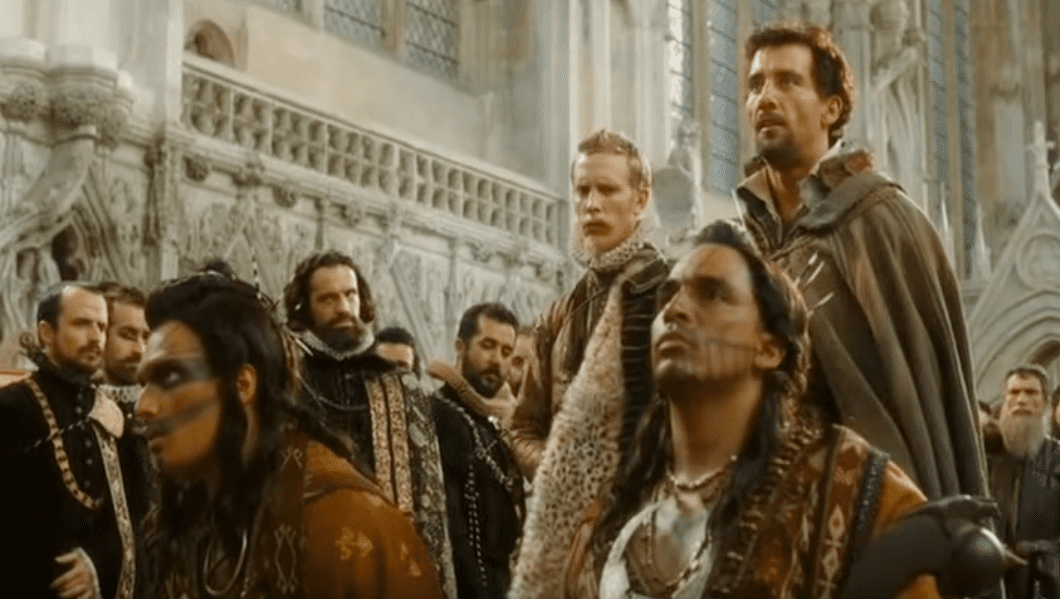 Elizabeth: The Golden Age, Universal Pictures (2007)
History's most fascinating stories and darkest secrets, delivered to your inbox daily.
10. He Brought Them Over
As such a significant figure in history, Walter’s life has been the subject of many rumors and urban legends, one of which claimed he practically reshaped Ireland’s future with one root vegetable. According to the stories, he was responsible for introducing the Irish people to potatoes, but the truth of this is dubious at best. In reality, it’s far more plausible that potatoes came to Ireland simply through trade with Spain.
Nonetheless, these legends paled in comparison to what he had in store.
11. He Received Permission
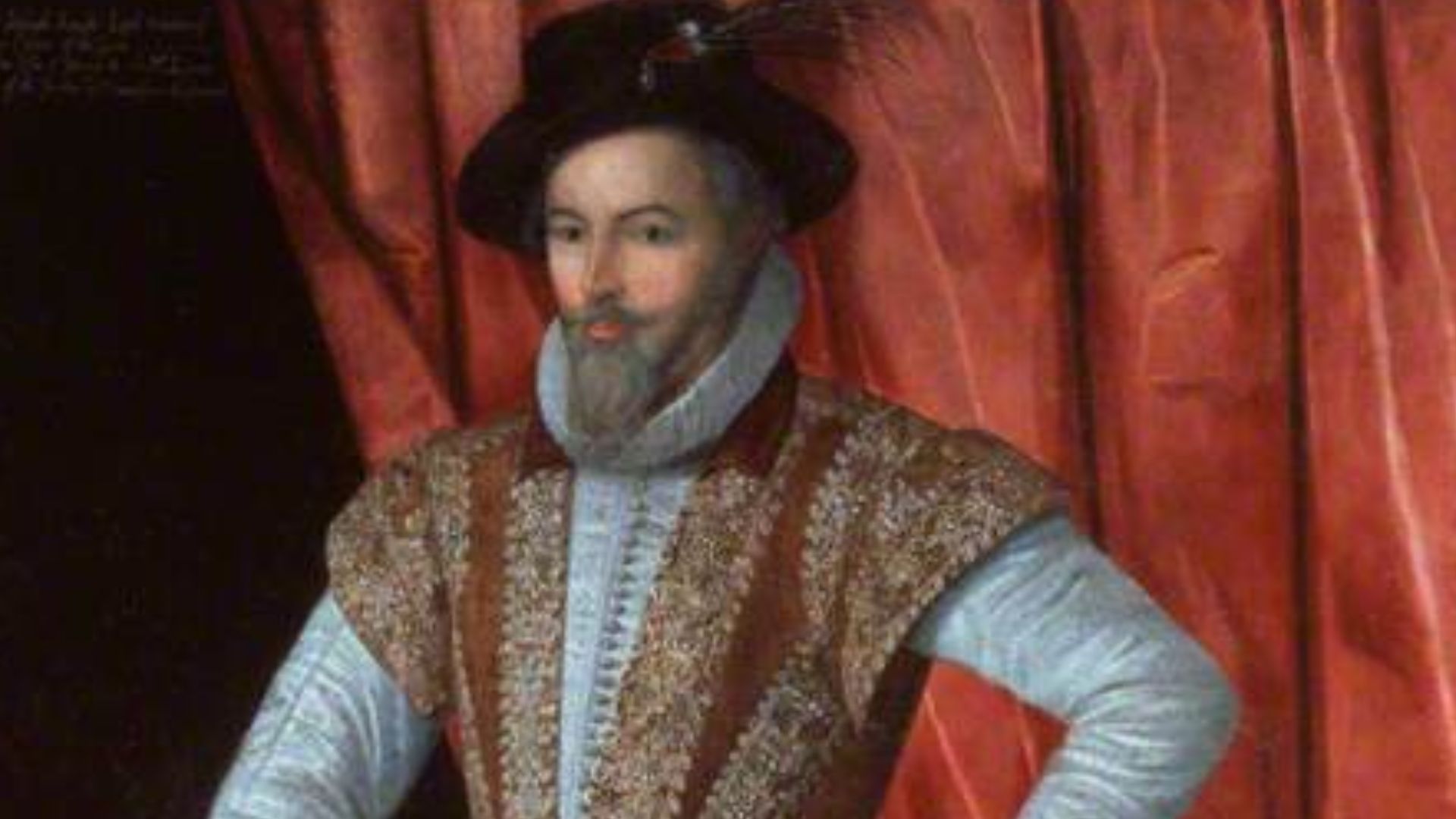
Walter Raleigh hadn’t finished receiving gifts from Queen Elizabeth, and in 1584, she granted him a royal charter that allowed him to finally live his dream of exploring the unknown corners of the world. Not only that, but he also had the authority to conquer any lands that were not already under the rule of “any Christian Prince or inhabited by Christian People”.
While it was all he had ever hoped for, this honor came at a terrible price.
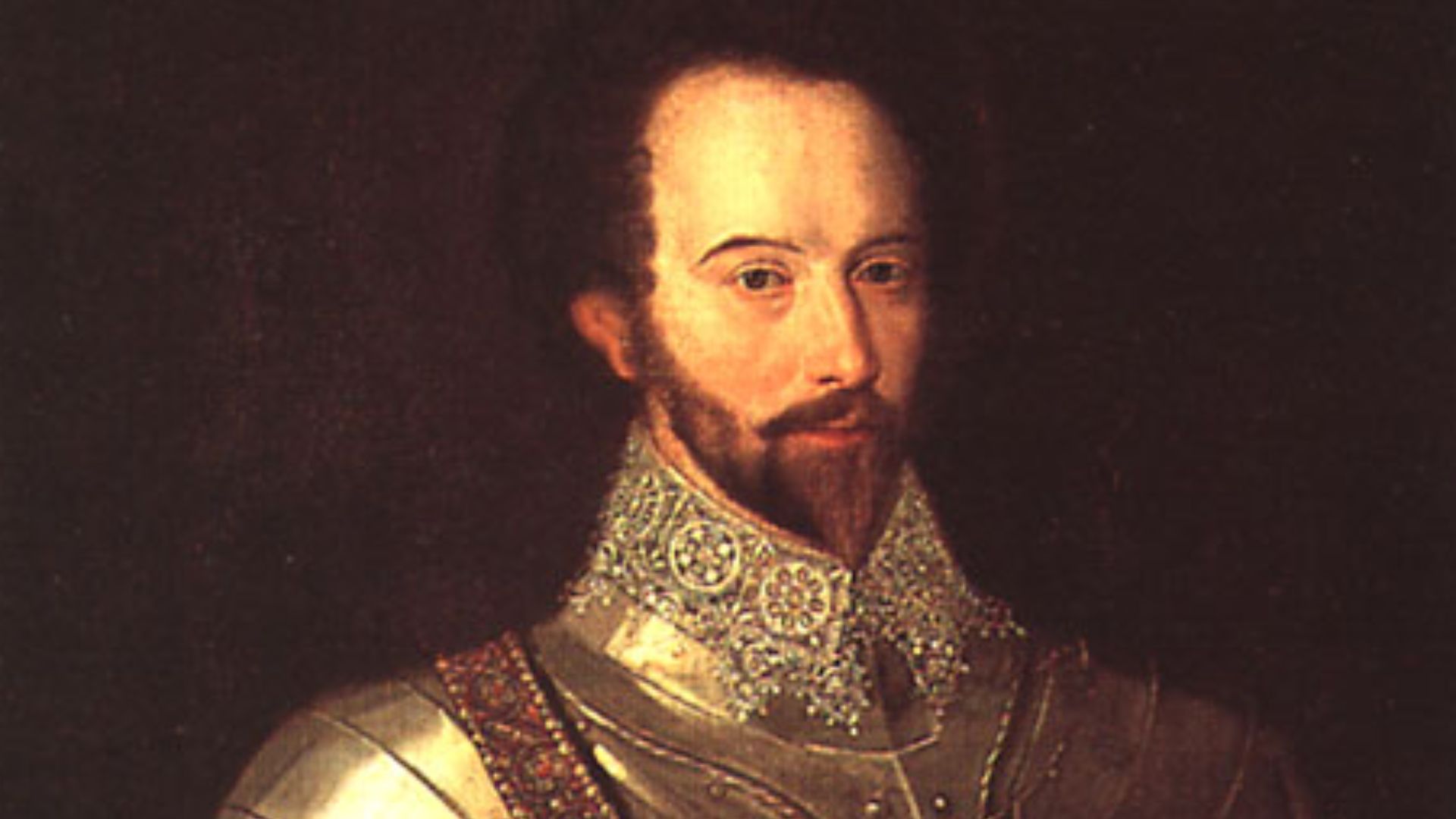 Egore~commonswiki, Wikimedia Commons
12. He Was The Second Choice
For Walter, receiving a royal charter was a bittersweet accomplishment, largely because he only gained it through the tragic loss of his half-brother. The charter had originally belonged to Sir Humphrey Gilbert, but when he perished during another expedition to find the Northwest Passage, the Queen considered Walter a worthy replacement.
Unfortunately, his early efforts weren’t as impressive as she expected.
 Elizabeth: The Golden Age, Universal Pictures (2007)
13. They Had No Food
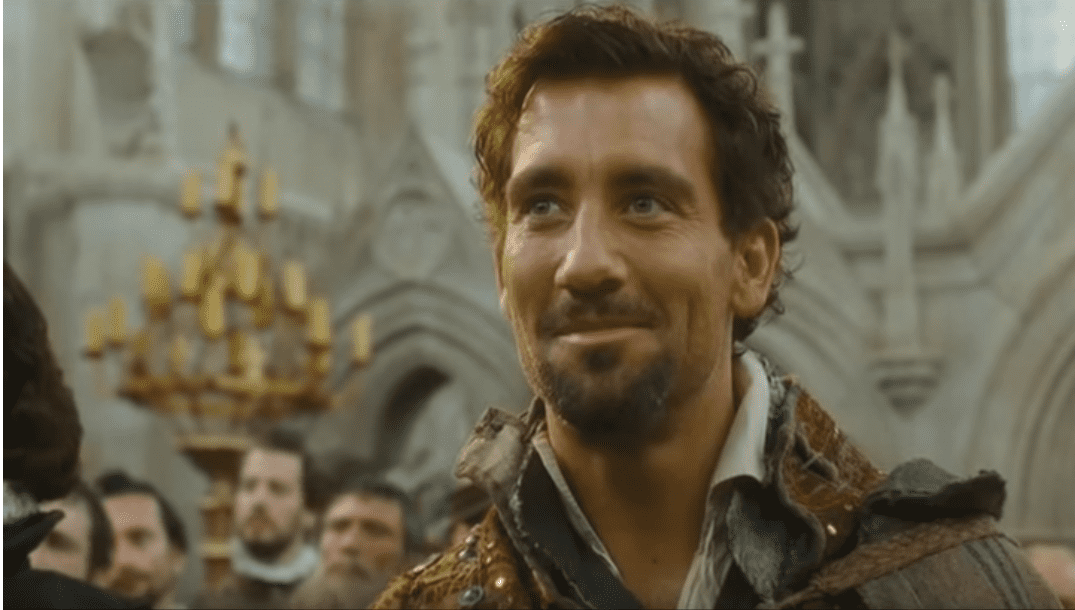
Following an earlier suggestion from his late half-brother, Walter Raleigh chose to focus his efforts on the New World, sending an armed group of men to create the first English colony there. However, after landing on Roanoke Island, things quickly took a turn for the worse as their food stores diminished, and they had to return to England. Walter sent another group with more supplies to try again, but no one ever saw or heard from them again.
By the next year, though, he found himself in a once-in-a-lifetime position.
 Elizabeth: The Golden Age, Universal Pictures (2007)
14. He Took Him Captive
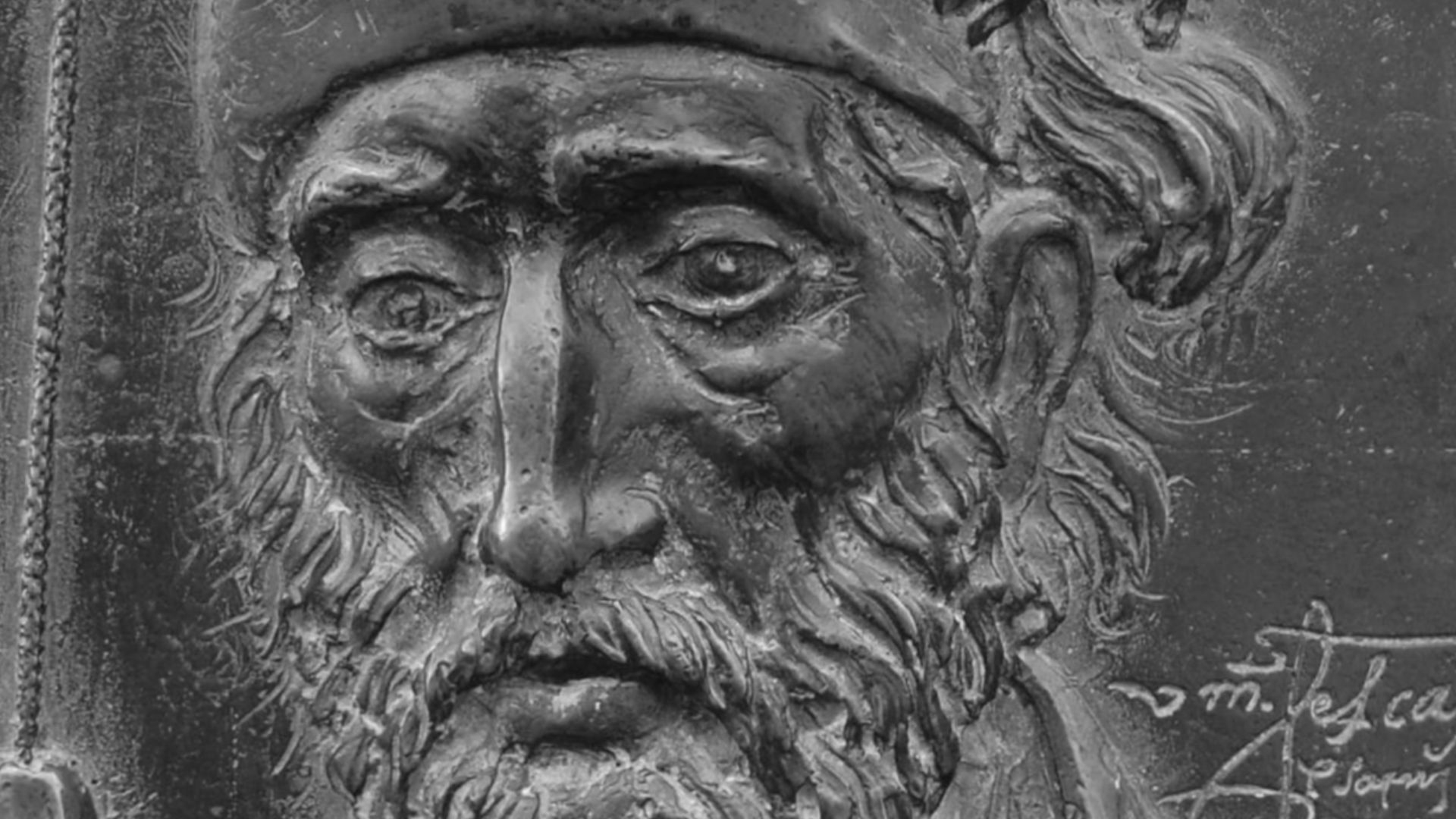
Walter was swiftly becoming quite the expert at pillaging and sinking Spanish ships, but on one day in 1586, he truly hit the jackpot. Coming across the famed Spanish explorer Pedro Sarmiento de Gamboa, Walter proved victorious and took Gamboa captive. Bringing his prisoner back to England, Walter held Gamboa in his own house, but treated him with respect as they enjoyed long conversations.
Suddenly, Walter started to consider breaking the rules in a much more drastic way.
 Raimundo Pastor, Wikimedia Commons
15. He Nearly Turned Traitor
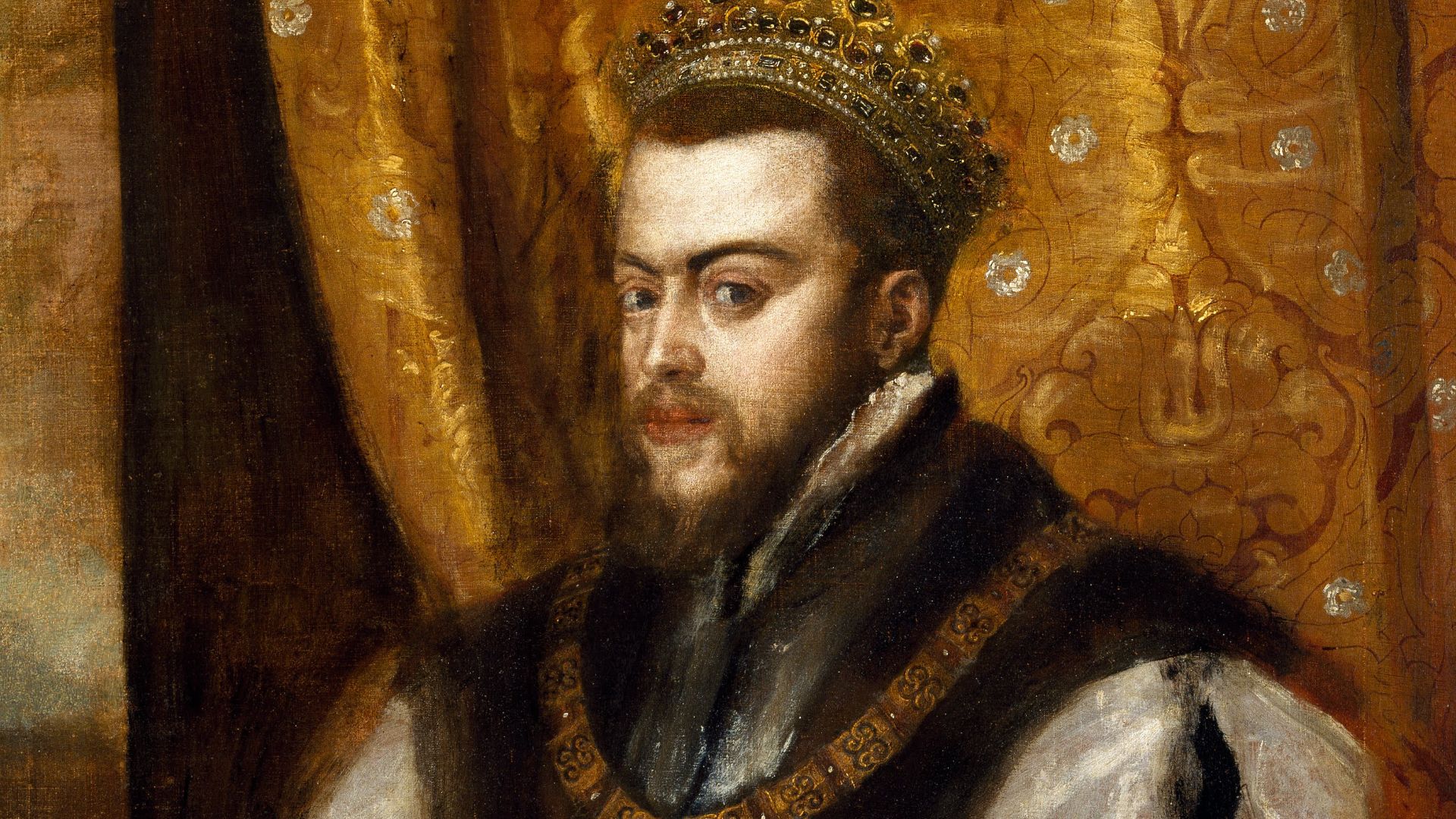
Under the orders of the Queen, Gamboa was eventually released and allowed to return to Spain, but he wasn’t the only one coming away with good fortune. In their conversations, Walter Raleigh revealed he had become unsatisfied with England and wanted to defect to Spain, even sweetening the deal by offering to sell his ship to King Philip II. Gamboa informed King Philip, and although the monarch declined to buy the ship, he stayed in contact with Walter.
Ultimately, Walter never stopped serving England, but—for his sake—maybe he should have.
History's most fascinating stories and darkest secrets, delivered to your inbox daily.
16. They All Disappeared
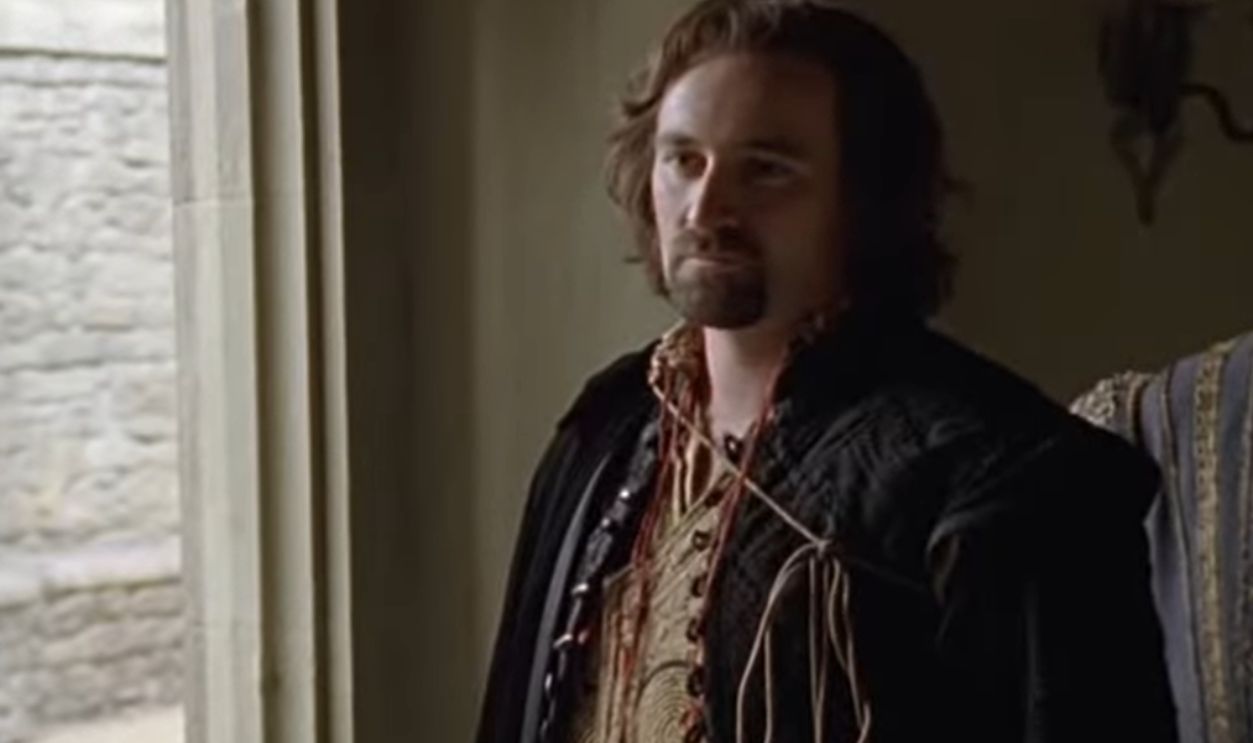
Walter still had his eye set on the New World, so he sent one more group of colonists to Roanoke Island in 1587; however, history was about to repeat itself. They soon ran out of food again, so their governor, John White, returned to England to bring back supplies—but he took longer than expected. After three whole years, he arrived back on Roanoke, terrified to find that the colony had vanished almost into thin air, leaving only the word “Croatoan” carved into a tree trunk.
Still, when it came to ruining his reputation, Walter was only just getting started.
 Screenshot from The Virgin Queen, BBC(2005)
17. They Tied The Knot
Although Walter Raleigh had quickly become one of the Queen’s favorites and served her dutifully for years, one decision caused any good standing he had with her to fall away—and it was all for love. Elizabeth Throckmorton was a lady-in-waiting to the Queen, and as she and Walter spent more time together, they fell head over heels for each other. Given her position, they knew the Queen would never approve of their union, so they married in secret in 1591.
Unfortunately for them, they could only keep their passion hidden for so long. Elizabeth: The Golden Age, Universal Pictures (2007)
18. She Discovered Their Secret
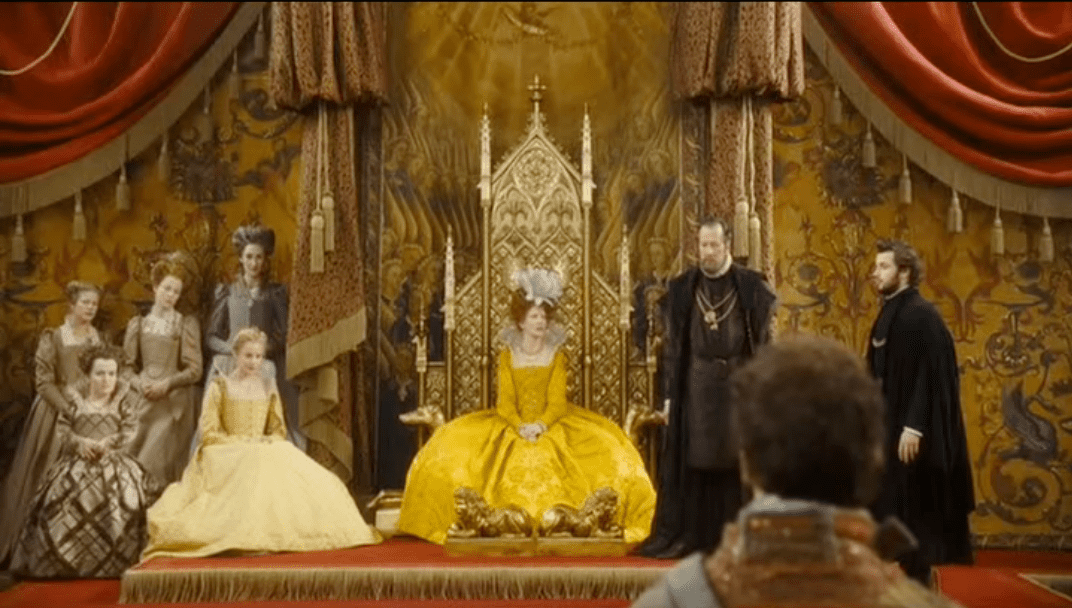
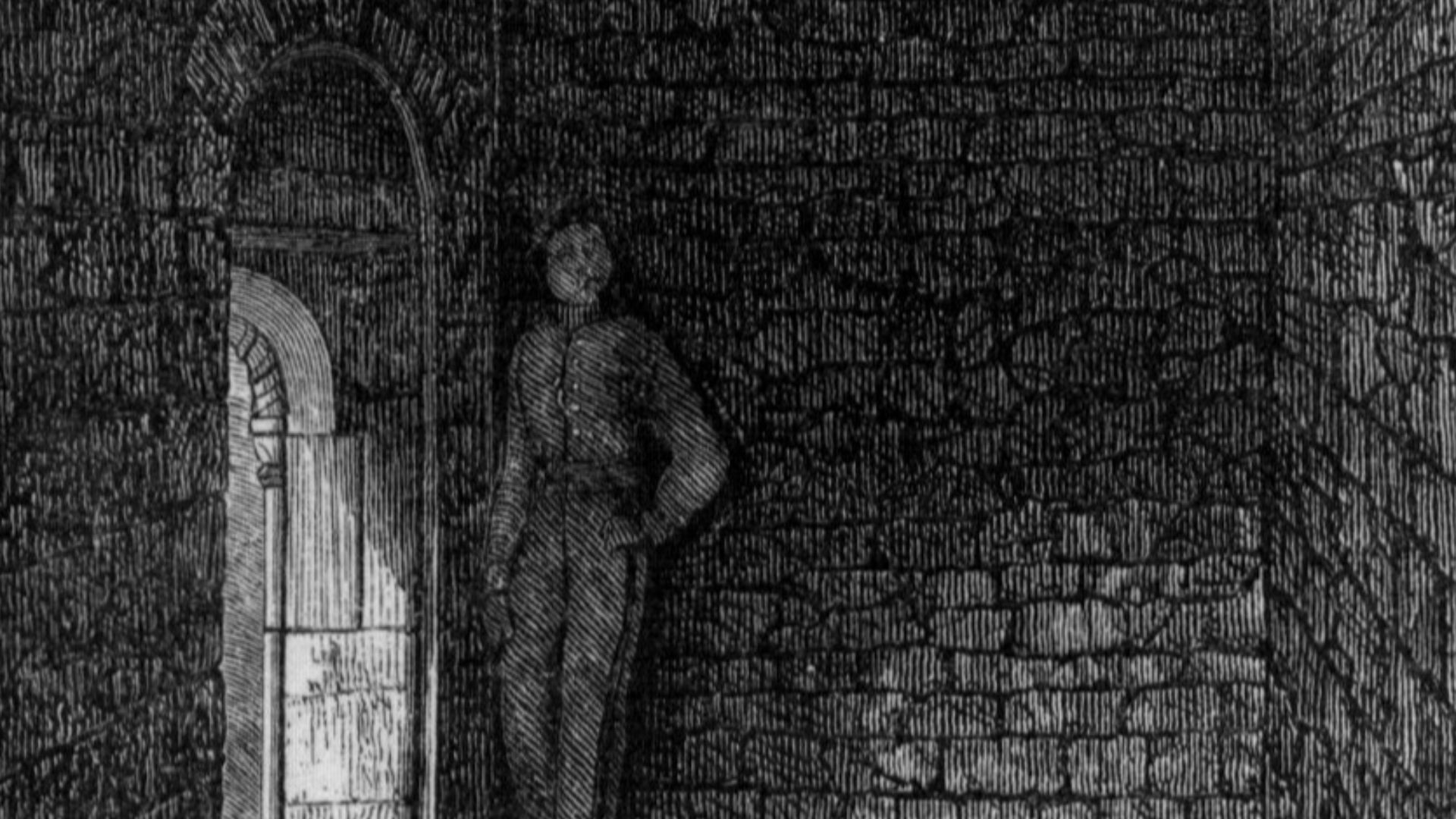
Walter and his new wife managed to keep their marriage a secret for about a year, but their luck ran out, and the Queen discovered what had been happening behind closed doors. Furious at what she saw as the ultimate betrayal, the Queen immediately dismissed the new Lady Raleigh from her service and locked both of them up in the Tower of London.
Despite her rage, she couldn’t afford to keep them locked up forever.
 Elizabeth: The Golden Age, Universal Pictures (2007)
19. They Let Him Out
It’s clear that Queen Elizabeth had only wanted to teach Walter Raleigh and his wife a lesson, instead of punishing them indefinitely, as they both regained their freedom within a year. Even then, Walter was lucky enough not to serve all of his time locked up. Just two months after his incarceration, the Queen let him out briefly to help with a naval matter, after which she sent him right back to the Tower.
Through it all, neither Walter nor his wife ever let go of how they felt about each other.
20. They Stayed Together
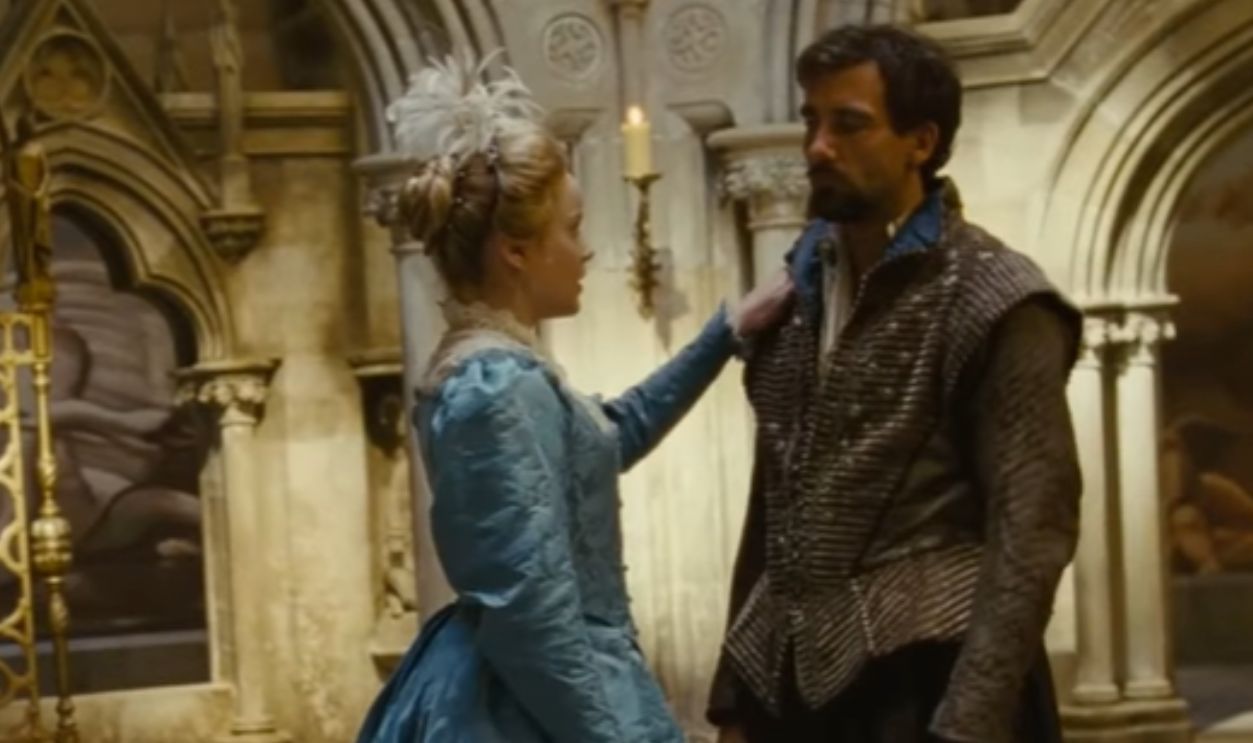
After both of their releases, Walter and Elizabeth settled down in his Dorset estate, still determined to create their own version of “happily ever after”. With time to raise a family as well, they welcomed two sons, Walter and Carew, all while Walter Sr spent much of this period traveling and trying to earn back his good favor with the Queen.
Of course, even though he was free, he couldn’t stop his reputation from going further down the toilet.
 Screenshot from Elizabeth: The Golden Age, Universal Pictures (2007)
21. They Were Suspicious Of Him
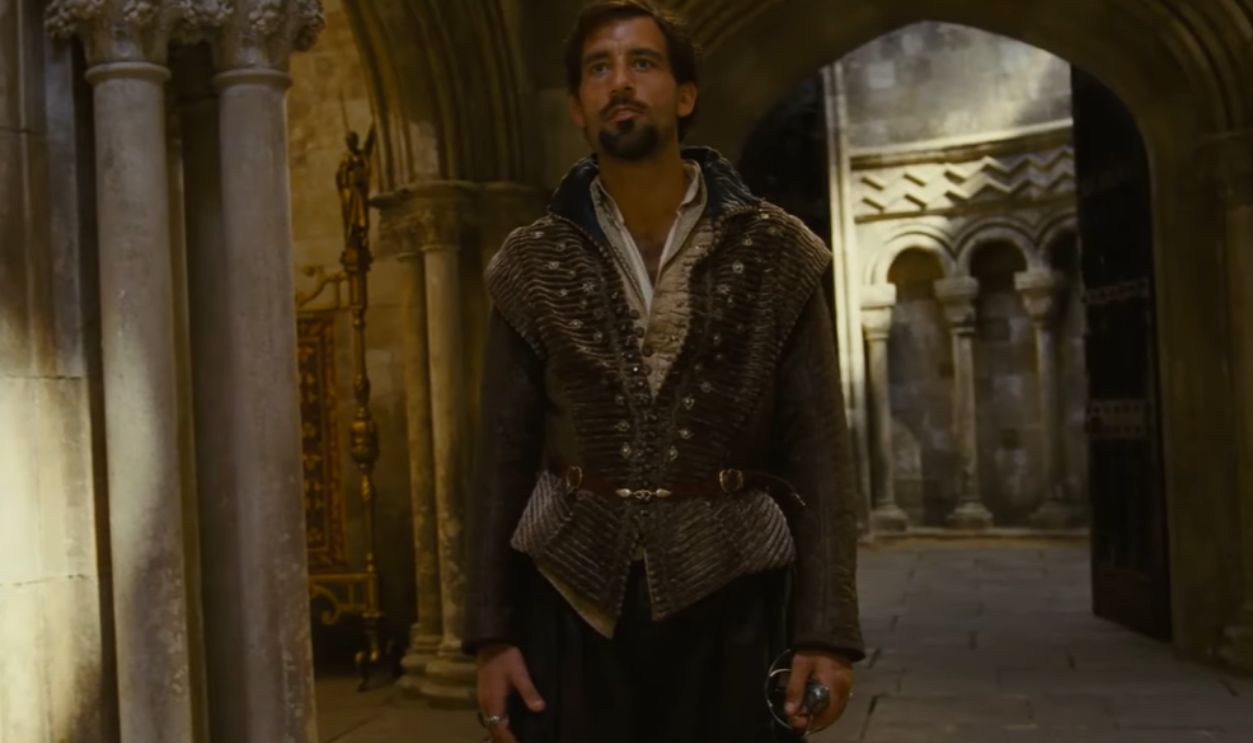
As the 1590s progressed, Walter Raleigh did his best to rebuild some of the honor he once had and gain some status among his fellow landowners, but this only made things worse. One night, while at a dinner party, a religious discussion between him and a reverend broke out into a fiery argument, resulting in accusations that Walter was an atheist. During this period, these allegations resulted in a charge being filed against him, but he was happy to see it soon dismissed.
Suddenly, Walter came across a legend that finally gave him hope for a brighter future.
 Screenshot from Elizabeth: The Golden Age, Universal Pictures (2007)
History's most fascinating stories and darkest secrets, delivered to your inbox daily.
22. He Heard A Rumor
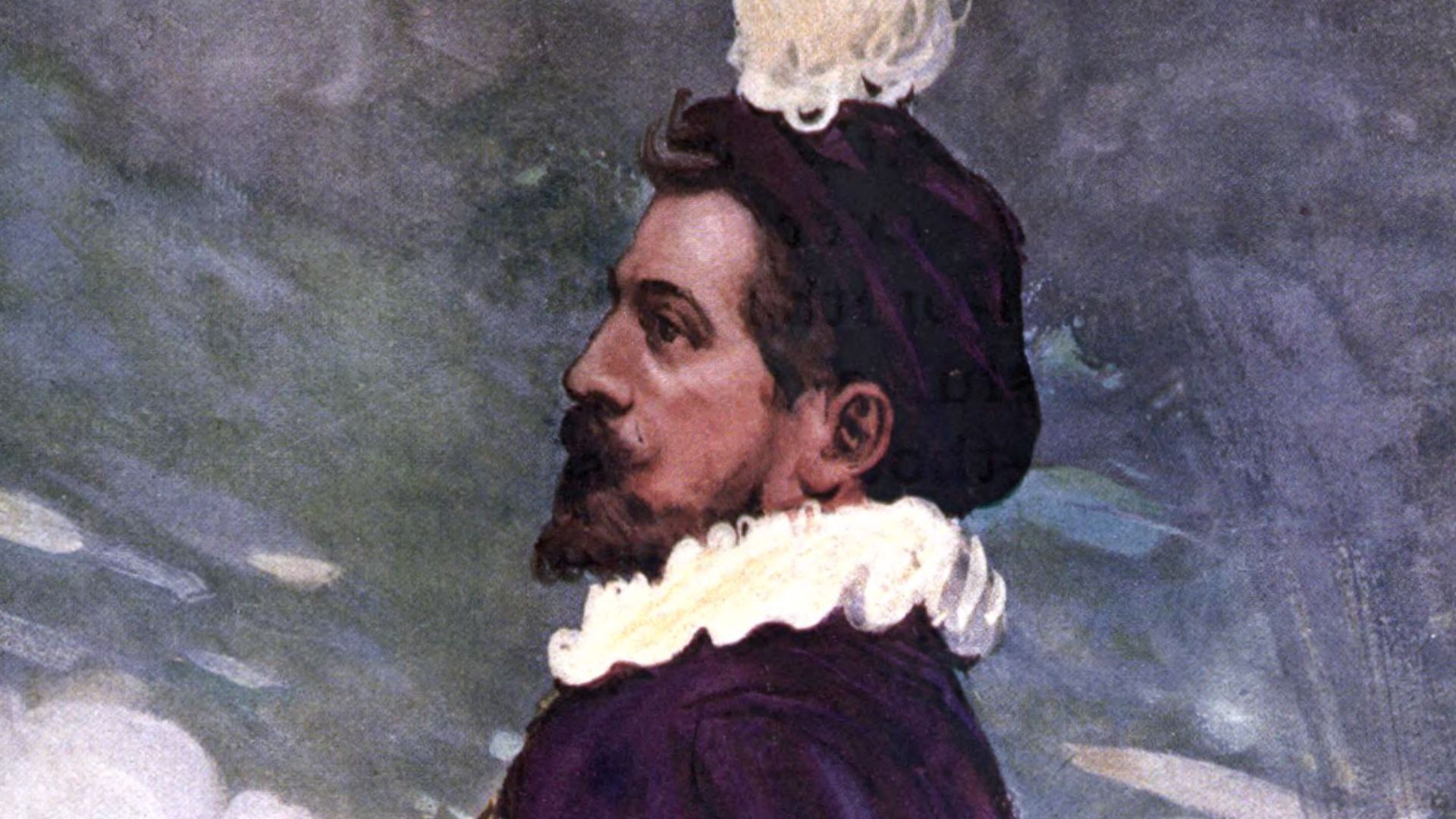
Although most considered Walter an explorer, he hadn’t discovered or colonized much up to this point, so he was constantly on the lookout for another chance to prove himself. It just so happened that, in 1594, this opportunity fell into his lap when he heard talk of a legendary city of gold hidden somewhere in the New World—which the Spanish called El Dorado.
With an idea of where to start, Walter embarked on what would be his most ambitious journey yet.
 Joseph Simpson, Wikimedia Commons
23. He Entertained Them
Legends stated that El Dorado lay hidden in what is now Venezuela, somewhere around the headwaters of the Caroní River, so Walter Raleigh set out and reached Trinidad by March 1595. At the town of San José de Oruña, Walter played nicely with the citizens and even invited them aboard for drinking and games. As the night progressed, his Spanish guests let it slip that their leader, Antonio de Berrio, was coincidentally also searching for El Dorado.
Little did they know that Walter had far more sinister plans in mind.
 Mglandasteam, Wikimedia Commons
24. He Took Them By Surprise
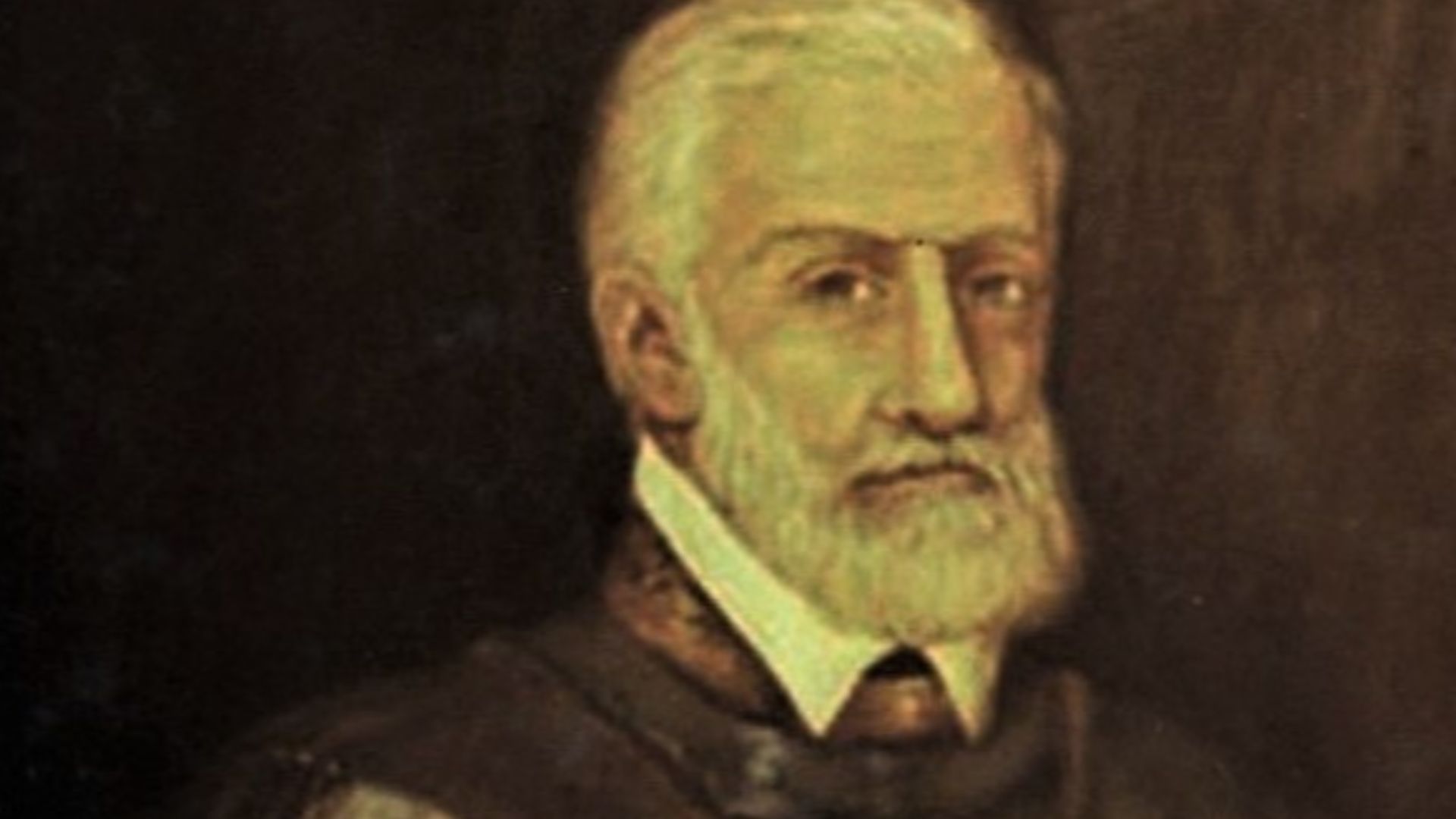
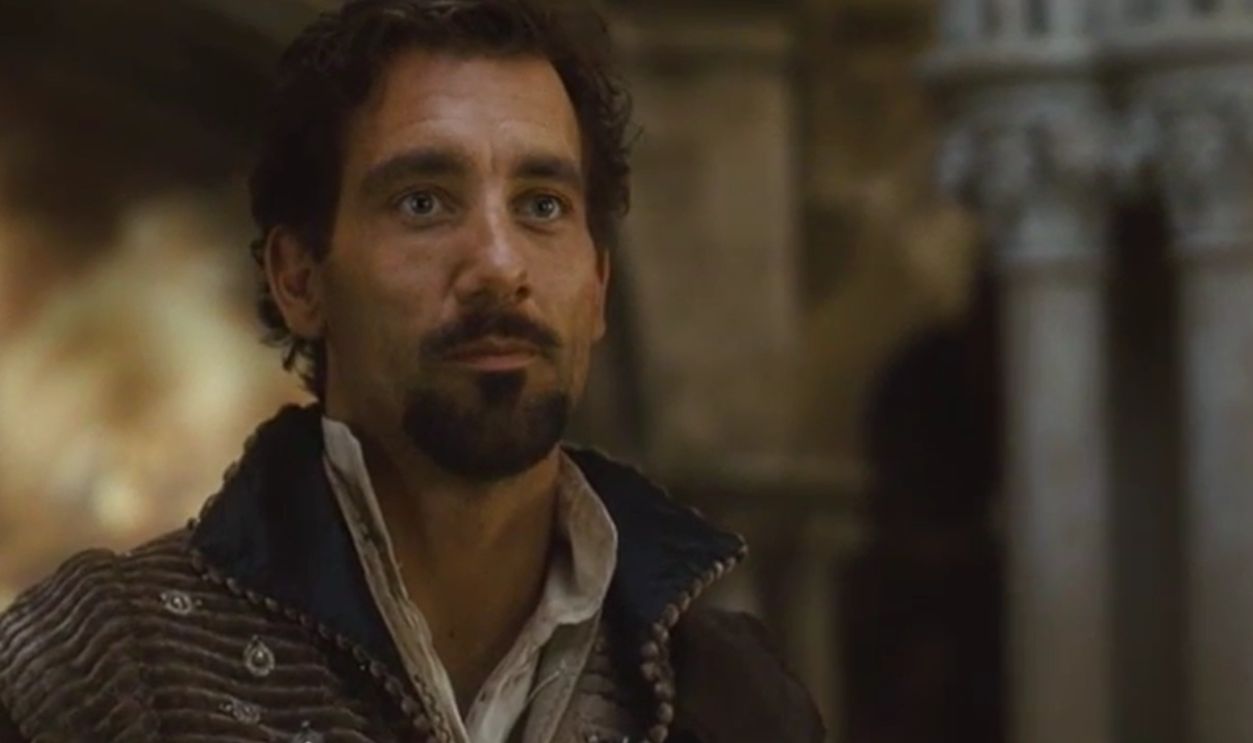
After spending several days in the Spanish port and learning any scraps of information he could from its citizens, Walter knew he had to go to the source—and he wasn’t above playing dirty. Taking the Spanish by surprise, Walter and his men besieged the town and took Berrio captive. After interrogating his new prisoner, Walter proclaimed that he would be the one to find El Dorado, and he set sail to travel upriver.
Now that he had a lead, Walter would let nothing stand in his way—not even nature itself.
 Screenshot from Elizabeth: The Golden Age, Universal Pictures (2007)
25. He Transformed His Ship
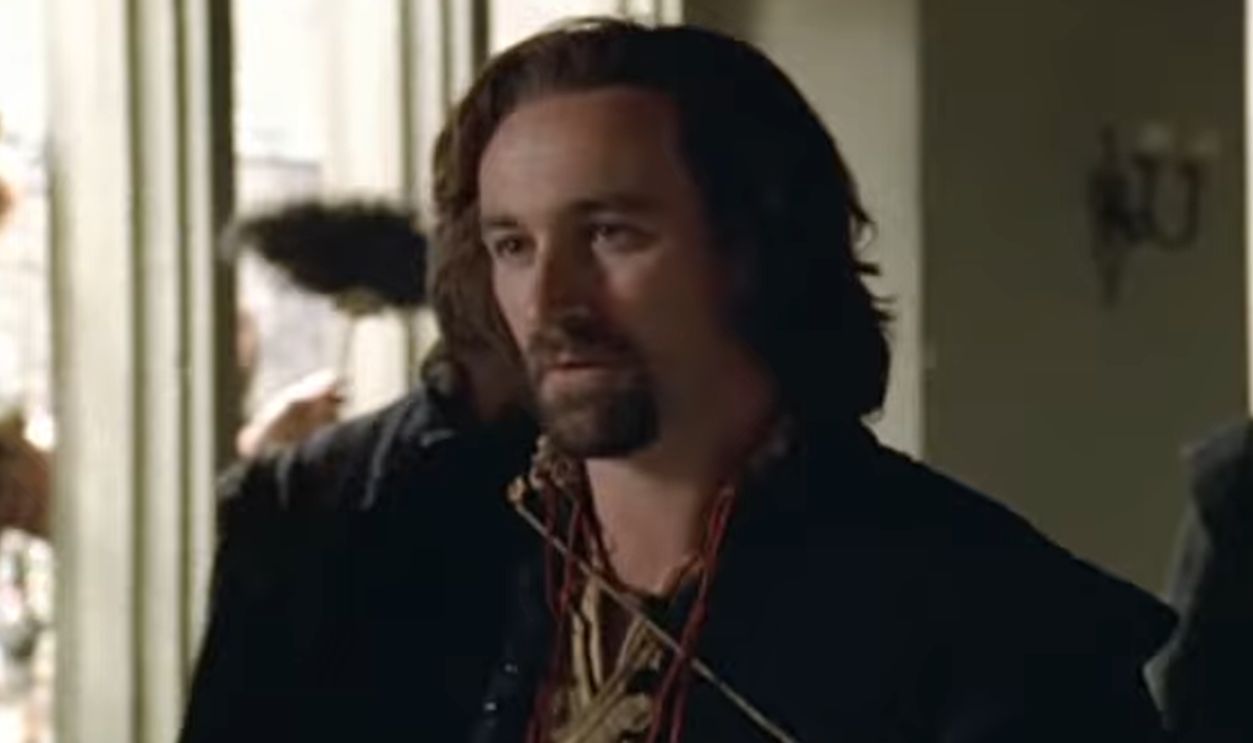
With a better idea of where to go, Walter’s next obstacle was the Orinoco Delta, and specifically, that its canals were far too narrow to allow any of his ships through. Not one to give up so easily, though, Walter came up with a drastic plan, ordering his carpenters to modify one of the ships right then and there to make the journey.
Even then, he had only scratched the surface of what perils the New World had to offer.
 Screenshot from The Virgin Queen, BBC(2005)
26. He Was Almost Lost
Walter Raleigh may have figured out how to enter the Orinoco Delta, but that didn’t mean it was all smooth sailing from then on, especially since they had to proceed slowly and with the utmost care. Traveling through all the channels was a long and grueling process, especially since most of the surroundings looked the same, with Walter later describing the delta as a “labyrinth of rivers”.
Fortunately for him, he managed to catch a lucky break in the form of an unlikely friend.
 Screenshot from The Virgin Queen, BBC(2005)
27. He Found Some Help
While Walter and his men eventually navigated the winding waterways into the Orinoco proper, he still only had vague rumors to go on. That was, until he came across an Indigenous chief named Topiawari, who welcomed the explorer with open arms. Topiawari claimed that a hostile tribe had driven his people out of their lands and that the invaders were practically overflowing with gold, which was all the assurance Walter needed.
Even with Topiawari’s help, Walter would find nothing but more pain and hardship the further he went.
 Screenshot from Elizabeth: The Golden Age, Universal Pictures (2007)
History's most fascinating stories and darkest secrets, delivered to your inbox daily.
28. They Couldn’t Find Anything
As Walter’s party progressed and reached the mouth of the Caroní, they met their next—and ultimately their last—obstacle as the river’s current was too strong to overcome. Halting their travel by water, Walter led a reconnaissance party to look ahead on land, sending out two others as well. Beyond several of what seemed like rare gems, none of the groups were able to find anything of value, and even the gems turned out to be little more than cheap stones.
Frustrated, exhausted, and losing time, Walter had to make the most difficult decision of all.
 Screenshot from Elizabeth: The Golden Age, Universal Pictures (2007)
29. He Couldn’t Keep Going
With the current impeding their progress and a finite number of supplies, Walter Raleigh had to decide their next course of action quickly. This choice only became more difficult as he and his men soon heard about a lake at the head of the Caroní, which allegedly had vast amounts of gold for the taking. Regardless, they still couldn’t get their ship through, and with the ever-rising waters of the river, Walter chose to abandon the mission and return home.
Still, he didn’t leave the New World completely empty-handed—or so he claimed.
 Screenshot from Elizabeth: The Golden Age, Universal Pictures (2007)
30. He Told Some Tall Tales
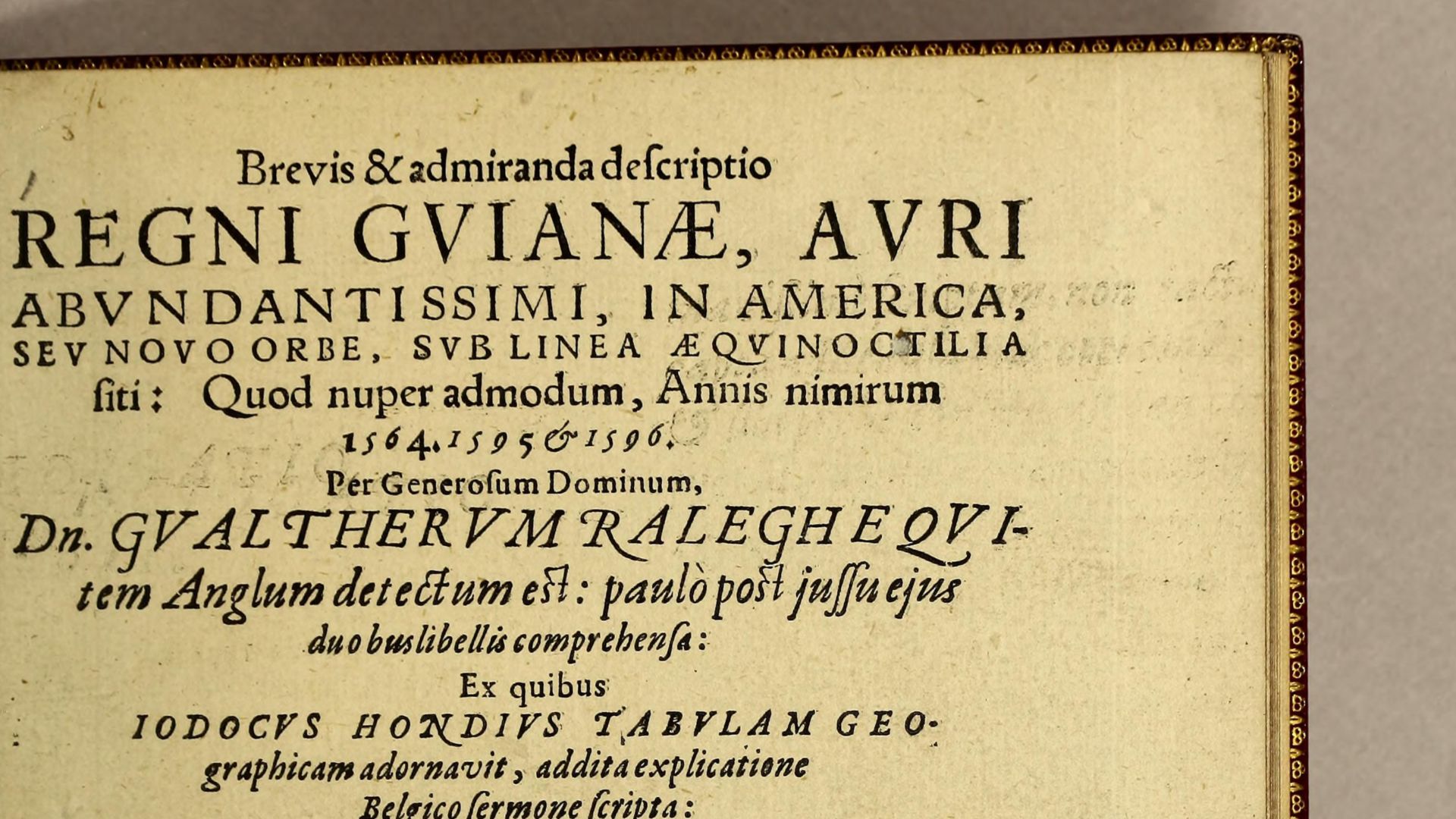
In truth, Walter’s first expedition for El Dorado had been almost a complete failure, but Walter didn’t have to stick to that narrative. Publishing his book, The Discovery of Guiana, he described the events of his adventure with great embellishment, claiming he found evidence of the lost city of El Dorado and even discovered Angel Falls, the tallest uninterrupted waterfall in the world.
Of course, without the ability to back up his claims, Walter still had a lot of work to do.
31. He Still Served The Crown
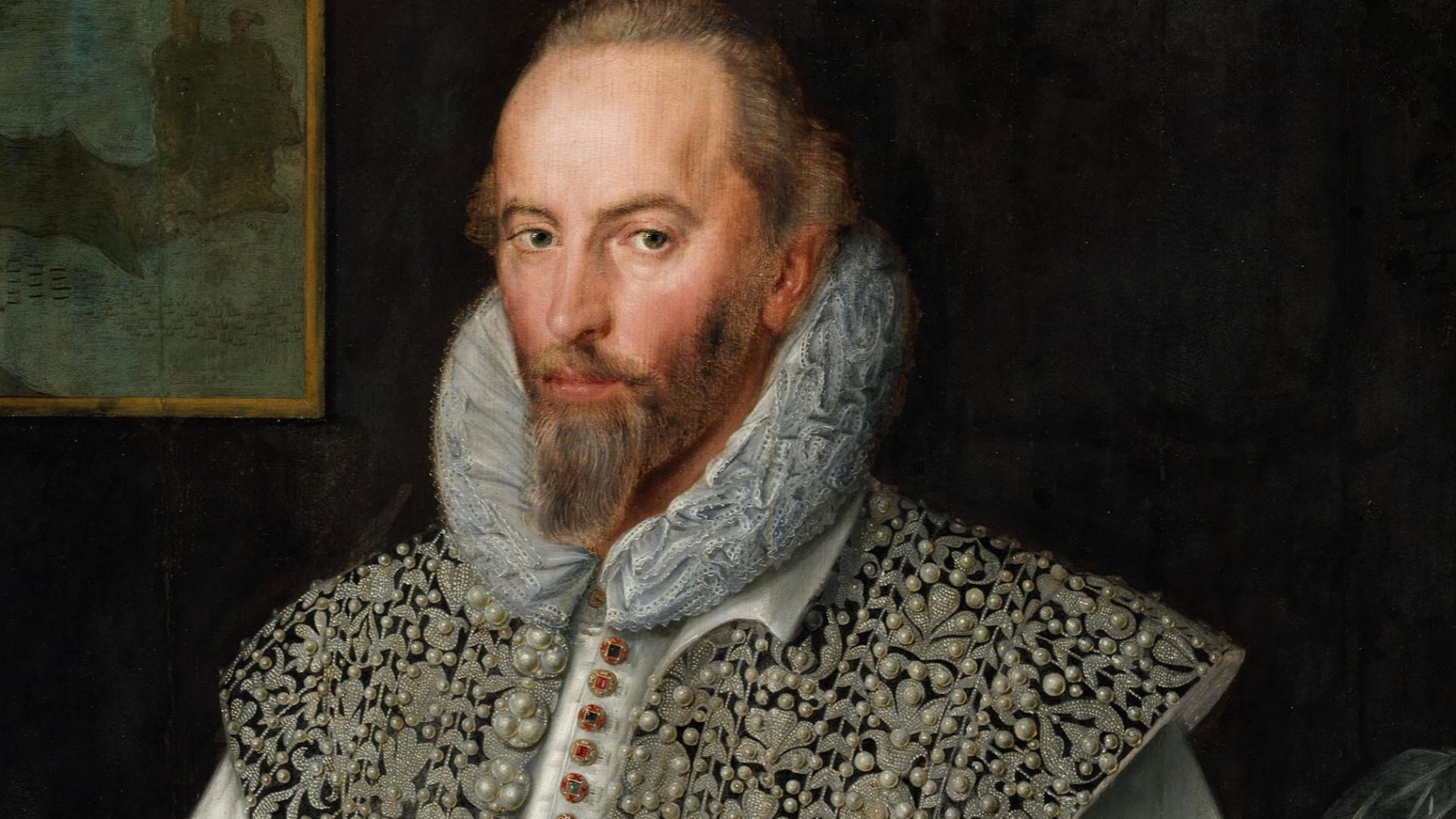
Now back from his journey to the New World, Walter Raleigh had little time to relax before he threw himself back into the thick of things to defend England from its enemies. Over the next couple of years, he fought against the Spanish mostly at sea, and even sustained a major injury during the capture of Cádiz in 1596.
Suddenly, the strangest thing happened—he was no longer a social outcast among the English upper-crust.
 Attributed to William Segar, Wikimedia Commons
32. He Was One Of A Kind
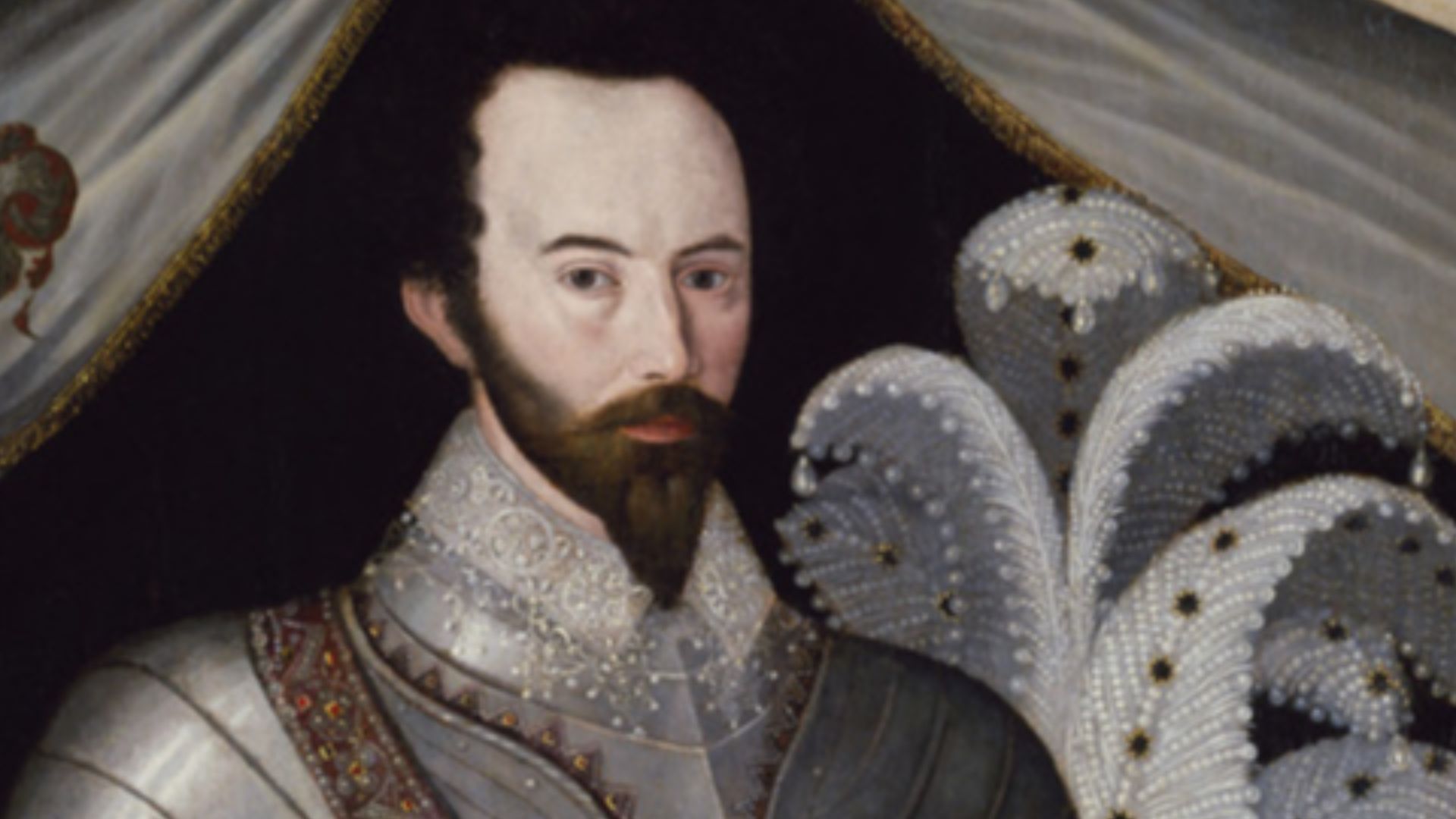
Walter continued to work his way up the social ladder, and, while he had already been a member of parliament for Devonshire in the 1580s, he also gained a seat for Dorset and eventually Cornwall in 1601. This truly made him stand out, as someone sitting for three counties was a rarity during this period, which helped him get back in the Queen’s good graces.
However, all the work he had done was ultimately in vain—as their friendship was at an end.
 Unknown authorUnknown author, Wikimedia Commons
33. She Wasn’t Around For Much Longer
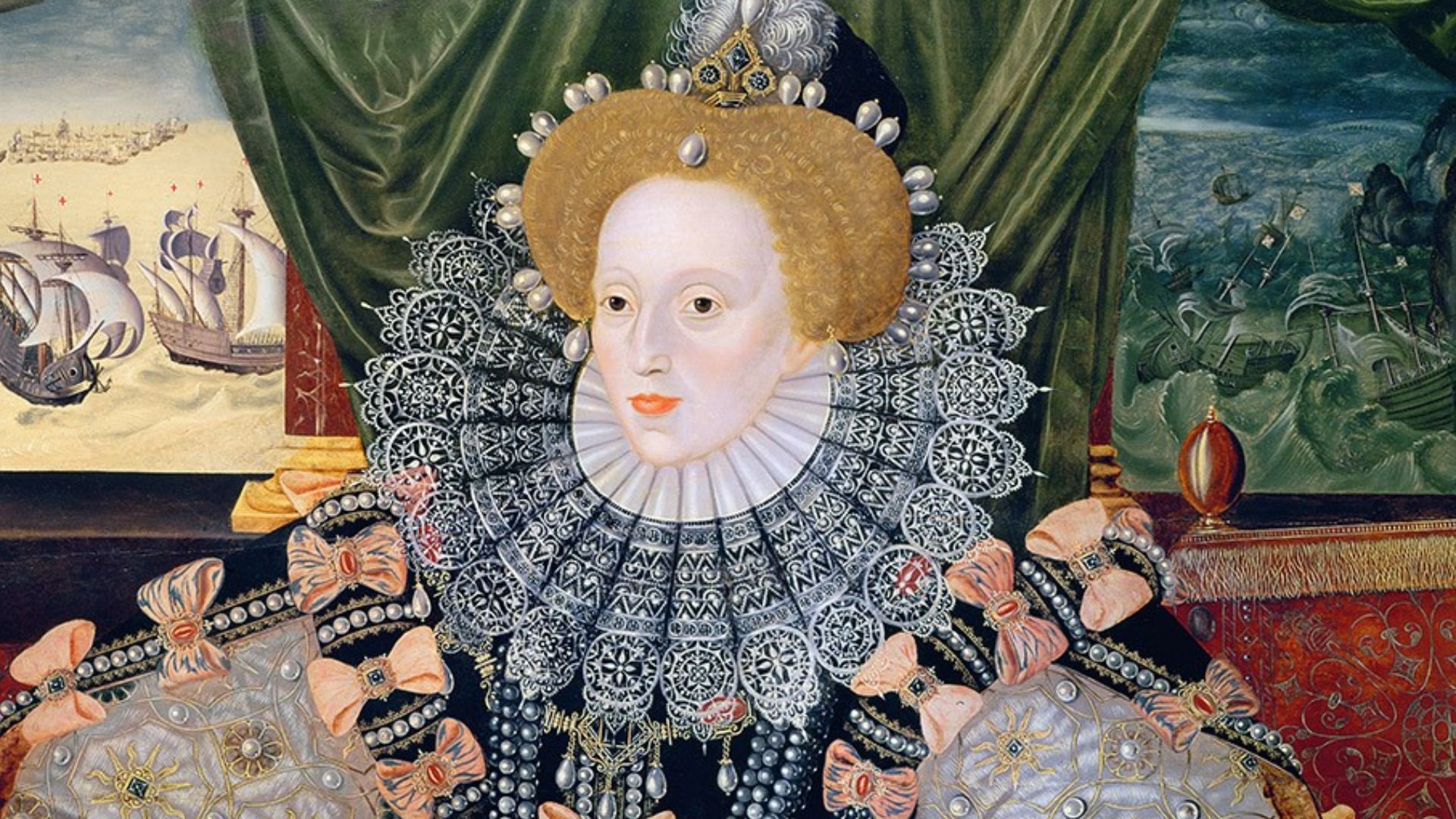
Through several years of atonement, risking his life for England and serving the Queen, Walter finally repaired his relationship with her, and things were looking up—for a little while. Sadly, the turn of the century only brought more pain and disappointment, as Queen Elizabeth I fell ill and passed on March 24, 1603, putting an end to their lucrative relationship.
As for her successor, Walter found himself back at square one—or arguably even worse.
 Formerly attributed to George Gower, Wikimedia Commons
History's most fascinating stories and darkest secrets, delivered to your inbox daily.
34. He Stood Accused
In Queen Elizabeth’s place, her cousin, James I, took the throne as King, but the transition was not an easy one for Walter. In July 1603, an alleged conspiracy against the new King surfaced—and to James’s shock—Walter’s name came up as a conspirator. Thus, within the month, the authorities took him into custody for the second time in his life.
Unfortunately for him, these were more than just baseless accusations—and carried severe repercussions.
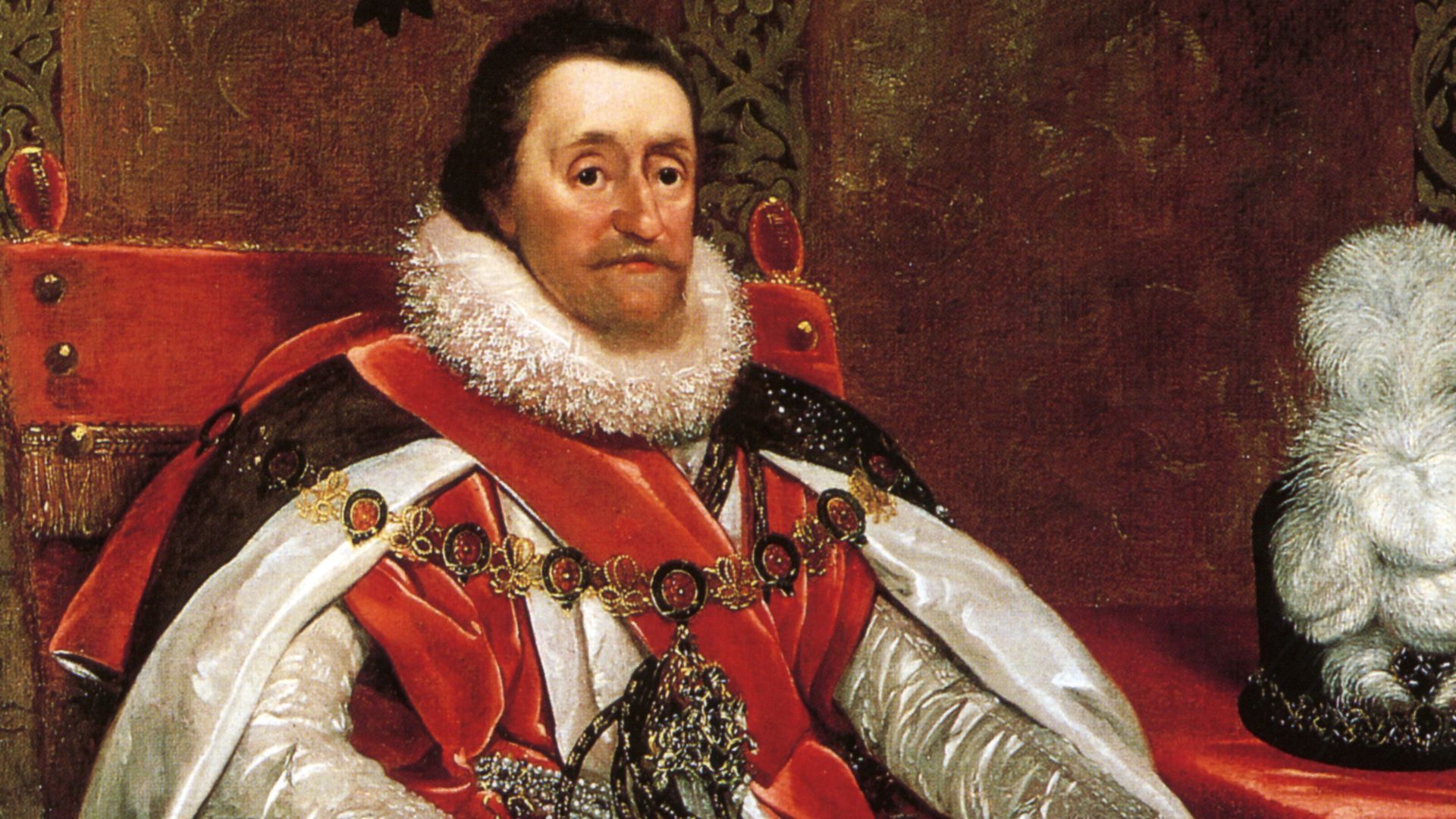 Daniël Mijtens, Wikimedia Commons
35. He Was Involved In The Plot
Although the leader of the conspiracy was supposedly Henry Brooke, 11th Baron Cobham, Walter allegedly played an integral part in the plan. According to the story told in court, Brooke had intended to secure a large amount of money from Spain to fund the plot, after which he would go through Jersey to return to England. As Walter was the governor of Jersey, the testimony claimed that he agreed to help Brooke for a cut of the money.
These were serious charges, so Walter had a few things to say before his fate was sealed.
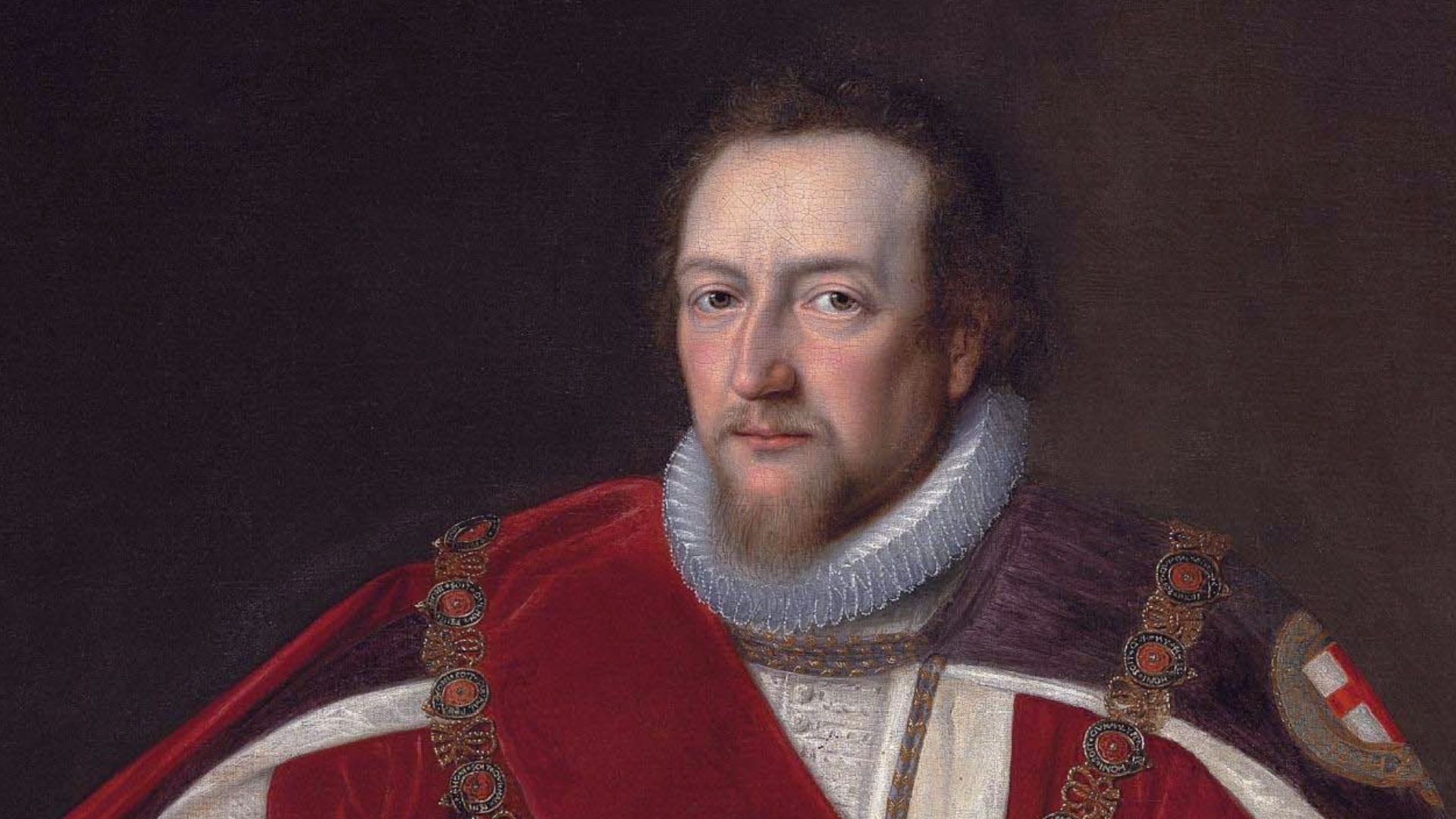 Circle of Paul van Somer I, Wikimedia Commons
36. He Defended Himself
Refusing to let others drag his name through the mud, especially when he had done so much to restore it, Walter took the defense of his case into his own hands and represented himself in court. The trial began that November, and Walter was livid upon seeing the most significant piece of evidence against him—a signed confession from Henry Brooke.
Getting a taste of betrayal himself, Walter demanded that the court grant him justice.
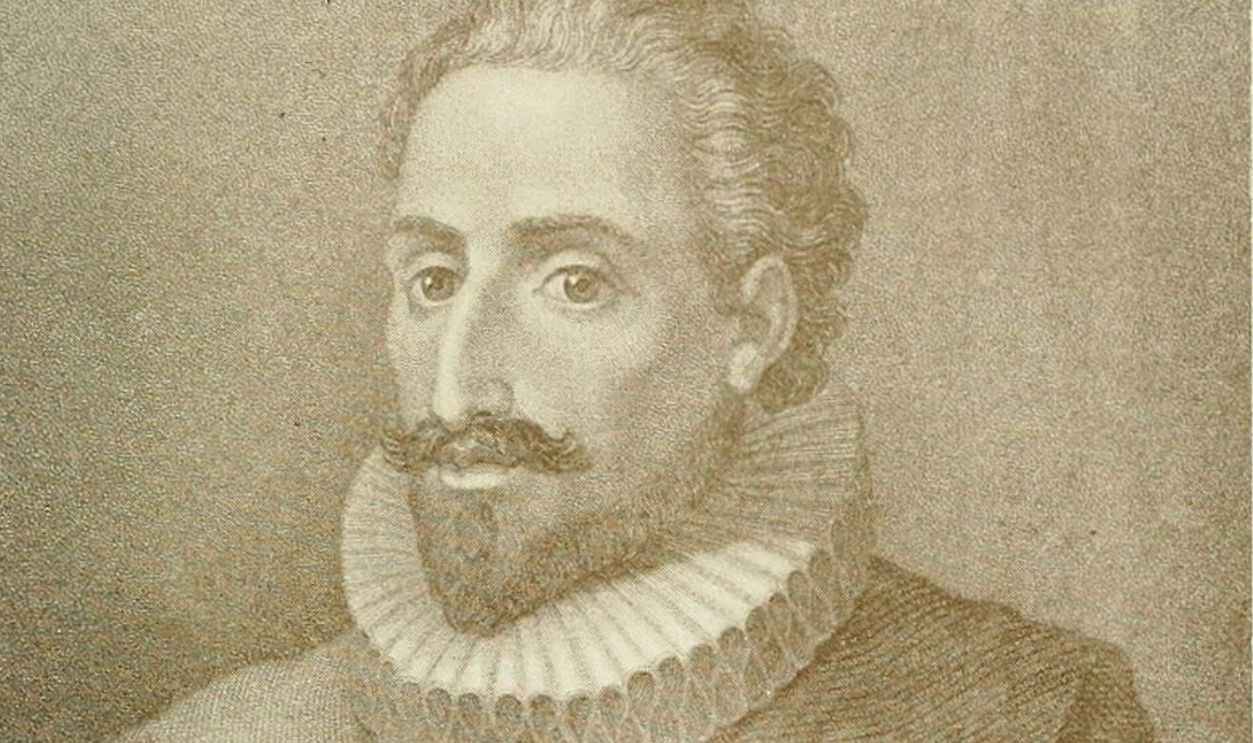 Internet Archive Book Images, Wikimedia Commons
37. They Wouldn’t Listen
Outraged at Brooke’s decision to throw him under the bus, Walter claimed that the confession was nothing more than hearsay, and he insisted that the court bring his accuser before him. This didn’t work as well as he had hoped, and the court remained unconvinced, declining to allow Brooke’s testimony and ultimately convicting Walter of treason.
At the very least, he now had all the time in the world to tell his story—and maybe even try to get out early.
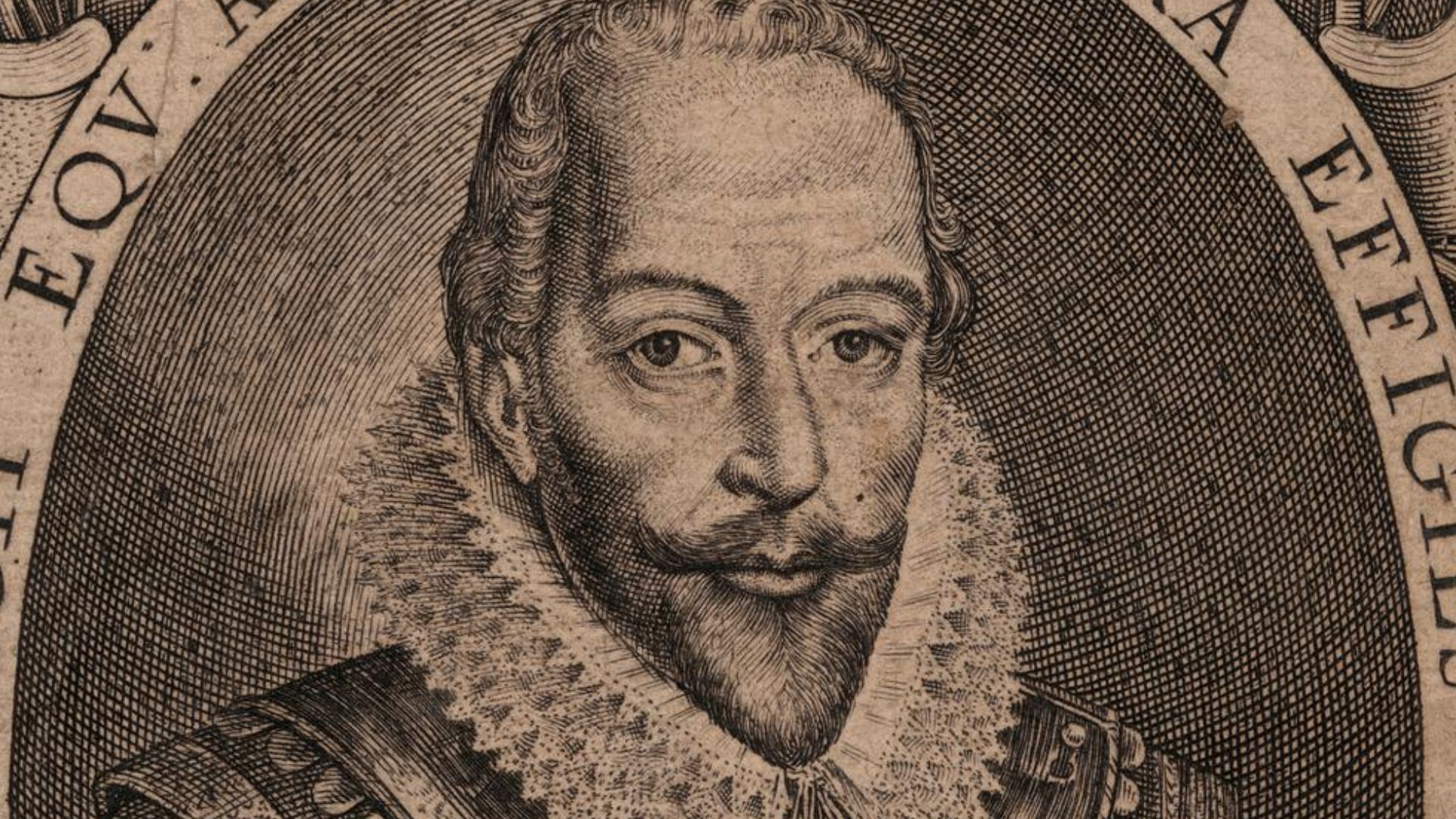 Simon van de Passe, Wikimedia Commons
38. He Wrote Another Book
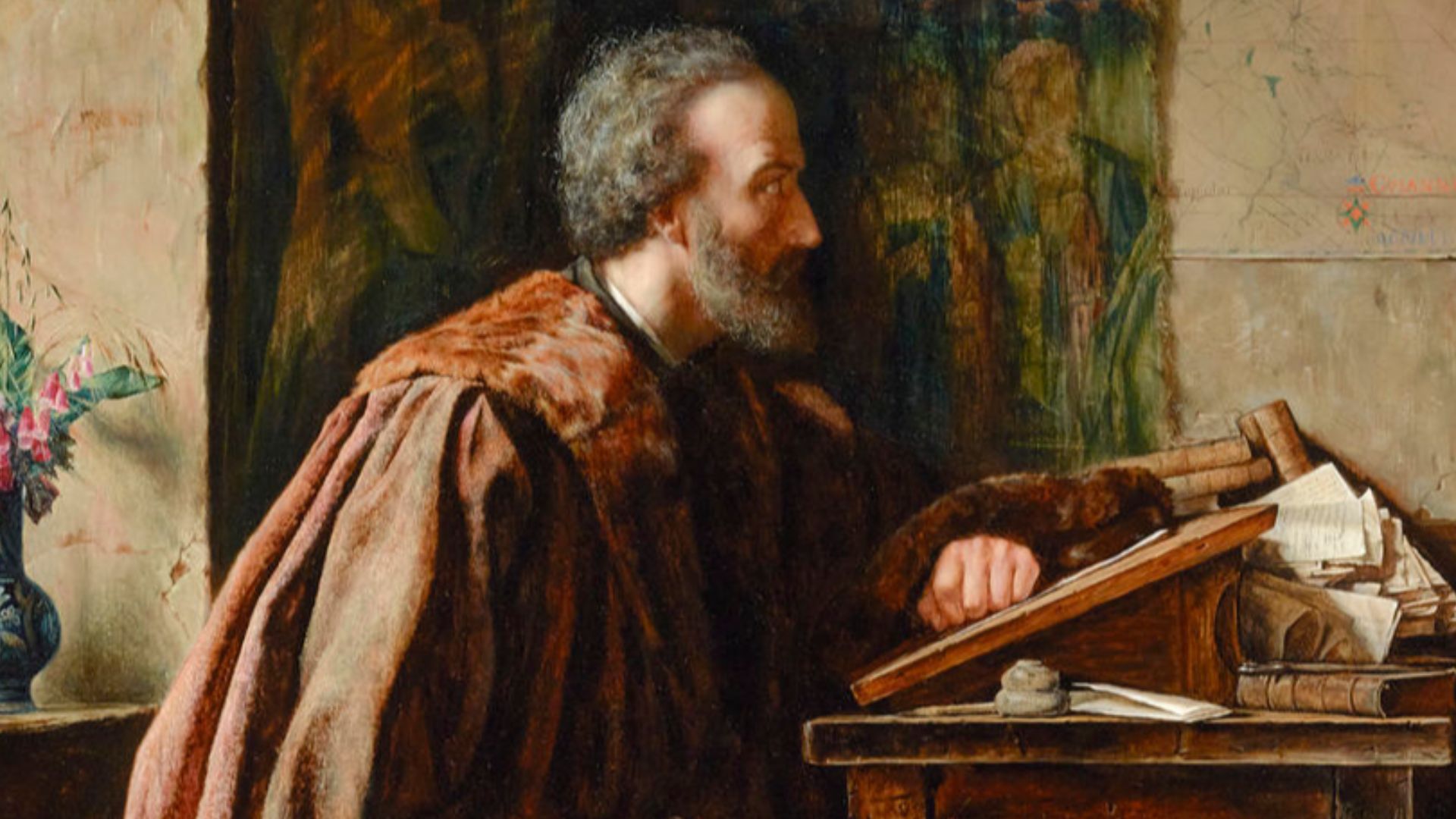
Locked up in the Tower of London once again, Walter settled in for what would be a long 13 years’ imprisonment, although he tried to improve his chances of an early release. Writing The History of the World, Walter poured all of his knowledge and speculation about the Ancient World outside England into this tome to present to the King.
Ultimately, this may have hurt his chances more than it helped.
 Henry Wallis, Wikimedia Commons
39. He Wasn’t Impressed
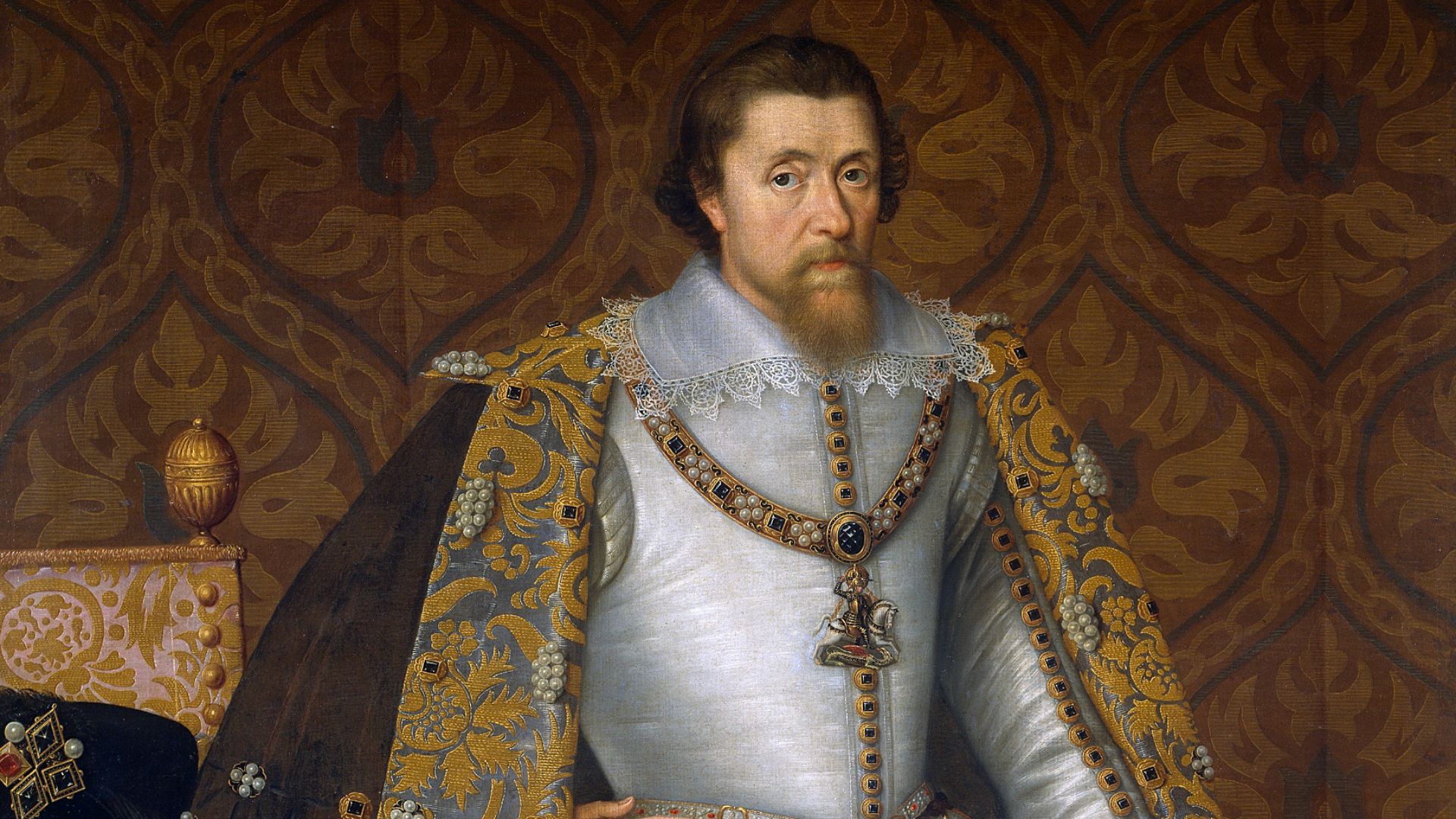
Although the book was not yet complete—and would never be—Walter believed that if King James liked it enough, he might respond with more mercy. However, upon showing it to the King in the hopes of proving his value as an advisor, King James sent it back with the criticism that it was “too sawcie in censuring Princes”.
Luckily, Walter finally regained his freedom after over a decade—but there was a catch.
 Attributed to John de Critz, Wikimedia Commons
History's most fascinating stories and darkest secrets, delivered to your inbox daily.
40. He Gave Him Stipulations
Released in 1616, Walter not only could walk the streets of London again as a free man, but the King also allowed him a second chance at his life’s greatest quest. Permitting Walter to search for El Dorado once again, the King gave him a few conditions, the most important of which barred any aggression against the Spanish under their new peace treaty.
This stipulation would prove to be Walter’s downfall—whether or not it was his fault.
41. They Broke The Rules
Walter would find himself in trouble once again, but this time, his hands were shockingly clean of the situation. Sailing to the New World for another time, his ships landed near the Orinoco River again, when some of his men suddenly went rogue. Under the orders of Lawrence Kemys, Walter’s long-time friend, several of the crew raided the nearby Spanish town of Santo Tomé de Guayana in an outright violation of the King’s command.
Not to mention, this slip-up resulted in a more personal loss for Walter—one that he could never forgive himself for.
 Attributed to Federico Zuccari, Wikimedia Commons
42. He Lost His Son
Walter hadn’t ordered the attack on the Spanish town, and in fact, the reason behind Kemys’s decision remains a mystery to this day—but that wasn’t the worst part. Walter’s son, Walter Jr, had accompanied him on this journey, and Kemys not only came back with news of their unauthorized siege but also that Walter Jr had perished in the battle. Kemys realized his mistake, but when a grieving Walter refused to forgive him, Kemys took his own life.
Although it wasn’t his decision, Walter had no choice but to return and face the music.
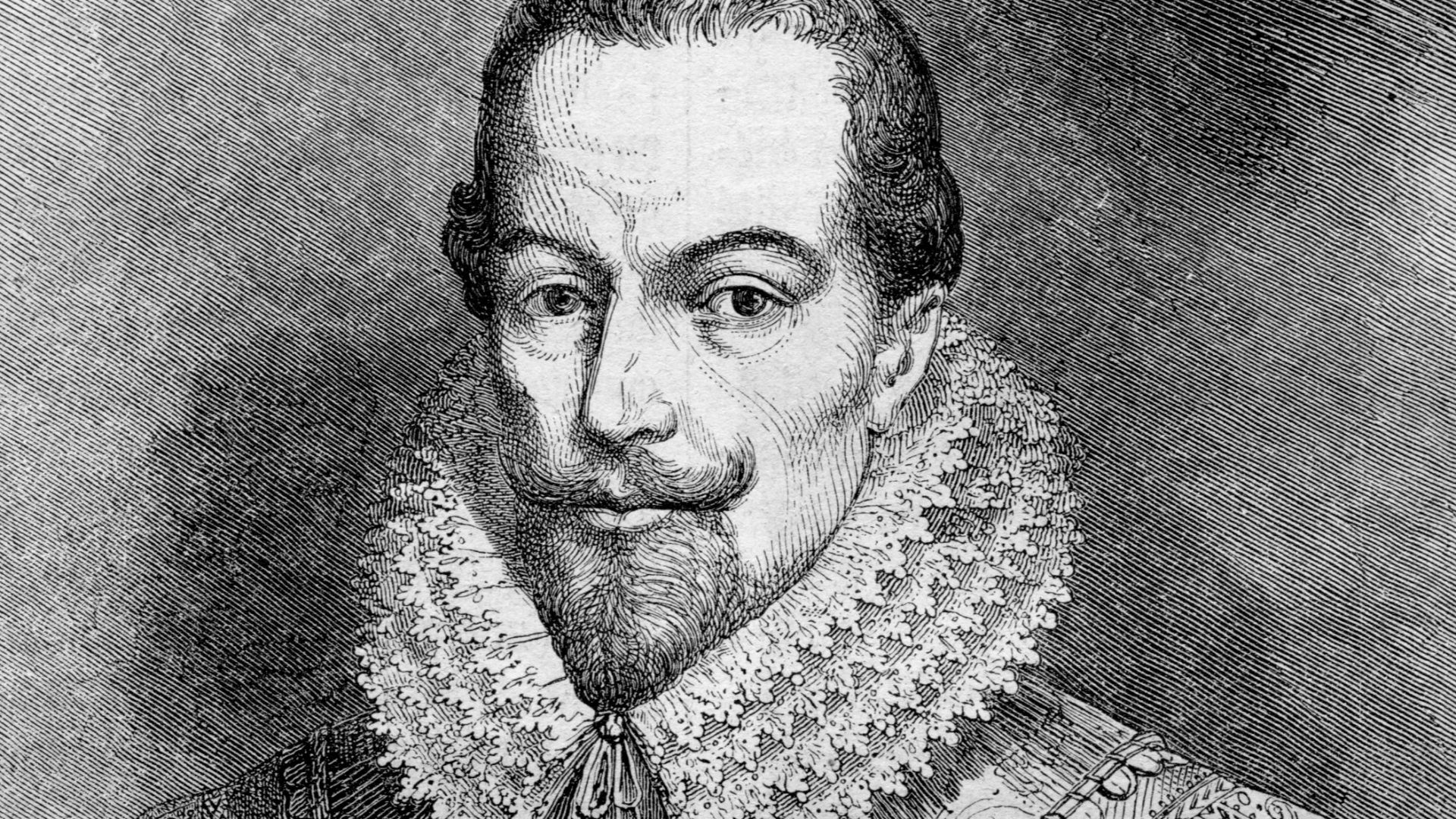 Edmond ou Georges Lechevallier-Chevignard (?), Wikimedia Commons
43. He Called For Justice
Walter had barely begun his expedition, but due to these terrible circumstances, he could no longer continue—and would never find El Dorado. Returning to England, news had already reached the furious Spanish ambassador, who demanded that King James pay for this egregious offense with Walter’s life.
Although he faced his final reckoning, Walter knew there was no running from it and accepted his fate.
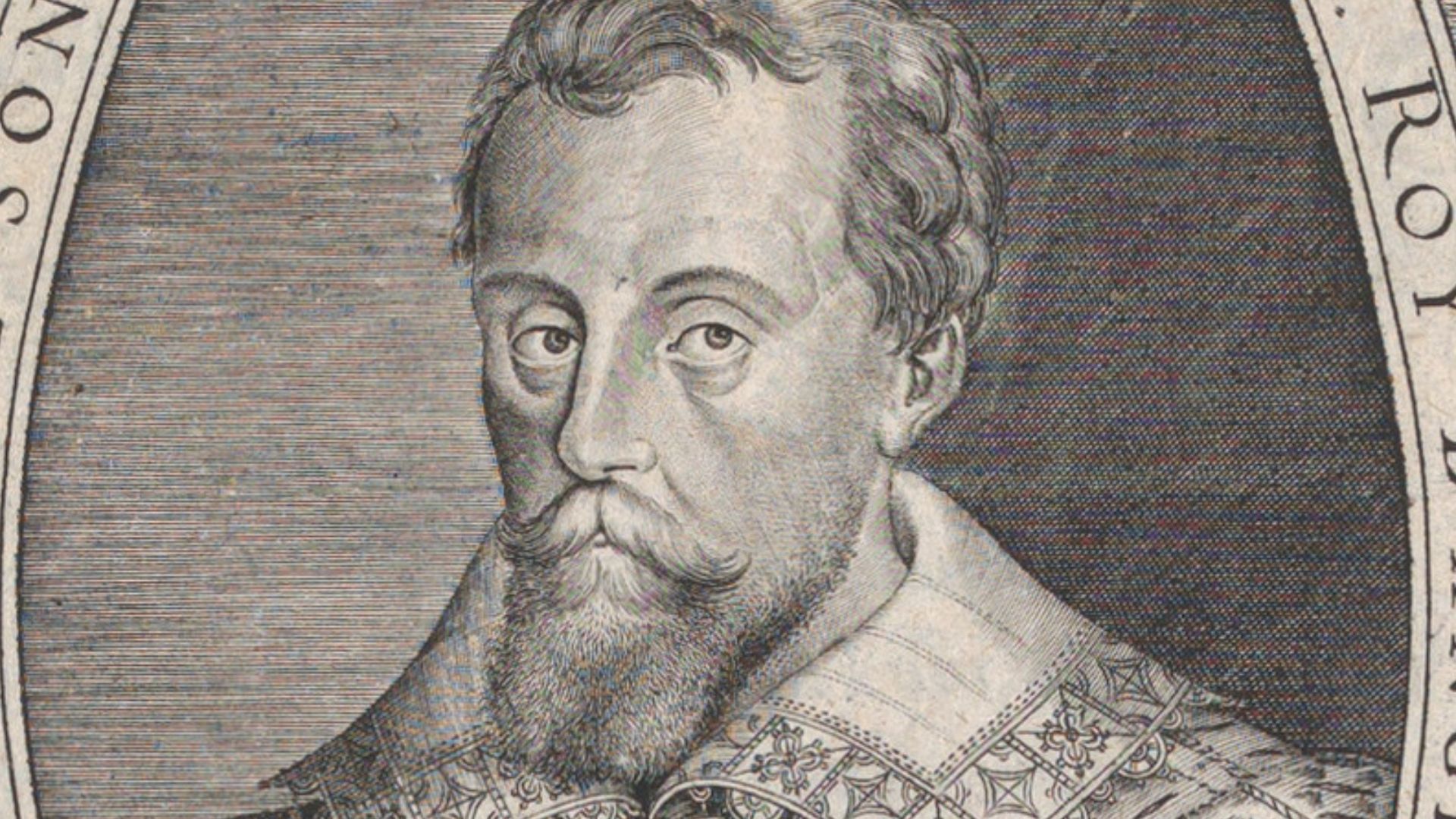 Karel van Mallery, Wikimedia Commons
44. He Refused To Leave
When it came to traveling in the custody of the law, this was far from Walter’s first rodeo, and he had no shortage of openings where he could have escaped the authorities. However, Walter felt honor-bound to atone for the sins of his men, so he elected to stay in custody, even as he was brought to his execution.
When it came down to the moment, he refused to waver—and seemingly had other priorities on his mind.
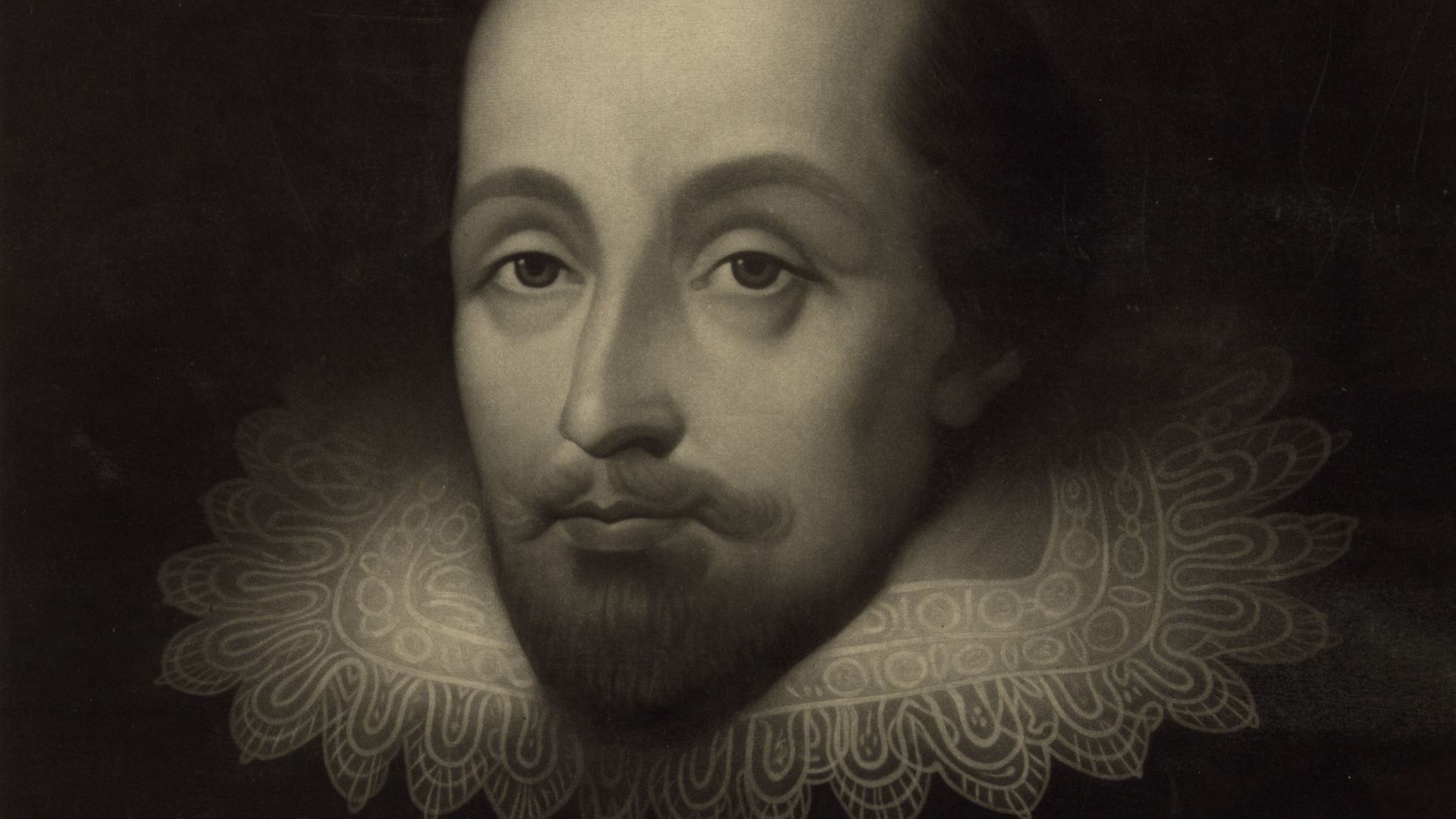 Popular Graphic Arts, Wikimedia Commons
45. He Kept Up Appearances
By the time Walter’s trial concluded, and he reached the place of his execution on October 29, 1618, he was suffering from an intense fever that was causing him to shake uncontrollably. Not wanting any of his enemies to think he was trembling in fear of his demise, he urged the executioner to proceed before anyone saw his condition.
In the end, he even used his final breath to keep his dignity.
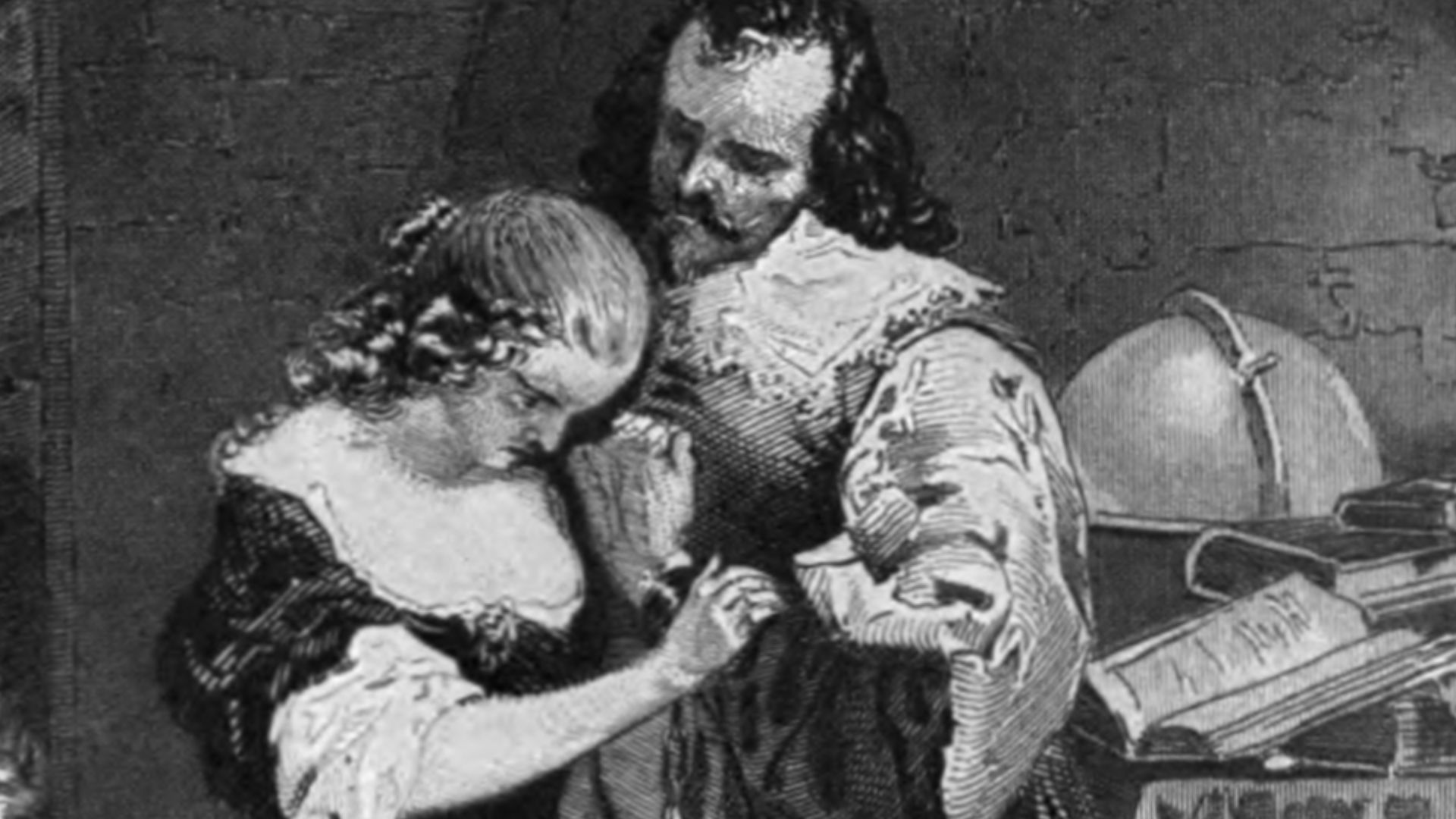 Artist E. Leutze, Wikimedia Commons
History's most fascinating stories and darkest secrets, delivered to your inbox daily.
46. He Grew Impatient
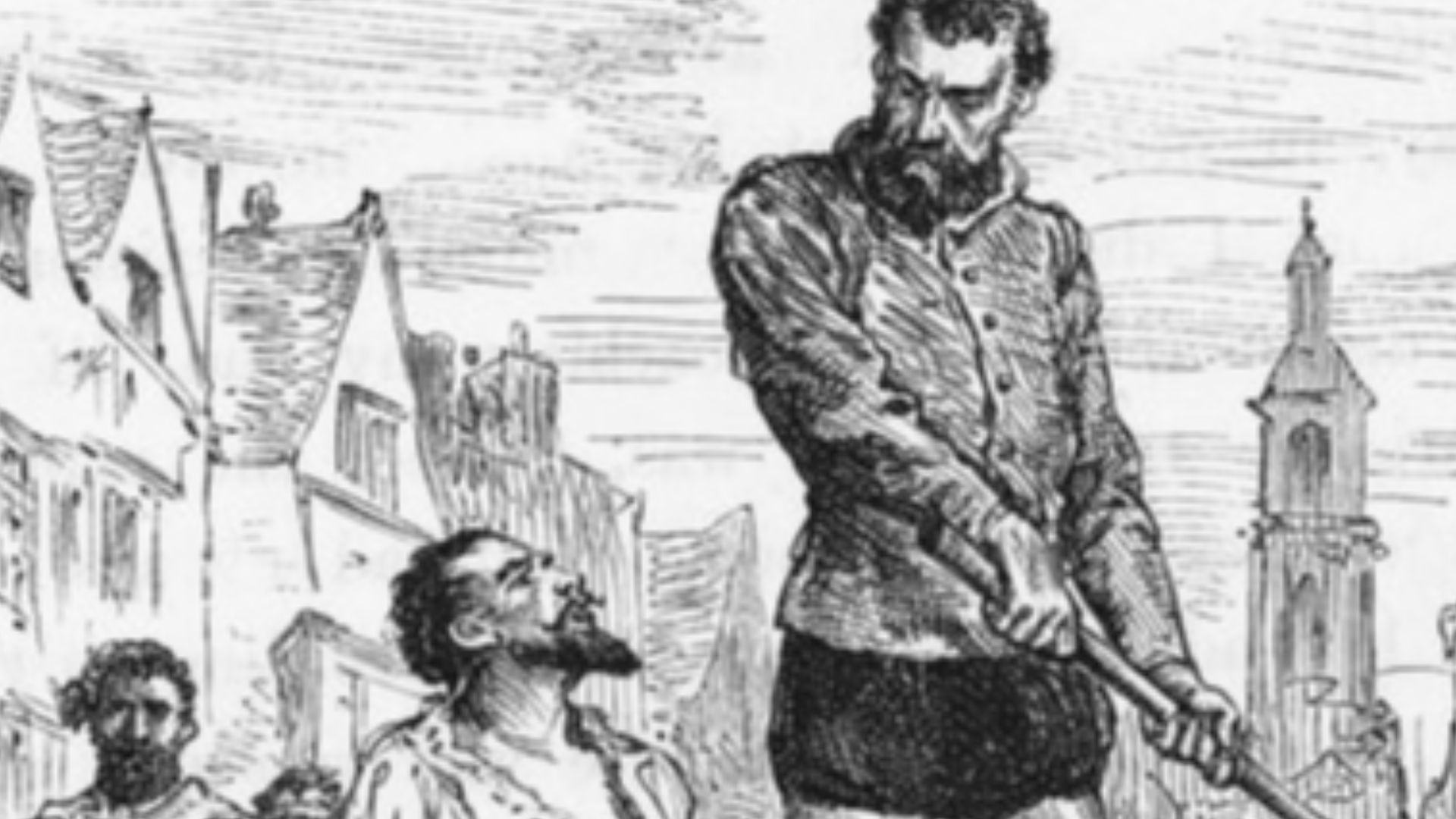
Although Walter certainly had turned a decent number of people in court against him, he wasn’t an enemy to everyone, and even the executioner seemed to hesitate for a moment when he raised his axe. However, still keeping a cool head, Walter simply called to the headsman, “What dost thou fear? Strike, man, strike!” The man obeyed and swung his axe, beheading the explorer.
As it happened, the executioner wasn’t the only one having second thoughts.
47. They Thought It Was Wrong
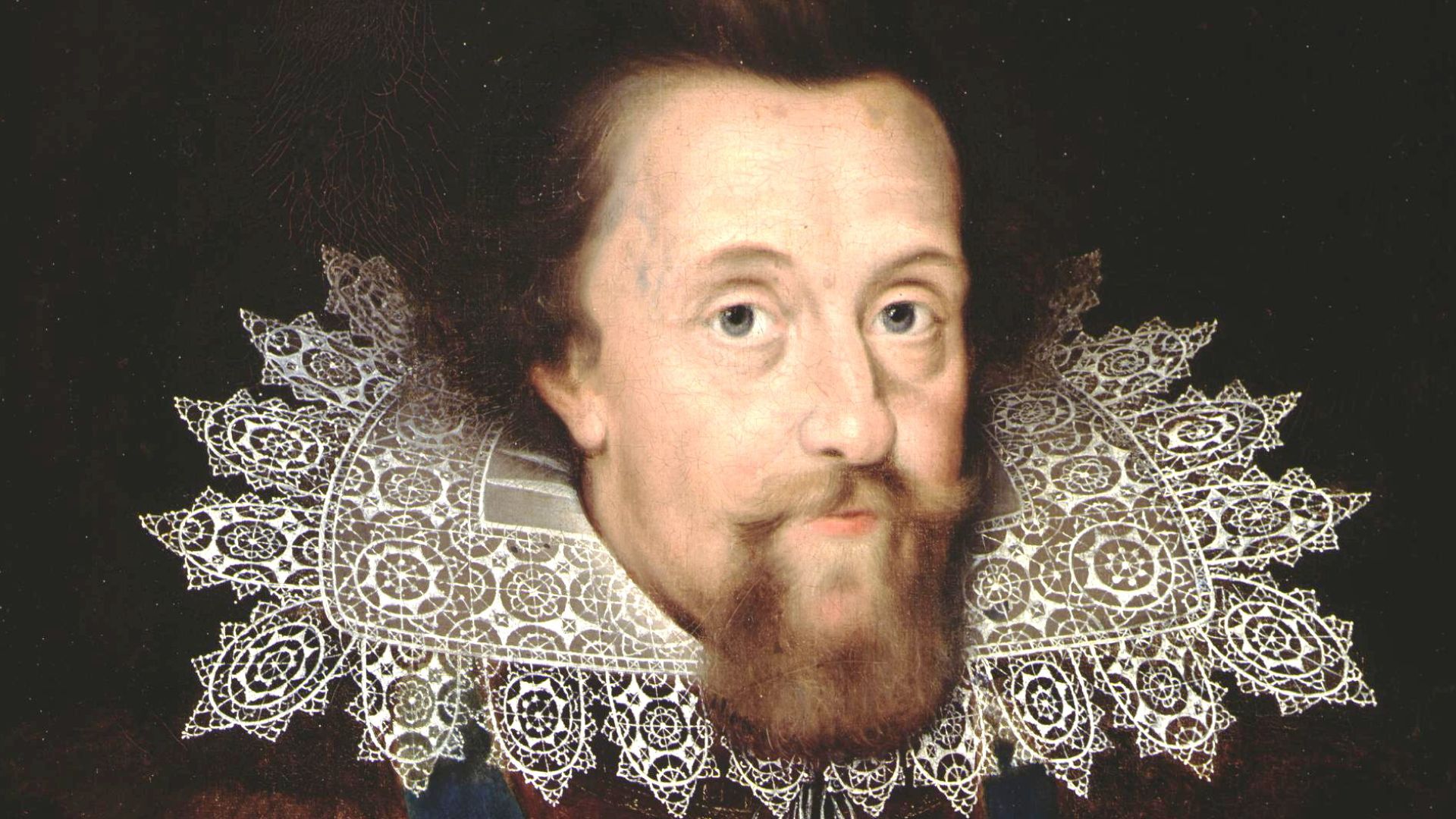
Many had considered Walter a thorn in their side for a long time, including King James at one point or another, but that didn’t stop some of them from declaring that his execution had been unjust. Beyond the fact that he was only indirectly responsible for breaking England’s treaty with Spain, many were quick to point out that even his original charge of treason was due to just a single meeting with Henry Brooke.
Nonetheless, it was too late, and one person suffered far more than any other.
48. She Kept Him Around
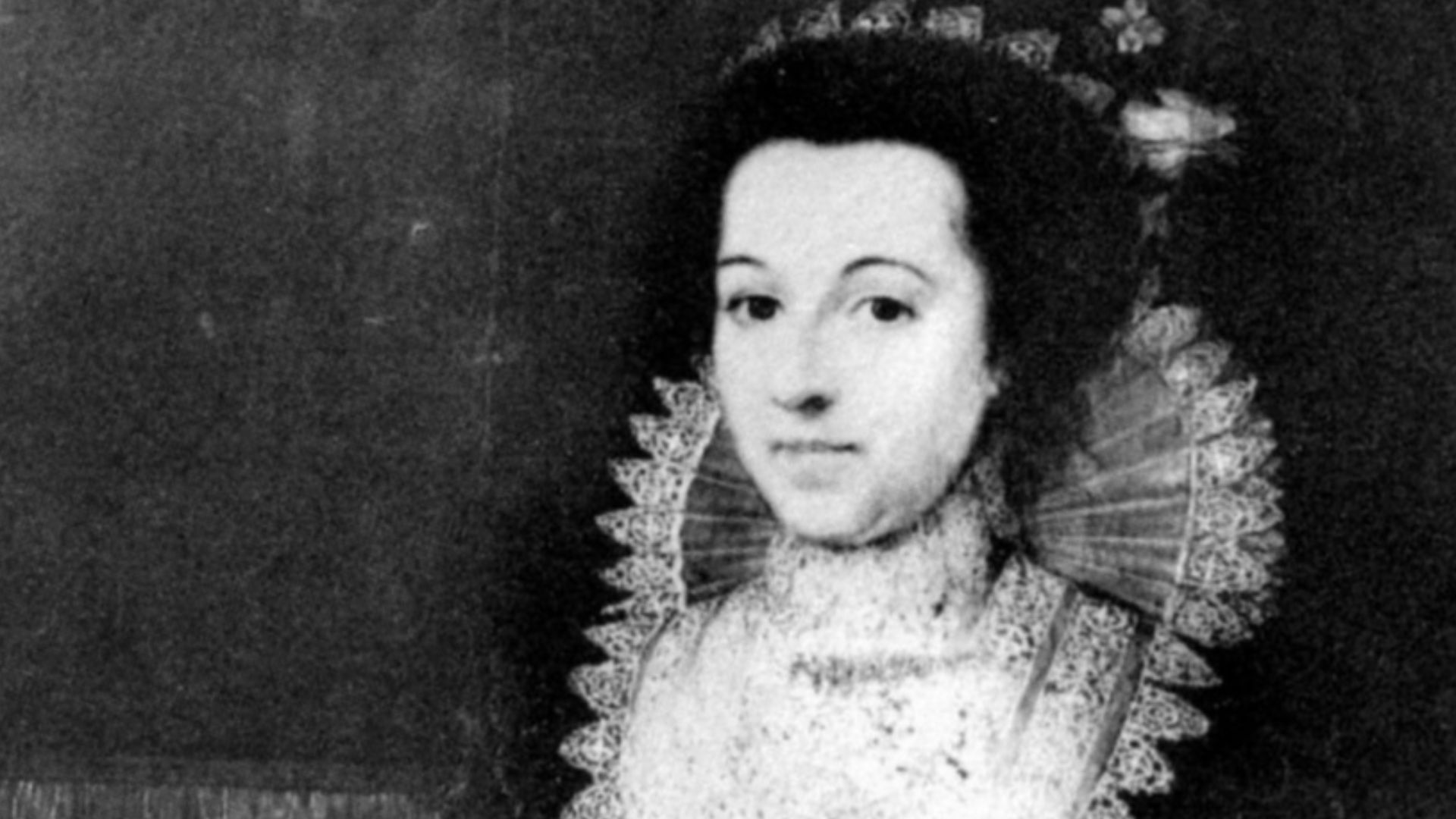
Even after his passing, Walter hadn’t finished inspiring more anecdotal tales, one of which concerned the woman he left behind—his ever-loving wife, Elizabeth. According to the stories, she came into possession of Walter’s detached head, and living in perpetual grief, she placed it in a velvet bag to keep with her for the rest of her days.
At the same time, he left something smaller—and much less disturbing—behind.
 Unknown authorUnknown author, Wikimedia Commons
49. They Found It Later
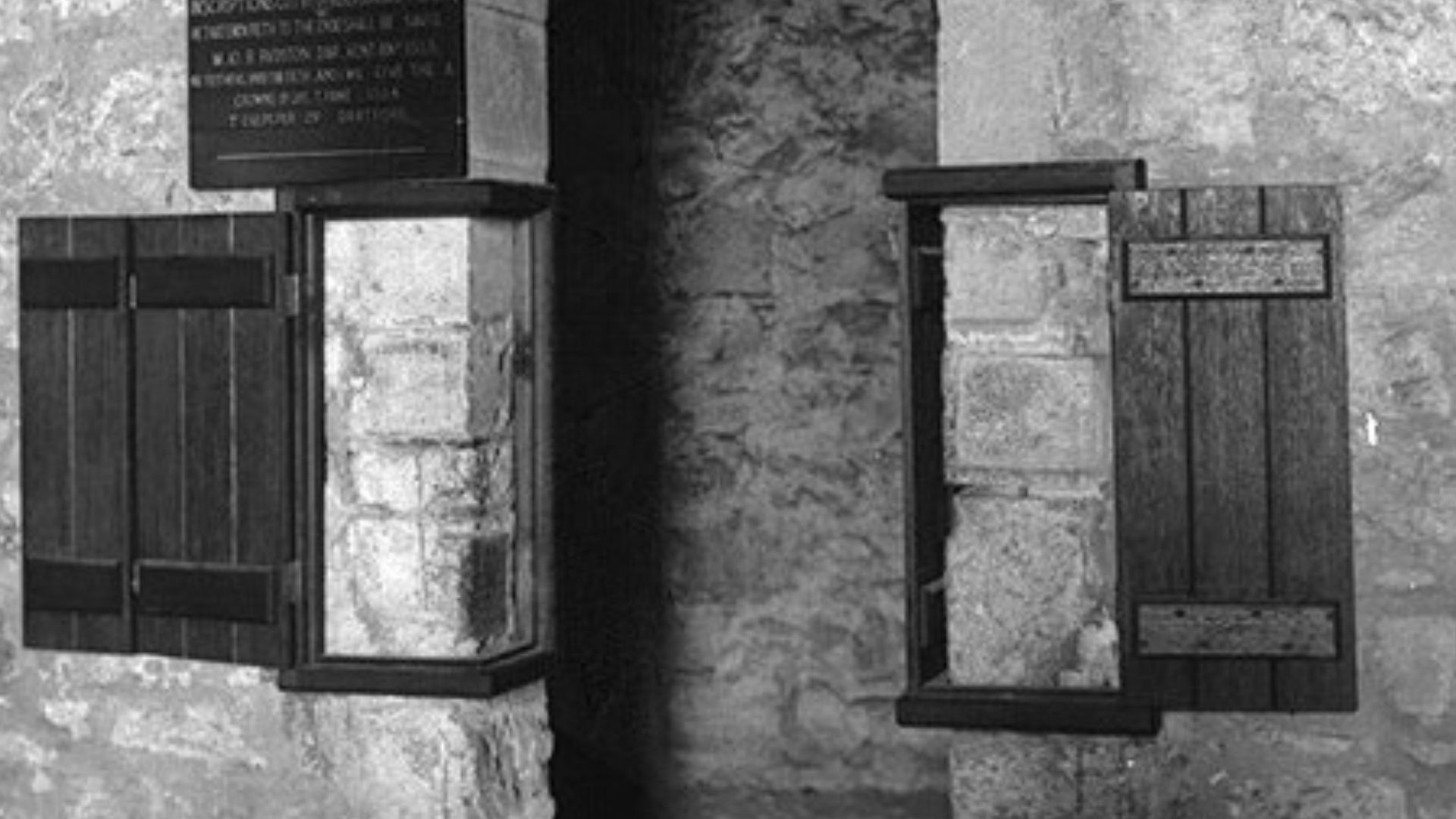
Another of the more popular stories about Walter was that he was the reason it became commonplace in England to smoke tobacco, and he left a fitting keepsake in his cell before meeting his end. Discovered later by the guards, he left a tobacco pouch with a Latin inscription that translated as “It was my companion at that most miserable time”.
While the truth of this history with tobacco is unknown, there is a far more outlandish legend about him.
 J Valentine & Co, Wikimedia Commons
50. He May Have Been The Bard Himself
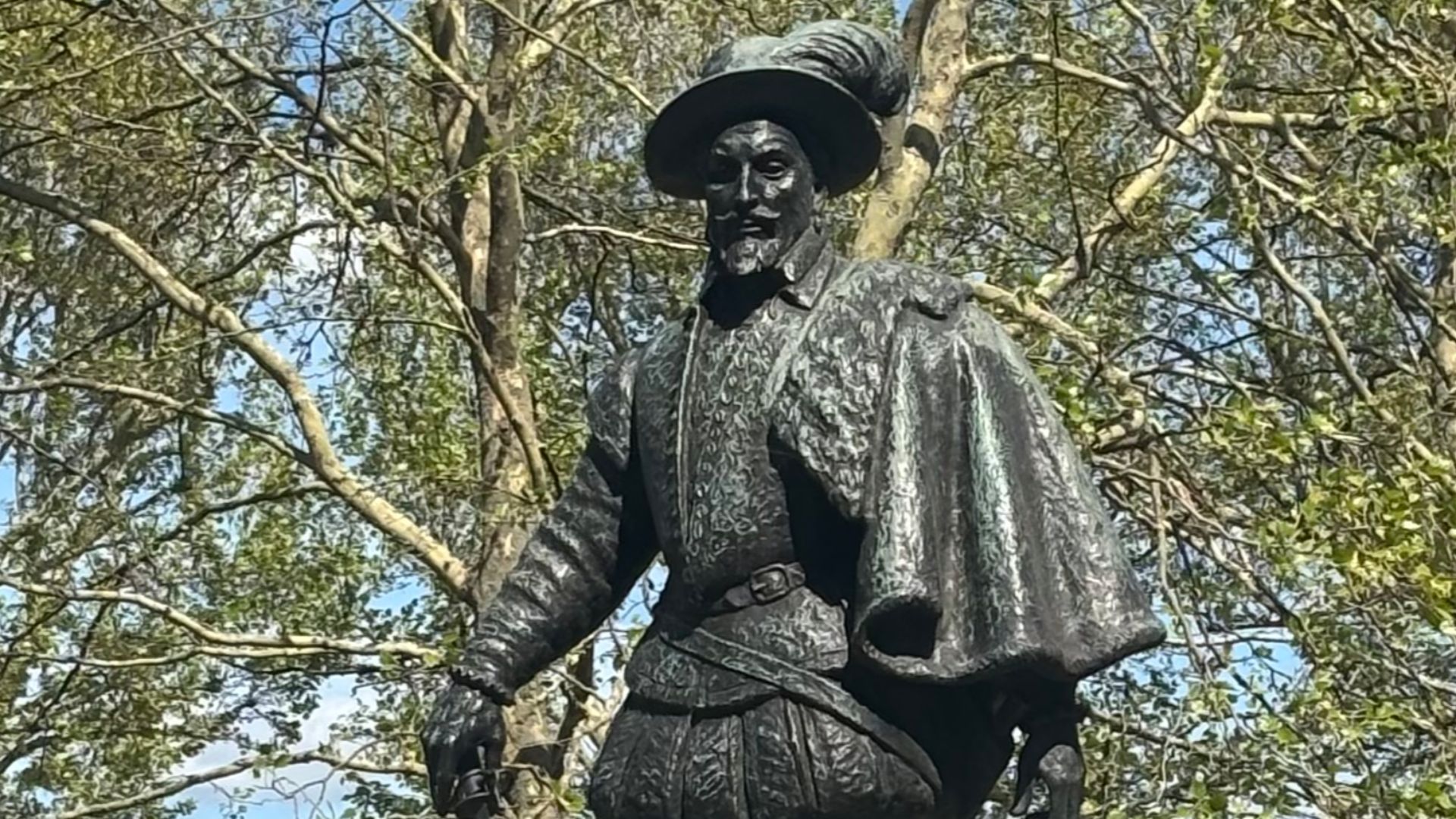
Sir Walter Raleigh’s legacy as an explorer remains complicated, partly since many of his endeavors resulted in failure—such as his quest for El Dorado. However, this hasn’t stopped some scholars from embellishing his accomplishments, or even attributing new ones to him. For instance, several people have theorized that the works of William Shakespeare were actually written by a group of authors, including him—or possibly even him alone.
 CleaningProducts102, Wikimedia Commons
You May Also Like:
Adventurous Facts About Sacagawea, The Fearless Explorer
42 Adventurous Facts About The Greatest Explorers In History








.jpg)
