
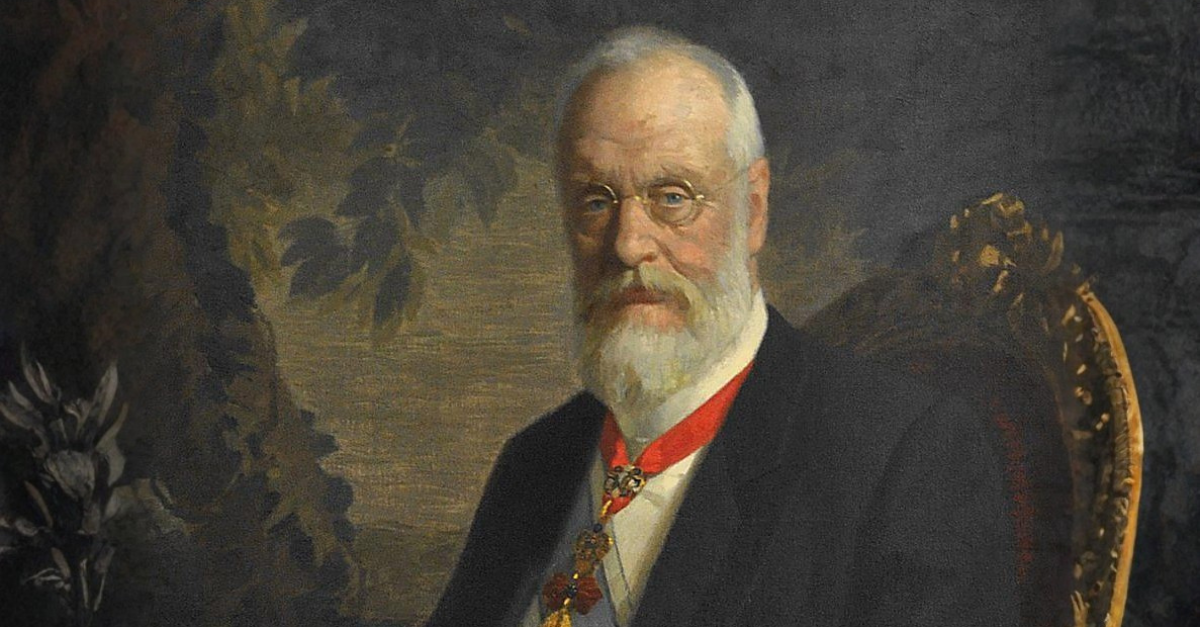
An Unlikely Ruler
Destiny has a tendency to come calling when least expected, but for Ludwig III, it practically dragged him kicking and screaming into a role that he previously thought was out of reach. Taking on the mantle of King, Ludwig led Bavaria through some of its most difficult times in recent history, becoming arguably its most significant monarch in the process—even if it wasn’t for very long.
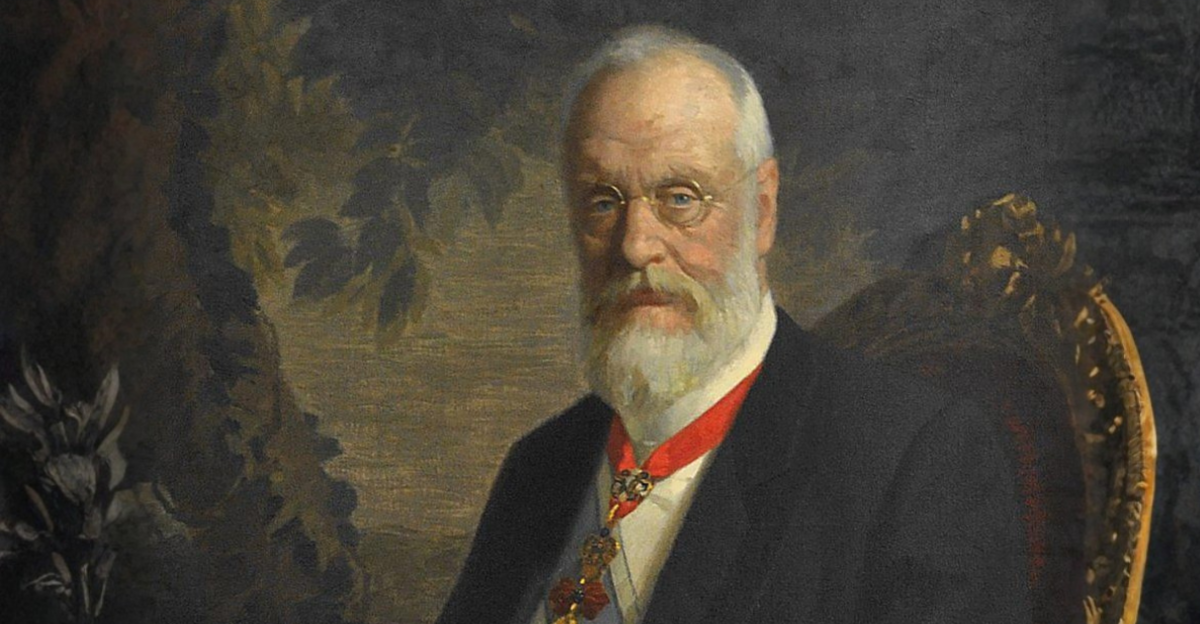
1. He Had Famous Ancestors
Although he was born into nobility, Ludwig III spent most of his life with little chance of having any royal title beyond prince. Still, as a relative of Bavaria’s king, he carried the blood of rulers in his veins, since his ancestors were some of the greatest leaders in history. Through his mother, Archduchess Auguste Ferdinande of Austria, he was the descendant of both Louis the Great of France and William the Conqueror.
Even so, he likely couldn’t imagine himself as any sort of leader, and with good reason.
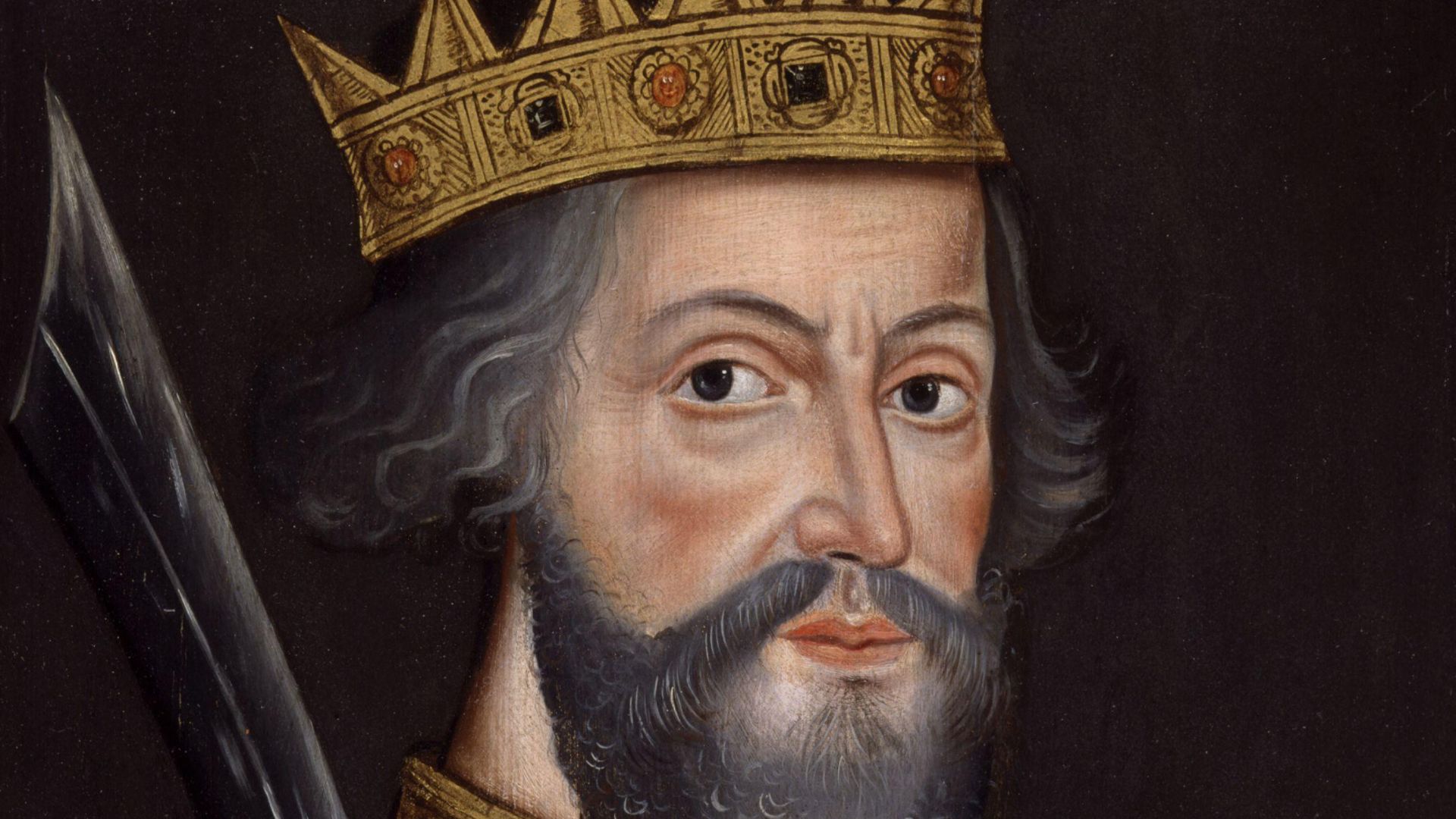 Unknown authorUnknown author, Wikimedia Commons
2. He Was Nowhere Close
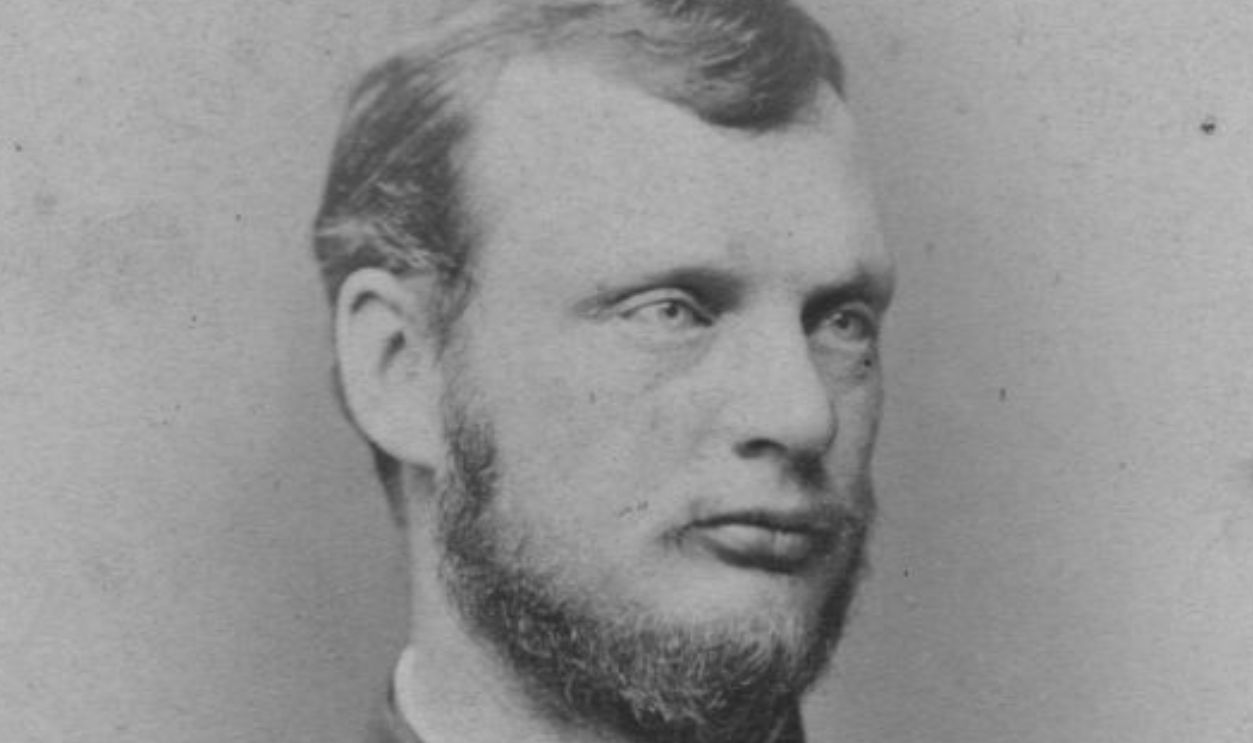
On January 7, 1845, the same day of Ludwig’s birth, he was almost immediately taken to his baptism, during which he received his name. However, despite being named after his grandfather, King Ludwig I, his uncle Maximilian II was actually next in line for the throne, leaving Ludwig III fifth in line. As such, the idea of taking over as king hadn’t even entered his wildest dreams.
Still, that didn’t mean he was out of ways to serve his people.
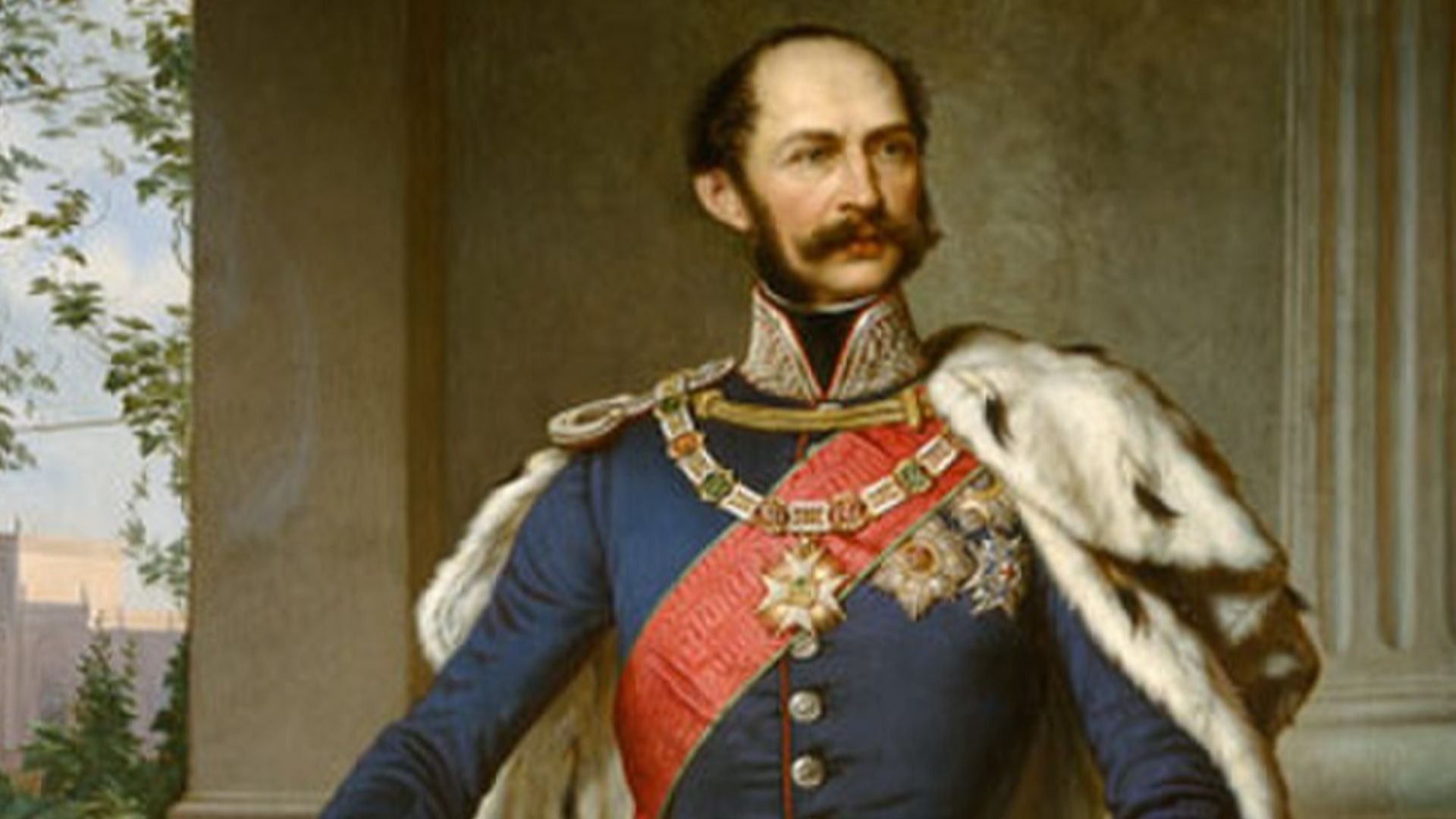 Joseph Bernhardt, Wikimedia Commons
3. He Joined The Service
Ludwig III didn’t have much chance of becoming king, but he still had a duty to Bavaria, which included putting his life on the line for its people. Like most of the men in his family, he joined the army at the age of 16, but he wasn’t just any low-ranking grunt. Given his noble birth, it was only appropriate for him to have a position of command, so the king granted him the rank of Lieutenant in the 6th Jägerbattalion.
However, he did his best to broaden his mind at the same time.

History's most fascinating stories and darkest secrets, delivered to your inbox daily.
4. He Went To School
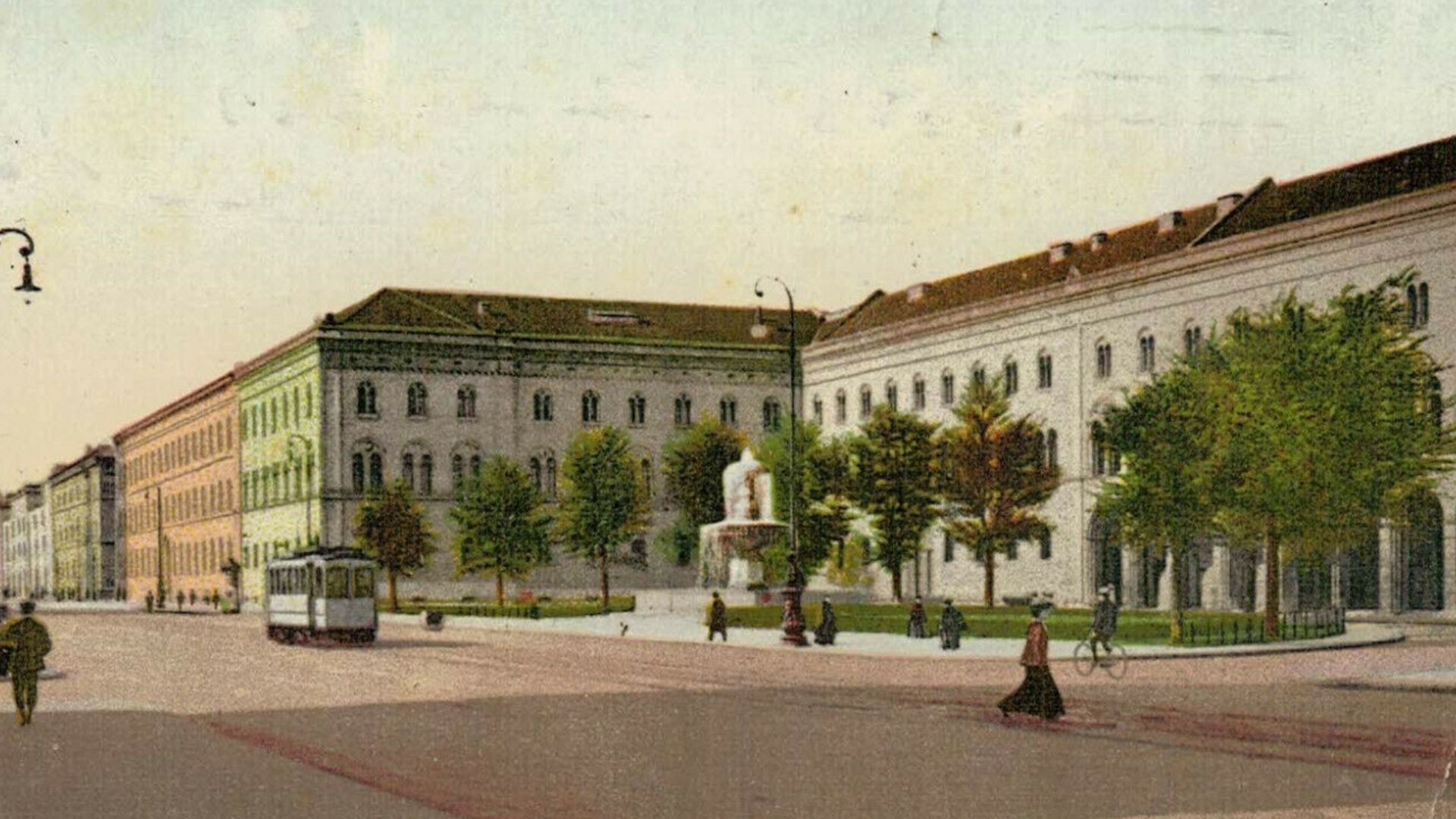
To properly help the people of Bavaria, Ludwig knew he would have to educate himself on the kingdom’s laws and politics, instead of only serving in the army. Therefore, around the same time, he began attending the Ludwig Maximilian University of Munich—although he dropped out after a year.
Despite that and his lack of.a path to the throne, he still tried to some changes to his kingdom.
 Unknown authorUnknown author, Wikimedia Commons
5. He Became A Decision Maker
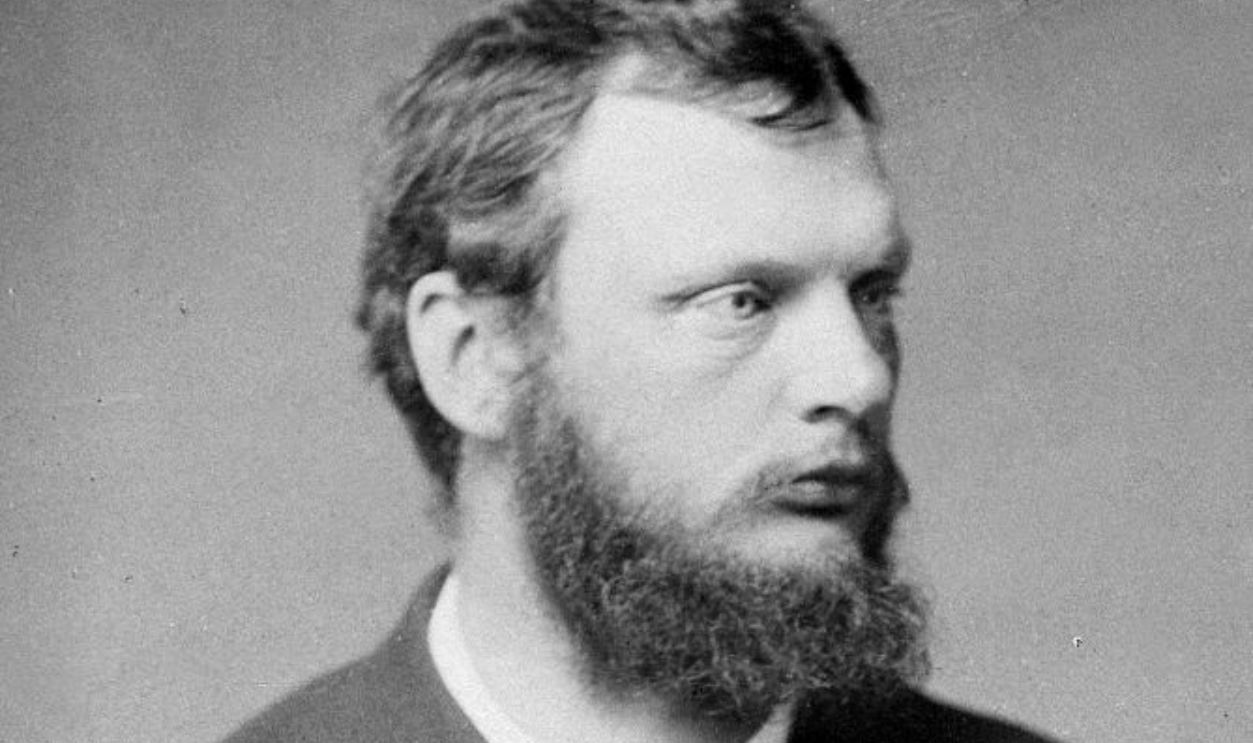
Although his formal education was brief, whatever knowledge he gained would come in handy when, at the age of 18, he joined the Senate of the Bavarian Legislature like all princes of the royal house. In fact, one of his greatest endeavors was advocating for the direct right to vote.
Unfortunately, no degree of nobility could keep him from the horrors of active service.
 ullstein bild Dtl., Getty Images
6. He Took A Hit
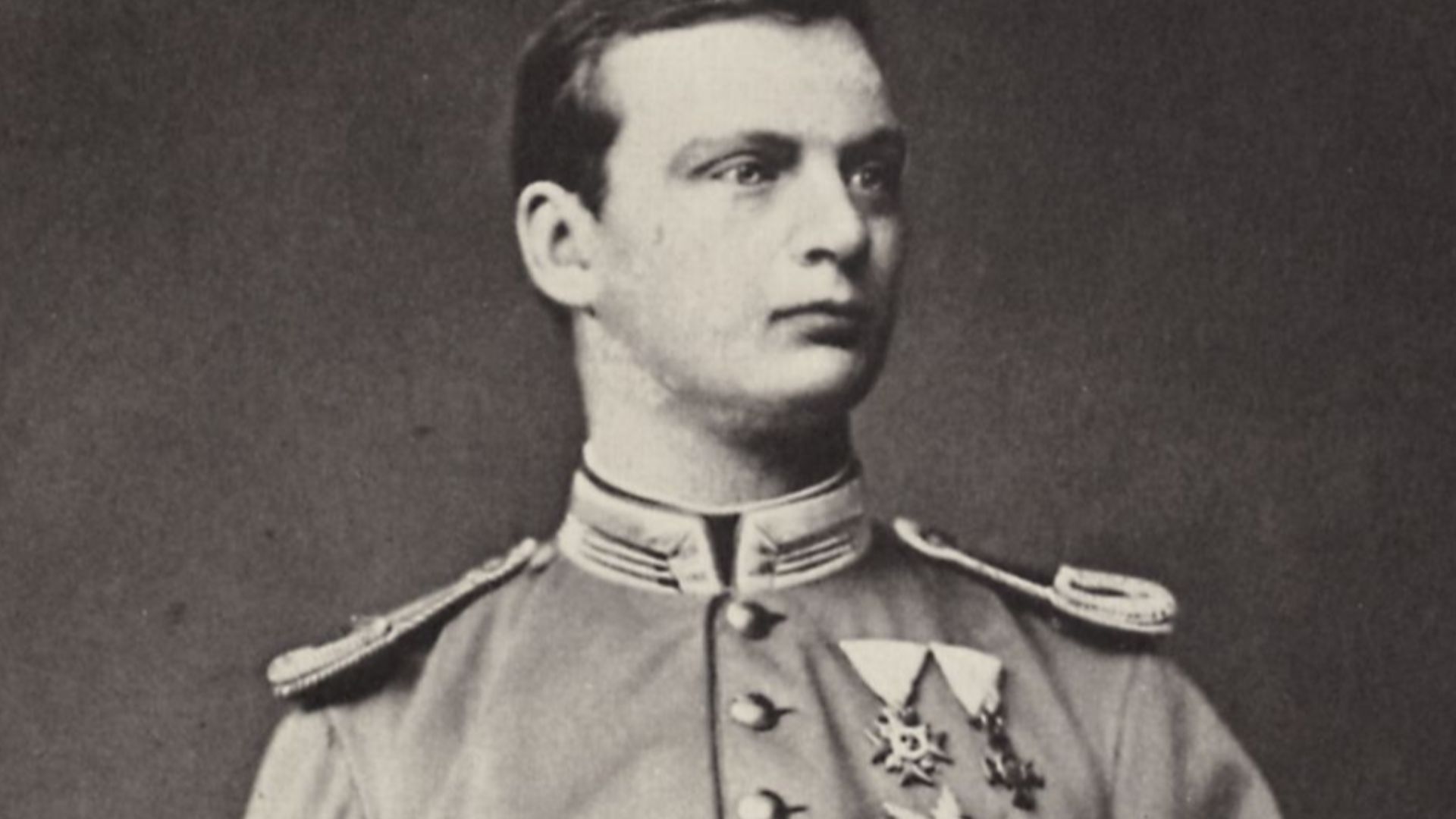
Just five years into his service, Ludwig was already rising through the ranks of the Bavarian army, receiving the post of Oberleutnant as the kingdom entered the conflict between Austria and Prussia. This post didn’t last too long, however, since he sustained a severe thigh injury when he was shot during the Battle of Helmstadt.
Needless to say, this colored his view of the army for the rest of his life.
 Victor von Stranz, Wikimedia Commons
7. He Was Against It
By the time he was a chapter in Bavaria’s history books, Ludwig’s reputation would become largely associated with the kingdom’s army, but this was far from the legacy he wanted. In reality, his wound at the Battle of Helmstadt had greatly shifted his perspective, and from then on, he was quite open about his opposition to the Bavarian army.
Around the same time, he embarked on a journey in the wake of a horrible loss.
 Josef Albert, Wikimedia Commons
8. He Paid His Respects
The members of Ludwig’s family were no strangers to tragic—sometimes even horrific—losses, and they sustained one in 1867 when his cousin, Archduchess Mathilda of Austria, accidentally set herself on fire. To attend the funeral, Ludwig traveled to Vienna, hoping to offer her family support in their trying time.
In an unexpected twist, however, this tragedy ultimately led to at least one positive outcome.
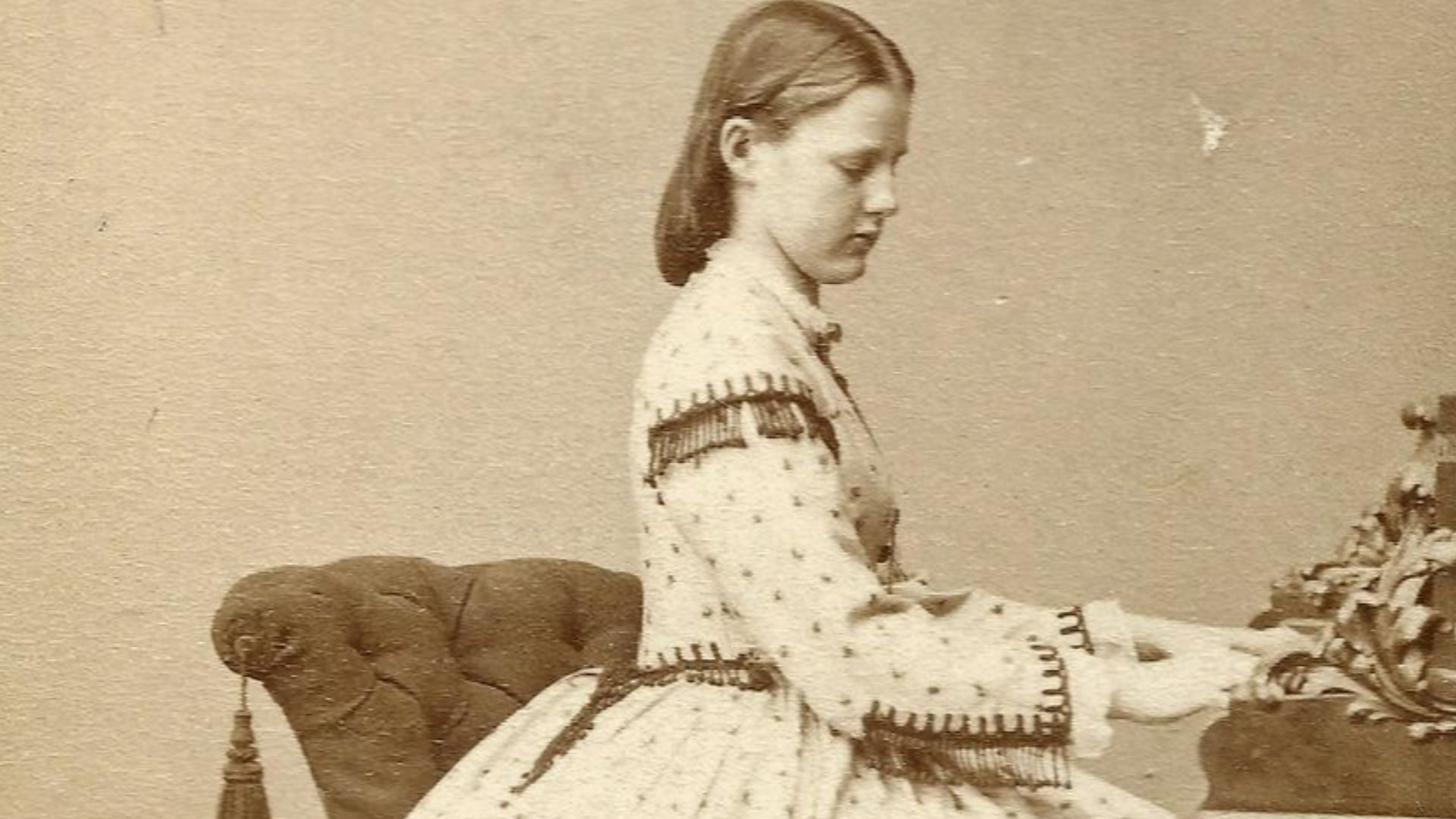
9. He Met Someone Special
While everyone was mourning his late cousin, Ludwig was busy proving that it’s possible to find love even in the most unlikely of places. After being introduced to Mathilda’s step-cousin, Maria Theresa, Ludwig believed he had truly met his soul mate—a clearly mutual feeling, as the two hit it off immediately.
Unfortunately for them, one person wasn’t so pleased about their union.
 Emil Keck (1867-1935), Wikimedia Commons
History's most fascinating stories and darkest secrets, delivered to your inbox daily.
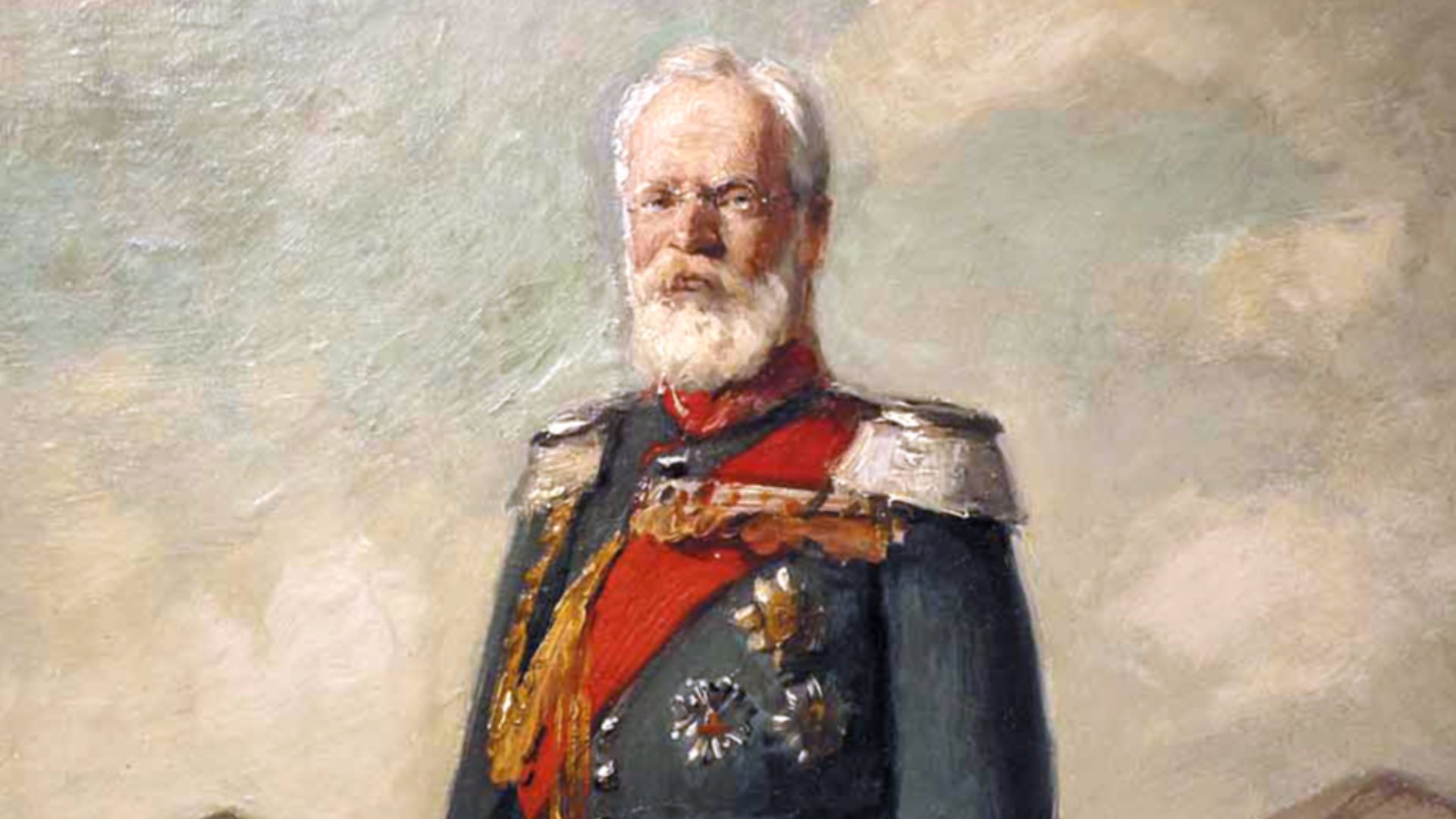
10. He Didn’t Like Them Together
As it was rare at the time for royal marriages to come from anything but politics or convenience, Ludwig and Maria Theresa were especially determined to stay together. However, the Emperor of Austria wasn’t such a big fan of their pairing, since he had planned for Maria Theresa to marry someone else. This did little to dissuade the couple, and on February 20, 1868, the two of them tied the knot.
Luckily, Ludwig still had some major prospects going for him.
 Unknown authorUnknown author, Wikimedia Commons
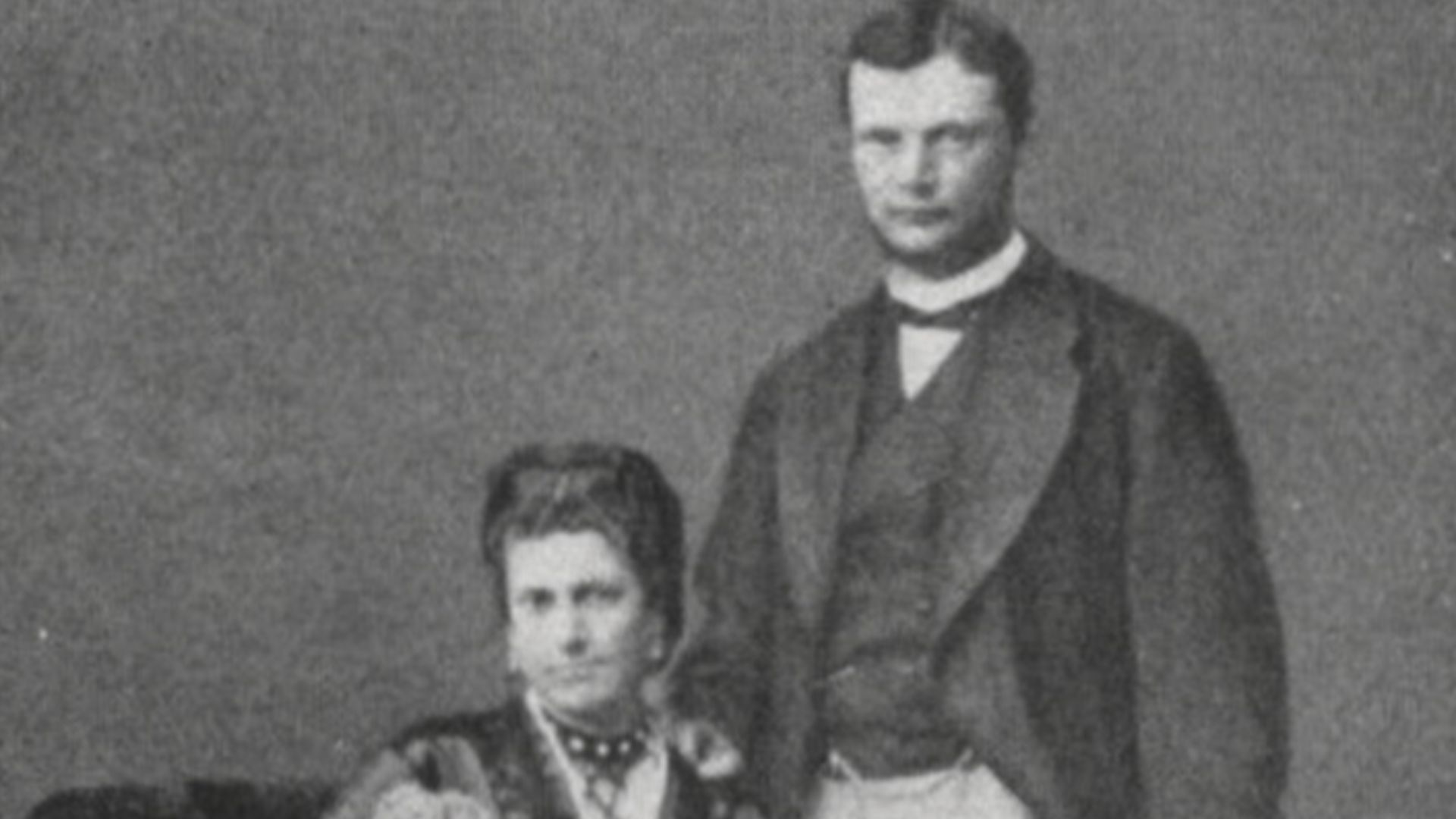
11. He Was In The Running
While Ludwig was still further down the line of Bavaria’s royal succession, it wasn’t his only possible route to the throne, since his uncle, Otto I, was King of Greece. This gave him a slightly better chance of taking the crown himself, and even when Otto faced his own deposition in 1862, Ludwig held onto his claim to the throne.
Still, this wouldn’t have been all it was cracked up to be.
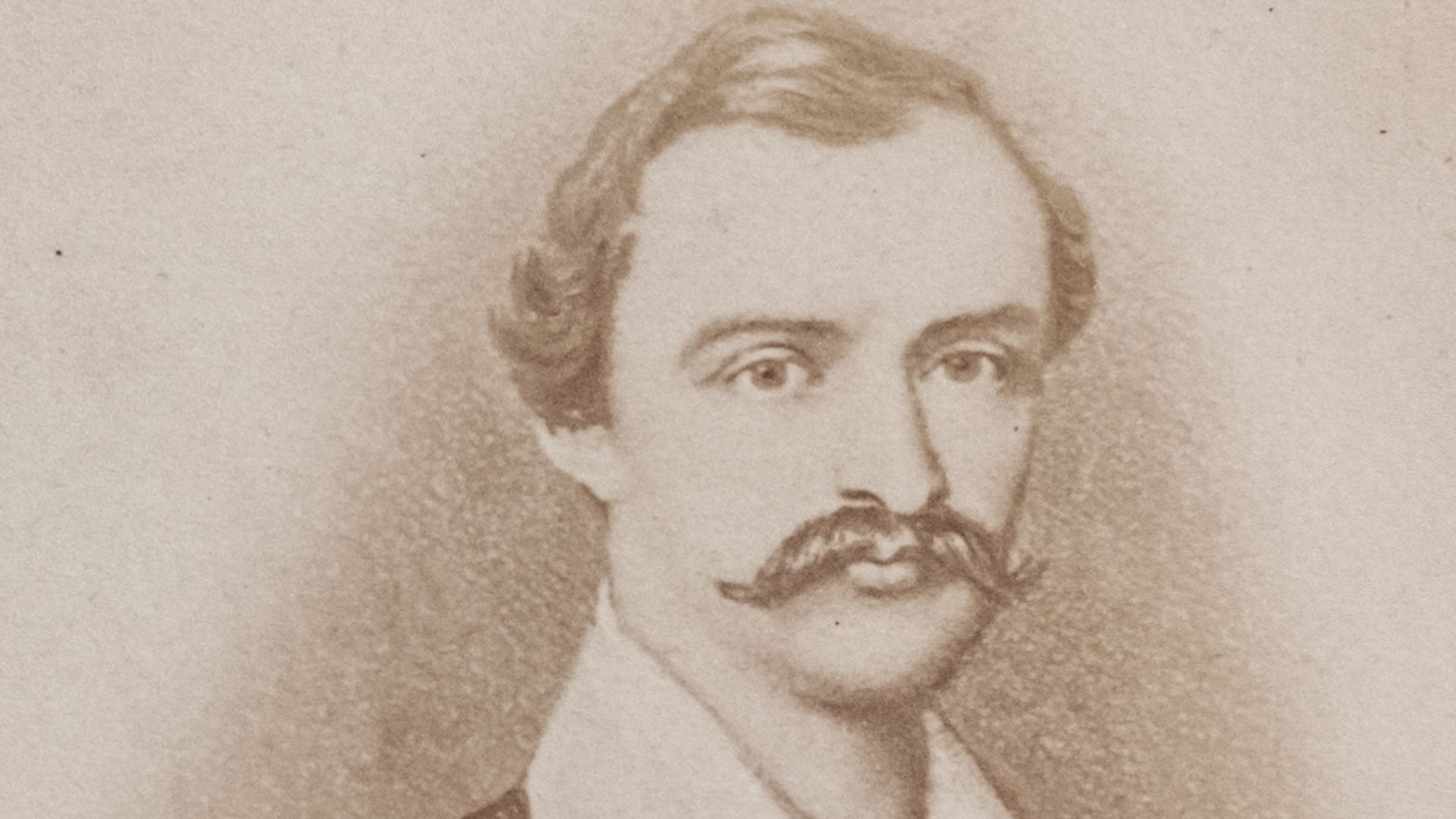
12. He Would Need To Change
Although Ludwig’s possible succession to the Greek throne may have been a good thing in many ways, it only made his life more complicated once he married Maria Theresa. Her uncle Francis V was a dedicated Roman Catholic, but if the time ever came for Ludwig to rule over Greece, the young Prince would have had no choice but to convert to Greek Orthodox.
Therefore, his in-laws had a few conditions for his marriage.
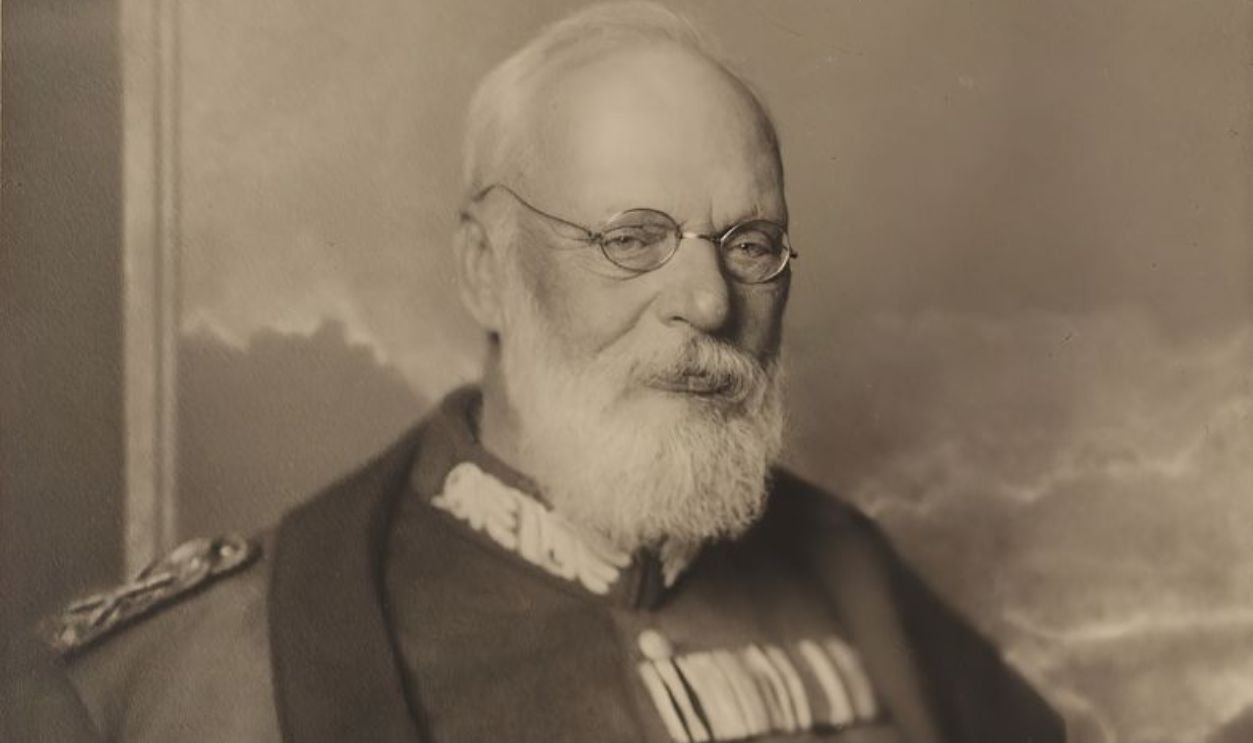
13. He Had To Give It Up
Francis knew that if Ludwig ever became King of Greece, any children he and Maria Theresa had would grow up Greek Orthodox, which was something he wouldn’t stand for. Taking matters into his own hands, he forced Ludwig to renounce his claim to the Greek throne, including it as a condition of their marriage agreement.
While a bit drastic on the surface, this may have been worth it, especially since the marriage came with more than a few benefits.
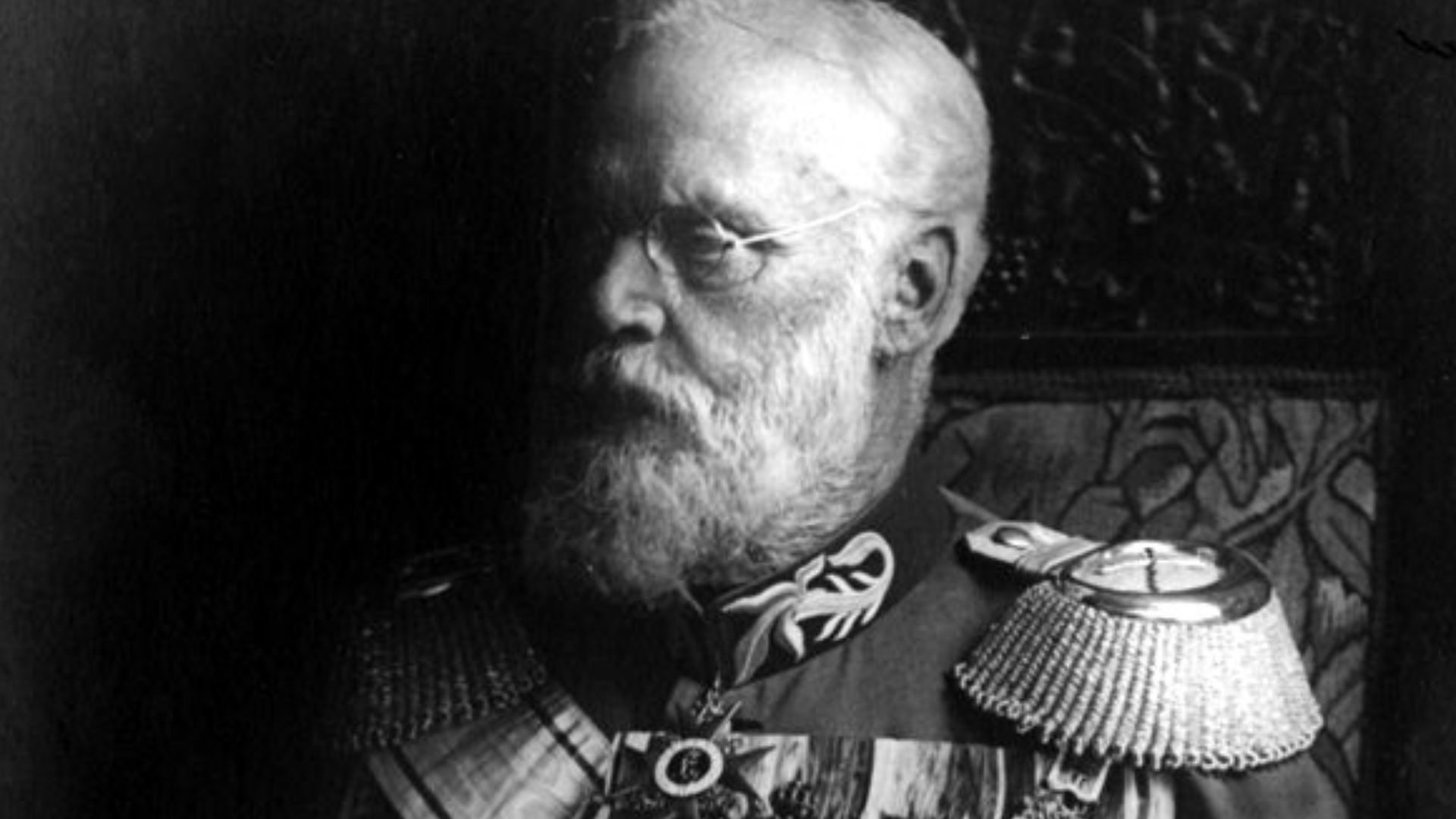
14. He Was Loaded
Ludwig wasn’t what anyone would call impoverished, but thanks to the land that Maria Theresa had inherited from her father, he gained even more wealth than he had grown accustomed to. In fact, he suddenly had enough funds to purchase his own estate in Bavaria, which became one of his most prized possessions.
Thankfully, this gave him a brand new project to dedicate himself to.
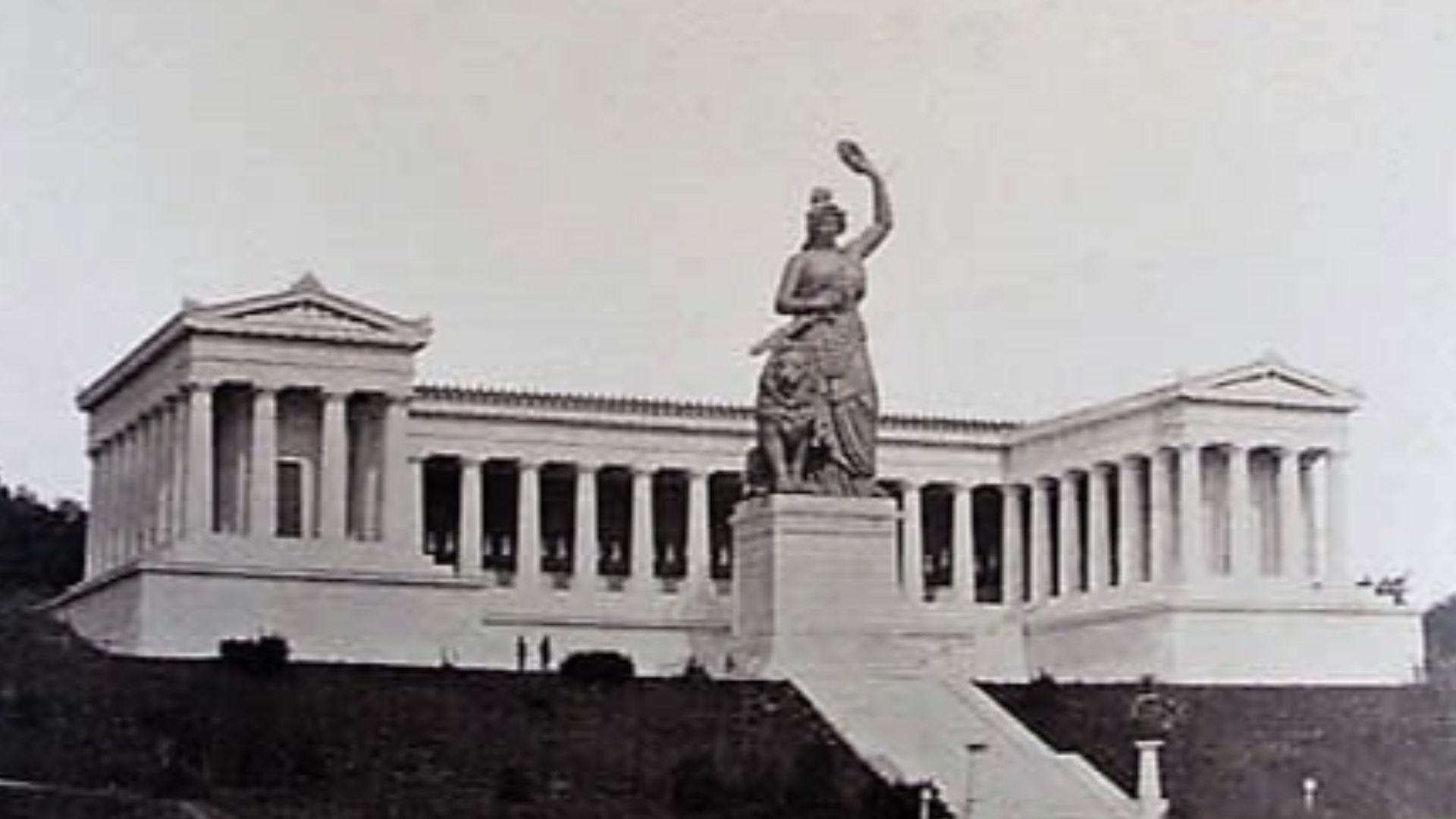 Georg Böttger, Wikimedia Commons
15. He Made It Bigger And Better
Although Ludwig still took his responsibilities to Bavaria seriously, his lower position in the line of succession allowed him to commit his energy to other endeavors. Taking pride in his new estate at Leutstetten, he worked tirelessly to improve it, eventually turning it into one of the most lucrative properties in the kingdom.
It wasn’t long before this became a part of his identity.

History's most fascinating stories and darkest secrets, delivered to your inbox daily.
16. He Received A Nickname
Ludwig had long been fascinated with agriculture, and now that he had his own estate to operate however he pleased, he enjoyed the freedom to pursue his passion. He became so productive in this line of work that people began to call him “Millibauer,” which translates to “dairy farmer,” and he even became Honorary President of the Central Committee of the Bavarian Agricultural Society.
His estate also provided something truly invaluable—a home.
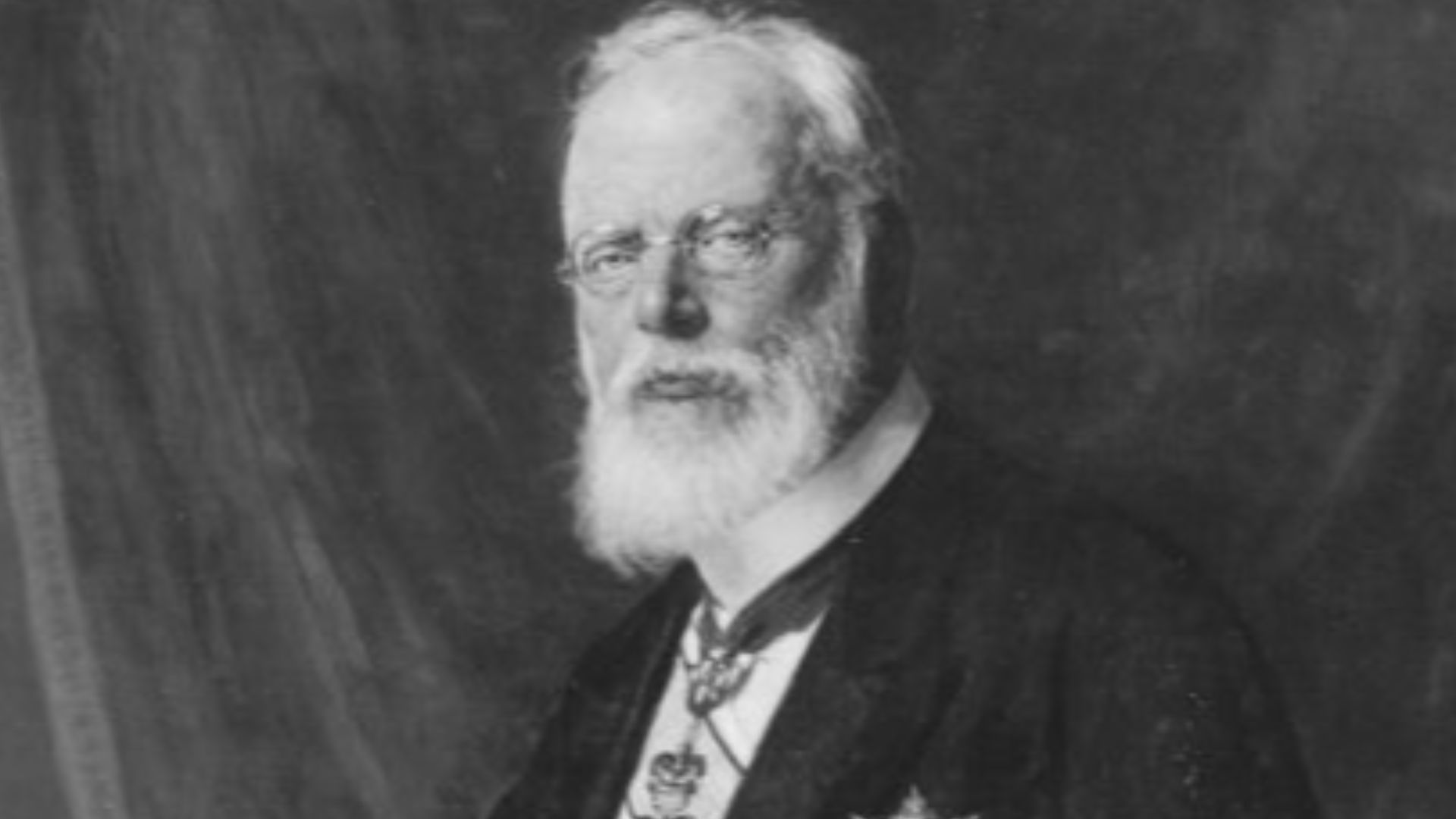 Alexander Fuks, Wikimedia Commons
17. They Made A Family
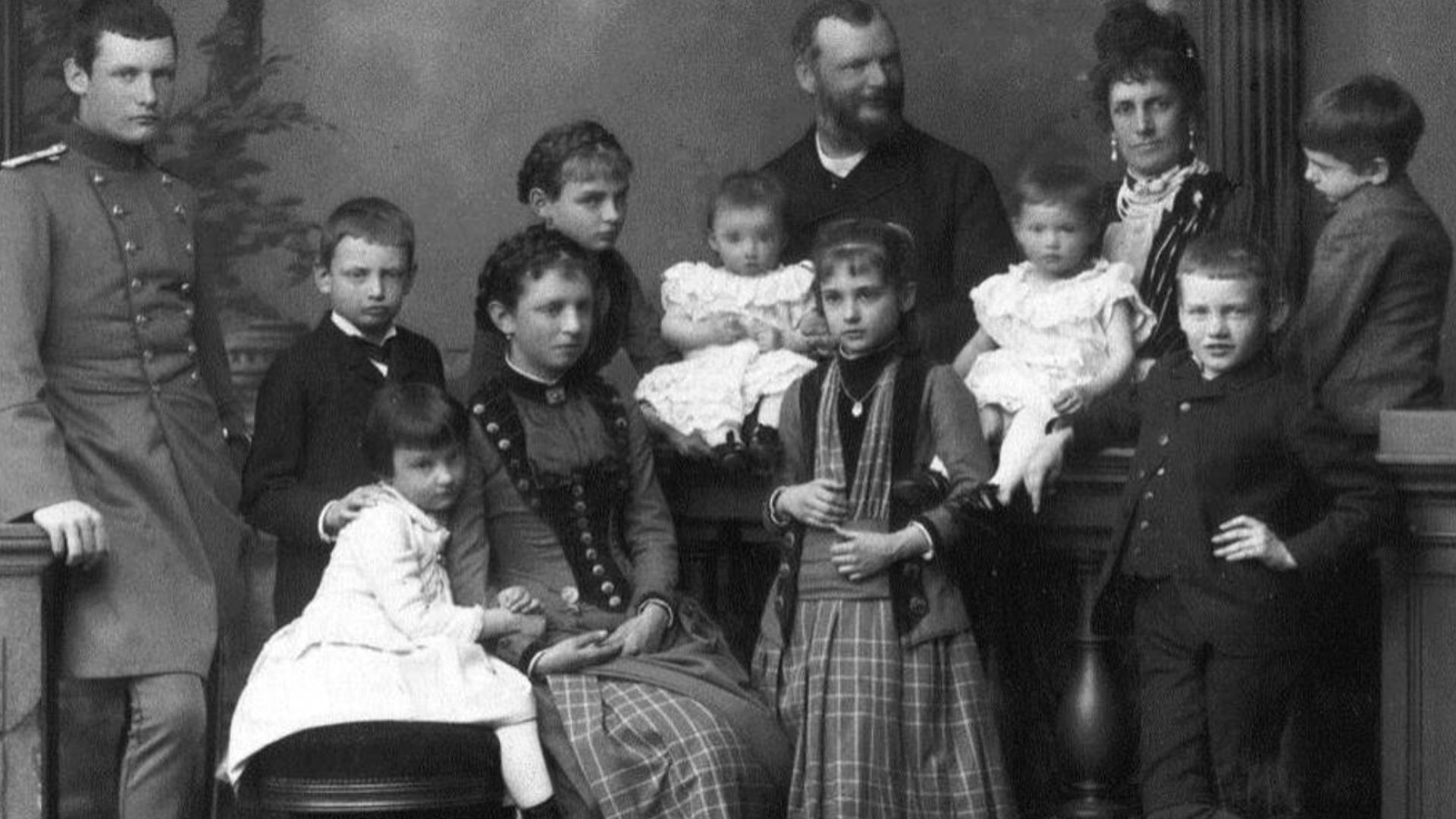
Ludwig III and Maria Theresa had the option to live at the Leuchtenberg Palace in Munich, but the couple much preferred Ludwig’s estate at Leutstetten—which would be even more necessary soon enough. Between 1869 and 1891, they welcomed a total of 13 children, although not all would survive to adulthood, sadly.
Little did Ludwig know he was about to receive a major boost to his royal status.
 Unknown authorUnknown author, Wikimedia Commons
18. He Got A Promotion
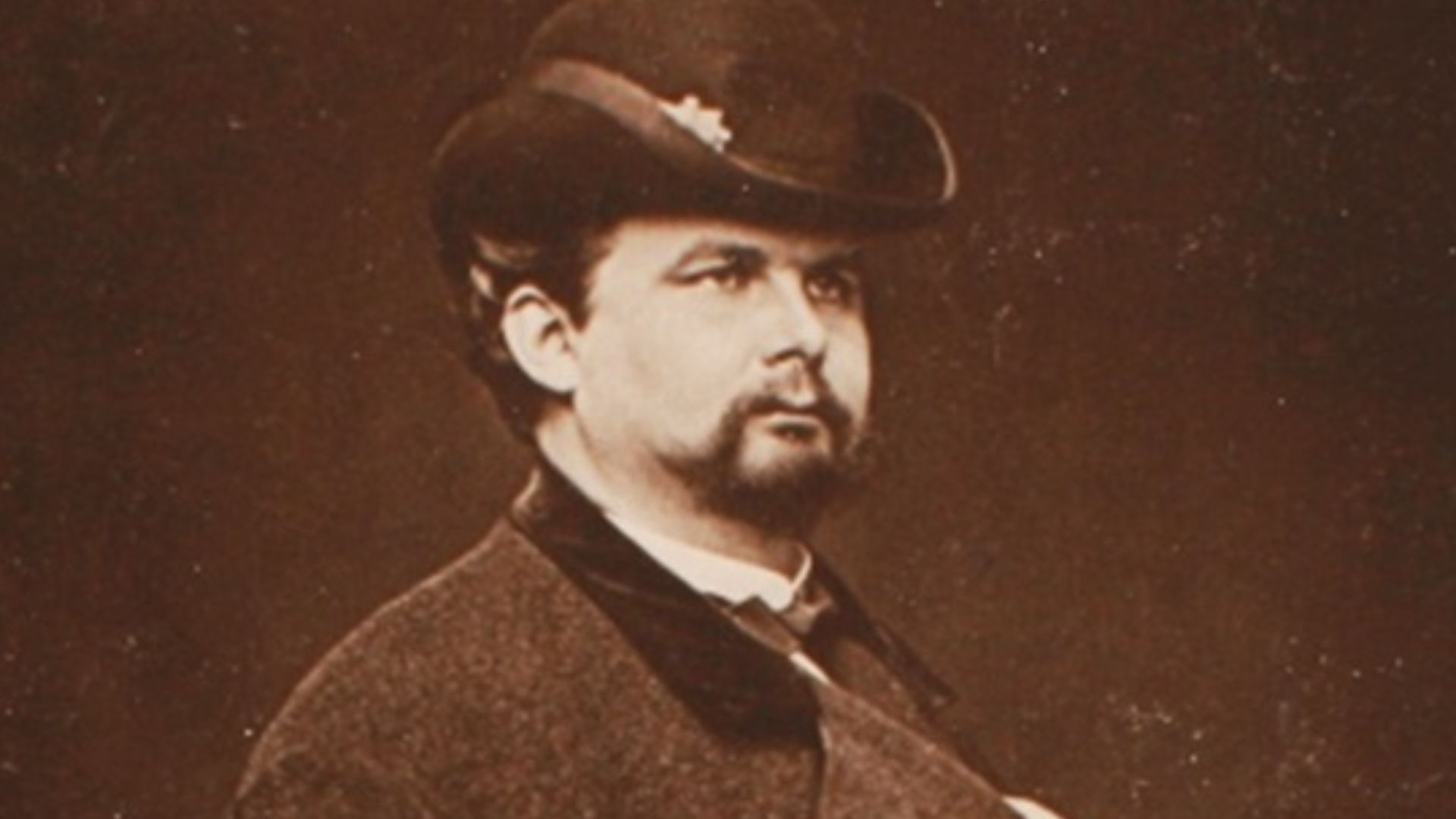
Ludwig III may have felt somewhat detached from the idea of ruling over Bavaria, but in 1886, both he and his father found themselves much closer. Although Ludwig II had been reigning as king for over 20 years, he was suddenly declared mentally incompetent and removed from power, leaving Ludwig III’s father, Luitpold, to rule as Prince Regent.
As such, Ludwig III was about to move even higher up the ladder, but at a terrible cost.
 Unknown authorUnknown author, Wikimedia Commons
19. He Lost His Father
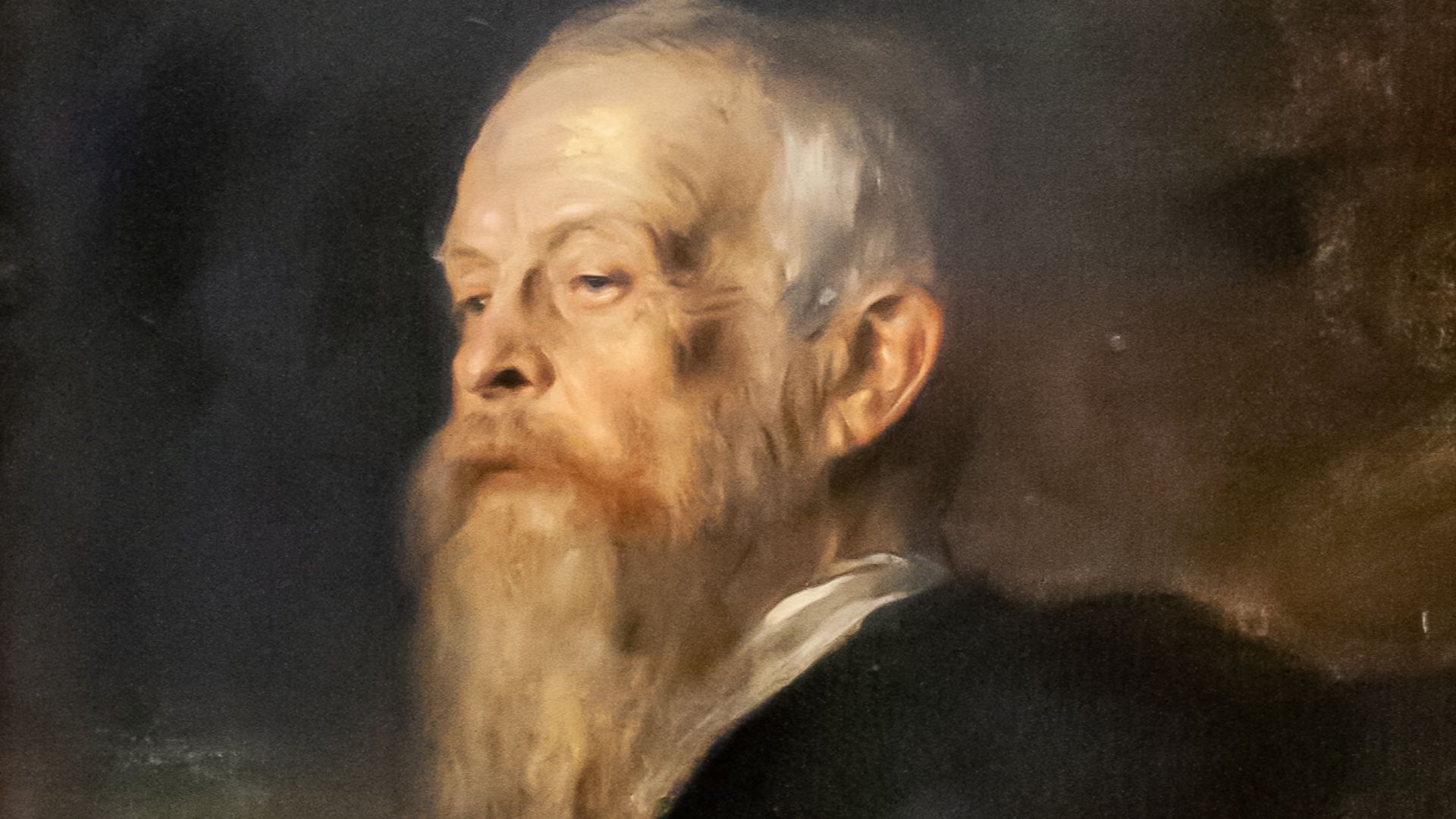
Although King Ludwig II perished under mysterious circumstances shortly after his deposition, Luitpold continued as Prince Regent since the new king, Otto, was also declared mentally incompetent. However, Luitpold would only hold this office for a few decades, as in 1912, he developed a serious case of bronchitis and passed, leaving Ludwig III to pick up the pieces.
Suddenly, he was thrust into a position he had thought was impossible.
 Franz von Lenbach, Wikimedia Commons
20. He Took His Place
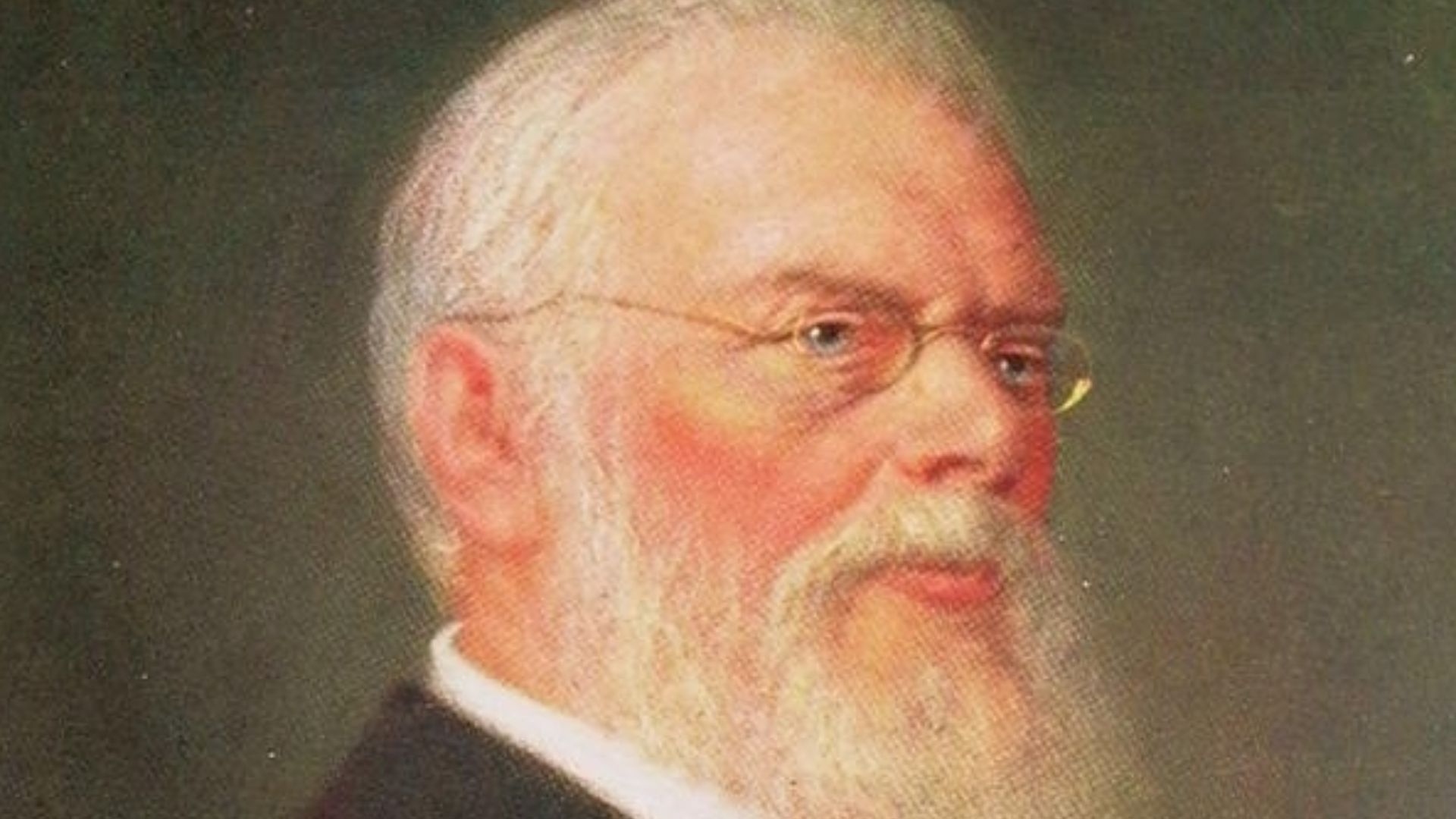
Although Otto had been king in title alone for several decades, his doctors concluded that there was little chance he would ever recover enough to rule actively, making a Prince Regent still necessary. Therefore, following his father’s passing, Ludwig III succeeded as Regent and found himself ruling over Bavaria—something he had previously only dreamt of.
Surprisingly, the people of Bavaria wanted even more from him.
 Anton Schöner (1866-1930), Wikimedia Commons
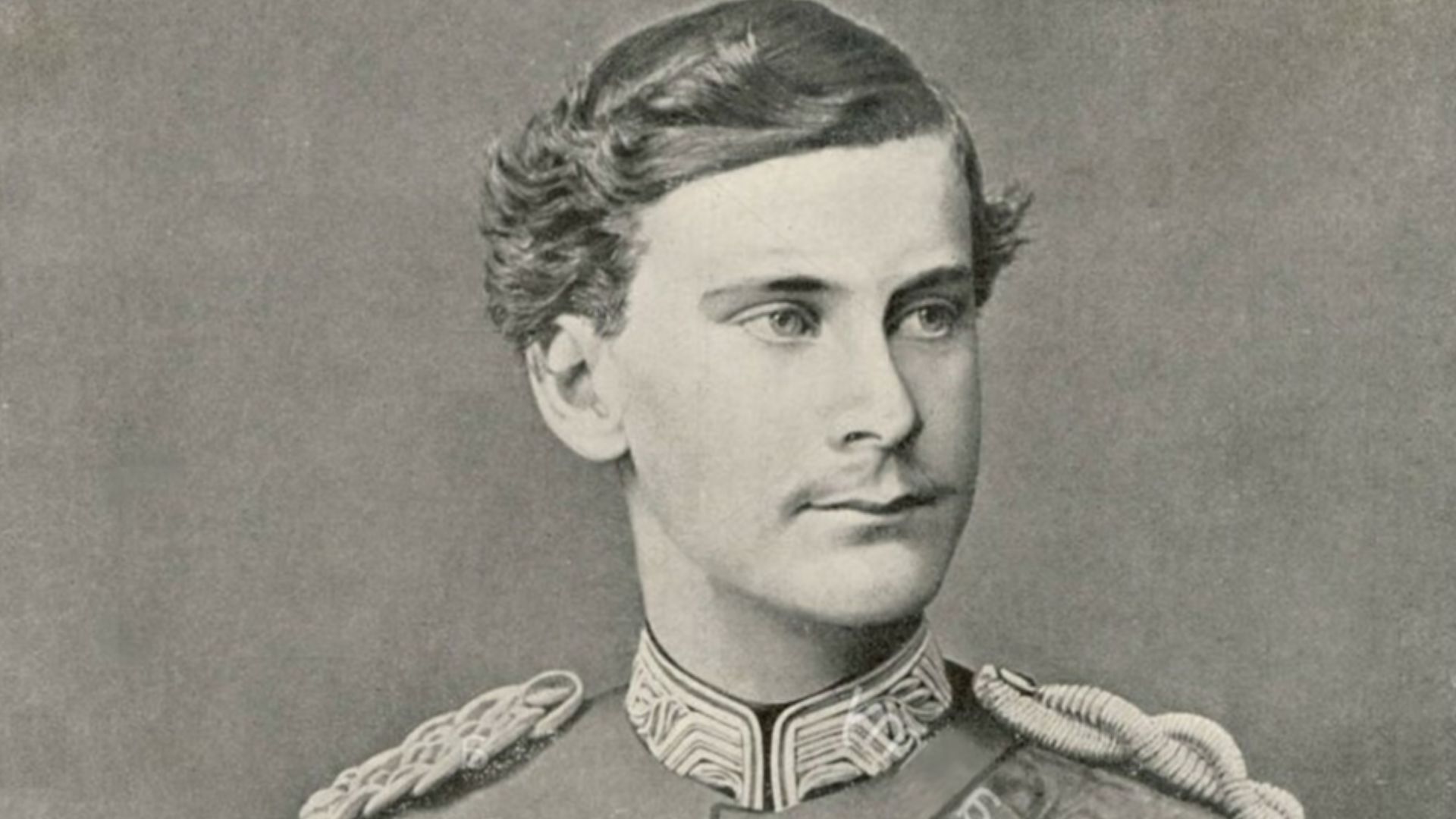
21. They Wanted Him On The Throne
Not only was King Otto unlikely to ever rule, but he also had no children or any other immediate heirs, which put the kingdom in a concerning predicament. Luckily, Ludwig became the perfect solution to this problem, and many voiced their desire for him to take over the throne from Otto.
Rather than try to bend the rules, they just decided to make up new ones.
 Joseph Albert, Hofphotograph, Munchen, Wikimedia Commons
History's most fascinating stories and darkest secrets, delivered to your inbox daily.
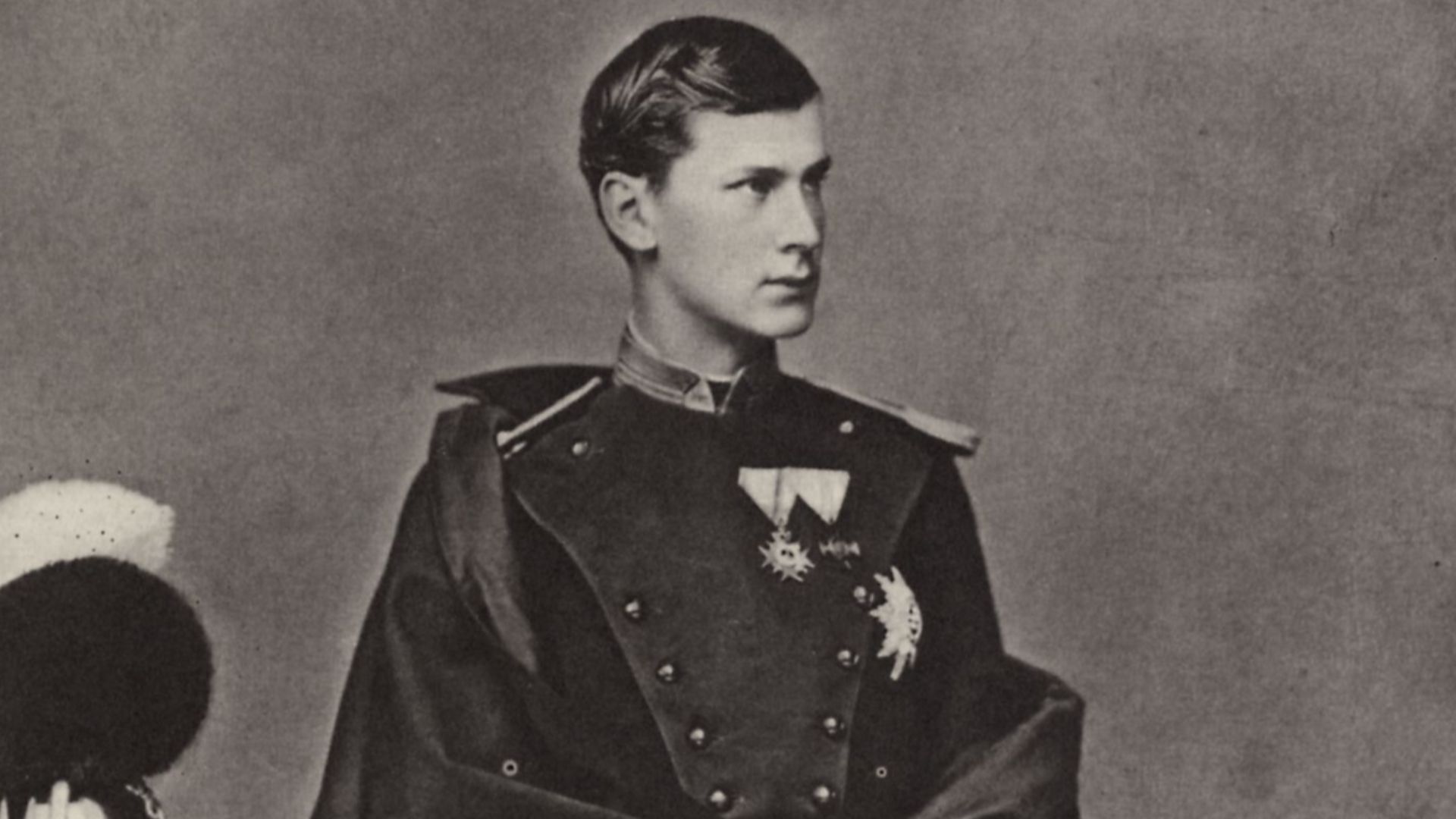
22. They Changed The Rules
Legally, Ludwig III didn’t have any right to take the throne from King Otto, but he and his supporters weren’t about to let that stop him. In 1913, the Bavarian Legislature added a clause to its constitution, which seemed almost tailor-made for Ludwig’s situation. According to the amendment, if a regency was necessary due to the king’s incapacity and lasted for ten years without any end in sight, the regent could take the throne for himself.
With this new law, all that was left to do was make it official.
 Unknown authorUnknown author, Wikimedia Commons
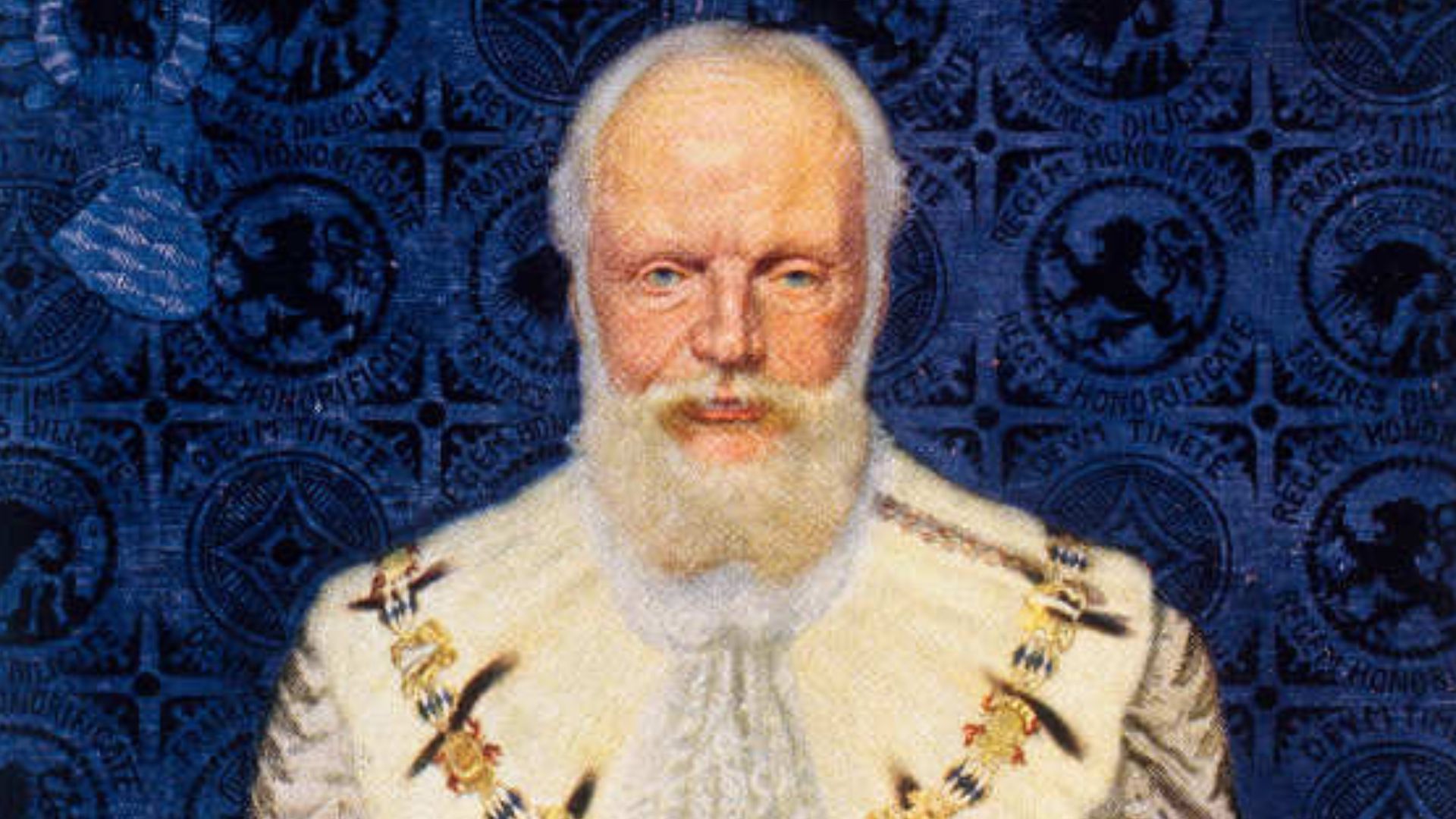
23. He Replaced Him
The law allowing Ludwig to dethrone Otto didn’t come into effect until November 4, 1913, but once it became official, he wasted no time in putting it into action. The following day, Ludwig declared that Otto was no longer king, ending his term as Prince Regent and taking the throne as King Ludwig III at the same time.
Thankfully, despite being such a big change, he had little resistance.
 Paul Beckert, Wikimedia Commons
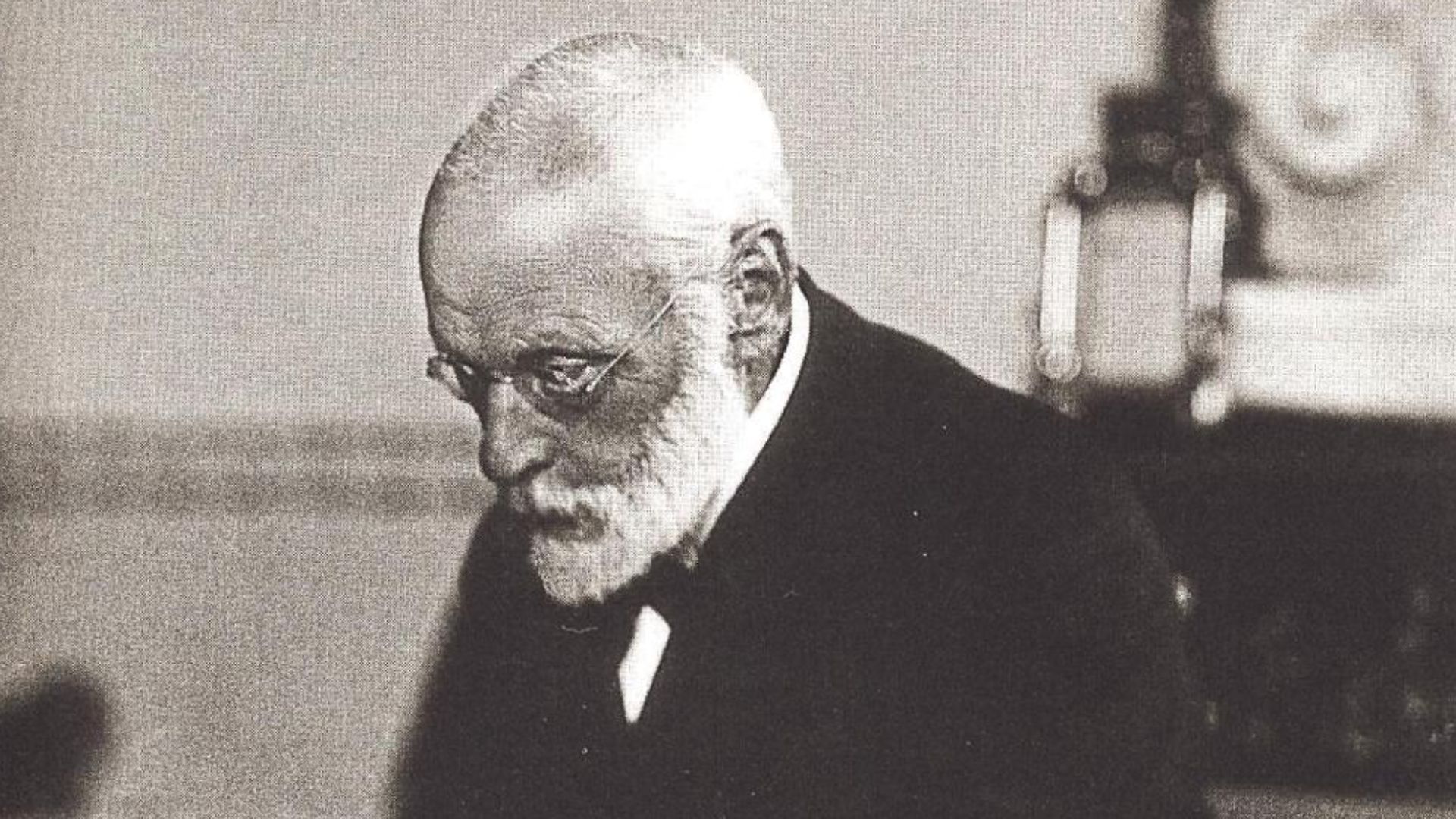
24. They Were Behind Him
Although Otto’s situation had posed a real issue for the future of Bavaria, any chance of Ludwig becoming king hinged on how the rest of the government felt about him. Fortunately, he had proven popular with the public and those in parliament, receiving nothing but support as the legislature ratified his accession.
Little did they know that this would alter the course of Bavaria forever.
 Unknown authorUnknown author, Wikimedia Commons
25. They Changed Everything
Although the Bavarian government may not have realized it at the time, its decision to amend the constitution in 1913 would have major ramifications. Looking back on this period, many scholars have determined this was the start of Bavaria's transition to a constitutional monarchy, which would eventually reduce its king to nothing more than a figurehead.
At the time, though, Ludwig had a hard time adjusting to his new life in the spotlight.
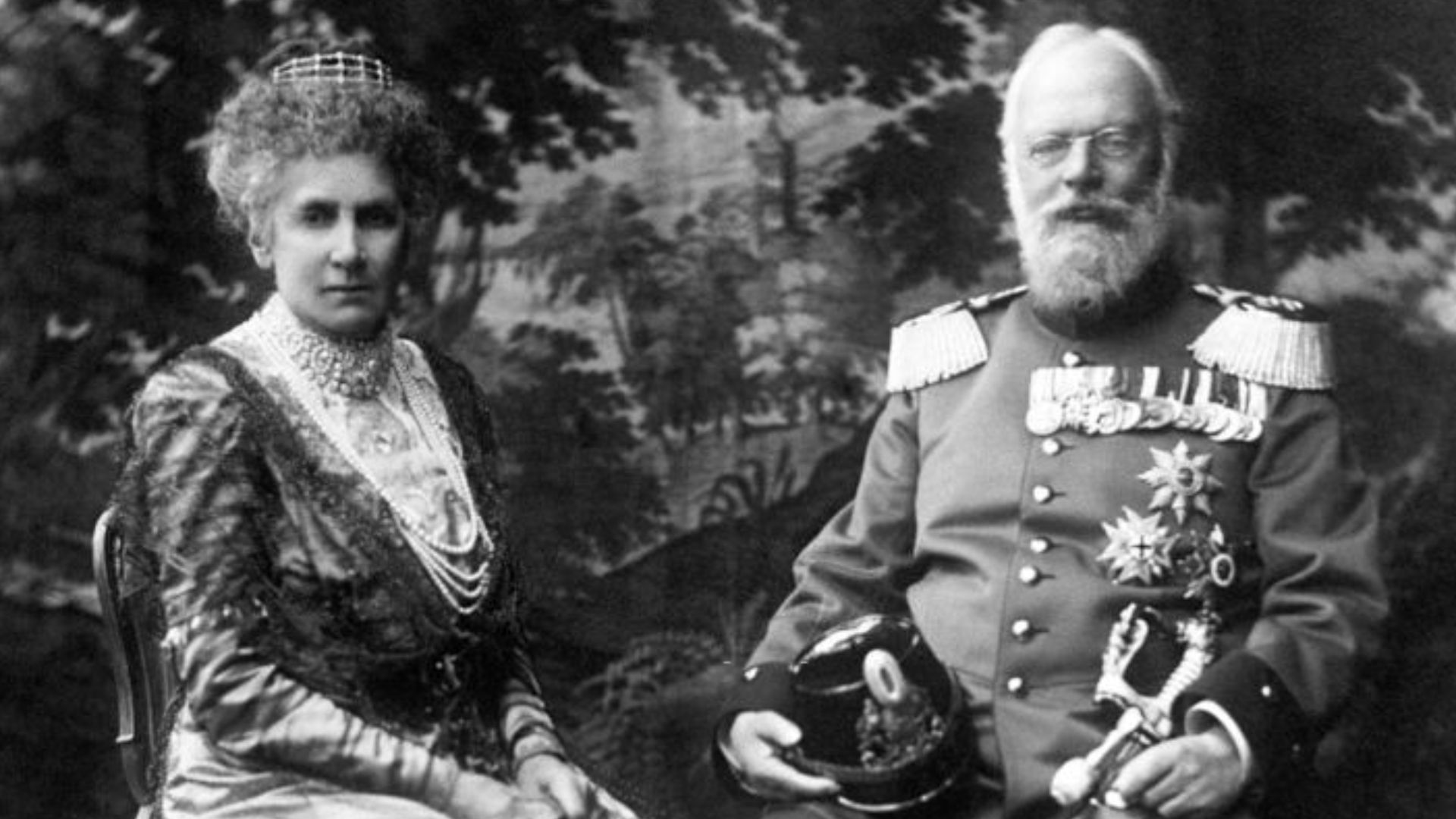 Unknown authorUnknown author, Wikimedia Commons
26. He Tried To Be Normal
Ludwig III had spent so long thinking he would never come close to becoming king that, even when it happened, it was some time before he grew used to his new title. Previously, he had often enjoyed walking around town with a group of friends, without much consideration for his own publicity—and he didn’t intend to stop that kind of lifestyle.
However, something was coming that would shake Bavaria to its core.
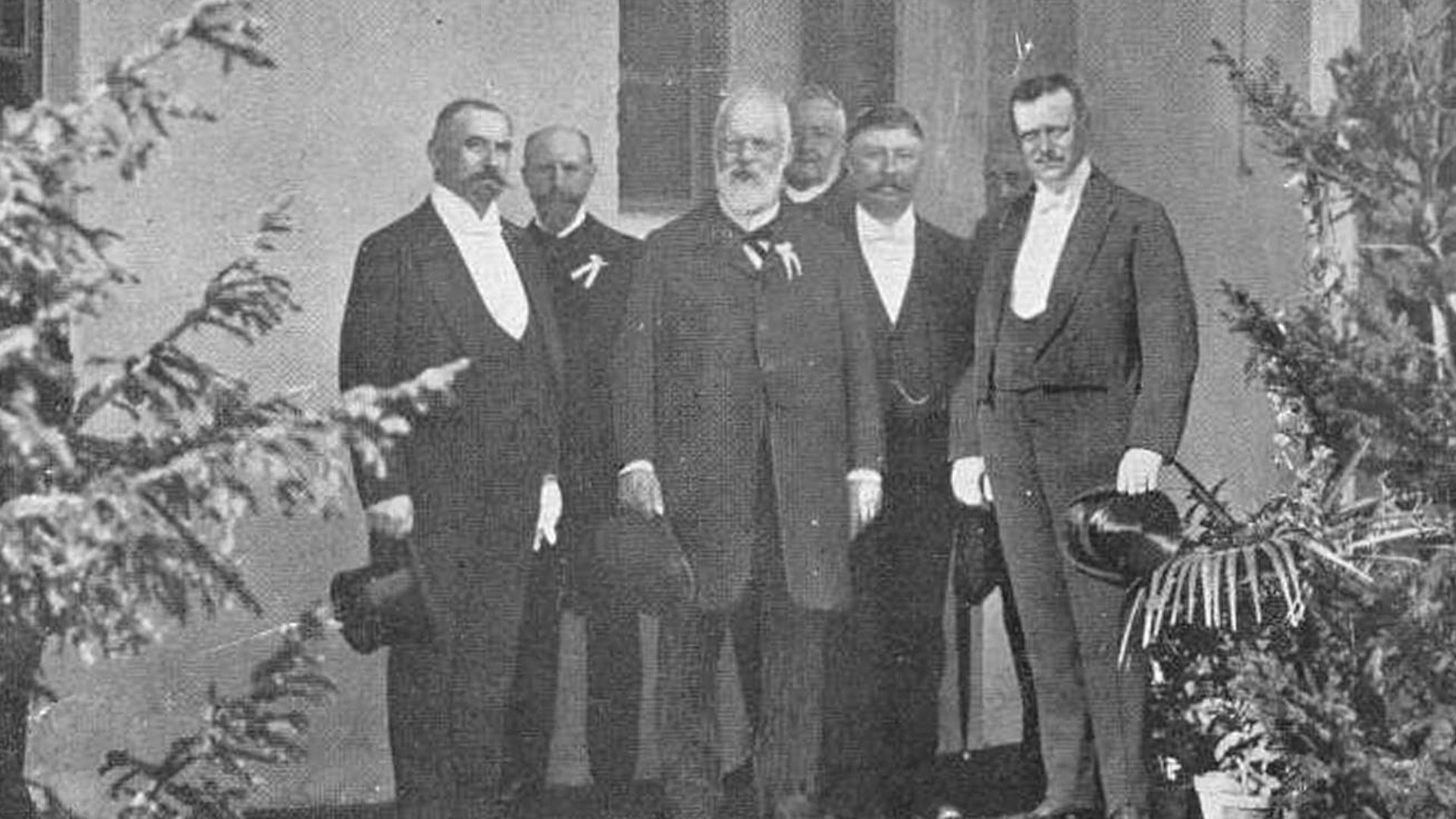 Unknown authorUnknown author, Wikimedia Commons
27. He Made His Stance Known
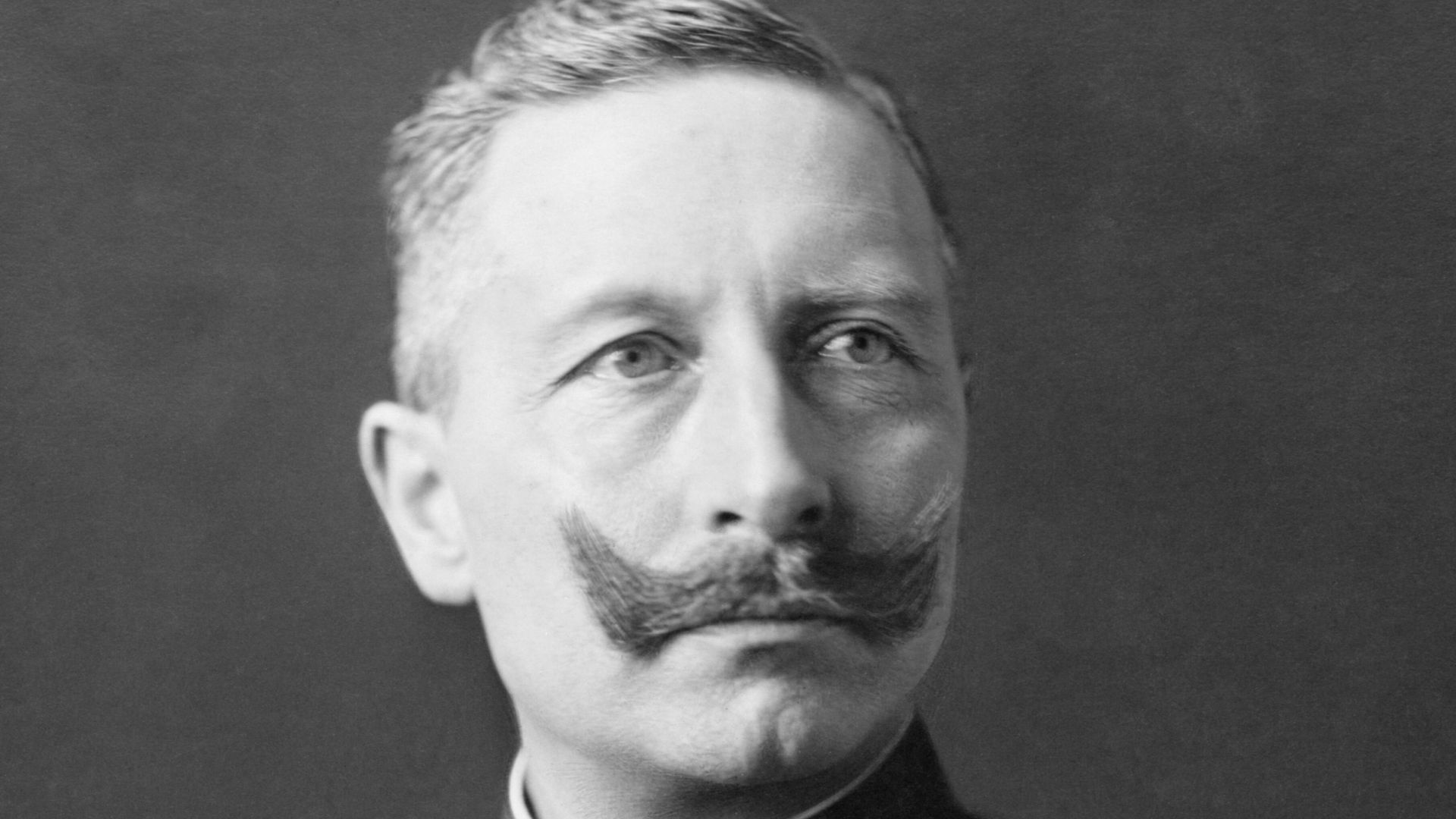
Ludwig took the throne with the belief that he could ensure a bright future for Bavaria, but fate had other plans, and something far worse was on the horizon. In 1914, the globe erupted into conflict as WWI began, and Ludwig had to act quickly to ensure his alliances. Sending a letter to Kaiser Wilhelm II, Ludwig confirmed that Bavaria would stand with the German Empire.
Of course, this support wasn’t without a few strings attached.
 Studio of Thomas Heinrich Voigt, Wikimedia Commons
History's most fascinating stories and darkest secrets, delivered to your inbox daily.
28. He Demanded More Land
If Ludwig III had become an expert in anything, it was the acquisition and expansion of land, and this was at the forefront of his mind as WWI broke out. While good relations with the German Empire were essential, he still had his kingdom’s best interests in mind, so he wrote to Kaiser Wilhelm again and suggested a repayment of land for Bavaria’s loyalty.
Bizarrely, this was also the moment he brushed shoulders with a monster.
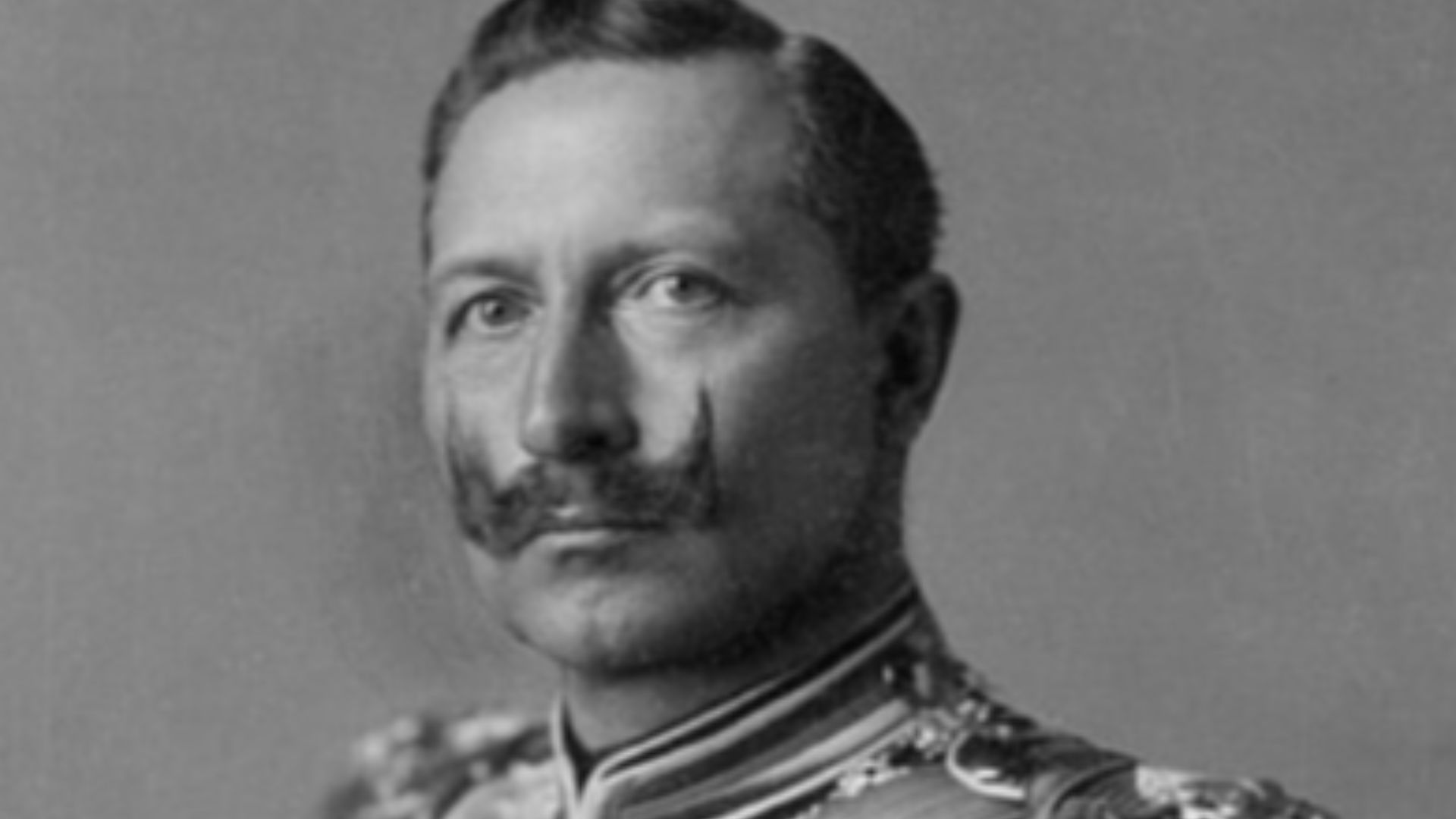
29. He Received A Request
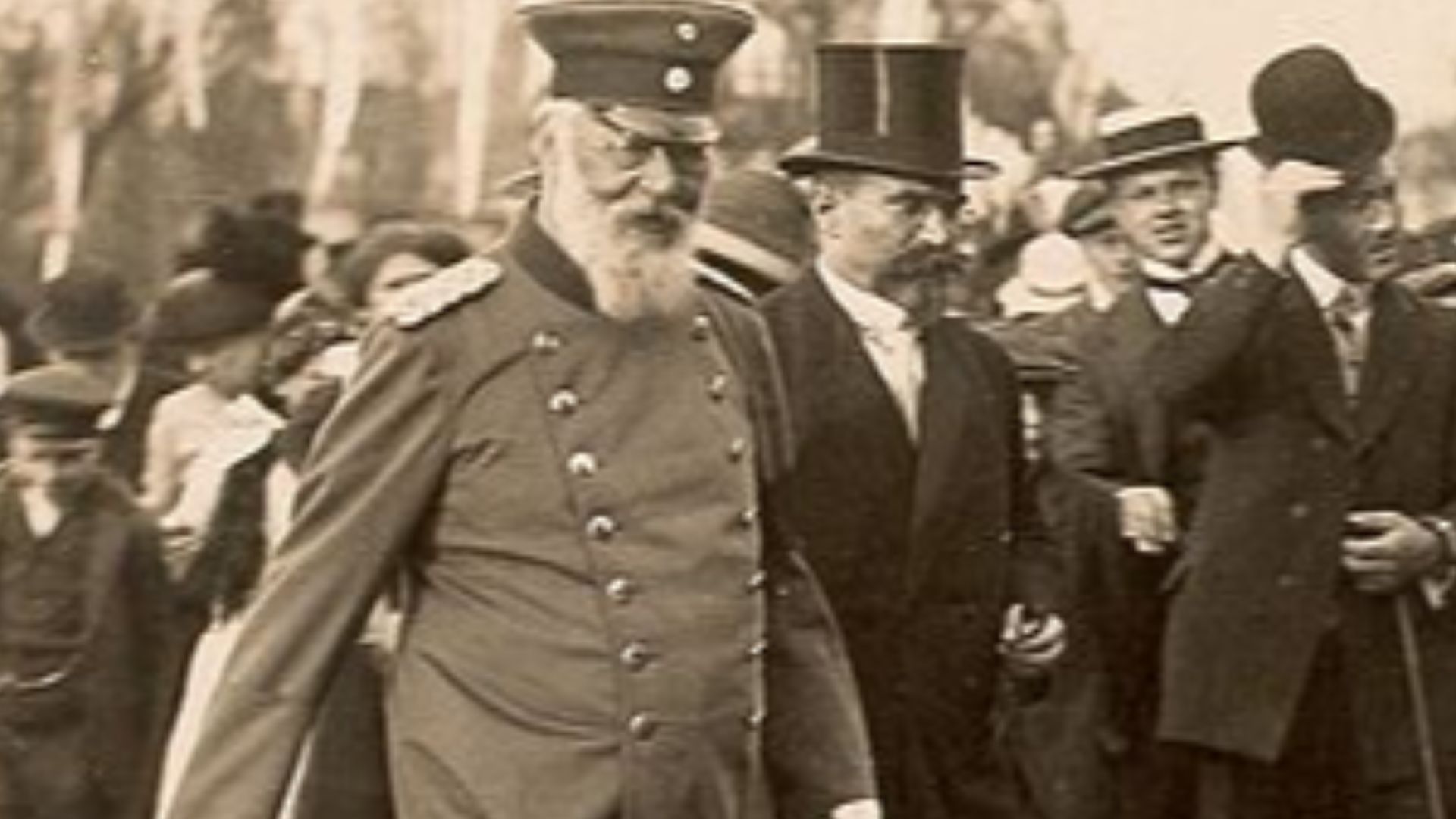
According to one story, Ludwig had a run-in with someone who would become the most infamous villain in modern history, although he wasn’t aware at the time. While Ludwig was busy making preparations shortly after Germany declared hostilities in WWI, he received a letter with a petition to join the Bavarian Army. As the story goes, Ludwig personally granted the petition and gave a spot in his army to the sender—a young Austrian man named Adolf.
However, this story likely had more than a little embellishment.
 Unknown authorUnknown author, Wikimedia Commons
30. He Was Unreliable
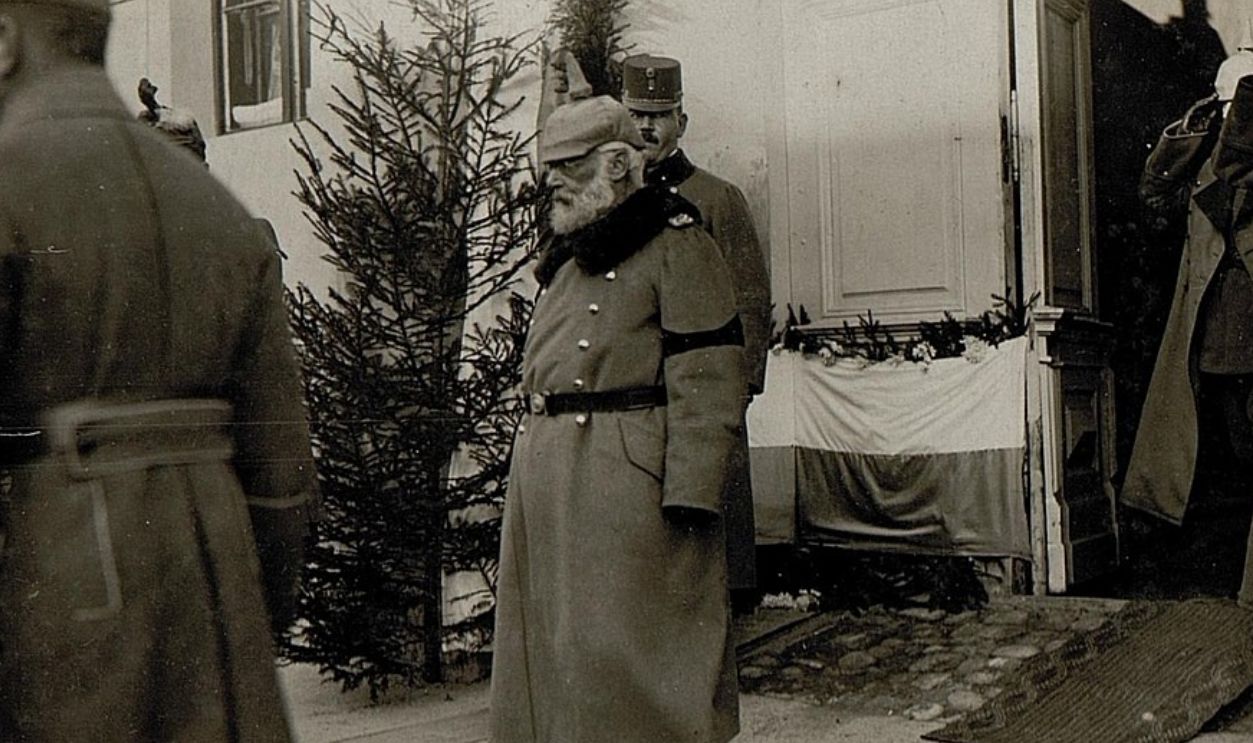
While the tale of Adolf convincing Ludwig III to allow him into the Bavarian army may have been good propaganda later in his life, that’s likely all it was, as it came from his own writings in Mein Kampf. According to historians, the account is questionable at best, as Ludwig had more pressing matters to attend to than wasting time and resources on Adolf’s request.
In reality, the future Führer wasn’t the success story he claimed to be.
 Deutsch: K.u.k. Kriegspressequartier, Lichtbildstelle - Wien, Wikimedia Commons
31. They Didn’t Want Him
In the opinion of scholars like Ian Kershaw, Ludwig likely never received any message from Adolf, who probably only ended up joining the Bavarian army due to a mistake. While he should have been in the Austrian army, they likely didn’t have any room for him and turned him away. Following that, it’s possible his enlistment in the Bavarian army was nothing more than a clerical error.
Meanwhile, Ludwig was busy making some more drastic changes to his government.
 Amrei-Marie, Wikimedia Commons
32. They Were On The Decline
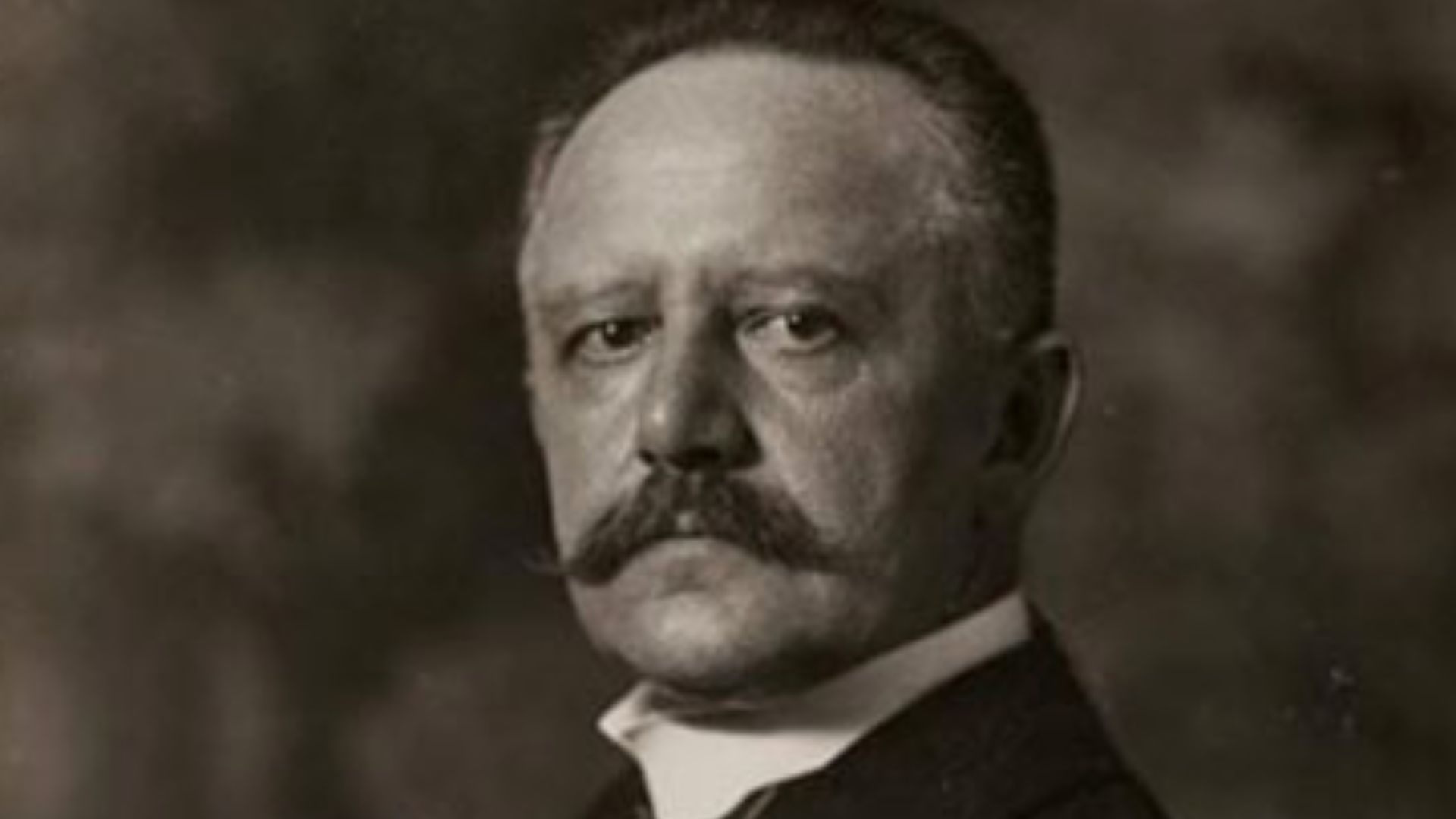
Until 1917, Georg von Hertling had served Ludwig III as Prime Minister of Bavaria. However, that year saw his departure as he accepted the positions of German Chancellor and Prime Minister of Prussia. This came at an inopportune time, as Bavaria wasn’t faring so well in WWI, but Ludwig soon replaced Hertling with Otto Ritter von Dandl.
Unfortunately, Ludwig was no longer the leader that Bavaria wanted.
 zeitgenössischer Fotograf, 1917, Wikimedia Commons
33. They Turned Against Him
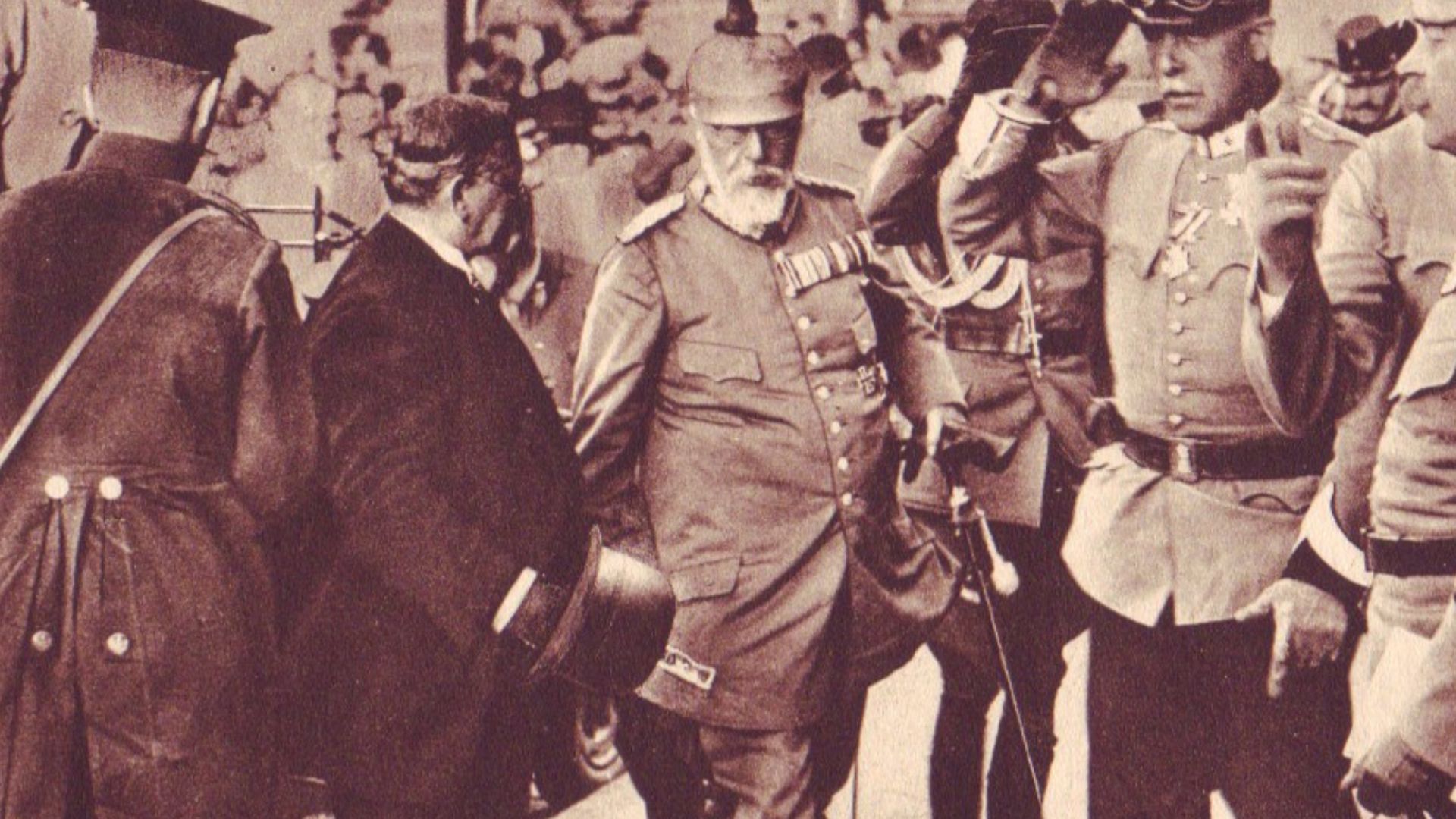
As the conflict waged on, the same people who had been so keen on Ludwig taking the place of the previous king began to express their dissatisfaction with him. Believing Ludwig to be blindly loyal to Prussia, outrage among the Bavarian public grew until the German Revolution broke out as WWI was nearing its end.
As he discovered, this wasn’t something he could fix so easily.
 Kilophot, Wien (photo)Bauernfreund (scan), Wikimedia Commons
History's most fascinating stories and darkest secrets, delivered to your inbox daily.
34. They Gathered In Protest
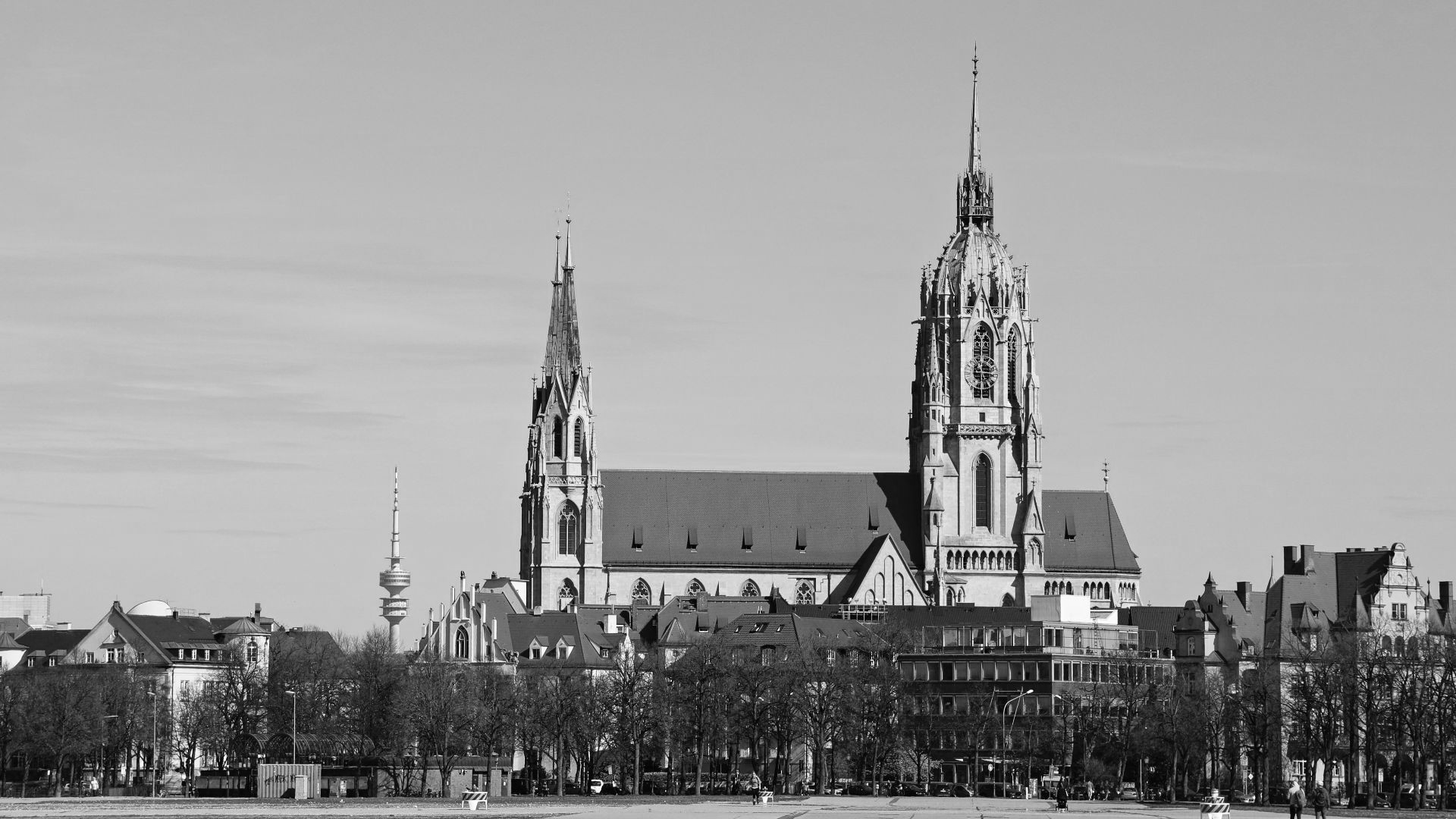
The unrest among Bavaria’s people was growing louder and more widespread until it reached a point where they could no longer stay quiet. Finally, a crowd of 1,000 people gathered on the Theresienwiese in protest, calling for the release of several detained political leaders and peace in general. This became the first protest of its kind in Bavarian history.
Still, Ludwig tried to improve his kingdom however he saw fit.
 Burkhard Mücke, Wikimedia Commons
35. He Made Some Changes
Over the course of WWI, Ludwig had to make countless challenging decisions to appease the people beneath him, especially near the end of the conflict. Making Bavaria’s transformation official, he formally approved the kingdom’s shift into a parliamentary monarchy in early November 1918.
Nonetheless, the time came when he no longer felt safe among his subjects.
 Unknown authorUnknown author, Wikimedia Commons
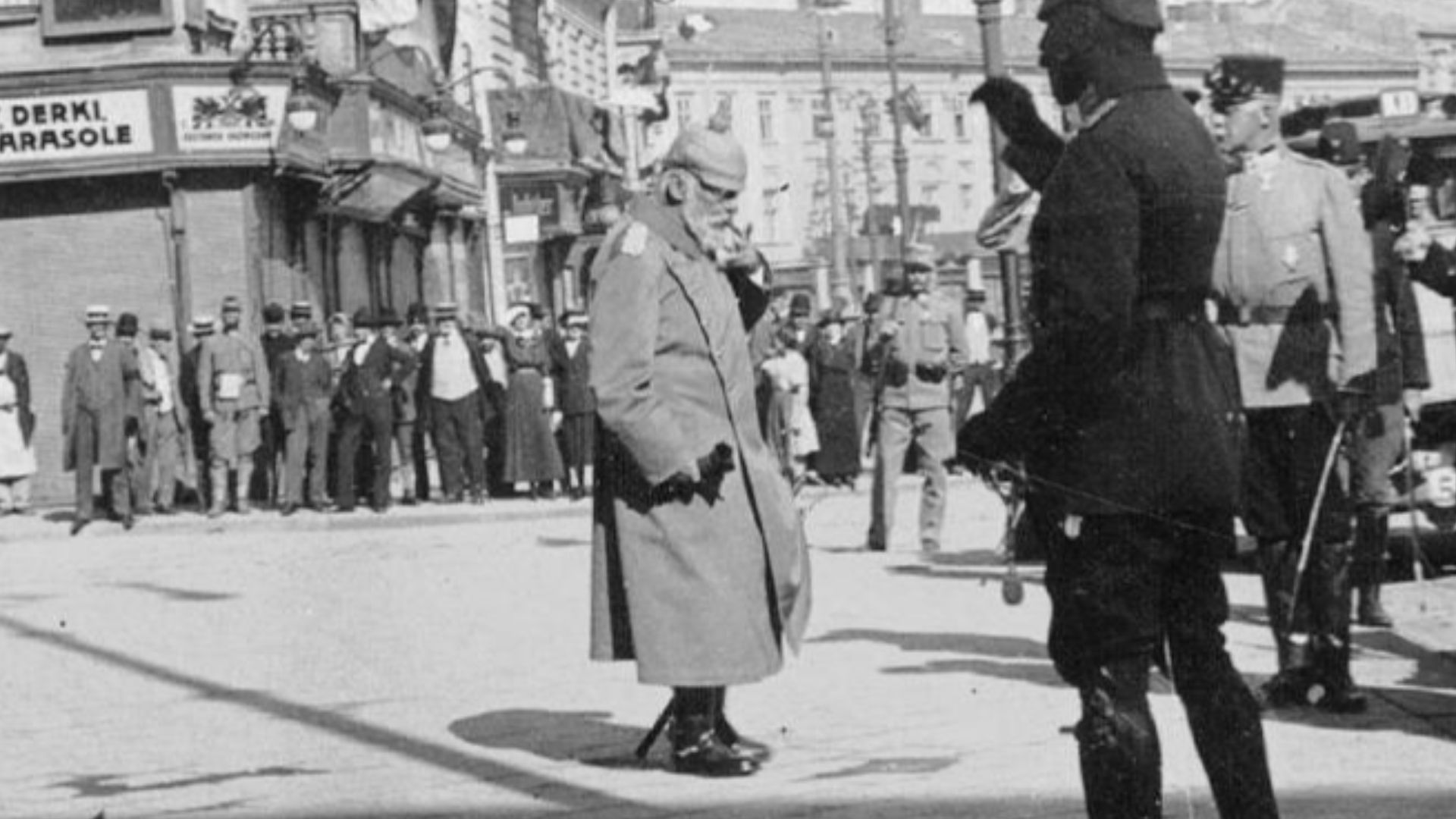
36. He Ran Away
Ludwig tried to hold out for as long as possible as WWI carried on, but he couldn’t ignore how dangerous the civil unrest was becoming for him and his family. Although they had been living at the Residenz Palace in Munich, they packed up and ran off to an estate near Salzburg, where Ludwig hoped they would be safe for a while.
Finally, he reached the end of the line as Bavaria’s ruler.

37. He Tried To Convince Him
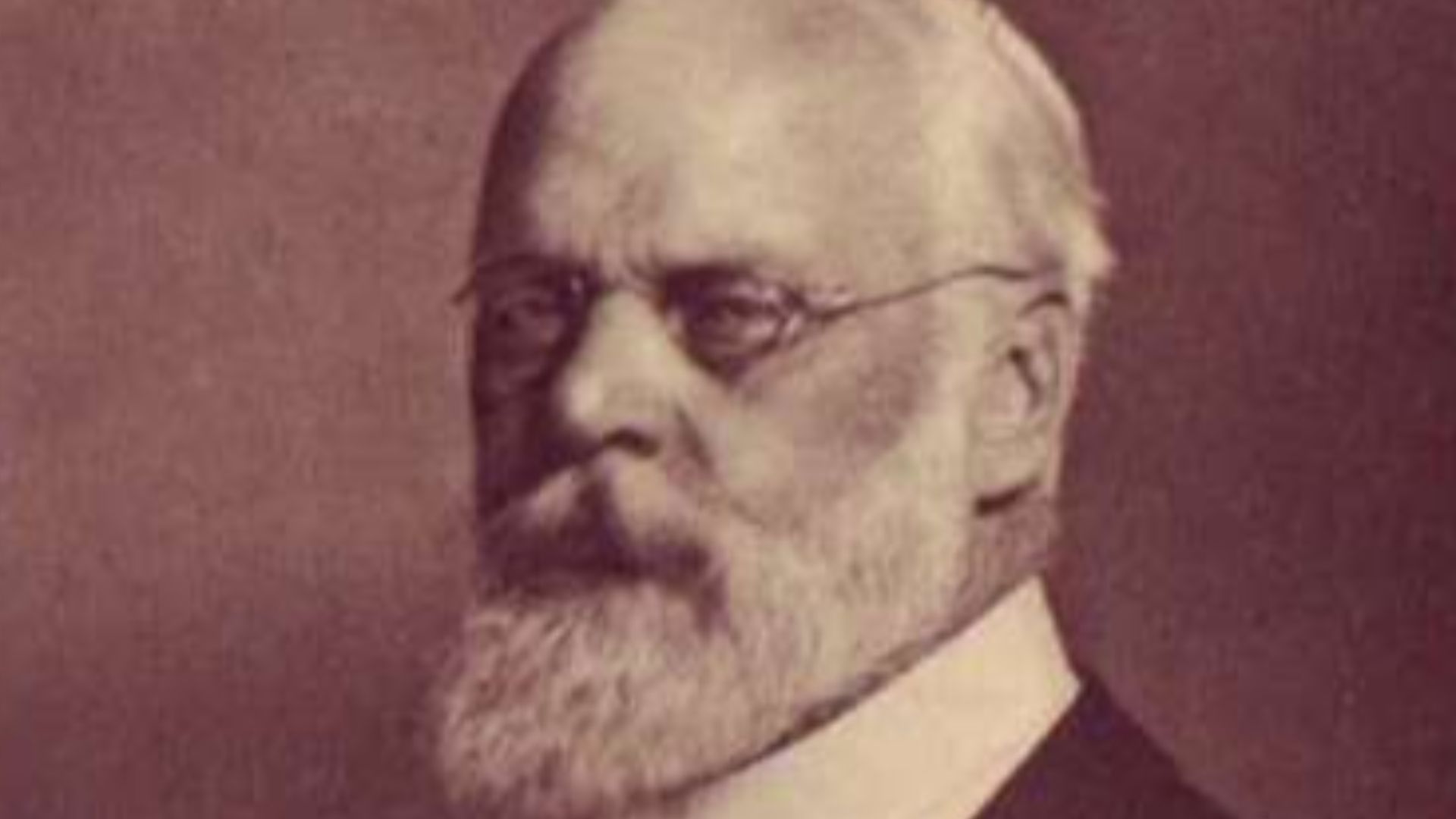
Although WWI came to a close on November 11, 1918, its end didn’t change the way Bavaria felt about Ludwig, and the pressure to remove him from power had intensified. A day later, hoping to appease the outraged hordes, Prime Minister Dandl paid a visit to Ludwig and urged him to abdicate the throne.
However, Ludwig had another option in mind.
 Unknown authorUnknown author, Wikimedia Commons
38. He Let Them Go
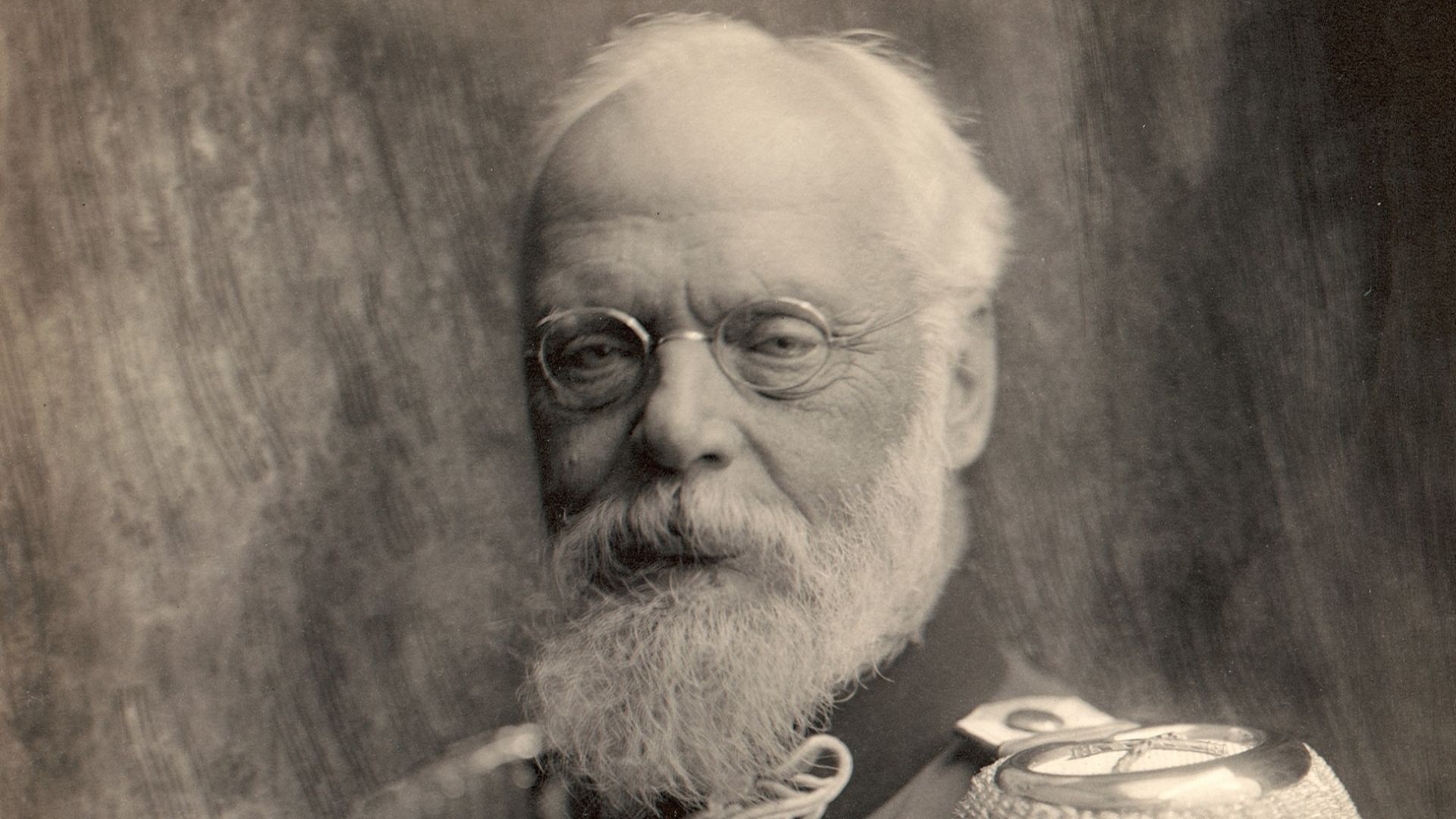
Ludwig had spent years hearing the complaints of his people, and he wasn’t ignorant of his kingdom’s decline, but he still rejected the idea of abdicating the throne. Instead, in what he believed to be a compromise, he issued the Anif declaration, which freed all servicemen and government officials from his service.
Understandably, he seemed to have lost all confidence in his own abilities.
 Frank Eugene, Wikimedia Commons
39. He Couldn’t Do It Anymore
Prime Minister Dandl did his best to convince Ludwig to abdicate, but in the end, all he could do was deliver the king’s declaration to the government back in Munich. However, this revealed Ludwig to be more agreeable than expected, as he admitted he was “no longer in a position to lead the government”.
Ultimately, those who opposed his reign got what they wanted.
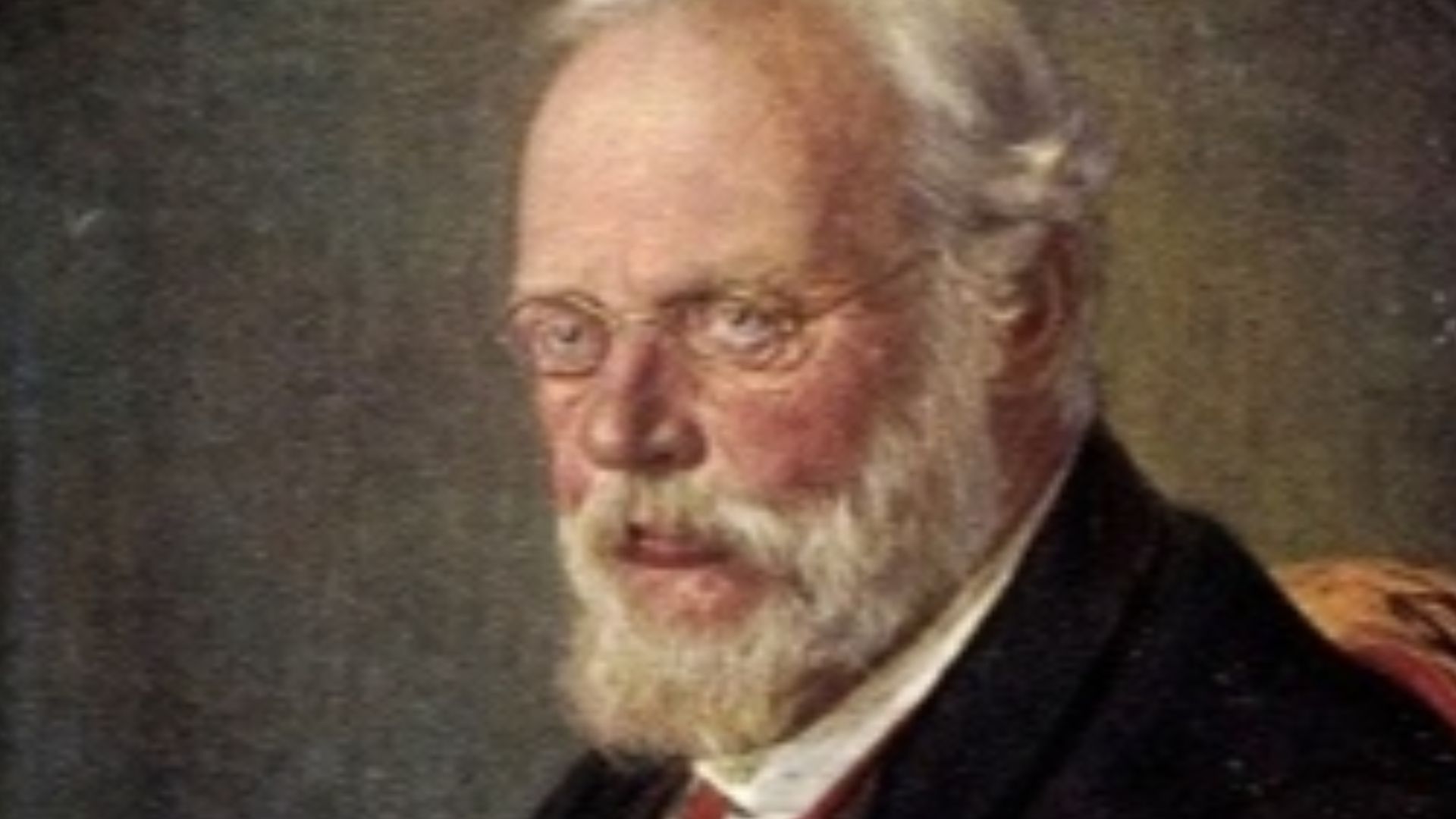 Walter Firle (1859-1929), Wikimedia Commons
History's most fascinating stories and darkest secrets, delivered to your inbox daily.
40. They Used It To Their Advantage
For someone so adamant about not abdicating the throne, everything Ludwig said in his declaration sure made it seem like that’s what he was intending to do. Whether or not he realized this, it only made it easier for the new Bavarian government to depose him, essentially using the declaration to imply his abdication—even if he never explicitly used that term.
They didn’t leave him and his family with nothing, however.
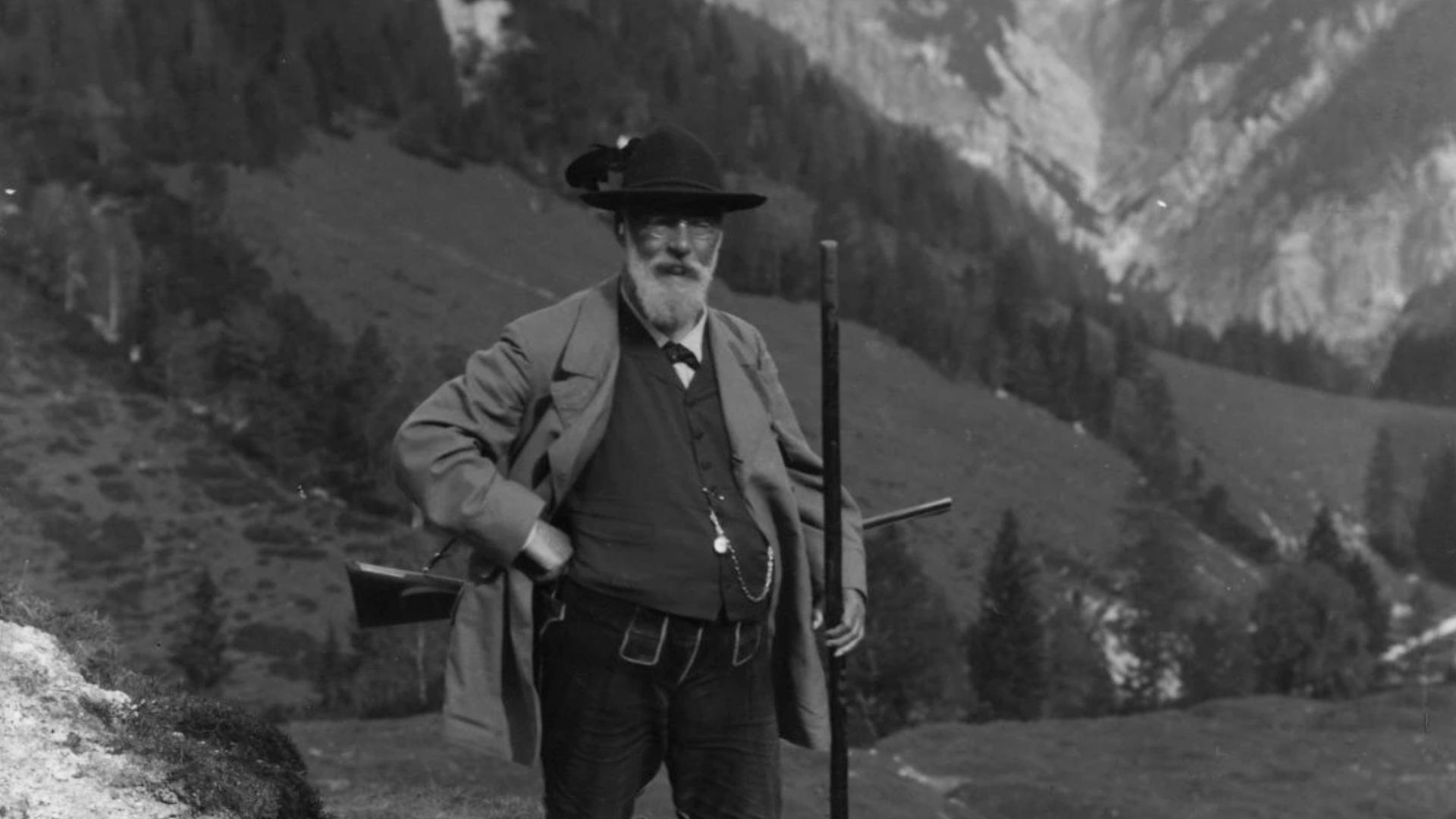 Unknown authorUnknown author, Wikimedia Commons
41. They Had Stipulations
Under revolutionary leader Kurt Eisner, Bavaria made strides in becoming a republican government and distancing itself from Ludwig. At the same time, Eisner was willing to treat the former king with decency and allowed him and the royal family to return to Bavaria whenever they pleased. However, he made it clear that they would be no more than private citizens and could only come back if they agreed never to act against the new government.
With that, nearly everything Ludwig’s ancestors had worked to build and uphold was gone.
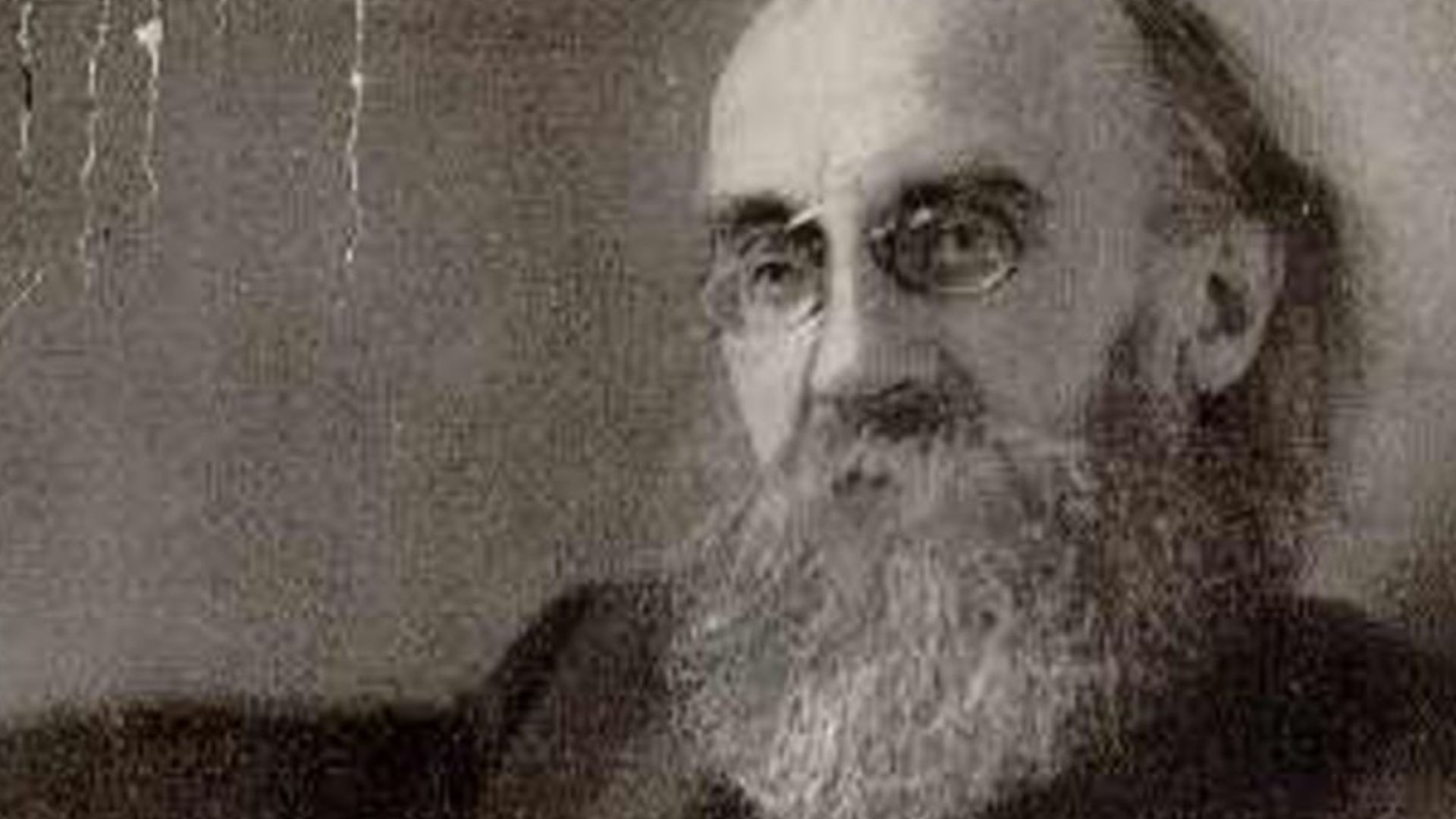 Unknown authorUnknown author, Wikimedia Commons
42. They Finished Their Dynasty
Ludwig had already made history by becoming the first deposed monarch of the German Empire, but his removal from power carried an even greater weight—one that stretched back centuries. Coming from the House of Wittelsbach, Ludwig was the latest in a long line of Bavarian rulers that had lasted 738 years, and ended with him.
Tragically, life had an even worse loss in store for him.
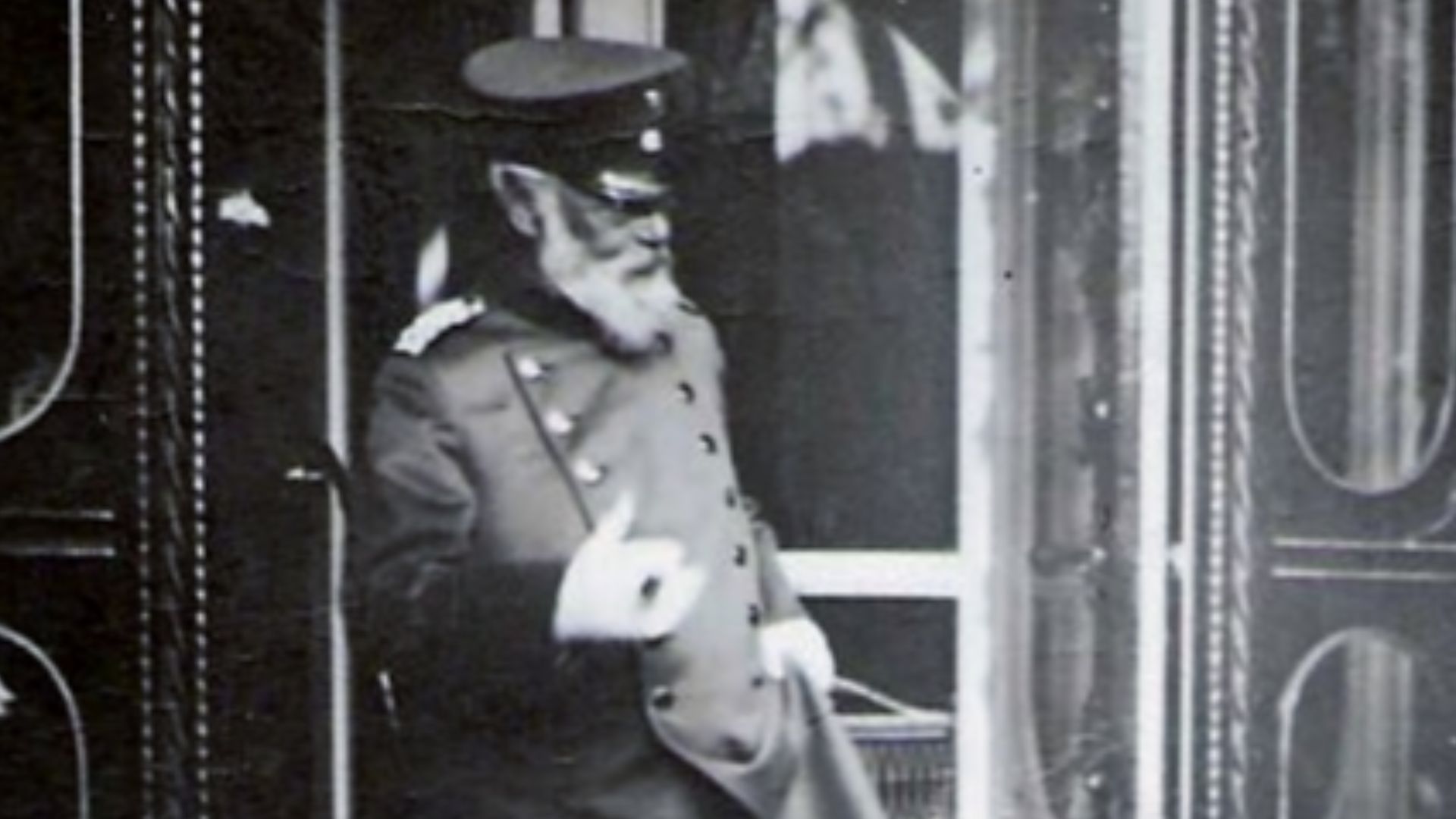 unbekannt; privat, Wikimedia Commons
43. He Lost The Love Of His Life
With no illusions about the situation he ended up in, Ludwig accepted the terms outlined by Eisner’s government and returned to Bavaria, but all he would find there was more grief. Not long after he and his family returned, Maria Theresa fell ill, and her condition quickly grew worse. Then, in February 1919, after over 50 years of loving matrimony, Ludwig sadly lost her.
Suddenly, the end of his own life seemed much closer than he was comfortable with.
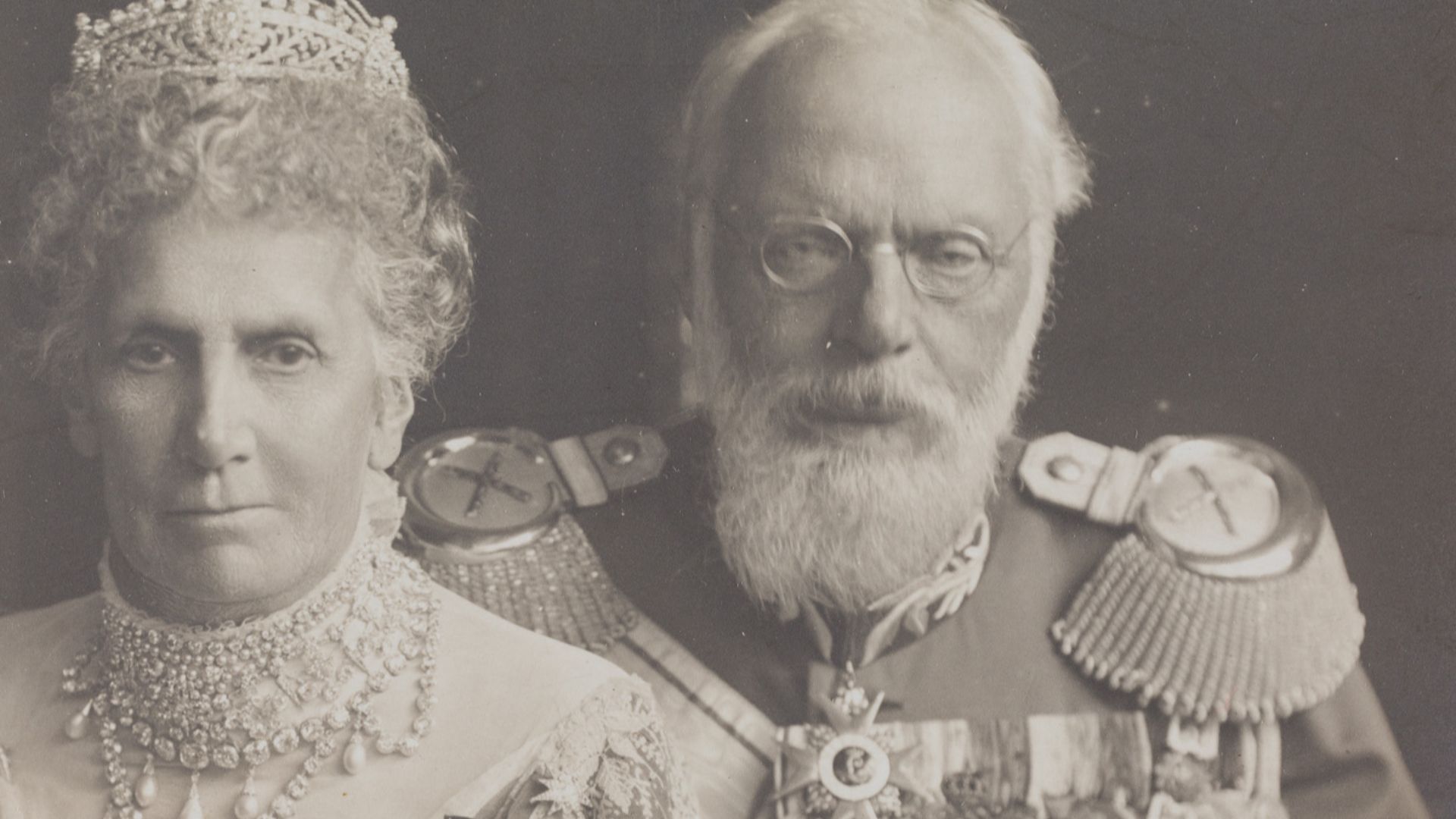 Unknown authorUnknown author, Wikimedia Commons
44. He Was Terrified
As fate would have it, Maria Theresa’s wasn’t the only demise surrounding Ludwig in February that year, as Kurt Eisner also lost his life to an assassin. Worried that Eisner’s supporters might think he had something to do with it and come after him, Ludwig again left Bavaria and spent the next year on the move.
However, just as before, he couldn’t stay away for long.
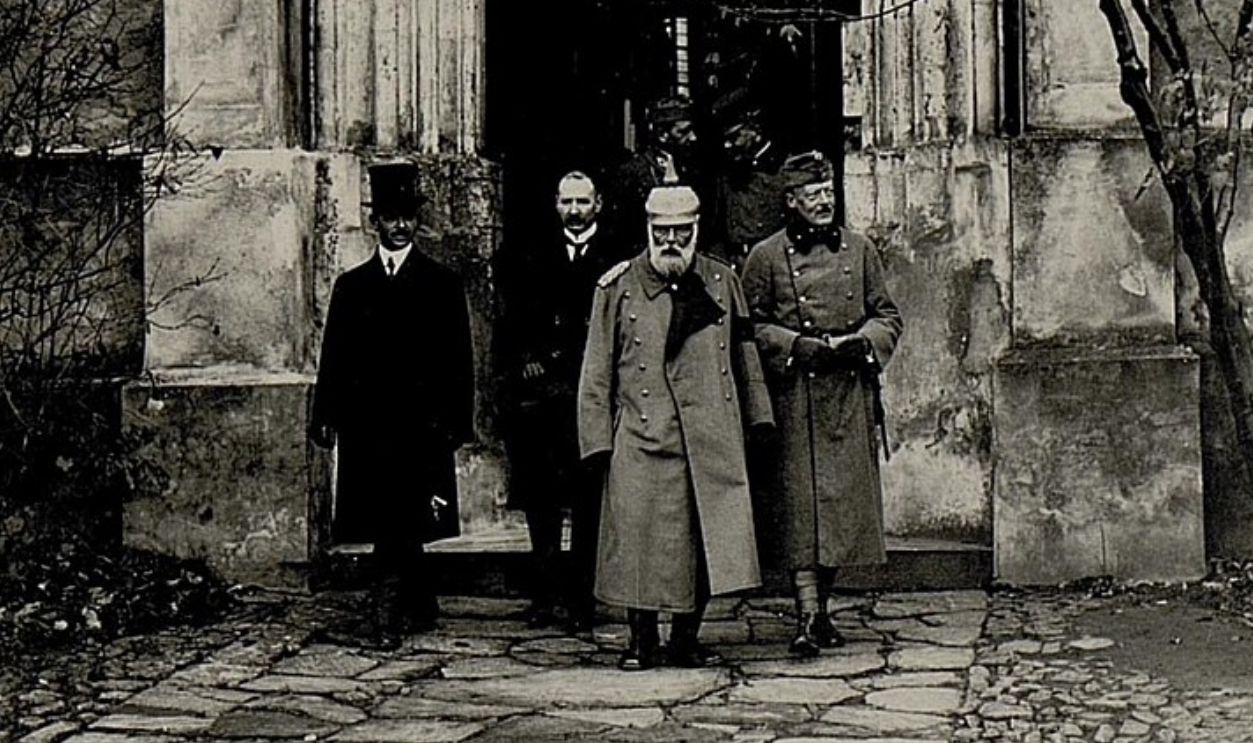 German: K.u.k. Kriegspressequartier, Lichtbildstelle - Vienna, Wikimedia Commons
45. He Went Back Home
Near the end of his life, possibly as a way to avoid any potential assassins, Ludwig never stayed in one place too long, although he did return to Bavaria in 1920. However, after a year, he ran off to Hungary for what would become his final journey, as he ultimately perished on October 18, 1921, while staying at his castle, Nádasdy.
With this, he could finally be with the woman he loved once again.
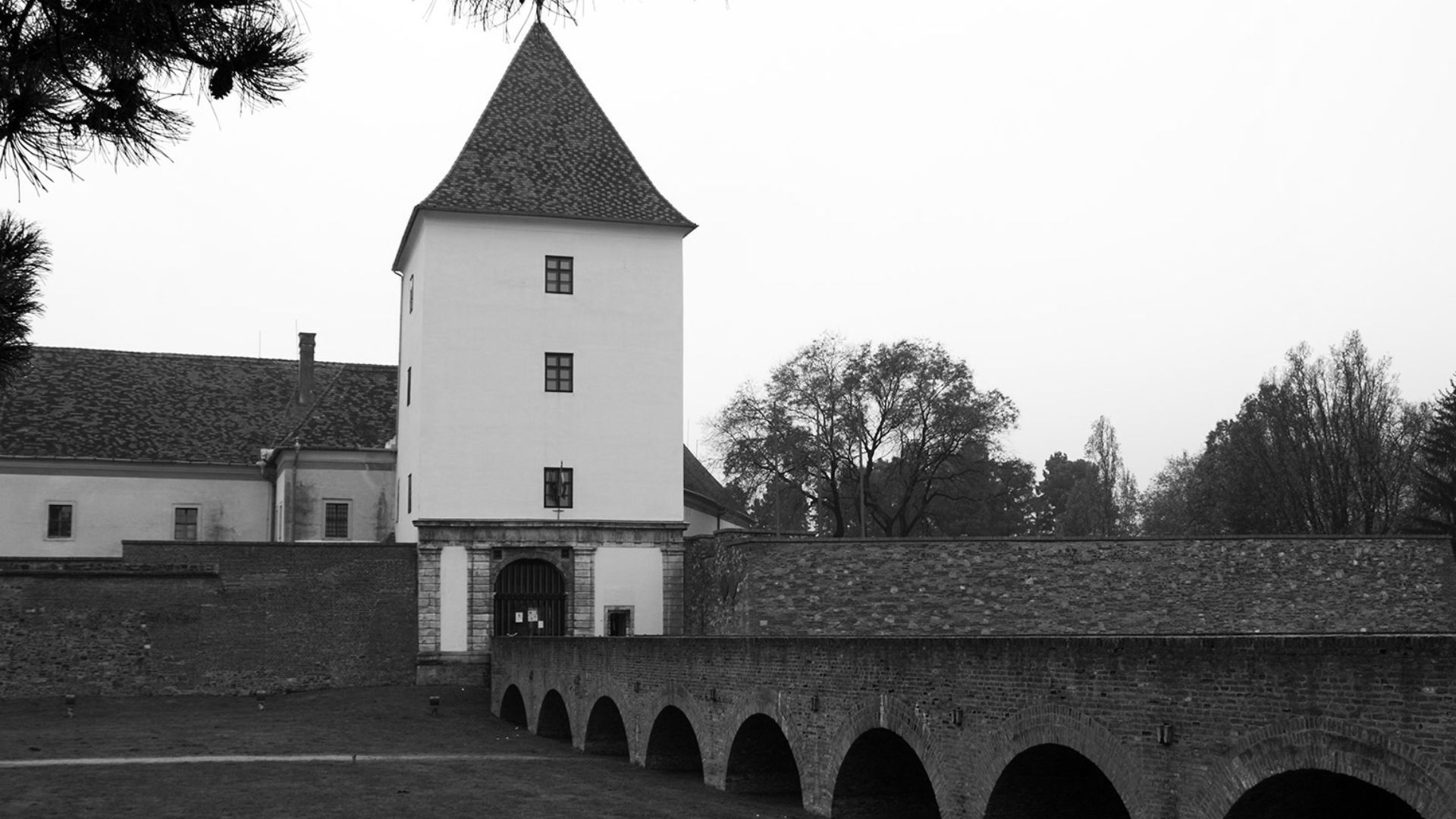 János Tamás, Wikimedia Commons
History's most fascinating stories and darkest secrets, delivered to your inbox daily.
46. They Were Reunited
Although Maria Theresa had passed only two years apart from Ludwig, the former king still had to face the grief of losing his wife, but the two were fortunately reunited in the end. Following the king’s passing, his body made the journey back to Munich, accompanied by that of Maria Theresa, and they were laid to rest together.
Despite everything, the people of Bavaria wanted to give him a proper sendoff.
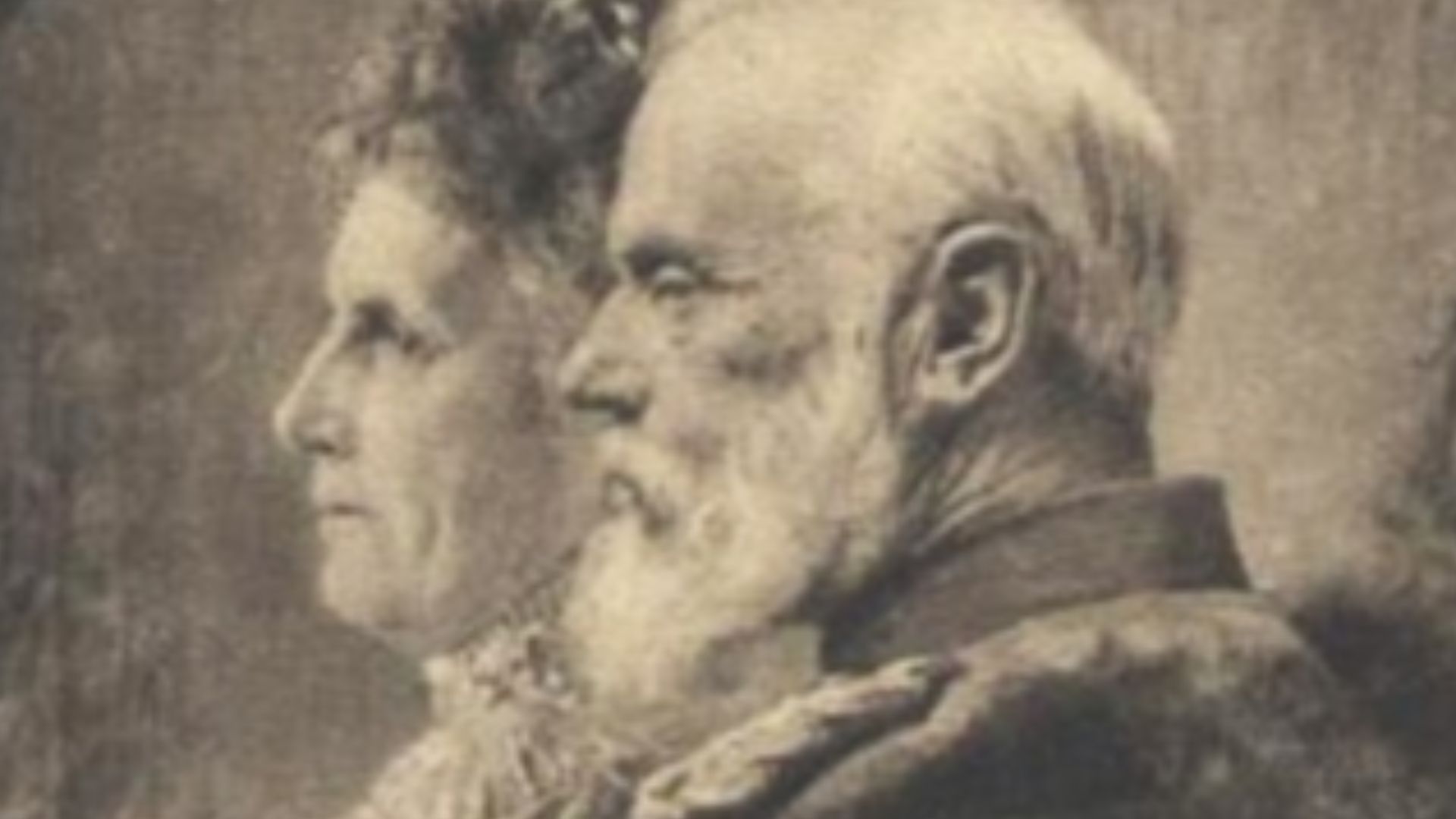 Walter Firle (1859-1929), Wikimedia Commons
47. They Risked Their Safety
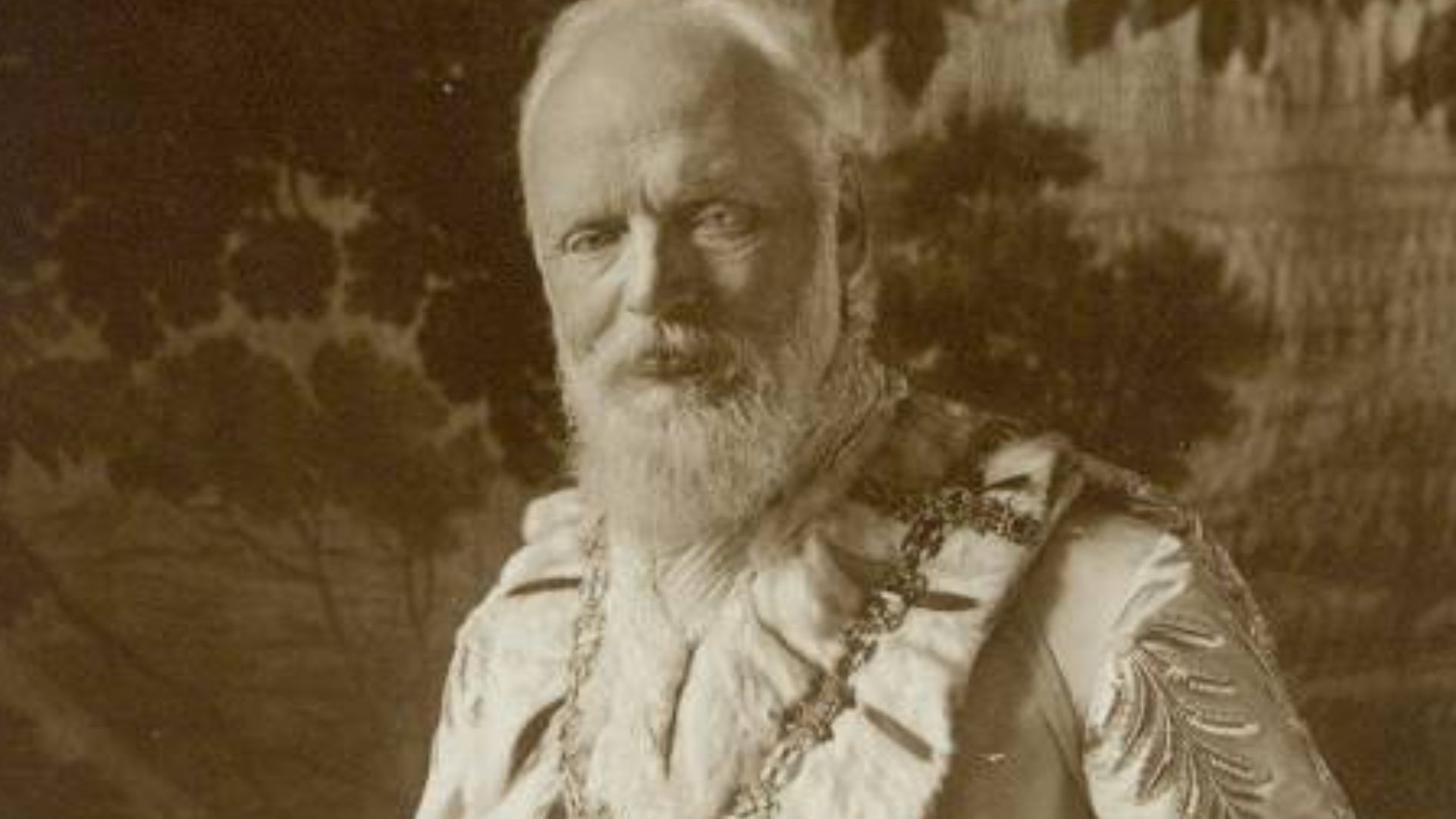
Since Ludwig was the last king of Bavaria before it became a republic, the government found itself in an awkward predicament when deciding how to honor the late ruler. They worried that giving Ludwig a state funeral might inspire a push to bring back the monarchy, but they nonetheless went ahead with it, holding a ceremony for around 100,000 spectators.
Of course, the government’s fears weren’t completely unfounded.
 Unknown authorUnknown author, Wikimedia Commons
48. He Cleared The Air
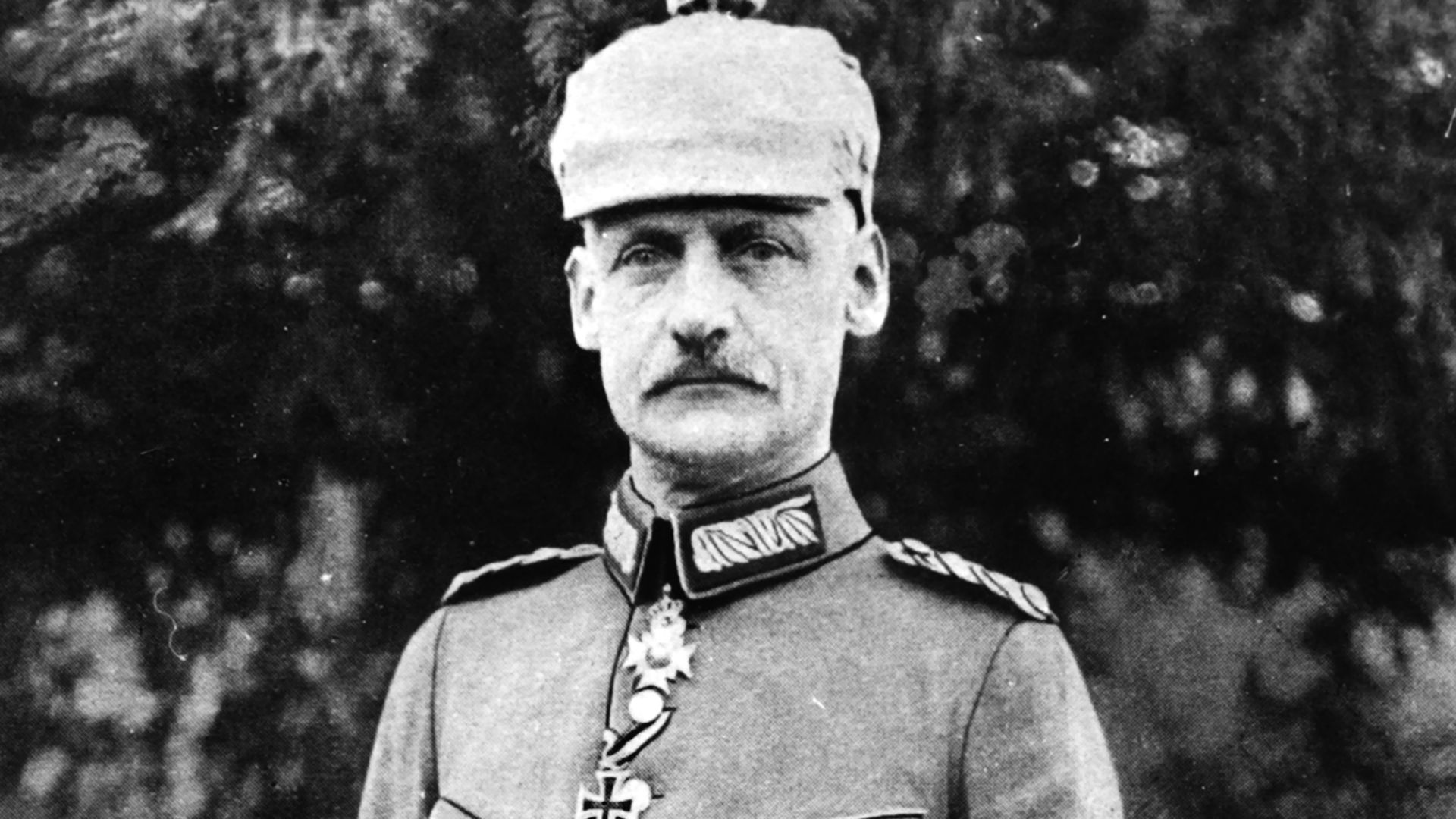
Had Bavaria continued under a monarchy, the next in line for the throne would have been Ludwig’s eldest son, Prince Rupprecht, and he wasn’t ready to let go of the crown so easily. However, he assured the worried masses that, while he did wish to restore the monarchy, he would only do so within the bounds of the law and not by force.
He didn’t succeed, so his father remained the last monarch in Bavarian history—and seemingly the busiest.
 Unknown authorUnknown author, Wikimedia Commons
49. He Had A Lot On His Plate
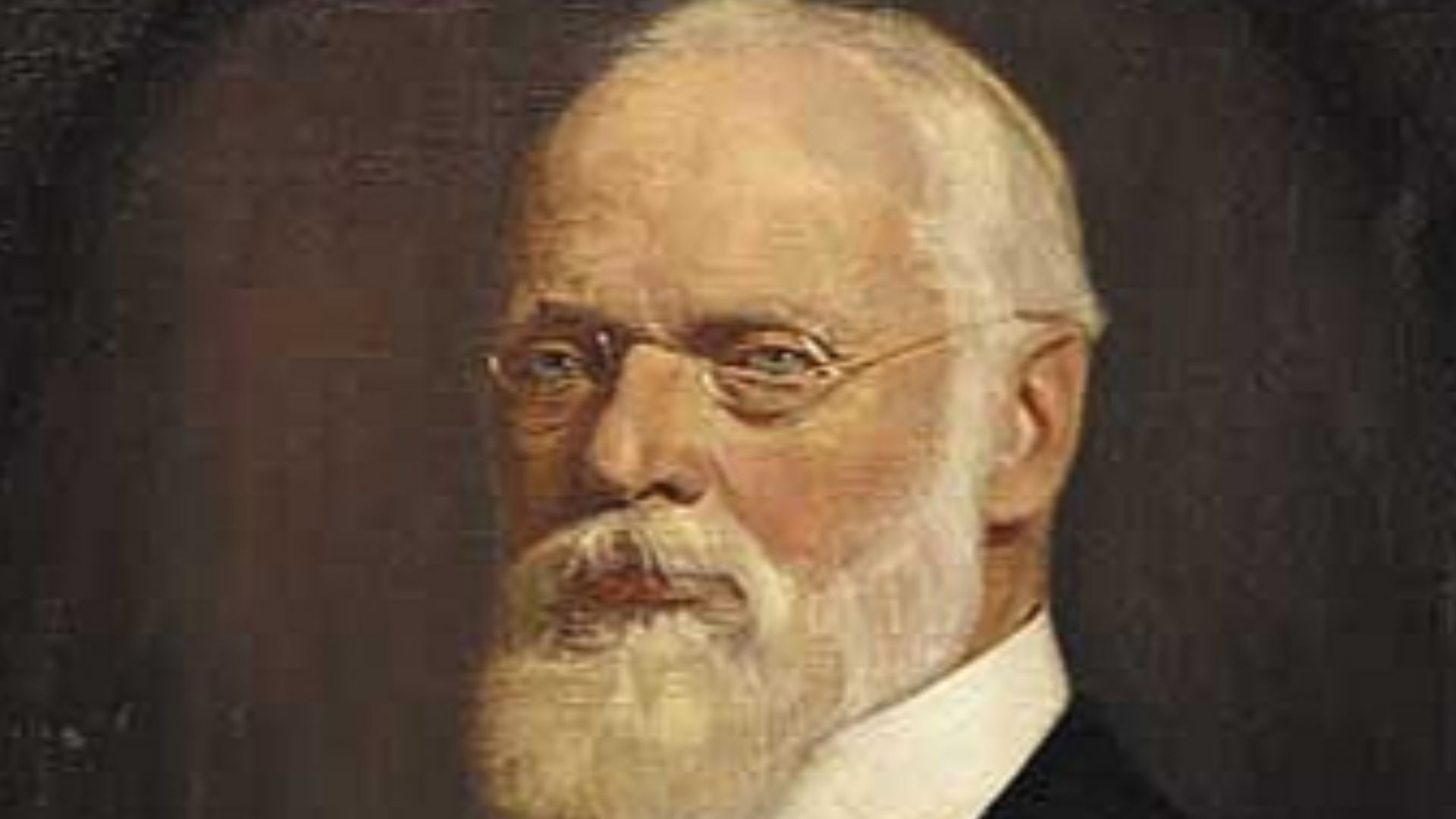
From the time he succeeded as king to the moment of his deposition, Ludwig didn’t even make it past a decade as ruler. Despite this, he had arguably the most action-packed reign in his kingdom’s history, especially since he led his people through WWI and marked the end of the Bavarian monarchy, all within his five-year rule.
Ironically, this wasn’t at all how he wanted history to remember him.
 Emil Keck (1867-1935), Wikimedia Commons
50. He Couldn’t Get Away From It
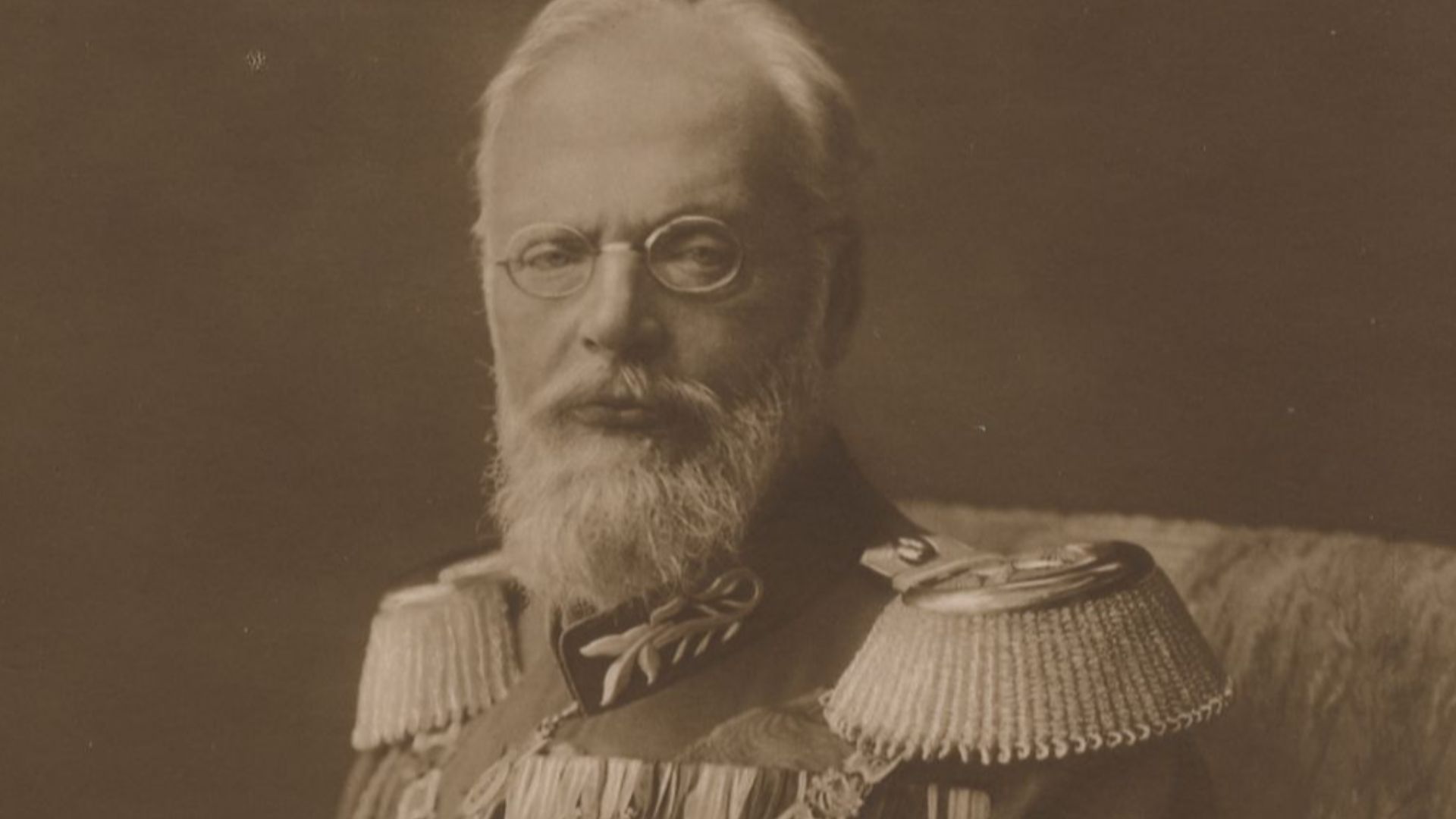
Over the course of his 76 years of living, Ludwig III went from having no hope of becoming king to being surprisingly thrust onto the throne, only then to have his crown stripped away. The worst part was that, although Ludwig had turned against the army early on, he spent the majority of his kingship dealing with WWI, meaning his legacy became inseparable from that of Bavaria’s army.
 (Vermutlich) Bernhard Dittmar (um 1865-1939), Wikimedia Commons
You May Also Like:
Elisabeth of Romania, The Boy Crazy Princess
The Most Bizarre And Interesting Things Queen Elizabeth Owns










,_7.11.1916_(BildID_15549229).jpg)
,_7.11.1916_(BildID_15549257).jpg)