
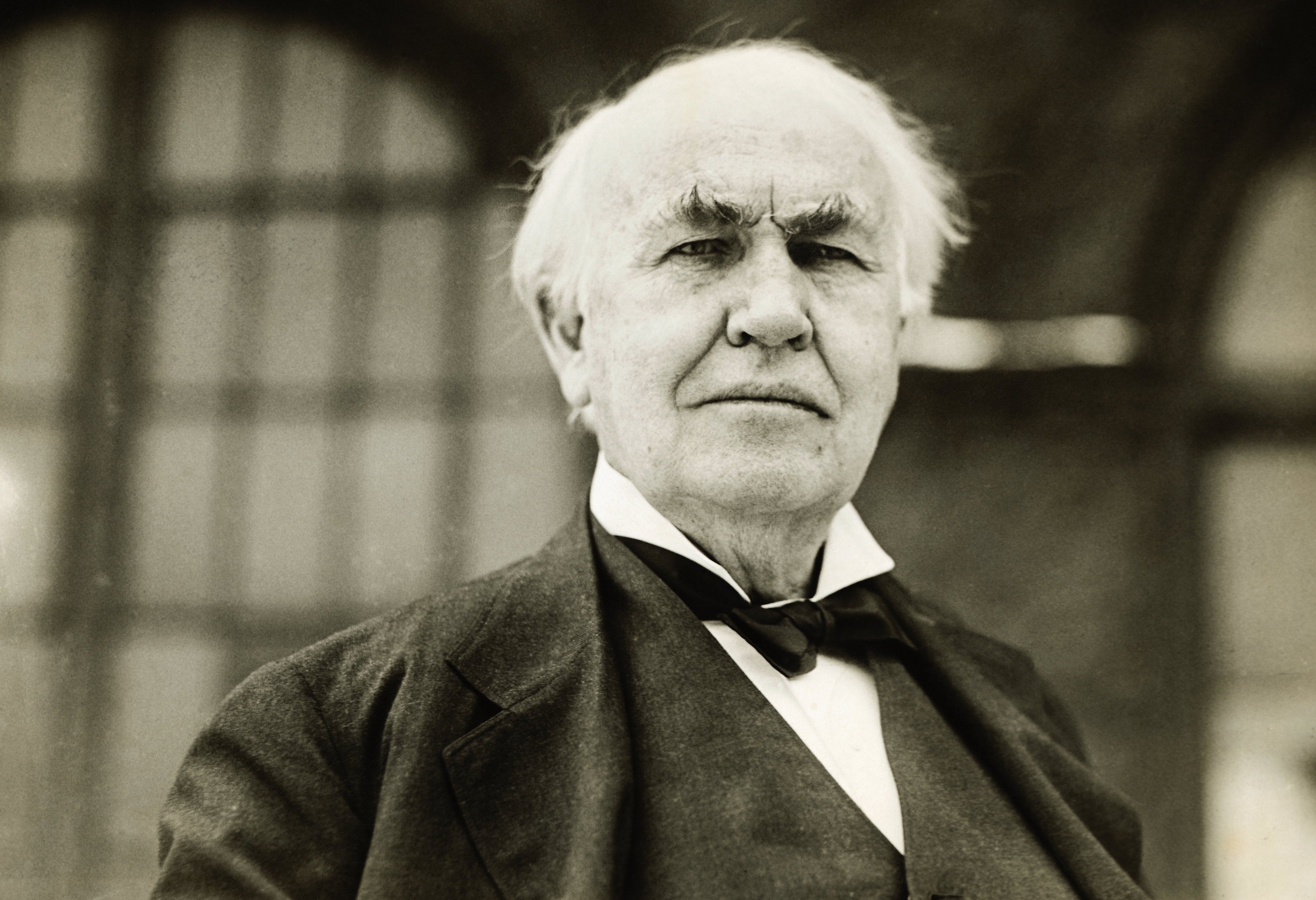
Tireless and Tyrannical
Most know Thomas Edison as one of the greatest inventors of all time. Showing an unmatched work ethic and boundless passion for tinkering from a young age, he would go on to industrialize the profession of inventing, propelling it into the American Century. But his vigorous efforts meant that those around him, personally and professionally, got caught in the blast zone.
1. He Was The Baby
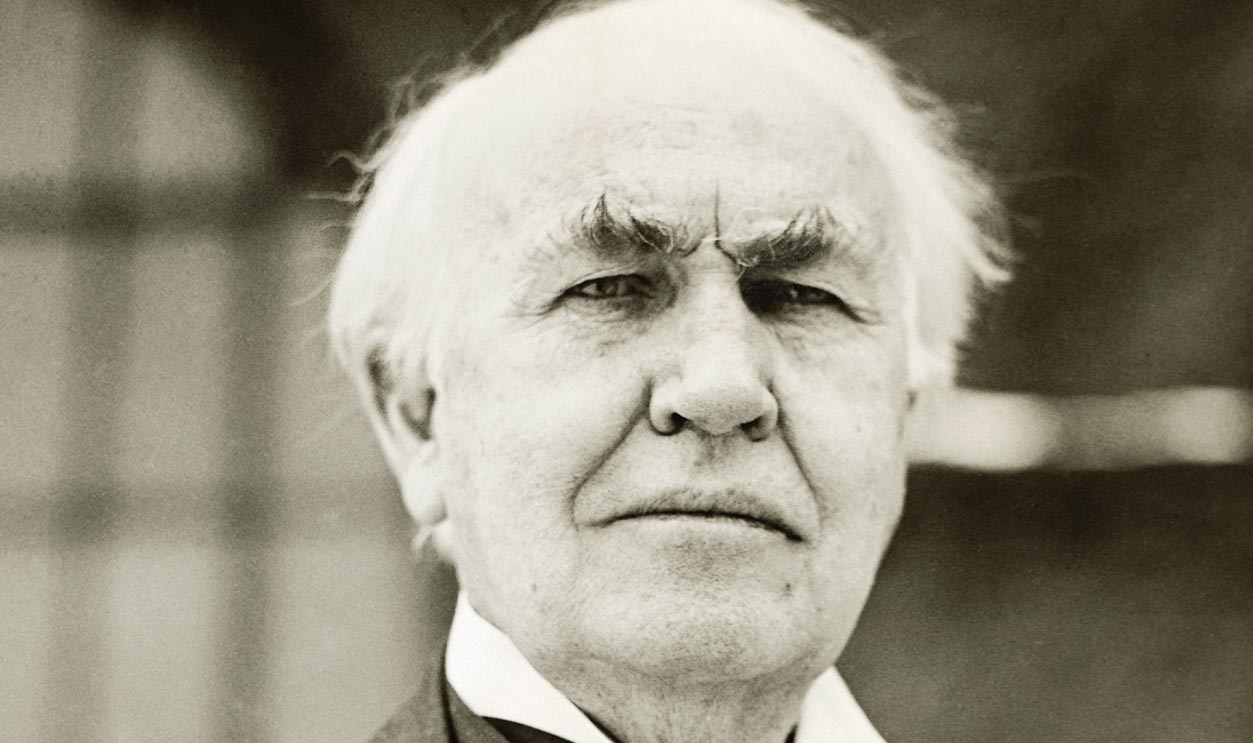
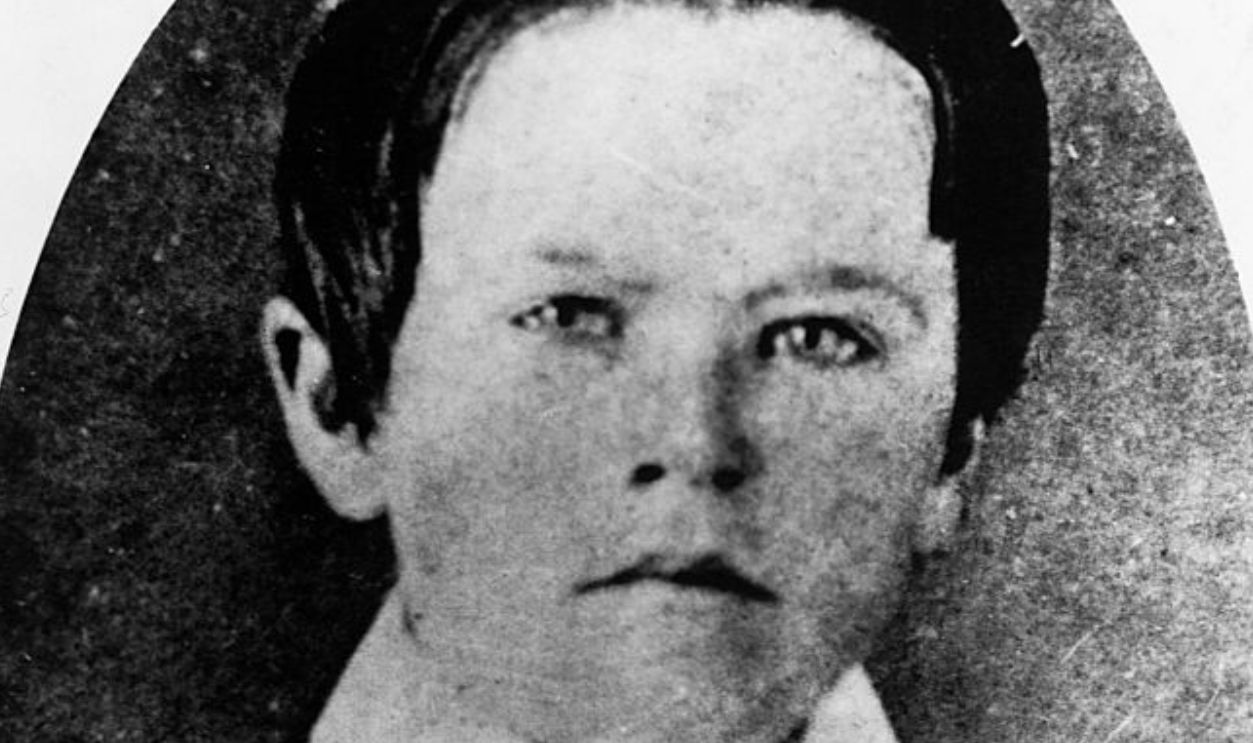
Thomas Alva Edison was born in Milan, Ohio, on February 11, 1847. The son of Samuel and Nancy Edison, Thomas was the youngest of seven children, meaning he had a lot to contend with. Young Thomas’s obvious intelligence, however, received attention from an early age.
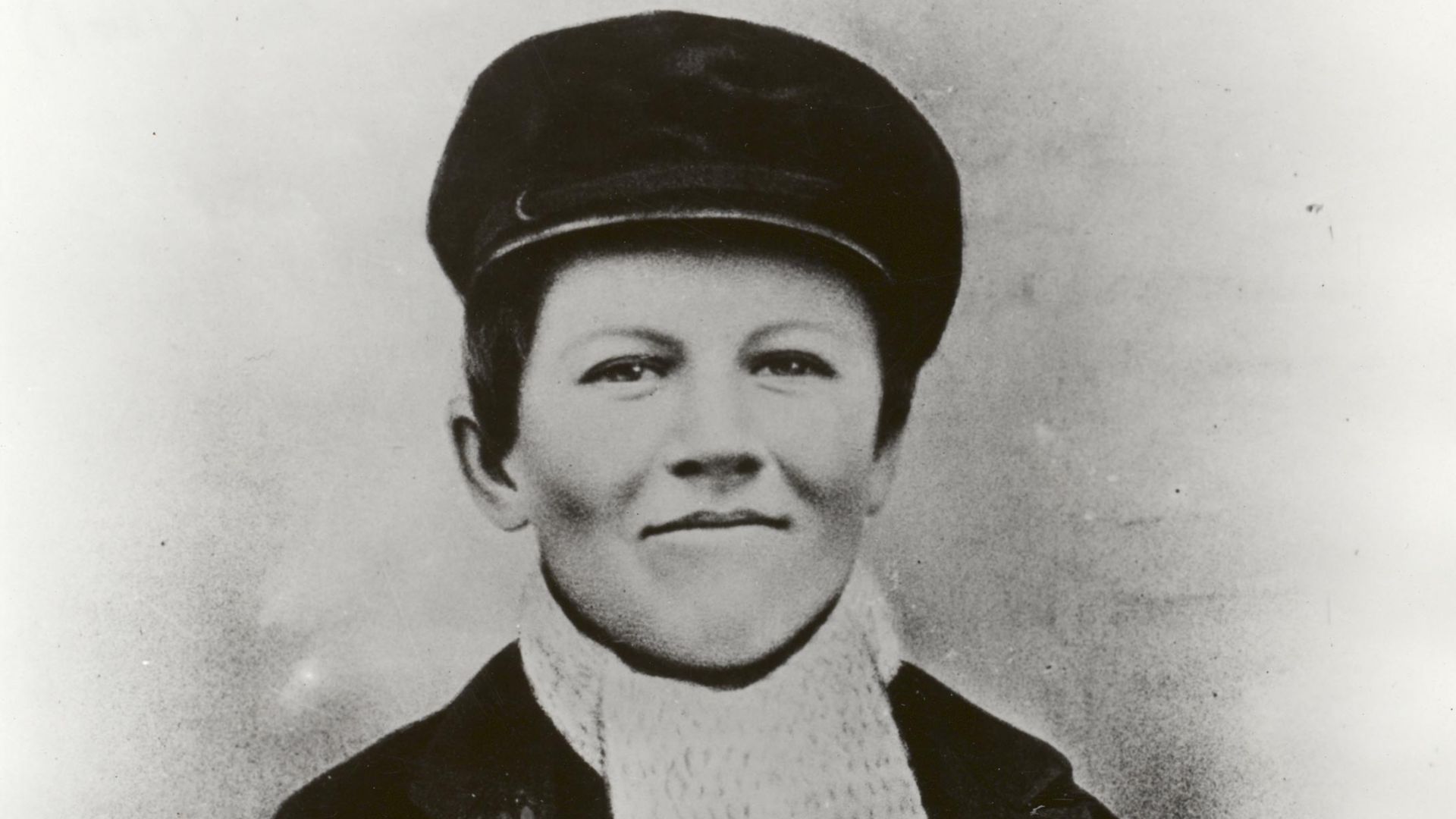
2. He Had A Good Tutor
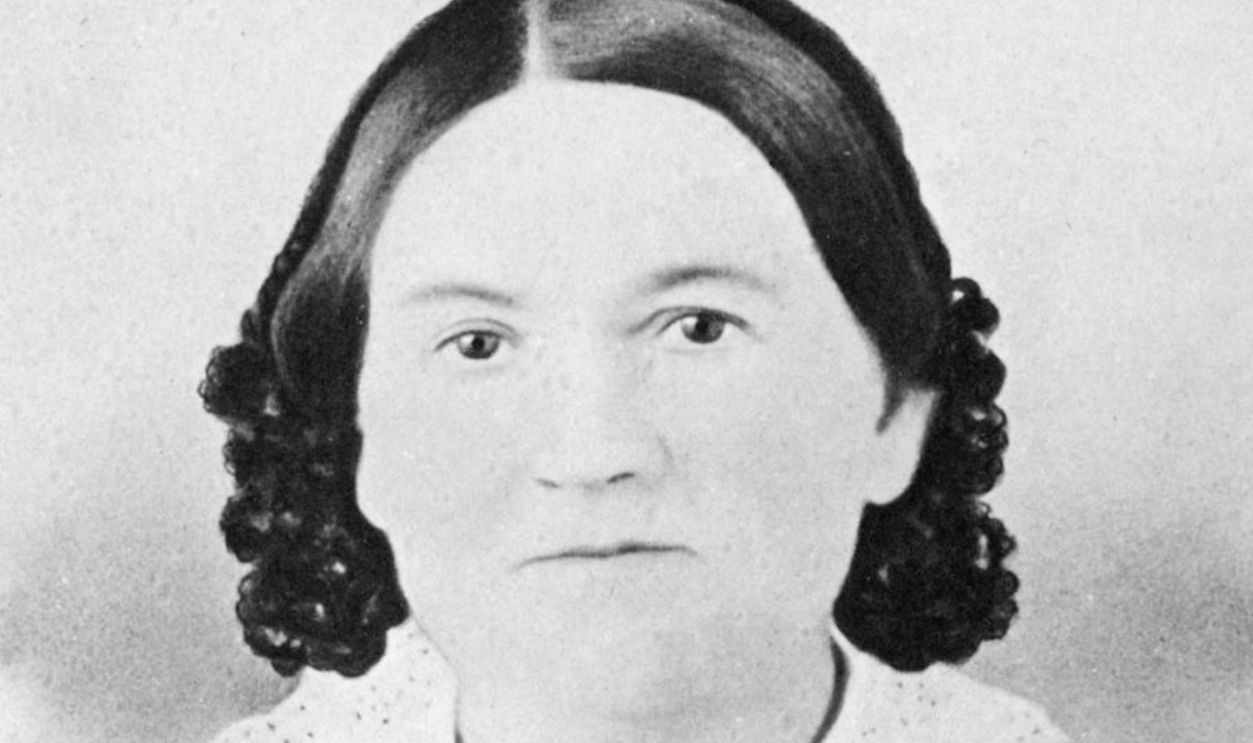
Interestingly, Edison only attended school as a child for a few months. Instead, he mostly learned the “Three R’s” (reading, writing, and arithmetic) from his mother at home, who herself was a former schoolteacher. She found in her son a very willing student.
 Interim Archives, Getty Images
3. He Taught Himself
The young Thomas Edison was an endlessly curious child, and when he wasn’t in lessons with his mother, he read and learned things himself. This inspired his lifelong belief in self-improvement and fierce independence. From this arose early signs of things to come.

History's most fascinating stories and darkest secrets, delivered to your inbox daily.
4. He Found An Early Passion
Inspired by scientific textbooks given to him by his mother, the young Edison adopted an interest in tinkering at a very early age, with a particular interest in electricity, signaling his career outlook. But despite this idyllic learning environment, his childhood wasn’t all rosy.
5. He Lost A Sense
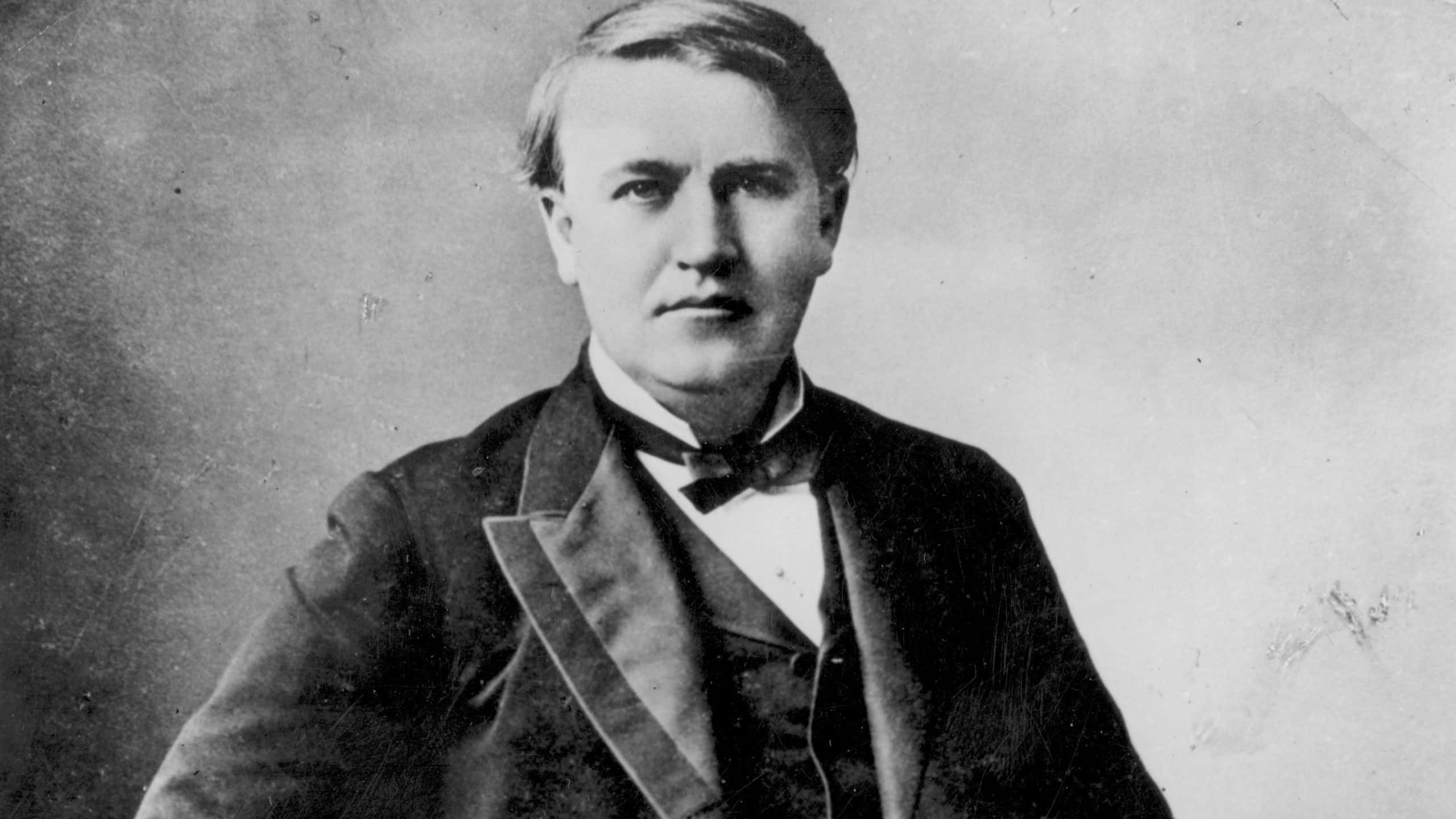
During childhood, Thomas Edison battled an especially difficult bout of scarlet fever. Combined with recurring untreated ear infections, he developed hearing problems by the time he was 12 years old. This ultimately resulted in complete deafness in one ear and near-deafness in the other. But, ever the industrious young man, Edison found ways to adapt.
6. He Adapted
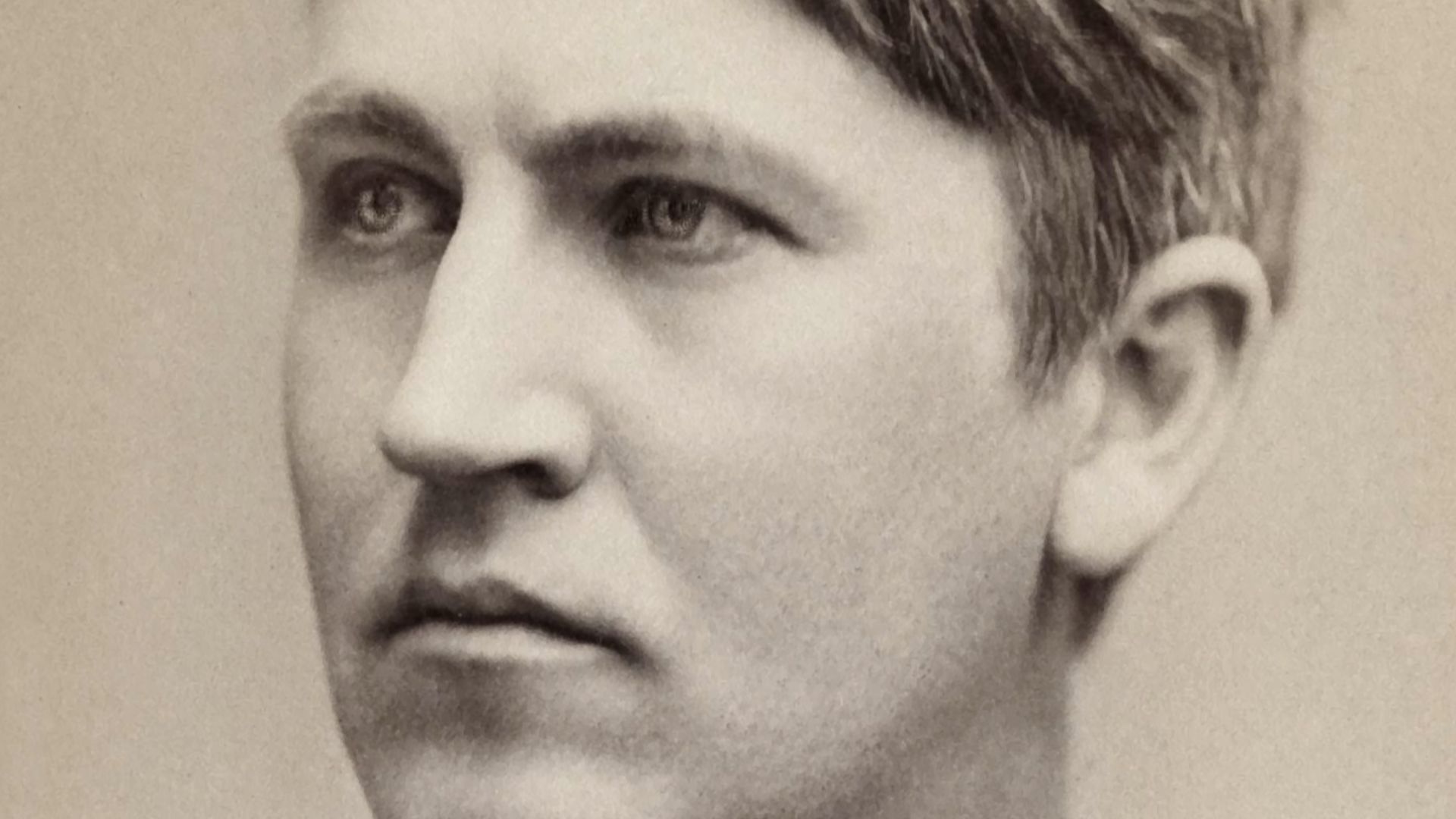
Edison came up with some characteristically genius ways to overcome his impairment. He enjoyed music, for example, and since he could no longer hear it very well, as an adult he would instead clamp his teeth into the wood of a music player or piano to absorb the sound waves into his skull. He had a little fun with his disability, too.
 ullstein bild Dtl., Getty Images
7. He Told Tall Tales
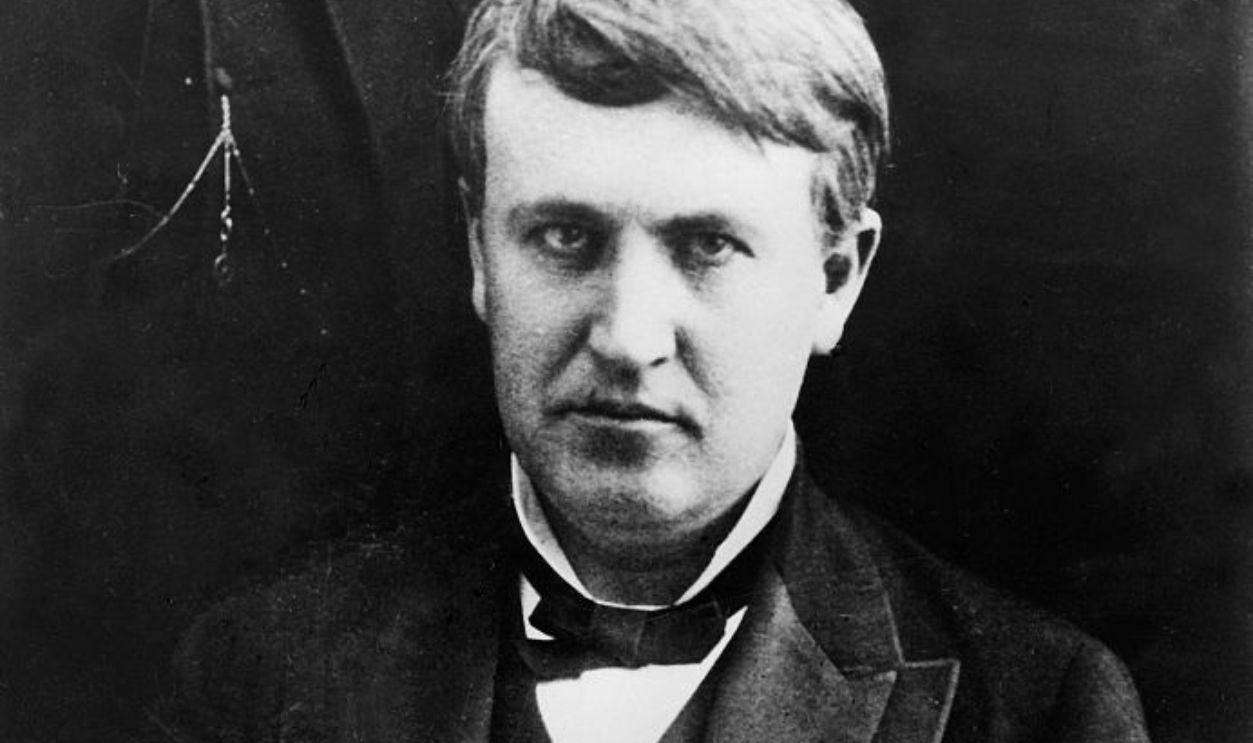
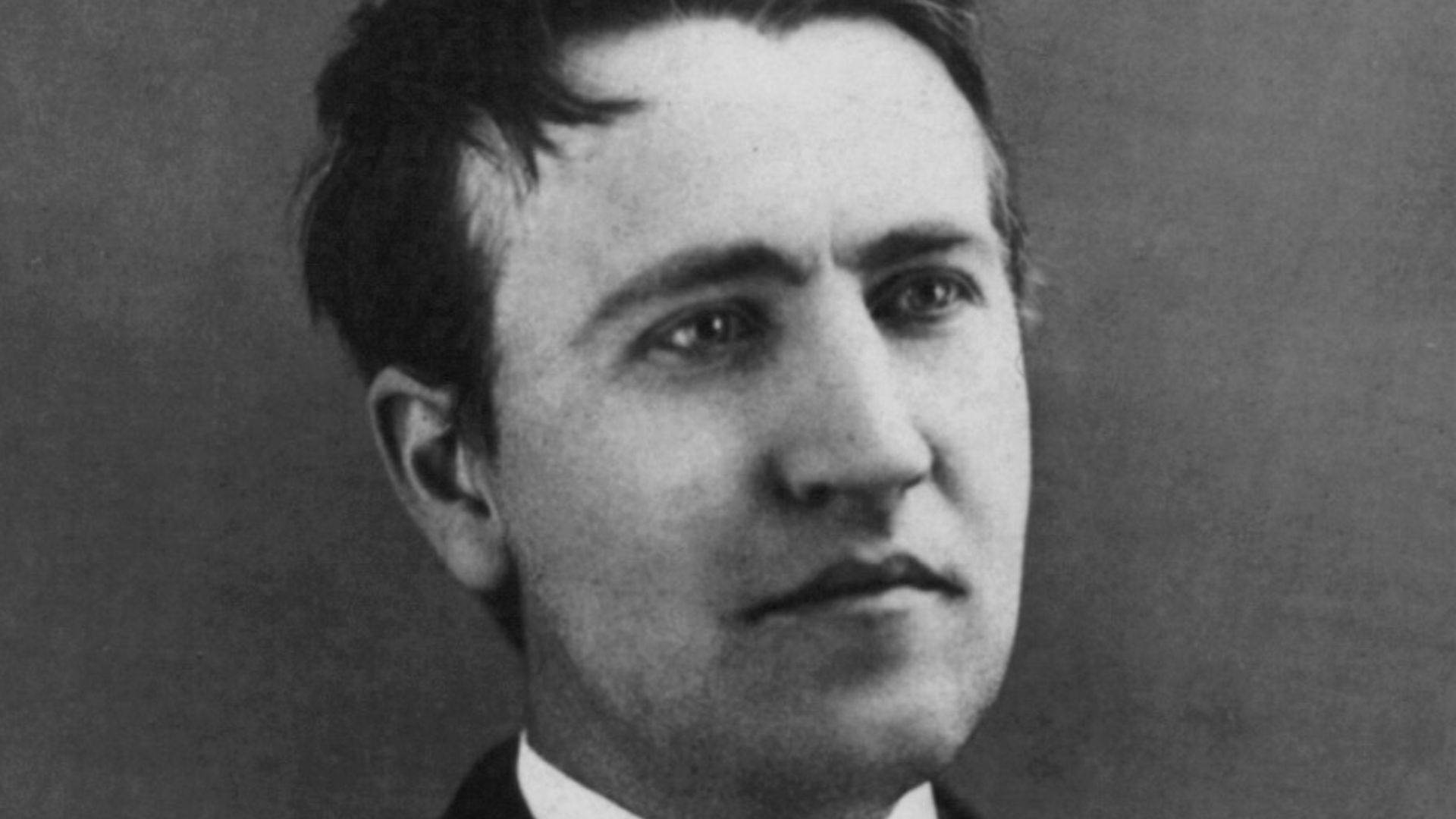
Thomas Edison was fond of making up elaborate stories about the cause of his hearing loss. For example, in one fictitious tale he would regularly recount, he claimed that, as a boy, he was chasing a moving freight car, trying to jump on the back of the train.
He made it, so his story went, but just barely, and as he was hanging off the back of the car, a trainman reached over and grabbed him by his ears, “snapping something inside his head” and causing the deafness. His good humor about his impairment reflected an overarching and admirable acceptance and embrace of it.
 Miscellaneous Items in High Demand, PPOC, Library of Congress, Wikimedia Commons
8. He Saw The Bright Side
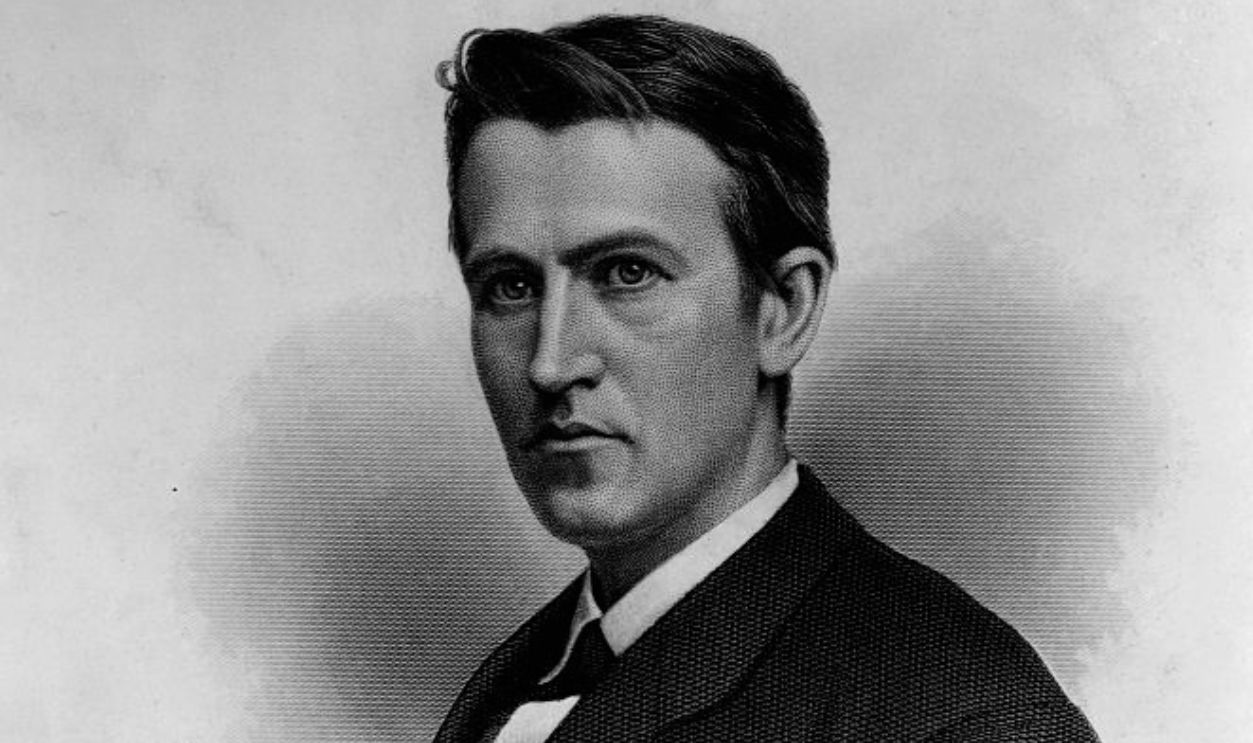
Edison believed that his hearing loss was actually a blessing in disguise. He would insist that his deafness allowed him to avoid distraction and better concentrate on his work, crediting the impairment in part for his dazzling success. But this success had very humble origins.
 Library of Congress, Getty Images
9. He Got His First Job
Right around the time of his hearing loss, Edison got his first job selling newspapers and food on trains running between Port Huron and Detroit. Within a year, he was making decent money for a 13-year-old, and he used his earnings to fund equipment for very early experiments with chemicals and electricity. His initiative didn’t stop there.
 vxla from Chicago, US, Wikimedia Commons
History's most fascinating stories and darkest secrets, delivered to your inbox daily.
10. He Became A Newsman
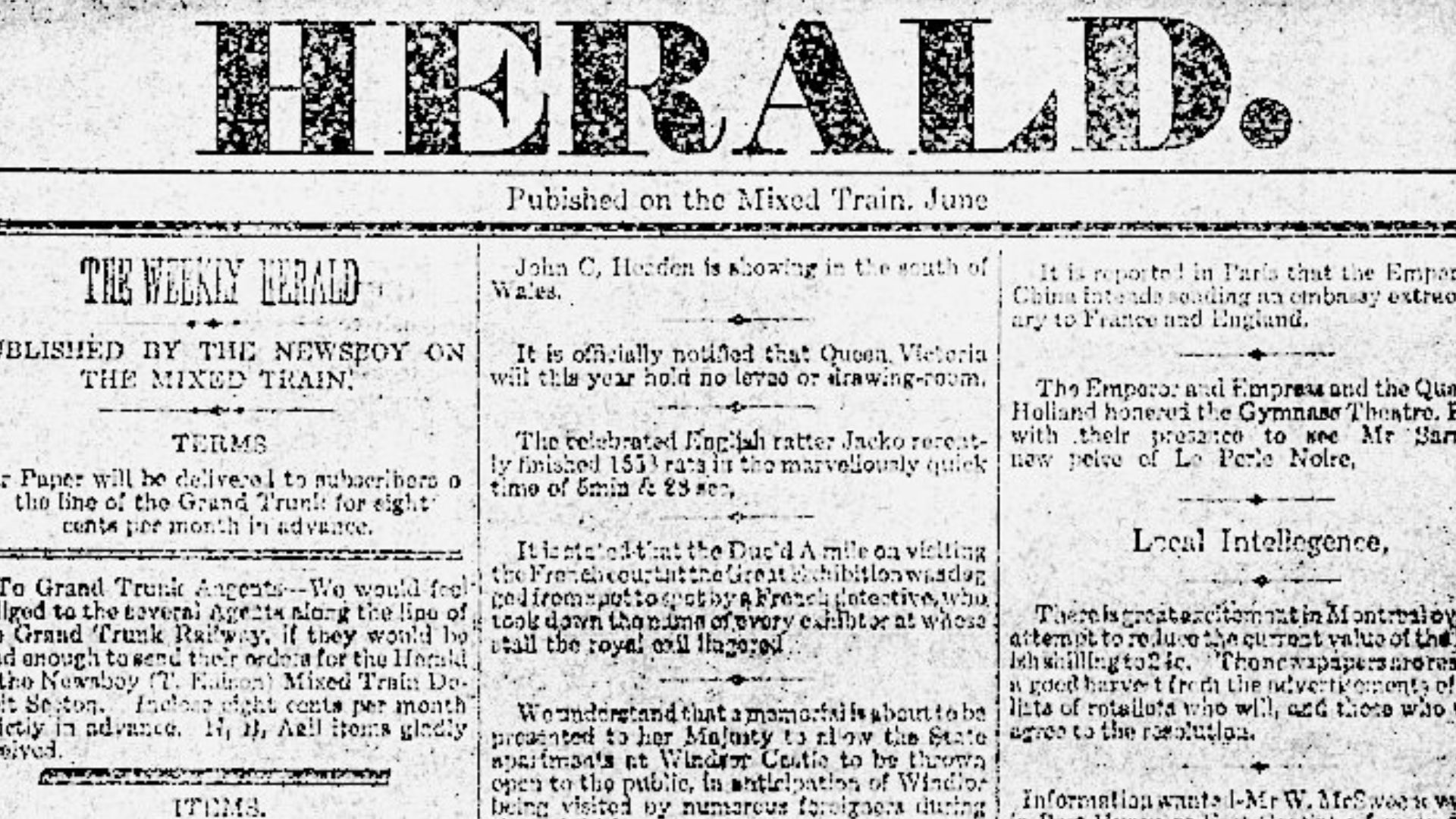
Inspired by his newsboy job, Thomas Edison published his own paper as a teen, the Grand Trunk Herald, which he sold alongside other newspapers on the train. Covering local news, the humble paper actually became a quiet success with a few hundred subscribers, allowing young Edison to hire two assistants! Proud of his work, Edison hung a framed copy of the first issue of his paper in his home until his dying day. And it wasn’t just his work that inspired pride.
 Thomas Edison, Wikimedia Commons
11. He Was A Hero
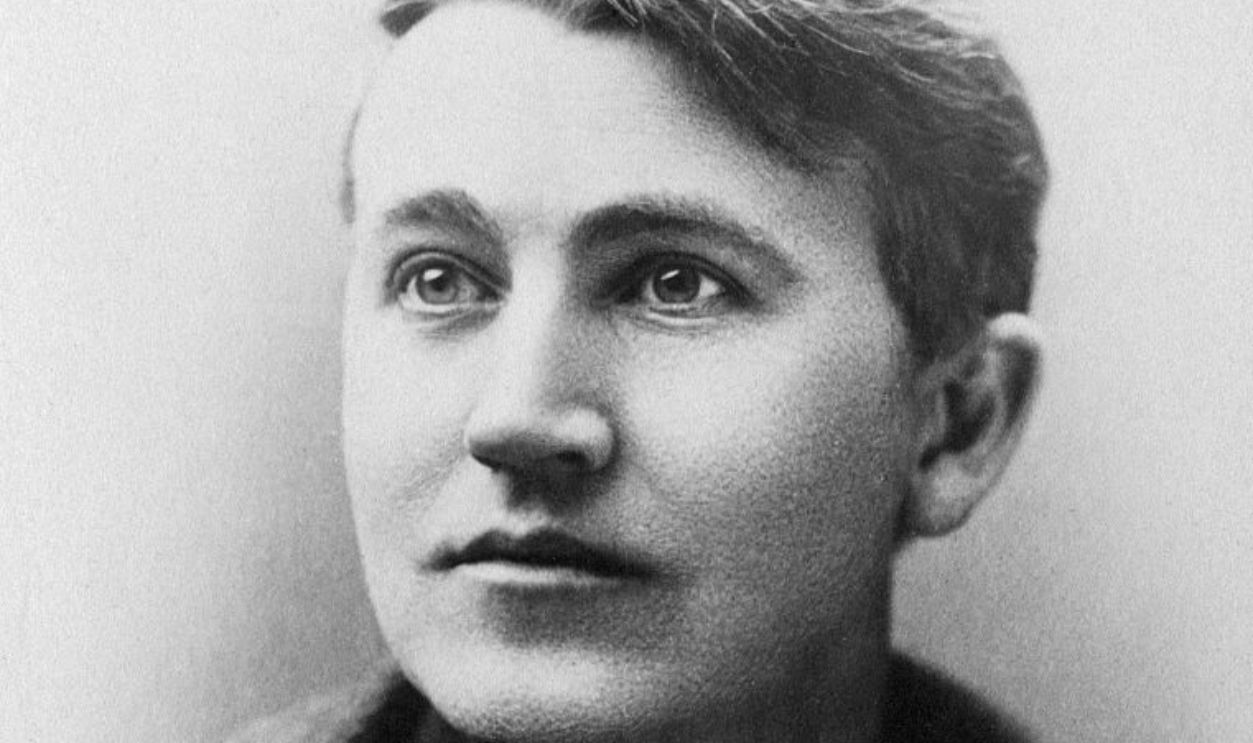
As fate would have it, Edison would get to prove his worthiness to the world in 1862, though not in the way he expected. At the age of just 15, the young man heroically saved a little boy from being struck by a runaway train. It would be the catalyst for his destiny.
 ullstein bild Dtl., Getty Images ‘
12. He Got A New Job
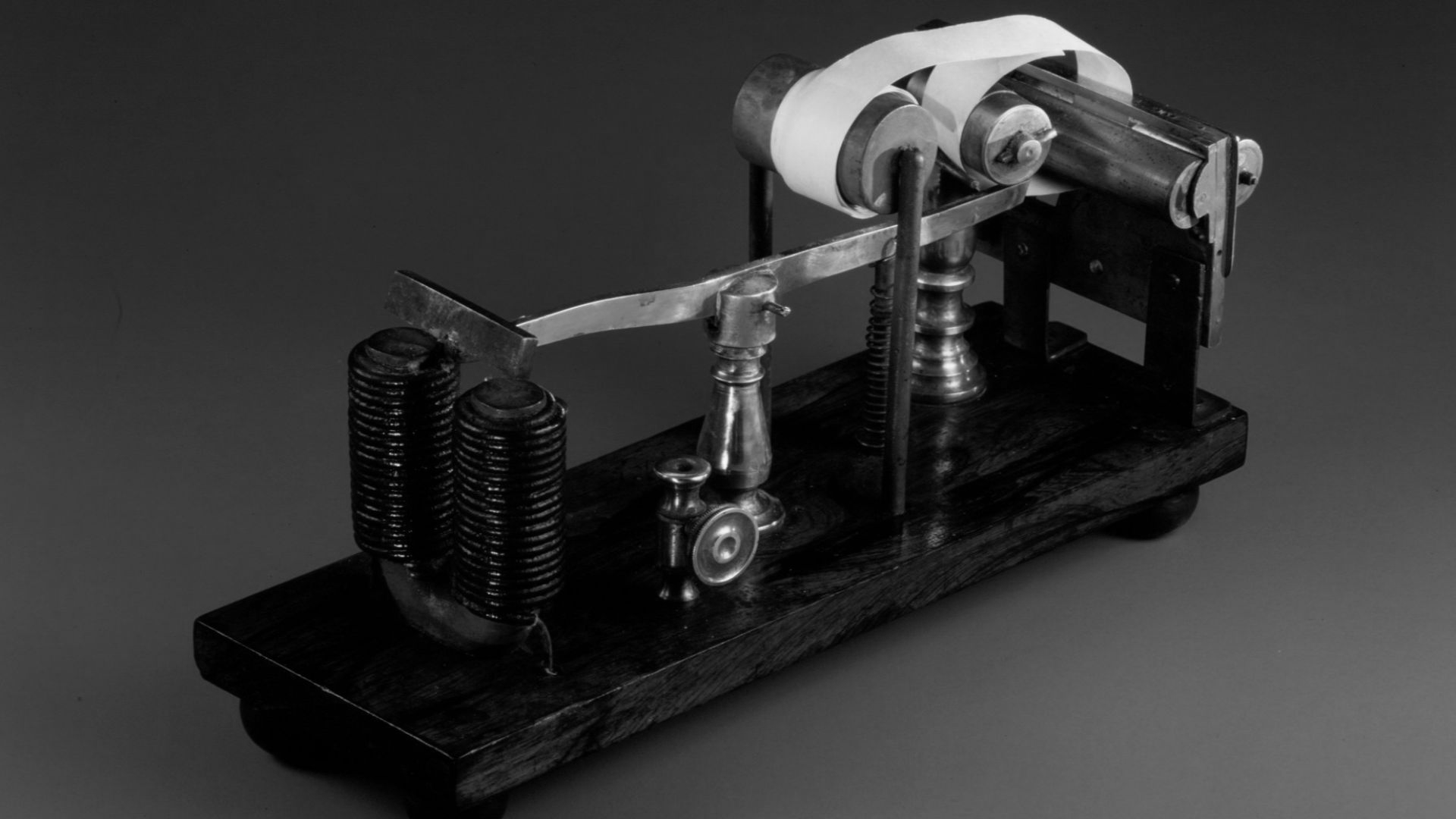
The father of the young boy was so grateful that he immediately offered his son’s savior training as a telegraph operator. Thomas Edison took him up on this and the aspirational young man found he had a great aptitude for the skill. He got a job as a telegrapher in a local general store for a time, before turning his sights north.
13. He Moved For Work
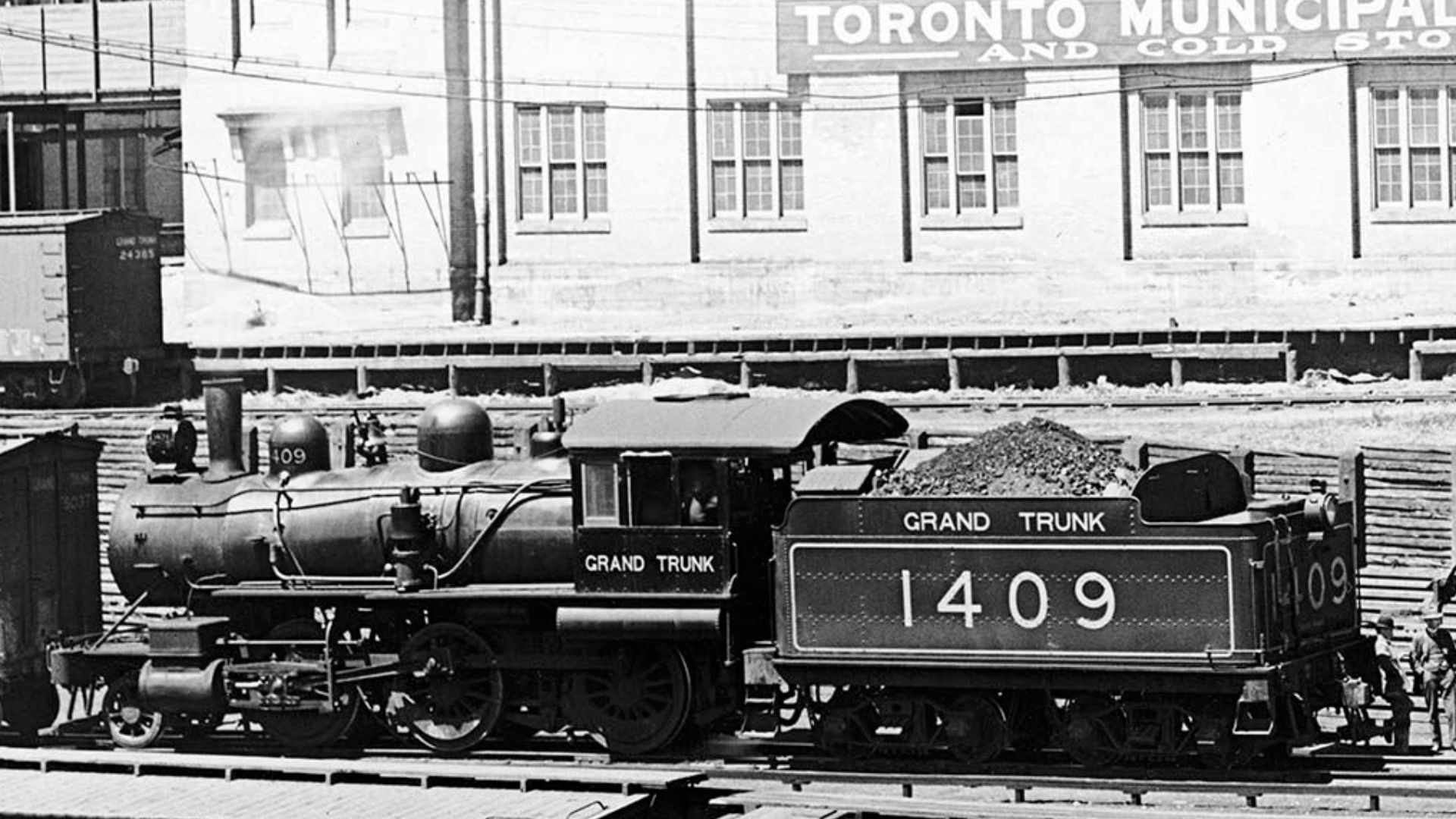
Edison soon left his job at the store and moved to Stratford Junction, Ontario. In Canada, he got a job as a night telegrapher for the Grand Trunk Railway, combining the skills of his two professions up to that point. It was a stimulating environment for a great young mind.
 Toronto History from Toronto, Canada, Wikimedia Commons
14. He Found Inspiration
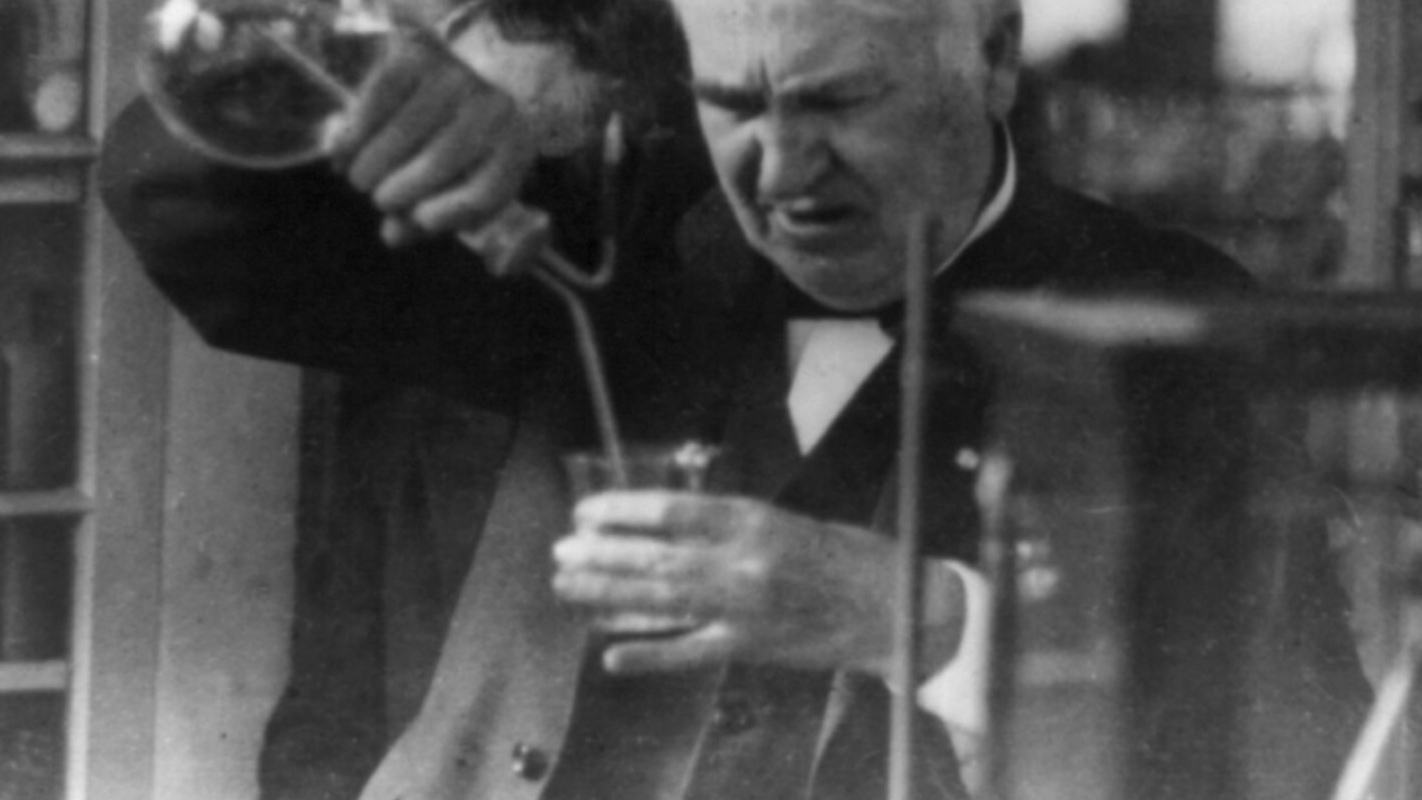
Edison loved his telegraphing job and, indeed, this career served as inspiration for some of his earliest inventions. While on the job, he also studied qualitative analysis and conducted experiments with chemicals. But he was burning the candle at both ends.
15. He Almost Caused Disaster
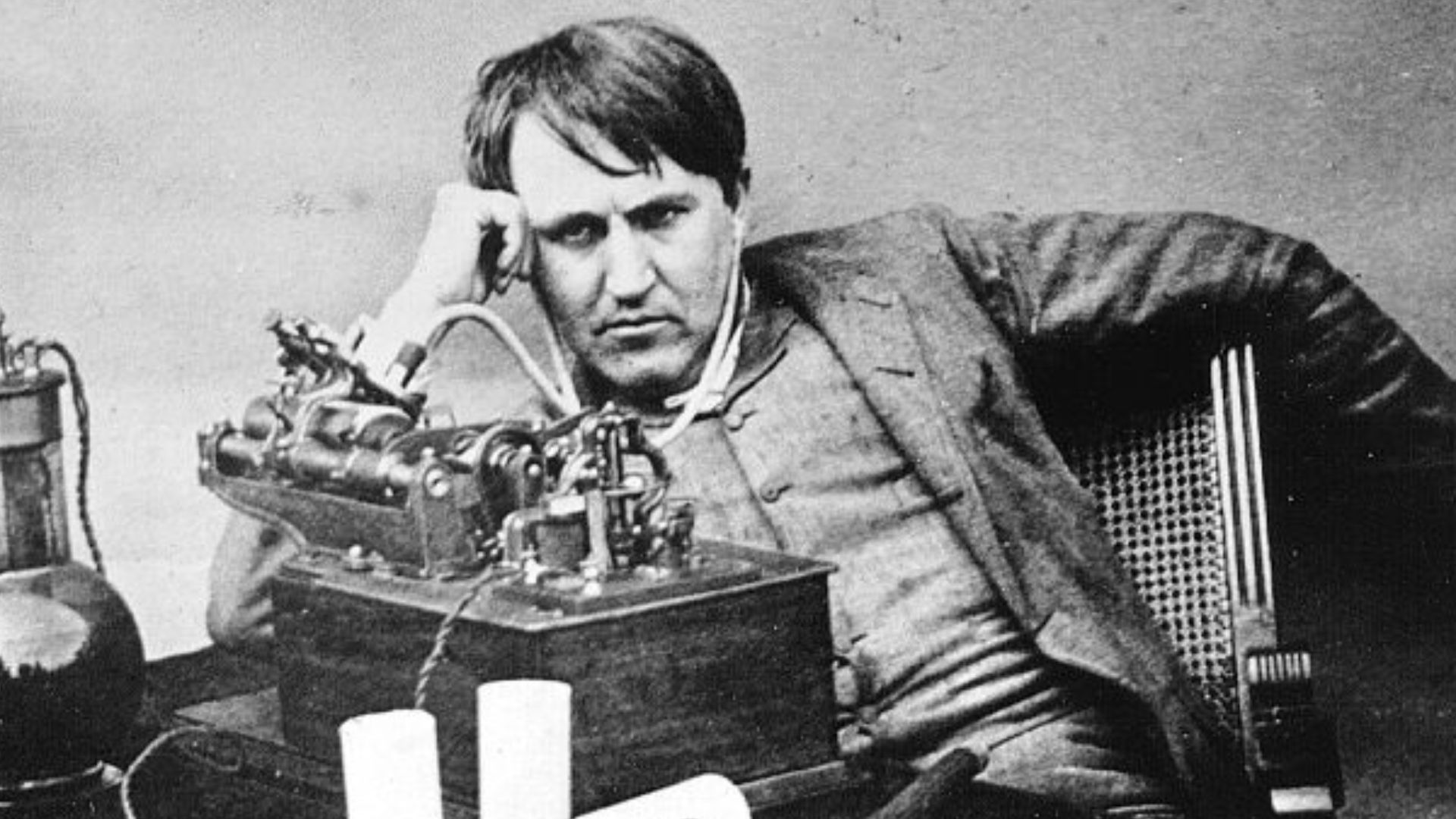
Because of his tireless passion for his job and his interests, the young Thomas Edison found little time for sleep. However, this quickly affected his performance. During one shift, Edison’s exhaustion almost caused the collision of two trains. After experiencing such a close call, Edison knew it would have to be his job or his passion, and the choice was obvious.
 Unknown authorUnknown author, Wikimedia Commons
History's most fascinating stories and darkest secrets, delivered to your inbox daily.
16. He Became An Inventor
Over the next few years, Edison moved between various telegraphy jobs around Ontario and the US, but his main focus during this time was on inventing. On June 1, 1869, the title of inventor became official when Edison received his first patent for an electric vote recorder. Things only got better from there.
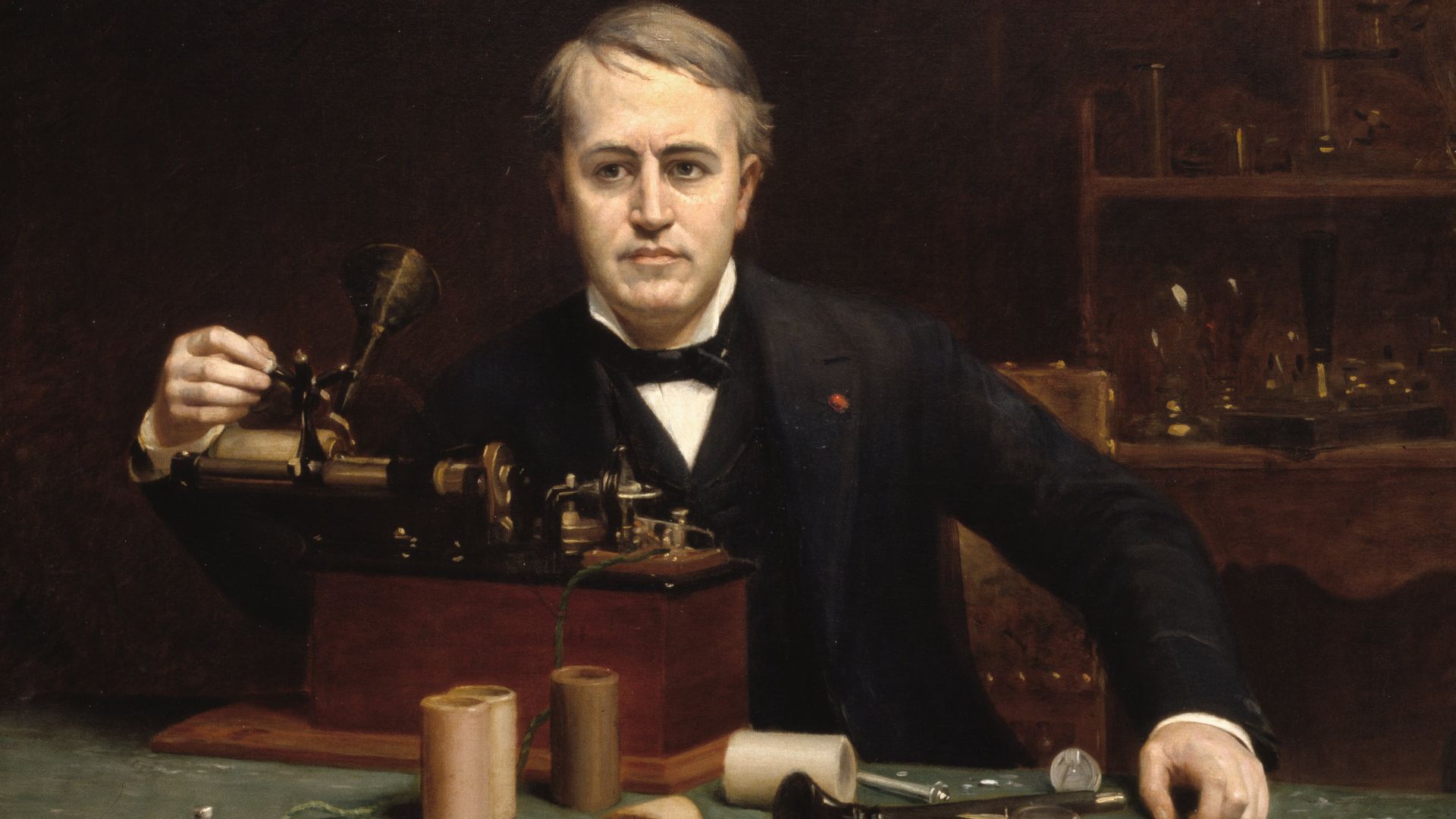 Abraham Archibald Anderson (1847 - 1940) Details on Google Art Project, Wikimedia Commons
17. He Chased The American Dream
Later that year, Thomas Edison moved to New York City, where he received room and board from an early mentor, telegrapher Franklin Leonard Pope. Pope allowed Edison to live and tinker in his basement while he got on his feet and, inspired by the young man’s ambition, agreed to found a company with him in October 1869. It was an immediate success.
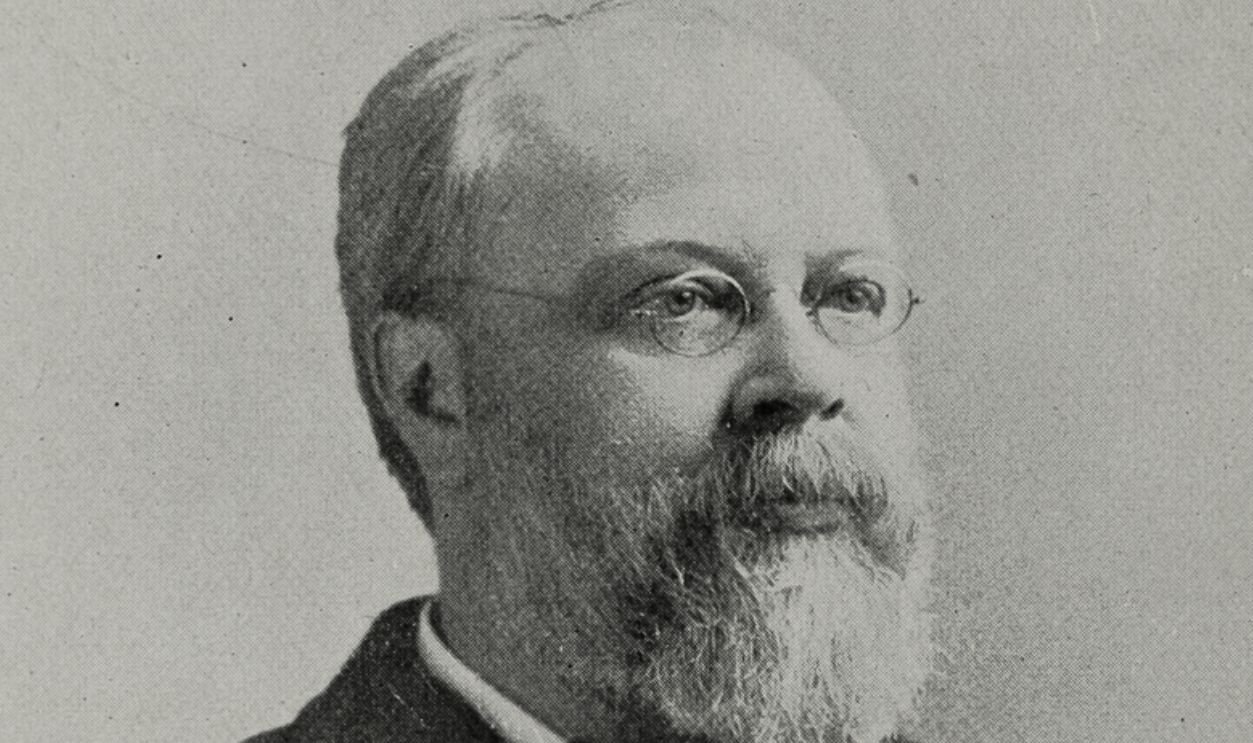 Unknown photographer of the time, Wikimedia Commons
18. He Was A Natural
Working as electrical engineers, Edison and Pope quickly attracted wealthy investors to their venture, and their business grew rapidly. Soon, they opened a new shop in Newark where they hired 50 employees. Edison got to know one of them quite well.
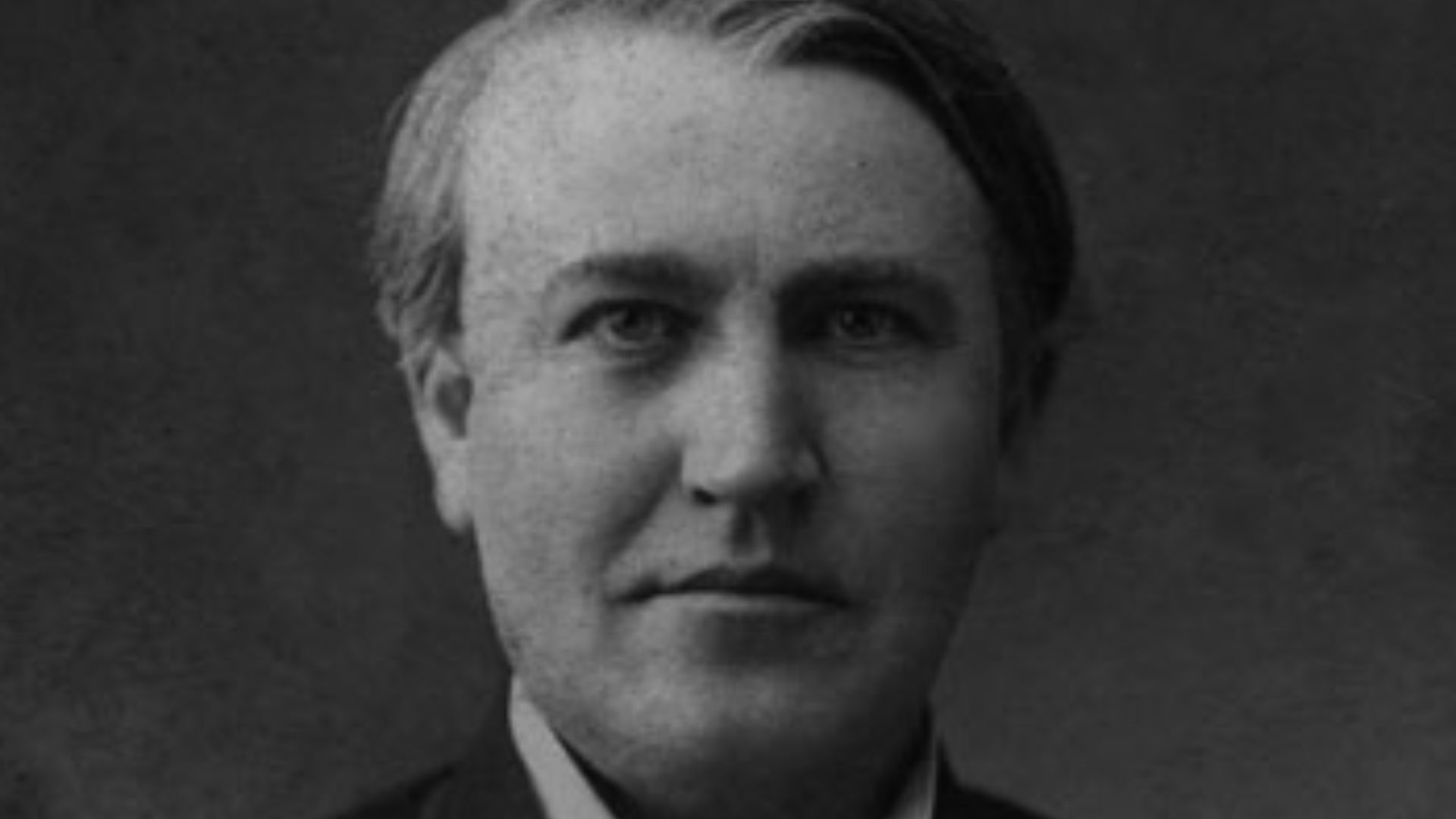 Thomas Edison, Wikimedia Commons
19. He Married An Underling
In October 1871, Thomas Edison hired Mary Stilwell, and two months later, on Christmas Day, the two married. However, there were problematic power dynamics at play: not only was Stilwell one of Edison’s employees, but she was also only 16 years old and he 24. The marriage would not be idyllic.
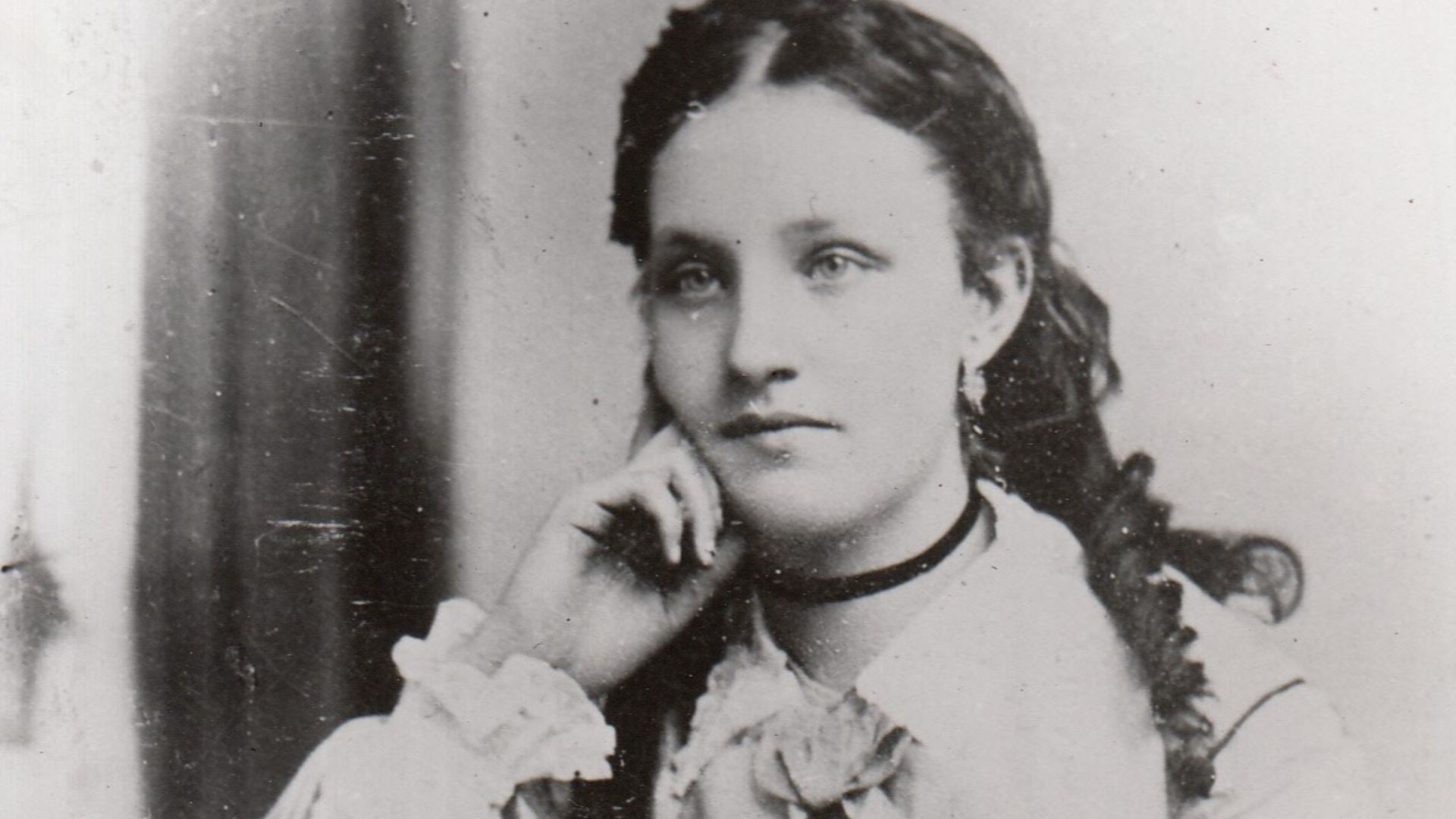 Unknown authorUnknown author, Wikimedia Commons
20. He Was A Workaholic
Domestic life with Thomas Edison was near non-existent. Preferring to spend long hours in his workshop, the inventor was rarely home, even sleeping at work, and he grew quite alienated from his family. His hard work paid off, however.
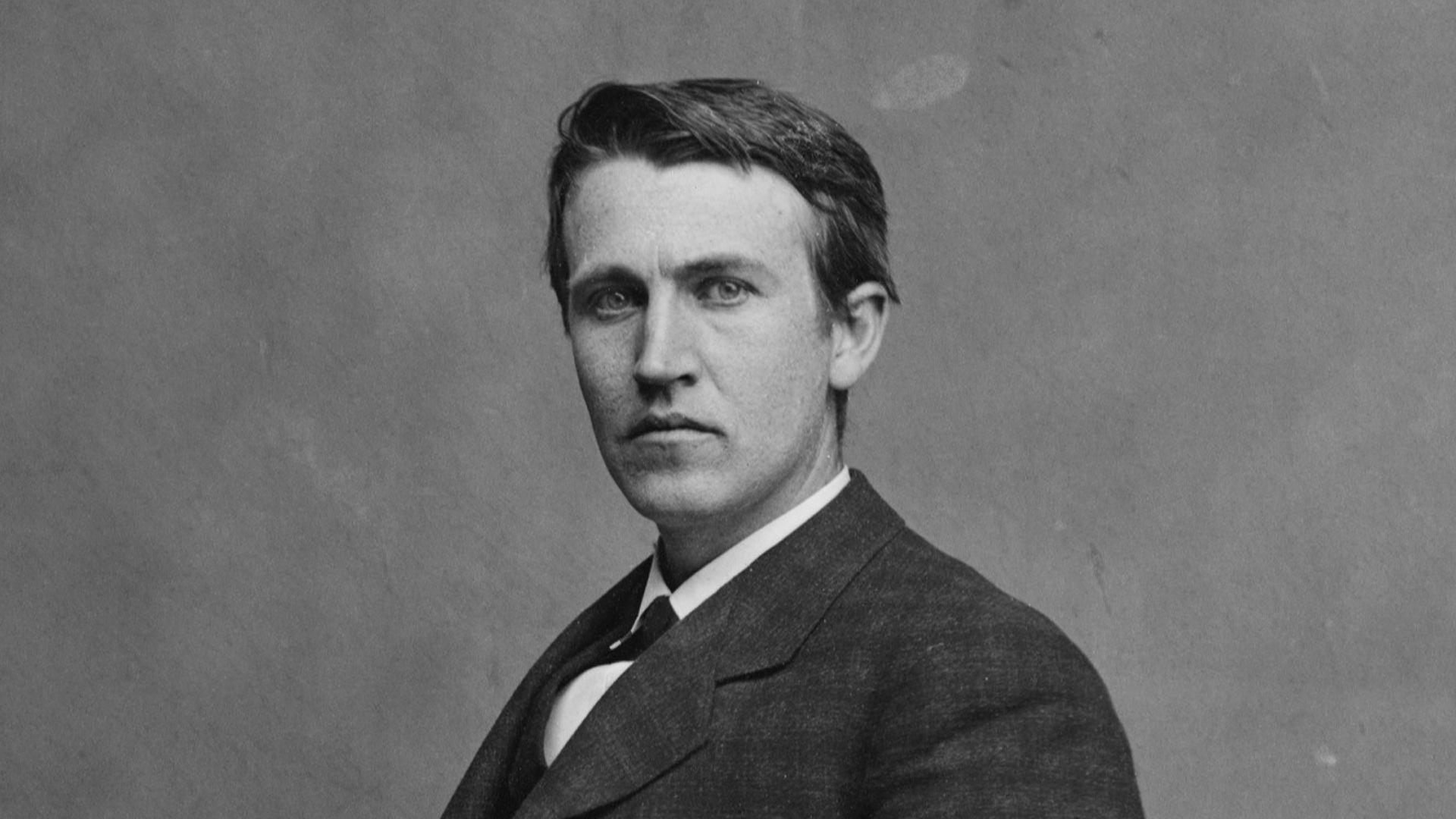 Levin C. Handy (per http://hdl.loc.gov/loc.pnp/cwpbh.04326), Wikimedia Commons
21. He Improved His Former Profession
Growing his company exponentially, by 1874, Edison had a few hundred employees and was about to hit a huge payday. Using his knowledge gained from his previous work as a telegrapher, the ambitious young entrepreneur invented a new telegraph, one capable of transmitting four messages simultaneously through a single wire. The product was a smash success and earned Edison a small fortune, which he promptly reinvested.
 Miscellaneous Items in High Demand, PPOC, Library of Congress, Wikimedia Commons
History's most fascinating stories and darkest secrets, delivered to your inbox daily.
22. He Funded His Own Passion
After receiving his massive payout, Thomas Edison did not sit back and enjoy the rich man’s lifestyle. Indeed, he had an insatiable desire to simply work, work, work, and he used his newfound fortune to further his passion for invention and his career doing so. He also upscaled significantly.
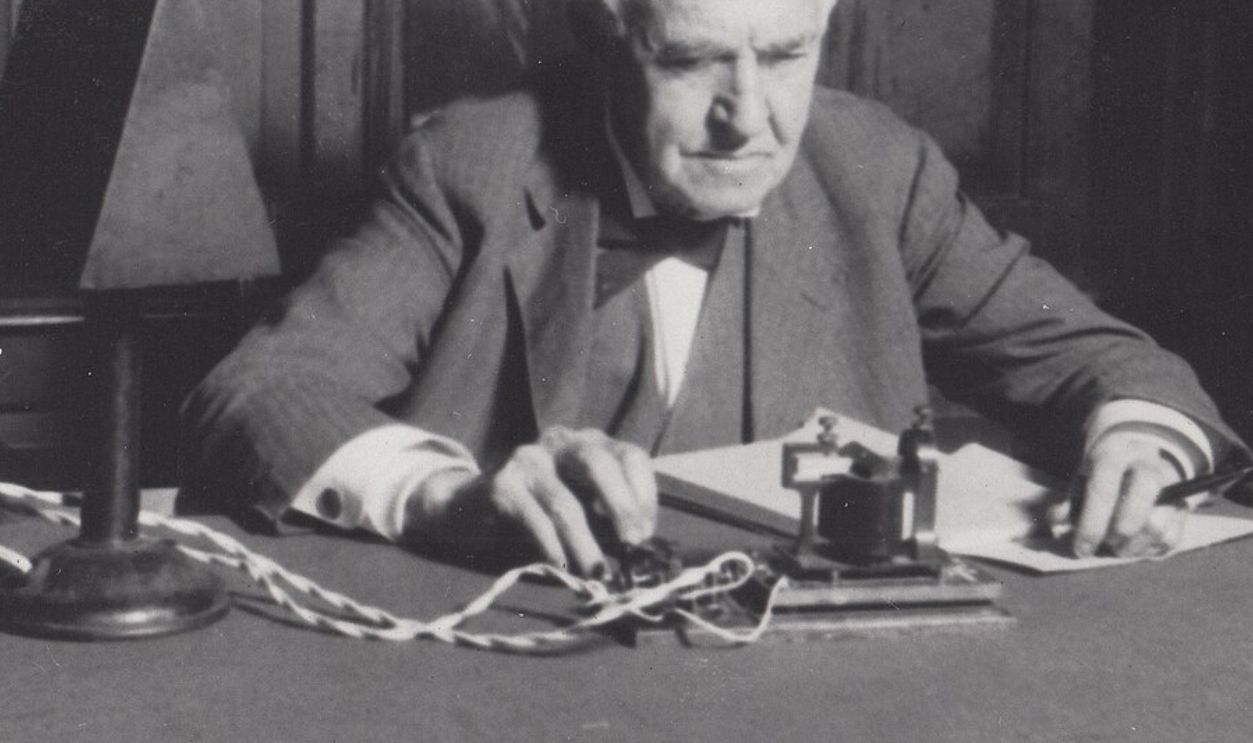 Auteur inconnuUnknown author, Wikimedia Commons
23. He Established A Lab
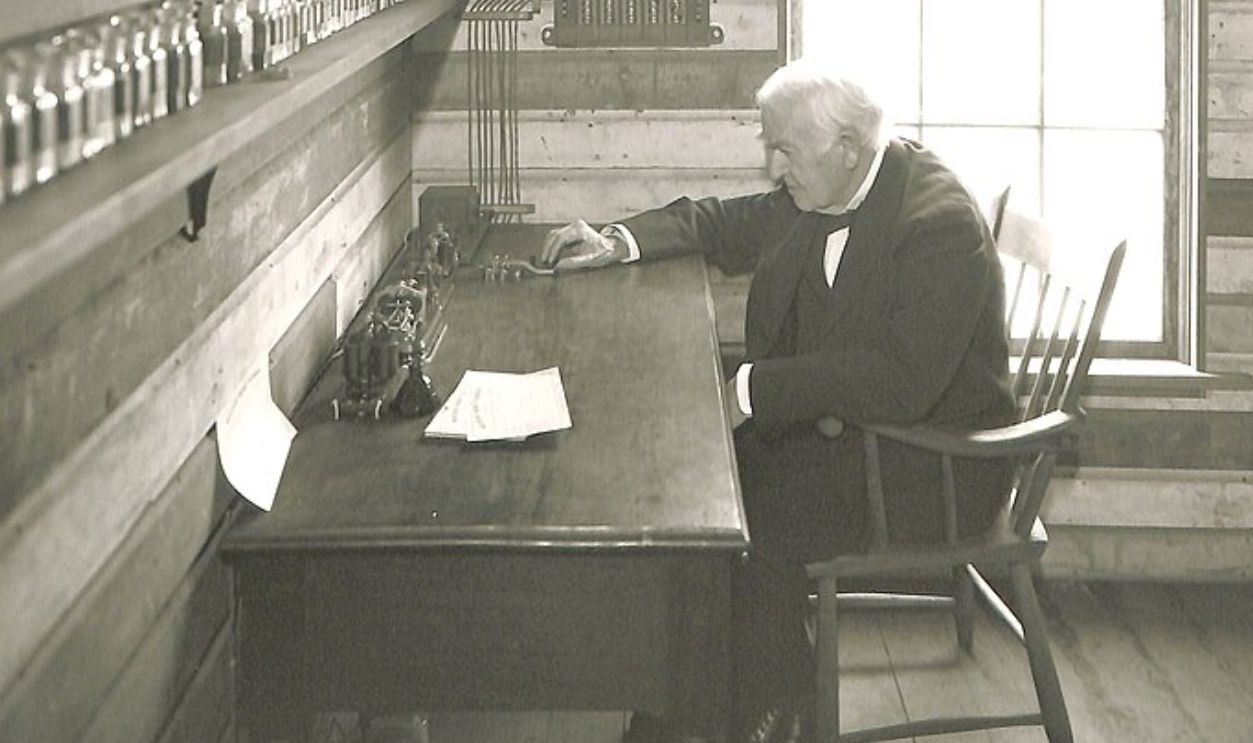
With his financial success, Edison moved to the next phase of his career in 1876, opening the world’s first industrial research laboratory in Menlo Park, New Jersey. The lab was unique in its purpose of creating knowledge and controlling its application. Edison applied the rising industrial methods of the time.
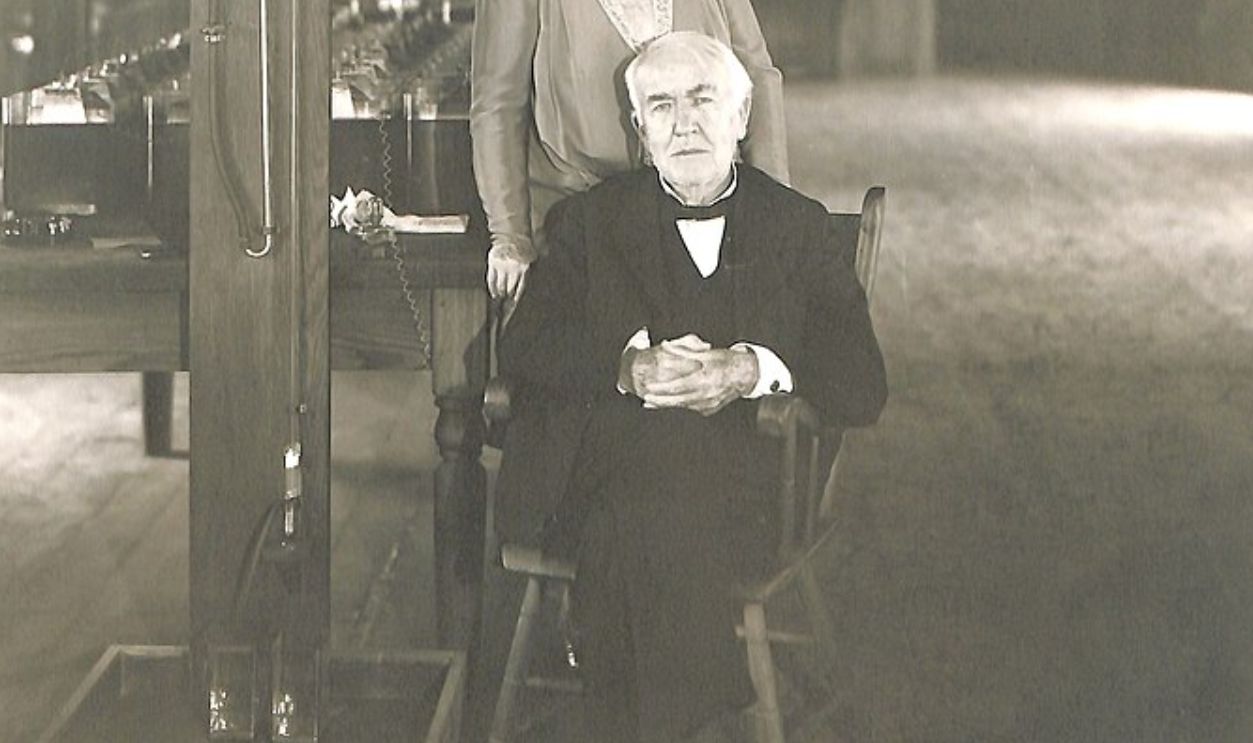 Auteur inconnuUnknown author, Wikimedia Commons
24. He Industrialized
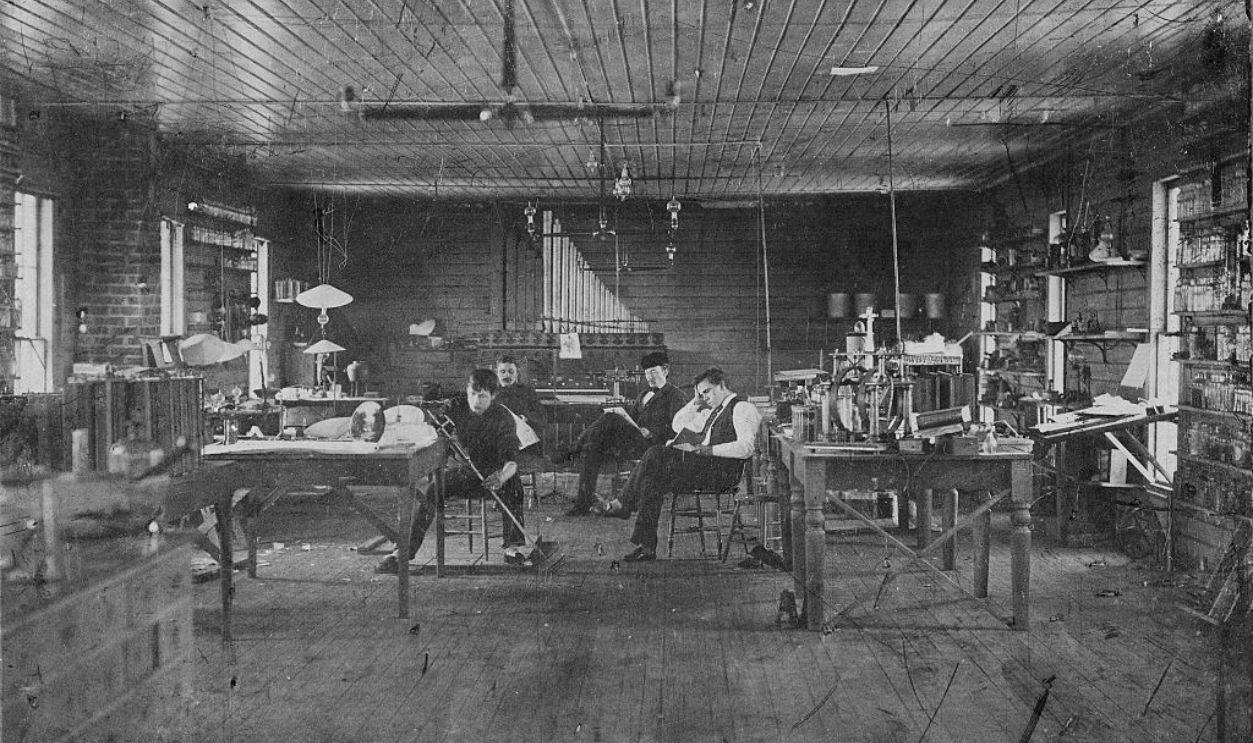
Edison became one of the first inventors to weld the progress of the industrial revolution to the discipline of invention. Applying the principles of organized science and teamwork to the process, his lab functioned more like a factory than a traditional tinkering space, with hundreds of researchers and skilled employees. It was not an easy place to work, however.
 Auteur inconnuUnknown author, Wikimedia Commons
25. He Worked His People
Edison had by now already gained a reputation as a tireless worker, often remaining at the lab into the wee hours of the morning—and he expected the same of his employees. Demanding his staff share his passionate vision for invention, he drove his workers hard to produce results, which often resulted in 18-hour days and seven-day weeks. One employee described conditions as pushing “the limits of human exhaustion”. And the work was often thankless.
 Schenectady Museum Association, Getty Images
26. He Took The Glory
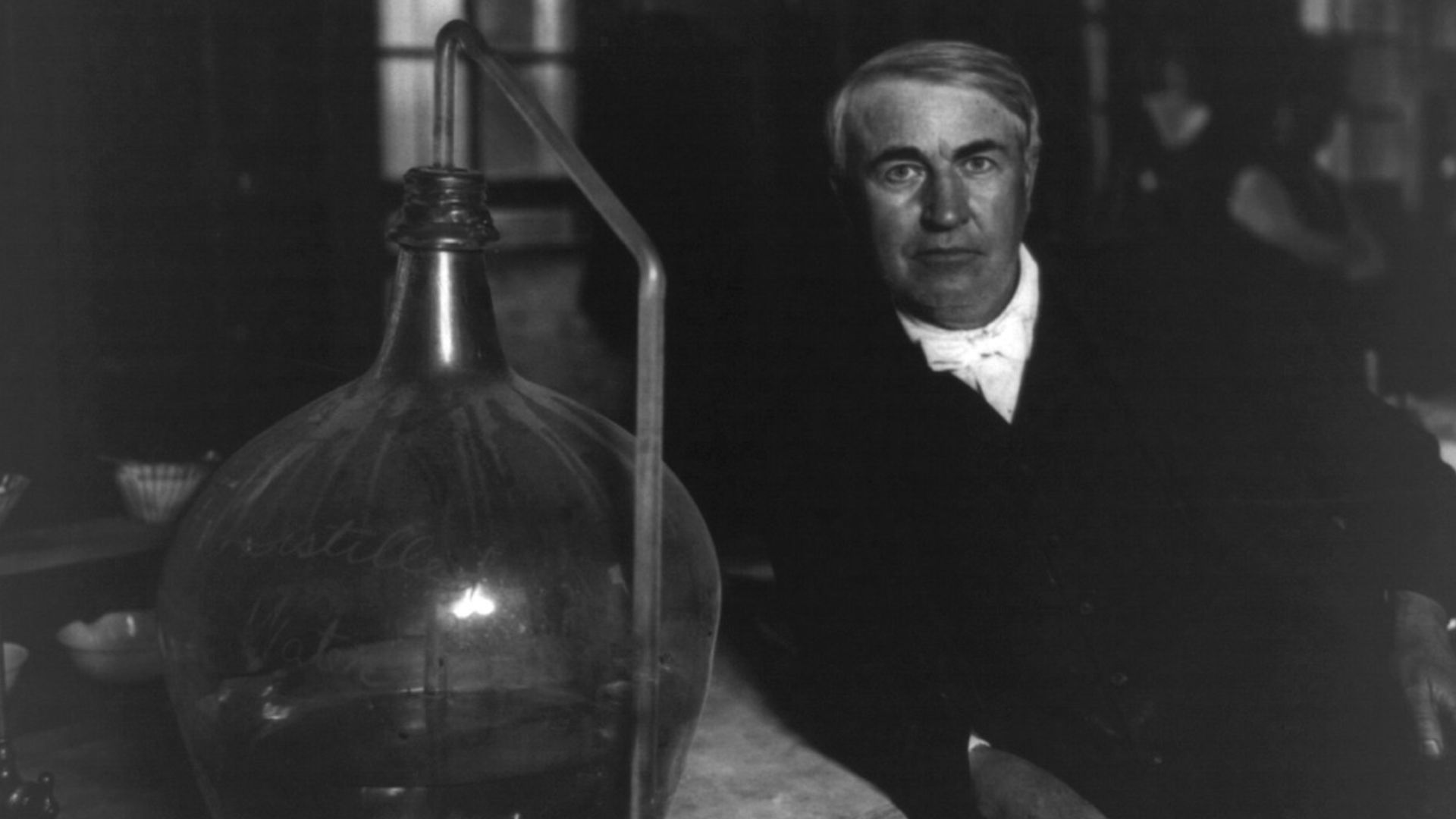
Because of the hierarchical nature of Edison’s industrialized lab, his leadership meant he was largely credited for the inventions of those under him who did most of the work. With the conditions and the lack of recognition, it’s a wonder his employees didn’t revolt. And all the while, Edison kept a squeaky-clean image.
 Miscellaneous Items in High Demand, PPOC, Library of Congress, Wikimedia Commons
27. He Did PR
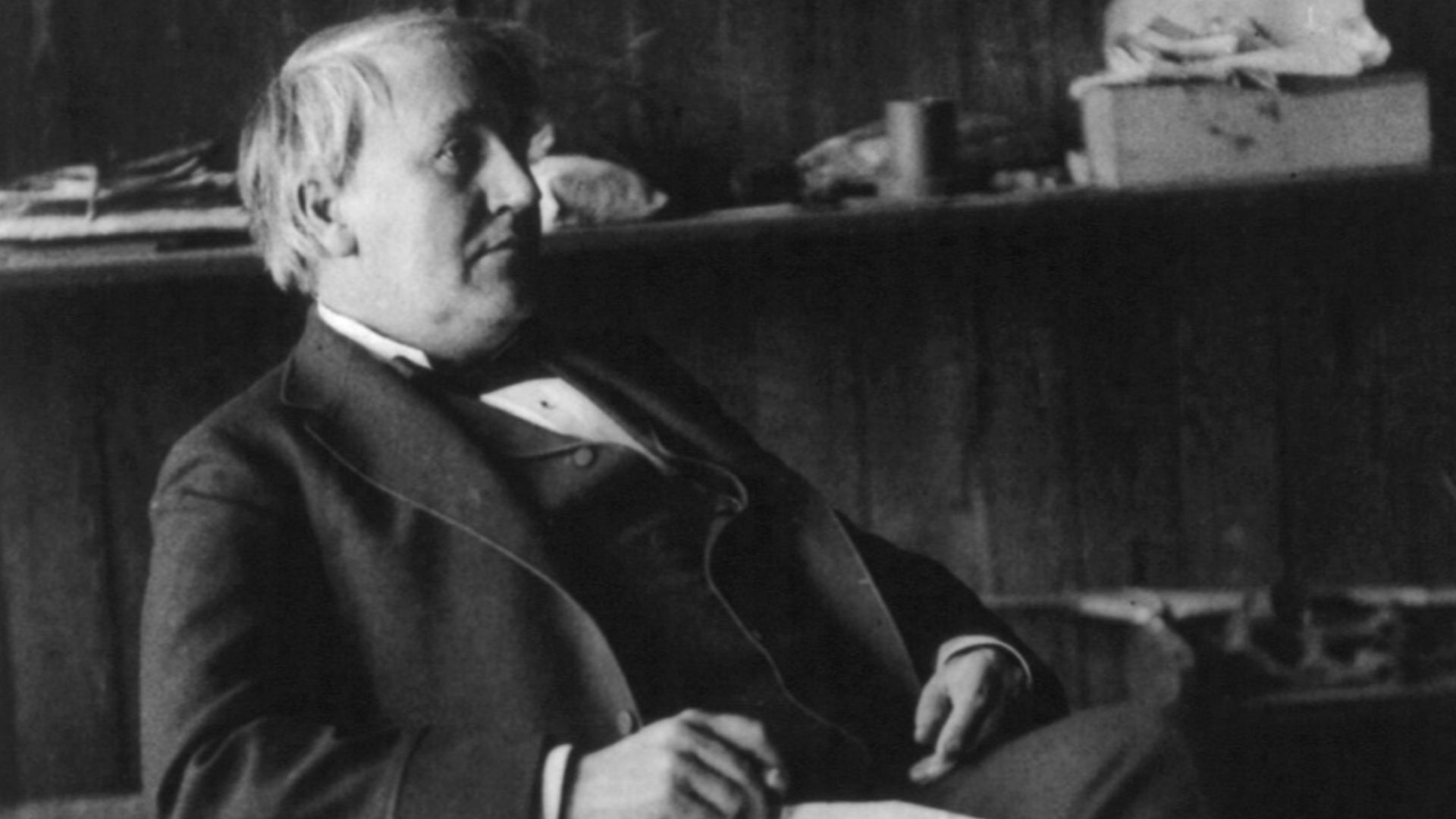
Edison’s growing success came with huge publicity, and he worked very hard to tailor his image. He prohibited access to his laboratory to members of the press and public alike and made sure to convey a certain tone in interviews that would inspire intrigue in his work. But he contributed publicly, too.
 Miscellaneous Items in High Demand, PPOC, Library of Congress, Wikimedia Commons
History's most fascinating stories and darkest secrets, delivered to your inbox daily.
28. He Founded A Journal
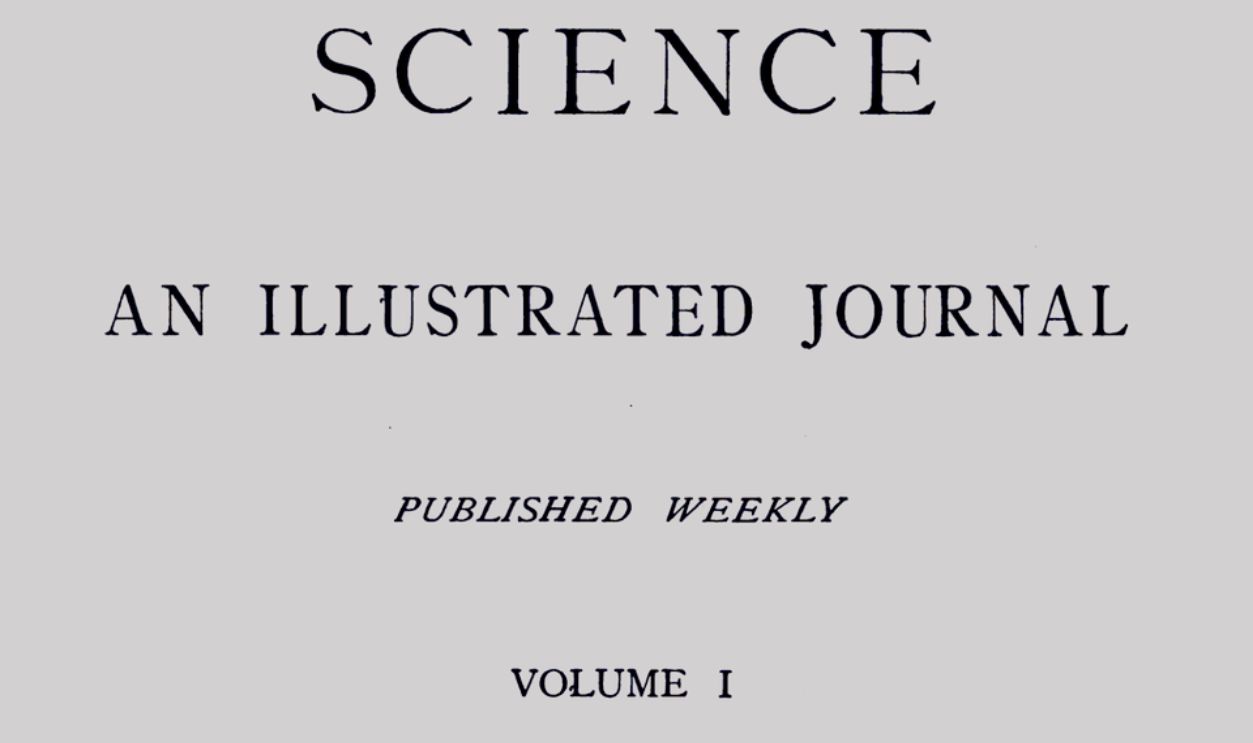
Wanting to expand his public involvement, Thomas Edison founded the academic journal Science, with the first volume published in 1880. The journal is still going today and is considered one of the world’s foremost authorities on issues in science. Edison stayed on anonymously as chief editor for three years, primarily using the journal as a mouthpiece to promote his own works, but eventually gave up his position in 1883 because of the publication’s lack of profit. He returned his focus to the lab.
 University of Michigan Library, Wikimedia Commons
29. He Expanded
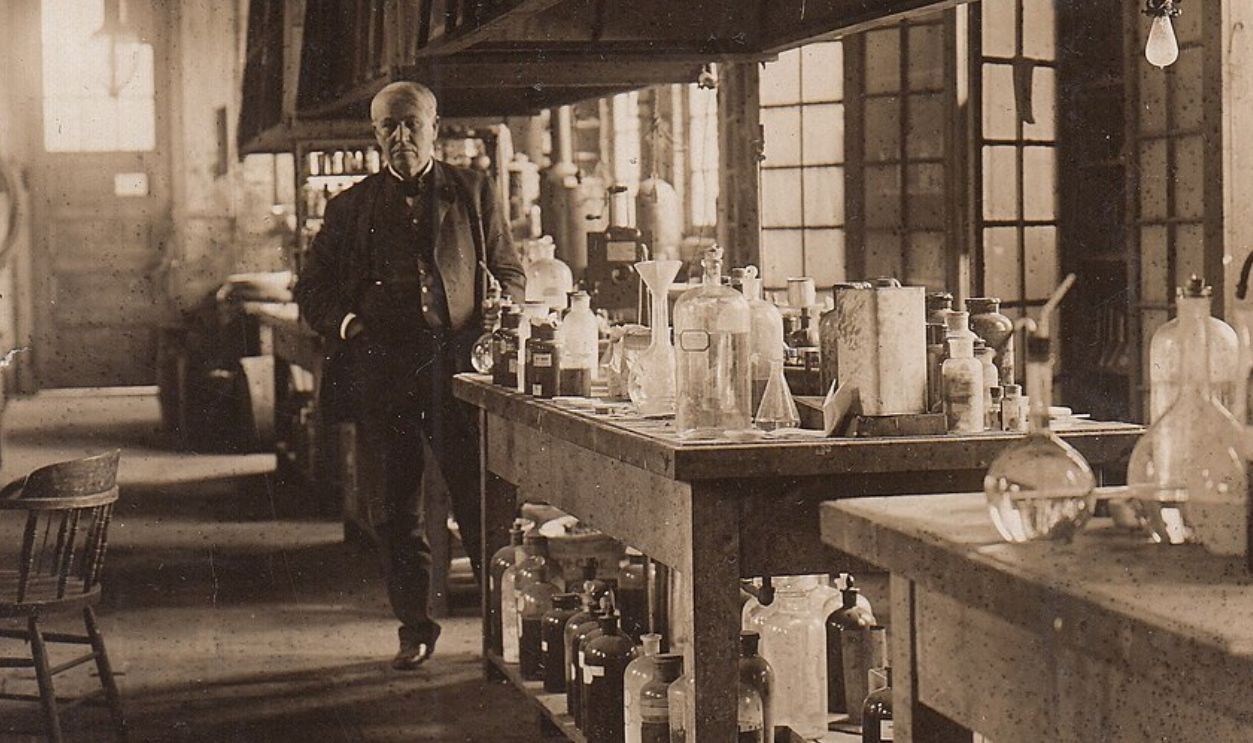
Over the next decade, Edison’s lab would massively expand, eventually occupying two city blocks. It expanded on the inside too, with an explosion in inventory. Following Edison’s desire to possess “a stock of almost every conceivable material”, by 1887, the lab contained over 8,000 chemicals, a variety of screws, needles, cords, and wires, all kinds of animal products, and even a supply of human hair. Edison also took on the other big names of his era.
 English: Geo. Grantham Bain [George Grantham Bain], Wikimedia Commons
30. He One-Upped His Rivals
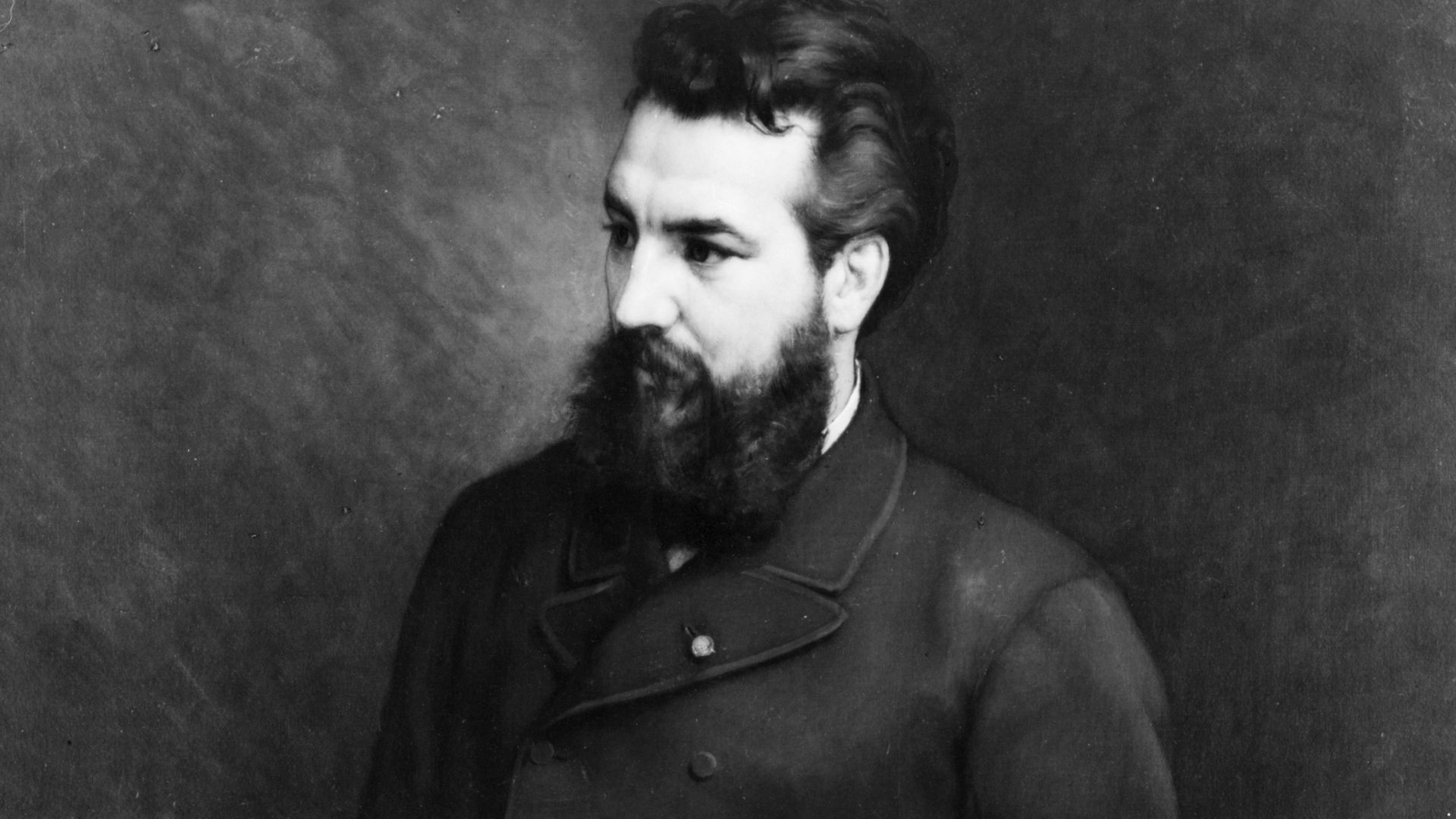
One of Edison’s most notable contemporaries was Alexander Graham Bell, and the two men developed something of a rivalry. After Bell invented the telephone, Edison was eager to compete with him in the communications technology field. Believing the worst quality of Bell’s invention to be the microphone, Edison set to work trying to improve this aspect. But his pursual of this would lead him down an even more exciting technological path…
 Timoléon Marie Lobrichon, Wikimedia Commons
31. He Revolutionized Sound
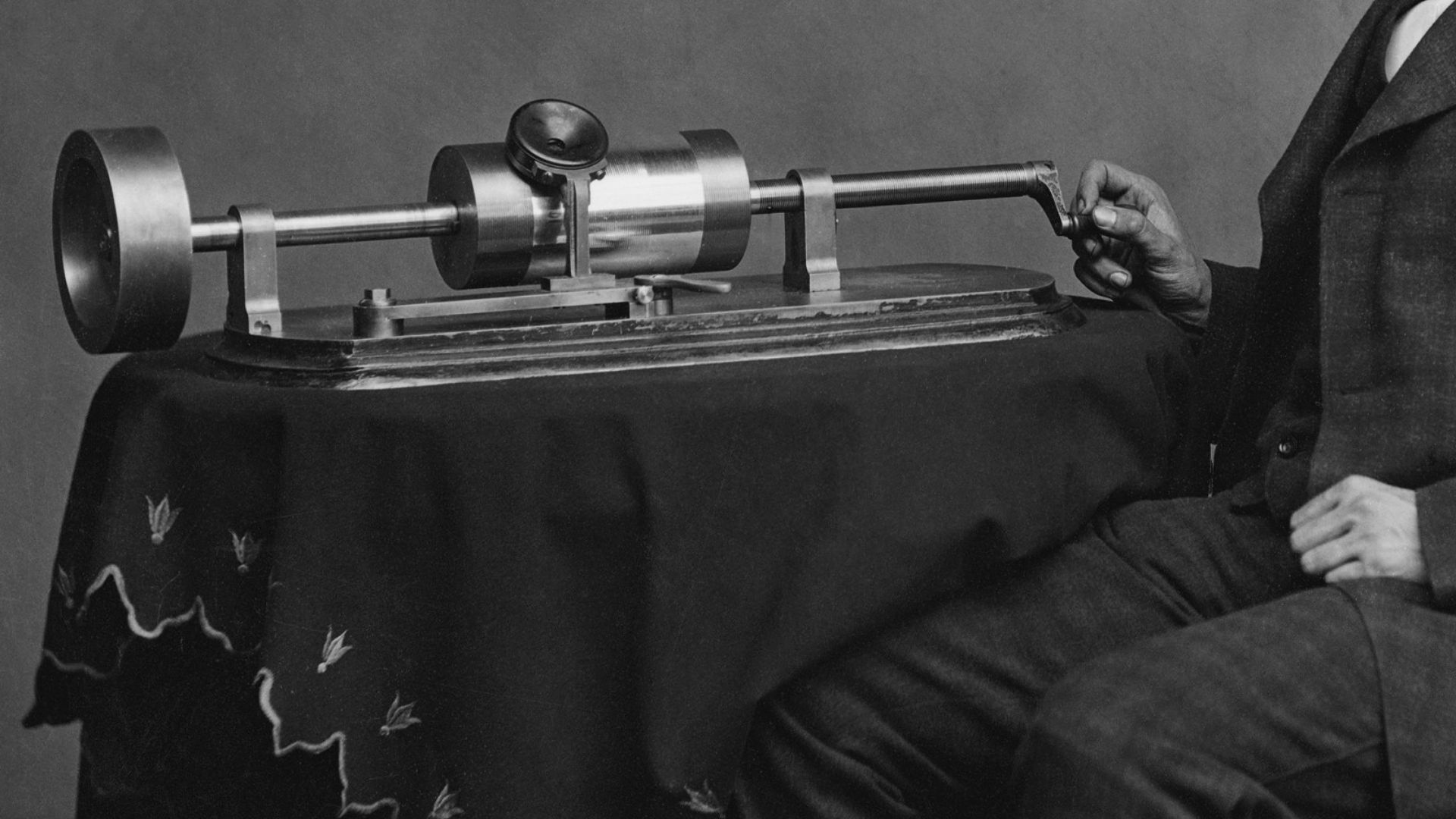
Through his attempts to improve on Bell’s microphone, Edison invented the very concept of sound recording—basically by accident. In 1877, he introduced the phonograph, a device for the mechanical and analogue reproduction of sound. The invention would completely revolutionize music and spawn the recording industry. Edison knew he had a hit.
 Levin C. Handy (per http://hdl.loc.gov/loc.pnp/cwpbh.04326), Wikimedia Commons
32. He Hawked His Wares
To promote his phonograph, Edison whipped up a vigorous public awareness campaign, engaging journalists to cover the product and performing many public demonstrations. Because of the unexpected and seemingly magical nature of the device, Edison gained a reputation as “The Wizard of Menlo Park”, with many proclaiming him a genius of his time. Surprisingly, he grew to resent this.
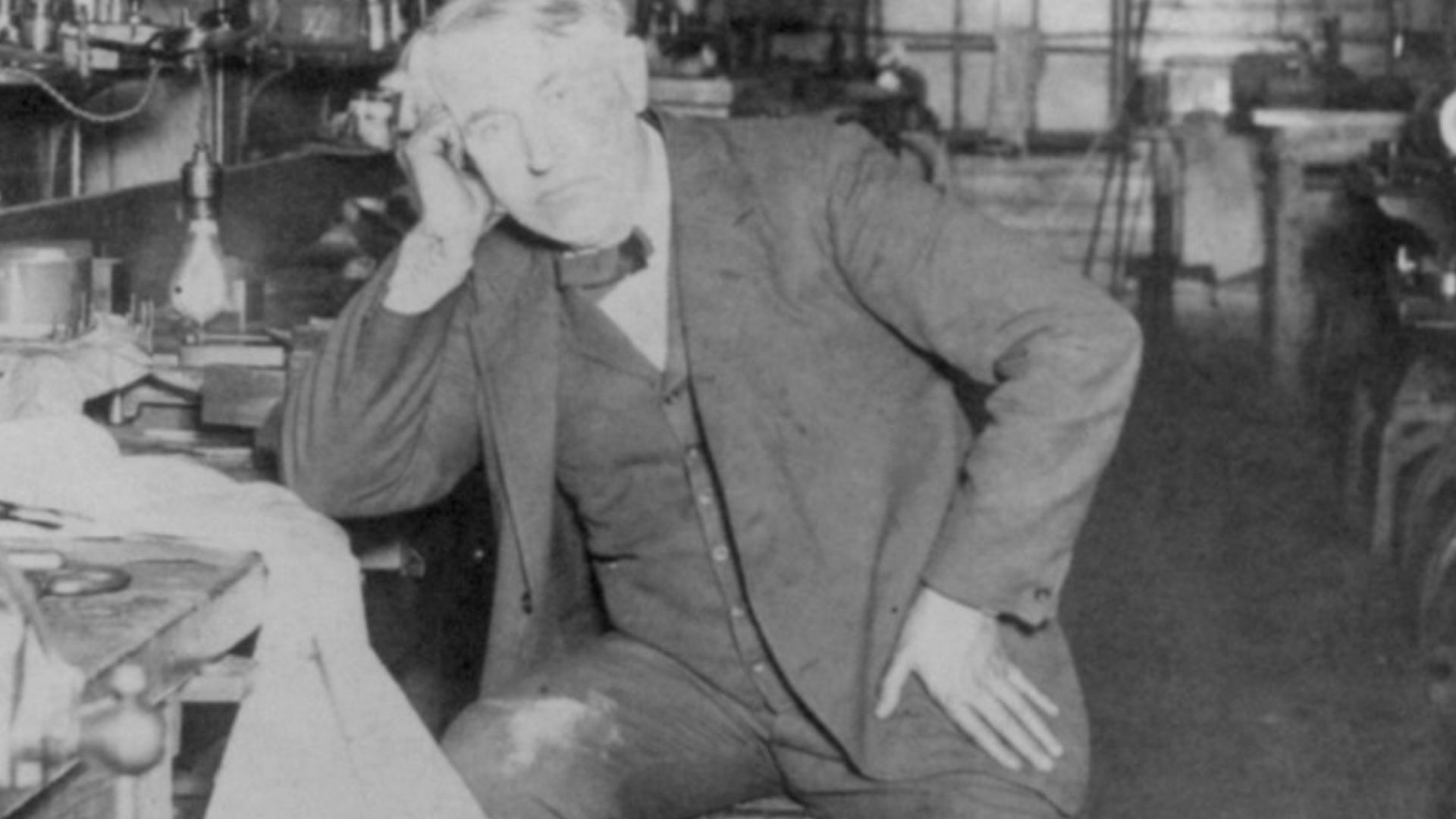 Miscellaneous Items in High Demand, PPOC, Library of Congress, Wikimedia Commons
33. He Wanted Recognition
Edison denied he was a genius, instead preferring to be recognized for his tireless work ethic and elbow grease. The man himself, in his assessment of his "secret", summed up his admirable position on hard work over aptitude as “one percent inspiration and 99 percent perspiration”. Indeed, it was a long road to profitability for the phonograph.
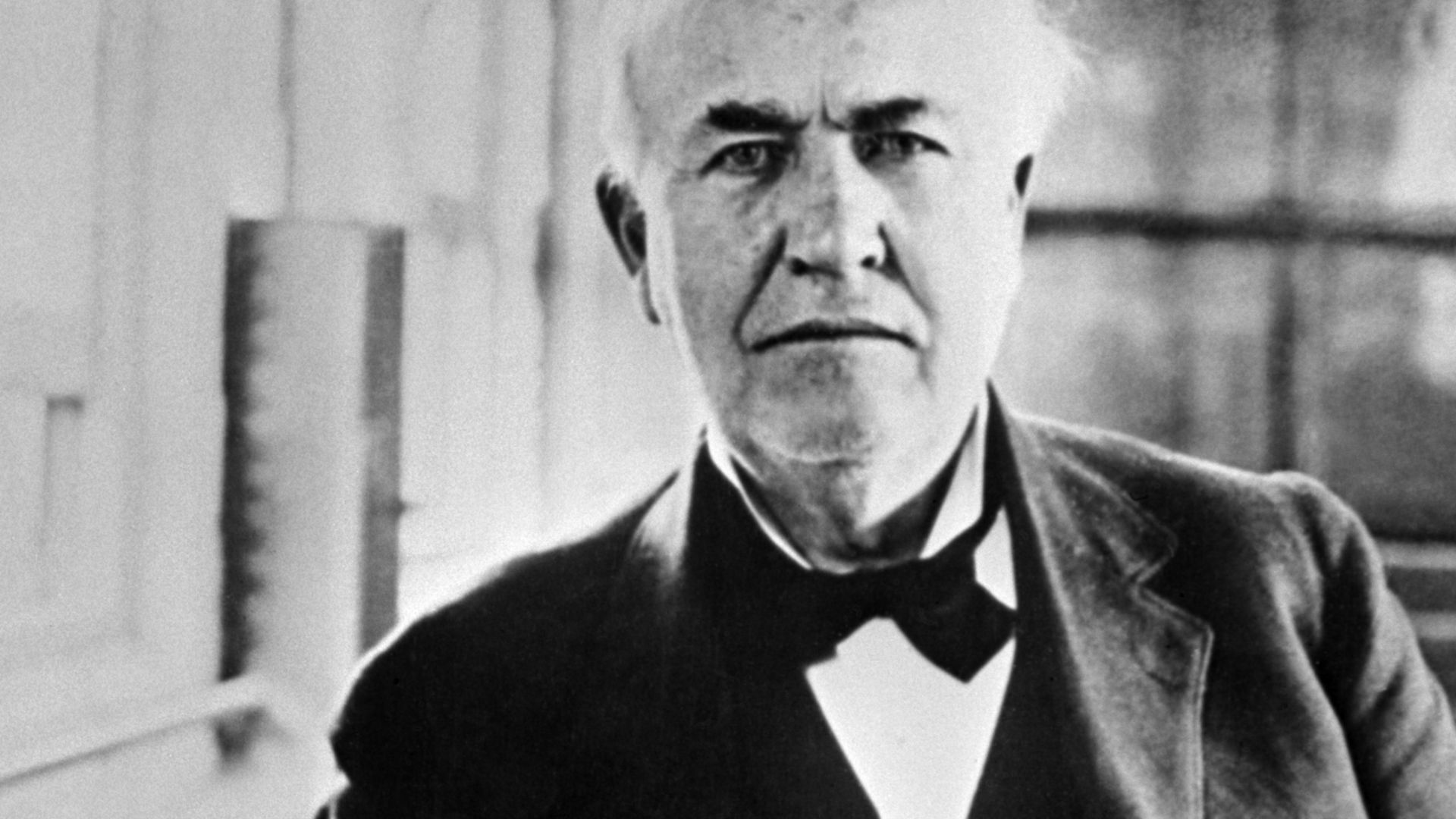 Unknown photographer, Wikimedia Commons
History's most fascinating stories and darkest secrets, delivered to your inbox daily.
34. He Had Some Wild Ideas
Despite the impressiveness of the technology, Edison struggled for a long time to bring the phonograph to market. The main technological hurdle was with the durability of the recording material; he hadn’t quite figured out its prolonged use without wearing the phonograph’s needle down.
He sought alternate solutions, and some bordered on the absurd: one idea saw him attempting to pivot to talking dolls with miniature phonographs inside them. He would eventually figure it out with records, though the inventor himself would prove a hurdle there.
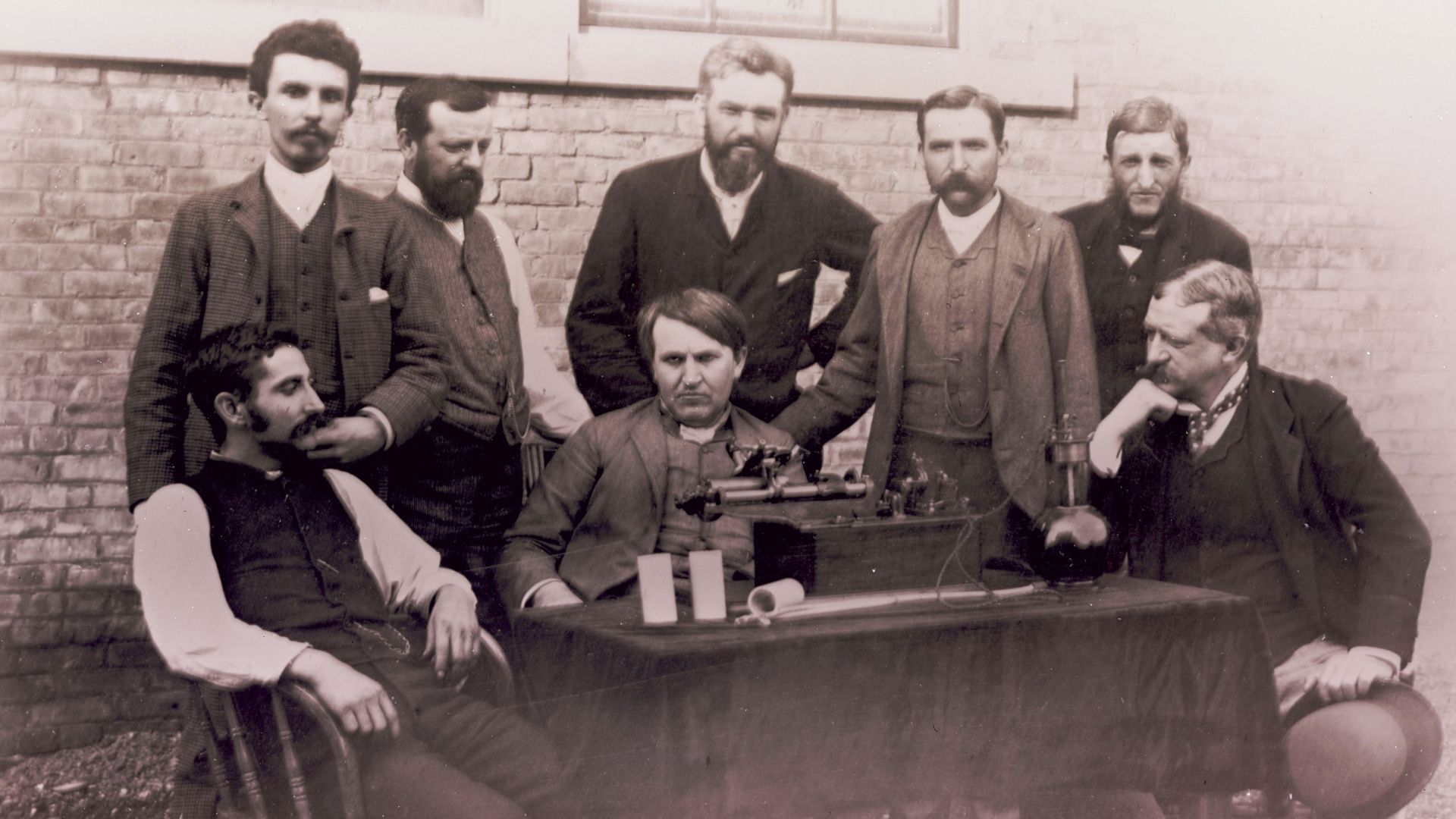 Unknown authorUnknown author, Wikimedia Commons
35. He Gatekept Music
Edison’s phonograph would eventually find primary use for entertainment, playing musical records. The inventor initially exerted close control over which records would be produced, however. Despite having no musical training and being partially deaf, Edison required every musical artist personally approved by him for recording, only wanting artists that appealed to his taste to be associated with the product. Sound was not the only area he succeeded in, of course.
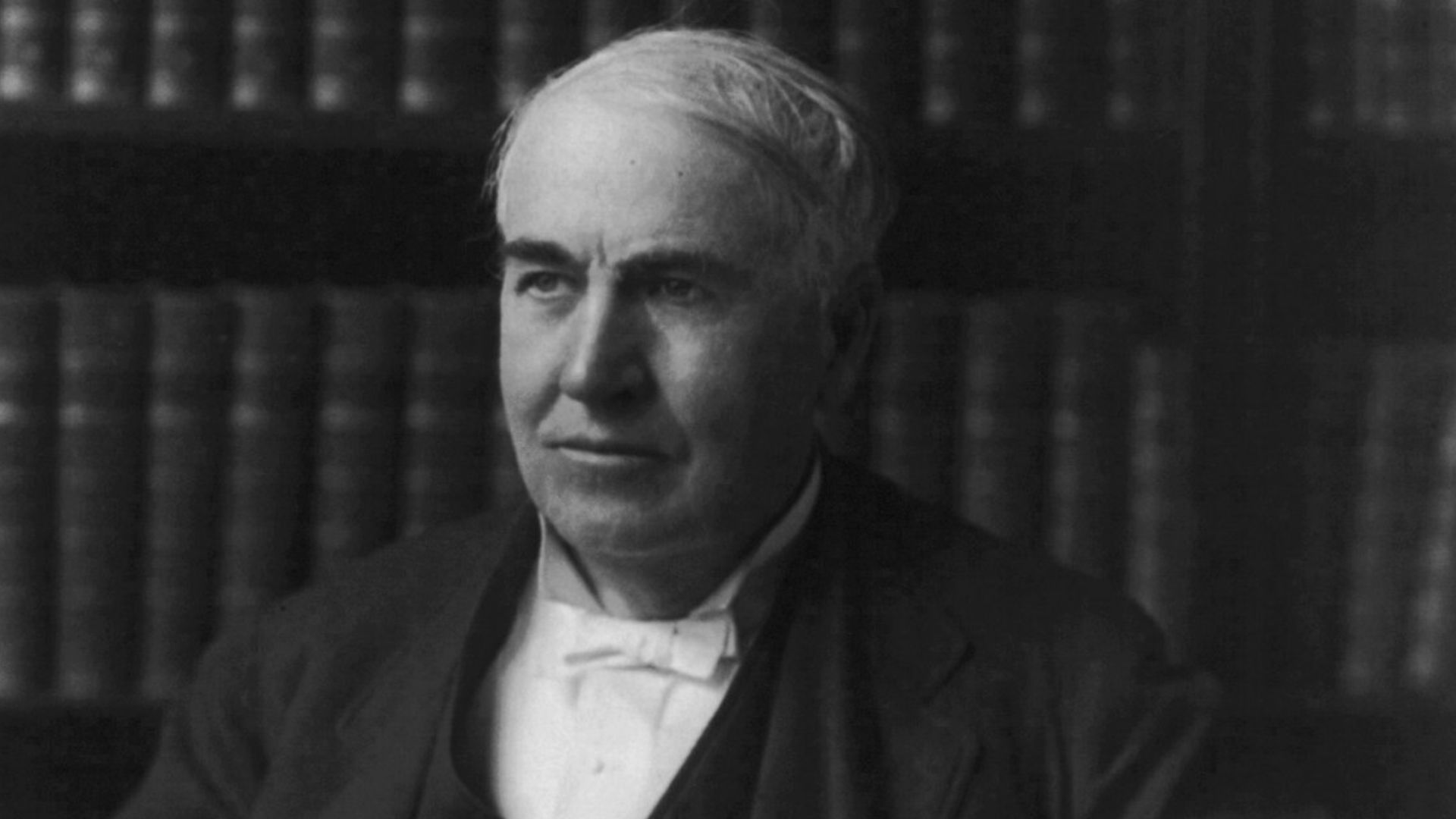 Miscellaneous Items in High Demand, PPOC, Library of Congress, Wikimedia Commons
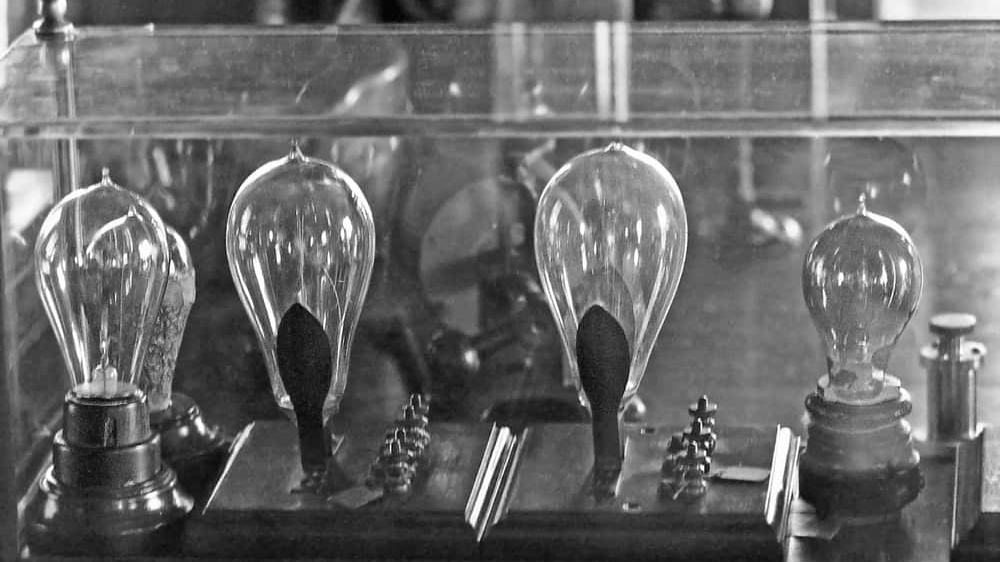
36. He Lit Up The World
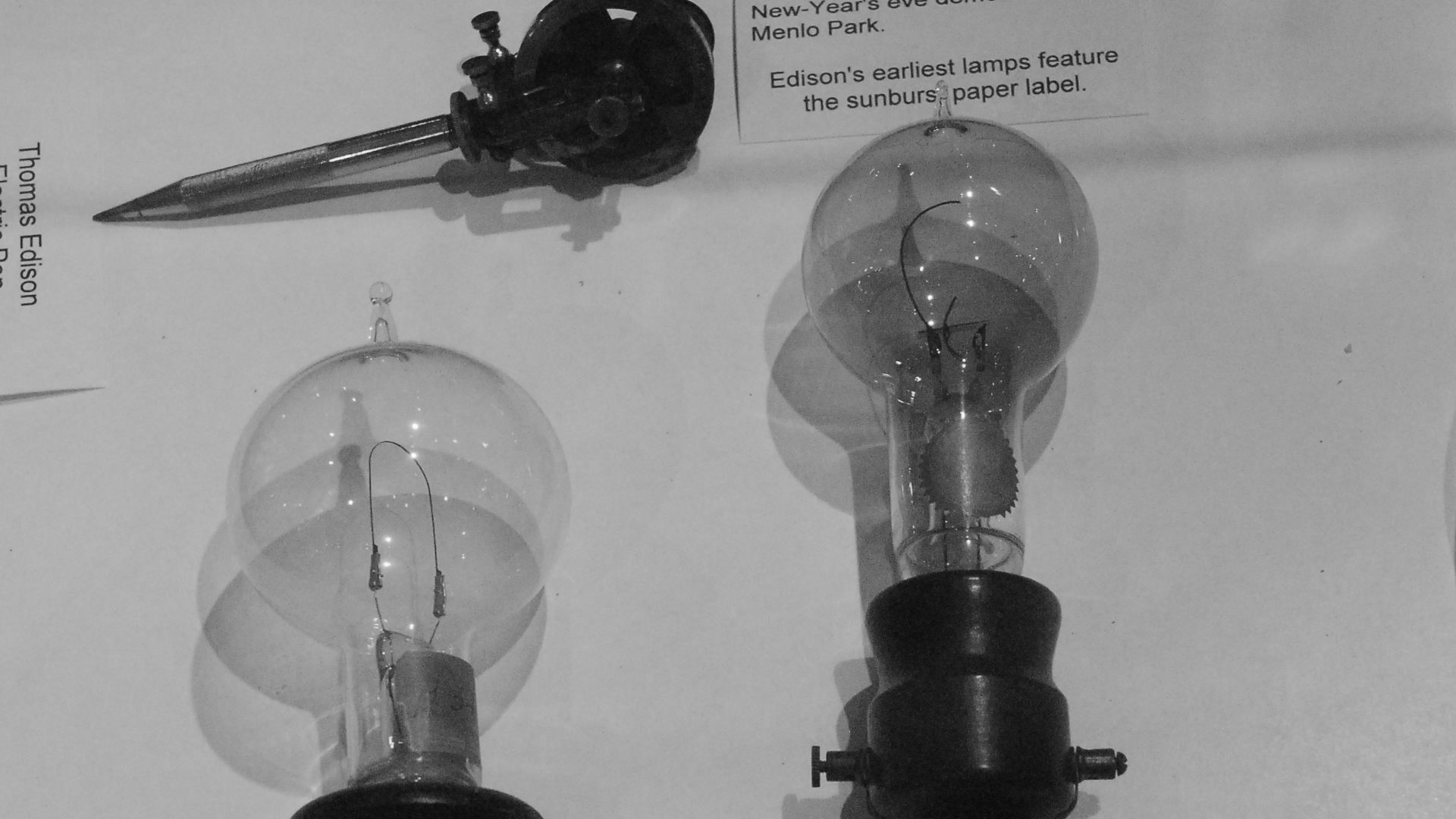
In 1878, Edison sought to compete with gas and oil-based lighting by harnessing the power of electricity. In doing so, he completely upended the planet through his development of electric power generation, best epitomized by his most well-known invention: the incandescent light bulb. From this, he developed a system of large-scale electrical illumination—though it began with a sputter.
37. His Technology Was Unnoticeably Good
Edison secured a contract to supply electric lighting to the homes of 946 Manhattanites, and on September 4, 1882, he turned on his system. The reaction was…anticlimactic, with some even coming to Edison to ask why the system had not yet been turned on. It had been—Edison’s technology was so good, however, that people hardly noticed the difference at all between the electric lights and gas lights they had previously used. It was time to upscale.
 HumanisticRationale at English Wikipedia, Wikimedia Commons
38. He Went Big
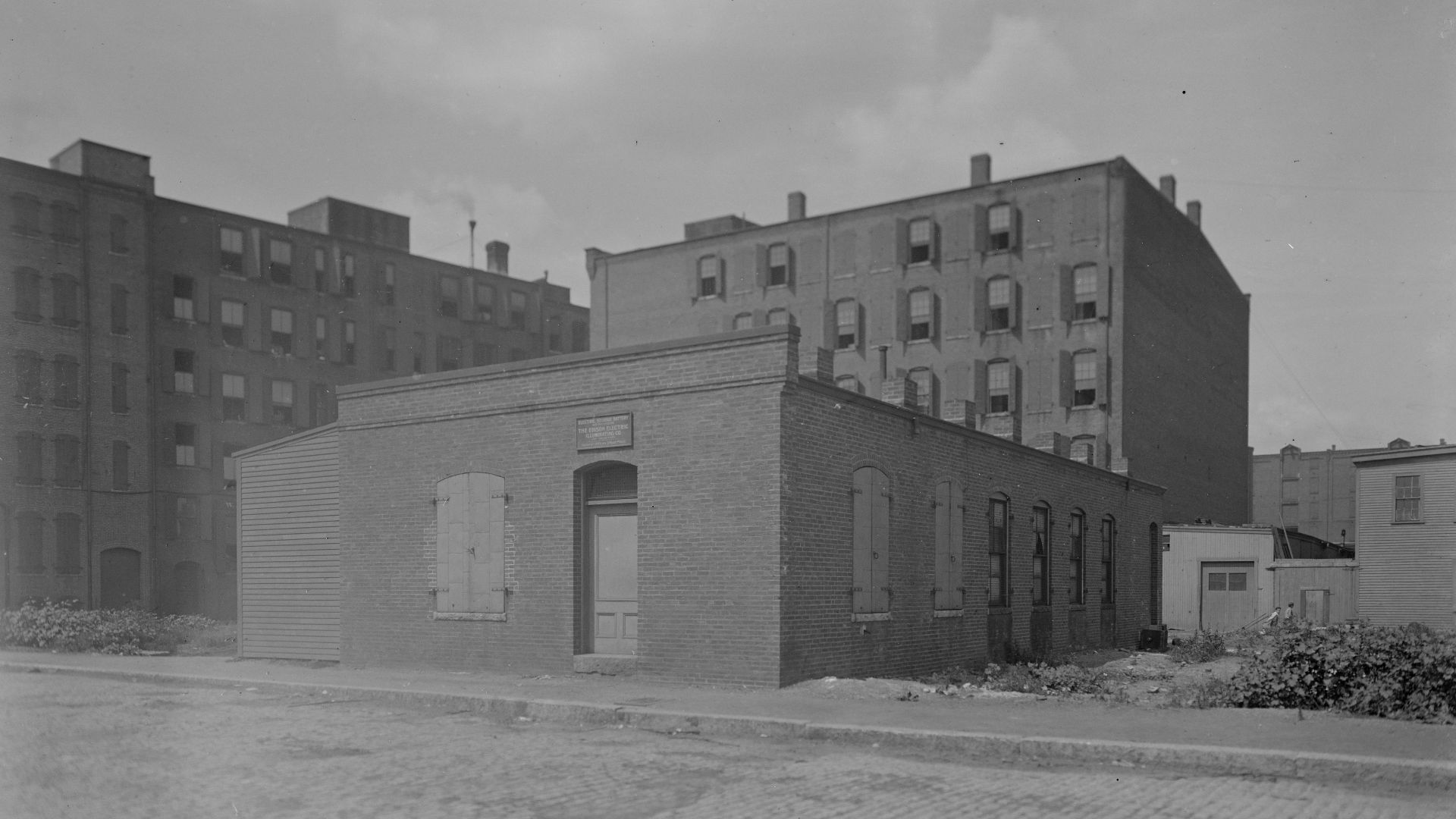
Edison went on to develop a wide-scale electric utility that left gas light utilities in the 19th century. He founded the Edison Illuminating Company and patented a system for electricity distribution, changing the world forever. The technology was adapted worldwide, a scope only eclipsed by its inventor’s vision.
 Boston Wharf Company, Wikimedia Commons
39. He Diversified
There were few sectors of the industrializing world that Edison ignored. In the late 1870s, the inventor began investing in the development of experimental mining operations. Expanding both the industry and the technology, and after a few fits and starts, the venture proved enormously profitable for Edison. This was not the case for his employees.
 English: NPGallery, Wikimedia Commons
History's most fascinating stories and darkest secrets, delivered to your inbox daily.
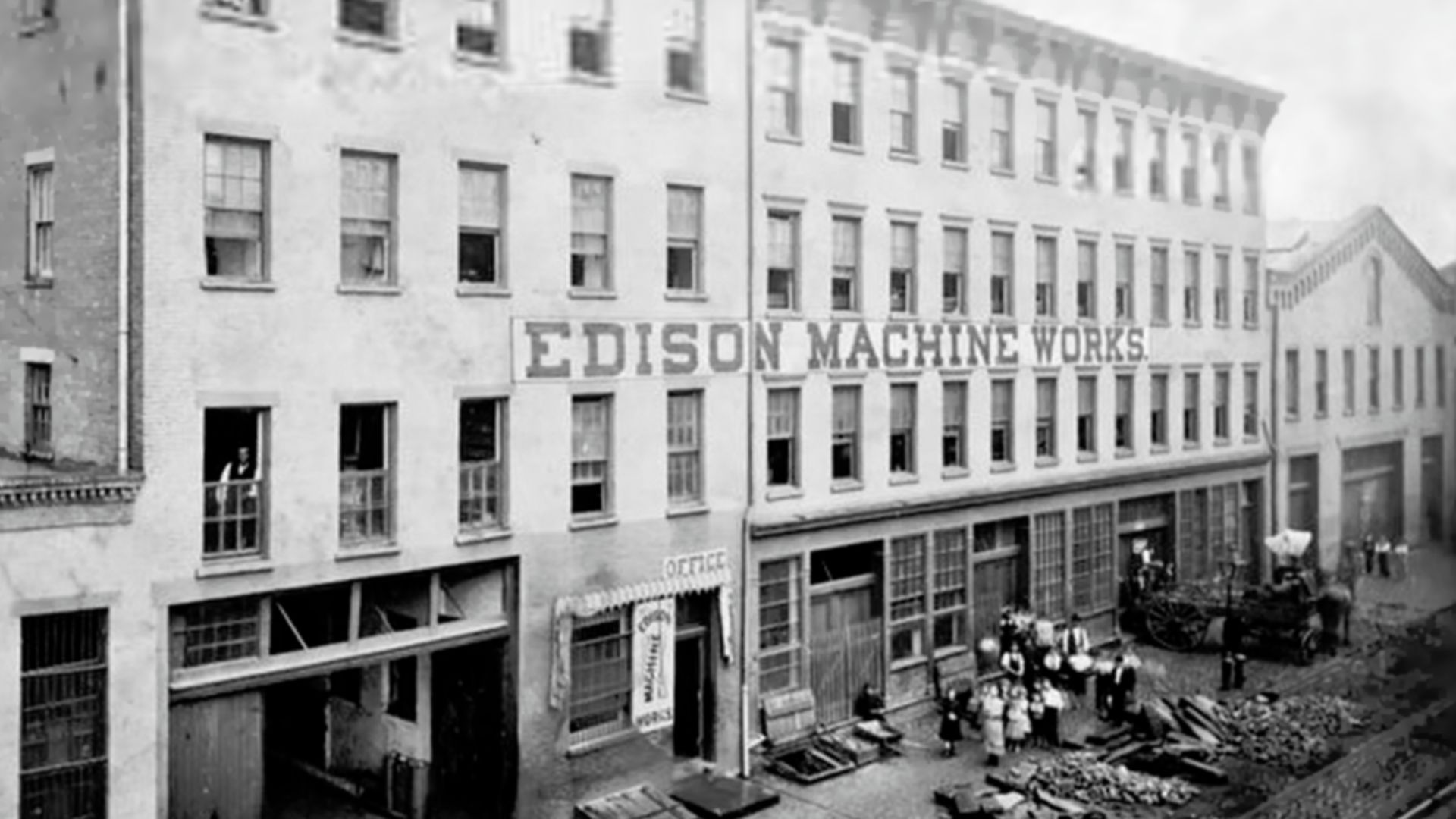
40. His Workers Fought Back
The spring of 1886 saw the first, long-overdue labor strike against Edison, at his manufacturing center in New York City. There, employees worked ungodly hours for which he paid them no overtime, and they had enough. However, in true capitalist fashion, Edison refused to negotiate with the striking workers and instead closed the factory and moved it elsewhere, costing the workers their jobs. It was far from the only time he’d spat in the face of his laborers.
 Charles L. Clarke (1853 – 1941), Wikimedia Commons
41. He Dismissed Safety
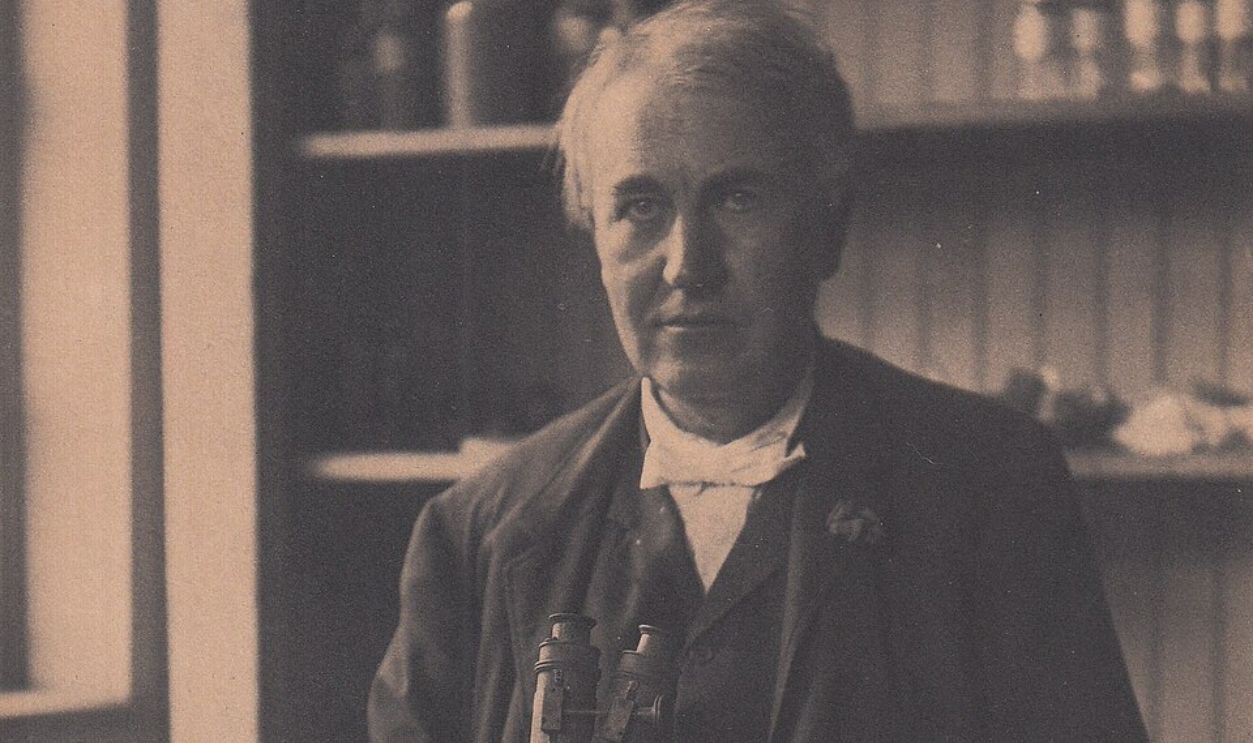
Over the years, many of Edison’s employees fell victim to his experiments. Working with dangerous materials and physical phenomena like electricity, countless numbers of workers got injured, and, in the worst cases, some even lost their lives. For Edison, it was merely a price to pay for success. And the success didn’t slow down.
 English: NPGallery, Wikimedia Commons
42. He Expanded Entertainment
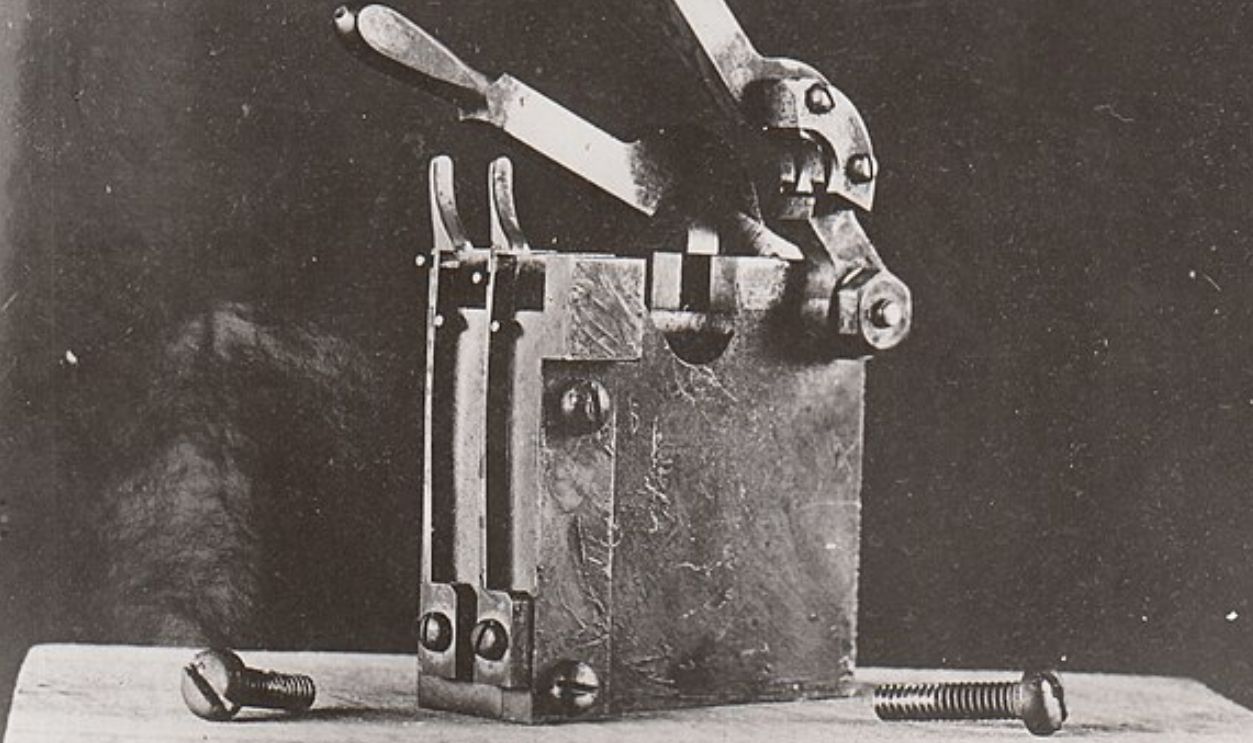
Adding to his growing list of revolutionary tech, Edison turned his sights on a camera “to do for the eye what the phonograph does for the ear”. Working with employee William Kennedy Dickson (who, truthfully, deserves most of the credit), the two men invented the motion picture camera, initially labelled the “Kinetograph”. It was, indeed, a phonograph for the eye, and launched an industry that Edison made sure to capitalize on.
 English: NPGallery, Wikimedia Commons
43. He Invented Hollywood
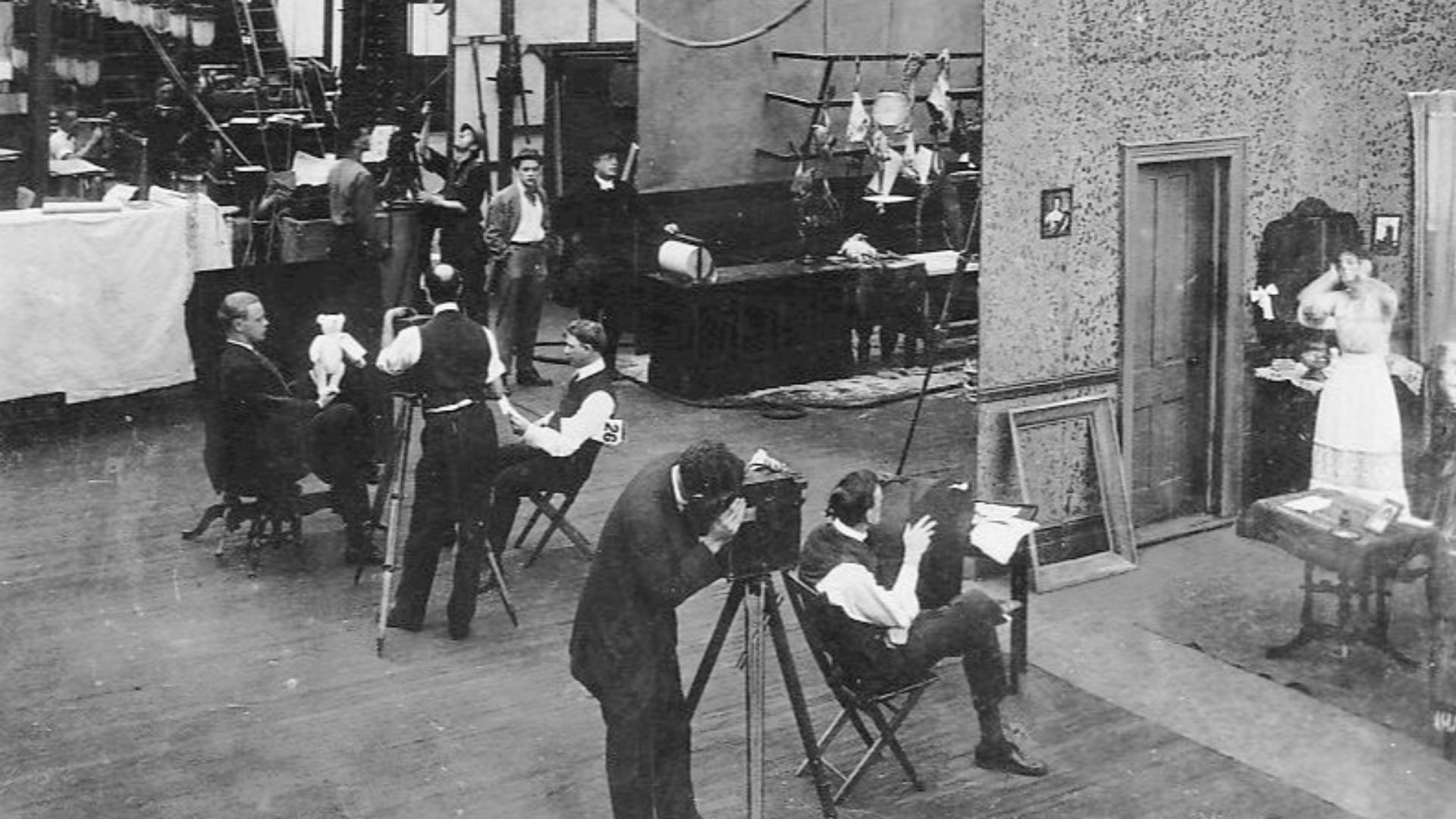
With Edison’s patent for the motion picture camera, he decided he needed material to shoot, and started his own film studio, aptly named Edison Studios. The organization would go on to make almost 1,200 commercial films, launching the movie industry and etching Edison’s name on yet another American cultural institution. For the prolific inventor, the dramatics onscreen matched those offscreen.
 Thomas Edison, Wikimedia Commons
44. He Neglected Home Life
After the first few years of marriage, Edison had begun completely neglecting his wife. By 1882, doctors were concerned about her deteriorating mental health. Tragically, Mary Edison passed on August 9, 1884, at the age of just 29. Within four months, Edison had met Mina Miller and would marry her less than two years later. By then, he was 39, and Mina was 20. The dramatics took a toll on one of his kids.
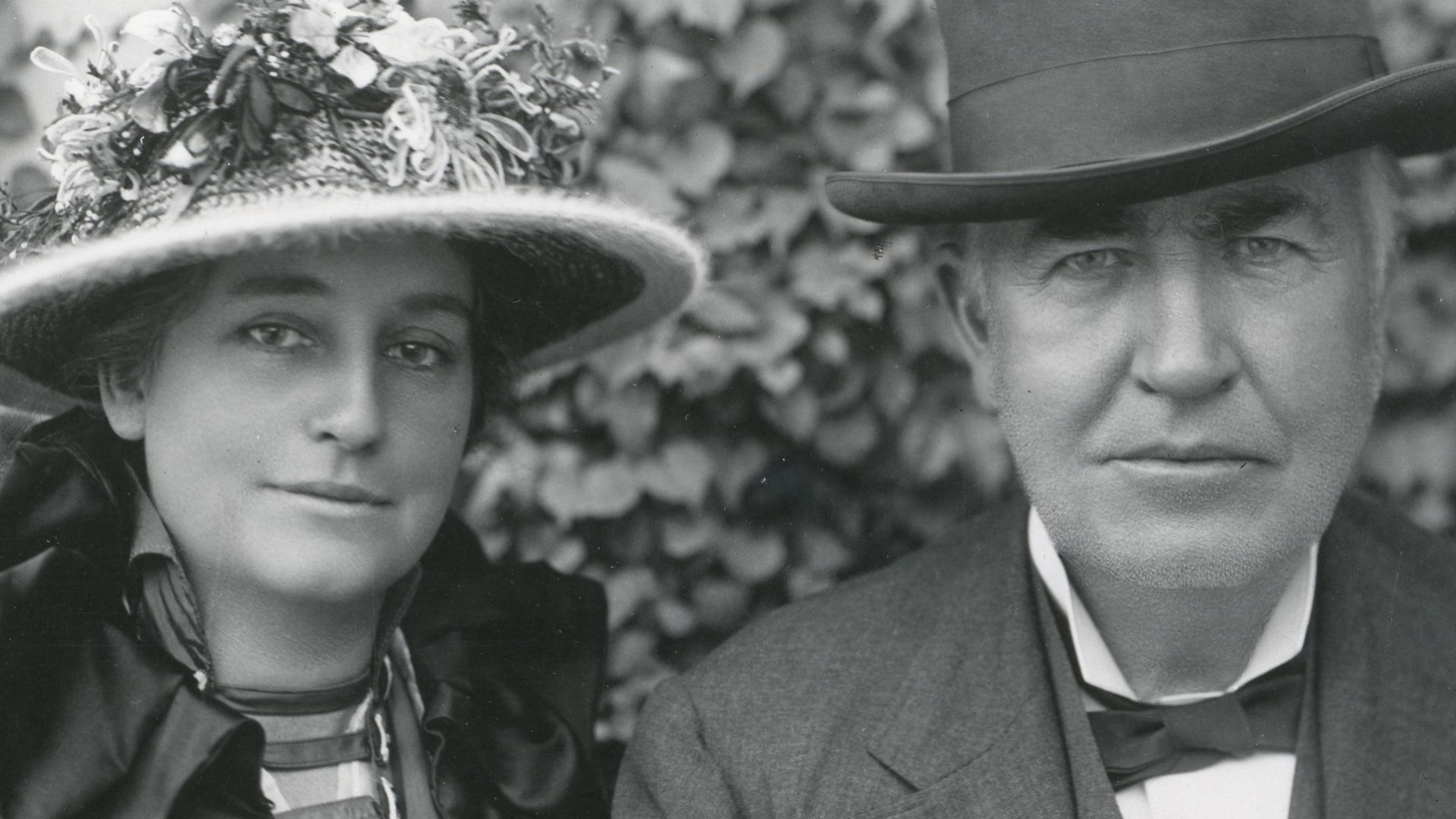
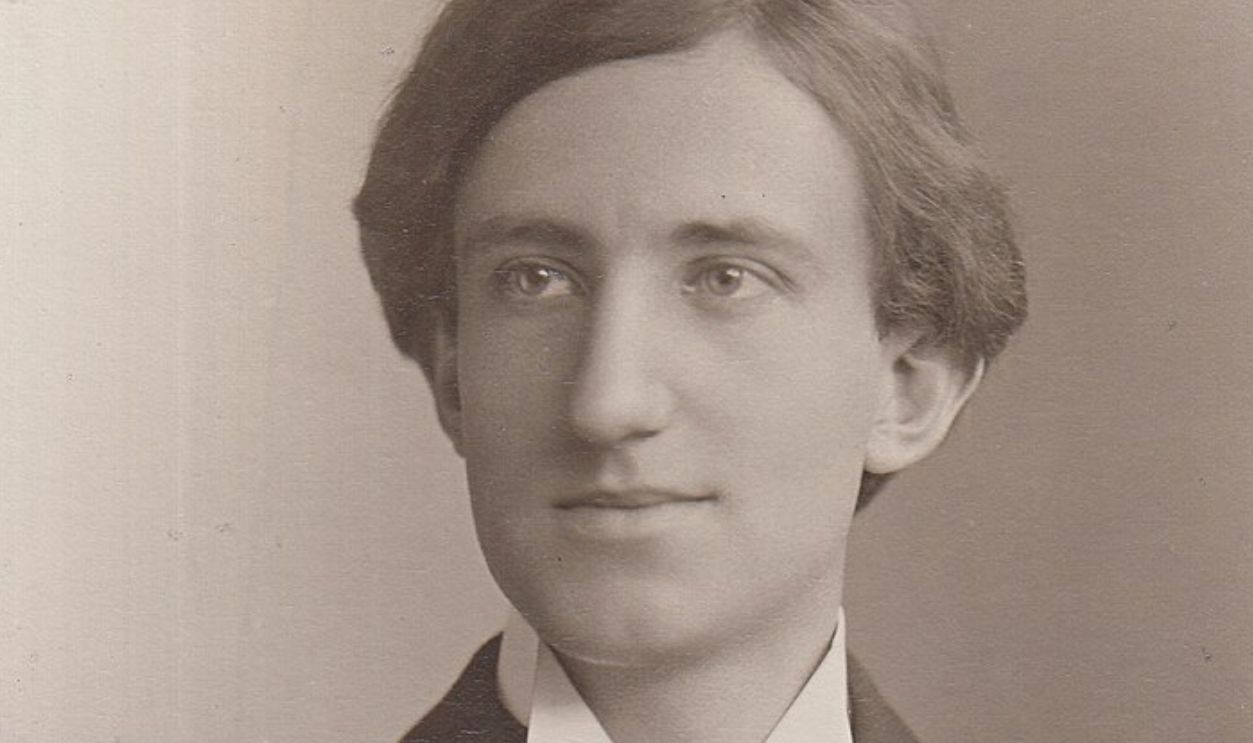
45. He Had A Failson
Edison’s oldest son and second child, Thomas Jr, aspired to be an inventor like his father. Unfortunately, he was far from a chip off the old block, showing no aptitude for the profession and proving more of a liability than an asset for his father’s business.
In the 1890s, Thomas Jr hawked snake oil products for fraudulent enterprises, using his father’s name to add credibility to the shady ventures. Edison ended up taking his son to court to mitigate the reputational damage, eventually agreeing to simply pay him an allowance. Thomas Jr continued to struggle with depression and substance issues, and so, his father found connection in the company of friends.
 English: N.J. Brady - Orange, Wikimedia Commons
History's most fascinating stories and darkest secrets, delivered to your inbox daily.
46. He Had A Bromance
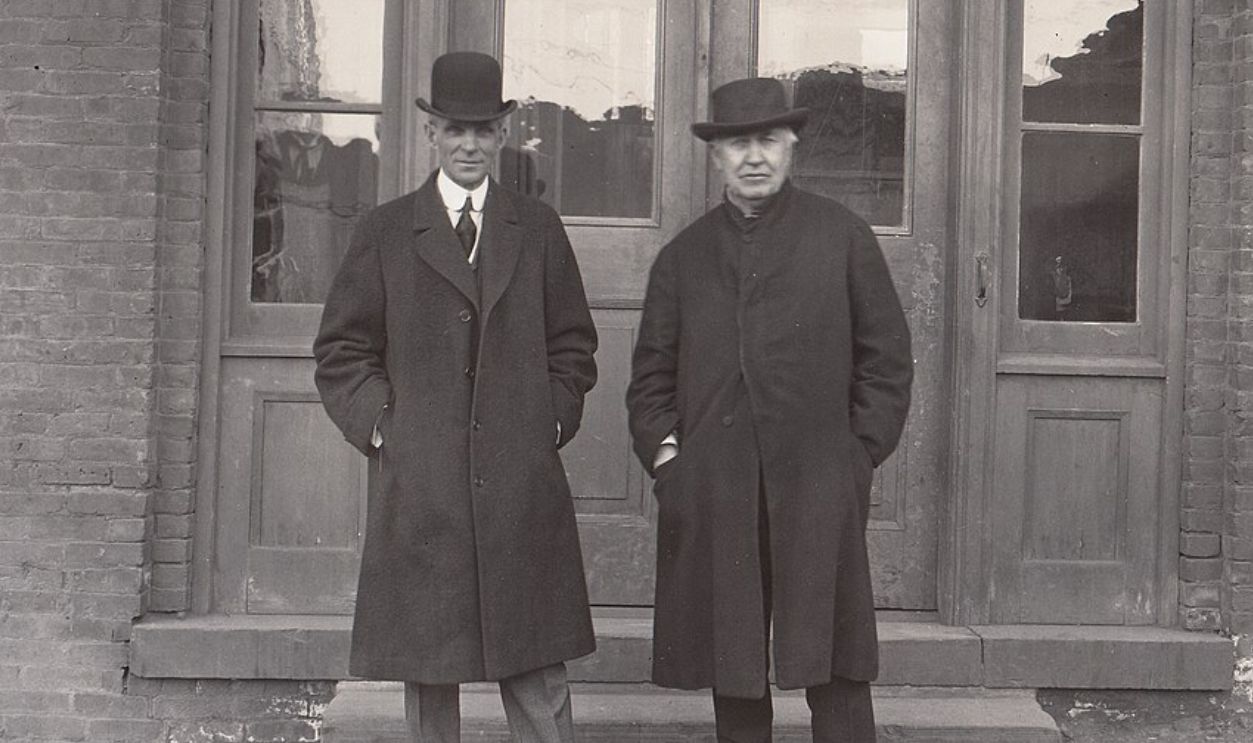
Edison first met Henry Ford in 1896, while the future auto magnate was working for Edison Illuminating Company. Impressed with his automobile tinkering and ambitious attitude, Edison struck up a friendship with Ford that would last to the end of his life.
They would later go into business together and, in Edison’s latter years, the two men lived a few hundred feet away from one another, taking annual camping trips together. Indeed, the inventor probably appreciated the company in his waning years.
 English: NPGallery, Wikimedia Commons
47. He Had Health Issues
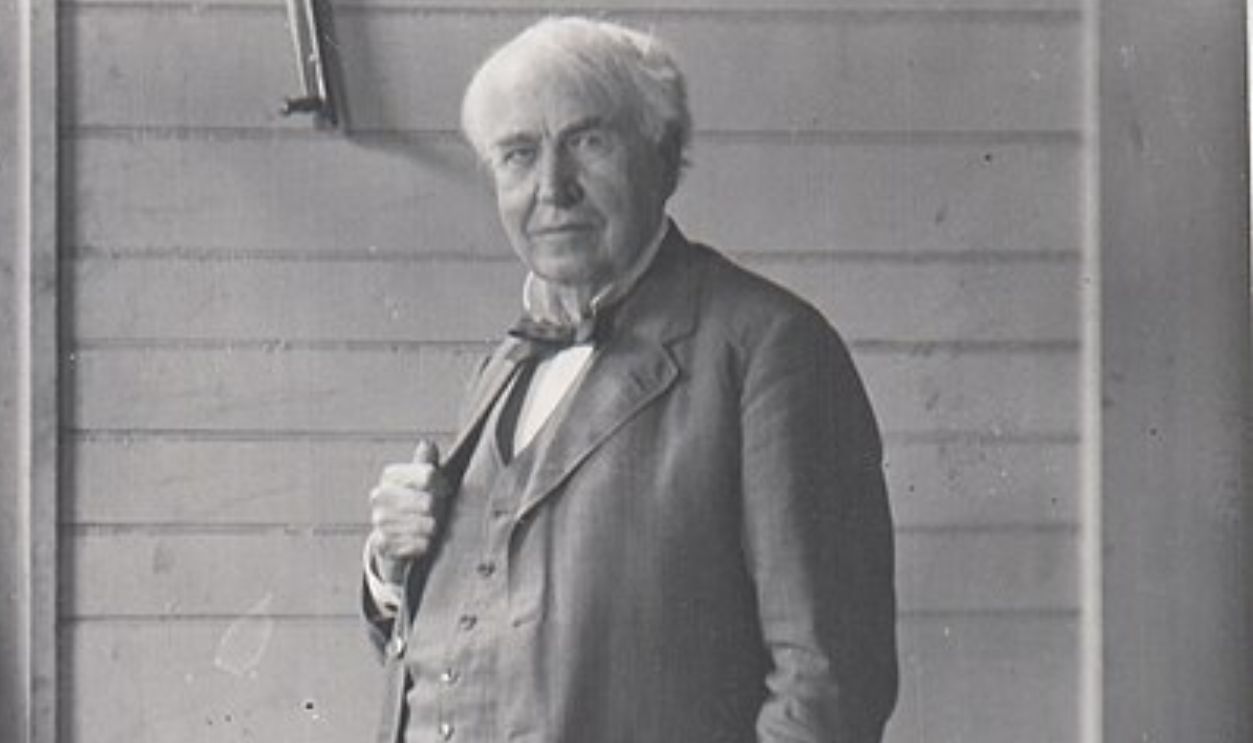
Edison was diagnosed with diabetes in the 1890s, and the ailment would increasingly affect him as he grew older. It worsened significantly in the final years of his life and, combined with his daily habit of chewing tobacco, sounded a knell for the legendary inventor.
 English: NPGallery, Wikimedia Commons
48. He Rested Forever At Home
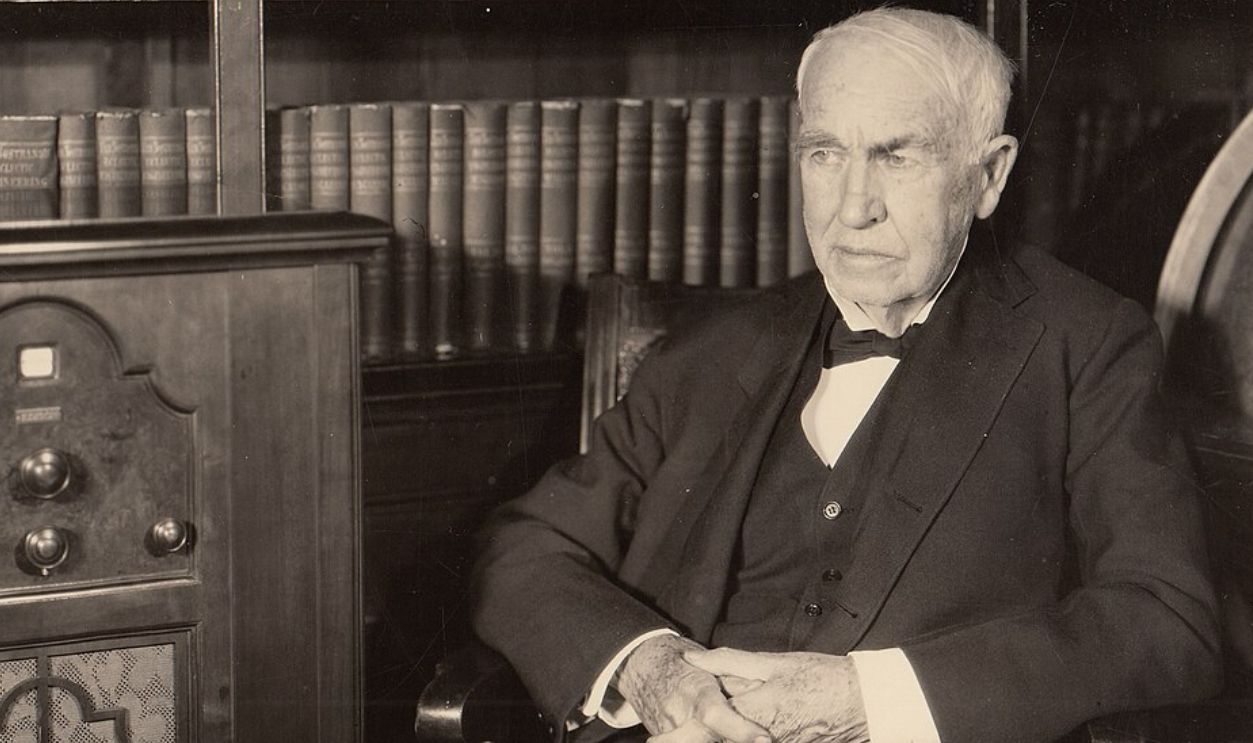
On October 18, 1931, Thomas Edison passed from complications related to diabetes. He was 84 years old and had lived a full life that he could be proud of. Perishing on his beloved Glenmont property, Edison was buried on the grounds, making his home his final resting place. His friend proudly took a keepsake.
 English: NPGallery, Wikimedia Commons
49. He Left A Memento
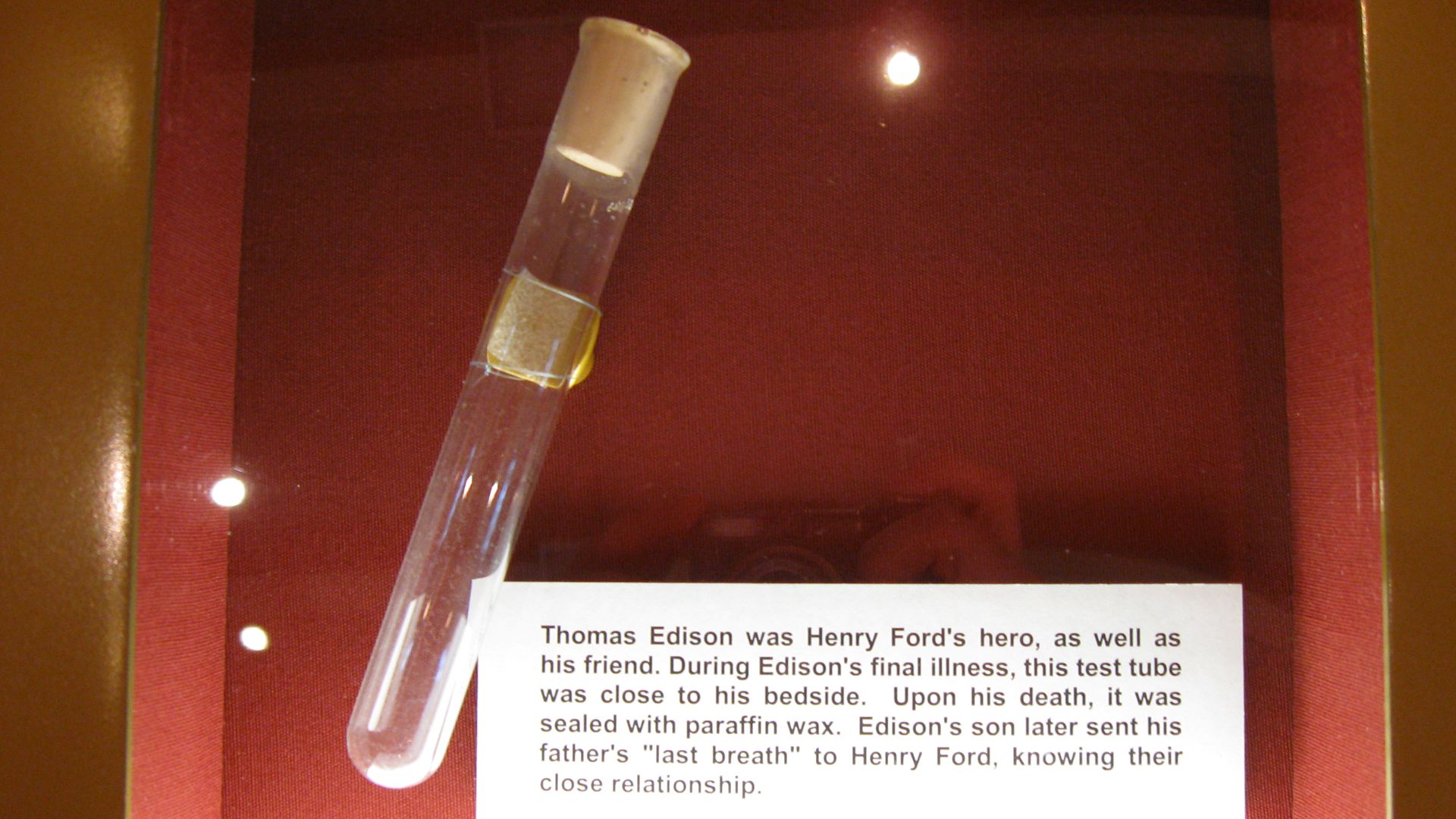
Interestingly, Edison’s last breath got preserved in a test tube, given by Edison’s son to the inventor’s dear friend, Henry Ford. Ford, as a symbol of their friendship, opted to display it in his museum near Detroit, where it can be viewed to this day. It is a touching tribute to a colossal figure of American culture and industry.
 Jeanne from Cincinnati, OH, Wikimedia Commons
50. He Was Prolific
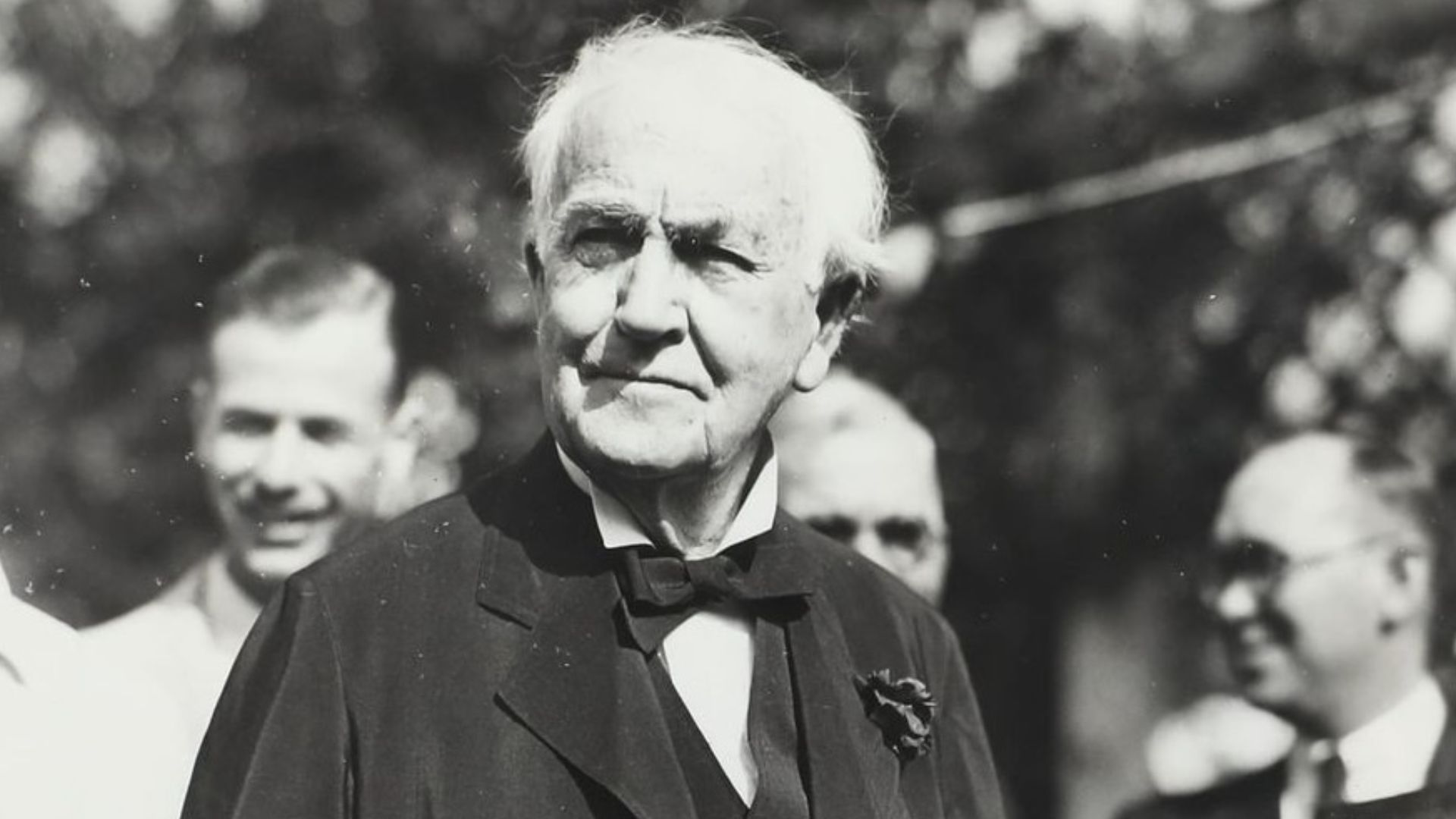
By the end of his life, Edison could count to his name a whopping 1,093 US patents, making him one of the country’s foremost inventors. After a lifetime of tireless work and gallons of elbow grease, Edison comfortably took his place among the pantheon of American figures who defined the country’s rise to superpower status.
 Wide World Size, Wikimedia Commons
You May Also Like:
Superstar Facts About Faye Dunaway, The Tempest With A Temper
Sad And Suspicious Facts About Marie Louise d'Orléans, The Childless Queen Of Spain
Sultry Facts About Claudia Cardinale, The Beauty With Bravado











.jpg?uselang=fr)
.jpg?uselang=fr)
.jpg?uselang=fr)

![English: Geo. Grantham Bain [George Grantham Bain], Wikimedia Commons](https://commons.wikimedia.org/wiki/File:Thomas_Edison_in_the_Chemistry_Laboratory._(eaa54380a1764de1afc85c3e67b5de7e).jpg)
.jpg)
.jpg)
.jpg)
.jpg)
.jpg)
.jpg)
.jpg)