

72. She Was a Modern Princess
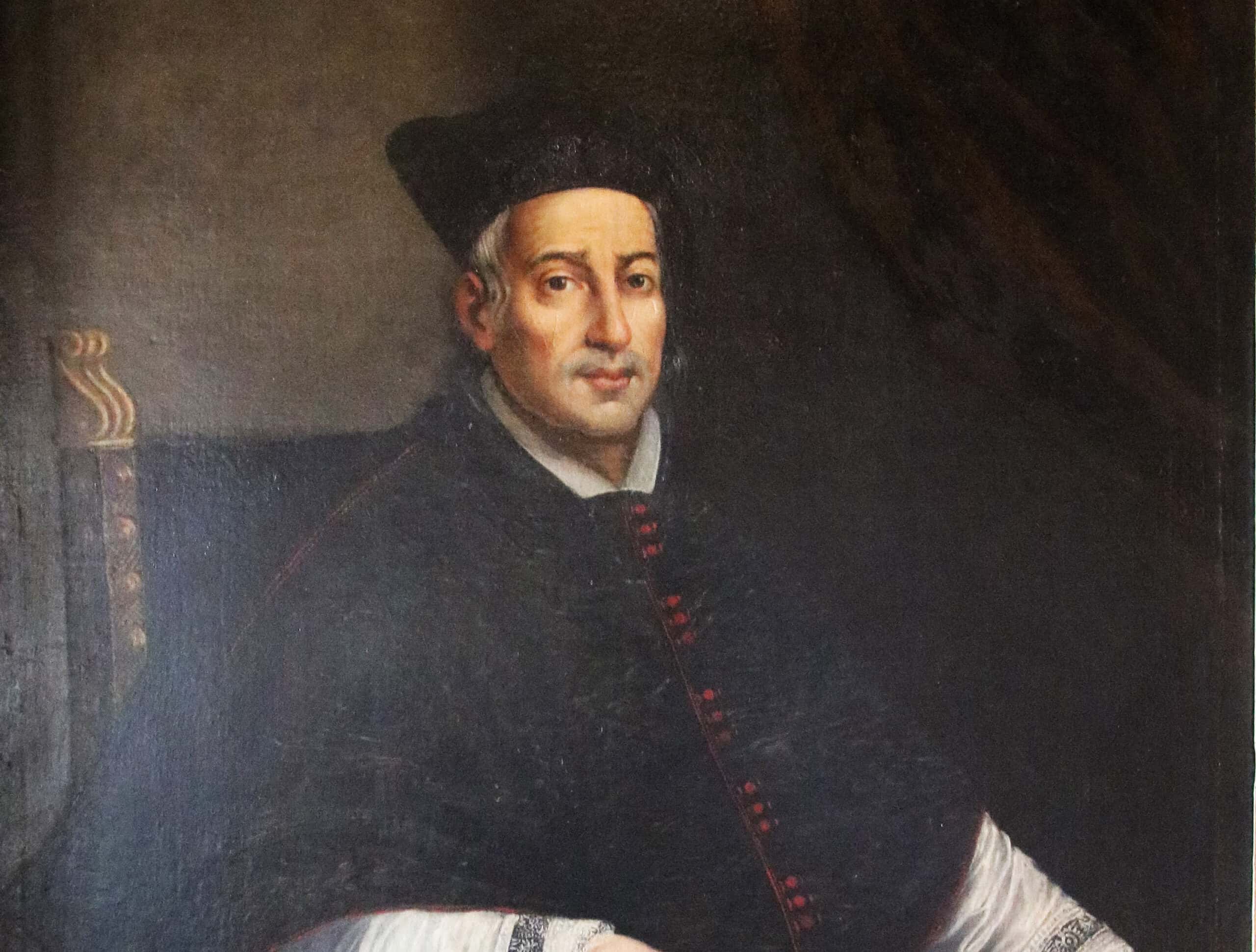
Catherine was among the most well-educated princesses of Europe. Taught by the famed cleric Alessandro Gerladini, the Spanish Princess mastered multiple languages, from Spanish and Latin to French and Greek. In addition, Catherine was schooled in arithmetic, law, classical literature, genealogy, history, philosophy, and theology.
73. Even Her Servants Were Legendary
When Catherine arrived in London for her first marriage, she did it in legendary—and revolutionary—style. Among her retinue were a group of African attendants, including the famous trumpeter John Blanke.
Though grossly considered “luxury servants,” they were nonetheless the first recorded Africans to ever enter London.
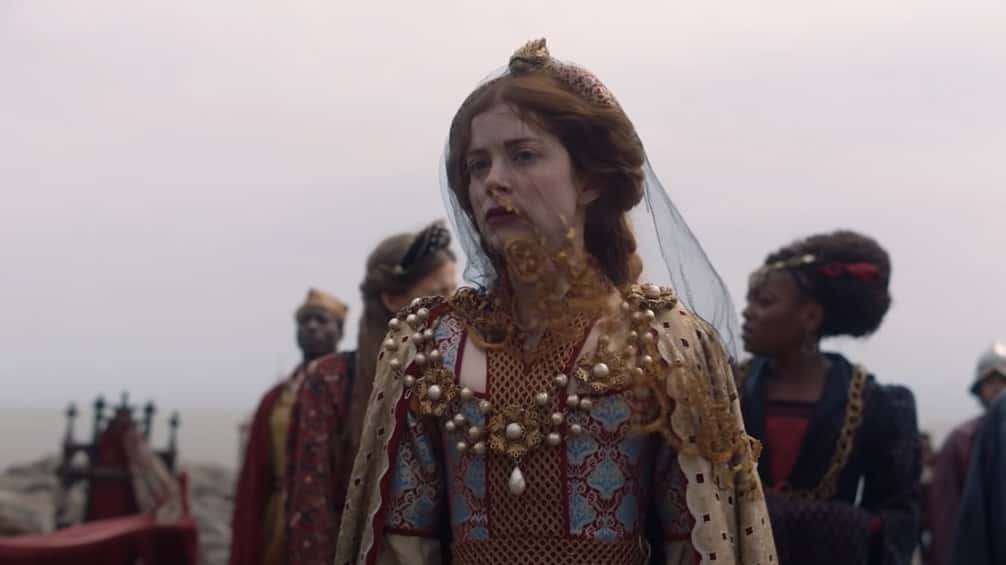 The Spanish Princess (2019– ), All3 Media
74. Henry Gave Her a Chilling Send-off
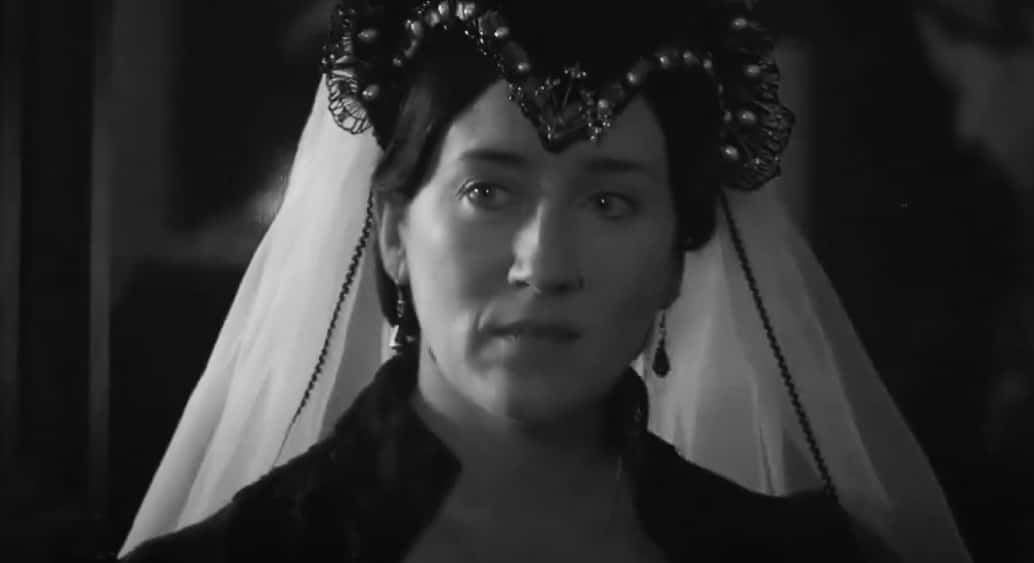
On January 7, 1536, Catherine passed at Kimbolton Castle after a bizarre illness. King Henry’s reaction was legendarily cruel. He and Anne Boleyn dressed up in celebratory yellow, though some claim this was a nod to the Spanish color of mourning and was actually a deferential act. Either way, Catherine wrought one final vengeance on the pair from beyond the grave…
75. Her Ghost Got Back at Anne Boleyn
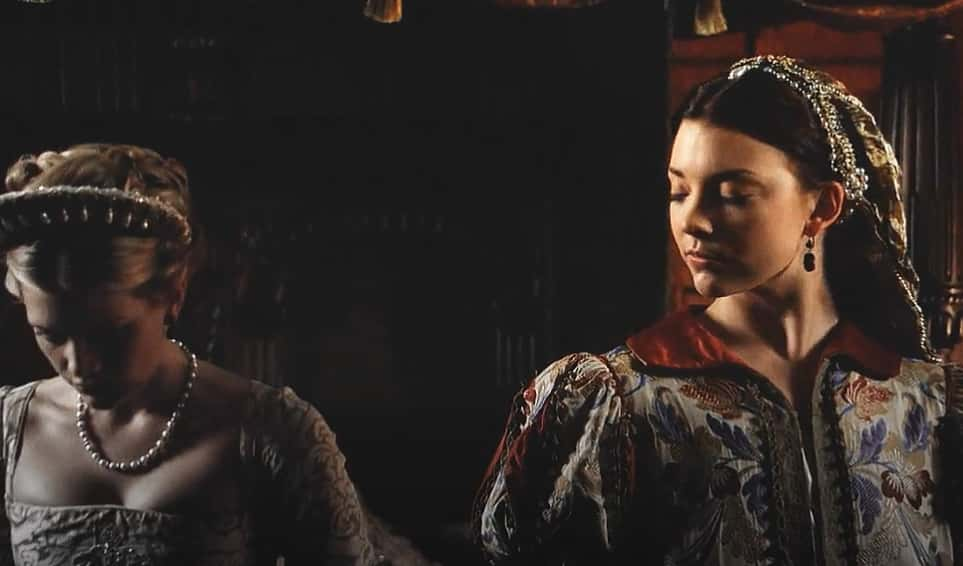
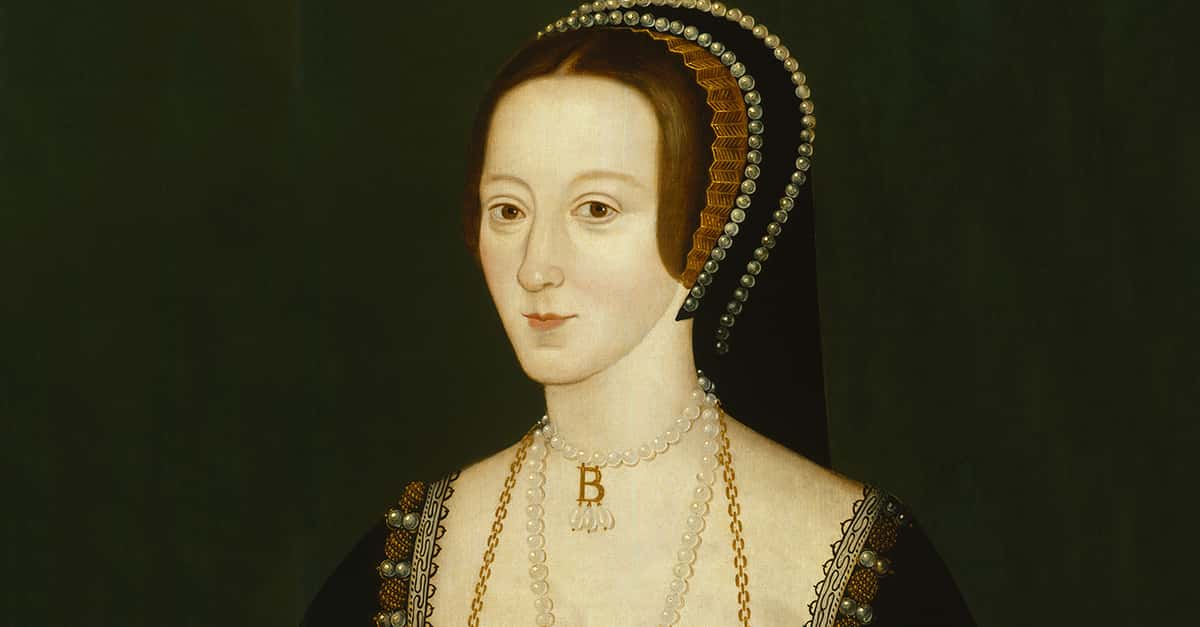
Fate’s a funny, twisted thing, and Catherine’s rival Anne Boleyn soon found that out. On the day of Catherine’s funeral—which was not fit for a Queen of England but for a mere Dowager—Anne miscarried. In a tragic irony to end all tragic ironies, that stillbirth also ended up being a baby boy.
Watch out for karma, it’ll get you.
76. Her Friends Never Forgot Her
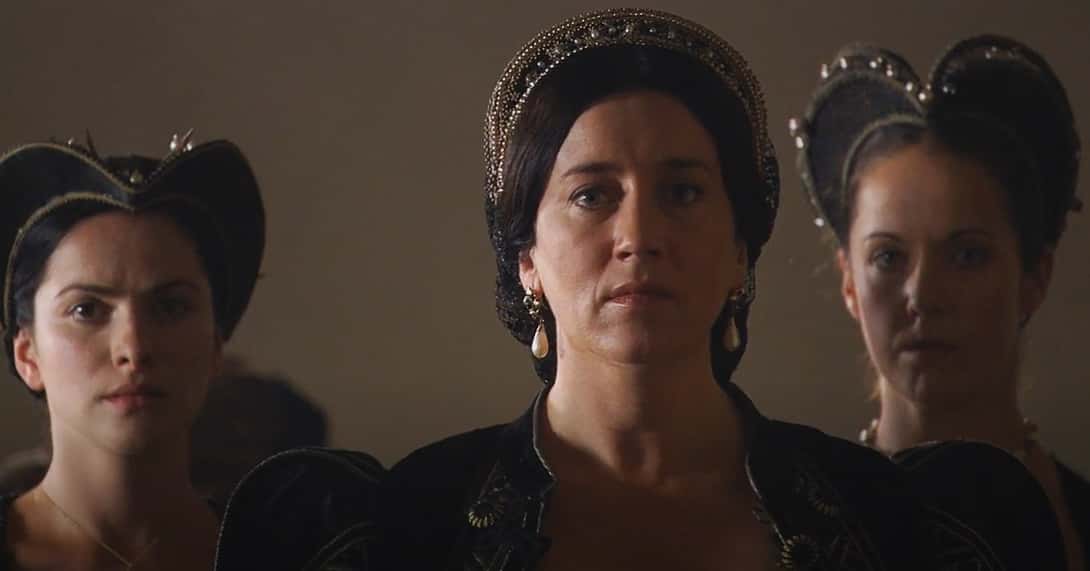
The end of Catherine’s life may seem tragic, and it is. But it was also a glorious moment of girl power. Even though King Henry banned any of Catherine’s supporters from seeing her while she was on the brink of death, her best friend Maria de Salinas refused to let her go alone into the dark night—even if it meant risking execution.
77. She Went Surrounded by Friends
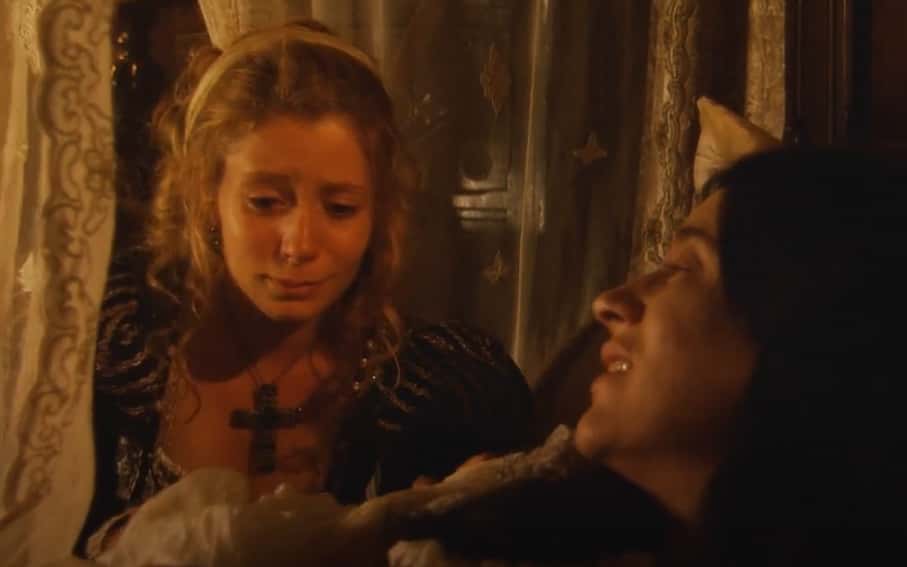
Salinas spent her New Year’s in 1536 traveling nearly 60 miles on horseback to make it to her friend’s barred door. Then she came up with an ingenious plan.
78. Her Heart Was Black
Catherine’s demise was utterly mysterious in its time. While preparing her body for burial, her embalmer noticed the corpse was in perfect health—save for her heart, which had turned black. The ghastly and seemingly fatal condition, coupled with Catherine’s premonitions of her own demise, led people to some dark rumors about her end…

79. Henry May Have Offed Her
After witnessing her strange condition, those loyal to Catherine and disloyal to King Henry VIII and Queen Anne started whispering that the Royal Couple 2.
0 had poisoned Catherine in a chilling act of self-service, leading the “Dowager” to die poetically of a broken heart. Modern historians, however, believe a much different story.

80. Her Final Moments Were Fitting
Most experts today believe that rather than foul play, Catherine passed of cancer of the heart; sometimes it can turn the heart black. Nonetheless, it's still tragically poetic given the circumstances of Catherine's life and her queenship.

Sources: 1, 2, 3, 4, 5, 6, 7, 8, 9, 10, 11, 12, 13, 14, 15, 16, 17, 18, 19, 20, 21, 22, 23, 24, 25, 26, 27, 28, 29, 30









_by_Michel_Sittow.jpg)