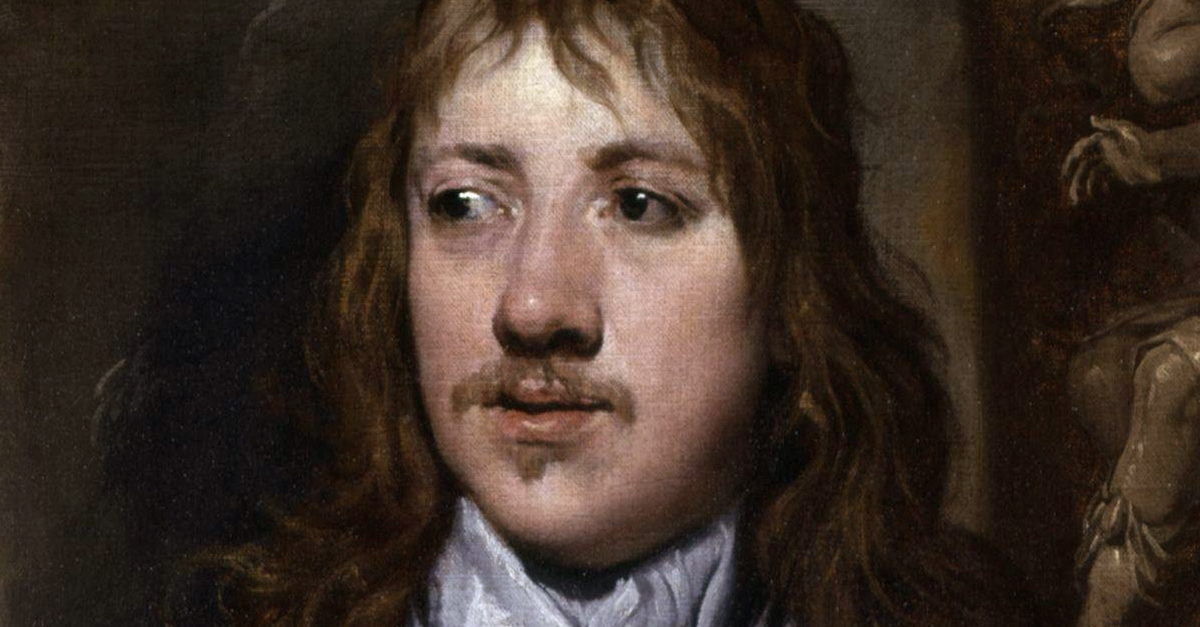
Richard Neville, The Secret King
In the infamous Wars of the Roses, no man—or king—was as feared as Richard Neville, the Earl of Warwick. A puppet master in the midst of chaos, Neville wasn’t just the power behind the throne; he was the throne. His decisions and whims made or broke kings…and he usually felt like breaking them.
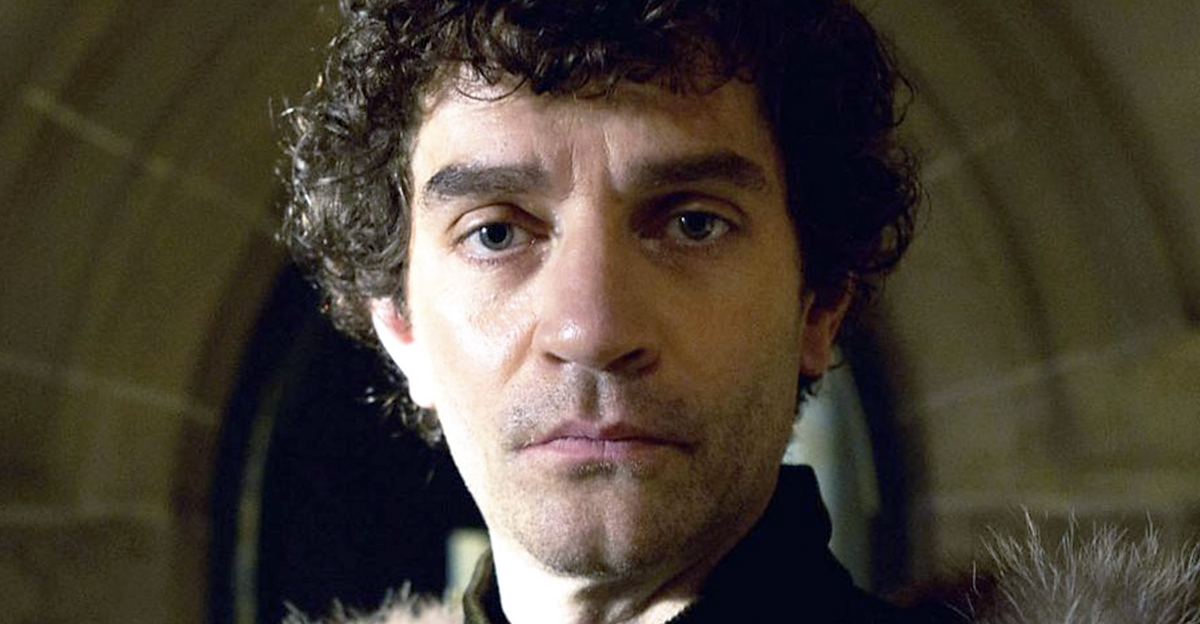
1. Women Made Him Who He Was
Richard Neville had to claw his way to the top through his cunning and connections, and this began even from birth. Although the Nevilles were a noble family, Richard’s father was a younger son, and became the Earl of Salisbury only because of his marriage to Richard’s mother Alice.
When it was Richard’s time to marry, he made the same move—and he did it younger than you’d imagine.
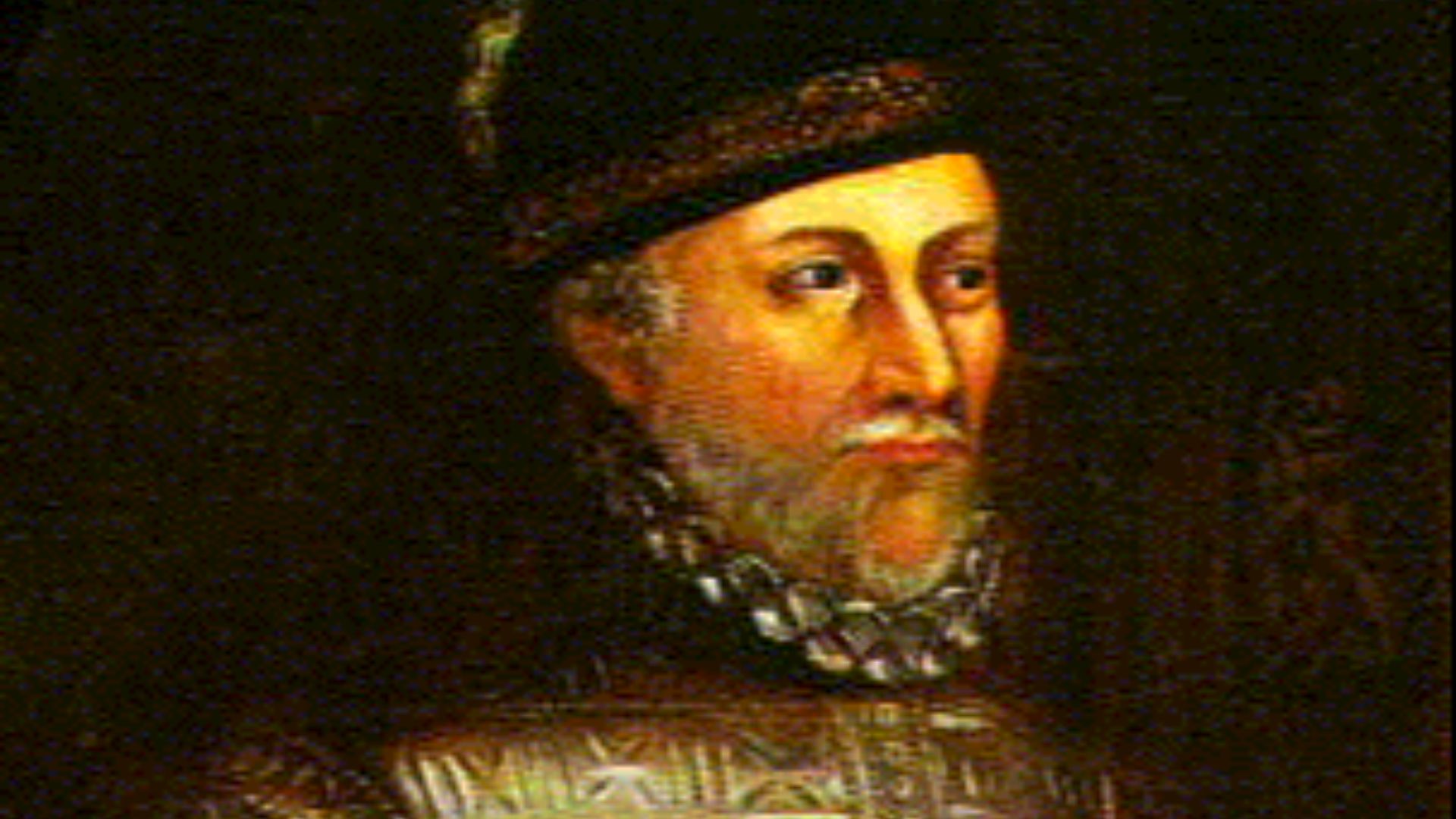
2. He Was Married At Eight
In 1436, when Richard was just eight, his parents married him off to Lady Anne Beauchamp, who herself was only about ten. Again, it was the woman who brought the power: By marrying Anne, Richard also became heir to Anne’s earldom of Warwick, not to mention her considerable fortune.
Clearly, his parents had big expectations for him. Expectations he immediately began to chase.
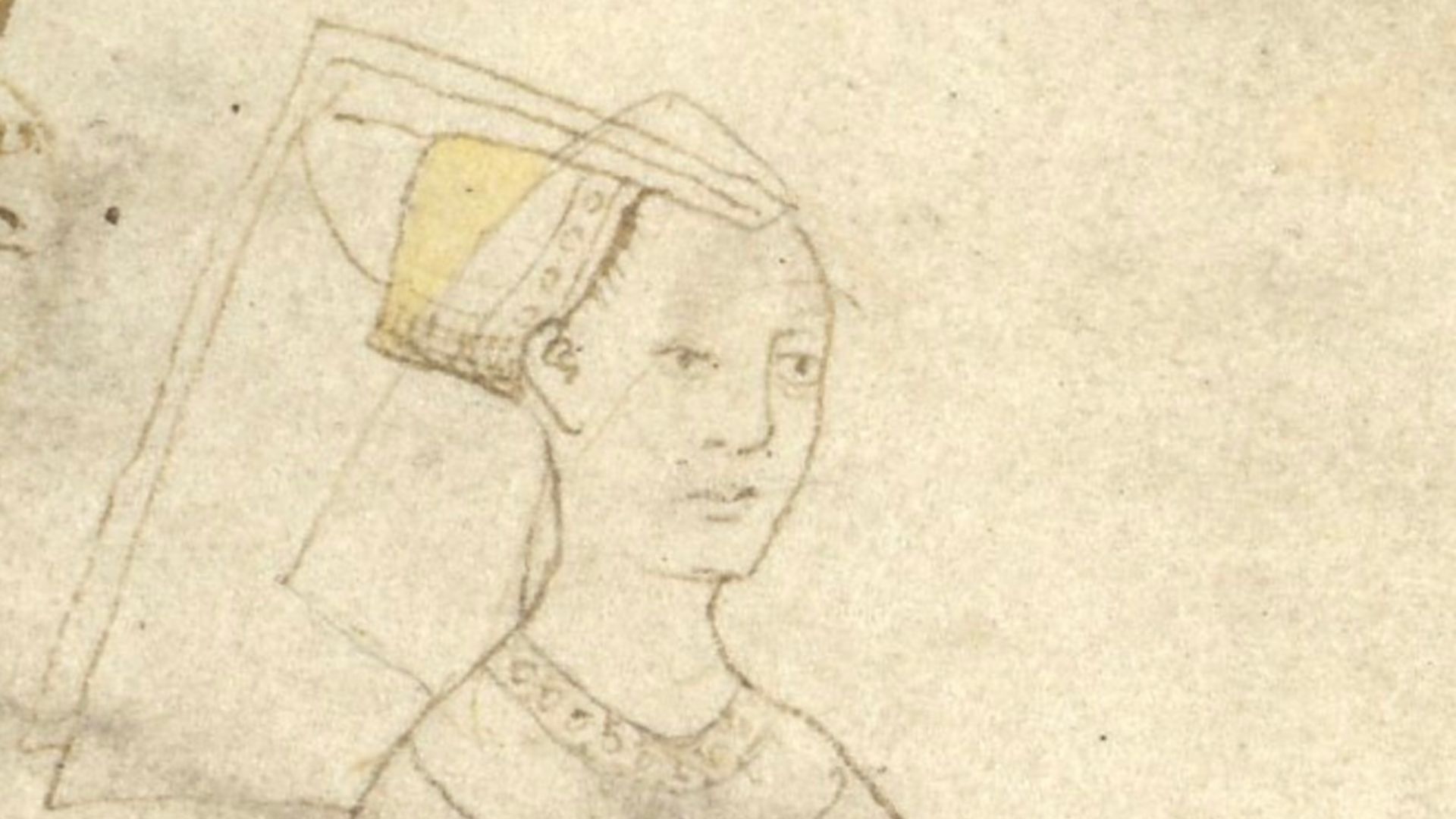
3. He Became A Knight
Over the next few years, Richard worked his way up the royal ladder under King Henry VI, who was only seven years older than Richard himself. In 1445, the same year King Henry married Queen Margaret of Anjou, Richard became a knight, likely even at Margaret’s coronation. Yet despite his lofty title, Richard had a naughty side.
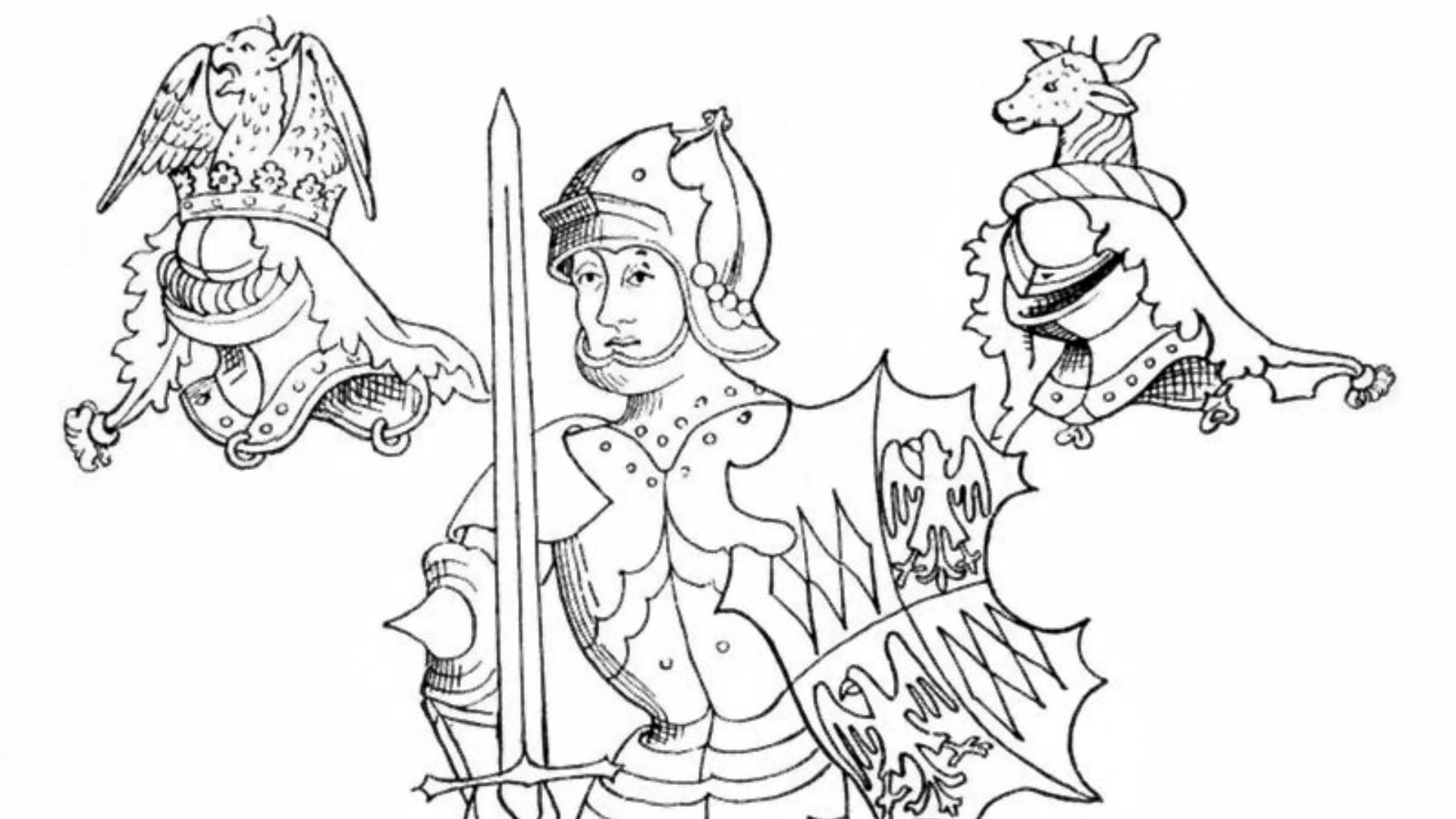
4. He Had A Secret Life
Richard’s marriage to Anne Beauchamp was first and foremost a political match, and although they had two daughters together, Isabel and Anne Neville, Richard also had a wandering eye. At the very same time that Richard was getting his knighthood, his mistress gave birth to an illegitimate daughter, Margaret.
All the same, the Nevilles presented a united front during this time. The same wasn’t always true for Richard’s king and queen.
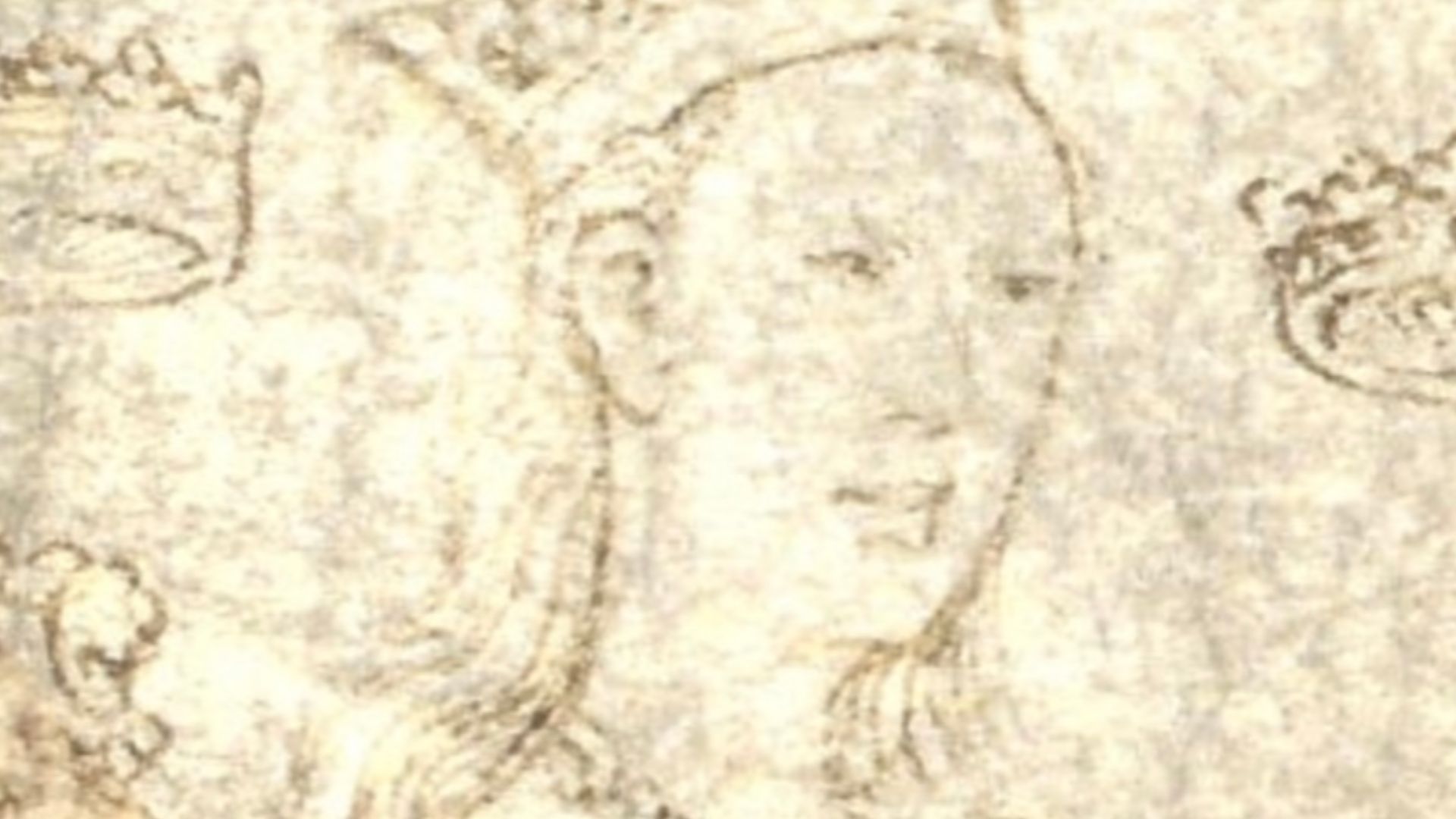
5. His King Was Weak
Henry VI had been King of England since he was a baby, and had gotten very used to having others—like Richard Neville—control him. Meanwhile, Margaret of Anjou had an almost over-abundance of strength: One 16th-century historian called her “stomach and courage…more like to a man, than a woman,” and she exhibited much more interest in military matters than her husband. This would turn into a bad combination.
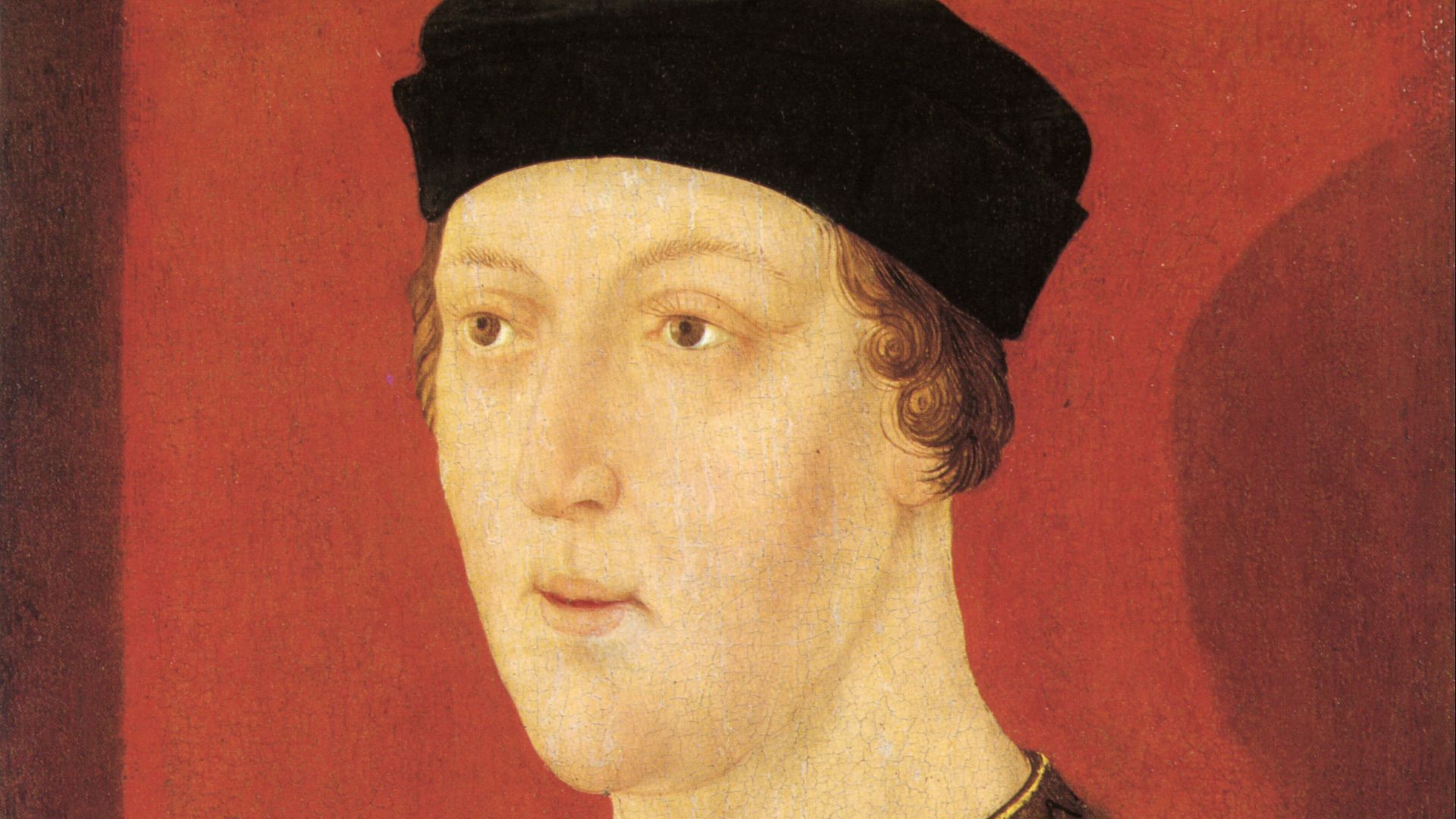
6. His Court Was Tense
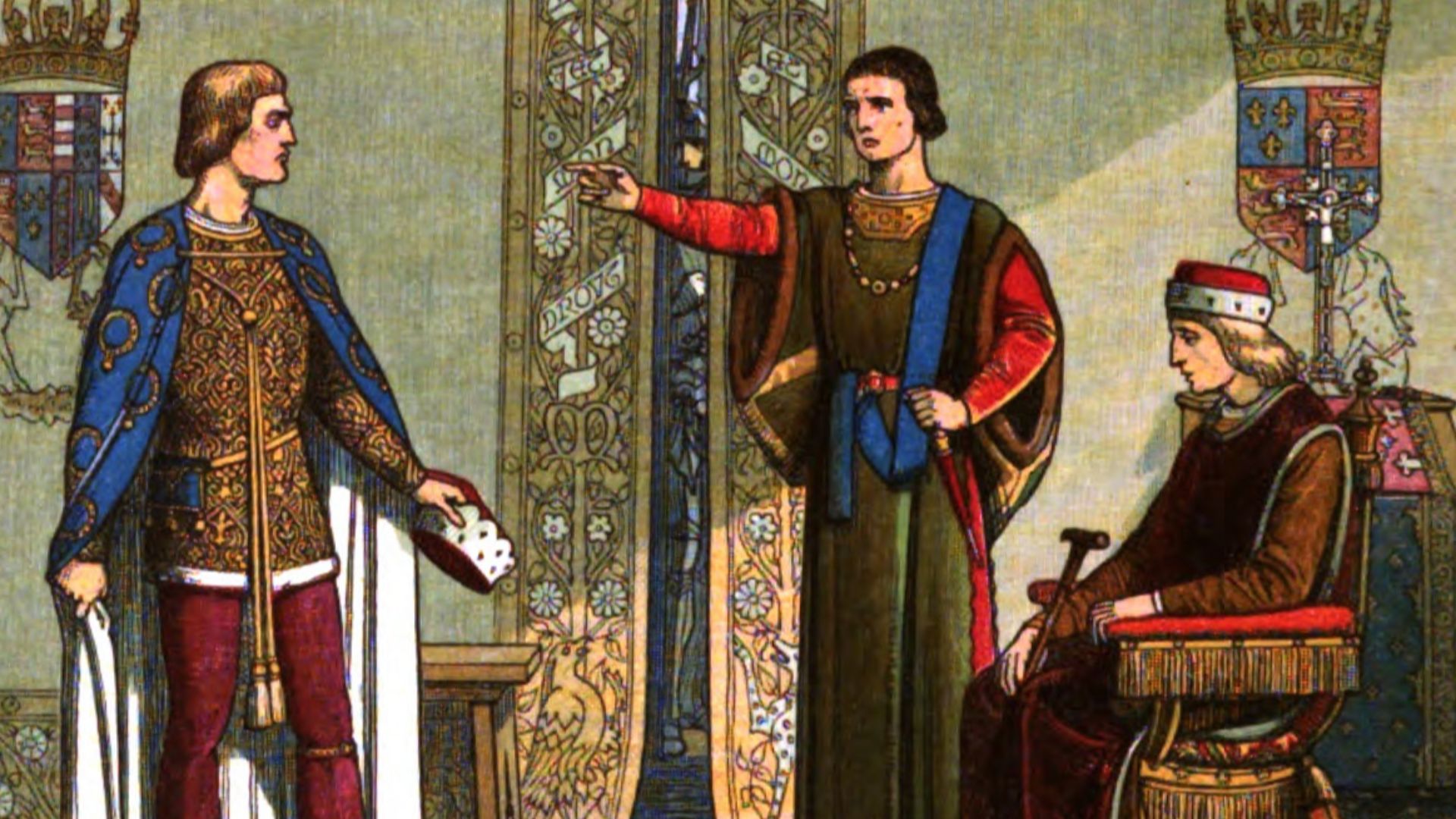
At this point, Richard Neville’s power was still nascent, and Henry’s court was run mainly by the urbane and ambitious Edmund Beaufort, the Duke of Somerset. But this caused enough trouble: Henry VI’s relatives, in particular his cousin Richard, the Duke of York—who was a strong claimant to the throne—chafed at the upstart Somerset’s power.
Soon, the Duke of York—who was a strong claimant to the throne—began setting himself up against Henry and his court of favorites. But Richard Neville was hardly playing nice, either.
 James William Edmund Doyle / Edmund Evans, Wikimedia Commons
7. He Made A Rival
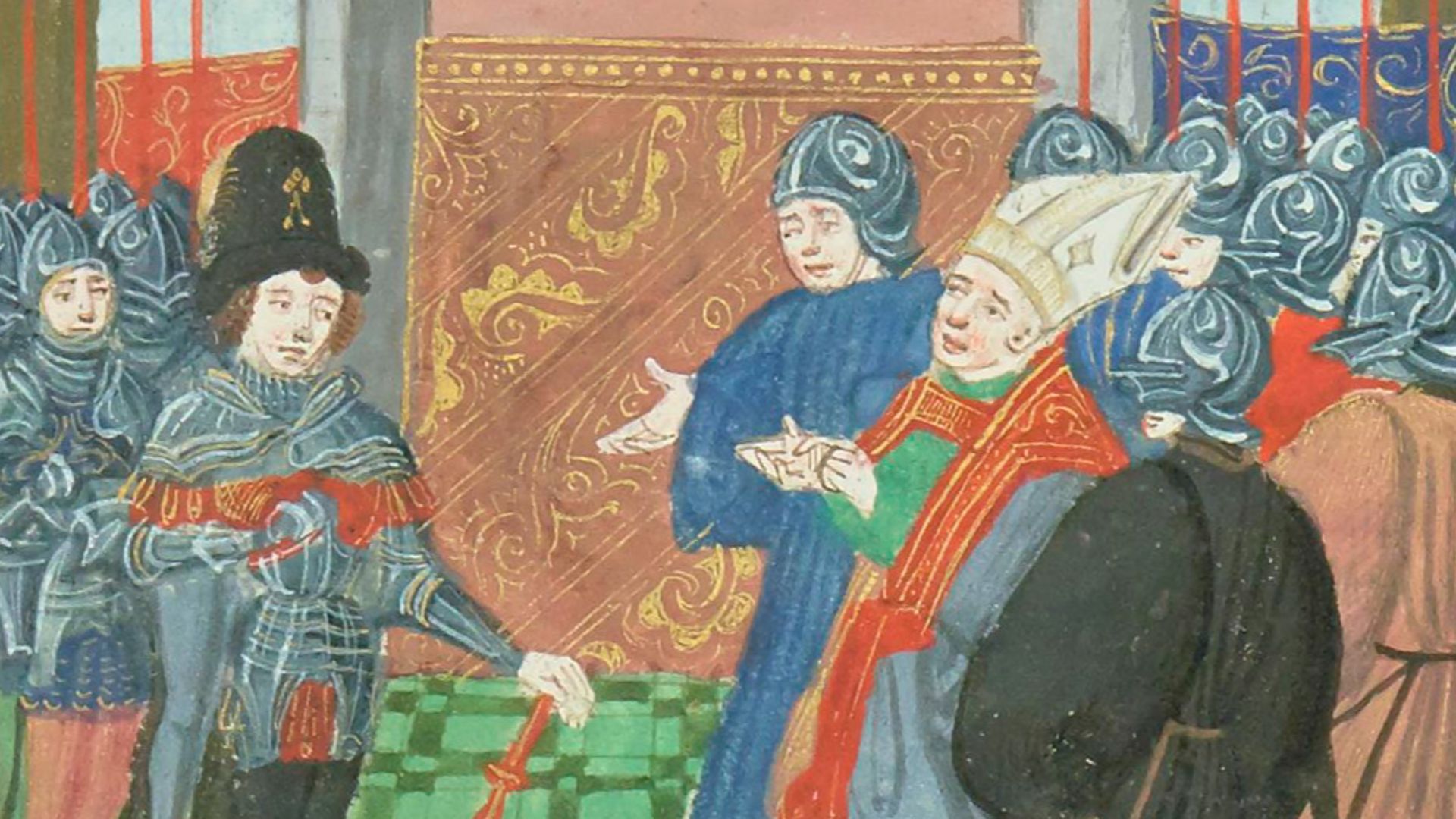
Neville was Henry’s man through and through (for now), but he too learned to despise Somerset and his iron grip on power. Then, in June 1453, King Henry gave Somerset control of Glamorgan—which were lands Neville once held—and the simmering jealousy exploded into open fighting between the favorites.
Still, Neville had little time to stew in resentment. Soon, one of history’s cruelest twists came along.
 Attributed to Philippe de Mazerolles, Wikimedia Commons
8. His King Had A Breakdown
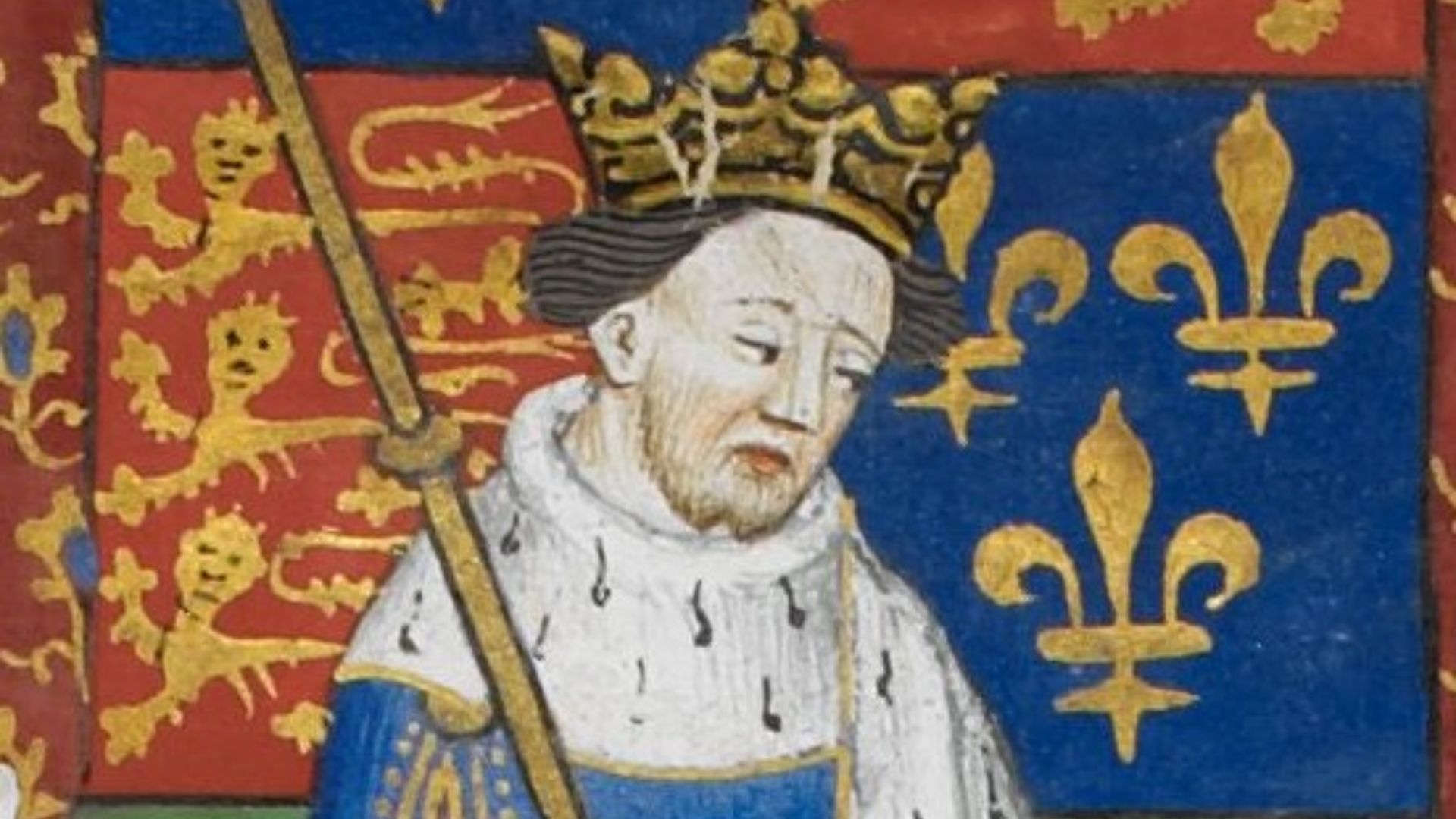
Eventually, all the stress at court began to tell on the king. In August of 1453, just months after his fight with Somerset broke out, Richard Neville received disastrous news. After learning of an English defeat by the French, Henry VI had a complete mental breakdown—and his symptoms were chilling.
 Poems and Romances (Shrewsbury book), illuminated by the MASTER OF JOHN TALBOT, Wikimedia Commons

History's most fascinating stories and darkest secrets, delivered to your inbox daily.
9. He Was In The Middle Of A Crisis
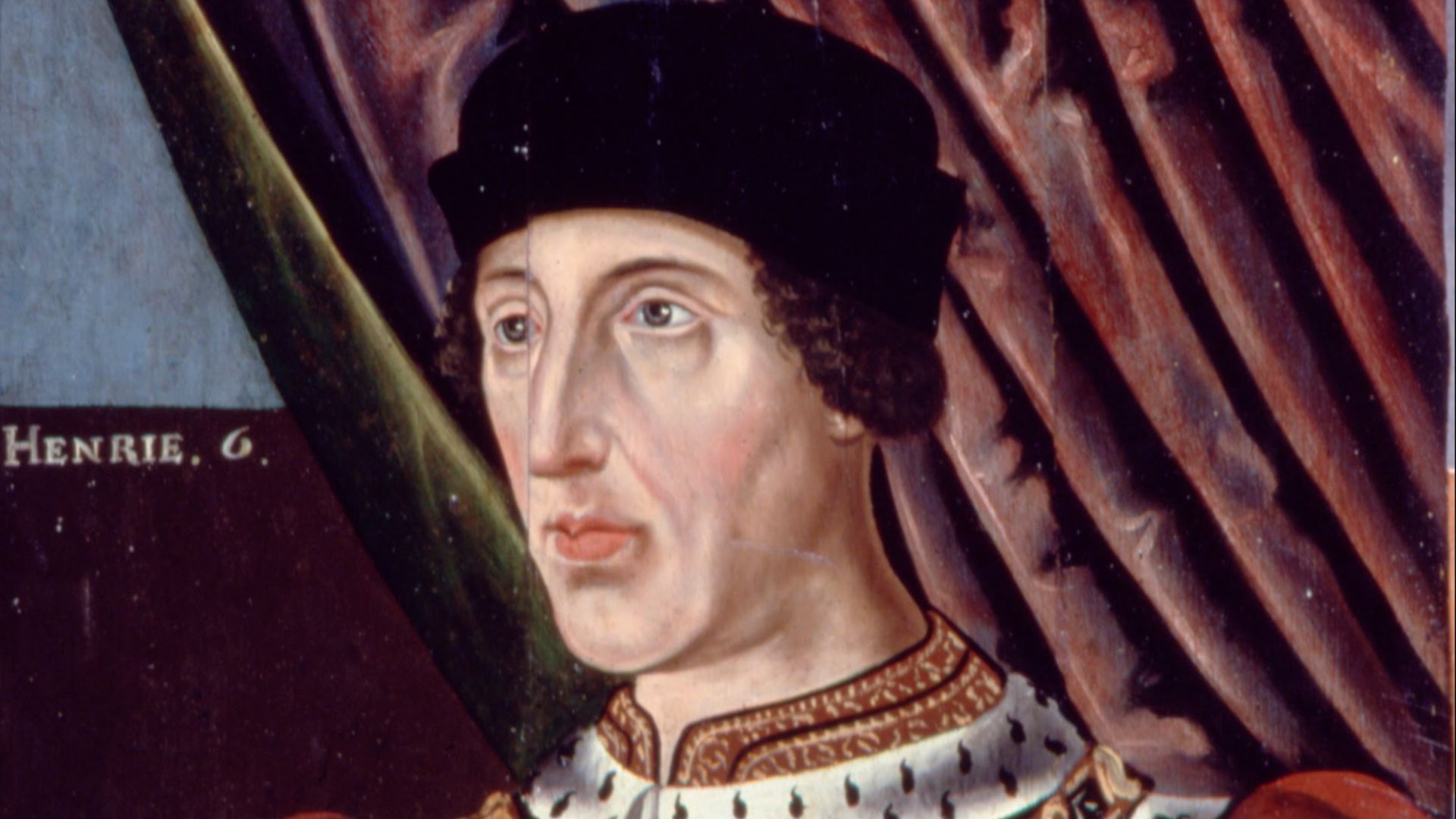
For more than a year, Henry VI was utterly unresponsive, “smitten with frenzy and his wit and reason withdrawn”. Henry was so out of it, he barely registered it when his queen gave birth to his son Edward six months into his fugue state, and had “neither sense nor reason capable of carrying on the government.”
If Neville was worried about the state of England before that August, he must have been terrified now.
 British – School Details on Google Art Project, Wikimedia Commons
10. His Rival Won Out
Richard Neville already had a bone to pick with Somerset, but with King Henry VI completely incapacitated, the royal favorite only gained more power. After all, Somerset was also Queen Margaret’s pet, and as Henry VI stared into space, Neville’s rival became the de facto ruler of England. By the next year, it pushed Neville into betrayal.
11. He Betrayed His King
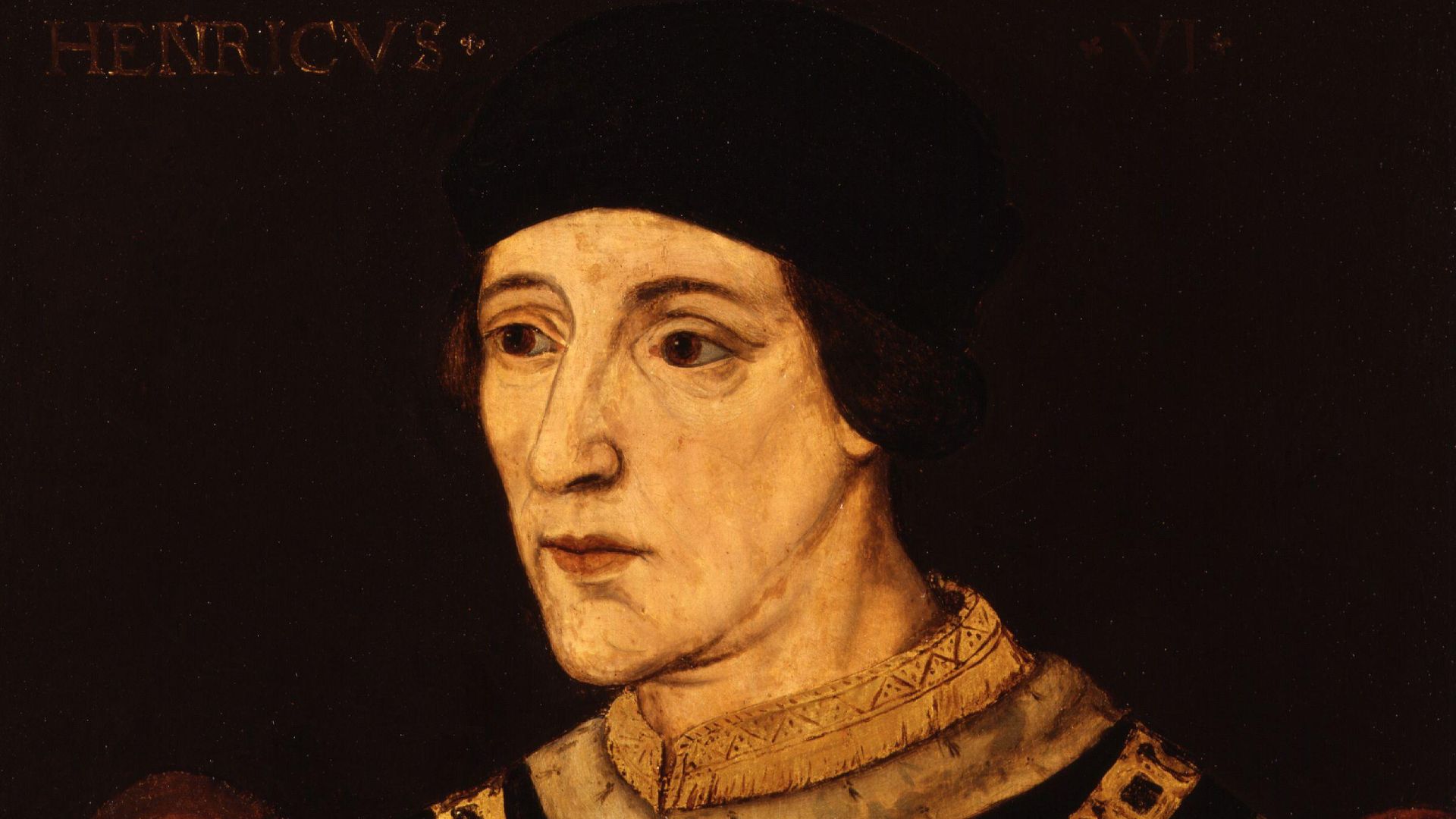
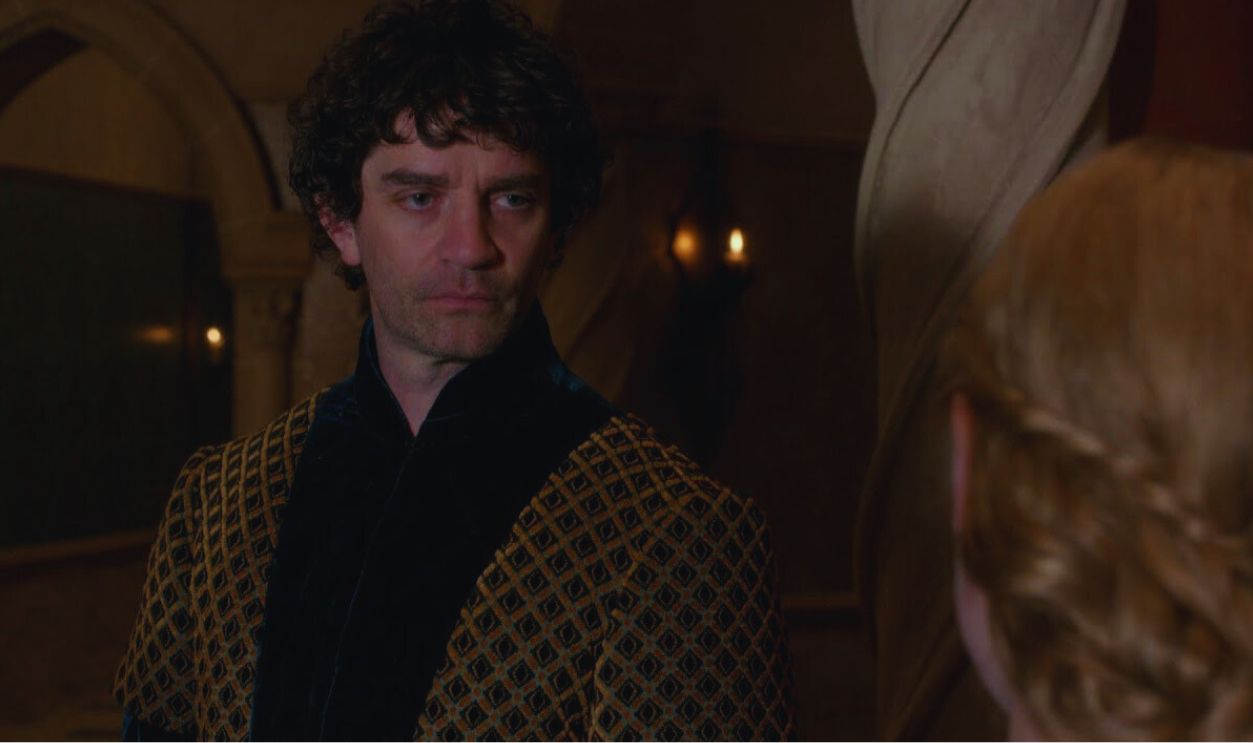
Unable to bear the thought of bowing to Somerset, Richard Neville began collaborating with Henry VI’s great rival, his cousin the Duke of York. And by now, Neville was good at the political game. By March 1545, he’d even helped York earn the title of Lord Protector, pushing Somerset down the ladder.
It was one of his first betrayals, and one of his first royal triumphs. But he was about to find out just how dangerous this game of thrones was.
 Screenshot from The White Queen, Starz (2013)
12. He Failed At The First Hurdle
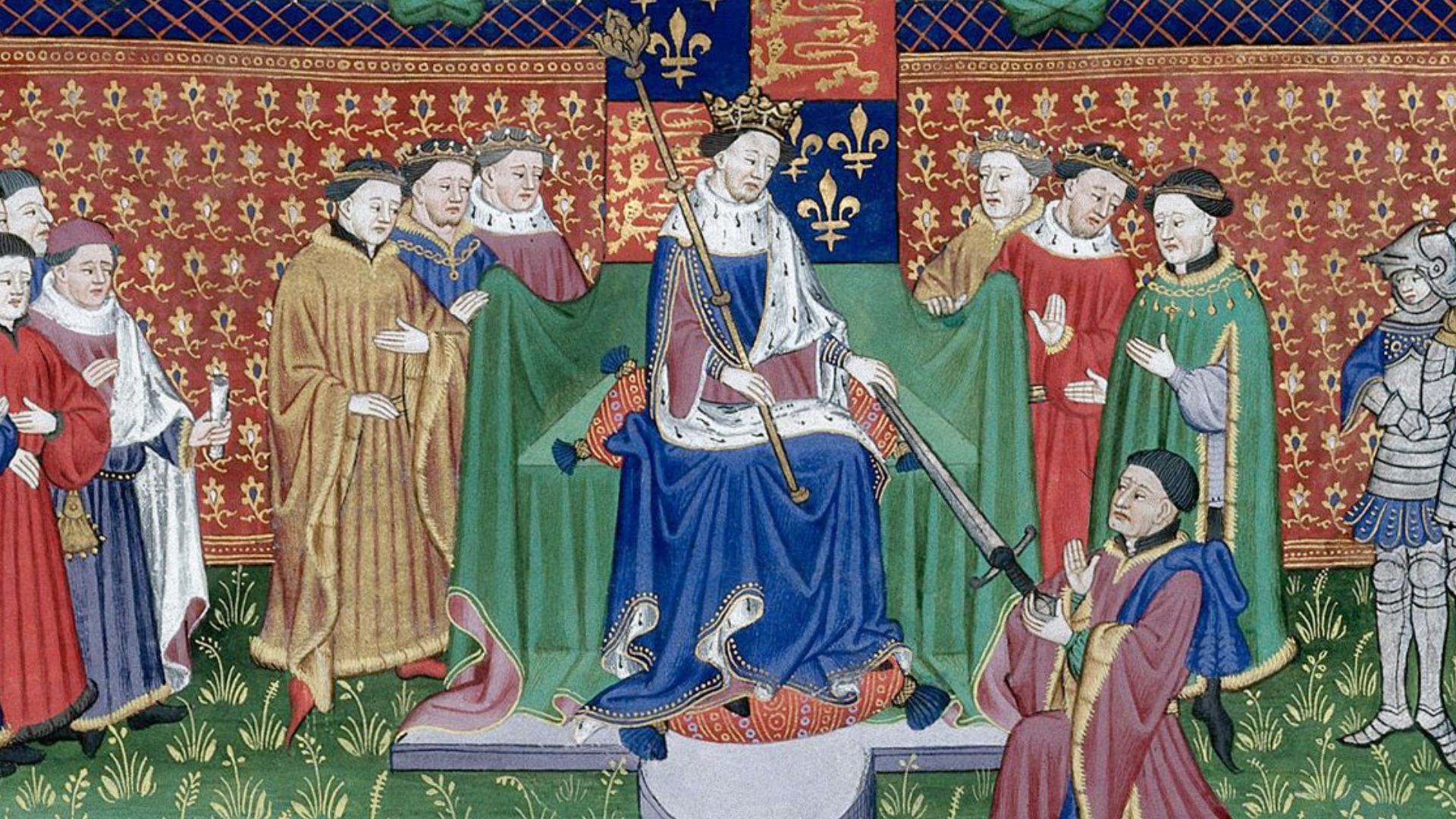
Things changed fast in the royal court, and by the beginning of the next year, Henry VI had roused himself enough to take back control of the government—with Somerset by his side, naturally. Suddenly, York was no longer Lord Protector, and it looked like Neville had backed the wrong horse.
Both men retreated to their estates…but not in defeat.
 The Talbot Master, Wikimedia Commons
13. He Refused To Back Down
Instead of crawling back to Henry VI, Richard Neville only dug his heels deeper into his betrayal. Together he, York, and his father shored up support and built up troops to face Henry VI in an all-out battle. They got what they wanted.
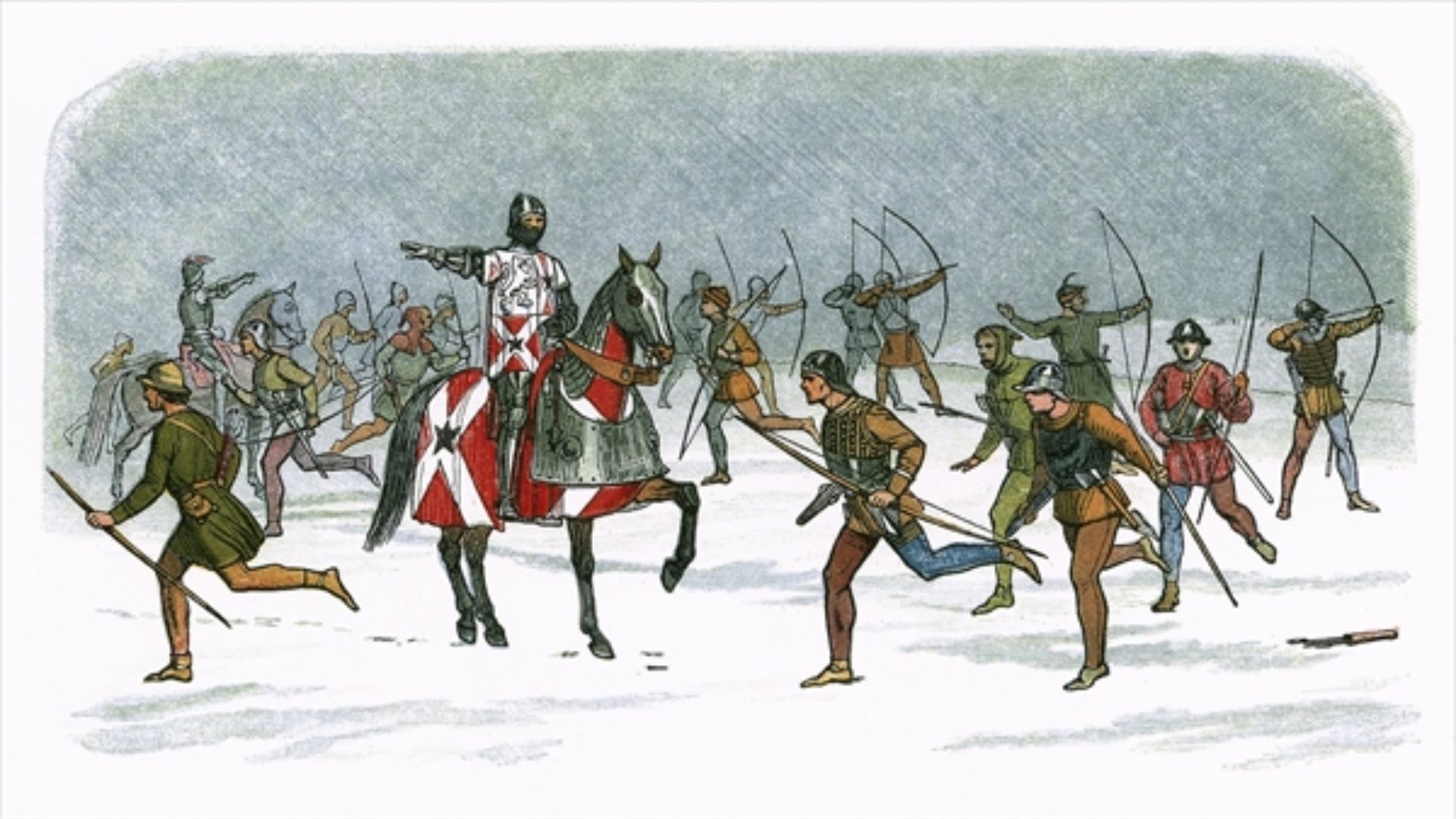
While marching toward London, Neville and his men encountered the king and his men at St Alban’s—and history was made.
 James William Edmund Doyle / Edmund Evans, Wikimedia Commons
14. He Was In A Historic Battle
The First Battle of St Alban’s, as the clash was called, has gone down in infamy as the very first battle in the decades-long Wars of The Roses, officially sparking the bloody family feud between Henry VI’s House of Lancaster and the Duke’s closely-related House of York. And although this battle was quick and dirty, it had huge consequences.
 John Augustus Atkinson (1775–1833), Wikimedia Commons
15. He Was Famously Brave
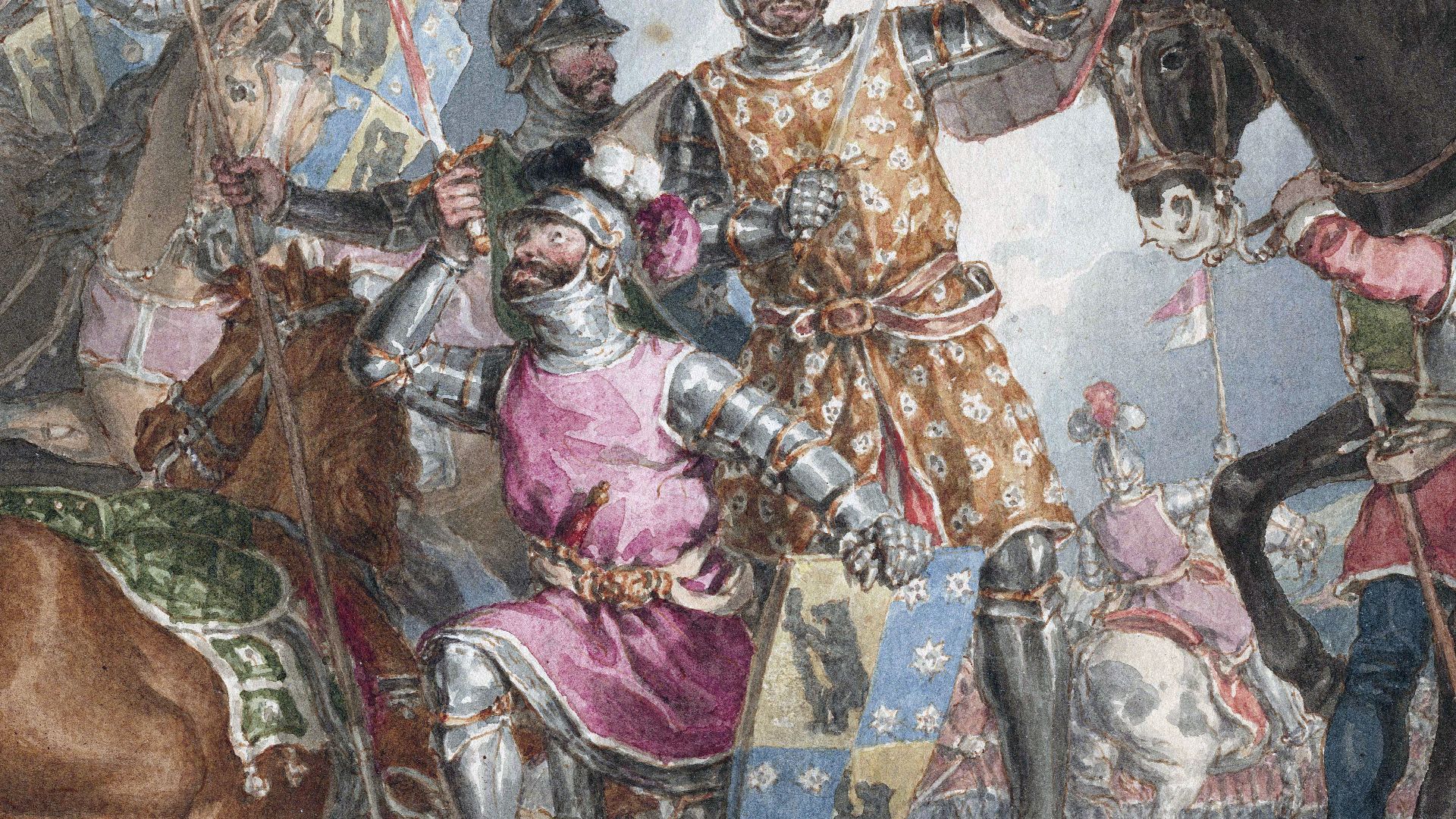
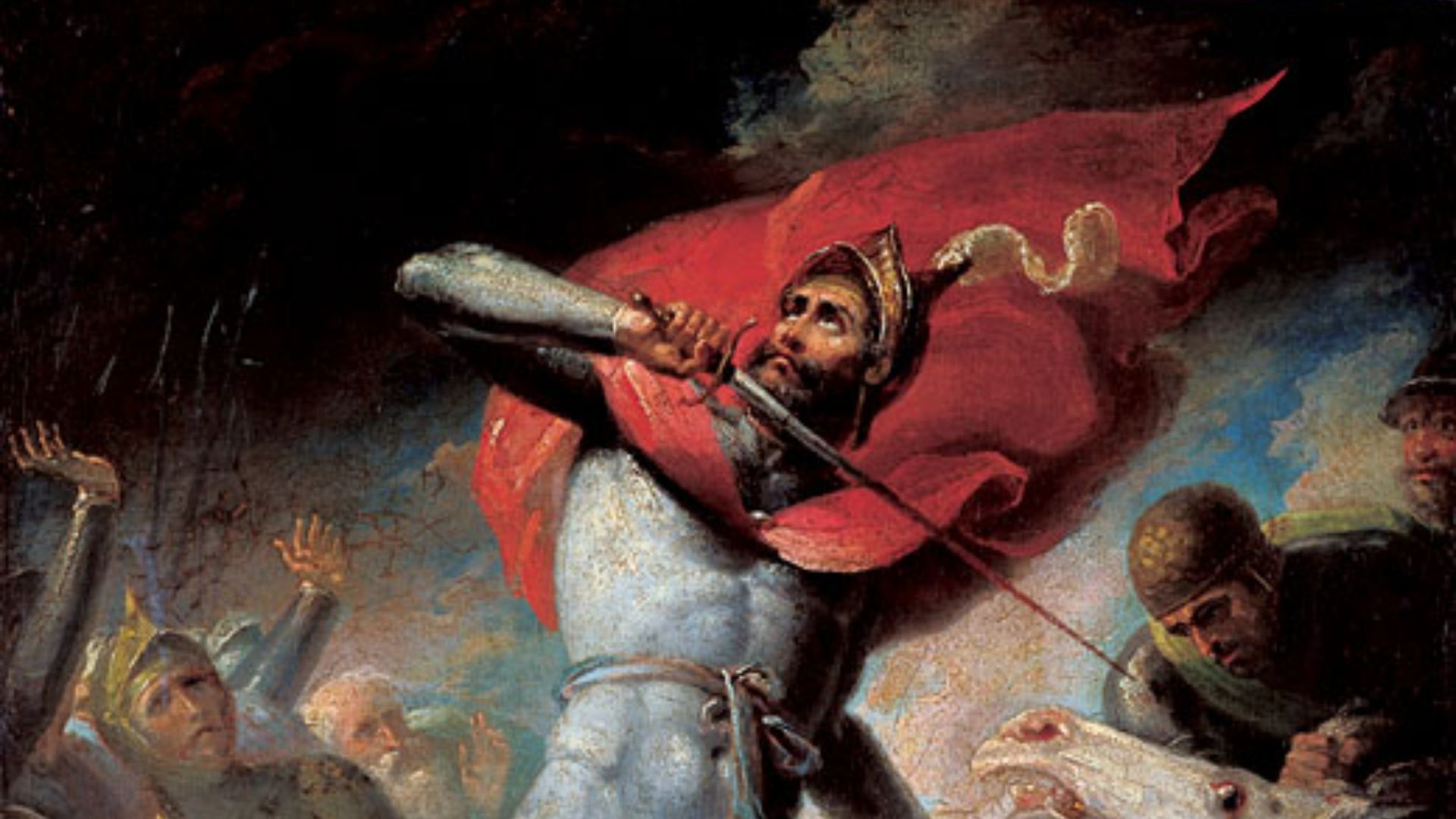
The First Battle of St Alban’s didn’t just mark the beginning of the Wars of the Roses, it also marked the dawn of Richard Neville. The 26-year-old Neville showed immense bravery and decisiveness in the chaos of the fighting, and started earning a reputation as a man not to be crossed.
But he got something much sweeter than reputation: He got a resounding victory.
 Henry Tresham (1751–1814), Wikimedia Commons
16. He Captured The King
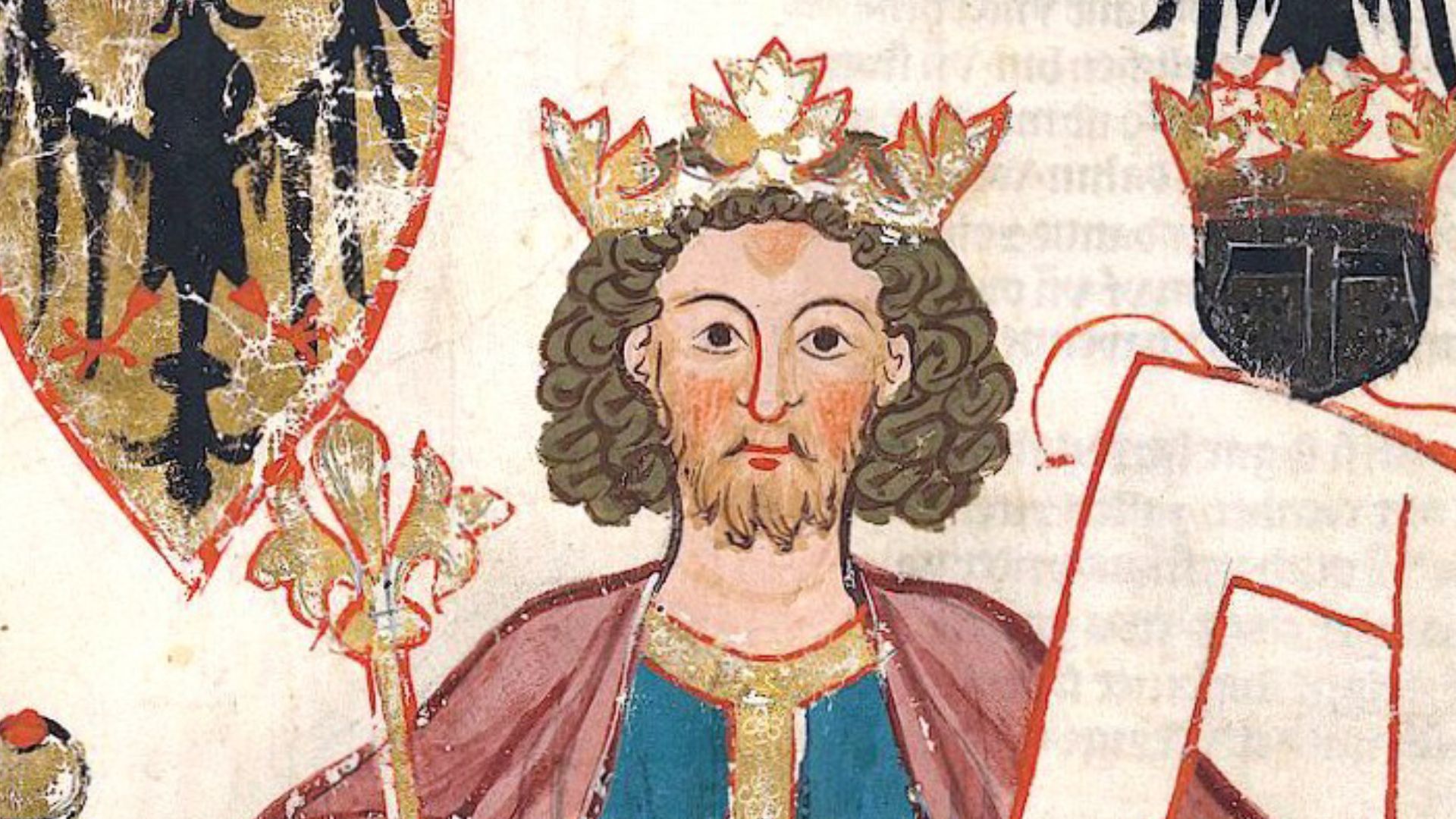
Richard Neville wouldn’t betray a King of England without carefully weighing his odds, and the First Battle of St Alban’s was a winning bet. That day, his great rival Somerset, who was commanding the royal troops, perished in the fray. Then, as the opposing side crumpled, Neville and his allies captured King Henry VI himself.
Neville must have been sure that this time, it was all in his hands. He would learn another harsh lesson.
 Master of the Codex Manesse, Wikimedia Commons
17. He Got A New Enemy
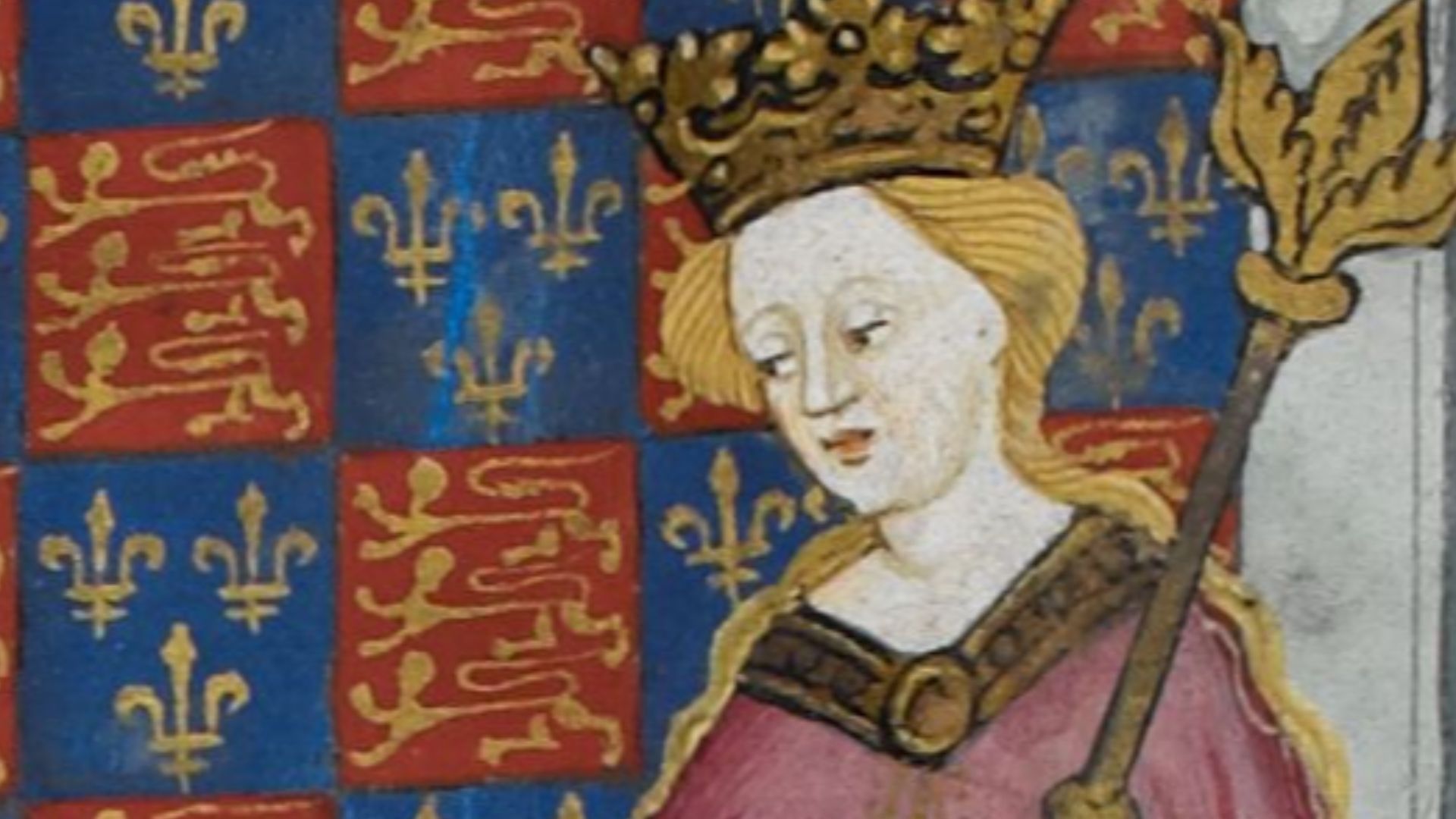
Although the Duke of York personally escorted King Henry VI back to London and became Lord Protector again, his second swing at the protectorate went even worse than his first. Queen Margaret of Anjou now stepped into the vacuum Somerset left, and in February 1456, just months after St Alban’s, she pushed Henry to resume governing the realm—under her influence.
Richard Neville, all his work undone, had found himself a new sworn enemy. Margaret would be a formidable one.
 Talbot Master (fl. in Rouen, c. 1430–60), Wikimedia Commons
18. He Earned A Powerful Post
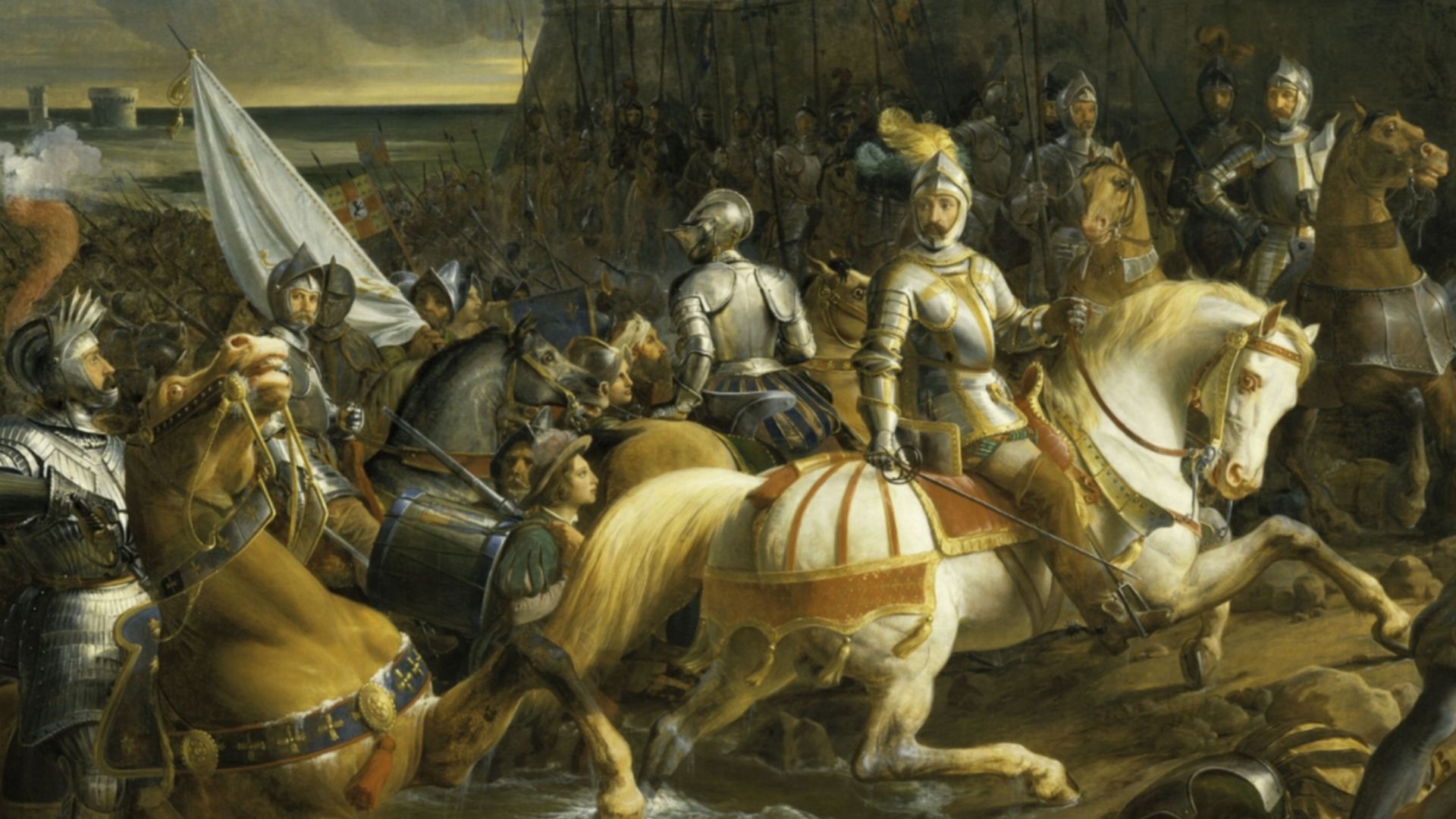
Richard Neville now put all his energy into re-ingratiating himself into the royal court, doing enough to earn himself an appointment as the Constable of Calais, an English outpost in what is now the tip of northern France. Queen Margaret, who distrusted Neville and hated his promotion, often tried to stymie his supplies—and for good reason.
In constant fear of a French invasion, Calais had England’s biggest standing army, not to mention an excellent strategic vantage point. It was about to become ground zero for Neville’s revenge.
 Francois-Edouard Picot, Wikimedia Commons
19. He Waited For The Perfect Moment
For the next two years, Neville used Calais as a home base, shoring up military power as well as diplomatic influence through increasingly warm relations with King Charles VII of France. Never one to stay completely above board, Neville also defied King Henry and Queen Margaret and engaged in acts of piracy along the coast on the Castilian and Hanseatic fleets, filling his coffers to the brim.
By the fall of 1459, it was time to put Plan C into motion.
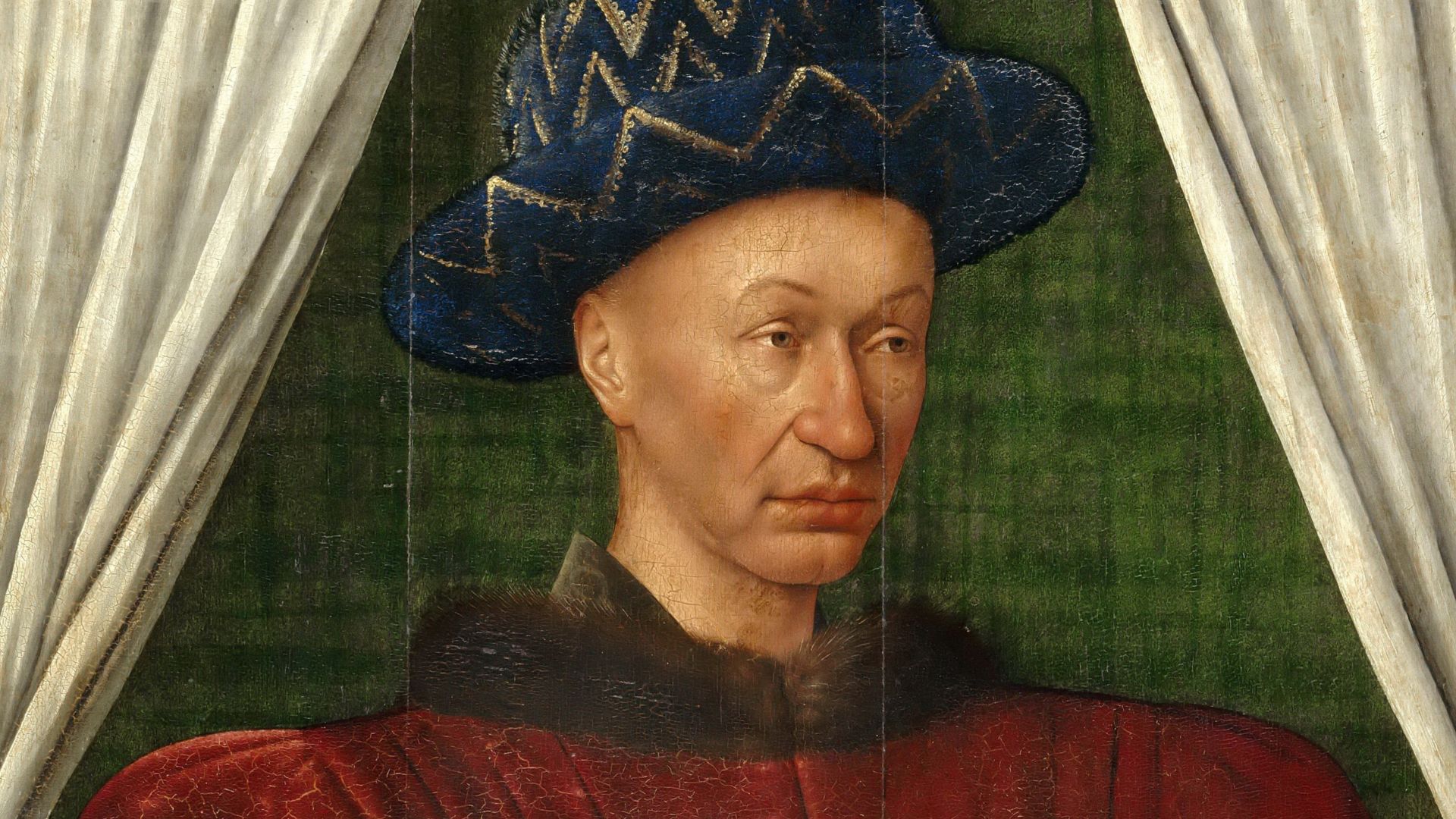
20. He Won A Decisive Victory
That September, Neville went across the English Channel and met up with his co-conspirators the Duke of York and his father, then launched another brutal attack on the king’s troops. By the next summer, they had once again triumphed over Henry VI’s men, and took the King of England captive in July of 1460 for the second time.
But Kingmaking still wouldn’t come easy.
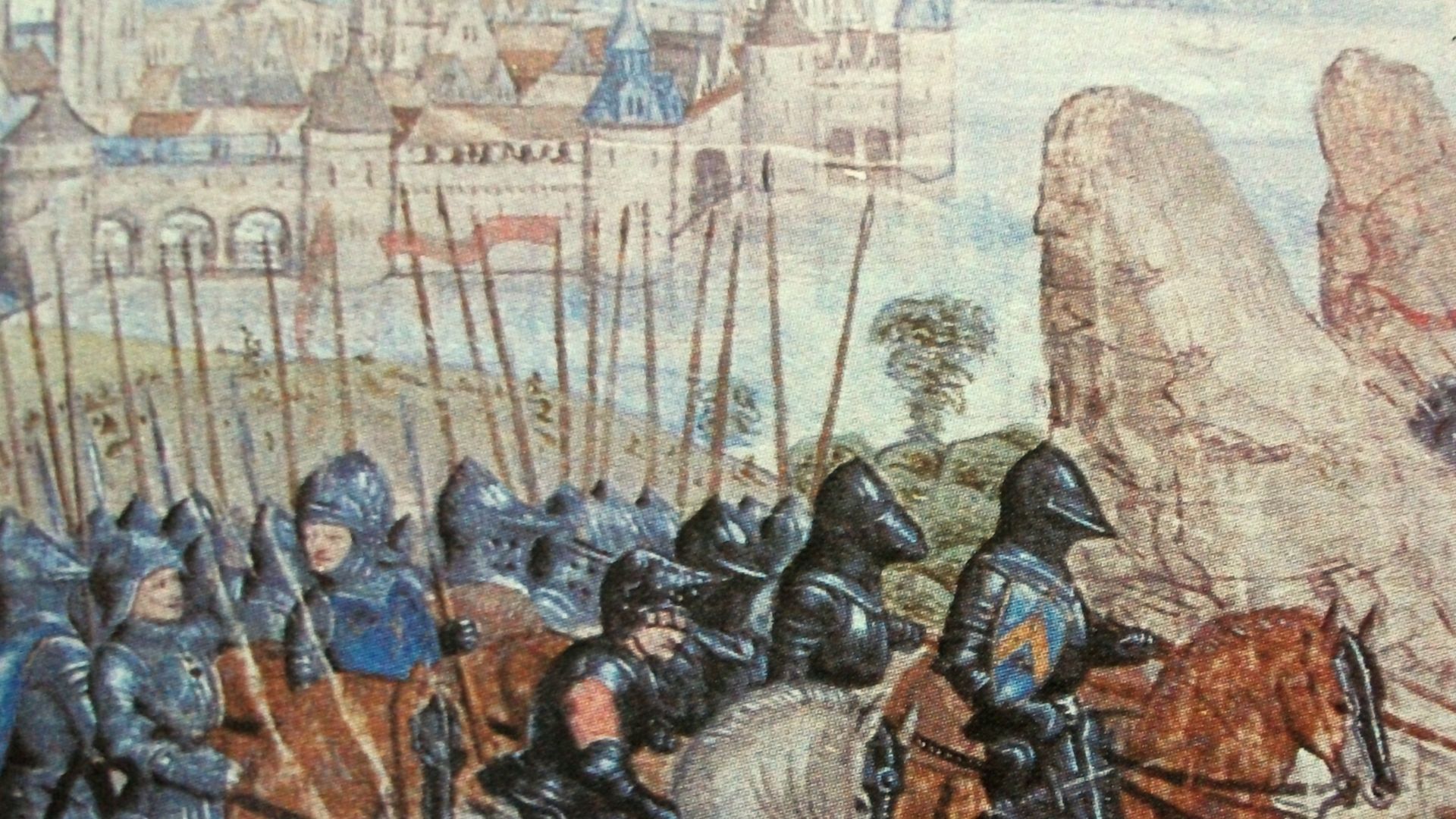 Unknown authorUnknown author, Wikimedia Commons
21. He Wanted To Destroy The King
Although there is evidence that Neville planned to entirely depose Henry VI and turn the Duke of York into the King of England, it didn’t work out that way—this time. Instead, it quickly became clear the government wanted to keep continuity, and Neville had to settle for York becoming Henry’s heir instead. Yet even this came to a bitter end.
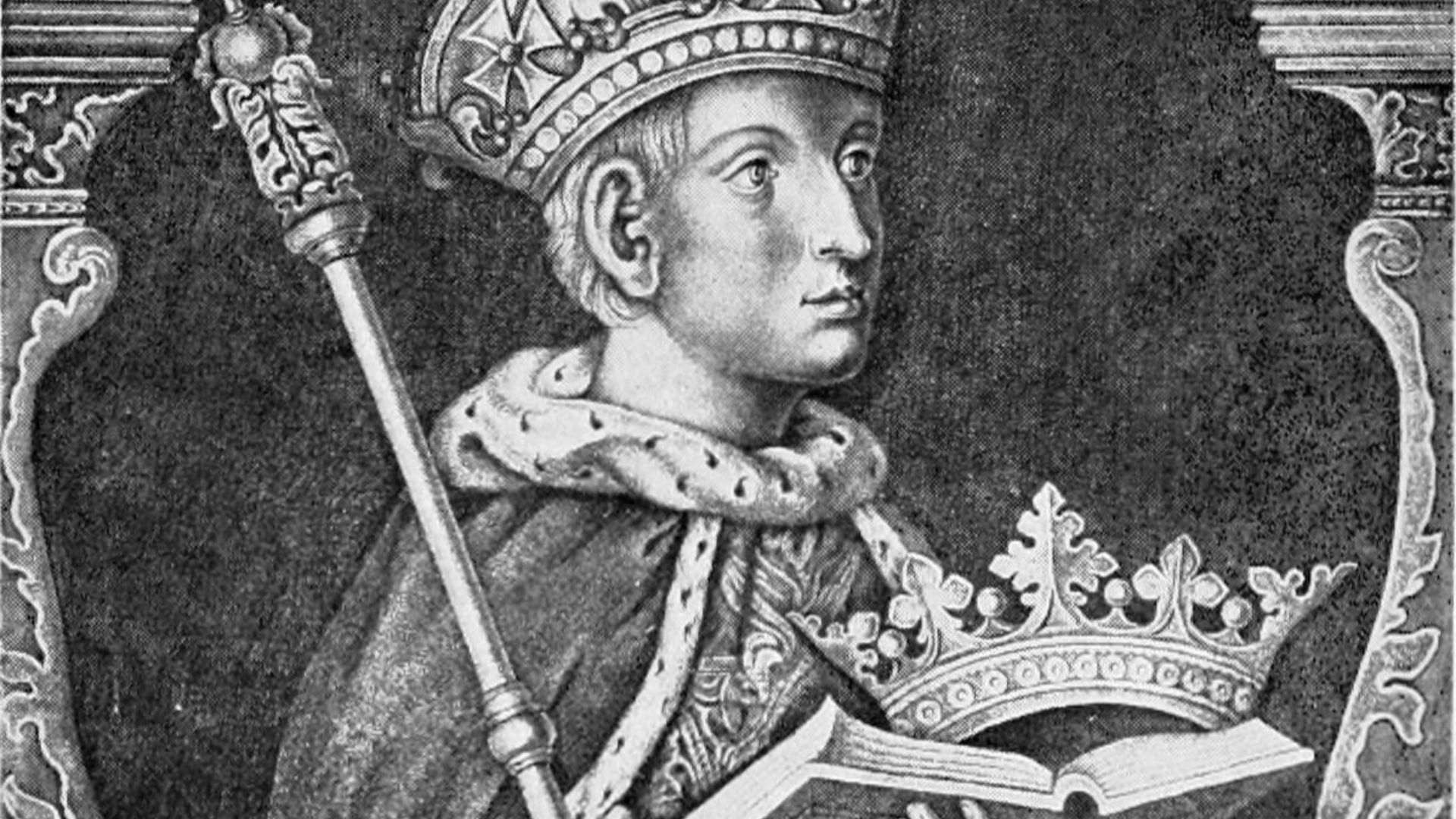 Francis Aidan Gasquet, Wikimedia Commons
22. He Lost His Leader
With no one happy with the inheritance compromise, conflict broke out again in late 1460…but this time, luck wasn’t on Neville’s side. At the Battle of Wakefield, Neville’s great white hope the Duke of York was killed on the field, along with Neville’s younger brother. Then Neville’s father, captured by the enemy, was executed the next day.
In the blink of an eye, Richard Neville lost everything again. But he was a man obsessed, and he couldn’t give up.
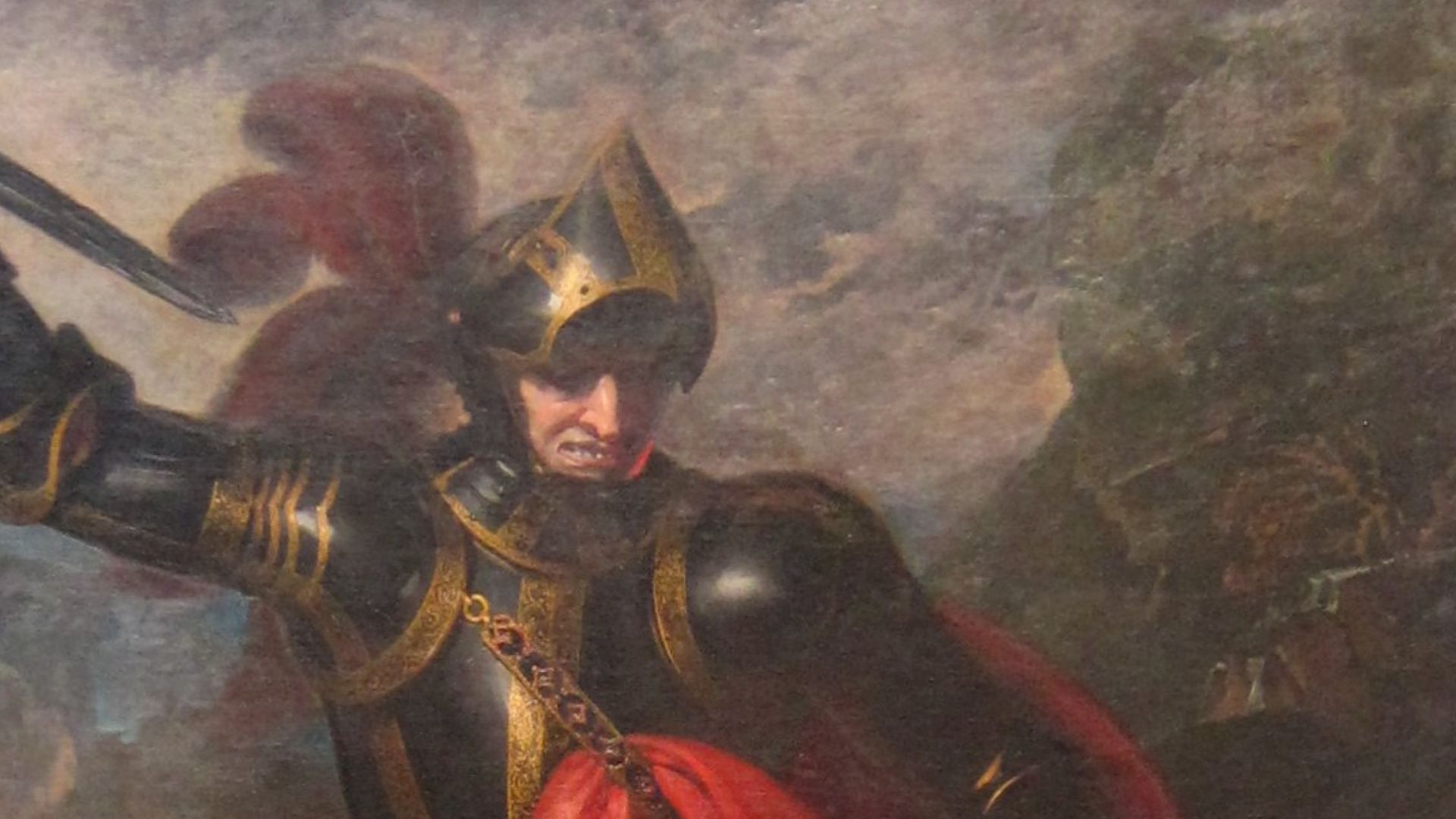 Charles Robert Leslie, Wikimedia Commons
23. He Pledged A New Allegiance
Richard Neville was by now either fully convinced Henry VI could never rule England properly, or else unable to admit defeat—though, likely both. With the Duke of York gone but the battles still raging, he now turned his allegiance to York’s son, the 18-year-old Edward, and hacked and slashed his way toward the young warrior.
When they met, Neville made a stunning statement.
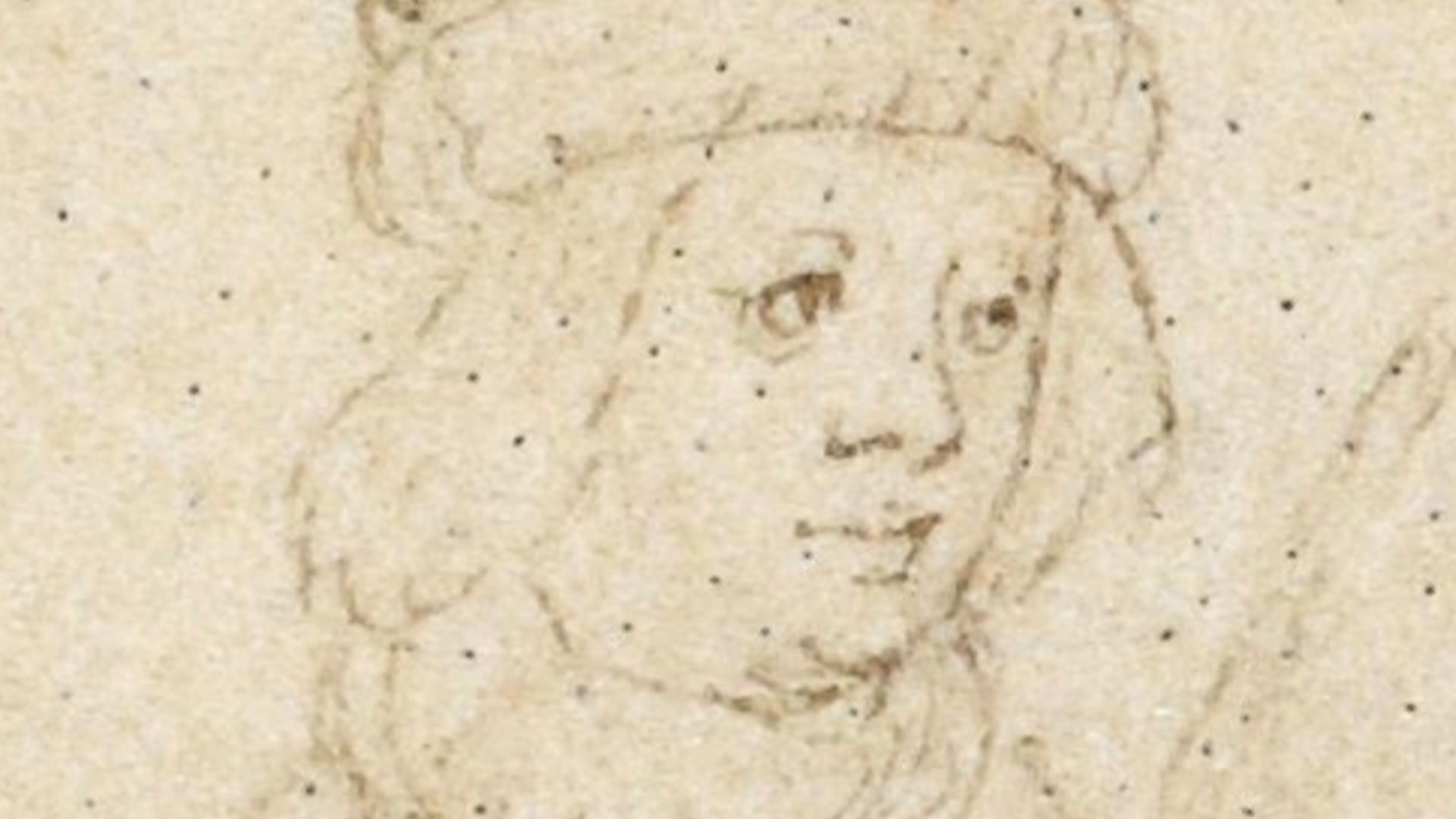
24. He Hastily Proclaimed A King
Together, Neville and Edward raced to London, which was now more sympathetic than ever to the rebel Yorkist cause. Neville saw his opening, and he took it. Unwilling to brook any more compromises, the Kingmaker quickly assembled a group of supporters and had his teenage charge proclaimed as King Edward IV. This time, it stuck.
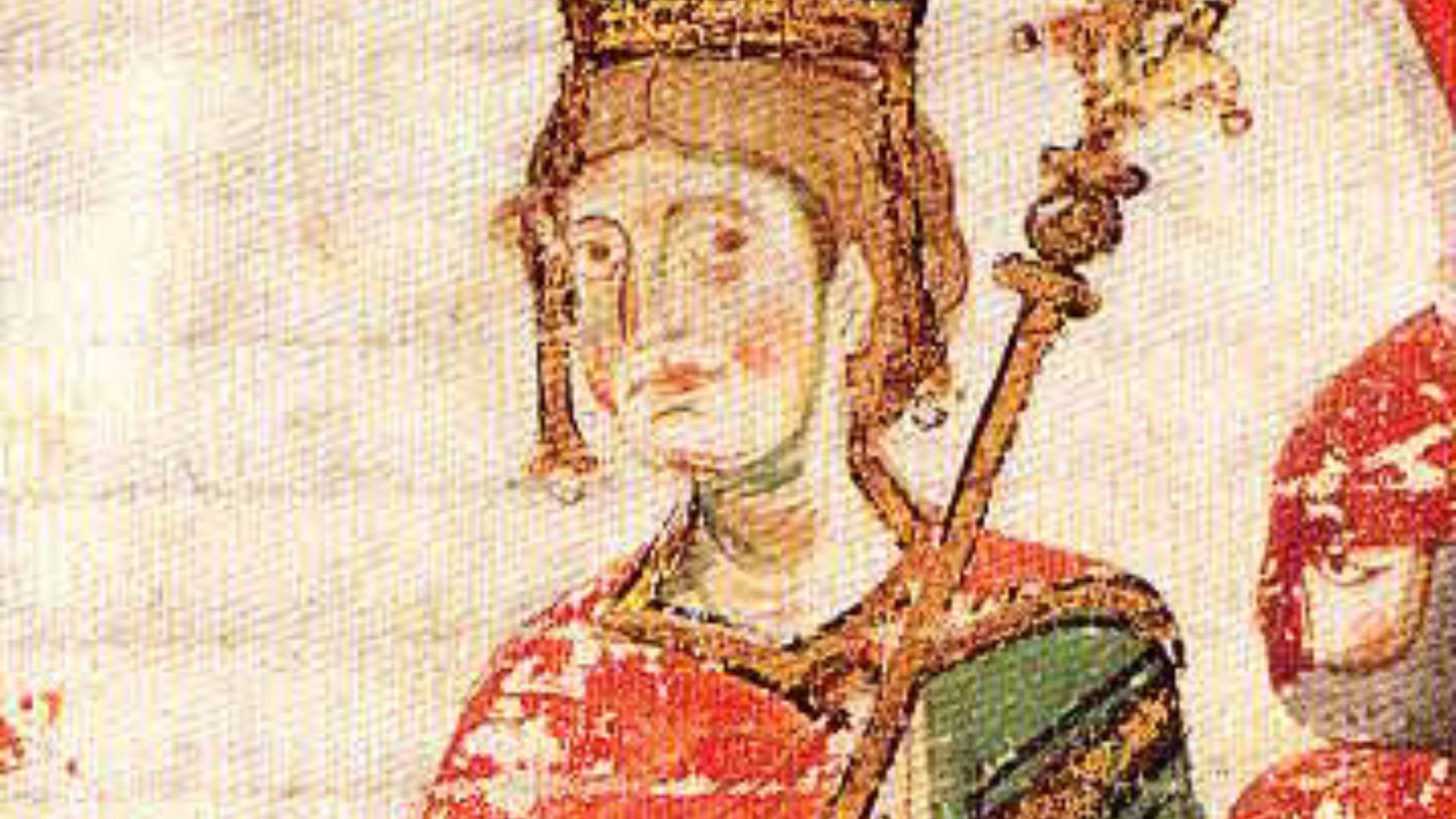 Peter of Eboli, Wikimedia Commons
25. He Became A Kingmaker
After the royal proclamation, Neville’s Yorkists won a series of decisive battles, all while the (ex) King Henry VI, Queen Margaret of Anjou, and their son Edward fled to Scotland. Before long, the Yorkist King Edward IV had an official coronation, and Neville had truly made his first king. He was about to enter a golden era.
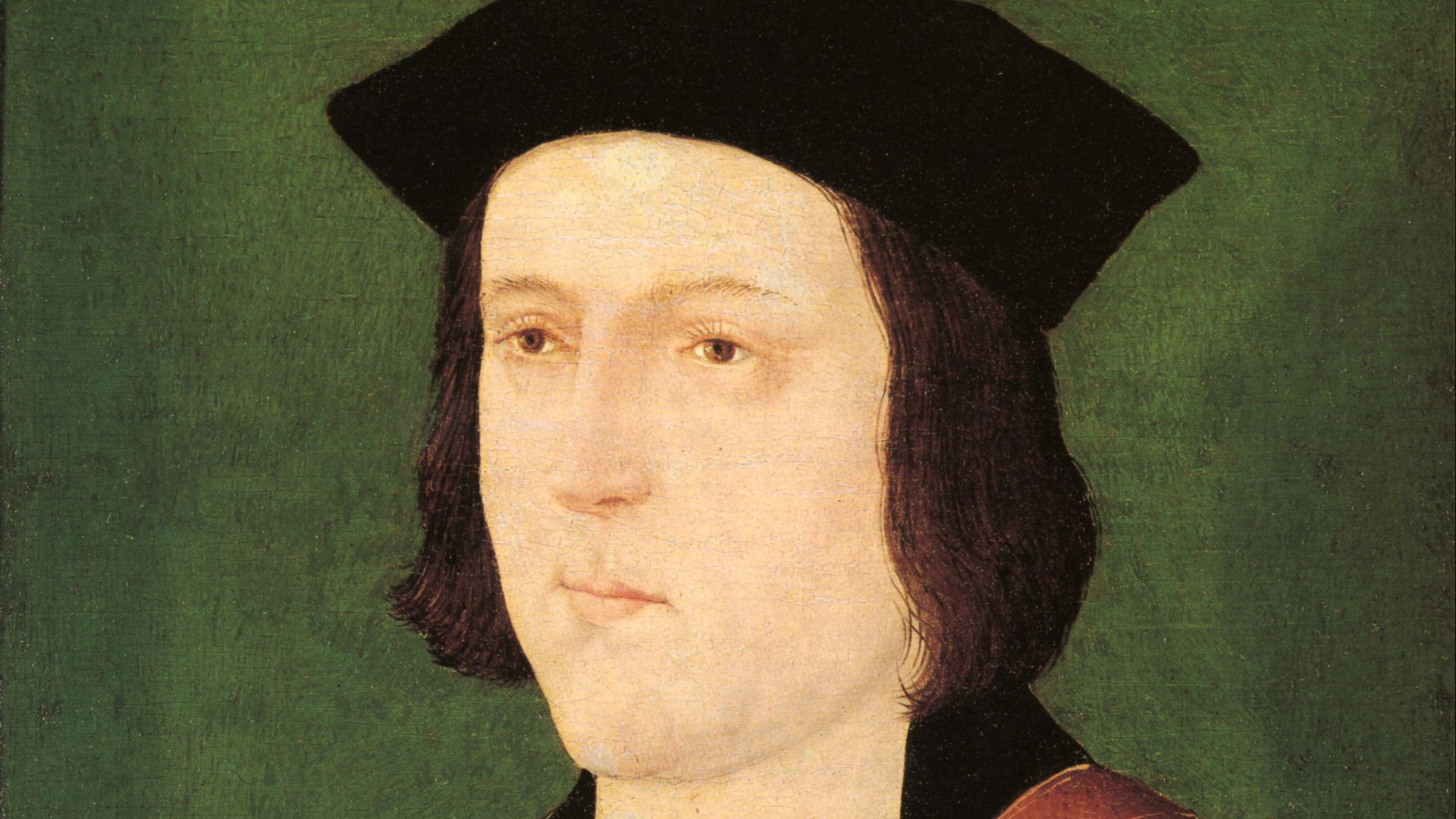
26. He Ran The Realm
Where Neville had spent years playing second fiddle to Somerset, he now had King Edward IV’s full and undivided attention. Accordingly, the new king lavished the Nevilles with posts and power. It did have its downsides: Many sneered at how much Edward depended on the family, and Edward himself was uncomfortably aware of these snide remarks.
However, Neville was becoming near untouchable.
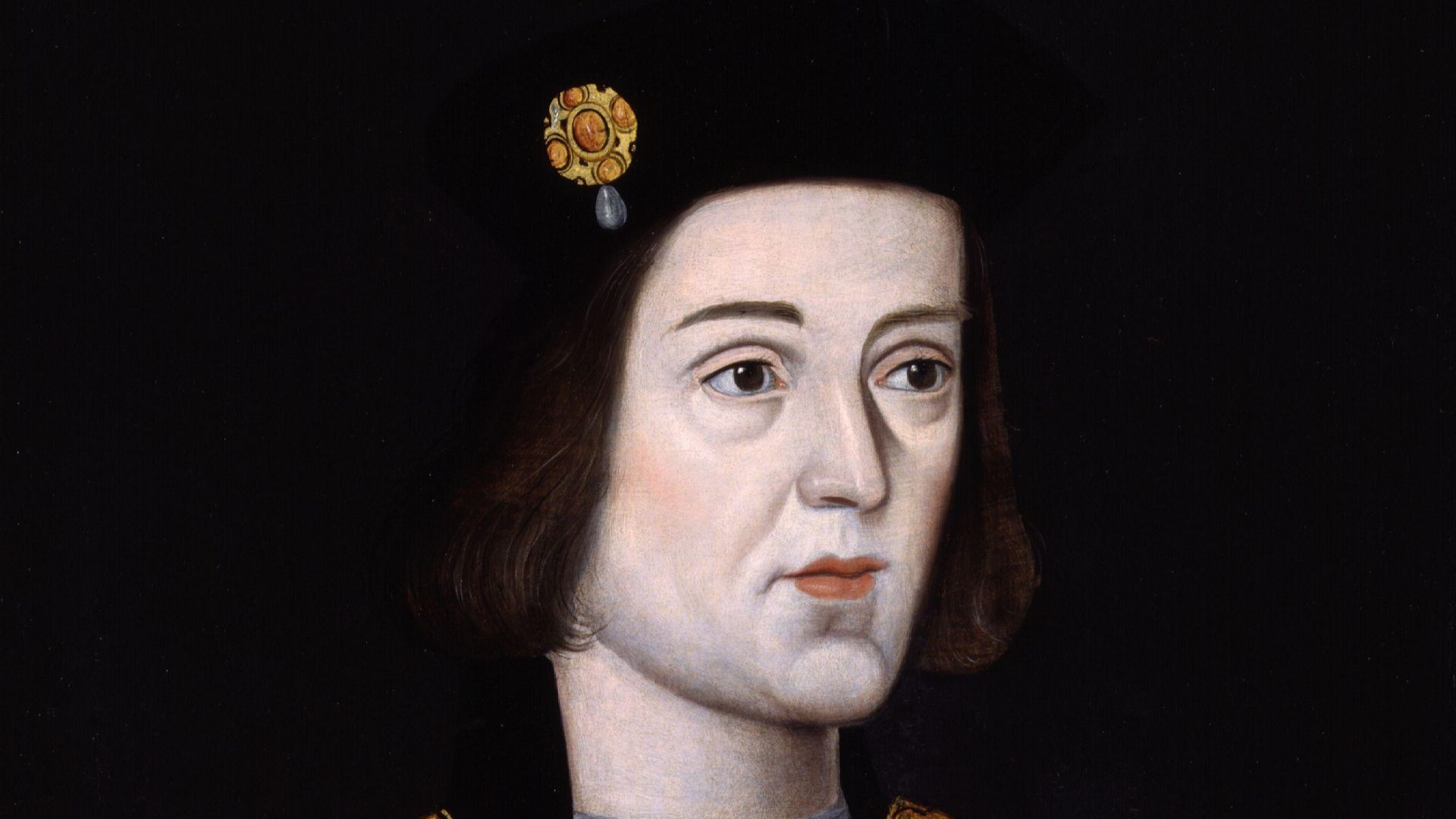 Unknown authorUnknown author, Wikimedia Commons
27. He Was Richer Than The Royal Family
With his father’s execution, Neville had inherited all the elder man’s lands and networks. Soon after, his mother also passed, leaving him all her lands and networks. As a result, by the time Edward was king, Neville was one of the richest, if not the richest man in the land, his wealth rivaling or surpassing that of even the royal family. But Neville always wanted more.
 Screenshot from The White Queen, Starz (2013)
28. He Made Marriage Plans
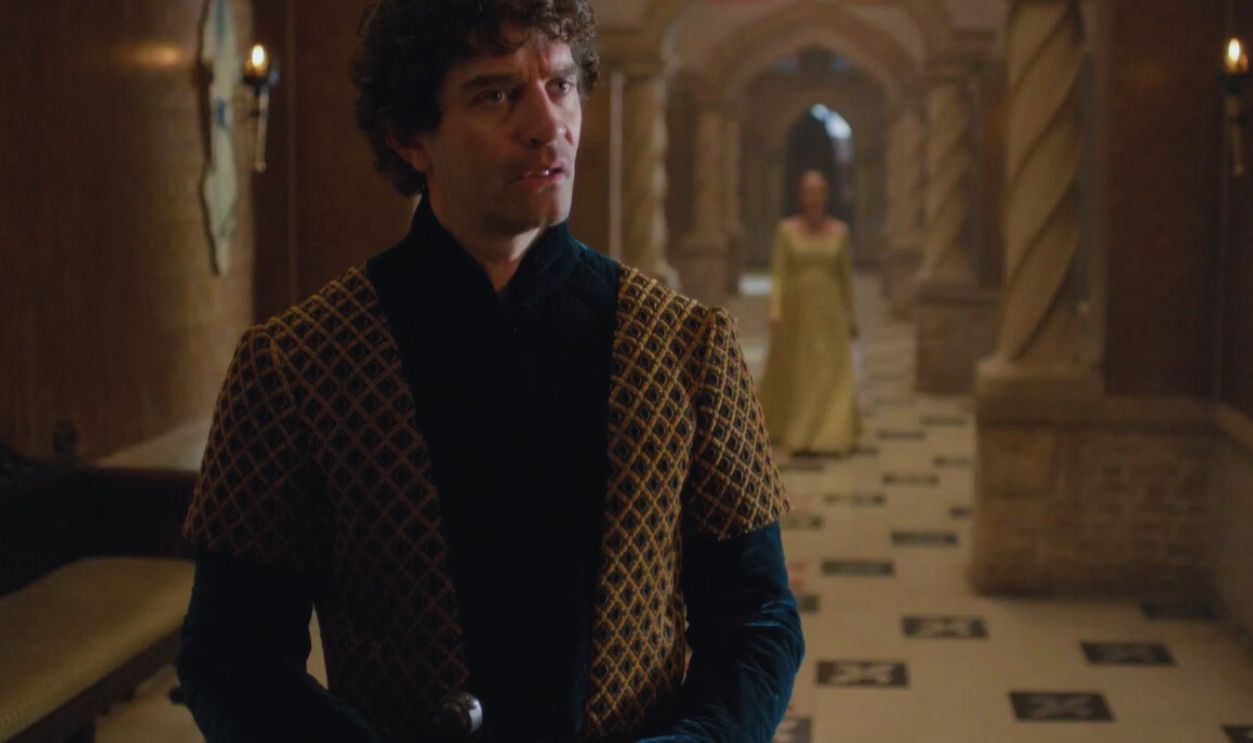
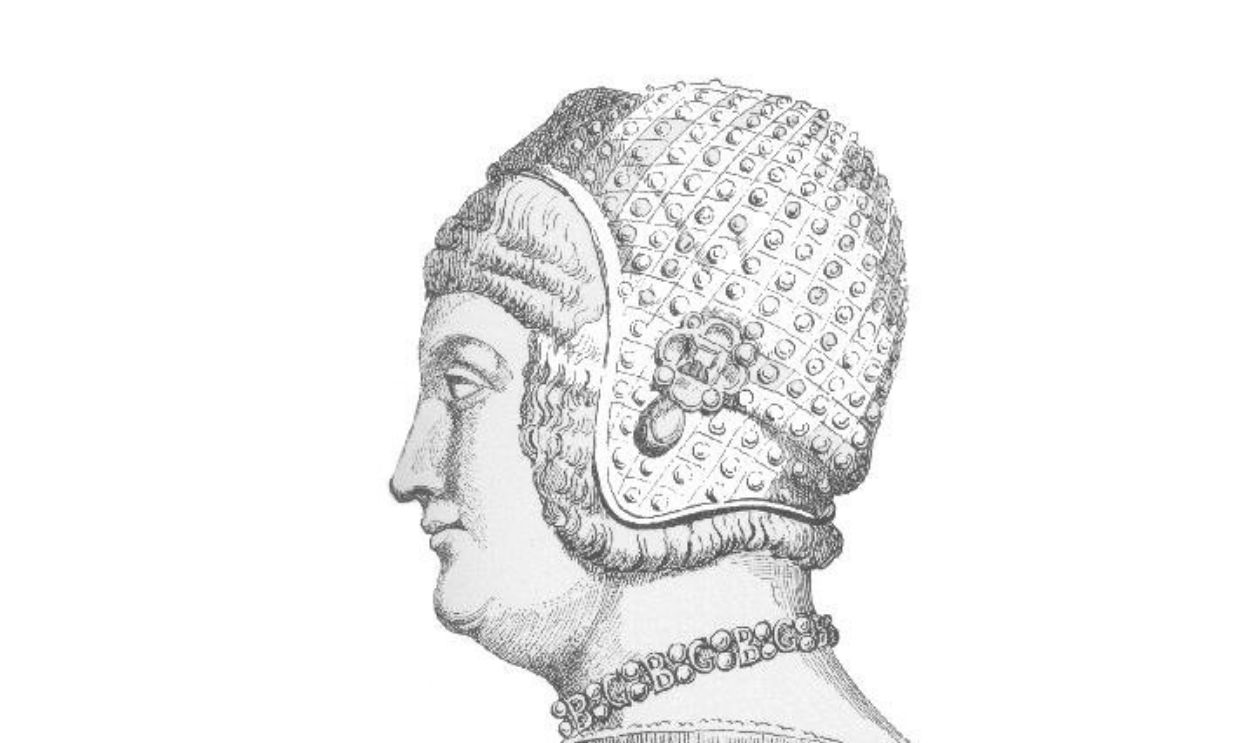
After his time in Calais, Neville had deep connections with the French monarchy, and he began dreaming of uniting the English and French thrones, intimating to the French that the new King Edward would be open to a marriage arrangement with them. Their choice was King Louis XI’s sister-in-law, Bona of Savoy, the daughter of a duke.
It was a choice bride for a rebel king, and Neville must have patted himself on the back. Only, he had no idea what was coming.
 Unknown Author, Wikimedia Commons
29. His King Was Acting Suspicious
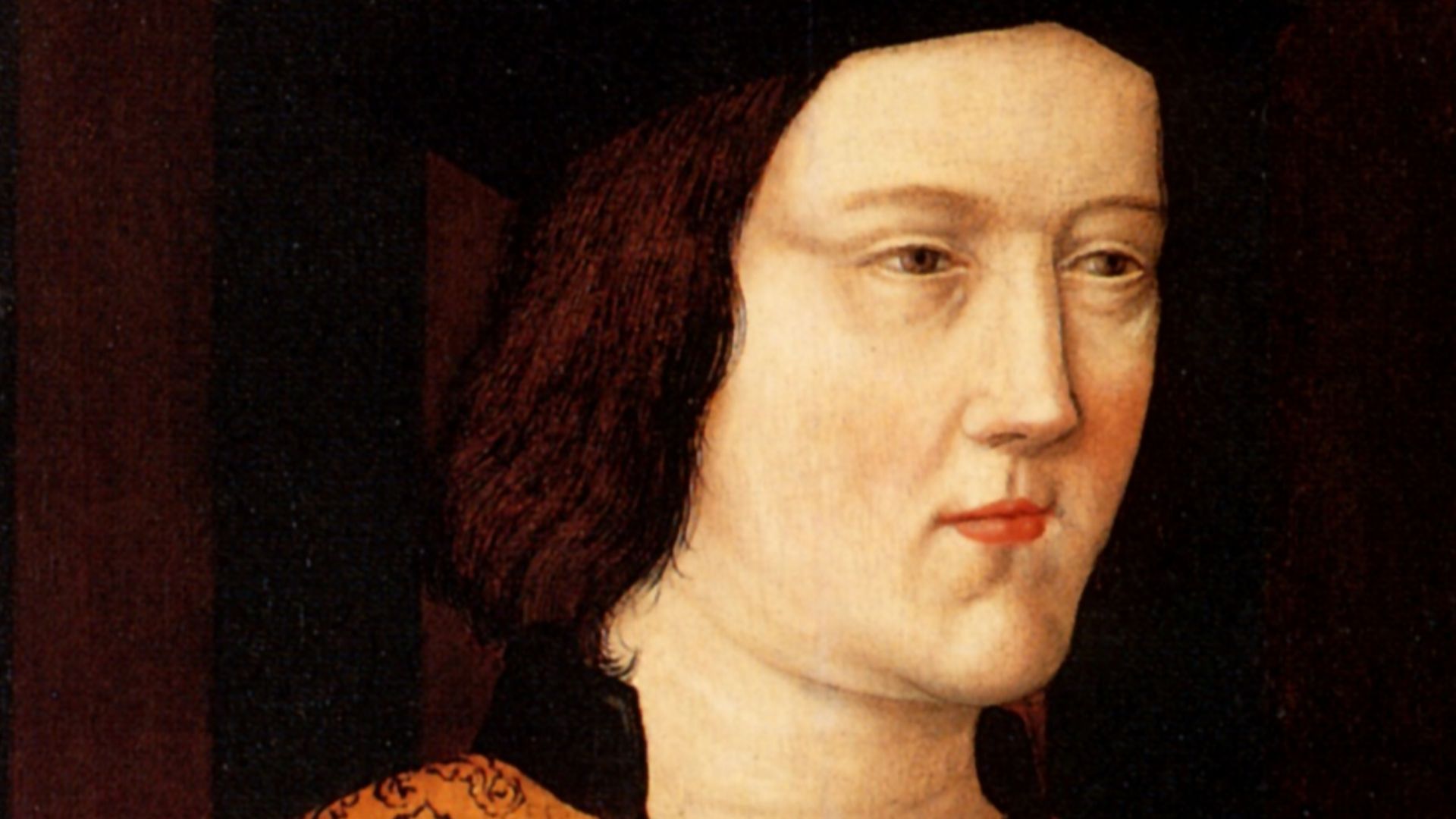
As Richard Neville was making these marriage negotiations with the French, he noticed an unsettling change in his new king. When it came to his upcoming nuptials, Edward must have seemed cagey—enough that, one day at a council meeting in October 1464, Neville pressed the king on what was going on. The answer floored him.
 Lucas Horenbout, Wikimedia Commons
30. His King Fooled Him
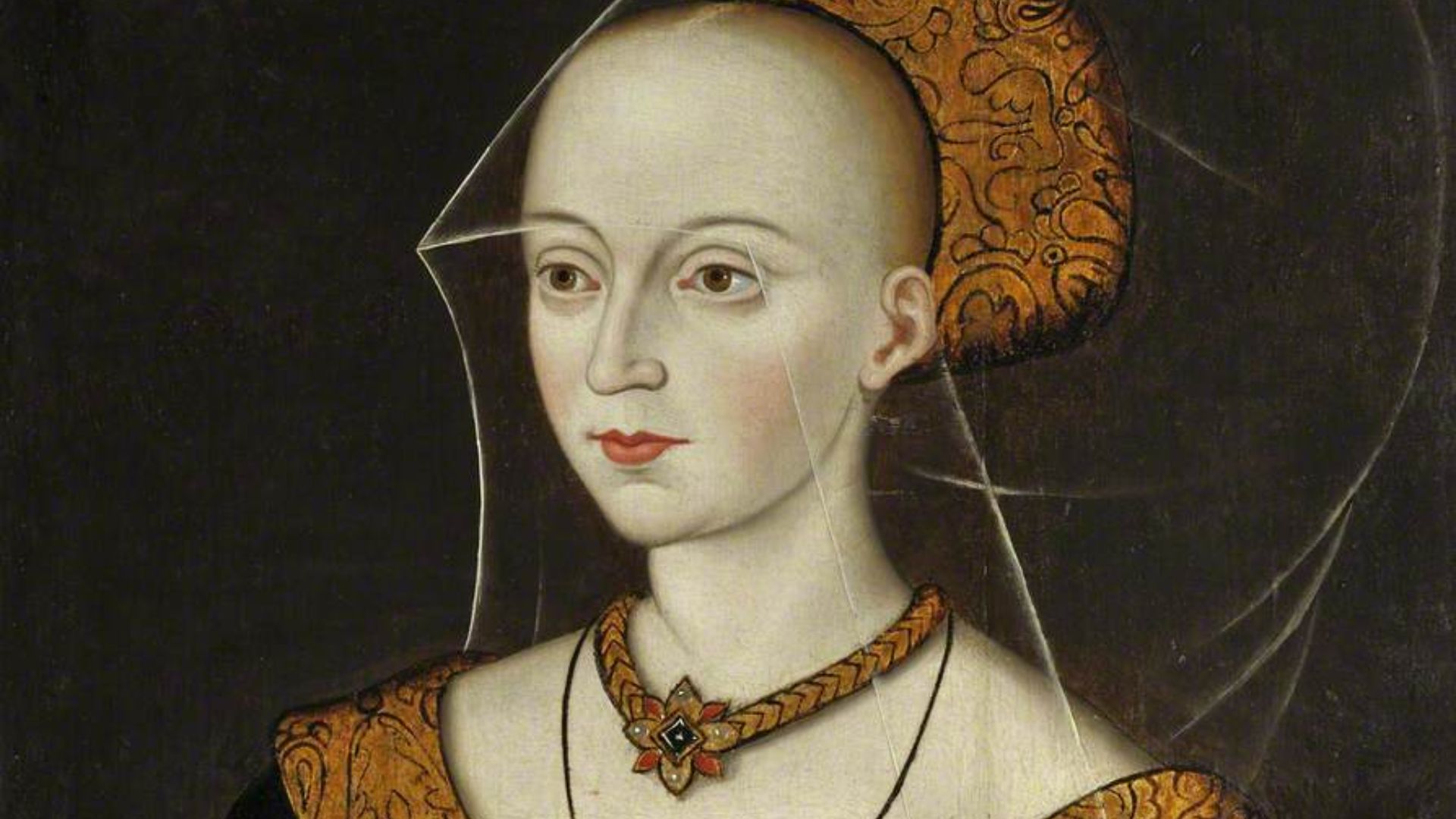
King Edward revealed to his closest advisor that he already was married, and had been for quite some time. The previous May, he had married the beautiful Elizabeth Woodville, then assiduously kept the secret from Richard Neville and the rest of his councillors. After all, Woodville was incredibly unsuitable.
 Kaho Mitsuki, Wikimedia Commons
31. She Was A Bad Choice
To the councillors’ dismay, Elizabeth Woodville was the widow of a hated Lancastrian. More than that, although her mother Jacquetta of Luxembourg came from higher nobility, her father was a “mere” provincial baron, making her all but a commoner.
For Neville, a Grand Master of political maneuvers, it was like the king was playing checkers when he needed to play chess. His response was explosive.
 engraved by W. H. Mote (1803-1871) after an illustration by J.W. Wright, Wikimedia Commons
32. He Lashed Out
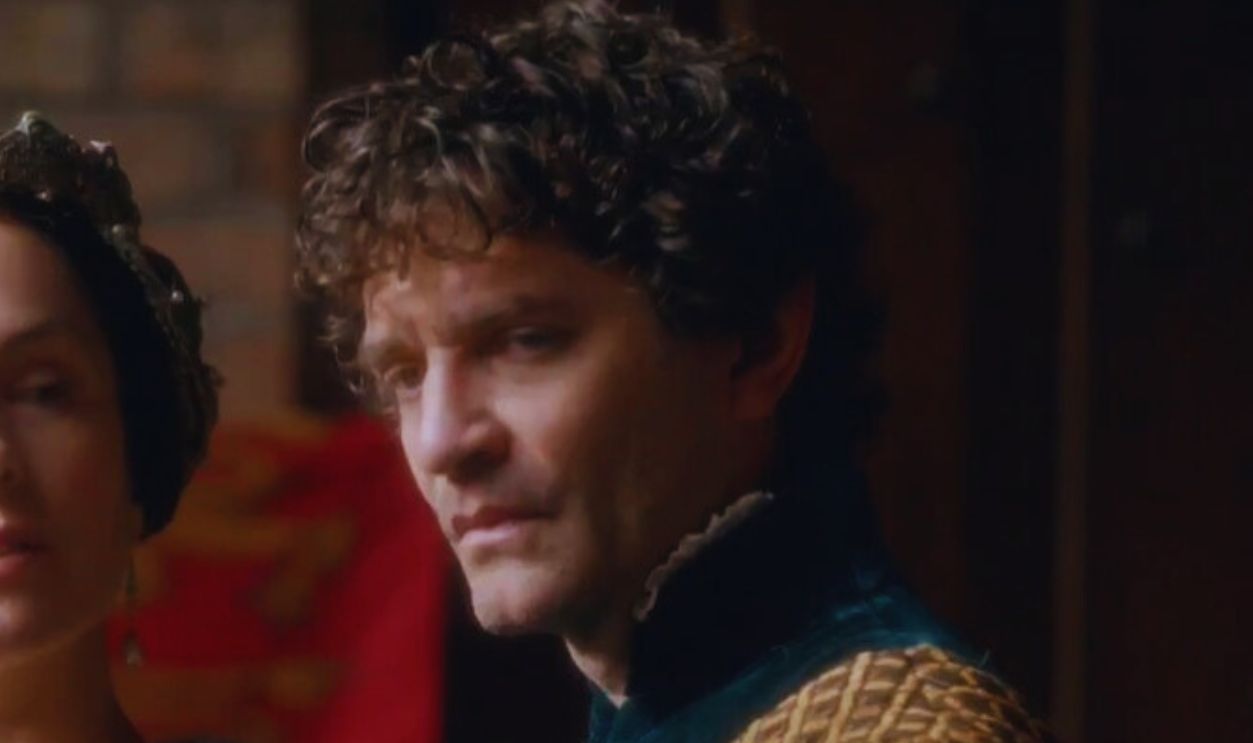
Neville fell into a rage at the news, and he probably had a right to be angry. After more than a decade of careful strategy, Edward had now turned him into a liar in front of the French royal family. Edward had also, in the same fell swoop, foreclosed a politically advantageous match, a cardinal sin in Neville’s world.
But there were deeper, more personal reasons for his rage.
 Screenshot from The White Queen, Starz (2013)
33. His King Wanted Out
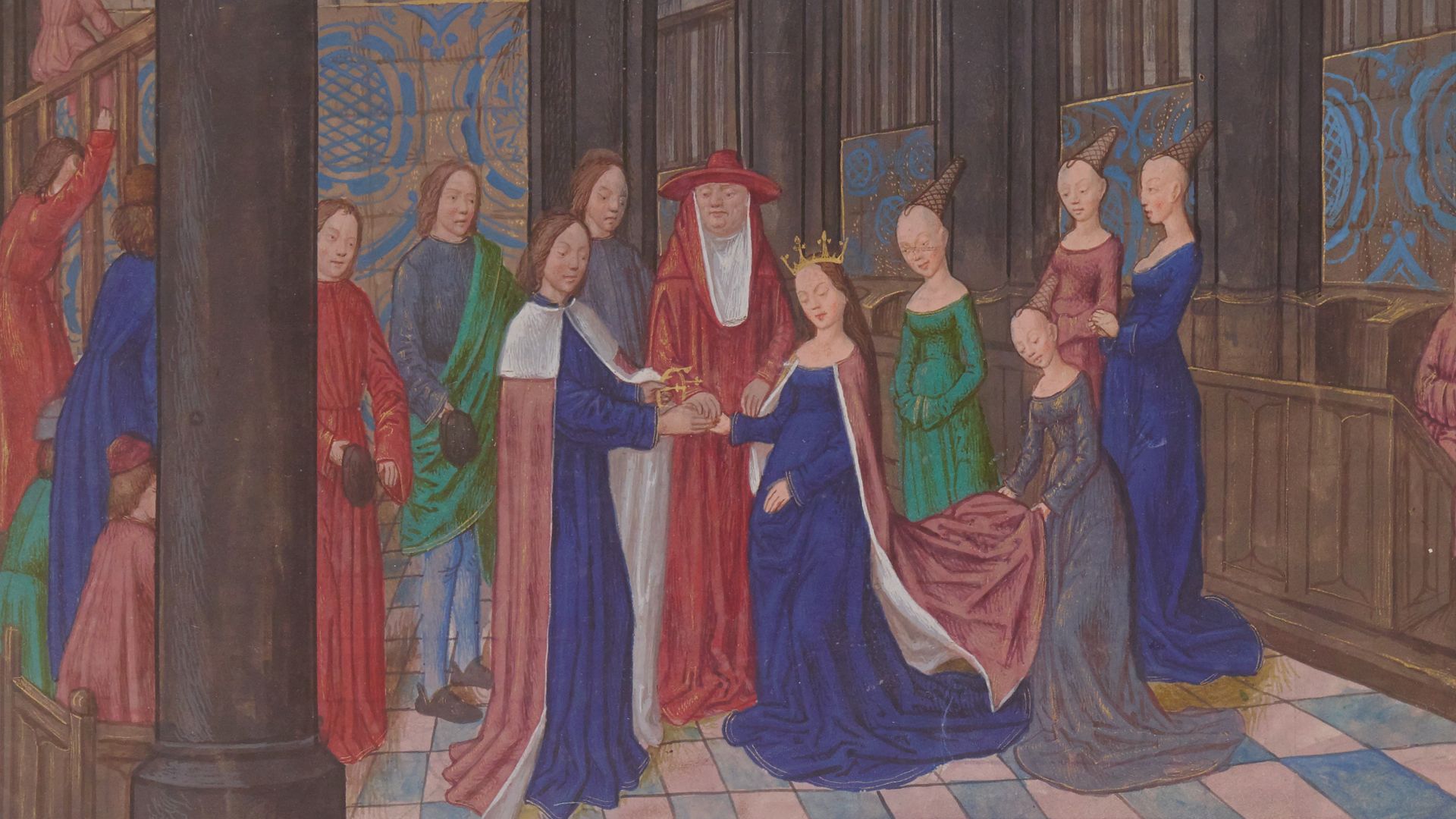
Although Edward’s marriage to Elizabeth Woodville was likely an impulsive love match, the king did have some logic for marrying his commoner queen—and it had everything to do with Richard Neville. In choosing the Woodvilles, Edward purposely moved away from the powerful Nevilles and toward a family who was dependent on him.
But Neville would never give up power so easily.
 unknown scribe, Wikimedia Commons
34. He Went Scorched Earth
Seeking to consolidate his slipping power and erode their growing influence, Neville went for the Woodvilles’ throats. He accused both Elizabeth and her mother Jacquetta of witchcraft—not an idle accusation during this time, though it went nowhere—and continued to perform high-ranking tasks for Edward over the next years.
No, his real downfall was slower and subtler than that.
 Aethelswyth, Wikimedia Commons
35. He Was Pushed Out Of Power
Eventually, Edward entrusted Neville to carry out marriage negotiations for his sister Margaret. It was a plum royal task—but it soon became clear that Elizabeth Woodville’s father, the Earl of Rivers, was really pulling the strings, rendering all of Neville’s diplomacy moot and irritating Neville to no end. More slights were to come.
 anonymous / Unidentified painter, Wikimedia Commons
36. His Influenced Plummeted
Soon, even Neville’s family felt the effects of his fall from grace. His brother, who had won a high position as chancellor, was dismissed from his post. Perhaps most grating of all, when Neville tried to marry his eldest daughter Isabel to King Edward’s brother George, Duke of Clarence, Edward refused to even pretend to think about it before rejecting the proposal.
The power balance had now fully turned toward the Woodvilles. And whenever Neville felt disrespected, he lashed out.
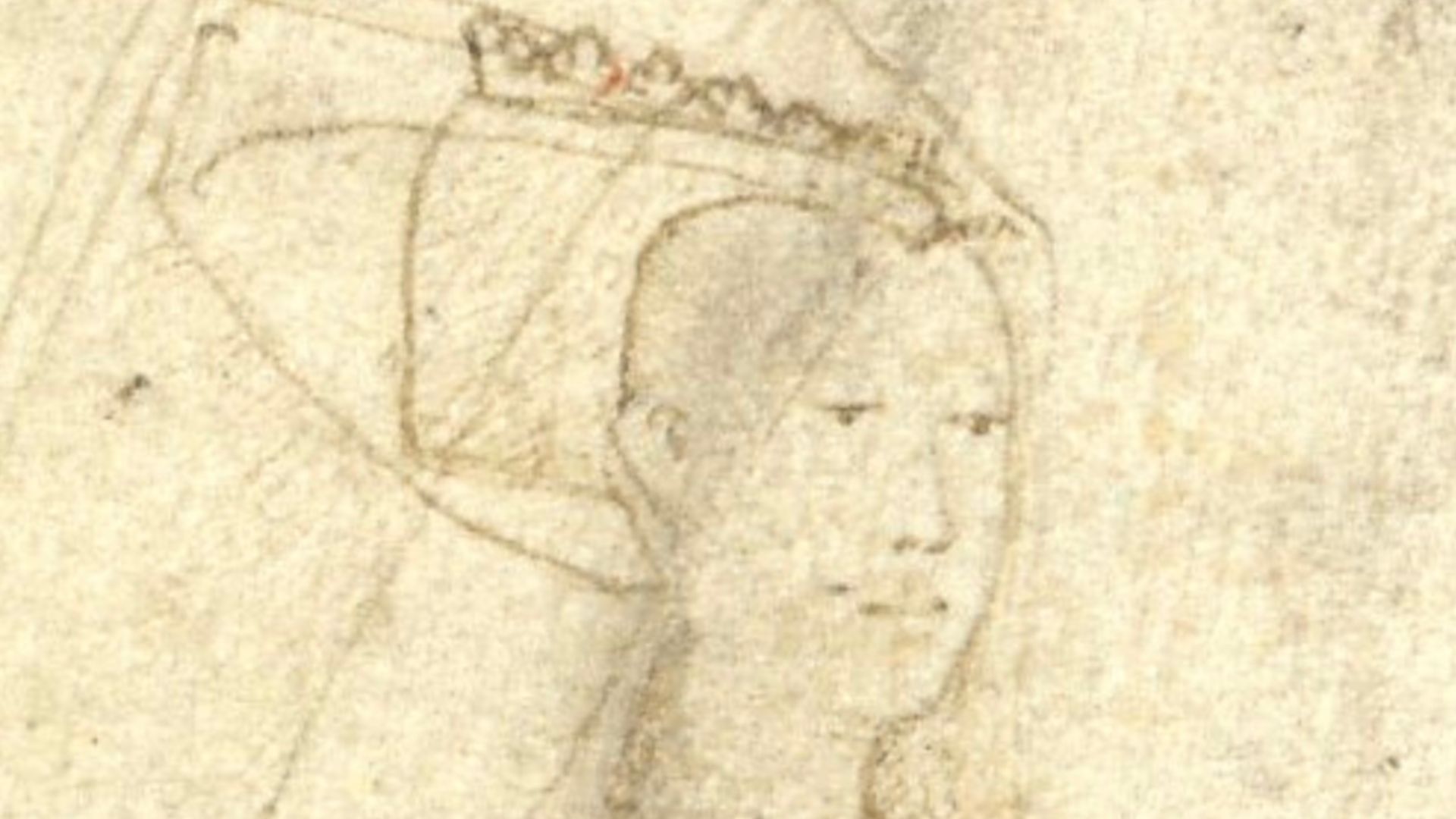
37. He Didn’t Forgive Or Forget
By the fall of 1467, dark rumors were swirling about Richard Neville. Many began to believe his sympathies were now swinging back to the Lancastrian cause, or at least against Edward, after years of snubs by the king—the king he had put on the throne. Neville’s response to this didn’t comfort anyone.
 Screenshot from The White Queen, Starz (2013)
38. He Made A Passive-Aggressive Power Move
When Neville got wind of these whispers, he didn’t even bother to come to court to address them. Instead, he only sent a denial in writing to King Edward—a half-hearted attempt that the king nonetheless accepted. After all, Neville’s power may have been waning, but he was still one of the most influential men in England.
In any case, Neville was just waiting for the right time to pounce.
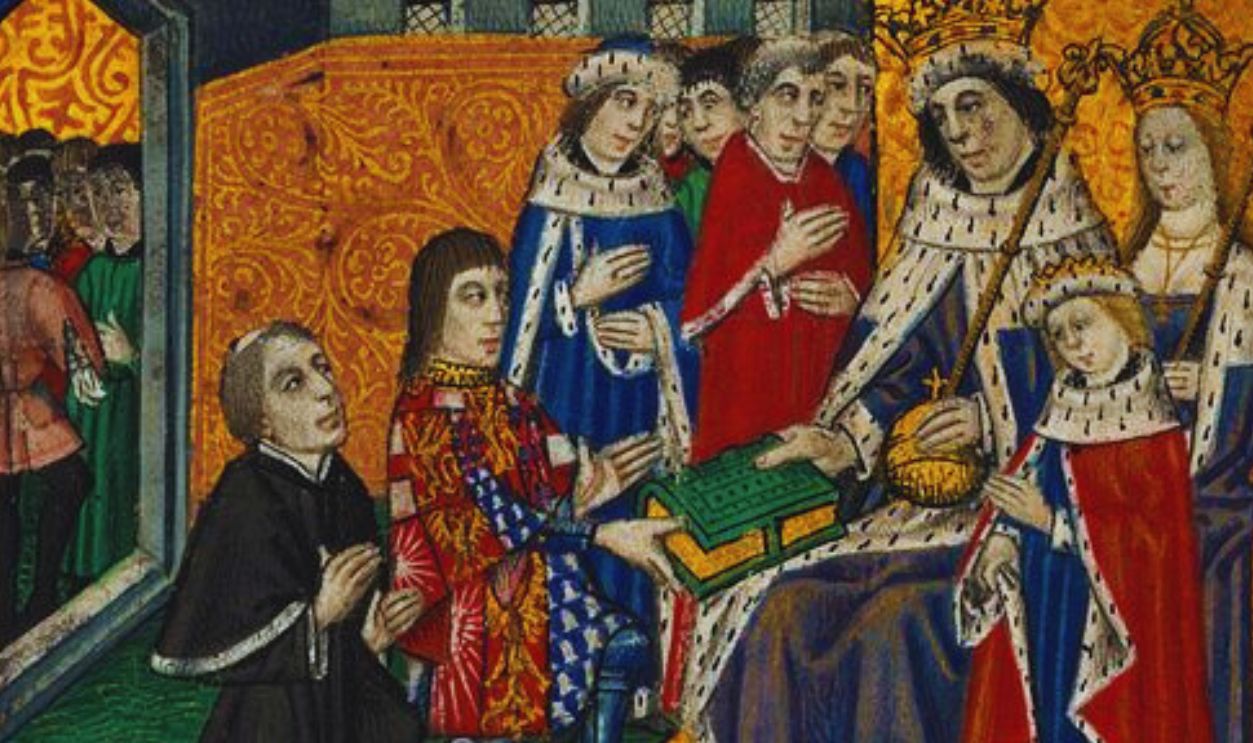 Lorenzo Lippi, Wikimedia Commons
39. He Had Perfect Timing
Neville had always been circumspect, and he knew to bide his time before betrayal and ensure he had every chance of succeeding. So a couple years later, when a rash of Lancastrian plots popped up and it became clear that many were unhappy with King Edward’s reign, Neville recognized his chance. Then he made a huge statement.
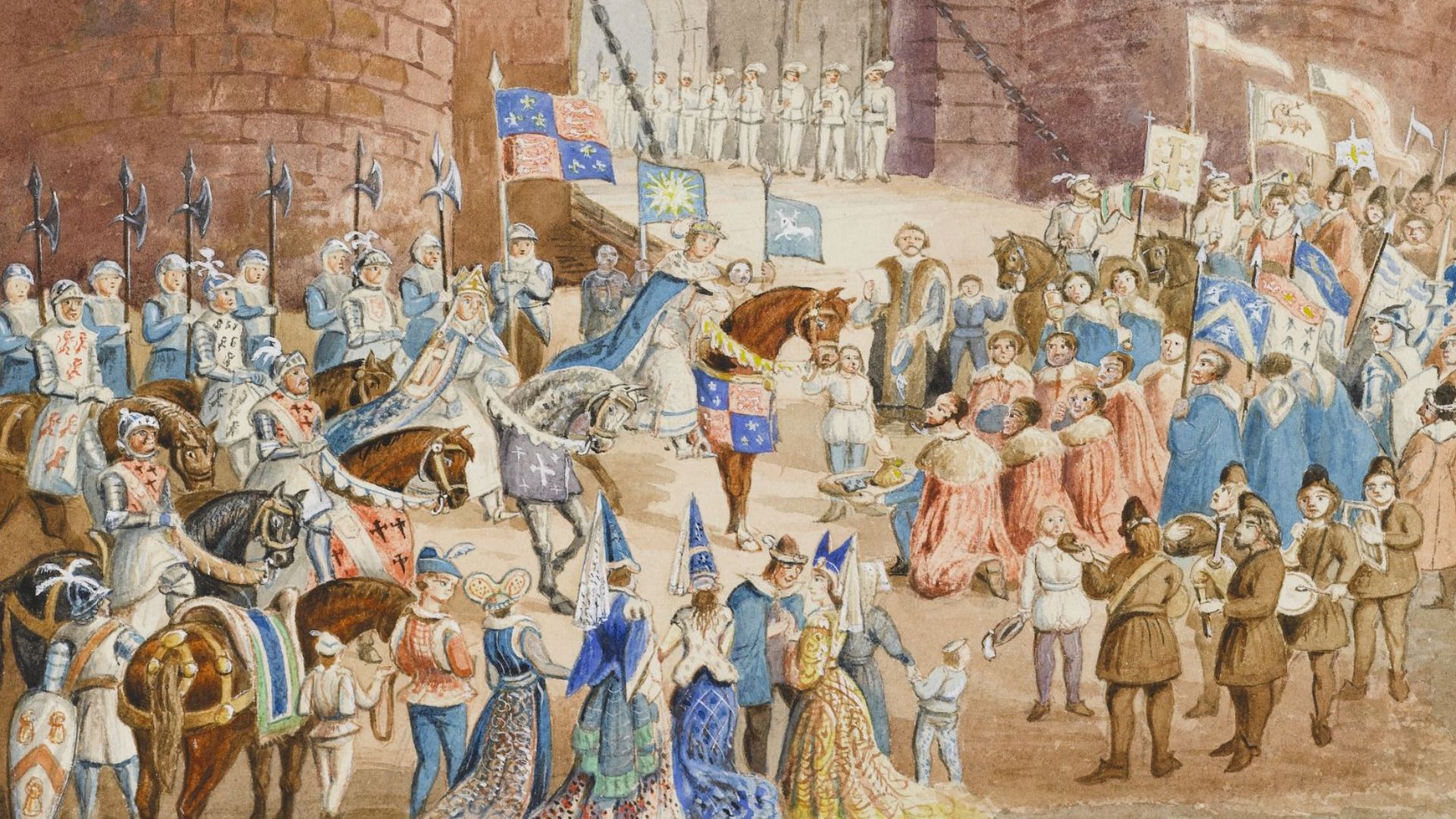 George Townsend, Wikimedia Commons
40. He Turned The King’s Brother Against Him
In 1469, the disgruntled Neville orchestrated a rebellion in Yorkshire—and then followed it up with another family feud. Behind the scenes, he had slowly been turning King Edward’s younger brother, the 19-year-old George, Duke of Clarence, against the crown, and he now sailed with the prince over to his old stronghold of Calais.
While there, he got exactly what he’d been angling for.
 Richard Godfrey, Wikimedia Commons
41. He Wanted His Daughter To Be Queen
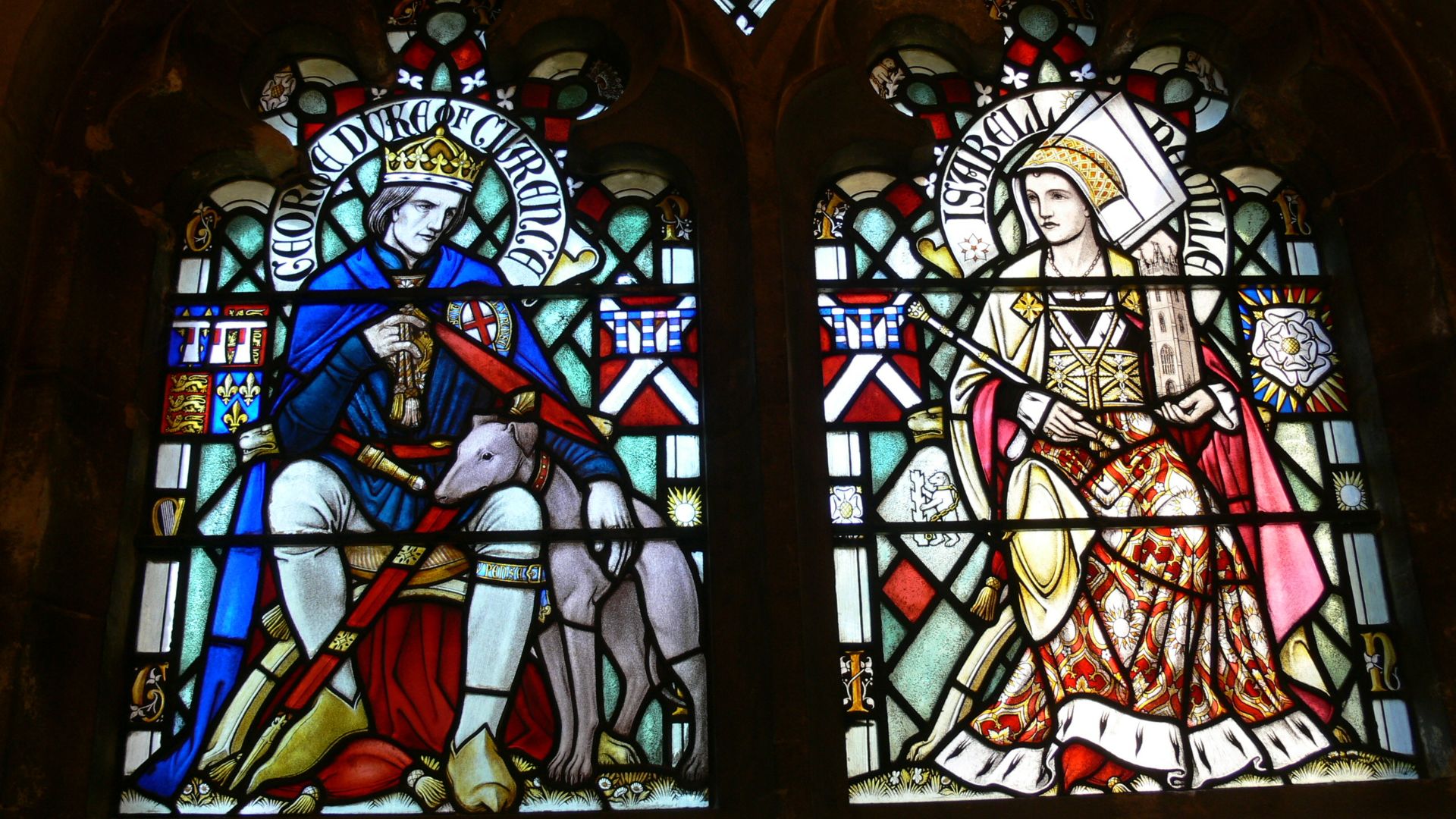
In his usual move, Neville likely wanted to install George on the throne in place of Edward. He made sure to set himself up best in this plot—and get one over on Edward in the process. That July, he did indeed marry his daughter Isabel to George, thumbing his nose at the king’s rejection of his marriage plans…and ensuring that if George did become king, Neville would be right there with him.
His victory was swift—but brief.
 Wolfgang Sauber, Wikimedia Commons
42. He Imprisoned Another King
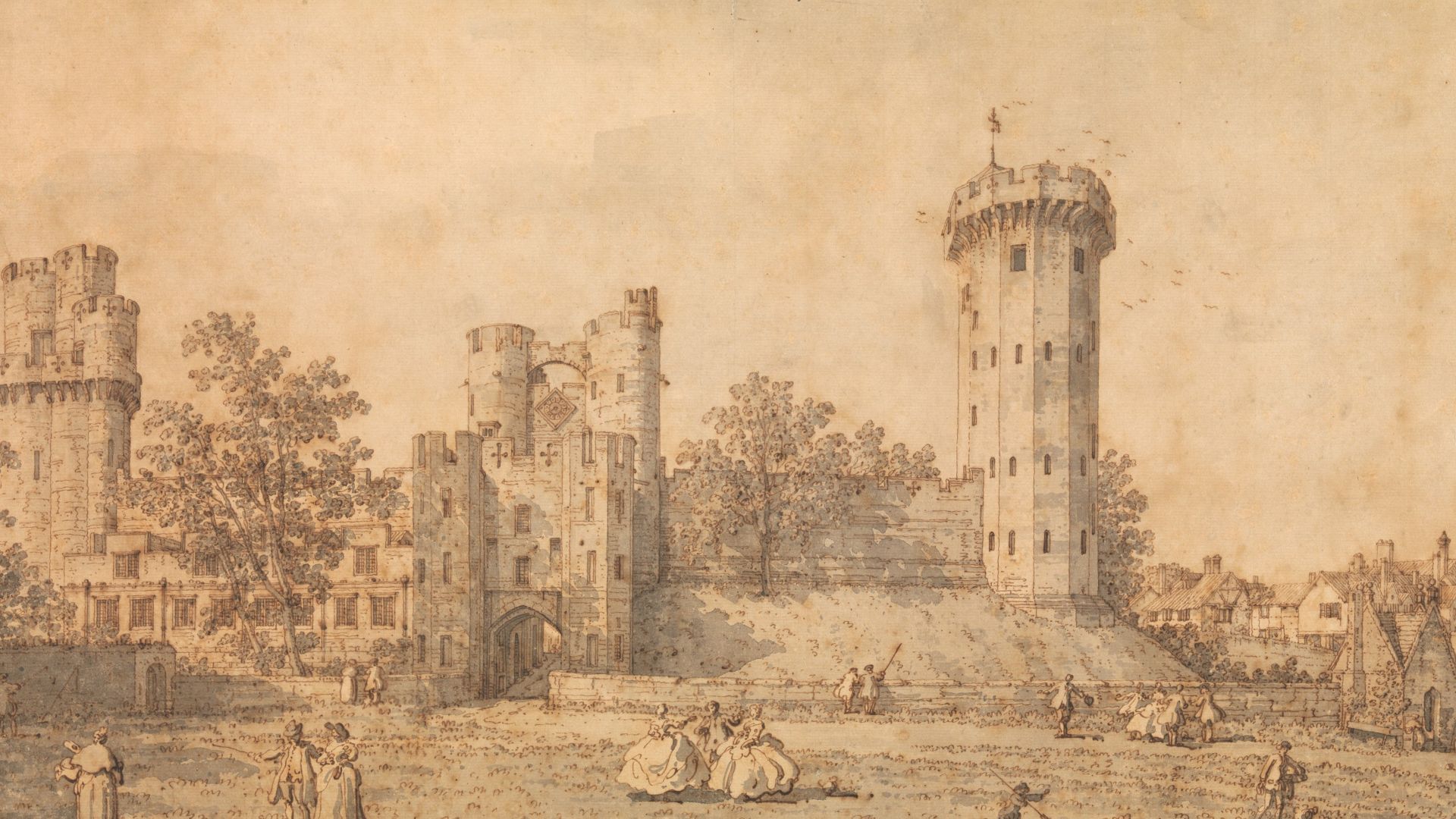
Within weeks, it was all over for King Edward IV’s reign. Neville’s men decimated Edward’s troops, and Elizabeth Woodville’s father and brother were slain in the fighting to boot. With hope lost for the upstart Yorkists, Neville now imprisoned Edward in his own Warwick Castle.
Neville had pulled off one of the most breathtaking double-agent moves in history…and then it fell apart again. This time for a truly incredible reason.
43. He Was Forced To Let Him Go
The state of the English government was in such shambles that—in an utterly bizarre twist that exemplifies the pure chaos of the Wars of the Roses—Neville actually had to release King Edward to allow him to semi-govern the country, all while fighting continued.
Neville, meanwhile, fled to France to hunker down and plot his next move. To seal the deal, he’d have to ally with an old enemy.
 Henry Payne, Wikimedia Commons
44. He Had A Shocking Reconciliation
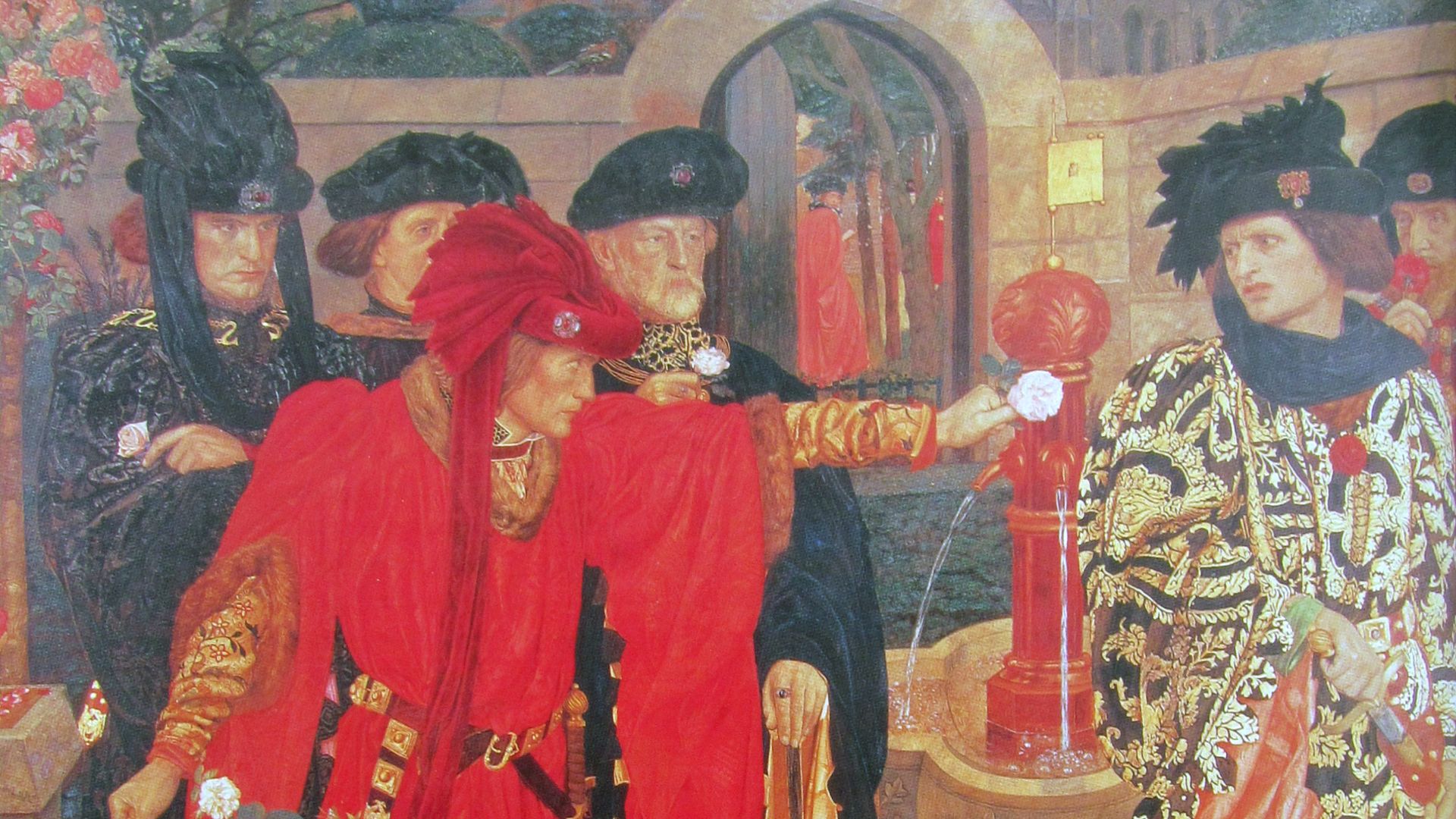
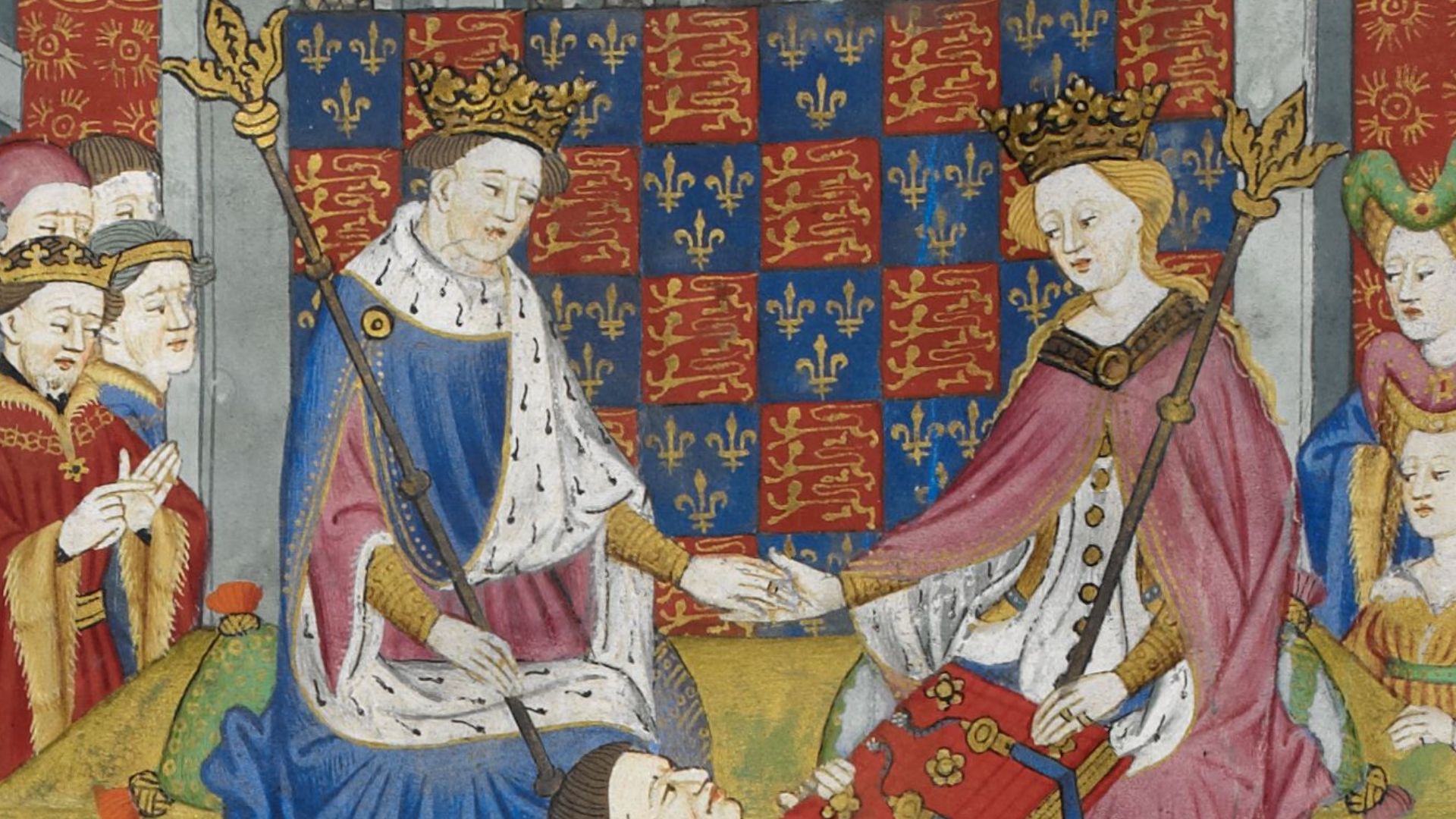
Richard Neville was close to kicking King Edward off the throne, but many felt he needed a better replacement than the king’s younger brother. Enter: our old friends Henry VI and Margaret of Anjou. The pair reconciled with their frenemy, making an agreement that if Neville put Henry back on the throne (nevermind that he was the one who took him off it), they would marry their son Prince Edward to Neville’s daughter Anne, once more ensuring Neville had a piece of the crown.
It was a bizarre path to power, but Neville again made the right call.
 Master of Talbot, Wikimedia Commons
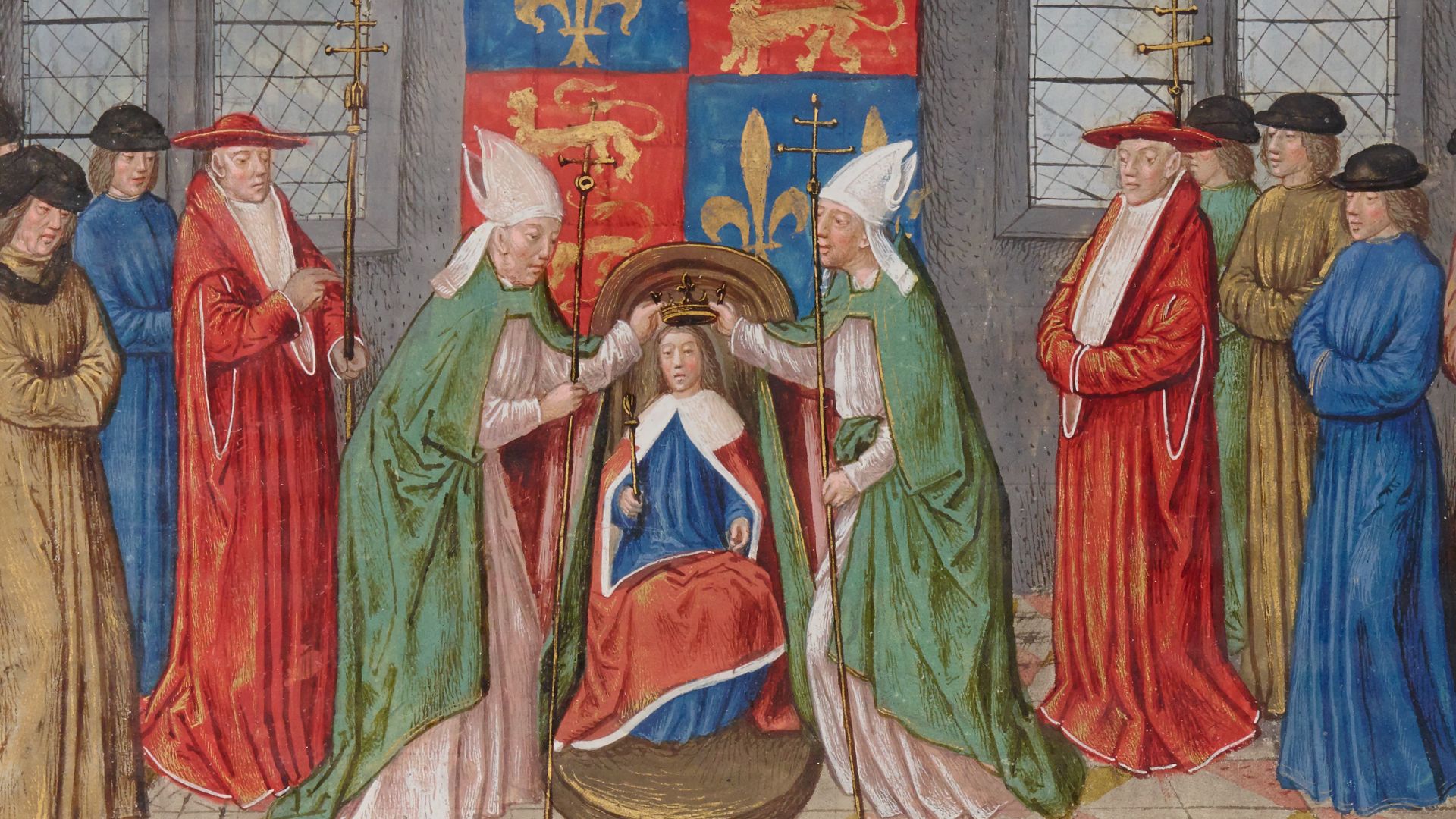
45. He Put Another King On The Throne
After more fighting, Neville’s forces routed the so-called usurper Edward and restored King Henry VI to the throne. To make it official, the Lancastrians stripped Edward of his lands and titles, while his brother George, Duke of Clarence—as something of a consolation prize for not being king—was awarded the Duchy of York.
Except Richard Neville’s life, which had so many ups and downs, was about to have its final downfall.
 Unknown authorUnknown author, Wikimedia Commons
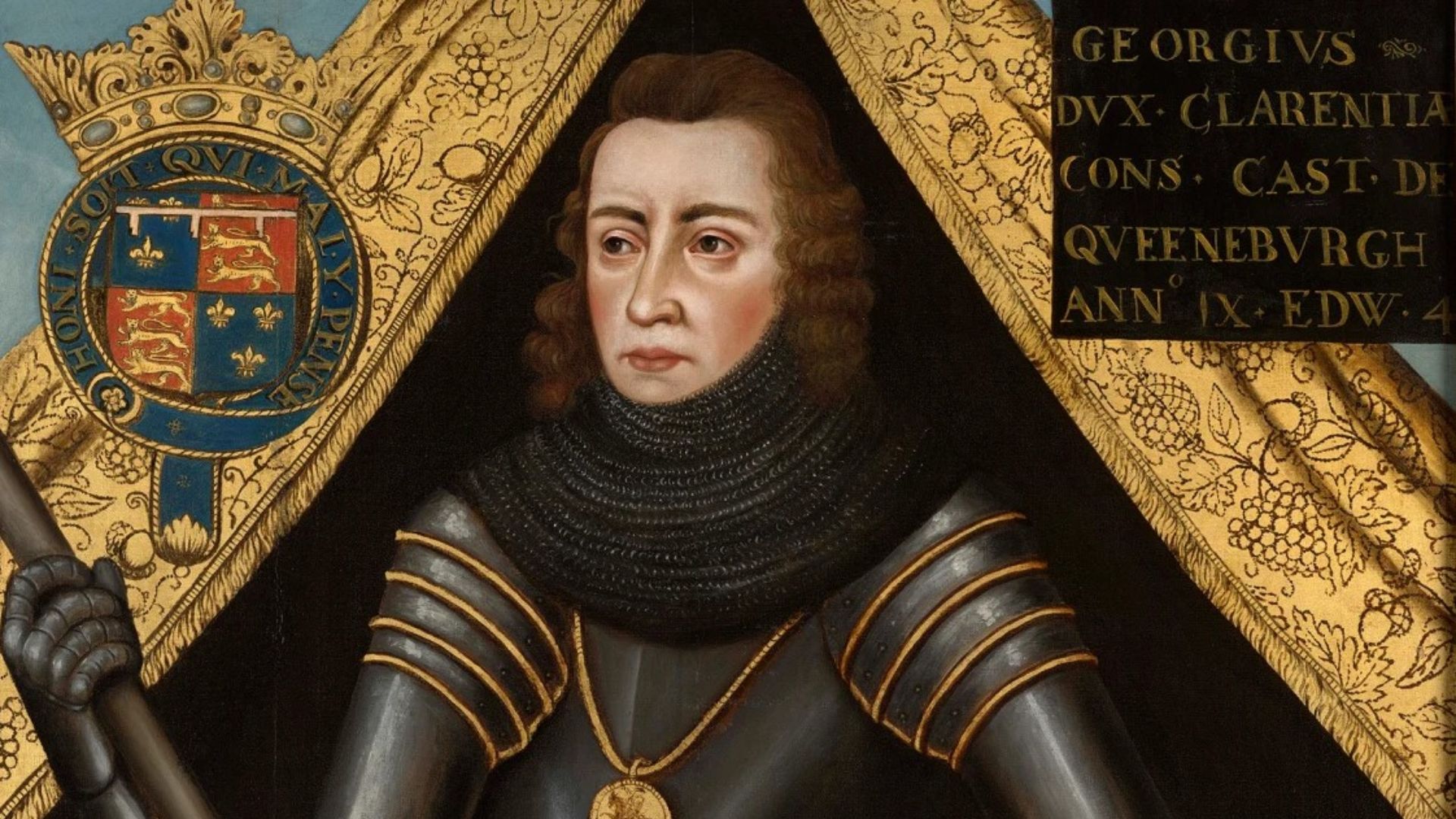
46. He Had A Bitter Downfall
Neville always lived on the knife’s edge of power, and it eventually cut him to the bone. By March of 1471, not even a year into King Henry VI’s new reign, Neville was facing his last stand. Edward IV had rallied French support; George, Duke of Clarence—evidently miffed by not being king—had defected back to his brother; and Neville was sorely missing reinforcements from Margaret of Anjou.
All the same, he went into battle once more with Edward. He wouldn’t make it out.
 Lucas Cornelisz de Kock (1495-1552), Wikimedia Commons
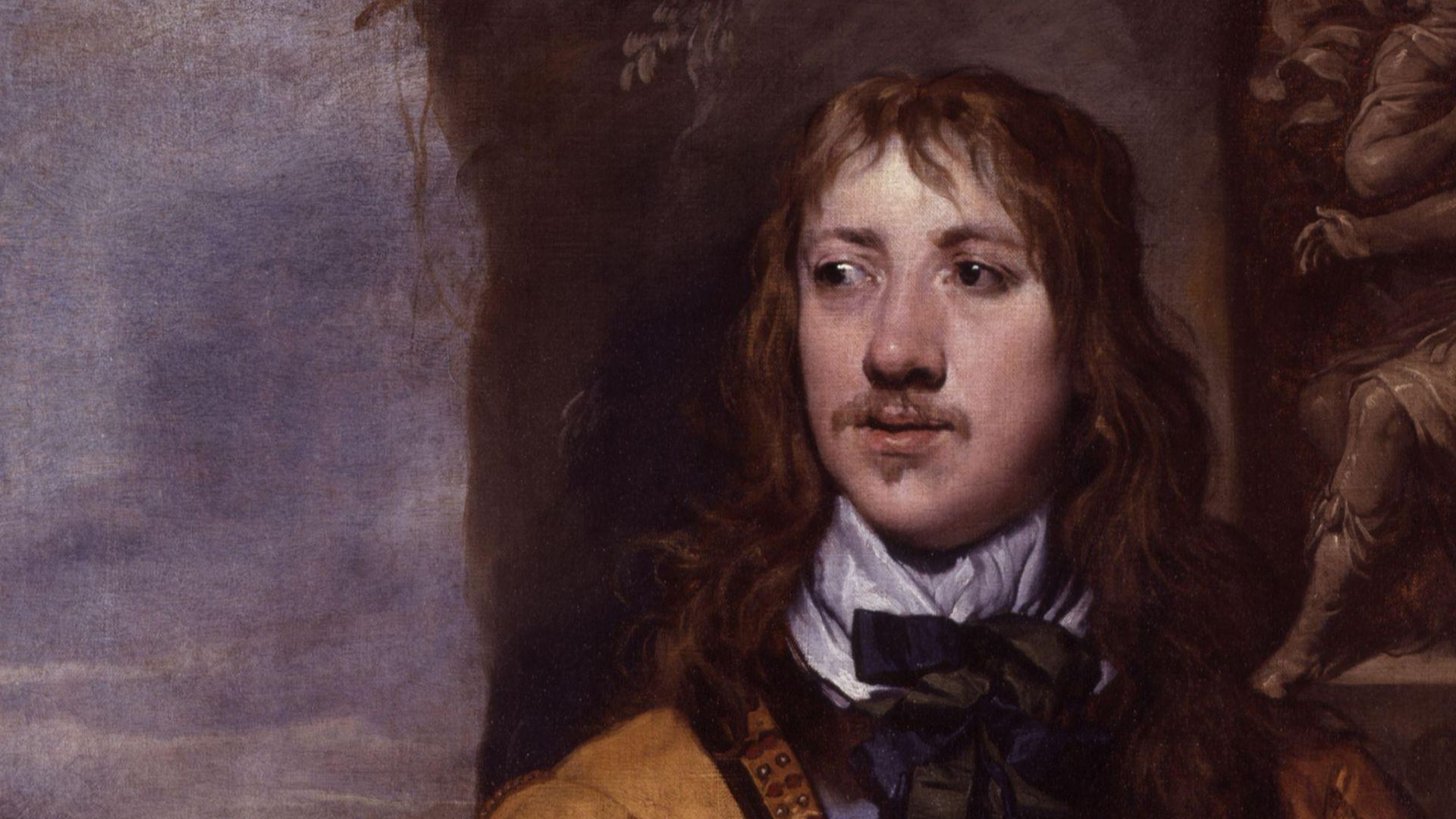
47. His Last Battle Was Disastrous
For all Richard Neville’s prestige and infamy, his final moments were mortifying. When his troops met Edward’s on April 14, 1471 at Barnet, there was so much fog and confusion in the battle that Neville’s army began attacking itself, turning the tides.
Neville, who always knew the right time to leave, began to flee—and then met his dark fate.
 William Dobson, Wikimedia Commons
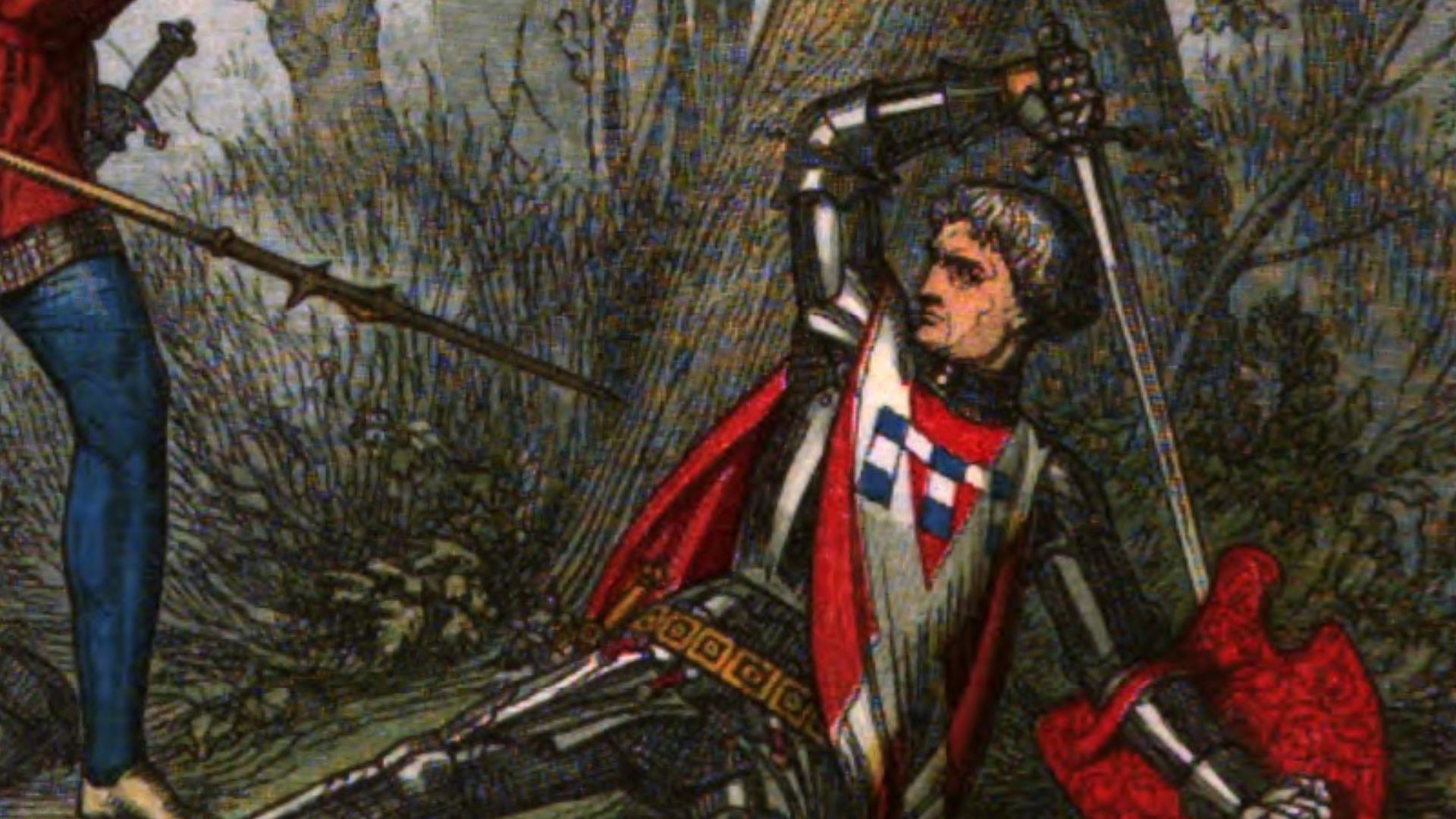
48. He Died Like All The Rest
Many of Neville’s enemies—Somerset and Elizabeth Woodville’s father among them—had been cut down in battle like flies, their outsized influence disappearing in the haze of war. Now, it was Neville’s turn: As the 42-year-old tried to escape the field, another man struck him off his horse, killing him. The aftermath was even grimmer.
 James William Edmund Doyle / Edmund Evans, Wikimedia Commons
49. His Body Was Put On Display
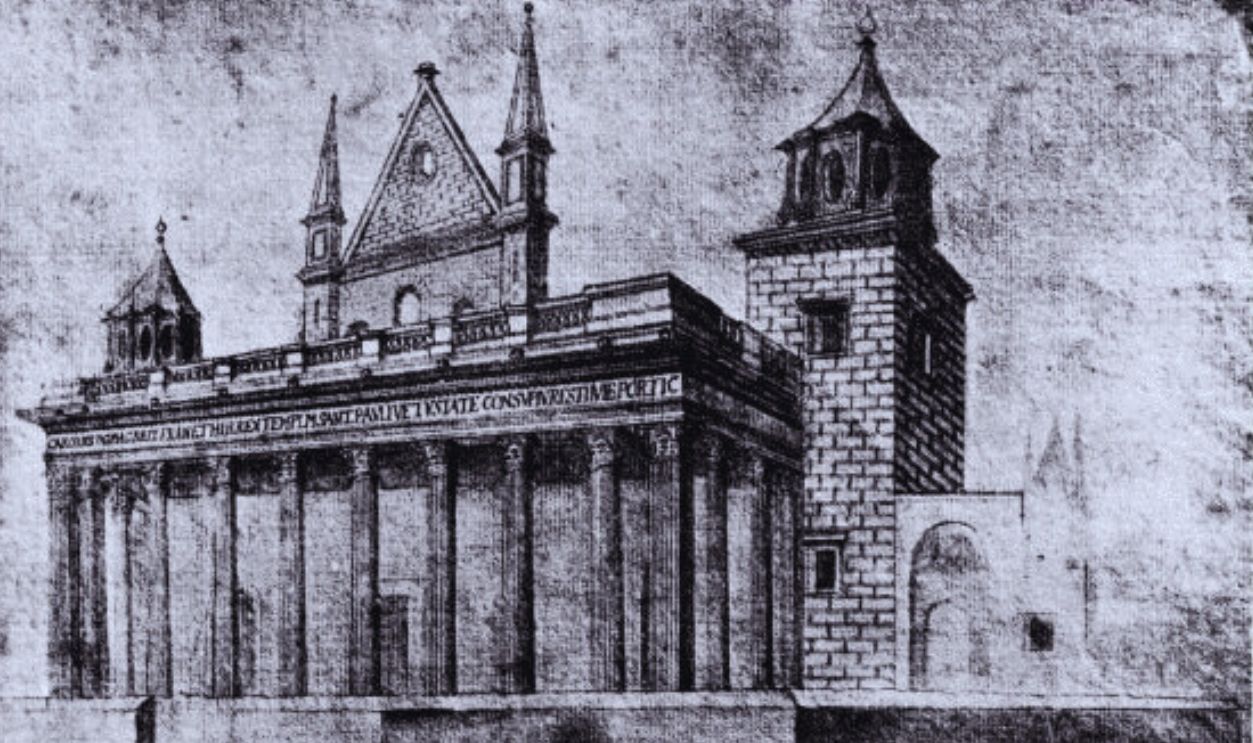
Edward displayed Neville’s body in St Paul’s Cathedral for an extended period of time, just to make sure everyone knew—in both House Lancaster and York—their bogeyman was really gone. Eventually, Neville was buried in the family vault in Berkshire, though this tomb has now been lost to history.
Neville’s legacy, however, lived on.
 Tagishsimon, Wikimedia Commons
50. He Always Did Get What He Wanted
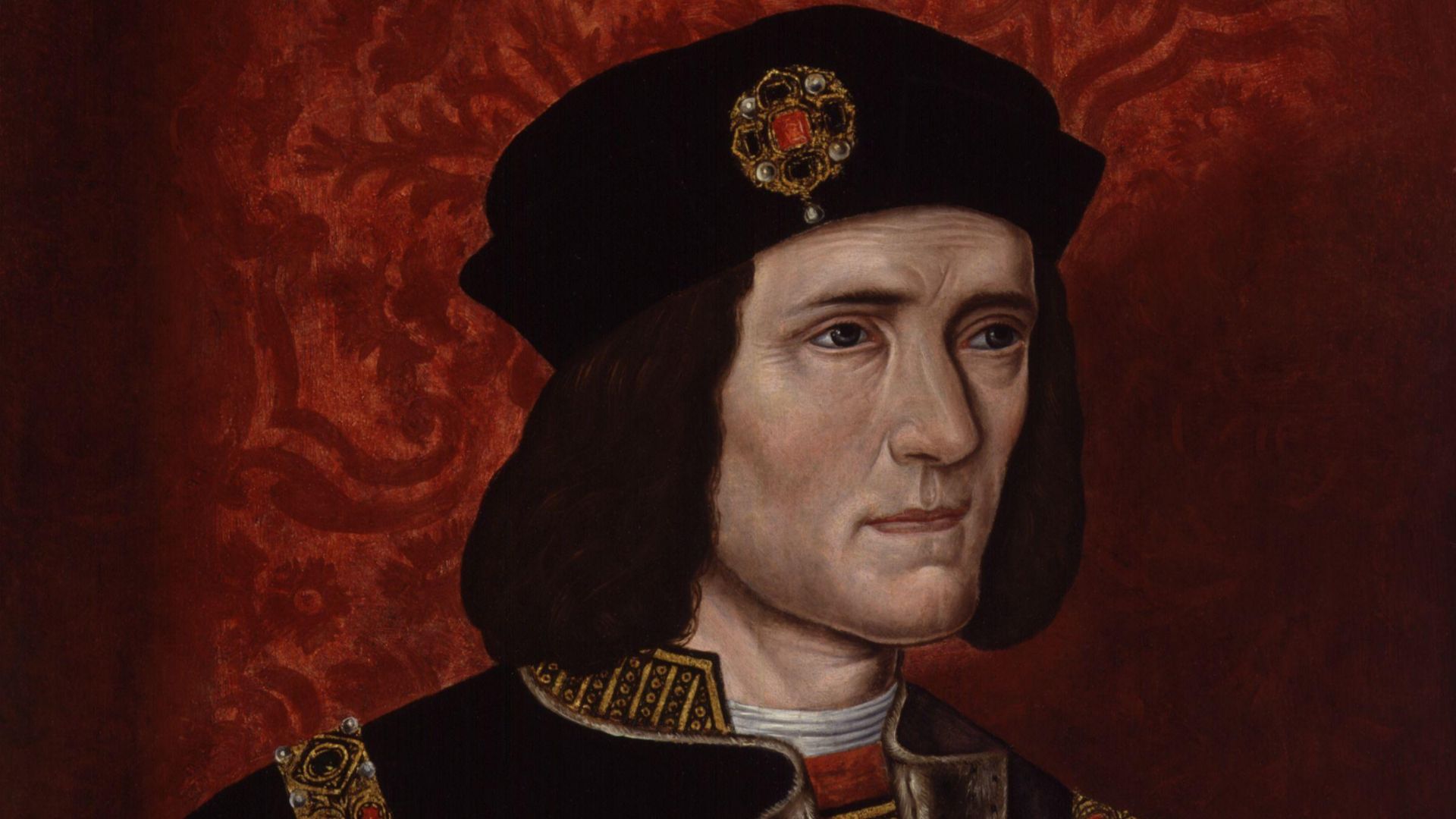
The tide turned back to Edward IV after Neville’s end, and after the subsequent deaths of both Henry VI and Prince Edward, his second reign lasted more than a decade. Only, nothing was permanent in the Wars of the Roses. After Edward’s passing, his own brother jumped over Edward’s children and plotted his way into the throne to become Richard III.
But the most delicious part? Neville’s daughter Anne had married Richard the year after her father’s passing, and thus became Queen of England. One bloody way or another, Neville had made it to the throne.
You May Also Like:
Vicious Facts About Margaret Beaufort, The Scheming Mother Of The Tudor Dynasty
Scandalous Facts About Juicy Court Intrigues Throughout History
Treasonous Facts About Thomas Seymour, The Rogue Lord Of Sudeley