It Seemed Like Nothing At The Time
History is supposedly shaped by powerful leaders making enormous decisions. Except sometimes it isn’t that at all. None of these choices seemed capable of changing the world. Then that is exactly what they did.
George De Mestral Put Some Burrs Under A Microscope
After a walk in 1941, Swiss engineer George de Mestral found burrs clinging to his clothing and his dog’s fur. Rather than simply pulling them off and forgetting them, he examined their tiny hooks under a microscope. More than a decade later, he patented the fastener known as Velcro.
 Vicente Borés Cifo, Wikimedia Commons
Charles Darwin Read A Book For Amusement
In 1838, Charles Darwin picked up Thomas Malthus’s book about population and began reading it “for amusement.” Malthus’s argument that populations compete for limited resources gave Darwin the missing piece of his theory. That ordinary choice to open a book helped him understand natural selection.
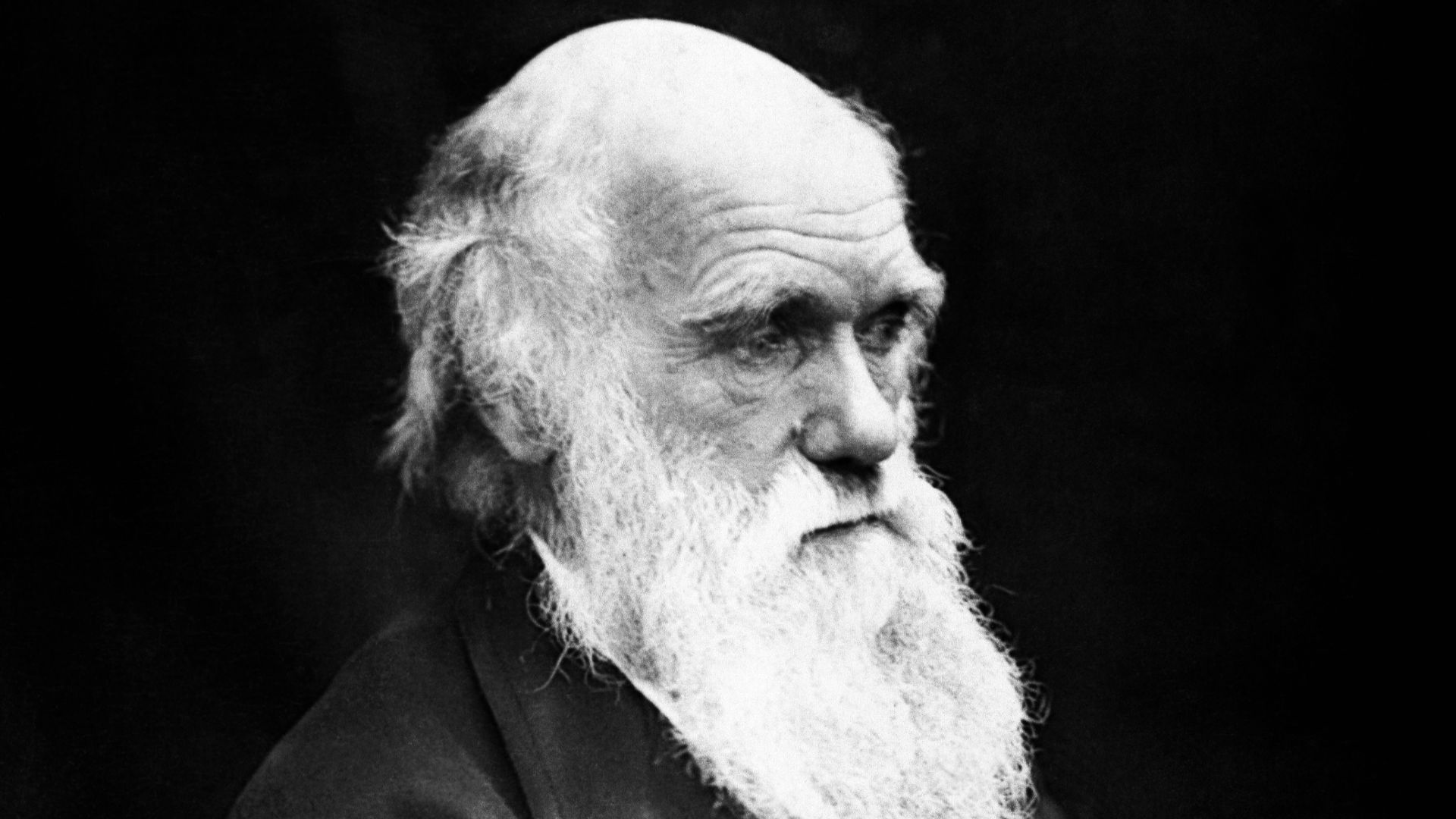 Julia Margaret Cameron, Wikimedia Commons
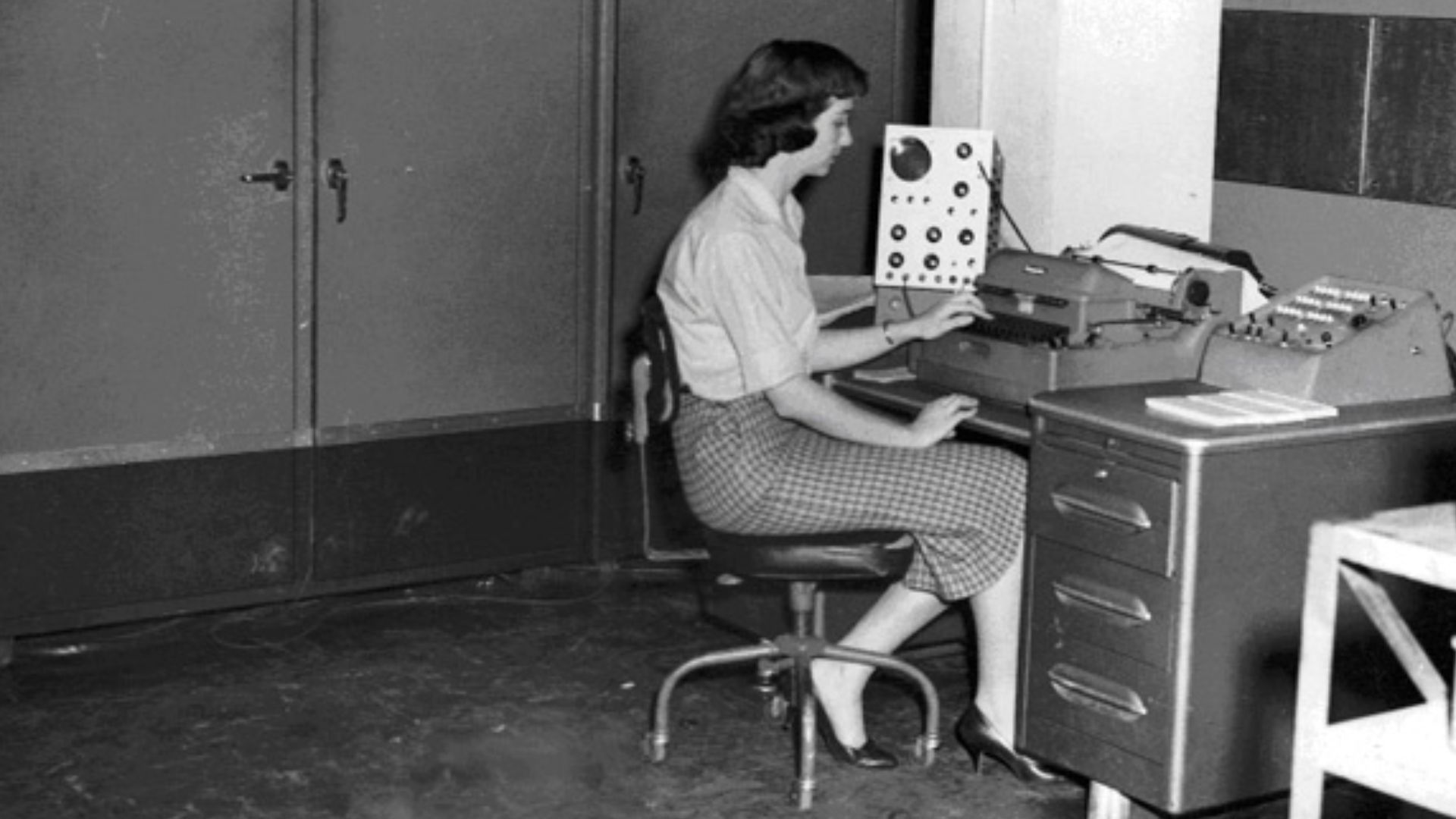
Programmers Shortened Years To Two Digits
Early computer storage was extraordinarily expensive, so programmers commonly recorded years using only their last two digits. Saving “68” instead of “1968” seemed harmless. Decades later, that tiny shortcut created the Y2K problem and forced governments and companies to spend enormous sums examining and repairing computer systems.
 Unknown authorUnknown author, Wikimedia Commons
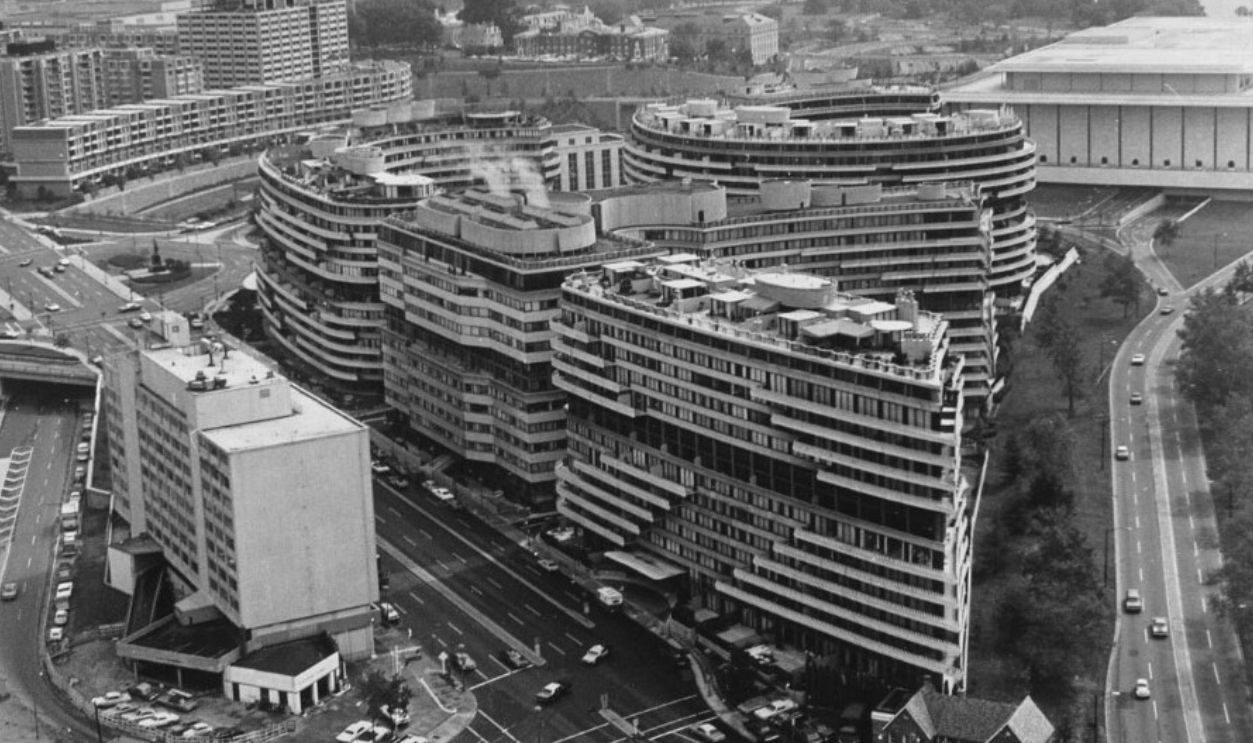
Frank Wills Decided To Check The Door Again
Watergate security guard Frank Wills noticed tape covering a door latch during his rounds in 1972. He removed it and continued working. When he returned and found the door taped again, he called the police. That second look began an investigation that ultimately contributed to Richard Nixon’s resignation.
Alexander Fleming Decided Not To Throw Away A Moldy Dish
When Alexander Fleming returned from vacation in 1928, he found mold contaminating one of his dishes of bacteria. Most researchers would have discarded the ruined experiment. Fleming examined it first and noticed bacteria would not grow near the mold. That seemingly insignificant choice eventually led to penicillin.
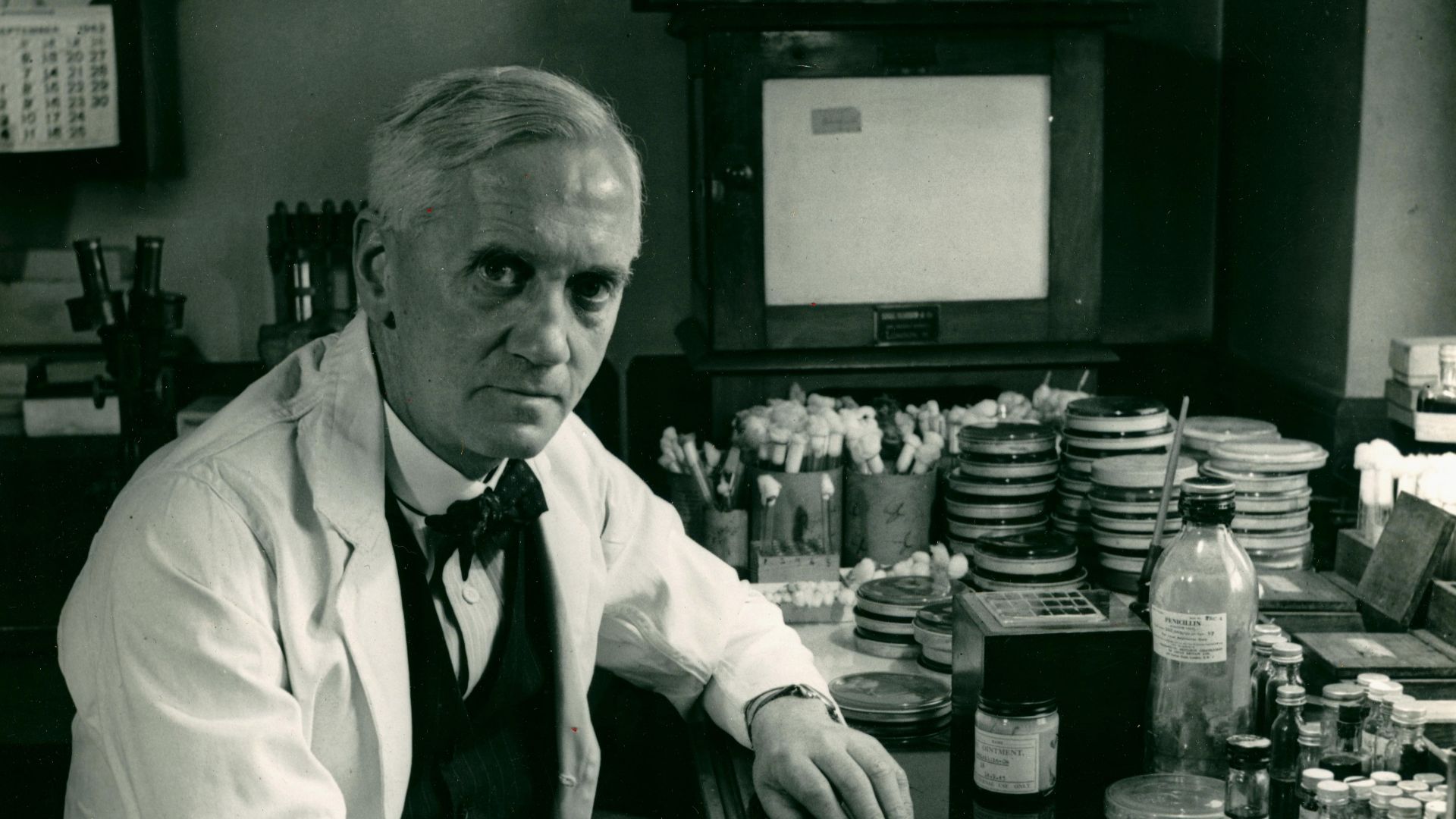 Navy Medicine, Wikimedia Commons
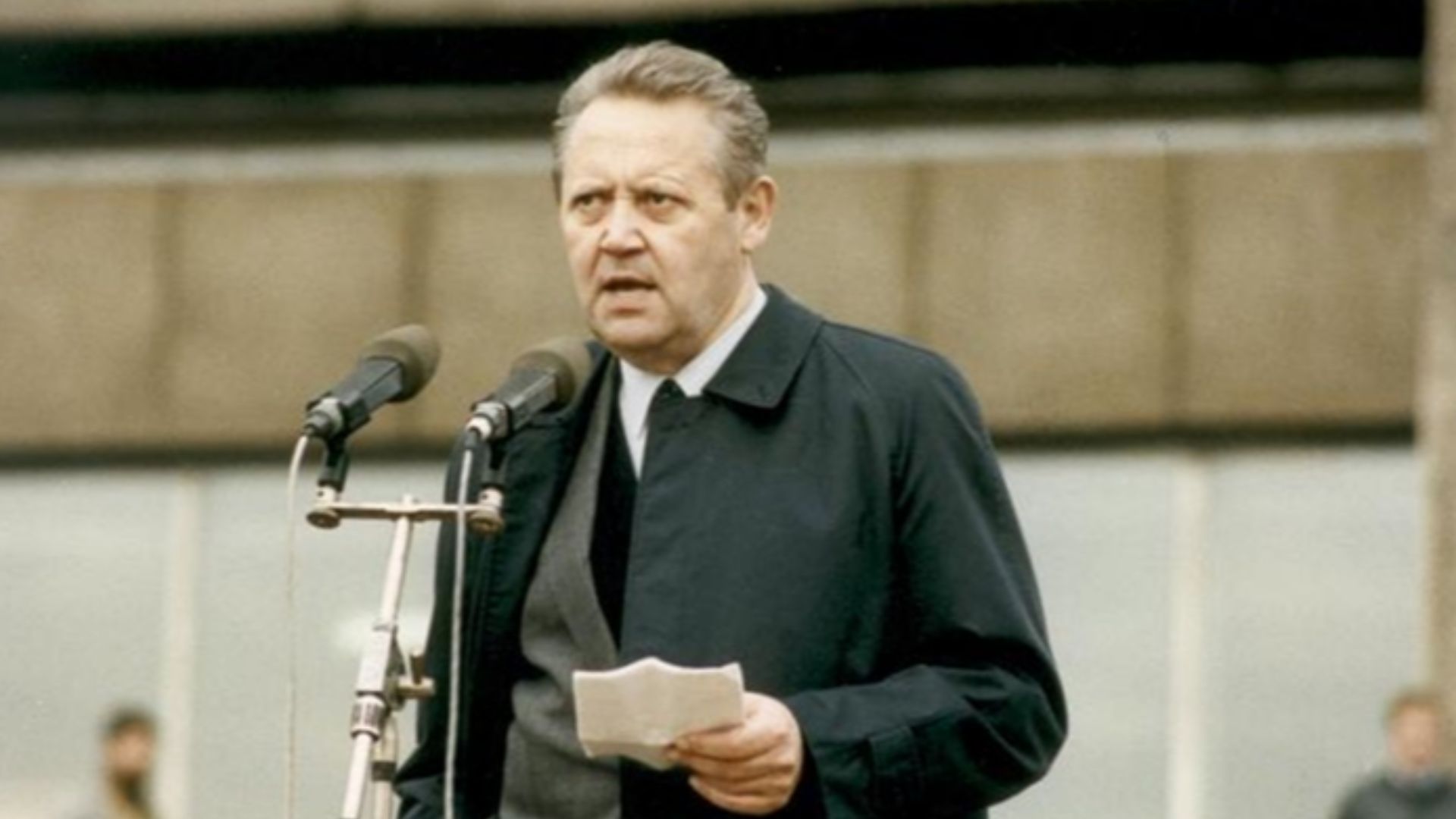
Günter Schabowski Answered Before Checking The Details
At a 1989 press conference, East German official Günter Schabowski announced new travel regulations he had barely reviewed. When asked when they began, he answered that they took effect immediately. Crowds rushed to the crossings, overwhelmed the guards and effectively opened the Berlin Wall.
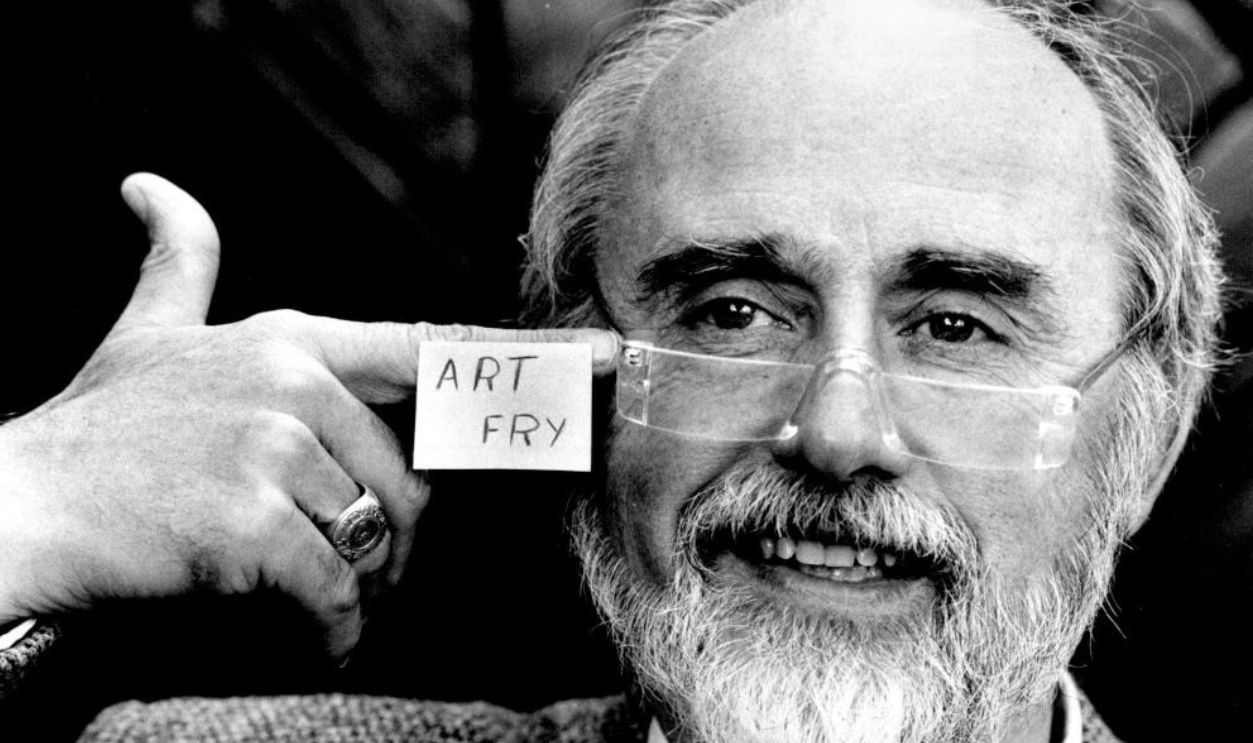
Art Fry Put A Weak Adhesive On His Bookmark
Art Fry was tired of paper bookmarks slipping from his church hymnal. Then he remembered an unusually weak adhesive invented by fellow 3M scientist Spencer Silver. Fry decided to put the adhesive on his bookmarks, creating the idea that eventually became the Post-it Note.
 Fairfax Media Archives, Getty Images
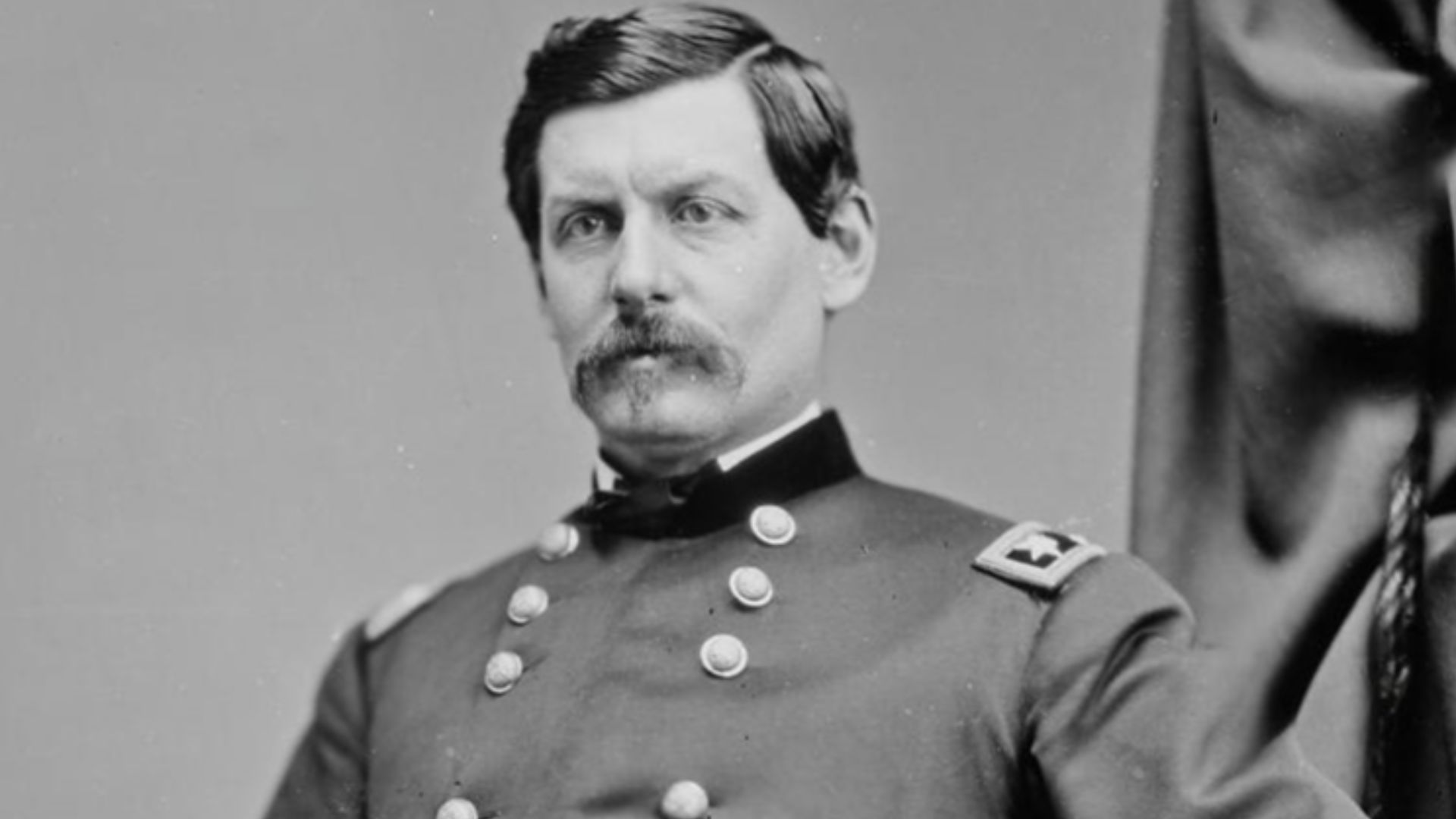
Union Soldiers Kept Some Papers Found With Cigars
In 1862, Union soldiers found an envelope containing cigars and several papers. Instead of pocketing the cigars and discarding the papers, they passed everything up the chain of command. The documents revealed Robert E. Lee’s divided army positions and reached George McClellan shortly before Antietam.
 Mathew Benjamin Brady, Wikimedia Commons

History's most fascinating stories and darkest secrets, delivered to your inbox daily.
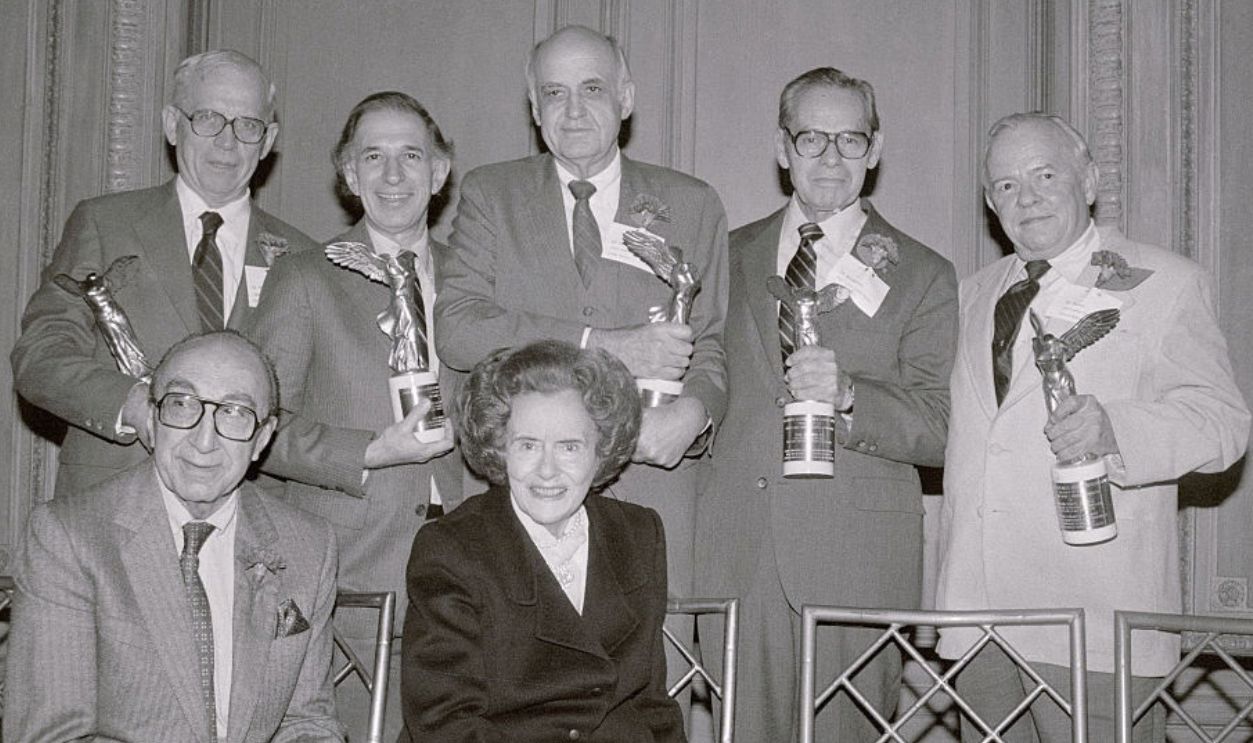
Maurice Hilleman Swabbed His Daughter’s Throat
When five-year-old Jeryl Lynn Hilleman woke her father with swollen glands in 1963, most parents would have called a doctor. Maurice Hilleman was a vaccine researcher, so he collected supplies and swabbed her throat. That middle-of-the-night decision produced the Jeryl Lynn mumps vaccine strain.
Ray Tomlinson Chose The @ Symbol
While developing networked email in 1971, Ray Tomlinson needed a character separating a user’s name from the computer receiving the message. He glanced at his keyboard and selected @ because people rarely used it in their names. One tiny typographical choice became inseparable from digital communication.
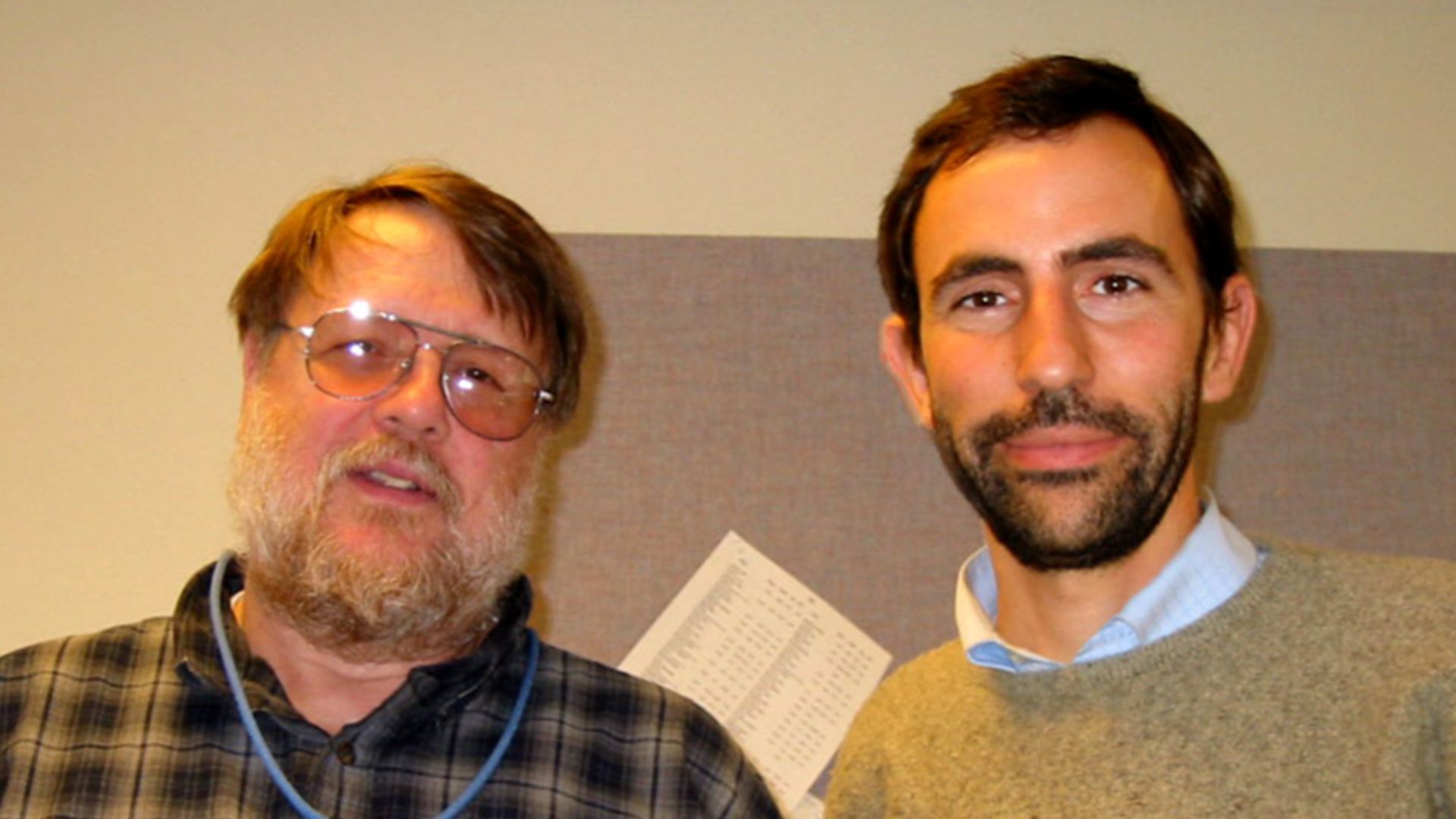 Andreu Veà, WiWiW.org, Wikimedia Commons
CERN Gave The Web Away
The World Wide Web began as Tim Berners-Lee’s way of sharing information among researchers. In 1993, CERN chose to make its web software freely available rather than tightly control or charge for it. That seemingly routine licensing decision helped the Web spread around the world.
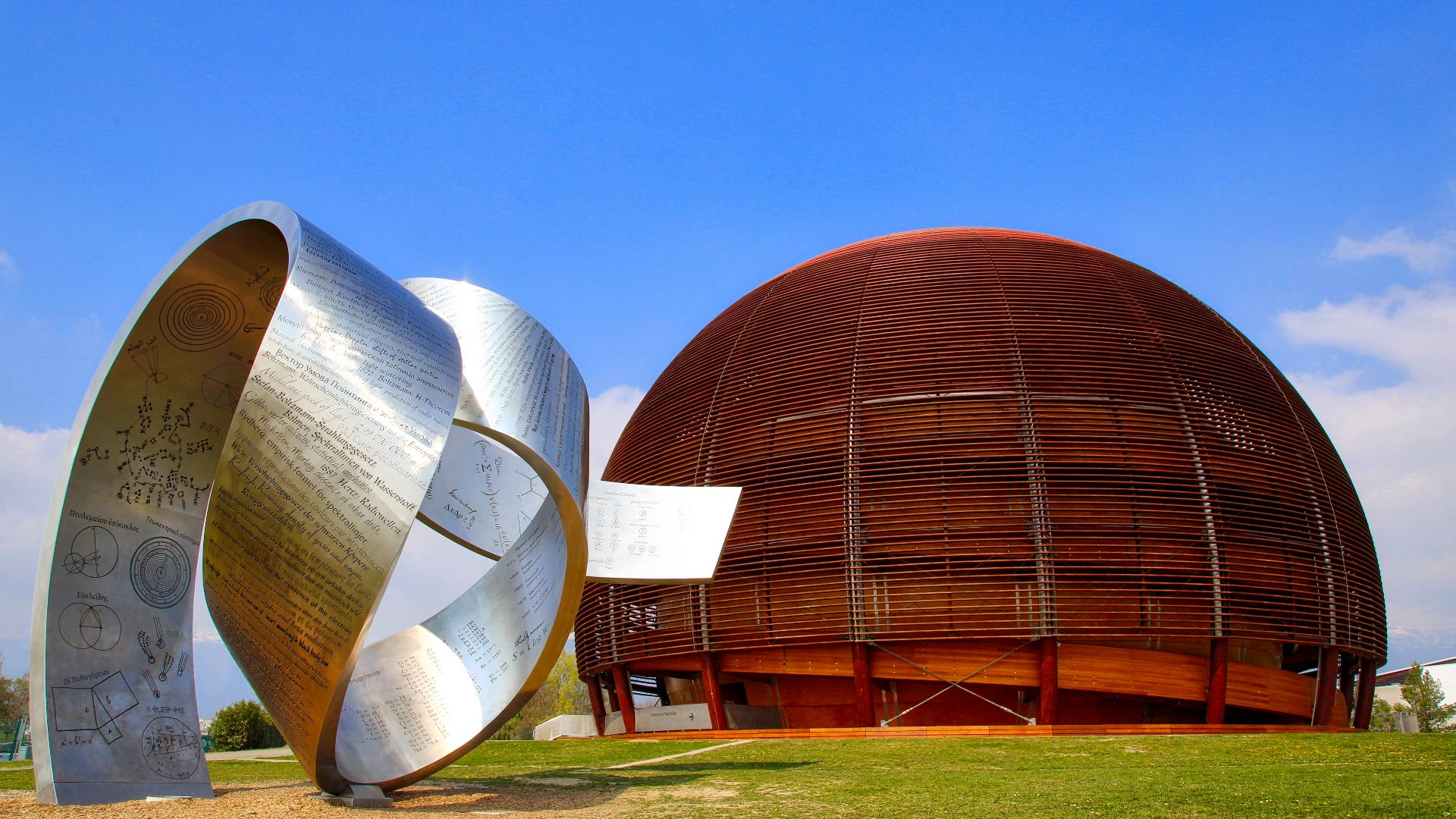 Torbjorn Toby Jorgensen, Wikimedia Commons
Henri Becquerel Developed The Plates Anyway
Henri Becquerel planned to expose uranium salts to sunlight before placing them over photographic plates. Cloudy weather interrupted the experiment, so he stored everything in a drawer. He developed the plates anyway and discovered that the uranium had emitted radiation without sunlight, revealing natural radioactivity.
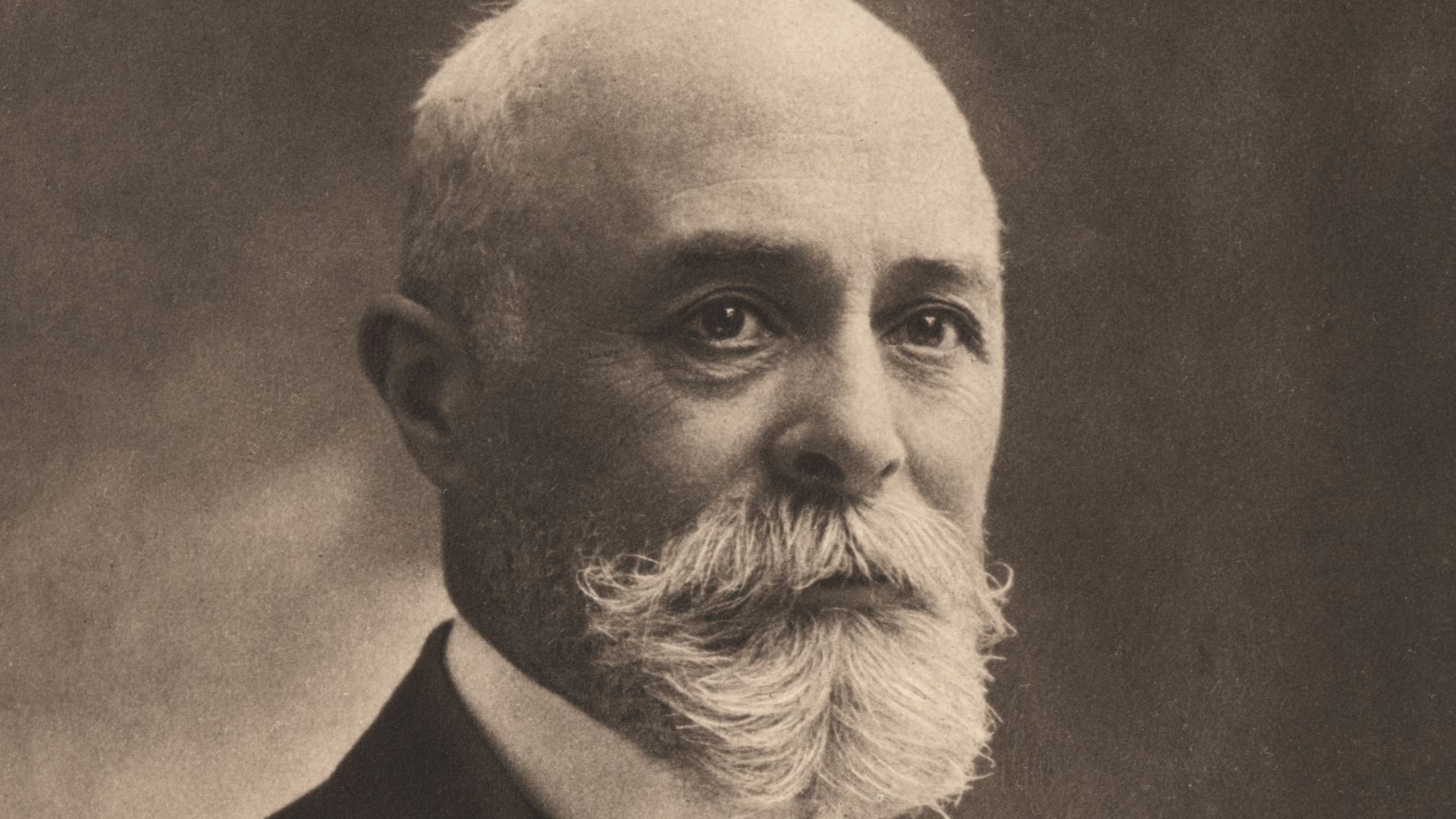 Smithsonian Institution, Wikimedia Commons
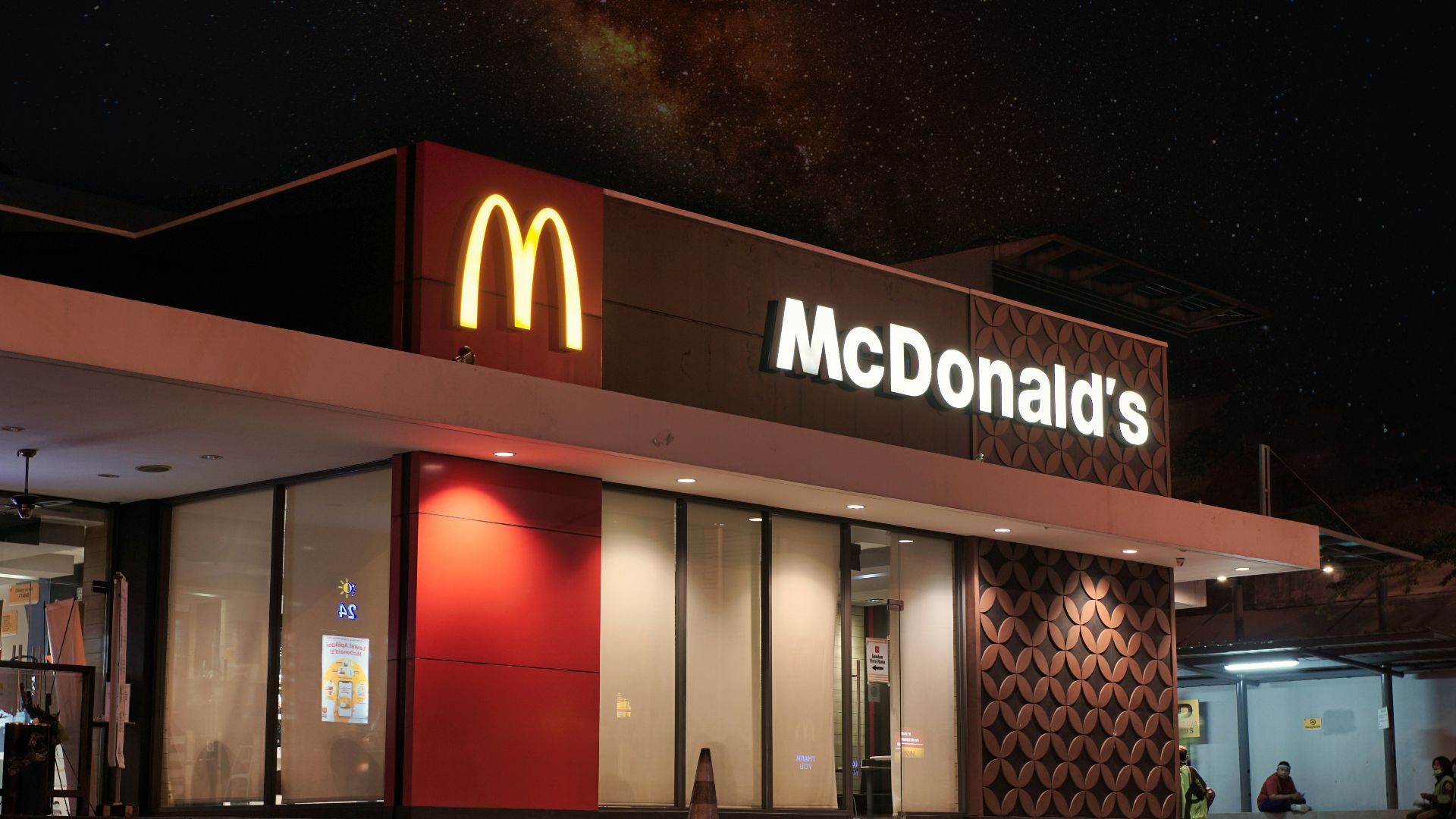
Ray Kroc Drove Out To See One Small Restaurant
Milkshake-machine salesman Ray Kroc became curious when one California restaurant needed an unusual number of his Multimixers. He could have filled the order and moved along. Instead, he visited the McDonald brothers, saw their remarkably efficient operation and eventually transformed their restaurant concept into a global business.
Jocelyn Bell Burnell Refused To Ignore Some “Scruff”
While reviewing enormous paper charts from a radio telescope in 1967, graduate student Jocelyn Bell Burnell noticed a tiny patch of what she called “scruff.” It could easily have been dismissed as interference. She kept investigating and uncovered pulsars, an entirely new class of astronomical object.
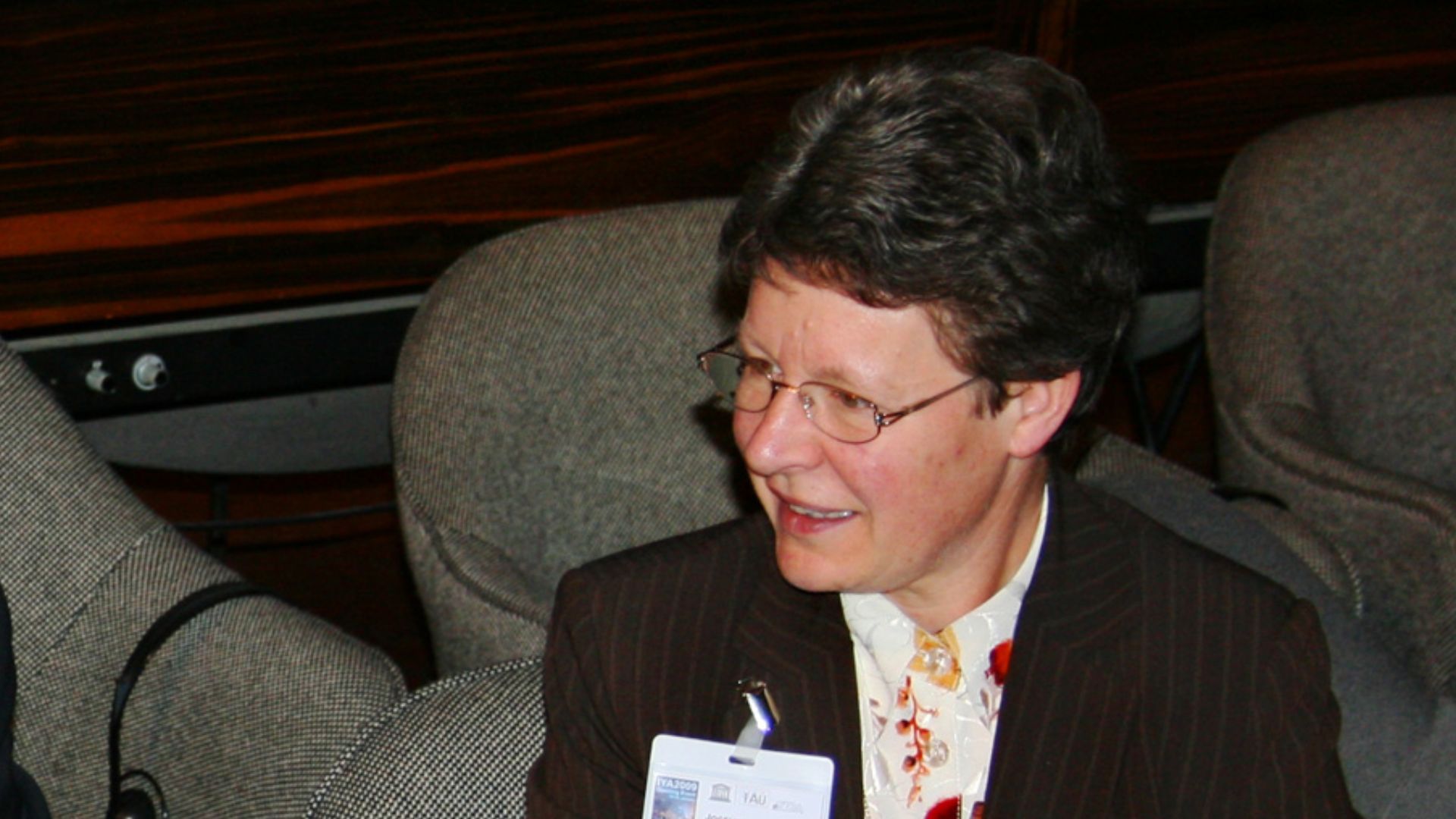 Astronomical Institute, Academy of Sciences of the Czech Republic, Wikimedia Commons
William Perkin Investigated The Purple Mess
Eighteen-year-old William Perkin was unsuccessfully attempting to manufacture quinine when a dark residue appeared in his flask. While cleaning it, he noticed the material produced a brilliant purple color. He investigated further and created mauveine, the first commercially successful synthetic dye, launching a new chemical industry.
![Portrait of Sir William Henry Perkin [1838 – 1907], English chemist
Iconographic Collections
Keywords: William henry Perkin](https://www.factinate.com/storage/app/media/factinate/2026/9/21/1790000670290ef9b74cc9d965c95286d0e44ca7e3302626b9.jpg)
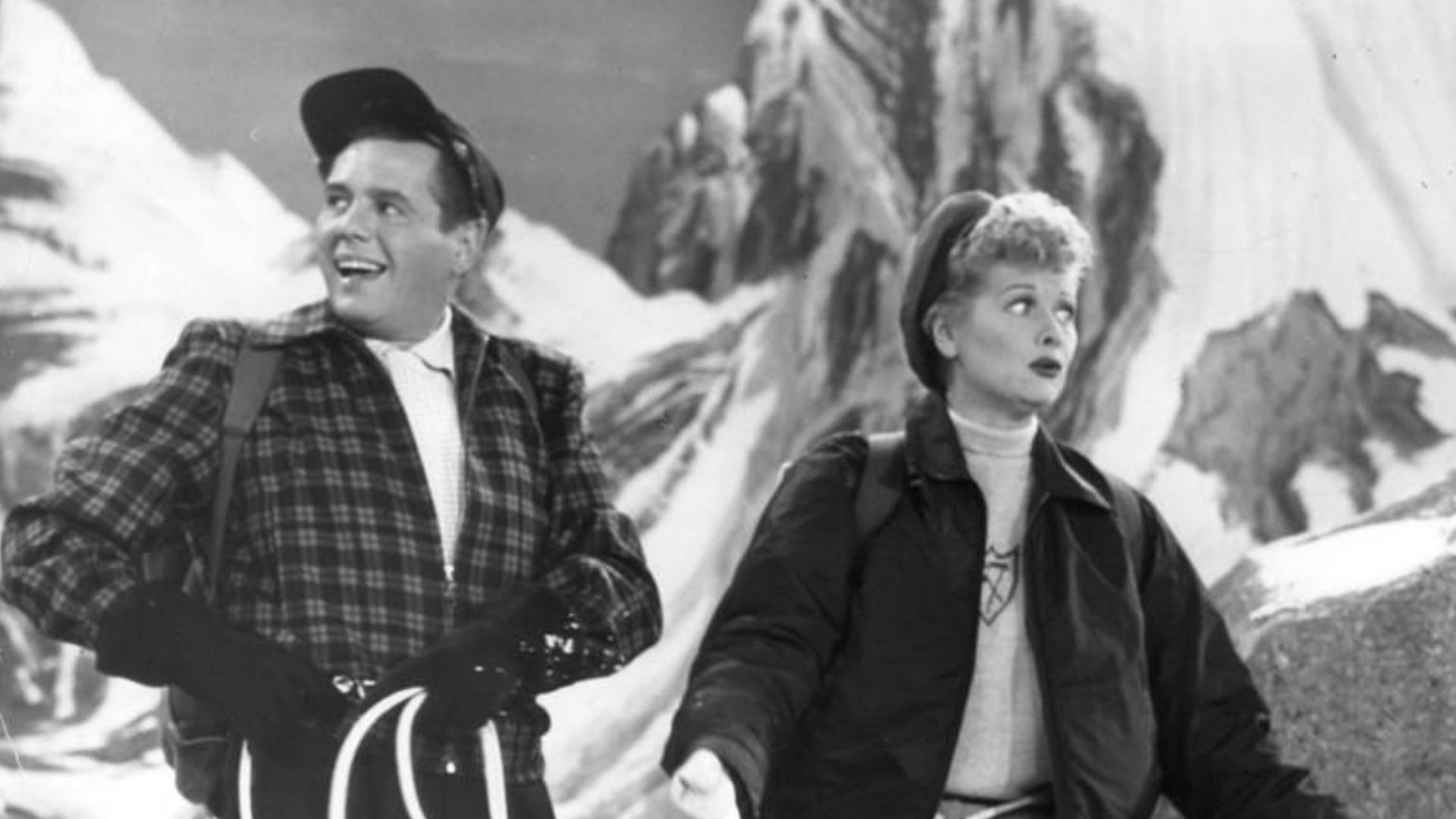
“I Love Lucy” Was Filmed Instead Of Broadcast Live
Lucille Ball and Desi Arnaz wanted to produce I Love Lucy in California, away from television’s New York establishment. Their team shot it on film using three cameras before a live audience. That production-format decision created high-quality recordings and helped establish television’s enormous rerun and syndication business.
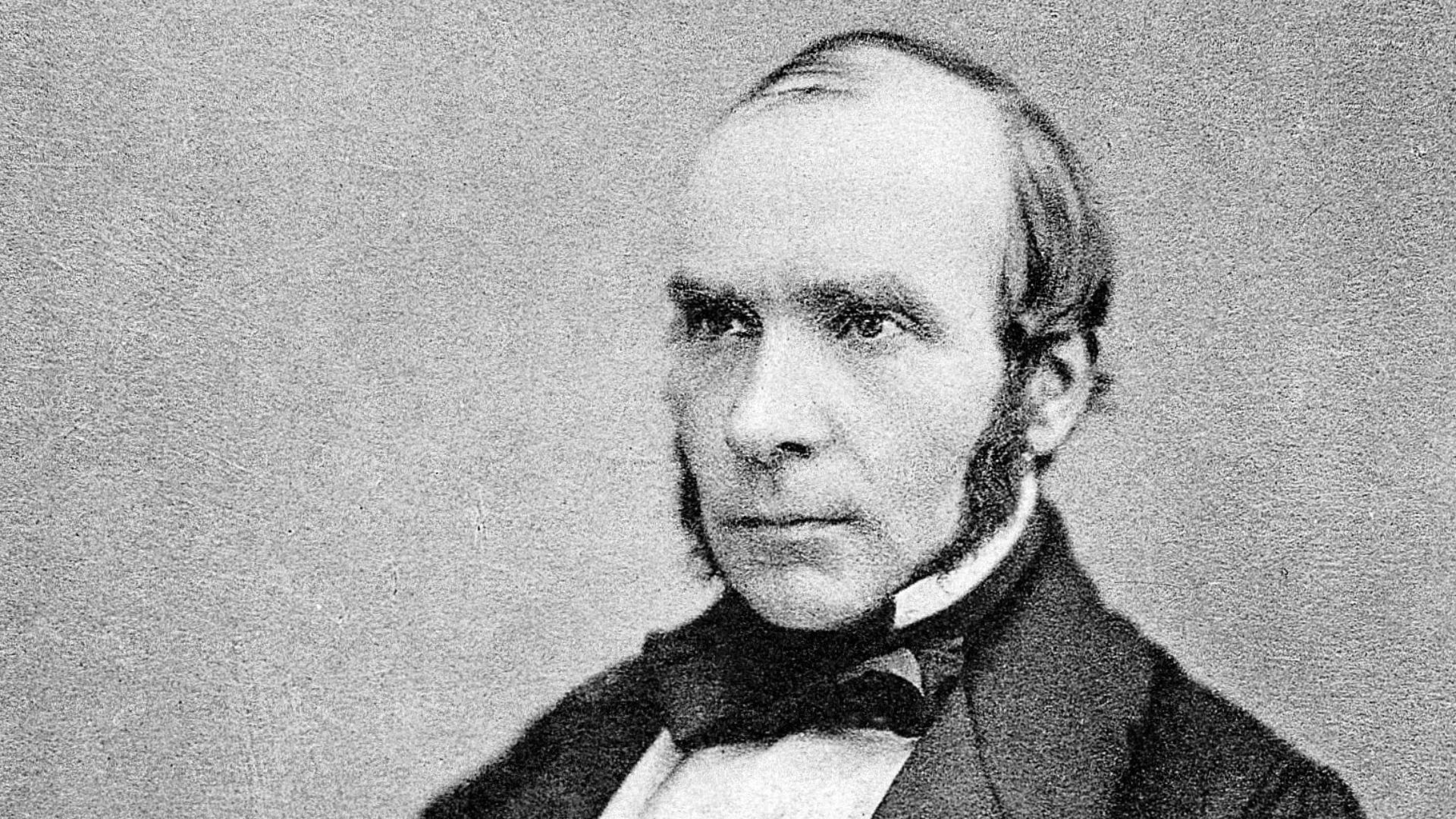
John Snow Asked Officials To Remove One Pump Handle
During London’s 1854 cholera outbreak, physician John Snow traced cases to a public water pump on Broad Street. He persuaded skeptical officials to remove its handle, even though they did not accept his theory. That apparently minor action became a defining moment in epidemiology and the fight for clean water.
 Materialscientist, Wikimedia Commons
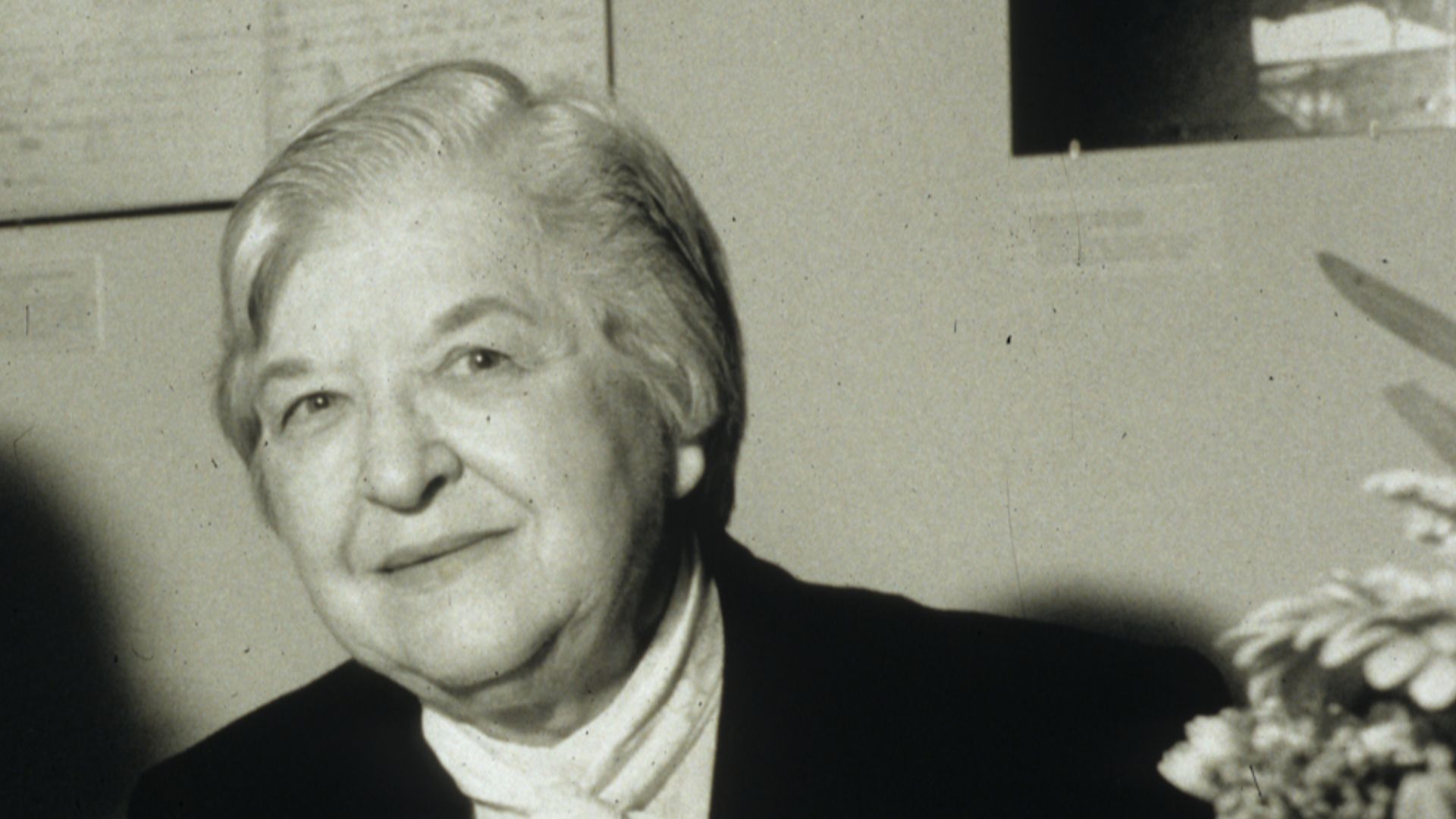
Stephanie Kwolek Insisted They Test The Cloudy Liquid
Chemist Stephanie Kwolek produced a thin, cloudy polymer solution that looked as though it might damage DuPont’s spinning equipment. The operator resisted using it, but Kwolek insisted on testing the strange material. It produced an extraordinarily strong fiber that became Kevlar, now used in hundreds of products.
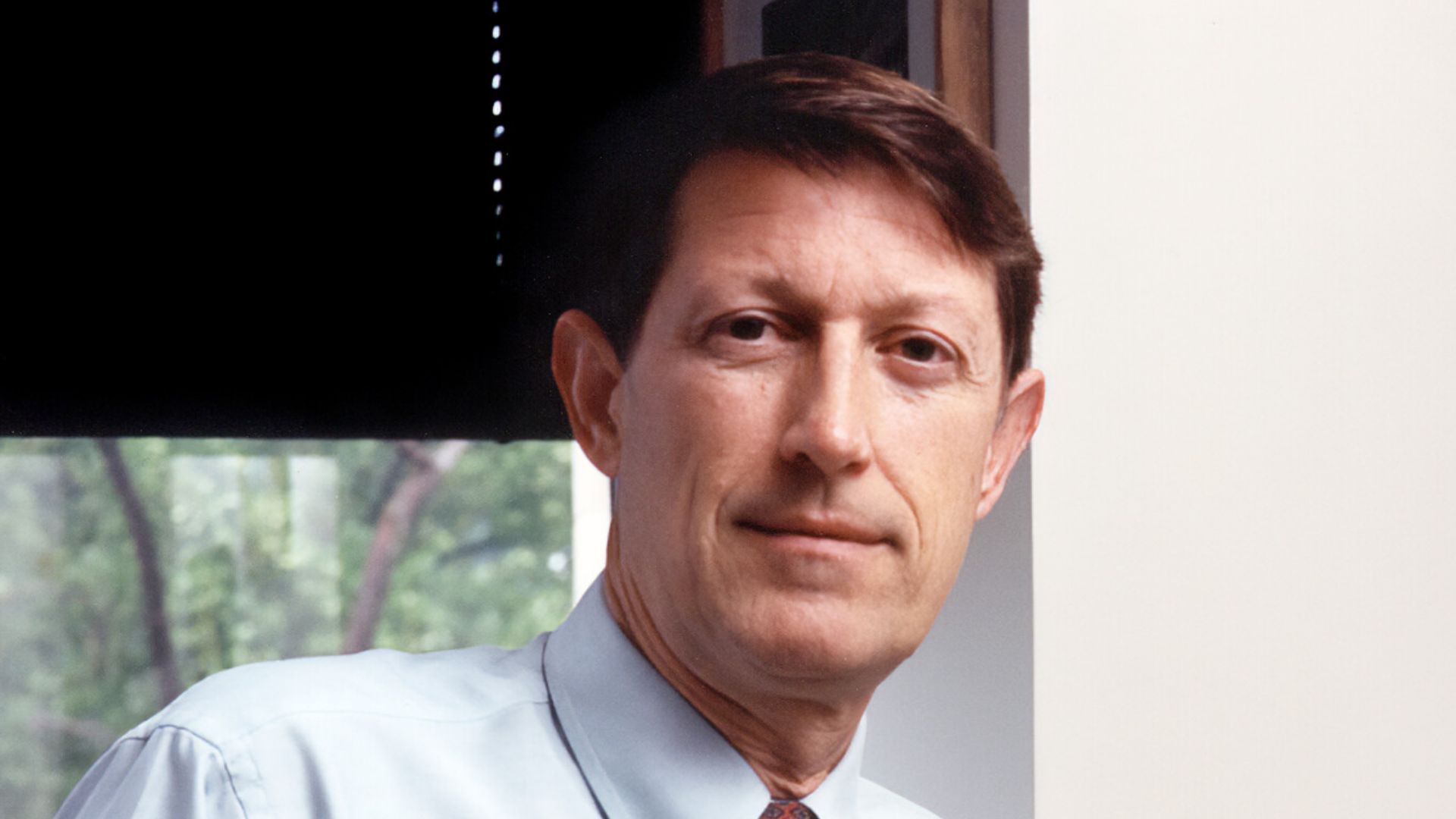
Robert Williams Pointed Hubble At Apparently Empty Space
Astronomer Robert Williams used valuable Hubble Space Telescope time to stare at a tiny, apparently empty patch of sky. Some colleagues considered the choice wasteful. The resulting Hubble Deep Field revealed thousands of extremely distant galaxies, transforming scientists’ understanding of the early universe and deep space.
 NOIRLab/AURA/NSF, Wikimedia Commons
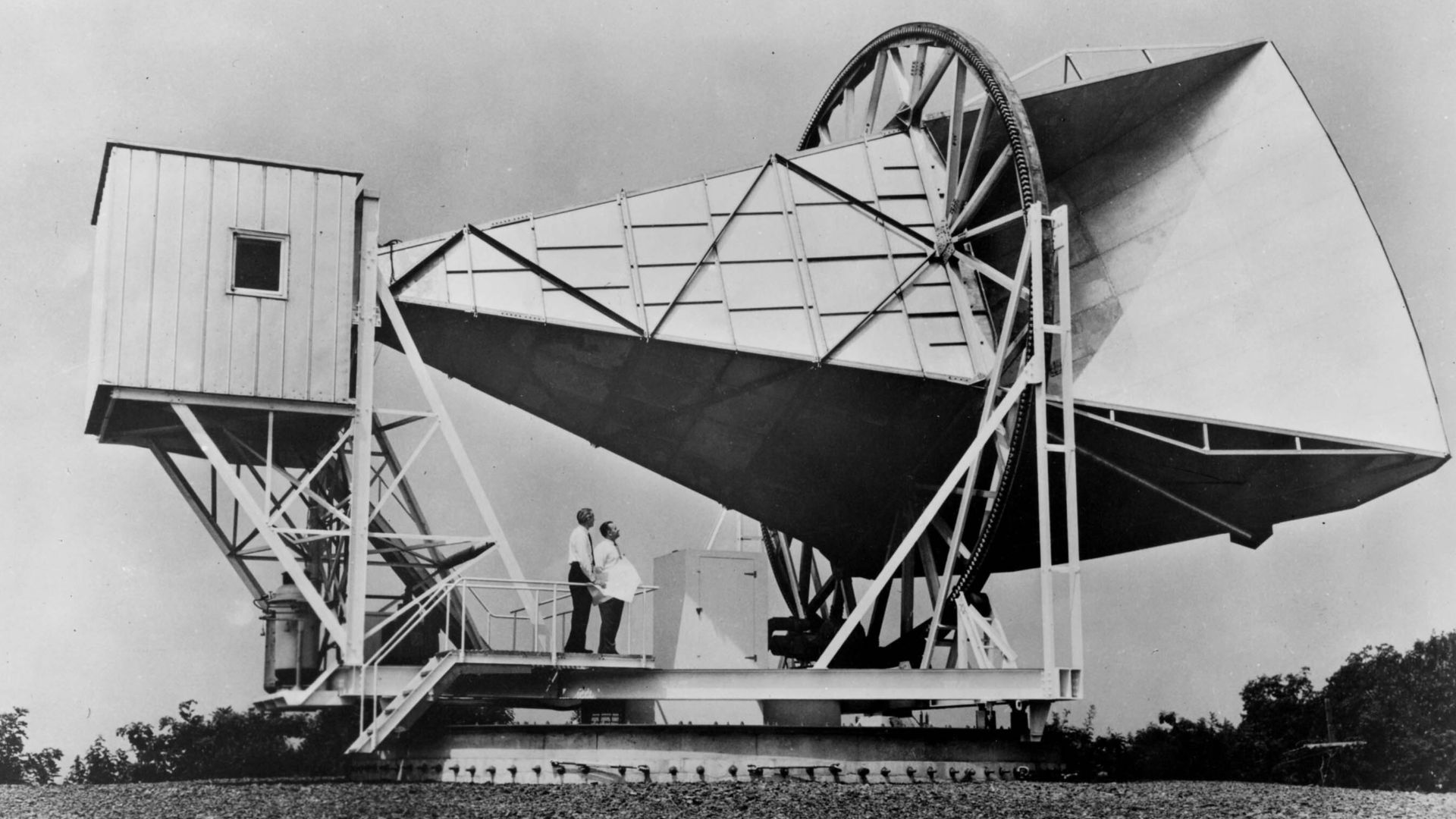
Penzias And Wilson Refused To Ignore An Annoying Hiss
Arno Penzias and Robert Wilson kept hearing an irritating background hiss through a radio antenna. They checked the equipment, removed nesting pigeons and cleaned up the mess, but the noise remained. Their decision to keep investigating led them to the cosmic microwave background, powerful evidence supporting the Big Bang.
Roy Plunkett Opened An Apparently Empty Cylinder
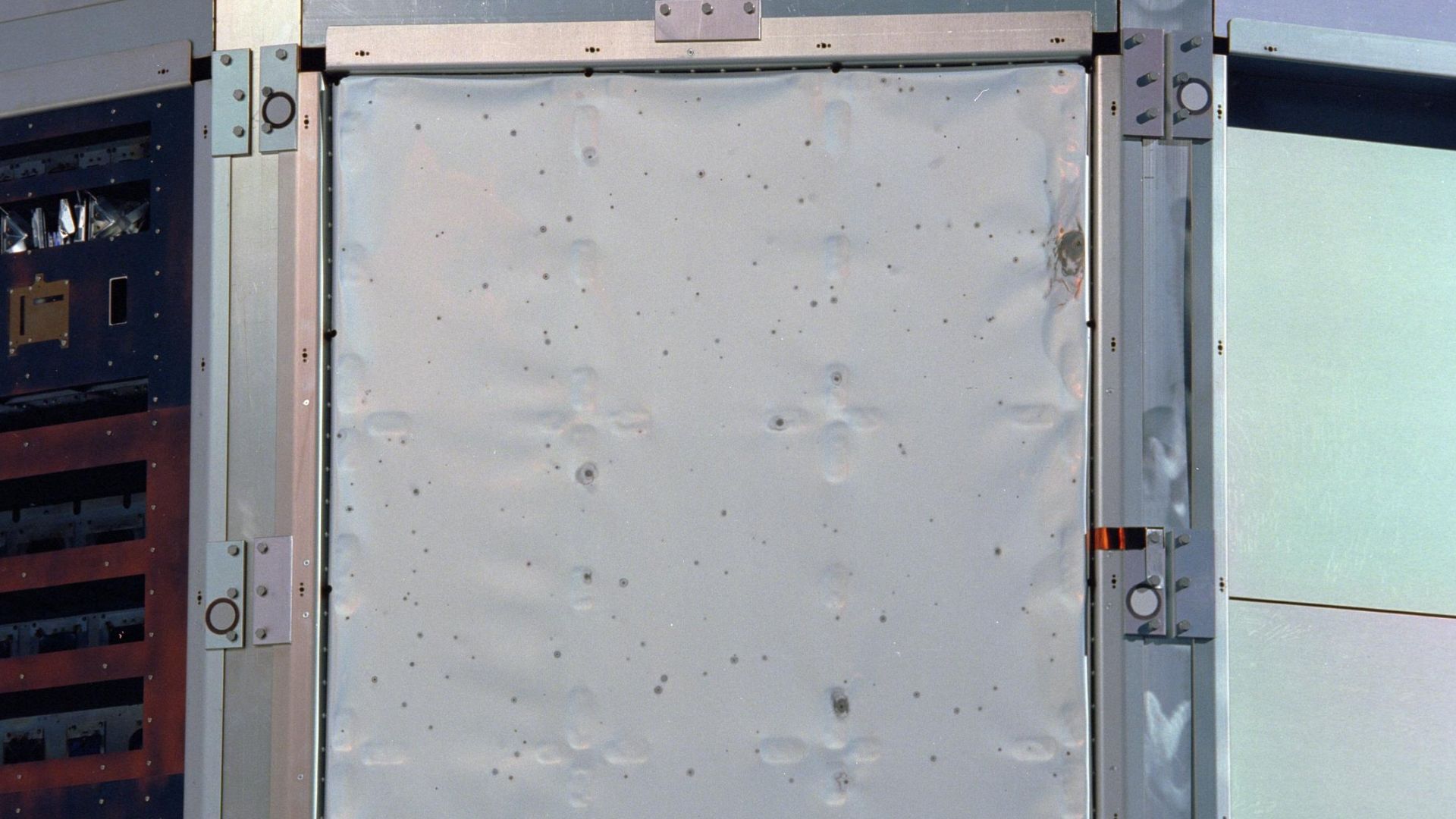
When gas unexpectedly stopped flowing from a pressurized cylinder in 1938, DuPont chemist Roy Plunkett could have marked the container as defective. Instead, he and his assistant opened it and discovered a slippery white powder. The gas had polymerized into PTFE, later marketed under the name Teflon.
Brian Epstein Spent His Lunch Break Watching A Local Band
After hearing about a Liverpool band called the Beatles, record-store manager Brian Epstein decided to watch them perform during his lunch break at the Cavern Club. Epstein soon became their manager, polished their image and helped guide them from local popularity to international stardom.
![Collectie / Archief : Fotocollectie Anefo
Reportage / Serie : [ onbekend ]
Beschrijving : Aankomst Brian Epstein (manager Beatles) op Schiphol (Grand Gala du Disque 1965
Datum : 1 oktober 1965
Locatie : Noord-Holland, Schiphol
Trefwoorden : managers, muzi](https://www.factinate.com/storage/app/media/factinate/2026/9/21/179001083559dc2193152d6a3c02174b46ab5676dd438fab13.jpg) Joop van Bilsen for Anefo, Wikimedia Commons
Joop van Bilsen for Anefo, Wikimedia Commons
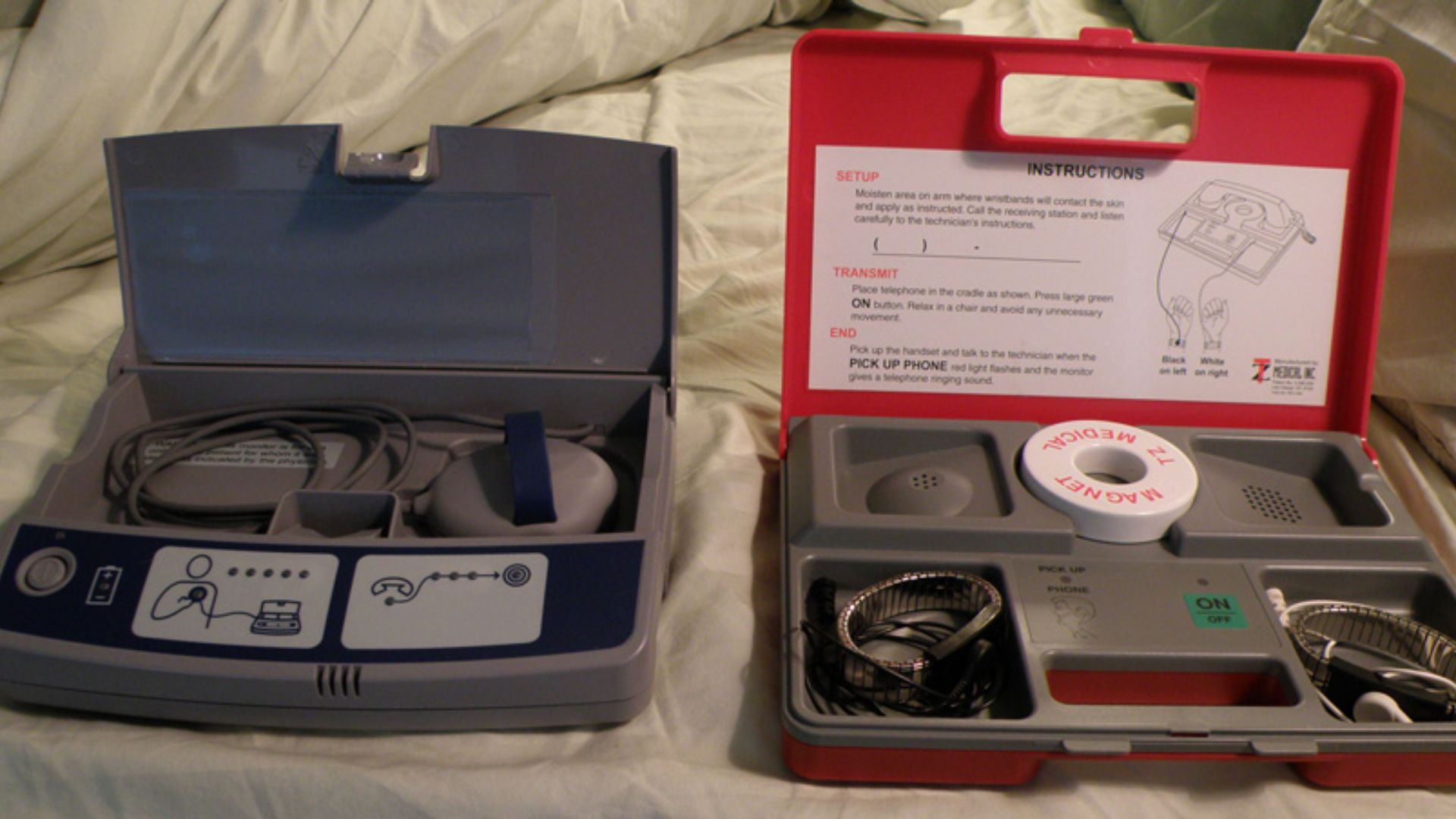
Wilson Greatbatch Tested A Circuit With The Wrong Resistor
Engineer Wilson Greatbatch was building a device to record heart rhythms when he accidentally installed the wrong resistor. The circuit began producing electrical pulses resembling a heartbeat. Rather than correcting the mistake and moving on, Greatbatch tested its potential and helped develop an implantable pacemaker.
 Richardelainechambers, Wikimedia Commons
Malcom McLean Removed The Wheels
Trucker Malcom McLean wanted to move trailers by ship but realized their wheels wasted valuable space. He decided to detach the metal cargo boxes from their chassis and stack only the boxes aboard. That practical space-saving adjustment helped create modern container shipping and reshaped global manufacturing and trade.

Tu Youyou Lowered The Temperature
While searching for a malaria treatment, Tu Youyou revisited an ancient Chinese medical text describing a remedy made from sweet wormwood. Its preparation suggested heat might be destroying the active ingredient. She switched to a low-temperature extraction process, helping uncover artemisinin, one of the world’s most important malaria treatments.
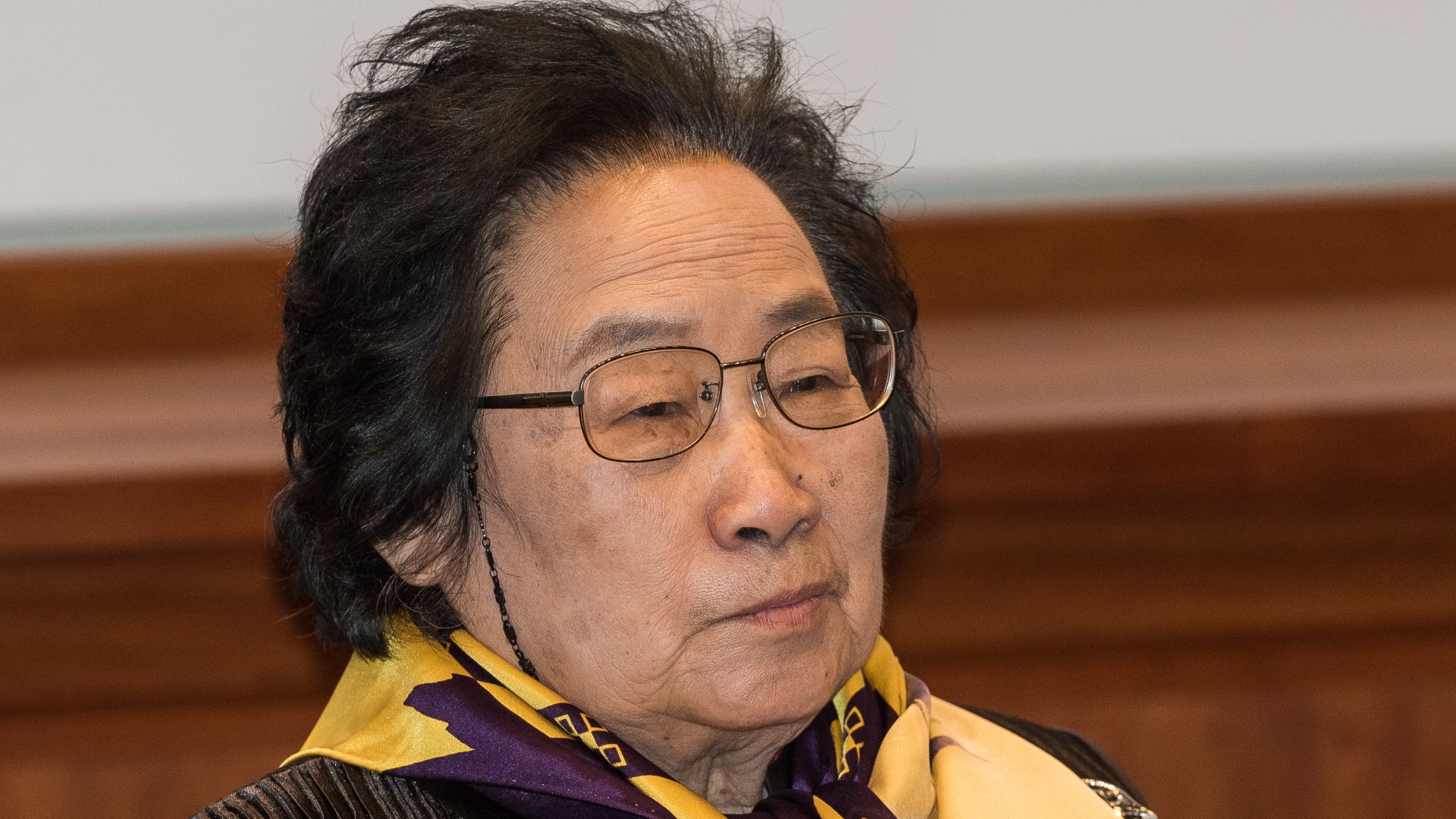 Bengt Nyman, Wikimedia Commons
Percy Spencer Investigated A Melted Candy Bar
Engineer Percy Spencer was working near a magnetron when he noticed the candy bar in his pocket had melted. Instead of blaming the heat and replacing his snack, he tested the effect on other foods. His curiosity helped turn wartime radar technology into the microwave oven now found in kitchens everywhere.
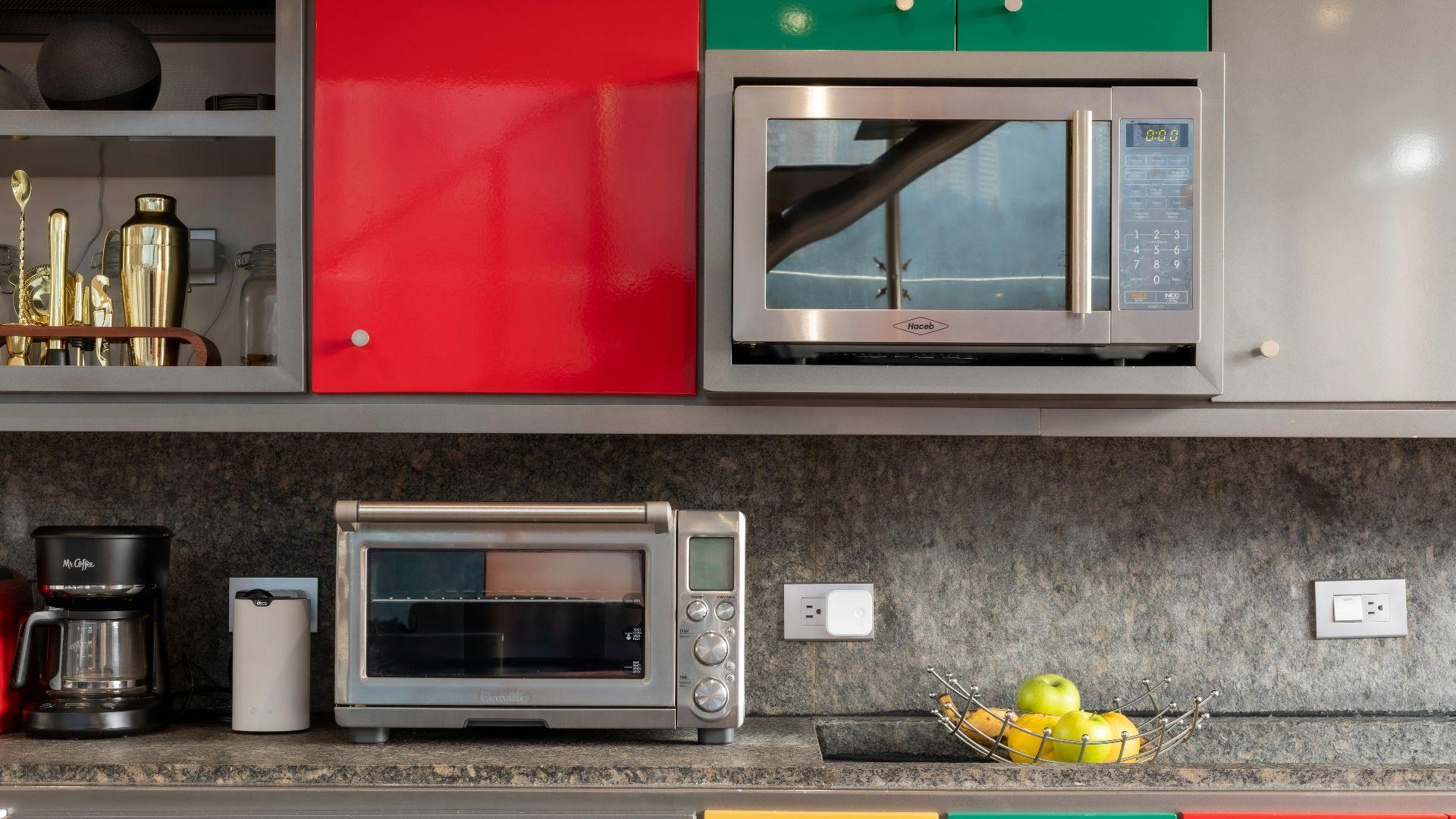
George Gey Continued Culturing Some Unusual Cells
Researchers in George Gey’s laboratory routinely attempted to grow human cells, only to watch them stop reproducing. In 1951, Gey continued culturing cells taken from Henrietta Lacks without her knowledge. Those unusually resilient HeLa cells transformed medical research while creating an enduring debate over consent and ownership.
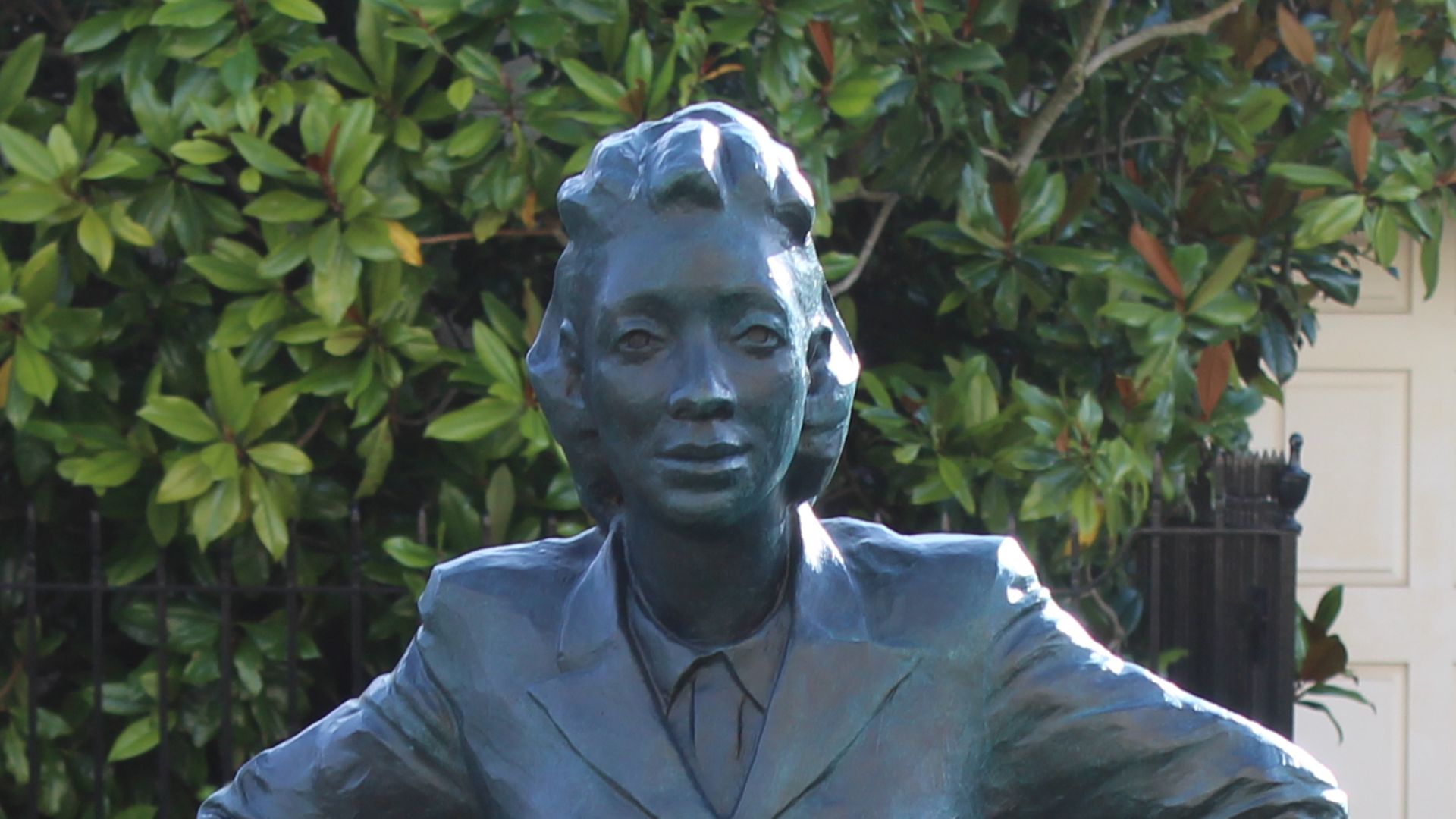
Fox Let George Lucas Keep The Extra Rights
During negotiations for Star Wars, George Lucas retained sequel rights and a substantial interest in merchandising. The studio apparently considered those contract provisions far less valuable than they became. That overlooked portion of the deal helped Lucas control his creation and transformed how Hollywood viewed toys and licensing.
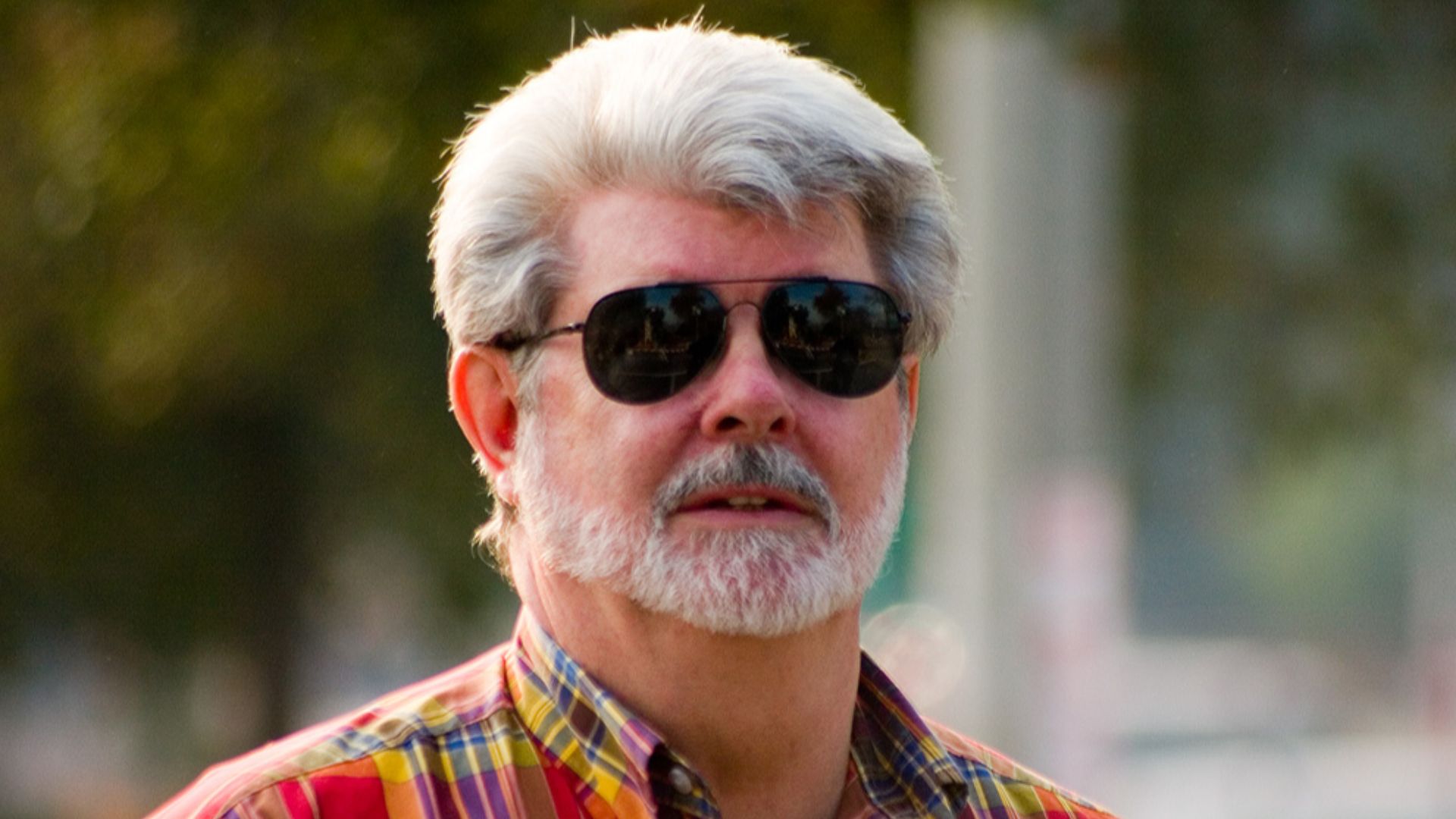 Joey Gannon from Pittsburgh, PA, Wikimedia Commons
Wilhelm Röntgen Investigated A Strange Glow
While experimenting with electrical discharges in 1895, Wilhelm Röntgen noticed that a nearby fluorescent screen glowed even though his equipment was covered. He could have dismissed it as a laboratory oddity. Instead, he investigated the invisible rays and made the discovery that revolutionized medical imaging.
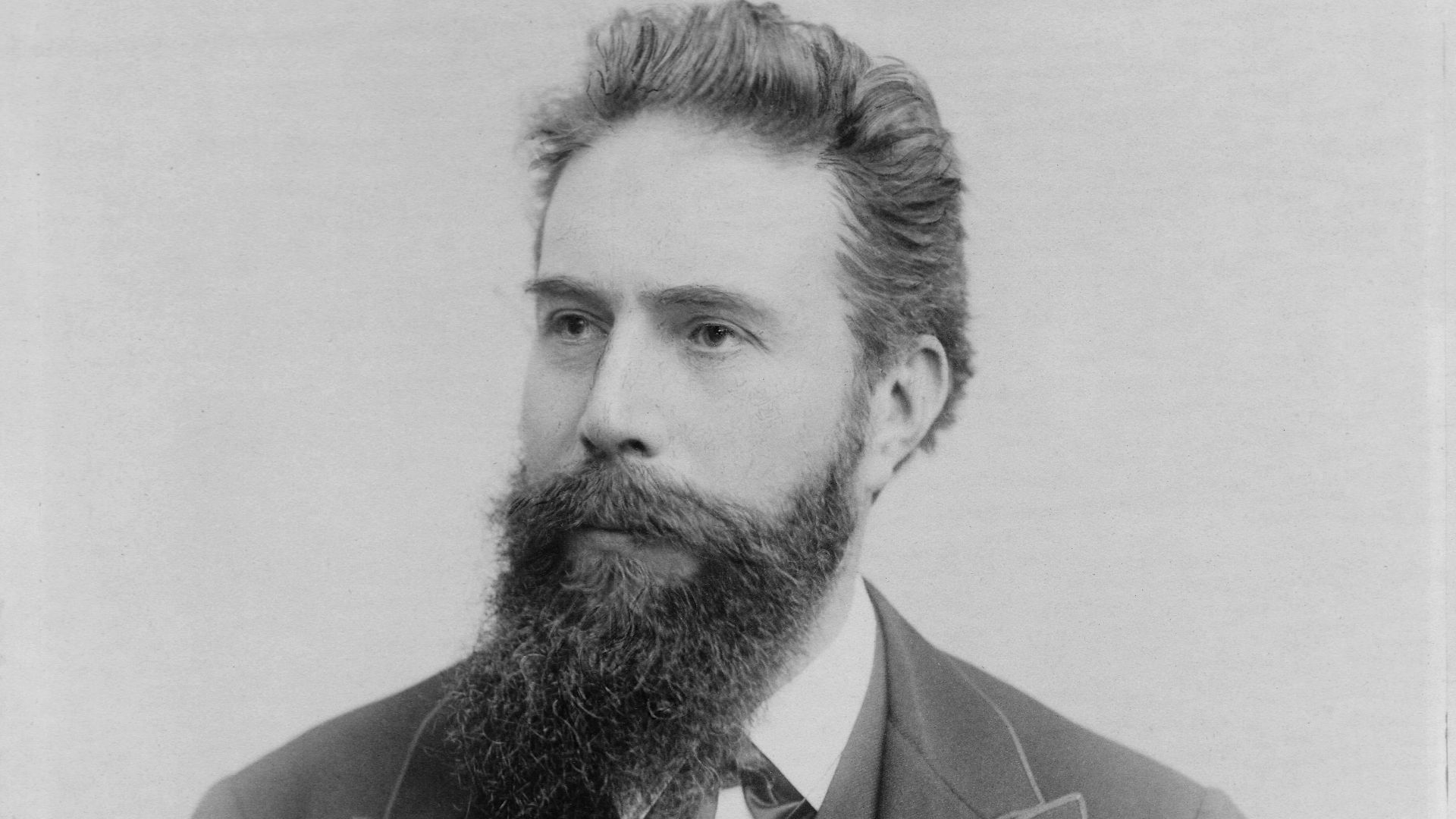 Erwin Hanfstaengl, Wikimedia Commons
Norma Jeane Agreed To Pose For More Photographs
Norma Jeane Dougherty was working at a California factory when military photographer David Conover arrived to photograph women supporting the wartime effort. She agreed to pose and later accepted more modeling work after Conover encouraged her. That ordinary factory photo session started her transformation into Marilyn Monroe.
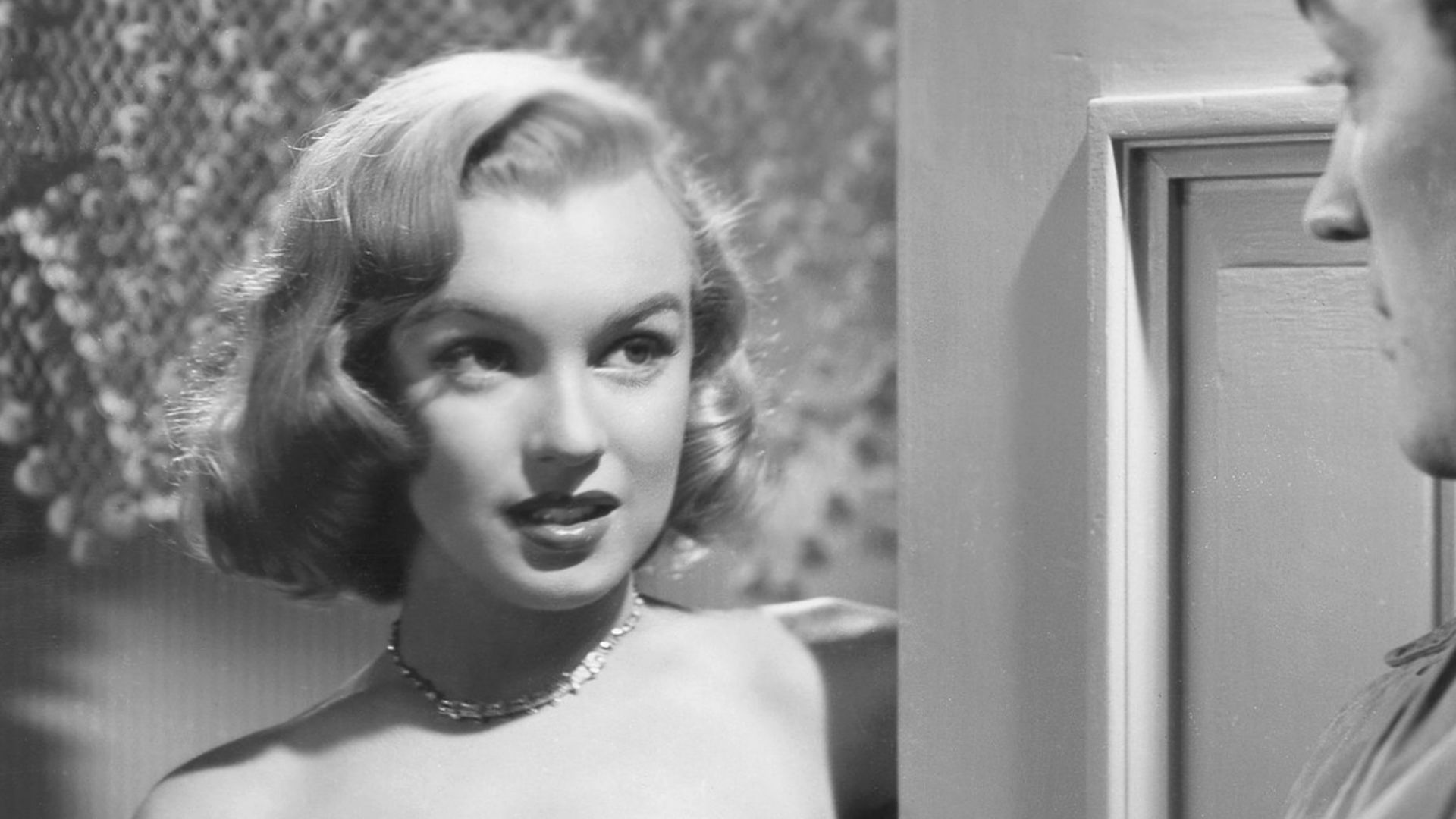 Macfadden Publications New York, publisher of Radio-TV Mirror, Wikimedia Commons
And That’s 30...
As you can see…Changing the world does not always feel important while it is happening.
You Might Also Like:
Everyone Learned These Scientist's Names In School, But Teachers Left Out Their Messy Lives
Ignored Facts About People No One Believed—But Who Turned Out To Be Right