Fighting The Odds
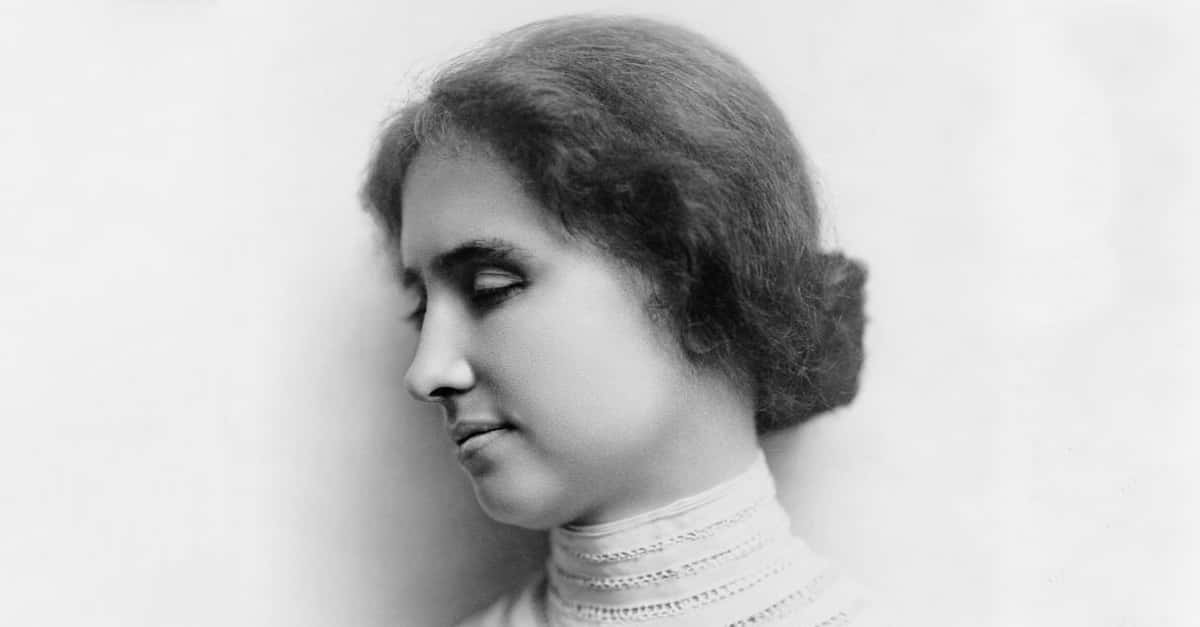
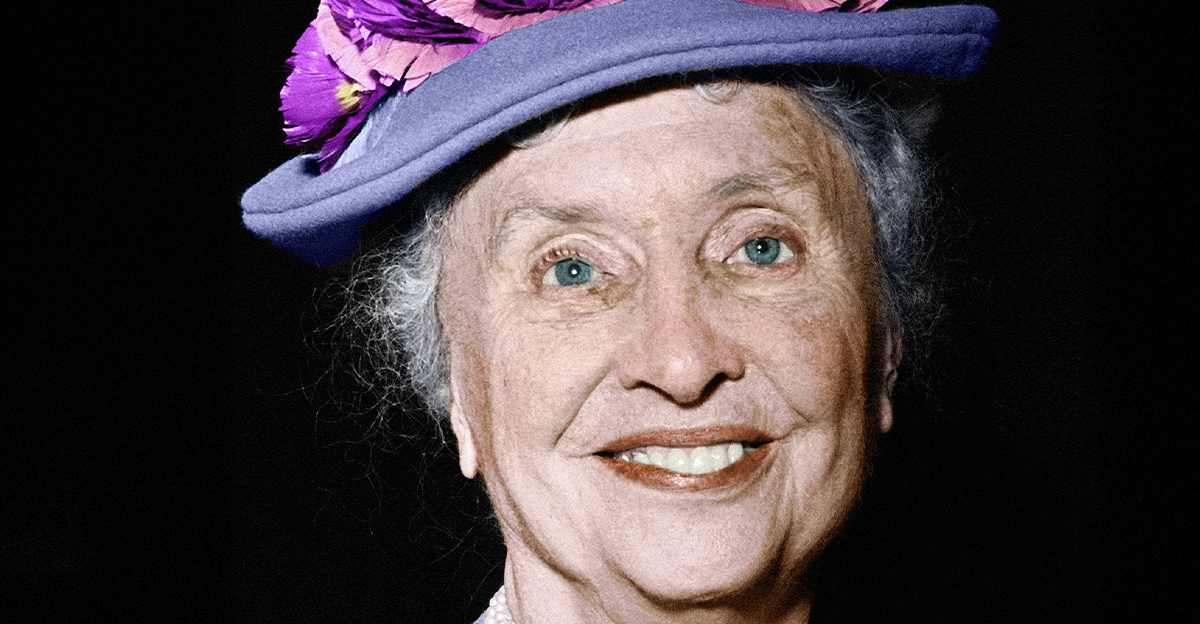
Helen Keller is a household name. Everyone knows the story of the blind, deaf woman who defied the odds. However, what do we truly know about the woman she was beyond her disabilities? Discover the true Helen Keller, the woman who overcame incredible odds and wrote a life story that still inspires us all.
1. She Was In The Wrong Time
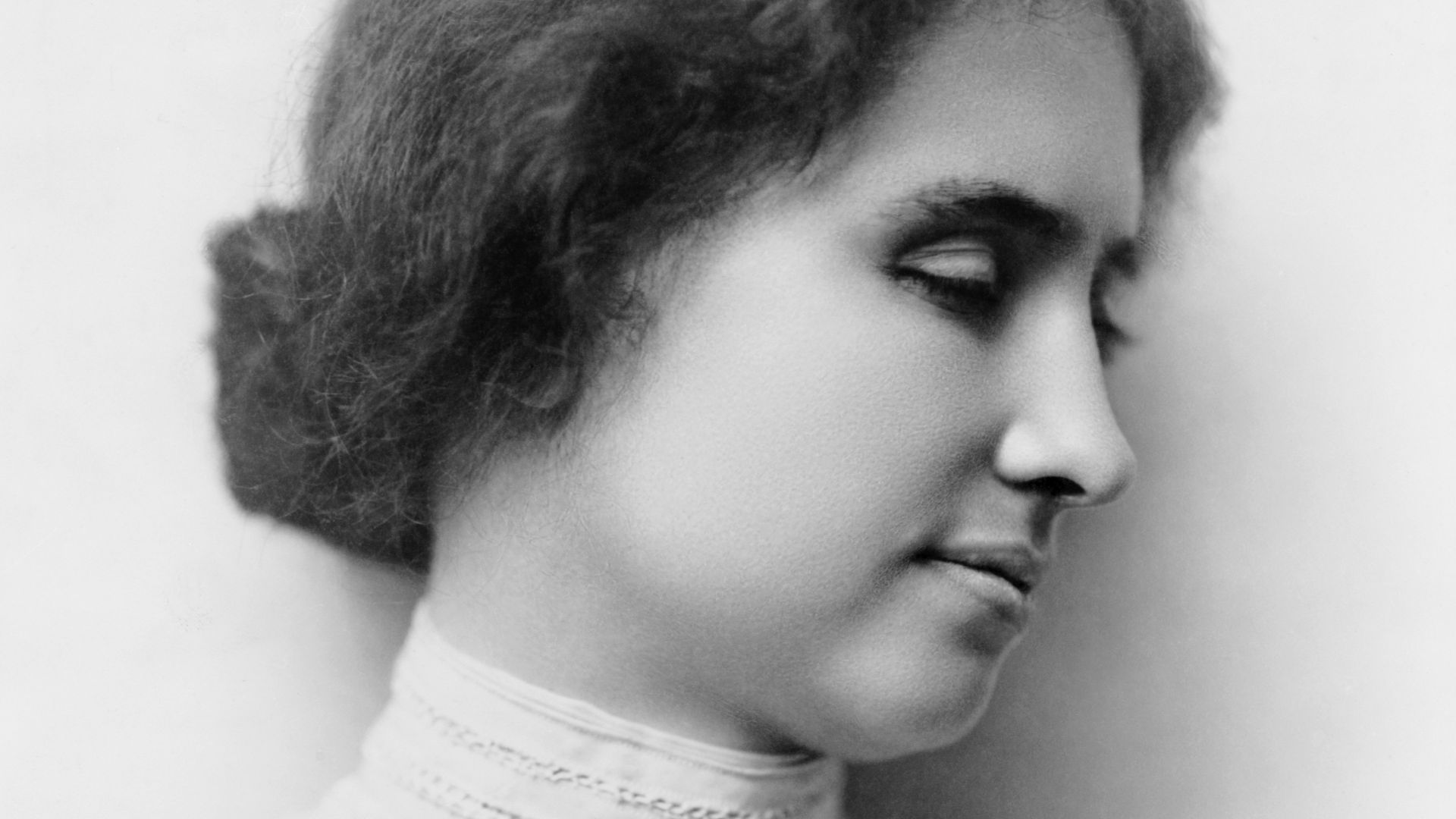
Helen Keller’s story easily could have been very different. Born in Tuscumbia, Alabama in June 1880, few knew the world that Helen entered for kindness to people with disabilities. Of course, in those early months, Helen Keller had no need for this kindness. Unfortunately, her entire life changed soon enough.
 Unknown authorUnknown author, Wikimedia Commons
2. She Grew Up In The South
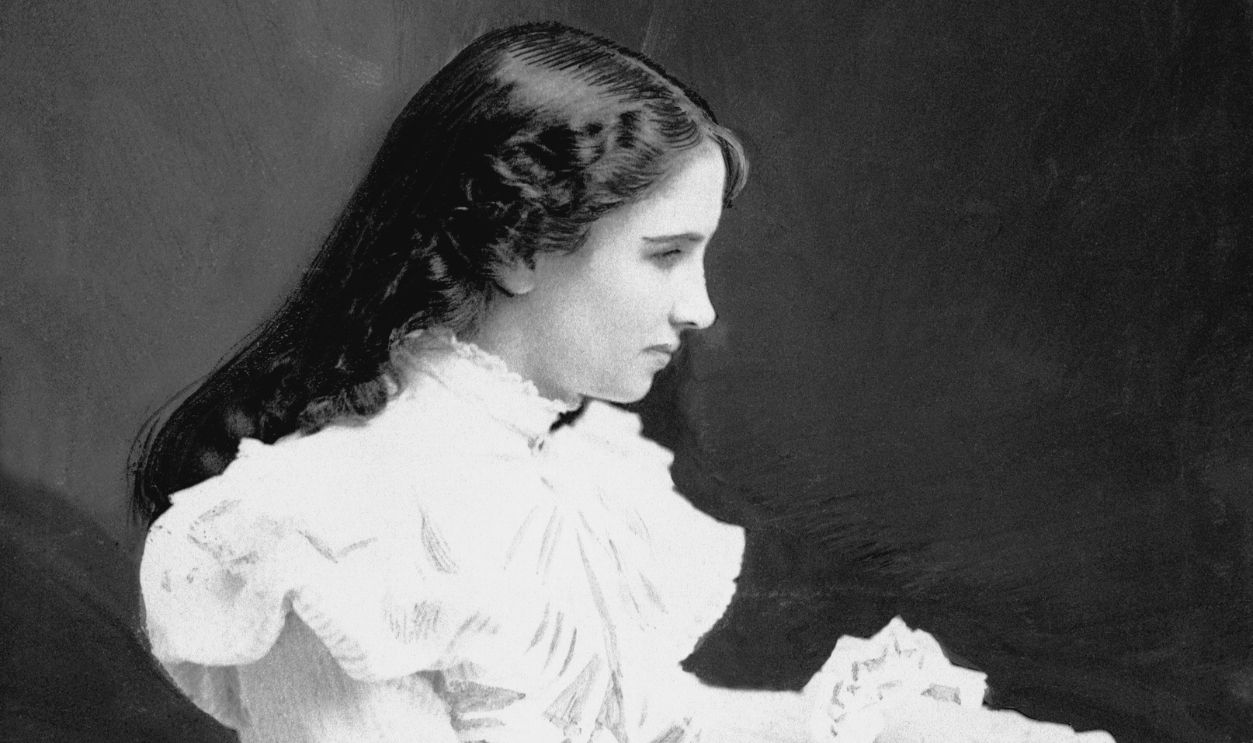
Helen grew up on Ivy Green, the homestead that her paternal grandfather had originally built. Her father served as a captain in the Confederate Army and before the Civil War, her family participated in the slaveholding elite. However, her family history held another secret that bore great relevancy to Helen’s life.
3. She Had Interesting Ancestors
Tracing the Keller family tree far enough back revealed that the family arrived in America from Switzerland. Casper Keller first immigrated to America and among their Swiss ancestry was the first teacher for the deaf in Zurich. Having not discovered this fact until later in life, Helen did not miss the significance of the connection. However, at birth Helen and her family had no reason to think upon this connection at all.
4. Her First Year Was Unremarkable
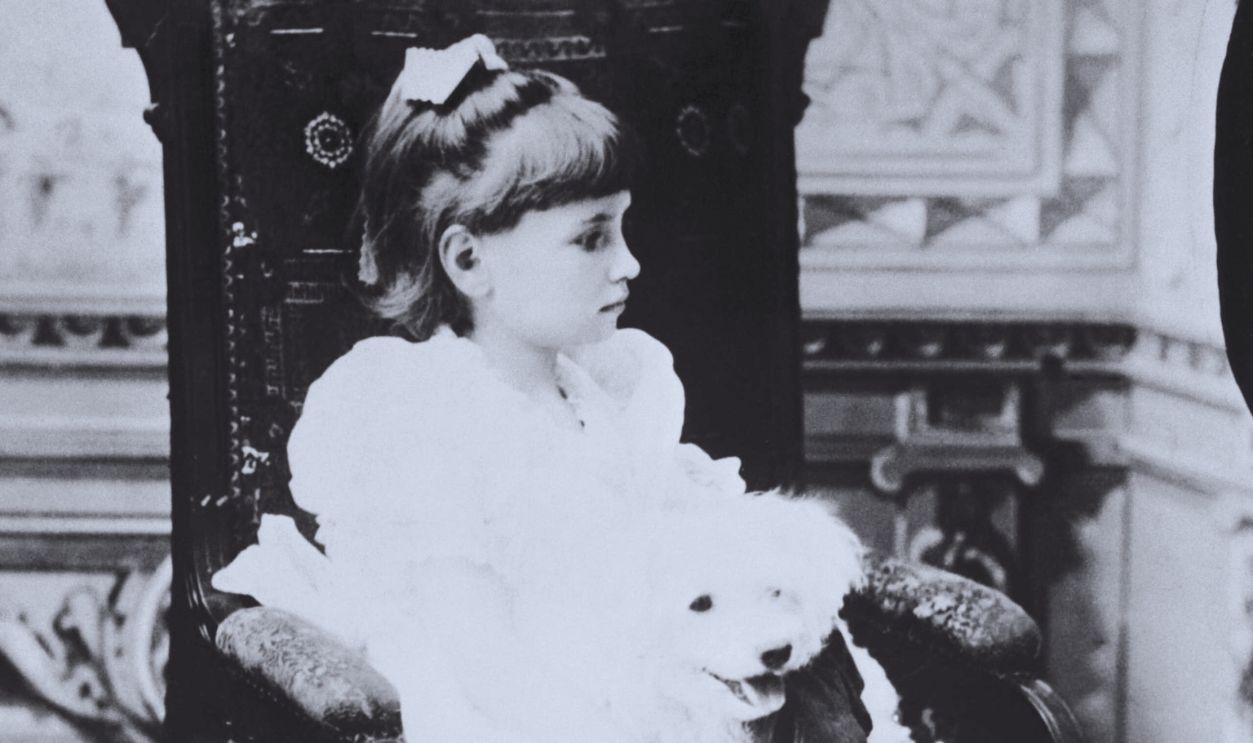
Helen’s first year and a half of life went by much as that of any other child. She possessed both sight and hearing at birth. Tragedy struck when Helen was 19 months old, when she contracted an illness. Perhaps her life may have been different if not for the fact that no one knew what illness Helen had.
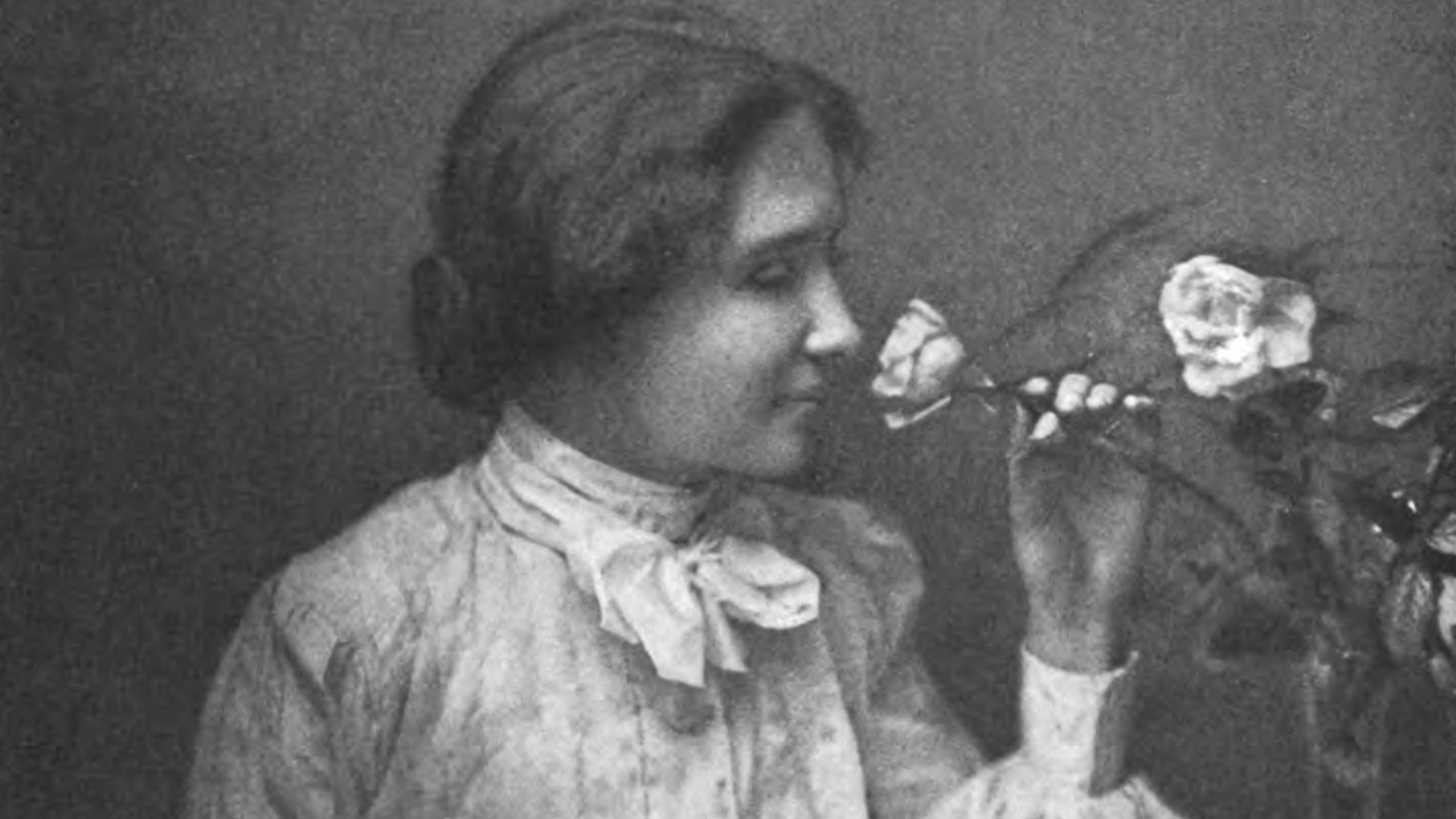 The Century Magazine, Wikimedia Commons
5. She Became Ill
Doctors at the time described Helen’s illness as “an acute congestion of the stomach and the brain”. Modern doctors have a few theories about what could have ravaged Helen’s system so completely. It is clear to anyone that Helen caught a nasty bacterium that her small body just barely fought off.
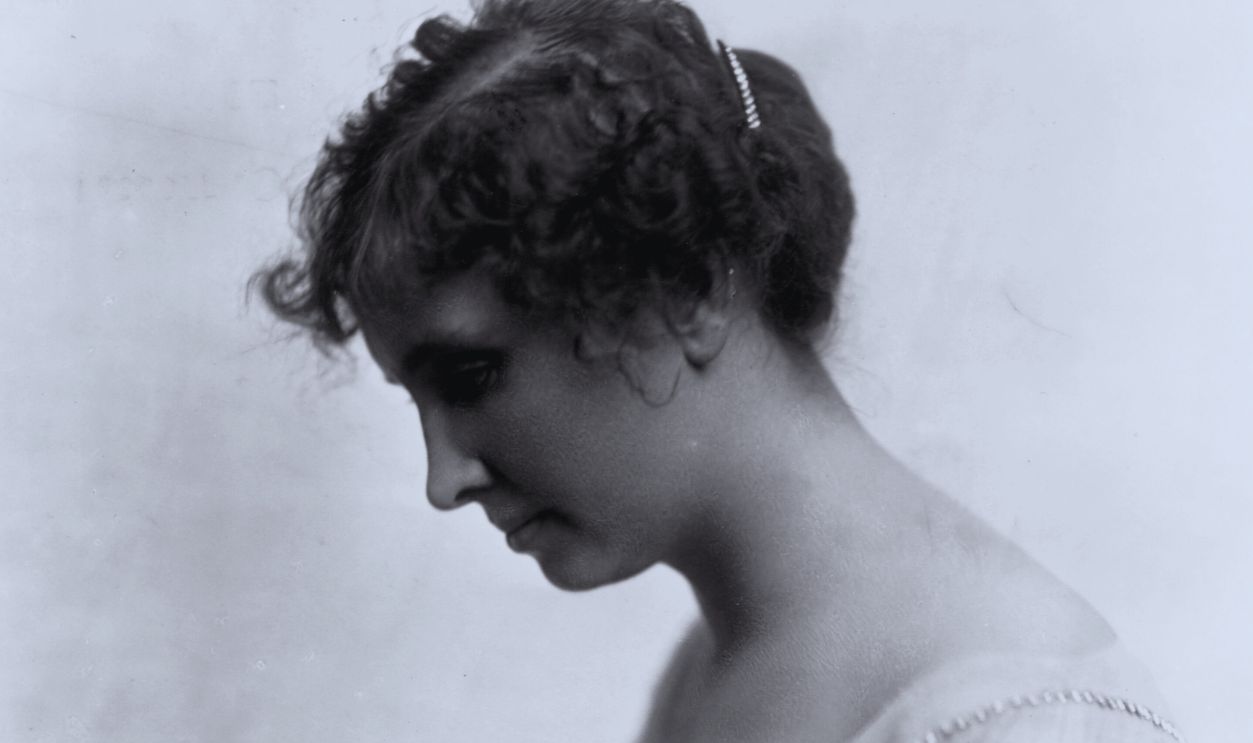 Library of Congress, Getty Images
6. Her Illness Was Unknown
One theory is that Helen caught Haemophilus influenzae, which presents with the symptoms that she had. However, the mortality rate for youth and infants with this disease was 97%, making it highly unlikely (though not impossible) that Helen would have survived as she did. The disease most doctors settle upon is slightly more familiar.
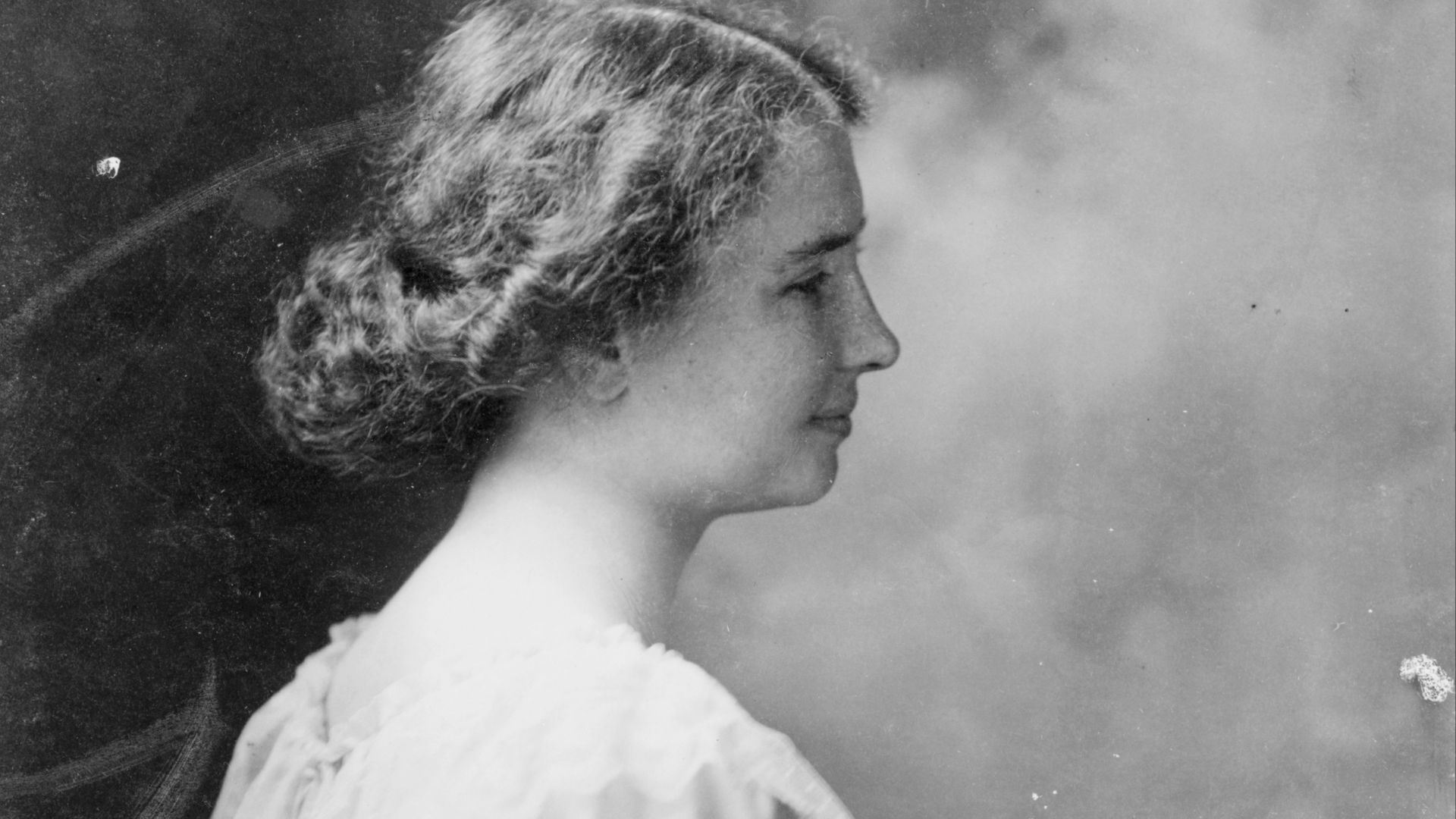 Unknown authorUnknown author, Wikimedia Commons
7. She Suffered Lasting Damage
The general belief is that Helen contracted meningitis. This disease is typically defined by fever, swelling, nausea, and neck stiffness which would account for the “acute” symptoms doctors at the time saw. Swelling in the brain causes the symptoms of meningitis, which also accounts for the dire consequences the illness had on Helen’s senses.
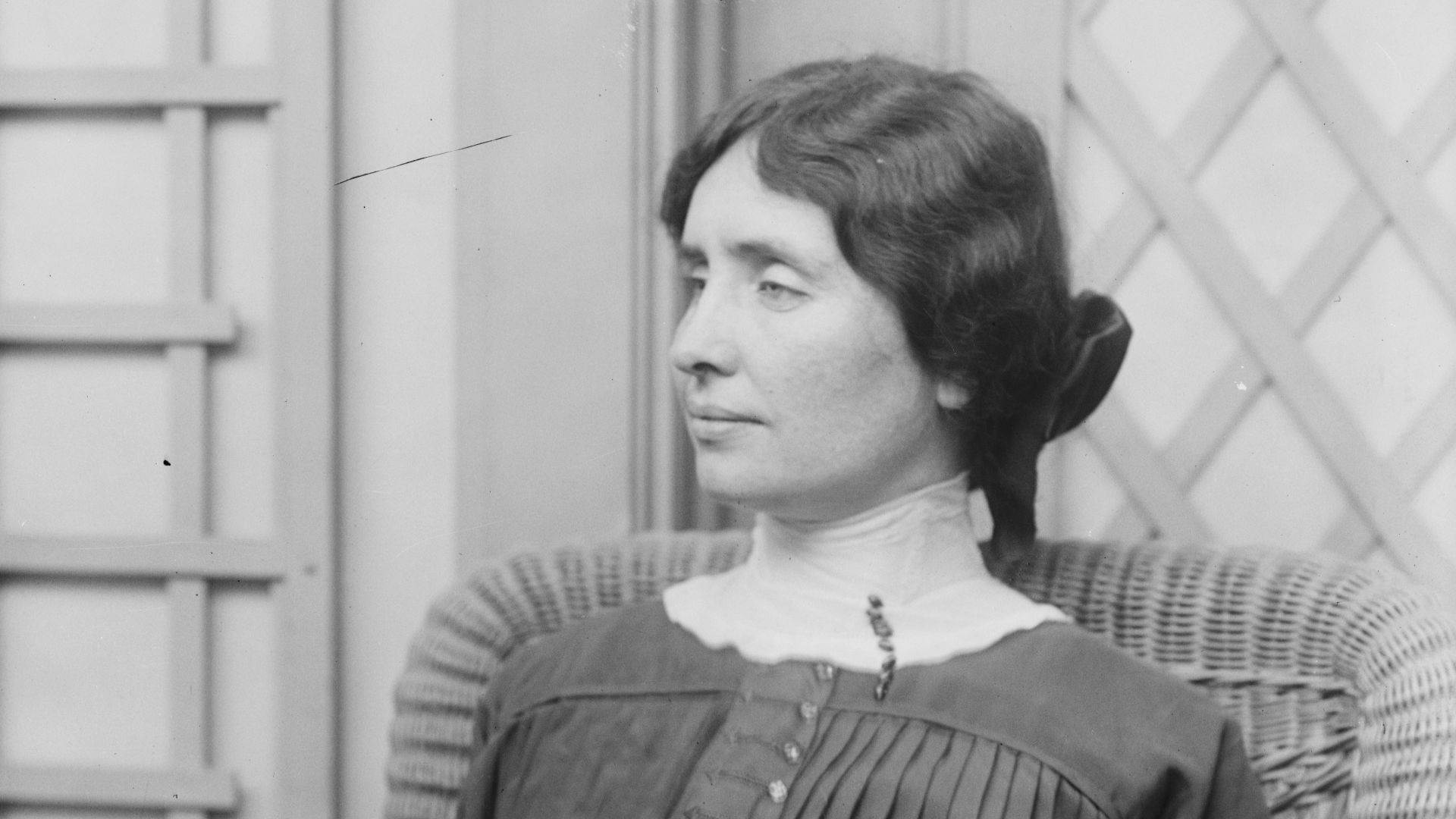 Bain News Service, Wikimedia Commons
8. She Became Lost In The Fog
Although Helen recovered from her illness, she did not remain unscathed. From that point on, Helen was blind and deaf. Whatever awareness the toddler had been gathering about the world ended suddenly and it left Helen “at sea in a dense fog”, unable to communicate with those around her as she once had.
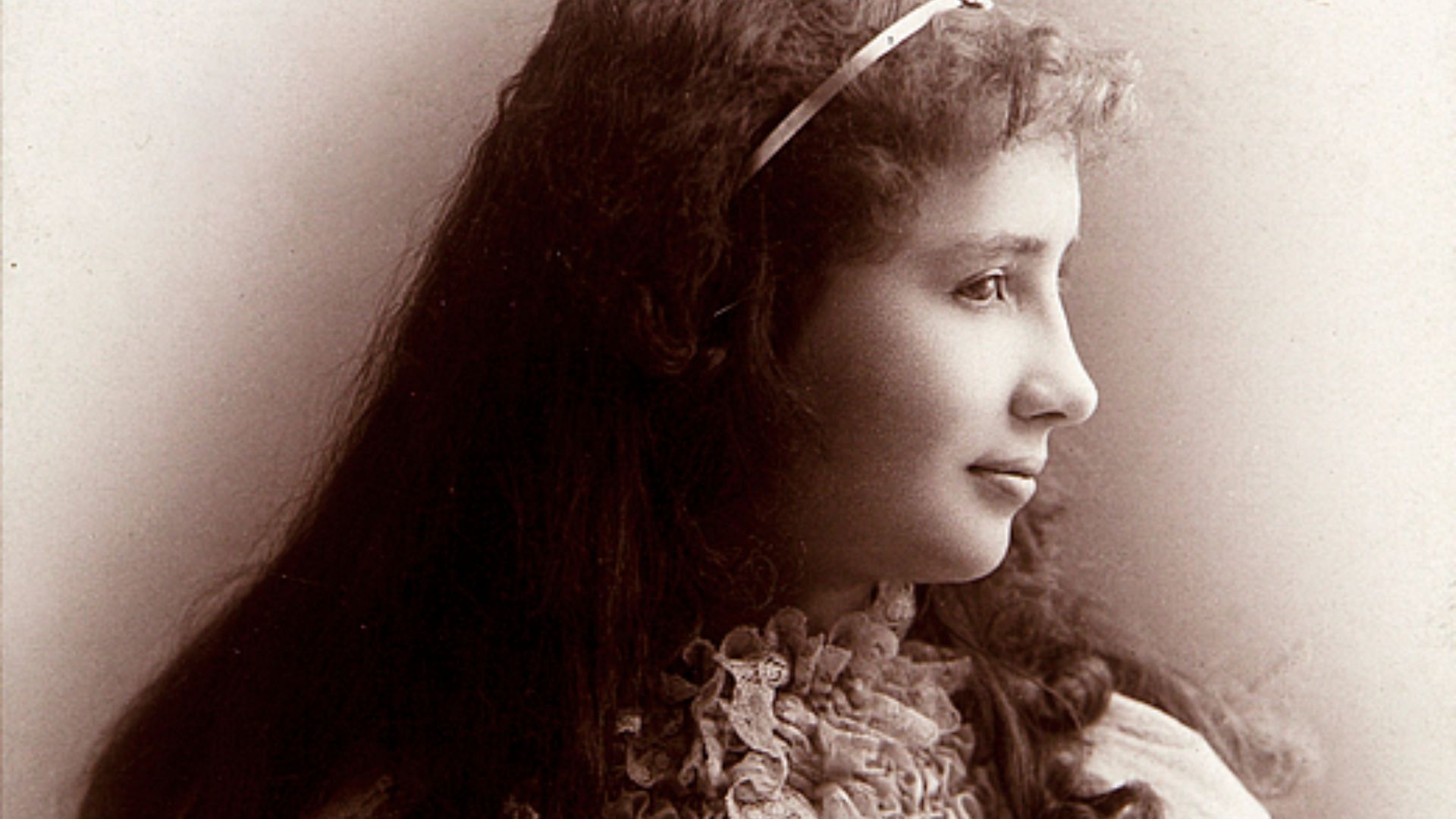 Charles Milton Bell, Wikimedia Commons

History's most fascinating stories and darkest secrets, delivered to your inbox daily.
9. She Was Isolated
Helen’s early life left her very isolated. Having lost both her sense of sight and sound so early, she had not developed any significant speech skills either. It trapped Helen in her own world, leaving most people on the outside. However, one person overcame the difficulty of understanding Helen, giving her a much-needed life preserver in her isolated sea.
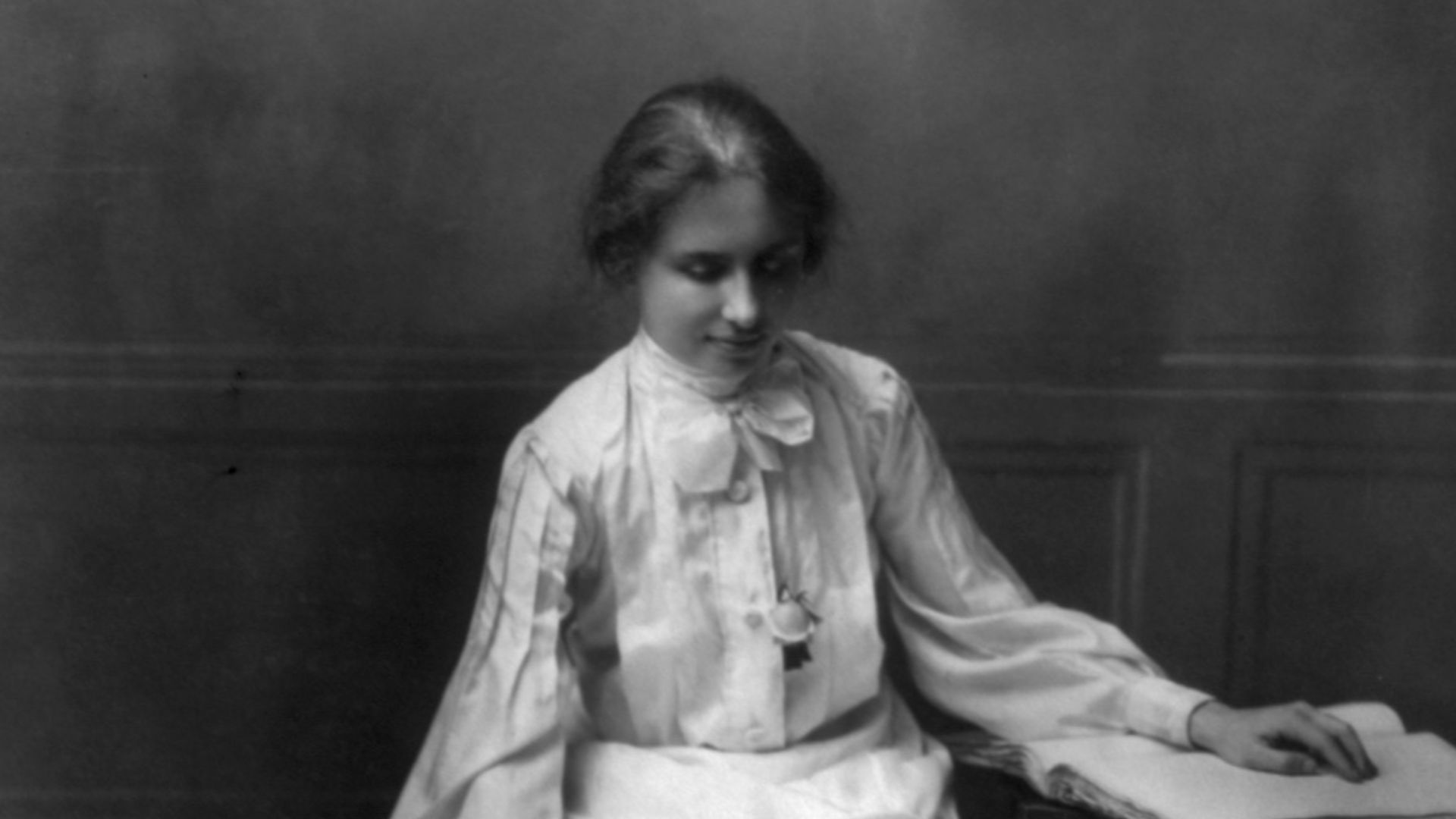 Miscellaneous Items in High Demand, PPOC, Library of Congress, Wikimedia Commons
10. She Had One Companion
The daughter of the family cook, Martha Washington, could understand Helen’s signs of communication in those early days following Helen’s illness. Two years older than Helen, Washington provided much-needed support. However, over time, the rest of Helen’s family began to understand her needs as well.
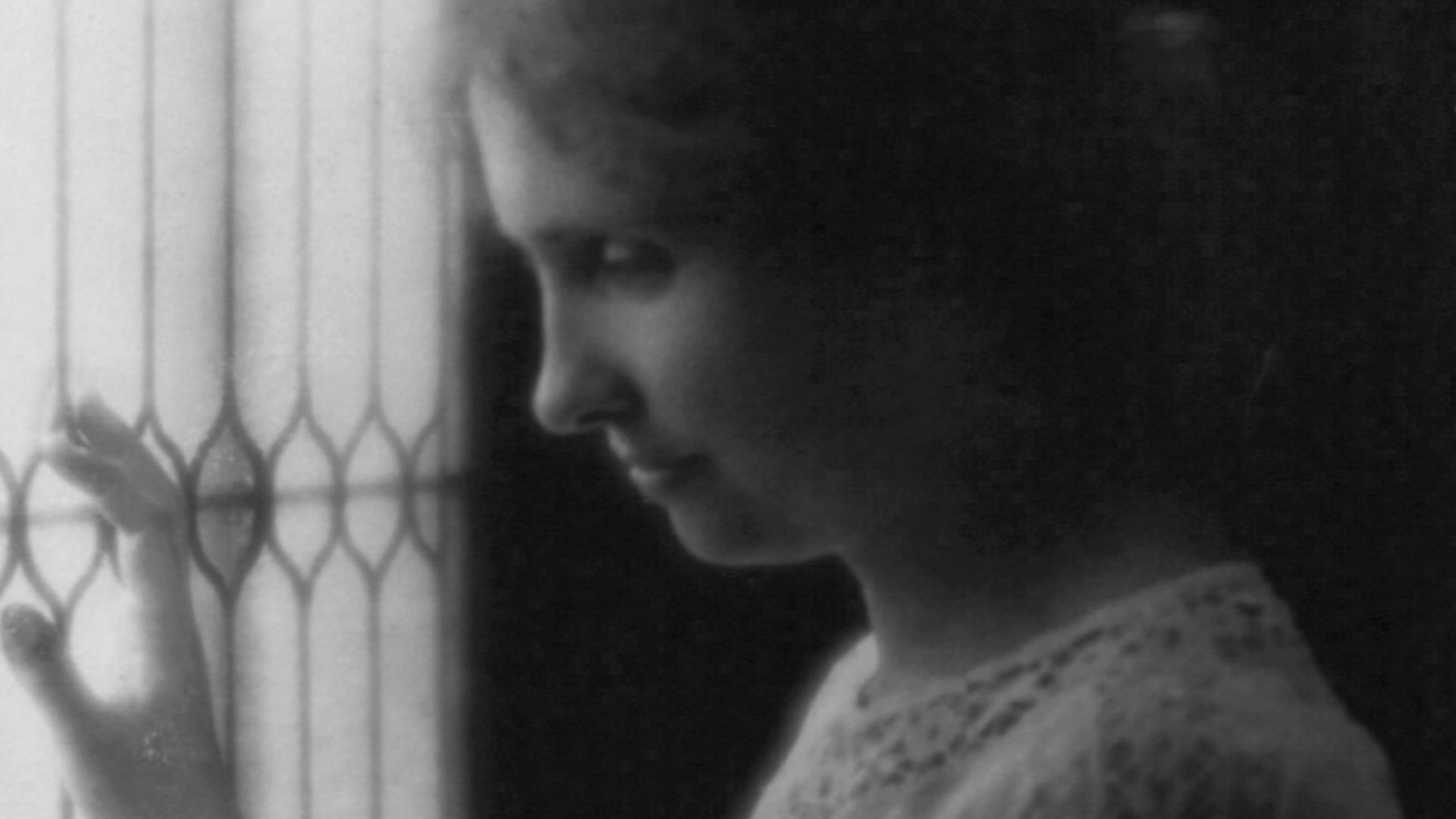 Miscellaneous Items in High Demand, PPOC, Library of Congress, Wikimedia Commons
11. She Developed Systems
Helen and the rest of the Kellers developed their own unique way of communicating. By the age of seven, Helen had more than 60 home signs that she’d developed to communicate with her family. She also could distinguish people through the different vibrations their footsteps made. However, her family continued to hope for more.
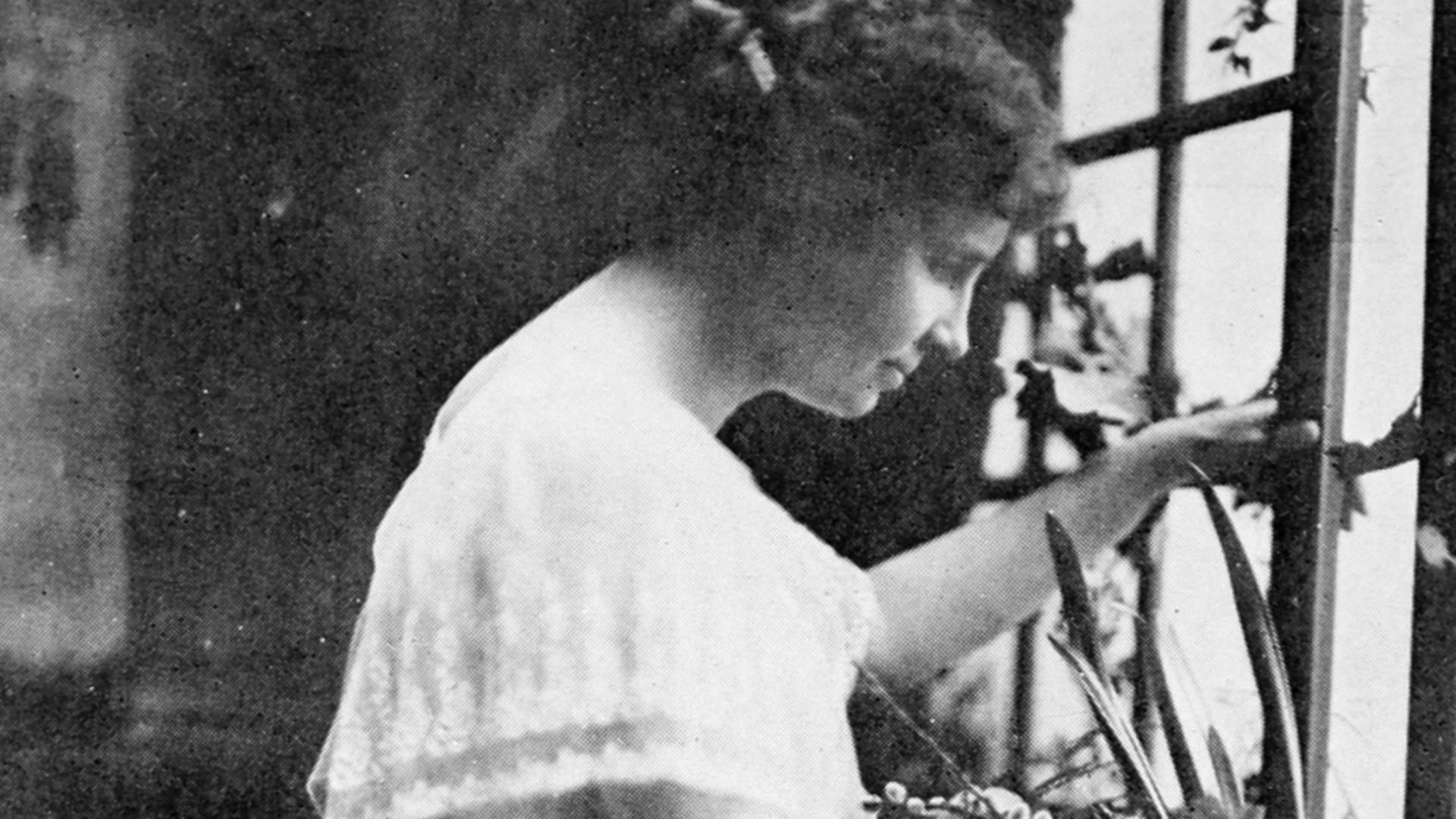 Editor Mary Griffin Webb and Edna Lenore Webb, Wikimedia Commons
12. Her Mother Found Hope
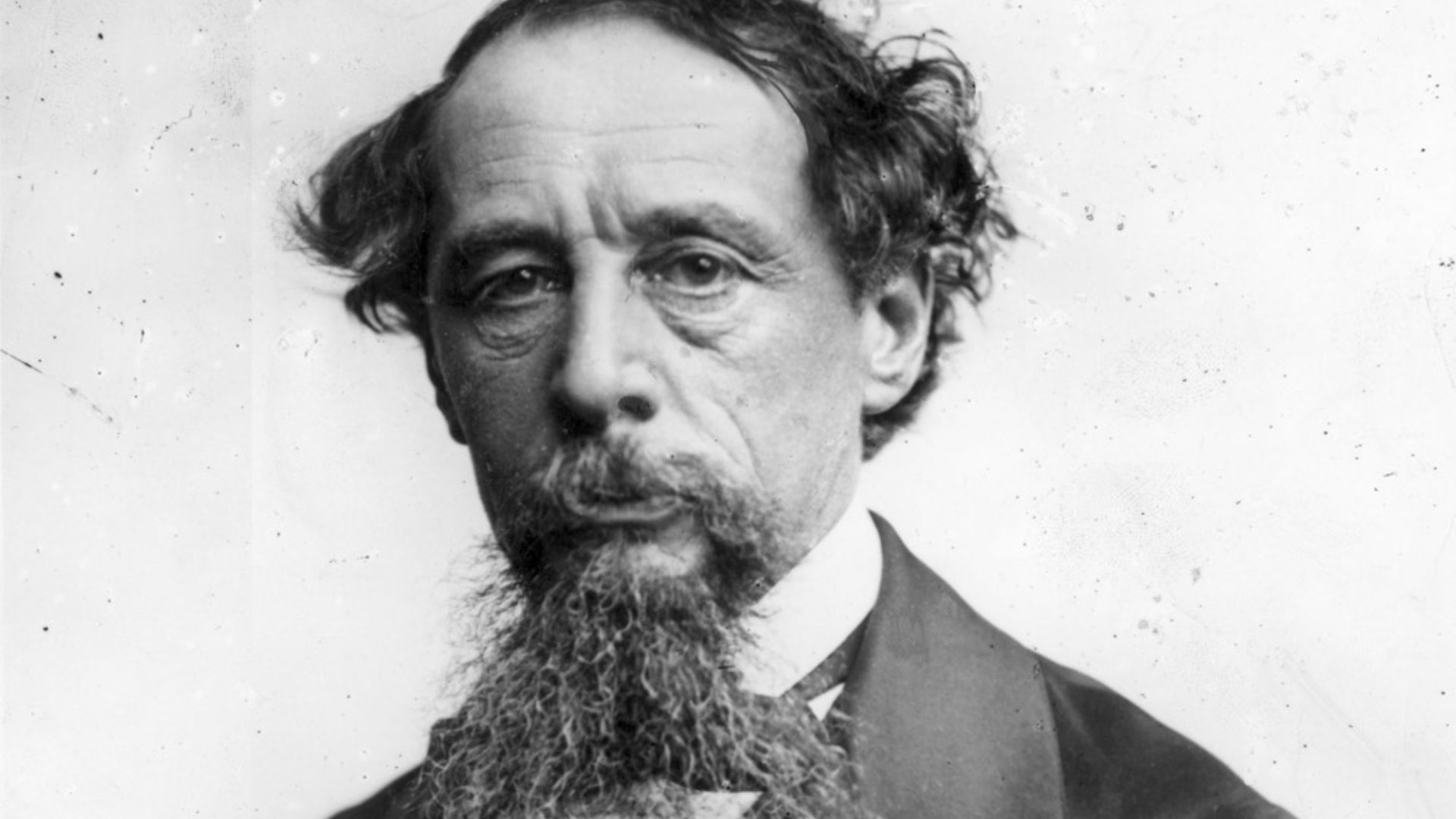
Kate Keller, Helen’s mother, found inspiration for her daughter in the most unusual of places. Through reading American Notes by Charles Dickens, Kate learned of Laura Bridgman. 50 years Helen’s senior, Bridgman’s story mirrored Helen’s in many ways; therefore, it is no surprise that Kate saw hope for her daughter in Bridgman’s journey.
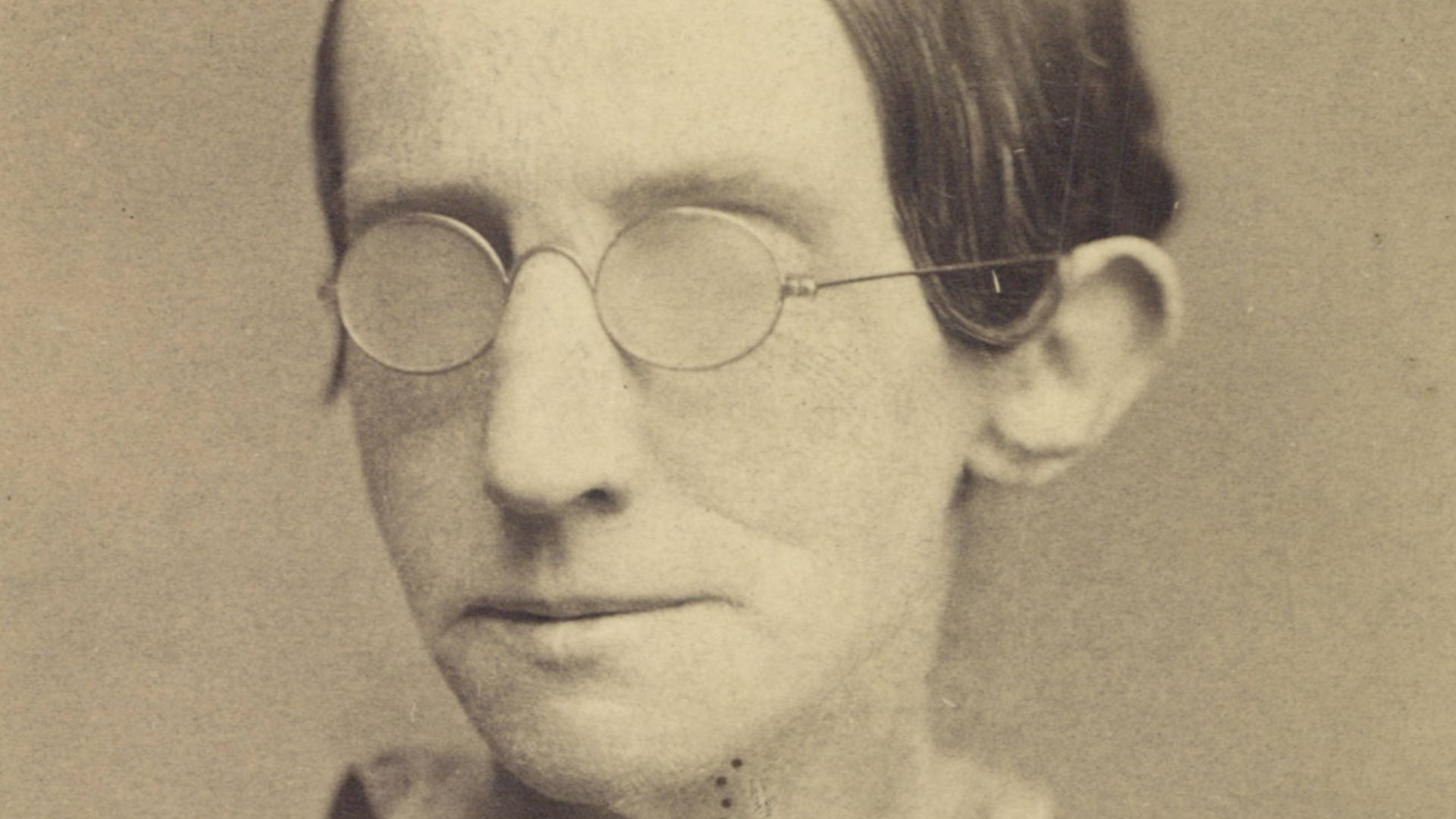 Unknown photographer, Wikimedia Commons
13. She Wasn’t The First
Bridgman grew up in Hanover, New Hampshire. Always sickly, she lost her hearing and her sight at the age of two after the family dealt with a bought of scarlet fever that some members did not survive. Despite this, Bridgman managed to achieve communication and education with the world at large. Kate Keller hoped for a similar future for Helen.
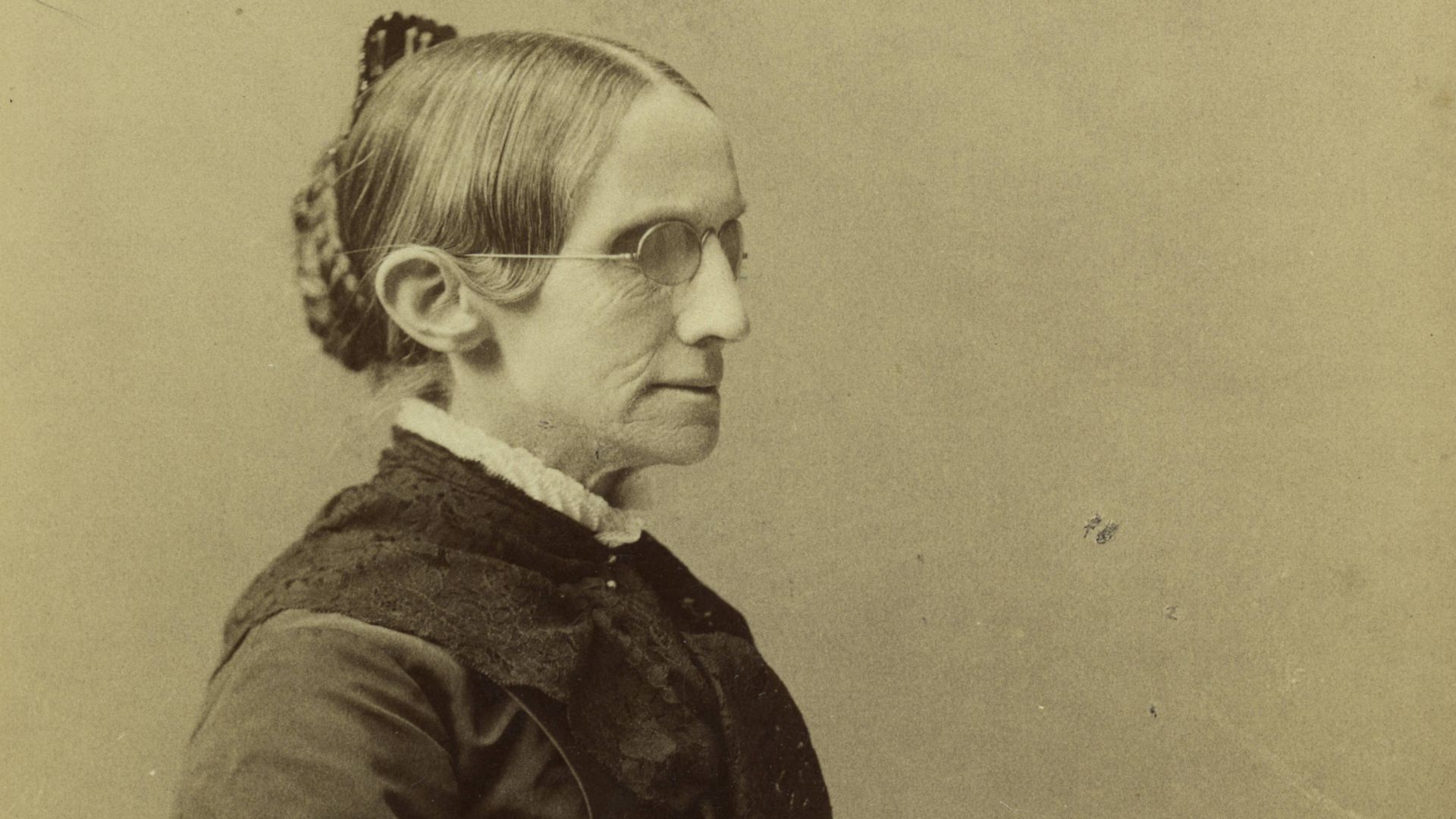 H. F. Holland, Boston, Wikimedia Commons
14. She Owed Charles Dickens
Thanks to fewer means of sharing information in the 1800s, if it hadn’t been for Charles Dickens, the Kellers may never have realized that their daughter had an opportunity for more. Thankfully, following this reading, Kate immediately jumped into action, urging her husband to begin seeking help for Helen.
15. She Saw A Specialist
In response to Kate’s urging, Arthur Keller took his daughter to see a physician by the name of J Julian Chisholm. Chisholm practiced in Baltimore but he specialized in eye, ear, nose, and throat treatments, which made the trip to see him well worth the effort. However, Chisholm could not offer the specific help the Kellers were looking for.
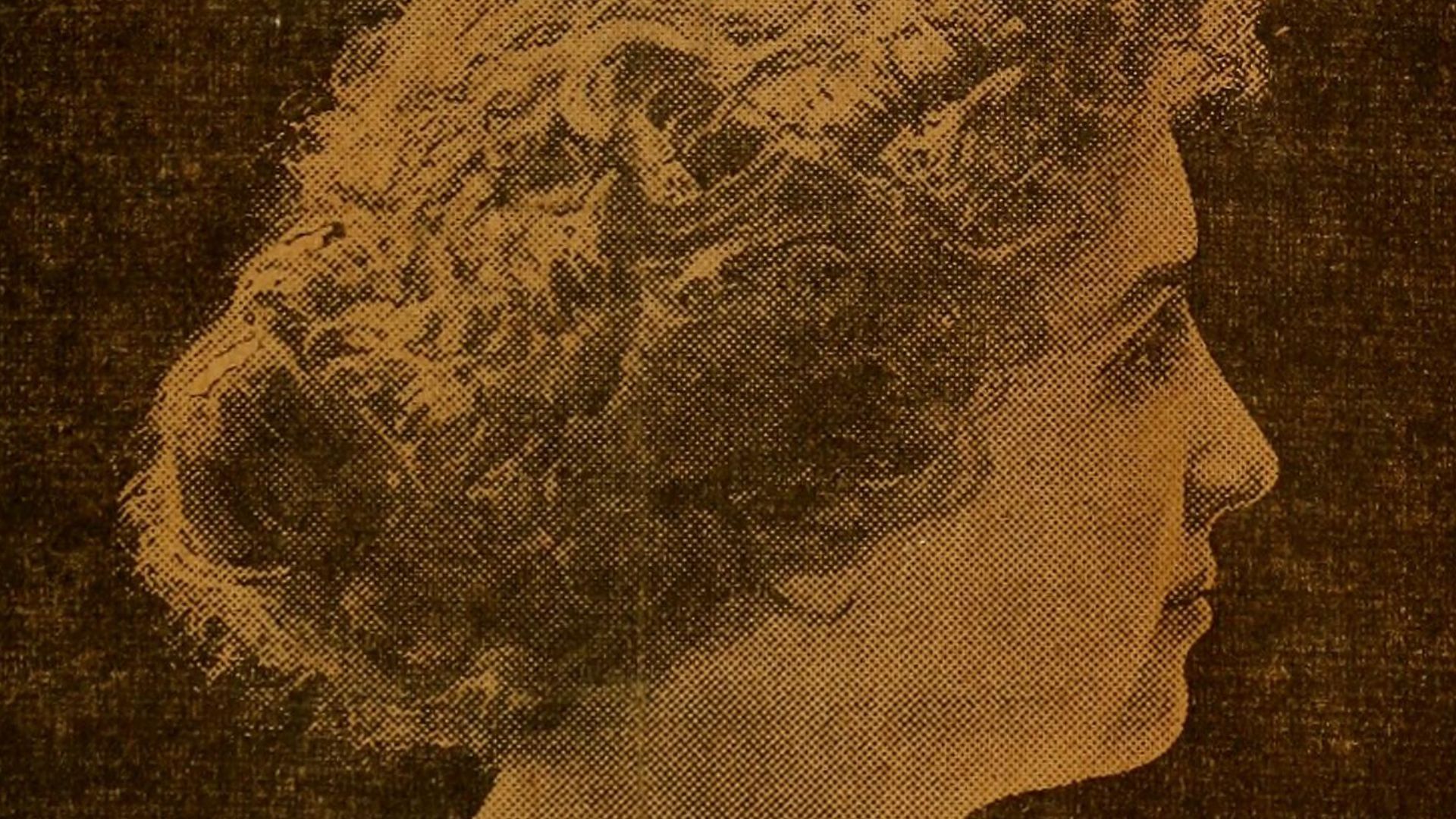 Internet Archive Book Images, Wikimedia Commons
16. She Was Referred
Chisholm could not do anything for Helen. However, he had connections within the community that opened up a larger world to Helen and the Kellers. Chisholm connected the Kellers to Alexander Graham Bell. Having founded his famed telephone company only the year before, Bell also had an interest in teaching.
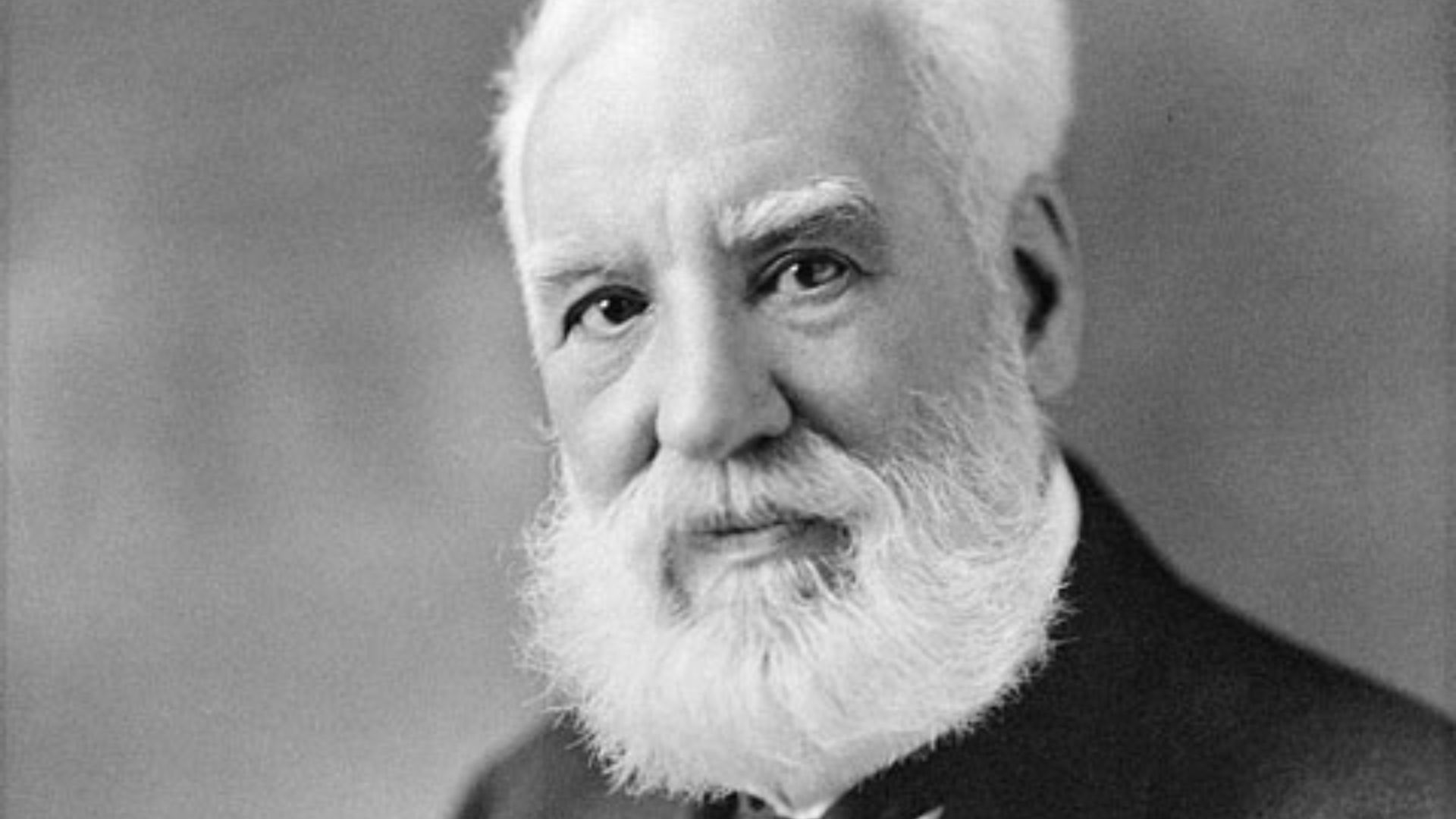 Moffett Studio, Wikimedia Commons
17. She Had A Famous Teacher
Bell had opened his School of Vocal Physiology and Mechanics of Speech over 10 years before Helen came to see him. In more recent years, people have criticized Bell for the views that he held and his approach to deafness. However, when Helen arrived to see him, he provided her with a much-needed sense of connection.
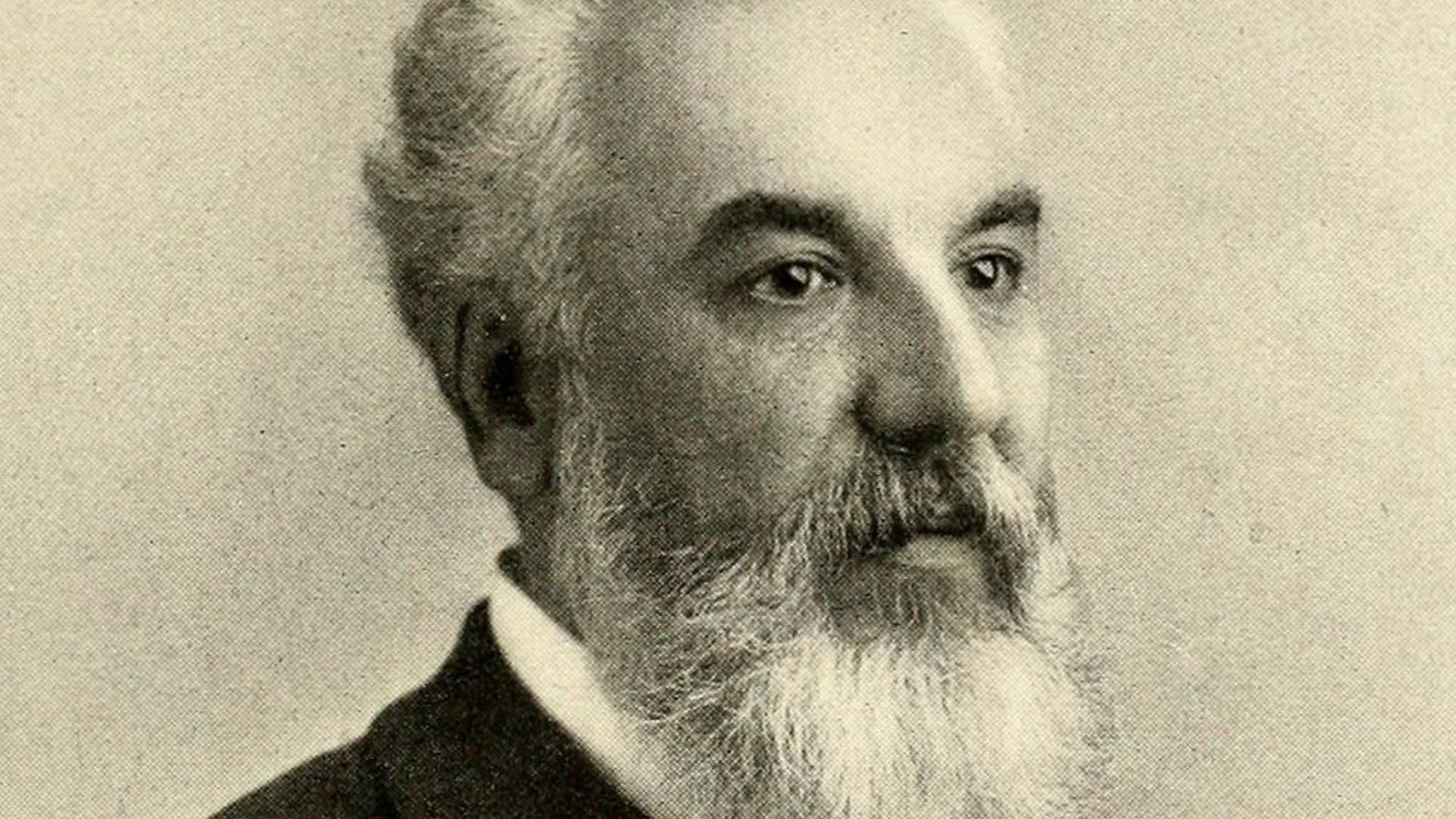 Unknown authorUnknown author, Wikimedia Commons
18. She Supported Bell
It is unclear how long Helen spent with Bell. However, he left an impact on her, and she later remarked that Bell dedicated his life to breaking the “inhuman silence which separates and estranges”. Bell may be a household name thanks to his inventions, but for Helen Keller, he remained a stepping stone on her journey to breaking free of her silence.
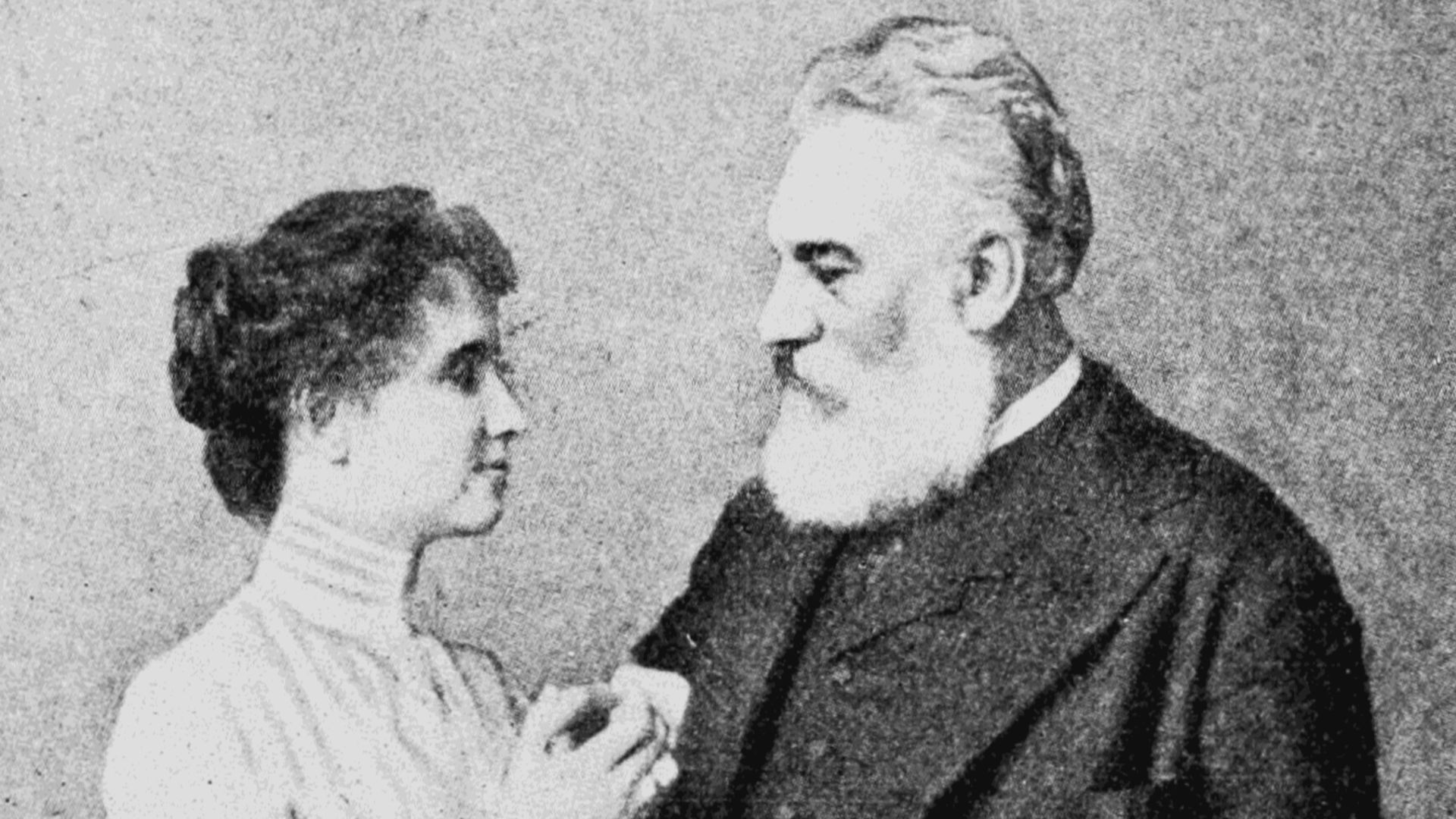 Unknown authorUnknown author, Wikimedia Commons
19. She Made Connections
Through Bell, the Kellers connected with the Perkins Institute for the Blind, the very school Laura Bridgman received her education at all the years earlier. At that time, the institute could be found in South Boston. However, initially, the school spared Helen the stress of a long journey. Instead, they set someone to her.
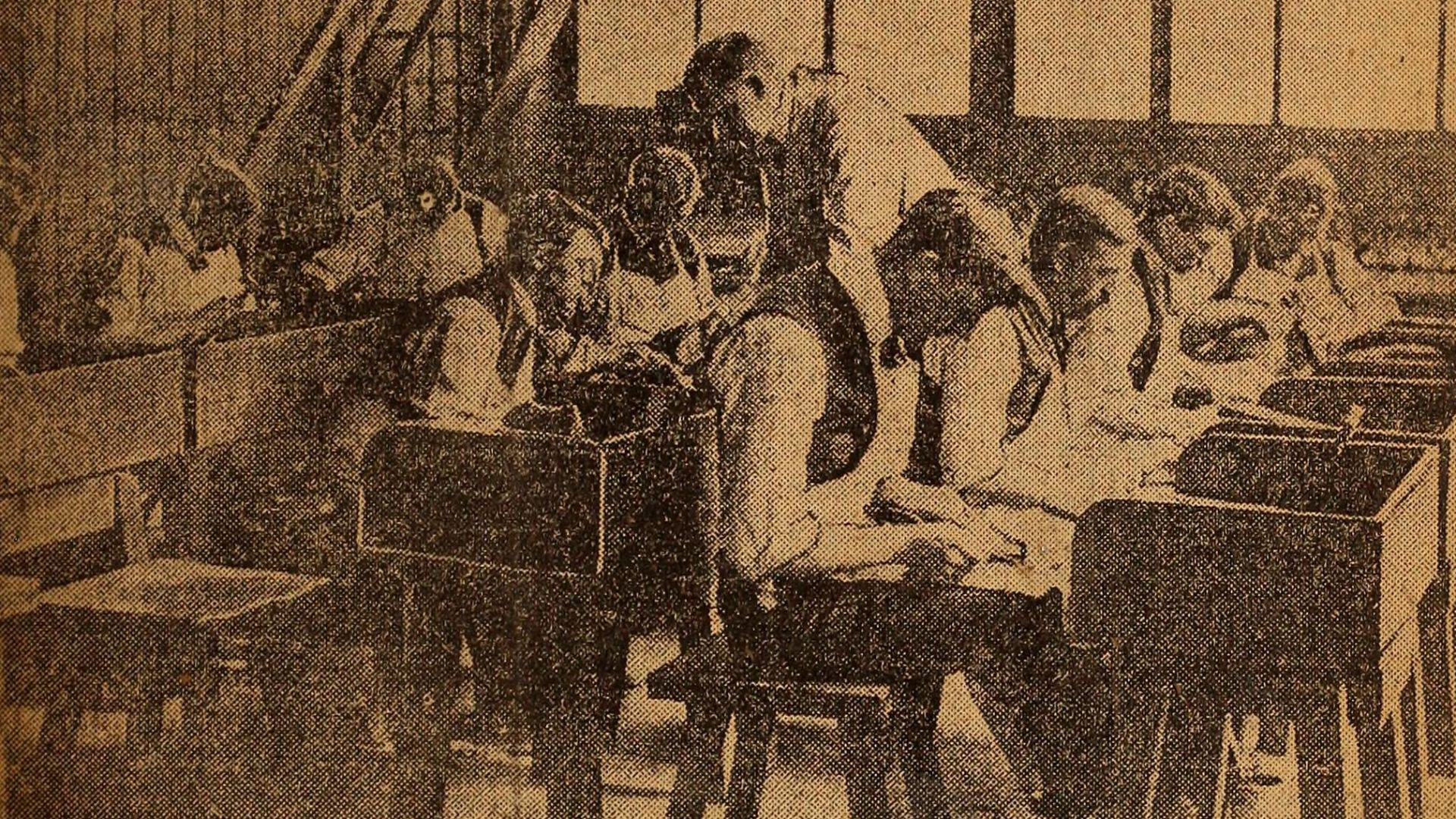 Internet Archive Book Images, Wikimedia Commons
20. She Met Anne
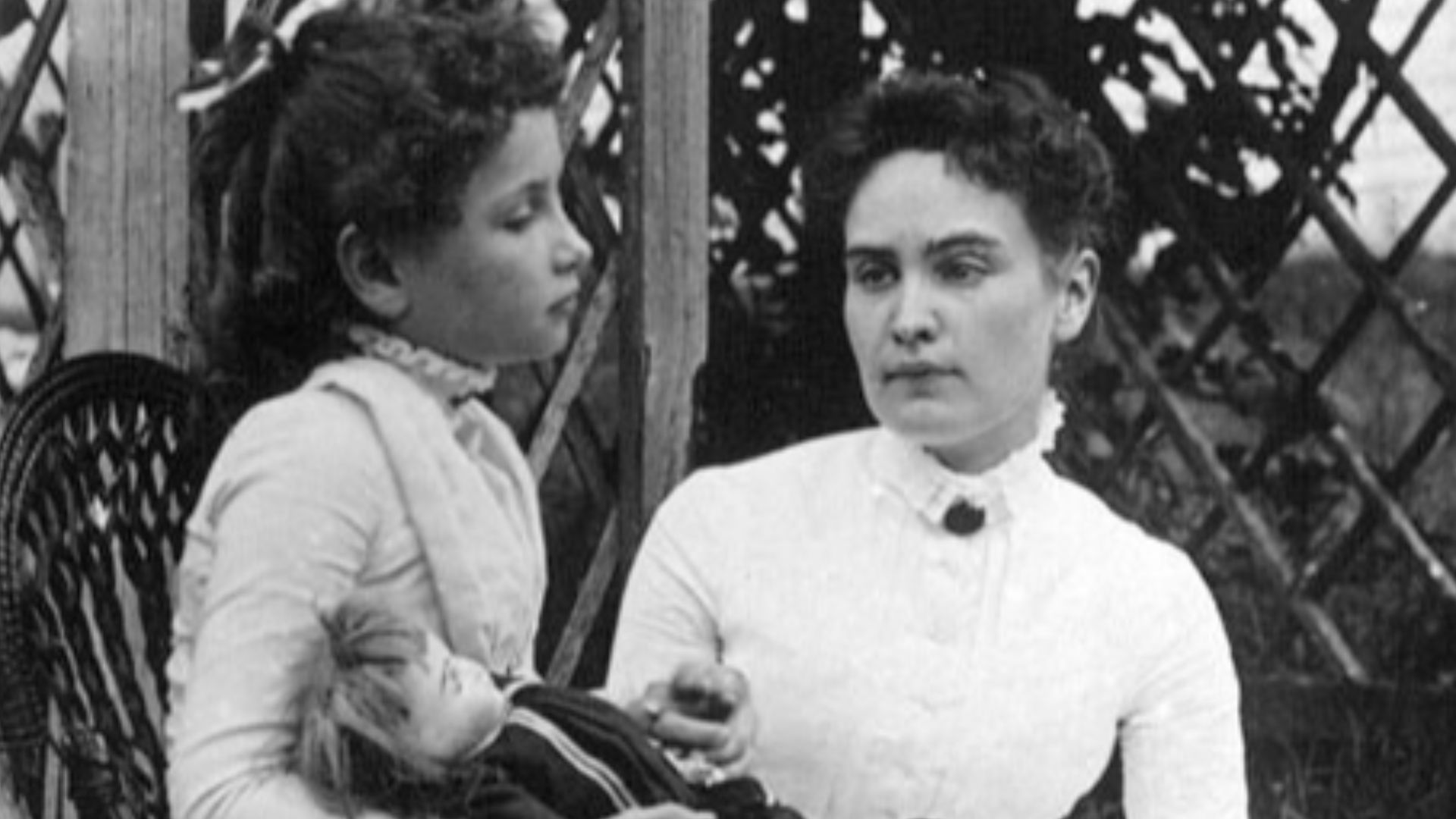
In response to the Kellers' request for help, Perkins’ director Michael Anagnos asked a former pupil to get involved. Anne Sullivan suffered from a condition that left her blind. Anne began her studies at Perkins the same year that Helen entered the world. A recent graduate from Perkins when the Kellers reached out, Anne found herself in a unique position to help.
21. Her Life Changed Forever
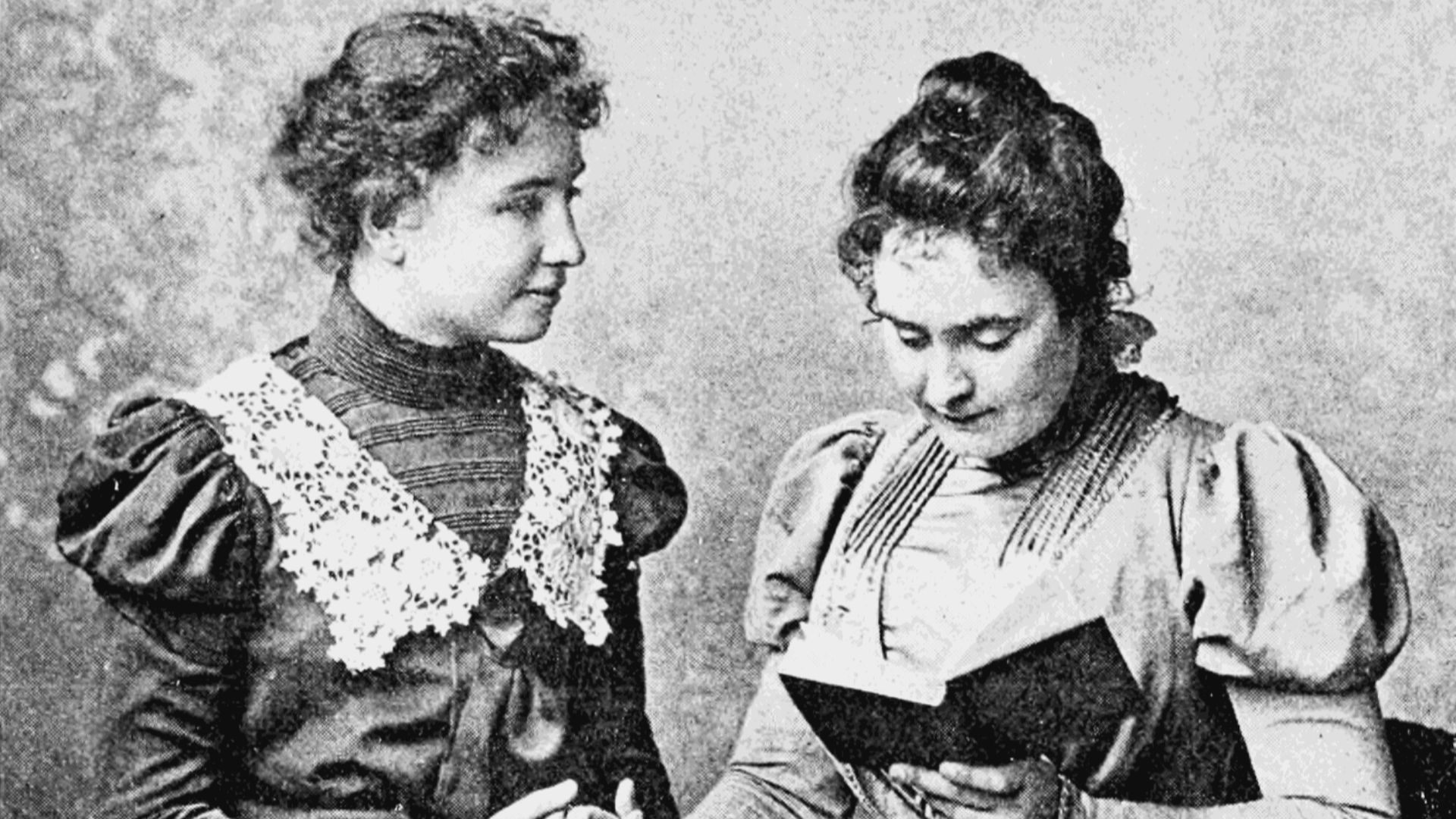
The connections between Helen Keller and Laura Bridgman continued to appear the further the Kellers got in their journey. Anne befriended Bridgman during her time studying at Perkins, which gave her familiarity with Helen’s struggles. Anagnos immediately recommended Anne for the job upon receiving the Kellers' requests and it changed Helen’s life forever.
 Unknown authorUnknown author, Wikimedia Commons
22. She Started Immediately
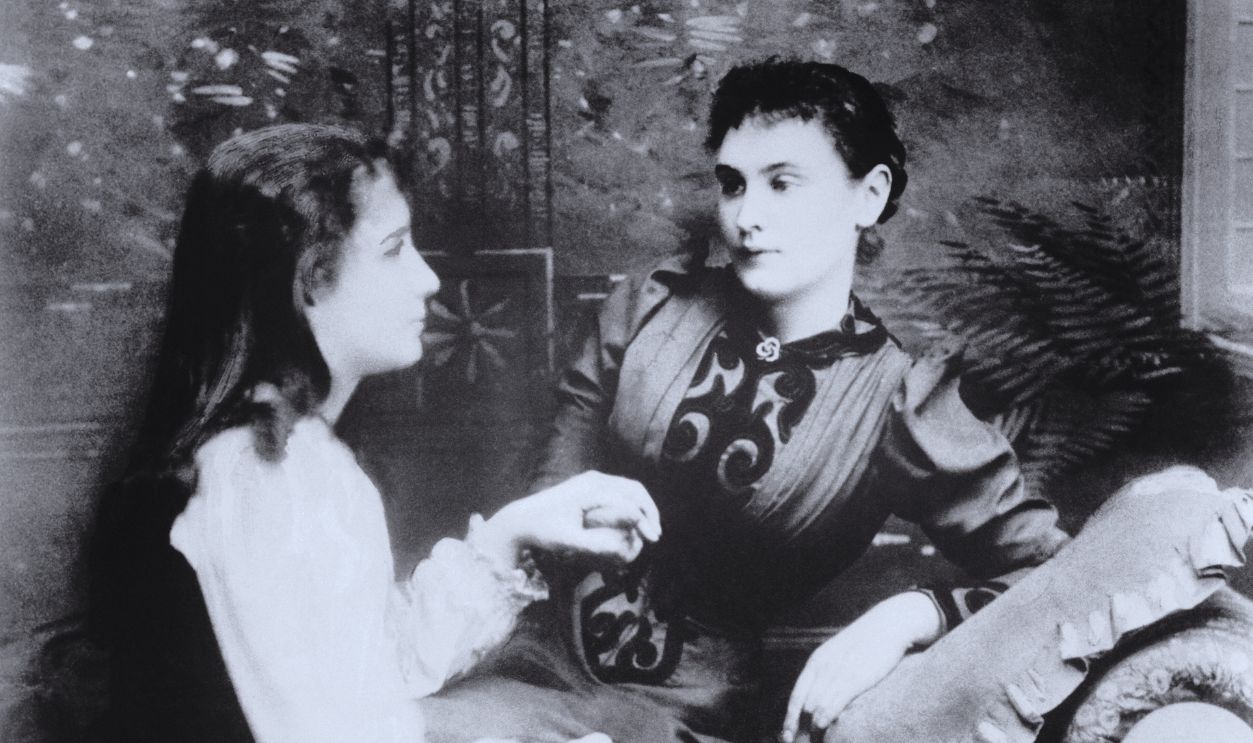
Anne arrived at the Keller’s home in March 1887, making Helen just seven years old. The day that Anne arrived surely remained memorable to all members of the Keller family. Helen forever remembered that day as “my soul’s birthday”. However, her parents’ relationship with Anne got off to a rockier start.
23. Her Family Was Controversial
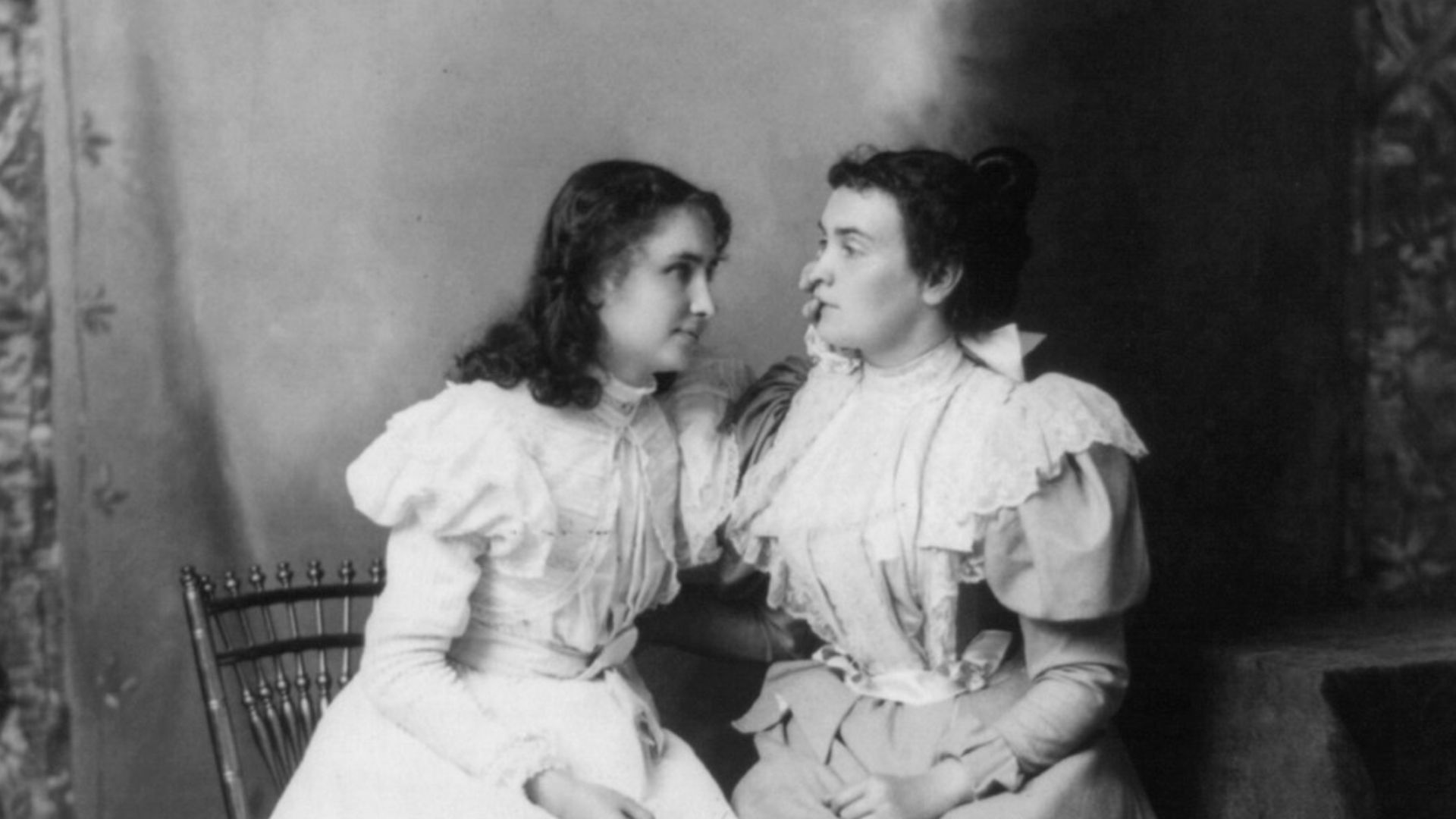
If there had been any fear that Anne might become intimidated as a stranger in another person’s home, it vanished shortly after their first meeting. Supposedly, Anne had no problem informing the Kellers that she disagreed with their values. She quickly got into an argument with Helen’s parents over the Civil War and their history with slavery. It created a rocky situation that could have caused Helen’s education to crumble before it even started.
 Miscellaneous Items in High Demand, PPOC, Library of Congress, Wikimedia Commons
24. Her Teacher Had A Plan
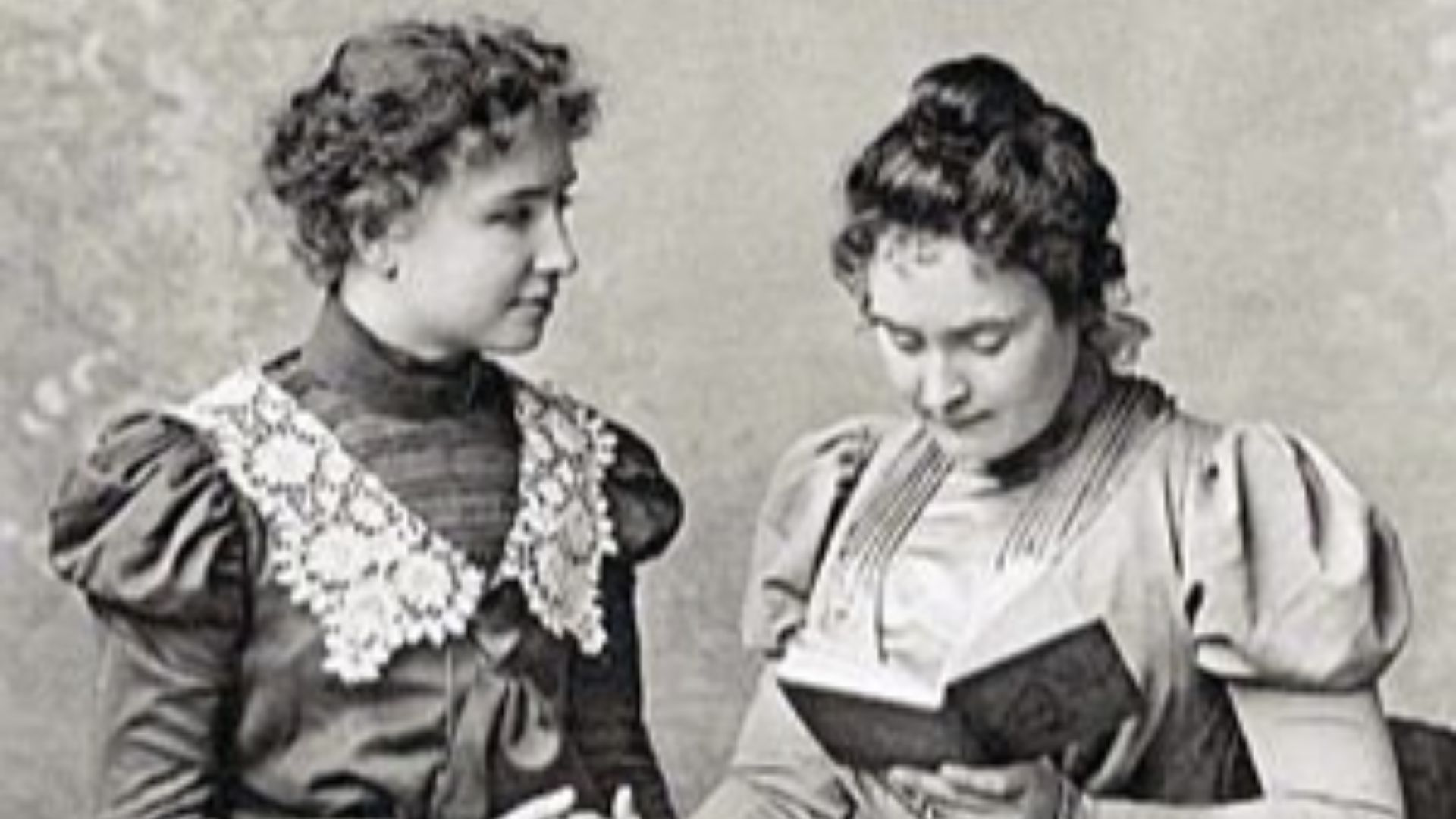
Thankfully, the Kellers were more interested in ensuring their daughter received an education than holding onto old grudges. Anne also took her job too seriously to risk it. She started teaching Helen immediately, using the gift that she’d brought Helen that day as a means to communicate—though, it did not go easily at first.
 Alexander Graham Bell, Wikimedia Commons
25. She Struggled
Anne taught Helen words by spelling them on her hand. She gifted Helen with a doll upon first meeting her. Then, Anne began spelling “d-o-l-l” upon Helen’s hand. However, Helen initially struggled to understand what Anne was trying to teach her.
26. She Didn’t Understand
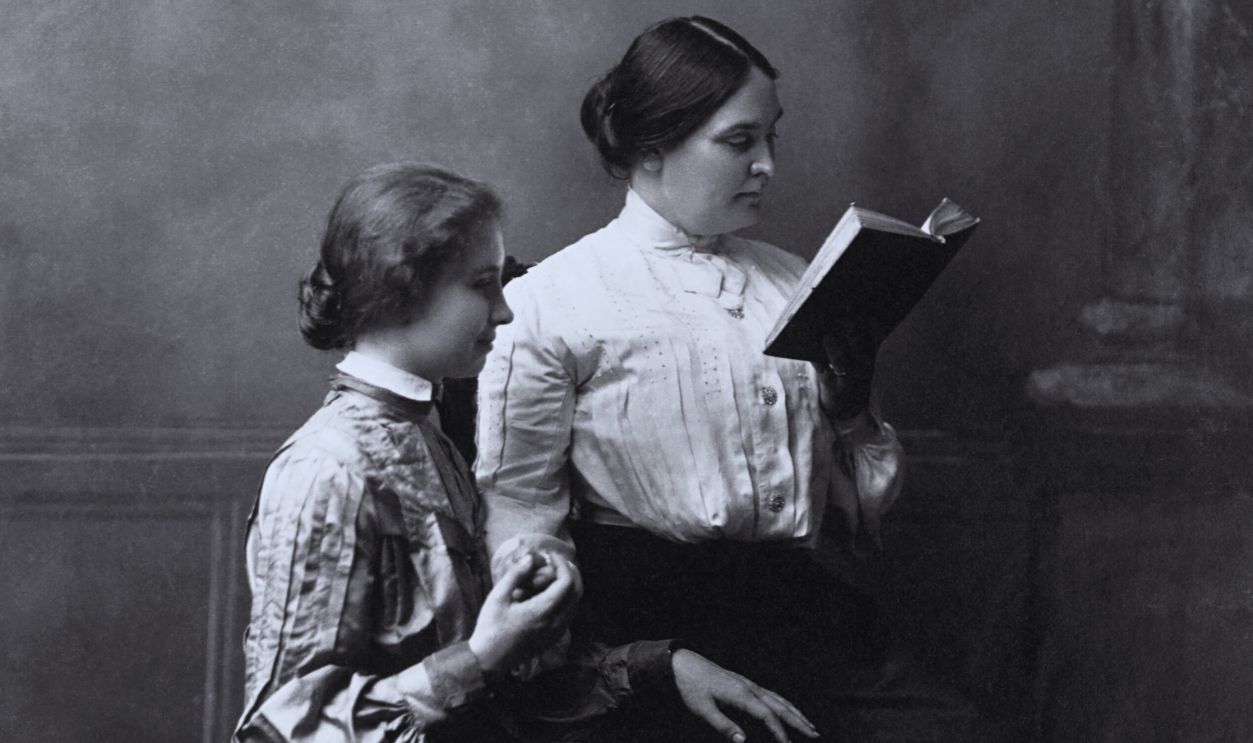
Anne’s initial strategy involved a strict schedule. Anne had a planned list of words that she would teach Helen, and she introduced new words constantly. However, Helen struggled with this method. Having been trapped in her world, Helen did not understand that items even had words or names attached to them.
 Miscellaneous Items in High Demand, PPOC, Library of Congress, Wikimedia Commons
27. Her World Was Too Narrow
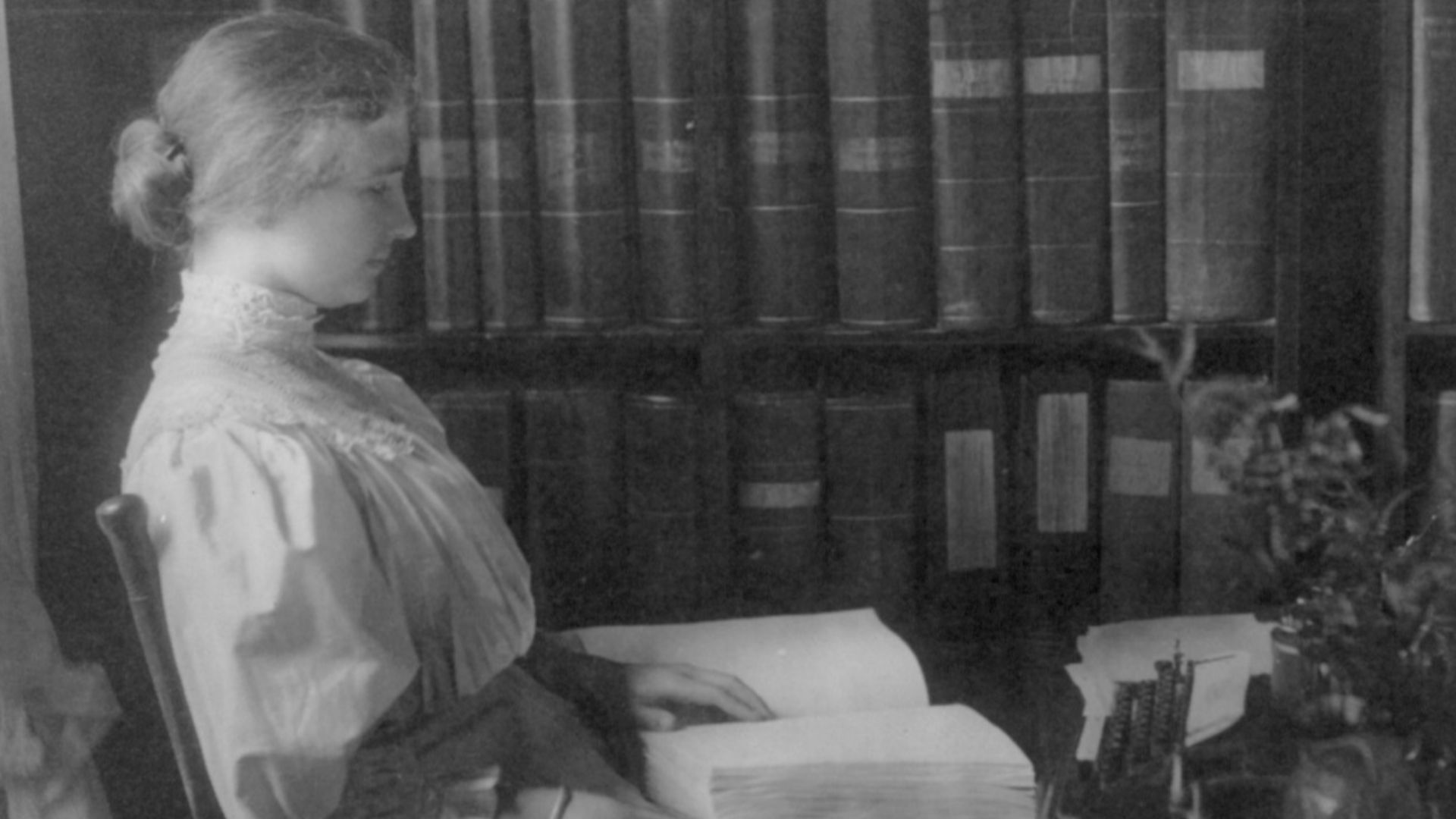
Helen lost her sense of sight and sound before she reached the age of two. She had yet to learn that the items around her had names attached to them before she became locked in her world. As such, she struggled when Anne tried to teach her new words, not understanding what Anne meant. This led to some explosive reactions.
 Unknown authorUnknown author, Wikimedia Commons
28. She Lashed Out
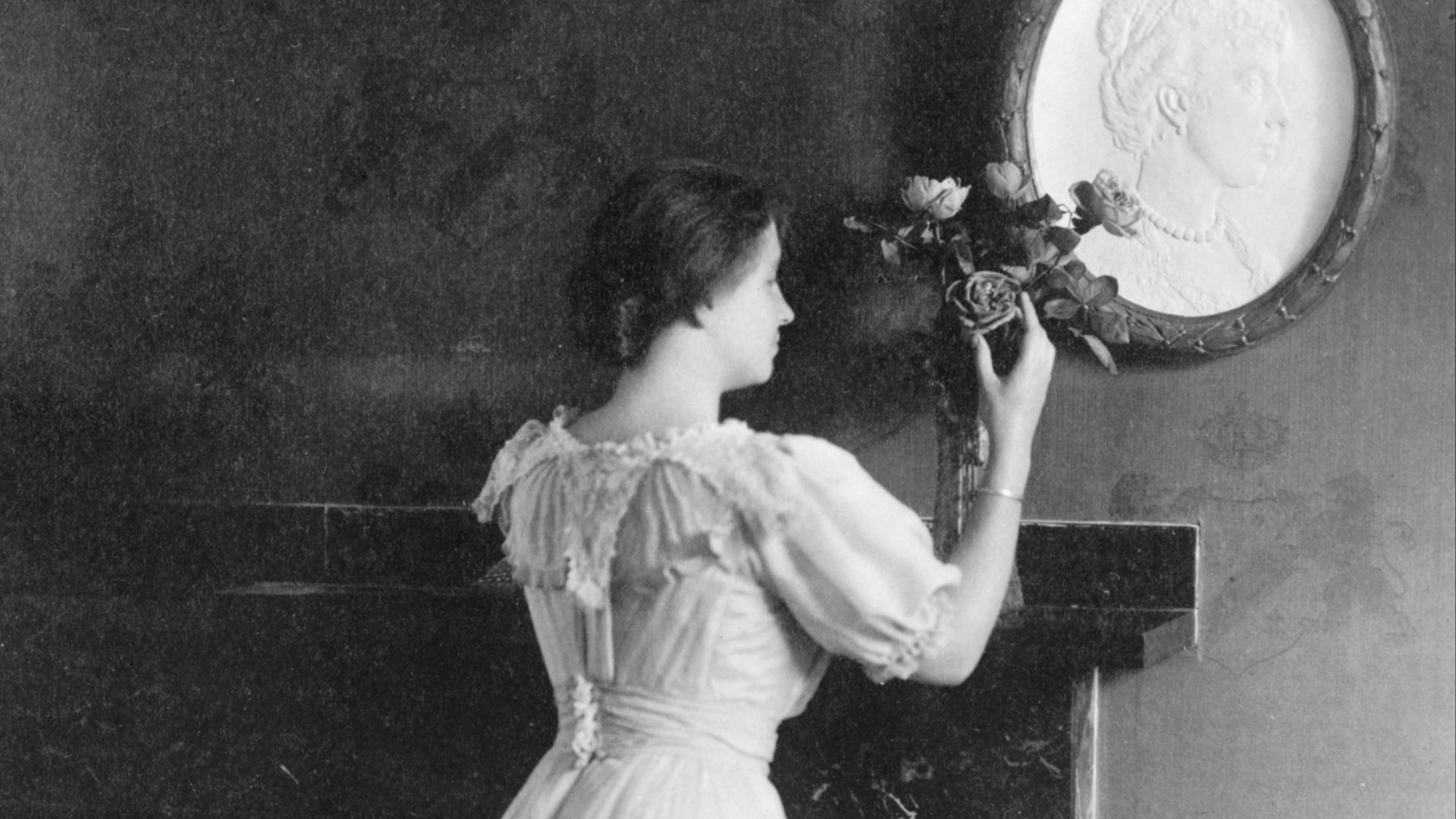
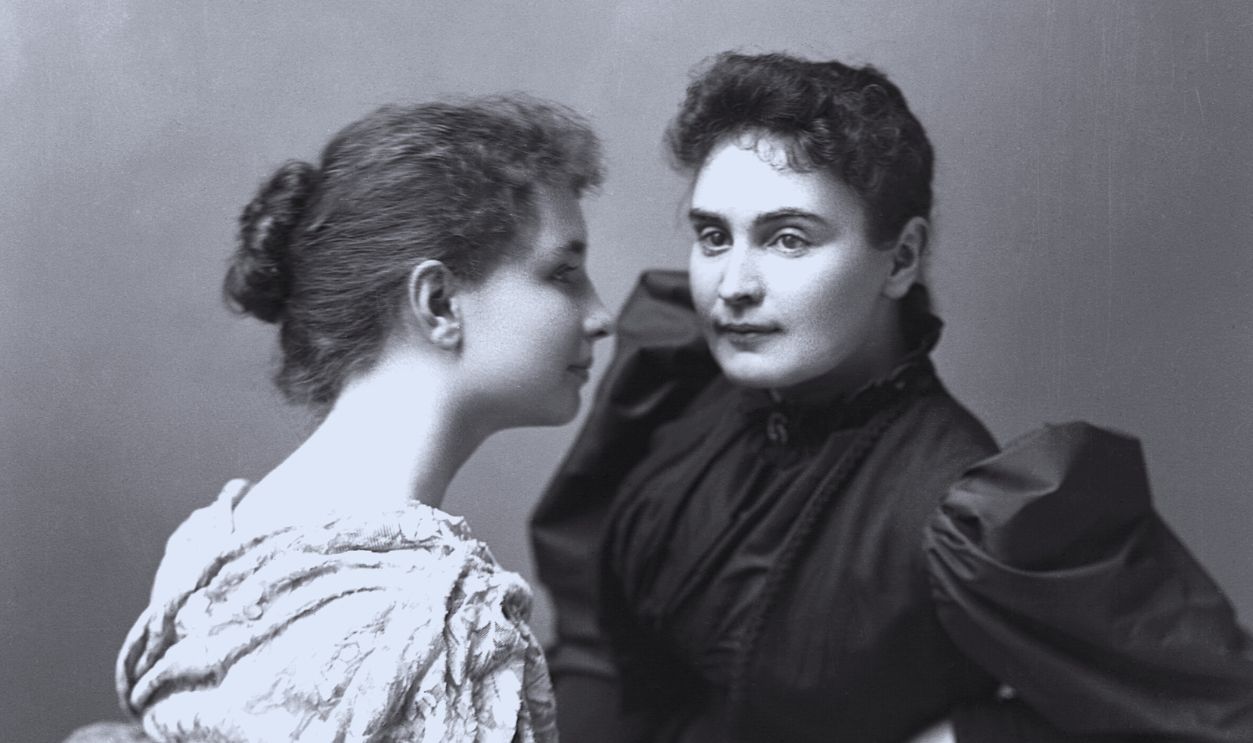
While Anne began to open up the world for Helen, they faced their fair share of road bumps. In one particular instance, Anne tried to teach Helen the word “mug”, but Helen did not understand. In the end, the entire lesson overwhelmed Helen so much that she lashed out.
29. Her Frustration Grew
Helen smashed the mug. It became clear that they needed another approach, especially given the fact that Helen did not understand the lessons. Anne spelled the words on Helen’s hands and Helen mimicked her teacher, but Helen had no idea what she was doing or why any of it was significant. Teaching Helen proved to be more difficult than Anne initially anticipated.
 Library of Congress, Getty Images
30. She Mimicked
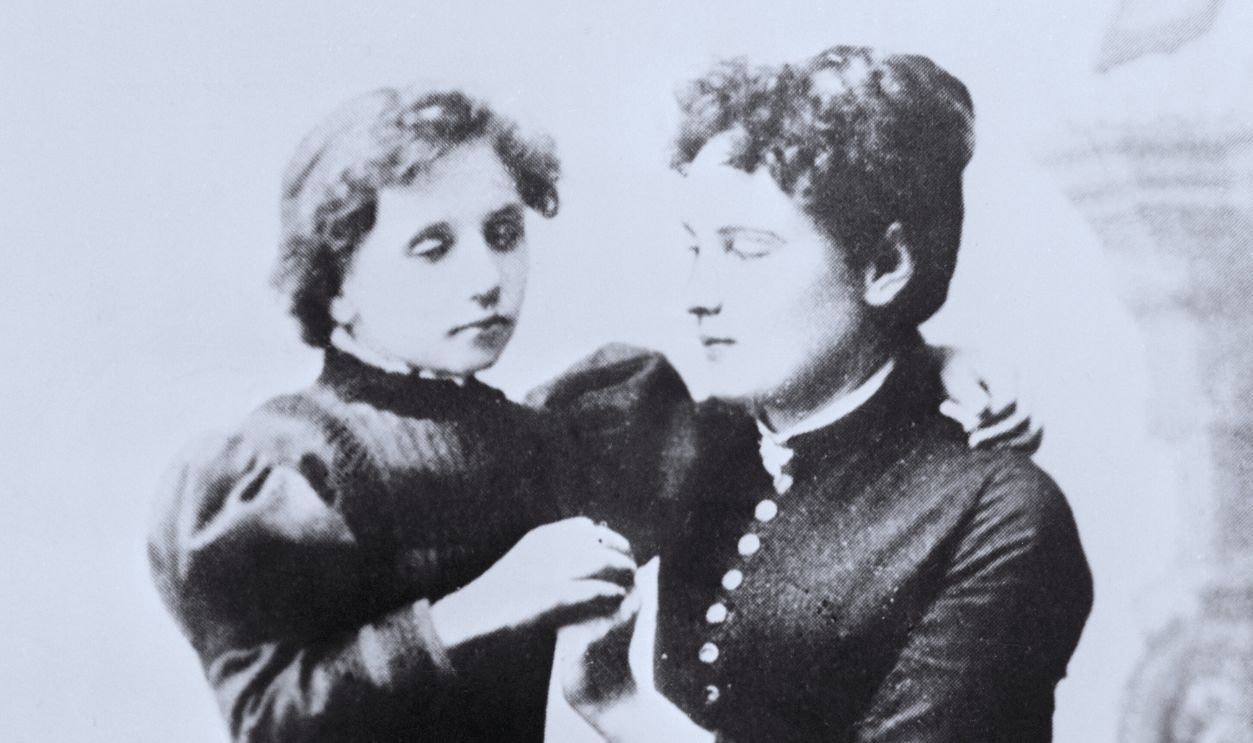
As Helen described it, in those early days, “I did not know that I was spelling a word or even that words existed. I was simply making my fingers go in monkey-like imitation”. Anne’s initial plan to teach Helen words on a strict schedule couldn’t work if Helen did not even understand that she communicating at all. They needed another approach and fast.
31. Her World Held Her Back
The trouble came from the fact that Helen’s condition locked her in her own world. Anne tried to teach Helen to communicate but having never communicated before, Helen did not understand the premise of spelling. Yet, Anne could not explain the reason for her lessons to Helen until Helen learned the lesson. This paradox trapped them in a cycle that should have doomed the entire experiment.
32. Her Teacher Persisted
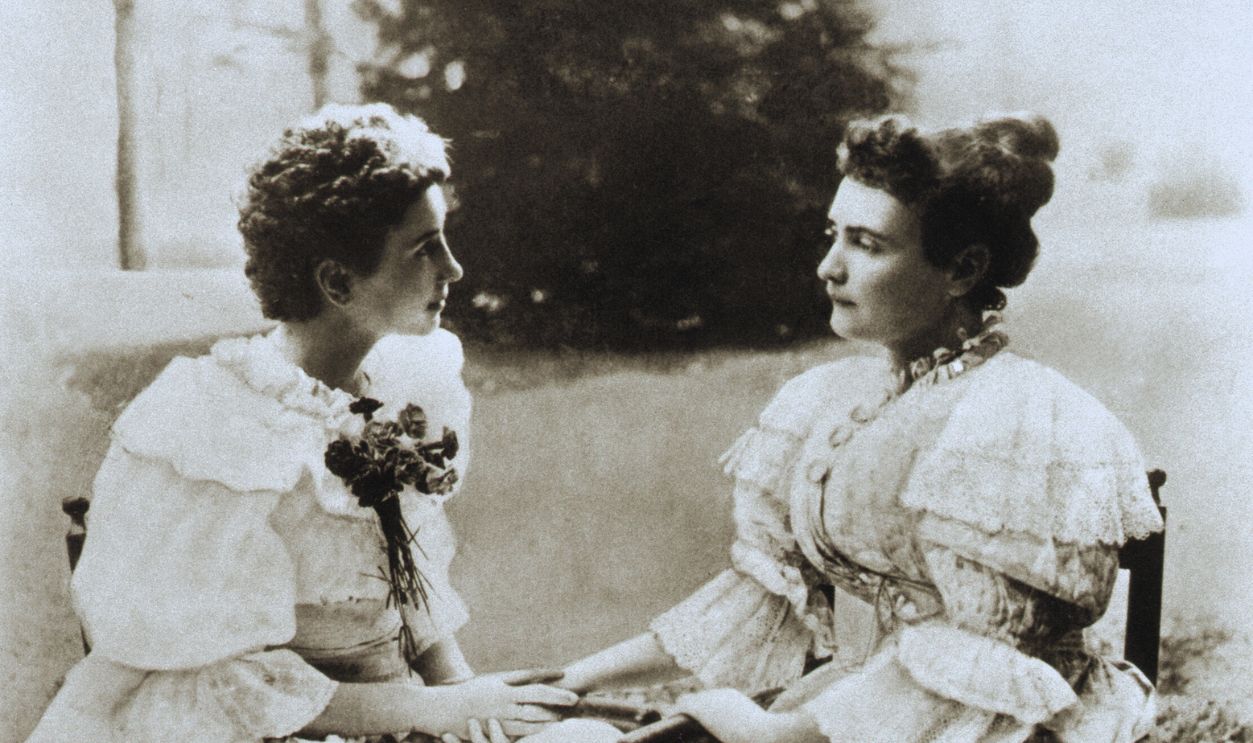
It would have been easy for Anne to simply give up on Helen when her initial strategy did not work as she’d intended. However, Anne did not. Instead, she persisted, and eventually Helen came to an important realization on her own. Helen’s realization held the key that unlocked the rest of the world for her.
 Museum of the City of New York, Getty Images
33. She Owed It To Water
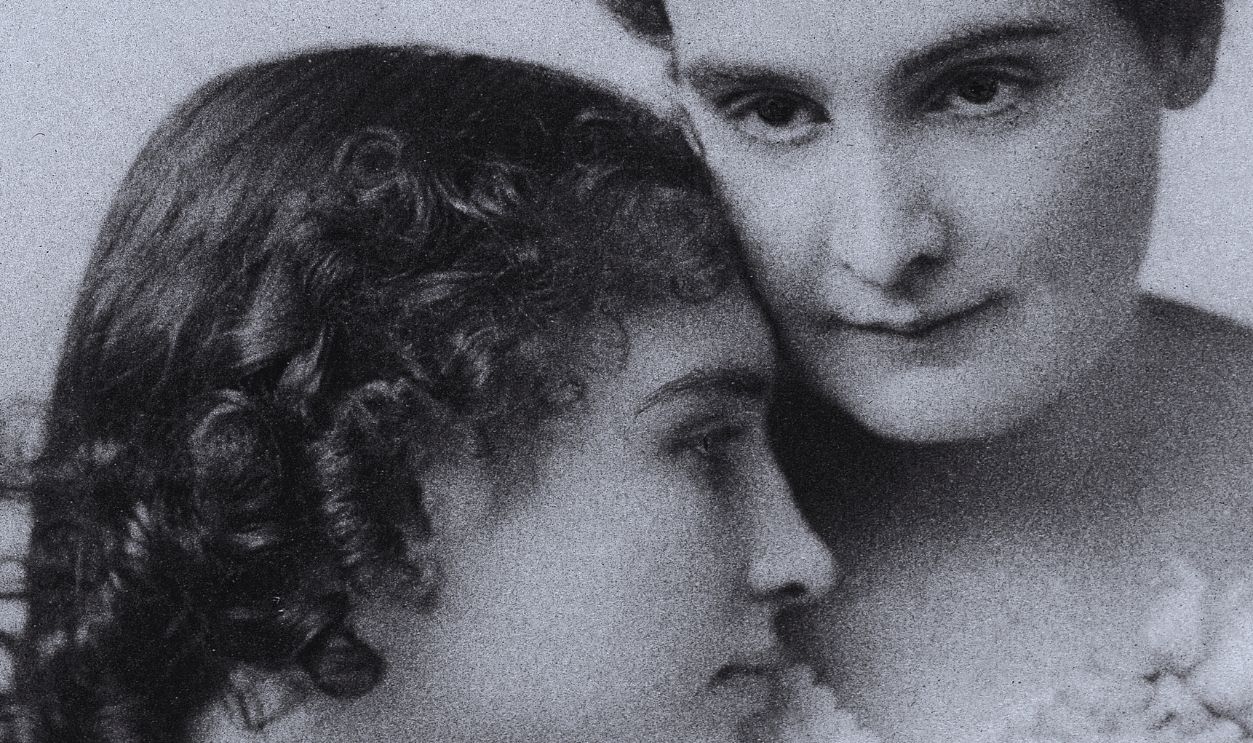
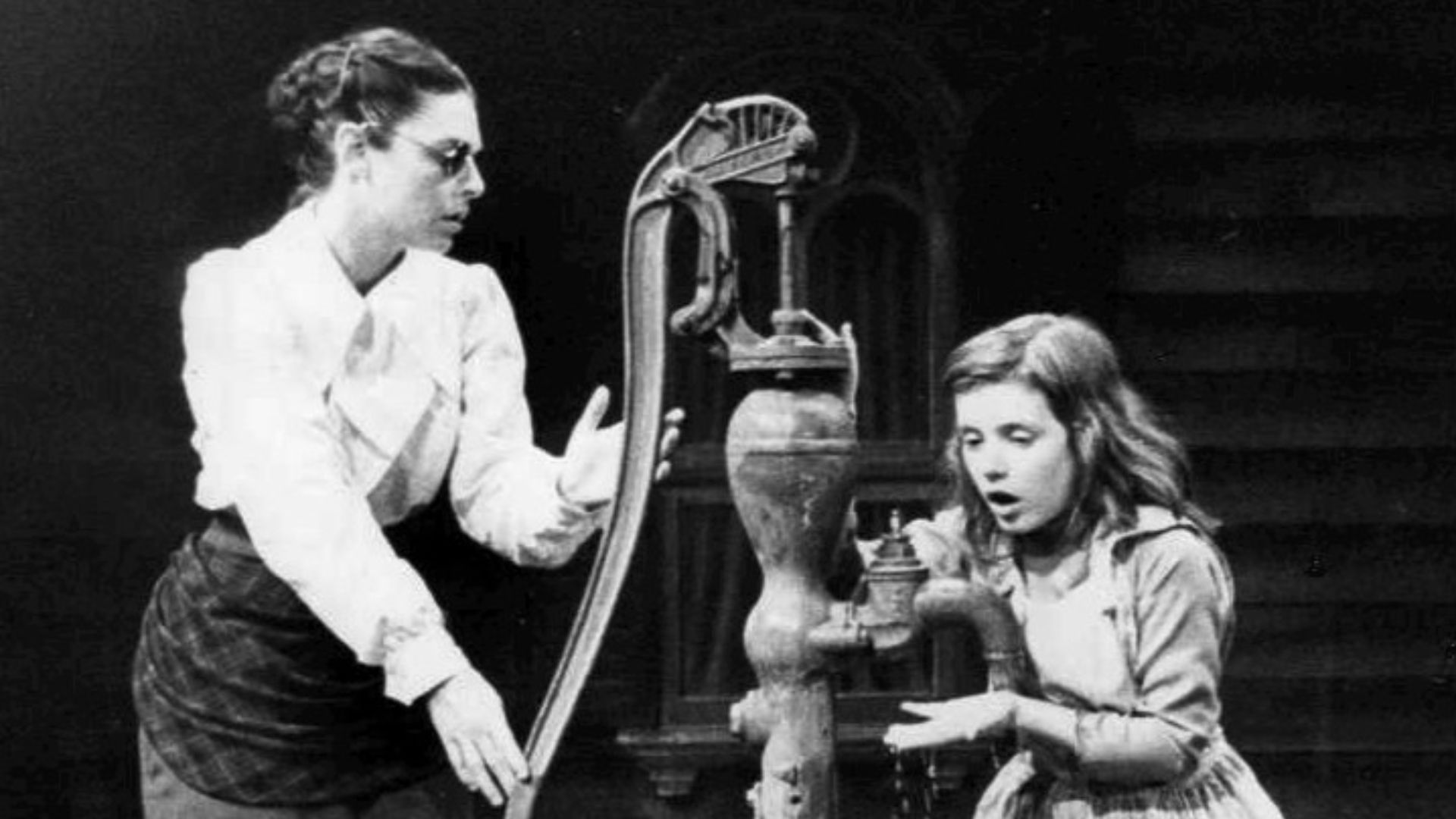
Water held the key to Helen’s significant breakthrough. In her lessons, Anne attempted to teach Helen the word for water by running cool water over one of Helen’s hands while Anne spelled “water” on Helen’s other hand. The tactile nature of this lesson suddenly made the lessons make sense to Helen in a way they hadn’t before.
 The Miracle Worker, Wikimedia Commons
34. She Had A Breakthrough
As Helen described it: “Suddenly I felt a misty consciousness as of something forgotten—a thrill of returning thought; and somehow the mystery of language was revealed to me. I knew then that w-a-t-e-r meant the wonderful cool something that was flowing over my hand. The living word awakened my soul, gave it light, hope, set it free”. This moment truly did set Helen free.
 Unknown authorUnknown author, Wikimedia Commons
35. She Started New Lessons
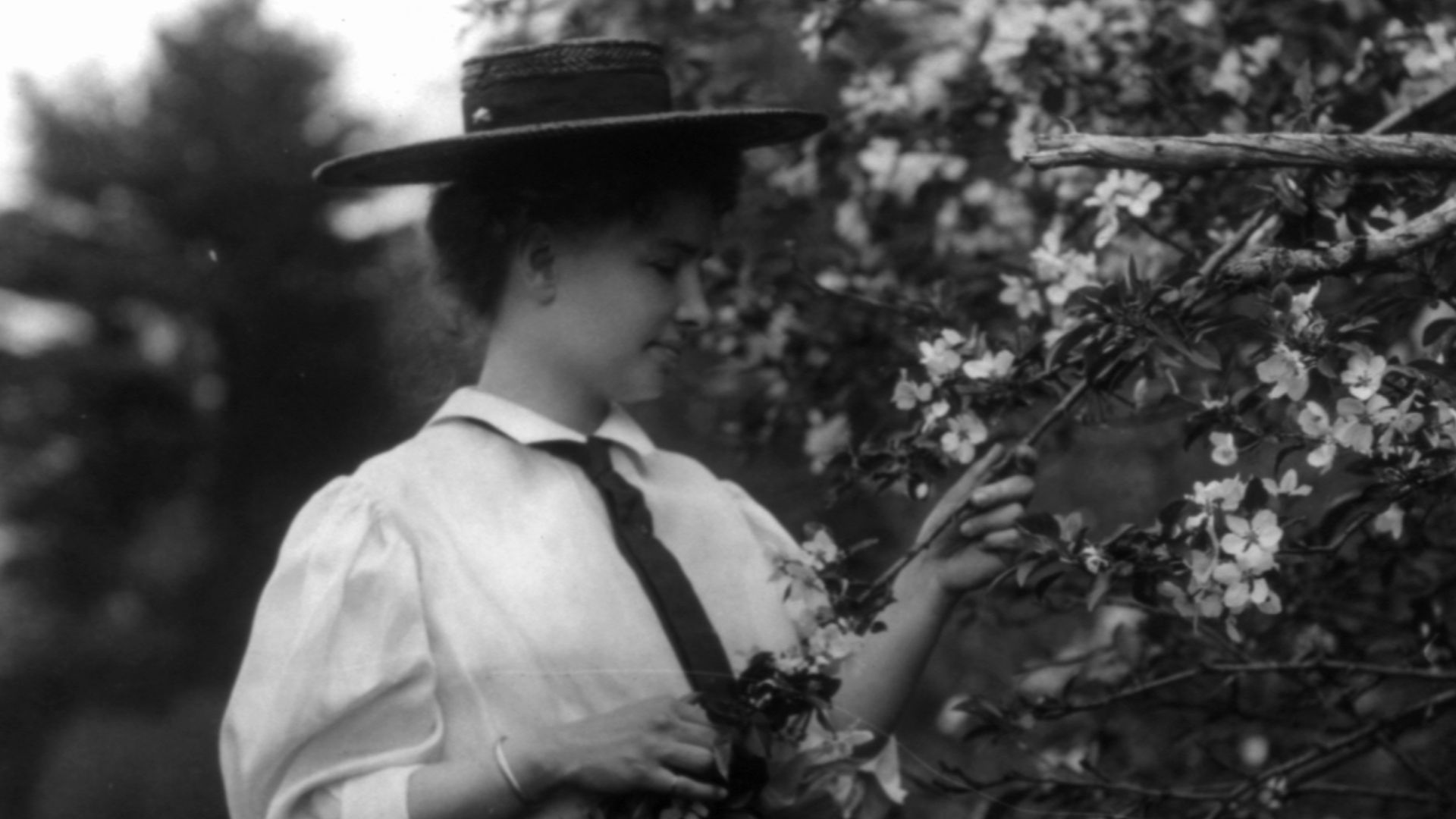
In combination with the above incidents, Anne realized that Helen learned best when the lesson engaged her interest. Therefore, Anne switched strategies; she began teaching Helen words that interested her rather than going off of a list. Within six months, Helen had transformed.
 Miscellaneous Items in High Demand, PPOC, Library of Congress, Wikimedia Commons
36. She Flourished
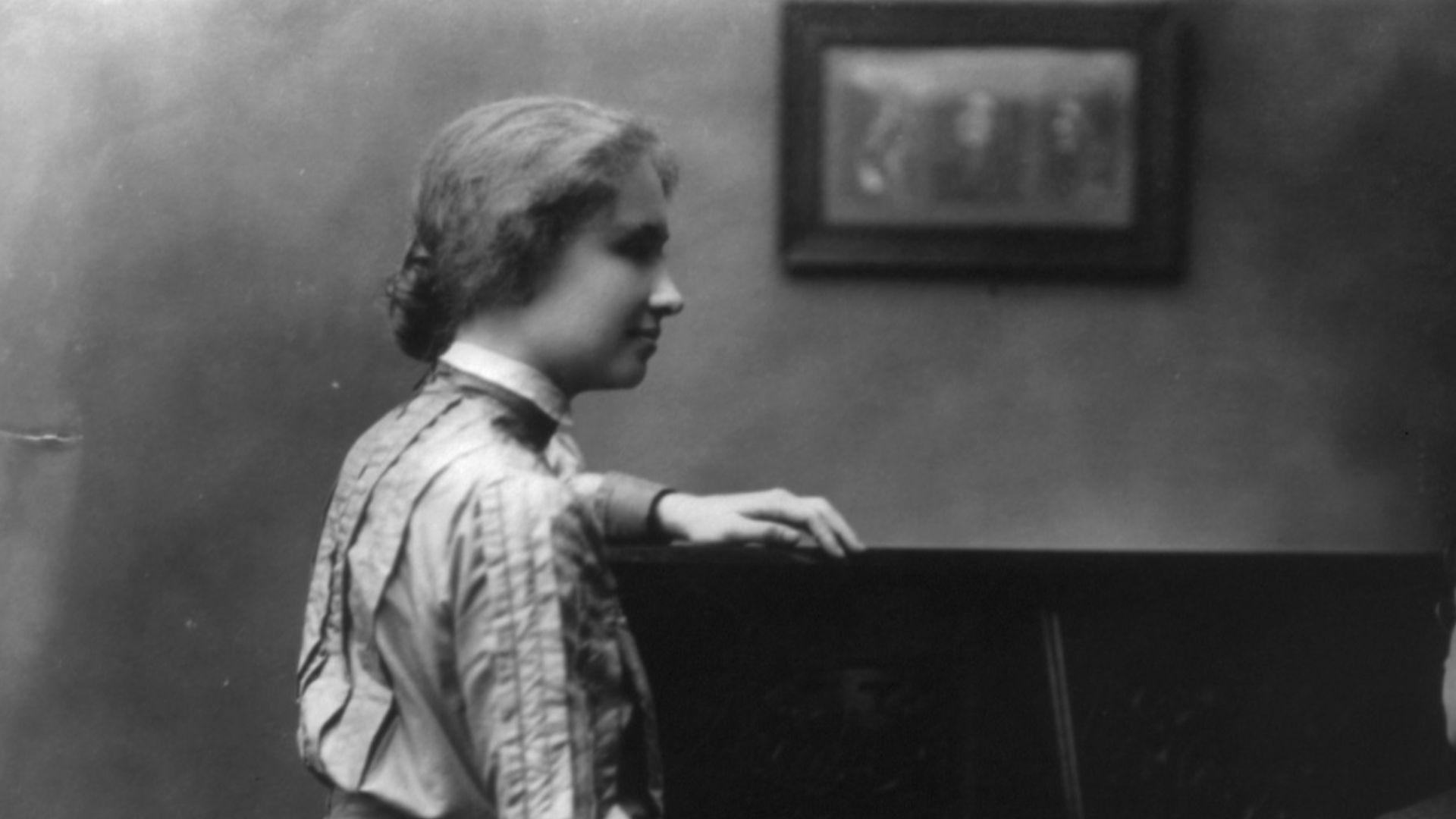
Under Anne’s tutelage, Helen learned quickly. After they settled their initial setbacks, Helen began to rapidly understand the world around her. By the first six months, Helen learned 575 words, some multiplication tables, and the Braille system. However, Anne wanted more and had no fear of pushing Helen’s parents for it.
 Miscellaneous Items in High Demand, PPOC, Library of Congress, Wikimedia Commons
37. She Learned Quickly
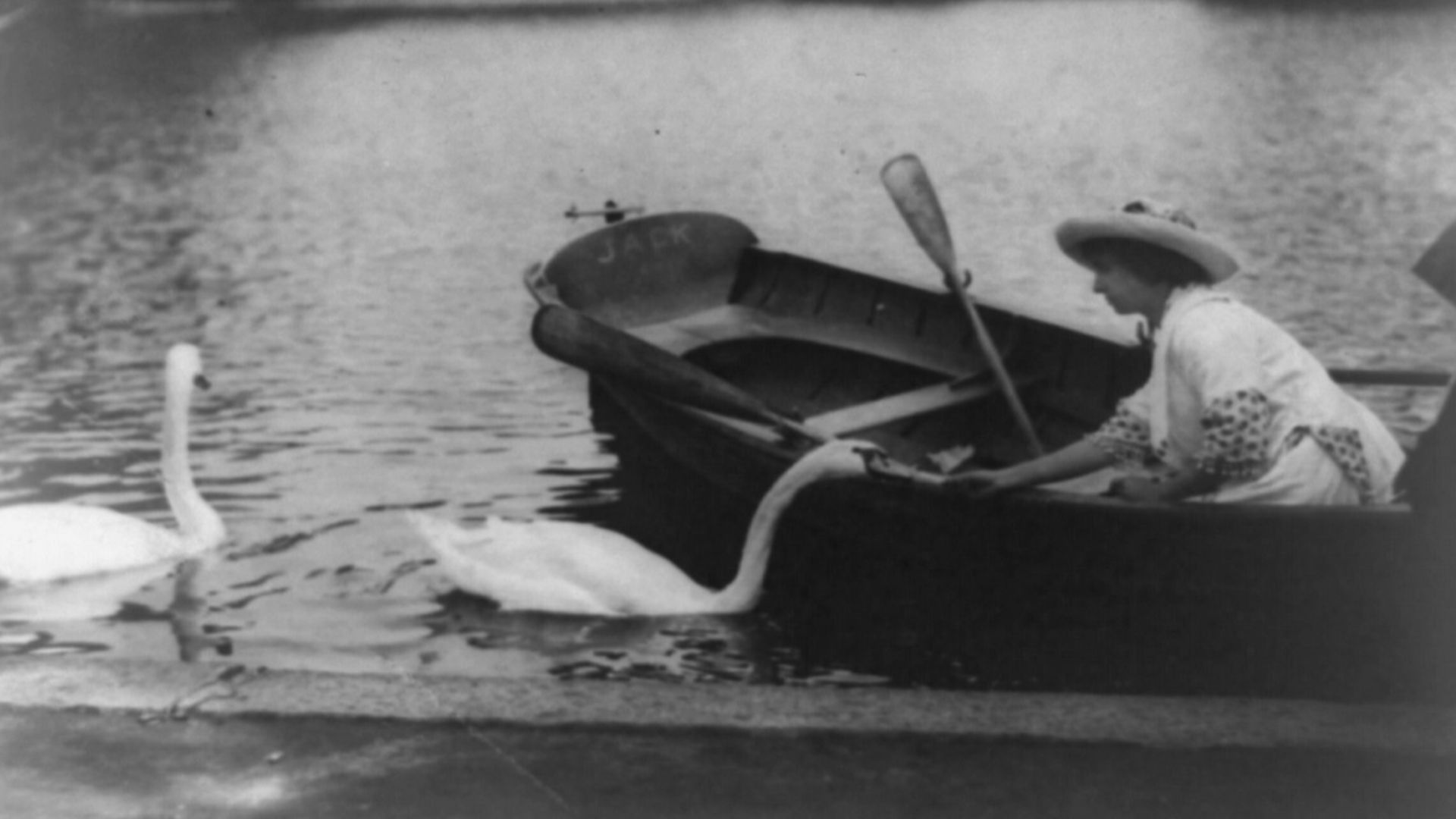
Anne knew that Helen could do so much more with the right support. Therefore, she encouraged the Kellers to send Helen to the Perkins Institute and eventually they agreed. In May 1888, Helen moved to the Perkins Institute for the Blind with Anne accompanying her. From there, Helen began a journey that revolutionized not just her life but the lives of so many others.
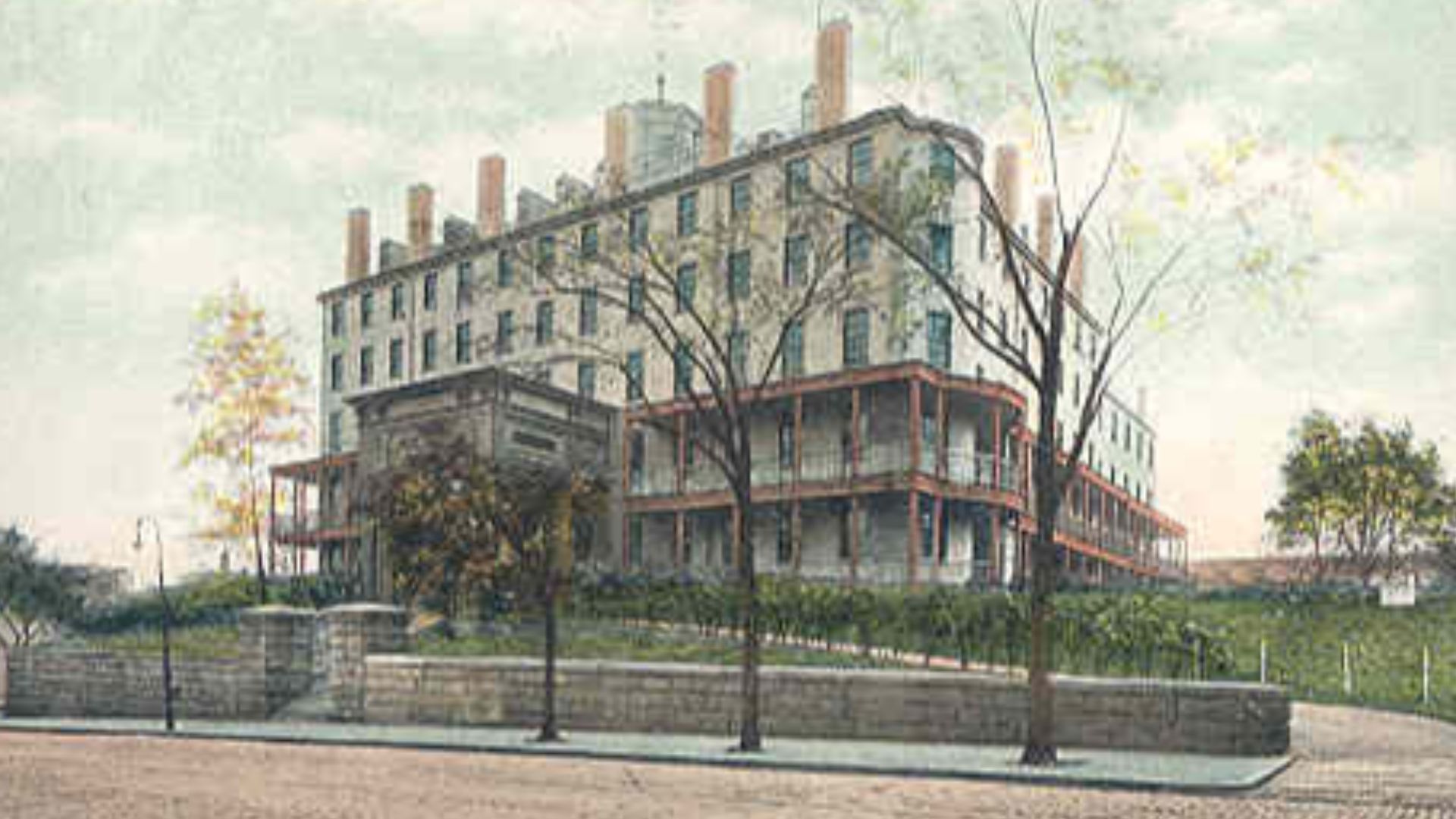
38. She Needed More
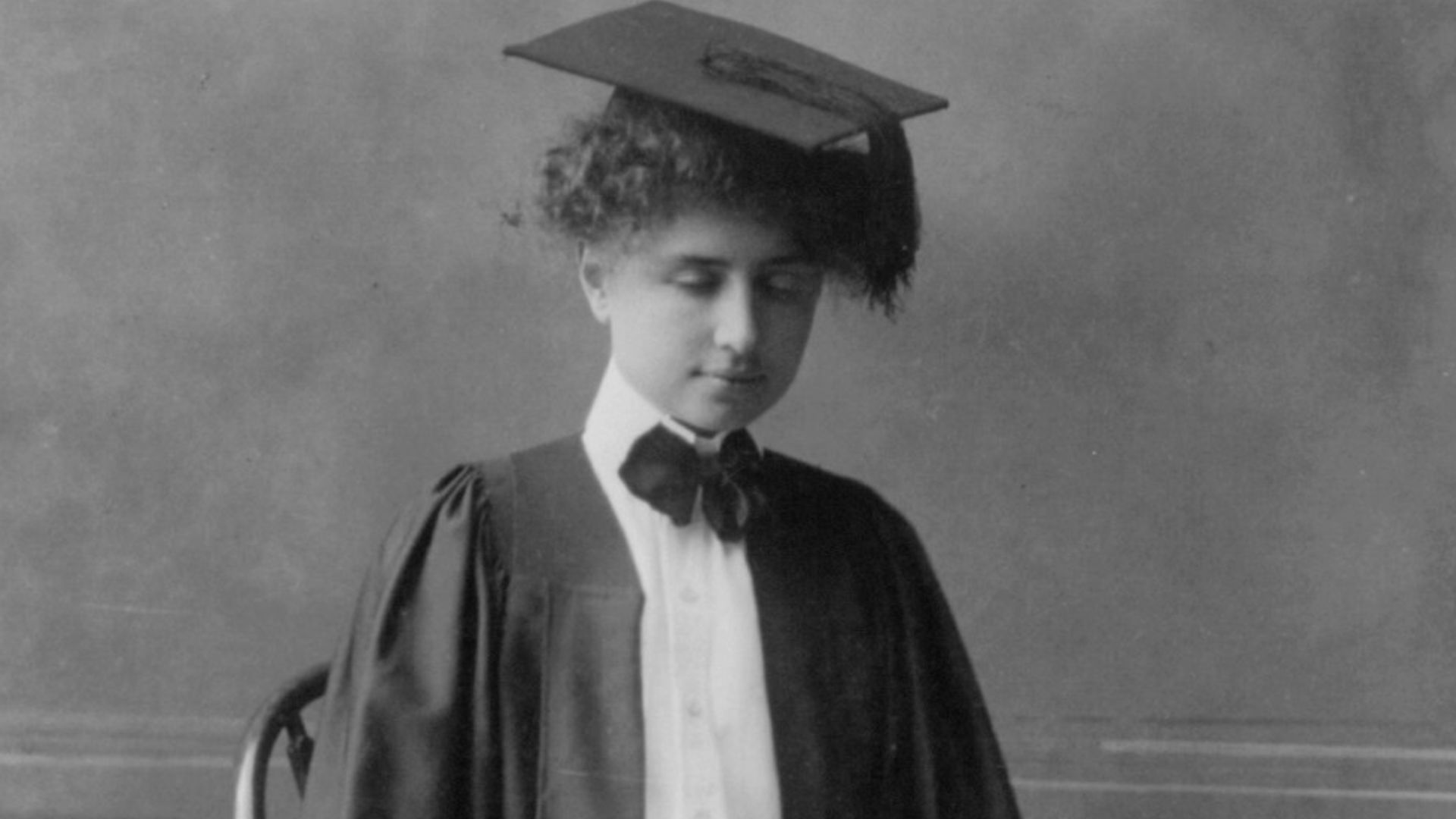
Helen’s intelligence became clear once she could express herself and engage with others. She soared through school. She graduated from the Perkins Institute to several other schools both for the deaf and for able-bodied students before ultimately making history with her intelligence and determination to learn.
 Miscellaneous Items in High Demand, PPOC, Library of Congress, Wikimedia Commons
39. She Continued To Learn
Radcliffe College, a women’s college associated with Harvard University, accepted Helen in 1900. However, this proved to be a steep price for the young woman who’d now spent years being educated away from home. Helen’s educational journey faced early retirement unless she found a helping hand.
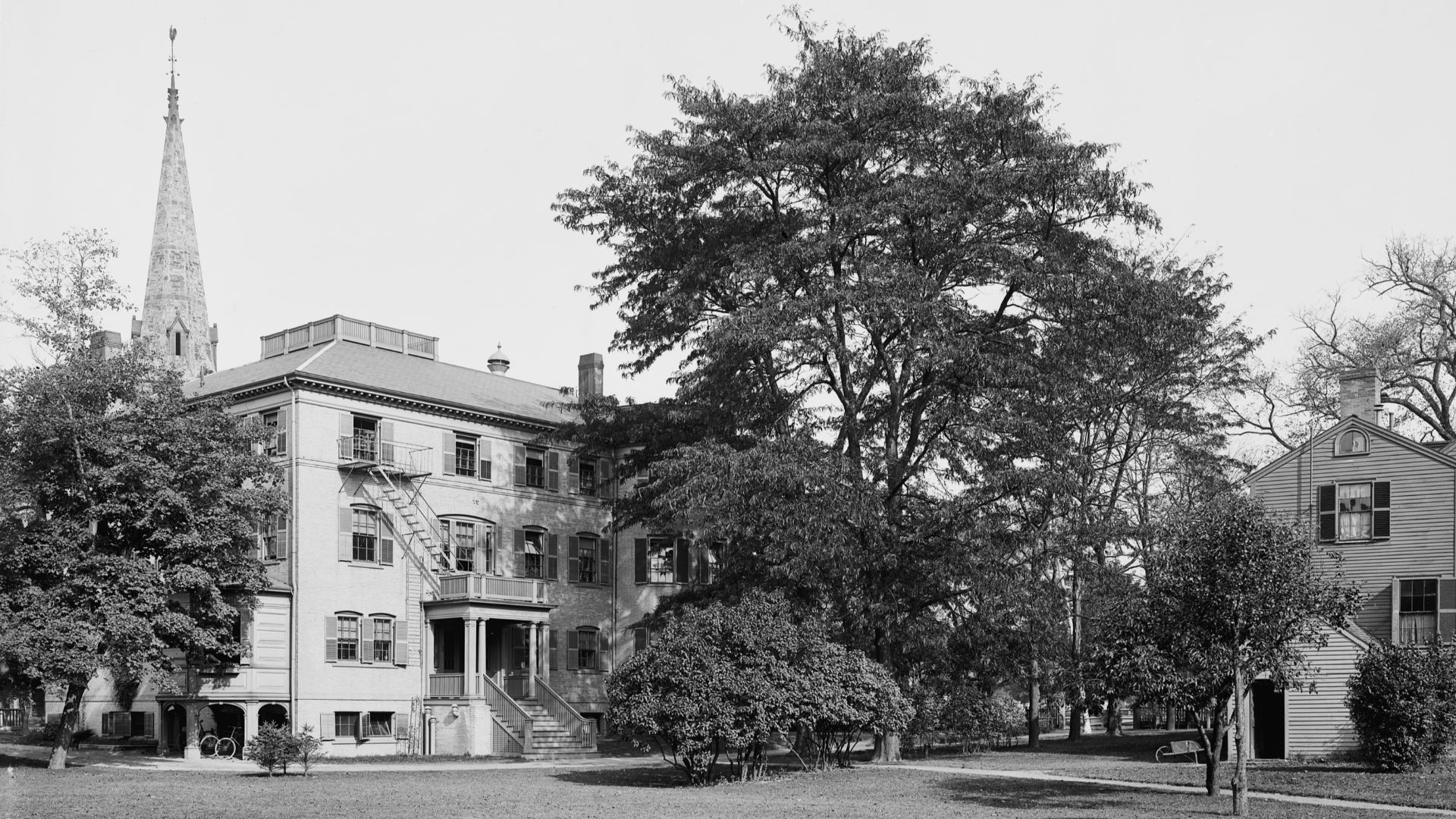
40. She Had Important Supporters
Thankfully, Helen had made many friends and admirers by this point in her life. Mark Twain considered himself among those friends and admirers. Twain introduced Helen to Henry Huttleston Rogers, a wealthy oil businessman. Rogers had more than enough wealth to share and an interest in philanthropy, making him a perfect match for Helen.
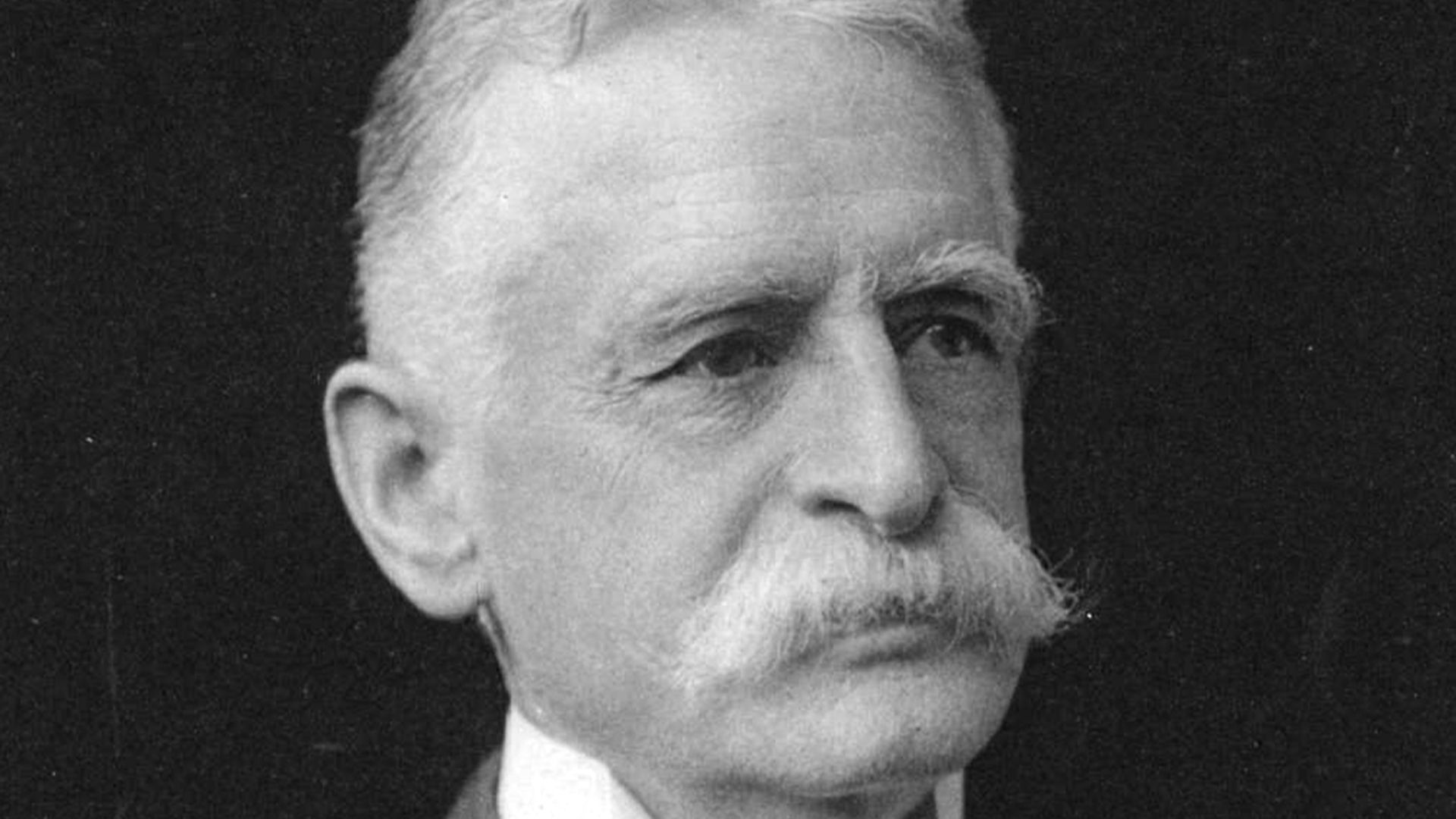 Unknown authorUnknown author, Wikimedia Commons
41. She Made History
Rogers funded Helen’s journey through college allowing her to focus on her studies without any other concerns. With the help of Roger’s money and Anne’s support (for Anne stayed on as Helen’s companion), Helen became the first deafblind person to earn a Bachelor of Arts degree when she graduated from Radcliffe at the age of 24. Fully educated, the world now awaited her.
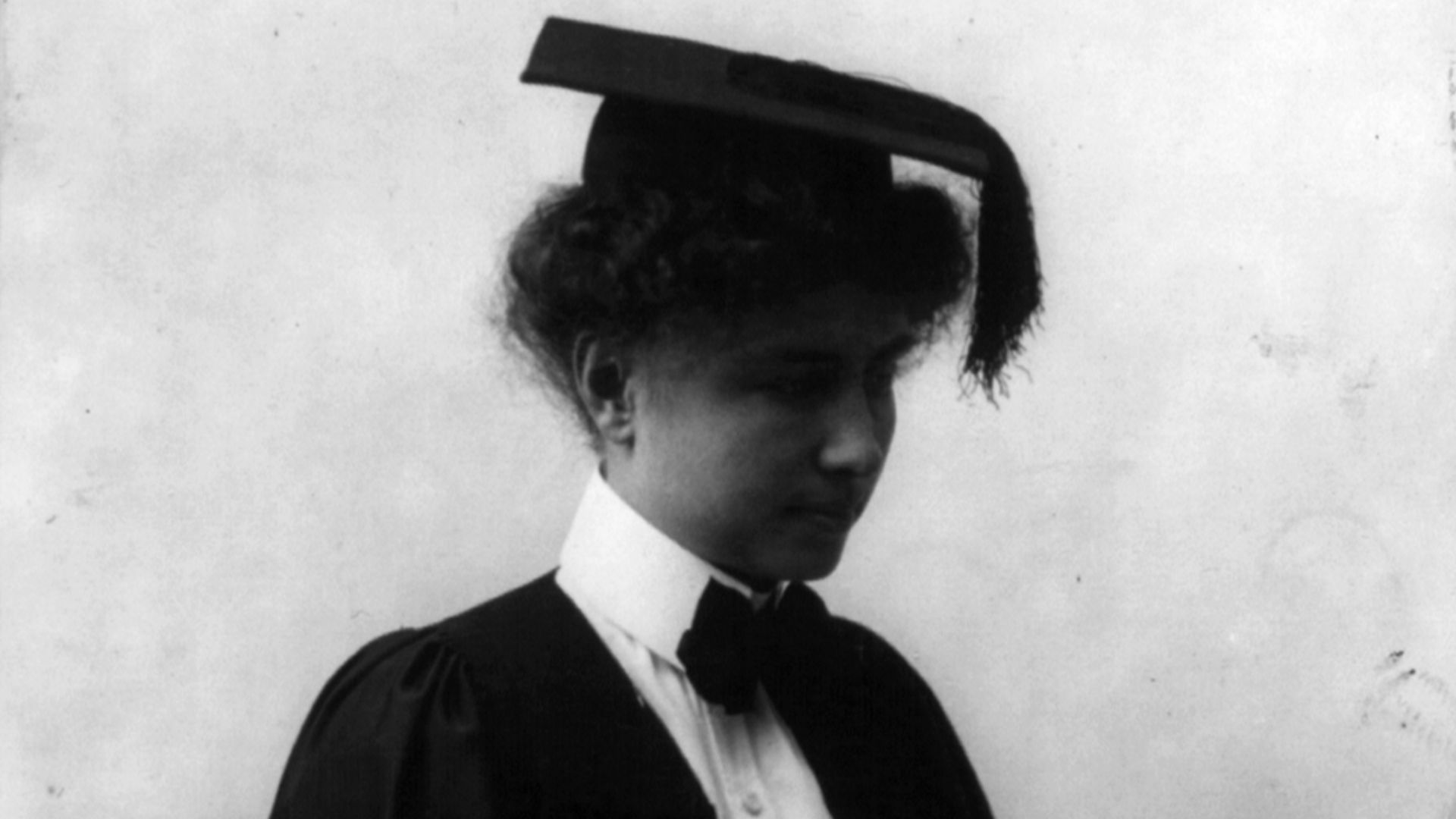 Whitman, Chelsea, Mass., Wikimedia Commons
42. She Would Communicate
Helen became determined to communicate with the world. She learned to speak allowing her to give speeches and lectures about her life. Through her lectures and her writing Helen became an advocate for people with disabilities as well as other issues she considered important. However, she never ceased being a woman just like any other woman.
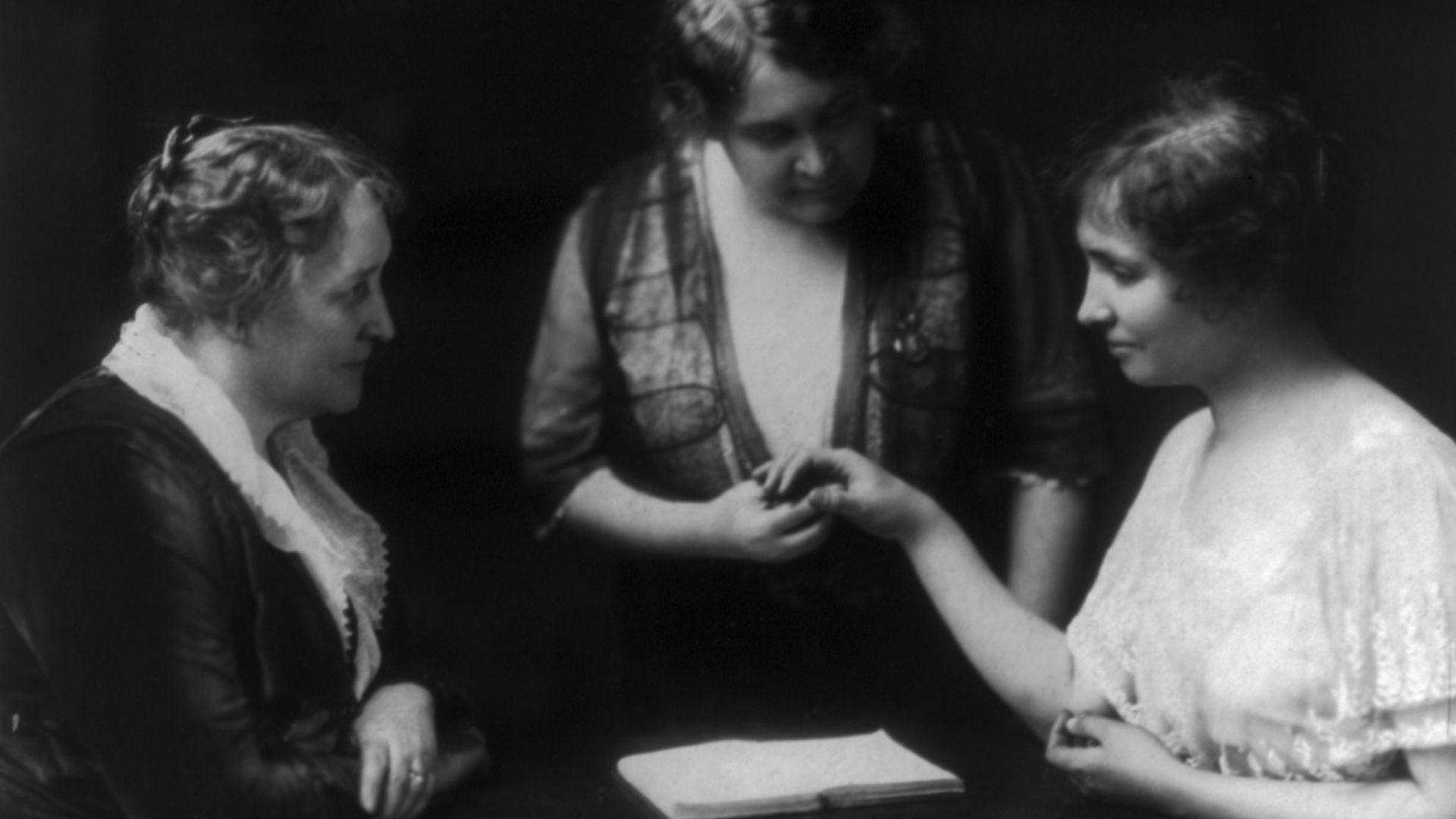 Gerhard Sisters, photographer., Wikimedia Commons
43. She Met A Man
Helen met Peter Fagan in June 1916 at the age of 36. Fagan came to Helen when Anne became ill; he’d been a reporter and took up the role of Helen’s private secretary in the absence of Anne. Fagan shared Helen’s political views and no one should be surprised when sparks began to fly between the two. Unfortunately, those around Helen didn’t approve.
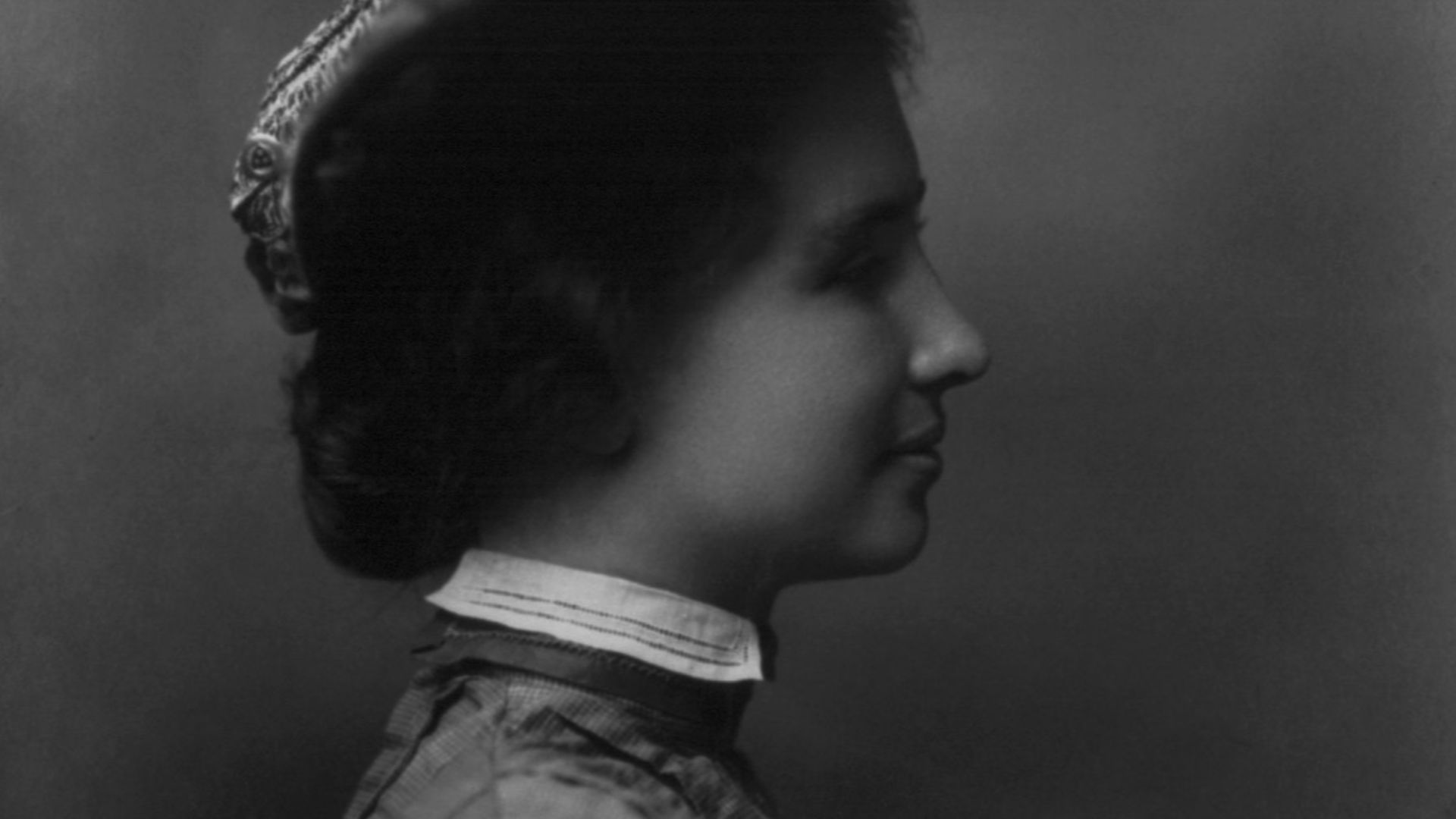 Miscellaneous Items in High Demand, PPOC, Library of Congress, Wikimedia Commons
44. Her Family Disapproved
At the time, most people strongly discouraged the idea of disabled people marrying. In some areas, this idea persists today. It certainly persisted for Helen’s family who greatly disapproved of Helen’s relationship with Fagan, believing that someone needed to stop it. Helen and Fagan made other plans.
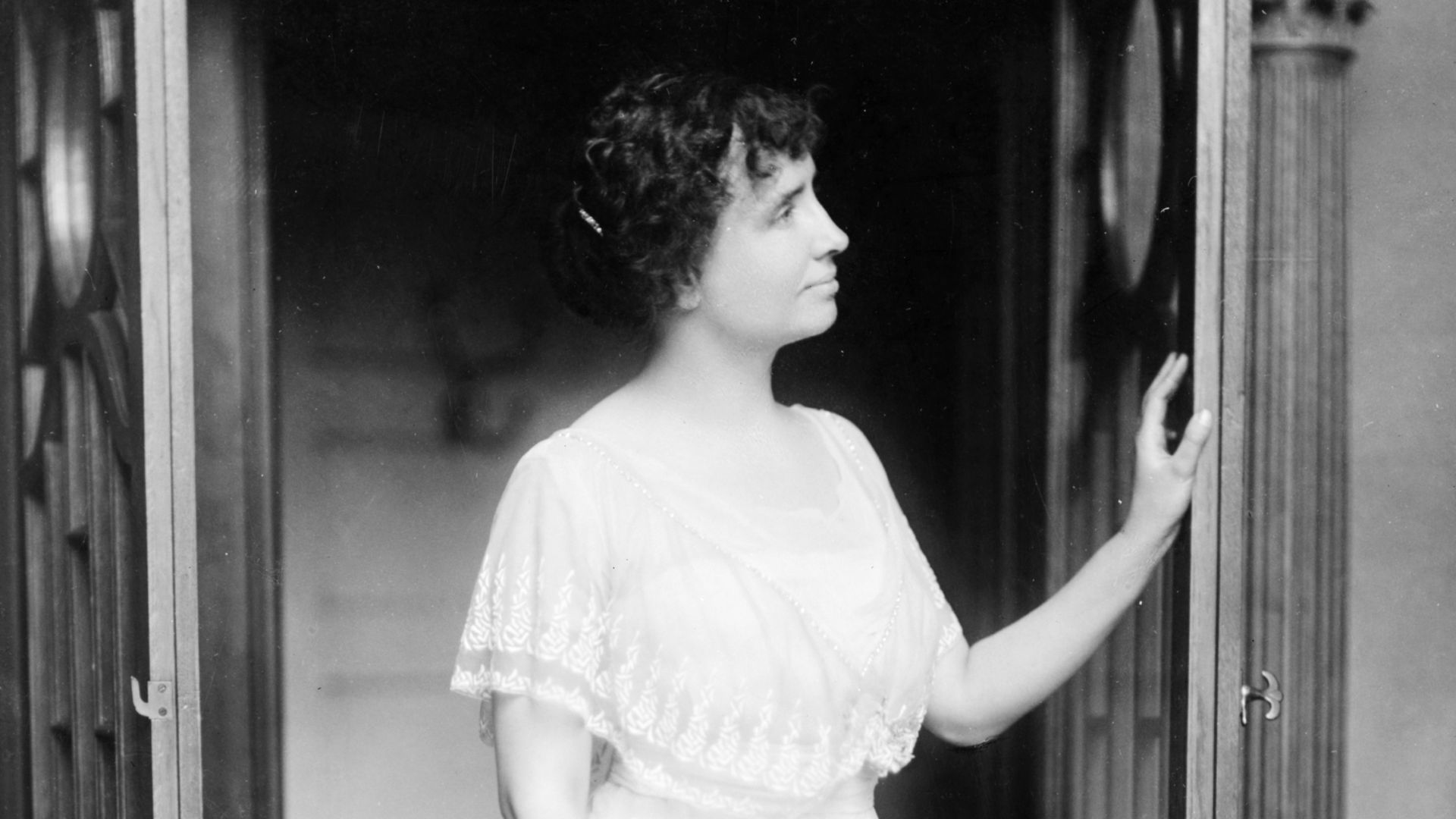 Gerhard Sisters, Wikimedia Commons
45. She Made Secret Plans
Despite the opposition that they faced externally, Helen and Fagan became secretly engaged. They made plans to elope. Unfortunately, Helen’s family intervened before they could complete their plans. According to one historian, Helen’s “extended family vigorously squashed the relationship with forced midnight train trips out of town, an angry and gun-waving brother, and drama worthy of a bad novel”. It became a pressure that Helen could not ignore.
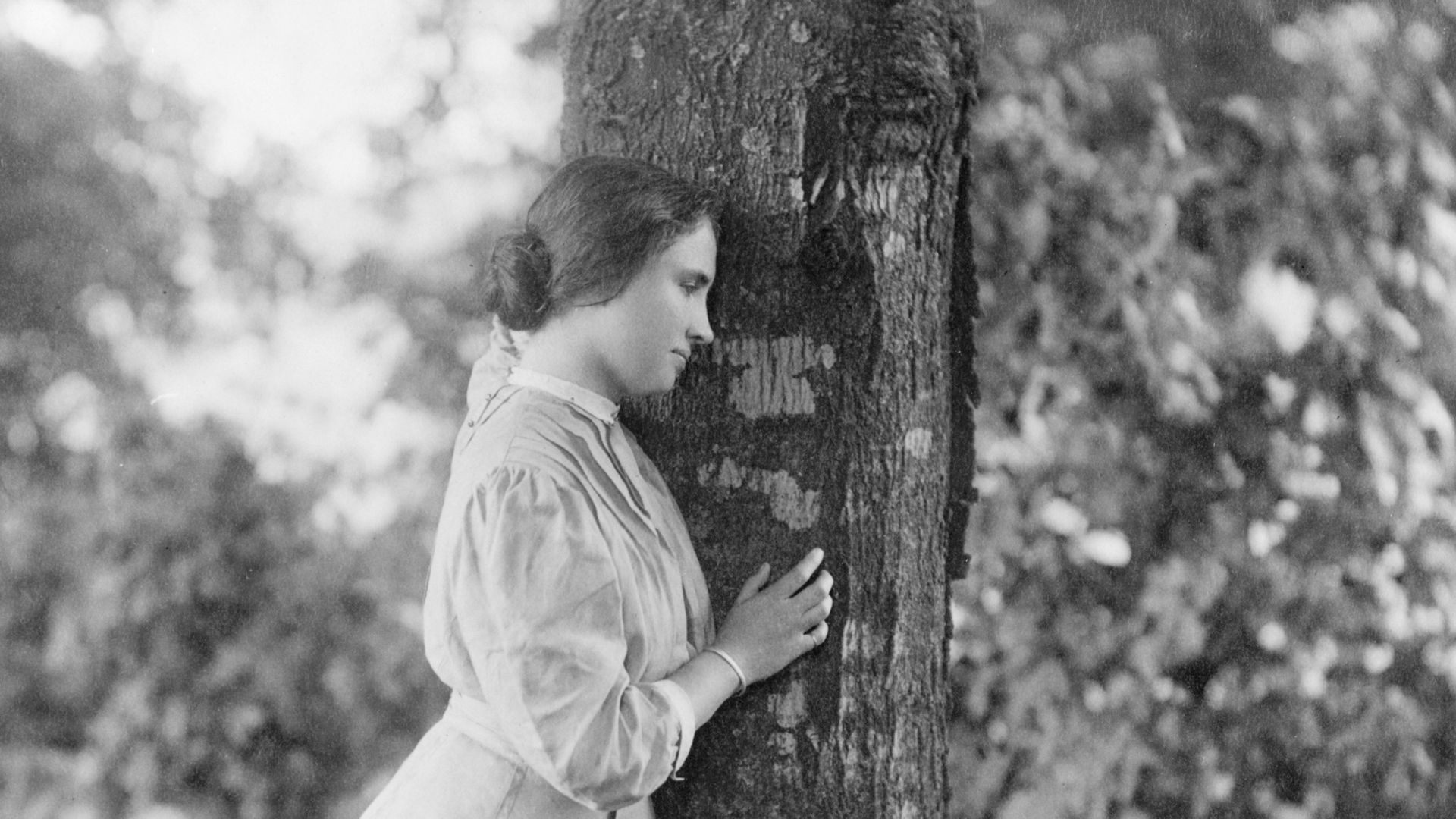 Miscellaneous Items in High Demand, PPOC, Library of Congress, Wikimedia Commons
46. She Couldn’t Breakaway
Dependant as she was on the support of those around her, Helen likely found it very difficult to disregard such passionate opposition to her desire. In the end, it appears Helen gave in to the pressure and seemed to never speak to Fagan again following their broken engagement. However, it also appears she never forgot him.
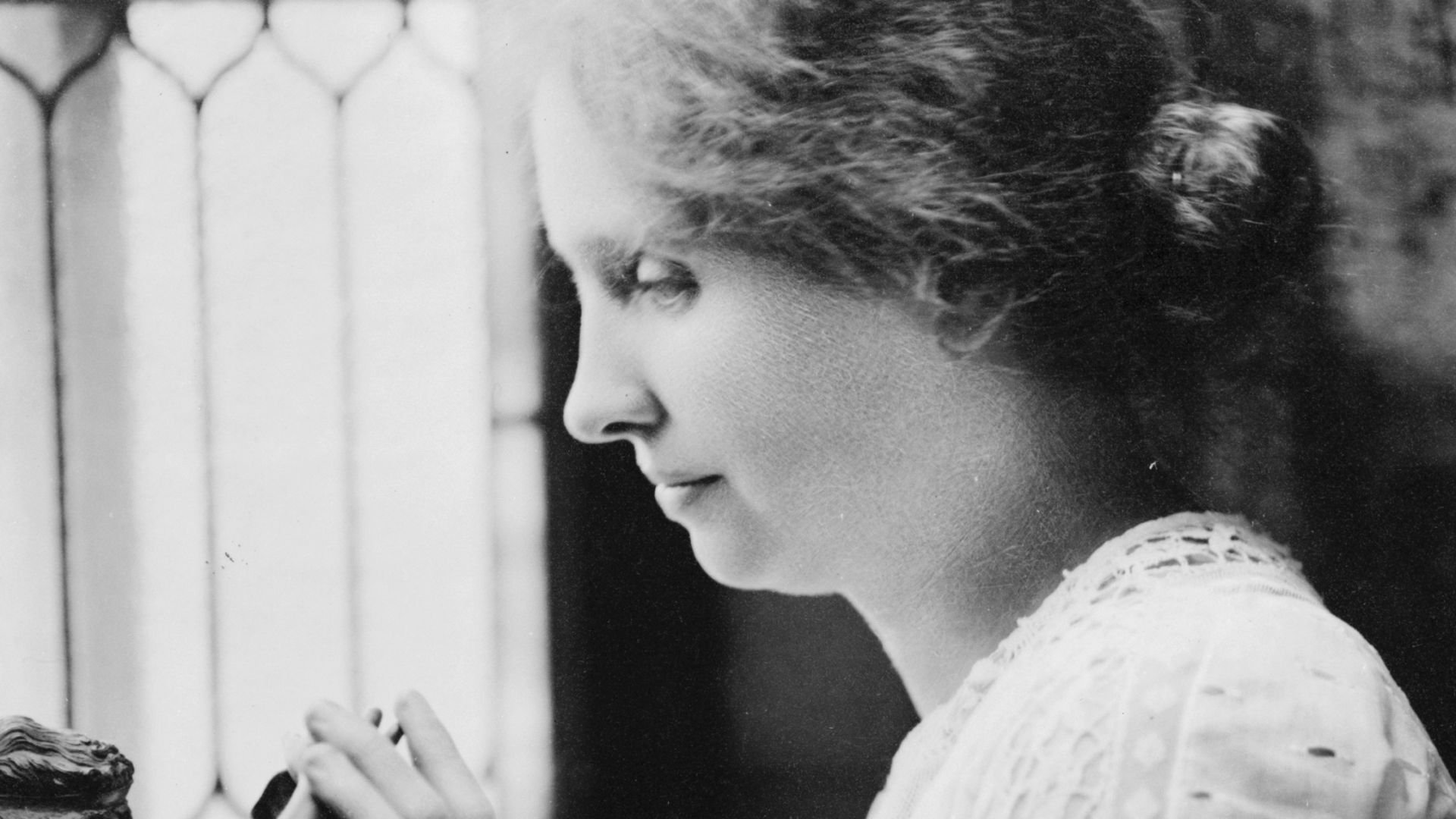 Miscellaneous Items in High Demand, PPOC, Library of Congress, Wikimedia Commons
47. She Never Forgot
In her memoir, Helen noted that she communicated with Fagan for several months but in the end, her “love dream was shattered”. However, Helen did not allow any heartache to hold her back. What she lacked in romance Helen made up for in commitment to her various causes. Helen continued to speak out at every opportunity that she got.
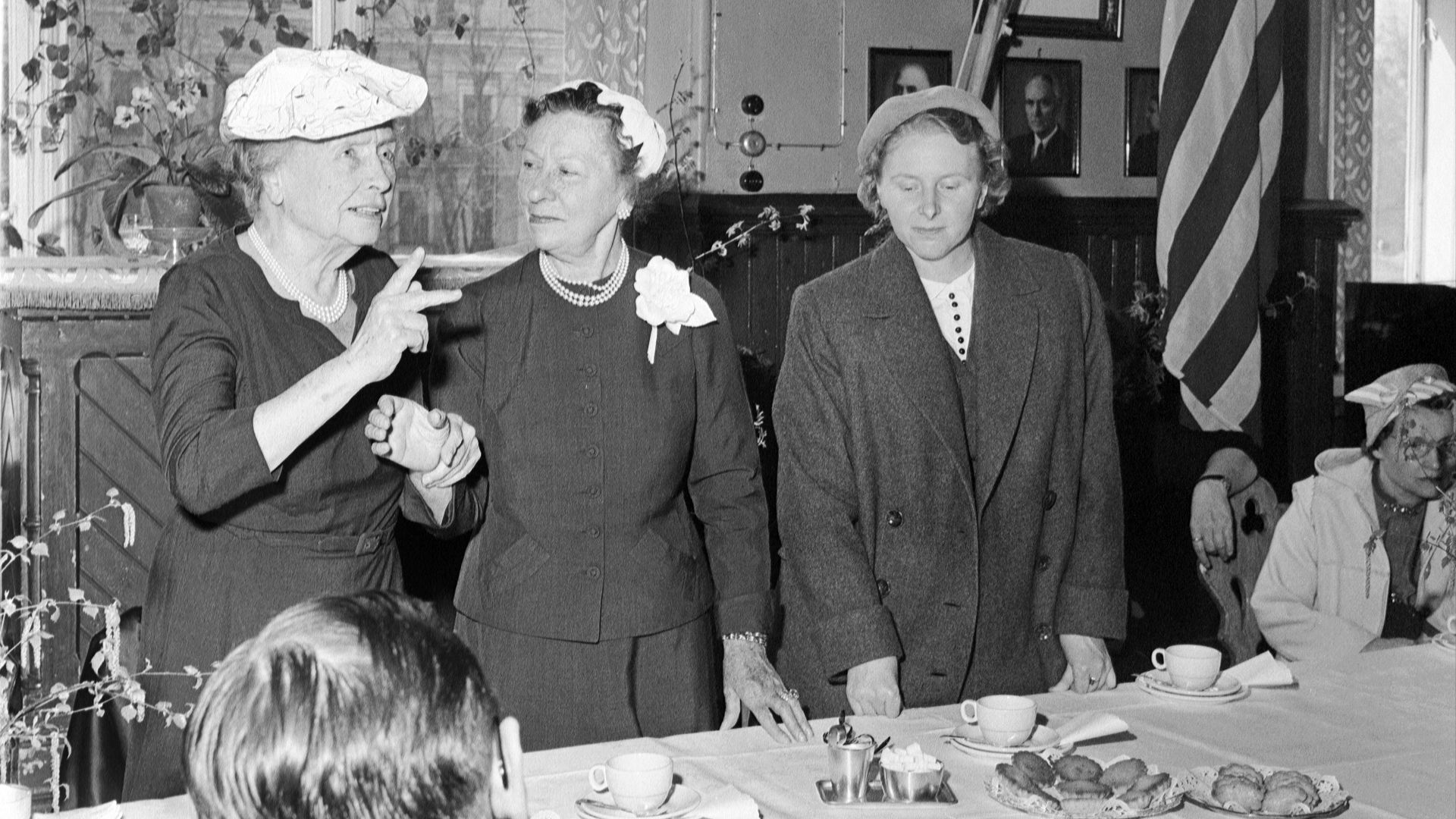 U. A. Saarinen, Wikimedia Commons
48. She Took The World By Storm
Helen Keller made a career off of her lectures and her writing. She published 12 books as well as several articles and she constantly participated in various boards and committees throughout America that supported the rights of marginalized people. These included those with disabilities and the poor. However, not all of her ideas illustrated progressive and inclusive thinking.
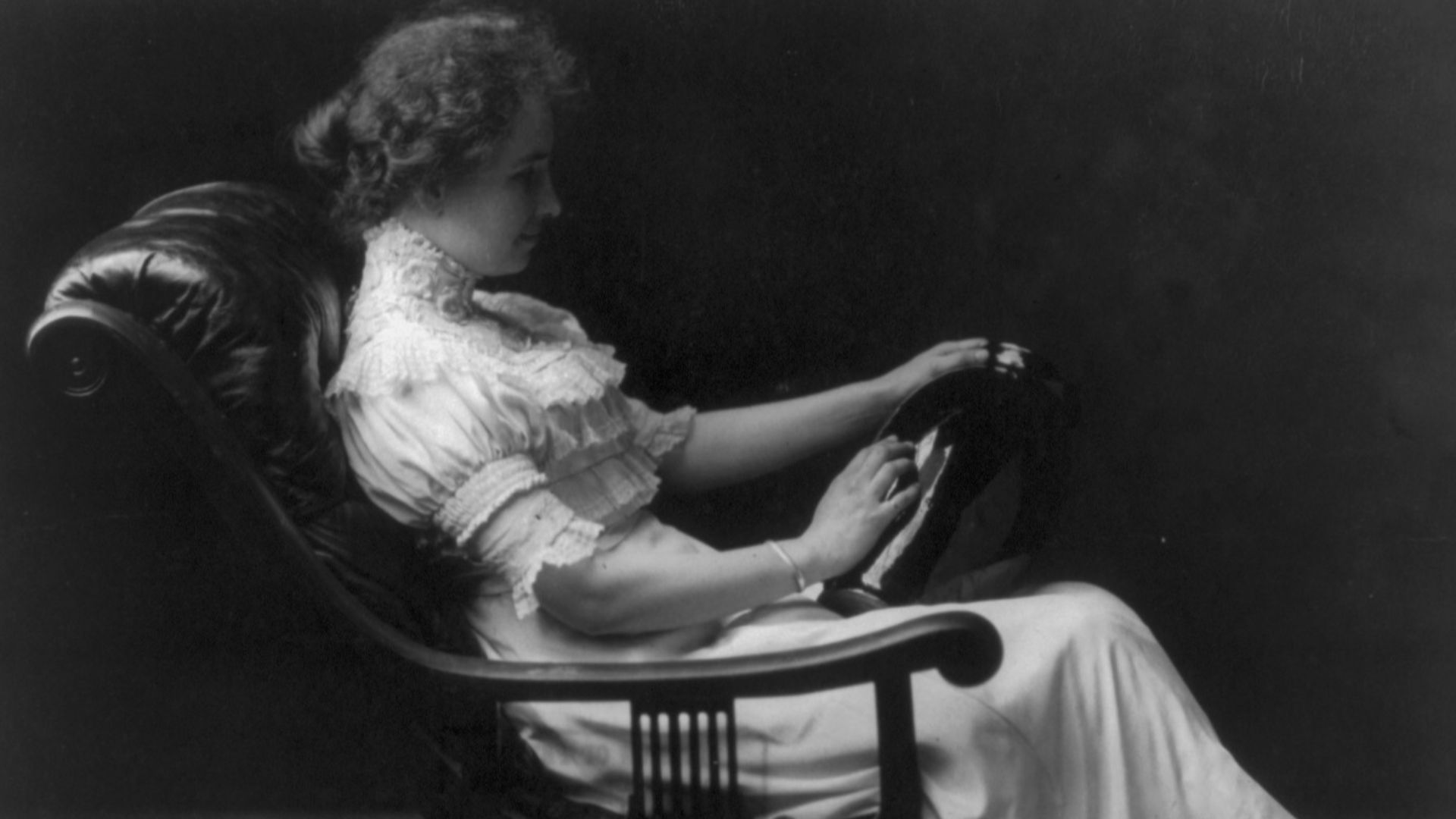 Miscellaneous Items in High Demand, PPOC, Library of Congress, Wikimedia Commons
49. She Was Controversial
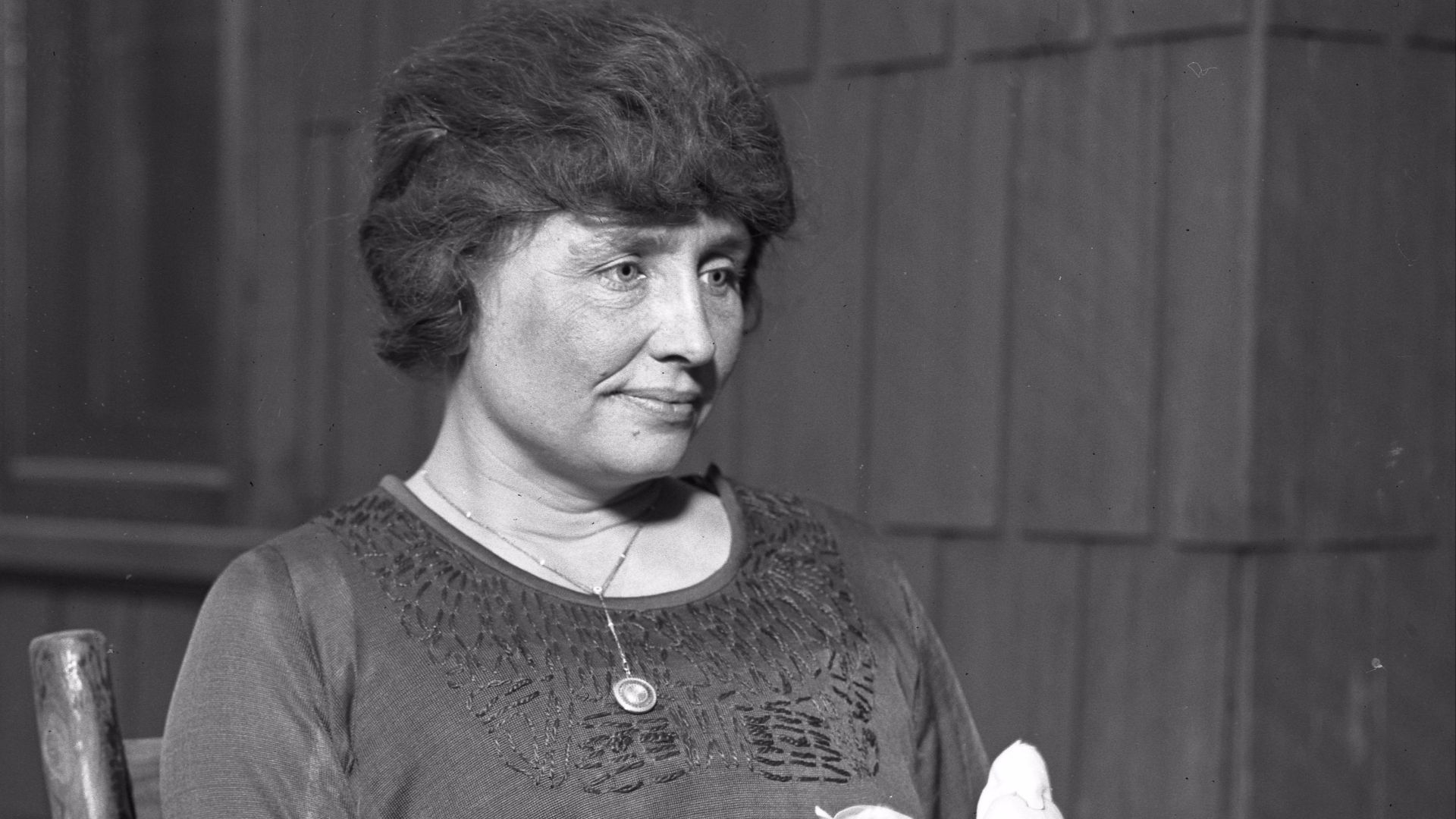
One notably questionable belief that Helen Keller held was eugenics—at the time, a popular new set of beliefs and practices regarding genetic purity and improvement, including the sterilization of those considered to be genetically "inferior," and even the elimination of living disabled peoples.
In 1915, Helen Keller penned a letter regarding her belief in eugenics, and wrote supporting the refusal of life-saving procedures to infants with mental impairments or physical deformities. Her reasons were shocking. She believed “their lives were not worthwhile and they would likely become criminals”. This belief goes against the image that most have of Helen Keller.
 Los Angeles Times, Wikimedia Commons
50. She Changed The World
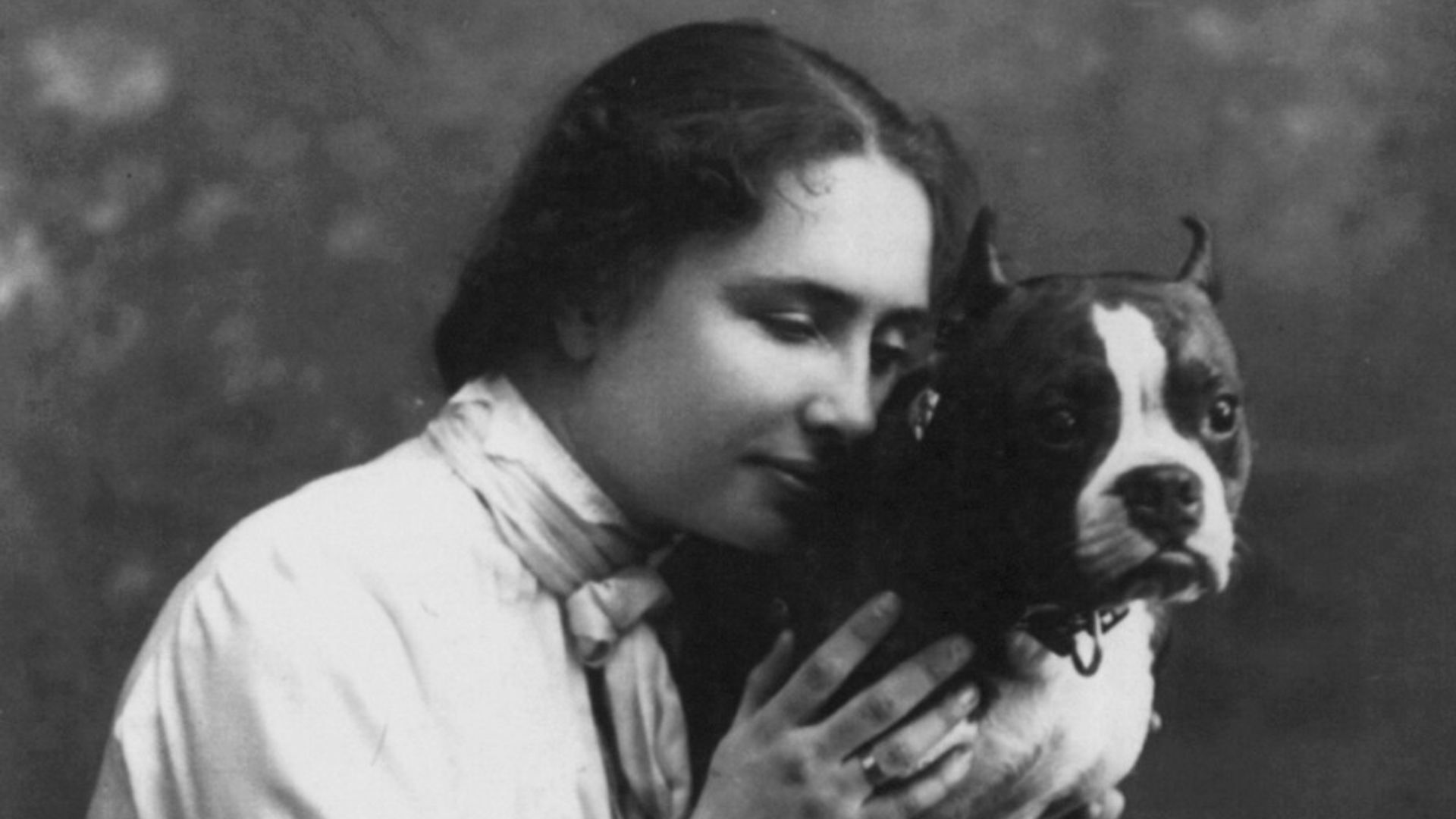
Helen Keller faced great opposition early on in her life. Without the help and intervention of others, she likely would have lived a life very different from the one that she did. However, with the right aid, she rose above the circumstances that fate gave her and became a power for true reform. While she did not always support the best ideas, she had a lasting impact on the rights and acknowledgement of those with disabilities. The world would be very different today without Helen Keller.
 Miscellaneous Items in High Demand, PPOC, Library of Congress, Wikimedia Commons
You May Also Like:
27 All-American Facts About Mark Twain
Little Known Facts About Charles Dickens