Stephen King knows how to make the impossible seem terrifyingly real, but some of his darkest ideas were inspired by reality itself.

King Hussein ruled Jordan for nearly five decades. With a reign that long, it was inevitable that Hussein would make powerful enemies.
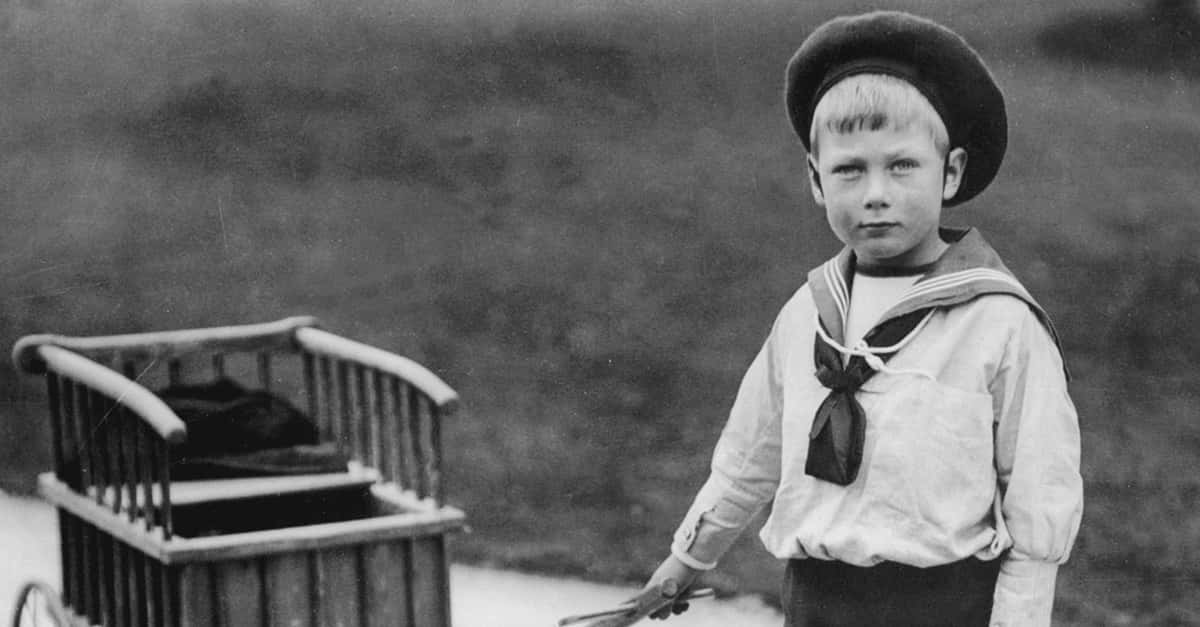
What is the truth about Prince John of the United Kingdom, and who is to blame for his dark fate? Here are the facts: You be the judge.
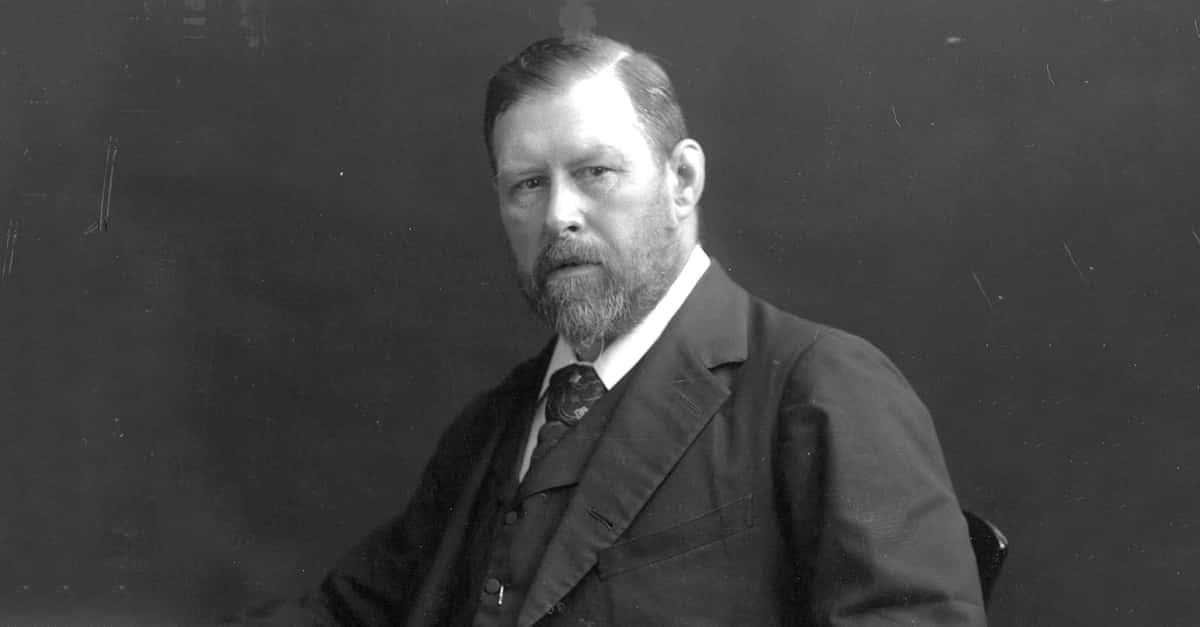
In 1897, Bram Stoker created one of the most enduring monsters of all time: Dracula. Explore more of Stoker's dark history, and that of his creature.

Remember movie theater snacks from the 1960s? From Milk Duds and popcorn to drive-in hamburgers and frozen pickles, these treats made every movie night special.

The Salem witch trials ended in 1693—but the damage done to innocent families would haunt Massachusetts for generations.
 Get Nerd Certified
Get Genius Certified
Get Nerd Certified
Get Genius Certified
If you like humaverse you may also consider subscribing to these newsletters: