The Photo That Started Everything
I found the last photo of them together while packing up Mom's closet, three days after we buried her. Dad was downstairs somewhere, probably in his office like he'd been since the funeral, avoiding me and avoiding the reality that she was gone. The photo showed them at some charity gala maybe ten years ago—Mom in that blue dress she loved, Dad's hand on her waist, both of them smiling at the camera. But here's what got me: Mom's smile didn't reach her eyes. I'd never noticed that before. I sat there on her bedroom floor, surrounded by shoe boxes and old sweaters that still smelled like her perfume, and I just started crying again. Everything felt wrong. Dad's distance, the weird quiet in the house, the way people at the funeral kept giving me these pitying looks like they knew something I didn't. I needed something to ground me, something to make sense of losing her so suddenly to a heart attack at fifty-eight. So I kept digging through her things, looking for I don't know what. At the back of the closet, behind stacks of old blankets, my hand closed around a box that didn't belong there.
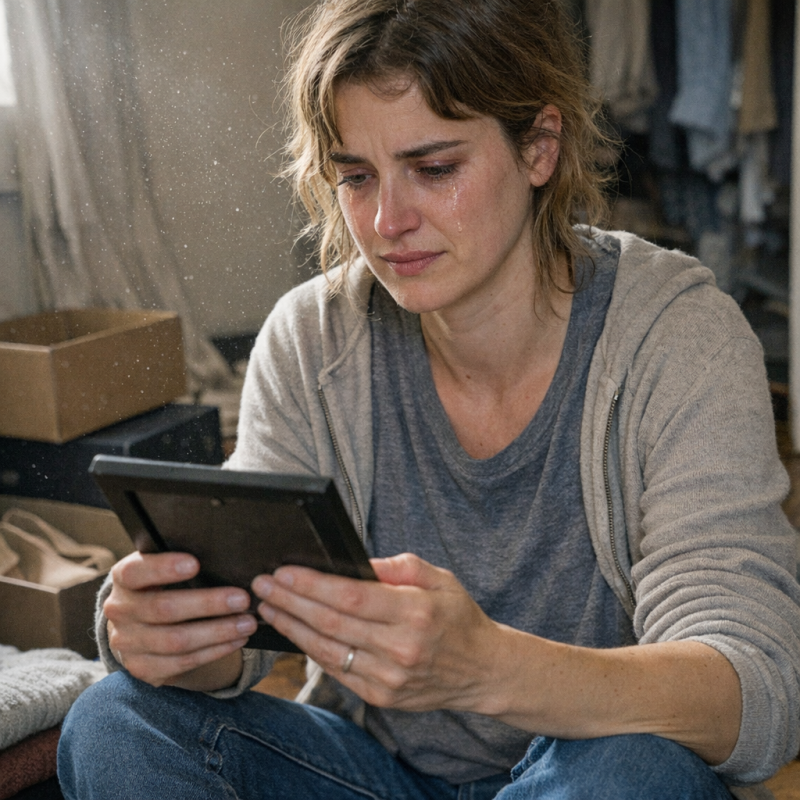 Image by FCT AI
Letters to No One
I waited until Dad went to bed before I opened it. The box was one of those fancy stationery sets, the kind you give as a gift and never actually use. But Mom had used it. Inside were dozens of letters, all in her handwriting, all dated and carefully folded. My first thought—and I'm not proud of this—was that she'd had an affair. Maybe that explained the distance I'd always sensed between my parents, the separate bedrooms they'd had for years, the polite coldness. I almost didn't want to read them. But grief does weird things to you, and I needed to know who my mother really was. The letters weren't addressed to anyone specific. No 'Dear John' or 'My love' or anything like that. Just dates. March 2019. September 2020. January 2022. Each one started with an incident, a detail, a name I didn't recognize. My heart was racing. I poured myself a glass of wine with shaking hands and sat down at the kitchen table. As I unfolded the first letter, I expected a love confession. What I found instead made my hands shake.
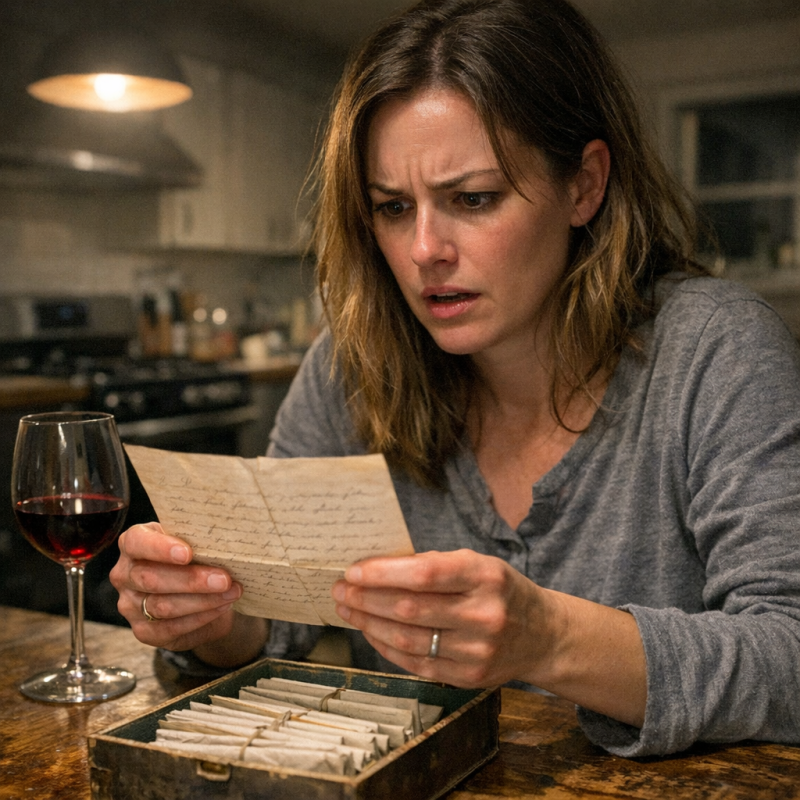 Image by FCT AI
The Careful Record
These weren't love letters. They were records. Mom had documented everything in precise, almost clinical detail. 'March 15, 2019: Robert met with Viktor Petrov at the Riverside Hotel, 11:30 PM. Stayed for forty-two minutes.' 'September 3, 2020: Package delivered to the house, Robert took it to the garage immediately, wouldn't let me near it.' 'January 8, 2022: Phone call at 2 AM, Robert left the house for three hours, returned agitated.' Page after page of observations, times, names, places. My mother had been watching my father. Tracking him. Why? I kept reading, looking for an explanation, but she never editorialized. Never wrote 'I think' or 'I suspect.' Just facts. Cold, careful facts. The dates spanned nearly six years. Six years of my mother quietly taking notes on her own husband like some kind of detective. I felt sick. What had Dad been doing that required this level of documentation? And why hadn't Mom ever told me? At the bottom of the box sat a folder marked with a date from three years ago—and my own name.
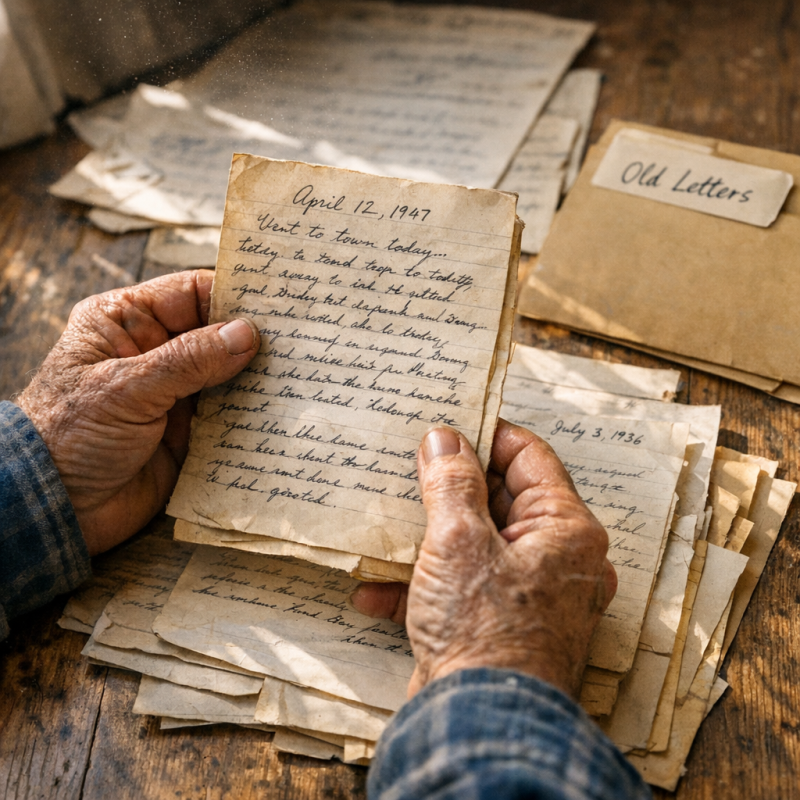 Image by FCT AI
A Letter for the Future
My hands were actually trembling when I opened that folder. Inside was a single letter, dated three years ago, addressed 'To Alex—when you're ready to understand.' I had to read it twice because the first time, nothing made sense. Mom explained that she'd stayed in the marriage deliberately, that she'd made choices I wouldn't understand yet but would eventually need to know about. She wrote about protecting me, about doing what was necessary even when it hurt. 'I know you've wondered why your father and I stayed together,' she wrote. 'Why we seemed more like roommates than spouses. There were reasons, sweetheart. Important ones.' She mentioned someone helping her, someone she trusted, but she didn't give a name. She wrote that she'd kept these records to protect our family, to make sure the truth wouldn't disappear. 'If you're reading this, I'm gone, and you deserve to know who your father really is. Not the version he shows the world. Not even the version he shows you.' The final line made my stomach drop: 'Your father isn't just the man you think he is.'
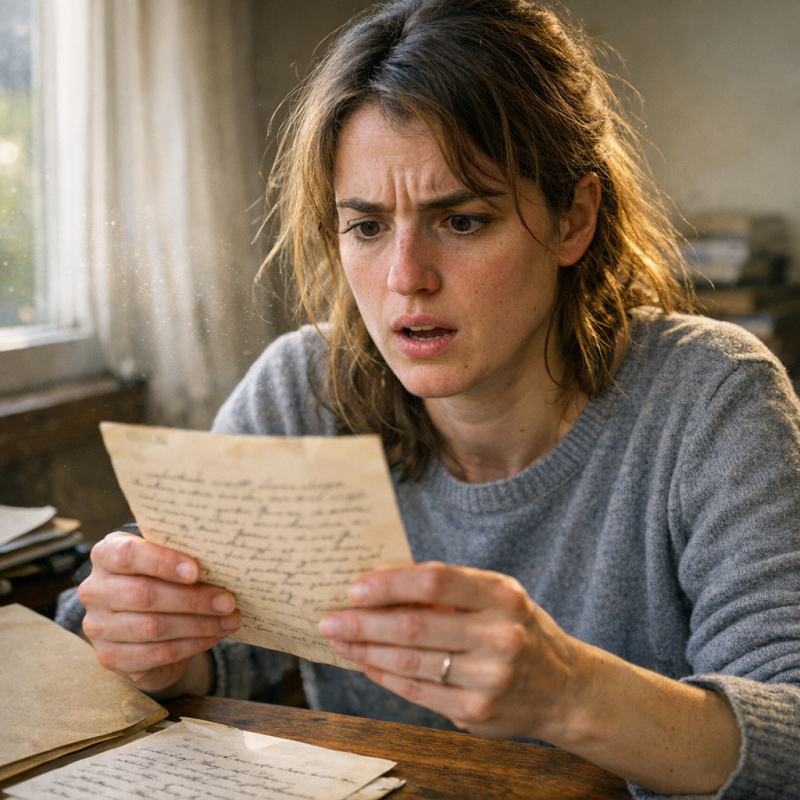 Image by FCT AI
The Police Reports That Disappeared
I couldn't sleep that night, so I went through everything else in the folder. Police reports. Three of them, filed over an eighteen-month period. The first one was from a neighbor reporting 'suspicious activity' at our house—vehicles coming and going at odd hours. The second involved a noise complaint that seemed routine until I noticed the detailed notes about 'multiple male voices' and 'possible argument.' The third report was filed by Mom herself, claiming someone had followed her from the grocery store. All three listed the same responding officer: J. Morrison, badge number 4451. And all three had been marked 'unfounded' and closed without any real investigation. Then there were bank statements, but not from any account I recognized. Deposits and withdrawals in round numbers—five thousand, ten thousand, twenty thousand—always in cash. None of it made sense. Dad was a consultant, something boring with international logistics. He traveled a lot, made decent money, but nothing that explained this. Three different police reports, filed months apart, all listed the same officer—and all had been closed without investigation.
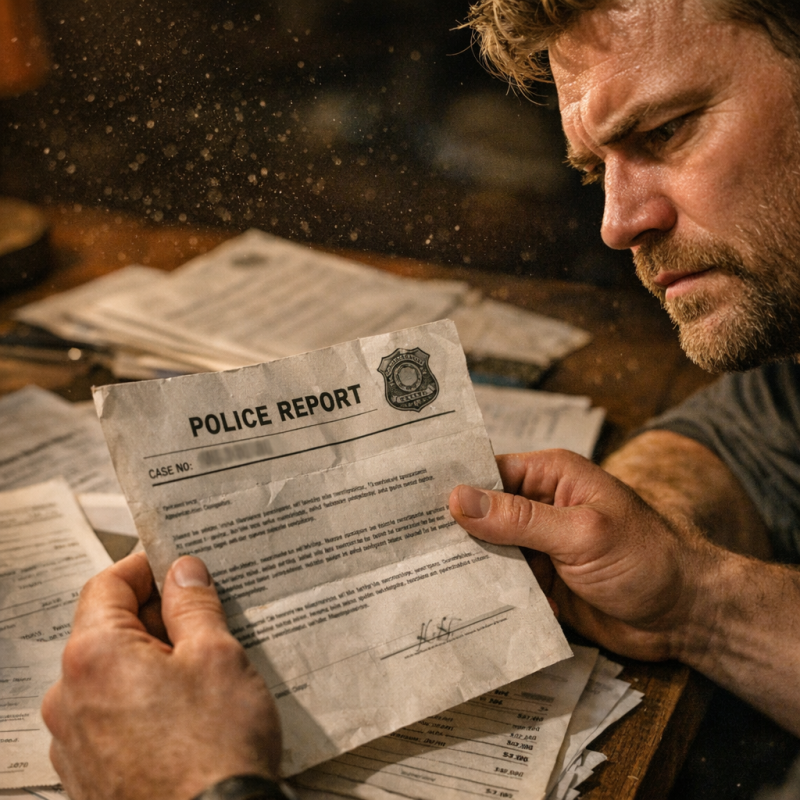 Image by FCT AI
Facing My Father
I waited two days before I said anything to Dad. I needed to watch him first, see if I could spot whatever Mom had been tracking all those years. I asked casual questions over breakfast. 'Hey Dad, do you remember that house we lived in when I was eight? Why'd we move so suddenly?' His coffee cup paused halfway to his lips. Just for a second. 'Your mother wanted a change,' he said, but his voice sounded different. Careful. I pushed a little more. 'I've been thinking about Mom's friends. She wasn't really close to anyone, was she? That's kind of weird, right?' He looked at me then, really looked at me, and I saw him calculating something behind those eyes. 'Your mother was private,' he said. 'She preferred it that way.' But the way he said it felt like a warning. Like he was telling me to drop it. I didn't. 'The police came to the house once. I must've been ten or eleven. Do you remember that?' For the first time in my life, I saw something unfamiliar flash across my father's face: fear.
 Image by FCT AI
Childhood Memories, Revisited
I spent that whole night going through my memories like I was scrubbing crime scene footage. The police visit I'd mentioned to Dad—I'd completely forgotten about it until I found the date in Mom's letters. I was eleven. It was late, maybe ten or eleven at night, and I'd come downstairs for water. I heard voices in the living room. Formal voices. Official. Mom saw me on the stairs and her face went hard in a way I'd never seen before. 'Go to your room, Alex. Now.' I did, but I listened from the top of the stairs. I couldn't make out words, just tones. Tense. Serious. When I woke up the next morning, it was like nothing had happened. Now I wondered what other 'normal' things from my childhood were actually red flags I'd been too young to recognize. The times Dad came home with cuts or bruises he blamed on 'tripping.' The way Mom always knew exactly where Dad was, like she was tracking him. The separate bedrooms they'd had since I was thirteen. One memory stood out—a night when men in suits came to the house and my mother sent me to my room. I'd forgotten about it until now.
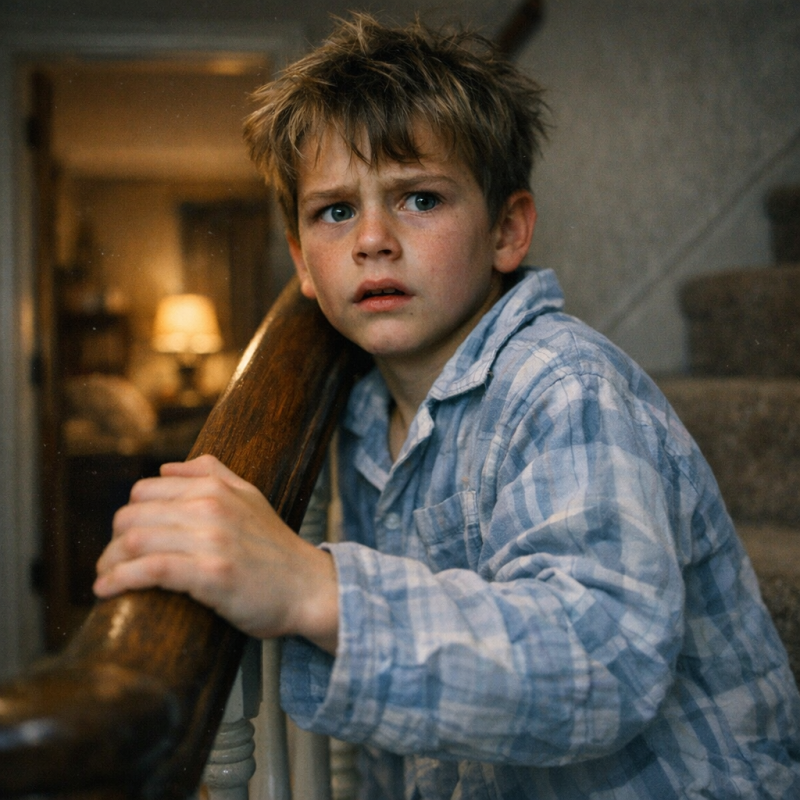 Image by FCT AI
Uncle Dennis Knows Something
Uncle Dennis was Mom's older brother, the only family she'd stayed close to. I hadn't talked to him much since the funeral—he'd flown in from Seattle, stayed two days, left quickly. At the time I thought he was just uncomfortable with grief. Now I wondered if he was uncomfortable with Dad. I called him on a Thursday afternoon, my hands sweating as the phone rang. 'Alex, honey. How are you holding up?' His voice was warm but guarded. I didn't waste time. 'Uncle Dennis, did Mom ever talk to you about Dad? About their marriage?' Long silence. Too long. 'Why are you asking?' I took a breath. 'I found some things in Mom's closet. Letters. Documents. It looks like she was investigating Dad for something, and I need to know if you knew about it.' I heard him exhale, heard something that might've been a chair creaking as he sat down. 'Jesus, Alex. I was hoping you wouldn't find those.' My heart hammered. 'So you knew?' Dennis's voice went quiet on the phone. 'Your mother made me promise not to tell you certain things. But maybe... maybe it's time.'
 Image by FCT AI
The Visit That Changed Things
I drove to Seattle the following weekend. Dennis lived in a small craftsman house that smelled like coffee and old books, and he looked older than I remembered—more tired, more worn down. We sat at his kitchen table, and I could tell he'd been dreading this conversation. 'Your mother started acting different about two years before she passed,' he said, not meeting my eyes. 'More secretive. She'd call me at odd hours, ask strange questions about public records and legal procedures.' I leaned forward. 'What kind of questions?' He shook his head. 'She wanted to know how to research business filings. Property records. She was looking into something, Alex, but she wouldn't tell me what.' My chest tightened. Two years. Mom had been investigating Dad for two entire years before she passed. 'Did she ever mention being scared?' Dennis's jaw clenched. 'She said she needed to be careful. That's all she'd say.' He stood up, walked to a drawer, pulled out an envelope. His hands shook slightly as he opened it. Dennis slid an old photograph across the table—Catherine with a man Alex had never seen before, taken just six months before her death.
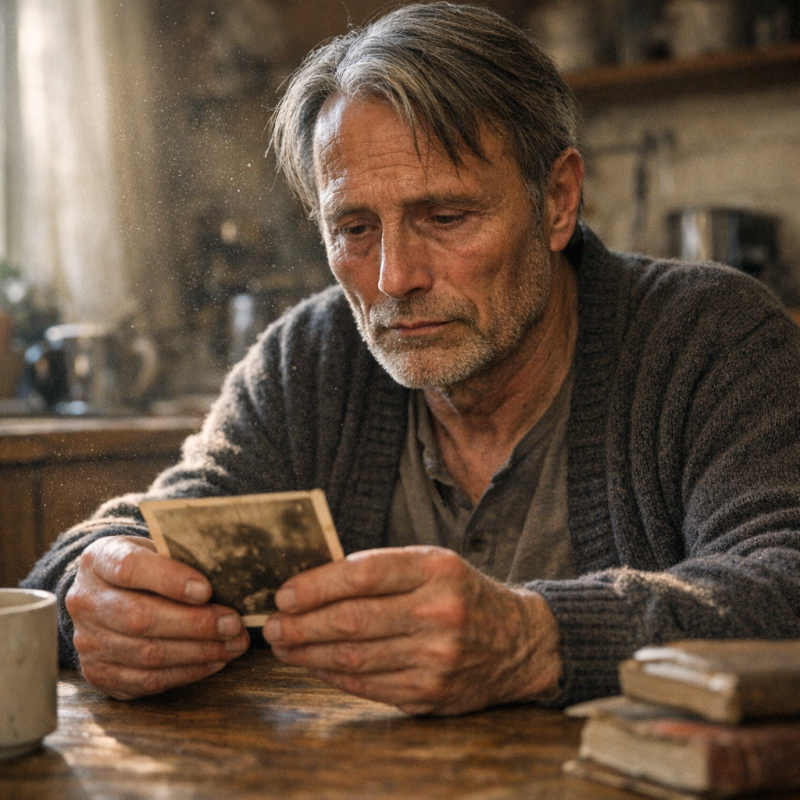 Image by FCT AI

History's most fascinating stories and darkest secrets, delivered to your inbox daily.
What Dennis Wouldn't Say
I stared at the photo. Mom looked thinner than I remembered from that time, more tense, but she was smiling—genuinely smiling—standing next to a man in his forties with graying hair and kind eyes. They were outside somewhere, trees in the background, both holding coffee cups. It looked casual. Intimate. My stomach dropped. 'Who is this?' I asked, my voice barely steady. Dennis sat back down heavily. 'Someone she was working with.' 'Working with on what?' 'I don't know the details, Alex. She didn't share them with me.' Frustration burned in my chest. 'But you knew she was investigating Dad?' 'I suspected,' he said carefully. 'But your mother was protecting you. She didn't want you involved until...' He trailed off. 'Until what?' Silence. The kind that felt like a wall. 'Uncle Dennis, please. I need to know who this man is.' He looked away, and I could see the conflict in his face—whatever promise he'd made to Mom still binding him. When Alex asked who the man in the photo was, Dennis looked away. 'I can't tell you that. But I think you need to find out on your own.'
 Image by FCT AI
The Town That Remembers
I drove back to our hometown three days later, the photo burning a hole in my bag. I hadn't been back since the funeral, and the familiar streets felt different now—heavier, like they were holding secrets I'd been too blind to see. I stopped at the coffee shop where Mom used to meet her book club, needed caffeine and maybe some normalcy. But the moment I walked in, conversations seemed to pause. People looked at me with this weird mixture of sympathy and something else. Knowledge? The woman behind the counter, Sarah, had known my family for years. She made my latte without asking what I wanted. 'How are you doing, Alex?' she asked, but her tone suggested she knew the answer was complicated. 'I'm okay. Just sorting through some of Mom's things.' Her expression shifted—careful, measured. She glanced around, then leaned closer over the counter. Other customers had gone back to their conversations, but I felt watched somehow. Like this whole town knew something I didn't. At the coffee shop, the barista leaned in and whispered, 'Your mom was braver than people knew. I hope you figure it out.'
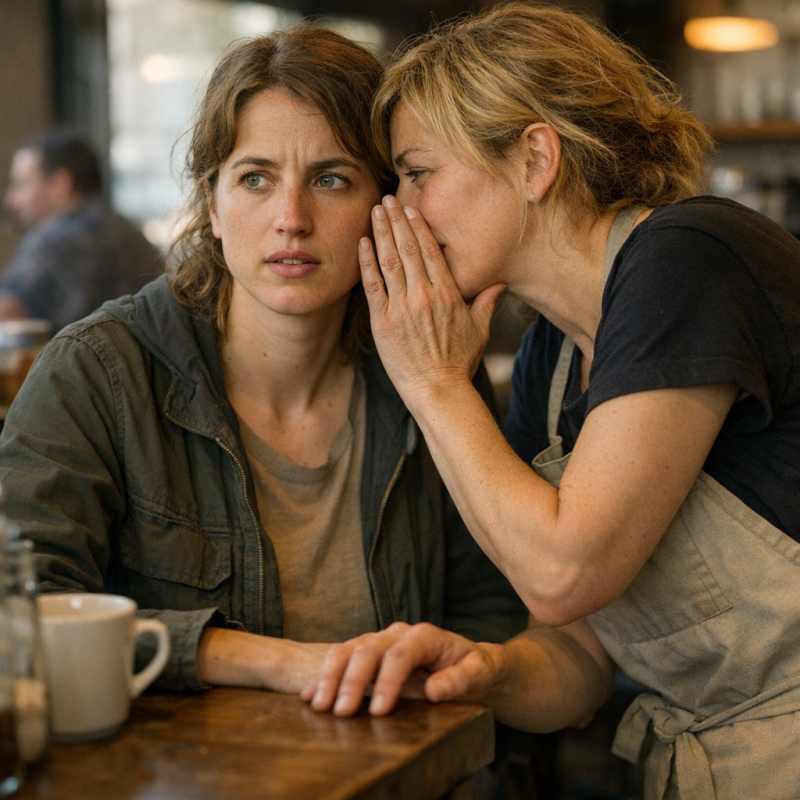 Image by FCT AI
Marissa's Story
Marissa's name appeared in three of Mom's letters—always just first name, but with a phone number scribbled in the margin of one. It took me two days to work up the courage to call. She answered on the third ring, and when I explained who I was, there was this long pause before she said, 'Yes. I'll meet you.' Her house was in the suburbs, neat and modest, with a garden that looked carefully maintained. She was fifty-something, with sharp eyes and nervous hands. We sat in her living room, and I could feel her measuring me, deciding how much to say. 'I worked with your mother at the library,' she started. 'But that's not really why I knew her, is it?' I asked. Marissa's lips pressed into a thin line. 'No. Your mother came to me about a year and a half ago. She needed help researching certain... documents. Public filings. Financial records. She was very careful about what she asked for.' 'Did she tell you why?' Marissa's hands trembled as she poured tea. 'I wondered when you'd come asking. Your mother... she was gathering something. Something big.'
 Image by FCT AI
The Business Front
Marissa set down the teapot carefully. 'Your father had a lot of visitors,' she said. 'Business associates, he called them. Your mother asked me to help her track some of them down—not in person, just... their names, their companies.' I pulled out my phone, showed her photos of some of the documents I'd found. 'Like these people?' She nodded slowly, recognition flickering in her eyes. 'Yes. Some of them. Your mother was trying to establish patterns. Who came when, what they discussed—at least what she could overhear.' 'What kind of business was Dad supposedly in?' 'Import-export consulting, he said. But Catherine noticed things didn't add up. The amounts of money moving around. The types of men who showed up.' I thought of Dad's home office, always locked when he was working. The late-night phone calls. When Alex showed Marissa the bank statements, the older woman's face went pale. 'These numbers... they don't make sense for a man in his line of work.'
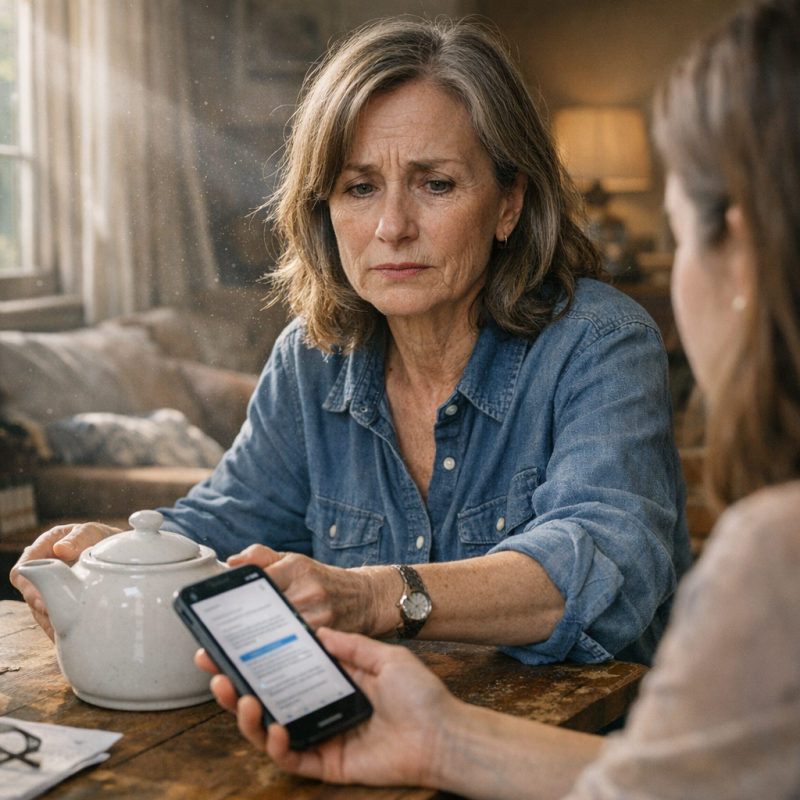 Image by FCT AI
Following the Money
I spent the next four days basically living in front of my laptop, going down rabbit holes I didn't even know existed. Public business registries. Corporate filings. Property records. Dad's name appeared more often than I expected, but not always as Robert Chen—sometimes as R. Chen, sometimes as Robert C. Chen, sometimes as just R.C. I learned how to search for registered agents, dissolved companies, business addresses. And that's when the pattern emerged. Three separate LLCs, all registered within six months of each other, all listing Dad as principal. Different business names—Summit Trading Partners, Pacific Rim Consulting, Cascade Import Solutions. They sounded legitimate, corporate, boring. But they all shared one thing. I cross-referenced the addresses, pulled up Google Maps, zoomed in on street view. My hands went cold. Three companies, all registered to the same address—an empty lot on the edge of town that had been abandoned for years.
 Image by FCT AI
The Empty Lot
I found the lot on a gray Tuesday afternoon. It was exactly what the street view had shown—overgrown grass, cracked pavement, a chain-link fence sagging in places. No building. No business. Nothing that would justify three companies using it as their official address. I parked across the street and just stared at it, trying to make sense of why Dad would register companies to an empty piece of land. Tax thing? Shell game? Something worse? The neighborhood around it was industrial, mostly warehouses and storage facilities, the kind of area that emptied out after five PM. I took photos with my phone, zoomed in on the street number to confirm I had the right place. That's when I noticed the car—an old sedan parked two blocks down, someone sitting in the driver's seat. Watching. My heart started hammering. I was about to start my engine when movement in my peripheral vision made me freeze. An older man watching from across the street approached Alex's car. 'You're Catherine's daughter, aren't you? She came here too.'
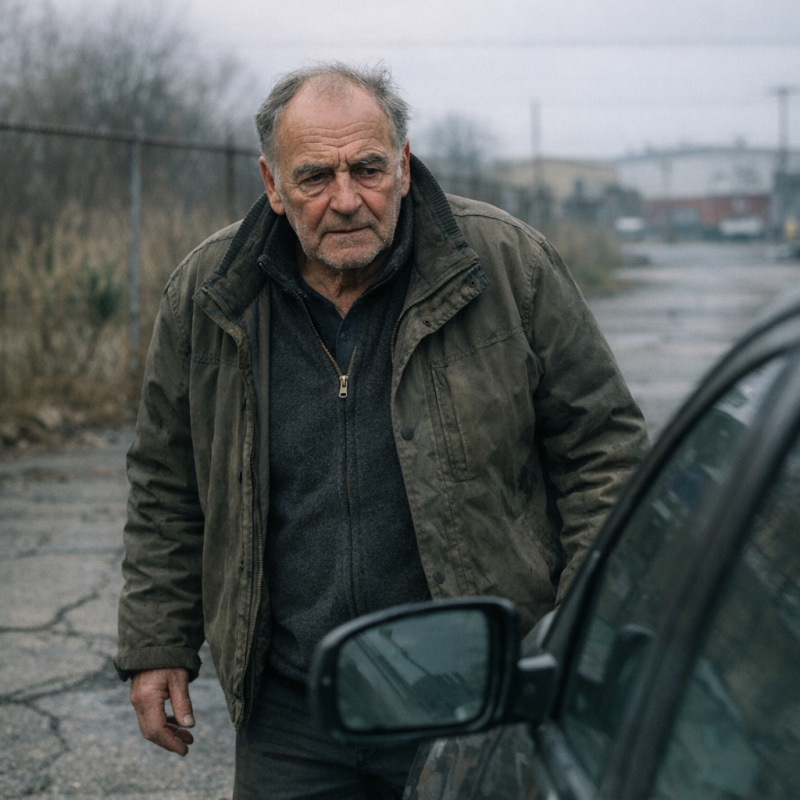 Image by FCT AI
A Mother's Footsteps
I rolled down my window halfway, adrenaline making my hands shake. The man looked harmless—seventies, maybe, with a weathered face and a jacket too heavy for the weather. But his eyes were sharp, knowing. 'I'm sorry?' I managed. 'Your mother,' he said, nodding toward the empty lot. 'She was here multiple times last year. Spring, summer. I noticed because not many people come to look at nothing.' My throat went dry. 'You saw her here?' 'I work security at the warehouse down the street,' he explained, gesturing behind him. 'Overnight shift, mostly. But I come early sometimes. She'd park right where you are, take pictures, write things down. Very methodical. Very careful.' The way he said careful made my skin prickle. 'Did she ever talk to you?' 'Once. Asked if I'd seen anyone else come to this lot. I hadn't.' He pulled out his phone, scrolled for a moment, then turned it toward me. He pulled out his phone and showed Alex a photo he'd taken months ago—Catherine standing in front of the empty lot, holding what looked like a file folder.
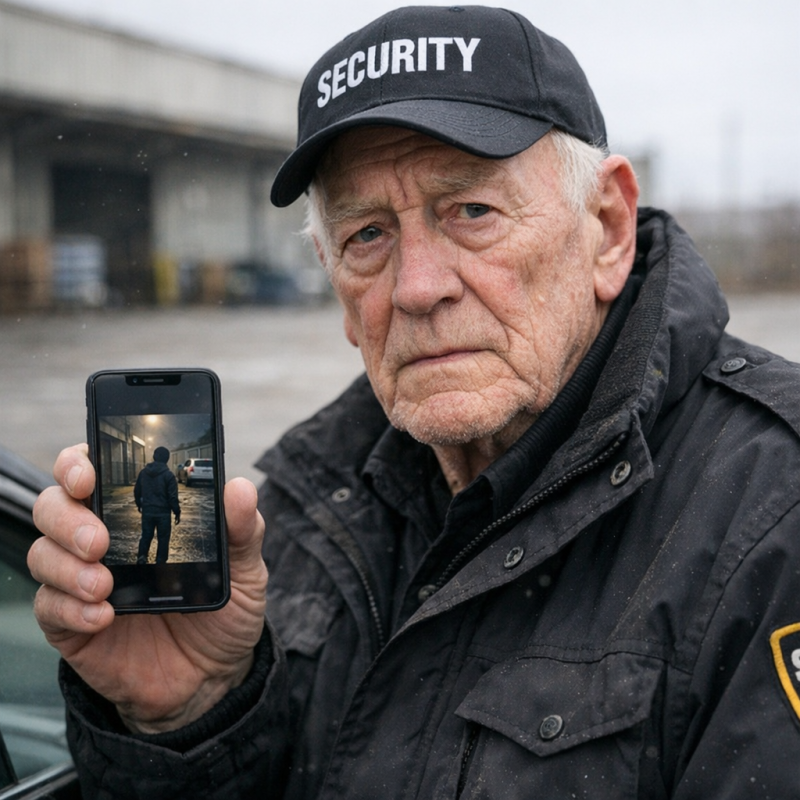 Image by FCT AI
Dad's New Behavior
My dad started calling more. Like, a lot more. Before Mom died, we'd talk maybe once a week—perfunctory stuff about work and weather. But suddenly, after I'd started digging through her files, he was checking in every other day. 'Just wanted to hear your voice, sweetheart.' 'Thought I'd see how you're doing with everything.' It felt off, you know? Too attentive, too invested in my daily routine. He'd ask what I was up to that weekend, if I was spending time at Mom's house, whether I'd decided what to do with her things yet. The questions felt casual enough on the surface, but there was something underneath them—a fishing quality I couldn't quite name. I told myself I was being paranoid. This was grief, right? Maybe he was lonely. Maybe he genuinely cared. Then came the third call that week. We'd been talking about nothing—traffic, a restaurant he'd tried—when his tone shifted slightly. 'You're not still going through your mother's old things, are you?'
 Image by FCT AI
The Break-In
I knew something was wrong the moment I turned onto Mom's street. Her front door was closed, but not quite flush with the frame—like someone had pulled it shut without checking if it latched. My stomach dropped. Inside, it looked like someone had been shopping for something specific. Not ransacked, not trashed—just methodically searched. Kitchen drawers hung open. The desk in her study had papers scattered across it, file folders pulled out and left in wrong order. Couch cushions were slightly askew. Whoever did this had been careful, relatively tidy, but they'd been thorough. I stood in the middle of the living room, phone in hand, trying to decide whether to call the police or my dad or just run. Then I went to her bedroom closet, already knowing what I'd find. The shelf where I'd discovered that box of documents—the property deeds, the photographs, the offshore account statements—was empty. Just dust outlines where the box had been. Everything else in the closet was untouched. The box from her mother's closet was gone.
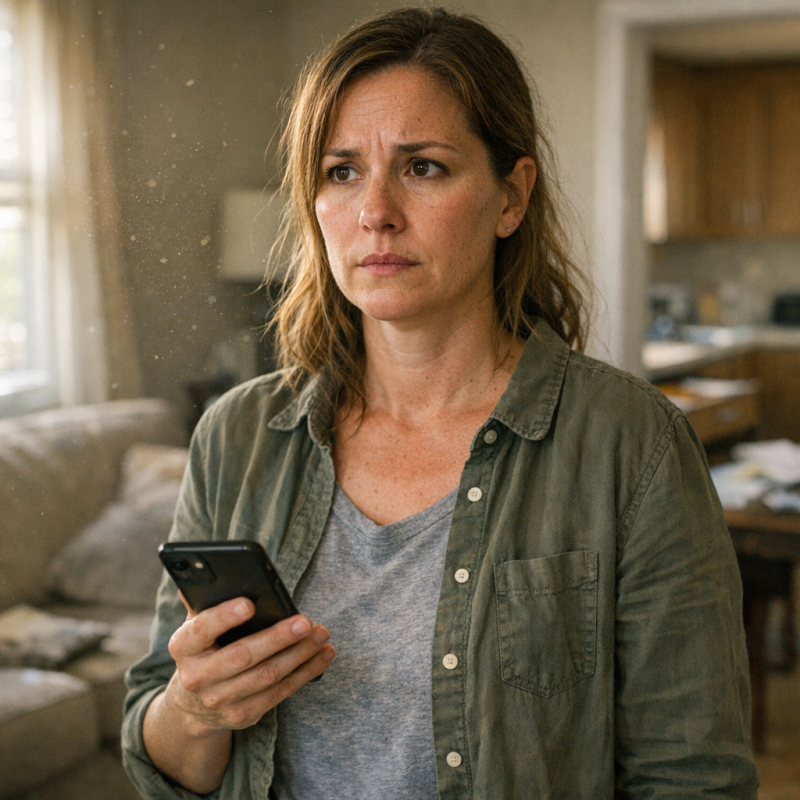 Image by FCT AI
Going to the Police
The police station smelled like burnt coffee and industrial cleaner. I gave my report to a uniformed officer who seemed half-asleep until I mentioned my mother's name. Then he straightened up and said he'd get a detective. Detective Vale appeared ten minutes later—early forties, sharp eyes, the kind of presence that made you sit up straighter. He listened to my description of the break-in with an intensity that felt disproportionate to a simple theft. No forced entry, I explained. Just someone who'd come looking for something specific. When I mentioned the box of documents, his pen stopped moving across his notepad. 'What kind of documents?' he asked carefully. I hesitated, suddenly uncertain how much to reveal. Financial records, I said. Property stuff. My mother had been researching something before she passed. Vale's expression shifted—not surprise exactly, but recognition. Like a puzzle piece had just clicked into place for him. He set down his pen and leaned forward slightly. 'Ms. Henderson, I think you and I need to have a longer conversation.'
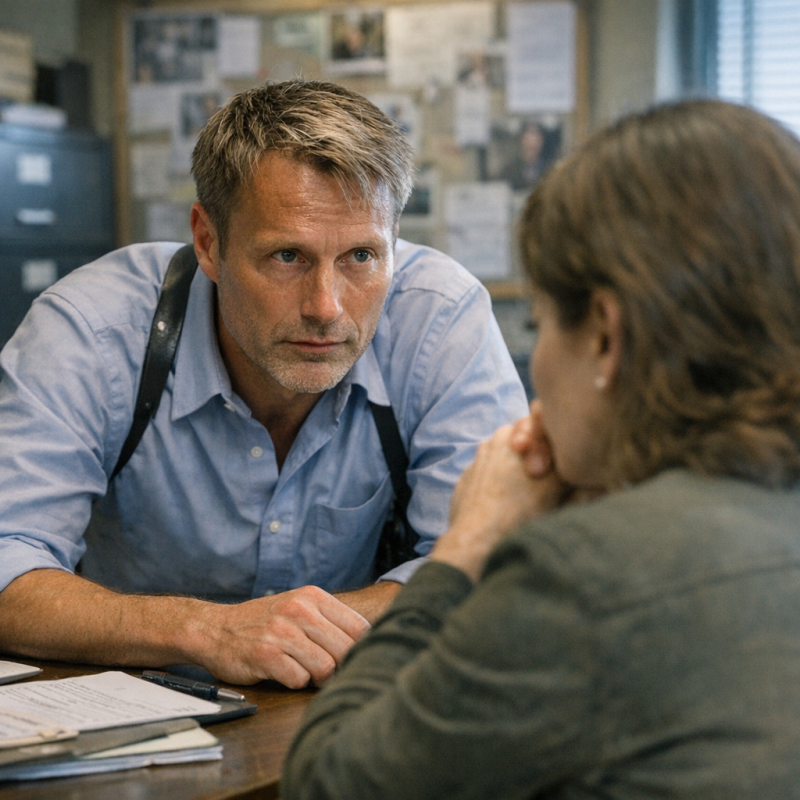 Image by FCT AI
What the Detective Knows
Vale moved us to a private interview room with better lighting and a door that closed. He asked careful questions about what I'd found in Mom's files, never quite revealing how much he already knew. Had she mentioned any ongoing concerns? Had she seemed worried in the months before her death? I answered cautiously, watching his reactions. He nodded at certain details—the offshore accounts, the property deeds—like they confirmed something he'd suspected. 'Your mother was very thorough,' he said finally. 'Methodical. She documented everything she found.' Found. Not 'collected' or 'kept.' Found. 'You knew her?' I asked. He hesitated, then seemed to make a decision. 'She came to see me. Twice, actually. The first time was last spring. She brought some preliminary information about financial irregularities she'd discovered. Said she needed time to build a complete picture before making a formal statement.' My heart was pounding now. 'And the second time?' Vale closed his notebook and looked me in the eye. 'Your mother came to see me twice. The second time was two weeks before she died.'
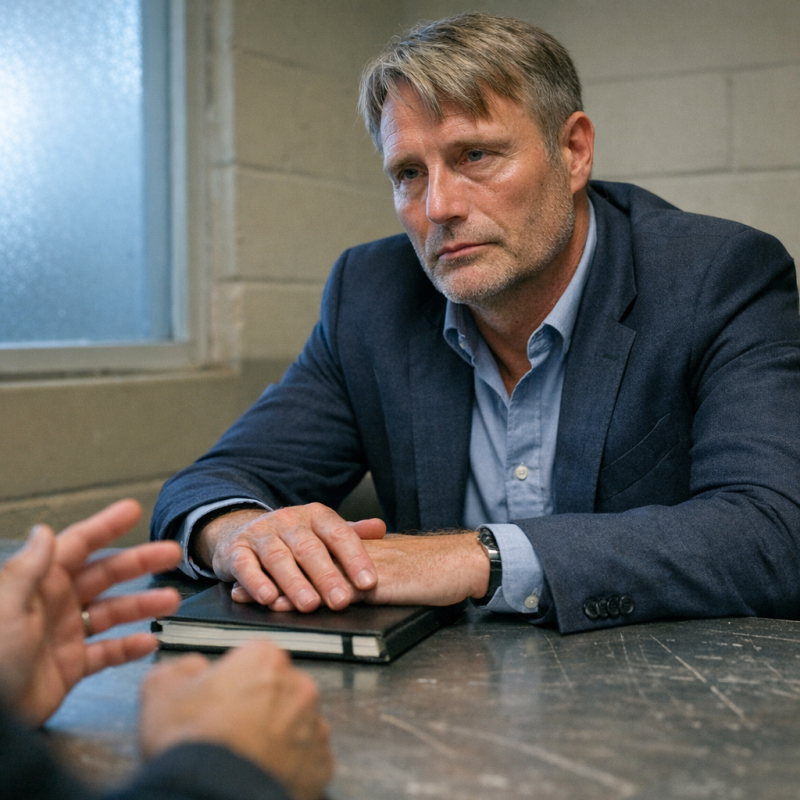 Image by FCT AI
The Timeline Question
I couldn't sleep that night. Kept running the timeline through my head, over and over. Mom had gone to Detective Vale two weeks before her death. Two weeks. She'd been building a case, collecting evidence, preparing to expose something big enough to require police involvement. And then she'd died. Suddenly. Unexpectedly. From a heart attack. I pulled out my laptop and started searching through the emails I'd recovered from her computer. The last one to that encrypted address—'Package ready for delivery'—was dated three days before she passed. Three days before a woman with no history of heart problems had a sudden cardiac event. My rational brain kept trying to pump the brakes. Correlation isn't causation. Lots of people have unexpected heart attacks. Stress can do that. But my gut—that deep, animal instinct—was screaming something else entirely. I pulled up the death certificate I'd filed away months ago. The hospital records listed 'sudden cardiac event,' but Catherine had no history of heart problems—and I couldn't stop thinking about that timing.
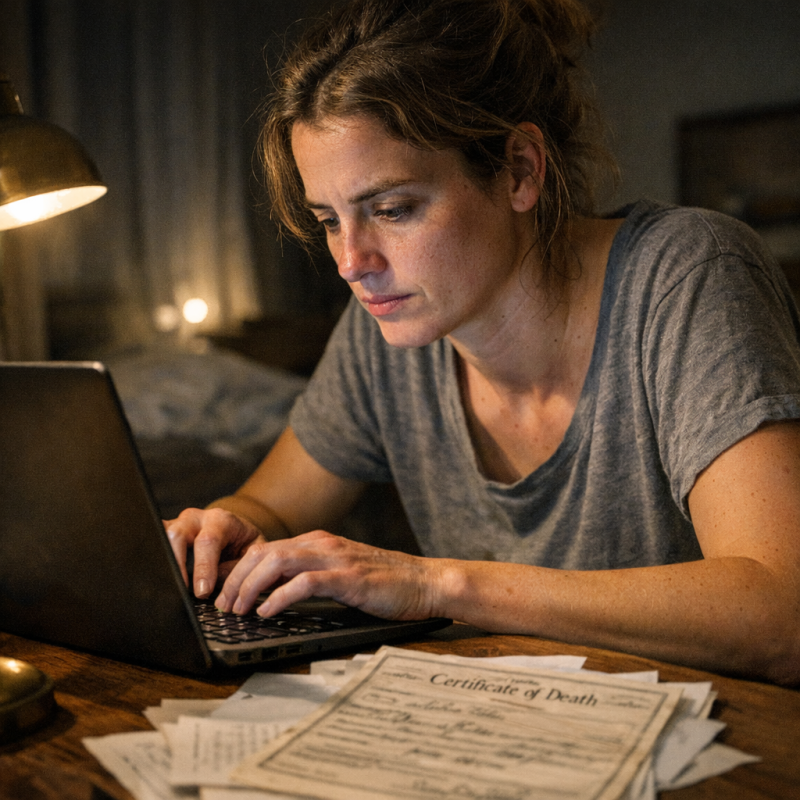 Image by FCT AI
The Medical Records
Getting Mom's medical records took three days and two signed authorization forms. They arrived in a manila envelope marked with the hospital's official seal, surprisingly thin. I spread the pages across my dining table and started reading. Most of it was routine—annual checkups, a bout of bronchitis two years ago, routine bloodwork that showed nothing remarkable. Her cholesterol was fine. Blood pressure normal. No cardiac abnormalities noted at her last physical, which had been four months before she passed. Then I hit the gaps. Two appointments from the month before her death were listed in the chronological index—dated but with no corresponding notes. Just reference numbers that led nowhere. I flipped through the pages again, thinking I'd missed something. But no—the appointments were acknowledged but completely absent from the documentation. I called the hospital's medical records department. The woman who answered sounded apologetic but firm. Some information required additional authorization to release. She couldn't tell me why. Two appointments from the month before Catherine's death had been completely redacted from the file.
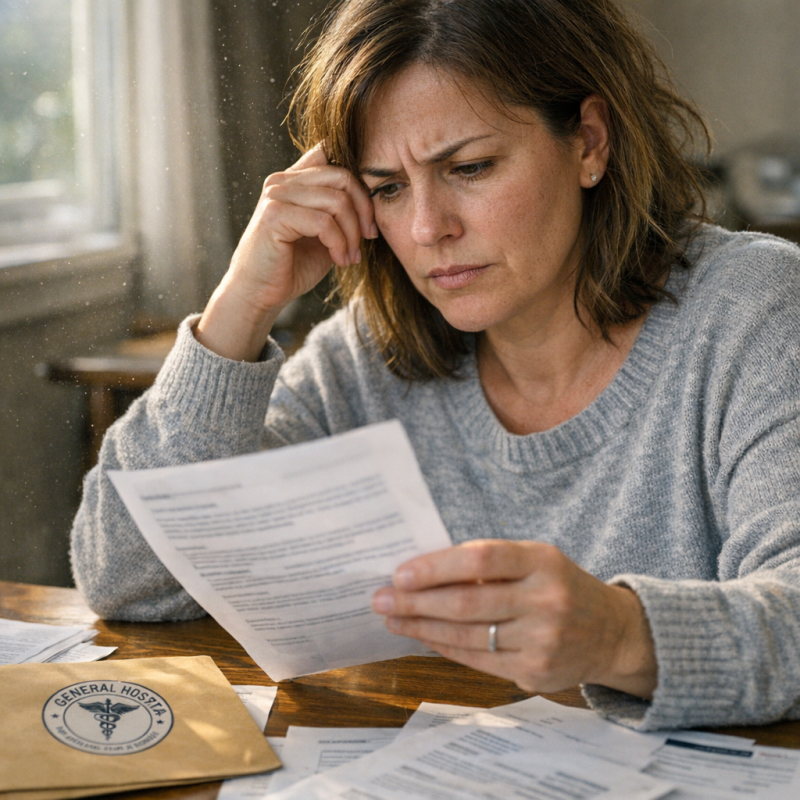 Image by FCT AI
Rachel's Warning
Rachel contacted me first—a LinkedIn message from someone whose profile showed she'd worked in the same accounting firm as Mom. 'I heard about the break-in,' her message said. 'We should talk. In person.' We met at a coffee shop in a neighborhood neither of us frequented. Rachel was around my age, thin and nervous, with the kind of tension that comes from carrying a secret too long. She'd worked with Mom for three years, she explained. They'd become close. 'Your mother was brilliant,' Rachel said quietly. 'She saw patterns no one else noticed. But toward the end, she was scared. Really scared.' My coffee went cold as Rachel described Mom's last months—the late nights at the office, the locked filing cabinets, the way she'd started varying her route home. 'She knew someone was watching her,' Rachel said. 'She told me she'd collected evidence that would surface if anything happened to her.' I leaned forward. 'What evidence? Where?' Rachel gripped my hand. 'Your mother knew she was in danger. She told me if anything happened to her, I should tell you to look for the storage unit.'
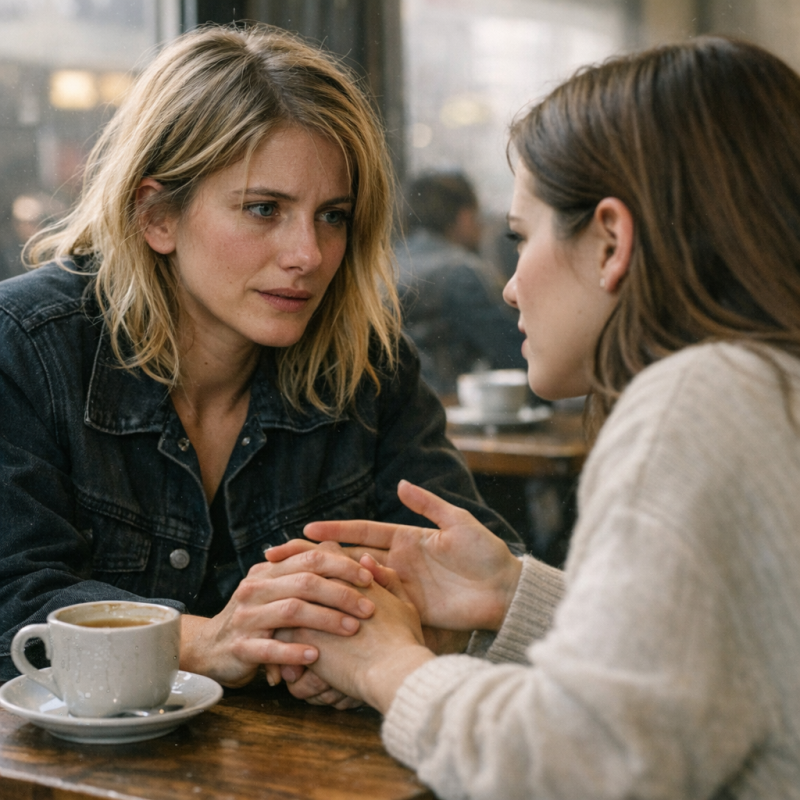 Image by FCT AI
The Storage Unit
The storage facility was in a industrial area I'd never visited, the kind of place with security cameras and numeric keypad locks. Rachel had given me the unit number and a code Mom had made her memorize. Unit 247. I found it on the second floor, my hands shaking as I punched in the numbers. The lock clicked open. Inside was a ten-by-ten space filled with banker's boxes. Not just a few—dozens of them, stacked neatly against three walls, each labeled with blue painter's tape in Mom's careful handwriting. I pulled out my phone flashlight and started reading the labels. Years. Names. Company identifiers. Some boxes went back fifteen years. Others were dated just weeks before her death. And the names—God, some of those names I recognized from news articles, from business journals, from political coverage. I opened the nearest box with trembling hands. Inside were folders, each one thick with printed documents, bank statements, email printouts, photographs. Years of evidence, meticulously organized and cross-referenced. Each box was labeled with a year and a name—and some of those names Alex recognized from the news.
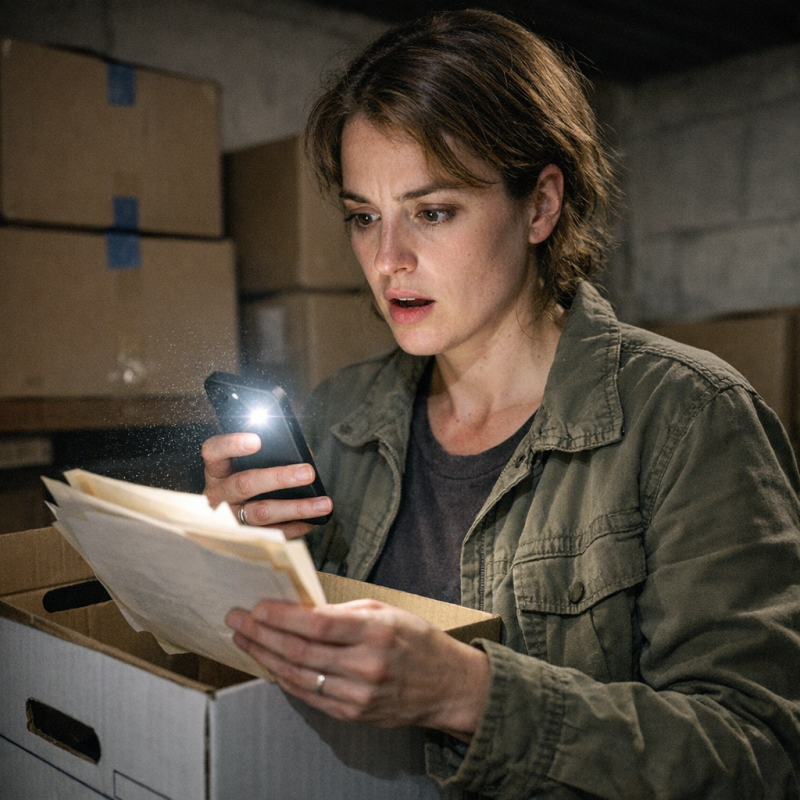 Image by FCT AI
Connections in High Places
I spent the next six hours at that storage unit, sitting cross-legged on the concrete floor with my laptop open, creating a spreadsheet. I know that sounds insane—my mother's dead, I've just discovered she was basically running an intelligence operation, and I'm making an Excel file. But I needed to understand the scope of what I was looking at. The names kept recurring across different boxes, different years. Shell companies connected to real estate developers. Developers connected to zoning board members. Zoning board members connected to my father. And at the center of everything, like a spider in a web, was Dad's consulting firm. Some of these people I recognized from local news coverage—a county commissioner, two city council members, a state representative. Mom had been tracking a network that extended into actual government. This wasn't just about Dad cheating on his taxes or running some shady side business. This was corruption at a scale I couldn't wrap my head around. My hands were literally shaking as I typed. And then I saw it—one name that appeared across dozens of documents spanning eight years. Councilman Richard Torres, who'd just been in the news last month for an unrelated bribery scandal.
 Image by FCT AI
The Photograph Collection
The next box I opened was different. Instead of just documents, it was filled with photograph sleeves—the kind you'd use for film negatives, but these held printed digital photos. Hundreds of them. Mom had been following people, watching them, documenting meetings that were supposed to be private. There was Dad shaking hands with Torres outside a restaurant I recognized downtown. Another showed three men I didn't know exchanging an envelope in a parking garage, timestamp visible in the corner. Mom had been surveilling these people for years, and judging by the angles and lighting, she'd gotten good at it. Some photos were taken through windows. Others from across streets with a telephoto lens. My mother, the woman who'd seemed so fragile and sad in her final years, had been conducting legitimate surveillance operations. I felt sick looking through them—not just because of what they showed, but because I was seeing a version of Mom I'd never known existed. Then, at the bottom of the box labeled '2023—Final,' I found a digital camera still holding a memory card. The display showed one photo remained. At the bottom of one box, I found a camera with a photo still in it—the last picture my mother had ever taken.
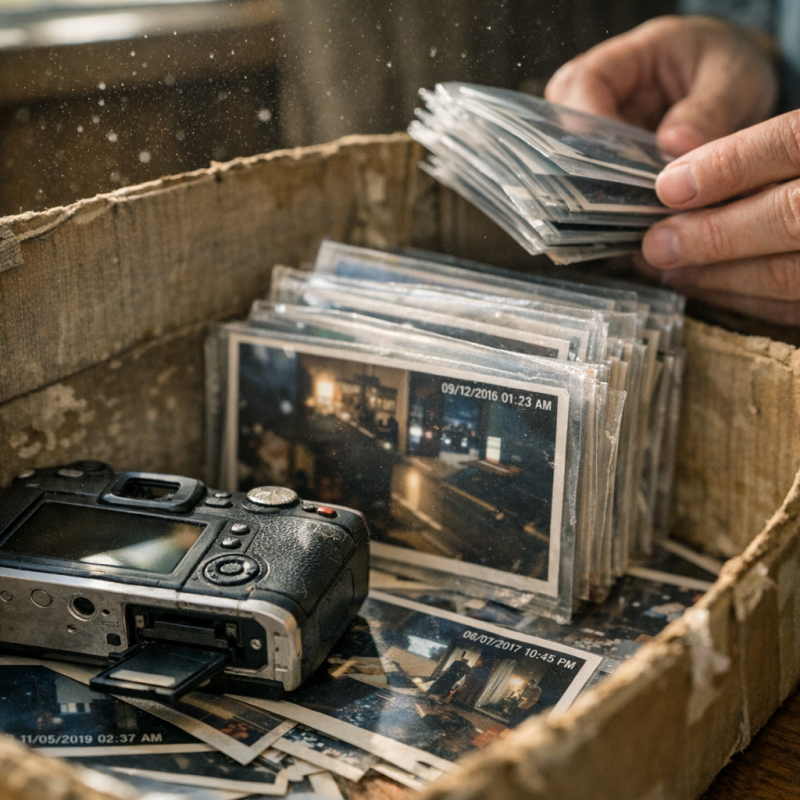 Image by FCT AI
Mr. Halloway's Offer
The email came two days later, while I was still processing everything I'd found. Professional letterhead, formal language: 'Dear Ms. Chen, I am writing to you regarding a matter of utmost importance concerning your late mother's estate. Please contact me at your earliest convenience.' It was signed by someone named Frederick Halloway, Attorney at Law. I almost deleted it as spam, but something made me call the number. He answered on the second ring and suggested we meet at a café downtown that afternoon. Halloway was maybe late sixties, silver-haired, with the kind of expensive suit that whispered old money. He ordered tea, made small talk about the weather, then pulled out a slim leather portfolio. 'Your mother retained my services approximately four years ago,' he said. 'Not for conventional legal representation, but for a very specific purpose—to ensure certain materials reached the appropriate parties upon her death, should specific conditions be met.' I just stared at him. 'What conditions?' He studied me for a long moment, then leaned forward. 'Your mother retained me to ensure certain information reached the right people. The question is—are you one of those people?'
 Image by FCT AI
Trust Issues
I didn't answer Halloway that day. I told him I needed time to think, which was true, but mainly I needed to verify he was actually who he claimed to be. Because at this point, I wasn't trusting anyone. That night I went deep into Google, searching for Frederick Halloway's background. I found a website for his practice, professional photos, case listings from years ago. Everything looked legitimate. But then I started digging into public records, bar association listings, corporate filings. And that's when things got weird. According to the State Bar website, Halloway had been an active attorney, sure—but his law practice, Halloway & Associates, had been officially dissolved three years ago. The business license was terminated. The office address listed on his website now housed a dental practice. Yet he'd just met with me using that firm's letterhead, handed me a business card with that dissolved practice's name on it. So who was this guy, really? Was he actually working for Mom, or was this some elaborate scam? Or worse—was he working for Dad, trying to find out what I knew? I couldn't sleep that night, running through possibilities. Halloway's law practice had been dissolved three years ago—yet he was still operating under that name.
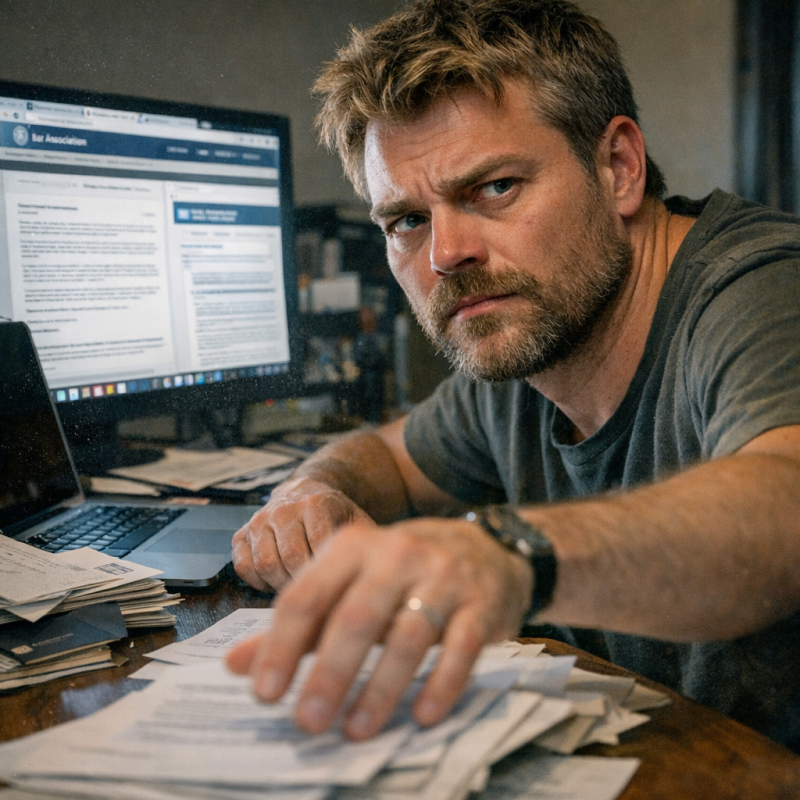 Image by FCT AI
The Night Visitor
I noticed the car on my third trip to the storage unit. A dark blue sedan, parked in the same spot at the gas station across the street when I arrived, still there when I left two hours later. I told myself I was being paranoid. But then I saw it again the next day, different location but same car, same tinted windows. And when I drove home that evening, taking a deliberately random route, it followed me. Not obviously—it stayed back a few cars, changed lanes when I did. But it was there. The car parked on my street that night, three spaces down from my building. I watched from my apartment window as the hours crawled by. Whoever was inside never got out, never turned on the interior light. Just sat there, waiting. Watching. I thought about calling the police, but what would I even say? I hadn't done anything wrong, and technically neither had they—it was a public street. Around midnight I finally went to bed, but I couldn't sleep. Every sound made me jump. Every shadow felt like a threat. At 2 AM, my phone buzzed with a text from an unknown number: 'Stop digging. For your own safety.'
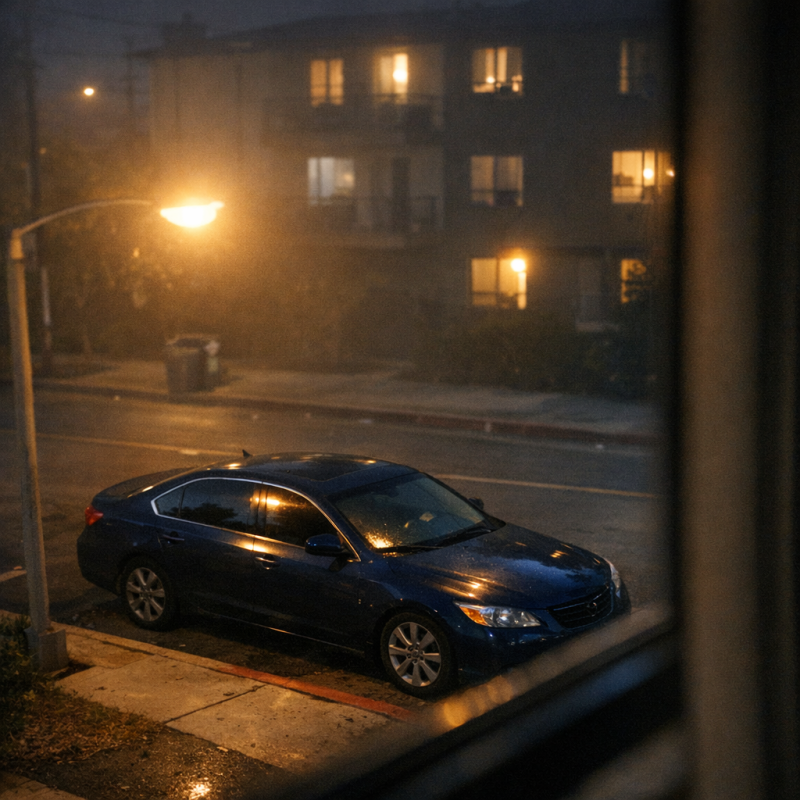 Image by FCT AI
Safe Haven
I was out of my apartment within an hour, threw essentials into a backpack, and drove to a hotel forty minutes away. I checked in under my middle name, paid cash, parked in the back lot. Only then did I let myself breathe. And then I called Detective Vale. It was 3 AM, and I half-expected voicemail, but he answered on the third ring. I told him everything—the storage unit, the surveillance, the threatening text. There was a long pause. 'You did the right thing getting out of there,' he said finally. 'Have you told anyone where you are now?' 'Just you.' 'Good. Keep it that way.' He asked if I still had access to the storage unit contents, and I told him I'd photographed the most important documents, uploaded them to an encrypted cloud drive Mom had set up. Another pause. 'Alex, what your mother collected—this goes beyond local jurisdiction. I think you've stumbled into something federal. I have a contact, someone who handles these kinds of cases. Would you be willing to meet them?' My hands were shaking again. 'Yes. Yeah, I think I need to.' Vale's voice was tense over the phone. 'Don't tell anyone where you're staying. And Alex—I think you should meet someone I know.'
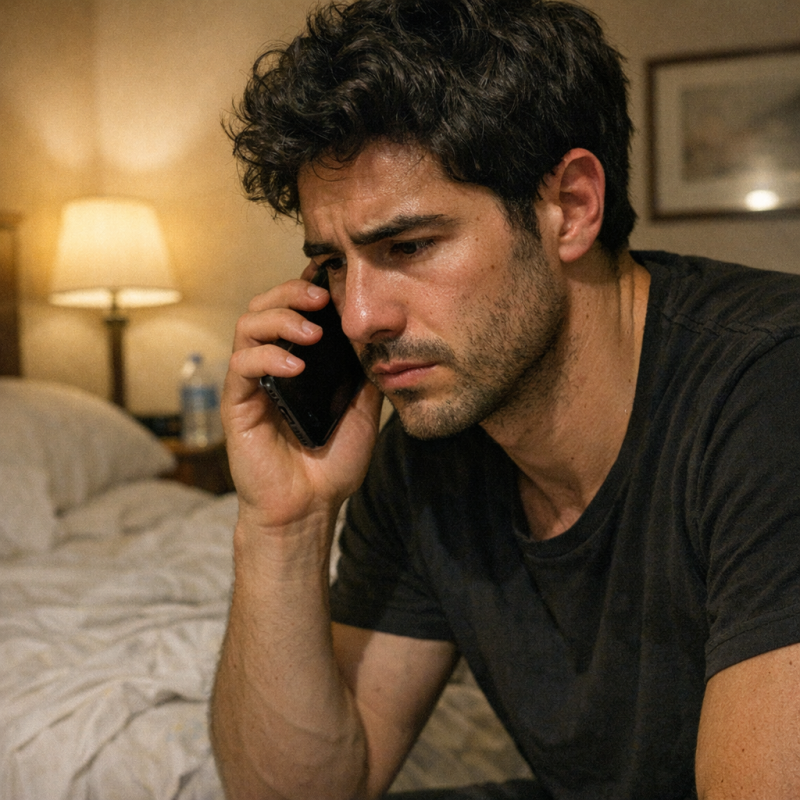 Image by FCT AI
Dad's Escalation
I found out Dad had gone to my apartment from my neighbor, who texted me the next morning: 'Your dad was here last night banging on your door, seemed really upset. Everything okay?' My stomach dropped. He knew I was gone. My phone started ringing an hour later—Dad's number, over and over. I let it go to voicemail. Then the texts started: 'Alex, please call me.' 'We need to talk.' 'I know you're scared but you don't understand.' 'Please, sweetheart.' Each message made my chest tighter. I wanted to block him, but some part of me needed to see what he'd say, how he'd try to spin this. The calls continued throughout the day. I counted seventeen missed calls by evening. And then, just before midnight, one final voicemail came through. I almost didn't listen to it. But curiosity—or maybe some残 remnant of the daughter I used to be—made me press play. His voice was different this time. Not angry, not manipulative. Broken. Scared, almost. Like he knew he was losing me and didn't know how to stop it. The voicemail Robert left was different from all the others—his voice cracking as he said, 'Please, Alex. We need to talk. I can explain everything.'
 Image by FCT AI
The Offer to Meet
I listened to that voicemail maybe fifty times over the next twelve hours. I know—pathetic, right? But I couldn't help it. Part of me kept searching for the manipulation, the lie underneath the emotion. Another part heard my father—actually my father, not the stranger I'd discovered him to be—genuinely pleading with me. Vale had warned me not to make contact. Halloway, when I'd finally called him back, had advised the same. Even Rachel, who I'd cautiously texted from a burner phone, thought it was a terrible idea. But here's the thing about family trauma—logic doesn't always win. I needed to hear what he had to say. I needed to look him in the eyes and ask him directly if he'd hurt Mom. Maybe that was stupid. Maybe it was exactly what he wanted. But I couldn't move forward without knowing, without giving him one chance to explain himself. So I set conditions. Public place—a coffee shop downtown that I knew had security cameras. Daytime. I'd tell Vale where I'd be, when. I'd keep my phone recording in my pocket. Against every bit of advice I'd received, against my better judgment, I texted back: 'Public place. Tomorrow. Just you.'
 Image by FCT AI
Face to Face
The coffee shop I'd chosen was one of those generic downtown chains—fluorescent lighting, terrible pastries, security cameras in every corner. Dad was already there when I arrived, sitting at a table by the window, hands wrapped around a cup he hadn't touched. He looked older than I remembered. Grayer. When he saw me, he stood halfway up, then seemed to think better of it and sat back down. I slid into the seat across from him, phone recording in my jacket pocket, and waited. He started with apologies—so many apologies they blurred together into meaningless noise. He'd made mistakes. He'd been trying to protect me. He'd never meant for any of this to happen. Standard deflection tactics, basically. When I asked about the numbered accounts, he said they were 'complicated business arrangements.' When I pressed about the shell companies, about the money, about why Mom had been so afraid, he kept circling back to how I didn't understand the full picture. It was infuriating. Then I asked about the shell companies directly, naming the ones from Mom's files. Robert's face hardened. 'You don't understand what you're dealing with. These aren't people you want to cross.'
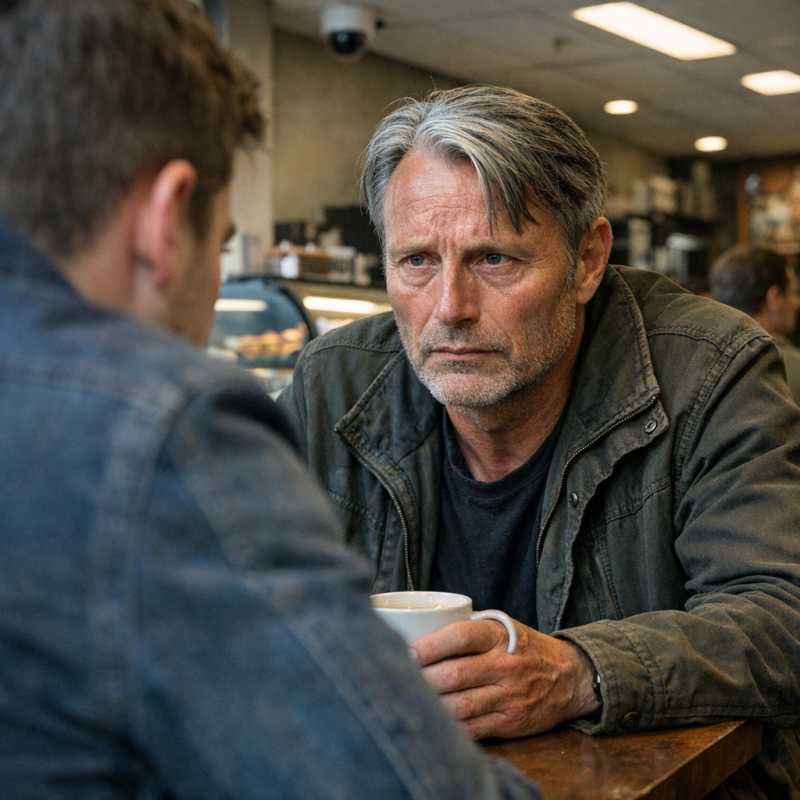 Image by FCT AI
The Partial Truth
That response stopped me cold. Not a denial—a warning. I leaned forward, keeping my voice low but sharp. 'Then explain it to me. Make me understand.' He did, sort of. He admitted he'd been involved in 'financial arrangements' that weren't entirely legal. Moving money for people who needed discretion. He framed it as survival, as necessity—claimed he'd gotten in over his head years ago and couldn't get out without consequences. The way he told it, he was practically a victim himself. But here's what he wouldn't do: he wouldn't name names. He wouldn't explain why Mom had those files. He wouldn't tell me who these dangerous people were or what they'd do if crossed. And when I asked point-blank if Mom had known about all this, he went silent for a long moment. Then he said she'd found out. That she'd wanted him to stop. That she 'didn't understand the stakes.' I was gathering my things, ready to walk out on this bullshit performance, when his hand shot across the table. As Alex stood to leave, Robert grabbed her wrist. 'Your mother didn't understand. And it got her killed.'
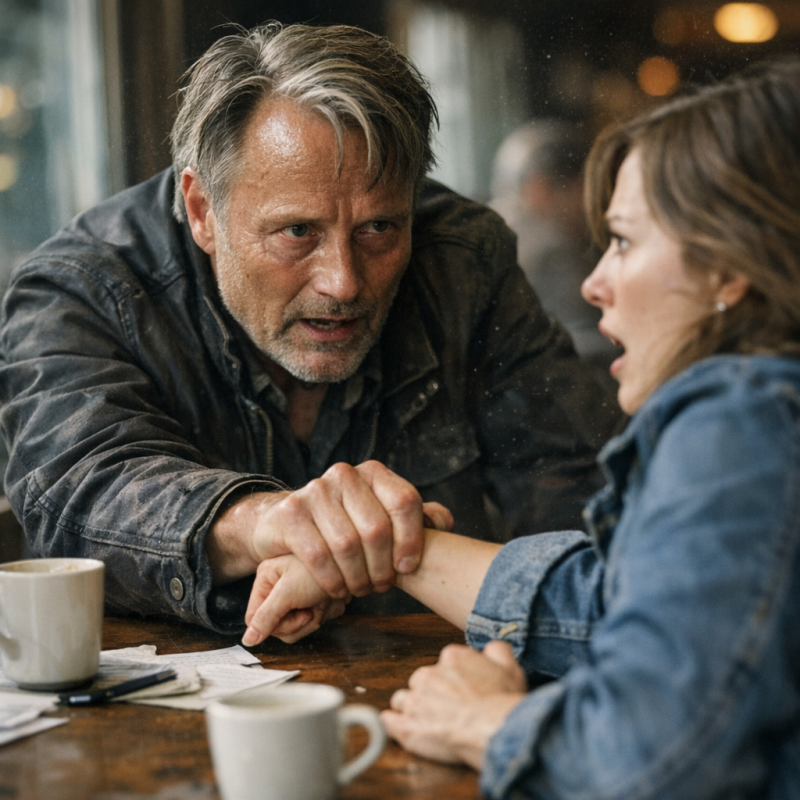 Image by FCT AI
Meeting David
I didn't go home after that. I couldn't. I drove around for maybe two hours, Dad's words playing on repeat, before I finally called Vale. He listened without interrupting as I recounted everything, then told me to meet him at a address I didn't recognize—some office building on the edge of downtown. When I got there, Vale was waiting in the lobby with another man I'd never seen before. Tall, mid-forties, wearing the kind of nondescript business casual that somehow screamed law enforcement. Vale made brief introductions—'This is David'—but didn't explain who David was or why I was meeting him. We took an elevator to the third floor, walked down a hallway of unmarked doors, and entered a conference room that looked like it belonged in a procedural drama. David gestured for me to sit, poured me water I didn't want, and exchanged a look with Vale that I couldn't quite read. Then he reached into his jacket and pulled out a leather credential case. David slid a badge across the table. 'I'm with the FBI. Your mother was helping us build a case against your father for the past four years.'
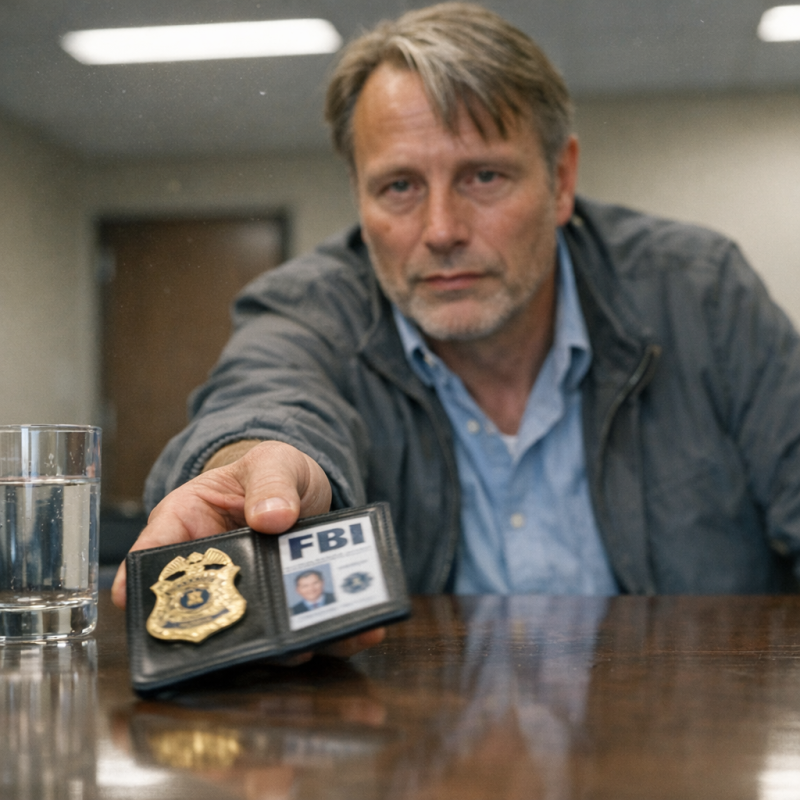 Image by FCT AI
The Investigation Explained
I'm pretty sure I just stared at that badge for a solid thirty seconds, brain completely frozen. FBI. Four years. My mother. David let me process, then started explaining in this calm, measured voice that made everything somehow worse. Robert wasn't just moving money—he was laundering it for organized crime. Multiple criminal enterprises, actually, using his consulting business as a front. The shell companies, the offshore accounts, all of it was part of a sophisticated network that had been operating for over a decade. And Mom had been gathering evidence. Documents, recordings, transaction records. Everything I'd found in those files, she'd carefully compiled and passed along to David and his team. They'd been building a RICO case, something that could take down not just my father but the people he worked for. David walked me through it all—the scope, the players, the timeline. My mom, my quiet, careful mother, had been at the center of a federal investigation. When I finally found my voice, I asked the only question that mattered. When Alex asked if her mother's death was natural, David's silence was answer enough.
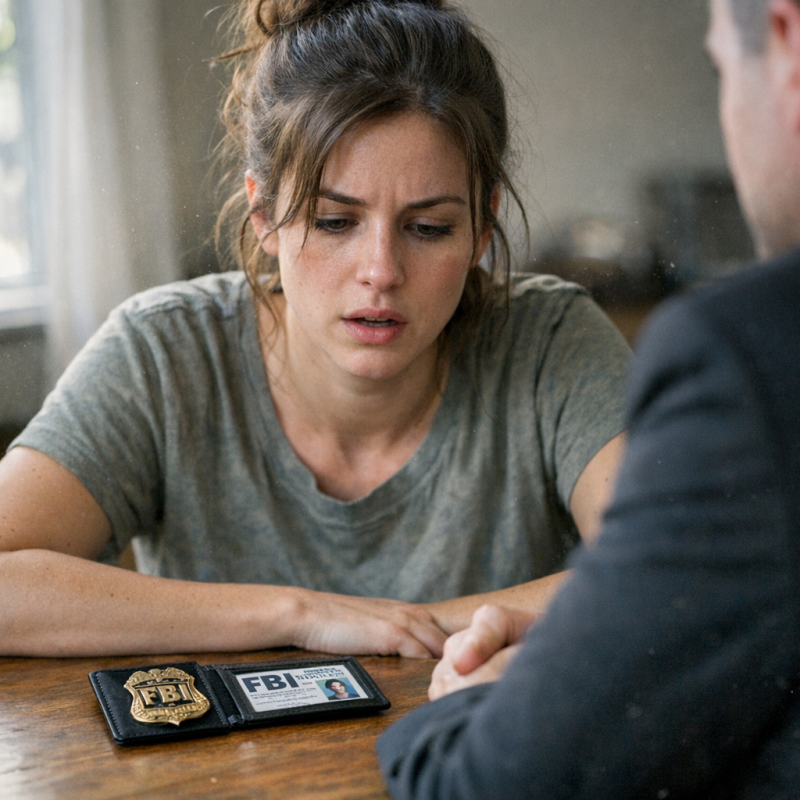 Image by FCT AI
Why Mom Stayed
The silence stretched between us, heavy and awful, until I couldn't stand it anymore. 'Why didn't she just leave him?' My voice cracked on the question. 'If she knew, if she was helping you, why did she stay?' David's expression softened in a way that made my chest tighten. He explained that leaving would have tipped Robert off. That the investigation required Mom to maintain normalcy, to keep playing the role of unknowing wife while she gathered what they needed. If she'd divorced him, moved out, changed her routine in any significant way, Robert would have known something was wrong. And once he knew, the people he worked for would know. Evidence would disappear. Witnesses would vanish. The whole case would collapse. So she stayed. She stayed in that house, slept in that bed, kept up appearances while secretly documenting everything. She'd been doing it for years before I even knew anything was wrong. The weight of that sacrifice hit me all at once—every distant evening, every time she'd seemed preoccupied, every moment I'd misread as her checking out of our family. David's voice softened. 'She stayed for you, Alex. So that when this was over, you'd be safe. Truly safe.'
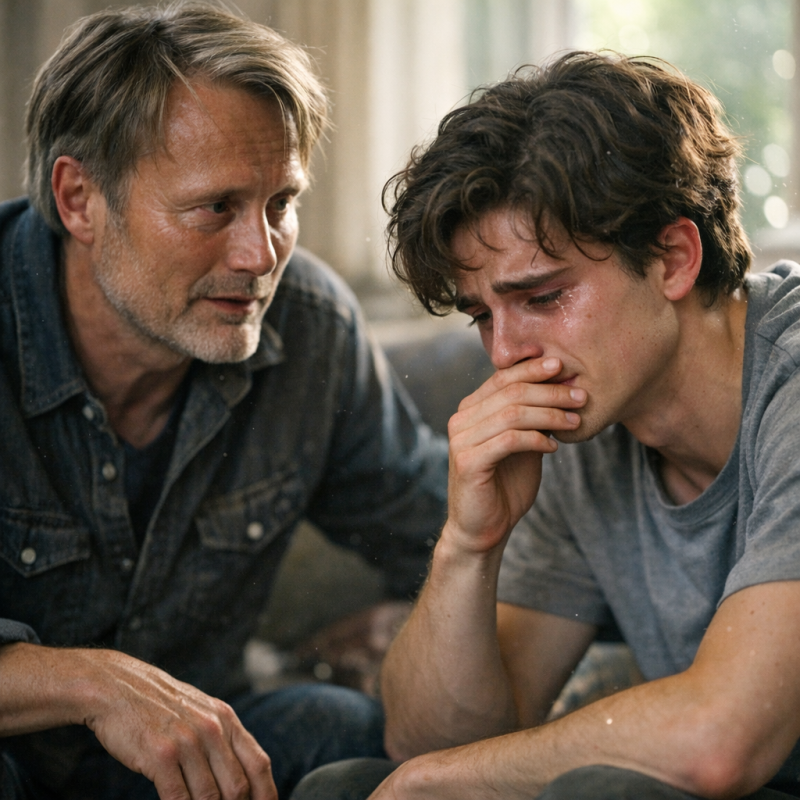 Image by FCT AI
The Unfinished Case
David gave me a minute to absorb that, then continued. The problem was, Mom's death had left the investigation incomplete. They had documents, yes—financial records, transaction logs, all the paper trail she'd meticulously compiled. But they didn't have her testimony. Couldn't put her on the stand to explain what she'd witnessed, to connect the dots between Robert's actions and the criminal enterprise behind them. Defense attorneys would shred a paper-only case. They needed someone who could speak to Robert's day-to-day operations, who he met with, what he said when he thought no one was listening. They needed the human element that only an insider could provide. And now that insider was gone. 'We can still prosecute,' David said carefully, 'but without that testimonial component, we're looking at maybe getting your father on tax evasion. Financial crimes. He'd do some time, sure, but the people above him would walk. Everything your mother worked for, everything she risked, it wouldn't be enough.' He paused, and I felt the weight of what was coming before he even said it. David looked at Alex with an expression she couldn't quite read. 'We need your help to finish what your mother started.'
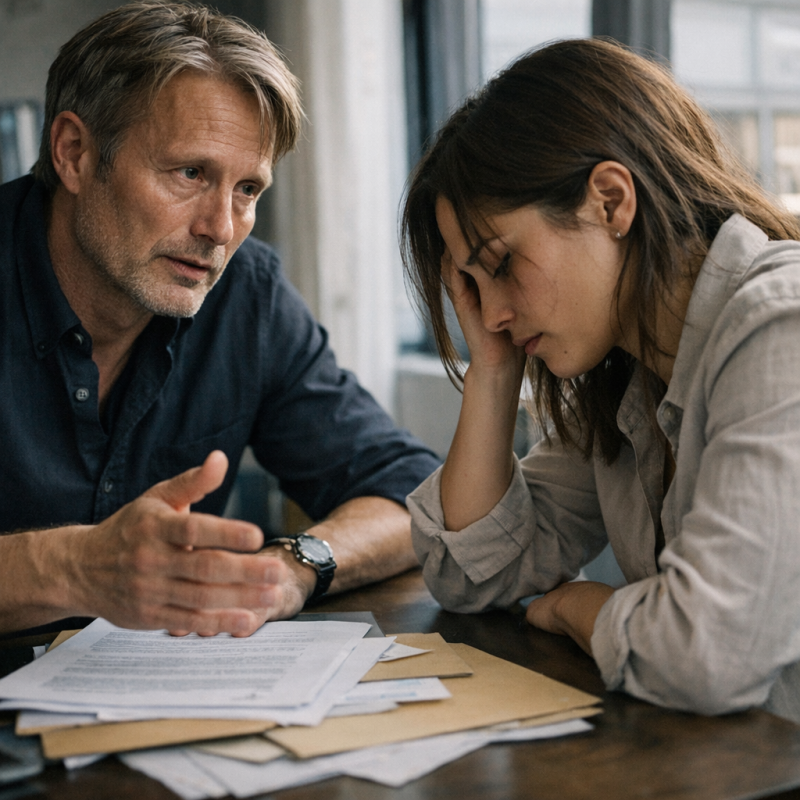 Image by FCT AI
The Choice
I left that meeting without giving David an answer. Told him I needed time to think, which was the most massive understatement of my life. I spent the next two days barely sleeping, barely eating, just turning it over and over in my mind. Help the FBI build a case against my own father. Potentially put myself in danger from the same people who'd—let's be real—probably killed my mother. Or walk away, let her sacrifice mean nothing, let these people continue operating like none of this ever happened. Rachel thought I was insane to even consider it. Vale said he'd support whatever I decided but made sure I understood the risks. Even Halloway, who I called for legal perspective, advised me that I had no obligation to put myself in harm's way. They were all right, objectively. The smart thing, the safe thing, was to walk away. Let the FBI do their job with what they had. Move on with my life. But every time I closed my eyes, I saw Mom's handwriting in those files. Saw the care she'd taken, the years she'd devoted, the danger she'd faced so that someday I could be free of all this. Alex thought about the letter, about her mother's careful documentation, about the years of silent sacrifice. There was only one choice she could live with.
 Image by FCT AI
Training and Preparation
I called David the next morning and told him I was in. We started meeting regularly after that—different locations each time, always careful, always watching for anyone who might be following. He walked me through everything Mom had documented, helped me understand the patterns in Robert's behavior, the players involved, the structure of the operation. It was like learning a second language, all this criminal enterprise terminology and federal case law. David was patient though, answering my questions no matter how basic, making sure I understood not just what I'd be doing but why it mattered. We discussed scenarios, practiced conversations, went over ways to steer discussions toward topics the FBI needed documented. He explained about chain of evidence, about what would hold up in court versus what was just useful intelligence. The whole thing felt surreal—like I was training for some kind of undercover operation in a movie, except this was my actual life and my actual father we were discussing. After about a week of preparation, David decided I was ready for the next phase. He handed Alex a small recording device. 'You're going to need to get your father to talk. And this time, we need everything on record.'
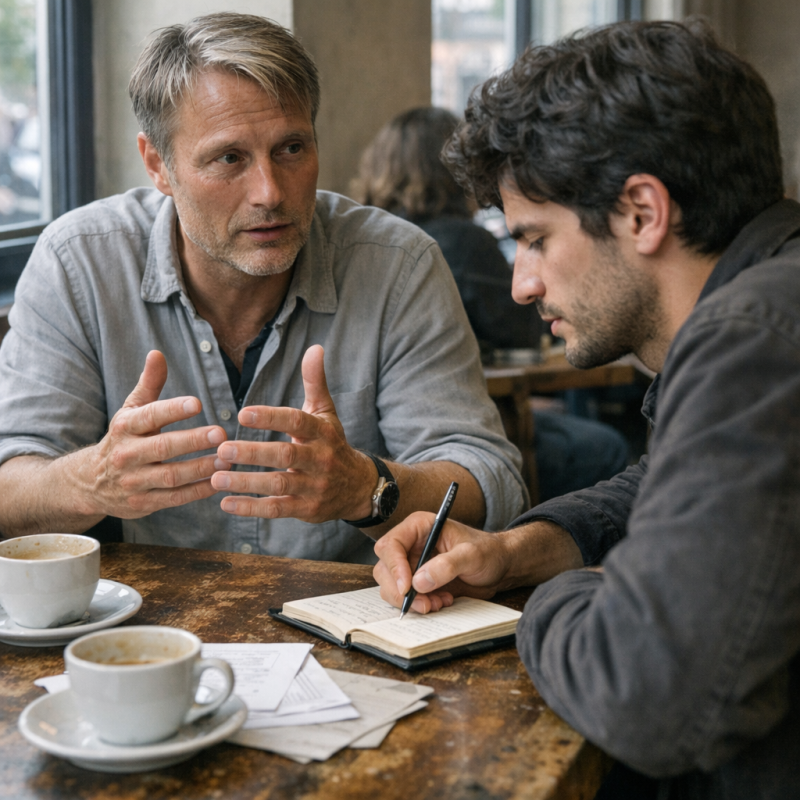 Image by FCT AI
The Setup
I texted Robert that I wanted to see him again, that I'd been thinking about what he said and needed to understand his side better. He suggested dinner at this upscale Italian place downtown—of course he did, always had to control the setting. The morning of the meeting, David helped me wire up in a hotel room two blocks away. The device was smaller than I expected, about the size of a credit card, and they taped it right against my sternum with medical adhesive that pulled at my skin. David kept asking if I was okay, if I wanted to back out, but honestly I was running on pure adrenaline at that point. We'd practiced the questions I needed to ask, the ways to steer conversation if Robert deflected, how to stay calm no matter what he said. 'Don't push too hard,' David reminded me. 'Let him talk. People like your father, they want to explain themselves, to justify. Give him space to do that.' I nodded, trying to slow my breathing. The walk to the restaurant felt surreal—all these normal people going about their Thursday evening while I was about to record my own father confessing to crimes. As I walked toward the restaurant where Robert waited, my heart hammered against the recording device taped to my chest.
 Image by FCT AI
The Recorded Conversation
Robert stood when I arrived, all charm and concerned father energy. He'd ordered wine already, an expensive bottle I didn't recognize. 'I'm glad you reached out, sweetheart,' he said, and I had to suppress the urge to flinch at the endearment. We made small talk for a few minutes—the kind of surface-level conversation that felt grotesque given everything I knew. Then I took a breath and dove in. 'I need to understand your business, Dad. The real business, not the construction company front.' His expression shifted, became cautious. I could see him calculating, trying to figure out what game I was playing. 'What's this really about, Alex?' I held his gaze. 'Mom knew things. She documented things. And now I know them too. I just want to hear your version.' The silence stretched between us, broken only by the ambient noise of other diners. I watched emotions play across his face—surprise, calculation, something that might have been pride. Finally, he set down his wine glass and studied me like he was seeing me for the first time. Robert leaned in close, his voice dropping to a whisper. 'You want to know the truth? Fine. But once you hear it, there's no going back.'
 Image by FCT AI
Robert's Version
Robert started talking, and it was like watching someone audition for a role—the misunderstood businessman, the man forced into difficult choices by circumstance. According to him, he'd gotten involved in money laundering almost by accident, helping out a friend who needed construction invoices for cash businesses. 'It was small at first,' he said, swirling his wine. 'Just a favor here and there. But then you realize how much money there is in being the middleman, in providing a service people desperately need.' He painted himself as pragmatic, not criminal. A provider, not a predator. 'Your mother, she didn't understand the pressure I was under. The risk I was taking to give you both a good life.' I bit the inside of my cheek to keep quiet, letting him continue. He talked about the expansion of the operation, the networks he'd built, framing it all as business acumen rather than organized crime. 'She started asking questions,' he said, his tone hardening. 'Snooping through my office, following me. I tried to explain, but she wouldn't listen.' My hands were shaking under the table. I forced myself to ask the question David had coached me on. 'What happened between you two at the end?' When I asked about her mother's death directly, Robert's eyes went cold. 'She made her choice. She chose you over me.'
 Image by FCT AI
The Slip
Something shifted in Robert after that admission, like he'd crossed some internal line and decided there was no point in holding back. Maybe he thought by telling me everything, he could make me understand, could bring me into his world the way he'd failed to do with Mom. He started explaining the actual mechanics—how they'd funnel money through renovation projects, inflate invoices, create paper trails through shell companies. Names started coming up, people I'd never heard of but whose roles he described in detail. The accountant who managed the books. The lawyer who set up the corporate structures. The contacts in banking who looked the other way for the right percentage. 'It's all about creating layers,' he said, almost educational in tone. 'No single person knows the whole operation except me. That's how you stay protected.' I nodded along, asking clarifying questions, playing the role of interested student while the recording device captured every word. He talked about specific transactions, dollar amounts, the percentage cuts at each level. The more he explained, the more animated he became, like he was finally being appreciated for his intelligence. As Robert described the 'business arrangements,' I realized he had just given the FBI everything they needed.
 Image by FCT AI
The Moment of Truth
I let him talk himself out, let the silence settle between us again. The restaurant had gotten louder, more crowded, which somehow made our conversation feel even more isolated. My throat was tight, but I forced the words out. 'Dad, I need to ask you something, and I need you to be honest with me.' He tilted his head, waiting. 'Did you have anything to do with Mom's death?' I watched his face carefully. For a second, just a second, I thought I saw something like regret flicker across his features. But then it hardened into something else entirely—justification, maybe, or defiance. He took a long drink of wine before answering. 'Your mother was going to destroy everything. Everything I'd built, everything I'd done for this family. She had files, evidence, plans to go to the authorities.' His voice was measured, controlled. 'I tried to reason with her. Tried to make her see that she'd be destroying you too, your future, your inheritance. But she wouldn't listen.' My stomach dropped. This was it. The confession. 'So what did you do?' I asked, my voice barely above a whisper. Robert's face twisted into something I had never seen before. 'I loved your mother. But she betrayed me. So I did what I had to do.'
 Image by FCT AI
Walking Away
I don't remember much of what happened next. I know I made some excuse about feeling sick, about needing air. Robert looked concerned, reached for my hand across the table, and it took everything in me not to recoil. I mumbled something about calling him tomorrow and basically fled the restaurant. The night air hit my face like a slap, and I leaned against the building, trying not to throw up. David appeared within seconds—he'd been monitoring from a car half a block away. 'Are you okay? Did something go wrong?' I shook my head, fumbling with my shirt to get the recording device off my skin. The adhesive pulled painfully but I barely felt it. My hands were shaking so badly David had to help me. 'He confessed,' I managed to say. 'To all of it. The money laundering, the... he admitted to killing her.' David's jaw tightened. He took the device carefully, handling it like the precious evidence it was, and pulled out headphones to do a quick check of the recording quality. I watched his face as he listened, fast-forwarding through different sections. David listened to the recording through headphones, his expression growing darker. 'Alex, you got him. We can move forward now.'
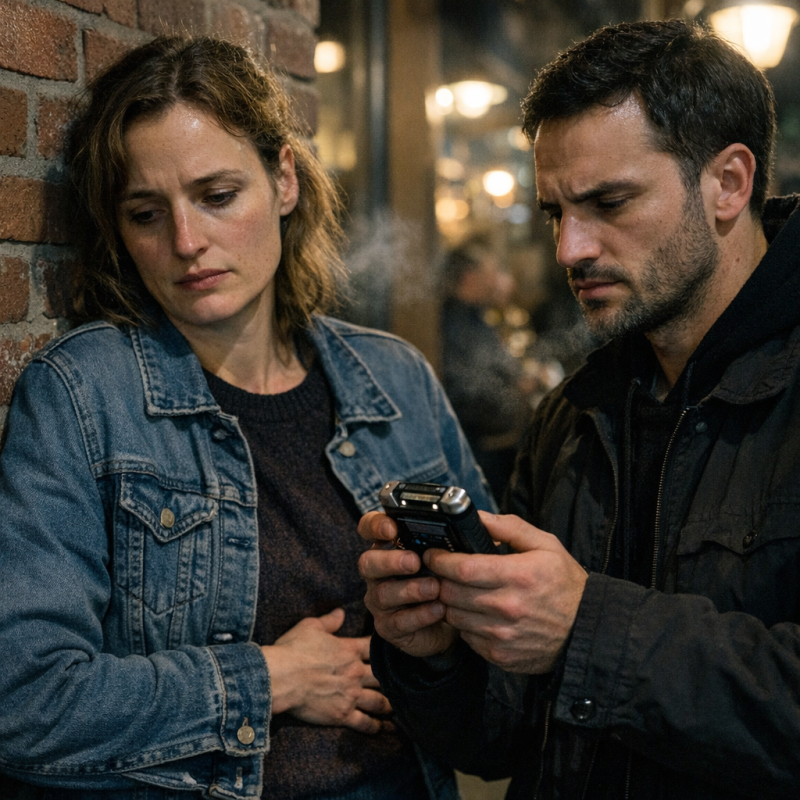 Image by FCT AI
Preparing the Arrest
The next few days were a blur of FBI offices and legal proceedings I barely understood. David walked me through the process—the recording had been legally obtained, I'd done everything by the book, and the evidence was solid. They were building a case not just against Robert but against his entire network, using Mom's documentation combined with his recorded confession. 'We'll need you to testify eventually,' David told me. 'But for now, we're coordinating with multiple field offices. Your father's operation crossed state lines, involved federal banking crimes. This is bigger than just one arrest.' I sat through meetings with prosecutors, with other agents, answered the same questions over and over. The whole time I felt disconnected from my body, like I was watching someone else go through these motions. They showed me surveillance photos of Robert's associates, asked me if I recognized anyone. Most I didn't, but a few faces were familiar from childhood—men who'd come to the house for 'business dinners,' who Mom had smiled at while her eyes stayed cold. 'We're moving on this within forty-eight hours,' David said during one of our last prep sessions. Then he hesitated, that look on his face I'd learned meant he was deciding how much to tell me. David pulled out a thick file and opened it in front of me. 'There's something else about your mother's work you need to understand.'
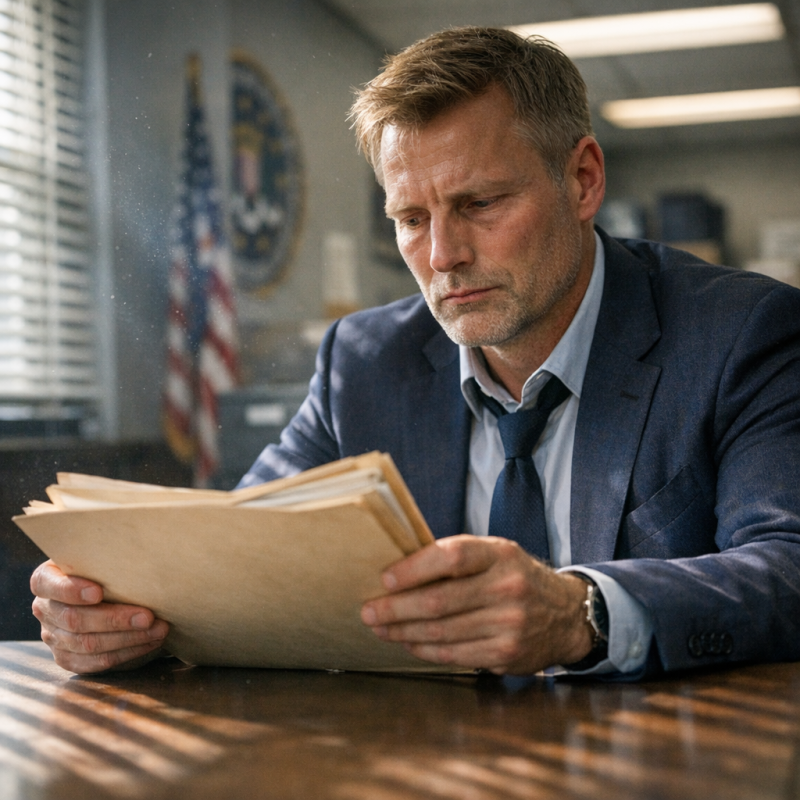 Image by FCT AI
The Full Picture
David spread documents across the table between us—official FBI paperwork, agreements, briefing notes. 'Your mother didn't just stumble into documenting your father's crimes,' he said carefully. 'About three years before her death, she came to us. Walked into a field office and asked to speak to someone about financial crimes.' I stared at him, not comprehending. He continued, pointing to a document with Mom's signature. 'She'd discovered some of Robert's activities and did her research. She understood the scope of what he was involved in, and she volunteered to help us build a case from the inside.' My mind was reeling. 'You're saying Mom was working with the FBI?' David nodded. 'We trained her. Taught her what to look for, how to document evidence, how to stay safe. She knew the risks, Alex. She was incredibly brave, but she wasn't reckless. Every move she made was calculated, strategic.' He pulled out more papers—reports Mom had filed, encrypted communications, evidence logs in her handwriting. 'She wasn't a victim trying to survive. She was an operative trying to take down a criminal network.' The final document he showed me made my breath catch. David showed me a photograph of my mother in an FBI field office, being sworn in as a confidential informant. 'She wasn't a victim, Alex. She was one of us.'
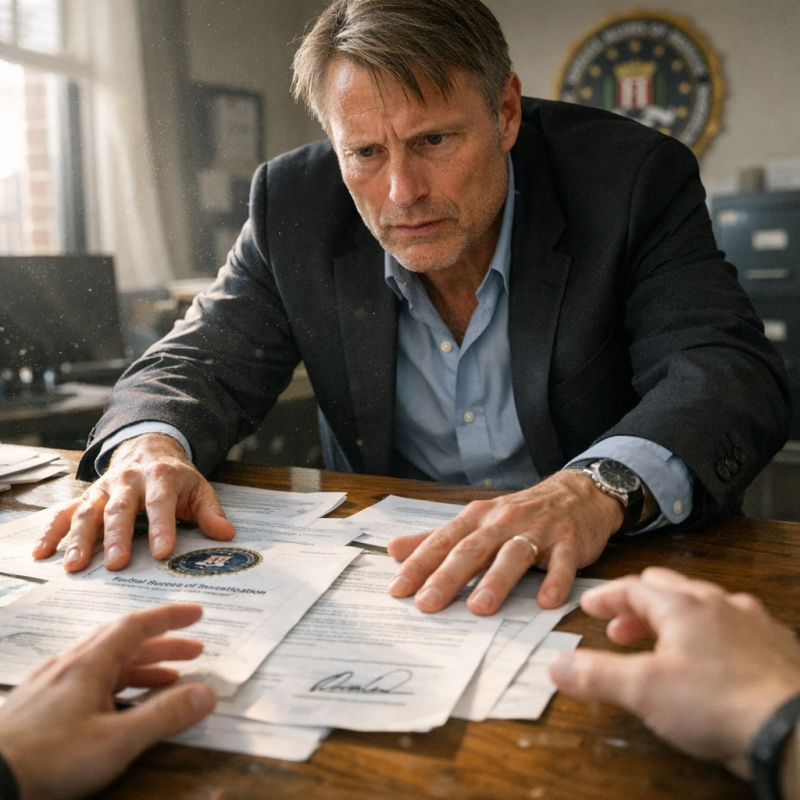 Image by FCT AI
Catherine's Real Mission
David started explaining how it all began, and honestly, I had to keep reminding myself to breathe. 'Catherine contacted us first,' he said, pulling out another folder. 'She'd been doing her own detective work for months before she walked into our office. She'd tracked financial discrepancies, photographed documents, even followed some of Robert's associates.' My mom. My careful, quiet mom. 'She came to us with a proposal,' David continued. 'She said she had unique access and she wanted to help us build an airtight case. She volunteered, Alex. We didn't recruit her—she recruited us.' He showed me training documentation, session notes, strategy meetings. Mom had attended regular briefings, learned investigative techniques, coordinated with multiple agents. This wasn't some desperate woman gathering evidence to protect herself. This was a calculated, multi-year operation. 'She was remarkably disciplined,' David said. 'Never broke protocol, never took unnecessary risks. She understood the game she was playing.' Then he opened a final section of the file, and my hands started shaking. The file included recordings Catherine had made—dozens of them, dating back four years, capturing conversations Alex had never known about.
 Image by FCT AI
The Poison
David's expression shifted then, becoming darker, more careful. 'There's something else you need to know,' he said quietly. 'About how Catherine died.' I'd assumed heart failure, what the death certificate said. Natural causes. David slid a sealed document across the table—an autopsy report with official stamps and multiple signatures. 'We ran additional toxicology tests after Robert became our primary suspect,' he explained. 'Tests that aren't standard. We found traces of a slow-acting poison in Catherine's system. Thallium-based compound, administered over several weeks.' The room tilted. 'She was murdered,' I whispered. David nodded. 'We believe Robert discovered her role, or suspected it. The poisoning started about three weeks before her death. The symptoms would have mimicked various illnesses—fatigue, pain, organ failure. By the time anyone would have thought to look for poison, it was too late.' I remembered Mom's final weeks. How she'd seemed to fade. How she'd been in so much pain. How the doctors couldn't quite explain what was wrong. 'He killed her slowly,' I said. 'Made her suffer.' The toxicology report had been sealed by court order until the investigation concluded. Now Alex understood why her mother's final weeks had been so painful.
 Image by FCT AI
The Arrest
David drove me to the house where I'd grown up—keeping distance, parking three houses down with a clear view. 'It'll happen at six AM exactly,' he'd told me the night before. 'You don't have to watch, but I understand if you need to.' I needed to. The street was quiet in the early morning light, familiar and strange at once. Then the black SUVs arrived, silent and coordinated. FBI agents in tactical gear surrounded the house. I watched them knock, announce themselves, breach the door when Dad didn't answer quickly enough. My heart was hammering so hard I could barely breathe. They brought him out in handcuffs, still in his pajamas, looking smaller somehow than I remembered. Diminished. Other agents carried boxes of evidence—computers, files, phones. The whole operation took maybe ten minutes, efficient and professional. David sat quiet beside me, giving me space to process. I thought I'd feel triumphant. Instead, I felt hollow. Satisfied but empty. Then Dad's head turned, scanning the street like he knew someone was watching. As Robert was led away in handcuffs, he looked directly at the car where Alex sat watching. His expression was pure hatred.
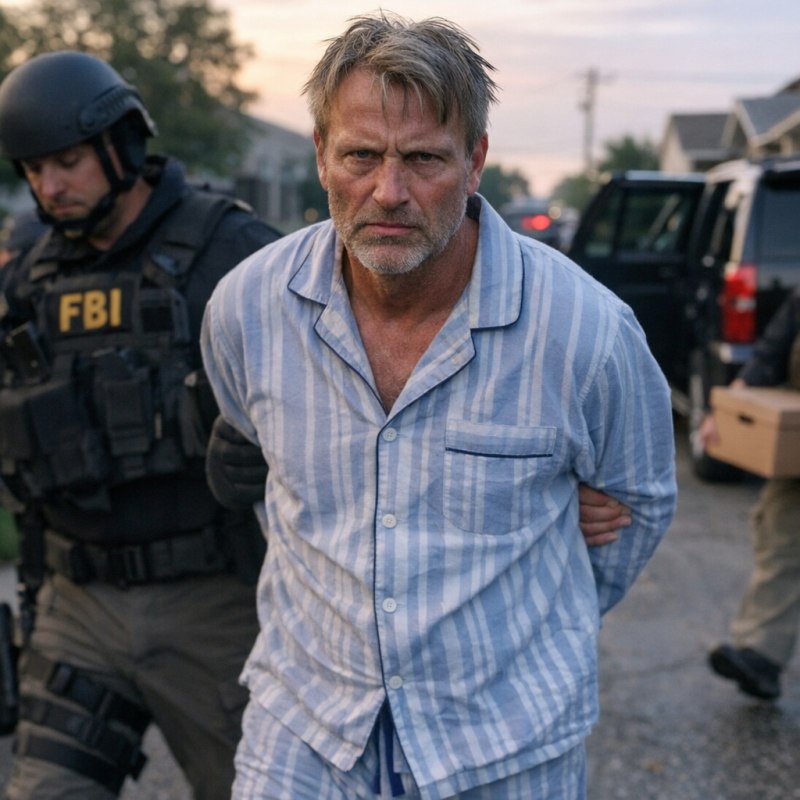 Image by FCT AI
The Network Falls
I stayed glued to the news for the next two days, watching everything unfold. The FBI executed raids across three states—coordinated, simultaneous operations based on Mom's documentation and their expanded investigation. Every hour brought new footage of people being arrested. A real estate developer in Phoenix. Two bankers in Denver. A logistics company owner in Portland. The local news went absolutely insane when they arrested people here too—a city councilman, a county clerk, someone from the planning commission. All people whose names I'd seen in Mom's files. All people who'd been at our house for dinner parties, who'd smiled at me and asked about school. The scope of it was staggering. Money laundering networks spanning years, multiple criminal enterprises, political corruption reaching into city government. And Mom had documented all of it, piece by piece, never knowing if anyone would ever see her work. Social media exploded with speculation and theories. My phone wouldn't stop buzzing with messages from people I hadn't talked to in years. I turned it off. The news coverage showed familiar faces being led away—including the city councilman whose name had appeared in Catherine's files.
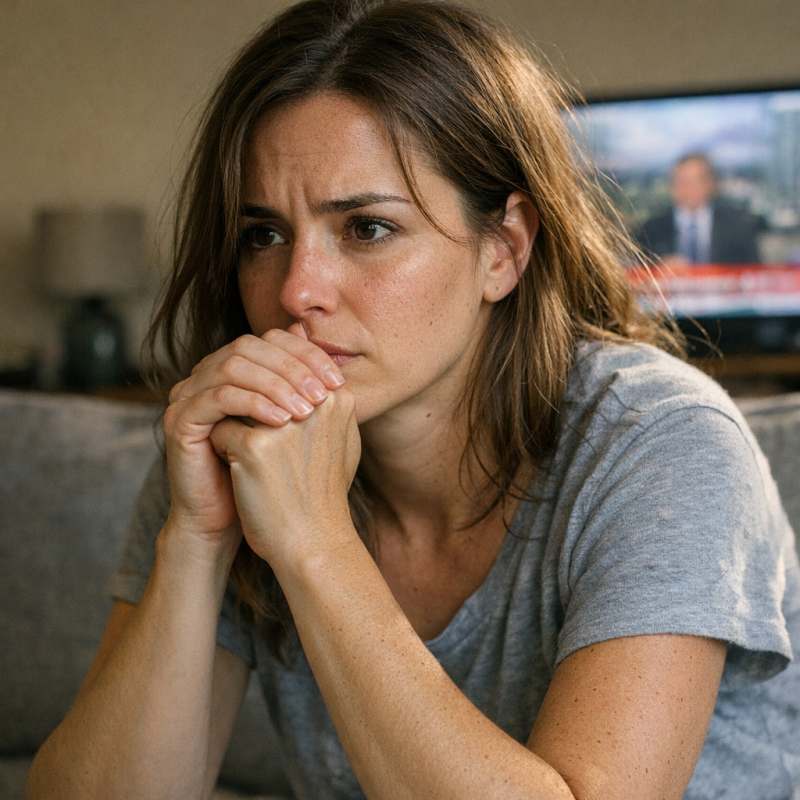 Image by FCT AI
The Trial Begins
The trial started four months later, and I attended every single day. Sat in the same seat in the gallery, third row, left side. Watched my father sit at the defense table in an expensive suit, looking composed and dignified, like this was all some terrible misunderstanding. The prosecution built their case methodically—financial records, witness testimony, communications evidence. They presented Mom's documentation piece by piece, explaining her role as a confidential informant. Some days I cried. Some days I felt numb. Some days I felt this fierce, burning pride that Mom had done this, had been this brave. Dad never looked at me. Not once during the entire trial. His lawyers tried everything—challenged evidence admissibility, questioned witness credibility, suggested alternative theories. Nothing stuck. The case was too solid. Mom had been too thorough. Then came the day they played the recordings. Mom's voice filled the courtroom, clear and calm, asking Dad careful questions. And Dad's voice, relaxed because he thought he was safe, confessing to everything. Including what he'd done to her. When the prosecutor played the recording of Robert confessing to Catherine's murder, Alex watched the jury's faces change.
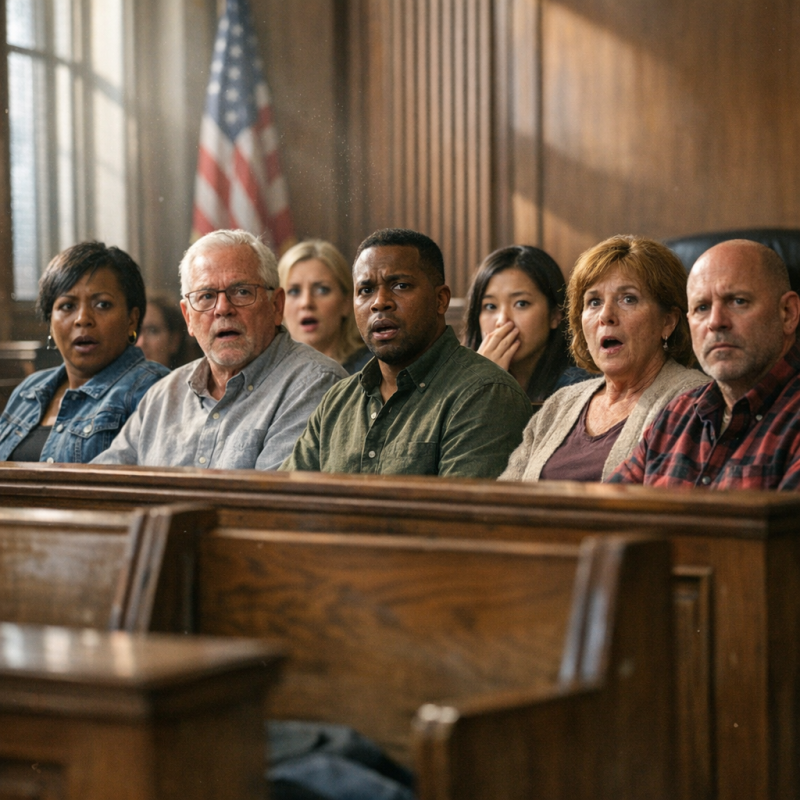 Image by FCT AI
Alex's Testimony
They called me to testify on day eight. I'd been dreading it and wanting it in equal measure. The prosecutor walked me through finding the file cabinet, reading Mom's documentation, everything that had followed. I spoke clearly, keeping my voice steady, refusing to let emotion overwhelm me. Dad's lawyer cross-examined me, trying to suggest I was biased, that I'd misunderstood what I'd found. I didn't break. Then the prosecutor asked me to read a section of Mom's final letter aloud. My hands shook holding the paper, but my voice stayed strong. 'She writes here about why she documented everything,' I said. 'She says, "I do this not out of revenge, but out of love—love for the truth, love for justice, love for the daughter who deserves to know who her parents really were."' My throat tightened, but I pushed through. 'My mother was the bravest person I've ever known,' I said. 'She knew the risks. She did it anyway.' Then I did something I hadn't planned. I looked directly at the defense table. As Alex described reading her mother's final letter, she looked directly at her father. 'She was braver than you ever knew.'
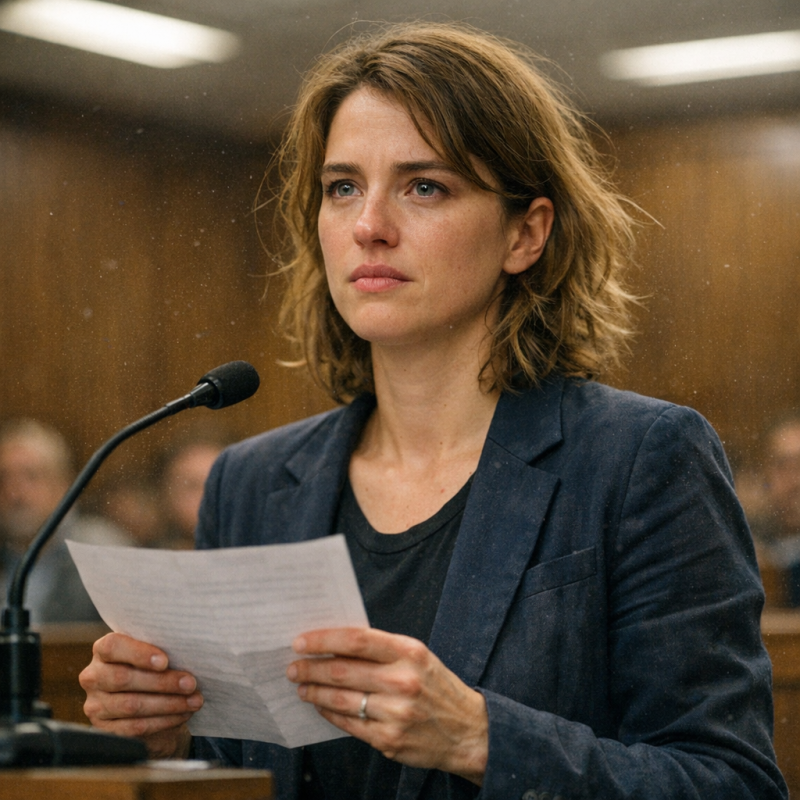 Image by FCT AI
The Verdict
The jury deliberated for six hours. I spent that time in a coffee shop across from the courthouse, unable to eat, unable to think about anything else. David sat with me for a while, then gave me space when I needed it. When the call came that they'd reached a verdict, I thought I might throw up. The courtroom was packed—media, spectators, everyone who'd been following the case. I took my usual seat. The jury filed in, and I tried to read their faces. The forewoman stood. 'On the count of first-degree murder, we find the defendant guilty.' I stopped breathing. 'On the count of racketeering, we find the defendant guilty.' She continued through all seventeen counts. Guilty. Guilty. Guilty. Dad's face stayed blank, but his lawyer slumped. Behind me, someone started crying—one of Mom's friends. The judge thanked the jury, set a sentencing date. I sat frozen, processing. People around me were reacting, talking, moving. I couldn't move. Something was shifting inside me, something I'd been carrying since Mom's funeral. As the judge read the verdict, Alex felt something release inside her chest—something she'd been holding onto since her mother's funeral.
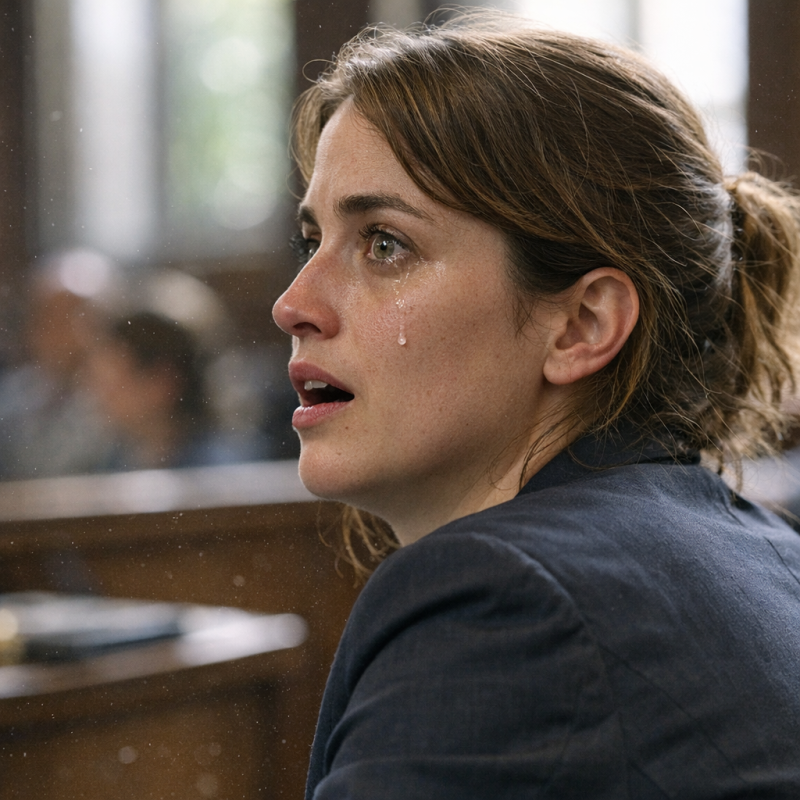 Image by FCT AI
Sentencing
Sentencing happened two weeks later. The courtroom was quieter this time, less media circus, more somber. The judge had reviewed everything—pre-sentencing reports, victim impact statements, the full scope of Dad's crimes. When he spoke, his voice was grave. 'The defendant's actions demonstrate a profound disregard for human life and the rule of law,' he said. 'The murder of Catherine Morrison was particularly heinous—calculated, cruel, and designed to silence someone seeking justice.' He continued, detailing the financial crimes, the corruption, the lives destroyed. Then: 'I hereby sentence Robert Morrison to life in prison without the possibility of parole for the murder of Catherine Morrison, with additional consecutive sentences on the remaining counts.' Life without parole. Dad would spend the rest of his life in prison. I should have felt something bigger—triumph, satisfaction, closure. Instead, I felt quiet. Certain. Like a door had finally, completely closed. Guards moved to take Dad away. He turned, scanning the gallery until he found me. His mouth opened like he wanted to say something, maybe apologize, maybe curse me one final time. Before being led away, Robert tried to speak to Alex. She turned her back and walked out of the courtroom.
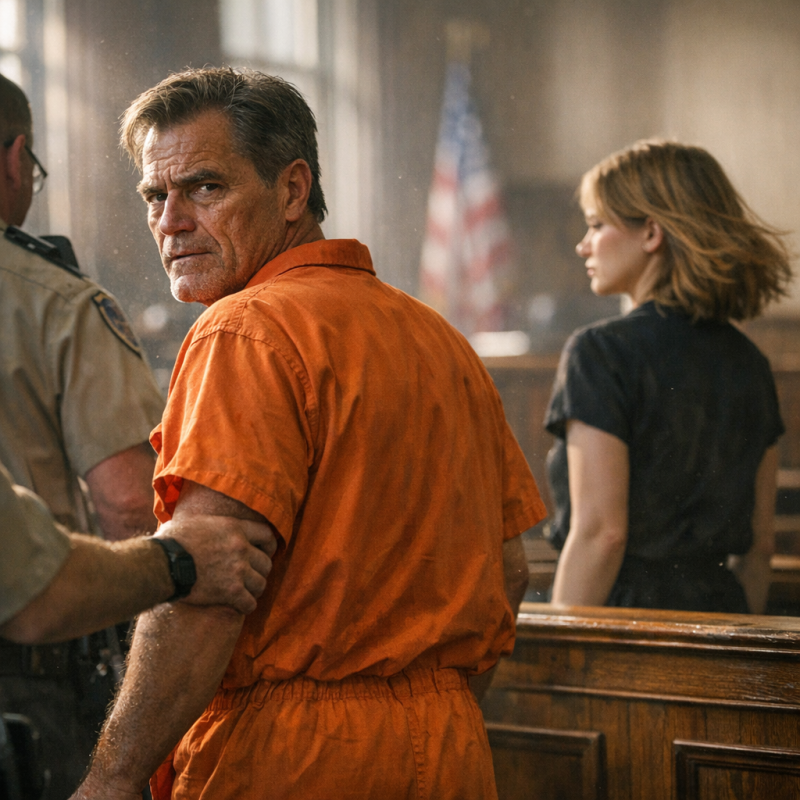 Image by FCT AI
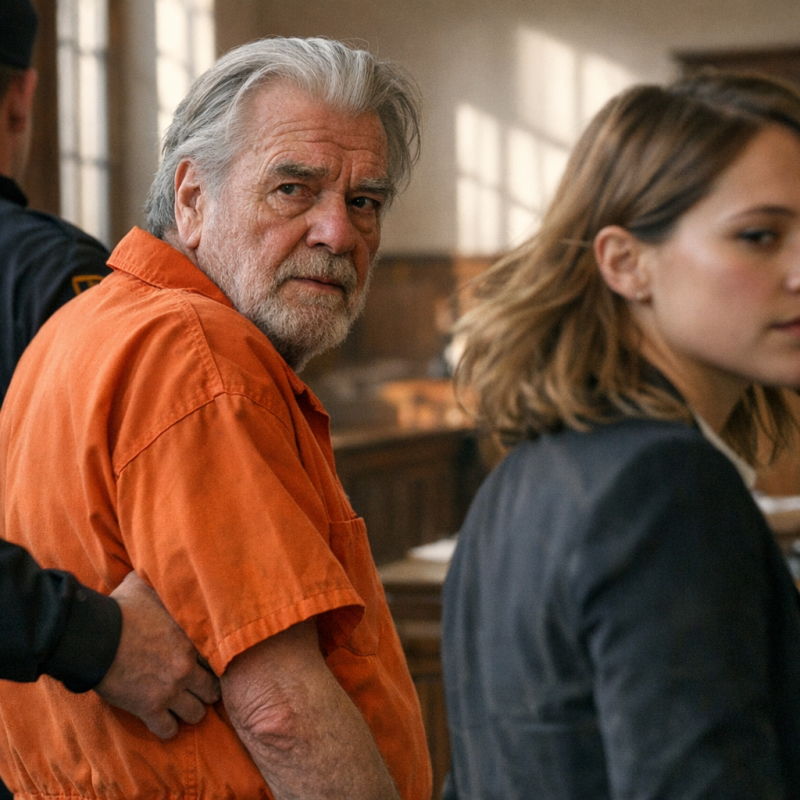 Image by FCT AI
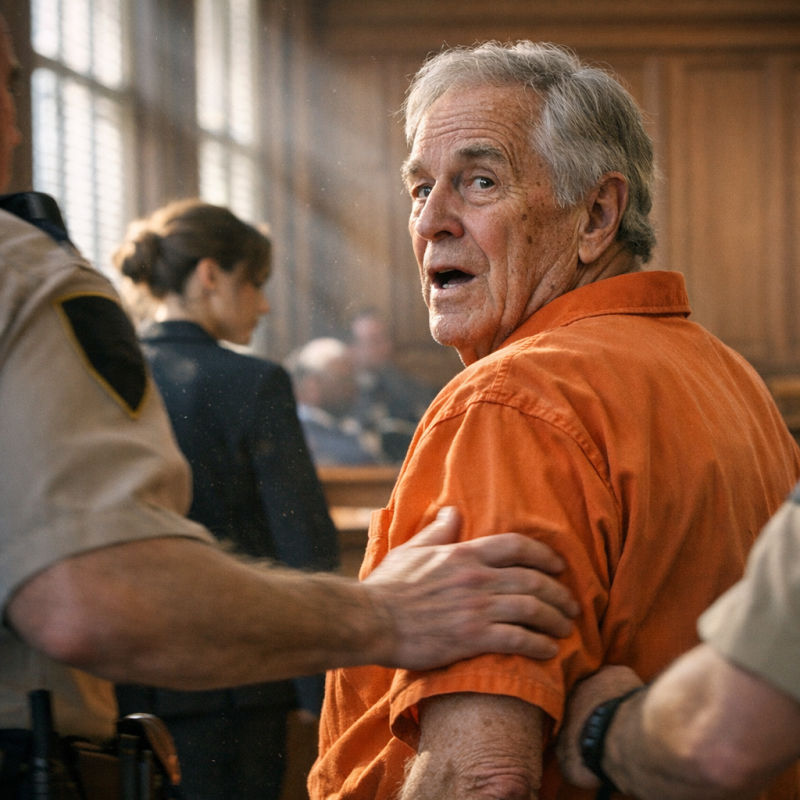 Image by FCT AI
The Final Conversation with David
David called me three days after the sentencing. We met at the same coffee shop where this whole thing had started—felt appropriate, somehow. He looked different. Lighter. The weight of whatever he'd been carrying all these years seemed to have lifted. 'I wanted to check in,' he said. 'Make sure you're okay.' I told him I was. That I would be. We talked about the case, about what happens next with Dad's appeals (unlikely to succeed), about the victims who'd finally gotten answers. It felt like saying goodbye to something bigger than just him. Then he reached into his jacket pocket, pulled out a manila envelope. It was sealed, my name written in handwriting I'd recognize anywhere. Mom's. My heart stopped. 'She left this with me years ago,' David said quietly. 'Made me promise to keep it safe, to give it to you only when everything was truly finished. When Robert couldn't hurt anyone anymore.' I stared at the envelope, hands shaking. 'What is it?' 'I don't know. She never told me. Just said you'd need it.' David handed me the envelope. 'Your mother left this with me. She said to give it to you only after everything was finished.'
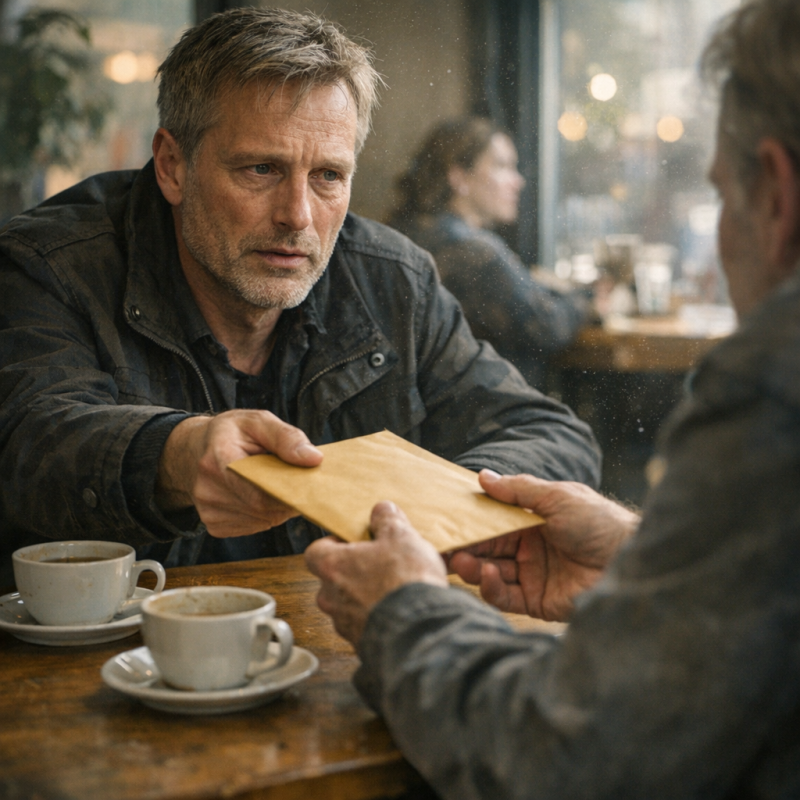 Image by FCT AI
Mom's Final Letter
I didn't open it right away. Couldn't. I drove home, sat on my couch, stared at it for an hour. When I finally broke the seal, there were three pages in Mom's handwriting. 'My darling Alex,' it began. 'If you're reading this, it means you know everything. It means you've seen the worst of what your father is, and you've survived it. I'm so proud of you.' She explained why she'd stayed—not for love, but strategy. Every year she remained gave her more evidence, more leverage. She'd been building an escape plan the entire time, piece by piece. 'I stayed so you could be free,' she wrote. 'So that when the time came, you'd have everything you needed to break away completely. I'm sorry I couldn't tell you. I'm sorry for the secrets. But I never, ever stopped fighting for you.' The tears came then, hot and relieving. She'd loved me. She'd always loved me. Every silent dinner, every tense moment—she'd been protecting me. The letter ended with a single line: 'Live freely, my darling. That's all I ever wanted for you.'
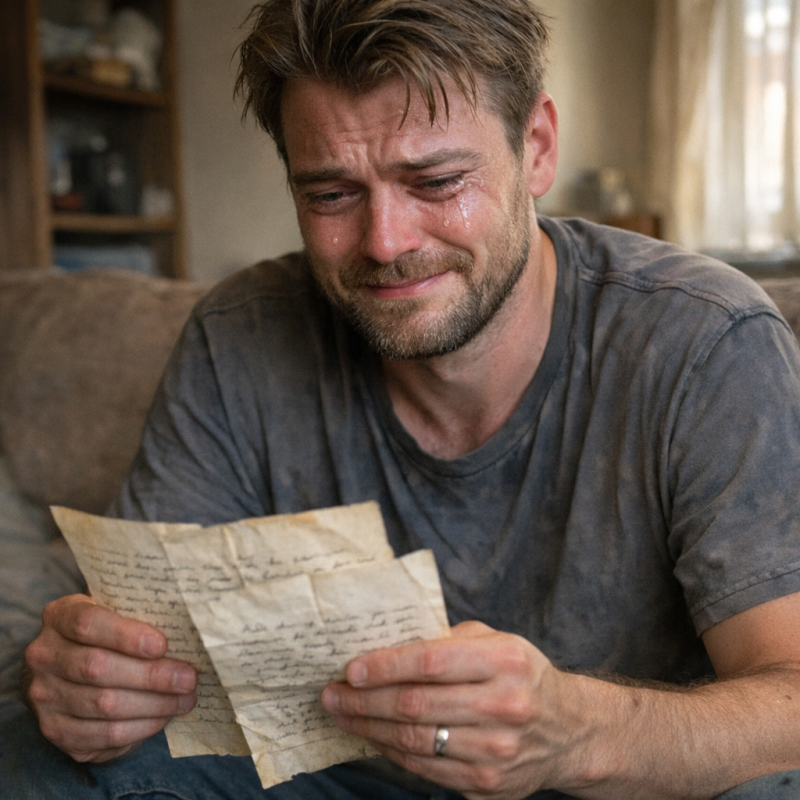 Image by FCT AI
Rebuilding
Six months passed. I moved to a smaller apartment, something that felt like mine. Got a new job, something that didn't connect to Dad's world or his money. Started therapy—real therapy, the kind where you actually talk about the hard stuff. Slowly, carefully, I began to rebuild. Not who I was before, but someone new. Someone stronger. One Tuesday evening, I attended my first volunteer orientation with an organization called Safe Harbor. They helped families escape domestic abuse—legal support, safe housing, financial planning. Everything Mom had done for herself, they did for others. The director explained their mission, and I felt something click into place. This was how I could honor her. Not by running from what happened, but by using it. By helping others find their own way out. I told them about my background—vaguely, carefully. They didn't need to know everything. Just that I understood what it meant to live in fear, to plan in secret, to finally break free. They welcomed me. Started training me. Alex started volunteering with an organization that helps families escape abuse—using everything her mother had taught her.
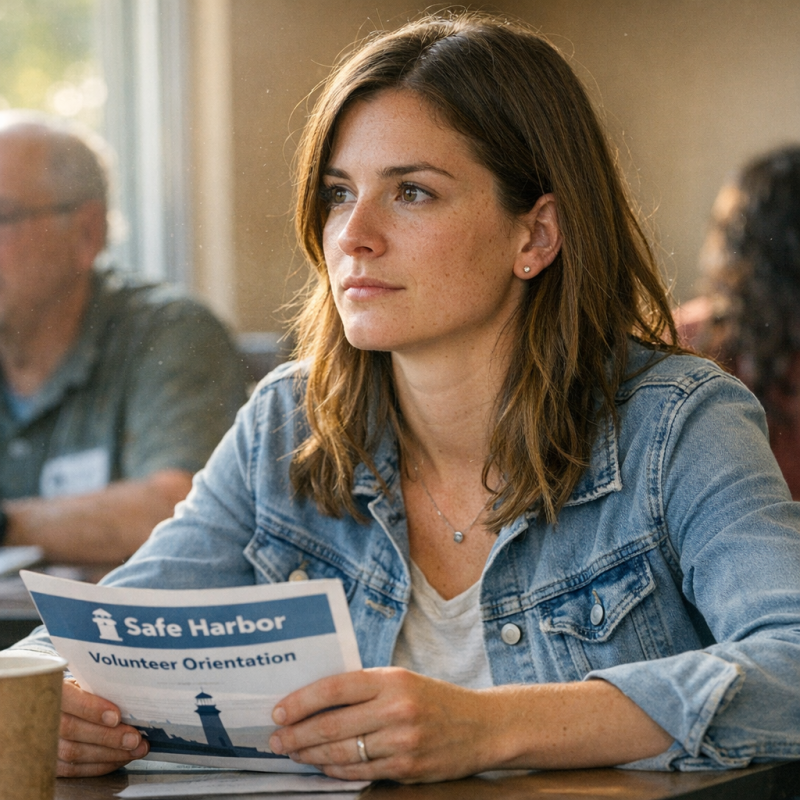 Image by FCT AI
The Photo, Revisited
I found the photograph again last week. The one from the beginning—Mom and Dad on their wedding day, both smiling. I'd looked at it a hundred times before, searching for clues I'd missed. But this time was different. This time I really saw it. Dad's smile was for the camera, performative and proud. But Mom's expression—God, how had I never noticed? Her smile was softer, distant. Knowing. And her eyes. Her eyes weren't looking at the camera at all. They were angled slightly away, focused on something beyond the frame. Beyond that moment. I understood now. She'd already been planning. Even then, on what should have been the happiest day, she'd been looking ahead. Strategizing. Surviving. Building the future she wanted for me. The one where I'd be free. I traced my finger over her face, felt the tears come again. But they weren't sad tears. Not anymore. They were grateful. Proud. Full of love. I smiled softly at the photograph, seeing what I'd missed before—her mother's eyes weren't looking at the camera. They were looking ahead, toward the future she was building for her daughter.
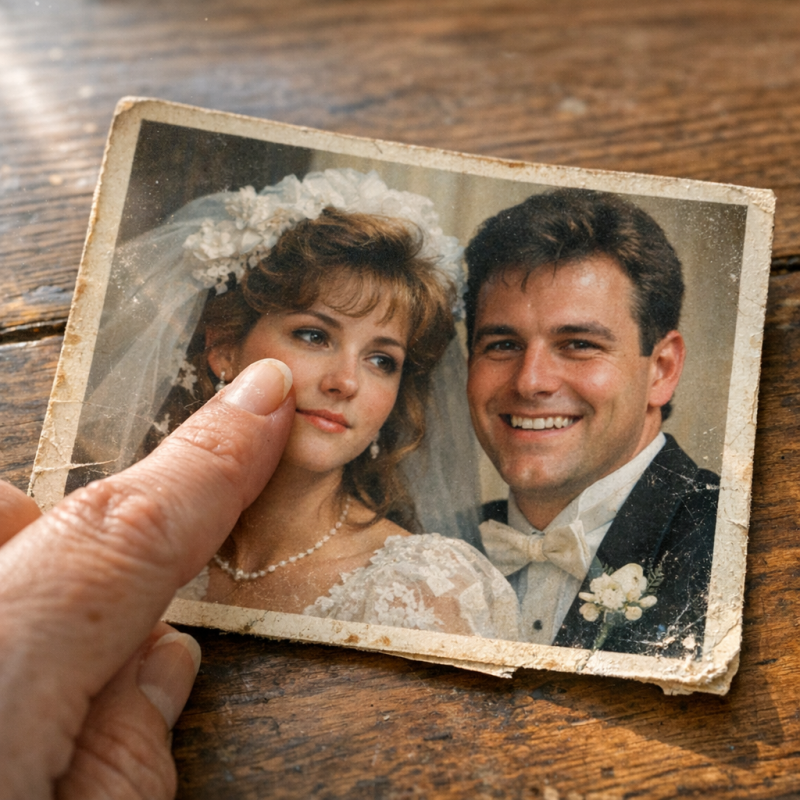 Image by FCT AI