The First Time I Woke a Baby
I'll never forget the first time Rachel told me to wake up a sleeping baby. It was my second day at Little Sprouts Daycare, and a mom came rushing in with her infant carrier, the baby obviously out cold. The mom looked exhausted, like she'd been up all night, and she whispered 'He just fell asleep in the car' with this hopeful expression. Rachel stepped in before I could even respond. 'We have a strict policy,' she said, not unkindly but firm. 'All children must be awake when they arrive.' The mom's face just crumpled. I watched as Rachel gently lifted the baby out, jostling him until his eyes fluttered open, and then he started crying. The mom took him back, tears streaming down her own face now, trying to soothe him while Rachel explained it was for scheduling purposes, nap times, routines. It sounded reasonable when she said it like that. I was twenty-two, desperate for steady work, drowning in student loans. I followed the rule because I needed the job, but I didn't know yet what it would cost me.
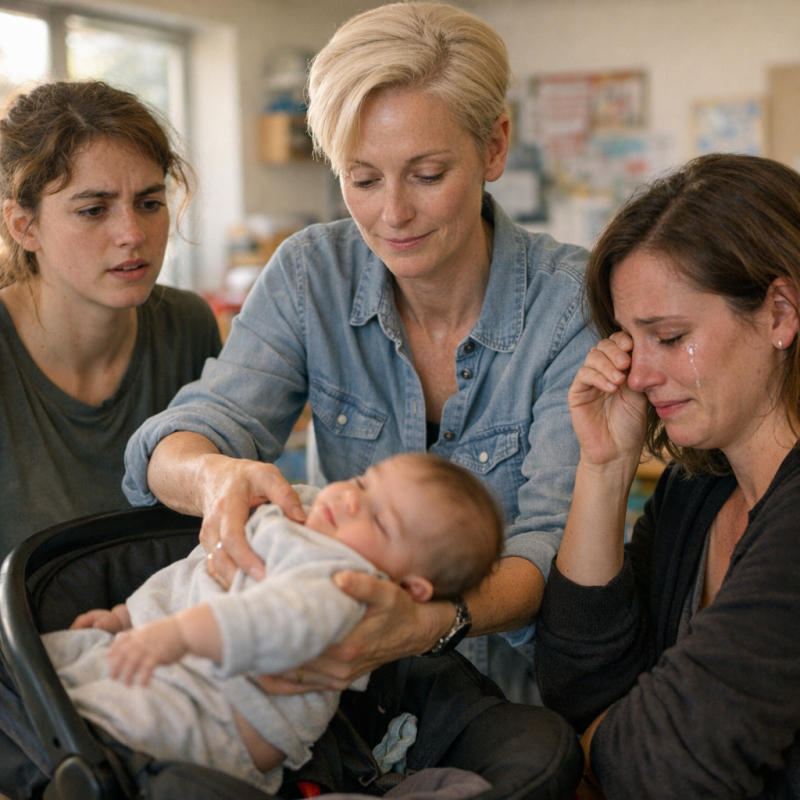 Image by FCT AI
The Schedule That Wasn't
About a week in, I started noticing things that didn't quite add up. Rachel had been so insistent that the sleeping child rule was about maintaining our nap schedule, right? Except we didn't really have a rigid schedule. Some kids napped at noon, others at one-thirty. Some days we'd let the toddlers sleep an extra twenty minutes if they seemed fussy. One afternoon, a three-year-old zonked out in the reading corner at ten in the morning, and Rachel just smiled and draped a blanket over her. But that same day, she'd made me wake a sleeping infant at drop-off, standing over me to make sure I did it properly. I tried asking her about it casually during lunch. 'Hey, so about the sleep schedule thing...' Rachel cut me off with this tight smile. 'Drop-off is different,' she said. 'Once they're here, we can supervise them. We need to know their condition when they arrive.' It sounded official enough, I guess. But the way she changed the subject immediately after made my stomach twist. If the schedule wasn't really the issue, then what was Rachel so worried about?
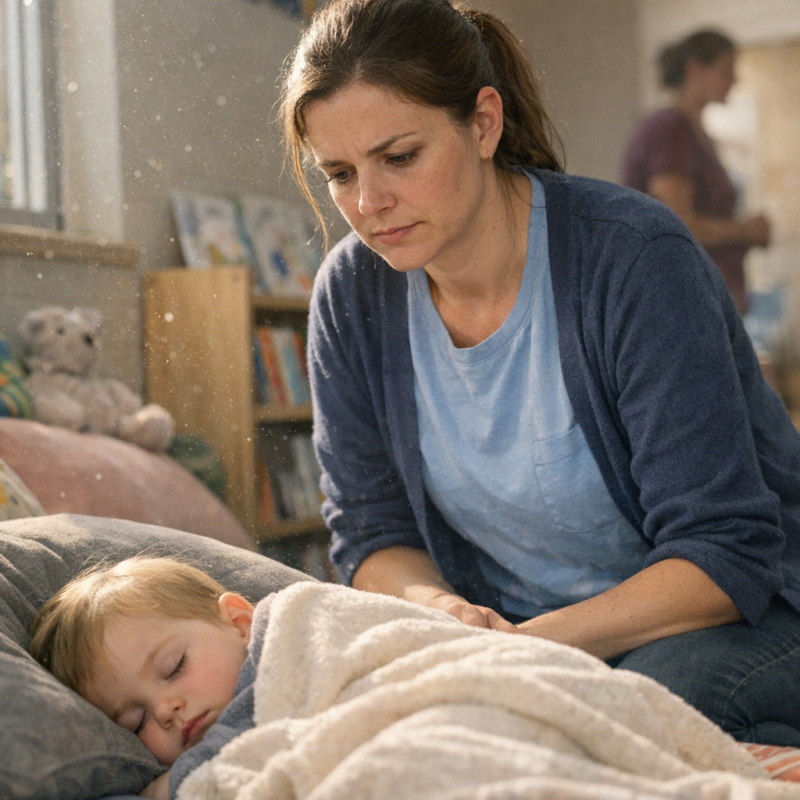 Image by FCT AI
Crying in the Parking Lot
I was taking out the recycling one Thursday afternoon when I saw her. The mom from my first day, sitting in her minivan in the parking lot, just sobbing. Her hands were gripping the steering wheel, and her whole body was shaking. I shouldn't have looked, should've given her privacy, but I couldn't turn away. I knew exactly why she was crying. That morning, she'd brought her baby in asleep again, and Rachel had made me wake him. Again. The mom had actually begged this time, quietly, desperately. 'Please, he never sleeps, I haven't slept in three days, please just this once.' But Rachel stood there with her arms crossed, immovable. I'd lifted that baby out of his carrier, watched his peaceful little face scrunch up, listened to his screams. The mom had looked at me like I'd betrayed her personally. Now here she was, probably trying to pull herself together before driving home, and I felt like absolute garbage. I thought about knocking on her window, apologizing, explaining I was just following policy. But what good would that do? As I watched her drive away, I wondered how many other parents left this parking lot in tears.
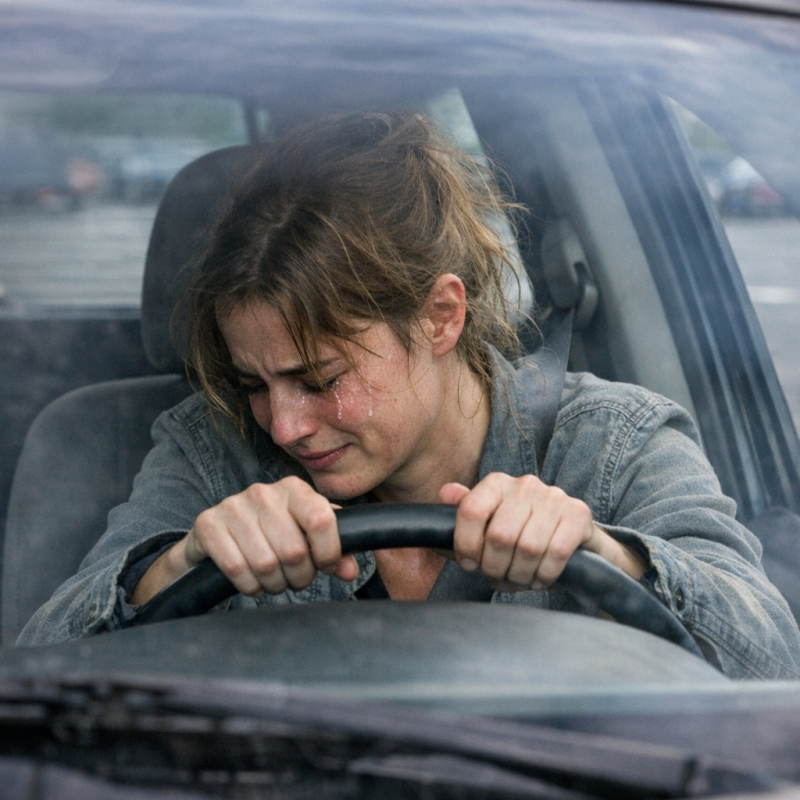 Image by FCT AI
Rachel's Warning
A new girl started on a Monday, couldn't have been more than nineteen. Sweet kid, eager to please, showed up fifteen minutes early with homemade cookies for everyone. Her first solo drop-off happened around nine, and I heard the commotion from the kitchen. By the time I got to the front, Rachel had her backed against the cubbies, voice low and intense. The new girl had accepted a sleeping toddler. Just taken the carrier, signed the kid in, let the parent leave. Her mistake was honest, innocent even. Nobody had explicitly told her the rule during orientation. But Rachel's reaction was way beyond a normal correction. Her face was white, her jaw clenched so tight I could see the muscles jumping. 'Do you understand what you've done?' she kept repeating. 'Do you have any idea?' She sent the girl to the back room with the sleeping child for what she called 'proper intake procedures.' The whole thing took maybe forty-five minutes. When they came out, the toddler was awake and crying, and the new girl looked like she'd been interrogated by the FBI. The fear in that girl's eyes told me this wasn't just about breaking protocol.
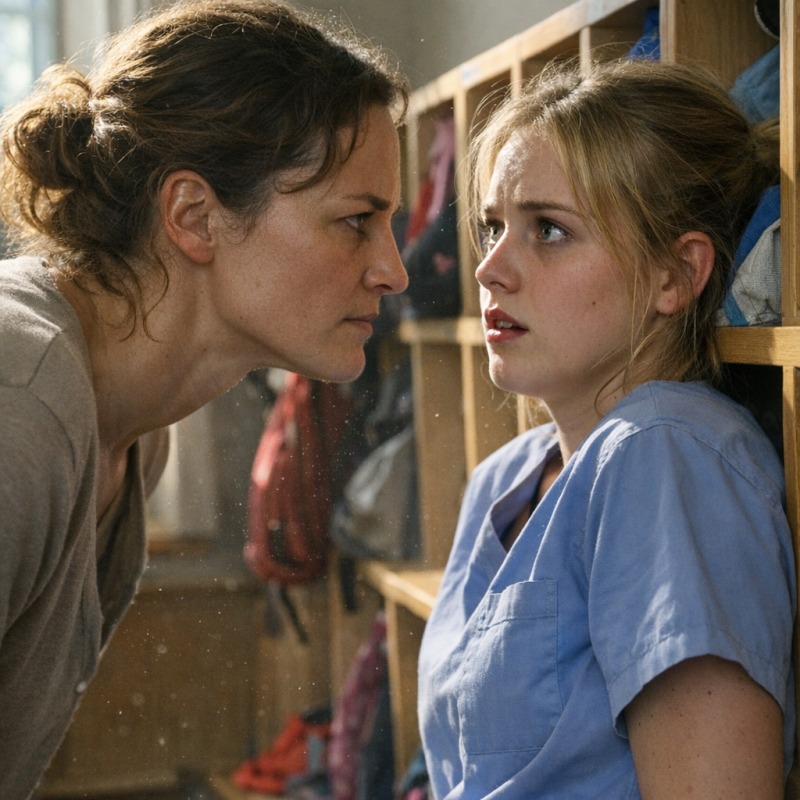 Image by FCT AI
Sarah's First Day
Sarah started two weeks after me, and I liked her immediately. She was twenty-eight, had worked at three other daycares, and had this calm, competent energy that made parents trust her instantly. On her third day, I was showing her how we organized the afternoon snack stations when Rachel did her whole sleeping child enforcement routine. A dad had arrived with twins, one awake, one asleep, and Rachel made him wake the sleeping one in the parking lot before she'd even unlock the door. Sarah watched through the window, her expression unreadable. After Rachel left for her office, Sarah turned to me. 'That's the weirdest policy I've ever seen,' she said quietly. I felt this rush of relief. Finally, someone else who thought it was strange. 'I know, right? She says it's about scheduling, but—' 'It's not about scheduling,' Sarah interrupted, glancing toward Rachel's office. 'I've worked places with way stricter nap routines and nobody cared about drop-off sleep status.' We stood there in this loaded silence, both of us thinking the same thing but afraid to say it. Then Sarah leaned in and whispered, 'Has anyone ever told you why we really do this?'
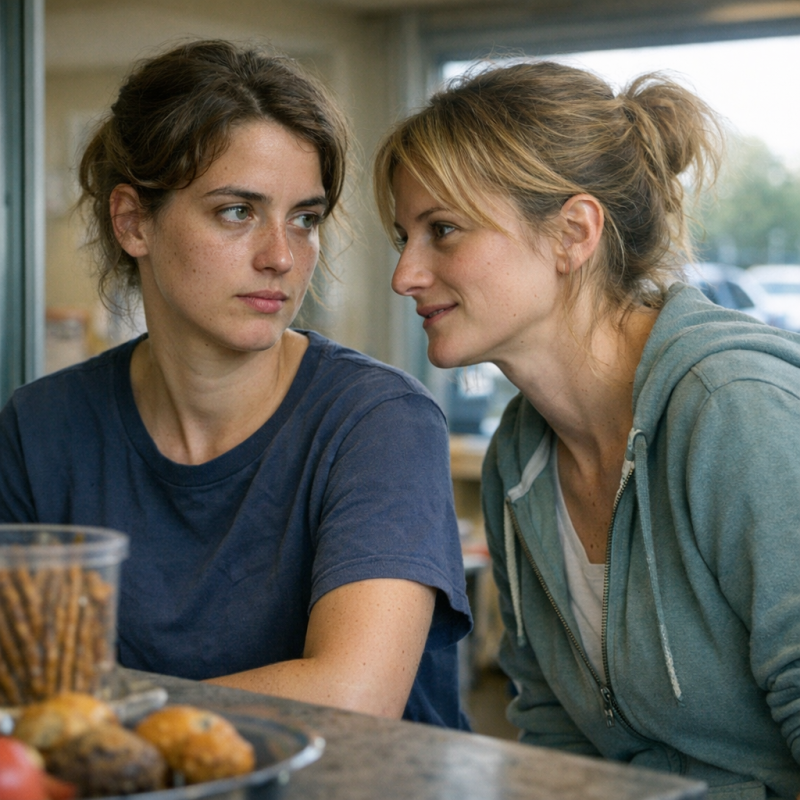 Image by FCT AI
The Back Room Protocol
The next week, I actually saw what happened in the back room. A mom brought in her six-month-old around eight-thirty, dead asleep, and Rachel intercepted before the mom even made it through the door. Same speech, same firm insistence. But this time, after the mom reluctantly woke her baby and left, Rachel didn't just take the crying infant to the nursery. She carried her straight to the back room and closed the door. I shouldn't have followed. I know that. But something compelled me to walk down that hallway, and the door wasn't completely shut. Through the gap, I could see Rachel holding the baby under the fluorescent lights, examining her with this intense focus. She checked the baby's arms, legs, even looked in her mouth. She pressed gently on the baby's stomach, watched her reactions. It went on for maybe twenty minutes, this thorough, almost clinical inspection, while the baby screamed. I couldn't understand what she was looking for. Signs of illness? Injury? But wouldn't a sick baby's parent mention that? When Rachel finally emerged, she looked relieved — but I couldn't understand what she'd been looking for.
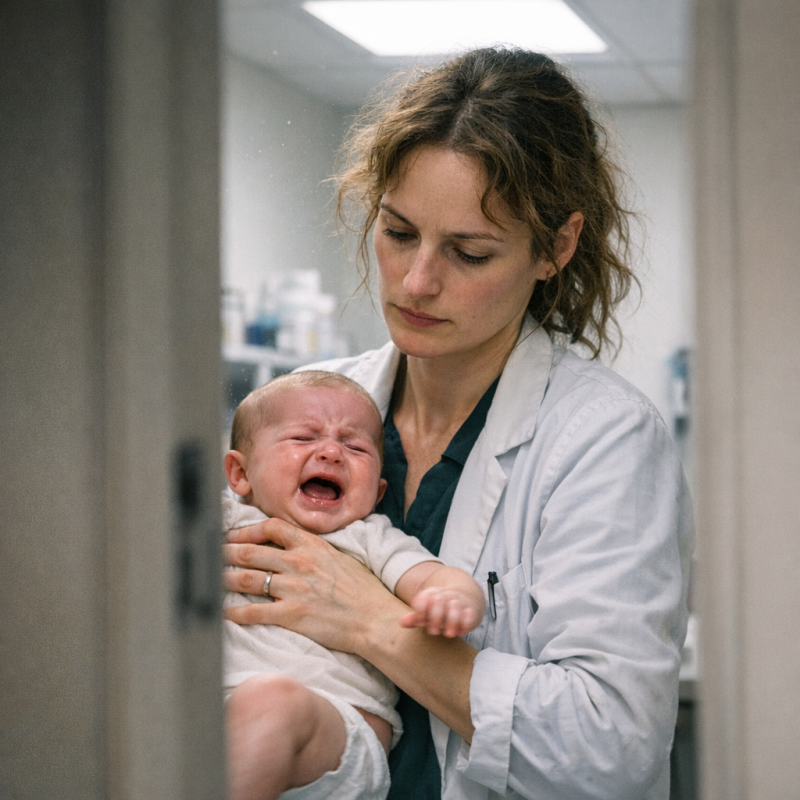 Image by FCT AI
The Story She Told
I finally worked up the courage to ask Rachel directly. It was just the two of us in the office, late afternoon, most of the kids already picked up. 'Rachel, can I ask you something about the sleeping child policy?' She went very still, then slowly turned to face me. For a long moment, she didn't say anything. Then she sat down heavily and rubbed her face. 'I suppose you deserve to know,' she said quietly. 'Six years ago, before you worked here, a parent dropped off a sleeping toddler. We let her sleep. Policy was different then.' Her voice dropped even lower. 'Two hours later, we couldn't wake her up. The child had been sick, severely dehydrated. The parent knew but didn't tell us, just wanted a break. By the time we called the ambulance...' She didn't finish. Didn't need to. 'So now, everyone arrives awake. I need to see that they're alert, responsive. I need to know they're okay before I accept responsibility for them.' It made perfect sense. A tragic incident, a policy born from horrible experience. But as Rachel told the story, I noticed her hands trembling, the way she couldn't quite meet my eyes. It made perfect sense — except for the way her hands shook when she told me.
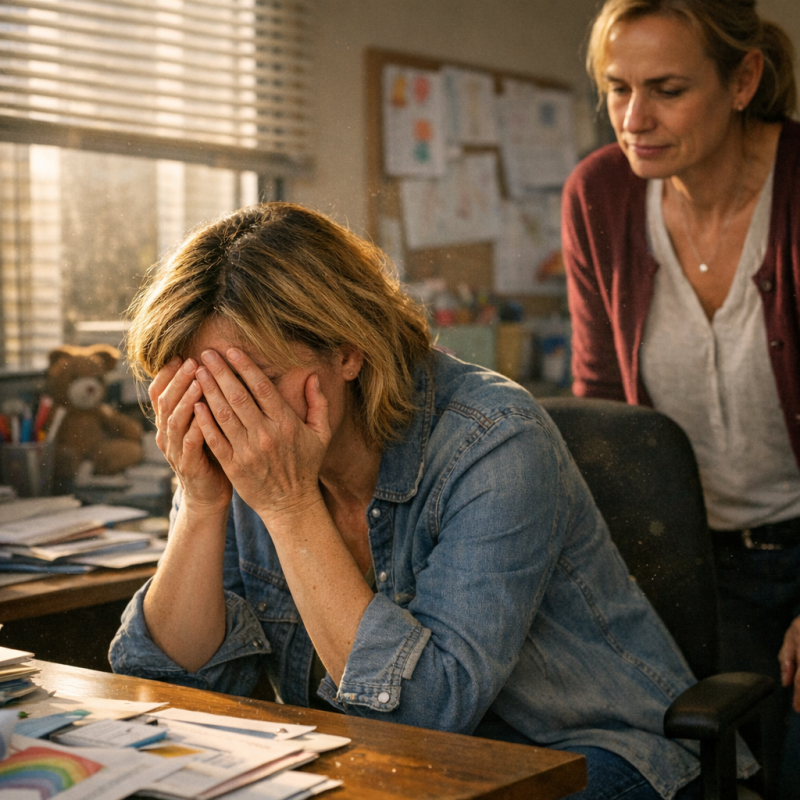 Image by FCT AI
Marcus Asks Questions
Marcus pulled me aside during our break the next day. He was twenty-four, working at Little Sprouts while finishing his teaching certification, and he'd apparently overheard my conversation with Rachel. 'So she told you about the dead kid,' he said, not as a question. I nodded, feeling weird discussing it so bluntly. 'Thing is,' Marcus continued, lowering his voice, 'I've been here three years, and that story never sat right with me. So I looked into it.' He pulled out his phone, showed me search results. 'I checked news archives, obituaries, even called the health department about daycare incident reports. Found nothing. No child death at this facility, no lawsuits, no licensing violations.' My stomach dropped. 'Maybe it was settled quietly? Families sometimes don't want publicity...' 'Maybe,' Marcus said, but he looked skeptical. 'But there'd still be some record. A license suspension, an investigation report, something. It's like it never happened.' He glanced toward Rachel's office, then back at me. 'So either she's lying, or it happened somewhere else and she's not telling us the whole story.' I spent the rest of my shift thinking about it, that nagging feeling growing stronger. If a child really died here, wouldn't there be some record of it?
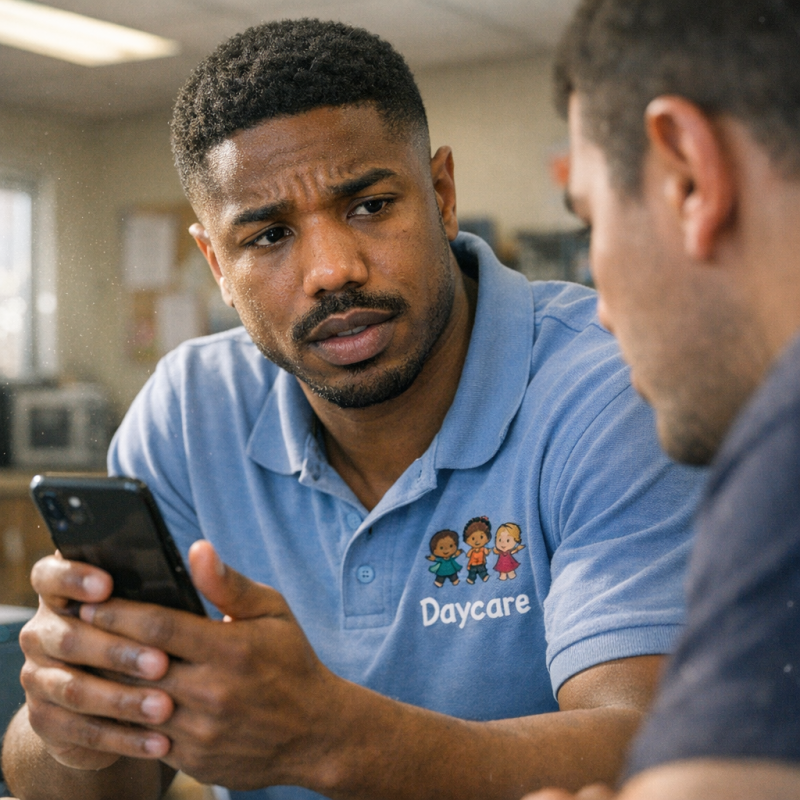 Image by FCT AI
The Twins Who Wouldn't Wake
So here's what happened two days later. I was doing nap time check-ins when I found twins in the back room, both asleep in their cribs. Standard stuff, right? Except one of them — the boy — wouldn't respond when I gently touched his shoulder. I tried again, a little firmer. Nothing. His sister woke up instantly, but he was just... out. My heart started racing because that's not normal toddler sleep, and I'd been working there long enough to know it. I called for Rachel, trying to keep my voice steady. She appeared so fast it was like she'd been watching. 'He won't wake up,' I said. 'I've tried twice.' Rachel practically shoved me aside, her hands on the kid immediately. She was checking his breathing, his pulse, her movements quick and practiced — too practiced. Then the boy stirred, opened his eyes, totally fine. But Rachel's face didn't show relief. She looked at me, then at him, then back at me. Rachel's eyes went wide with something that looked less like concern and more like calculation.
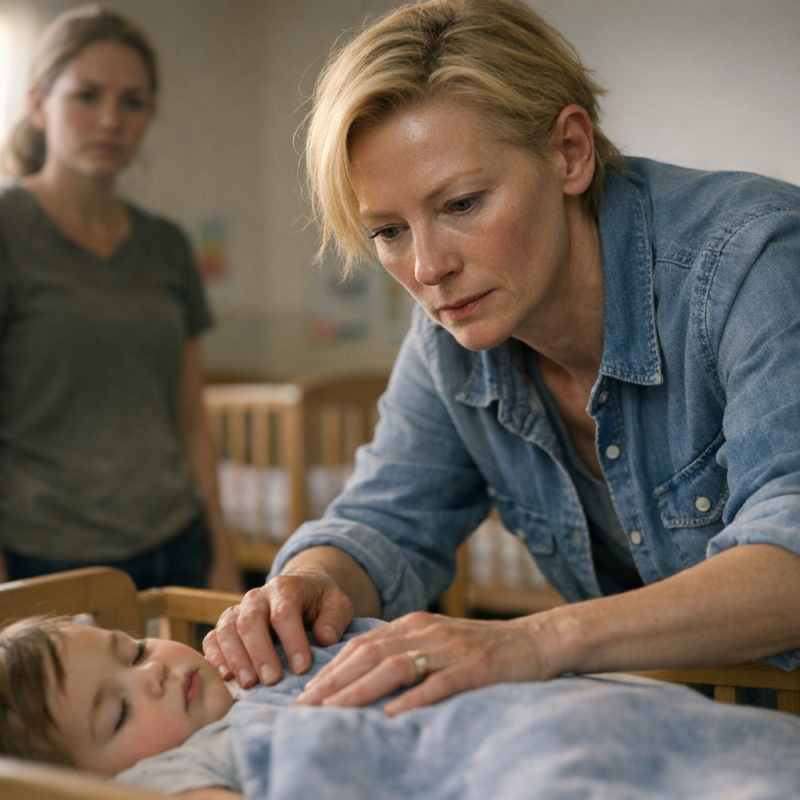 Image by FCT AI

History's most fascinating stories and darkest secrets, delivered to your inbox daily.
Coffee Shop Confession
Sarah asked me to get coffee after work that Friday, and honestly, I needed someone to talk to. We went to this place down the street, and I told her about Marcus getting weird about the dead kid story, about Rachel's reaction to the twin. Sarah got quiet, stirring her latte like she was deciding something. 'Look,' she finally said, 'I didn't want to say anything because I need this job, but... I worked with Rachel before. At another daycare, like three years ago.' My stomach dropped. 'You did?' 'Yeah. Different facility, same city. She was assistant director there.' Sarah leaned closer, her voice dropping. 'It closed down really suddenly. One month it was fine, the next month the whole place just shut down. No explanation to staff, just pink slips and locked doors.' I asked her why, what happened. She wouldn't meet my eyes. Sarah stared into her cup and said, 'There was an incident there too.'
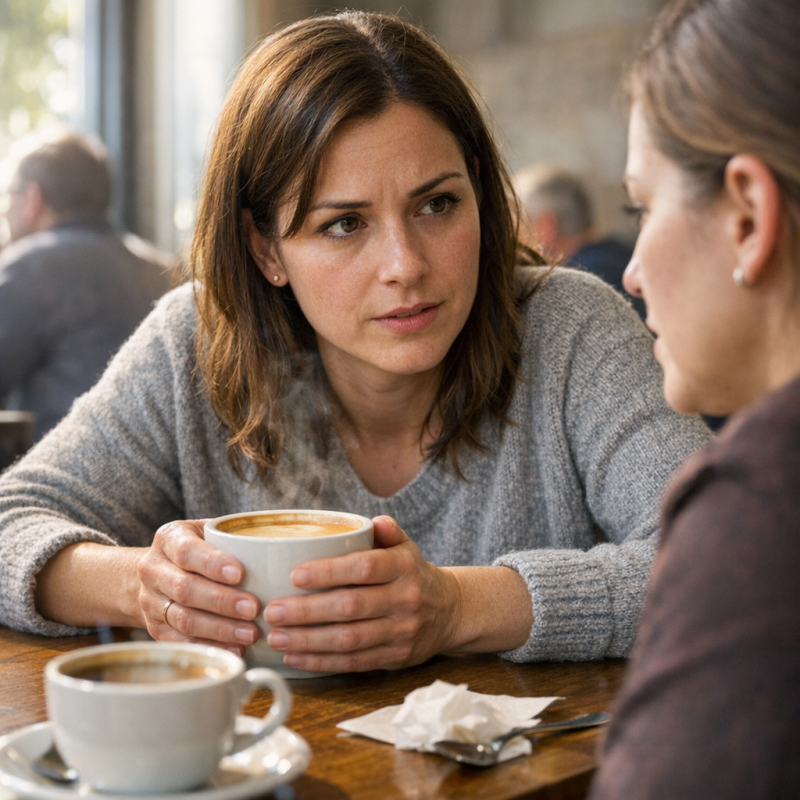 Image by FCT AI
The Liability Waiver
I'd been at Little Sprouts for six weeks before I actually looked at the parent enrollment packet. We kept copies in the supply closet, and during a slow Tuesday, curiosity got the better of me. I pulled one out, started flipping through. Normal stuff at first — emergency contacts, allergy forms, photo permissions. Then I got to the liability section. It was massive. Page after page of legal language about assuming risk, waiving rights to sue, acknowledging receipt of safety policies. And the sleeping child policy was mentioned everywhere — bolded, underlined, initialed in three separate places. Parents had to sign statements confirming they understood that bringing a sleeping child could result in medical situations beyond the facility's control. They had to acknowledge that Little Sprouts followed all protocols and couldn't be held responsible for outcomes. I counted the references: fourteen separate mentions of the sleeping child policy in the waiver alone. The waiver was ten pages long, and every other sentence mentioned protection from lawsuits.
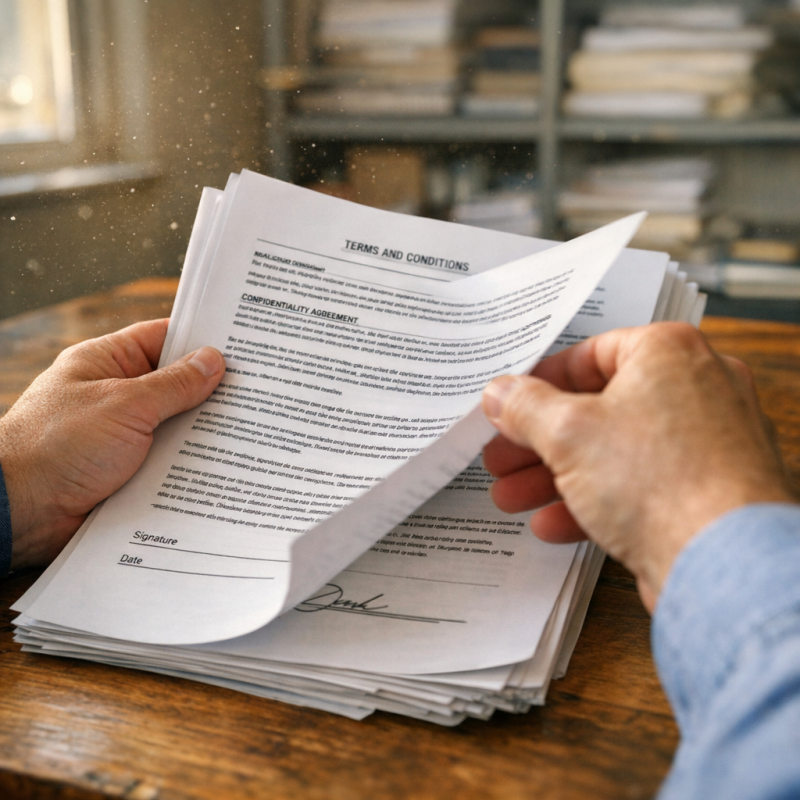 Image by FCT AI
Linda's Surprise Visit
The state inspector showed up on a Wednesday morning without warning. Her name was Linda, mid-fifties, carrying a clipboard and wearing an expression that suggested she'd seen everything twice. Rachel went into overdrive — smiling, helpful, practically tripping over herself to show Linda around. I was in the reading corner with four kids when Linda walked over, introduced herself. 'How long have you worked here?' she asked. 'About two months.' She nodded, made a note. 'And you're familiar with all the policies? Emergency procedures?' 'Yes, ma'am.' Then Linda asked specifically about the sleeping child policy, watching my face as I explained it. I could feel Rachel staring at us from across the room. Linda asked if we'd had any incidents, any close calls. I hesitated — thought about the twin who wouldn't wake up — but Rachel appeared at my elbow before I could answer, smoothly redirecting the conversation. The inspection lasted an hour. As Linda left, she handed me her card and said quietly, 'Call me if you ever need to talk.'
 Image by FCT AI
The Parent Who Knew Too Much
This mom came to pick up her daughter early one day, and I'd never seen her before — usually the dad did pickup. She seemed nervous, kept glancing around while signing her kid out. Then she looked at me and said, 'You're new, right?' I nodded. 'Can I ask you something? Has anyone ever tried to bring a sleeping child here during your shift?' The question caught me off guard. 'Once or twice, yeah. We have a policy about it.' Her expression changed — something between concern and disbelief. 'I know about the policy. My lawyer told me about it.' She lowered her voice. 'He specifically advised me never to bring my daughter here if she was asleep. He said this daycare has a reputation.' My face must have shown my confusion because she softened a little. 'Look, I'm not trying to scare you. But there are things parents talk about, and lawyers know things that don't make the news.' When I asked her why, she just looked at me with pity and said, 'You really don't know?'
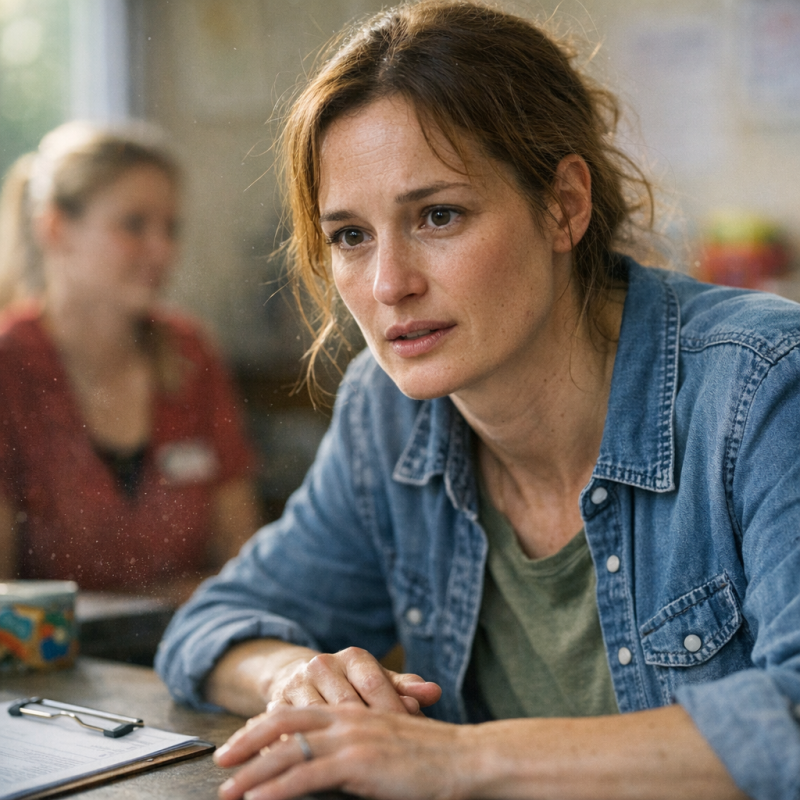 Image by FCT AI
The Night I Stayed Late
I stayed late one Thursday to finish some deep cleaning in the supply room. Everyone else had gone home except Rachel, who was supposedly doing paperwork in her office. Around seven, I needed more trash bags and remembered seeing extras in the filing cabinet near Rachel's desk. Her office door was open, lights still on, but she wasn't there — probably in the bathroom. I found the trash bags, but next to them was a folder labeled 'Incident Reports 2019-2022.' I shouldn't have looked. I know that. But I opened it anyway. There were maybe twenty reports inside, all following the same pattern: child arrived asleep, child had medical episode, ambulance called, protocol followed. Different kids, different dates, different medical issues. Seizures, breathing problems, unresponsive episodes. But the outcomes were what got me — some kids were fine, some went to hospitals, and the details got vague after that. Every report ended the same way: 'No liability — policy followed.'
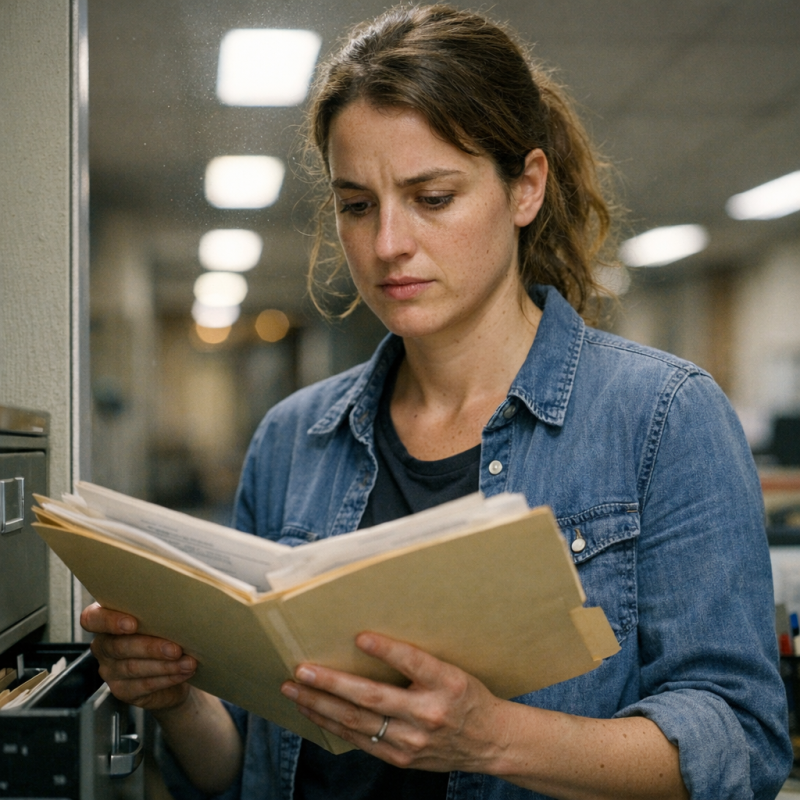 Image by FCT AI
Marcus Gets Fired
Marcus was gone by Friday. Rachel called him into her office Thursday afternoon, and fifteen minutes later he walked out carrying a box of his stuff, face completely blank. I caught him in the parking lot. 'What happened?' I asked. He looked around to make sure we were alone. 'She said I violated protocol by discussing confidential facility information with other staff members. Meaning you, meaning the dead kid conversation.' My stomach twisted with guilt. 'Marcus, I'm so sorry—' 'Don't be. I was asking too many questions anyway, looking at files I shouldn't have been looking at. She knew.' He put his box in his car, turned back to me. 'Emma, listen. I found some stuff before she caught me. Financial records that don't add up. Just... watch yourself, okay? Don't trust her.' I promised I would be careful. On his way out, Marcus grabbed my arm and said, 'Be careful — she knows you're looking.'
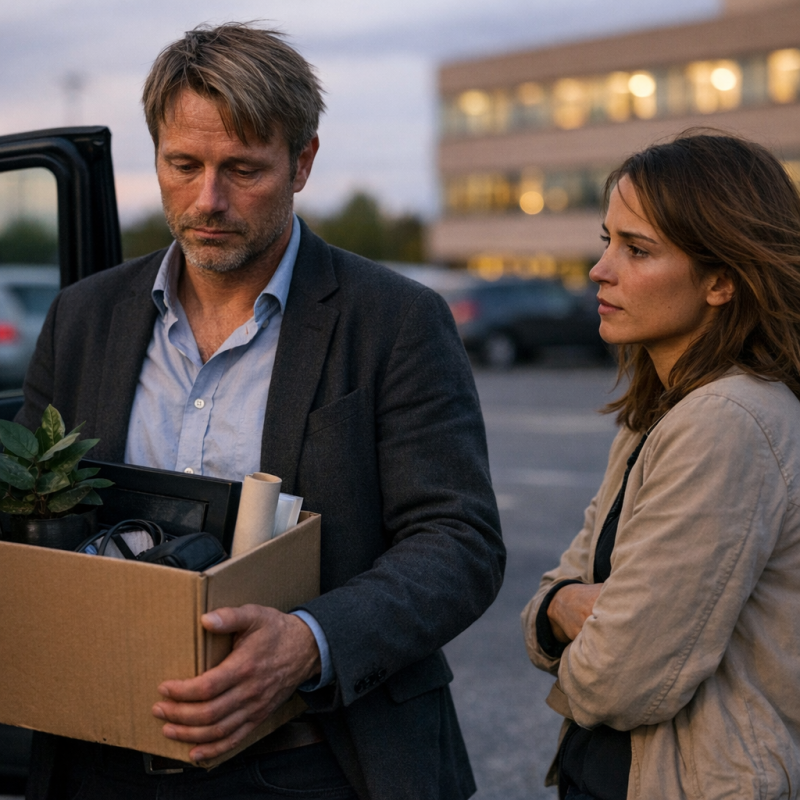 Image by FCT AI
The Insurance Papers
The insurance papers were in a banker's box in the storage closet, shoved behind old holiday decorations where nobody would normally look. I found them Saturday morning while searching for construction paper. The box wasn't labeled, but inside were photocopies of claim forms, settlement agreements, and correspondence with an insurance company I'd never heard of. I started reading. There were claims dating back five years — not just from Little Sprouts, but from two other daycares with different names. All the claims involved children who'd had medical emergencies while at the facilities. Breathing complications, seizures, neurological events. And the settlement amounts were insane — twenty thousand here, thirty thousand there, one for sixty-five thousand. I recognized Rachel's signature on several forms, always as the facility director reporting the incident. But none of the children's names looked familiar, and I'd memorized the current enrollment roster. The settlement amounts were staggering — but none of the children's names looked familiar.
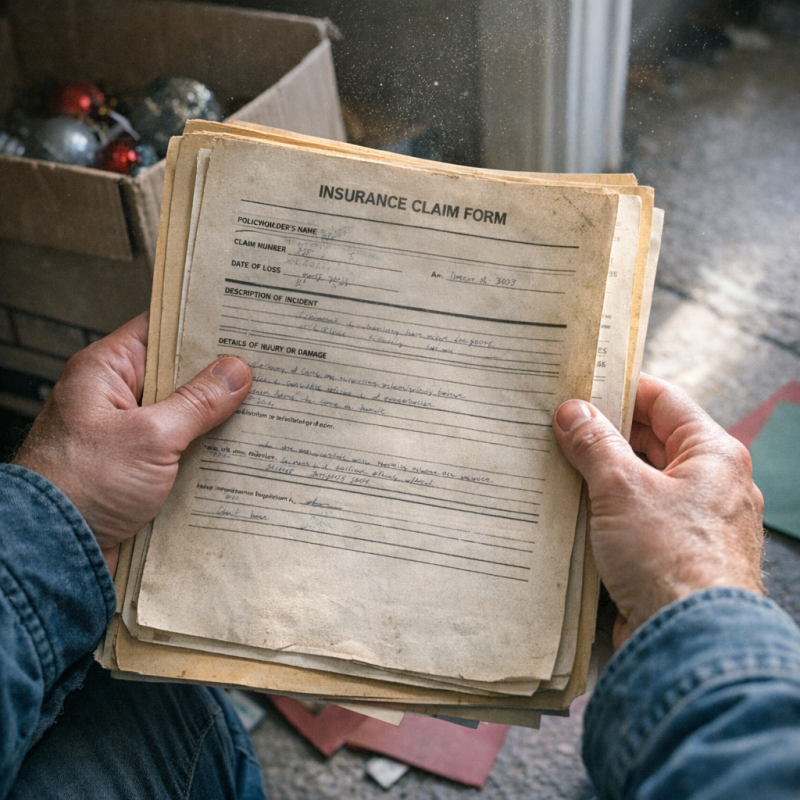 Image by FCT AI
Rachel's Sudden Kindness
Monday morning, Rachel called me into her office with this weird smile on her face. You know that expression someone gets when they're trying really hard to seem approachable? She told me I was doing 'exceptional work' and that she wanted to discuss a leadership role for me. Assistant director. Better pay, benefits, the whole package. She went on about how I had natural instincts with the children, how I followed protocols perfectly, how she trusted me more than anyone else on staff. Part of me lit up at the praise — I mean, I was twenty-two and barely making rent. But there was something off about the timing. This was the same woman who'd been cold and distant for weeks, who'd made me feel like I was walking on eggshells. Now suddenly I was her star employee? She kept talking about the 'future of Little Sprouts' and how important it was to have people who understood the mission. The way she said 'understood' made my skin crawl. I nodded and smiled and said I'd think about it. I wanted to believe her — but trust, once broken, doesn't just snap back into place.
 Image by FCT AI
Jess's Warning
Jess caught me in the parking lot Tuesday afternoon. She's one of our parents, a former ICU nurse who left bedside care to be home more with her daughter. 'Can we talk?' she asked, glancing back at the building. We sat in her car, and she got straight to it. She'd been thinking about Rachel's story from the staff meeting — the one about the child who'd stopped breathing. 'Rachel said the kid was unconscious when she found them, right? And that she did CPR?' I nodded. Jess shook her head. 'Here's the thing. If a child goes unconscious from a respiratory event during sleep, there are specific physical signs. Color changes, posture, breathing patterns before it stops completely. Rachel described finding a child who looked like they were sleeping peacefully, then suddenly wasn't breathing. That's not consistent with the timeline she gave. A child doesn't go from normal sleep to full respiratory arrest in seconds without visible distress.' My stomach dropped. Jess looked me dead in the eye and said, 'That's not how unconsciousness works.'
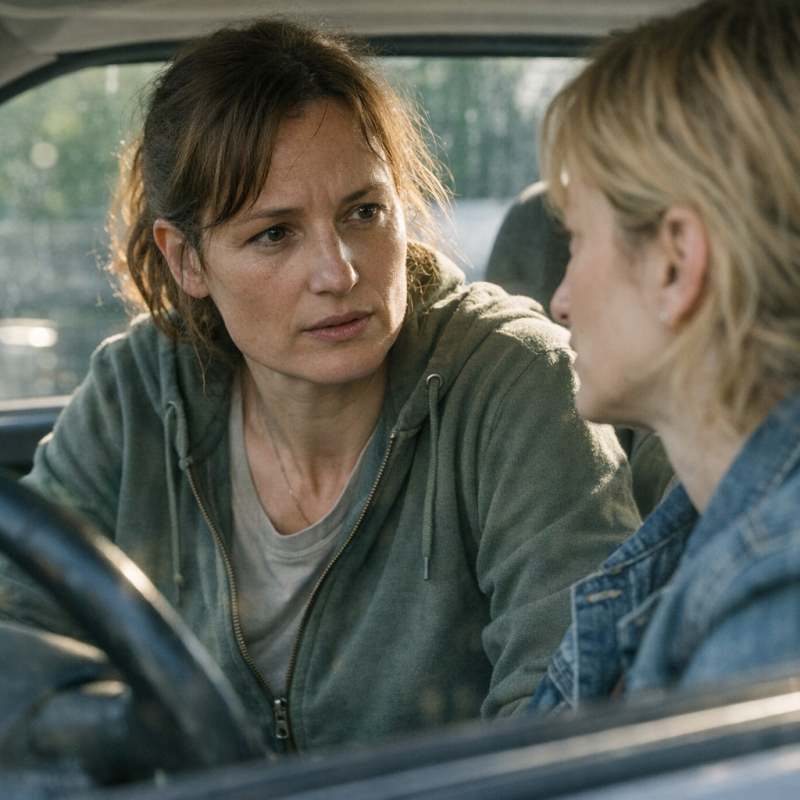 Image by FCT AI
The Photo on the Wall
I couldn't stop thinking about what Jess had said. Wednesday, when Rachel left for lunch, I went into her office. I'd been in there dozens of times, but I'd never really looked at the walls. There were the usual things — licensing certificates, a calendar, motivational posters. But in the corner, half-hidden behind a filing cabinet, was a small framed photo. A little boy, maybe three years old, with dark curls and a gap-toothed smile. Below the photo was a brass plaque: 'In Memory of Marcus. 2018-2021.' I pulled out my phone and did the math. Rachel had told us the incident that inspired the policy happened four years ago. That would be 2020. But this child had died in 2021. I checked again, thinking I'd miscounted. Nope. The dates didn't line up at all. Maybe Marcus was a different child, unrelated to the policy. But then why keep his photo hidden in her office? Why tell us about one tragedy but memorialize another? Either Rachel had lied about when it happened — or this wasn't the same child at all.
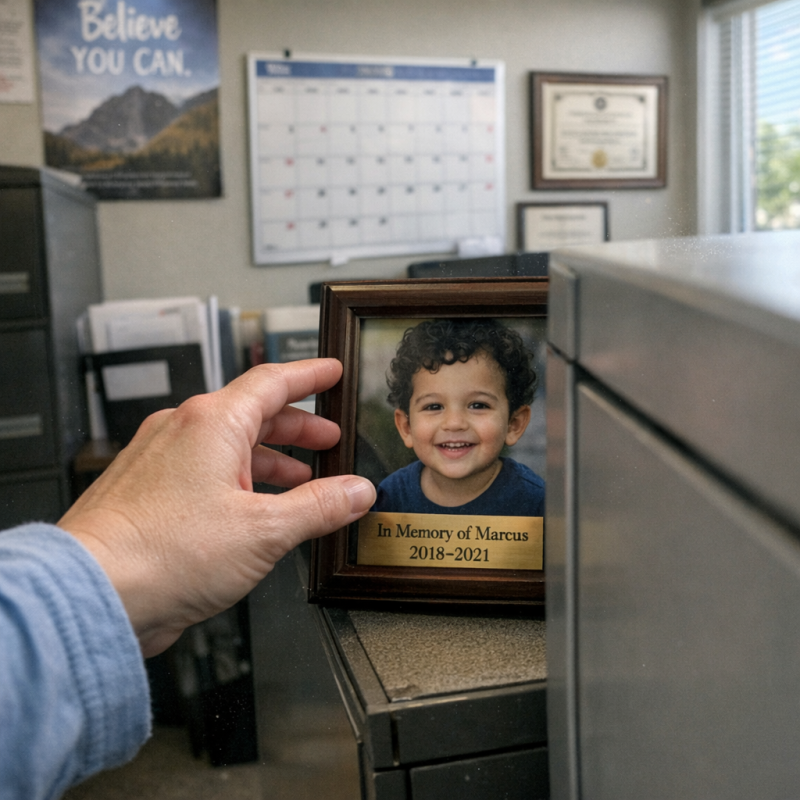 Image by FCT AI
Sarah Disappears
Sarah stopped showing up Thursday. She didn't call in sick, didn't answer her phone, just disappeared. I texted her multiple times — casual at first, then increasingly worried. 'Hey, you okay?' Nothing. 'Rachel's asking where you are.' Nothing. 'I'm worried about you, please just let me know you're alive.' Finally, late Friday night, my phone buzzed. One message: 'I can't do this anymore.' I called immediately. Straight to voicemail. I drove to her apartment Saturday morning, but her car was gone and her roommate said she'd packed a bag and left without explanation. I felt completely alone. Sarah had been the only person who understood what we'd found, who believed something was wrong. Now it was just me, sitting in my car outside her empty apartment, holding insurance documents that suddenly felt a lot heavier. I tried calling one more time. Still nothing. Her last text said, 'I can't do this anymore' — and then nothing.
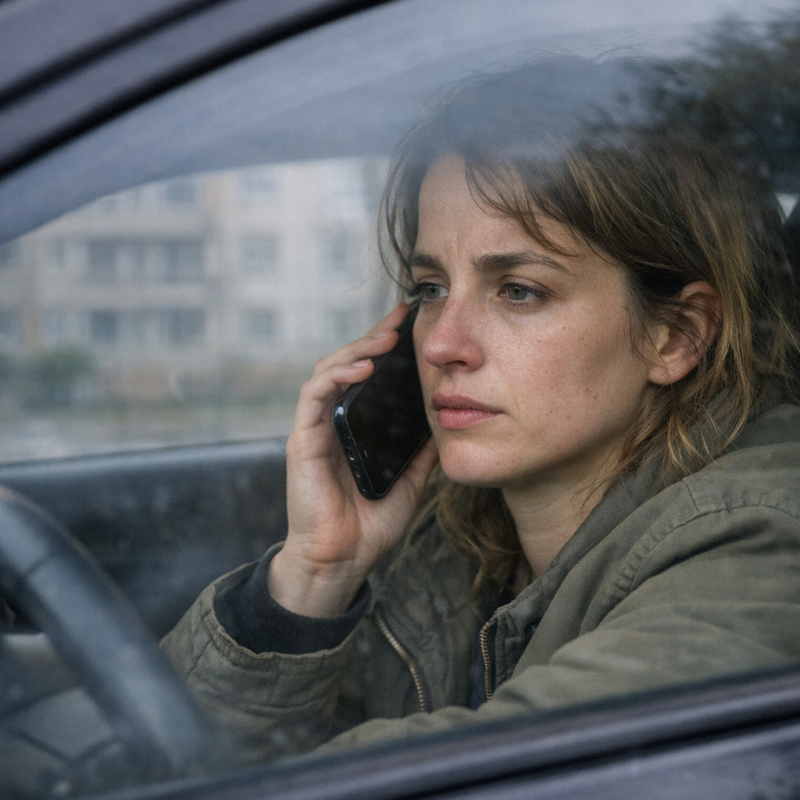 Image by FCT AI
The Mother Who Fought Back
I spent Sunday doing something I should've done weeks earlier — I searched court records. It took hours of scrolling through case databases, but eventually I found it. A civil lawsuit from 2019: Martinez v. Little Sprouts Learning Center. A mother had sued the daycare after her son suffered a seizure while in Rachel's care. The complaint alleged negligence, delayed emergency response, inadequate medical training. I read the entire filing twice. The mother claimed she'd dropped off a healthy child and picked up a son with permanent neurological damage. She argued Rachel had waited too long to call 911. But the case had been dismissed. Why? Because the mother had signed the enrollment agreement. The one with the sleeping policy. The judge ruled that by agreeing not to bring in sleeping children, the mother had acknowledged the facility's limitations in monitoring unconscious children. It was a legal shield, perfectly constructed. The policy hadn't just protected Rachel from liability — it had been designed to. The legal documents showed the policy had protected Rachel perfectly — too perfectly.
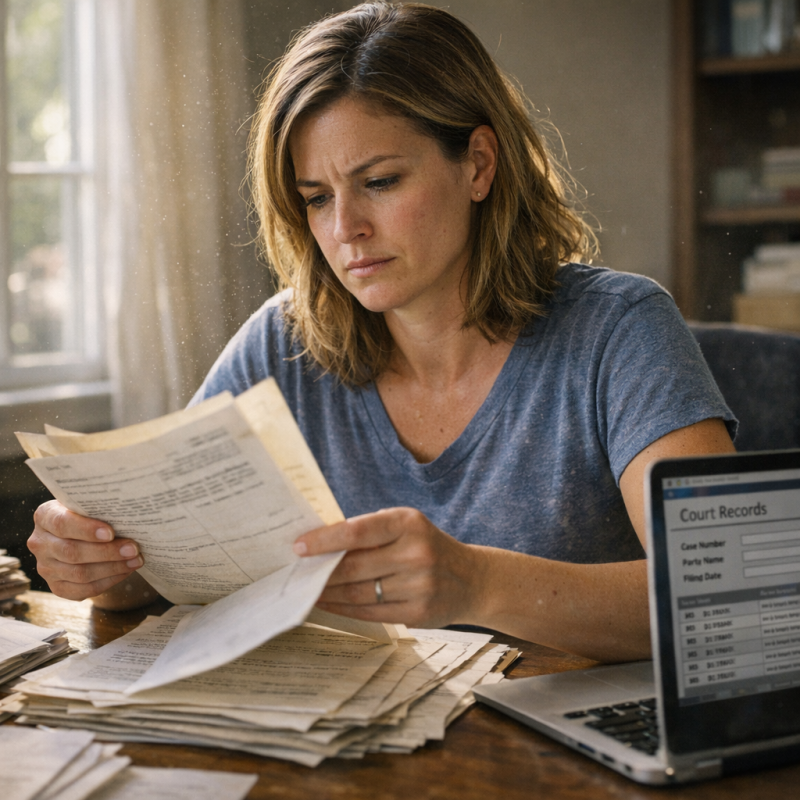 Image by FCT AI
Confronting Rachel
Monday morning, I walked into Rachel's office and closed the door. I laid it all out — the insurance documents, the timeline inconsistencies, the lawsuit. My hands were shaking but my voice stayed steady. Rachel listened without interrupting, her face completely calm. When I finished, she nodded slowly. 'I understand why this looks concerning,' she said. 'The different facility names were rebranding efforts after negative publicity. The insurance claims were legitimate emergencies — we have documentation for every single incident. The Martinez case was heartbreaking, but the child had an undiagnosed seizure disorder. We couldn't have known.' She pulled out a folder, showing me medical reports, timelines, witness statements. Everything had a paper trail. 'And Marcus,' she said softly, 'was my nephew. He died in a car accident. I keep his photo because this work is personal to me.' Her explanations were smooth, practiced, almost rehearsed. But they fit. They made sense. I felt my certainty crumbling. As she spoke, I realized she'd had these answers ready for a long time.
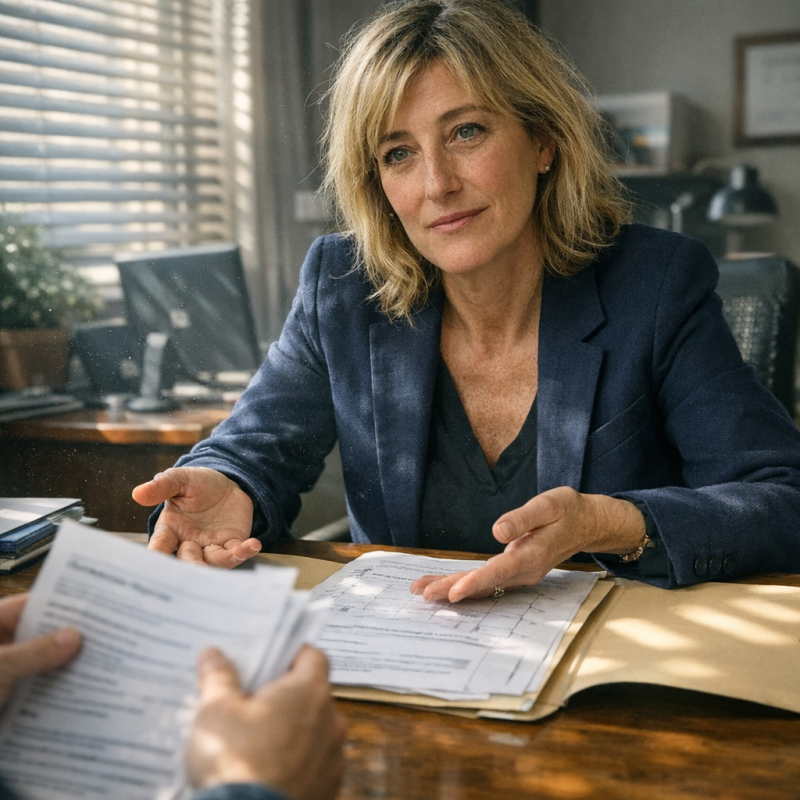 Image by FCT AI
The Baby Who Wouldn't Stop Crying
Tuesday morning, a mother brought in her seven-month-old daughter. The baby was clearly sick — flushed cheeks, glassy eyes, that weak cry that sounds wrong. 'She was up all night with a fever,' the mom said apologetically. 'But I have a presentation at work I can't miss.' I expected Rachel to turn them away. That's what the handbook said — no sick children, period. That's what Rachel always preached about safety and protocols. But instead, Rachel smiled warmly and took the baby. 'We'll keep a close eye on her,' she promised. 'You go handle your presentation.' The mother looked relieved and left. I stared at Rachel, confused. 'I thought we had a policy about sick kids,' I said. Rachel didn't even look at me. 'She's awake and alert. The rule is about sleeping children, Emma. Completely different situation.' But was it? The entire justification for the sleeping policy was safety — that we couldn't properly monitor children's medical conditions if they were unconscious. But here was a clearly ill baby, and Rachel had no problem taking her. If the rule was really about safety, why would she take a clearly sick child?
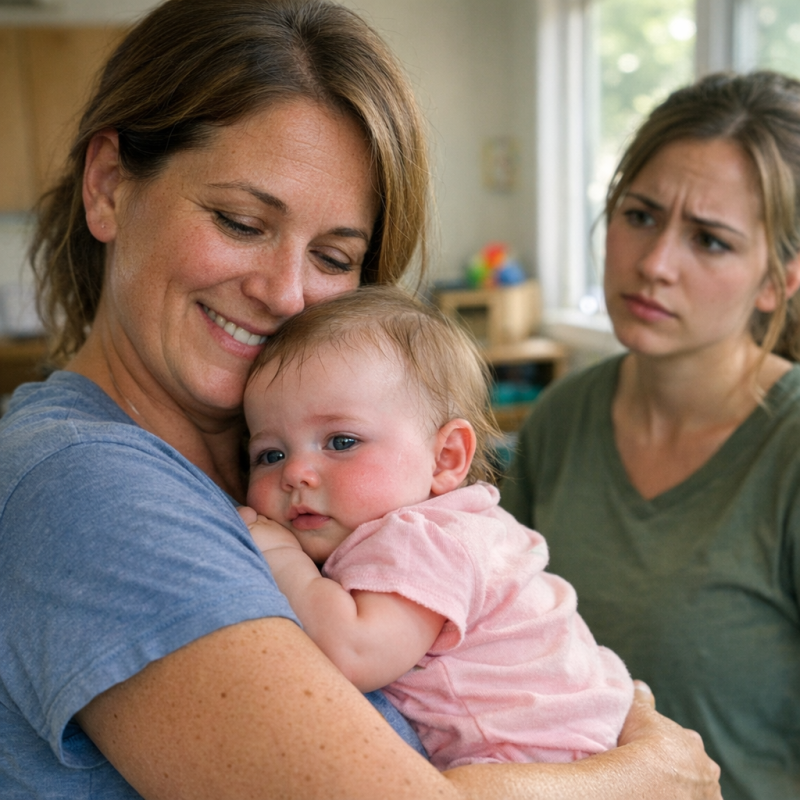 Image by FCT AI
Following the Money
I couldn't let it go. That night, I went through the insurance documents again, but this time I focused on where the settlement money actually went. The checks weren't made out to Little Sprouts Learning Center. They were made out to something called 'Evergreen Child Safety Solutions LLC.' I'd never heard of it. I searched the business registry database, and there it was — filed in 2018, two owners listed. One was Rachel Winters. The other was someone named David Kohl. I googled him. He worked for the insurance company that issued all the settlements. My hands went numb. This wasn't about protecting children or managing liability. This was a business arrangement. Rachel had created a company to receive insurance payouts, and someone inside the insurance company was helping her. The settlements I'd found — the twenty thousand, the thirty thousand, the sixty-five thousand — none of that money had gone to improving safety at the daycare. The money never went to the daycare — it went straight to her.
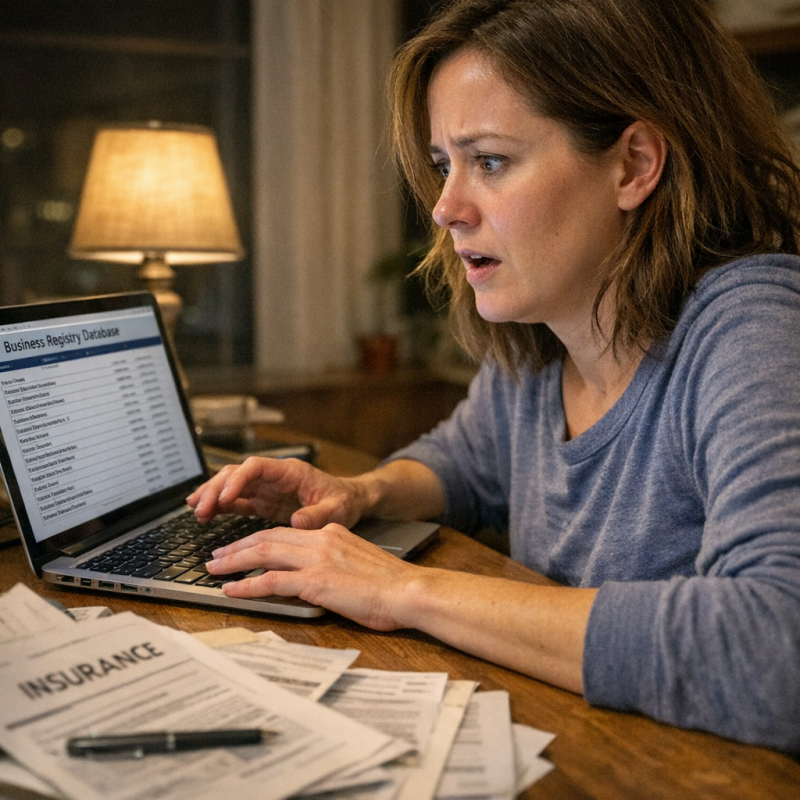 Image by FCT AI
The Lawyer's Advice
I found a lawyer willing to talk to me for free during a consultation. Her office smelled like coffee and old books. I laid everything out on her desk — the insurance documents, the Evergreen LLC filing, the connection to David Kohl. She listened without interrupting, taking notes on a yellow legal pad. When I finished, she sat back and tapped her pen against her lips. 'This looks bad,' she said. 'Really bad. But here's the problem — what you have shows financial impropriety, maybe fraud. It doesn't prove the children were harmed intentionally.' I felt my stomach drop. 'But the pattern—' 'Patterns aren't proof,' she interrupted gently. 'You'd need to show she deliberately created unsafe conditions or failed to provide care. Right now, all you have is evidence she profited from accidents that may have happened anyway.' My mouth went dry. 'So what do I do?' She looked at me seriously. 'You're going to need more than suspicions,' the lawyer said. 'You need proof of intent.'
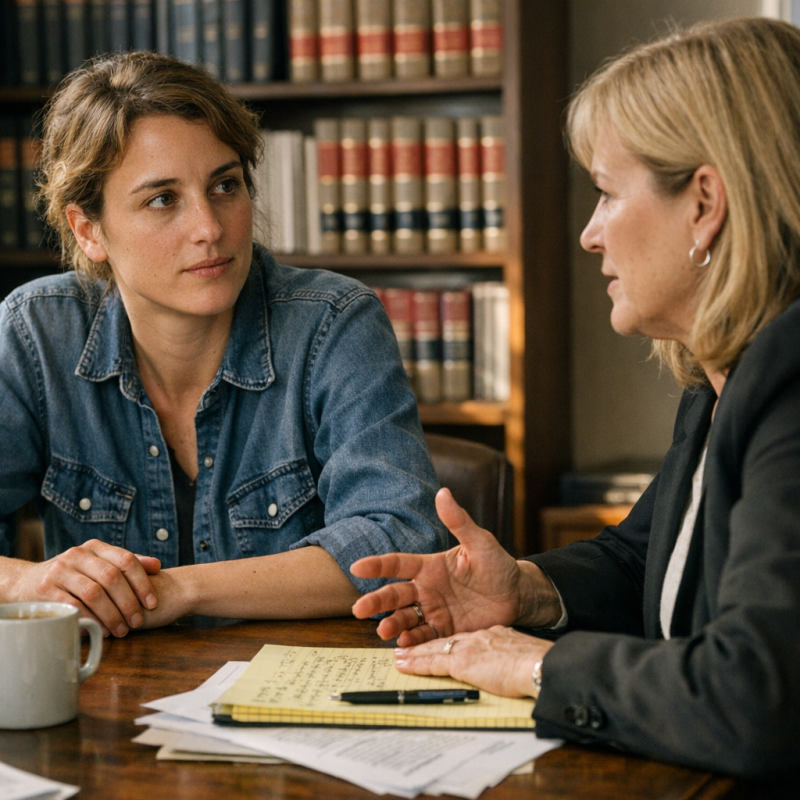 Image by FCT AI
The Call from Sarah
Sarah called me three days later. I almost didn't recognize her number. 'Emma?' Her voice sounded thin, scared. 'I heard you've been asking questions.' My heart started racing. 'Sarah, I've been trying to reach you for weeks—' 'I know. I couldn't... I had to make sure it was safe.' She took a shaky breath. 'I quit because Rachel found out I was looking into the accident reports. She didn't fire me. She sat me down and very calmly explained that if I ever spoke about what I'd seen, she'd make sure I never worked with children again. She had connections, she said. People who could make things very difficult for me.' I gripped my phone tighter. 'What did you see?' 'Enough to know something was wrong. But Emma, you need to be careful. She has eyes everywhere. She knew I'd accessed those files within hours.' Sarah's voice cracked. 'She knows what you're doing, Emma. She always knows.'
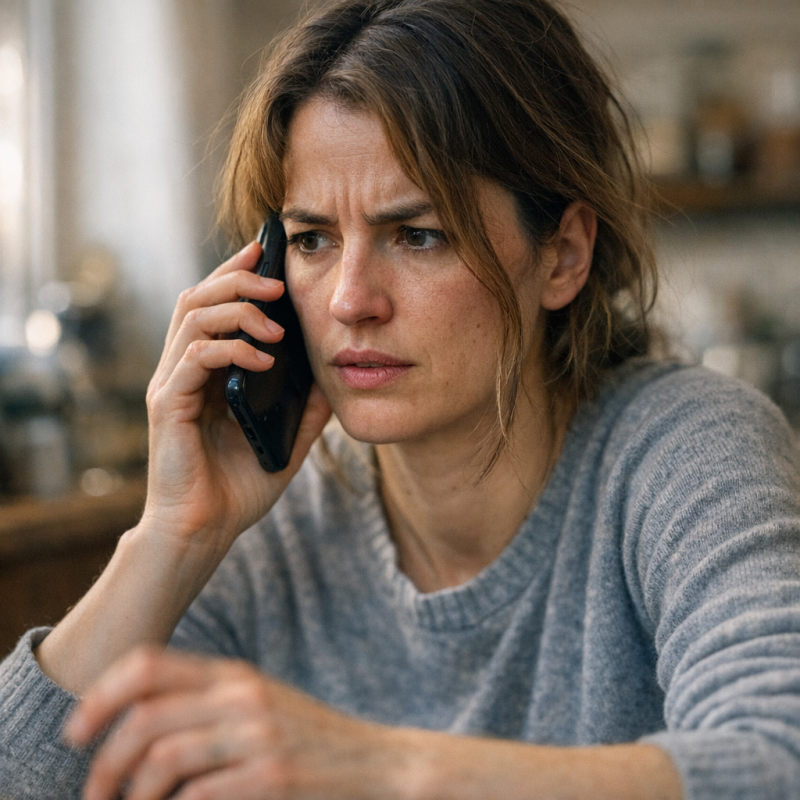 Image by FCT AI
Being Watched
After Sarah's call, I started noticing things. Rachel would appear in the hallway outside my classroom at odd times, just standing there. When I'd use the computer in the back office, I'd find her browsing history cleared — but only after I'd been searching for something specific. She started asking me little questions. 'How are you settling in?' 'Finding everything you need?' Each question felt loaded, like a test. One afternoon, I was reviewing enrollment files when I realized my login times were being tracked. Every file I opened, every document I accessed — it was all logged. I felt sick. She was monitoring everything I did on the system. I started using my phone for searches instead, but even then I felt exposed. The daycare had WiFi. Could she see that too? My paranoia grew until I could barely function. I looked up from my desk to find Rachel standing in the doorway, watching me with those cold, calculating eyes.
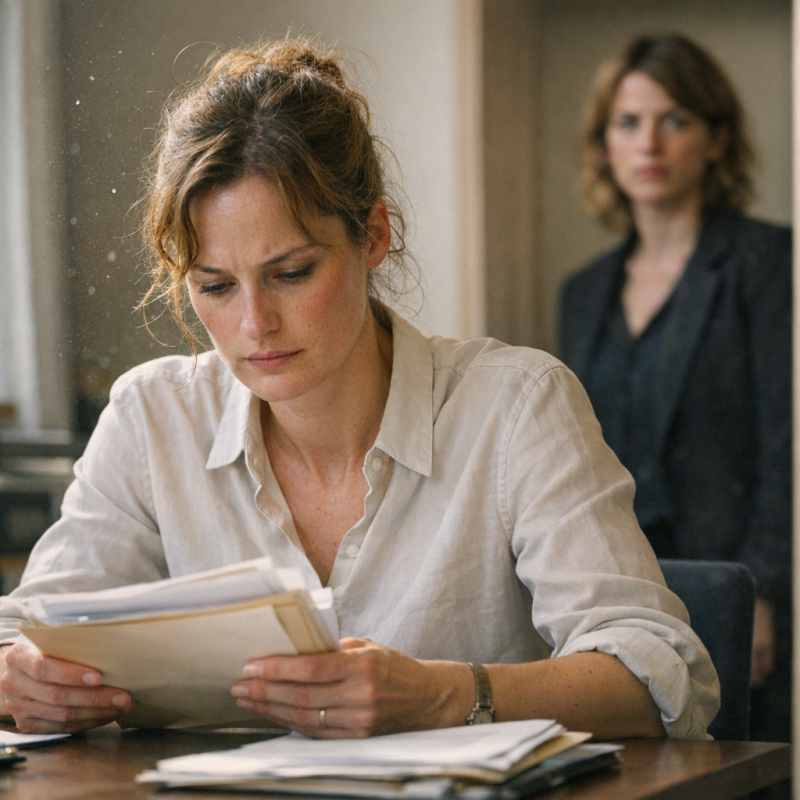 Image by FCT AI
The Hidden Camera
I found the camera by accident. I was in the back observation room looking for extra crib sheets when I knocked over a decorative plant on the shelf. When I went to fix it, I saw the tiny lens embedded in the fake leaves, angled downward toward the nap mats. My blood went cold. I checked the other corners of the room and found two more — one near the changing table, another by the door. These weren't the regular security cameras mounted openly on the ceilings throughout the building. These were hidden, deliberately concealed. I traced the wires carefully. They didn't lead to the main security system. They ran into the wall and disappeared toward Rachel's office. She had her own private surveillance setup. I thought about all the times I'd seen her come in here during nap time, clipboard in hand, moving between the sleeping children. She'd said she was documenting safety compliance. If she was documenting her safety checks, why keep the footage secret?
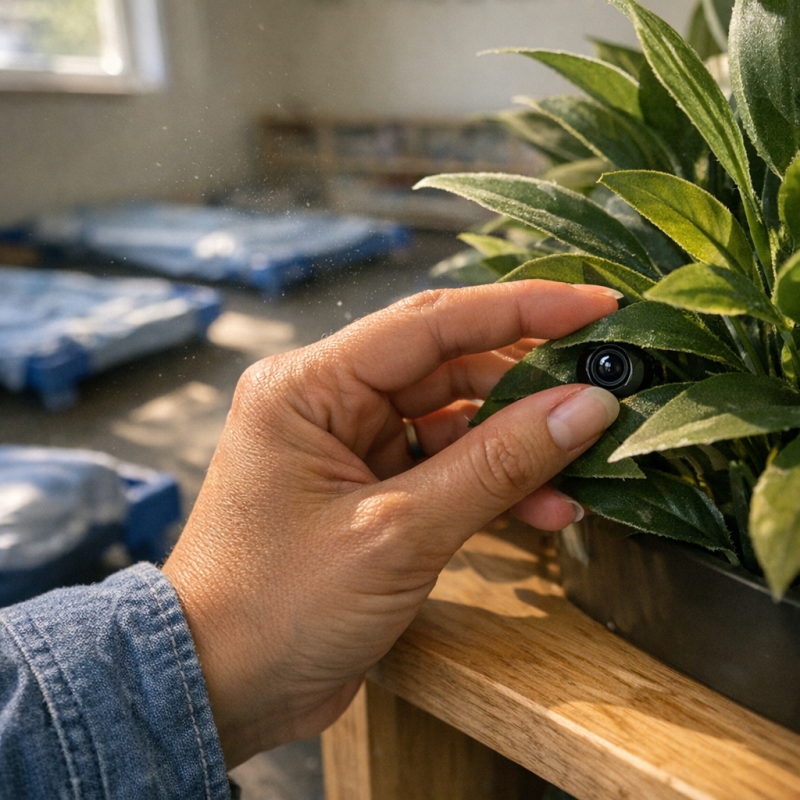 Image by FCT AI
Accessing the Footage
I waited until Rachel left for a district meeting. The building was quiet — just me and Jess with the kids. My heart hammered as I slipped into Rachel's office and closed the door. The recording equipment was hidden in a locked cabinet, but I'd watched her open it enough times to know where she kept the key. Taped under her desk drawer. My hands were shaking so badly I almost dropped it. The system was older than I expected, everything stored on a local hard drive. I plugged in my flash drive and started copying files. Weeks of footage. The progress bar crawled across the screen while I stood by the door, listening for footsteps. Every sound made me flinch. It took twelve minutes that felt like hours. When it finally finished, I carefully put everything back exactly as I'd found it, wiped down surfaces I'd touched. My hands shook as I ejected the drive — I'd just crossed a line I couldn't uncross.
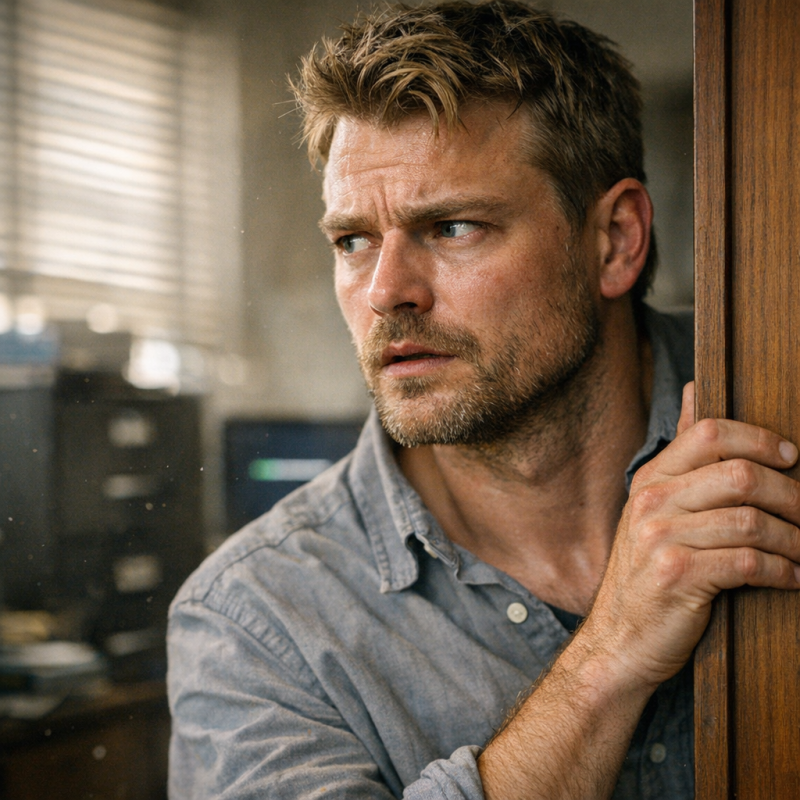 Image by FCT AI
What the Camera Saw
I watched the footage that night in my apartment with all the curtains closed. Hours of it. Rachel moving through the observation room during nap time, crouching beside sleeping children. She'd examine them carefully — checking their breathing, their color, gently touching their foreheads. Then she'd take out her phone and photograph them from multiple angles. After each child, she'd make notes on her clipboard. It looked like conscientious care at first. Really thorough documentation. But something felt wrong about the way she lingered. The way she'd pause and tilt her head, studying them like she was evaluating something. I zoomed in on her clipboard during one clear shot. The columns weren't labeled 'temperature' or 'respiratory rate' like I'd expected. They said things like 'severity index,' 'claim threshold,' 'incident category.' My stomach turned. I watched her photograph a little boy with a runny nose, then write '$15K' in the margin. But the notes weren't medical — they were financial assessments.
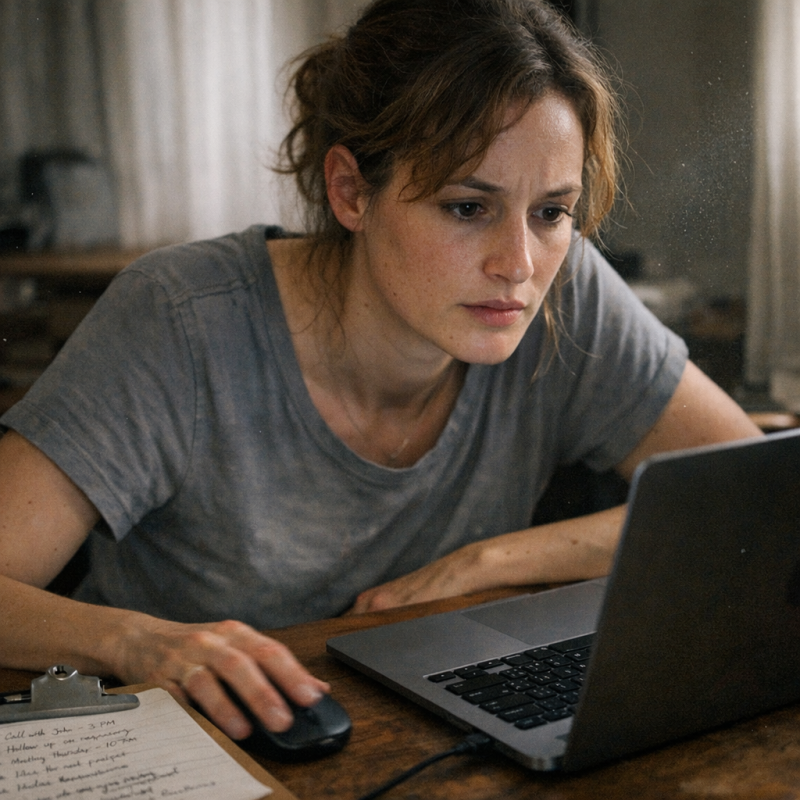 Image by FCT AI
The Code Words
I went back through the footage with the insurance documents beside me. That's when I saw it. The codes Rachel used in her notes matched perfectly with insurance claim categories. 'Respiratory distress' corresponded to claims between twenty and forty thousand. 'Allergic reaction' matched the sixty-thousand-dollar settlements. 'Head injury' — those were the biggest, sometimes over a hundred thousand. She had a whole system. She'd note which children had pre-existing conditions, which ones had wealthy parents with good insurance, which ones showed any vulnerability she could potentially exploit. The phrases I'd thought were medical observations were actually profit calculations. When she wrote 'monitor closely,' she didn't mean for the child's safety. She meant this one was valuable. This one was worth watching for an opportunity. My hands clenched into fists as I stared at the screen. She wasn't checking children for safety — she was evaluating them for profit.
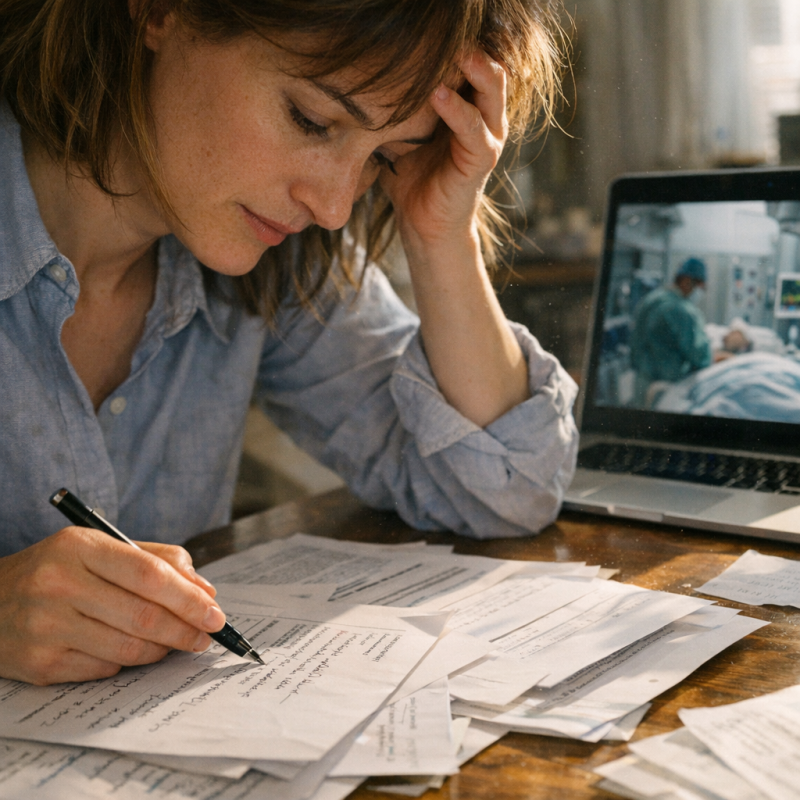 Image by FCT AI
Jess's Daughter
I recognized Jess's daughter in one of the videos. Sweet little Maya, only three years old, sleeping peacefully on her nap mat. Rachel crouched beside her, examining her carefully. Maya had been congested that week, I remembered. Rachel photographed her from four different angles, then made extensive notes. I could see her write '$25K potential' and 'respiratory — monitor next 48hrs.' My chest tightened with rage. I found Jess in the break room the next morning. 'I need to show you something,' I said, pulling her aside. I explained about the hidden cameras, about what I'd found. Her face went from confused to horrified. When I told her about Maya being in the footage, being assessed and photographed while she slept, Jess grabbed the edge of the table. 'When was this?' she whispered. I checked my notes. 'February tenth.' When I told Jess what I'd found, she went white and whispered, 'She was sick that week.'
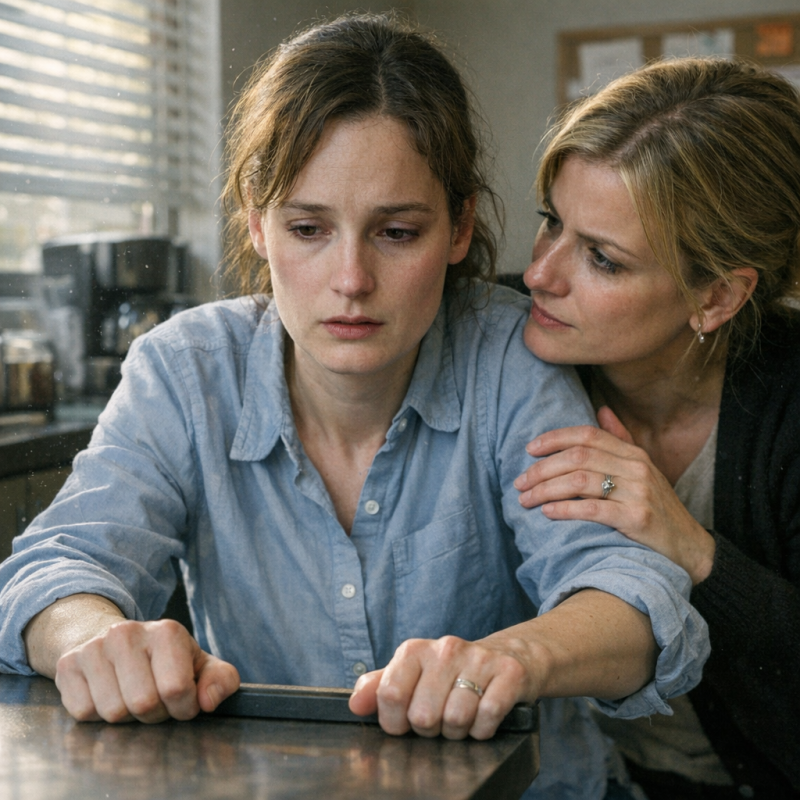 Image by FCT AI
Building the Case
Jess and I spent three nights in my apartment going through everything I'd collected. We spread it all across my living room floor like detectives in those crime shows, creating a massive timeline on butcher paper taped to my wall. Each incident got its own index card with dates, insurance claim amounts, and photos from Rachel's inspections. The pattern was impossible to miss once we laid it out. Maya's respiratory episode in February matched a $22,000 claim. Aiden's fall in December—$31,000. Seven other incidents over eighteen months, each one perfectly documented by Rachel beforehand, each one resulting in massive payouts. Jess kept shaking her head, saying 'How did we not see this?' over and over. We had timestamps, we had Rachel's notes calling children 'high-value targets,' we had her photographing sleeping kids like she was shopping. But here's the thing that made us both want to scream—we had all this evidence that something was wrong, that Rachel was selecting these children somehow, documenting them obsessively. What we didn't have was a single shred of proof she'd actually done anything to hurt them. The pattern was undeniable—but we still didn't have proof she'd actually harmed anyone.
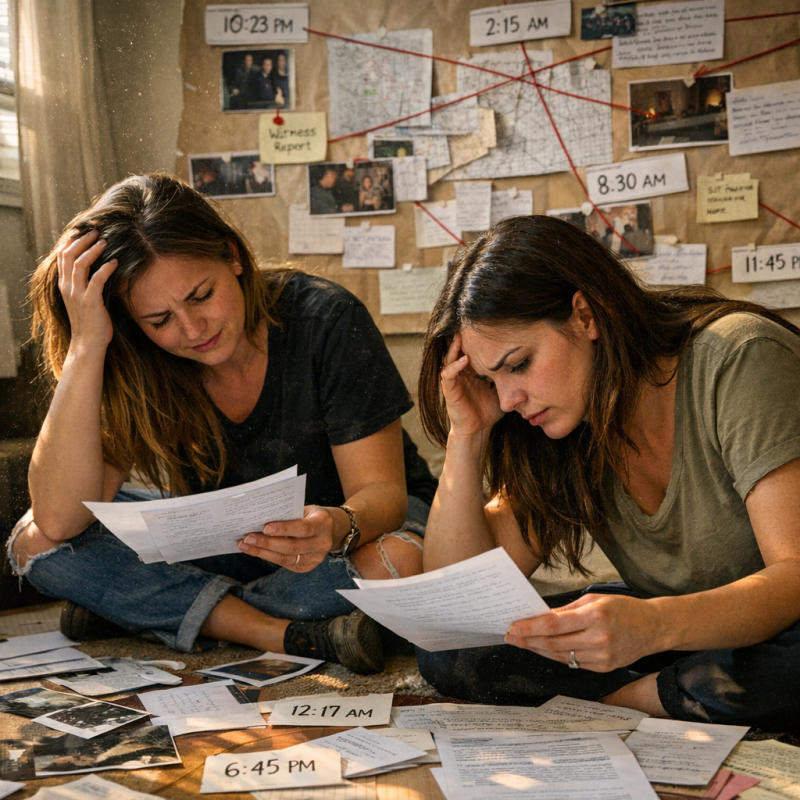 Image by FCT AI
Rachel's Offer
Rachel called me into her office on a Thursday afternoon, all smiles and warm professionalism. She closed the door and gestured for me to sit, then started talking about expansion opportunities. 'You're smart, Emma. Observant. That's rare in this industry.' She pulled out a business plan for opening three more facilities across the state. The numbers were insane—projected revenues in the millions. Then she got to the part about 'risk management protocols' and 'incident monetization strategies.' I felt my skin crawl as she explained, so casually, how the right insurance policies combined with thorough documentation could turn 'unfortunate accidents' into profitable business outcomes. She never explicitly said to hurt children, but the implication hung in the air like poison. 'Most people don't understand how the system works,' Rachel said, leaning back in her chair. 'But someone like you? You could be making real money. Building something.' My hands were shaking in my lap. She smiled and said, 'You could make more in a year than most people make in ten—if you're smart about it.'
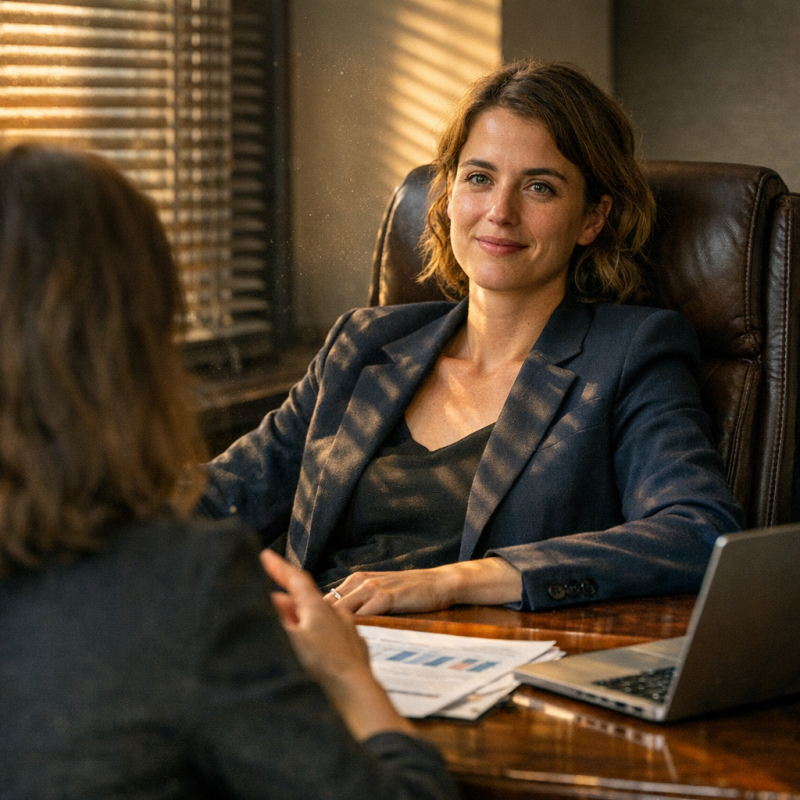 Image by FCT AI
The Other Daycares
I couldn't sleep after that meeting, so I did what I always do when I'm anxious—I went down research rabbit holes. I started digging into Rachel's professional history, her consulting work, anything I could find online. What I discovered made my stomach drop. Rachel hadn't just implemented the sleeping child policy at Sunshine Academy. She'd been consulting for daycare facilities across three states for the past five years. I found her listed as an 'operational efficiency consultant' on five different daycare websites. Each one prominently featured their sleeping child policies in their safety protocols. Each one used almost identical language about not disturbing children during rest time. I cross-referenced those facilities with state insurance databases—public records are a beautiful thing when you know where to look. The first daycare adopted Rachel's protocols in 2019. Major injury claim filed in 2020 for $43,000. The second facility, same pattern in 2021. The third, the fourth, the fifth—every single one showed the same timeline. And every single one had filed major insurance claims within two years.
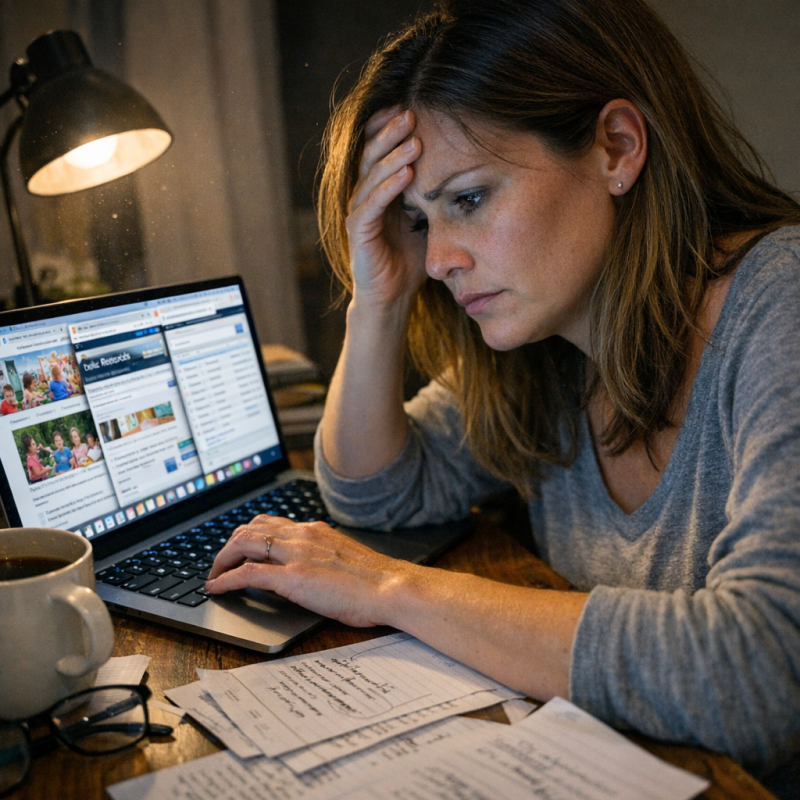 Image by FCT AI
Linda Returns
I called Linda, the licensing inspector, from my car in a grocery store parking lot because I couldn't wait another minute. My hands were shaking so badly I almost dropped my phone. She answered on the third ring, and I just started talking, everything spilling out about Rachel, the cameras, the patterns, the other daycares. I expected her to tell me I was crazy or overreacting. Instead, there was this long silence. Then she said, 'Can you meet me tomorrow? Bring everything you have.' We met at a coffee shop two towns over. Linda arrived with a file folder that had to be three inches thick. She'd been building a case against Rachel for eight months, ever since another daycare worker had called in an anonymous tip. But anonymous tips aren't evidence, and Rachel's lawyers were apparently very, very good. Linda had suspicions, irregularities, statistical anomalies—but nothing concrete enough to move forward. Until now. 'You're not the first person to call me about this place,' Linda said, 'but you might be the first with real evidence.'
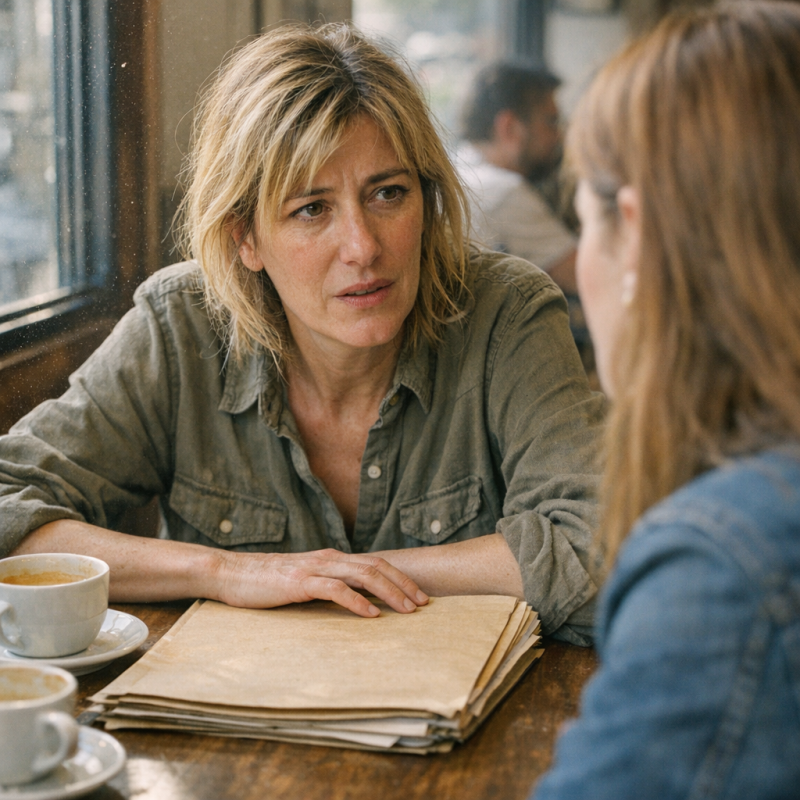 Image by FCT AI
The Missing Child
Linda gave me a name before we left that coffee shop—the Thompson family. 'Their daughter was injured at Sunshine Academy two years ago,' she said quietly. 'They were going to file a lawsuit, had lawyers lined up, the whole thing. Then suddenly they dropped everything and moved to Arizona.' I found the initial incident report buried in public records—a three-year-old girl named Sophie who'd suffered a severe head injury during nap time. The initial complaint alleged negligence and improper supervision. But then the trail just stopped. No lawsuit, no follow-up, nothing. It took me three days of searching property records and social media to find any trace of what happened next. What I finally discovered was a settlement agreement filed with the county clerk, the bare minimum required by law. The details were sparse, clearly negotiated by expensive attorneys. But two things were crystal clear: the settlement had been substantial enough to require judicial approval, and it included a strict non-disclosure clause. The settlement agreement included a strict non-disclosure clause—and the amount had been redacted.
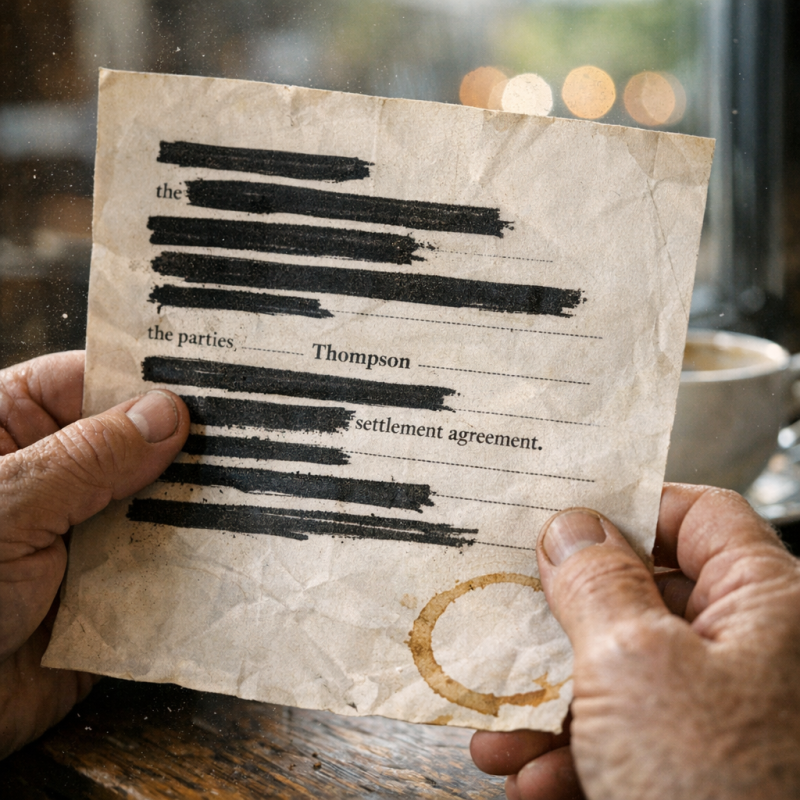 Image by FCT AI
Breaking the NDA
I found Sarah Thompson on Facebook, sent her a message explaining who I was and that I understood she couldn't talk about what happened. I said I just wanted to understand, off the record, no names, nothing that would violate her agreement. She didn't respond for three days. Then, late on a Sunday night, my phone rang from an Arizona number. Sarah talked for forty-five minutes, her voice shaking the entire time. Sophie had been completely healthy when they dropped her off that morning. During nap time, she'd sustained a skull fracture that required emergency surgery. Rachel had been the only adult in the room. The lawsuit was progressing, their lawyers were confident, and then Rachel's attorneys approached them with an offer. A big offer. Big enough to pay off their mortgage and Sophie's ongoing medical bills. But only if they signed papers saying they wouldn't talk, wouldn't pursue charges, and would state publicly that Sophie's injury was caused by a pre-existing condition they'd failed to disclose. Through tears, she told me, 'They paid us to say our daughter's injury was our fault.'
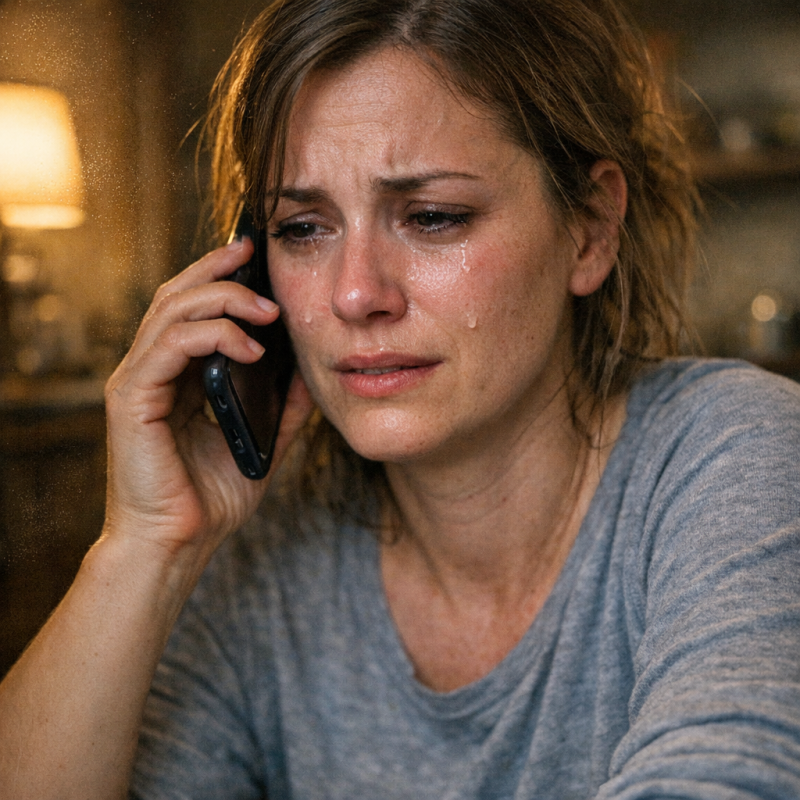 Image by FCT AI
The Sleeping Child Protocol Manual
I was in Rachel's office late one evening, supposedly looking for enrollment forms, when I found it. A binder tucked behind a row of binders on her bookshelf, identical black cover but slightly thicker than the others. The label read 'SCP Implementation Guide—Proprietary and Confidential.' My heart was pounding as I photographed every page with my phone. It was a step-by-step manual for daycare owners, written by Rachel, explaining how to implement the Sleeping Child Protocol. But it wasn't about safety at all. It detailed how to select insurance policies with the highest injury payouts, how to document pre-existing conditions in children for liability protection, how to schedule staff to ensure plausible deniability. There were checklists for identifying children who were 'statistically likely to generate claims'—kids with asthma, allergies, previous injuries. The language was cold, clinical, methodical. And then I got to section seven, and my blood turned to ice. One section was titled 'Identifying High-Value Incidents'—and it read like a hunting guide.
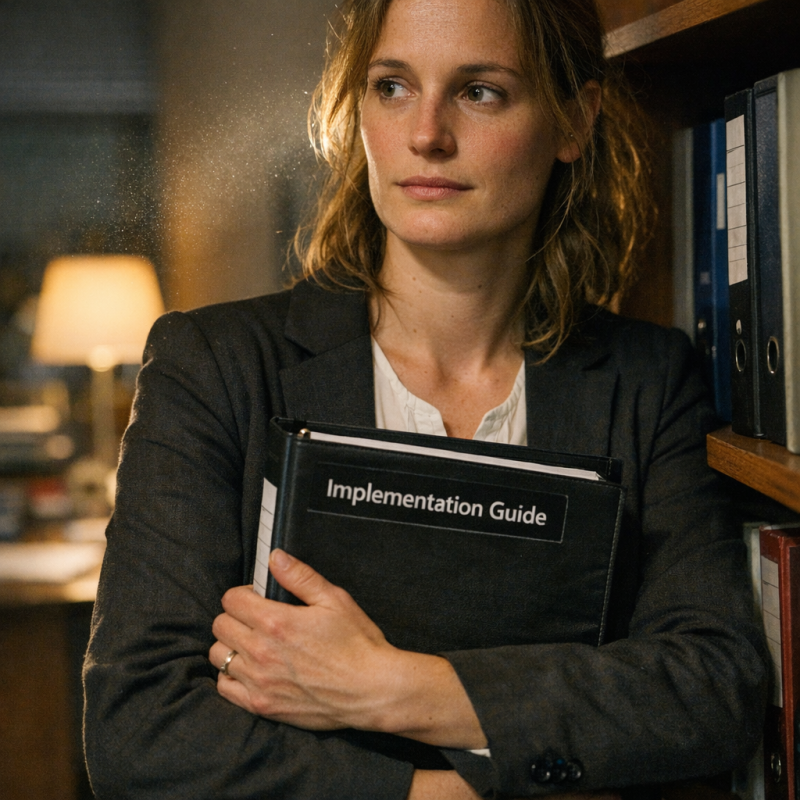 Image by FCT AI
Rachel Knows
Rachel was waiting by my car the next morning when I arrived for work. Just standing there in the parking lot, arms crossed, that familiar professional smile on her face. 'Emma,' she said warmly. 'We should talk.' She knew. I don't know how—maybe she'd noticed the binder had been moved, maybe she'd seen me meeting with Linda, maybe she just sensed it. We stood there in the cold morning air, and she didn't even pretend anymore. She told me she'd been doing this for years, that she had a team of lawyers who specialized in making problems disappear, that every document was protected by attorney-client privilege. She talked about the families who'd tried to speak up and found themselves buried in legal fees they couldn't afford. She mentioned my student loans, my rent, how hard it is for young people to get by these days. The threat was clear even though her voice stayed pleasant. 'You think you're the first person to try to stop me?' Rachel laughed. 'I have lawyers, Emma. What do you have?'
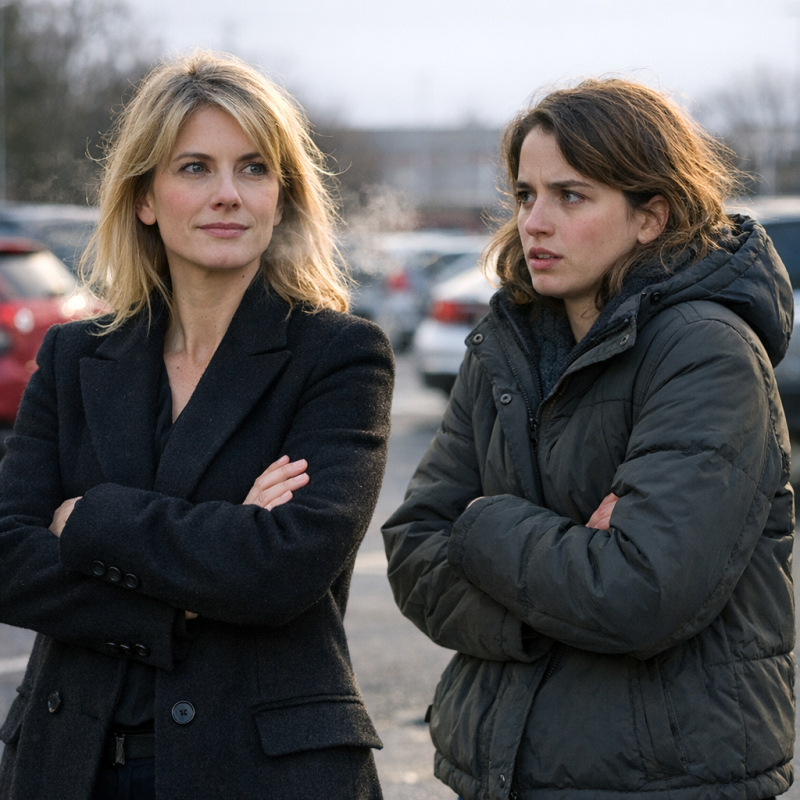 Image by FCT AI
The Real Story
I finally got my hands on the original coroner's report. It took three weeks, two Freedom of Information requests, and a sympathetic clerk who slipped me a copy when her supervisor wasn't looking. I read it sitting in my car outside the county records office, and that's when I saw it. The timeline. The child had been found unresponsive at 2:47 PM—there were witness statements confirming this. But the 911 call didn't come in until 3:02 PM. Fifteen minutes. I read that section five times, thinking I'd misunderstood. The coroner had noted it specifically, had questioned why there was such a delay in summoning help. Rachel's statement claimed she'd been 'assessing the situation' and 'trying to wake the child first.' But fifteen minutes? For a toddler who wasn't breathing? The report mentioned that immediate intervention might have prevented brain damage, might have changed the outcome entirely. My hands started shaking so badly I had to put the papers down. Rachel hadn't just failed to prevent it. She'd stood there and watched it happen while precious minutes ticked away—fifteen minutes that might have saved a life.
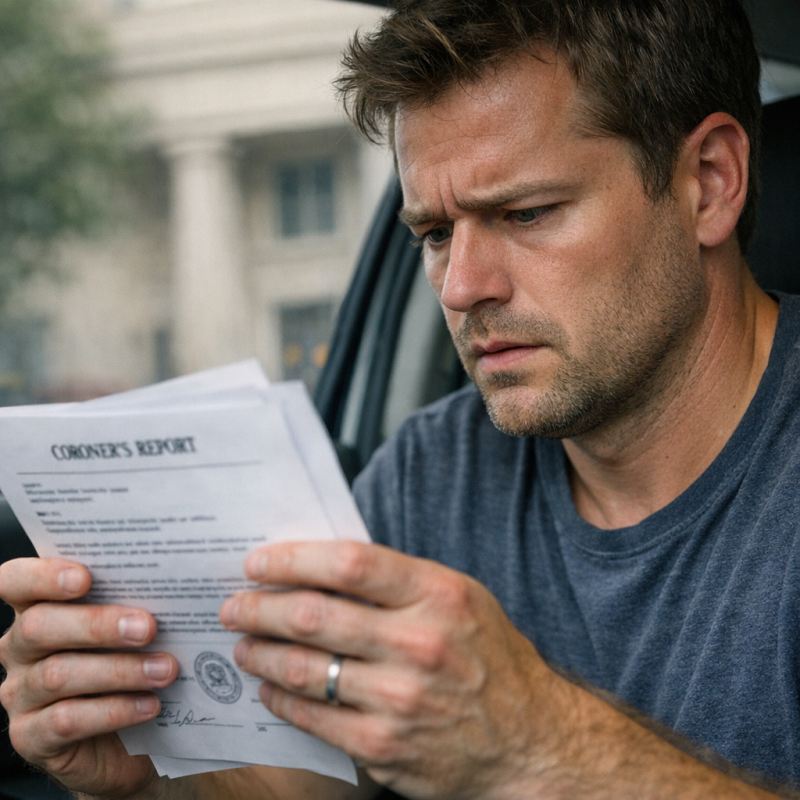 Image by FCT AI
The EMT's Statement
I tracked down one of the EMTs who'd responded to that original call. He was retired now, living two towns over, and he agreed to meet me at a coffee shop. His name was Marcus, and he remembered that day clearly—you could see it in his eyes when I brought it up. 'Twenty-three years on the job,' he said, 'and that call stuck with me.' He described arriving at Little Sprouts, finding the child in full cardiac arrest, finding Rachel standing nearby with her clipboard. That detail made my stomach turn. 'She had everything documented,' Marcus said. 'Times, observations, the child's condition. It was thorough. Almost too thorough.' He stirred his coffee, not looking at me. 'Most people in that situation, they're hysterical. Panicking. Crying. She was calm, though. Answering our questions like she was giving a deposition.' I asked him what he meant by 'too calm.' Marcus met my eyes then. 'She was calm,' he said quietly. 'Too calm. Like she'd been expecting it.'
 Image by FCT AI
The Photos Rachel Took
The photos were in a separate section of Rachel's old files, tucked into an envelope marked 'Incident Documentation—DO NOT DESTROY.' I'd gone back to Linda's house, and we'd gone through everything again, searching for something we'd missed. That's when we found them. Polaroids, dozens of them, all timestamped. Pictures of the dying child from every angle. Close-ups of the child's face, showing the bluish tint around the lips. Wide shots of the nap room. Detail shots of the crib, the bedding, the positioning. My hands went numb as I looked through them. Linda had gone pale, covering her mouth. Each photo had a timestamp written on the back in Rachel's neat handwriting. 2:48 PM. 2:51 PM. 2:54 PM. 2:59 PM. I laid them out in order on Linda's kitchen table, and the progression was horrific. You could see the child's condition deteriorating, the color draining, the chest movements becoming weaker. Rachel had methodically documented everything while doing nothing to help. The timestamps showed she'd spent twelve minutes taking photos while the child stopped breathing.
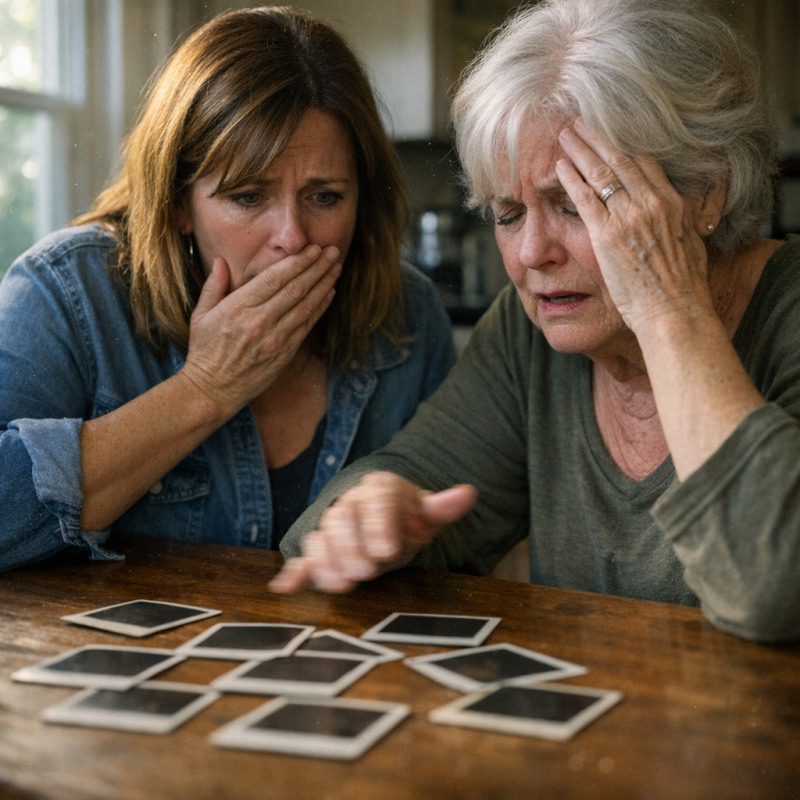 Image by FCT AI
Insurance Investigator's Suspicions
The insurance investigator's name was Gerald Webb, and he'd handled Rachel's original claim fifteen years ago. He was reluctant to talk at first, but when I mentioned I was trying to protect current children at her daycare, he softened. We met in a parking garage—he actually suggested that location, which should have told me something. 'I flagged her claim immediately,' Gerald said, leaning against his car. 'The delay in calling 911, the extensive documentation, the way she'd covered every possible liability angle. It felt staged.' He'd written up his concerns, recommended a full investigation, interviewed witnesses. 'And?' I asked. Gerald shook his head. 'Three days later, I got called into my supervisor's office. The case was being closed. Settlement approved. I was told to move on.' He looked uncomfortable, glancing around the empty garage. 'I pushed back. That's when things got weird.' His supervisor had received calls, he said. Pressure from somewhere above. The investigation was shut down completely within a week. 'Someone higher up shut down my investigation,' he said. 'Someone with a lot of influence.'
 Image by FCT AI
The Policy Wasn't About Safety
I couldn't sleep that night. I kept thinking about that policy, the one Rachel enforced so strictly. Wake every sleeping child every hour. Document everything. Never deviate. I'd always thought it was about covering herself legally—and it was, partially. But lying there at 3 AM, staring at my ceiling, I finally understood the whole picture. The policy wasn't just legal protection. It was a screening tool. Every time we woke those children, we were gathering information for her. Which kids were heavy sleepers. Which parents asked questions versus which ones just accepted what they were told. Which families had good insurance, which ones were struggling financially and might be desperate for a settlement. The policy created a paper trail that made Rachel look responsible while simultaneously helping her identify vulnerable targets. I sat up in bed, my heart pounding. Those hourly checks weren't safety measures—they were research. Assessment. Selection. Waking the children wasn't a safety check—it was a screening process for Rachel to assess which families were worth exploiting.
 Image by FCT AI
The Banker's Records
The bank employee who helped me was young, maybe even younger than me, and she looked terrified when we met. 'I could lose my job for this,' she whispered, sliding a folder across the table at the library where we'd agreed to meet. 'But I have a daughter. If someone did this to her...' The folder contained copies of deposit records for Rachel's personal accounts going back twelve years. I'd asked Linda if she had any contacts at Rachel's bank, and apparently, her nephew worked there. What he'd found made everything click into place. Large deposits, always between $50,000 and $200,000, appearing like clockwork. I cross-referenced the dates with the incidents Linda had told me about. The correlation was perfect. A child injured at the Riverside location in 2019—deposit two weeks later. The incident at Maplewood in 2021—another deposit, same timeline. Six incidents, six corresponding deposits. Rachel had turned child endangerment into a business model, and here was her profit margin laid out in black and white. Every deposit came exactly two weeks after a child was injured at one of her daycares.
 Image by FCT AI
Linda's Plan
Linda called me at midnight. 'I know how we catch her,' she said without preamble. We met at her house an hour later, and she laid out her plan. She had a friend who did private investigation work, someone who could install hidden cameras. 'We set them up in the nap room,' Linda said. 'Then we wait.' I must have looked confused because she continued. 'Rachel still comes by occasionally, right? For 'spot checks'?' She did—I'd seen her lurking around the facility at odd times, always with that clipboard. 'She can't help herself,' Linda said. 'She'll come during nap time eventually. She'll go into that room, and she'll look at those sleeping children the way she always does. Evaluating them.' Linda's hands were shaking slightly as she poured us both coffee. 'And if she does what I think she'll do—if she lingers too long, if she touches a child when she thinks no one's watching, if she documents something she shouldn't—we'll have it all on camera.' She met my eyes. 'If she does what I think she'll do,' Linda said, 'we'll have everything we need.'
 Image by FCT AI
The Truth About Little Sprouts
All the pieces finally came together in my mind like a horrific puzzle I'd been too afraid to fully assemble. Rachel hadn't just covered up negligence fifteen years ago—she'd committed it deliberately. She'd let that child die while documenting every moment, then collected a massive insurance settlement. And instead of being haunted by what she'd done, she'd seen an opportunity. The sleeping child policy came after that incident, positioned as a reform measure, a way to show she was taking safety seriously. But really? It was infrastructure for a fraud operation. The policy gave her plausible deniability while helping her identify which children were heavy sleepers, which families were vulnerable, which situations could be engineered and documented for maximum payout. She'd spent fifteen years perfecting the system, expanding to multiple locations, building relationships with lawyers who could bury anyone who got suspicious. That first child's death wasn't a tragic accident Rachel had exploited—it was the blueprint she'd refined into a business model. It was never about protecting children—it was about turning their suffering into profit.
 Image by FCT AI
The Sleeping Baby Arrives
The mother looked exhausted, which made sense—she had a newborn. She carried the infant car seat carefully, and I could see the baby sleeping peacefully inside, one of those deep sleeps that parents both love and worry about. Rachel appeared from her office with that warm smile she reserved for new families. 'Welcome,' she said, voice honey-sweet. 'We're so glad you chose us.' I watched Rachel's eyes flick down to the sleeping infant, and I saw it—that spark of interest, that calculation I'd learned to recognize. The mother explained apologetically that the baby had fallen asleep in the car, asked if she should wake him. 'Oh no, absolutely not,' Rachel said, leaning down to peer at the sleeping child. 'We have a very strict policy about protecting children's sleep schedules. We'll take excellent care of him.' Her hand rested on the car seat handle, and I felt my stomach drop. The mother smiled gratefully, handed over her son without hesitation. I saw Rachel's fingers tighten on the handle, saw that focused look in her eyes. Rachel reached for the car seat, and I knew exactly what she was planning to do.
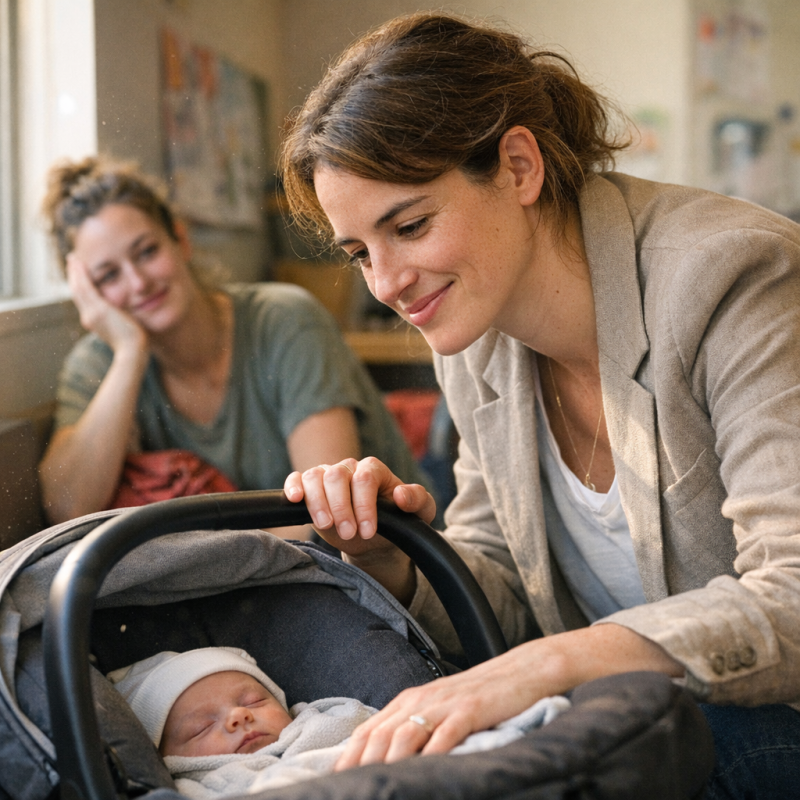 Image by FCT AI
Watching Rachel Work
Linda and I crowded around the laptop in her office, watching the hidden camera feed. Rachel had taken the sleeping infant to the changing area, away from the main room where other staff might casually observe. She laid him gently on the table, started removing his clothes with clinical precision. 'What's she doing?' Linda whispered, though we both knew. Rachel examined the baby methodically, lifting each tiny limb, checking behind his ears, inspecting his skin. She paused at a small patch of what looked like heat rash on his chest—barely noticeable, the kind of thing every baby gets. But Rachel's face lit up. She pulled out her phone, took dozens of photos from different angles and lighting. Then she retrieved a clipboard and started writing, her hand moving quickly across the page. Notes. Documentation. Building a narrative. I watched her glance toward the camera she didn't know was there, her expression calculating, professional. She was already planning the claim—I could see it in every calculated movement.
 Image by FCT AI
Linda Makes the Call
Linda's hand shook as she dialed. I'd given her everything—the financial records, the hidden camera footage, the documentation I'd collected over weeks. 'I need to report child endangerment at a licensed daycare facility,' she said into the phone, her voice steady despite her trembling fingers. She called the police first, then Child Protective Services, explaining calmly that we had evidence of systematic fraud involving the intentional injury of children. The dispatcher asked her to repeat that last part. 'Intentional injury,' Linda confirmed, looking at me. 'For insurance fraud. We have documentation.' After she hung up, we sat in silence for maybe ten minutes. I kept checking the monitor—Rachel was back in her office, typing on her computer. Probably drafting the incident report already. The baby slept on in the infant room, completely unaware that he'd been examined like a piece of merchandise. My phone buzzed with a text from Linda: 'They're coming now.' I looked up at her. Within an hour, two detectives and a social worker were walking through the daycare door.
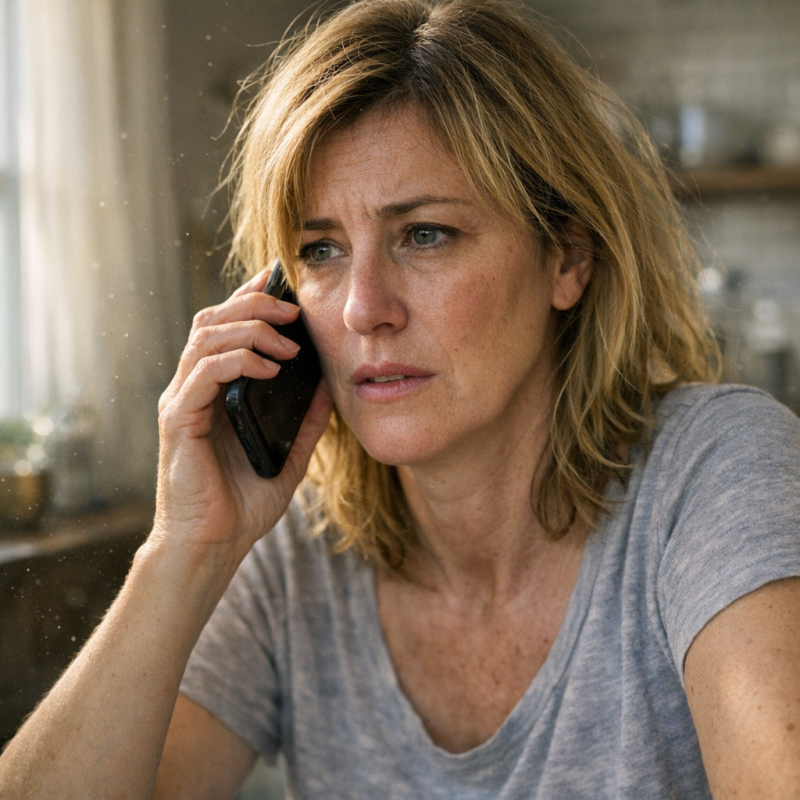 Image by FCT AI
Rachel's Arrest
Detective Karen Moore was tall, sharp-eyed, and clearly unimpressed by Rachel's attempted charm. They'd asked to speak with her privately in her office, and Linda had quietly given them access to the hidden camera footage. I waited in the hallway, my heart hammering. Through the partially open door, I heard Detective Moore's voice, calm and professional: 'We have documentation of your insurance claims going back fifteen years. We have footage from this morning. We have financial records showing systematic fraud.' Rachel's response was too quiet to hear, but her tone had that controlled quality I recognized—she was trying to manage the situation. 'Ms. Chen, you're under arrest for child endangerment, insurance fraud, and conspiracy,' Moore continued. That's when I heard Rachel's voice rise: 'This is absurd. I run a licensed facility. I've never—' 'We have everything,' Moore interrupted. 'The game's over.' There was movement, the click of handcuffs. Then Rachel appeared in the doorway, wrists bound, her face a mask of cold fury. She looked at me with pure hatred and said, 'You have no idea what you've done.'
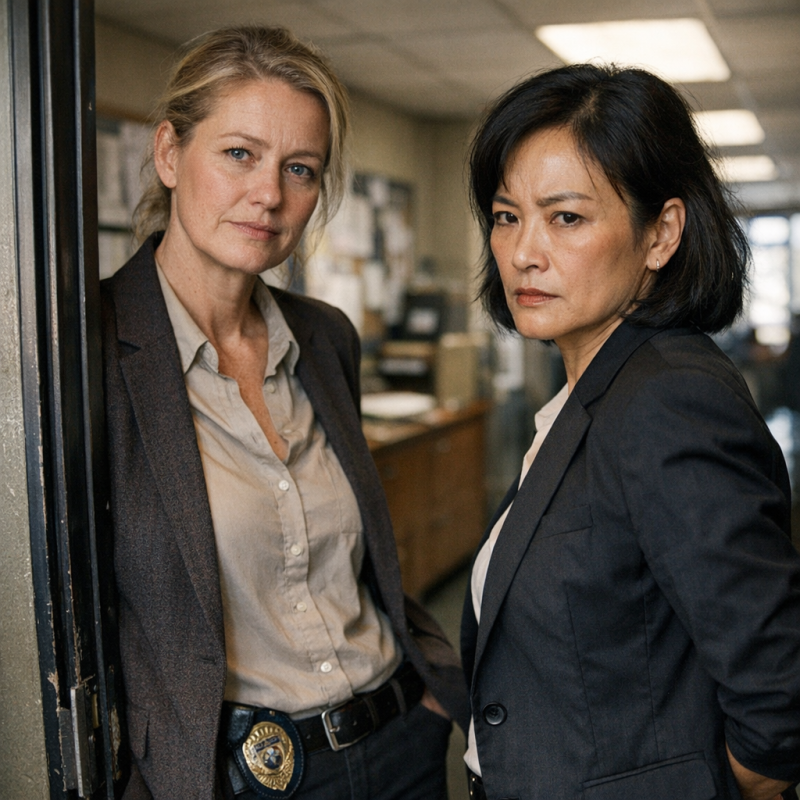 Image by FCT AI
The Parents Find Out
Telling the parents was the hardest thing I've ever done. We called them all in that afternoon, asked them to come without their children. Jess helped me set up chairs in the main room while Linda stood by the door, her face pale and drawn. When they arrived, confused and worried, I could barely look at them. Detective Moore explained the basics—that Rachel had been arrested, that the daycare was under investigation. But then I had to fill in the details. I had to tell them about the sleeping child policy, about how Rachel had used it to identify vulnerable targets. About the documentation, the injuries, the insurance claims. Jess sat beside me, her hand on my shoulder for support. One father started crying. Another mother stood up and walked out, too overwhelmed to process. Jess's friend Ashley—the mom who'd told me about the burn incident months ago—just stared at me in disbelief. 'My daughter,' she whispered. 'You're telling me Rachel deliberately—' She couldn't finish. One mother held her sleeping baby closer and whispered, 'You mean she was looking for ways to hurt her?'
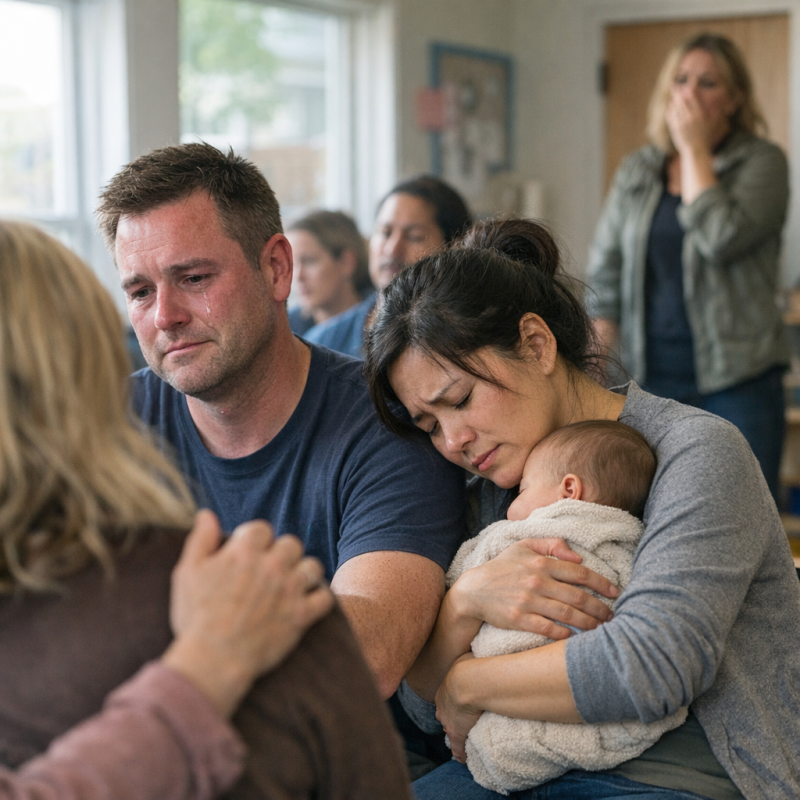 Image by FCT AI
The Other Victims Come Forward
Once the news broke, Detective Moore's phone started ringing constantly. Parents from Rachel's previous facilities saw the arrest on the news and started connecting dots they'd tried to ignore for years. A mother from the Portland location called to report that her son had suffered a mysterious burn three years ago—Rachel had been so sympathetic, so helpful with the insurance claim. Another family from the original Seattle location remembered their daughter's unexplained bruises, how Rachel had documented everything so thoroughly. Moore set up a dedicated tip line. I sat in on some of the interviews, watching parents realize they'd been manipulated, that their children's injuries hadn't been accidents or bad luck. 'She was so caring,' one father kept repeating. 'She cried with us. She helped us through it.' That was the worst part—Rachel had provided genuine comfort while simultaneously engineering the trauma. Each family's story followed the same pattern: a sleeping child, an injury discovered during Rachel's care, extensive documentation, a smooth insurance process. The evidence was overwhelming and heartbreaking. By the end of the week, twelve families had come forward—and more were calling every day.
 Image by FCT AI
The Insurance Company's Liability
The insurance company investigation started when Detective Moore noticed something strange in Rachel's claim patterns. Every single claim had been approved quickly, with minimal investigation, despite the unusual circumstances. Moore brought in financial forensic specialists who discovered that Rachel's facilities had been flagged internally multiple times over the years for suspicious injury patterns. But the flags had been dismissed. 'Why would they ignore red flags?' I asked Moore during one of our meetings. She showed me the analysis—Rachel's claims, while frequent, were always under the threshold that triggered automatic review. And more importantly, her premiums were astronomical. 'She was profitable,' Moore explained, her jaw tight. 'The company was making more from her premium payments than they were paying out in claims. Someone high up decided the red flags weren't worth investigating.' They'd found emails, internal memos discussing Rachel's 'acceptable risk profile.' The insurance company had known something was wrong but had calculated that stopping Rachel would cost them more than letting her continue. The corruption went deeper than anyone had imagined—Rachel hadn't been working alone.
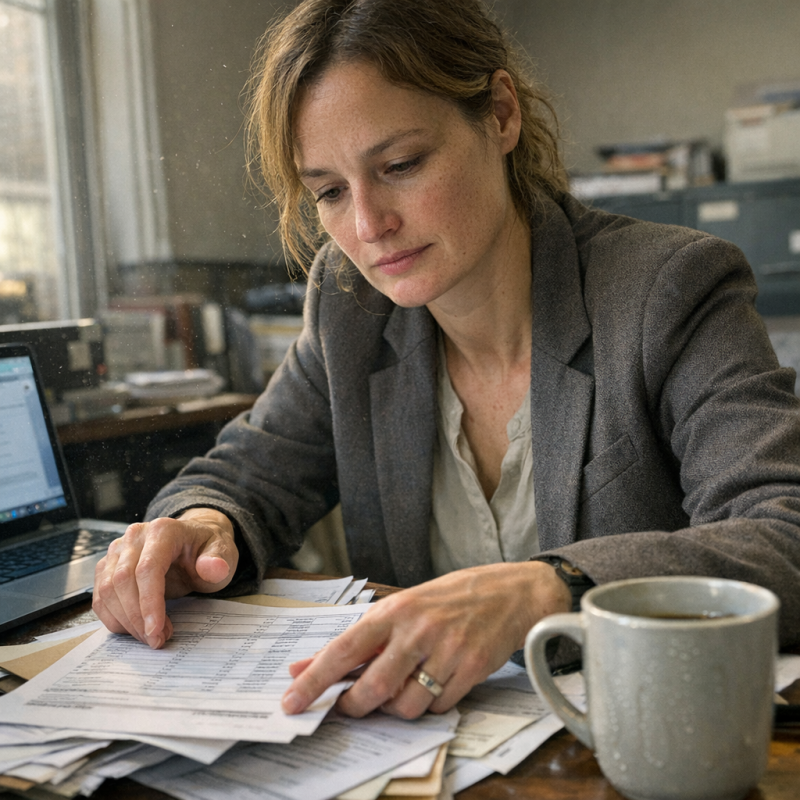 Image by FCT AI
Emma's Testimony
The grand jury room was smaller than I'd expected, packed with serious faces watching me from behind a curved desk. My hands shook as I walked them through everything—the sleeping child policy, the financial records, the footage we'd captured. I explained how Rachel had refined her system over fifteen years, how she'd chosen victims, how she'd documented everything to appear concerned while actually creating evidence for claims. The prosecutor asked me to describe the morning we'd filmed her examining the sleeping infant. I did, my voice steady despite the knot in my throat. I showed them the spreadsheets, explained the correlation between heavy sleepers and injury incidents. One juror, an older woman, looked physically ill. Another kept shaking his head in disbelief. When I described finding the sealed files, the original child's death, how Rachel had built an entire business model around that tragedy—the room went silent. I finished by submitting all our evidence into the record: documents, footage, testimony from victims. When I finished, the prosecutor looked at me and said, 'This is the most comprehensive case of systematic child endangerment I've ever seen.'
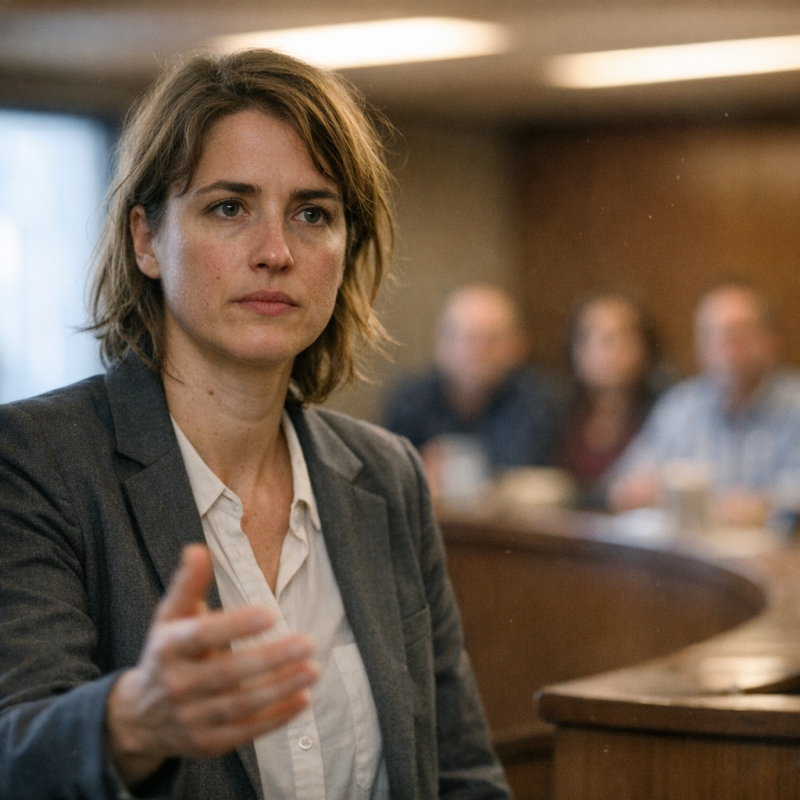 Image by FCT AI
The Indictment
The indictment came down three weeks after the grand jury testimony. Detective Moore called me personally to share the news. 'Twenty-three counts,' she said, her voice steady but satisfied. 'Fraud, child endangerment, criminally negligent homicide for the original child, conspiracy, falsifying documents—the whole package.' I sat down, knees suddenly weak. Rachel had appeared in court that morning, her lawyer arguing she was a pillar of the community, a respected businesswoman. The prosecutor had presented our evidence systematically, methodically, showing exactly what she'd done and how long she'd gotten away with it. I watched the arraignment online, seeing Rachel's face on the screen—no longer composed, no longer in control. She looked smaller somehow, diminished. The bail hearing lasted twenty minutes. The judge cited flight risk and danger to the community. He looked directly at Rachel and said, 'You systematically endangered the most vulnerable members of our society for profit.' Then he denied bail. I watched as they led Rachel away in handcuffs, her perfectly tailored suit jacket pulled tight across her wrists, her empire finally collapsing around her.
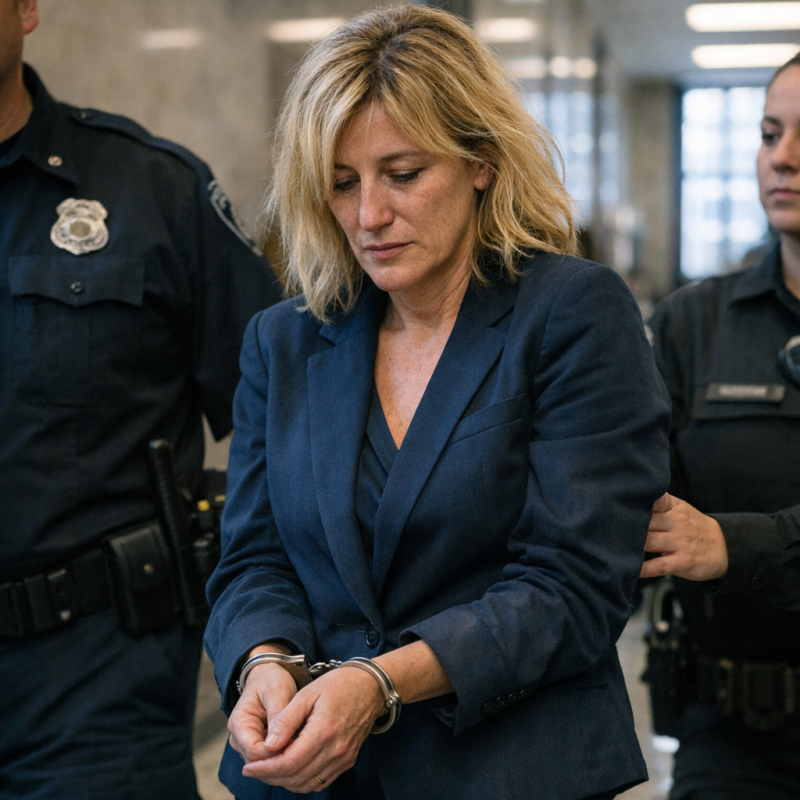 Image by FCT AI
Little Sprouts Closes
Little Sprouts officially closed two days later. The state had already suspended our license, but the physical closure felt different—final in a way I hadn't anticipated. Parents came to collect their children's belongings, and I helped each one find new placements at facilities with proper oversight and transparent practices. Jess and I spent hours on the phone, researching daycares, making recommendations, apologizing over and over even though most parents were surprisingly understanding. 'You did the right thing,' one mother told me as she packed her daughter's extra clothes. 'You could have stayed silent.' The building felt haunted that last afternoon. I walked through empty rooms where children had played, where some had been hurt while Rachel watched and calculated. Jess helped me box up supplies for donation—blocks, books, art materials untouched by what had happened here. We didn't talk much. What was there to say? At four o'clock, I did one final walk-through, checking every room, turning off every light. As I locked the door for the last time, I felt both grief and relief.
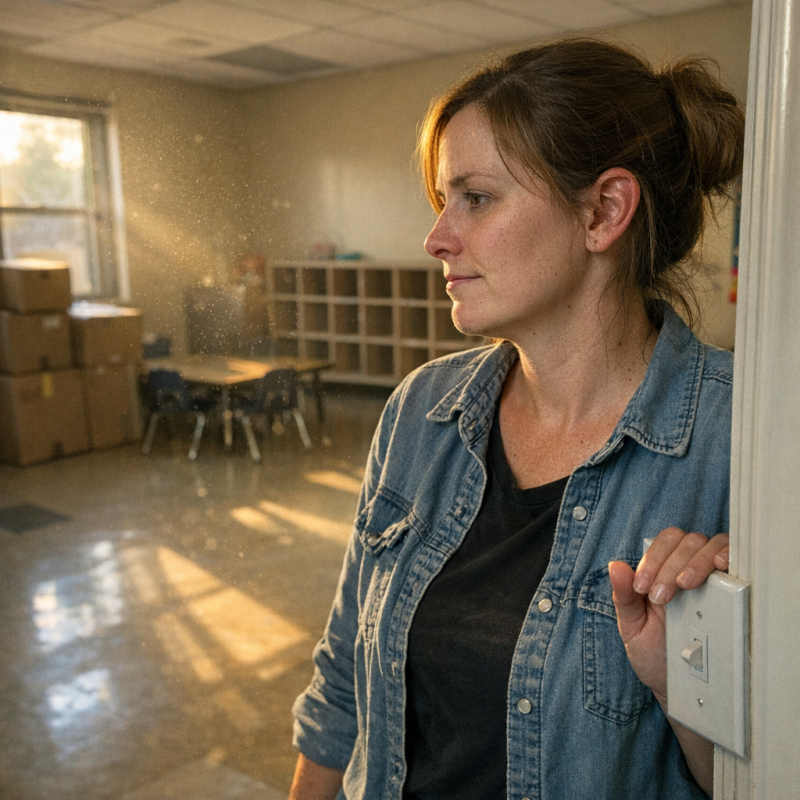 Image by FCT AI
New Regulations
Linda recruited me six months later to work on new daycare regulations. She'd connected with child welfare advocates and state legislators who wanted comprehensive reform. We met in conference rooms and community centers, drafting policies that would prevent what Rachel had done. Mandatory video monitoring in all rooms. Unannounced inspections by trained specialists. Financial audits for any facility filing injury claims. Stricter ratios. Better training. Real accountability. I testified before committees, shared our evidence, explained how Rachel had exploited every gap in the system. Other former employees came forward with their own stories of pressure and manipulation. Parents whose children had been injured spoke about their experiences, their voices shaking but determined. The legislative process took eighteen months—longer than I'd expected, more exhausting than I could have imagined. But it worked. The bill passed with bipartisan support. I was there when the governor signed it, surrounded by advocates and survivors. The law that passed was named after the child who'd died—the one Rachel had let slip away.
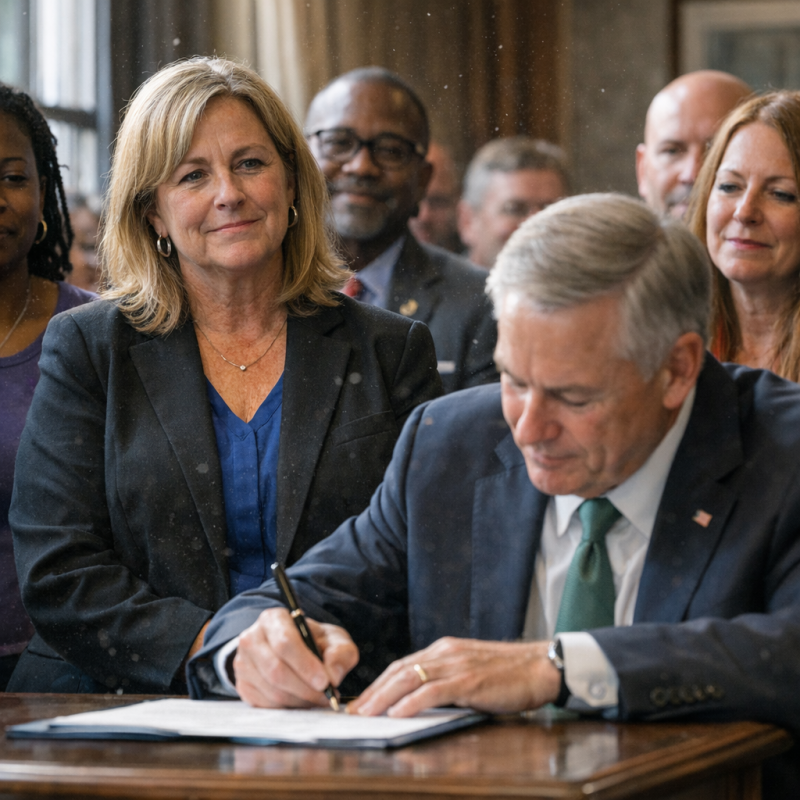 Image by FCT AI
Why I Still Wake Them
I work at a different daycare now, a small cooperative run by parents and educators who actually care about children's wellbeing. Sometimes I still have to wake sleeping babies—to check on them, to make sure they're breathing properly, to reposition them safely. It triggers something in me every time, a flash of memory from Little Sprouts, from that surveillance room. But I've learned the difference between protection and exploitation. I've learned what genuine care looks like versus what Rachel's twisted version had been. The kids at my new center are watched over with love, not examined for profit potential. When a child falls and gets hurt, we comfort them, document appropriately, and contact parents immediately—not calculate claim values. I still think about what happened sometimes, about the children Rachel harmed, about how close I came to being complicit through silence. I carry that weight. But I also carry the knowledge that speaking up mattered, that systems can change, that even one person refusing to look away can make a difference. Now when I wake a sleeping baby, I do it gently, with love—and I stay to make sure they're okay.
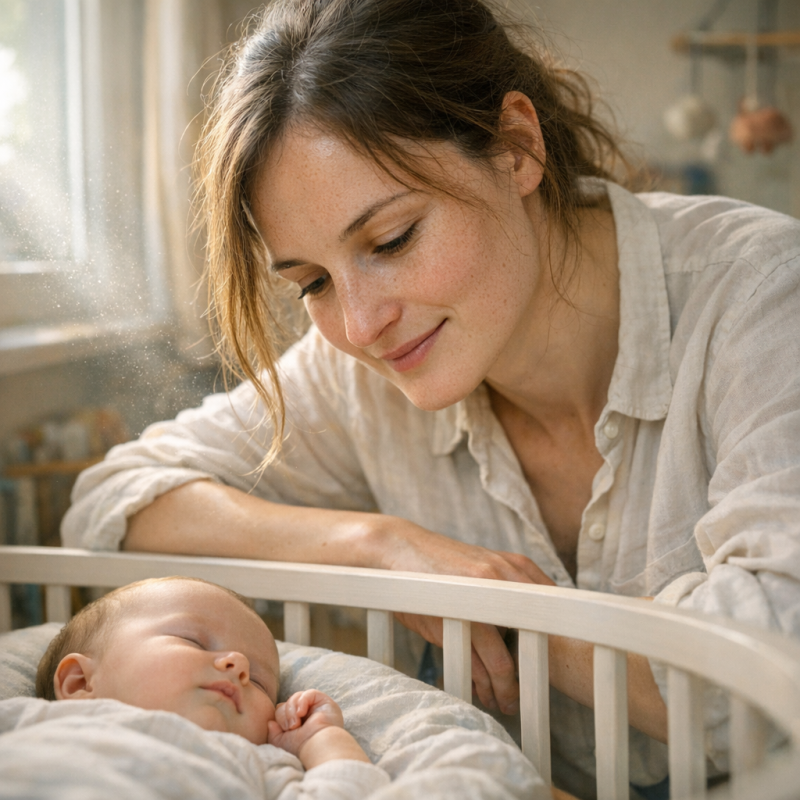 Image by FCT AI