
Diesel Disasters
Diesel pickups are often praised for power and longevity, but not every model lives up to the hype. From gutless engines to constant breakdowns, some trucks are remembered for all the wrong reasons. Here’s a ranking of the 25 worst diesel pickup trucks ever made, from disappointing to downright infamous.
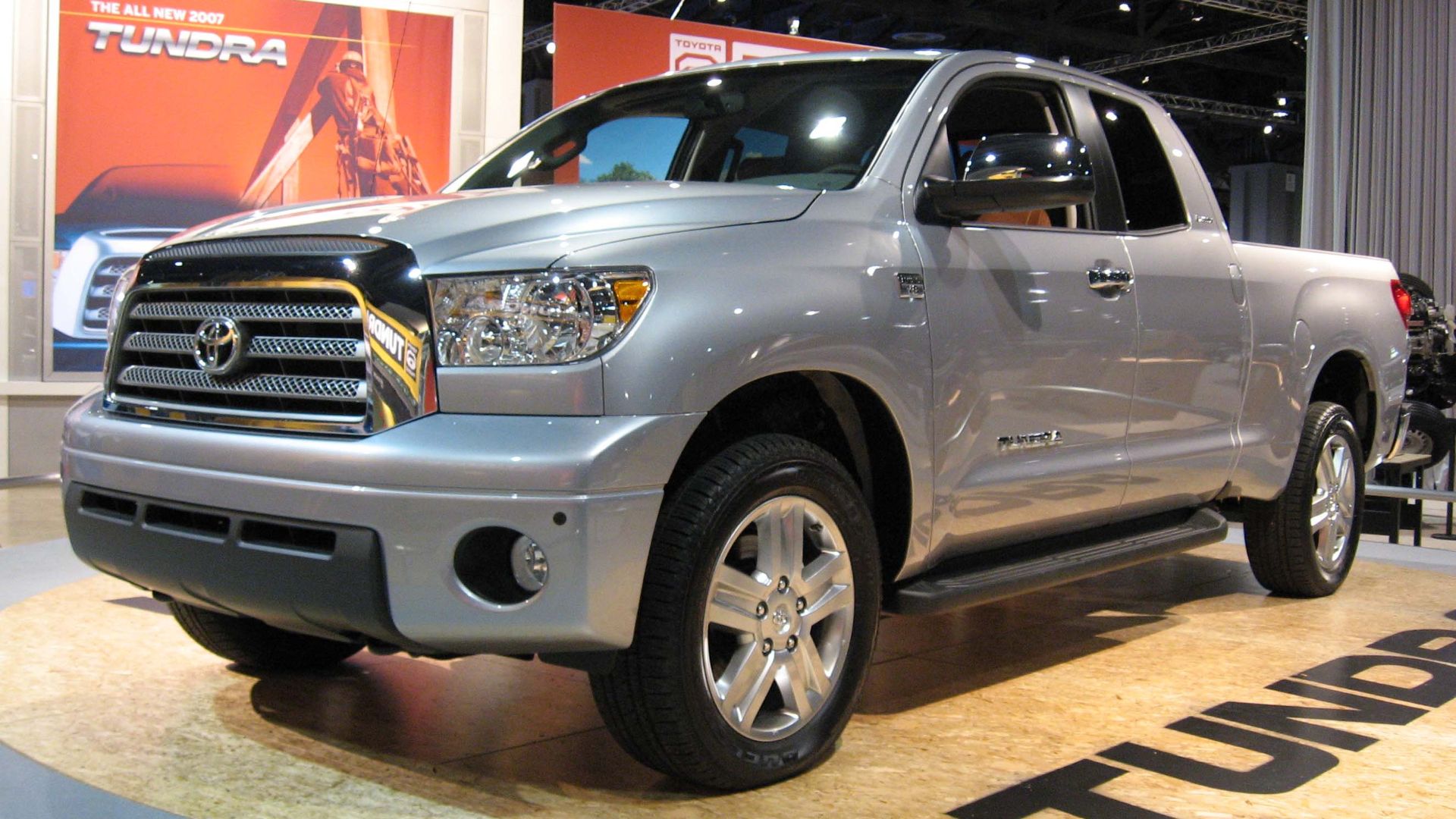
#25 – 2007–2008 Toyota Tundra Diesel Prototype
Toyota flirted with a diesel Tundra, but emissions regulations and poor performance killed the project. Prototypes tested a 4.5L V8 diesel, but it lacked refinement and efficiency compared to Ford and GM diesels. Collectors may be curious, but it never went to production for good reason.
#24 – 2019–2020 Ford F-150 Power Stroke Diesel
Ford’s 3.0L Power Stroke V6 looked promising but underperformed in sales and towing. Reliability was shaky, with fuel system and turbo issues. It was discontinued quickly, leaving many owners frustrated with repair bills. A rare misstep for the F-150 lineup.
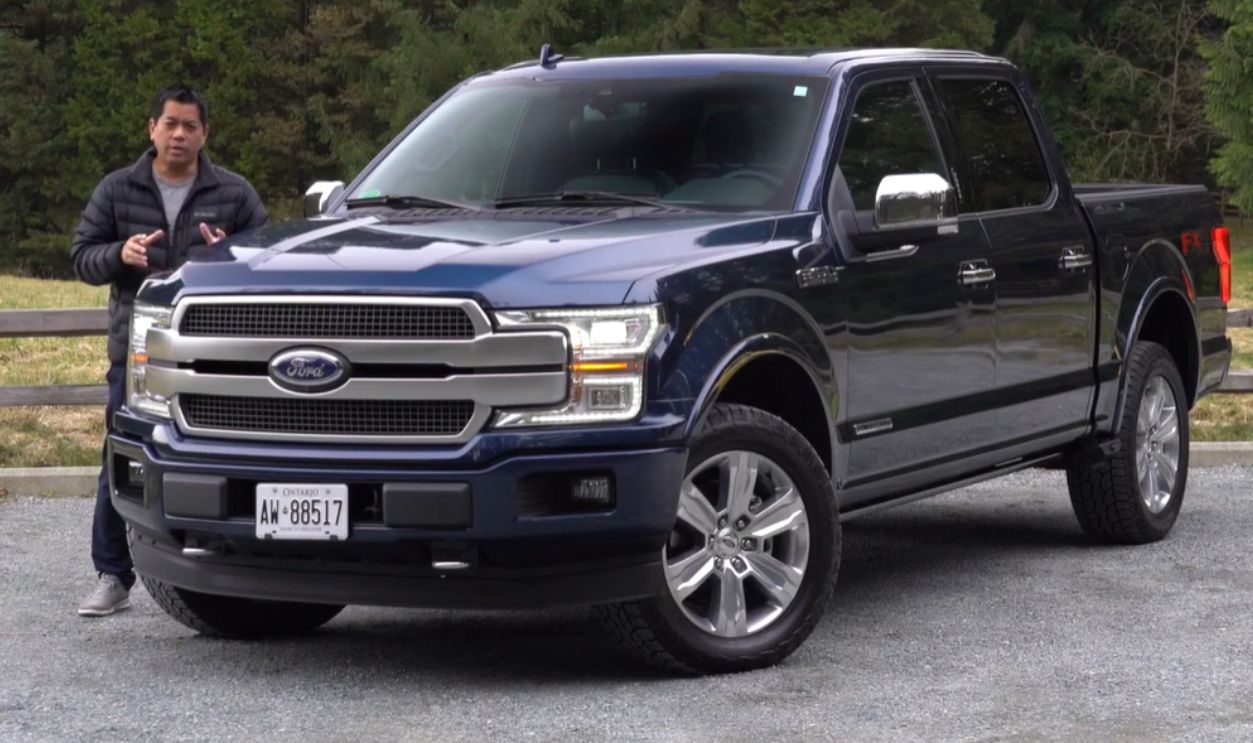 2019 FORD F-150 Diesel Review - The BEST 1500 Pick-up Truck?, Everyday Reviews
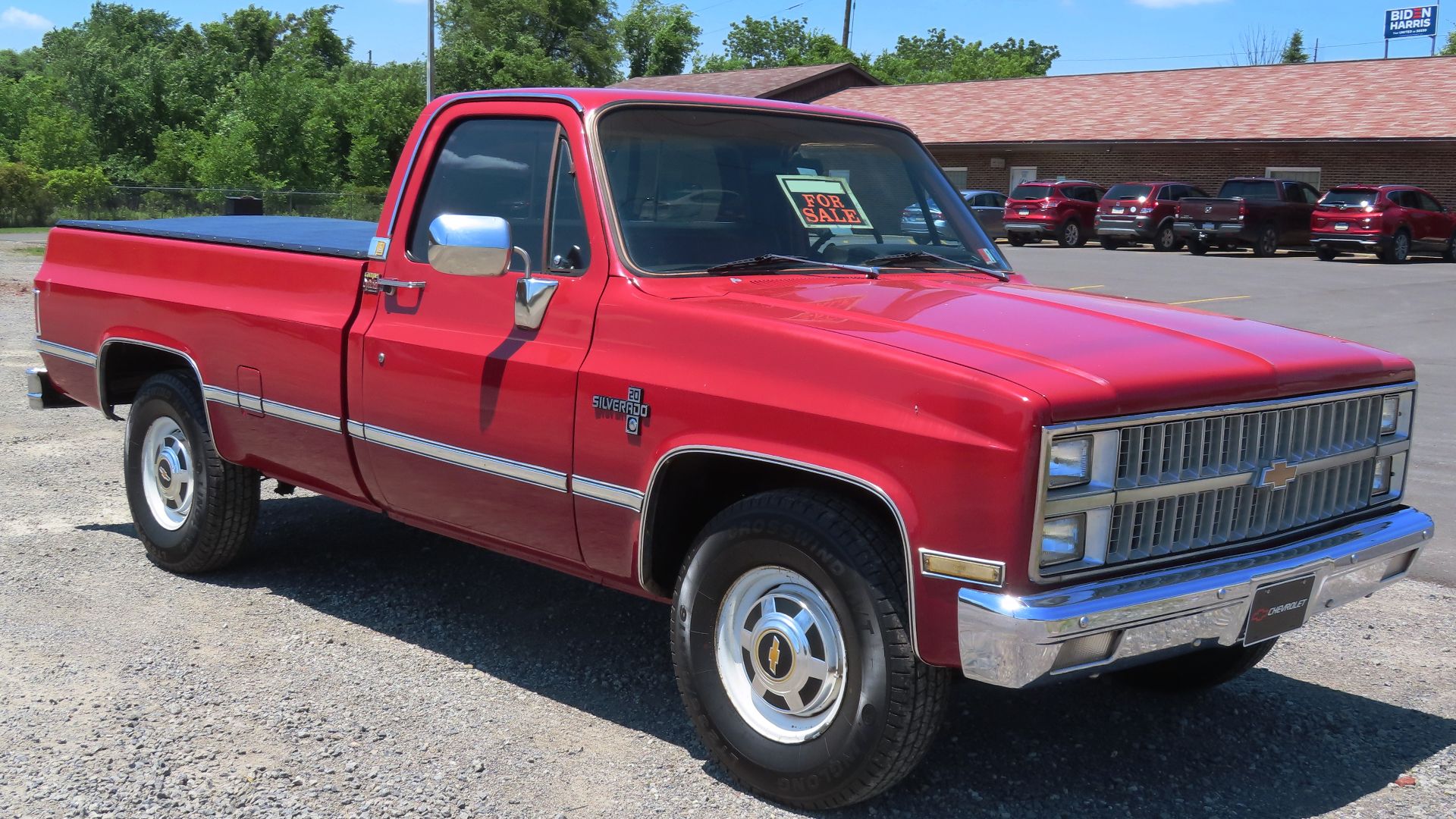
#23 – 1980–1985 Chevrolet C/K Diesel (Oldsmobile 5.7L)
GM tried to rush into the diesel market with the Oldsmobile-sourced 5.7L V8 diesel. Known for blown head gaskets, weak blocks, and poor fuel economy, it gave diesel trucks a bad reputation. Mechanics still groan when these engines are mentioned.
 MercurySable99, Wikimedia Commons
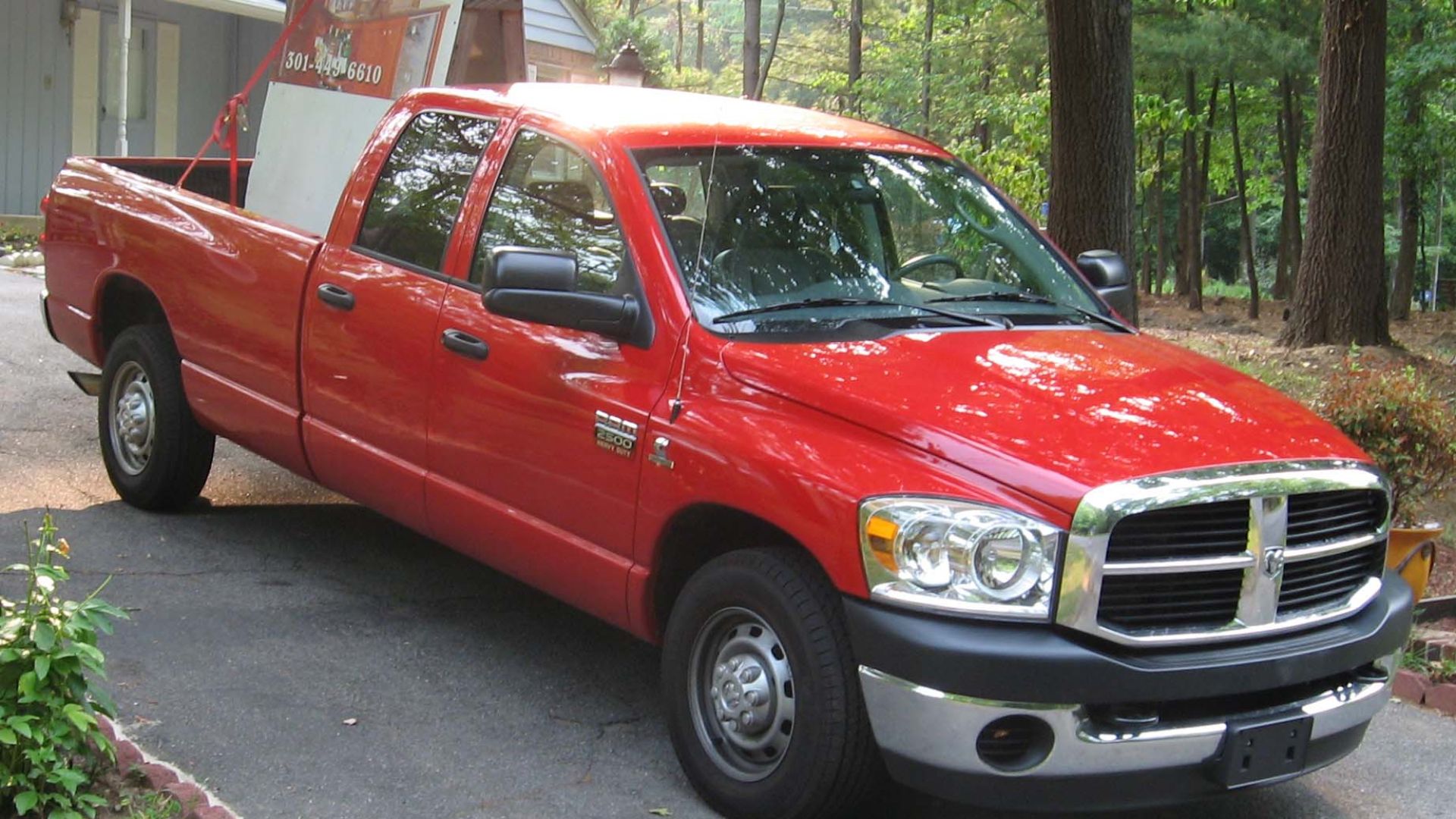
#22 – 2006–2007 Dodge Ram 2500/3500 5.9L Cummins (325 hp Version)
Although the Cummins has a legendary reputation, these late 5.9L common-rail models were plagued by injector failures. Owners reported expensive replacements and downtime. Compared to earlier 12-valve Cummins engines, this version felt like a step backward in reliability.
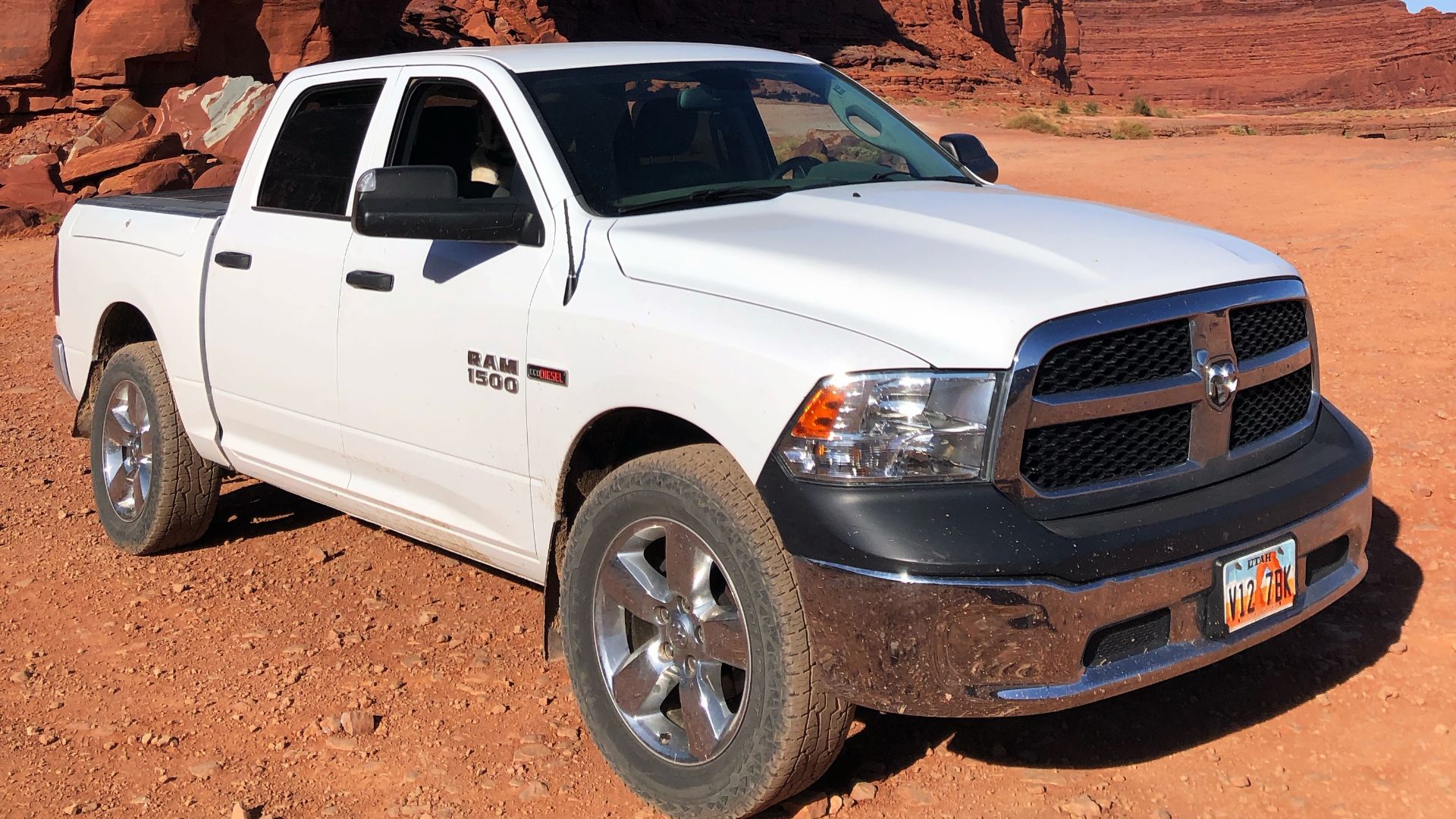
#21 – 2014–2015 Ram 1500 EcoDiesel
Fiat-Chrysler’s 3.0L EcoDiesel was supposed to deliver efficiency, but instead faced emissions-cheating scandals, recalls, and costly EGR issues. Many owners dealt with long waits for parts and constant “check engine” lights. Its rocky start hurt diesel’s reputation in light-duty pickups.
 Utahredrock, Wikimedia Commons
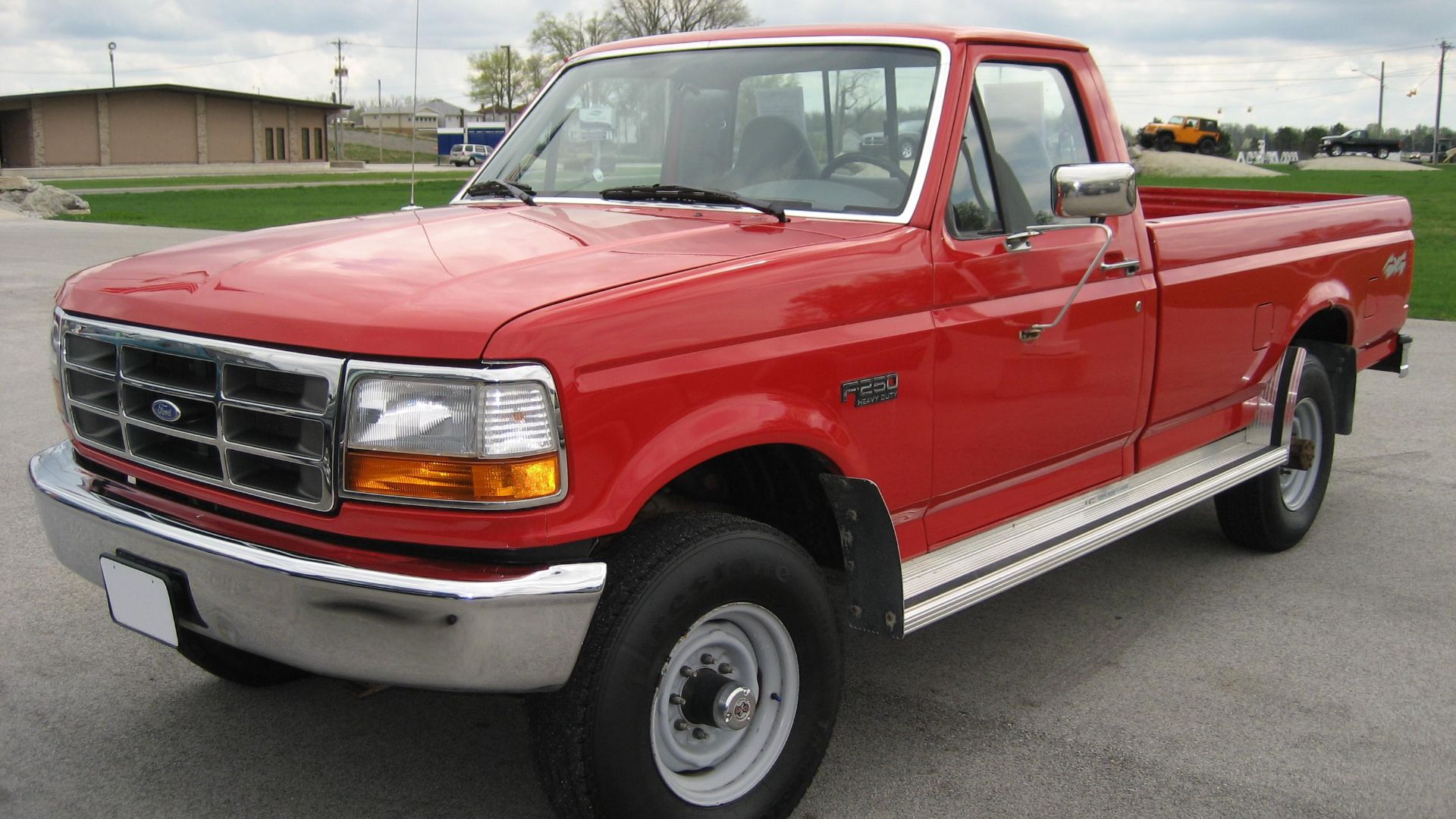
#20 – 1994–2000 Ford F-250/F-350 7.3L Power Stroke (Early Turbo Issues)
While later 7.3Ls are beloved, early versions suffered from weak turbochargers and injector o-rings. Many trucks lost power or left clouds of white smoke. Owners love the platform, but these early builds remind us that even great engines had growing pains.
 Dana60Cummins, Wikimedia Commons
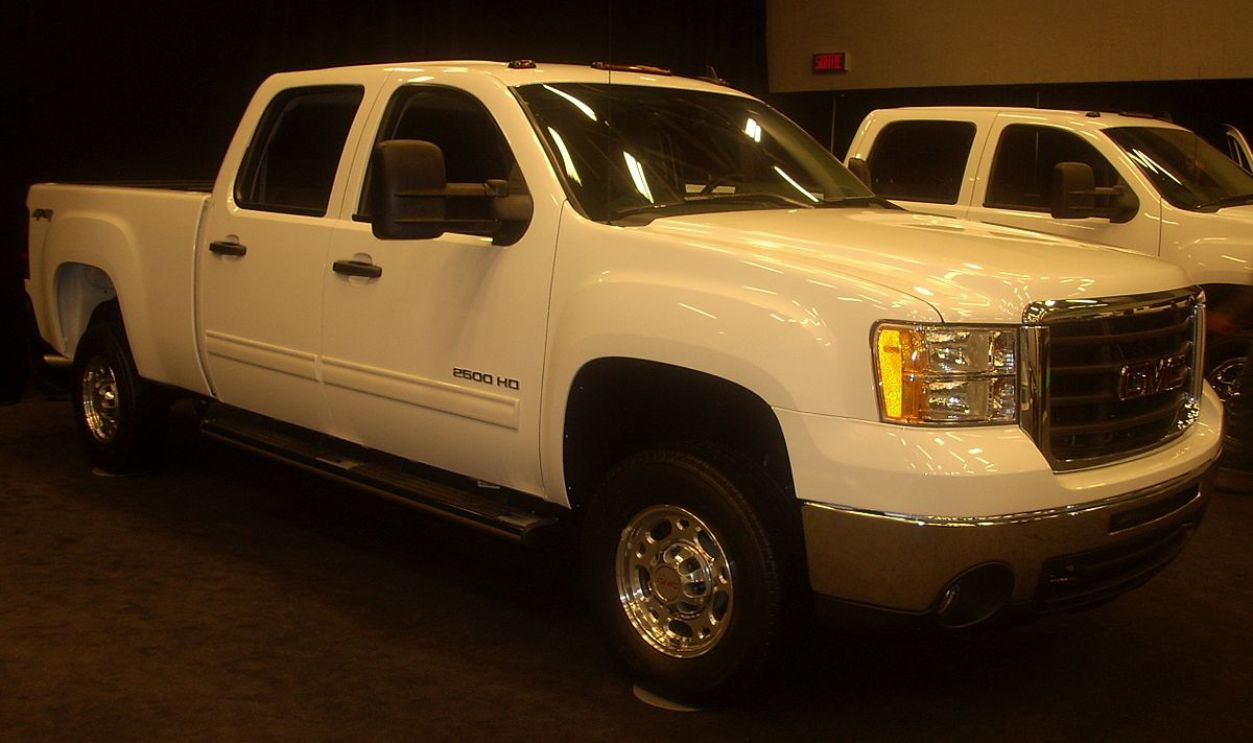
#19 – 2007–2010 GMC Sierra 2500HD Duramax LMM
The LMM Duramax was hit hard by new emissions controls. Diesel particulate filter (DPF) issues plagued owners, causing poor mileage and expensive fixes. Reliability took a nosedive, and many swapped exhausts just to keep the truck running. A black eye for an otherwise strong engine family.
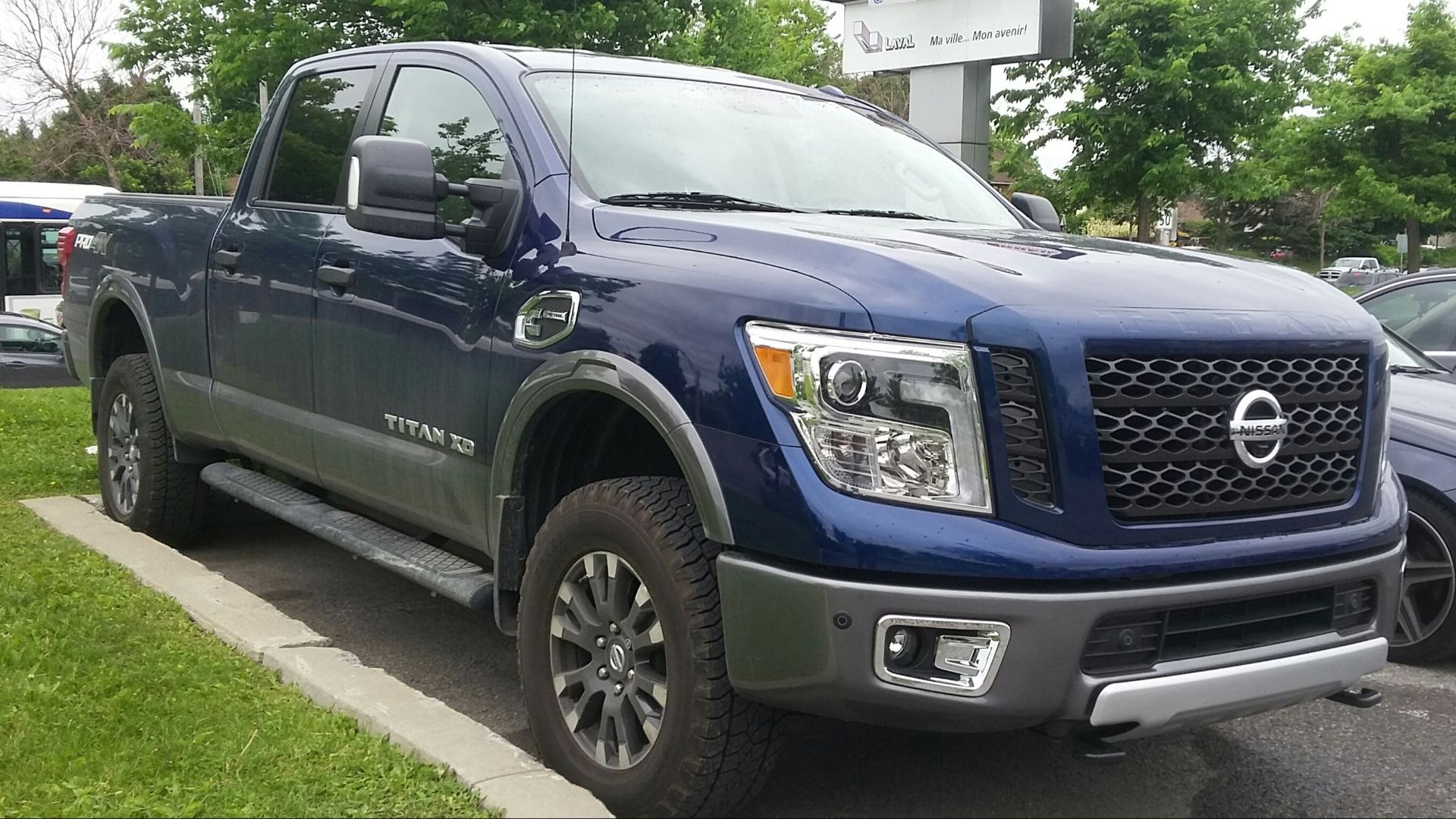
#18 – 2016–2018 Nissan Titan XD Cummins 5.0L
On paper, a Cummins-powered Titan sounded like a win. In reality, the 5.0L V8 diesel was underwhelming in both power and towing compared to Detroit rivals. Add in poor sales, transmission problems, and high repair costs, and the Titan XD diesel was a flop.

History's most fascinating stories and darkest secrets, delivered to your inbox daily.
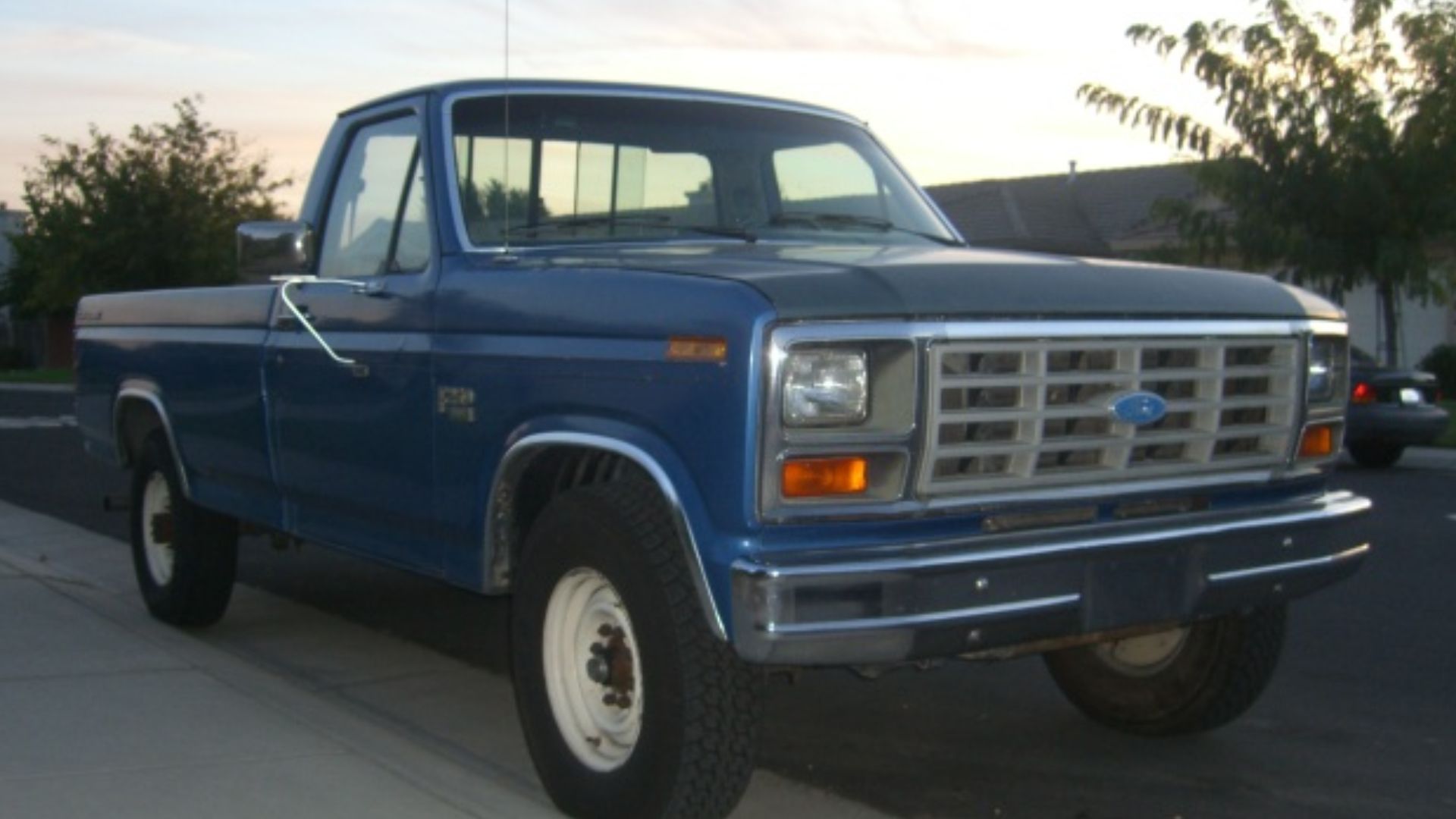
#17 – 1982–1985 Ford F-250/F-350 6.9L IDI Diesel
Ford’s 6.9L IDI diesel, sourced from International, was slow, loud, and often overheated under stress. With only 170 hp, it couldn’t keep up with modern workloads. While durable in some ways, it left many owners frustrated by its lack of real capability.
 Smartmlp at English Wikipedia, Wikimedia Commons
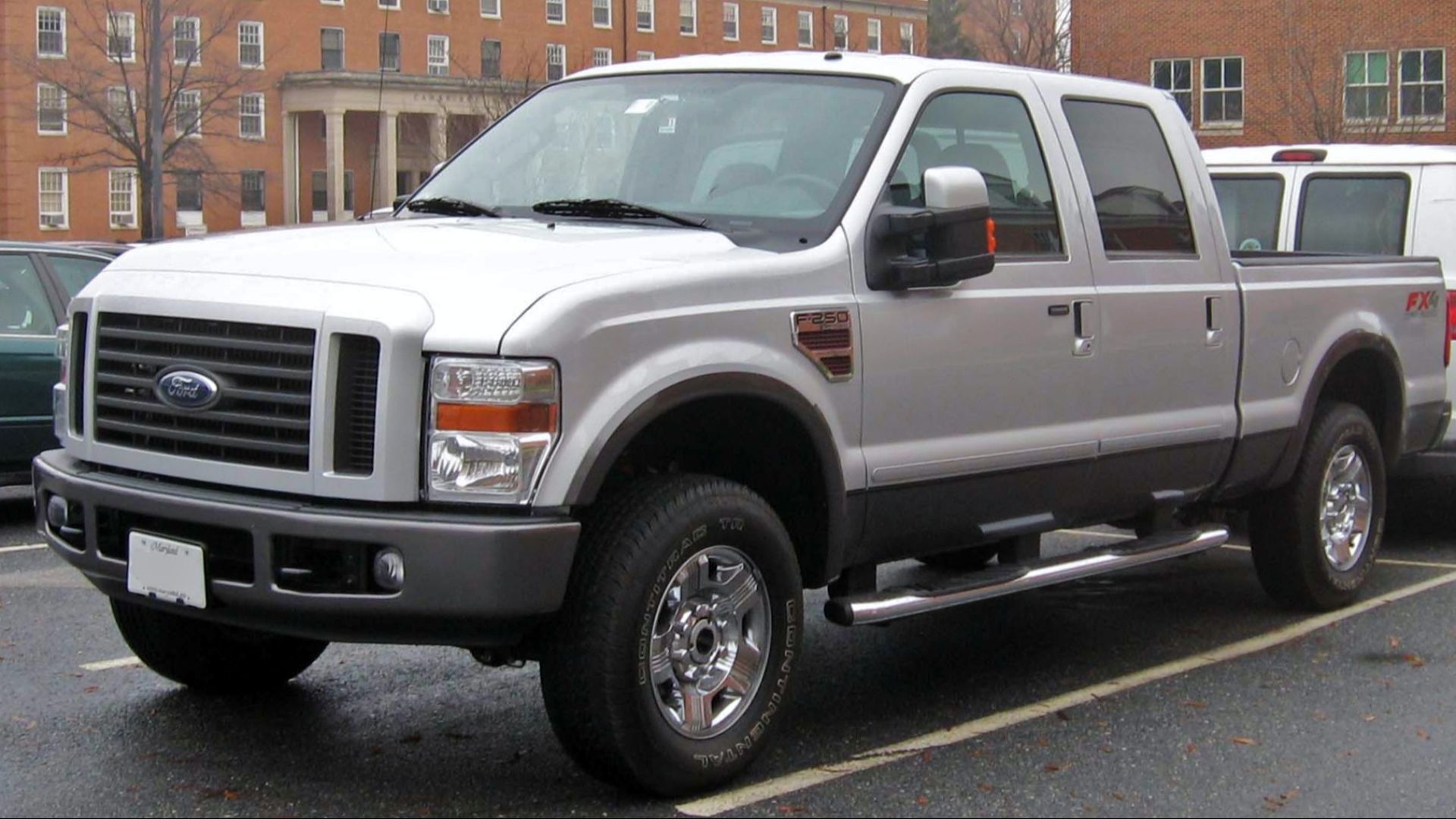
#16 – 2008–2010 Ford F-250/F-350 6.4L Power Stroke
The 6.4L Power Stroke is infamous for terrible fuel economy and constant emissions-related problems. High-pressure fuel pumps failed often, leading to expensive engine rebuilds. While powerful on paper, real-world costs make it one of Ford’s least-loved diesels.
#15 – 1980–1982 Dodge D50/Mitsubishi Diesel
The Dodge D50 compact pickup, built by Mitsubishi, offered a 2.3L diesel with only 62 hp. It was painfully slow and struggled on highways. While fuel efficient, it was underpowered to the point of being dangerous in traffic. Few survive today.
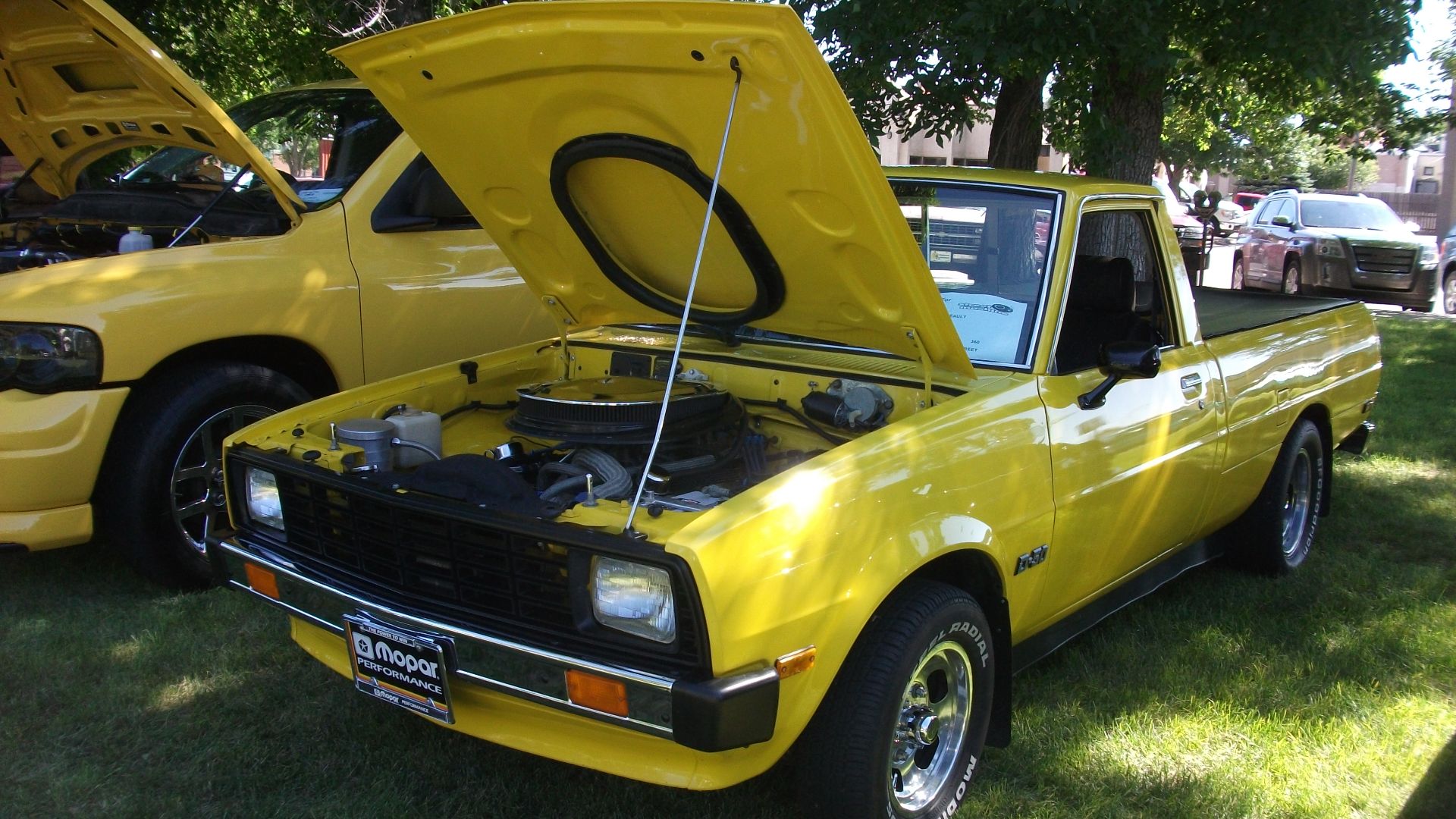 dave_7 from Lethbridge, Canada, Wikimedia Commons
#14 – 2019 Chevrolet Silverado 1500 3.0L Duramax (Early Builds)
The baby Duramax inline-six faced teething issues in its first year. Timing chain and oil pump problems led to recalls and early failures. Later versions smoothed out, but early adopters got stuck with unreliable trucks that spent more time in the shop than on the road.

#13 – 1985–1993 Dodge Ram 250/350 5.9L Cummins (VE Pump Models)
These first-gen Cummins Rams are now classics, but the early VE rotary injection pump limited power and often failed under heavy loads. While simple to repair, many owners were disappointed with sluggish performance and constant pump issues compared to later P-pump versions.
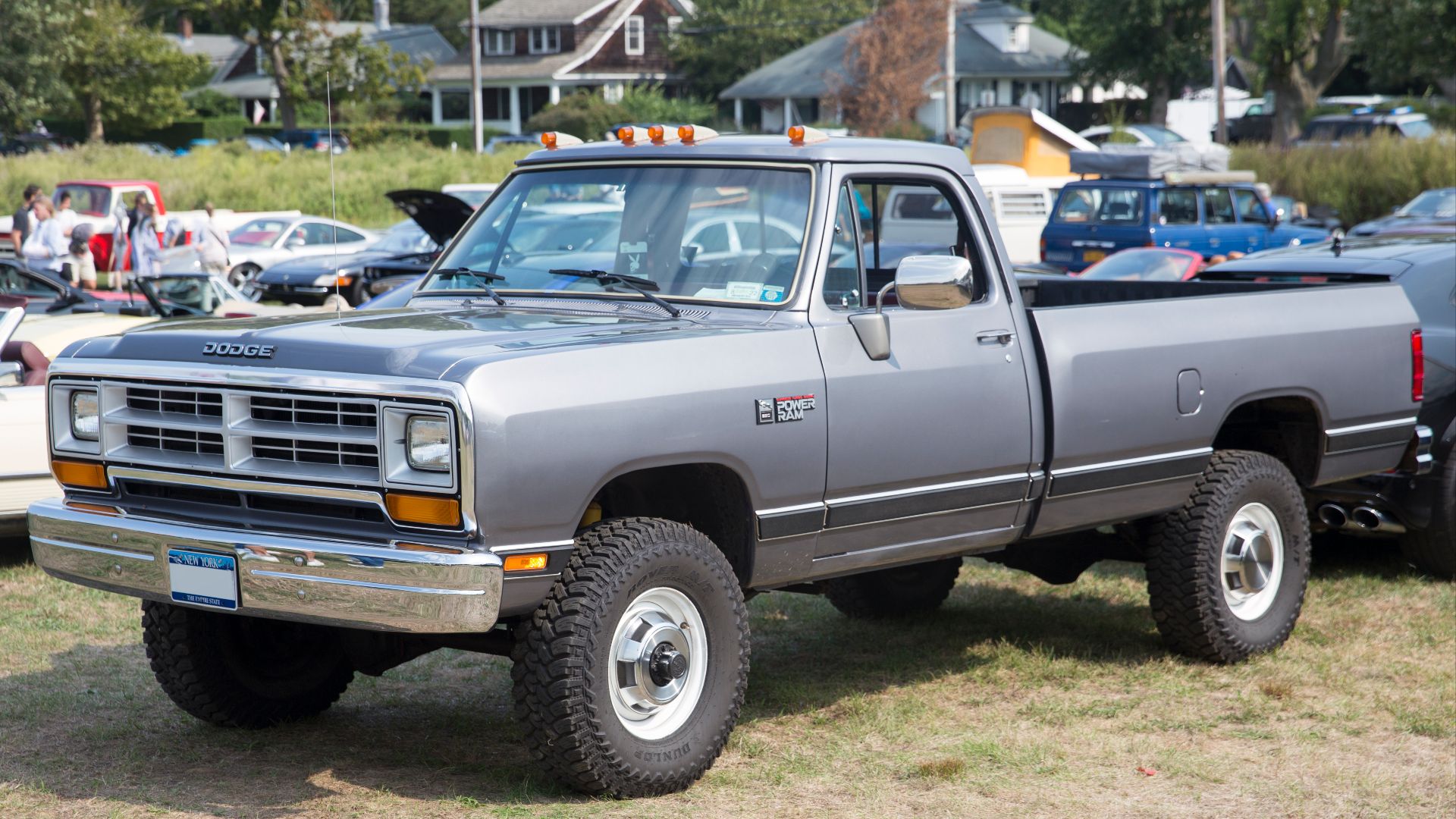 Mr.choppers, Wikimedia Commons
#12 – 2003–2007 Ford F-250/F-350 6.0L Power Stroke
Arguably Ford’s most infamous diesel, the 6.0L Power Stroke was plagued with head gasket failures, EGR cooler problems, and injector issues. Many trucks required thousands in “bulletproofing” just to stay reliable. Despite decent power, its reputation is one of disaster.
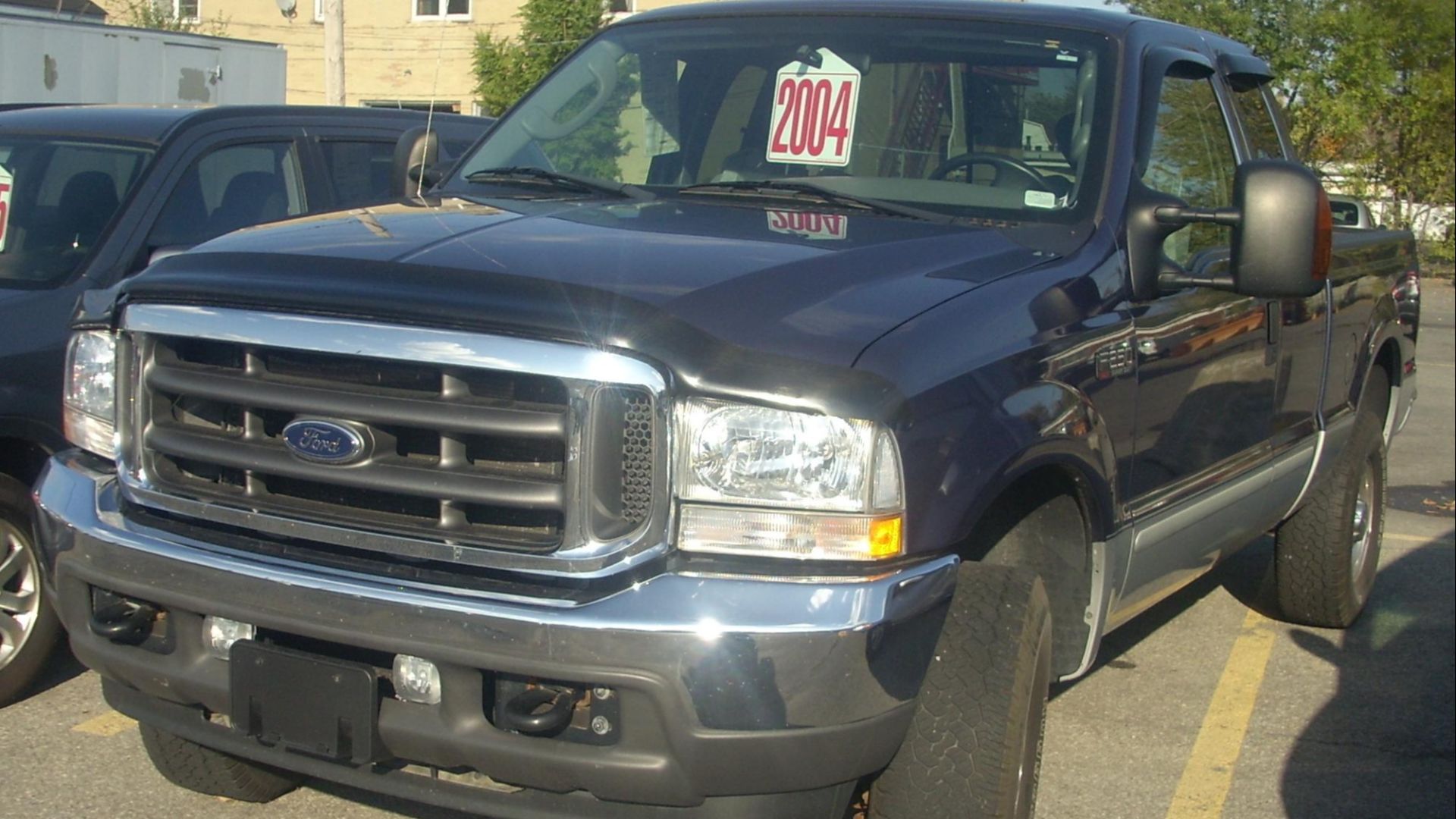
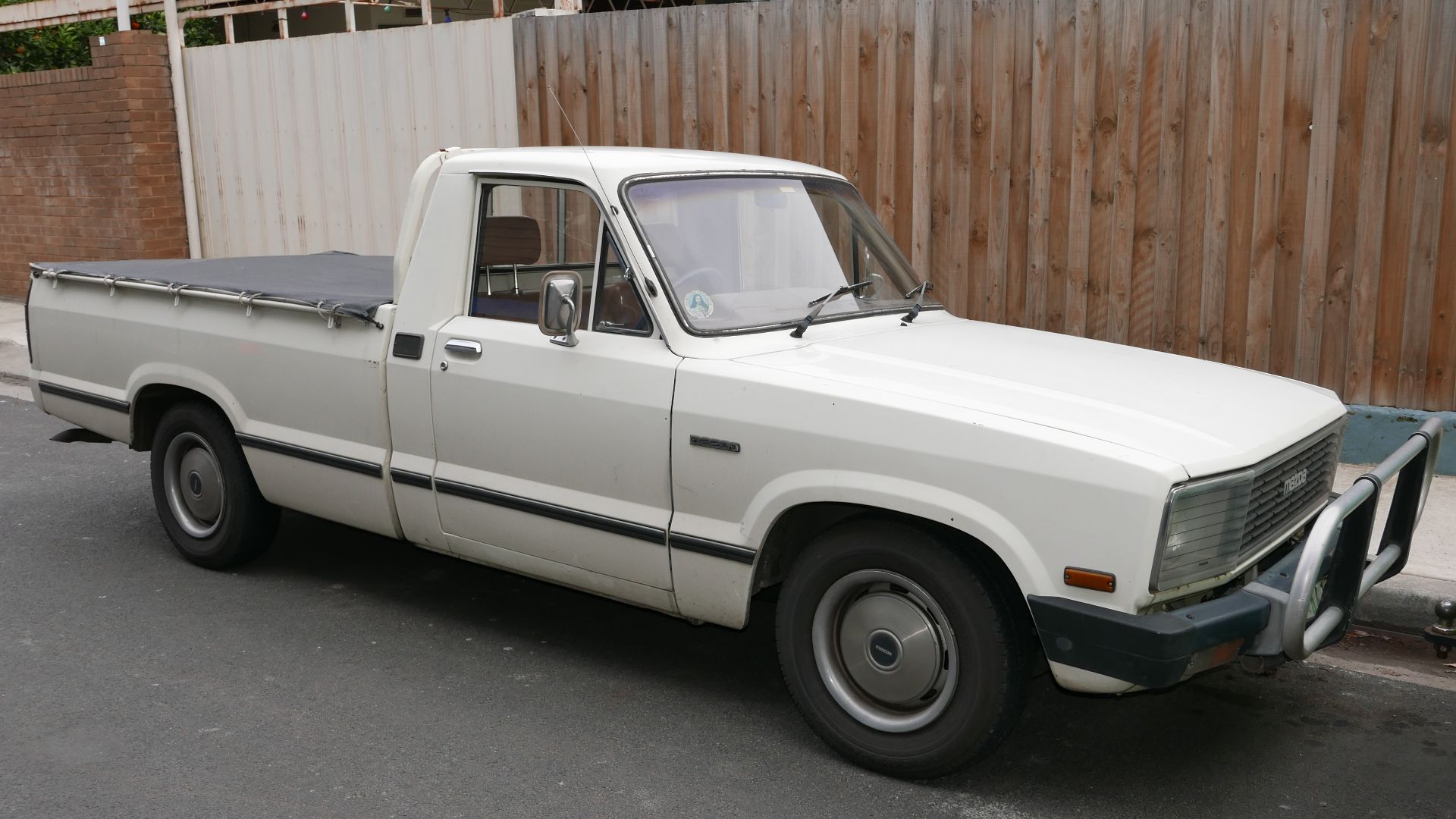
#11 – 1980–1987 Mazda B2200 Diesel
Mazda’s small 2.2L diesel-powered pickup was economical but painfully slow and prone to overheating. Rust-prone frames and weak transmissions compounded the problem. Many were scrapped long before hitting high mileage, making it one of the least durable compact diesels ever.
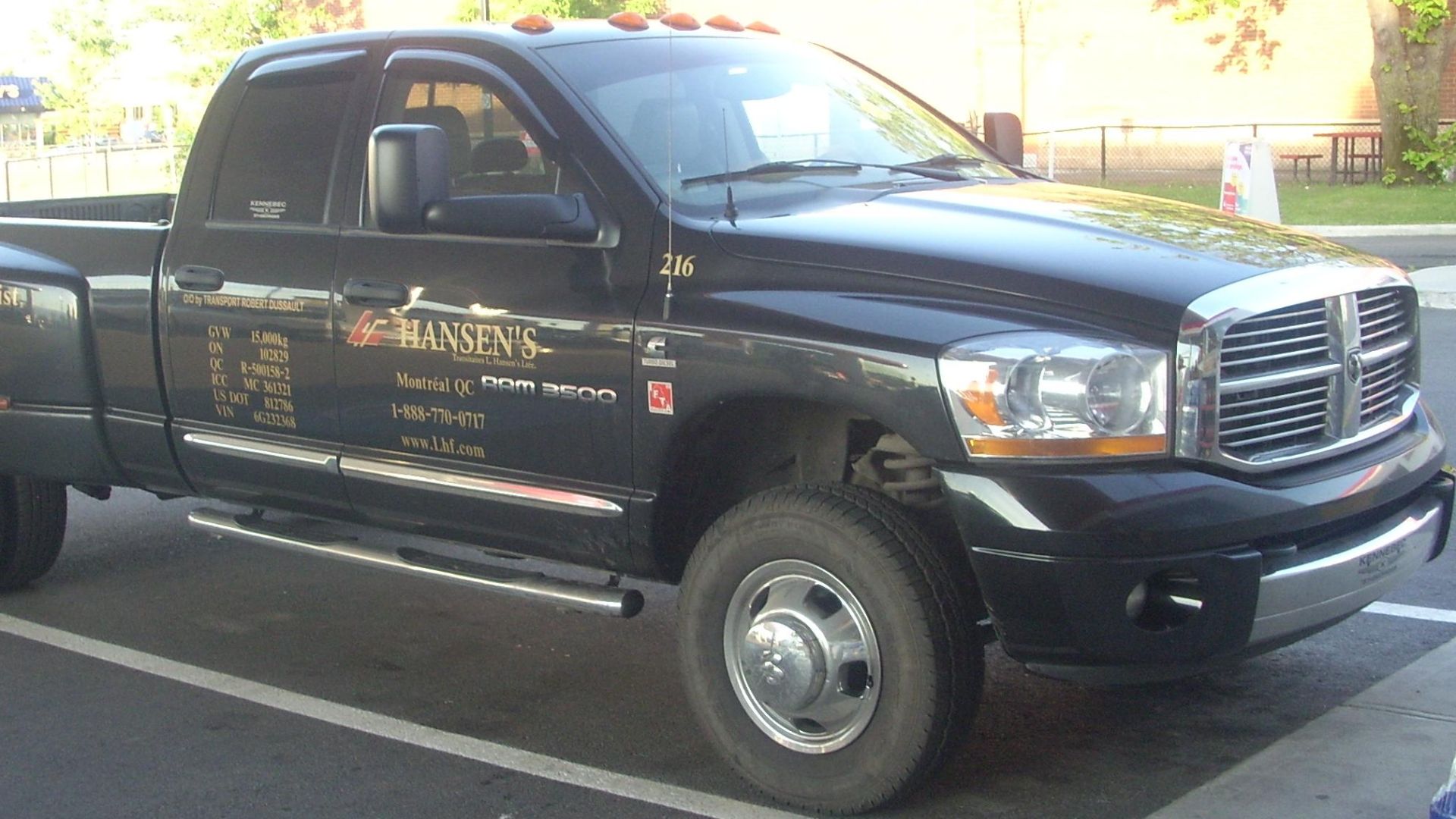
#10 – 2007–2009 Dodge Ram 6.7L Cummins (Early DPF Models)
The first 6.7L Cummins models struggled badly with emissions systems. Constant regenerations, clogged DPFs, and poor fuel economy soured buyers. While later 6.7Ls improved dramatically, these early trucks left owners angry at Dodge for rushing the engine to market.
#9 – 1992–1997 Ford F-250/F-350 7.3L IDI Turbo Diesel
Before the Power Stroke, Ford turbocharged its old IDI diesel. The result was underwhelming: only 190 hp, constant head gasket issues, and weak head bolts. It was a stopgap engine that disappointed buyers waiting for real performance.
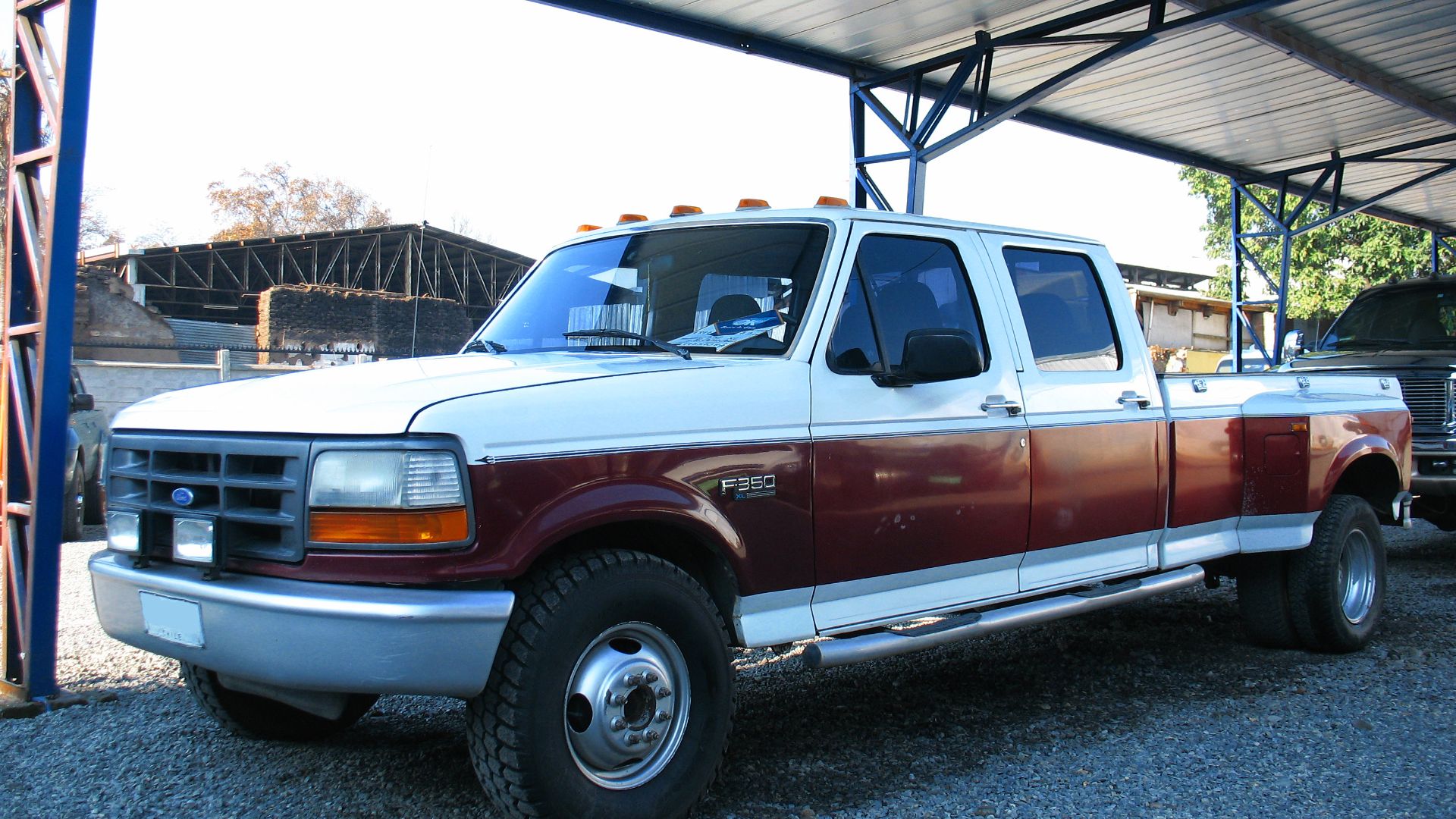 order_242 from Chile, Wikimedia Commons
#8 – 1980–1986 Volkswagen Caddy Diesel Pickup
Volkswagen’s tiny Caddy diesel offered great mpg but only 52 hp. Slow, fragile, and unable to haul much, it was more novelty than work truck. Owners found constant rust issues and weak clutches. It remains a quirky but impractical diesel pickup.
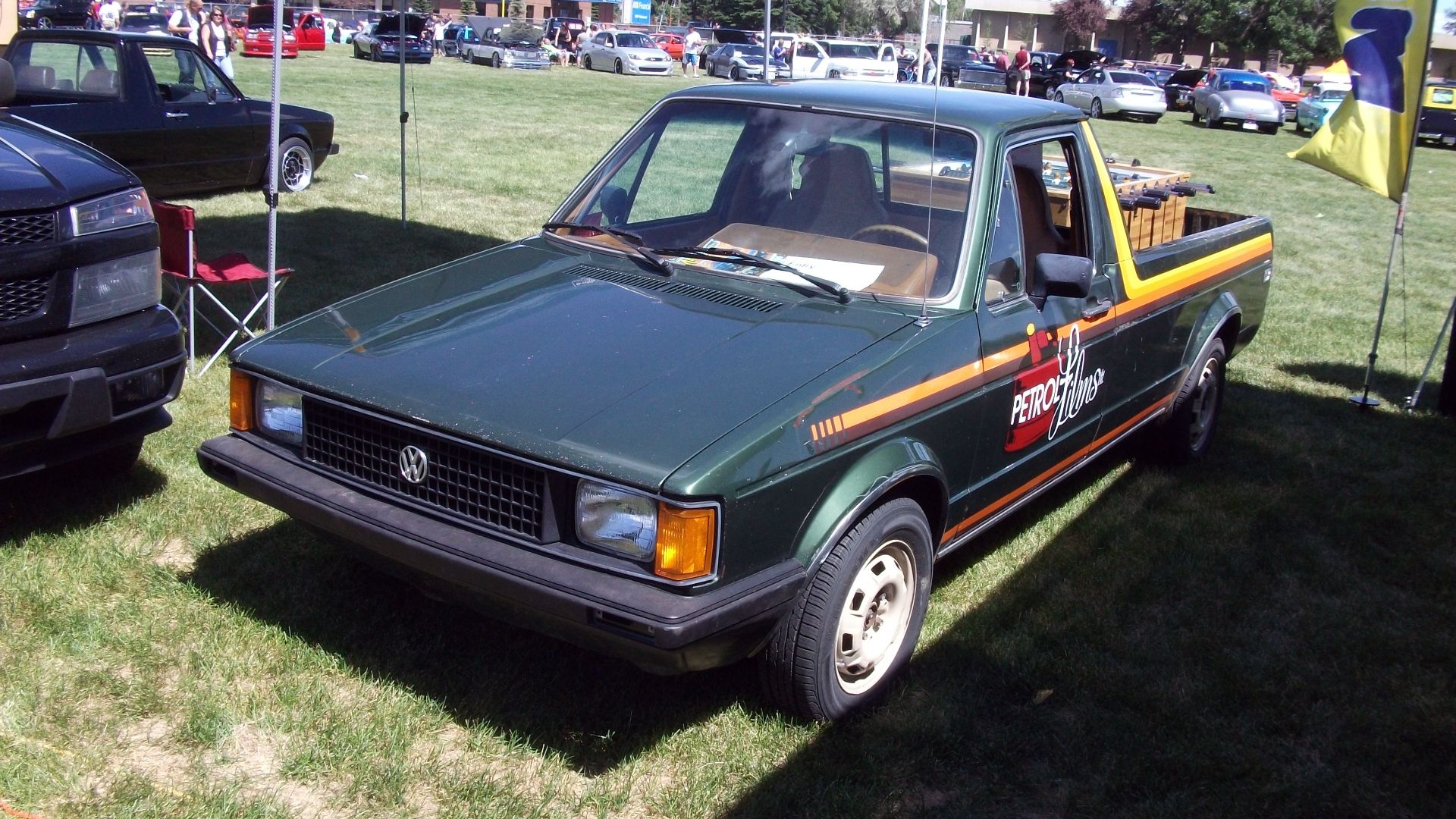 dave_7 from Lethbridge, Canada, Wikimedia Commons
#7 – 2011–2015 Chevrolet Colorado/GMC Canyon 2.8L Duramax (Global)
GM’s global midsize diesels faced injector problems, turbo lag, and weak cooling systems. In hot or cold climates, reliability took a hit. Owners complained of high repair costs compared to the truck’s value, making it one of the least dependable small diesel pickups.
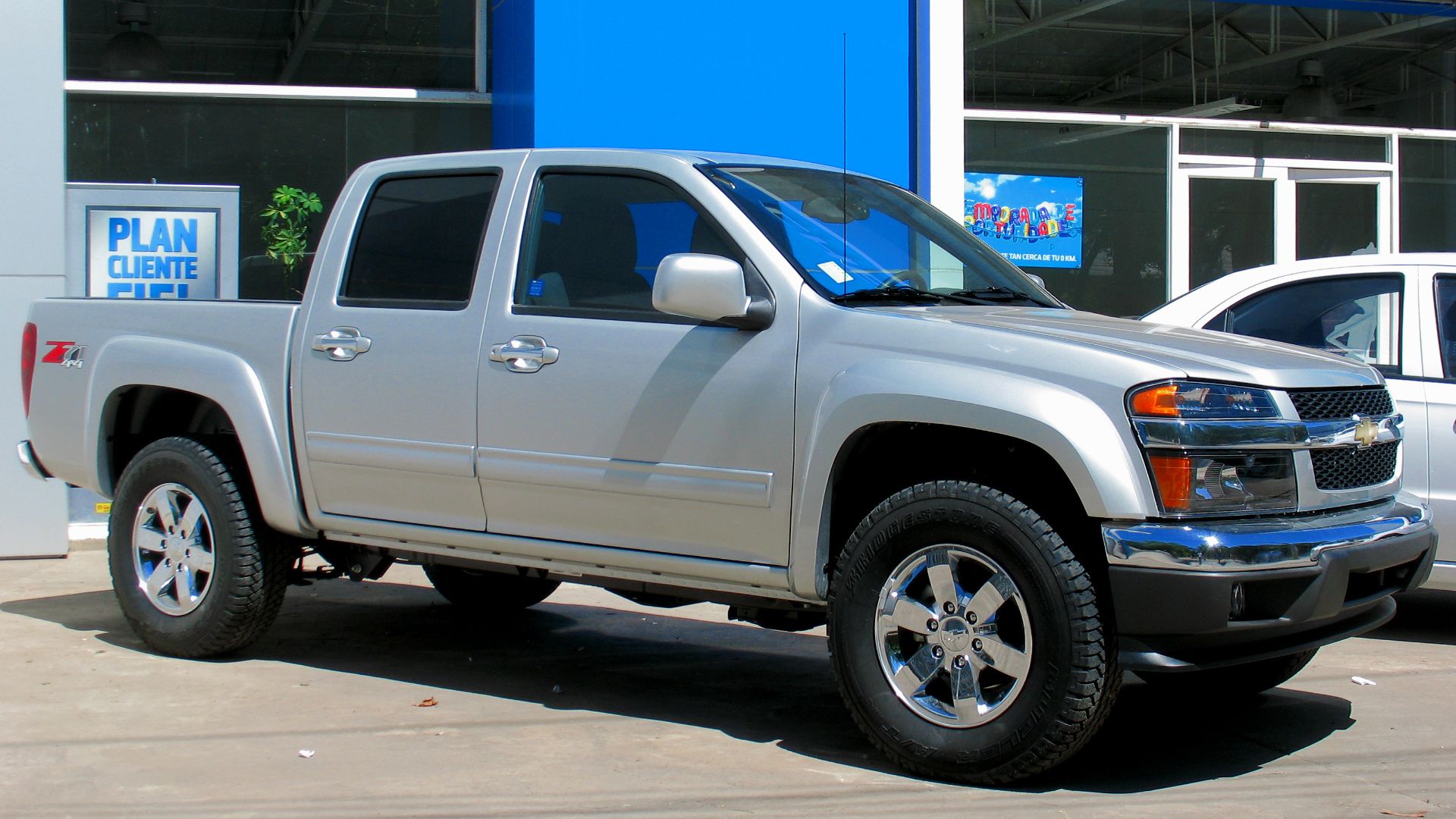 RL GNZLZ from Chile, Wikimedia Commons
#6 – 1983–1985 Ford Ranger 2.2L Perkins Diesel
Ford offered a Perkins diesel in its compact Ranger, producing only 59 hp. It was unbearably slow, noisy, and shook itself apart under load. Fuel economy was good, but performance was so bad it turned buyers away from diesel Rangers altogether.
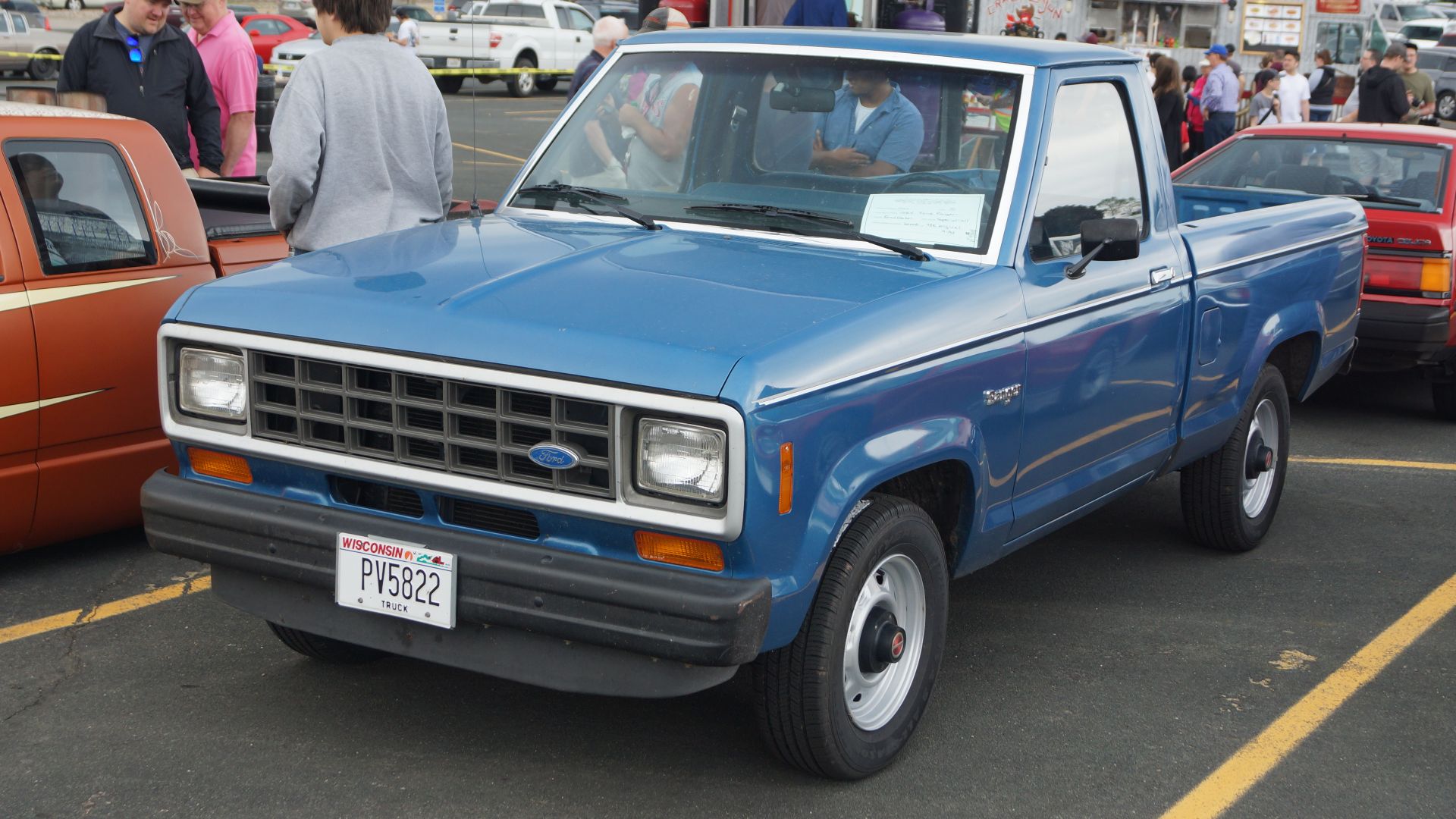 Greg Gjerdingen, Wikimedia Commons
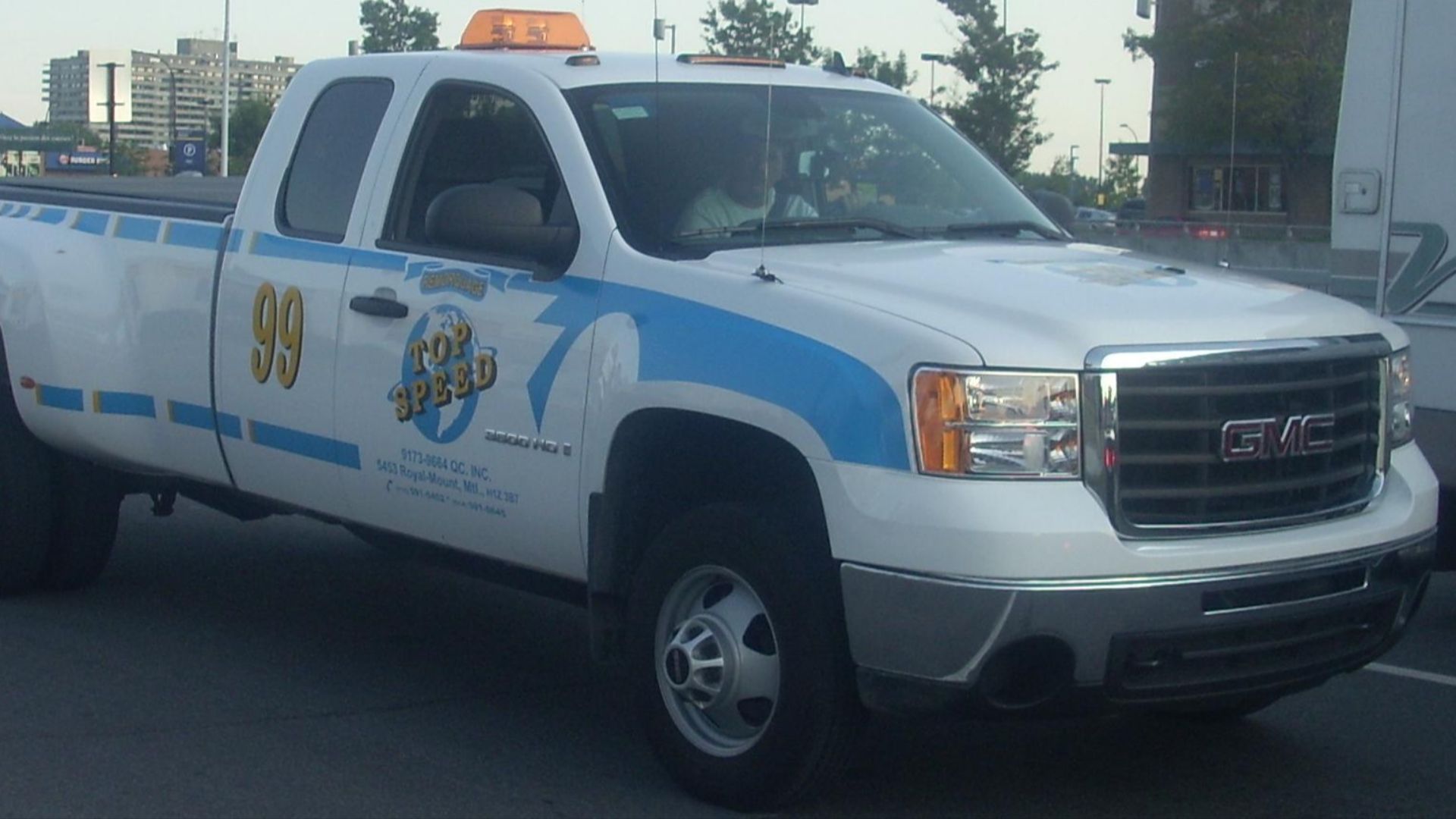
#5 – 2007–2010 GMC Sierra 2500/3500 LMM Duramax
While the Duramax is usually solid, the LMM years stand out for DPF clogging, injector issues, and overheating under heavy loads. Expensive repairs and poor mileage made it a headache, earning it a reputation as one of GM’s weakest diesel eras.
#4 – 1978–1981 Chevrolet LUV Diesel
Built by Isuzu, the LUV Diesel had a 2.2L I4 with just 58 hp. Slow acceleration and poor towing made it unfit for US buyers who expected capability. Corrosion and weak drivetrains killed many off early, leaving it remembered as a poor experiment.
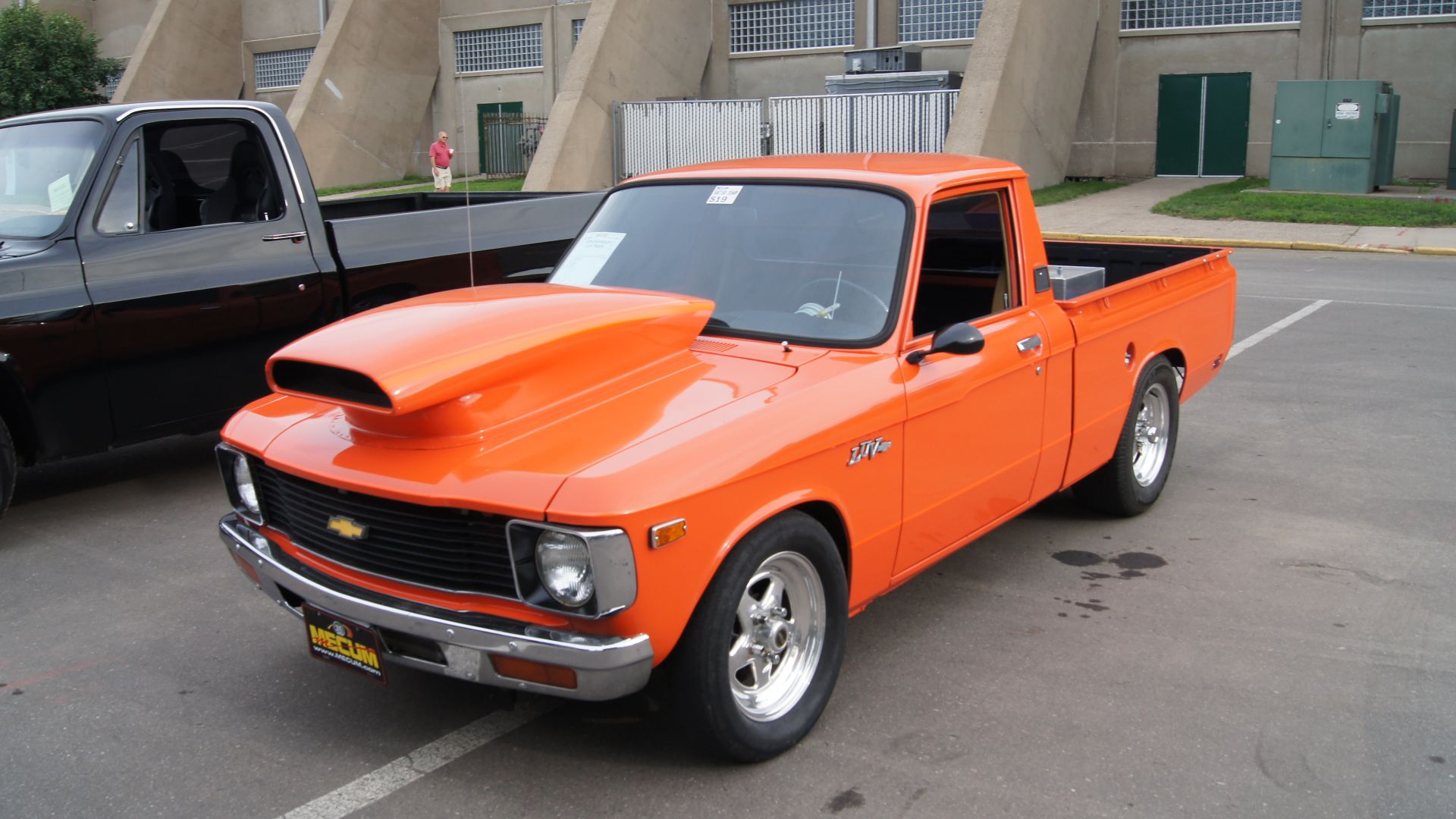 Greg Gjerdingen from Willmar, USA, Wikimedia Commons
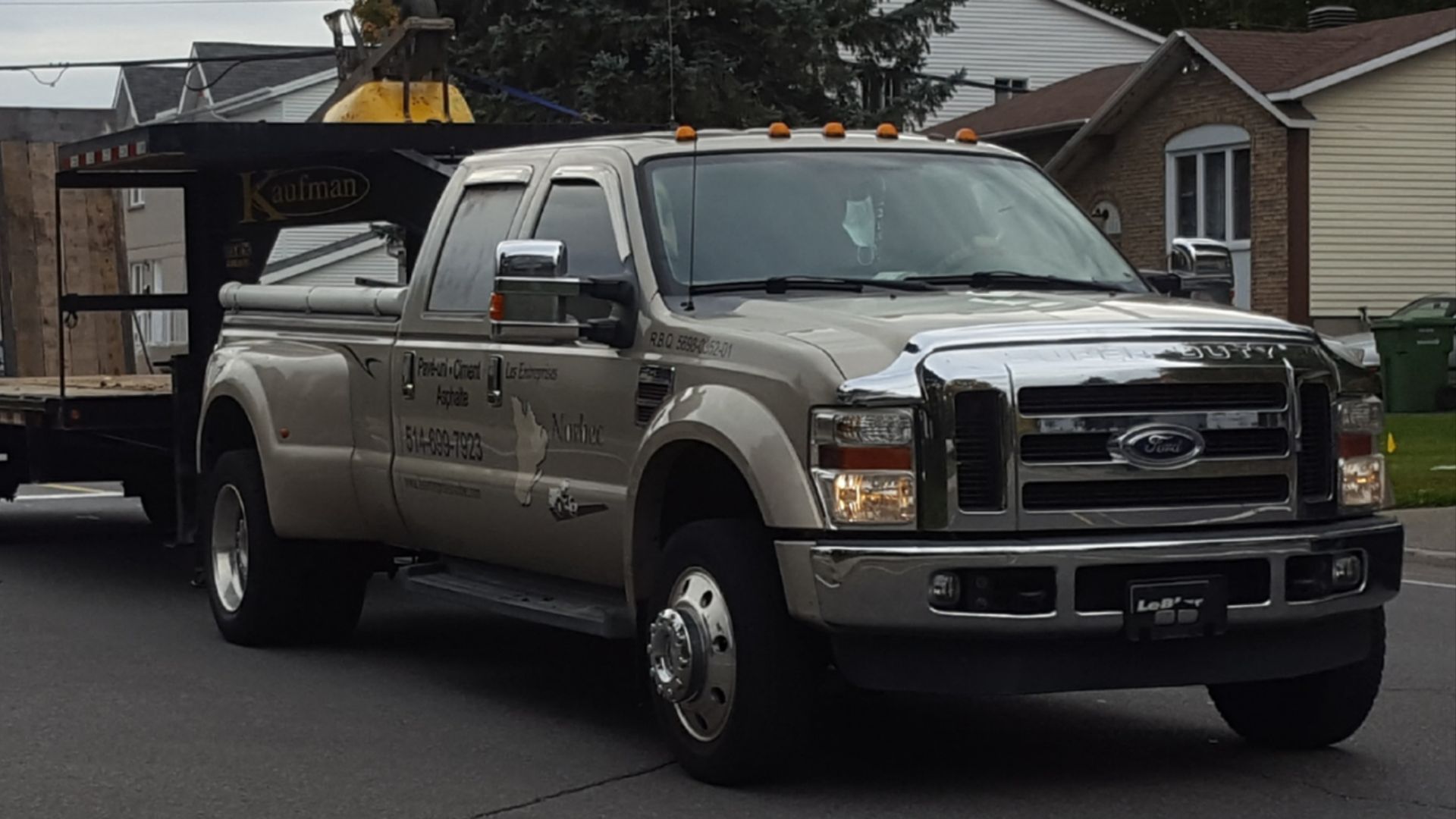
#3 – 2008–2010 Ford F-450 Super Duty 6.4L Power Stroke
The heavy-duty F-450 with the 6.4L suffered constant mechanical failures. Cracked pistons, failed turbos, and weak radiators left owners footing massive repair bills. Its reputation is so bad many consider it Ford’s least reliable diesel ever built.
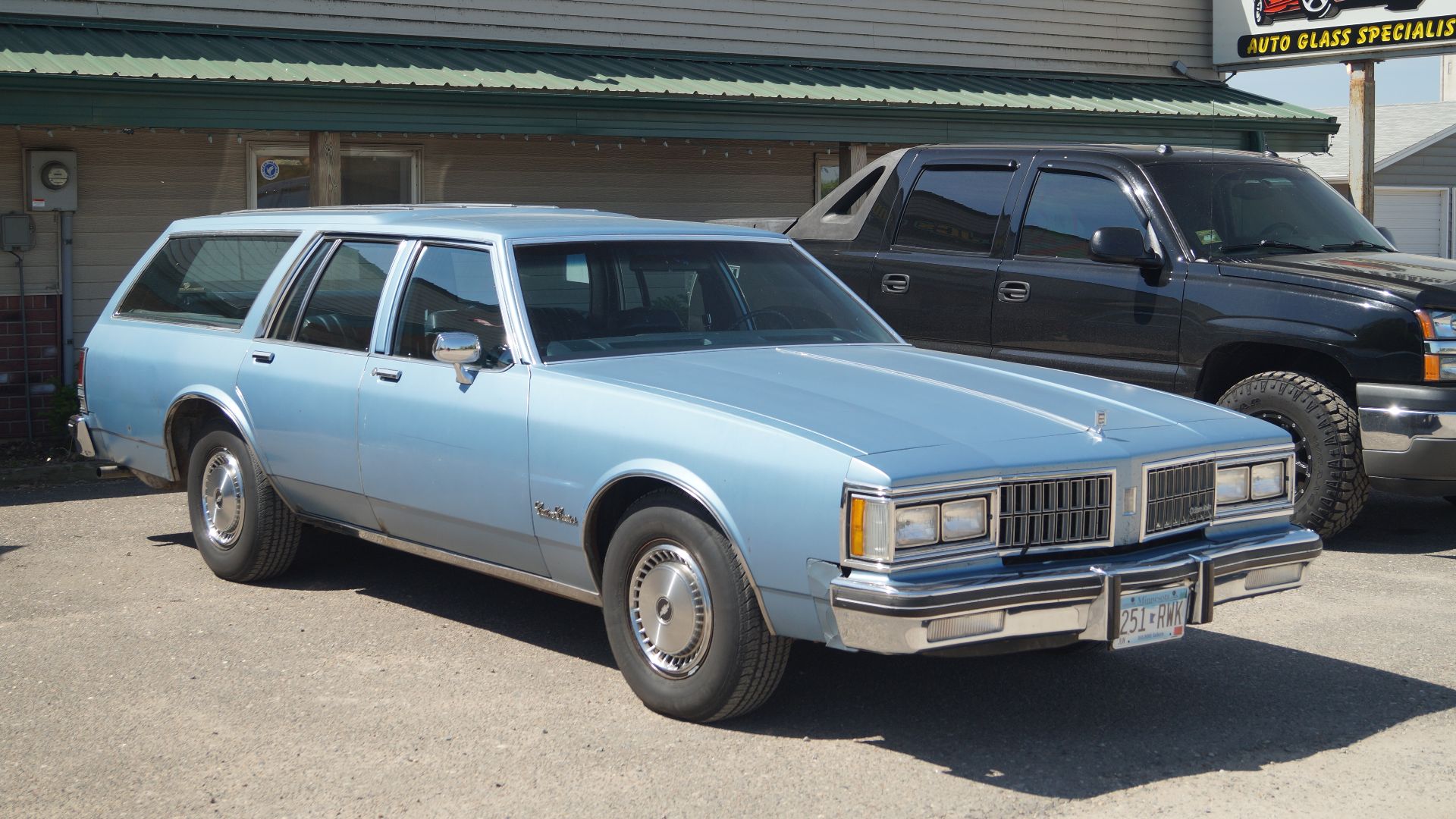
#2 – 1981–1985 Oldsmobile 5.7L Diesel (Used in GM Pickups)
Infamous in GM’s full-size trucks, this rushed-to-market diesel was based on a gas V8 block not designed for diesel stress. Constant failures, blown head gaskets, and poor fuel economy made it one of the worst engines ever put in a pickup.
 Greg Gjerdingen from Willmar, USA, Wikimedia Commons
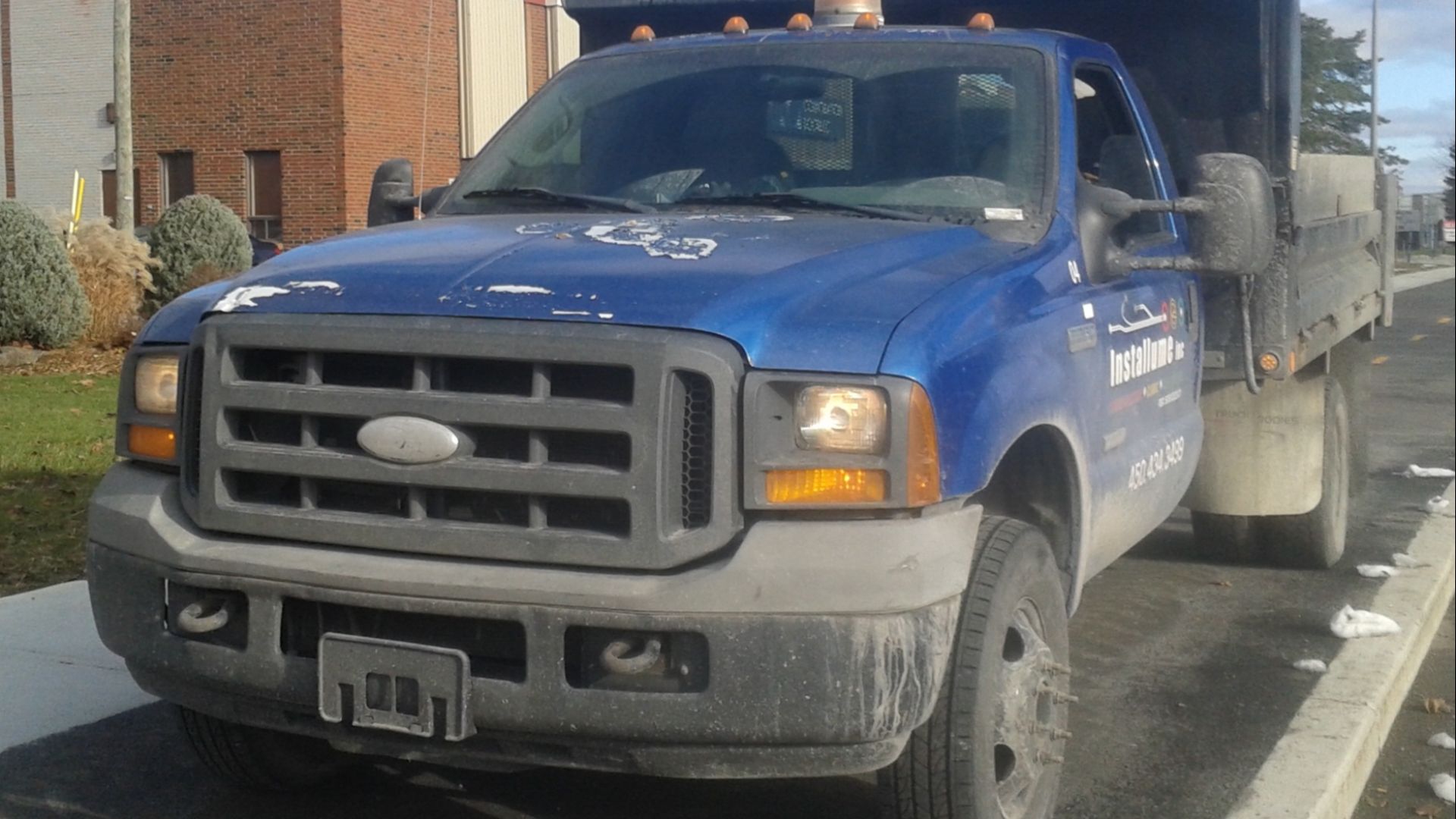
#1 – 2003–2007 Ford F-250/F-350 6.0L Power Stroke
Topping the list is Ford’s notorious 6.0L Power Stroke. With blown head gaskets, weak head bolts, turbo failures, and endless emissions problems, it left countless owners stranded. Repair costs were astronomical, and lawsuits piled up. Even with aftermarket fixes, it remains the most infamous diesel pickup ever made.
You May Also Like:
Pickup Trucks With The Best Trade-In Value, According To Dealerships
The Best Pickup Trucks for First-Time Buyers, According To Industry Experts
The Top Performing Pickup Trucks for Construction and Trades










.jpg)