History Remembered The Crisis Better Than The Crown
Some queens ruled for years, shaped policy, patronized artists, maneuvered through court politics, or fought to protect a dynasty. Yet history reduced them to imprisonment, disgrace, assassination, exile, or a dramatic final fall. All of these queens (or consorts) had lives far more complicated than their endings.
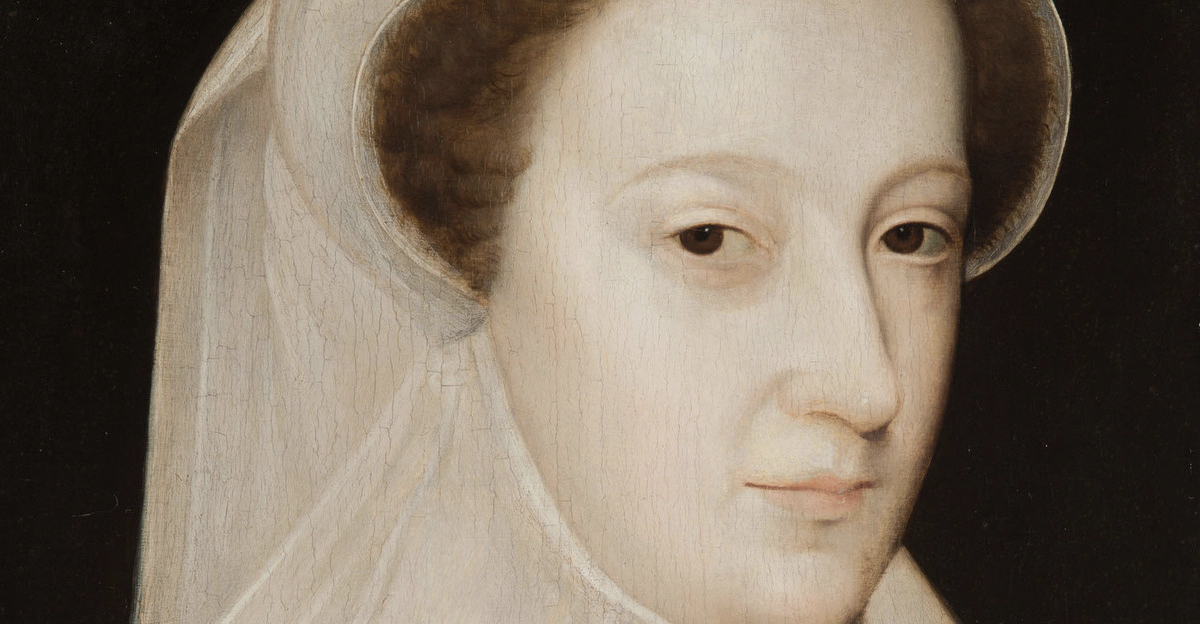 François Clouet, Wikimedia Commons
Lady Jane Grey Barely Had Time To Be Queen
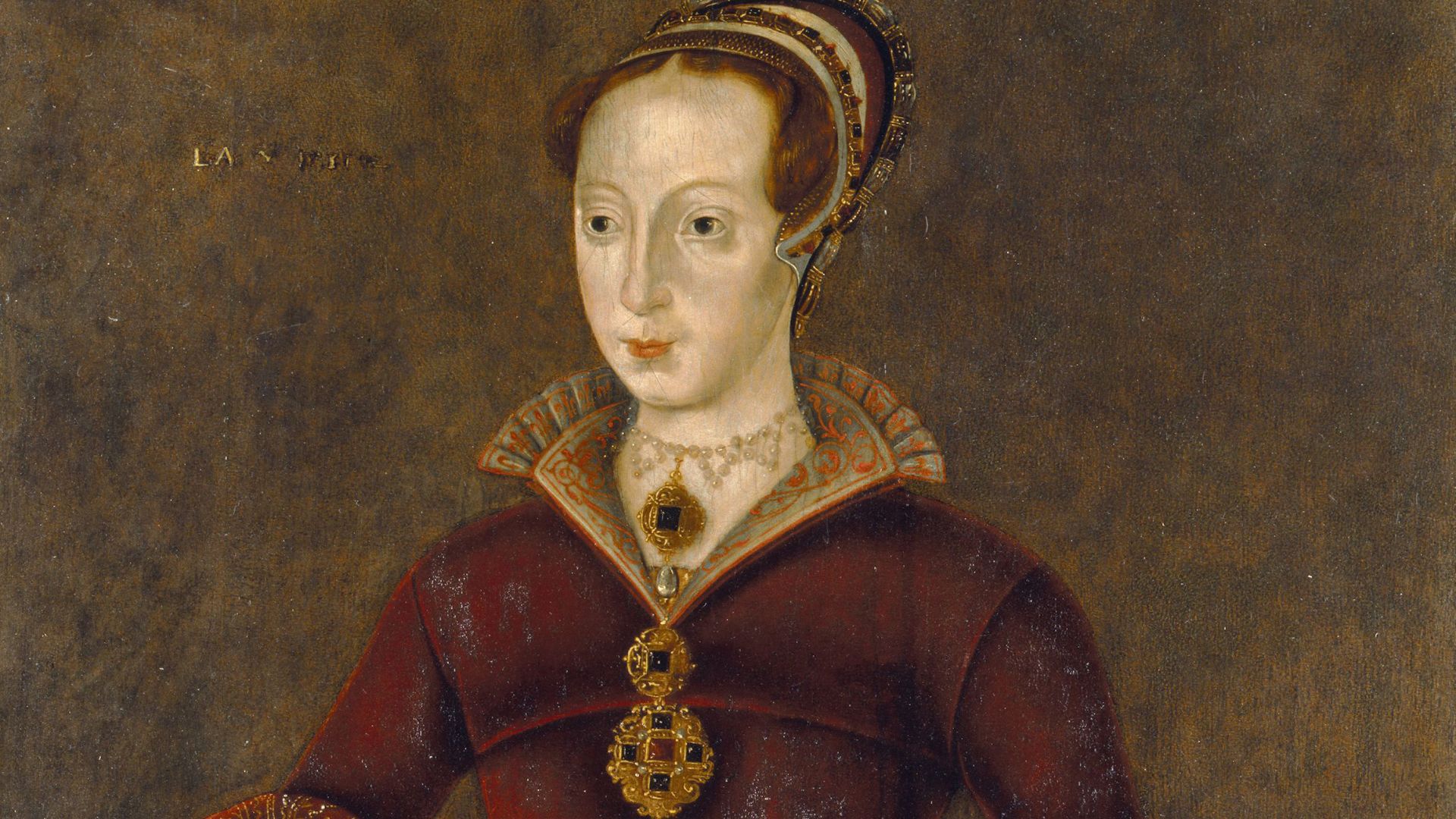
Lady Jane Grey occupied the English throne for only nine days in July 1553. Edward VI had named the committed Protestant as his successor, bypassing his Catholic half-sister Mary. Jane was intelligent, highly educated, and politically useful to powerful men around her. But her queenship was over almost before it began.
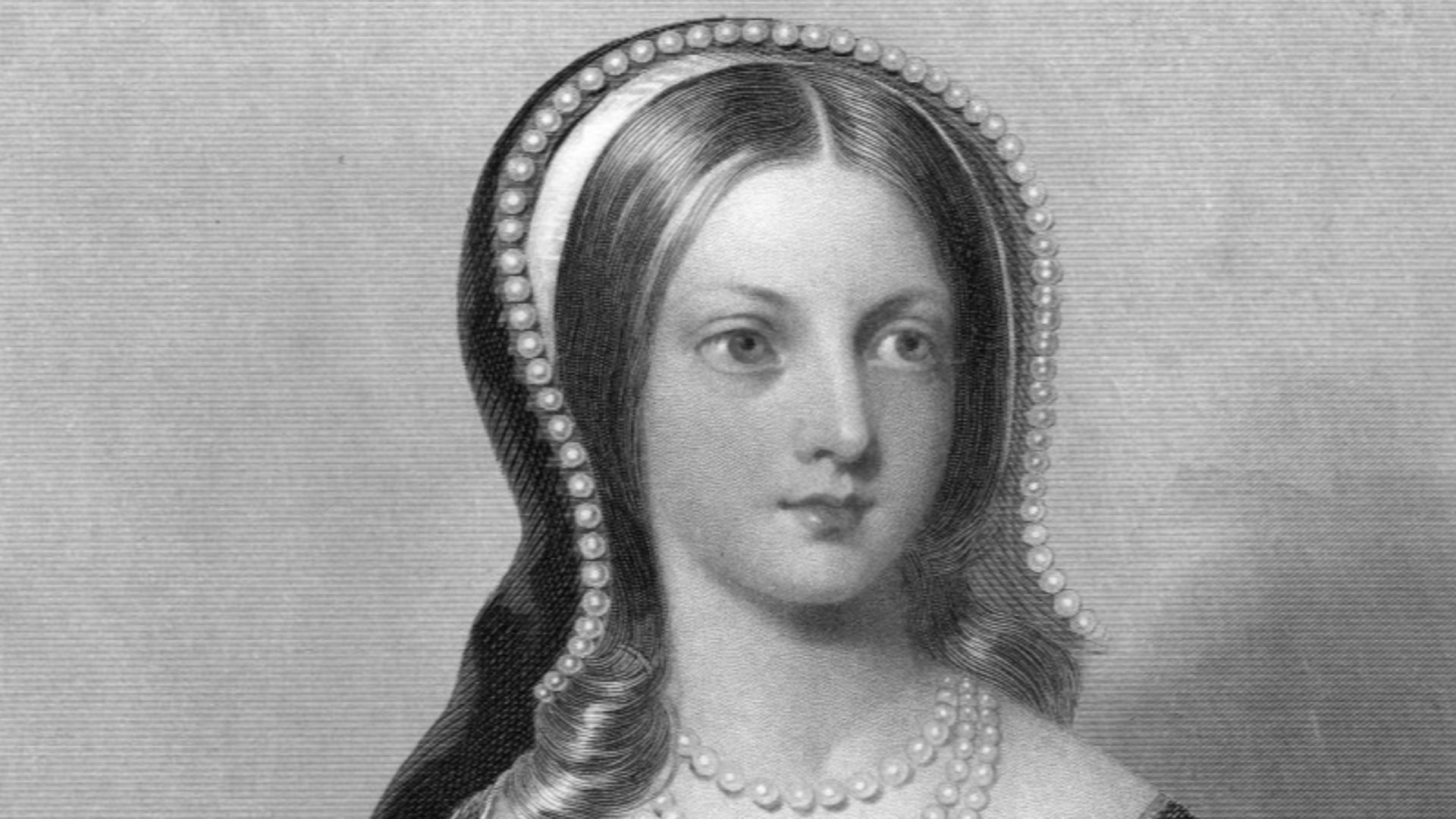 W Holl 1753, Wikimedia Commons
Jane Became A Symbol Instead Of A Ruler
Mary I initially appeared reluctant to put her young cousin to death. That changed after Jane’s father became involved in Wyatt’s Rebellion. Jane was executed in February 1554 at only 17. Later Protestant memory and 19th-century art helped cement her image as an innocent young martyr, making her brief reign almost secondary to the legend created afterward.
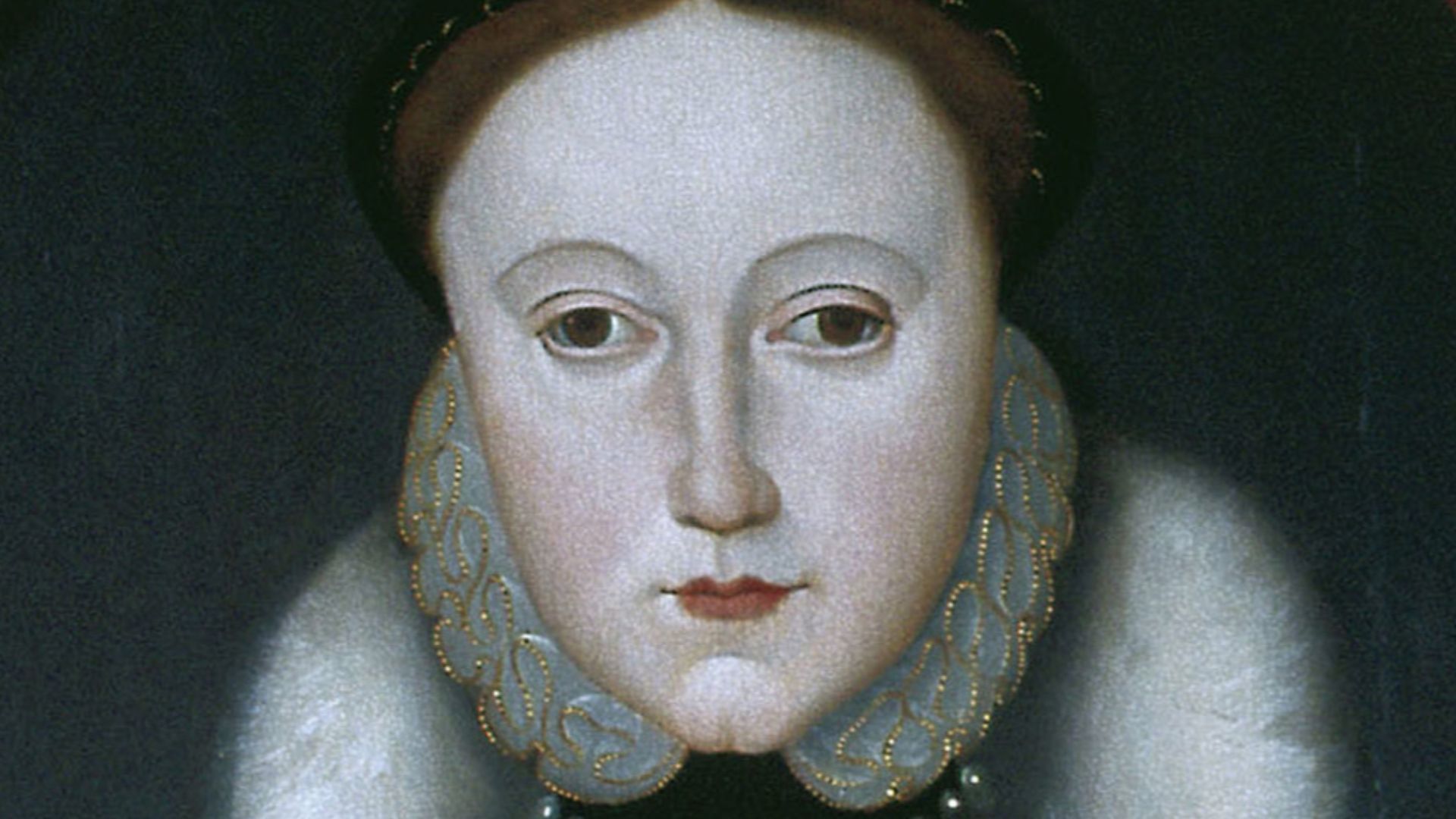 Unknown authorUnknown author, Wikimedia Commons
Anne Boleyn Changed England Before Her Downfall
Anne Boleyn was queen for only three years, but her marriage to Henry VIII was intertwined with England’s break from papal authority and produced the future Elizabeth I. Anne also participated in court patronage and religious politics. Yet popular memory often treats everything she did as merely the buildup to Henry turning against her.
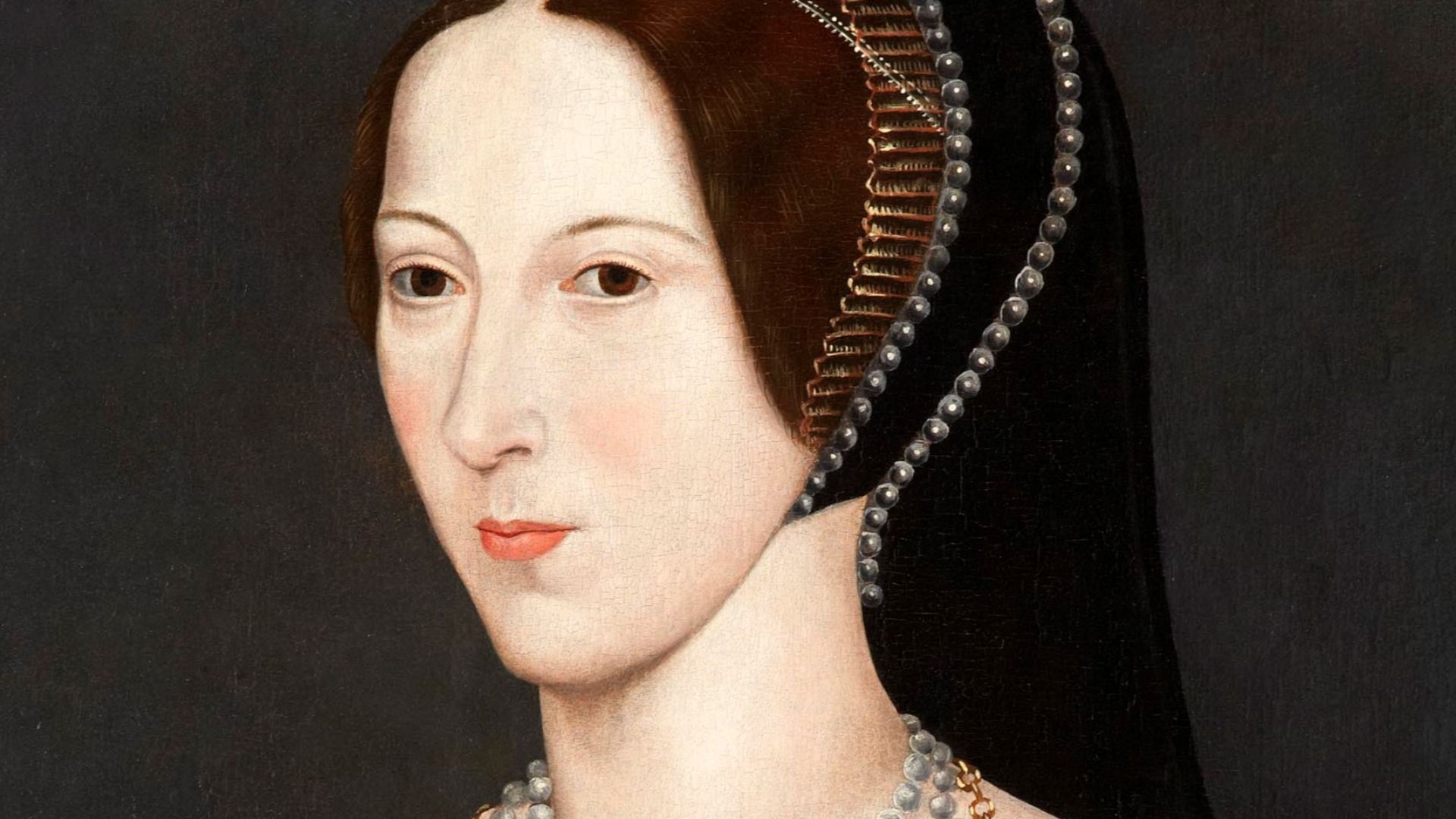 English school, Wikimedia Commons
Her Fall Overshadowed Her Influence
In 1536, Anne was arrested on accusations including adultery and treason. The proceedings against her have long been viewed with deep skepticism by historians, and she was condemned within weeks. Her spectacular collapse at court became so famous that her political and religious significance as queen is often pushed into the background.
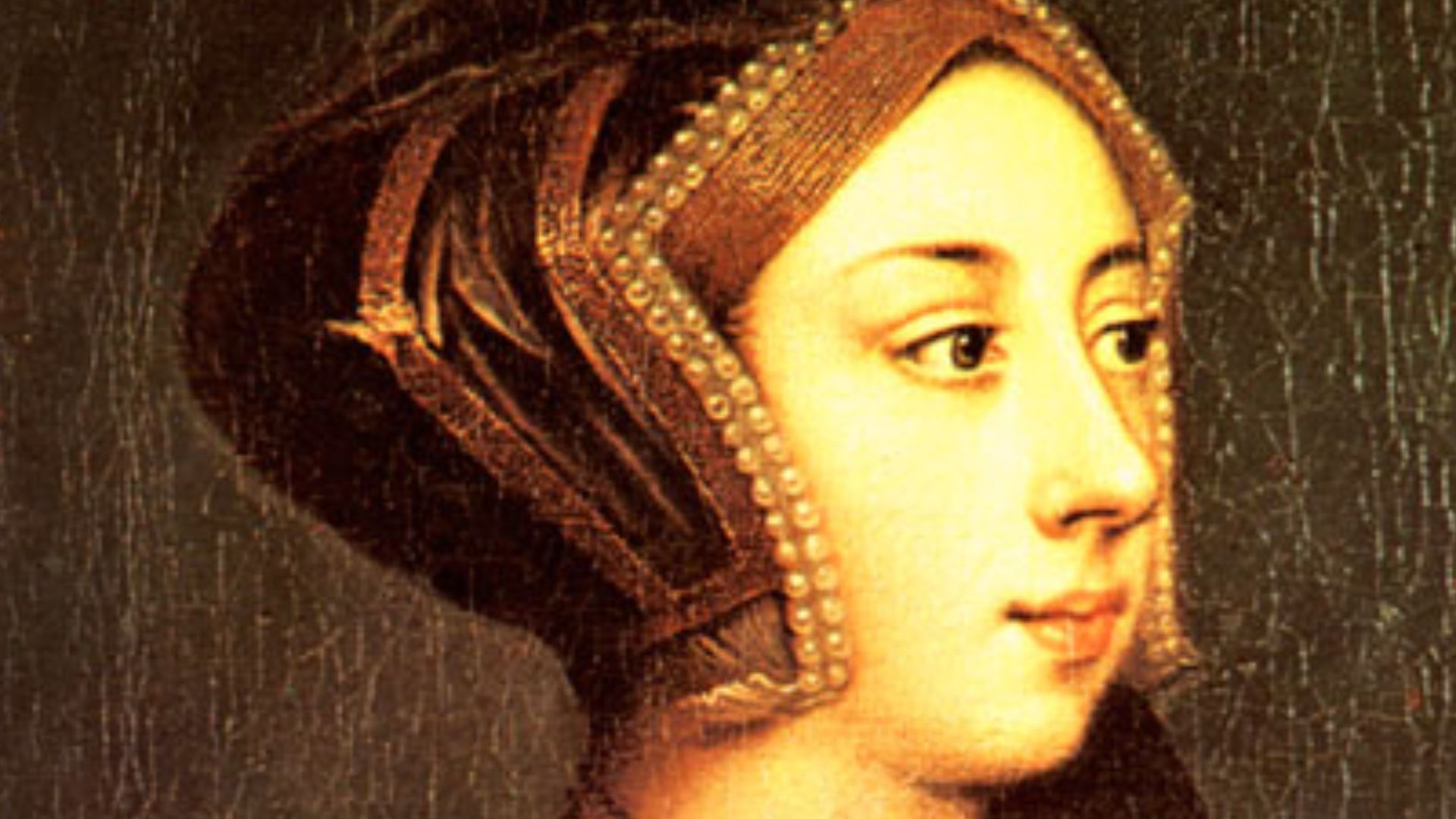 Hans Holbein the Younger, Wikimedia Commons
Catherine Howard Became Queen While Still Very Young
Catherine Howard married Henry VIII in 1540 and became his fifth queen. Her time beside him was brief, leaving relatively little opportunity to establish an independent public legacy. What survives most vividly are investigations into her earlier relationships and her alleged meetings with Thomas Culpeper after becoming queen.
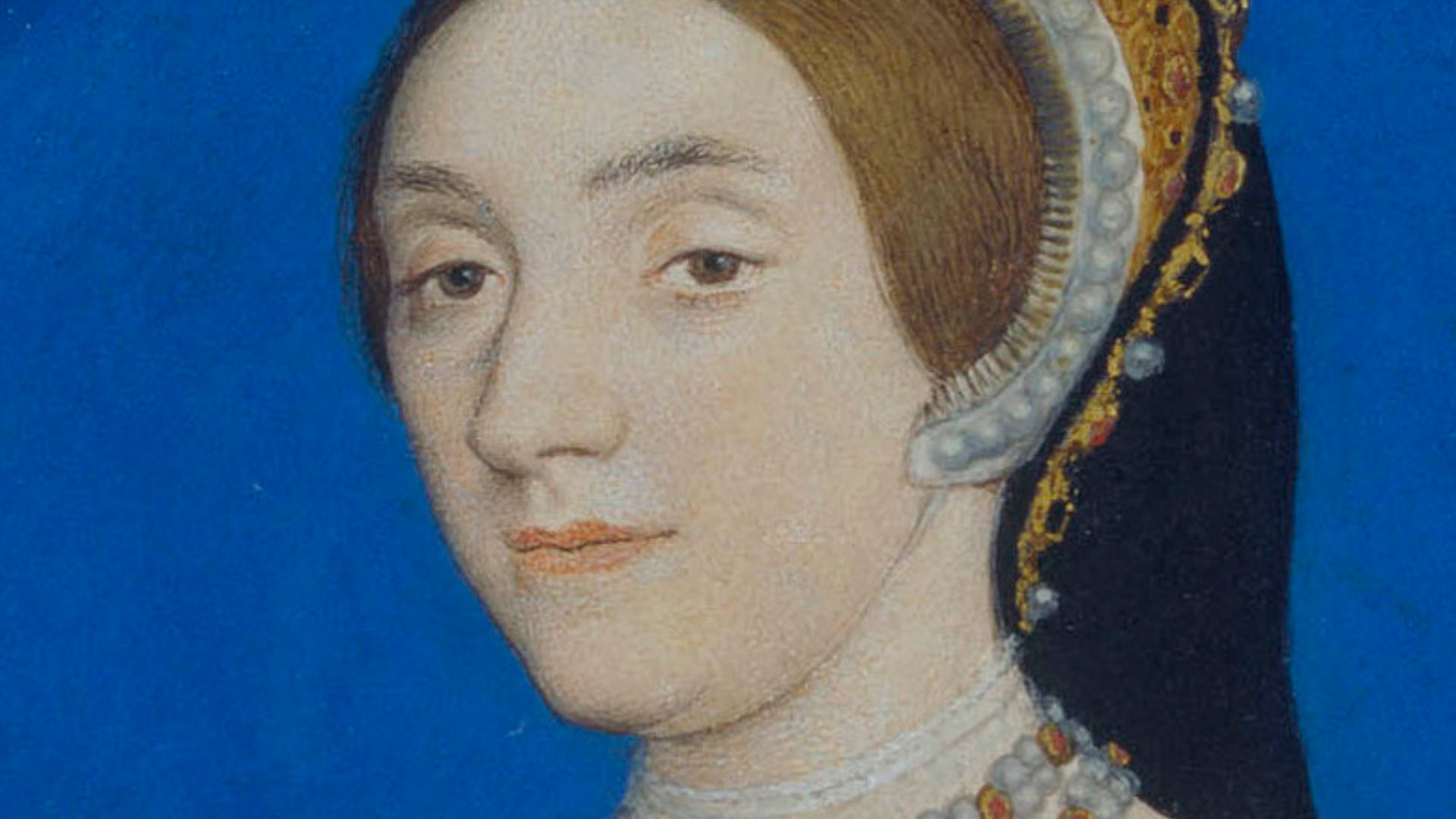 Hans Holbein the Younger, Wikimedia Commons
Her Reputation Froze In Her Final Scandal
Catherine was stripped of her position and detained after the investigation closed around her. She was condemned in early 1542 and lost her life at the Tower while still very young. Later retellings often reduce her to recklessness and infidelity, obscuring how little power a young Tudor queen actually possessed once royal favor disappeared.
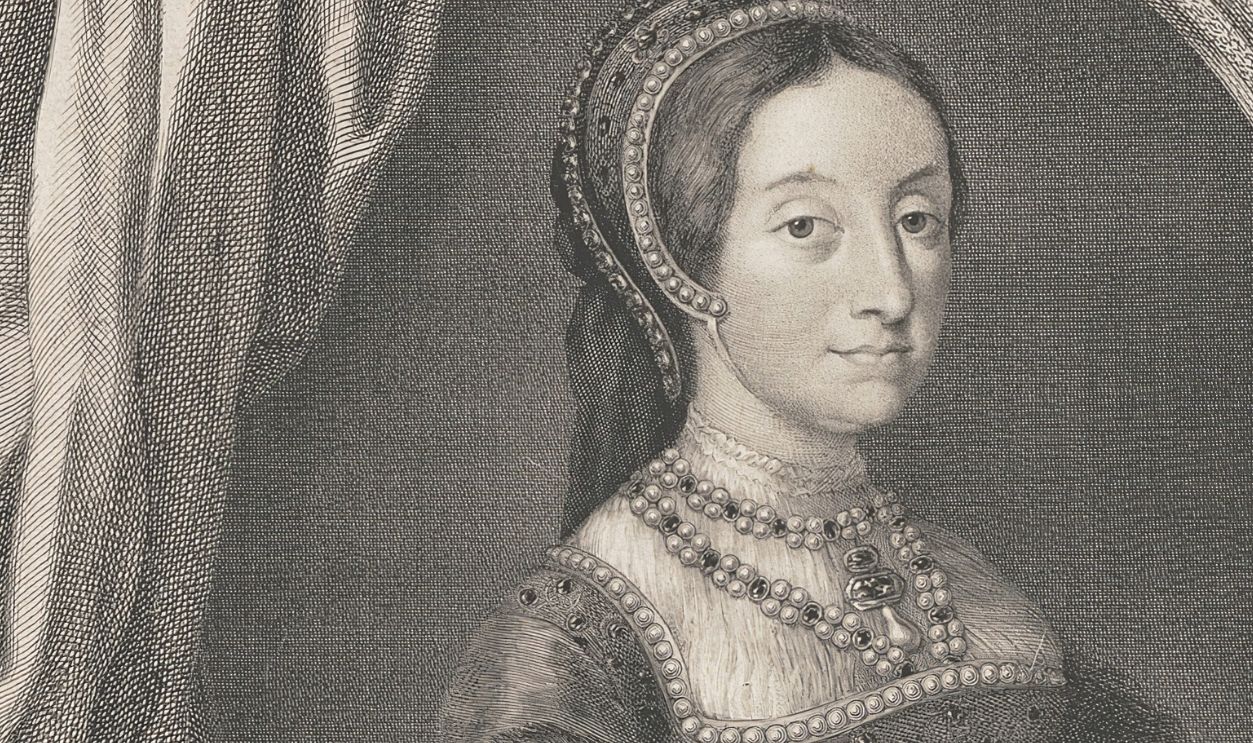
Mary, Queen Of Scots Actually Reigned For Decades
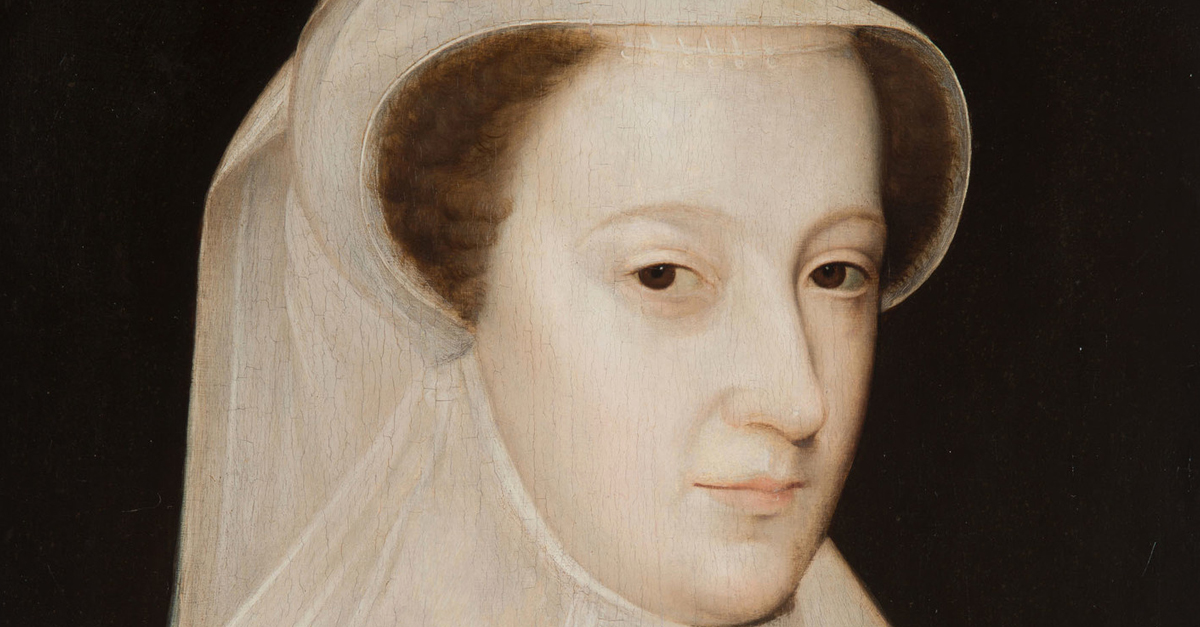
Mary Stuart became Queen of Scots when she was only six days old and remained queen until her forced abdication in 1567. Her reign involved religion, diplomacy, factional politics, marriage, rebellion, and the unresolved murder of her husband Lord Darnley. That complicated record is often eclipsed by what happened afterward.
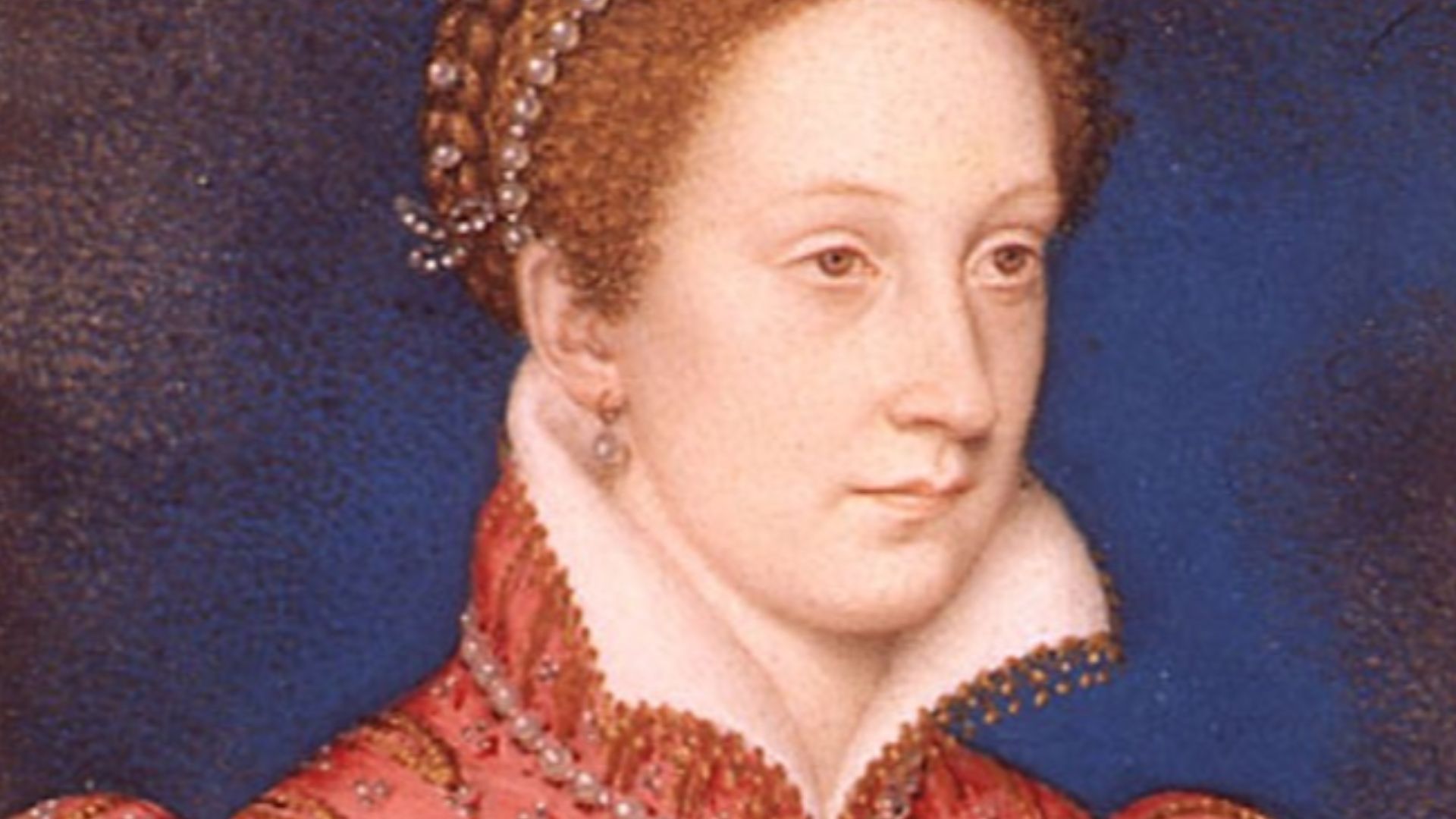 Follower of François Clouet, Wikimedia Commons
19 Years Of Captivity Rewrote Mary’s Legacy
After fleeing Scotland, Mary spent roughly 19 years in English custody. She was eventually convicted after being implicated in the Babington Plot against Elizabeth I and, as a consequence, lost her life in 1587. Her long imprisonment and final confrontation with Elizabeth became so compelling that they often dominate how her entire political life is remembered.
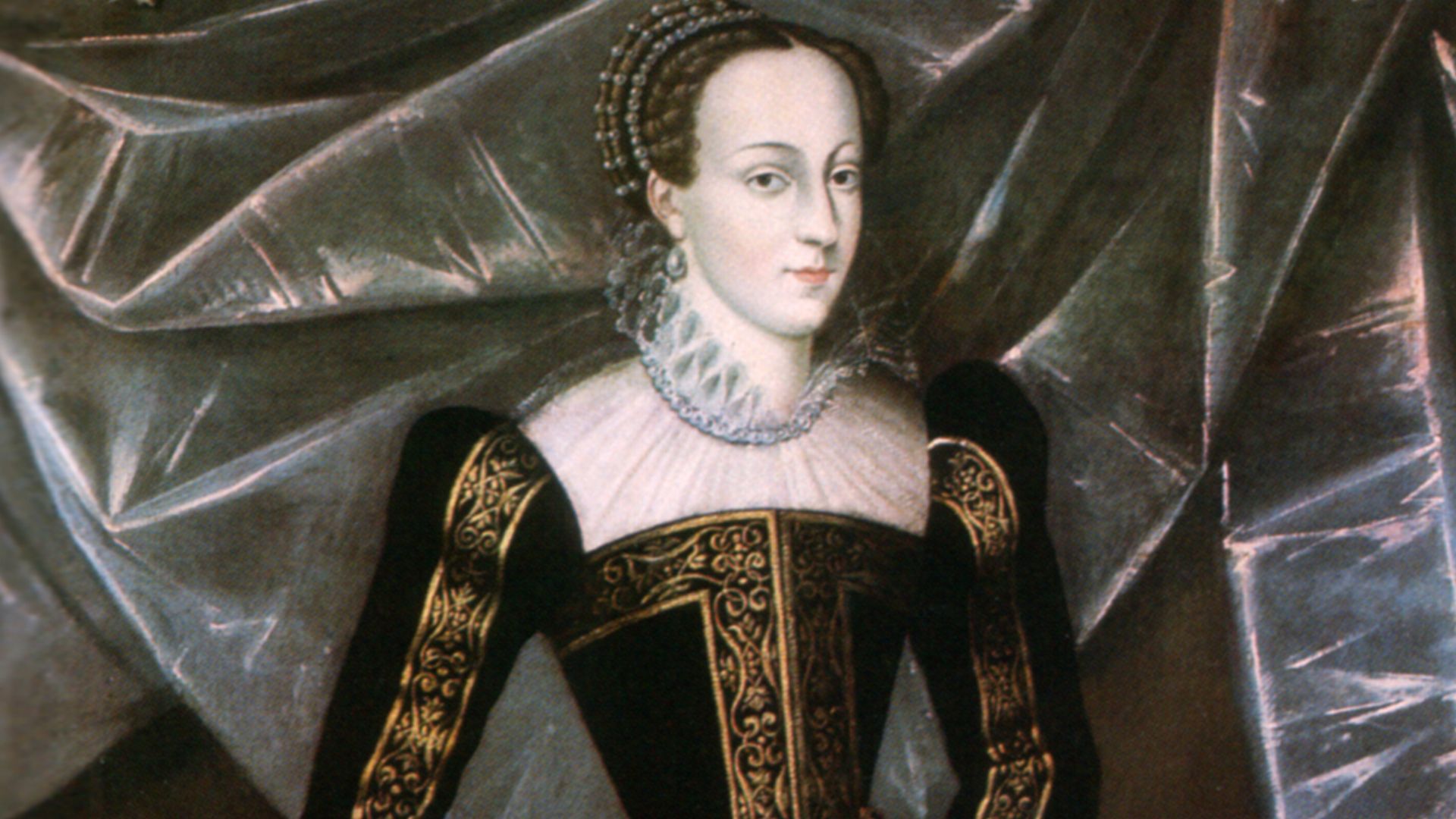 Unidentified painter, Wikimedia Commons

History's most fascinating stories and darkest secrets, delivered to your inbox daily.
Joanna Of Castile Was A Queen Who Barely Got To Rule
Joanna inherited the crown of Castile in 1504, but political power quickly became contested among her husband Philip, her father Ferdinand, and later her son Charles. Her mental health has been debated for centuries, and historians have questioned how much the image of “Joanna the Mad” served the ambitions of the men around her.
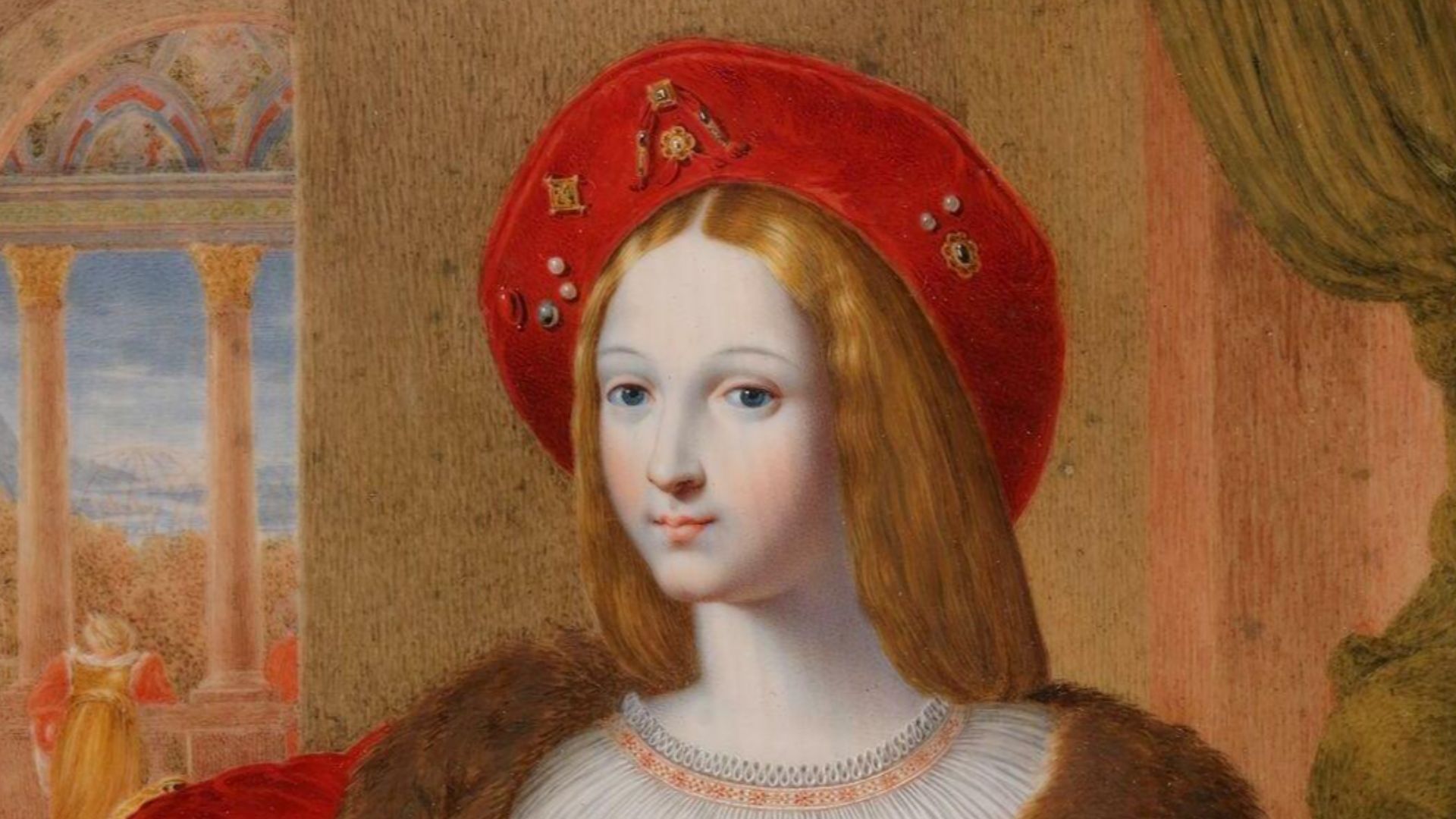 Marquard Wocher / After Raphael, Wikimedia Commons
Decades Of Confinement Defined Her Reputation
From 1509, Joanna was confined at Tordesillas and remained there until her death in 1555. She was still legally queen for decades, with her name appearing on official documents, but she exercised little meaningful authority. Her long isolation became so famous that an extraordinary span of nominal queenship almost disappeared behind it.
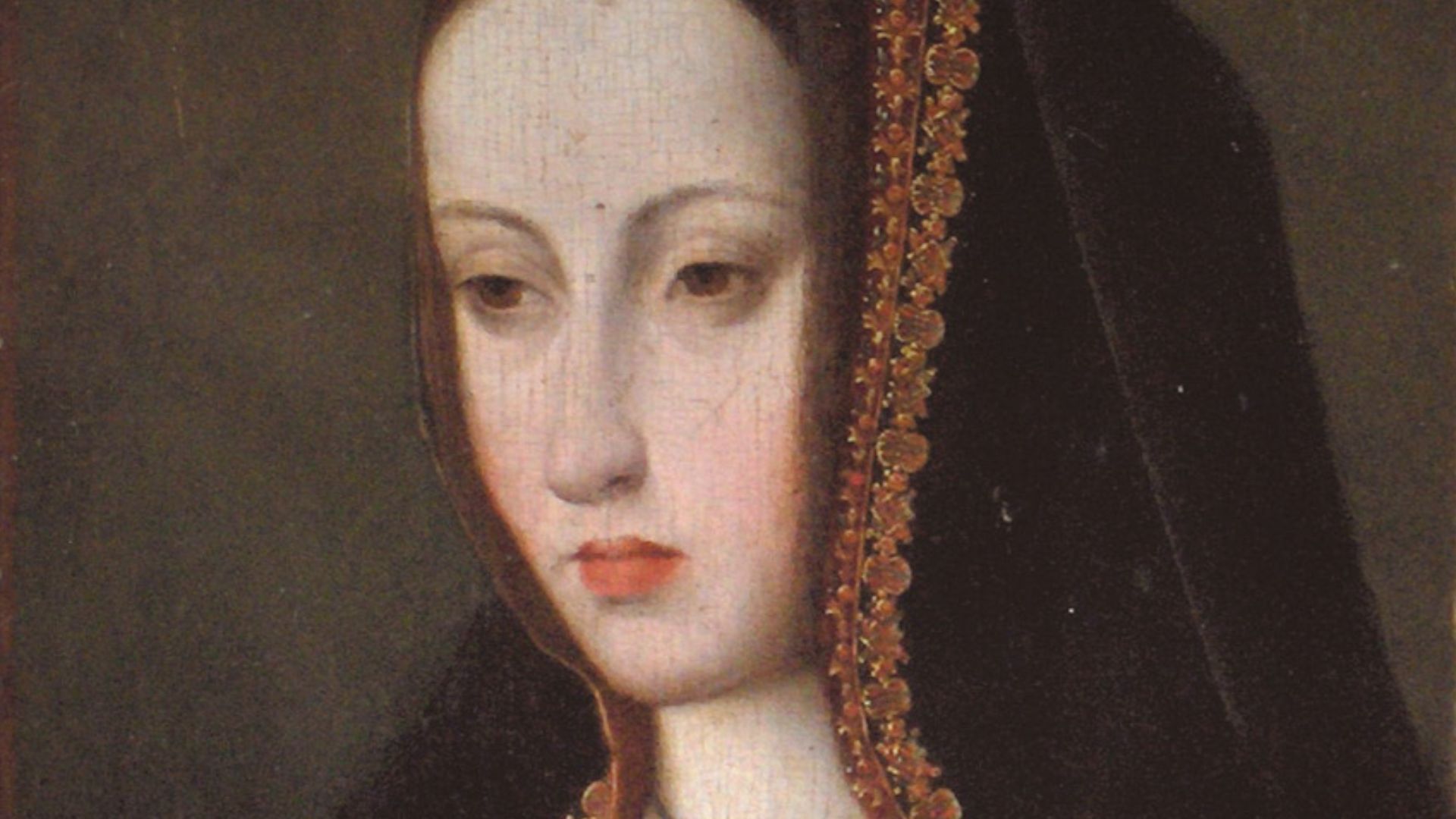 Master of Affligem, Wikimedia Commons
Caroline Matilda Was Swept Into A Court Revolution
British-born Caroline Matilda became queen of Denmark and Norway through her marriage to Christian VII. She later had an affair with the king’s physician, Johann Friedrich Struensee, who had become Denmark’s dominant political figure and pursued ambitious reforms. Their relationship gave his enemies the opening they needed.
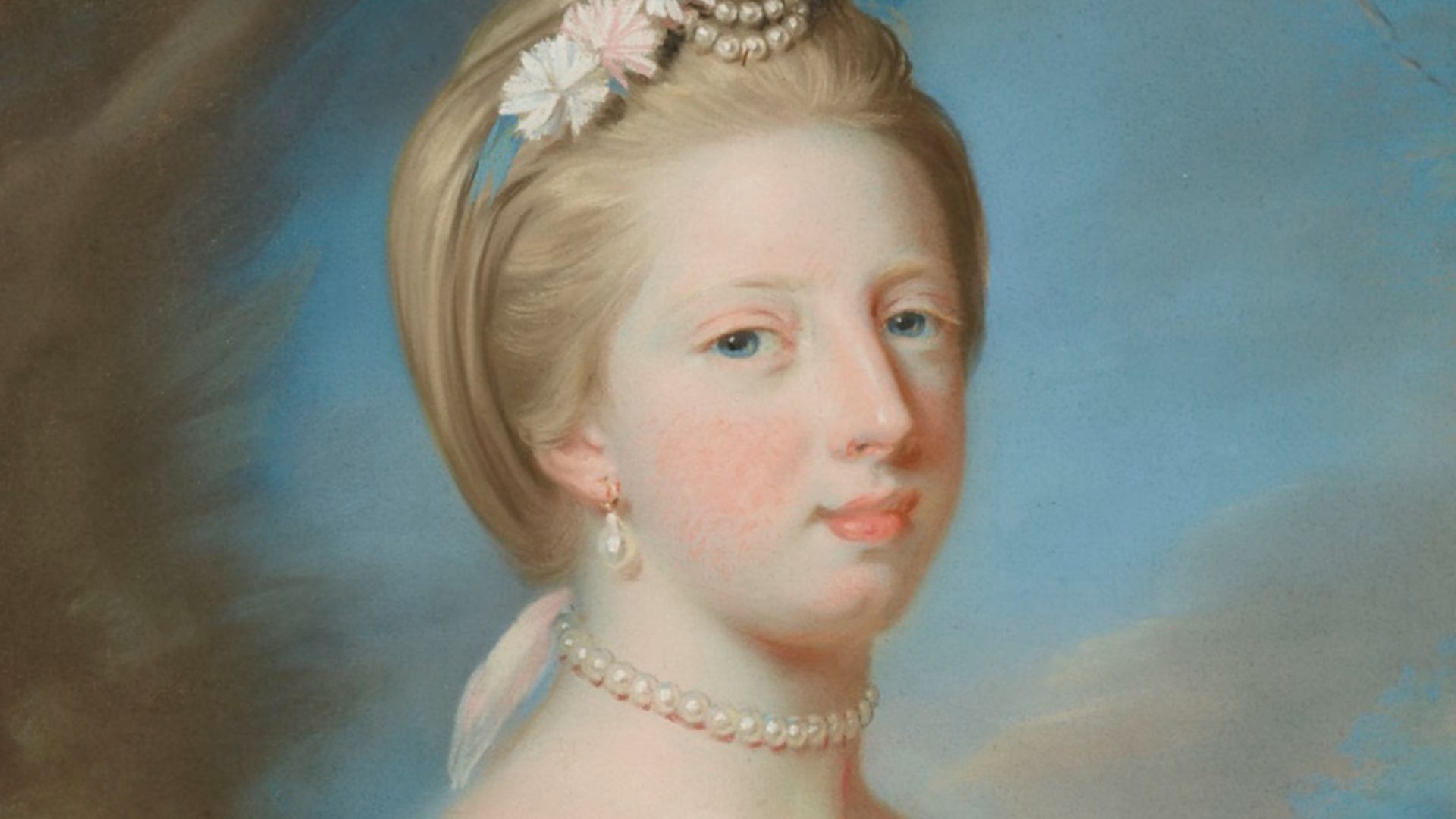 Catherine Read, Wikimedia Commons
Exile Defined Her At Just 20
A palace coup in 1772 brought Struensee down and placed Caroline Matilda under arrest. Her marriage was dissolved, she was separated from her children, and she was sent to Celle. She passed there of scarlet fever in 1775 at only 23, leaving her political associations and royal life overshadowed by exile and separation.
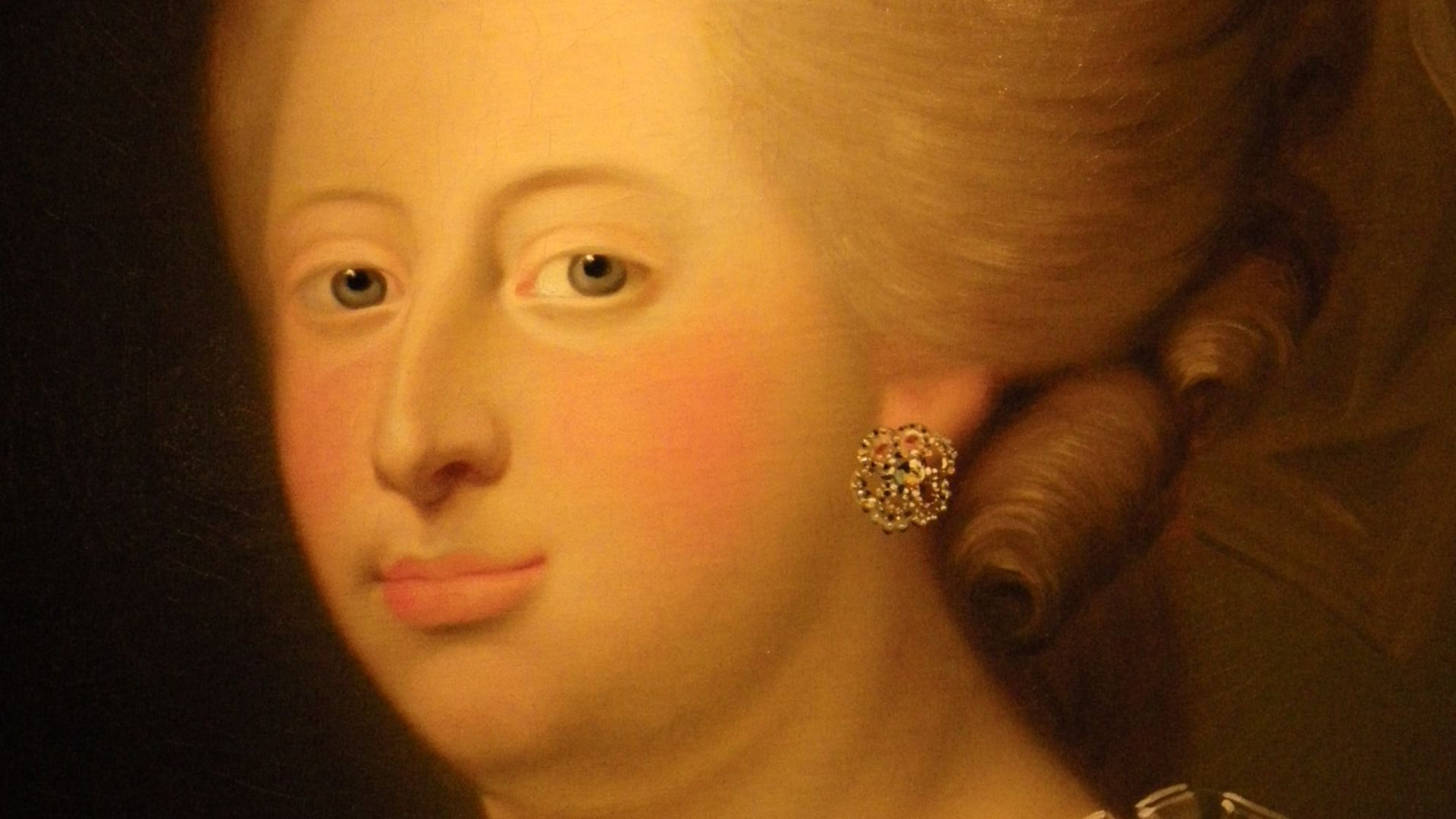 nicht angegeben, Wikimedia Commons
Marie Antoinette Was More Than Versailles Excess
Marie Antoinette became Queen of France in 1774. She patronized musicians and artists, had four children, cultivated a more private court life, and occasionally tried to influence politics. Her spending was scrutinized, but hostile pamphlets also exaggerated her extravagance and blamed her for problems far larger than one royal household.
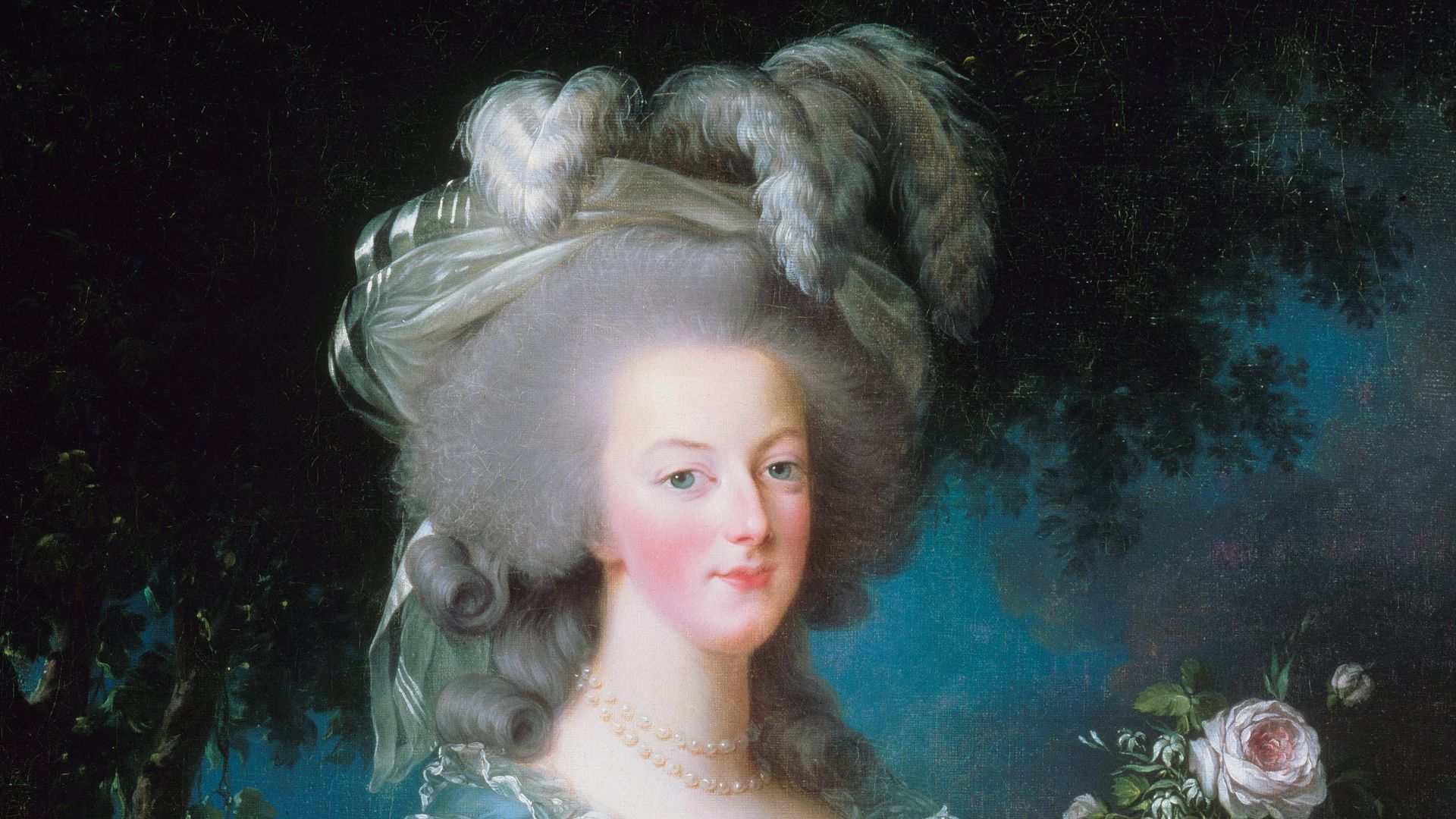 Élisabeth Louise Vigée Le Brun, Wikimedia Commons
The Revolution Replaced The Queen With A Symbol
Once the monarchy collapsed, Marie Antoinette ceased to be treated as merely an unpopular queen. She became a symbol of everything revolutionaries hated about the old regime. Imprisonment, public vilification, and her 1793 trial ultimately became more famous than nearly two decades spent navigating the French court.
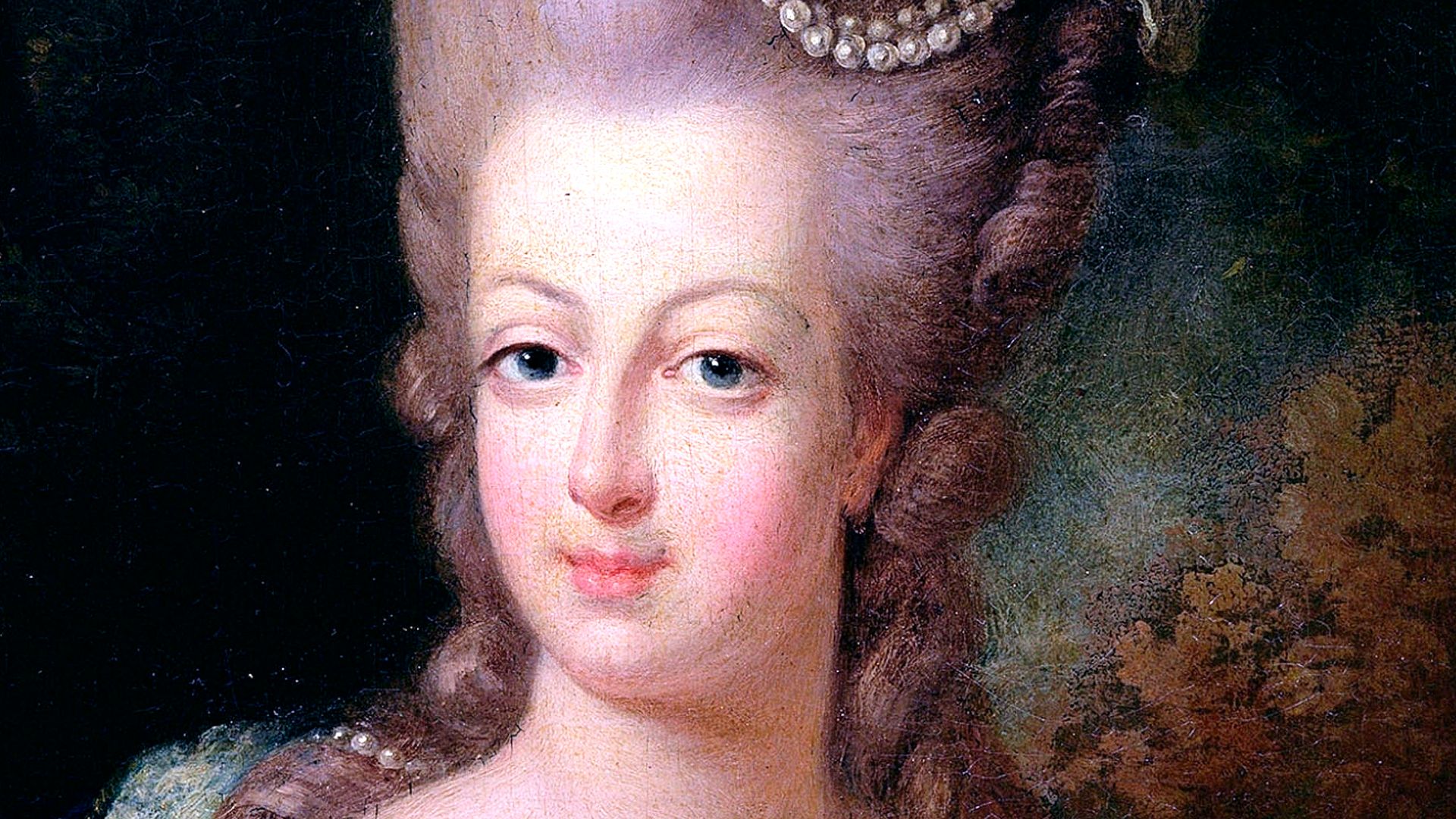 Unknown, possibly Jean-Baptiste André Gautier-Dagoty, Wikimedia Commons
Caroline Of Brunswick Became Queen During A Marital War
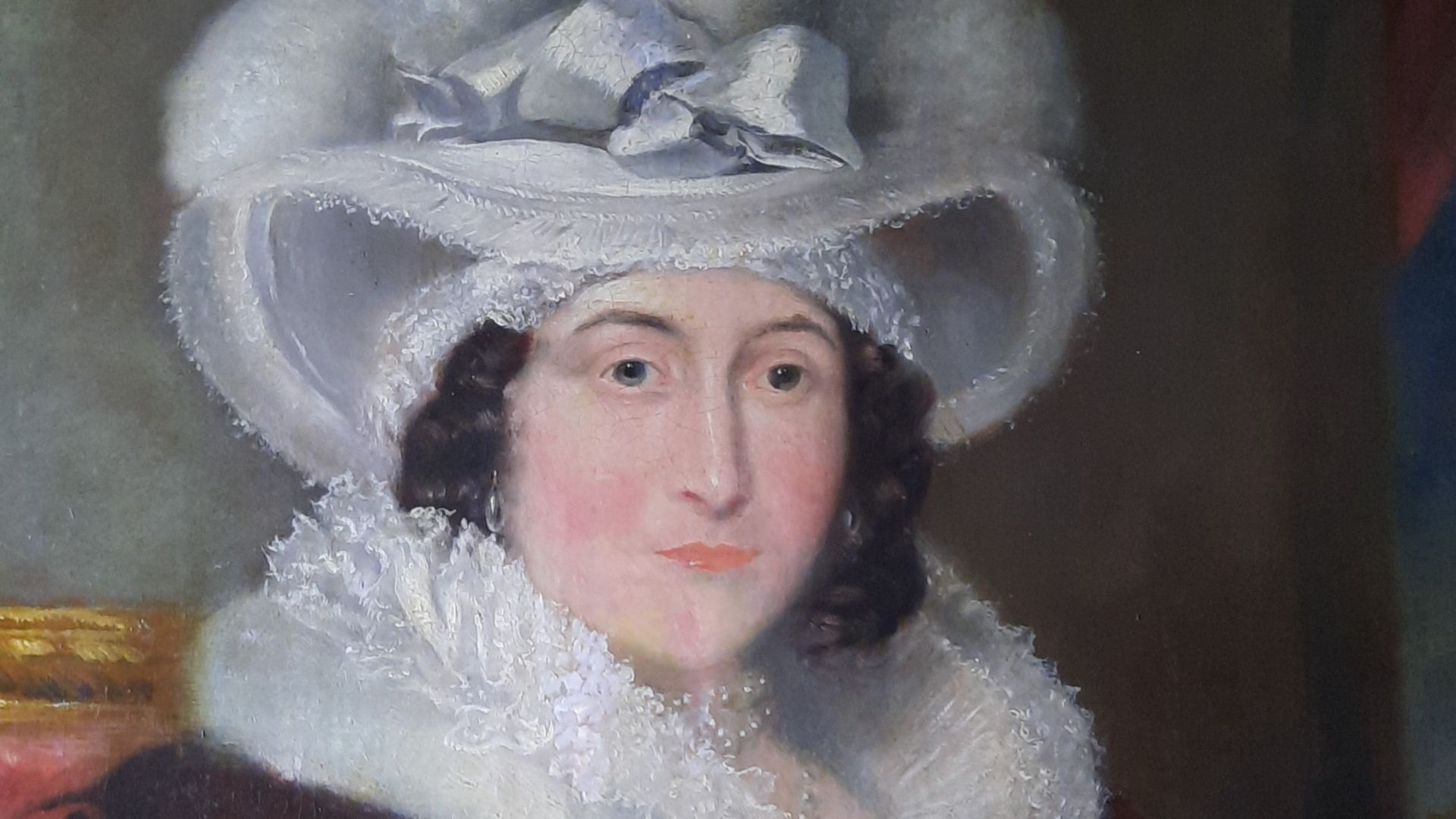
Caroline’s disastrous marriage to the future George IV had broken down decades before he became king. When he took the throne in 1820, she returned to Britain and insisted on being recognized as queen. The government tried unsuccessfully to end the marriage through parliamentary proceedings amid enormous public attention.
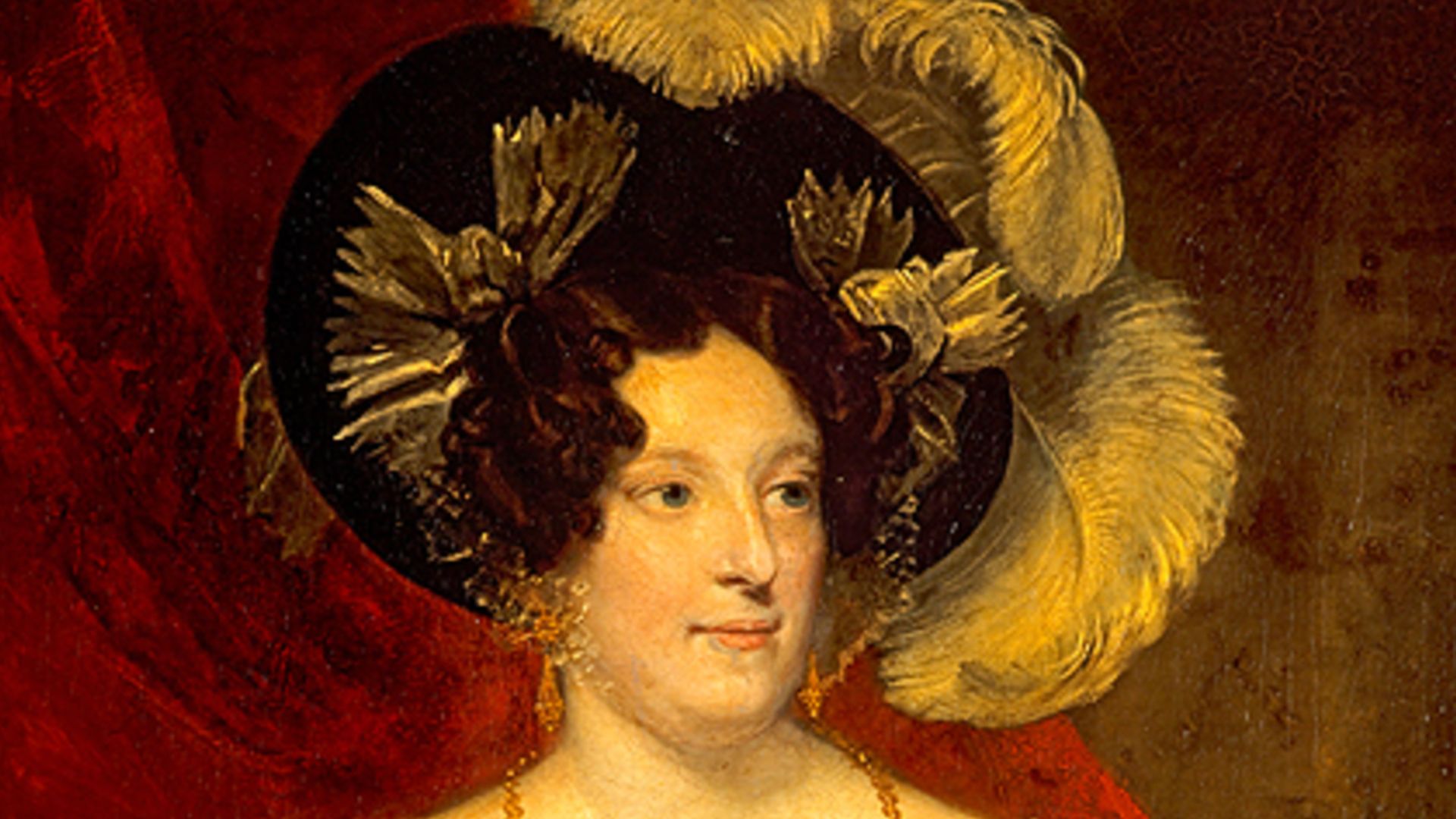 Samuel Lane, Wikimedia Commons
Her Fight For Recognition Became Her Legacy
Caroline attempted to attend George IV’s coronation in July 1821 but was refused entry. The humiliation created an unforgettable royal spectacle. She became ill soon afterward and passed less than three weeks later. Her time as queen was so consumed by the battle with her husband that almost nothing else had room to define it.
 Christian Wilhelm, Wikimedia Commons
Queen Draga Entered A Monarchy Already In Trouble
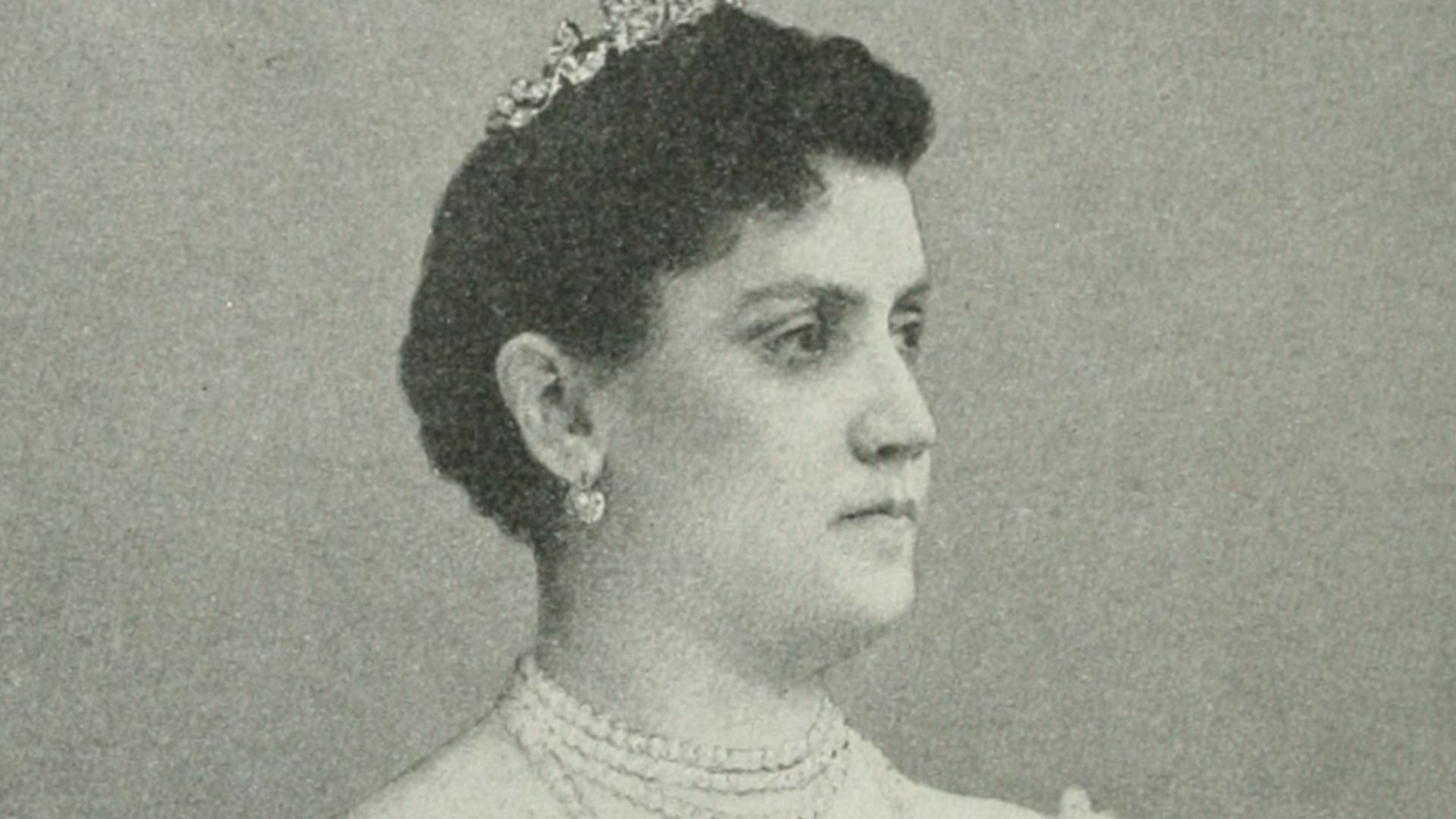
Draga Mašin was a widow and former lady-in-waiting when Serbia’s King Alexander married her in 1900. The marriage shocked sections of Serbian society. Her unpopularity, especially within the army, worsened alongside Alexander’s controversial political measures and uncertainty surrounding the royal succession.
 Kanitz, Felix Philipp, 1829-1904; Jovanovic, Bogoljub, Wikimedia Commons
One Night Ended A Dynasty
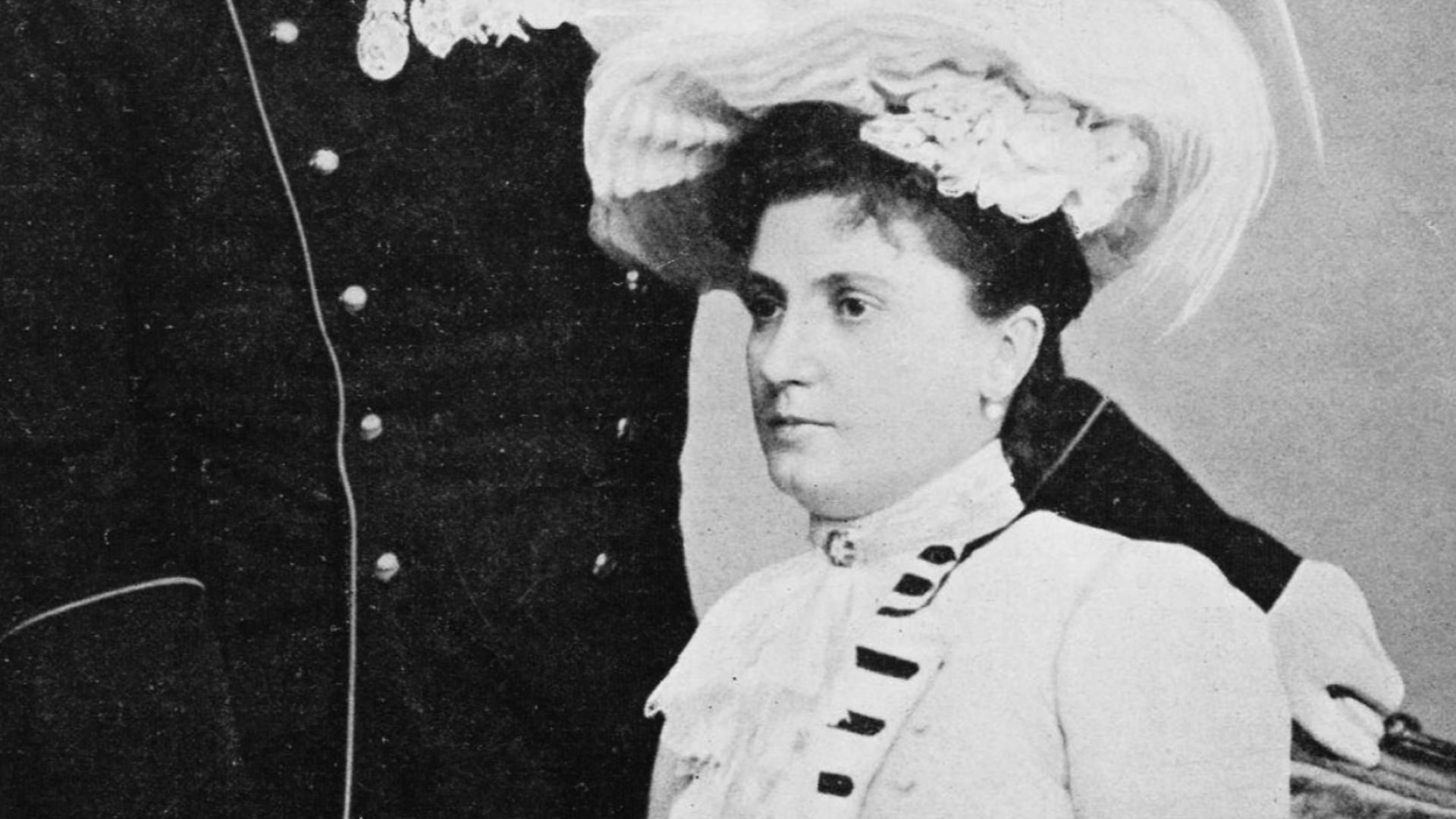
In June 1903, army conspirators stormed the royal palace in Belgrade and took the lives of Alexander and Draga. The coup ended the Obrenović dynasty and shocked Europe. Draga’s short queenship is now far less remembered than the brutal political collapse that removed both her husband and his dynasty from power.
 Unknown authorUnknown author, Wikimedia Commons
Queen Min Was A Political Force In A Dangerous Era
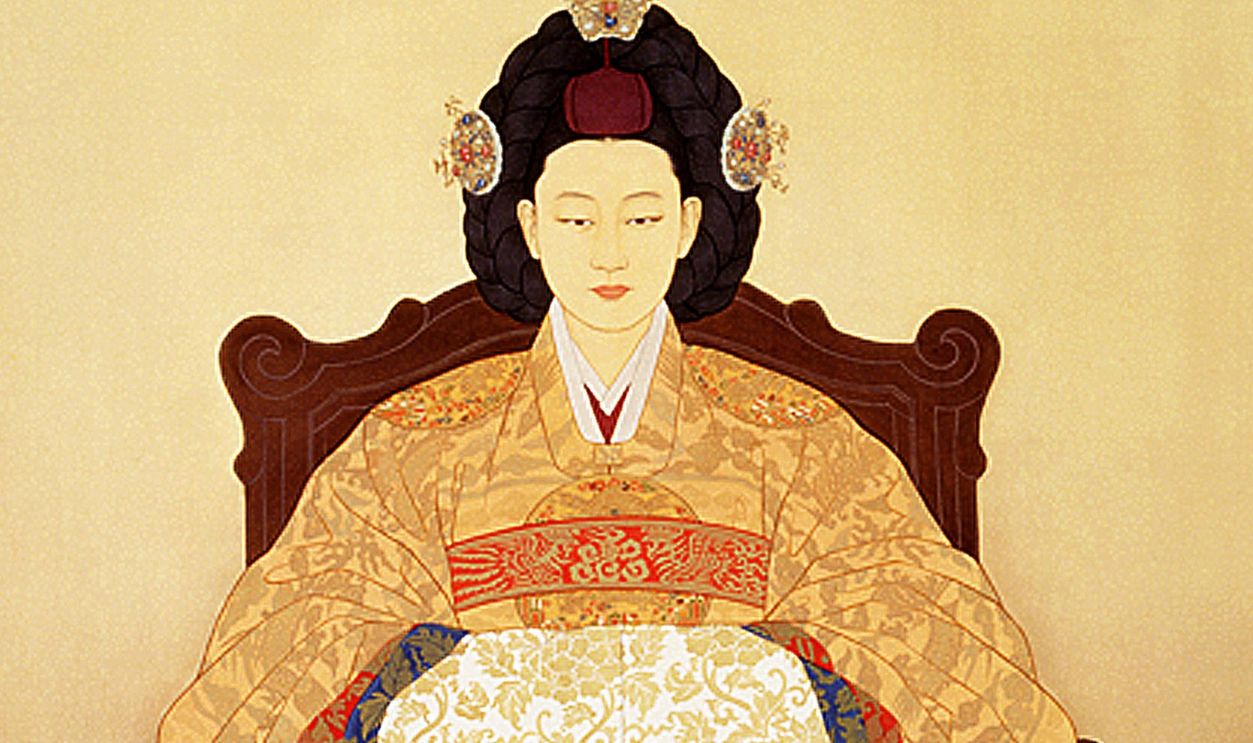
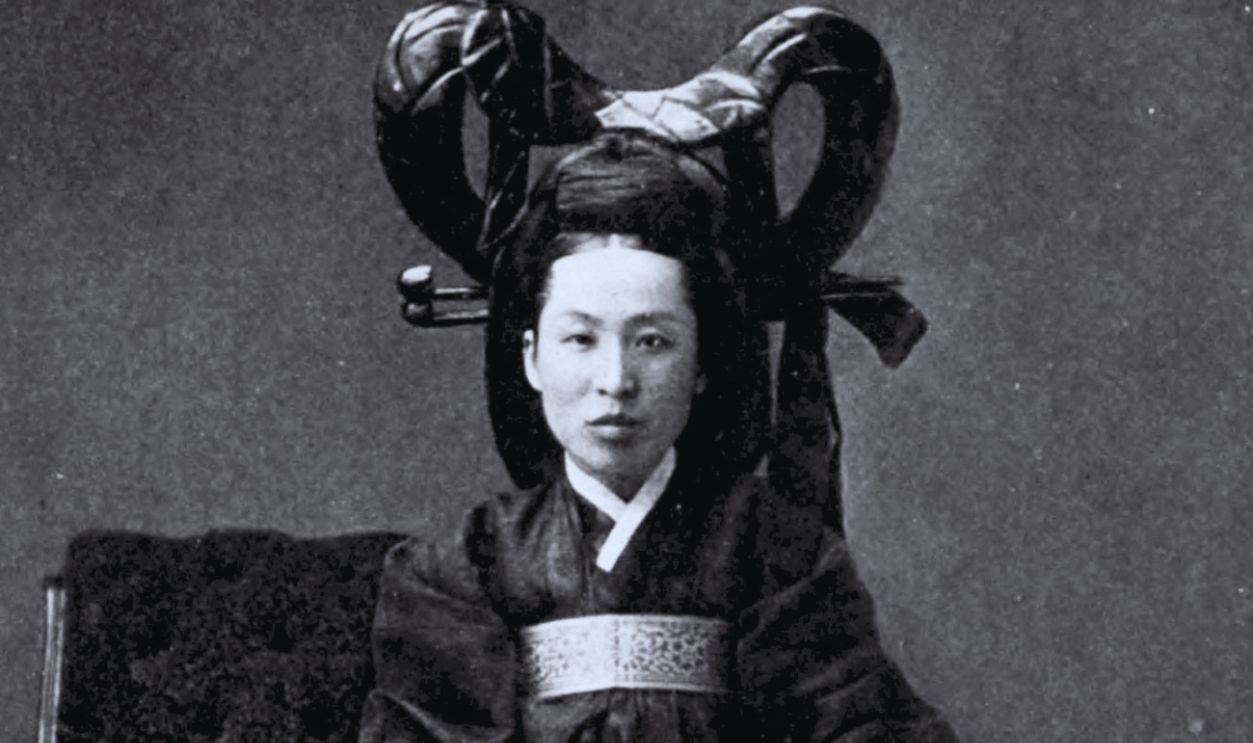
The Korean royal consort commonly known as Queen Min became actively involved in court politics while China, Japan, Russia, and other powers competed for influence over Korea. Her surviving letters show close attention to government appointments and international affairs, making her an important political partner in King Gojong’s court.
 Pictures from History, Getty Images
Her Demise Became A National Symbol
In October 1895, Japanese and Korean assailants entered Gyeongbokgung Palace and killed Queen Min in what Korea remembers as the Eulmi Incident. She was later given the posthumous title Empress Myeongseong. Her demise became a powerful symbol of the foreign pressure that preceded Japan’s domination of Korea.
 Universal History Archive, Getty Images
Ranavalona III Tried To Keep Madagascar Independent
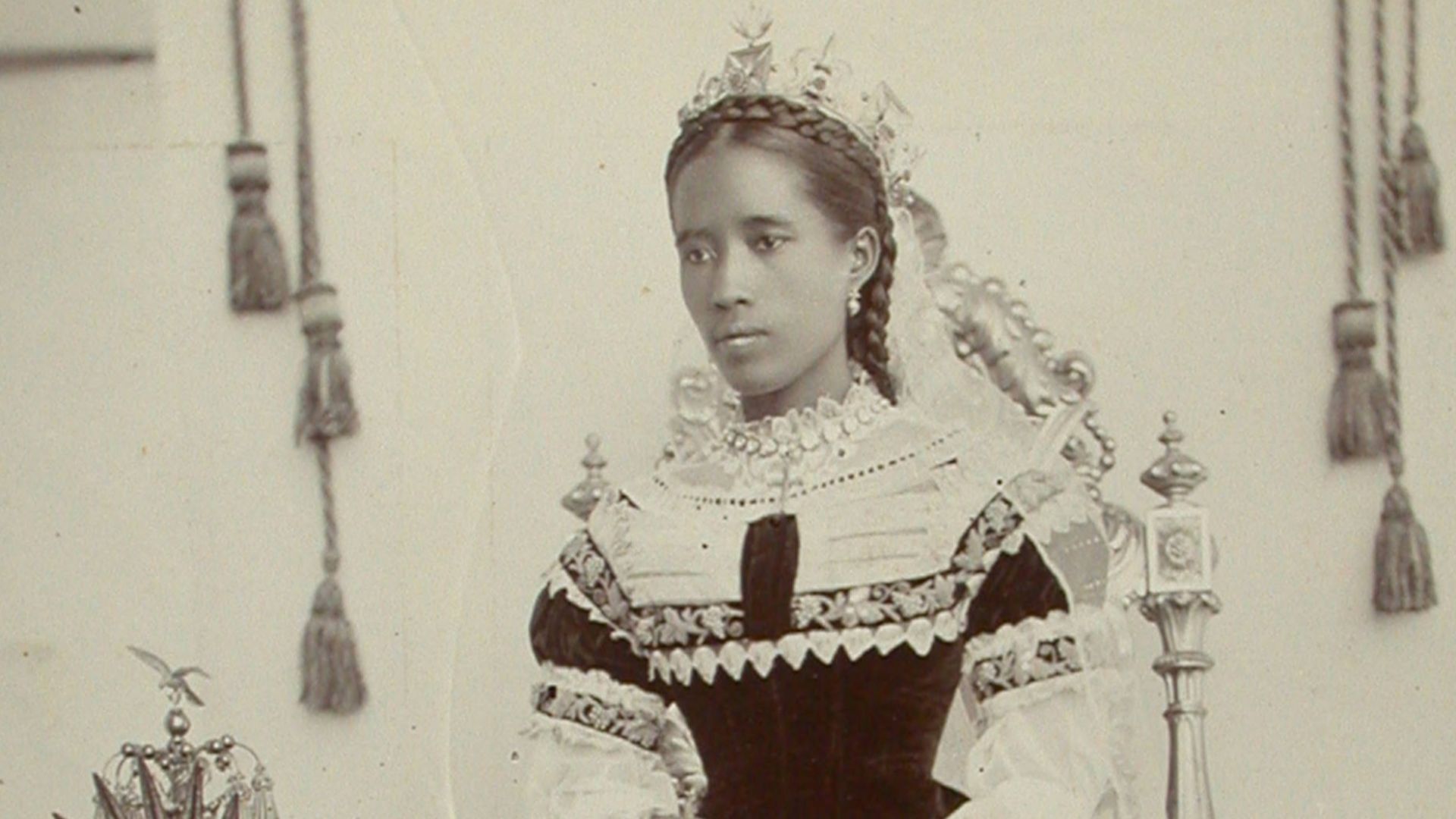
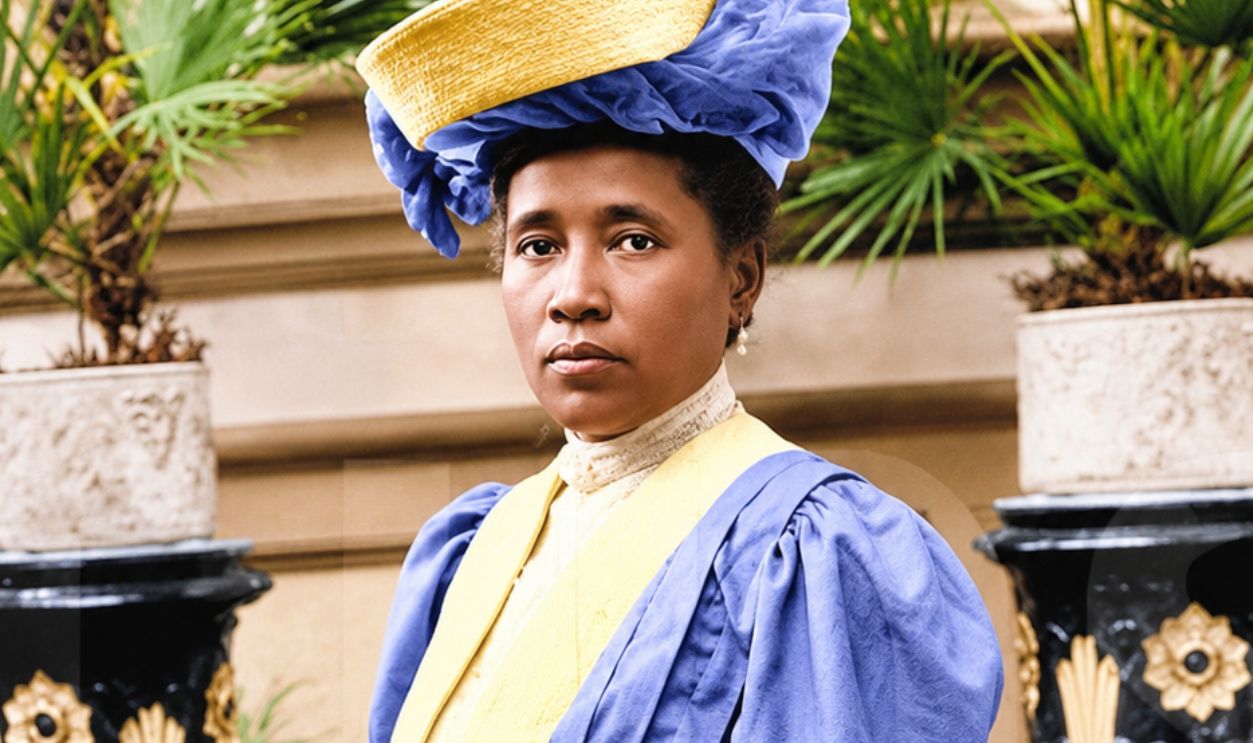
Ranavalona III became Madagascar’s queen in 1883 as France increased pressure on the island kingdom. Much day-to-day authority belonged to Prime Minister Rainilaiarivony, but the queen became a symbol of sovereignty and participated in efforts to resist French colonial expansion through diplomacy and appeals to foreign powers.
 Unknown authorUnknown author, Wikimedia Commons
Exile Became The Last Queen’s Lasting Image
French forces captured Antananarivo in 1895, and the monarchy was abolished in 1897. Ranavalona was sent first to Réunion and then to Algeria. Despite repeatedly expressing a desire to return home, she never saw Madagascar again. Her years in exile often overshadow the difficult anti-colonial struggle that defined her reign.
 anonymous, Wikimedia Commons, Enhanced
Their Downfalls Were Easier To Turn Into Legends
A reign is messy. It contains appointments, family negotiations, diplomacy, religion, rival factions, money, and decisions whose meaning changes over time. A prison, coup, exile, or sensational trial gives later generations a simpler narrative. That is why complex queens so often become remembered through one dramatic final chapter.
 Unidentified painter, Wikimedia Commons
Tragedy Can Distort As Much As It Reveals
Jane becomes the nine-day queen. Anne becomes Henry VIII’s doomed wife. Mary becomes Elizabeth’s prisoner. Joanna becomes “the Mad.” Marie Antoinette becomes a symbol of revolutionary vengeance. Looking at what came before those labels restores something the famous endings erase: these women had political lives before history turned them into tragedies.
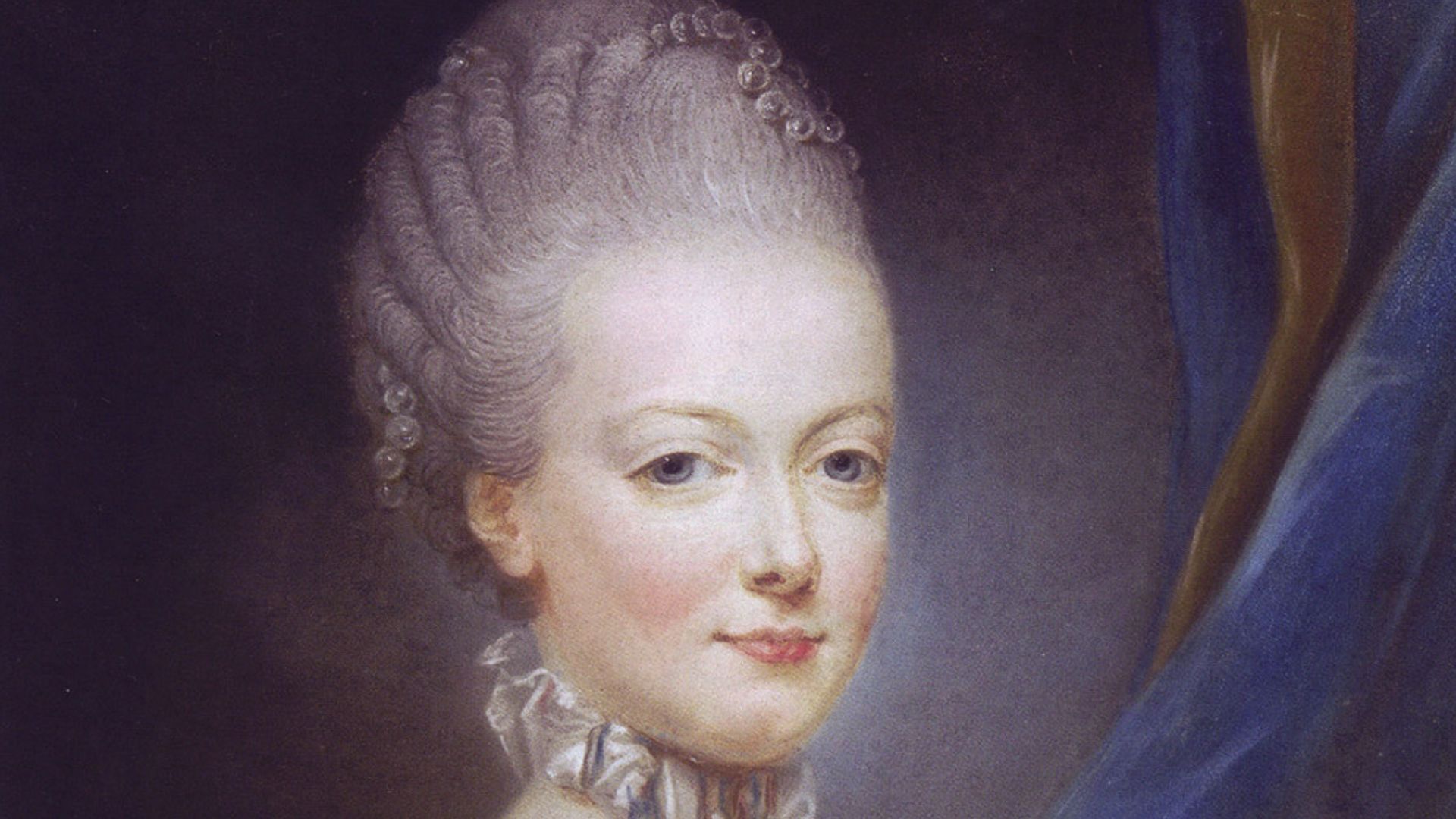 Joseph Ducreux, Wikimedia Commons
You May Also Like:
Tragic Facts About Queen Jane Seymour, Henry VIII's Lost Love
Princess Diana Was A Royal Rebel