Of Recent Vintage
Some traditions feel so deeply rooted in history that we assume people have been observing them for thousands of years. But appearances can be deceiving. From Christmas customs to wedding rituals, many supposedly timeless traditions were invented, reinvented, or popularized surprisingly recently. Some are barely a century old. Others were deliberately dressed up to look ancient. And a few have histories so unexpected that they'll change how you look at familiar celebrations forever.
The White Wedding Dress
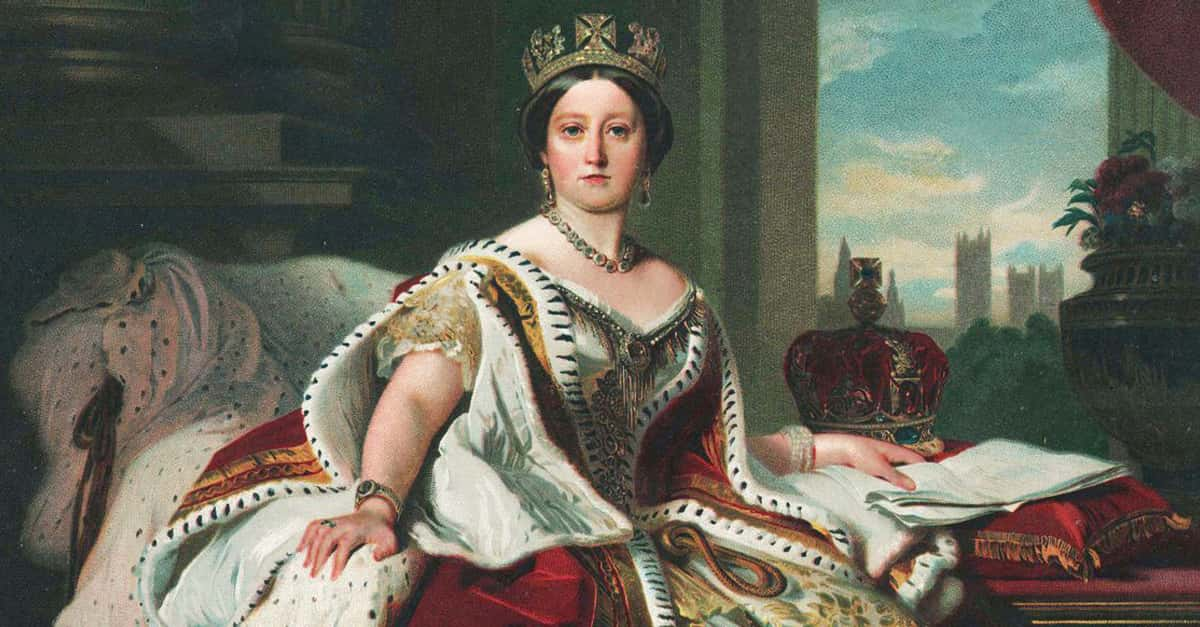
For centuries, brides married in dresses of various colors, often wearing their finest existing clothes rather than buying something specifically for the occasion. White wedding gowns weren't unknown, but Queen Victoria's marriage to Prince Albert in 1840 helped establish white as the fashionable choice. As illustrations of the royal wedding circulated, the trend spread among wealthy brides and eventually became a Western wedding convention. What now seems like an age-old requirement owes much of its popularity to a 19th-century royal fashion statement.
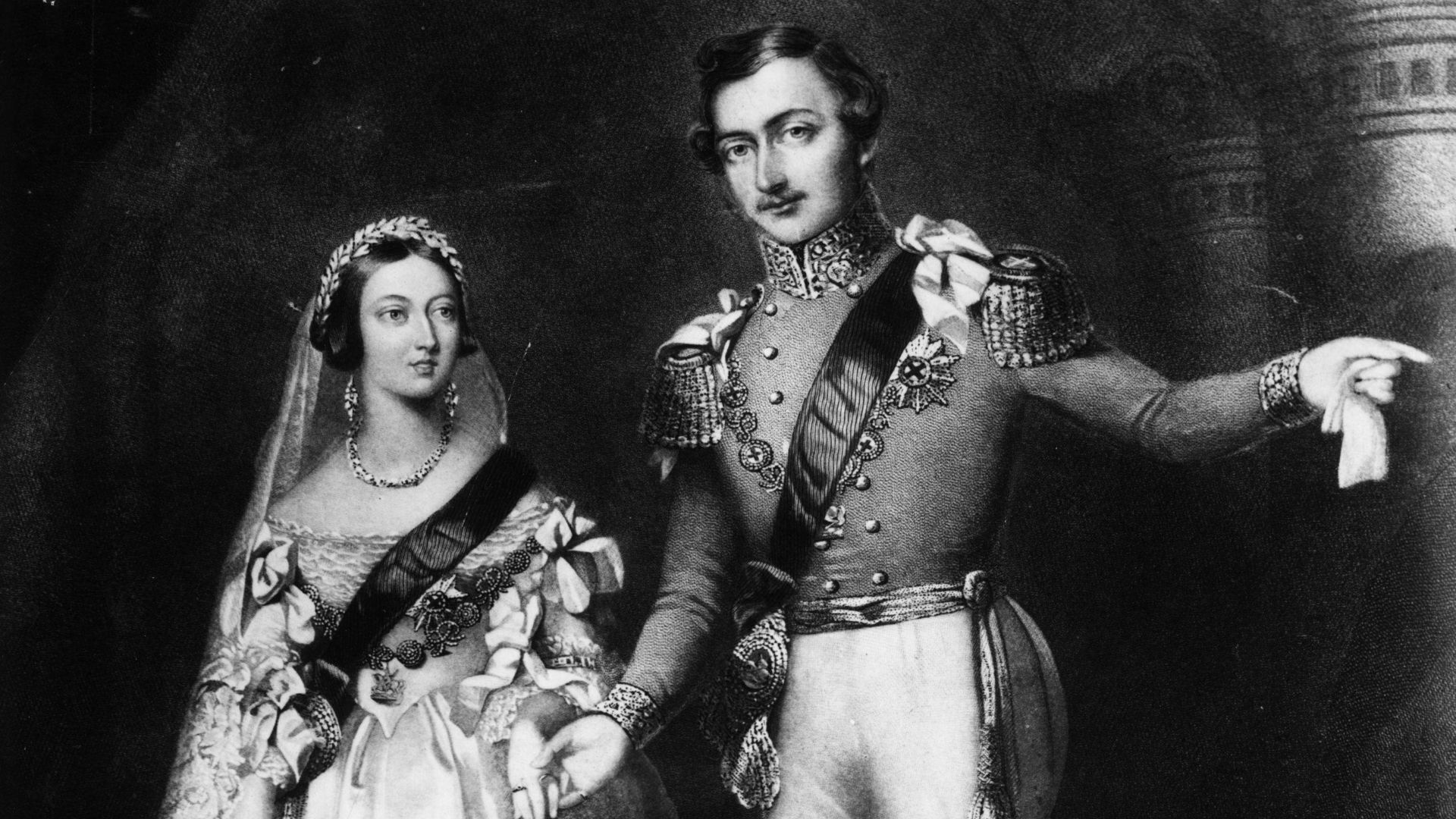 Engraved by S Reynolds after F Lock, Wikimedia Commons
The Diamond Engagement Ring
Diamonds have appeared in engagement jewelry for centuries, but the expectation that a proposal should involve a diamond ring is much newer. In 1947, advertising agency N. W. Ayer created the famous slogan "A Diamond Is Forever" for De Beers. The campaign helped turn diamonds into the seemingly indispensable symbol of romantic commitment. The tradition wasn't invented entirely from scratch, but modern advertising did an extraordinary job of making one particular gemstone feel like an ancient romantic obligation.
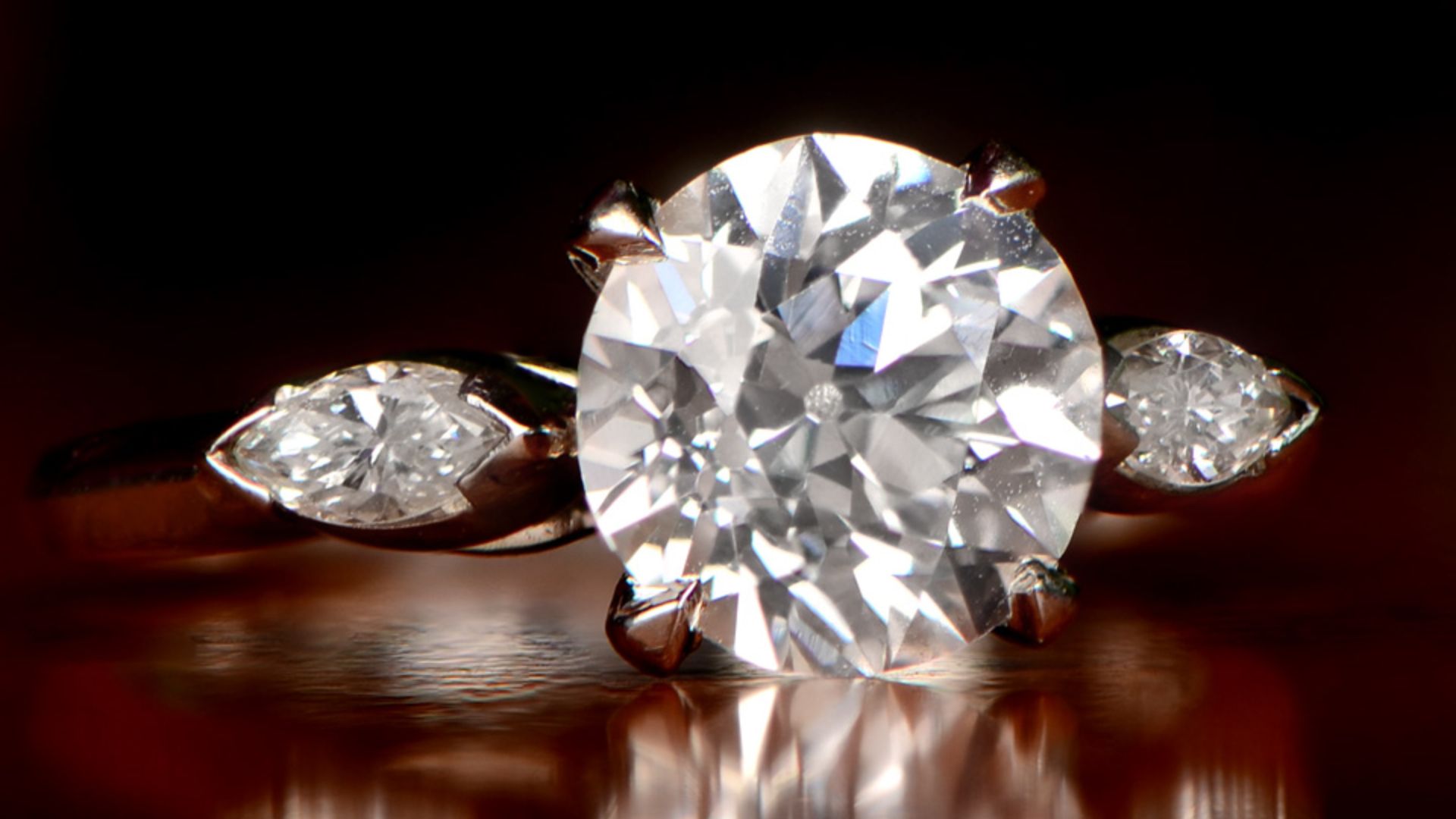 CatherineLewis1976, Wikimedia Commons
The Two-Month Salary Rule
If you've heard that an engagement ring should cost two or three months' salary, you might assume the rule comes from some old marriage custom. It doesn't. The spending guideline emerged from 20th-century diamond marketing, with versions of the suggested amount changing over time and between countries. There's no historical requirement that couples spend a fixed proportion of their income on a ring. It's a particularly successful example of an advertising suggestion becoming mistaken for tradition.
 https://kaboompics.com/, Pexels
The Modern White Wedding Cake
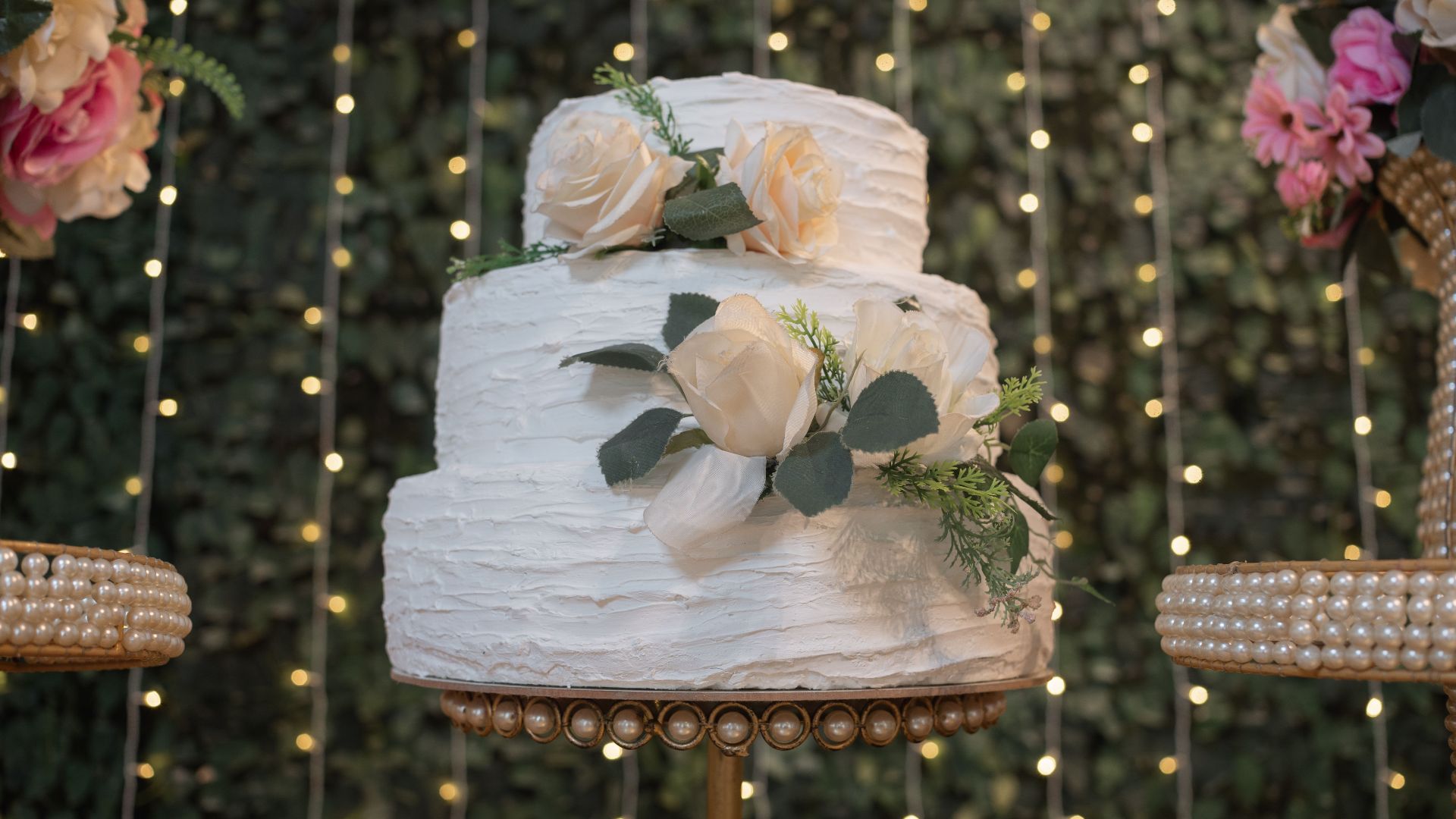
Although wedding cakes were already a thing by the 1800s, it was Queen Victoria's spectacular 1840 wedding cake that helped popularize the extravagant decorations that we associate with modern celebrations. During the Victorian era, towering, multi-tiered cakes became increasingly fashionable, particularly among wealthy families. As refined sugar became more affordable, white-iced wedding cakes spread to the middle classes. The familiar combination of decorative tiers, elaborate frosting, and ceremonial presentation owes much to 19th-century fashion rather than ancient marriage customs.
Bridesmaids Wearing Matching Dresses
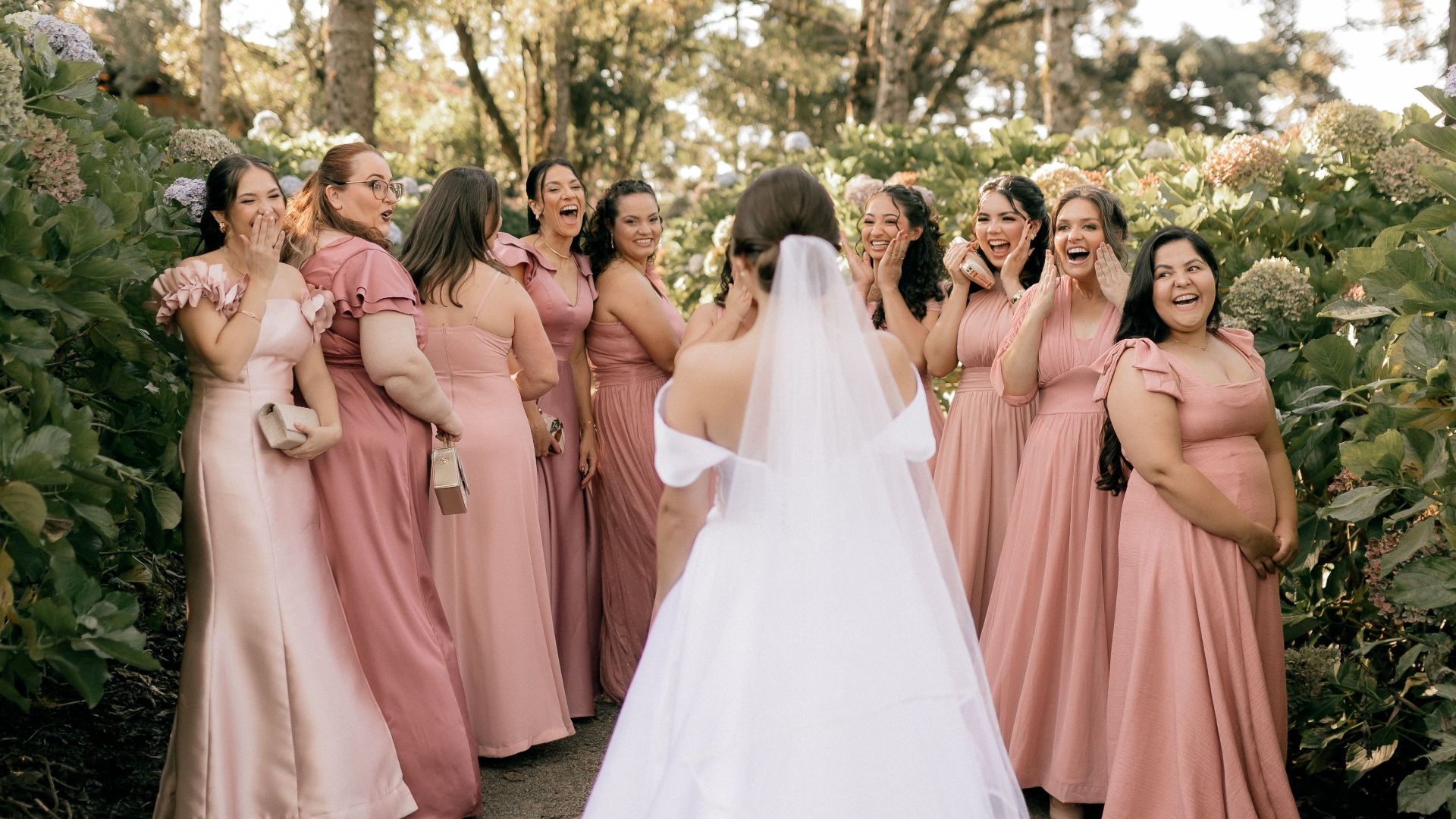
Wedding attendants have existed for centuries, but the expectation that bridesmaids should wear identical dresses in a coordinated color scheme is largely a modern development. Earlier attendants might wear their own formal clothing, while wealthy weddings sometimes featured matching outfits. The standardized bridesmaid look became increasingly familiar through 20th-century bridal fashion and the wedding industry. What many people now regard as an essential part of a traditional wedding is actually a relatively recent convention.
Sending Christmas Cards
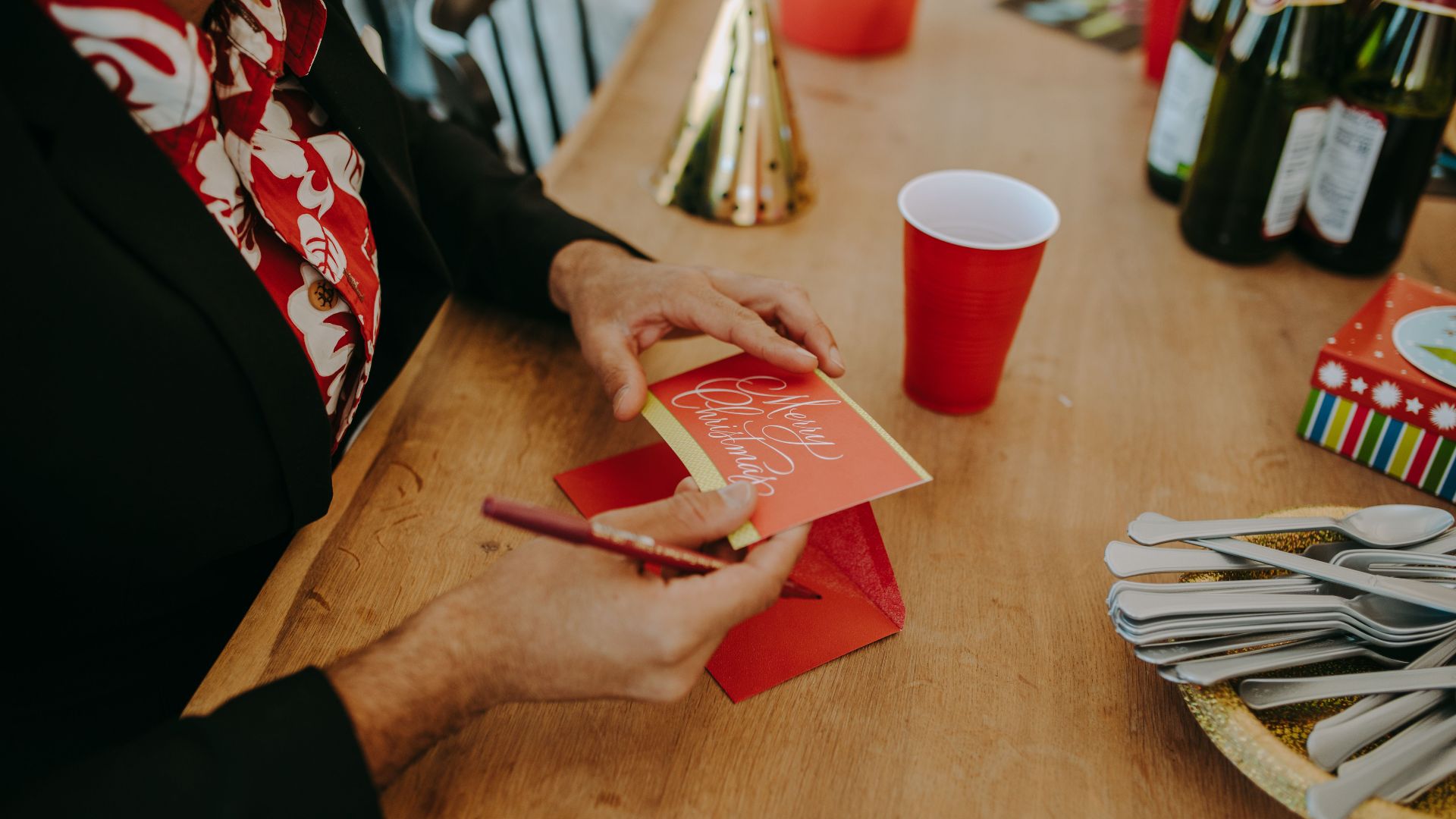
Sending seasonal greetings is an old custom, but the commercial Christmas card has a surprisingly precise birthday. In 1843, British civil servant Henry Cole commissioned artist John Callcott Horsley to design a card that could be reproduced and mailed to friends. Around 1,000 copies were printed. The idea gradually caught on, helped by cheaper postage and advances in printing. What feels like a centuries-old Christmas obligation began as a Victorian gentleman's solution to having too many letters to answer.
Electric Christmas Tree Lights
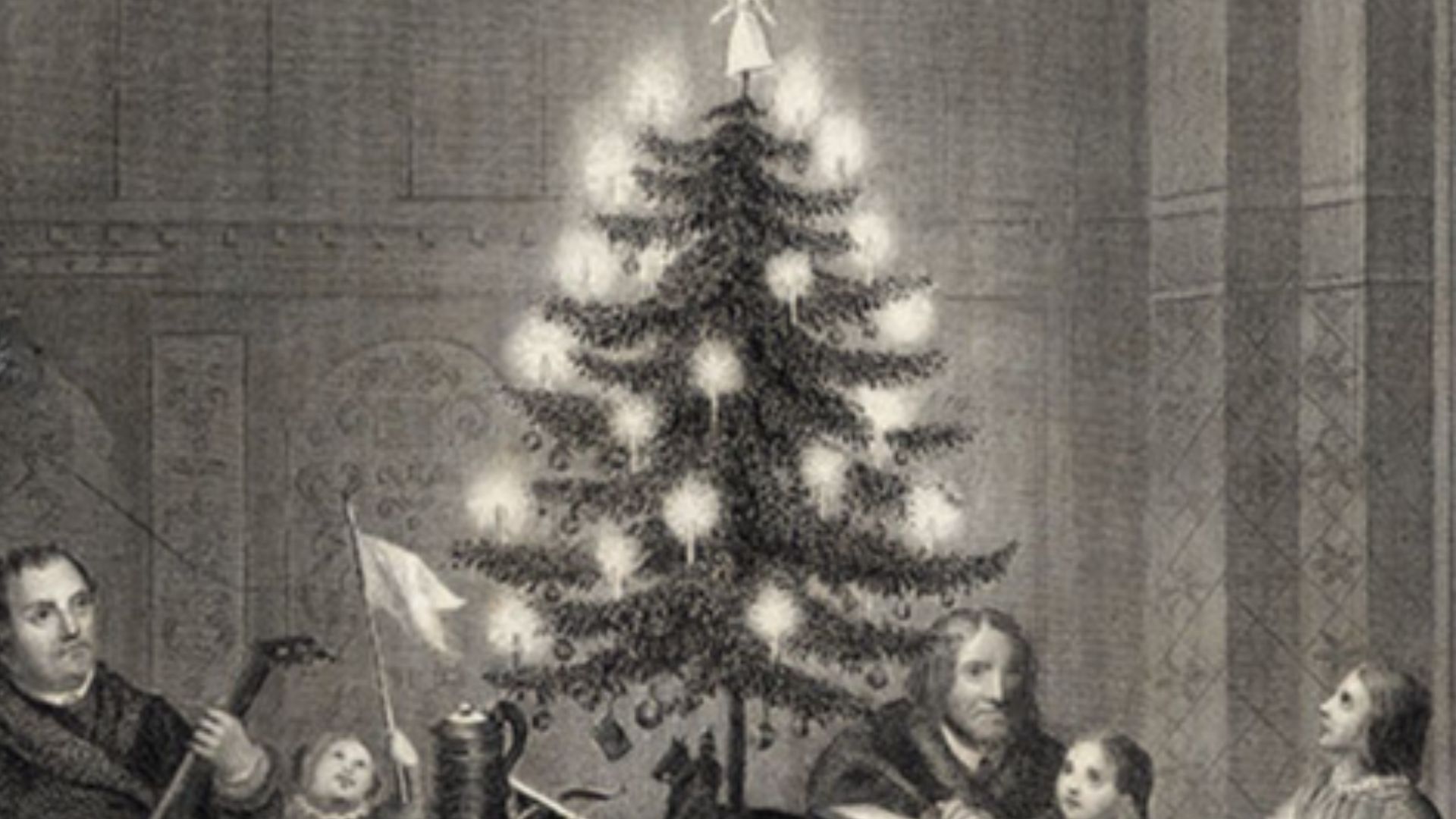
Decorating trees with candles predates electricity, but the glowing strings of lights familiar today began in the late 19th century. Edward H. Johnson, an associate of Thomas Edison, displayed an electrically illuminated Christmas tree in New York in 1882. Electric lights remained expensive for decades, becoming widespread as household electricity expanded. The festive custom now seems inseparable from Christmas, yet it would have been unimaginable to most families celebrating the holiday before the 20th century.
 J. Bannister, Wikimedia Commons
Santa Claus In Red
Santa Claus has roots in centuries of folklore, but his familiar appearance developed gradually during the 19th and early 20th centuries. Illustrators, including Thomas Nast, helped shape the bearded, cheerful figure. Coca-Cola's advertising campaigns beginning in 1931 further popularized a consistent red-and-white image. Contrary to a persistent myth, Coca-Cola didn't invent Santa's red suit. It helped standardize a version that had already appeared in earlier illustrations.


History's most fascinating stories and darkest secrets, delivered to your inbox daily.
The Modern Christmas Tree
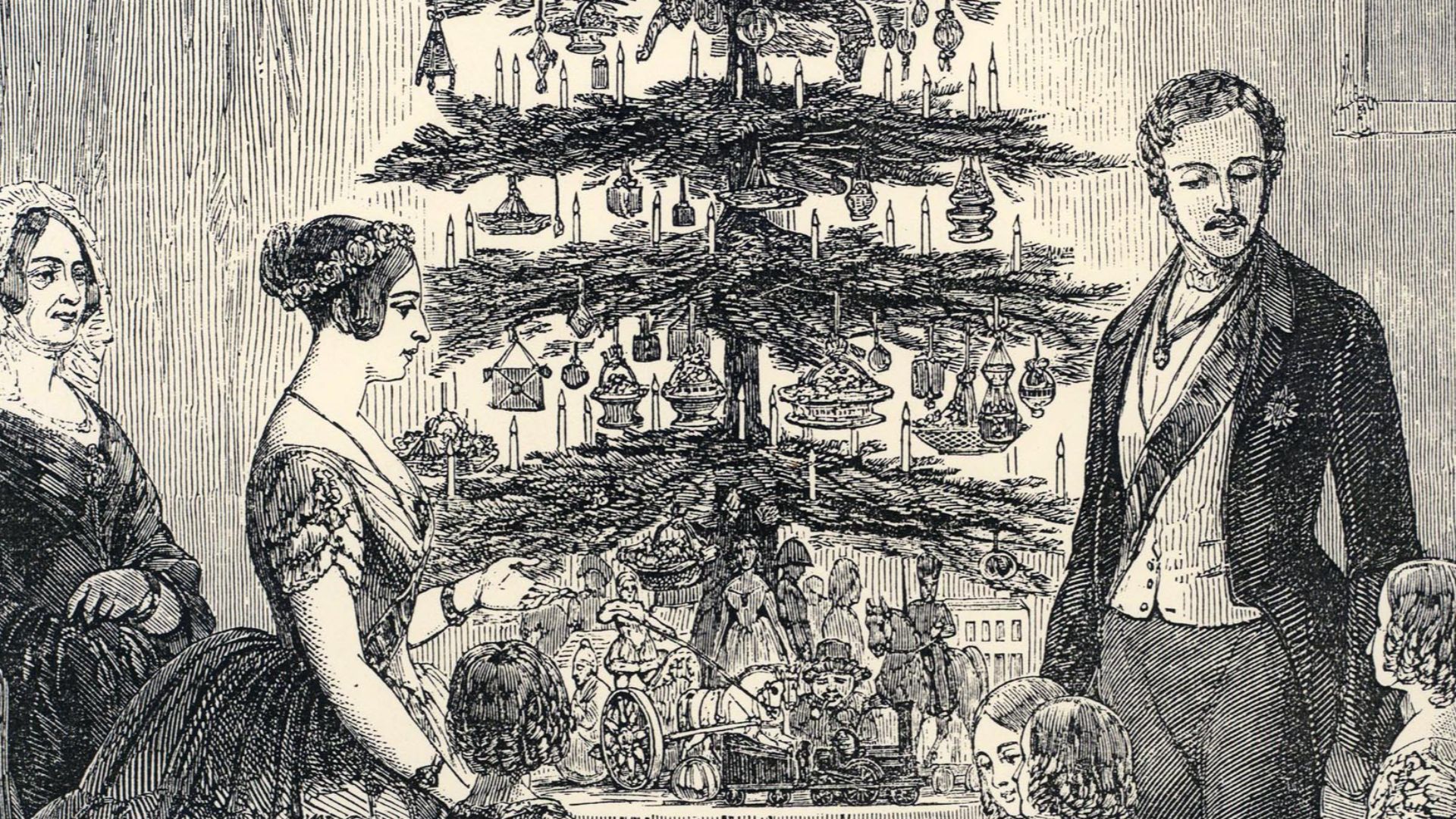
Evergreen decorations have ancient associations, and decorated Christmas trees existed in German-speaking Europe centuries ago. But the widespread family tradition familiar in Britain and America became fashionable much later. Queen Victoria and Prince Albert helped popularize the custom during the 1840s, particularly after illustrations of the royal family gathered around a decorated tree circulated. By the late 19th century, Christmas trees had become a recognizable feature of holiday celebrations in many middle-class homes.
 Joseph Lionel Williams, Wikimedia Commons
Newspaper Horoscopes
Astrology really is ancient, with roots stretching back thousands of years. But those little newspaper predictions telling every Libra or Scorpio what to expect this week are surprisingly modern. In 1930, British astrologer R. H. Naylor wrote a horoscope for the newborn Princess Margaret. Its popularity led to a regular newspaper column, and by the late 1930s, the familiar twelve-sign format had emerged. Ancient celestial symbolism had been transformed into a convenient form of mass entertainment.
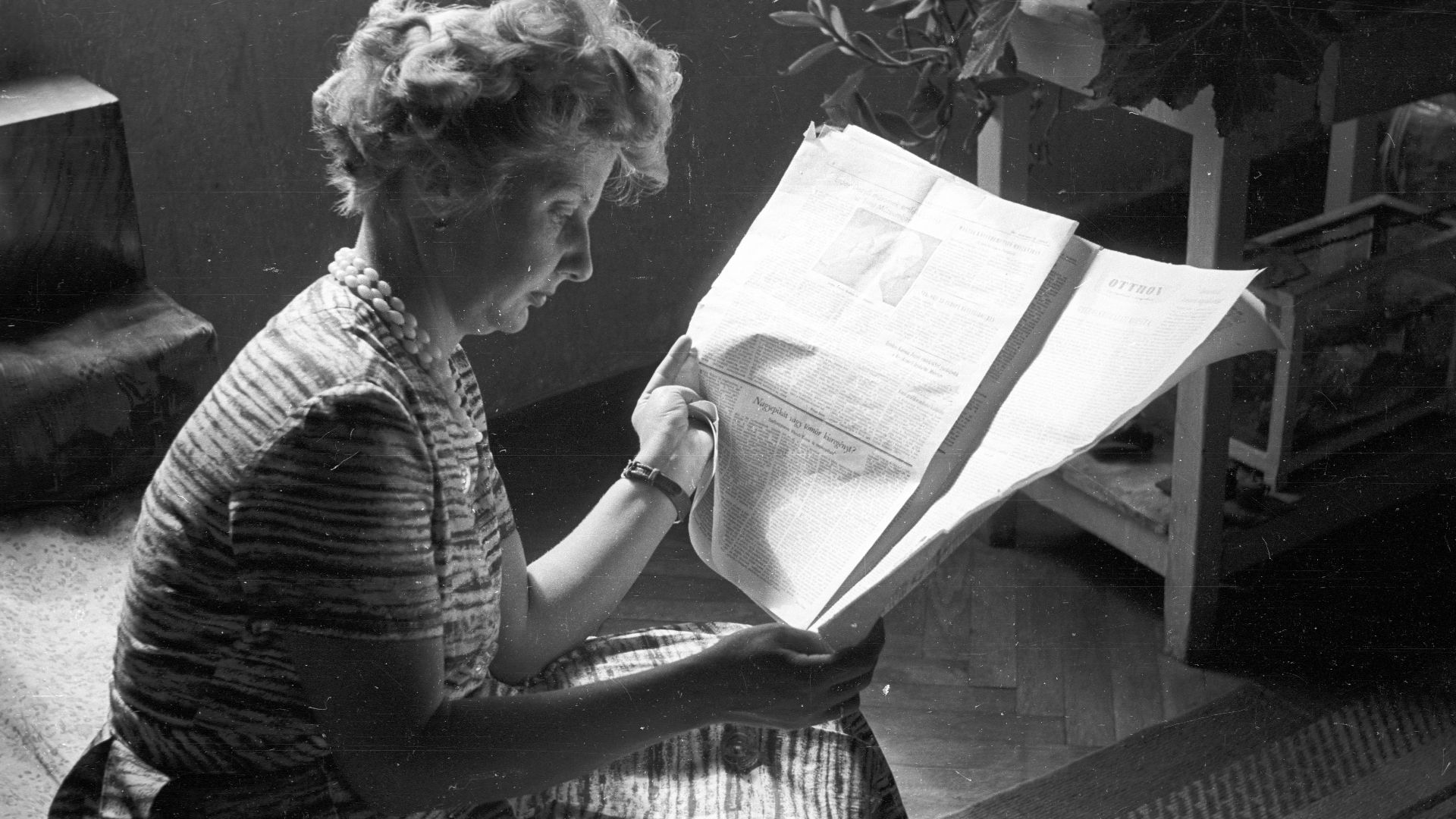 FOTO:Fortepan — ID 60849: Adományozó/Donor: Lencse Zoltán., Wikimedia Commons
Scottish Clan Tartans
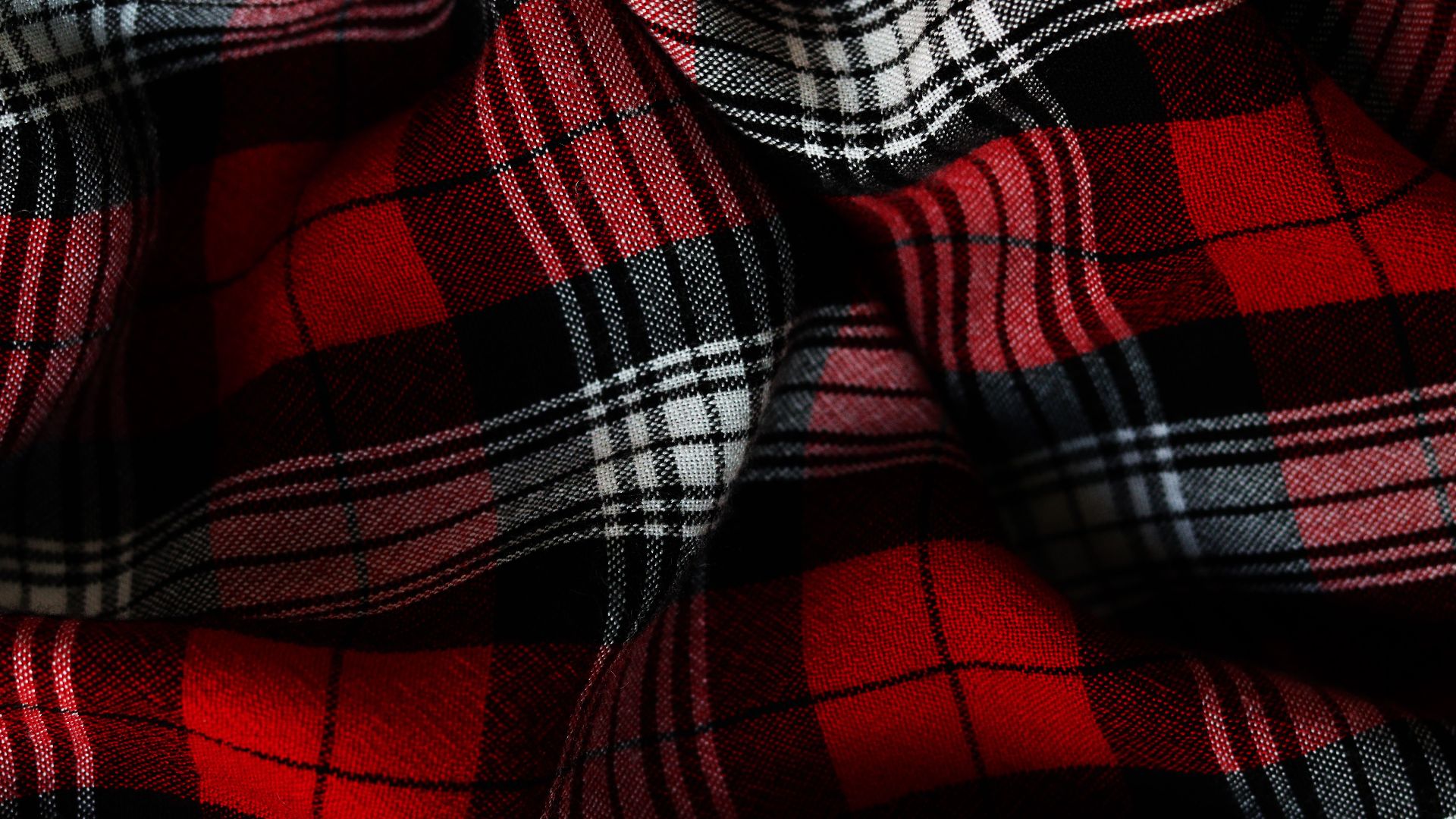
Scottish tartan cloth has a long history, but the idea that every clan possesses an ancient, officially recognized pattern is largely a product of the late 18th and 19th centuries. As textile manufacturers standardized designs, they began assigning names to particular tartans, eventually including family names. Romantic enthusiasm for Highland culture helped reinforce these associations. Some designs and family connections have genuine historical roots, but the tidy system of clan tartans familiar today is much newer than many people imagine.
The Modern Scottish Kilt
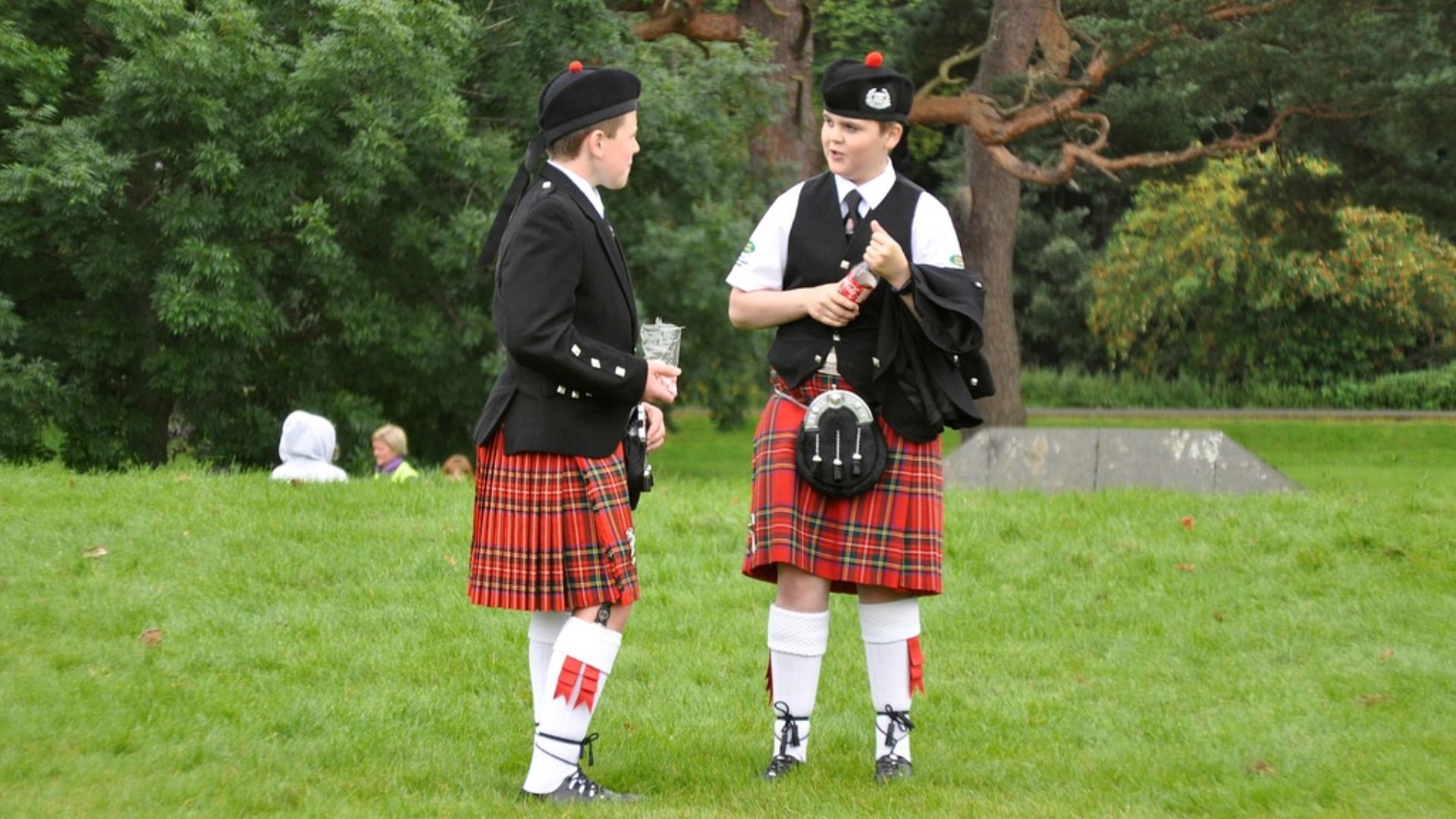
The kilt is an unmistakable symbol of Scottish heritage, but the tailored garment familiar today evolved from older forms of Highland dress. Earlier Highlanders wore large lengths of plaid cloth gathered and belted around the body. Shorter kilts became widespread by the 18th century, while sewn-down pleats developed later. The often-repeated claim that an English industrialist single-handedly invented the kilt is disputed. Nevertheless, the standardized modern version is a whole lot more recent than the ancient Highland culture it represents.
Halloween Trick-Or-Treating
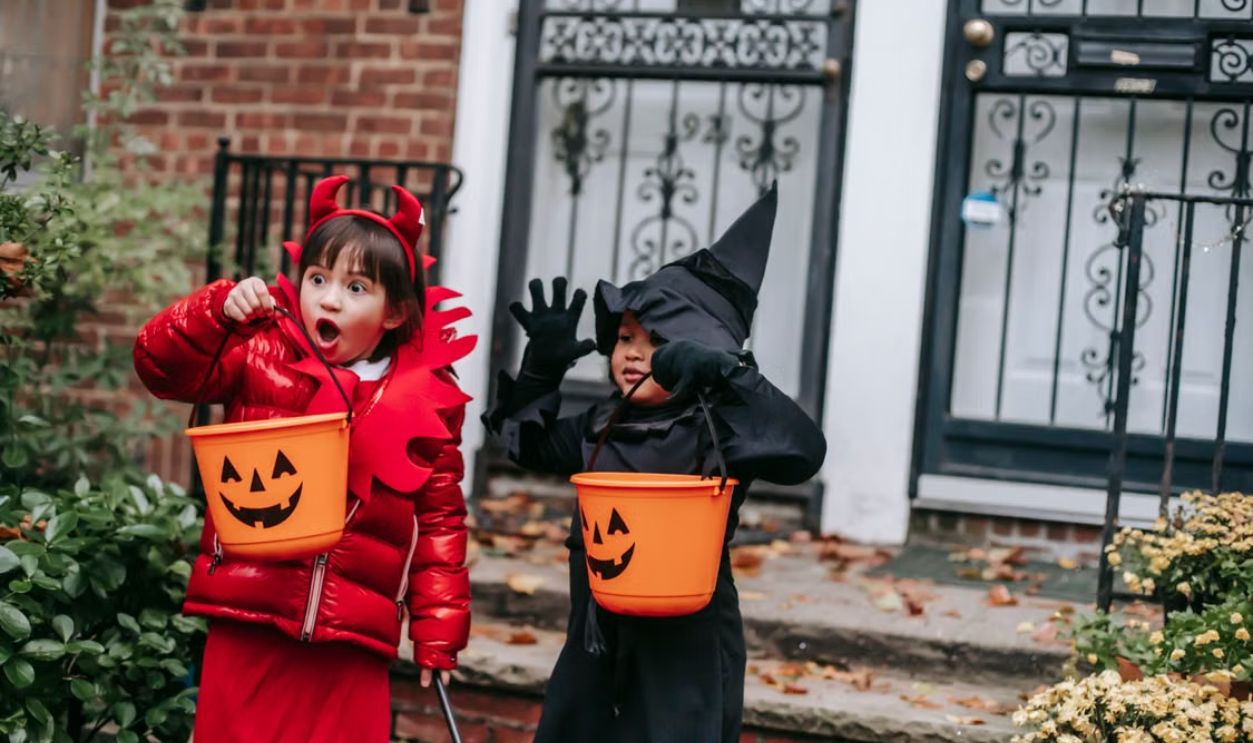
Halloween has ancient and medieval roots, including seasonal celebrations and European customs of visiting homes in disguise. However, the familiar practice of children going door to door asking for treats developed much later. Early versions of the phrase "trick or treat" appeared in Canadian newspapers as far back as 1917, while the custom spread widely across North America during the 20th century. After World War II, suburban neighborhoods and commercial candy helped turn Halloween into a major children's celebration. The modern ritual is considerably younger than the holiday itself.
Halloween Candy Hauls
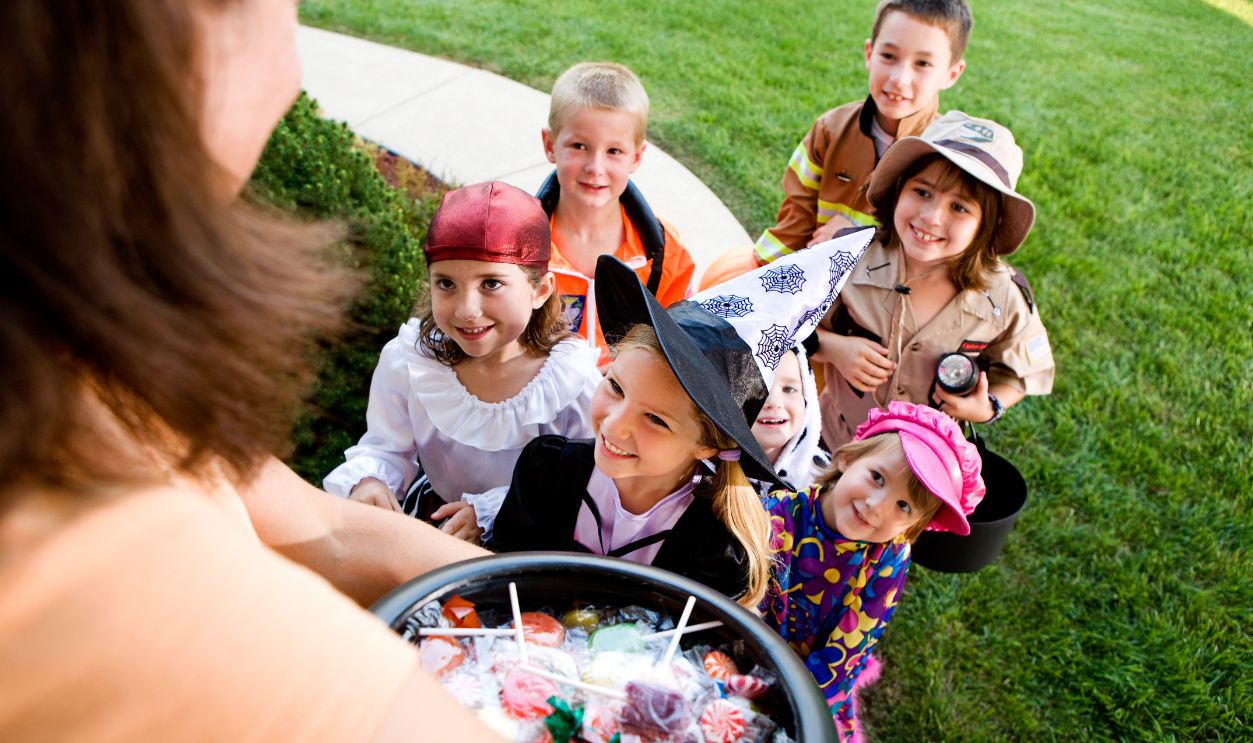
Children collecting treats at Halloween seems inseparable from the holiday, but candy wasn't always the main attraction. Even in the 1940s and 1950s, trick-or-treaters might receive homemade cookies, fruit, nuts, coins, or small toys. Candy manufacturers increasingly promoted packaged sweets for Halloween during the postwar decades. By the 1970s, commercially wrapped candy had become the expected reward. The annual mountain of miniature chocolate bars is more a creation of modern consumer culture than ancient folklore.
 Sean Locke Photography, Shutterstock
The White House Easter Egg Roll
Rolling decorated eggs at Easter predates the American presidency, but the famous White House celebration began in 1878. Children had previously gathered on the Capitol grounds, where their games damaged the landscaping. After Congress restricted those activities, President Rutherford B. Hayes allowed children to use the White House grounds instead. The event became a recurring presidential tradition, eventually attracting enormous crowds. Its origins were less about solemn ritual than finding somewhere children could play without ruining the lawn.
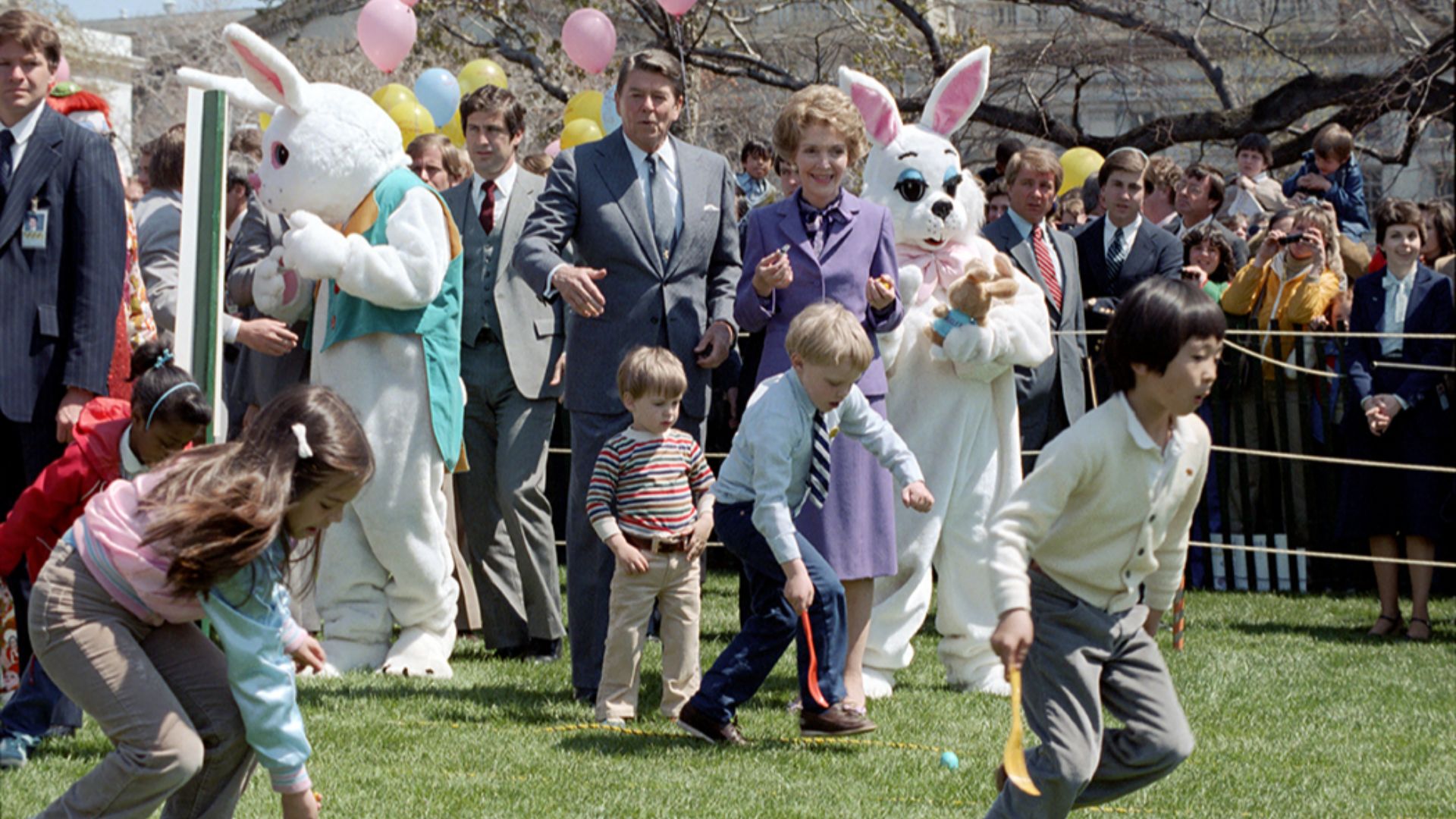 Nintendofan885, Wikimedia Commons
The Macy's Thanksgiving Parade
Thanksgiving itself has a much longer history, but the enormous televised parade that many Americans consider essential to the holiday began in 1924. Macy's organized a procession through New York City featuring employees, performers, floats, and animals borrowed from the Central Park Zoo. Giant character balloons arrived later. The parade eventually became one of America's most recognizable Thanksgiving customs. It's a reminder that even traditions involving millions of families can begin as department-store promotions.
 Anthony Quintano from Mount Laurel, United States, Wikimedia Commons
Singing "Happy Birthday"
People have celebrated birthdays for millennia, but the song sung at countless birthday parties is relatively young. Its melody originated with "Good Morning to All," published in 1893 by sisters Patty and Mildred Hill. The familiar birthday lyrics developed afterward, although the precise circumstances remain uncertain. By the 20th century, the song had become an international birthday ritual. Something that feels almost instinctive to modern celebrants didn't exist in its familiar form for most of human history.

Mother's Day In May
Honoring mothers is hardly new, but the American Mother's Day celebrated on the second Sunday in May dates to the early 20th century. Anna Jarvis organized commemorations in 1908, and President Woodrow Wilson established the national observance in 1914. Jarvis intended it as a personal tribute to mothers, not a commercial shopping occasion. Ironically, she later campaigned against the greeting-card, candy, and flower industries that had embraced her holiday so enthusiastically.

Father's Day In June
Father's Day seems like the natural companion to Mother's Day, but it took much longer to become official. Early American observances took place in 1908, and Sonora Smart Dodd helped organize a widely publicized celebration in Spokane, Washington, in 1910. The holiday gradually gained recognition, but it wasn't until 1972 that President Richard Nixon established the third Sunday in June as a permanent national observance. Plenty of today's grandparents were already adults before Father's Day received that status.

Valentine's Day Cards
Valentine's Day has medieval romantic associations, but the flood of decorative cards exchanged every February is largely a Victorian development. Cheaper printing and postal reforms made mass-produced greetings practical during the 19th century. In America, Esther Howland became famous for producing elaborate valentines beginning in the 1840s. The romantic gesture of sending a note was older, but the modern greeting-card ritual owes much of its popularity to industrial manufacturing and inexpensive postage.

Heart-Shaped Chocolate Boxes
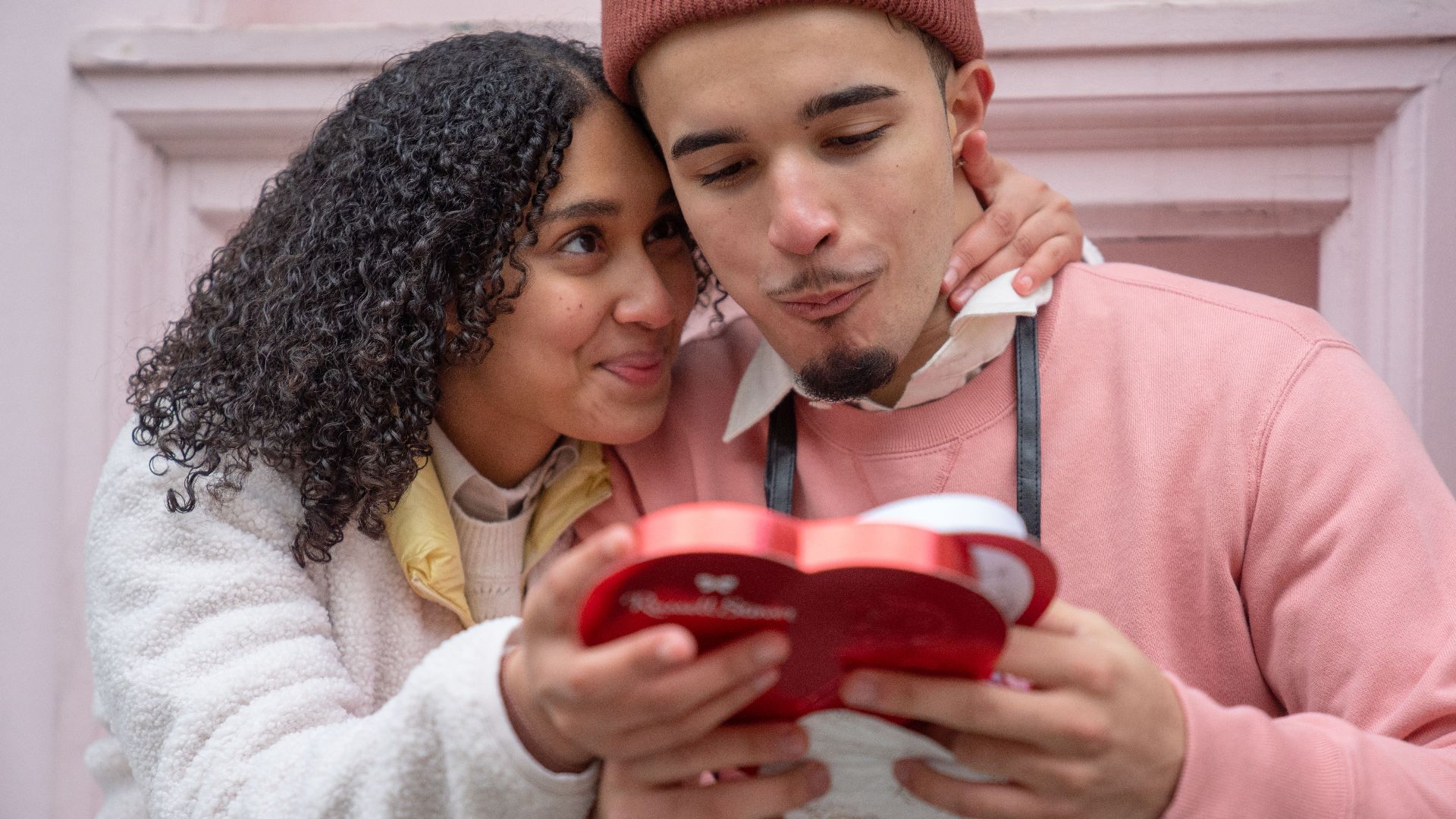
Giving sweets to loved ones has a long history, but the familiar heart-shaped box of Valentine's Day chocolates emerged during the Victorian era. British chocolate manufacturer Richard Cadbury helped popularize decorative chocolate boxes in the 19th century, when improvements in chocolate production made such gifts increasingly practical. Elaborate packaging transformed candy into a romantic keepsake. What now seems like an essential Valentine's Day tradition developed alongside modern confectionery manufacturing and advertising.
The Times Square Ball Drop
New Year's celebrations are ancient, but watching an illuminated ball descend over Times Square is a 20th-century invention. The first ball dropped on December 31, 1907, welcoming 1908. Newspaper publisher Adolph Ochs organized the spectacle to promote the headquarters of The New York Times. Earlier celebrations had featured fireworks, but safety concerns encouraged a different approach. The glittering midnight ritual became one of the world's most recognizable New Year's traditions.
 Anthony Quintano, CC BY 2.0, Wikimedia Commons
Counting Down To Midnight
Surely people have always counted backward from ten to welcome the New Year? Surprisingly, the familiar communal countdown appears to be much newer. Historian Alexis McCrossen traced early broadcast attempts to the late 1950s, when announcer Ben Grauer experimented with counting down the final seconds before midnight. Television helped popularize the practice during subsequent decades. New Year's Eve celebrations were already well established, but the dramatic countdown that now accompanies them wasn't always part of the festivities.

You May Also Like:
42 Facts About Strange Marriage Customs From Around The World
Facts About Weird And Wonderful Christmas Traditions
Everyday American traditions that began as marketing campaigns—and somehow became permanent.
Sources: 1, 2, 3, 4, 5, 6, 7, 8, 9, 10, 11, 12, 13, 14, 15, 16, 17, 18, 19, 20