
Years Of Revolution
The seeds of revolution and calls for independence were brewing in Britain’s American colonies many years before a shooting war broke out in 1775. Here are the key dates in the American Revolution.
 Anonymous, Wikimedia Commons, Modified
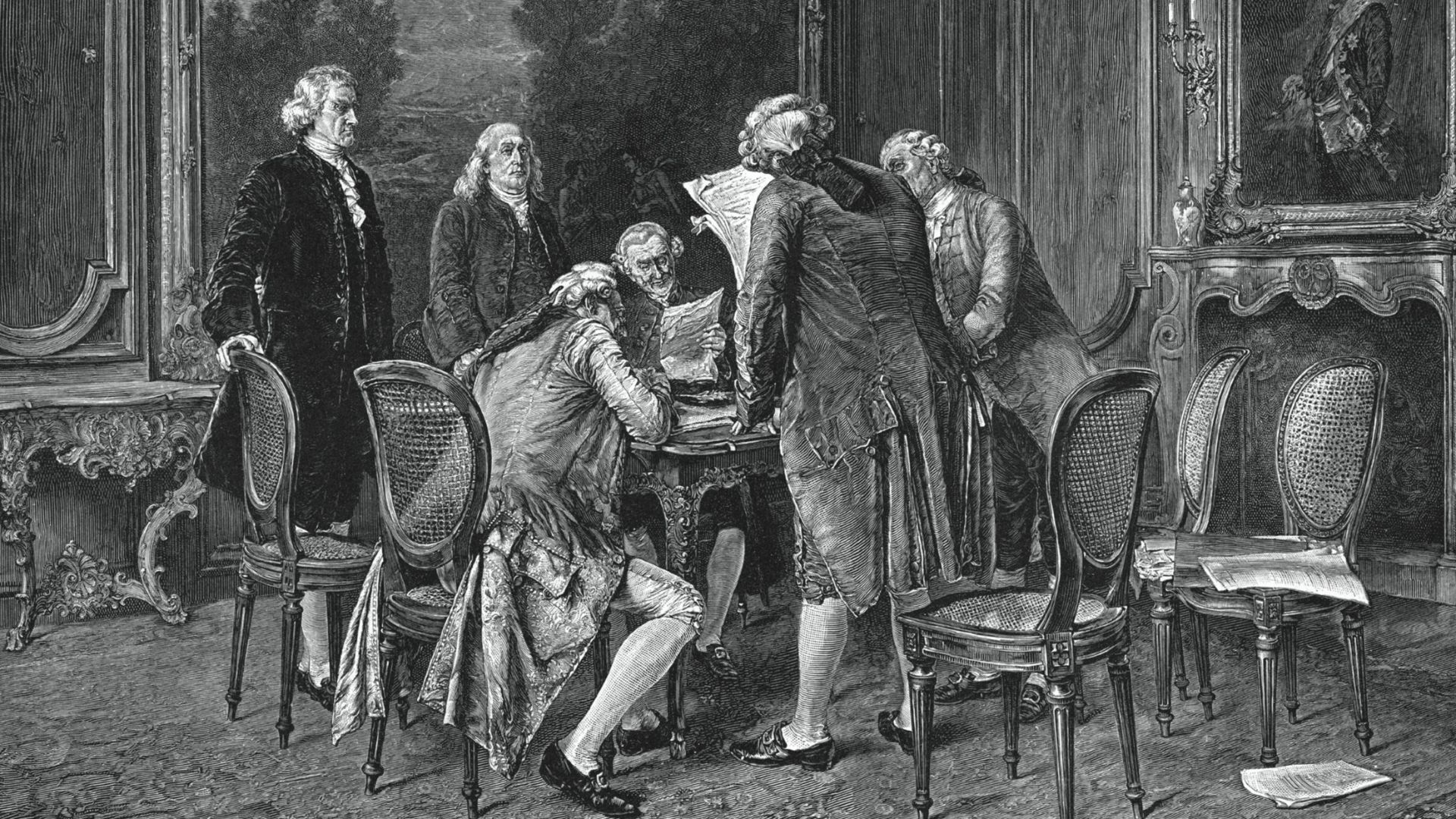
10 February 1763
The Seven Years’ War, fought between several nations including Britain and France, ends with the signing of the Treaty of Paris. France surrenders its territory in North America and the Caribbean to Britain.
5 April 1764
One of Britain’s first attempts to defend its colonies is the Sugar Act. This imposes a series of laws on the cost of goods such as sugar and coffee, imported into the colonies. Intended to discourage smuggling, it leads to widespread protests.

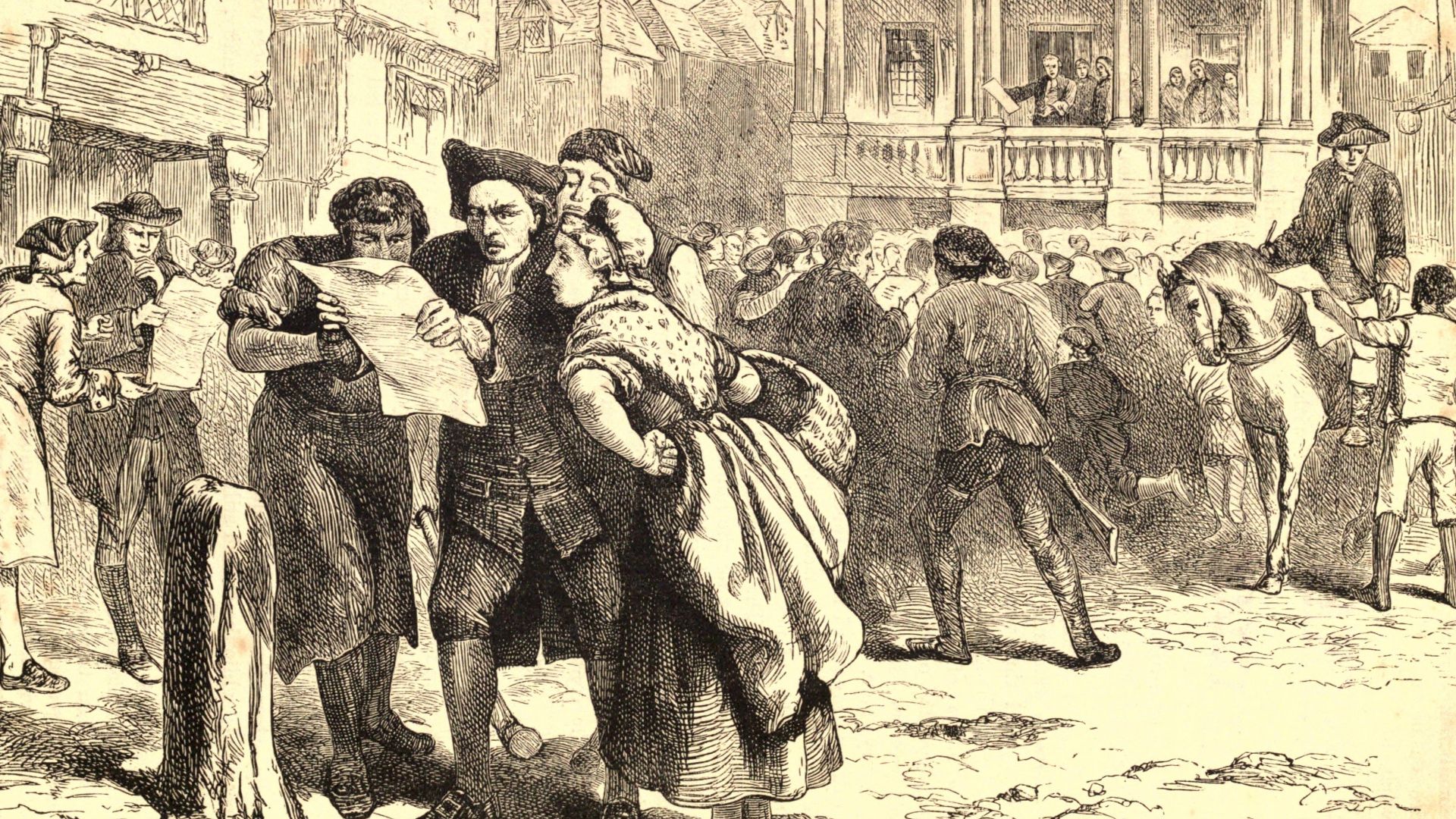
22 March 1765
The Stamp Act is passed by Britain. This taxes newspapers, legal documents and even playing cards. Resistance by American colonists sees the act repealed the following year.
 Unknown authorUnknown author, Wikimedia Commons
1 Oct 1768
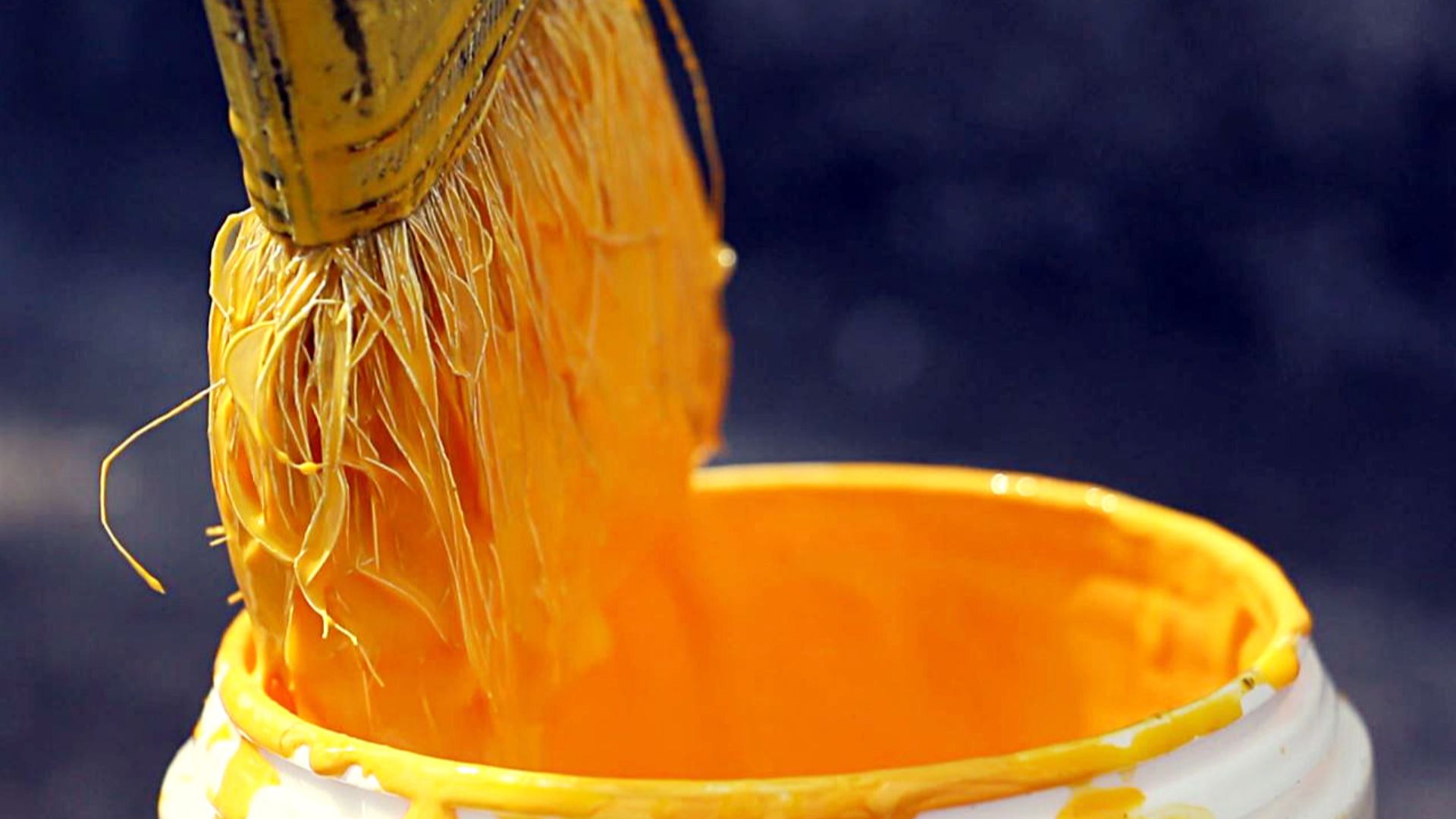
Boston is occupied by British troops who are there to enforce the Townshend Duties. Passed in 1767, these impose taxes on imported paint, glass, paper and tea. Colonial assemblies begin to protest against taxation without representation – taxes they see as unconstitutional because colonists are not represented in Britain’s parliament.
5 Mar 1770
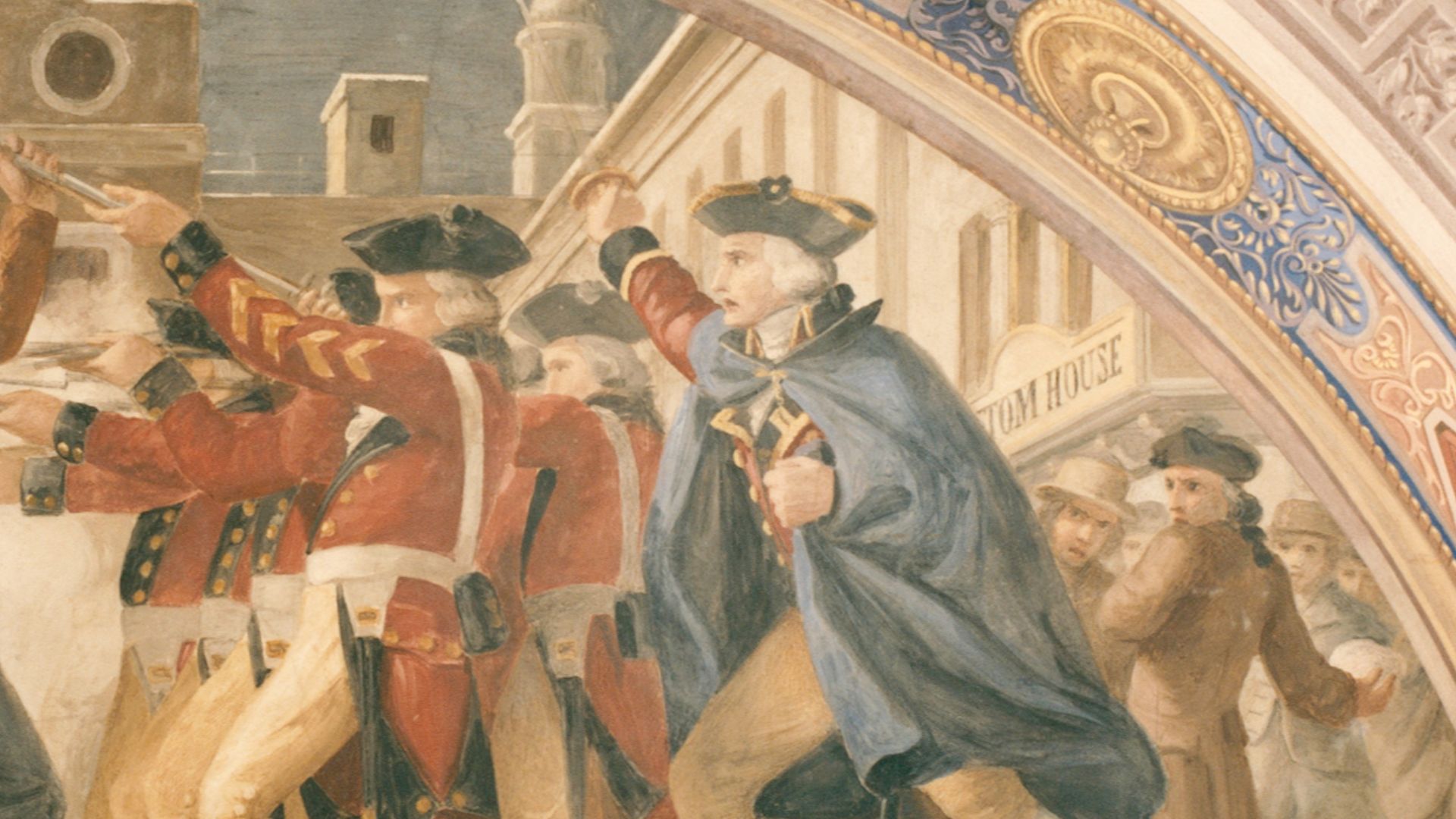
Clashes between British soldiers and Bostonians finally culminate with British troops opening fire on a group of citizens armed with weapons such as clubs and bricks. Five people are killed in what becomes known as the Boston Massacre.
16 Dec 1773
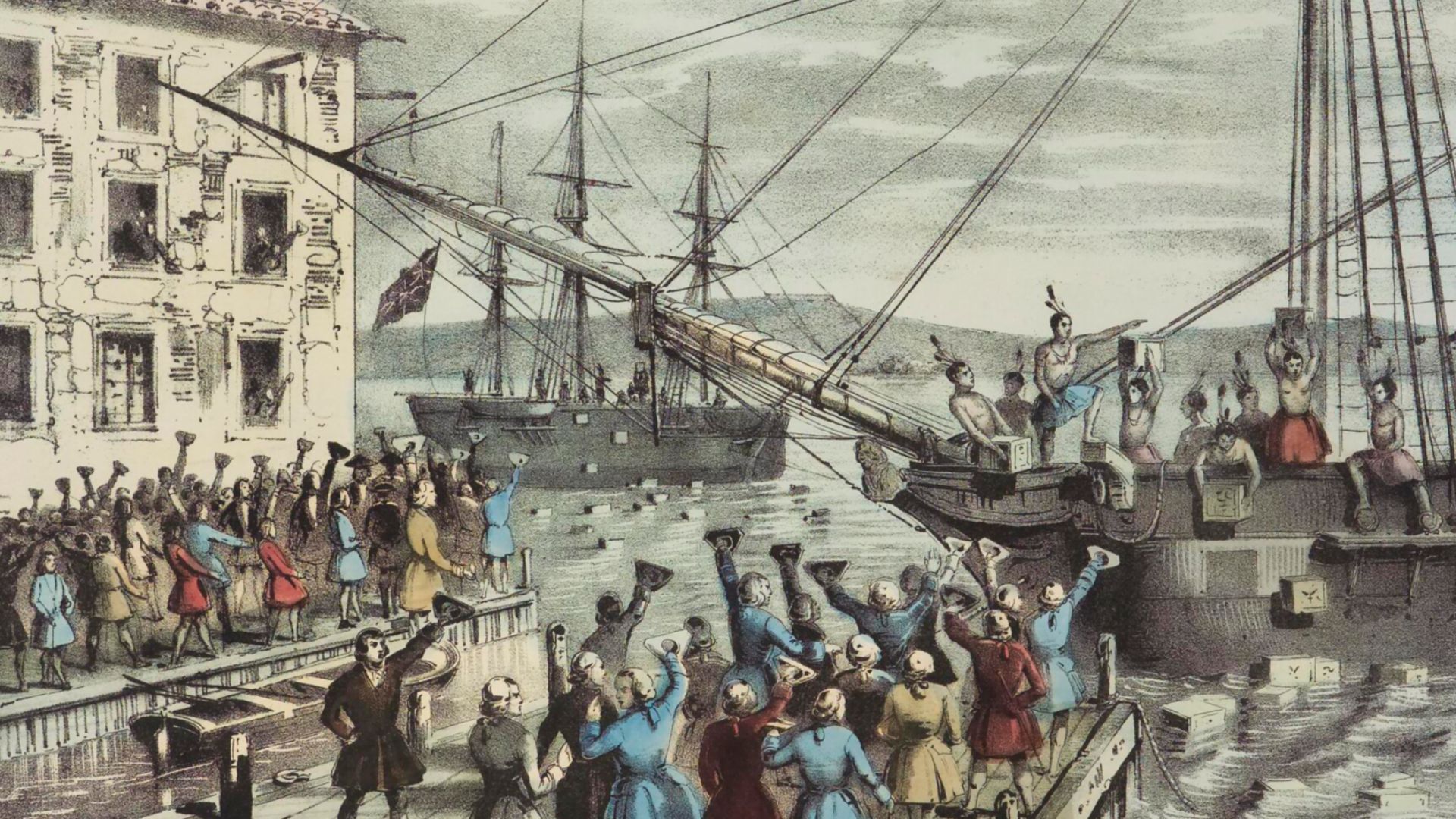
Colonial merchants dump almost £10,000 worth of tea in Boston Harbor – an incident dubbed the Boston Tea Party. It is a protest against the 1773 Tea Act, which has allowed the East India Company to sell directly to colonies, strengthening its monopoly.
 Nathaniel Currier, Wikimedia Commons
Mar – Oct 1774
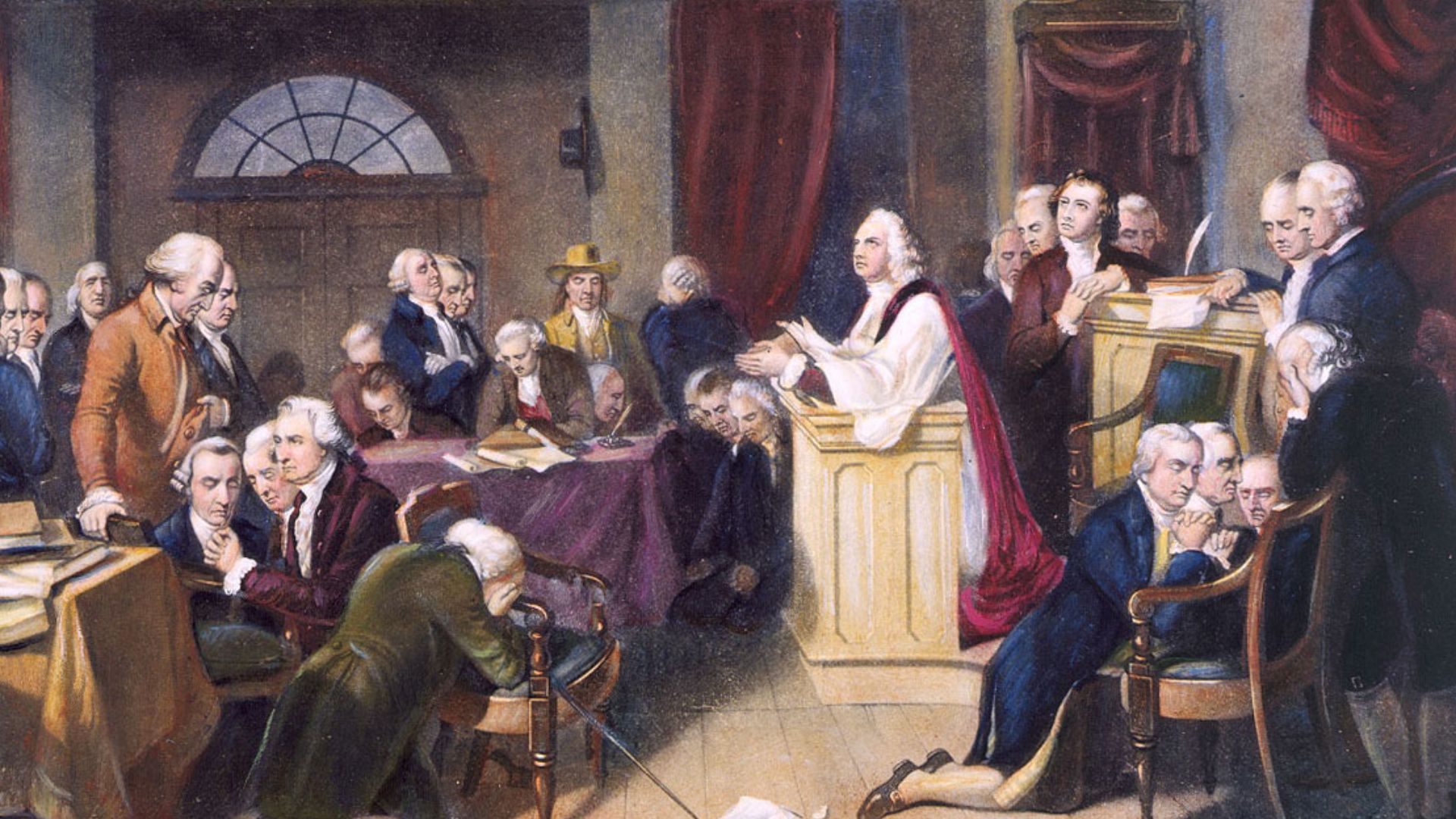
Britain passes a set of laws known as the Coercive Acts. Boston Harbor is closed to all but British ships, governors are given the right to requisition unoccupied buildings for troops, and self-government is halted. The first meeting of the Continental Congress – a delegation made up of representatives from the American colonies – ends with a decision to boycott British trade.
 Henry Samuel Sadd, Wikimedia Commons
19 Apr 1775
The first shots of the American Revolutionary War are fired in Lexington and Concord, Massachusetts, as the British Army marches to seize arms from the colonists.
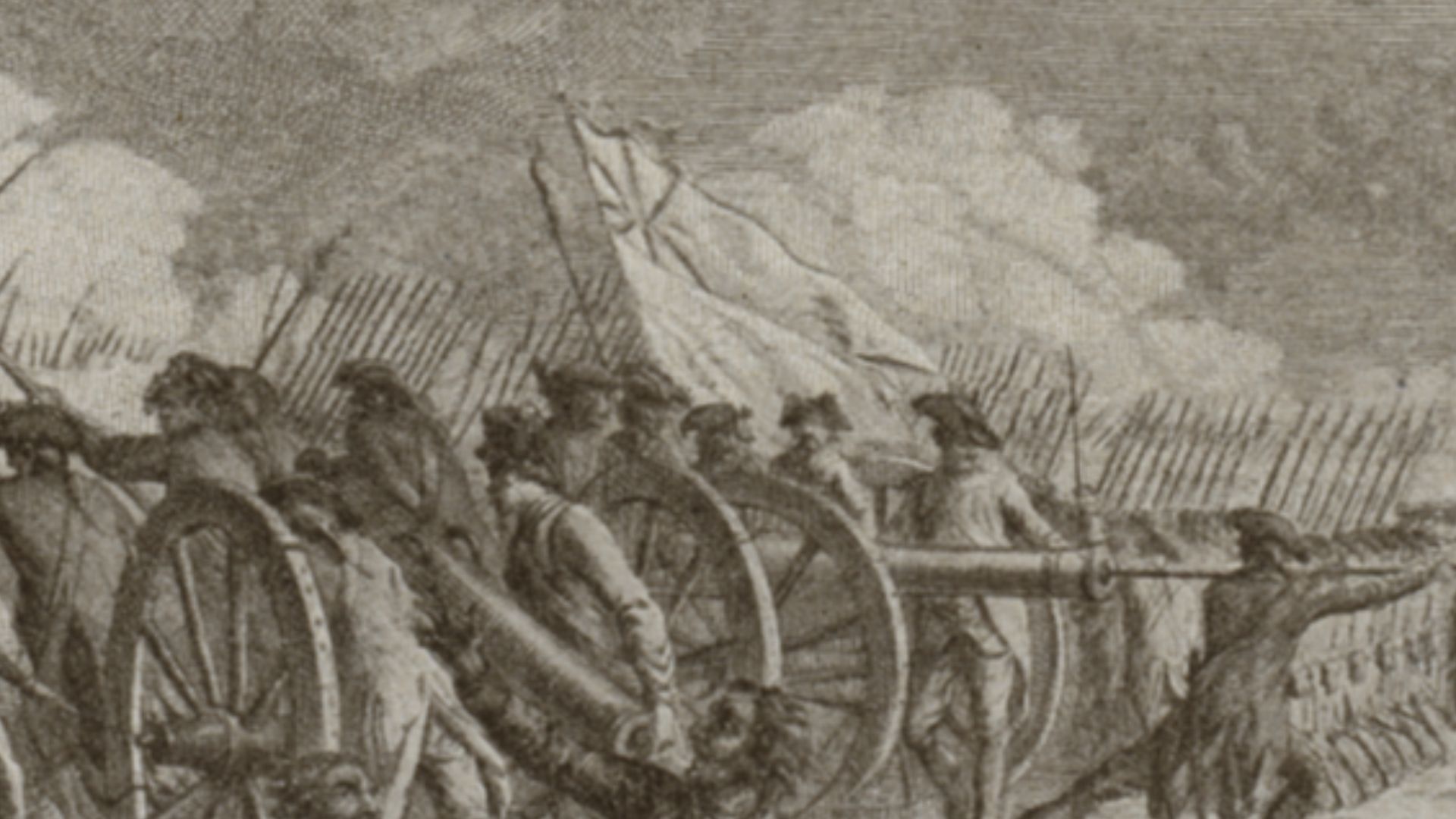 Godefroy, François, 1743?-1819, Wikimedia Commons
17 Jun 1775
The first major clash of the war at Bunker Hill sees a British victory, although they lose around half of their troops.
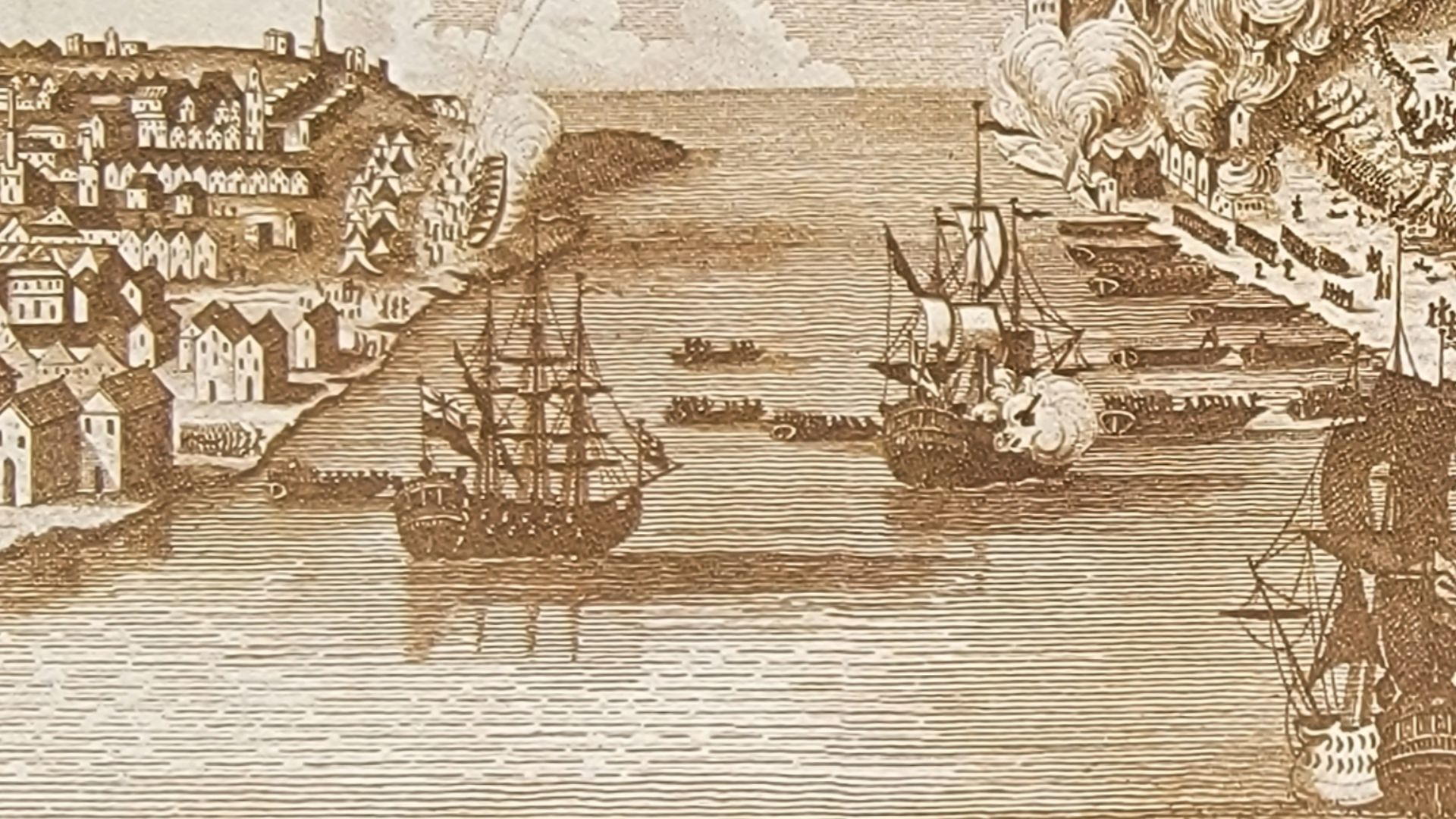 Paul Revere, Wikimedia Commons
23 Aug 1775
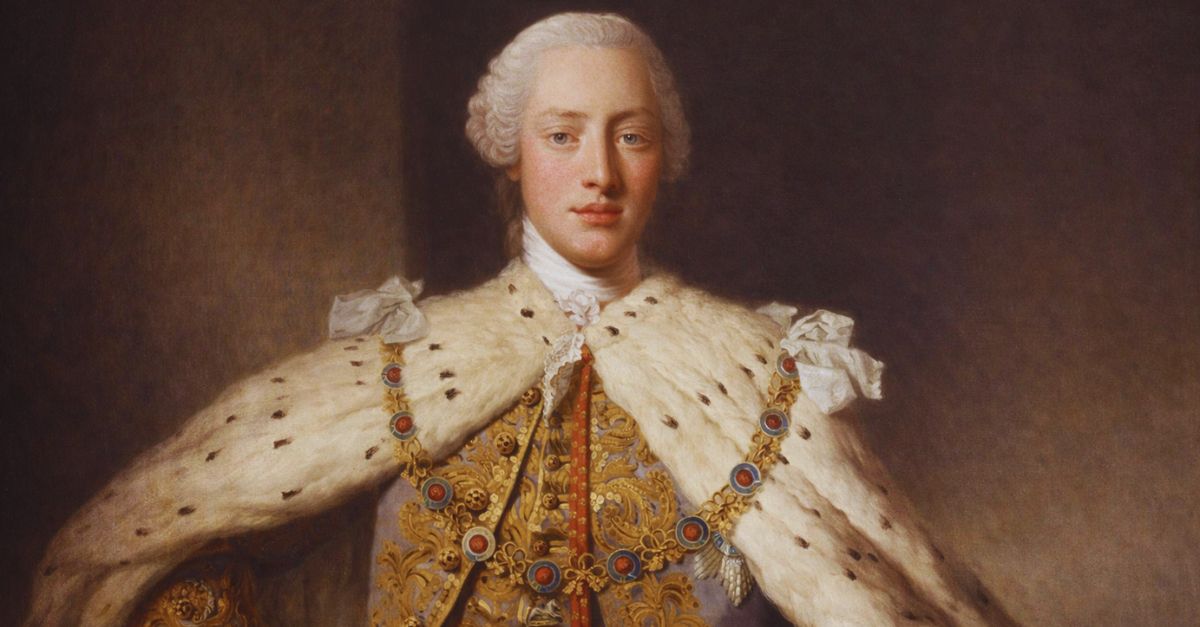
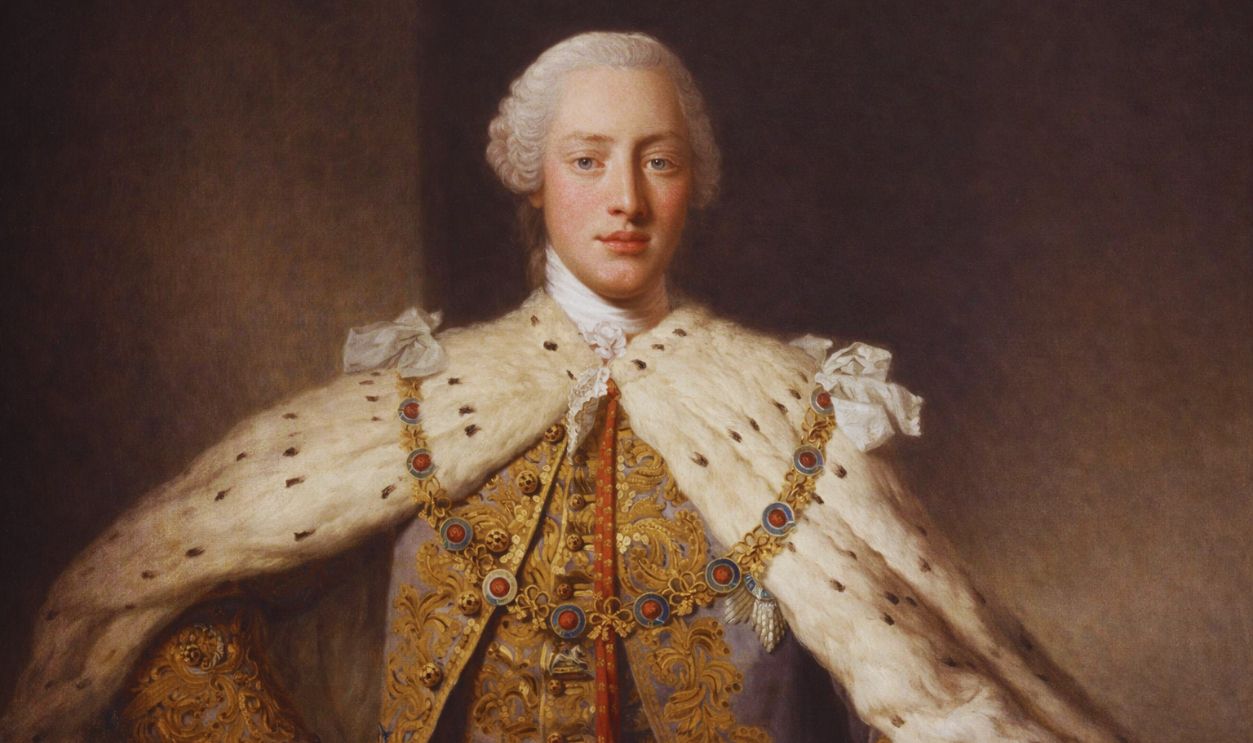
King George III declares that the colonies are in open rebellion, with some of the British leadership believing the ‘Olive Branch Petition’ – a final attempt by the Americans to avoid war – to be insincere.
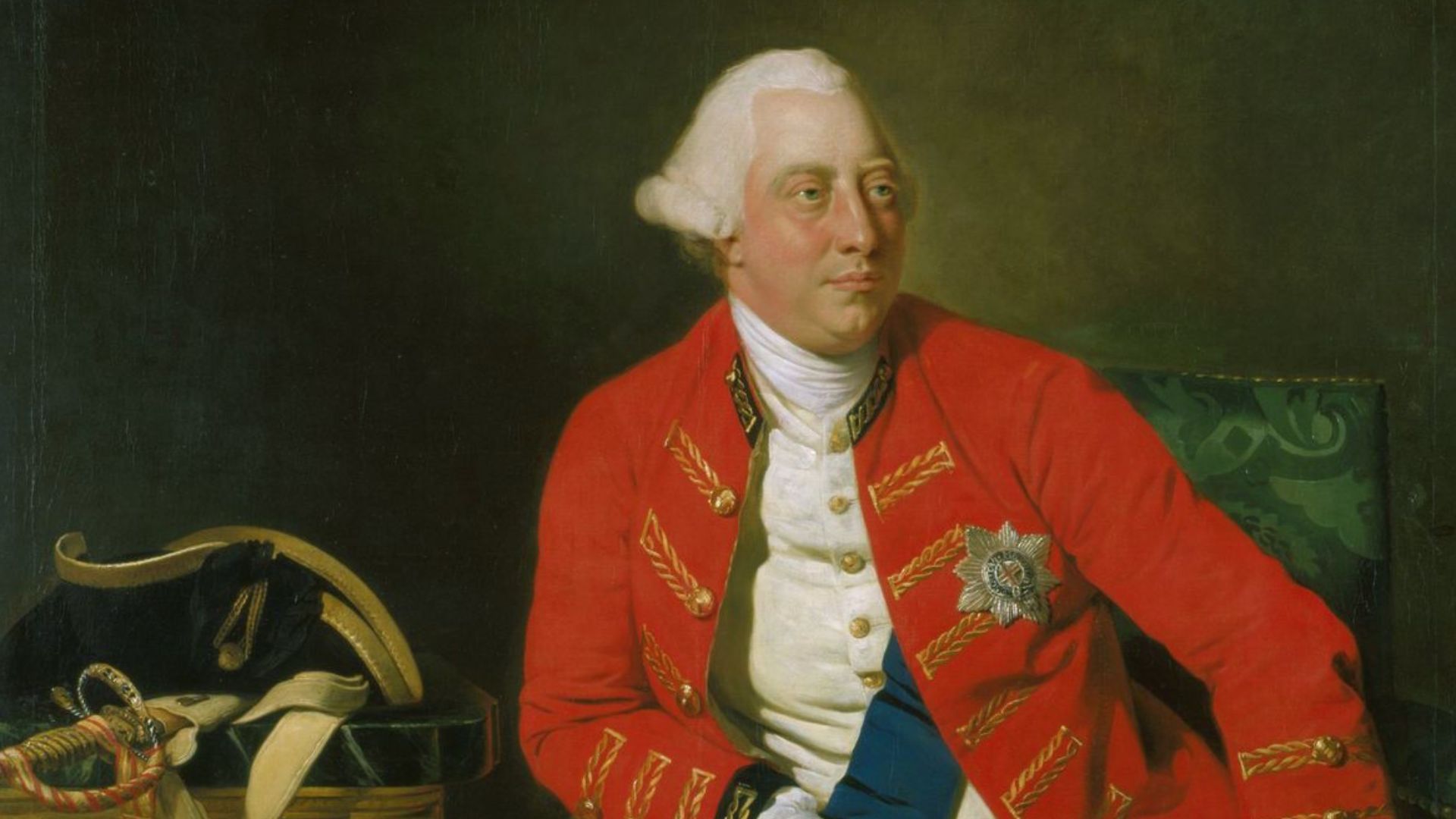 Johann Zoffany, Wikimedia Commons
14 Nov 1775
The governor of Virginia, Lord Dunmore, promises freedom to people enslaved by rebels who fight for the British. Thousands of African-Americans take up the offer, while a small number fight on the side of the colonists.
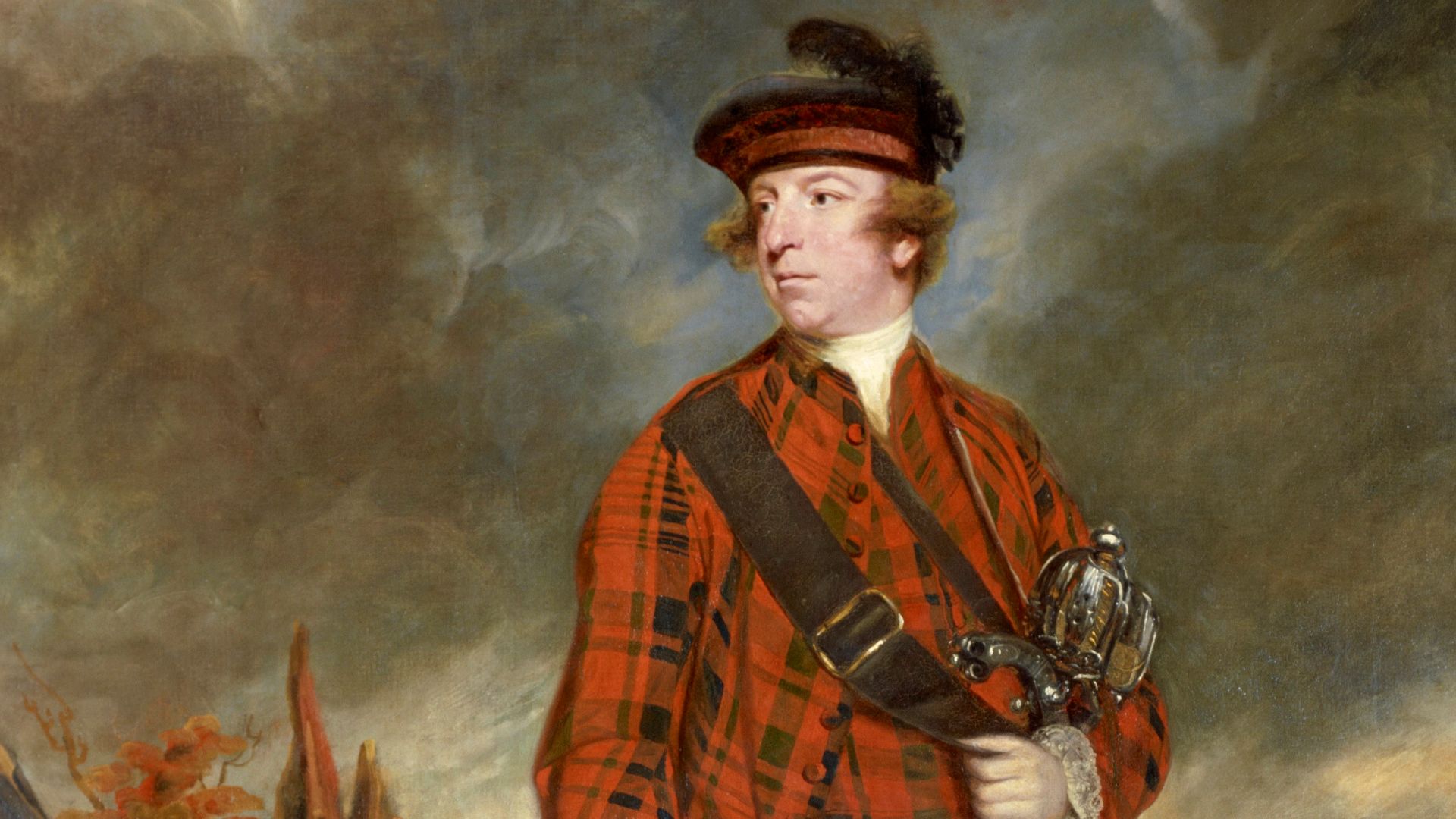 Joshua Reynolds, Wikimedia Commons
4 Jul 1776
The Second Continental Congress adopts the Declaration of Independence, proclaiming the American colonies to be independent from Britain. The name ‘United States’ is first used this year.
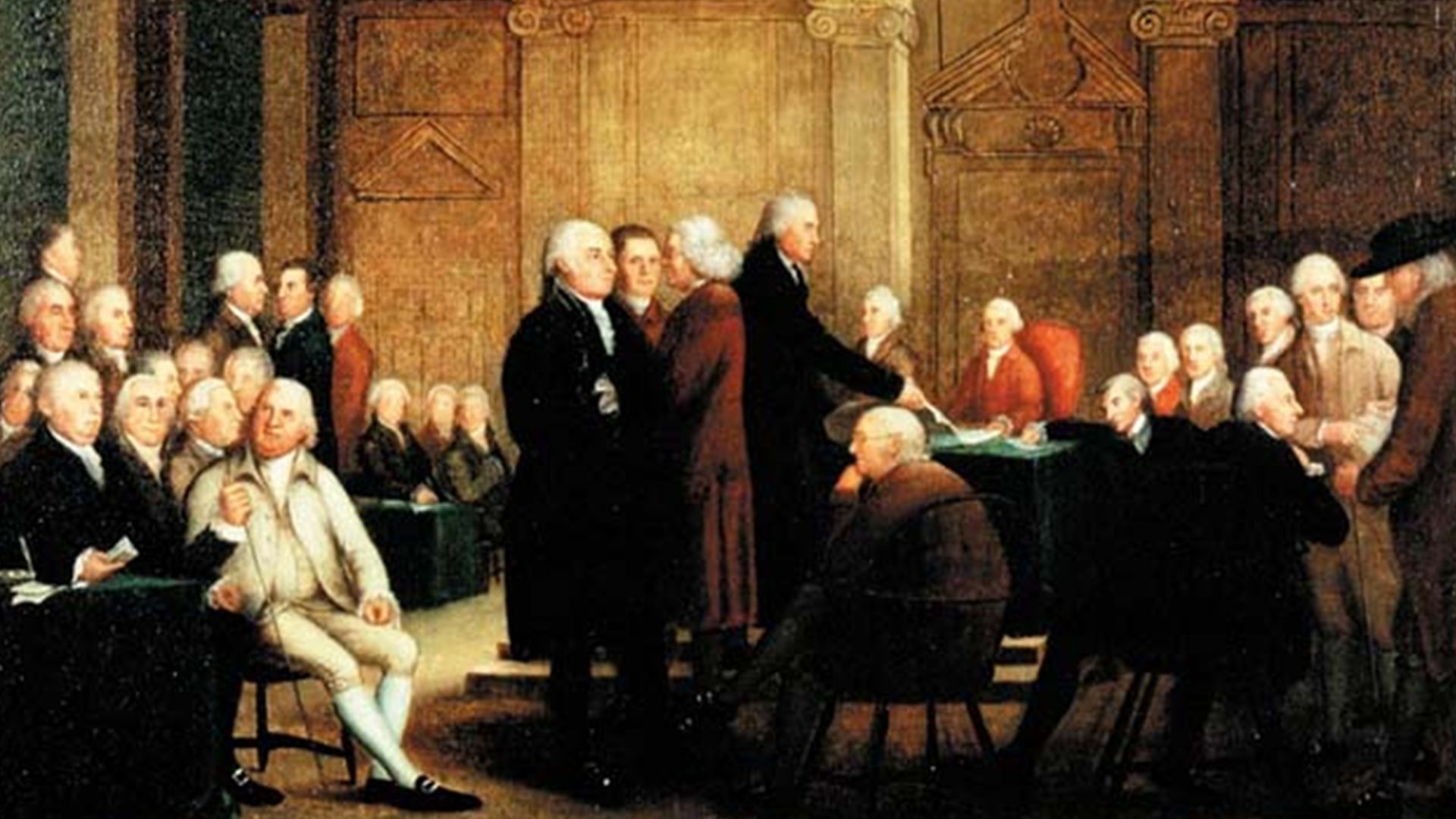 Robert Edge Pine / Edward Savage, Wikimedia Commons
17 Oct 1777
More than 5,000 British, German and loyalist troops surrender at Saratoga, New York. This victory for the colonists marks the end of British attempts to control the corridor linking Quebec to New York.
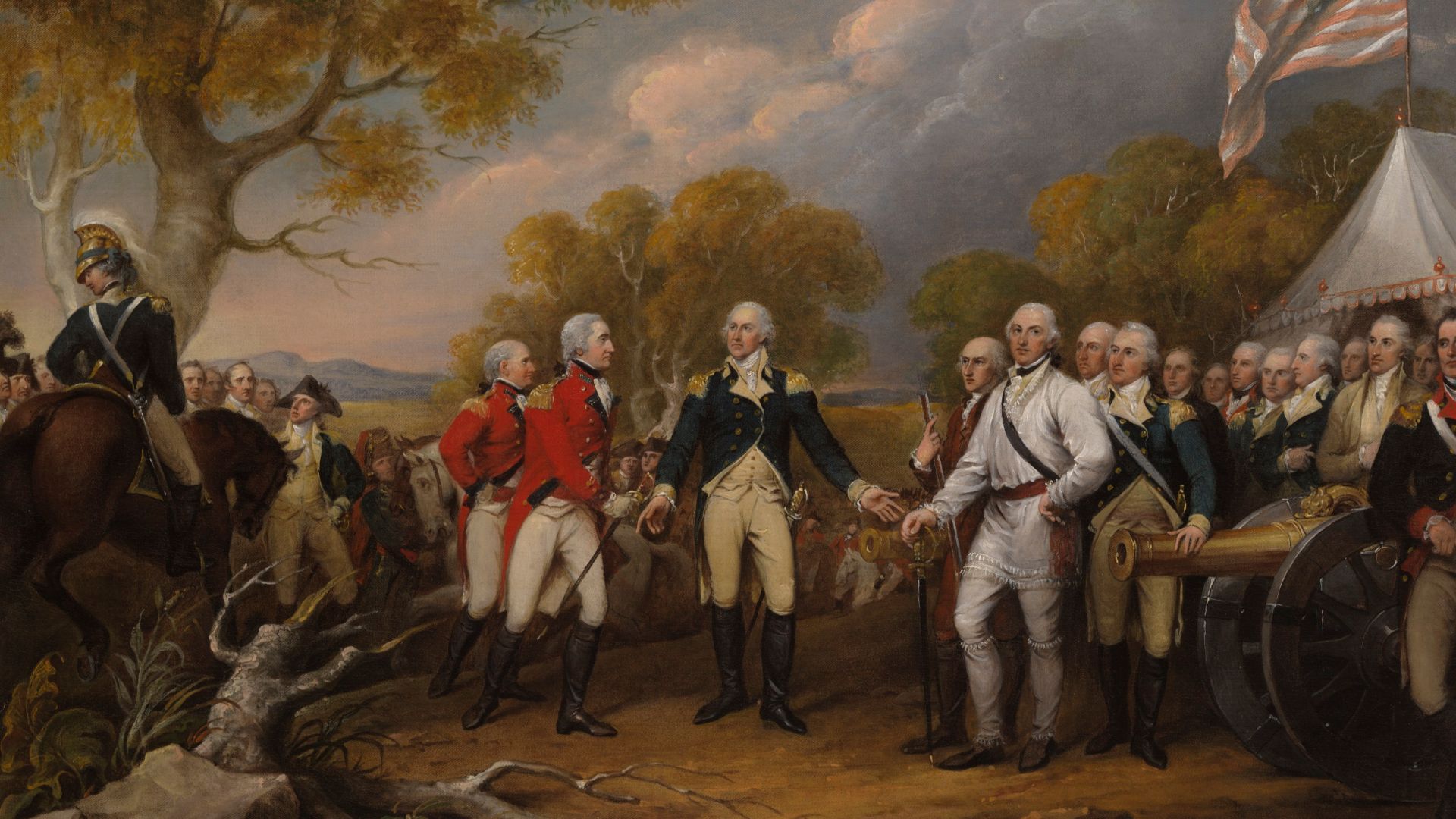 John Trumbull, Wikimedia Commons
6 Feb 1778
France recognises American independence, thereby declaring war against Britain.
19 Oct 1781
General George Washington wins a decisive American victory at Yorktown and Britain’s General Lord Cornwallis surrenders. The British decide to stop carrying out offensive operations.
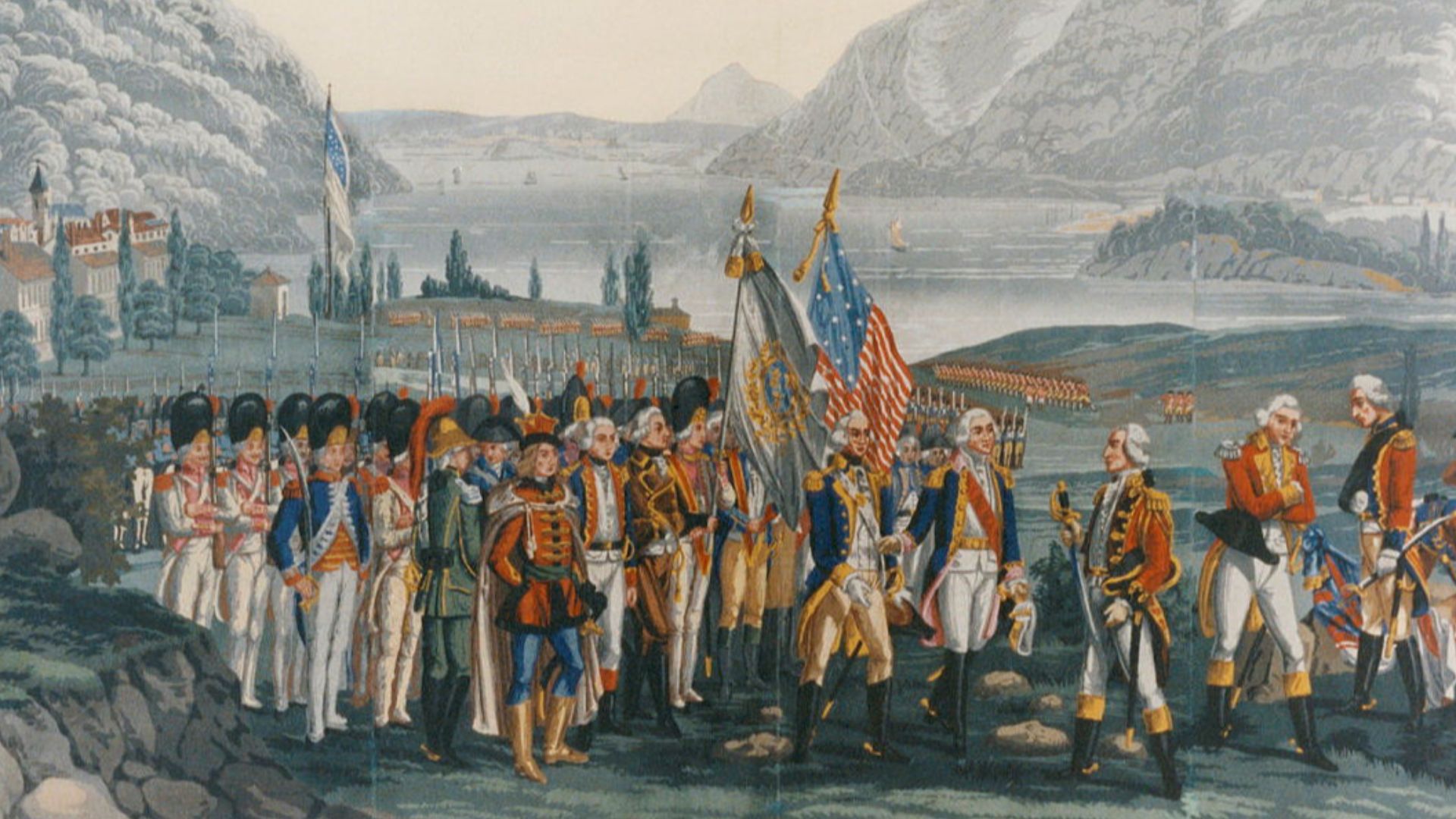 Jean Zuber et Cie, Wikimedia Commons
Jan 1782
Americans who have remained loyal to the Crown begin departing for Britain, Canada and colonies in the West Indies. Civilians are evacuated in several waves as ships become available.
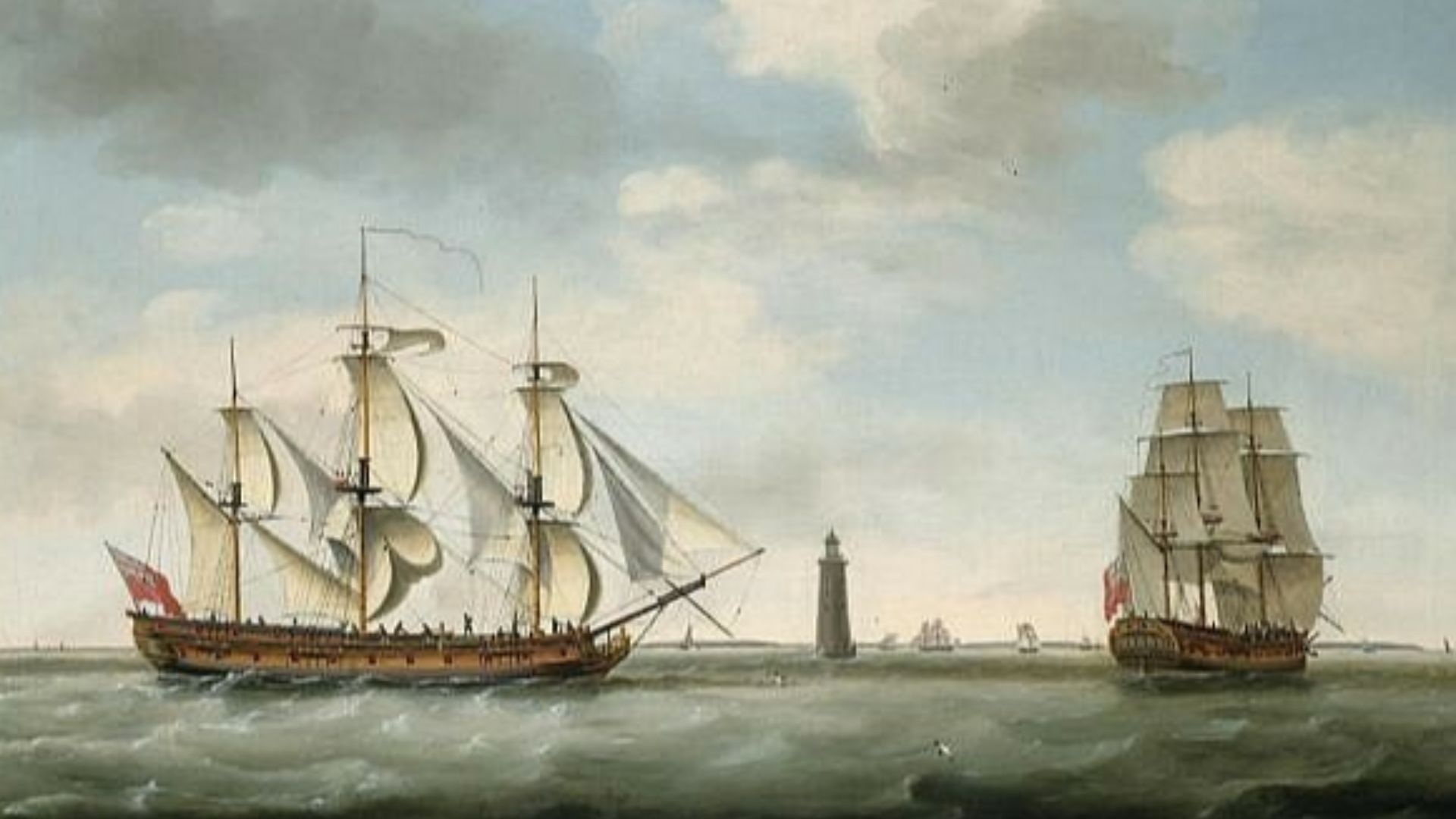 Francis Holman, Wikimedia Commons
3 Sep 1783
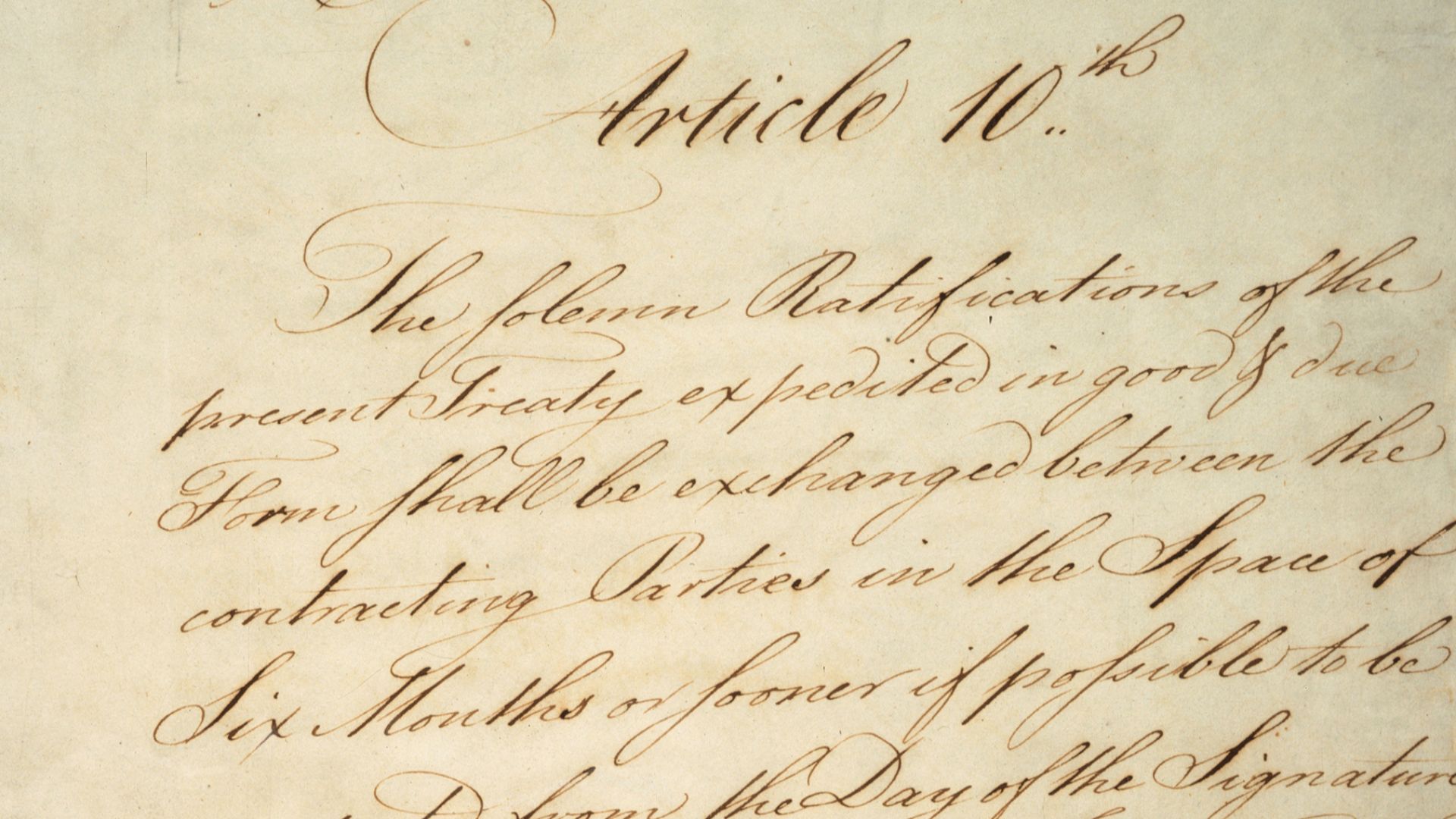
Almost two years after Cornwallis’ surrender, the Treaty of Paris officially ends the war. Britain formally recognises the United States as an independent nation.
22 Oct 1784
The Treaty of Fort Stanwix brings peace between the United States and the six Native American nations of the Iroquois Confederacy. The six nations refuse to ratify the treaty, leading to conflict over the land cessions for years to come.
This content was created in partnership with HistoryExtra.
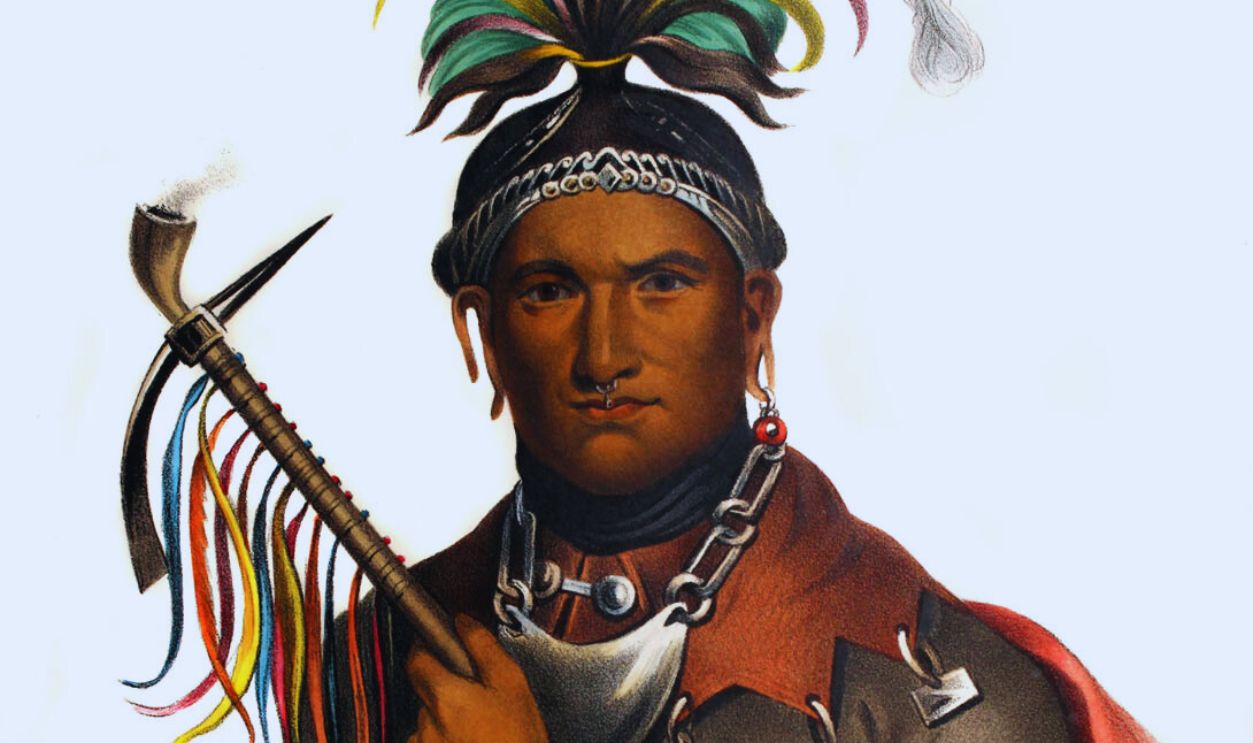 Culture Club, Getty ImagesKiontwogky ('Cornplanter'), a Seneca chief Kiontwogky ('Cornplanter'), a Seneca chief, c. 1750 18 February 1836. Native American chief of the Seneca tribe of the Iroquois, negotiator between United States government and indigenous peoples, and signatory to the 1784 treaty of Fort Stanwix.











_(studio_of)_-_George_III_(1738%E2%80%931820)_-_851758_-_National_Trust.jpg)