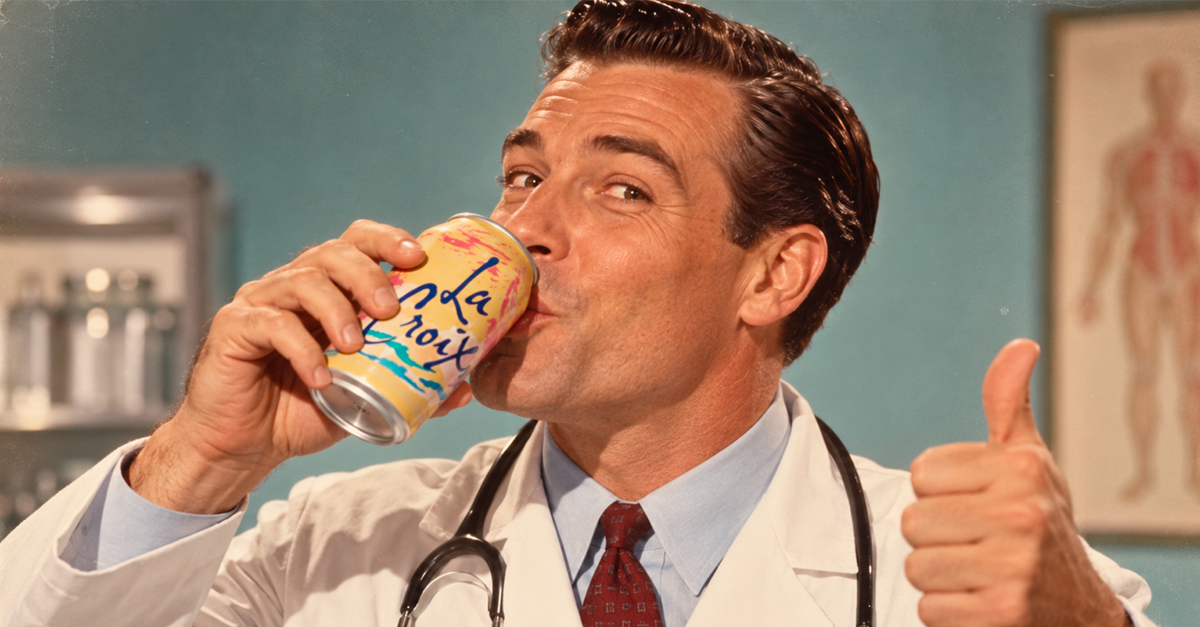
When The Grocery Store Was Practically A Pharmacy
Before modern food regulations, many familiar snacks and drinks saw their origins as medicinal treatments for everything from indigestion to nervous exhaustion. While some of them actually did offer genuine nutritional benefits, it doesn't take a doctor to see that most of these outrageous promises were too good to be true.
Most people have no idea how much scams and snake oil shaped what we continue to eat and drink today. How many of these familiar elixirs are still on your grocery list?
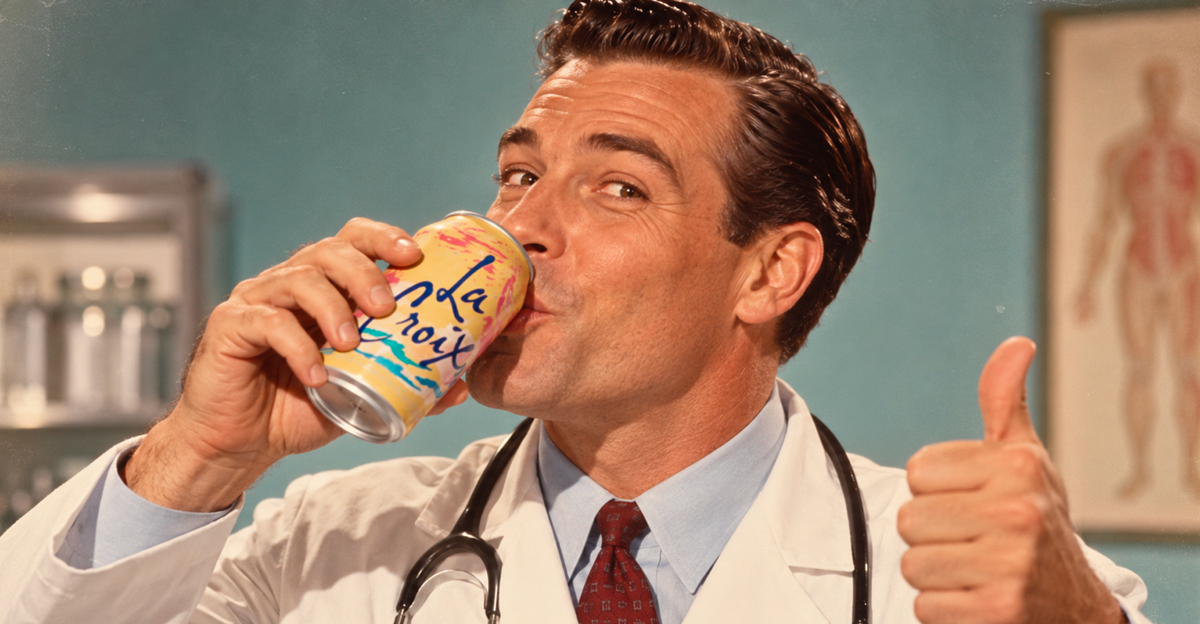
Coca-Cola Was Supposed To Fix Your Nerves
When pharmacist John Pemberton introduced Coca-Cola in 1886, it was advertised as a medicinal tonic. Early advertisements promised relief from headaches, nervous complaints, and melancholy. Its transformation from supposed nerve stimulant to everyday refreshment helped establish one of the world's most recognizable beverages.

Pepsi Was Originally Pitched As A Digestive Aid
Before Pepsi challenged Coca-Cola, pharmacist Caleb Bradham sold a concoction called Brad's Drink. Renamed Pepsi-Cola in 1898, it was promoted for its supposed digestive benefits. Early advertisements emphasized its invigorating properties, although today's familiar cola is enjoyed primarily for its taste.

7 Up Once Contained An Actual Psychiatric Drug
Introduced in 1929, 7 Up originally carried the rather alarming name Bib-Label Lithiated Lemon-Lime Soda. The drink contained lithium citrate, a compound associated with treating psychiatric conditions. Lithium eventually disappeared from the formula, leaving behind the familiar lemon-lime soda enjoyed by generations.

Vernors Ginger Ale Began With A Pharmacist's Experiment
Detroit pharmacist James Vernor introduced his ginger ale in 1866 after experimenting with a spiced medicinal tonic. Ginger was included for its traditional reputation for soothing upset stomachs. The resulting beverage eventually became a regional favorite, better known for its distinctive flavor than medical benefits.

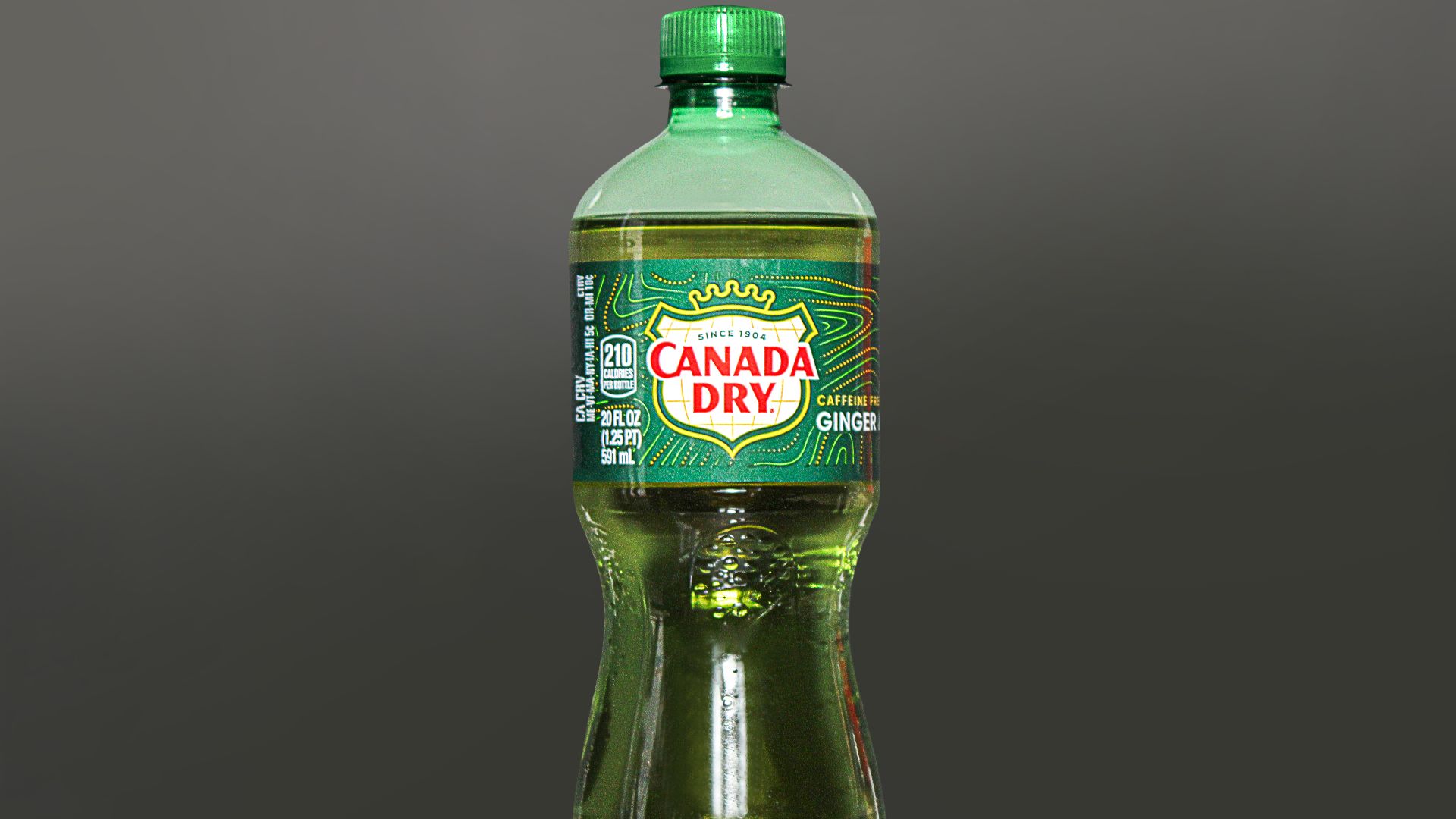
Canada Dry Was Once Recommended To Doctors
A 1928 advertisement in the Journal of the American Medical Association promoted Canada Dry as suitable for patients recovering from illness. It particularly emphasized its supposed usefulness after anesthesia and during nausea. The bubbly drink was being presented as something more reassuring than an ordinary refreshment.
 Connor J Williams, Wikimedia Commons
Root Beer Had A Surprisingly Medicinal Reputation
Long before root beer floats became diner favorites, Americans consumed herbal root beverages for supposed medicinal benefits. Pharmacist Charles Hires helped popularize commercial root beer during the nineteenth century. Although its botanical ingredients inspired health claims, root beer eventually became associated with frosted mugs and ice cream.
 CHALERMPHON SRISANG, Shutterstock
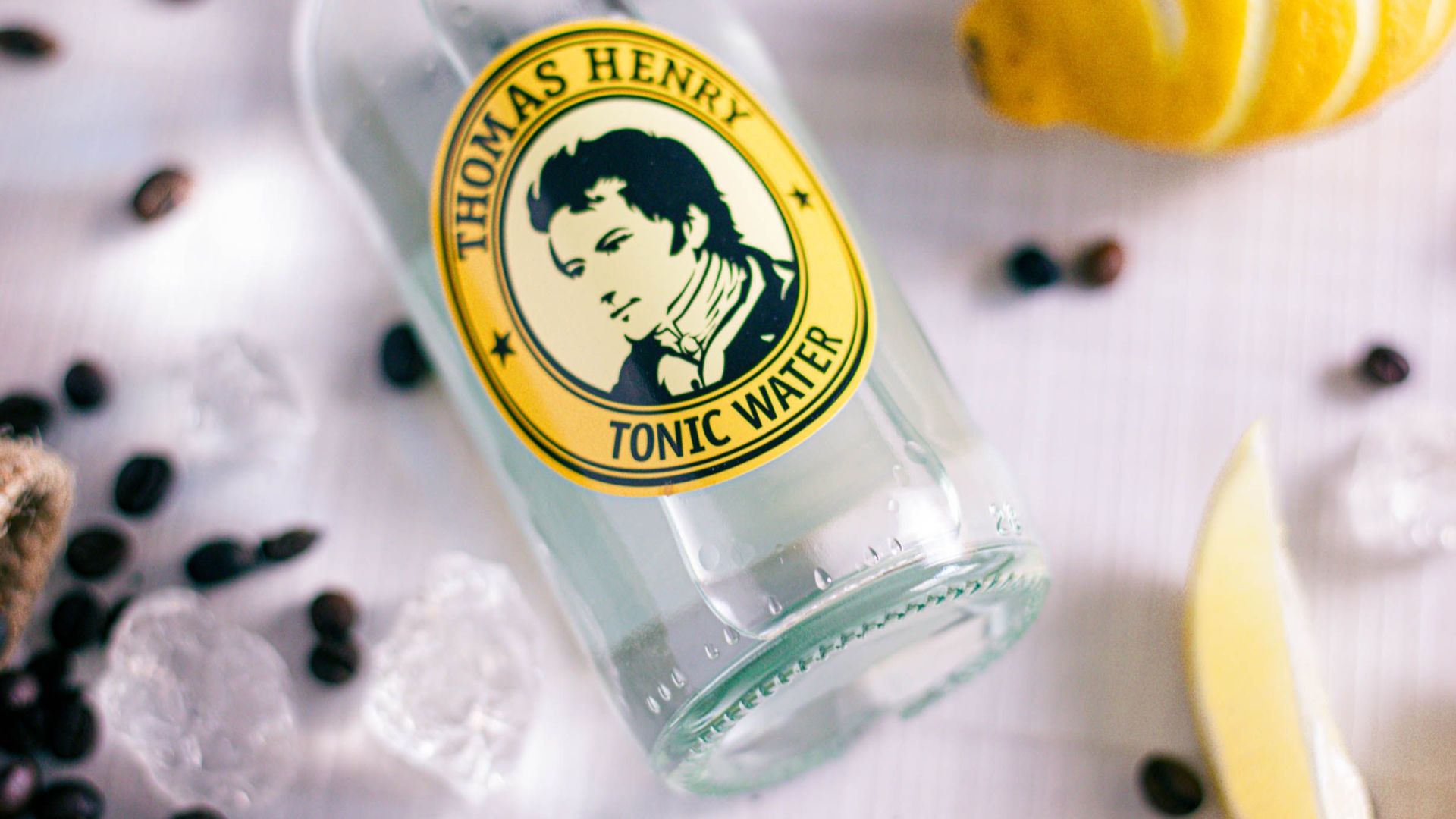
Tonic Water Had A More Legitimate Medical Connection
Unlike many supposed health drinks, tonic water's historical connection to medicine involved a genuinely effective ingredient. Quinine, responsible for its distinctive bitterness, was used to treat malaria. However, modern tonic water contains much less quinine and should never be mistaken for antimalarial treatment.
Sparkling Water Was Once A Scientific Health Craze
Long before sparkling water became fashionable, mineral springs attracted people seeking relief from various illnesses. Eighteenth-century scientists developed ways to reproduce naturally carbonated waters. These experiments helped transform supposedly therapeutic mineral water into the bottled sparkling beverages that remain popular today.
 Mineragua Sparkling Water, Unsplash
Graham Crackers Were Created To Discourage Temptation
Presbyterian minister Sylvester Graham believed that a plain, whole-wheat diet promoted physical and moral health. His dietary philosophy even associated rich foods with excessive sexual desire. Graham crackers eventually became sweetened commercial snacks, a considerable departure from their namesake's strict approach to healthy living.

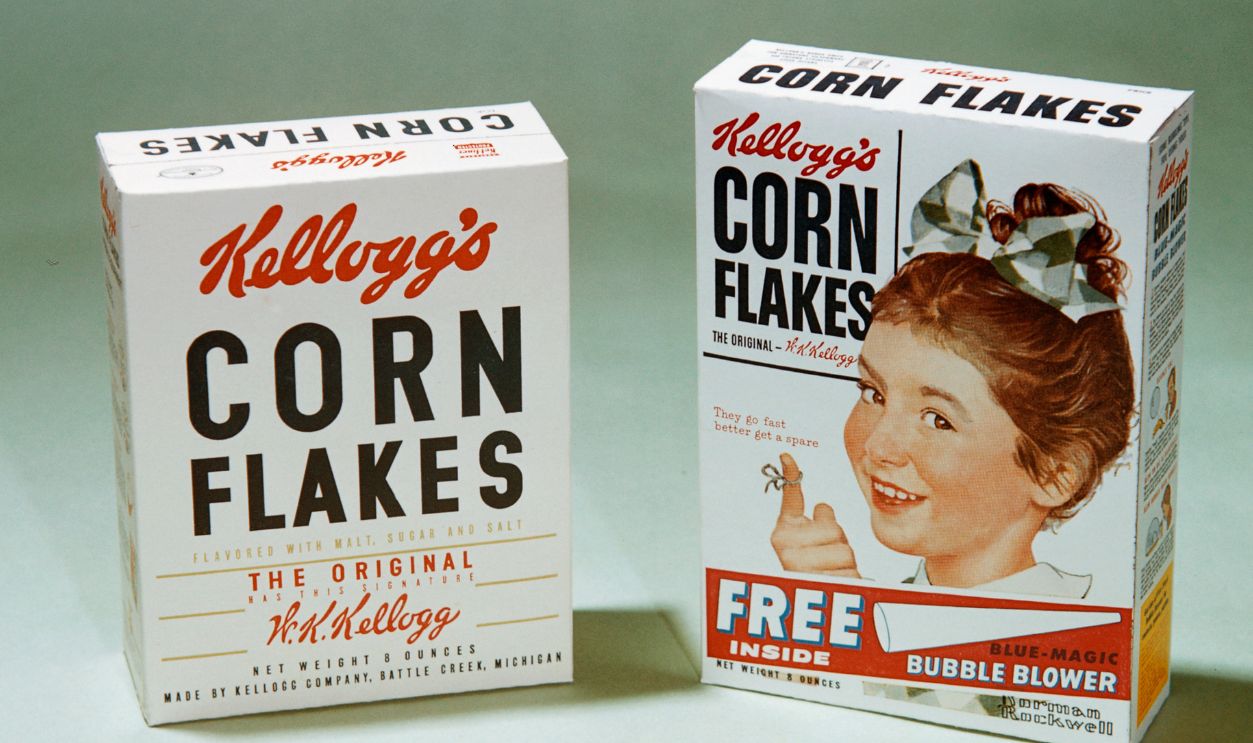
Corn Flakes Started As Food For Sanitarium Patients
Dr. John Harvey Kellogg developed flaked cereals while overseeing the Battle Creek Sanitarium in Michigan. He believed simple vegetarian foods supported digestion and better health. His brother Will eventually recognized their commercial potential, helping turn a specialized dietary product into an American breakfast staple.
Grape-Nuts Was Advertised As A Cure For Appendicitis
Cereal pioneer C.W. Post made extraordinary claims about his Grape-Nuts breakfast cereal. Historical advertisements promoted it as a scientifically advanced food, even suggesting it could cure appendicitis. Such promises were medically unfounded, but the crunchy cereal survived long after its more extravagant advertising claims faded.

Shredded Wheat Was Born From Digestive Troubles
Henry Perky's interest in whole-wheat cereal reportedly developed after he experienced persistent stomach problems. He eventually helped create the distinctive shredded wheat biscuits that became a breakfast favorite. Early promotional materials included medical endorsements presenting the cereal as a particularly healthy food.

All-Bran Promised To Get Everything Moving Again
Kellogg's All-Bran advertisements emphasized regular bowel movements as an important part of healthy living. A 1940 advertisement specifically promoted the cereal for constipation associated with insufficient dietary bulk. Unlike miraculous cure claims, this message had a nutritional basis, although advertising sometimes simplified complicated digestive problems.
 SomeBodyAnyBody05, Wikimedia Commons
Granola Was Invented At A Health Retreat
Modern granola traces its ancestry to Granula, a cereal developed by physician James Caleb Jackson during the nineteenth century. Jackson promoted simple foods and believed digestion influenced overall health. His exceptionally hard cereal required soaking before eating, making today's convenient granola seem luxurious.

Digestive Biscuits Were Supposed To Help Your Stomach
The name was originally more than clever marketing. Nineteenth-century digestive biscuits were promoted as aids for stomach troubles, and McVitie's introduced its enduring recipe in 1892. The later addition of chocolate helped transform a supposedly therapeutic biscuit into a beloved teatime treat.
 Quercus acuta, Wikimedia Commons
Peanut Butter Was Once A Sanitarium Health Food
Dr. John Harvey Kellogg experimented with ground nut preparations while treating patients at his Michigan sanitarium. His 1895 patent described a process for producing a digestible nut-based food. What began partly as specialized dietary nourishment eventually became one of America's favorite sandwich fillings.

Marshmallows Were Originally Used For Sore Throats
The modern marshmallow has surprisingly medicinal ancestors. Preparations made from the marsh mallow plant were historically sweetened and used to soothe irritated throats. Nineteenth-century confectioners eventually developed versions made with sugar and gelatin, transforming an old herbal preparation into a fluffy sweet.

Licorice Candy Started With A Medicinal Root
Licorice root has been used medicinally for centuries, particularly in preparations intended to soothe coughs and throat irritation. Sweetened licorice confections developed from these traditions. Ironically, genuine black licorice can cause serious health problems when consumed excessively because certain compounds can affect blood pressure and potassium levels.
 Bärbel Miemietz, Wikimedia Commons
Chocolate Had A Medical Reputation Long Before Candy Bars
Long before chocolate bars filled supermarket shelves, cacao beverages carried medicinal and ceremonial significance in Mesoamerican societies. European consumers later adopted chocolate as both nourishment and a purported restorative. Its reputation for stimulating energy helped chocolate move between medicine, luxury beverage, and everyday confection.

Dannon Yogurt Was Originally Sold In Pharmacies
When Isaac Carasso established Danone in Barcelona in 1919, he hoped fermented milk could address children's nutritional and digestive problems. Influenced by scientific theories about beneficial bacteria, he initially distributed his yogurt through pharmacies. A product associated with medical care eventually became a supermarket refrigerator staple.

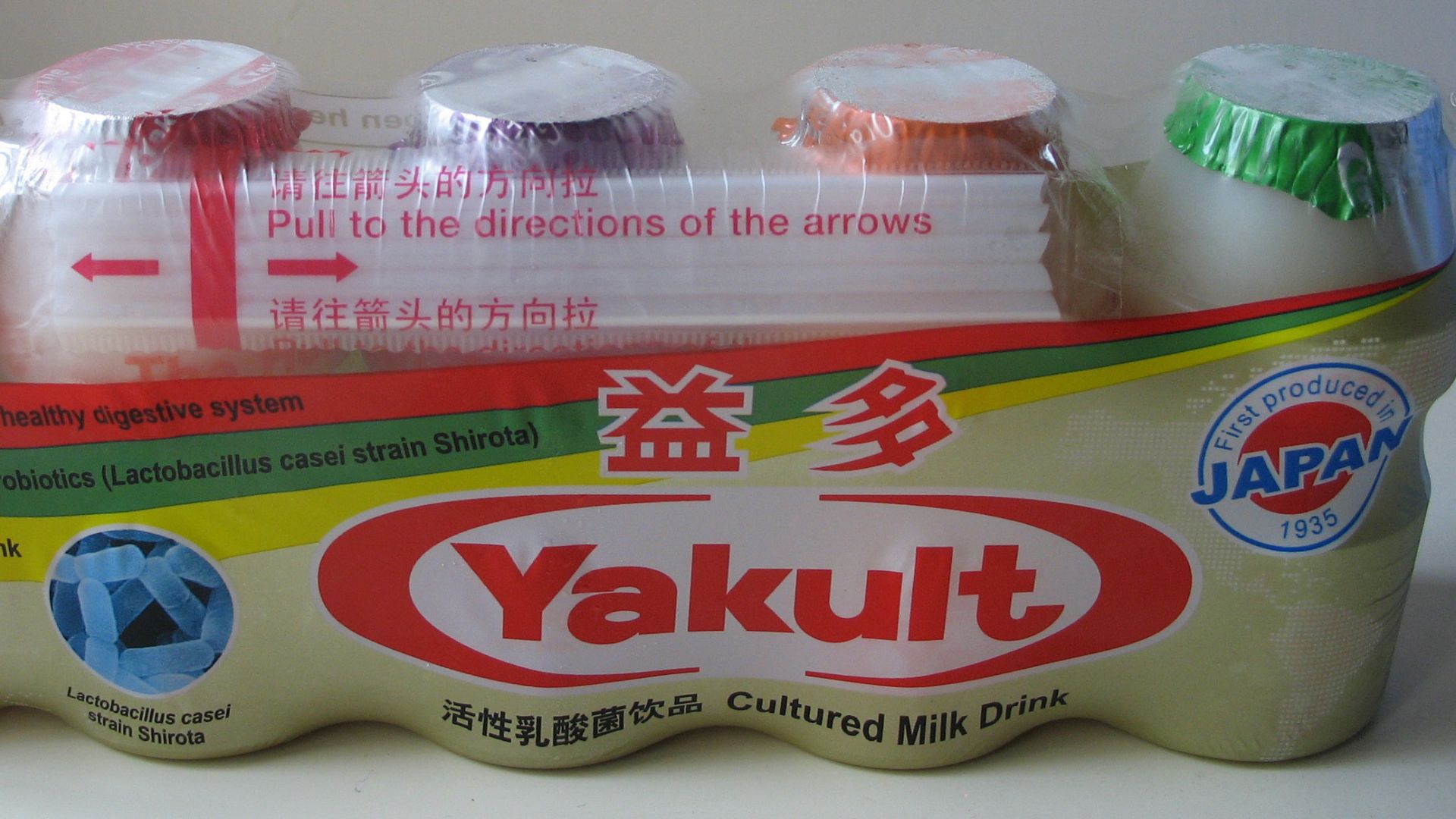
Yakult Was Created With Disease Prevention In Mind
Japanese physician Minoru Shirota developed the fermented milk drink Yakult in 1935. His work centered on beneficial intestinal bacteria and the idea that maintaining digestive health could help prevent illness. Although probiotic research has advanced considerably, fermented beverages should not be confused with universal disease treatments.
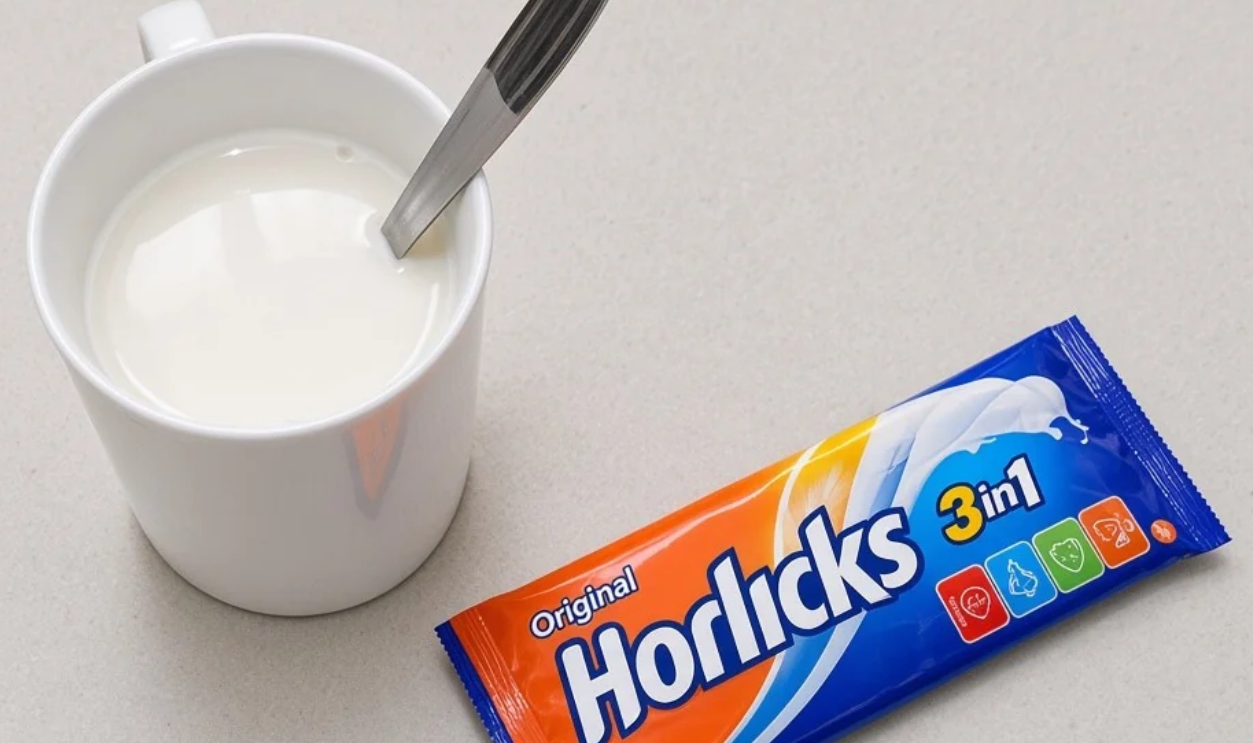
Horlicks Malted Milk Was Designed For The Sick
Before malted milk became synonymous with diner milkshakes, the Horlick brothers developed a concentrated nutritional drink. Their original products were intended particularly for infants and people recovering from illness. Once customers discovered its appealing flavor, malted milk became a popular ingredient in sweet refreshments.
 Firzafp, Wikimedia Commons, Modified
Ovaltine Was Originally A Pharmacy Product
Swiss pharmacist Georg Wander developed an early malt extract to address nutritional problems among children. His son Albert expanded the formula, creating Ovomaltine in 1904. Initially sold through pharmacies as a medical preparation, the beverage eventually became internationally popular under names including Ovaltine.

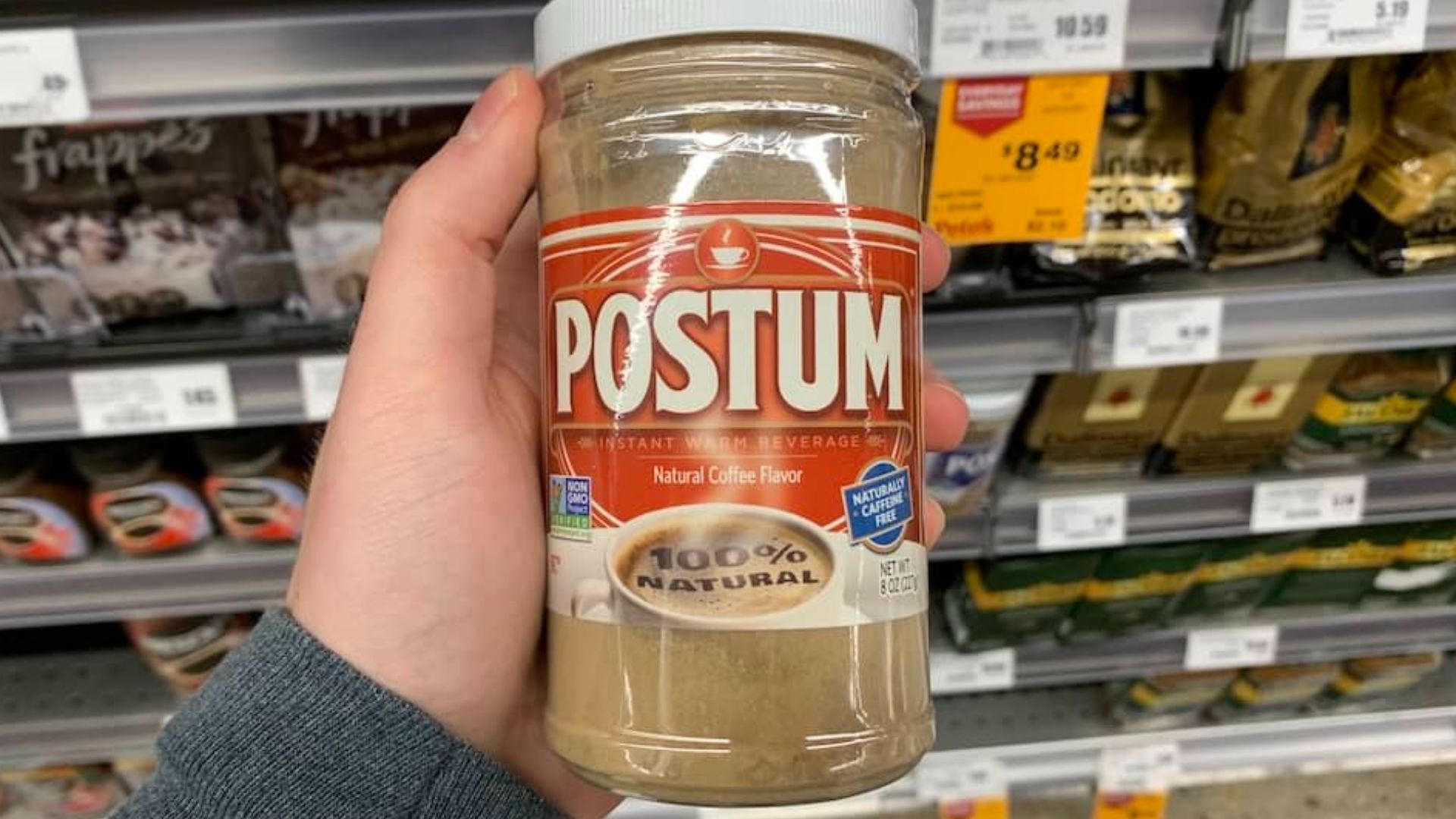
Postum Promised An Escape From Coffee's Supposed Dangers
C.W. Post introduced his caffeine-free grain beverage during a period when health reformers criticized coffee consumption. His advertising portrayed ordinary coffee as responsible for numerous health problems. Postum was presented as a restorative alternative, even suggesting that abandoning coffee could help consumers recover from disease.
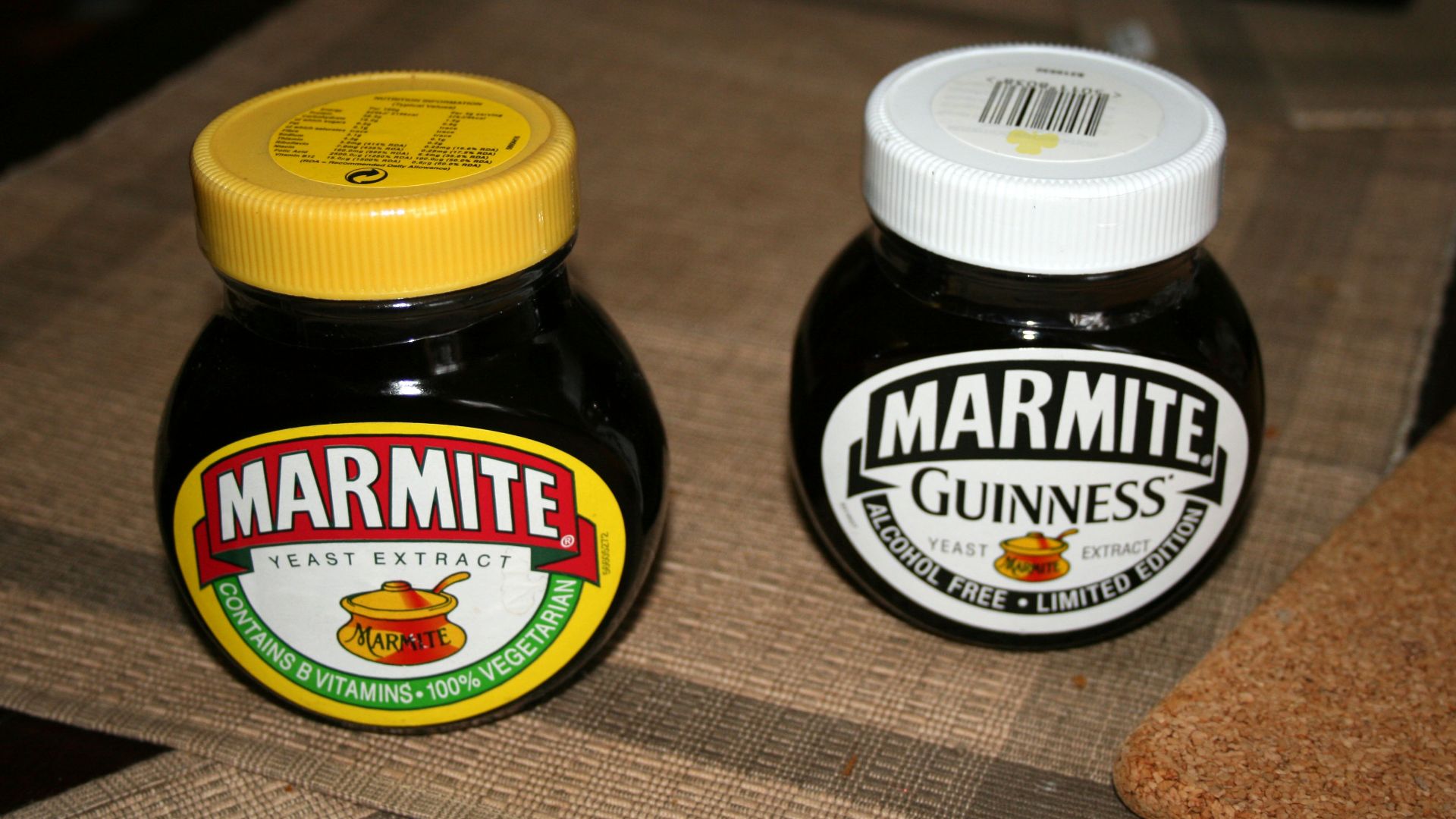
Marmite Was Promoted For A Remarkable List Of Illnesses
A 1930s Marmite promotional booklet claimed the yeast extract could help with conditions ranging from constipation to anemia and diabetes. Its vitamin content offered genuine nutritional value, including benefits in some deficiency-related conditions. However, that did not establish it as a treatment for every advertised illness.
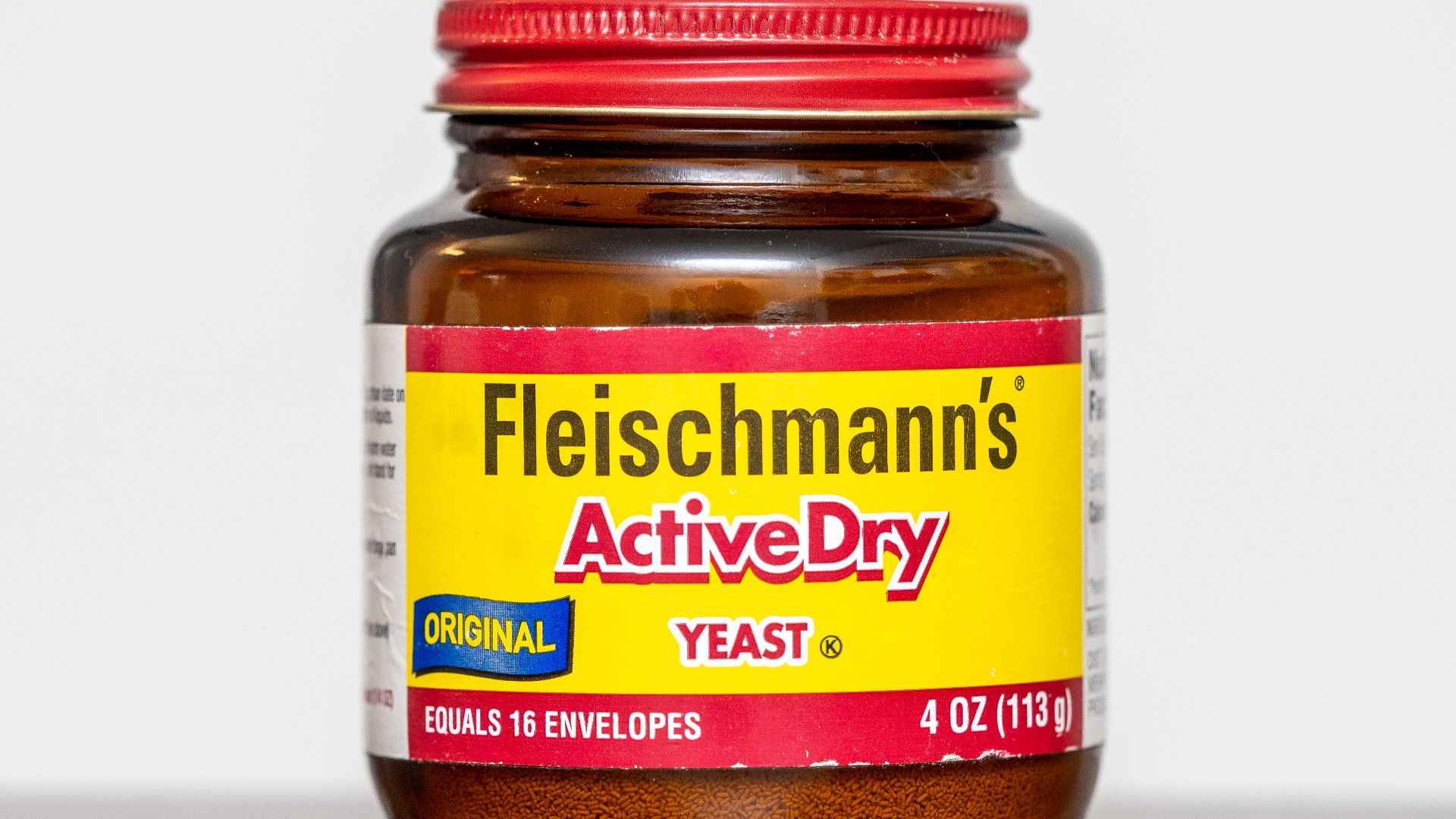
Fleischmann's Yeast Was Advertised As A Beauty Treatment
During the 1920s, Fleischmann's promoted eating fresh yeast as a way to improve health and appearance. Advertisements associated yeast consumption with relief from digestive troubles, skin complaints, and fatigue. The campaign helped transform an ordinary baking ingredient into a fashionable nutritional remedy.
 ajay_suresh, Wikimedia Commons
Knox Gelatin Was Once Sold As Medicine
When Charles Knox introduced packaged gelatin in 1889, it was initially promoted as both a health food and a medicinal product. The company later emphasized gelatin's versatility in everyday cooking and desserts. Its transformation showed how nutritional marketing could eventually give way to convenience and enjoyment.

The Government Eventually Started Questioning These Miracle Claims
The widespread marketing of questionable remedies helped prompt stronger American consumer protections. The 1906 Pure Food and Drugs Act prohibited misbranded and adulterated products, although important loopholes remained. Later legislation strengthened regulatory oversight, making unsupported medical promises increasingly difficult to defend.
 Bill Branson (Photographer), Wikimedia Commons
They Survived Because People Actually Enjoyed Them
Many of these products outlived the medical theories and advertising strategies that launched them. Their histories also remind us that legitimate nutritional benefits are not the same as miracle cures. Today, American regulators distinguish evidence-supported food health claims from claims that a product treats disease.

Sources: 1, 2, 3, 4, 5, 6, 7, 8, 9, 10, 11, 12, 13, 14, 15, 16, 17, 18, 19, 20, 21, 22, 23, 24, 25, 26, 27