The Queen Who Never Was
In June 1714, an elderly German princess was on the verge of becoming one of the most unlikely queens in British history. Sophia of Hanover was 83 years old, a grandmother many times over, and the legally designated heir to Queen Anne. But after waiting more than a decade for the crown, Sophia died just seven weeks before the throne became vacant. Her extraordinary near-miss would change British history.
Born Into A Fallen Dynasty
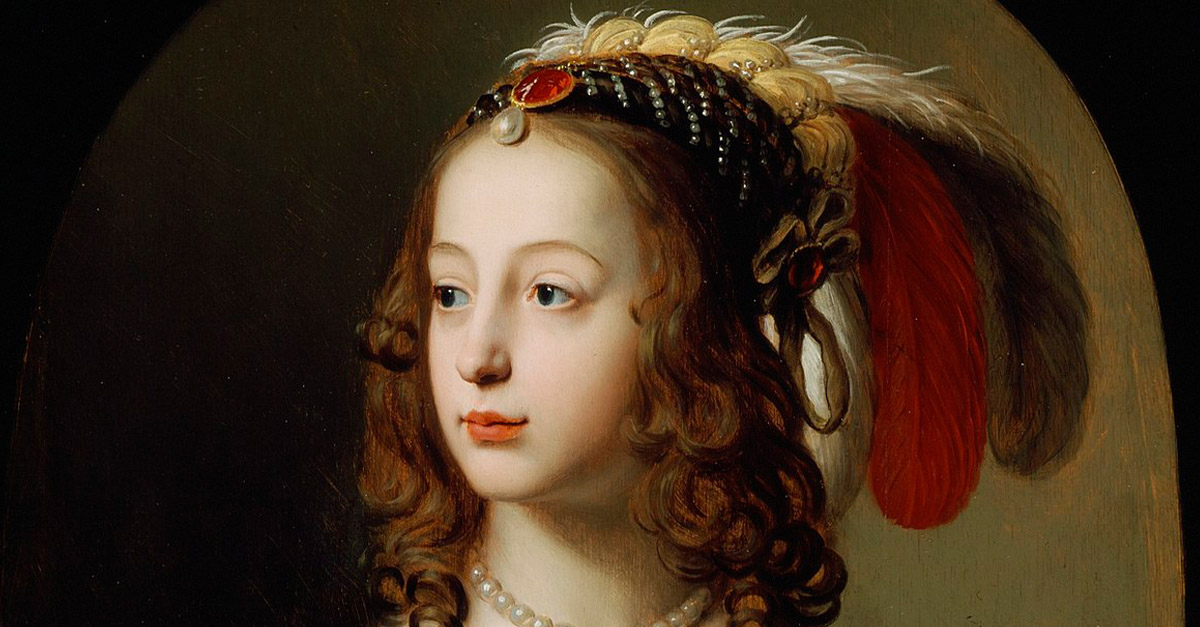
Sophia was born in The Hague on October 14, 1630, into a family that knew how quickly royal fortunes could collapse. Her father, Frederick V, had briefly ruled Bohemia before losing his crown during the Thirty Years’ War. Her mother, Elizabeth Stuart, was the daughter of King James VI of Scotland and I of England. That English connection would eventually transform Sophia’s destiny, although nobody could have predicted it during her childhood.
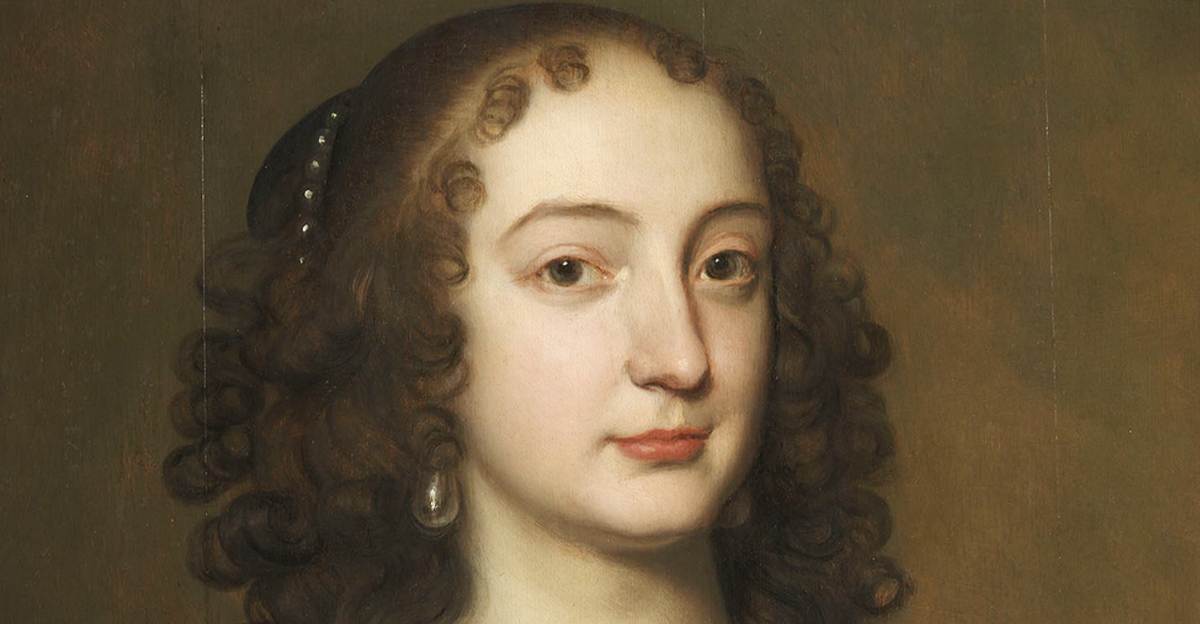 Gerard van Honthorst, Public Domain, Wikimedia Commons
A Princess Without A Kingdom
Sophia grew up surrounded by exiled royalty, political uncertainty, and the complicated alliances of Europe’s Protestant courts. Her parents were known as the Winter King and Winter Queen because their reign in Bohemia had lasted barely one winter. Despite these setbacks, Sophia received an excellent education and developed a lifelong interest in philosophy, languages, and politics. She was intelligent, outspoken, and hardly the passive princess her later reputation might suggest.
Marriage Changes Her Fortunes
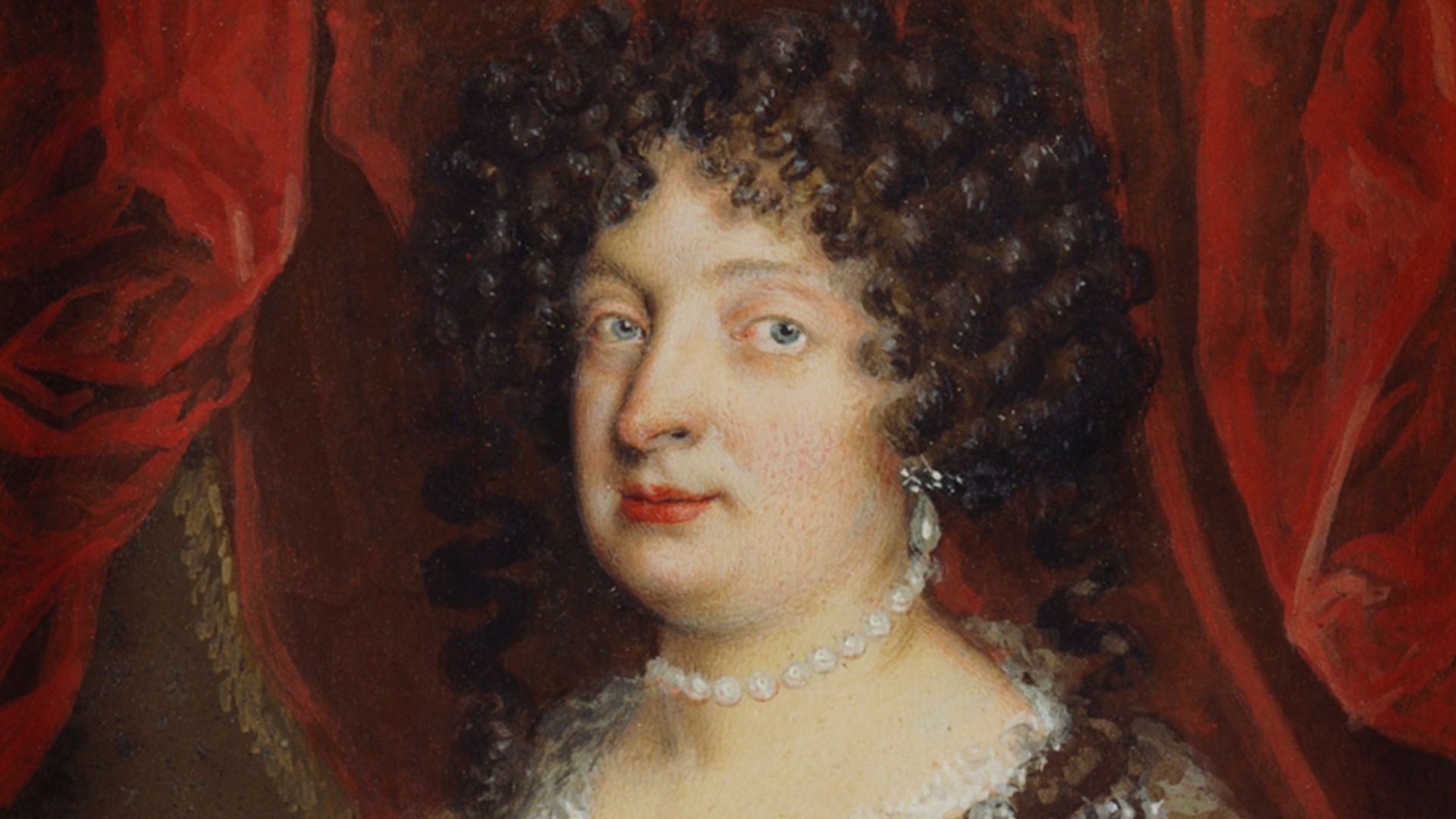
In 1658, Sophia married Ernest Augustus of Brunswick-Lüneburg, a German prince whose political fortunes steadily improved. The couple had seven children, including their eldest son, George Louis. In 1692, Ernest Augustus became an elector of the Holy Roman Empire, elevating the family’s status considerably. Sophia became Electress of Hanover, presiding over a sophisticated court where she cultivated friendships with leading intellectuals, including the philosopher Gottfried Wilhelm Leibniz.
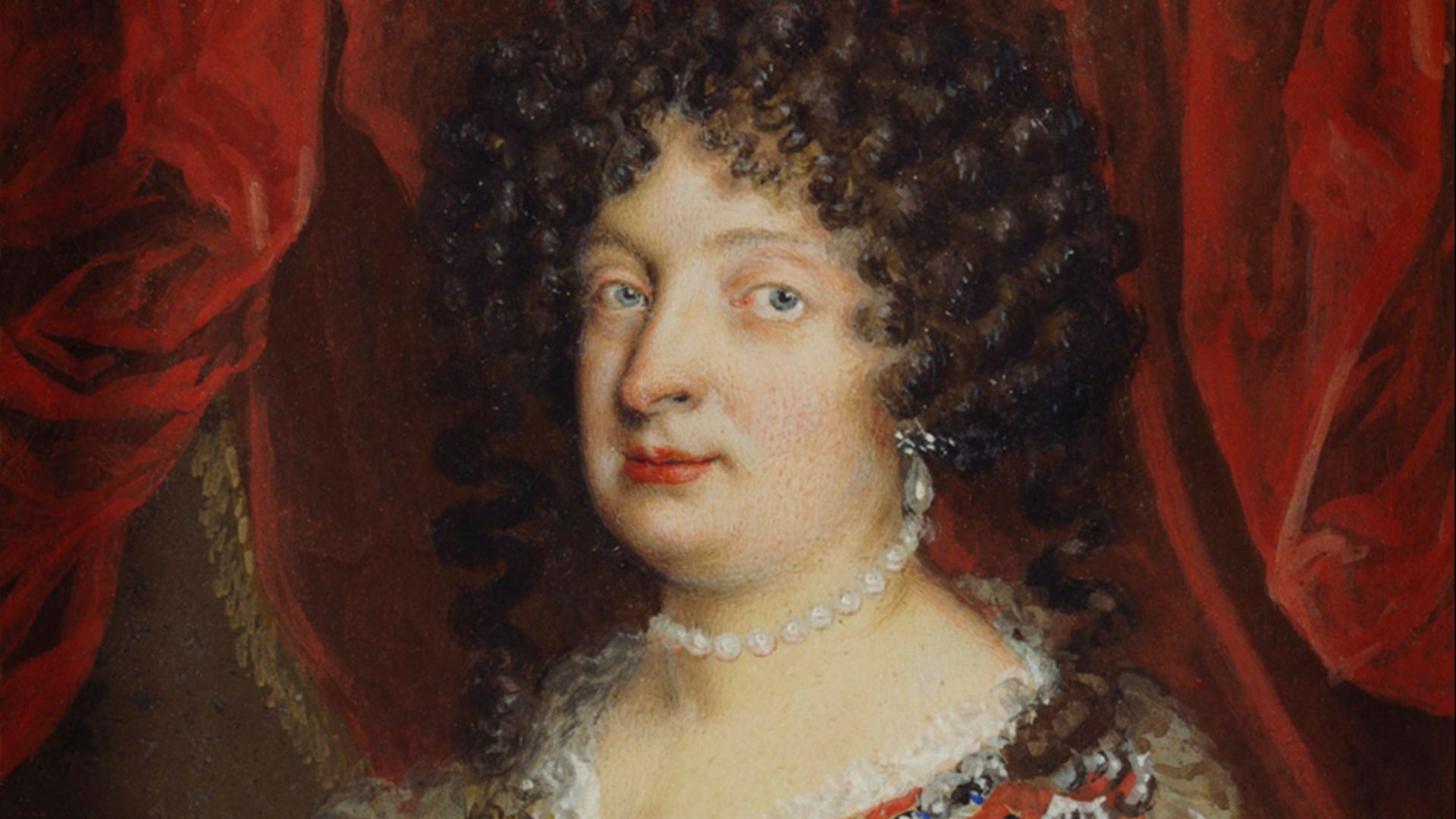 Jean Michelin, Wikimedia Commons
Britain’s Succession Crisis
Meanwhile, England faced an increasingly alarming royal problem. Queen Mary’s death in 1694 and the death of Princess Anne’s only surviving child, the Duke of Gloucester, in 1700 left the Protestant succession dangerously uncertain. Numerous Catholic descendants of the Stuart dynasty possessed stronger hereditary claims than Sophia. But Parliament was determined to prevent another Catholic monarch from occupying the English throne, even if that meant bypassing dozens of royal relatives.
Parliament Chooses Sophia
The solution was the Act of Settlement of 1701, which designated Sophia and her Protestant descendants as heirs after the existing eligible successors. Sophia was chosen because she was a Protestant granddaughter of James I, not because she had the strongest hereditary claim. She was already 70 years old when Parliament effectively placed her on the road to the throne. In 1705, another act granted her and her descendants English naturalization rights.
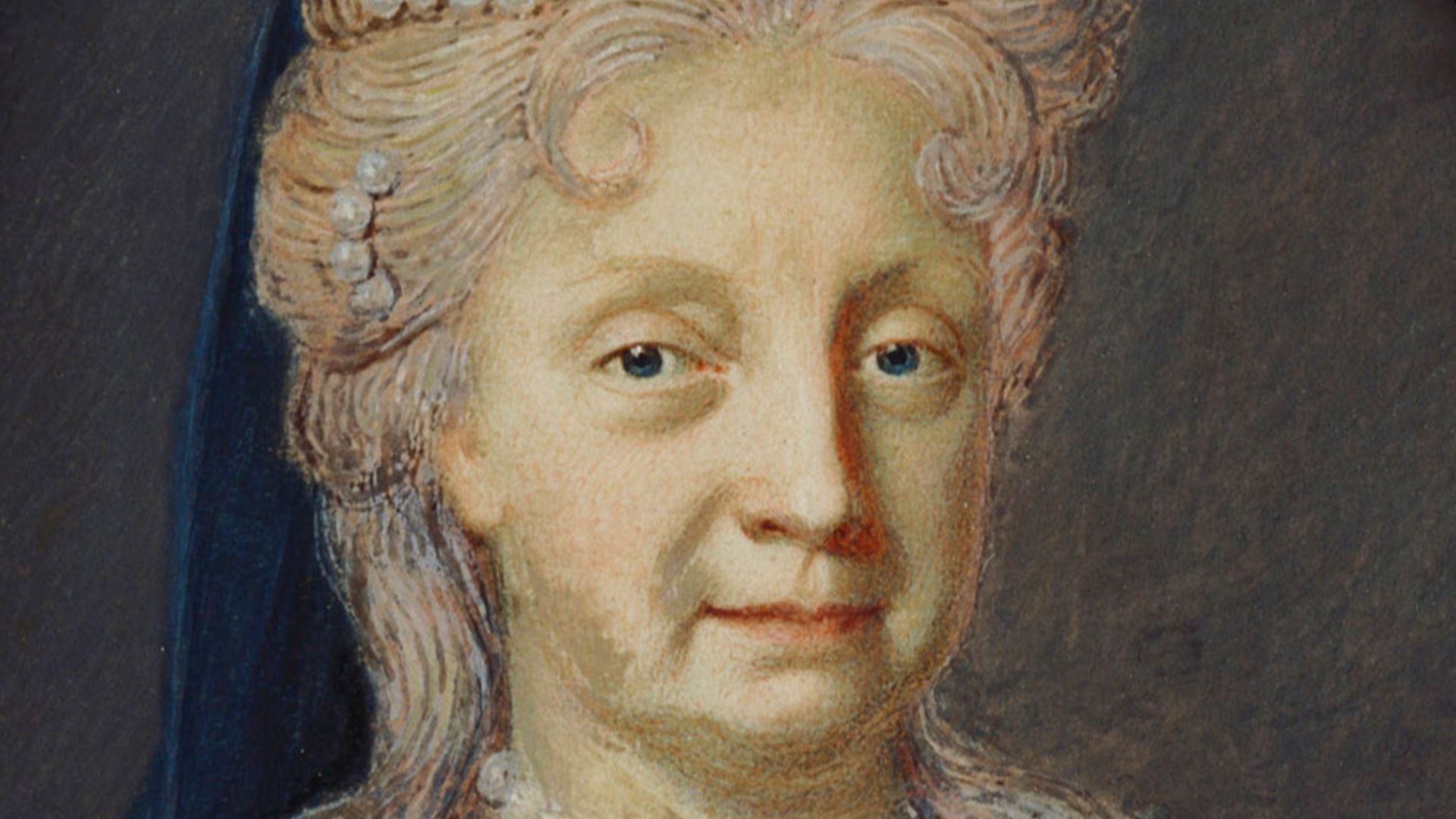 Unidentified painter, Wikimedia Commons
A Queen In Waiting
When Anne became queen in 1702, Sophia was the designated successor if Anne died without a surviving child. The Acts of Union in 1707 subsequently secured the Protestant succession for the new Kingdom of Great Britain. Yet the relationship between the two women was politically delicate. Anne resisted suggestions that Sophia or her family should establish a permanent presence in England, fearing that a rival royal court might undermine her authority. Sophia remained in Hanover, waiting for an inheritance that seemed tantalizingly close.
A Fatal Walk Through The Gardens
Despite her advanced age, Sophia remained remarkably active. She took particular pride in the magnificent gardens at Herrenhausen, which she had helped develop over decades. On June 8, 1714, while walking in the gardens, Sophia suffered a fatal stroke. She was 83. The woman who had spent years preparing to inherit Britain’s throne would never wear its crown. Queen Anne, meanwhile, was also in failing health, making the timing especially extraordinary.

Seven Weeks Too Late
On August 1, 1714, Queen Anne died at Kensington Palace, aged 49. Had Sophia survived another 54 days, she would have become queen of Great Britain. Instead, the crown passed immediately to her eldest son, George Louis, who became George I. His accession established the Hanoverian dynasty, which ruled Britain until Queen Victoria’s death in 1901. Sophia never became queen, but her descendants inherited the monarchy she had so narrowly missed.
You May Also Like:
42 Little-Known Facts About Anne, The First Queen Of Great Britain