Every Place Has A Story, But Some Have Secrets
Ever driven past a town sign and wondered who came up with that name? Across North America, familiar cities and tiny communities carry names that reveal forgotten battles, ancient traditions, remarkable people, and even unfortunate mistakes. Some stories stretch back thousands of years. Others began with a publicity stunt. Here's what these fascinating place names reveal about the continent's past.
Toronto, Ontario: The City Named After Fishing Traps
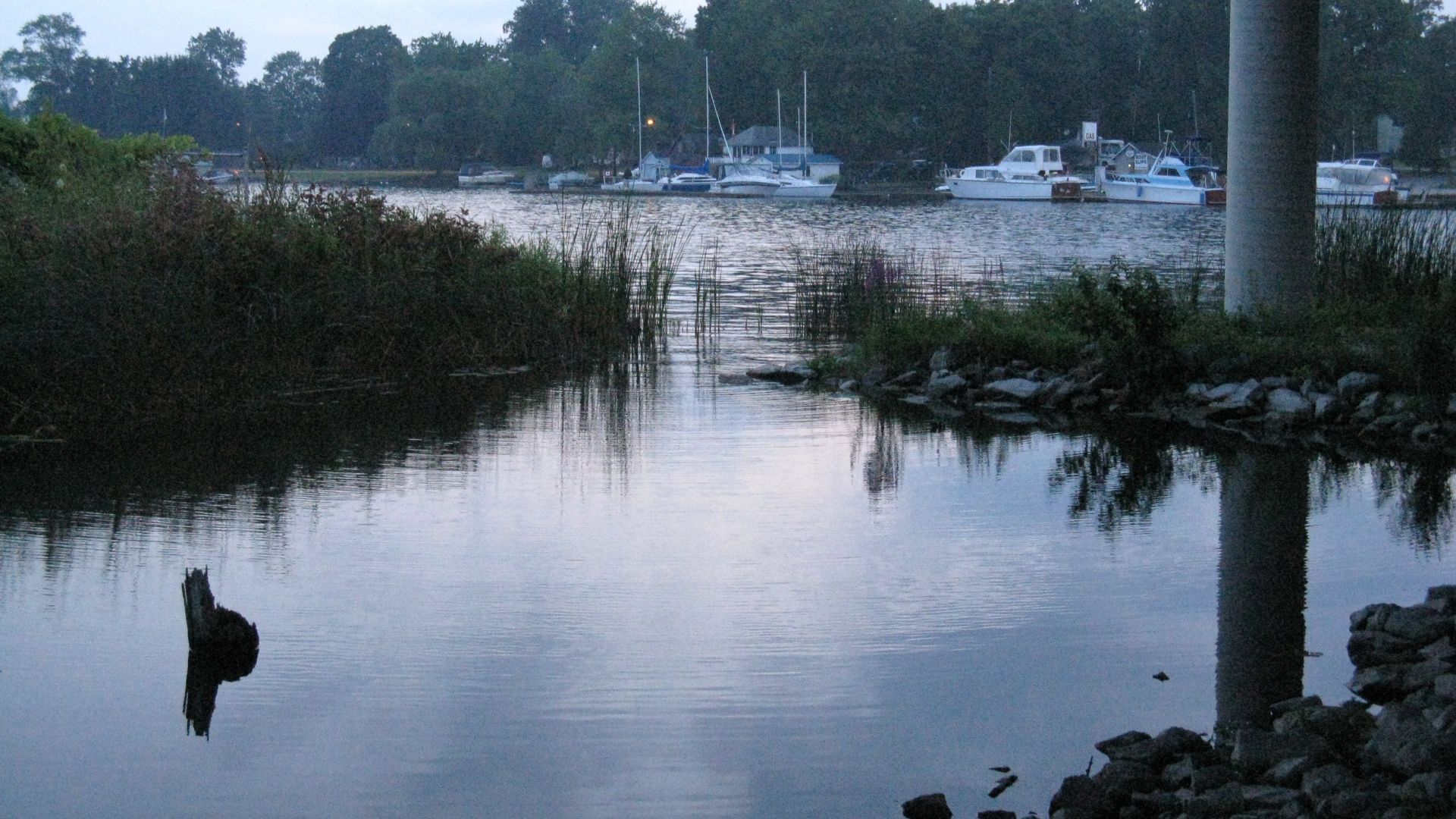
Canada's largest city has a name that predates its skyscrapers by centuries. Toronto comes from an Indigenous word associated with trees standing in water, referring to wooden fishing weirs north of the modern city. The name originally belonged to a different location before gradually moving south. Those ancient fishing structures were once essential to local communities.
Ottawa, Ontario: Where Trading Was Everything
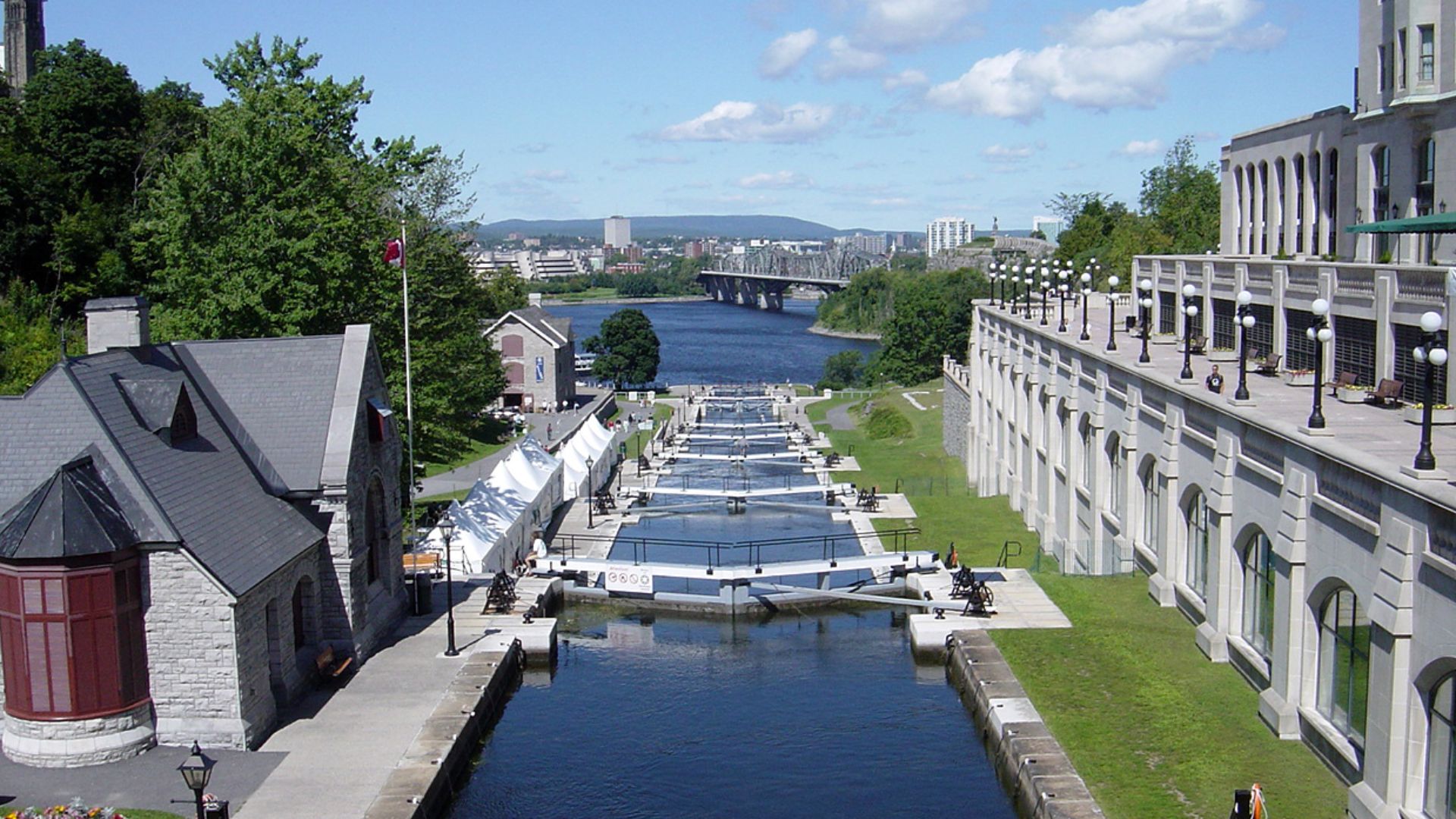
Canada's capital wasn't always Ottawa. It was originally called Bytown, after Colonel John By, who oversaw construction of the Rideau Canal. In 1855, the community adopted Ottawa, derived from an Algonquin word meaning "to trade." The name preserves the region's importance as a gathering place for Indigenous trading networks long before Parliament arrived.
 Bobak Ha'Eri, Wikimedia Commons
Quebec: A Name Older Than New France
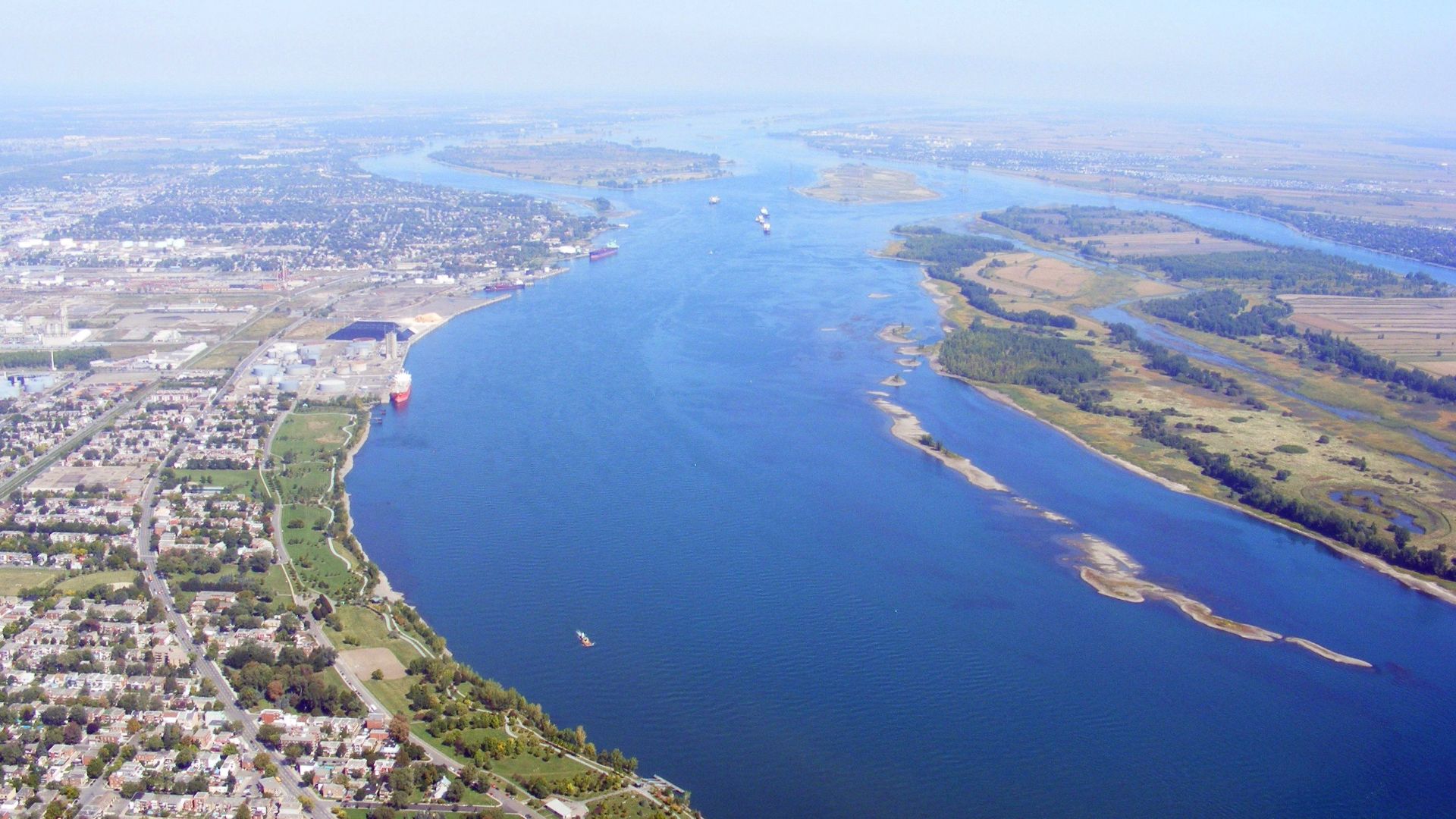
Quebec comes from an Algonquian word meaning "narrow passage," describing where the St. Lawrence River narrows near Quebec City. French settlers retained the Indigenous name when establishing their colonial settlement. It's a reminder that the geography was already understood, explored, and named by Indigenous peoples long before European maps appeared.
Winnipeg, Manitoba: The Water Wasn't Always Pretty
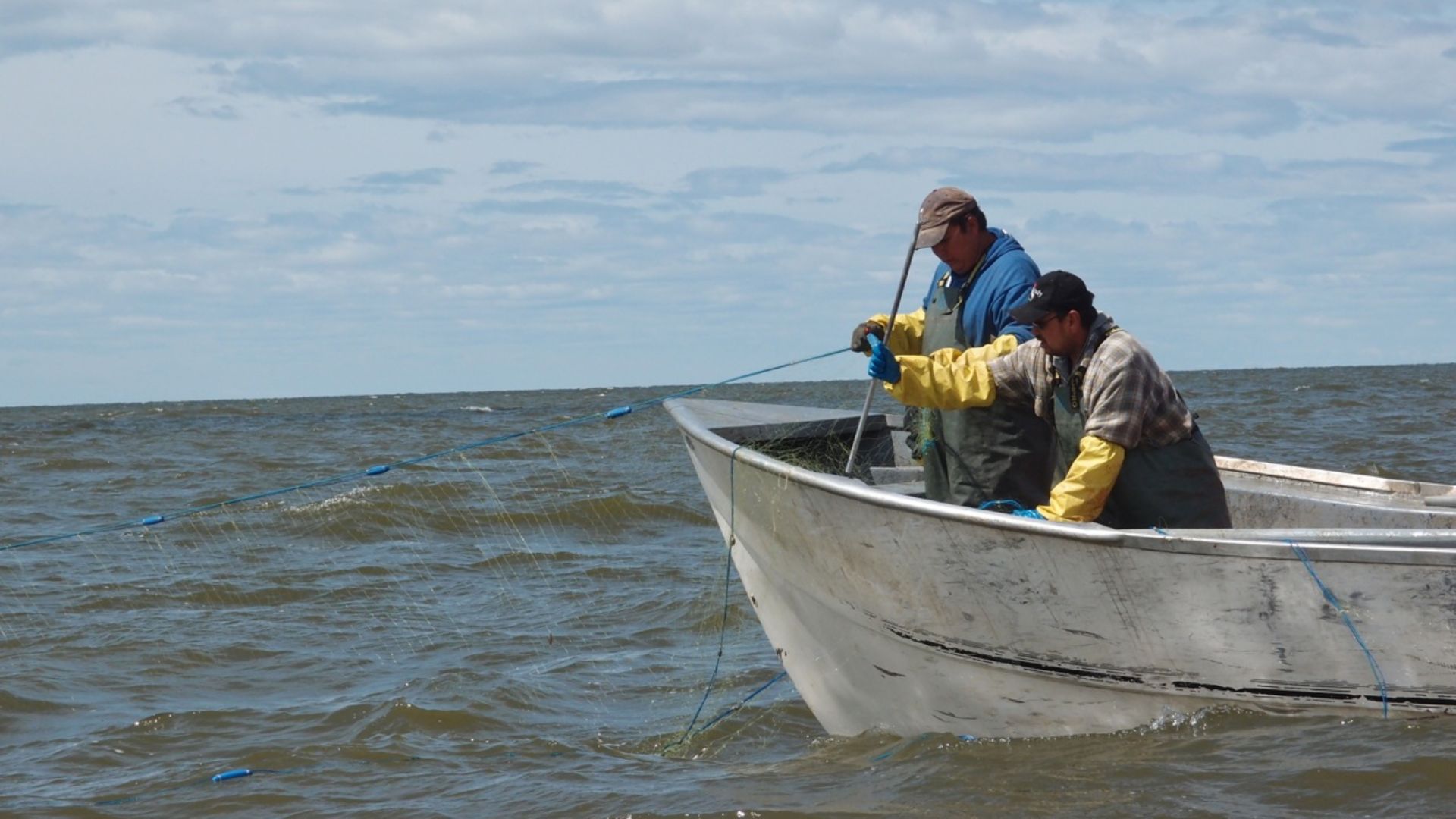
Winnipeg sounds pleasant enough, but its name refers to something decidedly less glamorous: murky water. Derived from a Cree expression associated with Lake Winnipeg, it describes the lake's cloudy appearance. Long before modern transportation, the surrounding waterways connected communities, trading routes, and fishing grounds across enormous distances.
 U.S. Embassy and Consulates in Canada, Wikimedia Commons
Iqaluit, Nunavut: A Place Of Many Fish
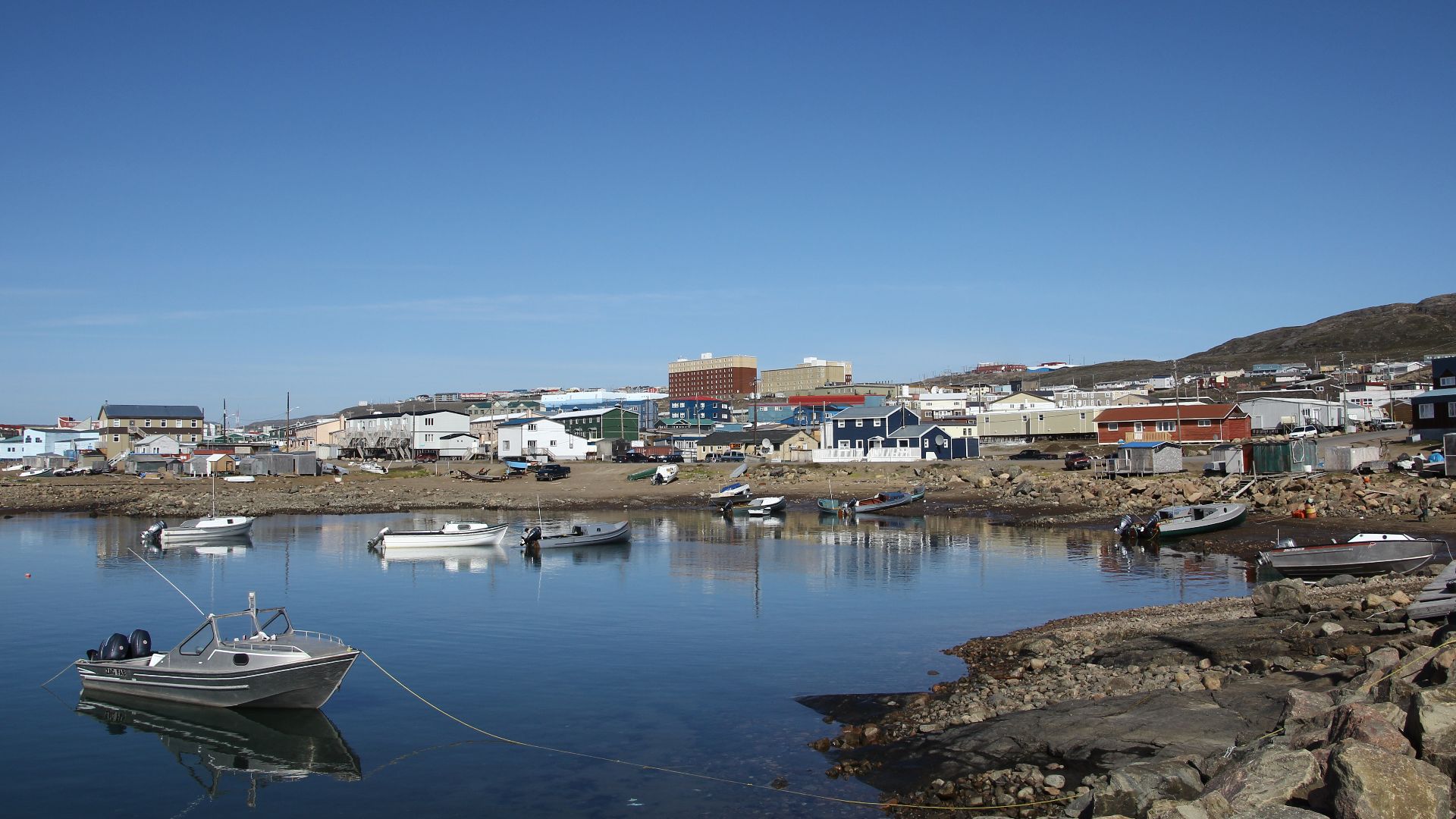
The capital of Nunavut carries an Inuktitut name meaning "place of many fish." It's a wonderfully practical reminder of what sustained generations of Inuit communities. The settlement was once officially known as Frobisher Bay, but adopted Iqaluit in 1987. The change acknowledged an older identity that colonial naming had pushed aside.
 Sebastian Kasten, Wikimedia Commons
Medicine Hat, Alberta: The Legend Of A Sacred Headdress
Medicine Hat's unusual name comes from Saamis, associated with a sacred medicine headdress in Blackfoot tradition. Several versions of the naming legend survive, including stories involving a young hunter and a powerful river spirit. In 1910, residents even considered changing the unusual name, but ultimately kept their connection to local history.
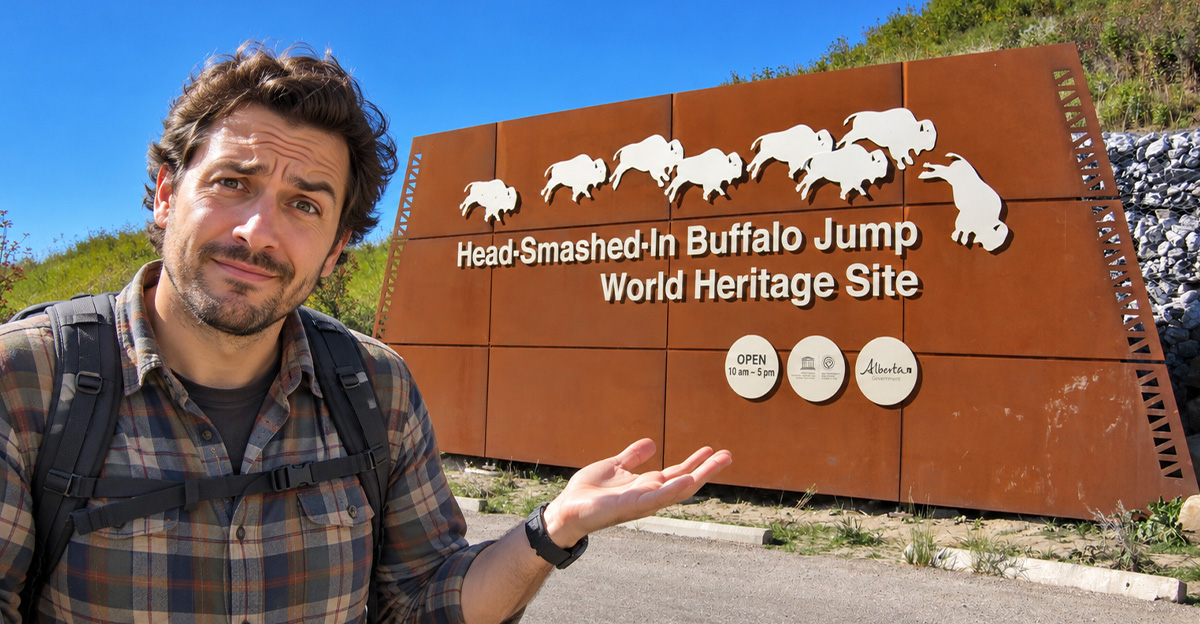
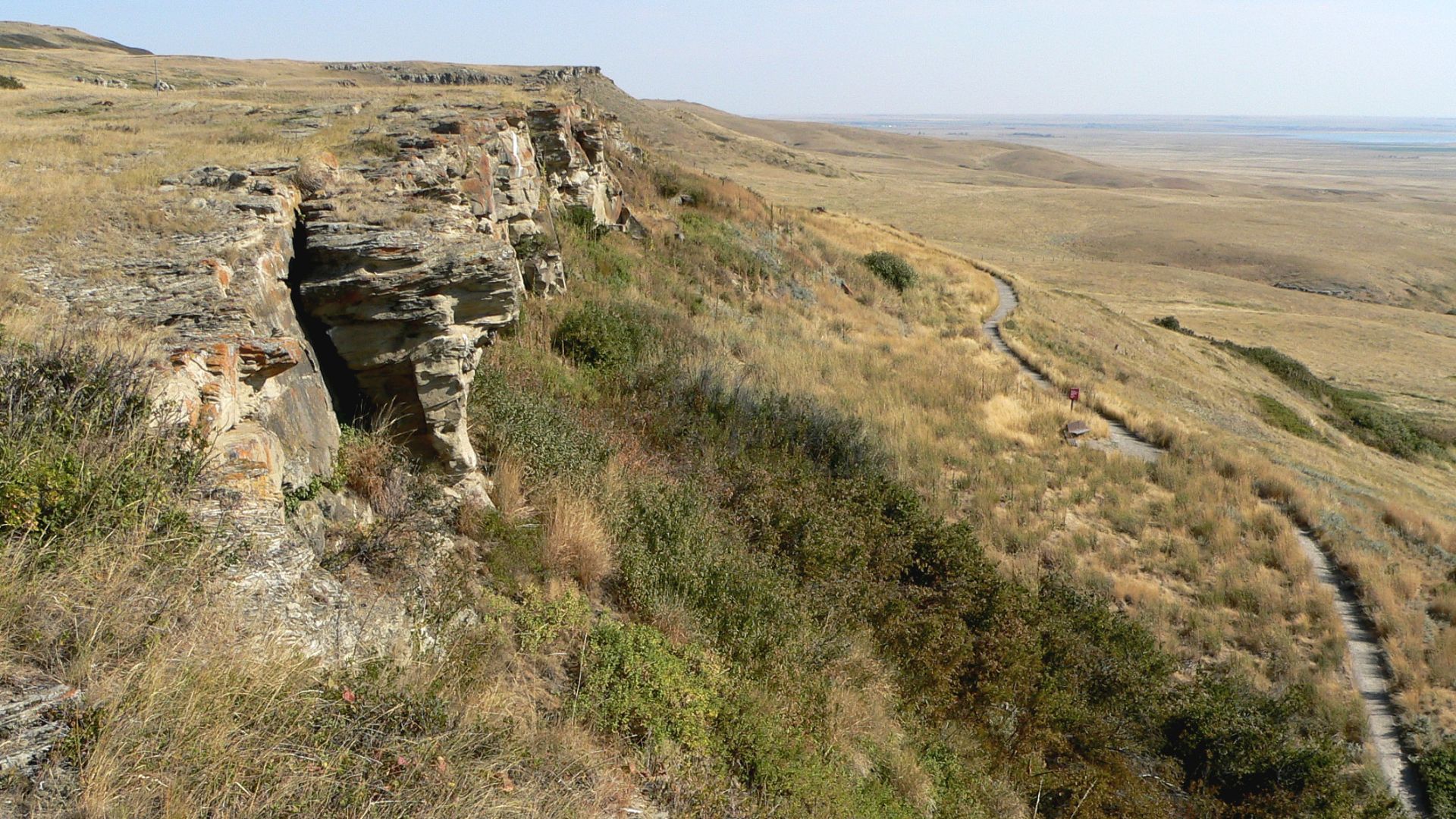
Head-Smashed-In Buffalo Jump, Alberta: An Ancient Hunting Ground
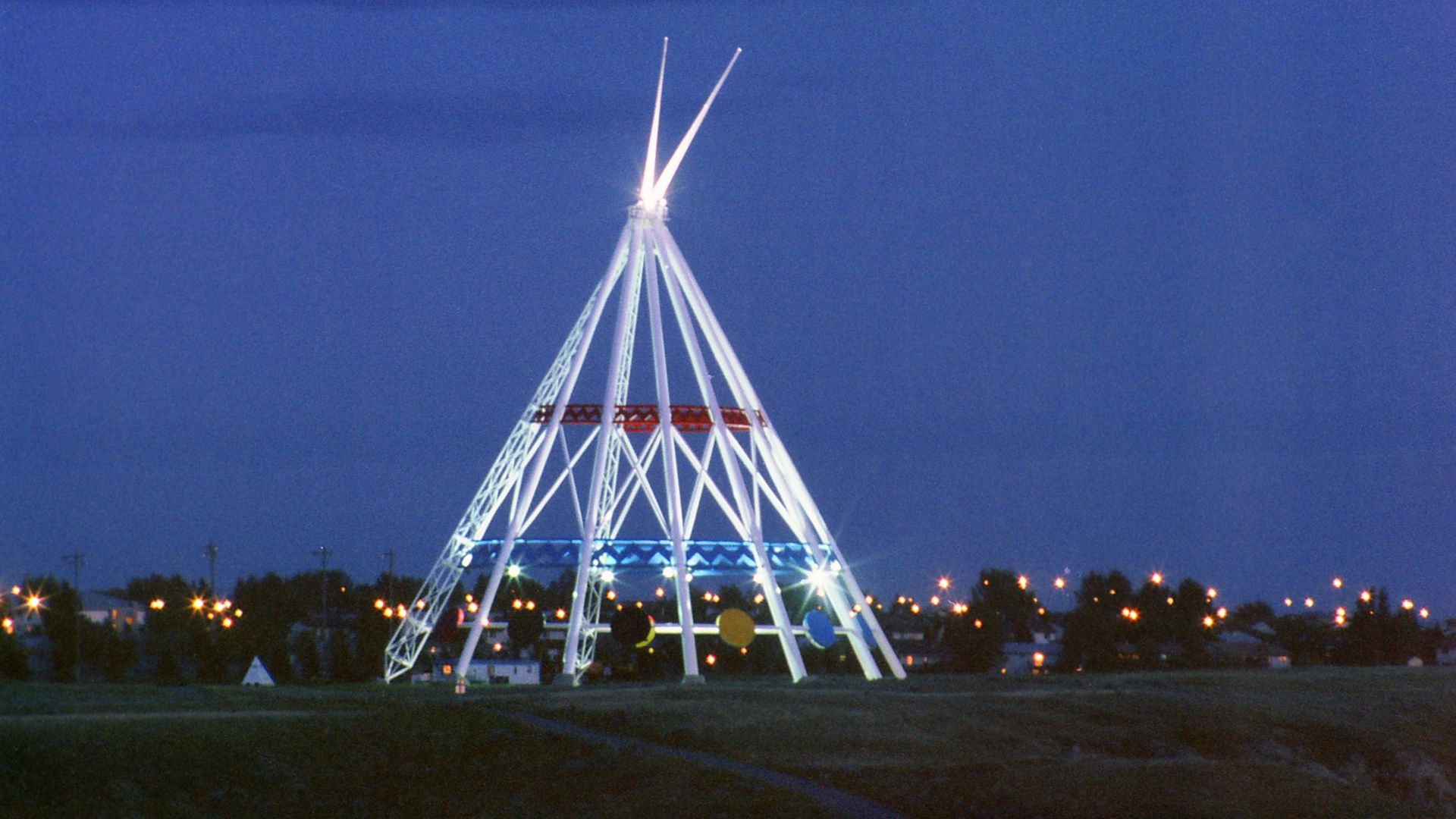
This unforgettable name belongs to one of North America's most important Indigenous archaeological sites. For thousands of years, Plains peoples guided bison over cliffs to provide food, clothing, and tools. Its Blackfoot name, Estipah-skikikini-kots, is associated with a traditional account of a young man caught beneath falling bison.
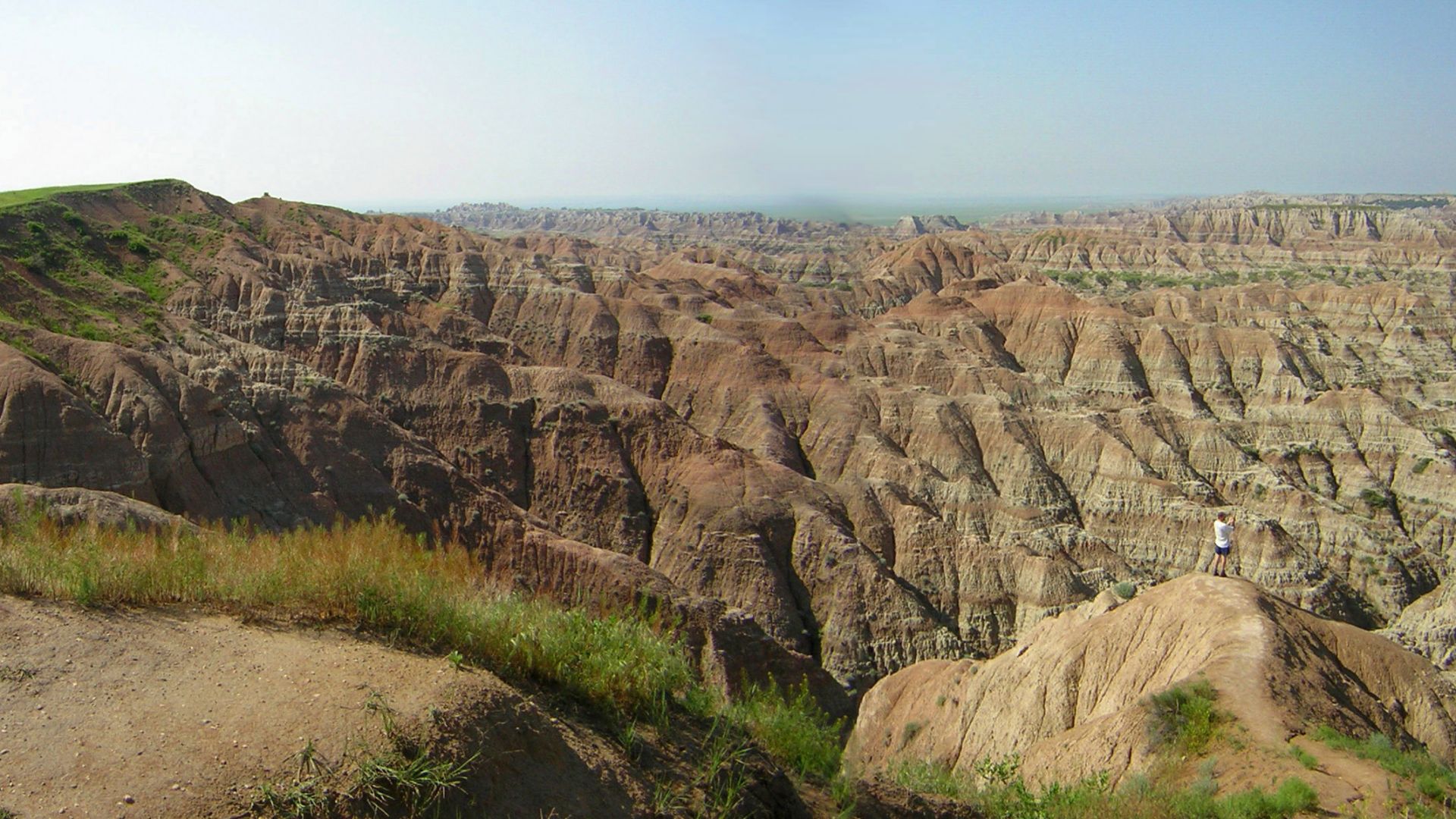
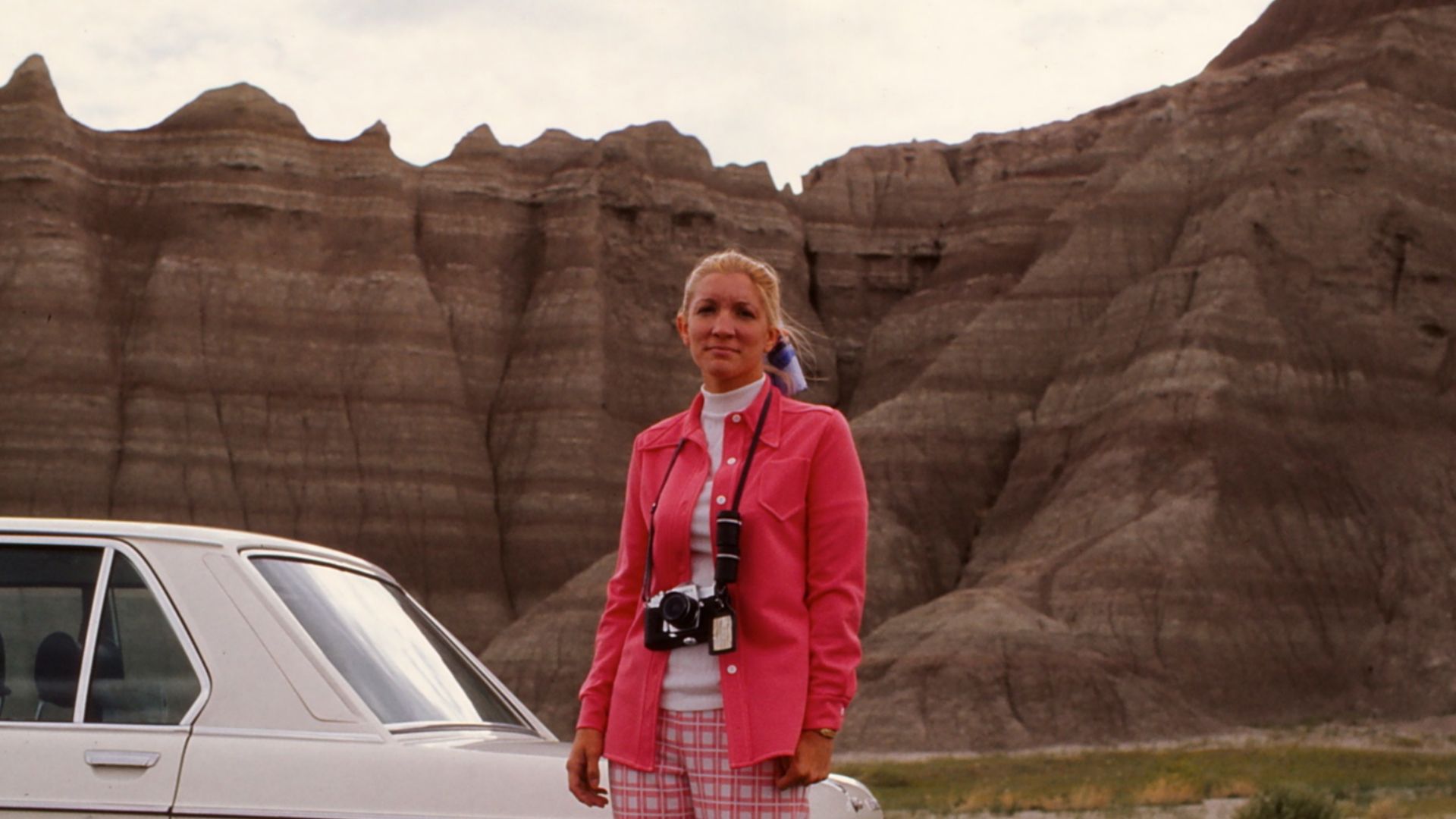
The Badlands, South Dakota: A Warning From The Past
The Badlands weren't named by disappointed tourists. Lakota people called the area mako sica, meaning "bad lands," because its difficult terrain made travel dangerous. French fur traders later used a similar description. The steep formations, sticky clay, and scarce water explain why generations of travelers approached this remarkable landscape cautiously.
Denali, Alaska: The Mountain With Competing Names
North America's tallest mountain has long been known by Indigenous names, including the Koyukon-derived Denali, commonly translated as "the tall one." Its federal designation has repeatedly changed between Denali and Mount McKinley, most recently returning to Mount McKinley in 2025. Denali National Park retains its name, preserving a much older linguistic connection.
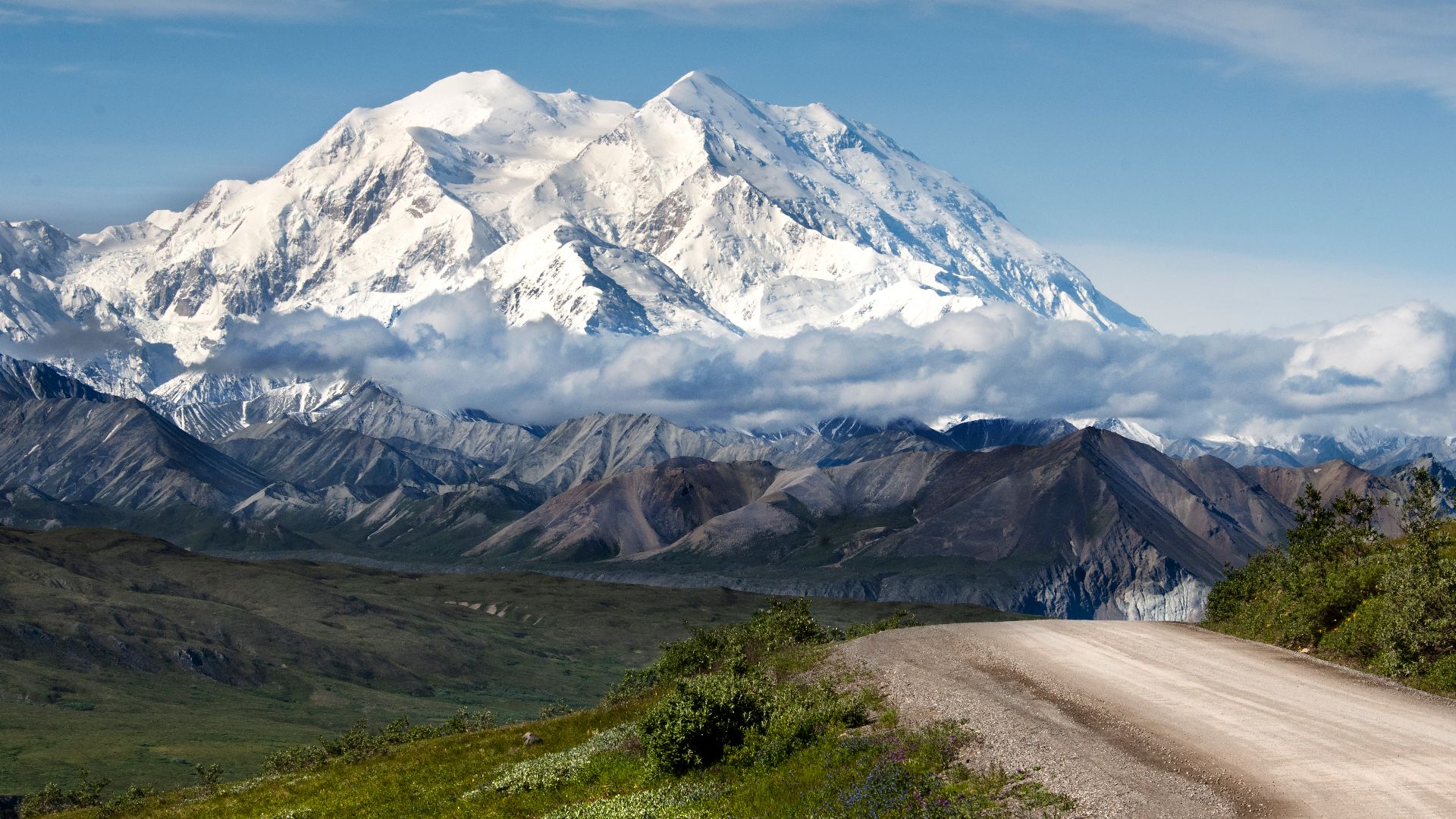 Denali National Park and Preserve, Wikimedia Commons
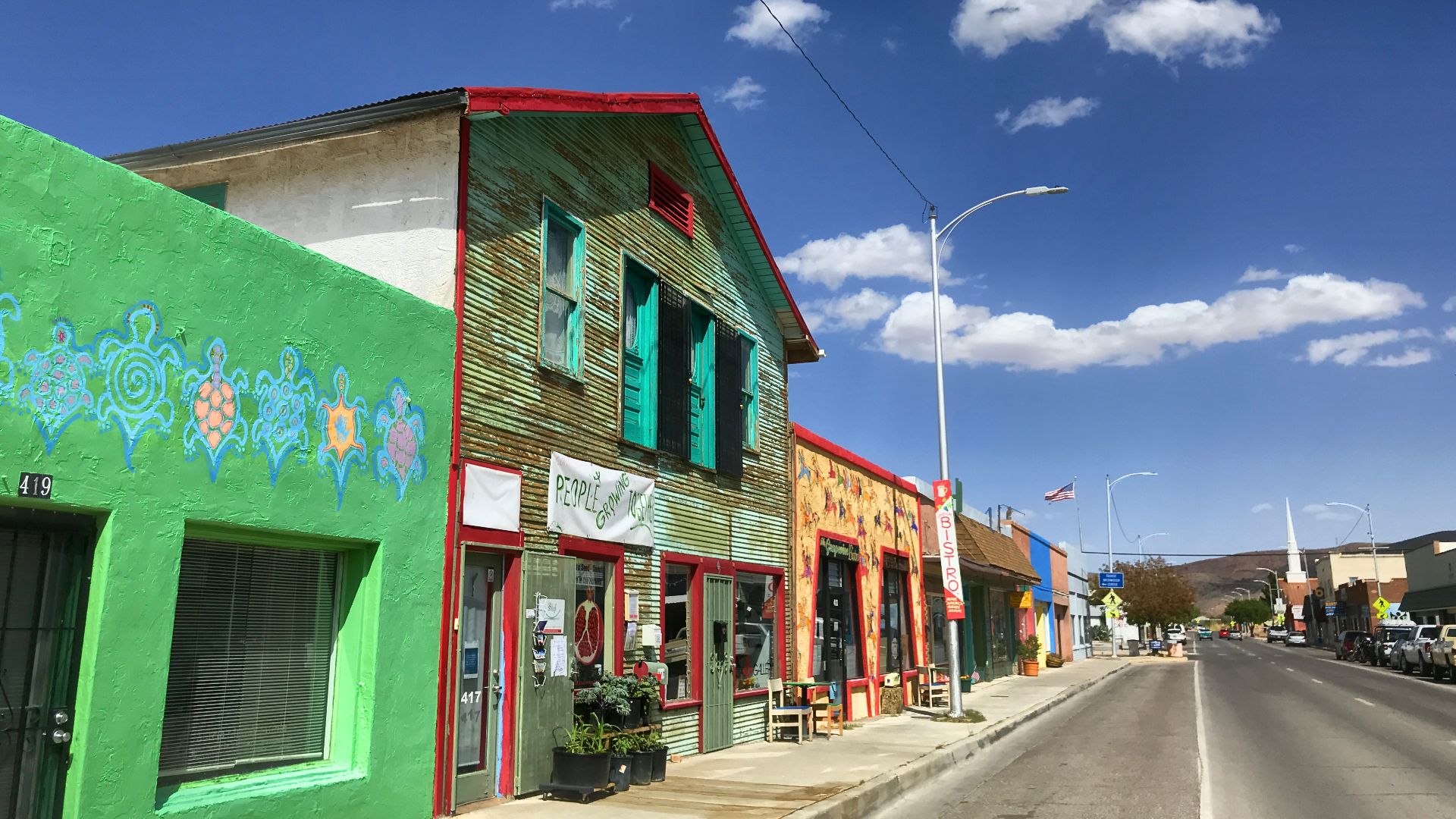
Truth Or Consequences, New Mexico: A Radio Show Changed Everything
Imagine your hometown changing its name because of a radio contest. That's exactly what happened in 1950, when Hot Springs, New Mexico, renamed itself after the popular program Truth or Consequences. Host Ralph Edwards celebrated by broadcasting from the town. What began as a publicity stunt became a permanent piece of American broadcasting history.
 Jeff Vincent, Wikimedia Commons
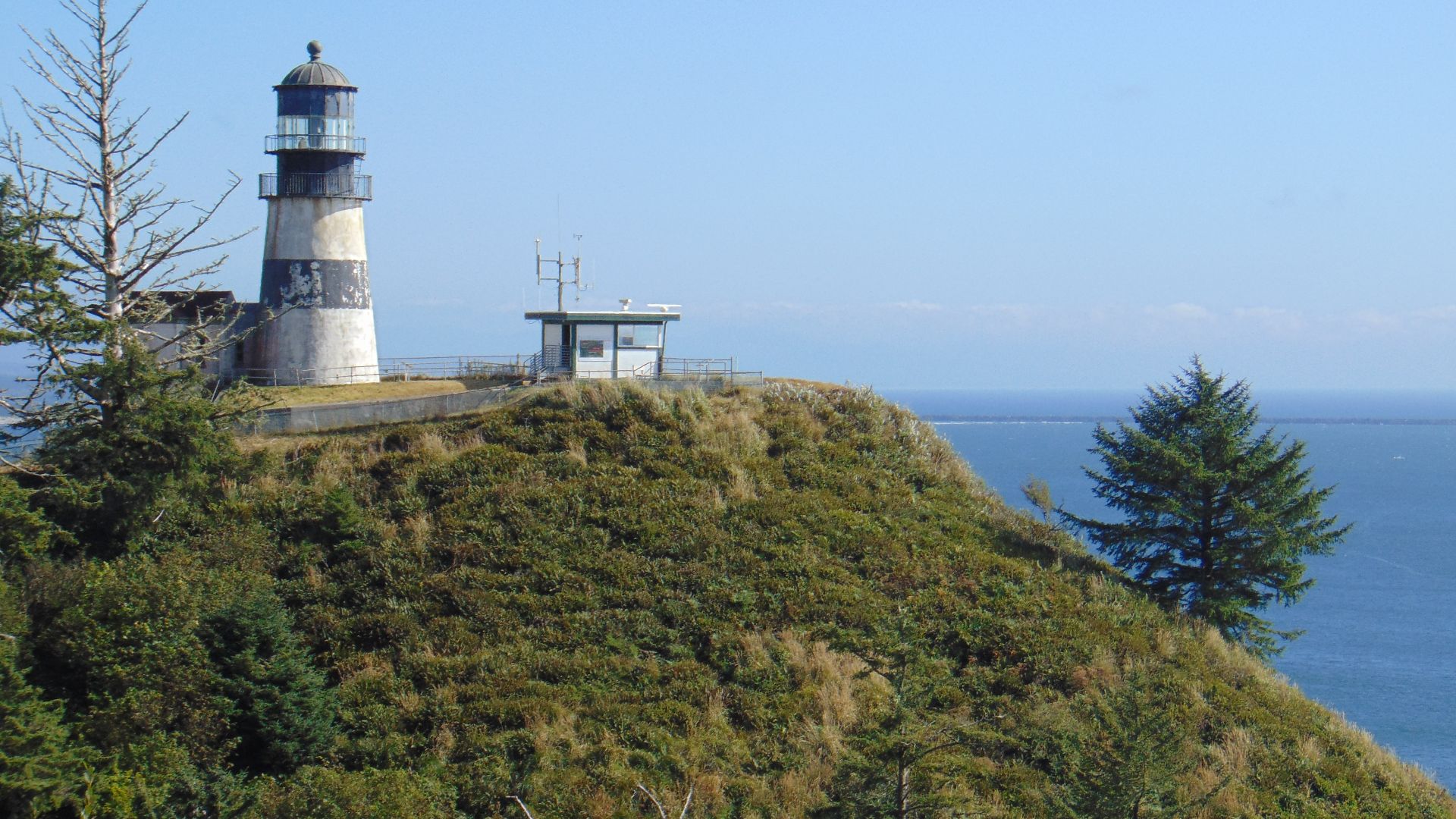
Cape Disappointment, Washington: An Explorer's Embarrassing Mistake
This dramatic coastal landmark received its name in 1788 when British trader John Meares failed to recognize the mouth of the Columbia River. Believing he'd found only a bay, he recorded his disappointment on the map. Later explorers had better luck, but the name remained—a centuries-old reminder that even experienced navigators could make embarrassing mistakes.
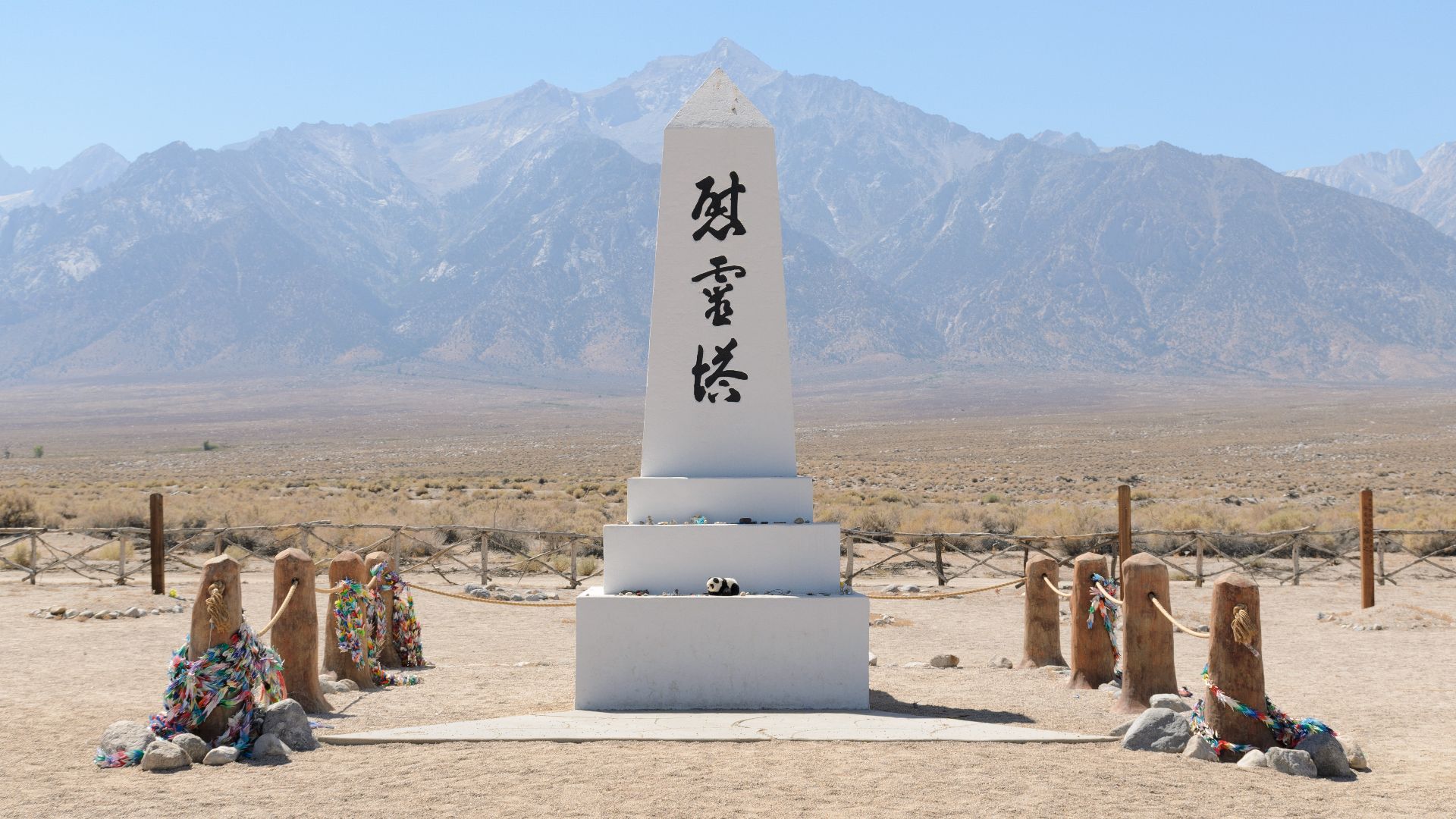
Manzanar, California: An Orchard With A Tragic Second Life
Manzanar means "apple orchard" in Spanish, recalling the agricultural community once established in California's Owens Valley. During World War II, however, the location became a detention center where the American government forcibly incarcerated Japanese Americans. Its gentle name now carries memories of farming, displacement, racial discrimination, and extraordinary resilience.
 King of Hearts, Wikimedia Commons
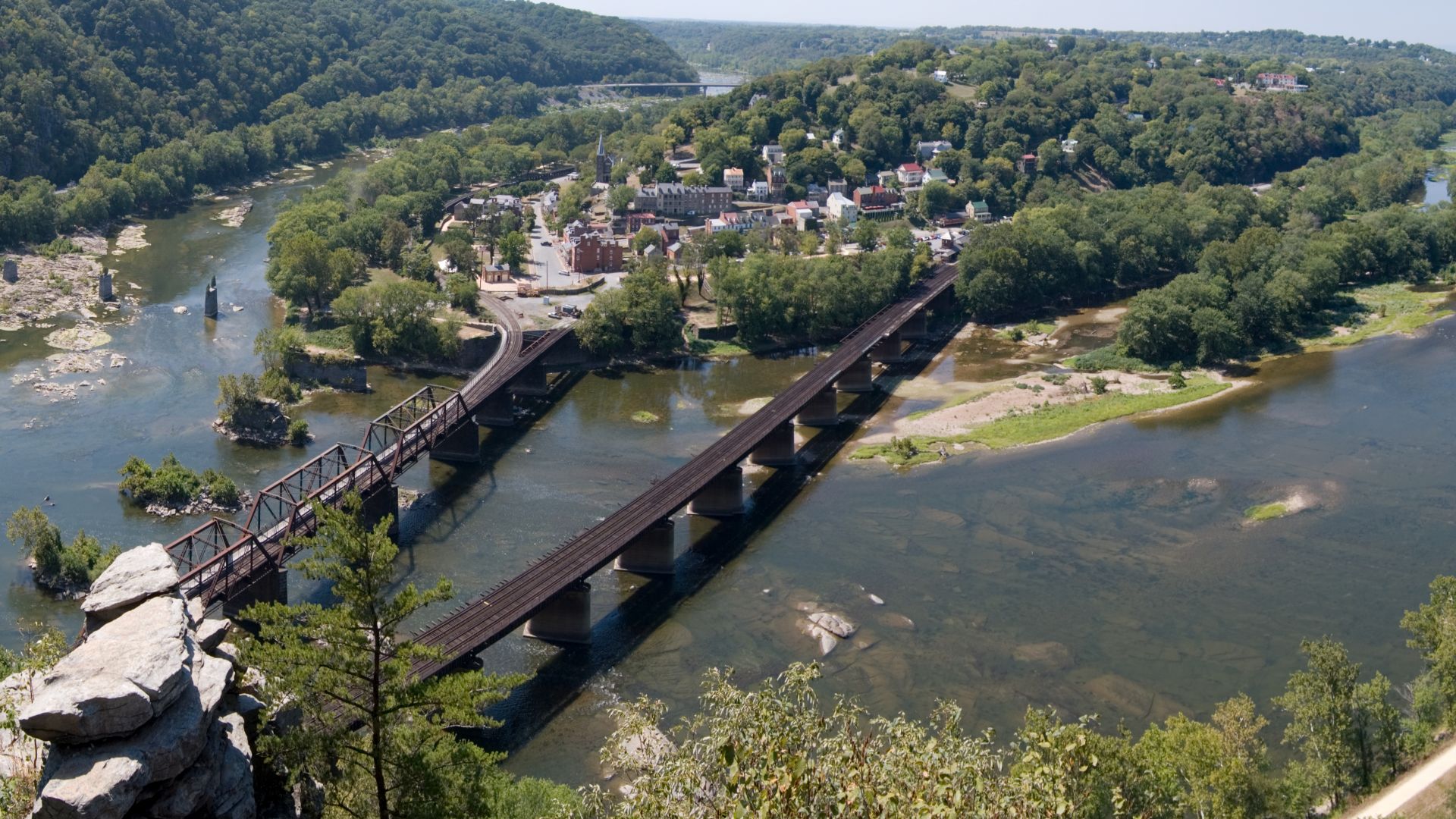
Harpers Ferry, West Virginia: A Crossing That Changed History
The name comes from Robert Harper, who operated a ferry across the Potomac River during the 1700s. That seemingly ordinary crossing became one of America's most consequential historical locations. In 1859, abolitionist John Brown attacked the federal armory there, hoping to ignite a rebellion against slavery. The town's simple name conceals an enormous national story.
 Mark Fickett, Wikimedia Commons
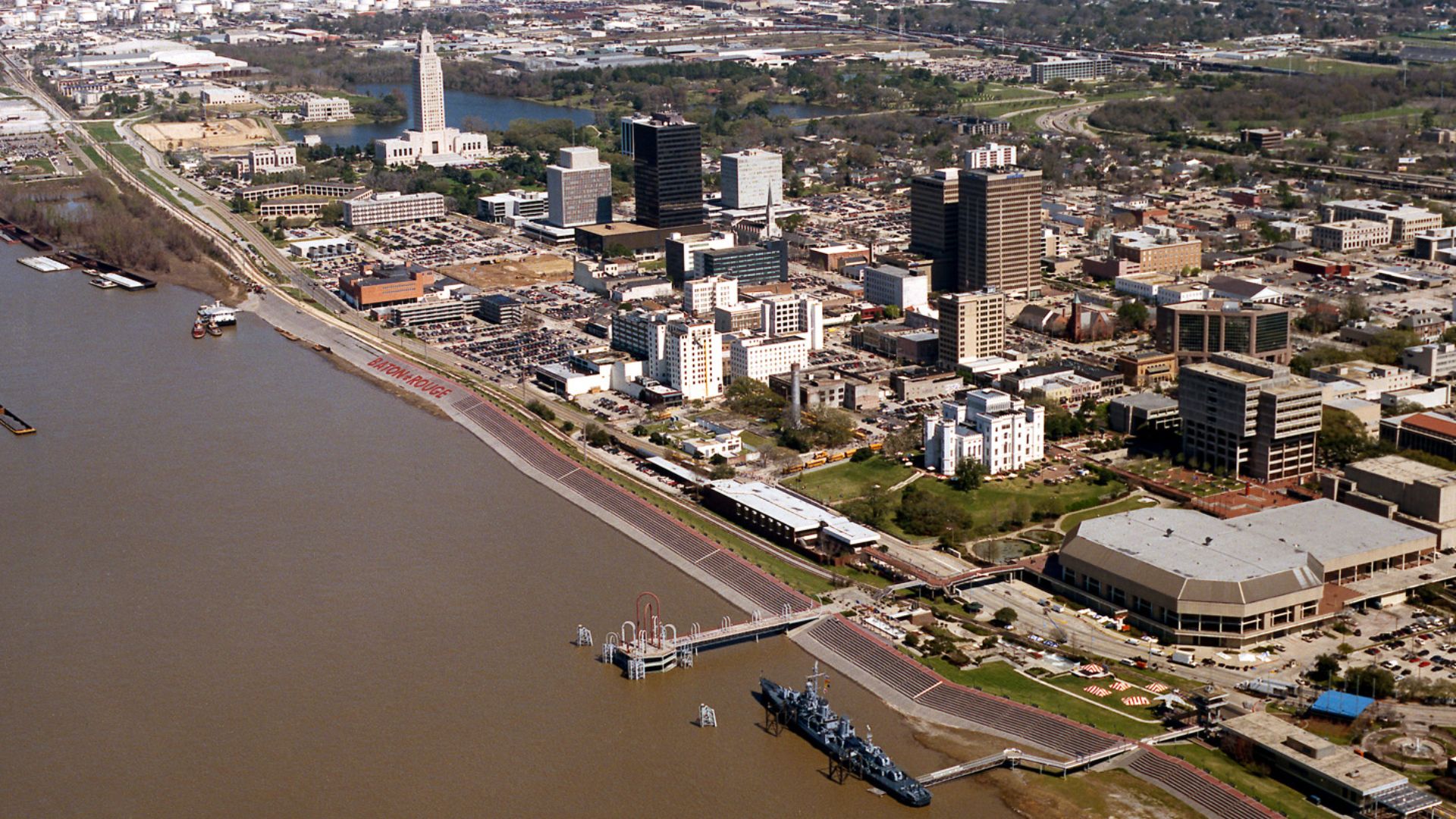
Baton Rouge, Louisiana: The Mysterious Red Stick
Baton Rouge means "red stick" in French. Early French explorers recorded Indigenous markers made from reddened poles near the Mississippi River, possibly indicating boundaries between tribal hunting territories. The name preserves an encounter between European explorers and established Native communities, although the precise original significance of the markers remains partly uncertain.
 Michael Maples, U.S. Army Corps of Engineers, Wikimedia Commons
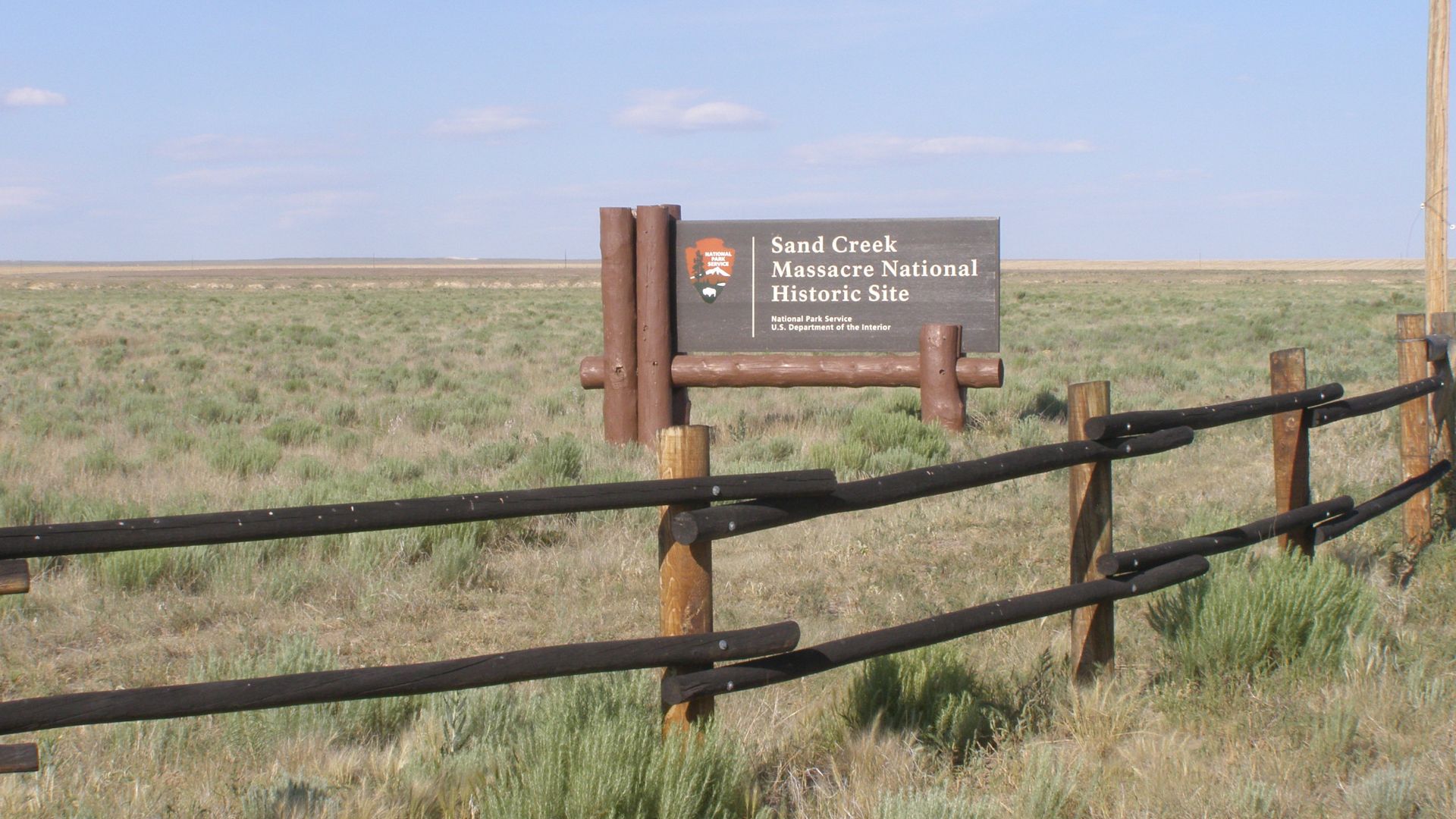
Sand Creek, Colorado: A Name That Hides A Massacre
Sand Creek sounds like an ordinary stream. But on November 29, 1864, Colorado volunteer troops attacked a peaceful Cheyenne and Arapaho village nearby, killing many people, including women and children. Today, Sand Creek Massacre National Historic Site preserves the memory of the attack, confronting a painful chapter frequently overlooked in traditional accounts of western settlement.
 Chris Light, Wikimedia Commons
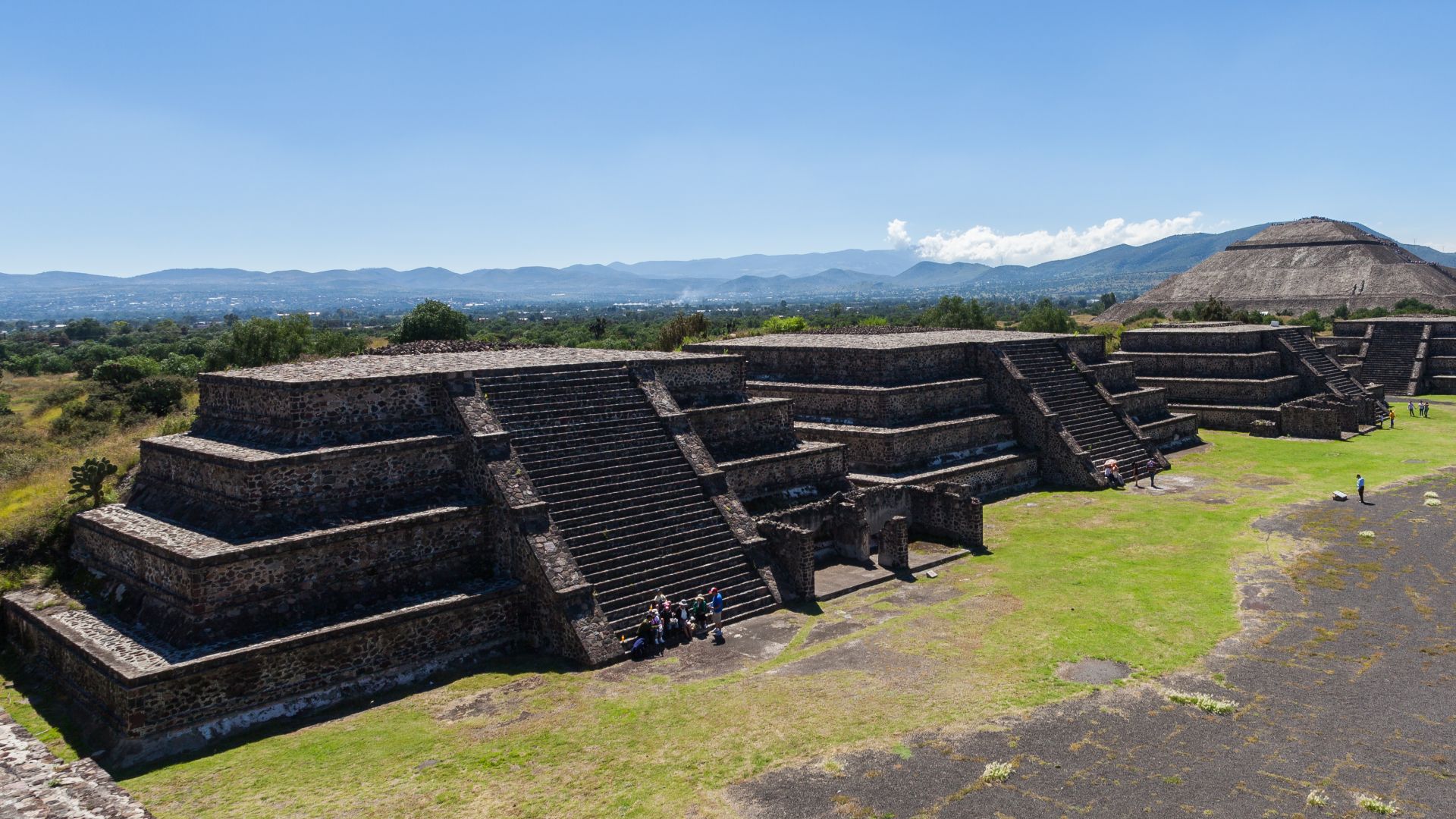
Teotihuacan, Mexico: Where The Gods Were Created
The enormous ruins northeast of Mexico City carry a Nahuatl name meaning "place where the gods were created." Surprisingly, the people who constructed this ancient metropolis didn't give it that name, as far as historians know. The Mexica adopted it centuries after the city declined. Its original name remains one of Mesoamerica's greatest mysteries.
 Diego Delso, Wikimedia Commons
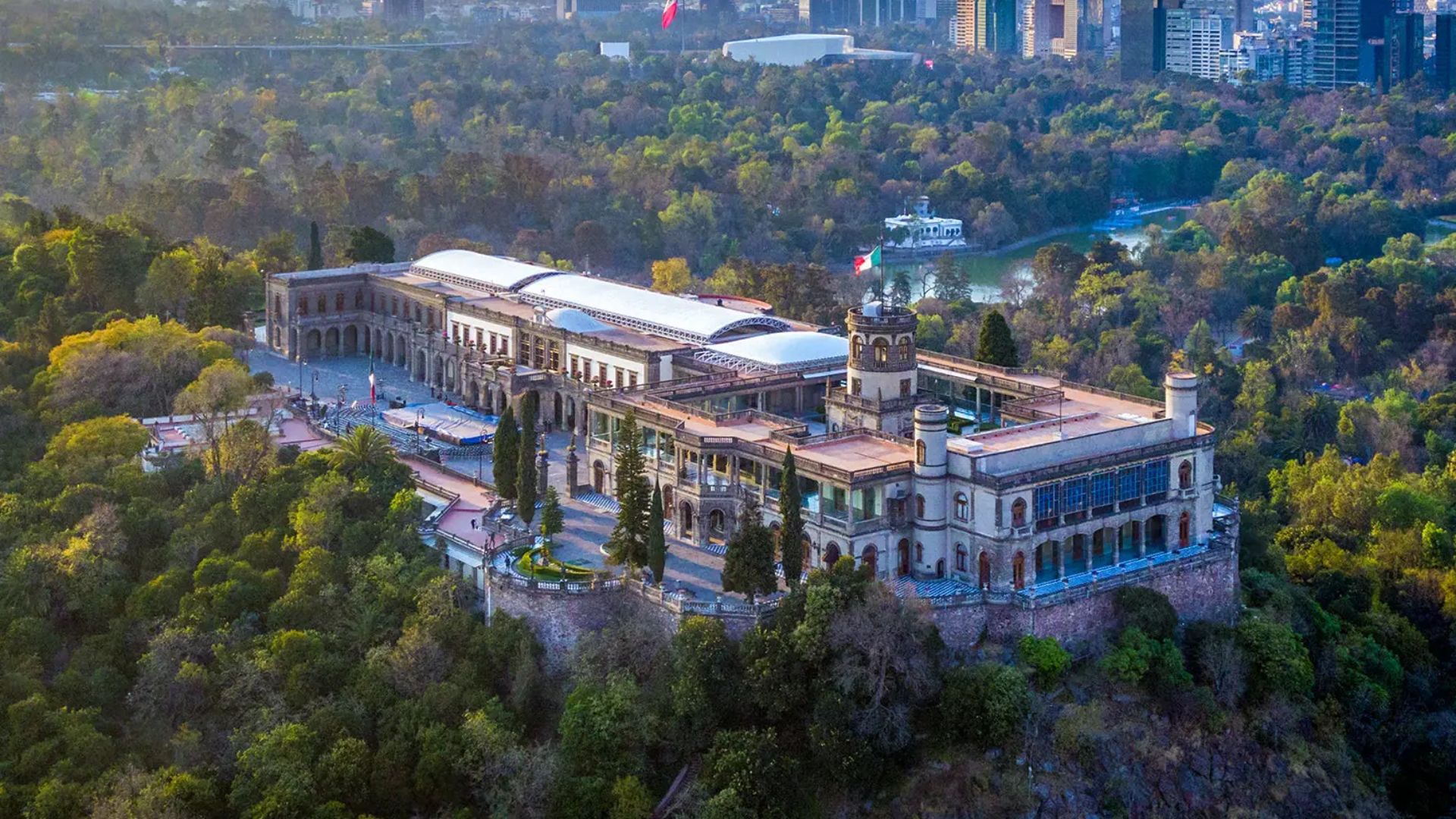
Chapultepec, Mexico: The Hill Of The Grasshopper
Mexico City's famous Chapultepec Park has a name derived from Nahuatl words meaning "grasshopper hill." But this wasn't merely a scenic hilltop. It held religious significance for the Mexica and contained valuable freshwater springs that helped supply their capital. Today's park conceals centuries of Indigenous history beneath its museums, pathways, and monumental castle.
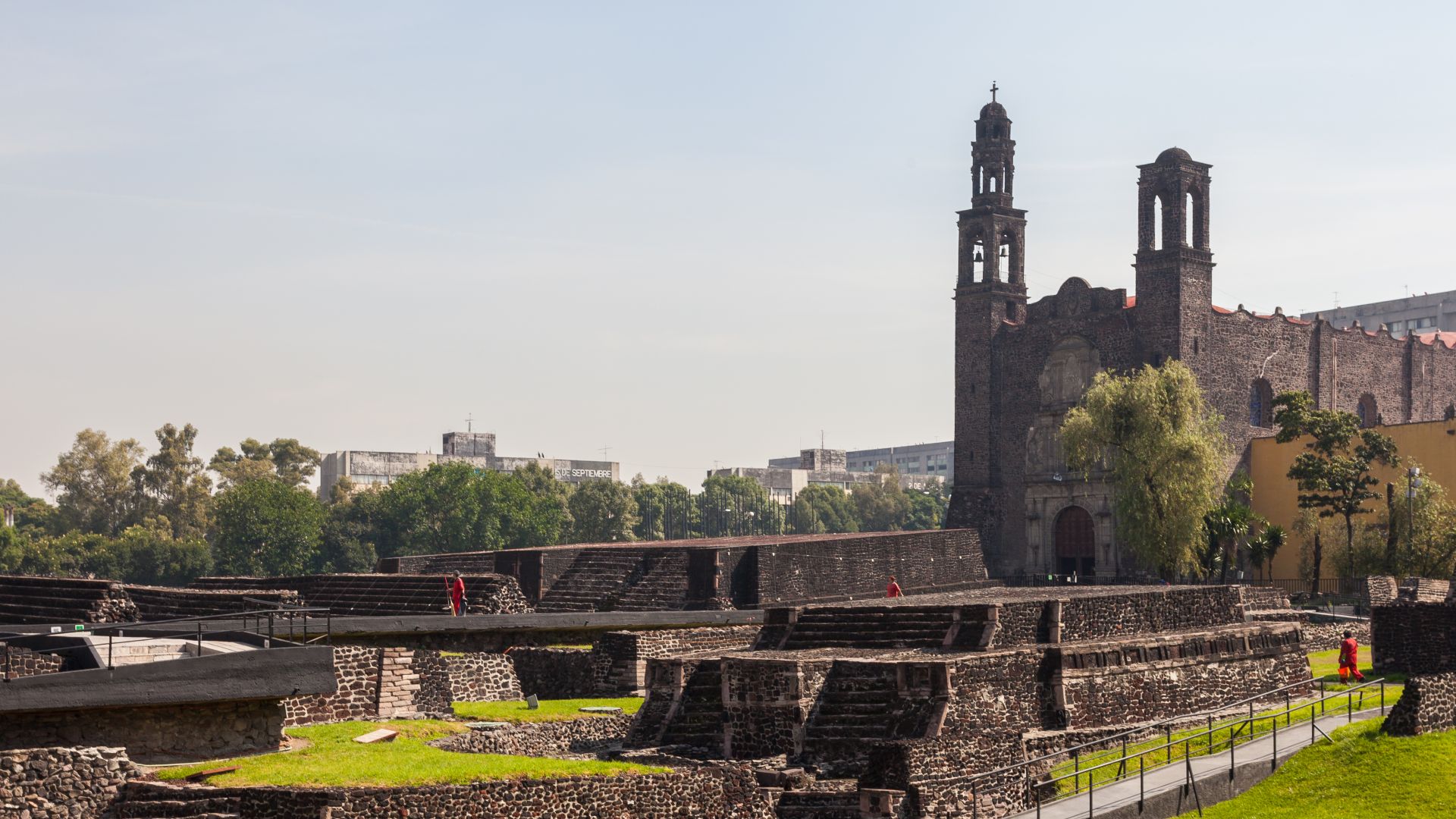
Tlatelolco, Mexico: The Marketplace Of An Empire
Tlatelolco roughly means "mound of sand" in Nahuatl. Before Spanish conquest, this city was home to one of the most impressive marketplaces in Mesoamerica, where thousands exchanged food, textiles, precious goods, and everyday necessities. Its name survives in modern Mexico City, recalling an Indigenous commercial system that flourished long before European colonization.
 Diego Delso, Wikimedia Commons
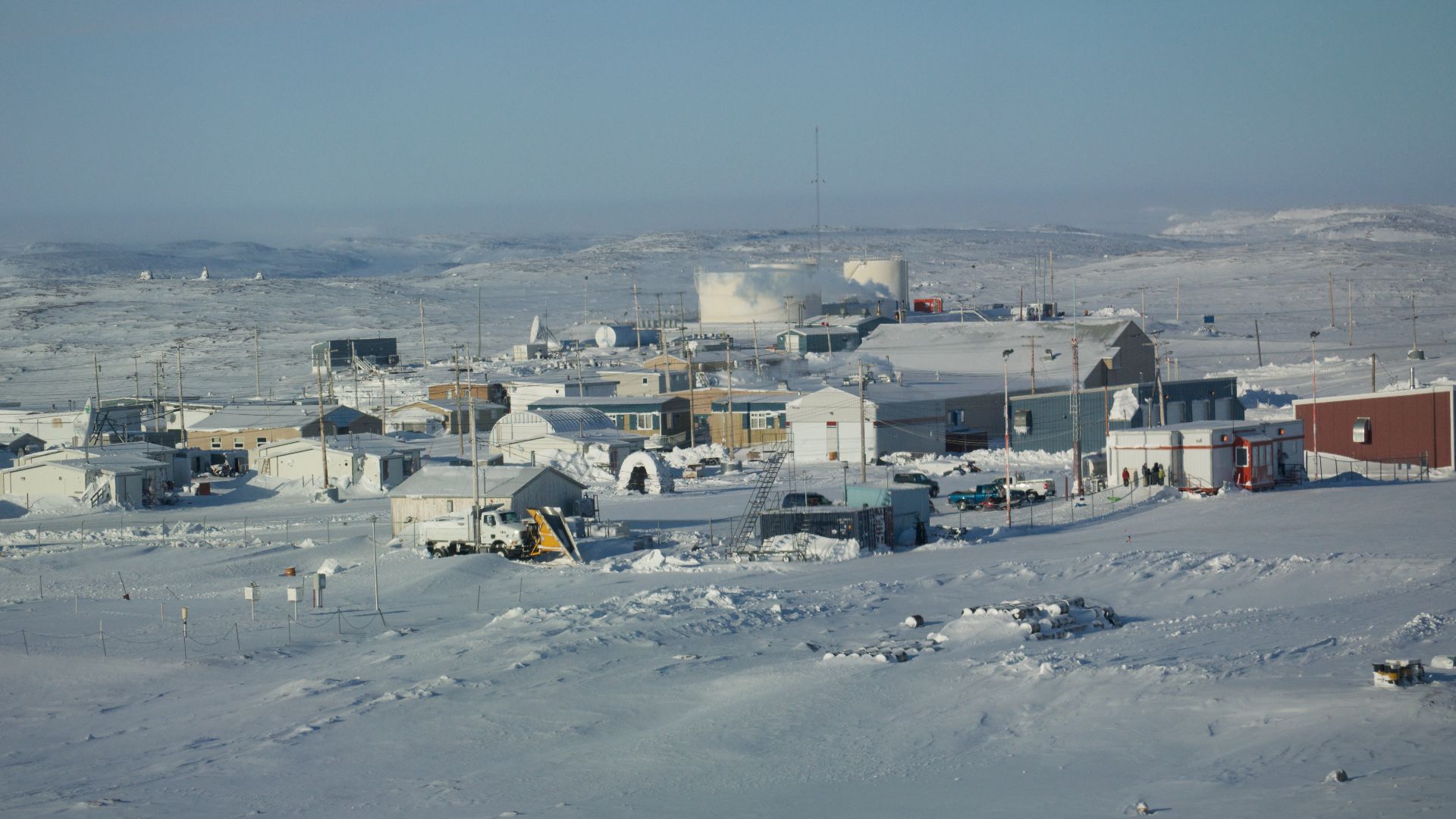
Nunavut, Canada: A Territory Called Our Land
When Nunavut officially became a Canadian territory in 1999, its name carried an unmistakable message. Nunavut means "our land" in Inuktitut, reflecting generations of Inuit occupation and the long struggle for political recognition. Unlike names commemorating colonial governors or European monarchs, Nunavut expresses the enduring relationship between Indigenous people and their homeland.
 Tristan in Ottawa from Ottawa, ON, Canada, Wikimedia Commons
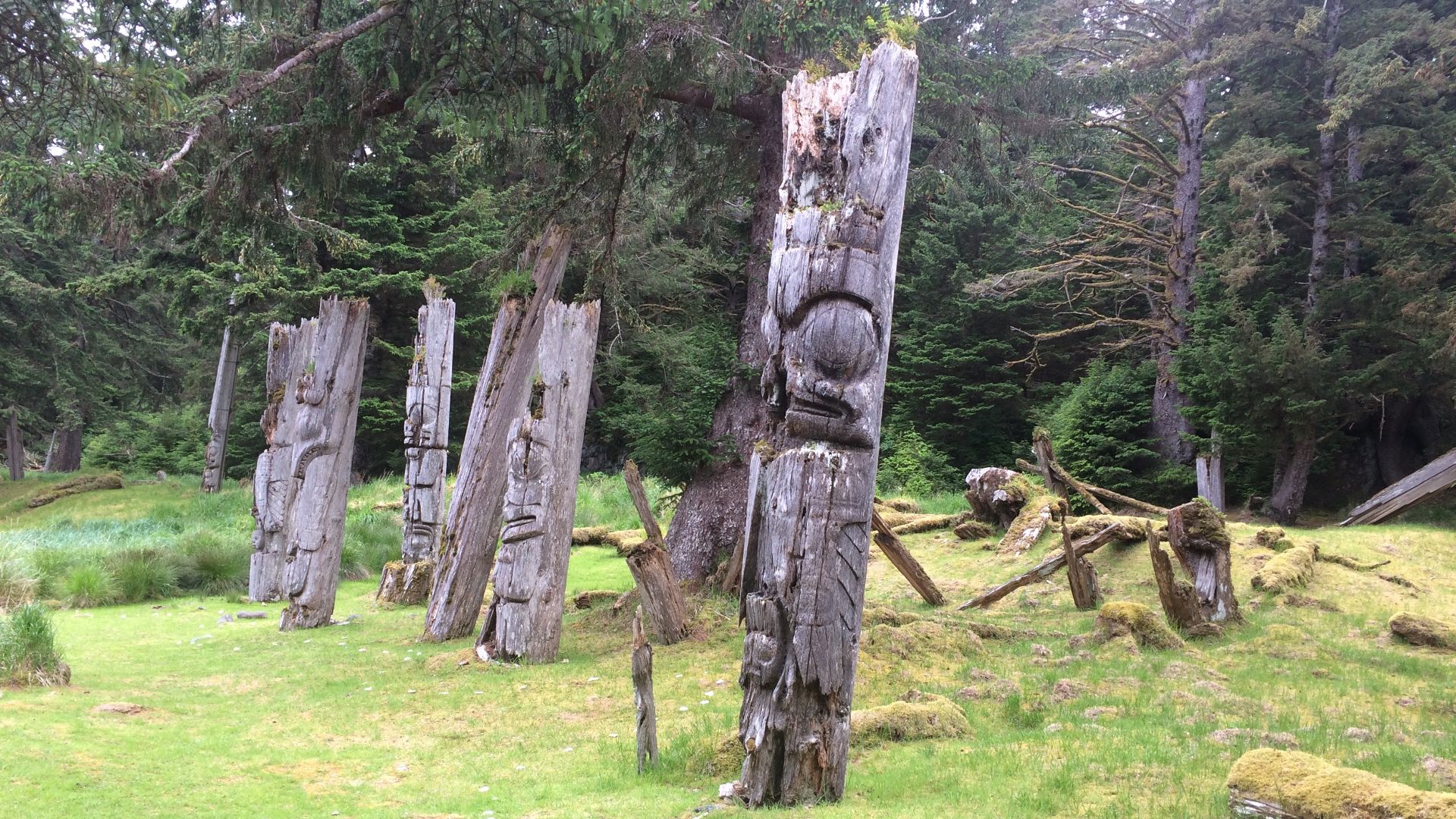
Gwaii Haanas, British Columbia: The Islands Of Beauty
Gwaii Haanas means "islands of beauty" in the Haida language, a fitting description for this spectacular coastal region. But the name represents far more than scenery. It acknowledges the Haida Nation's profound relationship with the islands, where communities developed remarkable artistic, maritime, and cultural traditions over thousands of years.
 Christine Rondeau from Vancouver, Canada, Wikimedia Commons
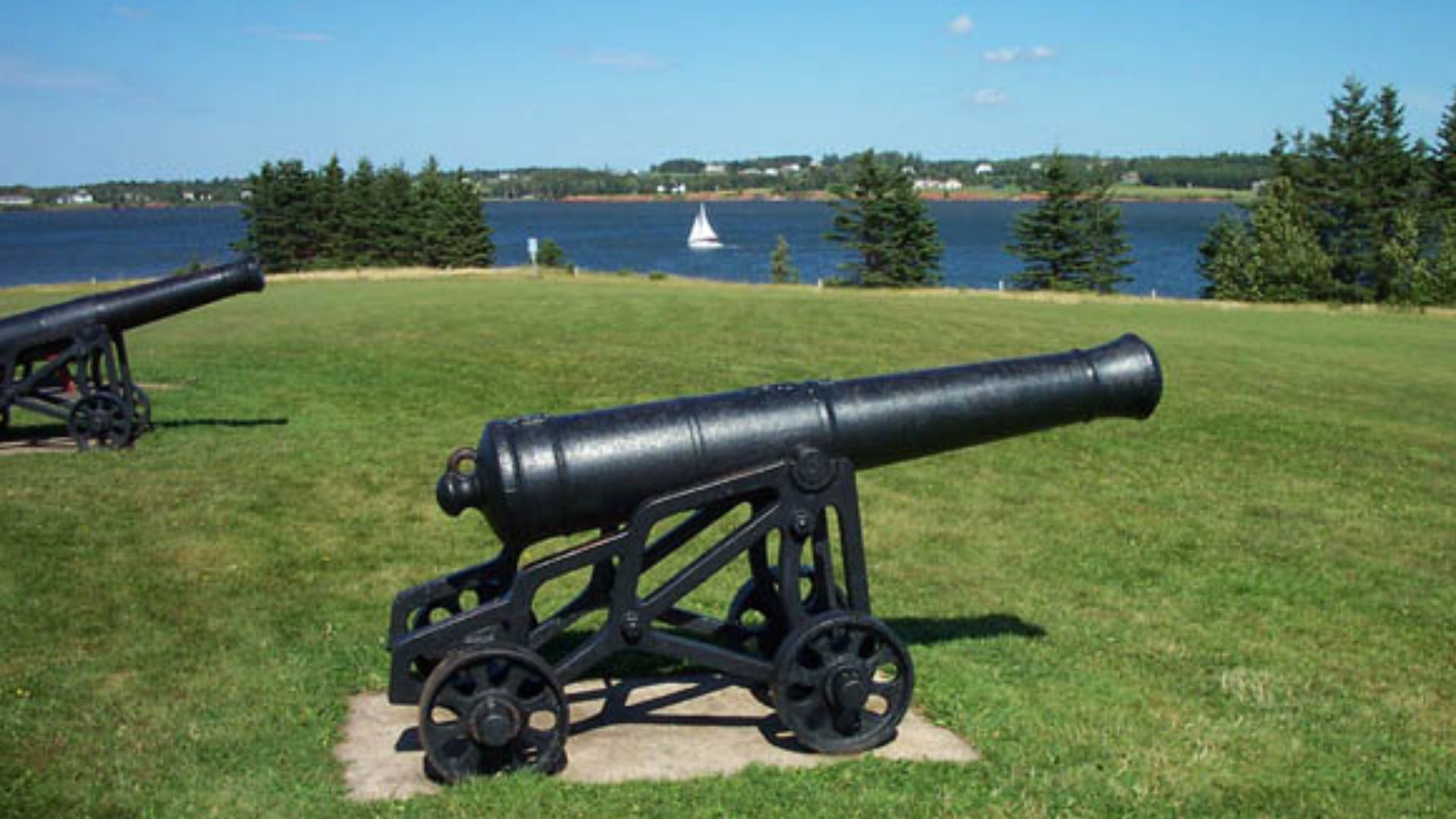
Skmaqn, Prince Edward Island: The Waiting Place
In 2018, a historic site formerly associated with the colonial names Port-la-Joye and Fort Amherst officially incorporated Skmaqn, a Mi'kmaq word meaning "the waiting place." The change recognized Indigenous connections to the location and its role in the region's complicated colonial history. Sometimes restoring a name helps recover stories that traditional monuments overlooked.
 Larry from Charlottetown, PEI, Canada, Wikimedia Commons
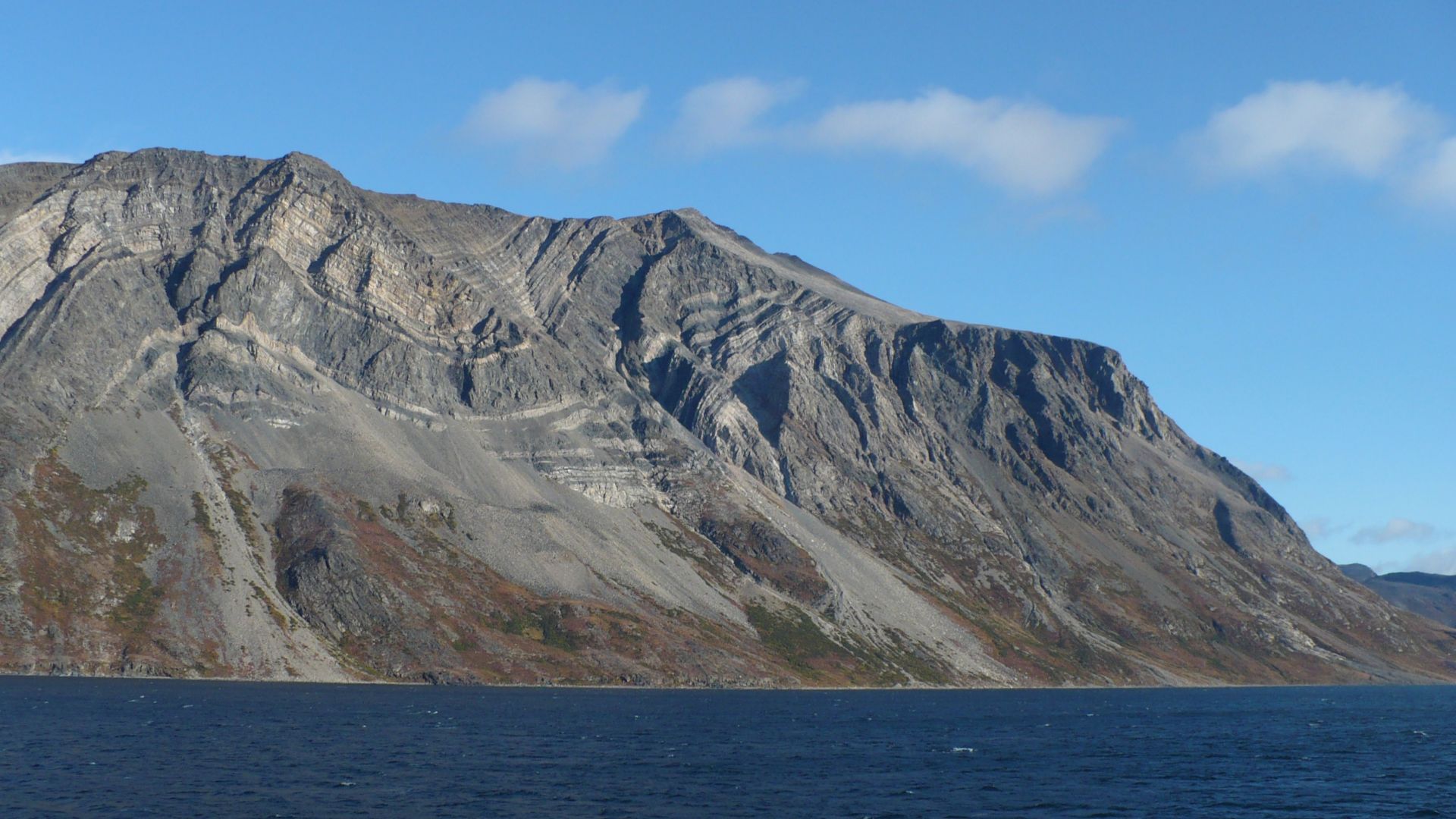
Torngat Mountains, Labrador: Where Spirits Dwell
The towering Torngat Mountains received their name from an Inuit word associated with spirits. The region has been part of Inuit life for centuries, with its rugged fjords serving as travel routes, hunting grounds, and places of cultural significance. To outsiders, the mountains may appear remote. To Inuit communities, they're part of a deeply familiar homeland.
 Paul Gierszewski, Wikimedia Commons
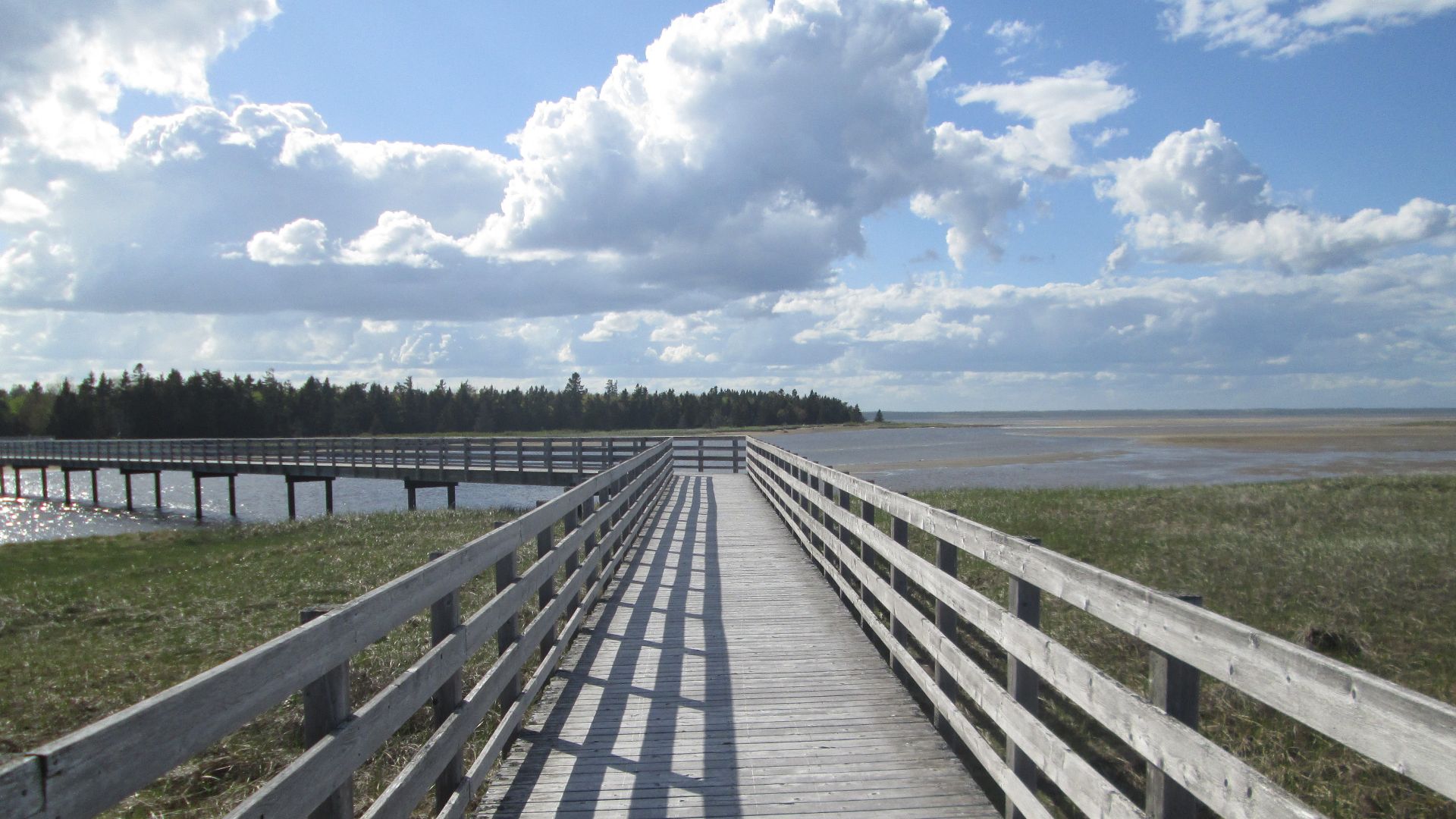
Kouchibouguac, New Brunswick: A River Of Long Tides
One of Canada's more intimidating place names actually offers a useful geographical description. Kouchibouguac comes from Mi'kmaq and means "river of long tides." The name describes the meeting of freshwater and saltwater in the region. It also preserves Indigenous knowledge of waterways that served as transportation routes and food sources long before modern roads.
 Larry from Charlottetown, PEI, Canada, Wikimedia Commons
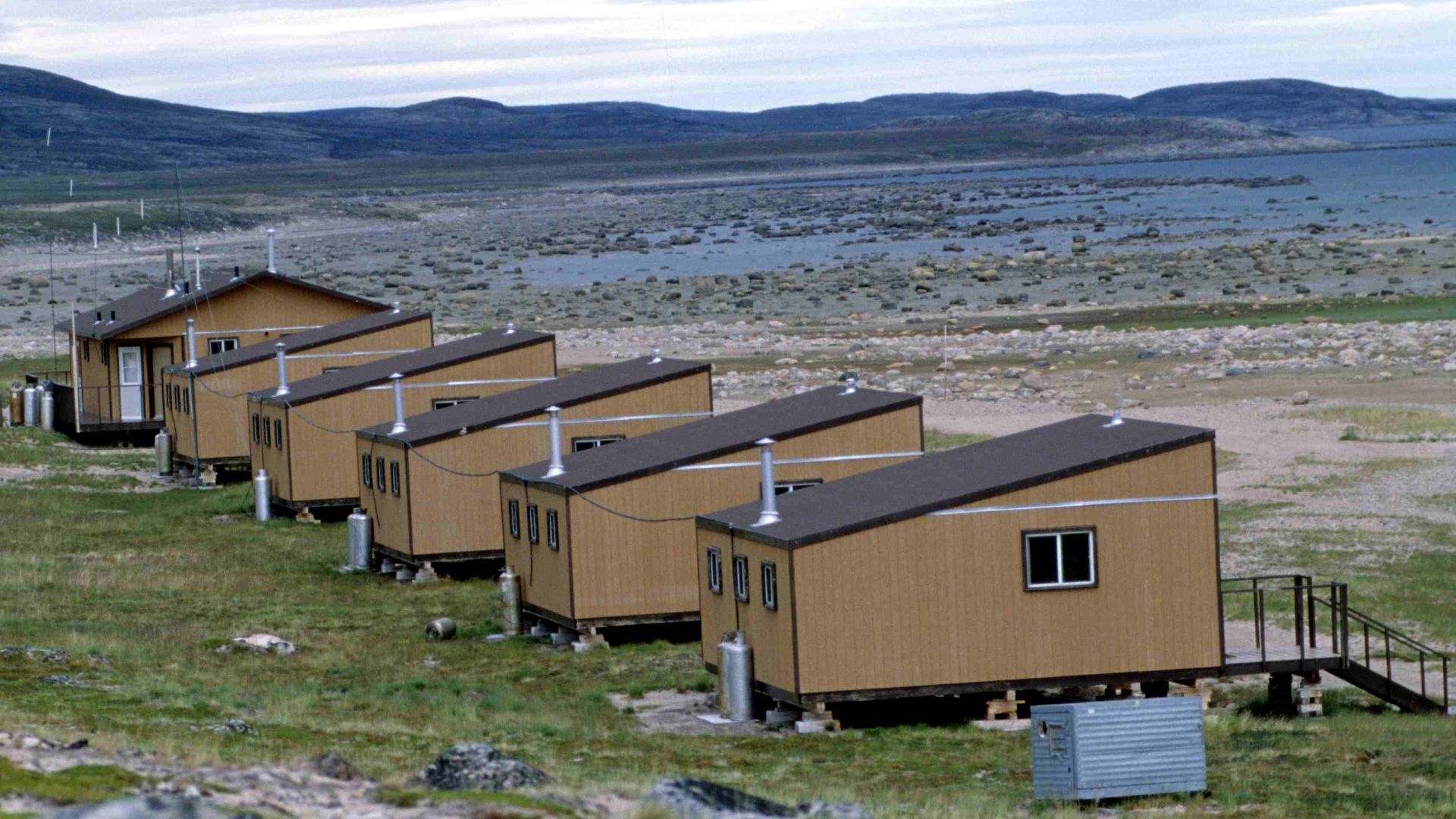
Ukkusiksalik, Nunavut: A Name Carved In Stone
Ukkusiksalik means "place where there is stone to carve pots and oil lamps" in Inuktitut. The name recalls a practical resource that supported Inuit life in an unforgiving environment. Soapstone was used to fashion essential household objects, including lamps that provided heat and light. The landscape's name preserves that remarkable technological knowledge.
 Ansgar Walk, Wikimedia Commons
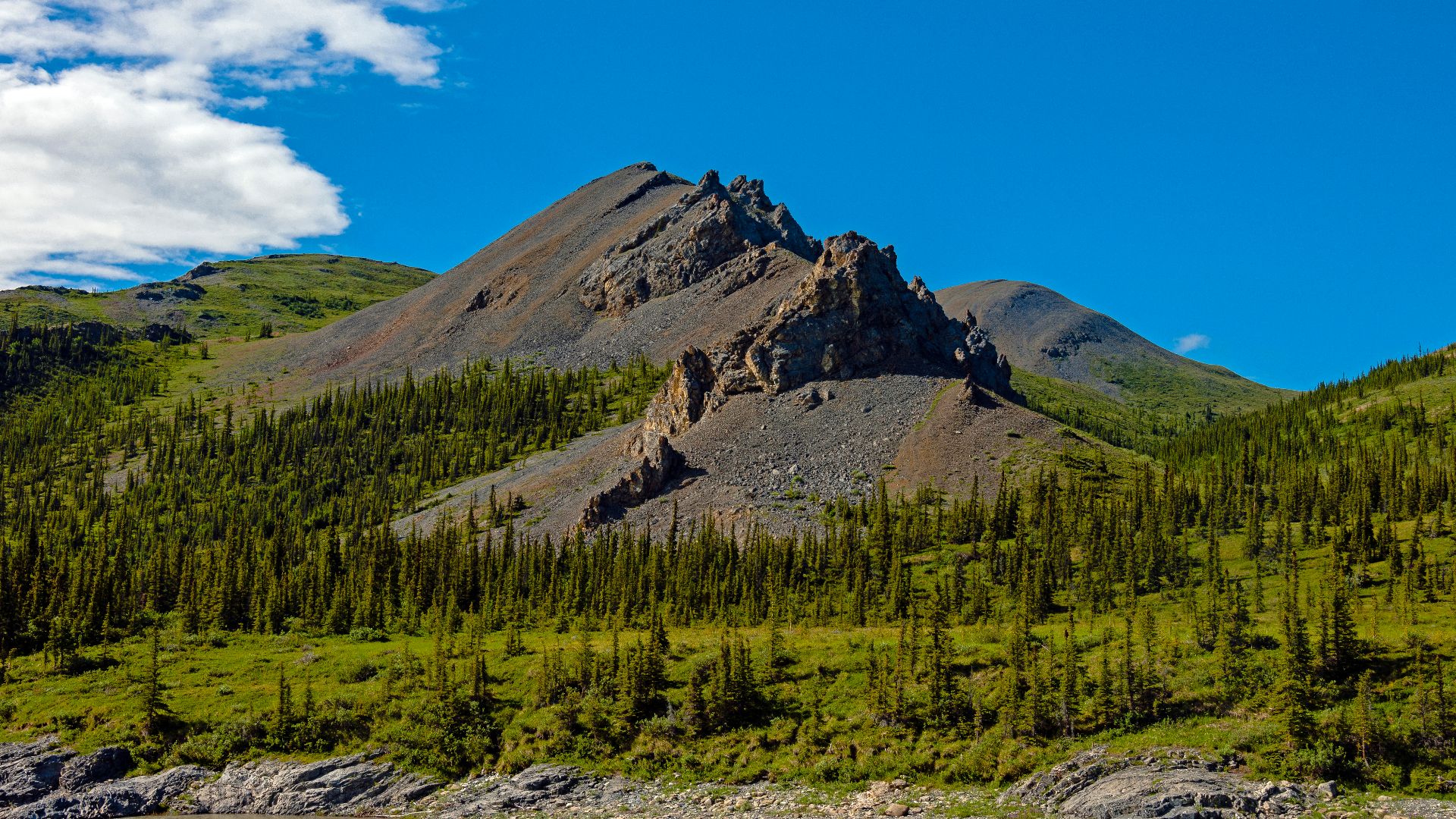
Ivvavik, Yukon: A Place For New Life
Ivvavik means "a place for giving birth" or "nursery" in Inuvialuktun. Its name reflects the importance of the region as a wildlife breeding ground, particularly for the Porcupine caribou herd. The protected landscape also preserves the Inuvialuit relationship with the land, illustrating how traditional place names can describe important ecological knowledge.
 Daniel Case, Wikimedia Commons
The Stories Are Still On The Map
From ancient fishing grounds to radio contests, North America's place names preserve history in plain sight. Some celebrate survival, others commemorate tragedy, and a few reveal surprisingly funny human mistakes. The next time you encounter an unusual name on a road sign or map, consider what happened there before the highways arrived. The story might be far more interesting than the destination itself.
 Barbara Ann Spengler from Arizona & Florida, USA, Wikimedia Commons
You May Also Like:
Luxury Goods That Only The Wealthy Enjoyed Before Mass Production Changed Everything
Things Americans Used To Consider Normal Wedding Expenses That Couples Rarely Pay For Today