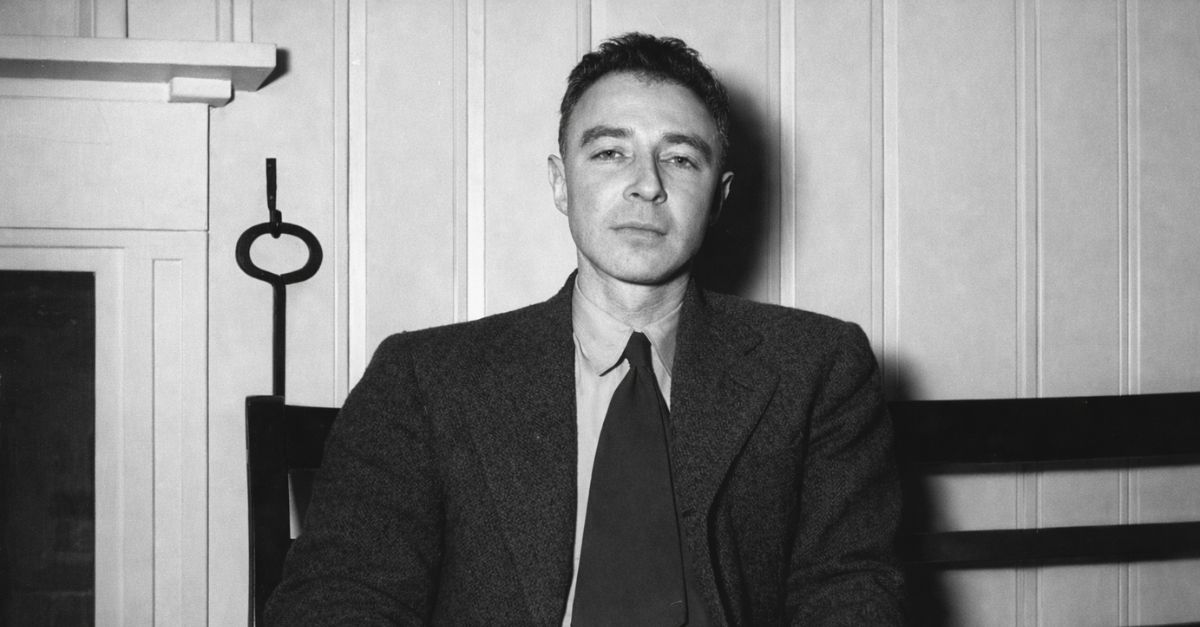
Who Was J Robert Oppenheimer?
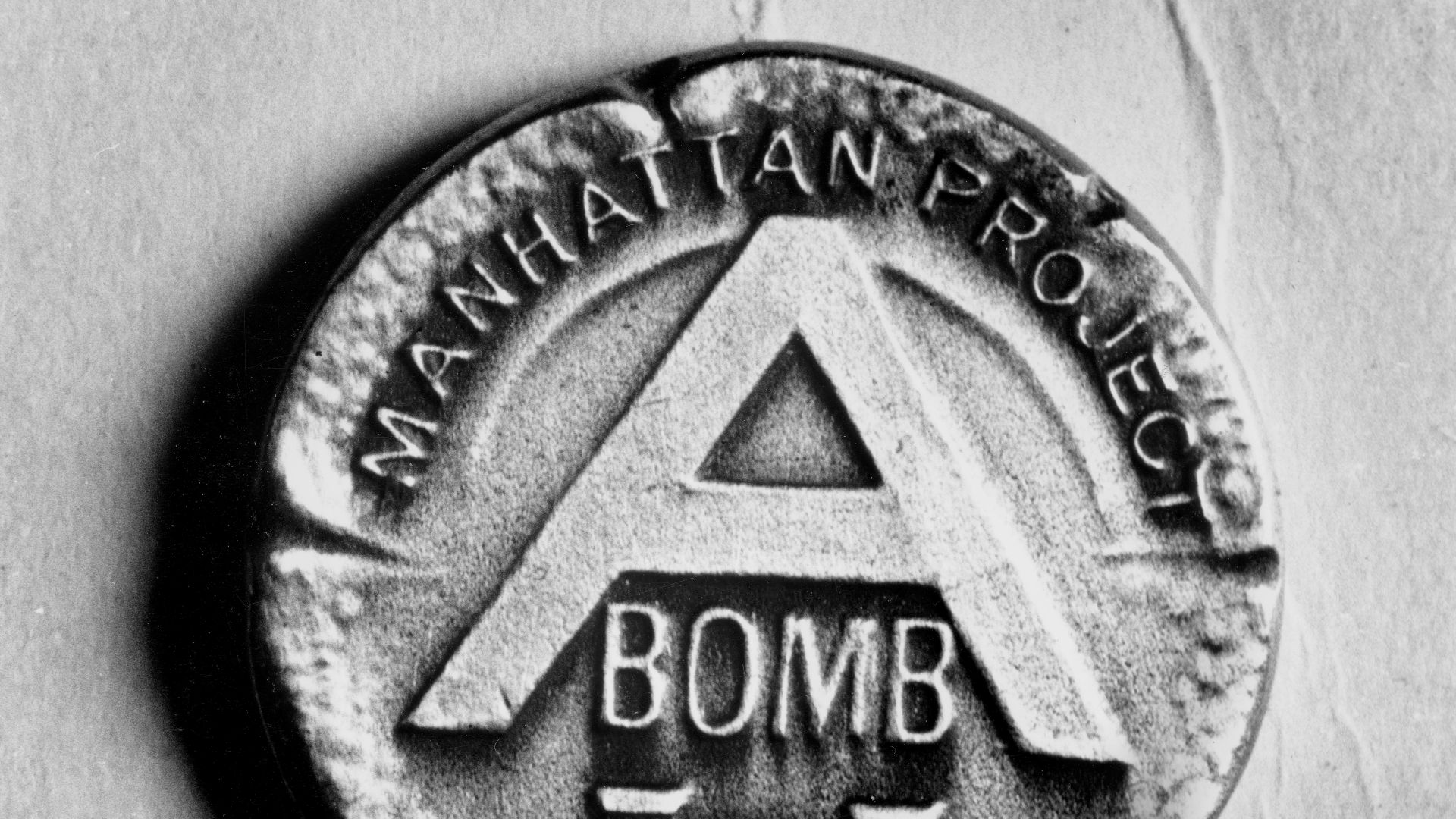
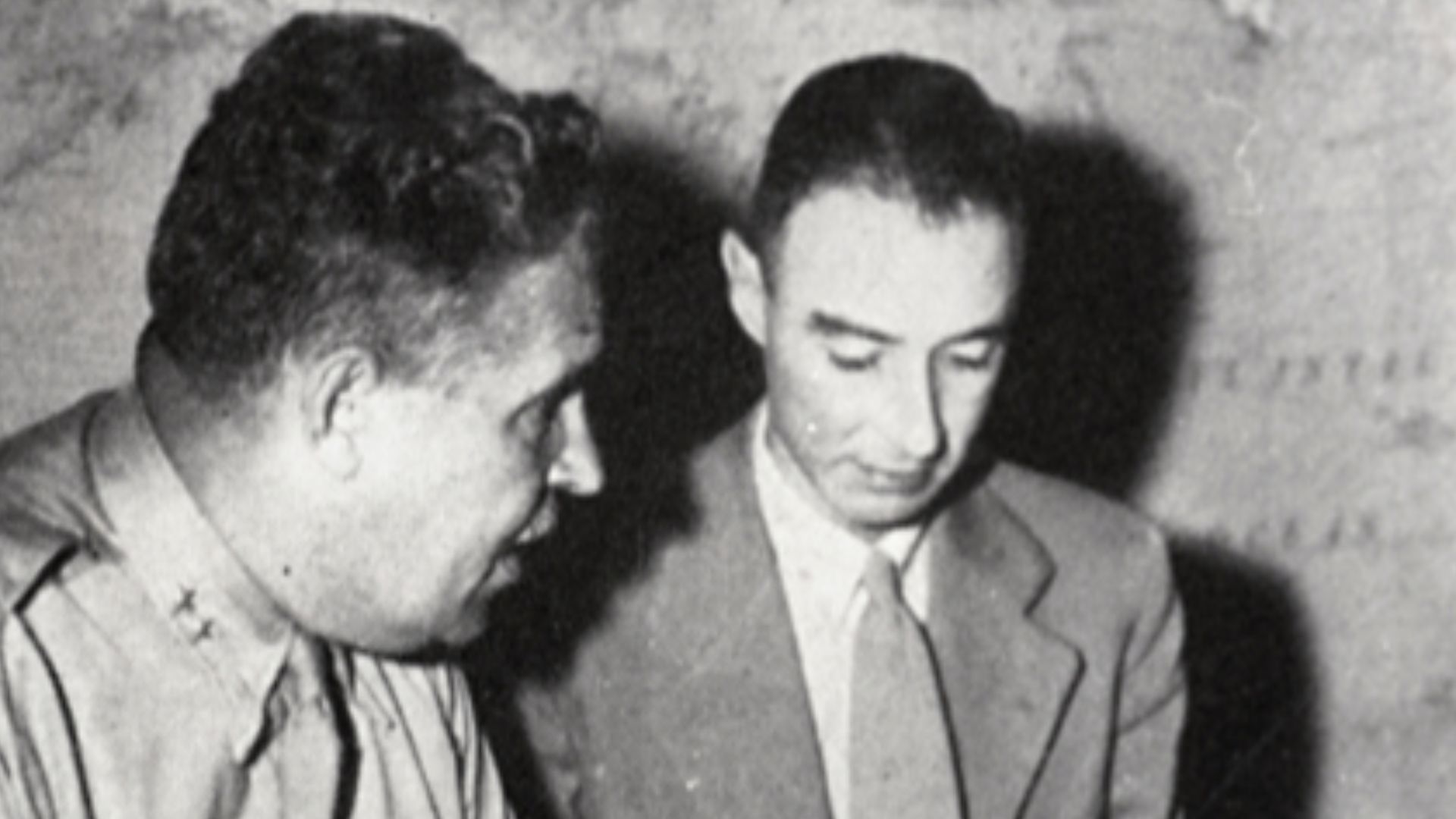
Julius Robert Oppenheimer (1904–1967) is often known as the father of the atomic bomb, due to his work on the Manhattan Project, the US-led research project into developing the world’s first atomic bomb that began in 1942.
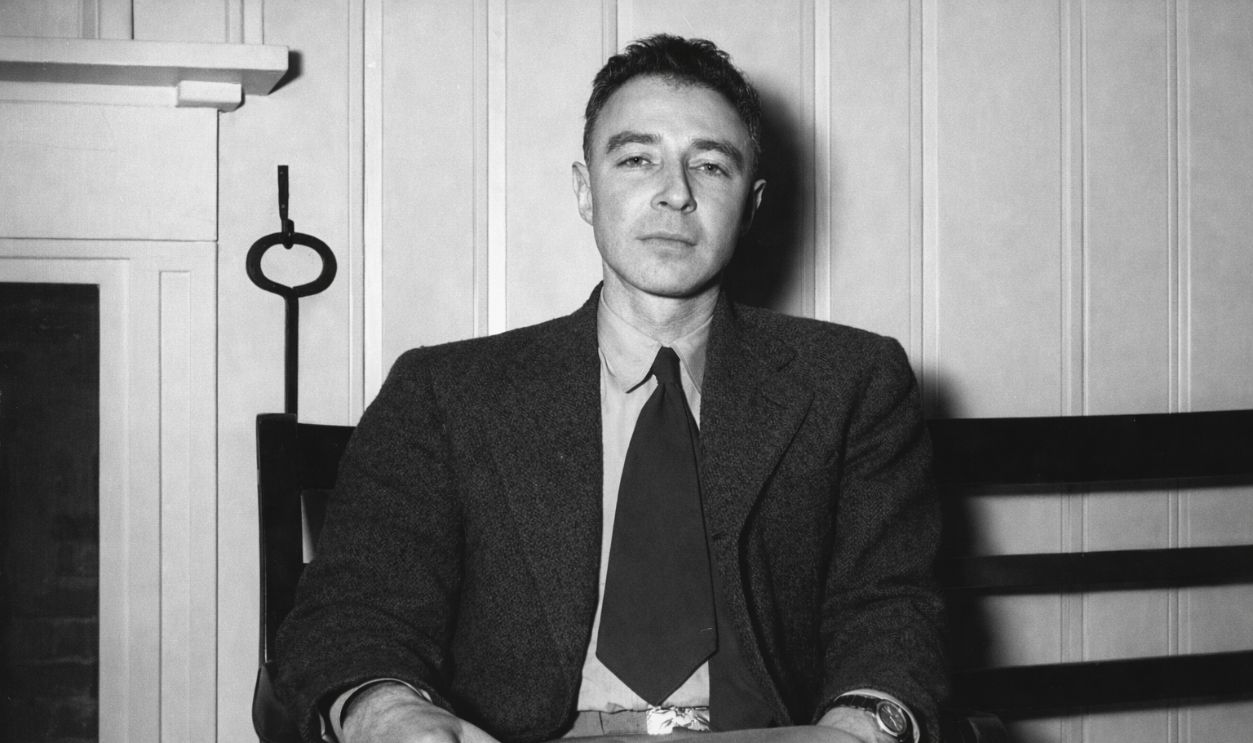 Ed Westcott (U.S. Government photographer), Wikimedia Commons, Modified
He Was Hand Picked
Briefed with weaponising atomic energy, the 38-year-old Oppenheimer was chosen by General Leslie Groves to head up the project’s secret research laboratory in Los Alamos, New Mexico, and oversaw the development of the world’s first atomic weapons between 1943-45.
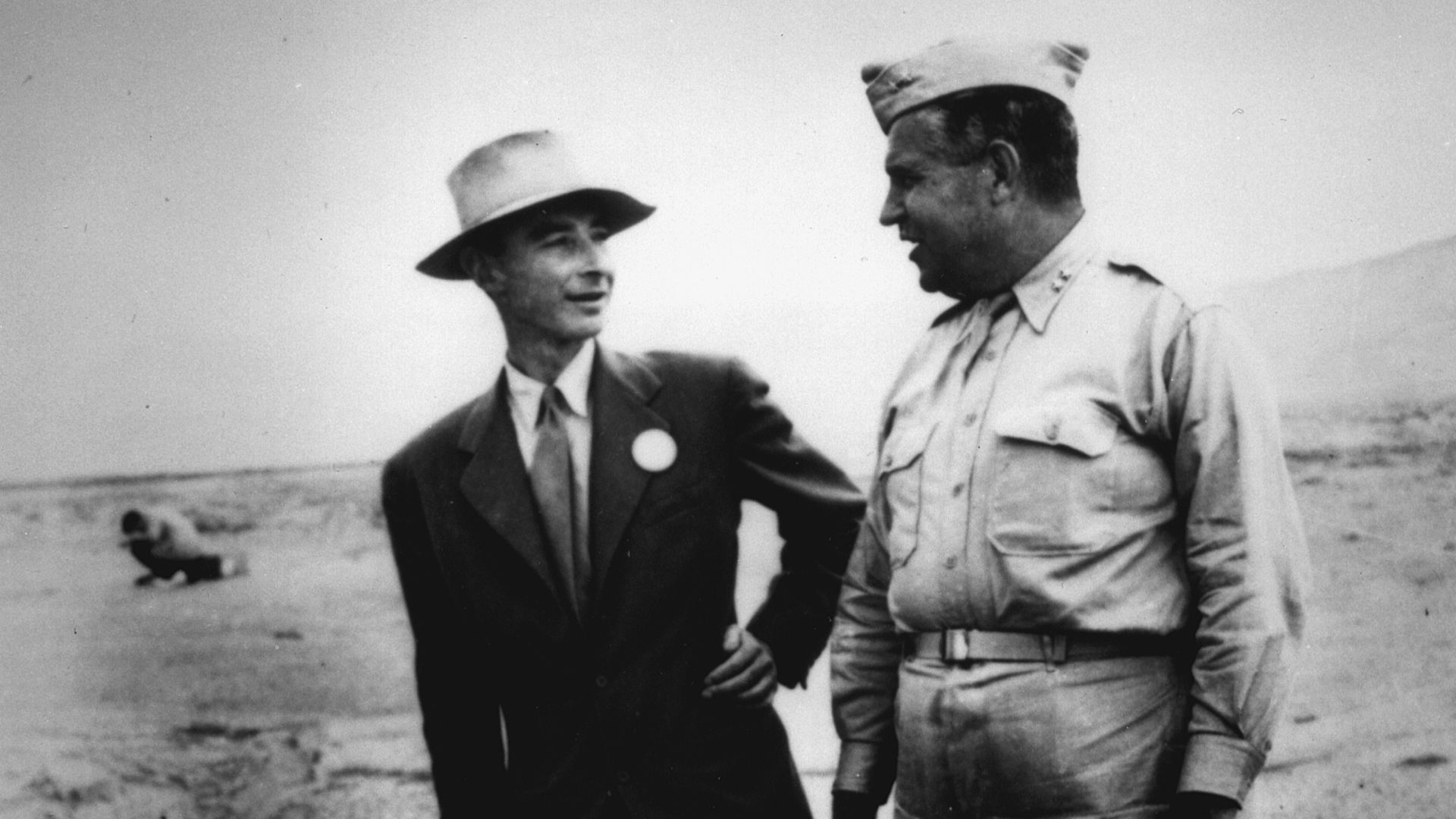
He Sized Up The Situation
Prior to taking up the post, he had carried out research into the quantity of radioactive material that would be required to make an atomic weapon, and how destructive it might be. Such insight proved indispensable to the project’s ultimate success.
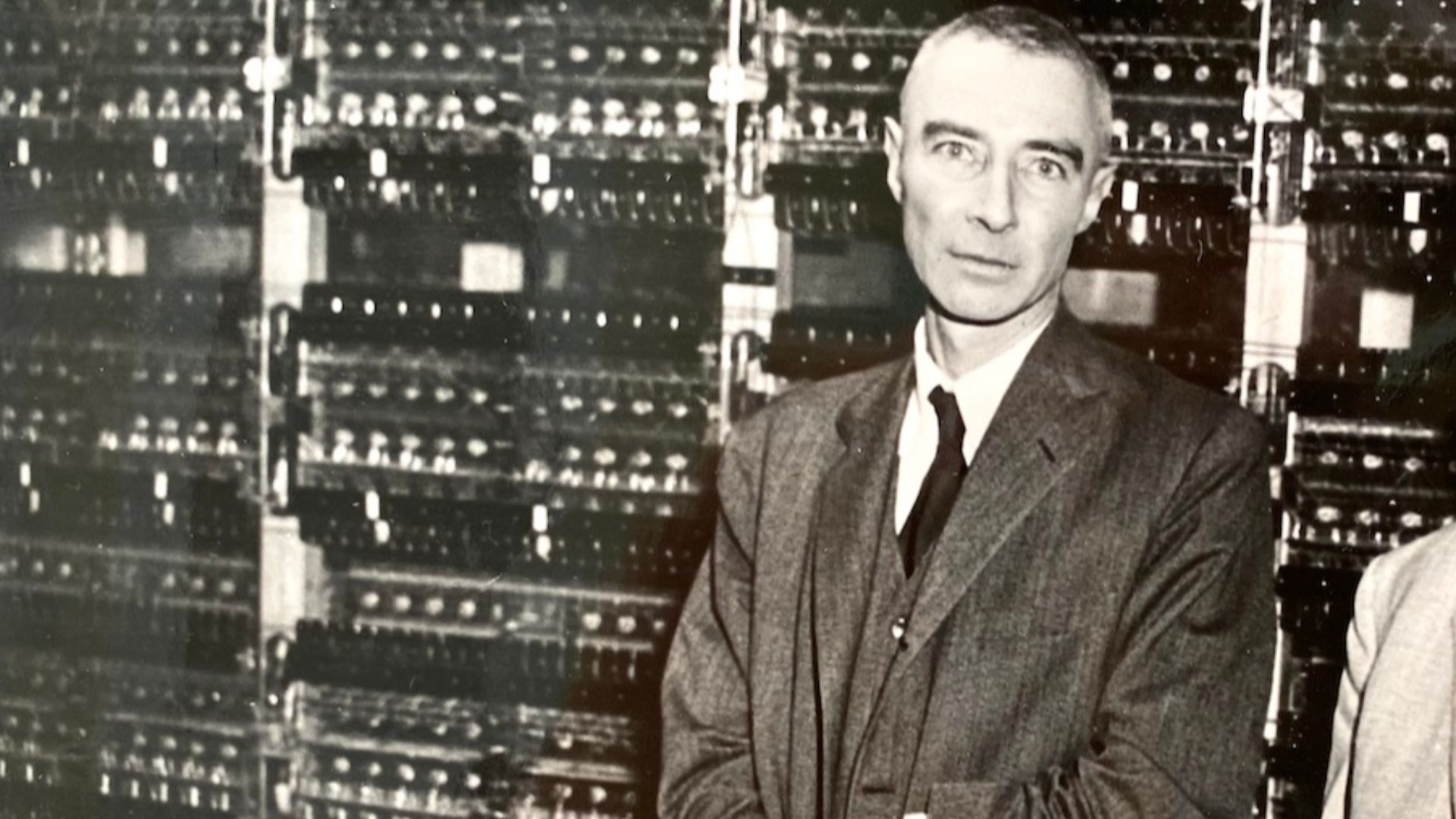 Jeremy Norman Collection of Images, Wikimedia Commons
Oppenheimer's Unique Value
Kai Bird, co-author of the Pulitzer Prize-winning biography American Prometheus: The Triumph and Tragedy of J. Robert Oppenheimer (Alfred A. Knopf, 2005) explained the physicist’s unique value to the project on the HistoryExtra podcast: “Everyone we interviewed about his years in Los Alamos always mentioned that the atomic bomb would never have been produced in two and a half years if they had chosen anyone other than Oppenheimer. It turned out that he was a brilliant administrator, and was very persuasive at getting all these large-ego minded scientists to work together.”
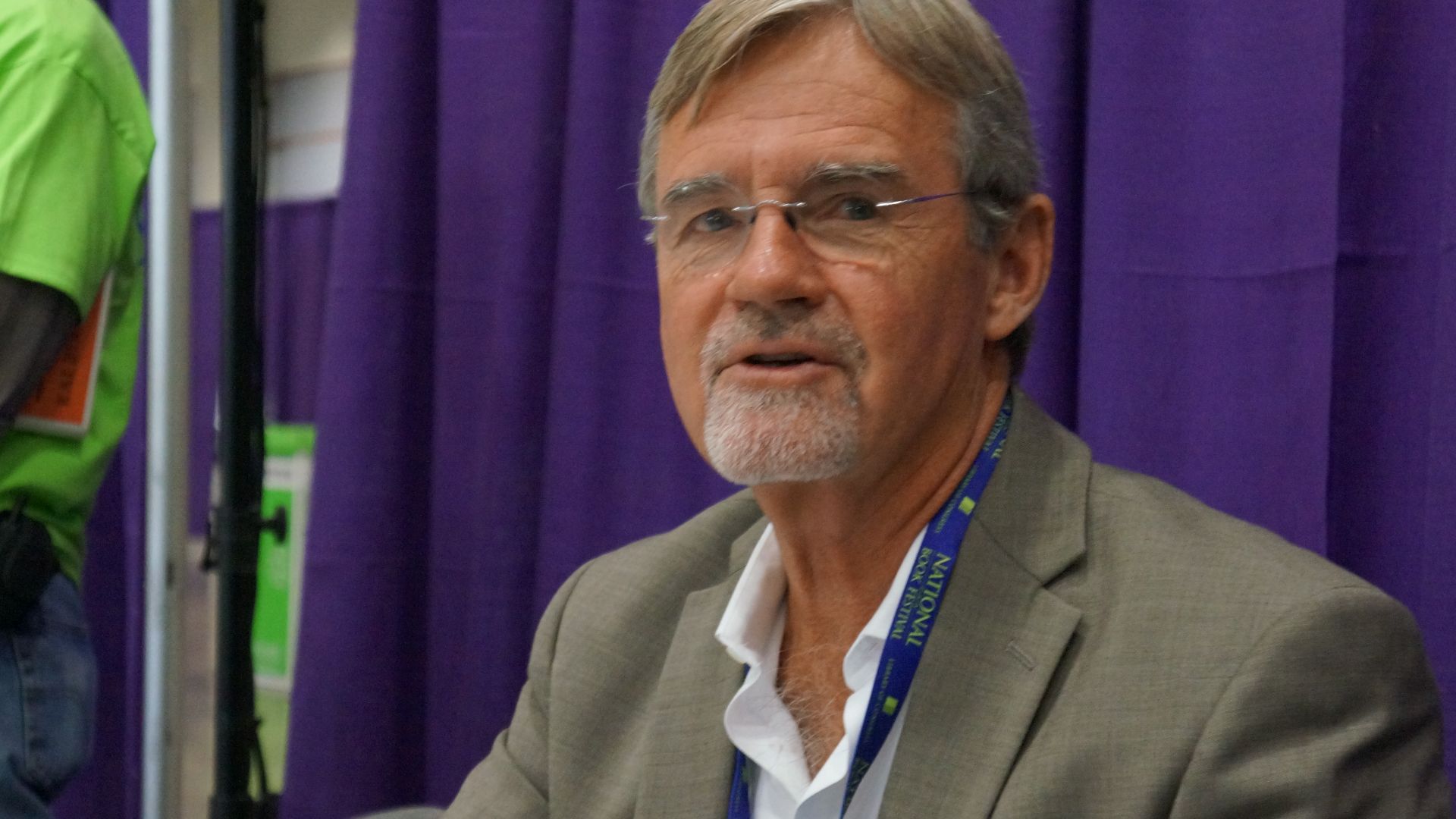 Geraldshields11, Wikimedia Commons
He Was Motivated
Oppenheimer was anti-fascist in his political leanings, explains Bird, and this was his major motivation for building what he called “the gadget”. He knew from the physics that such a weapon was possible; it was simply a large engineering problem. But he was aware that others were working on a possible weapon as well.
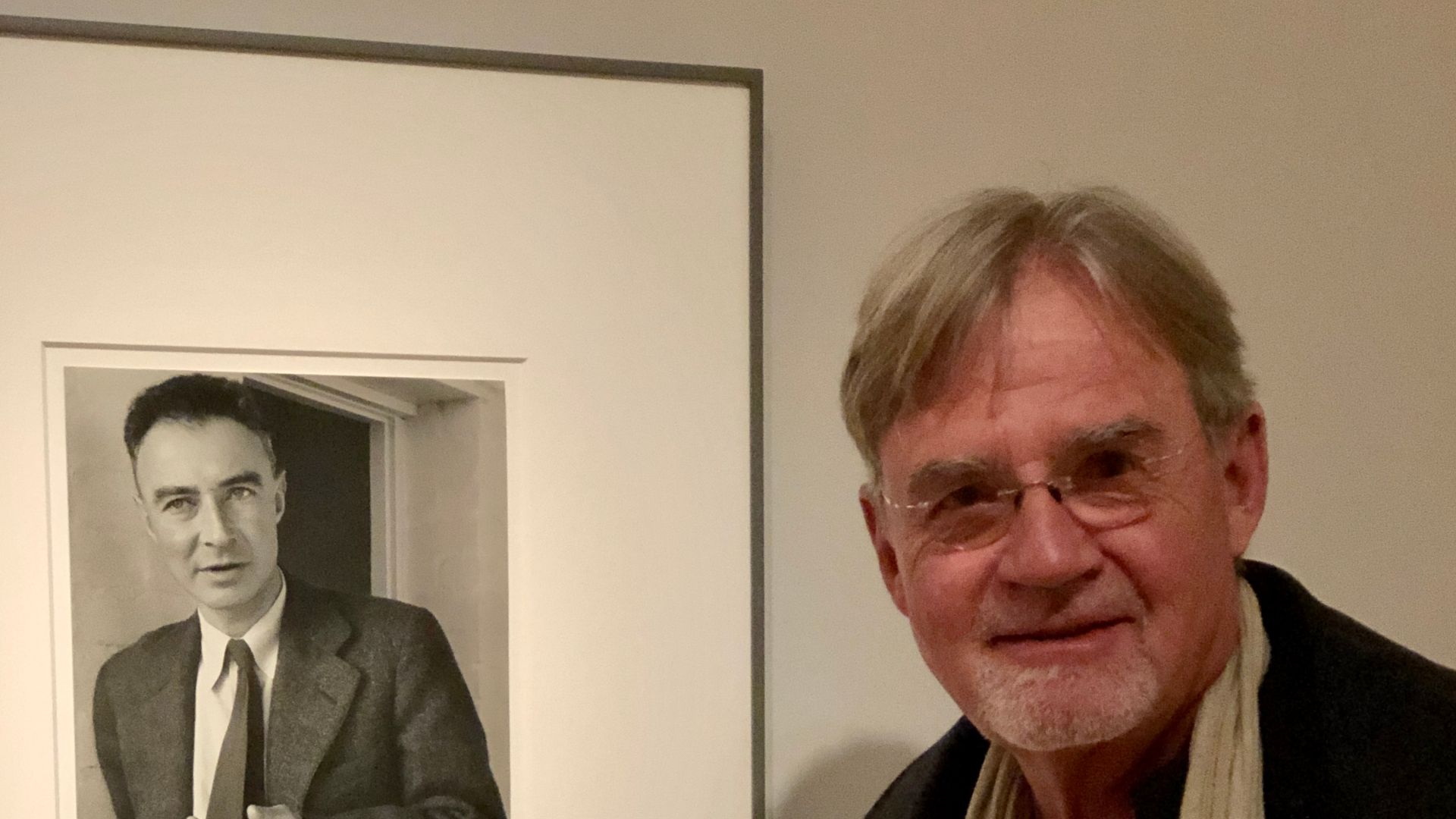 Carmen Phillips-Kayser, Wikimedia Commons
He Worried That They Were Too Far Behind
Oppenheimer feared that the German physicists with whom he had studied in the 1920s were just as capable of building this weapon, and believed that they would gift it to Adolf Hitler and Germany would win the war. “He was very fearful that they were way too far behind,” says Bird. “And this gave him the motivation to work hard and to inspire other physicists and scientists at Los Alamos to build the gadget.”
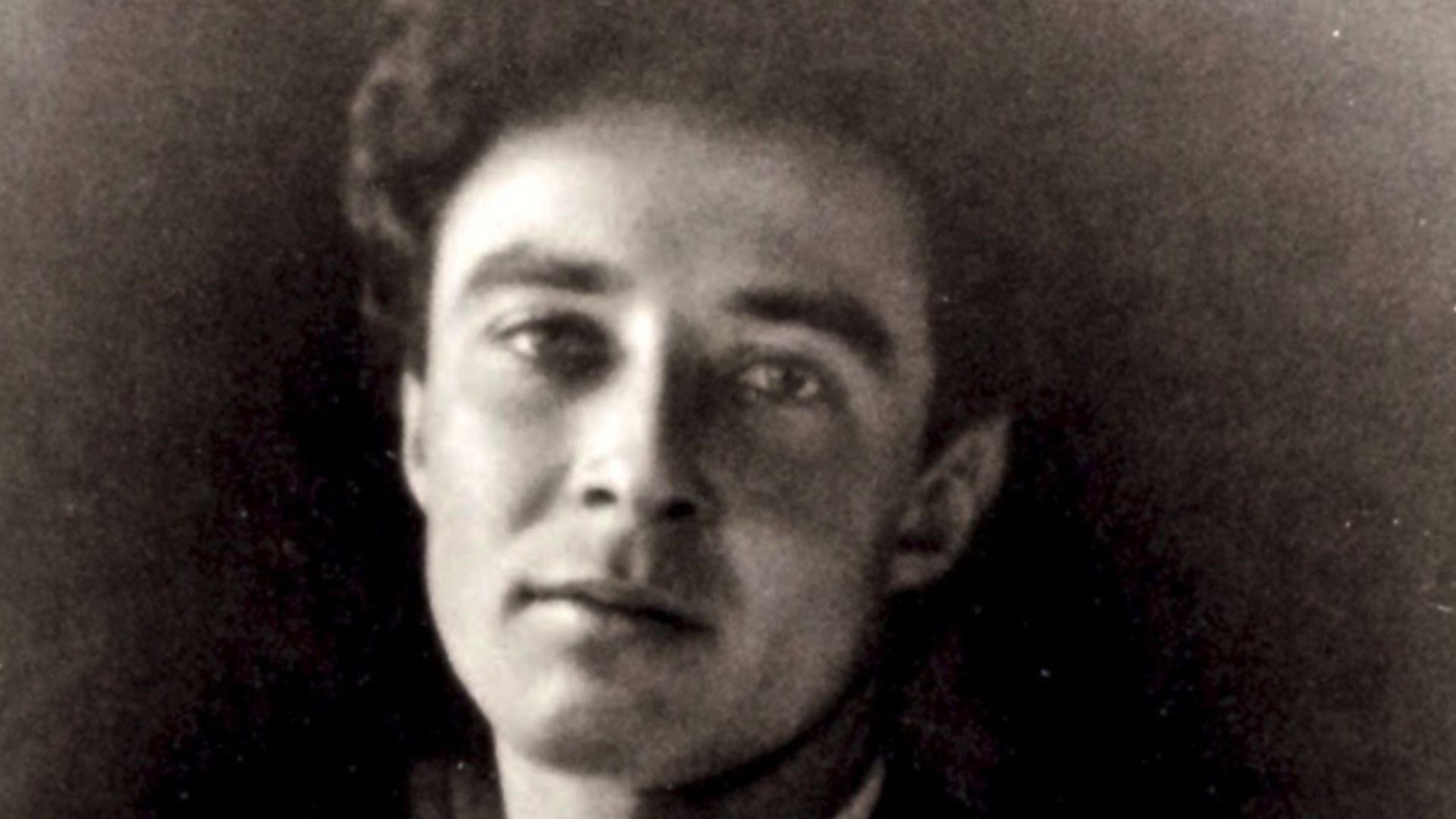 Unknown authorUnknown author, Wikimedia Commons
He Had Many Interests
An important part of his brilliance, says Bird, is that he was a polymath. “He loved quantum physics, but he also loved the deserts of New Mexico. He first went to New Mexico when he was an 18-year-old, and he fell in love with horseback riding and the very spartan cowboy existence out there.” Oppenheimer also loved French poetry and the novels of Ernest Hemingway, and he also acquired an interest in Hindu mysticism and read the Hindu scriptures, the Bhagavad Gita. “He taught himself Sanskrit so he could read it in the original,” says Bird.
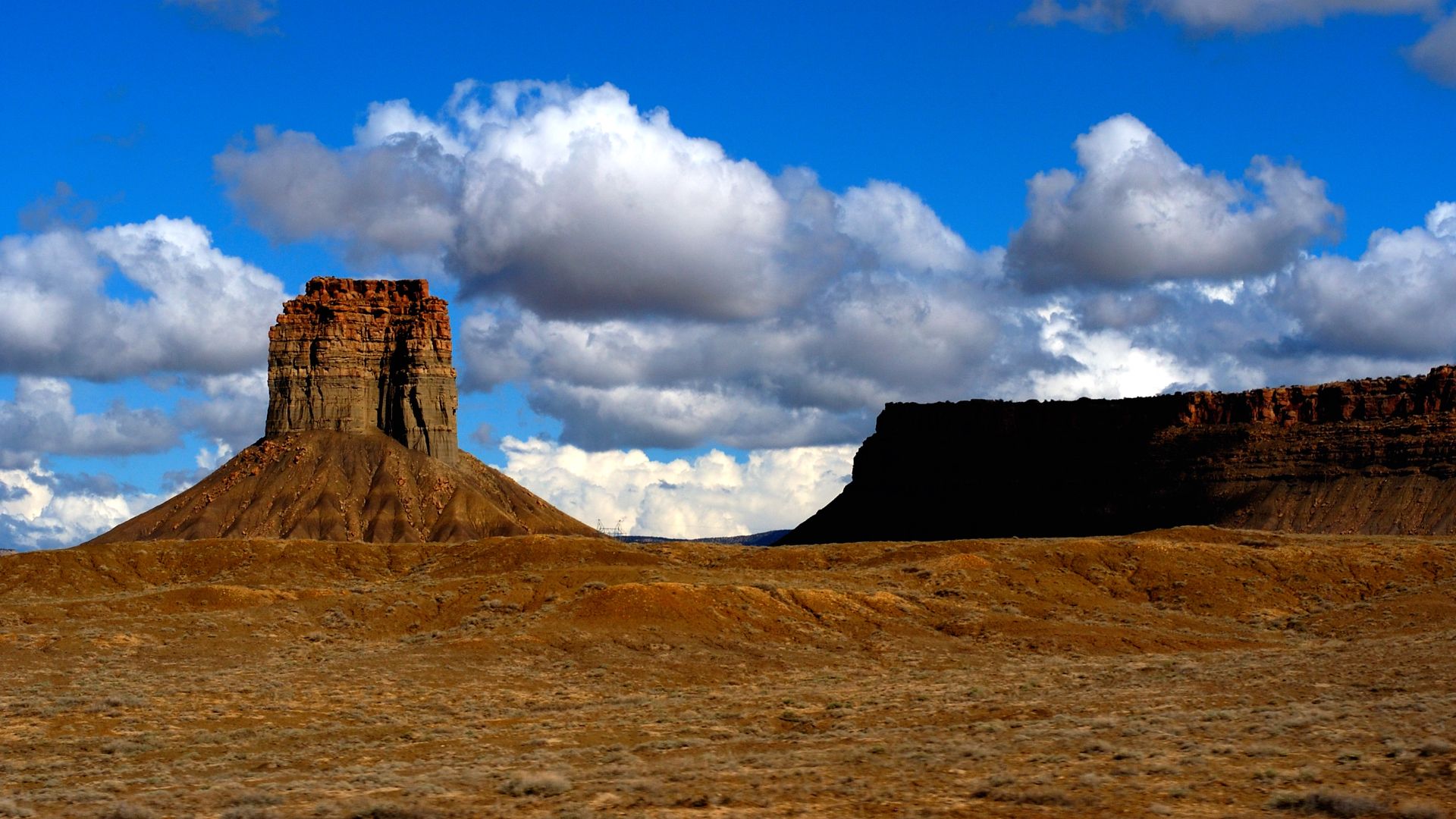
A Man Of Contradictions
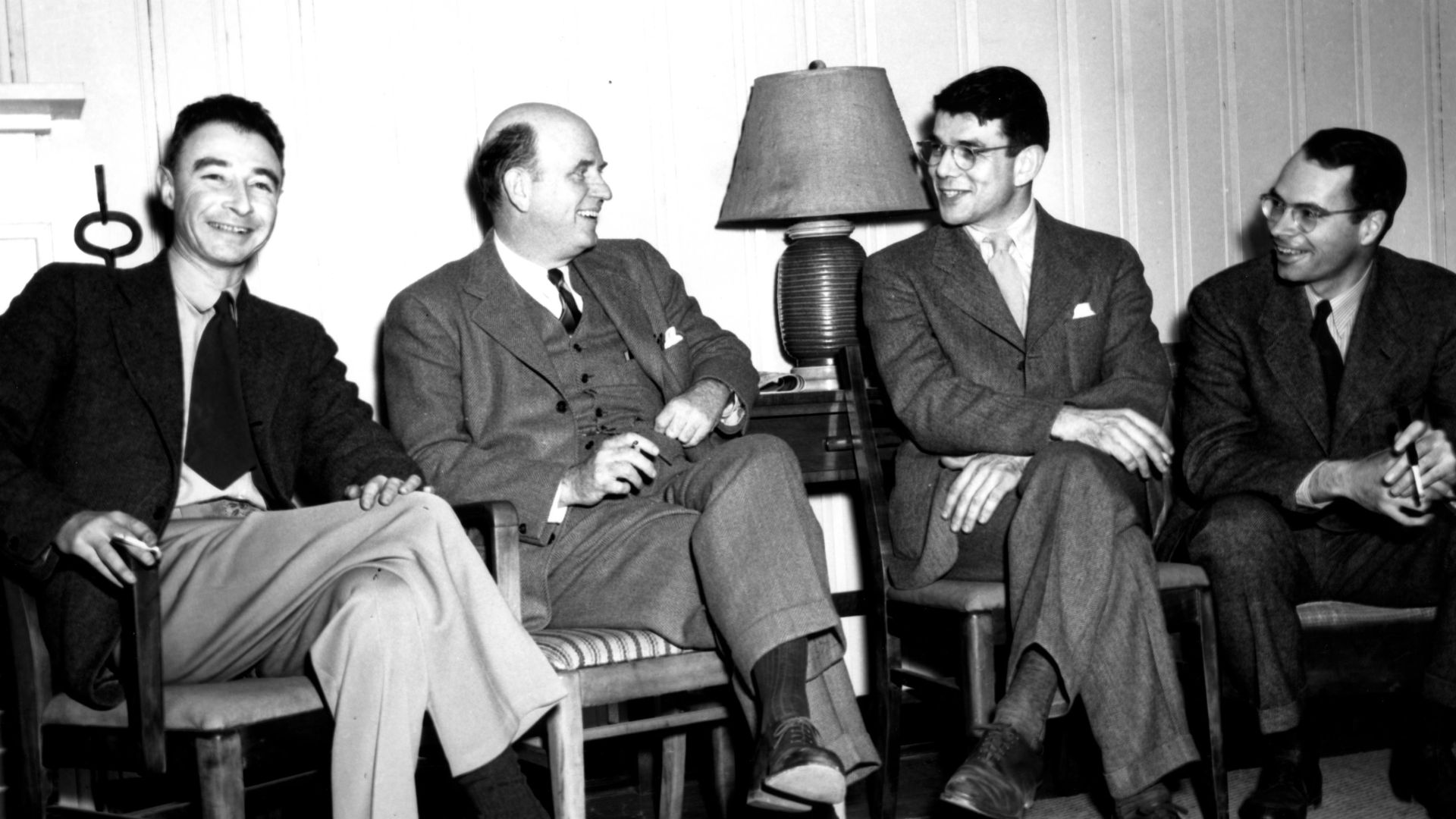
It was this multifaceted brilliance that was part of his appeal, says Bird. He differed from other theoretical physicists as he was able to explain concepts in “plain English” and was also a charismatic speaker, though Bird notes that he could also be shy and reticent. He was “very complicated”, says Bird. “He could be sweet and patient with his students, and then in the presence of authority figures, he could suddenly become brusque and even rude. And, of course, this was part of his downfall later.”
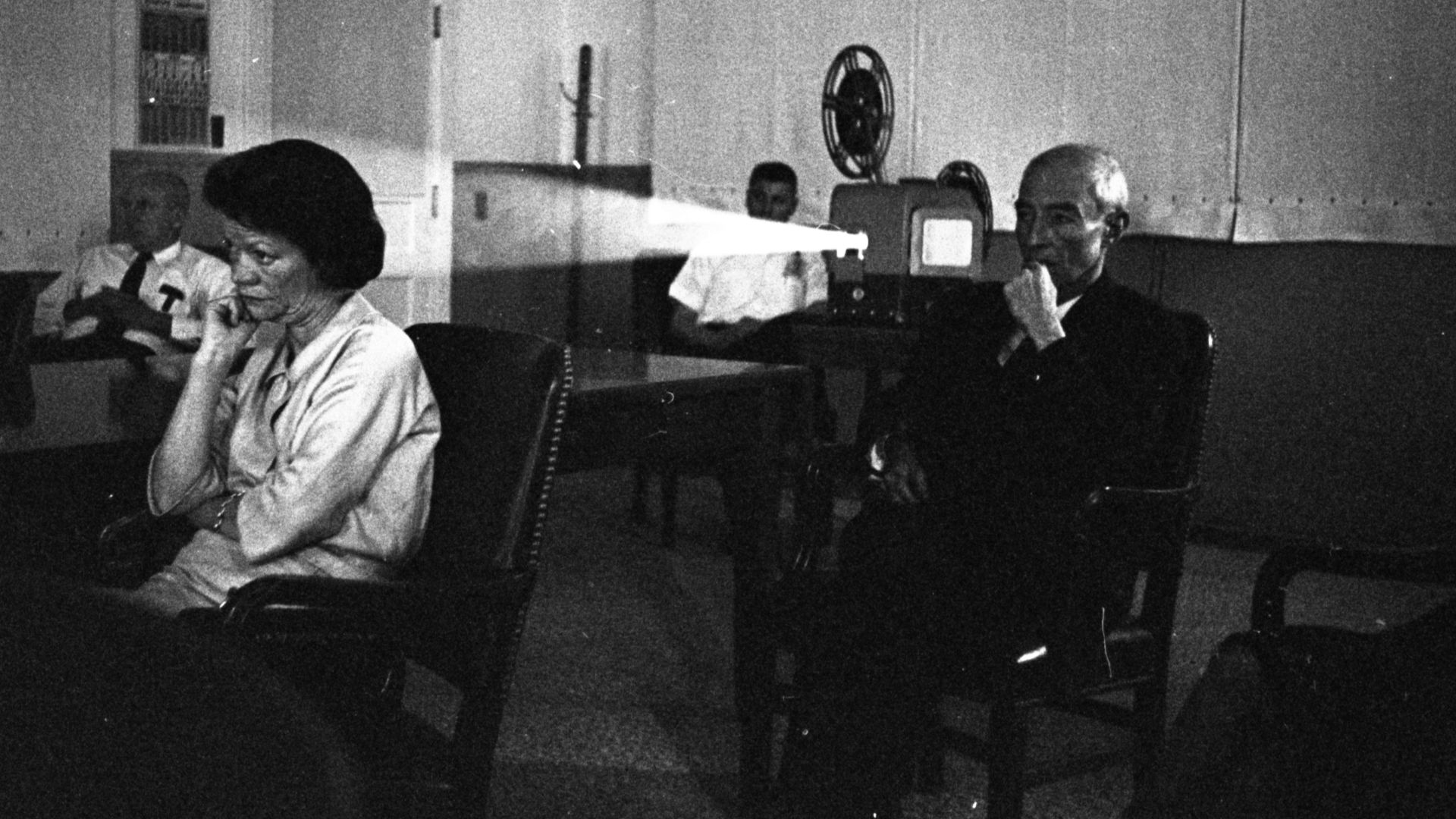
Kitty Oppenheimer
J Robert Oppenheimer was married to Kitty Oppenheimer (formerly Kitty Puening). A German American biologist and botanist, Puening studied mathematics, biology, and chemistry at the University of Pittsburgh in the late 1920s, and in the early 1930s became a member of the Communist Party of the America (CPA). Prior to meeting Oppenheimer in 1939, Kitty had been married three times, and was married to her third husband, Richard Stewart Harrison, when her relationship with the physicist began.
 Los Alamos National Laboratory, Wikimedia Commons
She Went To Los Alamos With Him
Kitty became pregnant with their first child in the autumn of 1940, and soon afterwards she obtained a divorce from Harrison, which left Robert and Kitty free to marry in November 1940. A keen horsewoman and lover of the outdoors, Kitty joined Oppenheimer to live in the desert town in Los Alamos for the Manhattan Project.
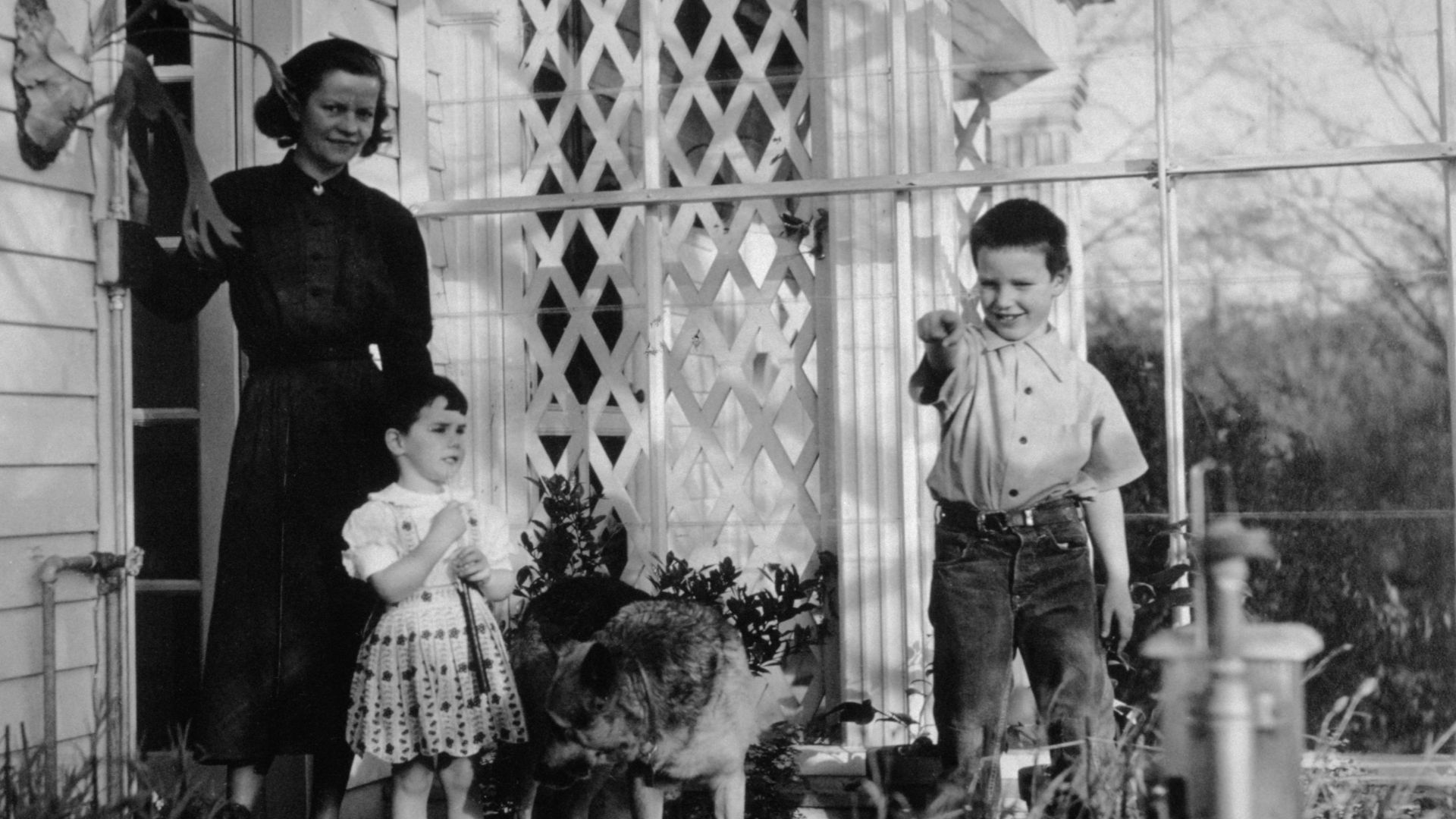 500wordslater, Wikimedia Commons
She Assessed The Danger Of Radiation
Kitty Oppenheimer worked as a biologist on the health group of the Manhattan Project, conducting blood tests to assess the danger of radiation, before she became pregnant again. During this period, she also suffered with depression and alcohol issues, in part due to the isolation of the military facility. She survived Oppenheimer by four years, dying of an embolism in 1972.
Relationship With Jean Tatlock
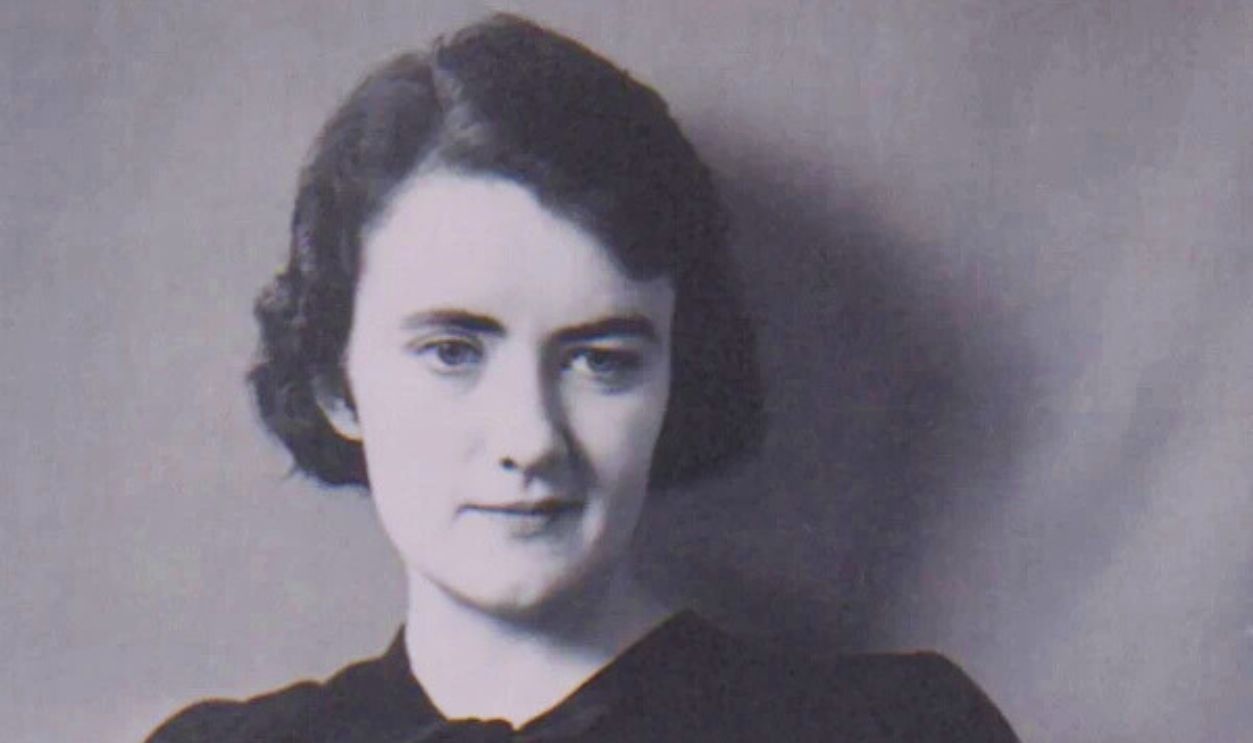
Oppenheimer also had an enduring relationship with Jean Tatlock, a woman whom he met in the early 1930s. She was a psychiatrist and also a member of the Communist Part of America, and is often credited with introducing Oppenheimer to radical politics.
Romantic Involvement
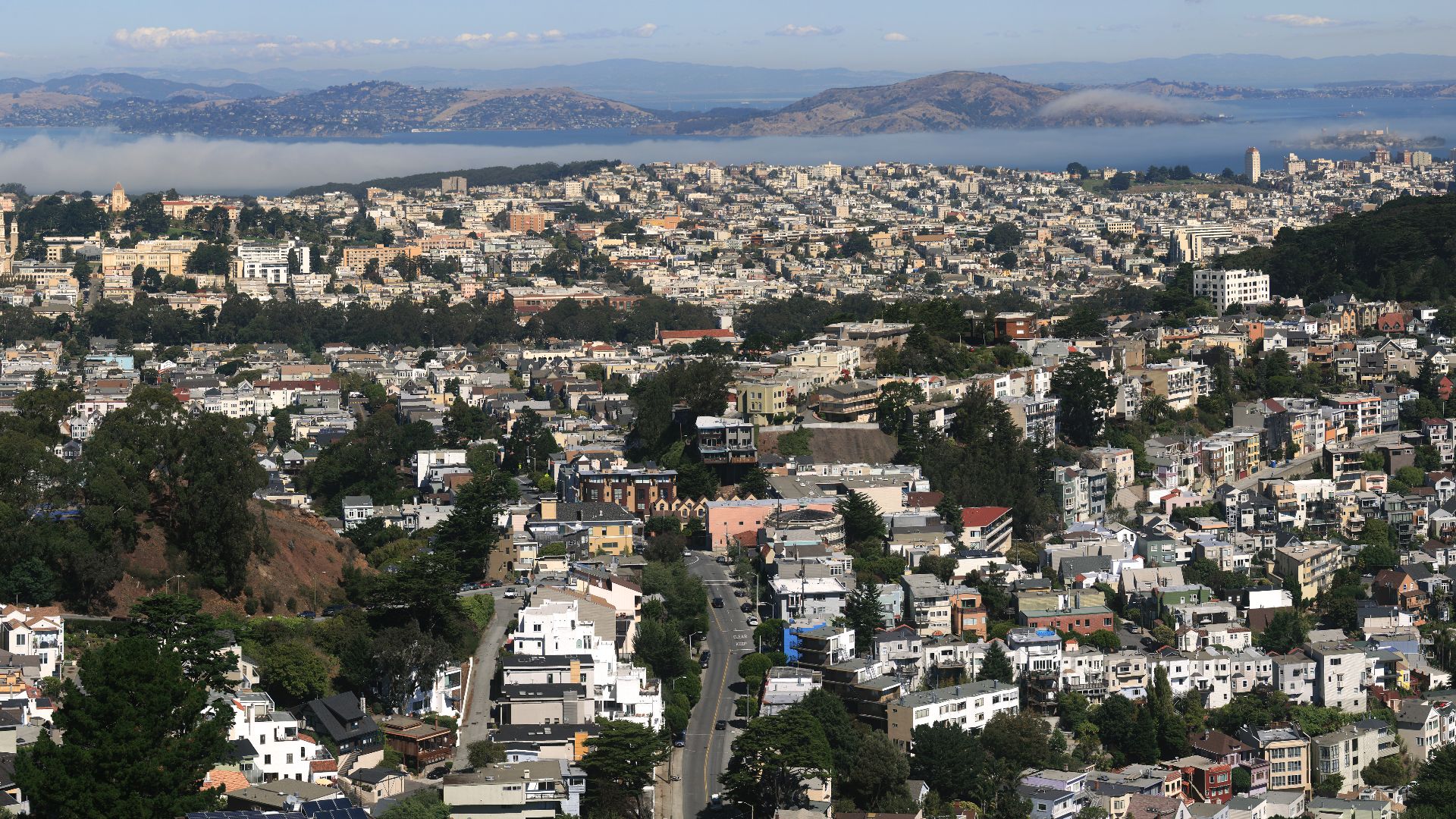
Some historians have suggested that Oppenheimer and Tatlock were romantically involved following Oppenheimer’s marriage to Kitty in 1940; though their relationship had broken off in 1939, Oppenheimer continued to visit Tatlock in San Francisco until 1943. Tatlock suffered from clinical depression and took her own life in 1944.
 Brocken Inaglory, Wikimedia Commons
Was Oppenheimer A Communist?
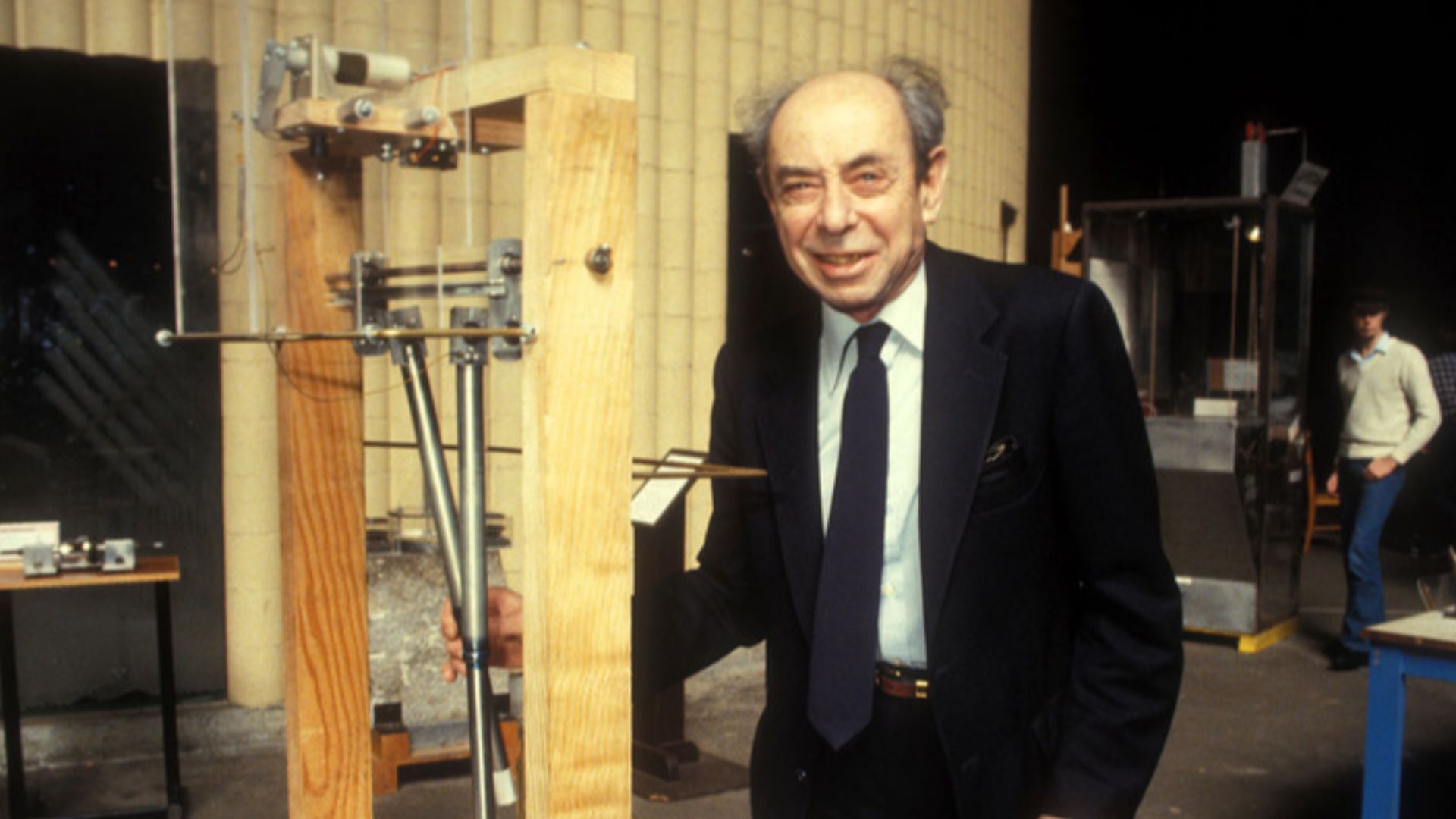
“Any attempt to label Robert Oppenheimer a party member is a futile exercise,” wrote Kai Bird and the late Martin Sherwin in their 2005 Oppenheimer biography, “as the FBI learned to its frustration over many years.” But many people close to the physicist were either members of the party – including Kitty, Jean, and his brother Frank Oppenheimer – or had links to its activity.
 Los Alamos National Laboratory, Wikimedia Commons
He Never Joined The Party
Though Sherwin and Bird concluded that Oppenheimer didn’t join the party himself, he did contribute to Communist Party activities, including an effort to desegregate a public swimming pool in California, and a fund to buy an ambulance to ship it to the Spanish Republic during the Spanish Civil War. These associations would “haunt him with the American political authorities and the FBI”, explains Bird. “He fell under FBI surveillance as early as 1940. And by 1954, his FBI file had grown to be about 8,000 pages.”
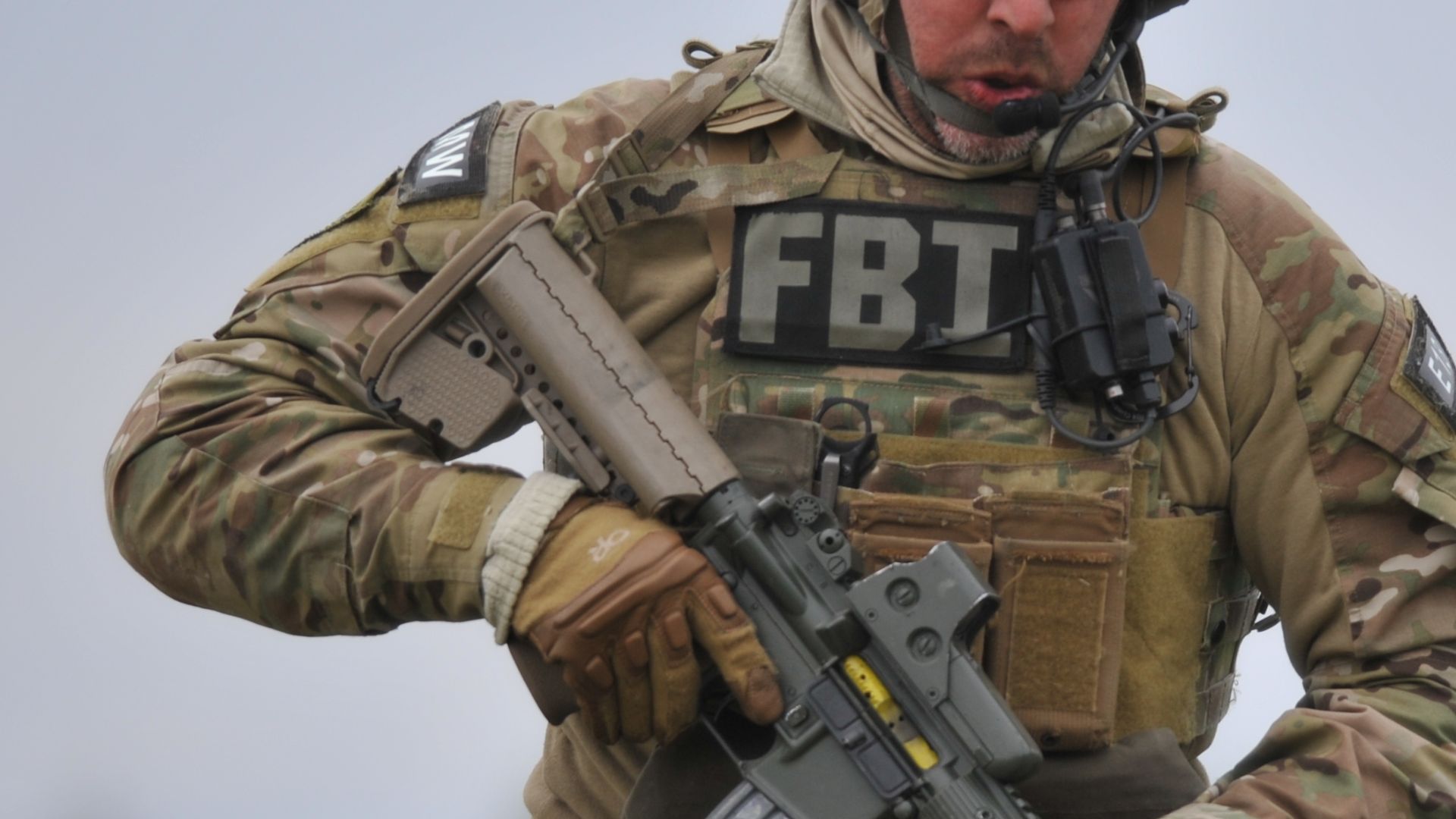 Photo by Jamal Wilson, Wikimedia Commons
“I Am Become Death, The Destroyer Of Worlds”
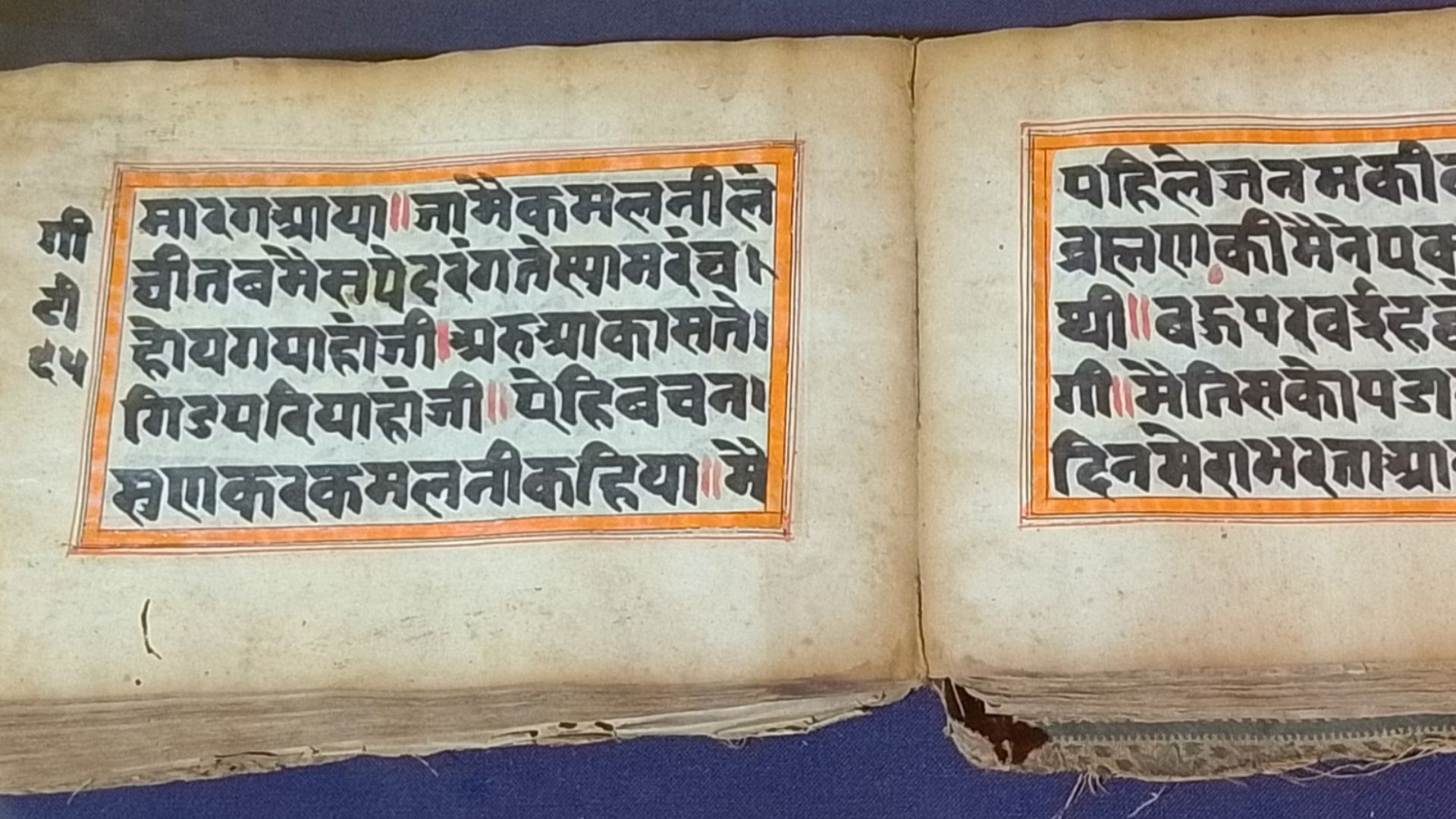
The line is often associated with Oppenheimer, who quoted “I am become Death, the destroyer of worlds” from the Hindu Bhagavad Gita, after the successful detonation of the Trinity nuclear weapon in July 1945. He didn’t utter it straight away though. Immediately afterwards, explains Bird, the physicist turned to his brother Frank and simply said: “It worked.”
 Brahmavadini, Wikimedia Commons
He Knew The World Wouldn't Be The Same
It wasn’t until a few days later, when he was interviewed by the New York Times, that Oppenheimer quoted the Hindu scripture. “He had a very theatrical sense to him,” says Bird. “He knew how to get up on the stage and perform.” Oppenheimer himself later spoke of the moment in a 1965 NBC documentary: “We knew the world would not be the same. A few people laughed, a few people cried. Most people were silent. I remembered the line from the Hindu scripture.”
 Ajay Suresh from New York, NY, USA, Wikimedia Commons
Did Oppenheimer Regret The Atomic Bomb?
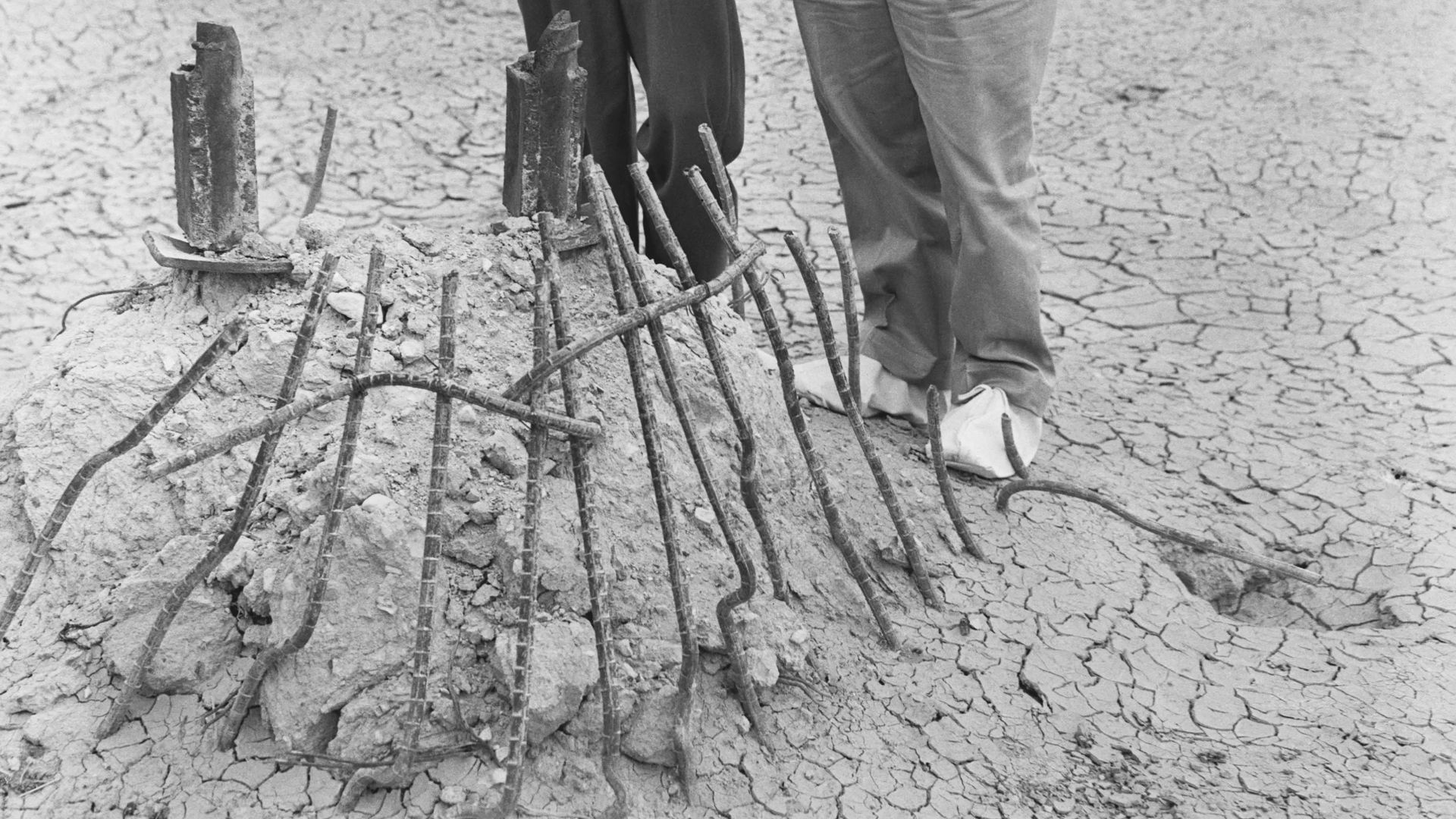
German-born Rudolf Peierls recalled that the brilliant blinding flash “told us… we had done our job”. Yet by that time, the war with Nazi Germany was over and so Japan instead became the target. Some Los Alamos staff expressed concern that, as Japan had no bomb project, why should the operation go ahead?
 U.S. Army Corps of Engineers, Wikimedia Commons
He Was Conflicted
Though Oppenheimer grappled with the huge moral weight of deploying such a weapon, he was influenced by Danish physicist Niels Bohr who, upon a visit to the project in 1943 had asked Oppenheimer: “Robert, can you tell me, is it big enough?” –meaning, will it be significant enough to change the nature of warfare? Though conflicted, Oppenheimer’s position in August 1945 was that the bomb would ignite with such explosive power that it could persuade all of humanity that the world should never again fight total warfare like the Second World War.
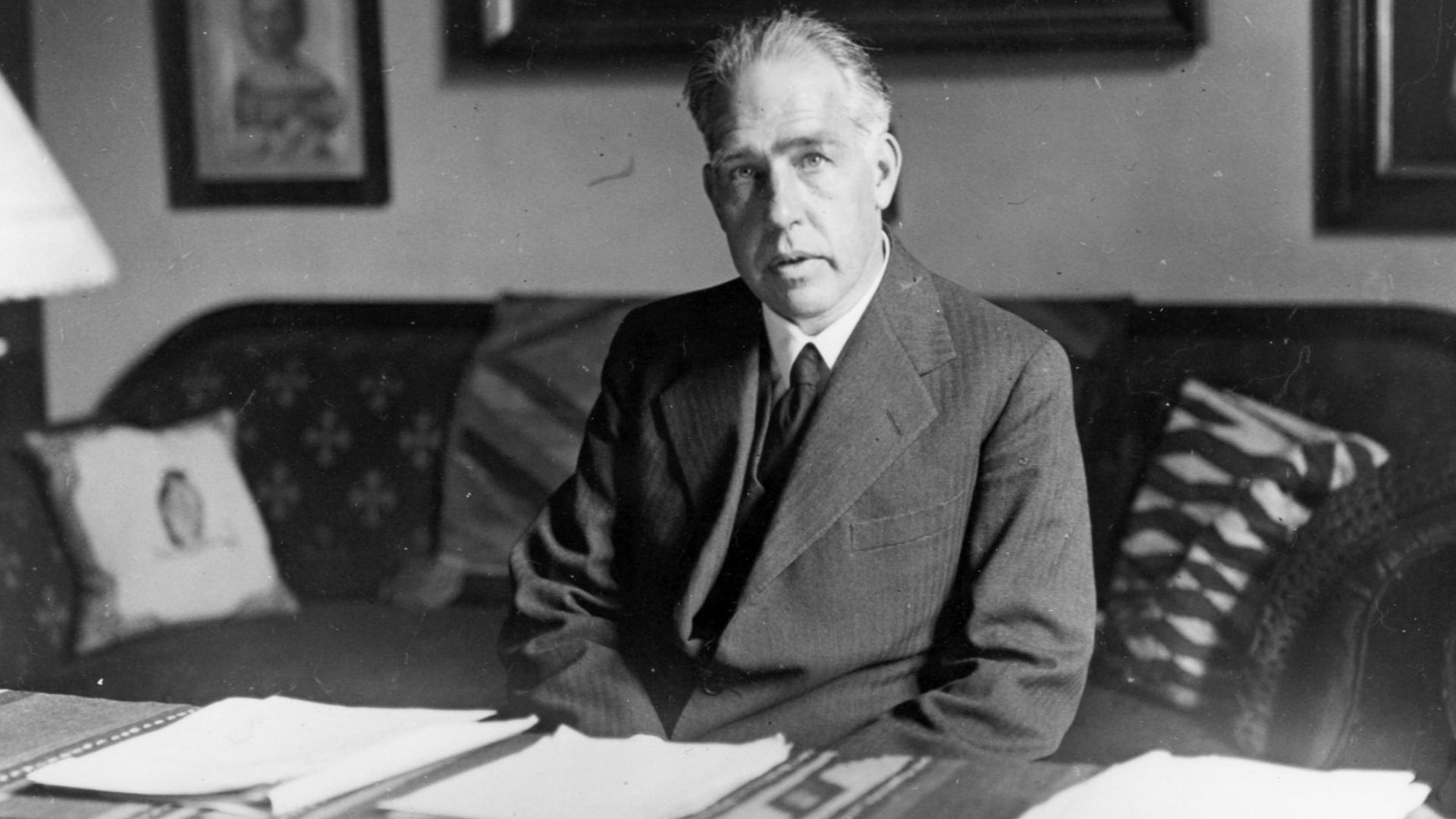 Unknown authorUnknown author, Wikimedia Commons
The Decision Weighed On Him
There is evidence that the decision undoubtedly weighed heavy on Oppenheimer. Bird interviewed Anne Wilson Marks, Oppenheimer’s secretary. She recalled that one day, in the intervening three weeks between the Trinity test and the use of the bomb on Japan, she and Oppenheimer had a conversation.
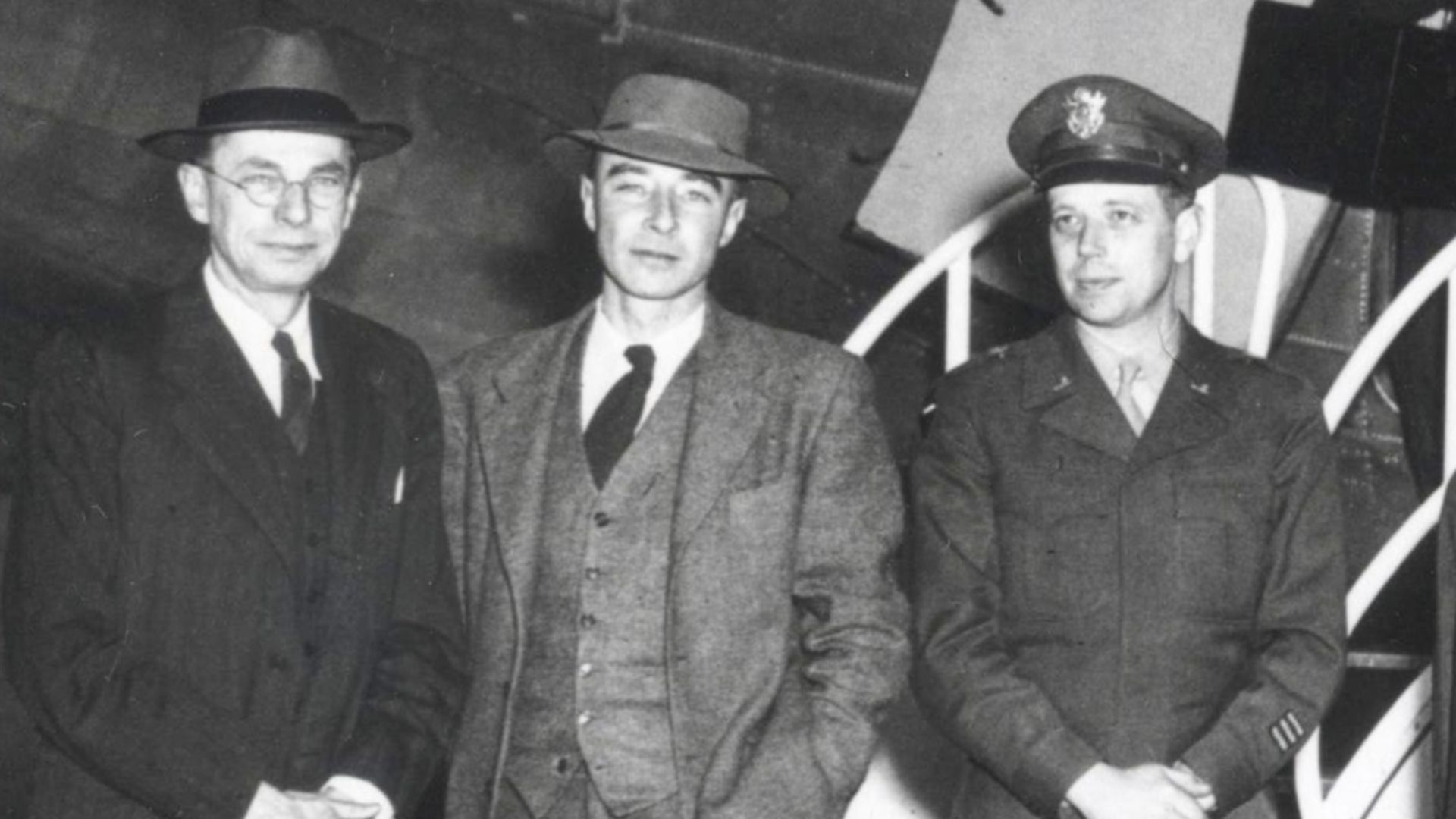
A Haunting Conversation
Oppenheimer was muttering under his breath as he walked to work with secretary Anne Wilson Marks: “Those poor little people, those poor little people.” “Anne stopped him and said, ‘Robert, what are you talking about?’ And he said, ‘Well, the Trinity test shows that the gadget has worked, and now it's going to be used on a large target in Japan, meaning a city. And there are going to be innocents, thousands of innocents killed. Those poor little people.’” This shows that he was painfully aware of the tragic implications of the gadget.
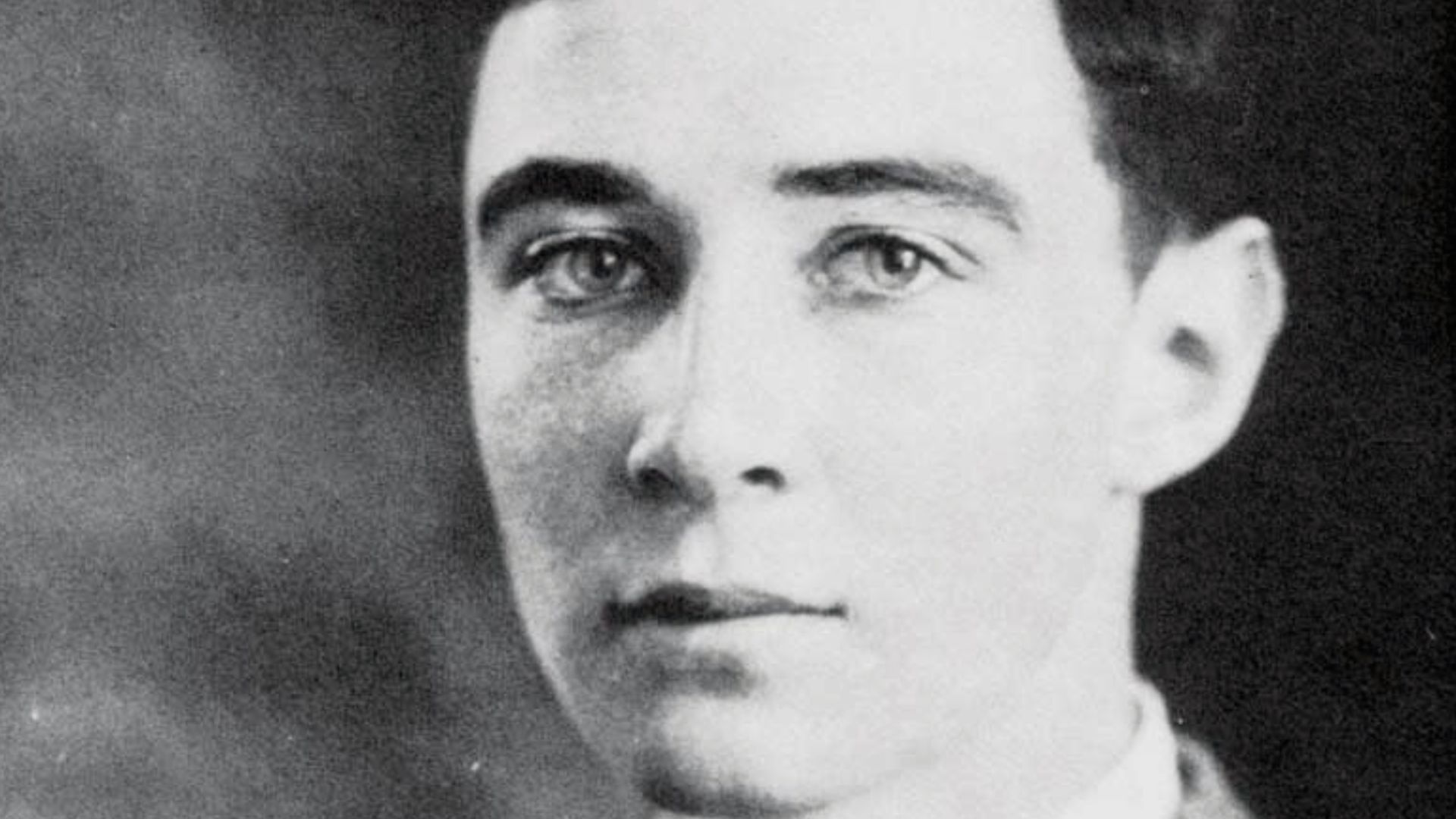 Harvard University, Wikimedia Commons
He Instructed The Pilots
And yet, as Bird and Martin Sherwin point out in American Prometheus, “...chronologically, that [conversation with Anne Wilson Marks] is the same week that [Oppenheimer] was briefing some of the bombardiers who were going to be on the aeroplane that was going to drop the bomb. And he instructed them exactly at what altitude they should detonate the weapon to have the maximum destructive power, and [said] that it should be dropped on the centre of the city for to have the most destructive implications.”
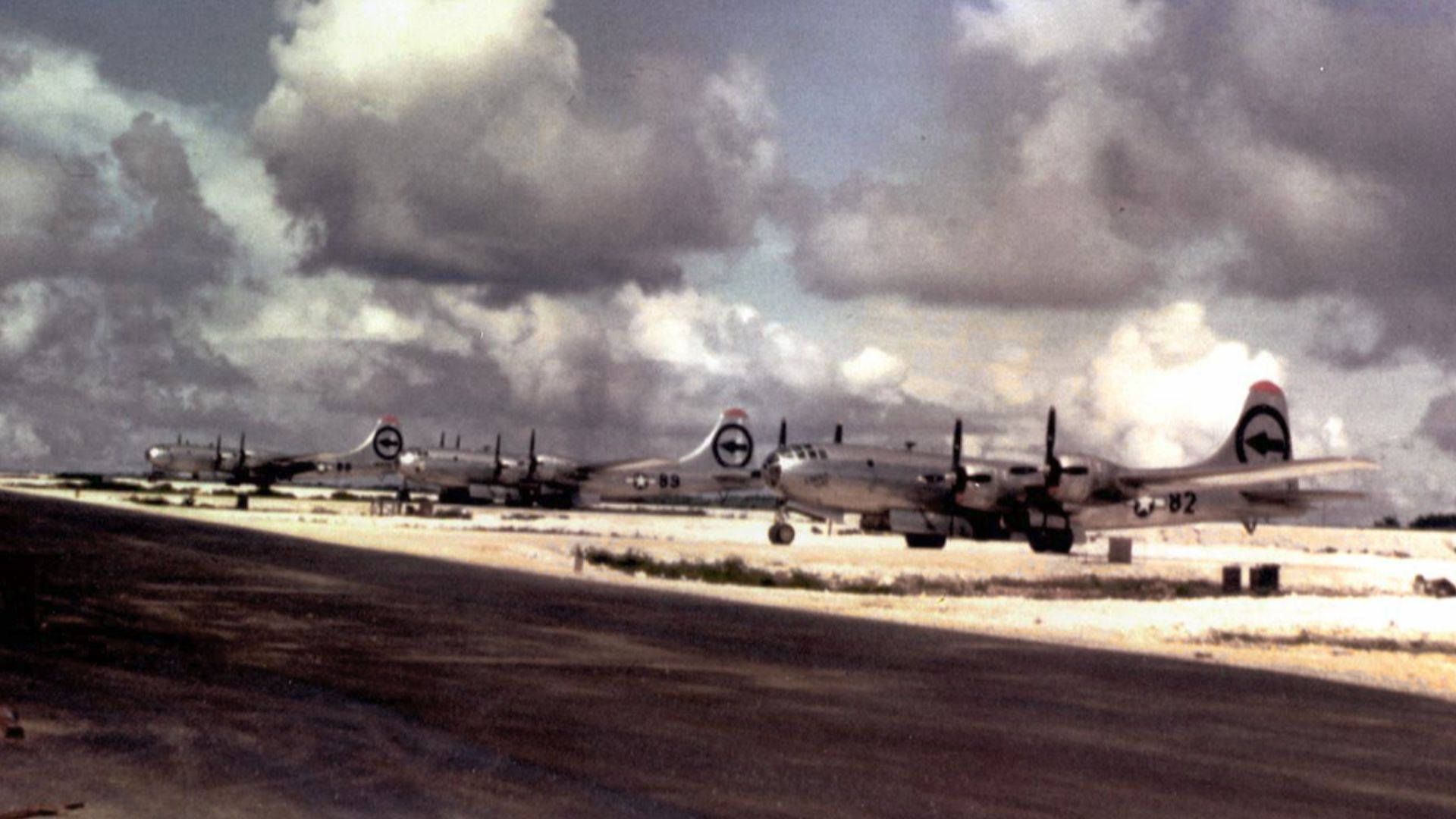 photo taken by Harold Agnew on Tinian Island in 1945, Wikimedia Commons
It Ended The War
At 2.45am on 6 August 1945, the crew of the Enola Gay aircraft dropped a bomb named Little Boy on Hiroshima, a 4.8-tonne device that detonated with the power of 15,000 tonnes of TNT. Authorities estimated the number of deaths by December 1945 to be around 140,000 (since then, deaths from radiation-related diseases have added to the toll). Japan surrendered on 14 August 1945, five days after a second bomb devastated Nagasaki.
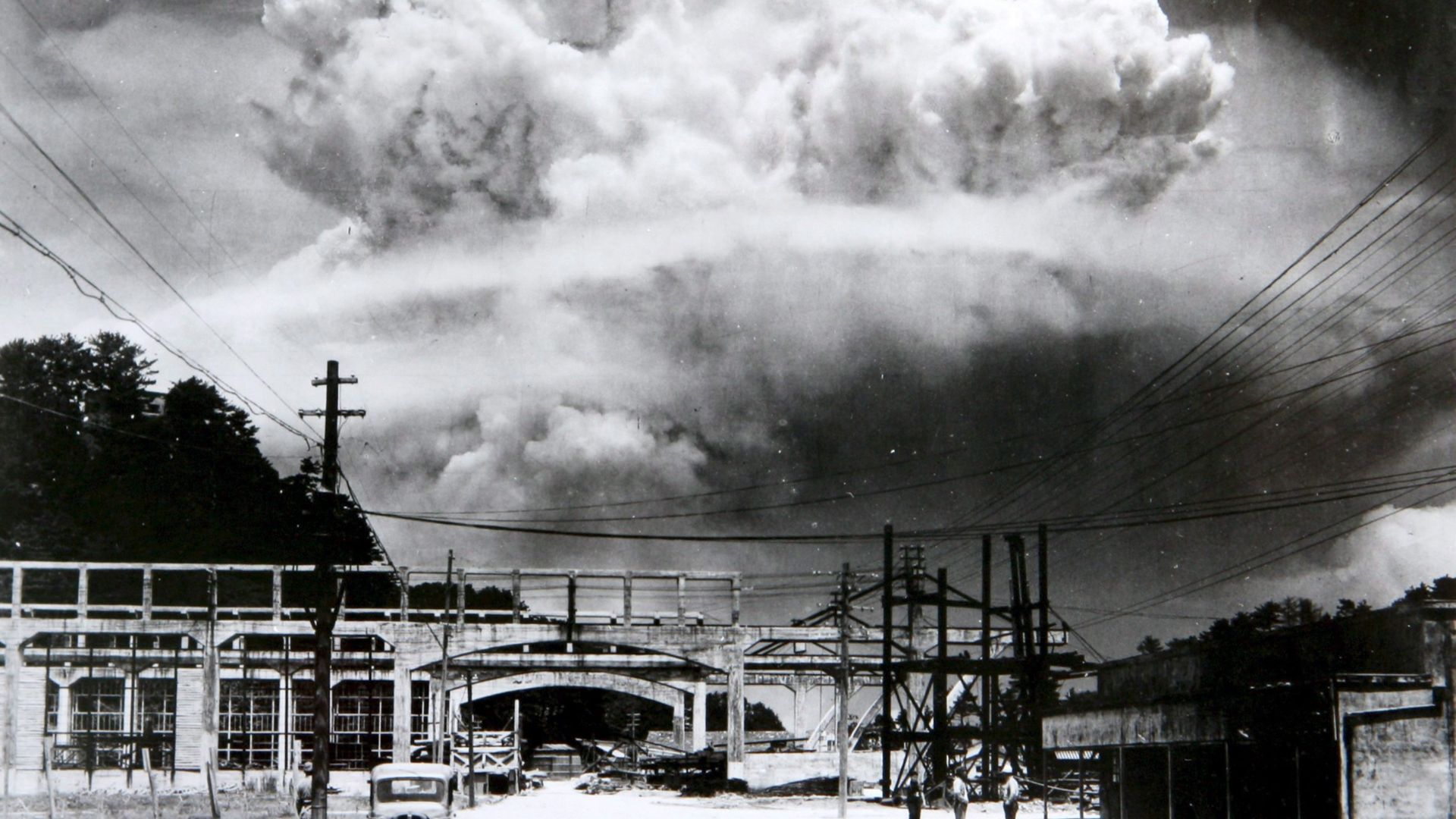 Hiromichi Matsuda (松田 弘道, 1900-1969)[2], Wikimedia Commons
He Fell Into Deep Depression
After the detonation of the two atomic bombs in August 1945, Oppenheimer never worked on weapons again. Kitty Oppenheimer’s letters to friends tell of how in the days following the bombs, he plunged into a deep depression, and she feared for his life. As journalist Lincoln Barnett wrote in Life magazine in 1949: “Oppenheimer knew that he and his coworkers had acquired a promethian [sic] burden they could never shed.”

He Headed To Washington
Once somewhat recovered, Oppenheimer headed to Washington, DC for briefings on the end of the war, and in October 1945 he met with US President Harry Truman. “By this time, Oppenheimer was determined to try to persuade the president and the policy makers that they needed to understand that this is a weapon that cannot be used defensively, and that we shouldn't rely on it,” says Bird. He believed “that we should try to find some way to impose international regulations, and maybe ban it and control the technology”.
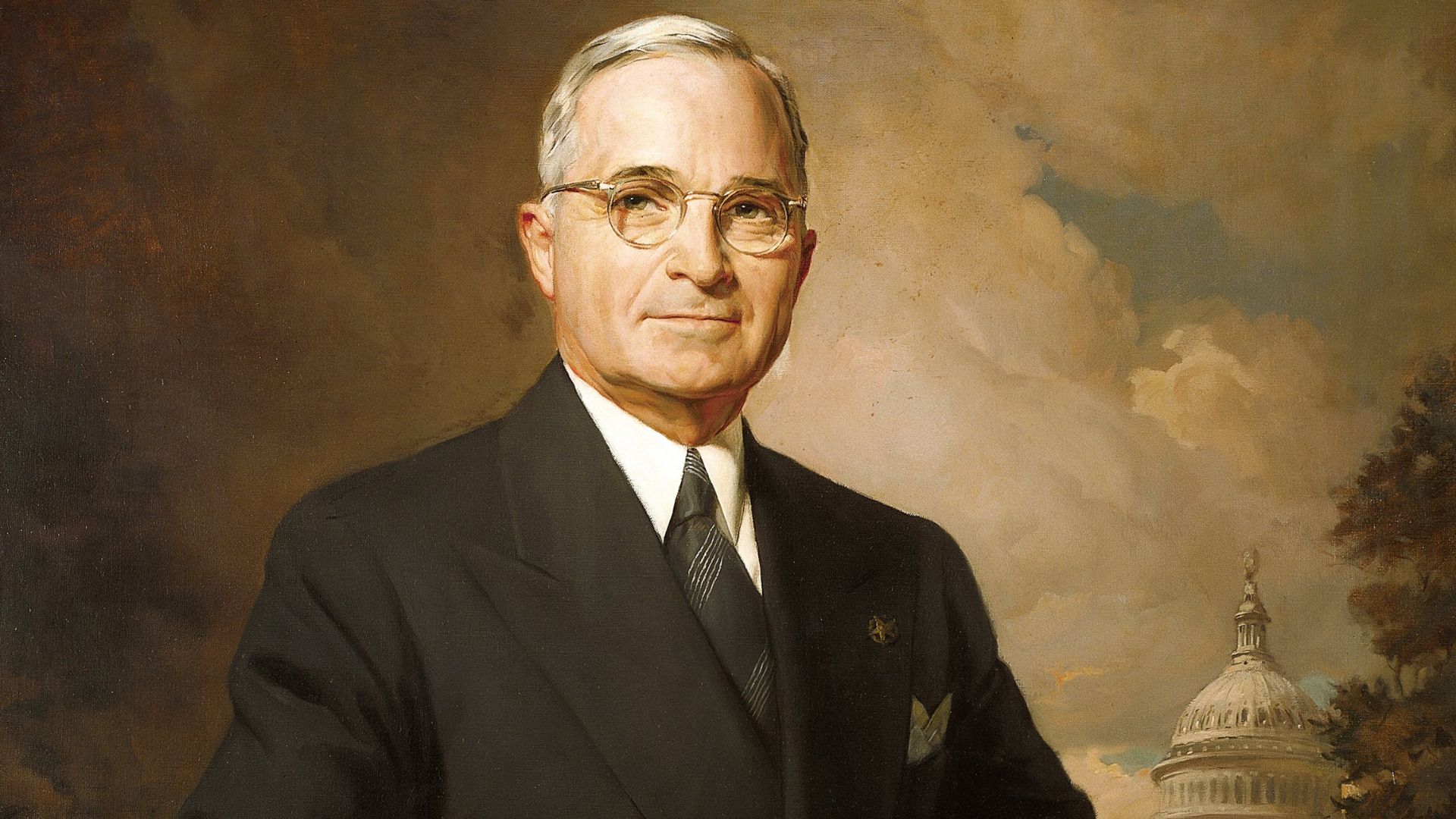 Greta Kempton, Wikimedia Commons
President Truman Wasn't Impressed
President Truman didn’t respond favourably to Oppenheimer’s pro-regulation position or the suggestion that the US had blood on its hands. In response to Truman’s belief that the Russians would never be able to match the technology, Oppenheimer strongly felt that “there were no secrets to this weapon,” says Bird. “The physics was known.”
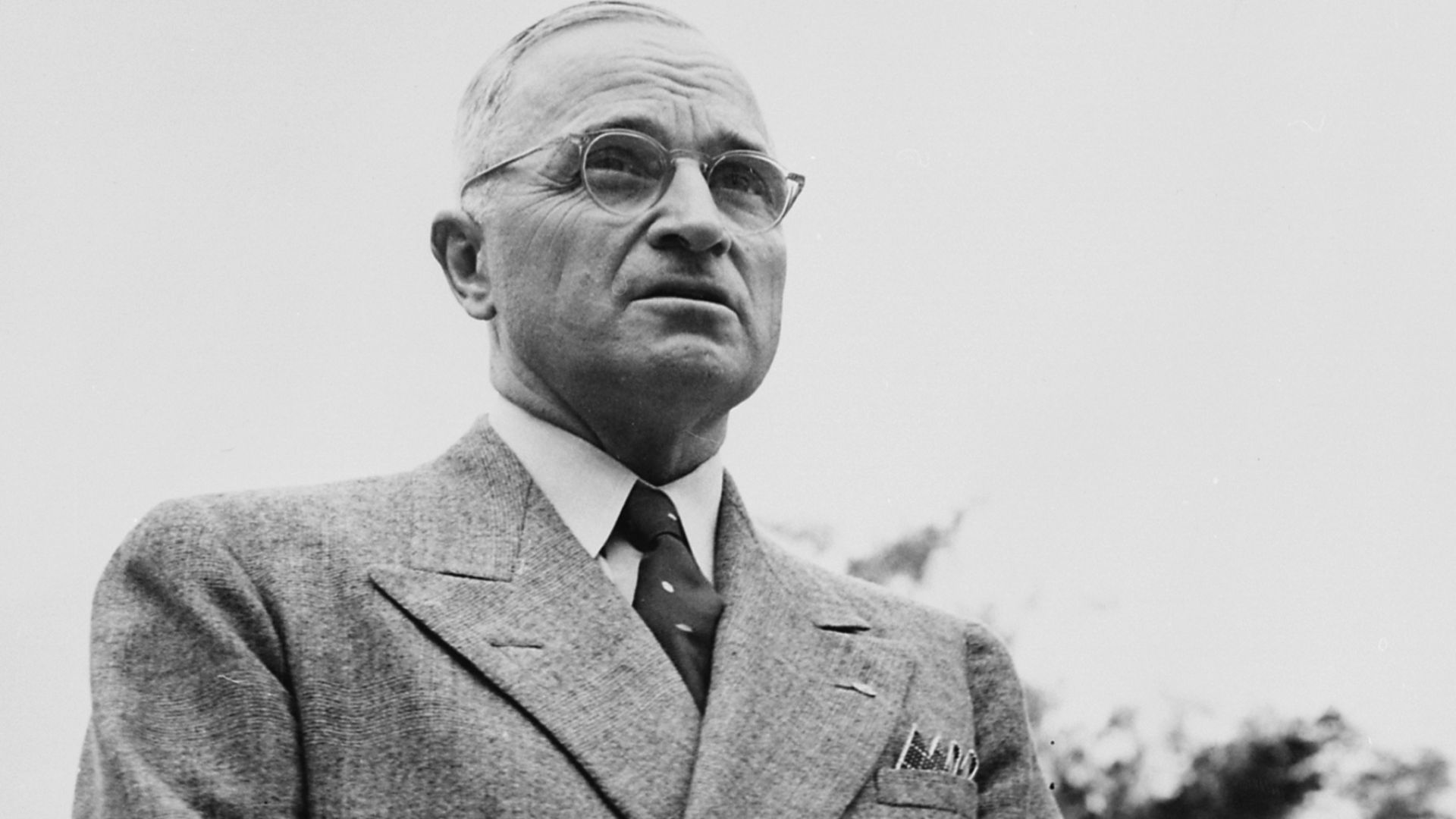 Unknown authorUnknown author or not provided, Wikimedia Commons
He Gave A Memorable Speech
Just a few weeks later in November 1945, Oppenheimer delivered a speech in Philadelphia to the American Philosophical Society, in which he said: “We have made a thing, a most terrible weapon, that has altered abruptly and profoundly the nature of the world. We have made a thing that, by all standards of the world we grew up in, is an evil thing. By so doing, by our participation in making it possible to make these things, we have raised again the question of whether science is good for man, of whether it is good to learn about the world, to try to understand it, to try to control it, to help gift to the world of men increased insight, increased power.”
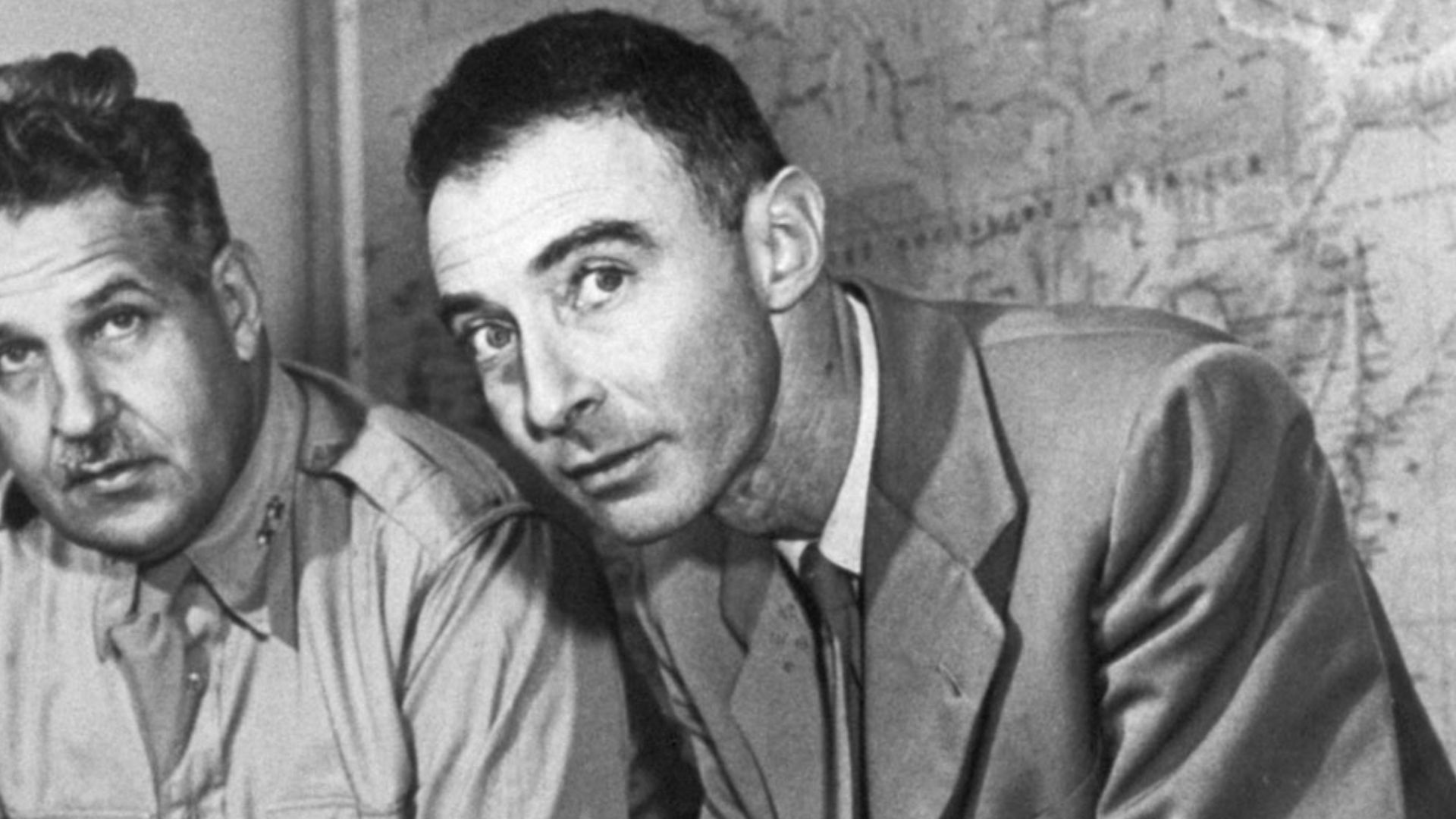 Unknown authorUnknown author, Wikimedia Commons
He Was Famous
By the autumn of 1945, the Manhattan Project was public knowledge, and Oppenheimer’s position on the development of the world-changing weapons had caused him to become a household name. He was described by Life magazine as “one of the most famous men in the world, one of the most admired, quoted, photographed, consulted, glorified, well-nigh deified as the fabulous and fascinating archetype of a brand new kind of hero, the hero of science and intellect, originator and living symbol of the new atomic age."
 doe-oakridge, Wikimedia Commons
He Became Colleagues With Einstein
In 1947, Oppenheimer took up a position as Director at the Institute for Advanced Study (IAS) in Princeton, New Jersey, where faculty members included one Albert Einstein. The pair later became close colleagues, and were united in their desire to highlight the dangers posed by nuclear weapons.
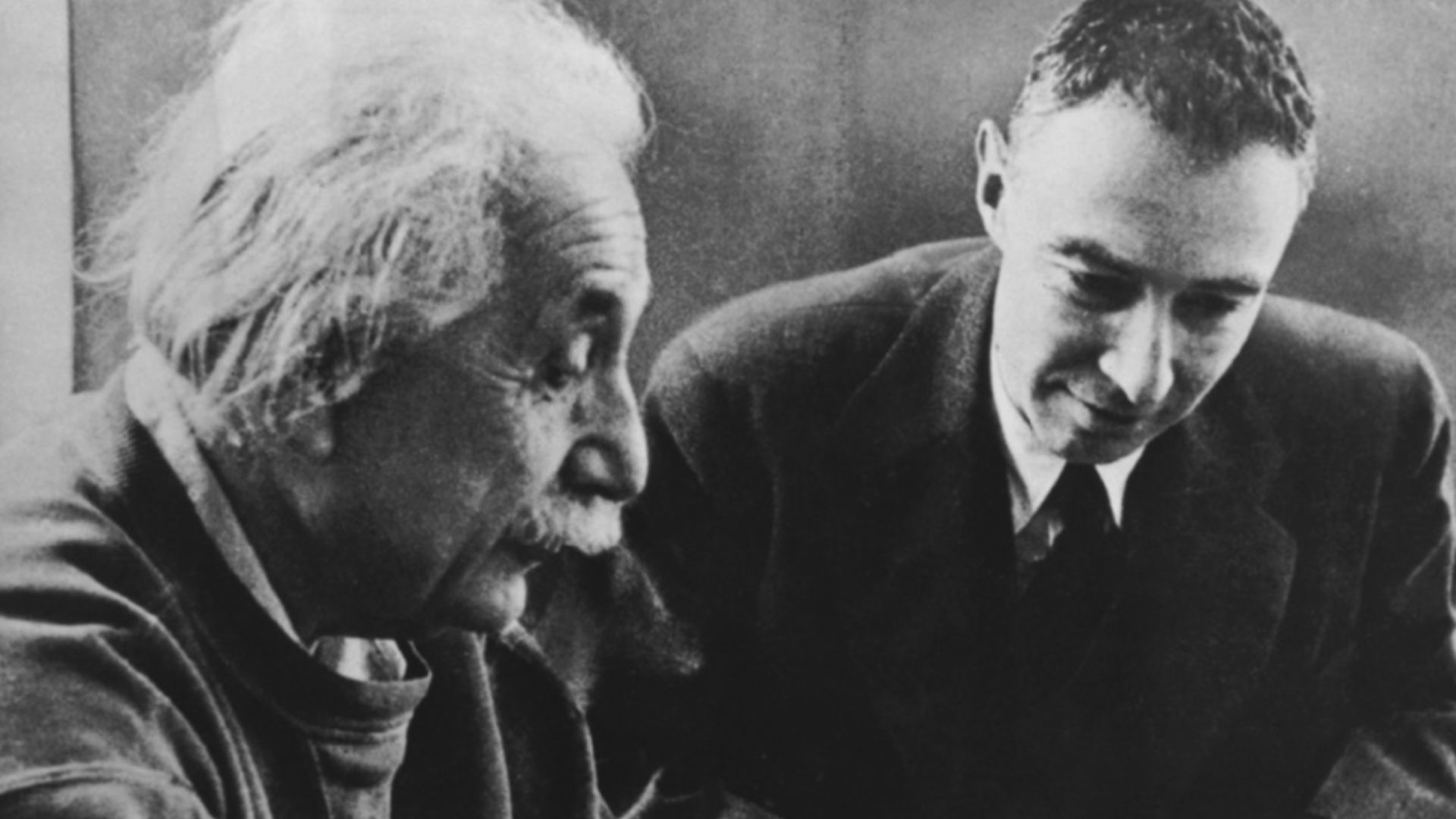 Image courtesy of US Govt. Defense Threat Reduction Agency, Wikimedia Commons
They Opposed The Hydrogen Bomb
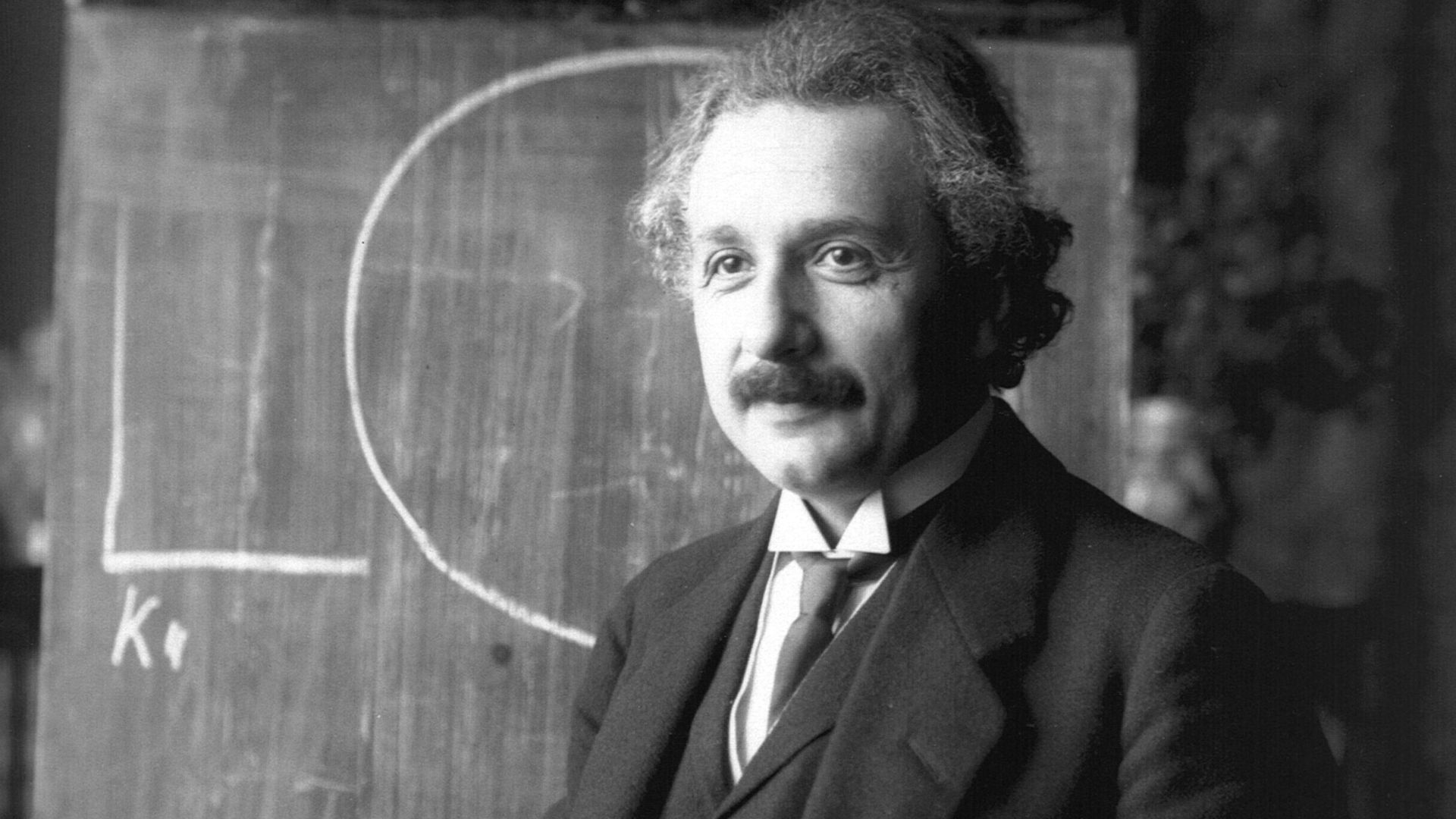
Oppenheimer and Einstein were against the development of more destructive weapons such as the hydrogen bomb (H-Bomb). Such a weapon “will be 2,500 times as powerful as that which destroyed Hiroshima”, warned a 1955 manifesto by Einstein and philosopher Bertrand Russell, adding that “the best authorities are unanimous in saying that a war with H-bombs might possibly put an end to the human race.”
 Ferdinand Schmutzer, Wikimedia Commons
Atomic Energy Commission
While Oppenheimer didn’t sign the Einstein-Russell manifesto, as part of the Atomic Energy Commission (an agency founded to foster and control the peacetime development of atomic science and technology) he frequently worked with Einstein and other eminent scientists to advocate for peaceful use of nuclear fission for energy production.
 U.S. Department of Energy, Wikimedia Commons
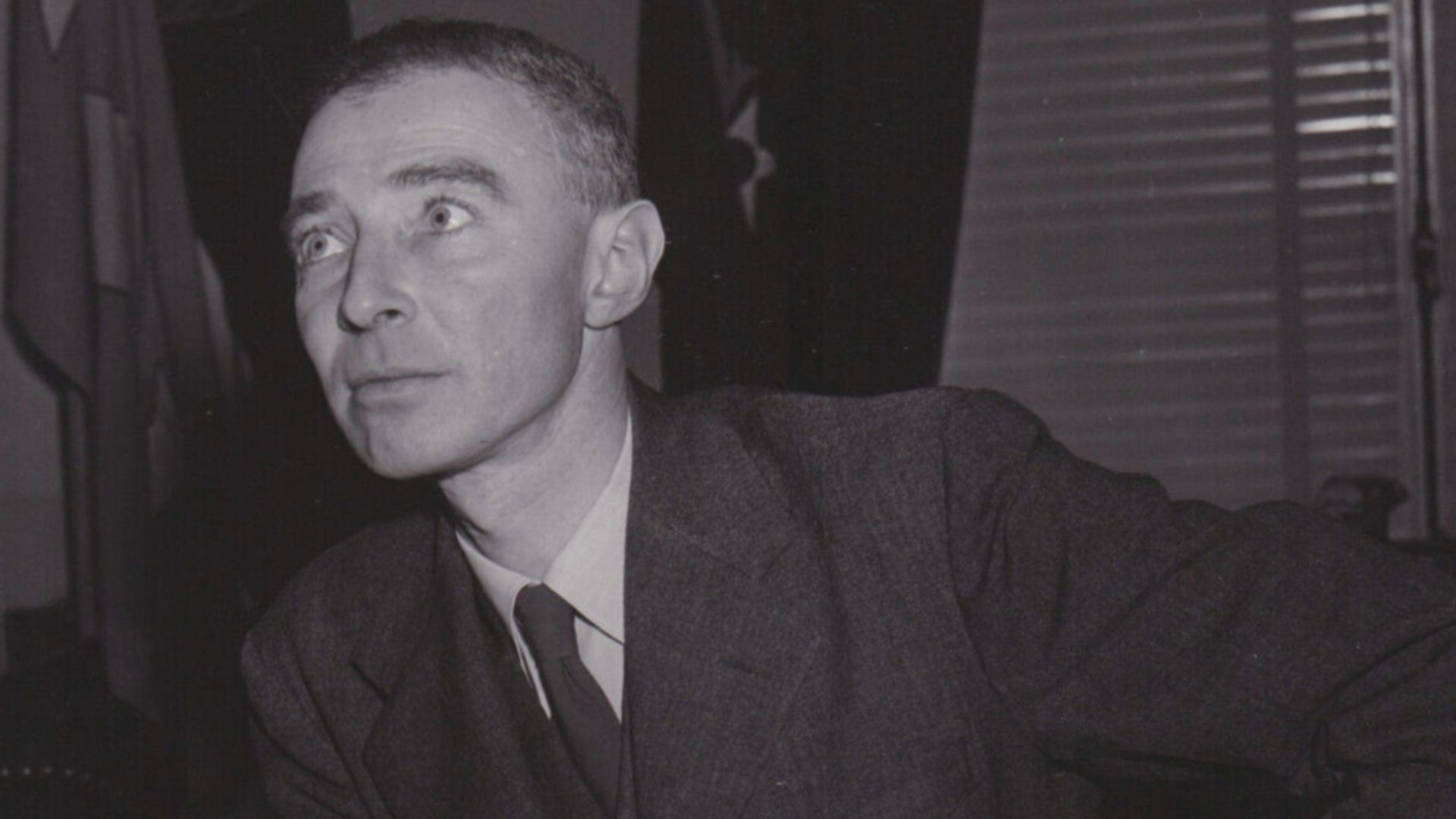
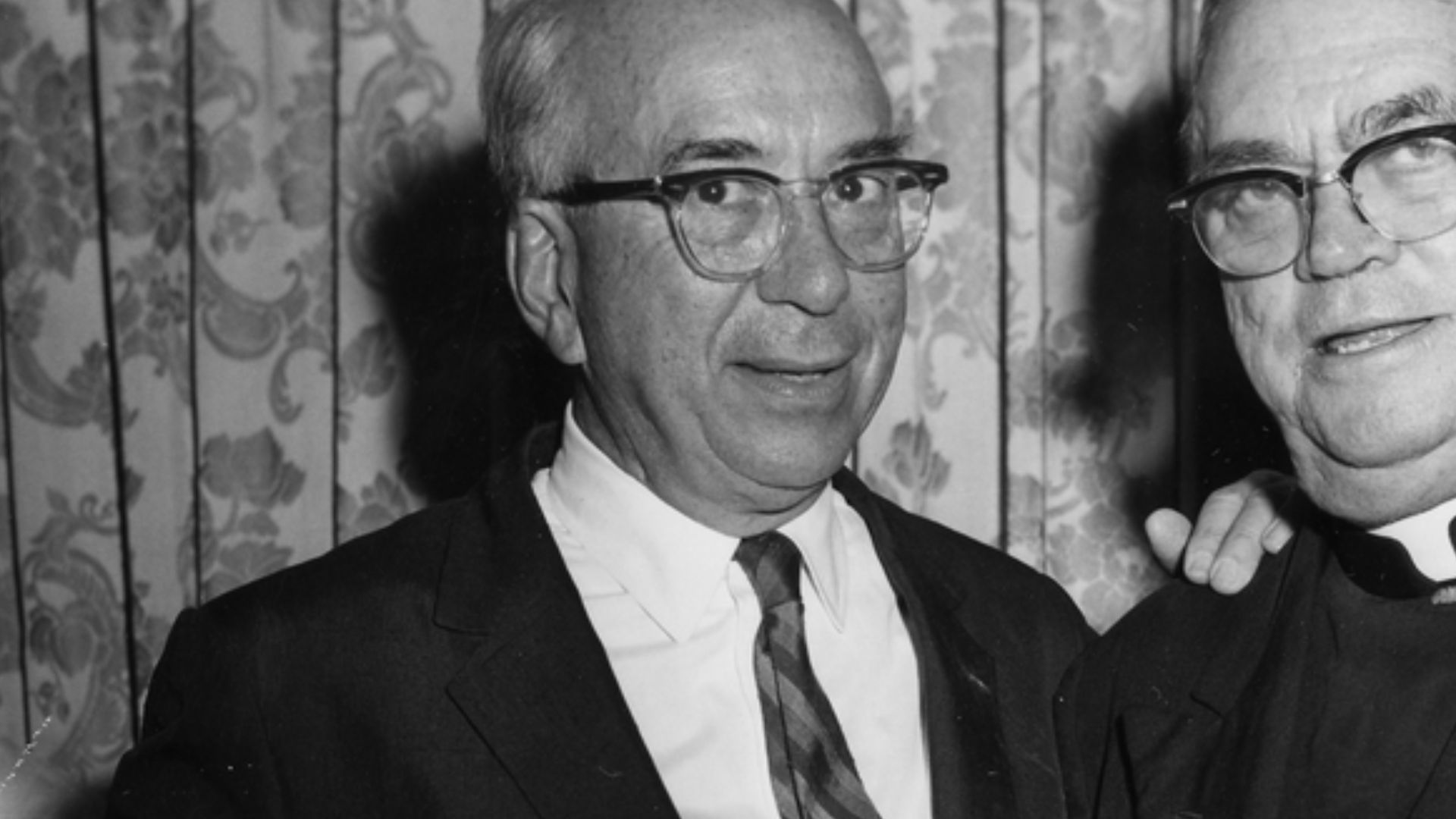
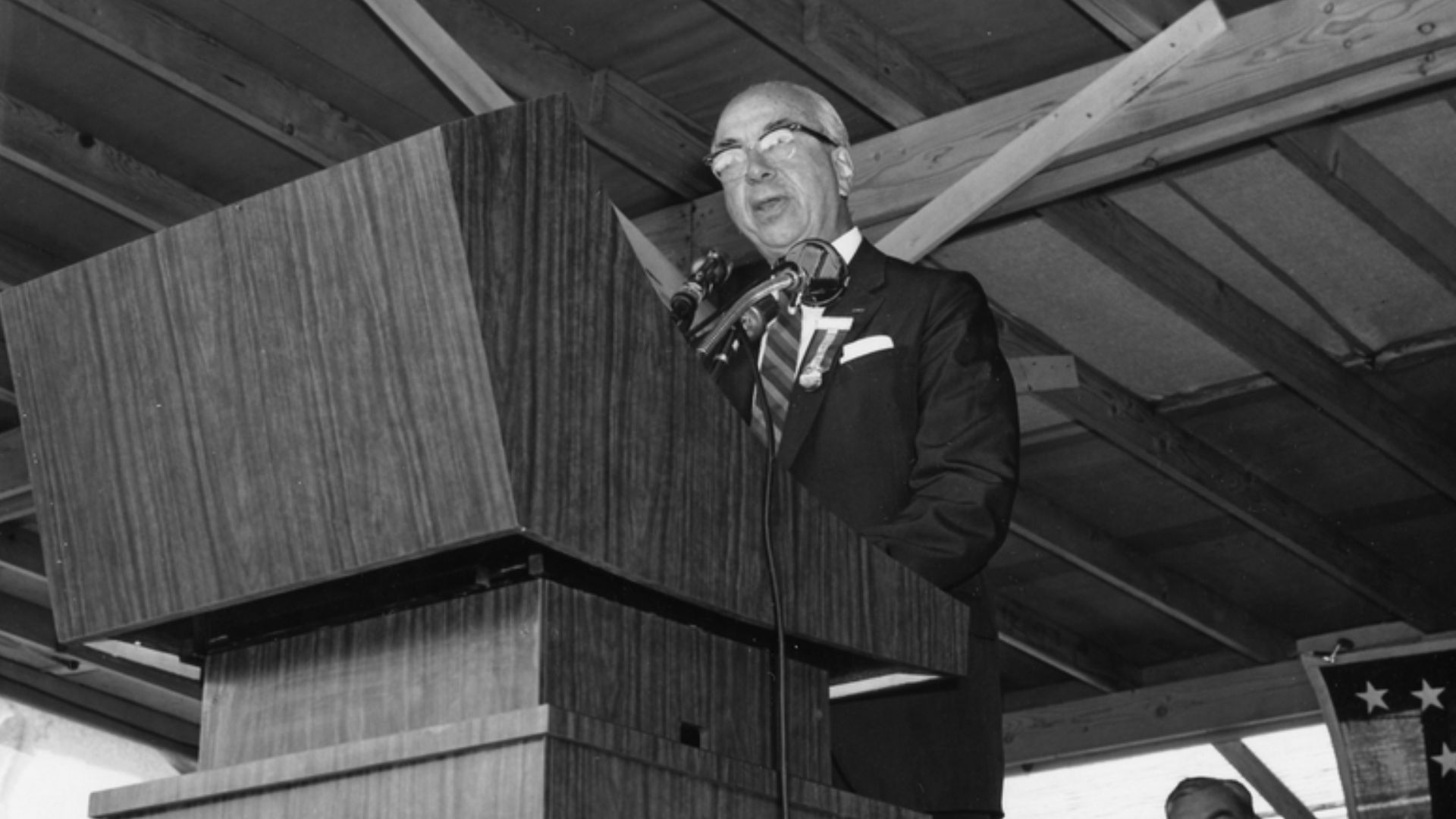
Lewis Strauss Enters The Picture
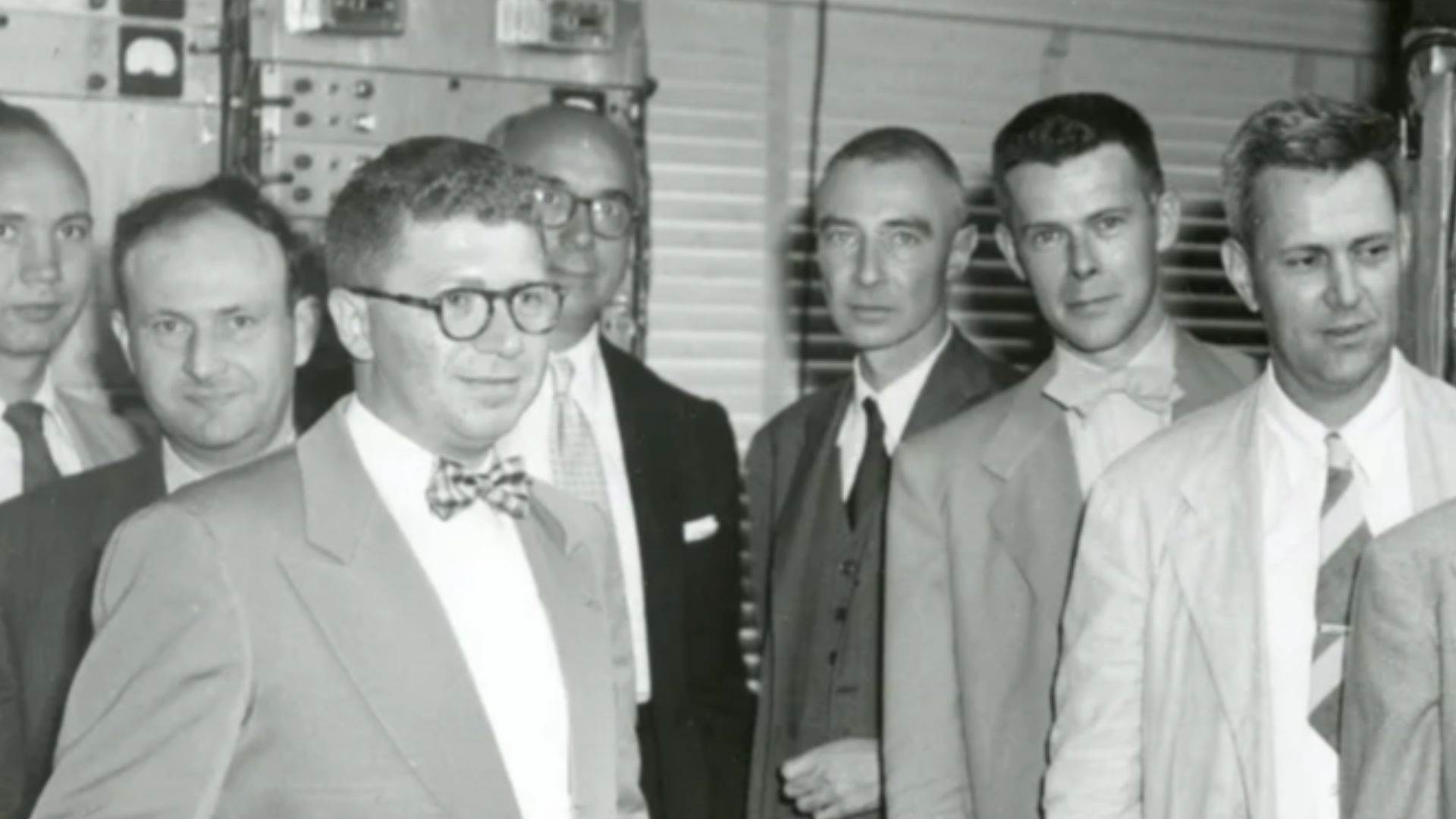
In 1953, a man named Lewis Strauss was appointed by President Eisenhower to the position of chairman of the Atomic Energy Commission. Lewis Strauss and Oppenheimer were “like oil and water”, says Bird. “They had bad chemistry. Strauss, although he only had a high school education, prided himself on his knowledge of science and things atomic. Oppenheimer was rather dismissive of these pretensions, and he made it clear what he thought of Strauss.
 NARA, plate number 31-1952-a10, Wikimedia Commons
He Made Light Of Him
“Famously in, I think, 1949, he testified at the Senate in the presence of Lewis Strauss and made fun of something that Strauss had just testified to, disparaging his scientific knowledge. So Strauss acquired a deep sort of animosity for Oppenheimer.”
 Harris & Ewing, Wikimedia Commons
Strauss Saw Oppenheimer's File
In Strauss’s capacity as chairman of the Atomic Energy Commission, he had access to Oppenheimer’s FBI file – which had been open since March 1941. “Strauss got it into his head, looking at these files, that perhaps Oppenheimer was a security risk.
A Witch Hunt Ensued
He orchestrated a complicated series of charges against Oppenheimer, and announced that Oppenheimer either had to go through a security hearing and defend himself, or give up his security clearance altogether.” As it happened, Oppenheimer’s security clearance was set to expire in June 1954. Oppenheimer sought the opinion of his friend Einstein, who advised Oppenheimer to walk away, explains Bird, telling him that he shouldn’t have anything to do with the “witch hunt”. So why did Oppenheimer choose to fight the hearing rather than walk away?
He Wanted To Inform The Public
Oppenheimer felt that he needed to use his celebrity status as a scientist to inform the public and the politicians in Washington about the dangers of nuclear weapons, explains Bird. “He wanted to use his expertise for the public good and participate in the policy debates. And to do so, he needed a security clearance and otherwise he wouldn't be able to brief the president.
 United States Army, Wikimedia Commons
He Wanted To Hang Onto His Status
“And, truth be known, Oppenheimer by this time had fallen in love with the status that he had, his access to the establishment and to power, to be able to walk the halls of Congress and talk to congressmen and senators and the president. There was something attractive about all this that he didn't want to give up. And in this, he was certainly politically naïve.”
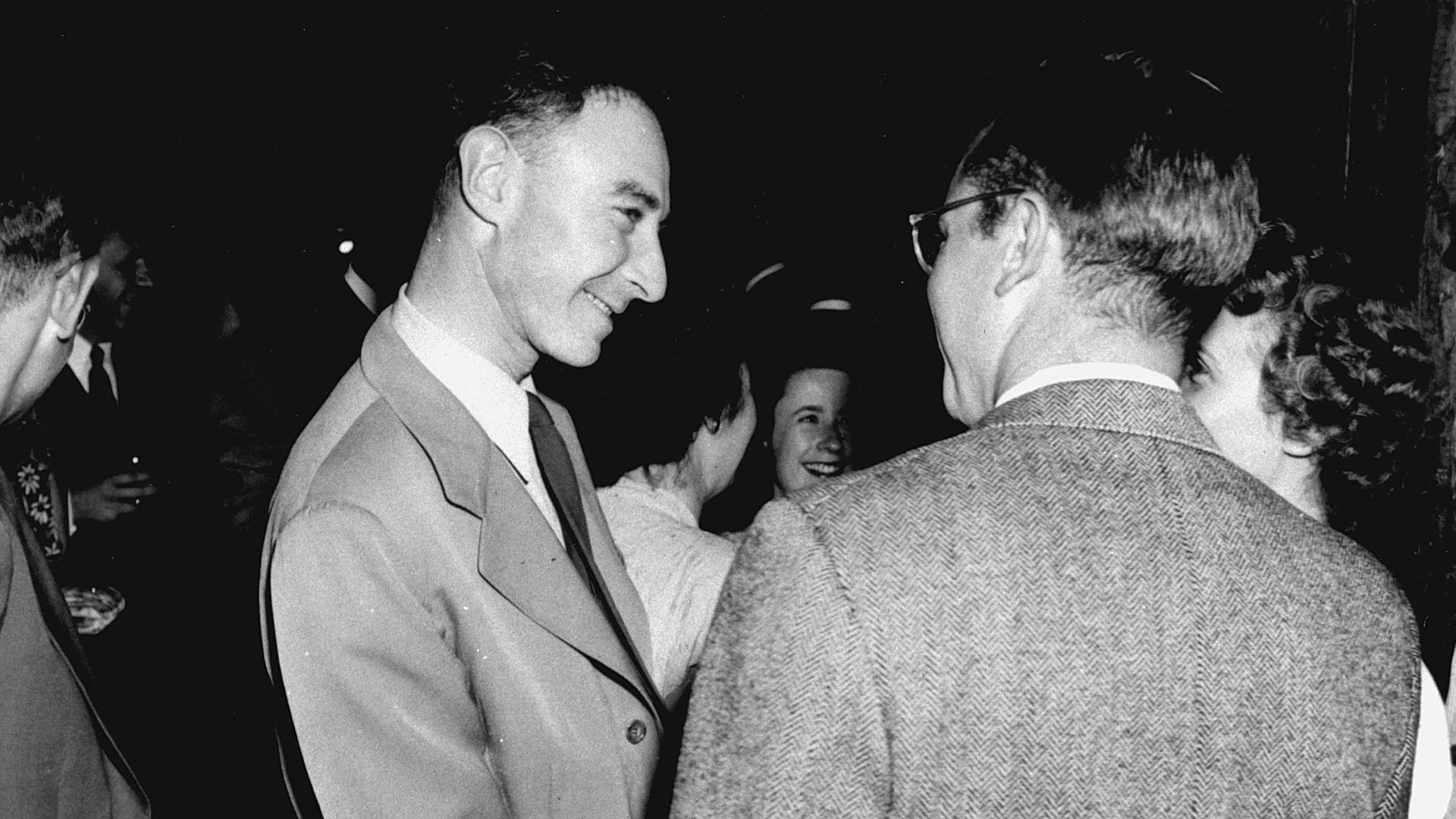
His Security Clearance Was Revoked
In the spring of 1954, Strauss orchestrated a hearing that went on for weeks, exposing many private details about Oppenheimer, his political associations and intimate life – details which were later leaked to the New York Times and other newspapers. On 12 June 1954, it was recommended that Oppenheimer's security clearance not be reinstated, bringing to an end any influence he could have in government or policy.

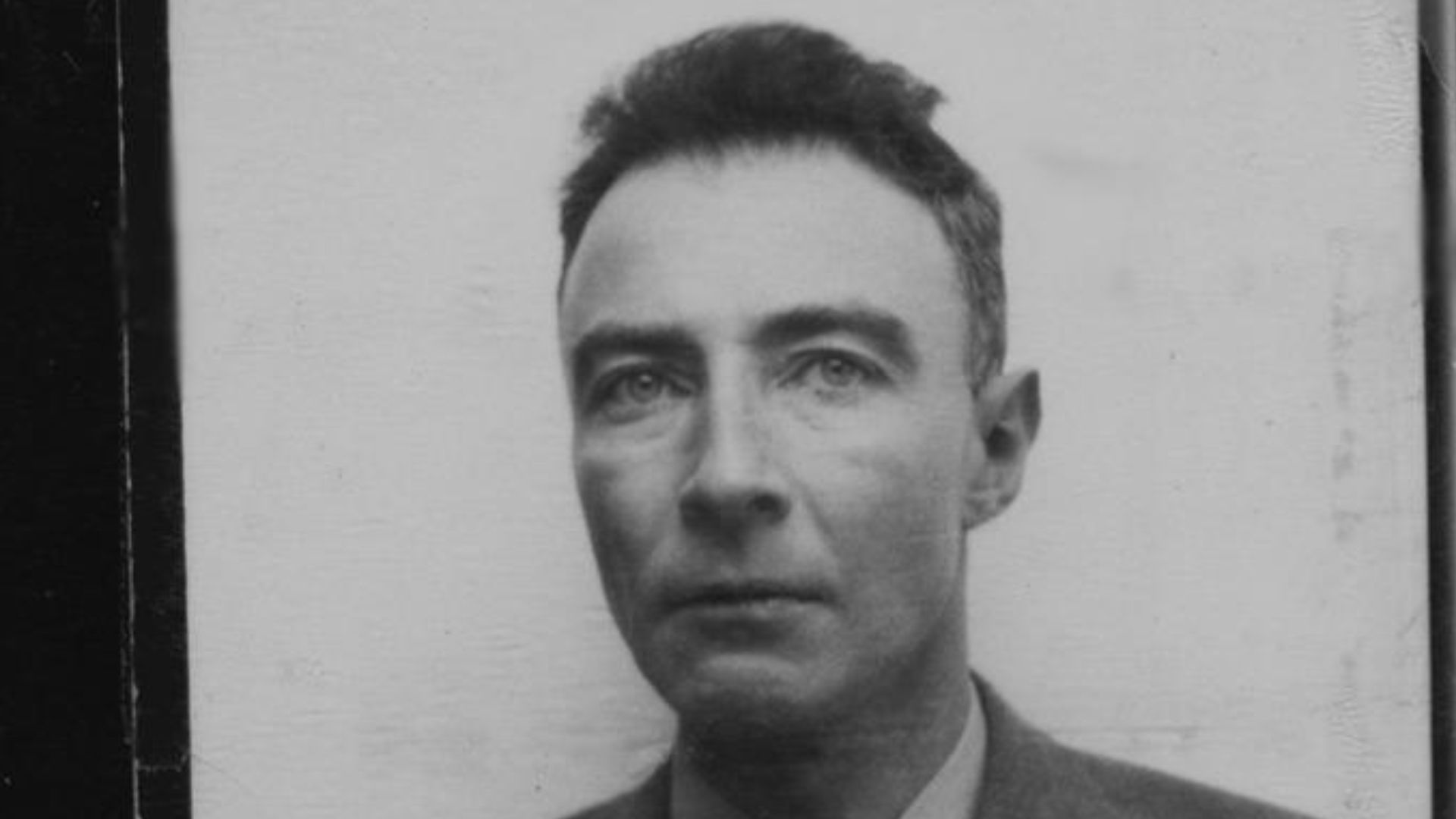
He Never Really Recovered
 United States Army, Wikimedia Commons