In A Class Of Her Own
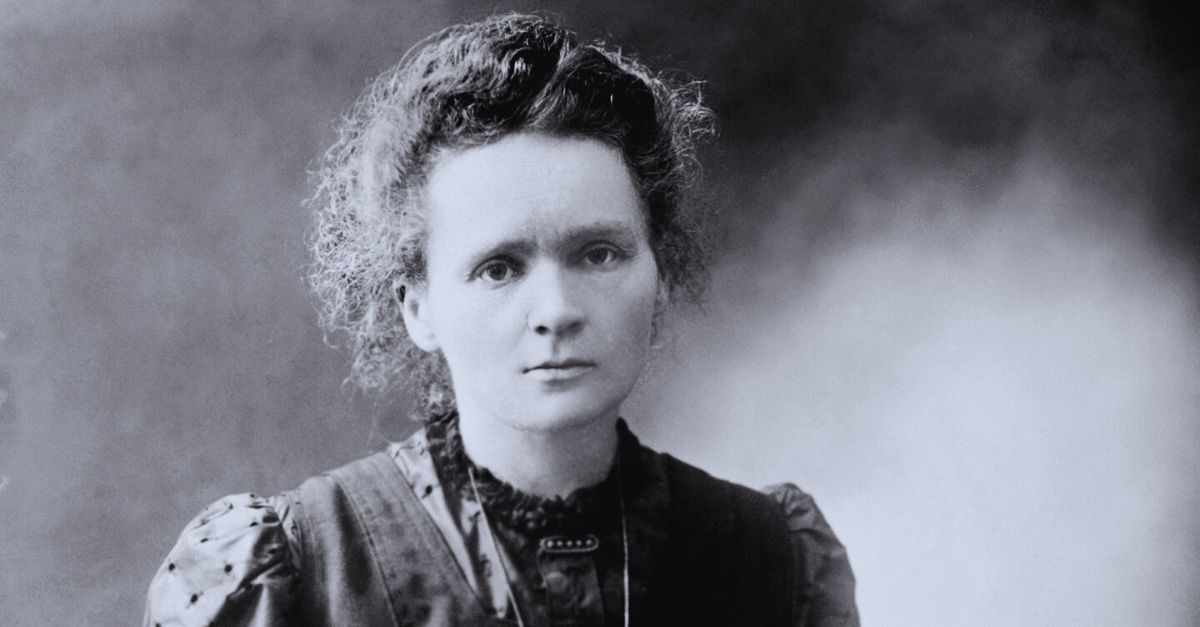
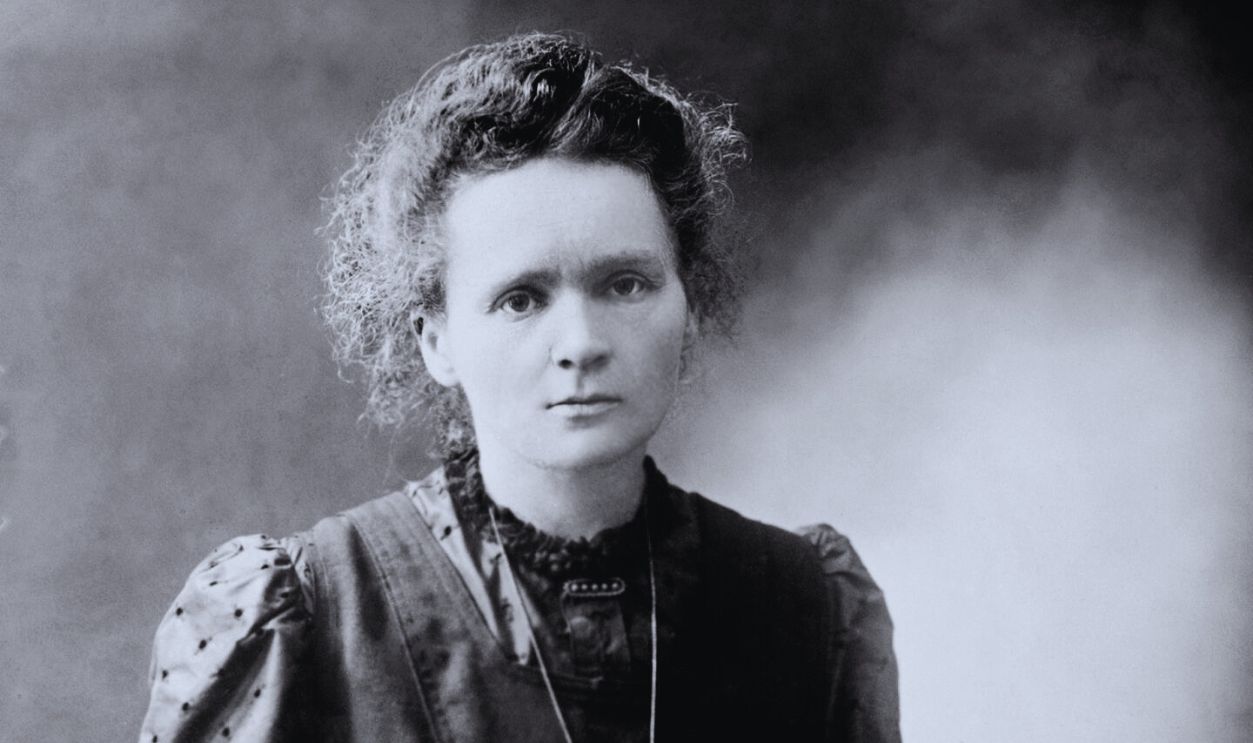
Only one person in history has received two Nobel Prizes in two different scientific fields. That person is Marie Curie. Outwardly shy and retiring, this obsessive genius was not only the first woman to be awarded a Nobel Prize, but the only woman to win twice. But she was to pay a heavy price for her ground-breaking work.
 Unknown Author, Wikimedia Commons
Childhood In Poland
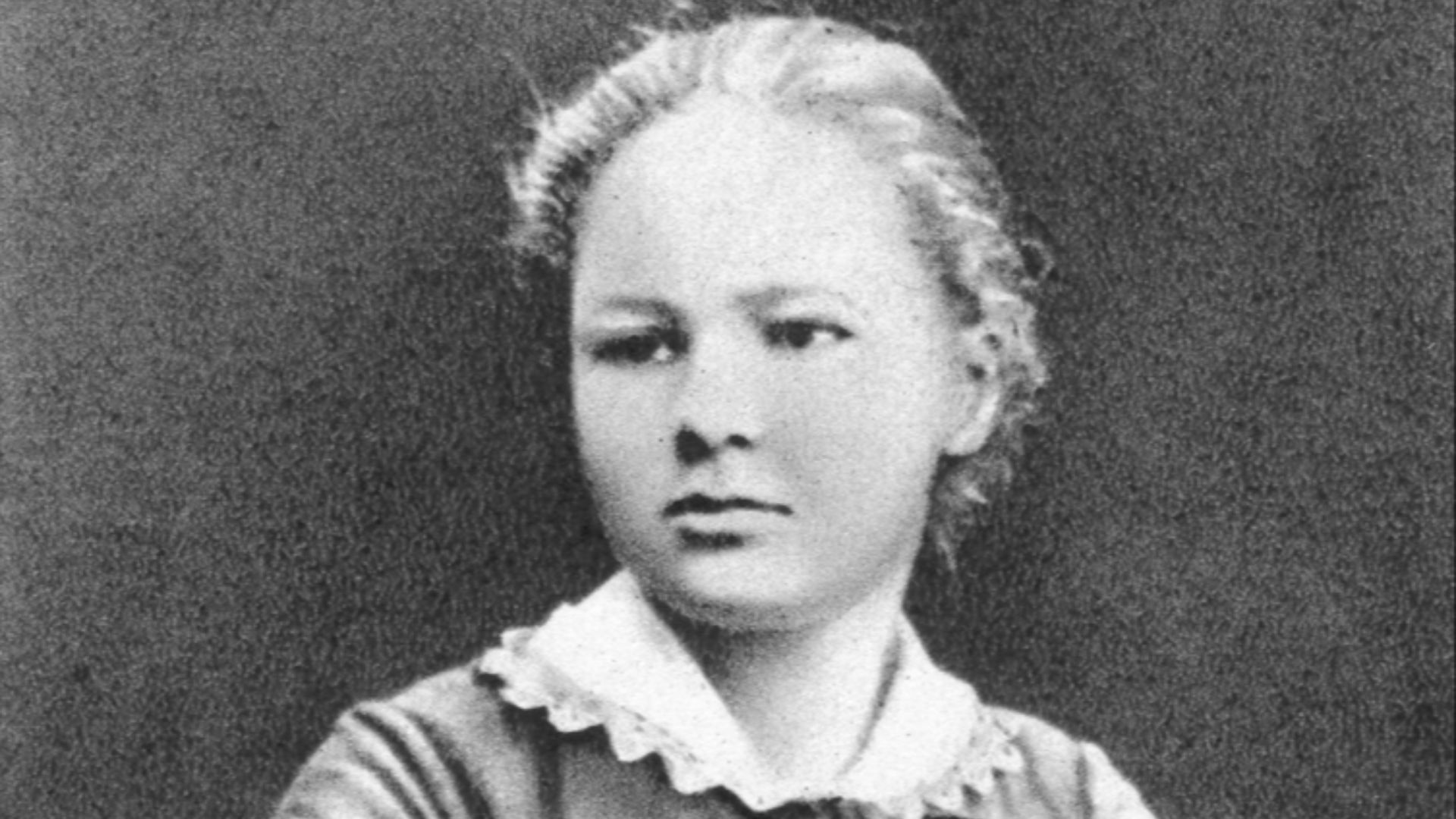
Born Maria Sklodowska on 7 November 1867 in Warsaw, in what was then the Land of the. Vistula, part of the Russian Empire, she grew up in an intellectual but impoverished family. Her father was a physics teacher, staunch atheist and patriot, intent on an independent Poland. His views clashed with those of the authorities and meant he struggled to hold down a job. Maria spent her early years growing up in the boarding school that her devout Catholic mother ran.
 Unknown photographer, Wikimedia Commons
Her Dad's Lab Assistant
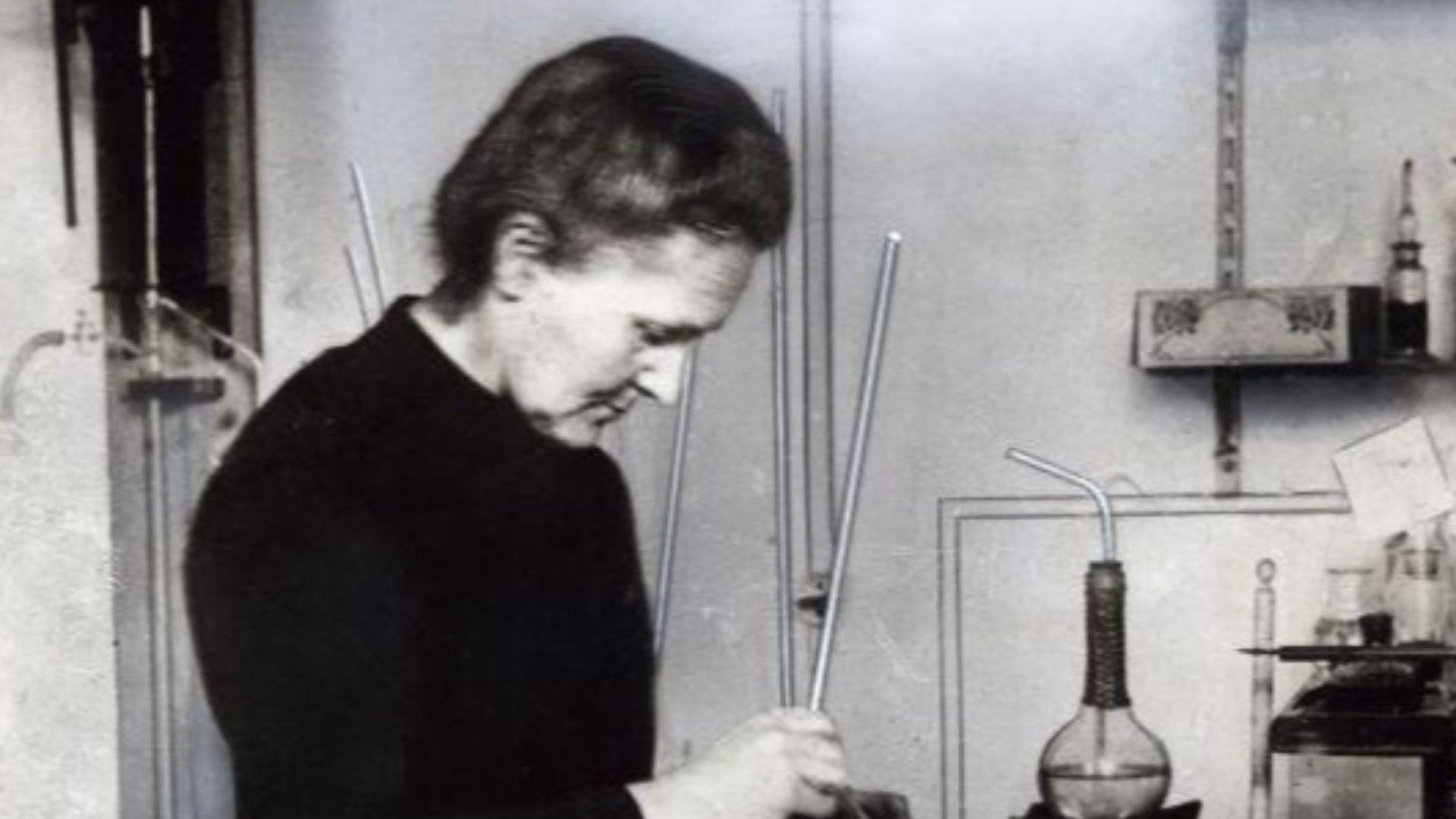
But when her mother died of tuberculosis, 11-year-old Maria sought refuge by helping out her father in his laboratory. The quiet, rational world of pipettes and problem-solving was a far cry from the political turmoil outside. But when Maria turned 18, financial reality dragged her away from this safe haven.
 Nationaal Archief, Wikimedia Commons
She Made A Deal
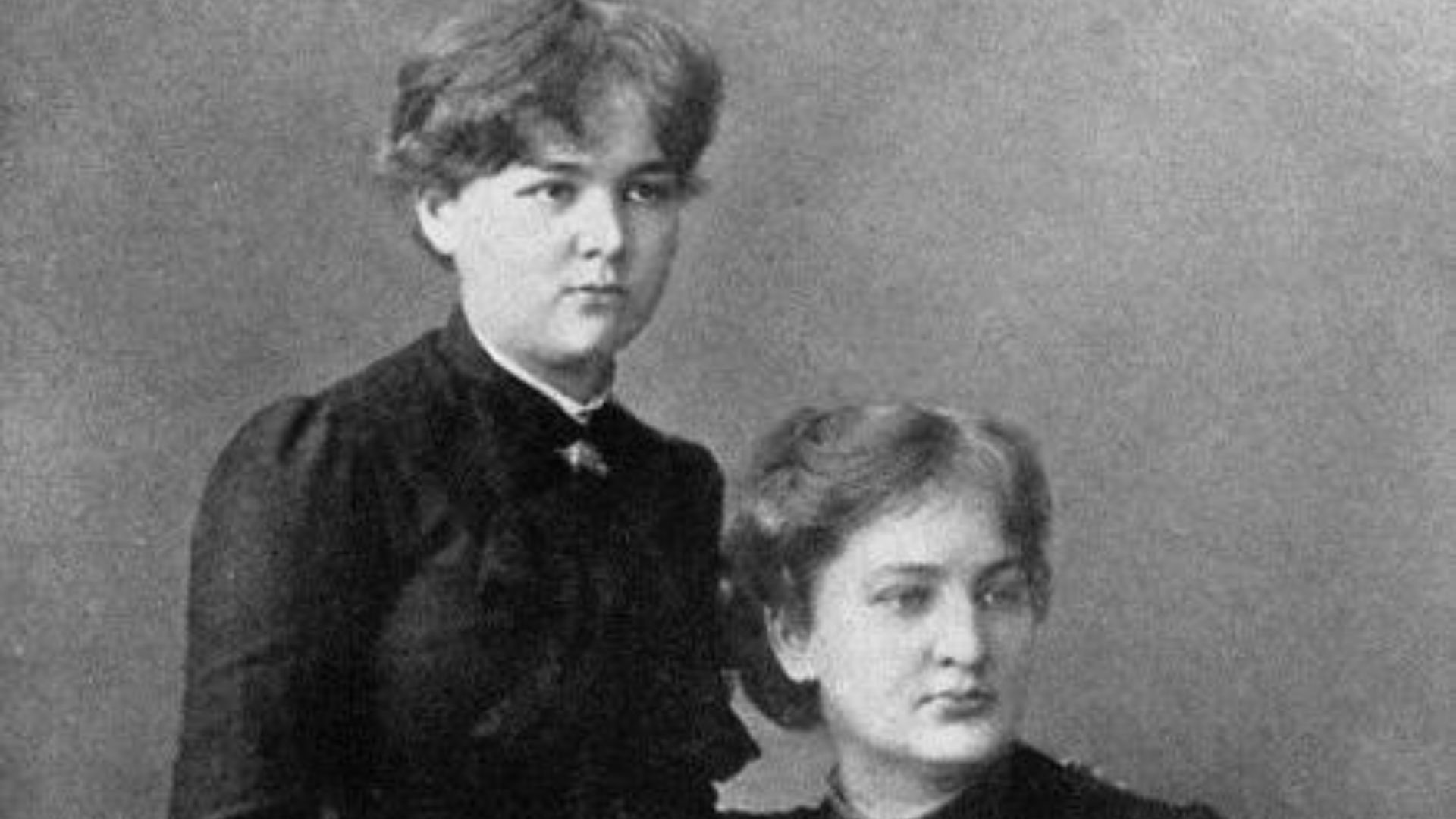
She struck a deal with her sister, Bronya. While Maria worked as a governess to the daughters of a Russian nobleman, she’d save her hard-earned cash to support Bronya while her sister studied medicine in Paris. In return, once she’d become a doctor, Bronya would fund Maria coming to Paris to study.
 Unknown authorUnknown author, Wikimedia Commons
A Life-Changing Decision
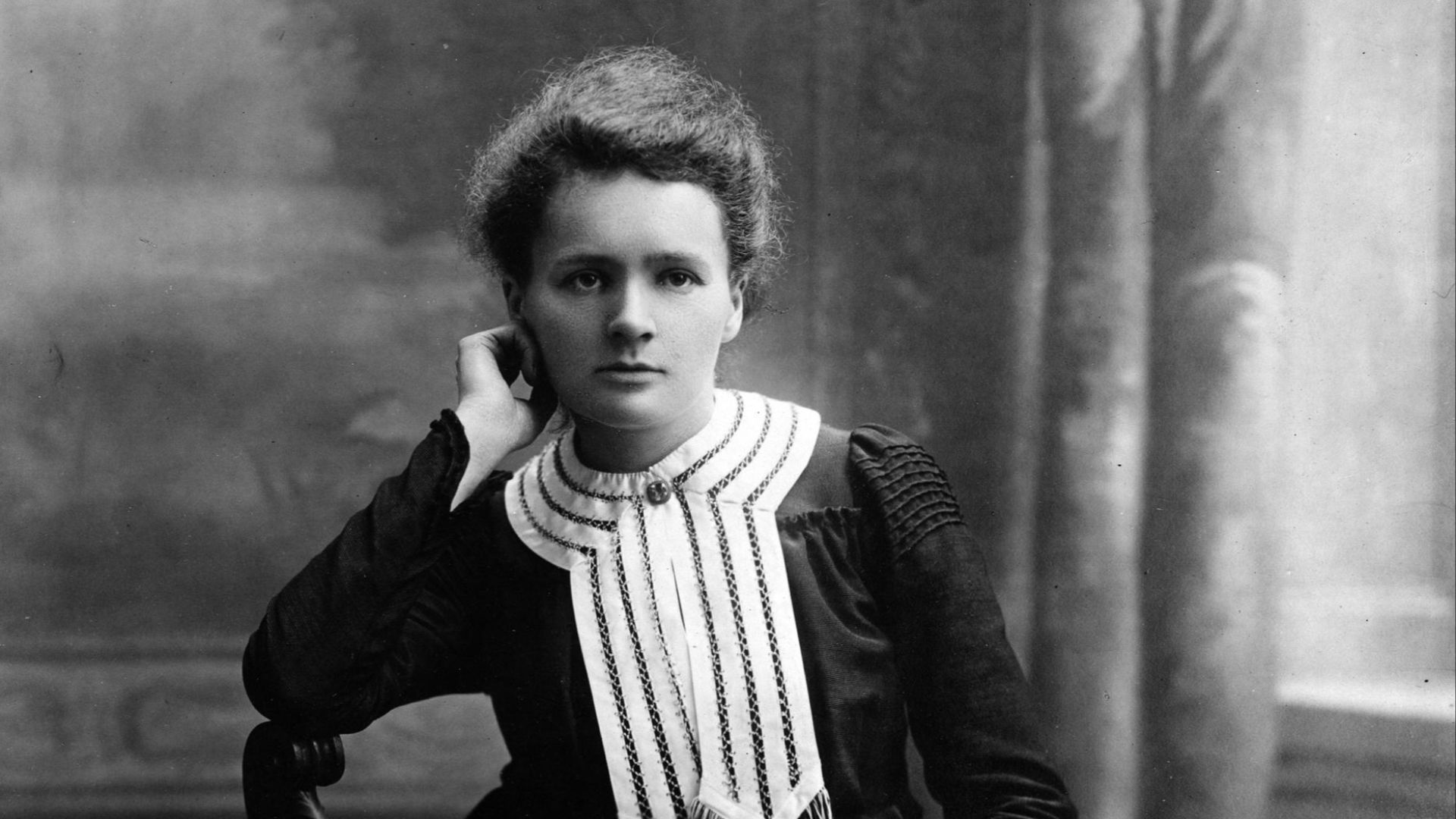
But after just two years, her left-wing politics had garnered the attention of Big Brother. So, aged 24, Maria moved to Paris and changed her name to Marie. It was supposed to be a temporary move; her plan was to gain her teacher’s diploma and then return to Poland once the eagle-eyed government had relaxed a bit. But Parisian labs and loves changed the course of her life forever.
 Unknown authorUnknown author, Wikimedia Commons
Starting Out At The Bottom
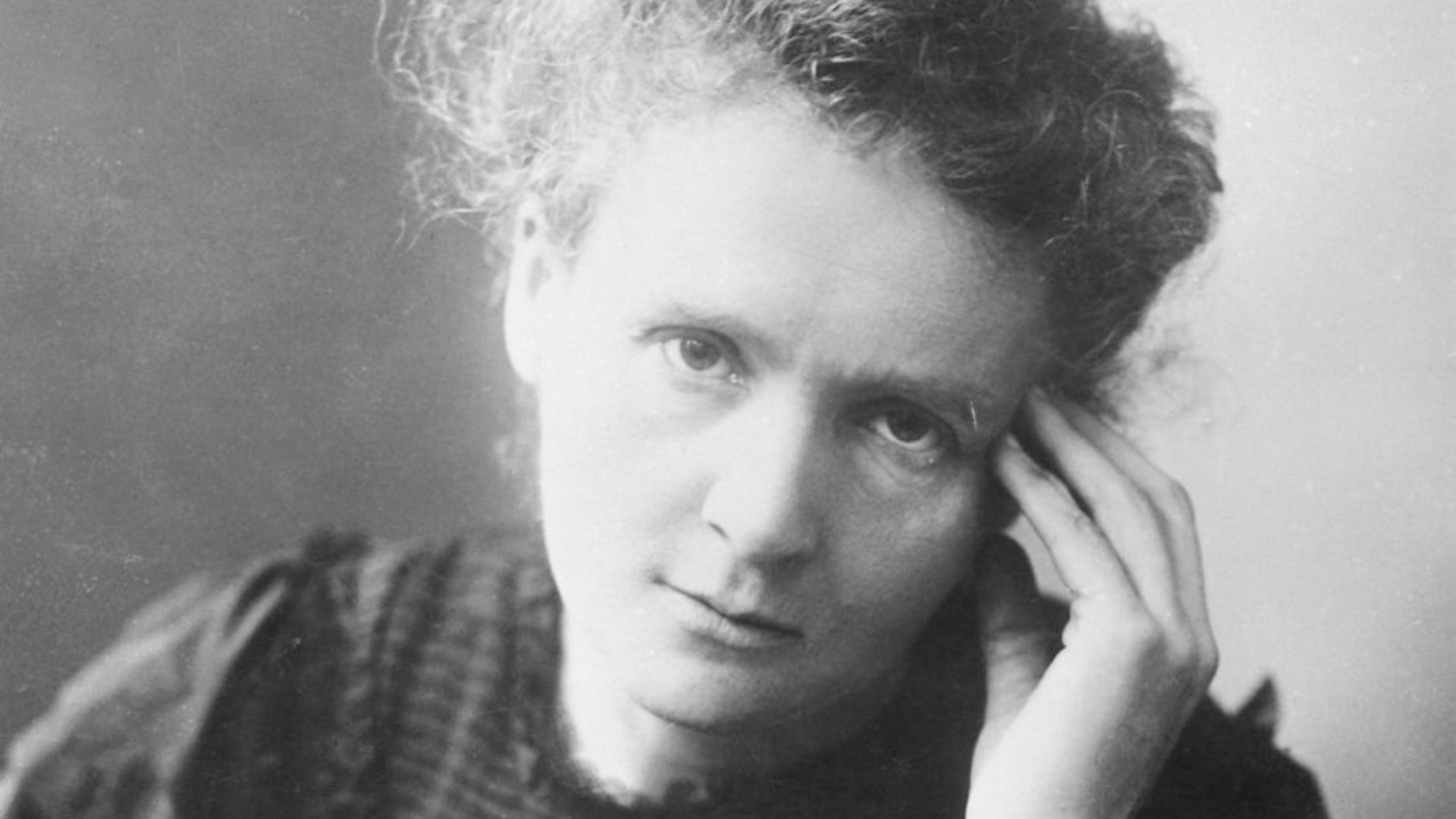
At first, Parisian life was a real challenge for a penniless student who was struggling to converse in French and renting a tiny, freezing attic room where she’d pile all her clothing on her bed to keep warm at night. Finding work was also testing for a young girl in the male-dominated world of science.
 Unknown authorUnknown author, Wikimedia Commons
They Gave Her The Brush-Off
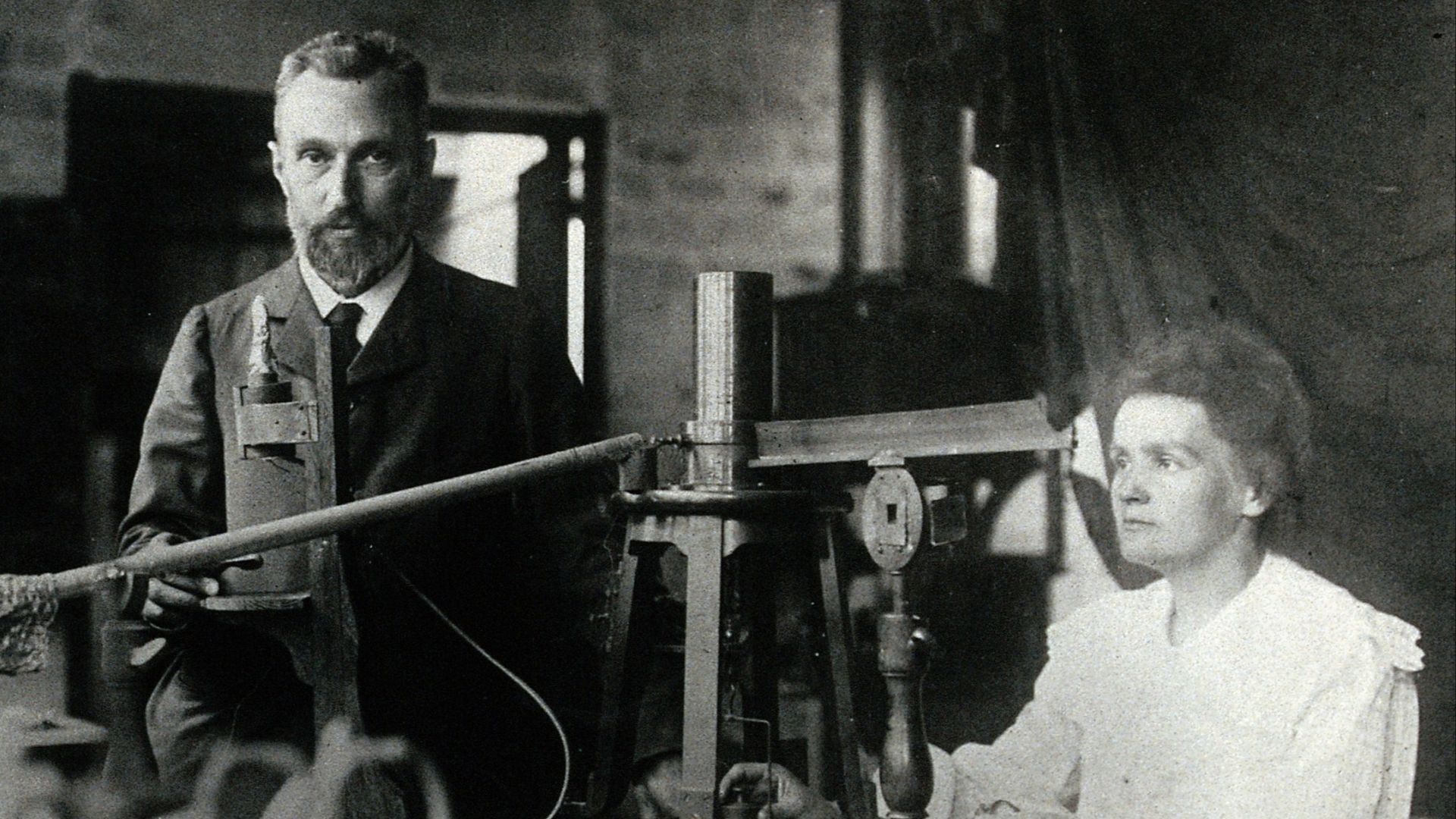
Marie repeatedly tried to find a job in a lab, but kept being met with rejection. Eventually she was given the chance to carry out some trivial tasks. But her technical proficiency immediately attracted attention, gaining the respect of her colleagues. It was while working in these labs that she met a certain scientist named Pierre Curie.
 Unknown photographer, Wikimedia Commons
They Found Their Passion
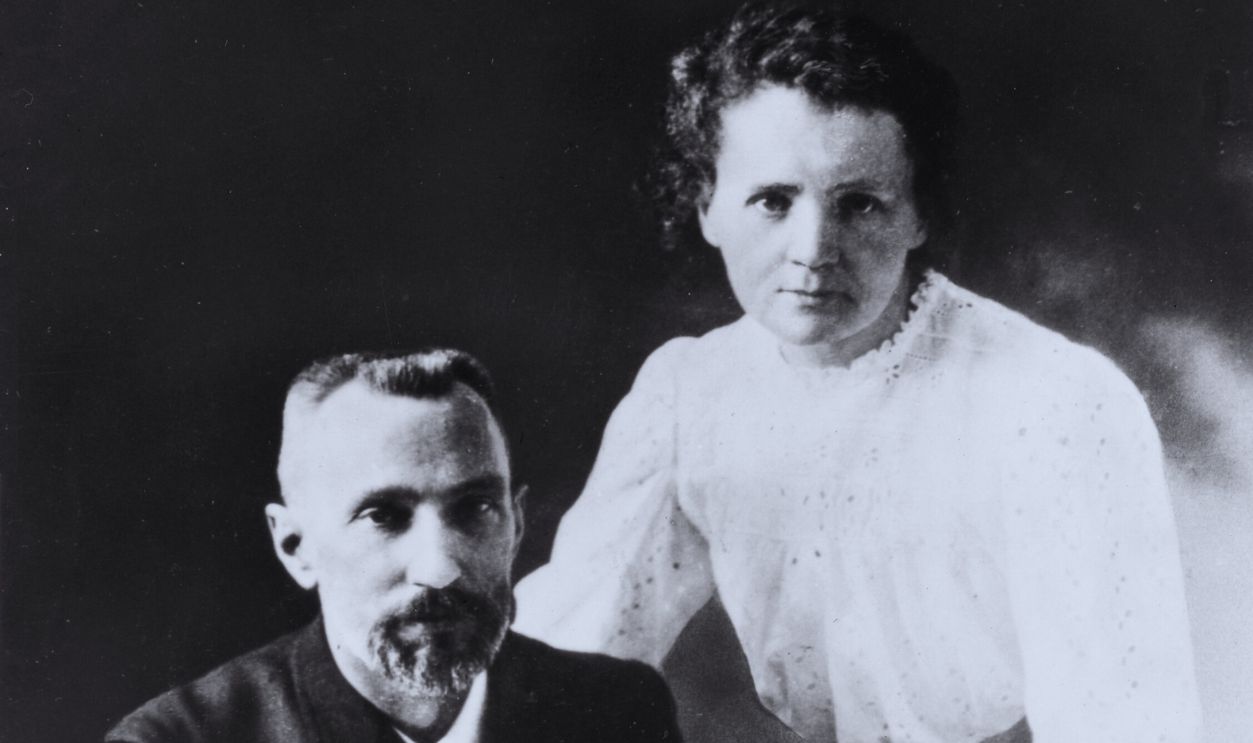
Both passionate about science, both leftist and secular, love soon blossomed. Pierre was already a big name in the scientific world; early on in his career, he had discovered so-called ‘piezoelectricity’ with his brother Jacques, and he was currently the head of a laboratory at the School of Industrial Physics and Chemistry where talented engineers were trained.
 Smithsonian Institution from United States, Wikimedia Commons
He Proposed
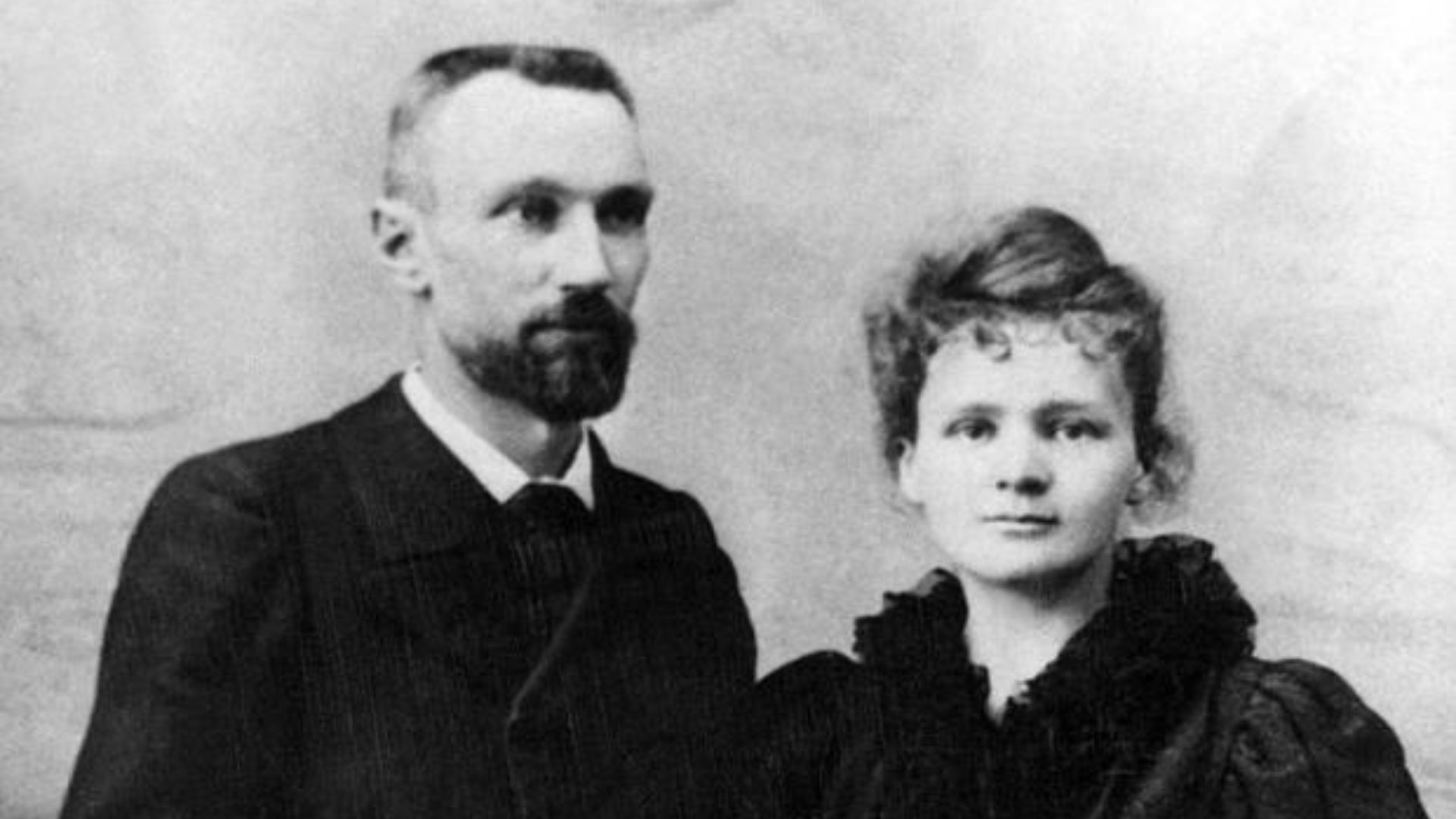
In Pierre, Marie found a fellow intellect and confidant, someone with whom she could enjoy both musing over scientific theories and sharing excursions on their bicycles. But Marie rejected Pierre’s first marriage proposal - her aim had always been to return to her native Poland.
 Unknown authorUnknown author, Wikimedia Commons
She Changed Her Mind
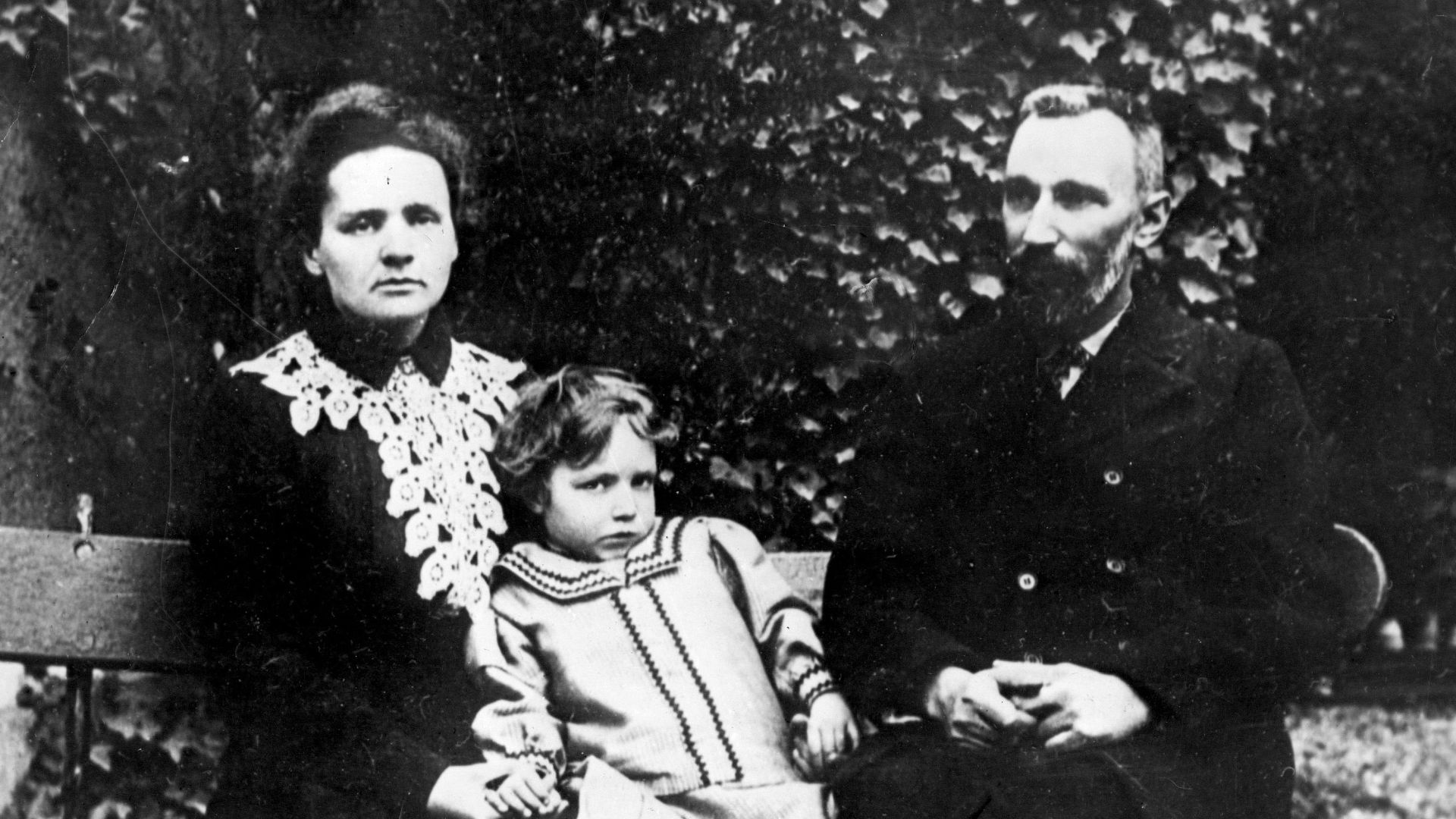
Love-struck Pierre volunteered to jack in his whole career and move to Poland with her. On a trip to see her family in 1894, however, she applied for a place at Kraków University, but wasn’t accepted as she was a woman. So the pair ended up marrying in 1895 in the suburbs of Paris, with untraditional Marie wearing a dark blue outfit instead of a bridal dress, which reportedly became one of her lab outfits. They welcomed their first daughter Irène two years later, followed by Eve in 1904.
 Unknown authorUnknown author, Wikimedia Commons
She Saw Something Bizarre
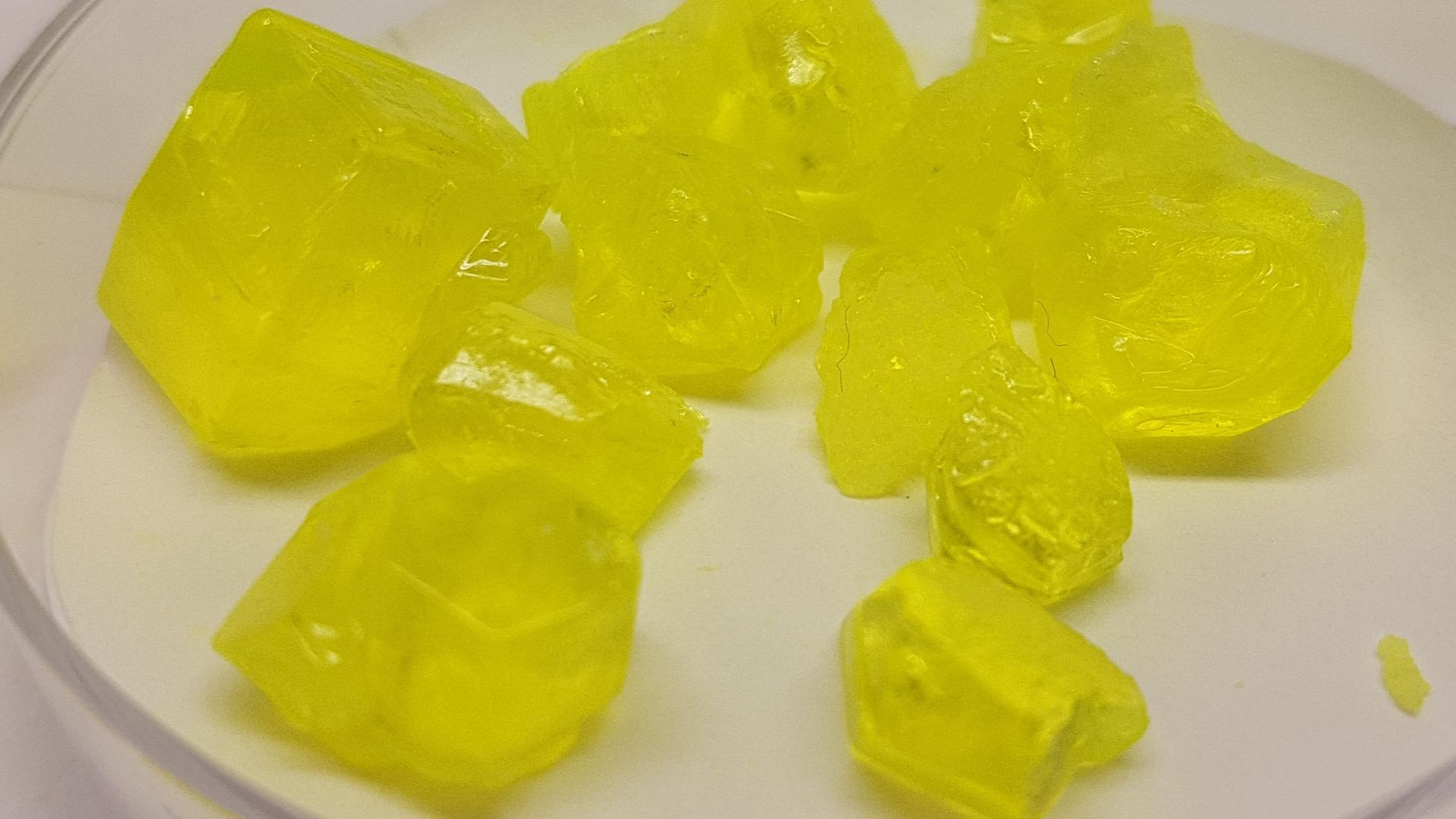
Marie didn’t let motherhood get in the way of her work, though. Her supervisor Antoine Henri Becquerel had tasked her with investigating a bizarre phenomenon that he’d discovered. Intrigued by the recent discovery of X-rays and the way that certain materials glowed when exposed to bright light, in 1896 Becquerel had found that uranium salts could affect photographic plates through black paper even when the Sun wasn’t shining.
 Chemolunatic, Wikimedia Commons
She Made An Amazing Discovery
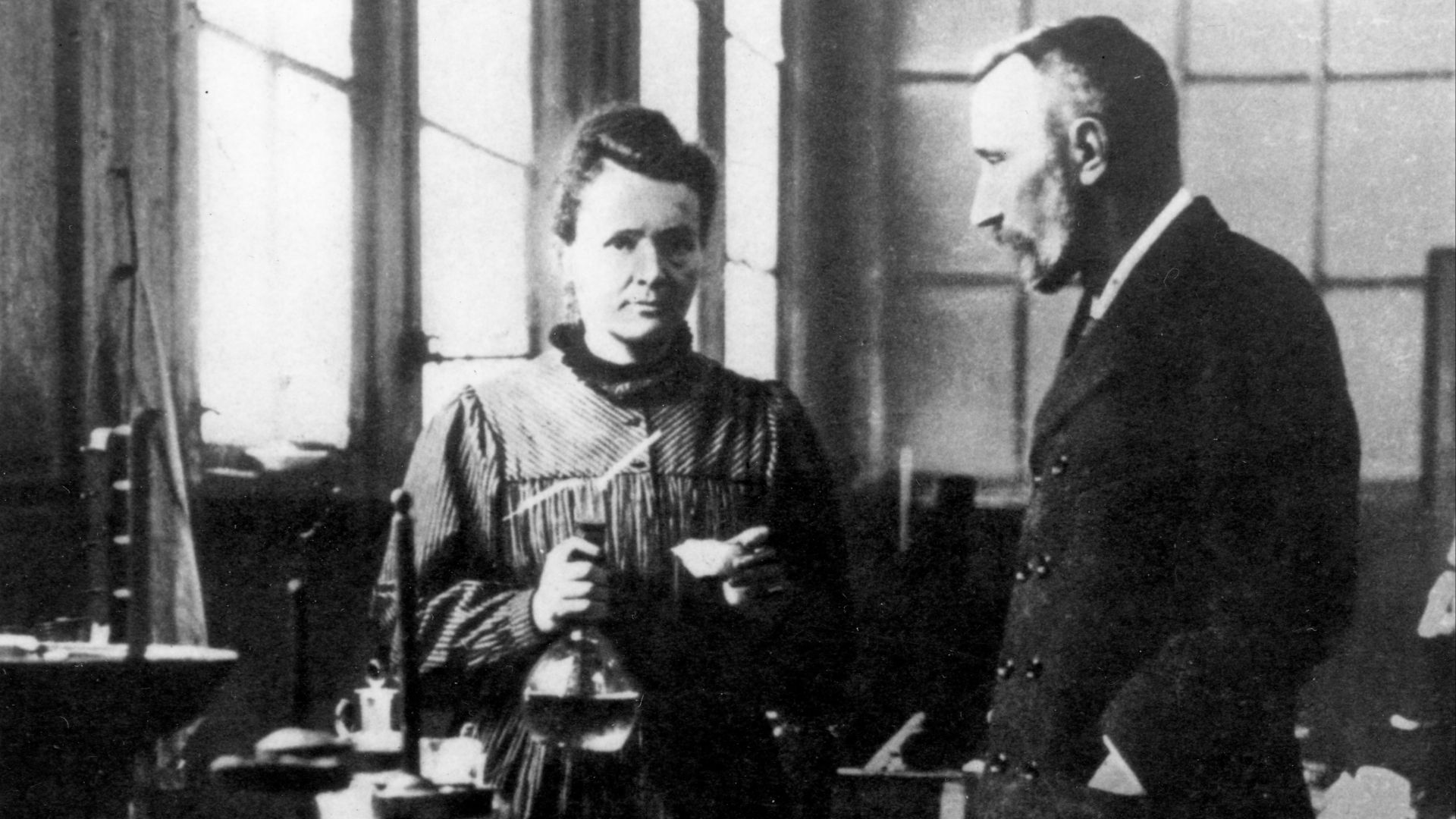
Aided by a device that Pierre had invented, Marie set about solving the puzzle of these strange rays. Over the course of just a few days, she discovered that the element thorium gives off the same rays as uranium, and concluded that it wasn’t the arrangement of atoms in a molecule that made it radiate, but the interior of the atom itself. This discovery was nothing short of revolutionary.
 AIP Emilio Segrè Visual Archives, Physics Today Collection, Wikimedia Commons
They Admired Her Tenacity
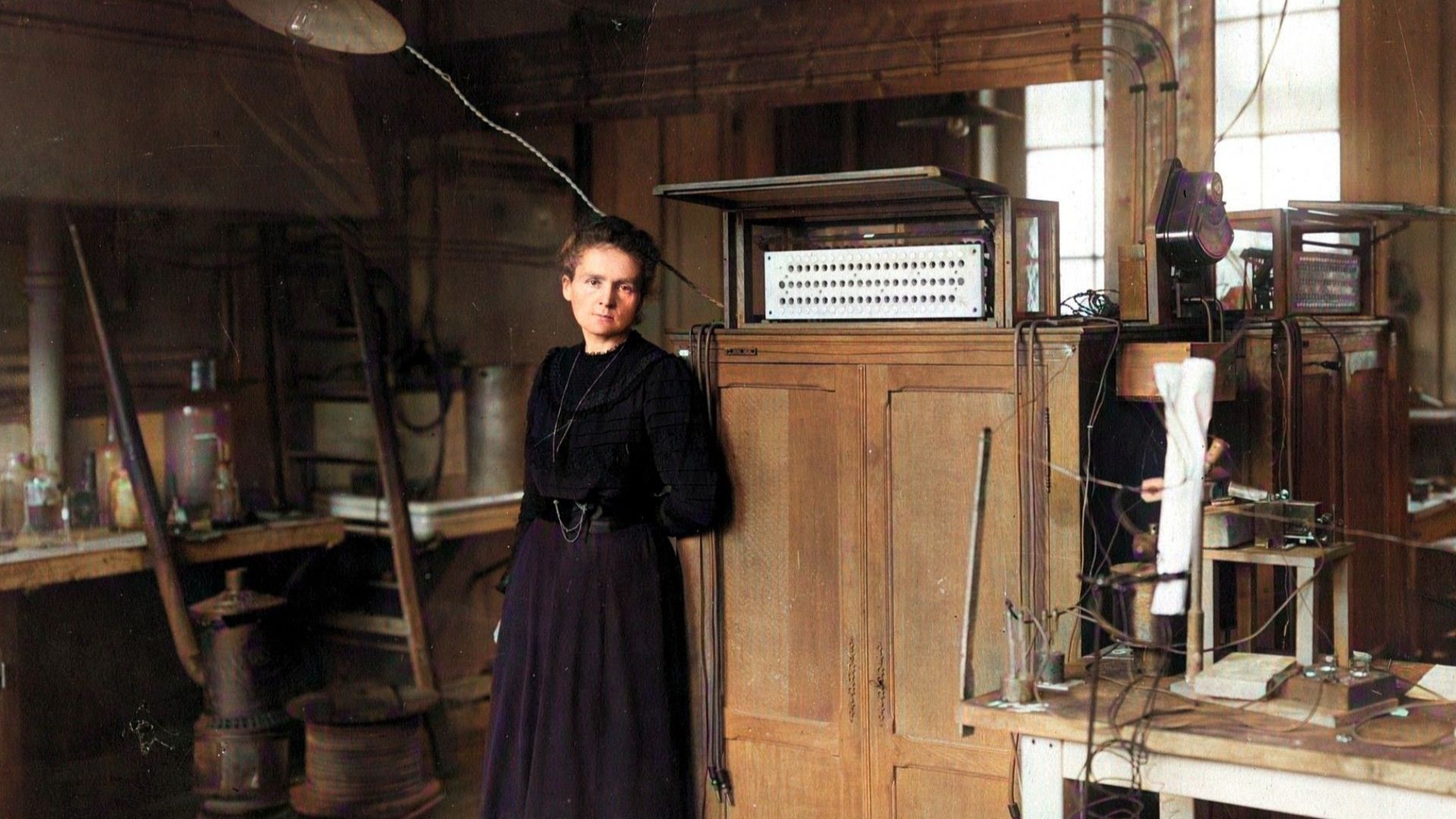
Chemists the world over grew to admire Marie’s tenacity and the classical chemistry she practised. She would lock herself away in the “miserable old shed” as she called it, undertaking the back-breaking work of stirring enormous vats filled with pitchblende, dissolving it in acid to separate the different elements present.
 Public domain, Wikimedia Commons
Their Hard Work Paid Off
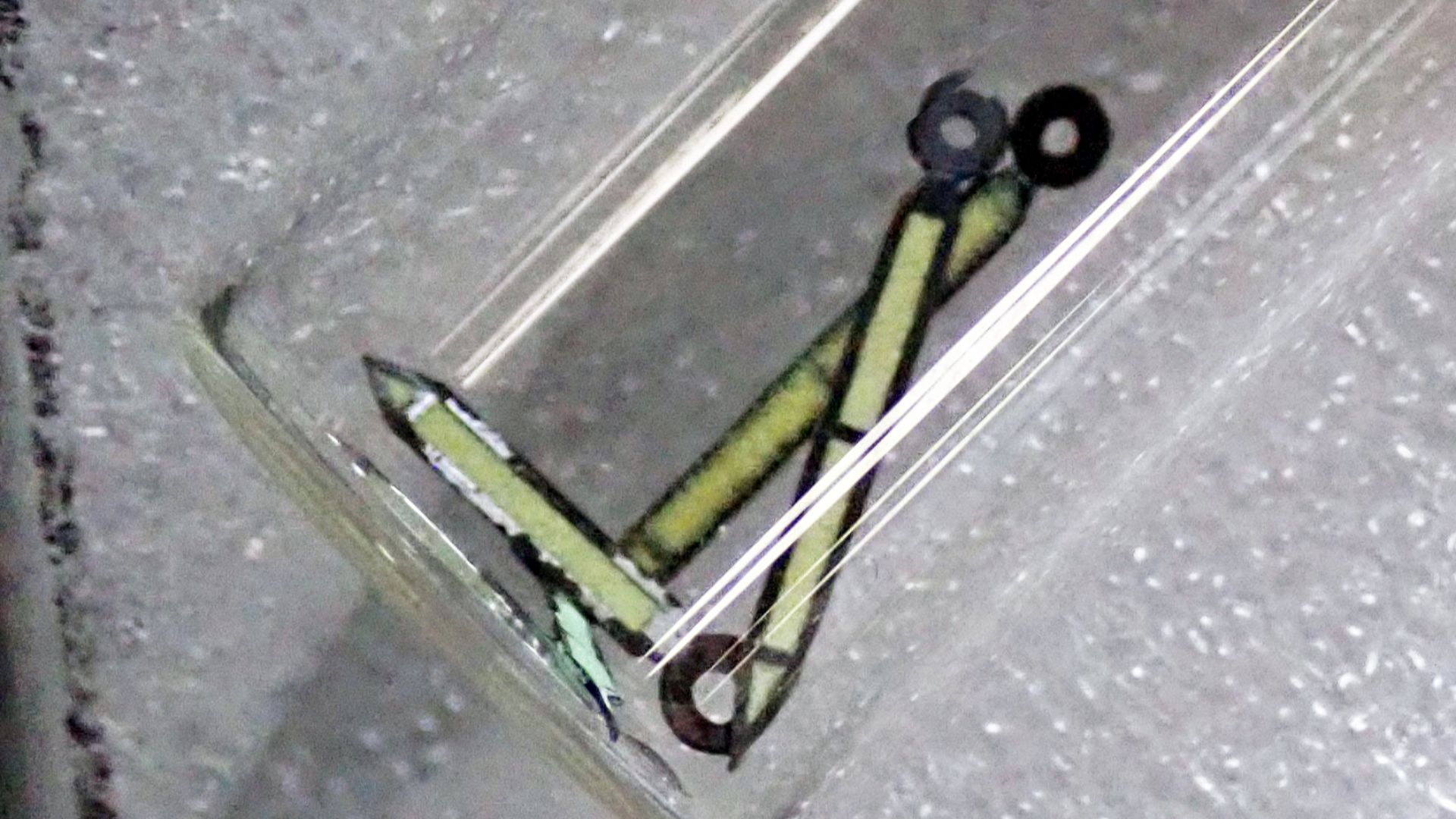
The gruelling hours paid off. In June 1898, Marie and Pierre extracted a black powder 330 times more radioactive than uranium, calling their discovery polonium. Marie was unashamedly open about the fact that her native Poland inspired the name. At the time, this was quite a courageous political statement - a bit like today calling a new discovery ‘ukrainium’. Six months later, the Curies announced they’d found another new chemical element, radium.
 James St. John, Wikimedia Commons
Share Of The Spoils
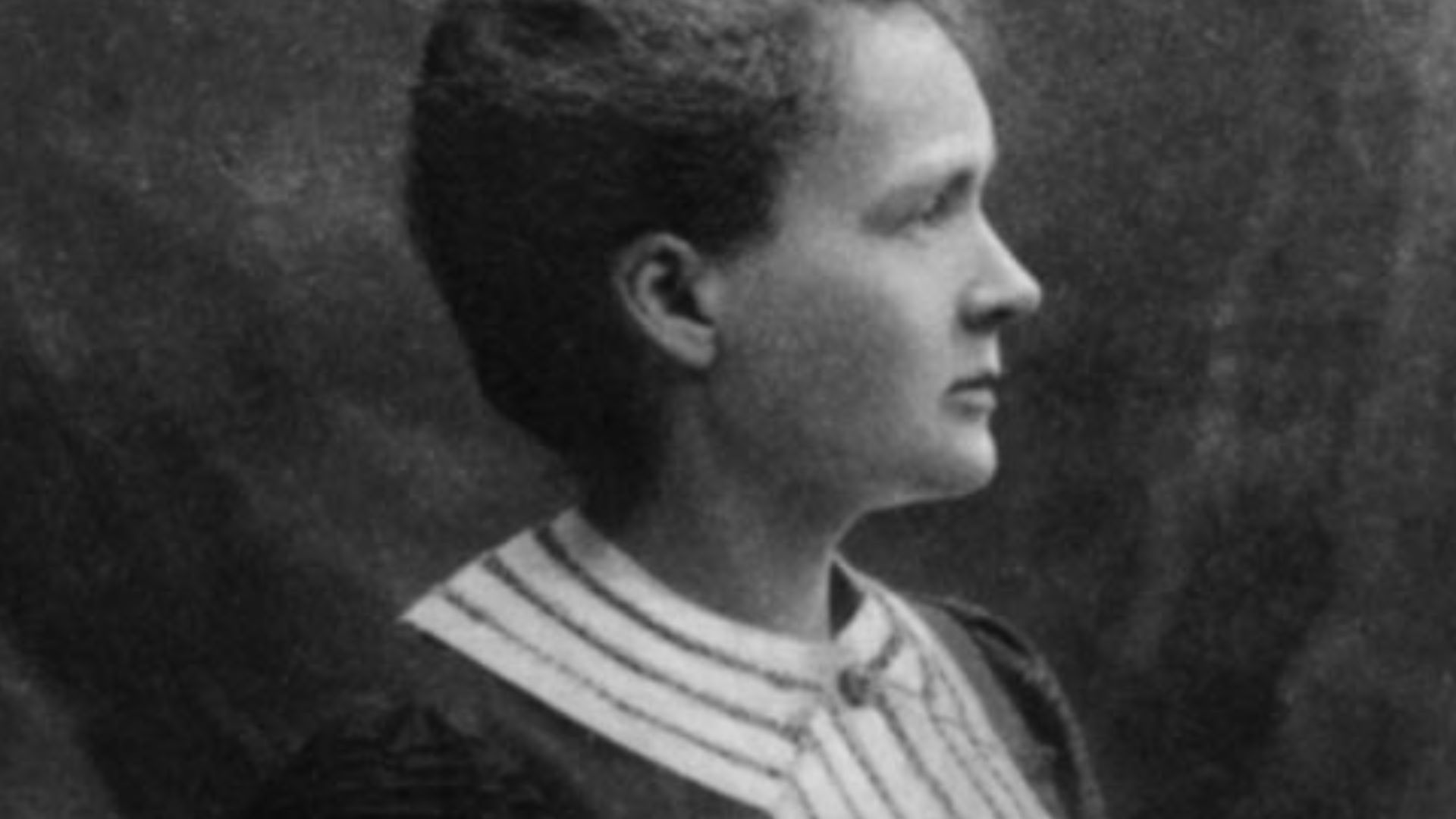
In 1903, Becquerel and the Curies shared the Nobel Prize in physics for their discovery of so-called ‘radioactivity’. This was groundbreaking. No woman had ever won a Nobel Prize before. And, indeed, the award wasn’t without controversy. The committee had voted for Becquerel to receive half the prize, and Pierre the other half. But one committee member queried why Marie shouldn’t get some recognition. So Pierre and Marie ended up both receiving a quarter of the prize.
 Nobel foundation, Wikimedia Commons
She Stood Behind Him
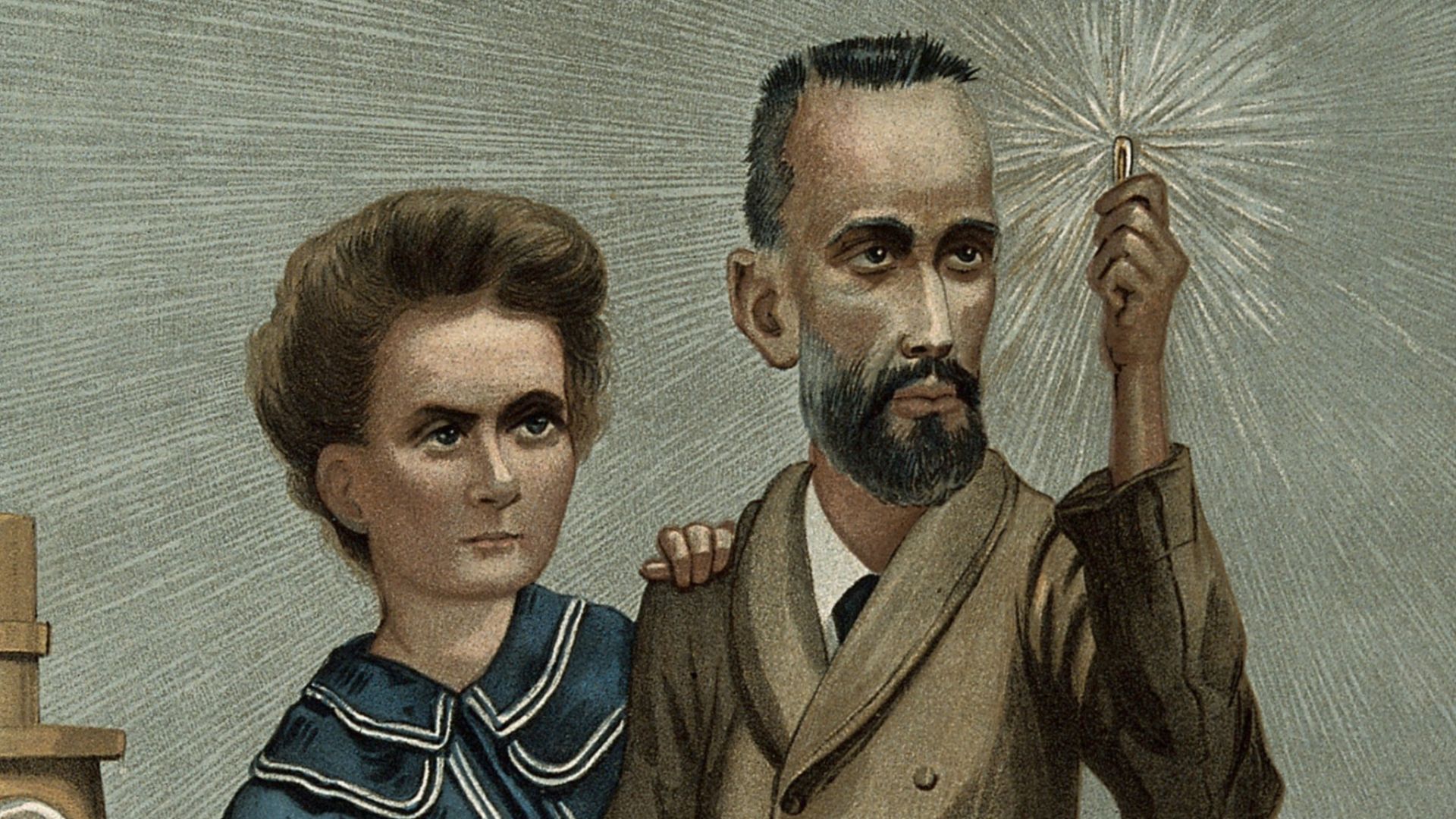
The Curies were the perfect match. While Pierre was a bit of a dreamer, Marie was a great networker, good at promoting their work. Despite this, Pierre was always the one who received greater recognition, such as when Vanity Fair ran an article on ‘Men of the Year’, which featured an image of Pierre triumphantly holding up a piece of radium chloride, while Marie stood demurely behind.
Tragedy Struck
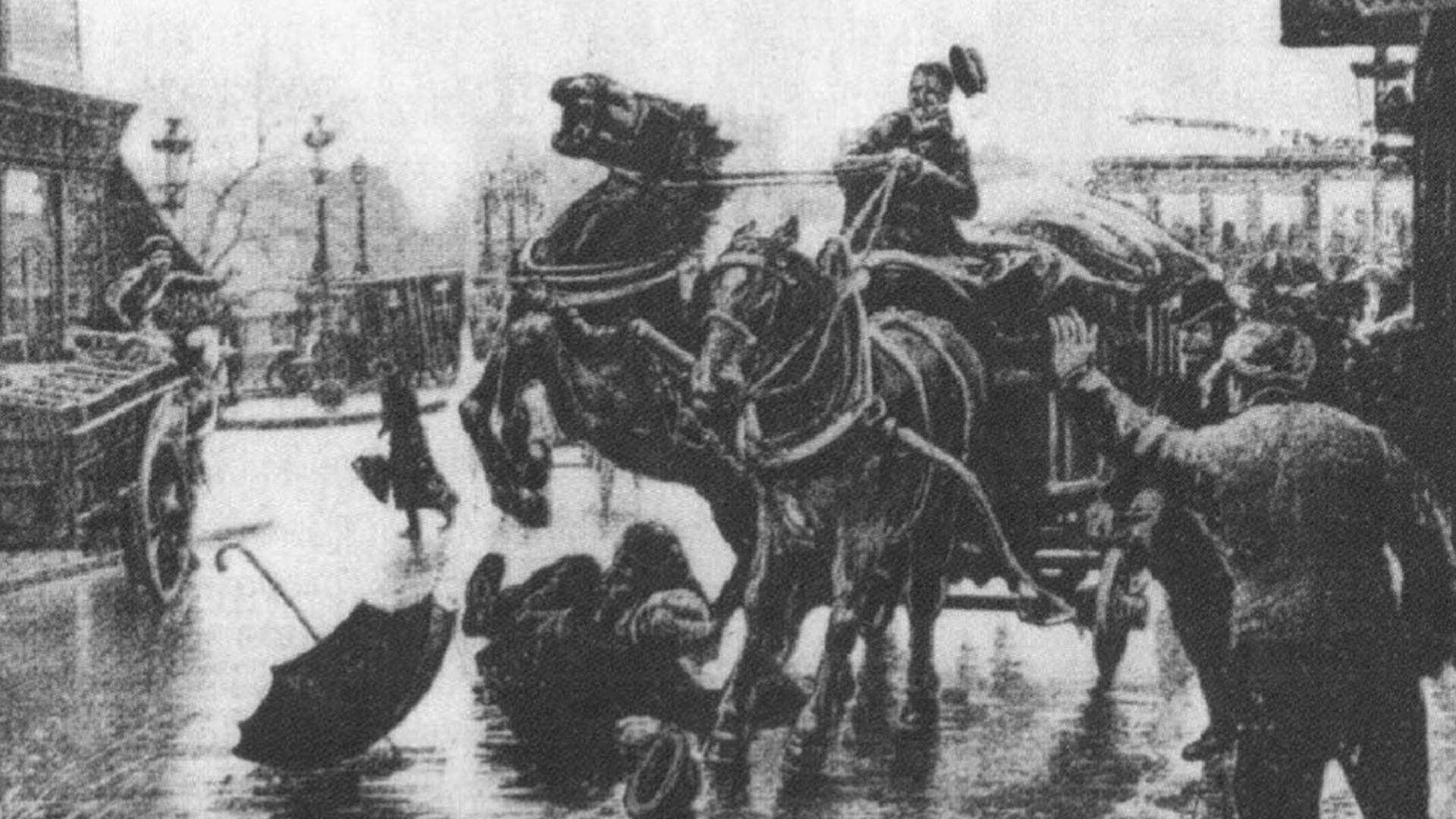
But just when the Curies seemed to be flying high, Pierre had a tragic accident. In April 1906, he tripped under a horse and cart and died instantly from a skull fracture. Initially, Marie showed no external sign of grief and reportedly just kept repeating: “Pierre is dead”. But behind the steely demeanour, she was devastated. Over time she grew introverted and lost herself in her work.
 Unknown authorUnknown author, Wikimedia Commons
She Took His Place
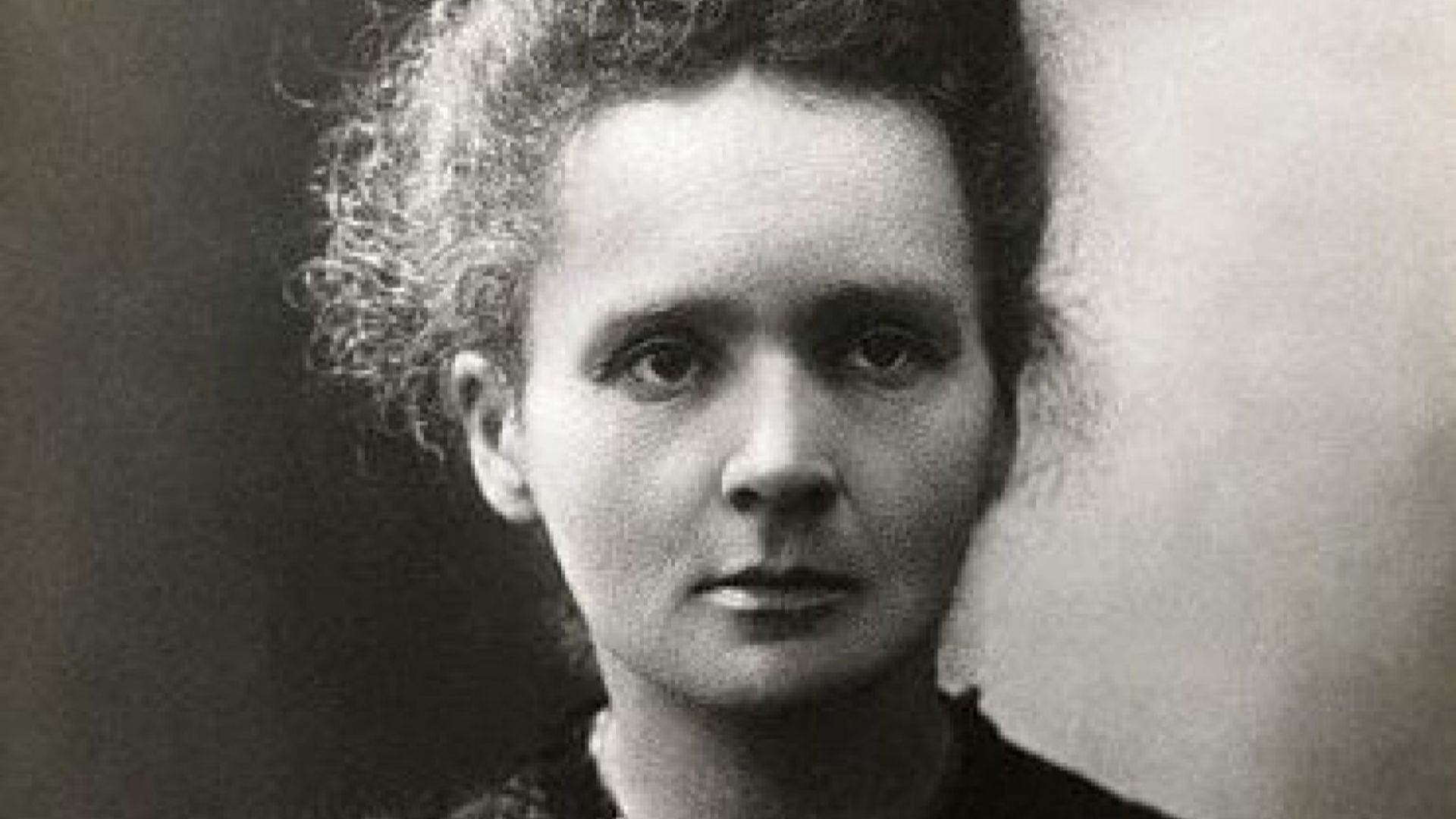
She moved the family to the outskirts of Paris, where Pierre’s father played a big role in helping to bring up his granddaughters. From conferences in far-flung locations around the world, Marie wrote heart-wrenching letters to her daughters saying she wished she could see them more. Torn between family and science, Marie continued to throw herself into her work. Following Pierre’s death, she took his place as Professor of General Physics in the Faculty of Sciences, the first woman to have held this position. But in her personal life, Marie was lonely.
 Unknown authorUnknown author, Wikimedia Commons
She Found Another
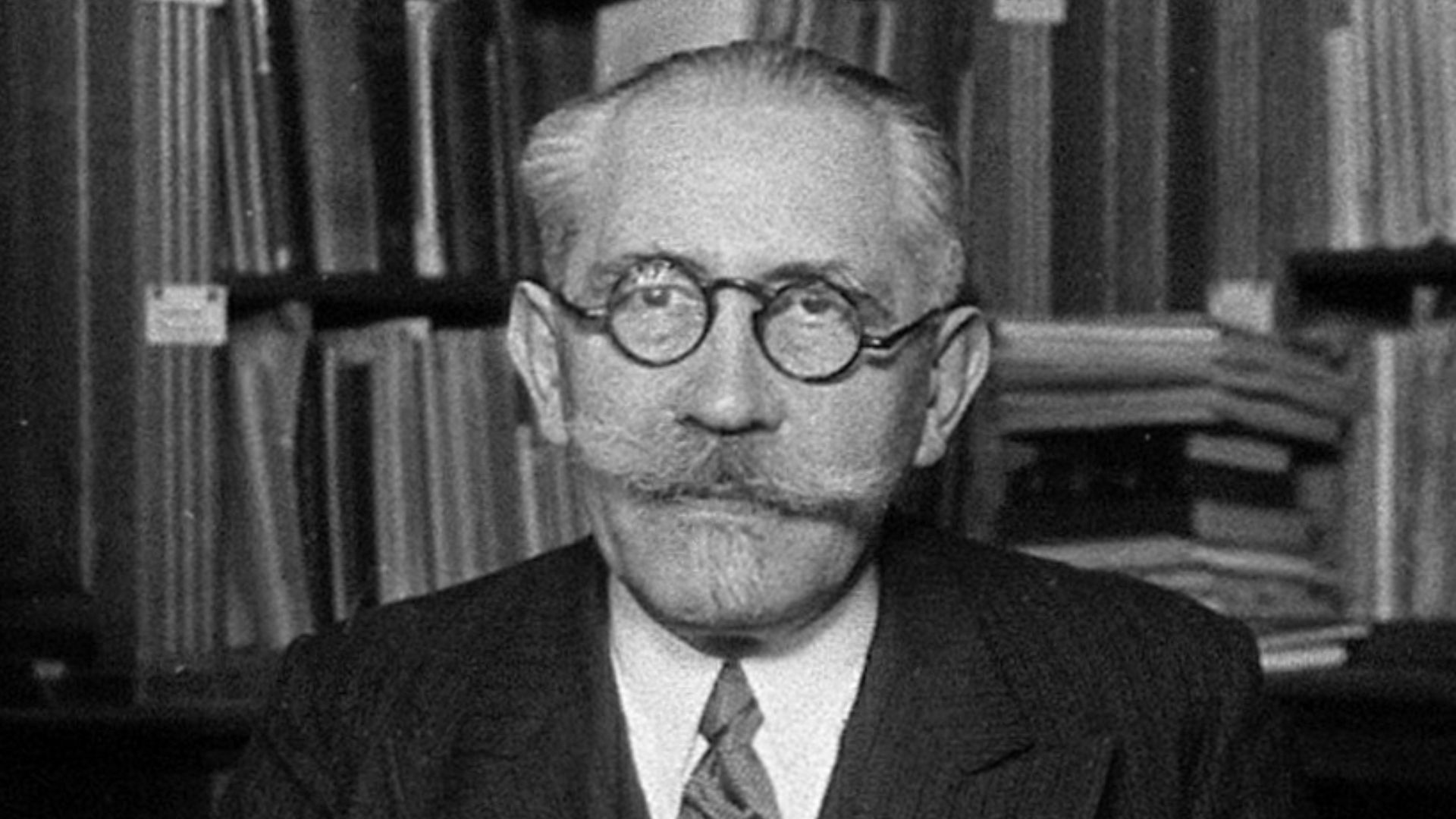
In 1910, 43-year-old Marie sought comfort in the arms of another - scientist Paul Langevin, a married man with four children. When his wife (from whom he had separated) discovered the passionate affair, rumour has it that she leaked the details to a tabloid newspaper.
 Henri Manuel, Wikimedia Commons
They Ripped Her In The Press
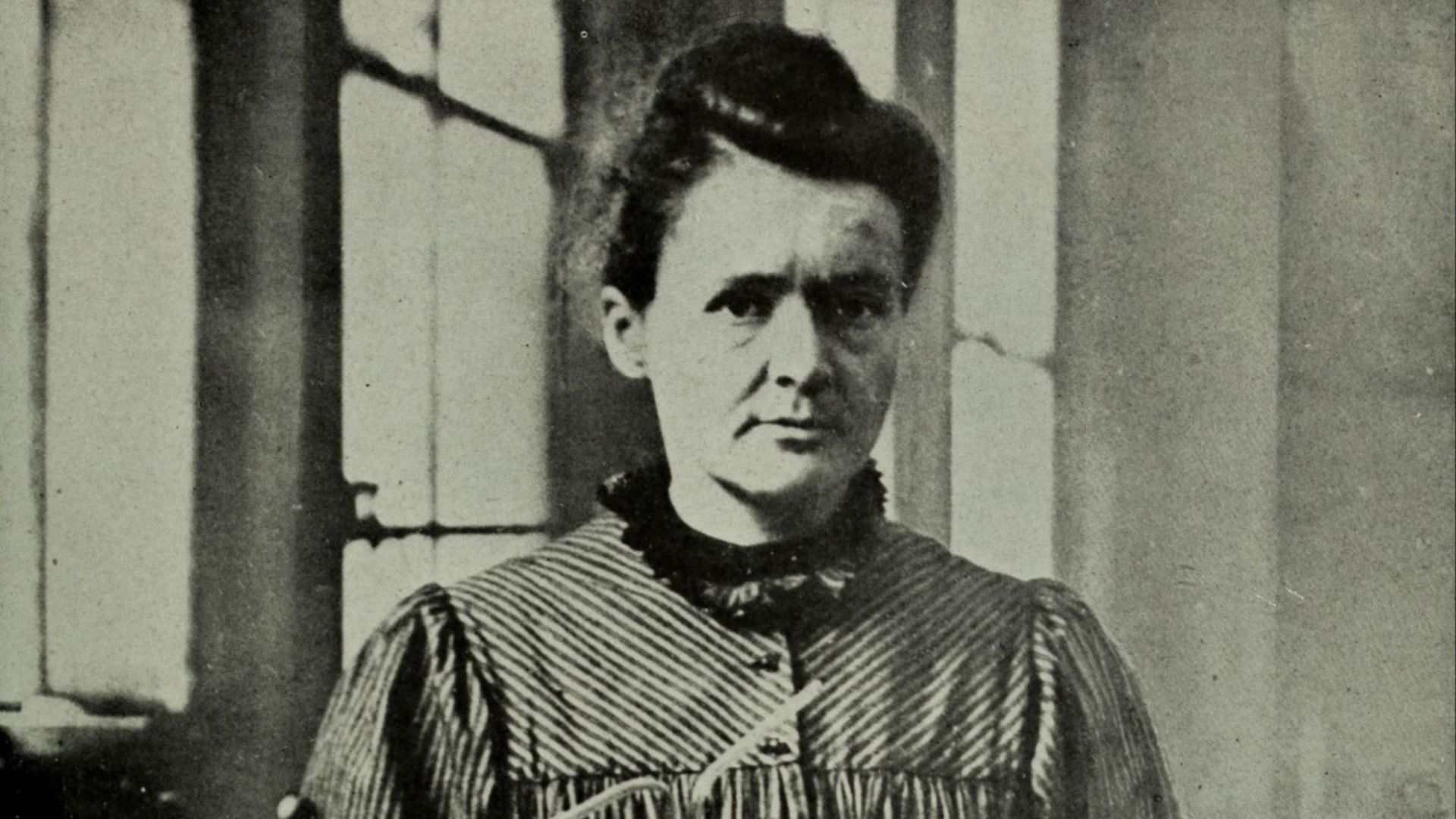
Despite Langevin’s reputed wish. to fight a duel against the journalist who broke the story, Marie was so vilified by the press that she decided to end the affair. However, the ‘home-wrecker’ label affected her professional life too, almost causing her to miss out on her second Nobel Prize. The Swedish Academy of Sciences had tried to dissuade her from coming to Stockholm to receive the award - this time for chemistry.
 "Wide World Photos" and"Underwood and Underwood, New York", Wikimedia Commons
She Stood For Science
In response Marie said: ”The prize has been awarded for the discovery of radium and polonium. I believe that there is no connection between my scientific work and the facts of private life. I cannot accept ... that the appreciation of the value of scientific work should be influenced by libel and slander concerning private life.”
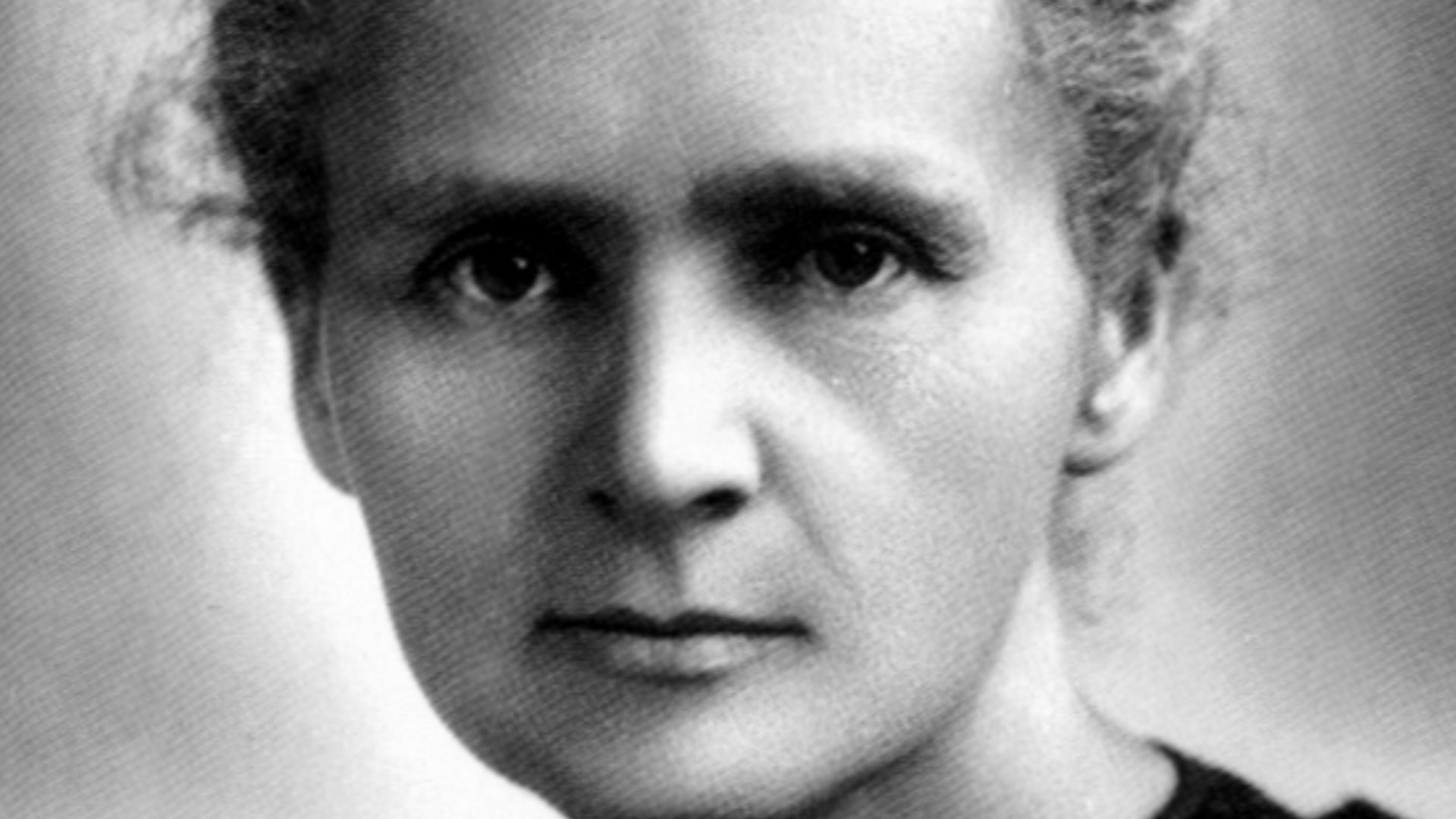 Unknown authorUnknown author, Wikimedia Commons
A Deadly Dose
Marie’s reputation remained tarnished until her heroic efforts to help wounded French soldiers during the First World War. Sadly, Marie’s hard work got the better of her in the end. Today, exposure to high doses of radioactive material is avoided at all costs, but the long hours she spent in her lab eventually led to her demise. Marie died in 1934 from aplastic anaemia, a condition where the bone marrow doesn’t produce enough new blood cells. Her death was almost certainly the result of over-exposure to radiation.
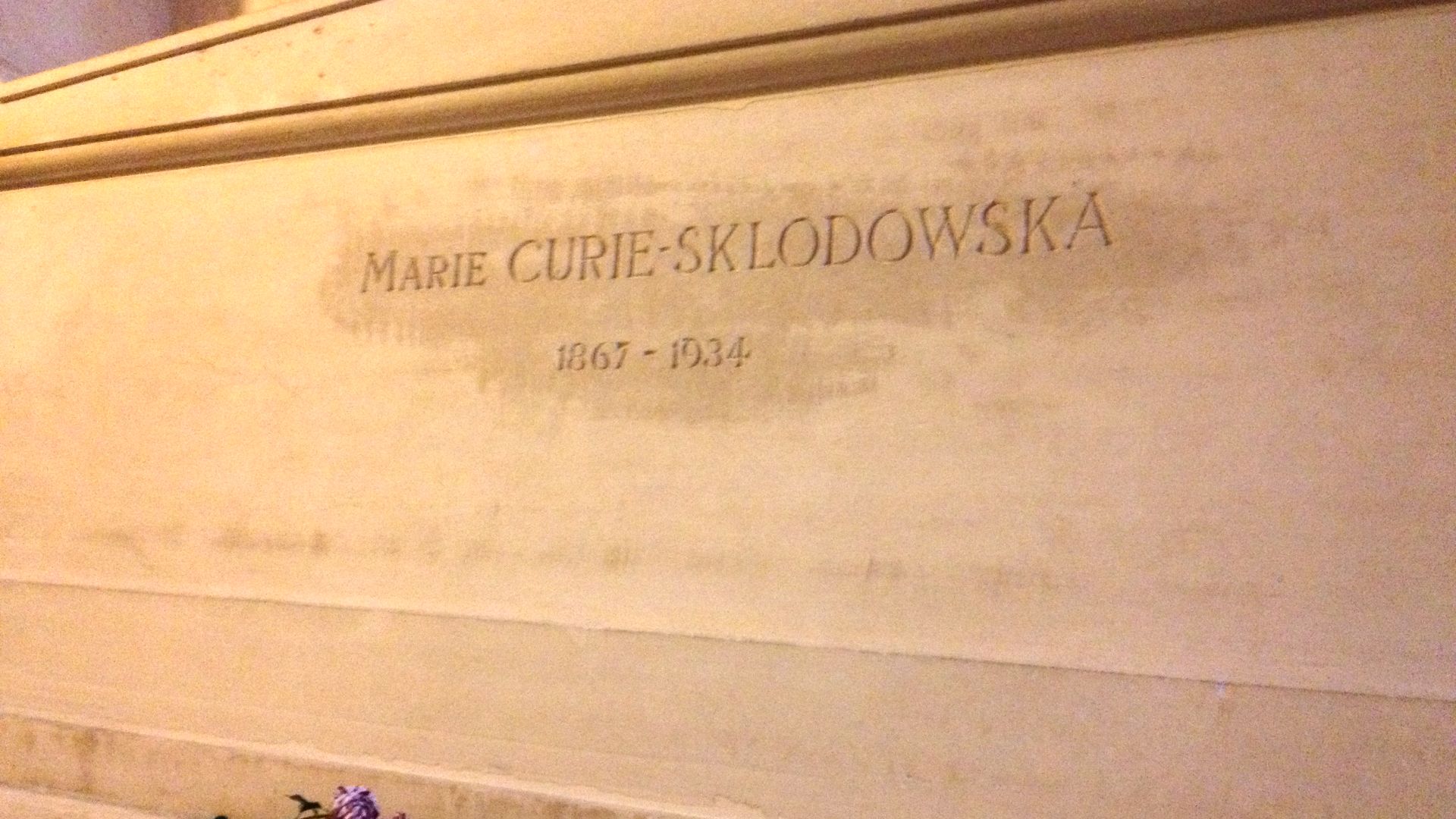 Luboš Holič, Wikimedia Commons
They Didn't Understand The Danger
When first discovered, radium was like nothing ever seen before - glowing in the dark and warm to touch. In the 1920s and ’30s, quack medicines were all the rave, from radioactive toothpaste to ointments, and radium was used in everything from watches to nightlights. But this ‘magical’ element had an ominous side, too.
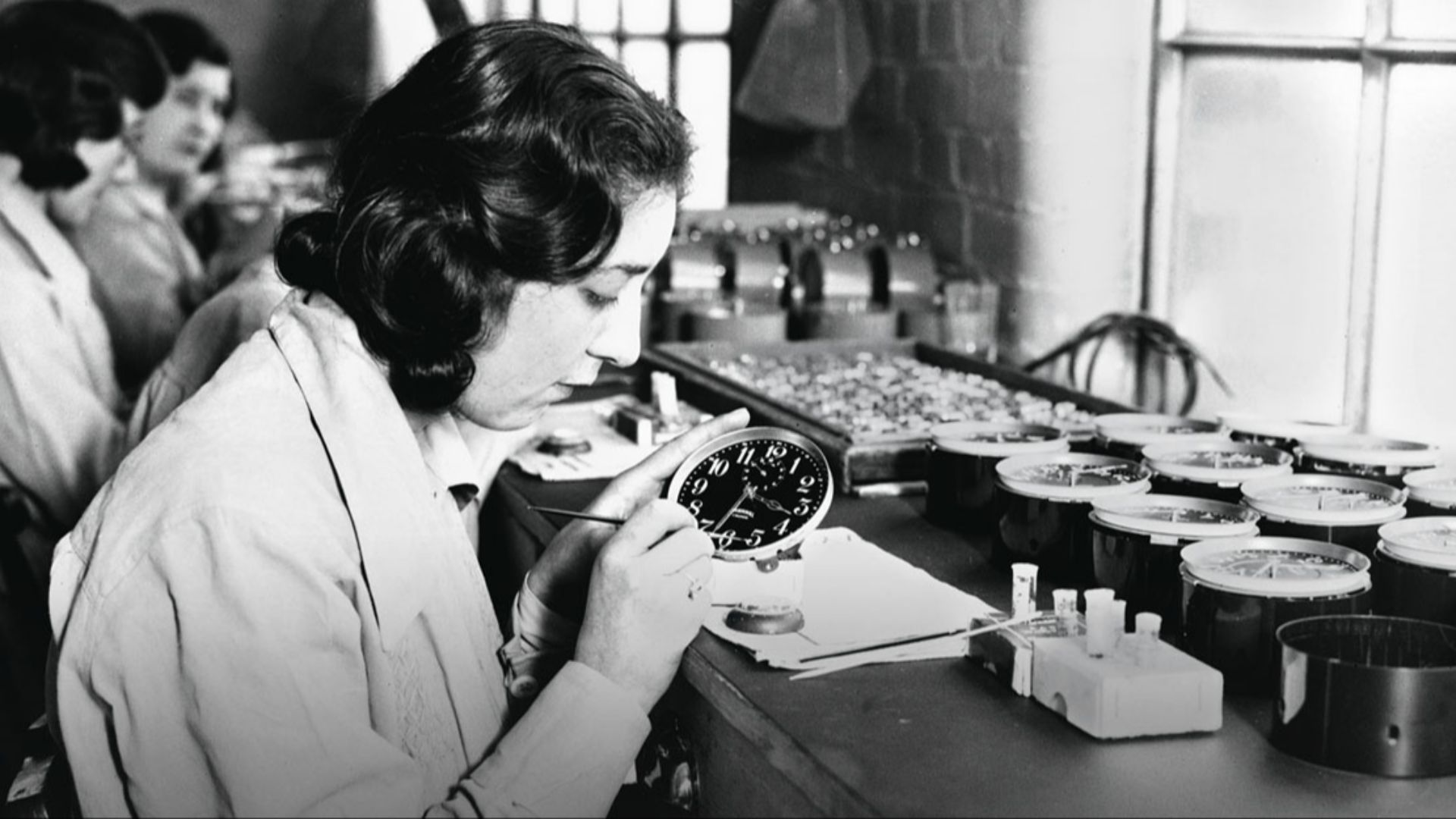
Ominous Warning Signs
In 1901, Becquerel reported how his vest pocket had been burnt when he carried an active sample of radium in it. Lab assistants suffered from aching limbs and sores on their fingers where they had handled radioactive material.
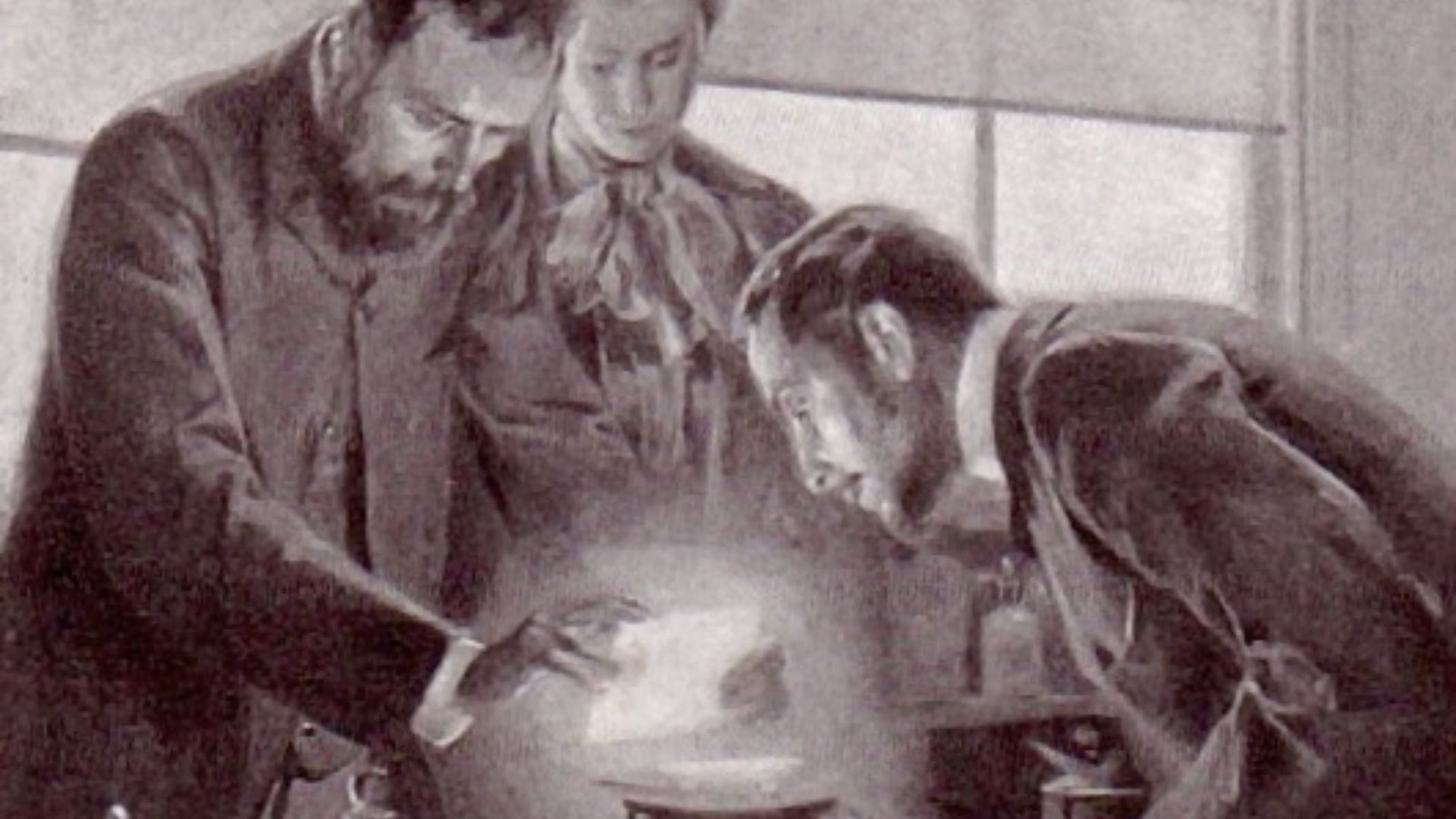 André Castaigne, Wikimedia Commons
She Blocked Out The Danger
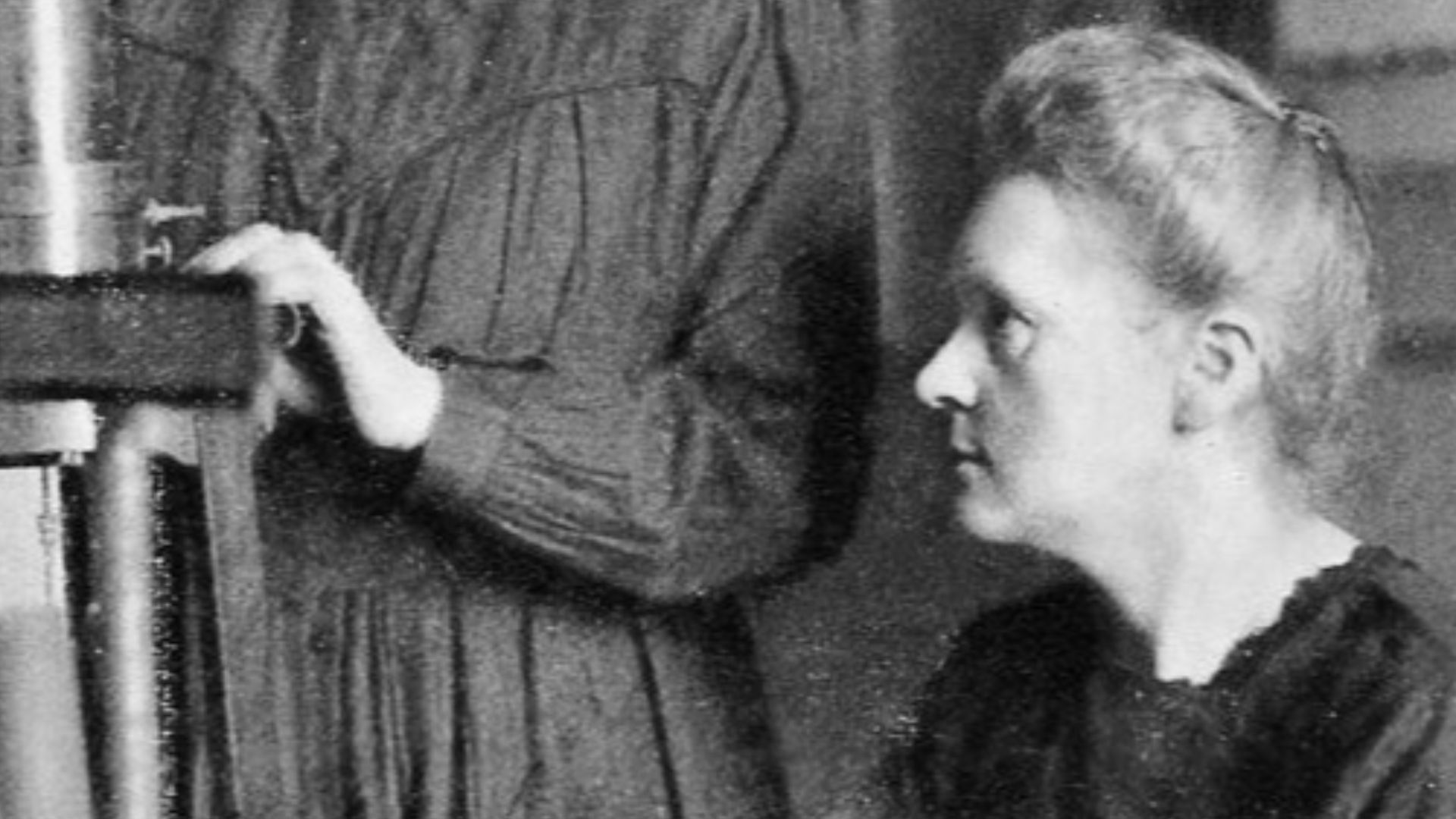
Marie must have known she was dicing with death. So why did she continue to work with radioactive substances? Most likely because she was in denial, as she was so obsessed with her work. Considering the extent of her exposure to radioactivity during her lifetime, she was pretty lucky to make it to the age of 66. Hers was a life full of scientific endeavour, some scandal and sad moments, but also huge success. Few would argue against her place in the annals of science.
 Unknown authorUnknown author, Wikimedia Commons
Eternal Sainthood: Marie Curie's Legacy
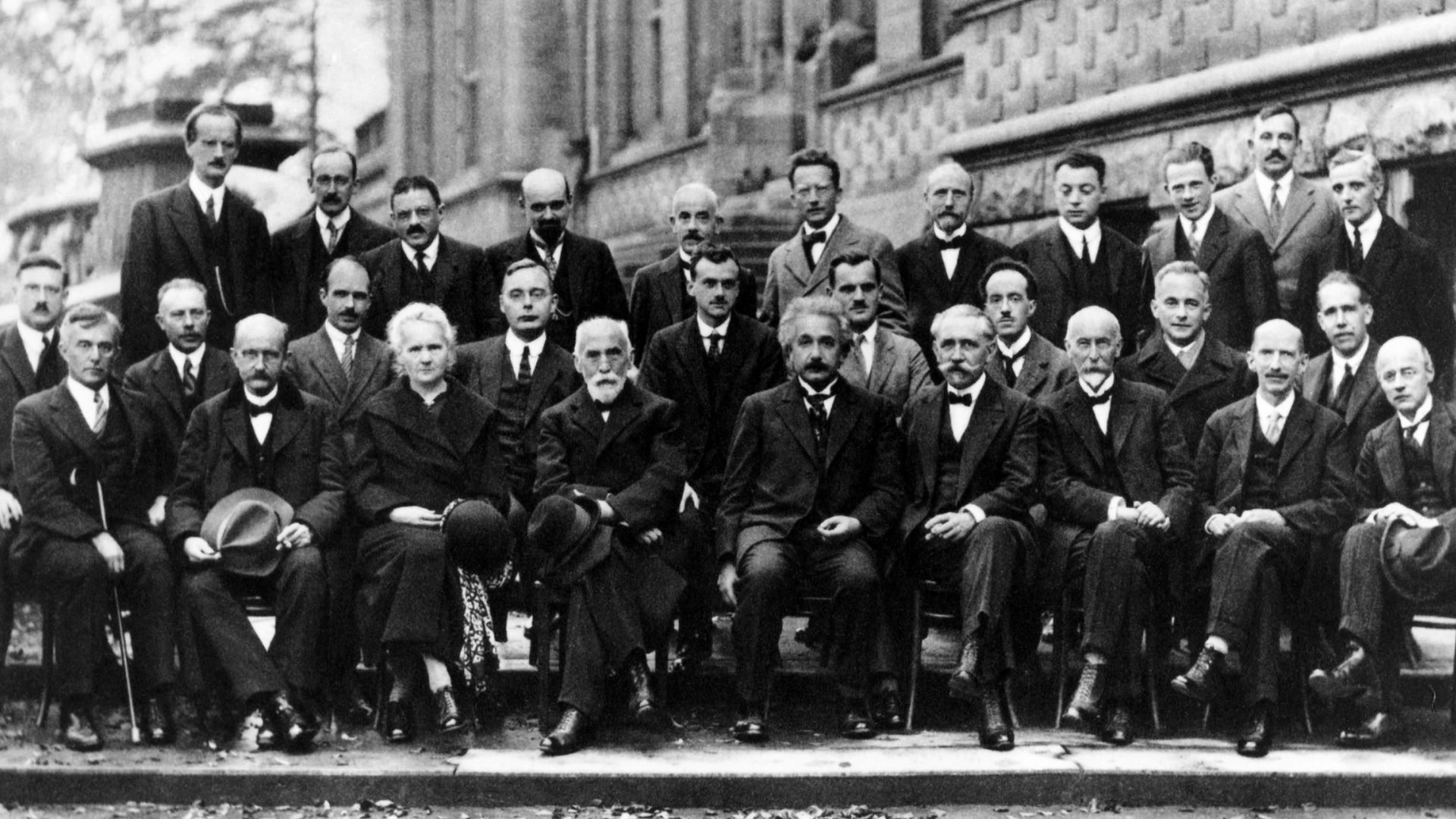
For a poor Polish migrant in the male-dominated world of science, Marie was incredibly successful. She left an impressive legacy - the unit of radioactivity (the curie), the element curium and a global charity are all named after her. Nobel Prizes aside, perhaps it was her ability to juggle a stellar career with family life that was her greatest achievement. Marie had two daughters, Irène and Eve.
 Benjamin Couprie, Wikimedia Commons
Nobel Winning Daughter
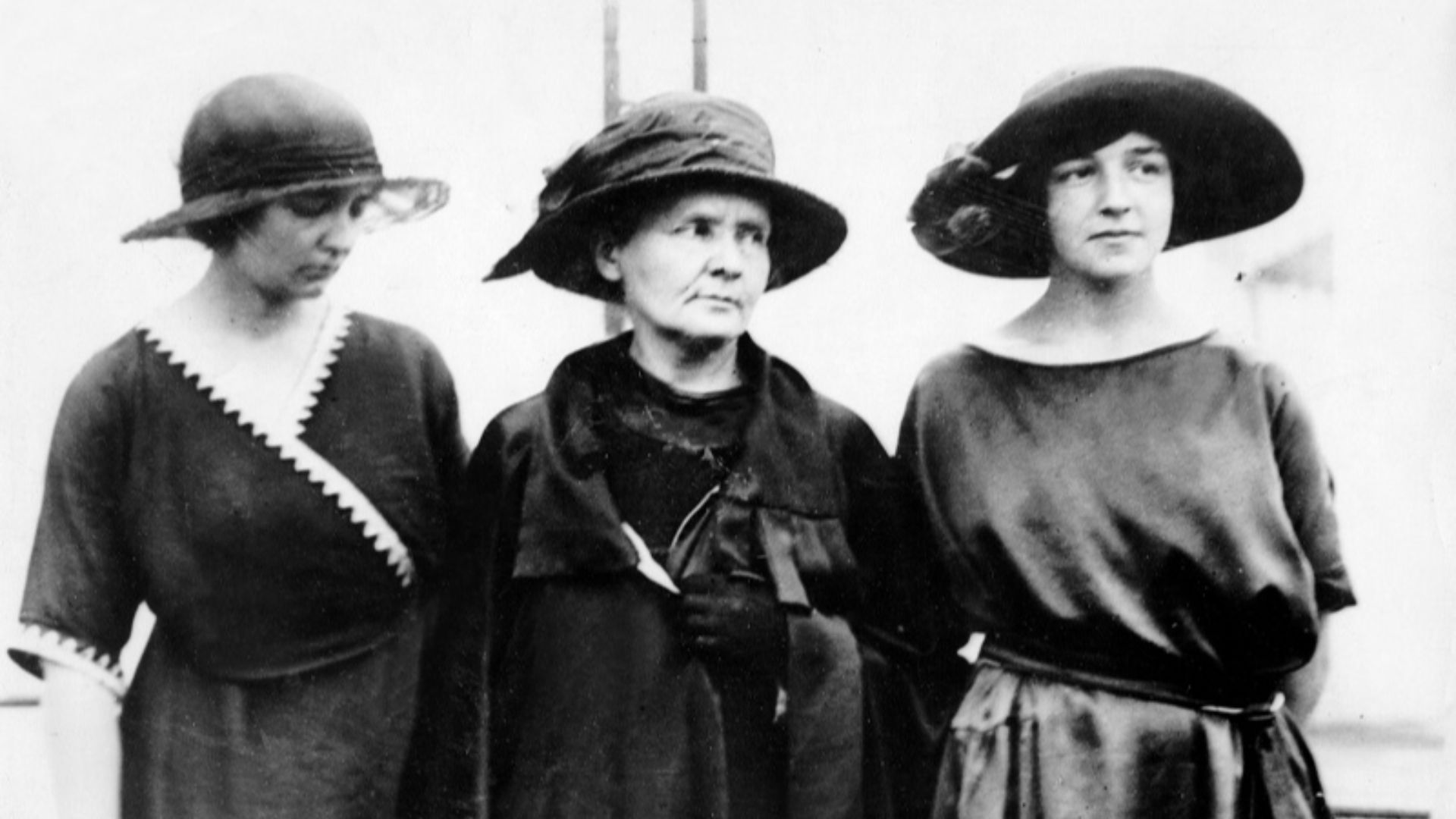
Eve became a journalist and writer, while her older sister followed in her mother’s footsteps. Just like Marie, Irène was bright yet obsessive, shunning vanity and at times socially awkward. With her husband Frédéric Joliot, Irène worked on the nucleus of the atom and together they were awarded a much-coveted Nobel Prize in chemistry in 1935 for their work on the discovery of artificial radiation. But Irène also ended up dying from a radiation-related illness – leukaemia – in 1956. She was exposed to radiation in her teens while helping Marie with mobile X-ray units that were used in the First World War.
 Unknown authorUnknown author, Wikimedia Commons
A Heroic Effort
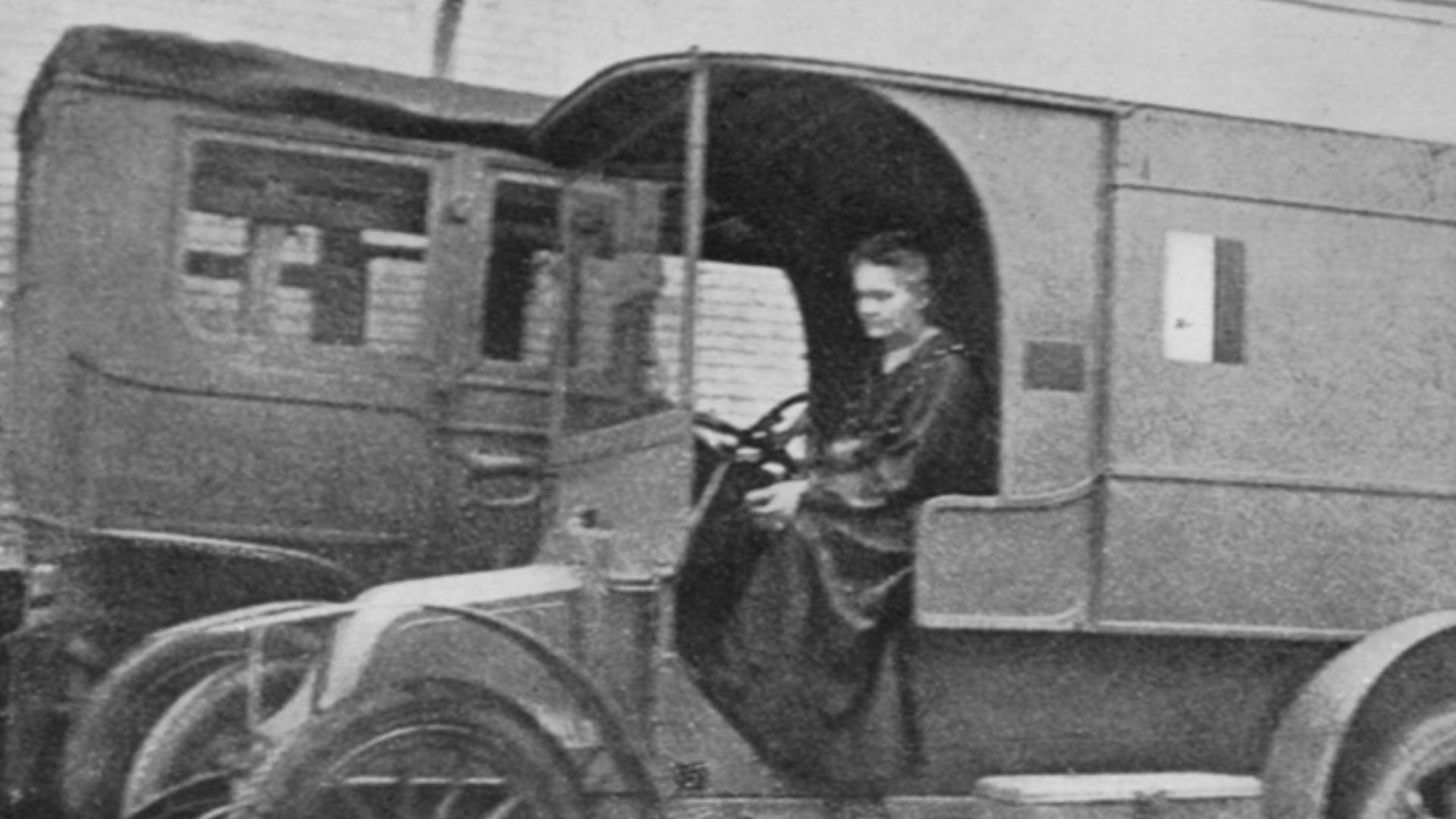
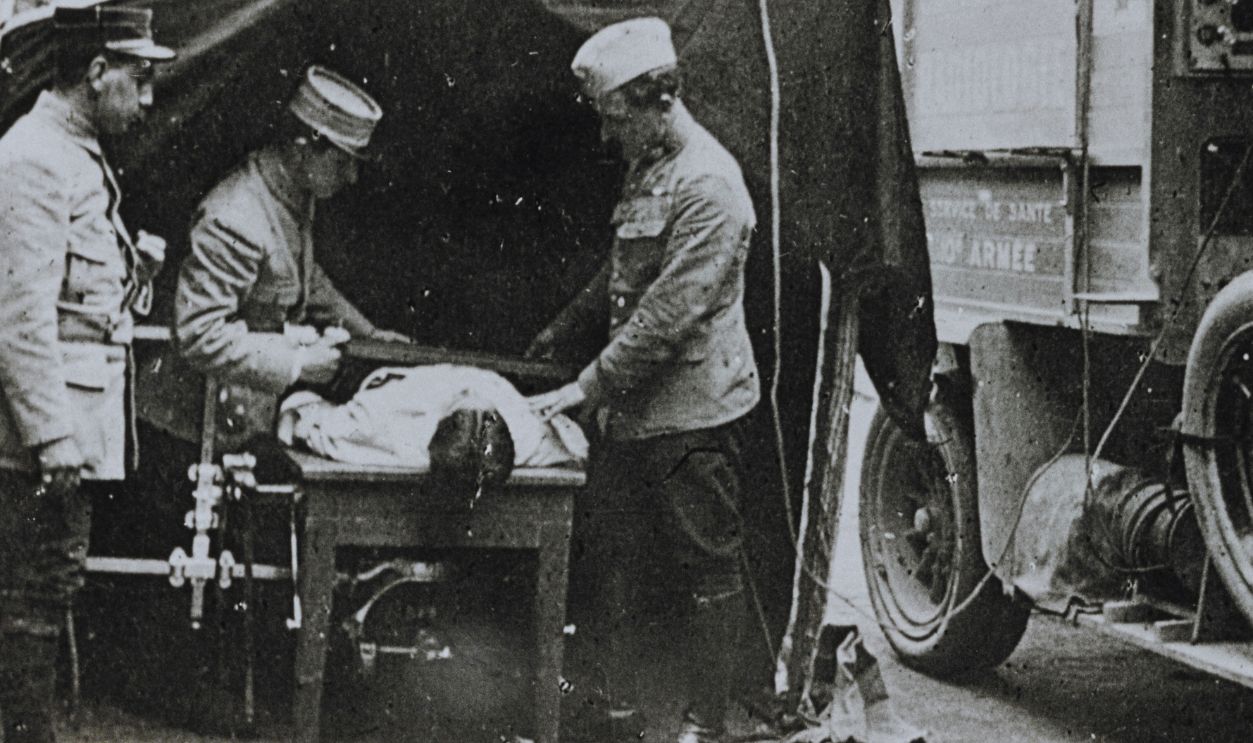
It was these X-ray units, and her heroic efforts during the war, that turned Marie from sinner to saint. After her love affair in 1910 with a married man was splashed all over the papers, her reputation was in tatters. But, by developing the small, mobile X-ray units that could be used to diagnose injuries near the frontline, Marie diverted attention away from her love life and back to her work.
She Answered The Call Of Duty
Not satisfied with simply creating the device, she then toured around Paris, fundraising in her role as Director of the Red Cross Radiological Service. By October 1914, the units were ready for use on the frontline where Marie and Irène worked tirelessly, X-raying the wounded for bullets and breaks.
This content was created in partnership with HistoryExtra and written by Jheni Osman. Editorial changes were made to the original article.