
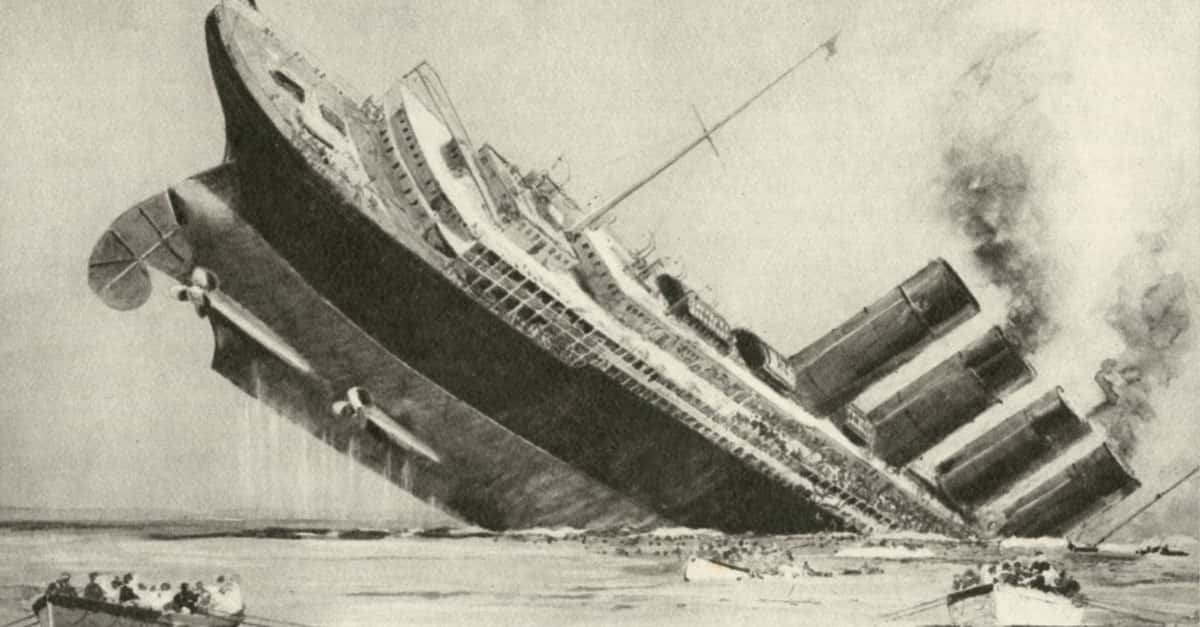
A Tragedy To Rival The Titanic
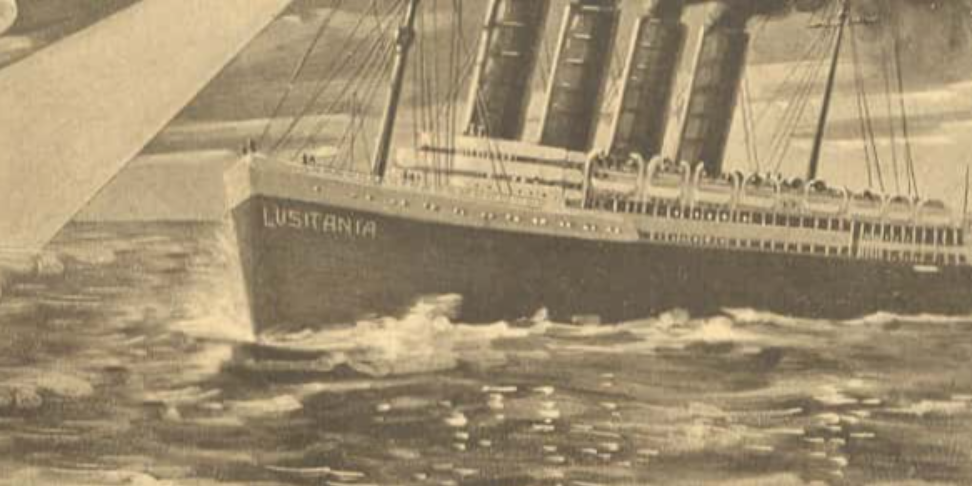
The sinking of the RMS Lusitania stands as one of the early 20th century’s defining tragedies—an event whose aftermath helped shape the course of global history. Yet long before its fateful encounter with a German U-boat, the Lusitania was already a celebrity of the seas. A marvel of engineering and luxury, it captured the world’s imagination…right up until the moment it became a catalyst for international upheaval.
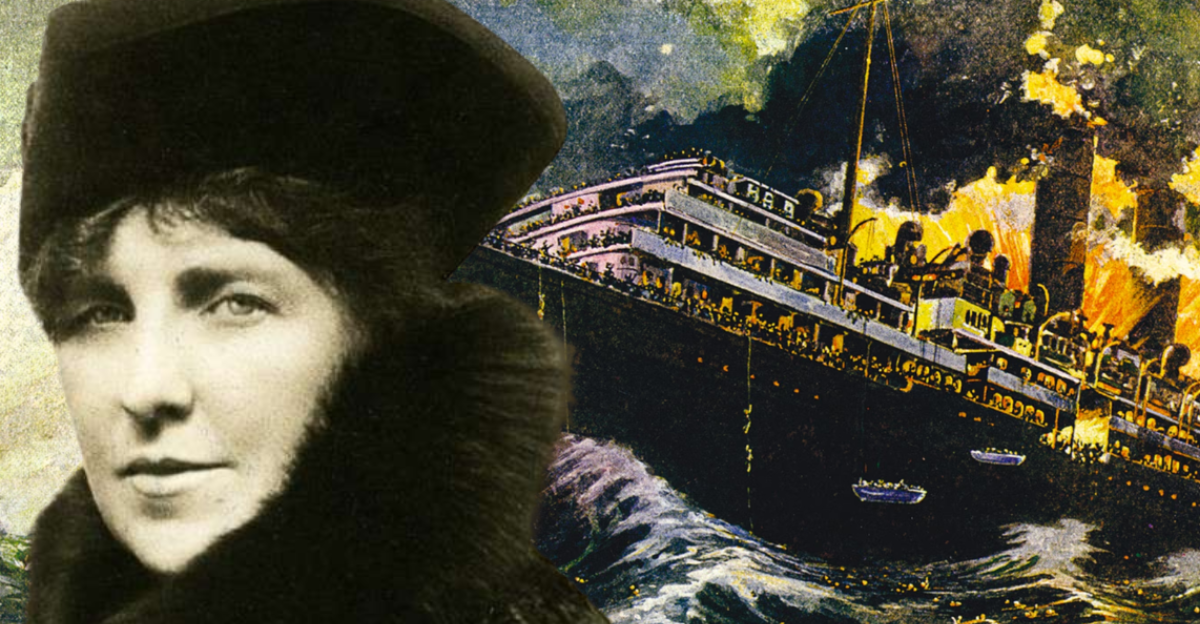
1. Built to Last
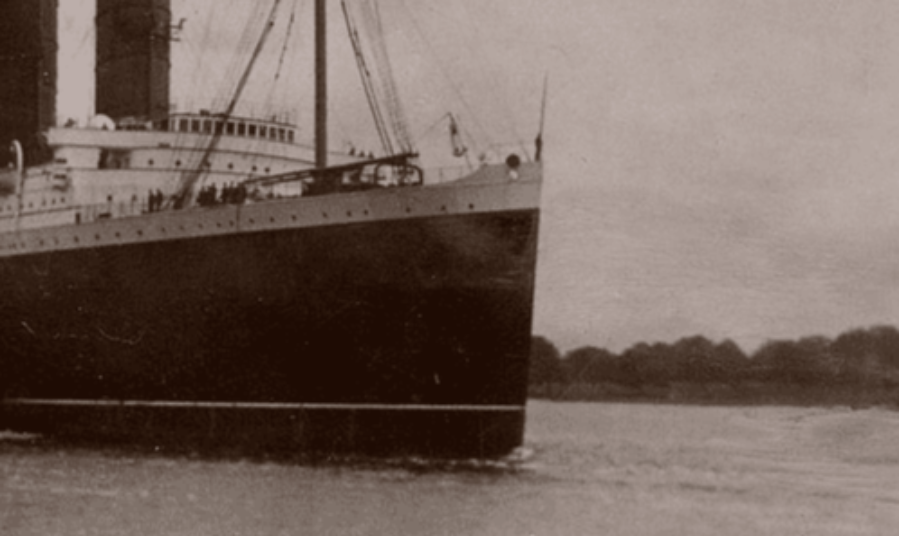
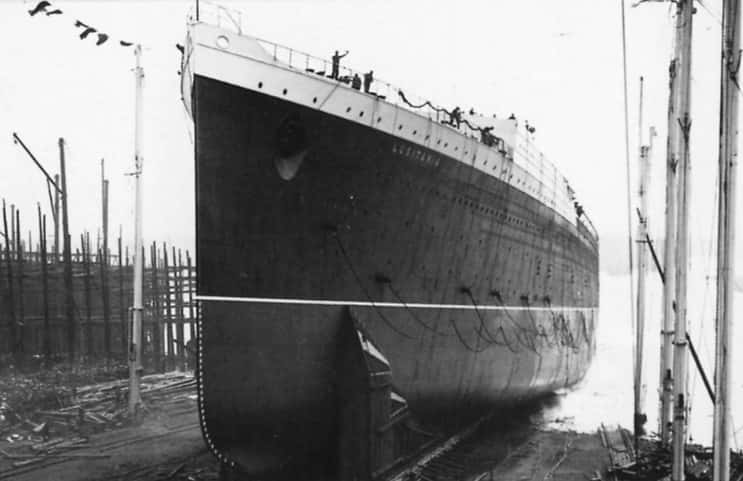
The RMS Lusitania was built by John Brown & Co. Ltd, and belonged to the prestigious Cunard shipping line, which is still running some of the largest ships in the world today. The Lusitania was launched by Cunard on June 7th, 1906.
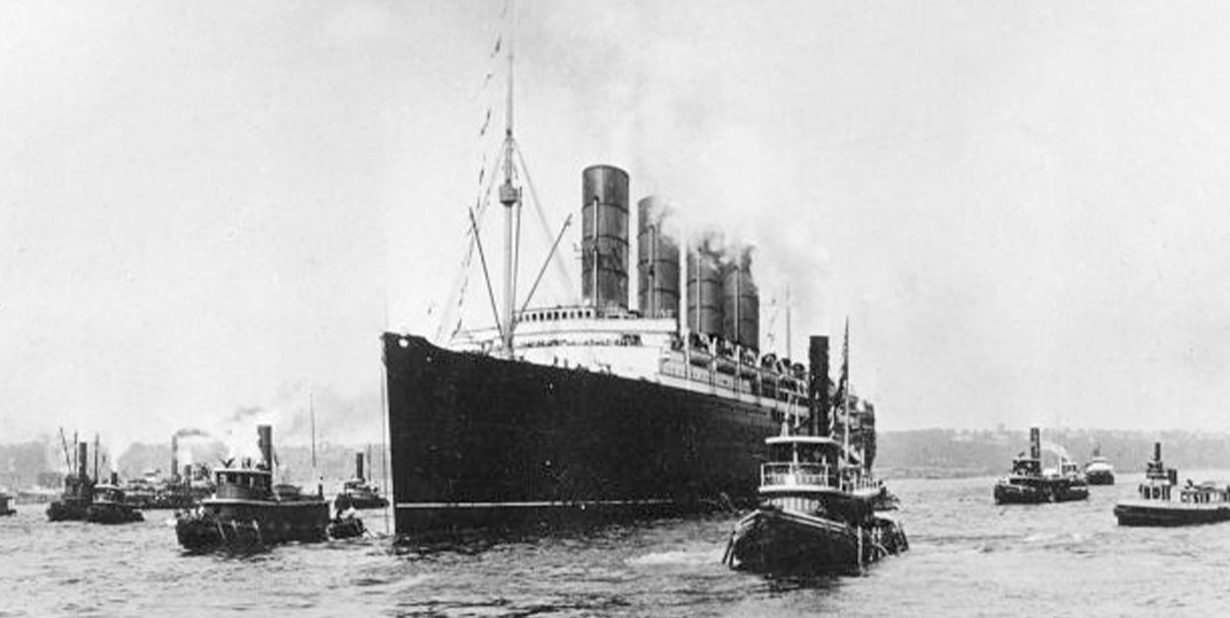
2. That’s A Fast Boat
Designed by Leonard Peskett, the Lusitania was built to be used by the British Navy in times of conflict. With this in mind, it was developed to be fast, with a top speed of 26.7 knots, which gave it the ability to travel across the Atlantic in under five days.
 Wikipedia
3. To Control the Seas
The ship was originally created as a response to Germany dominating much of the Atlantic trade due to their classic German engineering. So, even before the conflict, the battle was on.
 Rich Flight22, CC BY 4.0, Wikimedia Commons
4. Mail Money
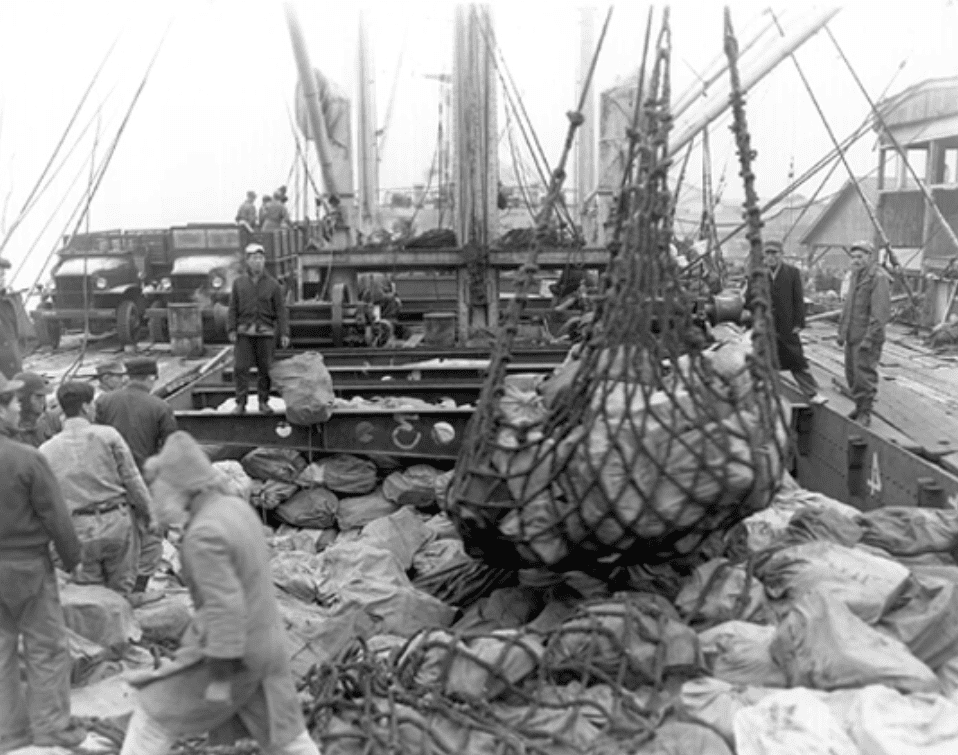
RMS stands for Royal Mail Ship. This was used for large ships such as the Lusitania and the Titanic, as they carried mail in addition to passengers and cargo. Carrying mail was a lucrative business for ships, and the Lusitania was contracted for £68,000 per year to do so.
5. Large Demise Total
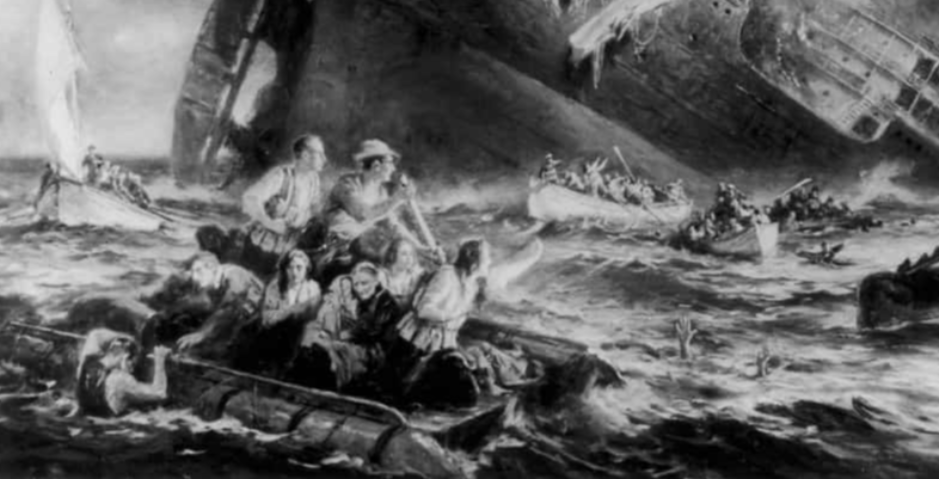
1,198 of the 1,962 people aboard perished during the sinking of the Lusitania, with 128 of the people being citizens of the United States.
6. The Band Plays On
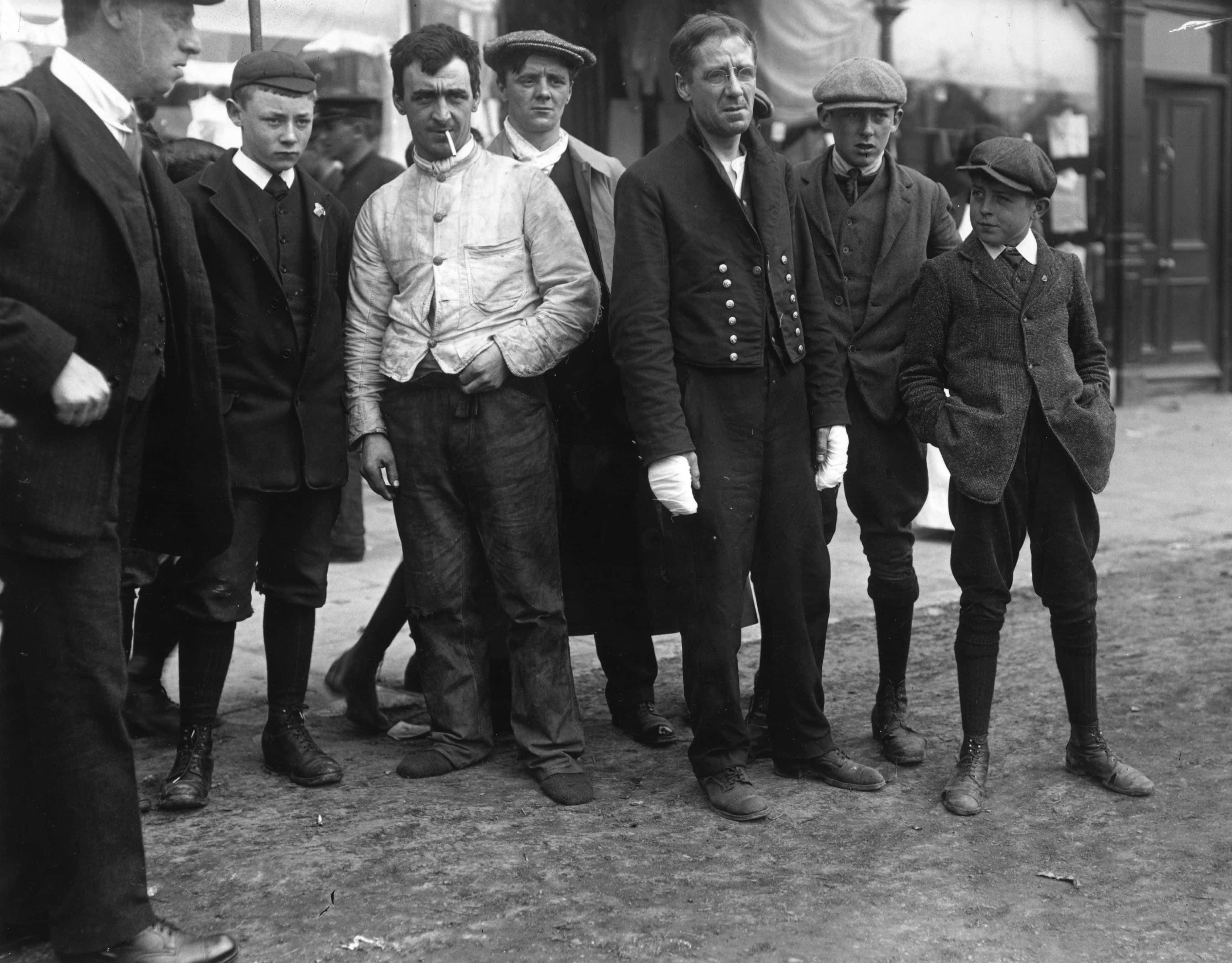
The highest survival rate of any group of passengers was the band, with three of the five members surviving.
7. Value Lost
$735,579 worth of value was lost during the sinking (in 1915 US dollars). That's equivalent to $17,583,397 in the year 2017.

8. Quick Sinking
The Lusitania slipped beneath the waves in just 18 minutes—a shockingly fast descent that left passengers and crew with almost no time to react. That terrifying speed is a major reason the toll was so devastatingly high.

History's most fascinating stories and darkest secrets, delivered to your inbox daily.
9. German Interference
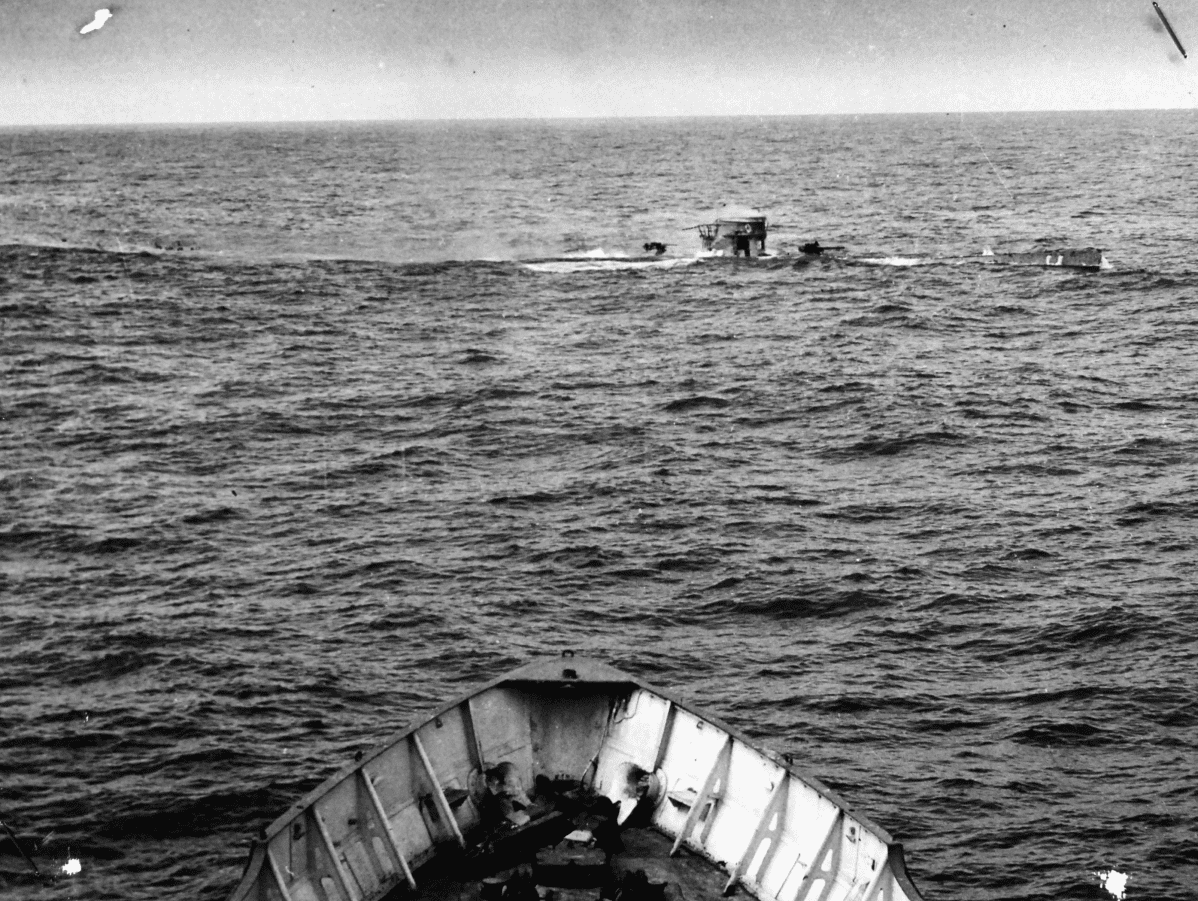
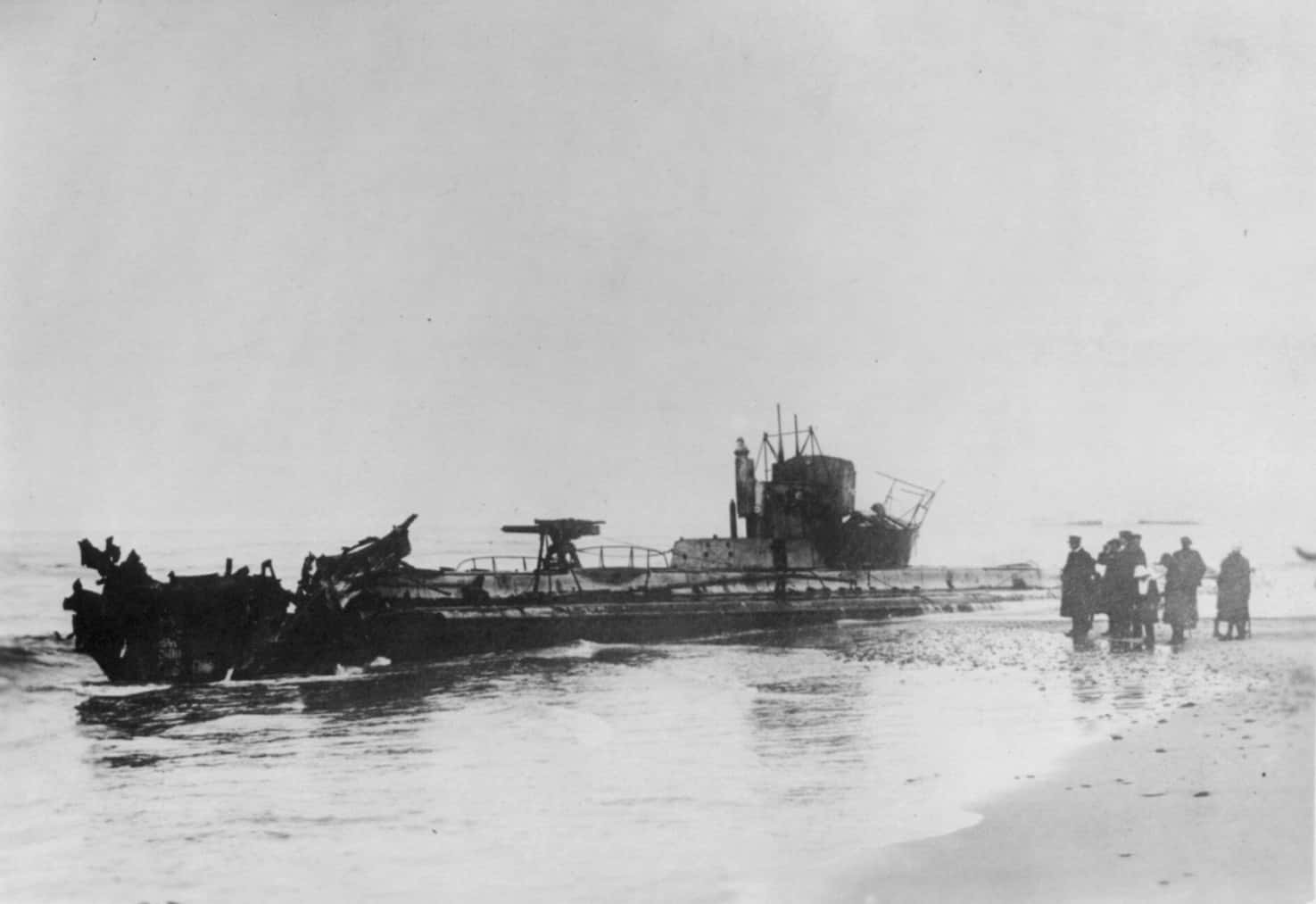
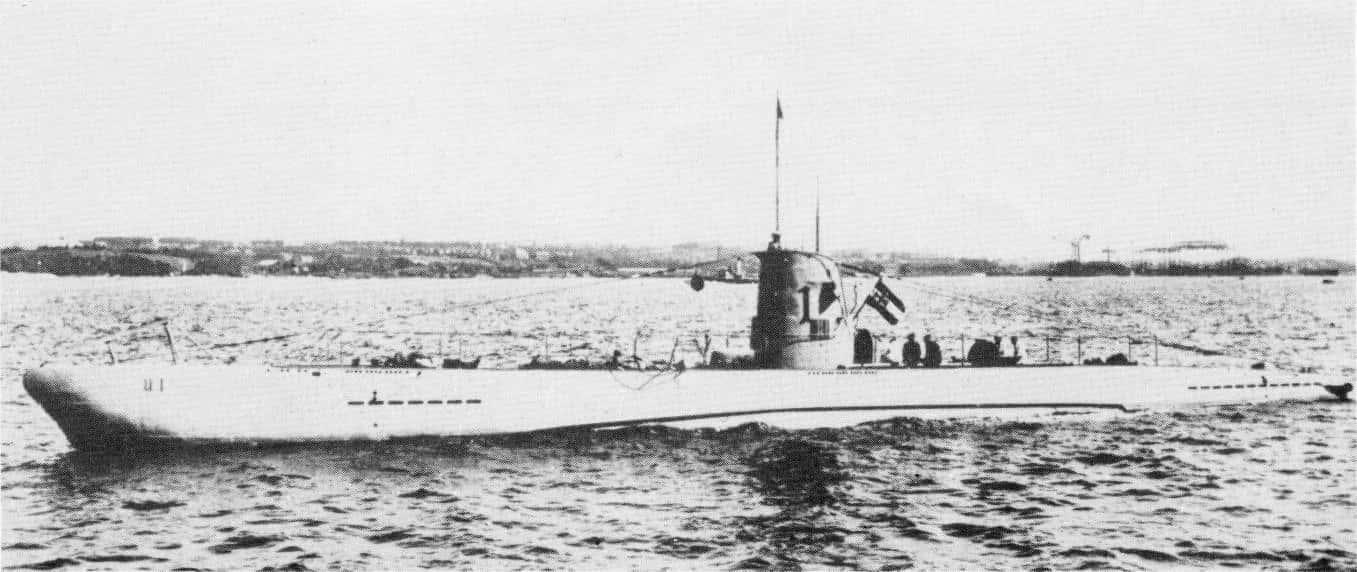
The sinking of the Lusitania took place on May 7th, 1915 by the German submarine SM U-20. The U-20 would sink 37 ships of over 145,000 tonnes over the course of the conflict. U-boat was derived from the German word "Unterseeboot" ("Submarine").
 Wikimedia Commons
10. Hunger
The reason for the attacks? During the conflict, the British deployed their Navy to blockade Germany from getting the supplies they needed, while Germany attempted to stop merchant ships from getting to the UK. It was essentially a battle between the two sides to starve each other.
11. Cause of Demise
Just like in the sinking of the Titanic, most of the deaths were a result of drowning and hypothermia.
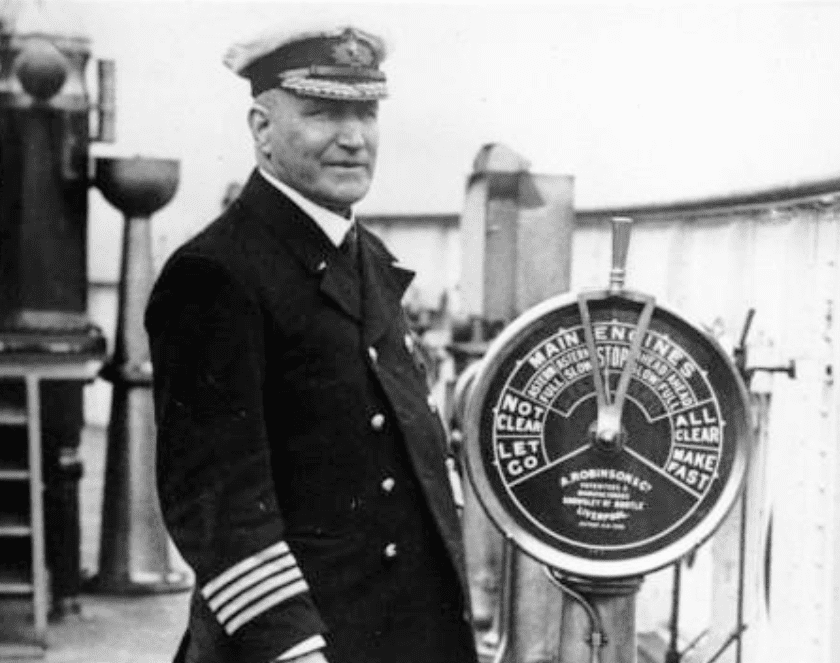
12. The Captain Lives
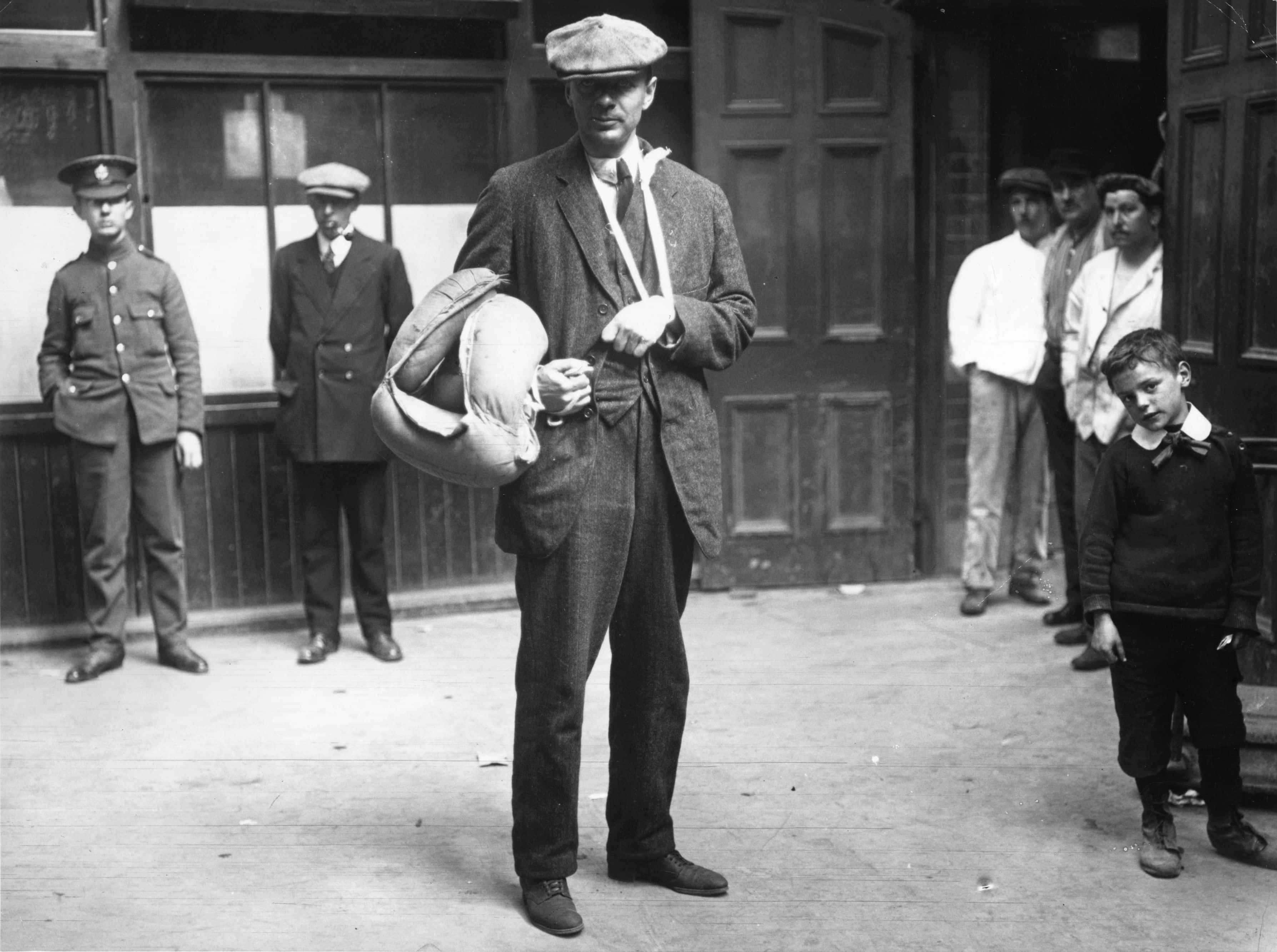
Though a majority of the people aboard perished during its sinking, the captain of the Lusitania, William Thomas Turner, survived. He is not to be confused, however, with Orlando Bloom's dreamy character of the same name in Pirates of the Caribbean.
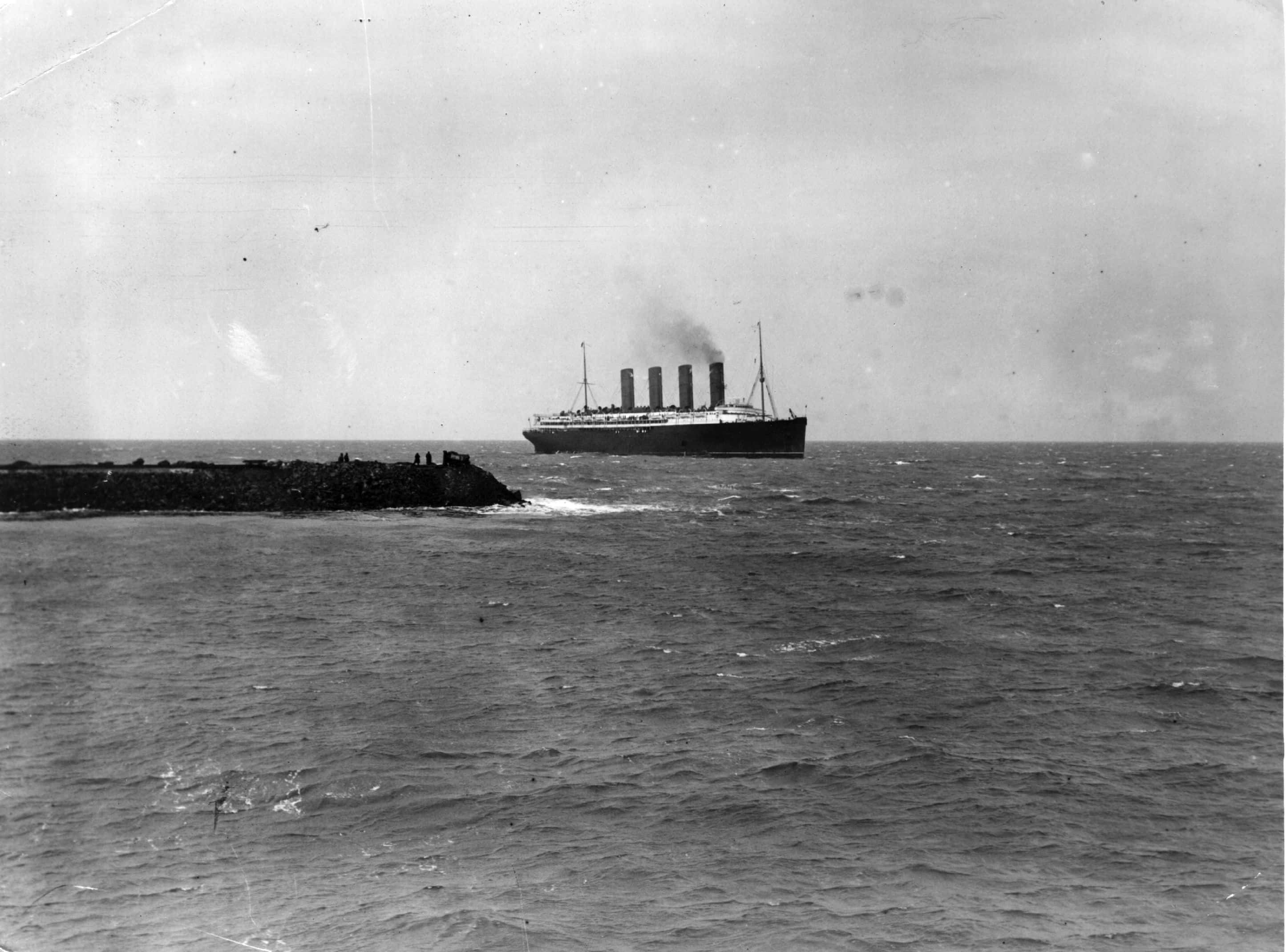
13. Veteran of the Waters
At the time of its sinking, the Lusitania was on its 202nd crossing, which would have put it at 101 round-trip transatlantic crossings.
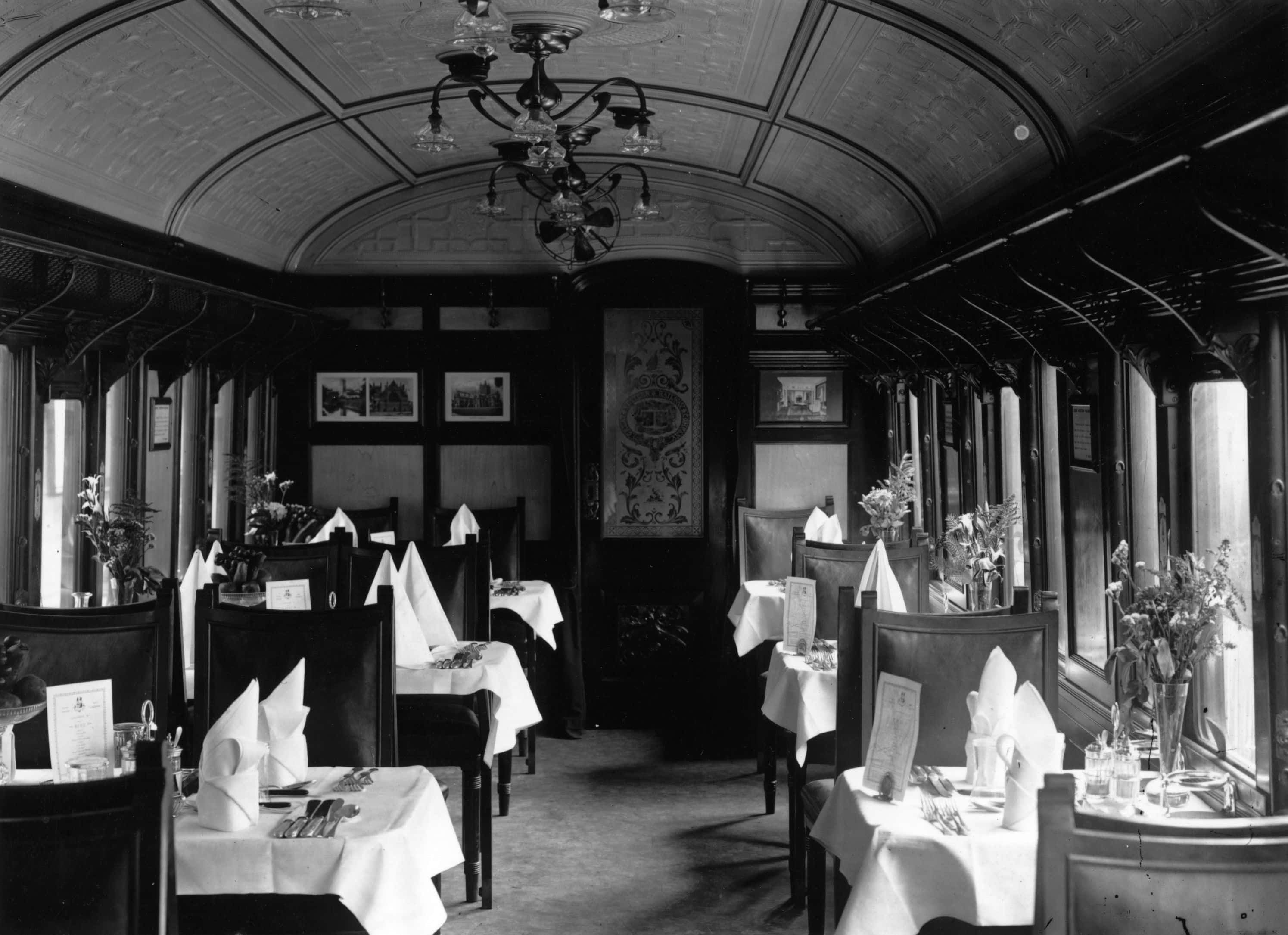
14. Price Paid
A first class ticket aboard the Lusitania ranged from $142 to $380. That's quite a steep price to pay for demise when you consider that the average American only made $20 a week at the time.
 Getty Images
15. Convincing the Public
After the Lusitania went down, American public opinion swung sharply in Britain’s favor, turning many US citizens decisively against Germany. When the outrage from the sinking was later paired with the shock of the Zimmerman Telegram, the tide fully turned—pushing the United States toward officially entering the conflict.
16. Anniversary
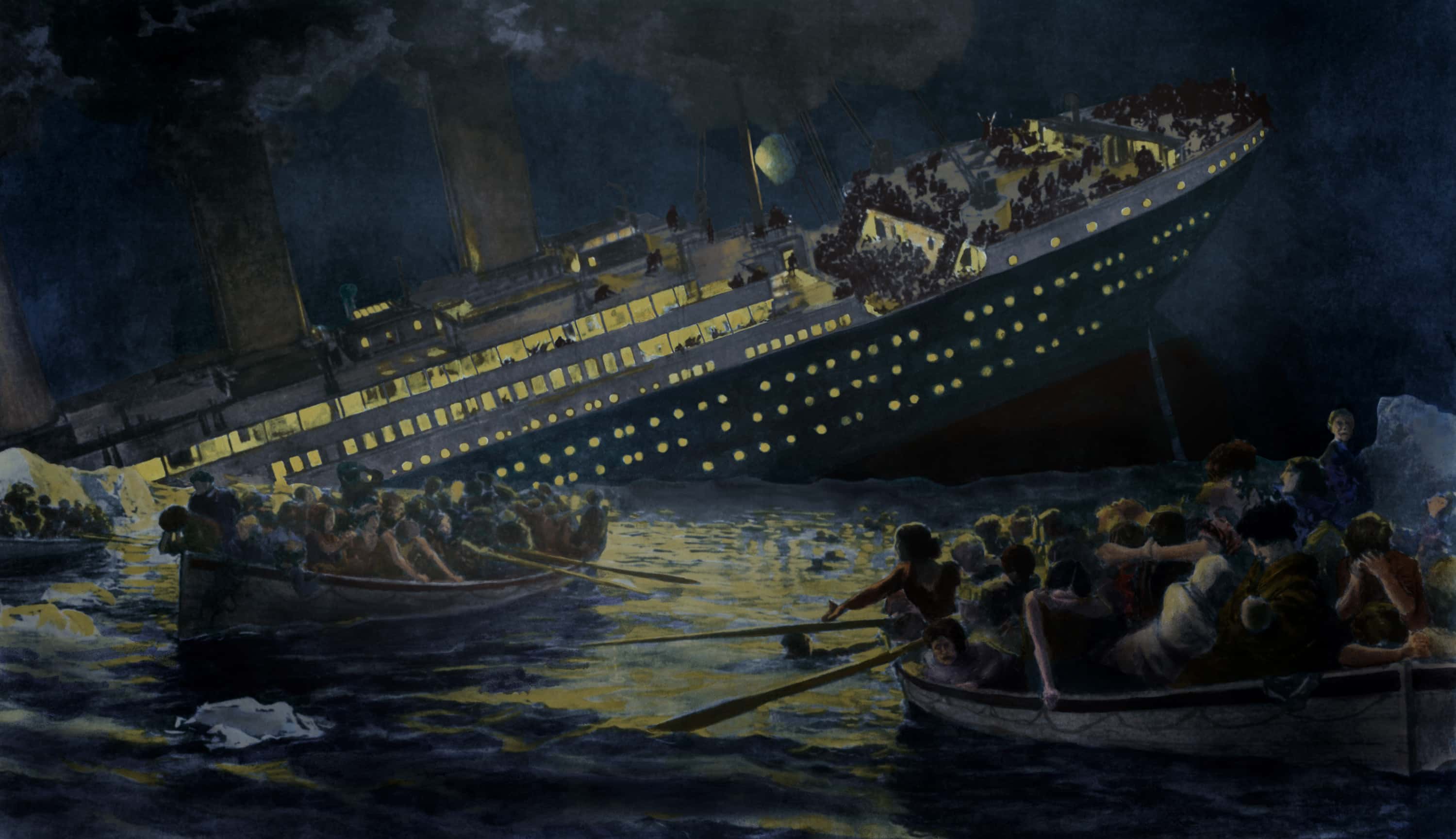
The third anniversary of the sinking of the Titanic was only two weeks prior to the tragic attack on the Lusitania.
17. Wright Bros Overhead
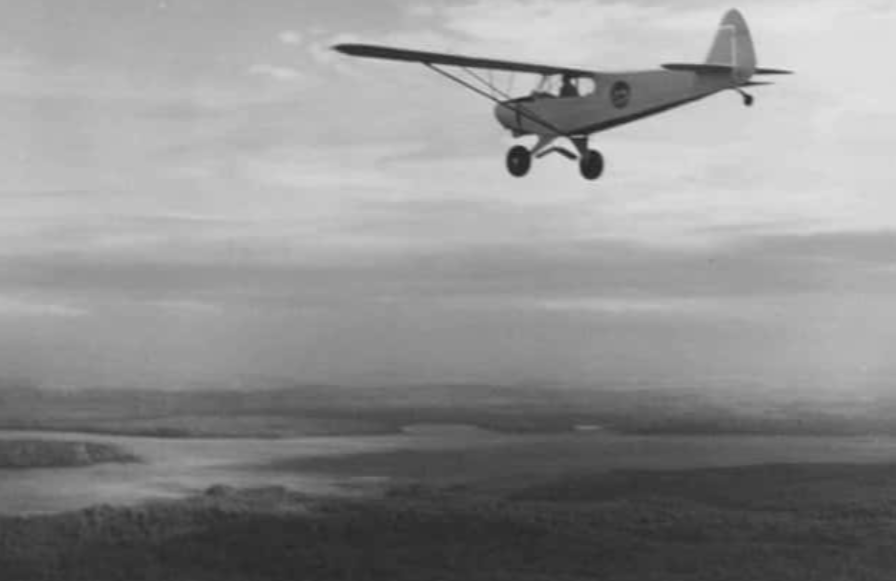
In 1909, the Wright Brothers flew flights over the Hudson Bay in celebration of the 300th anniversary of Henry Hudson discovering the Hudson river and the 100th anniversary of the Fulton Engine, with many of these flights going over the Lusitania to display the marvel of modern human engineering.
18. Stand Your Ground
After the sinking of the Lusitania, Germany stopped attacking neutral ships around Britain for about two years, although they never backed down from their position that the Lusitania was a legitimate target because it was a vessel carrying conflict materials.
19. They Were Warned
Just prior to the sinking of the Lusitania, the Imperial German Embassy in Washington D.C. issued notices warning people that traveling on ships, particularly British ships, towards the United Kingdom was dangerous.

20. The Route Home
The Lusitania was traveling from New York to Liverpool at the time of the sinking.
21. Shallow Waters
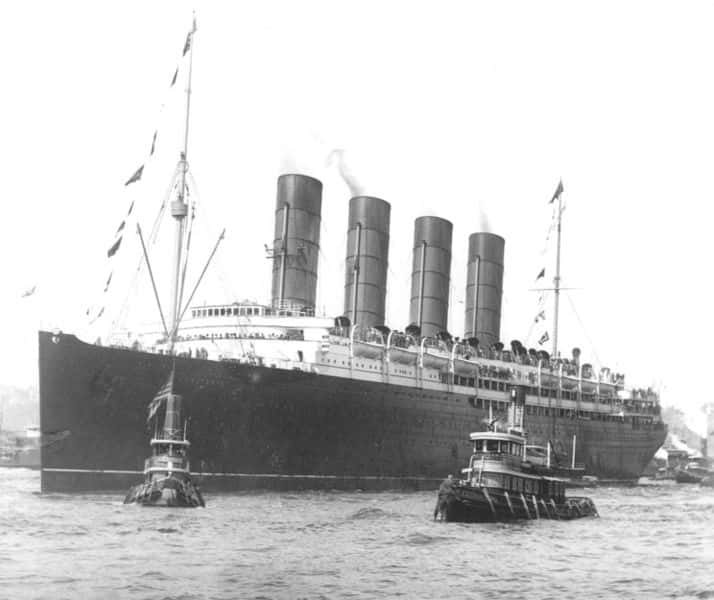
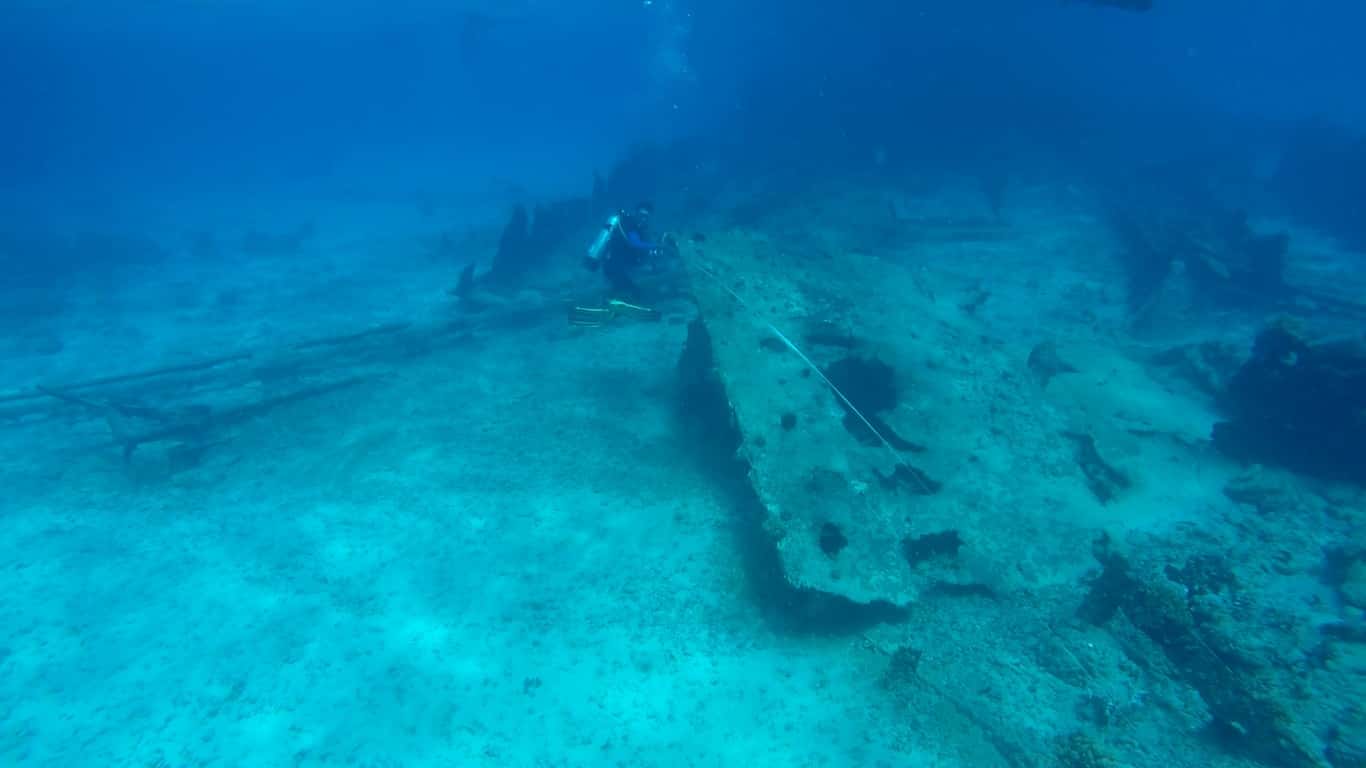
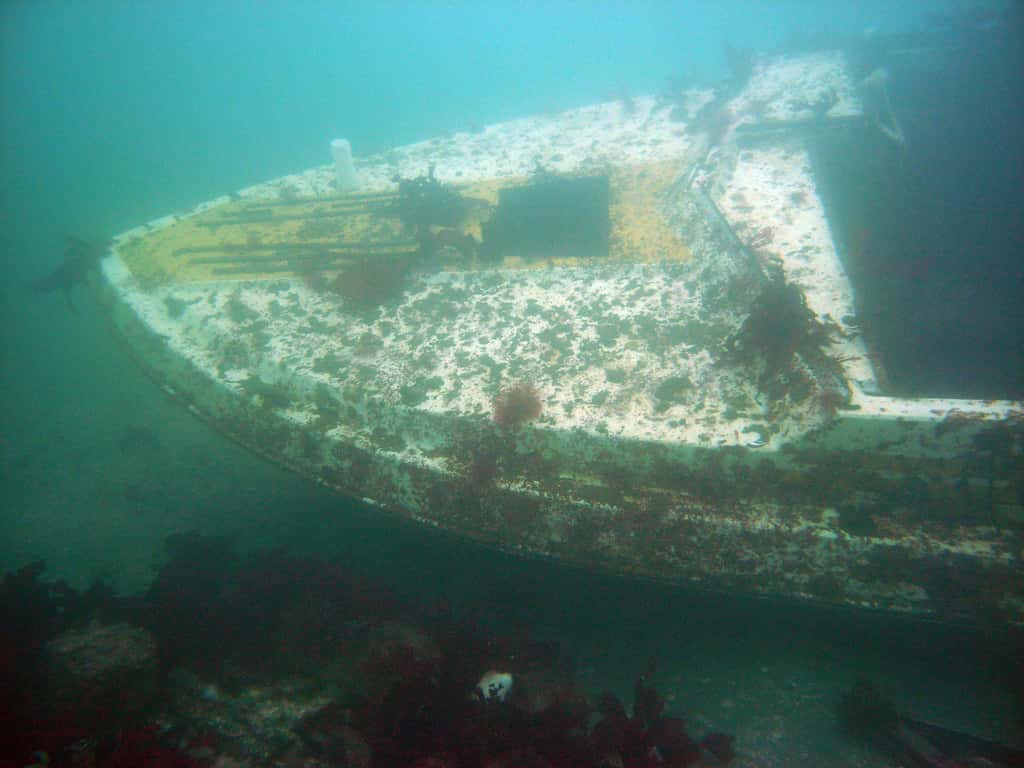
The wreck of the Lusitania sits at a shallow depth of only 93 meters and is easily reachable. This contrasts that of the Titanic wreck, which sits at a depth of over 3,700 meters.
22. Hunting Ground
During WWI, German U-boats often lurked off the coast of Ireland, where they could pick off ships far more easily than in the open Atlantic. As vessels funneled toward British ports, they became prime targets—and many were sunk in these waters, including the Lusitania.
23. Fatal Mistake
Before its sinking, the Lusitania actually almost escaped the range of the U-boat simply by having a faster casual sailing speed. Some people theorize that the alignment of the two ships was a coincidence: in order to navigate as the ship approached the Old Head of Kinsale, the captain of the ship lined up with a lighthouse, putting it back in range of the German submarine.
24. Counter Productive Lifeboats
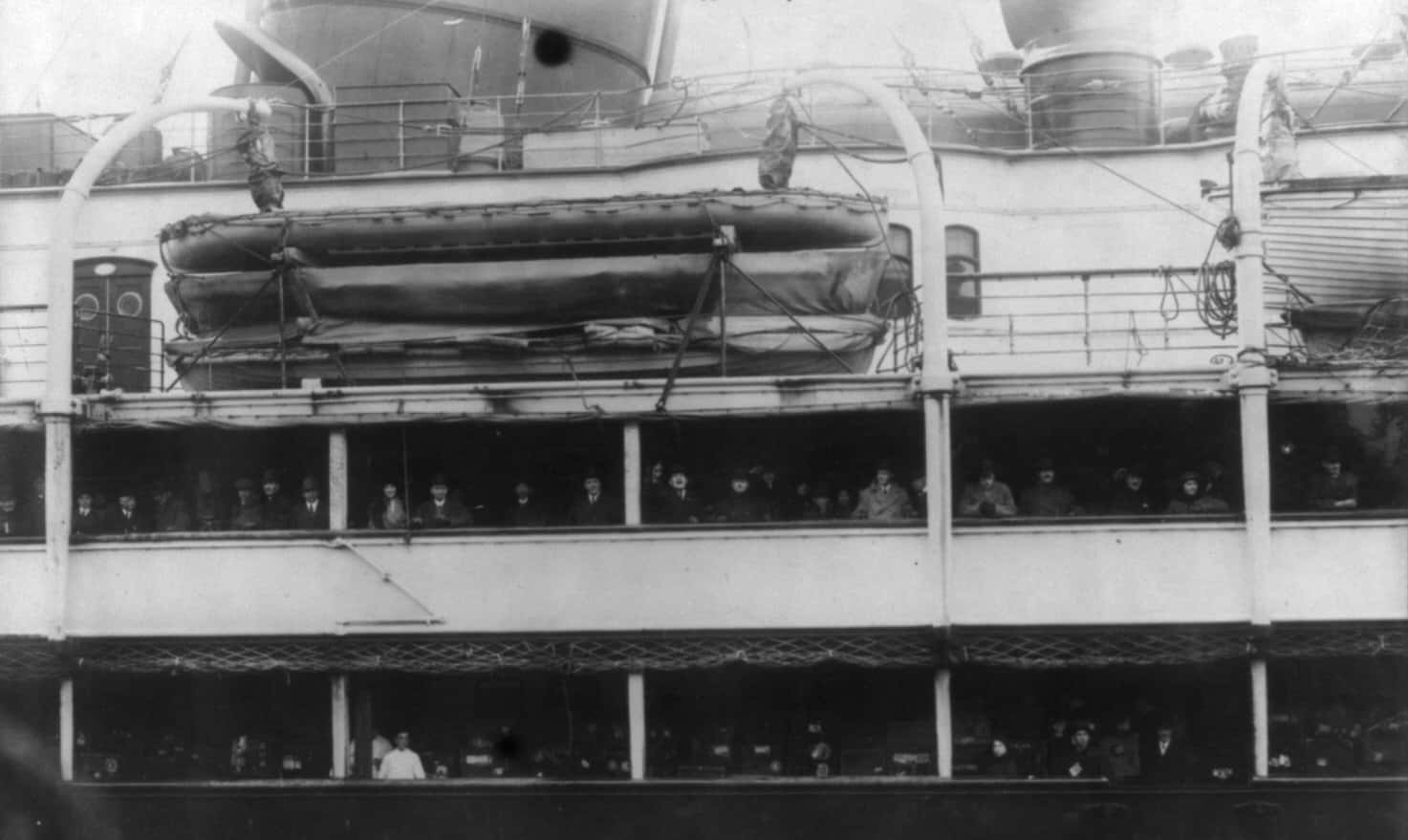
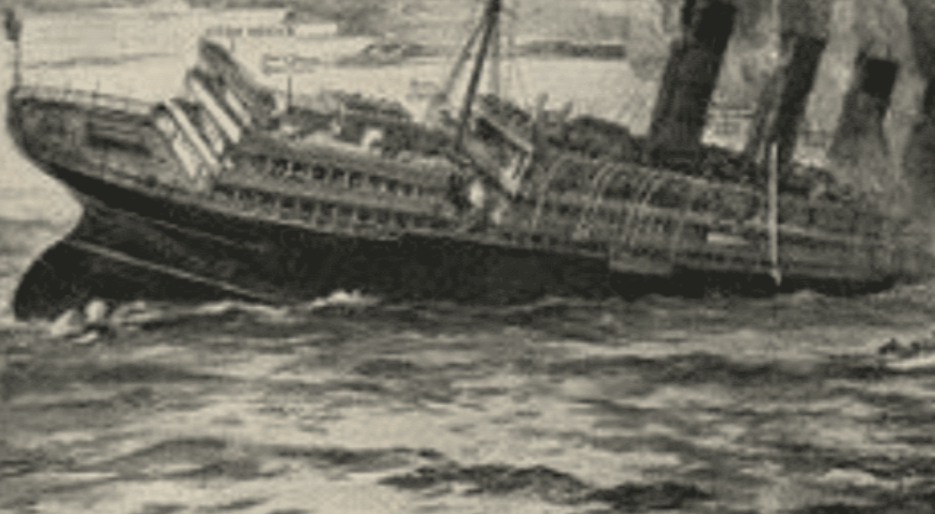
When the order was given to launch lifeboats from the sinking ship, many of the lifeboats were unable to be lowered due to the severe list of the boat. In total, only six of the 48 lifeboats were able to be deployed, contributing to the great loss of life.
25. Family Tragedy
A great many of those who perished during the disaster were unable to ever be identified due to the fact that their next of kin had also perished in the sinking.
26. The Bigger They Are, The Harder They Fall
Due to its massive size at around 800 feet long, the Lusitania hit the bottom of the sea floor before it actually submerged.
27. Lightning Strikes Twice
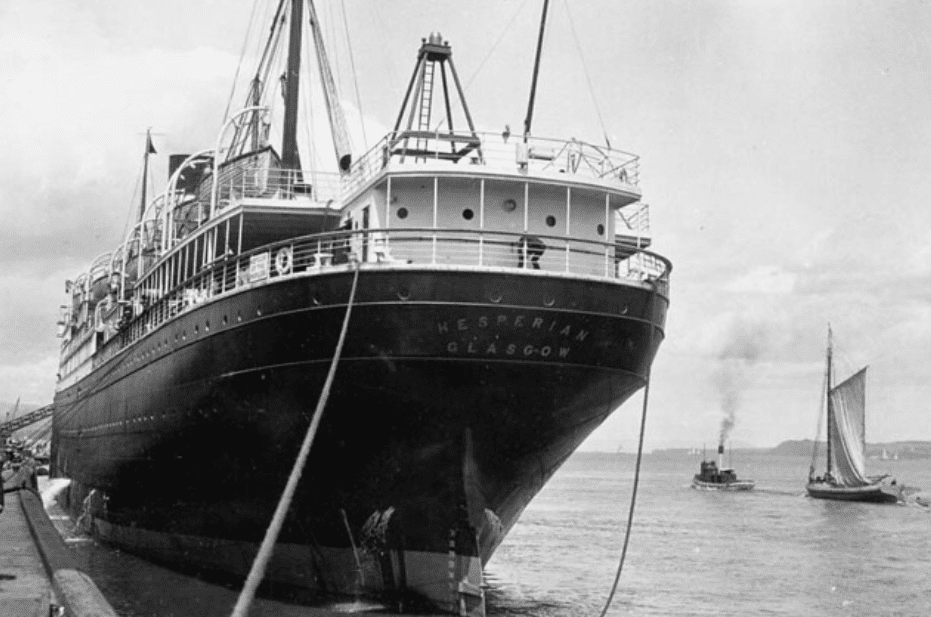
Canadian citizen Frances Stephens was aboard the Lusitania when it was sunk, and her body was recovered and on route back to Canada aboard the RMS Hesperian when the U-20 then sank the Hesperian, making Stephens twice a victim of the German U-20.
RMS Hesperian
28. Triple Survivor
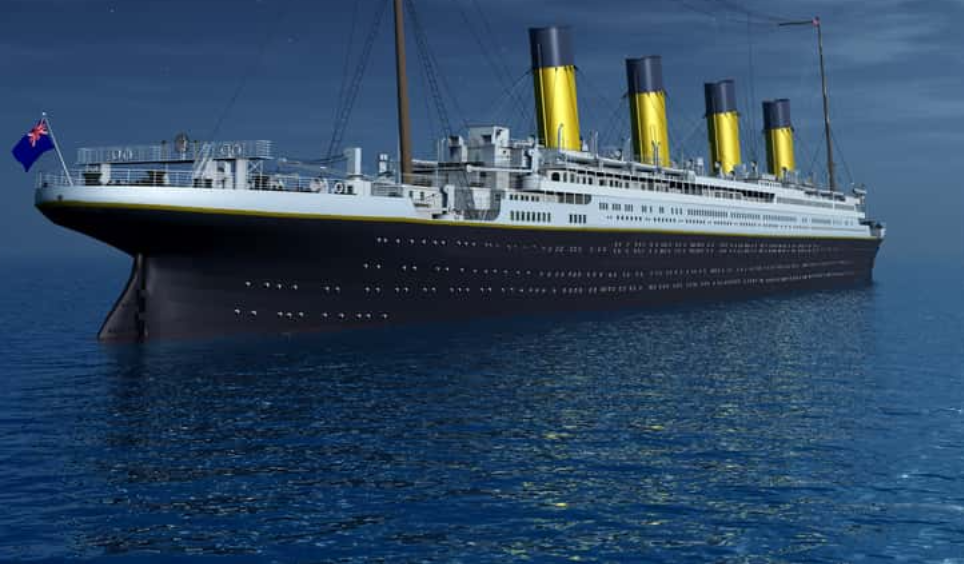
A man by the name of Albert Charles Dunn was also reported to have been on two boats sunk by the U-20—and survived both attacks. He also is said to have been aboard the Titanic when it had its meeting with an iceberg. Talk about a lucky guy.
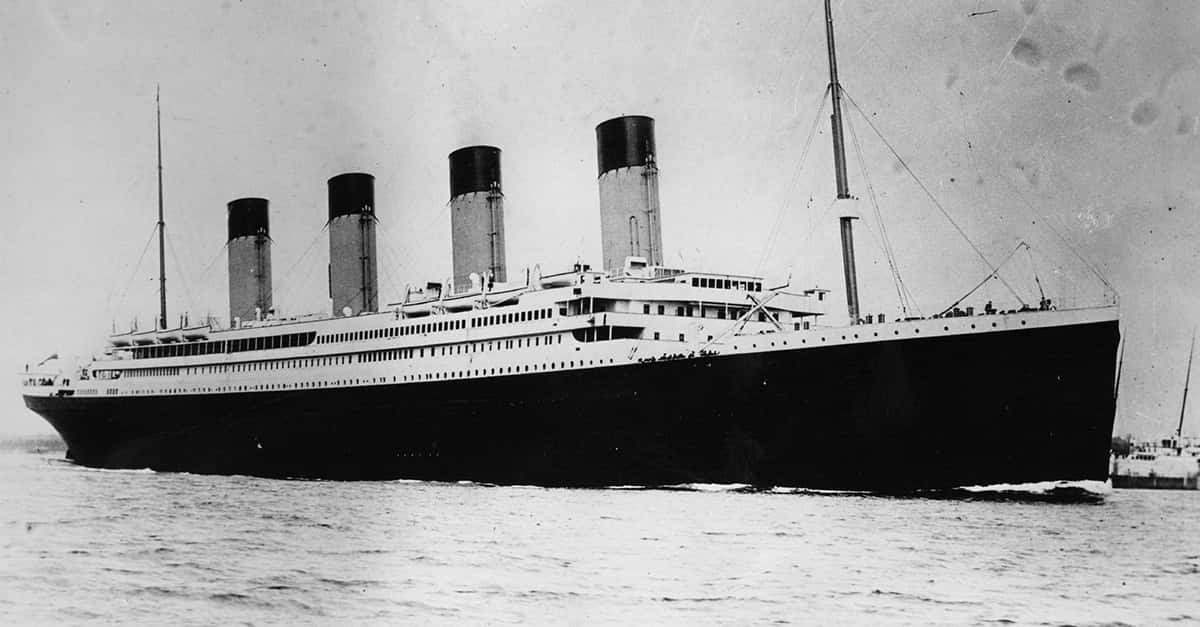
Titanic
29. I’m a Survivor
There are sadly no more survivors still alive today. The last survivor of the famous Lusitania’s sinking was Audrey Lawson-Johnston, a saloon class passenger who passed in 2011.

30. Bad Press Isn’t Always Good Press
To get an idea of what the American press was printing, some of the titles of American newspapers read “German Pirates Sink the Lusitania,” “A Deed For Which A sweetheart Would Blush…” and “What Women and Children Endured When Tirpitz’s Murderers Sent The Lusitania To Her Doom".
31. By the Numbers
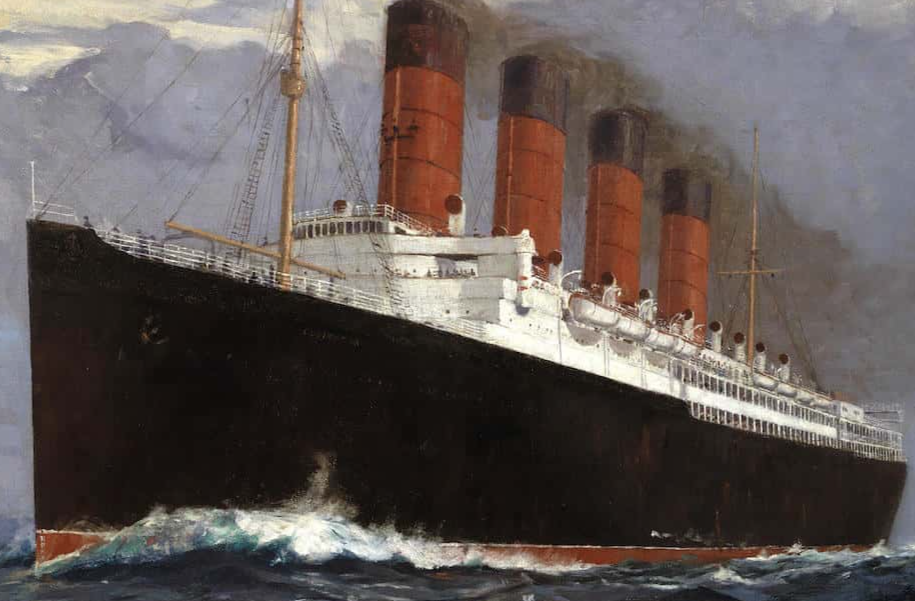
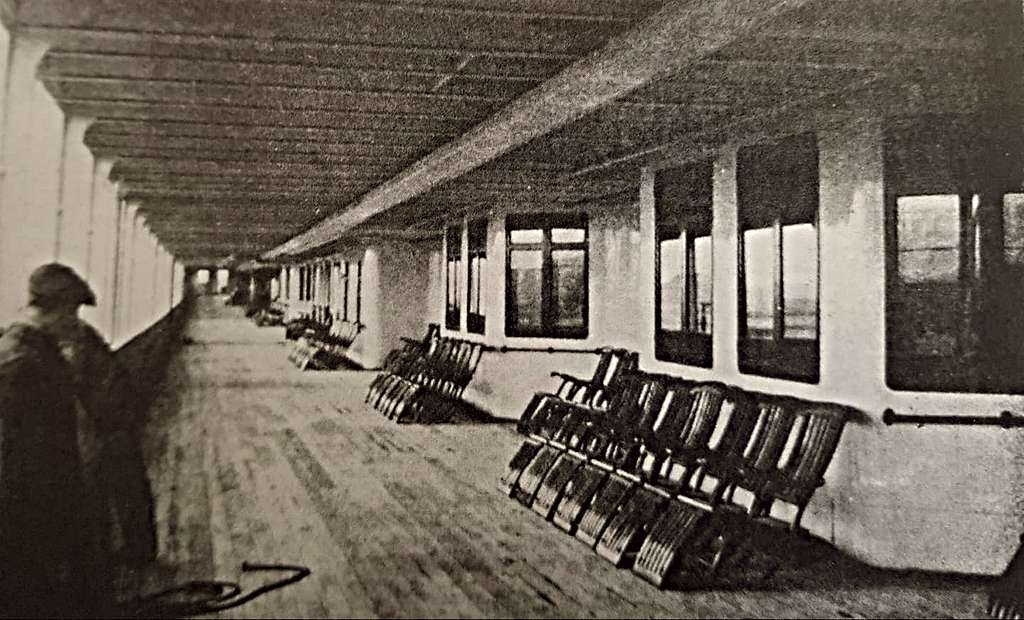
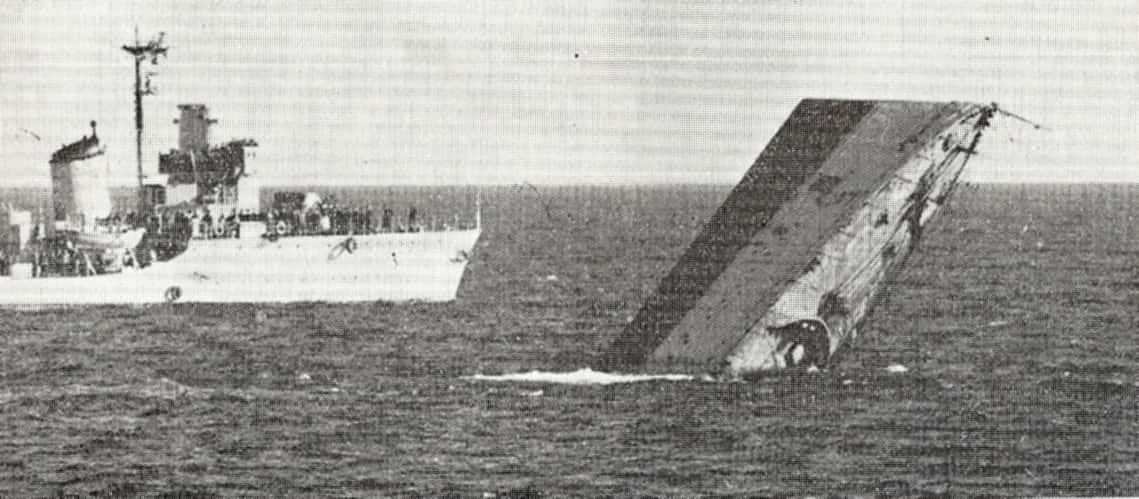
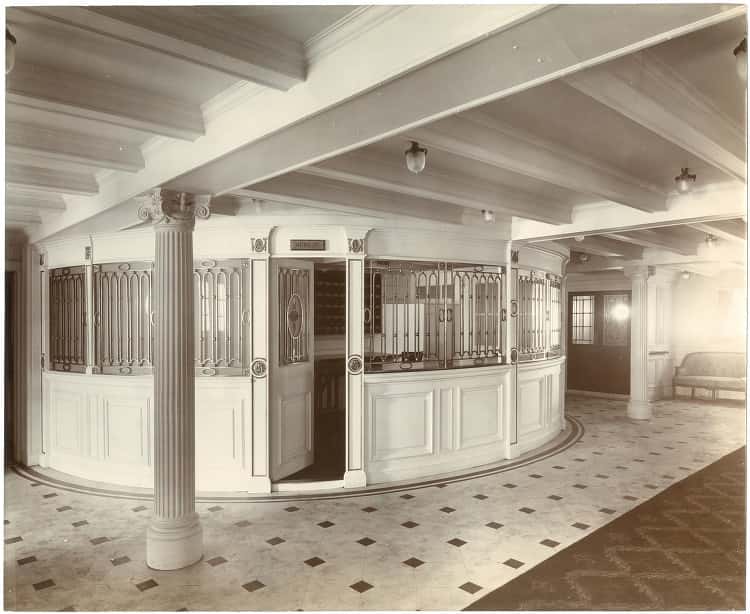
The Lusitania was an engineering giant—stretching 787 feet long, rising 60 feet high, and boasting nine full passenger decks. Its four triple-bladed propellers powered the ship with a speed and elegance that made it one of the most impressive ocean liners of its day.
32. Wasn’t Me
People claim that the Royal Navy charged the wreck of the Lusitania, with one Irish diver describing the wreck as "like Swiss cheese".

33. Direct Warnings
Between the time of the ship's departure from New York and its sinking on the coast of Ireland, there were a total of 23 sunken ships off the coast of Ireland. The Lusitania received directives to stay away from the coast of Ireland in the days leading up to its sinking, but they did not receive any news about the sinking of any other ships.
34. Arms Aboard
There were indeed munitions aboard the Lusitania, but they were small arms and, apparently, empty shrapnel shells.
35. Who’s To Blame?
While the German army men aboard the U-20 were no doubt responsible for the sinking of the Lusitania by breaching Cruiser Rules in targeting the ship, the British can also be held responsible for their role in shipping munitions aboard express passenger ships, and for their belief that if torpedoed, the Lusitania would still be able to limp into port.
36. Turning the Tide
Though the sinking of the Lusitania did turn the tide of American opinion against Germany and into joining the conflict , it also brought about some xenophobia against German-Americans, who were then a part of the melting pot that was American society. It also did not directly prompt the U.S. into joining the conflict, as it wasn’t until April 6th, 1917 that they officially did; almost a full two years, and only after the Germans declared they would again conduct unrestricted conflict on ships.
37. Diverting Blame
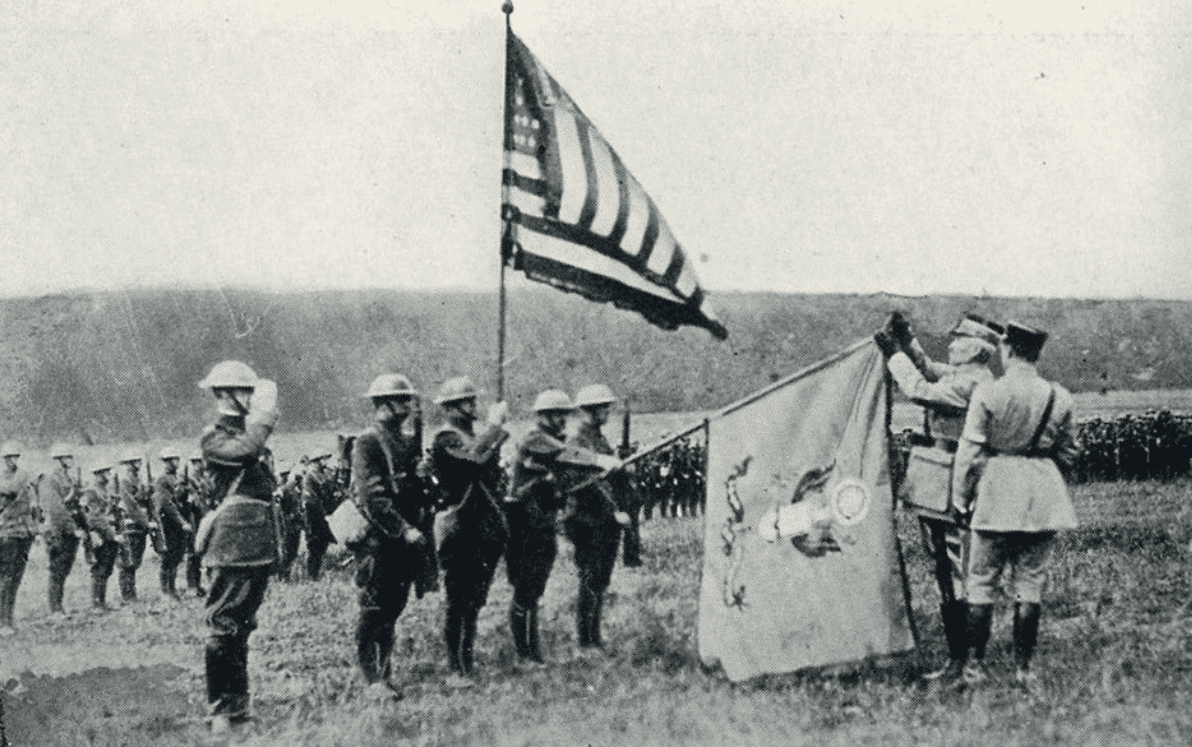
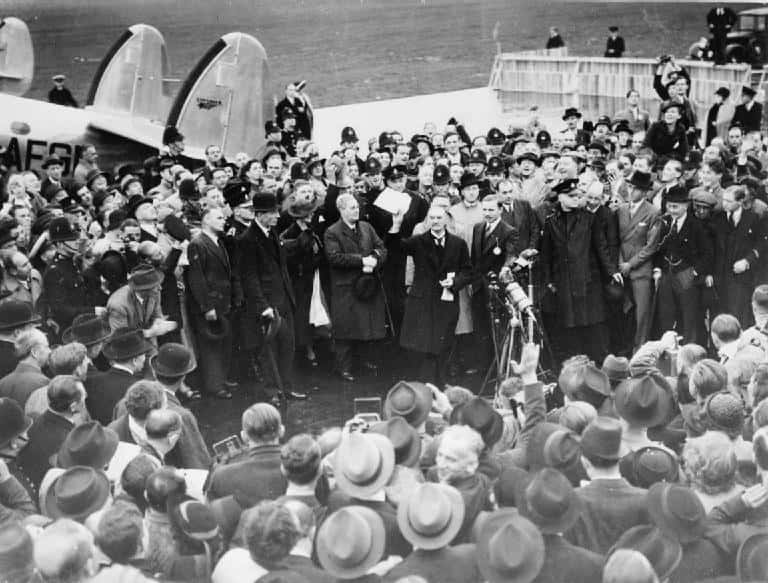
Britain deferred all blame to the German government and absolved the entirety of those Brits involved of any negligence, including the Admiralty, the Captain, and Cunard.
38. Call To Duty
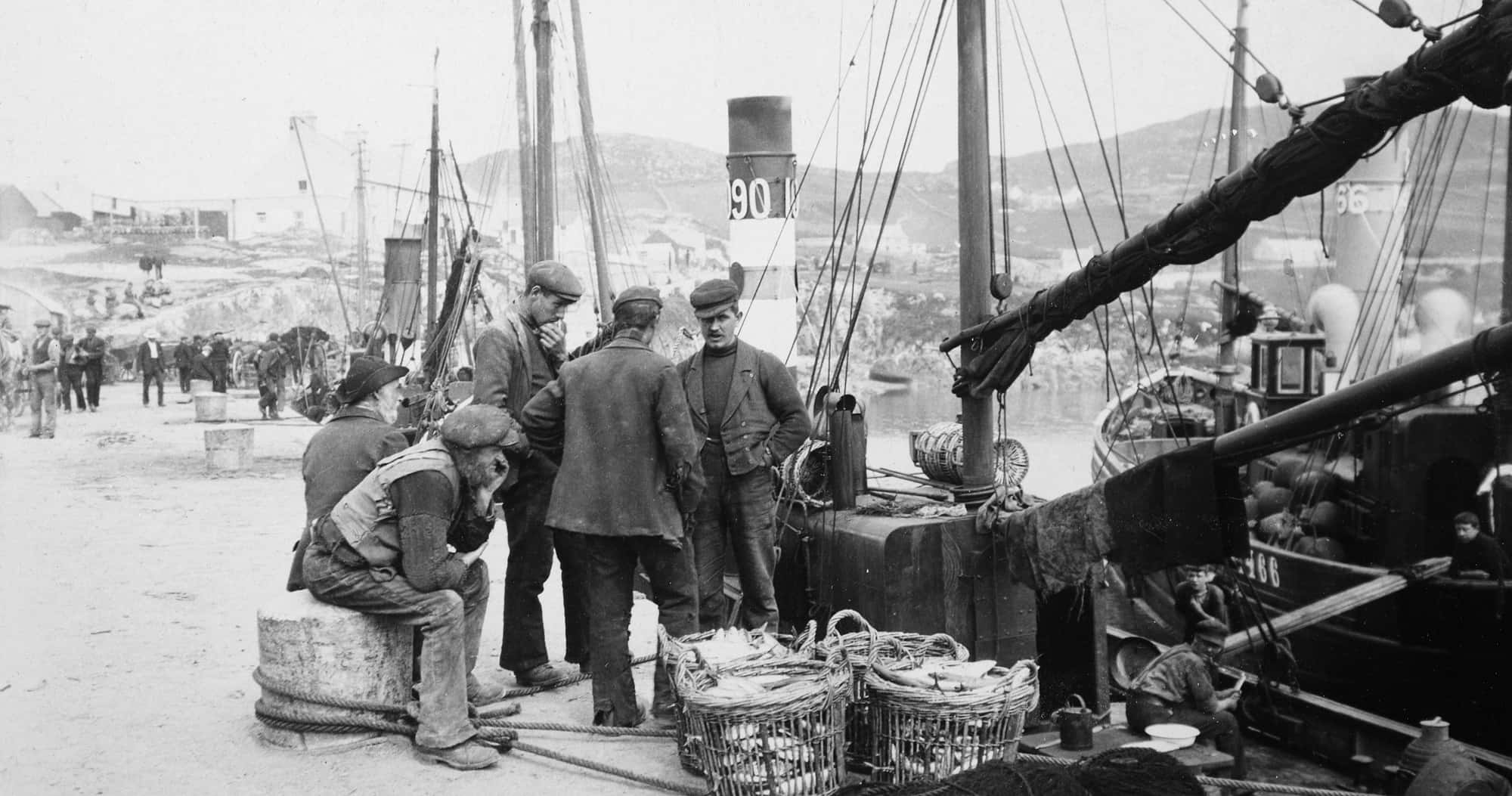
After hearing the explosions, many local Irish fishermen ran to the rescue and aided the attempts to salvage all the life possible from the Lusitania and the surrounding waters. If not for these brave Irishmen, the perished toll could have been even worse.
39. Two Sides To The Story
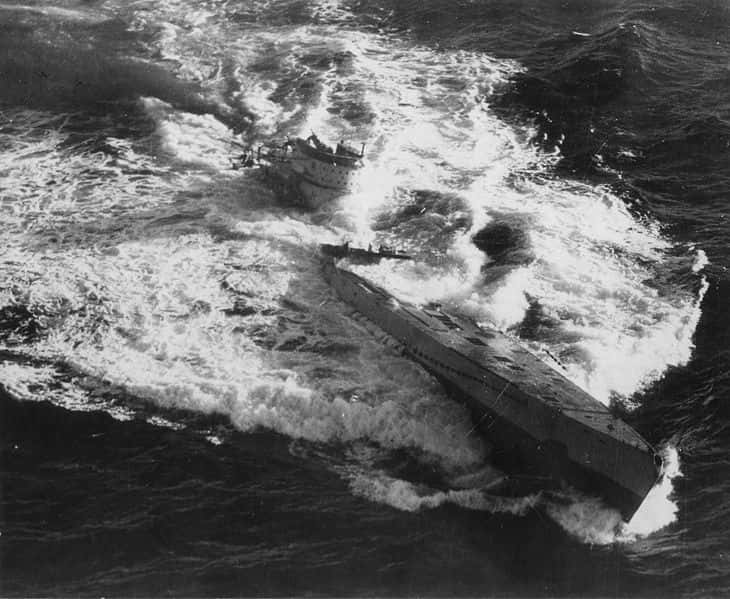
While the Allies claimed that the U-20 launched two or three torpedoes to sink the Lusitania, the Germans maintained that they shot only one and that the second explosion was caused by the ignition of arms hidden below the cargo of the ship. Regardless, it was this second explosion that proved to be the fatal explosion to the Lusitania.
40. Conflict Schemes?
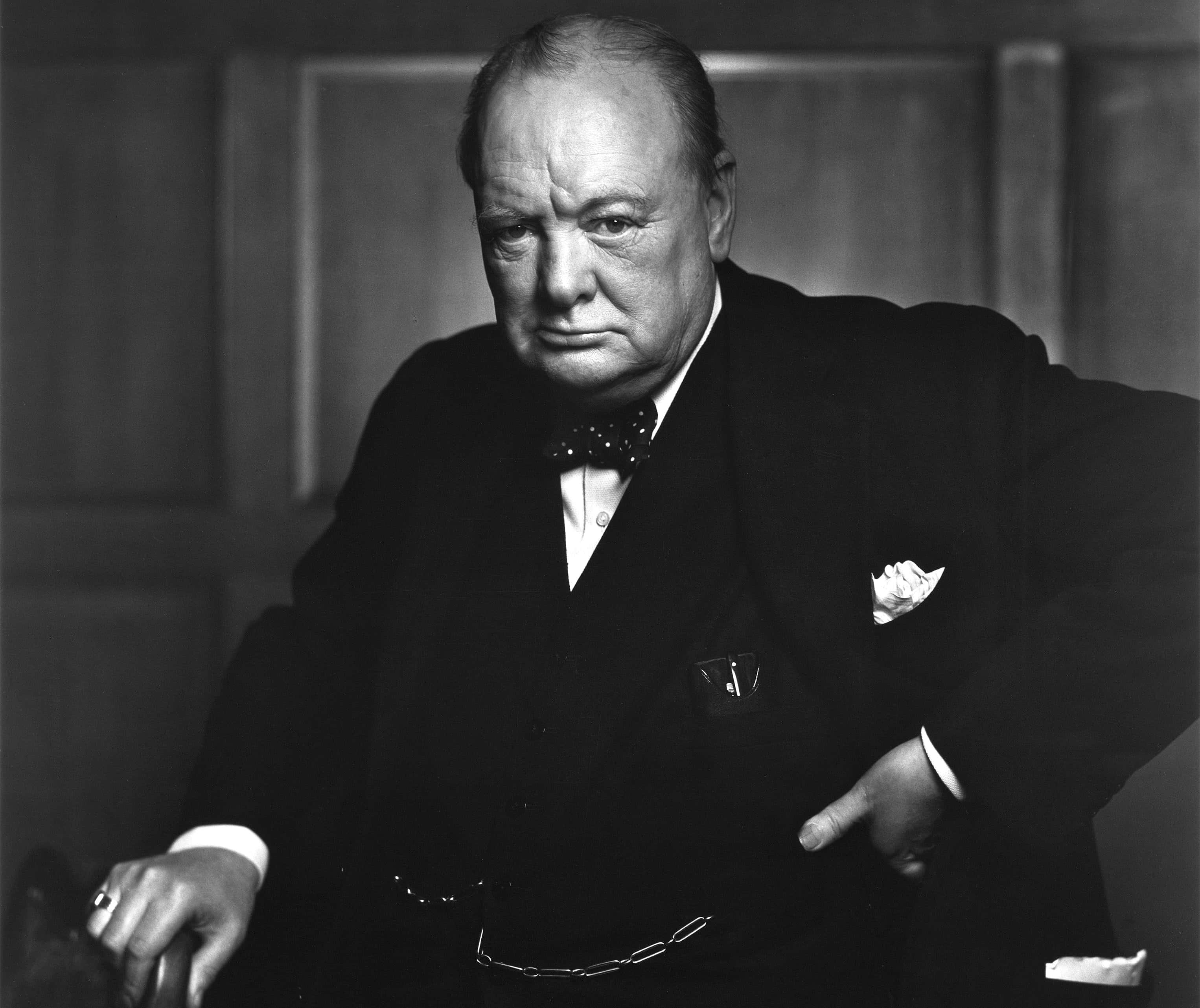
The sinking of the Lusitania is often remembered as a ruthless act by the Germans, but some historians argue that British authorities may have knowingly put the ship in harm’s way. A letter from Winston Churchill adds fuel to the theory, stating that it was “most important to attract neutral shipping to our shores, in the hope especially of embroiling the United States with Germany”. Even more suspicious, British officials were aware that a German U-boat was operating in the area—yet they neither rerouted the Lusitania nor dispatched protection as it sailed straight toward danger.
 Wikimedia Commons, Yousuf Karsh











#/media/File:U_1_Kriegsmarine.jpg)


_-_5.jpg)


