Leonardo Da Vinci Lives On
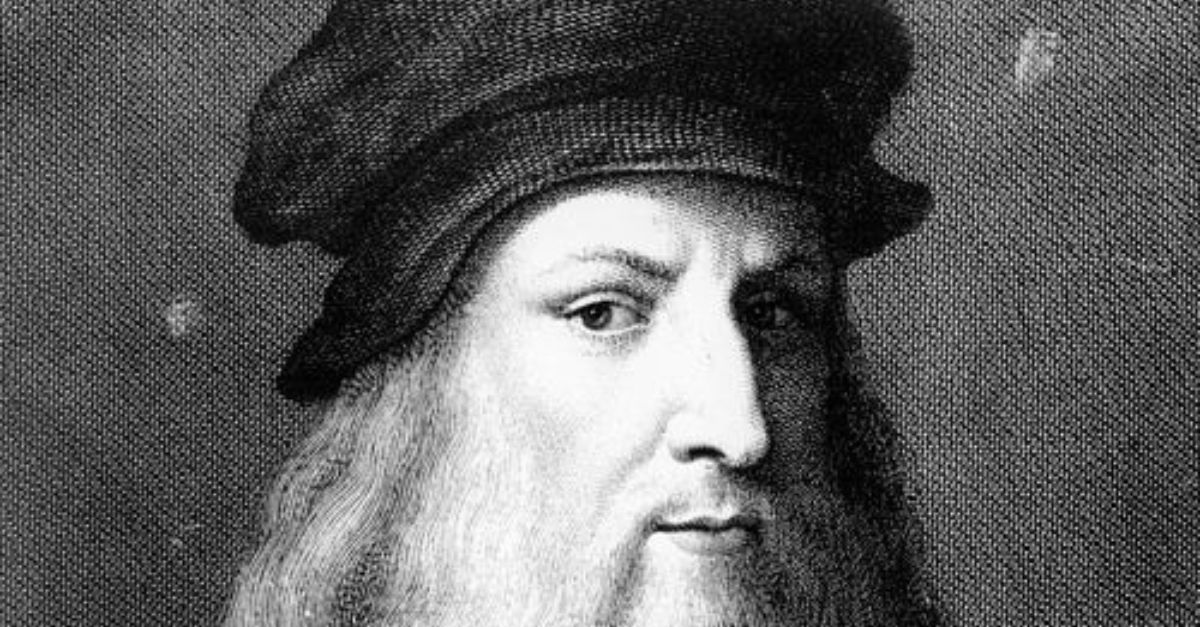
More than five centuries after his death, Leonardo da Vinci’s legacy lives on in creations such as the Mona Lisa and the Last Supper – two of the most recognisable works of art in existence. Leonardo was also a skilled scientist and engineer with an incredible range of interests. We explore the most important chapters in Leonardo’s professional life – from his boyhood apprenticeship in Florence to his final years as a fêted figure in the court of the king of France.
 Dominikmatus, Wikimedia Commons
Origin In Vinci
Leonardo da Vinci was born in Vinci, Tuscany in 1452, the illegitimate son of a Florentine notary and a young peasant. Little is known of his childhood, but his artistic talent must have been apparent at an early age for, at 14, he was apprenticed to one of the most well-known Florentine workshops of the day: that of painter and sculptor Andrea del Verrocchio. But to do this he first had to reunite with his father.
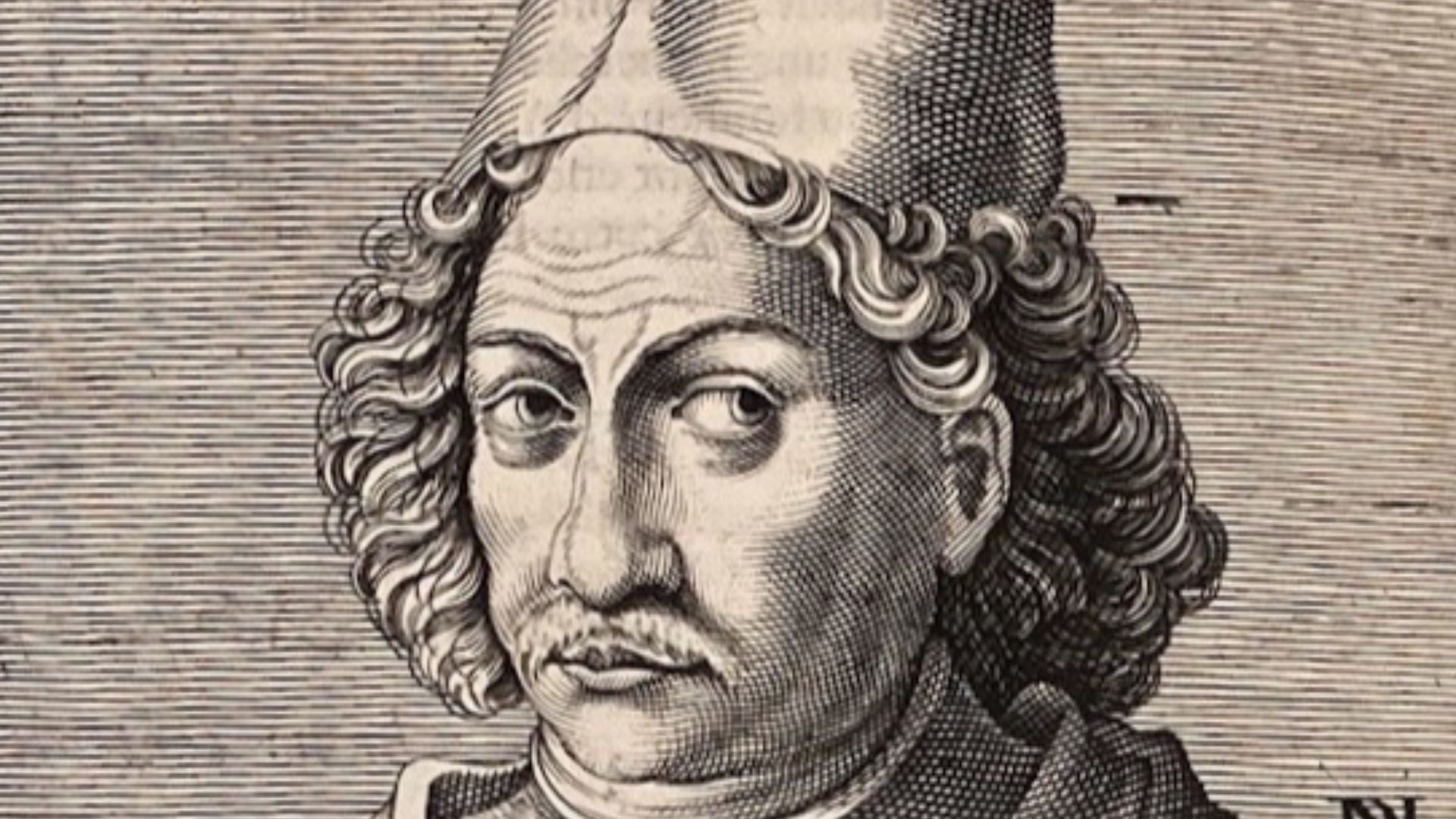 Nicolas de Larmessin, Wikimedia Commons
Leonardo Moves To Florence
Around 1464, the young Leonardo went to Florence to live with his father. Although he did not have the full advantages of those born in wedlock, his illegitimacy was not a serious hindrance. While the church stridently condemned sex outside marriage, the realities of life, love and lust meant that many children were the result of such unions. Leonardo was welcomed into his father’s home, and Ser Piero provided for him just as he did for his legitimate offspring. The boy would have received a basic education, being taught to read, write and do sums.
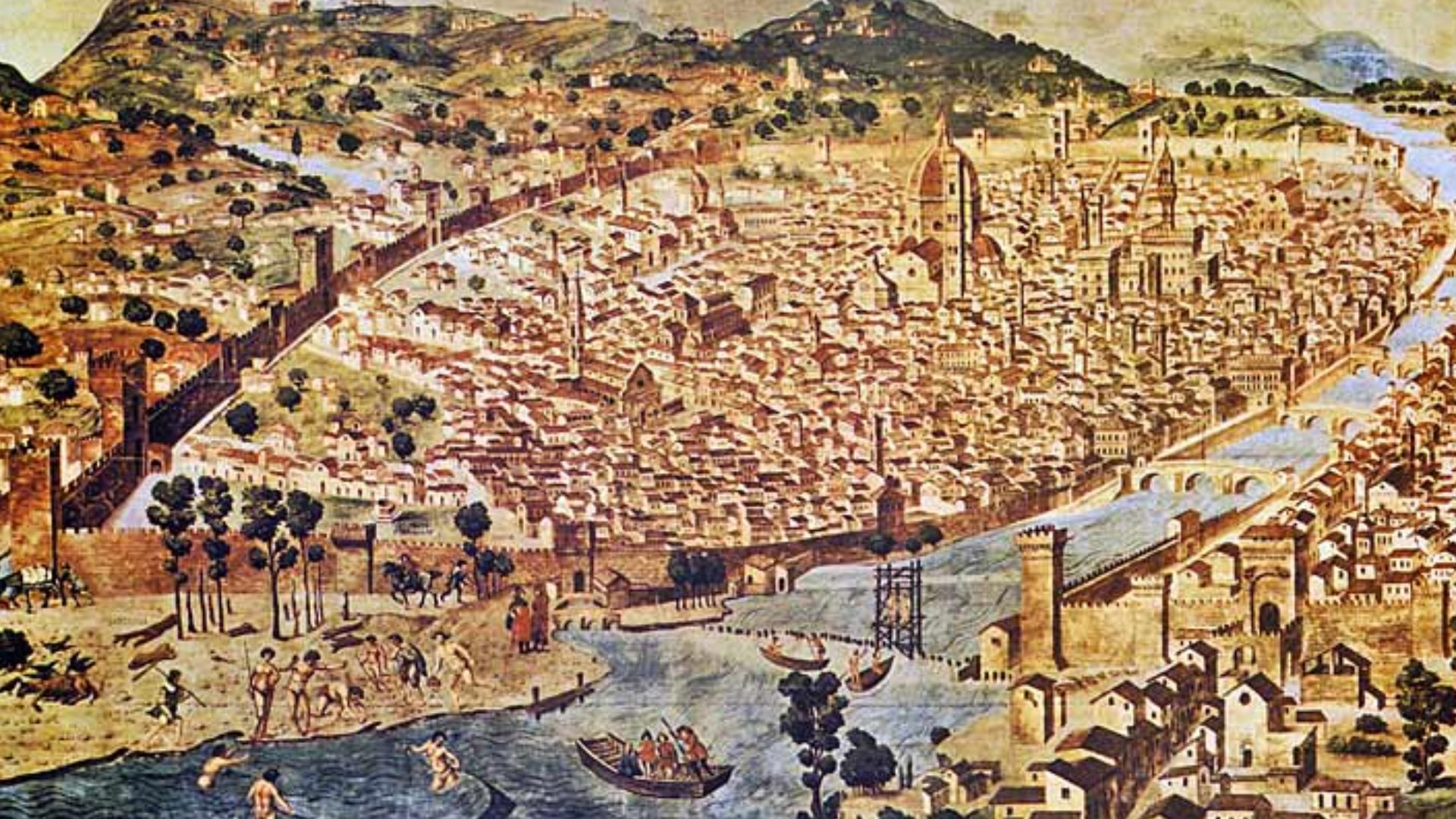
An Artist's Workshop
At 12 years old, Leonardo reached the age when boys of his status started to learn a profession, but due to his illegitimacy he could not follow his father and become a notary. His artistic talent was perhaps already apparent by this time, for Ser Piero arranged for him to be apprenticed to the Florentine artist Andrea del Verrocchio.
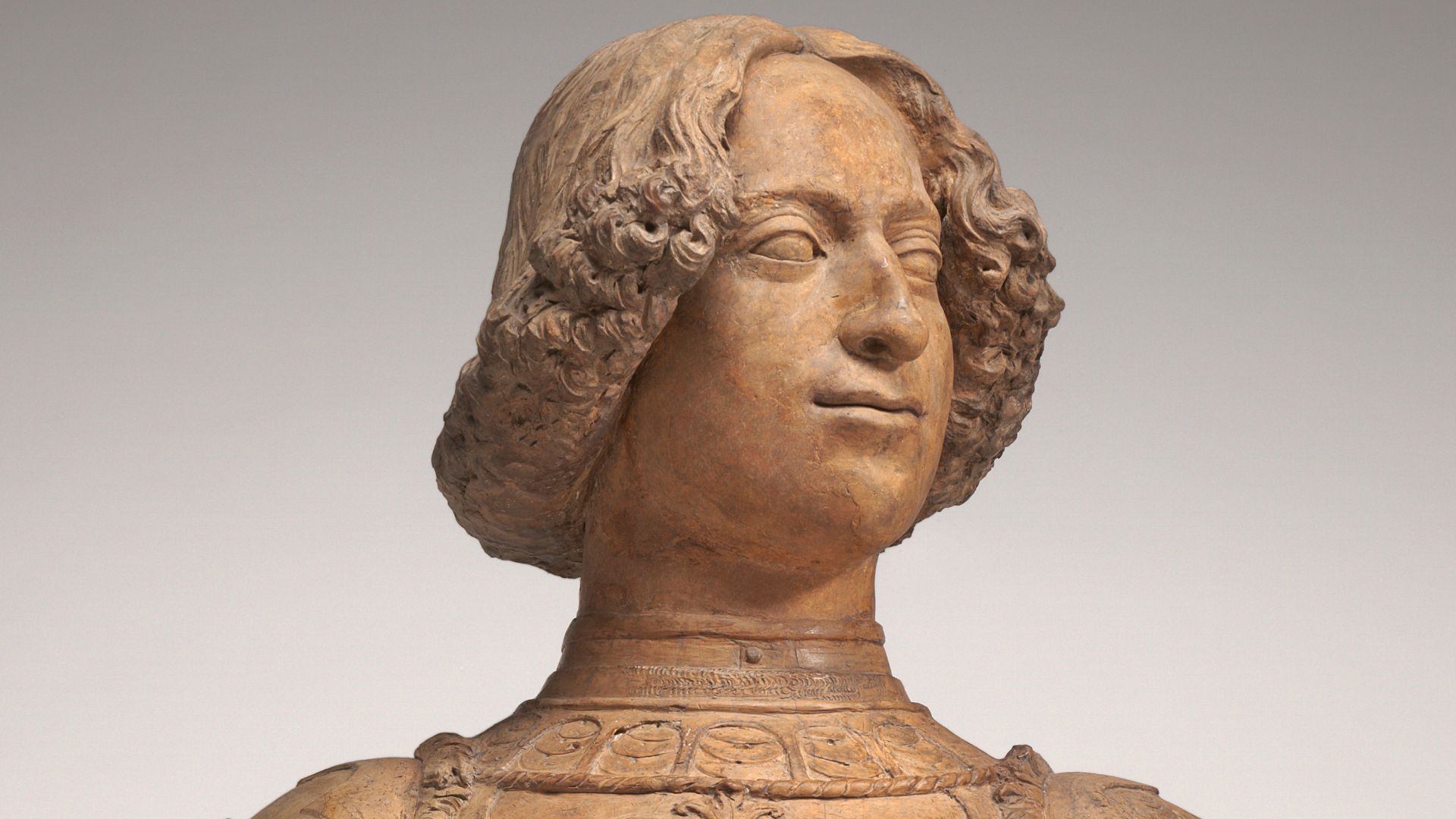 Alonso de Mendoza, Wikimedia Commons
Apprenticeship As Artist
Apprenticeships lasted around six years and were often formalised with a contract. These listed the responsibilities of the master: to keep the lad fed, housed, clean and well-dressed, and to teach him all the skills necessary to succeed in his line of work. In return, the child promised to be diligent, honest and – in a sign of the unhappiness endured by some apprentices – not to run away. Verrocchio and Leonardo got down to work.
 Andrea del Verrocchio, Wikimedia Commons
A Busy Workshop
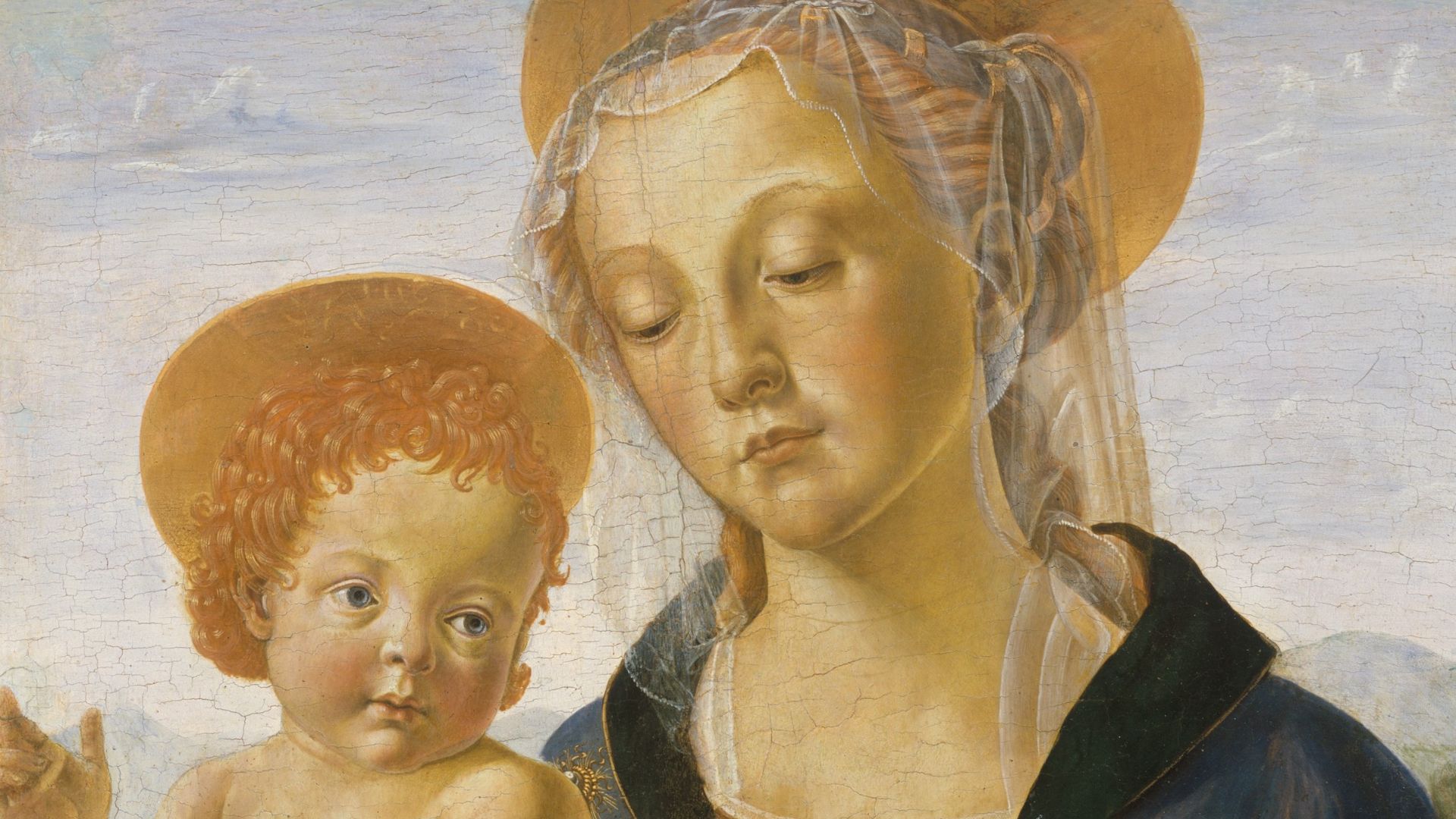
Verrocchio was a prosperous painter and sculptor. He ran a busy workshop, a space for both living and working, in which he trained apprentices and employed assistants to help him produce the many works of art that his patrons commissioned. Initially, Leonardo would have risen early to light the fire, grind the pigments to make paint, prime panels and prepare all the materials needed for the day’s work. In time, he would have graduated to more skilled and important jobs, learning all that he needed to know along the way.
 Workshop of Andrea del Verrocchio, Wikimedia Commons
He Blossomed Into Artistic Maturity
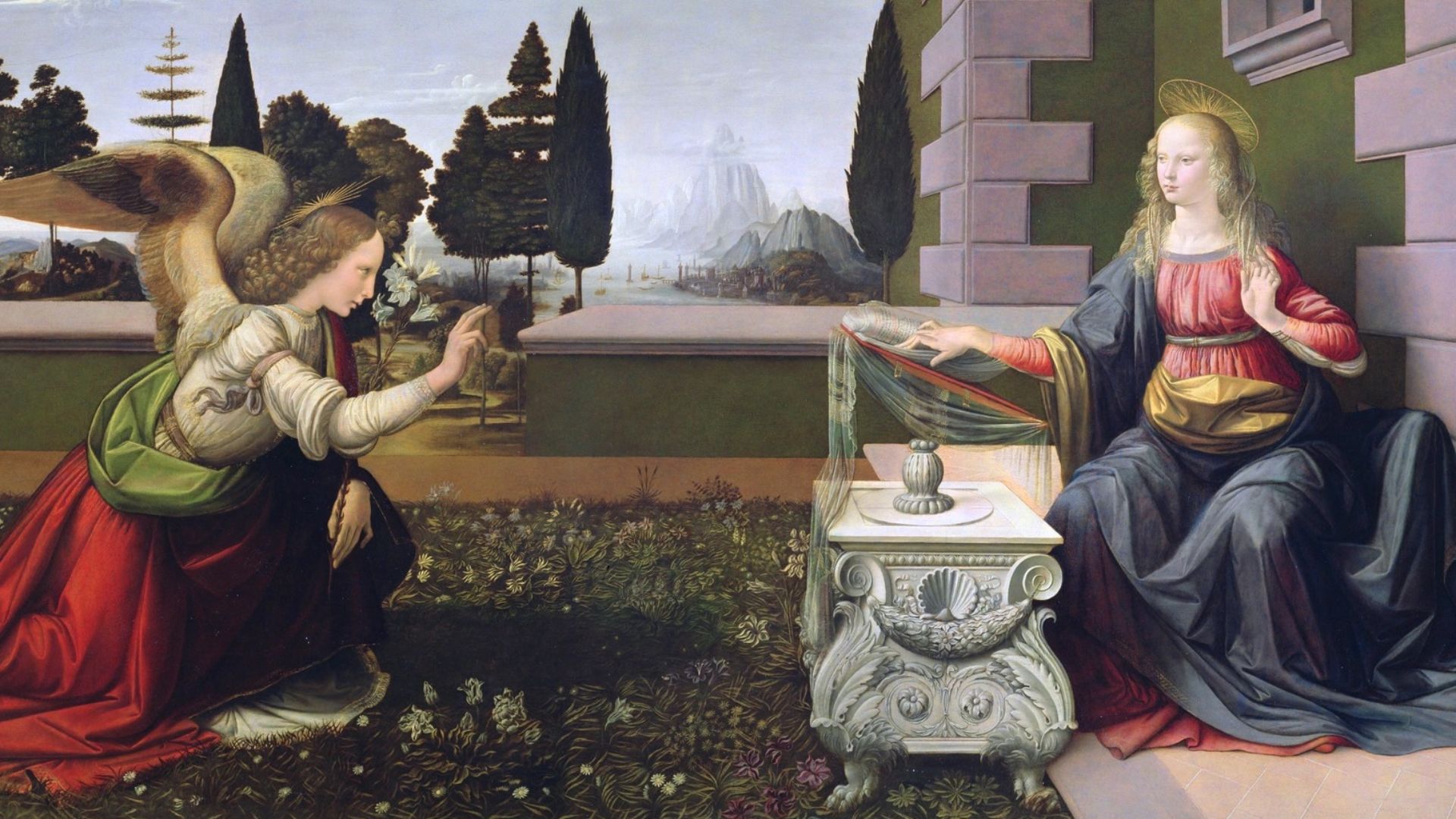
Throughout the next years, Leonardo continued to work closely with Verrocchio, and by 1473 had likely graduated to the position of a paid collaborator. Successful Renaissance artists commonly employed assistants to help them complete large commissions, with several people often working on a single painting. Contracts sometimes specified how much of a picture was to be by the master’s own hand – the greater the proportion, the more expensive it was. He tended to be responsible for the most important parts, such as faces and main figures, with patrons happy to leave background details to assistants.
 Leonardo da Vinci, Wikimedia Commons
He Made Early Contributions
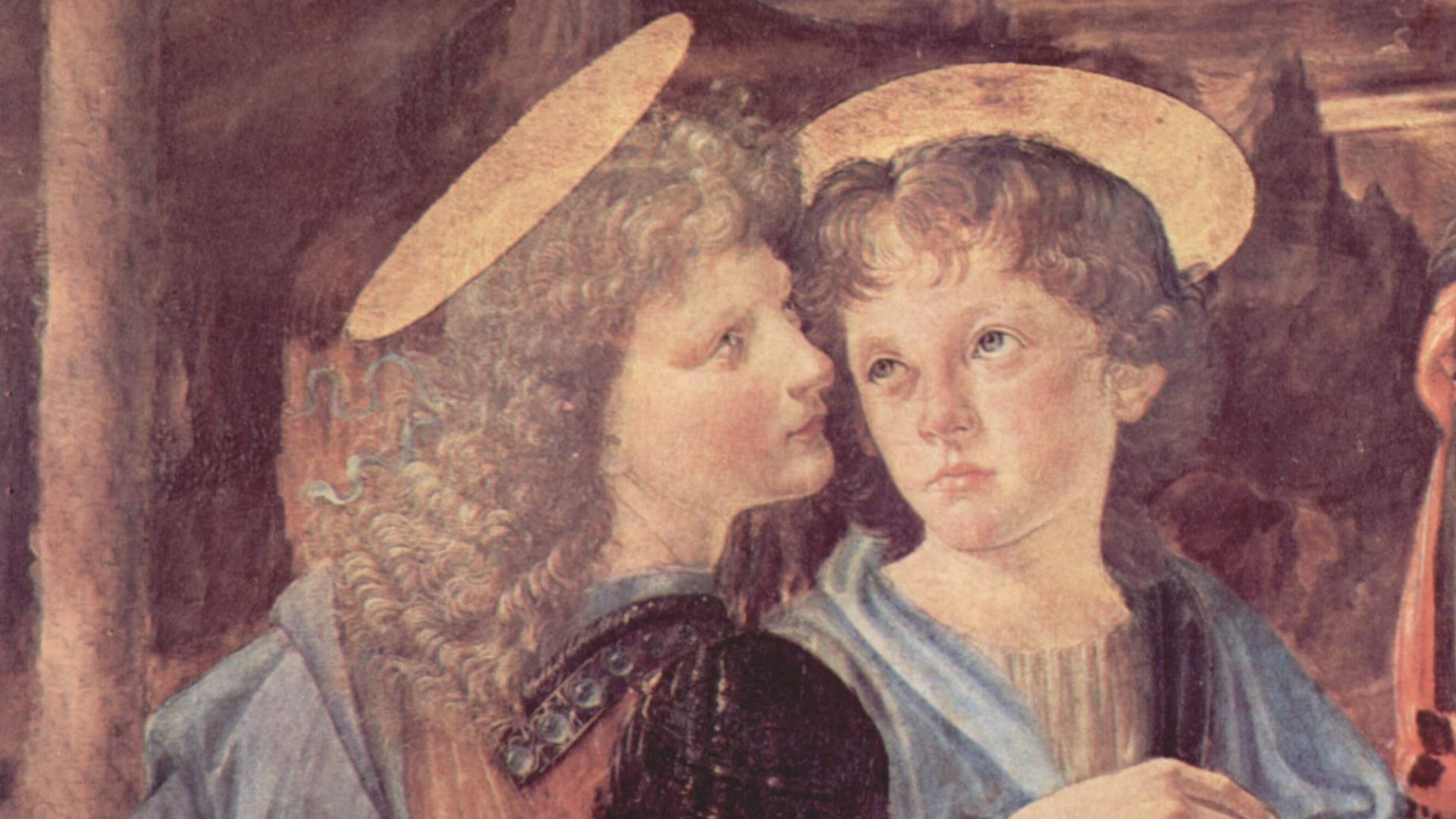
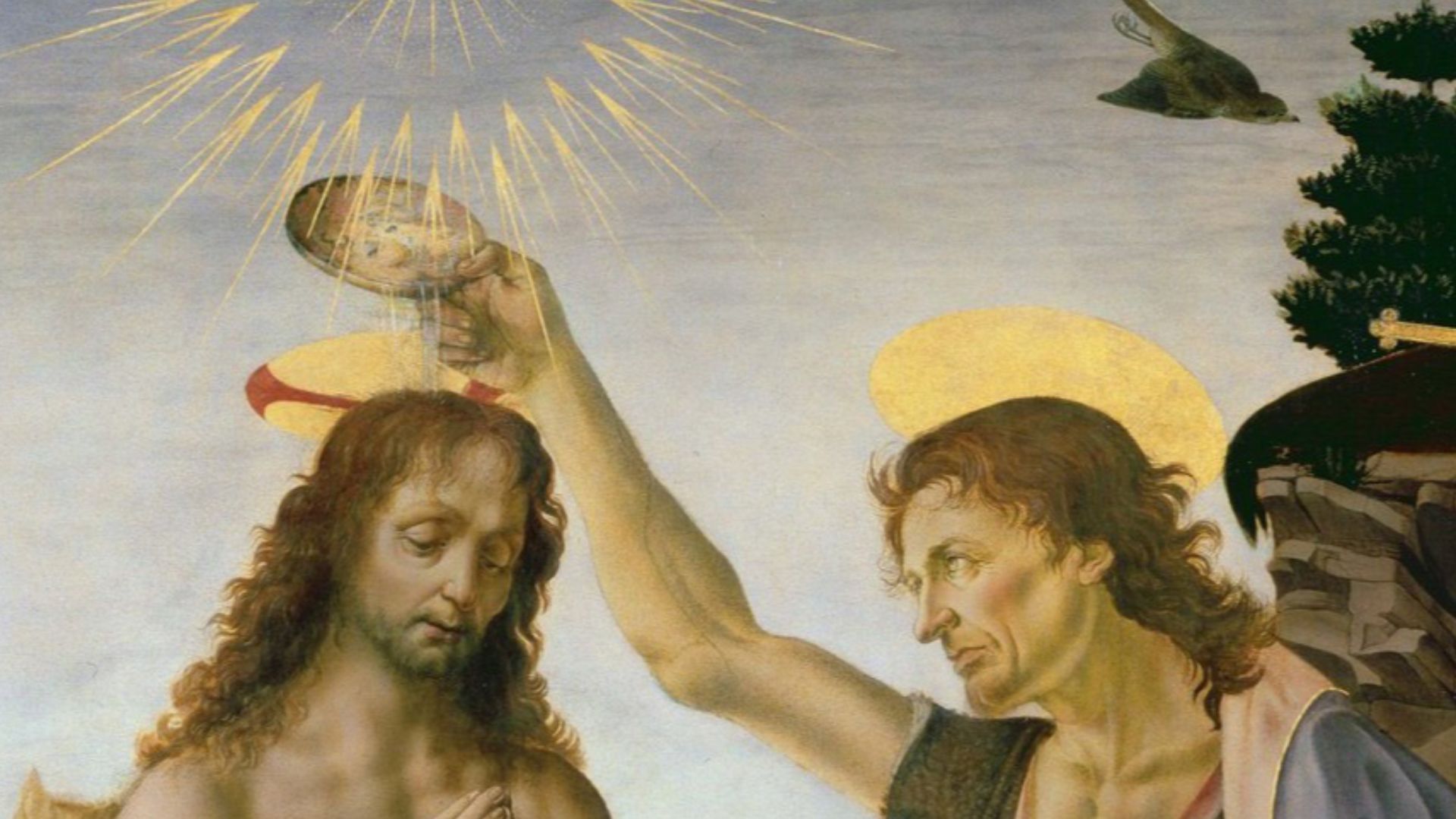
Verrocchio depended on this kind of arrangement to produce his Baptism of Christ altarpiece, on which at least three different artists worked. Giorgio Vasari, the great 16th-century writer on art, claimed that Leonardo contributed the left-hand angel in the painting, and that its great beauty prompted fierce jealousy in Verrocchio. Although Vasari wrote decades after the events and we have to take his words with a pinch of salt, many art historians nevertheless agree that the angel – and some parts of the landscape – were painted by the young artist.
 Andrea del Verrocchio / Leonardo da Vinci, Wikimedia Commons
Proof Of His Mastery: The Annunciation
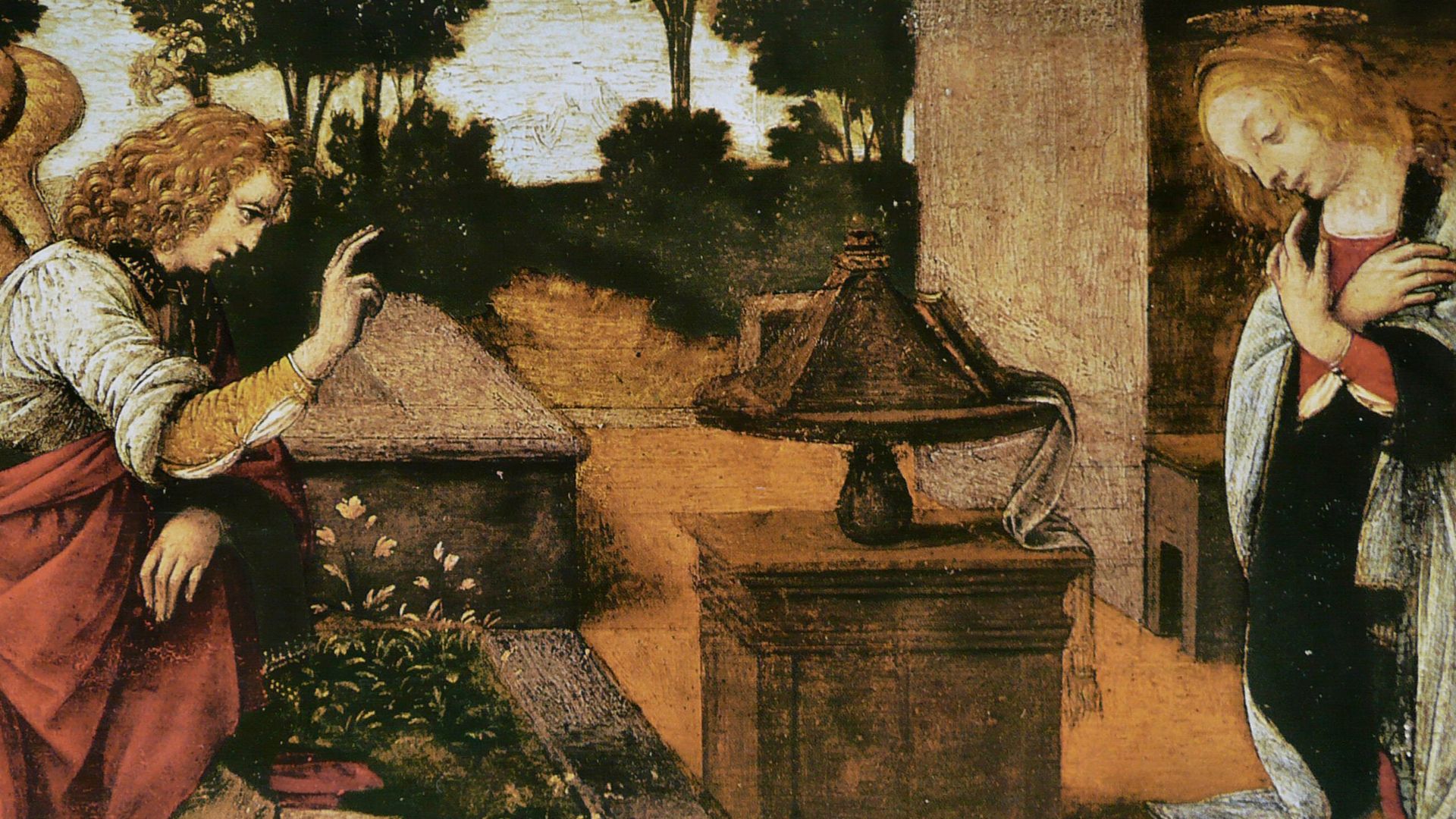
By this point, Leonardo was also producing works of art that were entirely his own efforts, such as the Annunciation. This picture might have been his ‘masterpiece’: the work that proved he had mastered his profession and was eligible to join the painters’ guild.
 Leonardo da Vinci, Wikimedia Commons
Details Of An Early Masterpiece
The Annunciation shows the young Madonna interrupted in her reading by the arrival of Gabriel, winged like a bird of prey, who tells her she will give birth to the son of God. They appear in a beautiful garden, the ground strewn with flowers. In the background the vista fades away into misty mountains. Both the Virgin and angel are delicate beauties, in the same vein as the Baptism of Christ’s left-hand angel.
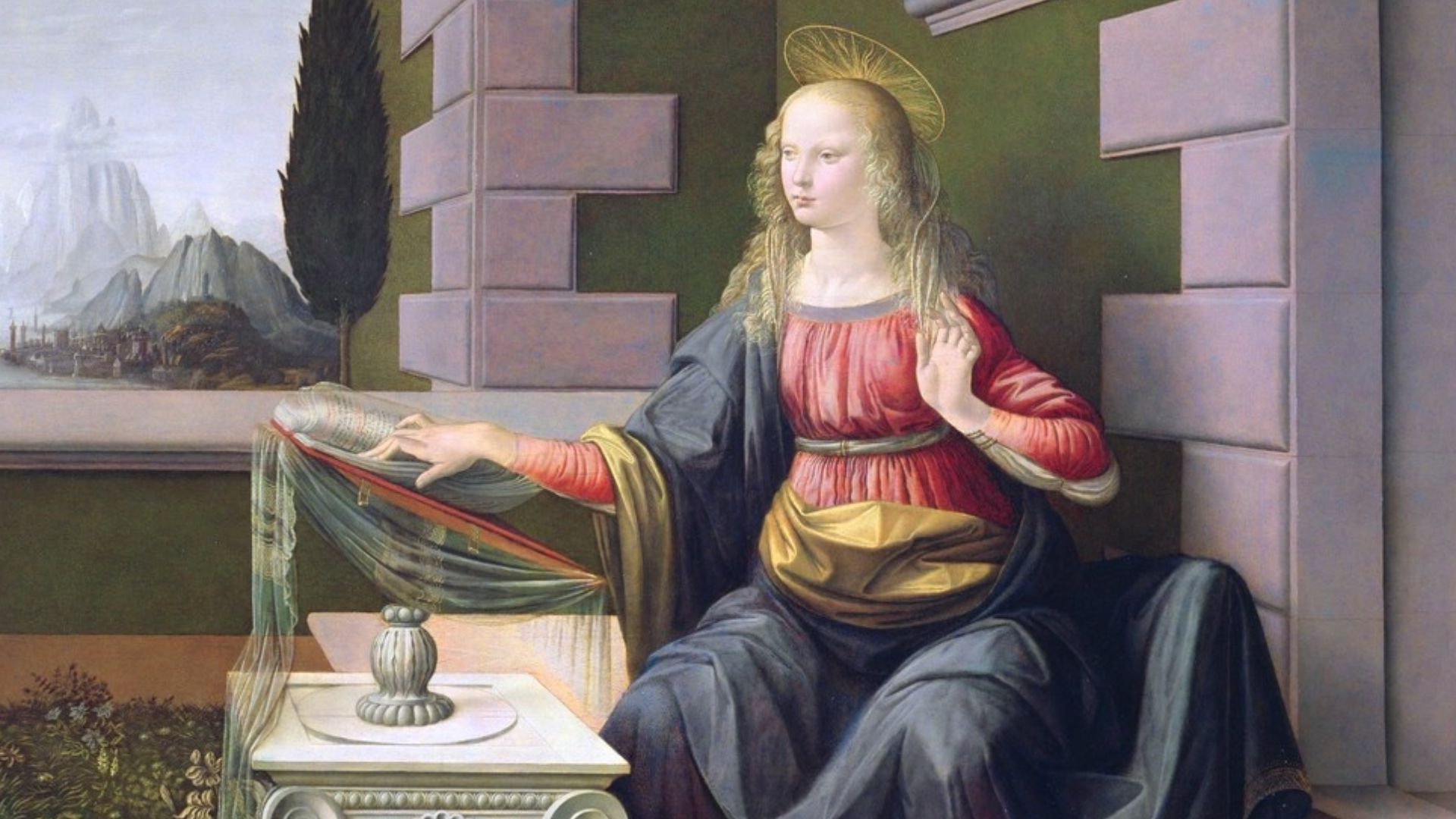 Leonardo da Vinci, Wikimedia Commons
His Favorite Themes
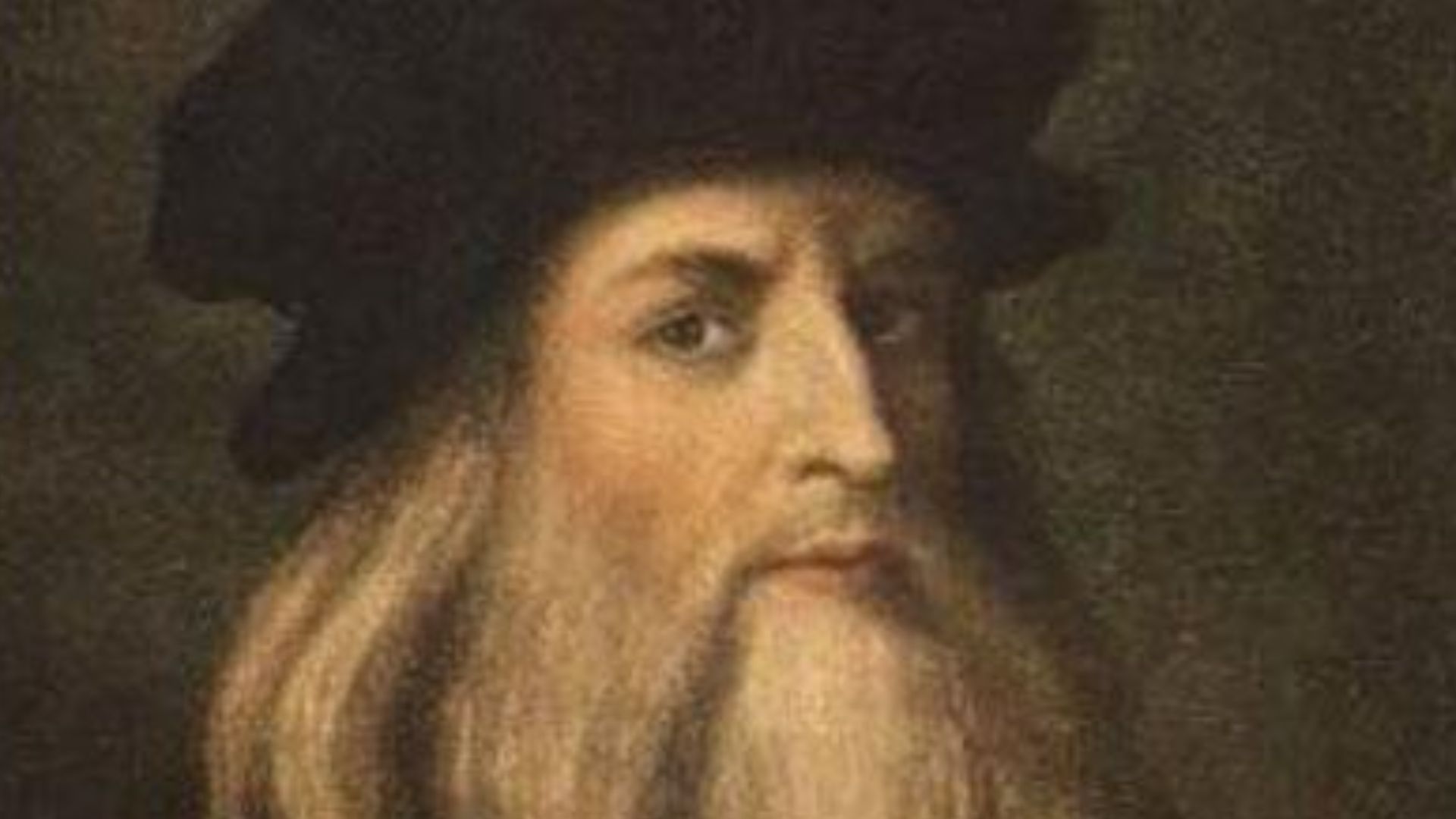
In these early paintings, we can see themes that were to preoccupy Leonardo throughout his career: the workings of light and vision; emotional interaction between figures; the careful observation of the natural world; and the depiction of ideal beauty.
 Alison restrepo quiroga, Wikimedia Commons
Leonardo Proves His Worth To The Duke Of Milan
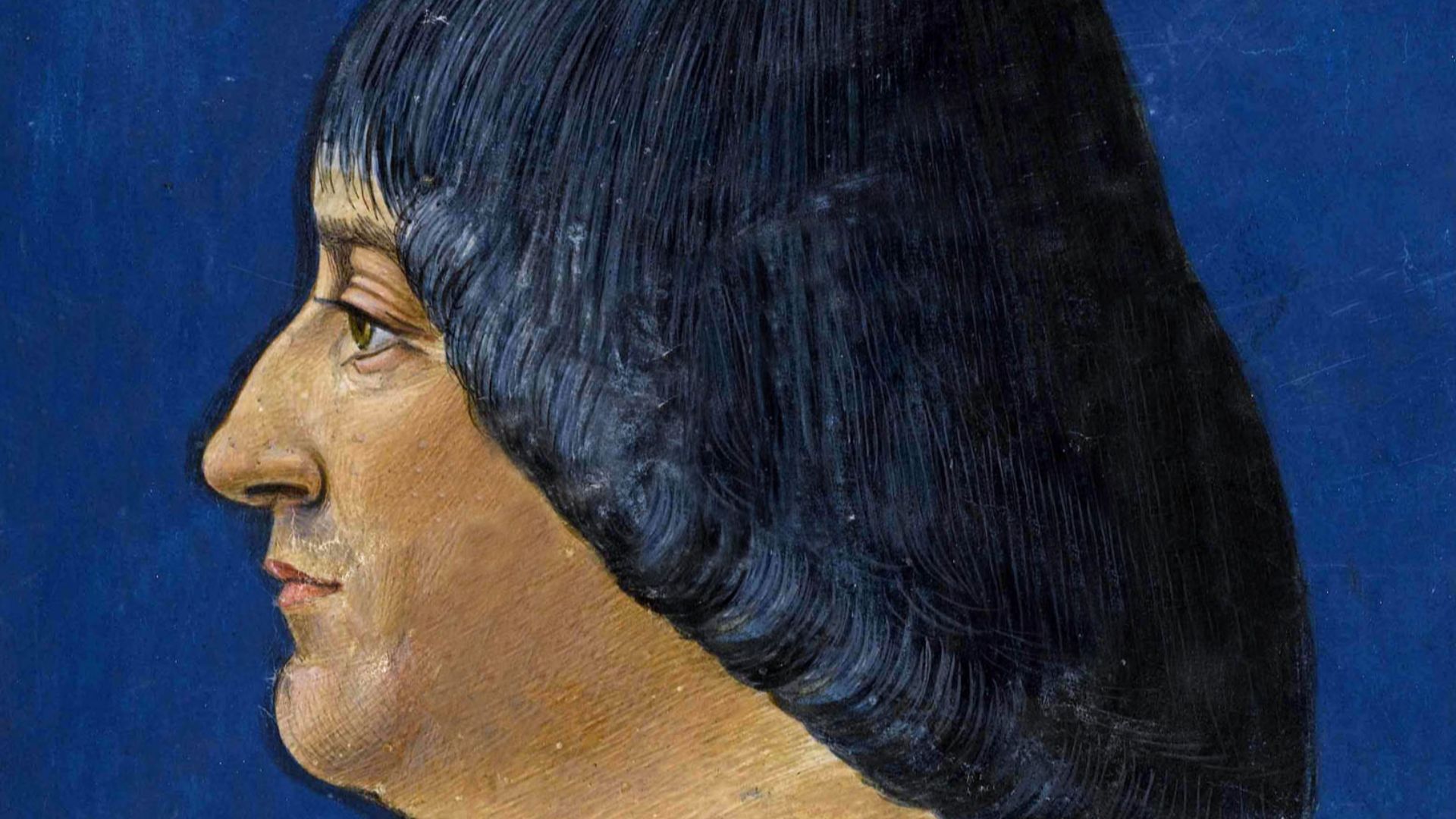
Around 1482, Leonardo left Tuscany and journeyed north to Milan, seeking the patronage of the city’s ruler, Ludovico Sforza. For ambitious artists, writers, scholars and musicians, there was nothing better than an official position at the court of a great lord or lady. It came with a salary, providing freedom from the usual pressure to hustle for commissions and stick to agreed deadlines. This was clearly an attractive prospect for Leonardo.
 Giovanni Ambrogio de Predis, Wikimedia Commons
He Made A Statement
Leonardo presented himself to Ludovico with a hard sell. With a canny awareness of what would most appeal to the duke, he laid out his skills in a letter. First and foremost, he declared, he was a master of “instruments of war”, who could build ingenious weapons for Ludovico that would “cause terror to the enemy” (this was a time of almost constant conflict). Most of the letter is taken up with descriptions of these “secret” military inventions, but Leonardo made sure to list his other skills and ideas.
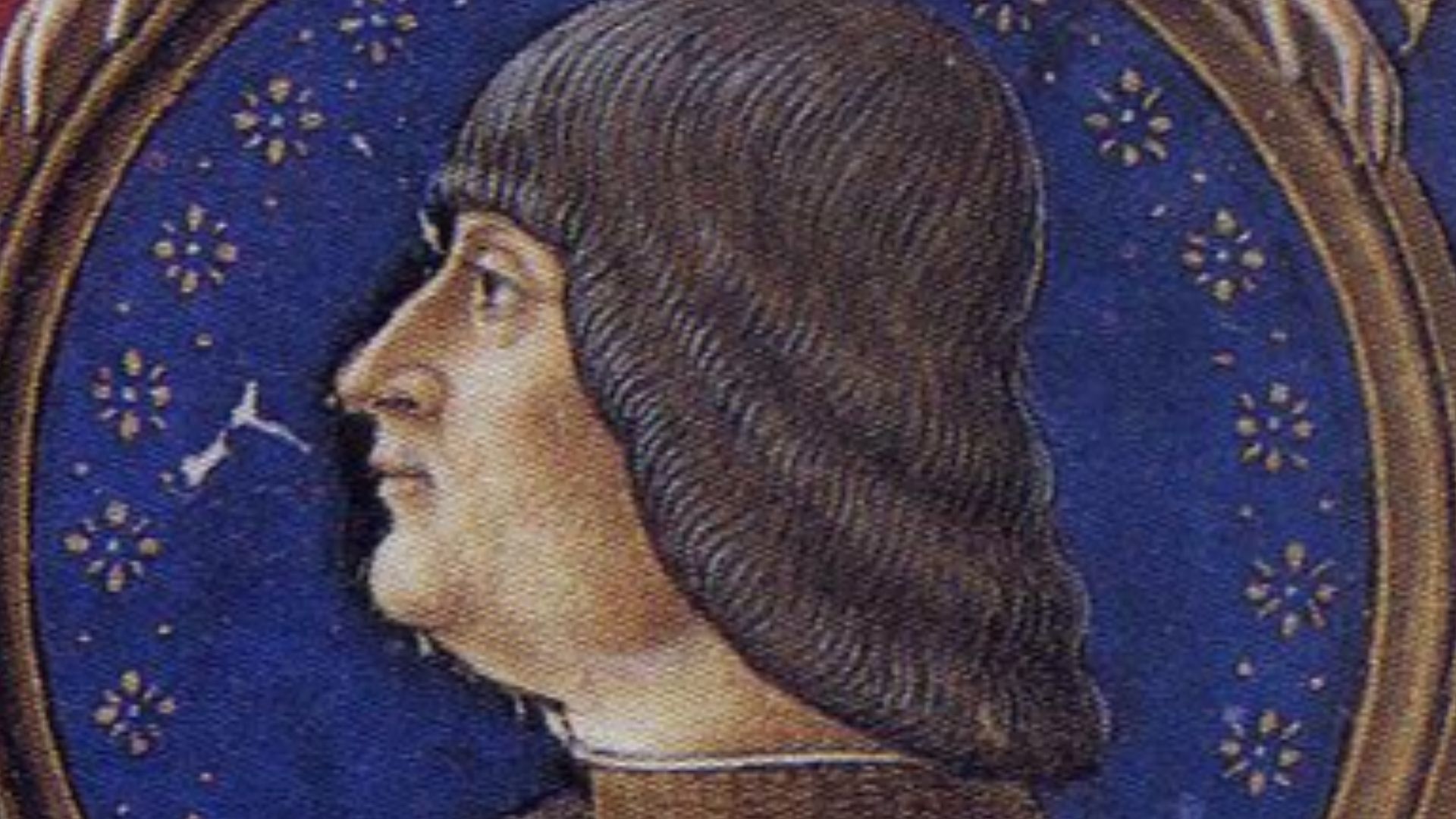
He Left Nothing Out
In his letter Leonardo also mentioned the bronze equestrian monument Ludovico wished to erect in honour of his late father, Francesco, boasting that he would be able to make this “to the immortal glory and eternal honour… of the illustrious house of Sforza”. Leonardo concluded by listing his other talents: in architecture, hydraulics, sculpture and, finally, painting.
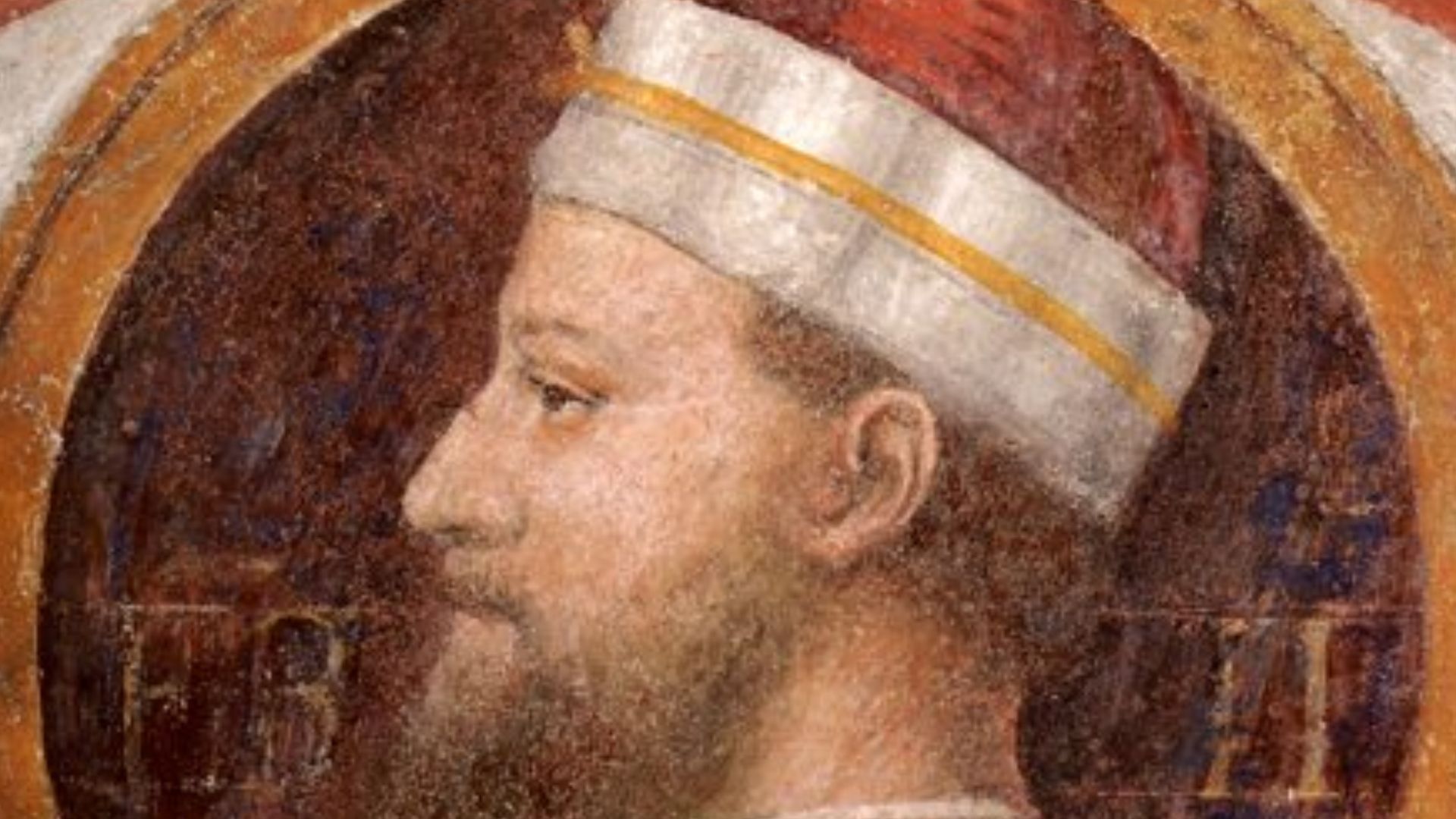 Bernardino Luini, Wikimedia Commons
He Stood Out From The Crowd
During the Renaissance, it was common for painters to have several strings to their bow. Many were also skilled in other fields, such as sculpture, metalwork, manuscript illumination or engineering. Some read classical texts and published learned treatises on these topics. Leonardo was not entirely unusual then, but the range of areas in which he claimed to be a master was broad, making him an attractive prospect to a ruler such as Ludovico. Although the duke was rich he was not profligate and Leonardo did not secure the salary he coveted until 1489.In the meantime, he took on commissions.
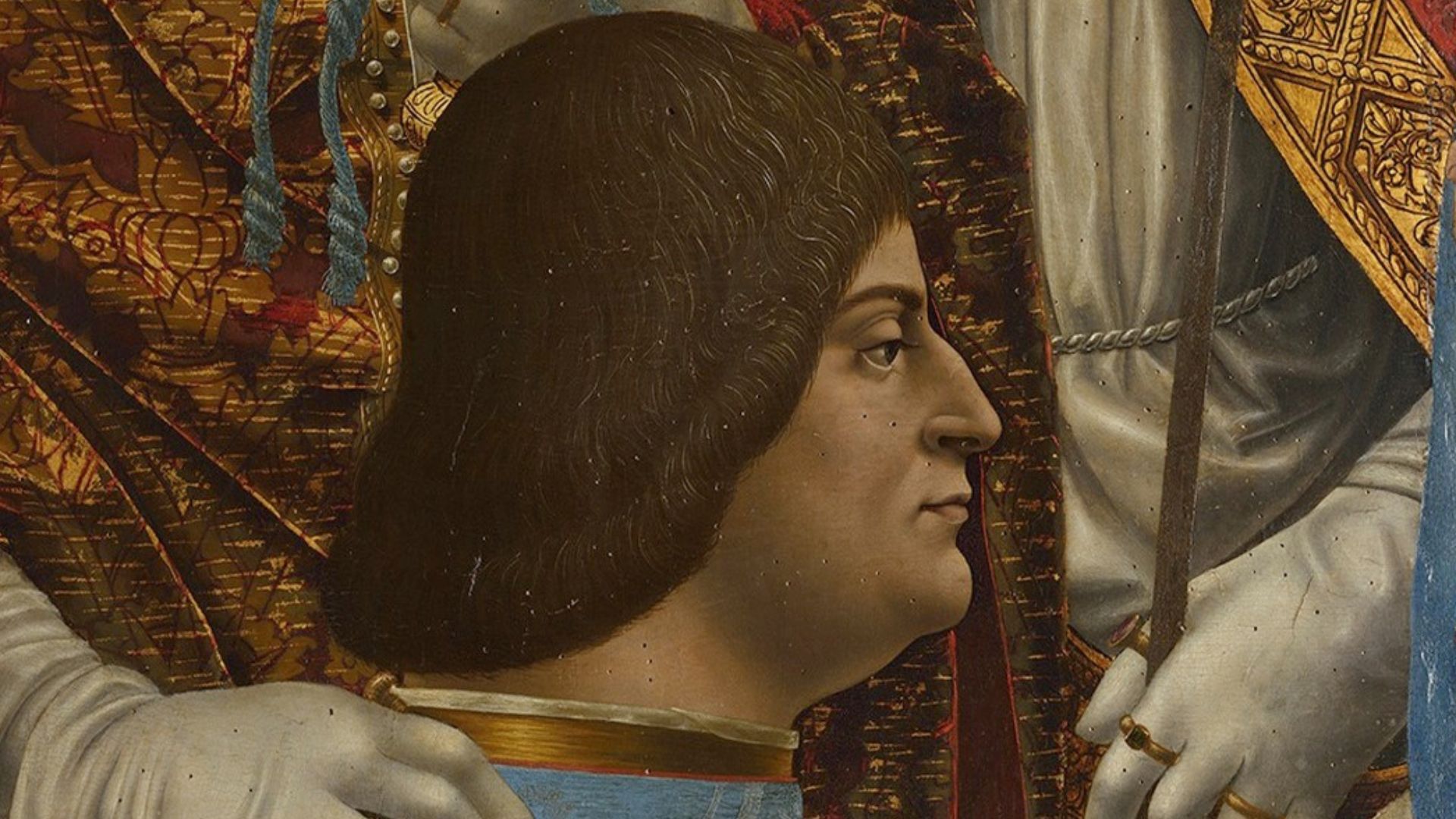 Unknown Master, Italian (active 1490-1520 in Lombardy), Wikimedia Commons
Another Masterpiece
Leonardo kept busy with commissions such as the Virgin of the Rocks altarpiece. This shows the apocryphal meeting of the little cousins Christ and John the Baptist in a mysterious rocky landscape, watched over by the Virgin and an angel. The carefully arranged composition is suffused with a gentle light and sense of calm majesty, the figures united by gestures and gazes. The painting showcases his talents and was swiftly celebrated.
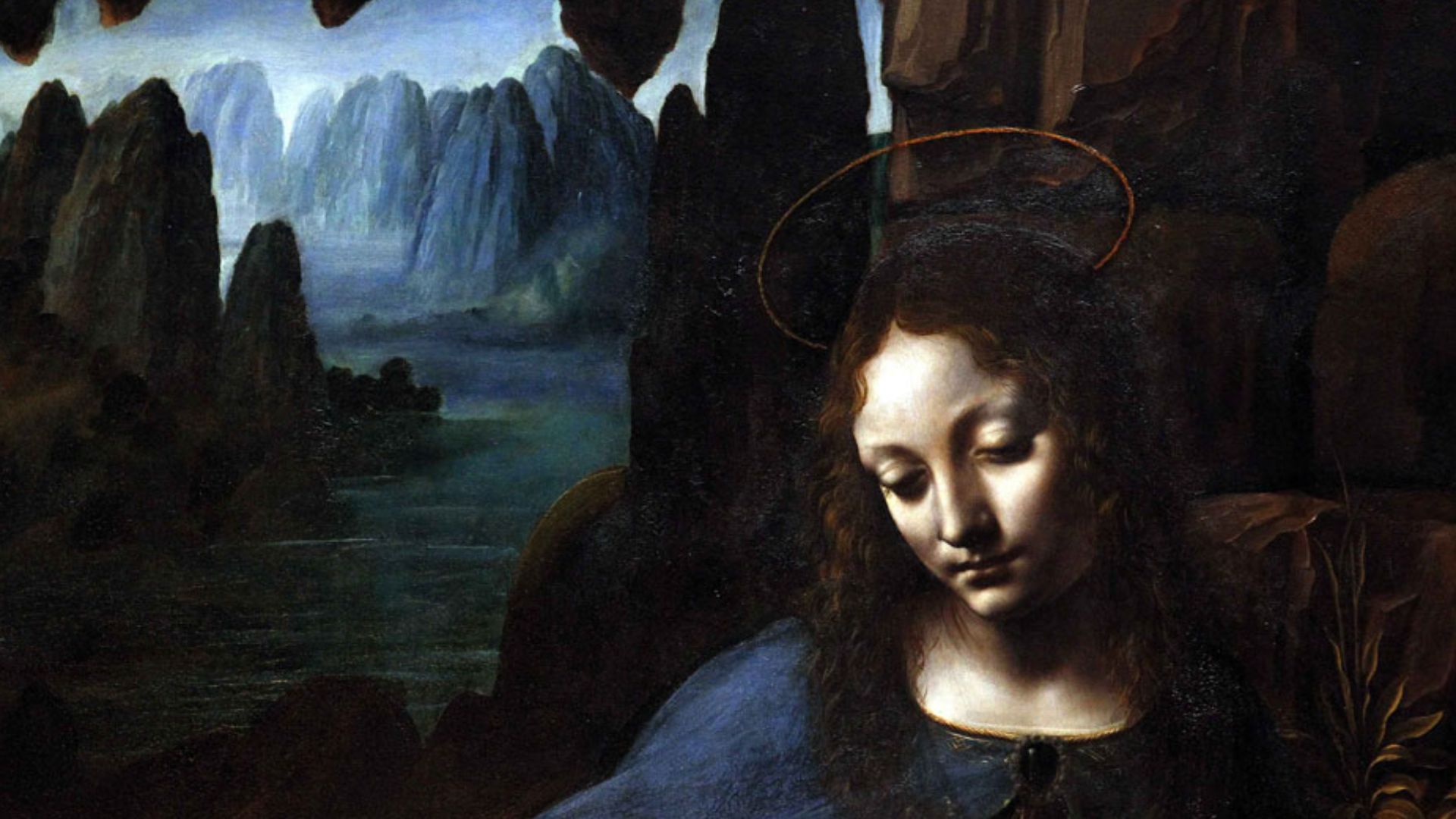 Leonardo da Vinci, Wikimedia Commons
A Woman Called Caterina
In July 1493, Leonardo noted that a woman named ‘Caterina’ had joined his household in Milan. This could have been a housekeeper, but it may be that after many years, he was finally reunited with his mother. This would have presumably brought additional happiness at a time of general prosperity and success for the artist, who had been given quarters in the Corte Vecchia, an old ducal palace.
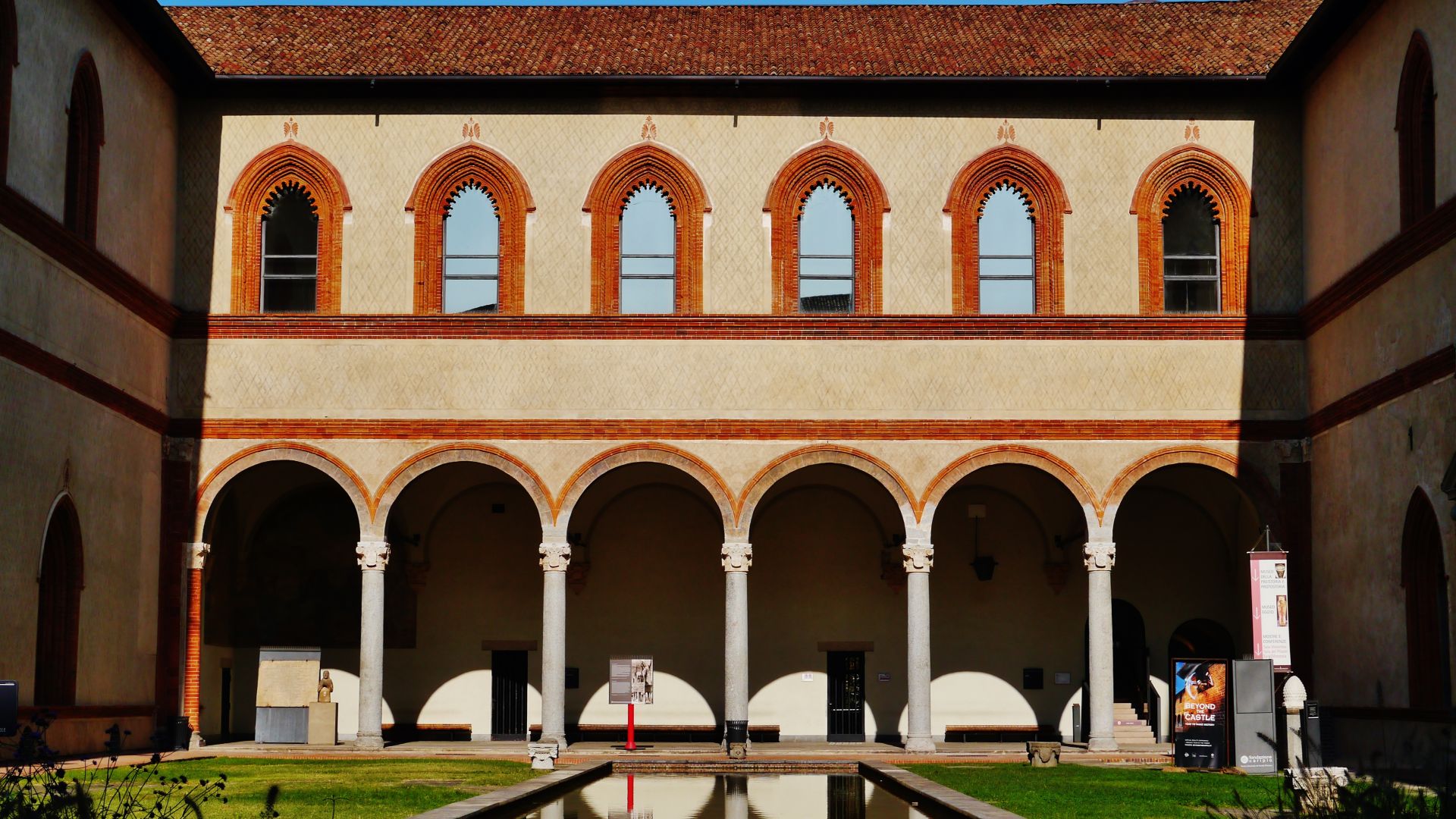
His Own Workshop
Leonardo had a large workshop space in the Corte Vecchia, allowing him to build a huge model of the monument to Ludovico’s father. Included among the members of his workshop were young Milanese artists such as Giovanni Antonio Boltraffio and Marco d’Oggiono, as well as apprentices including Gian Giacomo Caprotti da Oreno, better known as Salaì. Under Leonardo’s influence, they produced numerous drawings and paintings of exquisite young men and women.
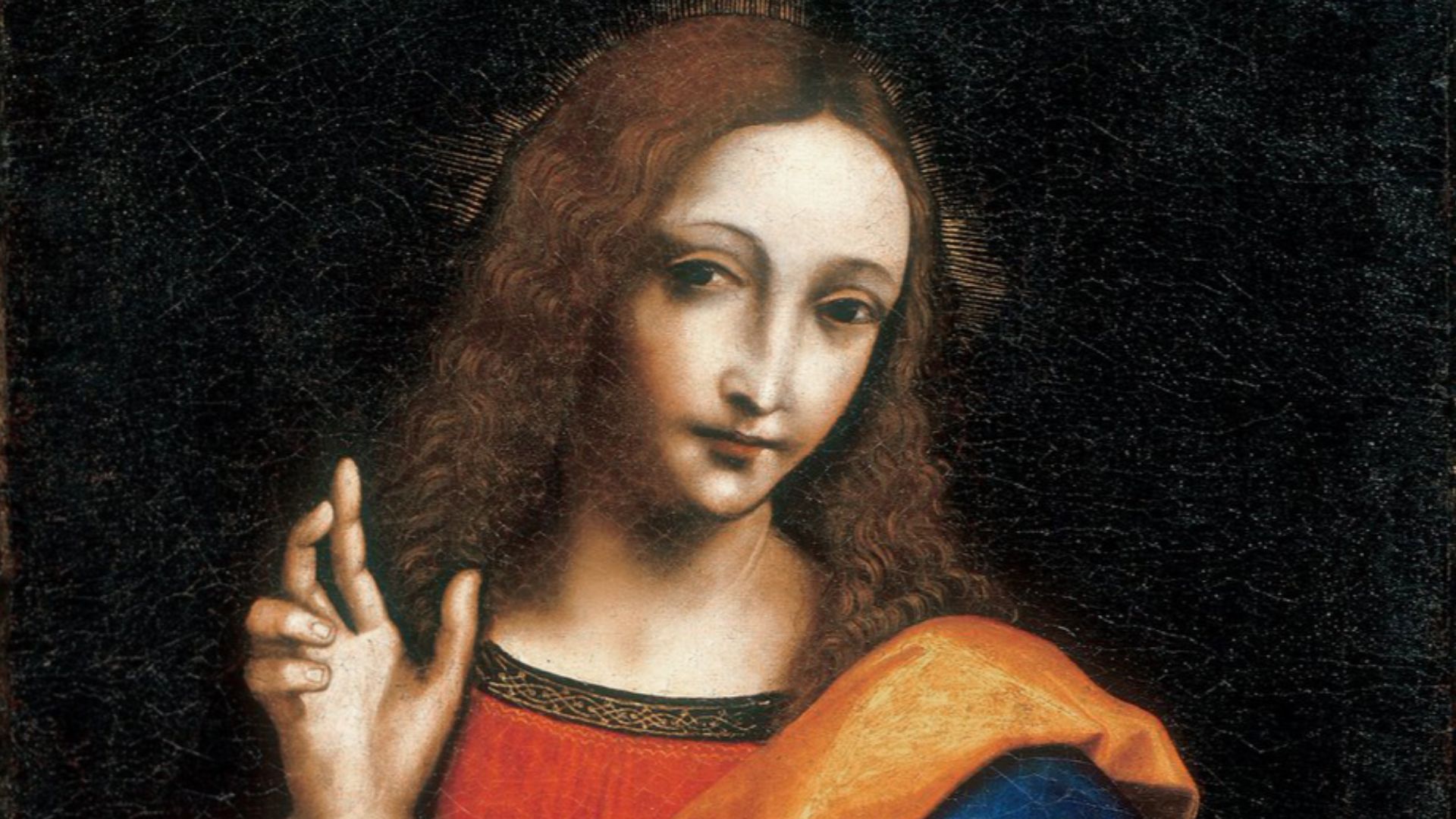
Courtly Life
Leonardo was fascinated by physical loveliness, but the activities of the workshop were also shaped by the tastes of the courtly circle that surrounded Ludovico. This included nobles, scholars, poets, musicians and physicians, many of whom were also interested in ideal beauty, and what it communicated about those who possessed it. Leonardo and Boltraffio (who was of noble blood) were welcomed into this world. Pleasurable time was passed debating the key intellectual questions of the day, and Leonardo was praised for his knowledge and verbal skill.
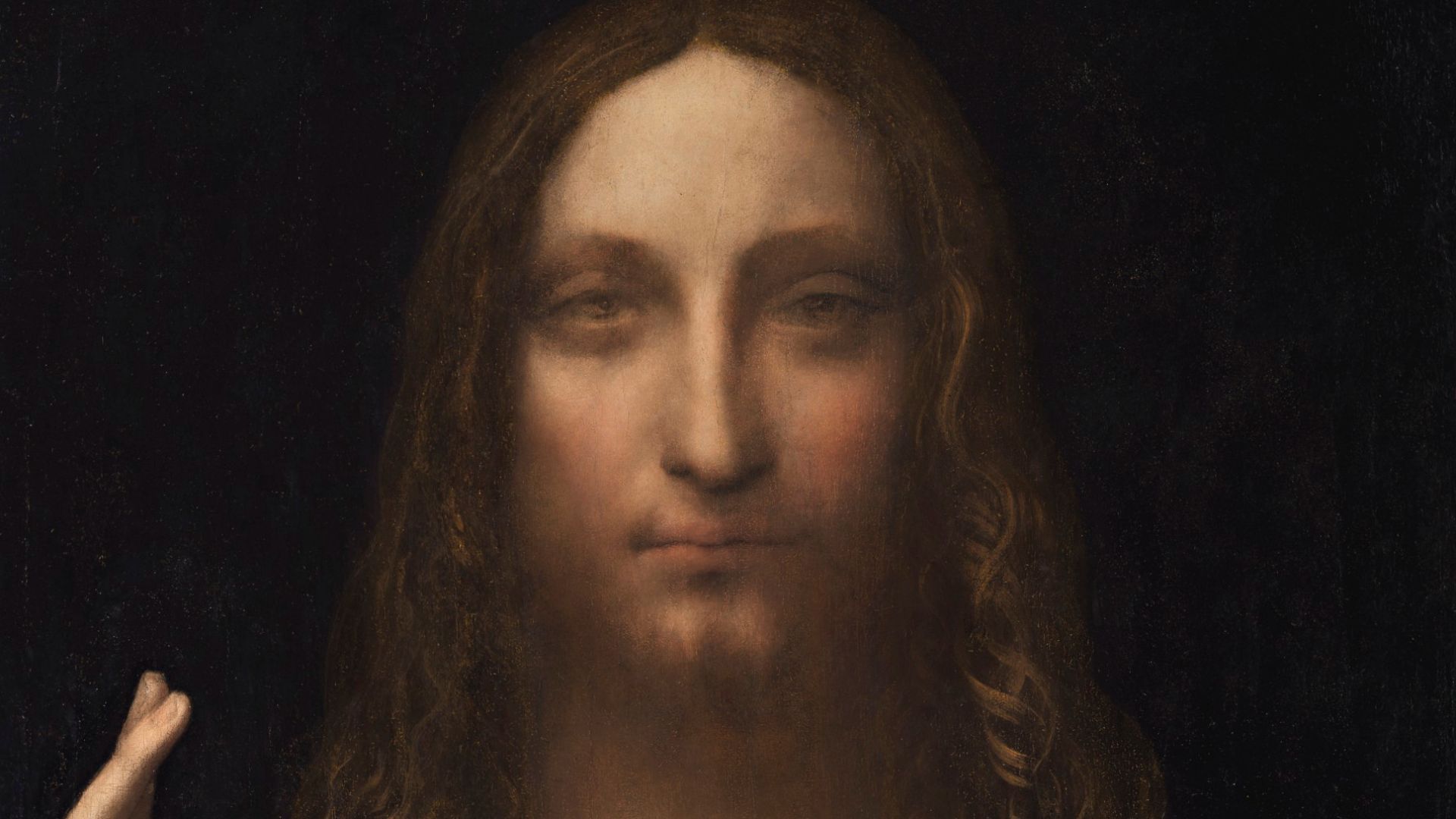 Attributed to Leonardo da Vinci, Wikimedia Commons
Court Paintings
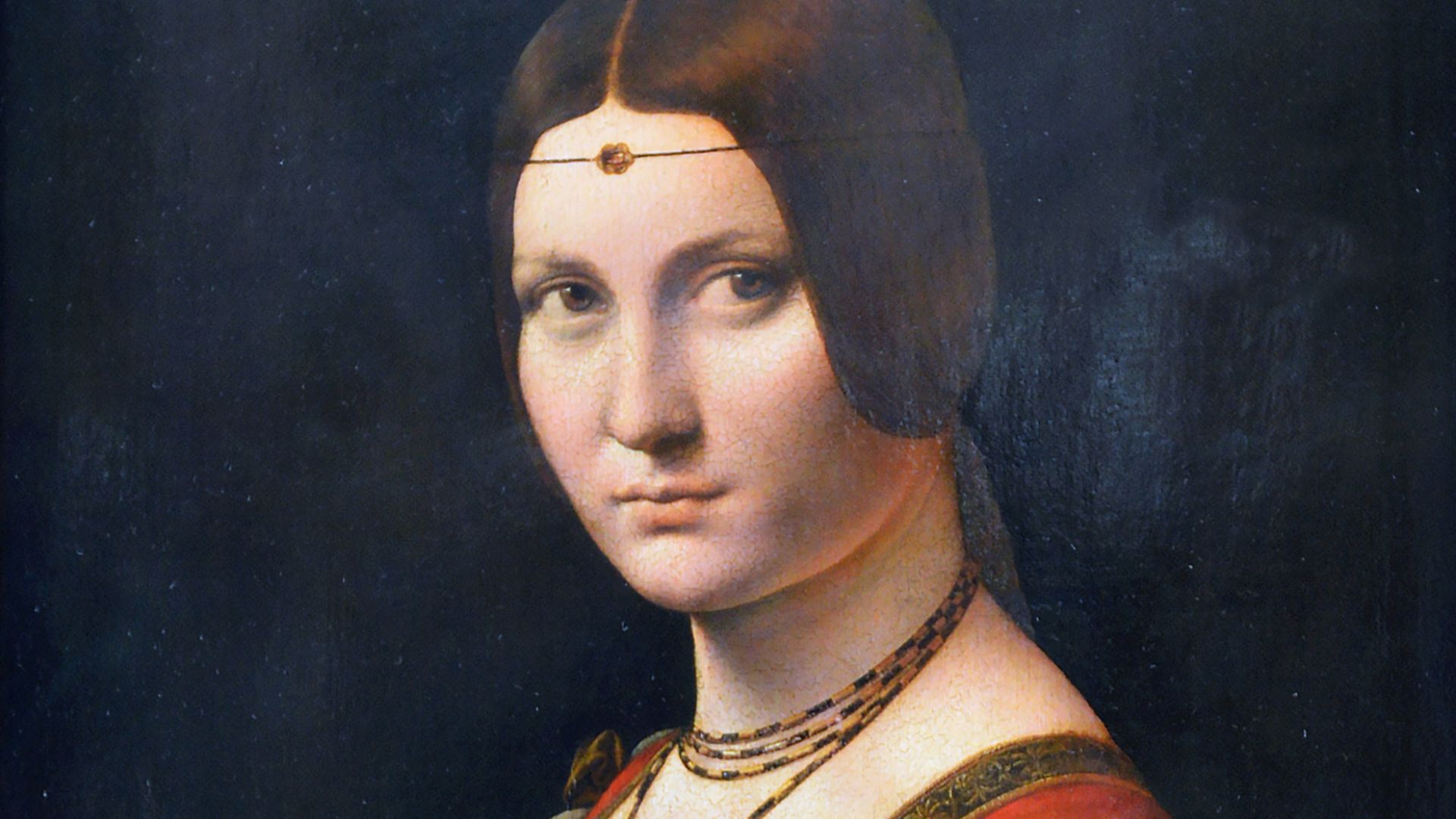
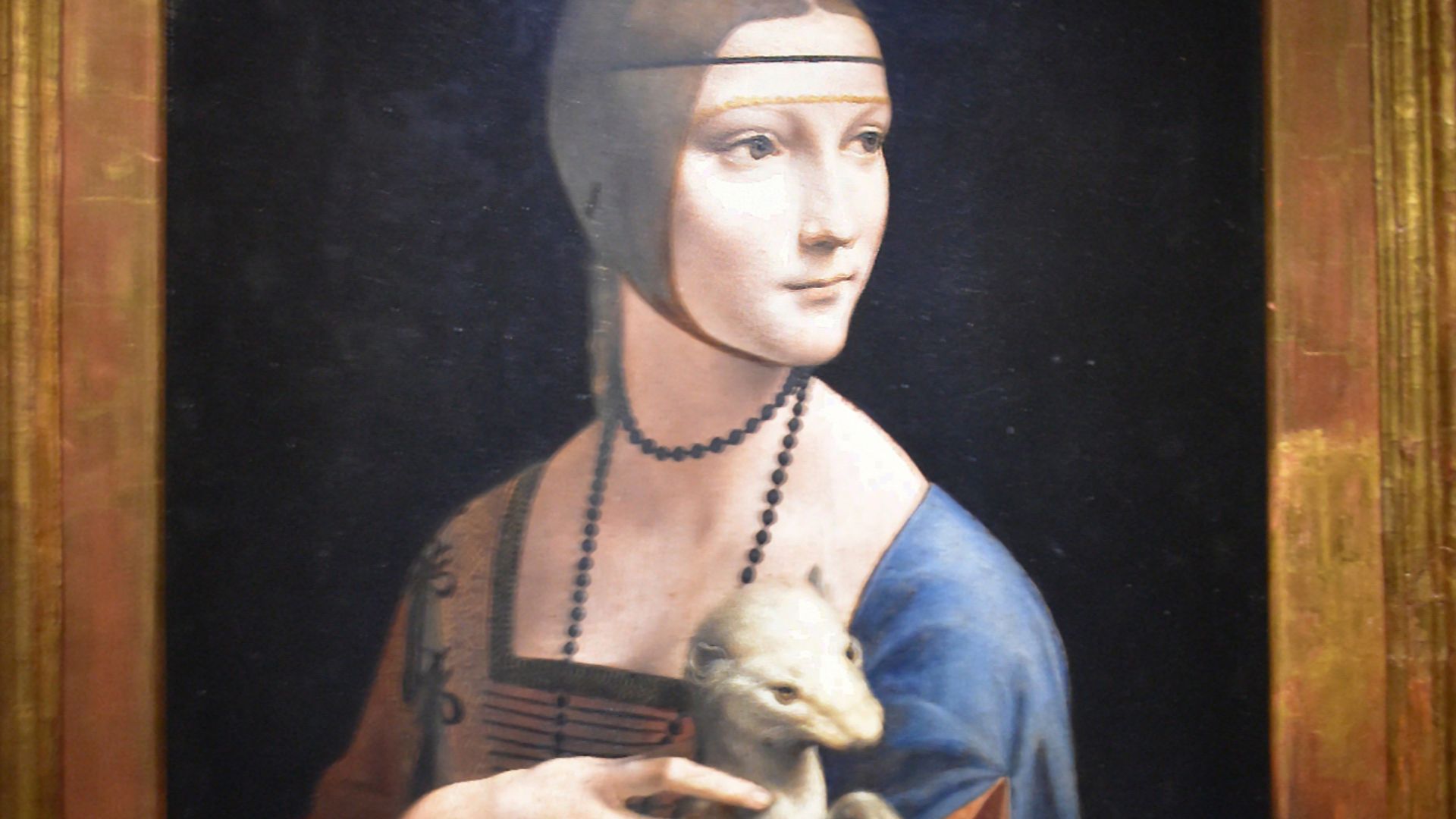
During this period, he produced a number of portraits of members of the court: a musician who was probably his friend Atalante Migliorotti (Portrait of a Musician); the educated and erudite Cecilia Gallerani, Ludovico’s teenage mistress (Lady with an Ermine); and a self-possessed, dark-haired woman, possibly Lucrezia Crivelli (La Belle Ferronnière).
 Livioandronico2013, Wikimedia Commons
Incredible Realism
In these court paintings, Leonardo employed traditional methods of identifying a sitter – the musician, for example, holds a sheet of music – and potent symbolism. The ermine caressed by Cecilia represents both chastity and lust, and is a play on her name (the Greek word for ‘weasel’ is similar to Gallerani). But he also sought psychological realism, rejecting the more traditional profile format in favour of dynamic poses that highlight the life and movement of each sitter, and make viewing feel like a truly interactive experience.
 Scotch Mist, Wikimedia Commons
They Spoke With Admiration
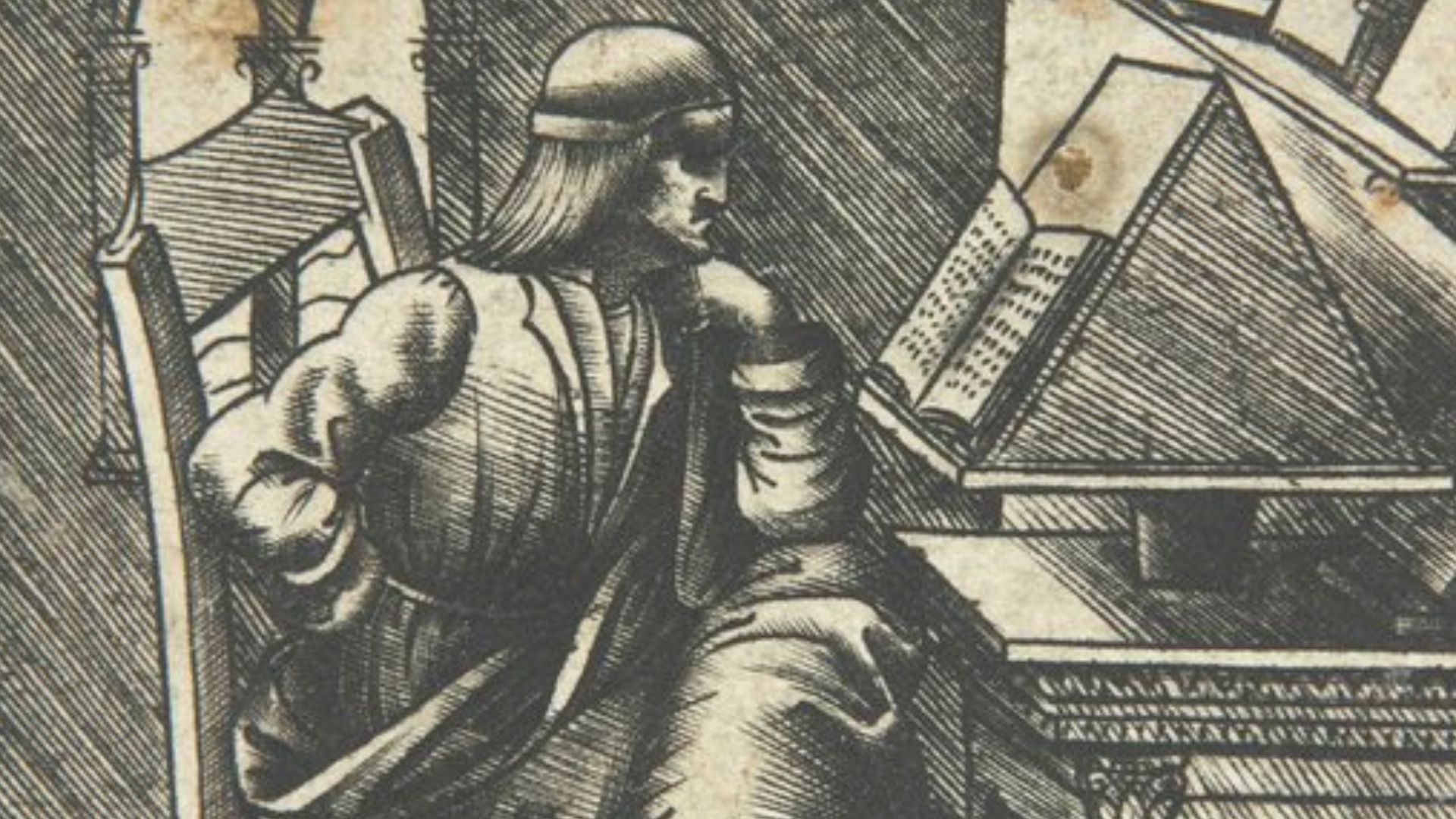
Contemporaries spoke with admiration of Leonardo’s ability to encapsulate an individual’s inner world in a single image. The court poet Bernardino Bellincioni wrote that the painted Cecilia “appears to be listening”, and that she would remain “alive and beautiful” for all eternity thanks to Leonardo’s skill.
 Leonardo da Vinci, Wikimedia Commons
The Last Supper Is Born
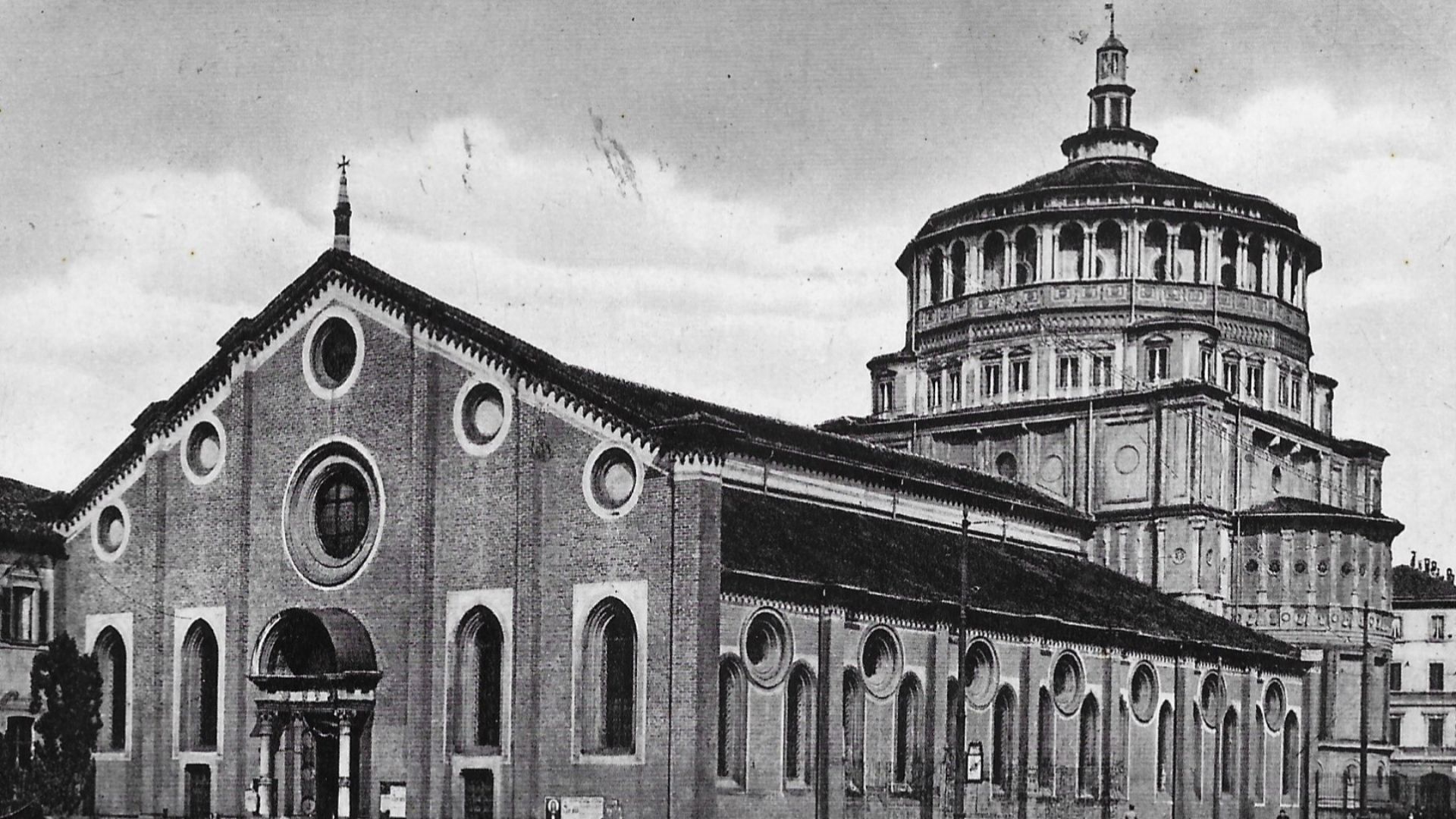
Relatively early in the 1490s, Leonardo received another major commission. He was asked to paint a mural of the Last Supper in the refectory of the Dominican monastery of Santa Maria delle Grazie in Milan, where the ducal family often worshipped. The task of depicting Christ’s final meal with his disciples, when he revealed to them foreknowledge of his terrible betrayal and death, must have been exciting for Leonardo. It allowed him to explore visually his beliefs about how the body communicates inner states of being.
He Wanted To Go Deeper
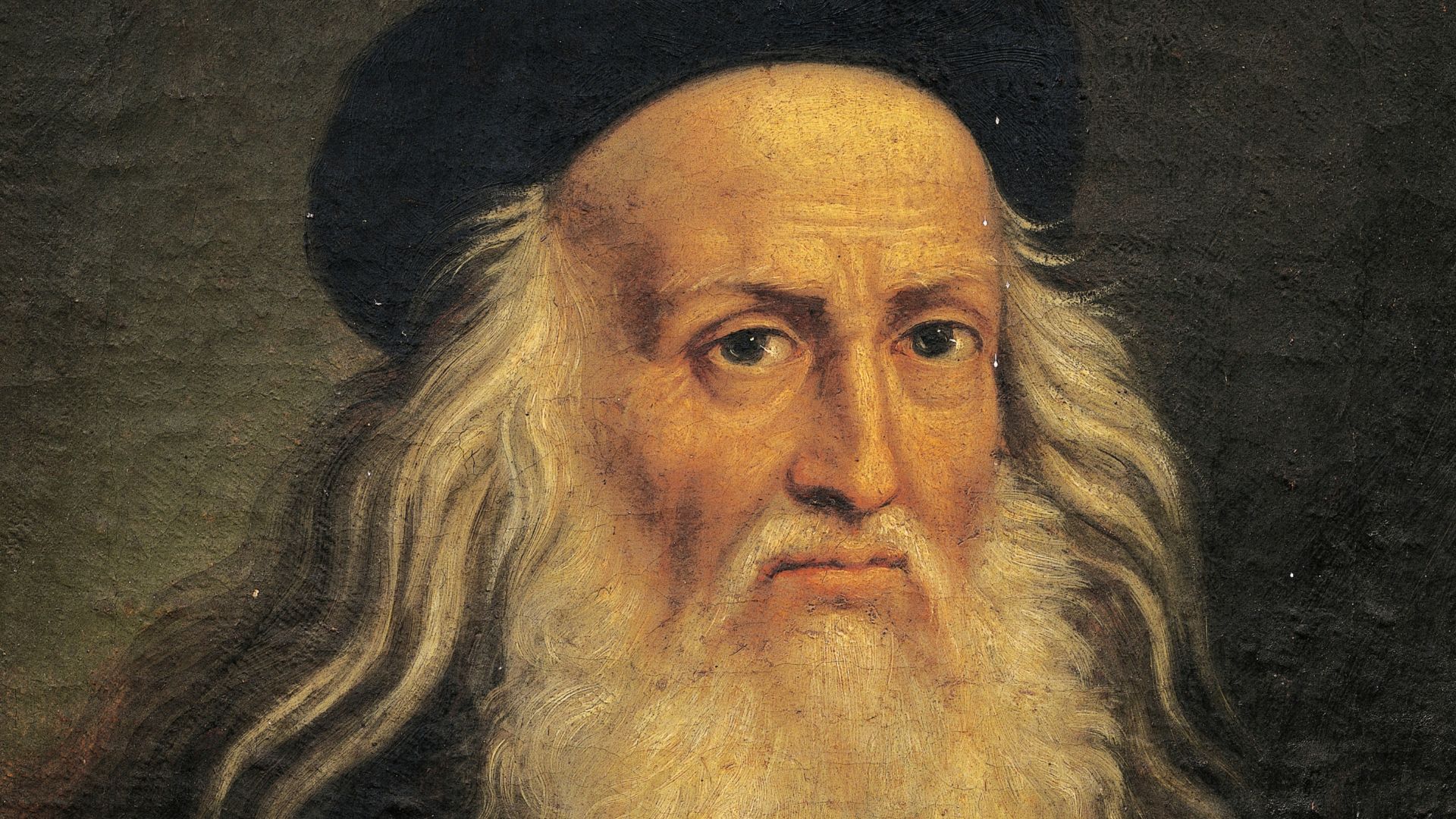
Fascination with the question of people's inner states drove Leonardo's artistic and scientific investigations, for it is impossible to clearly divide one from the other. Leonardo’s notes are full of assertions that the painter ought to be constantly aware of how the “motions of the mind” are visible in bodily movements, gestures and facial expressions. He even recorded the faces of passers-by that struck him as particularly interesting and animated. As ever, he wanted to comprehend the underlying mechanisms of these processes, and his skull studies also reveal a probing effort to understand how the intellect, or soul, is linked to the body’s physical apparatus.
 Lattanzio Querena, Wikimedia Commons
An Amazing Opportunity
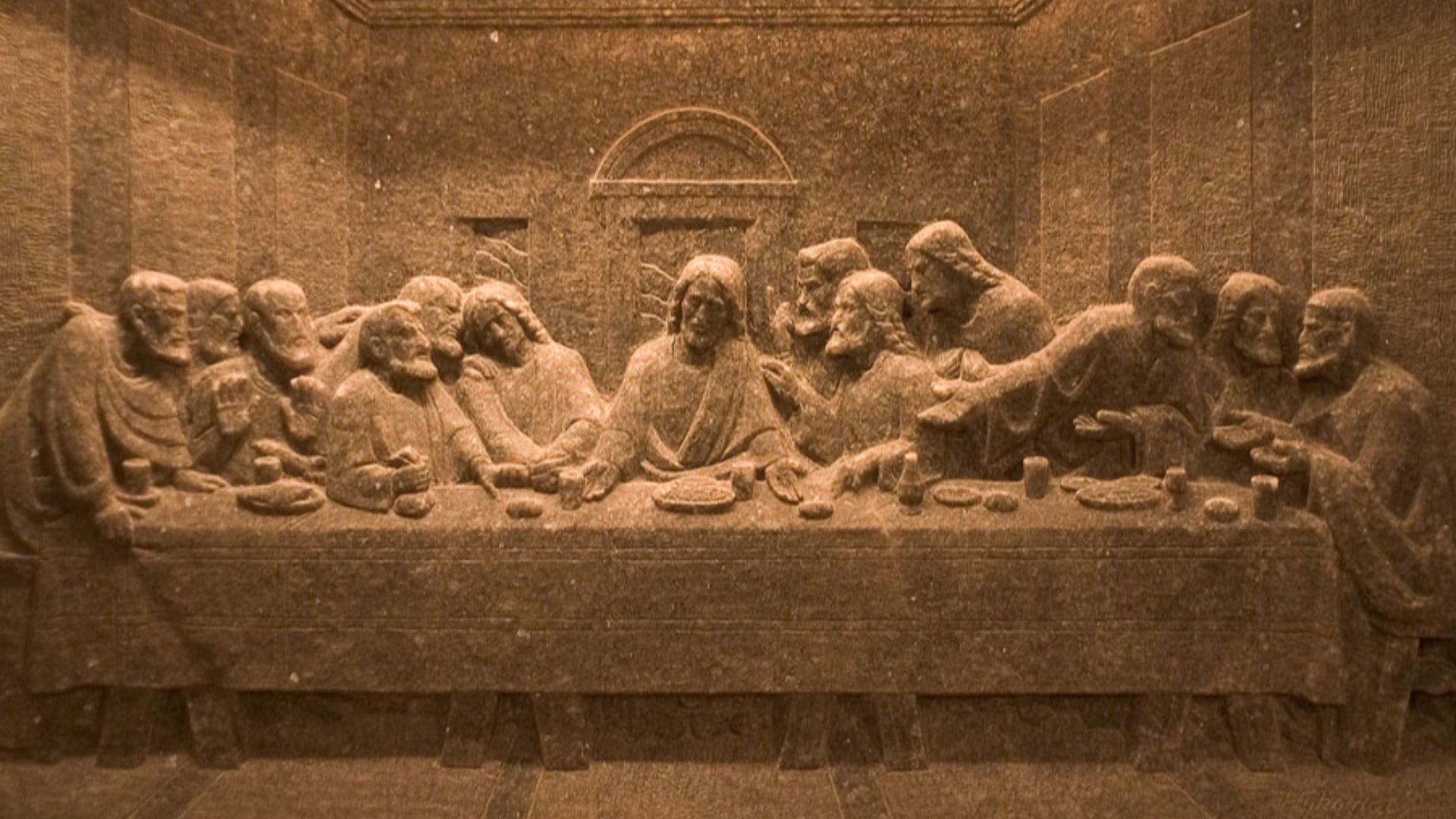
The Last Supper gave Leonardo the opportunity to put his theories on display. Astonished and devastated by Christ’s announcement that one of them would cause his death, the disciples convey their feelings with fierce clarity through their body language.
 Adam Kumiszcza, Wikimedia Commons
Complex Composition
The Last Supper displays the Apostle James flinging his arms out in shock, his face registering horror. John the Evangelist turns away from Jesus in pain, as St Peter grabs his knife and gestures in disbelief. Judas’s pose reveals his guilt: unlike the others, he does not gesture wildly or in sorrow, but simply turns to Christ in surprise and clutches to himself a bag of coins, the payment for his betrayal. Jesus is the calm centre of the composition, and our eyes are led inexorably to him by the spatial arrangement of the picture and its vanishing point.
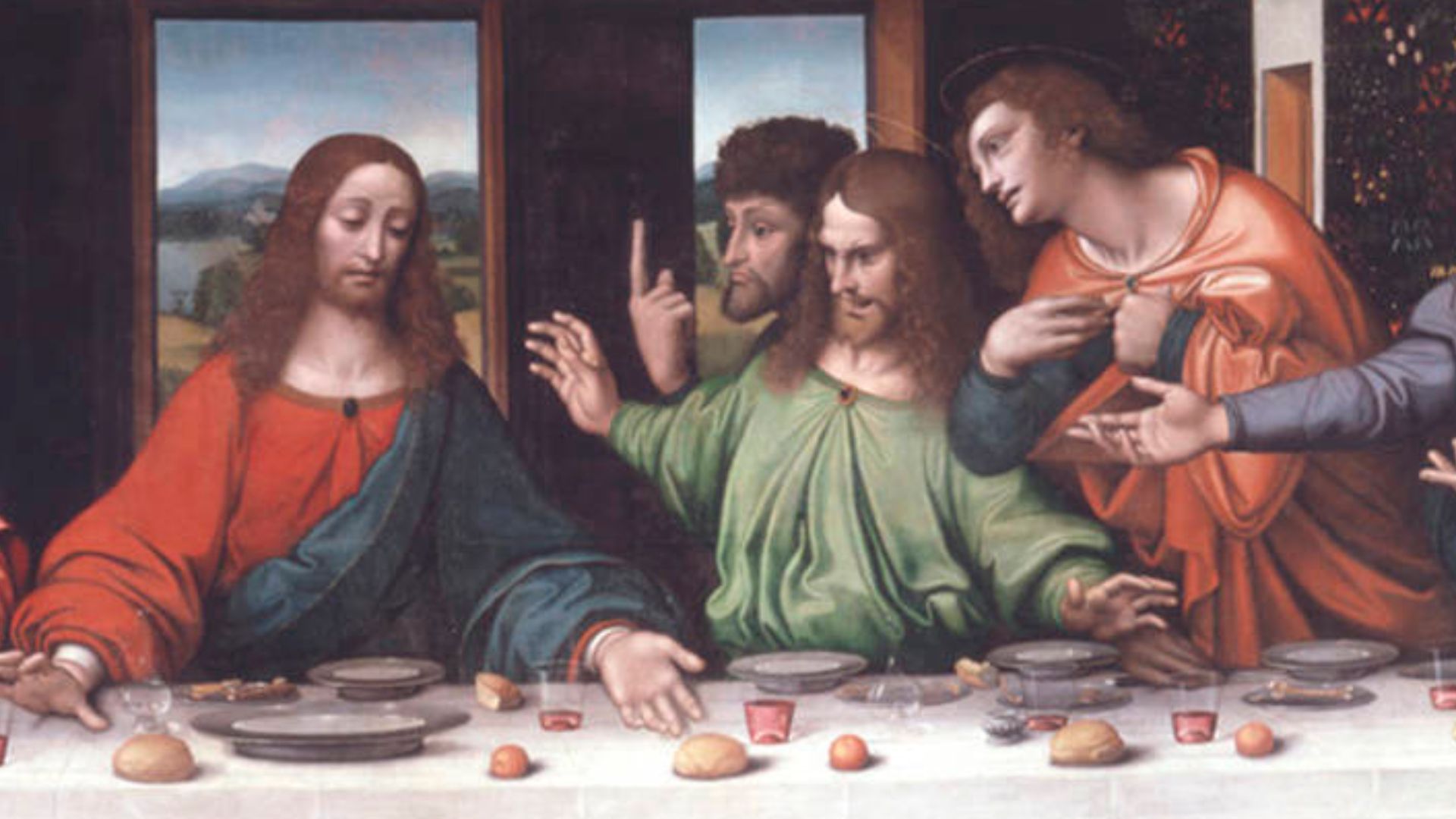 Giampietrino, Wikimedia Commons
He Tested His Patron's Patience
While the subject of the picture was much to Leonardo’s liking, its size posed a challenge. He preferred to work slowly and delicately, but fresco painting had to be done quickly. To solve this problem, he developed a new method of applying the pigment, allowing him to move at his preferred pace. Over the years the duke became impatient with the slow progress of the painting.
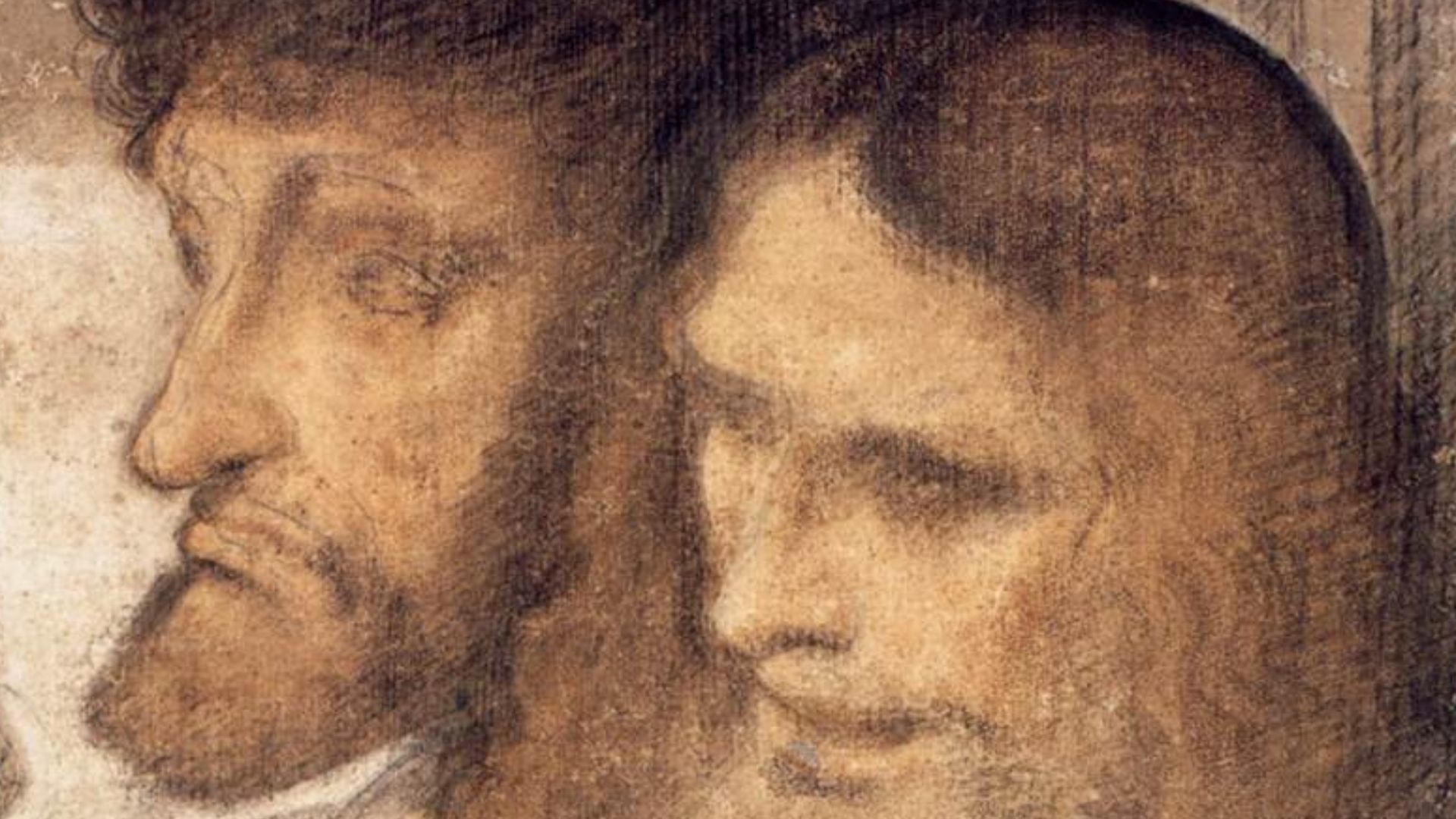 Leonardo da Vinci, Wikimedia Commons
He Was Rewarded
As the work on The Last Supper dragged on, Leonardo had to mollify Ludovico with promises that he was getting on with it. Ultimately, Ludovico was much pleased with the work, and he rewarded Leonardo with the gift of a vineyard near Porta Vercellina. The picture’s fame spread, although Leonardo’s experiments with the new way of applying the pigment soon caused it to begin to deteriorate. In 1499, the French invasion of Milan brought his employment with Sforza to an end.
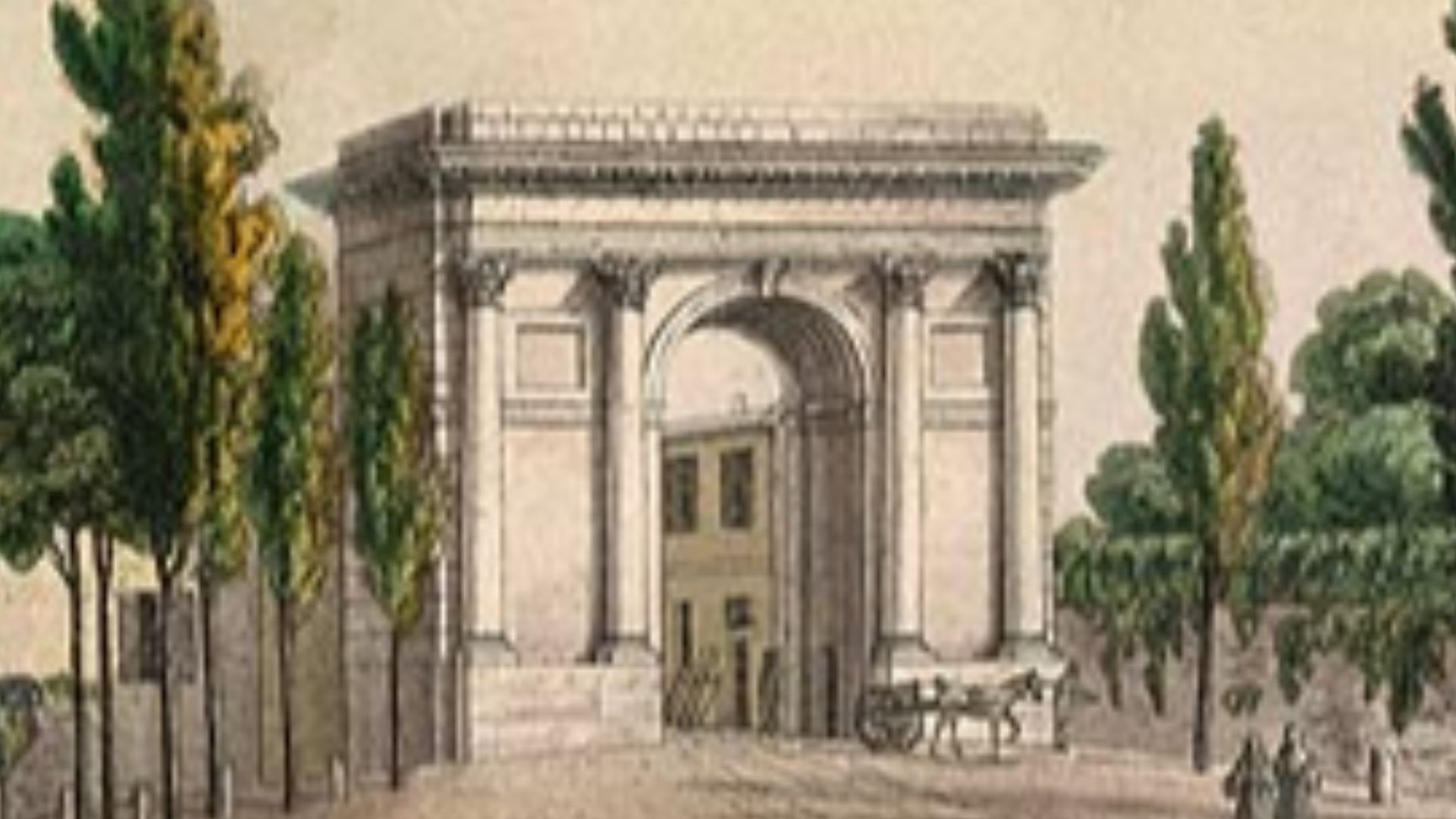
He Looked For A New Patron
Having spent the previous year working as a military architect and engineer for Cesare Borgia, captain of the papal armies, in 1503 Leonardo sought a new patron. He wrote to the Ottoman Sultan Bayezid II describing his prowess in hydraulics and engineering, and offering to build bridges: one “as high as a building, and even tall ships will be able to sail under it”; another “across the Bosporus to allow people to travel between Europe and Asia”.
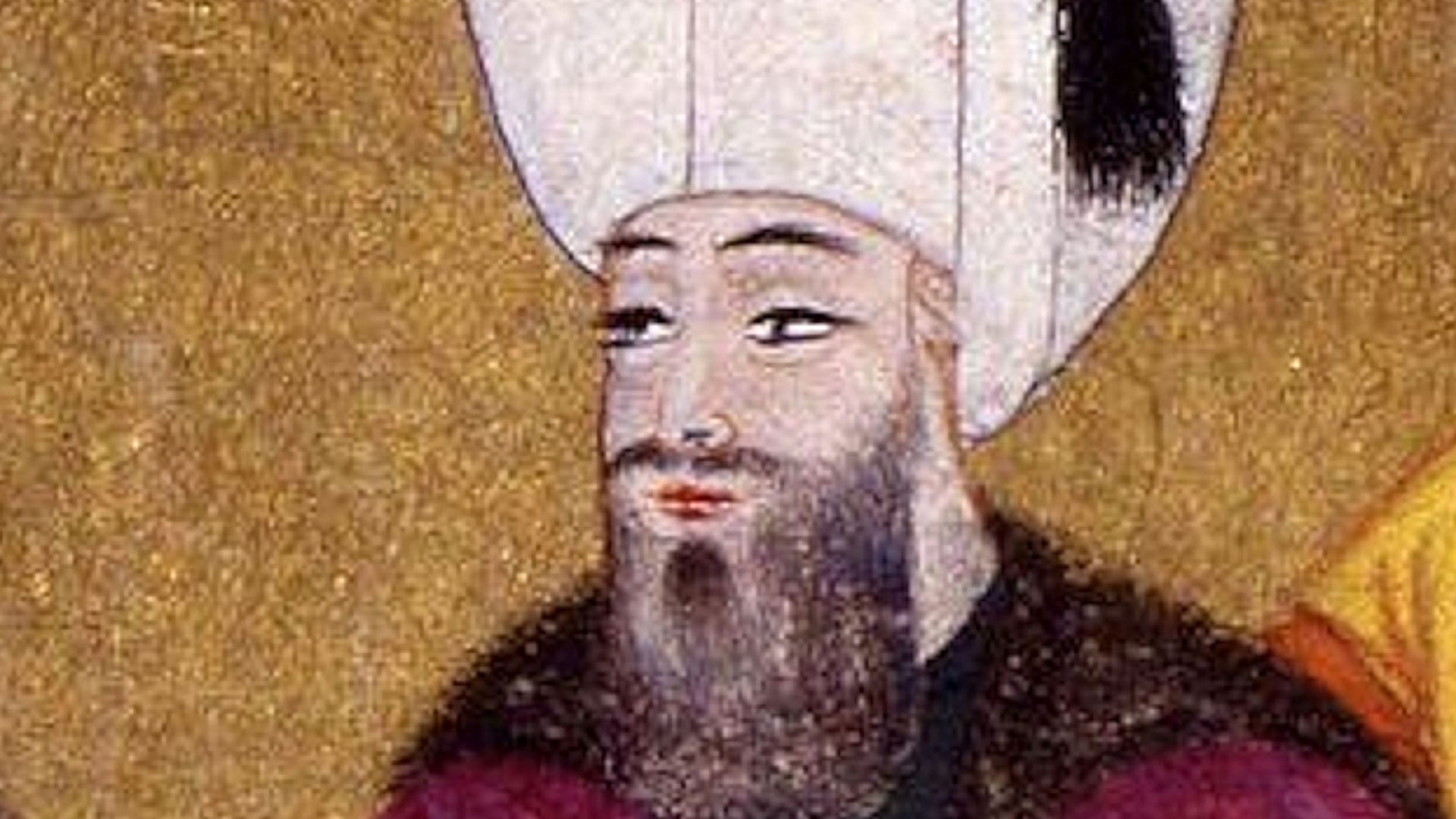 16th century artist, Wikimedia Commons
Between Assignments
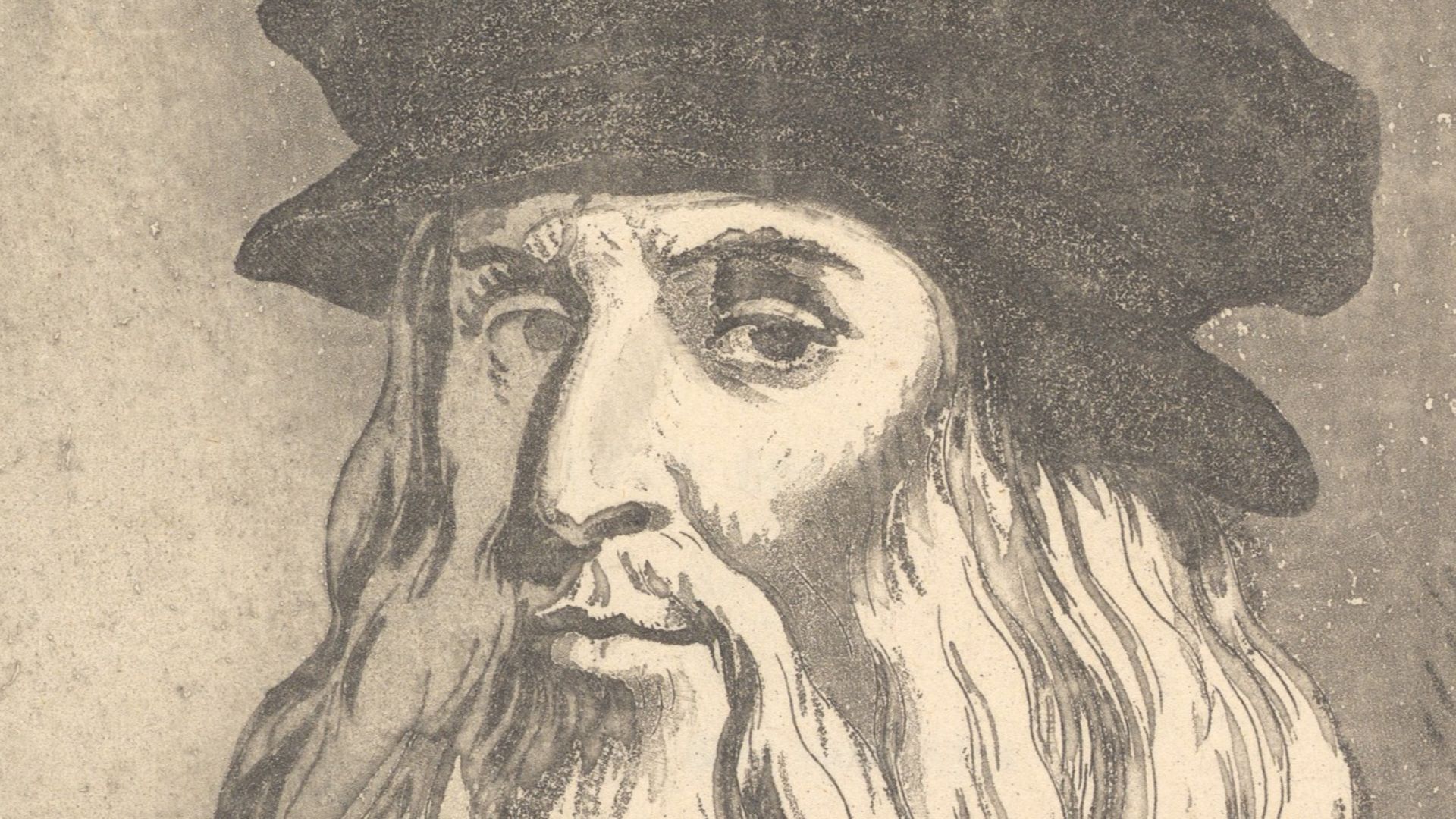
Nothing came of Leonardo's overture to the Ottoman sultan and the artist, now 51, must have been frustrated by the loss of security and, above all, freedom that he had experienced since leaving Milan. He had to return to the world of the jobbing artist, bound by the terms of contracts, with his time spoken for. But his job hunt soon turned up results.
 Leonardo da Vinci, Wikimedia Commons
A Major New Commission
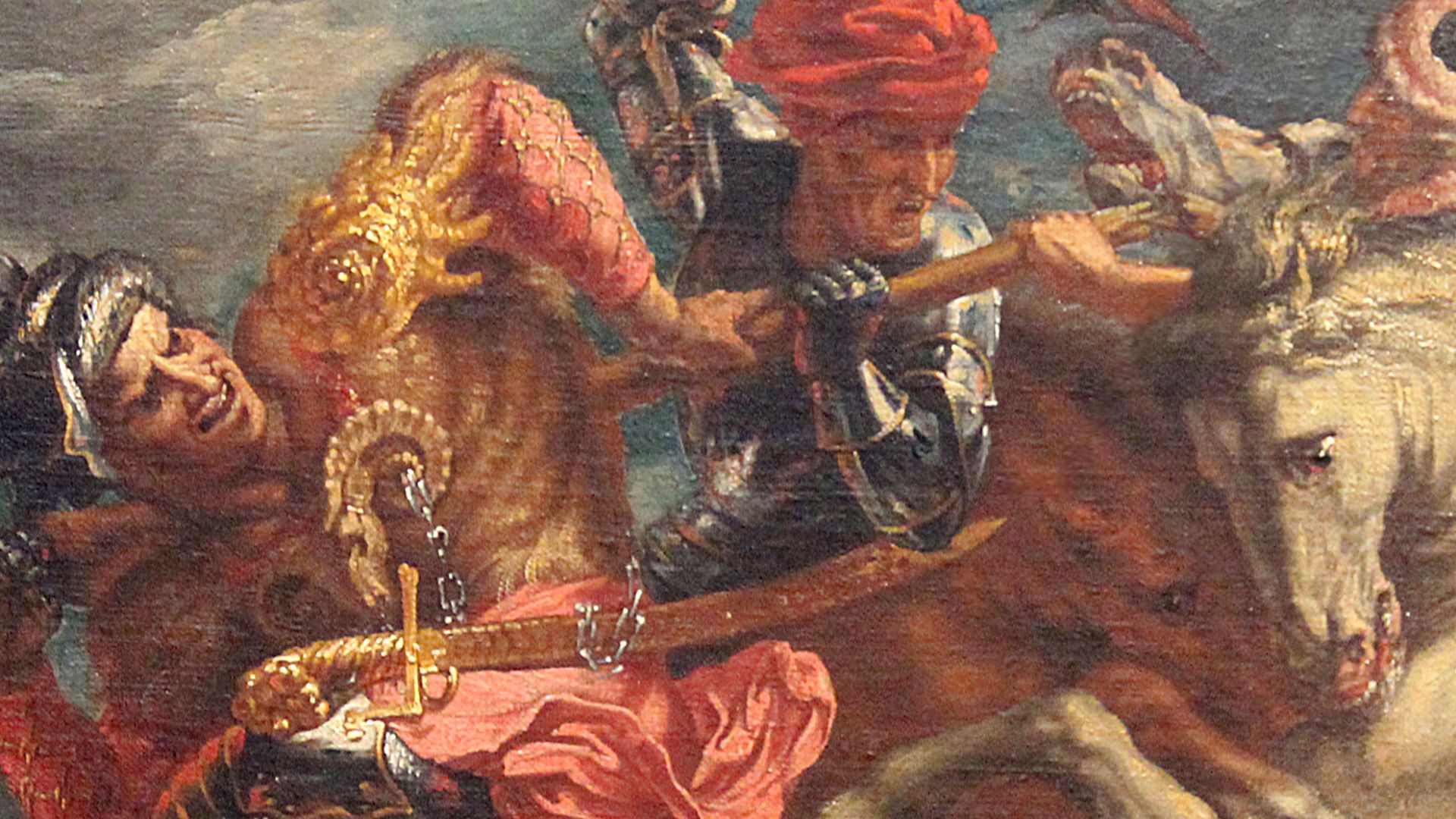
Leonardo then came to be employed by the Florentine republic to manage the diversion of the river Arno, and was commissioned to produce an enormous mural of the battle of Anghiari in the city’s Great Council Hall. The painting, in the seat of power where government was conducted, was to celebrate Florentine military prowess, and was intended to match another mural, of the battle of Cascina, by Michelangelo. The plan thus pitted the two great Tuscan artists against one another in direct competition.
 Attributed to Peter Paul Rubens / After Leonardo da Vinci, Wikimedia Commons
Masterpiece Lost
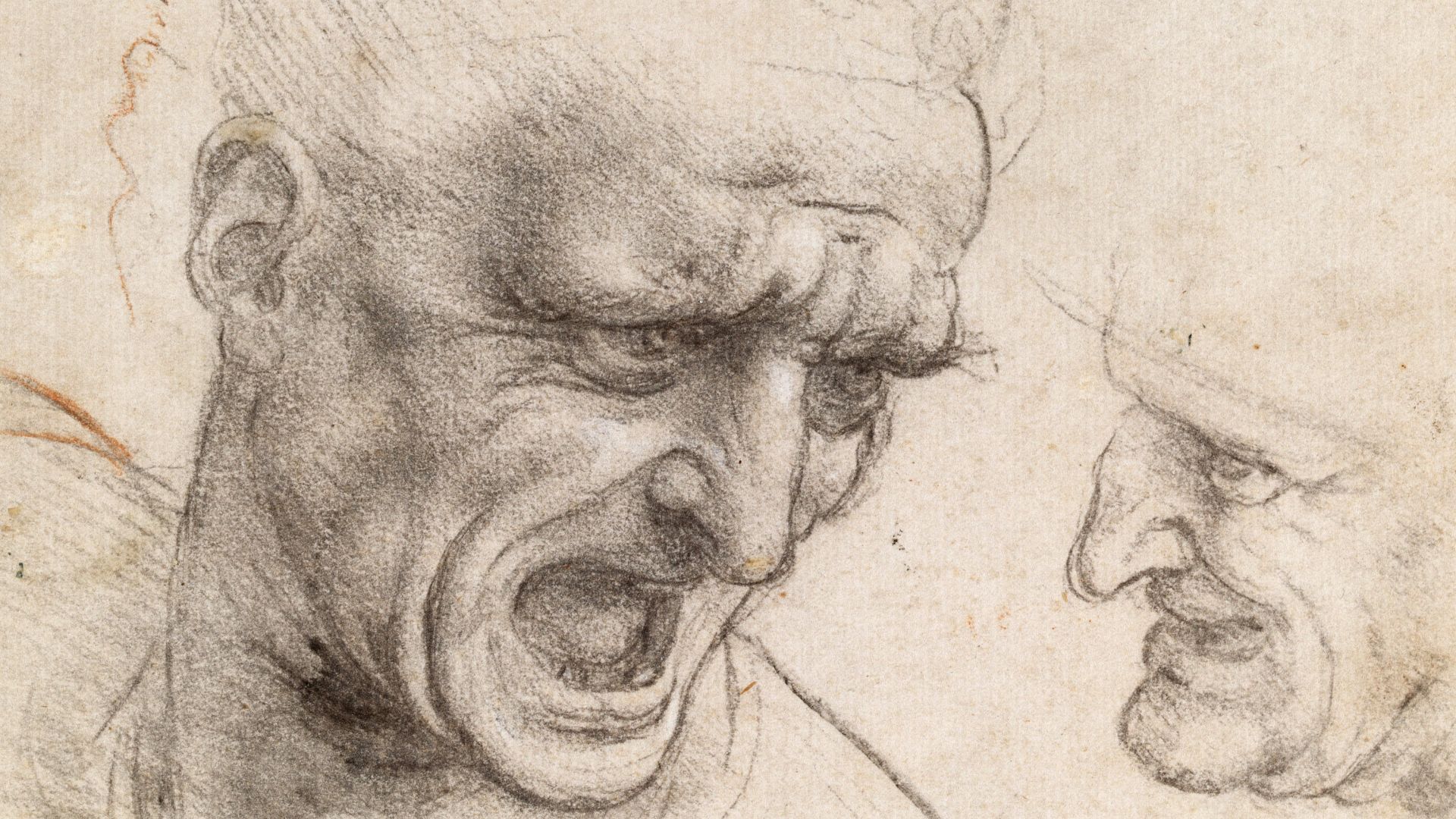
Leonardo’s surviving drawings for his mural reveal tangles of men and horses caught in the heat of battle. Faces contort with tension, rage and valour; as with The Last Supper, he wanted viewers to be immersed in the emotion of the scene. There is another similarity with The Last Supper: once more, Leonardo experimented with painting techniques, and once more he was not successful. The colours of the mural ran together, and parts were obscured.
 Leonardo da Vinci, Wikimedia Commons
Mona Lisa
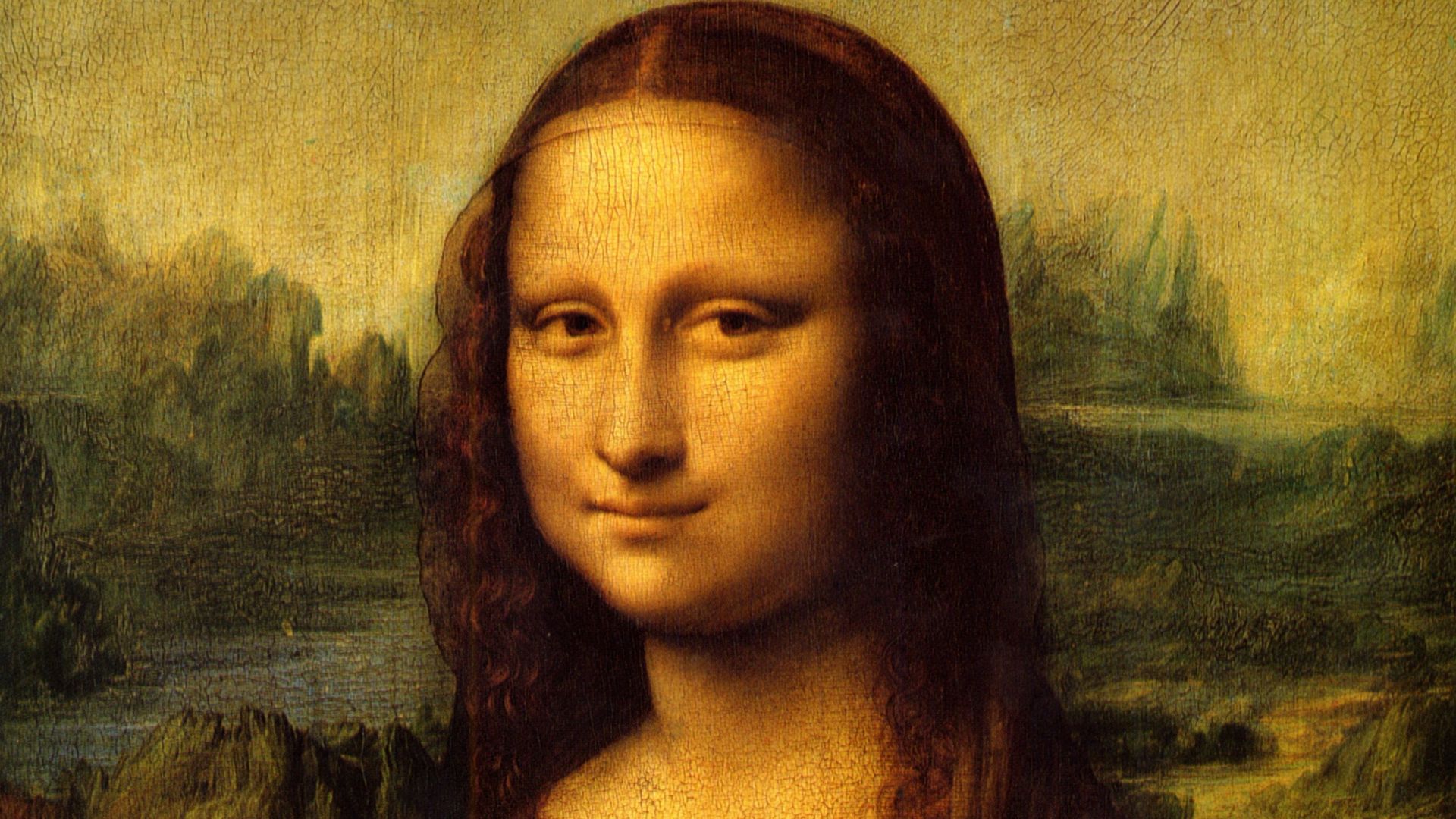
In the same year (1503) Leonardo began work on a portrait of Lisa Gherardini, the wife of the merchant Francesco del Giocondo. He could not have known that this little painting, with its clever play on Lisa’s name – her smile indicating that she was giocondo (jocund) – would become the most famous work of art ever created.
 Leonardo da Vinci, Wikimedia Commons
He Started His Anatomy Study
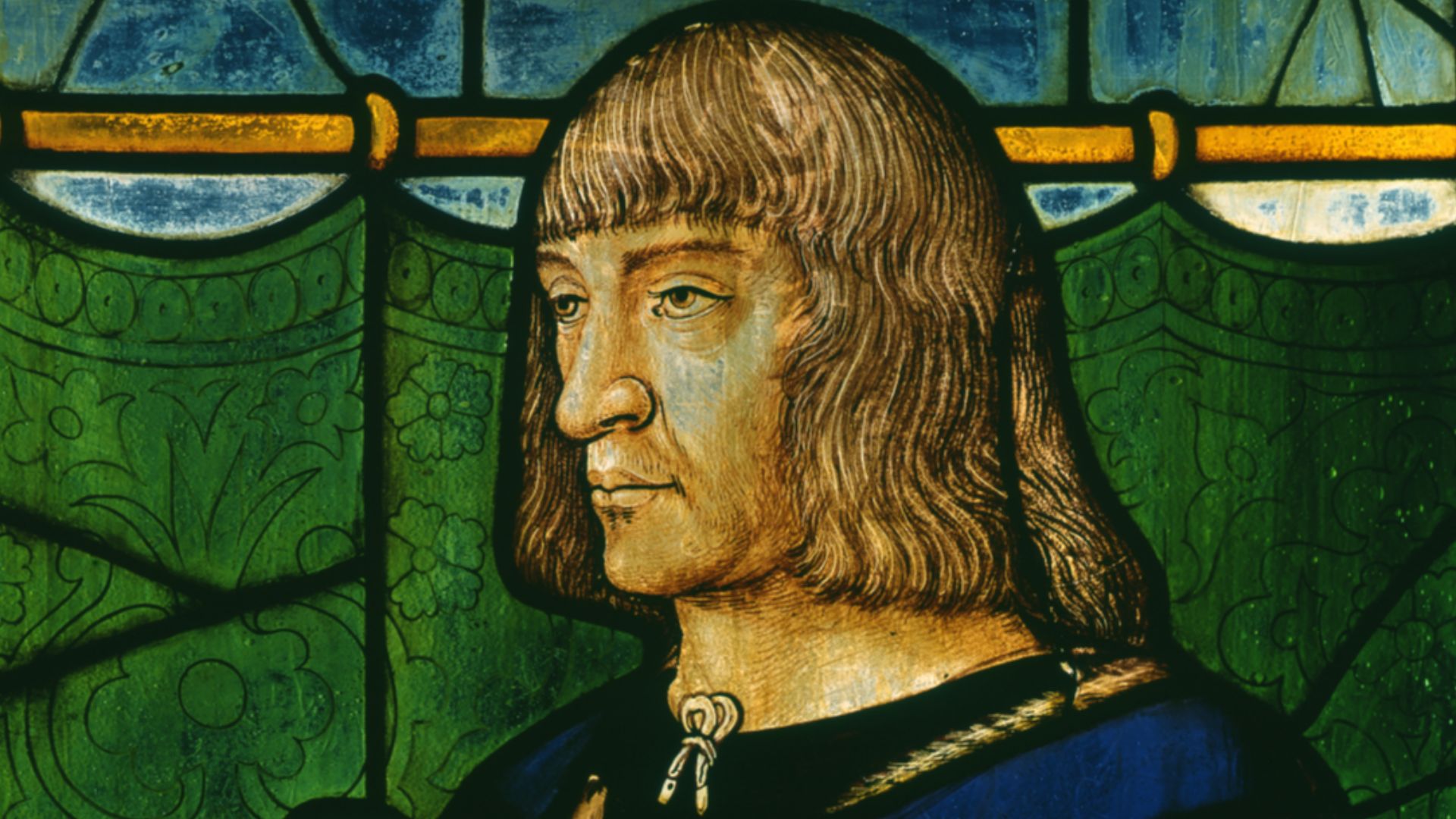
By 1510, Leonardo was settled in Milan and in receipt of a salary from the French king Louis XII, allowing him to focus his attentions on his own interests rather than a major commission. Probably working alongside Marcantonio della Torre, a professor of anatomy from the nearby University of Pavia, he had ready access to bodies for dissection. He started compiling a treatise on anatomy.
Breathtaking Detail
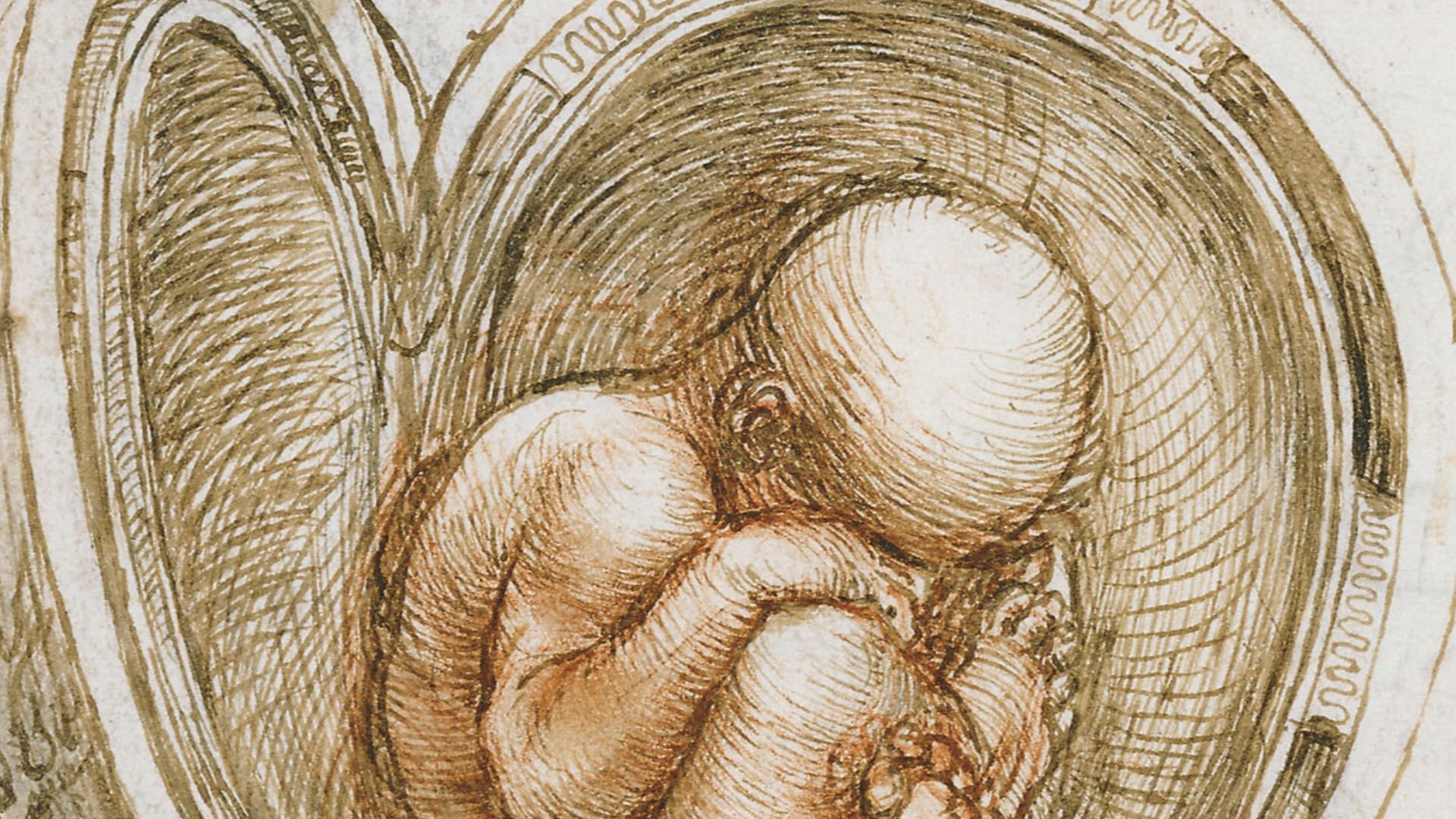
Leonardo began his anatomy treatise with the study of “a perfect man” and then discussing the bodies of an old man, an infant and a woman, taking in the development of the foetus in the womb. Leonardo also produced a series of drawings of the skeleton and musculature that remain breathtaking in their detail, clarity and beauty. They not only demonstrate his desire to reveal the body’s secrets, but also an extraordinary level of artistic innovation.
 Leonardo da Vinci, Wikimedia Commons
He Captured The Human Body's Complexity
Partly thanks to his experience in architecture and engineering, Leonardo developed new methods of depicting the complexity of bodily systems and structures in two dimensions that communicate clearly with no loss of information. These included exploded and layered views, and sequential drawings in series. His anatomical work in this period was driven by empirical observation, but in his notes, we find references to the infinite wisdom of the twin creators, nature and God (“il maestro”), thanks to whom the internal workings of the body are organised so perfectly.
 Leonardo da Vinci, Wikimedia Commons
He Found A Protege
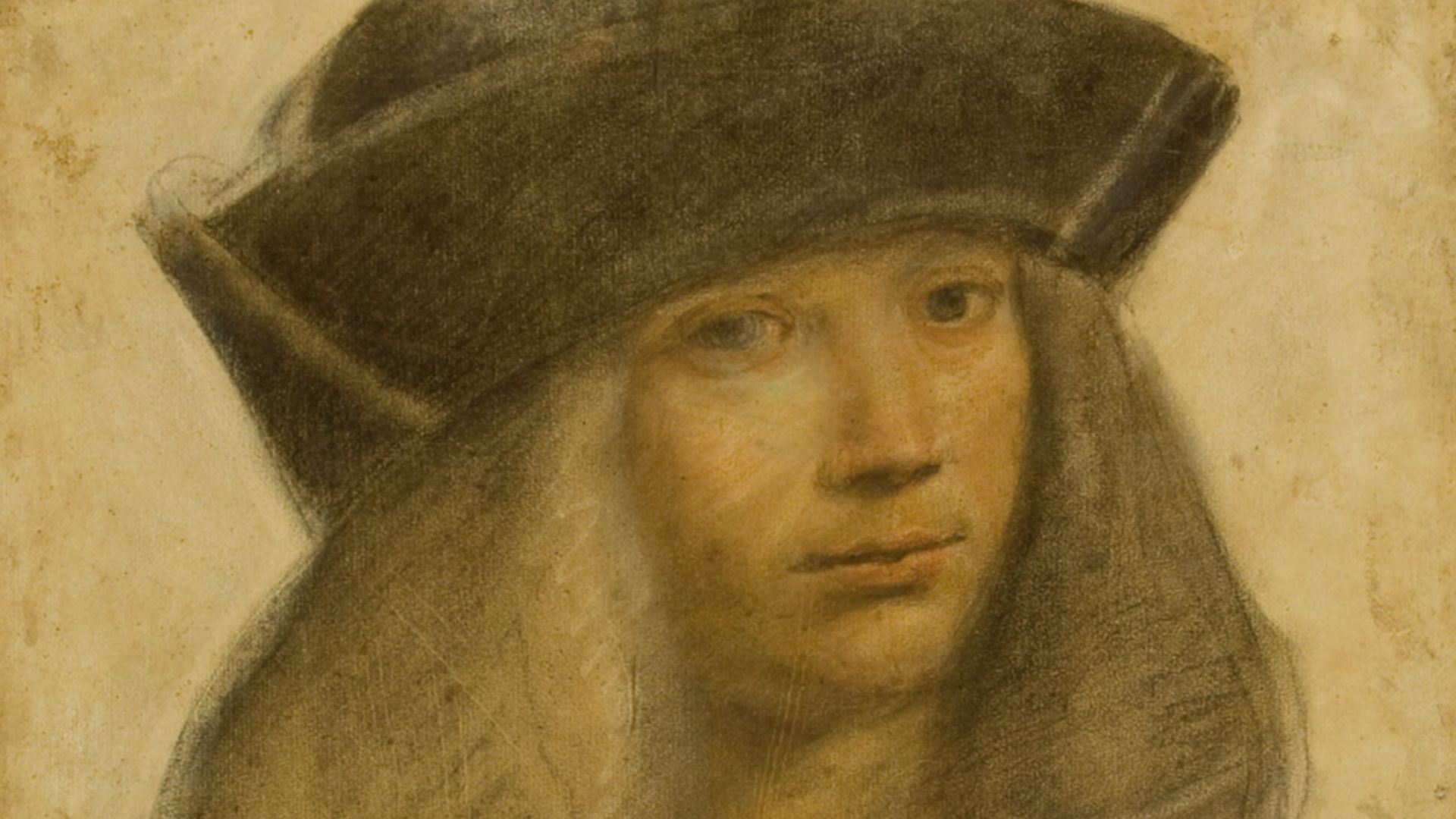
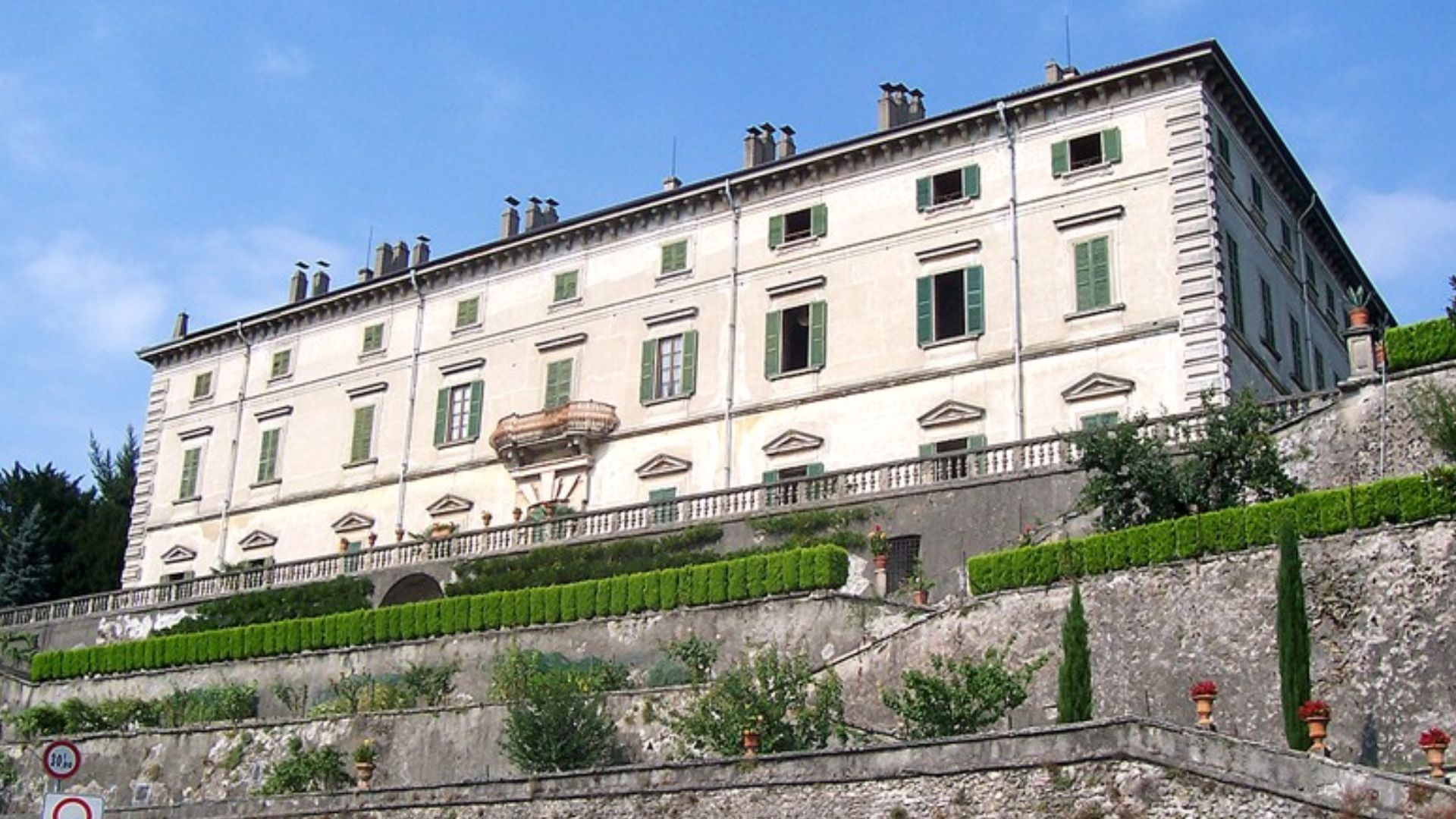
In these years the artist was accompanied by Francesco Melzi, a young Milanese nobleman who became a sort of adopted son to him (formal or informal adoptions were common in the Renaissance, often utilised by those who did not have a natural heir). When, in December 1511, warfare once again forced Leonardo to leave Milan, Melzi hosted him in his family’s villa at Vaprio d’Adda, Lombardy.
 Giovanni Antonio Boltraffio, Wikimedia Commons
Study Of The Heart
While staying in the Melzi villa, Leonardo reverted to his interest in the dissection of animals – a mainstay of anatomical investigation at a time when it was not always easy to access human bodies. His fervent desire to comprehend the workings of the heart are revealed in the copious notes and drawings he made of the heart of oxen, wherein he carefully observed the passage of blood through the valves.
Gathering A Lifetime’s Meditations
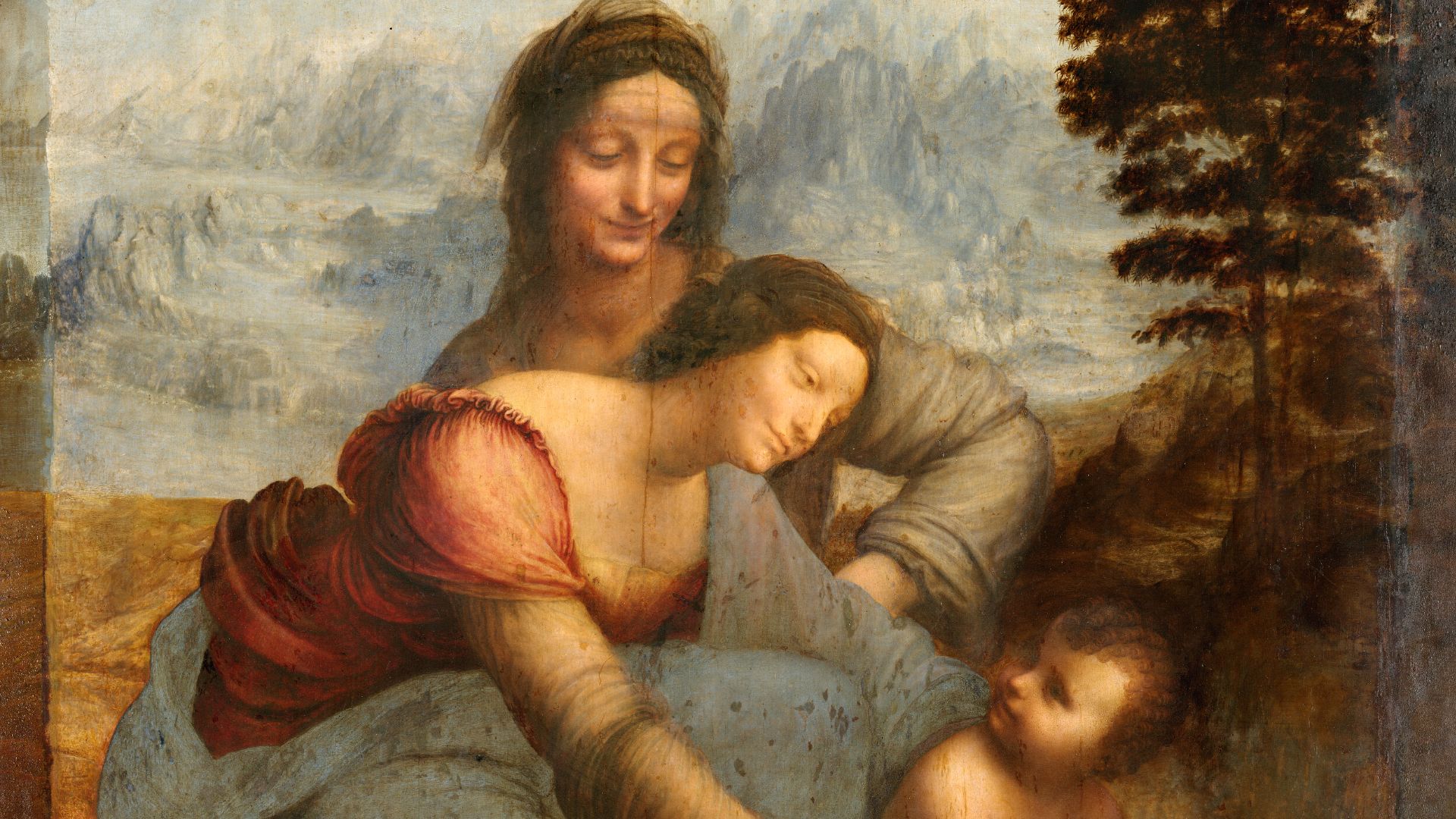
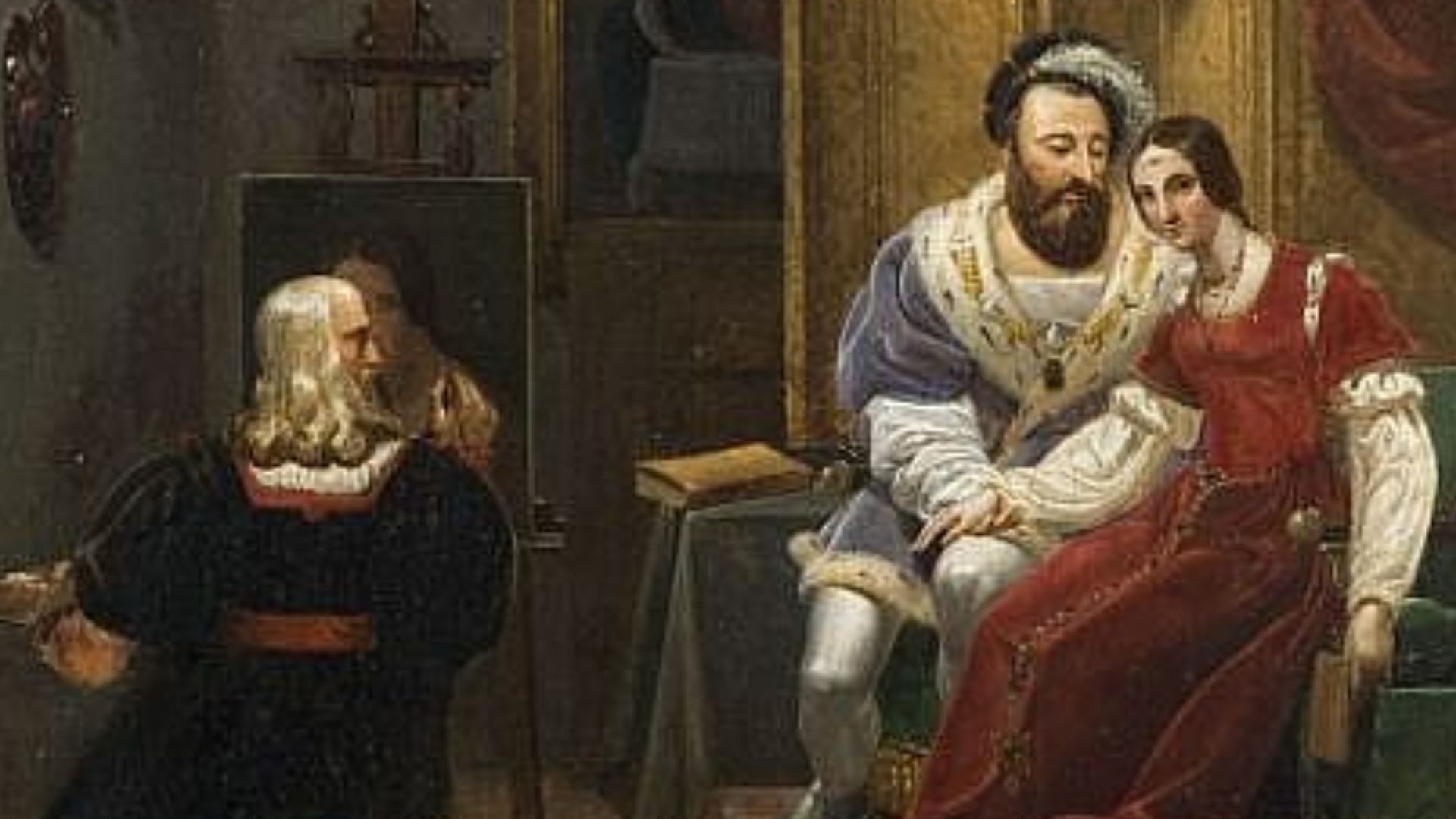
In 1516 Leonardo went to live in France, at the invitation of the new king Francis I. In 1517, he received a visit from Cardinal Luigi d’Aragona. The cardinal’s secretary recorded that, on a previous occasion, he had visited The Last Supper in Milan, which was “most excellent” but “beginning to deteriorate”. Now he encountered Leonardo, himself “an old man”, who showed them three paintings: a “Florentine woman done from life” (likely the Mona Lisa), Saint John the Baptist and a Virgin and Child with Saint Anne. All three were “most perfect”. But there was something unusual about the encounter.
Hanging On To Past Glory
It was unusual for an artist to keep paintings with him for such lengthy periods and not part with them, but the fact that Leonardo did so indicates the pictures’ importance to him. It was also convenient to have them ready to display to important guests of the king. Leonardo’s fame was well established by this point, and it would have been politically useful for Francis I to be able to bask in the reflected glory of being his patron.
 François-Barthélémy-Augustin Desmoulins, Wikimedia Commons
Age Was Catching Up With Him
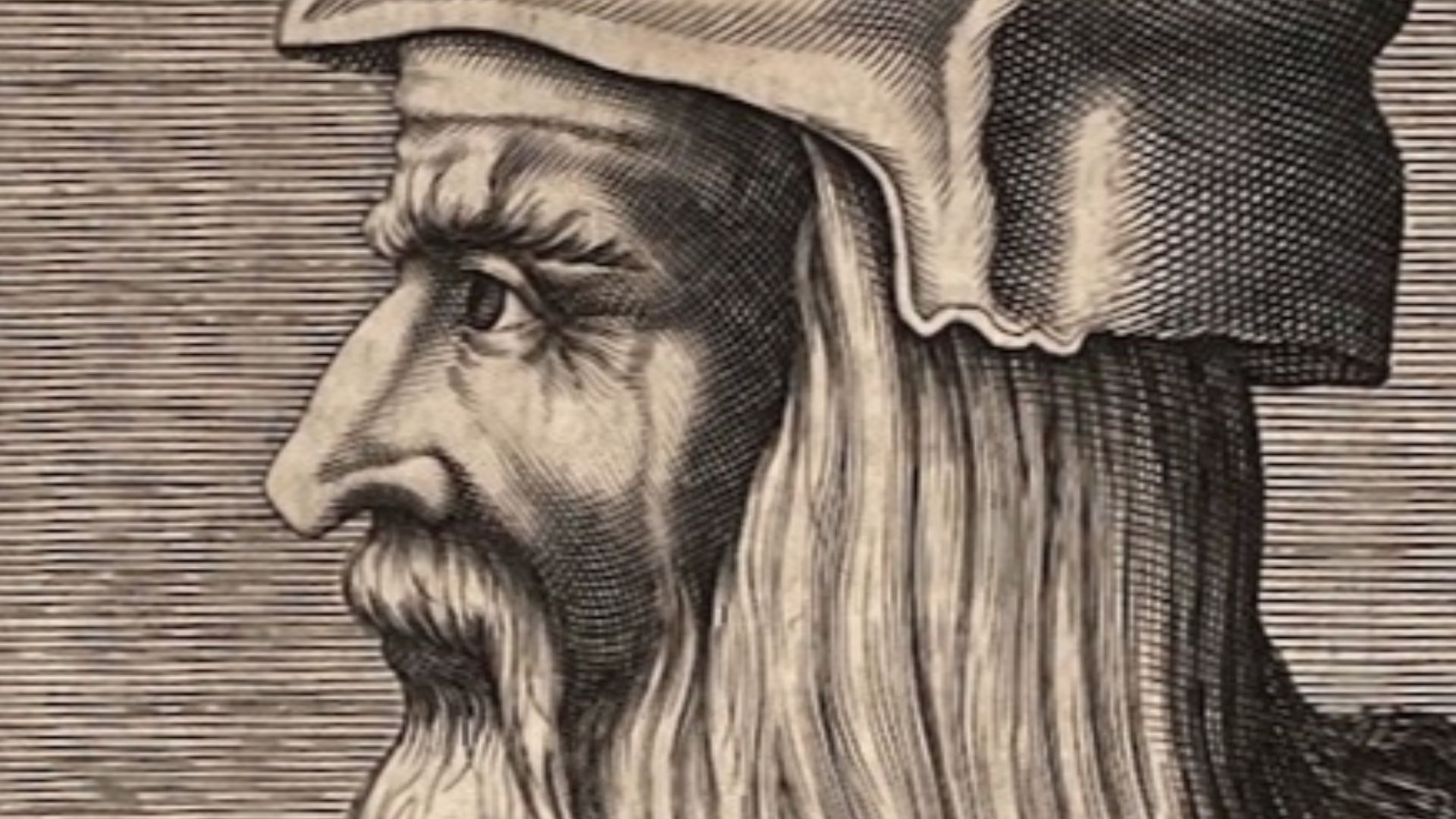
Unfortunately Leonardo was no longer capable of painting owing to his age and infirmity. He still did some teaching, but mainly spent his working days organising his voluminous notes for publication. The cardinal’s secretary recalled being shown writings on machines and hydraulics and many anatomical drawings by Leonardo, who told them he had performed 30 dissections over his lifetime.
 Nicolas de Larmessin and Esme de Boulonais, Wikimedia Commons
Undying Curiosity
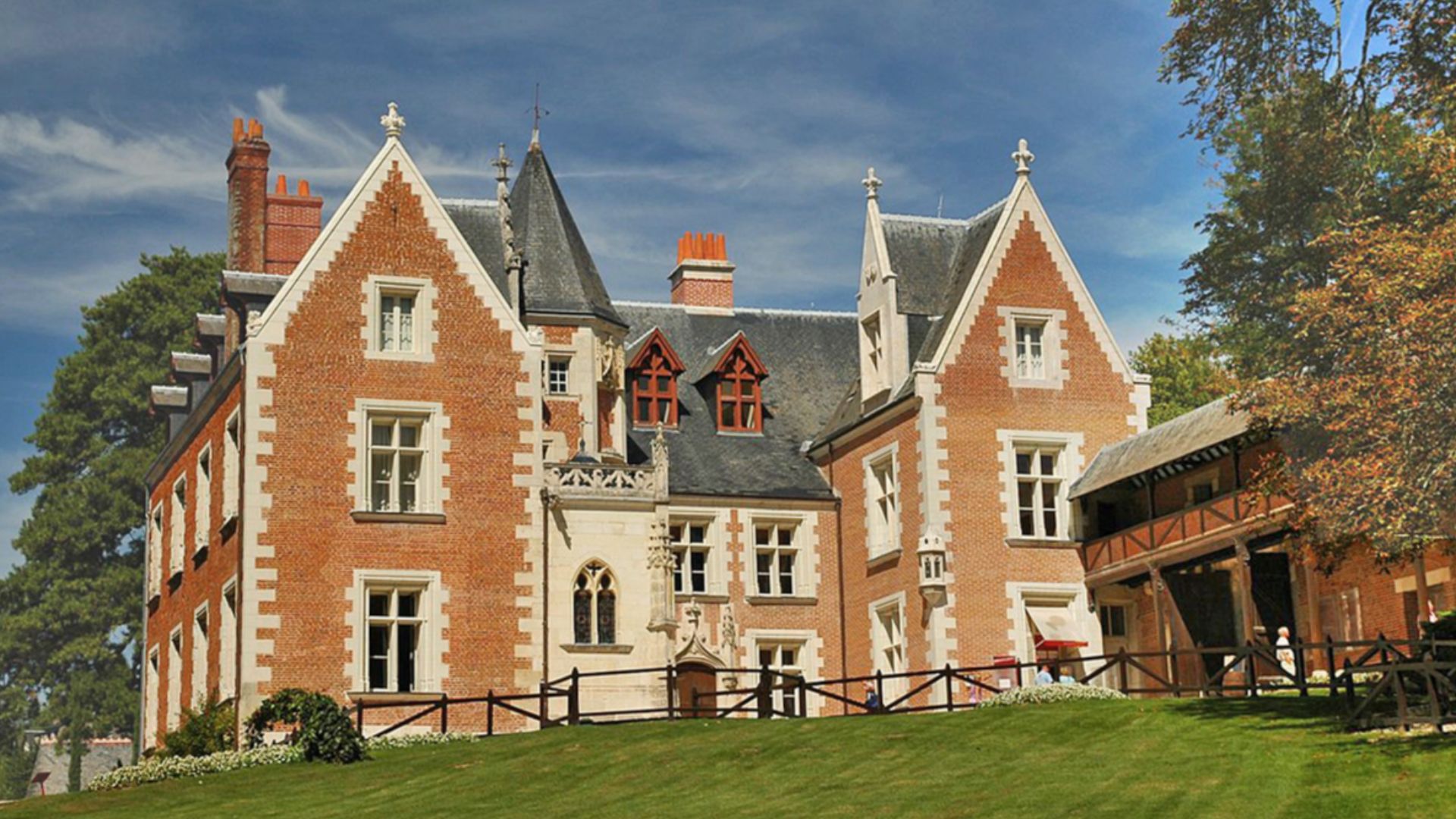
In peace and security, the artist concluded his final years at the Château du Clos Lucé in Amboise, France, in the employment of the French king, Francis I. There he marshalled a lifetime’s work of meditation on the mysteries of life: the forces of nature; God’s movement in the universe; and the perfection of the human body and soul. His fascination with these weighty themes drove his activities in painting, sculpture, anatomy, natural science, architecture, optics and hydraulics. He died on 2 May 1519, at the age of 67.
 Nadegevillain, Wikimedia Commons
Priceless Treasure Restored
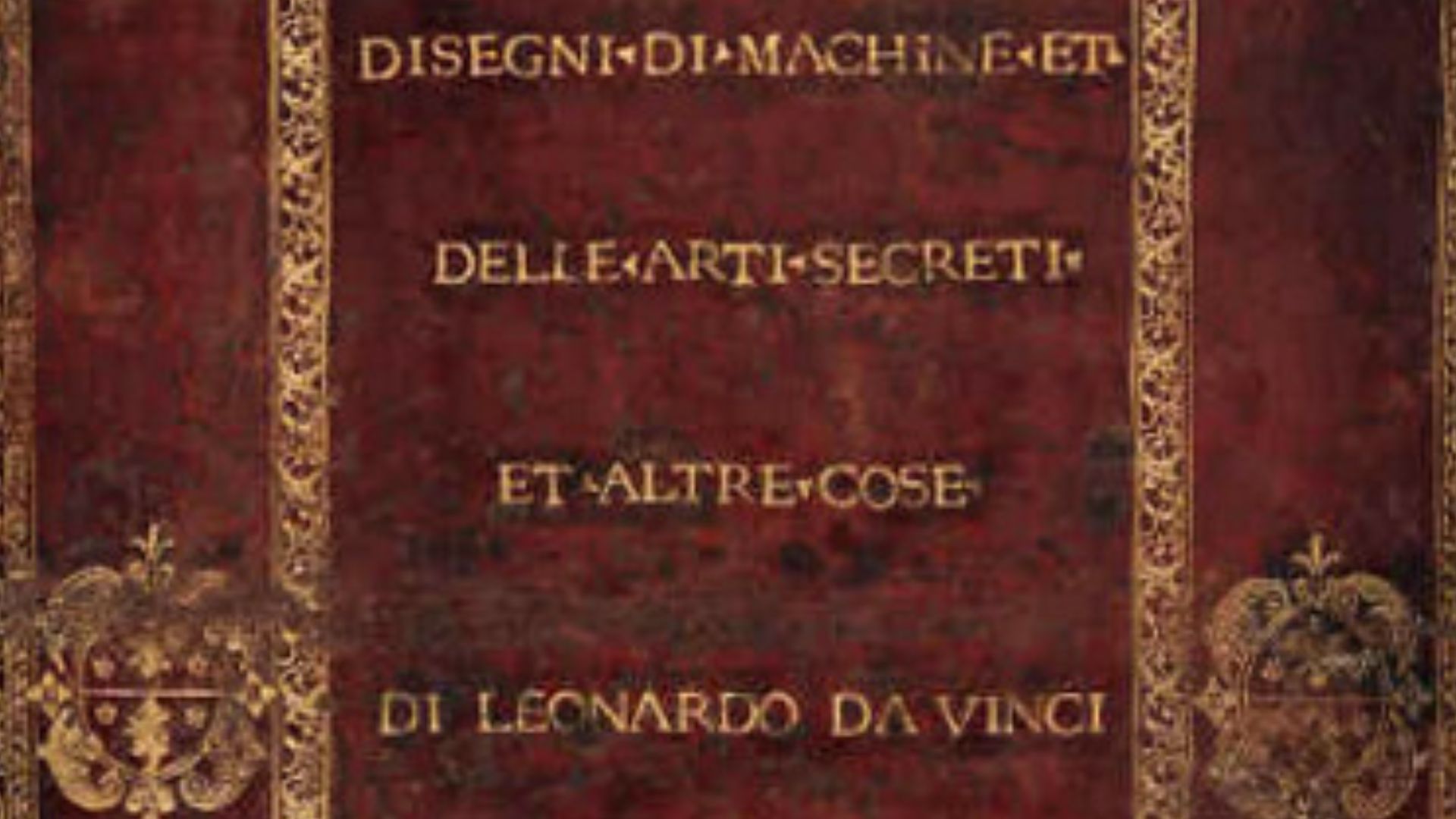
After his death, da Vinci’s unpublished manuscripts, full of ideas and observations, were first neglected and later dispersed, with many pages disappearing forever. But in the 20th century, scholars and restorers began to recover and interpret what texts survived. Thanks to them, we can now appreciate the activity of one of the most extraordinary minds the world has ever known.
 Pompeo Leoni, Wikimedia Commons
He Saw Art And Science As One
This content was made in partnership with HistoryExtra and written by Maya Corry and Marina Wallace. Editorial changes were made to the original articles.