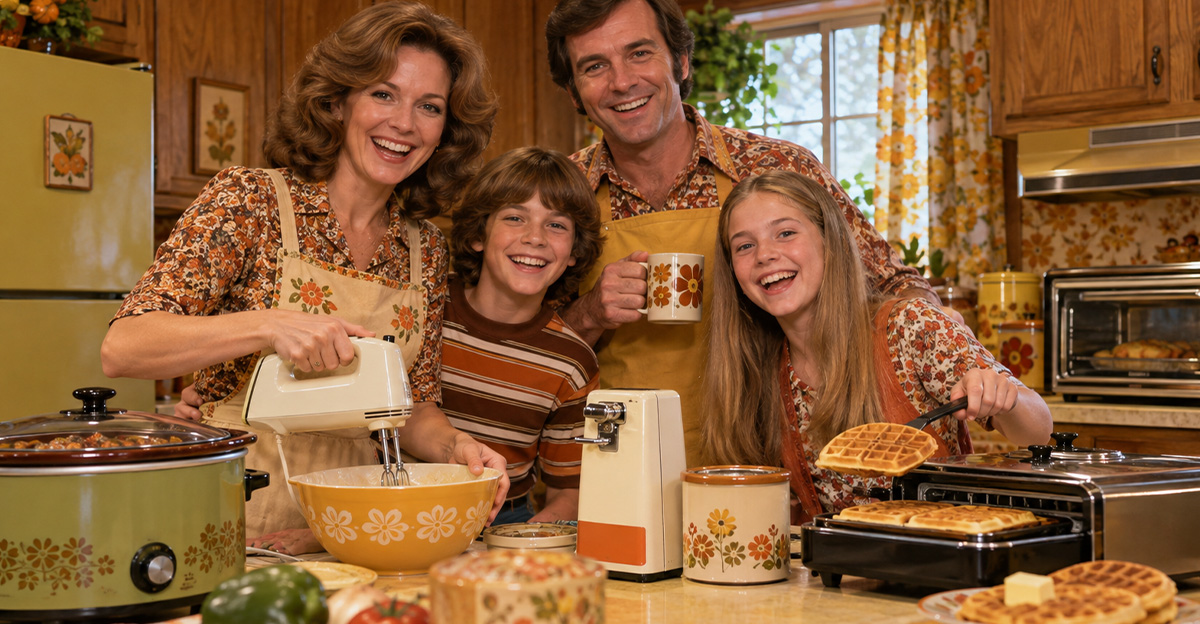
The Kitchen Revolution Nobody Saw Coming
Back in the 1970s, Americans were promised a future where cooking would practically take care of itself. Newfangled gadgets claimed to save time, eliminate chores, and make everyday meals easier. Some actually delivered. Others became expensive dust collectors. But chances are, your grandparents still have a few of these tucked away somewhere.
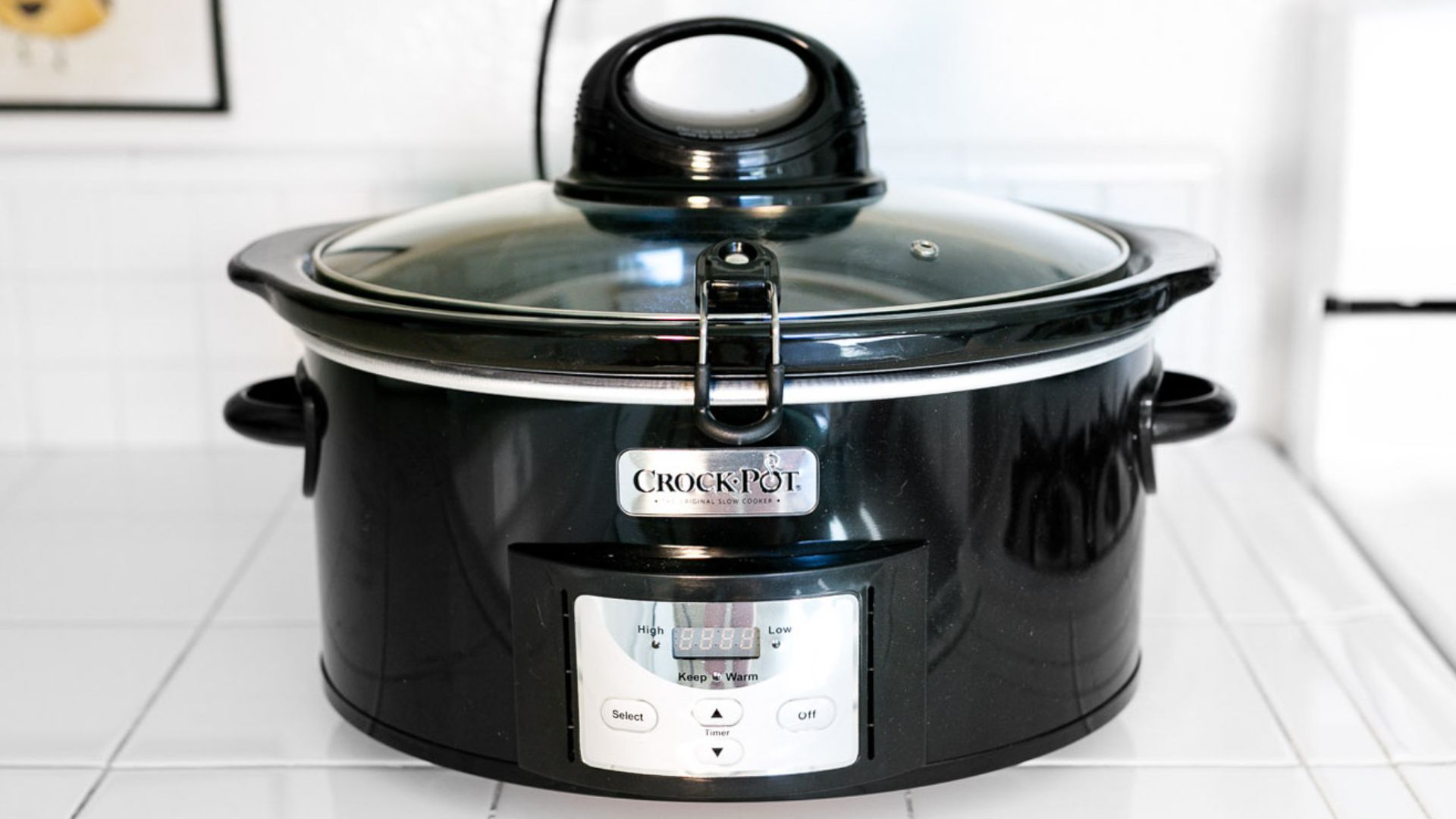
The Rival Crock-Pot
When the Rival Crock-Pot arrived in 1971, it sounded almost too good to be true. Throw everything into one pot, switch it on, and come home to dinner. For busy families, it really was revolutionary. And that avocado-green Crock-Pot Grandma bought decades ago? She might still be using it.
 Your Best Digs, Wikimedia Commons
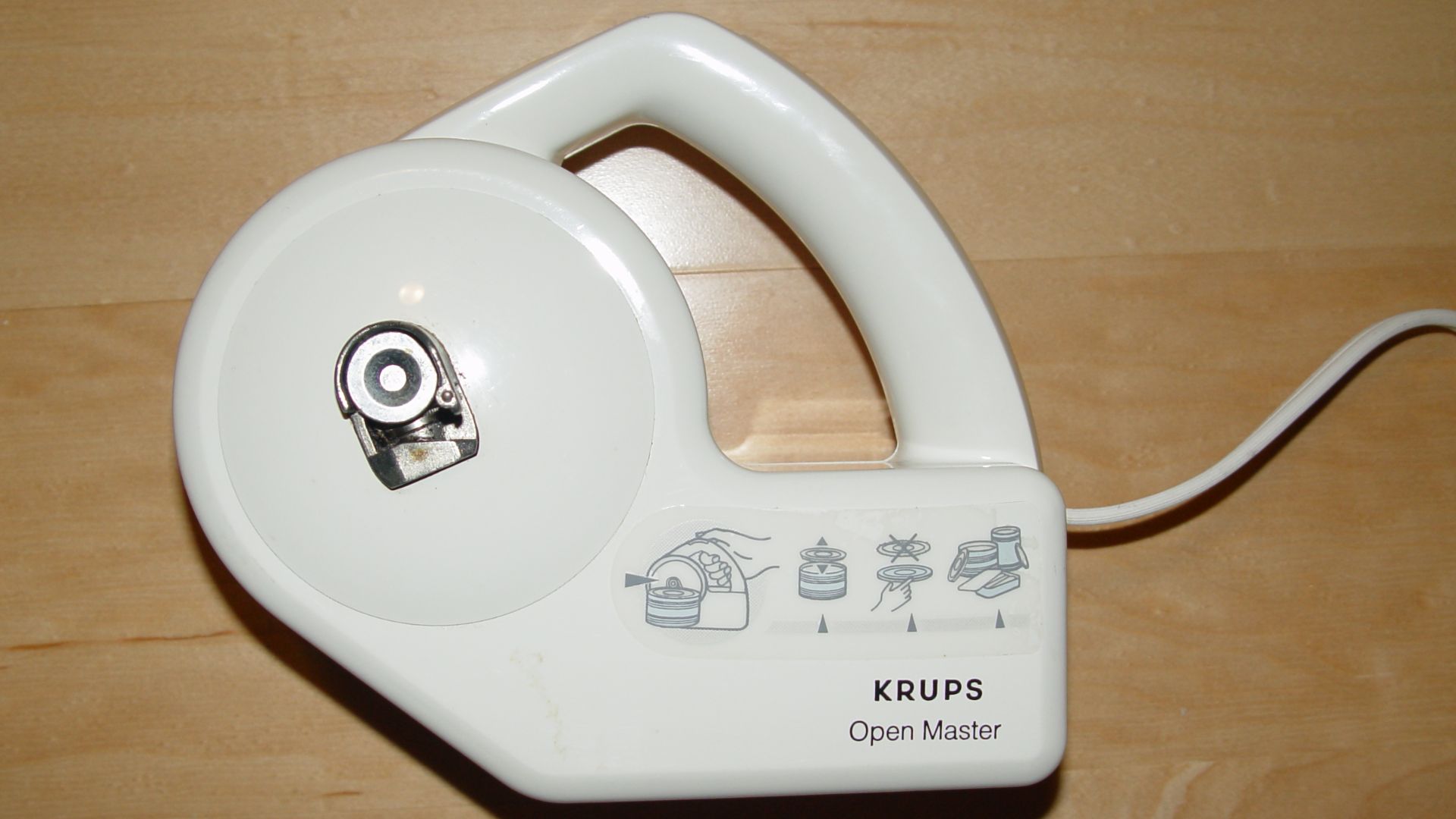
The Electric Can Opener
Opening a can by hand was apparently too much trouble for the modern household. Electric can openers became kitchen staples, promising effortless access to everything from canned peaches to Campbell's soup. Many even included built-in knife sharpeners. Of course, finding enough counter space for one was another matter entirely.
 Holly Cheng, Wikimedia Commons
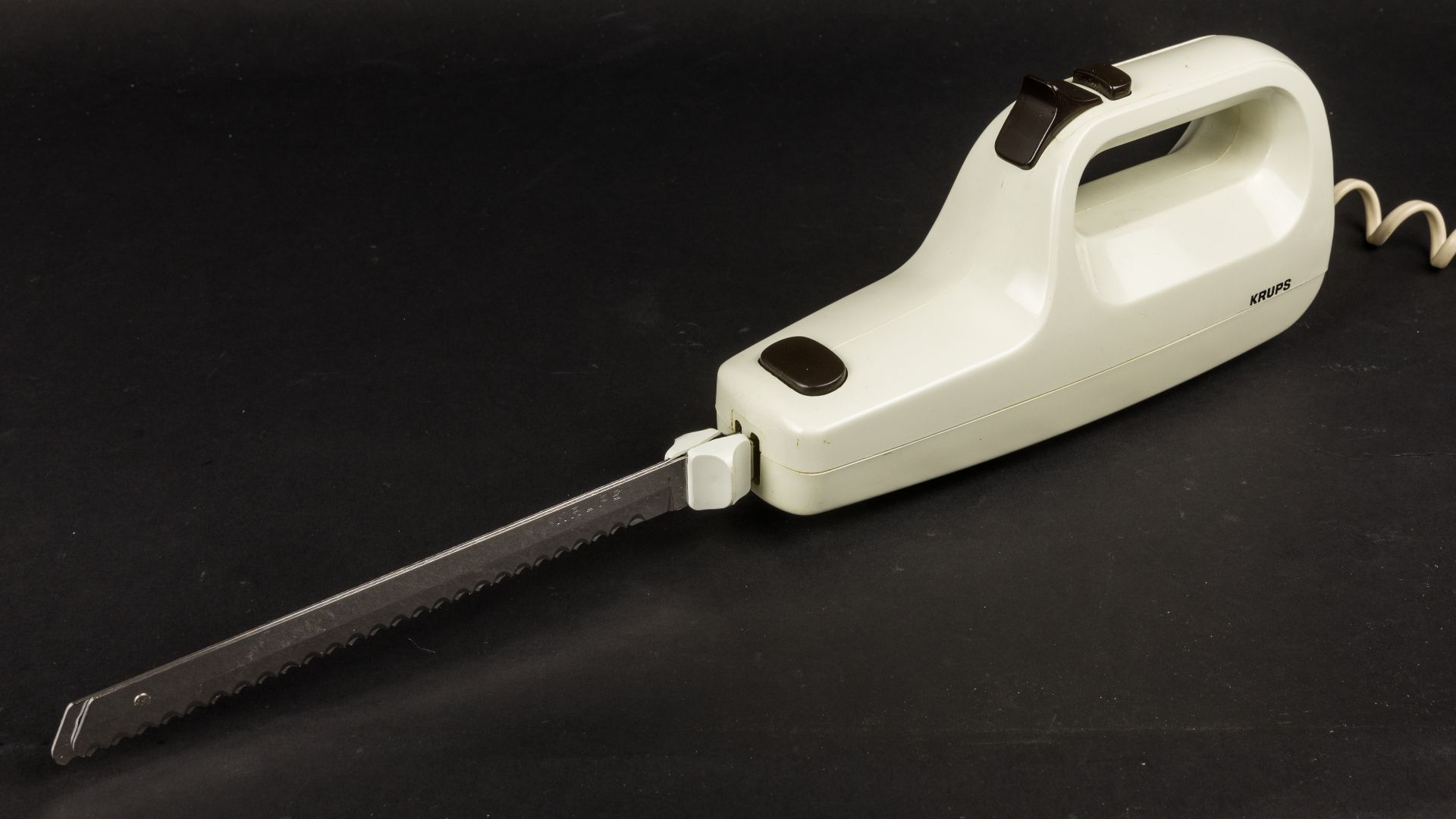
The Electric Carving Knife
Remember when carving a turkey required electricity? Electric knives promised perfectly even slices without the effort of traditional carving. Their buzzing blades became familiar sights at Thanksgiving dinners throughout the 1970s. Today, you might still find one buried in Grandma's kitchen drawer, complete with its original plastic carrying case.
 Raimond Spekking, Wikimedia Commons
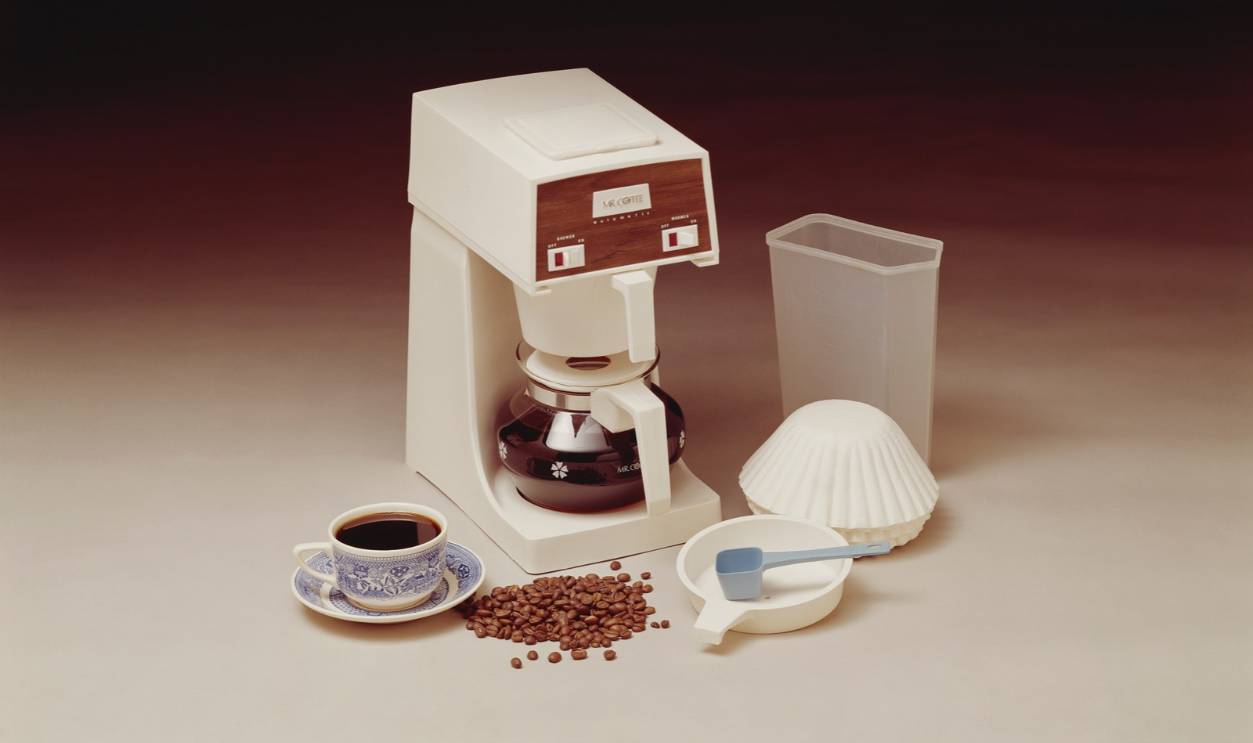
The Mr. Coffee Machine
Introduced in 1972, Mr. Coffee helped convince Americans they needed something better than their old percolators. Suddenly, brewing coffee became as simple as adding water, filling a filter, and flipping a switch. Baseball legend Joe DiMaggio helped make the machine famous. For countless households, mornings were never quite the same.
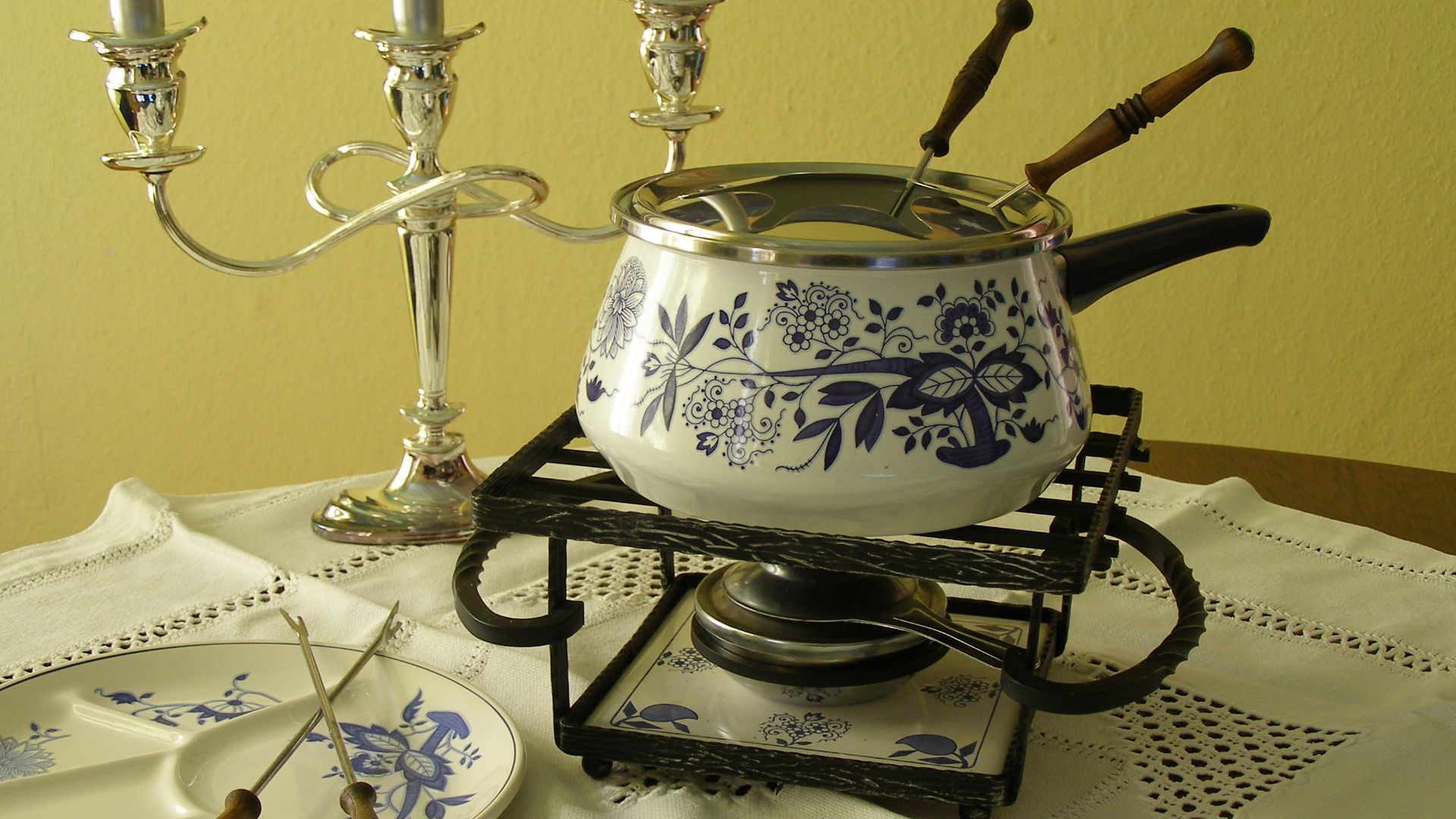
The Electric Fondue Pot
Nothing said sophisticated 1970s entertaining quite like gathering around a bubbling pot of melted cheese. Electric fondue sets promised effortless dinner parties without anyone leaving the table. They came with long forks, colorful pots, and endless possibilities. Unfortunately, cleaning hardened cheese from the pot afterward wasn't nearly as glamorous.
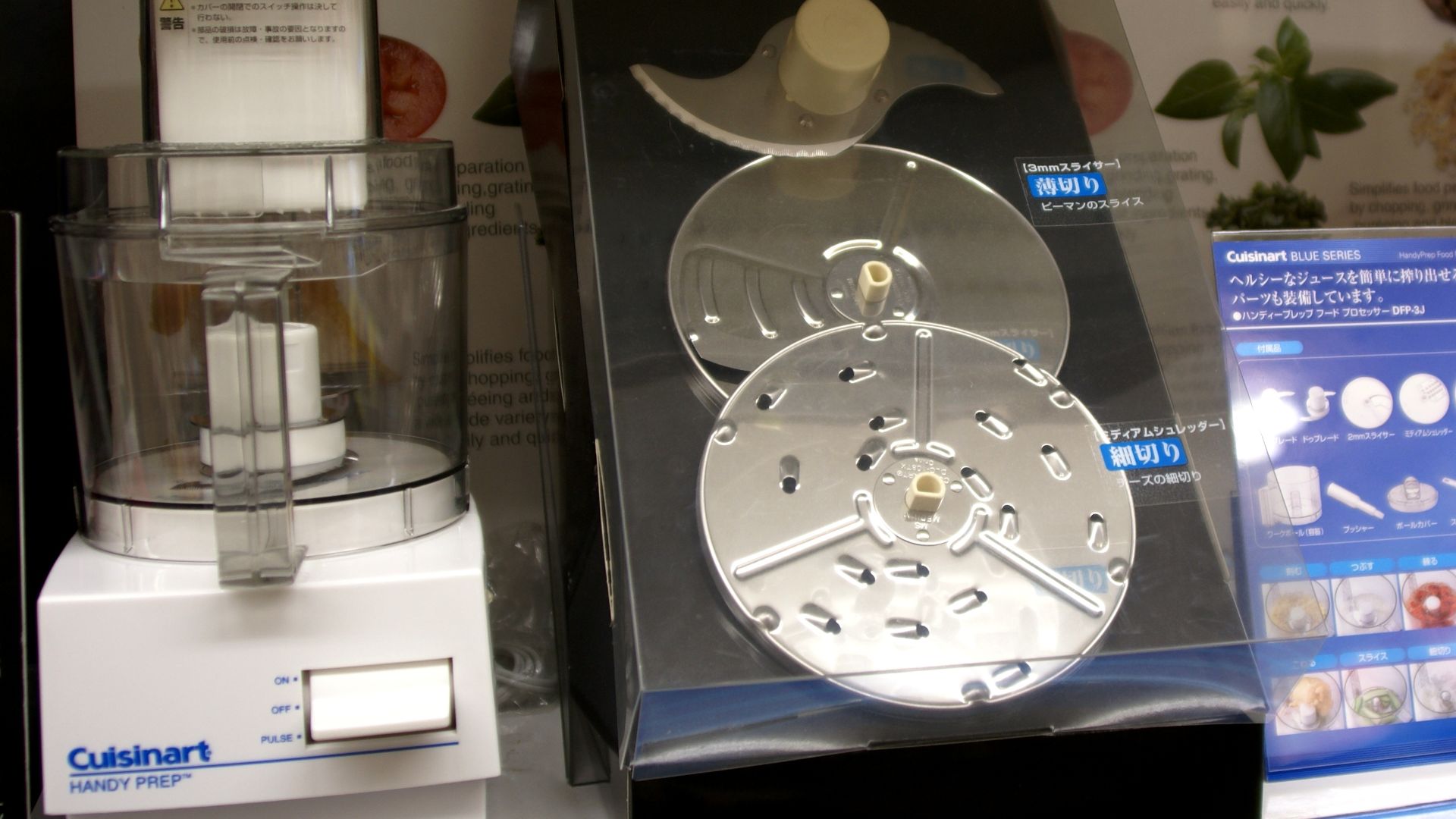
The Cuisinart Food Processor
Introduced to American consumers in 1973, the Cuisinart food processor promised to chop, slice, shred, and mix ingredients in seconds. Home cooks suddenly had access to equipment inspired by professional kitchens. It wasn't cheap, but that didn't stop people from wanting one. Some original machines were built like absolute tanks.
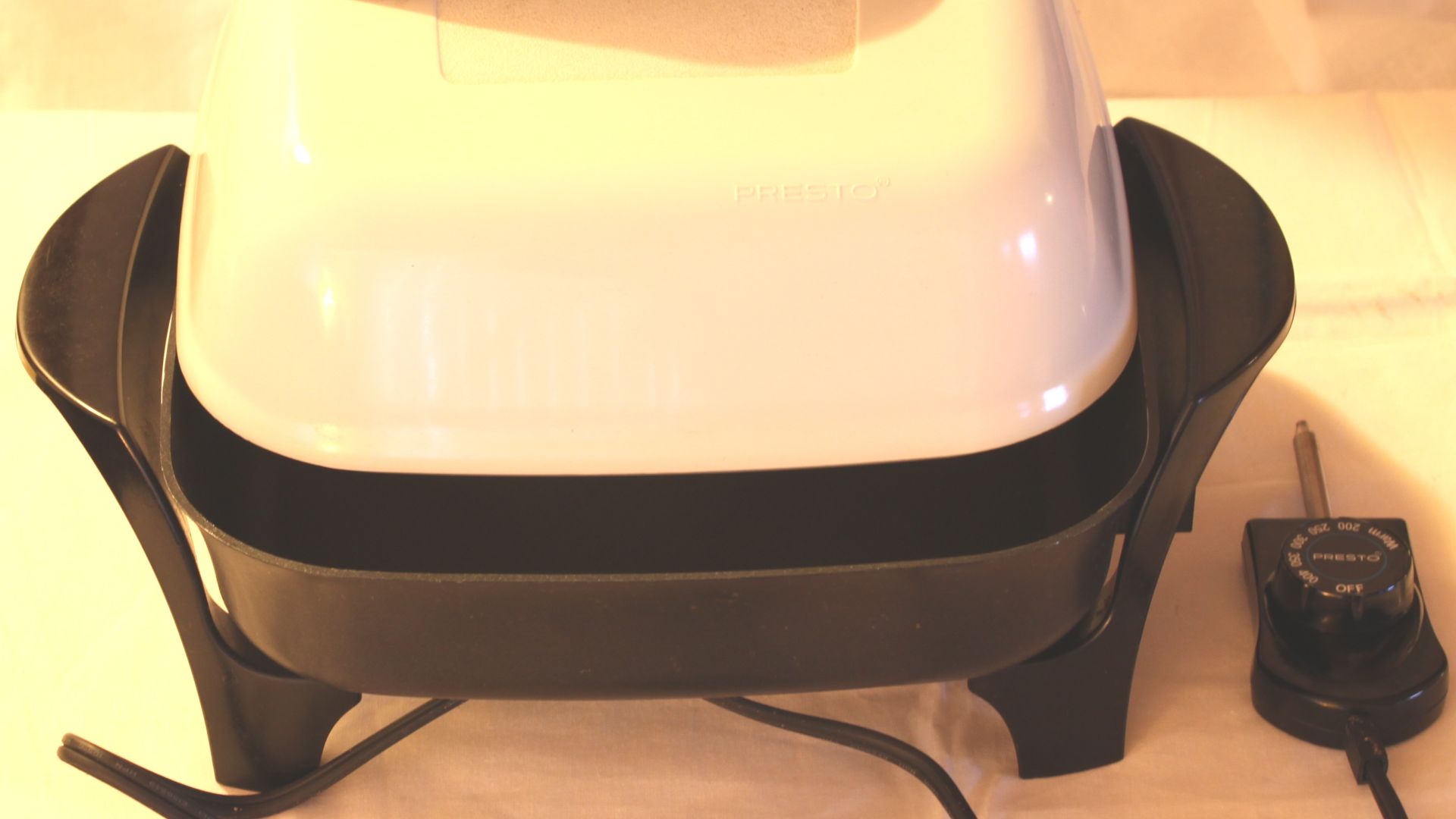
The Electric Skillet
Why bother heating the entire stove when you could cook dinner directly on the countertop? Electric skillets were especially useful for frying chicken, making pancakes, and preparing family-sized meals. With adjustable temperature controls and removable heating elements, they seemed incredibly convenient. Plenty of grandparents still swear theirs cooks better than a frying pan.
 Dwight Burdette, Wikimedia Commons
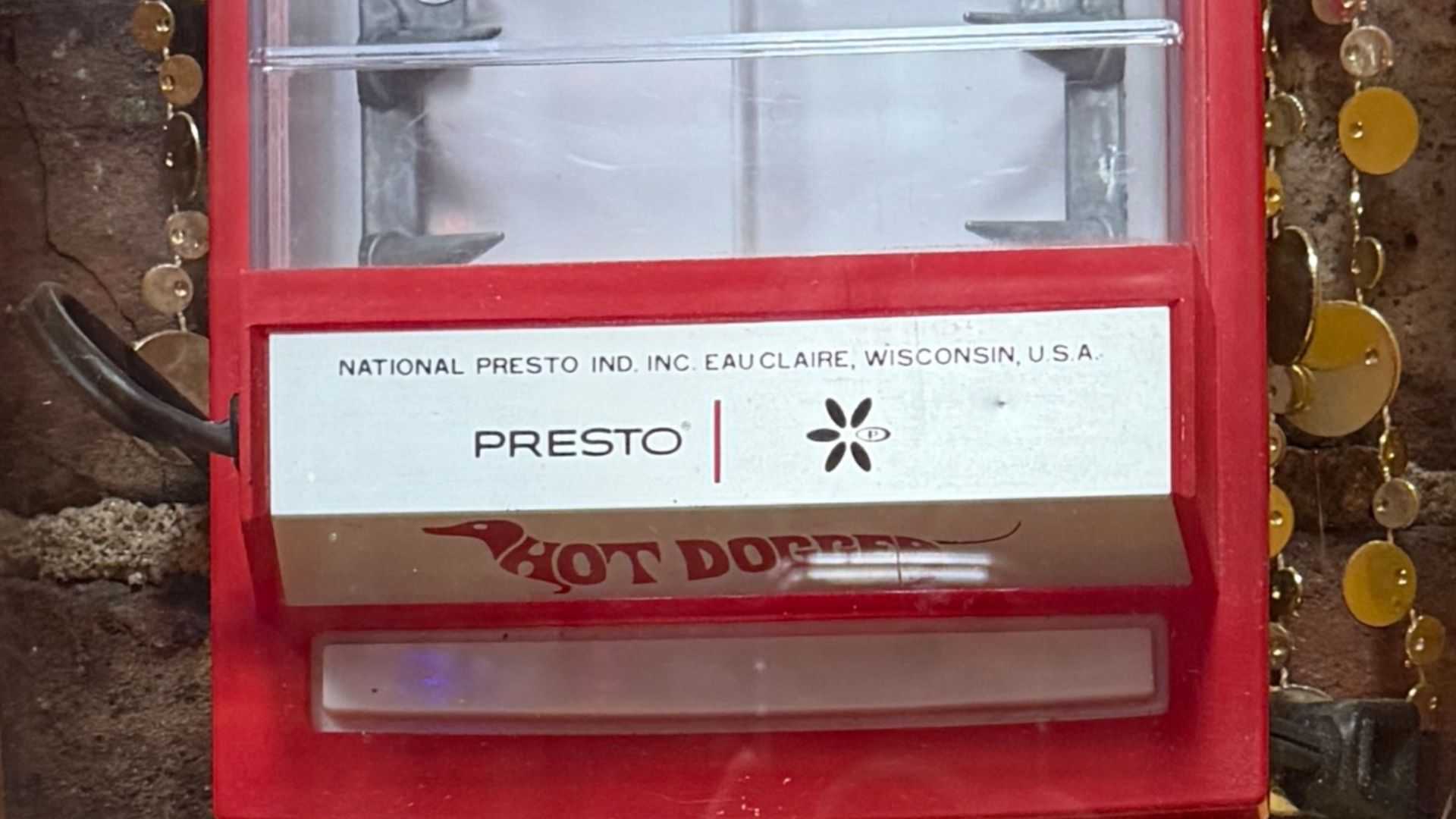
The Presto HotDogger
Few kitchen gadgets captured the strange genius of the era quite like the Presto HotDogger. This unusual appliance cooked hot dogs by passing electricity directly through them. It sounded futuristic, although watching hot dogs heat between metal contacts was certainly unusual. Naturally, it became one of those products nobody forgot.
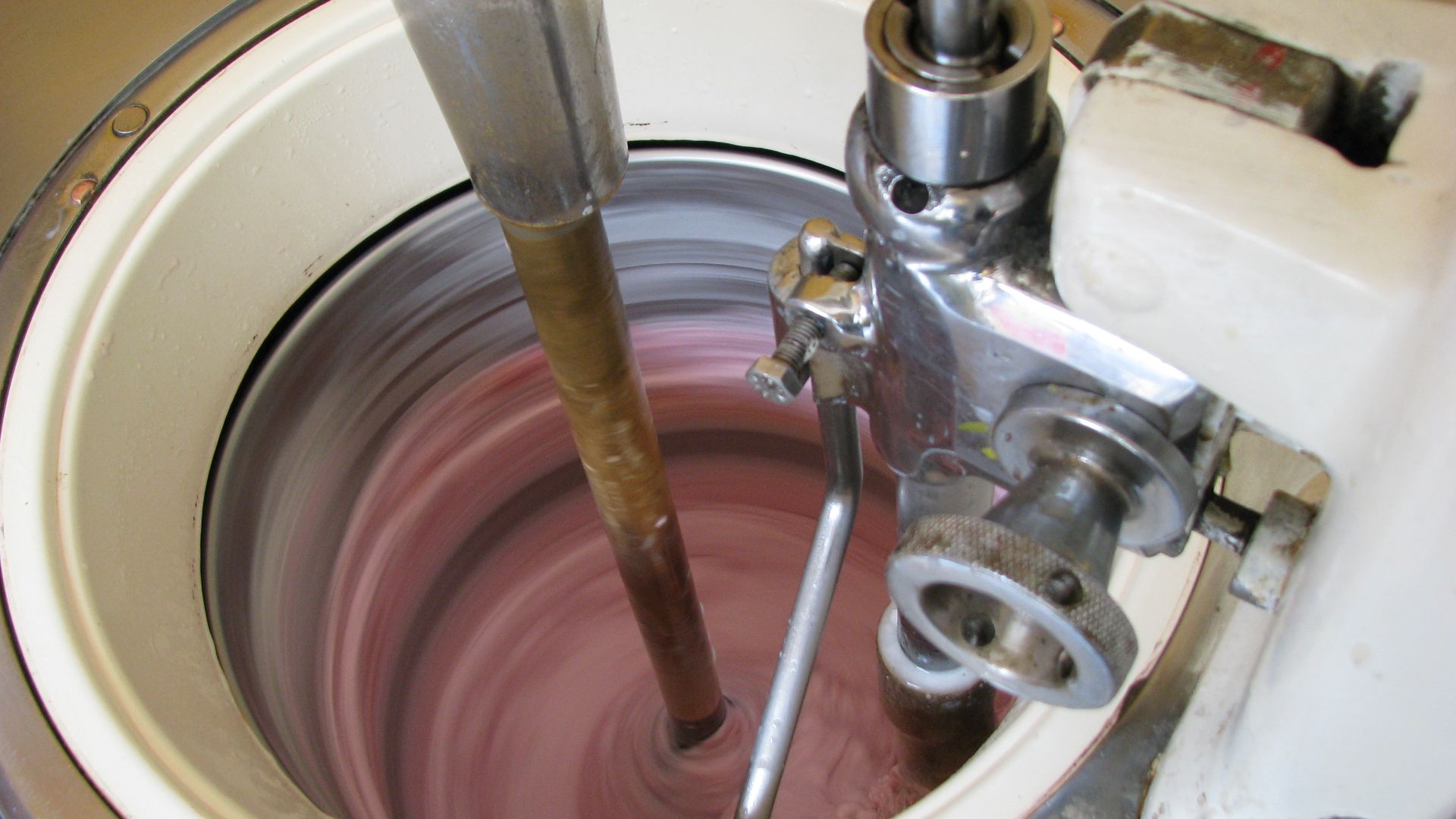
The Electric Ice Cream Maker
Homemade ice cream once required plenty of cranking, patience, and elbow grease. Electric models took over the hard work, leaving families to enjoy their favorite frozen treats. They were particularly popular for summer gatherings and backyard parties. Grandma might still have one in the basement, probably beside several forgotten extension cords.
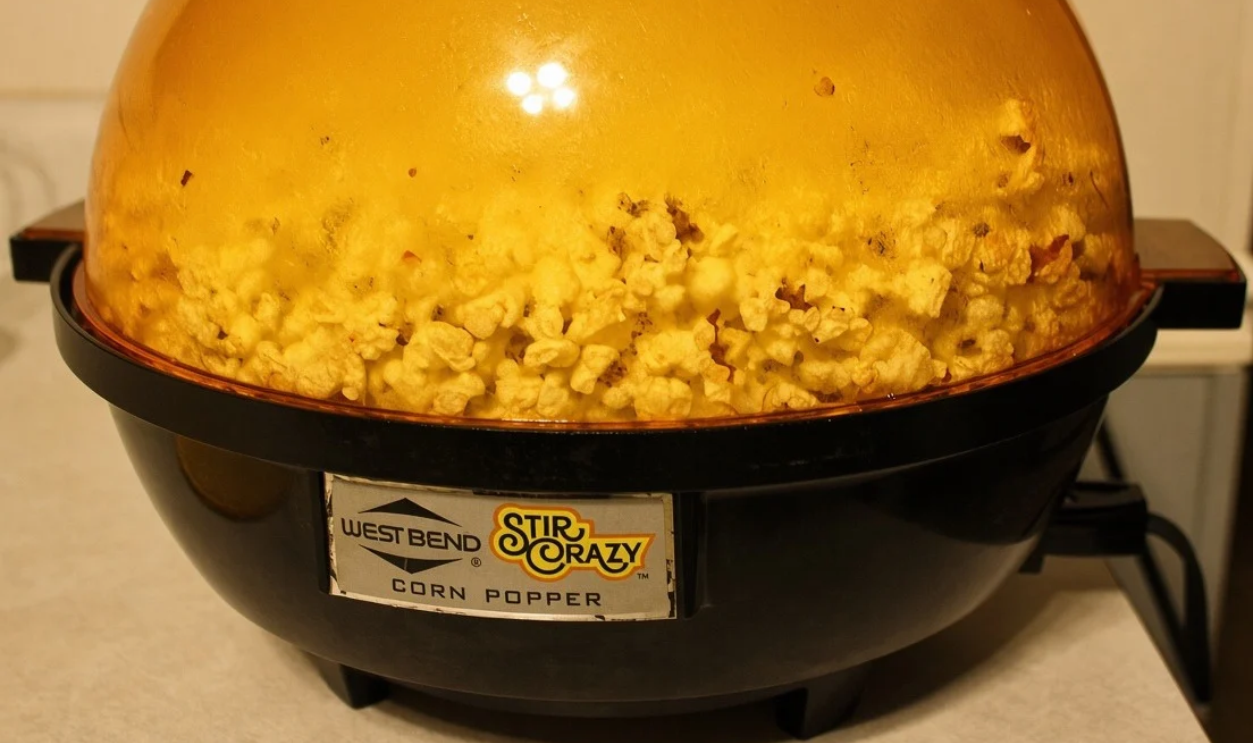
The Automatic Popcorn Popper
Before microwave popcorn became a household staple, electric popcorn makers offered a convenient alternative to cooking kernels on the stove. Some stirred the kernels automatically, while others popped them using hot air. Either way, they promised movie-theater excitement at home. Naturally, the best part was watching everything pop through the transparent lid.
 Royalbroil, Wikimedia Commons, Modified
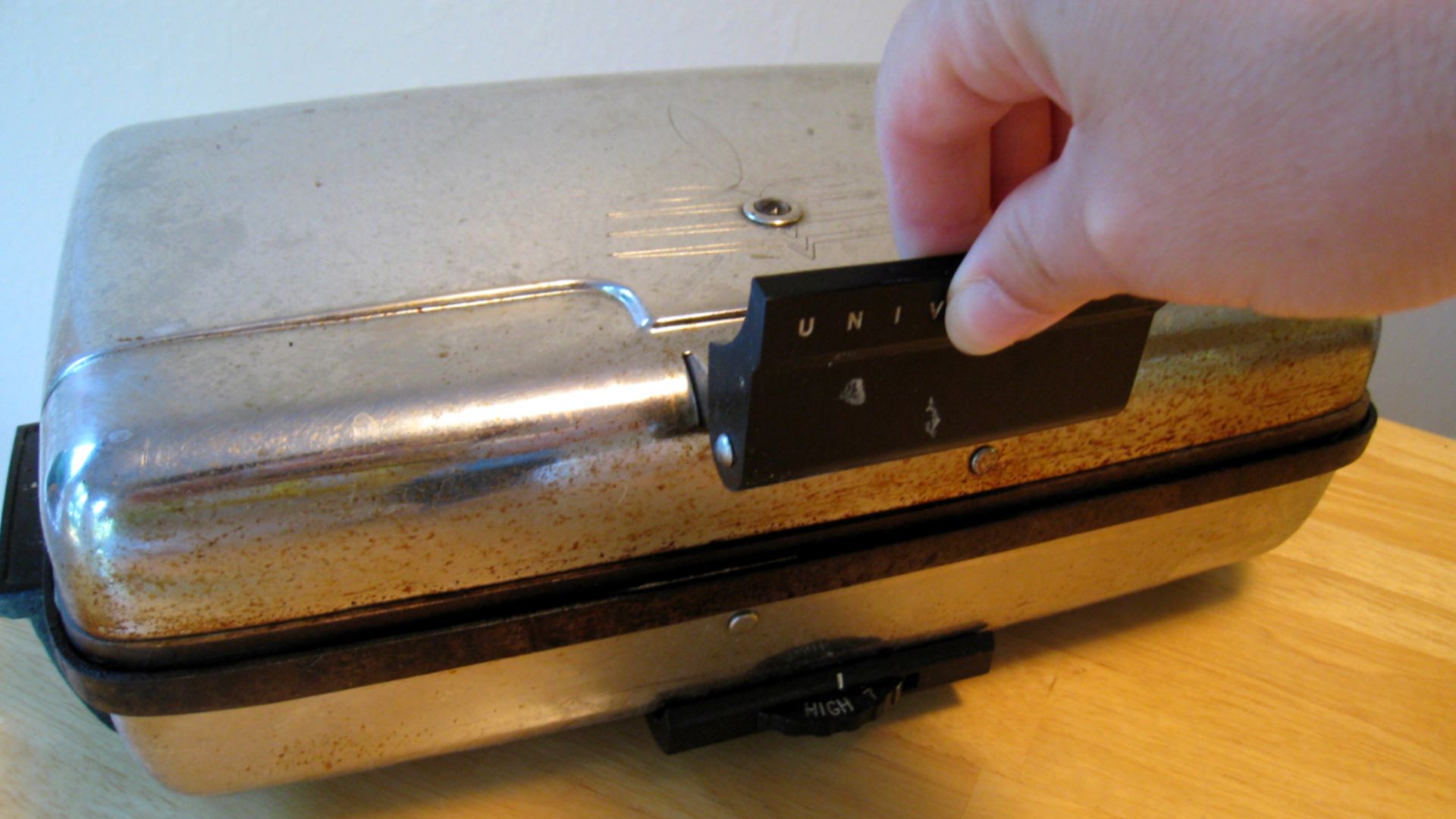
The Electric Waffle Iron
A homemade waffle breakfast suddenly seemed effortless with an electric waffle iron. No more wrestling with stovetop waffle molds or guessing when the batter was ready. Many featured nonstick surfaces and automatic temperature controls. The results weren't always perfect, but a generous helping of syrup usually covered up any mistakes.
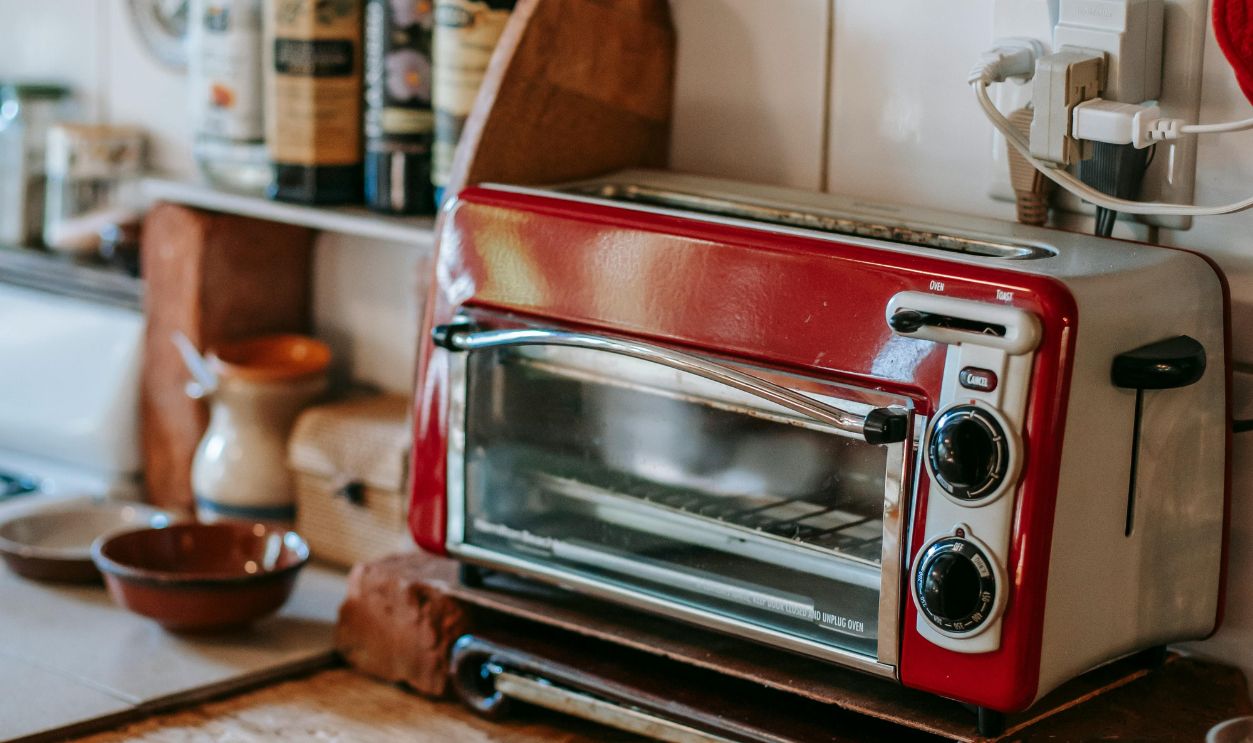
The Countertop Toaster Oven
Why heat a full-sized oven just to warm up yesterday's dinner? Toaster ovens offered a supposedly brilliant solution, promising quick heating, browning, and baking without the fuss. By the 1970s, they were fixtures in many American kitchens. Some grandparents still prefer their trusty old toaster oven to a modern microwave.
The Electric Food Dehydrator
With home food preservation attracting interest, electric dehydrators promised an easier way to make dried fruit, vegetables, and homemade snacks. Stack the trays, switch on the machine, and let warm air do the work. They sounded wonderful in advertisements, although drying apple slices could take considerably longer than anyone expected.
 Szymon Żywicki, CC BY-SA 3.0, Wikimedia Commons
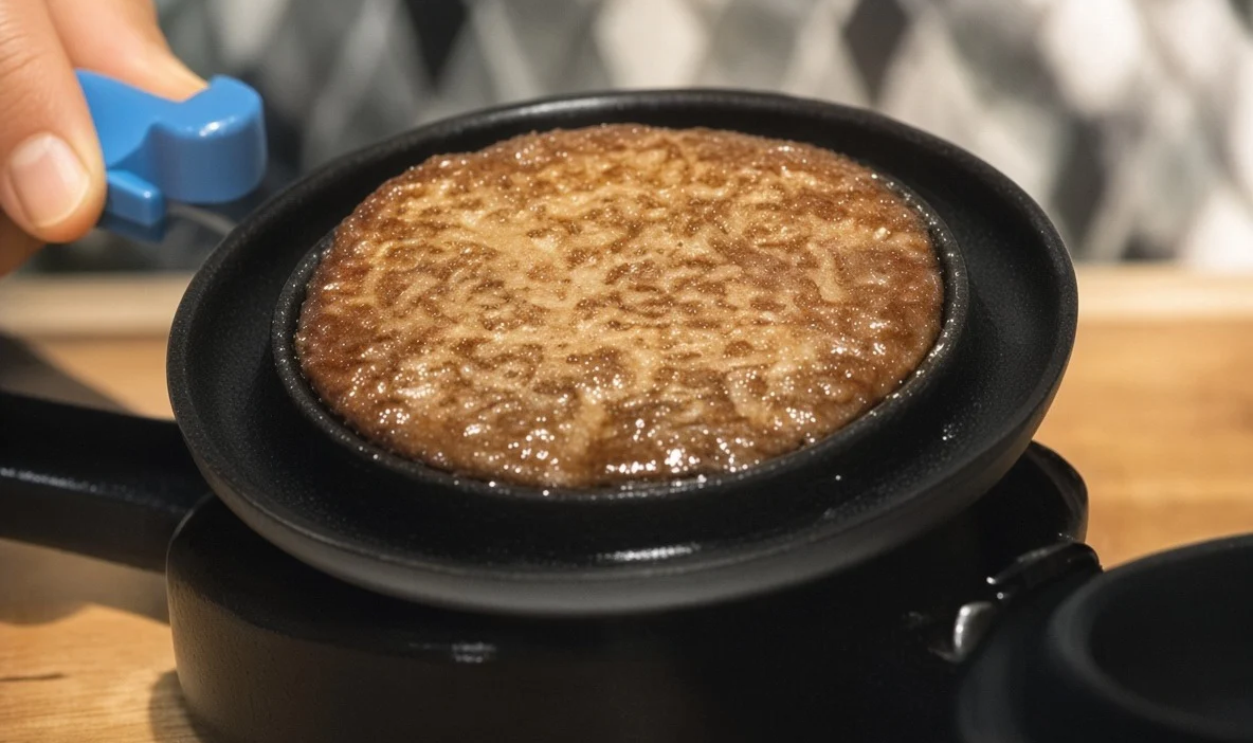
The PrestoBurger Hamburger Cooker
Introduced in 1974, the PrestoBurger promised to cook hamburgers quickly without firing up the stove or backyard grill. Its compact size made it convenient for preparing smaller meals. It was an early example of appliances designed for one specific job. Whether that job justified another kitchen gadget was another question.
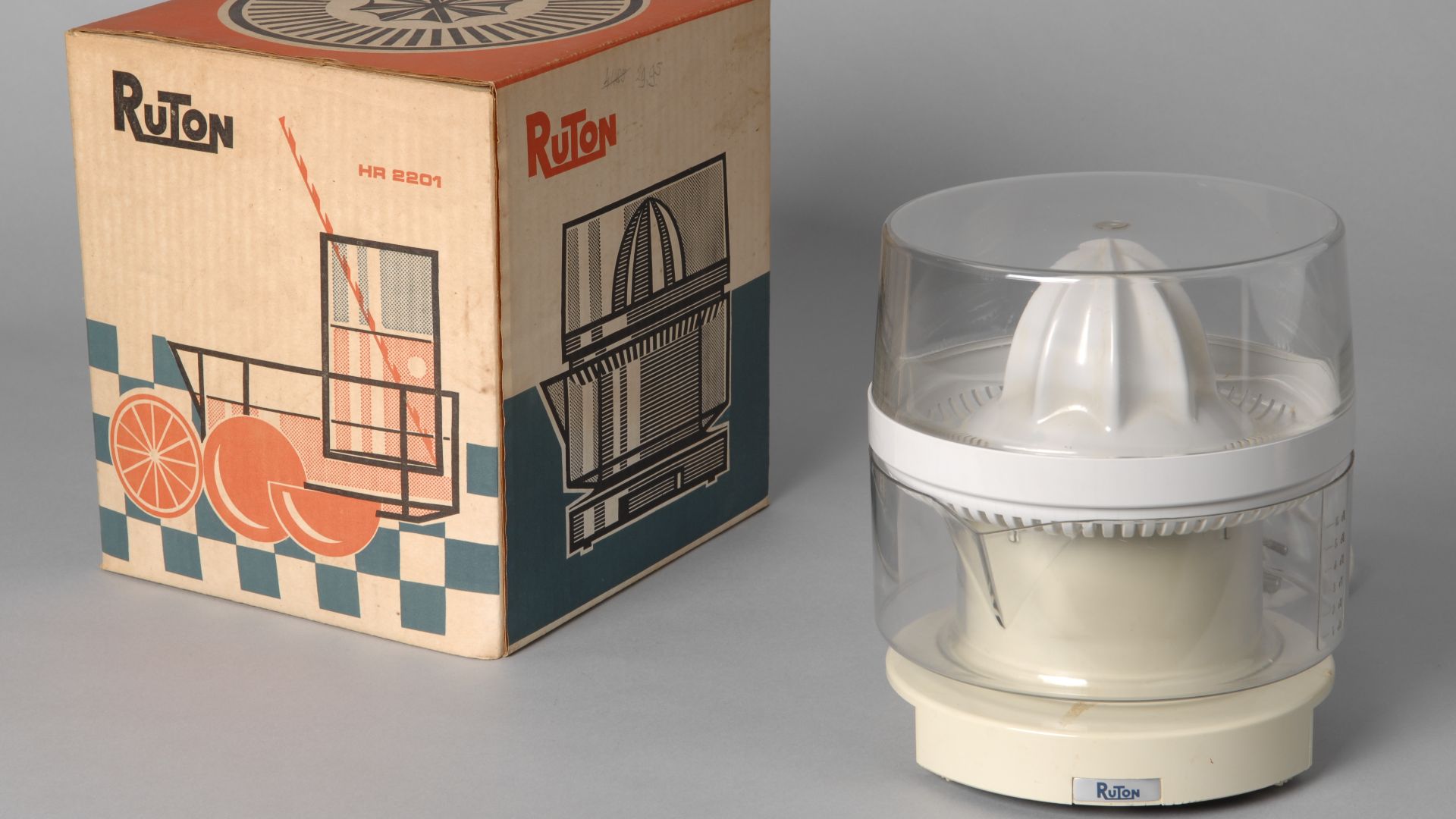
The Electric Juicer
Fresh juice sounded like the perfect beginning to a healthier morning. Electric citrus juicers promised to squeeze oranges and grapefruit without all that tiresome twisting. Some models featured automatic reamers and containers for collecting juice. Of course, washing the machine afterward could take longer than drinking the juice itself.
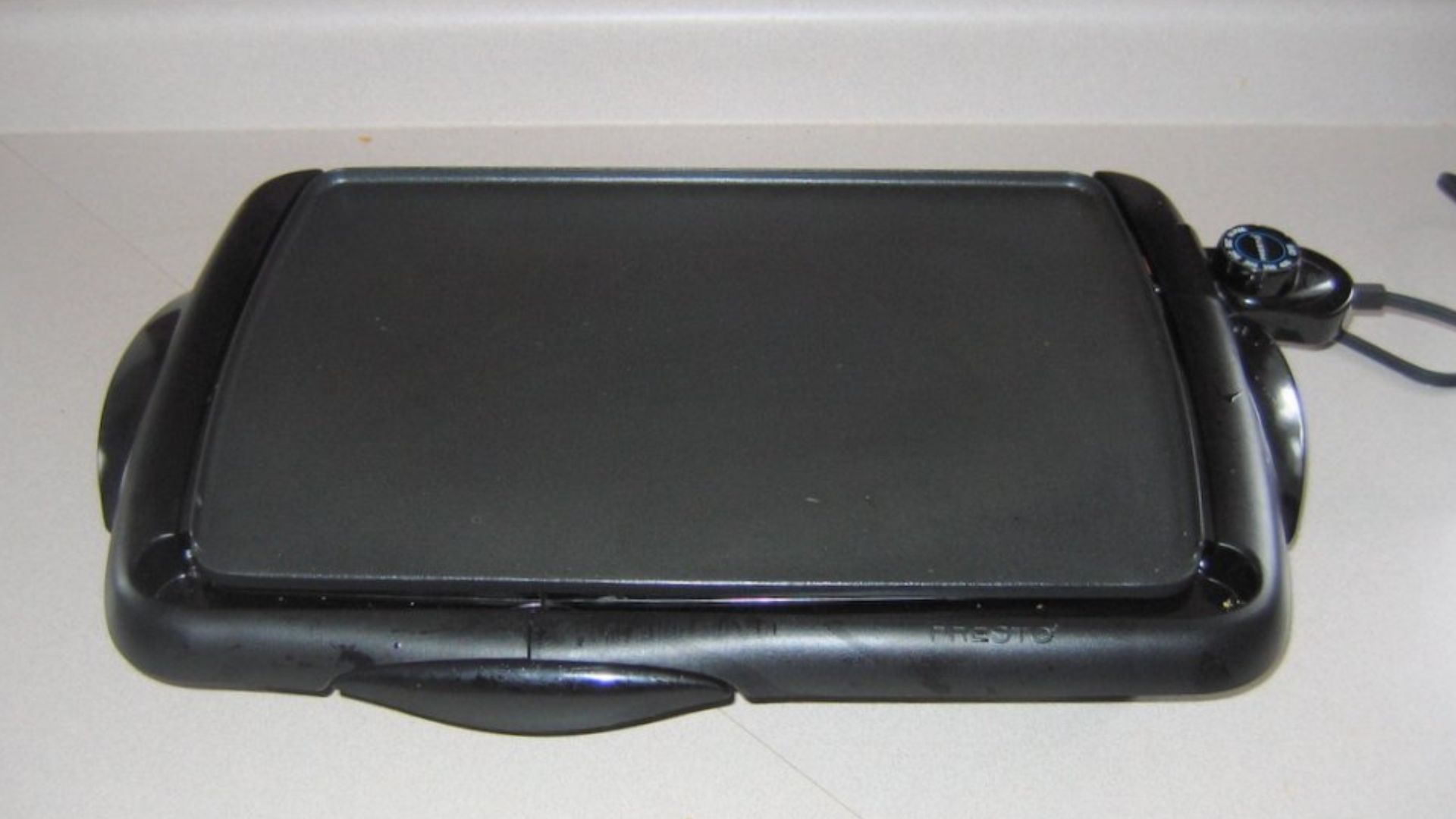
The Electric Griddle
Cooking pancakes for an entire family could be a nightmare when using just one frying pan. Electric griddles offered a larger, evenly heated cooking surface that made breakfast preparation much easier. They were ideal for bacon, eggs, and grilled sandwiches. There's probably still one hiding above somebody's refrigerator.
 Original uploader was Jonathan Kovaciny at en.wikipedia, Wikimedia Commons
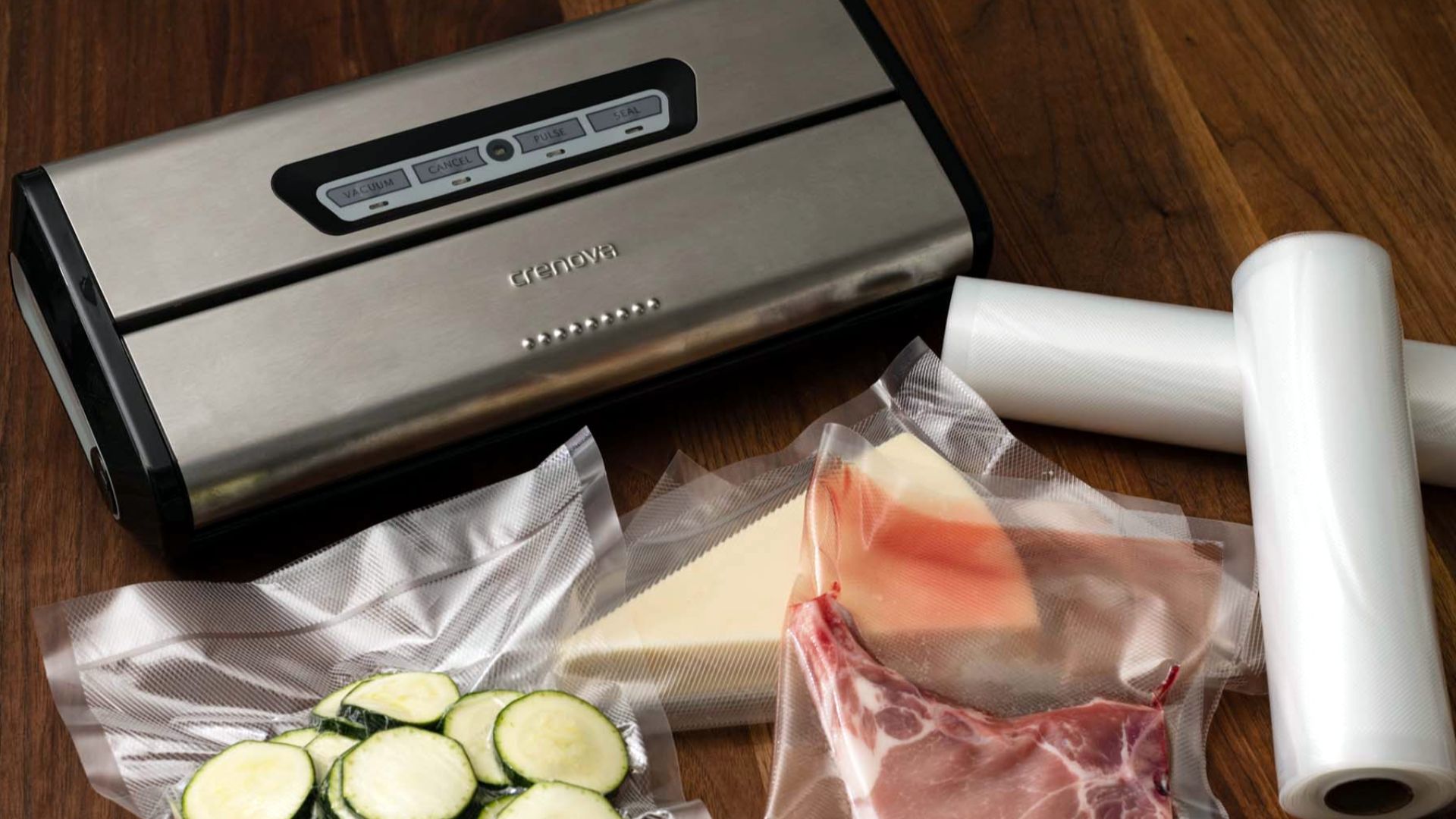
The Dazey Seal-A-Meal
Before modern vacuum sealers became popular, products like the Dazey Seal-A-Meal offered a clever way to store food. Its heated sealing mechanism closed specially designed plastic bags, helping families package leftovers and freezer portions. A 1976 advertisement even promoted cooking sealed food in boiling water. Grandma was meal-prepping before it was fashionable.
 Your Best Digs, Wikimedia Commons
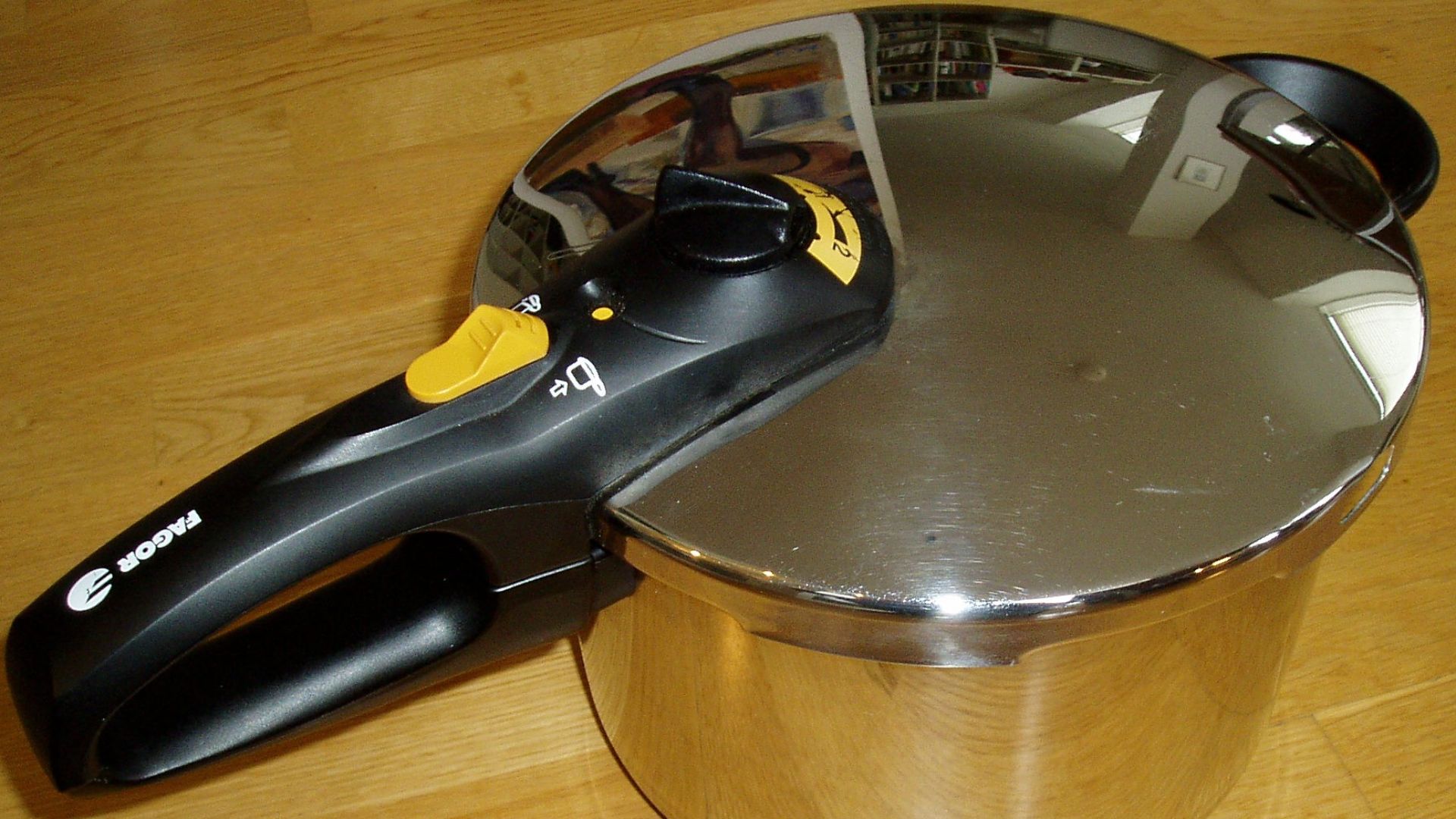
The Electric Pressure Cooker
Pressure cookers weren't new in the 1970s, but electric and automatic cooking appliances helped fuel the dream of faster, easier meals. Traditional pressure cookers remained familiar sights in home kitchens, too. They promised tender meats and quicker cooking times. That distinctive hissing sound, however, could make dinner preparation feel rather dramatic.
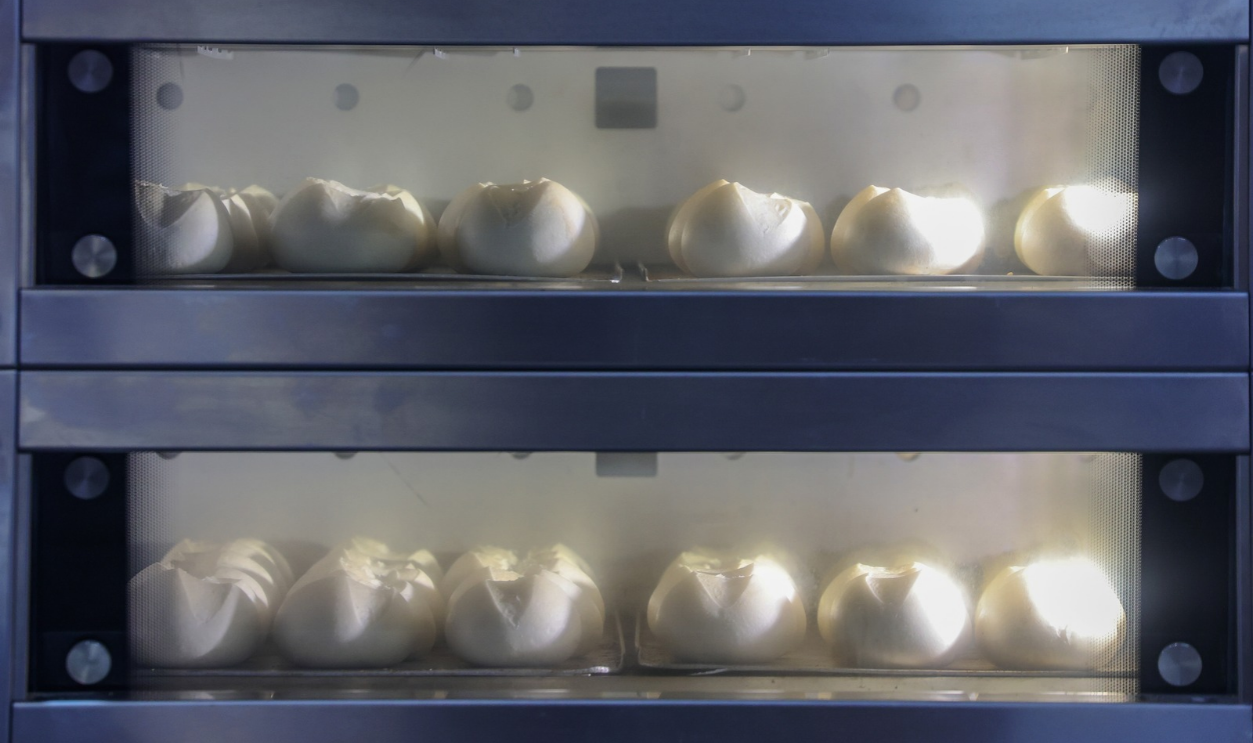
The Electric Bun Warmer
Apparently, ordinary bread rolls simply weren't good enough anymore. Electric bun warmers promised perfectly heated dinner rolls without using the oven. Some featured warming plates and fabric-covered baskets to keep everything toasty. They were especially handy for entertaining, although they also occupied precious storage space between holiday dinners.
 picture alliance, Getty Images
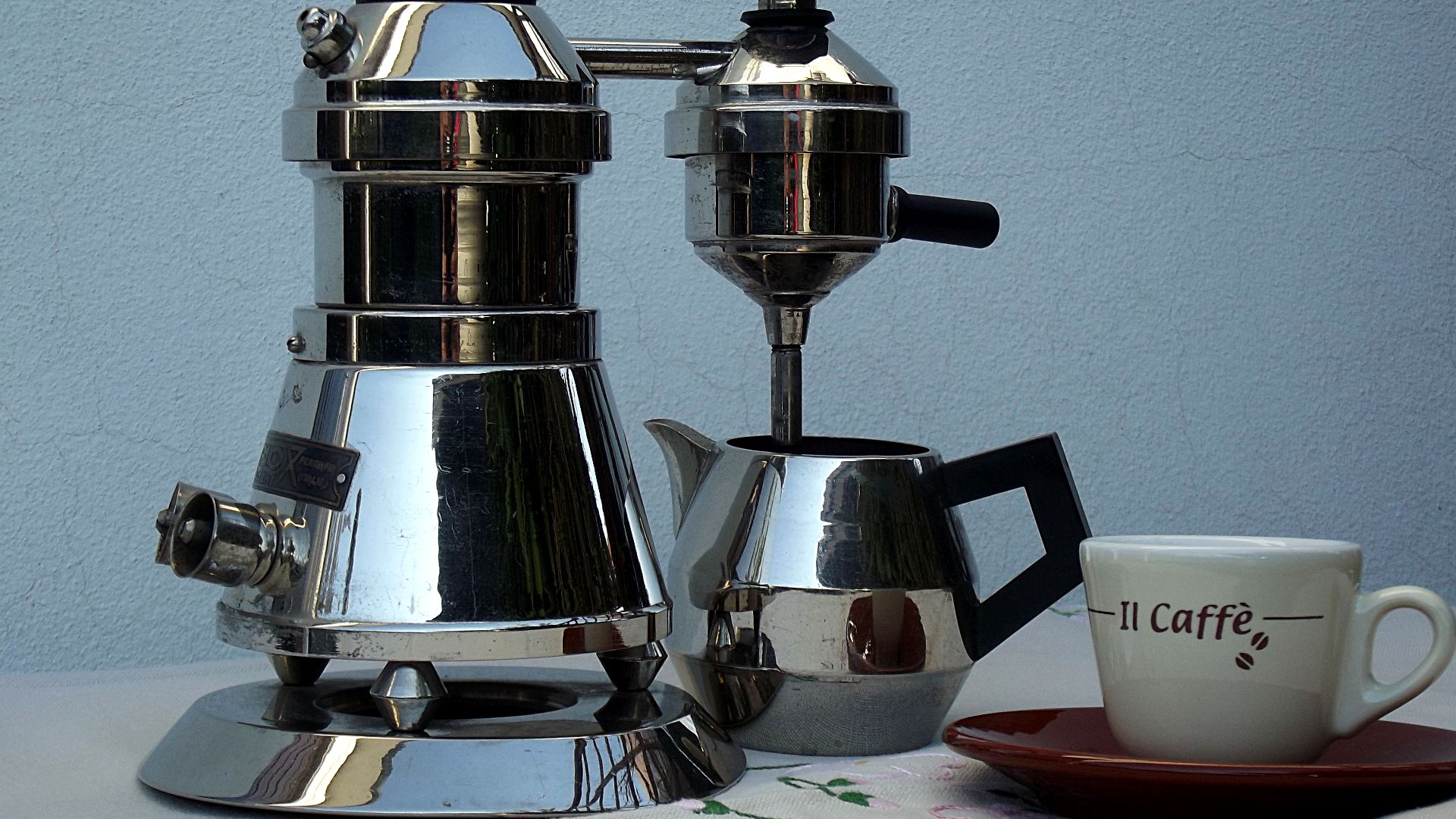
The Automatic Electric Percolator
Even with drip coffee makers becoming fashionable, electric percolators remained popular throughout the 1970s. They could brew coffee and keep it warm without requiring a stovetop burner. Their familiar bubbling sounds became part of countless family mornings. Some coffee drinkers still insist nothing tastes quite like coffee from an old-fashioned percolator.
The Presto FryBaby Deep Fryer
Introduced in 1976, the Presto FryBaby offered a countertop solution for anyone craving homemade French fries. Using just two cups of oil, it could prepare small servings without a large pot on the stove. Families loved the convenience. Naturally, the promise of effortless frying didn't include the cleanup afterward.
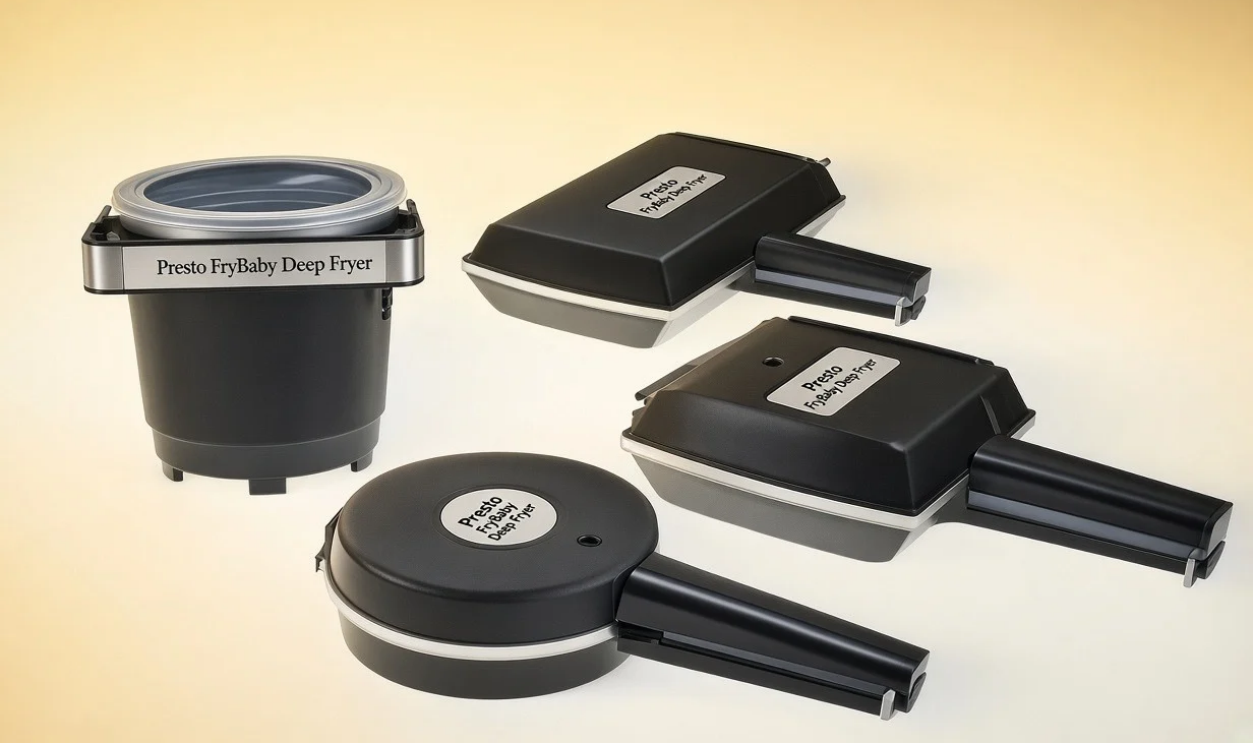 Screenshot from Presto FryBaby Deep Fryer, National Presto Industries, Inc. (1976), Modified
The Electric Hand Mixer
Although electric hand mixers had been around for decades, updated 1970s models promised convenient baking with multiple speeds, lightweight designs, and removable beaters. Whipping cream, mixing cake batter, and preparing mashed potatoes suddenly required much less physical effort. Many of those dependable machines are probably still hiding in kitchen cupboards today.
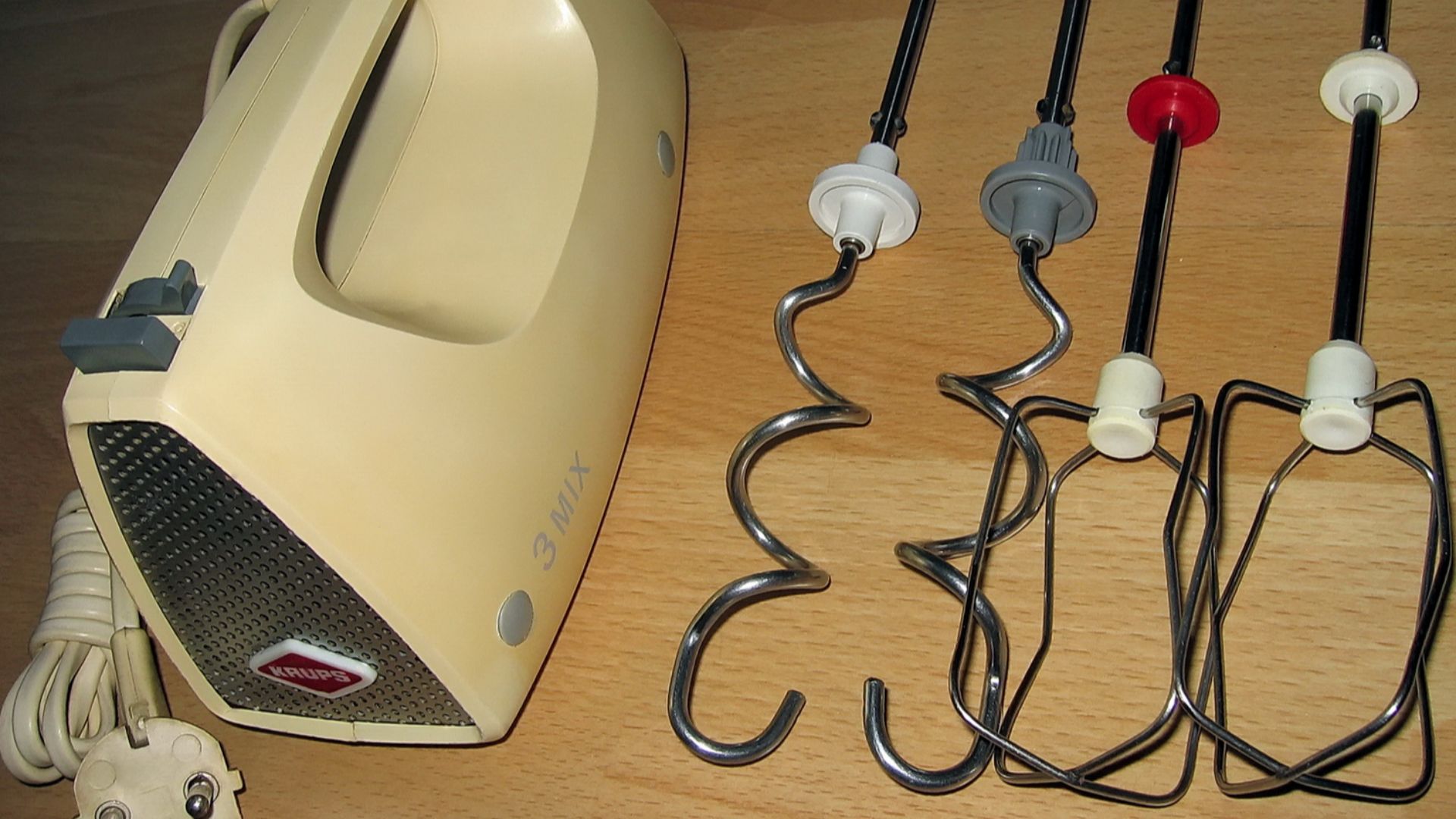 Johann H. Addicks at de.wikipedia, Wikimedia Commons
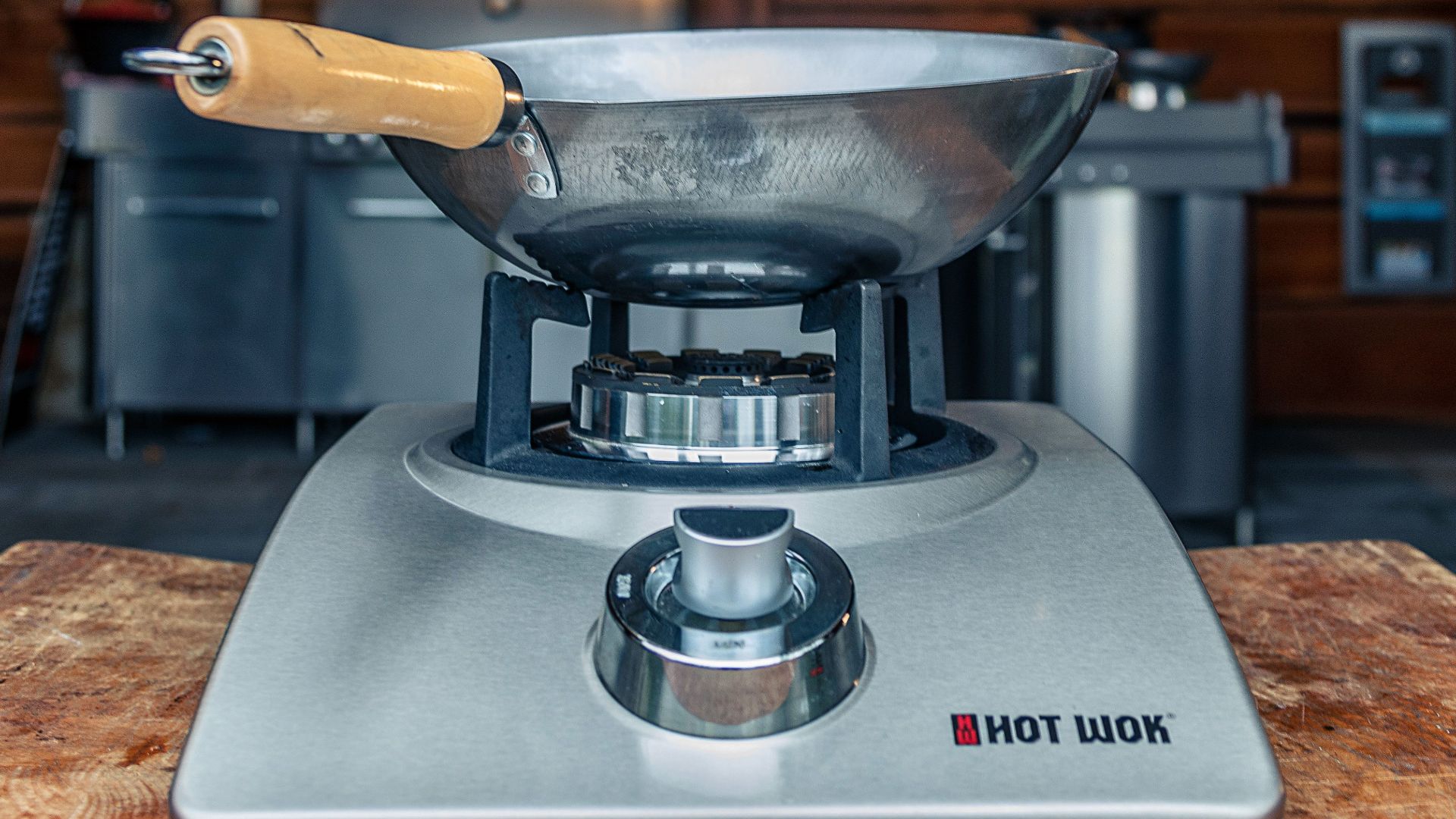
The Electric Wok
As Americans became increasingly interested in international cooking, electric woks promised restaurant-style meals without needing specialized stovetop equipment. Their adjustable heating controls made stir-frying seem approachable for beginners. West Bend was among the companies promoting them during the 1970s. Whether every family actually mastered stir-frying was another story.
The Electric Food Slicer
Why pay extra for sliced meat and cheese when you could prepare everything yourself? Electric food slicers promised professional-looking results at home. They appealed to families who regularly entertained or prepared large meals. Unfortunately, cleaning the blades and storing the bulky machine could make the convenience feel somewhat questionable.
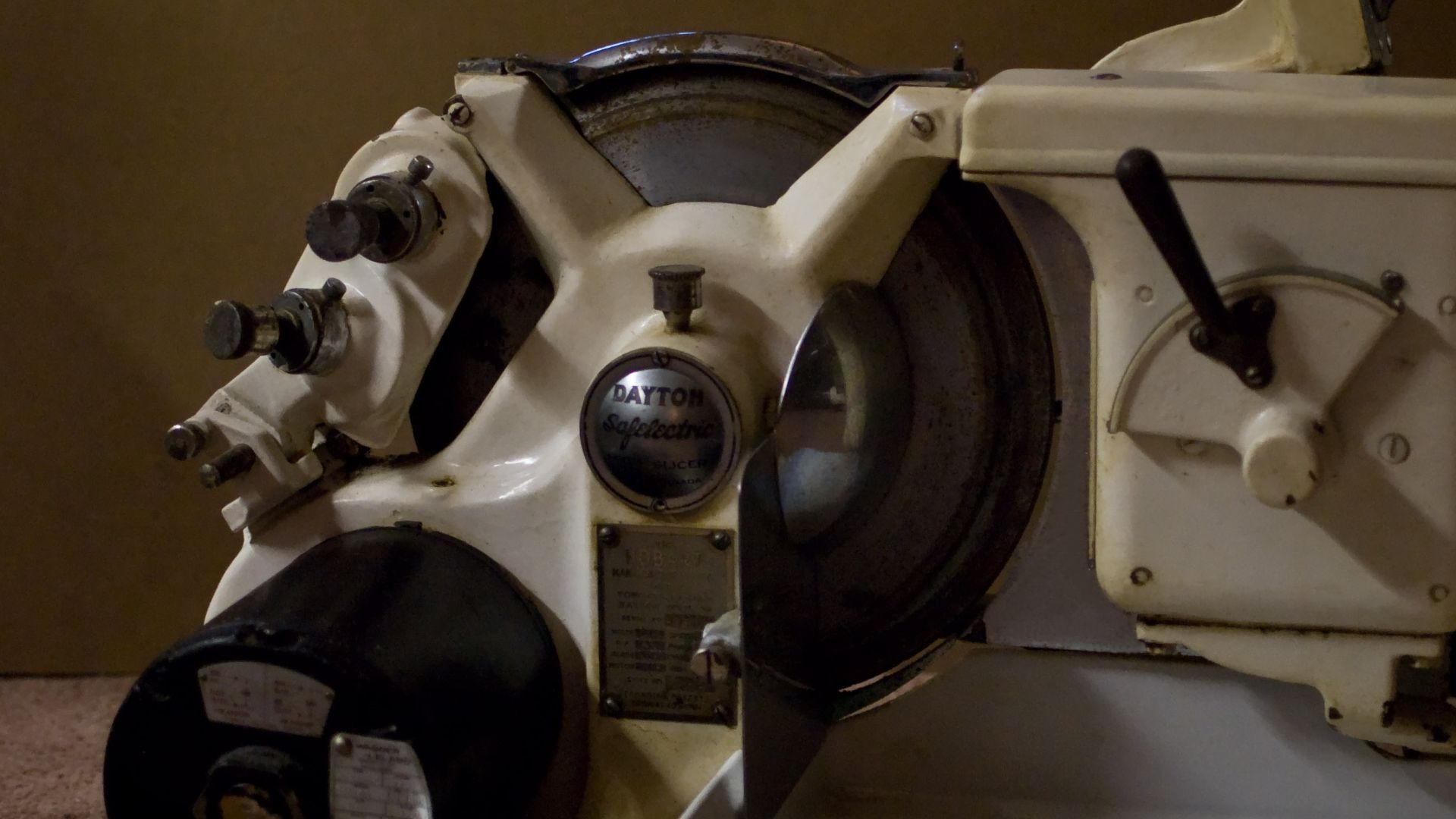 Verne Equinox, Wikimedia Commons
The West Bend Slo-Cooker Plus
West Bend's Slo-Cooker Plus took the slow-cooking idea further by promoting multiple ways to prepare meals. A 1976 advertisement highlighted its ability to stew, roast, bake, and even grill. For busy homemakers, the promise of replacing several appliances with one sounded irresistible. It was practically the 1970s answer to today's multifunction cookers.
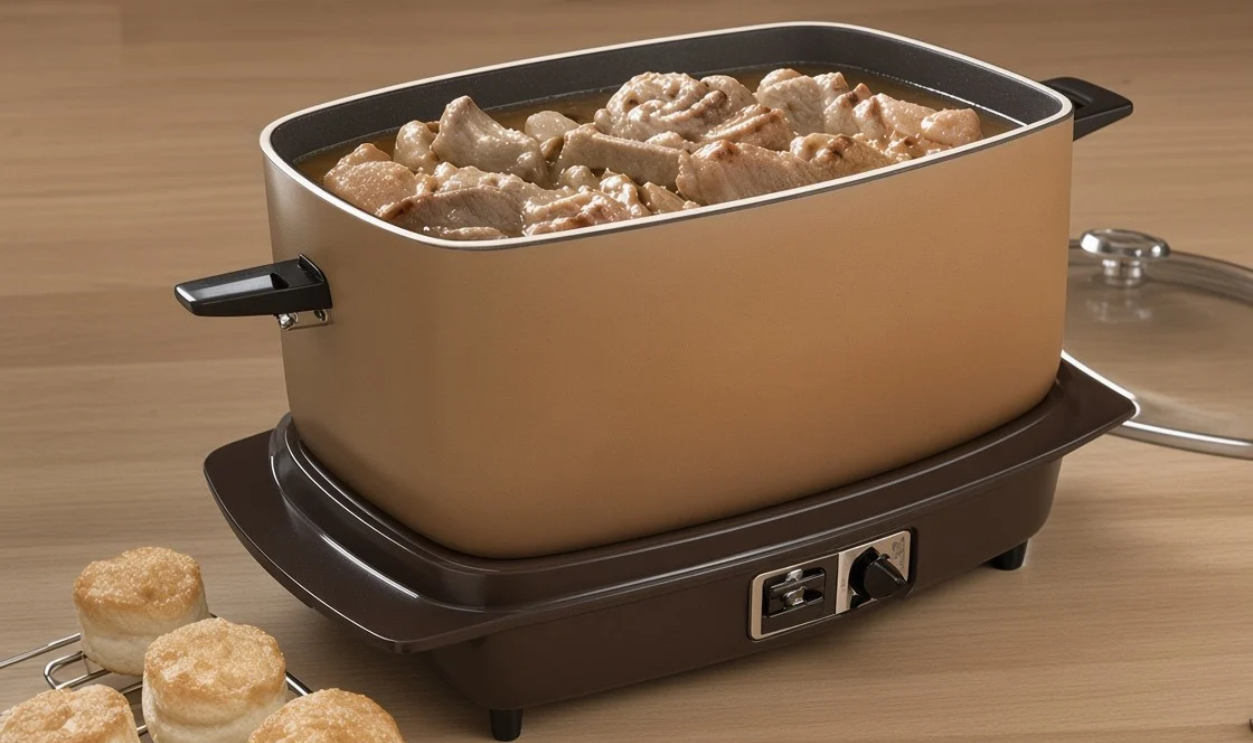 Screenshot from West Bend Slo Cooker Commercial, West Bend Company (1977), Modified
Did Grandma Know Something We Didn't?
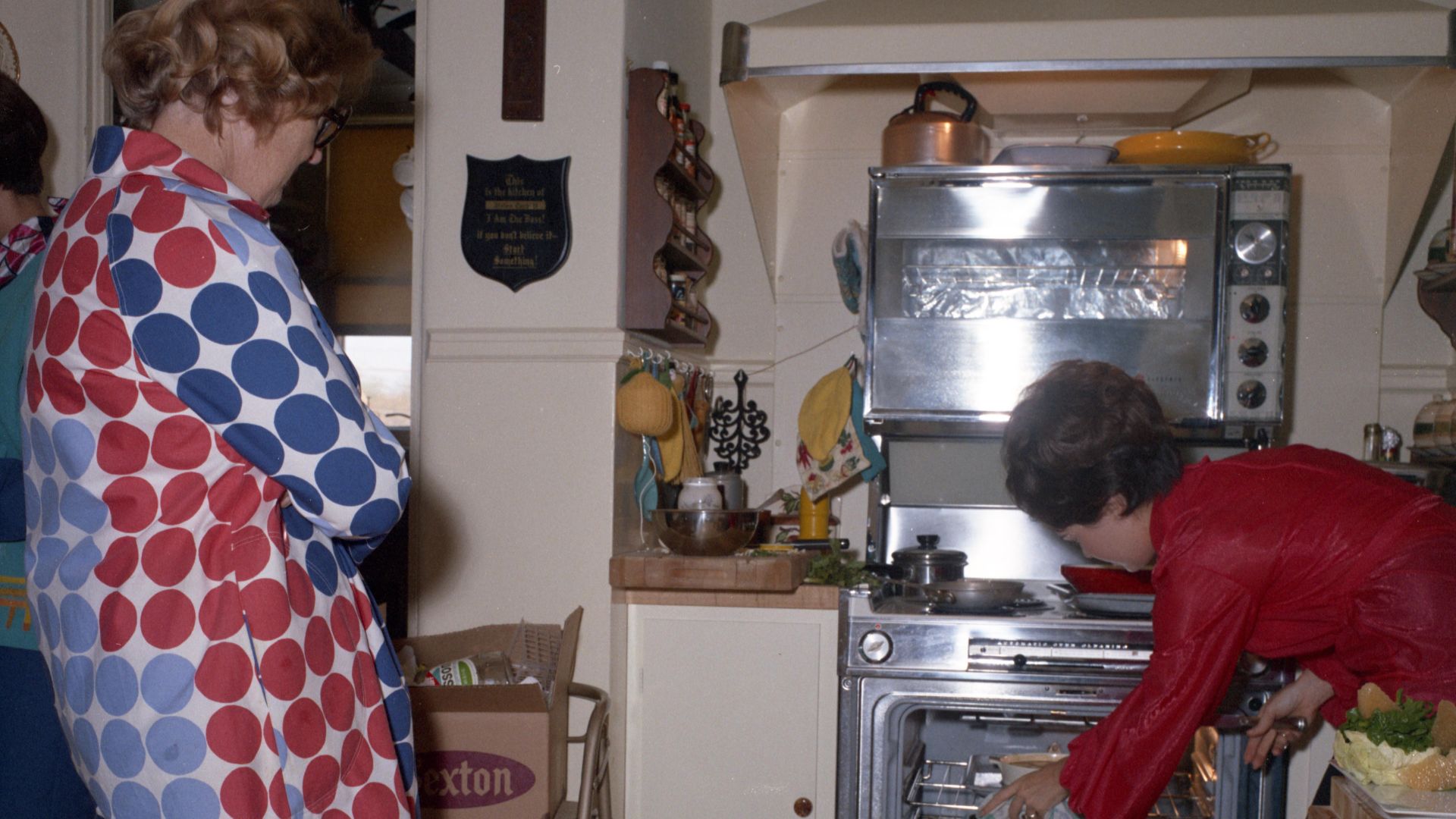
Looking back, plenty of these gadgets seem unnecessary, oversized, or hilariously specific. But others genuinely changed how Americans cooked. Some are still going strong decades later, while newer replacements have already come and gone. So next time you visit your grandparents, take a look around the kitchen. How many can you spot?
 Texas State Archives from Austin, Texas, USA, Wikimedia Commons
You May Also Like:
Priceless Paintings Went Missing, Where They Turned Up Was Even Stranger
Historic Buildings That Were Hiding Secrets Nobody Expected to Find