One Of History's Greatest Minds
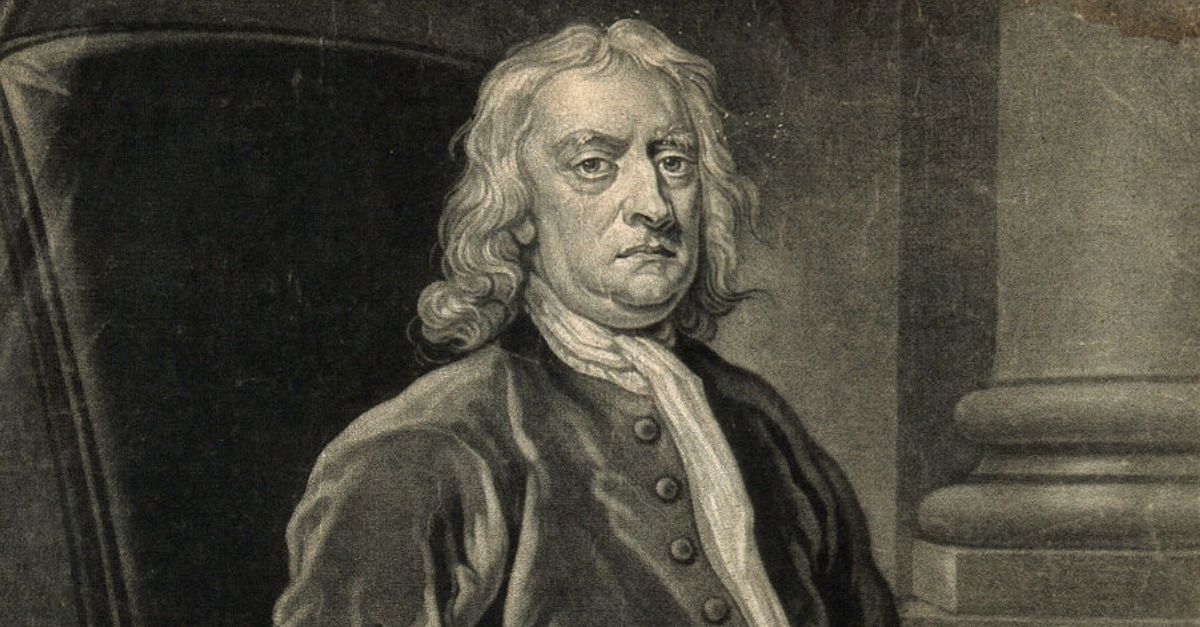
Born a farm boy, Isaac Newton (1643-1727) emerged as one of the greatest minds of the 17th century, a polymath who discovered the laws of motion, described gravity, and later became a politician, president of the Royal Society and Master of the Mint. We explore the colourful life of a cantankerous scientist.
A Revealing Remark
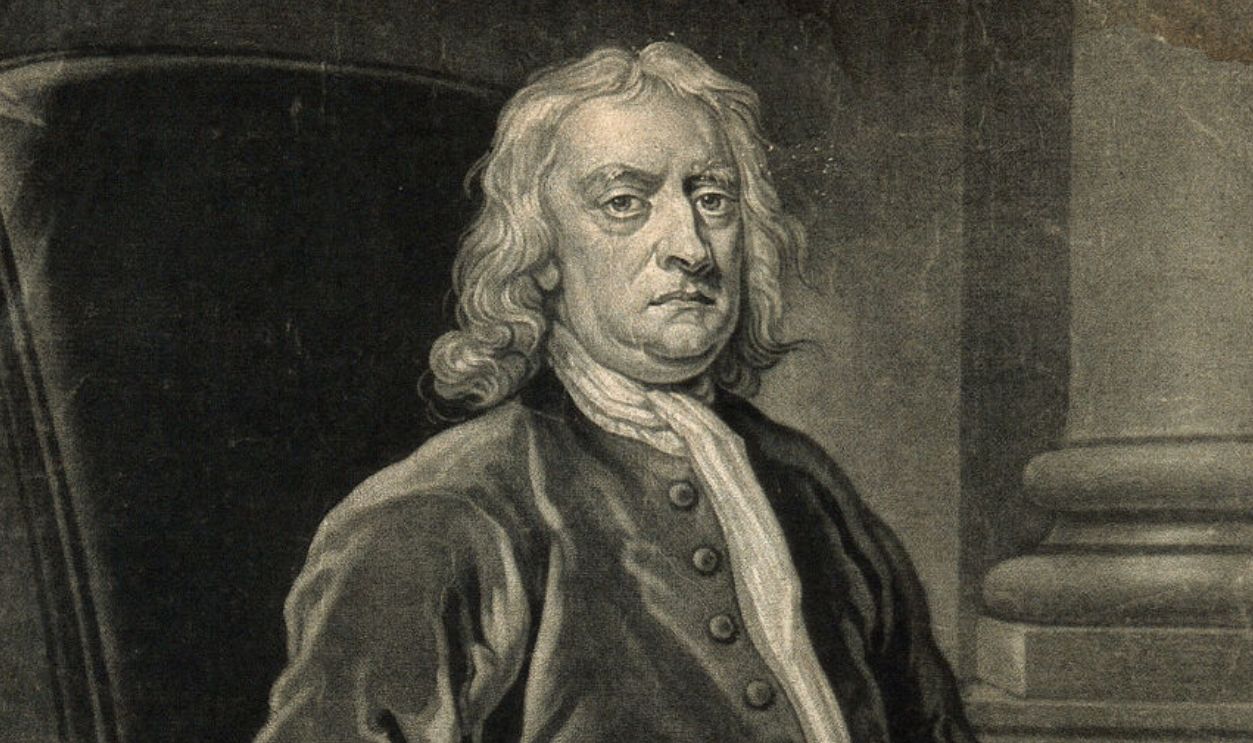
Isaac Newton once said, “If I have seen further, it is by standing on the shoulders of giants.” This became one of the most well-known quotes from the world of science, uttered over 300 years ago by the great mathematician and physicist. But there was perhaps more to the remark than meets the eye.
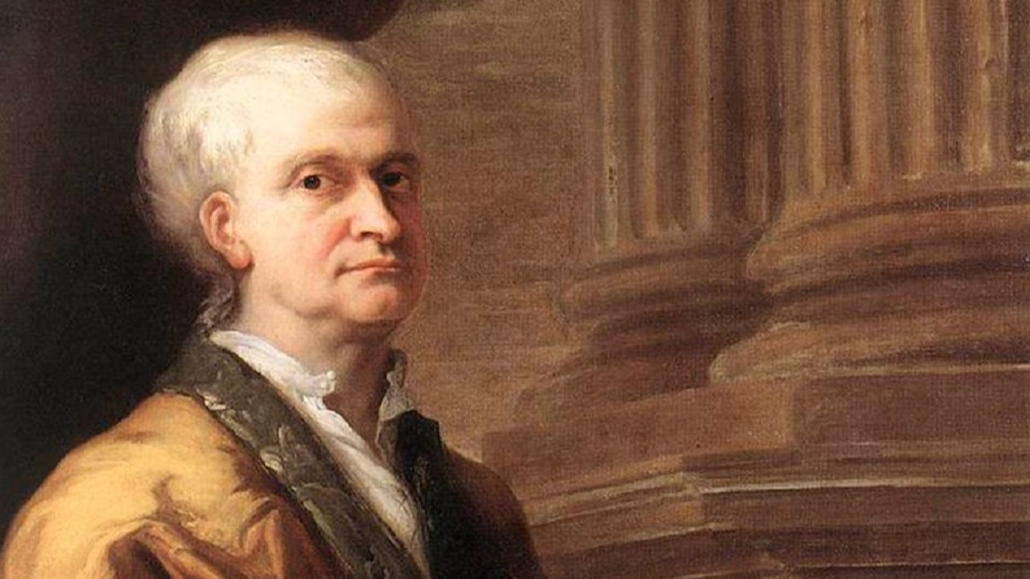 James Thornhill, Wikimedia Commons
A Shot At A Rival?
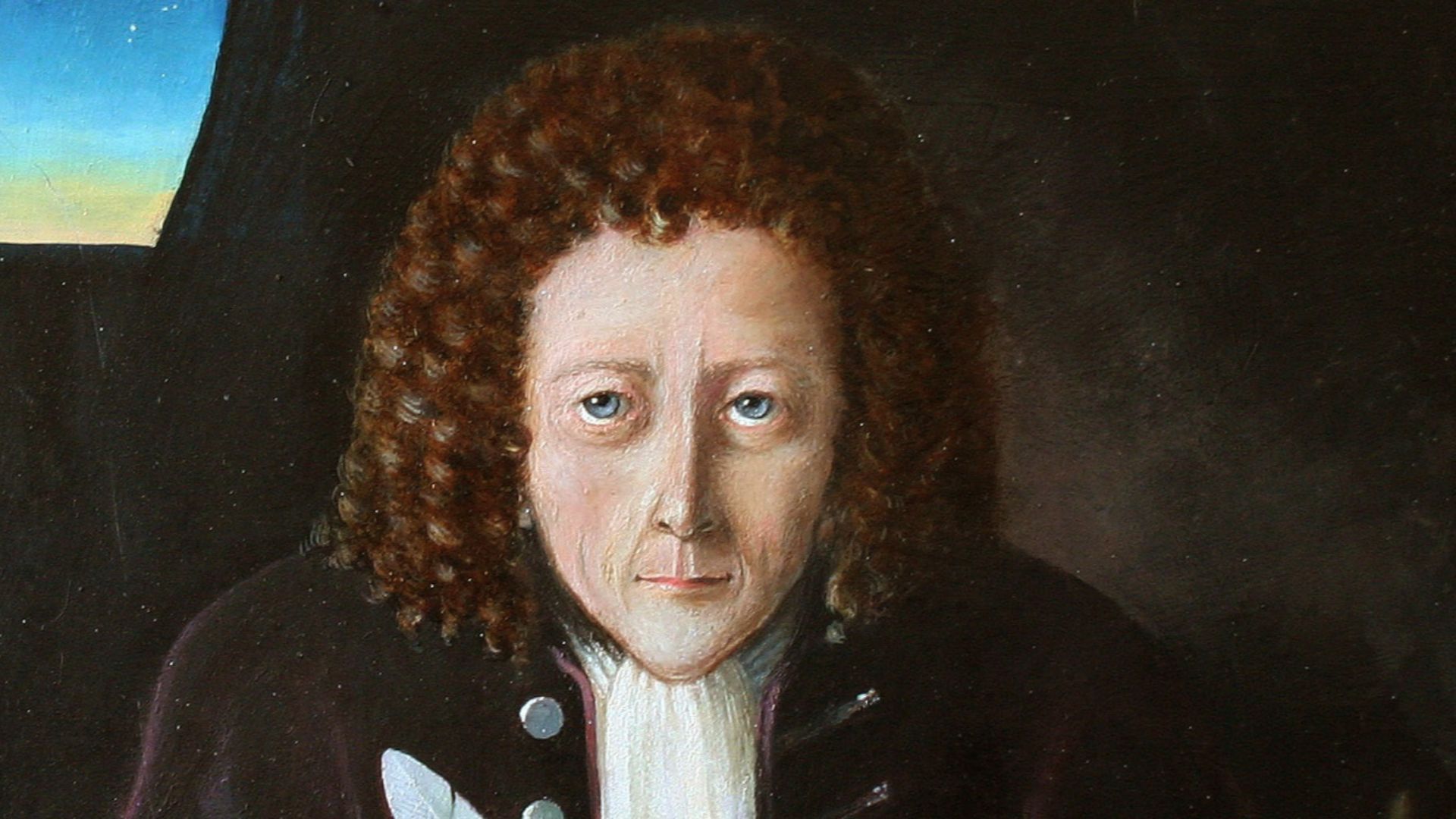
Newton's supporters would say that his "shoulders of giants" remark showed him to be a humble man, attributing his great successes to his predecessors and contemporaries. But those that knew the true nature of the power-hungry scientist thought otherwise, viewing the quote as a dig at one of his greatest rivals – physicist Robert Hooke – who was shorter than Newton and suffered from a stoop.
Isaac Newton's Early Life
Cantankerous, ambitious, and prone to intense outbursts, Newton entered the world with his fists at the ready. Born prematurely in a sleepy hamlet in Lincolnshire, he was a tiny baby, who avoided the dreaded plague that was ravaging the country at the time. His father died three months after he was born, and he later felt spurned by his family, after he was packed off to live with his grandmother while his mother married a reverend from a nearby village – a man he came to loathe.
 Luestling~commonswiki, Wikimedia Commons
An Outstanding Student
Battling through his teenage years, Newton’s salvation was his studies. While his mother hoped he’d take over the family farm, his genius in the classroom didn’t go unnoticed and a life of academia beckoned. At Trinity College, Cambridge, Newton found a new father figure.
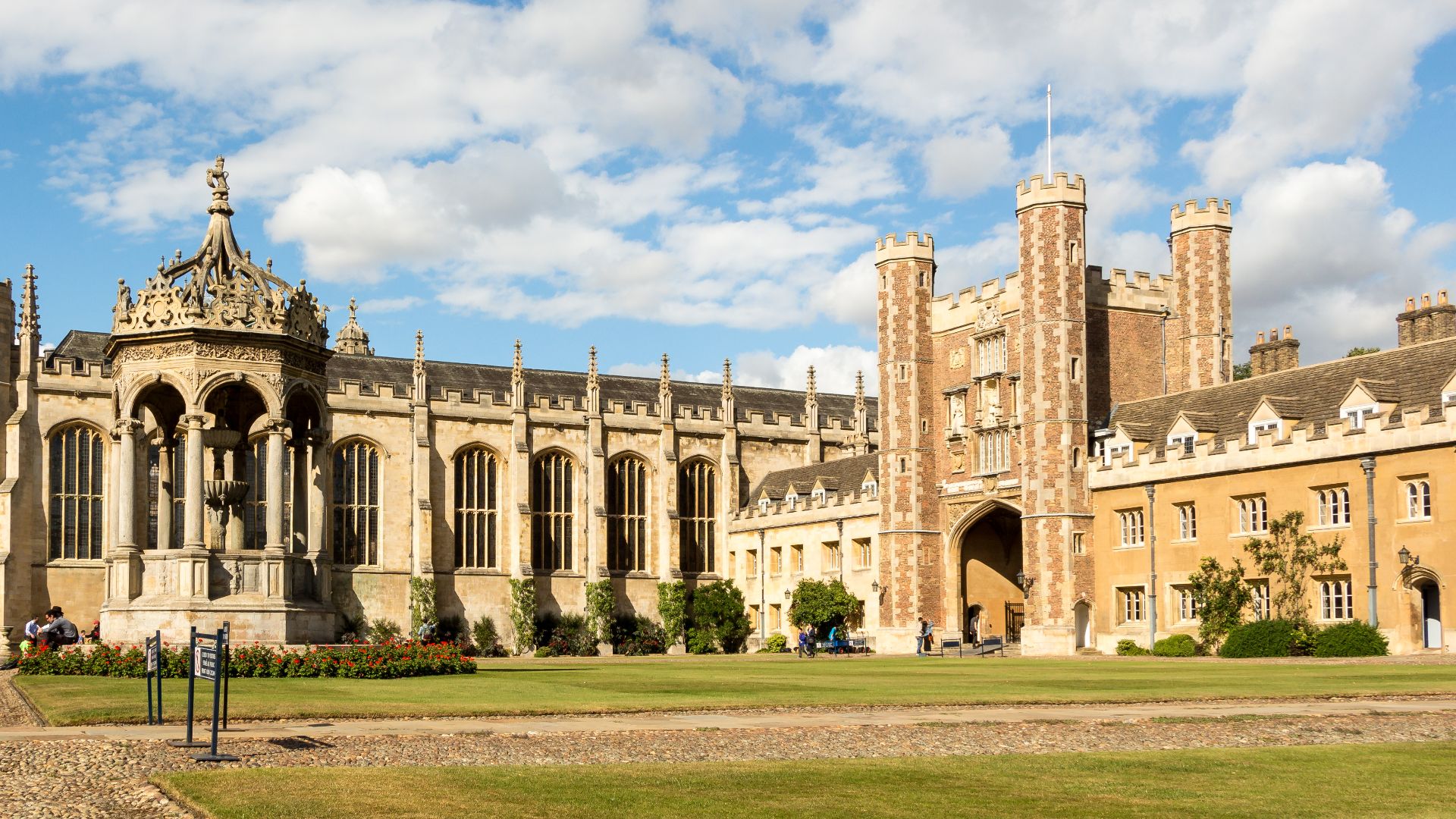 Rafa Esteve, Wikimedia Commons
His Talent Was Recognized
Isaac Barrow was the first professor of mathematics at the University of Cambridge. He immediately recognised the talent of his new prodigy and tasked him with solving one of the big unsolved problems of the day – calculus, the study of how things change. Without calculus, we wouldn’t have the tools to calculate everything from economic change right through to climate change.
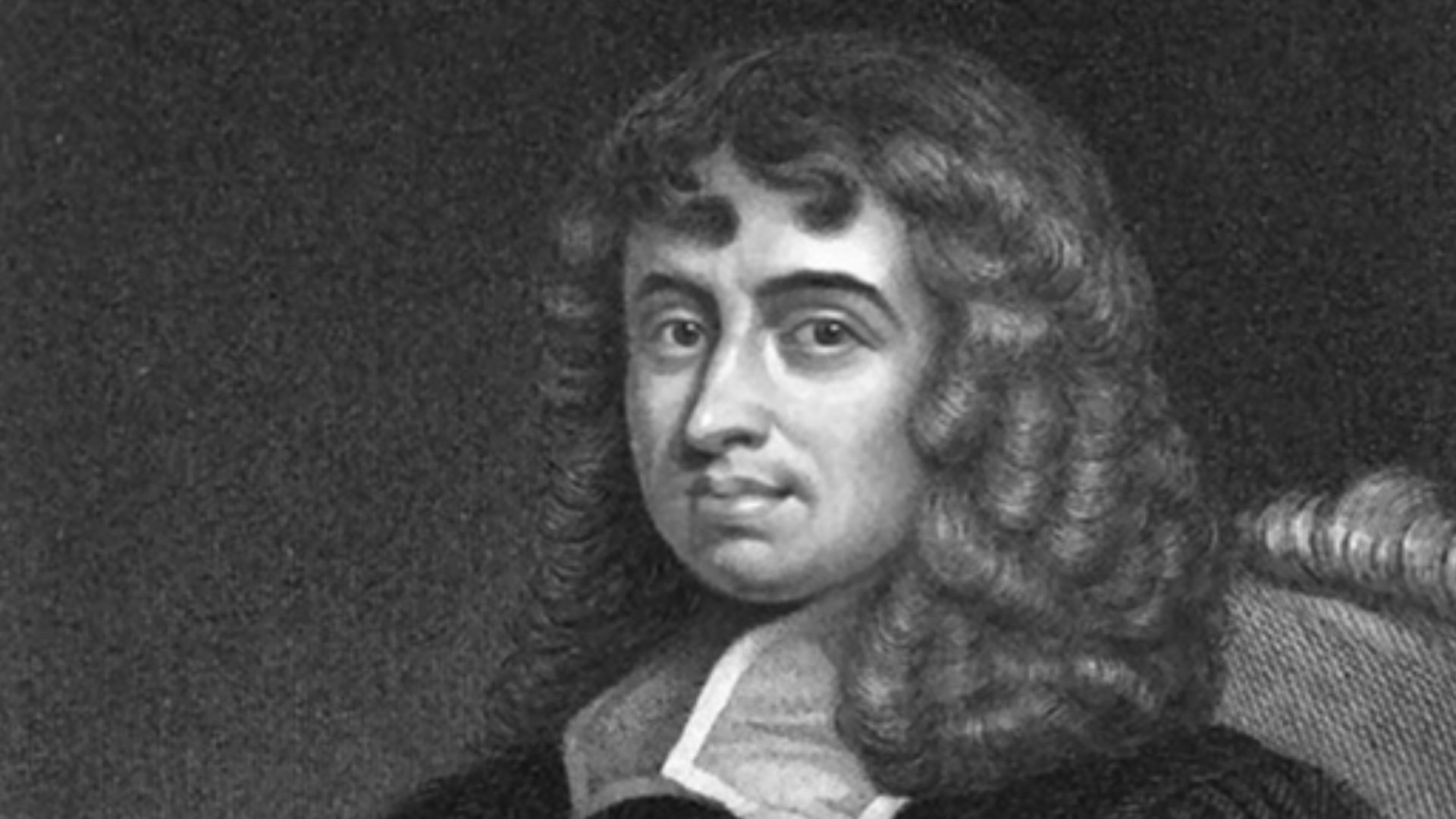
He Embarked On A Life Of Discovery And Achievement
Over the years, Newton became a true polymath – jack of all trades, and master of many. He believed that discovery wasn’t just found by reading textbooks, but through individual observation and experimentation, and took his beliefs to the extreme – for example, he once stuck a blunt needle into his eye socket to see what the effect would be. Fortunately, his eye recovered.
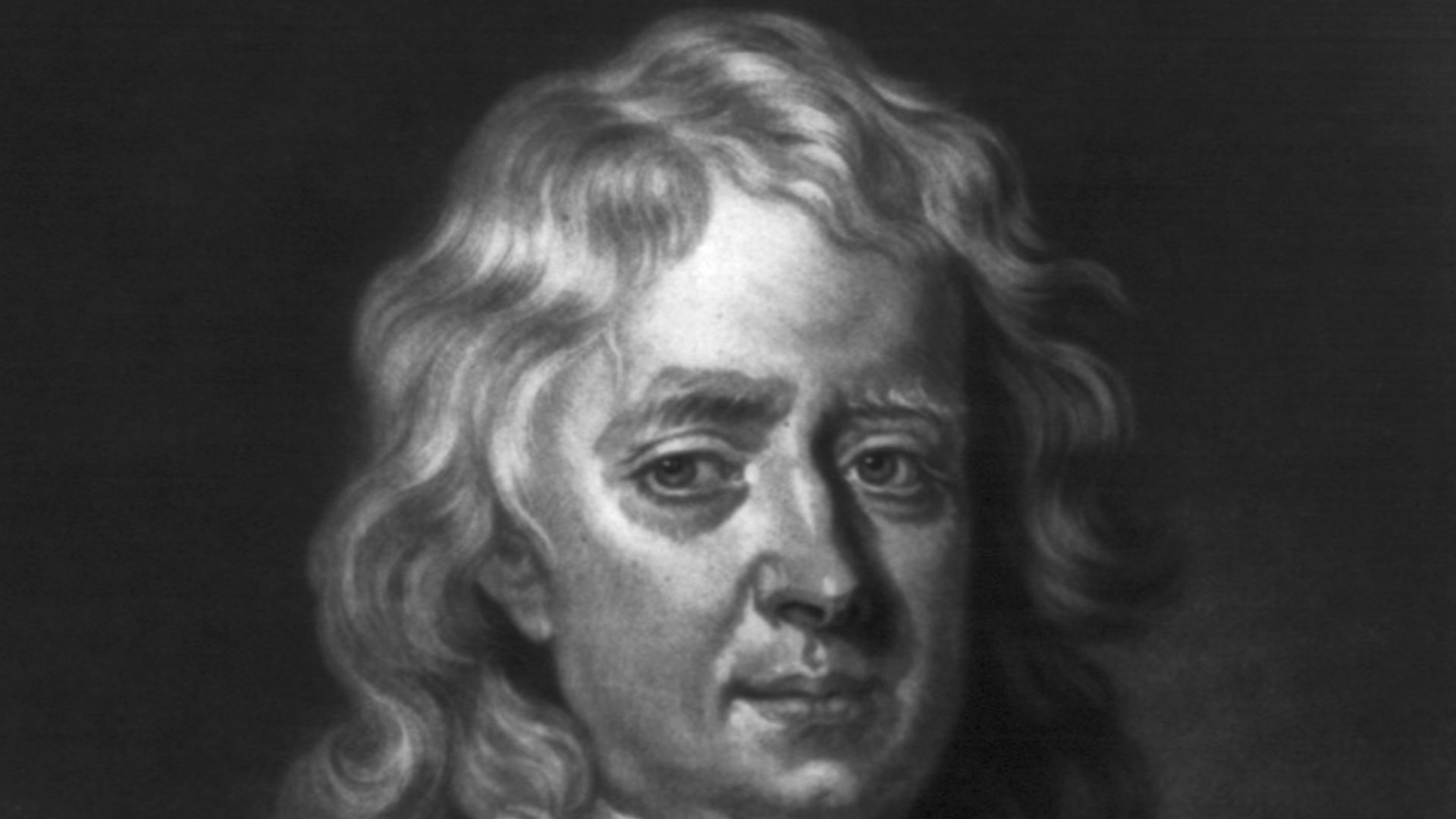 McArdell, James, approximately 1729-1765, engraver, Wikimedia Commons
He Locked Himself Away In His Lab
He wasn’t finished with the world of optics, though. During the particularly plague-infested year of 1665 when the University of Cambridge closed, Newton returned to his home village of Woolsthorpe, locking himself away in his laboratory in order to tinker around with telescopes. This isolated period of study proved fruitful, as he began to realise the design limitations of the traditional instruments, questioning why no-one had tried replacing the lenses with mirrors.
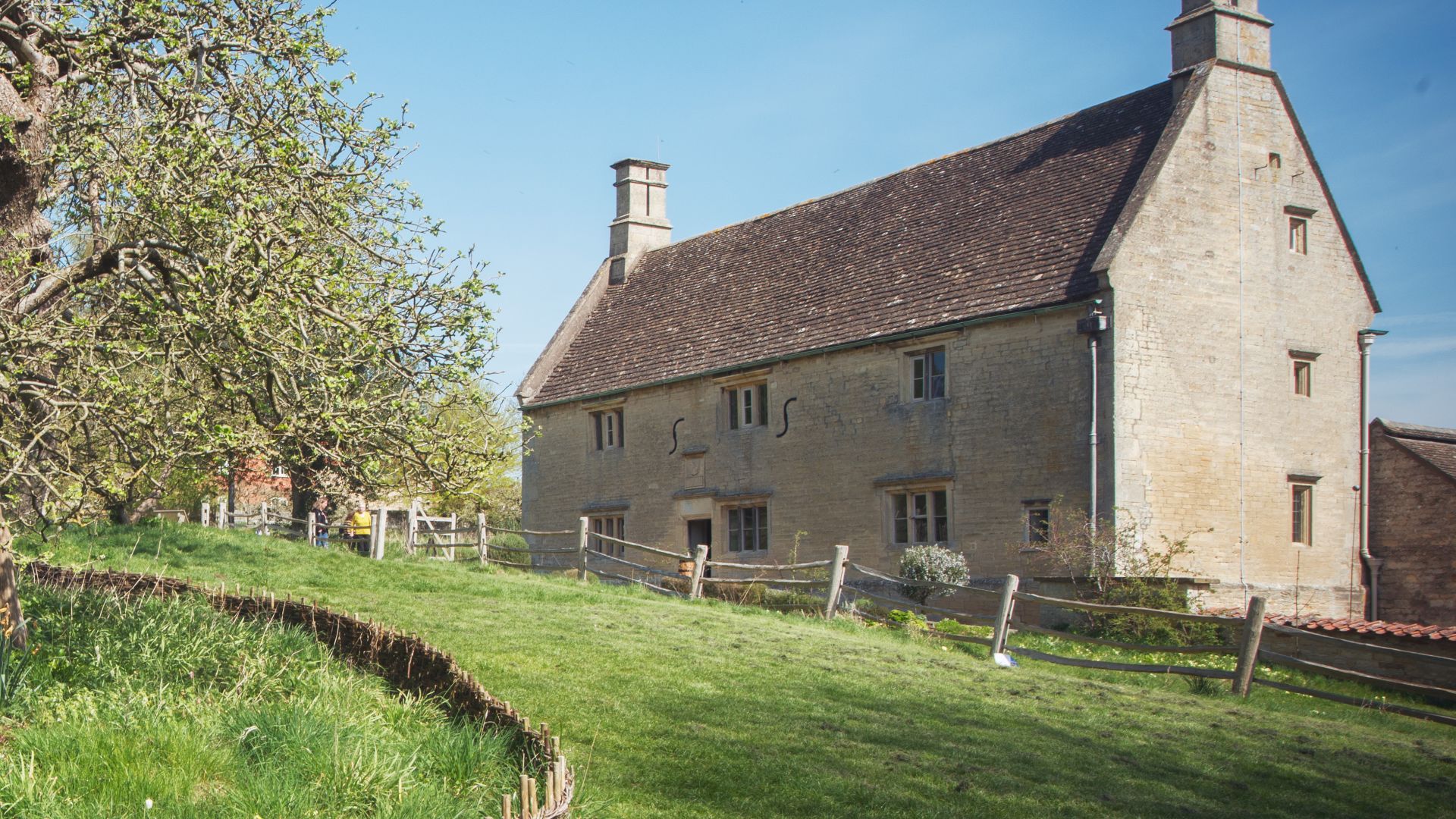
He Innovated A Powerful New Telescope
He found that this simple switch created a telescope that was ten times smaller than traditional ones and much more powerful. Elated at his discovery, he approached the Royal Society – an elite group of scientists that met at Gresham College in London. They were impressed. So Newton plucked up the courage to share his theories on light and colour. But Newton’s success was short-lived.
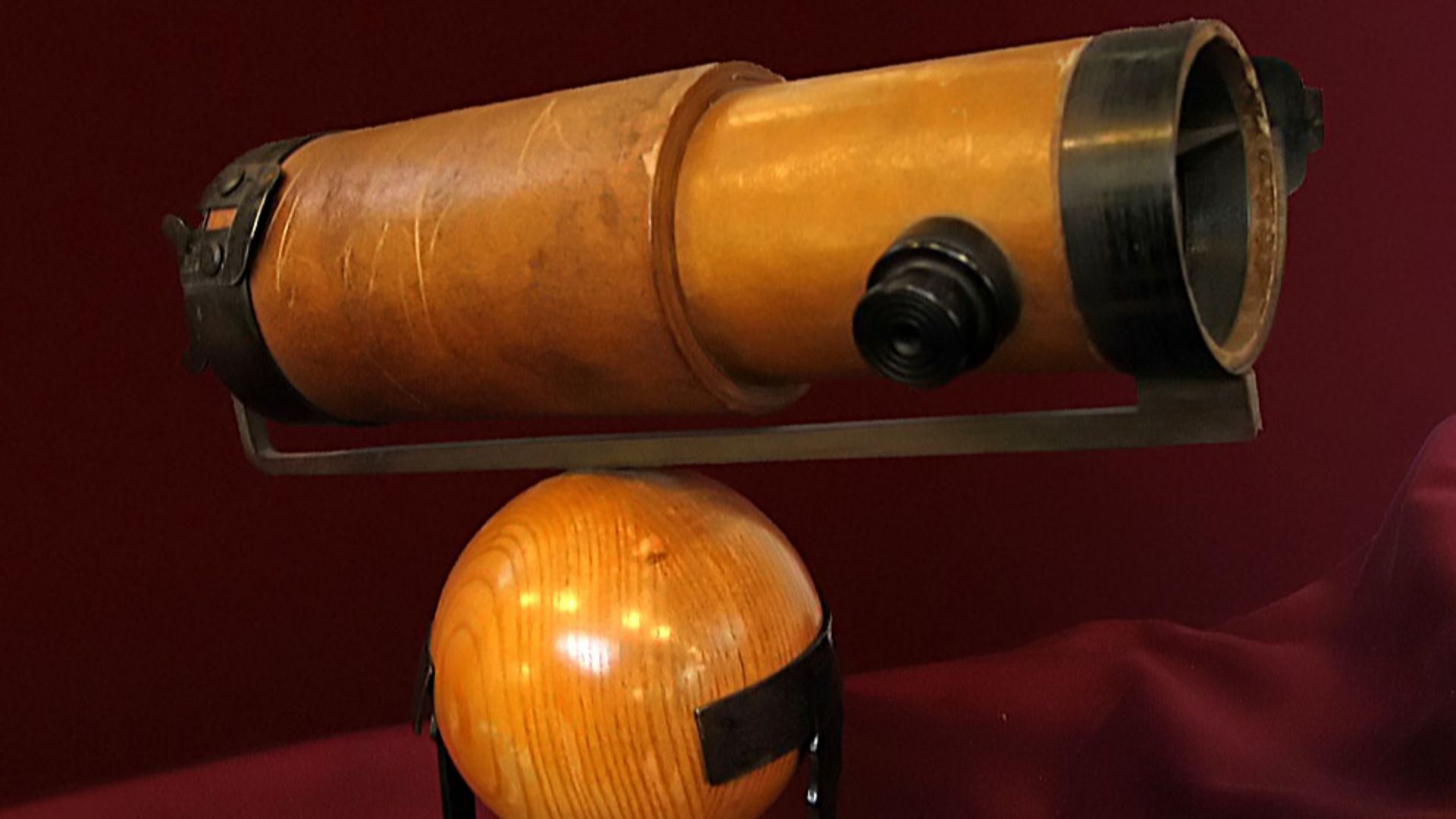 User:Solipsist (Andrew Dunn), Wikimedia Commons
He Took Criticism
Though he came up with the concept that white light is composed of a spectrum of colours, his muddled methodology confused fellow scientists who tried to replicate his results – without success. The feedback wasn’t good, and Newton didn’t take well to the criticism – particularly from Robert Hooke, who was to become one of his greatest rivals. Pride dented, Newton retreated back into isolation.
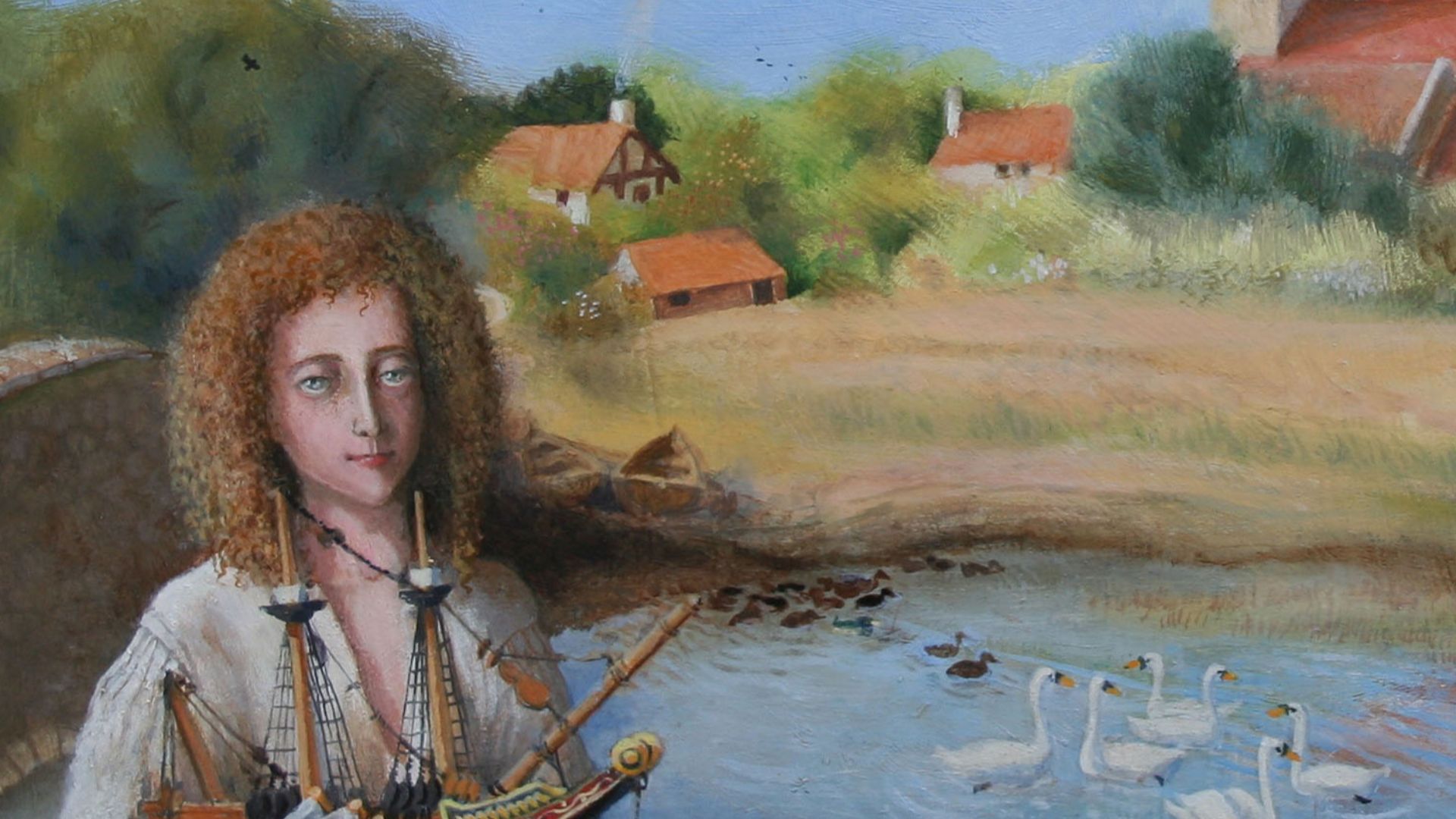
Halley Recognized His Genius
Devoid of distractions, unshackled from the constraints of university life, Newton explored numerous different areas of science, from alchemy (the medieval forerunner to chemistry) to astronomy. The reflecting device he invented to observe the distance between the Moon and stars was essentially the same as the subsequent Hadley’s quadrant – an important navigational instrument used in shipping – but only astronomer Edmond Halley recognised the genius of Newton’s ideas. Only after his death was a description of the device found among his papers.
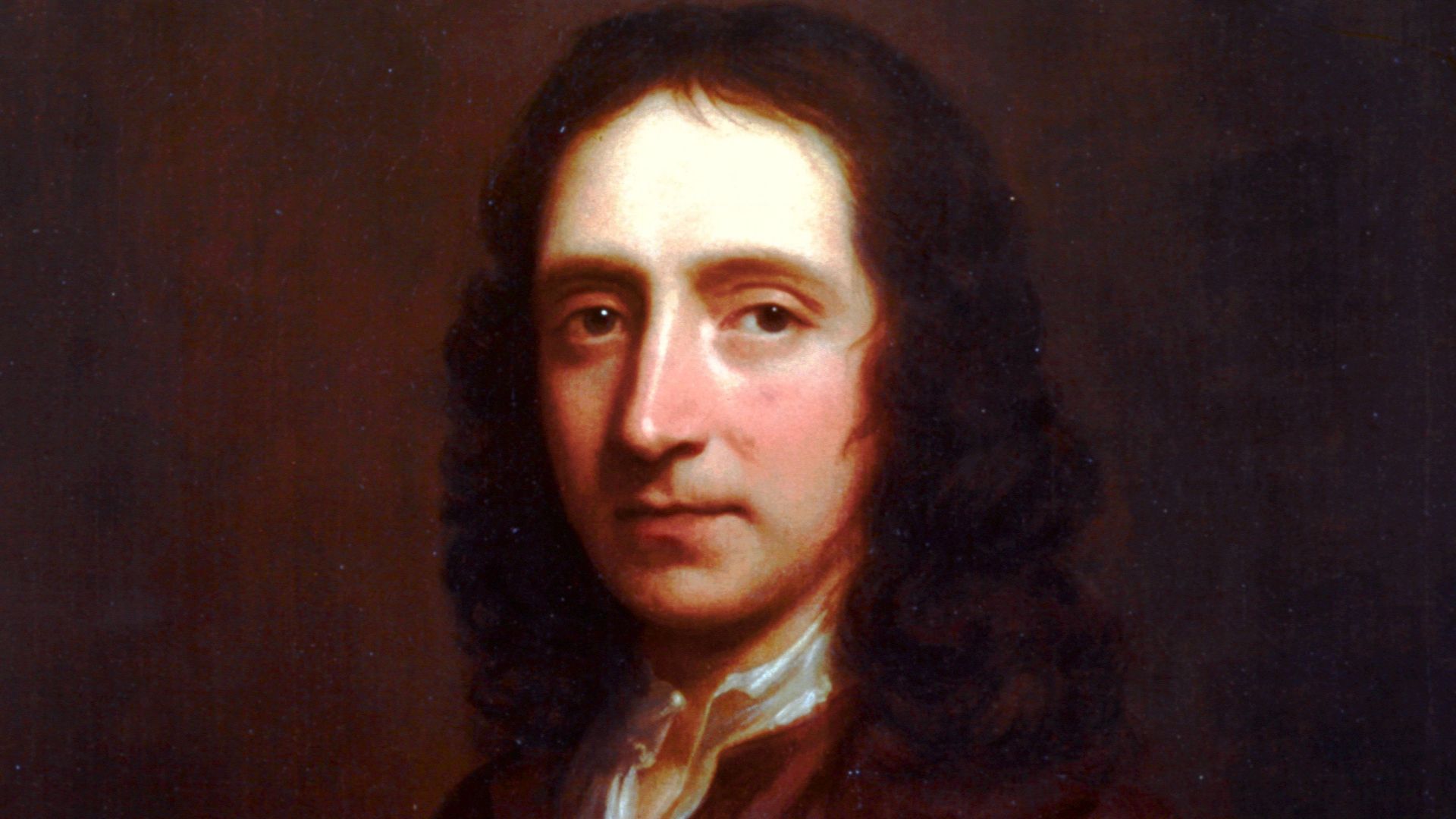 Thomas Murray, Wikimedia Commons
He Laid The Foundation Of Modern Physics
During this time, Newton also crucially came up with what many consider to be the foundation of modern-day physics, publishing Philosophiæ Naturalis Principia Mathematica in 1687. Arch-rival Robert Hooke had published a book An Attempt to Prove the Motion of the Earth from Observations in 1674, in which he wrote, “All bodies whatsoever that are put into a direct and simple motion, will continue to move forward in a straight line, till they are by some effectual power deflected.”
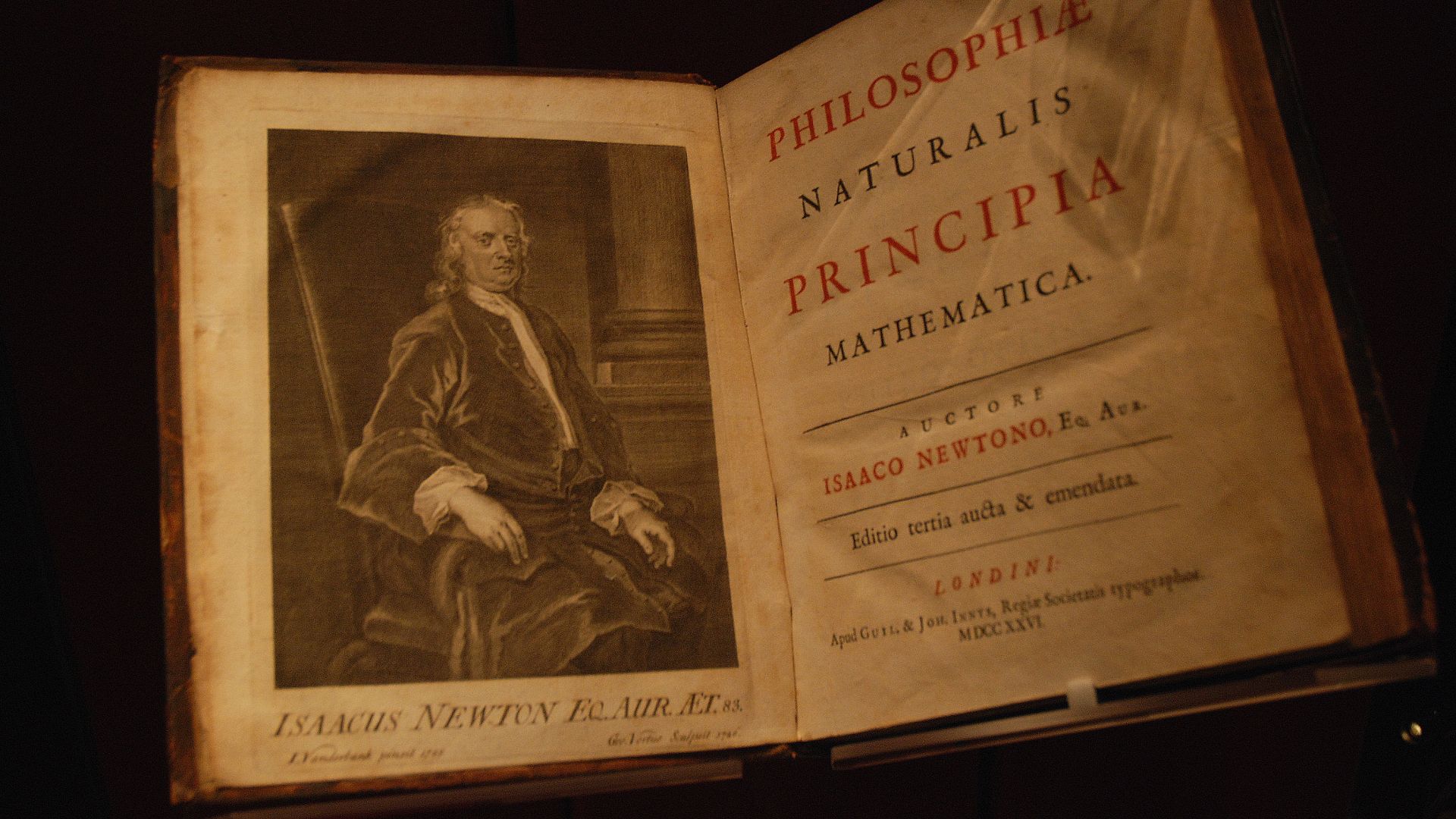 Paul Hermans, Wikimedia Commons
He Published His Theories
Over a decade later, Newton published Principia, which revealed his theories on calculus and universal gravitation, and his three laws of motion. But Newton’s first law of motion sounded suspiciously like Hooke’s theory. This was just one of the times Newton tried to outdo Hooke.
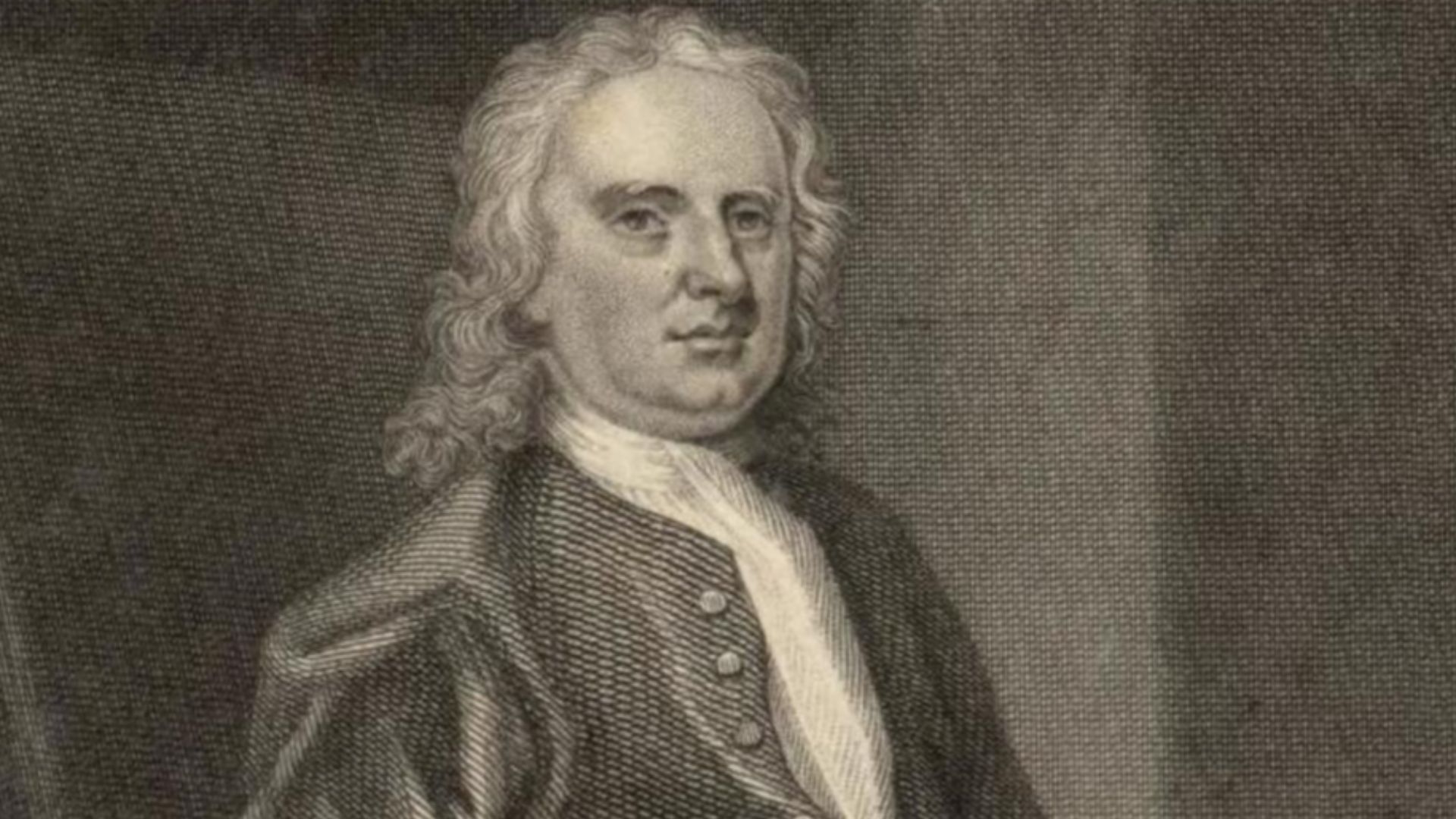 John Vanderbank, Wikimedia Commons
Newton And The Apple
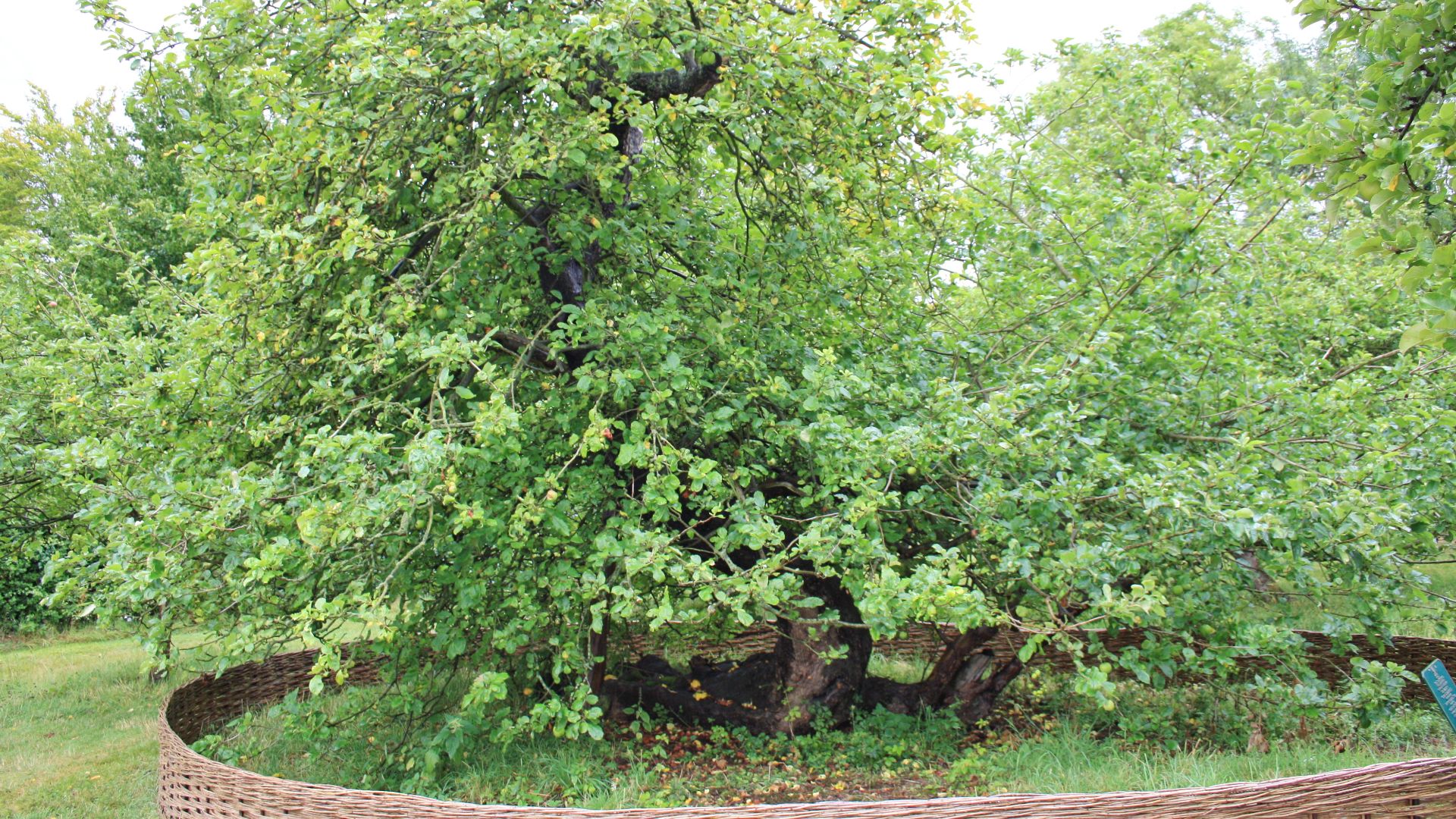
To most people, Newton’s name is synonymous with an apple falling on his head, which apparently helped him to come up with his innovative theory on gravity. The story goes that Newton was sitting under an apple tree in his garden back home in Woolsthorpe when an apple fell directly onto his head, causing him to have a light-bulb moment on how gravity works in space.
It Made For A Good Story
In reality, Newton was never on the receiving end of an apple – he probably just watched one fall to the ground as he was working. It does, however, make for a good tale. Newton certainly did come up with the theory, but in order to do this, he stood on the shoulders of a former giant.
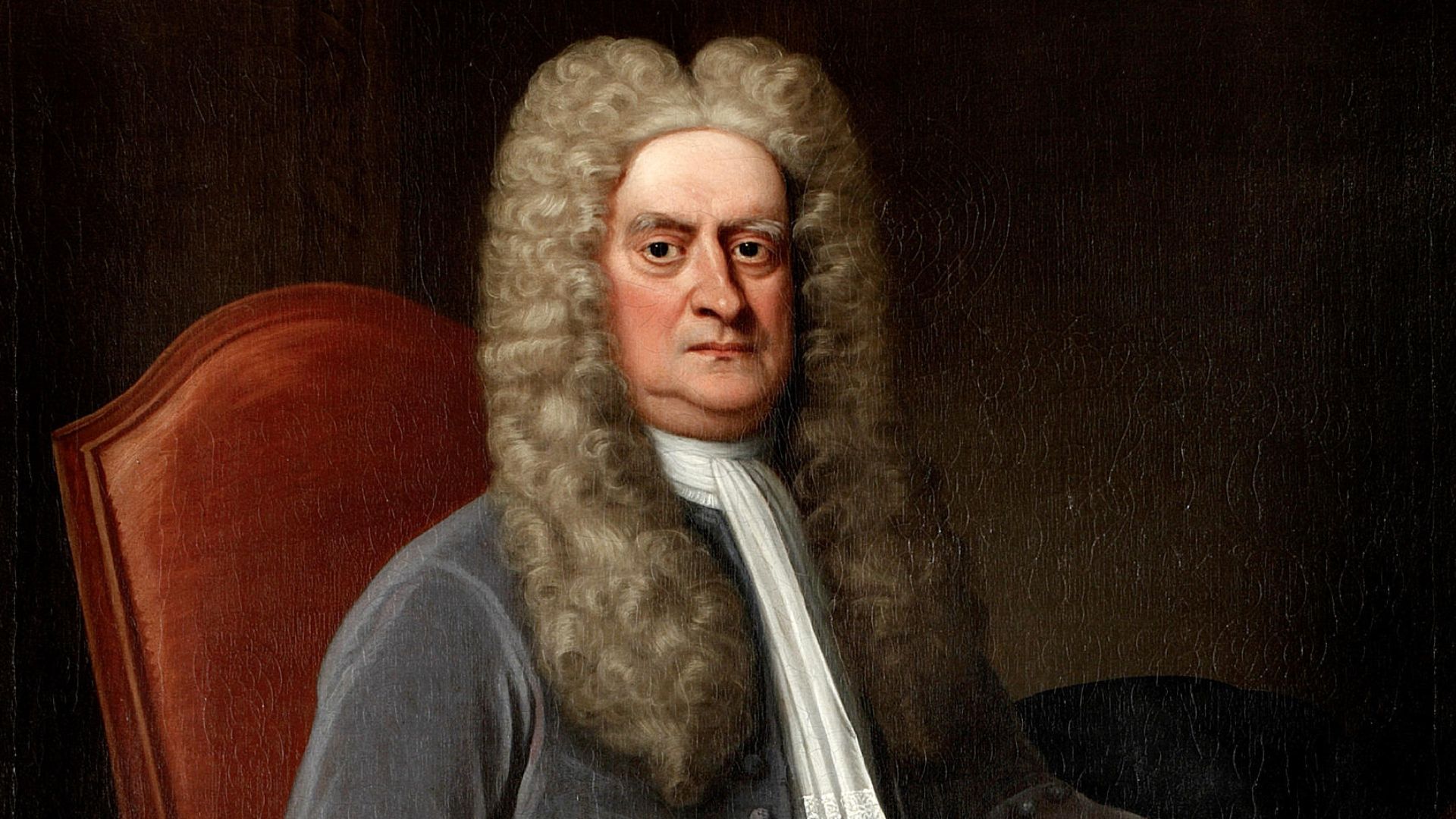 attributed to 'English School', Wikimedia Commons
He Thought Back To Galileo's Experiment
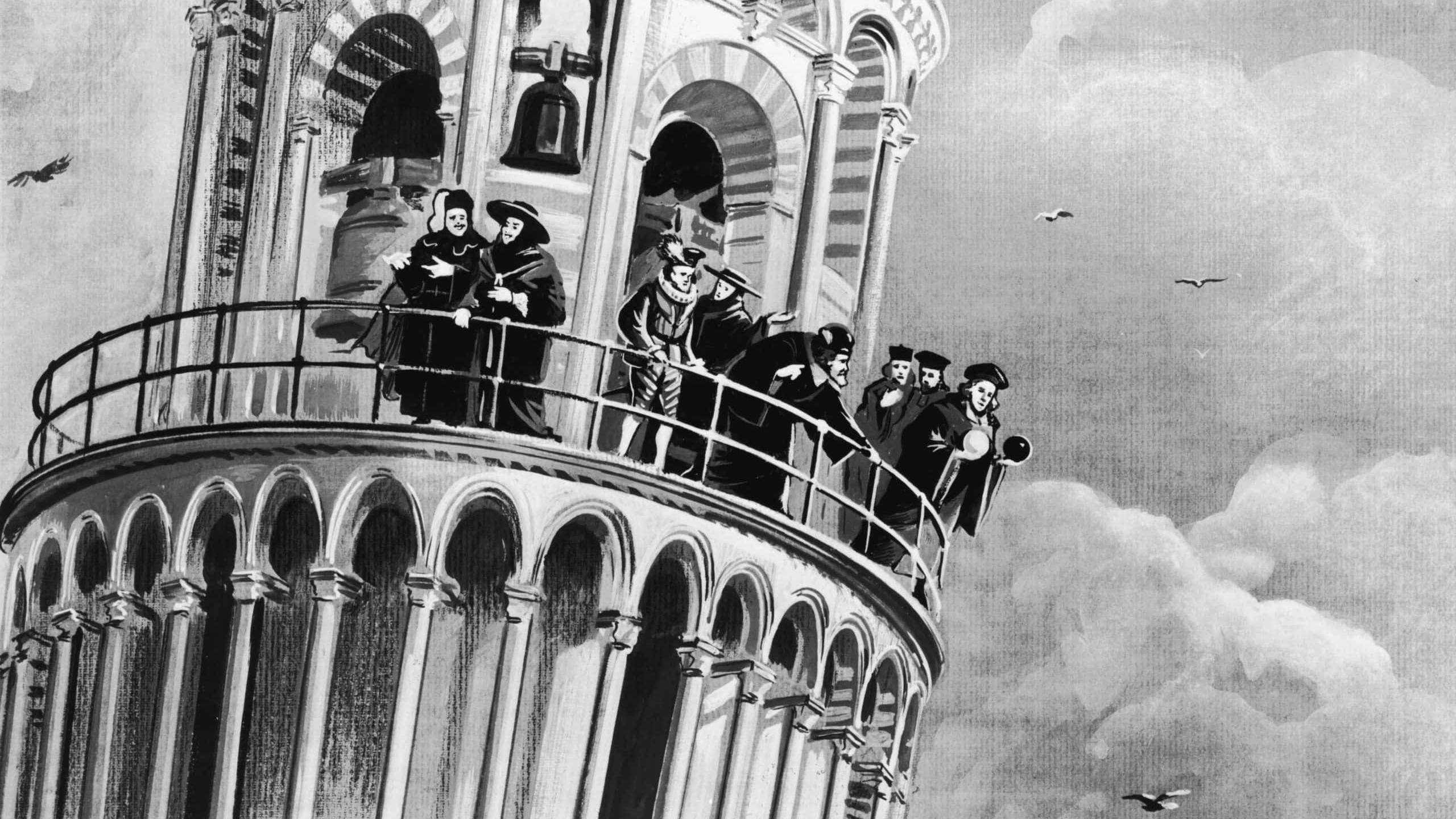
In the late 16th century, the Italian polymath Galileo reputedly conducted a series of experiments from the top of the Leaning Tower of Pisa to work out how different objects fall. He discovered that objects made from the same material but of different masses fall at the same speed.
A Falling Apple And A Planet's Orbit
Newton’s bright idea was to realise that this phenomenon also worked in space. Again, he stood on the shoulders of another giant by applying calculus to astronomer Johannes Kepler’s first law of planetary motion. From this he worked out that the force of gravity needed to lock the planets in their orbits around the Sun. So, Newton made a vital contribution to science when he realised that the whole universe is governed by the exact same law of gravity, whether it’s a falling apple or an orbiting planet.
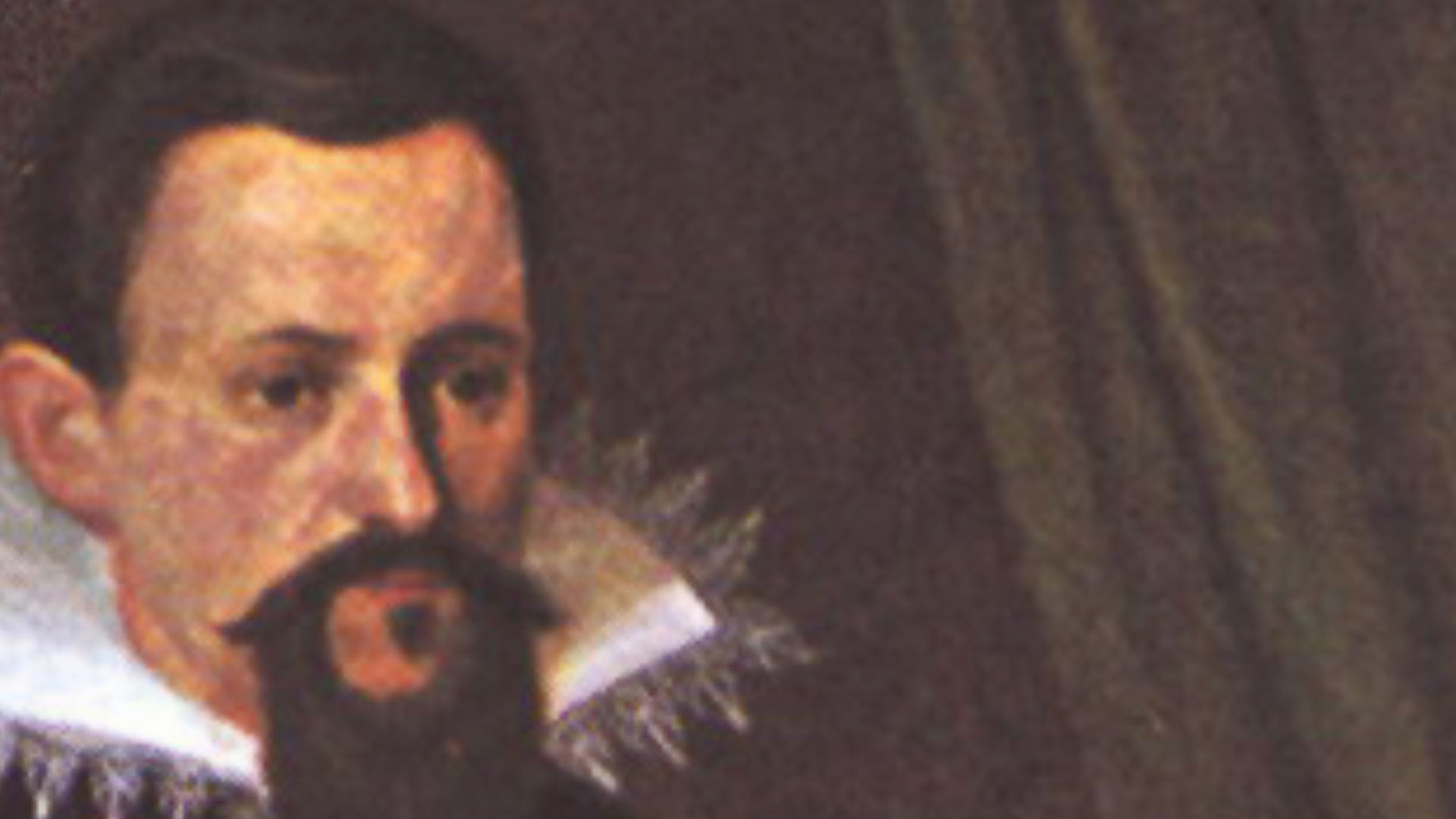
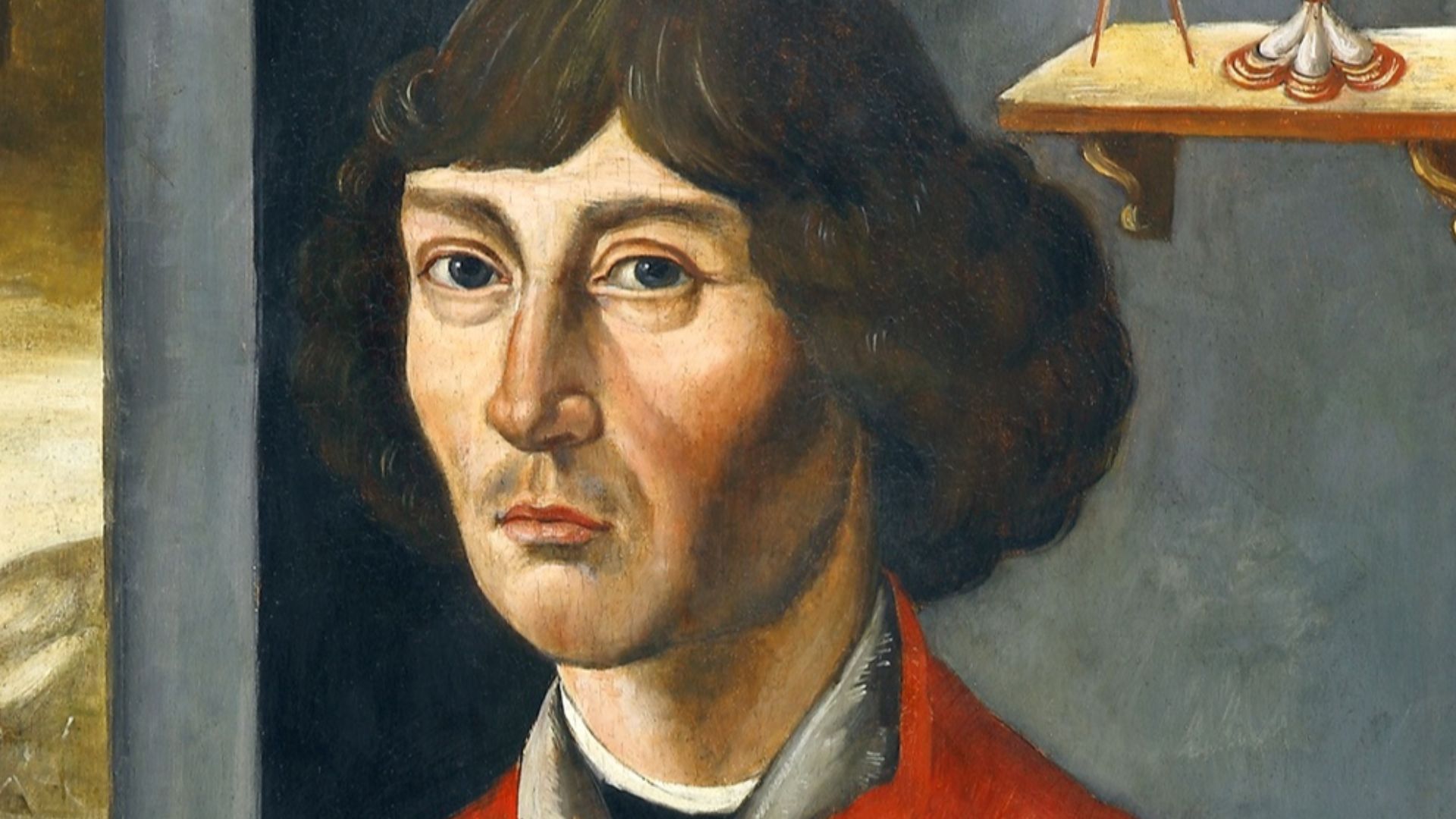
He Carried The Scientific Revolution Forward
But he wasn’t alone in his ground-breaking discoveries. In Europe at that time, the Scientific Revolution was well underway. Alongside Newton, other scientific greats such as Copernicus, Galileo and Kepler were instrumental in the emergence of modern science.
 Künstler des 16. Jahrhunderts, Wikimedia Commons
Newton The Politician
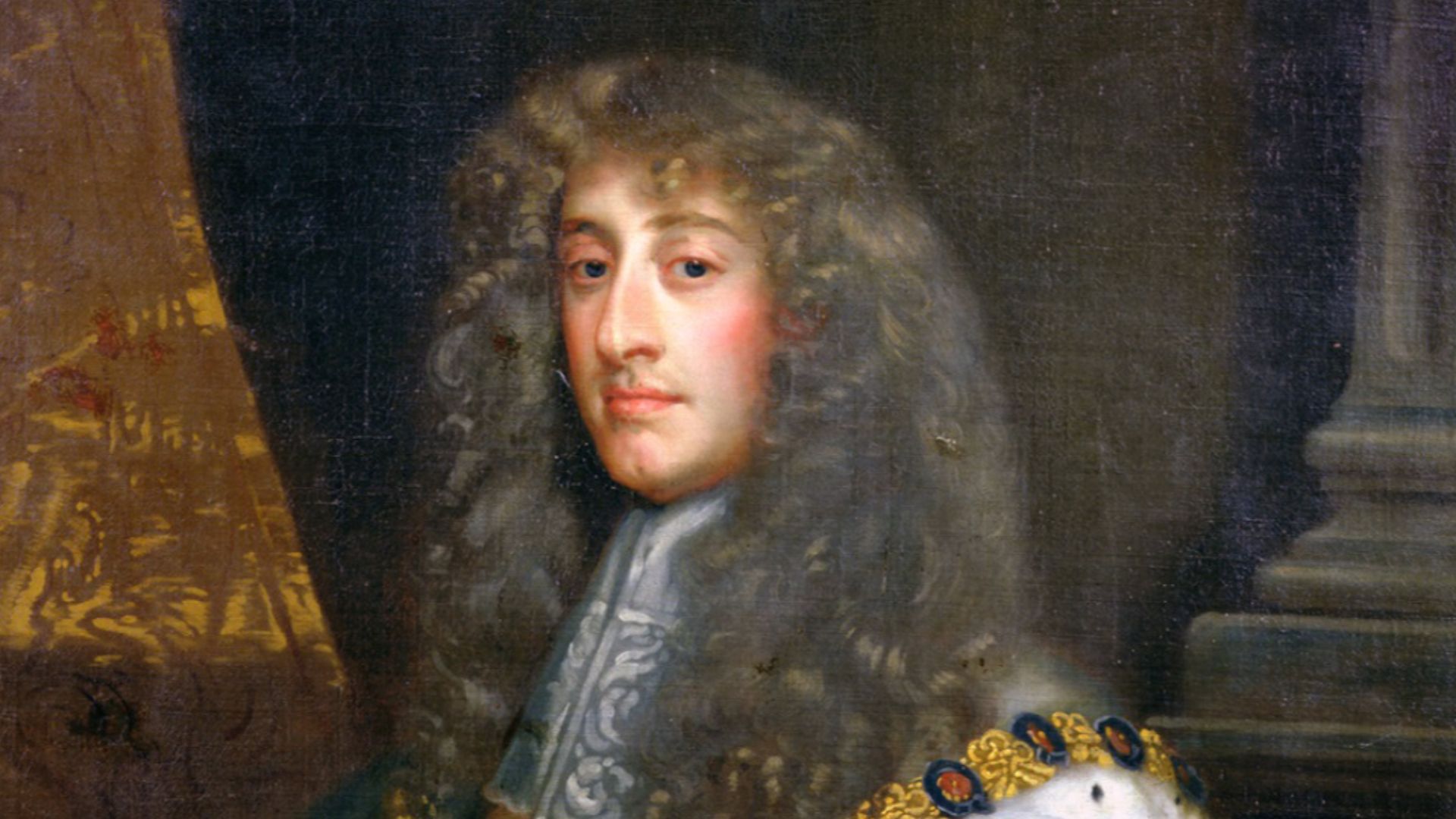
But the ever-ambitious and confident Newton didn’t just limit himself to the world of science. Newton made many an enemy in the scientific world, but also in politics. He even took on James VII and II when he tried to Catholicise the University of Cambridge. He successfully fended off the King’s reforms, and entered the world of politics, becoming an MP (Member of Parliament) in 1689. While his two years in office didn’t have a lasting effect on politics, Newton did make a huge impact on the economy.
 School of Peter Lely, Wikimedia Commons
He Reformed The Currency
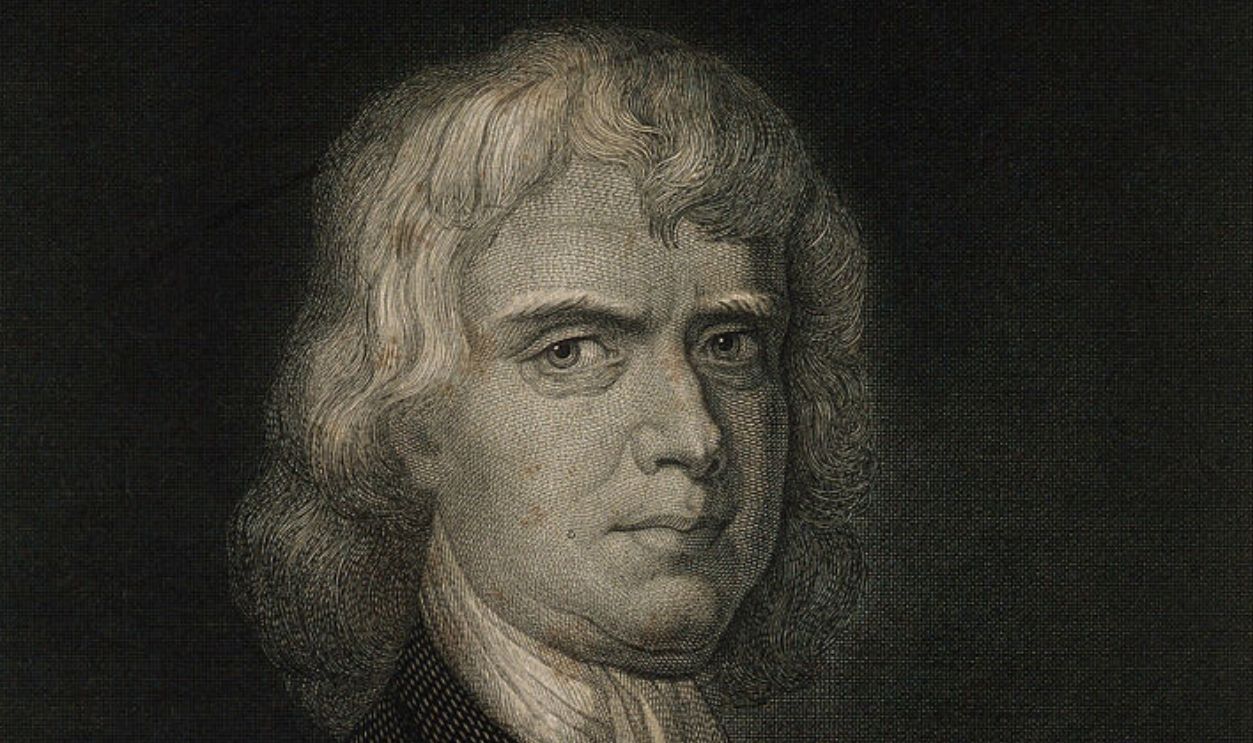
Throughout the 17th century, Britain’s finances were in tatters. Up to one in every ten coins was forged, and the metal in them was often worth more than the value of the coin itself. In 1696, he became Warden of the Royal Mint, and set about recalling old currency, issuing new coins, and hunting down counterfeiters. His dogged determination to rid the country of fraud so impressed the powers that be that in 1699, he was appointed Master of the Mint for the remainder of his life.
 Sir Isaac Newton. Line engraving by Baumann after E. Seeman, 1726. Wellcome Collection.
It Still Wasn't Enough
Financial controller, political pundit, and genius scientist – an impressive CV and an amazing career considering he began life as a farm boy. But this wasn’t enough for Newton. He wanted to ensure his scientific legacy and secure his spot in the annals of science.
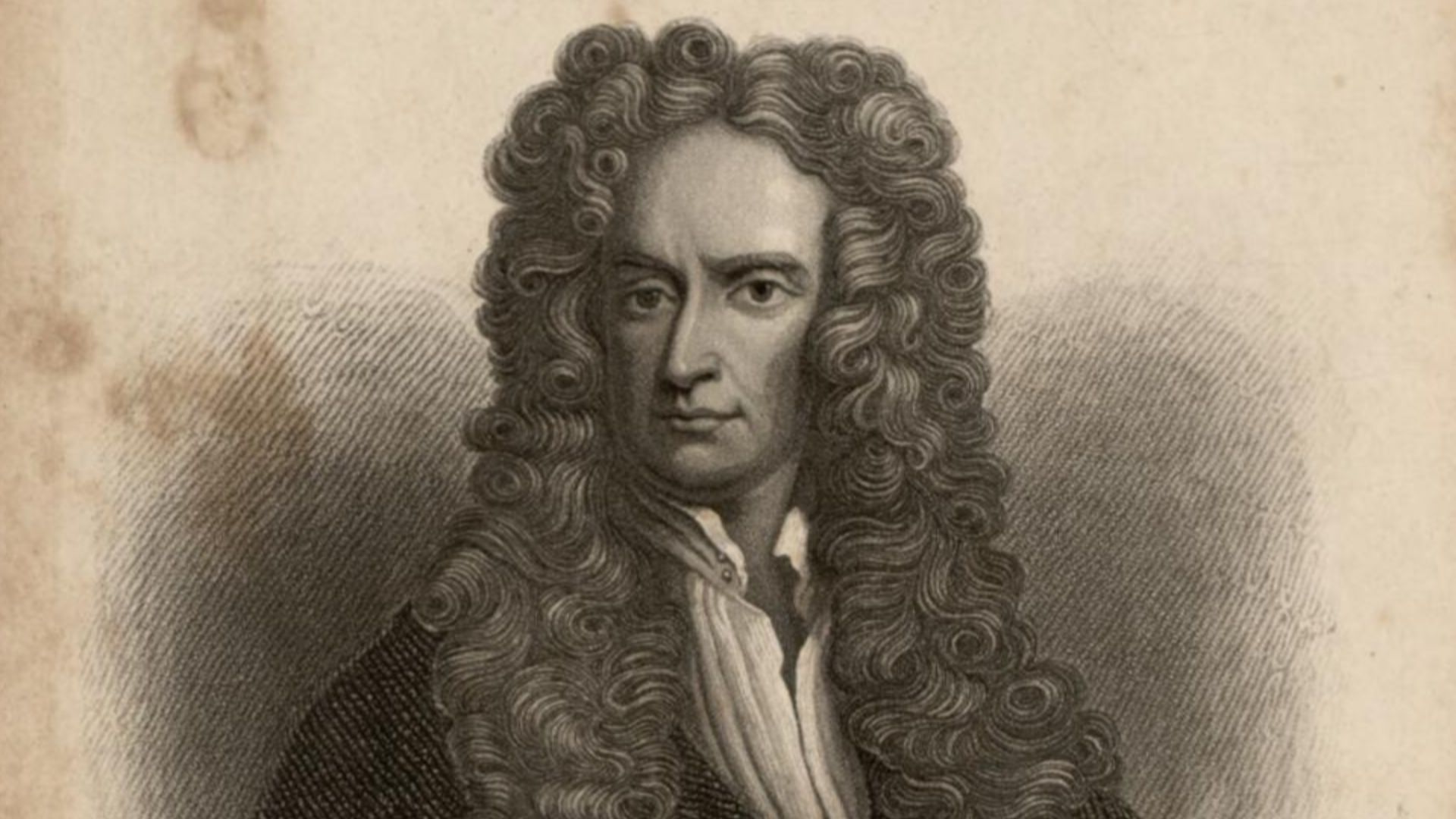
He Took Advantage Of His New Role
In 1703, Newton was elected as the President of the Royal Society. Taking advantage of his position, he set about trying to callously tarnish the reputations of some of his contemporaries. He tried to remove Robert Hooke from the history books, he antagonised John Flamsteed by publishing the astronomer’s catalogue of the stars without his permission, and he quarrelled with philosopher Gottfried Leibniz over who invented calculus. The feud between the two men only ended on Newton’s deathbed.
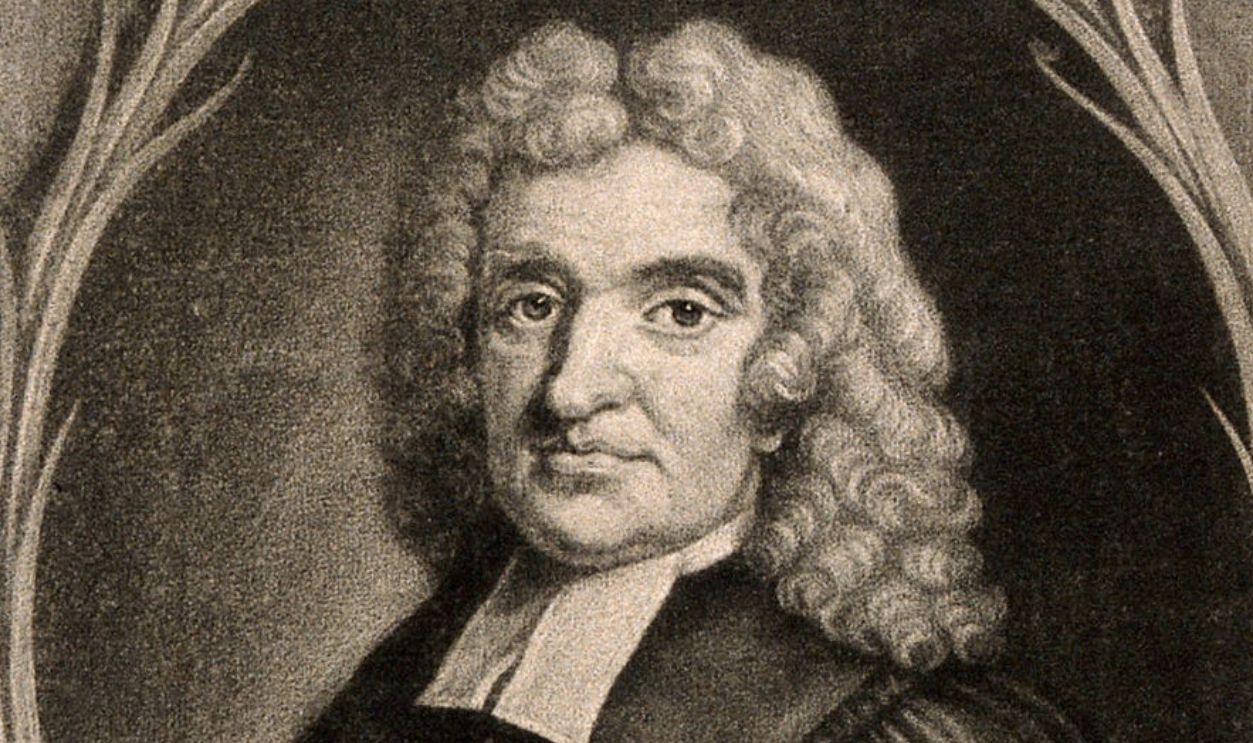 John Flamsteed. Mezzotint, later than 1726, after Sir G. Kneller, 1702. Wellcome Collection.
He Was Finally At Peace
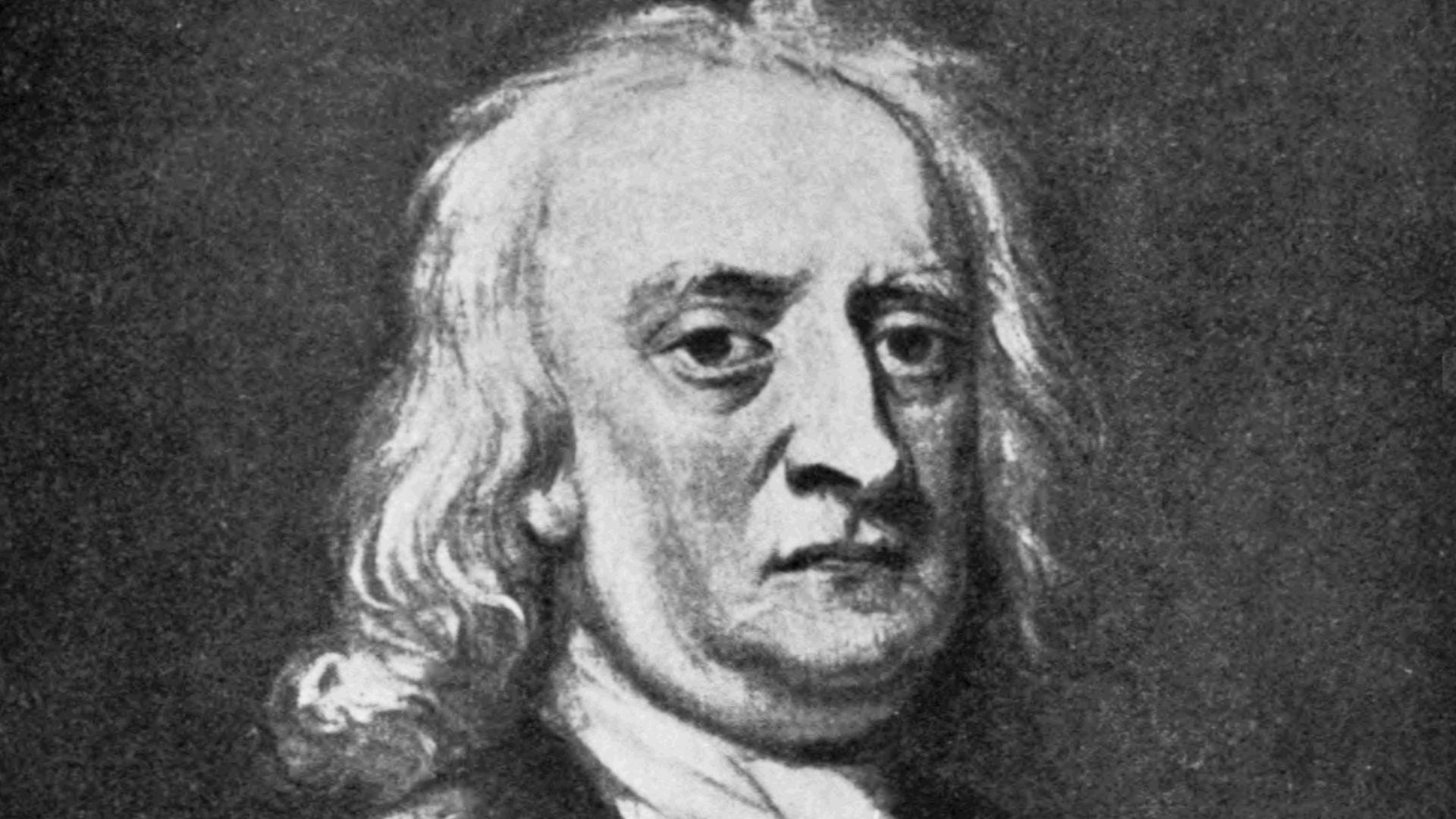
Newton died on 20 March 1727 at the age of 84. Though he never had children, he ensured that his legacy would never be forgotten by having his tombstone inscribed: “Here lies that which was mortal of Isaac Newton”.
 Unknown authorUnknown author, Popular Science Monthly Volume 78, Wikimedia Commons
Newton And Religion
During the Middle Ages, the Church was incredibly powerful, keeping the aristocracy under their thumb. In the 14th and 15th centuries, a group of so-called ‘humanists’ was formed in France and Italy – they were not opposed to the Church, merely intent on worshipping God away from the restraints of priests. This was the birth of a wave of newly enlightened thinkers. By Newton’s time, religion was still a big part of life, but scientists were trying to understand how God fitted into the picture – alongside their research. But Newton was more religious than most other scientists.
Newton Was Devoutly Religious
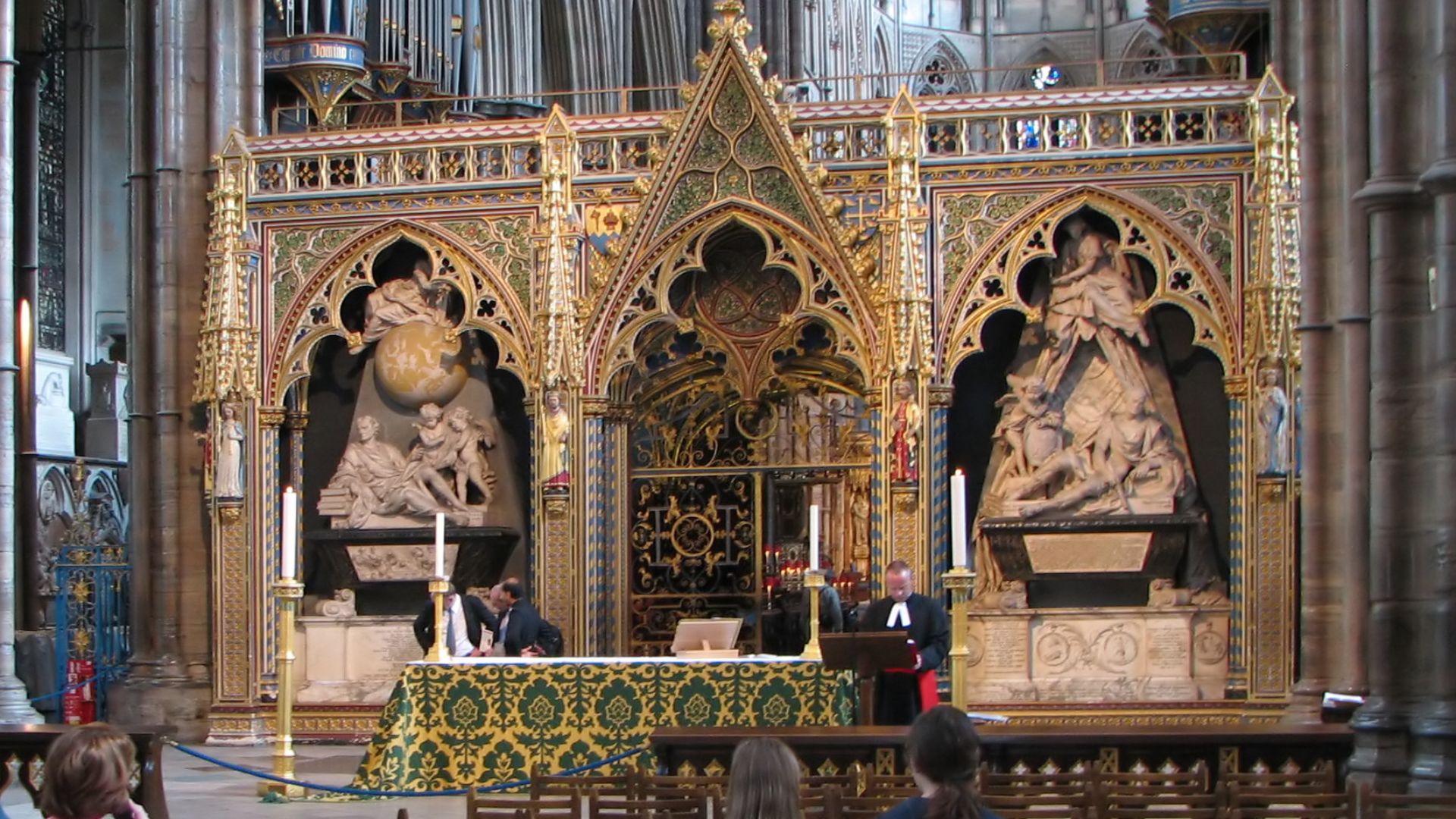
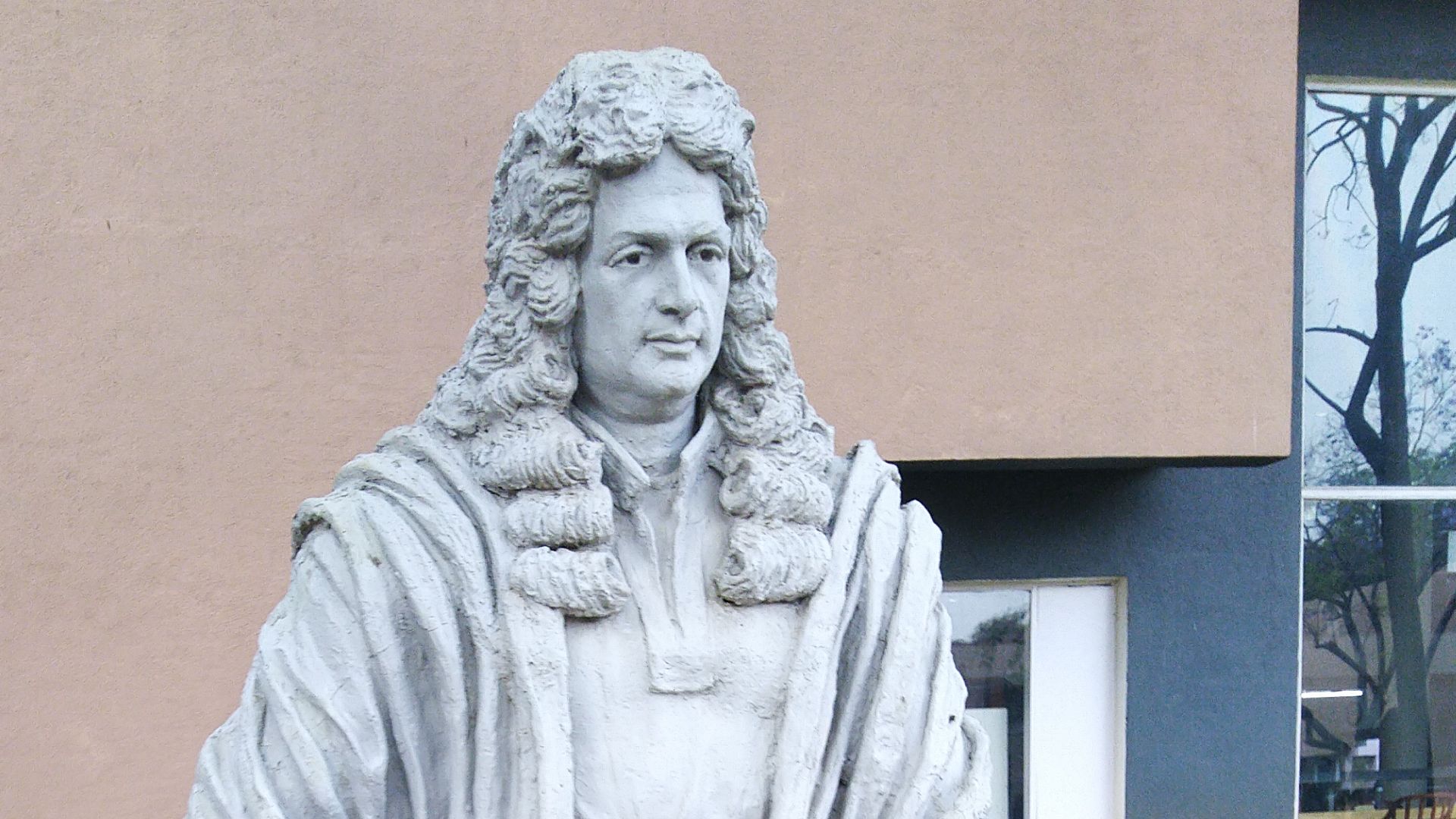
Despite being a scientific revolutionary, Newton was devoutly religious. Aside from his scientific works, he wrote numerous theological papers, which dealt with the literal translation of the Bible. He believed in a monotheistic God, and spent many hours trying to glean hidden messages from the Holy Bible. But his strong beliefs stemmed from his investigation of the natural world. Whether his mind was truly able to align religion and science, no-one knows for sure. He was buried in Westminster Abbey, and his monument stands by the choir screen, near his tomb.
This content was created in partnership with HistoryExtra and written by Jheni Osman. Editorial changes were made to the original article.