

The Villain Problem In History
History tends to reward consensus and punish disruption. People who challenge dominant beliefs are often labeled dangerous, wrong, or even immoral. In some cases, time reveals that those so-called villains were actually correct.
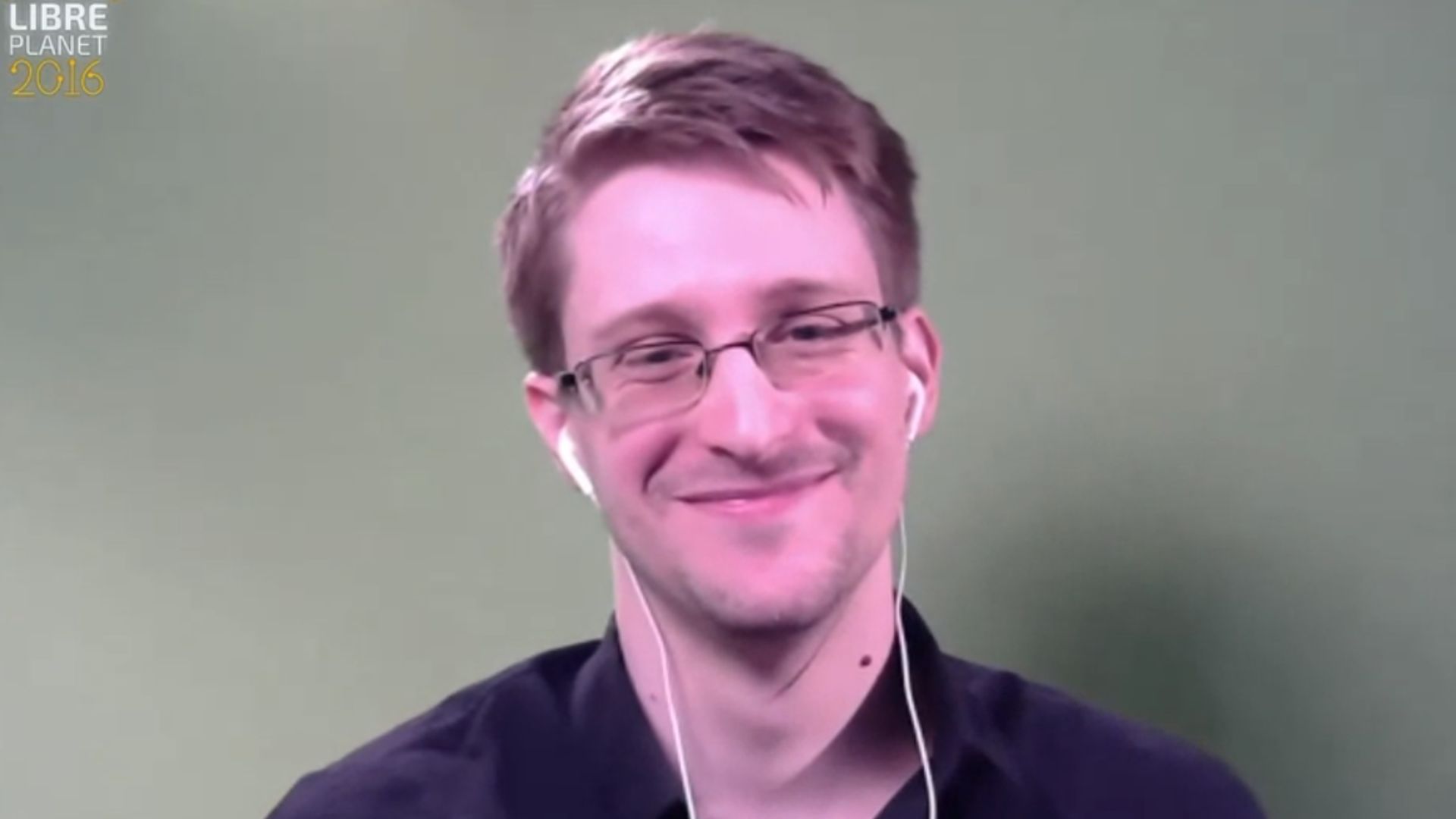 Free Software Foundation, Wikimedia Commons
When Being Right Looks Like Heresy
Many of these figures were not hated for cruelty but for contradiction. They threatened institutions, ideologies, or economic interests. That tension is what turned dissent into “villainy.”
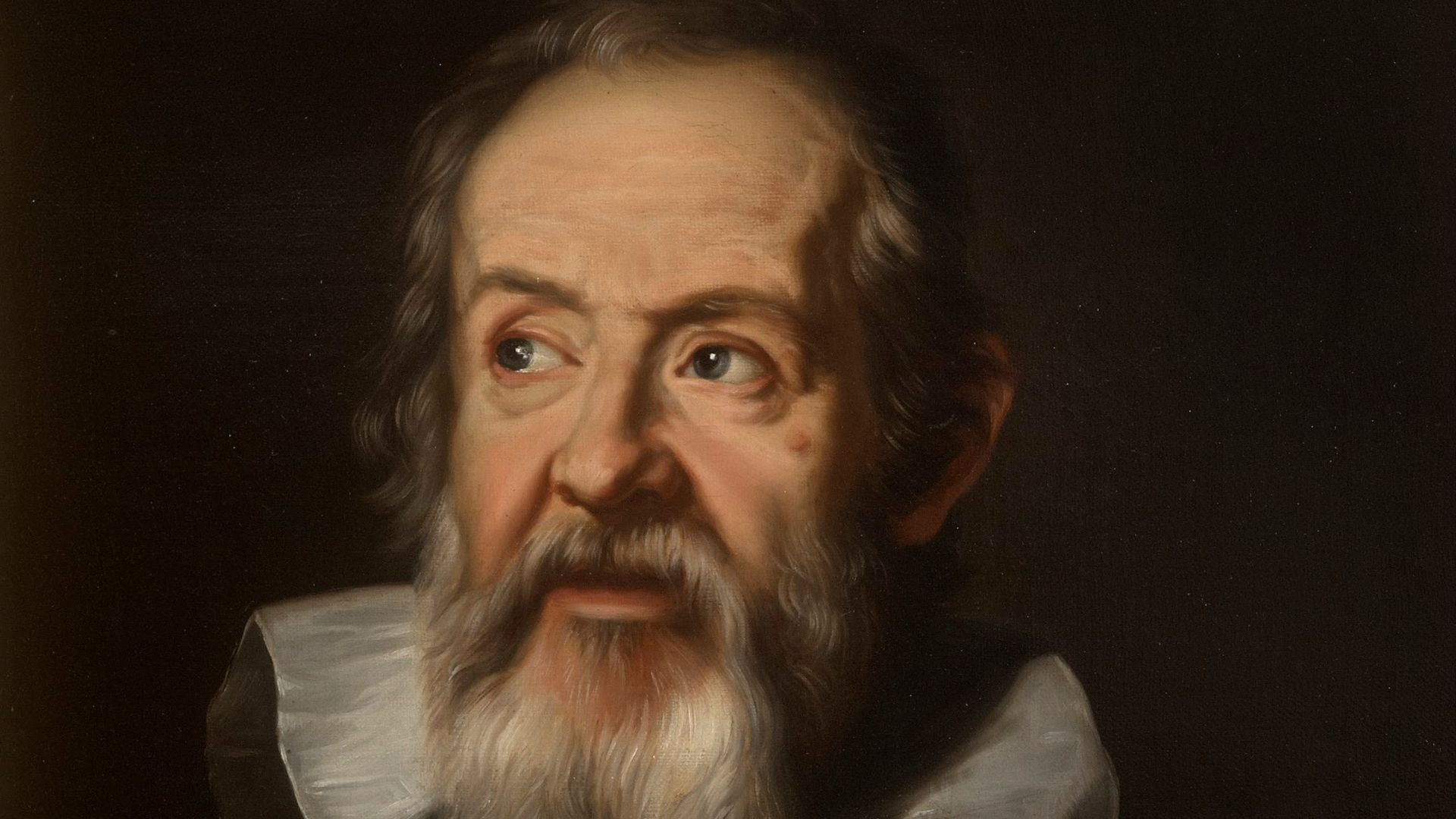 after Justus Suttermans, Wikimedia Commons
Galileo Versus The Universe
Galileo Galilei was tried by the Inquisition for supporting heliocentrism. He was forced to recant and lived under house arrest. Today, his view that Earth orbits the Sun is basic science.
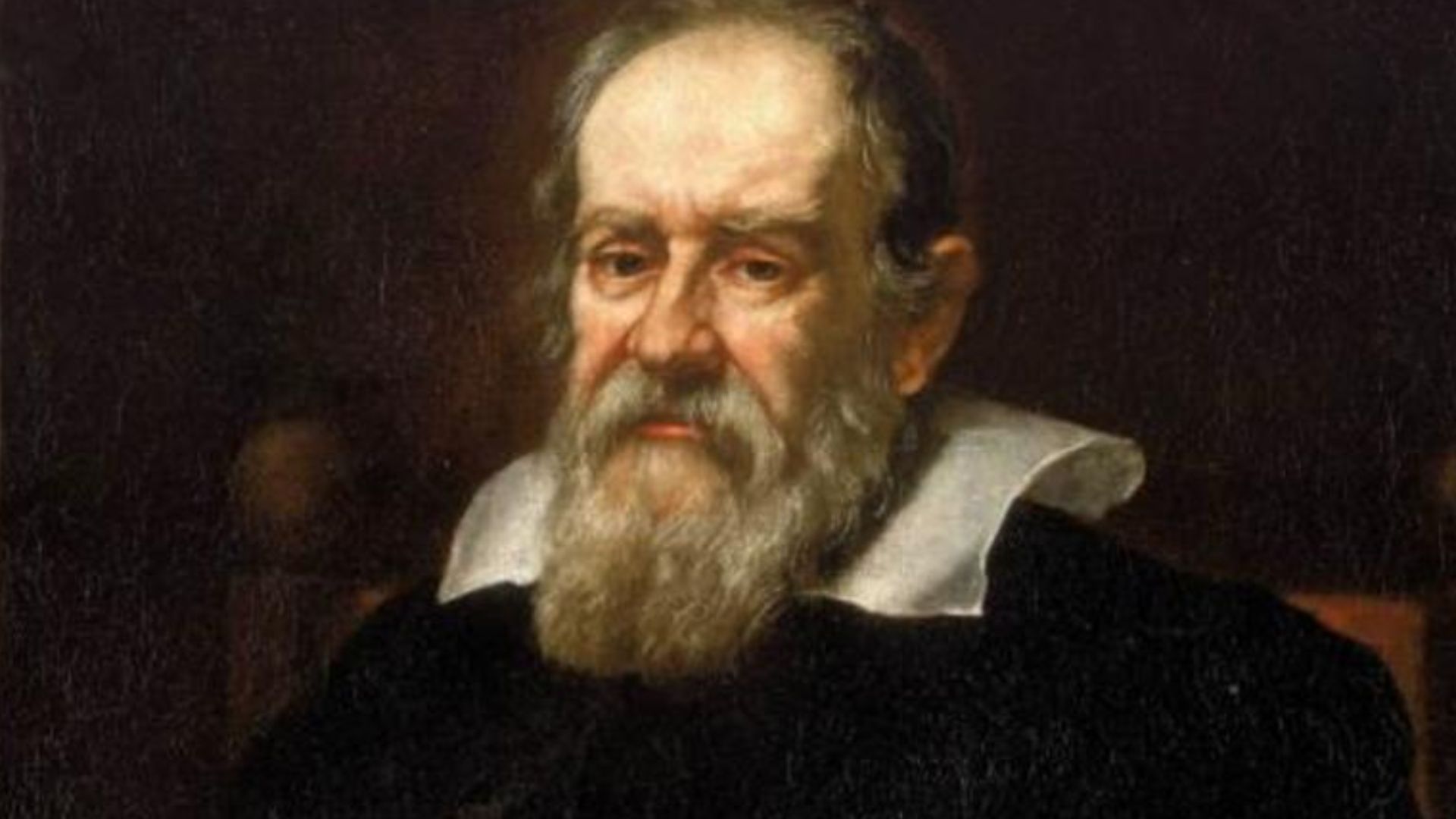 Justus Sustermans, Wikimedia Commons
Science Against Authority
Galileo’s conflict was not just scientific. It was political and theological. His case shows how truth can be suppressed when it destabilizes power structures.
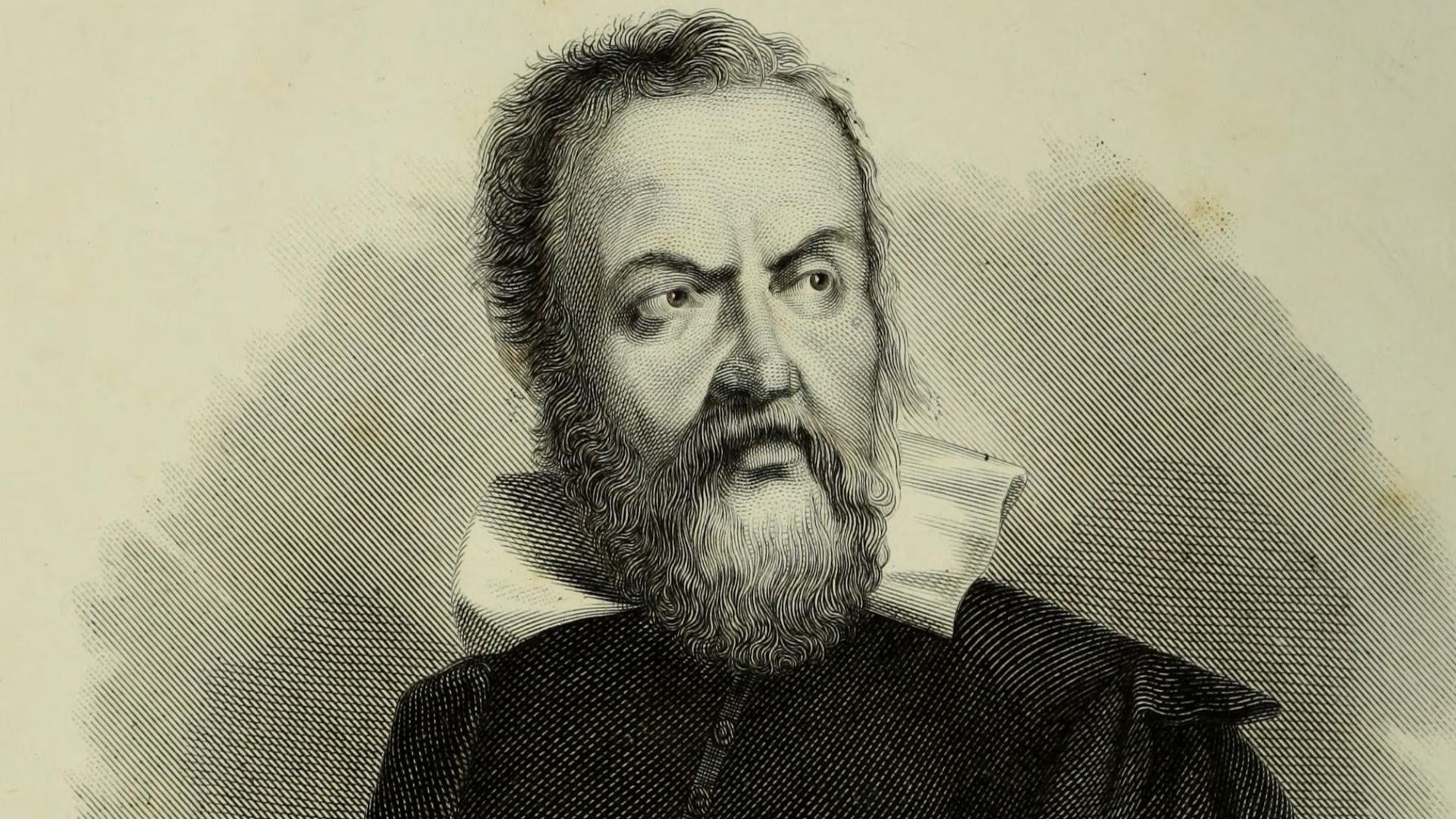 Agostino Lauro, Wikimedia Commons
Semmelweis And The Deadly Status Quo
Ignaz Semmelweis argued that doctors should wash their hands to prevent infection. His colleagues mocked him and rejected his data. Germ theory later confirmed he was right, saving millions of lives.
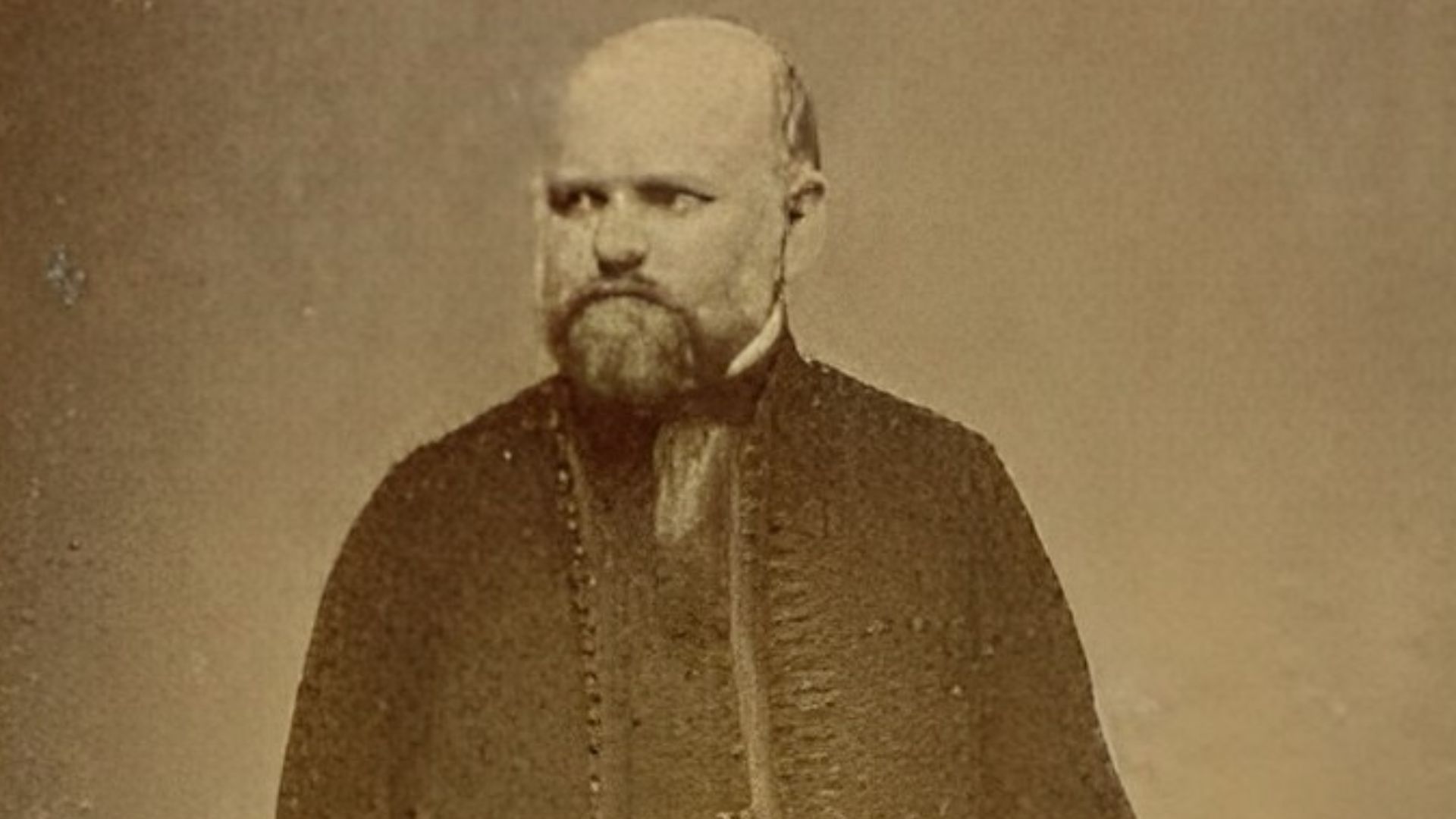 Antal Simonyi, Wikimedia Commons
The Cost Of Being Early
Semmelweis did not live to see his vindication. He died after being institutionalized. His story is one of the clearest examples of fatal professional rejection.
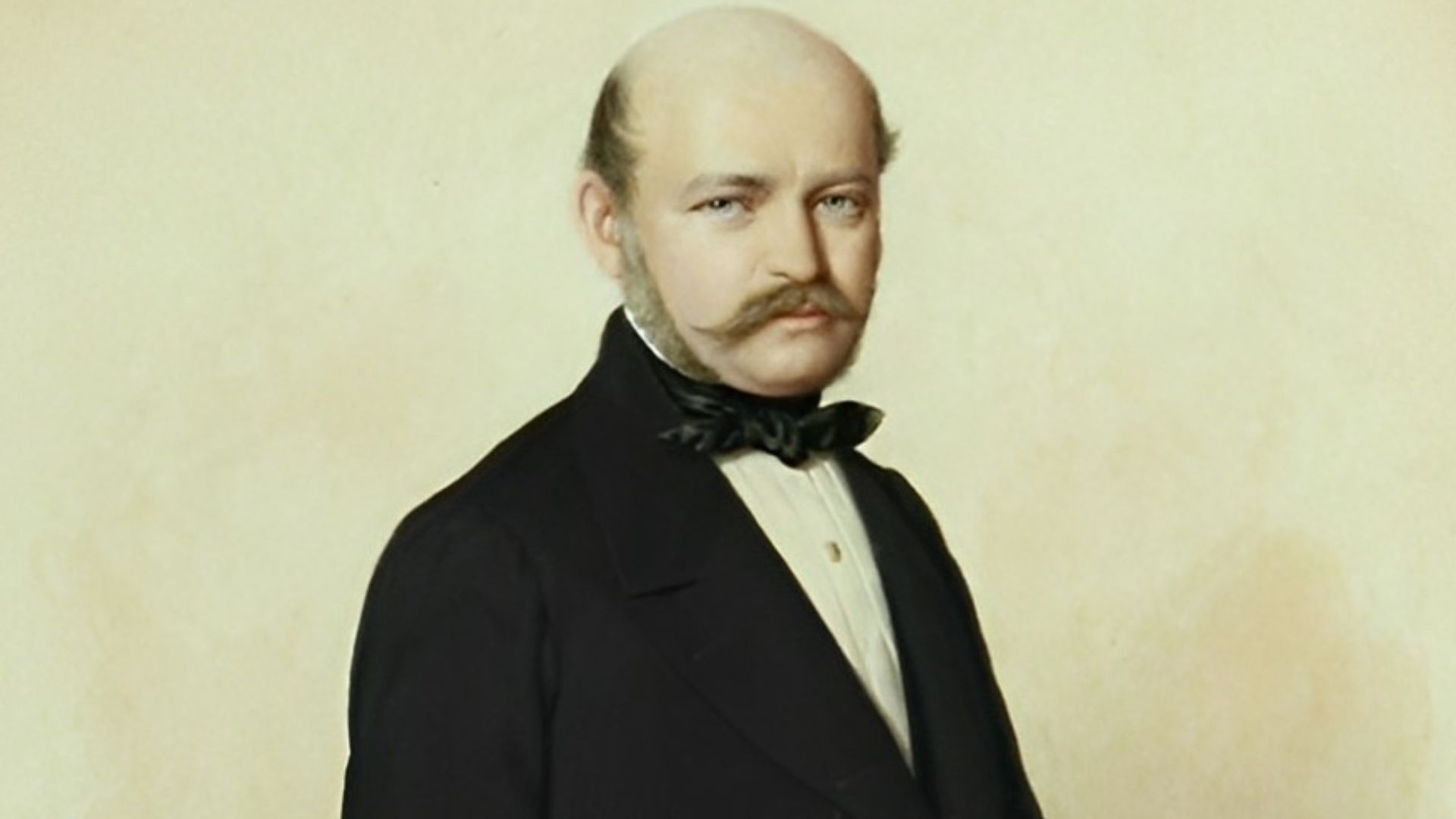 Auguste Alexis Canzi, Wikimedia Commons
Wegener And Moving Continents
Alfred Wegener proposed that continents drift across Earth’s surface. Scientists ridiculed the idea for decades. Plate tectonics eventually proved him correct.
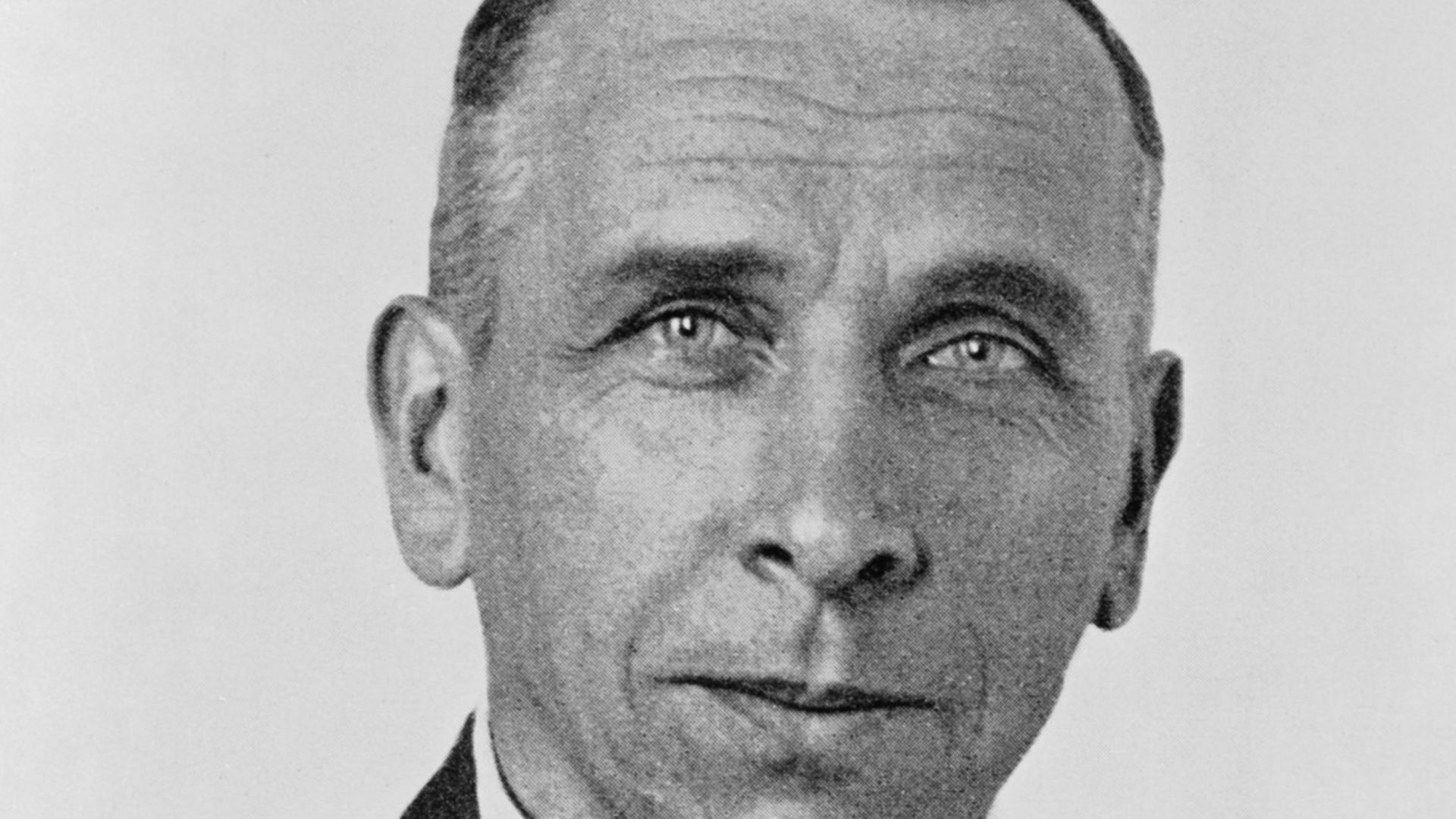 Unknown authorUnknown author, Wikimedia Commons
Mocked By The Establishment
Wegener lacked a mechanism to explain his theory, which made him an easy target. Later discoveries filled in the gaps. His core idea held up.
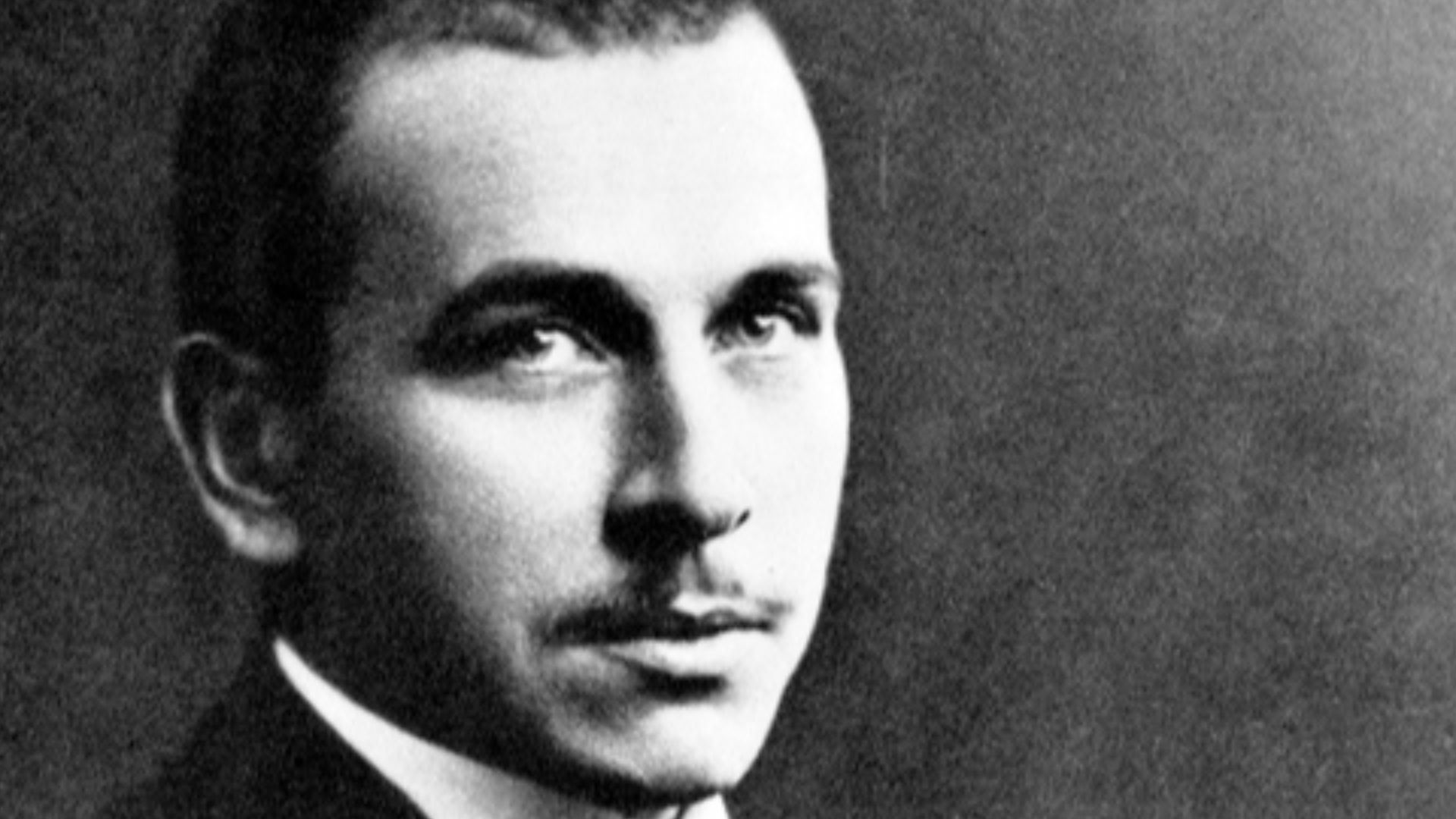 Unknown authorUnknown author, Wikimedia Commons
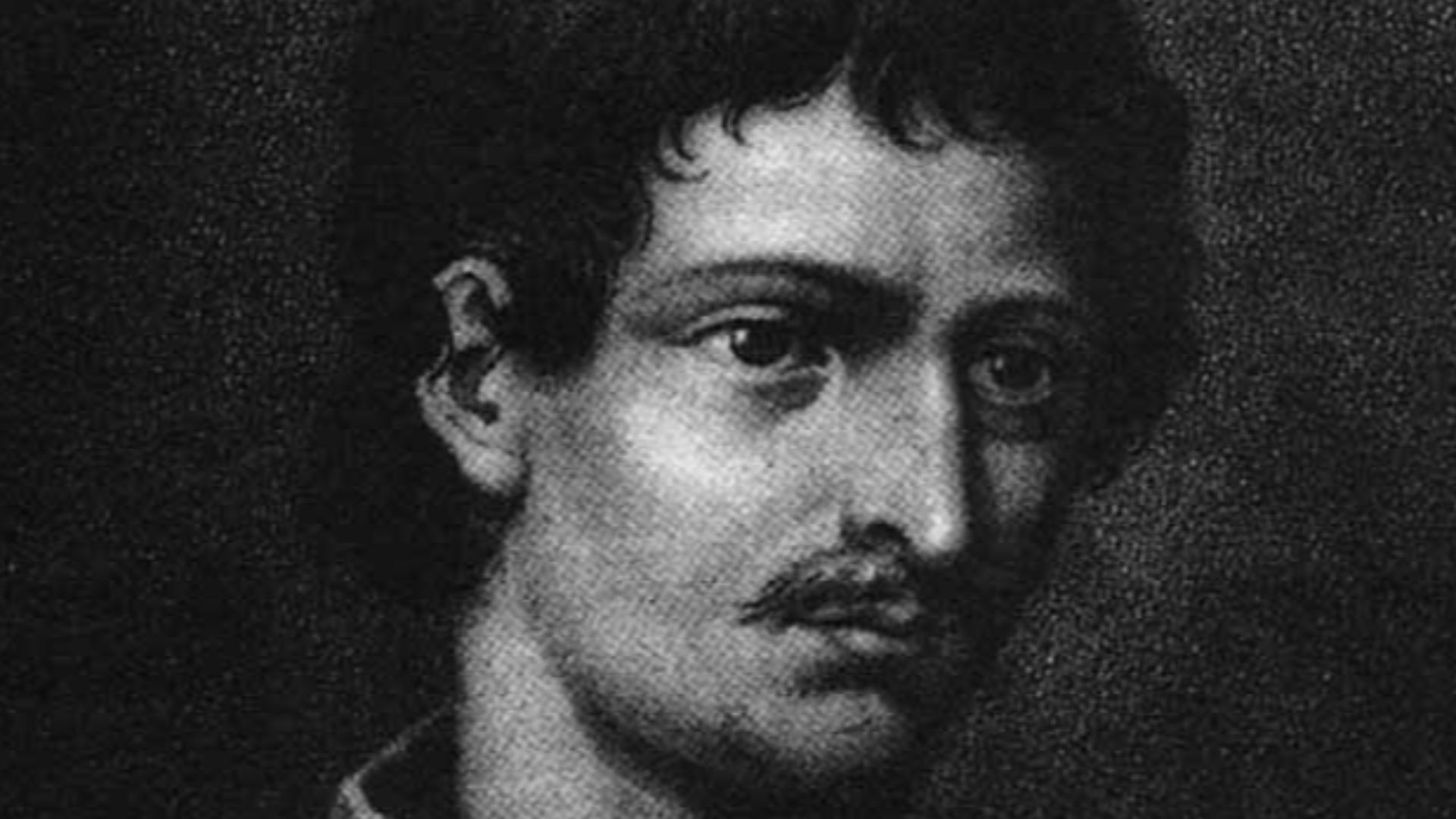
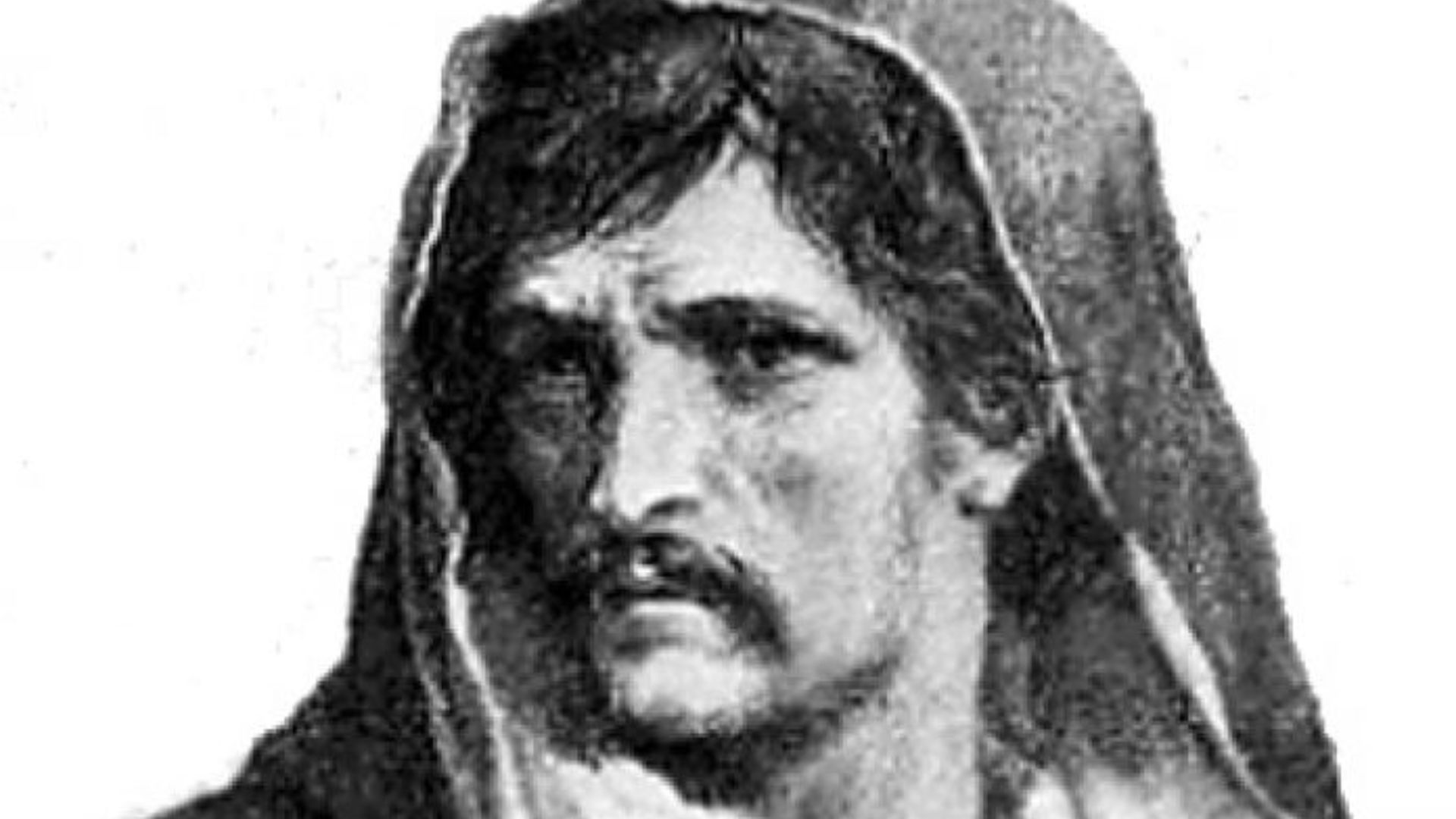
Bruno’s Dangerous Cosmos
Giordano Bruno suggested the universe was infinite and filled with worlds like ours. He was executed for heresy. Modern astronomy supports a vast universe with countless stars and planets.

History's most fascinating stories and darkest secrets, delivered to your inbox daily.
Philosophy Meets Fire
Bruno’s ideas were philosophical, not scientific in the modern sense. Still, his broader vision aligns with what we now know. His punishment reflects fear of intellectual freedom.
 Unknown authorUnknown author, Wikimedia Commons
Socrates And The Price Of Questions
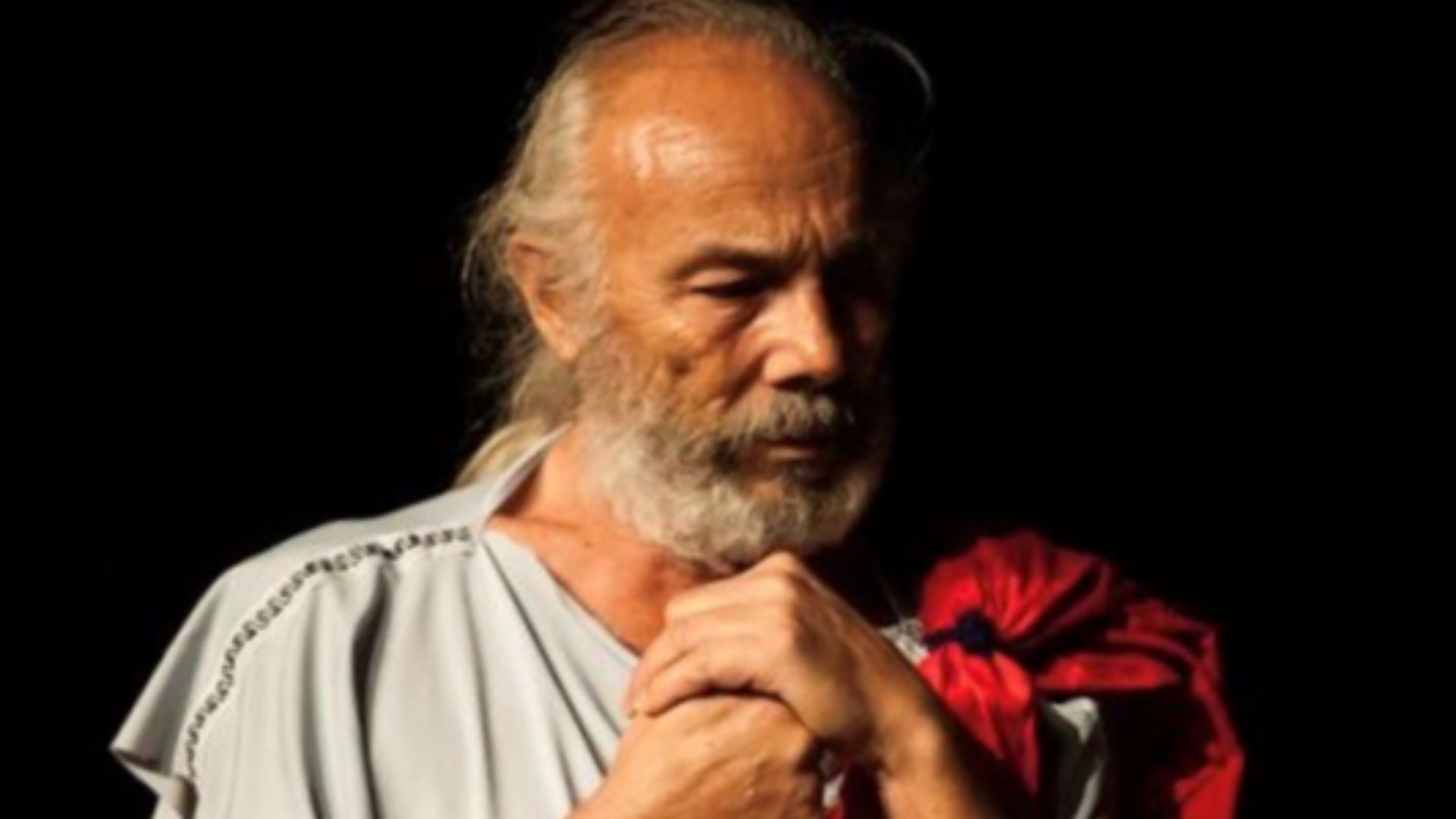
Socrates was sentenced to death in Athens for corrupting the youth. His real offense was relentless questioning of authority. His method became the foundation of Western philosophy.
The Birth Of Critical Thinking
Socratic questioning remains central to education and ethics. What once seemed subversive is now essential. That reversal defines his legacy.
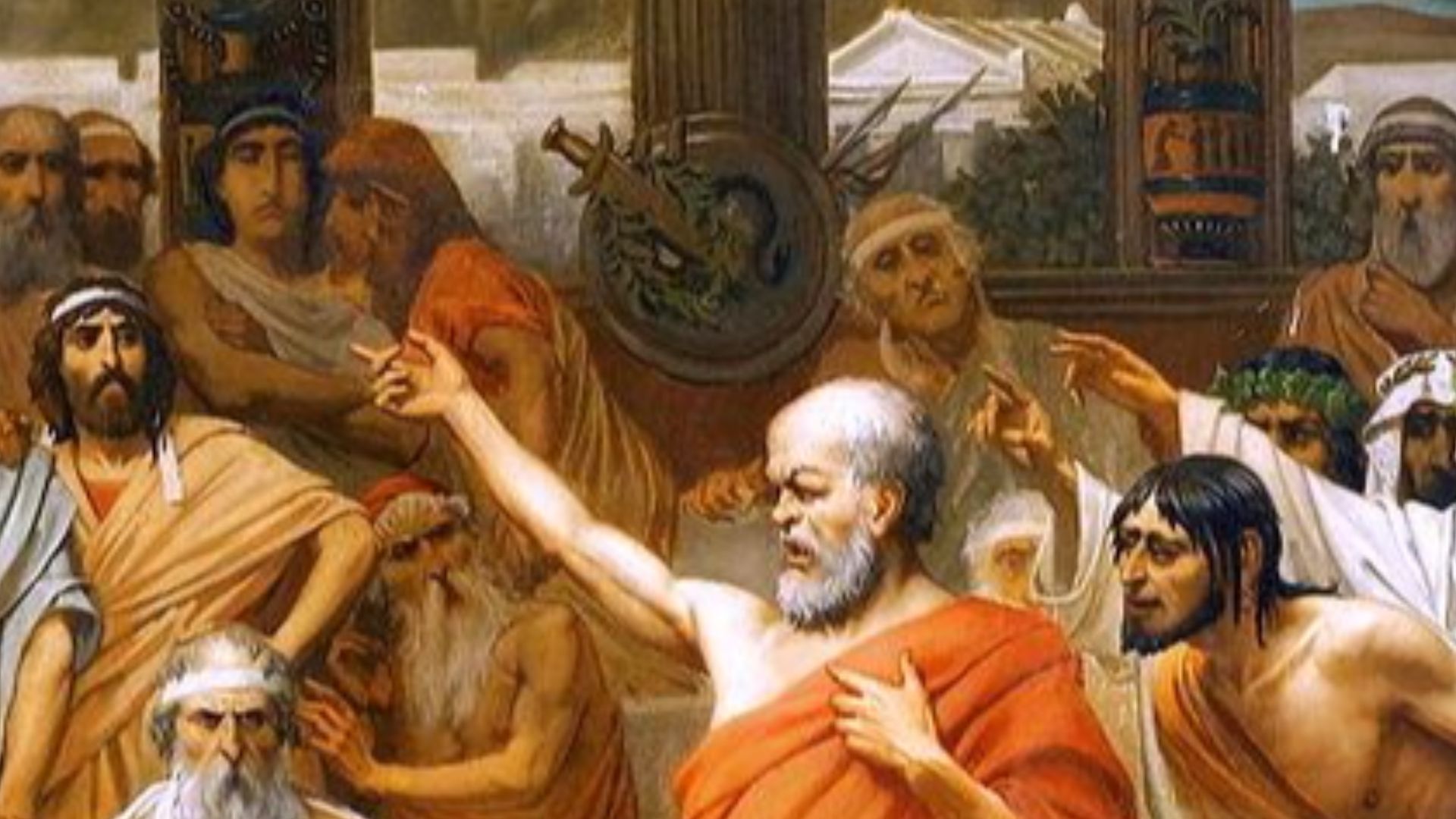 Louis Le Brun, Wikimedia Commons
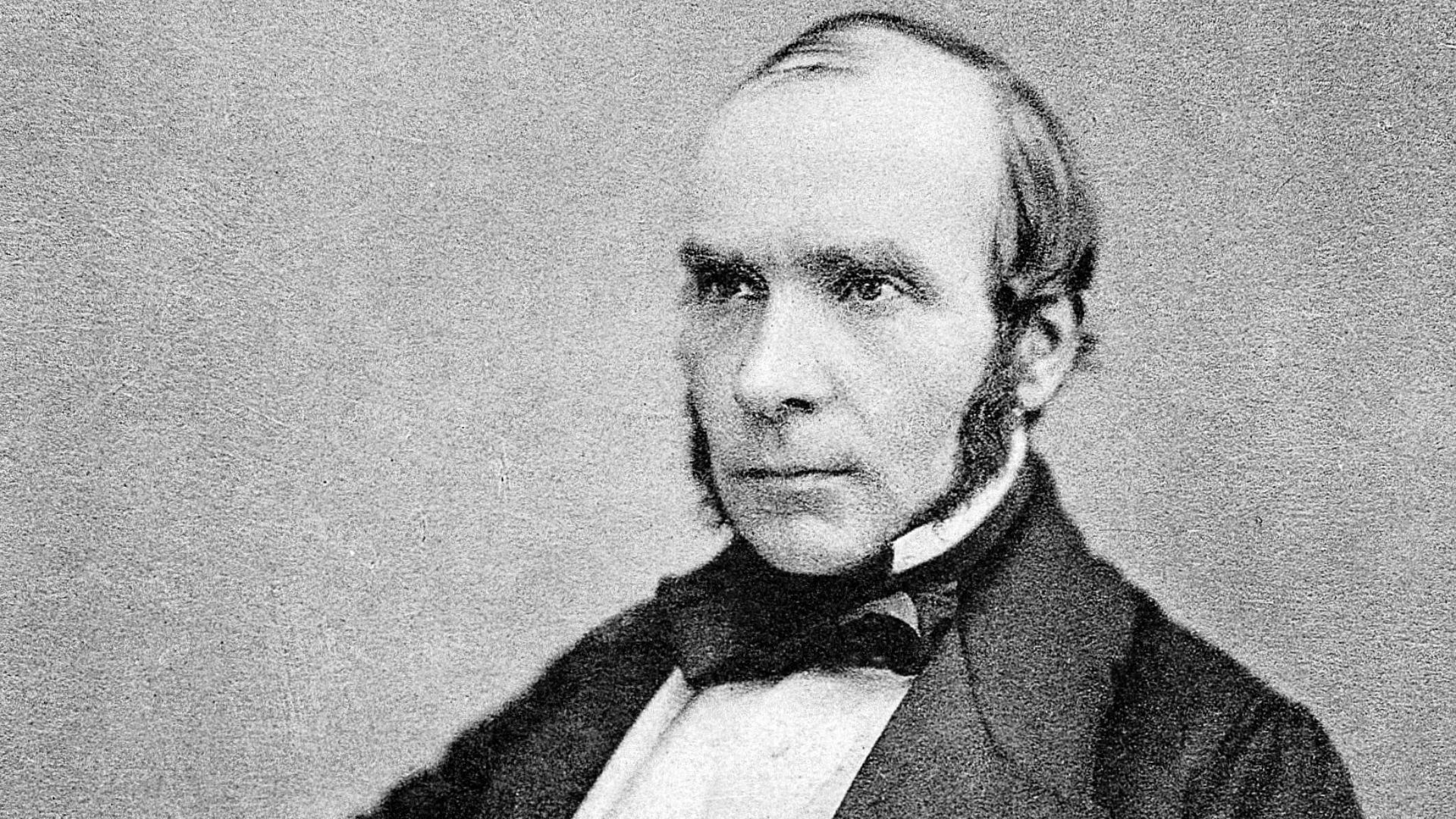
John Snow And Invisible Killers
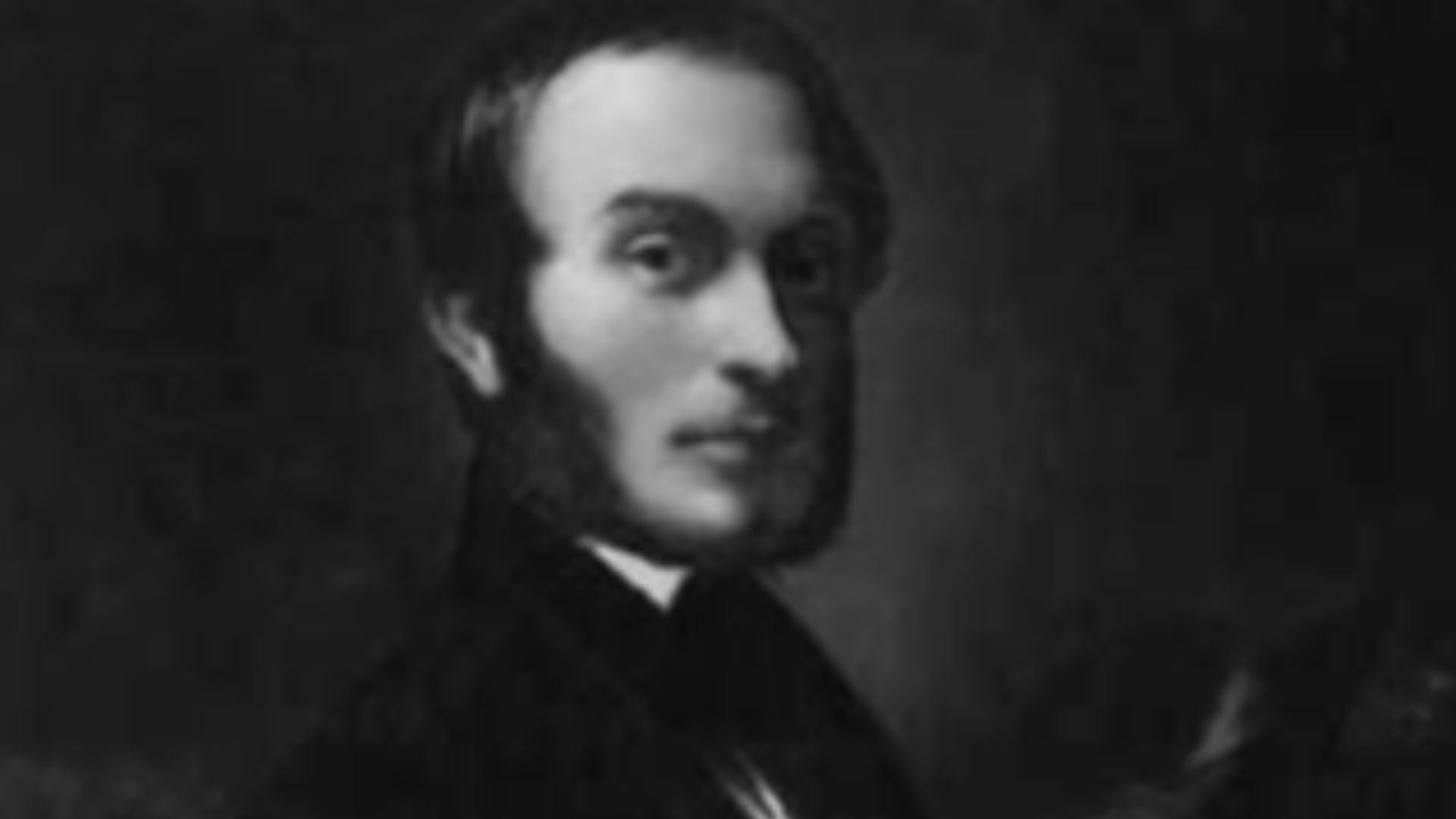
John Snow argued that cholera spread through contaminated water. Most experts believed disease came from bad air. His mapping of cases proved otherwise.
 Materialscientist, Wikimedia Commons
Data Over Dogma
Snow’s work laid the foundation for modern epidemiology. At the time, it was dismissed. Today, it is a textbook case of evidence-driven science.
 Thomas Jones Barker, Wikimedia Commons
Ulcers And A Radical Theory
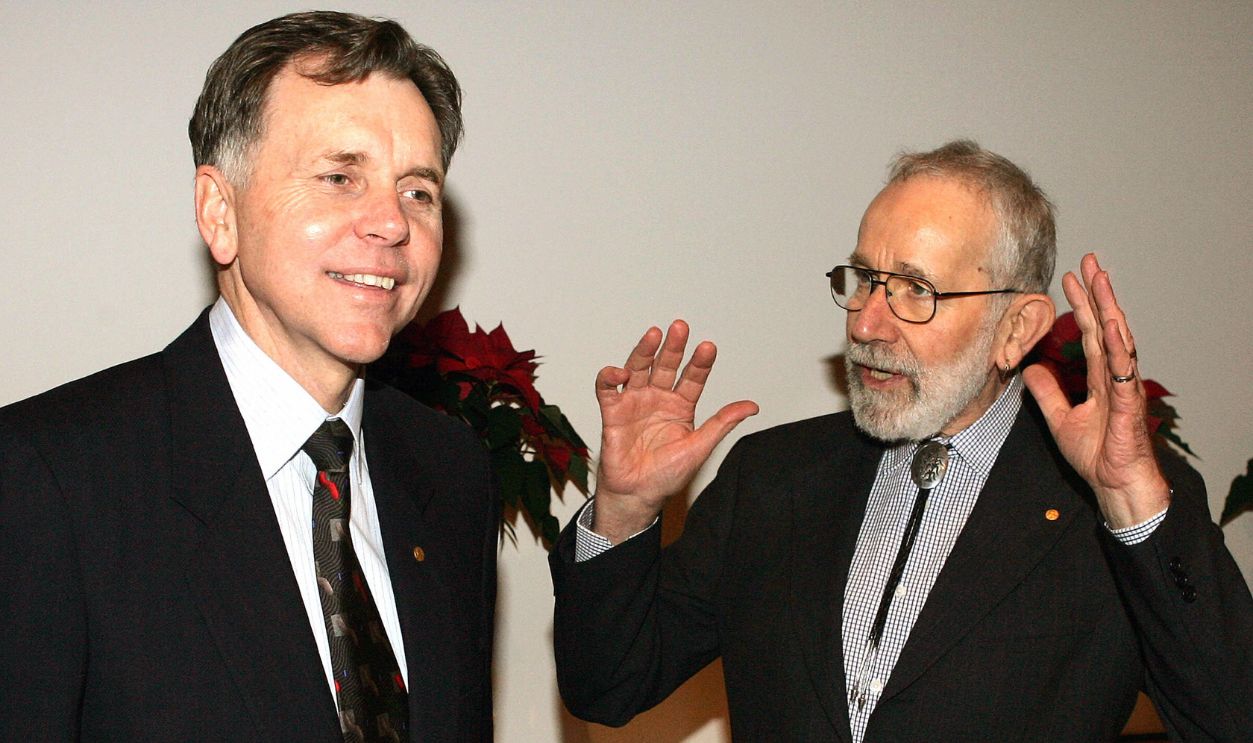
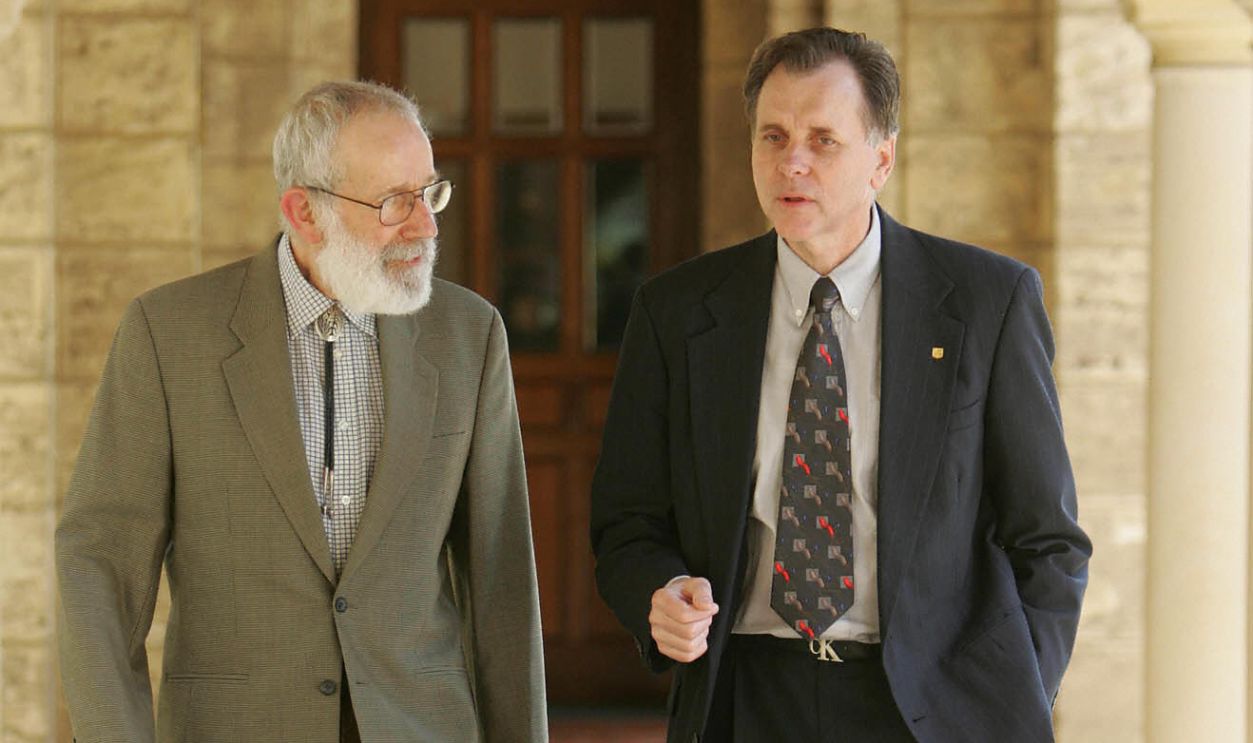
Barry Marshall and Robin Warren claimed bacteria cause stomach ulcers. The medical community rejected the idea. Marshall famously infected himself to prove it.
Proof That Changed Medicine
Their work led to effective antibiotic treatments. They later won the Nobel Prize. Their story shows how entrenched assumptions can delay progress.
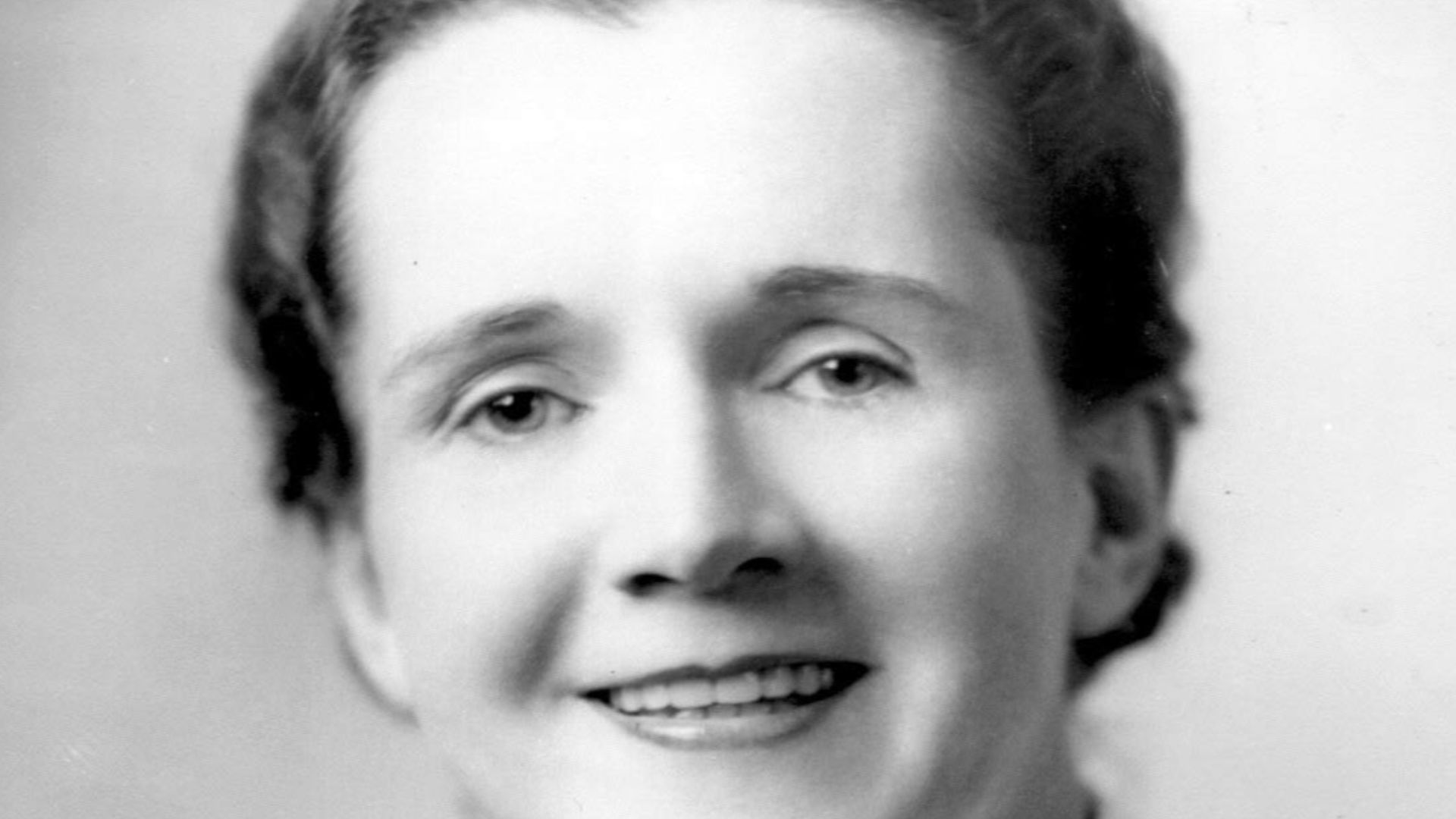
Rachel Carson Versus Industry
Rachel Carson warned about the ecological damage of pesticides like DDT. Chemical companies attacked her credibility. Her findings were later validated.
![Description: Biologist Rachel Louise Carson (1907-1964) began her career with the U.S. Fish and Wildlife Service but achieved fame and social influence with publication of such popular books as The Sea Around Us (1951) and Silent Spring (1962).
Creator/Photographer: Unidentified photographer
Medium: Black and white photographic print
Persistent URL: [1]
Repository: Smithsonian Institution Archives
Collection: Science Service Records, 1902-1965 (Record Unit 7091) - Science Service, now the Society for Science & the Public, was a news organization founded in 1921 to promote the dissemination of scientific and technical information. Although initially intended as a news service, Science Service produced an extensive array of news features, radio programs, motion pictures, phonograph records, and demonstration kits and it also engaged in various educational, translation, and research activities.
Accession number: SIA2008-0392](https://www.factinate.com/storage/app/media/factinate/2026/5/9/1778354870bd91b13c652bdf46a36f0a0e370df8e940a3602f.jpg) Smithsonian Institution from United States, Wikimedia Commons
Smithsonian Institution from United States, Wikimedia Commons
The Birth Of Environmental Awareness
Carson’s work helped launch the modern environmental movement. Regulations followed her warnings. She shifted public understanding of human impact on nature.
 U.S. Fish and Wildlife Service, Wikimedia Commons
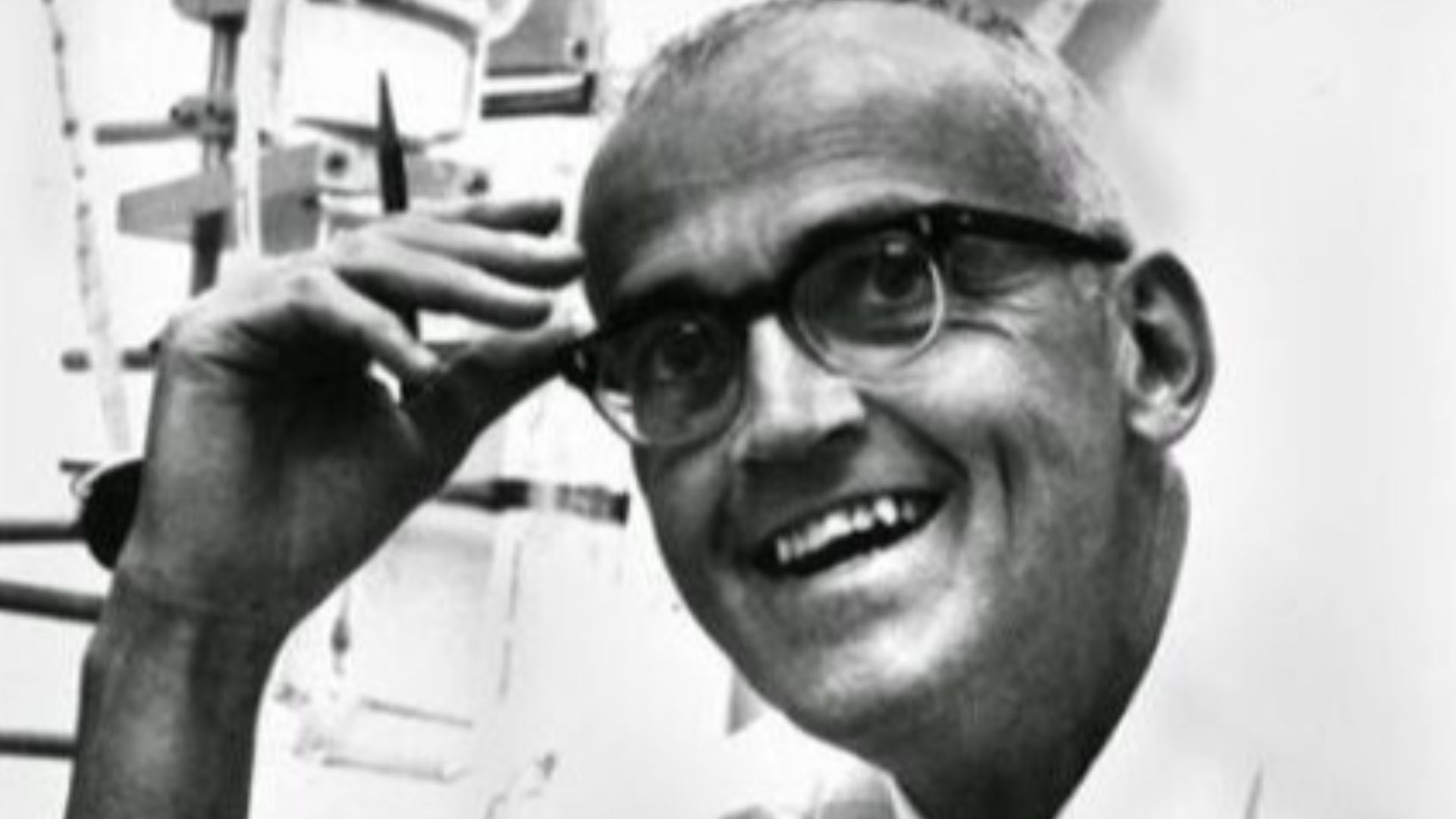
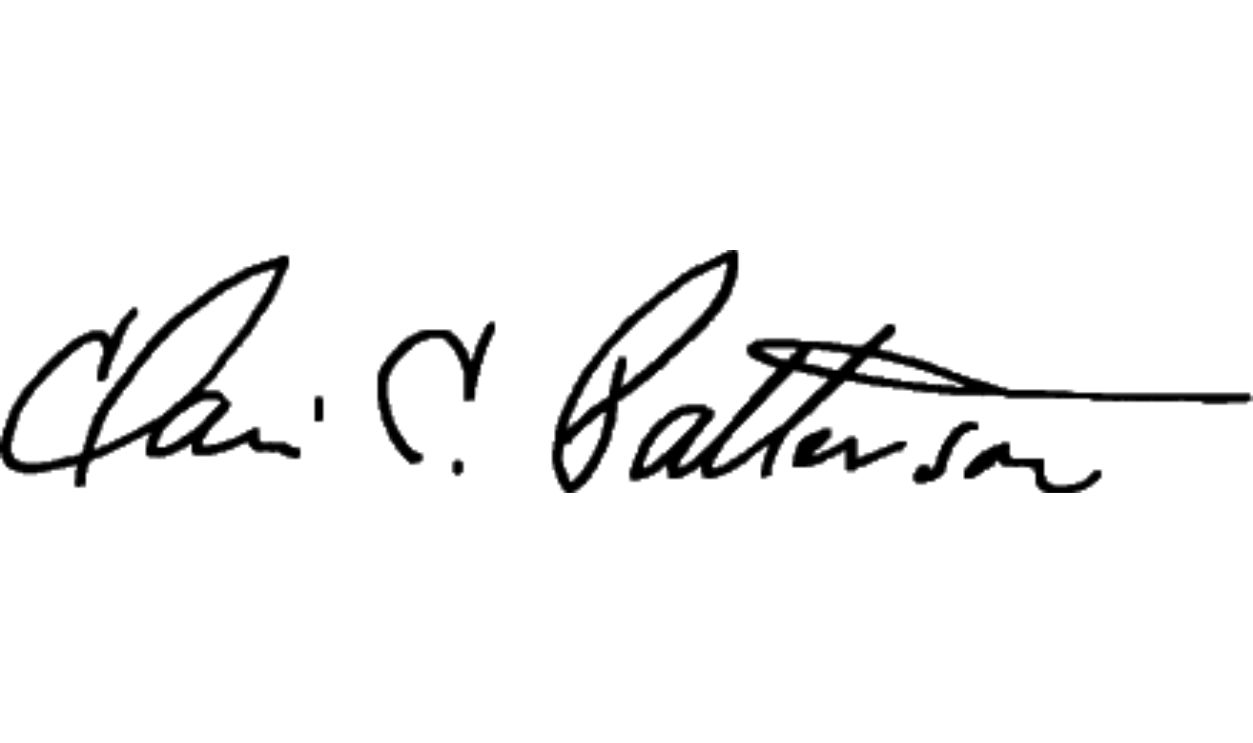
Clair Patterson And Poisoned Air
Clair Patterson discovered widespread lead contamination from gasoline. Industry groups tried to discredit him. His research led to the removal of lead from fuel.
 Unknown authorUnknown author, Wikimedia Commons
Fighting Corporate Influence
Patterson faced significant institutional resistance. His persistence changed public health policy. Lead exposure levels dropped dramatically as a result.
 Clair Cameron Patterson, Wikimedia Commons
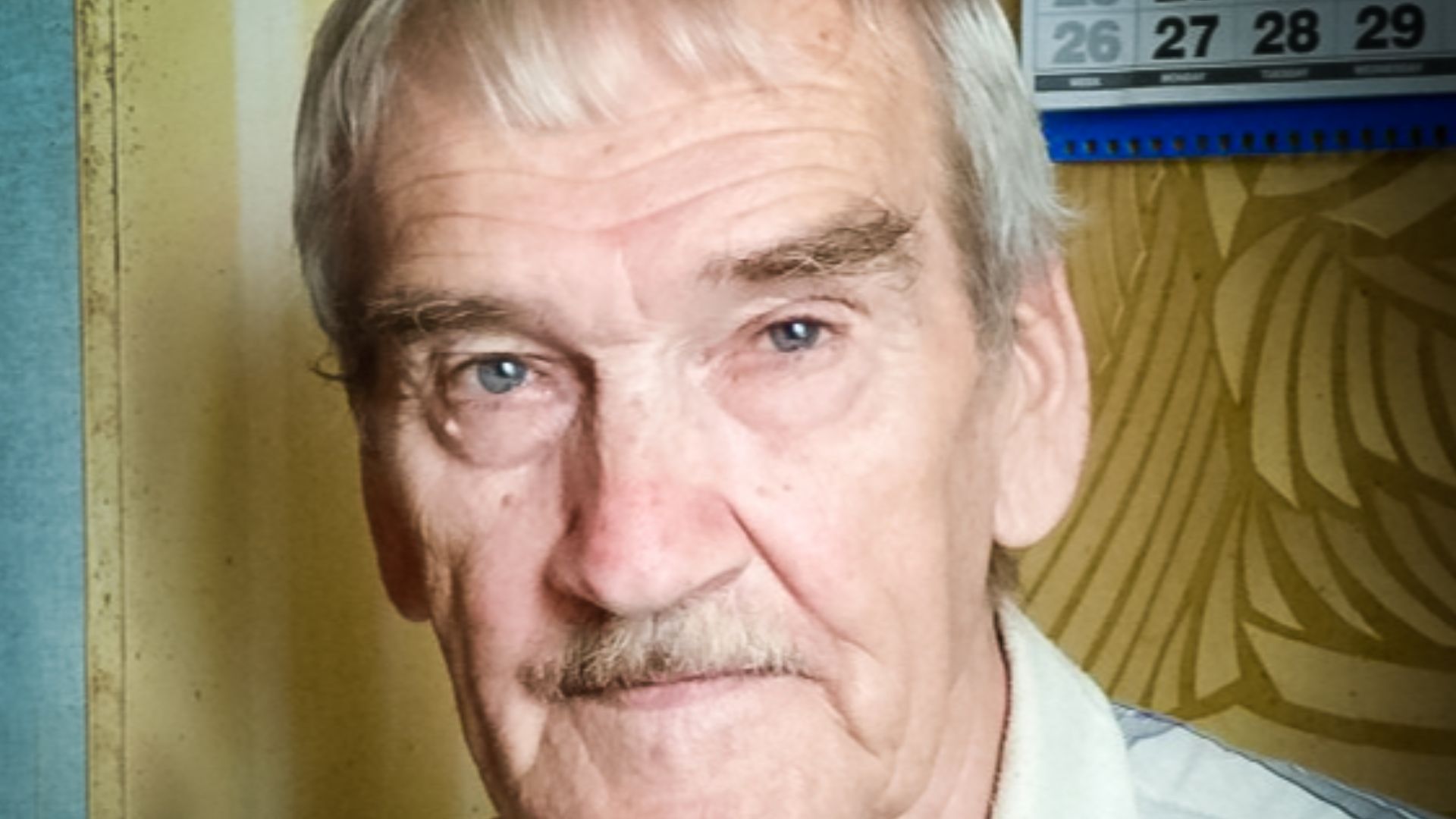
Stanislav Petrov’s Quiet Defiance
Soviet officer Stanislav Petrov received an alert of incoming US missiles. Protocol required immediate retaliation. He judged it a false alarm and did nothing.
A Decision That Mattered
Petrov was reprimanded rather than praised. Later analysis confirmed the alert was false. His decision likely prevented escalation.
Alan Turing And Criminalized Genius
Alan Turing helped break Nazi codes during World War II. He was later prosecuted for homosexuality and chemically castrated. Decades later, he was formally pardoned.
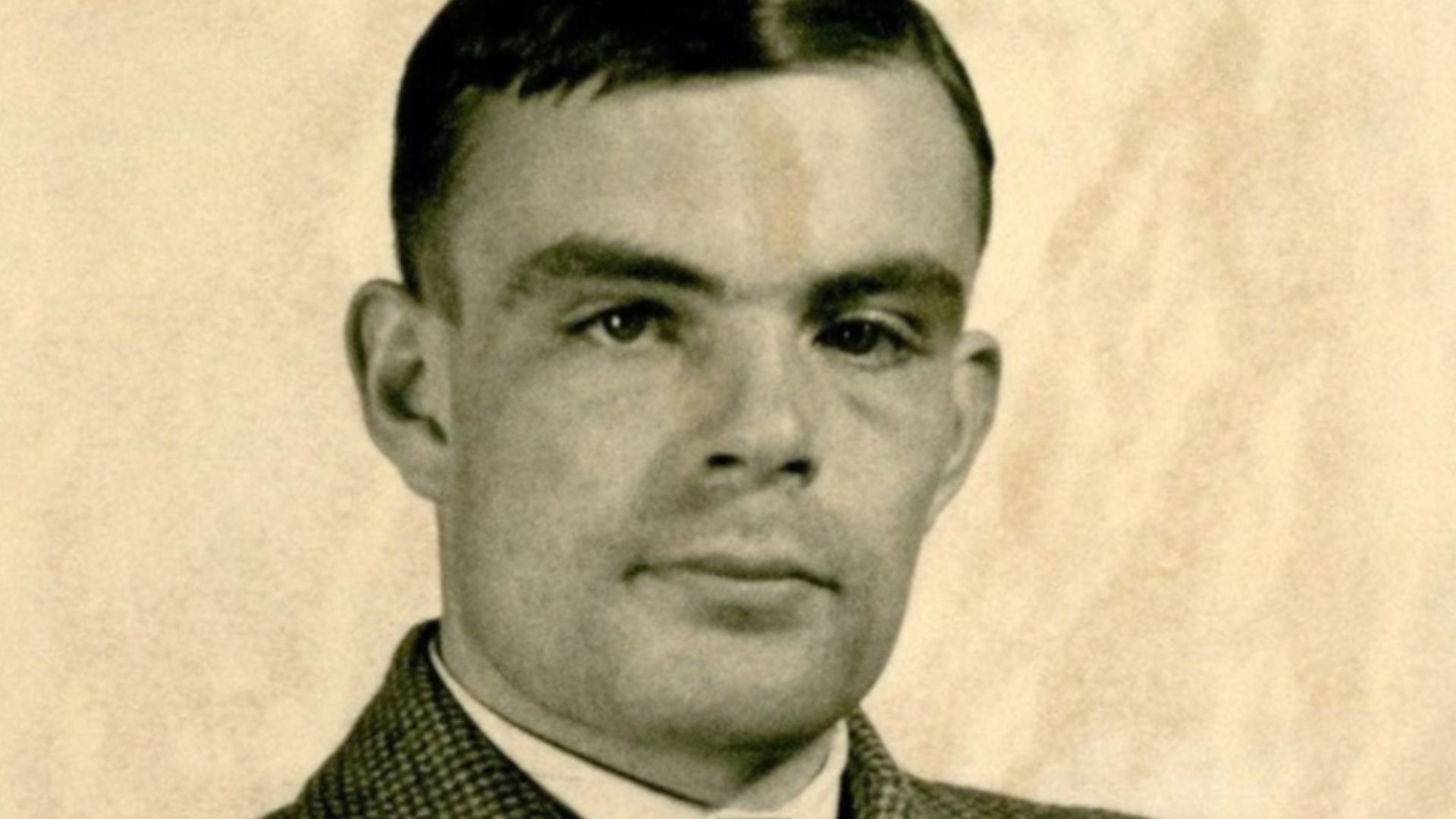 Unknown photographer, Wikimedia Commons
Recognition After Injustice
Turing’s contributions to computing are now widely celebrated. His treatment is viewed as a grave injustice. His case highlights how society can punish its own innovators.
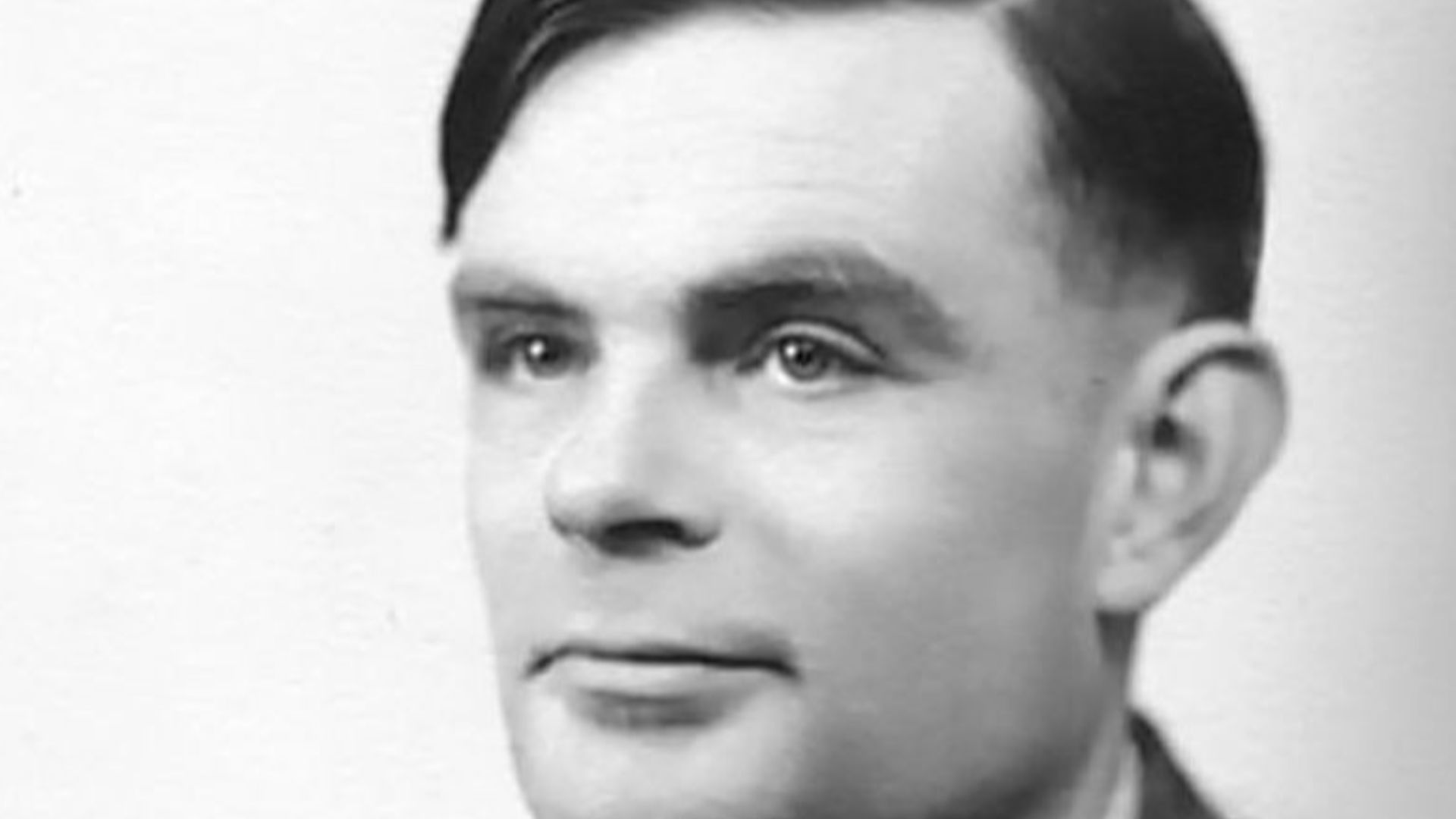 Elliott & Fry, Wikimedia Commons
Sakharov Against The State
Andrei Sakharov helped develop the Soviet hydrogen bomb. He later spoke out against nuclear proliferation and repression. The state exiled and silenced him.
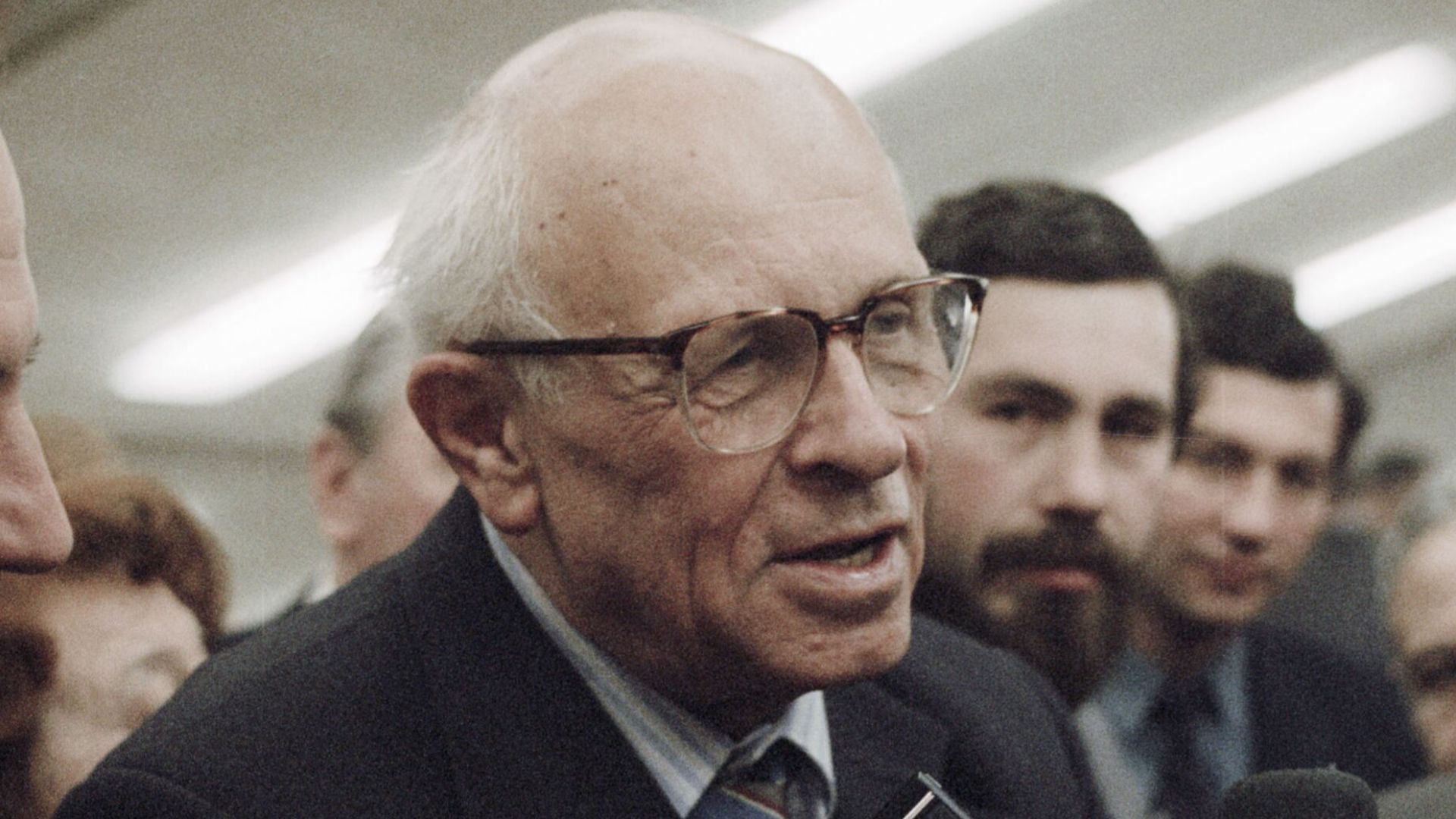 Vladimir Fedorenko / Vladimir Fedorenko, Wikimedia Commons
From Dissident To Symbol
Sakharov won the Nobel Peace Prize. His warnings about arms escalation proved prescient. He is now remembered as a moral voice.
![Collectie / Archief : Fotocollectie Anefo
Reportage / Serie : Aankomst op Schiphol van voorvechter van mensenrechten en hervormingen in de Sovjet-Unie Andrei Sacharov en zijn vrouw Jelena Bonner voor de uitreiking van het eredoctoraat in de rechtsgeleerdheid
Beschrijving : aankomsten, mensenrechten, uitreikingen, eredoctoraten, portretten
Datum : 15 juni 1989
Locatie : Noord-Holland, Schiphol
Trefwoorden : aankomsten, eredoctoraten, mensenrechten, portretten, uitreikingen
Persoonsnaam : Sacharov, Andrei
Fotograaf : Croes, Rob C. / Anefo, [onbekend]
Auteursrechthebbende : Nationaal Archief
Materiaalsoort : Negatief (zwart/wit)
Nummer archiefinventaris : bekijk toegang 2.24.01.05
Bestanddeelnummer : 934-4708](https://www.factinate.com/storage/app/media/factinate/2026/5/9/1778355423c9c4a7977e1aa8c189deed3958f6a79f6f00466d.jpg) Rob Croes for Anefo, Wikimedia Commons
Rob Croes for Anefo, Wikimedia Commons
Havel And The Power Of Truth
Václav Havel criticized authoritarian rule in Czechoslovakia. He was imprisoned for his views. After the regime fell, he became president.
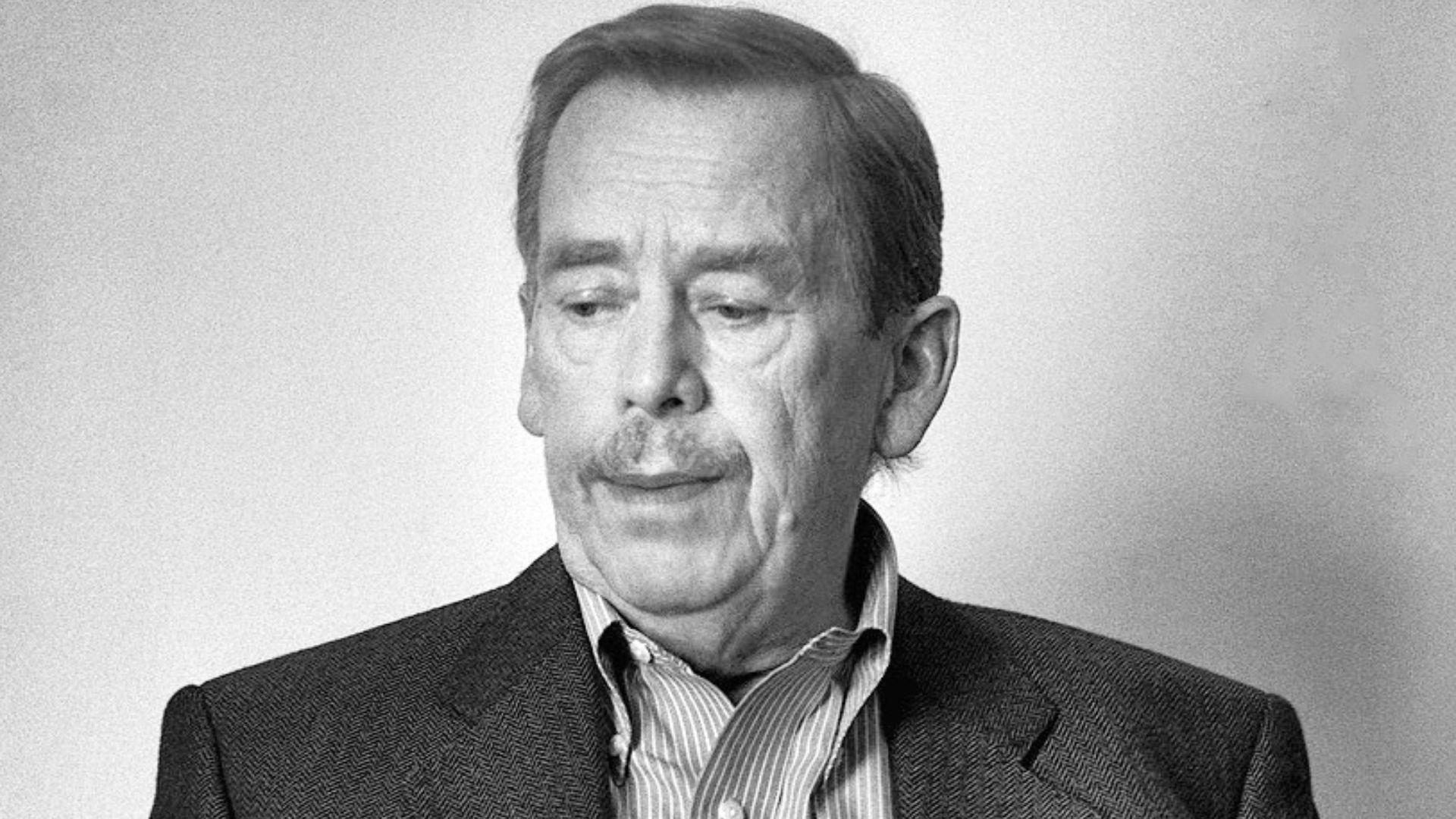 original: Jiri Jiroutekderivative work: ThecentreCZ, Wikimedia Commons
The Writer Who Won
Havel’s essays argued that truth has power even under oppression. History validated that belief. His life reflects political transformation.
 Ondrej Slama, Wikimedia Commons
Ellsberg And The Pentagon Papers
Daniel Ellsberg leaked documents revealing government deception during the Vietnam War. He was charged as a traitor. The case against him was dismissed.
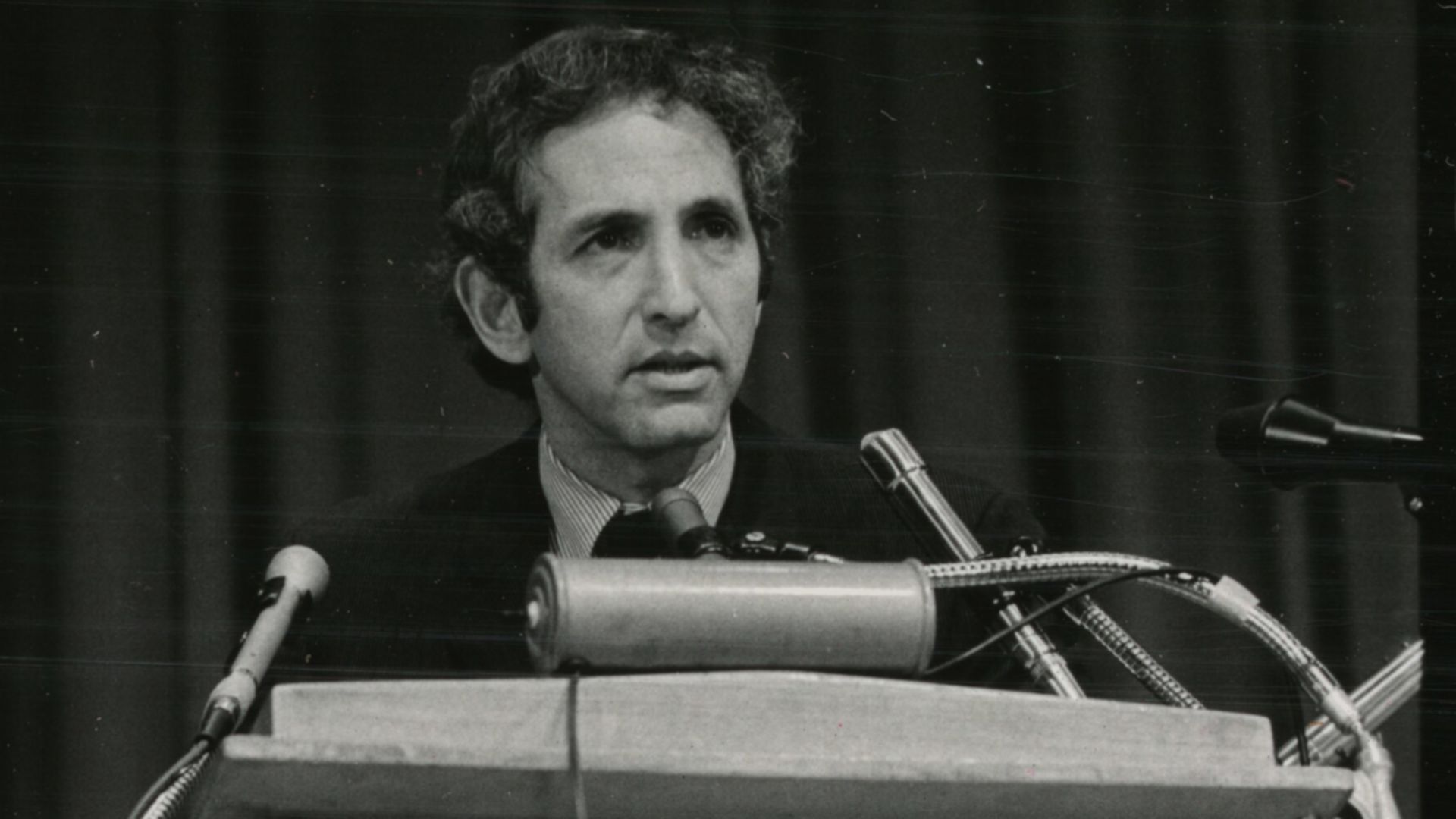 Gotfryd, Bernard, photographer, Wikimedia Commons
Transparency Versus Secrecy
The Pentagon Papers reshaped public trust in government. Ellsberg’s actions remain debated. The facts he exposed were undeniable.
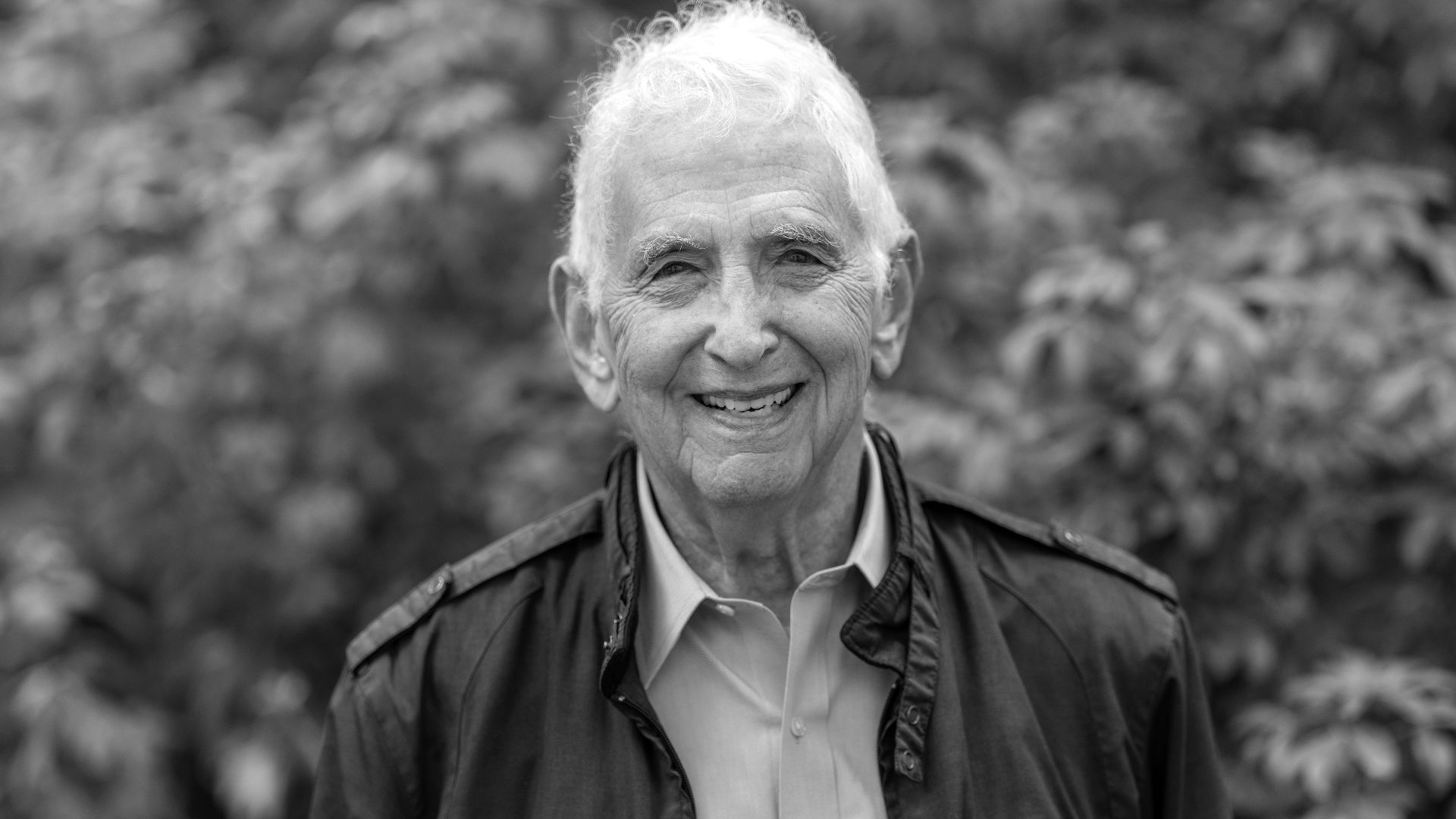 Christopher Michel, Wikimedia Commons
Snowden And Modern Surveillance
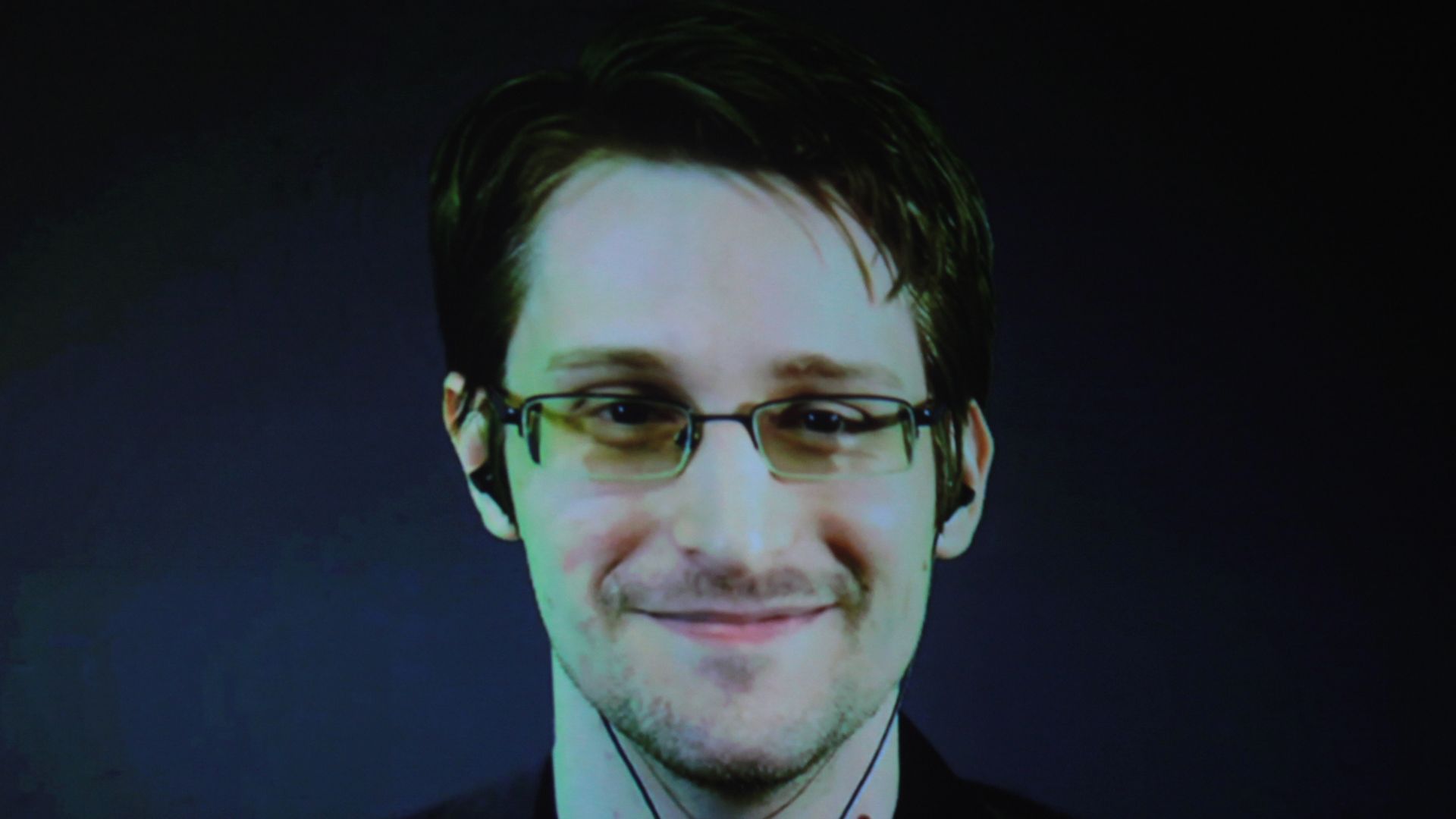
Edward Snowden revealed the scale of global surveillance programs. Governments labeled him a criminal. Courts later ruled some programs unlawful.
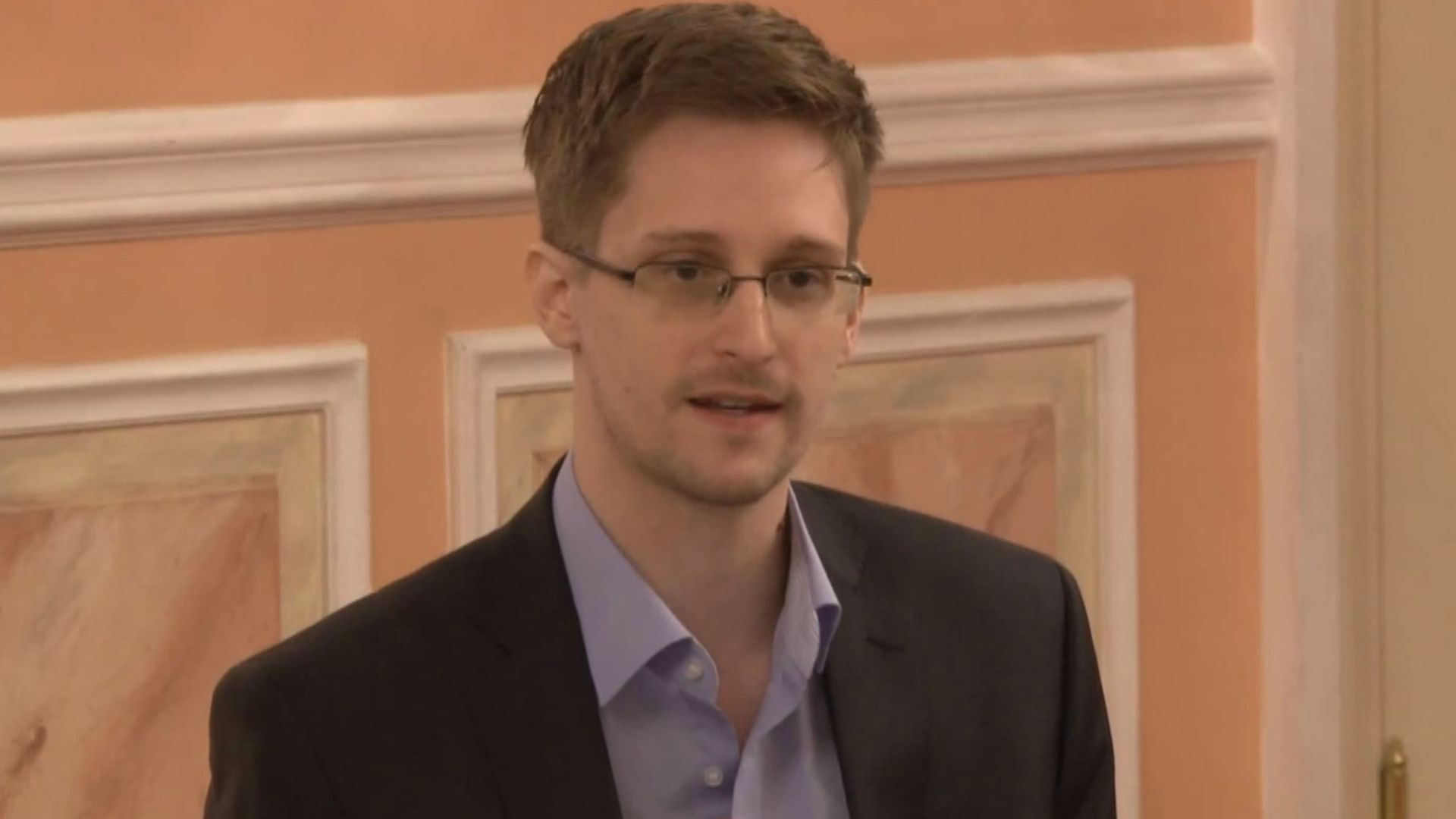 https://www.youtube.com/user/TheWikiLeaksChannel, Wikimedia Commons
A Complicated Legacy
Snowden remains a polarizing figure. His disclosures sparked global debate about privacy. His case shows how “villain” status can depend on perspective.
 Gage Skidmore from Surprise, AZ, United States of America, Wikimedia Commons
Why History Gets It Wrong
These figures share a pattern of resistance and delayed recognition. They challenged dominant systems and paid a price. In time, evidence or events shifted the narrative.
Rethinking The Word Villain
Most of these people were not villains in any moral sense. They were dissenters who disrupted comfortable assumptions. History eventually made room for their ideas.
 St. Louis Circuit Attorney's Office, Wikimedia Commons








.png)