Freethinking Pioneer
From his groundbreaking insights into the cosmos to his persecution at the hands of the Catholic Church, Galileo Galilei stands as one of the most innovative and freethinking pioneers of modern science. We explore how the Renaissance polymath made his name
 Ottavio Leoni, Wikimedia Commons
Who Was Galileo Galilei?
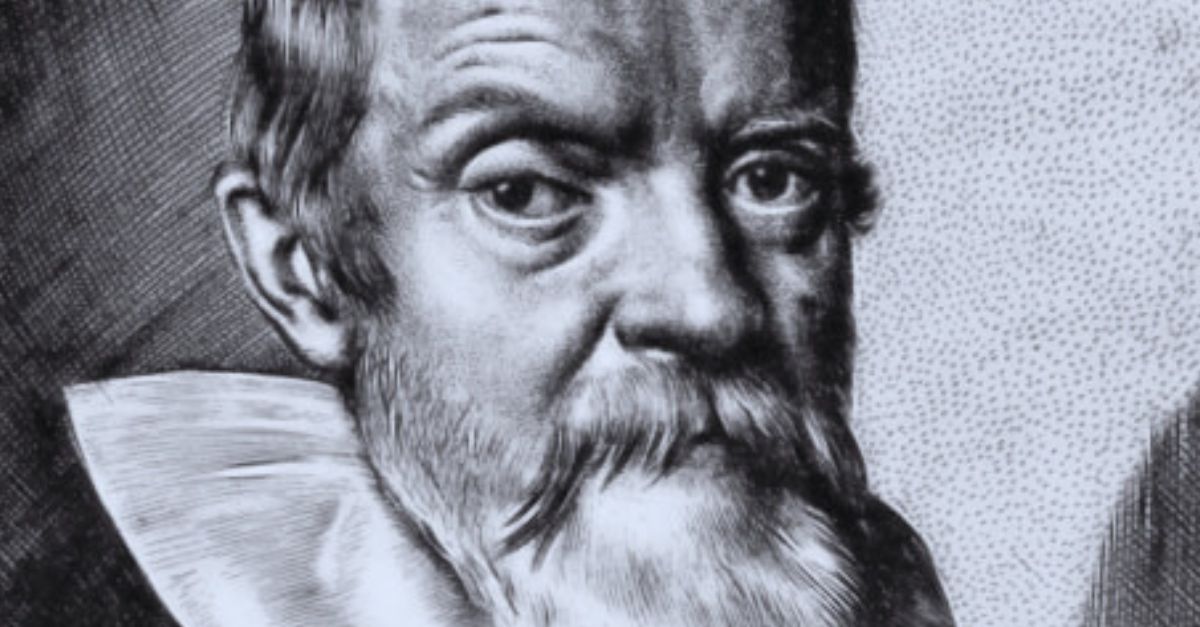
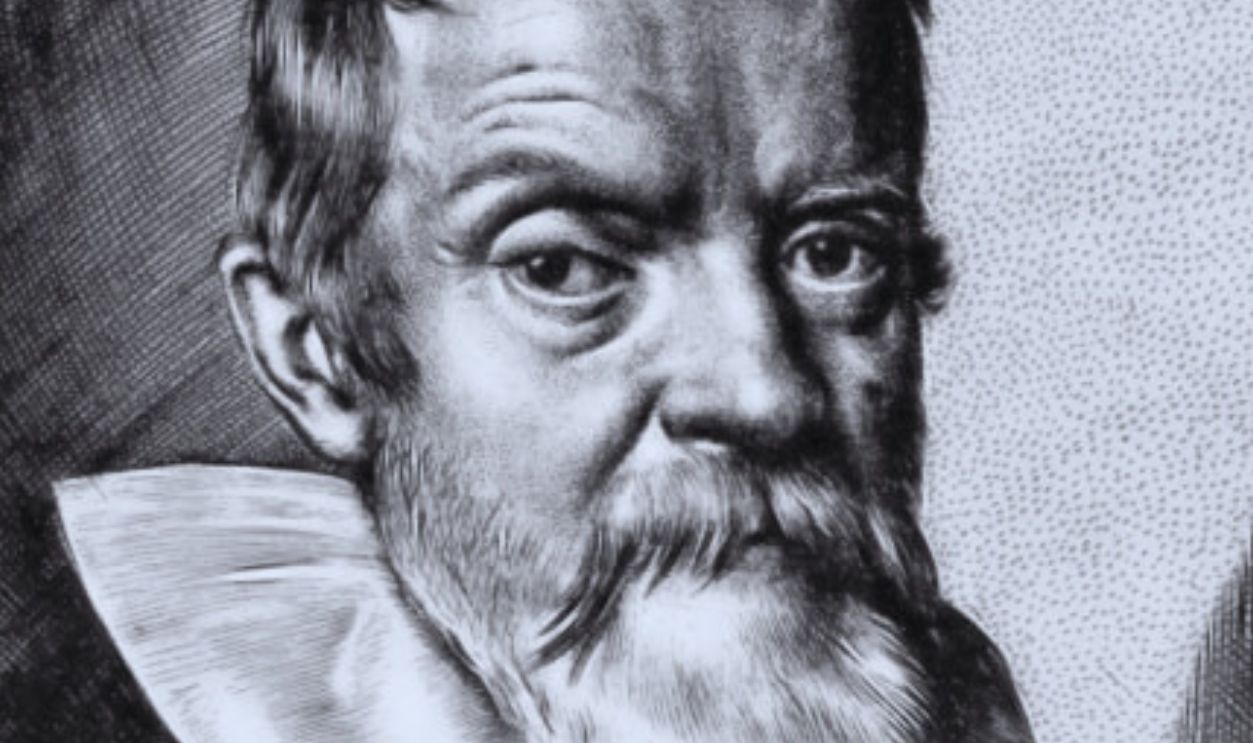
Galileo di Vincenzo Bonaiuti de’ Galilei – universally known just by his Christian name Galileo – was an astronomer, physicist and mathematician whose experiments revolutionised science and laid the foundations of modern physics.
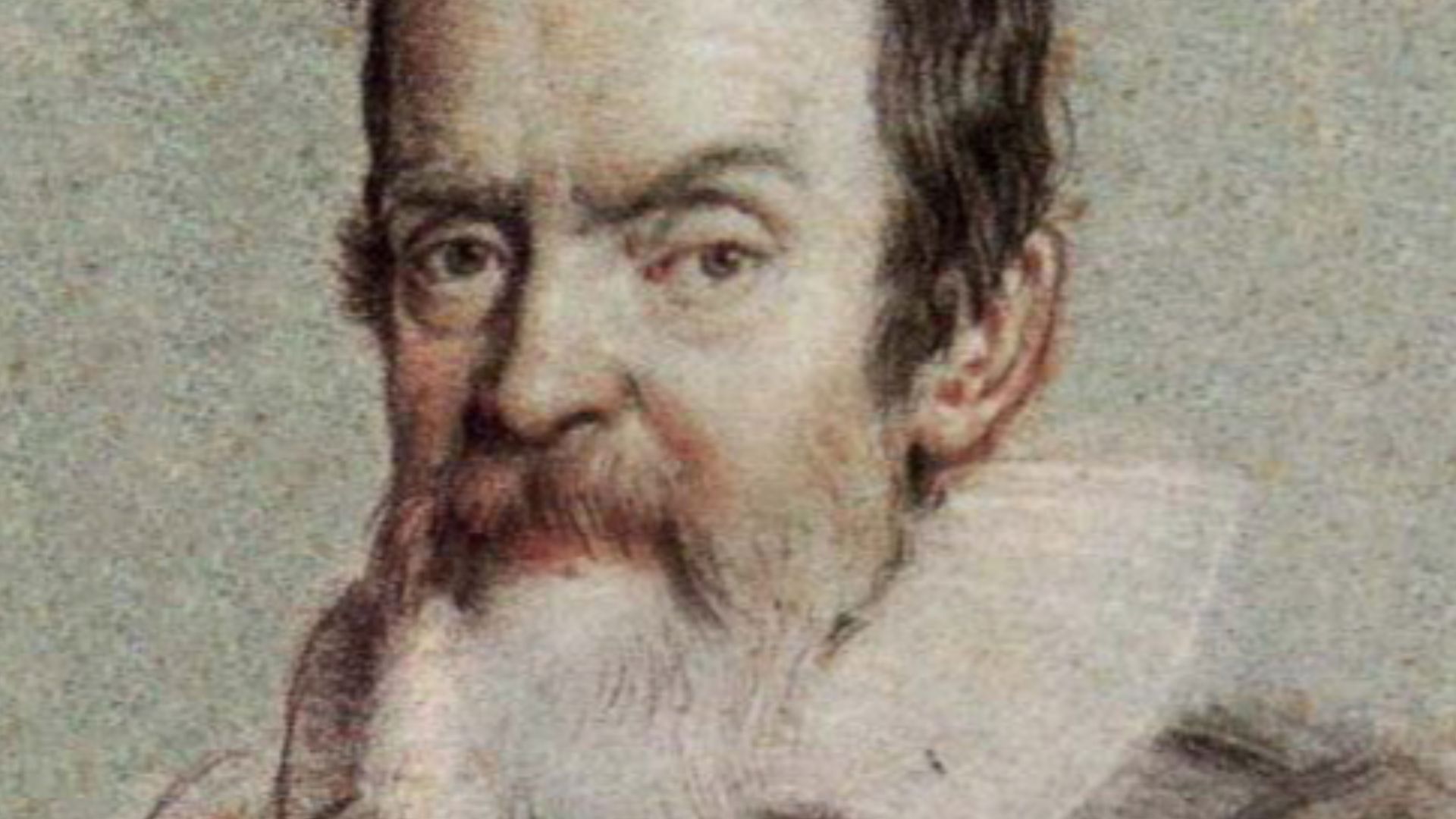 Ottavio Leoni, Wikimedia Commons
He Said The Earth Orbits The Sun
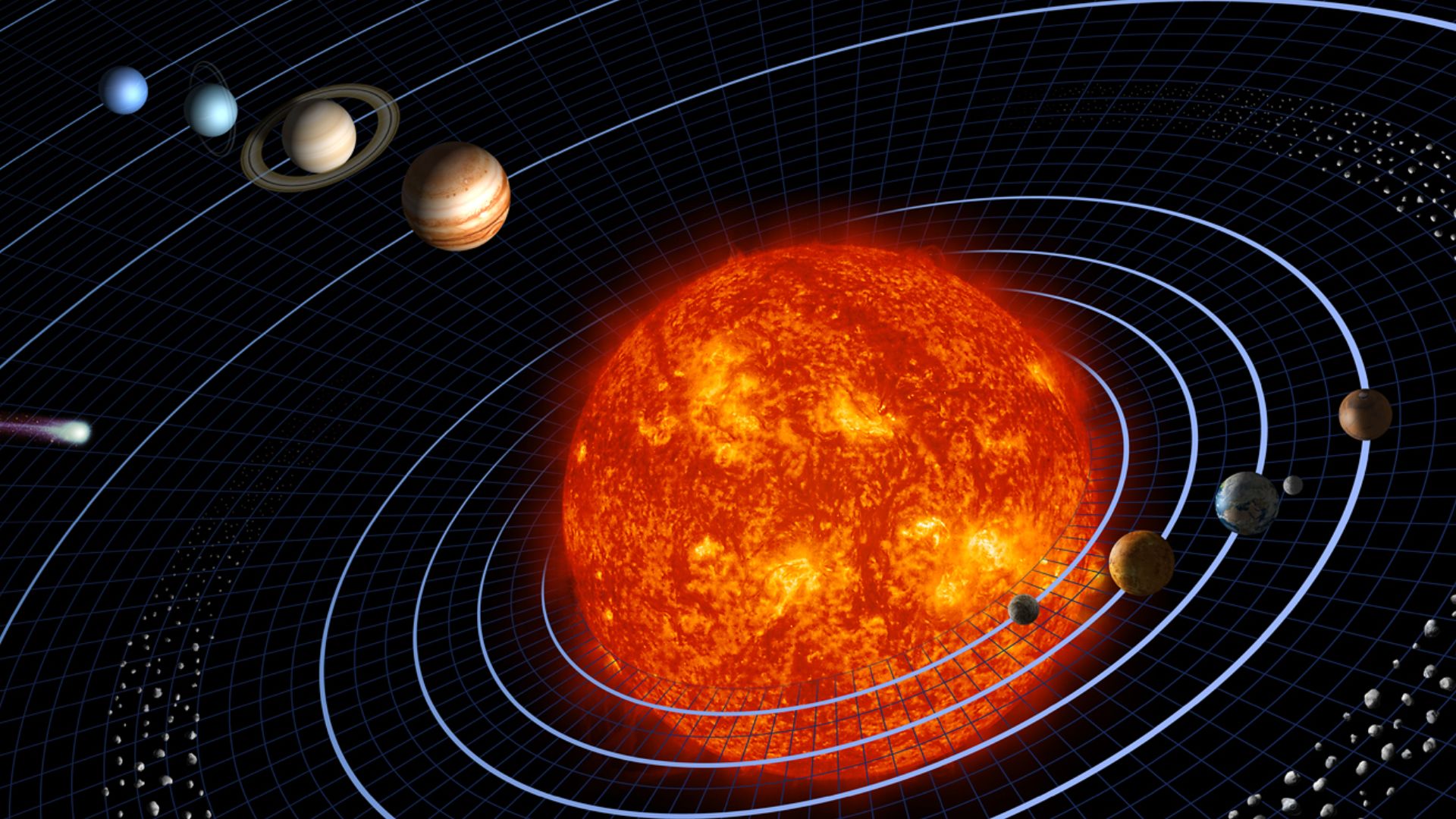
Born in Pisa on 15 February 1564, Galileo’s meticulous observations were aided by his own modifications to the telescope, which enabled him to corroborate the heliocentric model of the solar system advanced by Nicolaus Copernicus (in which the Earth orbits the Sun at its centre).
Experiments Brought Conflict
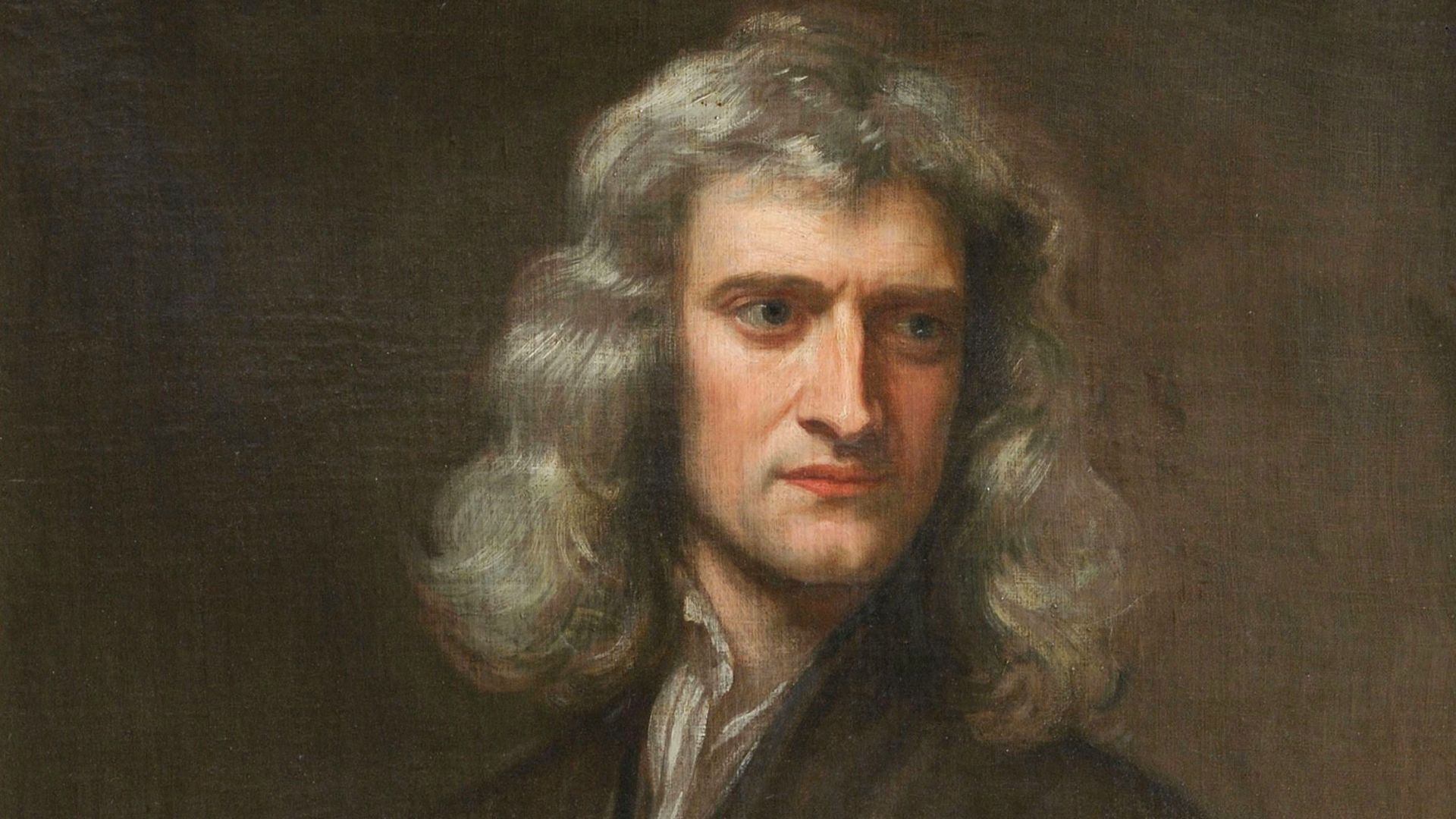
Galileo’s experiments on motion and gravity eventually led to Isaac Newton’s three laws of motion, and he made significant contributions to the development of the scientific method by emphasising the importance of experimentation and observation in understanding the natural world. But he also came into conflict with the Catholic Church.
 Ottavio Leoni, Wikimedia Commons
Trial As A Heretic
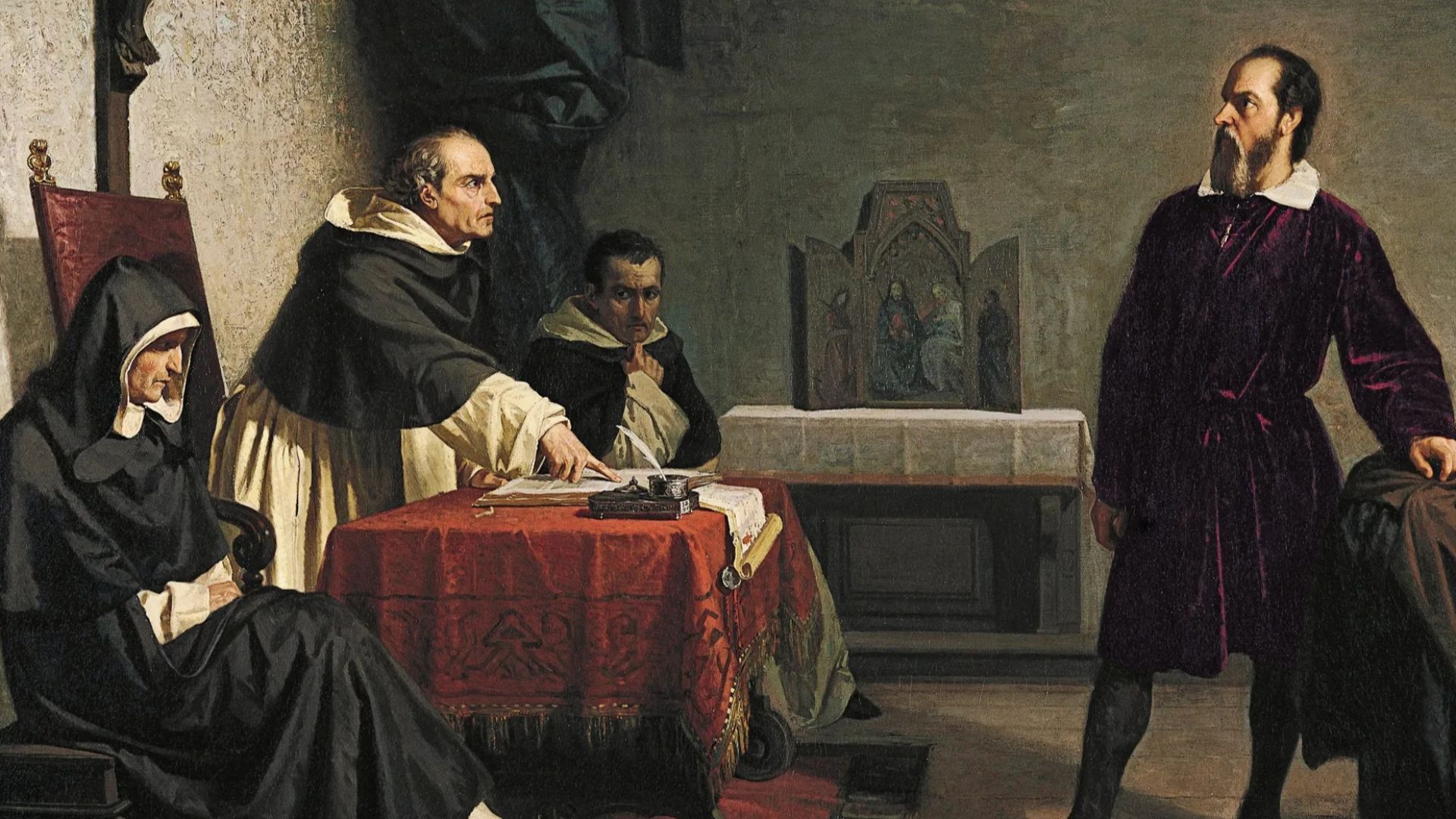
Galileo's writings and public statements of his ideas lead to his trial for heresy and spending the last years of his life under house arrest. For his relentless pursuit of knowledge and his willingness to challenge prevailing beliefs, however, Galileo is recognised as one of the most influential figures in the history of science.
 Cristiano Banti, Wikimedia Commons
Galileo's Early Life
According to physicist and historian James Hannam, Galileo was born into a relatively affluent family in Pisa, a thriving university city in Tuscany. Pisa was part of the Grand Duchy of Florence at the time, ruled over by the powerful Medici family.
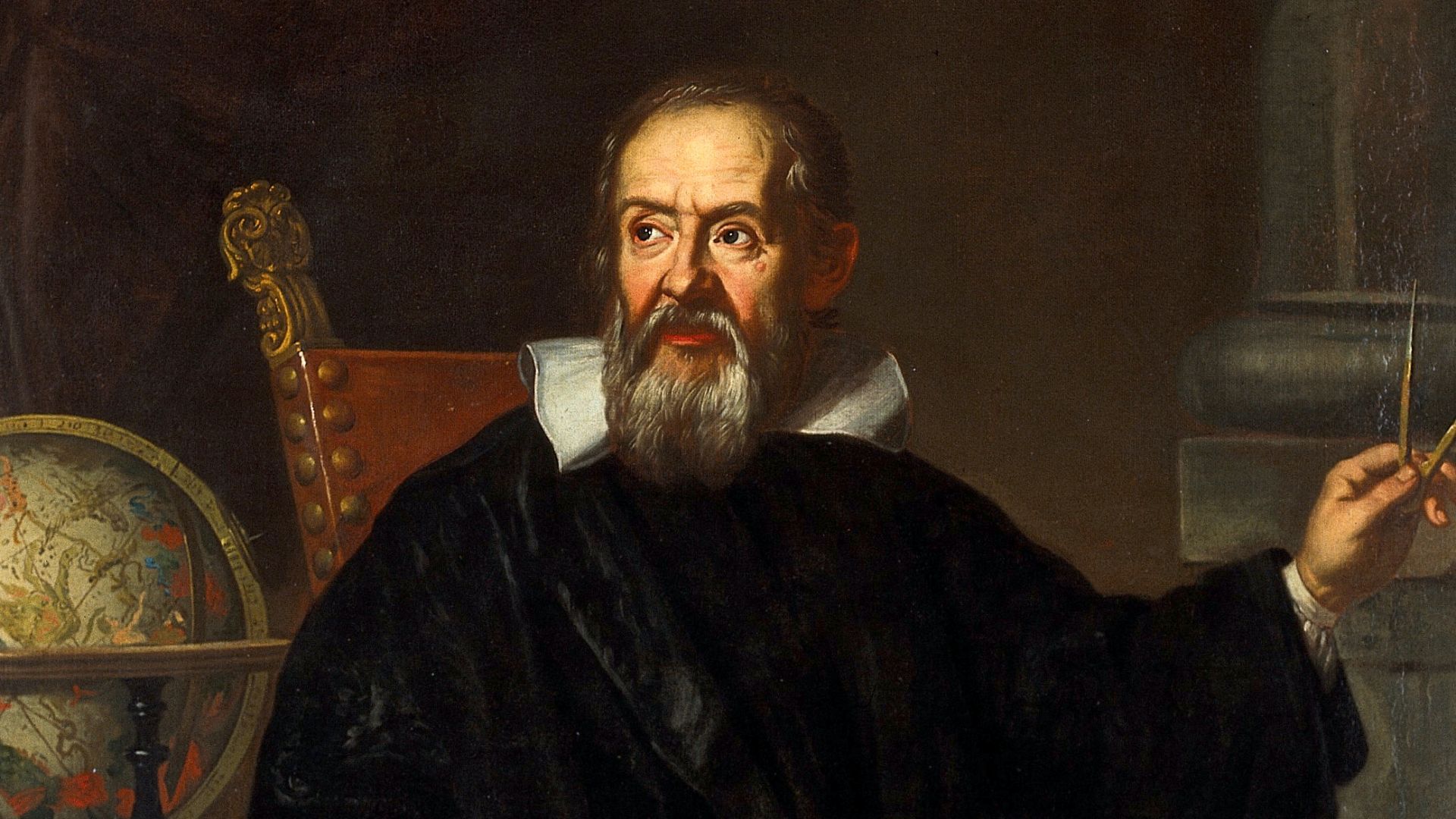 After Justus Sustermans, Wikimedia Commons
His Father Was A Musician
The Italian peninsula was a patchwork of independent states, dominated by the Papal States under the direct control of the pope. “His father Vincenzo Galilei was a musician and also quite a noted music theorist who published his own books on the mathematics of music,” says Hannam. During Galileo’s adolescence, the Galilei family moved to Florence where he attended a monastic school before enrolling at the University of Pisa.
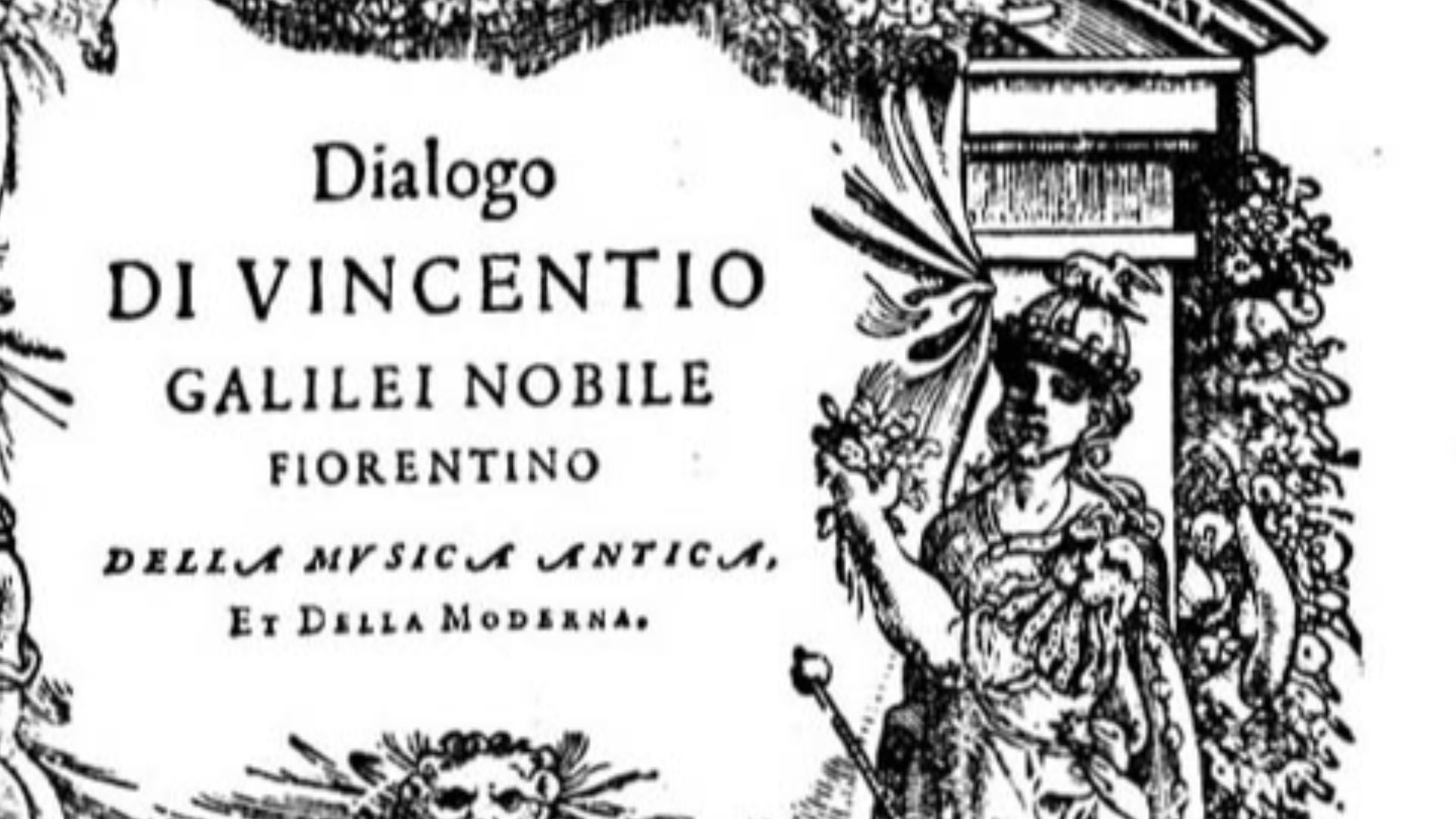 Galilei, Vincenzo, Wikimedia Commons
Career Change To Astronomy
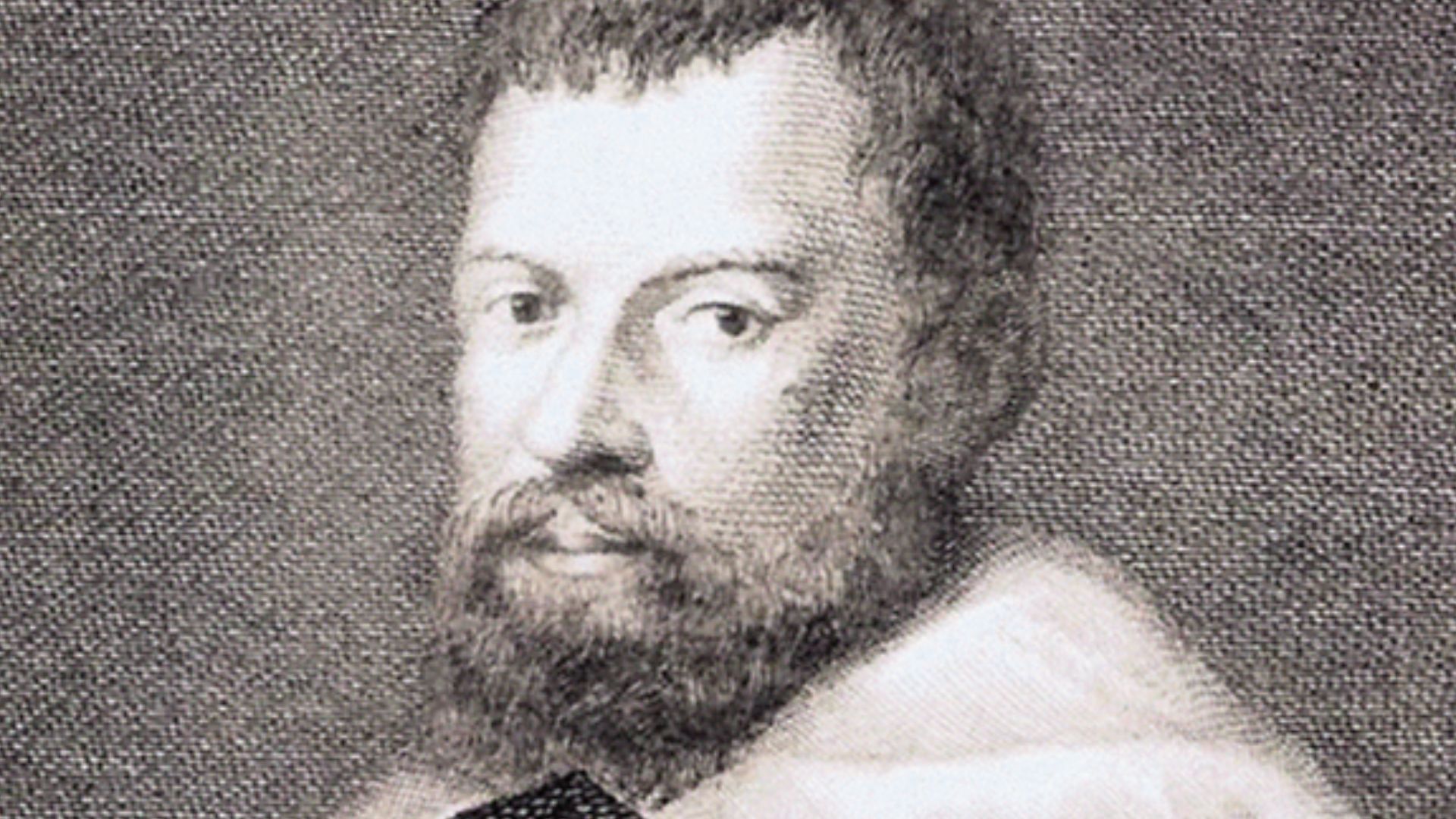
Galileo’s passion for mathematics and natural philosophy, and then astronomy, emerged during his university studies and rapidly eclipsed his initial plans to become a physician. Hannam explains that this was a rather cavalier move as “medicine was a way to have a ‘sensible’ career, whereas if you wanted to be an astronomer you really did need to have a patron and jobs in that field were distinctly limited.”
 Di Tito, cropped picture, Wikimedia Commons
A Comfortable Life In Padua
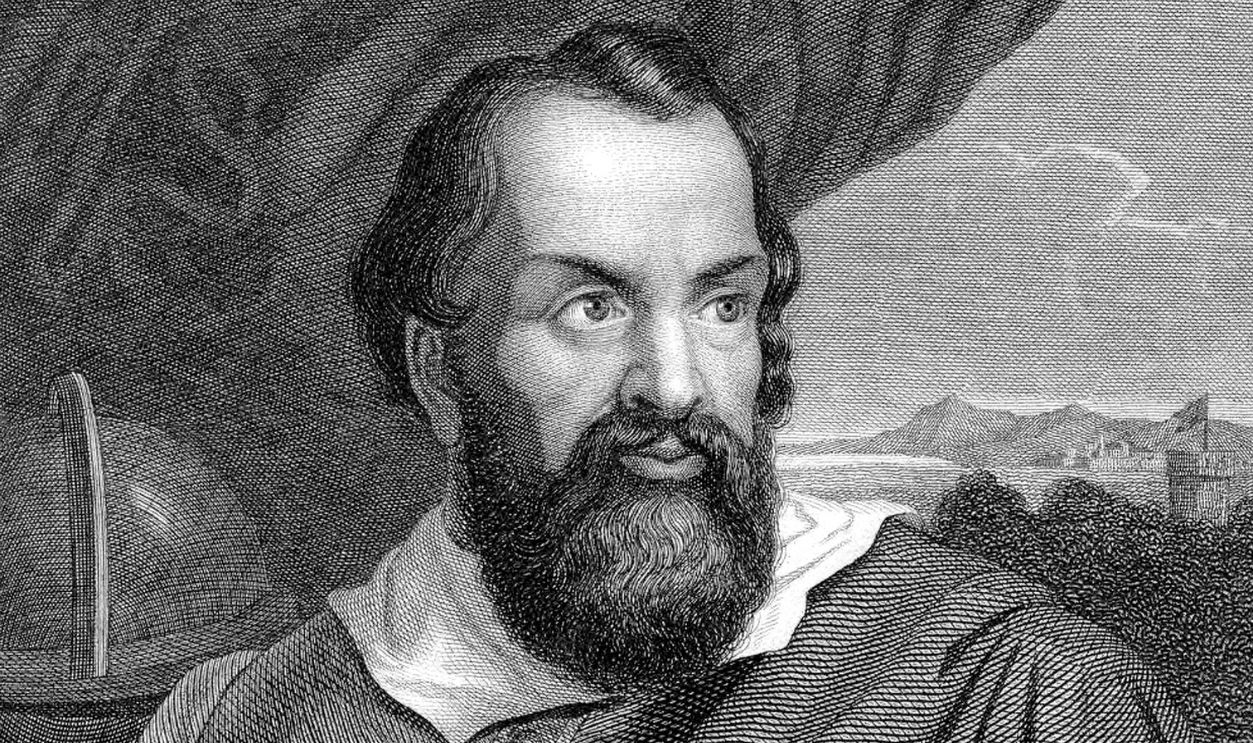
In 1592, after a brief career teaching mathematics and physics in Pisa, Galileo relocated to the University of Padua. “Padua in those days was ruled by the great city state of Venice, one of richest and most powerful parts of Italy. And there, he had quite a comfortable life on a reasonable salary from the university,” says Hannam.
He Preferred Research To Teaching
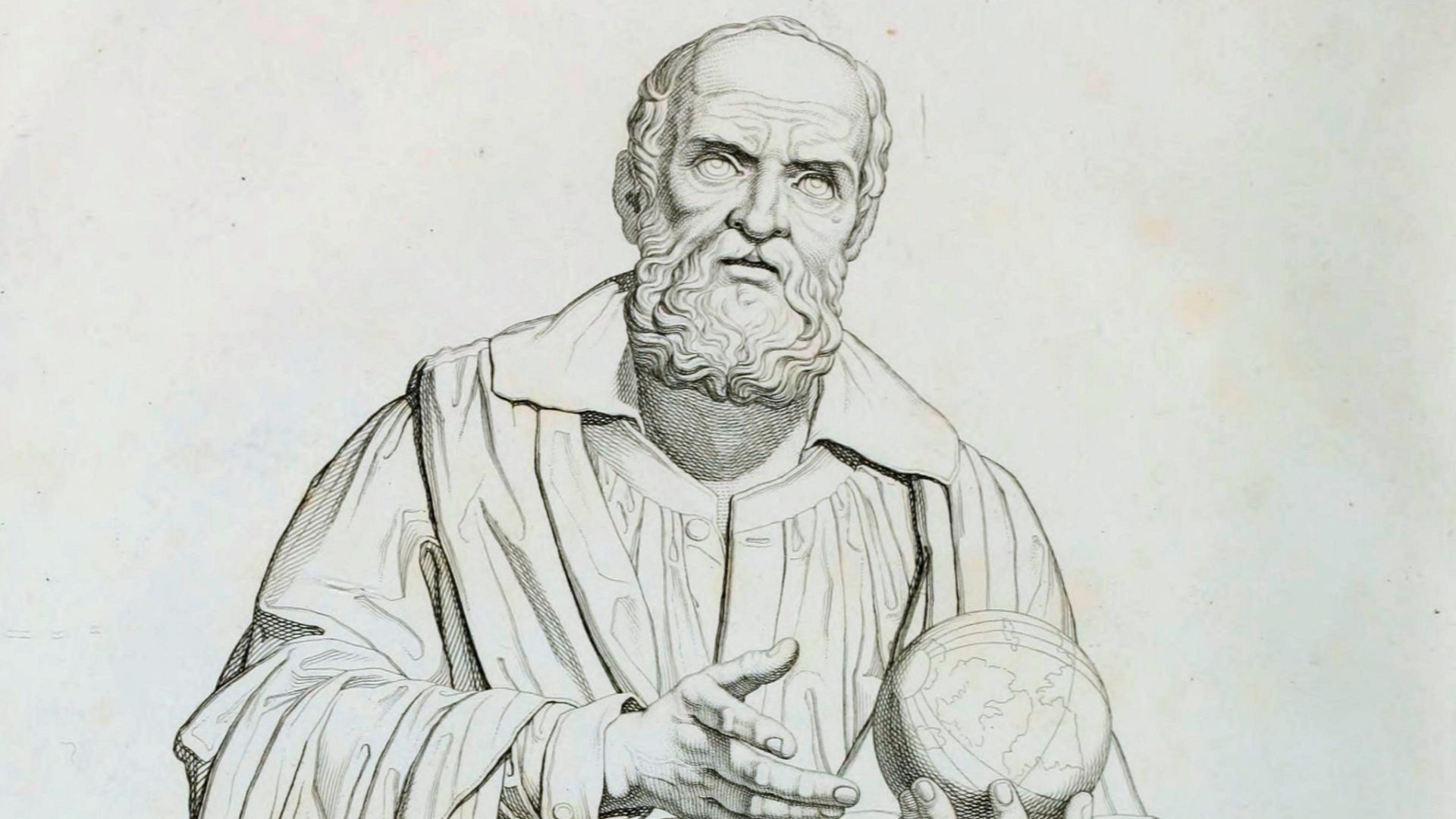
“For a lot of academics that probably would have been enough, but Galileo resented the fact that he had to teach students, which obviously is something professors are expected to do. And what he really wanted was to have a rich patron who would just let him get on with fundamental research in astronomy.” It was during this time that Galileo struck up a relationship with a woman named Marina Gamba, who bore him two daughters and a son out of wedlock.
 Unknown authorUnknown author, Wikimedia Commons
Did Galileo Invent The Telescope?
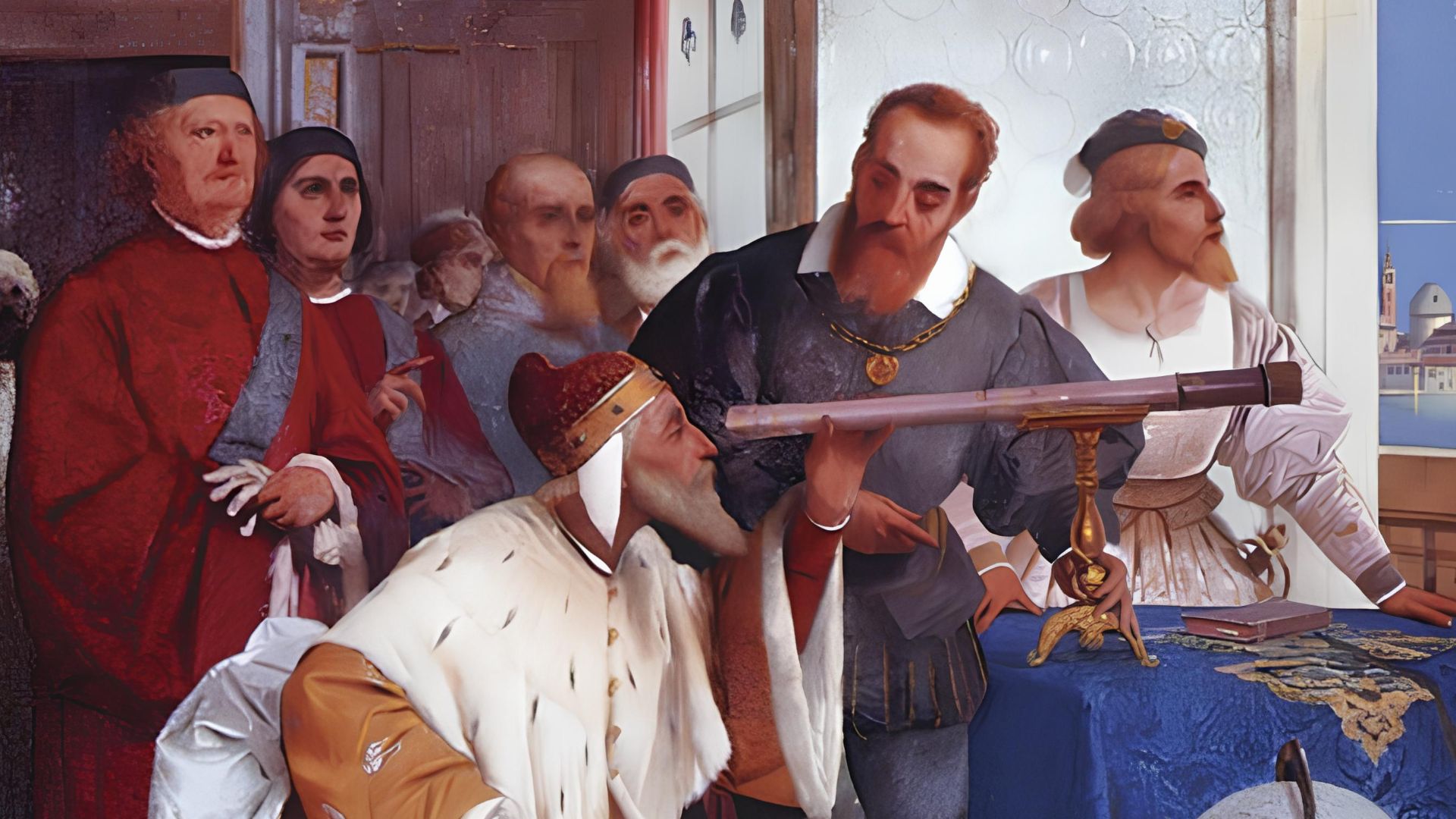
Although it’s a common misconception that Galileo invented the telescope, he did make significant improvements to the nascent instrument’s design in 1609. “Being Galileo, he managed to make one that was actually better than anybody else’s and it could manage something like 30 times magnification, which was incredibly powerful,” asserts Hannam.
 Giuseppe Bertini, Wikimedia Commons
He Saw Things No One Had Ever Seen
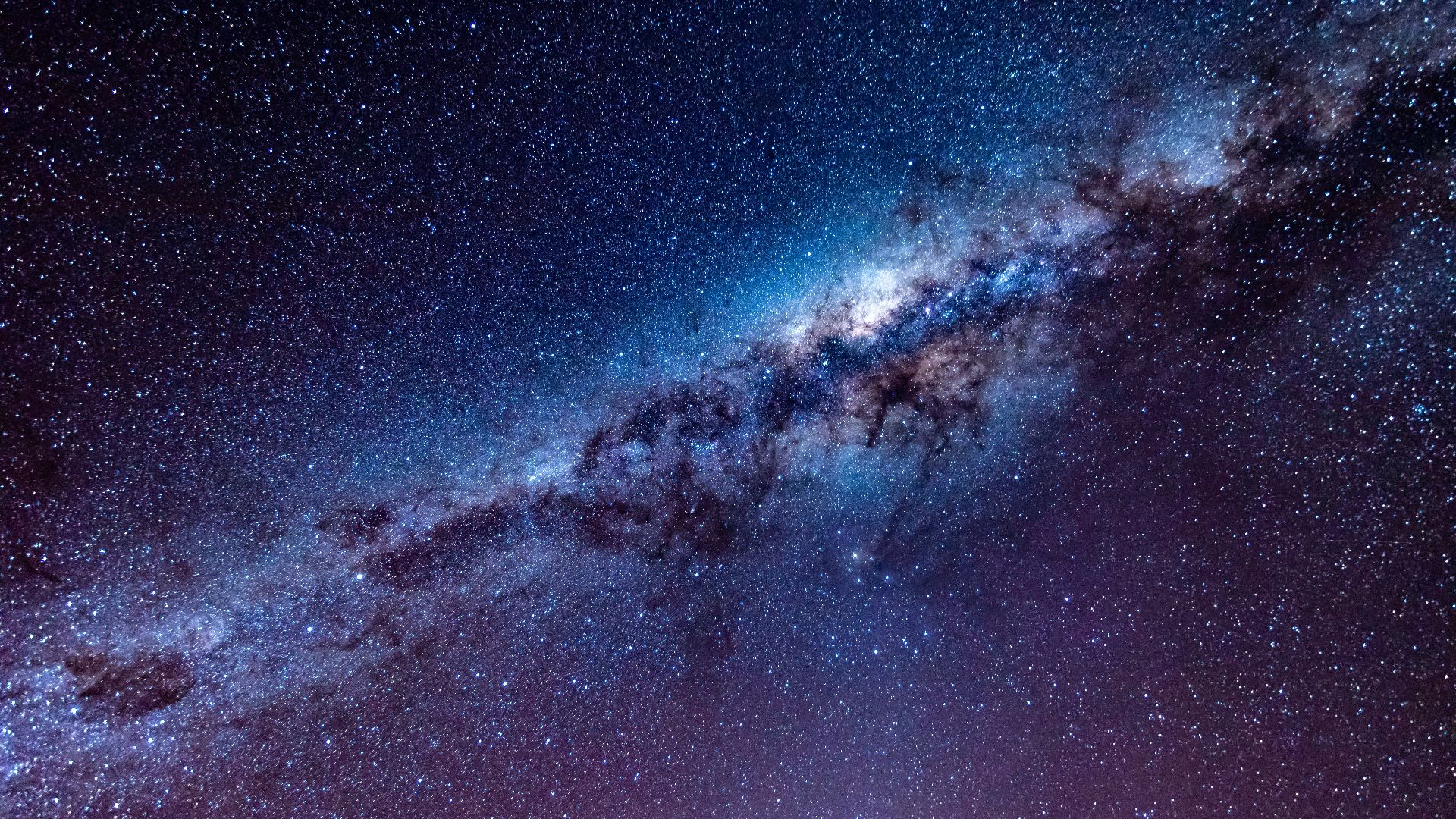
Pointing it towards the night sky, he saw things that no other human being had seen before, and which would have defied explanation. “For instance, he looked at the Milky Way, which just looks to the naked eye like a band of mist across the sky and was able to pick out the fact that it’s made up of thousands upon thousands of individual stars.”
What Did Galileo Discover?
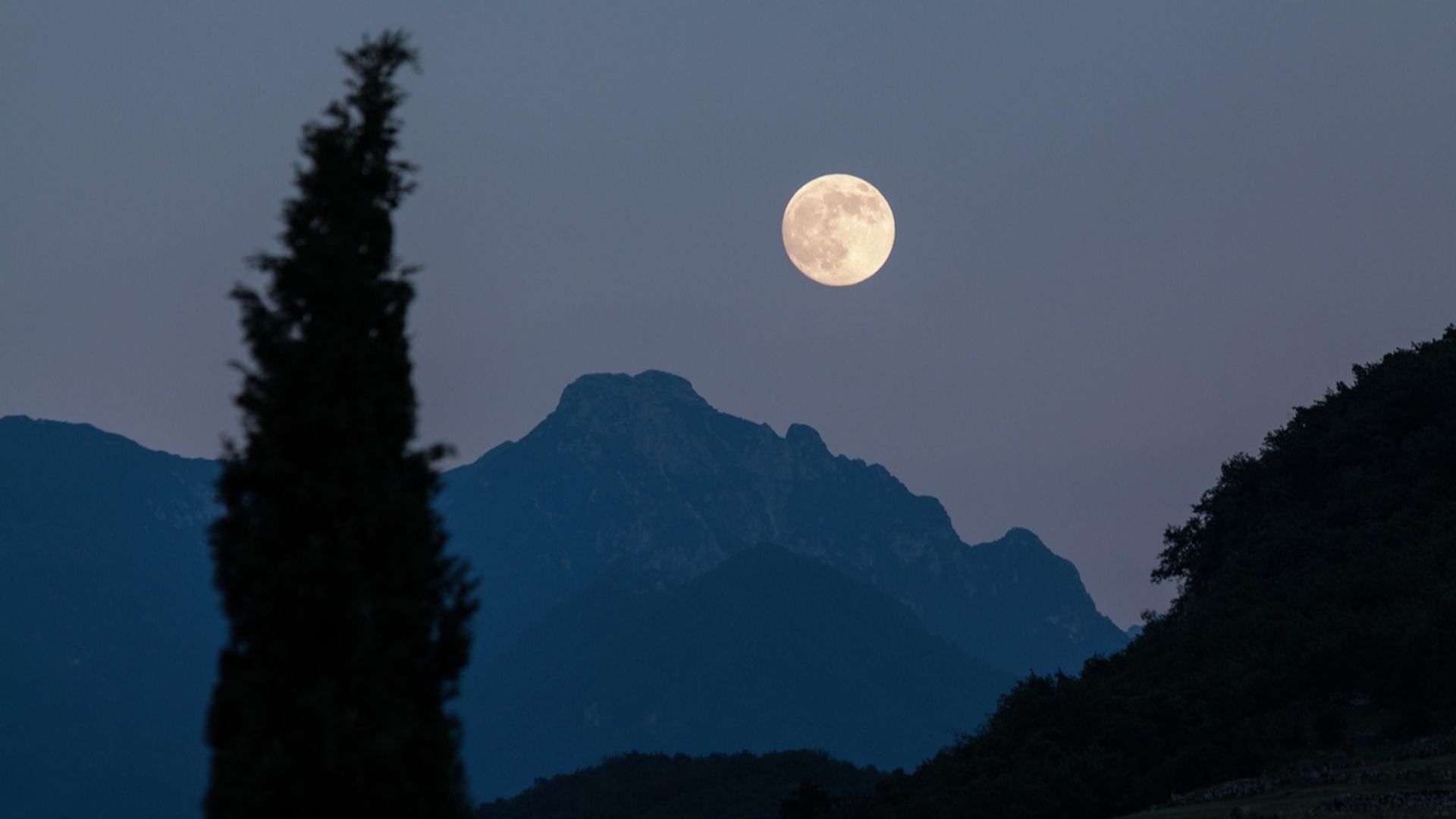
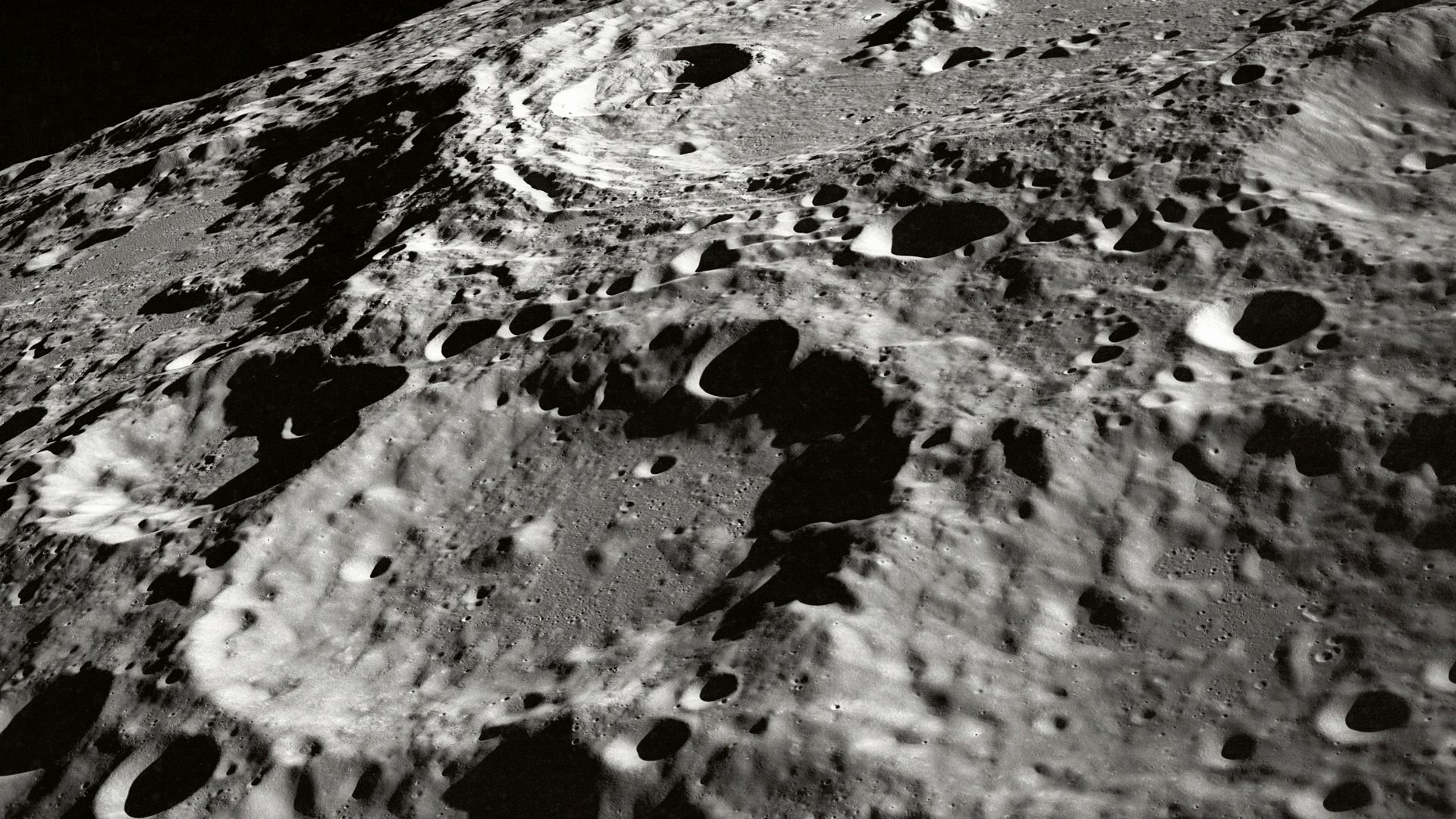
Galileo began observing other celestial objects, pointing his telescope to the Moon. It soon became apparent that what he was witnessing contradicted the dogma of centuries of assumed knowledge. According to Hannam, it was “believed that the Moon had to be a perfect sphere because it was a heavenly body and heavenly bodies couldn’t have any blemishes”. But Galileo saw something very different through his lens.
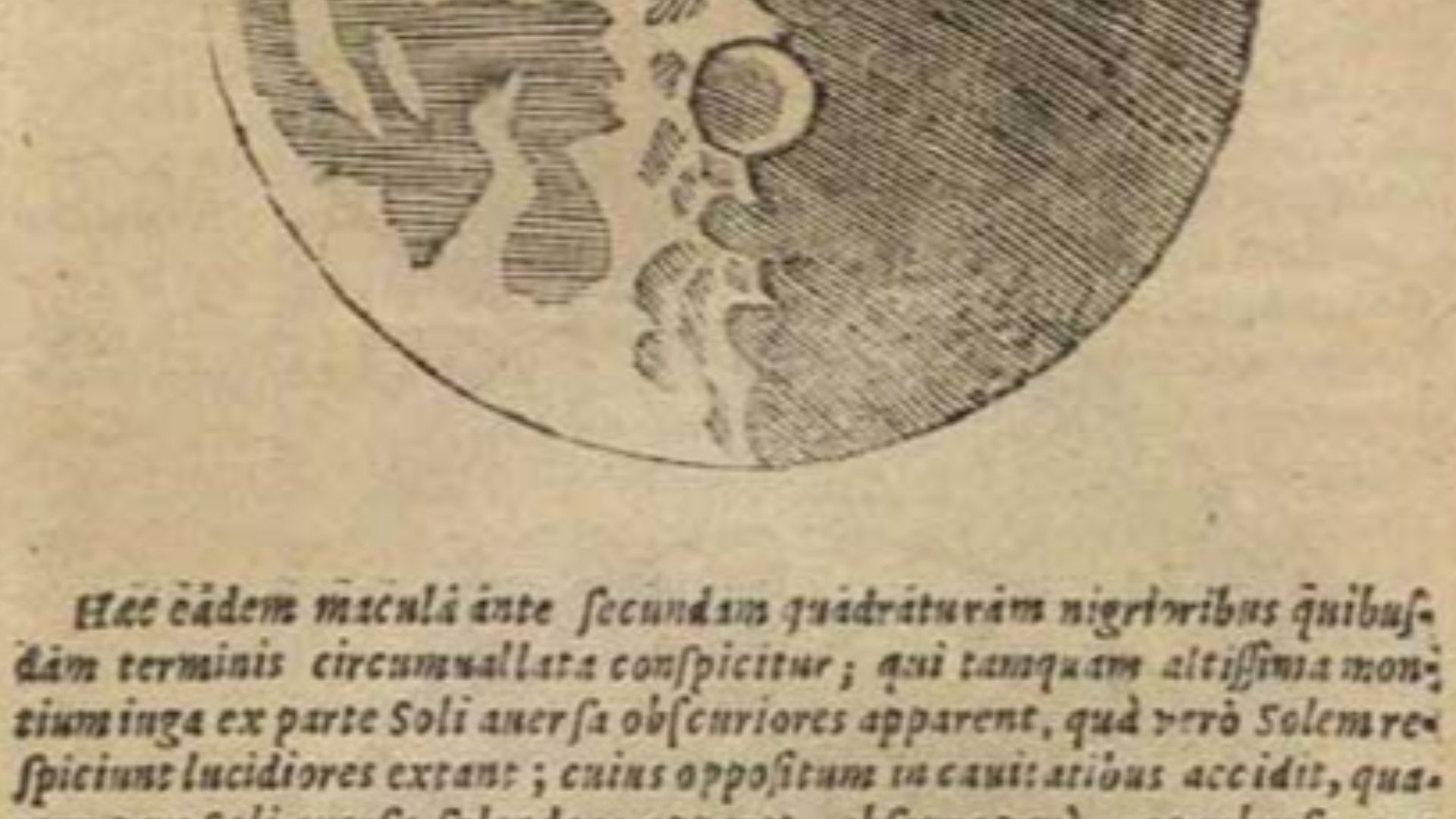
He Saw The Moon's Craters
Galileo looked through his telescope and saw clearly that the Moon was covered in craters, mountains and crevasses. “This was a big surprise as the ancient Greeks,” says Hannam, “[notably] Aristotle… had rejected the idea that the heavens were subject to the same physical laws as the Earth.” Then, over the winter of 1609-10, Galileo turned his telescope towards Jupiter.
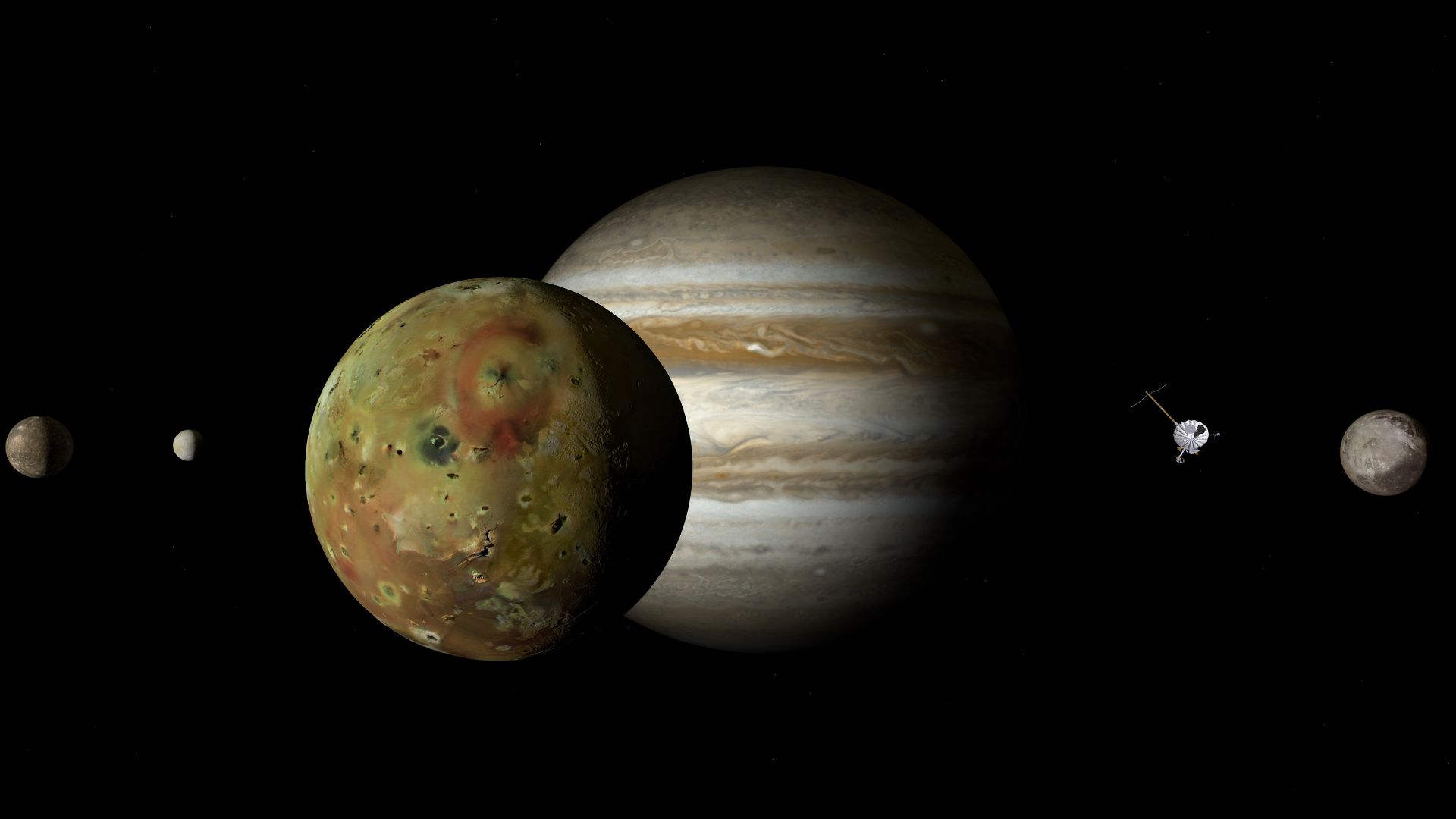
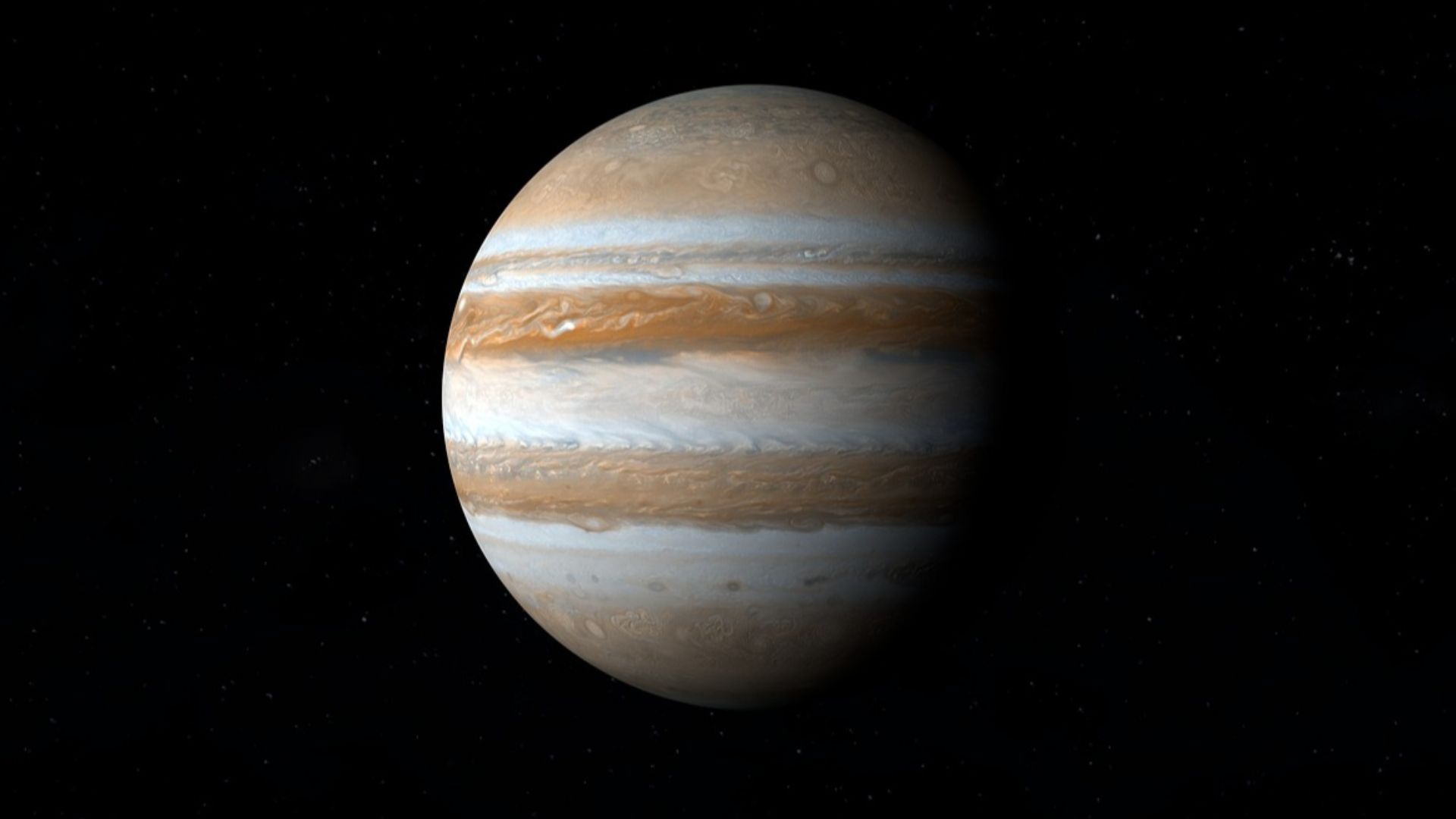
He Saw Jupiter's Moons
Across several nights, he observed four specks of light seemingly dancing around the distant planet. He named them the ‘Medicean stars’ in honour of his patron, Grand Duke Cosimo II de’ Medici of Tuscany. Later, these would be identified as moons (named Io, Europa, Ganymede and Callisto in honour of the victims of Zeus/Jupiter).
 DasWortgewand, Wikimedia Commons
He Published His Findings
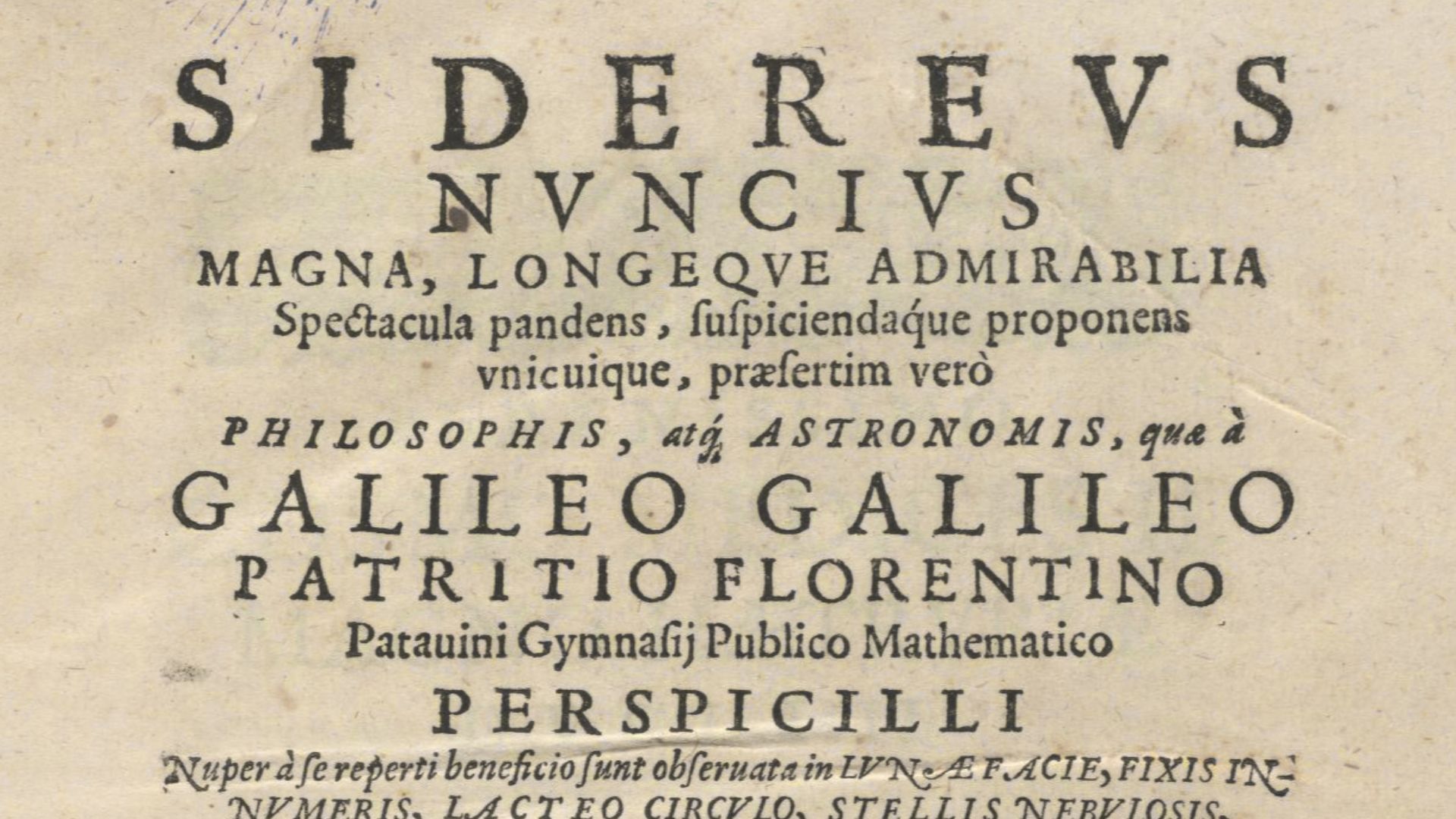
In March 1610, Galileo “published a book called Sidereus Nuncius [The Sidereal Messenger, otherwise known as The Starry Messenger], which included all of these findings and was an absolute sensation at the time,” says Hannam.
 Galileo Galilei, Wikimedia Commons
His Discoveries Clashed With The Church
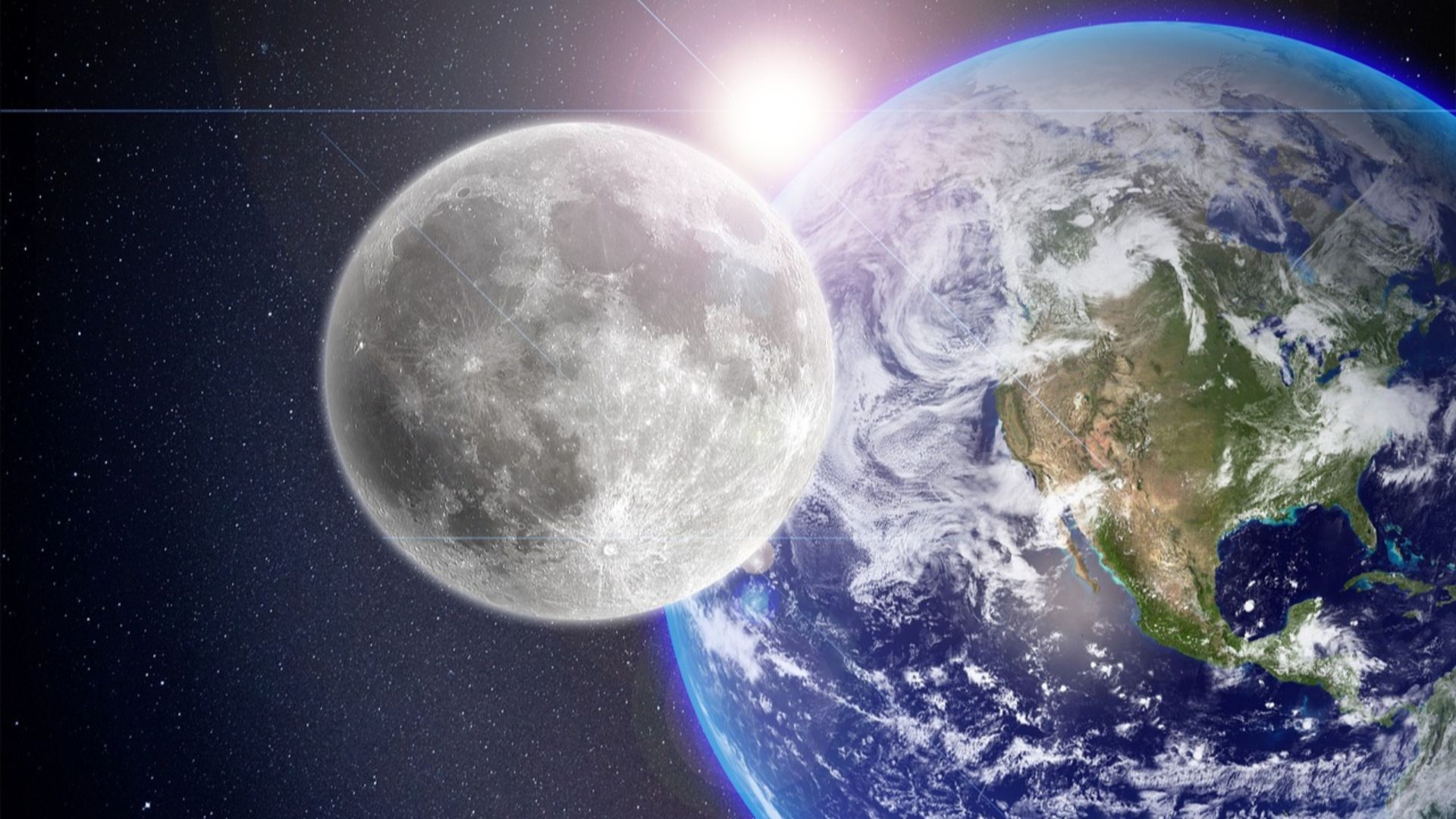
Despite the excitement he caused, Galileo’s discoveries put him on a collision course with the Church’s increasingly dogmatic line on the geocentric model of the Universe, which held that the Earth as the central, static point and was orbited by at least the sun and the moon. However, it’s a misconception that Copernicus’s heliocentric model had been dismissed by Church authorities.
The Real Problem
“It wasn’t necessarily heretical to be suggesting that Venus was going around the Sun… or that Jupiter has moons of its own,” claims Hannam. “The Jesuits in Rome, who had their own astronomical office… later confirmed the observations that Galileo had made.” The real problem arose when Galileo posited that the Earth itself was moving. This hypothesis went against the Church’s line, as well as the prevailing scientific orthodoxy of the time.
Why Did The Inquisition Persecute Galileo?
Galileo’s discoveries emboldened him. His decision to start publishing books in Italian rather than Latin, for instance, made his sensational discoveries accessible to ordinary people. “I think one thing that we definitely do know about Galileo was he was supremely self-confident,” says Hannam. “He was really sure of what he was seeing, and he was really sure that he was right and he wanted to get the word out.” But the Church leadership was not amused.
 Galileo Galilei, Wikimedia Commons
They Were Vexed
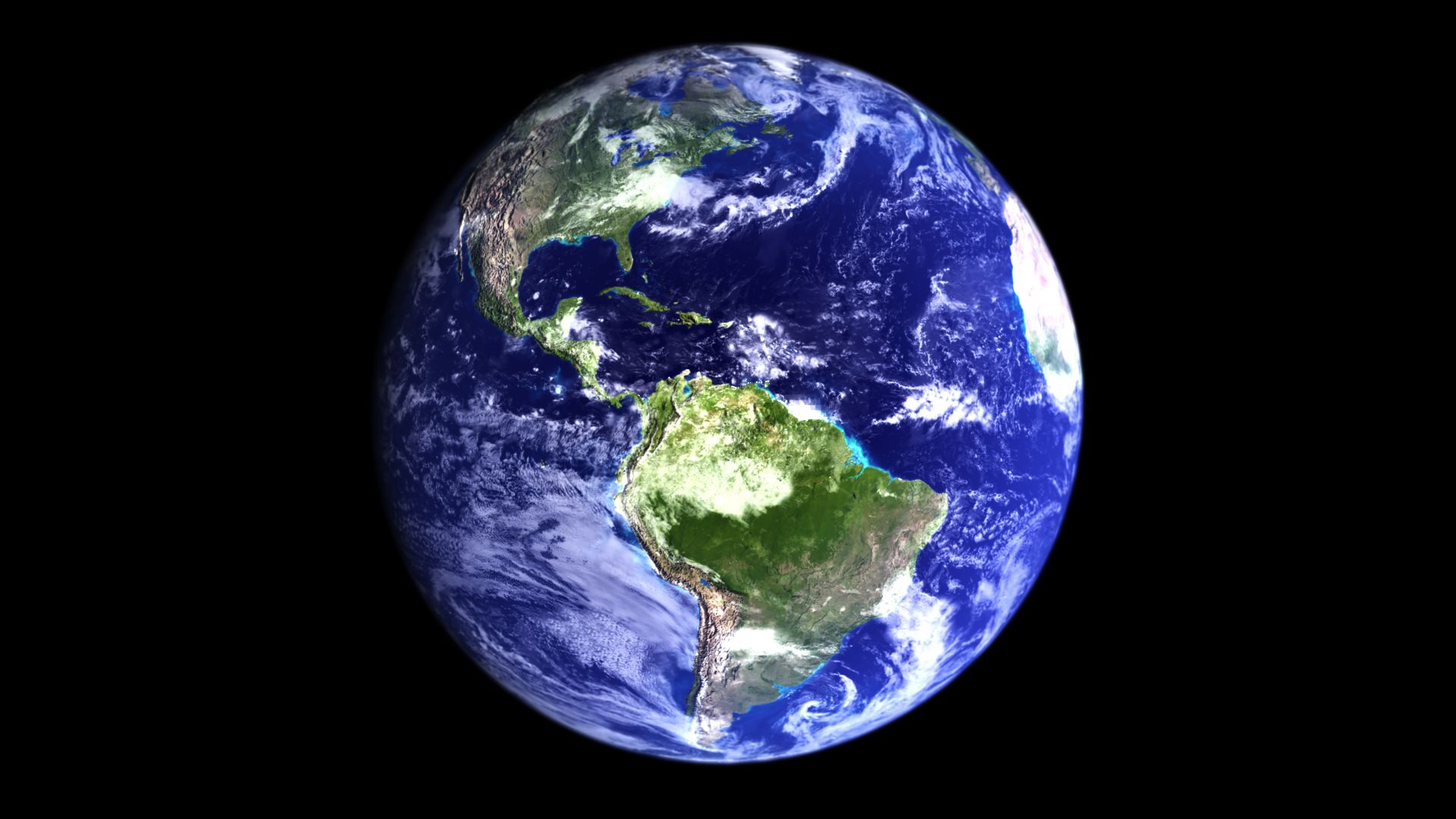
In 1616, the Church, increasingly vexed by the challenges of Protestantism and to the ‘truth’ as espoused in the Bible, took a hard line against Copernicus and asserted the Earth’s position within the cosmos as stationary.
 Kevin Gill from Nashua, NH, United States, Wikimedia Commons
His Friend Became Pope
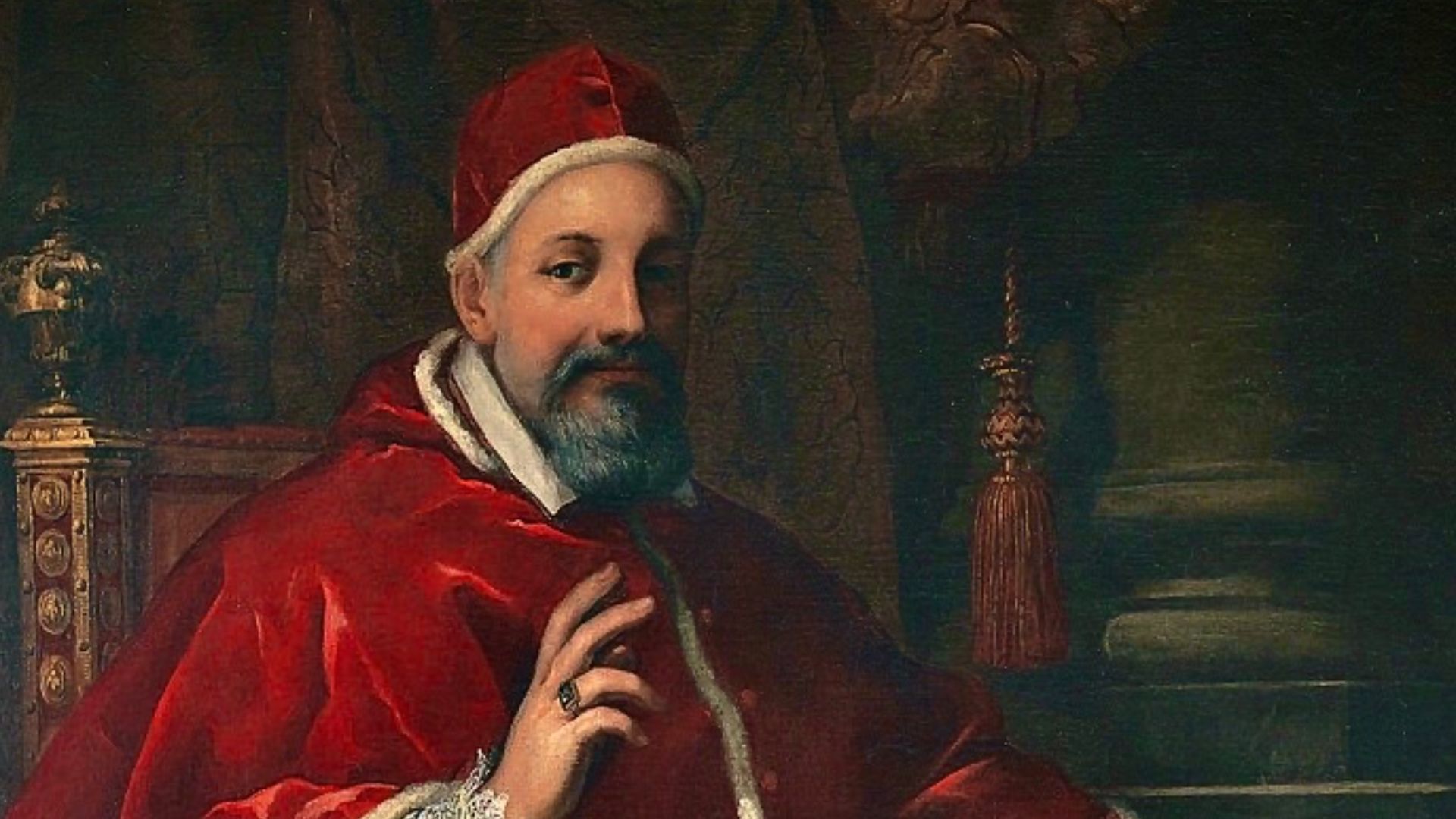
In 1623, a friend of Galileo’s was elected as Pope Urban VIII. This gave him an extremely powerful connection, since the new pope appeared to take a rather relaxed position on the new ideas percolating at the time. That was, until ten years later.
 Pietro da Cortona, Wikimedia Commons
He Went Too Far
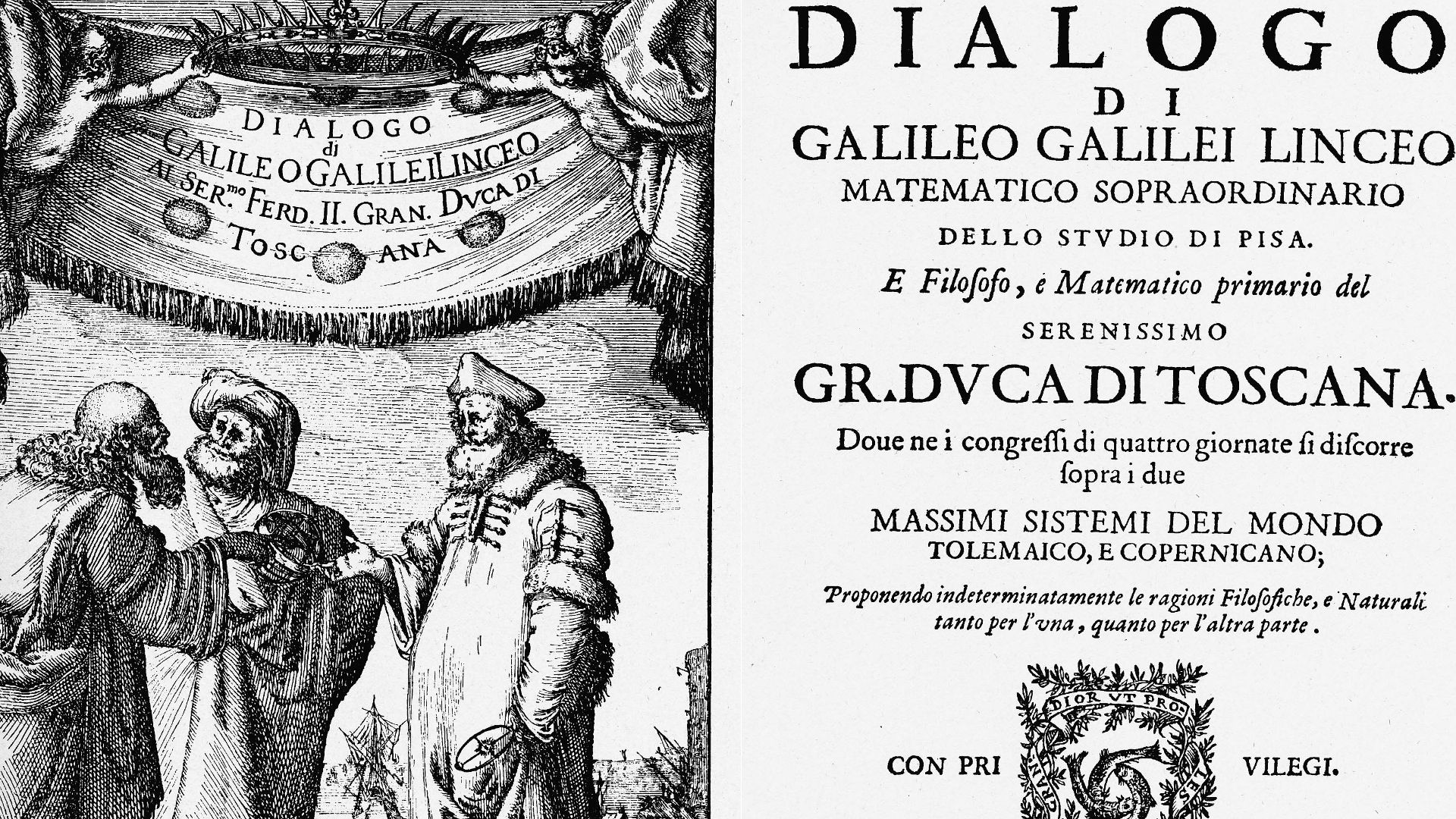
In 1633 Galileo published his Dialogue Concerning the Two Chief World Systems, which openly defended heliocentrism. What is more, he included a character called Simplicio, apparently mocking those who obstinately adhered to the traditional Aristotelian model. It turned out to be a step too far.
 Giovanni Battista Landini, Wikimedia Commons
Life Sentence
Galileo had clearly crossed the line with the Church. Friend or no friend, Pope Urban VIII was furious. “So, the pope demanded that Galileo be put on trial for stating that the Earth goes round the Sun, which the Church had already condemned in 1616,” says Hannam. The Inquisition sentenced him to life imprisonment in 1633, and he would spend the rest of his days under house arrest.
Did Galileo Say “And Yet It Moves”?
Perhaps one of the most famous incidents attributed to Galileo is the phrase “E pur si muove” (“And yet it moves”). He supposedly uttered these defiant words after the Inquisition forced him to recant his ‘heretical’ hypothesis that the Earth orbited the Sun. Hannam stresses, nonetheless, that “there is no contemporary evidence” Galileo ever said it. Regardless, the phrase has become part of the legend; emblematic of freedom of thought and expression and often invoked to highlight the supposed incompatibility between religious faith and rational enquiry.
 Space Travel Blog / Rute Marta Jansone, Wikimedia Commons
What Else Did Galileo Contribute To Science?
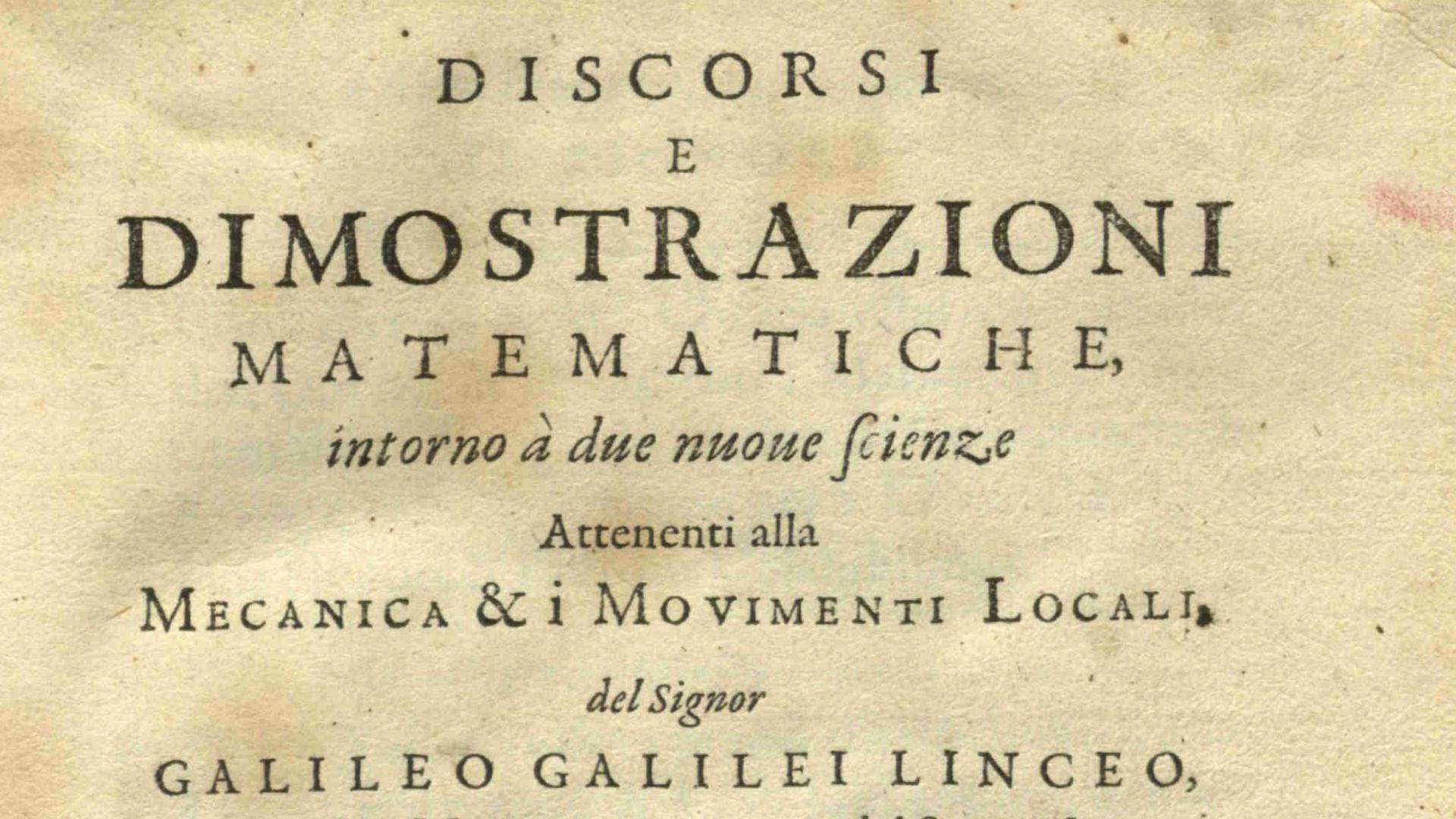
Although revered for his contributions to astronomy, Galileo also blazed a trail in other fields of knowledge. “His most important scientific book was the Discourses and Mathematical Demonstrations Relating to Two New Sciences. Those sciences are mechanics and the science of materials. “I think it’s probably that book, rather than his books on astronomy, which make him into a scientific pioneer,” says Hannam.
 Galileo Galilei, Wikimedia Commons
A Famous Experiment
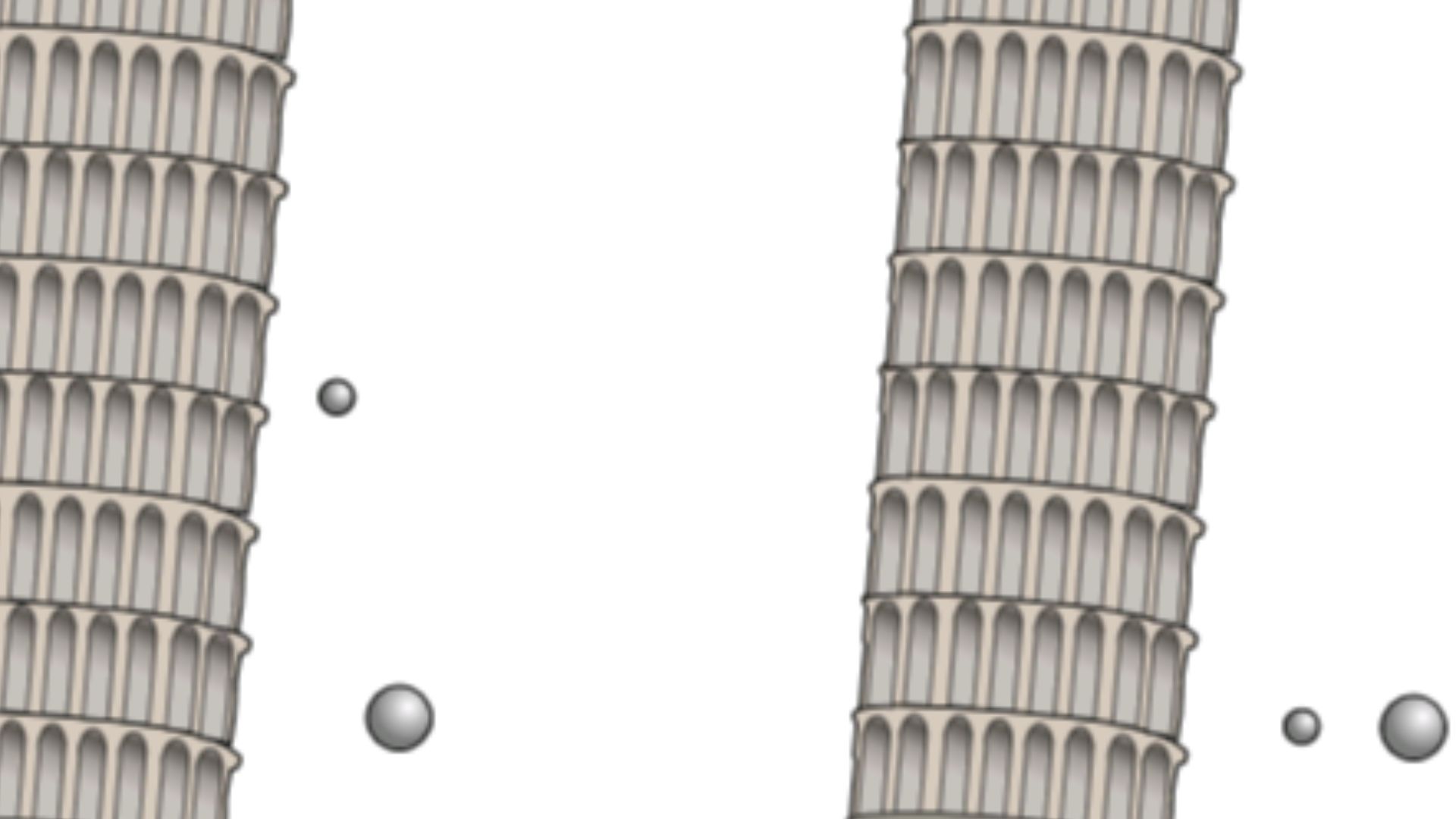
His seminal work also challenged longstanding beliefs. In particular, he disproved the notion that heavier objects fall faster with simple experiments – purportedly, by famously dropping different objects off the Leaning Tower of Pisa. Though his performance of this experiment remains unverified, Galileo was a proponent of public demonstrations of science and he did teach in Pisa for a few years (1589–1592).
 The original uploader was Theresa knott at English Wikibooks., Wikimedia Commons
When Did Galileo Die?
Galileo died while under house arrest in Arcetri, in the hills overlooking Florence, on 8 January 1642, aged 77. Throughout his confinement, he had continued to receive visitors, including the English poet John Milton. As his physical health declined, Galileo lost his sight completely, and yet he persevered with his experiments with the help of a student, Vincenzo Viviani.
He Was Reburied With Honor
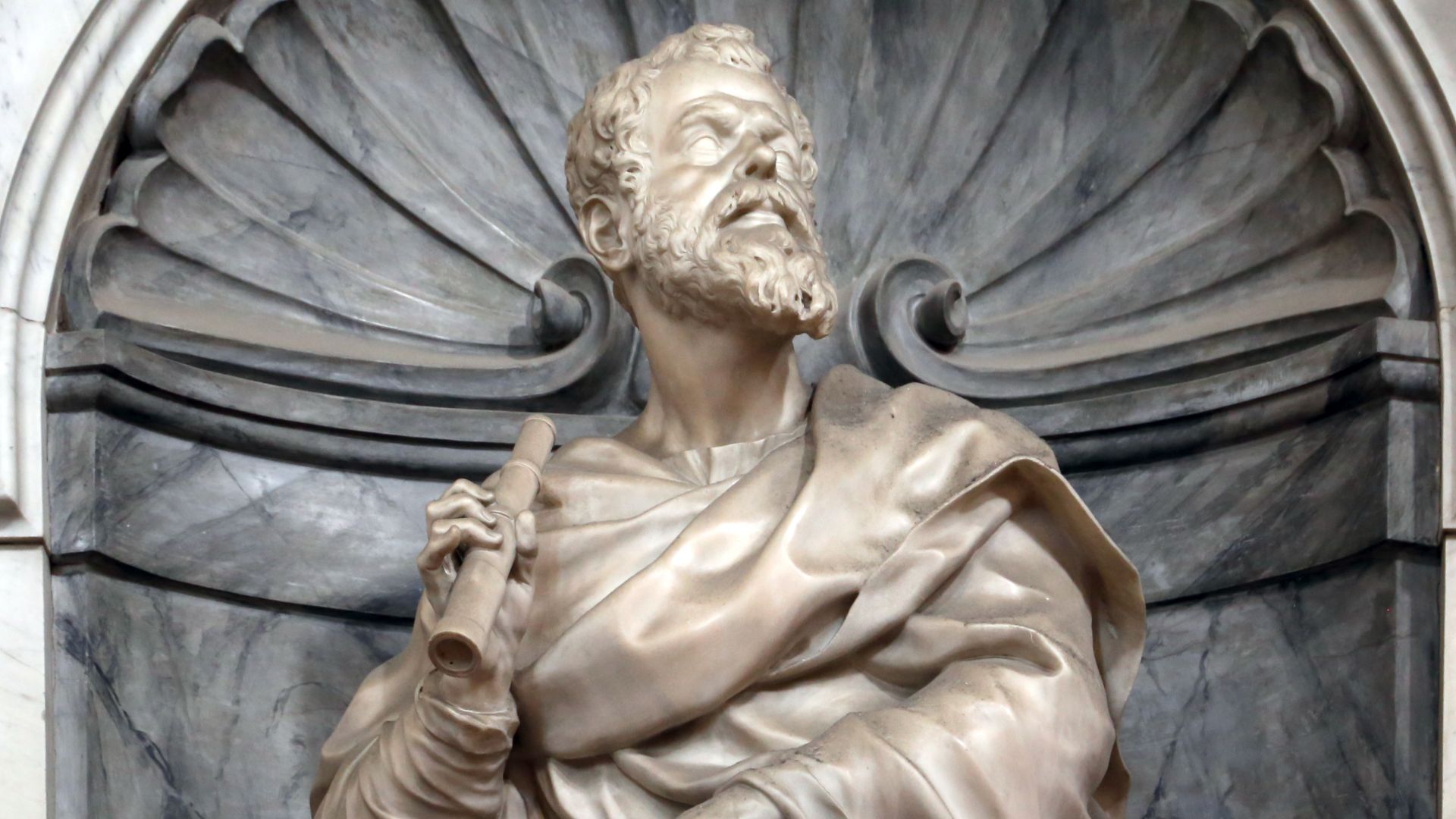
“He was buried in Florence in the Basilica of Santa Croce,” says Hannam, “but because he died under the sentence of the Inquisition… the Church [deemed it] unacceptable for him to have a splendid tomb”. Nearly a century later, he was reburied within the basilica and a grand monument was installed to mark his resting place, opposite that of Michelangelo.
This content was created in partnership with HistoryExtra.