The Pain Behind The Posters
Sideshow history is full of cruel stage names, exaggerated posters, and audiences who paid to stare. But behind those names were real people with families, talents, ambitions, illnesses, disabilities, contracts, losses, and choices. Their stories are far more complicated than the labels printed above the tent.
 Charles Eisenmann, Wikimedia Commons
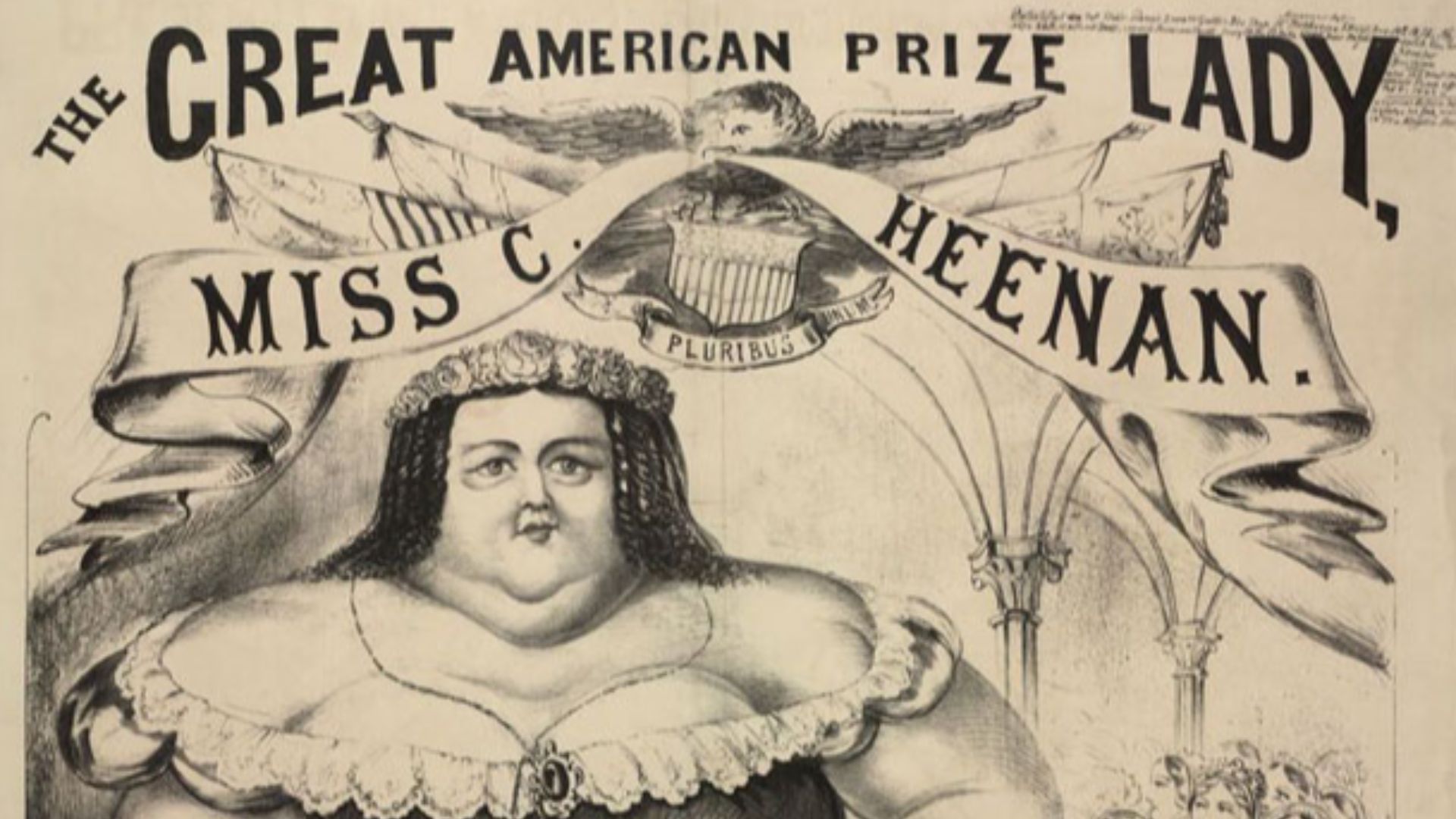
The Posters Were Designed To Flatten People
A sideshow poster had one job: make someone instantly marketable. That often meant turning a person into a single feature, condition, or mystery. The result could be profitable, but it was also dehumanizing. Many performers became famous under names that hid almost everything important about them.
 Unknown authorUnknown author, Wikimedia Commons
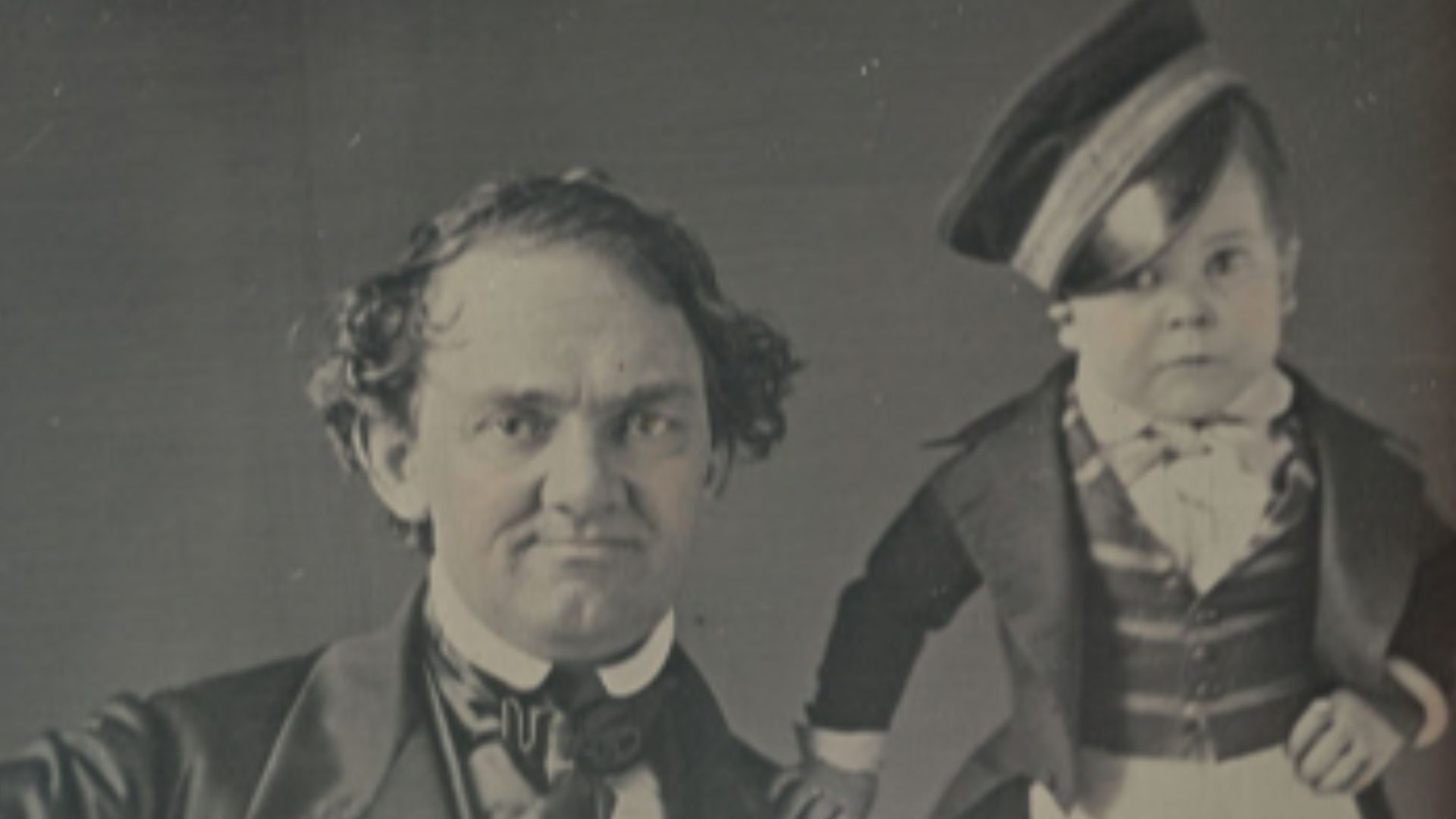
Charles Stratton Was More Than General Tom Thumb
Charles Stratton became world-famous as General Tom Thumb, one of PT Barnum’s biggest attractions. Barnum promoted him as older and more exotic than he really was, shaping a child into a public spectacle. Yet Stratton became an accomplished performer, touring internationally and building a celebrity life that far outgrew the stage name.
 Samuel Root, 1819 - 1889, Wikimedia Commons
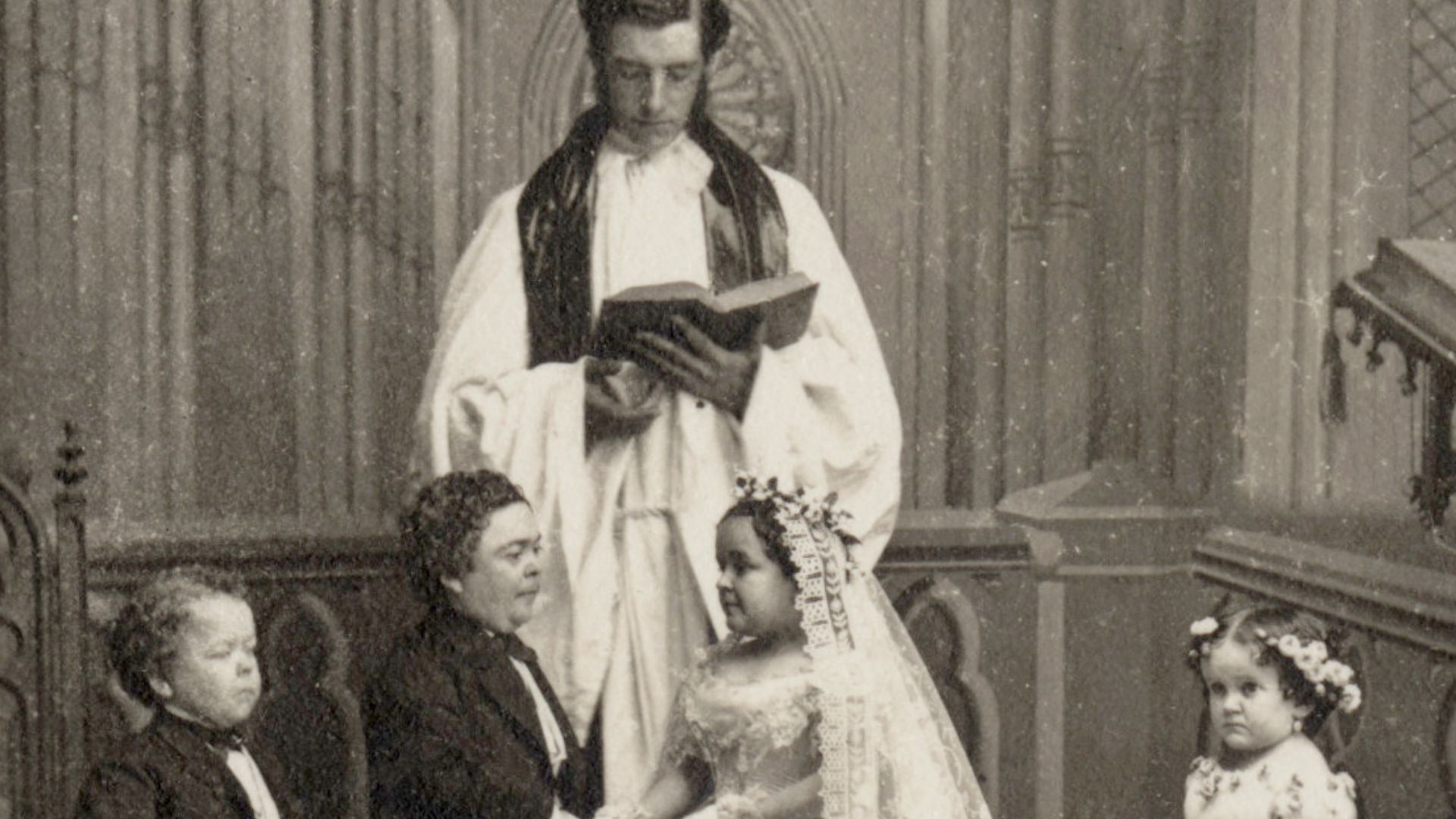
His Wedding Became A National Event
When Stratton married Lavinia Warren in 1863, the event became a media sensation. Their so-called “Fairy Wedding” drew enormous public attention during the Civil War. The coverage was often patronizing, but it also showed how famous they had become. They were treated as curiosities and celebrities at once.
 Mathew Brady Studio (active 1844–1883), Wikimedia Commons
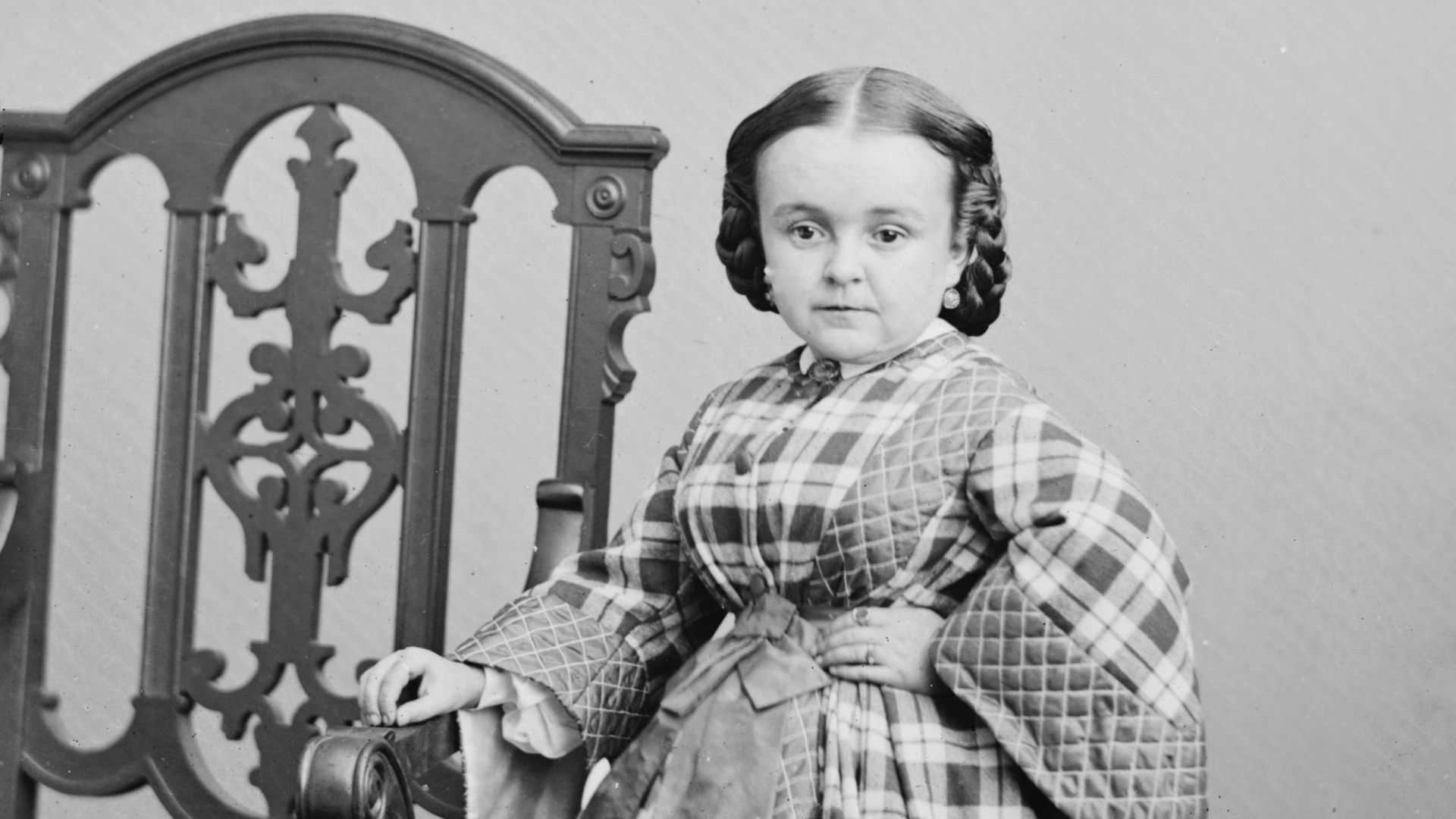
Lavinia Warren Had Her Own Career
Lavinia Warren was not just Mrs Tom Thumb. Born Mercy Lavinia Warren Bump, she had already performed before marrying Stratton and later built a long public career of her own. Her life shows how sideshow women were often marketed through romance and novelty, even when their professional identities were much larger.
 Mathew Benjamin Brady, Wikimedia Commons
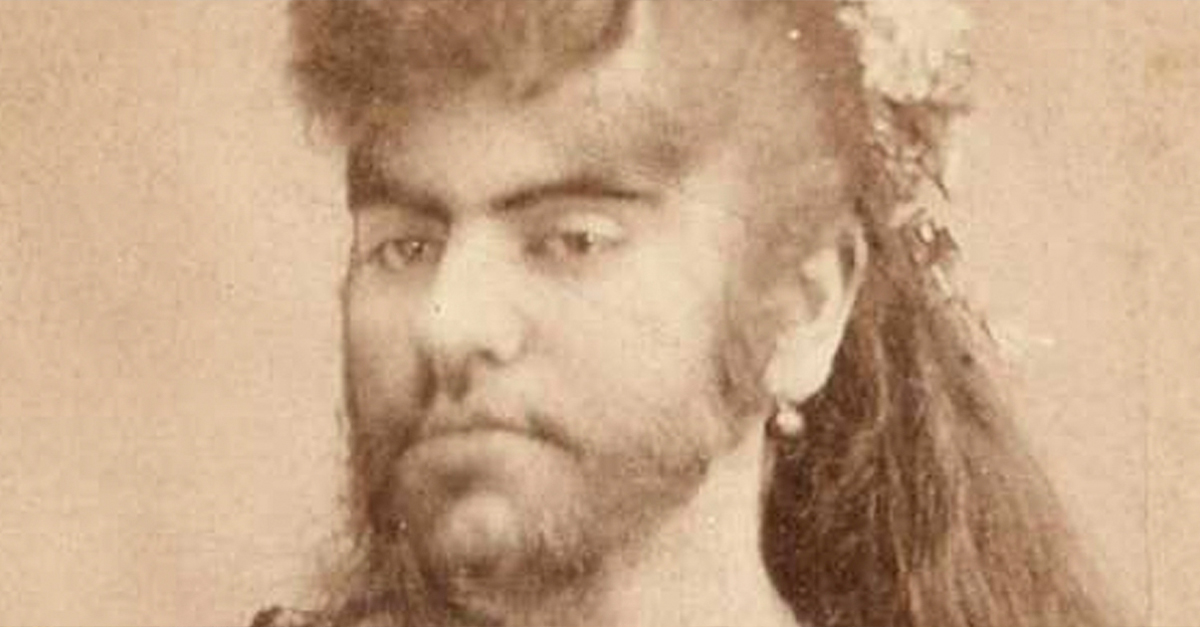
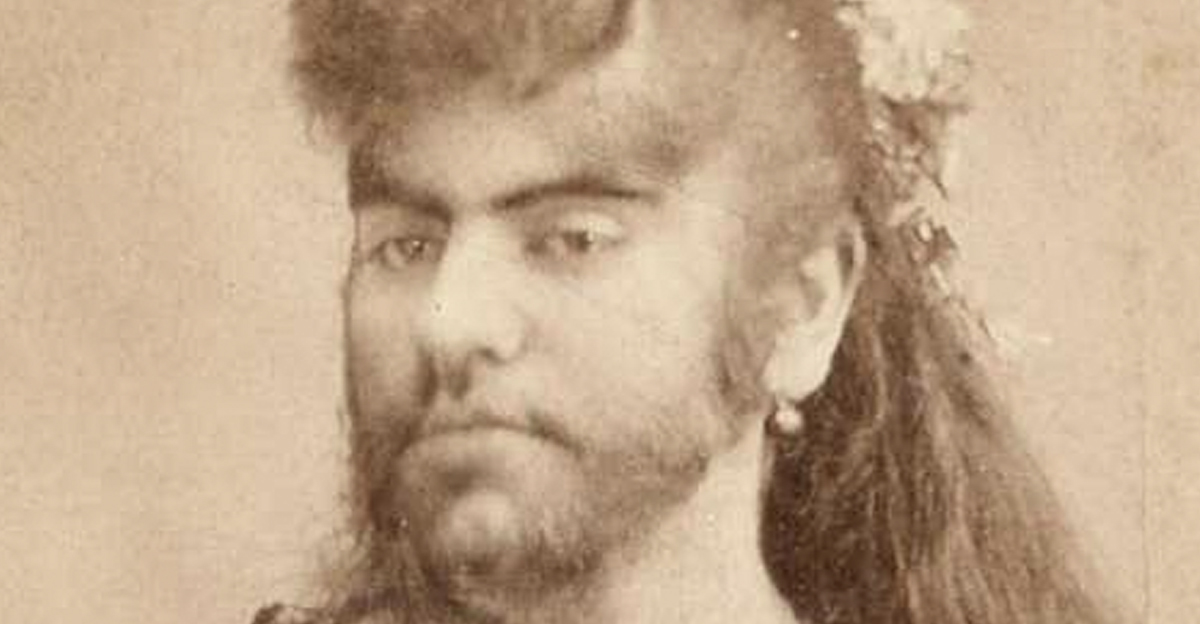
Annie Jones Tried To Change The Language
Annie Jones was billed as a “Bearded Lady” and, earlier, as the “Infant Esau.” She had been exhibited from infancy, long before she could consent to any public role. As an adult, she reportedly pushed back against the word “freak,” recognizing how much damage that label did to performers.
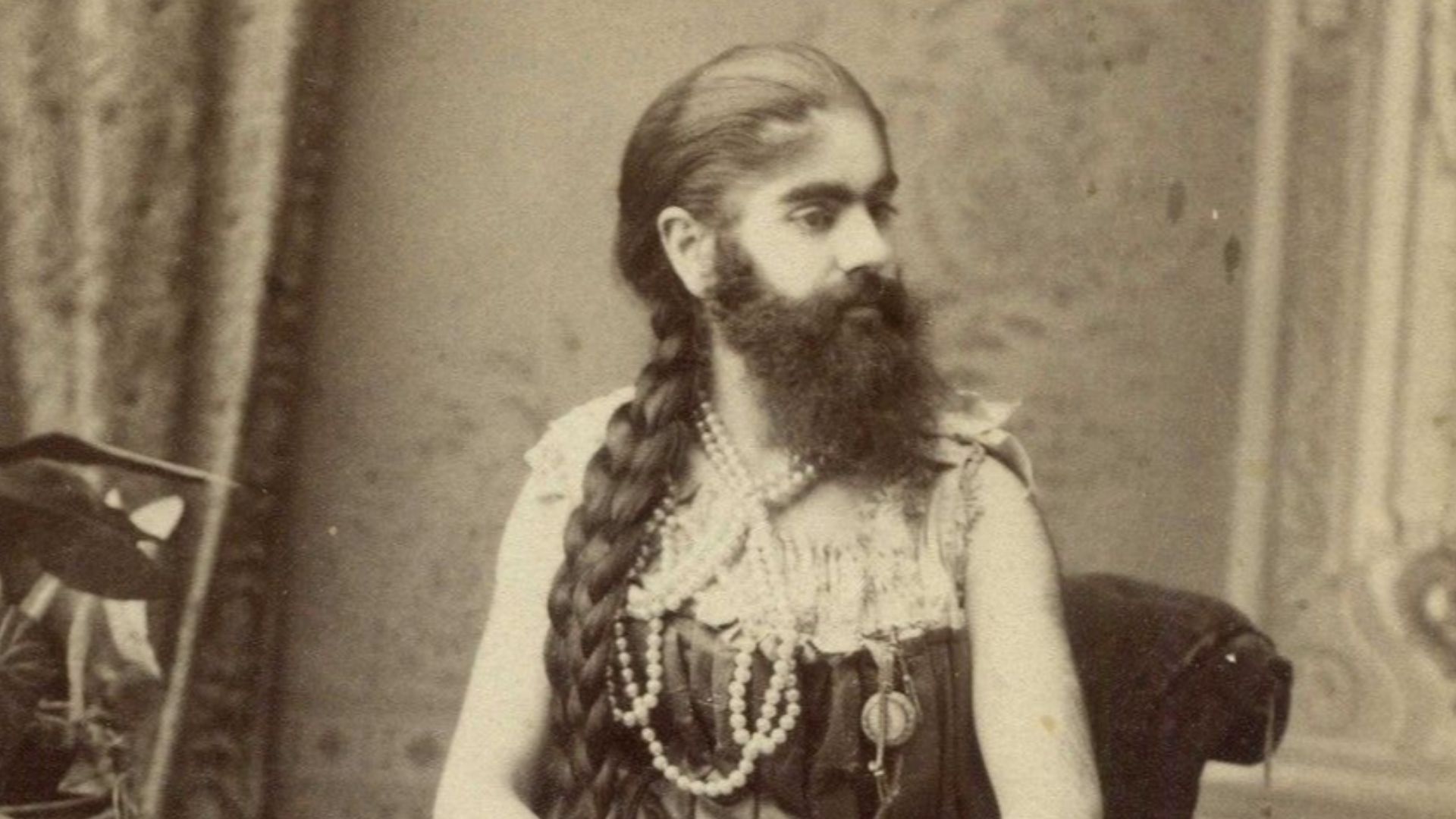 Charles Eisenmann, Wikimedia Commons
Her Femininity Was Part Of The Act
Jones’ career depended on audience surprise: she had a beard, but she also presented herself with dresses, grace, and conventional femininity. That contrast was marketed heavily. Yet beneath the act was a woman navigating how strangers looked at her body, judged her gender, and paid to make sense of both.
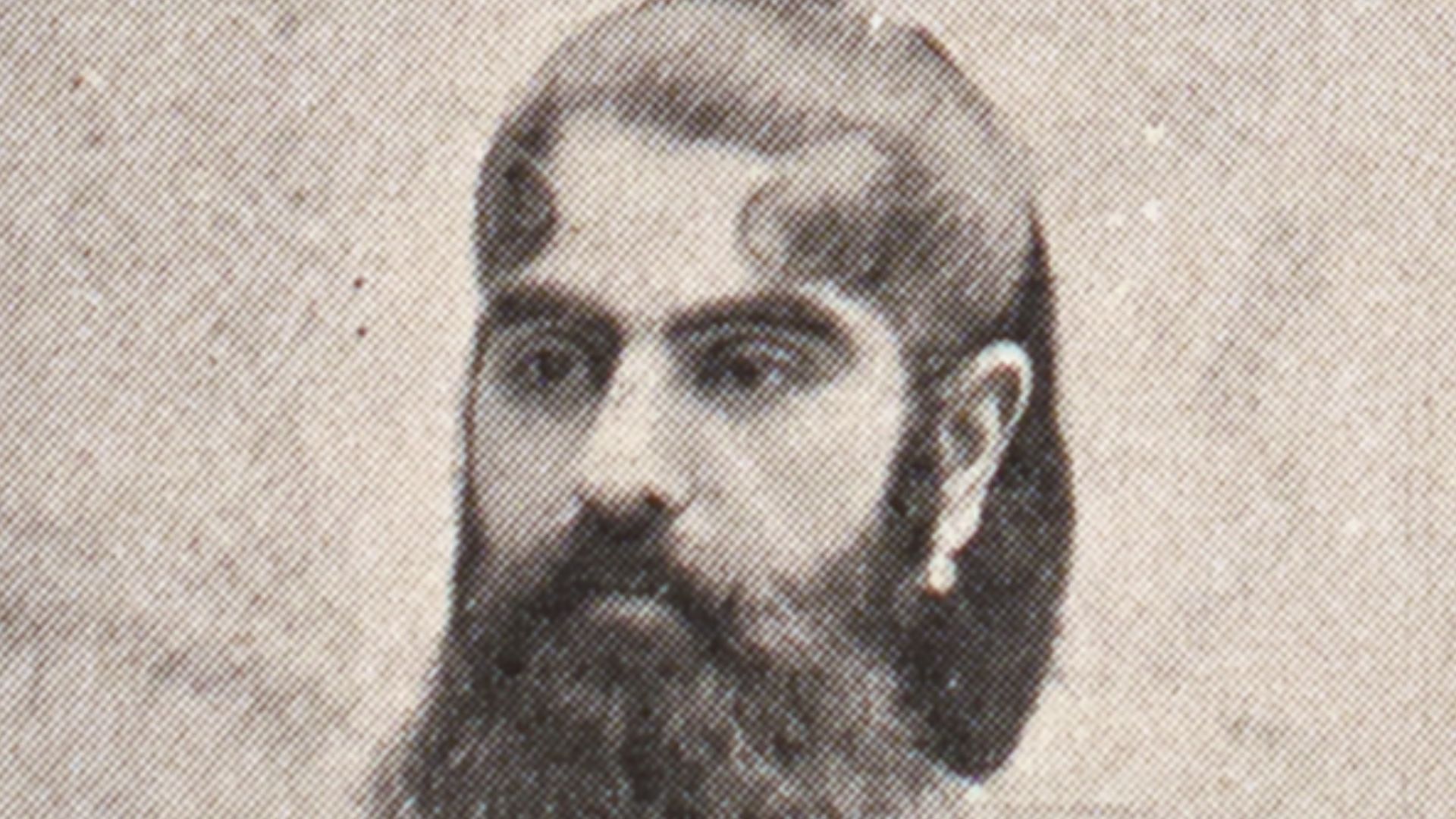 Harvey L. Watkins; Barnum & Bailey, Wikimedia Commons
Millie-Christine McKoy Was Two People, Not One Curiosity
Millie and Christine McKoy were conjoined twins born into slavery in North Carolina in 1851. They were marketed under names like the “Two-Headed Nightingale,” but they were two sisters with separate personalities, musical talents, and a life shaped by enslavement, kidnapping, exhibition, and later international fame.
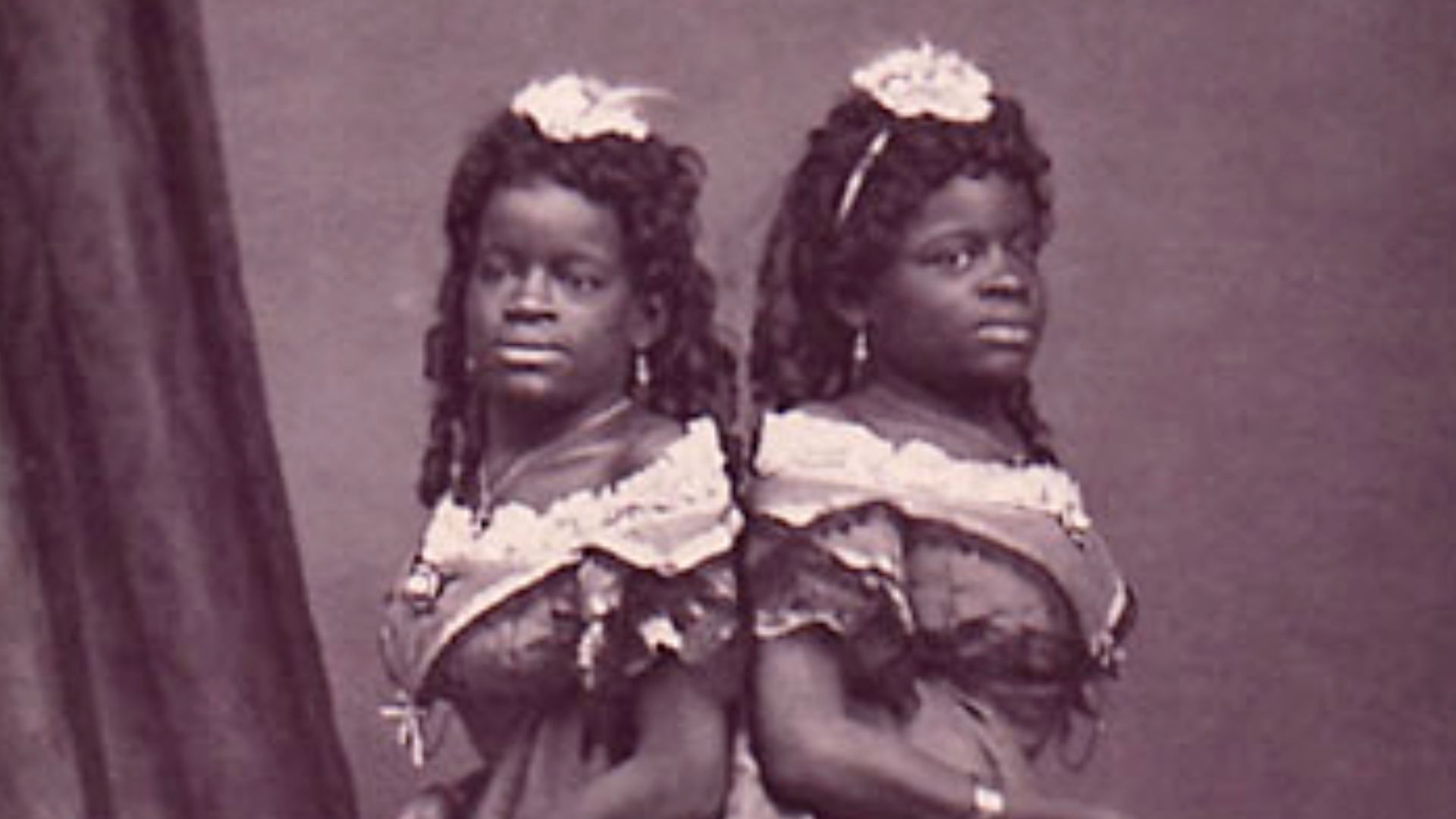 Wagner of Paris, Wikimedia Commons
Their Talent Was Easy To Overlook
Audiences often came to stare at Millie-Christine’s body, but they stayed for singing, dancing, languages, and performance skill. Their stage name flattened them into anatomy, while their real career depended on discipline and talent. Their story cannot be separated from exploitation, but it also cannot be reduced to victimhood.
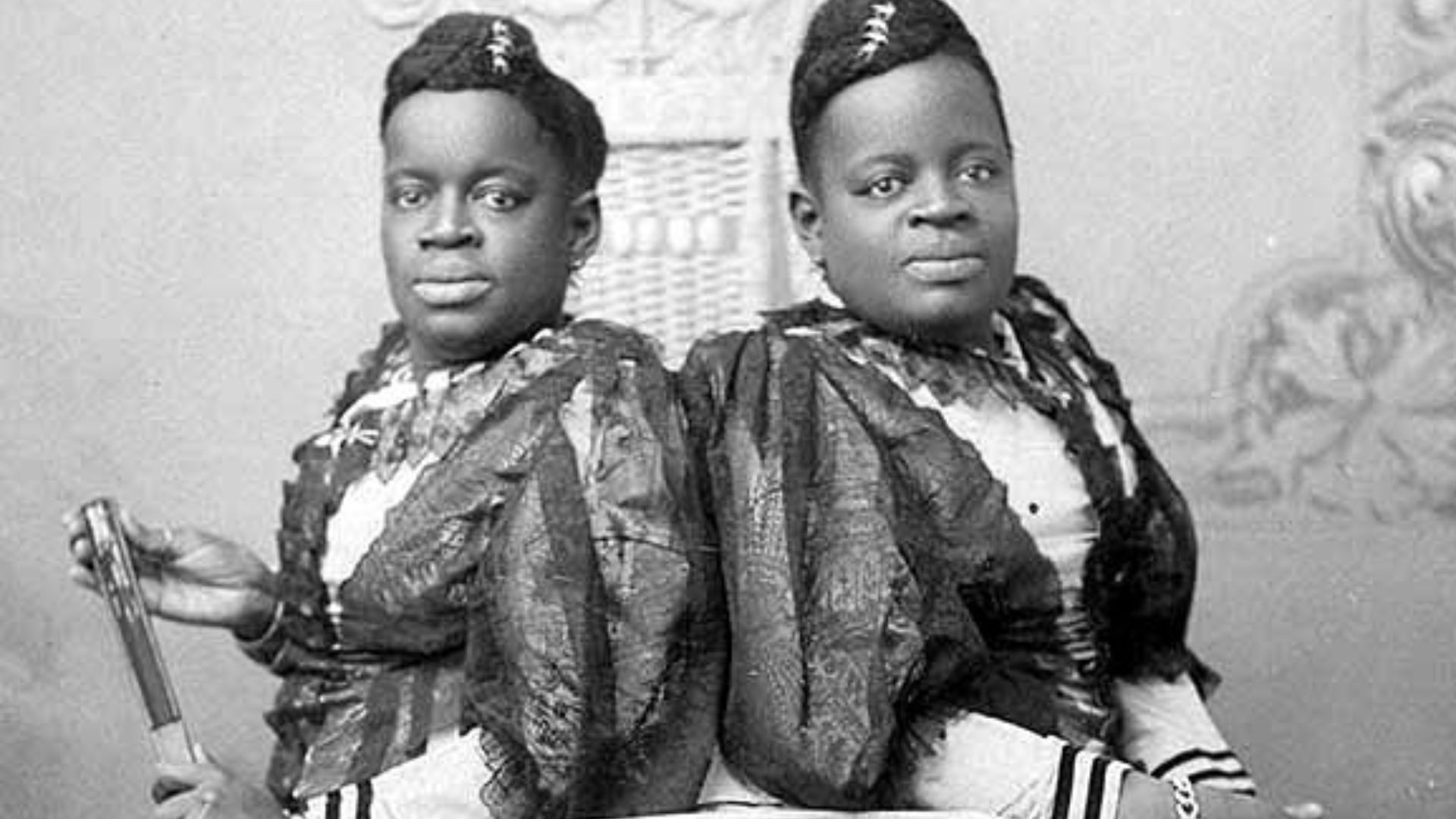 Michael A. Wesner, Los Angeles, Wikimedia Commons

History's most fascinating stories and darkest secrets, delivered to your inbox daily.
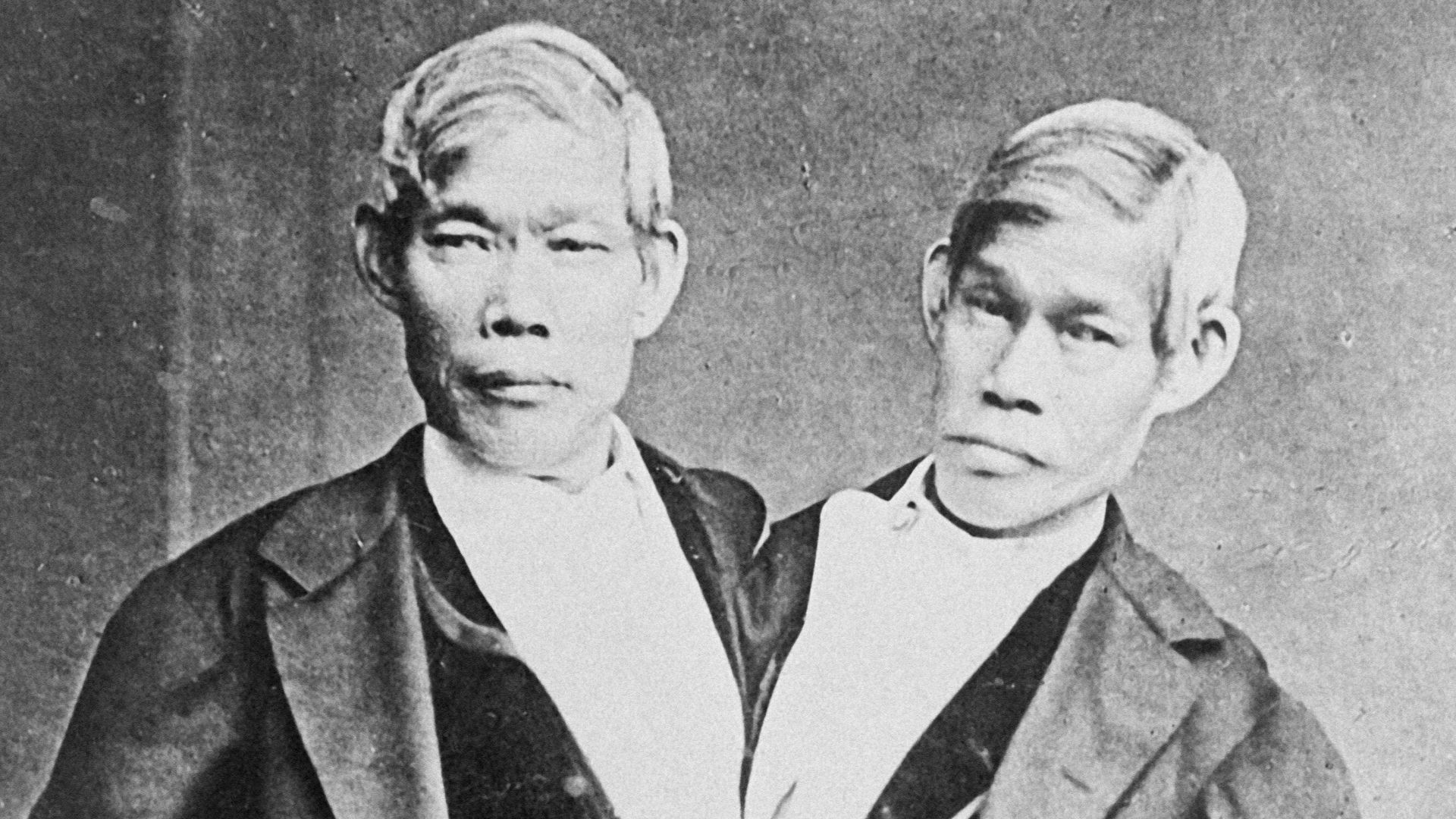
Chang And Eng Bunker Became A Term
Chang and Eng Bunker were born in Siam, now Thailand, and became so famous that “Siamese twins” became a common phrase for conjoined twins. That term outlived them, even though they were real brothers who later settled in North Carolina, married sisters, fathered children, and built complicated family lives.
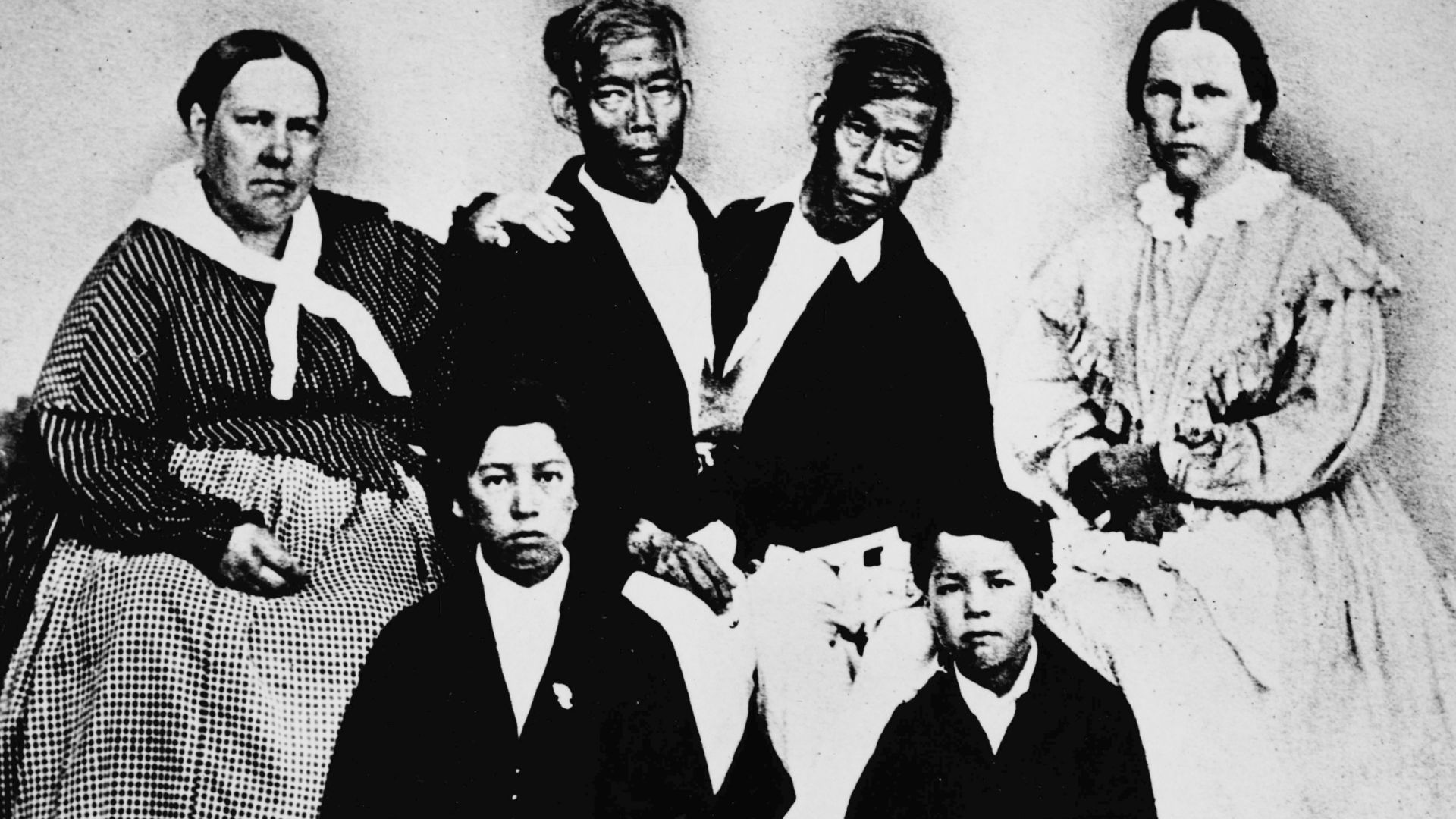 Materialscientist, Wikimedia Commons
They Were Performers And Businessmen
Chang and Eng were exhibited across Europe and America, but they were not simply passive attractions. Over time, they negotiated their own career, managed public appearances, and tried to control parts of their image. Their stage label became a medical shorthand, but their lives were far bigger than that phrase.
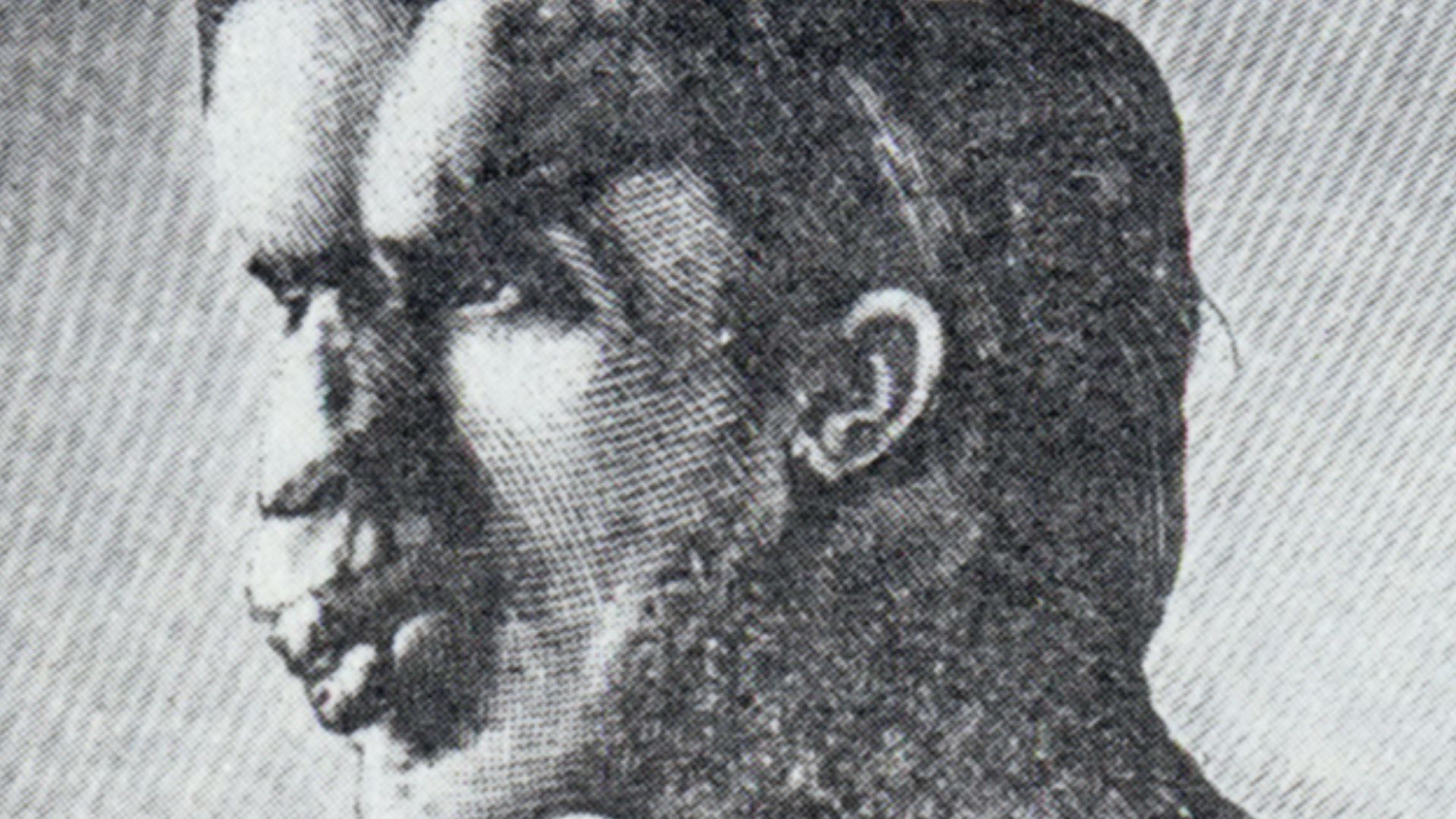
Joseph Merrick Was Not “The Elephant Man” To Himself
Joseph Merrick is still widely remembered by the stage name “The Elephant Man". He was exhibited in Victorian England because of severe physical differences, but his life also included poverty, the workhouse, medical attention, public fascination, and efforts to be treated with dignity. The name made him famous, but it also trapped him.
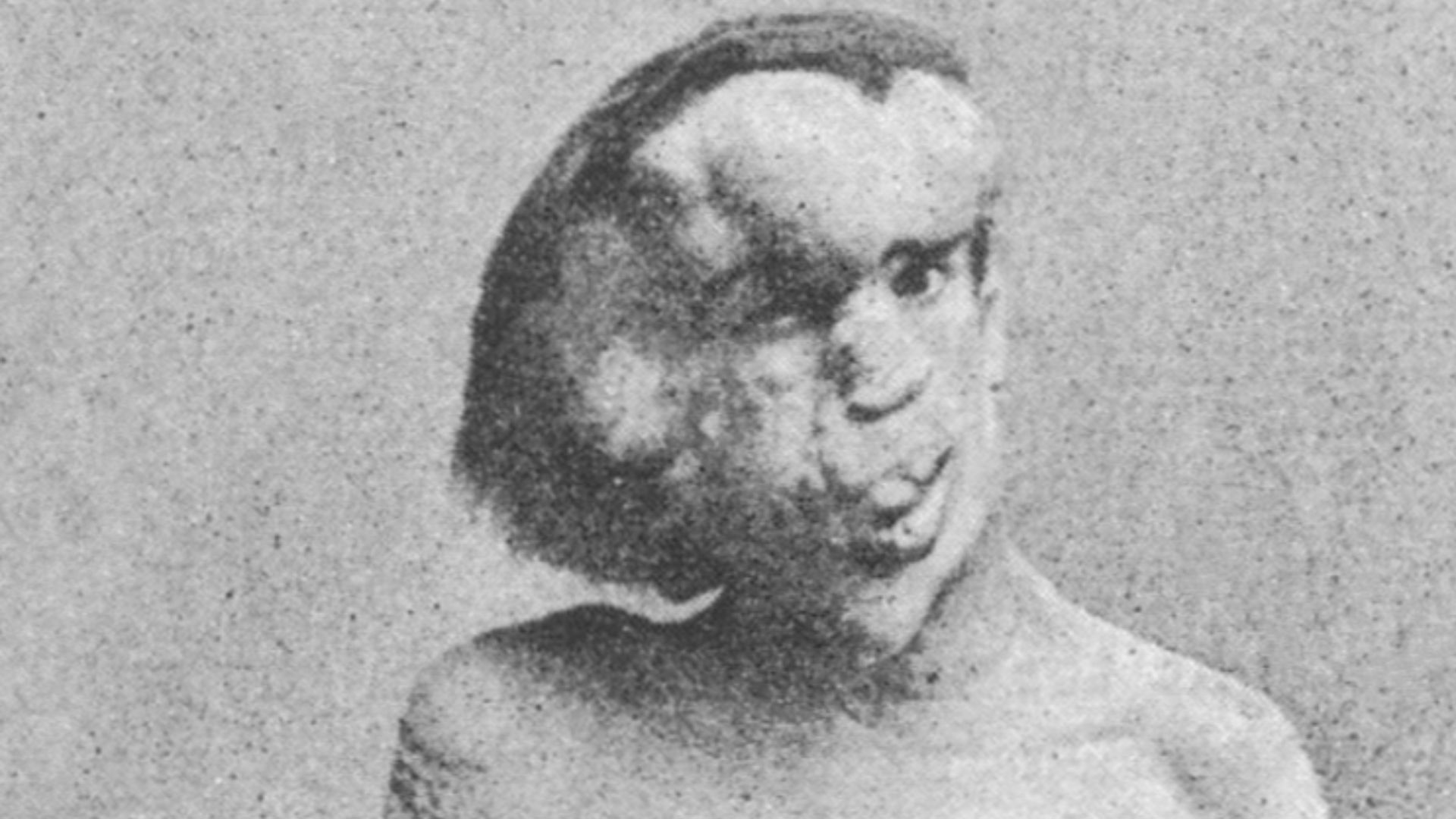 Unknown. No photographer credited in the British Medical Journal article of 1890., Wikimedia Commons
His Story Was Retold With Mistakes
Merrick’s real first name was Joseph, though later retellings often called him John. His condition has also been debated by doctors and historians. That uncertainty matters because it shows how easily a person can disappear beneath myth. Even a sympathetic legend can still blur the human being at its center.
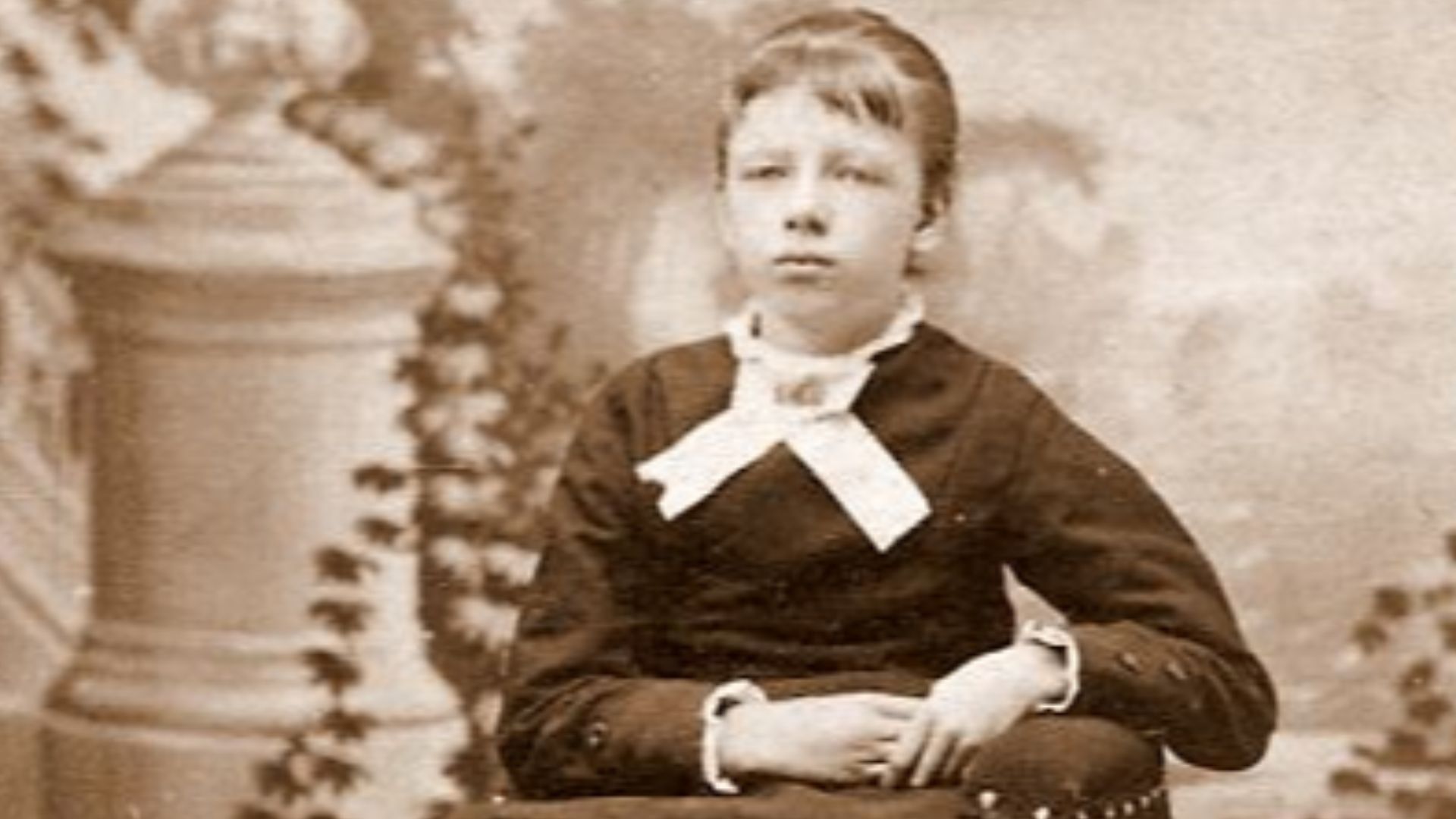
Myrtle Corbin Built A Life Beyond “Four-Legged Girl”
Josephine Myrtle Corbin was promoted as the “Four-Legged Girl from Texas". Born with a rare congenital condition, she entered the sideshow world as a teenager and became a major attraction. But she also married, had children, and lived a private life that rarely fits the shocking simplicity of her stage name.
![Picture of Myrtle Corbin.
Eisenmann's date of death is unknown, but this page [1] would indicate that he died at least 70 years ago (article written ca. 2002, his granddaughter is 80+, and was ~8 when he died)](https://www.factinate.com/storage/app/media/factinate/2026/8/31/1788169132c0b0b1f8485ad559ad5007ba228f1042ed5d3331.jpg) Charles Eisenmann (1855-1927), Wikimedia Commons
Charles Eisenmann (1855-1927), Wikimedia Commons
Her Body Was Not The Whole Story
Corbin’s billing invited audiences to treat her as a medical marvel. Yet the records that survive point to someone who moved through ordinary milestones too: adolescence, marriage, pregnancy, motherhood, illness, and domestic life. Her stage name emphasized difference. Her full life included much more than public display.
 James R. Applegate (1849–1910), Philadelphia, Wikimedia Commons
Frank Lentini Turned A Cruel Label Into A Career
Francesco “Frank” Lentini was born in Sicily with a parasitic twin, giving him three legs and additional partially formed anatomy. Promoted as the “Three-Legged Man” or “Three-Legged Wonder,” he became a long-running circus performer. But his real appeal was not just his body. It was his wit, confidence, athletic tricks, and ability to control the crowd.
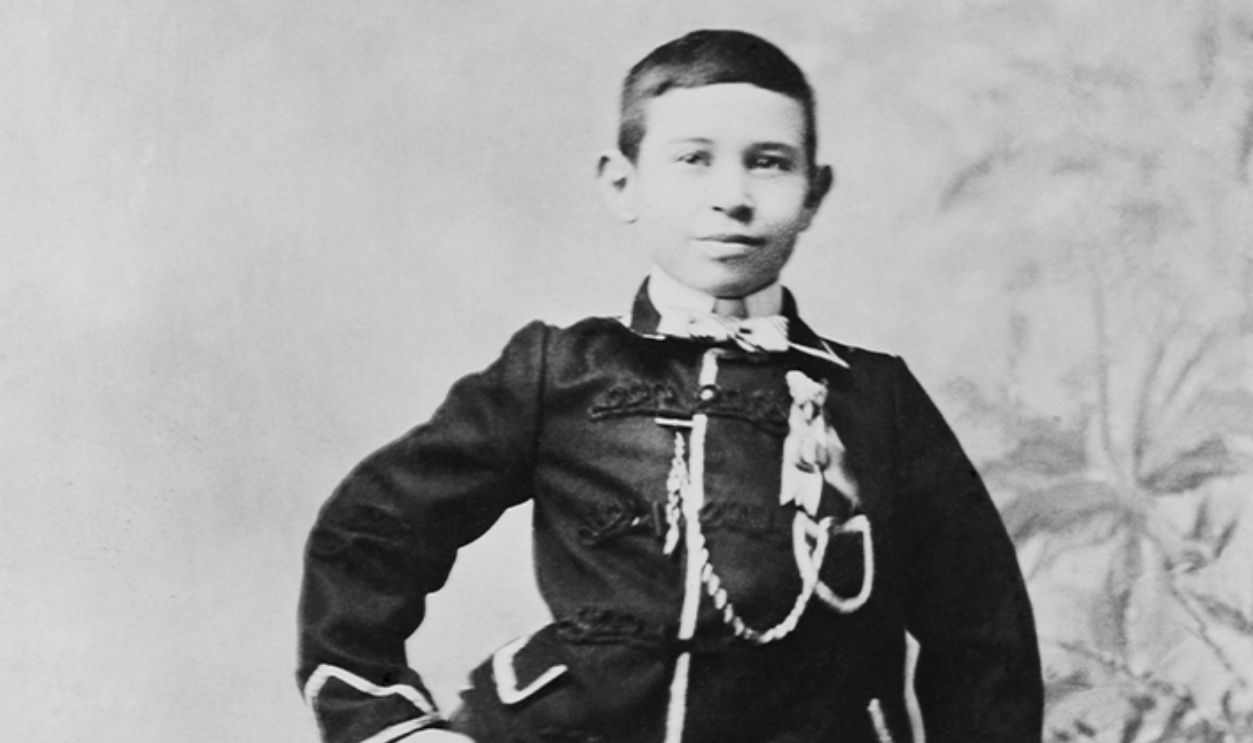
He Was More Than A Medical Curiosity
Lentini reportedly used his third leg in performance, including kicking a ball onstage, but accounts of him also emphasize his charm and showmanship. He toured for decades, married, had children, and built a career that lasted far beyond a single novelty poster. His stage name simplified him; his longevity proved he was a professional entertainer.
 Unknown authorUnknown author, Wikimedia Commons
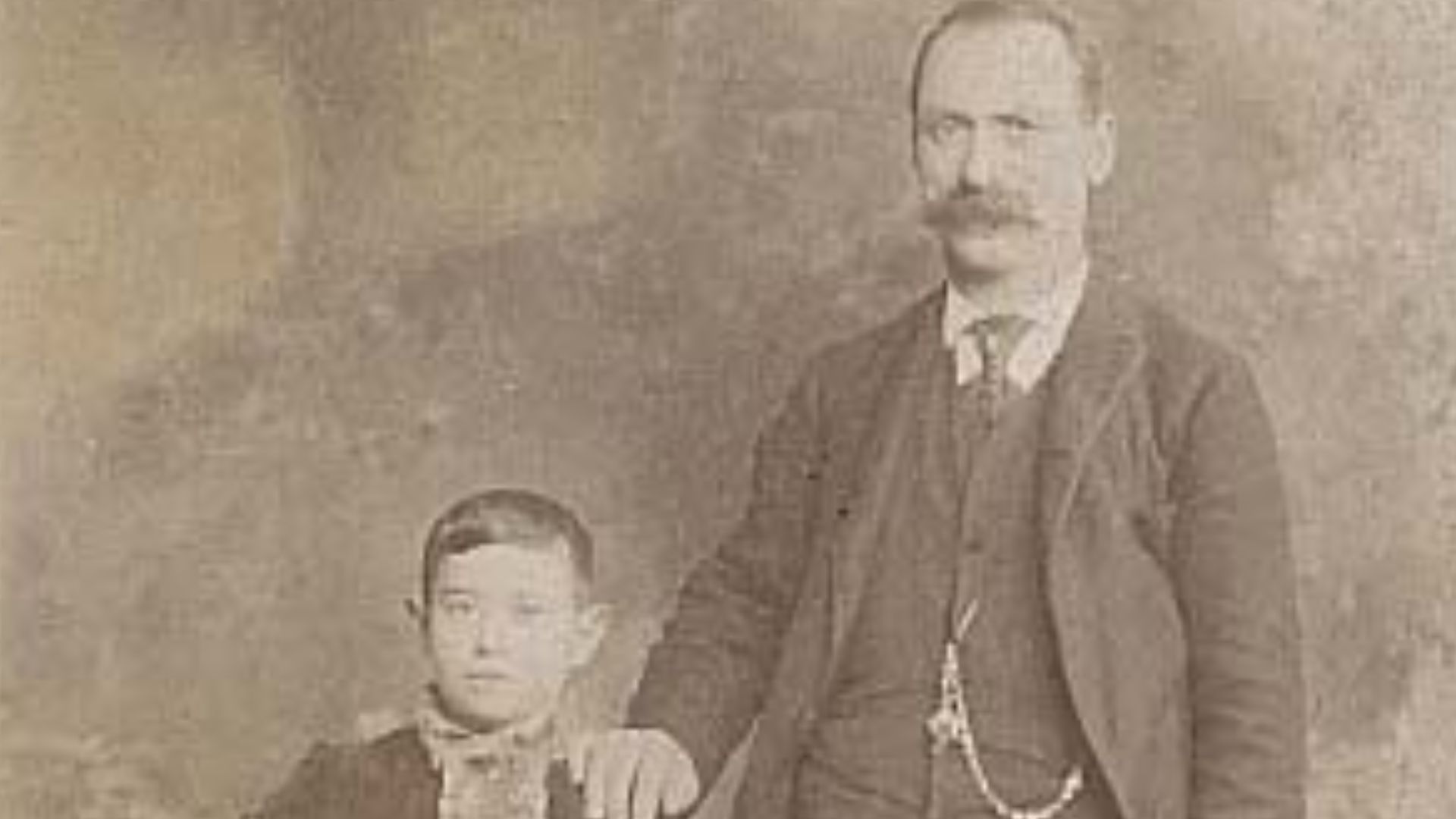
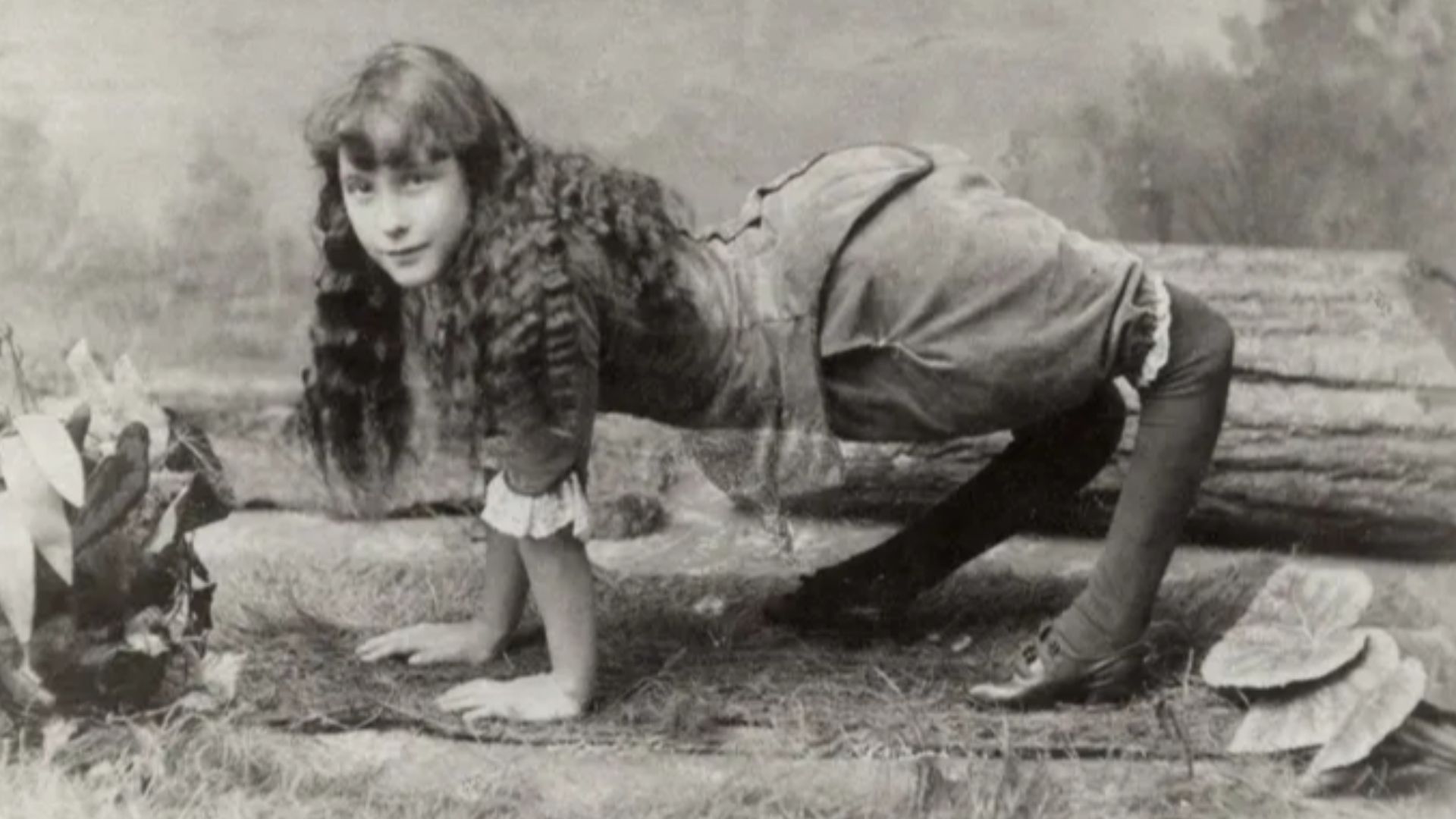
Ella Harper Chose A Different Future
Ella Harper was billed as the “Camel Girl” because of a condition that affected the way her knees bent. In 1886, she appeared in WH Harris’s Nickel Plate Circus and reportedly earned a high weekly salary. But she later stepped away from show business, a reminder that not every performer stayed in the role assigned to them.
 Unknown authorUnknown author, Wikimedia Commons
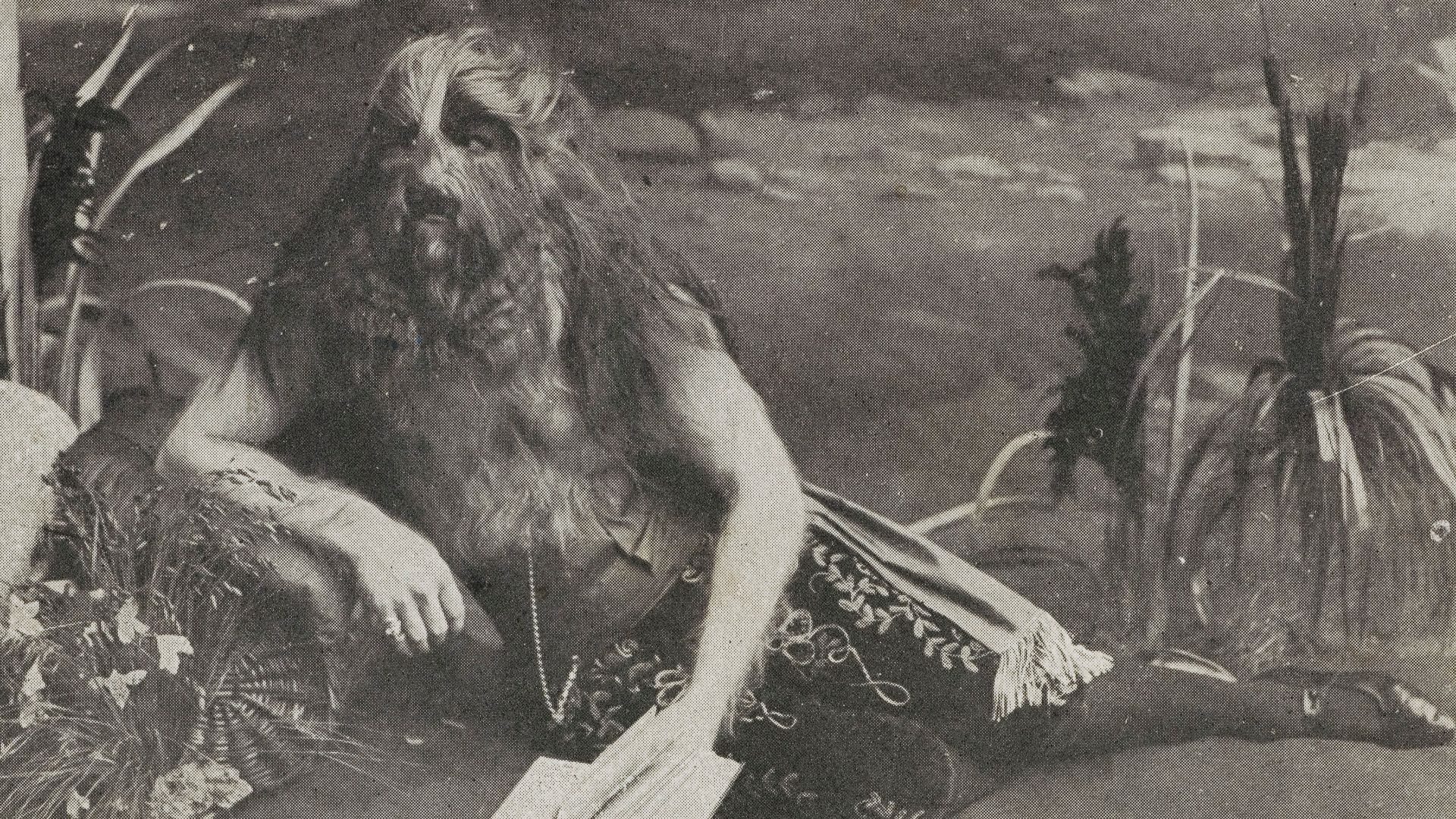
Stephan Bibrowski Was Turned Into Lionel
Stephan Bibrowski, known as Lionel the Lion-Faced Man, had hypertrichosis, which caused extensive hair growth. Showmen transformed that condition into a dramatic animalized identity. Yet accounts describe him as intelligent, multilingual, polite, and musically inclined. The stage name made him sound wild; the man was anything but simple.
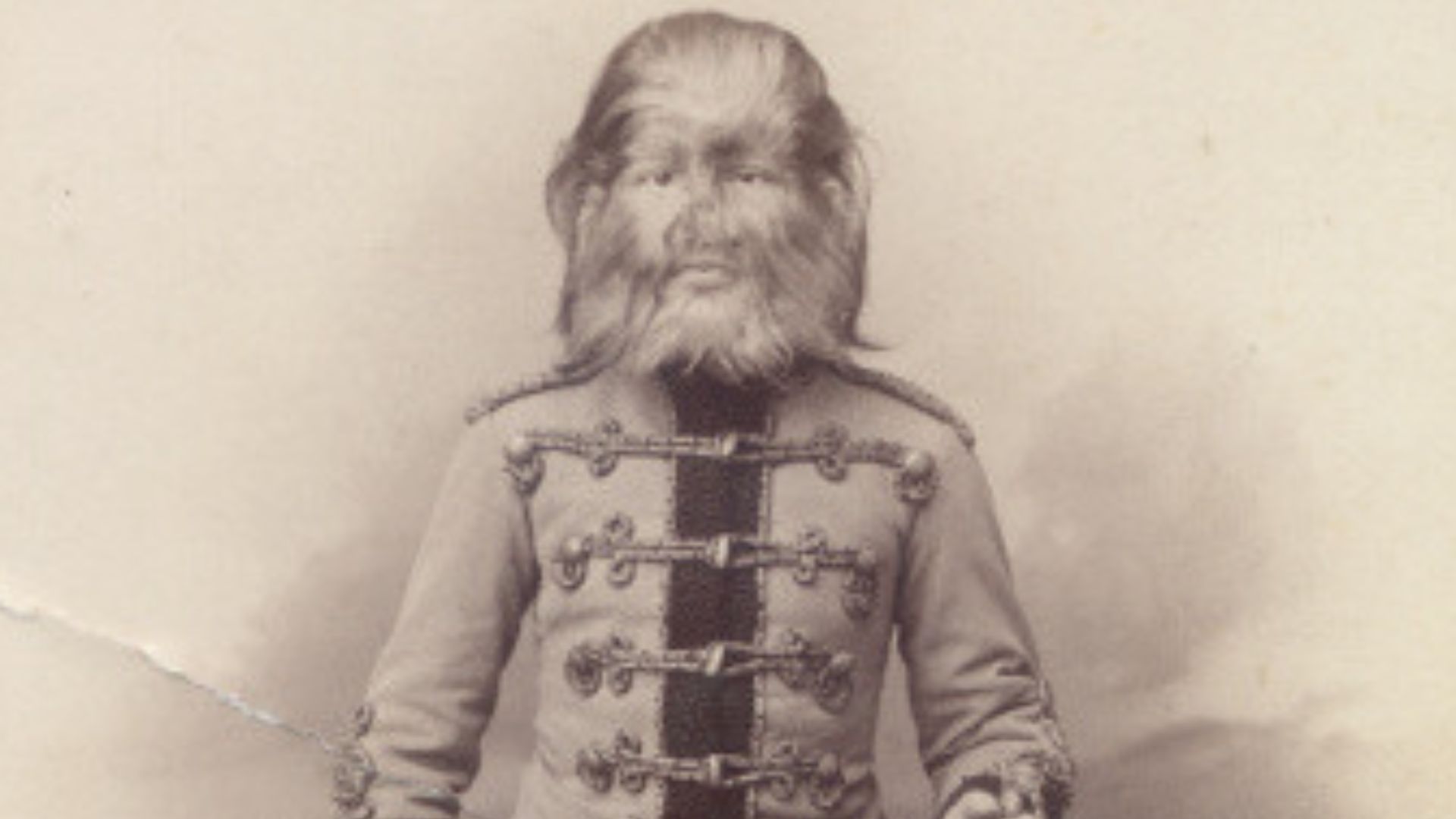
Fedor Jeftichew Became Jo-Jo
Fedor Jeftichew, promoted as Jo-Jo the Dog-Faced Boy, was another performer with hypertrichosis. Barnum-era marketing leaned hard into animal comparisons, turning a medical condition into a spectacle. The name was cruelly memorable, but it hid a Russian performer whose career required discipline, travel, and public endurance.
 Charles Eisenmann, Wikimedia Commons
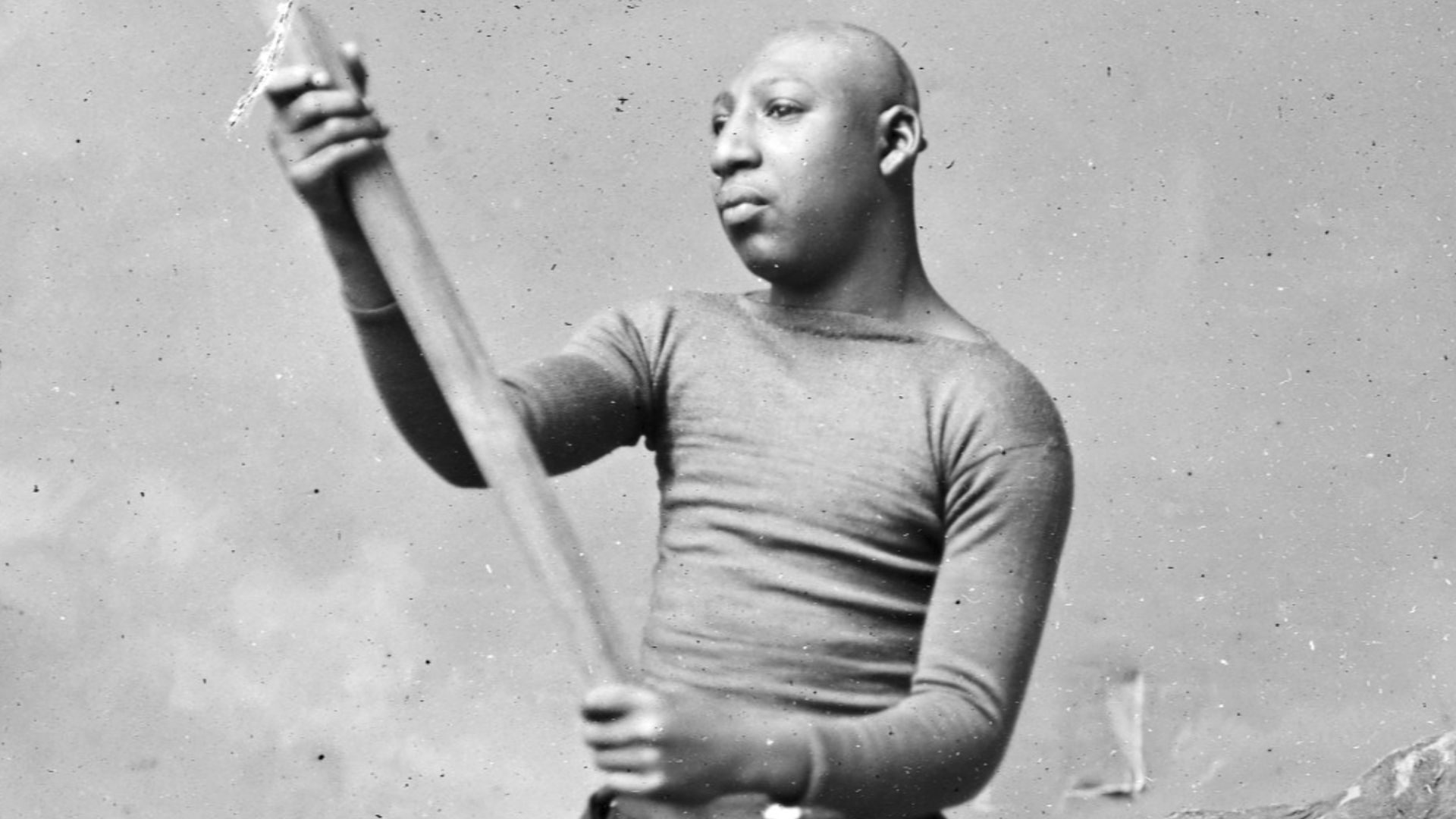
Zip Was A Prejudiced Performance As Well As A Stage Name
William Henry Johnson was promoted as Zip the Pinhead and, earlier, as “What Is It?” His act was entangled with disability, prejudice, and minstrel-show imagery. The character turned him into a supposedly missing link, a deeply ugly idea that audiences accepted as entertainment. His fame came at an enormous human cost.
 Mathew Benjamin Brady, Wikimedia Commons
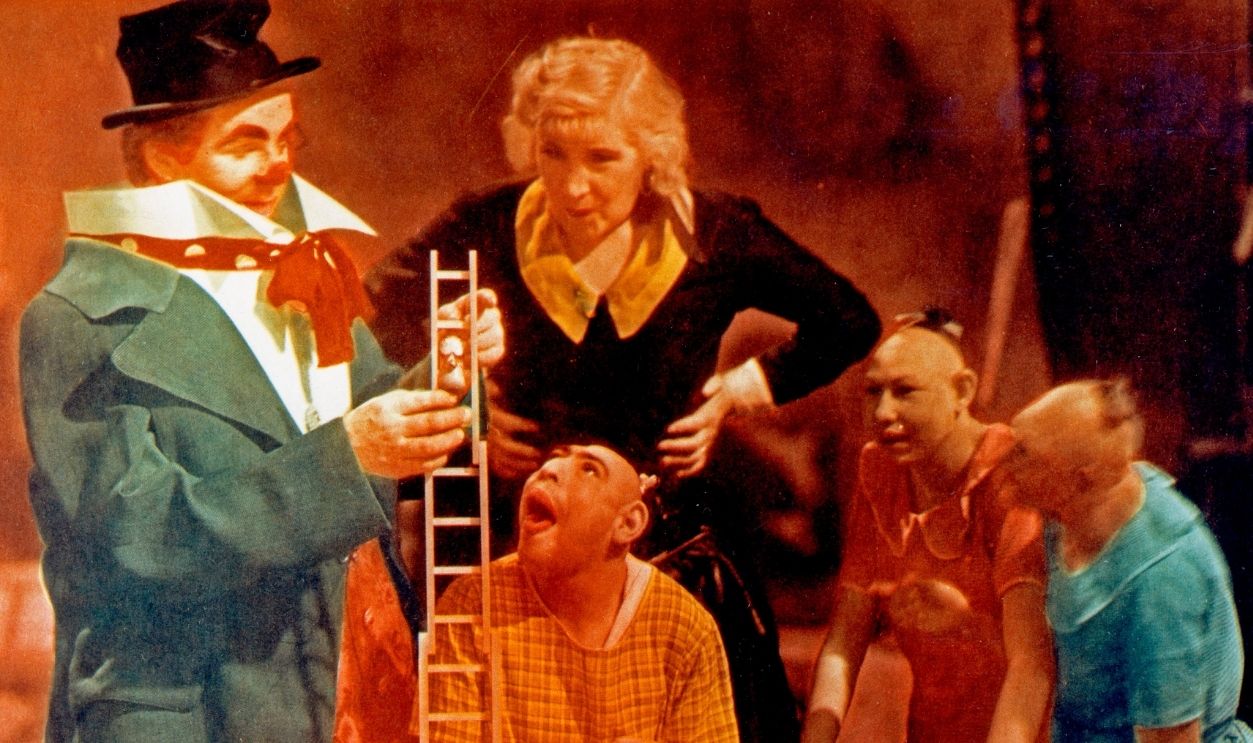
Schlitzie’s Life Is Hard To Reconstruct
Schlitzie, a microcephalic sideshow performer later known for the film Freaks, remains difficult to fully document. Even basic biographical details are uncertain. That mystery is part of the problem. The public remembered the image and the stage persona, while the private person was barely preserved by the record.
Prince Randian Turned Skill Into Survival
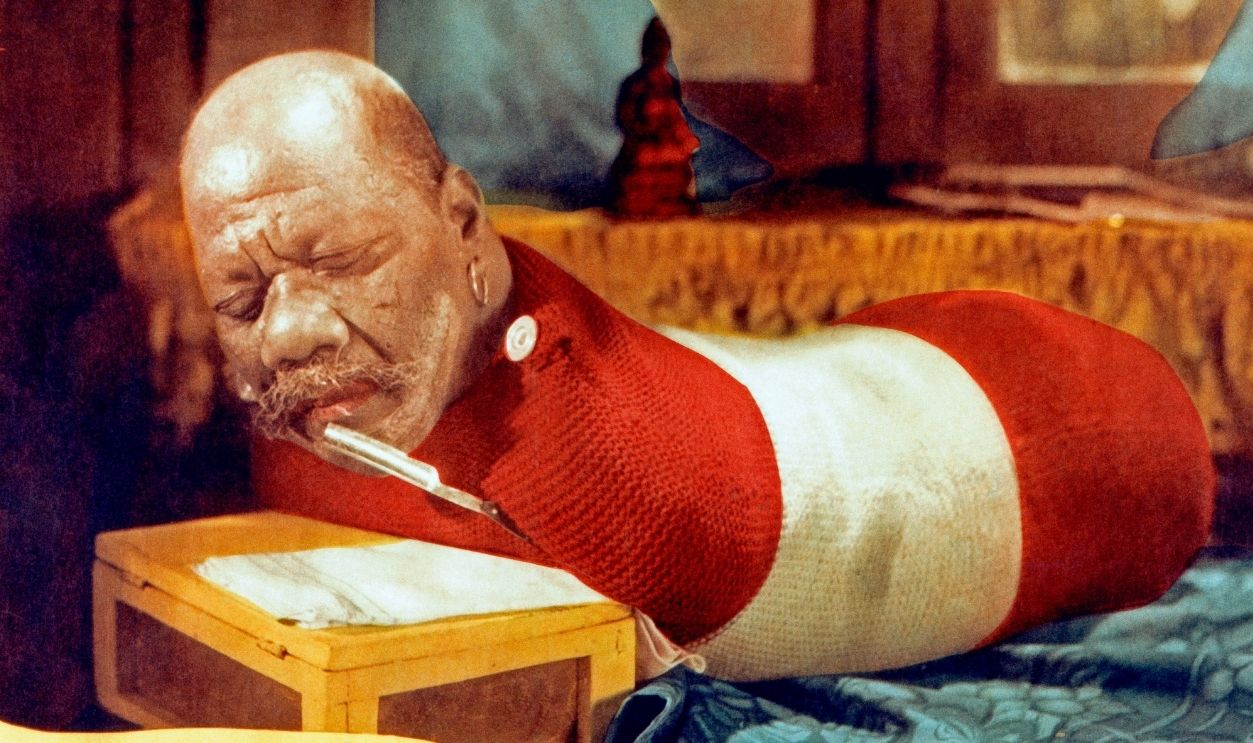
Prince Randian, born without arms or legs, was billed under names like “The Human Torso” and “The Snake Man". Those names were designed to shock. But his performances also showed remarkable skill, including writing, painting, shaving, and rolling cigarettes.
Some Performers Had Agency, But Not Equal Power
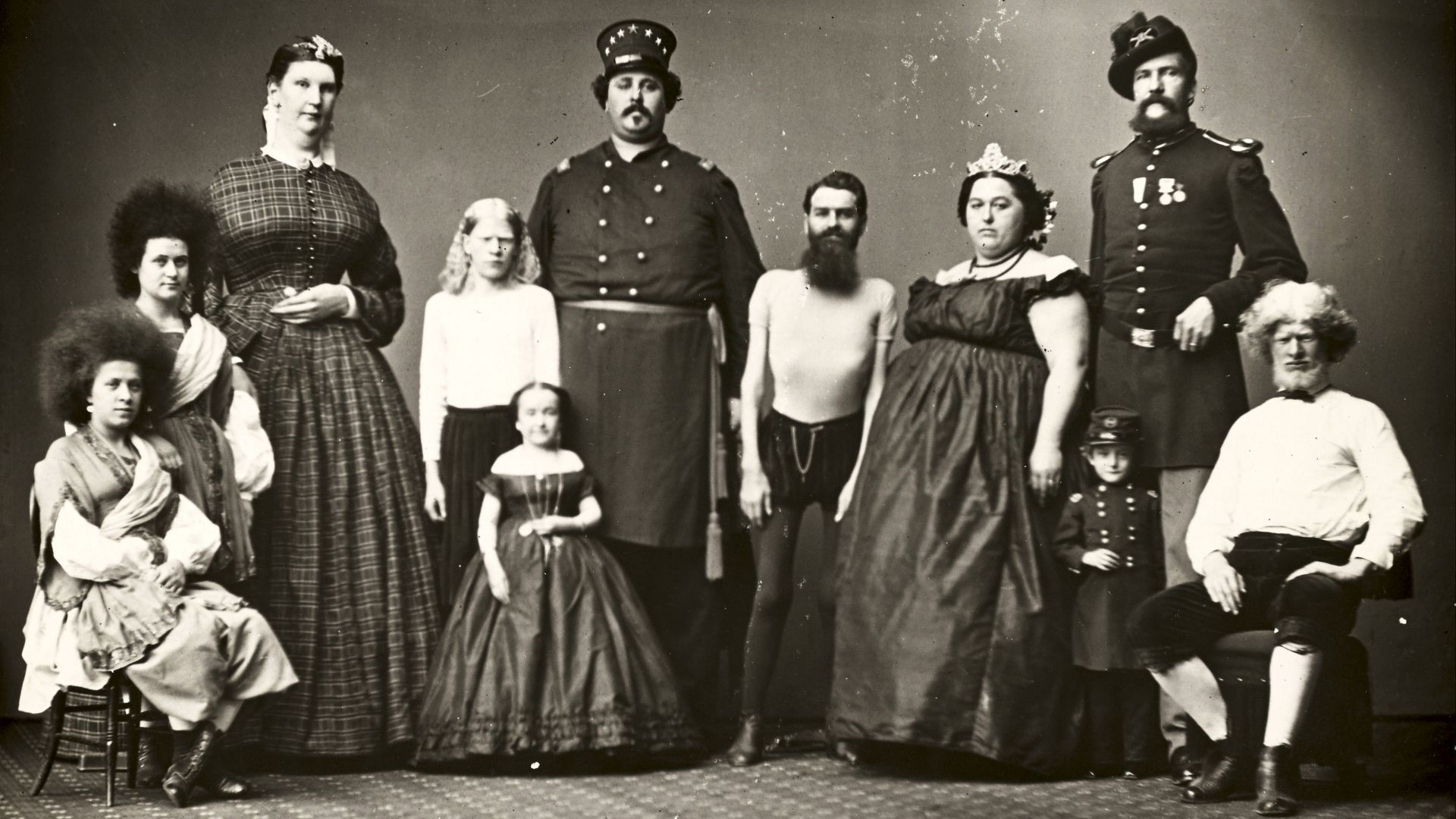
It would be too simple to say every sideshow performer was only exploited, and too naive to say they were simply empowered entertainers. Some earned money, traveled, negotiated, and found community. Others were children, disabled, enslaved, impoverished, or controlled by managers. Agency existed, but rarely on fair terms.
 Unknown authorUnknown author, Wikimedia Commons
The Sideshow Could Offer Work And Harm
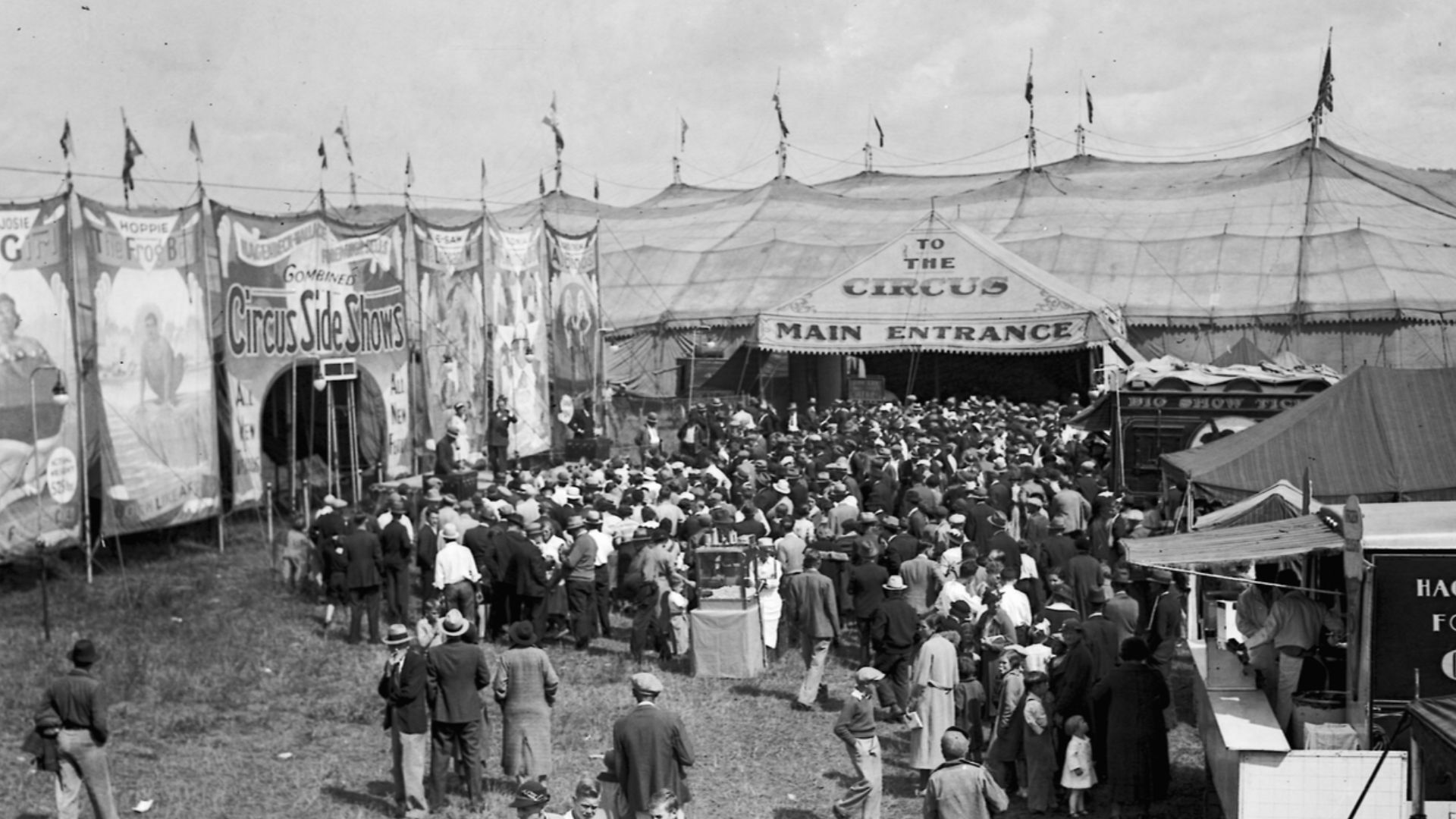
For some disabled or physically different people, the sideshow offered income in a society that often excluded them from other jobs. But that opportunity came through public staring, insulting labels, invasive curiosity, and medicalized spectacle. The same stage could be a workplace, a trap, and a survival strategy.
 Atwell, Harry A., 1879-1957, Wikimedia Commons
Language Did Some Of The Damage
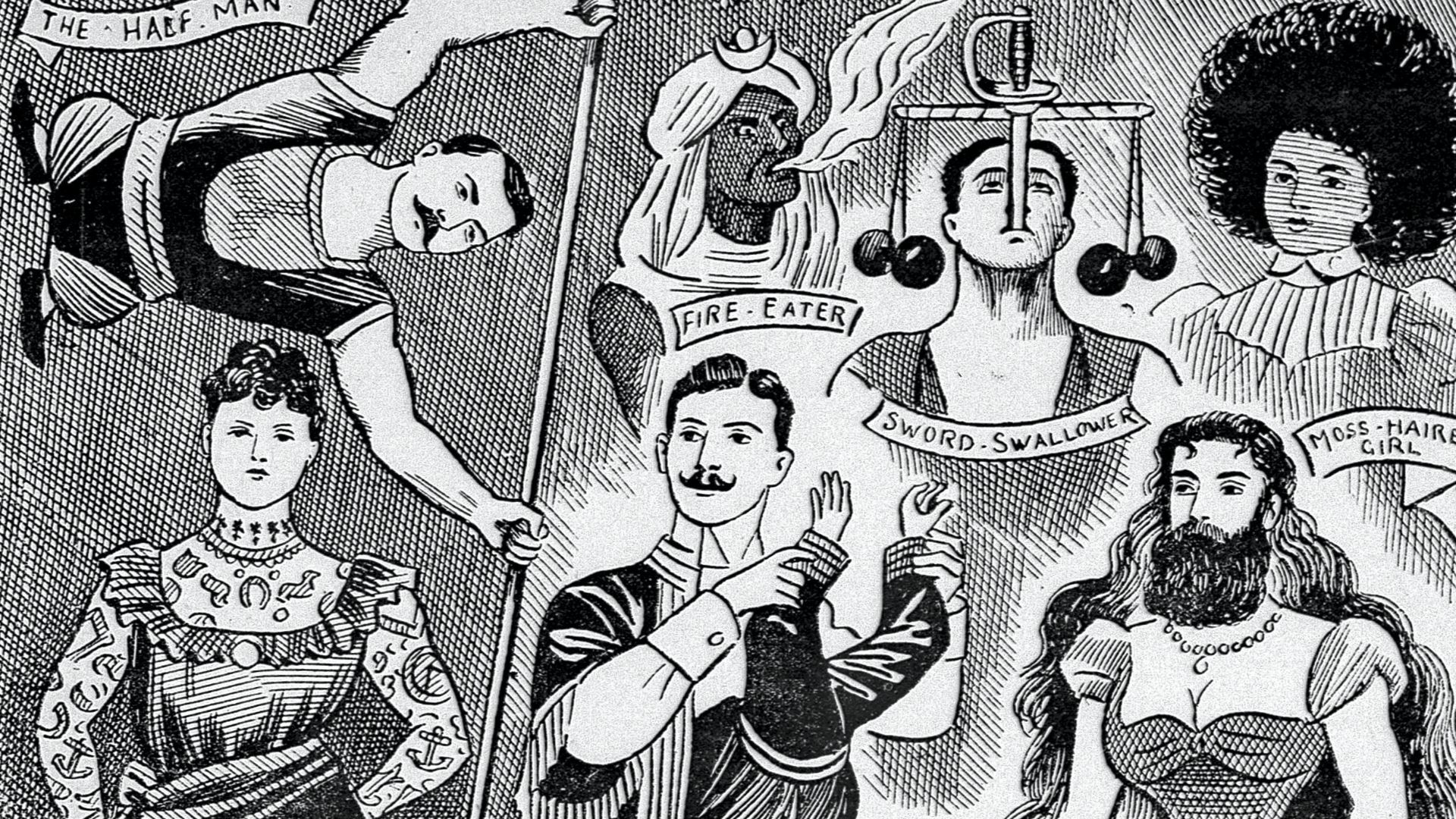
The historical word “freak” was not just descriptive. It separated performers from ordinary humanity and made audiences feel entitled to stare. Some people used the word professionally because it sold tickets, but that does not make it neutral. The label was part of the machinery that made exploitation seem like fun.
Their Names Became Easier Than Their Lives
General Tom Thumb, the Bearded Lady, the Elephant Man, the Camel Girl, the Three-Legged Wonder, the Lion-Faced Man, and Zip the Pinhead are names built for memory. Real names require more effort: Charles Stratton, Annie Jones, Joseph Merrick, Ella Harper, Frank Lentini, Stephan Bibrowski, William Henry Johnson. That effort is the point.
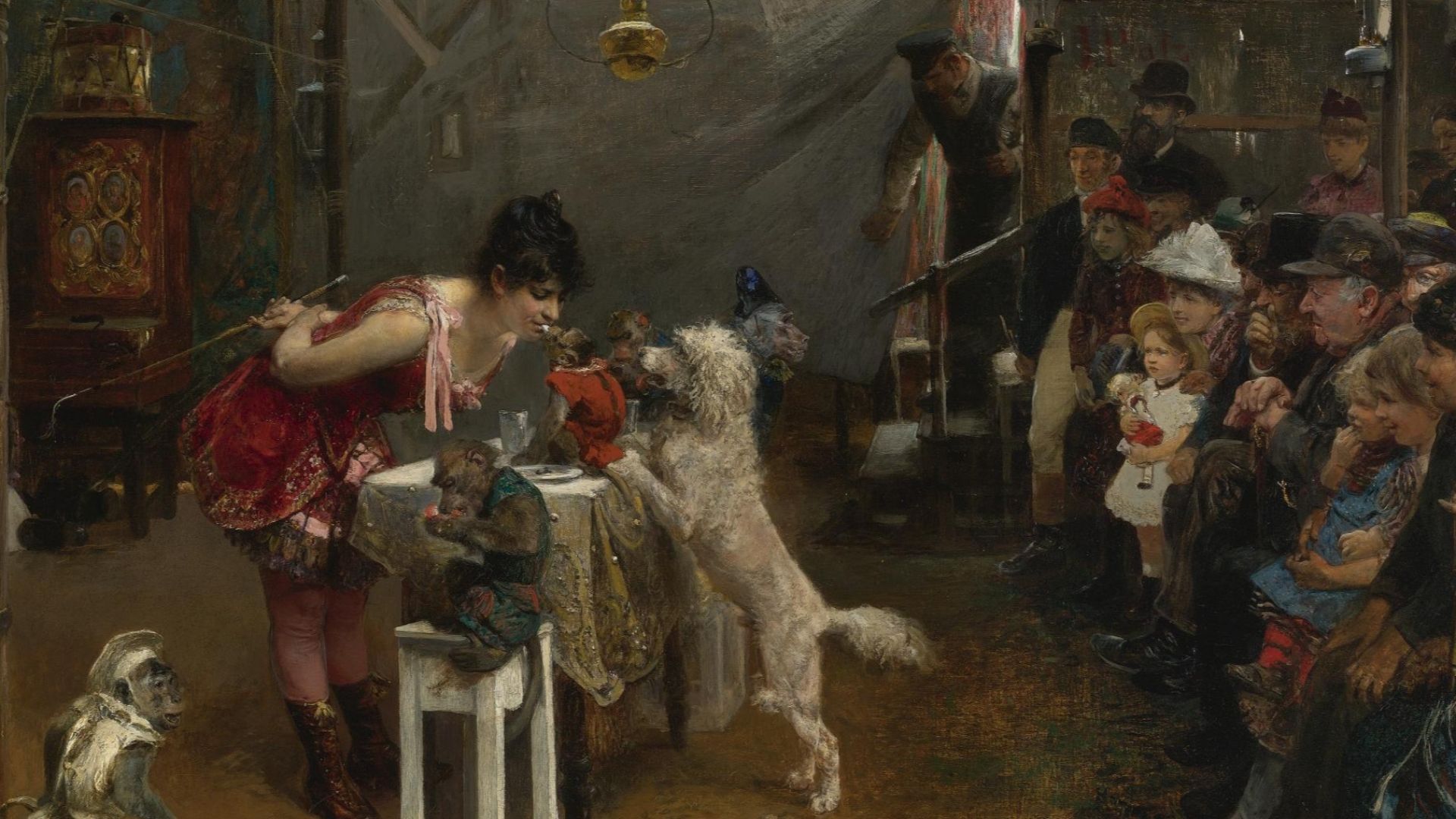 Paul Friedrich Meyerheim, Wikimedia Commons
The Forgotten Part Is Their Personhood
Many sideshow stars were never truly forgotten; their images kept circulating for generations. What was forgotten was their complexity. They were workers, children, spouses, siblings, immigrants, enslaved people, disabled people, artists, businesspeople, and survivors. The posters made them strange. Their lives made them human.
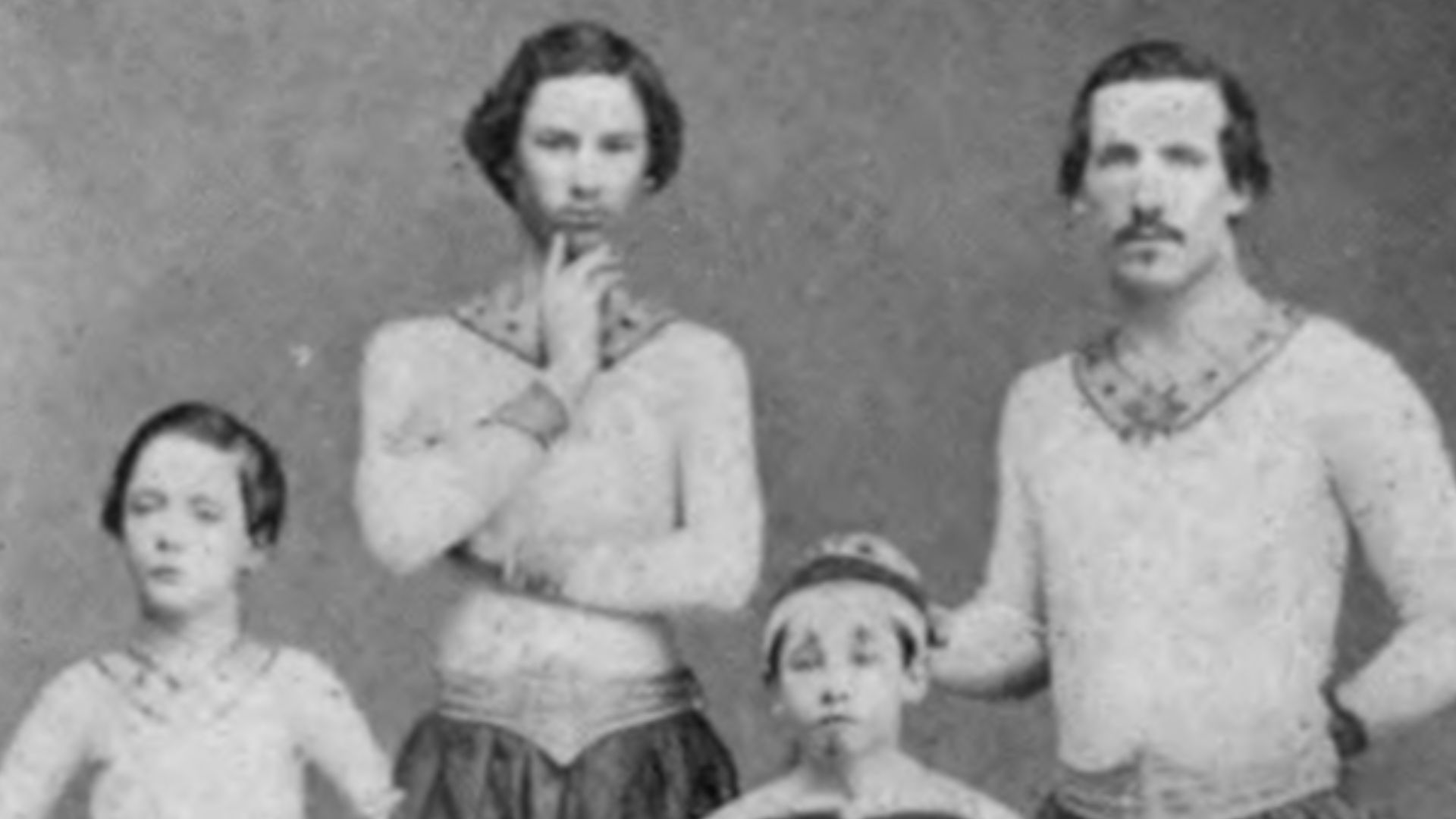 Unknown photographer, Wikimedia Commons
The Stage Names Still Ask Something Of Us
Looking back at sideshow history means facing an uncomfortable truth: audiences helped create the system by paying to stare. But it also means restoring depth where the posters erased it. These performers were never just their stage names. They were people navigating the narrow, often brutal space between exploitation and fame.
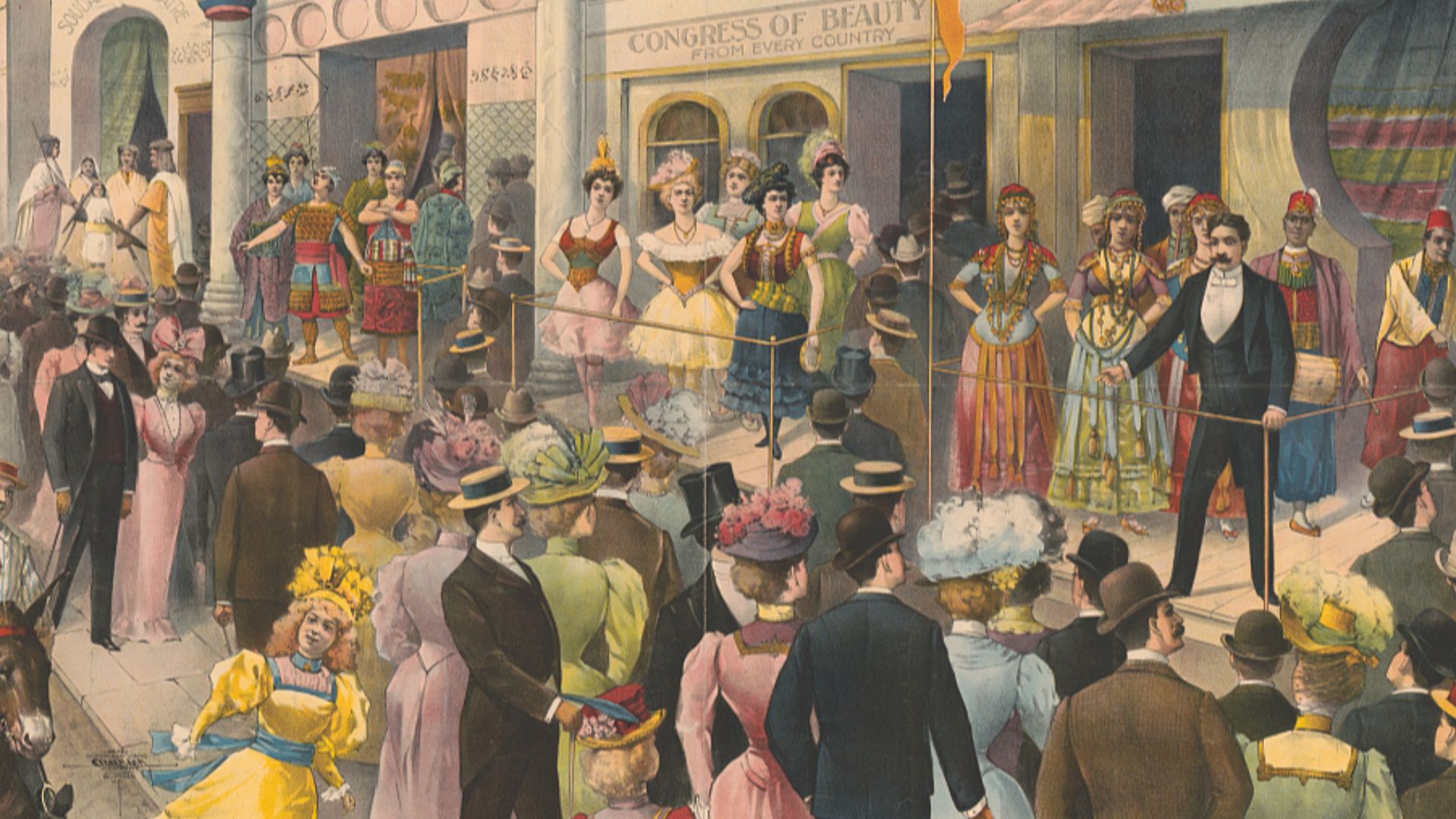 Miscellaneous Items in High Demand, PPOC, Library of Congress, Wikimedia Commons
You May Also Like:
Astonishing Facts About History's Craziest Circus Performers
Brand Names Nobody Realizes Were Actually Named After Real People
Sources: 1, 2, 3, 4, 5, 6, 7, 8, 9, 10, 11, 12, 13, 14, 15, 16, 17, 18, 19