
7 of Leonardo da Vinci's visions for the future
Works Of Art: Drawing
Drawing was, for da Vinci, primarily a learning exercise: a type of brainstorming on paper. Always keen to experiment with new techniques, da Vinci would make clay models, cover them with linen dipped in wet clay, and then draw from them. Black and white pigment was then applied with a brush as a way of executing studies in light and shade – known as chiaroscuro.
 Lattanzio Querena, Wikimedia Commons
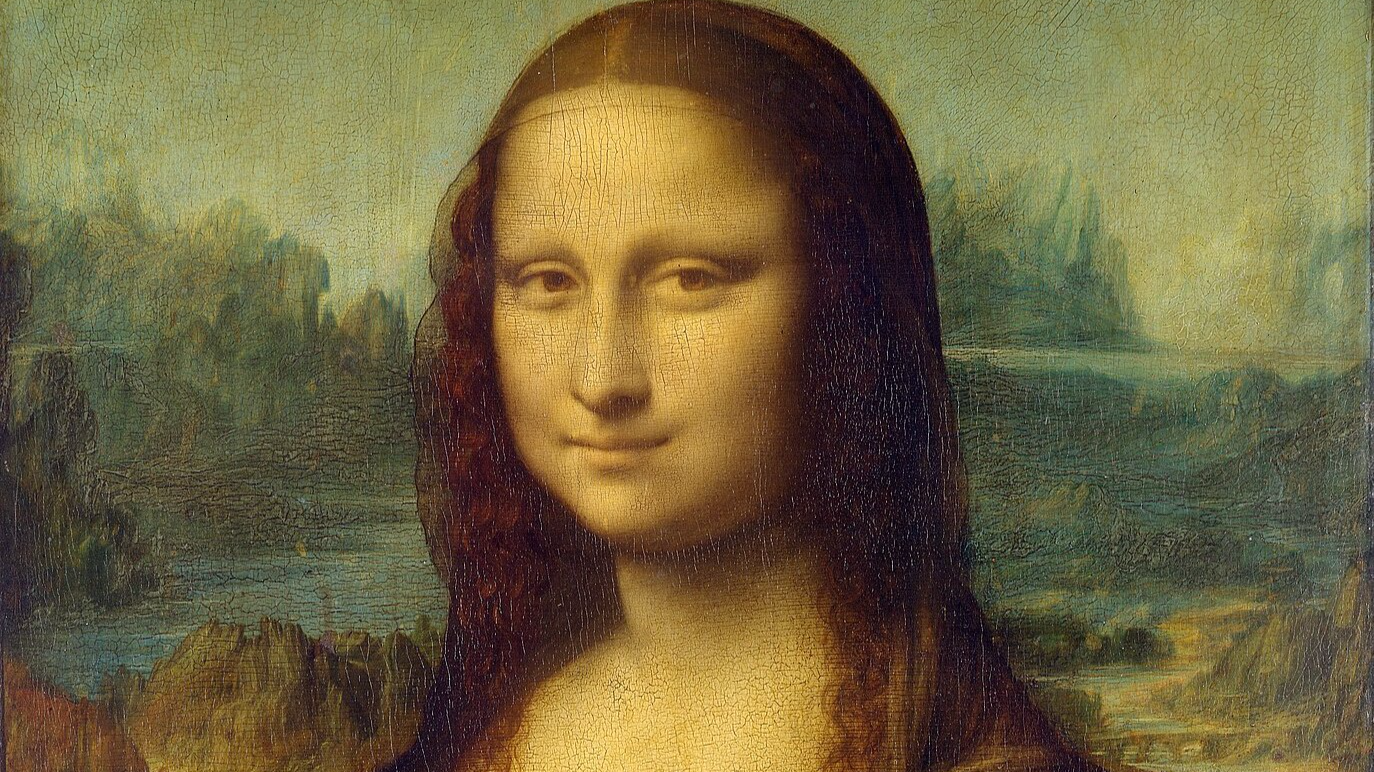
Mona Lisa
One of da Vinci’s most famous works, Mona Lisa, exemplifies the sfumato technique he is known for, where colours are blurred like smoke to produce softened outlines. In the words of da Vinci himself, “the eye does not know the edge of any body”.
 Leonardo da Vinci, Wikimedia Commons
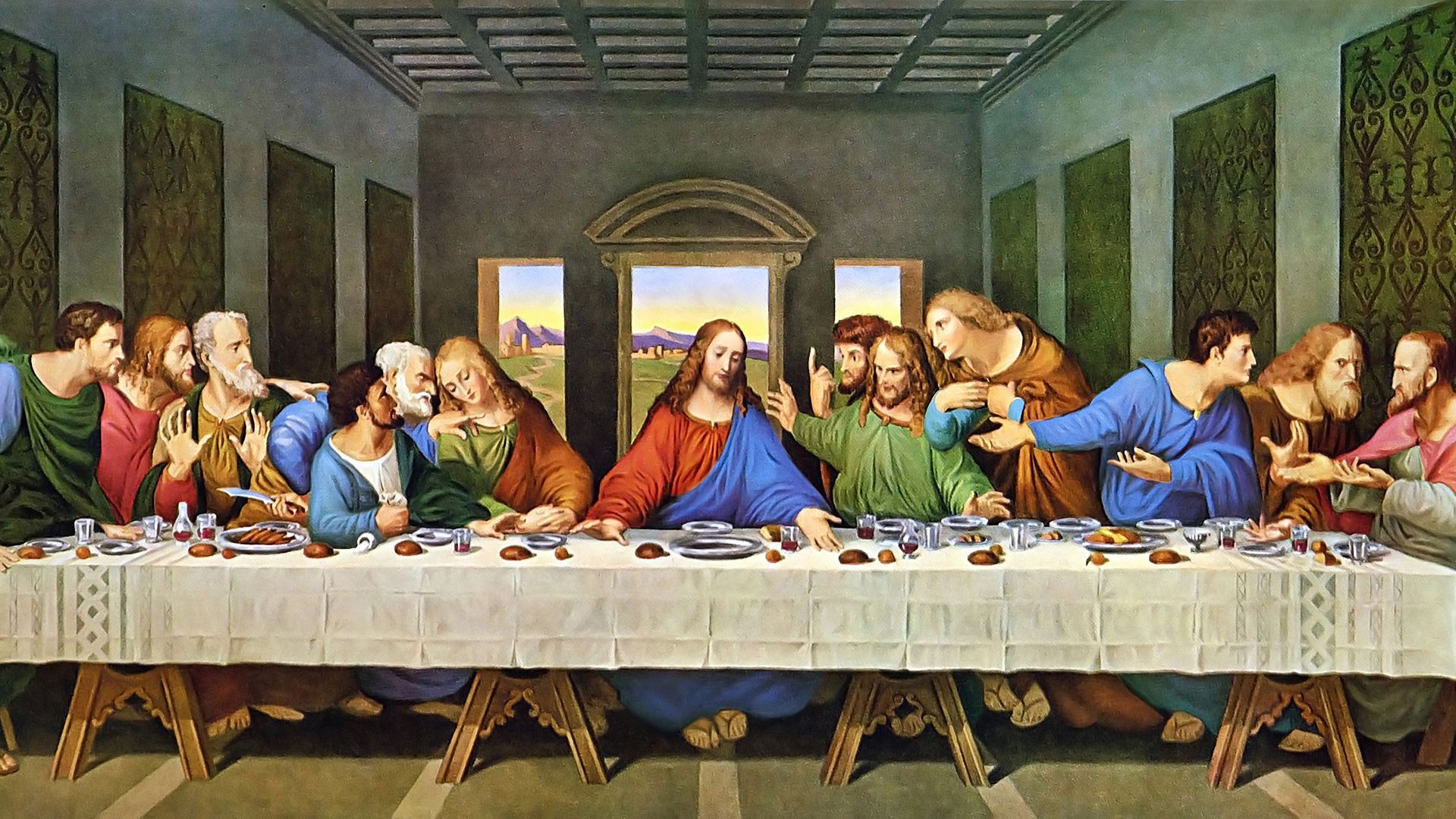
The Last Supper
Da Vinci was not afraid to adopt unorthodox methods in painting. In his c1498 work The Last Supper he rejected traditional fresco techniques of the day (pigment mixed with water and sometimes egg yolk on moist plaster). Instead, he experimented with other water and oil-based mediums in order to create his masterpiece.
 Leonardo da Vinci, Wikimedia Commons
Complex Layers
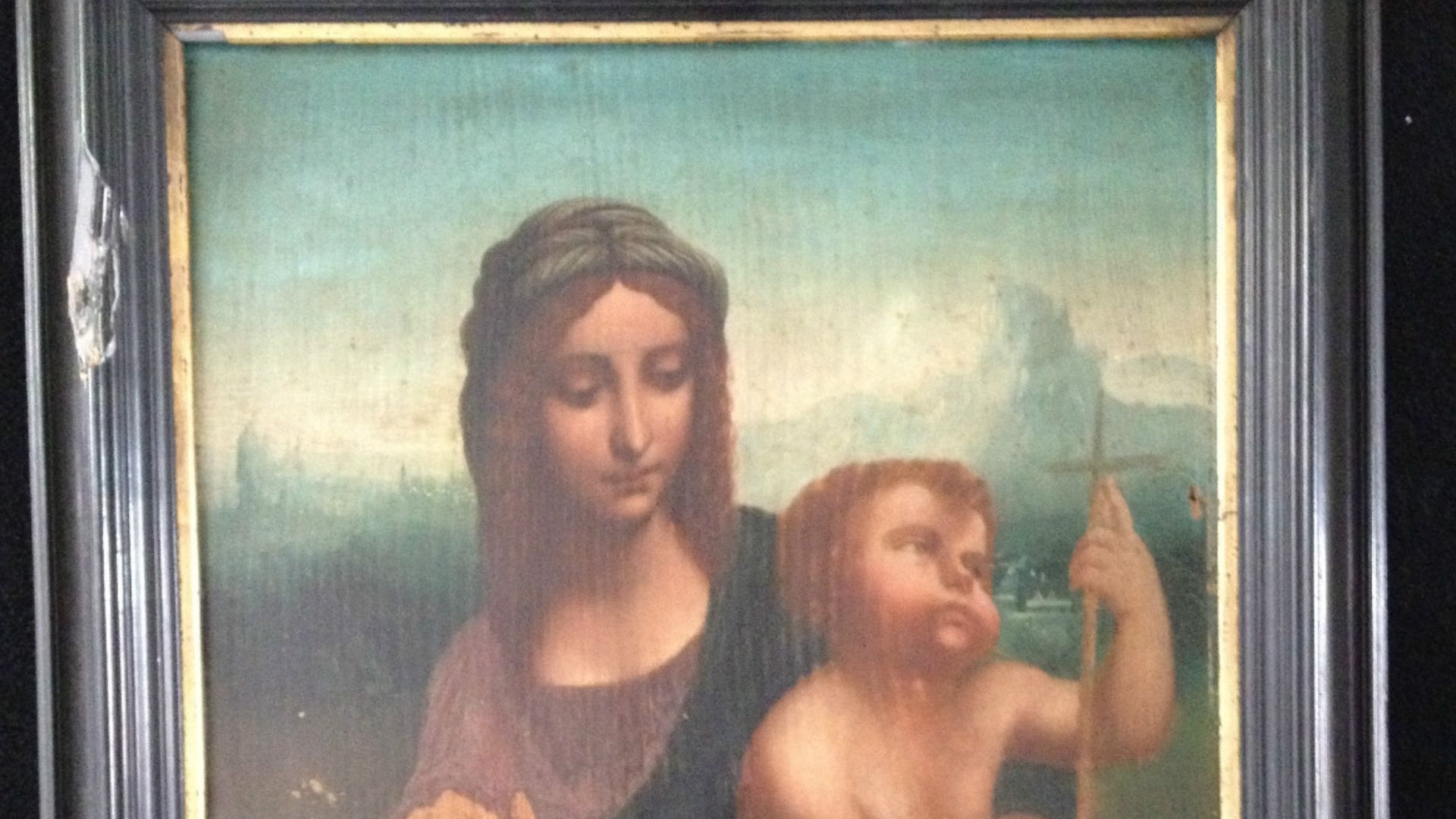
Technical examination of panel paintings, such as his c1501 work Madonna of the Yarnwinder, has also revealed that da Vinci used strikingly complex underdrawings in his work. Spolvero marks (charcoal dust) have been discovered beneath several of his paintings, which confirms he used a cartoon – a full-size preparatory study for a painting transferred onto the panel via a method similar to tracing.
 Follower of Leonardo da Vinci, Wikimedia Commons
Shadow And Light
His use of hand- and fingerprints to blend shadows also distinguishes his paintings from those of his contemporaries, and his use of light influenced many artists after him. His unique way of viewing drawing as an investigative technique still influences artists, including Joseph Beuys who, in 1975, produced several conceptual works influenced by da Vinci’s manuscripts in the Codex Madrid (1490–1505).
 Leonardo da Vinci, Wikimedia Commons
Human Anatomy: Accuracy
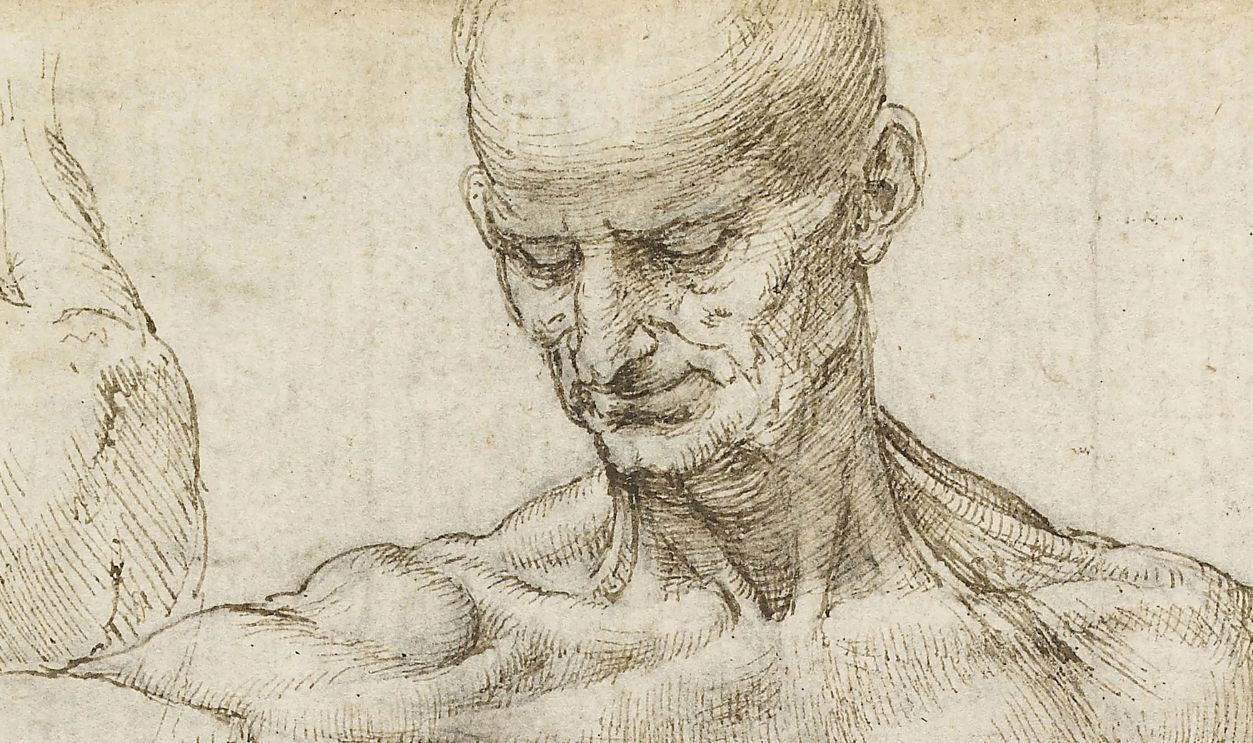
Throughout his career da Vinci strove for accuracy in his anatomical drawings. Although most of these were based on studies of live subjects, they reveal his knowledge of the underlying structures observed by dissection. Da Vinci acquired a human skull in 1489, and his first documented human dissection was of a 100-year-old man, whose peaceful death he witnessed in a Florentine hospital in 1506.
In Utero
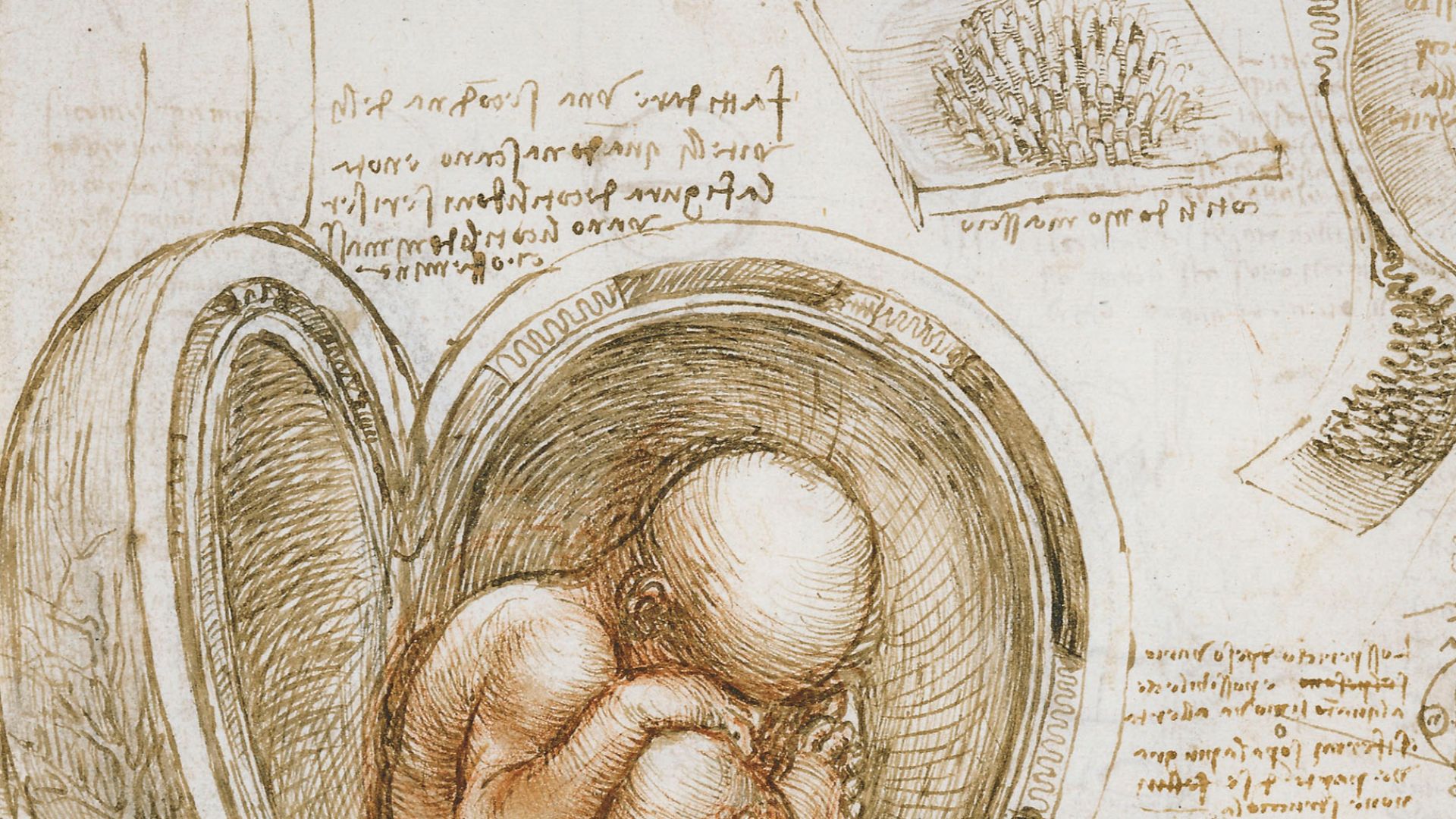
Human dissection was tightly regulated by the church, which objected to what it saw as desecration of the dead. Nevertheless, da Vinci’s dissections were carried out openly in the Hospital of Santa Maria Nuova in Florence. Among his drawings is an ink and chalk sketch of a baby in utero, probably made by dissecting a miscarried foetus and a woman who had died in childbirth.
 Leonardo da Vinci, Wikimedia Commons
The Body As A Machine
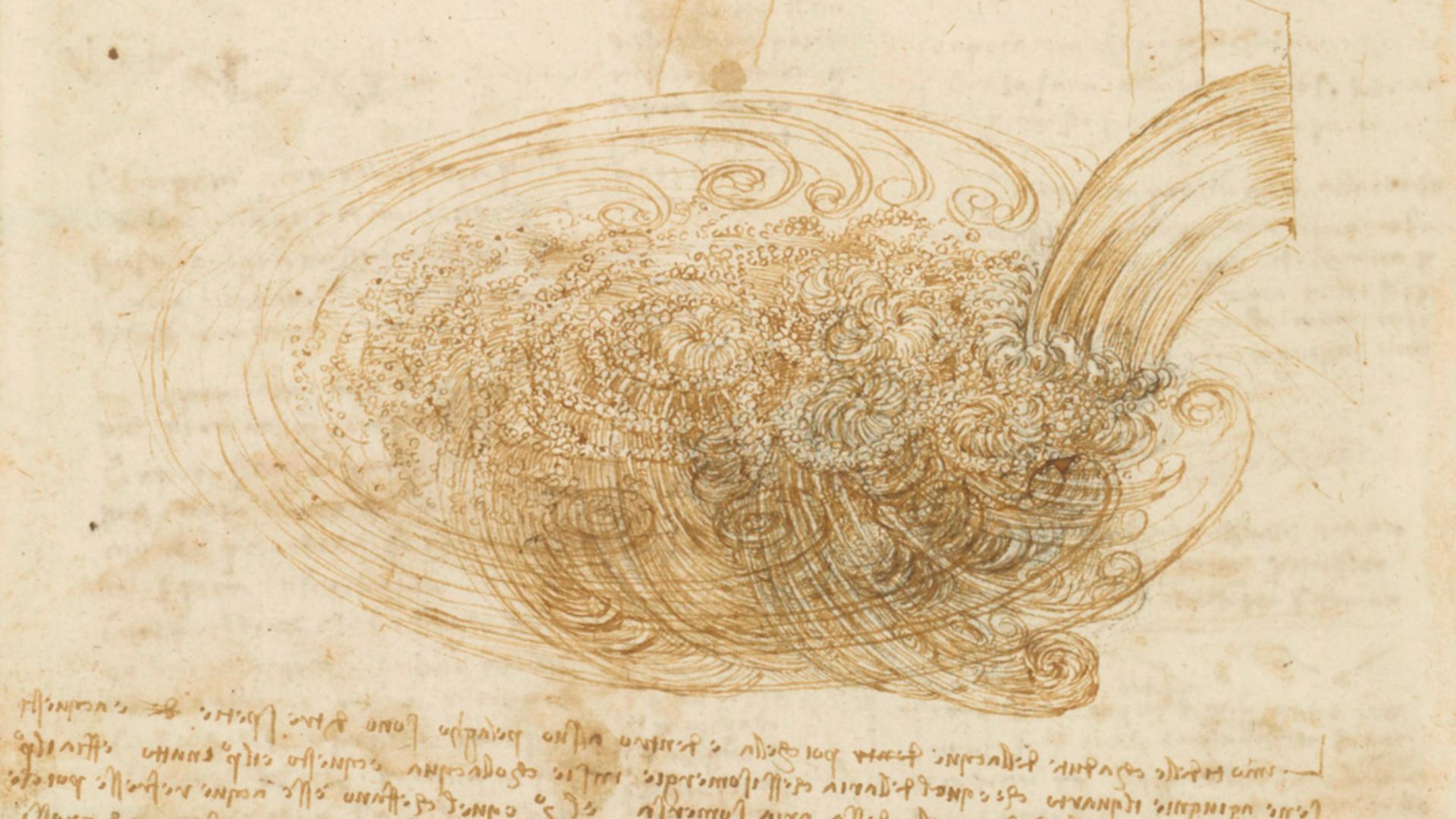
Da Vinci perceived the workings of the human body to be a perfect reflection of engineering and vice versa. In 1508, his studies of hydrodynamics coincided with the study of the aortic valve and the flow of blood to the heart. He annotated instructions for wax casts and glass models of the aorta and recorded experiments with flowing water, using grass seeds to track the flow of ‘blood’. Through these experiments he observed that the orifice of a heart’s open valve is triangular and that the heart has four chambers.
The World Took Time To Catch Up
Da Vinci’s anatomical discoveries weren’t widely disseminated, and it was another century before the rest of the world began to catch up: William Harvey didn’t publish his theories on the circulation of blood until 1628.
 Leonardo da Vinci, Wikimedia Commons
Study Of Optics: Vision
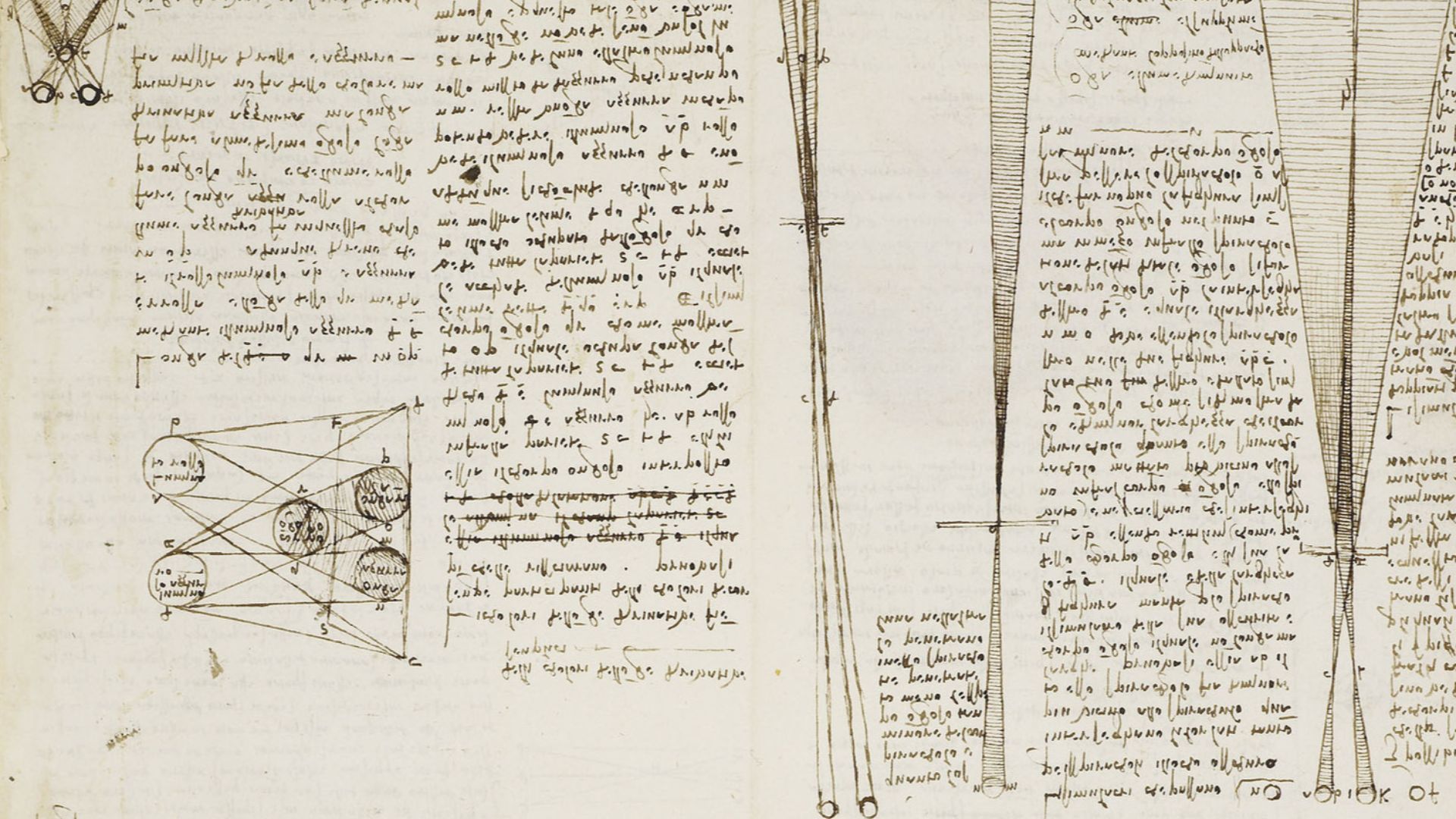
A number of da Vinci’s manuscripts contain writings on vision, including important studies of optics as well as theories relating to shadow, light and colour. For da Vinci, the eye was the most important of the sense organs: “the window of the soul”, as he put it. We now know how the eye works, but in the artist’s time, sight was a mystery. To complicate matters further, the eye was a difficult organ to dissect. When cut in to, it collapses and the lens takes on a more spherical shape.
 Leonardo da Vinci, Wikimedia Commons
Study Of The Eye
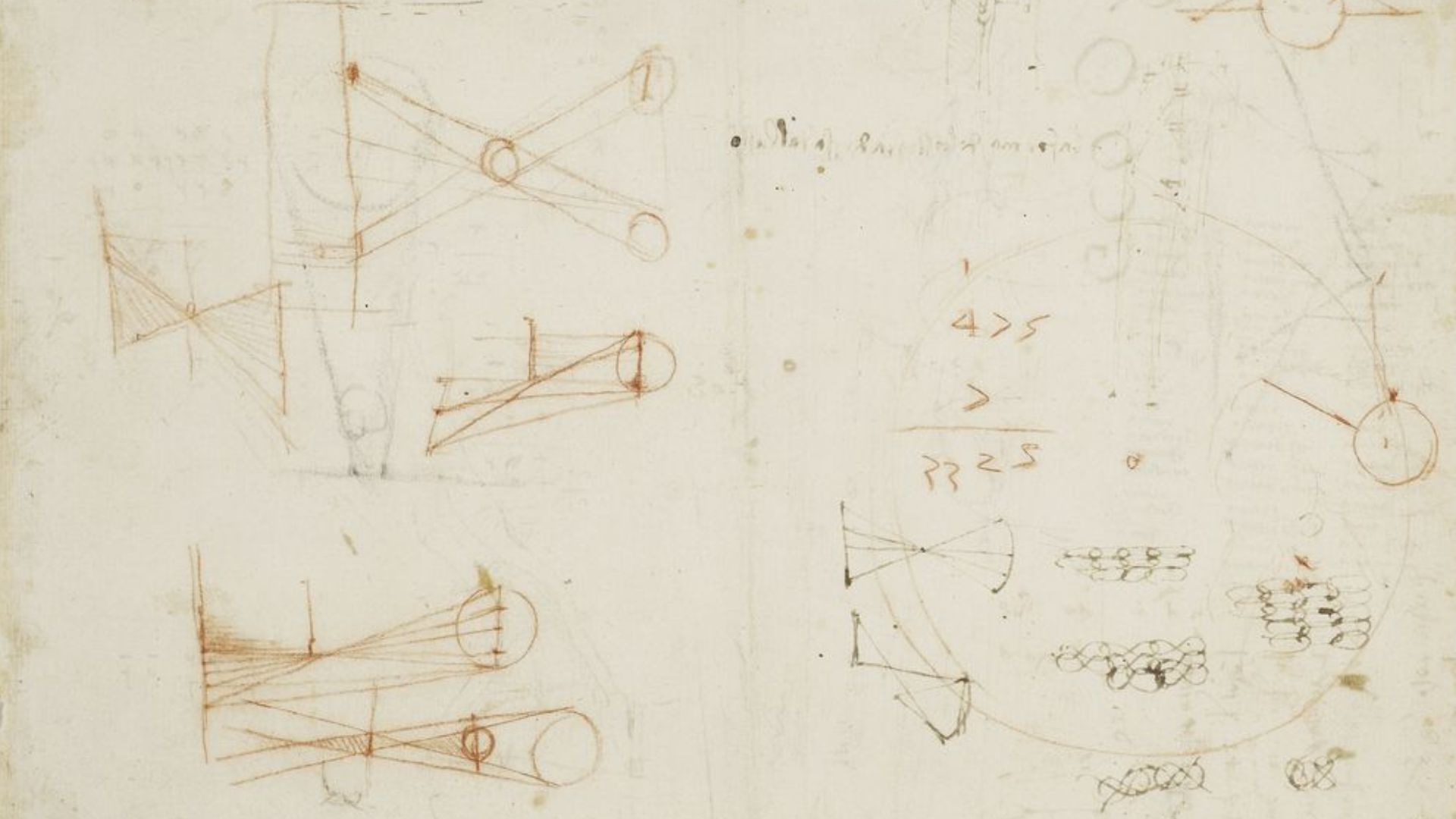
Da Vinci boiled his eye specimens, unknowingly distorting their lenses. After close examination he concluded that the eye was a geometrical body, comprising two concentric spheres: the outer “albugineous sphere”, and the inner “vitreous” or “crystalline sphere”. At the back of the eye, opposite the pupil, he observed, was an opening into the optic nerve by which images were sent to the imprensiva in the brain, where all sensory information was collated.
 Leonardo da Vinci, Wikimedia Commons
Ahead Of His Time
Leonardo da Vinci’s observations on the workings of the eye preceded Johannes Kepler’s fundamental studies in the 17th century on the inner working of human retina, convex and concave lenses, and other properties of light and astronomy.
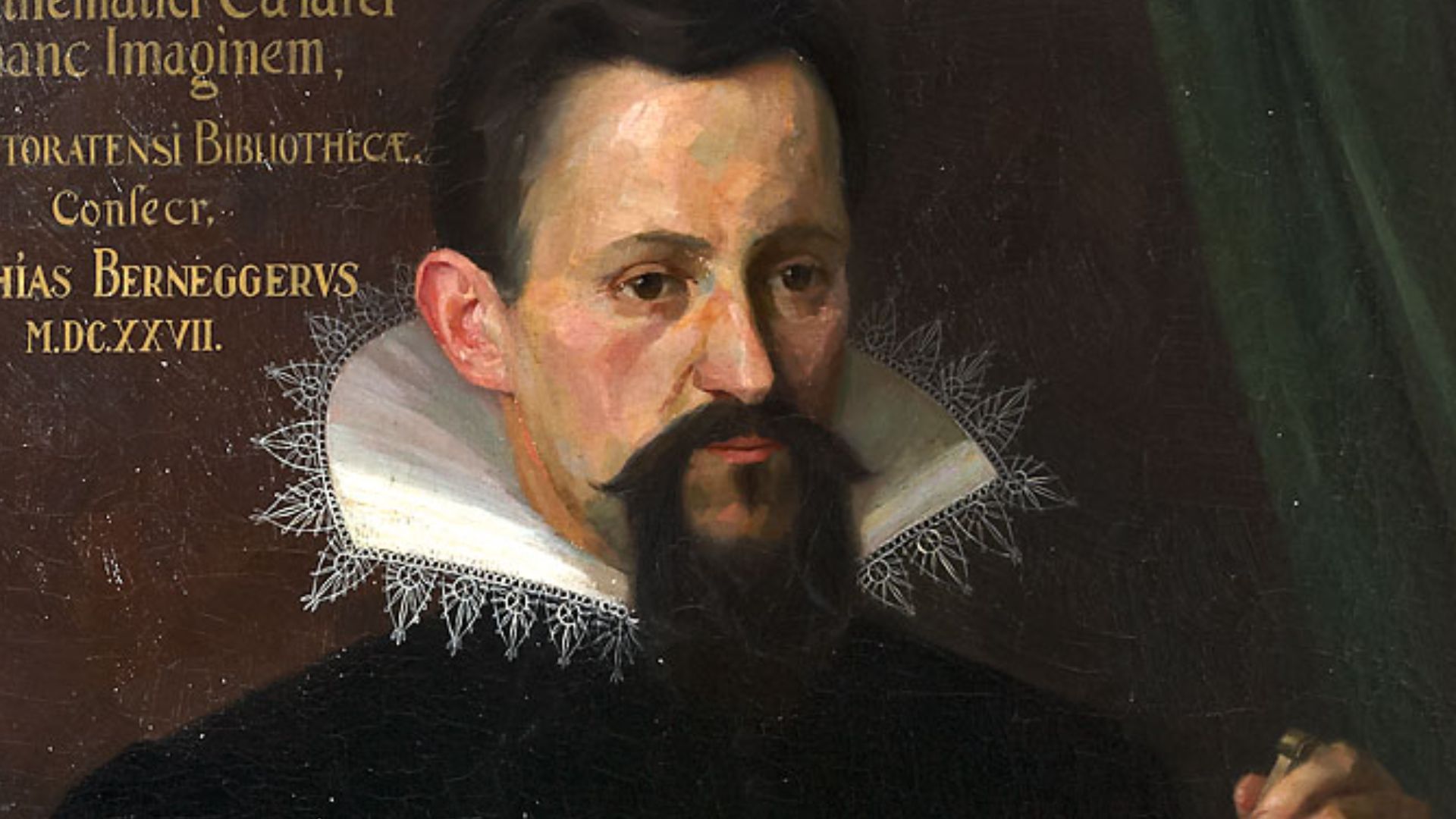 August Kohler [1], Wikimedia Commons
He Looked Skyward
And like Kepler a century later, da Vinci was also fascinated by his observations of celestial bodies. He stated: “The moon is not luminous in itself. It does not shine without the sun.” In his notes he includes a reminder to himself to construct glasses through which to see the moon magnified. Although da Vinci never built his telescope – the first example wasn’t created until 1608 – the initial idea was his.
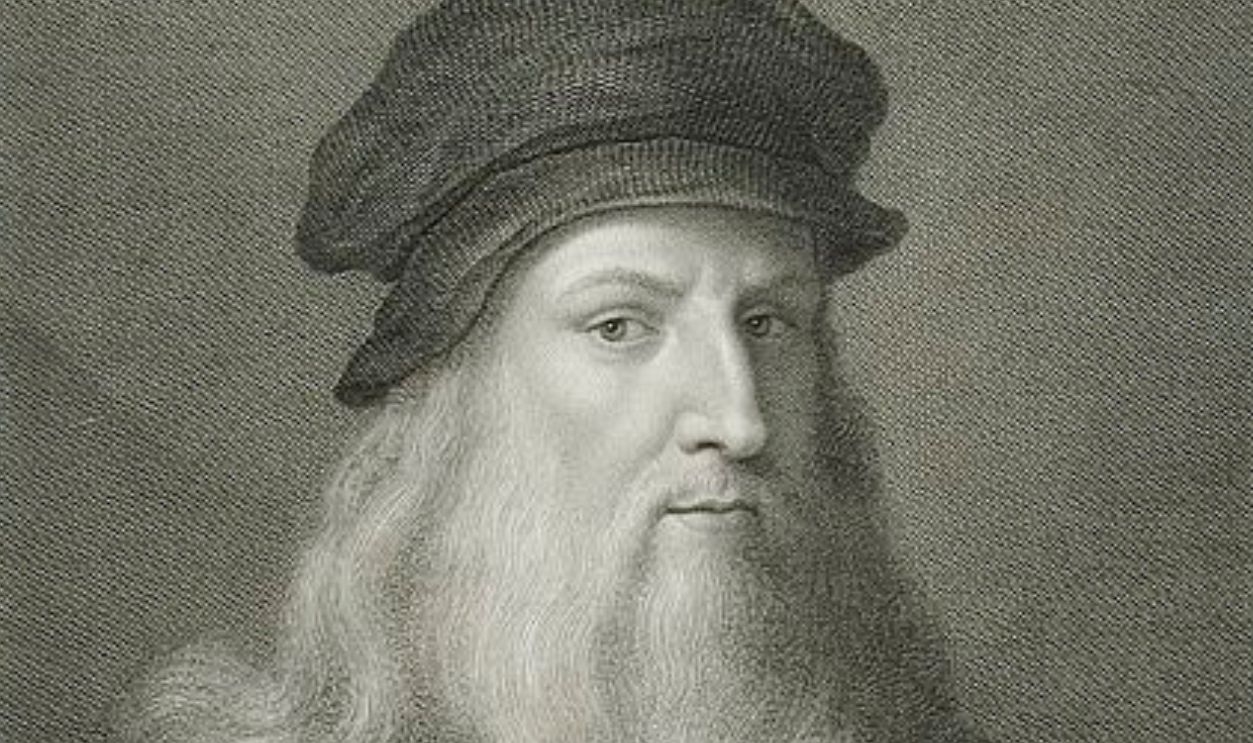 Raffaello Sanzio Morghen, Wikimedia Commons
Manned Flight: The Quest To Understand
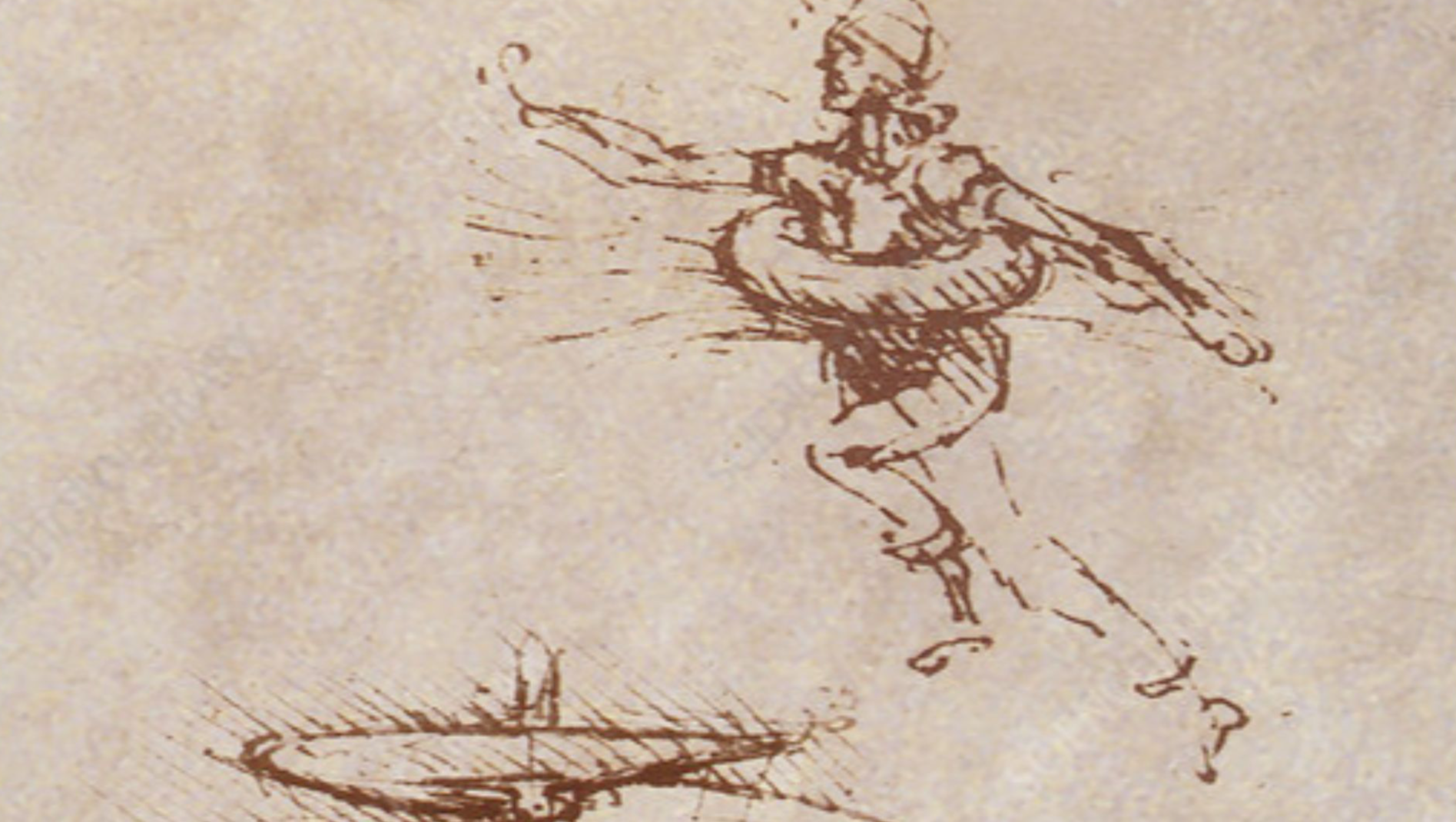
Da Vinci was fascinated by the phenomenon of flight. He felt that if he could arrive at a full understanding of how birds fly, he would be able to apply this knowledge to constructing a machine that allowed man to take to the skies. He attempted to combine the dynamic potential of the human body with an imitation of natural flight.
 Leonardo da Vinci, Wikimedia Commons
He Studied Bird Motion
In his notes, da Vinci cites bats, kites and other birds as models to emulate, referring to his flying machine as the “great bird”. He made attempts at solving the problem of manned flight as early as 1478 and his many studies of the flight of birds and plans for flying machines are contained in his Codex on the Flight of Birds, 1505. He explored the mechanism of bird flight in detail, recording how they achieve balanced dynamism through the science of the motions of air.
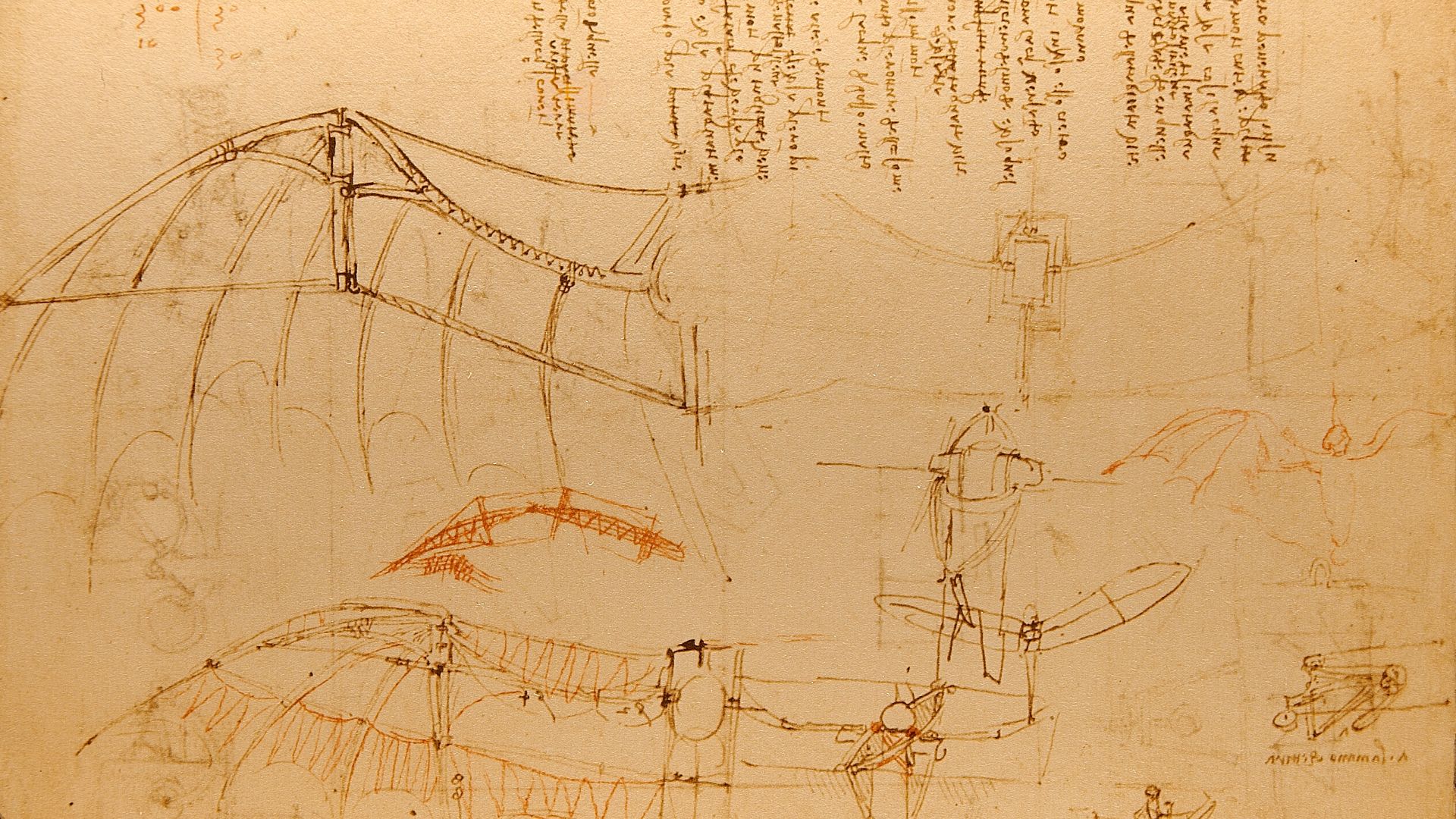 Photography Luc Viatour, Wikimedia Commons
The Ornithopter
One of the innovations da Vinci sketched out was an ornithopter, a bird-like system with a prone man operating two wings through foot pedals. For safety reasons he suggested that the machine should be tested over a lake and that a flotation device be placed under the structure to keep it from sinking if it fell into the water.
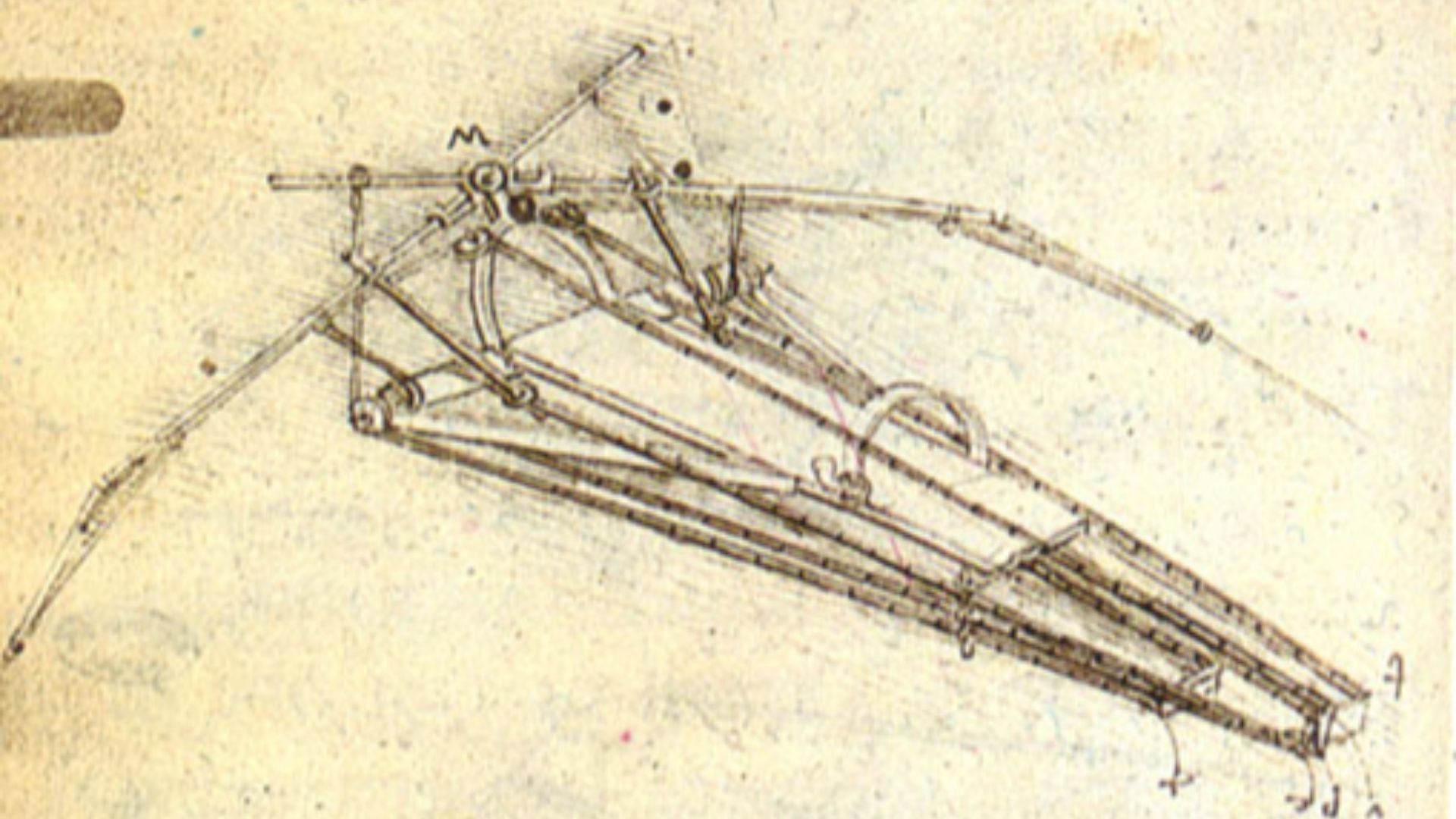 Leonardo da Vinci, Wikimedia Commons
An Early Hang Glider
Da Vinci’s flight designs are not complete and most were impractical, like his sketch of an aerial screw design, which has been described as a predecessor of the helicopter. However, his hang glider has since been successfully constructed. After da Vinci, the 17th and 18th centuries witnessed several attempts at man-powered flight. The first rigorous study of the physics of flight was made in the 1840s by Sir George Cayley, who has been called the ‘father of aviation’.
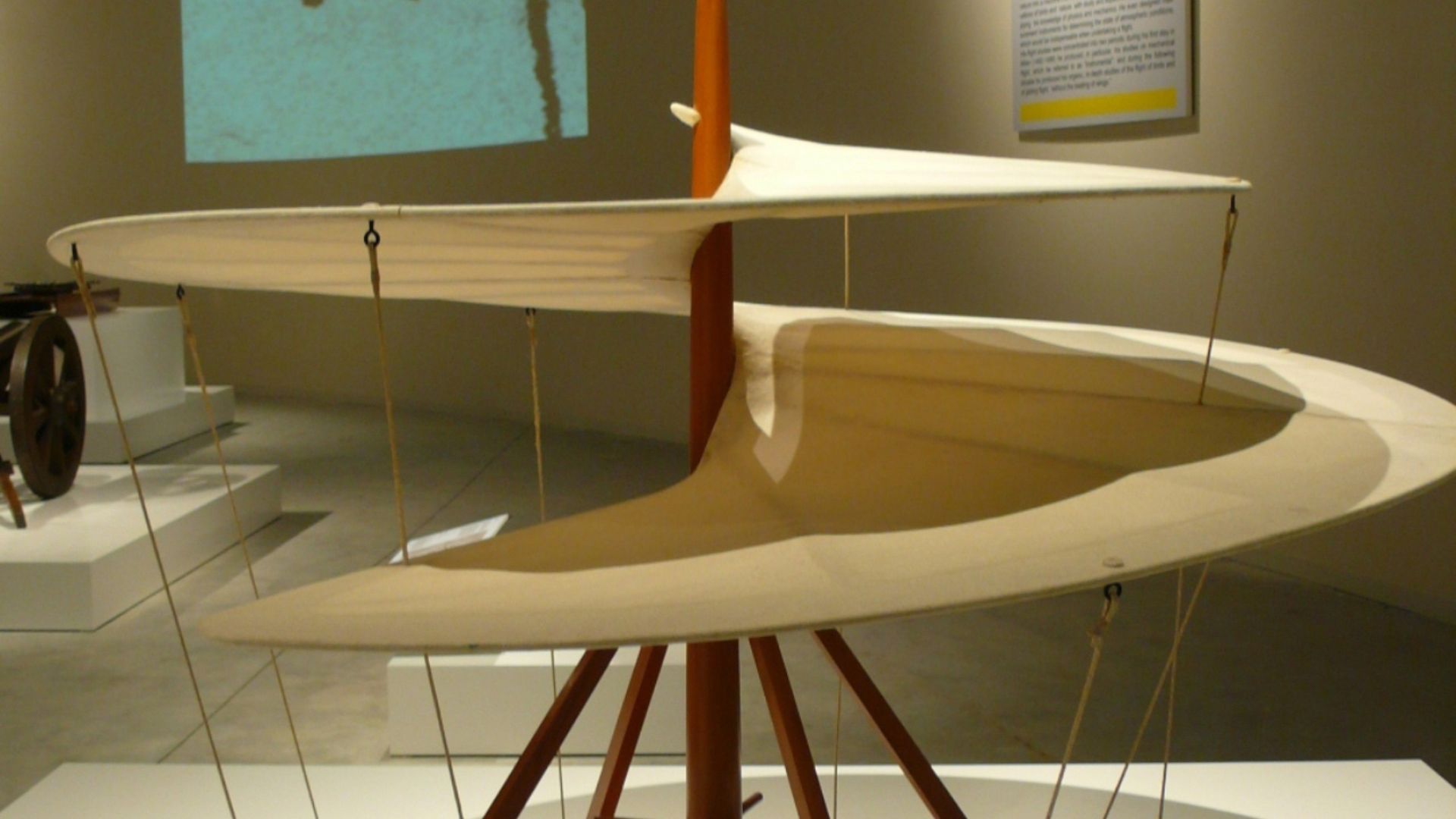 Soldatini Alberto Mario (progettista), Somenzi Vittorio (progettista), Wikimedia Commons
Technical Drawing: Envisioning The Modern World
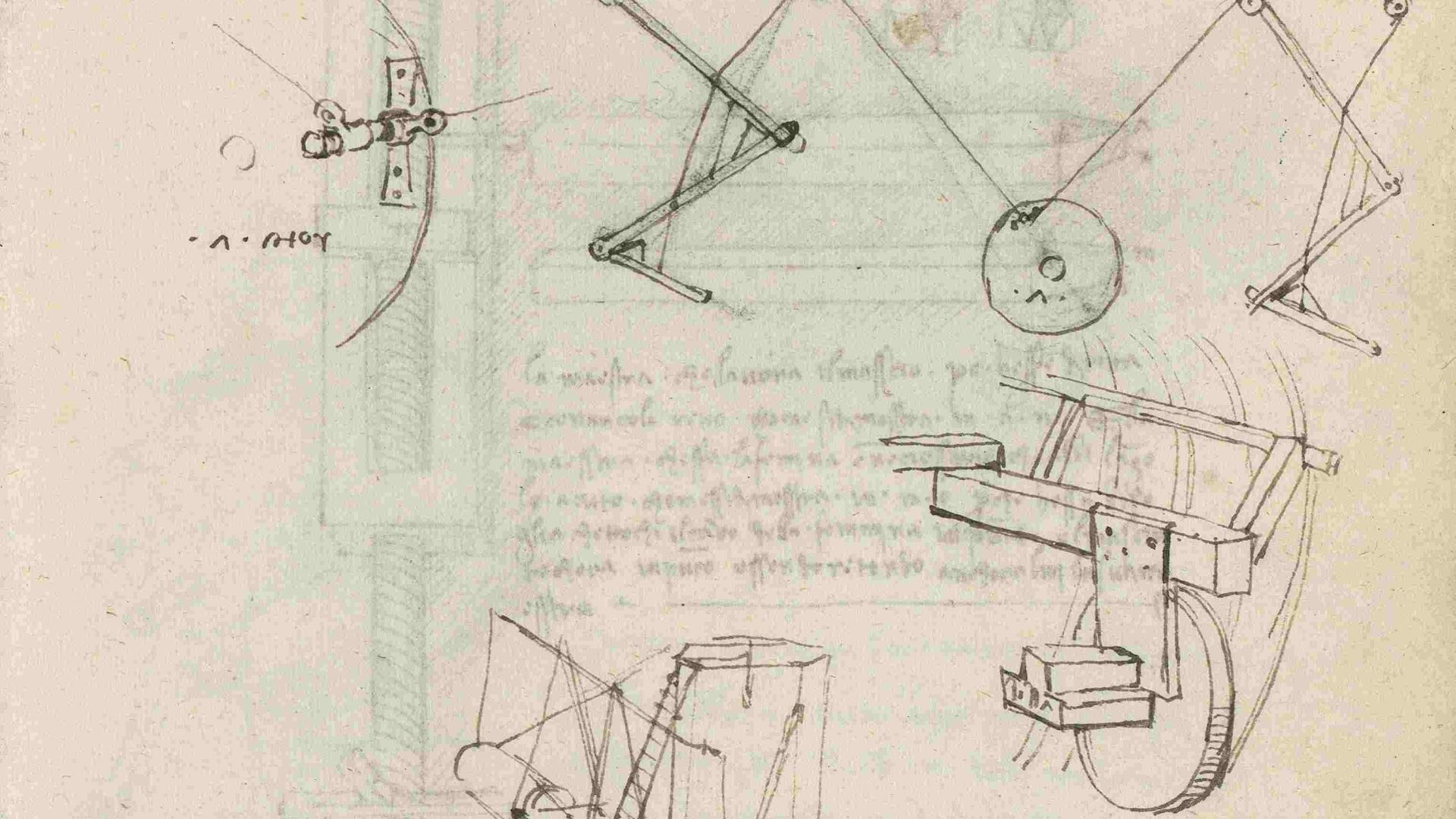
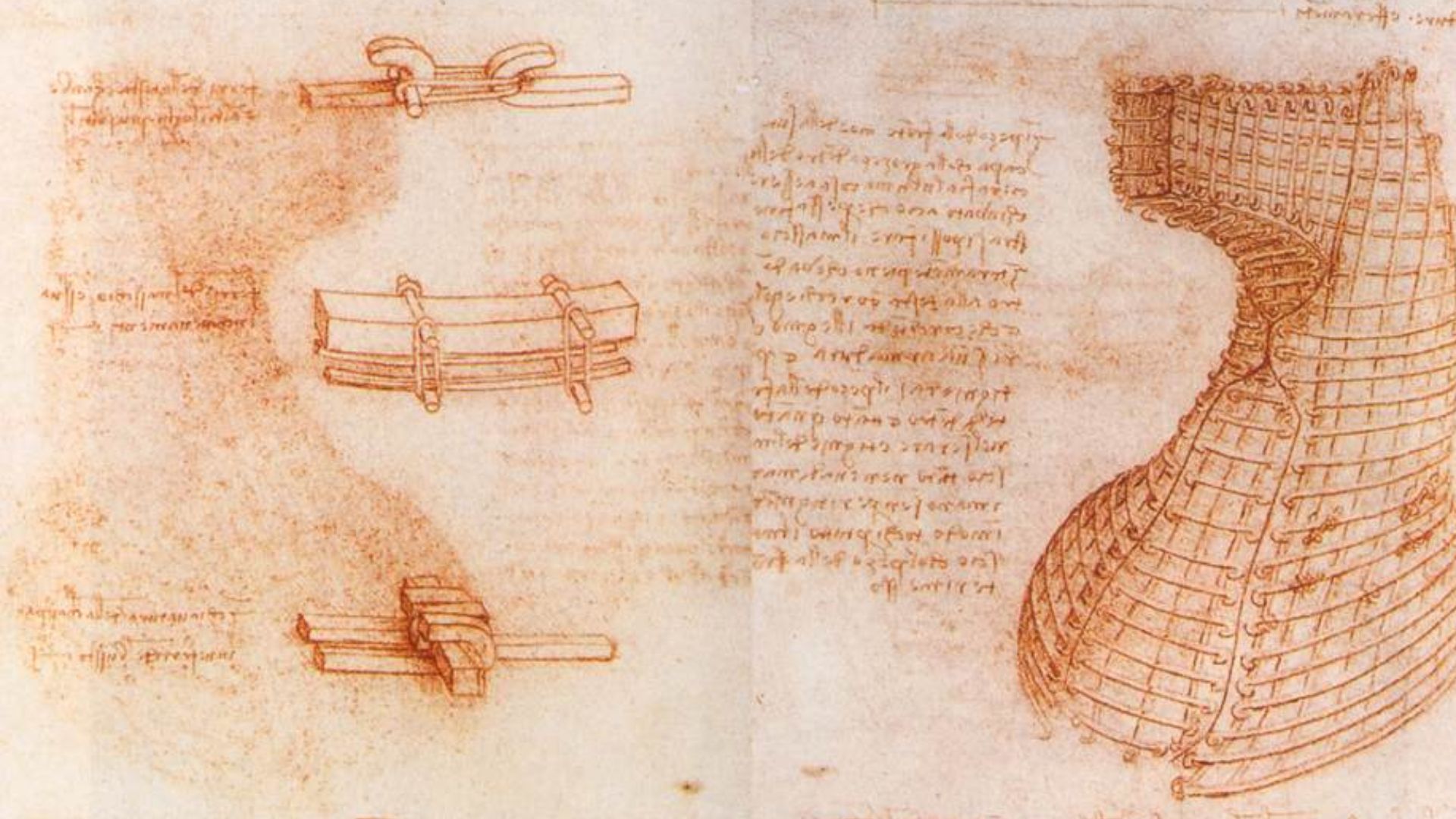
Some of da Vinci’s most modern-looking drawings are his studies of basic industrial machines. His best examples are designed to translate simple movement by the operator into a complex set of actions to automate a process. One particularly interesting device was for grinding convex mirrors, while his Codex Atlanticus shows a hoist that translates the backward and forward motion of a handle into the rotation of wheels to raise or lower weight. Next to simple drawings are exploded views (showing the order of assembly) to make the mechanism crystal clear.
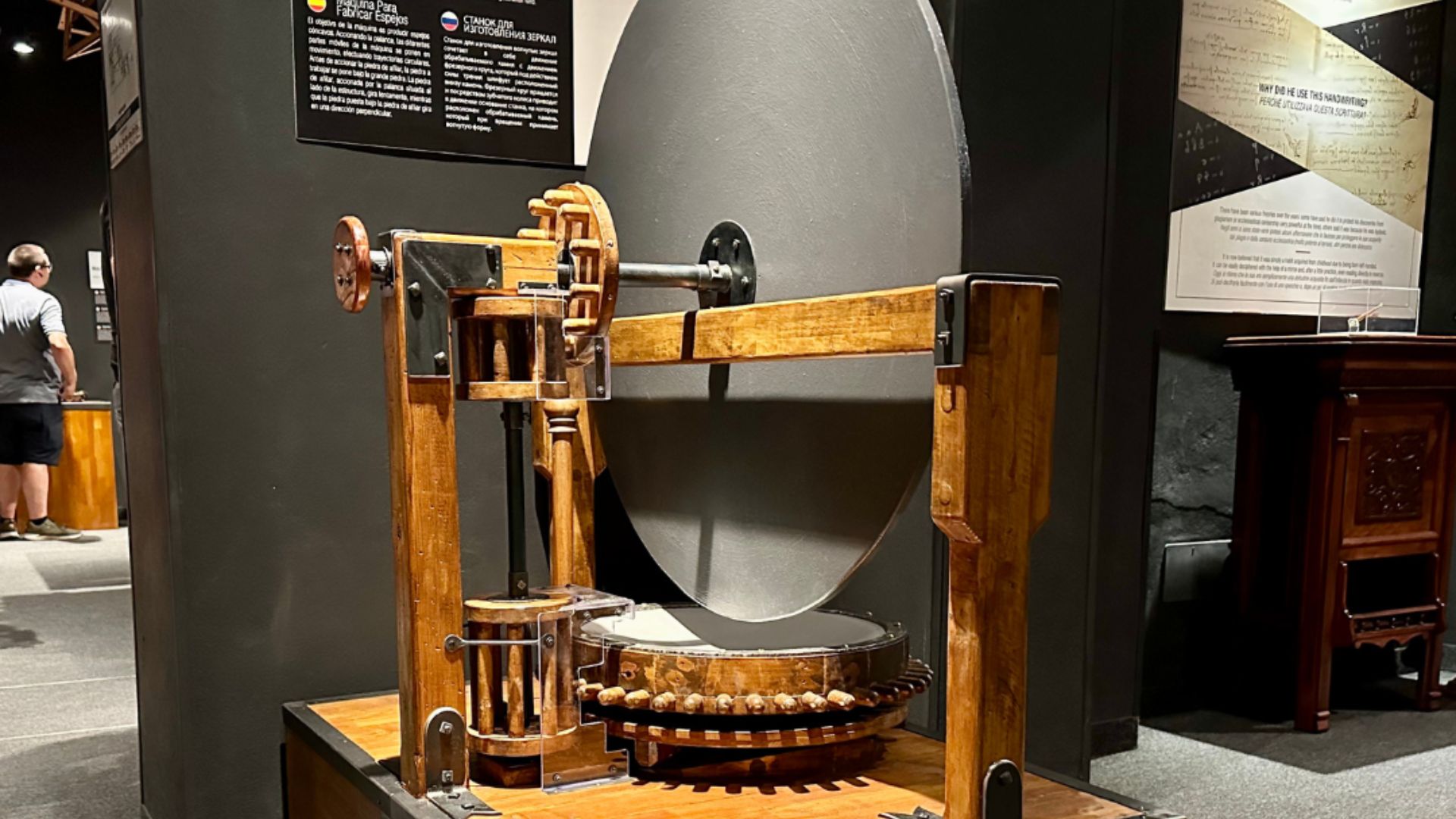
The Vision Of Automation
Automation of industrial processes is often seen as a 19th-century concept, but da Vinci’s design for a file cutter shows the same idea. The operator turns a crank to raise a weight. After this the machine operates autonomously.
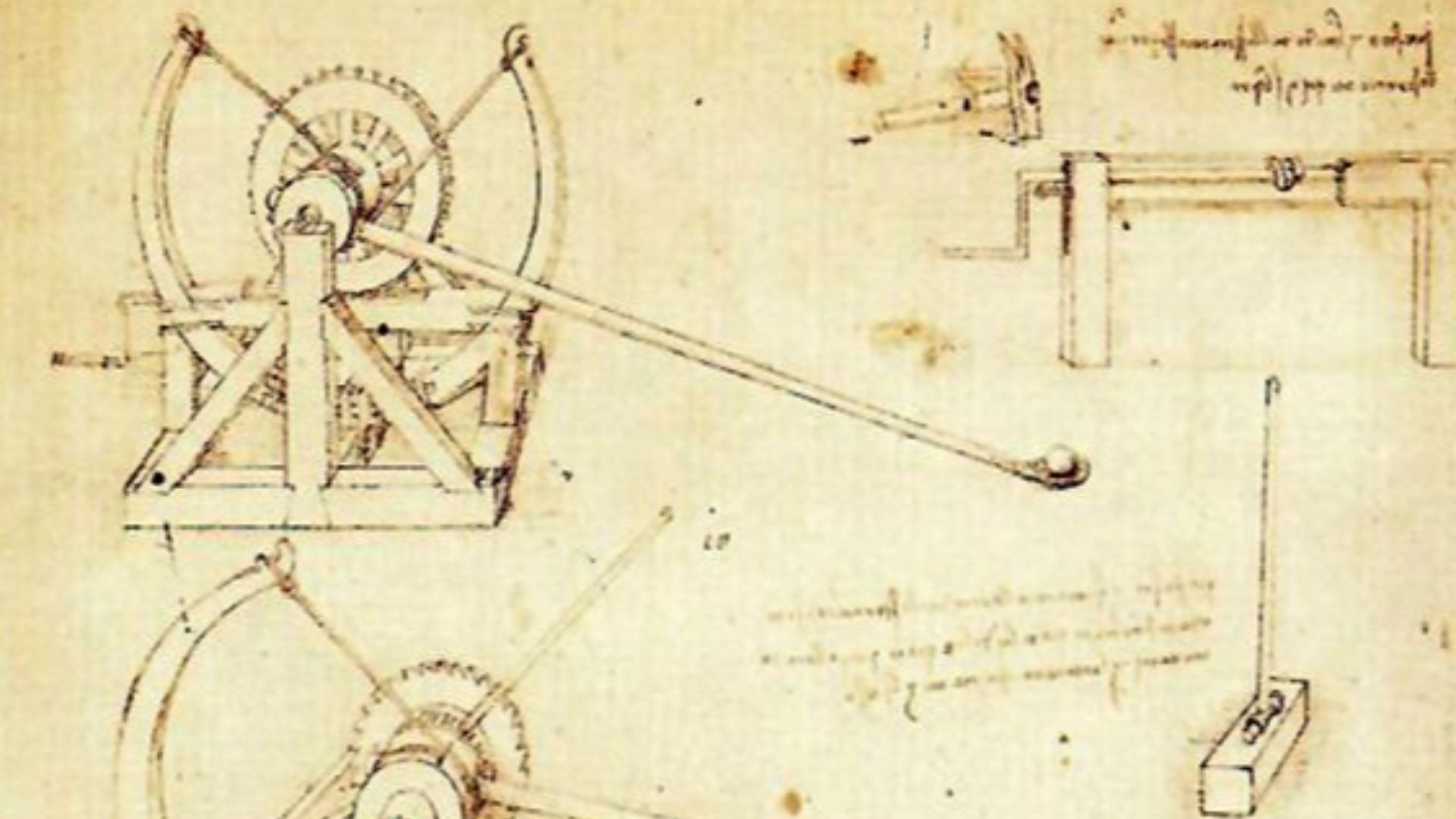 Leonardo da Vinci, Wikimedia Commons
Codex Madrid Rediscovered In 1966
The Codex Madrid, bound volumes with precise drawings concerning mainly the science of mechanisms, was rediscovered in 1966. Priority is given to the drawings, which are accompanied by a commentary or a caption. The care taken with the layout of each page and the finesse of the drawings indicates they are close to publishable form, either as a presentation manuscript or printed treatises. By showing component parts of machines in a clear fashion, da Vinci pioneered what was to come much later in the industrial age.
 Leonardo da Vinci, Wikimedia Commons
His Designs Were Mostly Proposals
Almost all his industrial designs were proposals rather than inventions translated into concrete form. We might wonder how these could have revolutionised manufacturing had they been realised, but the real lesson da Vinci offers the world of science, mechanics, engineering and industry is less in his inventions and more in his highly innovative representational style and brilliantly drawn demonstrations.
Geology: Challenging Dominant Beliefs
Before da Vinci, very few scientists studied rocks trying to determine how they formed. The dominant belief about Earth science came from antiquity and Aristotle’s idea that rocks evolved over time, seeking to become perfect elements such as gold or mercury – a merging of geology with alchemy. Geological knowledge was based on the assumption that the Earth, surrounded by spheres of water, air and fire, was a divine creation. Deposits of fossils were thought to have been laid down by ‘the deluge’ (biblical flood) or to be of miraculous origin.
 Leonardo da Vinci, Wikimedia Commons
Important Observations
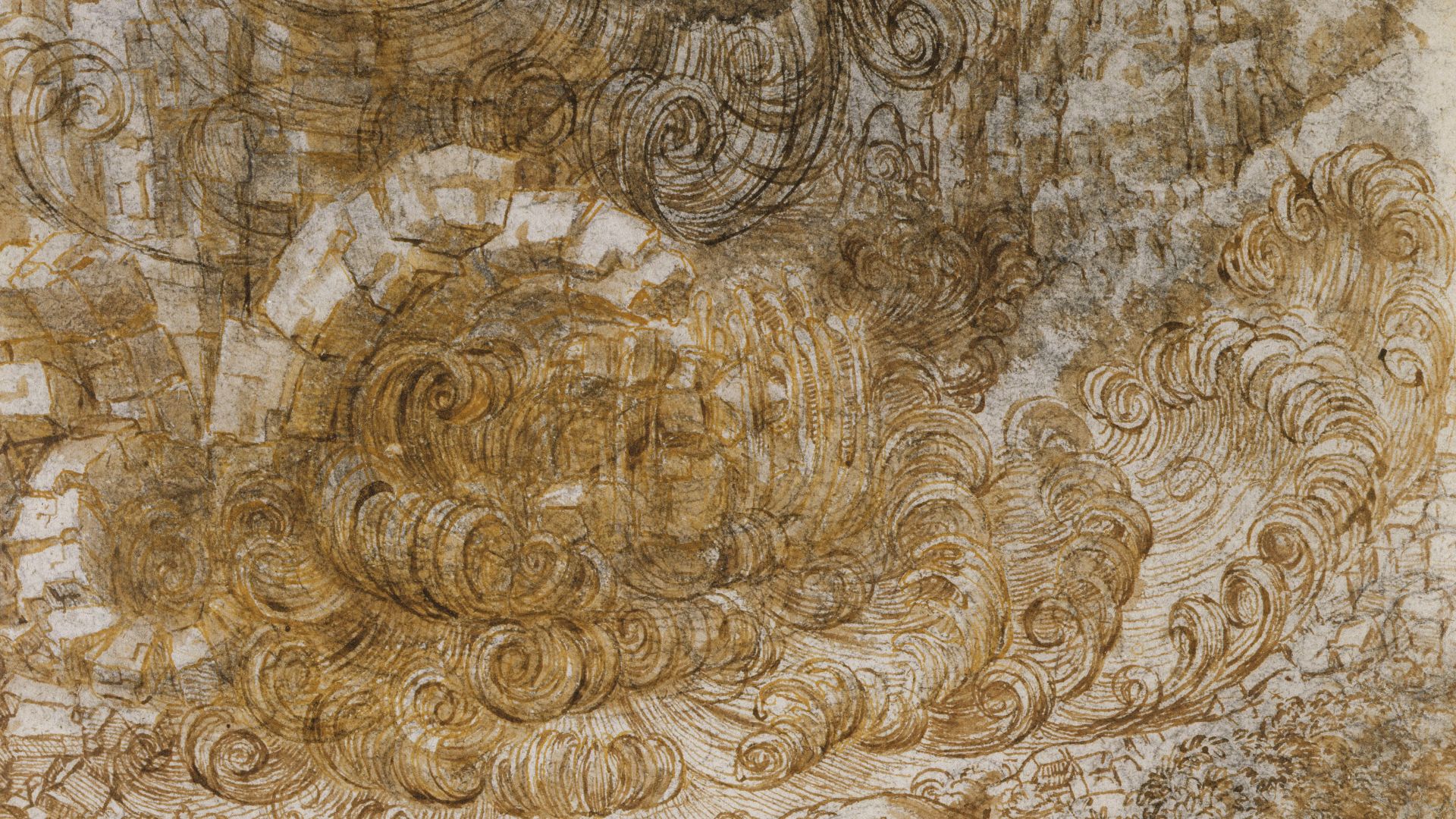
Da Vinci noted that fossils were too heavy to float: they could not have been carried to high ground by flood waters. Observing how in places there were several layers of fossils, he reasoned that such phenomena could not be the result of a single event. He observed layers of fossils in mountains high above sea level, concluding that the landscape was formed by repeated flooding and the erosive powers of water.
 Nicolas de Larmessin and Esme de Boulonais, Wikimedia Commons
A Sense Of Mystery
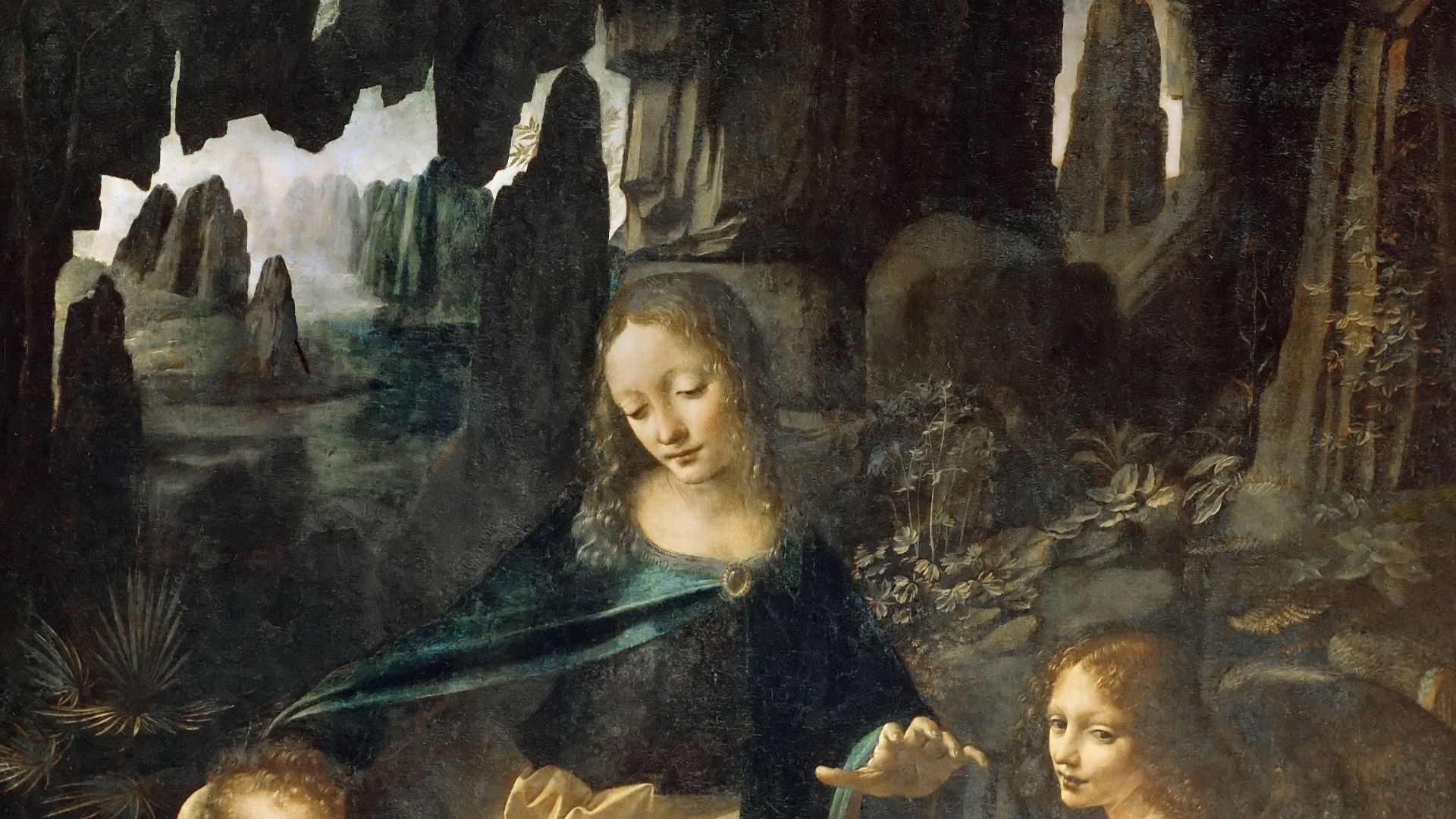
He wrote about his observations of rocks: “Drawn by my eager desire, wishing to see the great manifestation of the various strange shapes made by formative nature, I wandered some way among gloomy rocks, coming to the entrance of a great cavern, in front of which I stood for some time, stupefied and incomprehending such a thing.” In drawings such as A Deluge, and paintings such as the two versions of the Virgin of the Rocks, da Vinci captures his sense of mystery and wonder, replacing the divine with observation and physical explanations.
 Leonardo da Vinci, Wikimedia Commons
They Proved Him Right
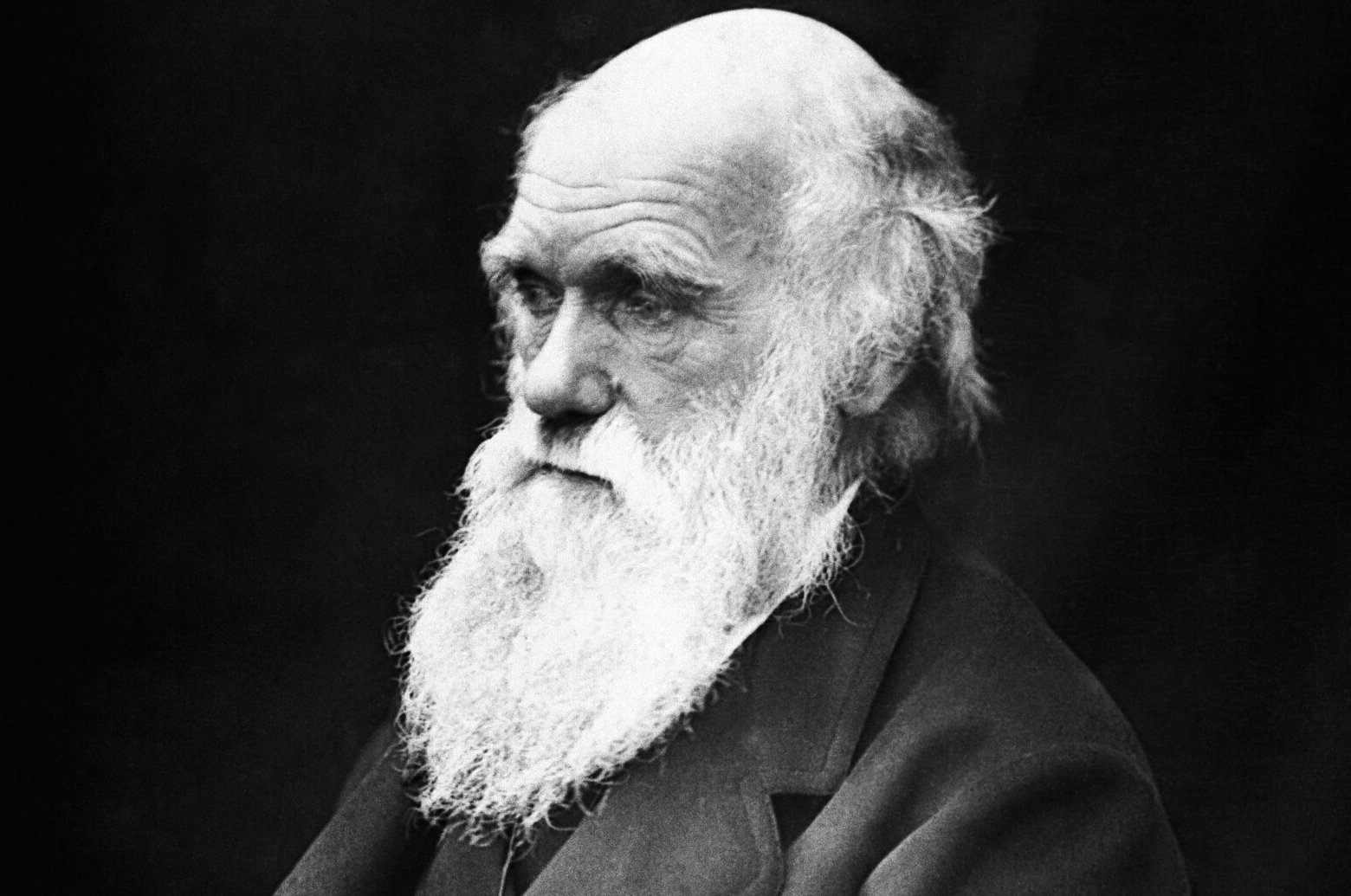
It was not until the 1830s that scientists including Charles Lyell and then Charles Darwin became convinced that the surface of Earth changes over time only slowly and gradually, not by sudden catastrophic events such as the biblical flood.
 Rakesh.infosys, CC BY-SA 4.0, Wikimedia Commons
Engineering: Innovating To Succeed
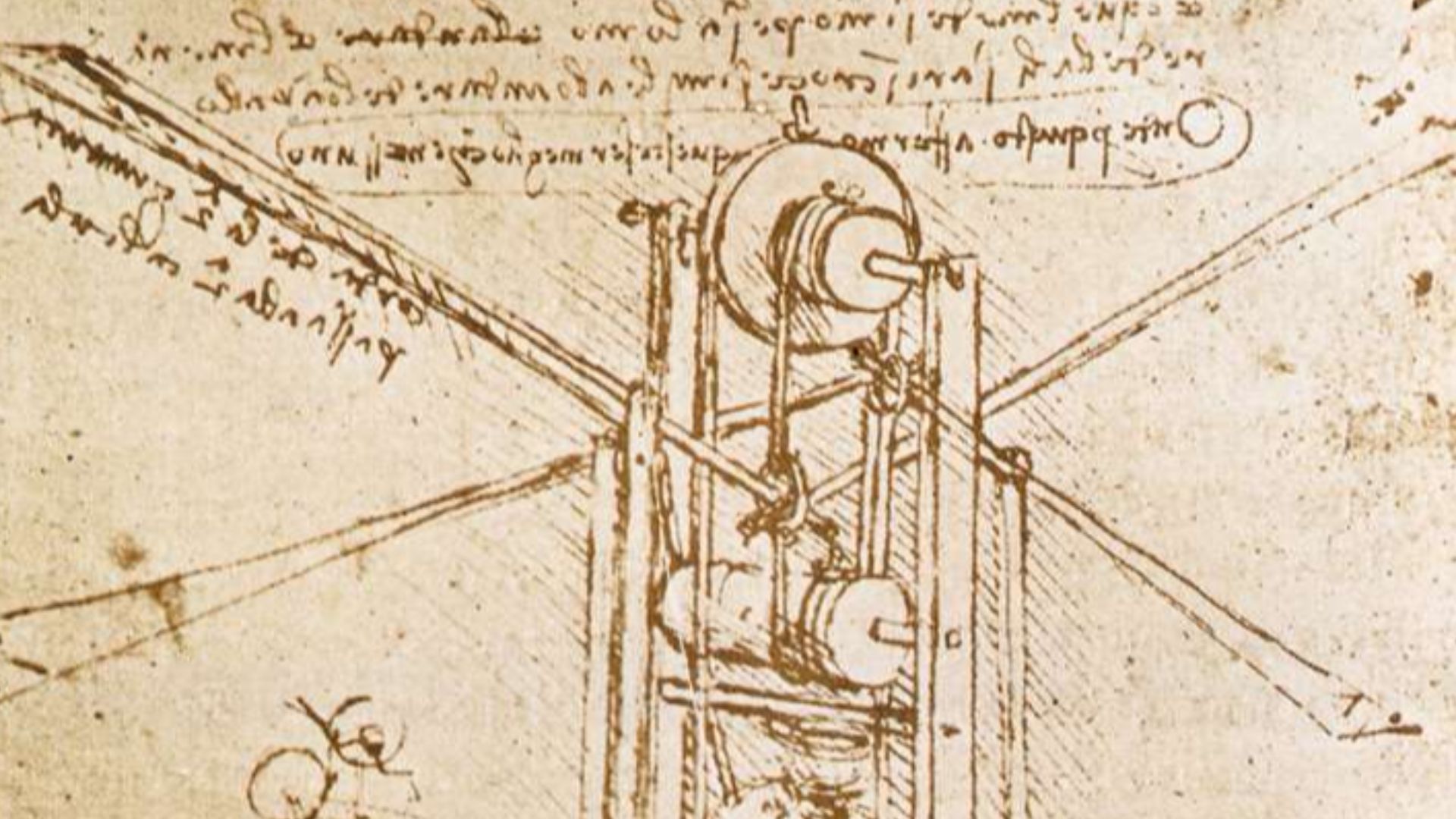
Da Vinci’s extraordinary inventiveness led him to attempt to solve complex technical problems, such as transmitting motion from one plane onto another using intricate arrays of gears, cams, axles and levers. He was the first to design separate components that could be deployed in a variety of devices, ranging from complex units such as the gears for barrel springs and ring bearings for axles to simple hinges. His mechanics included levers, cranes and ball bearings. As we’ve already noted, he drew such devices with great attention to reality, knowing that drawings needed to be amplified with designs of the individual parts.
 Leonardo da Vinci, Wikimedia Commons
Military Engineer
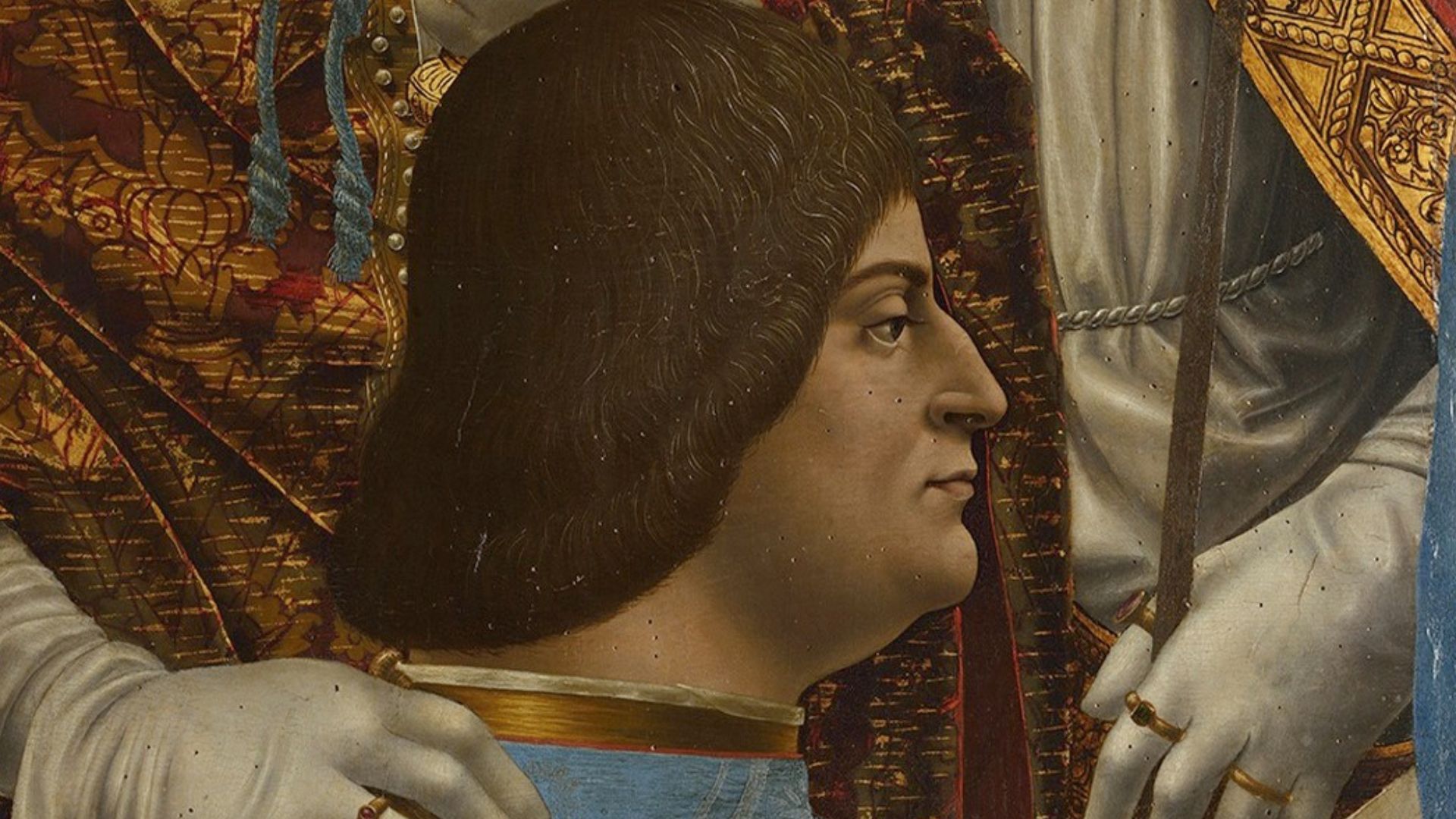
Da Vinci’s genius as an engineer lay in seeing clearly how design must be informed by the mathematical laws of physics rather than just practice. He undertook military, civil, hydraulic, mechanical and architectural engineering, first applying his talents aged 30, when he was employed in Milan by Ludovico Sforza as a military engineer, an occupation he held for many years. Da Vinci designed instruments for war, including catapults and other weapons, and had ideas for submarines and machine guns.
 Unknown Master, Italian (active 1490-1520 in Lombardy), Wikimedia Commons
Civil And Structural Engineer
For Sforza, da Vinci designed several bridges, including a revolving bridge for use by armies on the move. With wheels, a rope-and-pulley system and a counterweight tank for balance, it could be packed away and transported. Some of his famous designs, such as the ‘tank’, were not practical devices but technological musings aimed at a patron. His civil engineering projects, meanwhile, included geometry studies and designs of canals and churches with domes. Da Vinci’s innovative attitude about how things work made him a pioneer in what later became the science of mechanics.
This content was created in partnership with HistoryExtra and written by Marina Wallace. Editorial changes were made to the original article.
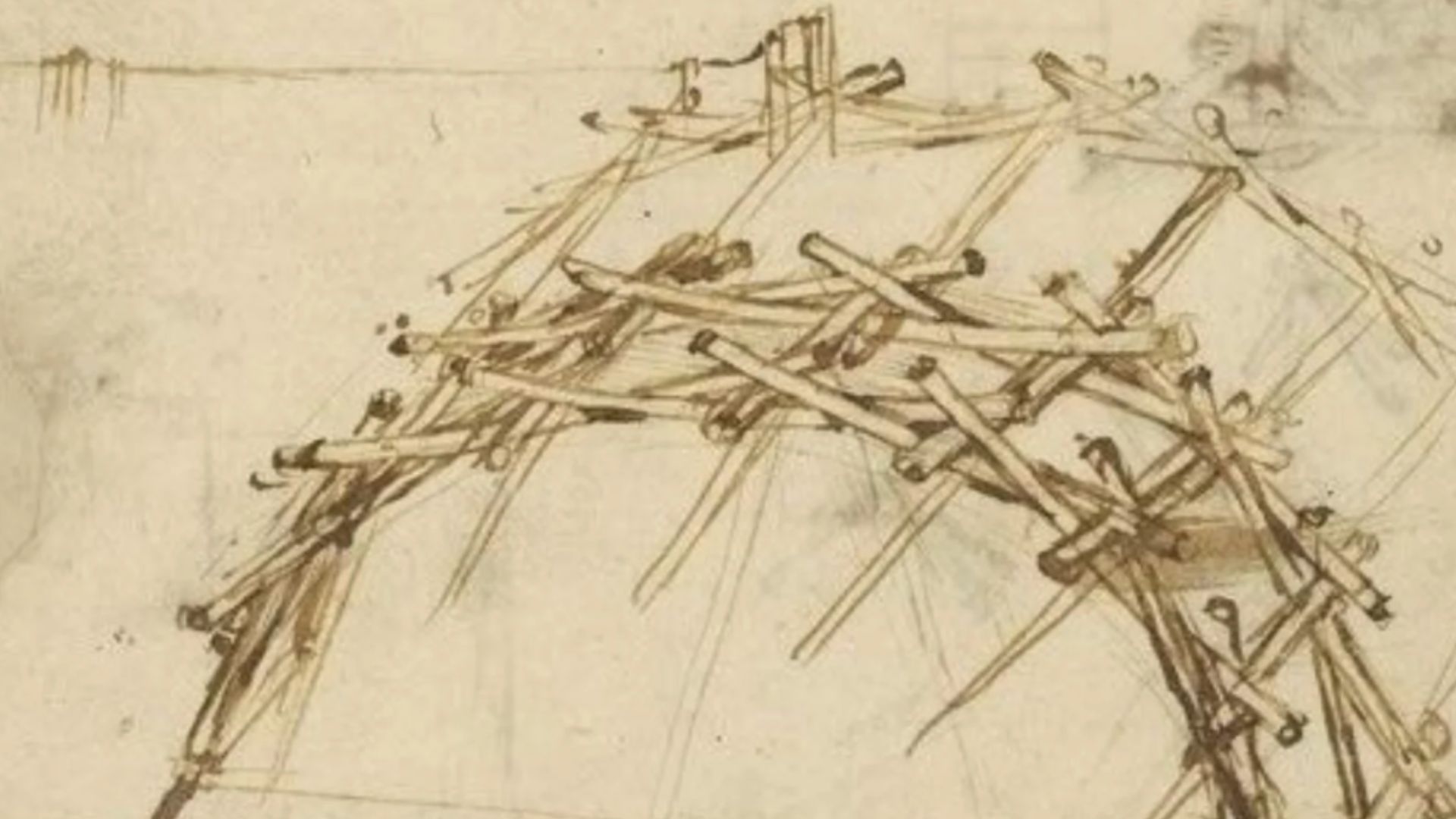 Leonardo da Vinci (Codex Atlanticus, written between 1478 and 1518), Wikimedia Commons











_MET_DP824104.jpg)

.jpg)
