Suddenly, Everyone Has An Opinion
You’re sitting across from someone when the pizza arrives. They reach for a knife and fork, and you immediately have thoughts. Or maybe you’re the one cutting neat little pieces while everyone else stares. It’s just pizza—so why does it feel like someone has revealed something about themselves?
One Slice, Two Very Different Approaches
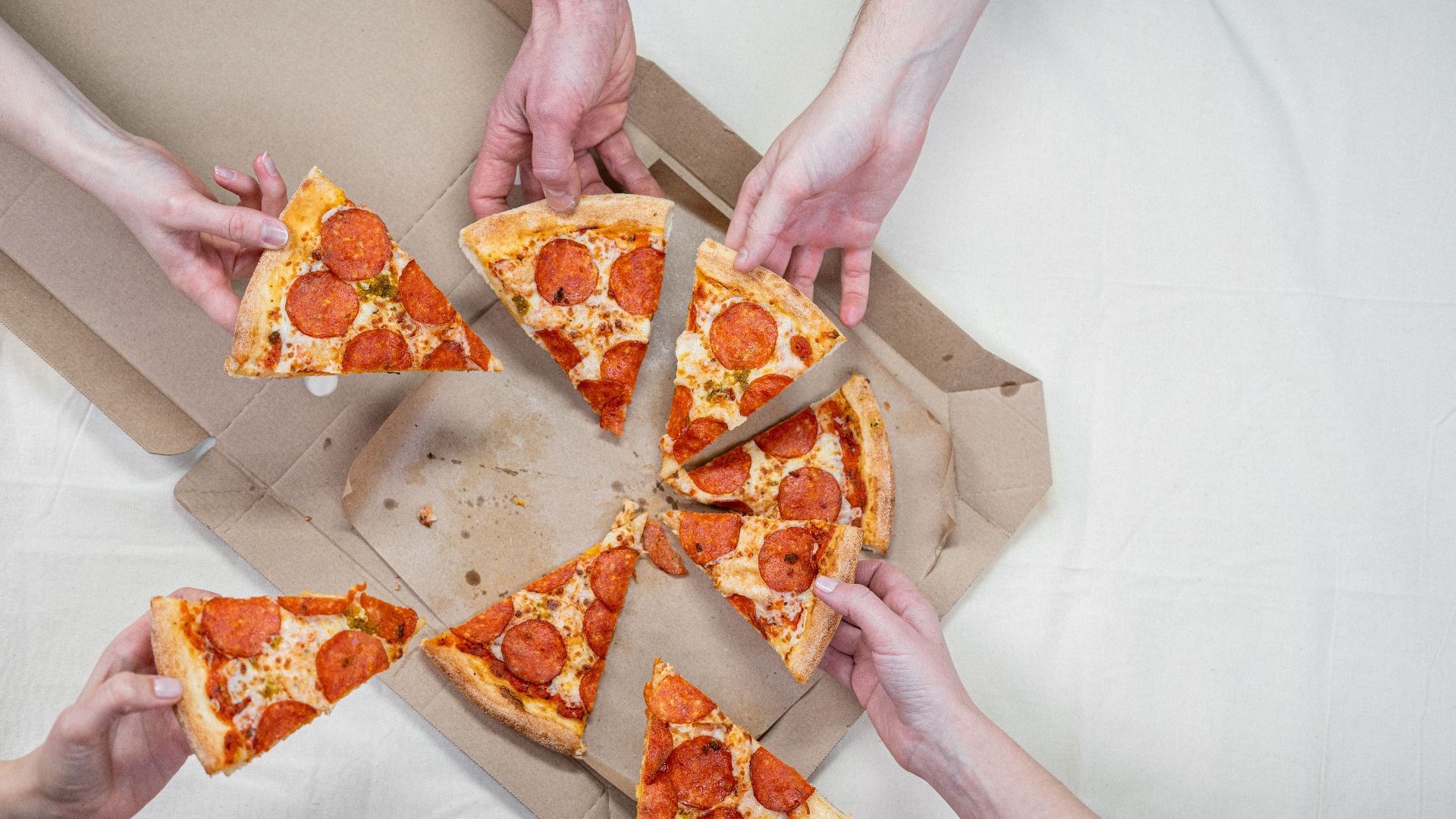
For one person, pizza means picking up a slice and accepting whatever happens next. For another, it means a plate, utensils, and absolutely no cheese on their fingers. Put them at the same table, and suddenly dinner comes with an unofficial personality assessment.
The Knife And Fork Personality
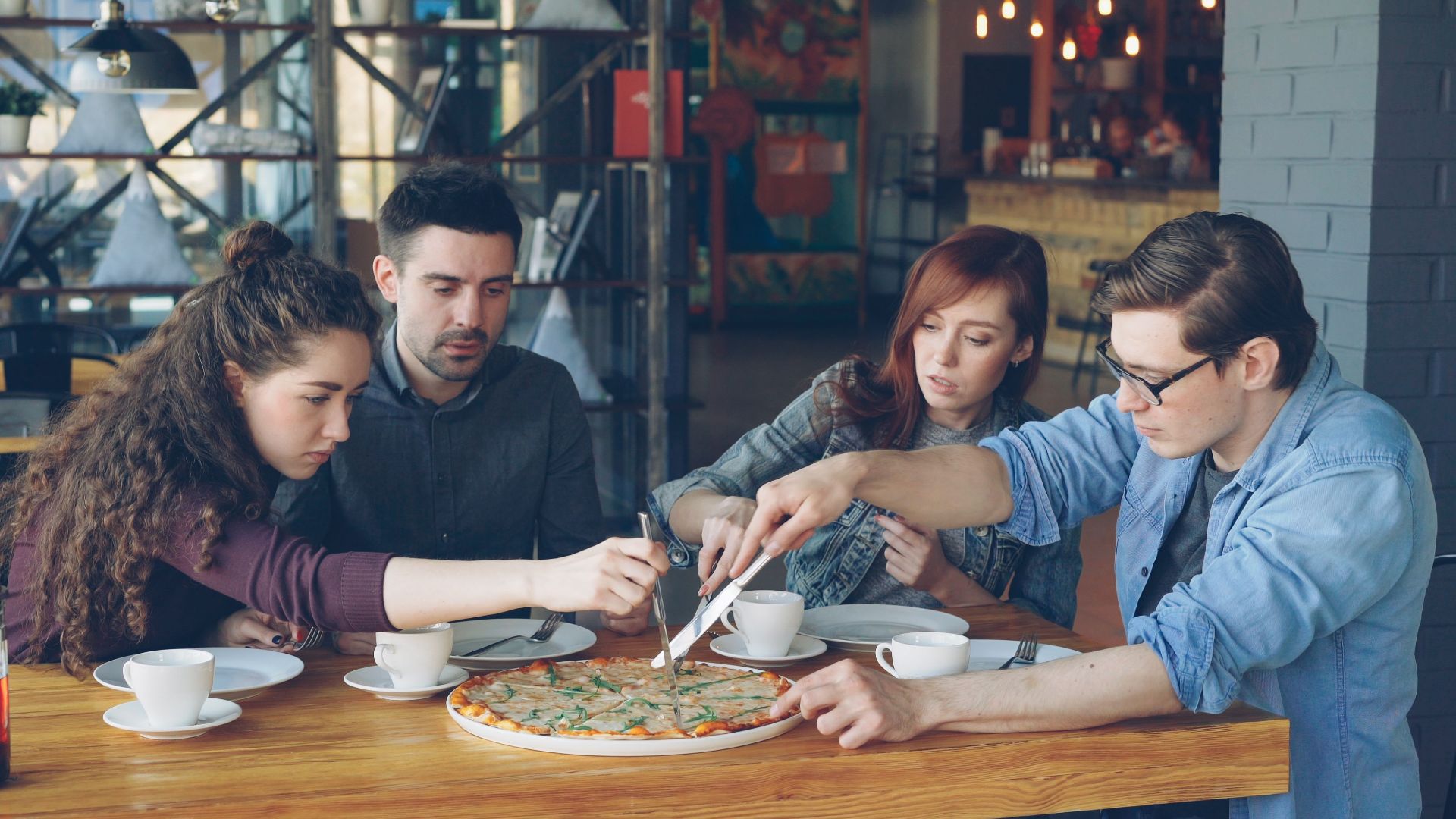
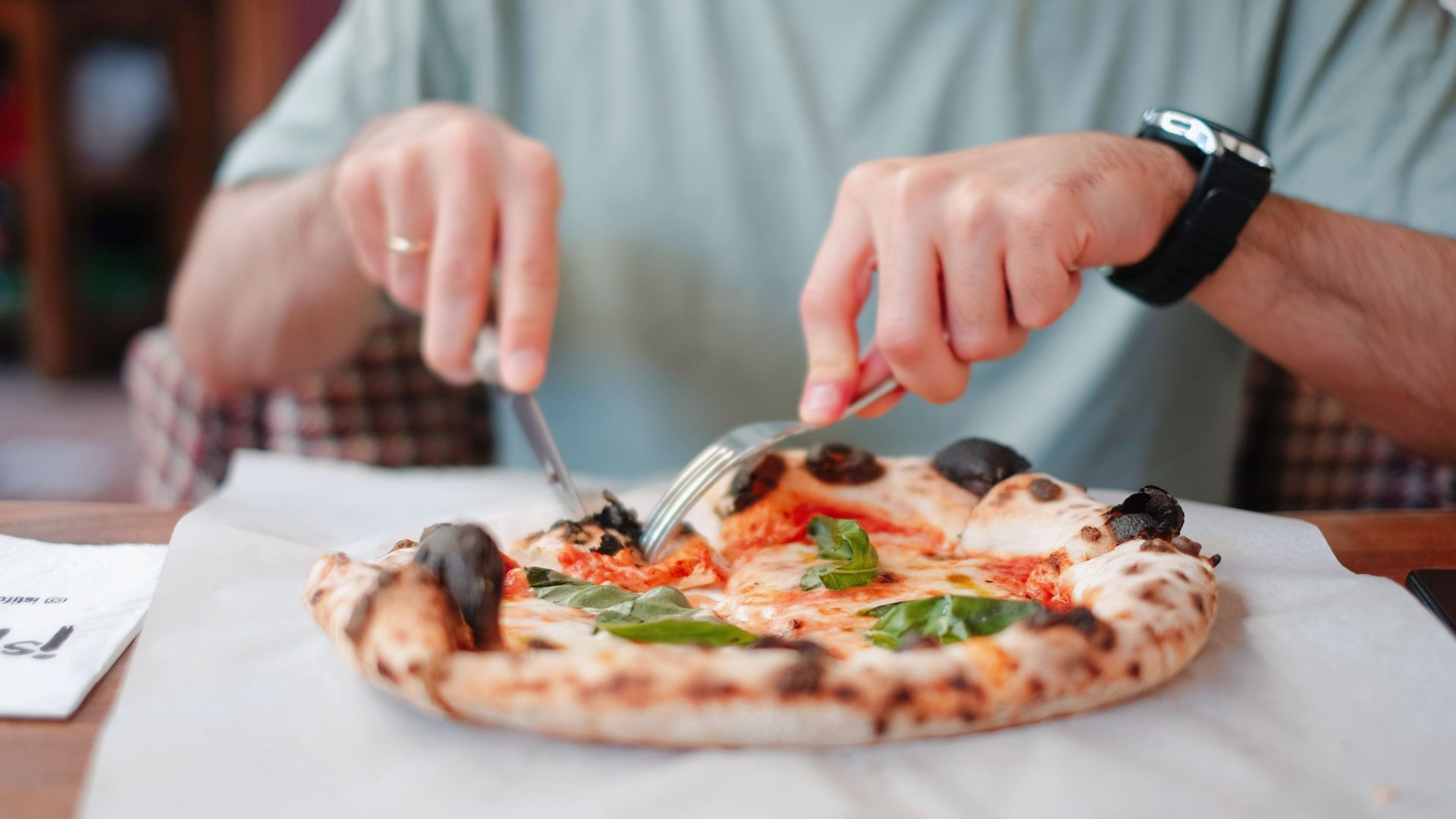
In body language expert Patti Wood’s informal take on pizza personalities, methodical utensil users fit the “supporter” style: steady, dependable, and concerned about others. Her interpretation connects carefully cutting your pizza with enjoying familiar routines and making sure everyone else gets a slice.

The People Who Fold Their Pizza
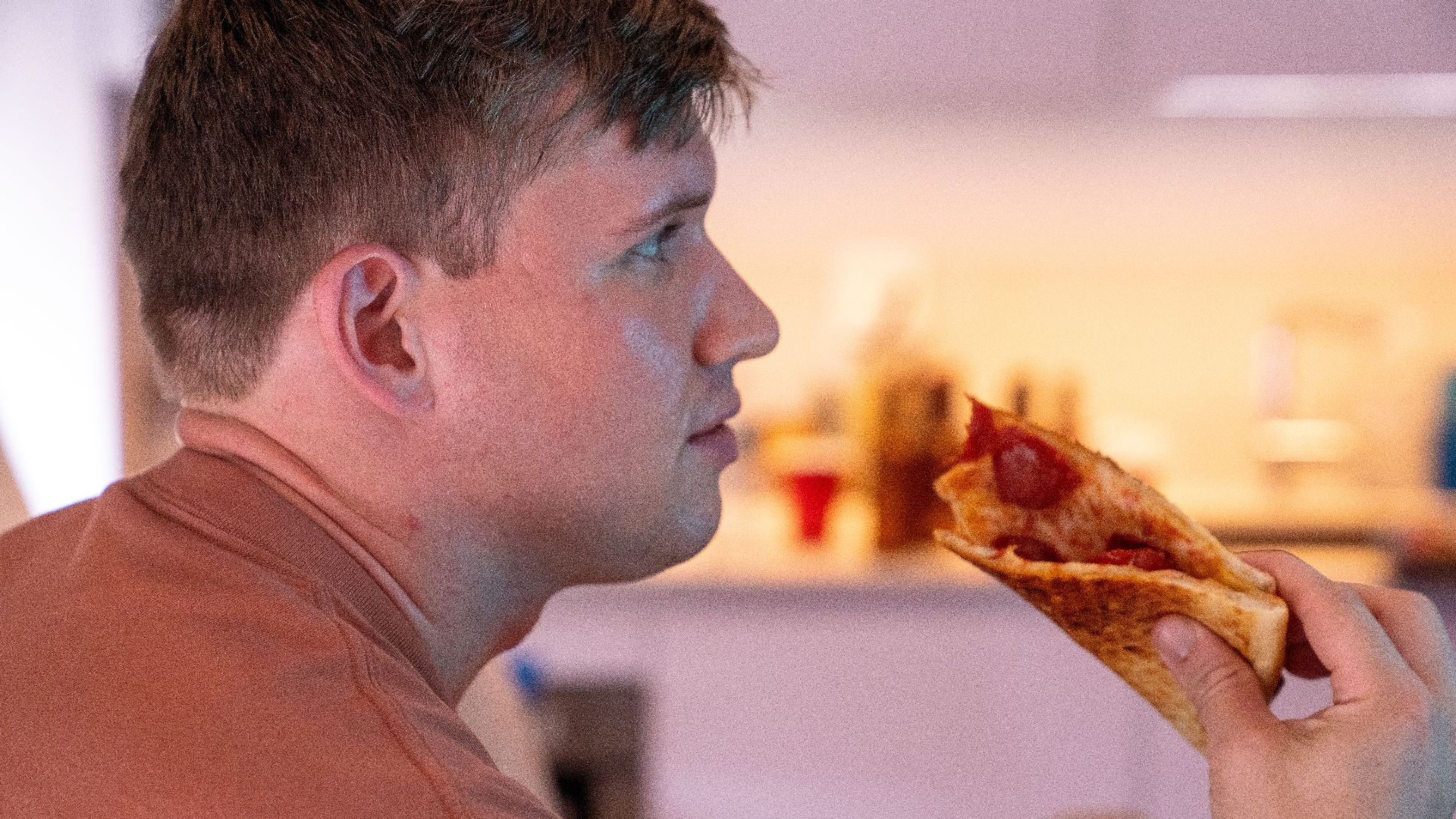
Wood connects pizza folders with the “driver” style: direct, decisive, and interested in getting things done. Why wrestle with a floppy slice when you can fold it and get moving? Under that interpretation, lunch is another problem you’ve found an efficient solution for.
 https://kaboompics.com/, Pexels
Then There’s The Crust-First Crowd
If you start with the crust, Wood’s interpretation puts you closer to the “influencer” style: someone who enjoys doing things differently and attracting attention. Of course, you might also just really like crust. Sometimes the least mysterious explanation deserves a seat at the table.
What About People Who Just Pick It Up?
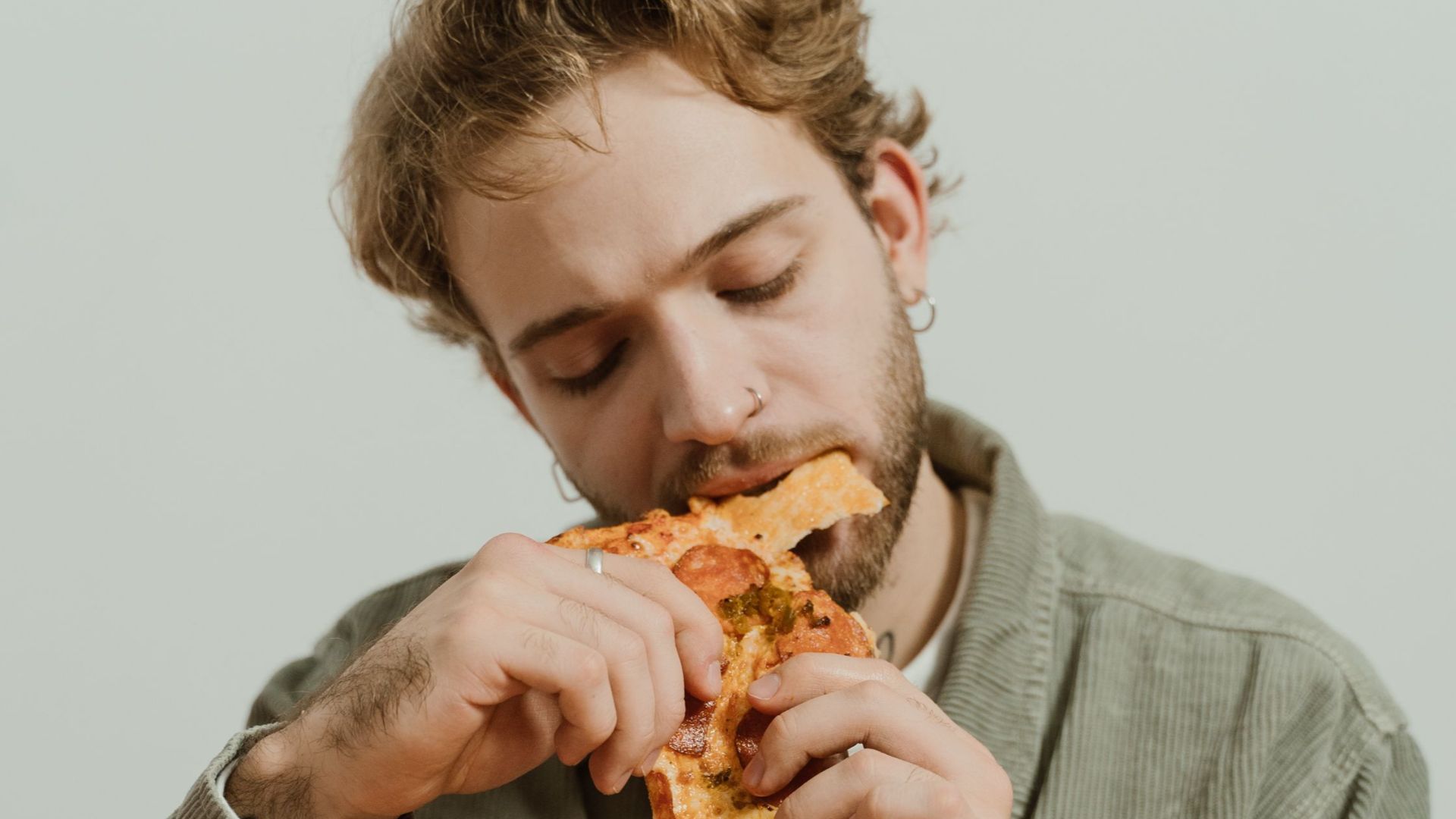
Wood calls straightforward biters “careful correctors,” associating them with familiar methods, predictable results, and perfectionist tendencies. You’ve found an approach that works, so why complicate it? Apparently, even grabbing a slice and eating it can earn you a personality label. Nobody escapes this pizza party.
Before You Diagnose Your Dinner Guests
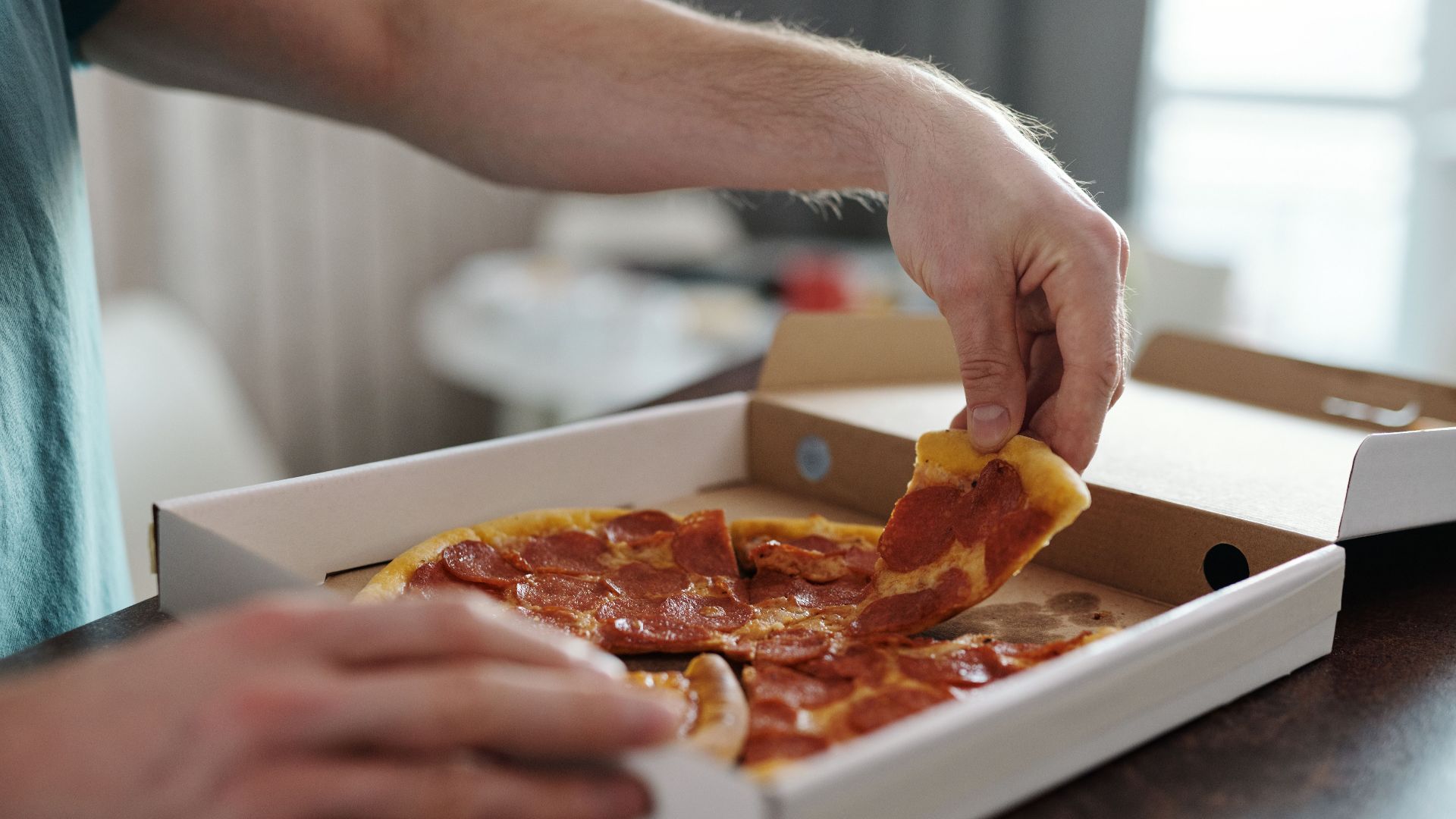
Those personality descriptions are interpretations, not an established scientific test. You cannot reliably identify someone’s character from a slice of pepperoni. Keep that in mind before deciding your friend is dependable because they’ve spent five minutes cutting lunch into twenty-seven identical little squares.

Fork Users Really Were Outnumbered
A 2014 YouGov poll found that 73% of Americans ate pizza flat in their hands, while 19% folded it. Just 9% used a knife and fork. Those are older figures, but they help explain why utensil users can feel like they’re defending a very unpopular opinion.
Your ZIP Code Might Explain Something
That same poll found that 37% of Northeasterners folded their pizza. Meanwhile, Westerners were more likely than people in other regions to use utensils. Before declaring someone a born rule-breaker, you might want to ask where they grew up—and where they usually order lunch.
A Mayor Found Out The Hard Way
In 2014, New York City mayor Bill de Blasio attracted criticism for eating pizza with a knife and fork at a Staten Island restaurant. The fuss became known as “Forkgate”. Apparently, running the city also required passing an unofficial examination in how to handle a slice.
 Gage Skidmore from Peoria, AZ, United States of America, Wikimedia Commons
Italy Might Surprise The Critics
If your argument is that Italians would never approve, there’s a problem. A YouGov survey published in 2022 found that 82% of Italian respondents considered eating pizza with a fork acceptable. Only 13% considered it unacceptable. The supposed insult to Italian food wasn’t much of an insult.
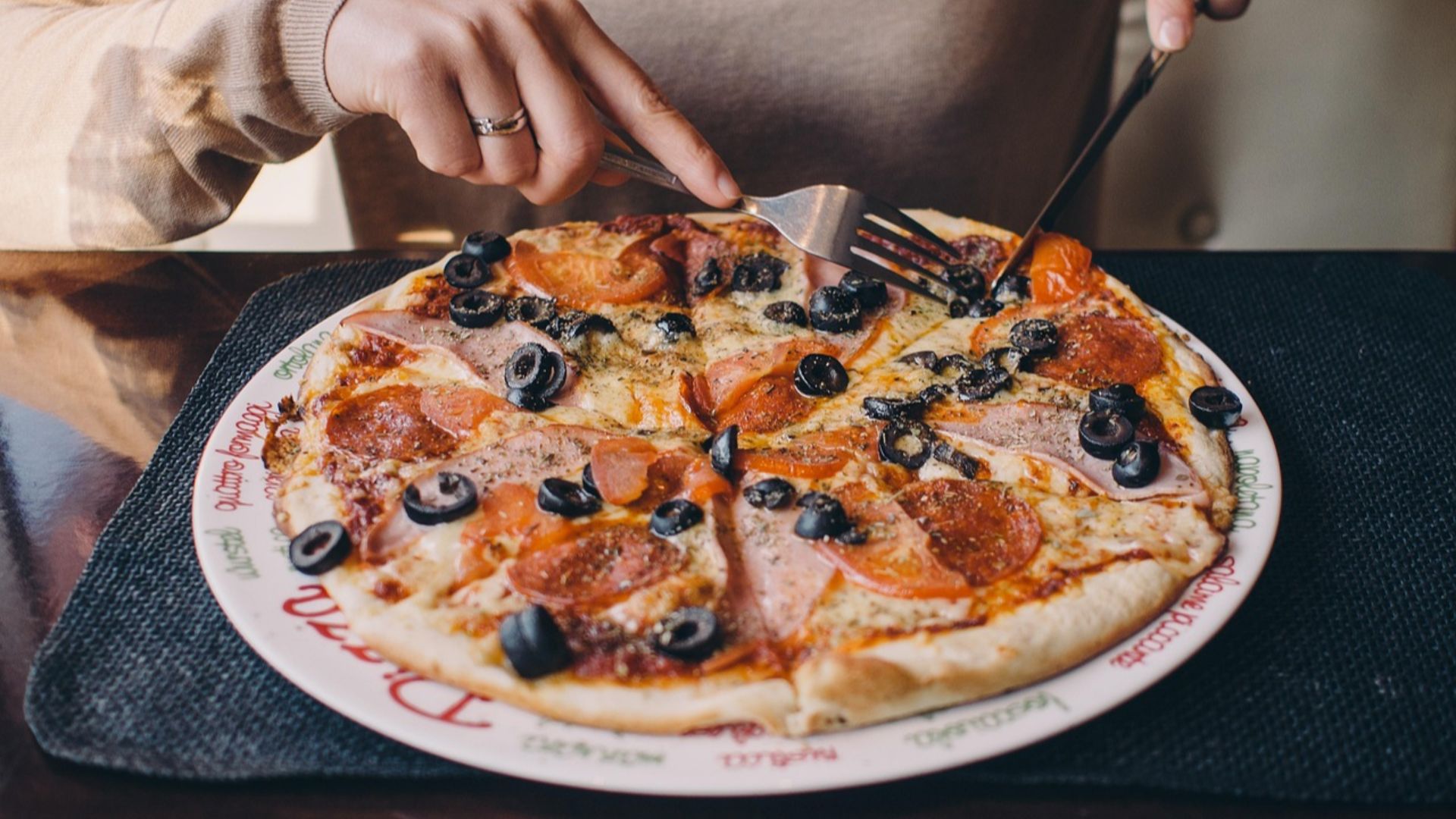
Americans Were More Divided
In that same international survey, 60% of American respondents considered eating pizza with a fork acceptable, while 26% disapproved. That measures acceptance rather than personal eating habits. Still, it suggests plenty of Americans can watch someone reach for utensils without needing to stage an intervention.
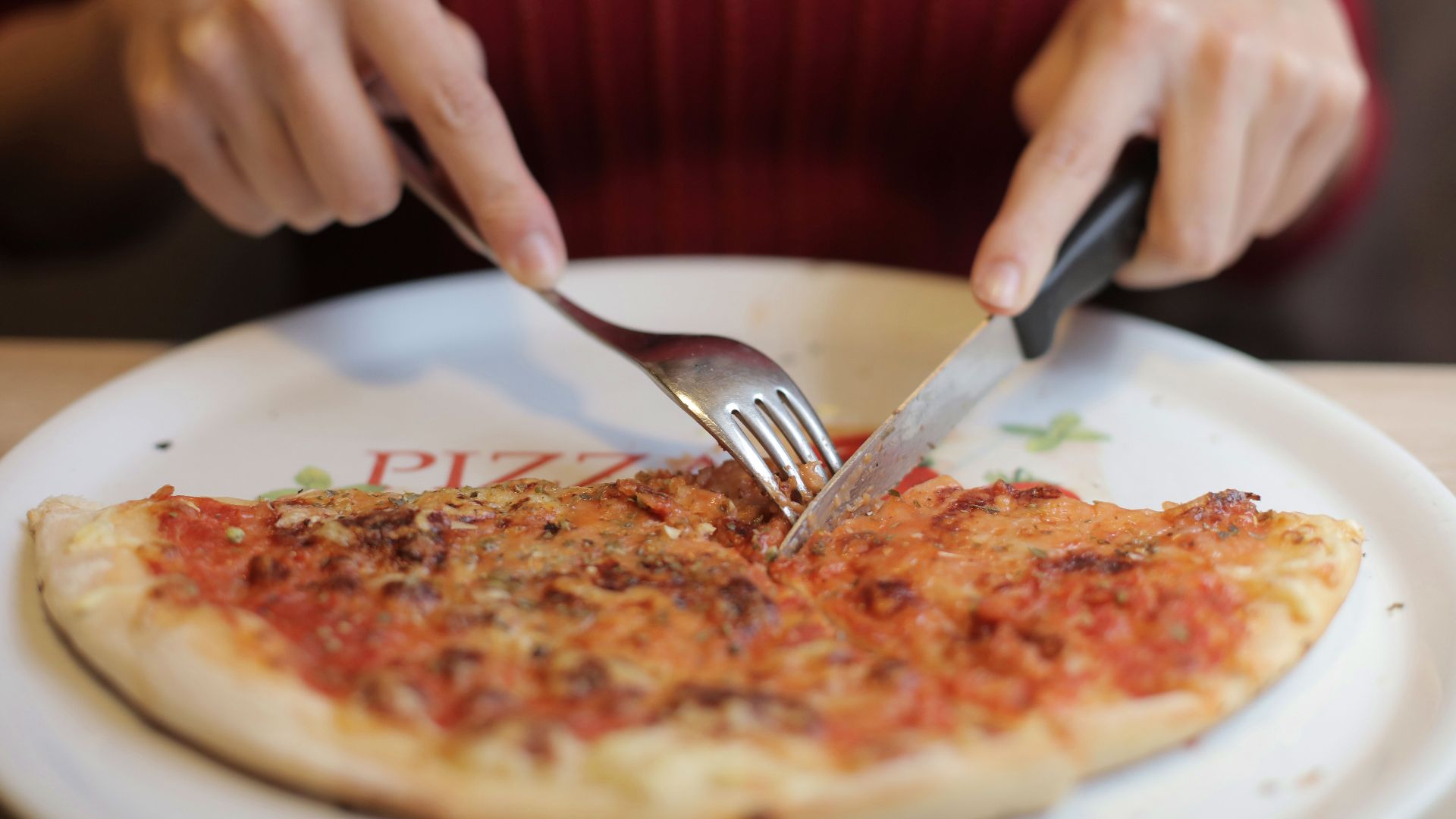
Sometimes, The Pizza Makes The Decision
There’s also a fairly obvious difference between a thin slice and a towering piece of deep dish. Chicago’s Lou Malnati’s describes deep-dish pizza as typically eaten with a knife and fork. That choice might tell you more about what someone ordered than how they approach life.
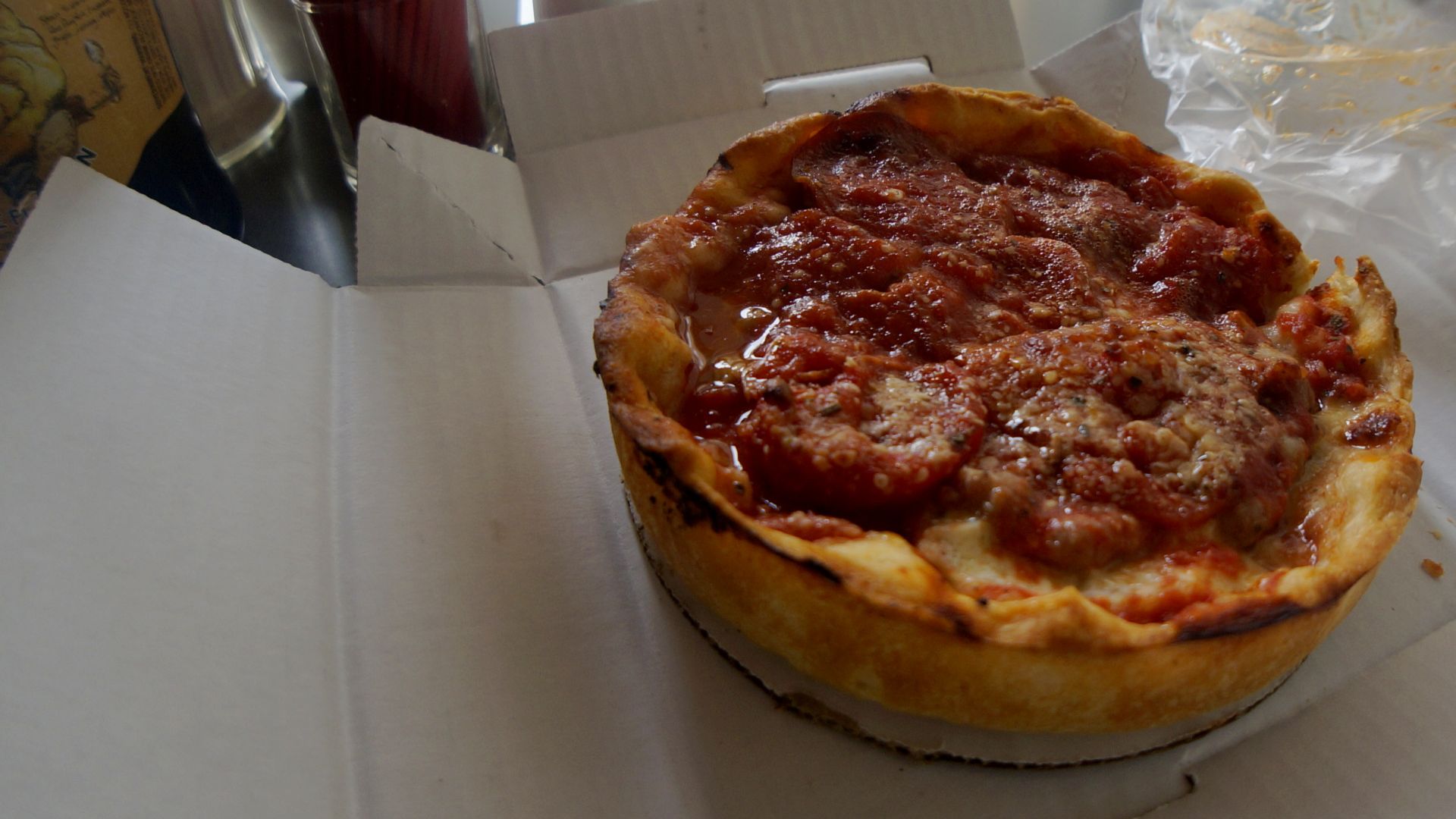 Aneil Lutchman, Wikimedia Commons
A Soft Center Changes Things
Traditional Neapolitan pizza isn’t supposed to behave like a crisp cracker. The True Neapolitan Pizza Association describes it as soft, elastic, and easy to fold, with a particularly soft center. Keeping the toppings attached can become a practical consideration before anyone gets around to analyzing your personality.
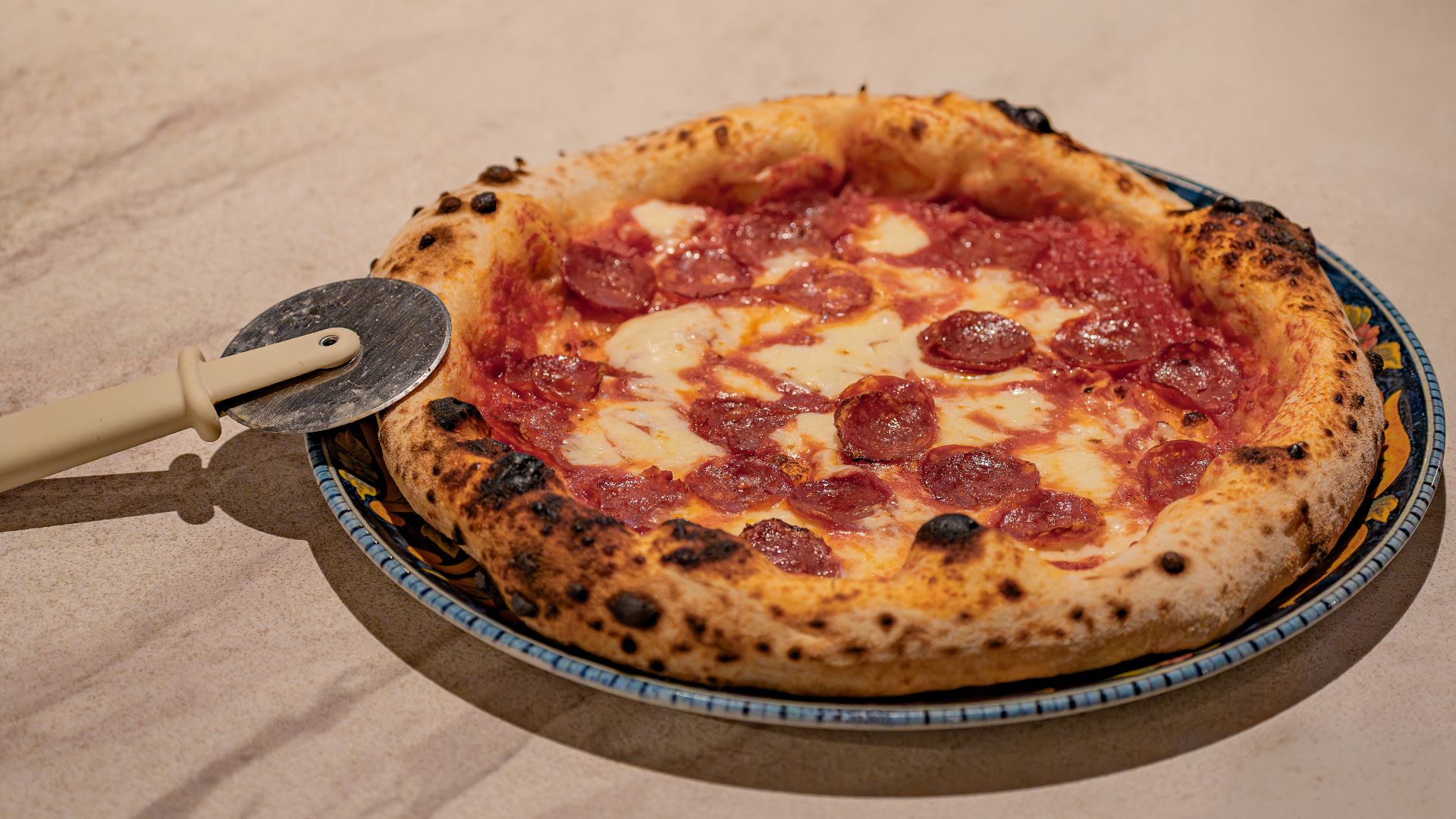
The Folders Have Physics On Their Side
Folding a thin slice lengthwise helps it resist drooping. The curved shape makes it harder for the pizza to bend downward under its own weight. So perhaps that person isn’t advertising a take-charge personality. Maybe they’ve just figured out how to keep the toppings off their pants.
But The Taste Question Gets Interesting
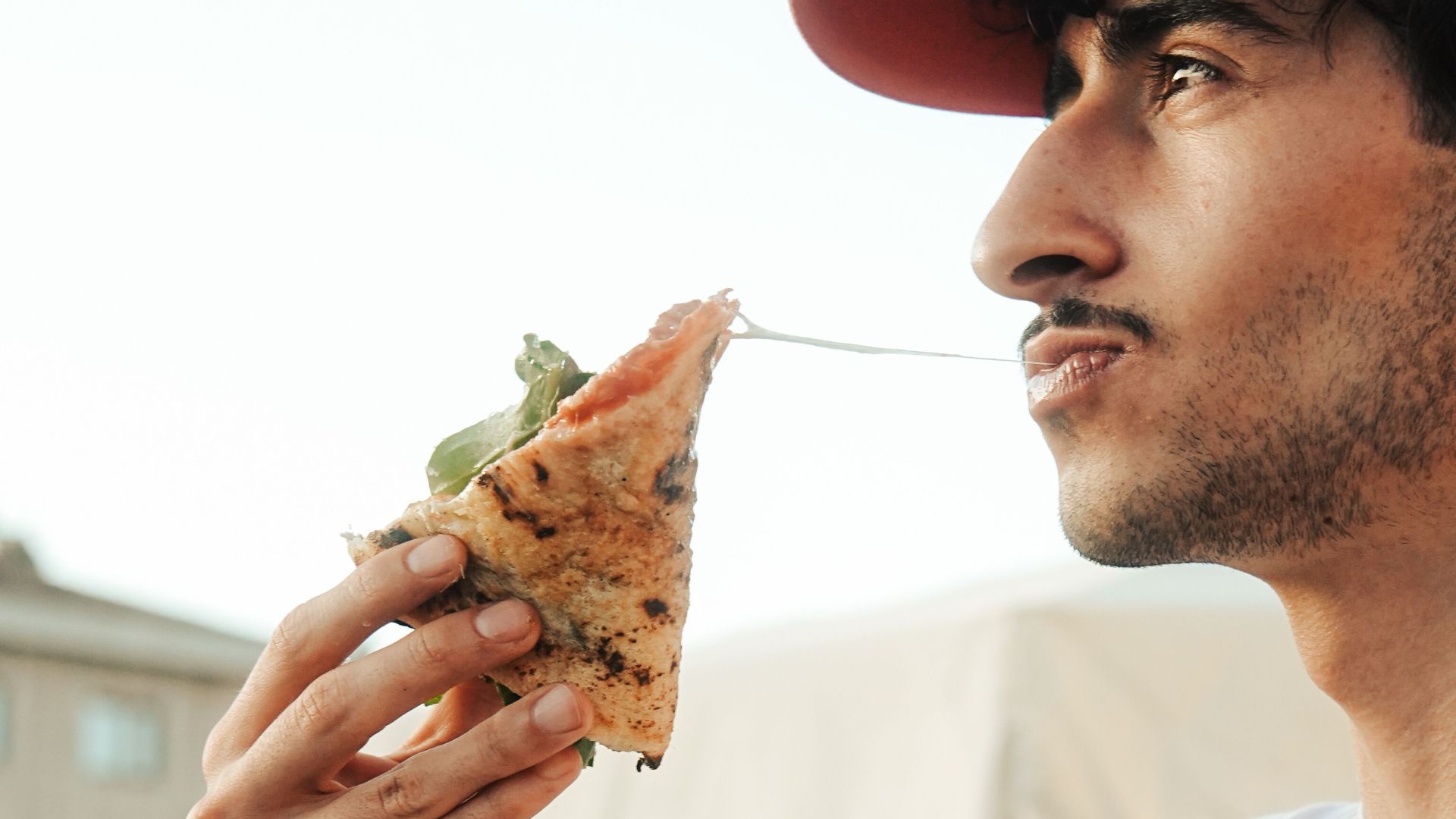
Your hands also give you information about what you’re eating. Research from Stevens Institute of Technology found that directly touching food could change how enjoyable people found it. However, the effect depended on the people doing the eating. This argument was never going to have an easy winner.

Researchers Started With Cheese
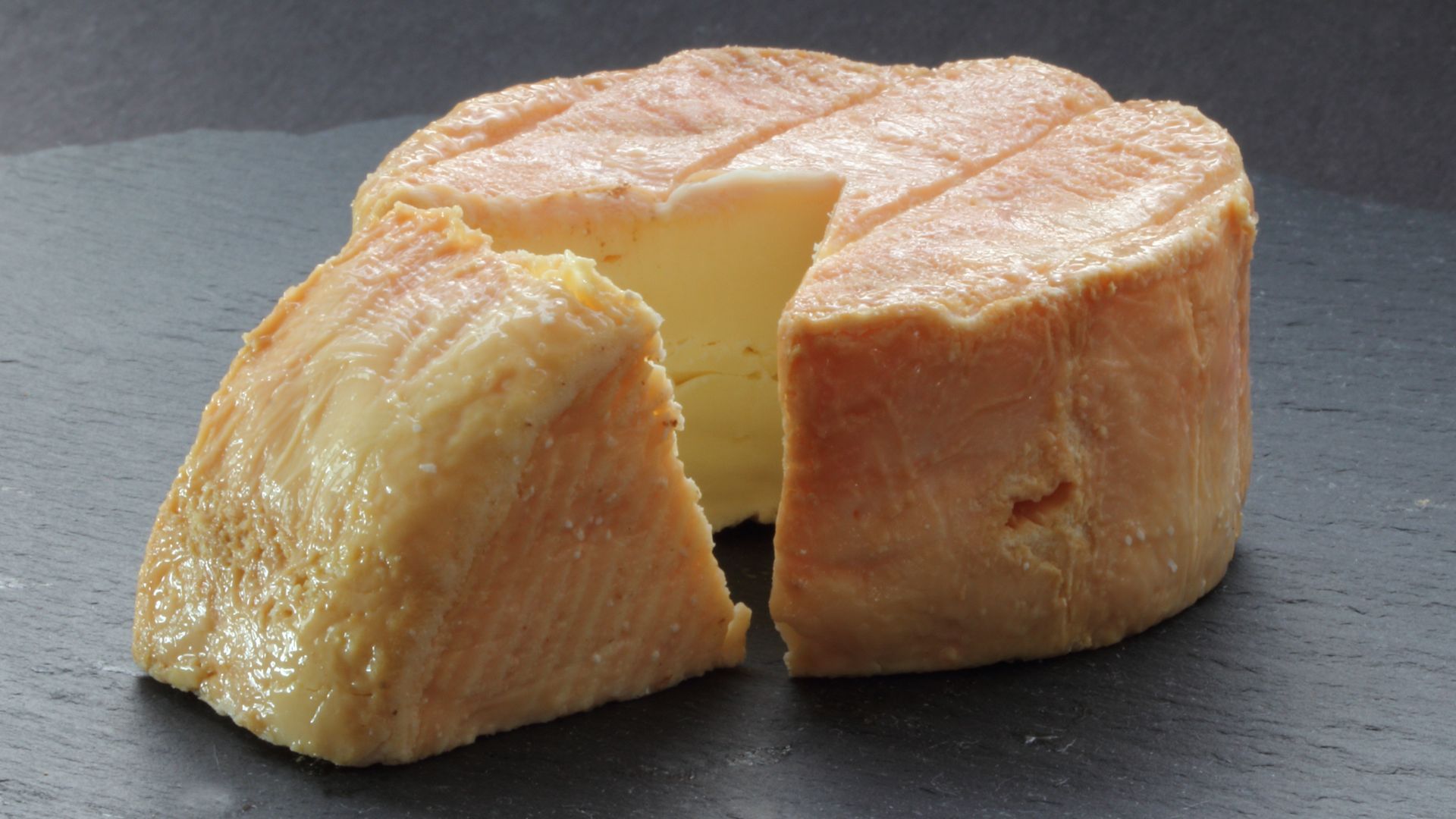
In one experiment, 45 undergraduate students sampled Muenster cheese. Some held it directly, while others used an appetizer pick. Among participants reporting higher dietary self-control, those who touched the cheese rated it as tastier and more appetizing. Same cheese, different way of getting it into their mouths.
 Mario M. Lommersum, Wikimedia Commons
There Was An Important Catch
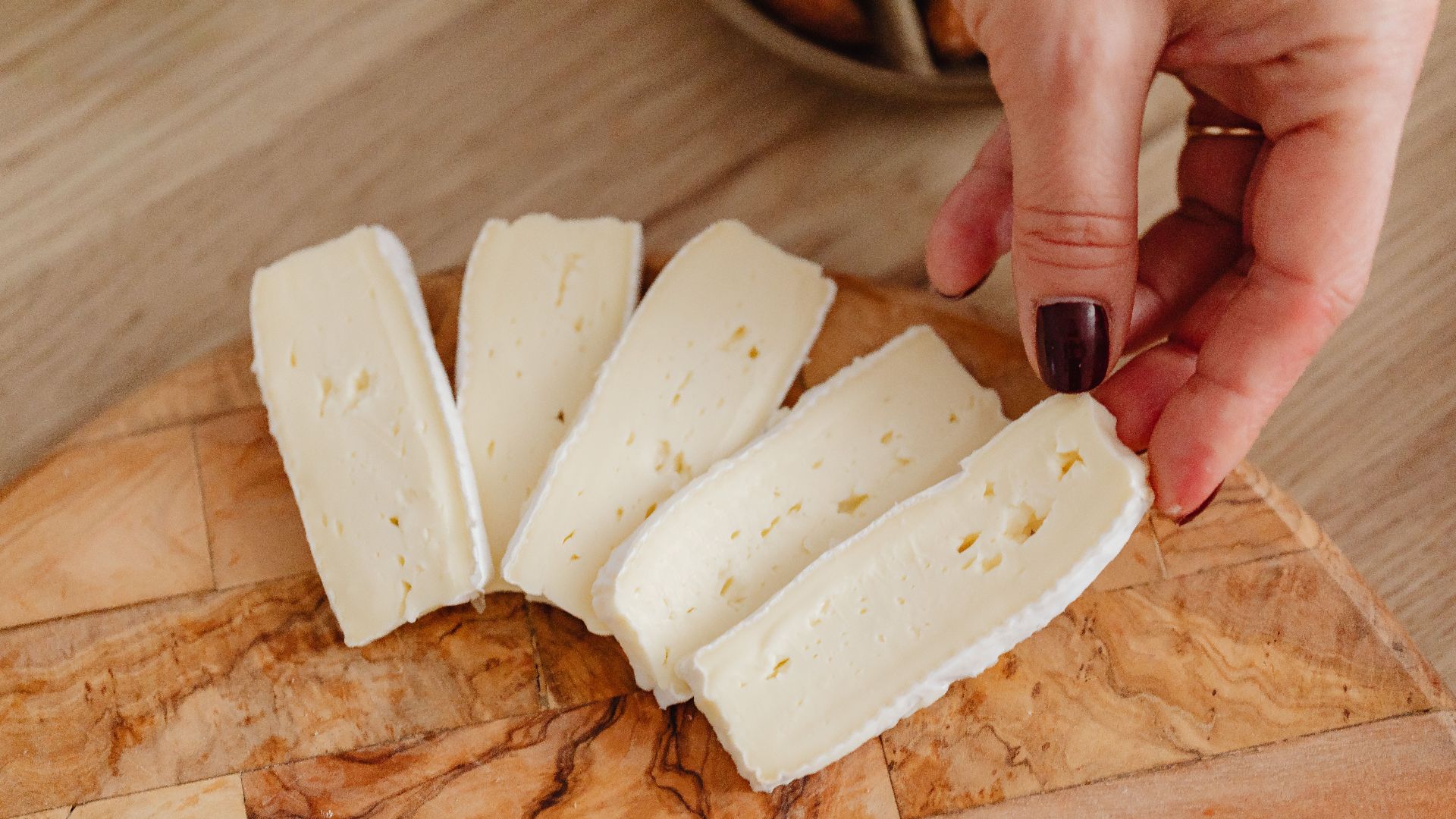
That result didn’t hold for participants reporting lower dietary self-control. So this wasn’t proof that everything tastes better when you grab it. It also doesn’t mean fork users have more self-control. The experiment examined how touch affected enjoyment, not why people chose their utensils.
 https://kaboompics.com/, Pexels
The Mini Doughnuts Got Involved Too
Another experiment used mini doughnuts and asked participants to imagine either controlling their eating or allowing themselves to indulge. Those prompted to think about dietary restraint evaluated the food more positively when touching it directly. Your approach to eating could influence what touch adds to the experience.

It Could Affect How Much You Eat
The published research also found that direct touch increased consumption among participants with higher dietary self-control. That’s an interesting extra wrinkle: enjoying food more could mean eating more of it. These weren’t pizza experiments, though, so we can’t blame your hands for that missing third slice.

Someone Actually Compared Pizza Methods
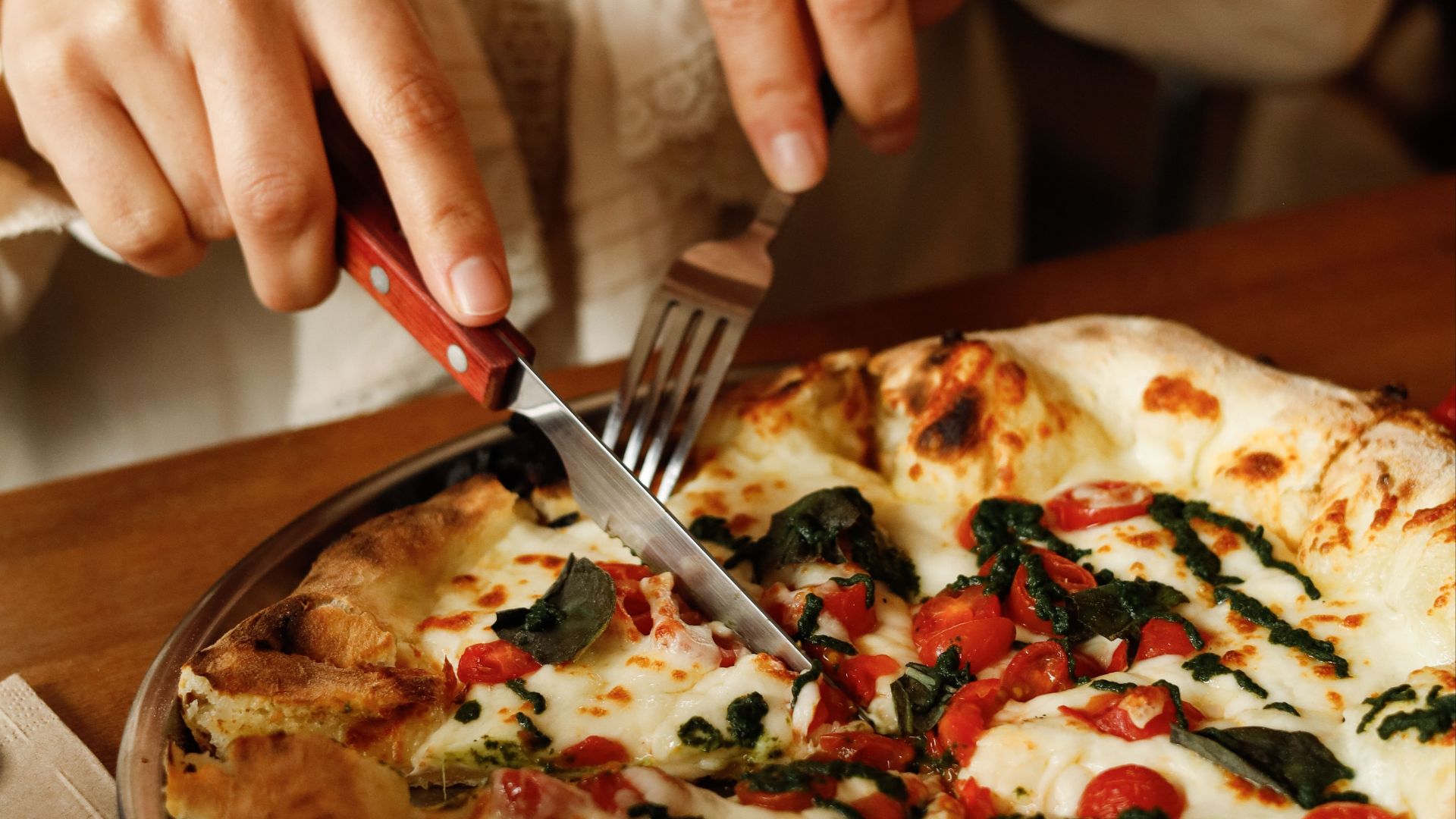
A 2022 review by psychologist Charles Spence described a pizza comparison involving a trained sensory panel in Arkansas and consumers in Brazil. Participants ate using either their hands or a knife and fork. Most ratings were similar, so neither side got the sweeping victory it probably wanted.
 Bengt Oberger, Wikimedia Commons
One Group Rated The Aroma Higher
There was one interesting difference: Brazilian participants gave higher aroma ratings when using cutlery. The suggested explanation was that cutting through tomato slices released more aromatic compounds. That doesn’t establish better overall flavor, but it gives fork users something more interesting to say than “I don’t like greasy fingers”.
Don’t Declare A Winner Just Yet
That pizza comparison had only been reported as a conference proceeding when Spence discussed it, which limits how much we can conclude. It’s an interesting clue, but it doesn’t establish that either method makes pizza taste better overall. Both sides will have to keep their victory speeches ready.
What Your Choice Actually Gives Away
Your pizza routine offers clues worth asking about: what you grew up doing, what feels comfortable, and how you prefer to handle a messy meal. Those answers could tell someone quite a bit about you. They’ll learn more by asking than by silently diagnosing you across the table.

So, Which Person Are You?
Do you pick it up, fold it, or reach for the knife and fork—and have you ever judged someone for choosing differently? Be honest. You probably had a person in mind before you finished reading the title. Now imagine what they’ve been thinking about you.
You Might Also Like:
Unbelievable Historical Events That Happened On The Same Day
When Science Accidentally Proved Old Folklore Was Right All Along