A Childhood Star With a Story Hollywood Never Told
Brian Bonsall became a household name before he even started school. As little Andy Keaton on Family Ties, he was the adorable kid audiences instantly fell in love with. But his life after sitcom fame didn’t look anything like the dream people imagined. What happened behind the scenes—and after the cameras stopped rolling—became a harsh reminder of how early fame can twist a childhood into something no kid should ever have to navigate.
Early Fame Came Fast
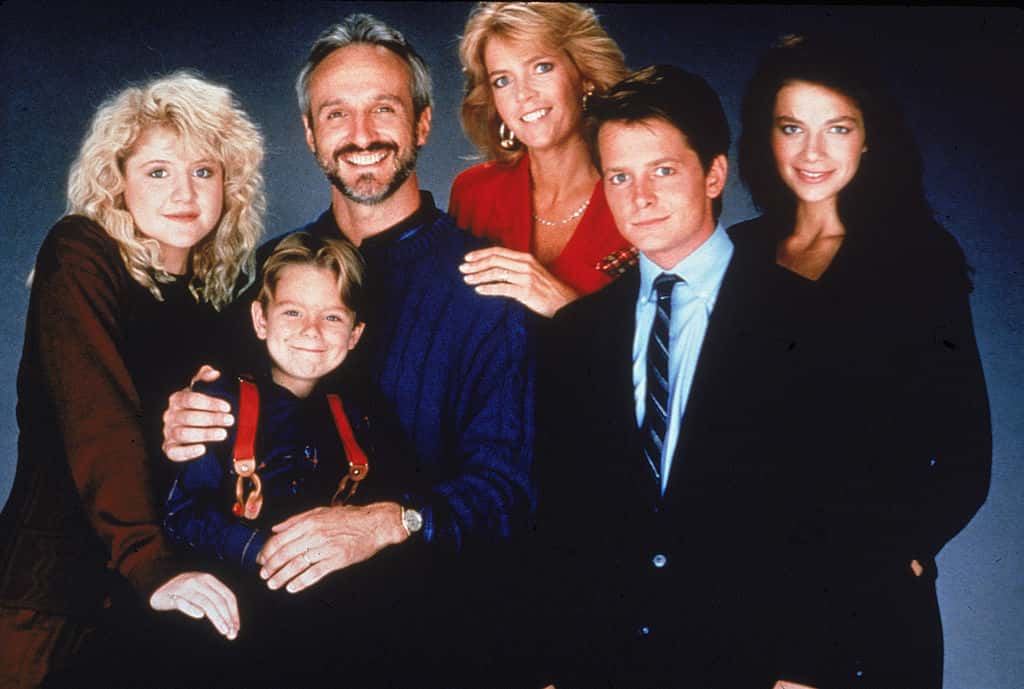
Bonsall was only five when he joined Family Ties. Overnight, he went from a normal kid in Colorado to a national TV star, suddenly recognized everywhere he went. As he later put it, “Family Ties pushed me into the limelight to the point where I couldn’t walk down the street.”
 Screenshot from Family Ties, NBC (1982–1989)
Living in Michael J. Fox’s Shadow
Family Ties was still Michael J. Fox’s show, and that meant Bonsall stepped into an already-roaring machine. He was surrounded by seasoned professionals and a fanbase laser-focused on Alex P. Keaton. The pressure to keep up was ever-present.
 Screenshot from Family Ties, NBC (1982–1989)
He Was Good at It—Maybe Too Good
Producers loved him, audiences loved him, and casting directors quickly took notice. He moved into movies like Blank Check and Father and Scout, becoming one of Hollywood’s go-to child actors. But success at that age can be a trap.
 Screenshot from Blank Check, Walt Disney Pictures (1994)
The Child-Star Warning Signs Started Early
Behind the scenes, Bonsall later admitted he didn’t love acting. He liked parts of it, but it never felt like his dream. It was simply what adults told him he was good at, what he was expected to keep doing. That disconnect between talent and desire was already forming the cracks that would widen later.
 Screenshot from Blank Check, Walt Disney Pictures (1994)
He Quit Hollywood Before His Teens
After Blank Check, Bonsall walked away entirely. No dramatic exit—just a quiet disappearance. Once the cameras stopped rolling, he faced the jarring task of figuring out who he was without scripts, sets, directors, or fan mail. That kind of identity shift is difficult for anyone. For a kid? Nearly impossible.
 Screenshot from Blank Check, Walt Disney Pictures (1994)
Re-Entering the Real World Was Rough
School was culture shock. Bonsall didn’t fully fit in with classmates, and he didn’t feel connected to the “normal” childhood he’d suddenly fallen back into. He was no longer famous enough to be special—just famous enough to be different.
 Screenshot from Blank Check, Walt Disney Pictures (1994)
He Fell Hard Into Rebellion
Like many former child stars dropped back into regular life, Bonsall turned to rebellion to feel something like control. Partying, skipping school, pushing boundaries—he chased whatever made him feel less boxed in. He described this period as a search for belonging he couldn’t find.
 Screenshot from Blank Check, Walt Disney Pictures (1994)
Then the Arrests Started
In the 2000s, Bonsall’s name reappeared—but now in mugshots and police reports. Assault charges, violations, and multiple arrests painted a bleak picture. For many people, this was the first time they’d thought of him since his days on Family Ties. And their reaction wasn’t kindness—it was shock.
 Screenshot from Family Ties, NBC (1982–1989)

History's most fascinating stories and darkest secrets, delivered to your inbox daily.
People Didn’t Recognize Him—And That Hurt Most
Online reactions were harsh. Instead of seeing a former child star in pain, they saw a fallen celebrity they barely remembered. The difference between the smiling sitcom kid and the troubled adult became a storyline the internet couldn’t resist.
 Screenshot from Blank Check, Walt Disney Pictures (1994)
Substance Issues Took Over
Bonsall later opened up about how deeply alcohol had taken over his life. “I found comfort in drinking because it was an escape from this reality of not really feeling like I fit in,” he said. What started as rebellion soon became dependency—fueling the chaos that kept landing him in trouble.
 Screenshot from Blank Check, Walt Disney Pictures (1994)
A Wake-Up Call Eventually Came
There wasn’t one “big moment,” but Bonsall eventually realized he was spiraling into something he couldn’t climb out of. The damage to his relationships, his reputation, and his future was no longer abstract—it was right in front of him. That was when he finally decided to get help.
 Screenshot from Blank Check, Walt Disney Pictures (1994)
He Chose Rehab and Took It Seriously
This time, he committed. He went through programs, stuck with them, and stayed clean. It wasn’t a temporary fix or a PR move—it was survival. For the first time in years, he wasn’t fighting everyone else. He was fighting for himself.
 Screenshot from Blank Check, Walt Disney Pictures (1994)
A Terrifying Twist: Someone Impersonated Him
One of the darkest turns in Bonsall’s life came from a predator who impersonated him to target women. “It’s really hard to tell that story… it’s hard not to cry,” he said. When he met the man face-to-face, he remembered “his crazy eyes” and how the impersonator became “obsessed with me right off the bat.”
 Screenshot from Blank Check, Walt Disney Pictures (1994)
He Reconnected With His Real Passion
Bonsall funneled his focus into music—punk, metal, and alternative bands—something he’d always loved more than acting. Touring, writing, and performing gave him purpose without placing him back into the Hollywood machine that burned him out.
 Screenshot from Blank Check, Walt Disney Pictures (1994)
He Made Peace With His Childhood Fame
Bonsall has said he no longer resents his time on Family Ties. He sees it as a strange but meaningful part of his life. With the benefit of time and sobriety, he’s able to talk about his childhood career with clarity instead of confusion or bitterness.
 Screenshot from Blank Check, Walt Disney Pictures (1994)
Fans Have Slowly Come Back Around
Thanks to nostalgia, documentaries, and social media, fans have rediscovered him. Many have reacted not with judgment but empathy. The contrast between his adorable screen persona and his adult struggles made his story feel deeply human.

He’s Trying to Build a Normal Life
These days, Bonsall lives quietly—focused on music, relationships, health, and stability. He’s not trying to reclaim glory or chase fame. He just wants a life that doesn’t collapse beneath him.

He Speaks Honestly About What Hollywood Does to Kids
Through interviews and projects, he’s been candid about the psychological toll of growing up in front of millions. His story mirrors what many former child actors describe: blurred boundaries, identity issues, and pressure no kid should face.

Not Every Story Has a Clean Ending
Bonsall doesn’t pretend that recovery magically fixes life. He’s open about still working on himself—still learning, still healing, still figuring out adulthood. Progress isn’t linear, and he doesn’t sugarcoat it.
 Albert L. Ortega, Getty Images
But His Comeback Is Quietly Inspiring
He didn’t get a perfectly packaged Hollywood redemption arc. He got something better: control over his own life again. And for someone who didn’t choose fame, didn’t choose the spotlight, and didn’t choose the chaos childhood acting brought him—that’s a victory.
 Fotos International, Getty Images
His Story Is a Warning, and a Reminder
Brian Bonsall’s life shows exactly how quickly childhood fame can turn dark—and how hard the climb back can be. It’s a story about pressure, identity, addiction, exploitation, and resilience. A reminder that behind every “cute kid” character is a real child whose life might unfold in ways no one sees coming.

You Might Also Like:
Celebrities With Tragic Childhoods
Child Actors Who Outshone The Adults