Evolution Takes It On The Chin
Humans share a surprising amount of anatomy with the rest of the animal kingdom. We’ve got the same bones, joints, muscles, and basic internal plumbing. But there’s one tiny, everyday feature that no other species has (not even our evolutionary ancestors), and scientists still shrug when asked why it even exists. Meet the chin: evolution’s biggest unsolved mystery.
The Only Chin in the Animal Kingdom
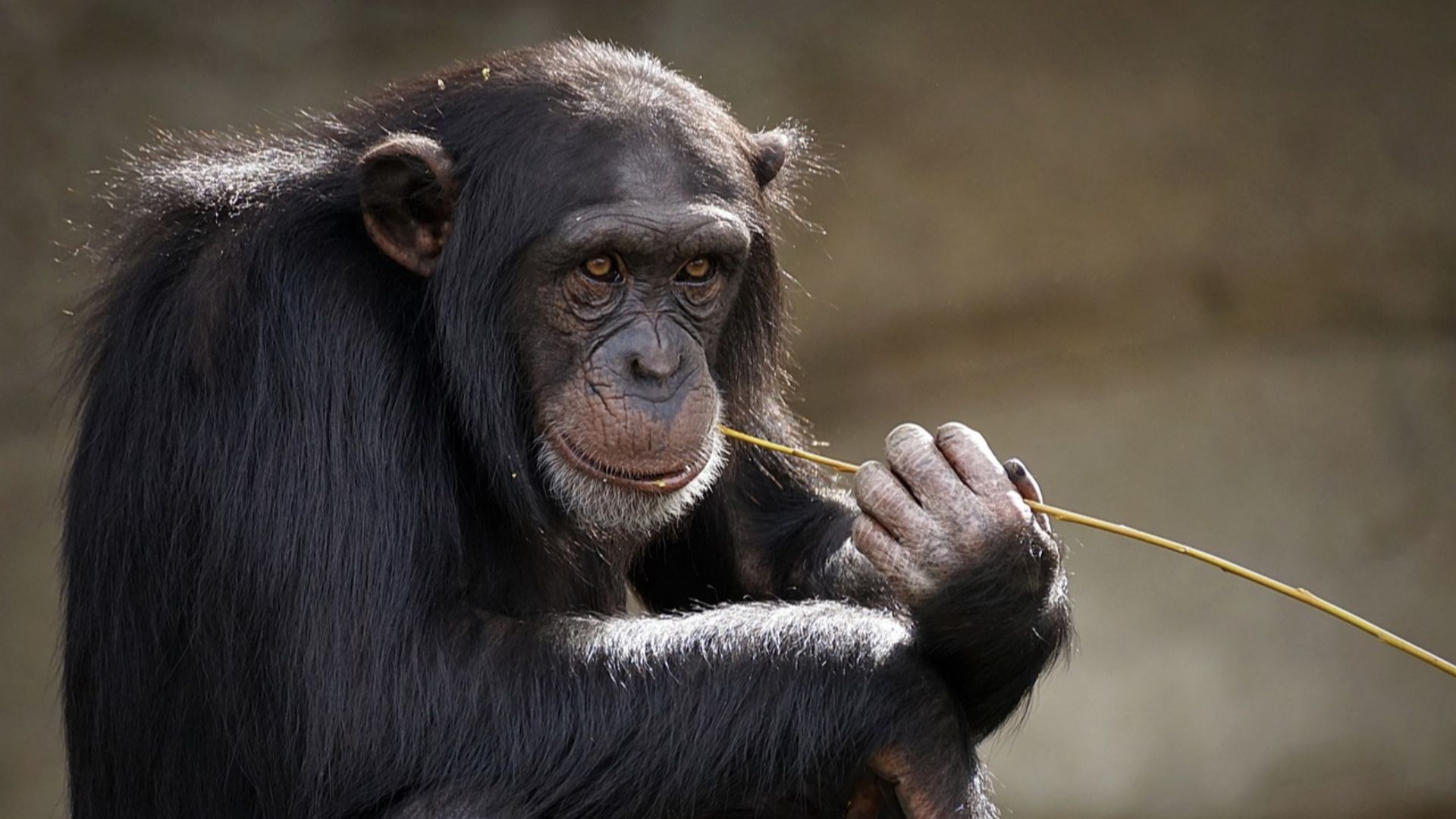
Every other primate has a jaw, but only humans have a true chin—a forward-jutting bump of bone at the lower front of the face. Gorillas? No chin. Chimps? No chin. Neanderthals? Nope. Just us…and no one knows why.

Why This Matters More Than You Think
Evolution is usually great at leaving clues: we can explain why we walk upright, why we have opposable thumbs, even why we get goosebumps. But the chin? It breaks every pattern. It’s too unique and too inconsistent with other anatomical changes to make obvious sense.
First Theory: A Chewing Reinforcement
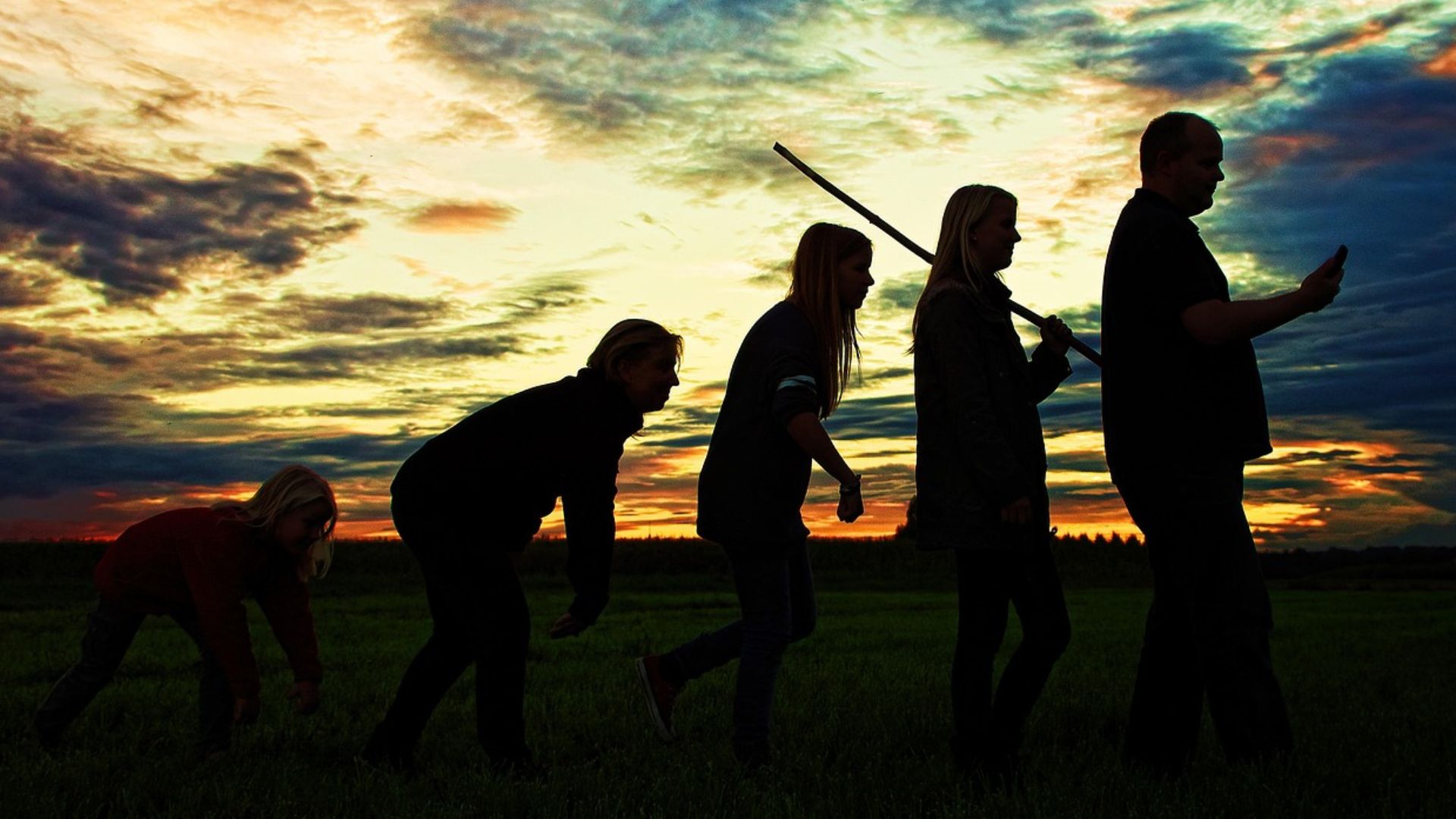
For years, scientists suggested the chin reinforced the jaw during chewing. Makes sense, right? Except biomechanical tests show the chin doesn’t actually help much. If anything, it barely changes the stress on the jaw at all—so this idea fell apart.

The “Shrinking Face” Theory
Another popular guess: as human faces shrank over time because of softer diets and smaller teeth, the chin simply remained while the rest of the jaw retreated backward. A leftover ledge. It’s plausible—but doesn’t explain why it stuck out rather than disappearing completely.
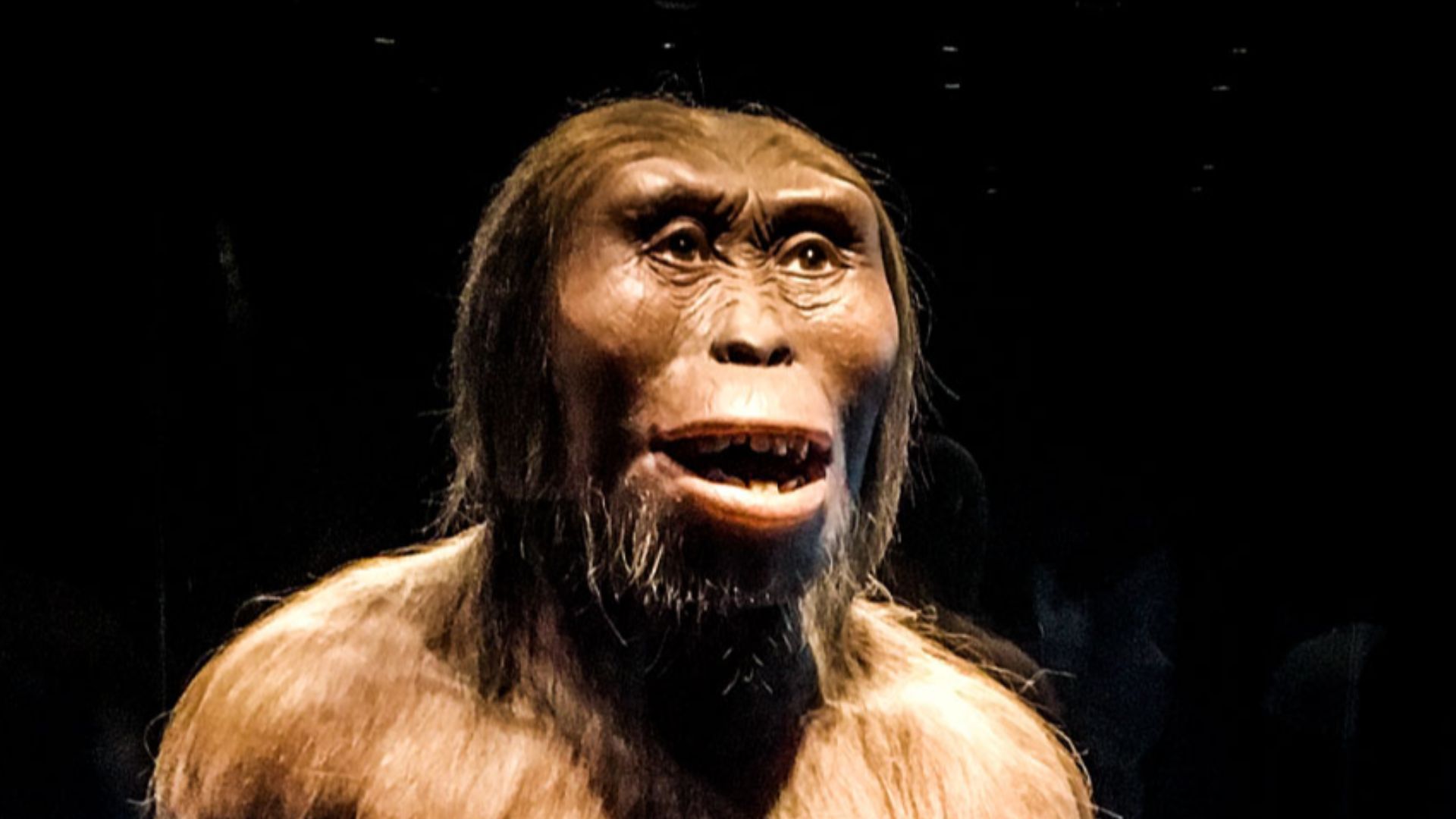 ErnestoLazaros, Wikimedia Commons
The Speech Theory
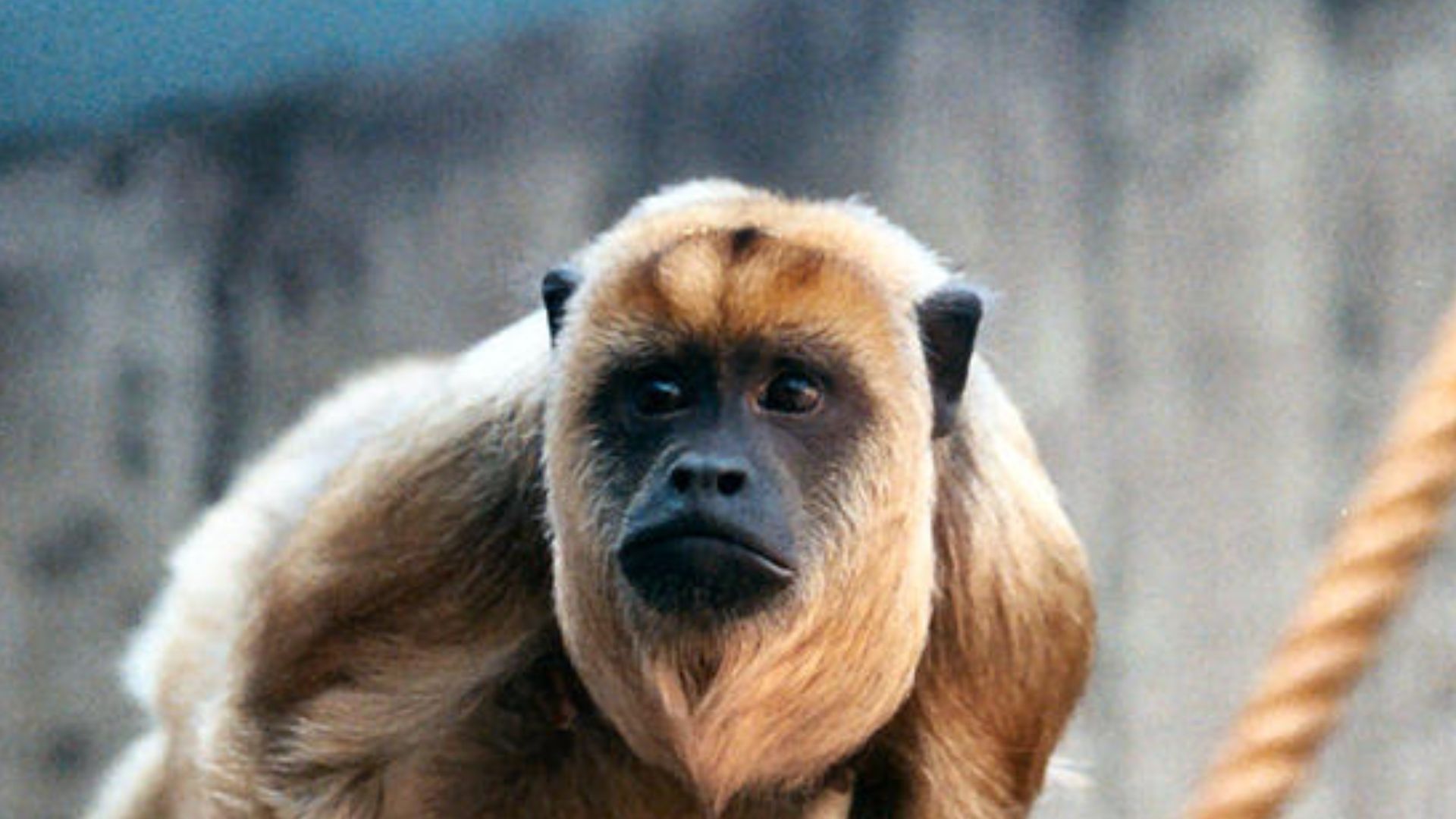
Some researchers suggested speech changed the human face and created the chin. But animals that vocalize heavily—like gibbons or howler monkeys—don’t have chins. And human speech relies on the tongue, lips, and throat, not that little bone bump.
The Attraction Theory
Maybe chins are sexy? Some scientists argue chins could be a product of sexual selection. Strong jawlines have long been considered attractive, but this theory is about preference, not function—and it still doesn’t explain how or why the chin evolved in the first place.

The “Social Stress” Theory
A stranger hypothesis says chins formed as our faces changed from hormonal and social pressures—like lower testosterone and reduced aggression over time. It’s connected to a broader pattern in human evolution, but chins still don’t cleanly fit the model.

So Why Is the Chin So Mysterious?
Because evolution usually repeats itself. The same helpful features show up in multiple species. But the chin? It’s a one-off. That makes it incredibly hard for scientists to test theories—there’s nothing else to compare it to in the entire animal kingdom.


History's most fascinating stories and darkest secrets, delivered to your inbox daily.
Meanwhile, Evolution Explains Way Harder Things
Here’s the weird part: scientists can easily explain things that seem far more complicated—like why certain animals develop specific bone structures, exaggerated features, or notable size differences based on survival pressure. But the chin? Still a head-scratcher.

Even Our Ancestors Didn’t Have Chins
Neanderthals and Denisovans—our closest evolutionary cousins—didn’t have chins. Their jaws sloped backward. So whatever the chin is for, it’s something that popped up recently in human evolution…and never disappeared.
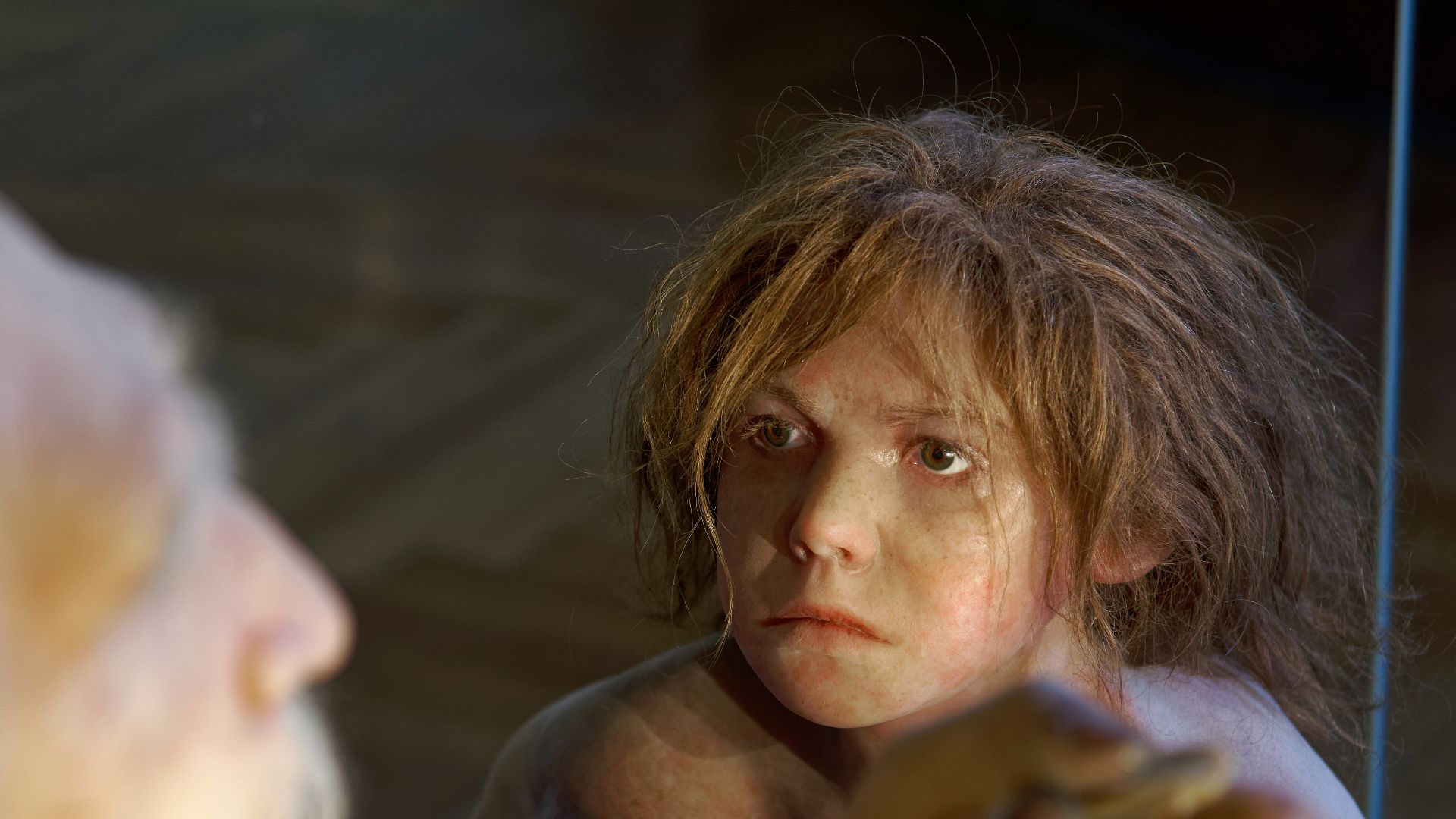 Jakub Hałun, Wikimedia Commons
Chins Don’t Improve Survival
Most features that stick around help the species survive. But people with smaller chins and bigger chins survive equally well. There’s no clear survival advantage—no biting efficiency, no fighting advantage, no protection from injury.
 Vladimir Gjorgiev, Shutterstock
Chins Don’t Help Infants
Newborn humans also have chins, but they don’t serve a special purpose for suckling or feeding. Other mammals handle infant feeding perfectly well without them—another reason scientists can’t tie the chin to early development.

The Symmetry Question
Some scientists think the chin helps balance forces in the jaw, keeping everything symmetrical. But again, other animals maintain symmetry just fine without chins, and humans with asymmetrical chins function normally.
It Might Be a “Byproduct”
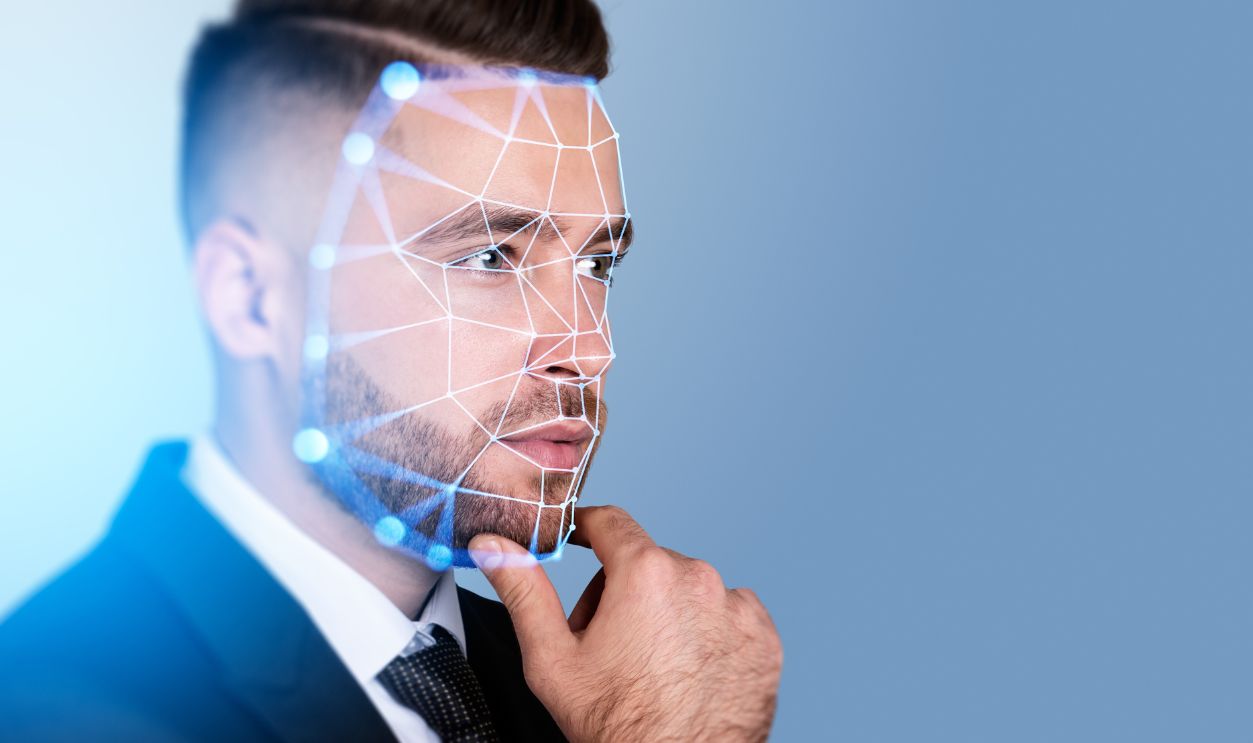
One of the leading theories today is that the chin wasn’t “designed” by evolution—it just came along for the ride. As human faces changed shape, the chin was a leftover structural oddity that stuck around simply because it didn’t cause any problems.
 Jade ThaiCatwalk, Shutterstock
…But Even That Feels Incomplete
If the chin is just a random leftover, why did no other species develop something similar as their faces evolved? Evolution doesn’t usually create one-offs without a reason, which keeps the mystery alive.
Culture Makes the Chin Even Weirder
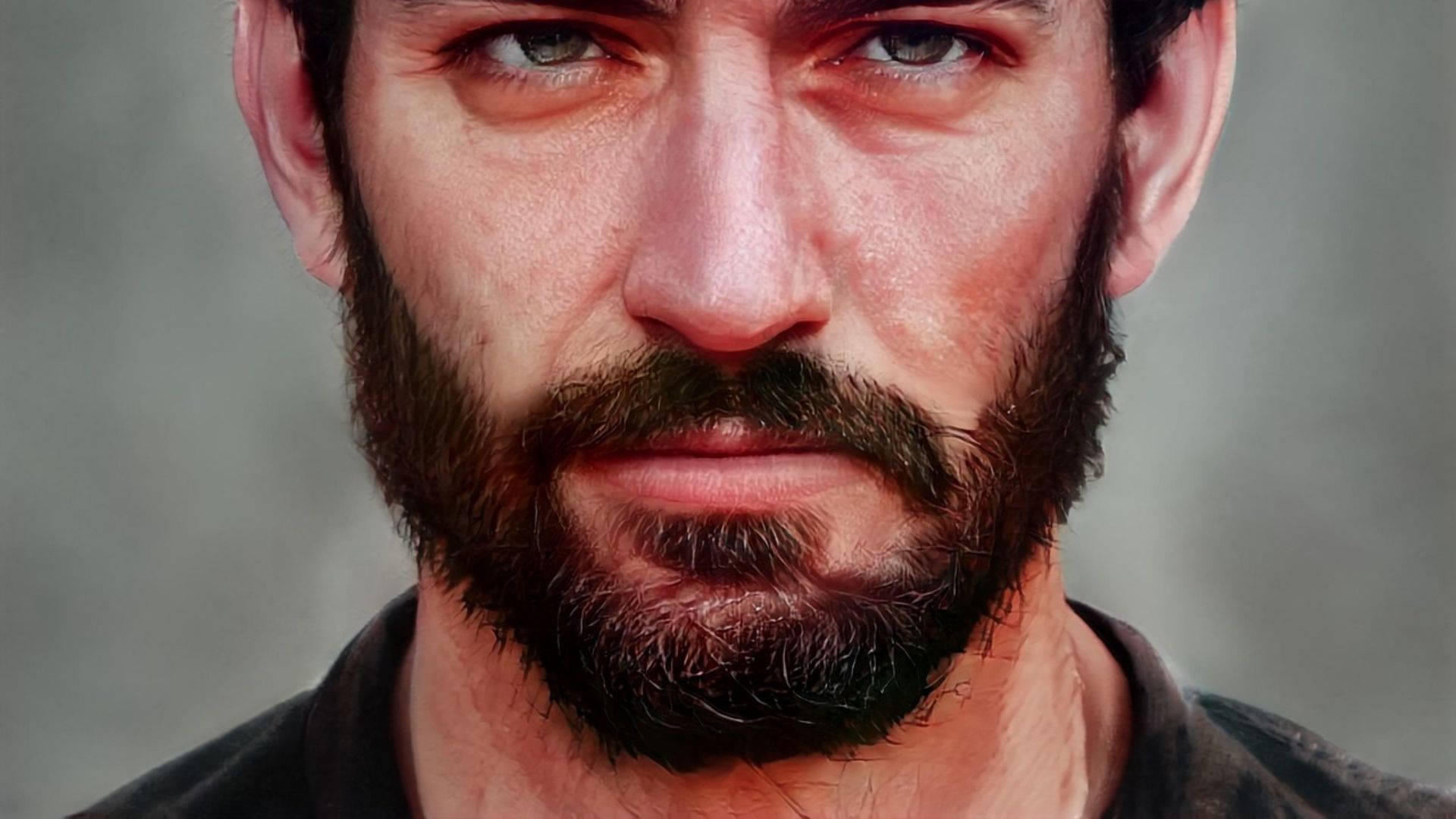
Humans have assigned enormous meaning to the chin—strength, beauty, stubbornness, leadership. “Chin up,” “take it on the chin,” “strong jawline.” We’ve created entire personality stereotypes out of a bone bump we can’t even scientifically justify.

The Chin Changes Throughout Life
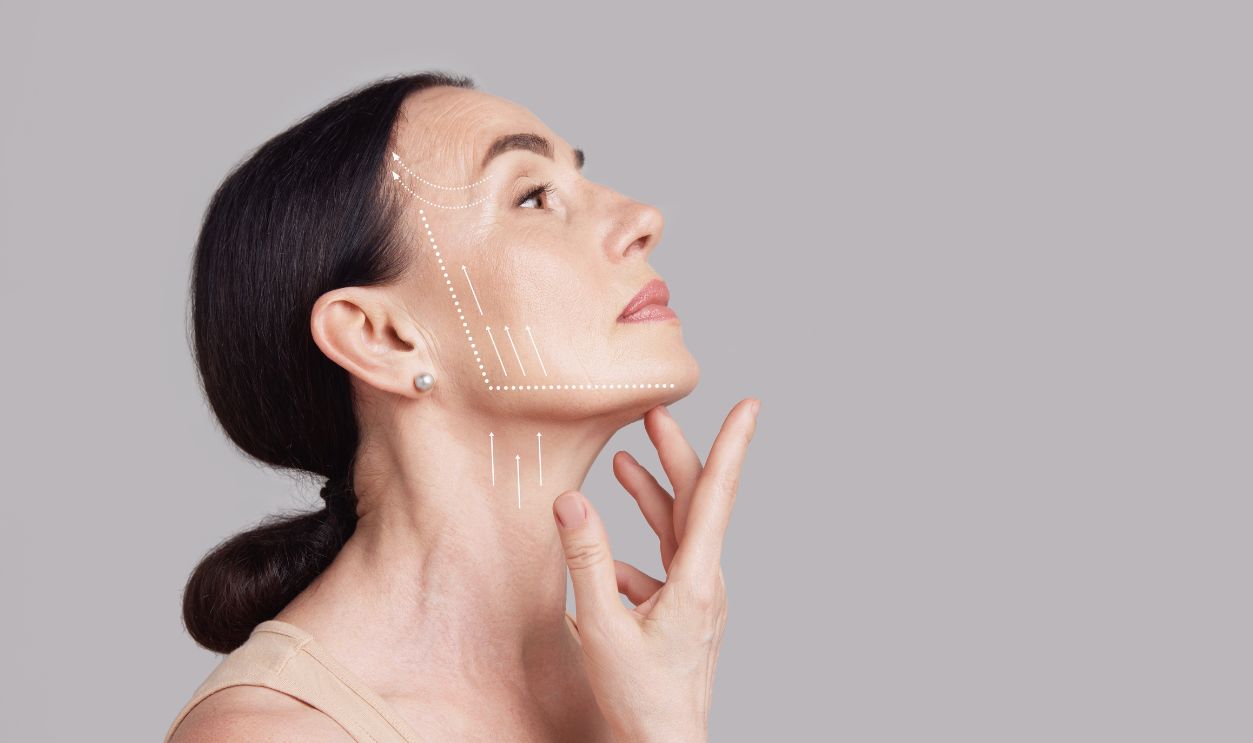
Your chin doesn’t stay the same: it actually becomes more prominent with age as the bone remodels. This makes it even stranger, because most evolutionary traits don’t grow in importance after reproductive age.
Scientists Don’t Think the Mystery Will Be Solved Soon
Every time researchers gather new data, the chin refuses to fit into any neat evolutionary box. Many biologists now say we may never have a definitive answer—at least not without new fossil finds or new insights into ancient human behavior.
 YAKOBCHUK VIACHESLAV, Shutterstock
So What’s the Current Best Guess?
Most researchers lean toward this: the chin is a structural byproduct of a shrinking face, changing diet, and softer lifestyle—but not something nature “intended” to serve a purpose. It’s evolution’s version of a quirk that just…stayed.
Final Thought
The human body is full of surprising leftovers from our history—but the chin stands alone. It’s subtle, it’s strange, and it’s uniquely ours. Maybe the real mystery isn’t why we have it…but why no other creature ever bothered.

You Might Also Like:
NASA Just Confirmed Something Strange: The Earth Is Getting Darker