A Unique Place In History
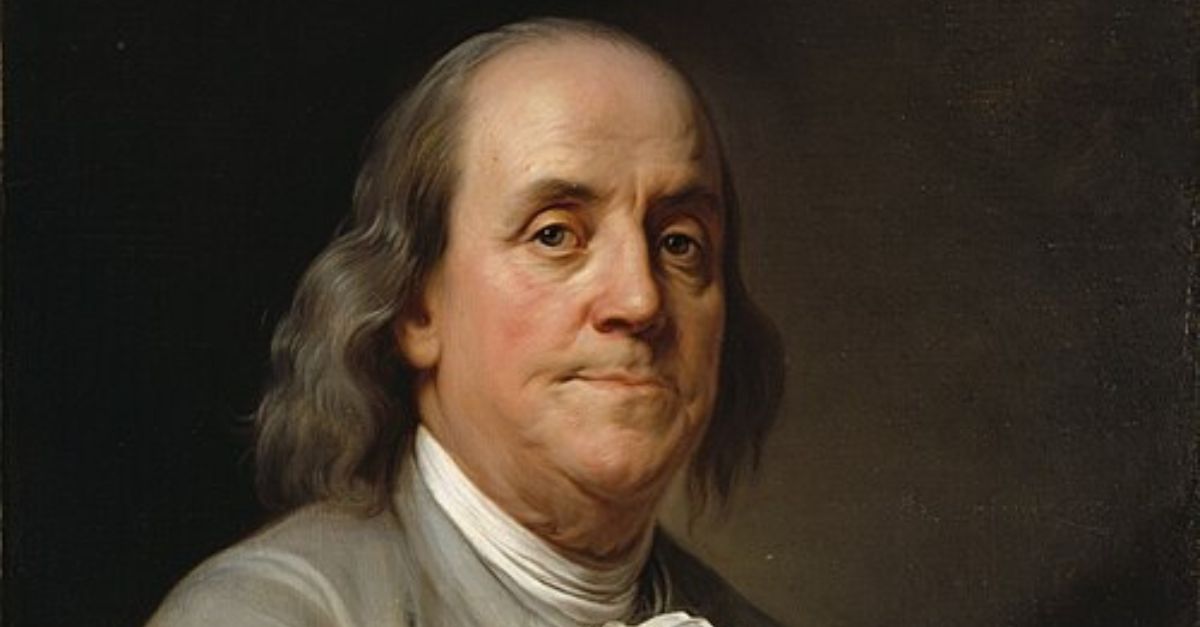
Benjamin Franklin holds a unique place of honour in the history of the United States. One of the most revered Founding Fathers, he helped draft the Declaration of Independence and secured the Franco-American alliance, which won the American Revolution. For that, his name is equal to those of early US presidents, like George Washington and Thomas Jefferson.
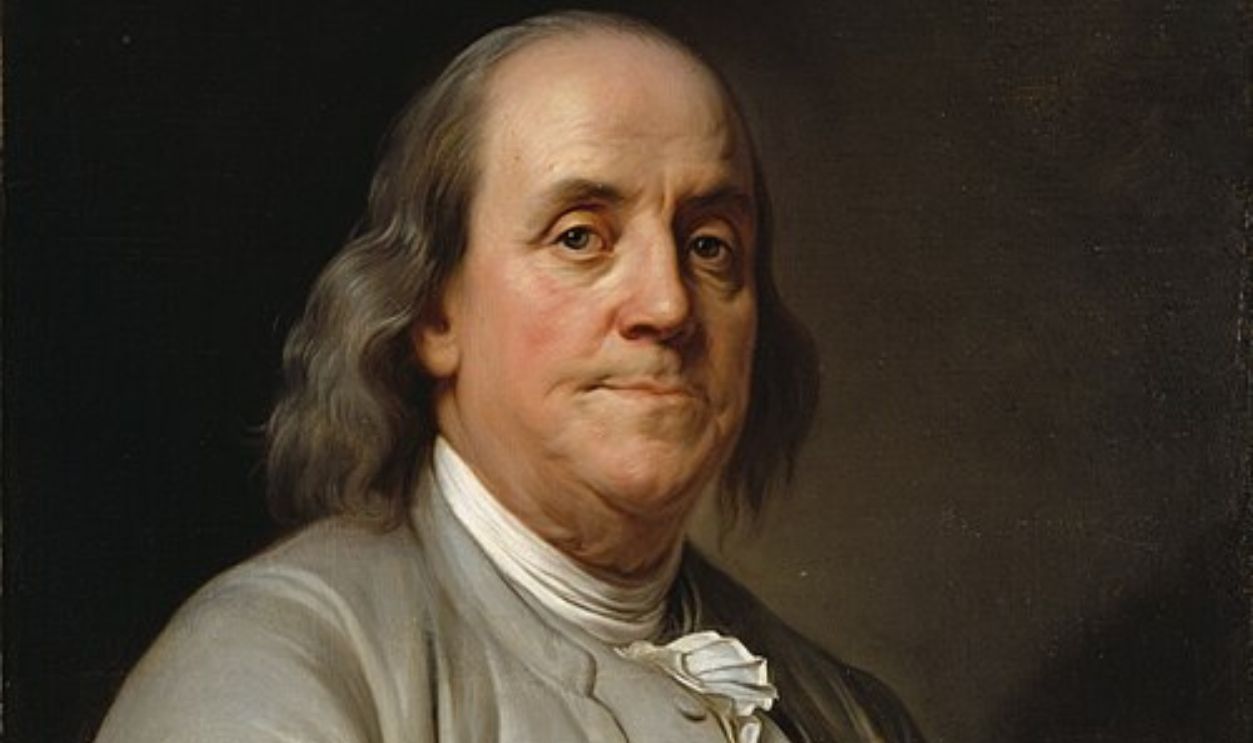 Joseph-Siffred Duplessis, Wikimedia Commons
A Mark On The Moon
Today, that name adorns everything from streets and schools to mountains and counties – even a crater on the Moon – while his face is immortalised on the $100 bill.
Speaking on a Life of the Week episode HistoryExtra podcast, George Goodwin, historian and author-in-residence of the Benjamin Franklin House in London, described the polymath as “the Leonardo da Vinci of the age”.
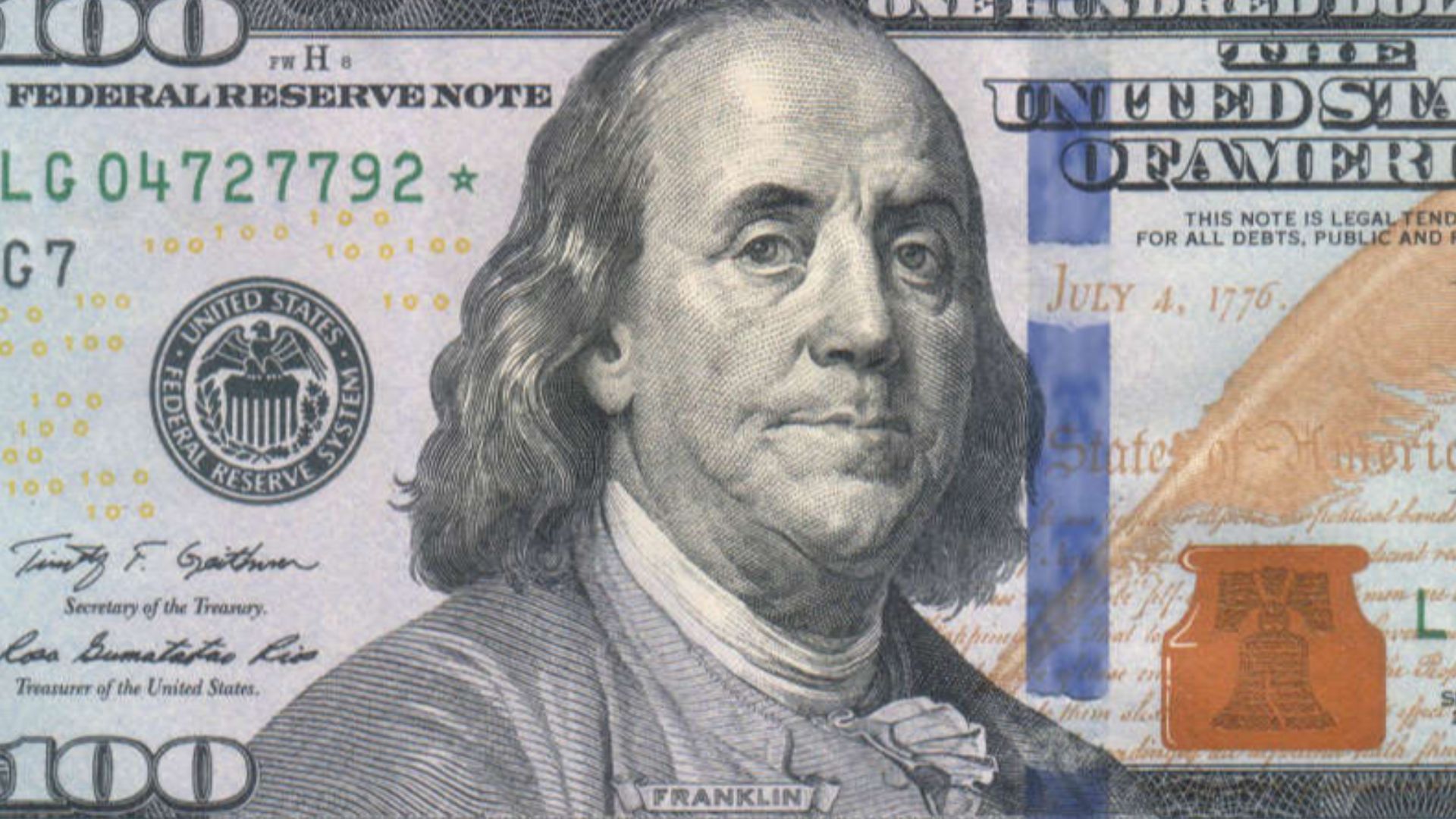 Bureau of Engraving and Printing, Wikimedia Commons
Born In Boston
Born on 6 January 1706 in Boston, Massachusetts, the future Founding Father was the eighth child of a candle and soap maker from England, Josiah Franklin, and his second wife Abiah Folger. Josiah had 17 children in all, and as such could only afford two years of schooling for Benjamin.
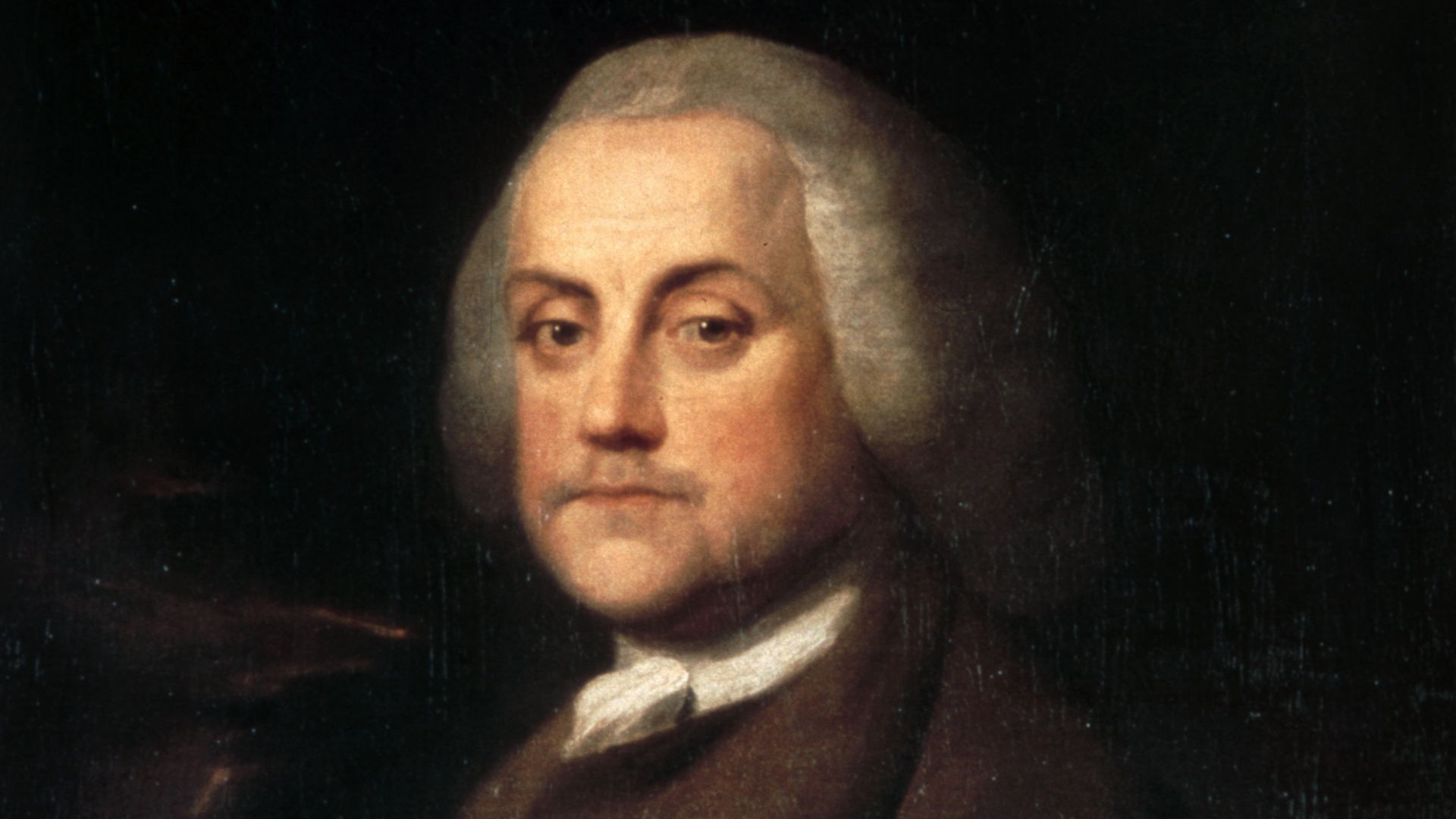 Benjamin Wilson, Wikimedia Commons
Education
At 12, Franklin was in work, learning to be a printer as an apprentice to his brother, James. But he was also educating himself by hungrily reading everything he could and practicing writing.
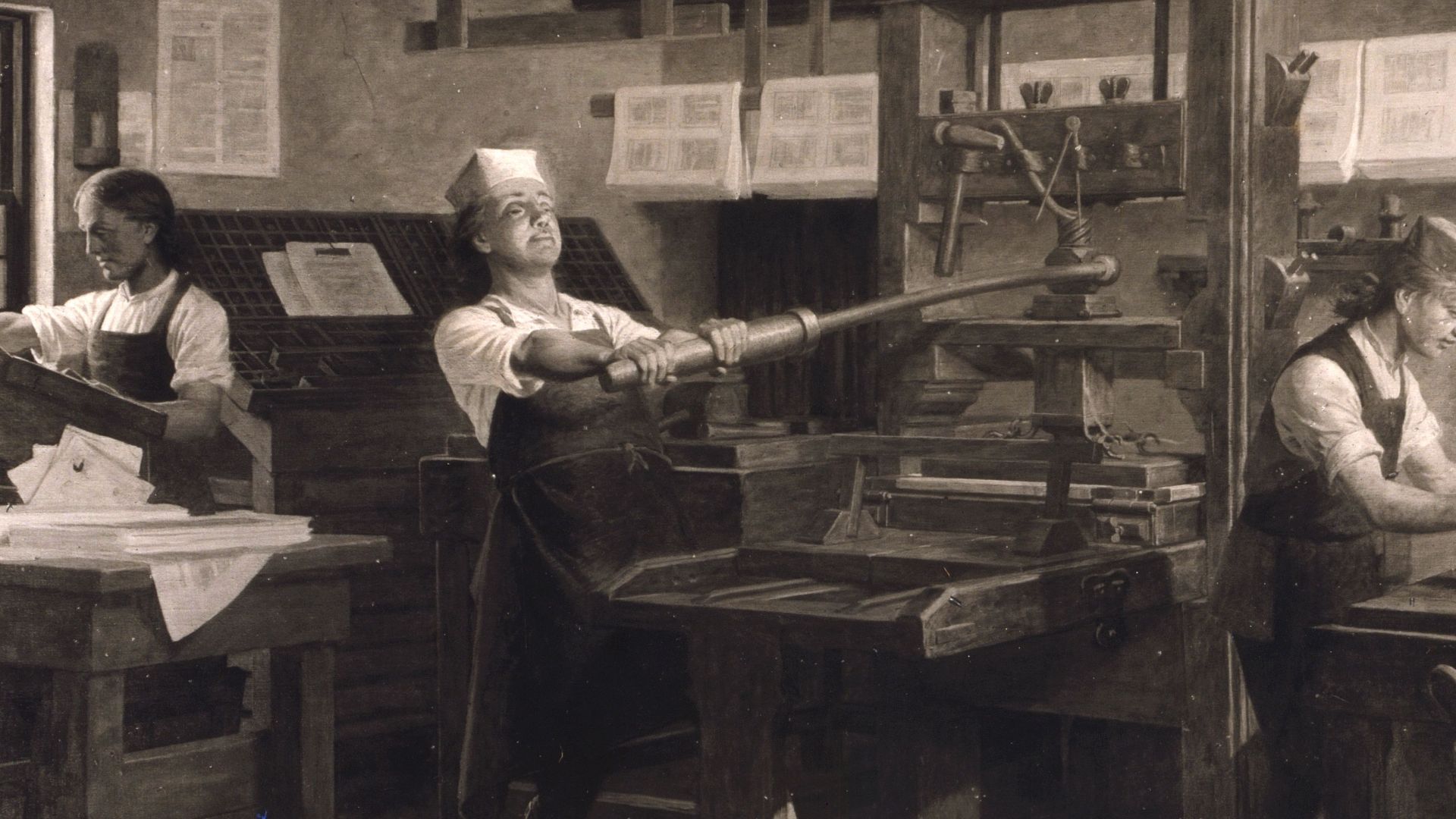 Charles E. Mills, Wikimedia Commons
Silence Dogood
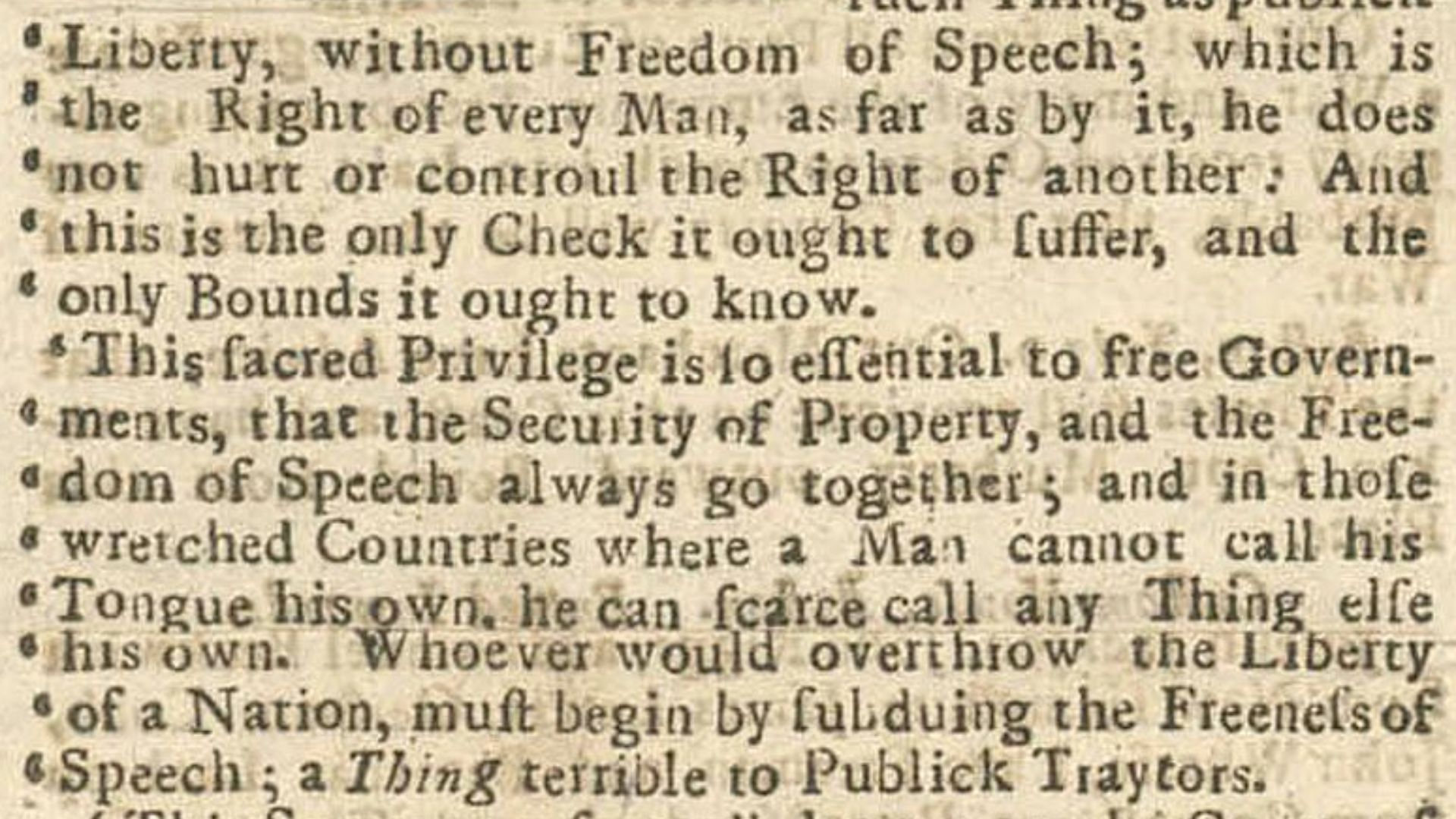
His way with words grew so accomplished so quickly that the 14 essays he anonymously sent to his brother’s paper, under the pseudonym of a middle-aged woman named Silence Dogood, were published without question.
The Printer, Publisher, And Philosopher
Fooling James did not help their strained relationship, however, leading Franklin to run away, first to New York and then, in 1723, to Philadelphia, his adopted home for the rest of his life.
He spent a couple of years in London, ostensibly to learn how to run a printing business but mostly indulging in the pleasures of the city.
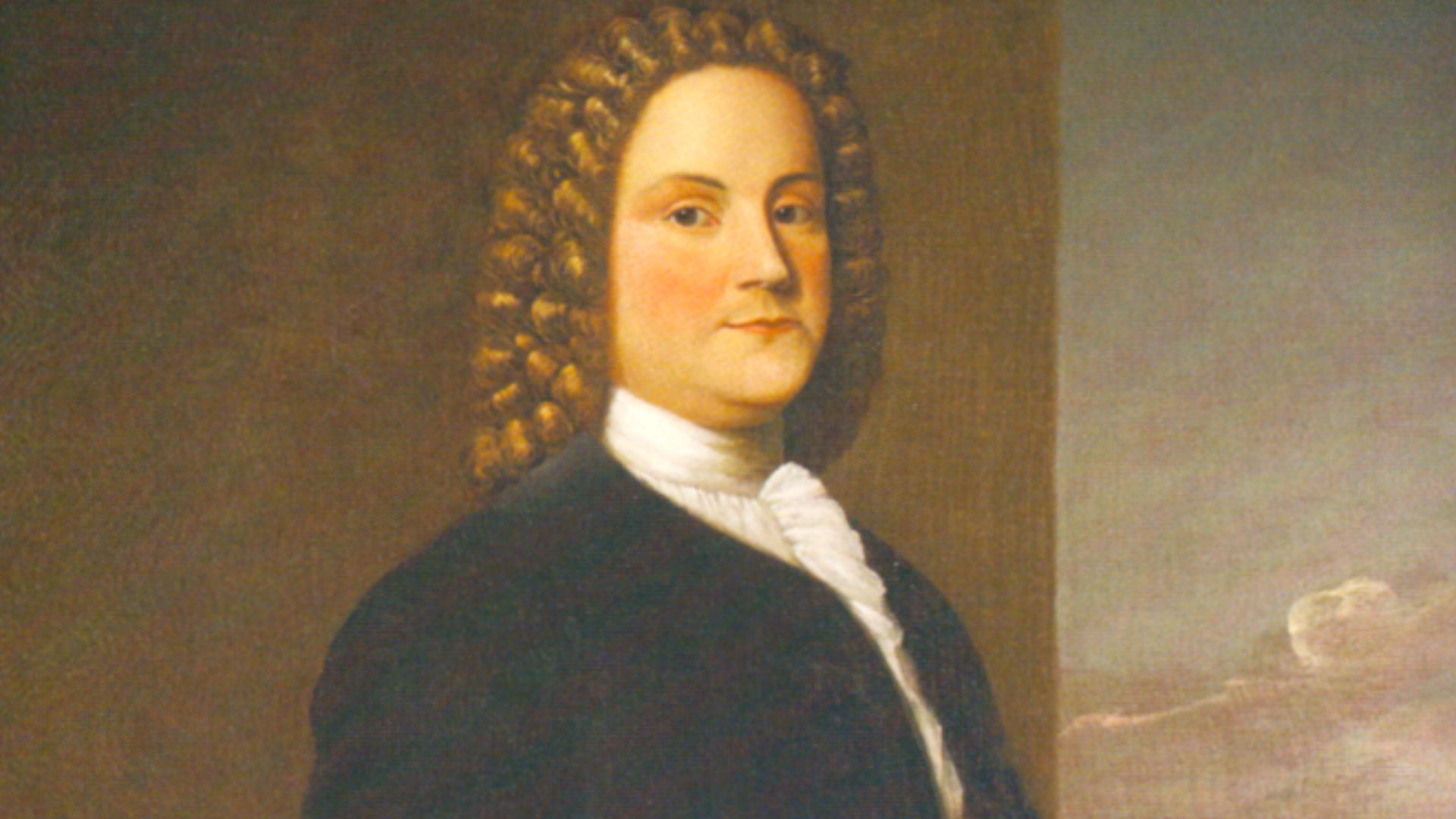 Robert Feke, Wikimedia Commons
Back In Philadelphia
“He was incredibly self-confident and obviously enjoyed a bit of a jape,” says Goodwin. “He was bright and amazingly practical. These, of course, were the key elements of his character, which would carry through.”
By 1730, Franklin was back in Philadelphia as a printer in his own right and in a common-law marriage with a woman he met years earlier, Deborah Reed. He had a son too, William, born of an unidentified woman.
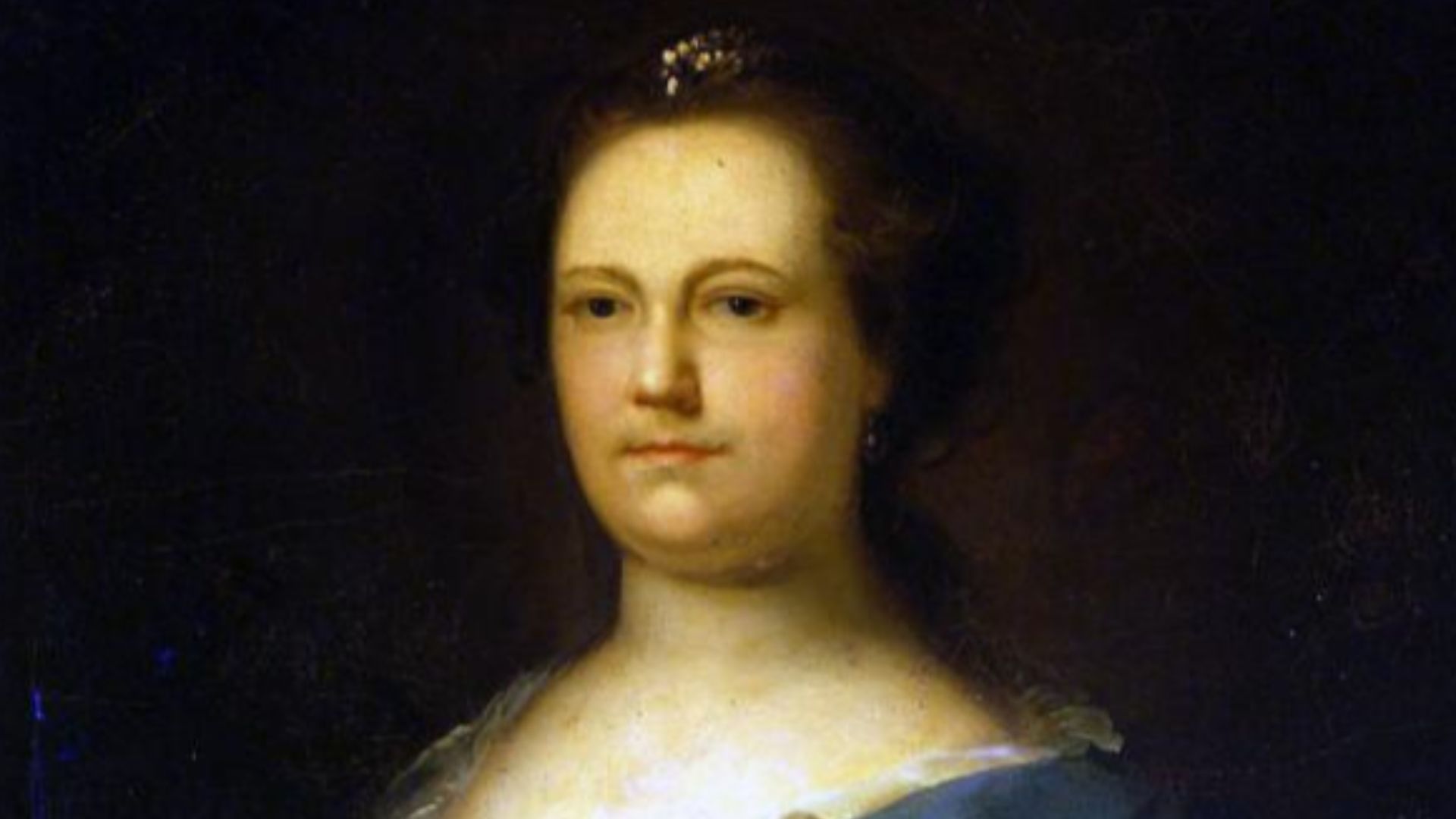 Attributed to Benjamin Wilson, Wikimedia Commons
Early Success
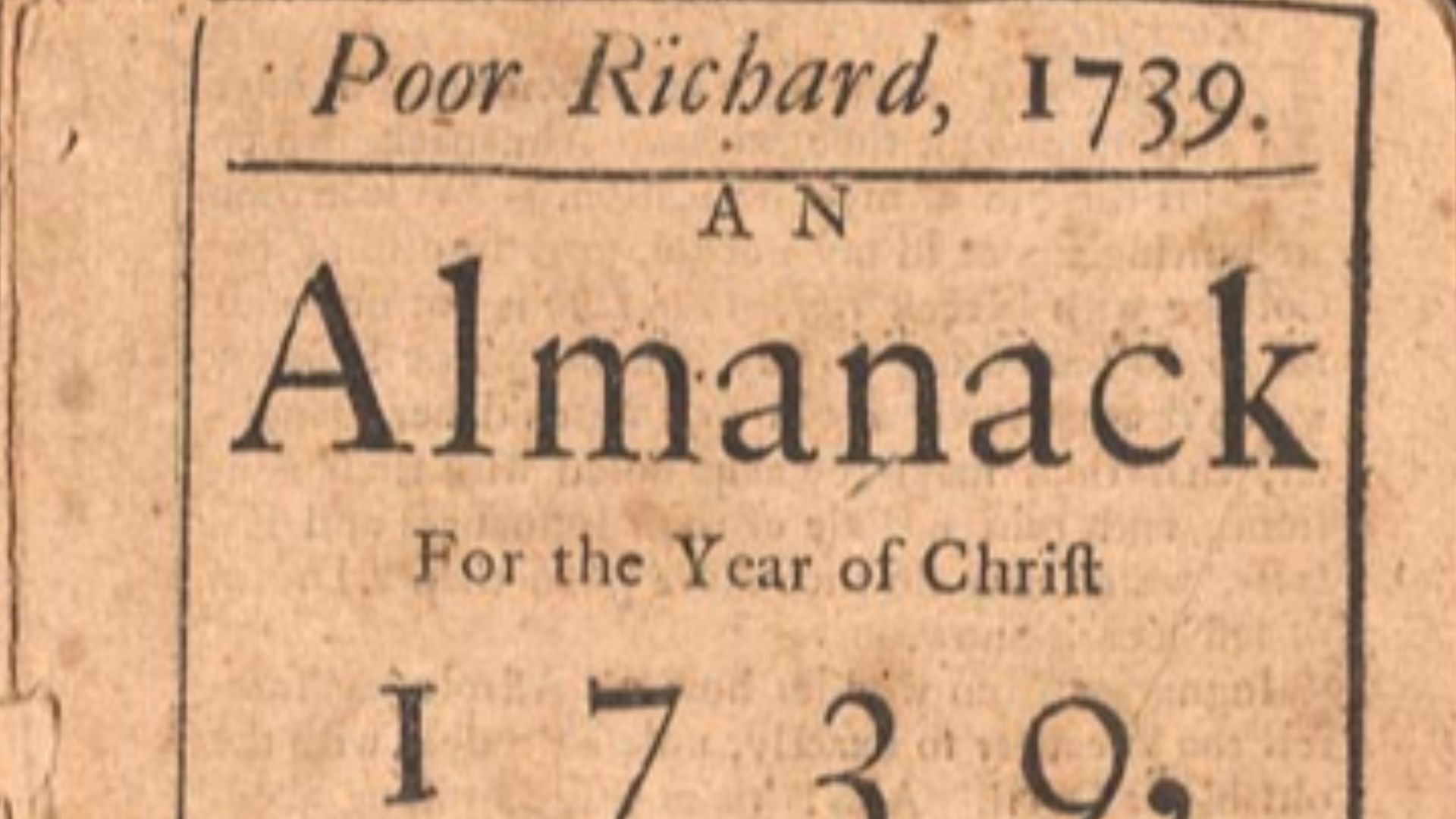
Despite barely being only 24, business thrived: he held the contract to print the state’s paper money; he was publisher of one of the biggest newspapers in the American colonies, the Pennsylvania Gazette; and found great success with his witty annual, Poor Richard’s almanac, written again under a pen name.
Founding The American Philosophical Society
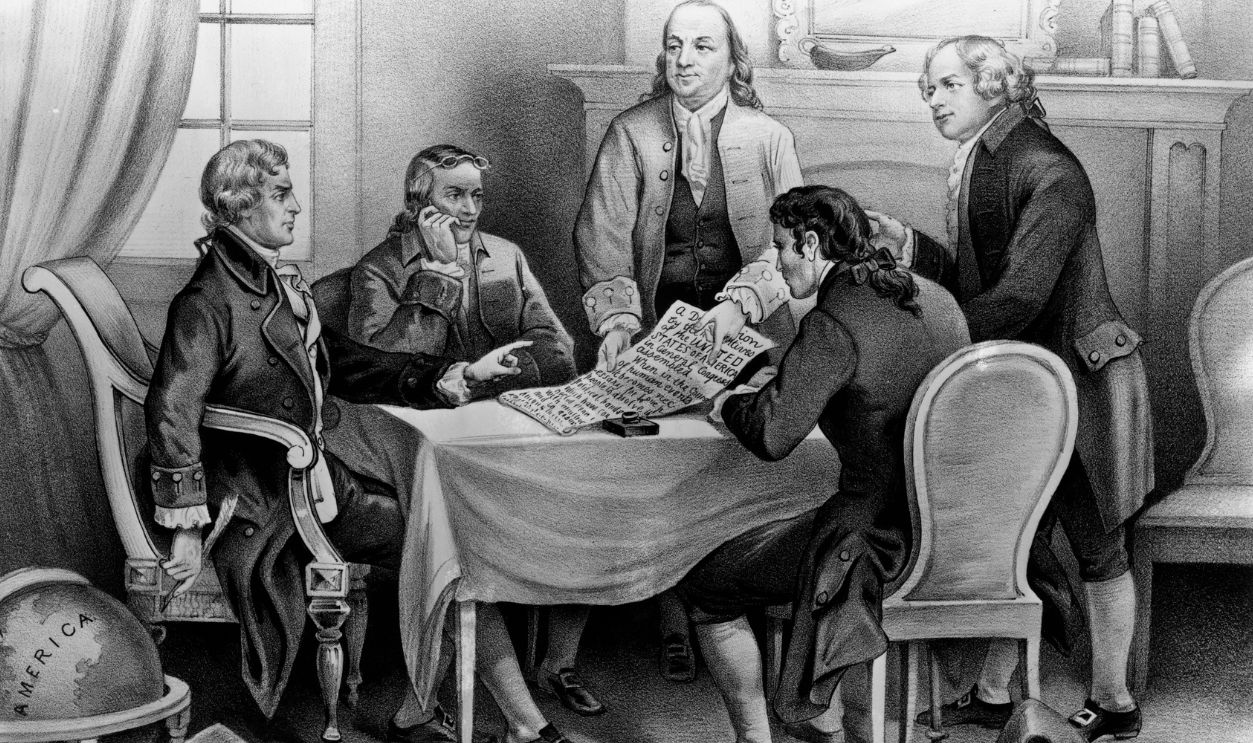
Franklin similarly put his genius and industry towards civic service, fuelled by the ideas of the Enlightenment. He set up the Junto, or Leather Apron Club, to encourage debates of politics, morality and natural philosophy, and followed that with the American Philosophical Society.
Generating Wealth
Among the institutions he set up were the Library Company of Philadelphia and volunteer fire brigade. Later, he established the Academy of Philadelphia (a boys’ school and college that became the University of Pennsylvania), and the colonies’ first property insurance company and hospital.
His publishing successes, combined with a move to moneylending and property investment, meant that Franklin became one of the richest men in America.
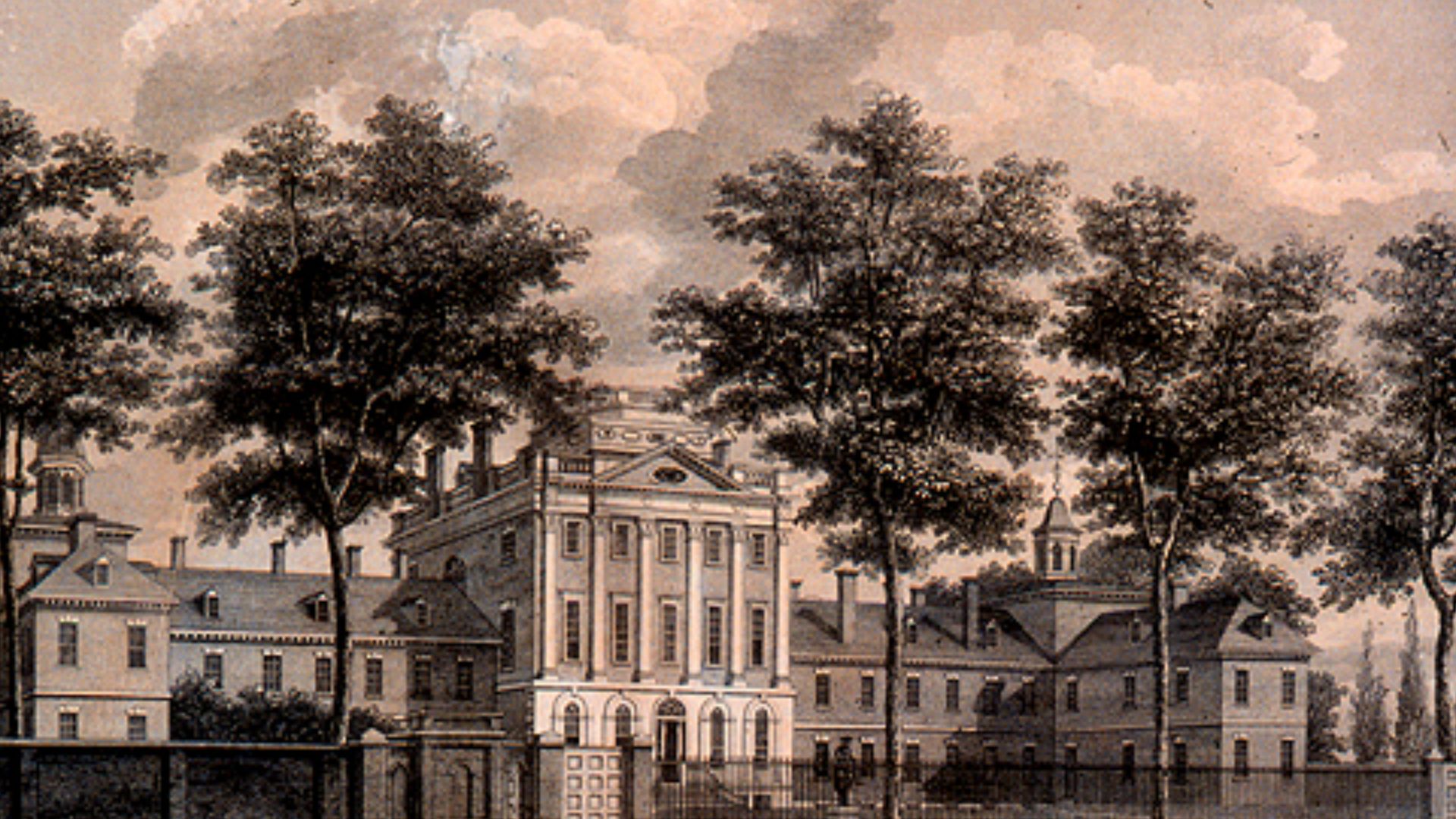 William Strickland (1788-1854) Engraver: Samuel Seymour (1796-1823), Wikimedia Commons
Life As A Gentleman
In 1748, aged 41, Franklin had grown so wealthy that he could retire from business and dedicate himself to the life of a gentleman. For him, this meant turning his attention, and mastering, other fields, namely scientific experimentation and invention.
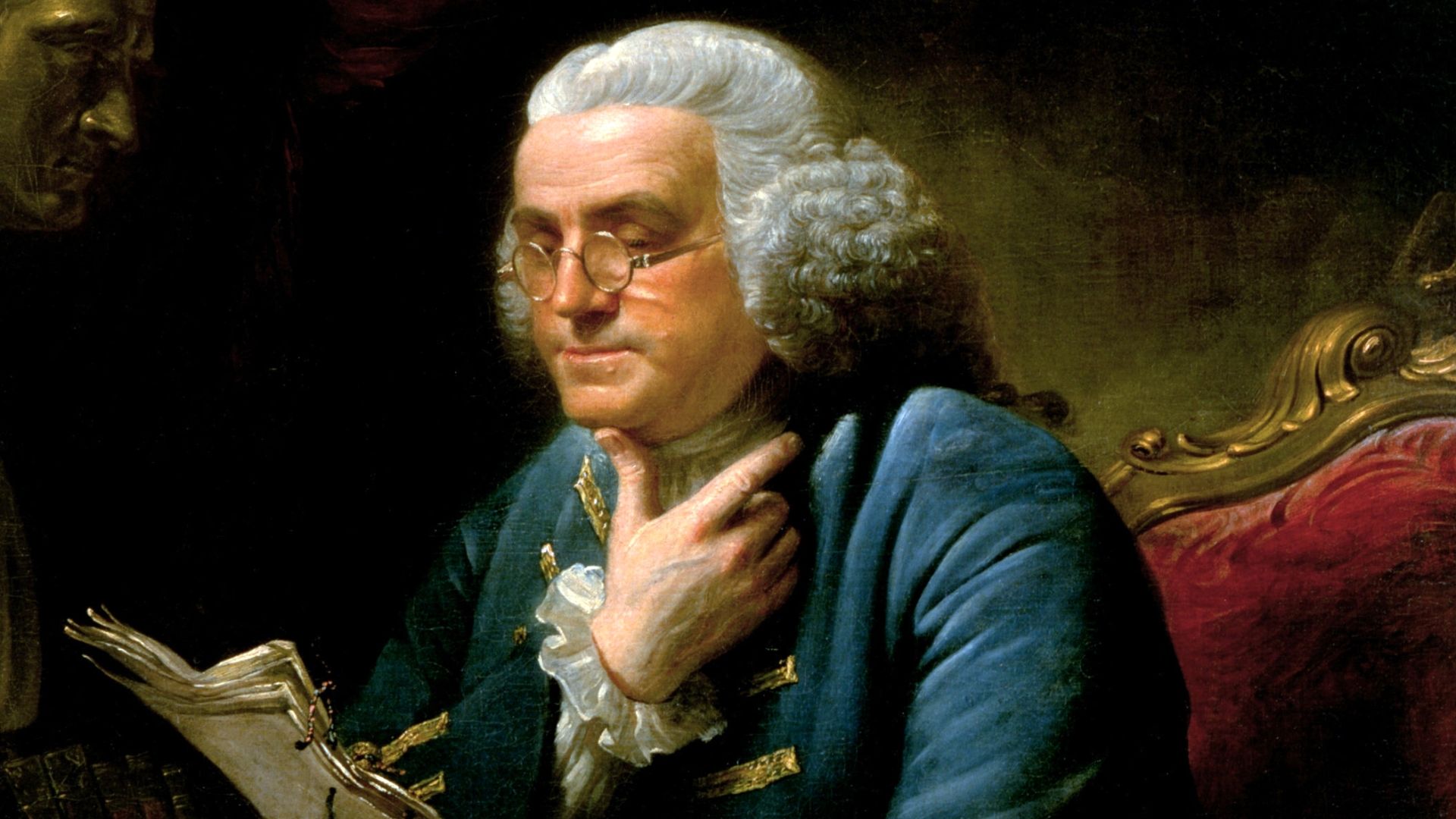 David Martin, Wikimedia Commons
Benjamin Franklin The Inventor
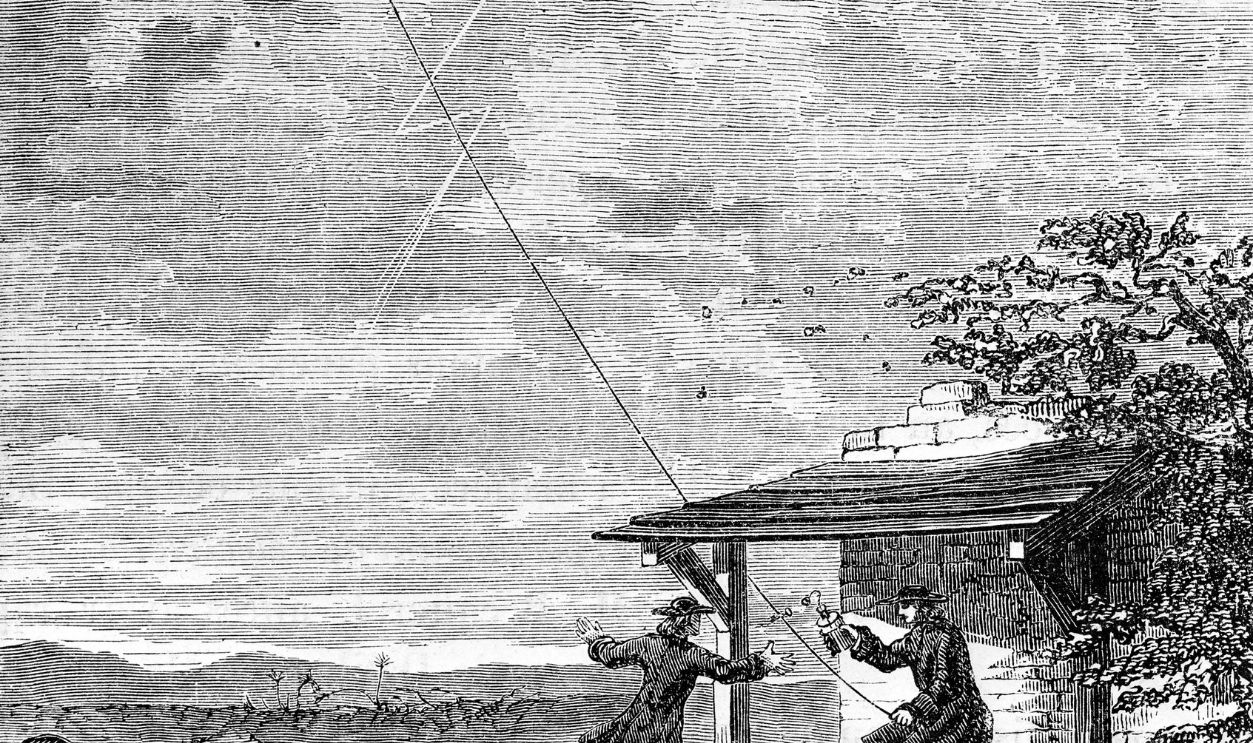
For his findings of the little-understood subject of electricity – famously, his kite experiment to prove the electrical nature of lightning – he found immense fame in Europe as one of America’s leading thinkers. The Royal Society awarded him their highest honour, the Copley Medal, in 1753.
Other Inventions
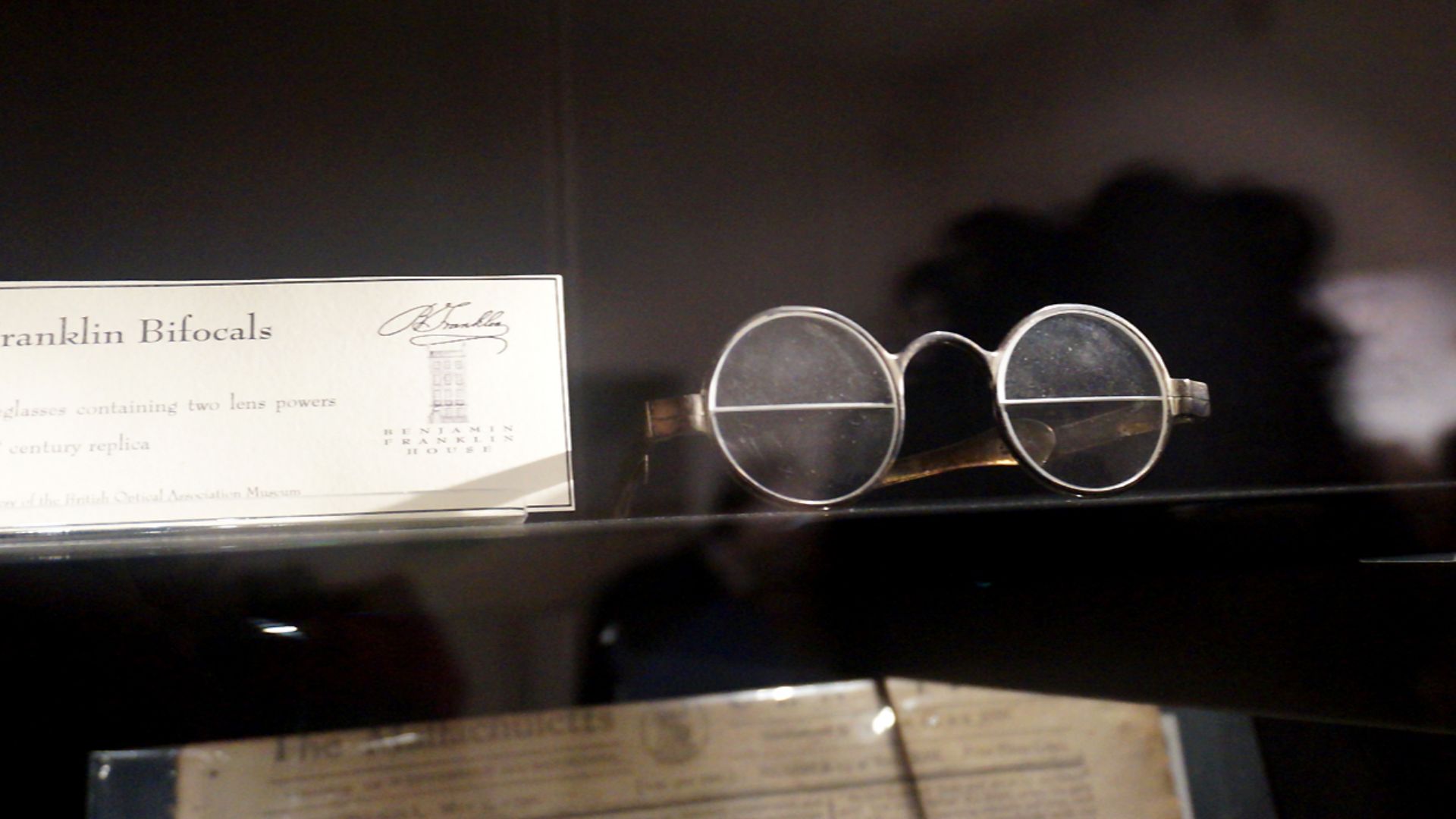
These electrical experimentations spurred on one of the greatest of Benjamin Franklin’s inventions, the lightning rod. But Franklin also developed, among other things, a new type of stove, bifocals and a musical instrument made of glass.
The Public Servant
Since the 1730s, the same time he was a full-time publishing giant, Franklin had sought out public office, beginning as a clerk of the state legislature and postmaster of Philadelphia. The three years from 1949 t0 1951 saw him join the city council, become a justice of the peace, and be elected to the Pennsylvania Assembly.
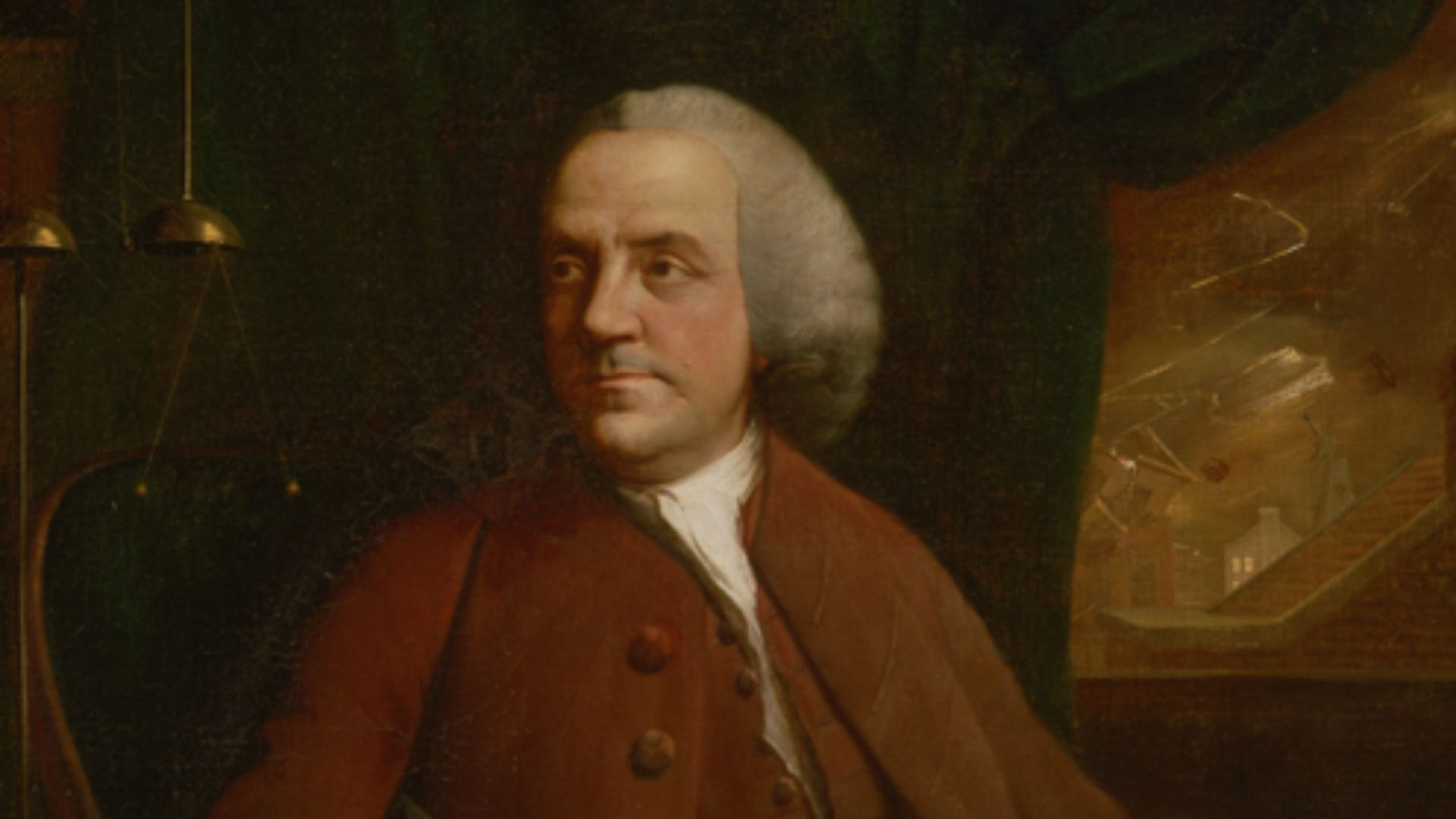 Mason Chamberlin, Wikimedia Commons
Postmaster
In 1753, the same year he received the Copley Medal, he was made the deputy postmaster-general of the colonies. In that role over the next 21 years, he implemented seismic changes in the mail service across the colonies to make deliveries quicker and enforce regular schedules.
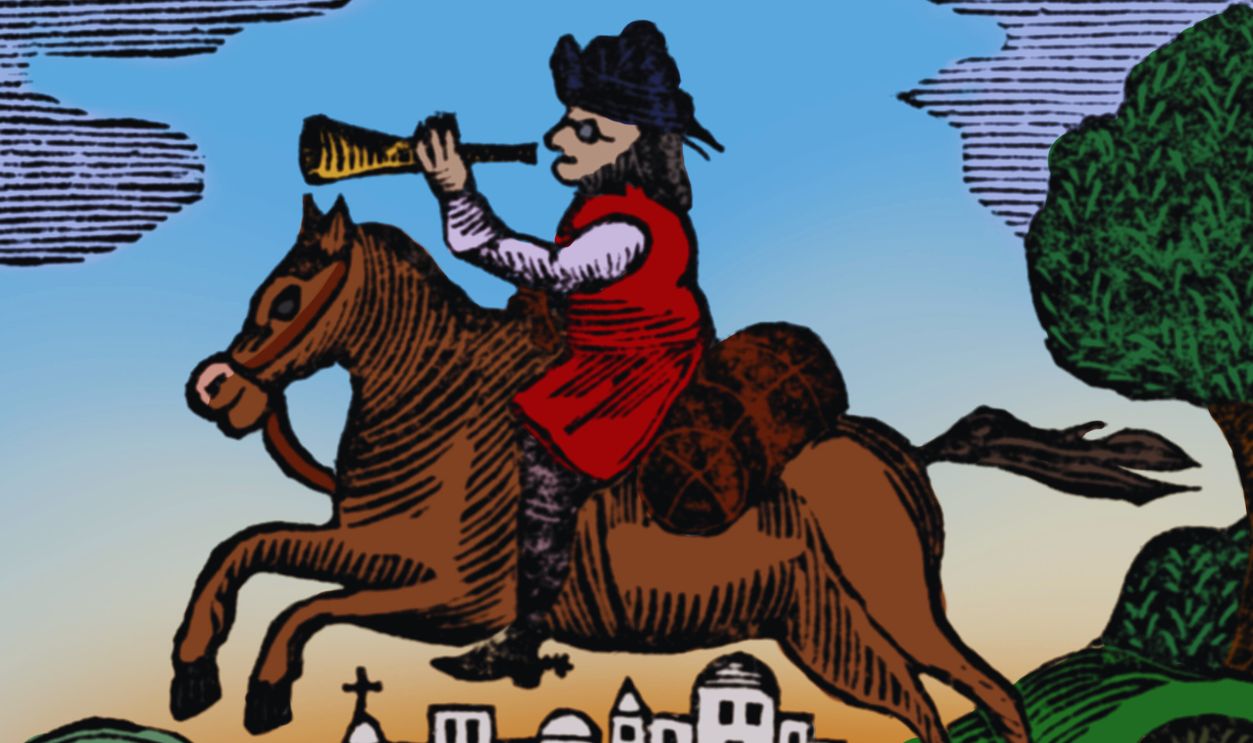 Photo Researchers, Getty Images
Life In England
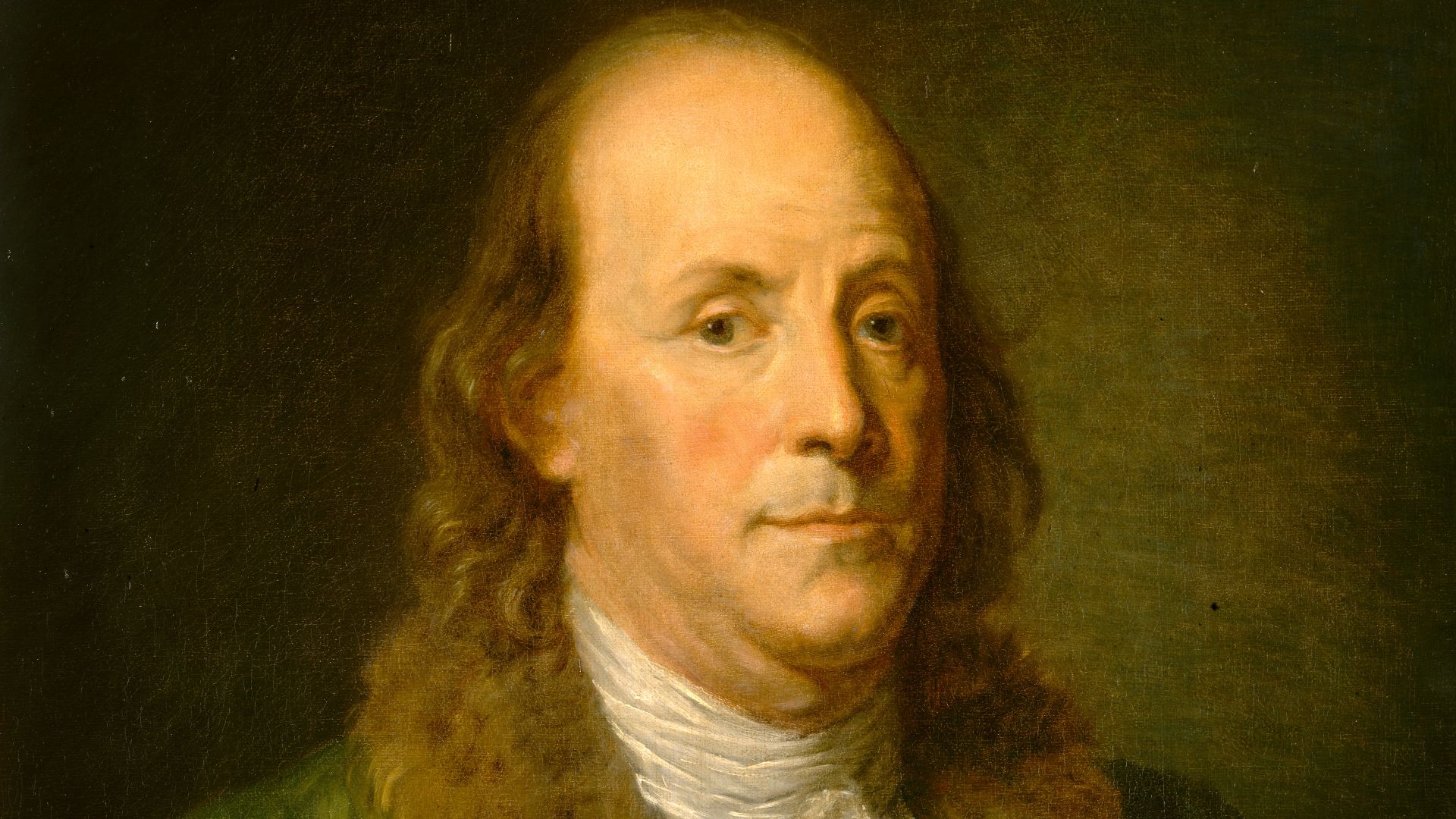
It was as a representative of the Pennsylvania Assembly that Franklin travelled to England in 1757, and stayed there for nearly two decades.
His son William accompanied him, although his wife and daughter Sarah did not. In fact, he barely saw Deborah again before her death in 1774.
 after Jean-Baptiste Greuze, Wikimedia Commons
The Stamp Act
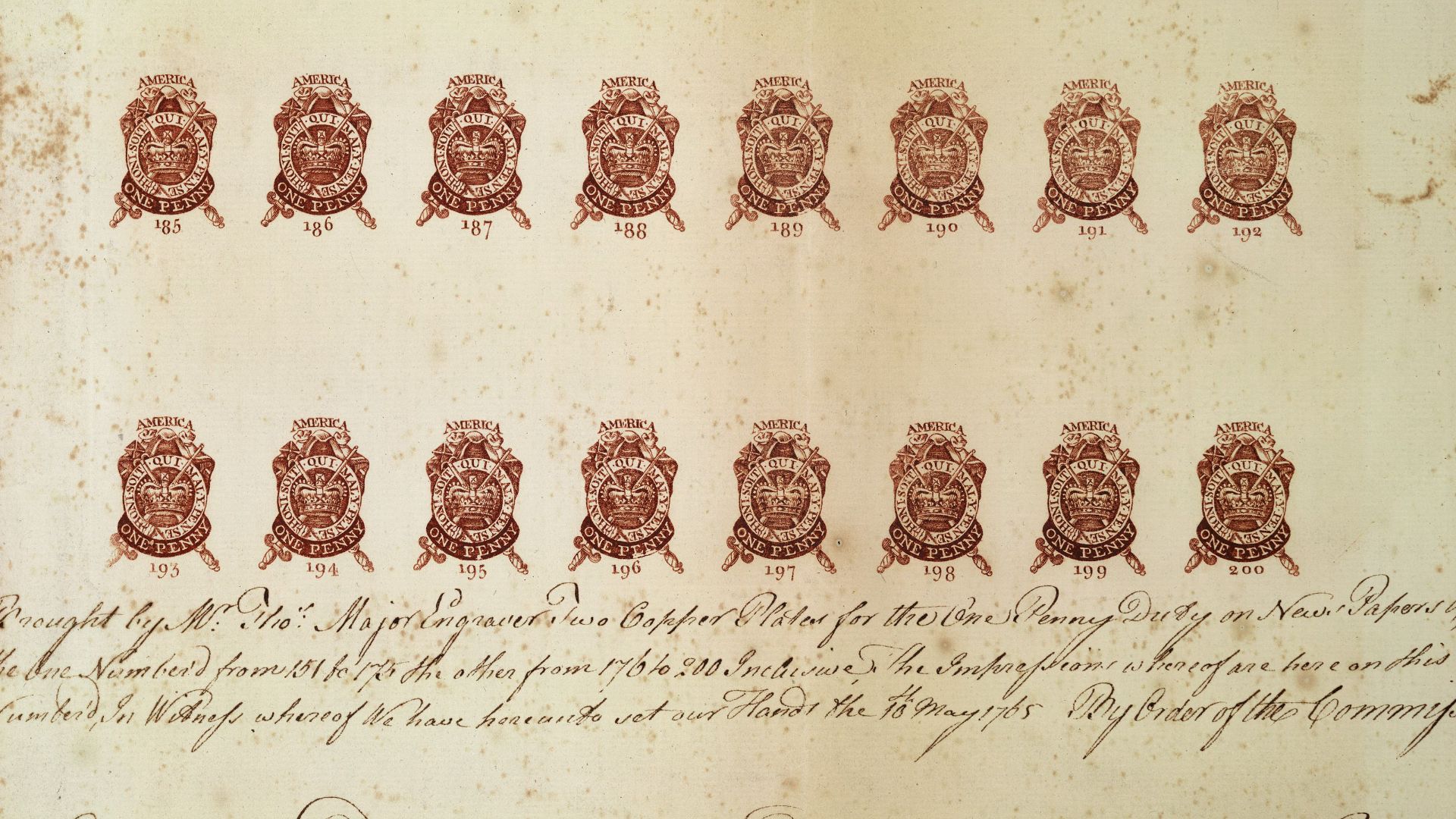
For many years, Franklin considered himself a loyal British citizen whose ambitions was to achieve prestigious royal appointments. When the Stamp Act passed in 1765, putting a tax on paper documents and printed materials in America, he judged the response poorly by siding against the masses opposing what they regarded as an oppressive measure against the colonies.
 Board of Stamps (engraver unknown), Wikimedia Commons
Rectifying The Situation
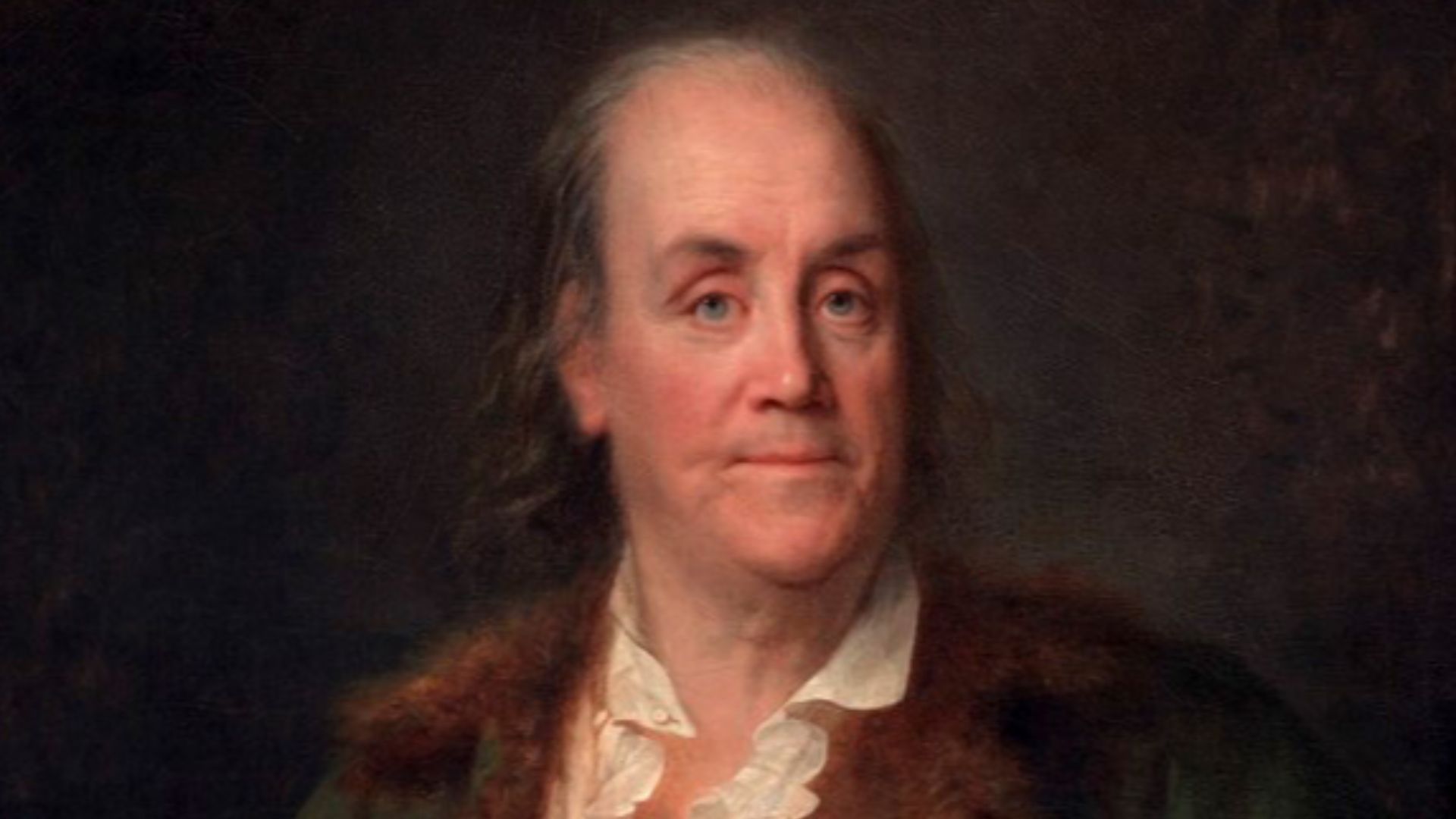
He did, however, rectify the situation quickly with an impassioned denouncement of the act to Parliament, which saw Franklin emerge as a leading figurehead in the growing revolutionary movement. Still, he tried to mediate between both sides of the Atlantic.
 Rosalie Filleul, Wikimedia Commons
Representative Of Multiple Assemblies
“He was keen for Britain and the American colonies to come to an agreement,” says Goodwin. “He was the representative not only of the Assembly of Pennsylvania, but by the end of his time he represented Georgia, New Jersey (where his son William was governor) and Massachusetts.”
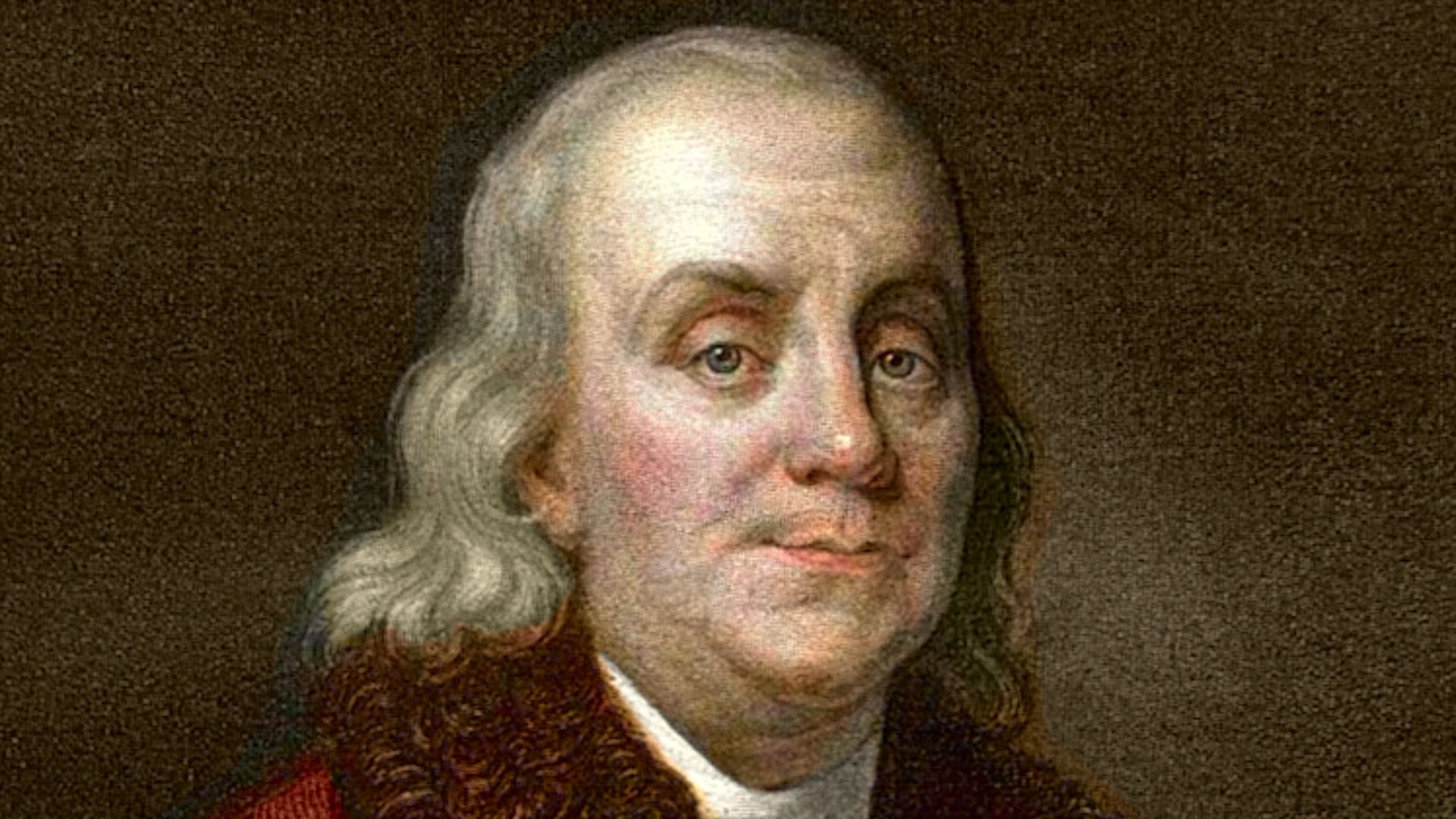 Jan Arkesteijn, Wikimedia Commons
Benjamin Franklin During The American Revolution
Increasingly, Franklin embraced the cause of American independence and returned to Philadelphia in May 1775. By then, the American Revolution was already underway, with the battles of Lexington and Concord only a few weeks earlier.
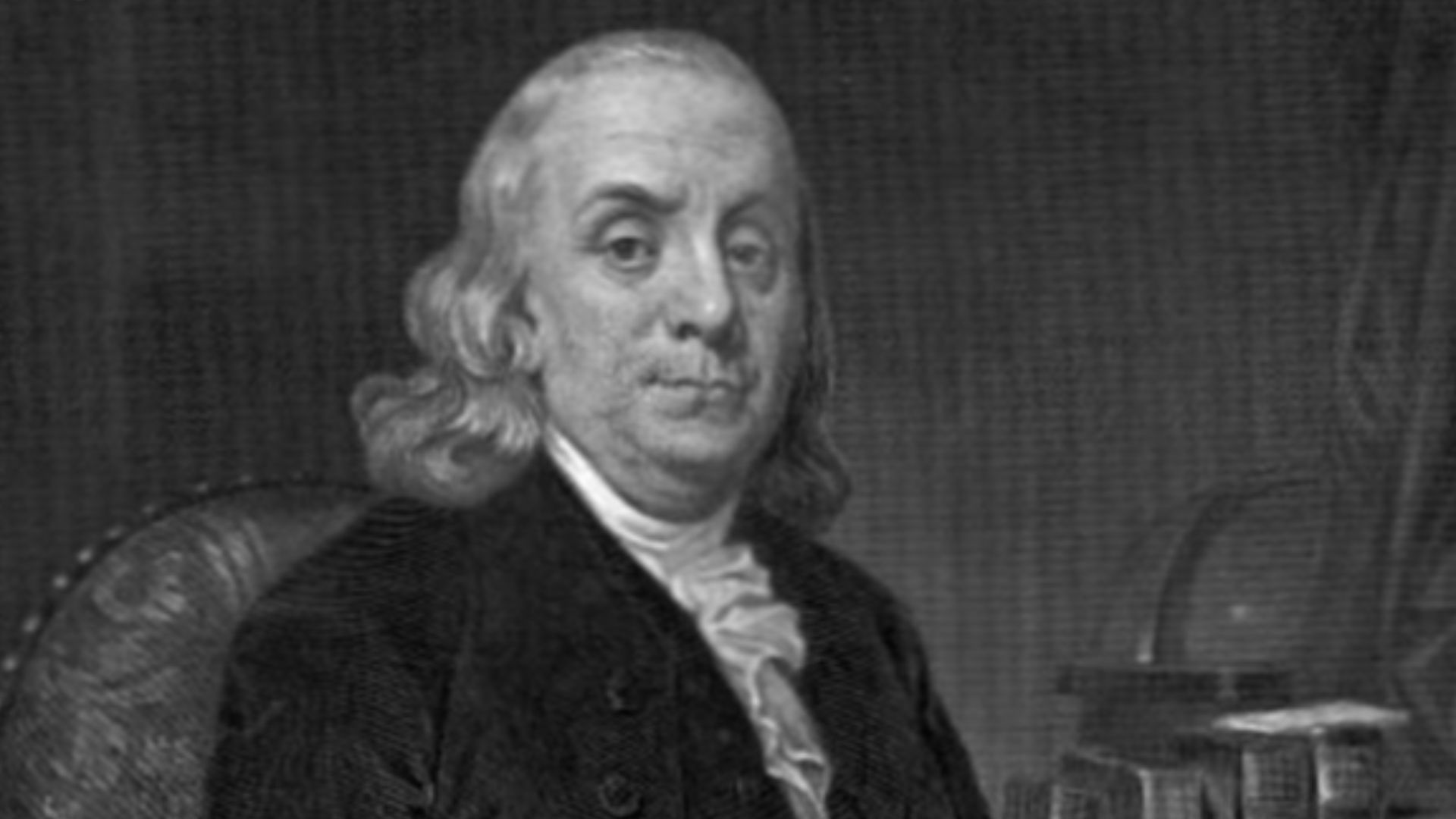 Unknown authorUnknown author, Wikimedia Commons
Writing The Declaration Of Independance
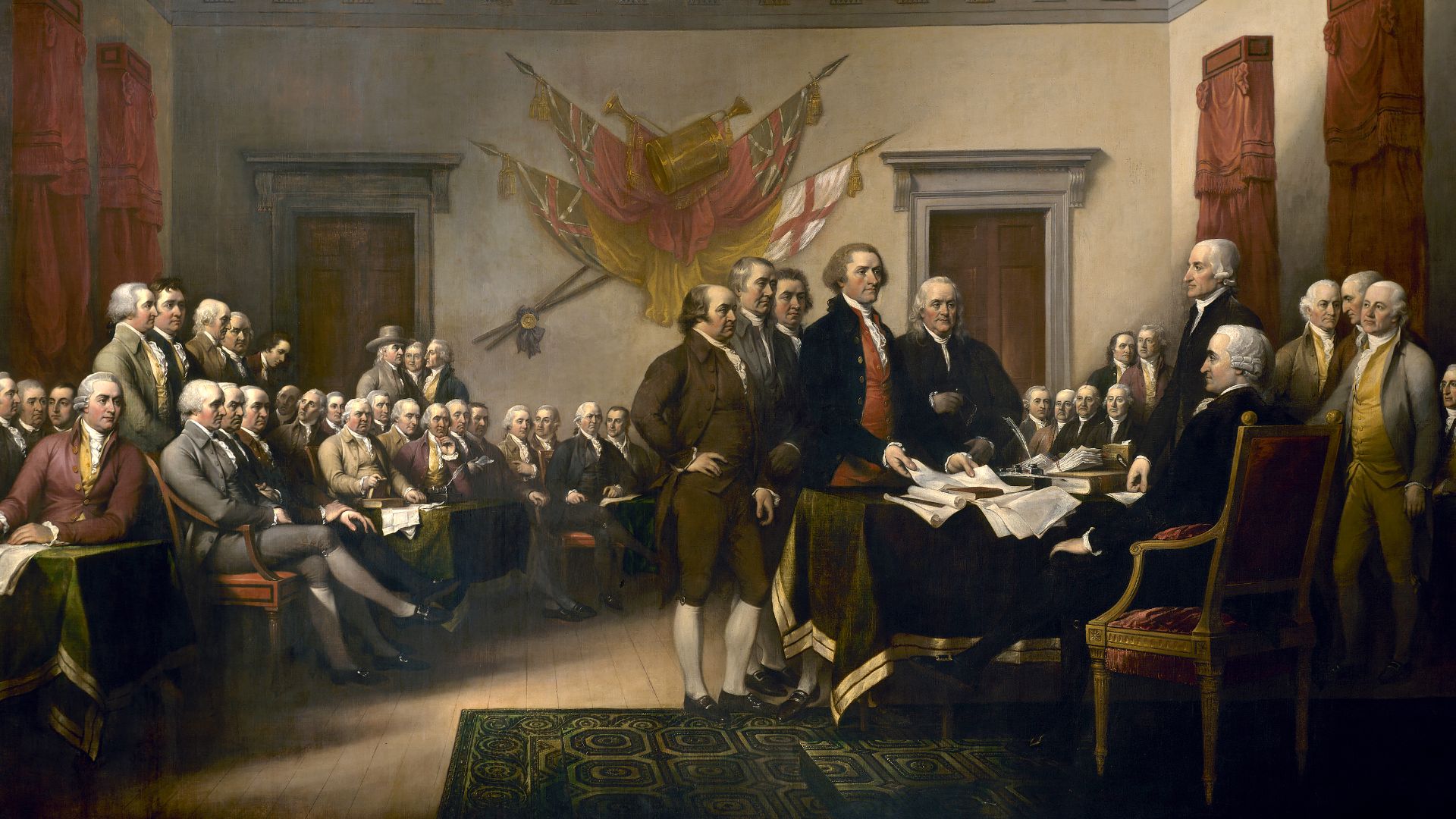
He was immediately selected for the Second Continental Congress, where as a member of the Committee of Five he helped write the Declaration of Independence.
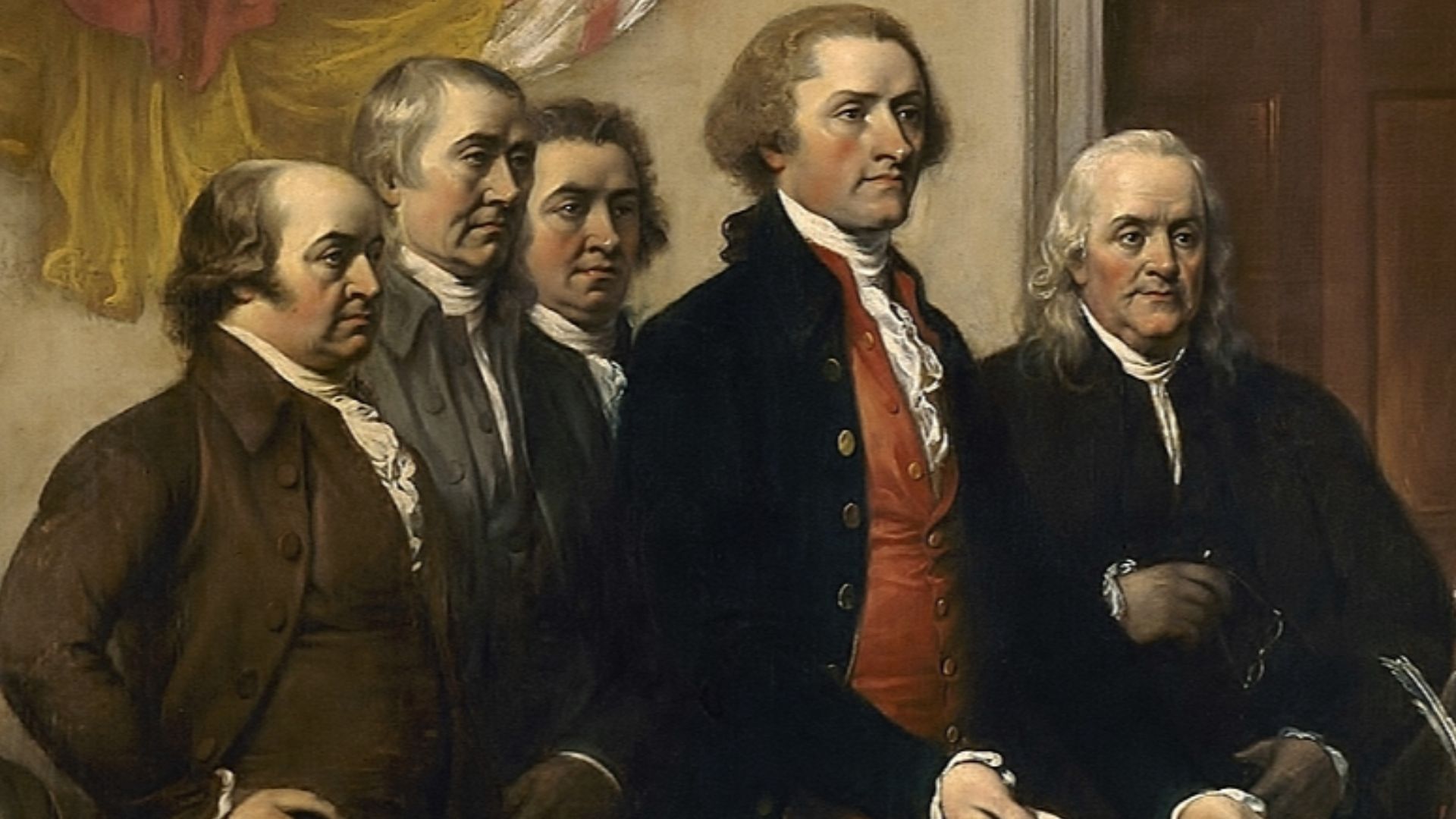 John Trumbull, Wikimedia Commons
Time In France
The rest of the war, however, would be spent in France. Dispatched to negotiate, in secret, an alliance that would bring military and financial support, he spent nine years at the French court – revelling in his celebrity status, while patiently networking behind the scenes. With him during his time as the first ambassador to France was his grandson William Temple Franklin.
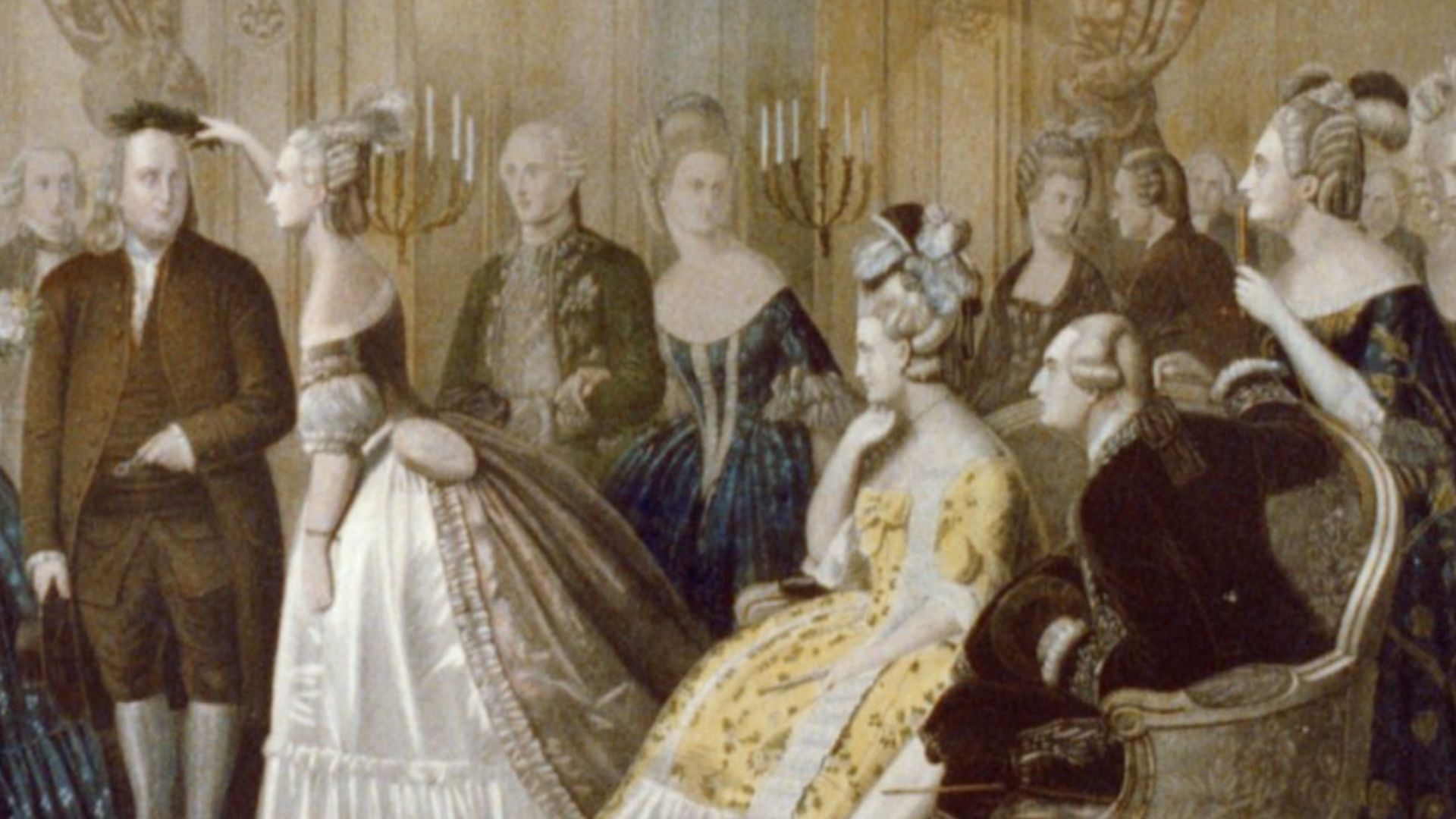 Hohenstein, Anton, 1823-1909, artist, Wikimedia Commons
Second Only To Washington
His efforts paid off with the Franco-American Alliance of 1778, bringing France into the war and ultimately led to an American victory with the Treaty of Paris of 1783 (which Franklin helped to draft). As Goodwin puts it, “He was the second most important person after George Washington for actually winning the War of Independence.”
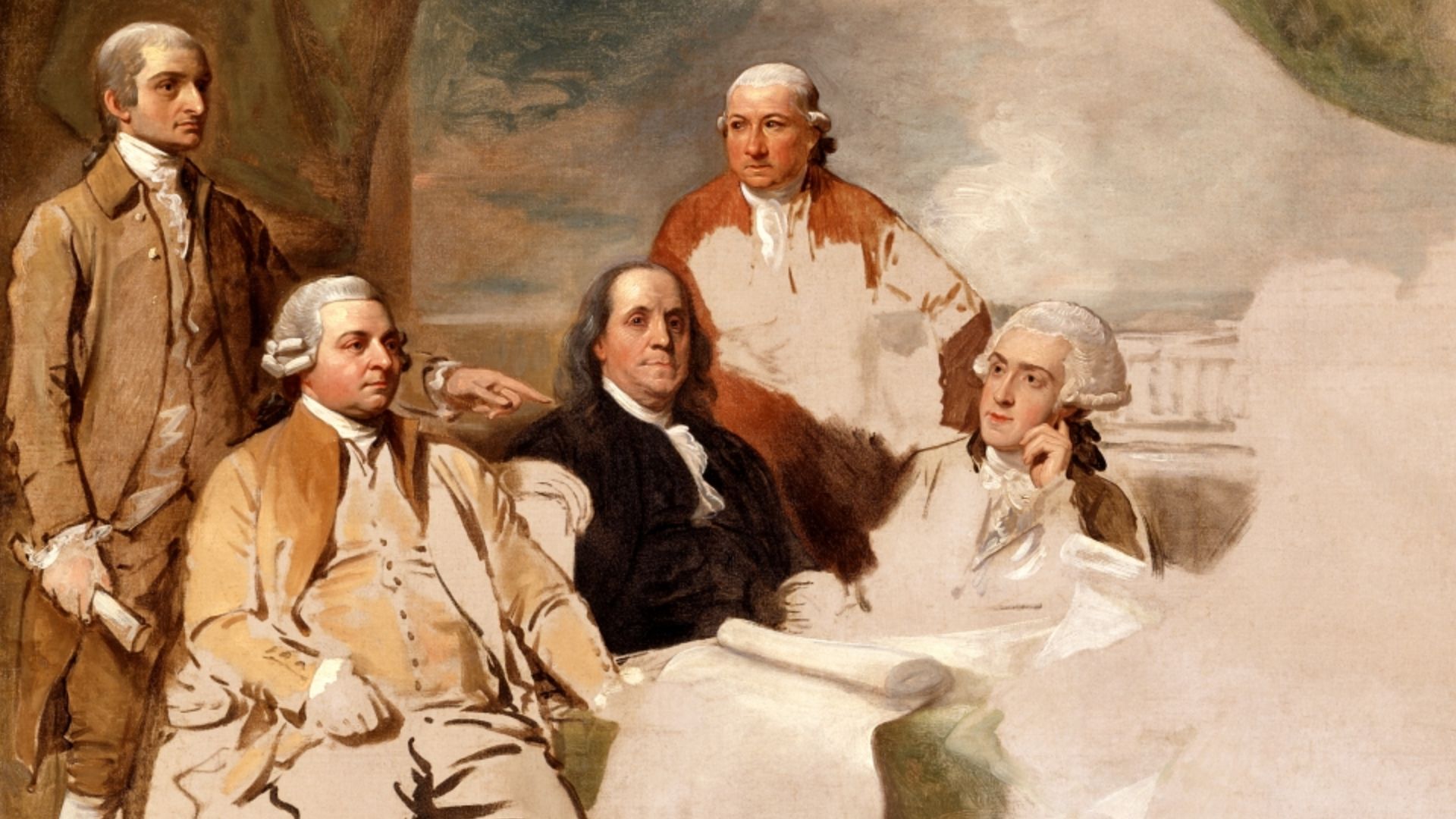 Benjamin West, Wikimedia Commons
Return To America
Franklin was hailed as a hero upon his return to the United States, war-torn and recovering, in 1785, but not by all. Congress wanted to downplay the role France had played so denied Franklin any substantial reward for his efforts in securing the alliance.
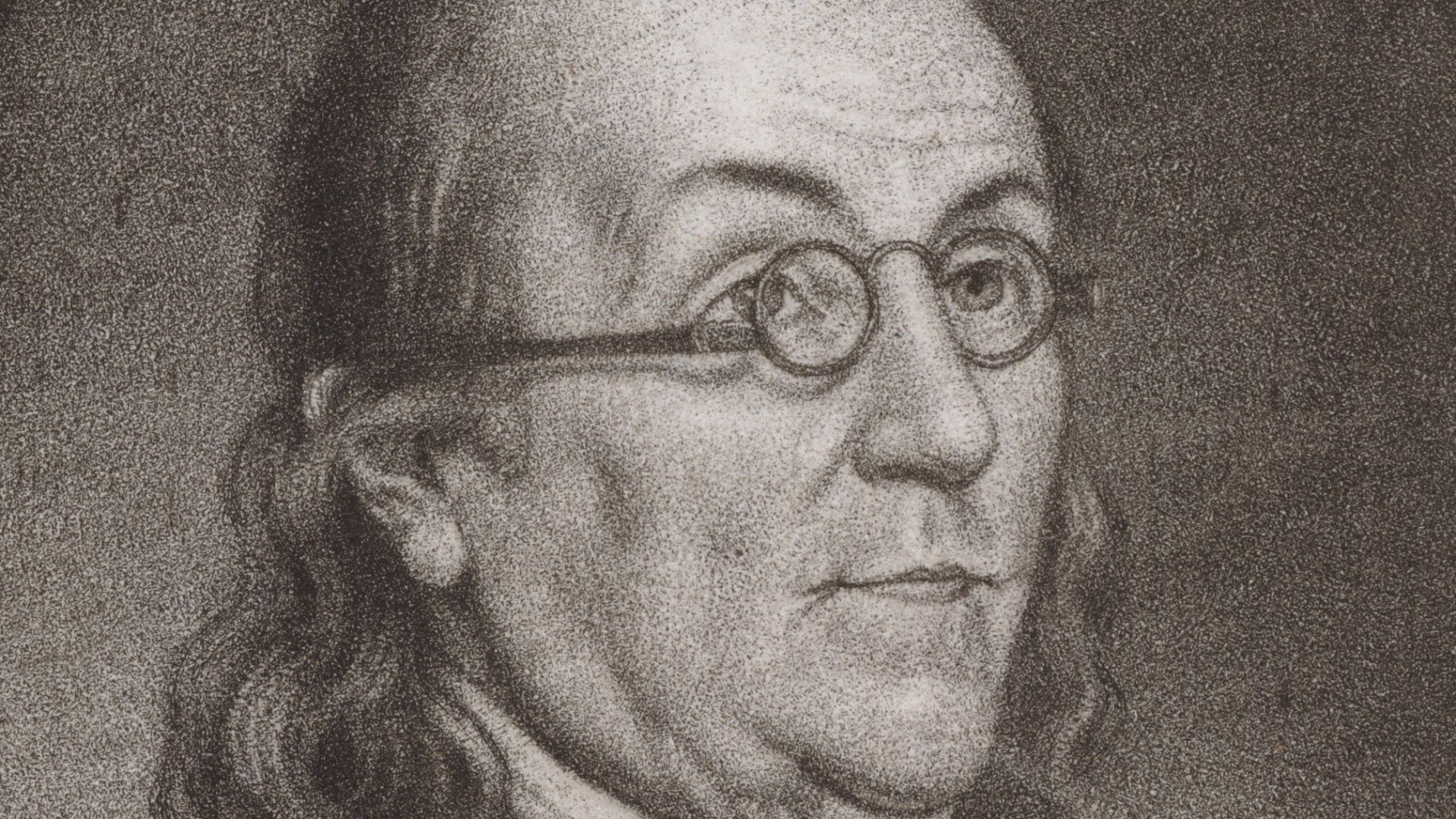 Charles Willson Peale / Benjamin Franklin, Wikimedia Commons
Writing The Constitution
Yet he continued to serve: he acted as the de facto governor of Pennsylvania for three years, and joined as the oldest delegate to the Constitutional Convention in 1787, called for by men like Alexander Hamilton to write the Constitution.
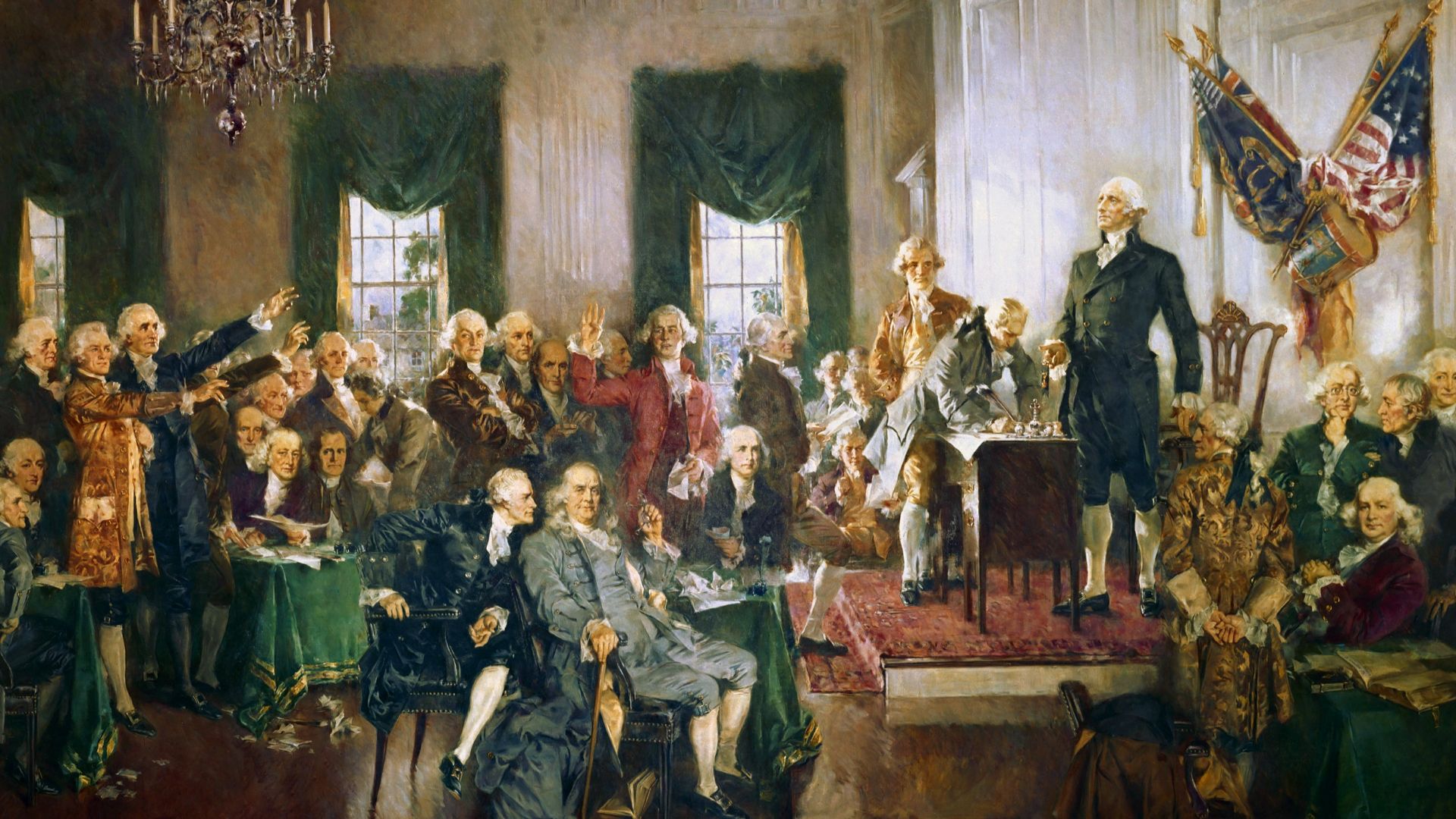 Howard Chandler Christy, Wikimedia Commons
How Did Benjamin Franklin Die?
The year after Washington became the first US president, Franklin died on 17 April 1790 at the age of 84. He had struggled with his weight for a long time, which had caused health issues including gout, and he finally succumbed due to complications from an attack of pleurisy.
Reportedly, Franklin’s last words, in response to his daughter asking if he wanted to change position in bed, were “A dying man can do nothing easy.”
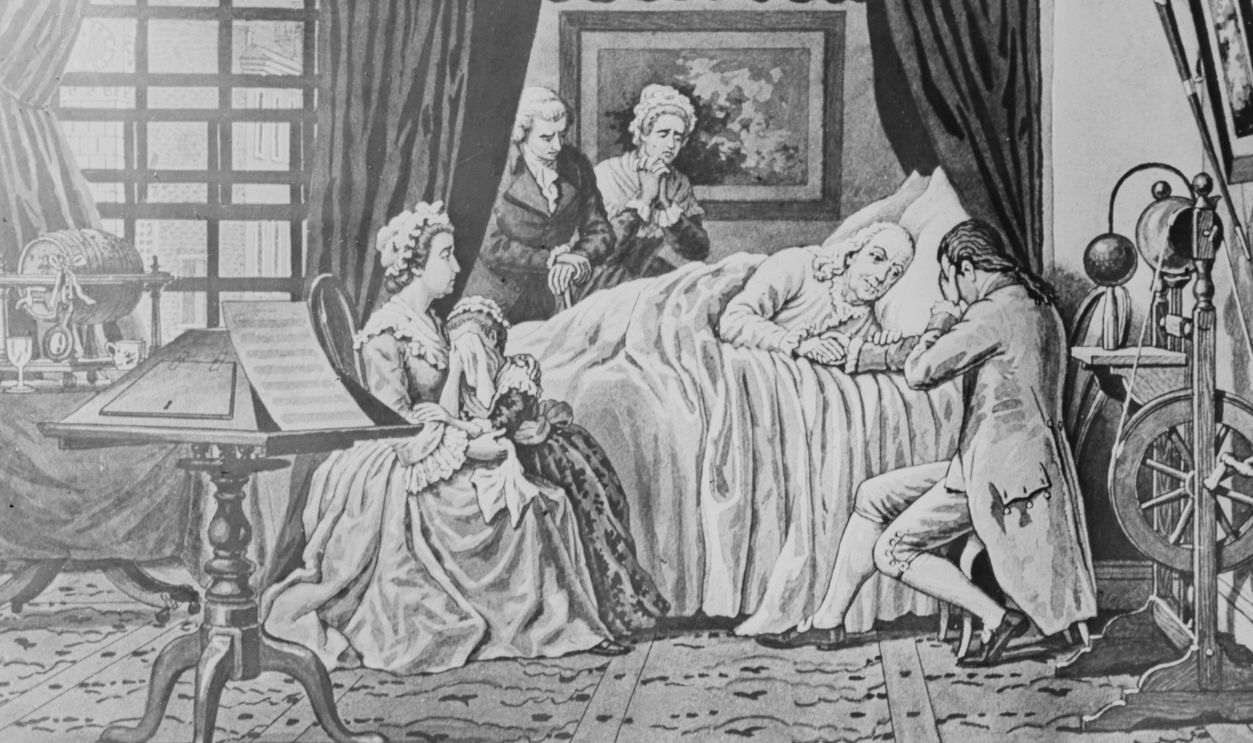
A Funeral for The Ages
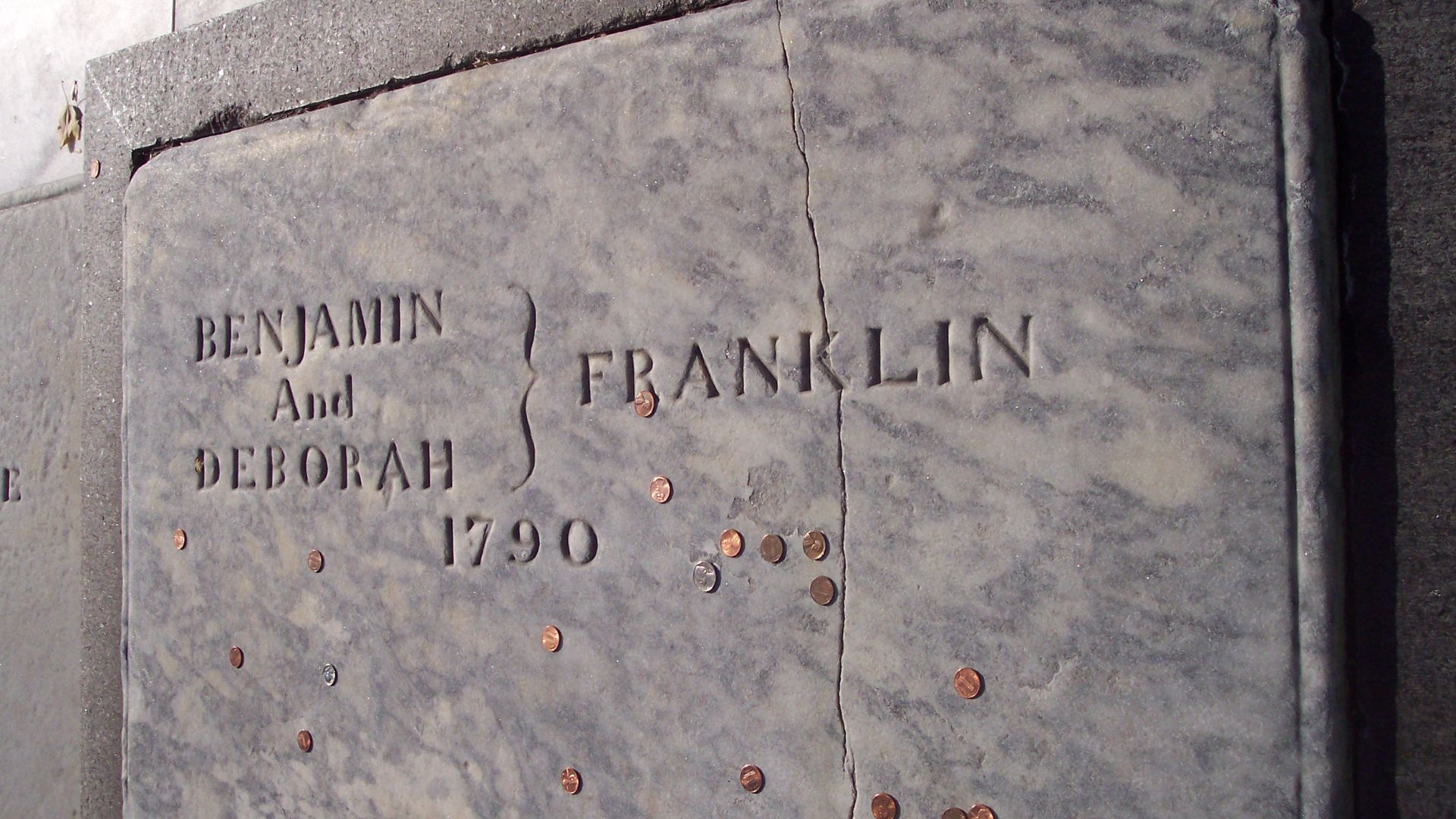
Tens of thousands attended his funeral in Philadelphia, while the French National Assembly went into a state of mourning. Of all the accolades and honours that could have been written on his grave, in acknowledgement of the many achievements and deeds of one of the most significant figures of the 18th century, his final resting place is marked only by the words: “Benjamin and Deborah Franklin, 1790.”
Let's dive into some other Benjamin Franklin facts.
Only Man To Sign The Four Seminal Documents
He was the only person to sign the four seminal documents in American fight for independence
Those documents were the Declaration of Independence, the Franco-American Alliance, the Treaty of Paris, and the Constitution.
 John Trumbull, Wikimedia Commons
Not A Fan Of The Boston Tea Party
Following the Boston Tea Party in 1773, a catalyst for the American Revolution, Franklin dubbed it as an “act of violent injustice on our part”. George Washington similarly disapproved.
 UniversalImagesGroup, Getty Images
First Political Cartoonist
In 1754, Franklin drew a cartoon for the Pennsylvania Gazette entitled ‘Join, or Die’ to call upon the colonies to unite, depicting them as a snake split into sections. This is now credited as the earliest-known political cartoon in America.
He Made A Toxic But Fireproof Purse
Among his myriad inventions was an asbestos purse, designed to be completely fireproof. Although it never took off, Franklin managed to sell one to Sir Hans Sloane, whose collections formed the foundation of the British Museum.
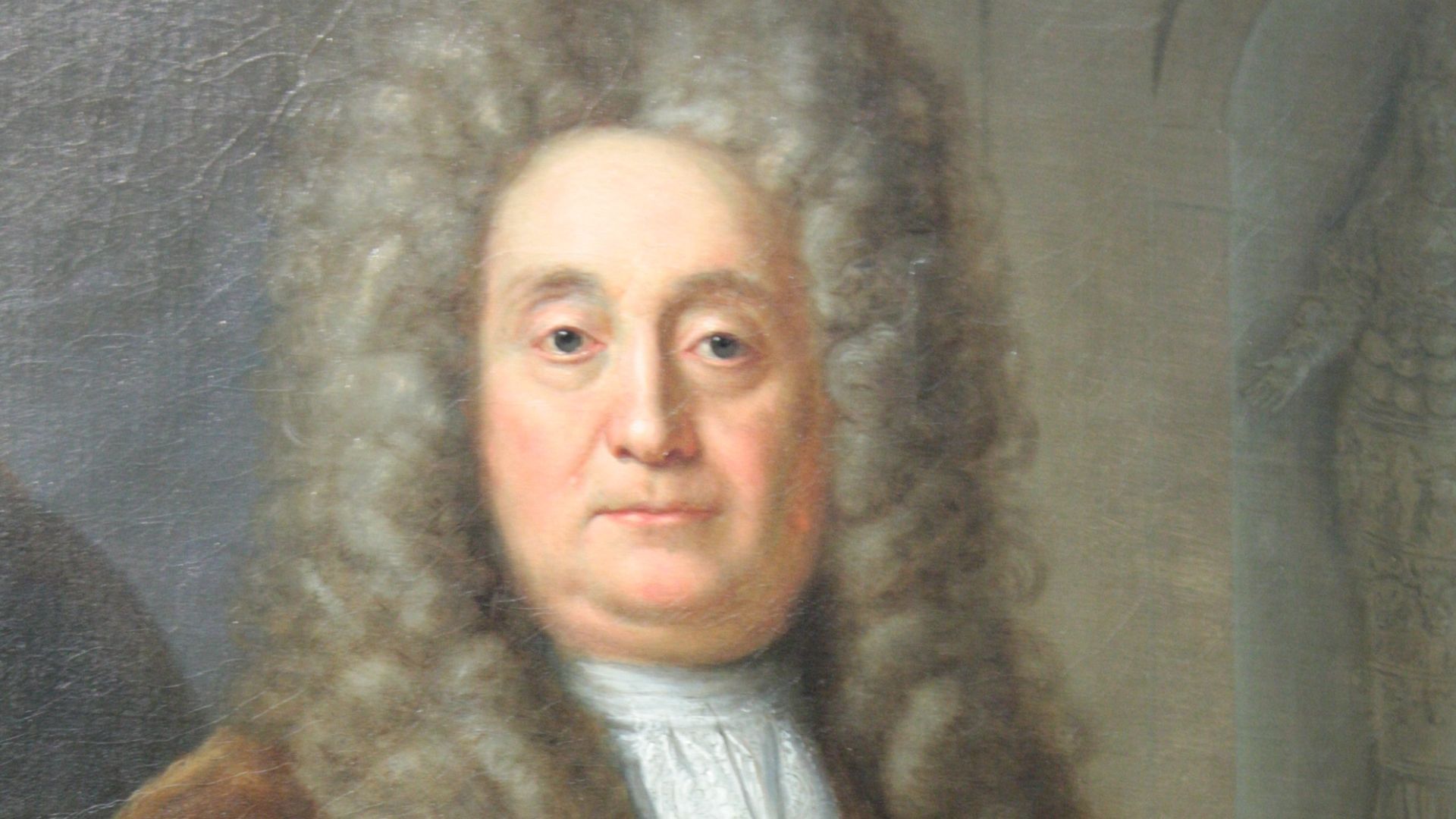 Stephen Slaughter, Wikimedia Commons
He Has A Plant Named After Him
Franklinia alatamaha, a shrub with white flowers in summer, was named after Franklin by the Philadelphia-based botanist William Bartram. As the ‘Franklin tree’ is now extinct in the wild, it was only because Bartram took seeds that it survives to this day.
 Plant Image Library from Boston, USA, Wikimedia Commons
Responsible For A Famous Phrase
One of the major contributions that Franklin made to the Declaration of Independence was tweaking Thomas Jefferson’s phrase “We hold these truths to be sacred and undeniable” to end “self-evident”, thus replacing the religious language with a basis in natural law.
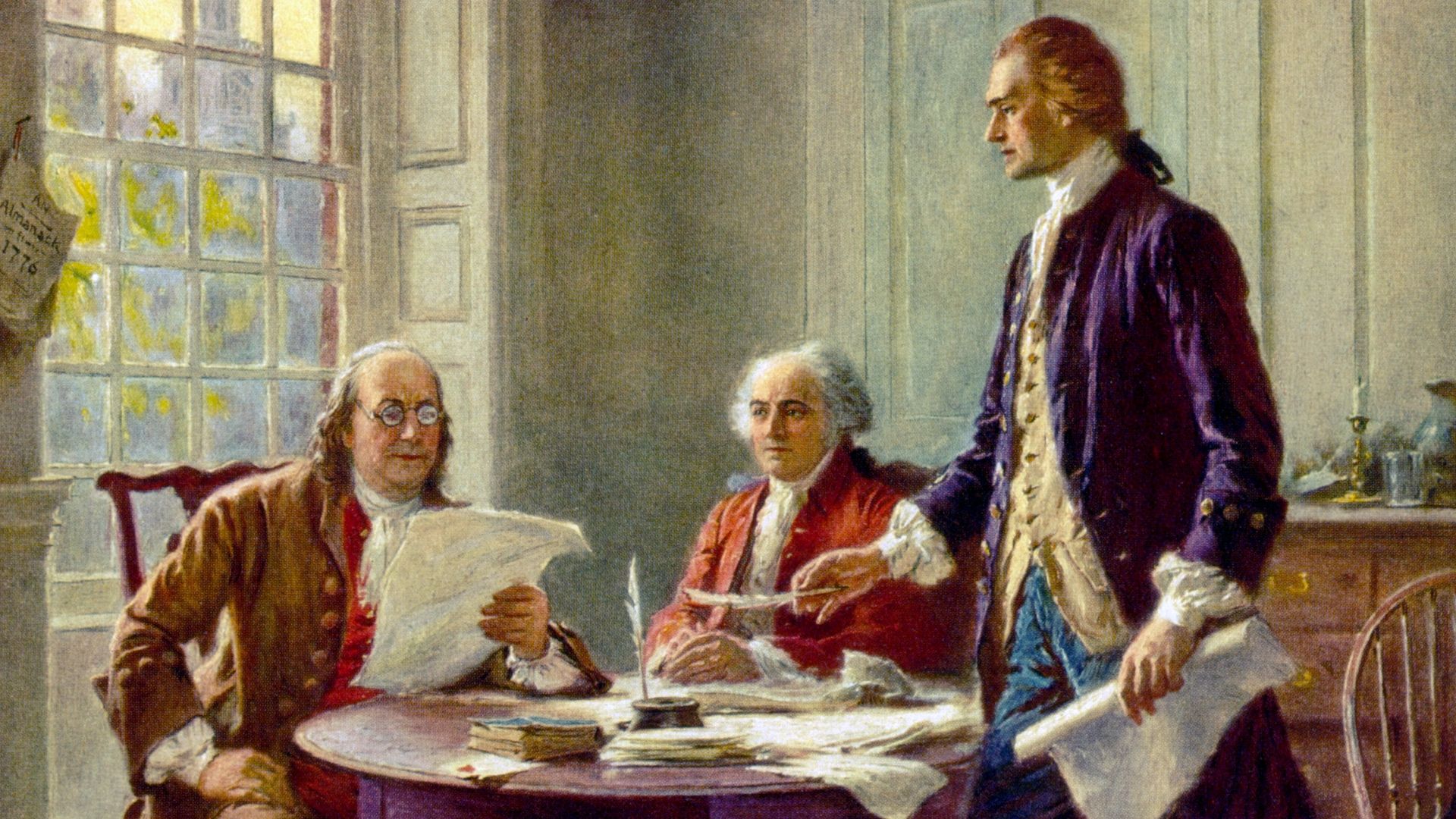 Jean Leon Gerome Ferris, Wikimedia Commons
He Was A French Fashion Icon
The people of France embraced Franklin as a fashion icon. His visage was plastered on everything from medallions to snuff boxes, while women would get their wigs done in the style ‘coiffure a la Franklin’ to match the fur cap he wore instead of a wig.
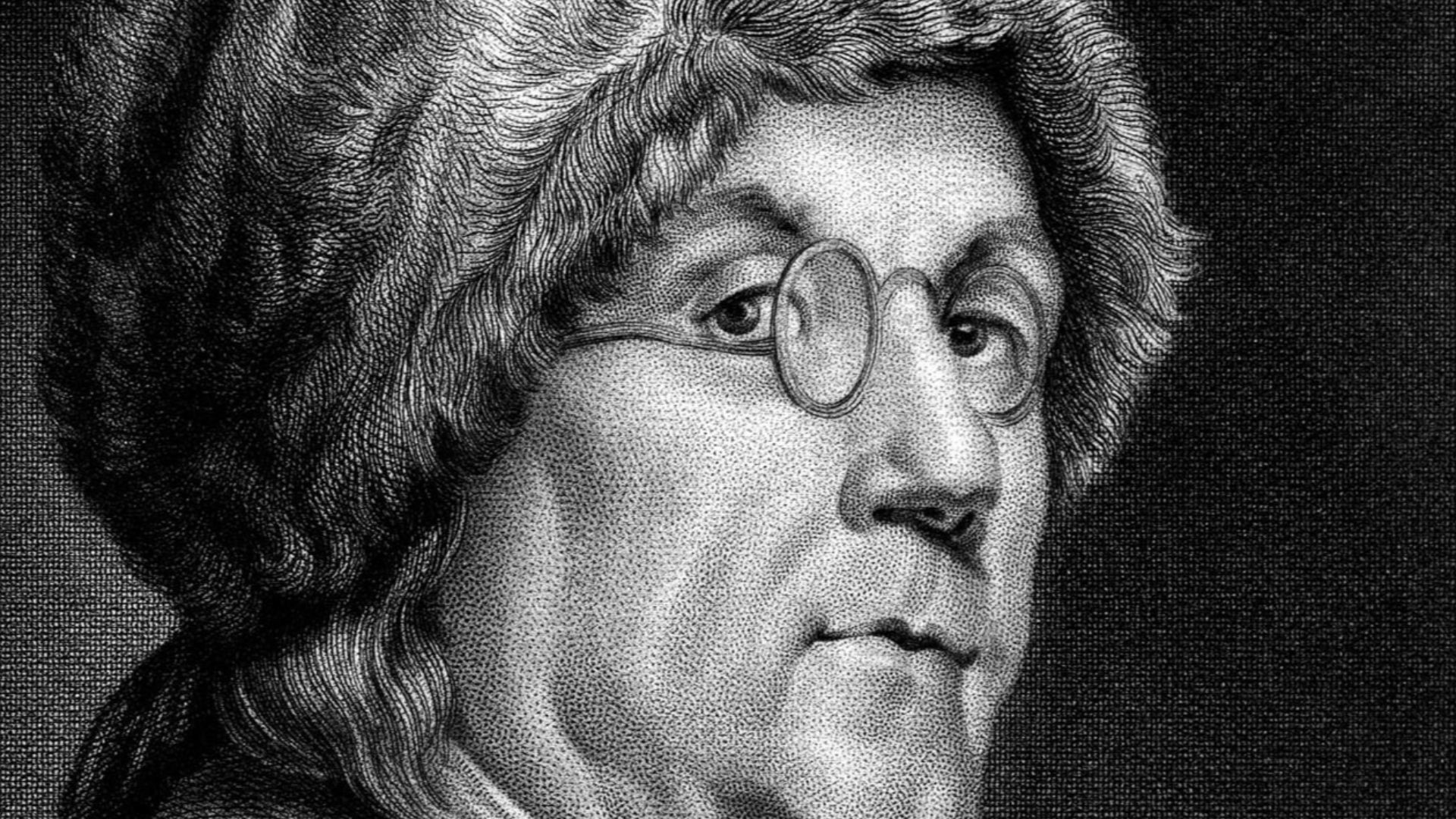
He Almost Became A Swimming Teacher
Franklin was an enthusiastic swimmer and considered becoming a teacher and coach. In fact, one of his first inventions had been handheld fins to go faster in the water. For his part in popularising the pastime, he was inducted into the International Swimming Hall of Fame in 1968.
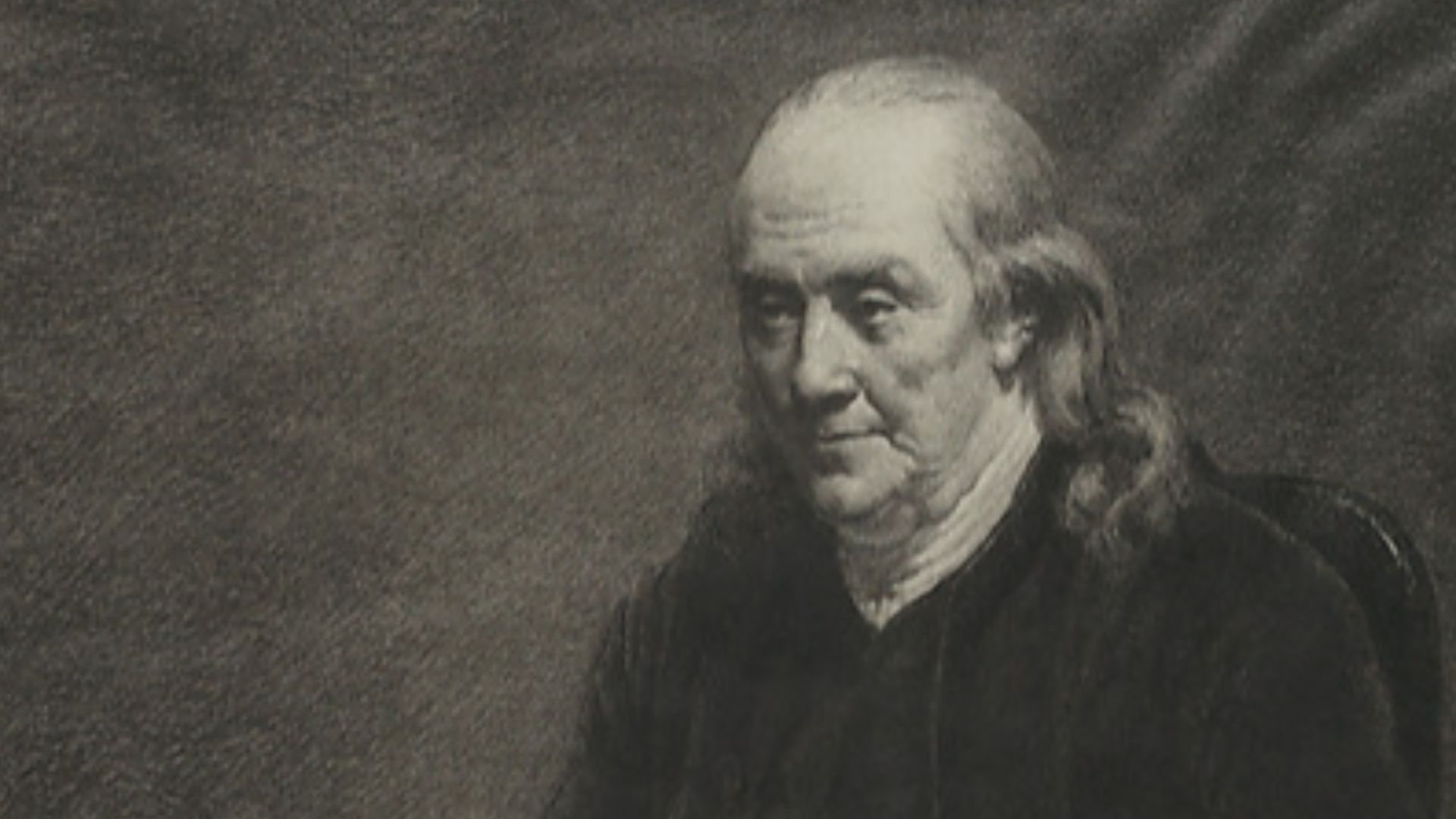 William Harry Warren Bicknell (1860–1947), Wikimedia Commons
He Made A Phonetic Alphabet
Franklin devised a phonetic alphabet, in which he removed what he saw as six unnecessary letters (c, j, q, w, x and y) and replaced them with new ones to represent vocal sounds. His idea couldn’t be published right away as no one had type blocks for the new letters.
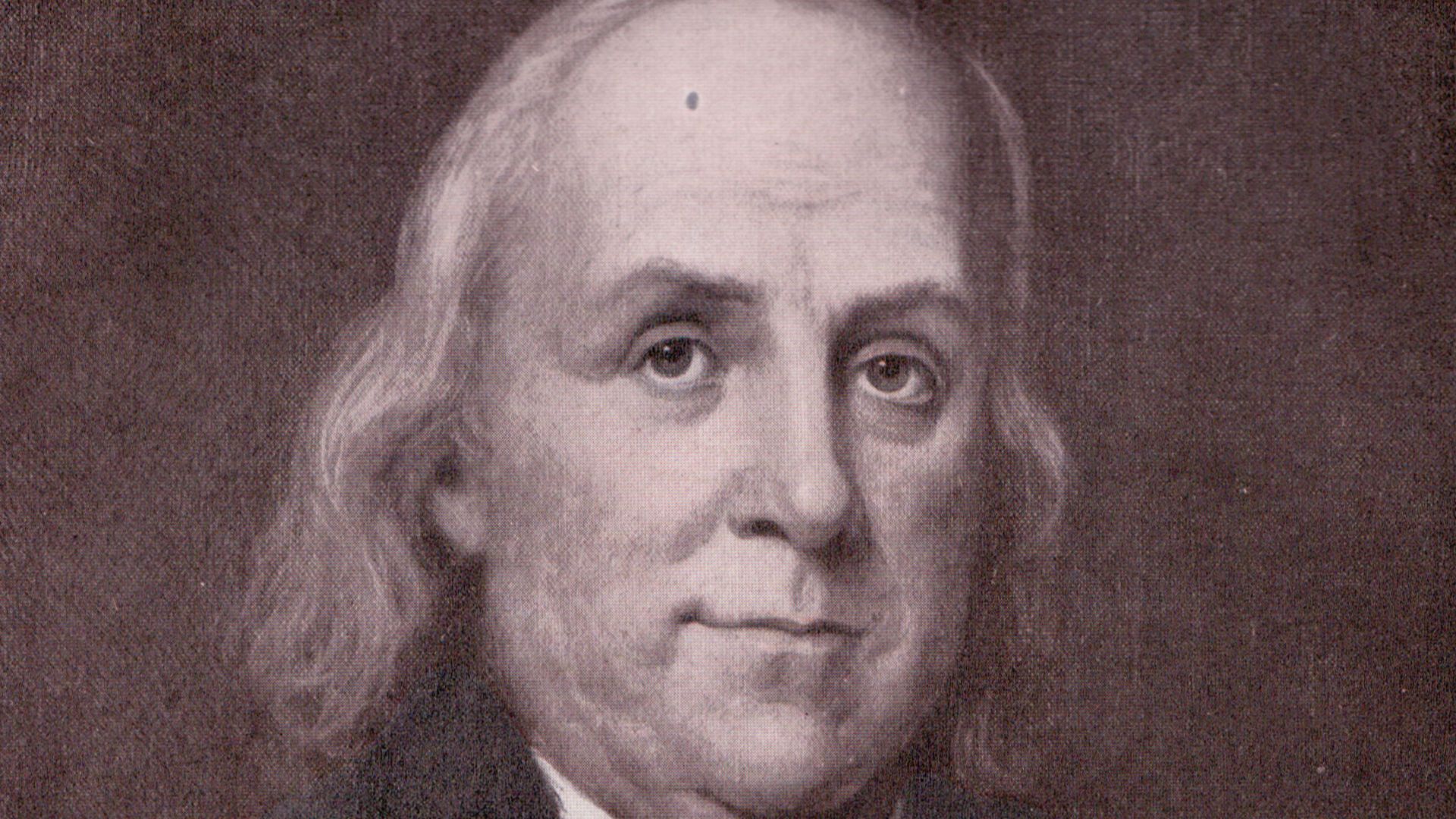
He Became An Abolitionist Right Before Death
Shortly before his death, Franklin – who had owned slaves and posted slave ads in his papers – became vehemently abolitionist. He was president of an anti-slavery society and wrote essays in support of abolition.
This content was created in partnership with HistoryExtra and written by Jonny Wilkes. Editorial changes were made to the original article.
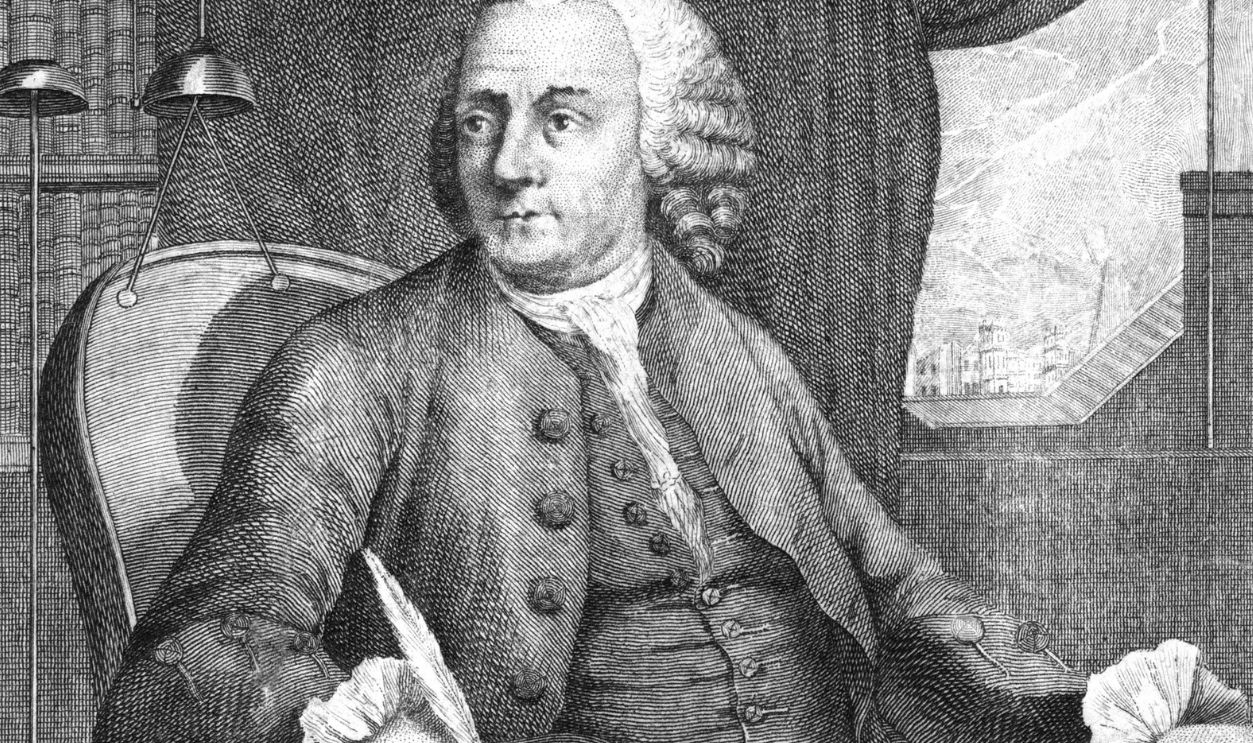
![Gettyimages - 171410318, Benjamin Franklin Benjamin Franklin writing his Autobiography. American Founding Father January 17, 1706 [O.S. January 6, 1705] April 17, 1790](https://www.factinate.com/storage/app/media/factinate/2025/5/30/10.jpg)