
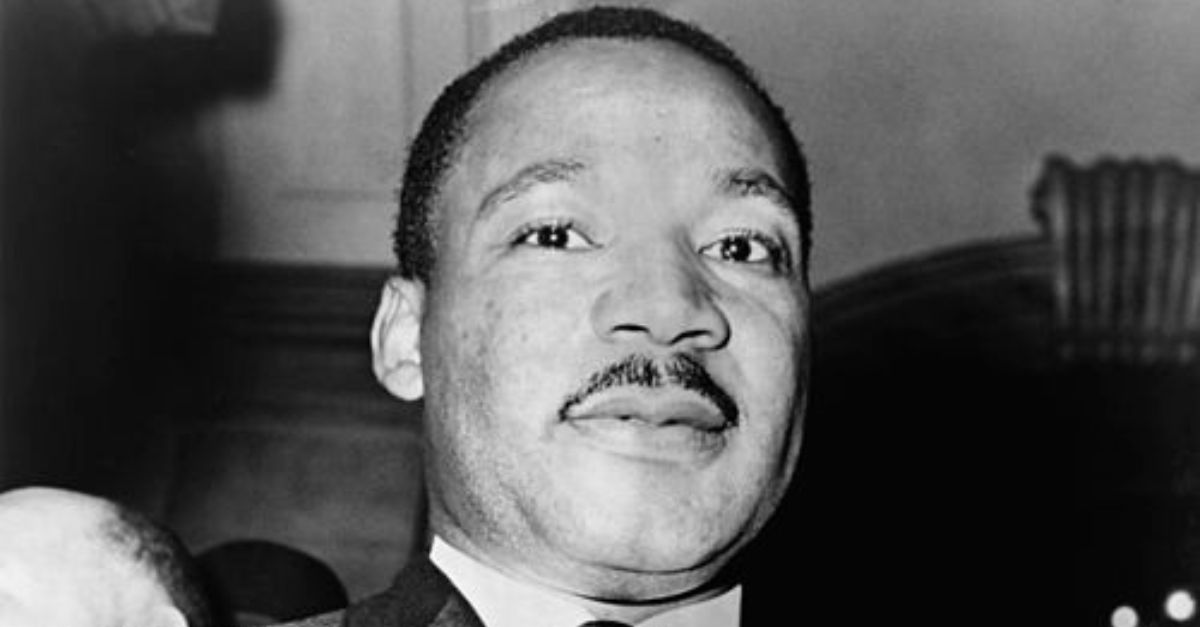
A Day In August That Changed History
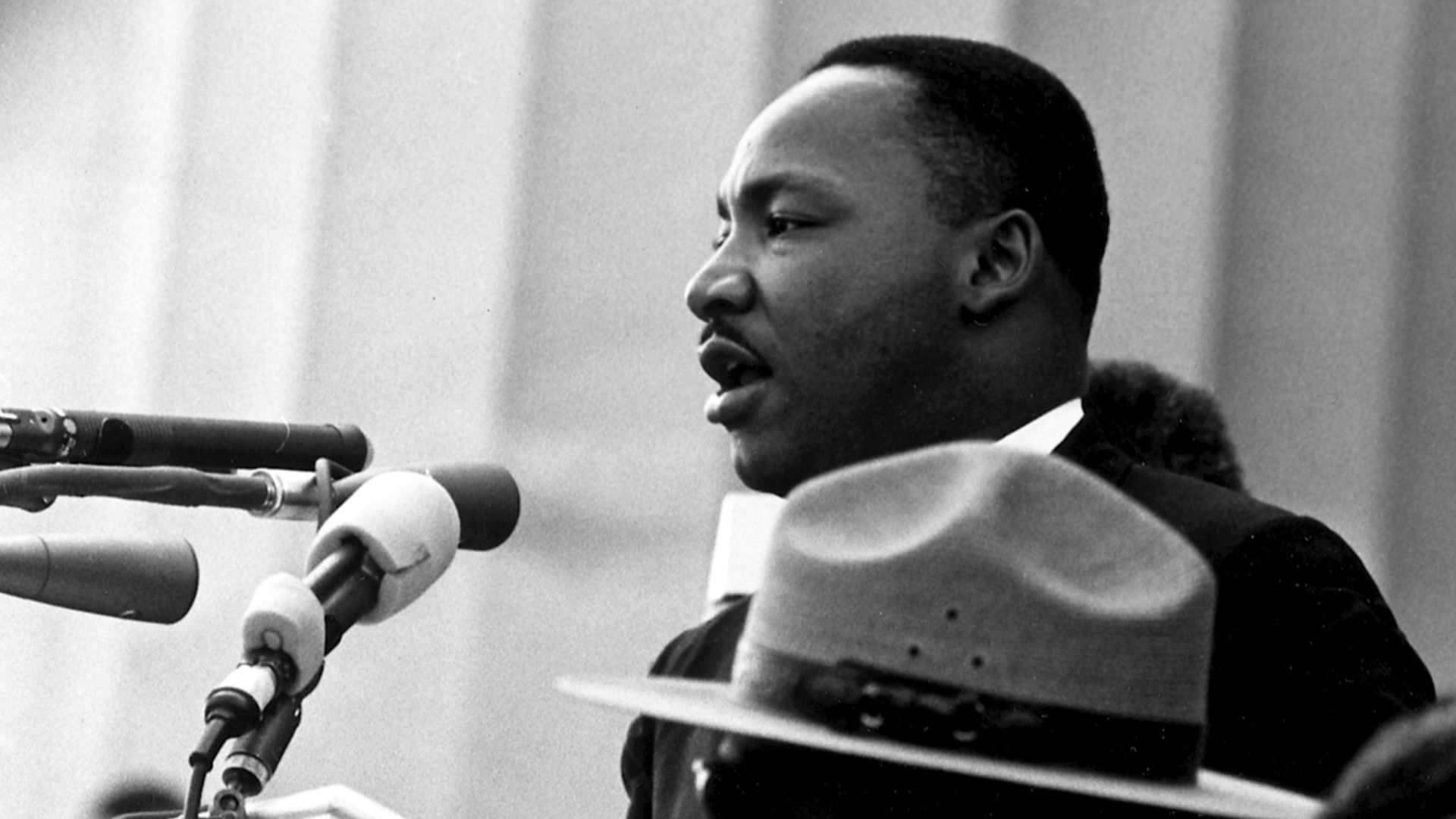
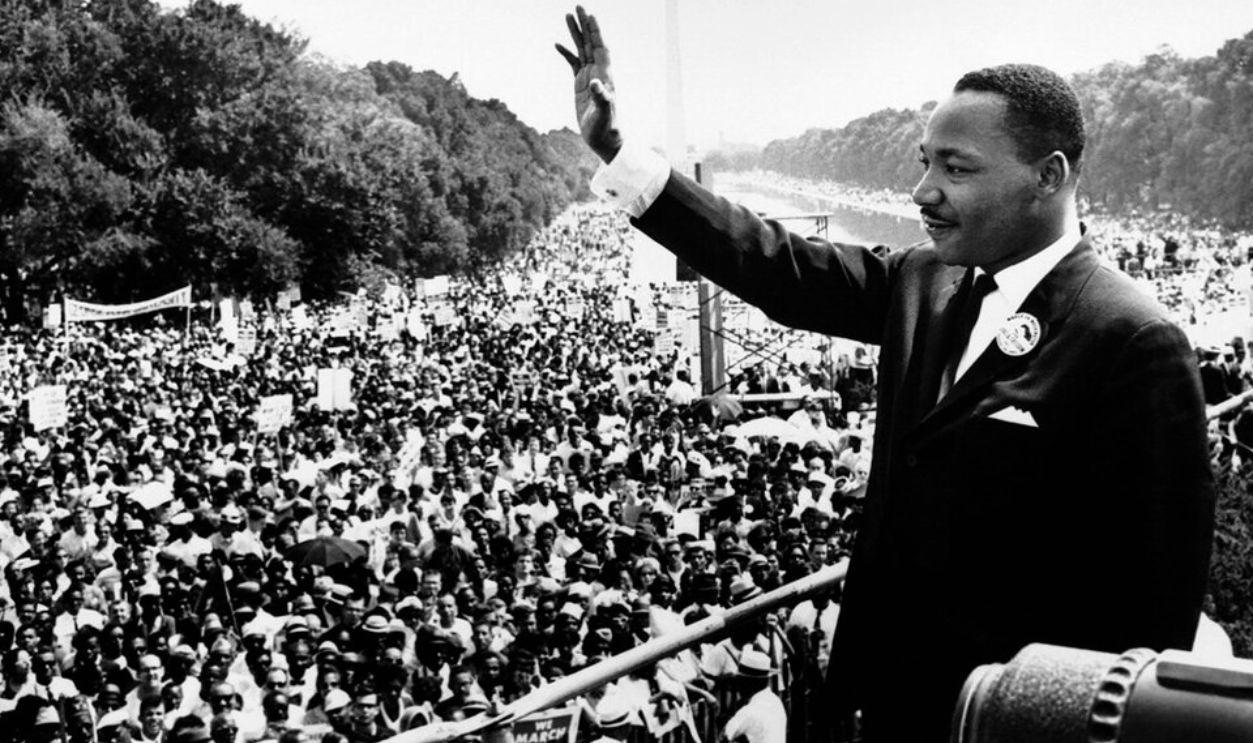
Martin Luther King gave his ‘I Have a Dream’ speech towards the close of the March on Washington on 28 August 1963. This event was backed by a fractious coalition of African-American civil rights groups including King’s Southern Christian Leadership Conference (SCLC), the more radical Student Nonviolent Coordinating Committee (SNCC), and the moderate National Association for the Advancement of Colored People (NAACP).
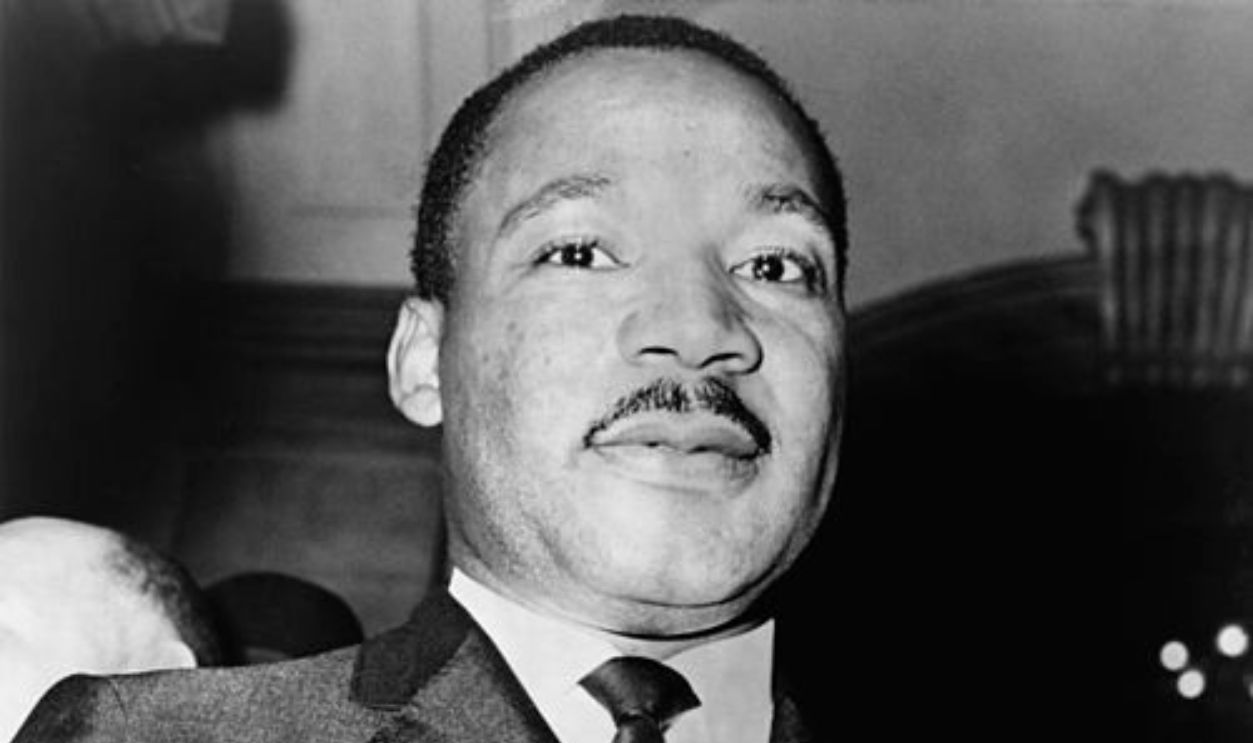 Phil Stanziola, NYWT&S staff photographer, Wikimedia Commons
On The Heels Of A Civil Rights Bill
Although the SCLC’s non-violent spring campaign in Birmingham, Alabama, had finally prompted the Kennedy administration to draft a comprehensive civil rights bill intended to demolish racial segregation in the south, local white resistance to the integration of public facilities remained intense.
 Leffler, Warren K., photographer, Wikimedia Commons
The March On Washington
A march on Washington DC, originally the brainchild of veteran black labour leader A Philip Randolph in 1941, was conceived as a means of inducing the federal government not only to pass the civil rights bill but also to secure economic justice for impoverished African-Americans. The administration’s fears of unrest in the capital proved groundless. Randolph’s deputy, Bayard Rustin, organised the march superbly.
 Rowland Scherman, Wikimedia Commons
A Crowd Gathered
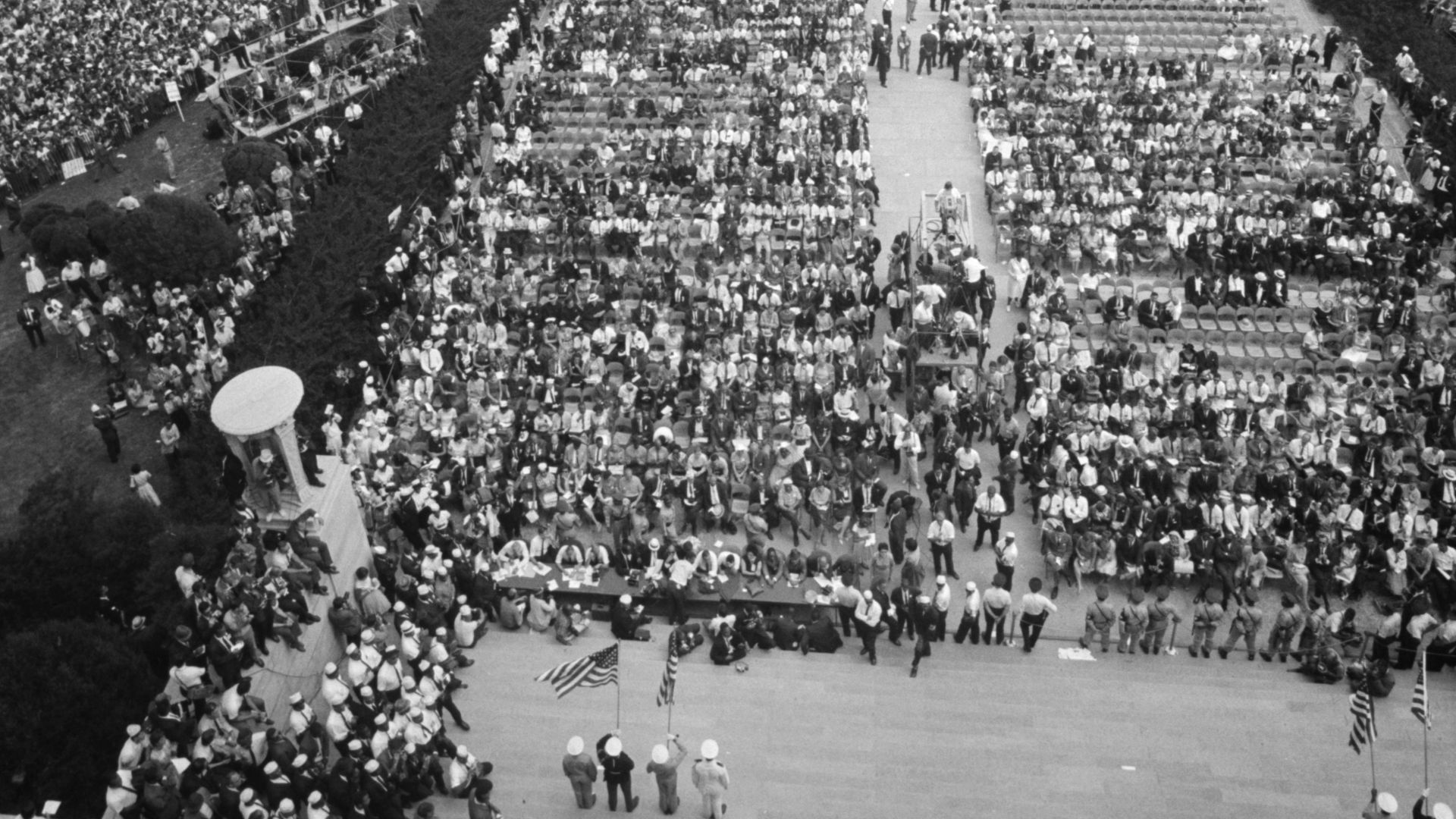
Around 250,000 people, roughly a quarter of them white, gathered peaceably in sweltering heat to hear a range of speakers and musicians perform at the Lincoln Memorial. The mood was buoyant; the day unforgettable.
Viewed As The Leader Of The Civil Rights Movement
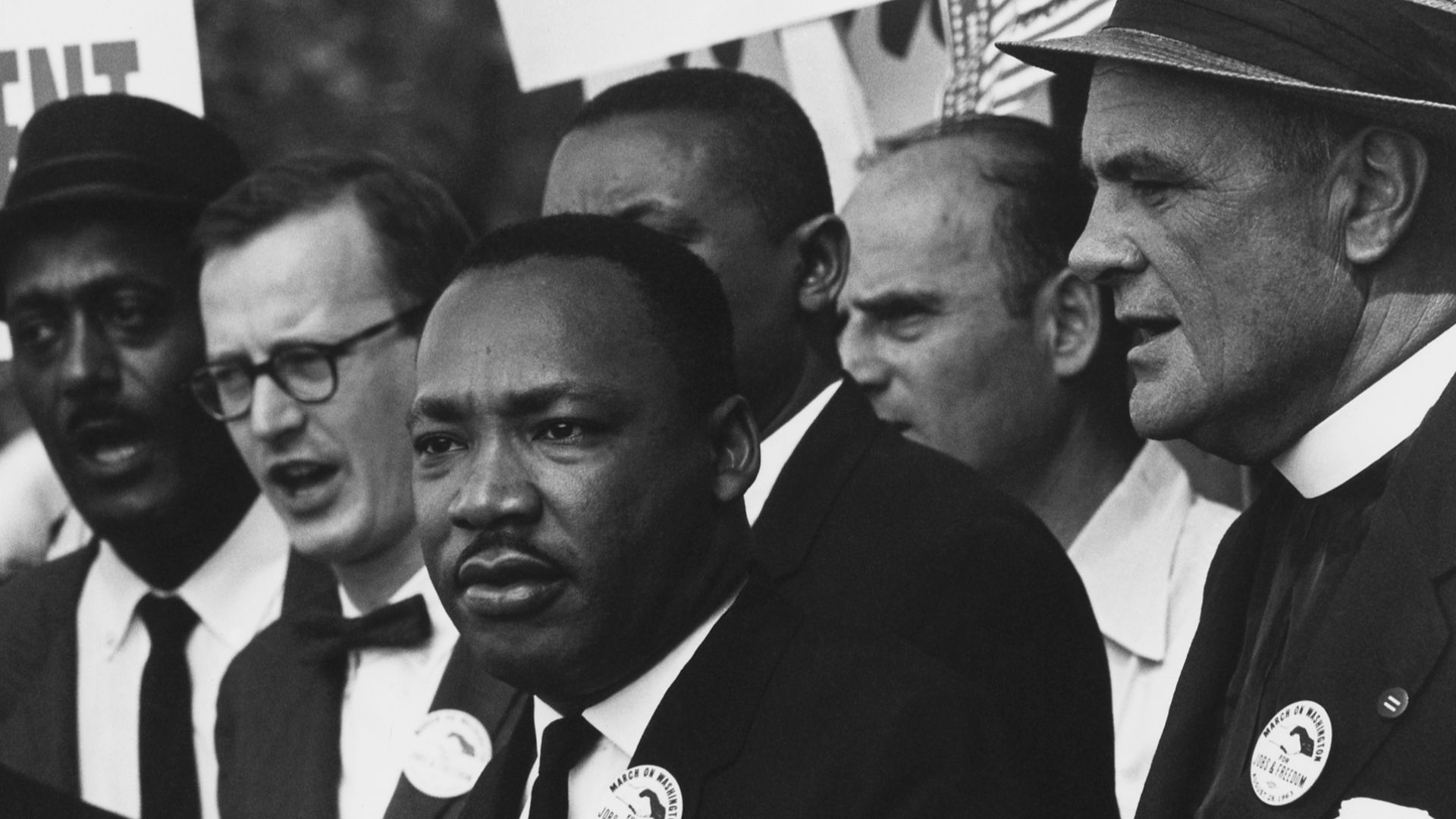
King’s charismatic personality, stirring rhetoric and photogenic appeal made him the most recognisable black figure in the United States by 1963. He first shot to fame in 1956 as the public face of the Montgomery bus boycott and gained further recognition during the successful Birmingham campaign. Most white Americans, including FBI director, J Edgar Hoover, who was convinced King was a communist stooge, regarded him as the leader of the insurgent civil rights movement.
 Rowland Scherman / Adam Cuerden, Wikimedia Commons
But Not By The People Actually Involved
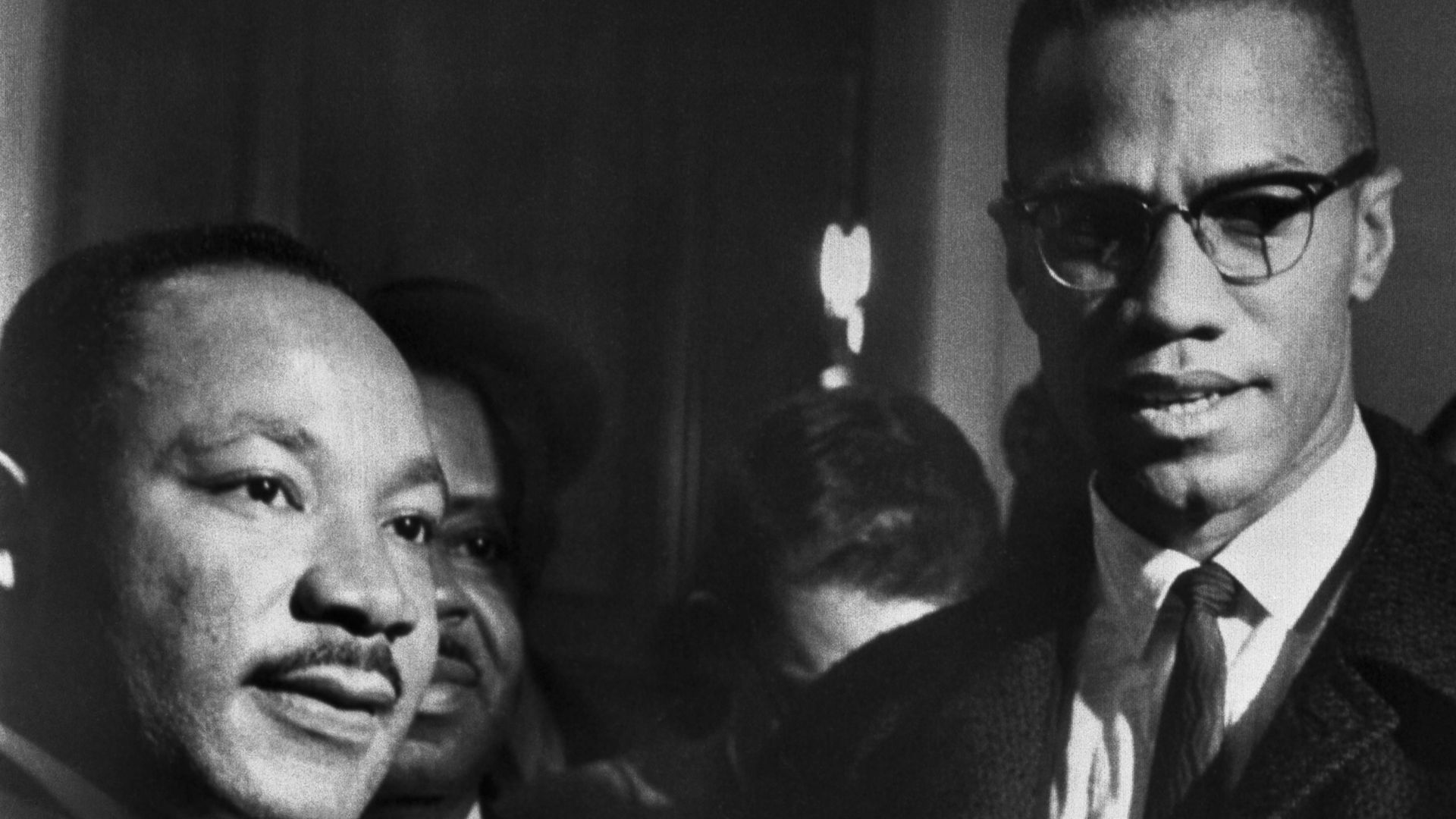
However, he was not seen in this light by many African-Americans. Outside the movement he was regarded by black radicals, the outspoken Malcolm X among them, as a dupe of the liberal establishment. Inside the movement, he was increasingly resented by hard-pressed SNCC activists who were committed to fostering leadership at the local level. By the summer of 1963 King was under constant pressure to prove that non-violence could deliver real gains to African-Americans.
 United Press International, Wikimedia Commons
Symbolic Setting
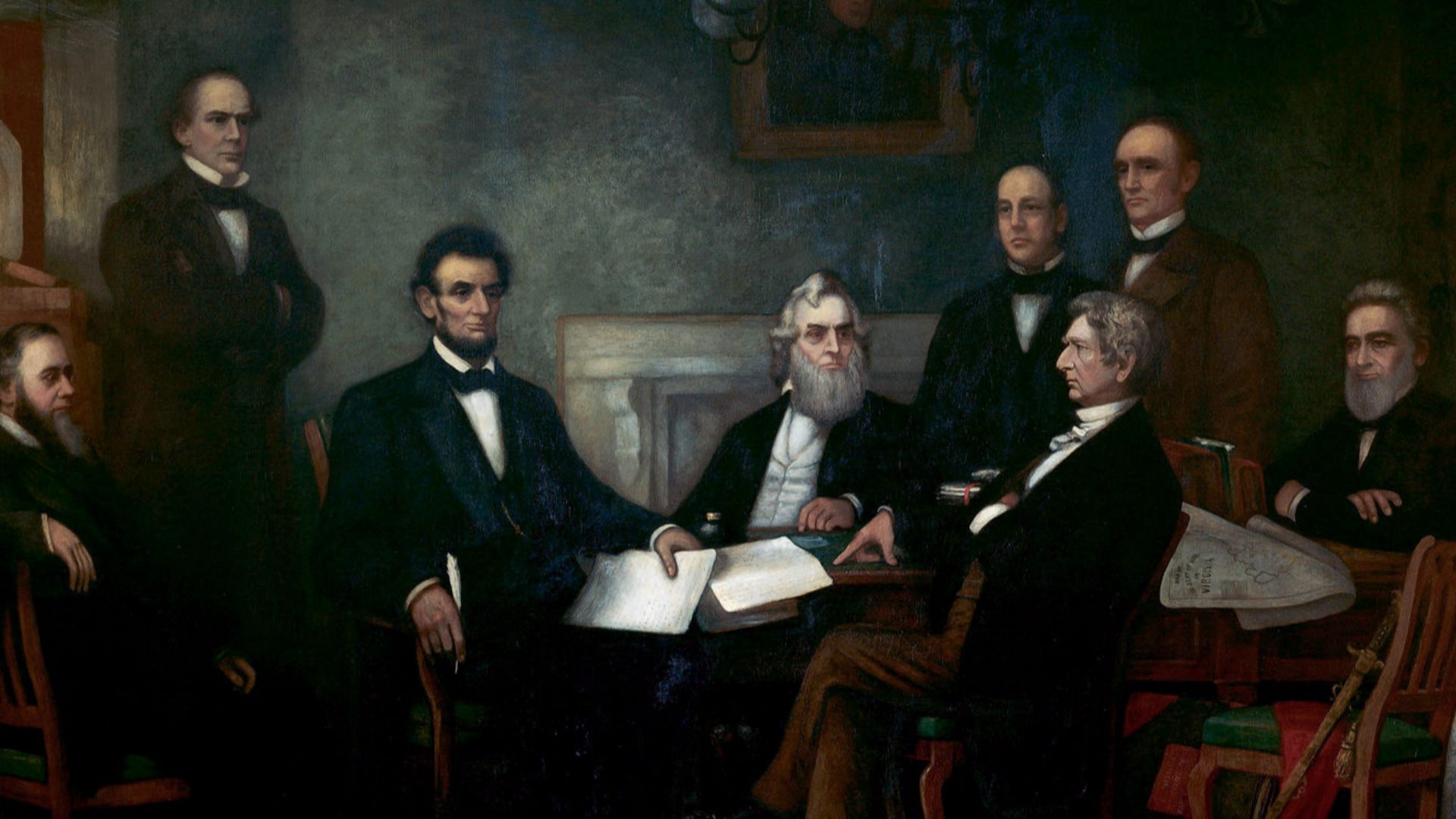
King’s oration drew force from the fact that he spoke in what he called “the symbolic shadow” of President Abraham Lincoln who had issued the Emancipation Proclamation 100 years previously. The Lincoln Memorial had been a sacred space for African-Americans since 1939 when it was used for a racially integrated concert given by the black contralto Marian Anderson. Sanctioned by the federal authorities, the event was an early sign of US government support for African-American civil rights in the 20th century.
 Francis Bicknell Carpenter, Wikimedia Commons
Five Score Years Ago
King had been critical of President Kennedy’s lacklustre approach to segregation, but he knew that embracing the memory of the Great Emancipator before Daniel Chester French’s imposing marble statue of Lincoln would charge his call for urgent national action with historical legitimacy. King began with the words “Five score years ago,” instantly merging his own voice with that of the great president who had delivered the Gettysburg address in 1863.
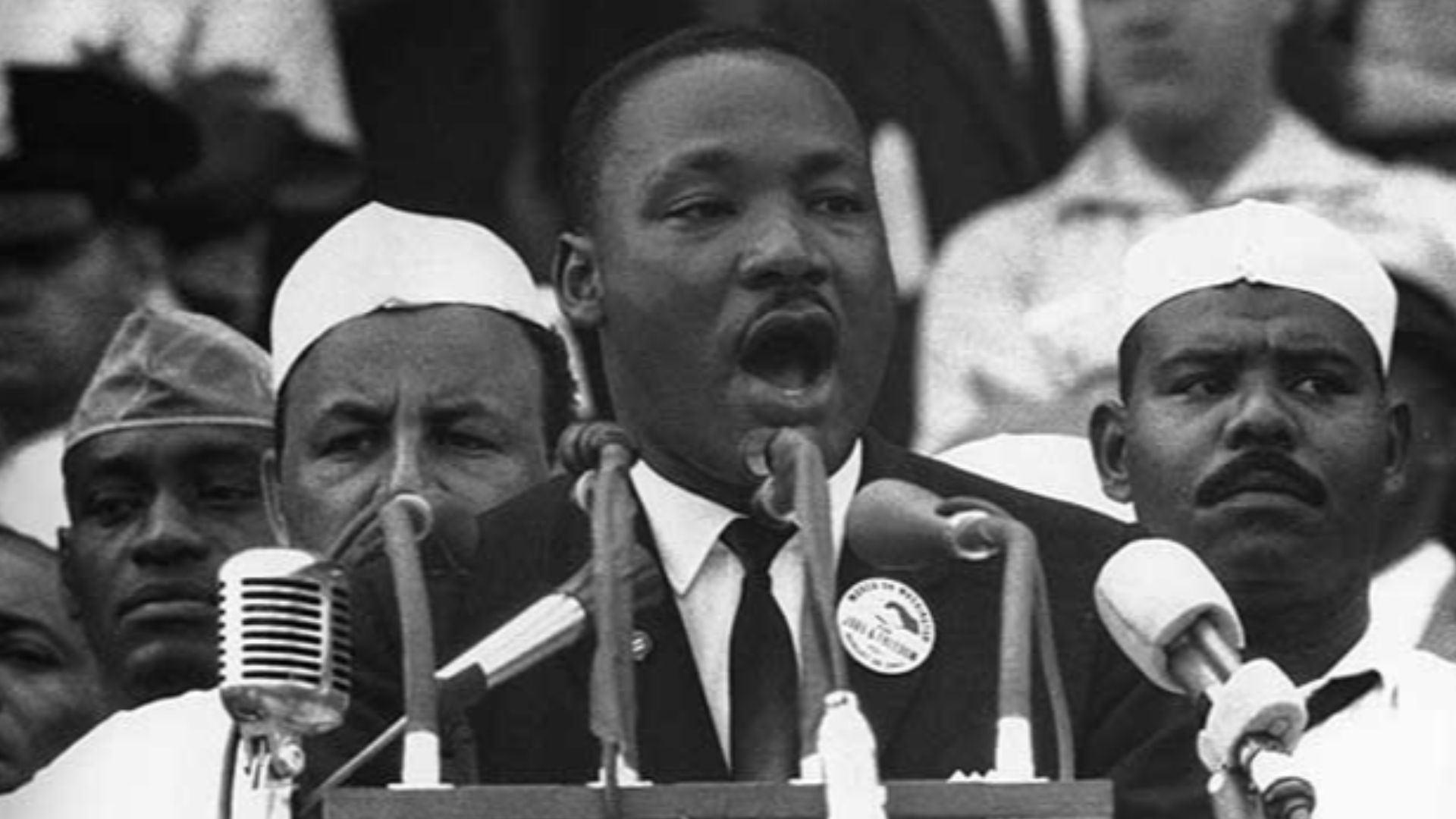 David Erickson, Wikimedia Commons
A Commitment Made At Gettysburg
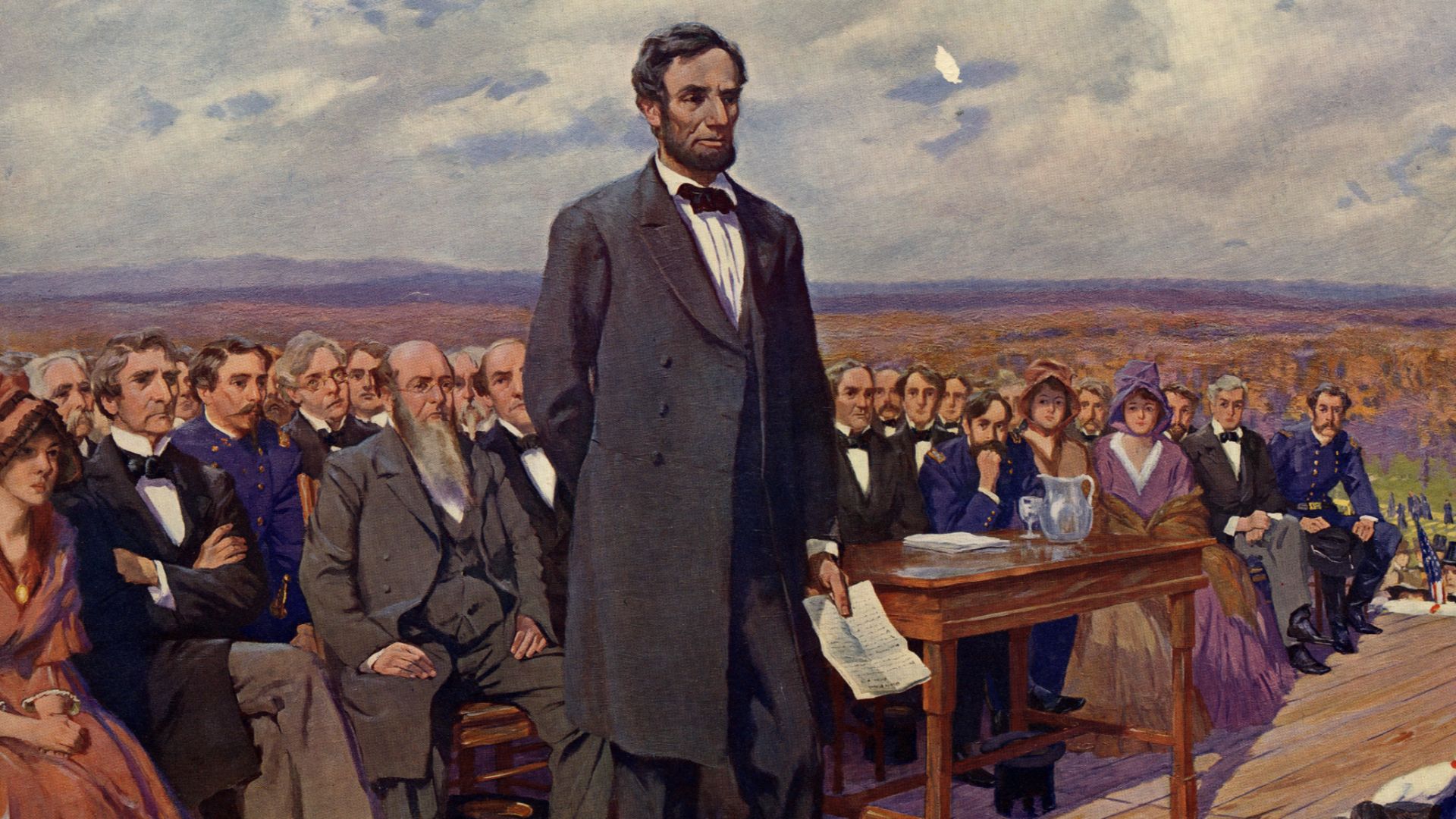
At Gettysburg, Lincoln exhorted his compatriots to rededicate themselves to the founding fathers’ commitment to a nation dedicated to the proposition that all men are created equal.
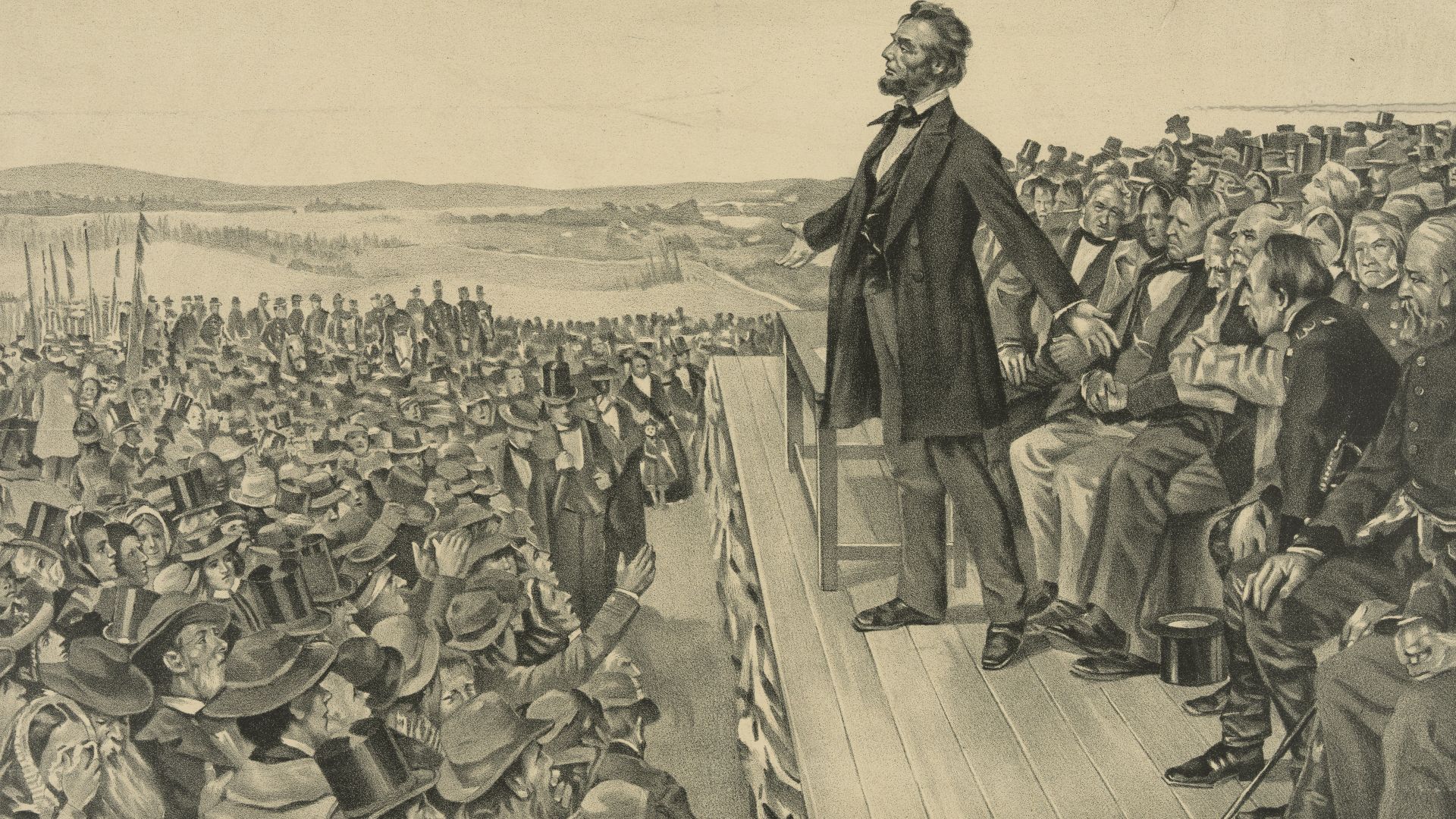 Popular Graphic Arts, Wikimedia Commons
A Promissory Note
King spent the first portion of his 16-minute speech, completed in the early hours of the morning, developing his metaphor of the founders’ commitment as “a promissory note”, which African-Americans were now ready to cash. Aware that the government must be pressured into action, King asserted that after 100 years of empty promises, black people’s patience had run out. Cash the cheque now, he warned, or “the whirlwinds of revolt” would continue “until the bright day of justice emerges”.
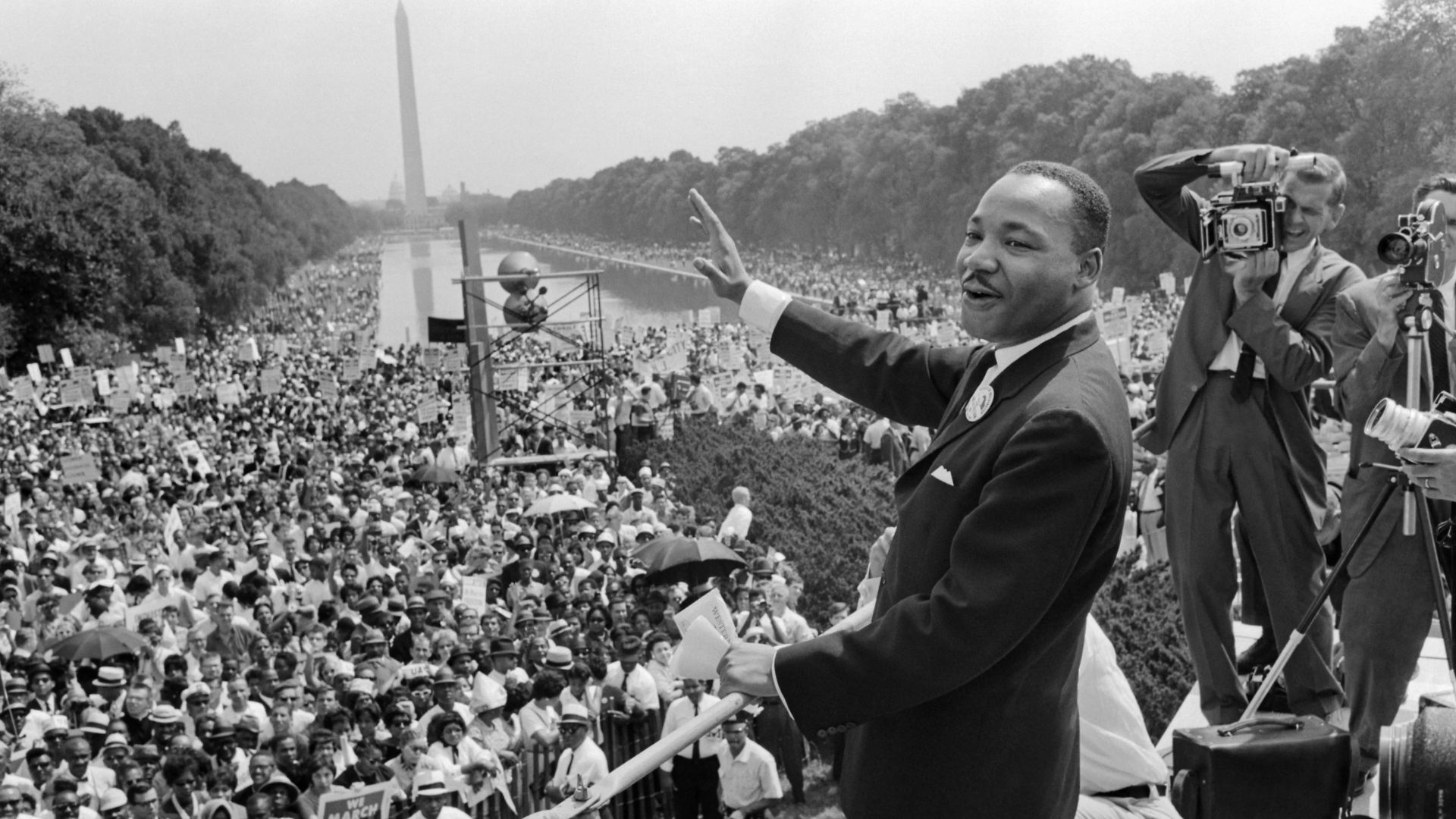 National Park Service, Wikimedia Commons
He Encouraged Non-Violent Means
King balanced this alert with trenchant advice to his own people. African-Americans, he counselled, should resist the temptation to use physical force against their enemies. They should stay disciplined, acknowledge that many whites were active supporters of the freedom struggle, retain their faith in non-violence, and remember the Christian tenet that “unearned suffering is redemptive”.
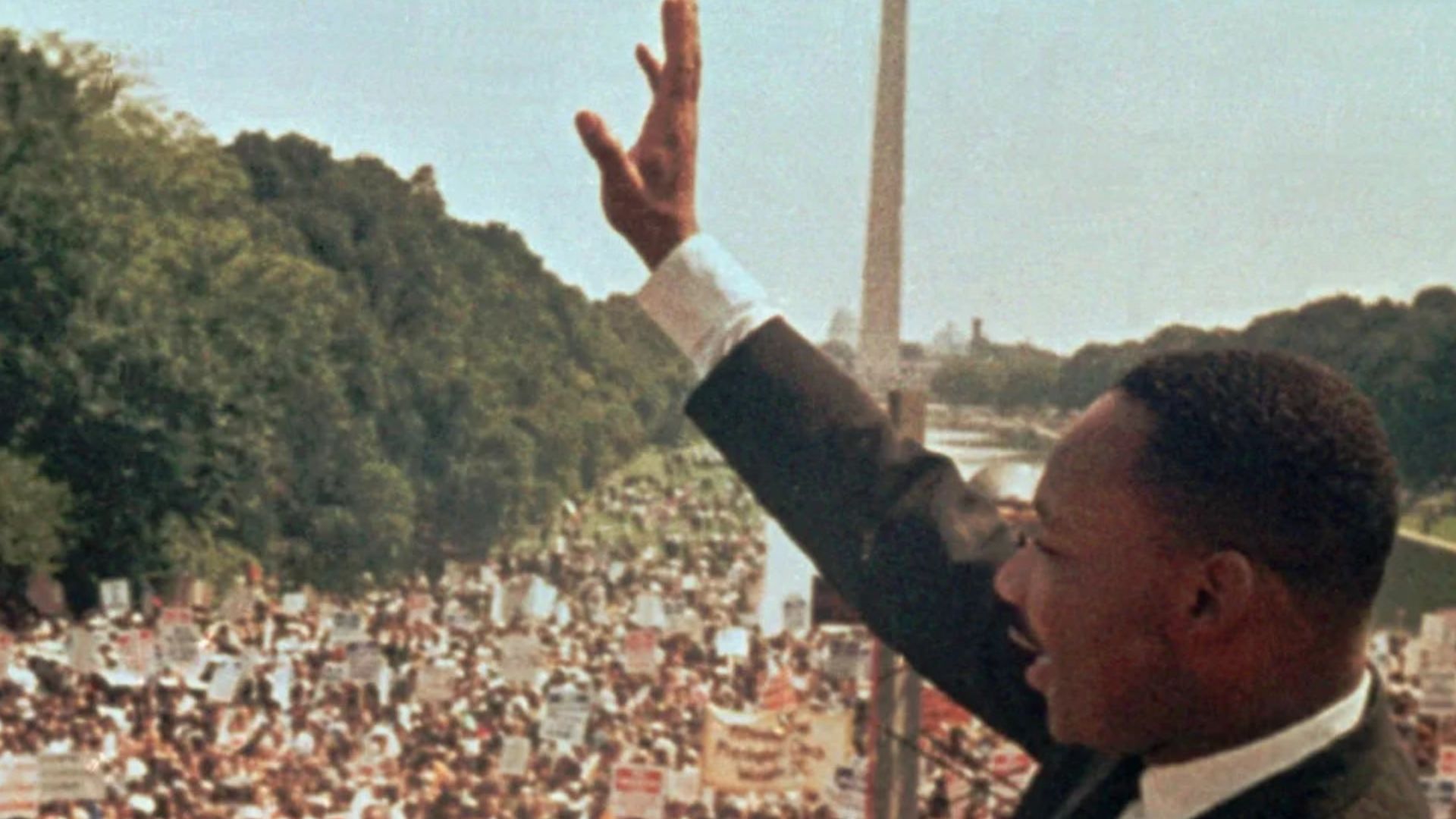 Associated Press Photographer, Wikimedia Commons
Thank God Almighty
Roughly halfway through the oration, perhaps at the urging of the black singer Mahalia Jackson, King abandoned his text and launched into an extemporaneous sermon. Interrupted by shouts of “yeah” and “my Lord” from the crowd in the familiar call-and-response style of a black church service, he articulated his millennial vision of America as an interracial utopia prepared for the Second Coming of Christ – the beloved community in which “all of God’s children, black men and white men, Jews and Gentiles, Protestants and Catholics, will be able to join hands and sing in the words of the old Negro spiritual: Free at Last! Free at Last! Thank God Almighty, we are free at last!”
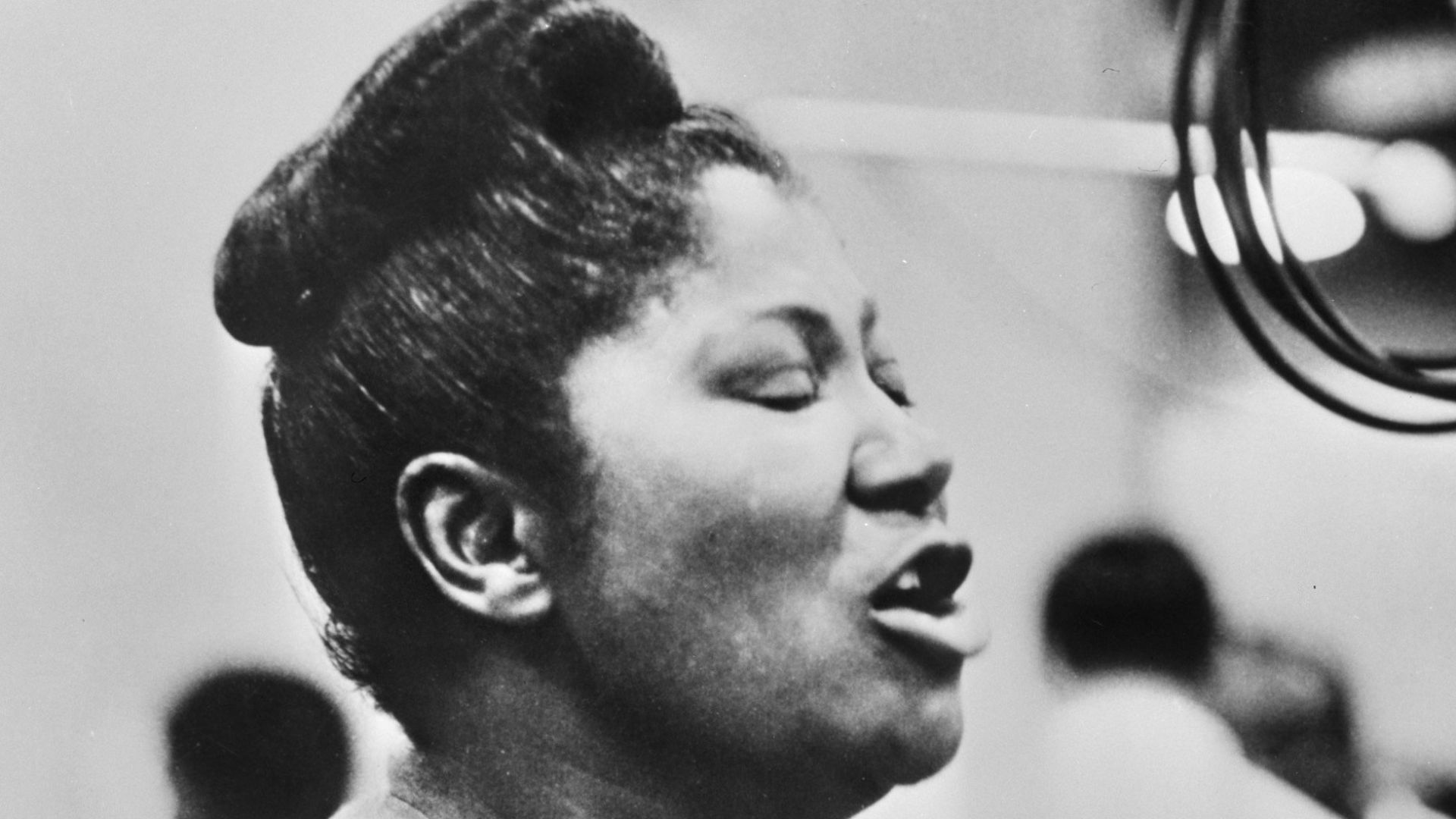
Let Freedom Ring
King had used many of the phrases and ideas in his speech before. Like all evangelical preachers, he often borrowed from his own work and that of others. The phrase ‘let freedom ring,’ repeated several times in the stirring peroration, was lifted directly from an address to the 1952 Republican national convention by Archibald J Carey Jr, a black Methodist clergyman.
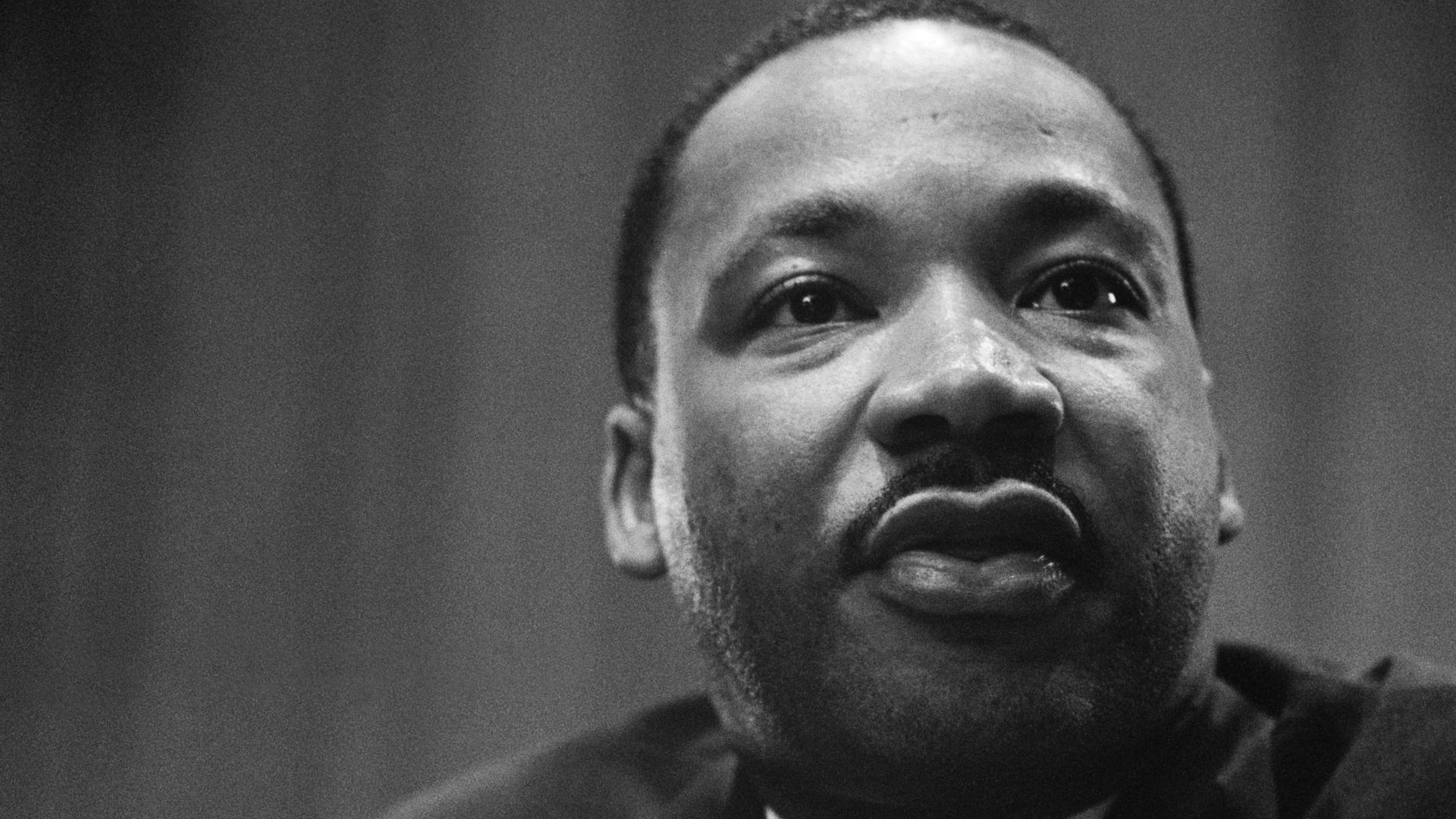 Marion S. Trikosko, Wikimedia Commons
Patriotic Influence
King drew on other textual sources to enrich, empower and ennoble his message. A Baptist minister himself, he peppered the oration with lines from the Old Testament. Importantly, because this was a profoundly patriotic speech delivered in the midst of a Cold War in which civil rights activists were routinely labelled subversives, King also drew purposefully on the well-springs of American nationalism. He referenced not only Lincoln’s Gettysburg Address and the founders’ commitment to “life, liberty and the pursuit of happiness,” but also the patriotic song ‘America’, sung regularly in the United States to the tune of ‘God Save the Queen”.
 Fletcher C. Ransom, Wikimedia Commons
A Historic Moment
King’s adept use of rhetorical techniques such as anaphora, the repetition of key phrases at the start of successive sentences (for example, “Now is the time”), helped make the speech memorable. However, its power was generated primarily by the skilful manner in which he blended the secular and the sacred to articulate his conviction that Americans, white and black, were living at a historic moment of national and scriptural fulfilment.
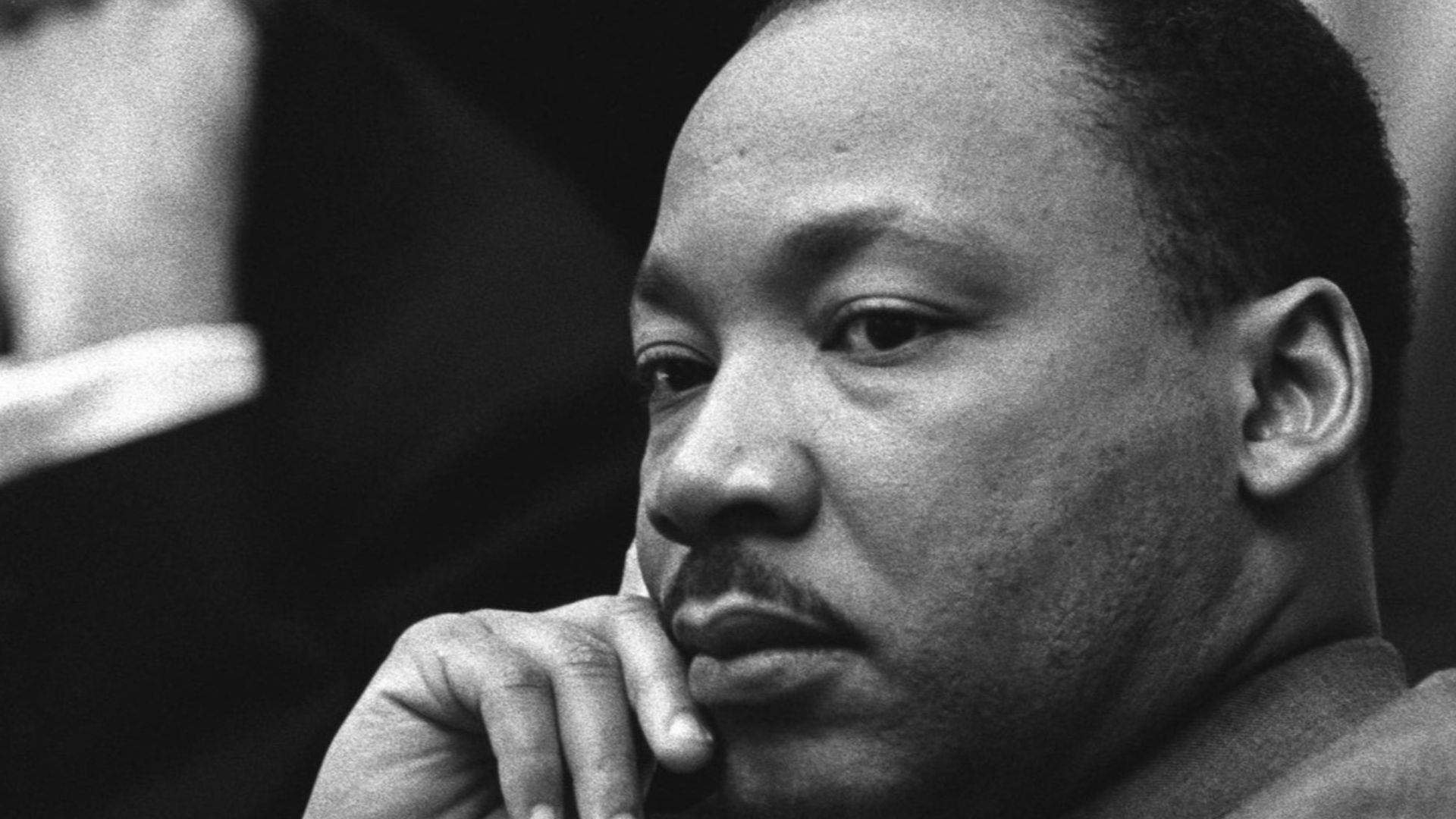 w:Yoichi Okamoto, Wikimedia Commons
It Aired Live
The speech was a dramatic performance. It must be viewed and heard as well as read. It was carried live on US television, and the new Telstar satellite beamed it around the world. King’s inspired use of words and phrases, the imposing physical setting, and the moral grandeur of the civil rights struggle all combined to entrench his interracial ‘dream’ in the national psyche.
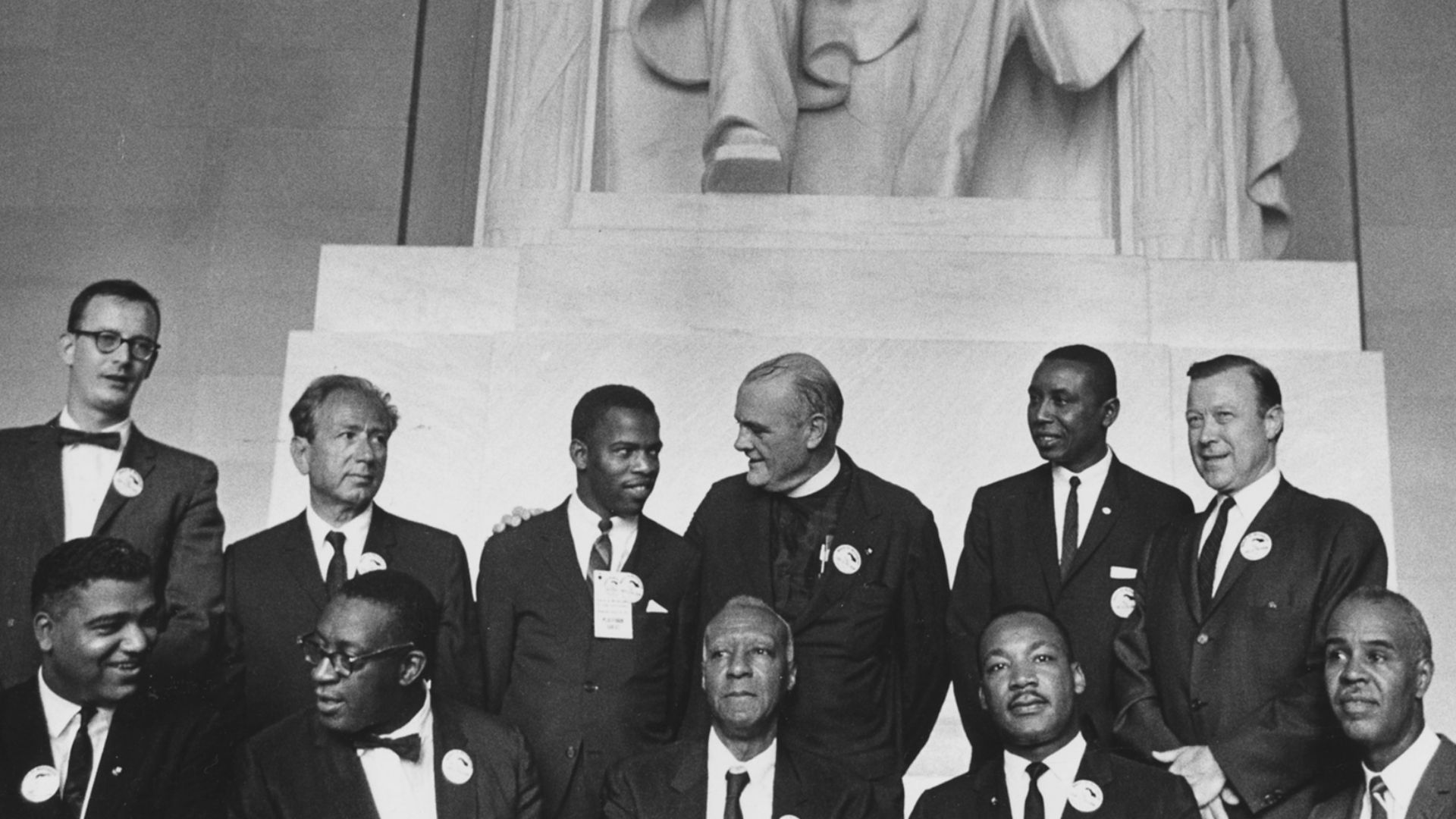 Rowland Scherman, Wikimedia Commons
Better Than Anybody Else
No one in 1963 could have foreseen that ‘I Have a Dream’ would have such immense staying power, but it certainly received a rapturous ovation from the crowd and was well received by the liberal press in the United States. “Dr King touched all the themes of the day,” wrote one commentator in the New York Times, “only better than anybody else.”

The FBI Wasn't Impressed
Not everyone was impressed. Many southern papers damned it with faint praise at best. The FBI’s assistant director, William Sullivan, prepared a memorandum stating that King’s “powerful demagogic speech” revealed the civil rights leader to be “the most dangerous and effective Negro leader in the country”.
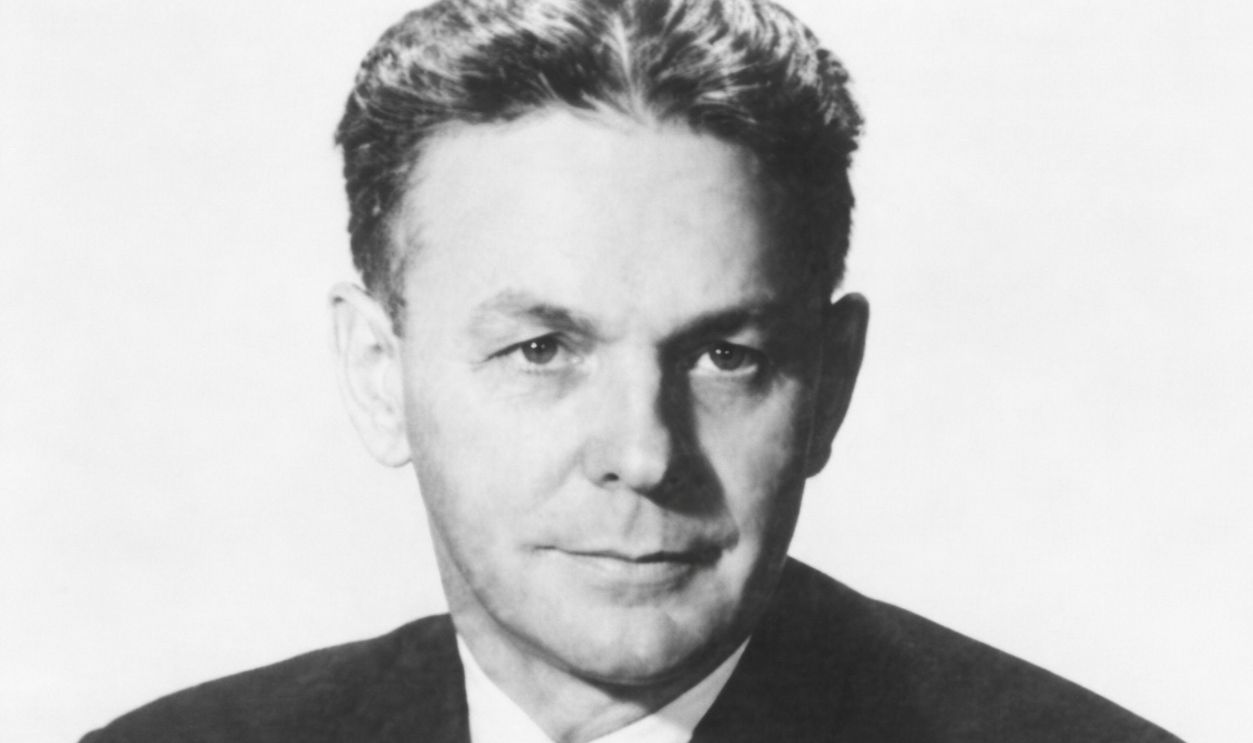 Federal Bureau of Investigations, Wikimedia Commons, Modified
It Didn't Usher In Utopia
‘I Have a Dream’ strengthened the mainstream consensus against segregation that had begun to develop after the Birmingham campaign. But it did not usher in any utopia. On 15 September a bomb ripped through the 16th Street Baptist Church in Birmingham, killing four black girls. Kennedy’s civil rights bill was still pending at the time of his assassination the following November.
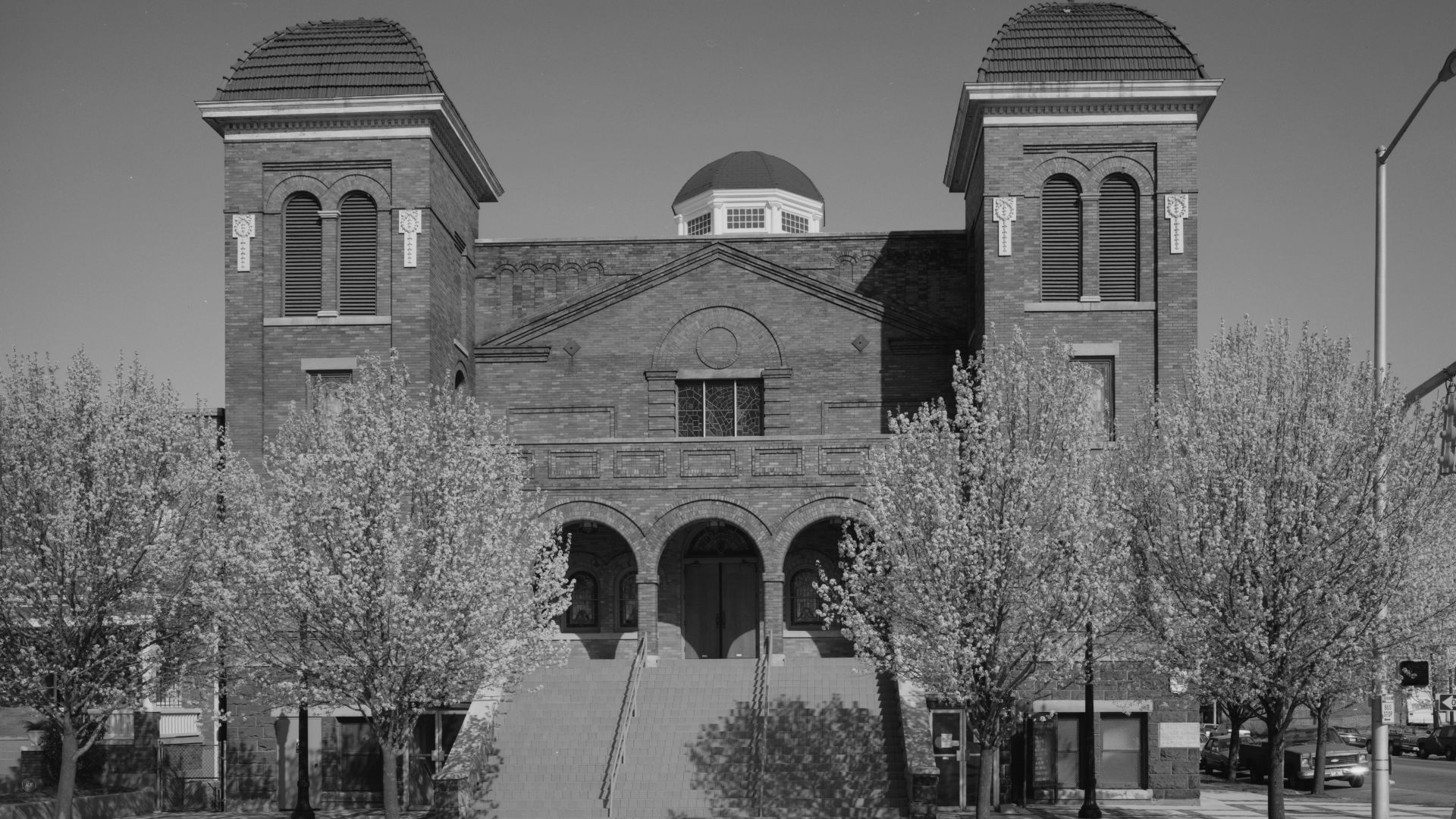 Jet Lowe, Historic American Buildings Survey, Wikimedia Commons
Enter Lyndon Baines Johnson
His successor, Lyndon Johnson, played a major role in securing its final passage in the US Senate in July 1964. Johnson’s efforts were assisted by the pressure exerted on conservative mid-western Republicans by white churchgoers attracted by King’s integrationist rhetoric and appalled by the murderous outrages of hard-line segregationists.
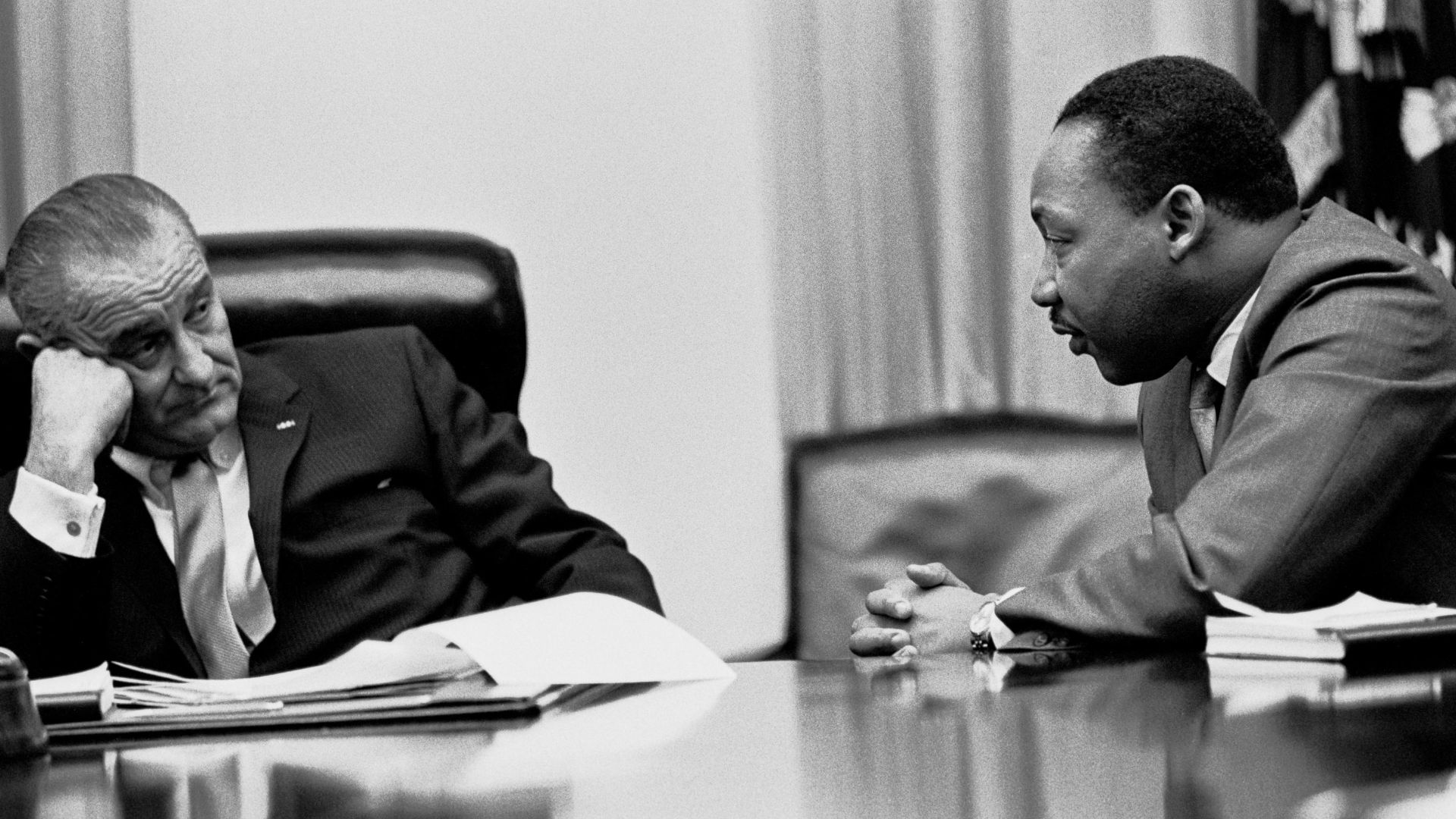 Yoichi Okamoto, Wikimedia Commons
An Ambiguous Legacy
The speech has left an ambiguous legacy. American conservatives have supported their calls for an end to affirmative action by citing Martin Luther King’s dream that his own children would “one day live in a nation where they will not be judged by the color of their skin but by the content of their character”.
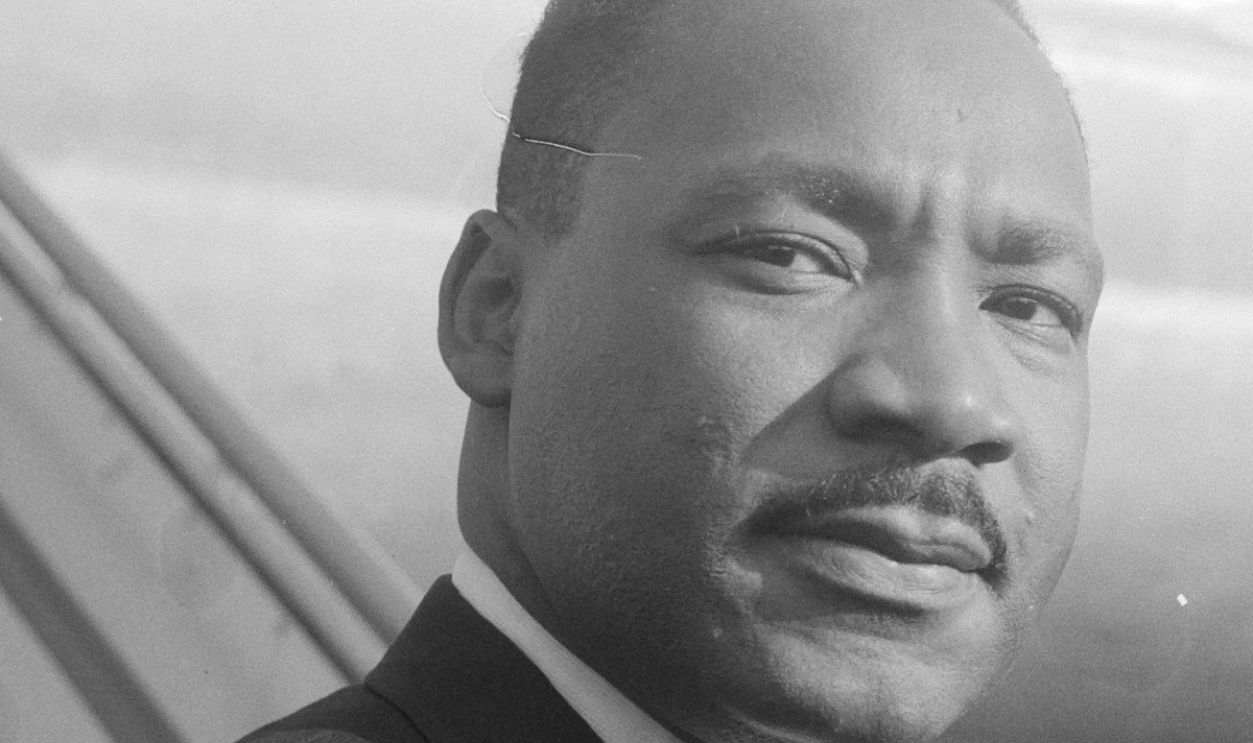 Hugo van Gelderen / Anefo, CC0, Wikimedia Commons
Obama On His Legacy
Barack Obama, criticised by some African-Americans for his political caution, has often invoked King’s legacy to bolster his own career. In 2006 he recalled his night-time jogs to the Lincoln Memorial where he looked out over the reflecting pool “imagining the crowd stilled by Dr King’s mighty cadence”.
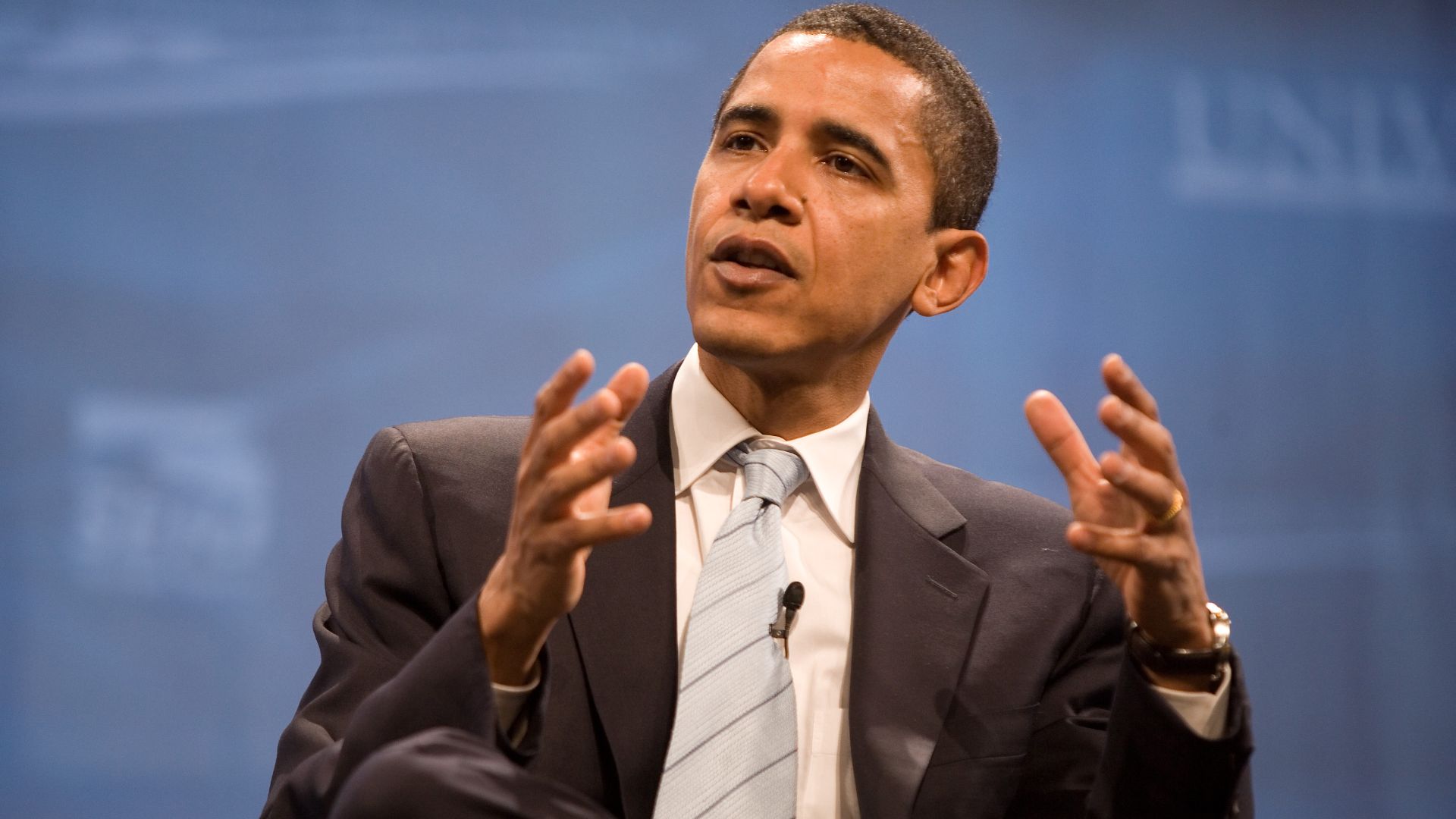 Center for American Progress Action Fund from Washington, DC, Wikimedia Commons
King's Thoughts Changed Over Time
Importantly, ‘I Have a Dream’ presents us with only a snapshot of King’s thought. His growing disenchantment with the federal authorities and white liberals in general, as well as mounting pressure from black nationalists, impelled him to seek more radical solutions to the country’s ills. In 1967 he delivered a scathing attack on America’s war in Vietnam and, in the months before his murder in 1968, he spearheaded the Poor People’s Campaign to secure greater federal assistance for the downtrodden of all races.
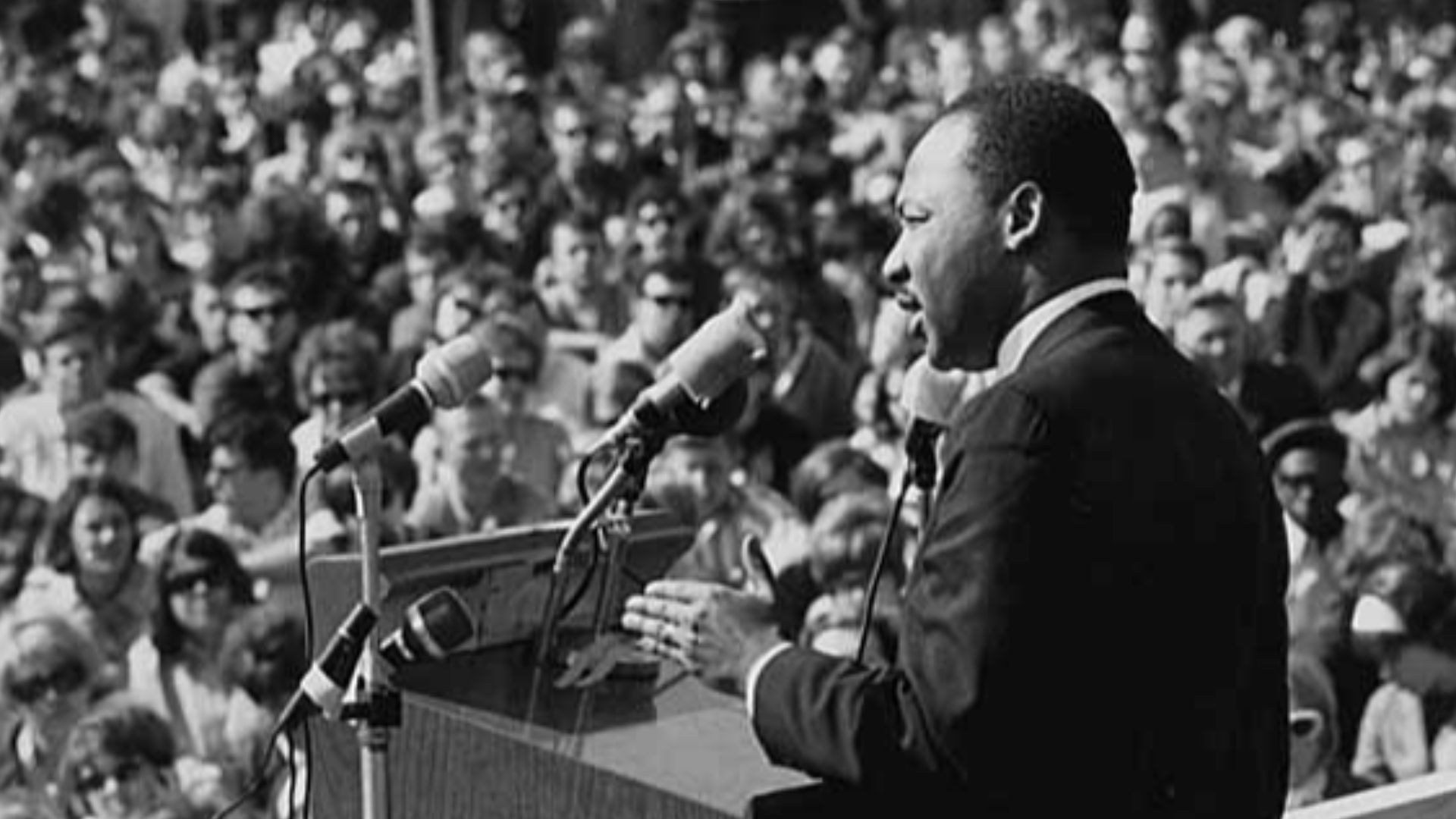 Minnesota Historical Society, Wikimedia Commons
Most Remember 1963 King
When most Americans today recall Martin Luther King it is, for the most part, the King of 1963 they are remembering. The radical King of 1967 and 68 is, for many, a less comfortable figure to recall. But who knows? Perhaps this later, more abrasive King has more relevance for our own troubled times than the dreamer we now acknowledge.
This content was created in partnership with HistoryExtra and written by Professor Robert Cook. Editorial changes were made to the original article.
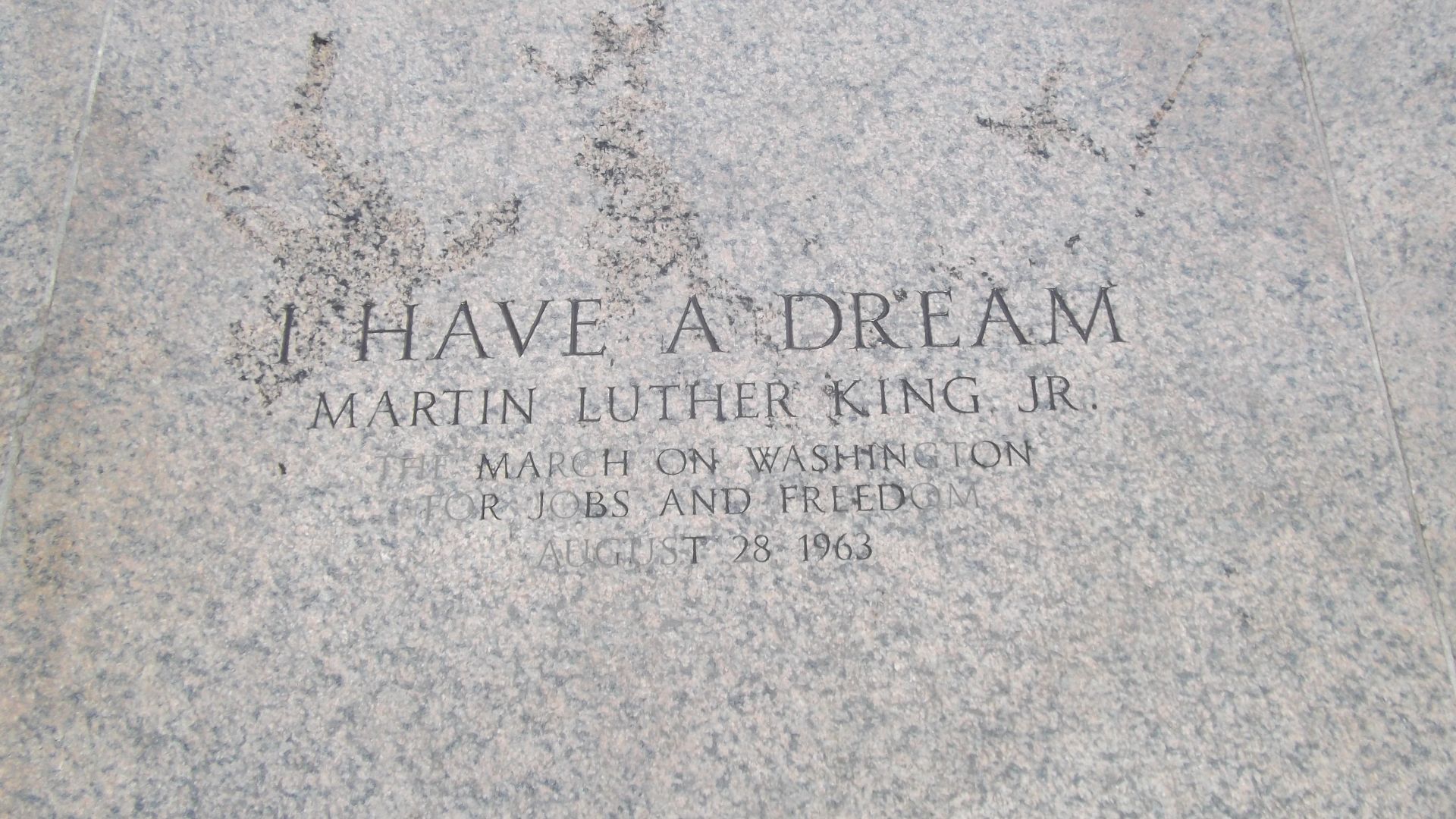












.jpg)
