The Real Story Behind Henry’s Rejection
Anne of Cleves has spent centuries trapped inside one of history’s neatest stories. Henry VIII supposedly saw a flattering portrait, married the woman in it, discovered she was hideously unattractive, and immediately wanted out. The surviving evidence points toward a more complicated explanation involving Henry’s wounded pride, rigid expectations of royal courtship, and his determination to blame Anne once the match disappointed him.
 Louvre Museum, Wikimedia Commons
She Became The “Ugly Wife”
Anne of Cleves occupies an awkward place in the famous rhyme about Henry VIII’s six wives. She was the fourth queen, the one who was “divorced” after barely six months of marriage. Generations of retellings reduced the debacle to Henry finding his new bride unattractive, but historians have increasingly questioned whether that explanation tells us much about Anne at all.
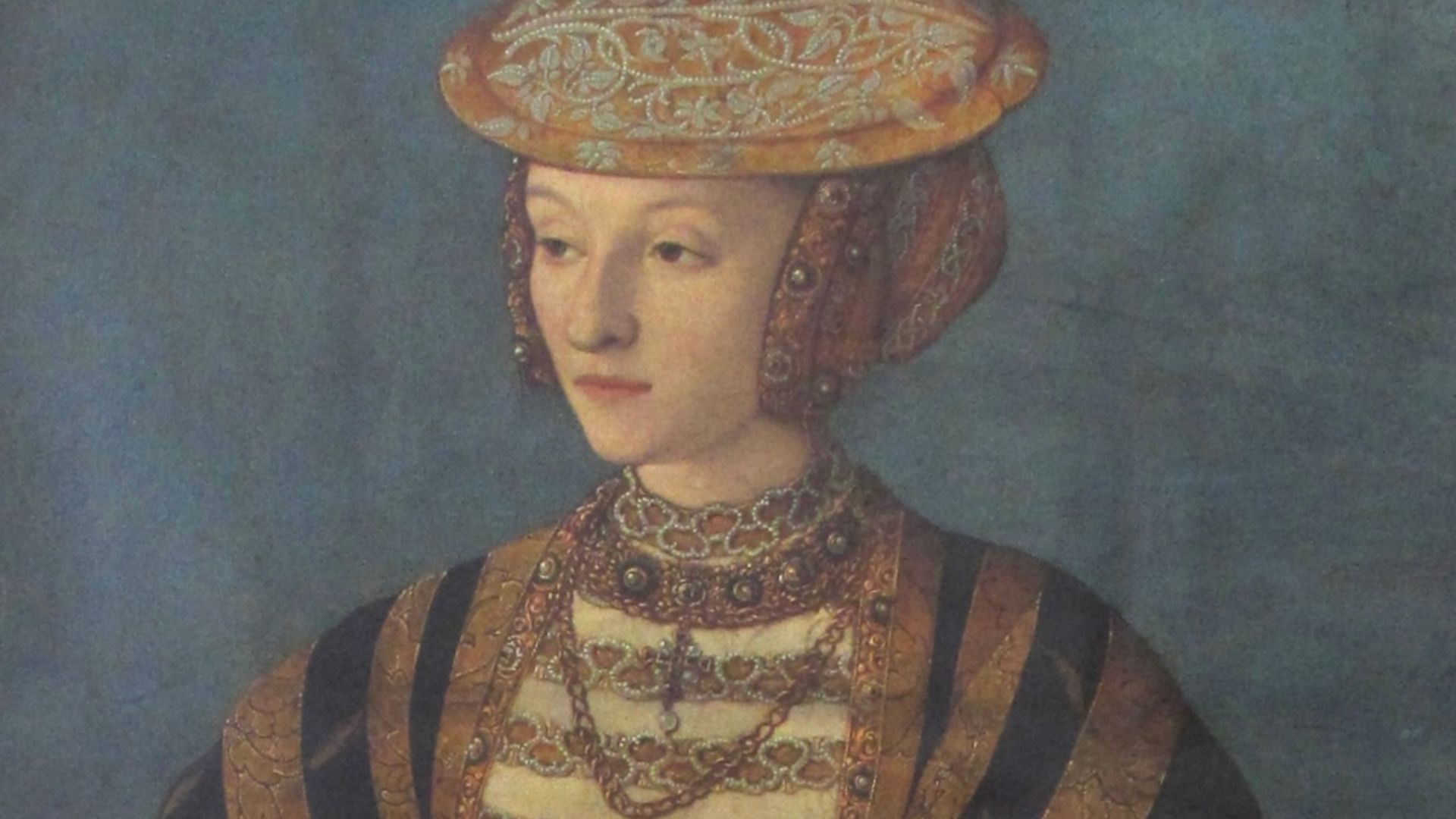 Hans Holbein the Younger, Wikimedia Commons
The Insult Outlived The Marriage
Anne has often been associated with the cruel nickname “Flanders Mare,” reinforcing the impression that her appearance doomed her marriage. Historic Royal Palaces notes, however, that the infamous nickname was not recorded until the 17th century, many decades after Anne and Henry were dead. The insult therefore tells us considerably more about Anne’s later reputation than about what people actually called her in 1540.
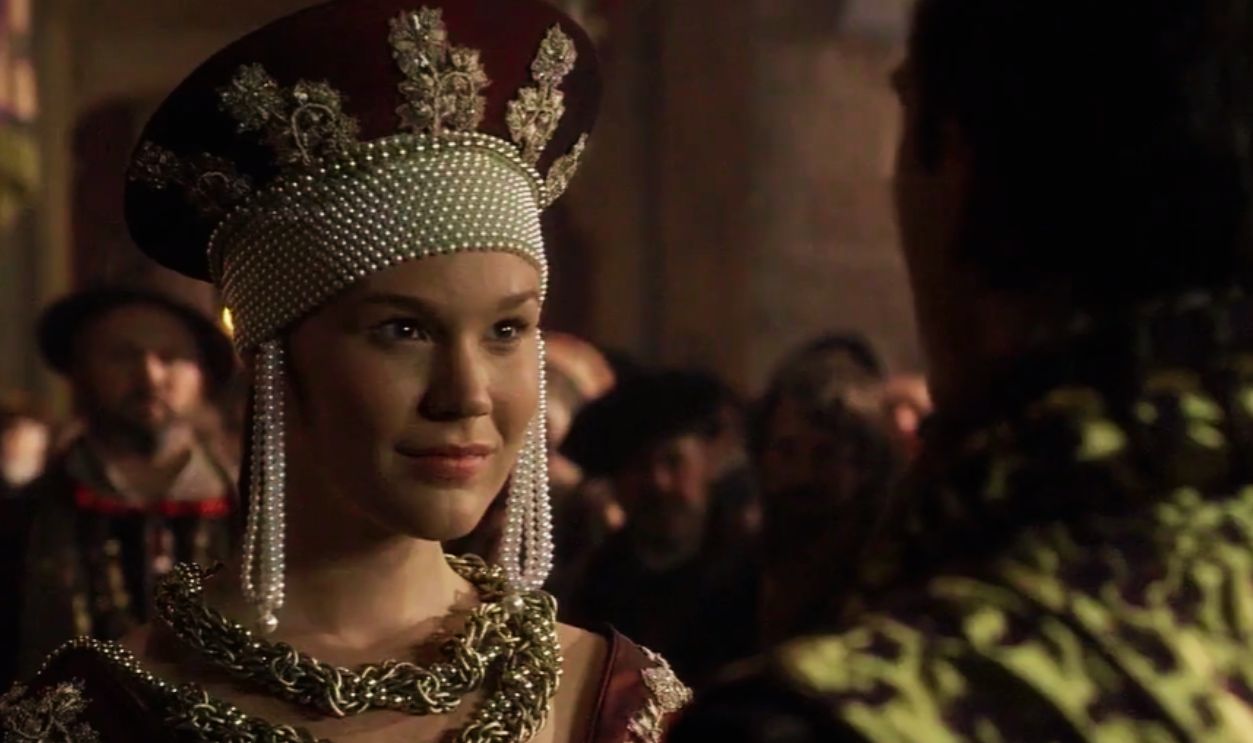 Screenshot from The Tudors, Paramount (2007-2010)
She Was A German Princess
Anne was born in 1515 and grew up in Cleves, a territory within the Holy Roman Empire. Her mother supervised an education geared toward the responsibilities of a German noblewoman, including reading and writing in German, needlework, and household management. Unlike many elite women at the English court, Anne apparently had not been trained extensively in music and dancing.
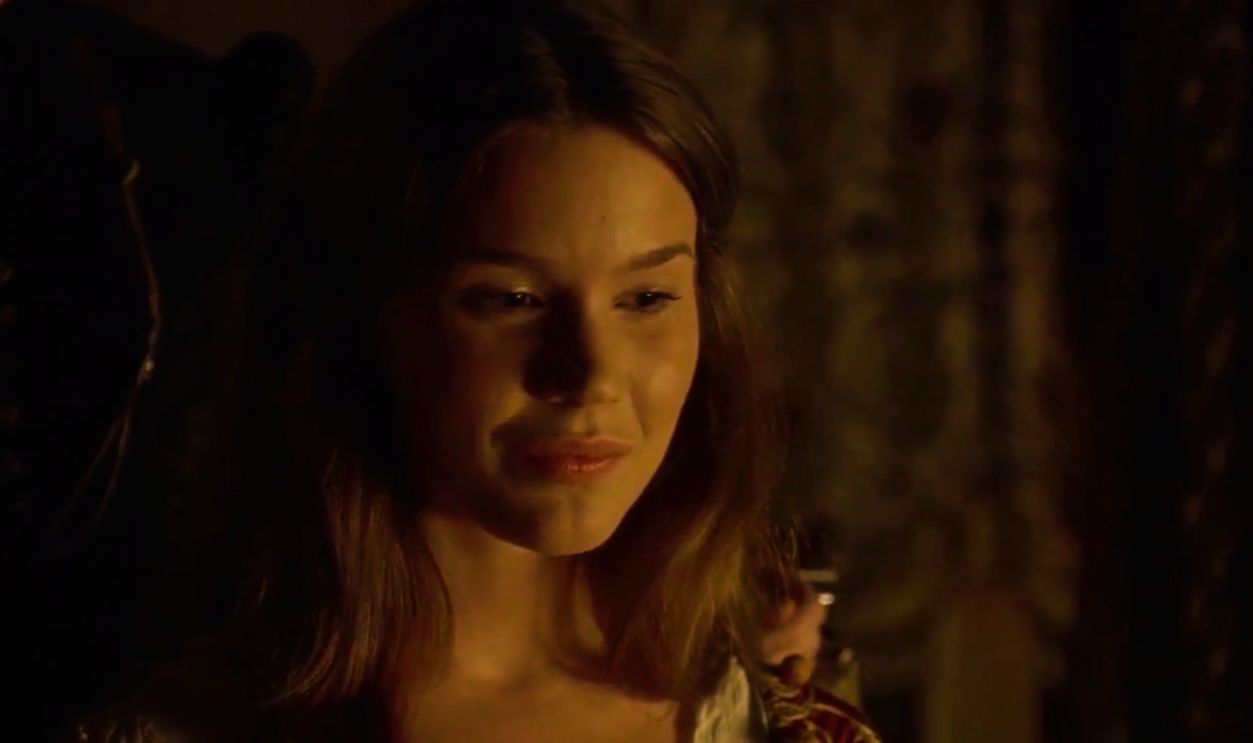 Screenshot from The Tudors, Paramount (2007-2010)
Henry Needed Another Wife
Henry’s third wife, Jane Seymour, had finally given him the legitimate son he desperately wanted when she gave birth to the future Edward VI in 1537. Jane died shortly afterward, leaving Henry a widower. By 1539, another royal marriage offered both dynastic and diplomatic advantages.
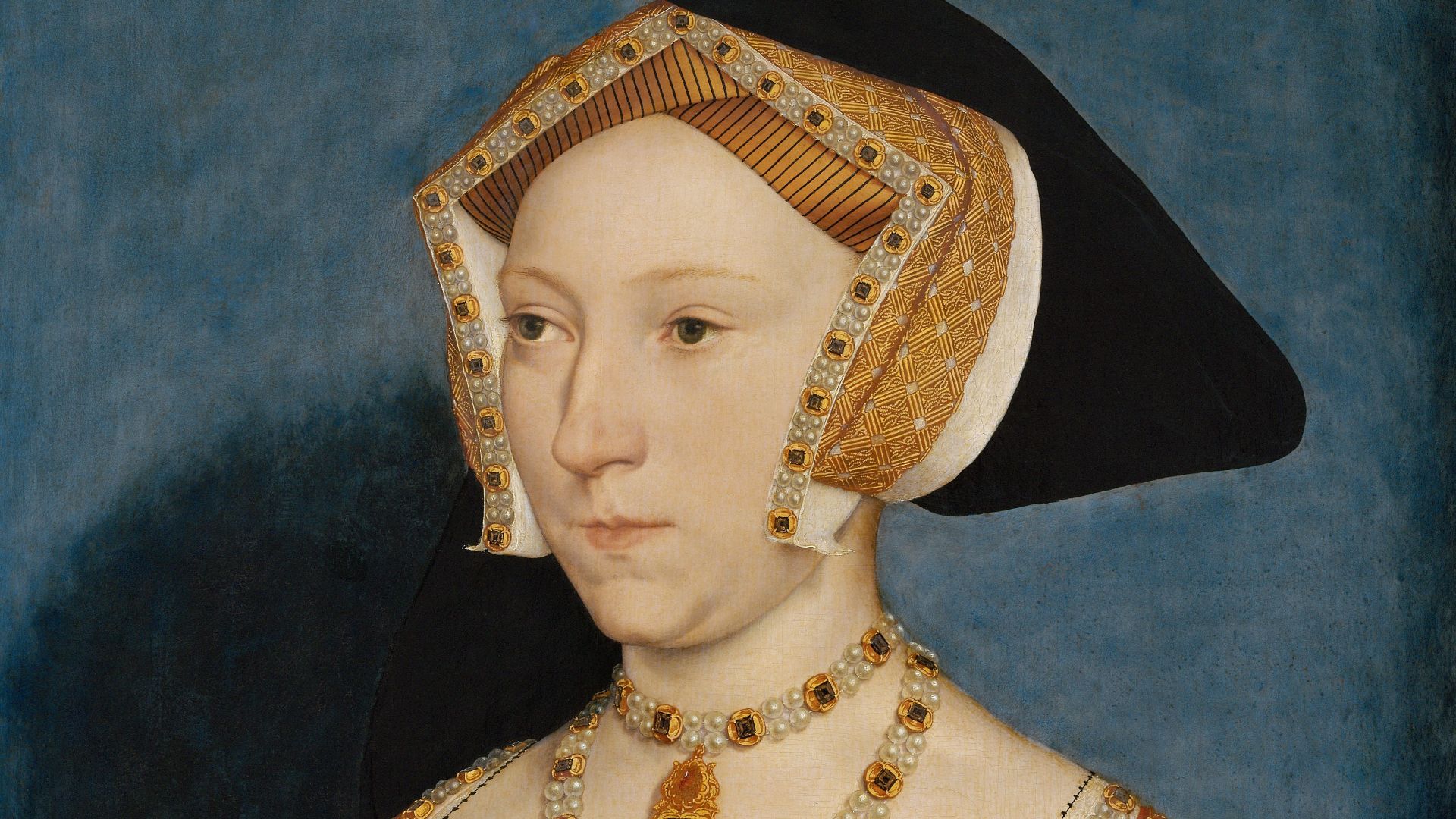 Hans Holbein the Younger, Wikimedia Commons
Europe Was Closing In
Henry had broken with Rome, and England risked diplomatic isolation as Holy Roman Emperor Charles V and French king Francis I improved relations. Pope Paul III was also hostile to the English king. An alliance with Cleves offered Henry valuable connections among German rulers who had their own disputes with the emperor and the papacy.
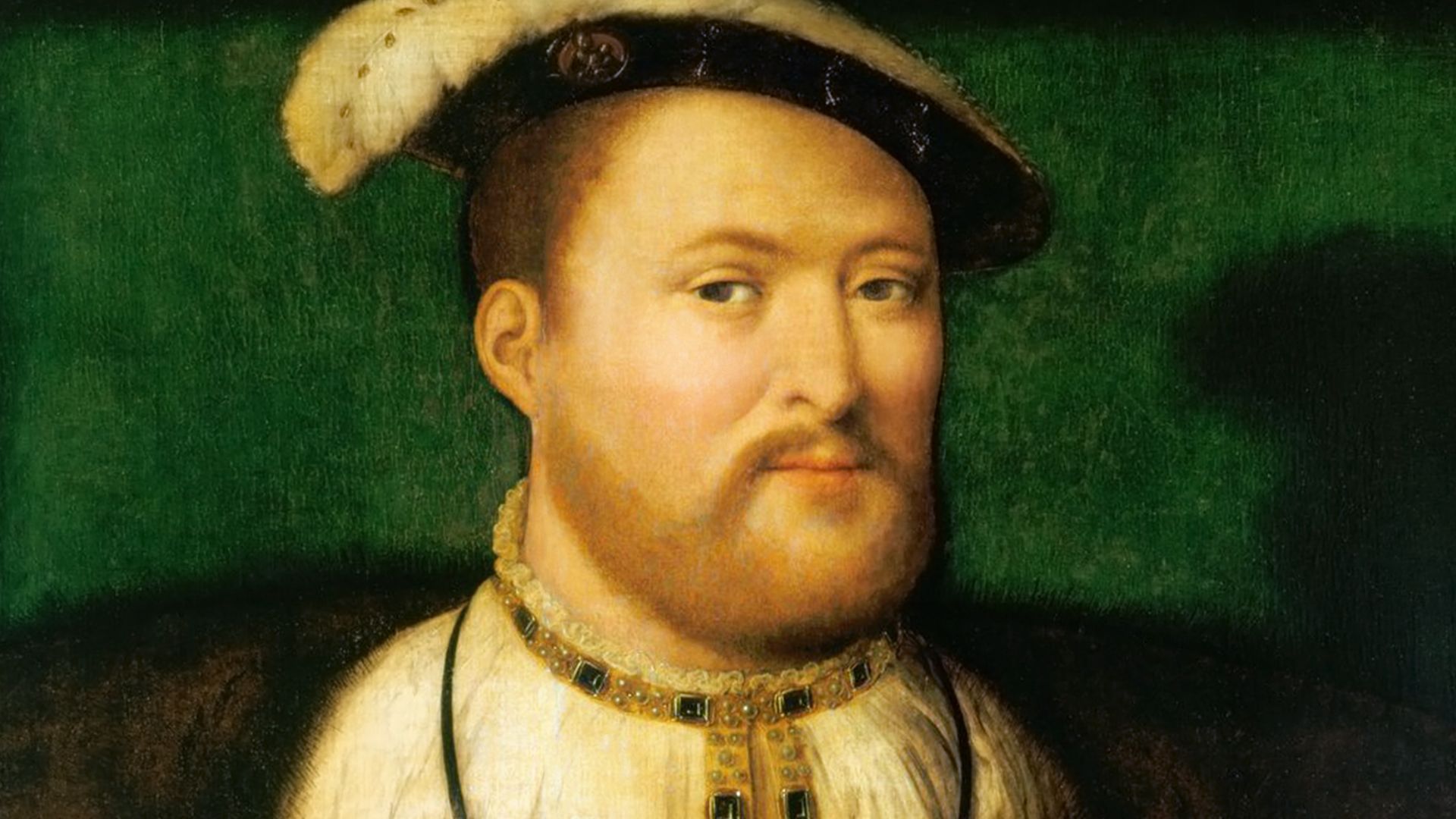
Marriage Was Foreign Policy
Royal marriage rarely began with romance in the 16th century. Anne’s brother ruled territories strategically useful to England, making his sister a serious candidate for Henry’s hand. Thomas Cromwell, Henry’s enormously influential chief minister, became closely associated with promoting the Cleves alliance.
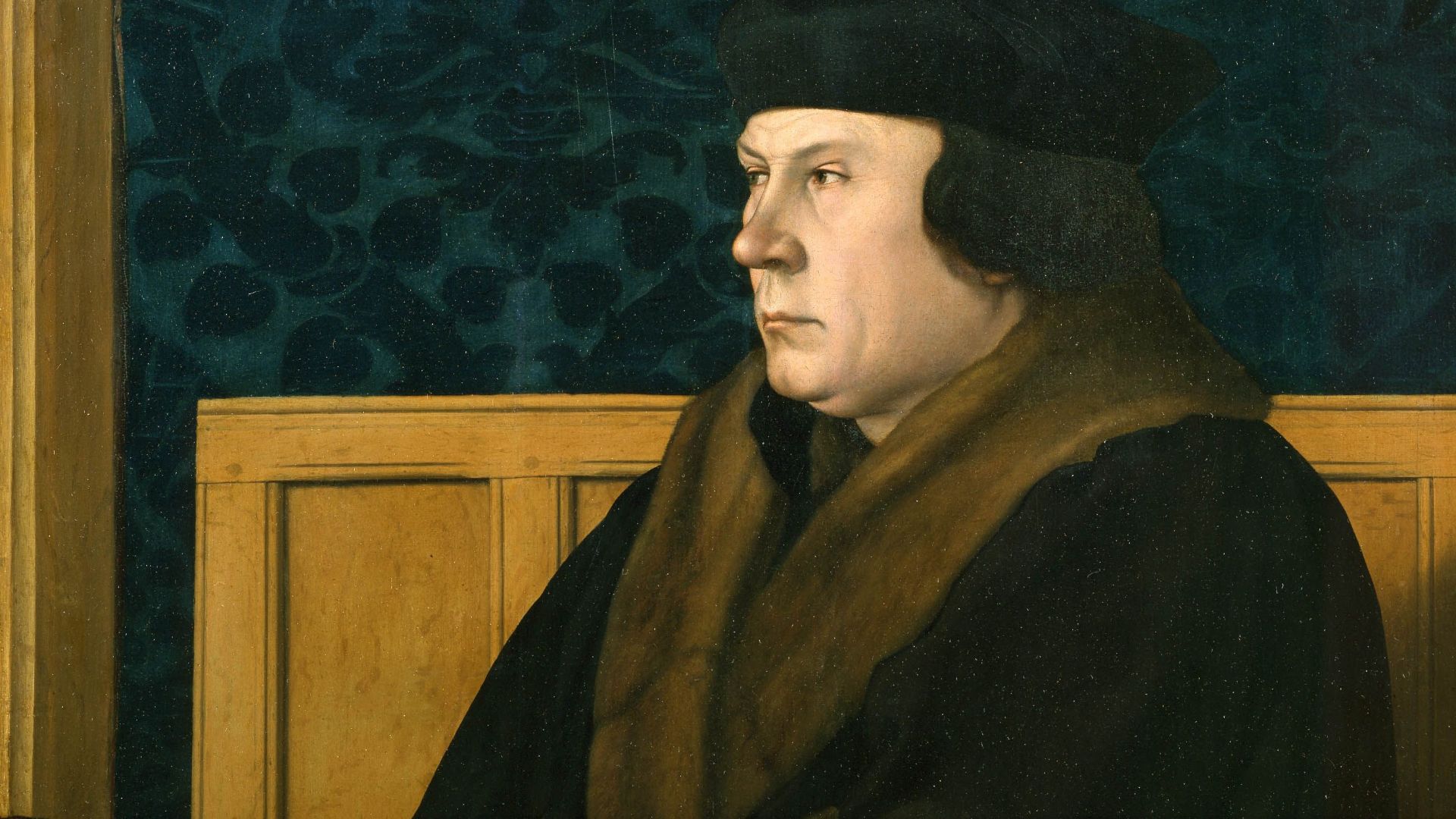 Hans Holbein the Younger, Wikimedia Commons
Henry Wanted To See His Options
Henry sent court painter Hans Holbein the Younger to portray Anne and her sister Amalia. The Louvre confirms that Holbein traveled to the Cleves court as part of Henry’s search for another wife. Henry ultimately selected Anne.
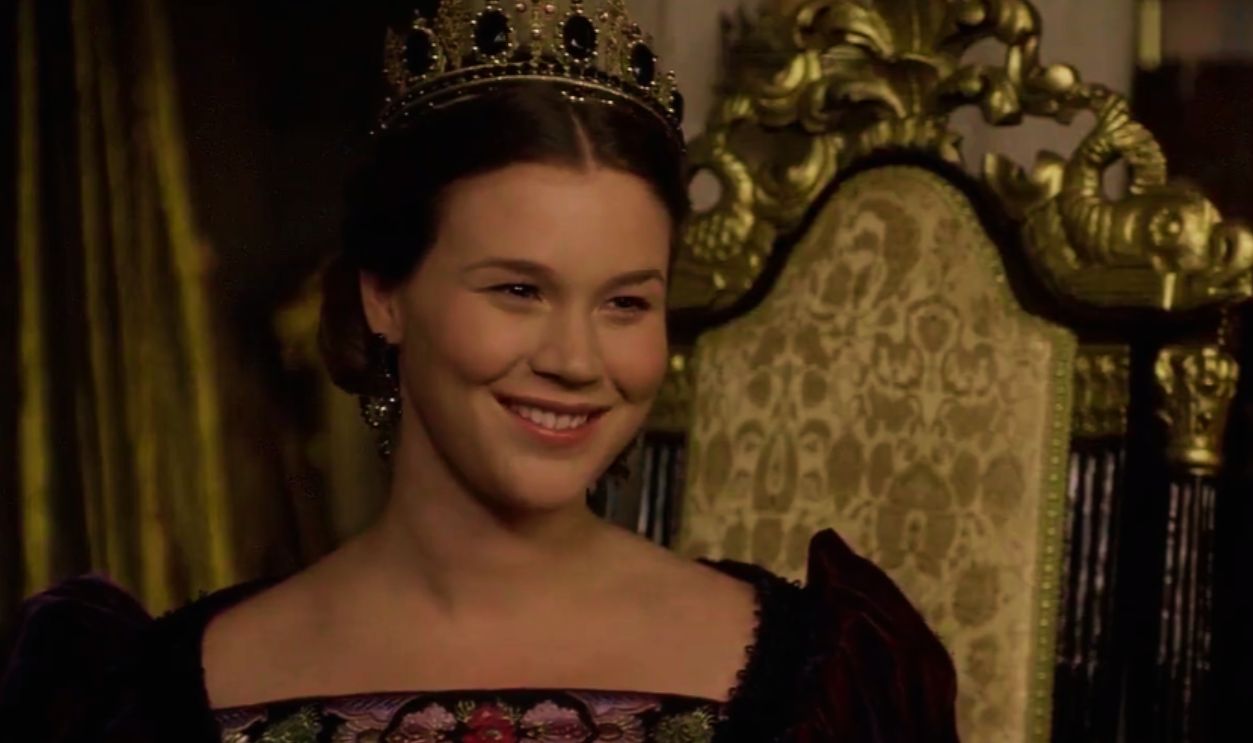 Screenshot from The Tudors, Paramount (2007-2010)
Holbein Created A Masterpiece
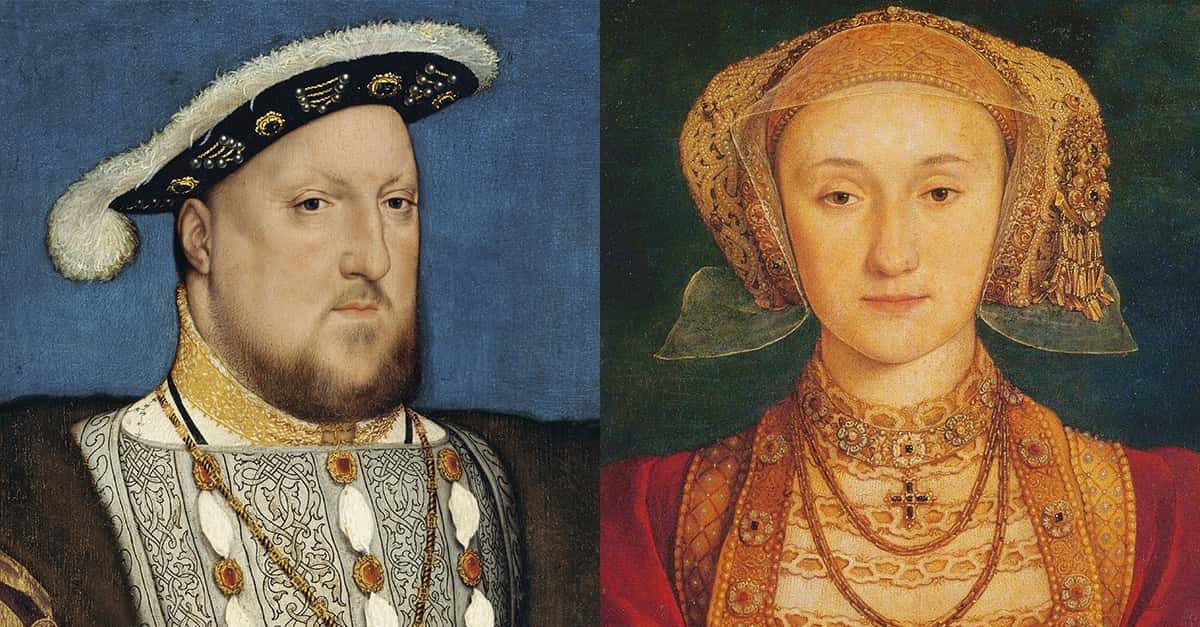
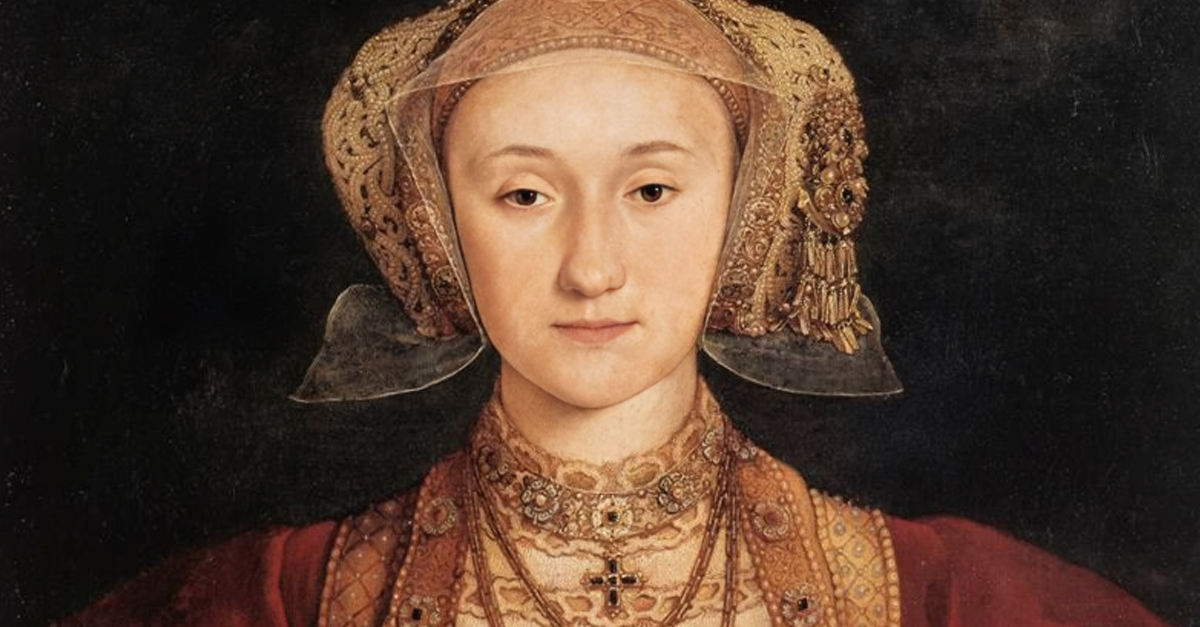
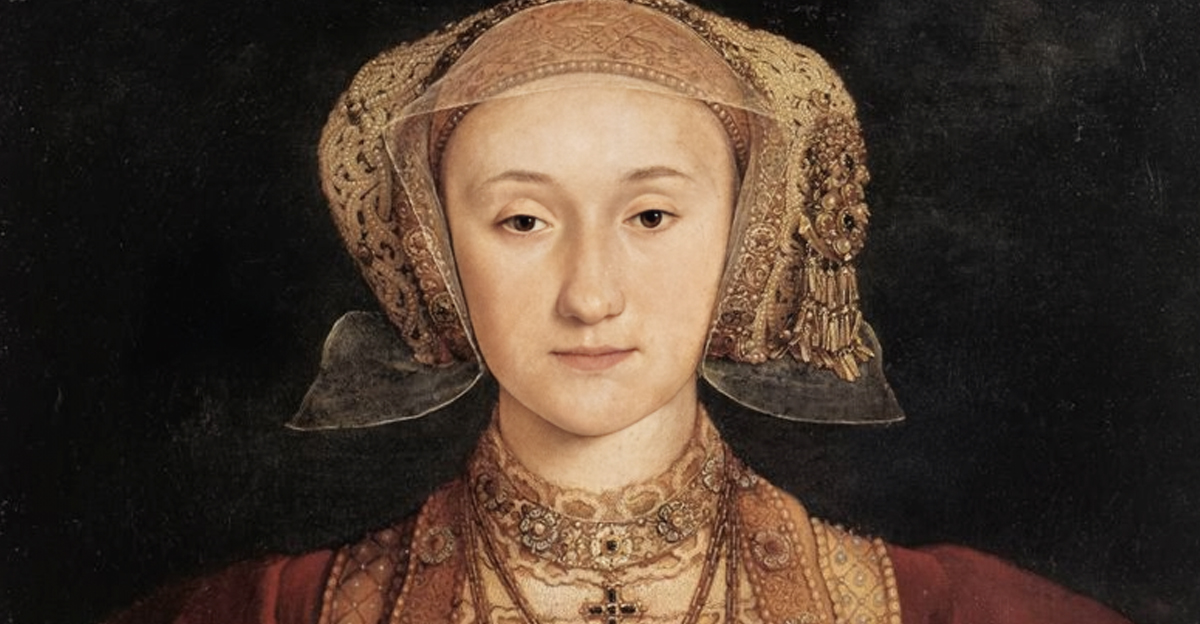
Holbein’s celebrated portrait presents Anne directly from the front, dressed in elaborate red clothing and covered in jewels and gold ornament. The work is now in the Louvre, which dates it to 1539, although recent research has reopened questions about exactly when its finished form was produced. Whatever its precise history, the image became inseparable from the disastrous marriage that followed.
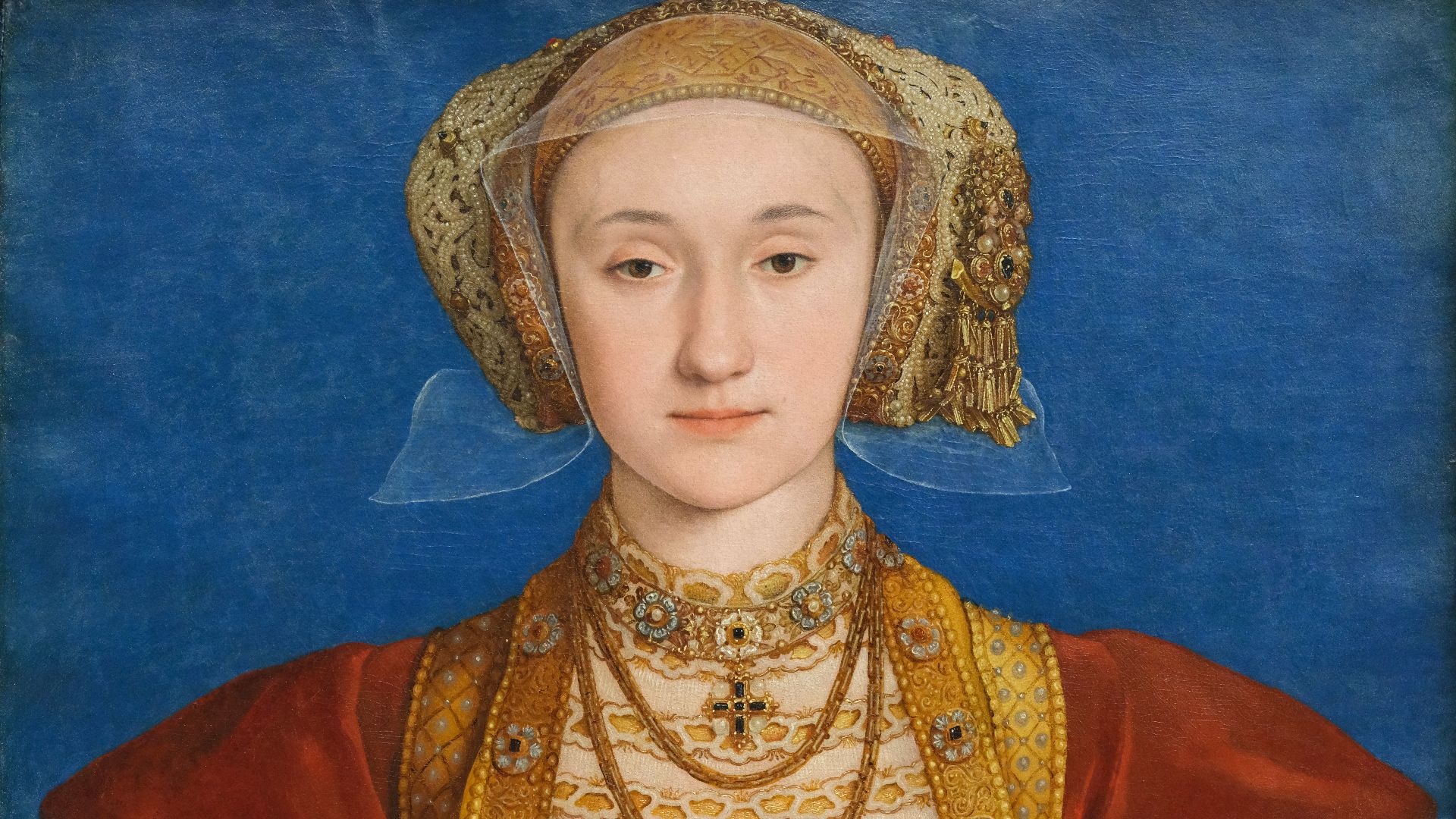 Hans Holbein the Younger, Wikimedia Commons
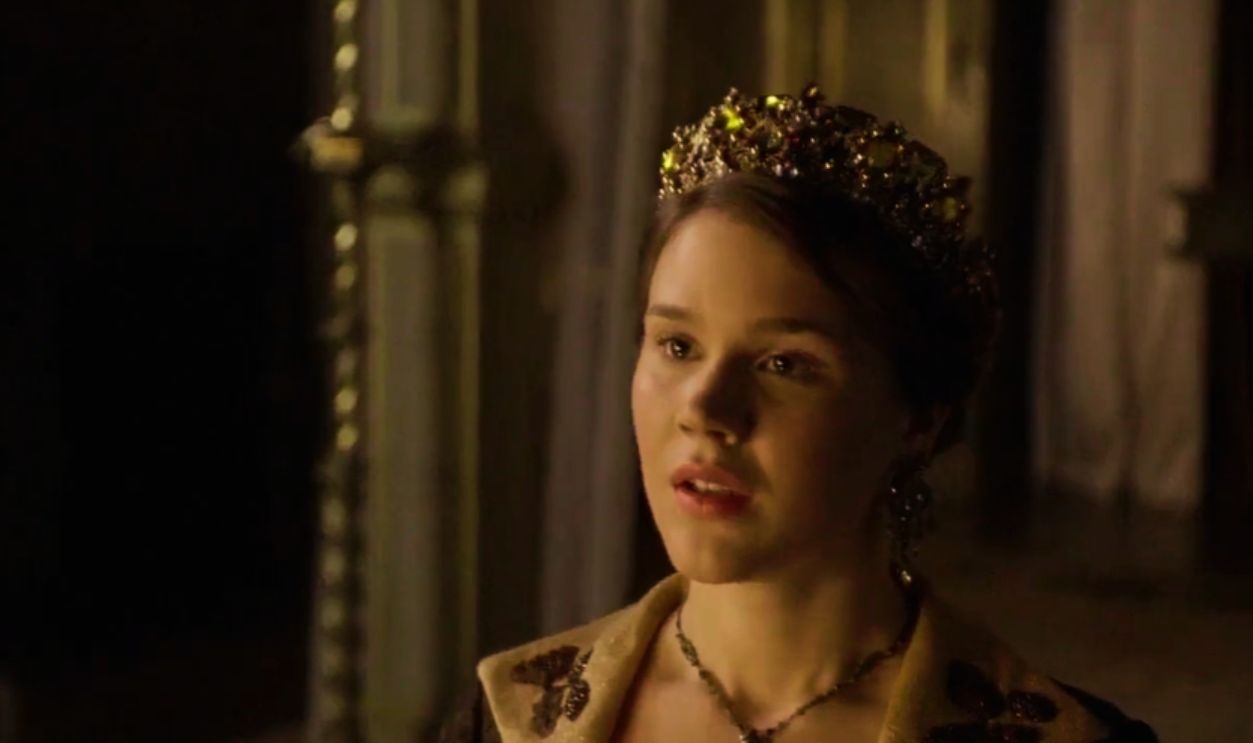
The Painting Probably Wasn’t A Fraud
The standard story claims that Holbein made Anne look much prettier than she really was and thereby fooled Henry. Yet contemporary evidence does not establish that the painter falsified her appearance, and Historic Royal Palaces notes that Henry’s own ambassador reported that Holbein had represented Anne’s likeness well. Holbein also survived the entire fiasco without suffering the sort of punishment one might expect if Henry believed he had been deliberately deceived.
 Screenshot from The Tudors, Paramount (2007-2010)
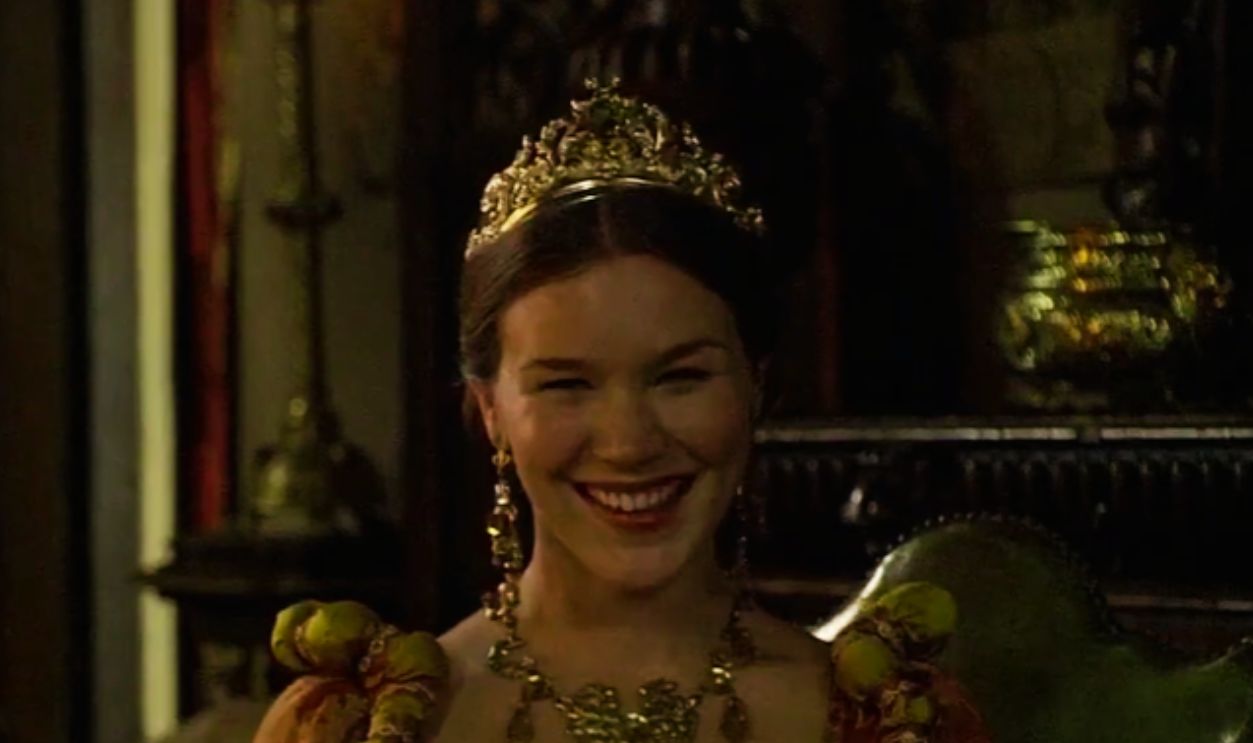
Anne Began Her Journey
Anne left her homeland in late 1539 and crossed into England after spending time in English-controlled Calais. She landed at Dover on December 27 and proceeded toward Rochester. She believed she was traveling toward the formal introduction that would precede her marriage to one of Europe’s most powerful monarchs.
 Screenshot from The Tudors, Paramount (2007-2010)
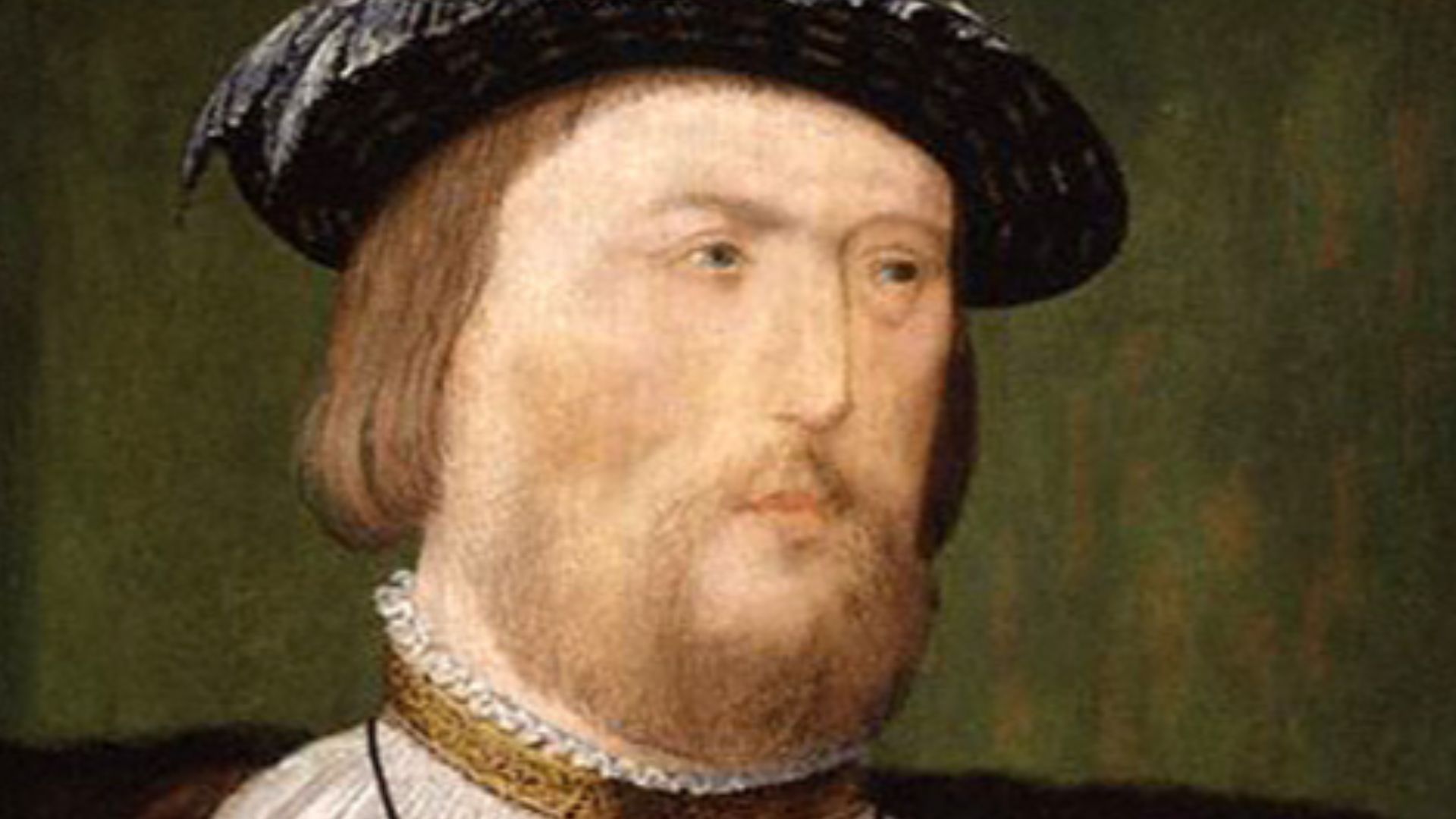
Henry Had A Surprise Planned
Henry was fond of elaborate courtly rituals, and he decided to meet his fiancée before the scheduled formal reception. On New Year’s Day 1540, he went to Rochester wearing a disguise and entered Anne’s chamber. Such disguised encounters belonged to a romantic court tradition in which the woman was ideally expected to recognize her intended partner instinctively.
 Unknown authorUnknown author, Wikimedia Commons
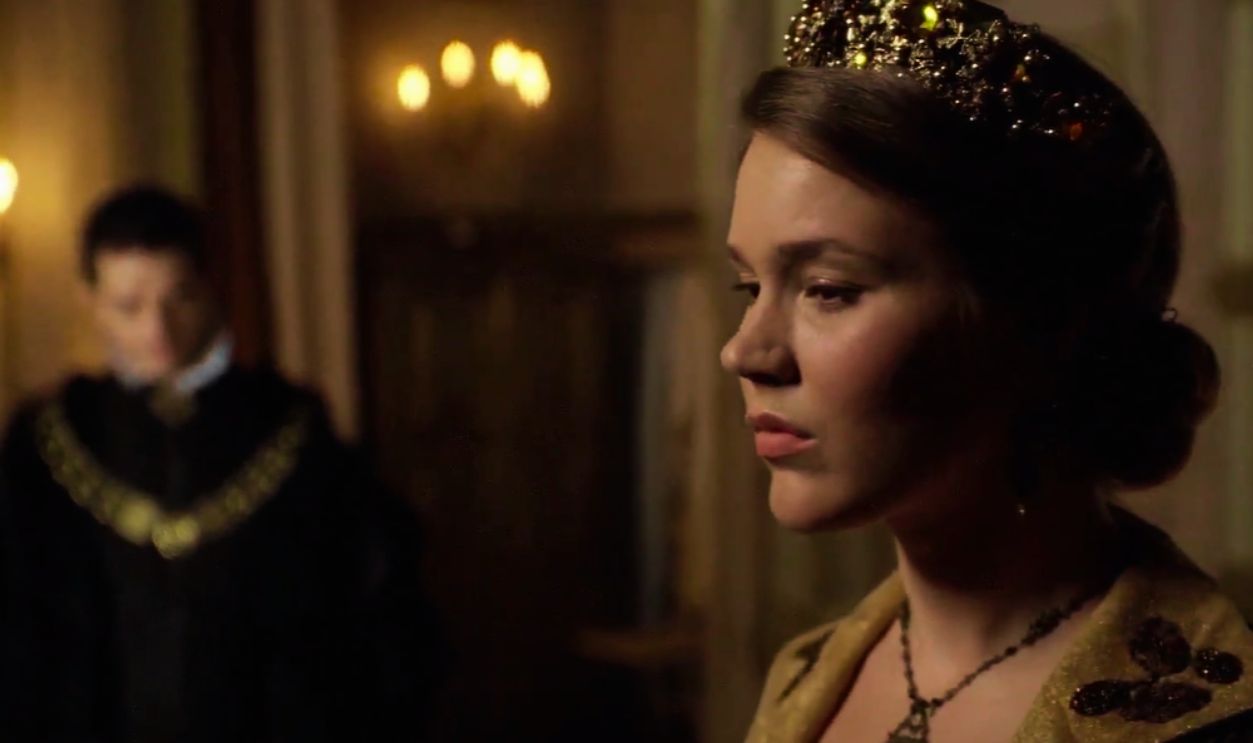
It Went Terribly Wrong
Anne apparently had no idea that the strange man entering her room was the King of England. Henry approached her enthusiastically, while Anne responded with understandable uncertainty. Rather than treating her confusion as natural, the proud king seems to have taken the encounter personally.
 Screenshot from The Tudors, Paramount (2007-2010)
His Pride May Have Been Wounded
The failed romantic game matters because it complicates the assumption that Henry’s reaction was purely about Anne’s face. She had failed to recognize him and had not responded to his disguised entrance with the excitement expected in courtly fantasy. Historian Retha Warnicke has emphasized the importance of royal courtship rituals when examining why the marriage unraveled.
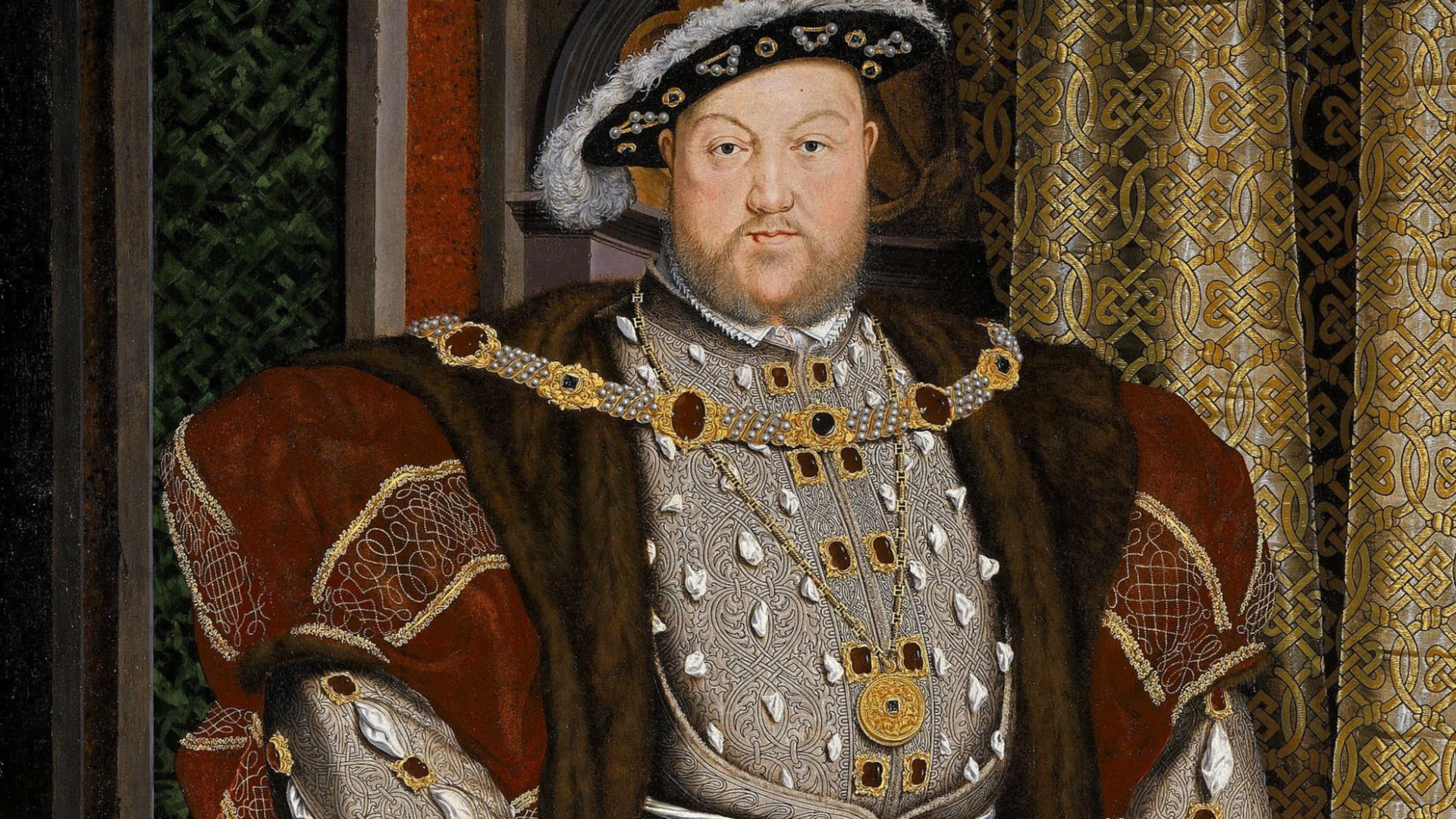 Workshop of Hans Holbein the Younger, Wikimedia Commons
Suddenly He “Liked Her Not”
After meeting Anne, Henry made it clear that he was disappointed. Thomas Cromwell later recalled Henry saying that Anne was not as attractive as he had been led to believe, while Henry began searching for a way to escape the marriage. The problem was that England had already invested heavily in the diplomatic arrangement.
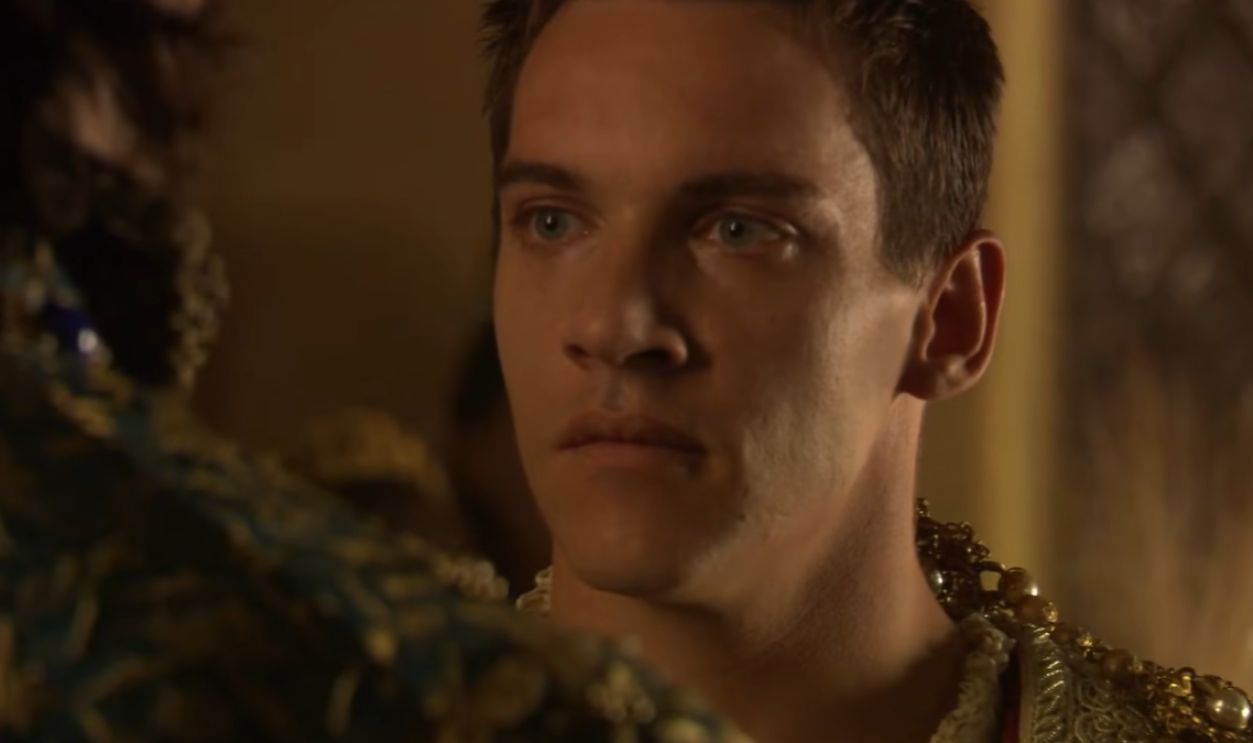 Screenshot from The Tudors, Paramount (2007-2010)
Henry Looked For A Loophole
Anne had previously been promised in childhood to Francis of Lorraine, and English officials examined whether that old agreement might prevent her new marriage. Cleves’s representatives maintained that the earlier arrangement no longer bound her. With the international consequences of abandoning Anne potentially serious, Henry reluctantly proceeded.
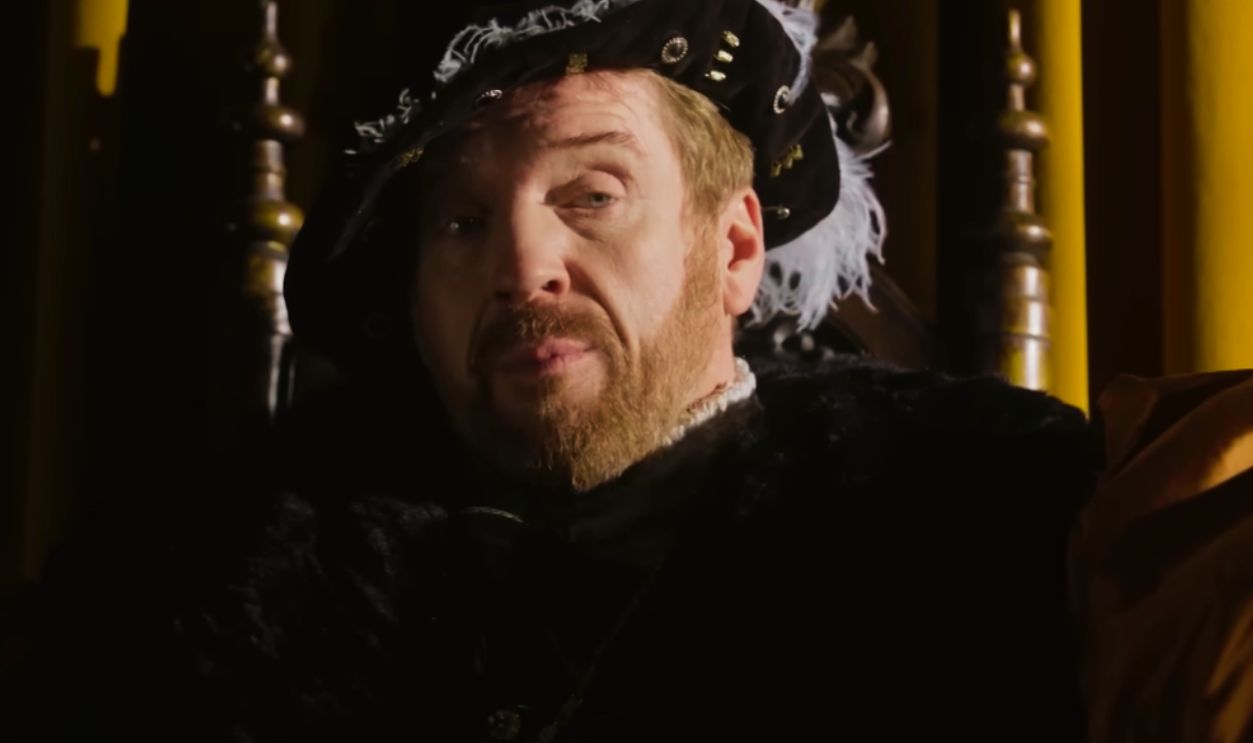 Screenshot from Wolf Hall: The Mirror and the Light, Sony Pictures Entertainment (2024)
The Wedding Went Ahead
Henry and Anne married at Greenwich Palace on January 6, 1540. The public ceremony offered all the expected magnificence of a Tudor royal wedding. Privately, however, Henry had already told Cromwell that he wished he did not have to go through with it.
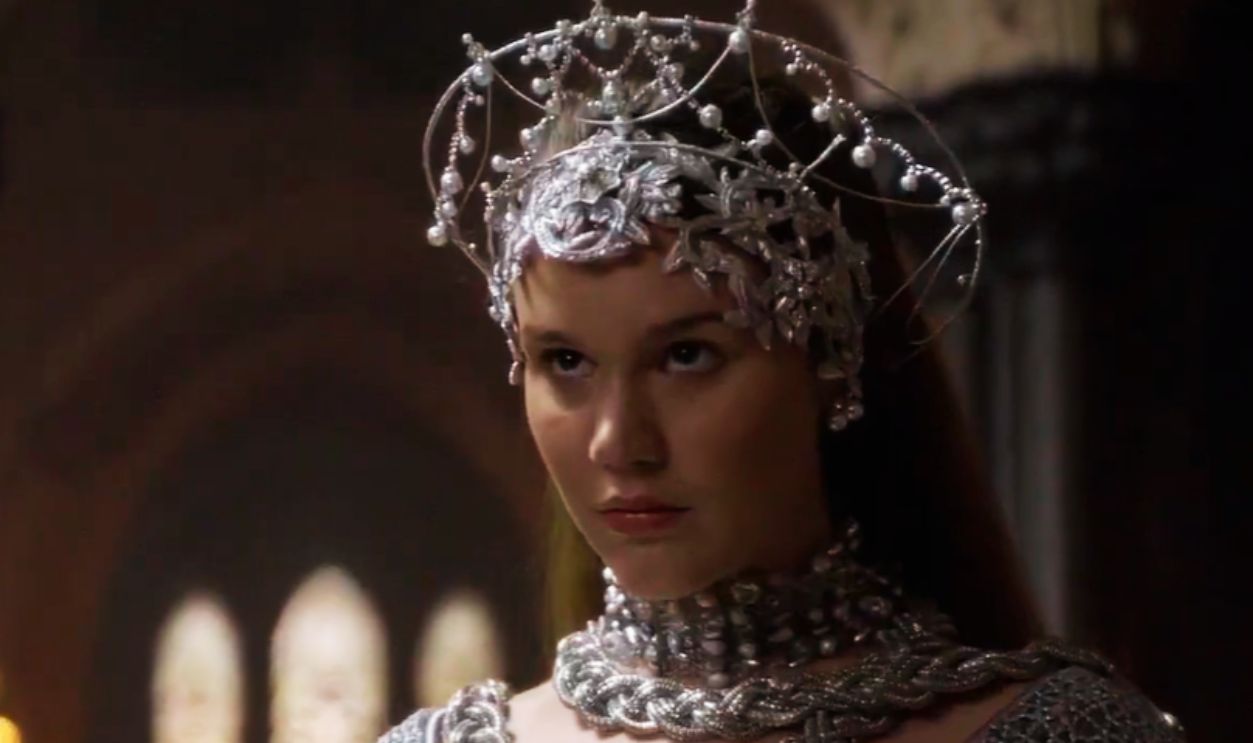 Screenshot from The Tudors, Paramount (2007-2010)
The Marriage Quickly Fell Apart
The relationship deteriorated almost immediately. Henry increasingly insisted that the union had been a mistake and began presenting his unhappiness as evidence that something had gone fundamentally wrong with the arrangement. Anne, who was new to England and its court politics, had little power over the story Henry was constructing around her.
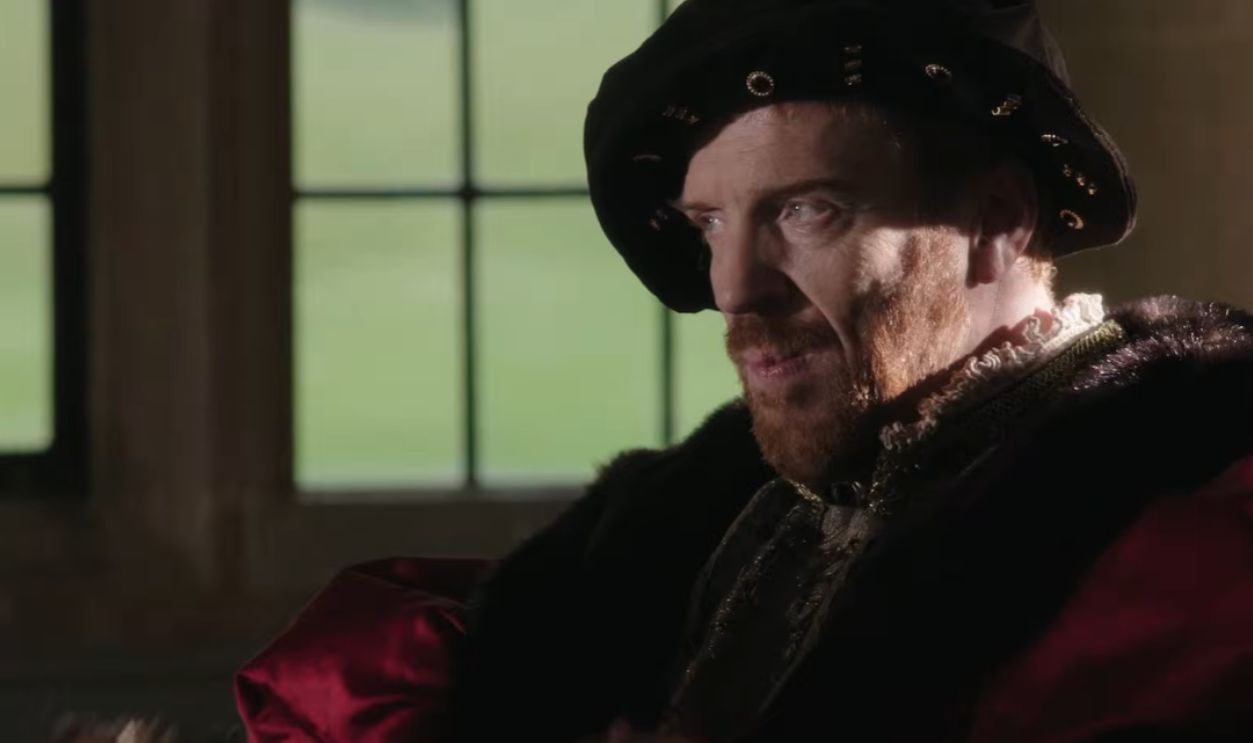 Screenshot from Wolf Hall: The Mirror and the Light, Sony Pictures Entertainment (2024)
Henry Needed An Explanation
Simply admitting that he had changed his mind would have been politically embarrassing. The marriage had been negotiated at great expense and promoted as an important diplomatic alliance. Henry therefore had strong reasons to portray the failure as something caused by Anne rather than by his own judgment.
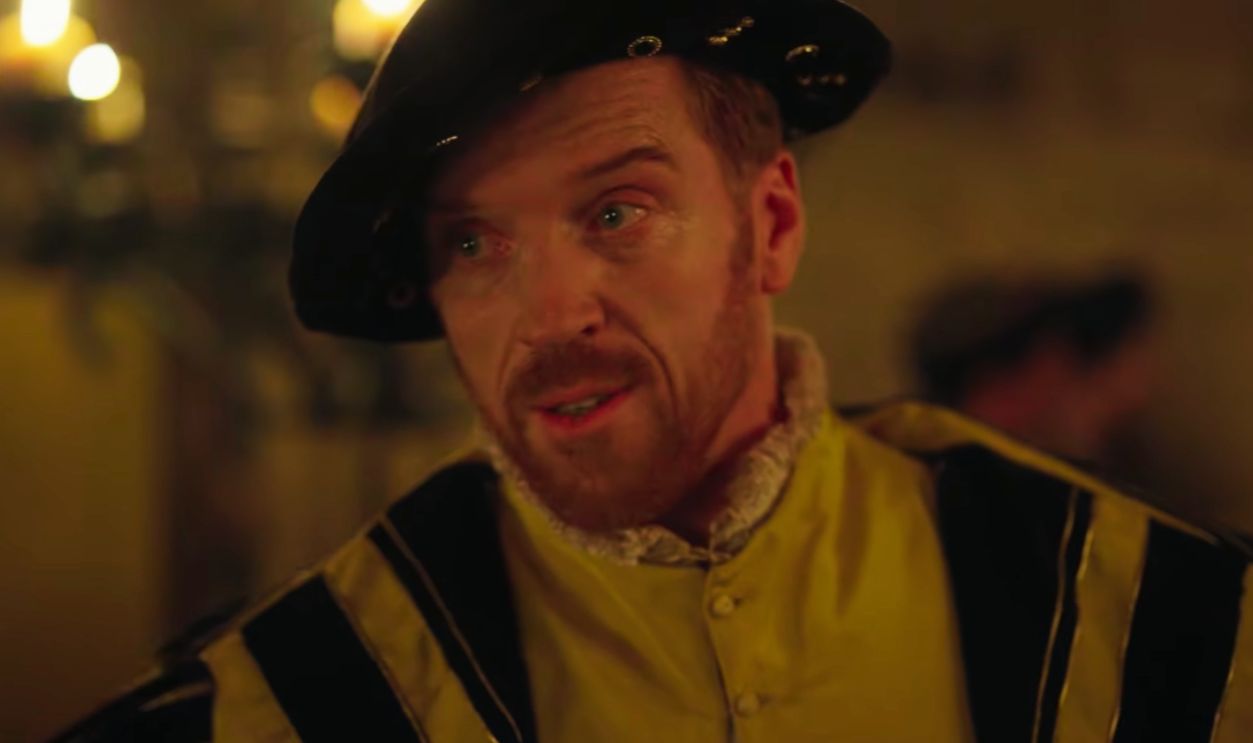 Screenshot from Wolf Hall: The Mirror and the Light, Sony Pictures Entertainment (2024)
Anne Became The Problem
Accounts produced during the collapse of the marriage focused increasingly on Henry’s dissatisfaction with Anne. Her appearance, manner, upbringing, and suitability were all open to criticism once the king wanted out. That imbalance mattered because Henry controlled the court in which those judgments were being made.
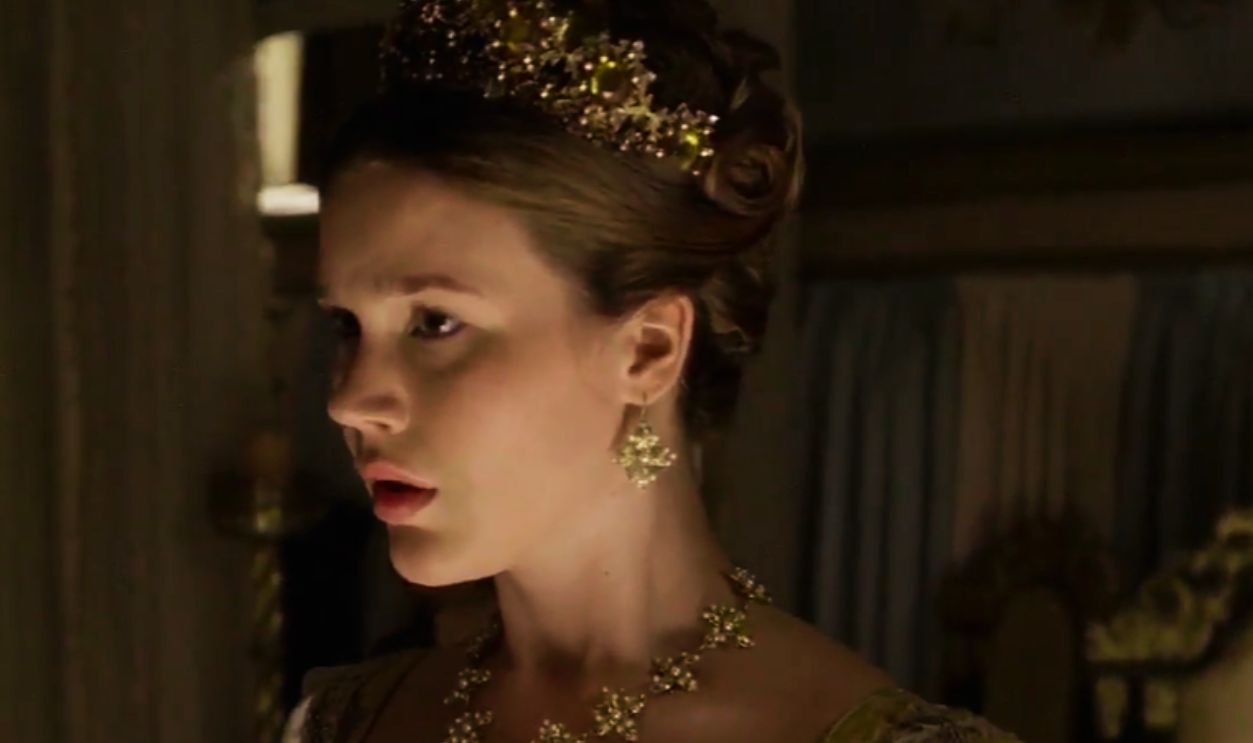 Screenshot from The Tudors, Paramount (2007-2010)
Courtly Expectations Worked Against Her
Anne had grown up far from the polished environment of the Tudor court. Her education and accomplishments reflected the expectations of Cleves rather than England, and observers noted differences in language, clothing, music, and social customs. Traits that had seemed acceptable during negotiations could suddenly be reframed as shortcomings after Henry lost interest in the alliance.
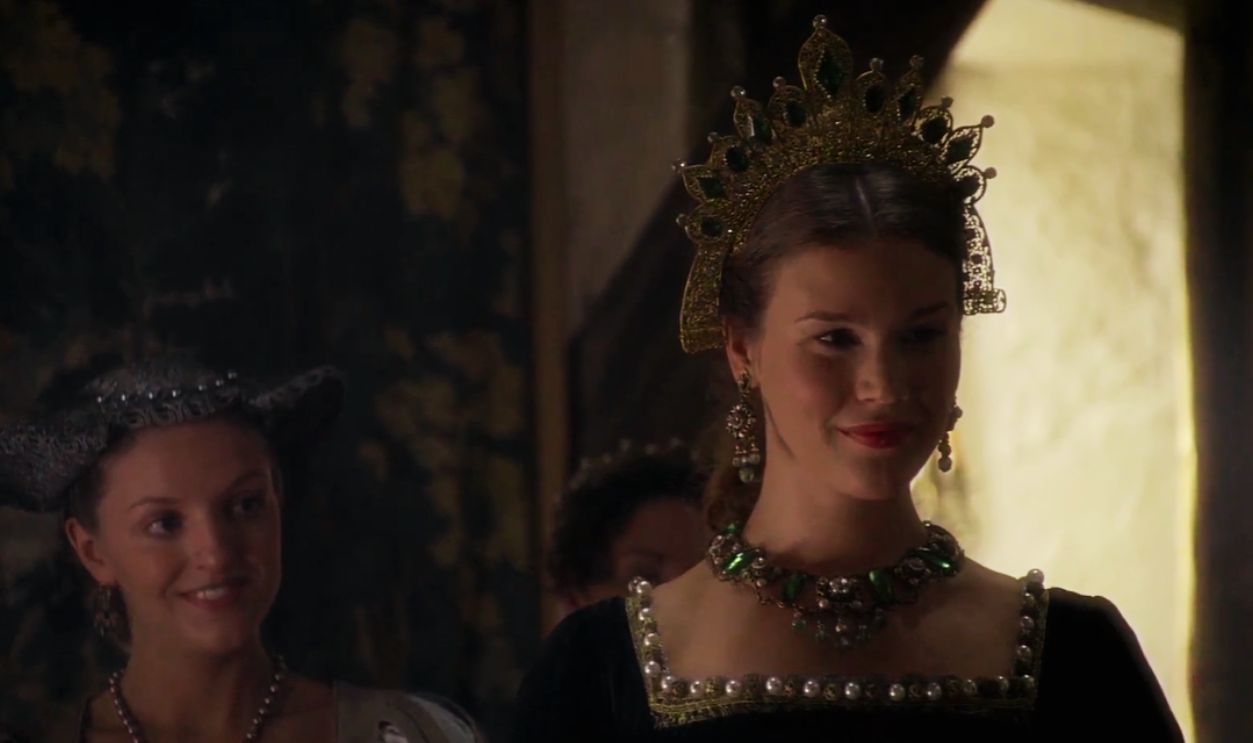 Screenshot from The Tudors, Paramount (2007-2010)
Henry Controlled The Narrative
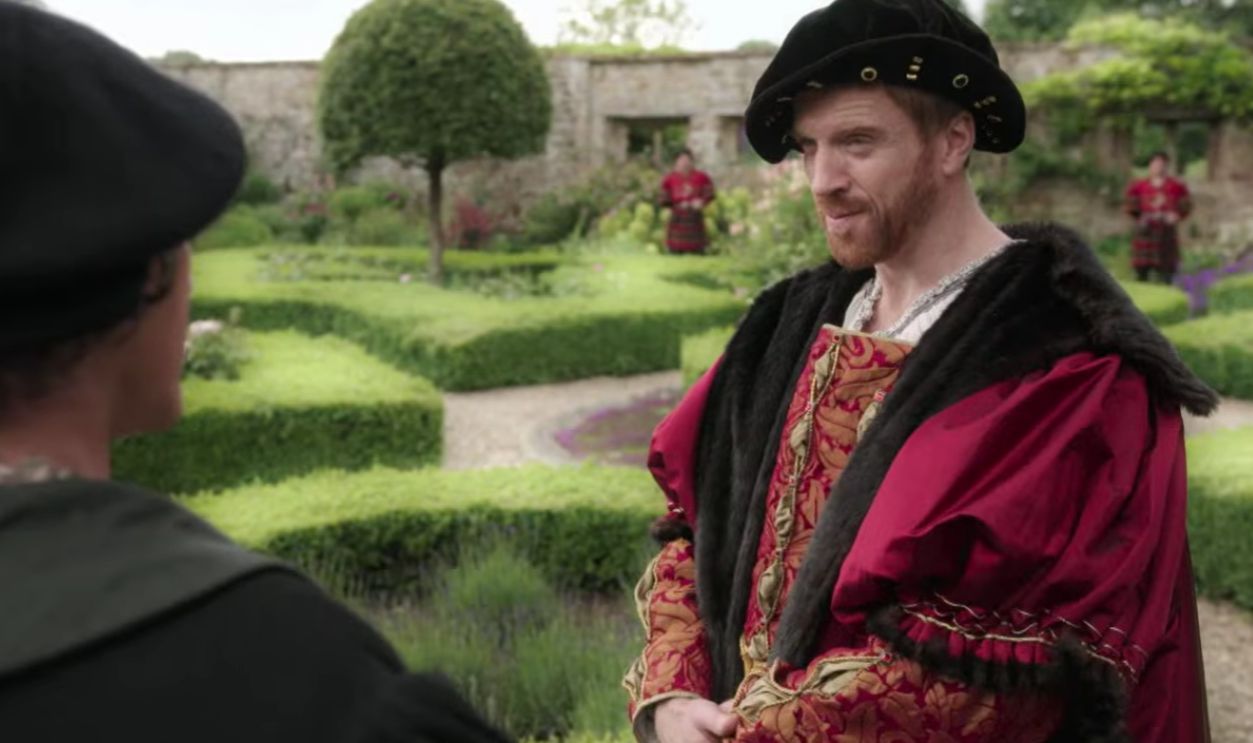
A Tudor queen depended heavily on royal favor, while the king possessed immense power to determine how events were publicly explained. Once Henry declared himself disappointed, courtiers had every incentive to echo his opinion. Anne’s historical reputation was therefore shaped from the beginning by a version of events produced inside Henry’s own court.
 Screenshot from Wolf Hall: The Mirror and the Light, Sony Pictures Entertainment (2024)
Modern Historians Question The Old Story
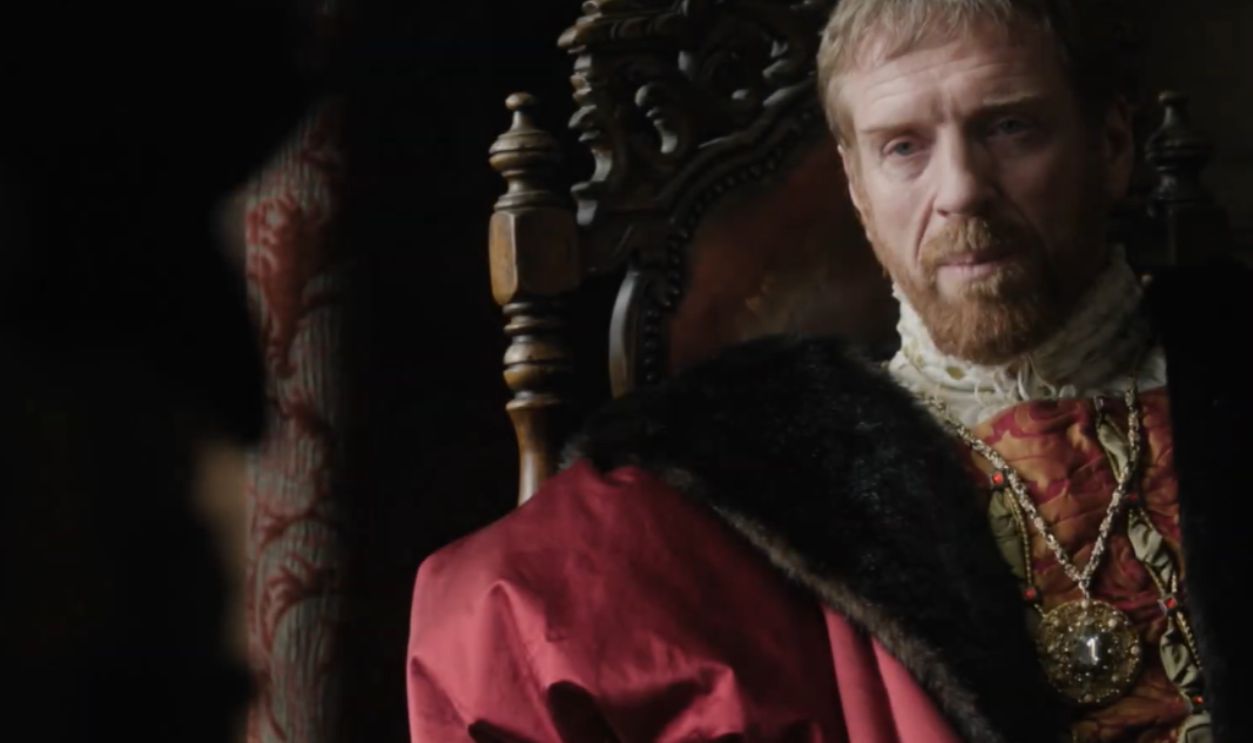
Recent historians have challenged the caricature of Anne as an exceptionally unattractive woman who shocked Henry on sight. Contemporary descriptions do not support the extreme image created by later popular culture. The evidence instead suggests that Henry’s reaction was influenced by a combination of personal disappointment, damaged pride, cultural differences, and changing political calculations.
 Screenshot from Wolf Hall: The Mirror and the Light, Sony Pictures Entertainment (2024)
The Portrait Makes The Story Stranger
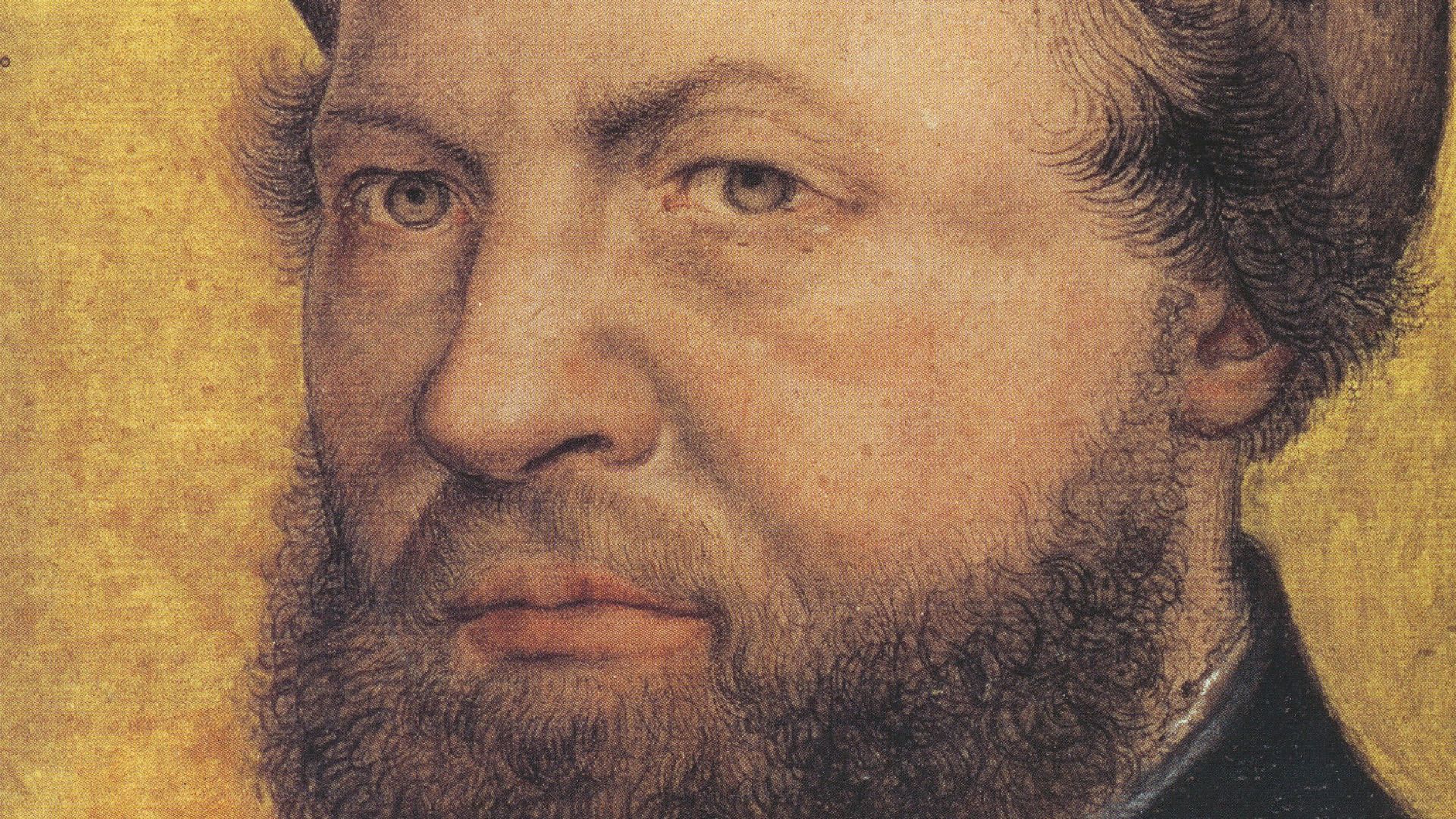
Holbein’s portrait is especially important because Henry apparently accepted it as an accurate likeness before the marriage. There is no strong evidence that he punished Holbein for misleading him afterward. That makes the idea of a simple portrait deception much harder to sustain.
 Hans Holbein the Younger, Wikimedia Commons
Politics Changed Too
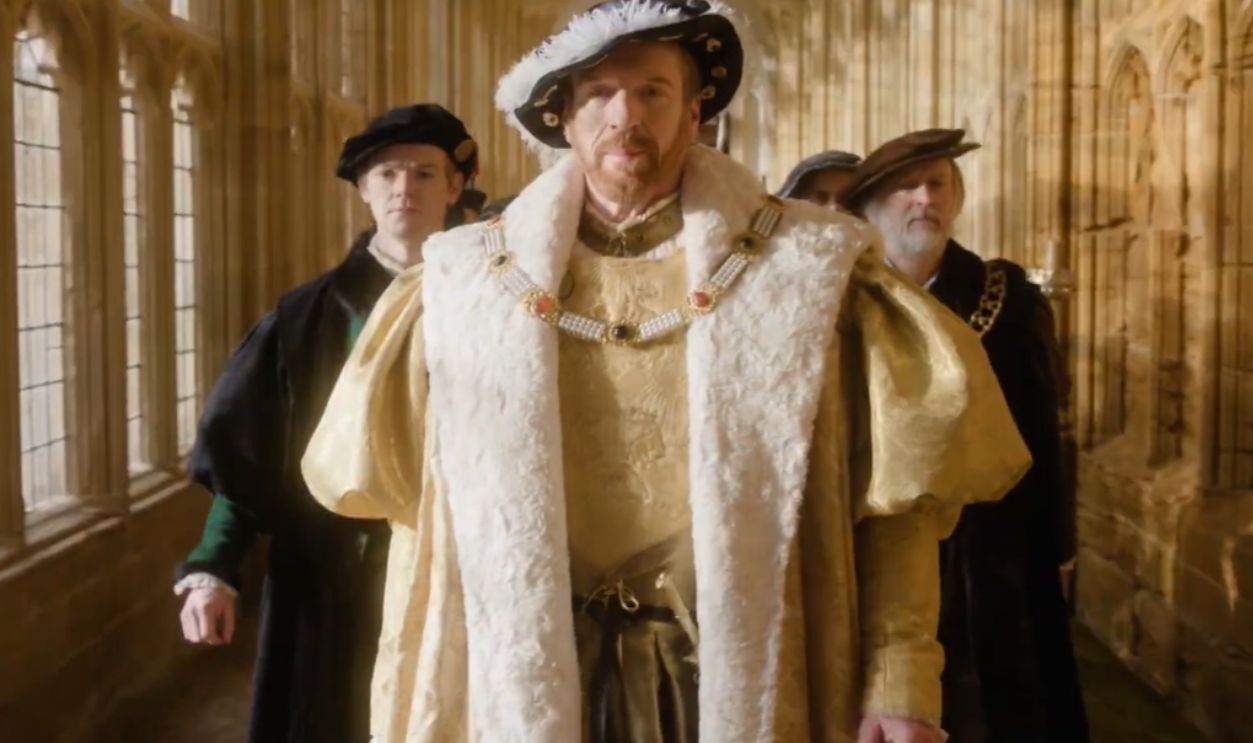
The marriage was also becoming less valuable diplomatically. The international circumstances that had made an alliance with Cleves so attractive began to shift, reducing the political price of abandoning it. Henry’s personal dissatisfaction therefore coincided conveniently with changing foreign-policy priorities.
 Screenshot from Wolf Hall: The Mirror and the Light, Sony Pictures Entertainment (2024)
Cromwell Was In Trouble
For Thomas Cromwell, the marriage became a catastrophe. He had helped promote the Cleves alliance, and once Henry wanted free of Anne, Cromwell’s enemies had an opening. Although his downfall had several political and religious causes, the failed marriage badly damaged his standing with the king.
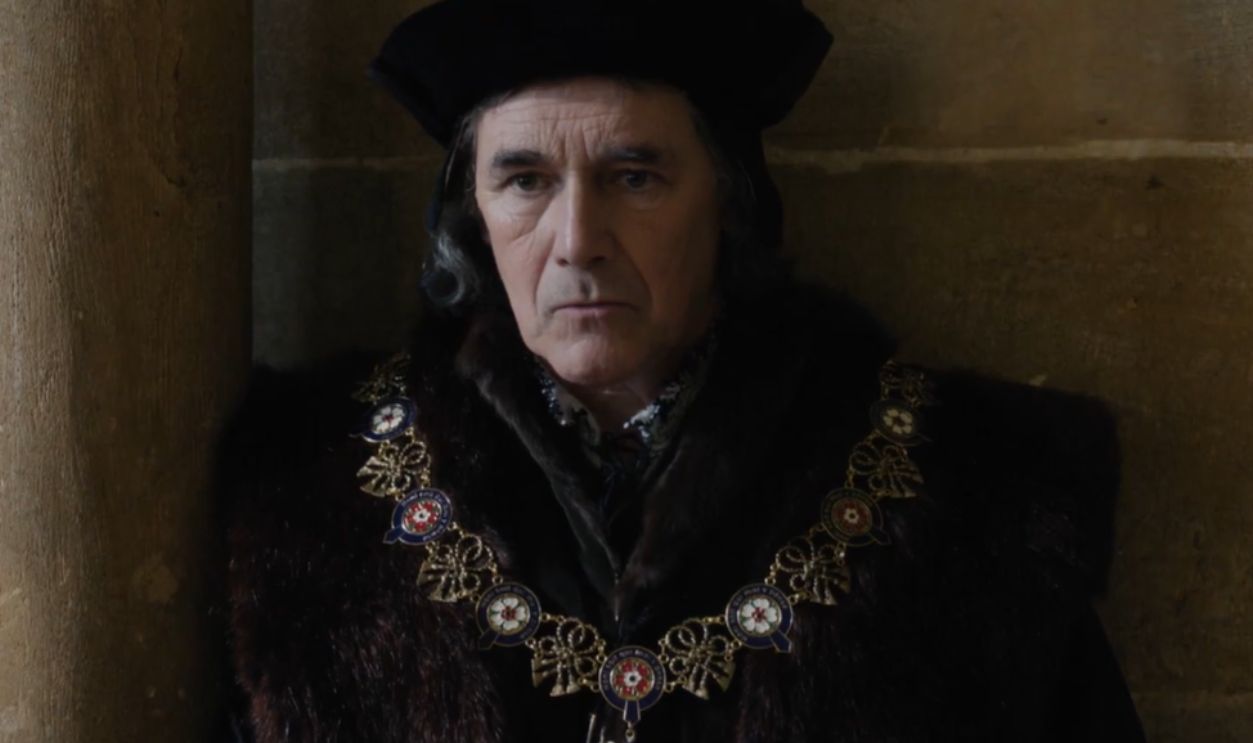 Screenshot from Wolf Hall: The Mirror and the Light, Sony Pictures Entertainment (2024)
Henry Turned On His Minister
Cromwell had risen from modest origins to become one of the most powerful men in England. His success depended heavily on Henry’s confidence, which made the Cleves disaster especially dangerous. By the summer of 1540, Cromwell had been arrested and charged with treason and heresy.
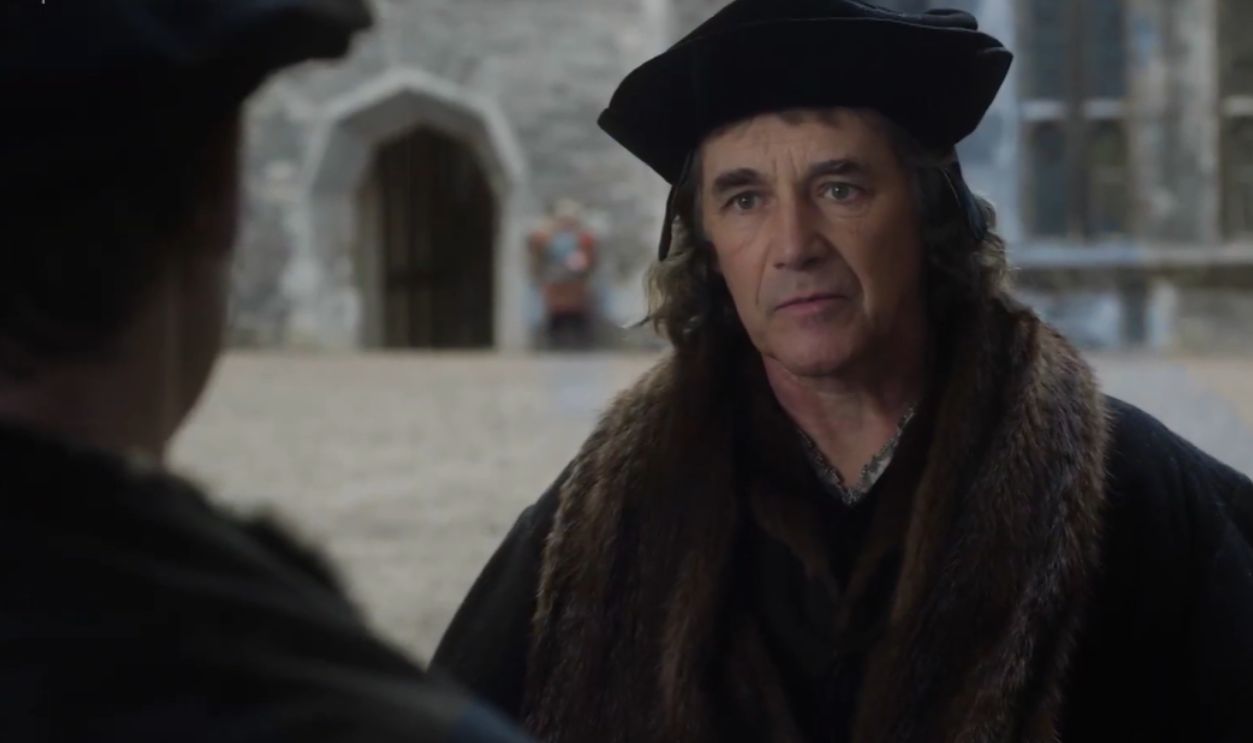 Screenshot from Wolf Hall: The Mirror and the Light, Sony Pictures Entertainment (2024)
Henry Got His Annulment
By July 1540, church authorities declared the marriage invalid. Anne’s earlier contract involving Francis of Lorraine became one of the legal grounds used to dissolve the union. Anne accepted the decision rather than challenging Henry, a choice that likely protected her from a much more dangerous confrontation.
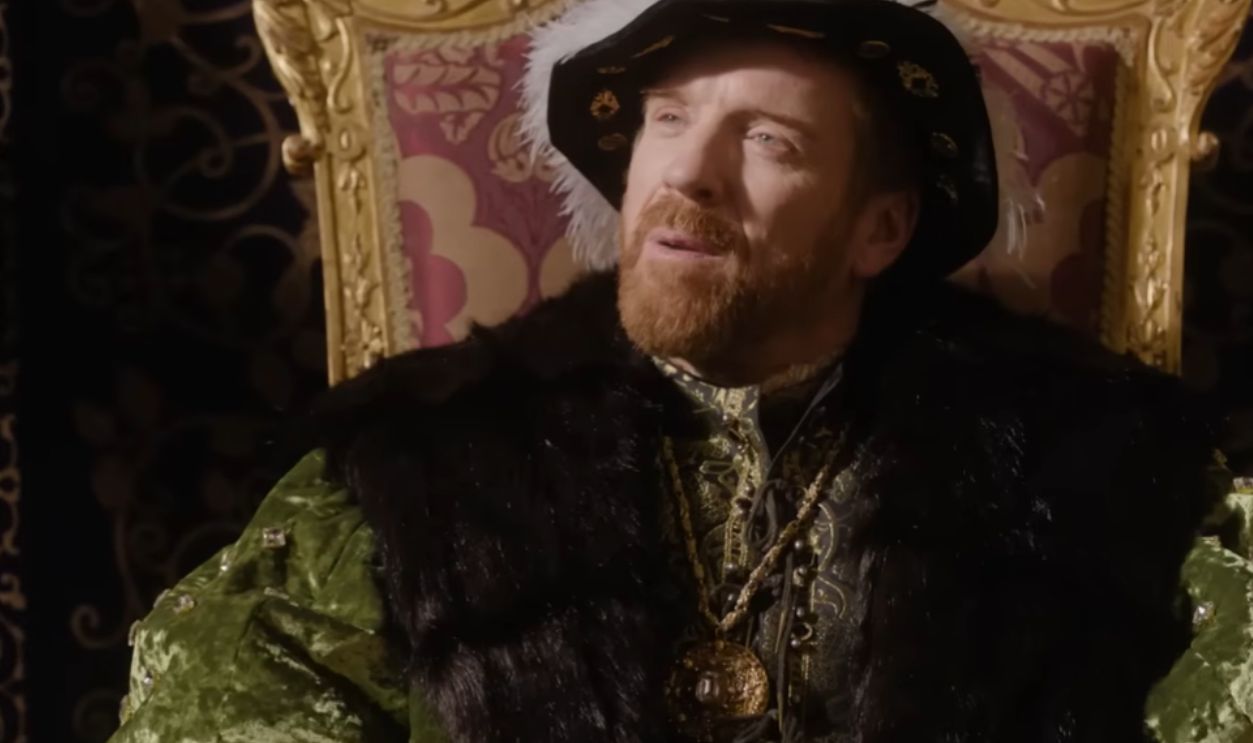 Screenshot from Wolf Hall: The Mirror and the Light, Sony Pictures Entertainment (2024)
Anne Chose Survival
Her cooperation was rewarded generously. Henry treated Anne as his “sister” and provided her with property and a substantial independent household. She therefore lost her crown but retained remarkable wealth, security, and status.
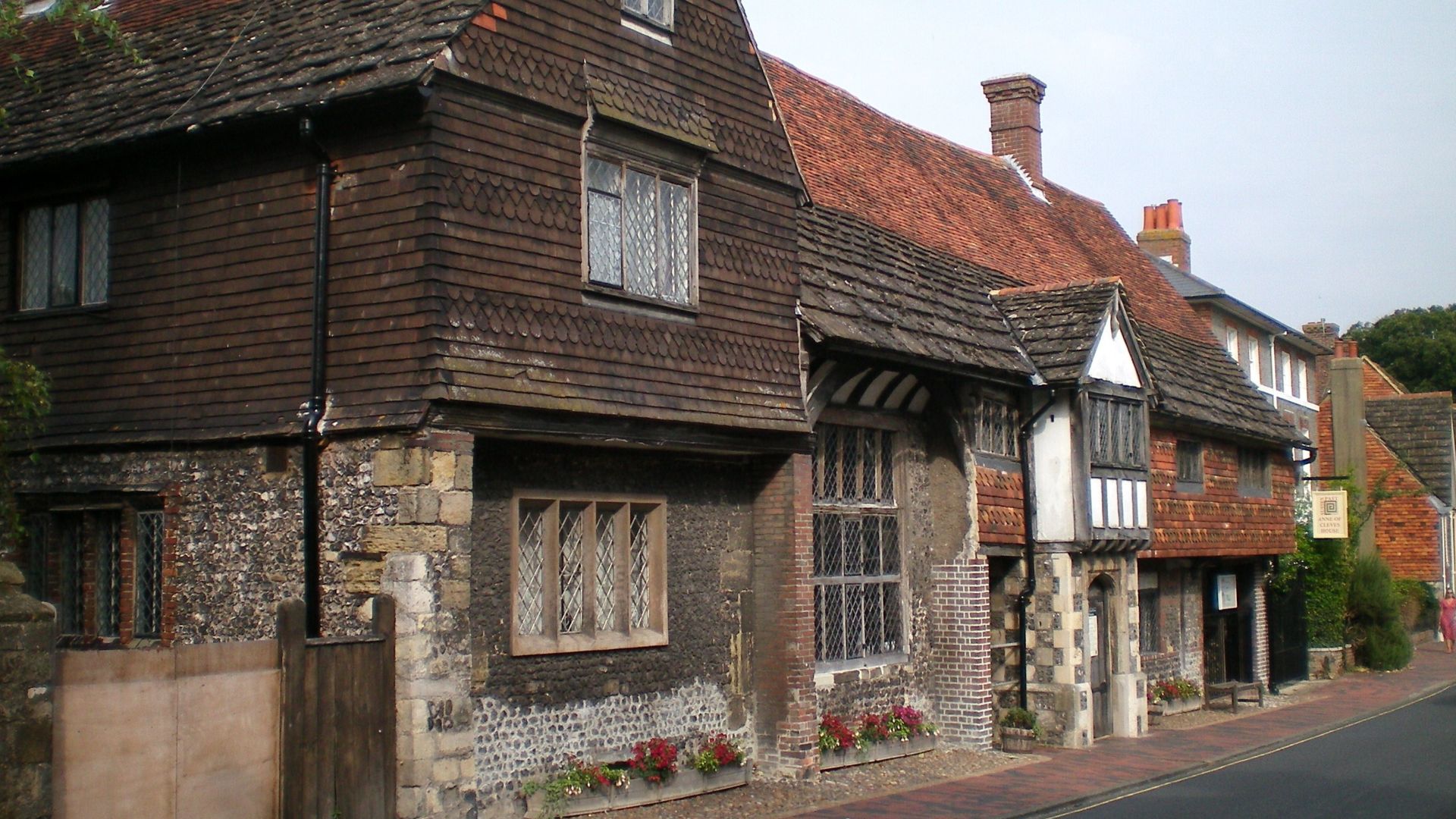 Charlesdrakew, Wikimedia Commons
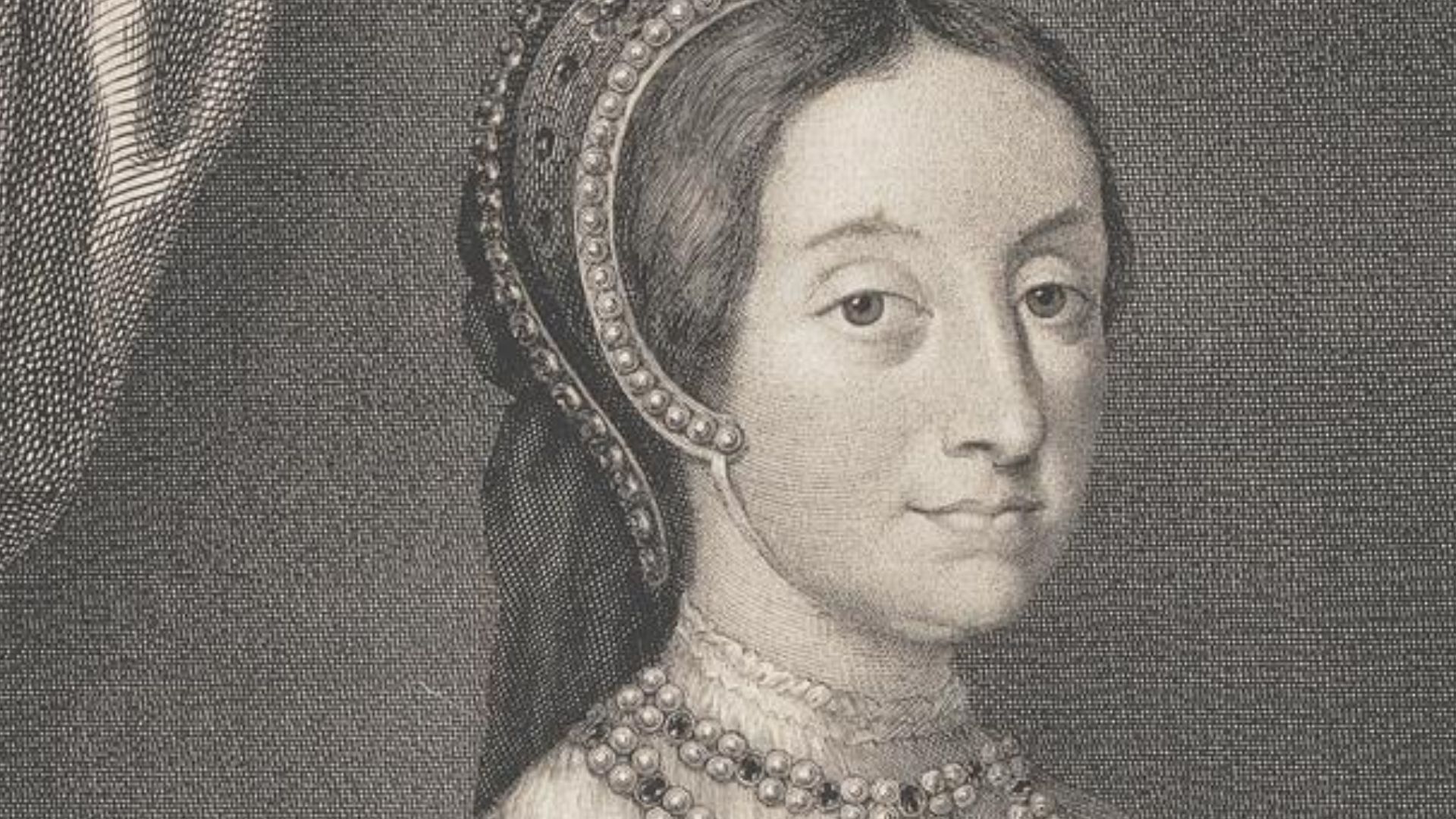
Henry Moved On Almost Immediately
Only weeks after the annulment, Henry married Catherine Howard. Cromwell, meanwhile, was executed in July 1540. The speed of those events shows just how rapidly the court moved once Henry had decided that the Cleves marriage no longer suited him.
 Jacobus Houbraken, Wikimedia Commons
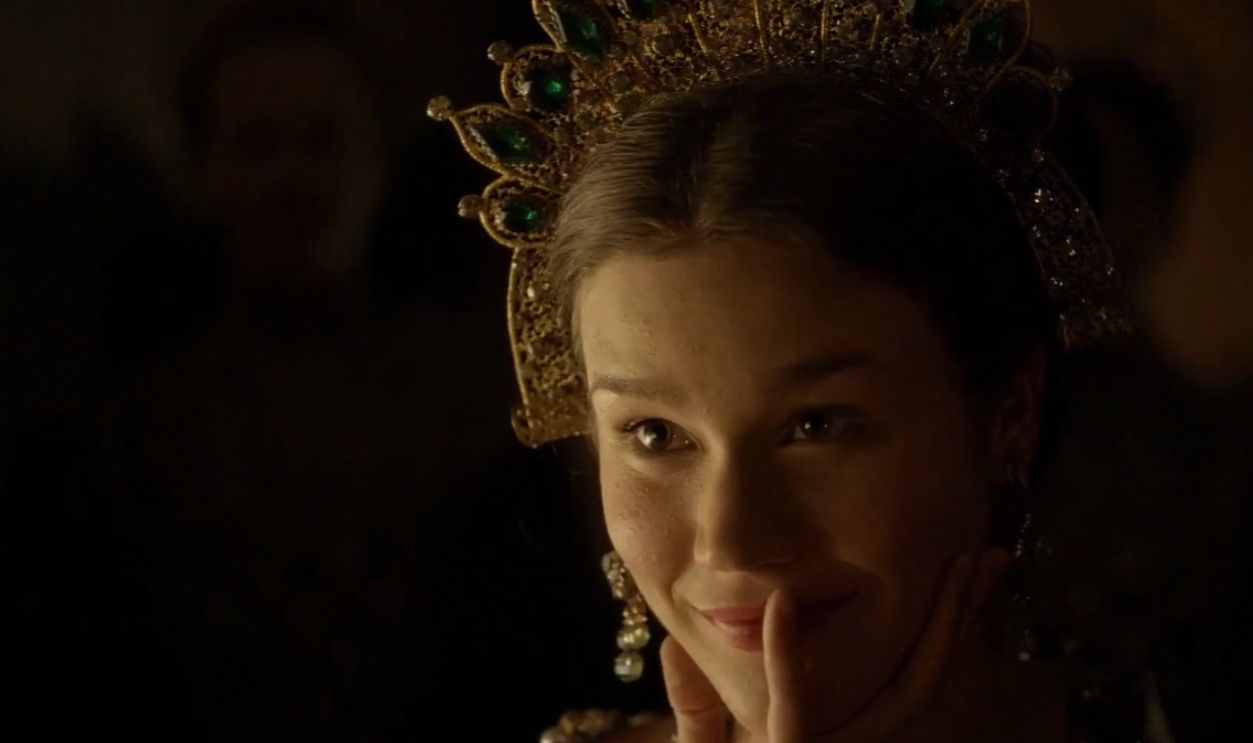
Anne Adapted Remarkably Well
Far from returning home in disgrace, Anne remained in England. She developed a comfortable place within the extended royal family and appeared at important court occasions. Her ability to survive and prosper afterward stands in stark contrast to the humiliation attached to her popular reputation.
 Screenshot from The Tudors, Paramount (2007-2010)
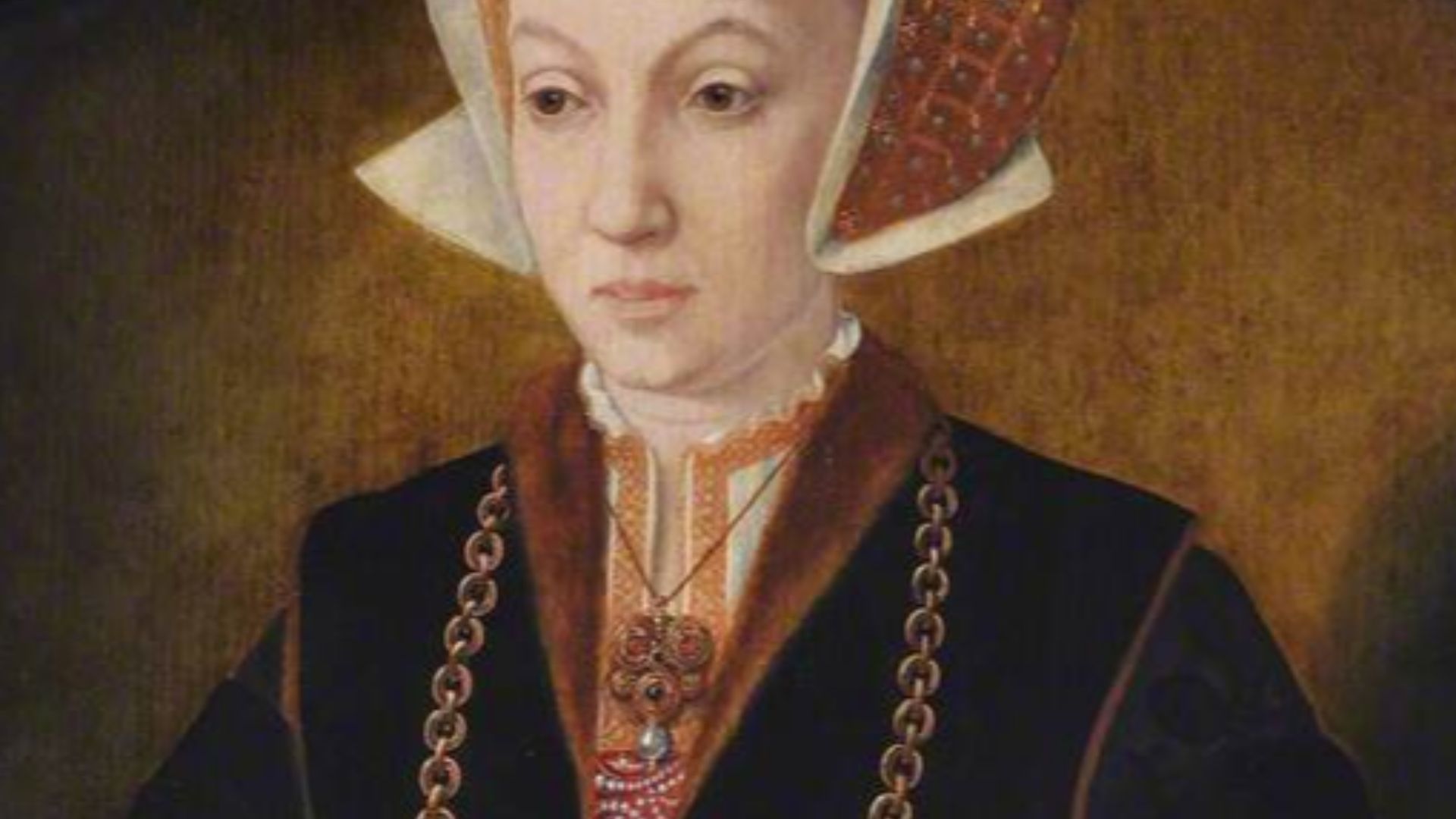
She Outlived Henry
Anne remained in England and survived Henry, who died in 1547. She also lived through the reign of Edward VI and into that of Mary I. Westminster Abbey records that Anne participated in Mary’s coronation festivities before dying in 1557.
 Bartholomaeus Bruyn the Elder, Wikimedia Commons
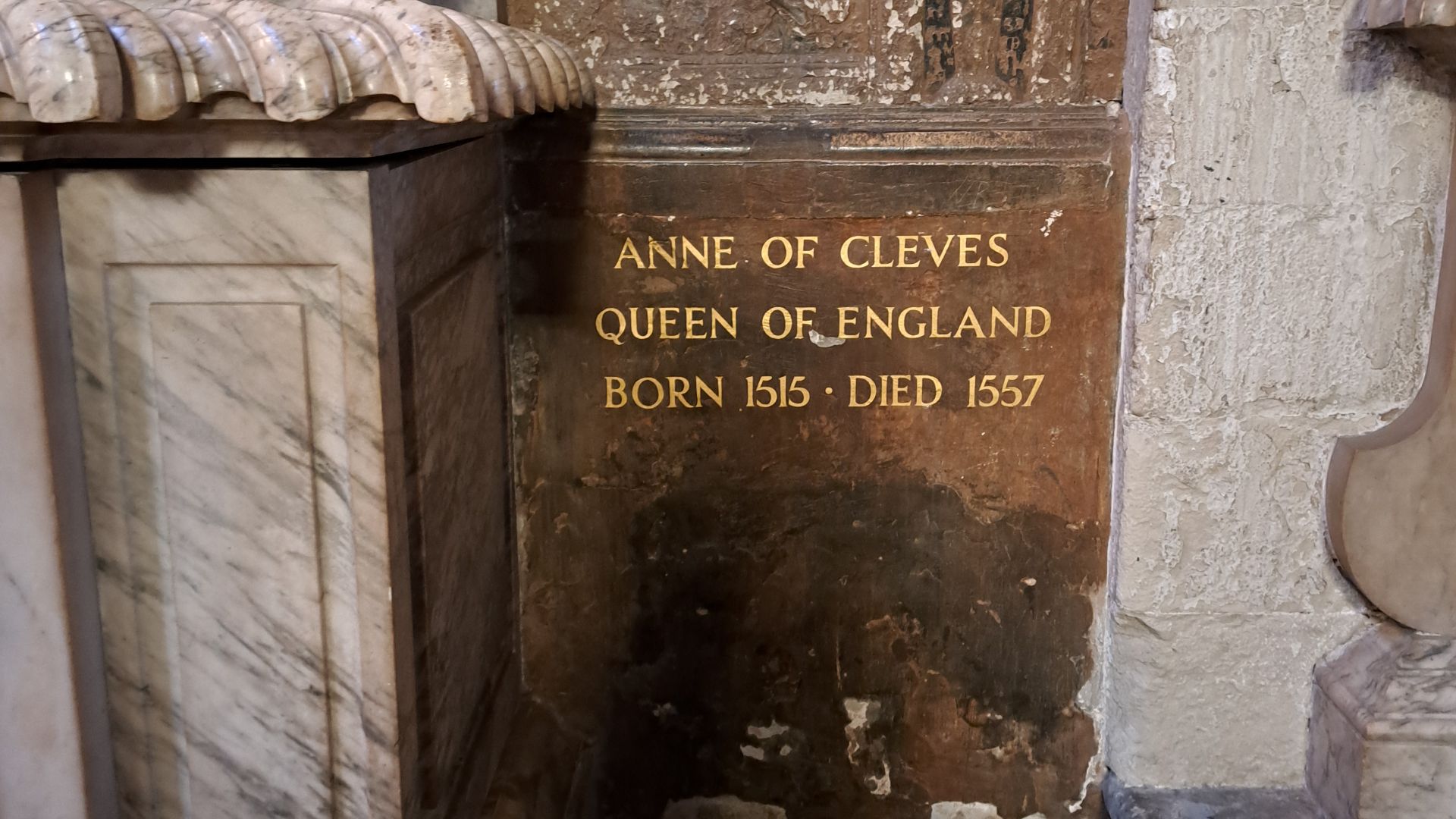
She Received A Queen’s Burial
Anne died at Chelsea in July 1557 and was buried at Westminster Abbey by order of Mary I. Her funeral was elaborate, complete with dignitaries, clergy, heralds, and torch-bearing attendants. Her tomb remains near the Abbey’s High Altar, giving the rejected queen a resting place at the heart of English royal history.
 amanderson2, Wikimedia Commons
History Was Crueler Than The Evidence
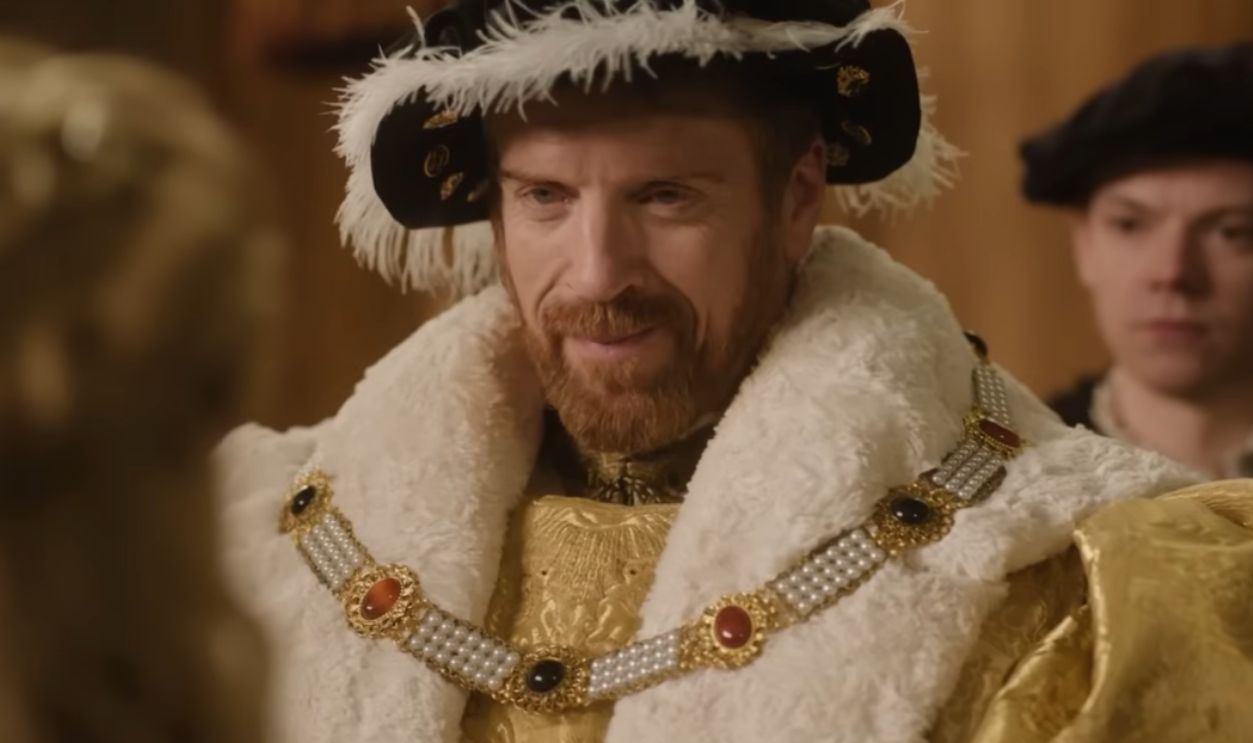
The popular version of Anne’s story asks how unattractive she must have been to disappoint Henry VIII so completely. The evidence suggests that this question may be fundamentally misleading. Henry’s bruised pride, political needs, and ability to control the official story offer a more revealing explanation for why Anne became the convenient target of a failed royal marriage.
 Screenshot from Wolf Hall: The Mirror and the Light, Sony Pictures Entertainment (2024)
Anne Had The Last Word
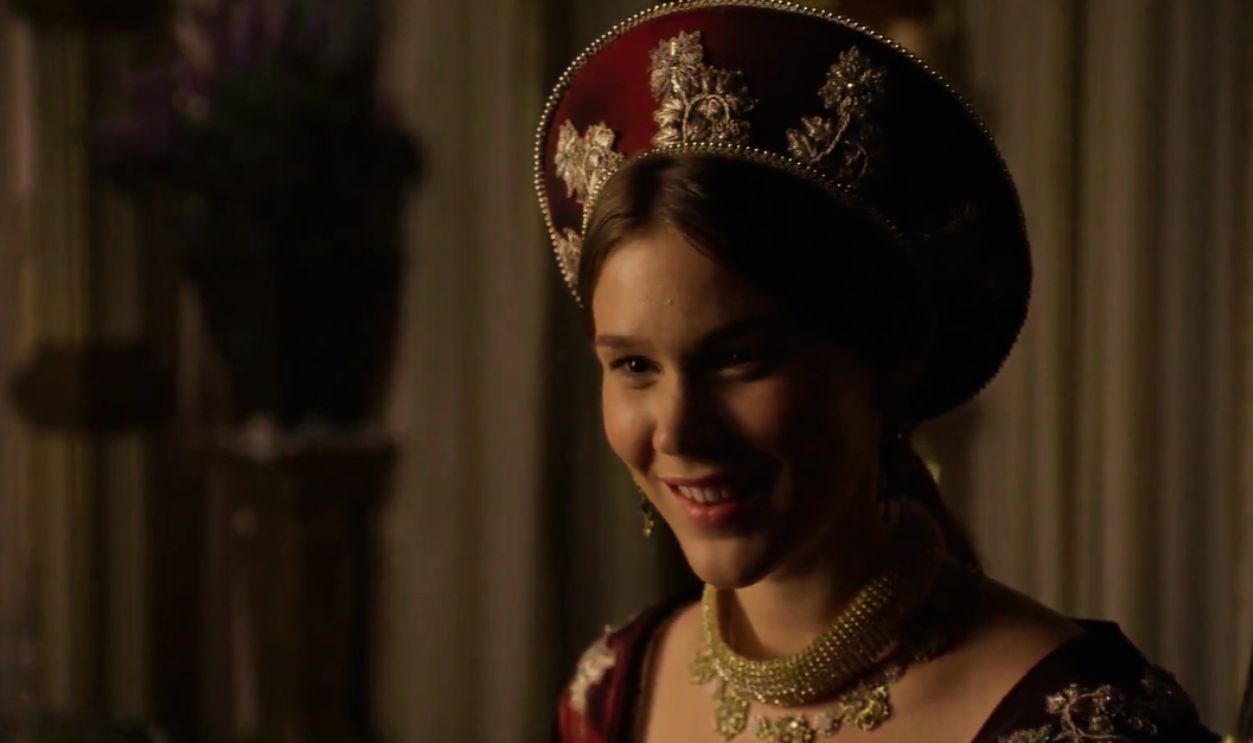
Anne never became Henry’s great love, and her brief queenship ended in humiliation. Yet she preserved her wealth, status, independence, and life while several people caught in the fallout of the marriage suffered far worse. Nearly five centuries later, Anne increasingly looks less like the unfortunate woman Henry rejected and more like one of the few people who escaped his court with her dignity largely intact.
 Screenshot from The Tudors, Paramount (2007-2010)
You May Also Like:
King Henry VIII Married Six Women—But Only Two Outlived His Brutal Reign
What King Henry VIII's Wives Would Look Like Today
These Royal Brides Were Sent Across Europe To Marry Men They’d Never Met