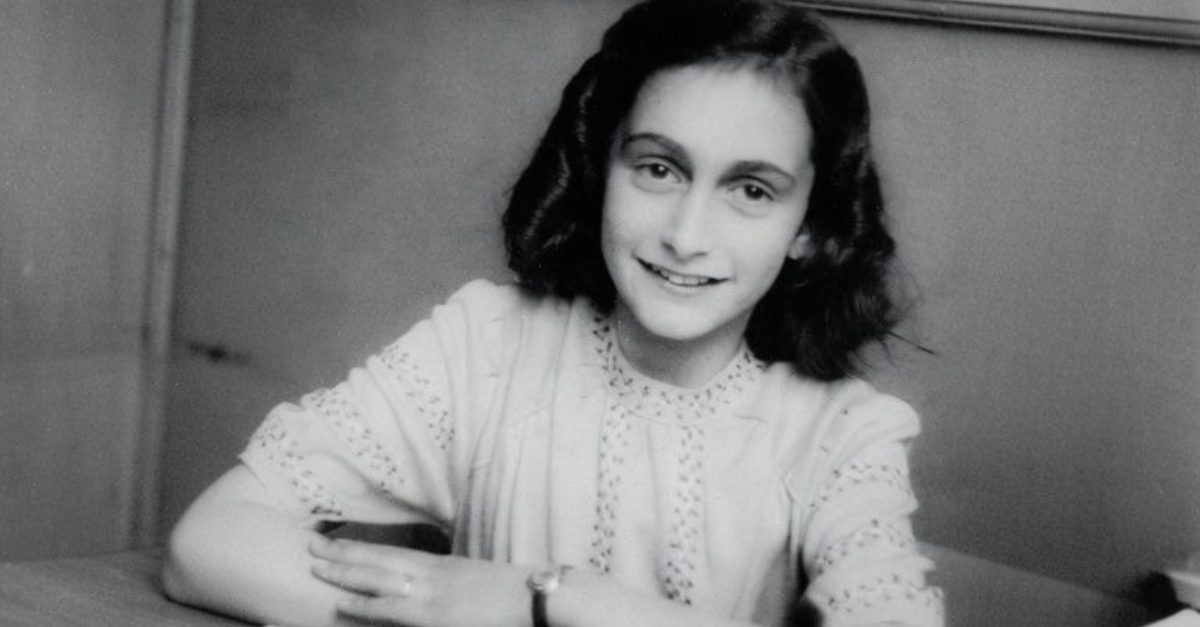
The Words She Left Behind
Anne Frank wanted the world to read her story. But the story everyone read wasn’t exactly the one she wanted them to read. Not only did her father remove passages his daughter had written, but, perhaps even more shockingly…
He put stuff back into the published version that Anne didn’t want there.
It Started With A Birthday Present
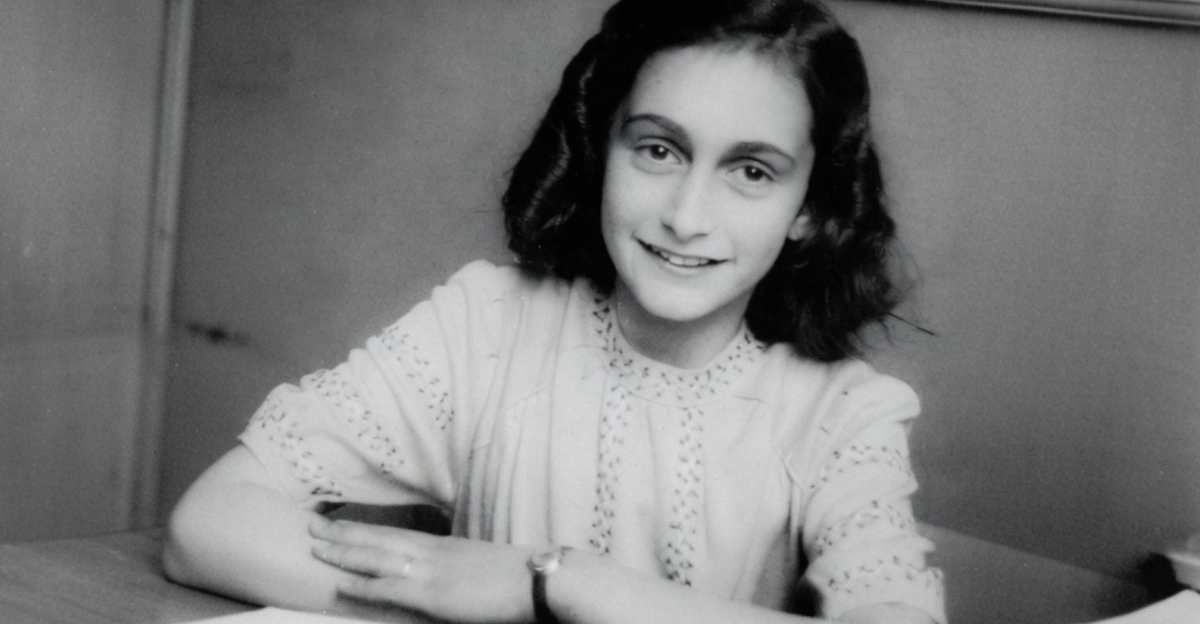
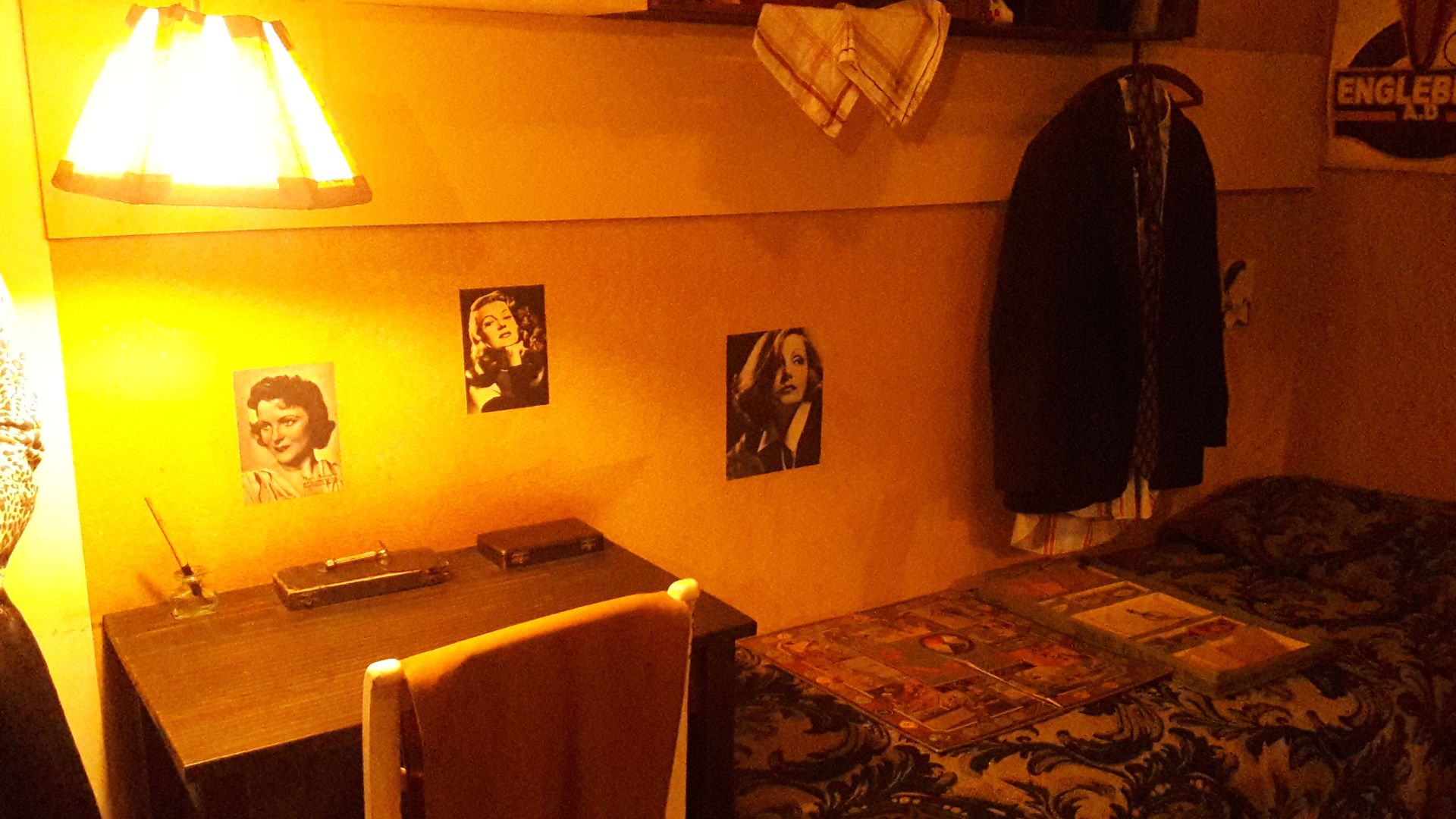
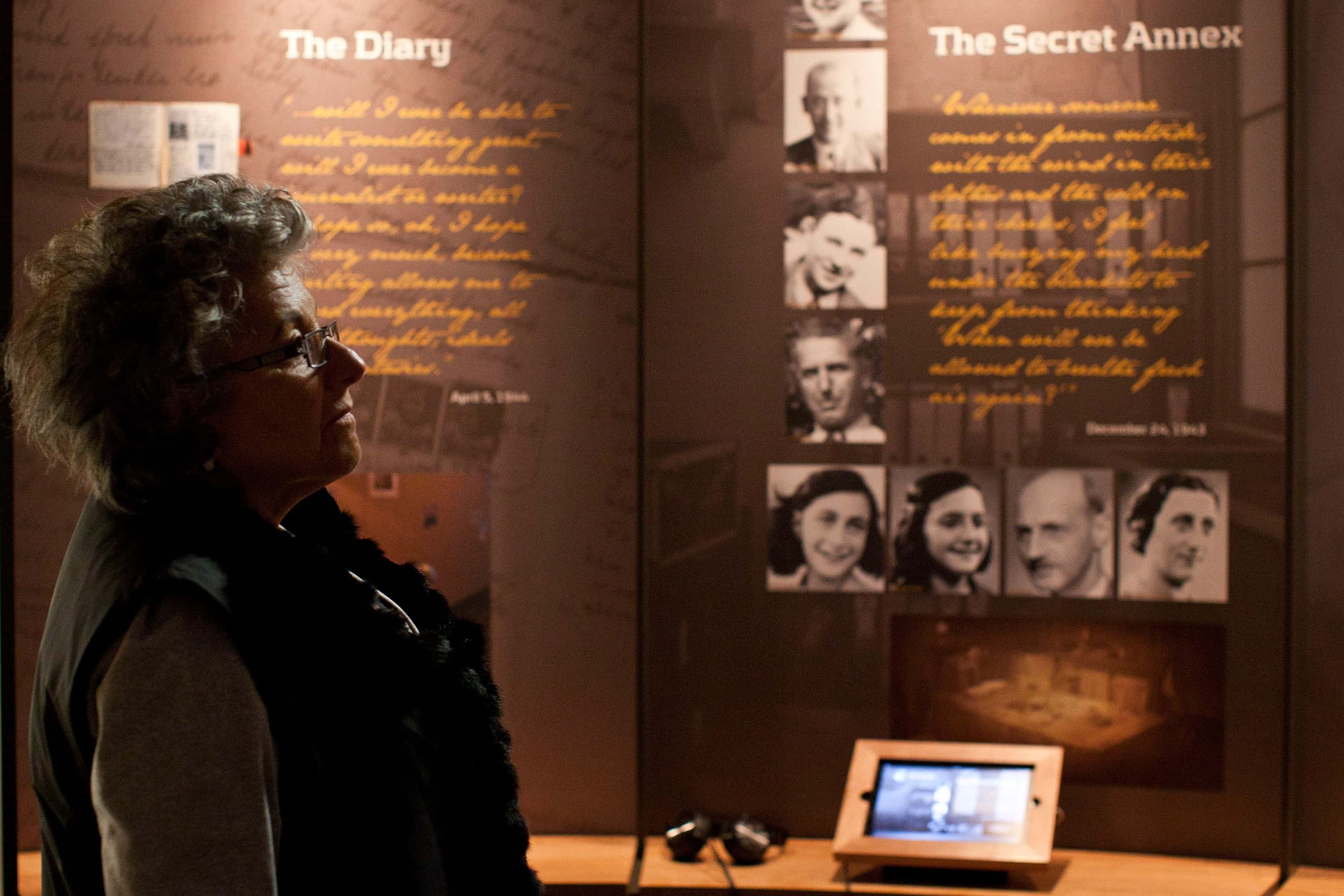
Anne received her diary for her 13th birthday on June 12, 1942. Less than a month later, she took it into hiding with her family in Amsterdam. Over the next two years, she filled its pages and additional notebooks with an account of a life the outside world couldn’t see.
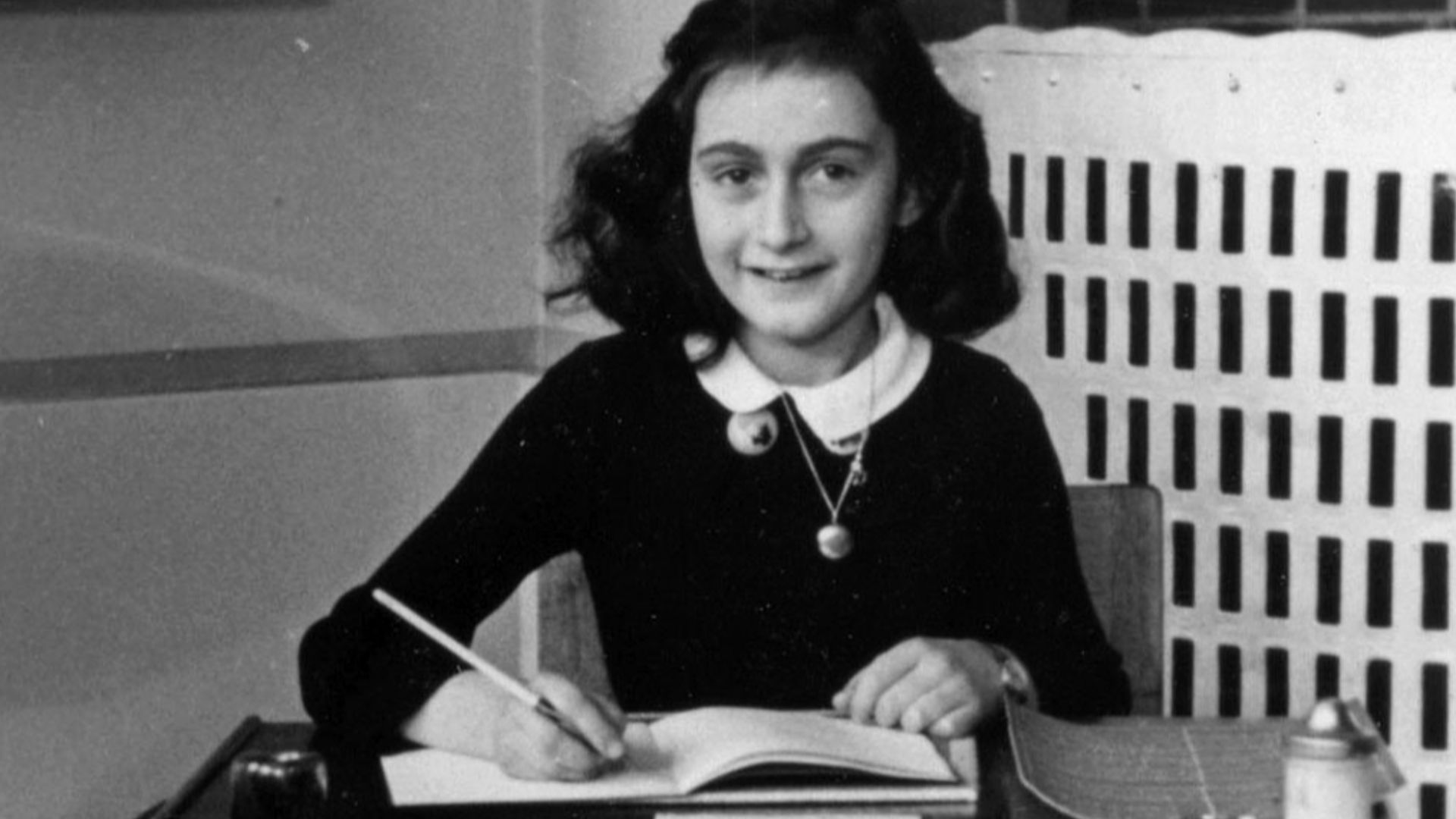 Unknown photographer; Collectie Anne Frank Stichting Amsterdam, Wikimedia Commons
A Radio Broadcast Changed The Diary’s Future
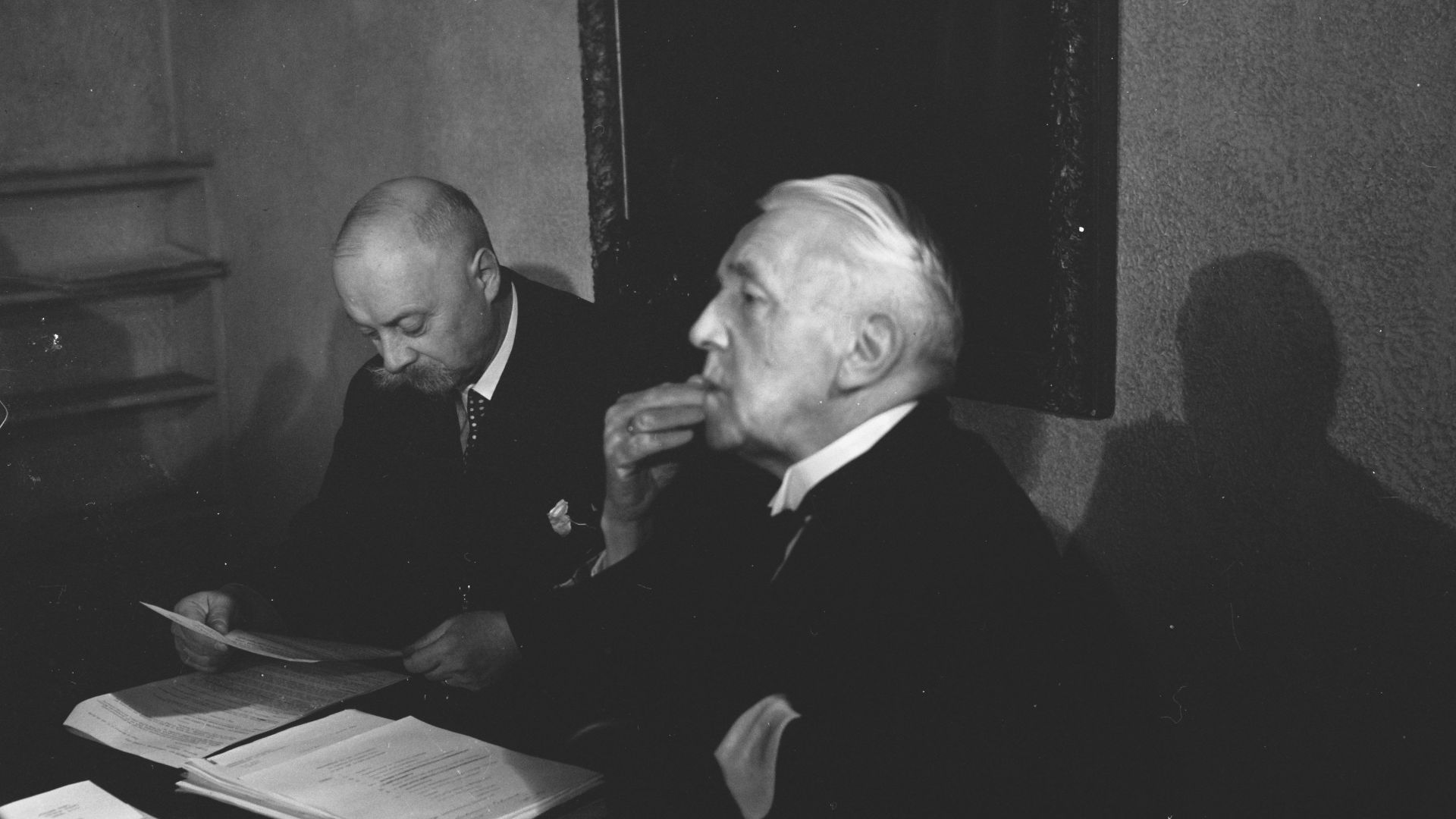
On March 28, 1944, Dutch minister Gerrit Bolkestein made a radio appeal from exile. He asked people to preserve wartime diaries and letters as evidence of what they had experienced under German occupation. Anne heard him. Suddenly, the pages she had been filling had a possible future beyond the hiding place.
Anne Started Preparing Her Story
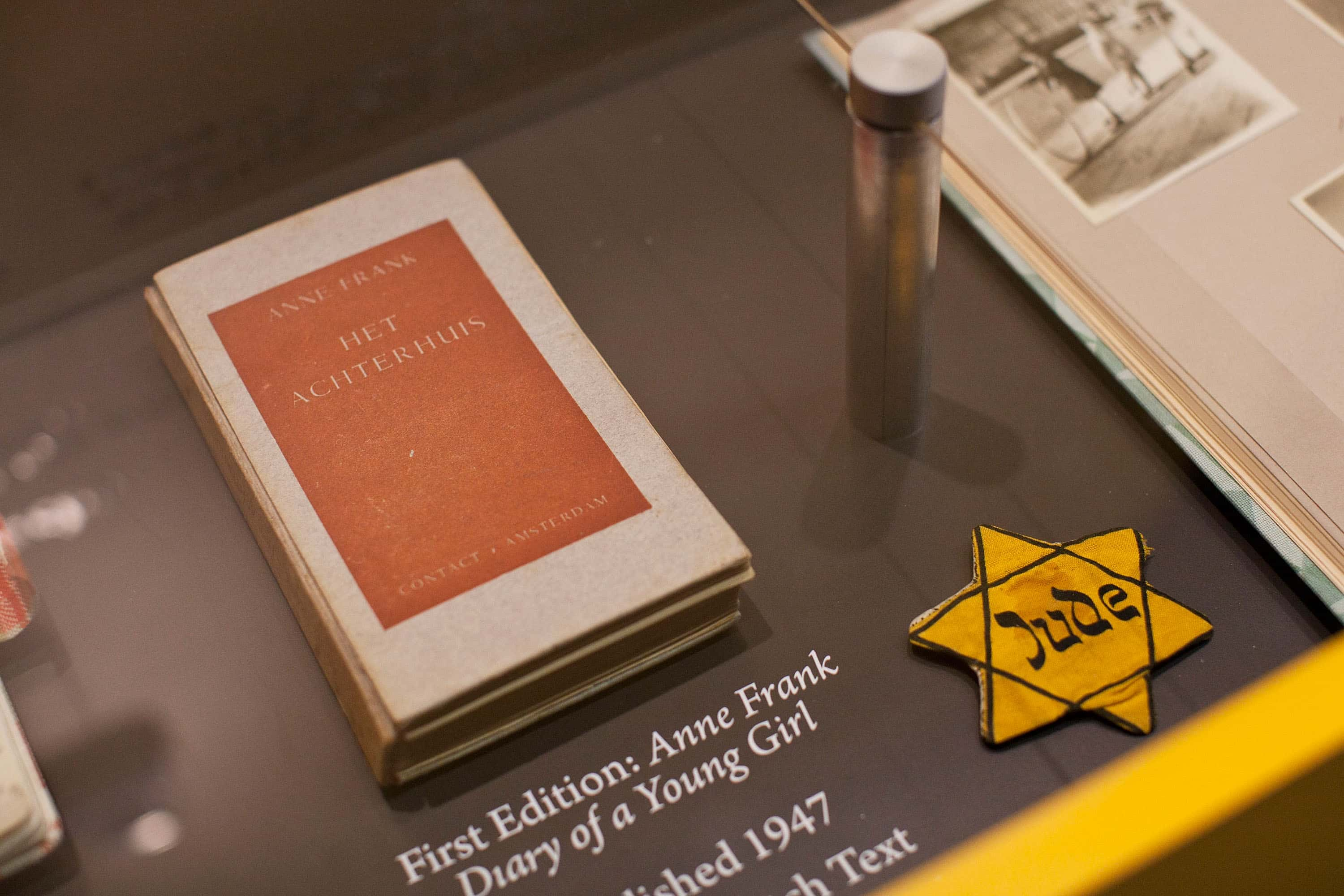
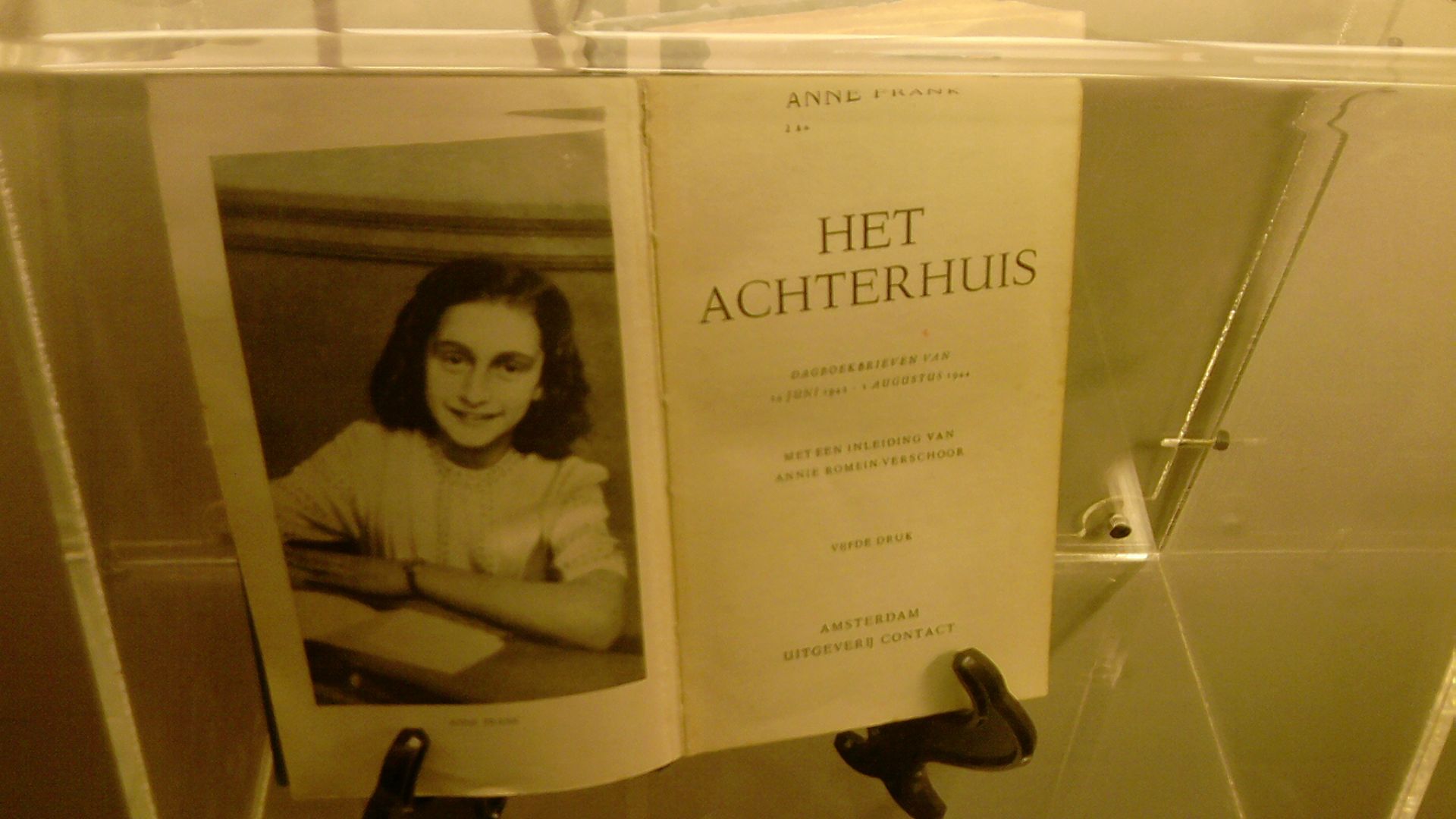
Anne wanted to become a writer, and she saw an opportunity to turn her experiences into a book. On May 20, she began rewriting her diary on loose sheets. She chose the title “Het Achterhuis,” meaning “The Annex.” But preparing those pages for strangers meant looking again at things she had written in private.
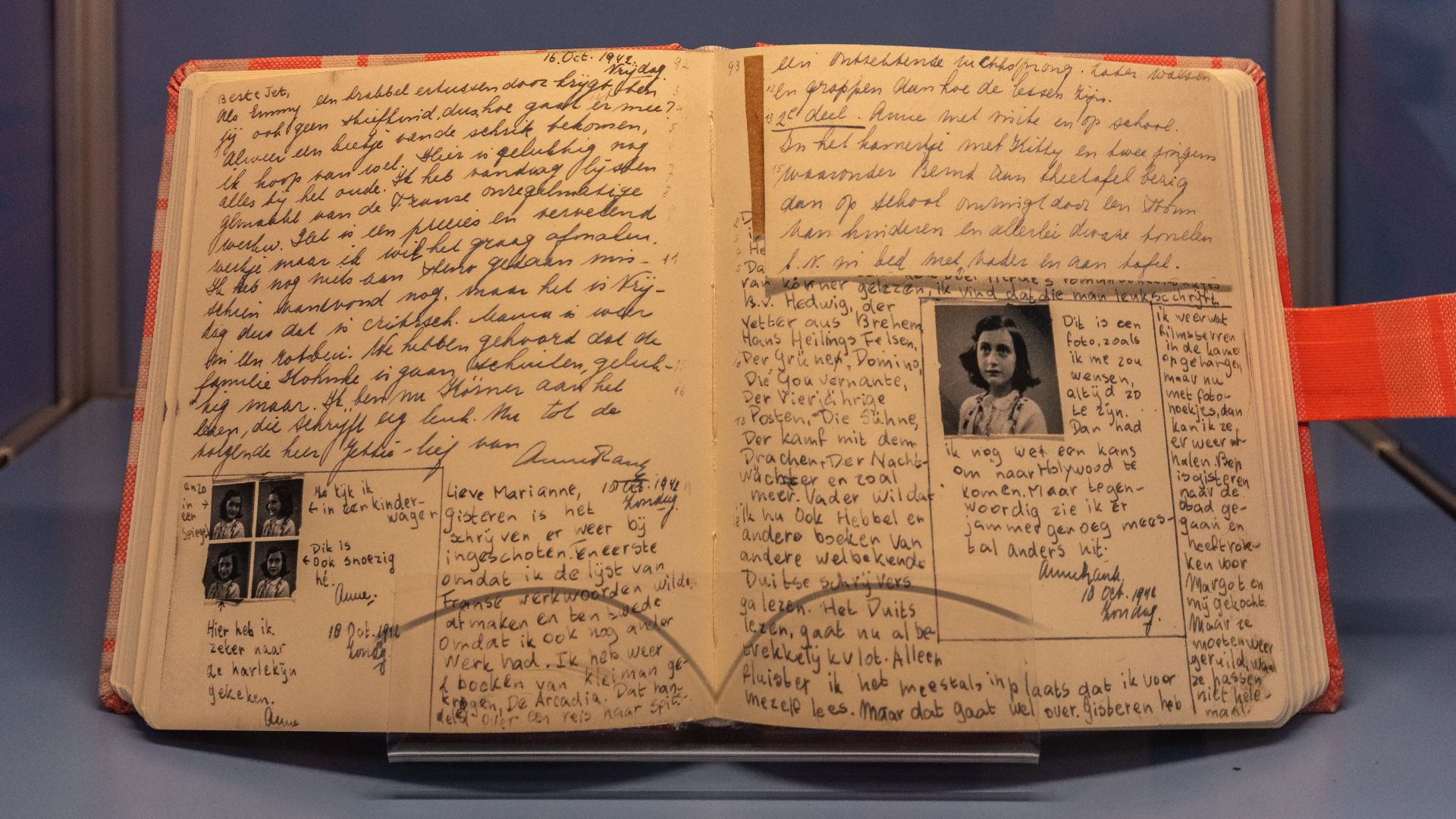 Diego Delso / Anne Frank, Wikimedia Commons
Some Of It Was Painfully Personal
Her diary recorded the danger outside, but also the frustrations inside. There were disagreements, hurt feelings, and things she struggled to explain to the adults around her. Her relationship with her mother, Edith, was especially difficult. Anne had often poured that anger onto the page. Now she had to decide how much belonged in her book.
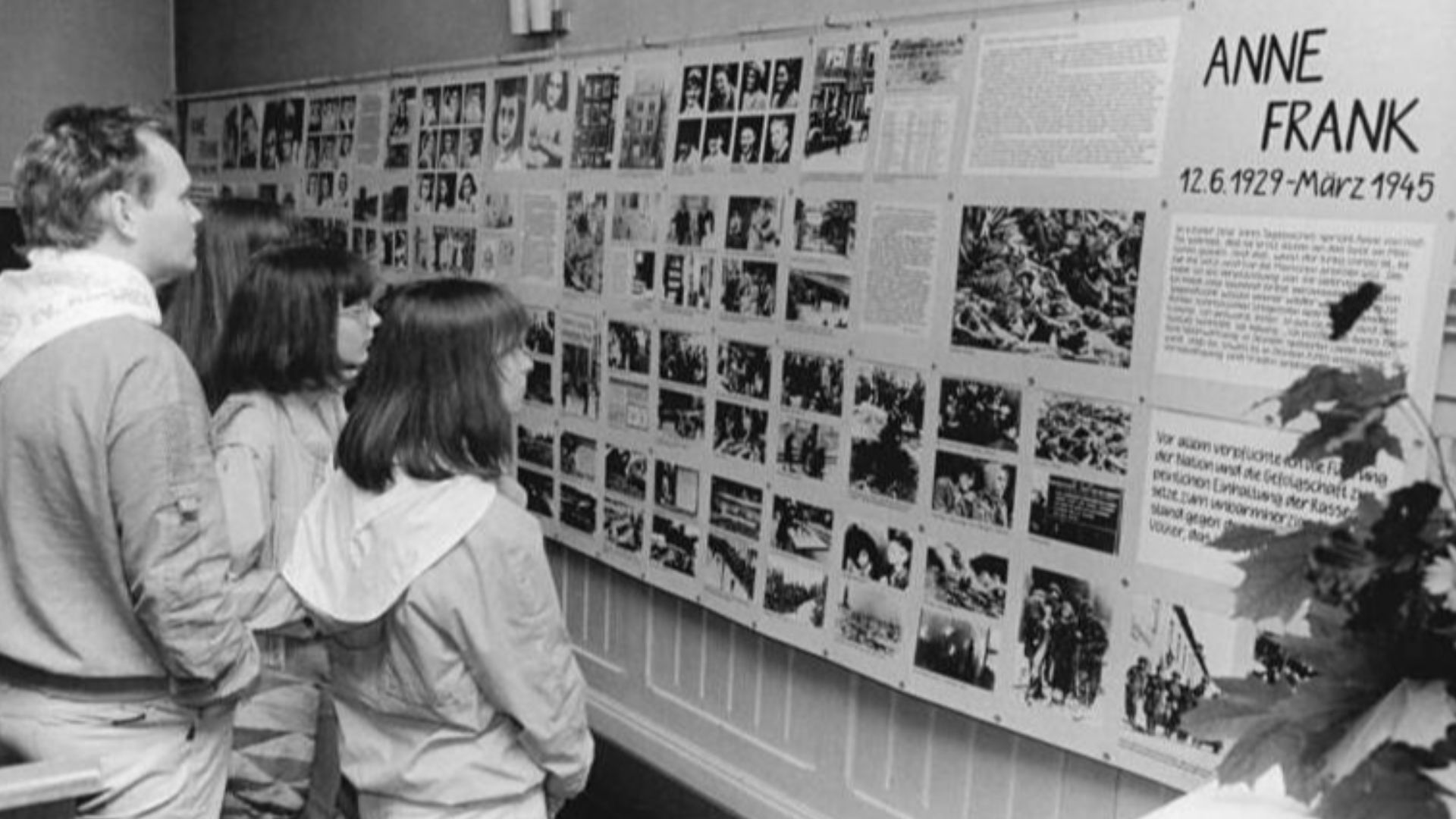 Klaus Oberst, Wikimedia Commons
Then There Was Peter
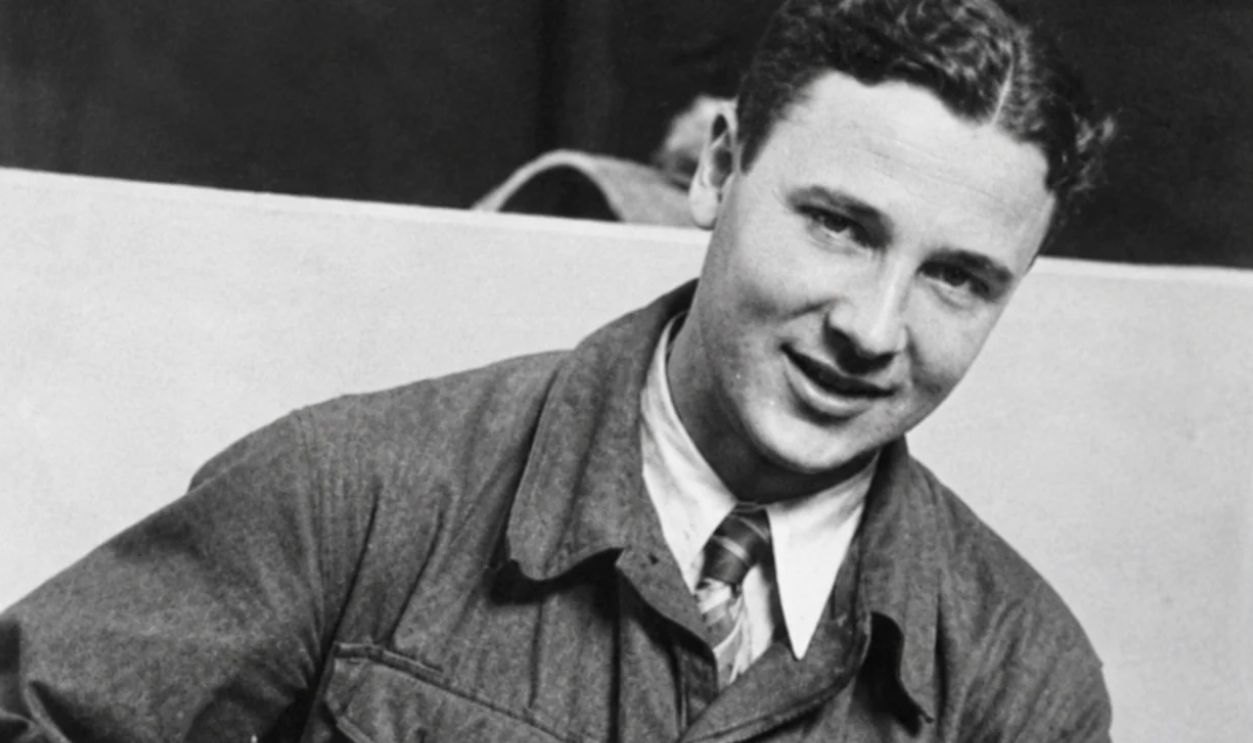
Those earlier pages also contained her developing feelings for Peter van Pels, the teenage boy hiding with them. Their conversations had once seemed enormously important to her. By the time she was rewriting, however, her feelings had changed. That left her reconsidering another very personal part of the story.
 unknown photographer; uploader: User:Ailuythais, Wikimedia Commons, Enhanced
She Reconsidered Her Mother
Looking back through her earlier entries, Anne was sometimes startled by how harshly she had written about Edith. In the revised manuscript, she softened some descriptions and removed others. She also added a more understanding account of their relationship. The anger had been real, but she no longer presented all of it the same way.
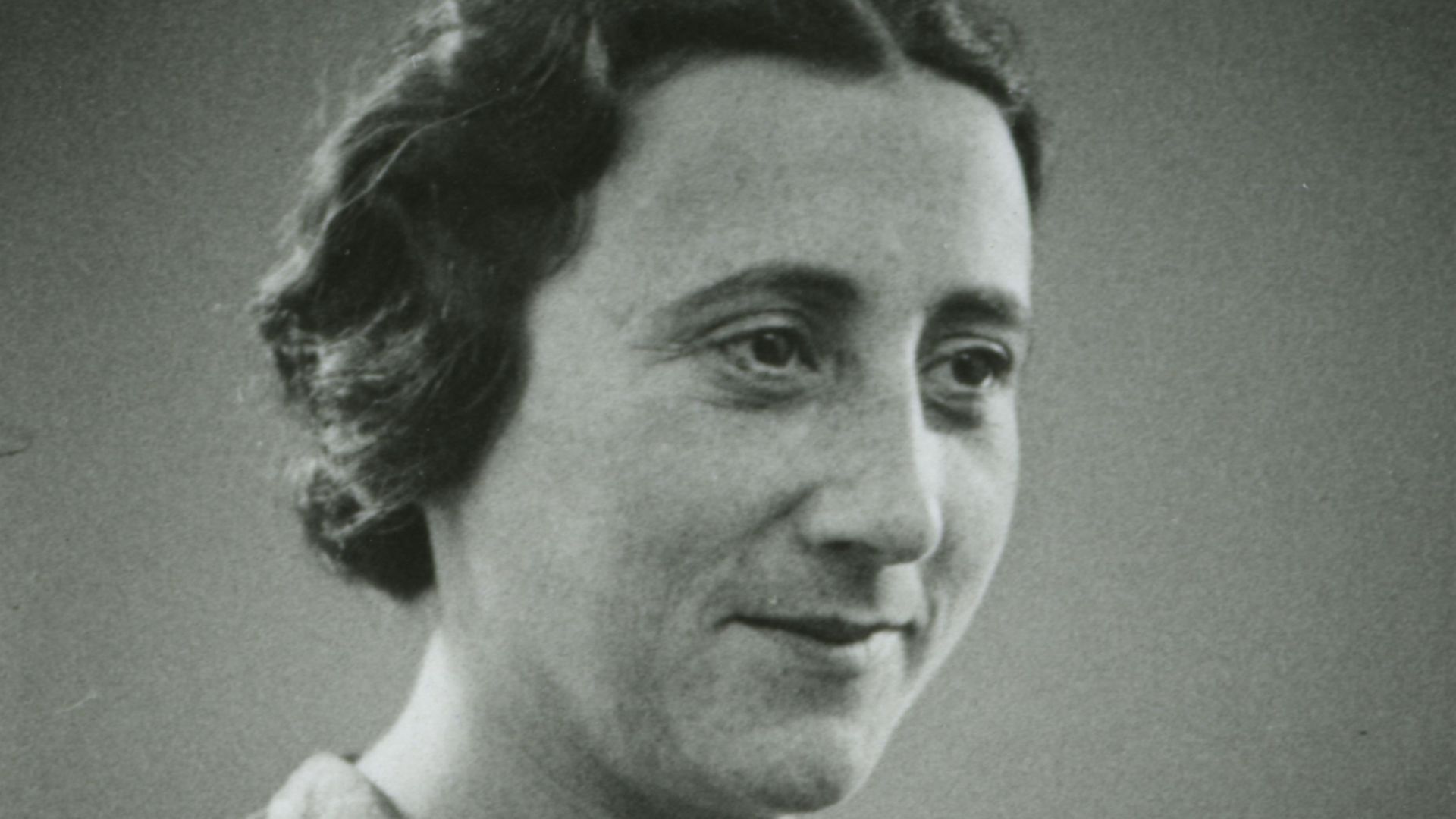 Photo Collection Anne Frank House, Wikimedia Commons
Some Words Didn’t Make The Cut
One passage described Edith as “precisely the kind of example that I do not want to follow.” Anne left it out of her rewrite. She wasn’t simply recording how she felt anymore. She was deciding which version of those feelings belonged in the story she hoped to publish.
Other Private Moments Disappeared, Too
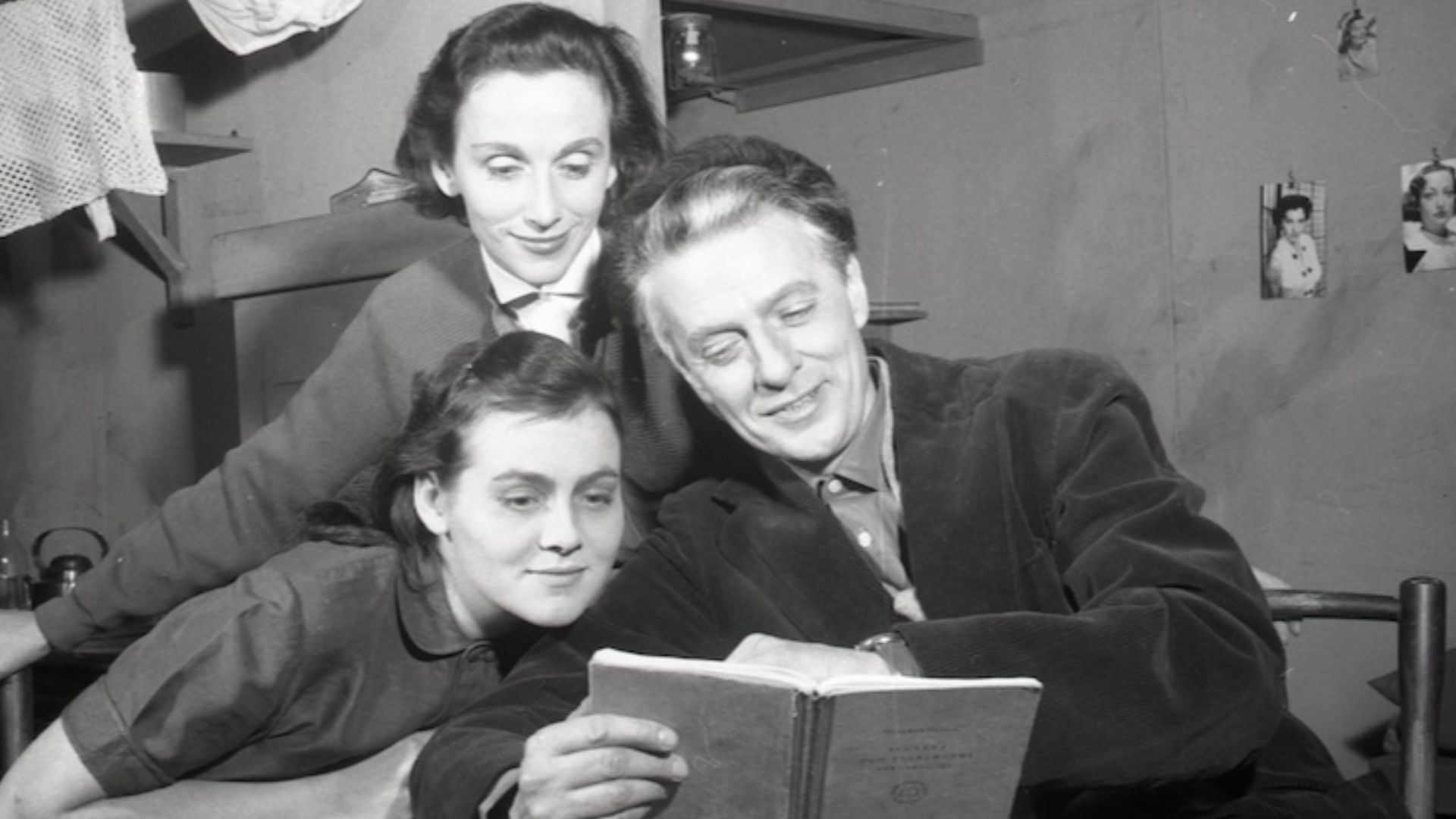
Anne omitted much of the earlier material about her attachment to Peter. She also left out many passages about puberty and sexuality, including personal conversations they had shared. Those thoughts remained in her original writing, but she had chosen not to carry them into the manuscript she was preparing for readers.
 Rolf Bergström, Wikimedia Commons
She Never Finished Choosing
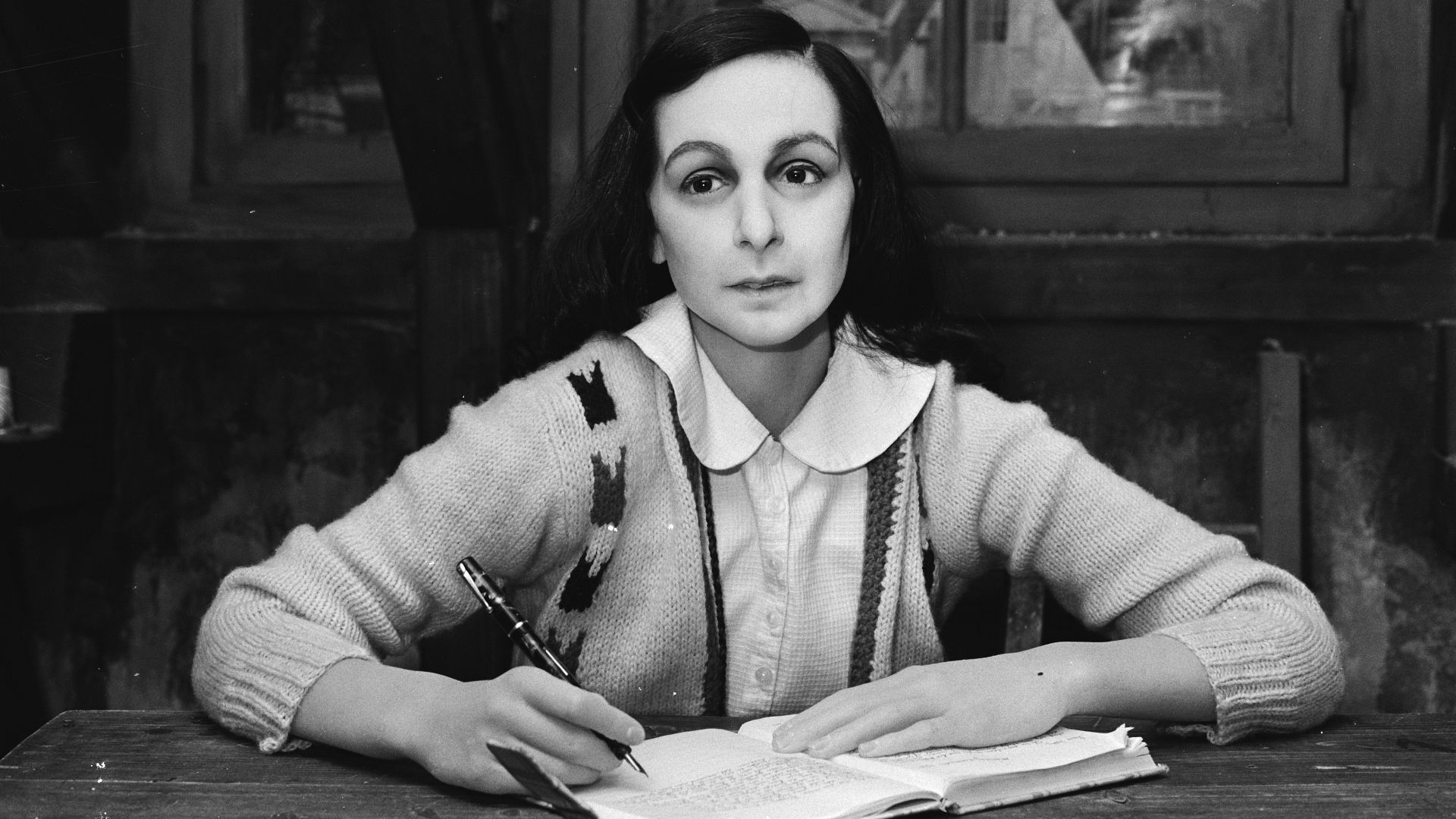
Those revisions show what Anne wanted in that manuscript, although they cannot tell us every choice she would have made in a finished book. She never reached that point. Her last diary entry was dated August 1, 1944. Three days later, the people in the Annex were arrested.
 Marcel Antonisse / Anefo, Wikimedia Commons
Her Papers Were Left Behind
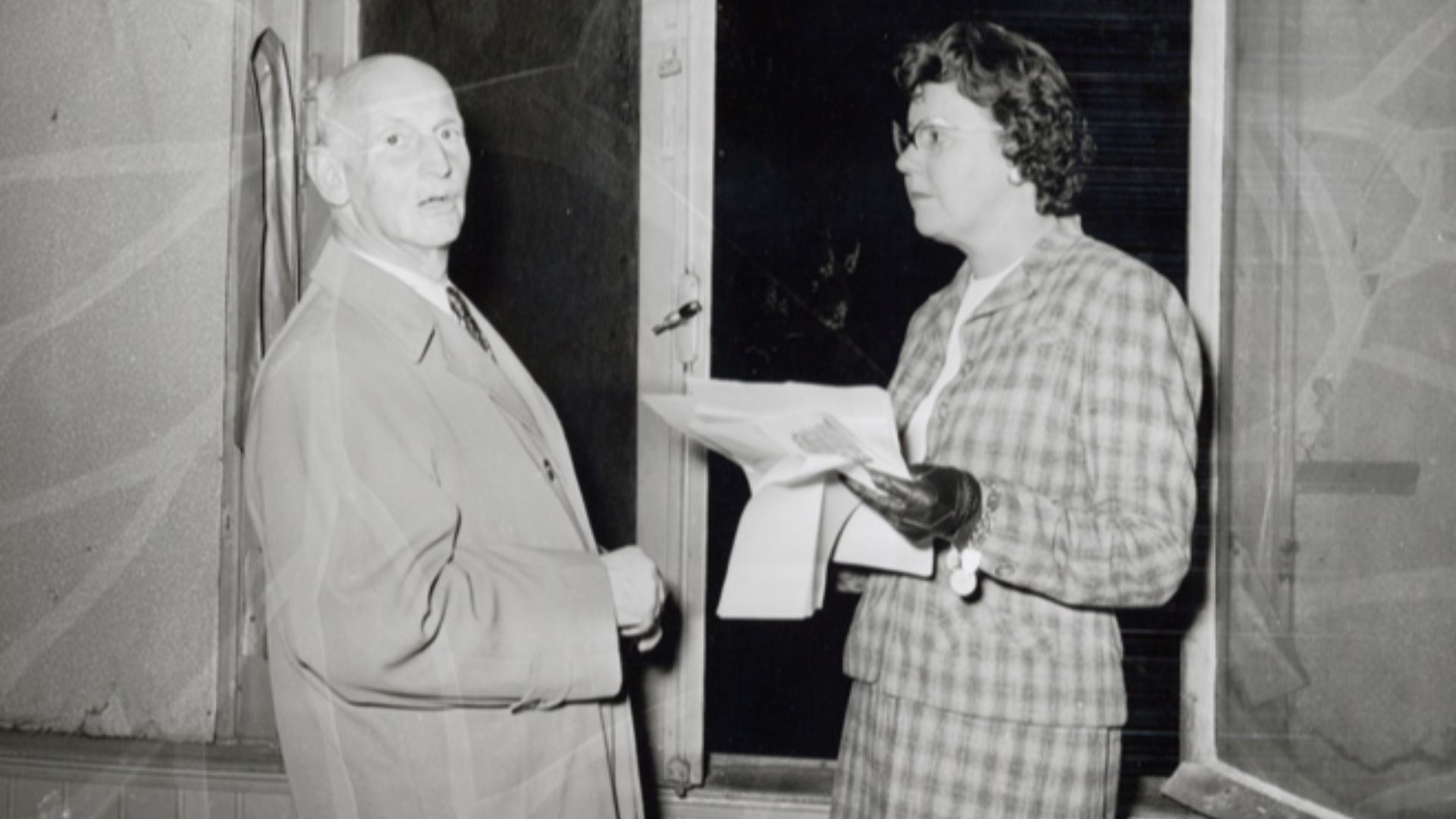
After the arrest, helpers Miep Gies and Bep Voskuijl recovered Anne’s surviving notebooks and rewritten pages. Miep put them away without reading them, intending to return them when Anne came home. The original notebooks covering December 6, 1942, through December 21, 1943, were missing. Fortunately, her rewritten account preserved that period. Anne never returned to collect any of it.
Only Her Father Came Back
Edith died in Auschwitz. Anne and her sister, Margot, died in Bergen-Belsen in 1945. Otto was the only member of their family to survive the Holocaust. When it became clear that his daughters would not return, Miep gave him the papers she had been protecting for Anne.
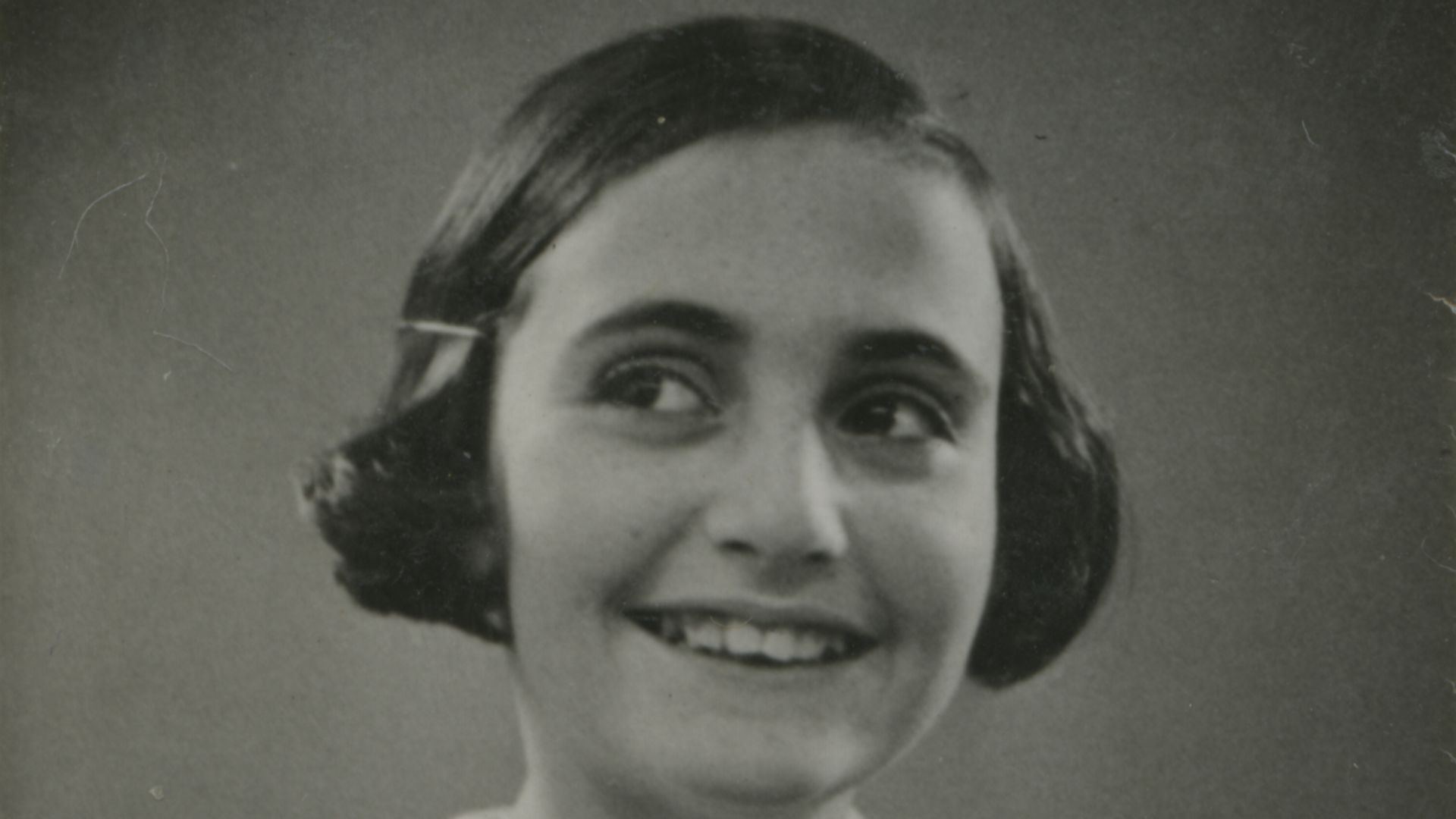 Photo Collection Anne Frank House, Wikimedia Commons
Reading Them Brought Another Shock
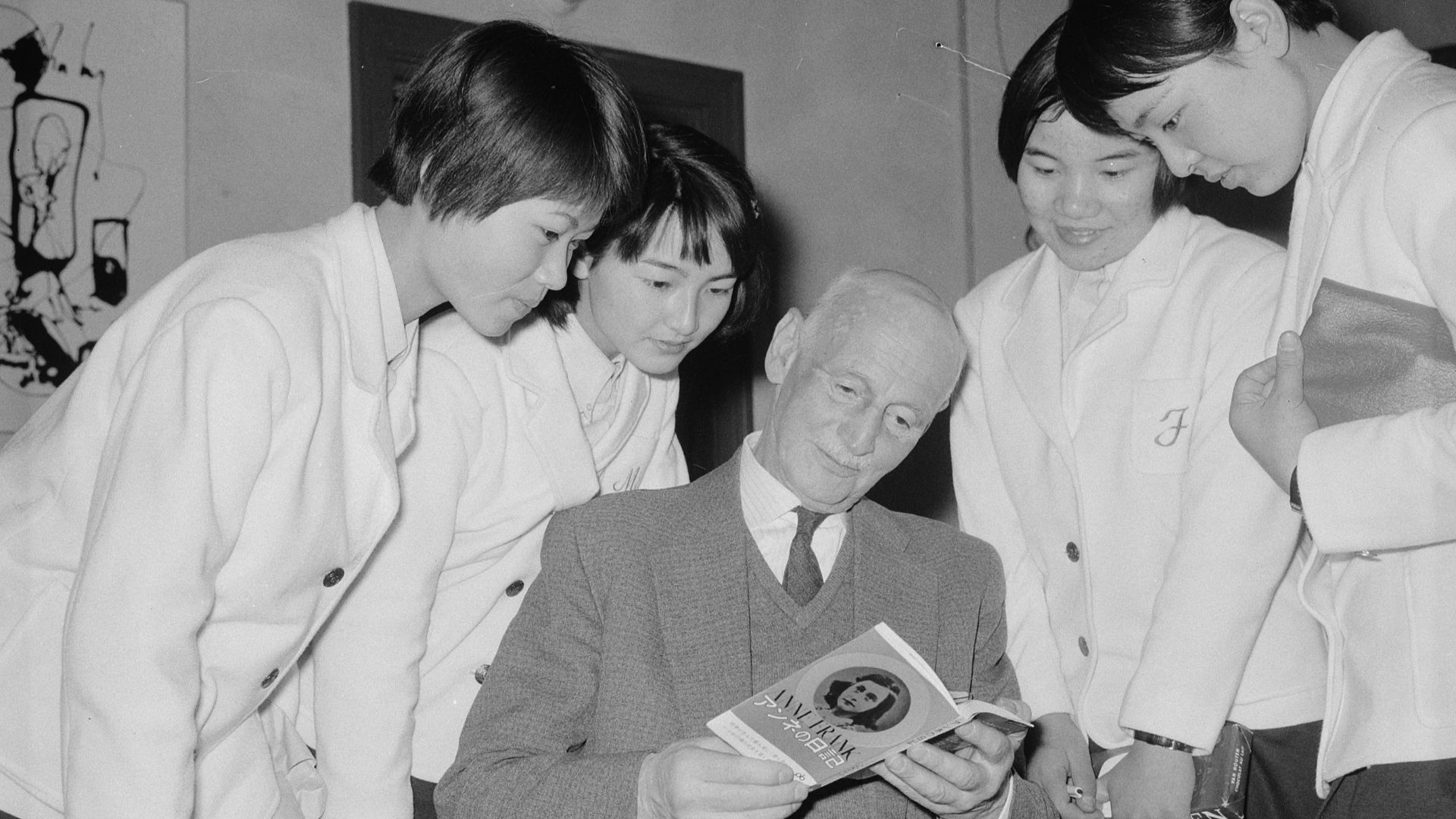
At first, Otto struggled to face the writings. When he did read them, he discovered how much Anne had kept inside. “I had no idea of the depth of her thoughts and feelings,” he later recalled. He had lost his daughter. Now he was discovering parts of her he hadn’t known.
 Jack de Nijs for Anefo, Wikimedia Commons
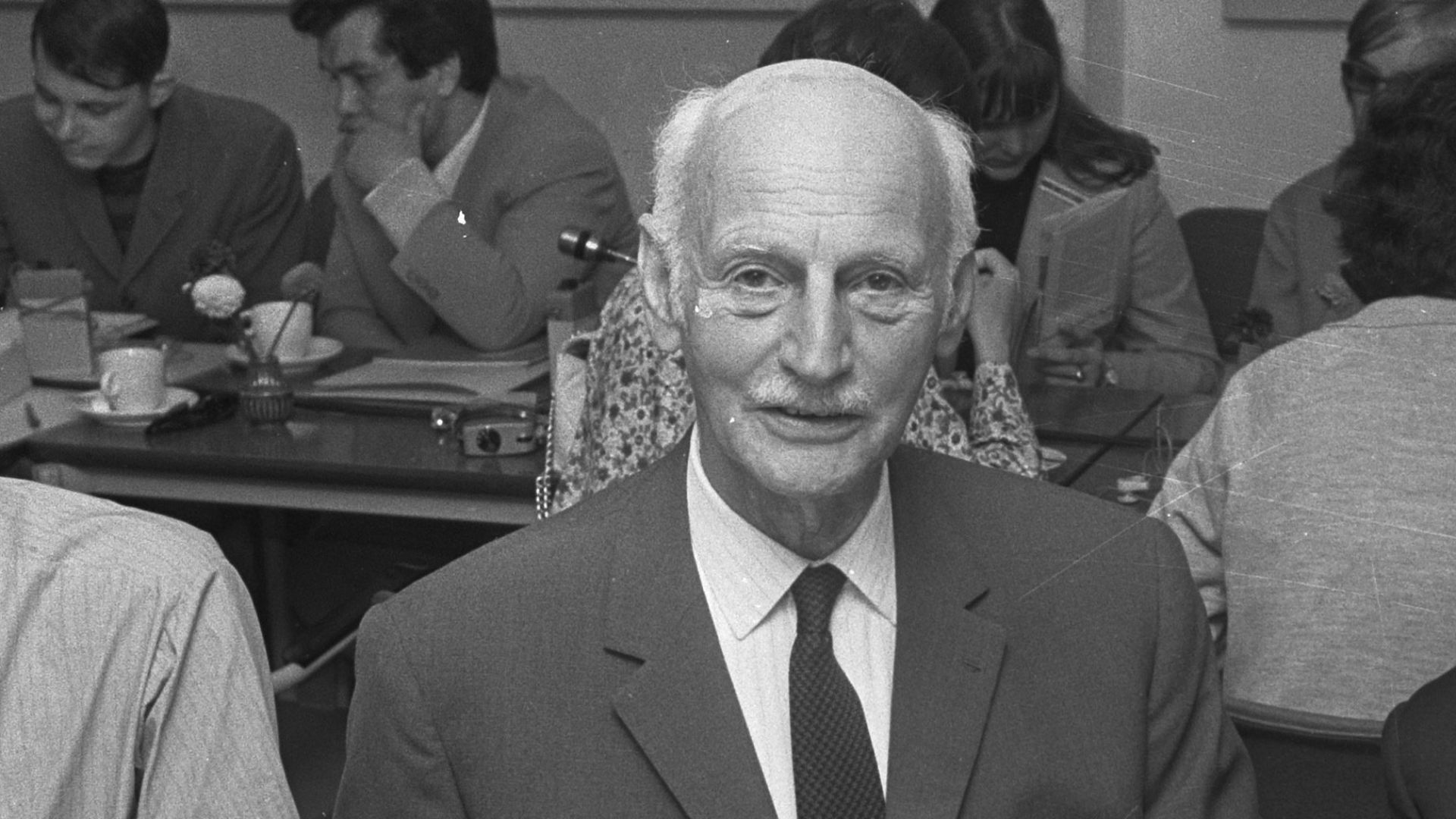
Other People Urged Him To Publish
Otto began sharing excerpts with relatives and friends. They believed Anne’s account deserved a wider audience and encouraged him to find a publisher. He initially resisted the idea, then gradually agreed. But publishing meant working with the different versions his daughter had left behind, rather than a single completed manuscript.
 Eric Koch for Anefo, Wikimedia Commons
He Had More Than One Version To Choose From
Anne’s rewrite covered events only through March 29, 1944. Otto used original diary entries to continue the story beyond that point. He also combined material from the overlapping versions and some short stories, choosing to restore passages Anne had left out. The book therefore reflected both her revisions and his later selections.
Some Criticism Of Edith Returned
Among Otto’s decisions was to include some of Anne’s critical writing about her mother that she had removed from the revised version. Readers therefore encountered feelings Anne had already reconsidered how to present. The published portrait of their relationship included material that her own rewrite had left behind.
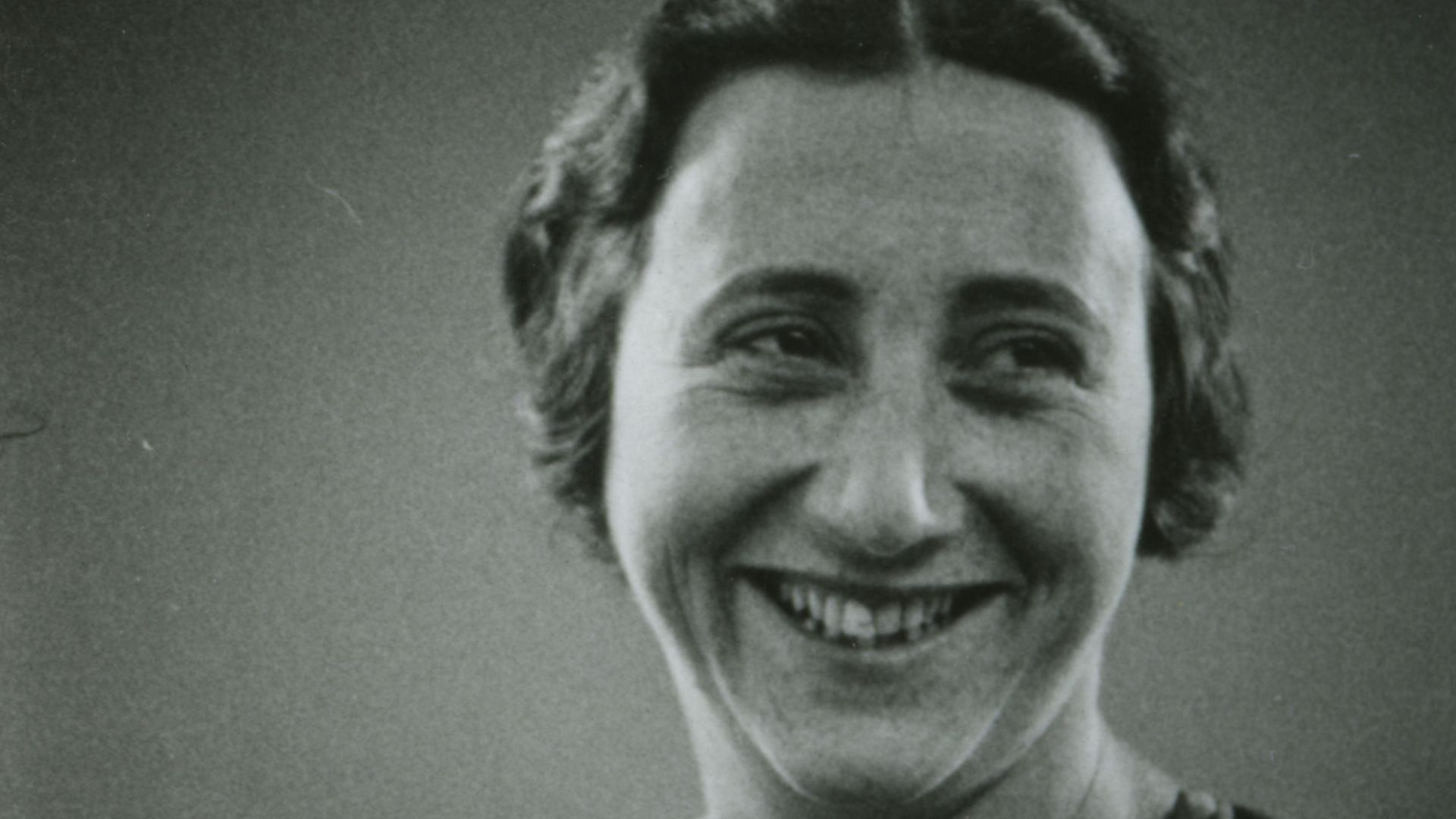 Photo Collection Anne Frank House, Wikimedia Commons
So Did Her Feelings For Peter
Otto also restored material about Anne’s attachment to Peter. Those private moments became part of the story readers followed, even though she had omitted them from her rewrite. Her changing feelings remained on the page because her father chose to preserve more of that earlier account.
Other Private Thoughts Stayed Out
His decisions went in the opposite direction, too. Otto omitted passages about Anne’s sexuality and some unflattering observations about people in hiding. Respect for those who had died influenced his choices. The resulting book included some material Anne had cut, while leaving out other things she had written.
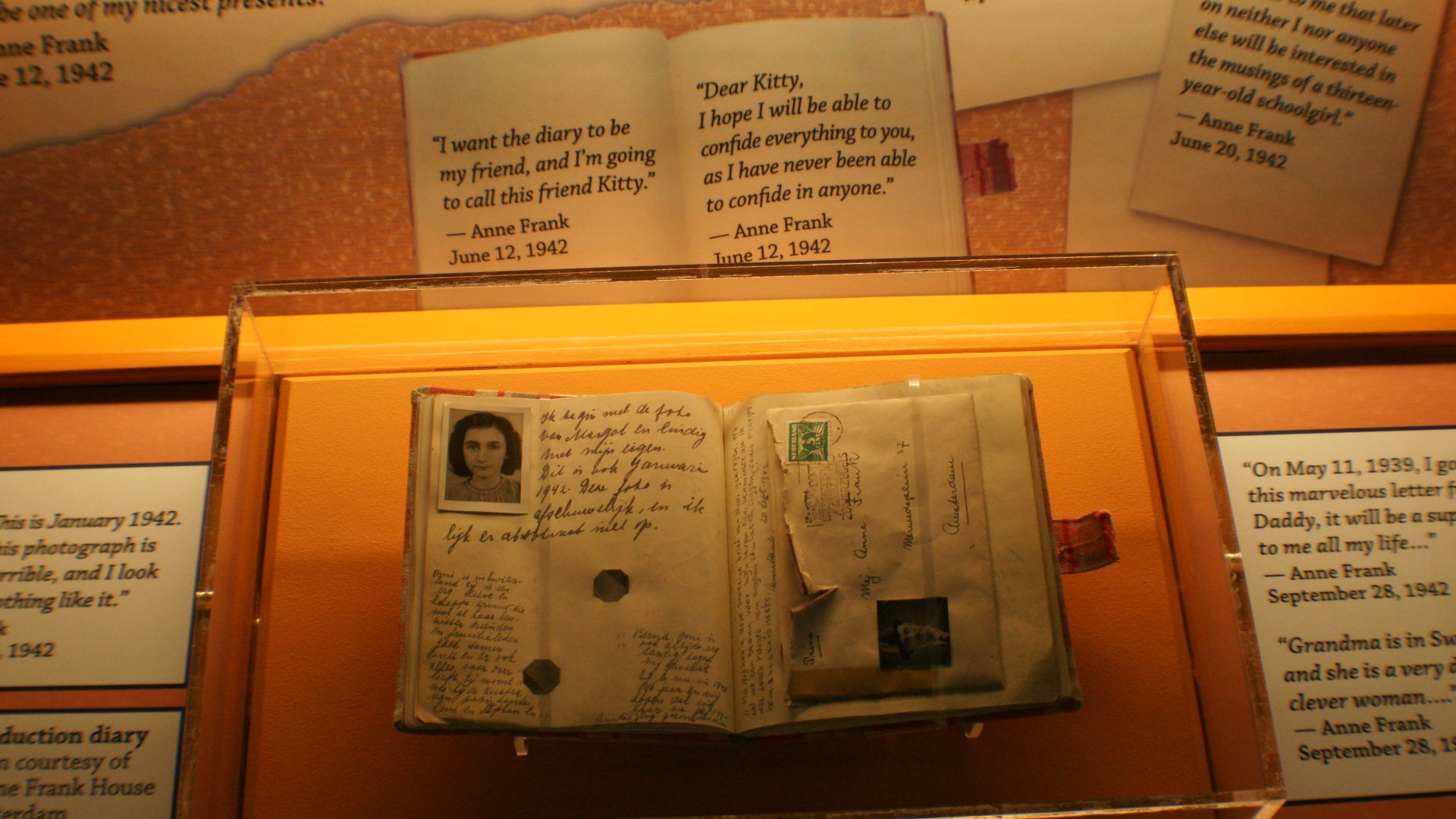 Valerie Everett, Wikimedia Commons
The Publisher Had Its Own Conditions
Otto wasn’t the only person making those decisions. Contact, the Amsterdam publishing house, wanted certain passages removed before publication, including personal material about puberty and negative remarks about Edith. Otto agreed. What reached readers had passed through Anne’s revisions, her father’s selection, and the publisher’s requirements.
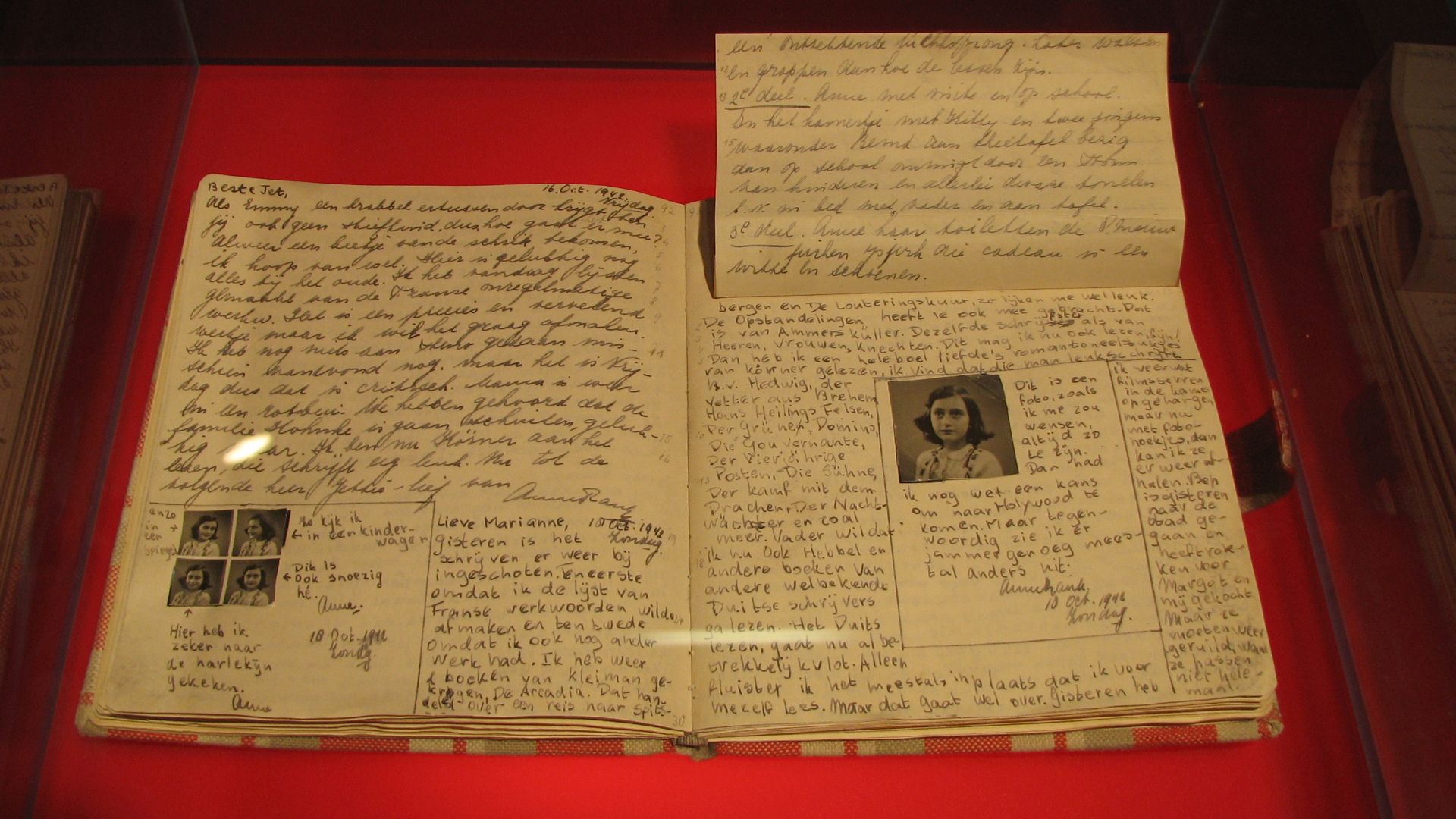 Heather Cowper, Wikimedia Commons
One Omission Involved Otto Himself
Among the material Otto withheld were pages containing Anne’s critical observations about her parents’ marriage. These were a teenager’s impressions of the relationship, rather than an independently established account. Even so, they were deeply personal. The Anne Frank House considers their hurtful content the probable reason he kept them out.
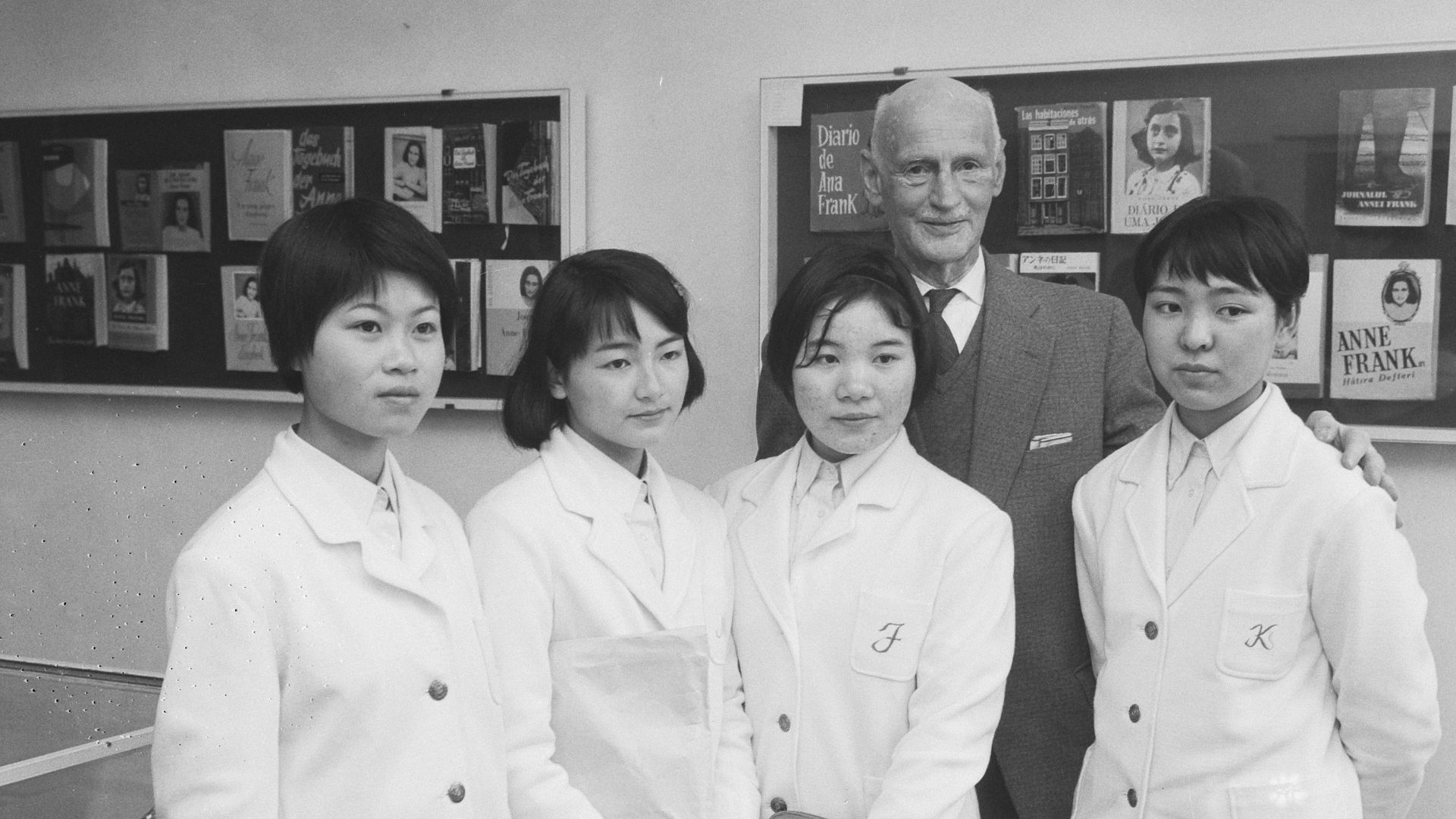 Jack de Nijs for Anefo, Wikimedia Commons
The Book Finally Reached Readers
“Het Achterhuis” appeared on June 25, 1947. Anne’s hope of becoming a published author had been fulfilled, but she wasn’t there to approve the result. The book brought her words to the world through a compilation of writings she had left at different stages of completion.
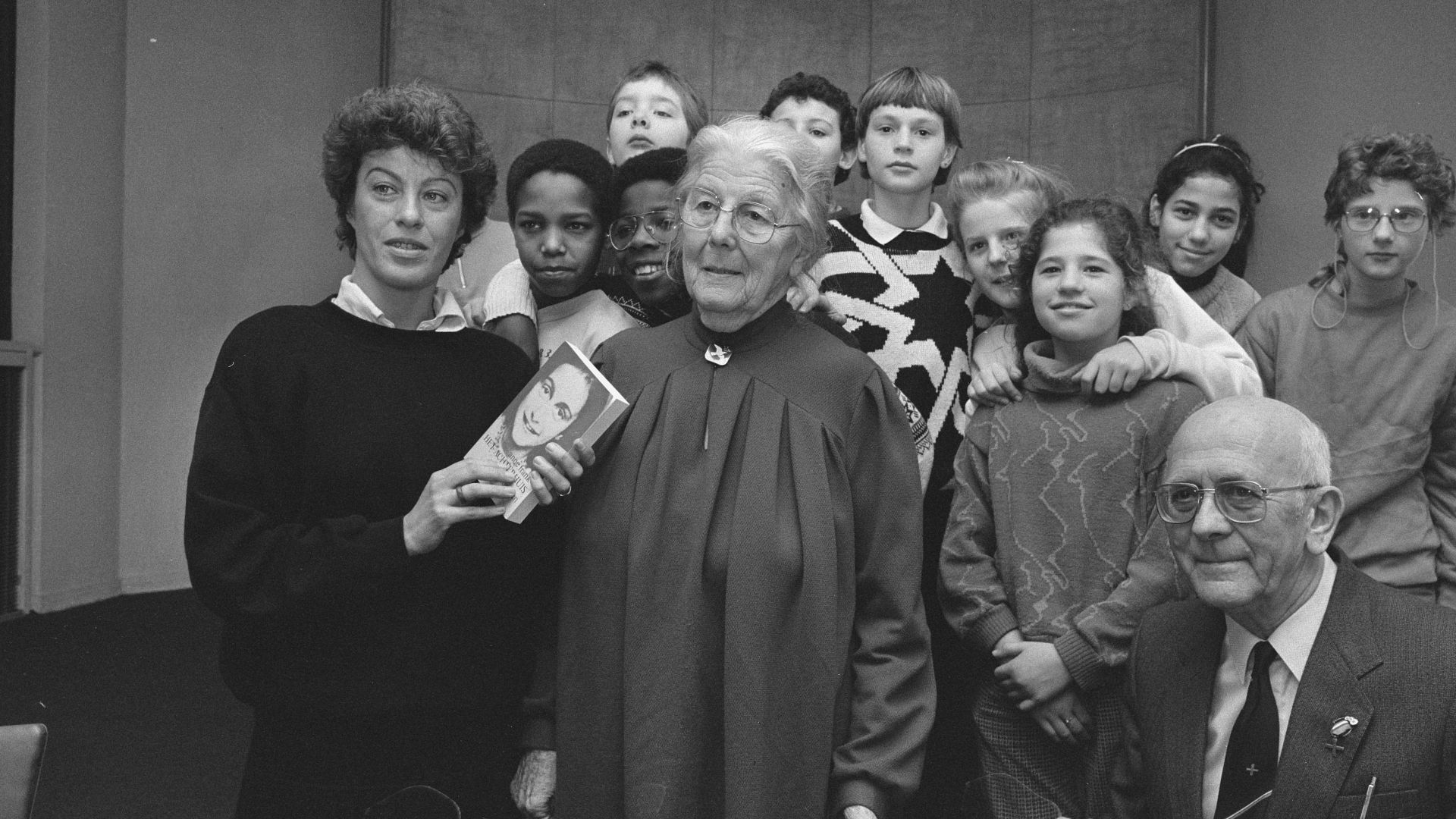 Roland Gerrits / Anefo, Wikimedia Commons
Later Editions Made The Differences Visible
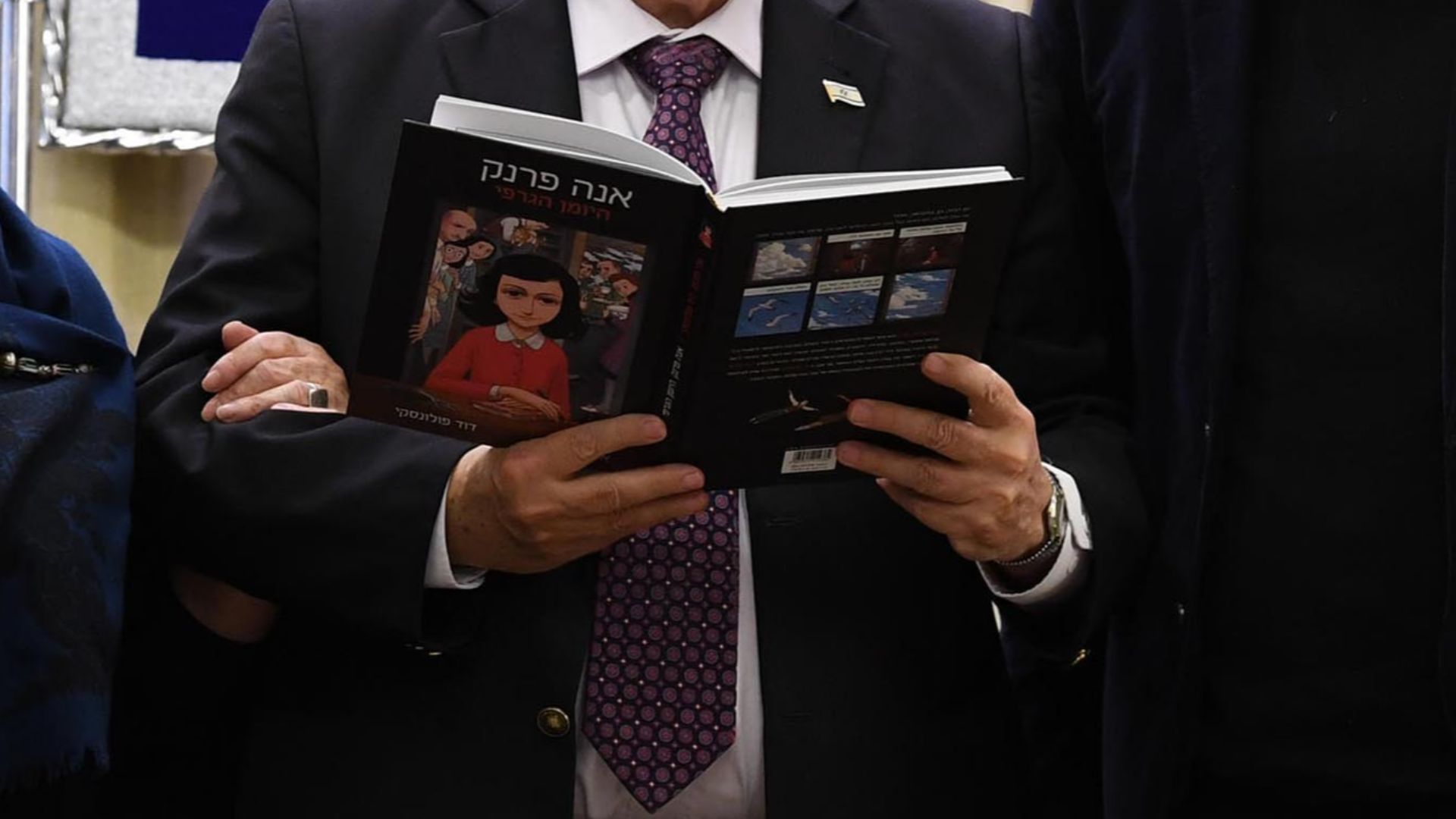
In 1986, a Dutch scholarly edition presented the original diary, Anne’s rewrite, and Otto’s compilation alongside one another. Readers could compare their choices directly. The expanded “Definitive Edition,” published in English in 1995, later brought more previously omitted material about Anne’s personal life to a wider audience.
 Mark Neyman, Wikimedia Commons
Five Pages Were Still Missing From Print
Then, in 1998, five previously unknown pages resurfaced publicly. Otto had separated them before the original publication. They included the sensitive observations about Edith and the marriage. The pages were examined, accepted as Anne’s writing, and incorporated into the Dutch scholarly edition in 2001. Another part of her account had finally reached readers.
The Words Were Hers
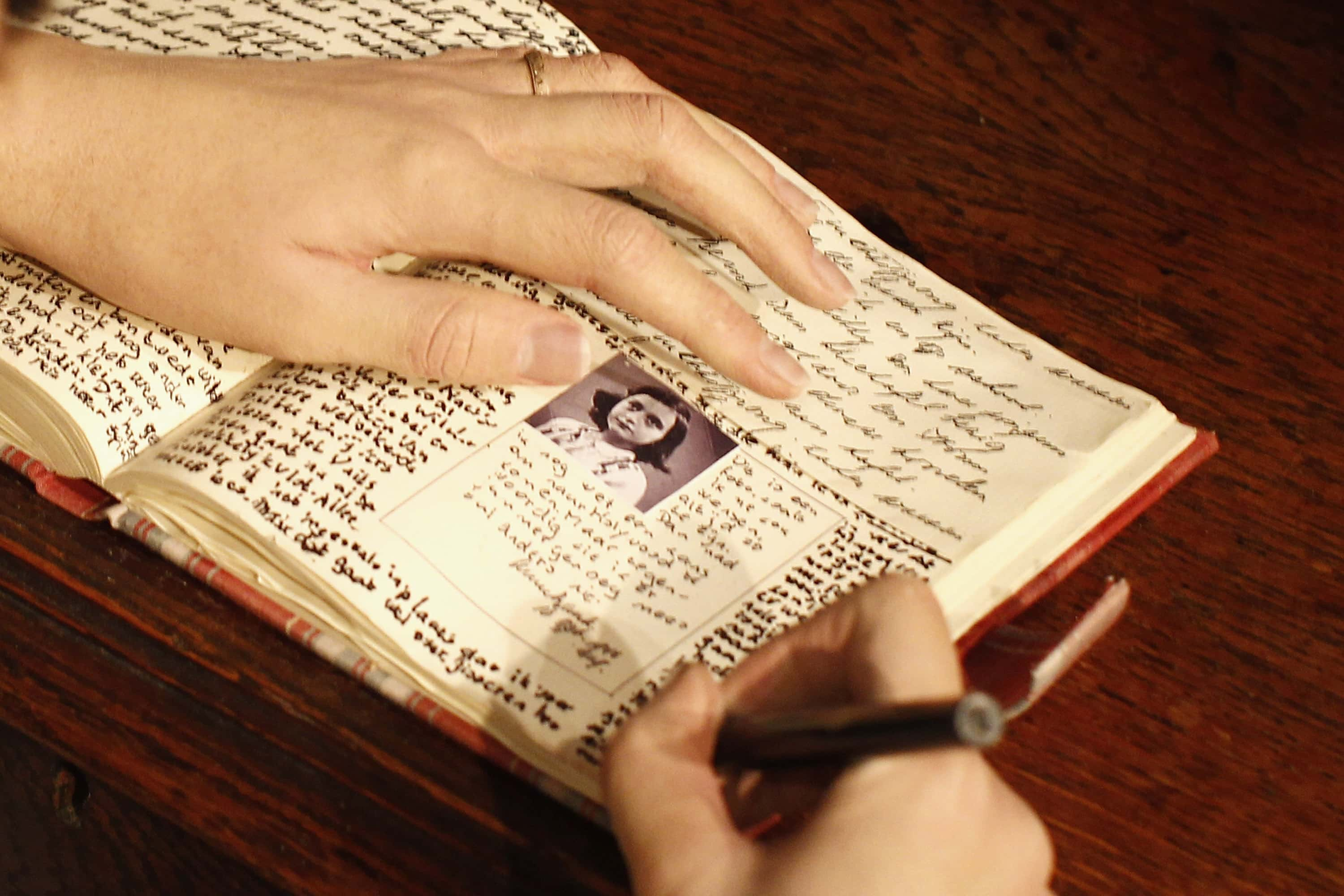
The editorial history concerns which of Anne’s words appeared in print and how they were assembled. Extensive handwriting and document examinations have confirmed that she wrote the surviving diary manuscripts. Those manuscripts make it possible to trace both her own revisions and the decisions made after her death.
She Never Got The Final Say
Otto helped give Anne the readership she had dreamed of. But that also meant deciding which private thoughts would become public, including some she had removed herself. Anne had wanted to tell her story. The tragedy is that she never got to finish deciding how.
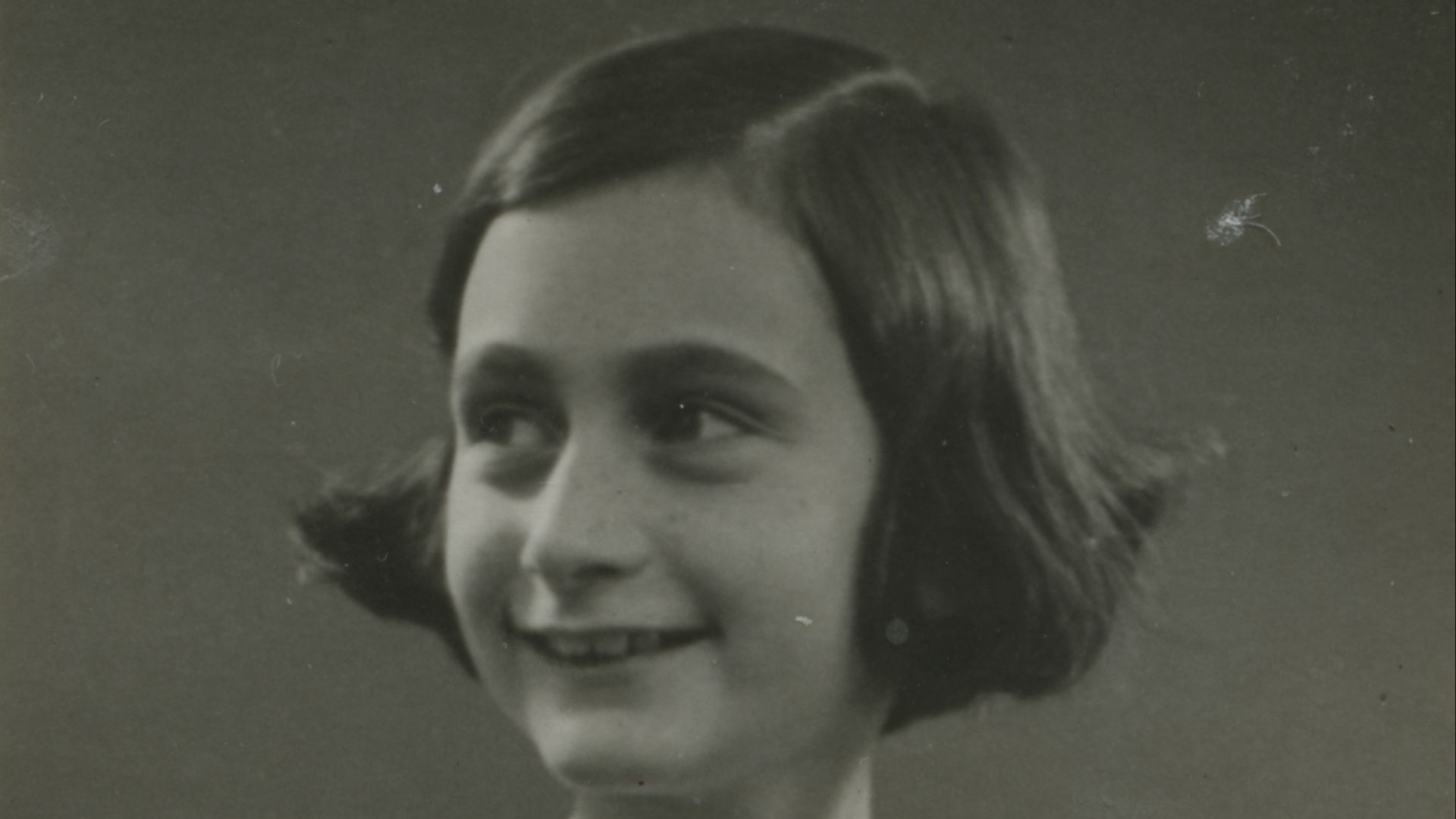 Photo Collection Anne Frank House, Wikimedia Commons
You Might Also Like:
Happy Little Facts About Bob Ross, The Painter With A Dream